Flashback : Dallas

A Miscellany: History, Ads, Pop Culture

Category: Leisure

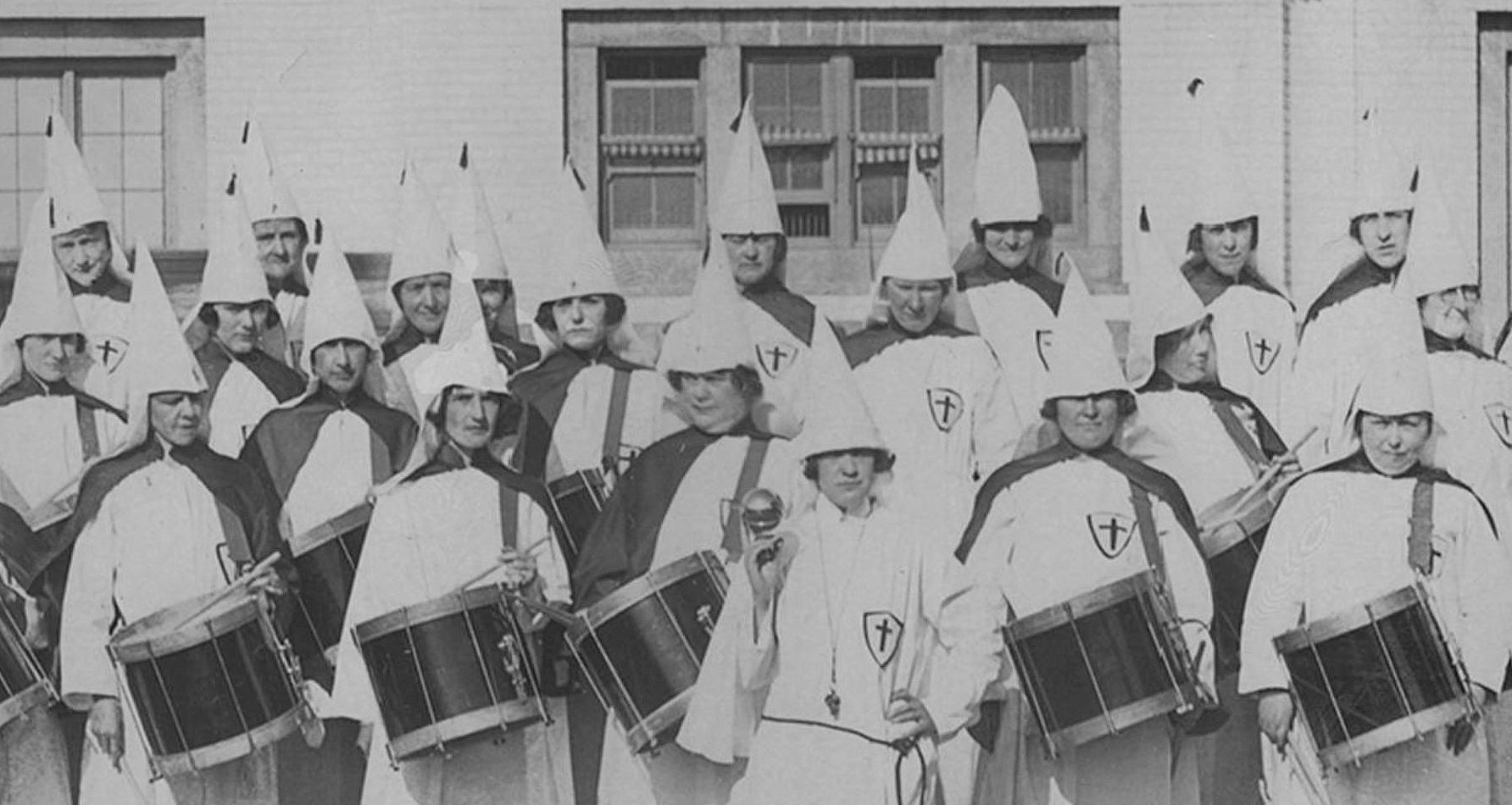
The Dallas Chapter of “The Women of the Ku Klux Klan” — 1920s

kkk-women_1920s_cook-degolyer

by Paula Bosse

I’ve managed to avoid mention of the Ku Klux Klan since starting this blog a couple of years ago, which is saying something, because the KKK pretty much ruled this city for a good chunk of the 1920s. The Dallas chapter — Klan No. 66 — had more than 13,000 men as members; it was one of the largest chapters in the nation (by some accounts, THE largest chapter). Members included politicians, judges, and law enforcement officials. But what of the Klan-leaning ladies who were not allowed to join? Before I plunge into that, let’s look at what’s going on in this weird, be-robed group shot, a photo taken around 1924 in Ferris Plaza with poor Union Station as a backdrop. (Click these for much larger images.)
wkkk_det1

wkkk_det2

wkkk_det3

wkkk_det4

wkkk_det5

**

In the early 1920s, women — who had led the temperance movement and whom had recently been given the right to vote — began to form groups that tackled social issues. Some of these groups espoused the same general rhetoric as the KKK. One of these groups was formed in Dallas in 1922 — the “American Women” group was the brainchild of three women, including Alma B. Cloud, who appears to have been only 21 years old. One of the other founders was her partner in a short-lived ladies’ clothing boutique. Cloud immediately hit the lecture circuit, giving free lectures on “Americanism” to (white Protestant) women around Texas.

cloud_taylor-tx-daily-press-08222Taylor Daily Press, Aug. 22, 1922

By the following summer, the male leadership of the Klan allowed a “Women of the Ku Klux Klan” to be created; its national headquarters was in Little Rock.
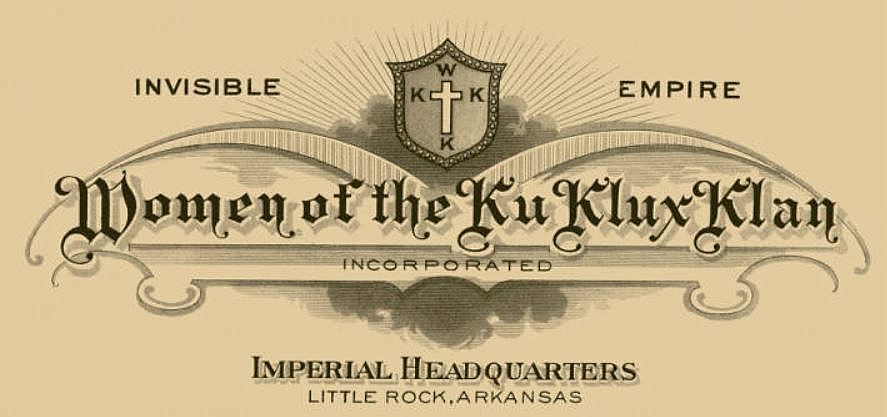
wkkk_letterhead_olemiss

They were not officially part of the KKK but were, in theory, a separate entity. While not, perhaps, as outwardly extreme as their male counterparts, they were certainly as virulently racist and intolerant. They might not have been lynching people and threatening violence, but they were busy pushing their exclusionary, white supremacy agenda. And both the men and the women liked to dress up in white robes and hoods. Here’s what the women looked like when they added masks to the ensemble (not Dallas — location of photo unknown).

wkkk

Several of the independent women’s groups founded previously were happily absorbed by the WKKK — including Miss A. B. Cloud’s group. In fact, Miss Cloud became the leader of the Dallas chapter. The “Klaliff.” The headquarters for this group — which campaigned for “progressive morality”– was in a little space on North Harwood.

WKKK_1924-directory1924 Dallas directory

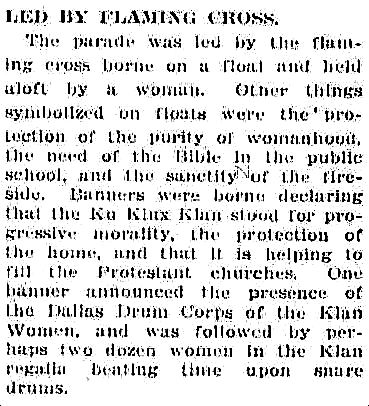
1924 seems to have been the big year for both the KKK and the WKKK. The women found themselves at lots of parades with burning crosses and other … “functions” — so why not form a drum corps? A few clippings. (Click for larger images.)

kkk-women_amarillo-globe-times_031624Amarillo Globe-Times, March 16, 1924

klan-women_dmn_073124Dallas News, July 31, 1924

kkk-women_mckinney-courier-gazette_111224McKinney Courier-Gazette, Nov. 12,1924

By 1926, the KKK was starting to lose its power, and the fear and intimidation they had instilled in much of the public began to wane. The (men’s) KKK had had to downsize and move into the women’s headquarters, and their candidates began losing elections. Even worse, you know things were getting bad if someone was suing the KKK for delinquent robe-payment!

KU KLUX KLAN WOMEN SUED FOR ROBES BILL: Suit for $4,463.80 was filed in the Forty-Fourth District Court on Friday afternoon by John F. Pruitt against the Women of the Ku Klux Klan, Inc. The petition alleges that the plaintiff sold the defendant, a corporation, 6,000 robes at $2.50 each during the two years preceding the filing of the suit, for which the defendant agreed to pay $15,000 to the plaintiff. It is alleged that $4,463.80 remains unpaid. (DMN, Nov. 28, 1925)

The power once exerted by the Ku Klux Klan had diminished greatly by the end of the 1920s, and while the Klan has never disappeared completely, it will never again reach the heights it had attained in the 1920s.

Whatever happened to Miss A. B. Cloud? After having been ousted from her “imperial” position (for reasons I don’t really care enough about to investigate), she had a few sales jobs and eventually began to present motivational sales talks. There was an Alma B. Cloud in California who was mentioned in several news stories from the 1930s — she presented motivational lectures to students on how best to plan their future adult lives. Um, yes. I’m not 100% sure this was the same A. B. Cloud who was the former WKKK gal from Big D, but it seems likely. I wonder what those students would have thought had they known of her pointy-hooded past?

***

Sources & Notes

Links-a-plenty.

Top photo is titled “Ku Klux Klan Women’s Drum Corps Dallas in Front of Union Station,” taken by Frank Rogers; it is from the George W. Cook Dallas/Texas Image Collection, DeGolyer Library, Central University Libraries, Southern Methodist University — it can be accessed here. I have manipulated the color.

Women of the Ku Klux Klan letterhead comes from the Women of the Ku Klux Klan Collection, Archives and Special Collections, University of Mississippi Libraries; the collection can be accessed here.

The photo of the masked WKKK women is all over the internet — I don’t know its original source or any details behind it, but it’s creepy.

“Women of the Ku Klux Klan” on Wikipedia, is here.

“Women of the Klan: Racism and Gender in the 1920s” by Kathleen M. Blee, is here.

“Charity by Day, Punishment by Night: The Ku Klux Klan in Fort Worth” — from the great FW history blog Hometown by Handlebar — is here.

And, probably best of all, the Dallas Morning News article “At Its Peak, Ku Klux Klan Gripped Dallas,” by the wonderful and much-missed Bryan Woolley, can be read here. This article contains facts and figures, describes the sort of “madness of crowds” atmosphere in the city at the time, and details some of the horrible atrocities committed by the KKK in Dallas. Woolley cites historian Darwin Payne’s assertion that if one considered every adult man in Dallas who would have been eligible to have joined the Klan (this excludes, of course, those of African-American, Hispanic, Asian, Catholic, or Jewish descent), one in three of them was a member of the Dallas chapter of the Ku Klux Klan. ONE IN THREE.

A few short mentions of the Dallas WKKK have been compiled here.

UPDATE: For a look at racism in modern Dallas, watch the half-hour film “Hate Mail,” made in 1992 by Mark Birnbaum and Bart Weiss, here. It includes interviews with several prominent Dallasites, as well as interviews with a couple of Klan leaders.

Click pictures and clippings to see larger images.

*

Copyright © 2016 Paula Bosse. All Rights Reserved.

Highland Park Village — The Original Model

hp-village_model_gallowayDallas’ most exclusive shopping destination

by Paula Bosse

The model of the Highland Park Shopping Village (“9 Acres of Property”) was, for many years, on display in the sales office of the Flippen-Prather Realty Co., the company that developed Highland Park and this beautiful shopping “village.” (I’m not sure where this photo was taken — it looks like a Flippen-Prather promotional table set up in an exhibition space of some sort.) Construction began on the shopping area in early 1930 and took several years to complete. The architects were Dallas’ Fooshee & Cheek.

Below, a slightly closer look at this cool model, complete with little cars (but no little people…).

hp-village-model_galloway-det

***

Sources & Notes

The photo (credited to the collection of Hugh Prather, Jr.) is from the really wonderful book The Park Cities, A Photohistory by Diane Galloway (Dallas: Diane Galloway, 1989). (This is an essential book for anyone interested in historic photos of Dallas and the Park Cities. If you come across a copy priced under $30.00, snap it up!)

More on the Highland Park Village of today can be found here.

*

Copyright © 2016 Paula Bosse. All Rights Reserved.

The 101 Bar: Patrick Hannon, Prop. — ca. 1917

101-bar_ca-1917
Pat Hannon’s dreams are about to be dashed…

by Paula Bosse

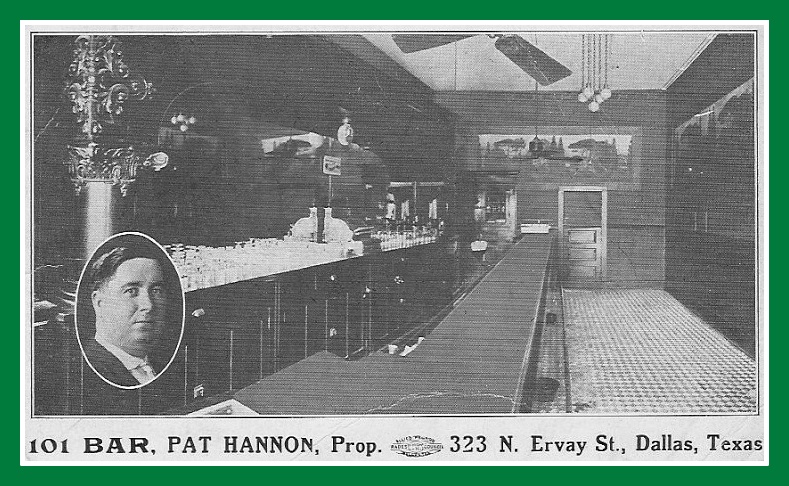
The 101 Bar was located at 323 North Ervay, on the southwest corner of Ervay and Bryan — it is now the site of Thanksgiving Square. The owner was Patrick Hannon who had worked in saloons in Dallas from at least 1908. The bar pictured above opened around 1917 but lasted only a few months — by the time the 1918 directories were printed, 323 N. Ervay was listed as “vacant.” Pat had worked his way up the competitive saloon trade in Dallas, from bartender to owner, only to be cut down by Prohibition. Had Prohibition not gone into effect in 1918 (with Dallas County voting to start even earlier, in October, 1917), this fine-looking  bar might have had a long, boozy life. Pat disappeared from the directory completely in 1918, but he was back in 1919, with a new occupation: butcher. Meat-cutting is all well and good and certainly pays the bills, but I bet in his idle moments, Pat’s thoughts turned to daydreams of his old Ervay St. bar.

The 1917 Dallas directory showed 183 bars operating in Dallas; the next year, zero.

Bad timing, Pat.

***

Sources & Notes

I’m not sure where the photo came from — some random web page, I think.

Why did Dallas County go dry so early? Because of a “local option” vote in September 1917. The city of Dallas voted against it, but the surrounding communities voted overwhelmingly FOR it. (You could still drive over to Fort Worth for legal beer and hooch, though.) Election results below (click for larger image). 

prohibition_local-option_dmn_102017Dallas Morning News, Oct. 20, 1917

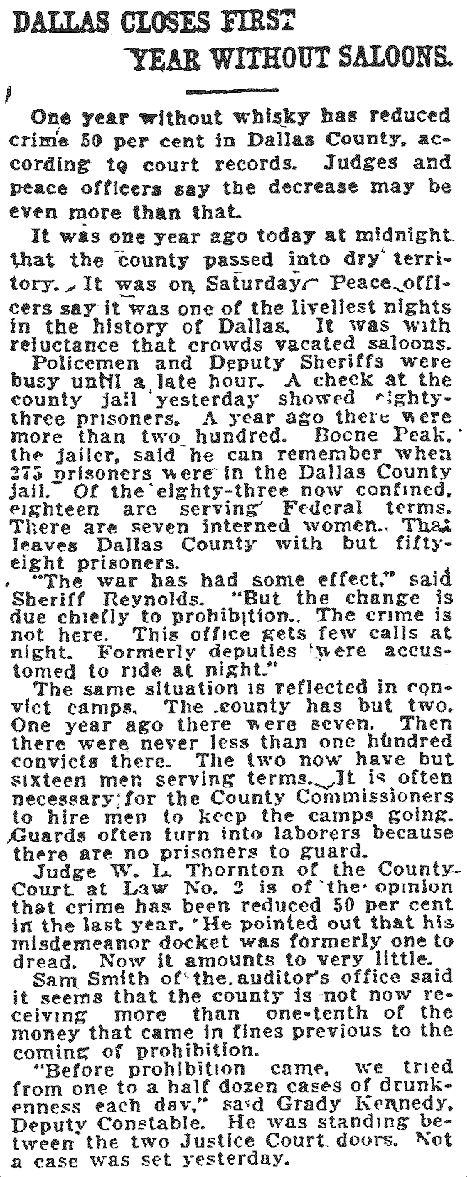
How were things faring a year later?

probibition_dallas-co_dmn_102018DMN, Oct. 20, 1918

This has been a rather tenuously-associated St. Patrick’s Day post (Irish name, bar, green border), but … Happy St. Patrick’s Day!

*

Copyright © 2016 Paula Bosse. All Rights Reserved.
The Filling Station on Greenville Avenue: From Bonnie & Clyde to Legendary Burger Place

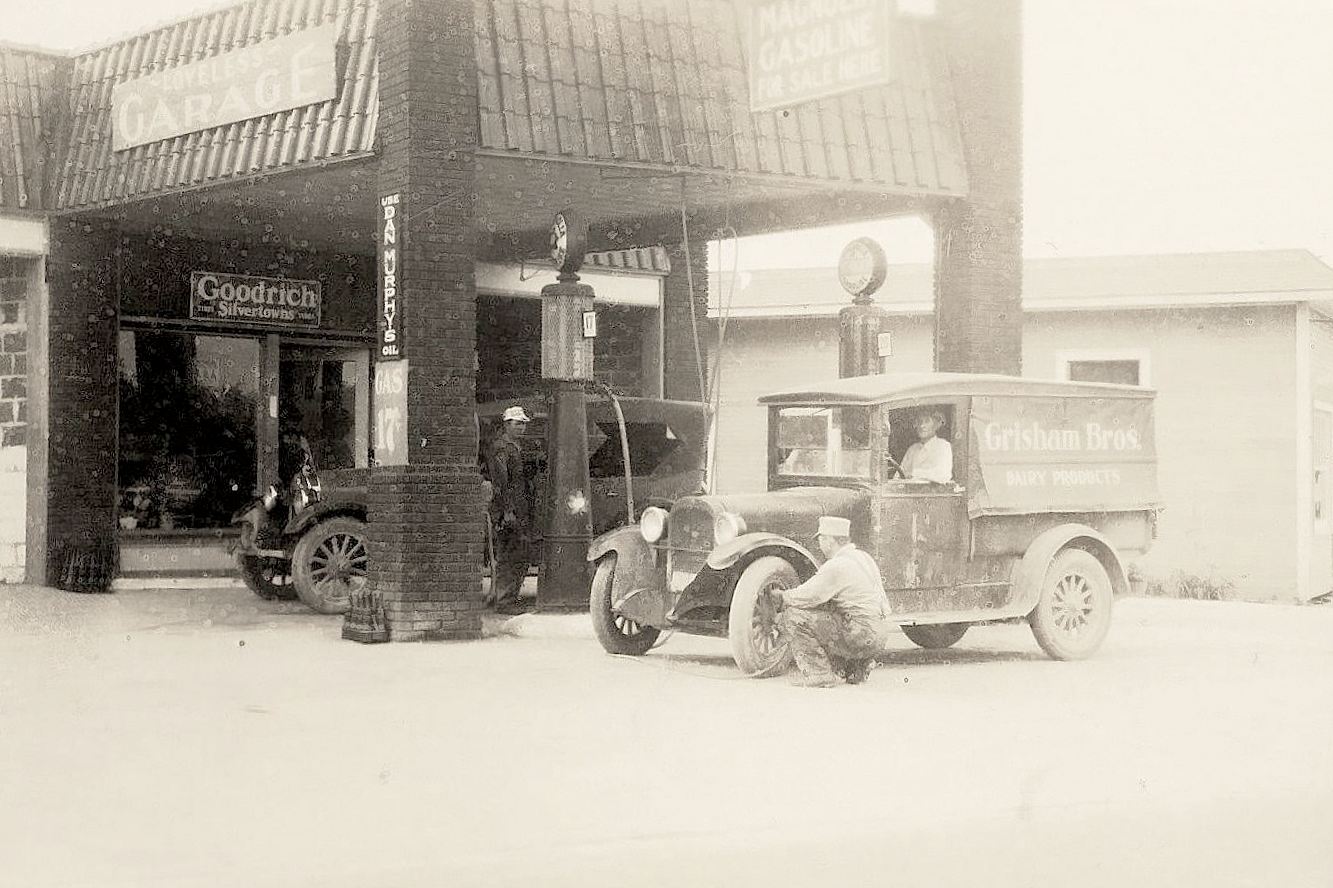
loveless-station_extThe Loveless filling station, Vickery, TX… (click for larger image)

by Paula Bosse

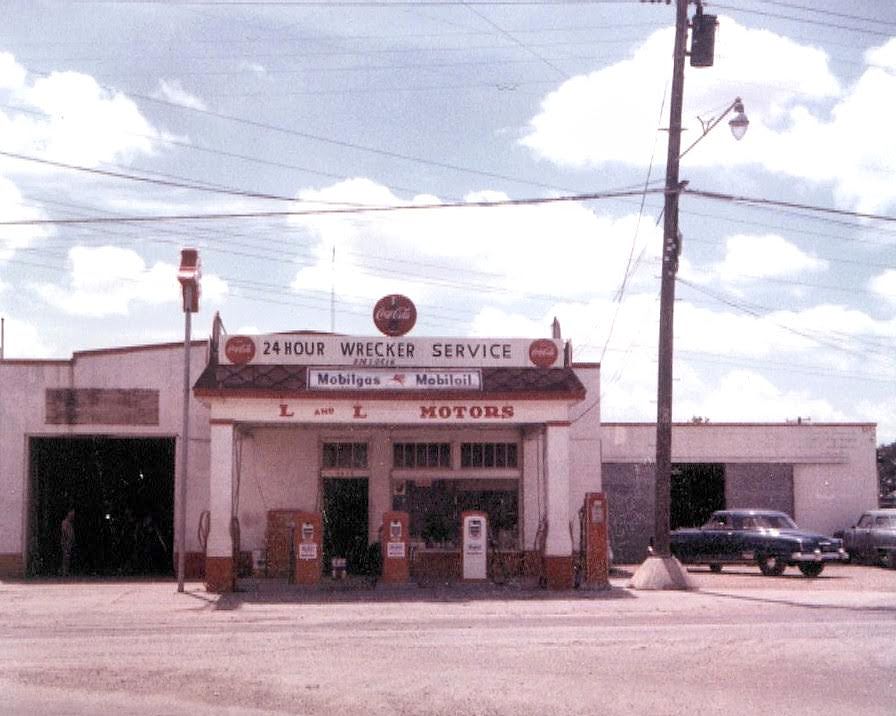
Perhaps you’ve driven past the site of the much-loved former burger place The Filling Station at Greenville Avenue and Park Lane recently and saw that the old building was undergoing renovation. Construction has ended, and a new Schlotzsky’s (the sandwich shop founded in Austin in 1971) has opened at 6862 Greenville Avenue. And it’s pretty cool that they’ve preserved this old 1930s building, a landmark to many Dallasites.

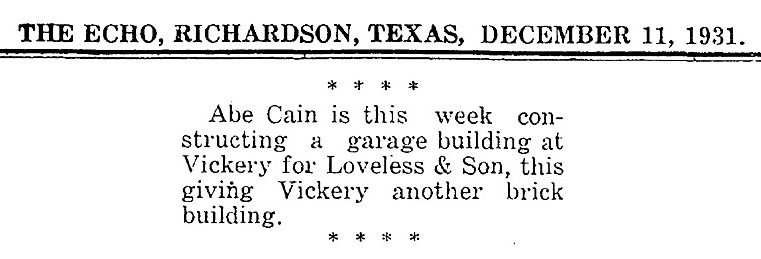
The original filling station and garage was built, according to family members, about 1931 — it was one of the first brick  buildings in the small community of Vickery (which was annexed by Dallas in 1945). The construction even made the columns of the Richardson Echo (Dec. 11, 1931):

loveless-garage_richardson-echo_121131

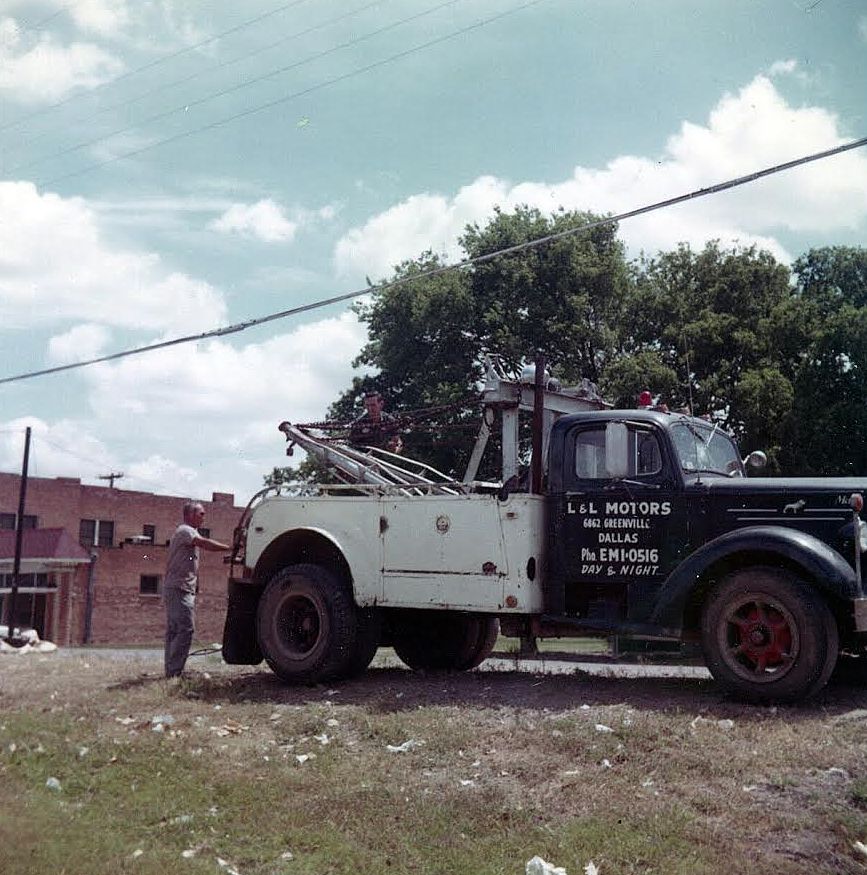
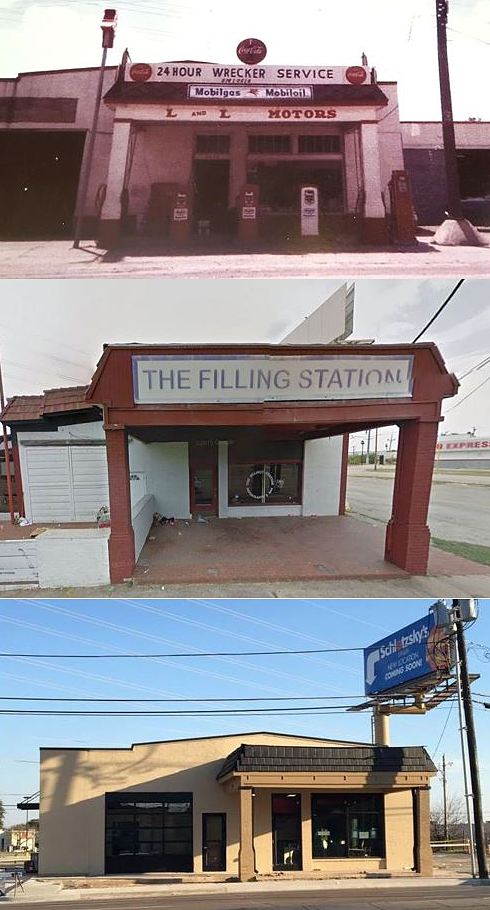
The business had begun in the early ’20s in another building across the street, but things were definitely looking up for the garage and its owners, William Homer Loveless and his son J. W. Loveless, when the new building went up. L & L Motors lasted 50 or so years until the early 1970s, when the once-sleepy Vickery area had exploded into part of “Upper Greenville,” an entertainment mecca lined with bars, restaurants, discos, and strip joints.

The Filling Station, a theme restaurant and bar decorated with gas station memorabilia, opened in 1975 and lasted a remarkable 29 years, closing in 2004. Filling Station super-fans still have fond memories of both the building and its menu of “theme” foods and drinks with names like “sedanwiches,” the Ethyl burger, the Tail Pipe, and the Ring Job.

Beyond being a nostalgic favorite from the go-go days of Upper Greenville, the real reason this place has always had historic appeal to Dallasites is because it is one of the still-standing Dallas-area locations with a tie to Bonnie and Clyde. According to Loveless family lore, the pair bought gas at the station at least once, sometime back in the ’30s. According to Sonya Muncy, whose father, J. W. Loveless, took over the station after her grandfather passed away:

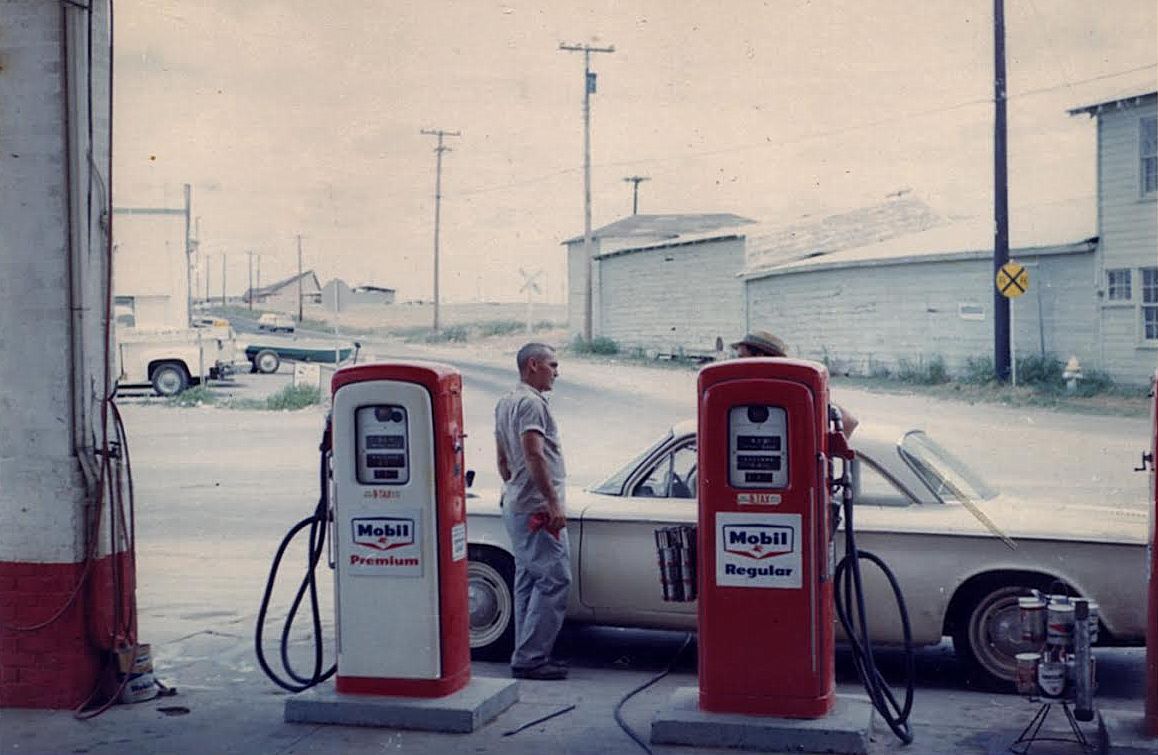
“That was my daddy’s station and his dad’s before. When he got hurt in an auto accident and couldn’t work anymore, he sold it, and it became the first Filling Station restaurant. I think my mom still has pics of Daddy in front of it when he came out of the Army. Gas was 9 cents a gallon with 3 cents tax, for a total of 11 cents a gallon. He had the coldest Cokes around! Across the street where Park and Ride is was my grandmother’s house. I remember playing at the station as a kid and helping Daddy work on cars. When I got my first car, he made me change the oil and rotate the tires! Lol. It was called L & L Motors with Mobil gas. […] Bonnie & Clyde also got gas there and Daddy said they were always nice to him.”

Kevin Wood remembered when his grandparents happened to be at the station when Bonnie and Clyde stopped in:

“The day Bonnie and Clyde came in to fuel, Clyde shook my Pops’ hand.”

And in a later comment:

“My grandmother and grandfather were in the store the day B & C came in … always said they were very nice.”

*

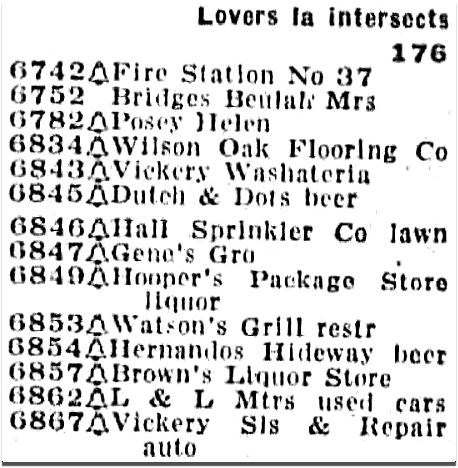
FUN FACT: Jack Ruby apparently ran a short-lived tavern called Hernando’s Hideaway right next door, at 6854 Greenville in the early or mid ’50s (he seems to have owned it and later sold it). It appears the building was torn down at some point. So … Bonnie and Clyde and Jack Ruby, together at last, cheek by jowl.

hernandos-hideaway_jack-ruby_1956-directory
Greenville Ave., 1956 directory

*

For as long as I can remember, I’ve checked out this old building every time I drive by it, marveling that it has managed to remain standing all these years, and always afraid it won’t be there the next time I pass it. So thank you, Steve Cole, owner of this Schlotzsky’s, for bringing it back to life and appreciating it as much as a lot of the rest of us do.

**

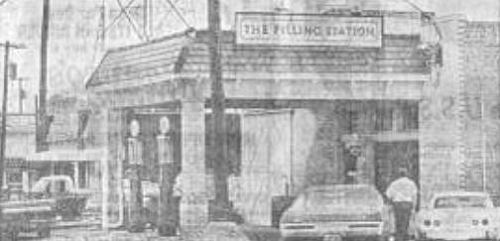
The photos in this post were kindly sent to me by Jeb Loveless, grandson of Homer Loveless, the original owner. Below, perhaps the oldest photo of the building, in the Bonnie and Clyde era.

loveless-station_collection-of-jeb-lovelessphoto: collection of Jeb Loveless

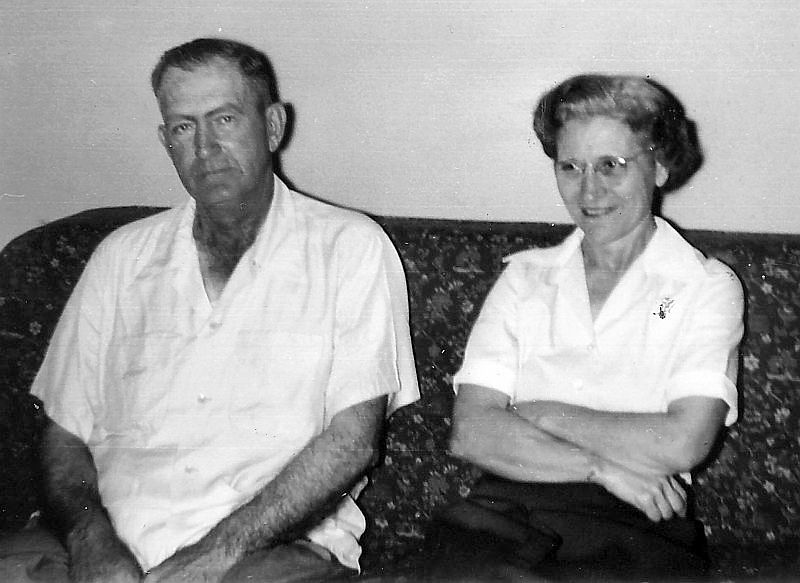
Below, Homer Loveless and his wife Jewel in 1956.

loveless_homer-and-jewel_april-1956

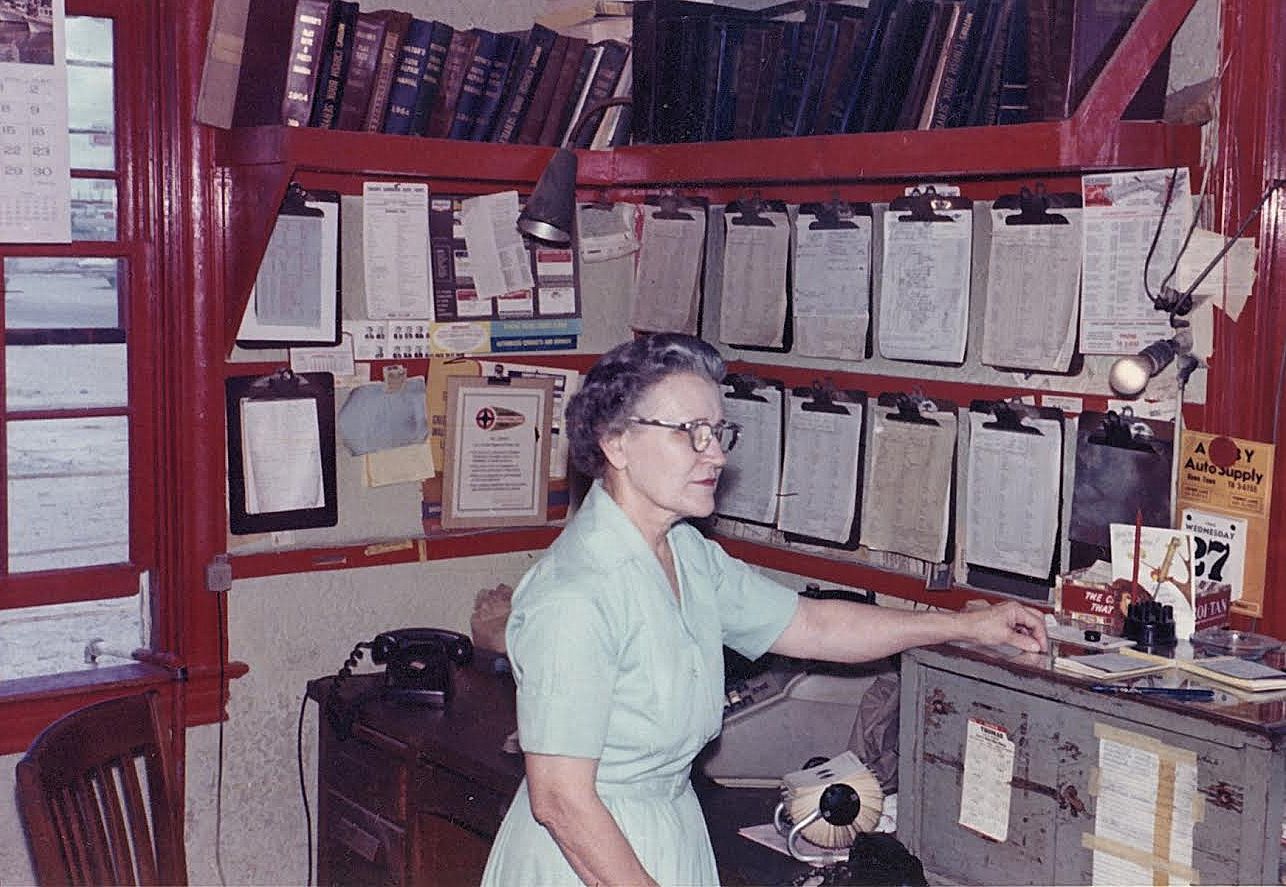
Jewel at work.

loveless-station_jewel-loveless

Homer and Jewel’s son (and co-owner) J. W., at the pumps.

loveless-station_jw-loveless

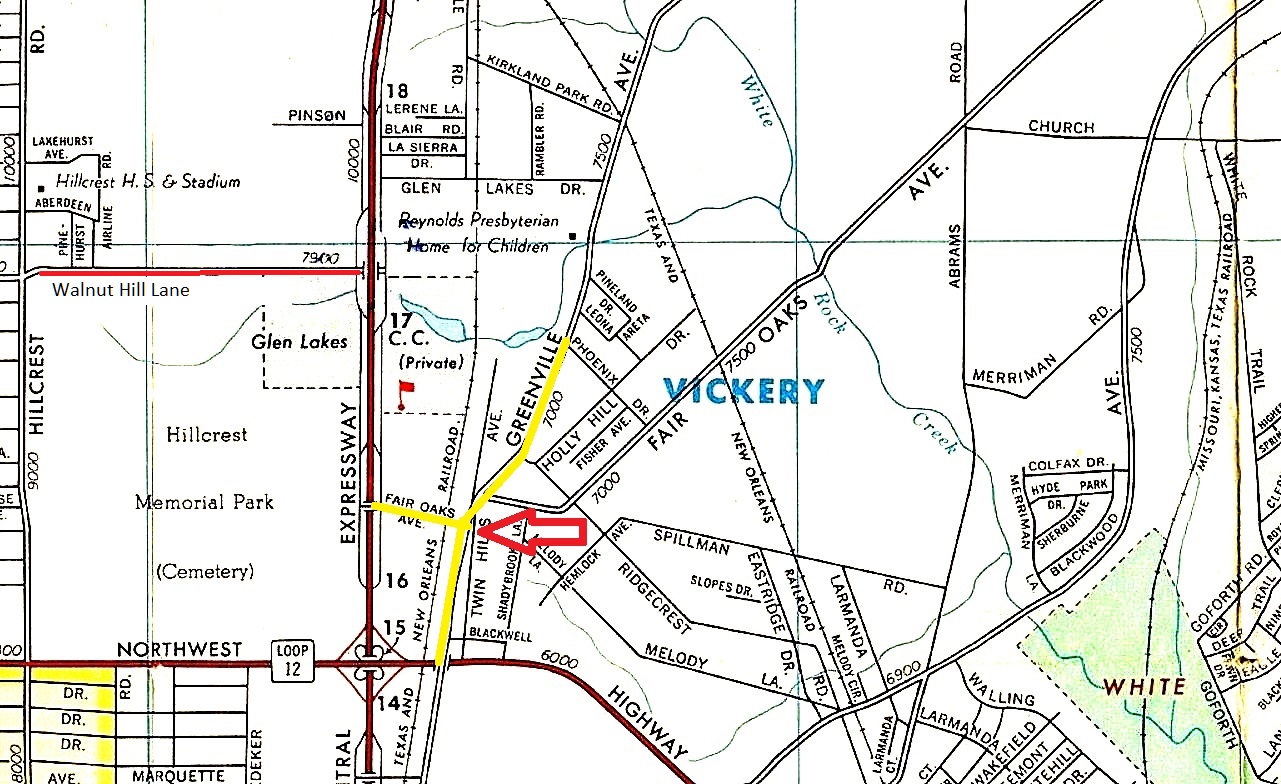
UPDATE: I couldn’t for the life of me figure out what roads I was looking at here. Thanks to Danny Linn, I now know that the road straight ahead is what shows on 1962 maps as being the tail end/very beginning of Fair Oaks (this little bit still exists between Greenville and Central but is restricted to buses) — the view is looking west toward Central Expressway; the Corvair at the pumps is headed south on Greenville. A detail of this area from a 1962 map is below  — note that Park Lane did not yet exist. (The full 1962 Enco map is here.)

filling-station_vickery_1962-map(click me!)

J. W. with the tow truck.

loveless-station_towtruck_1964

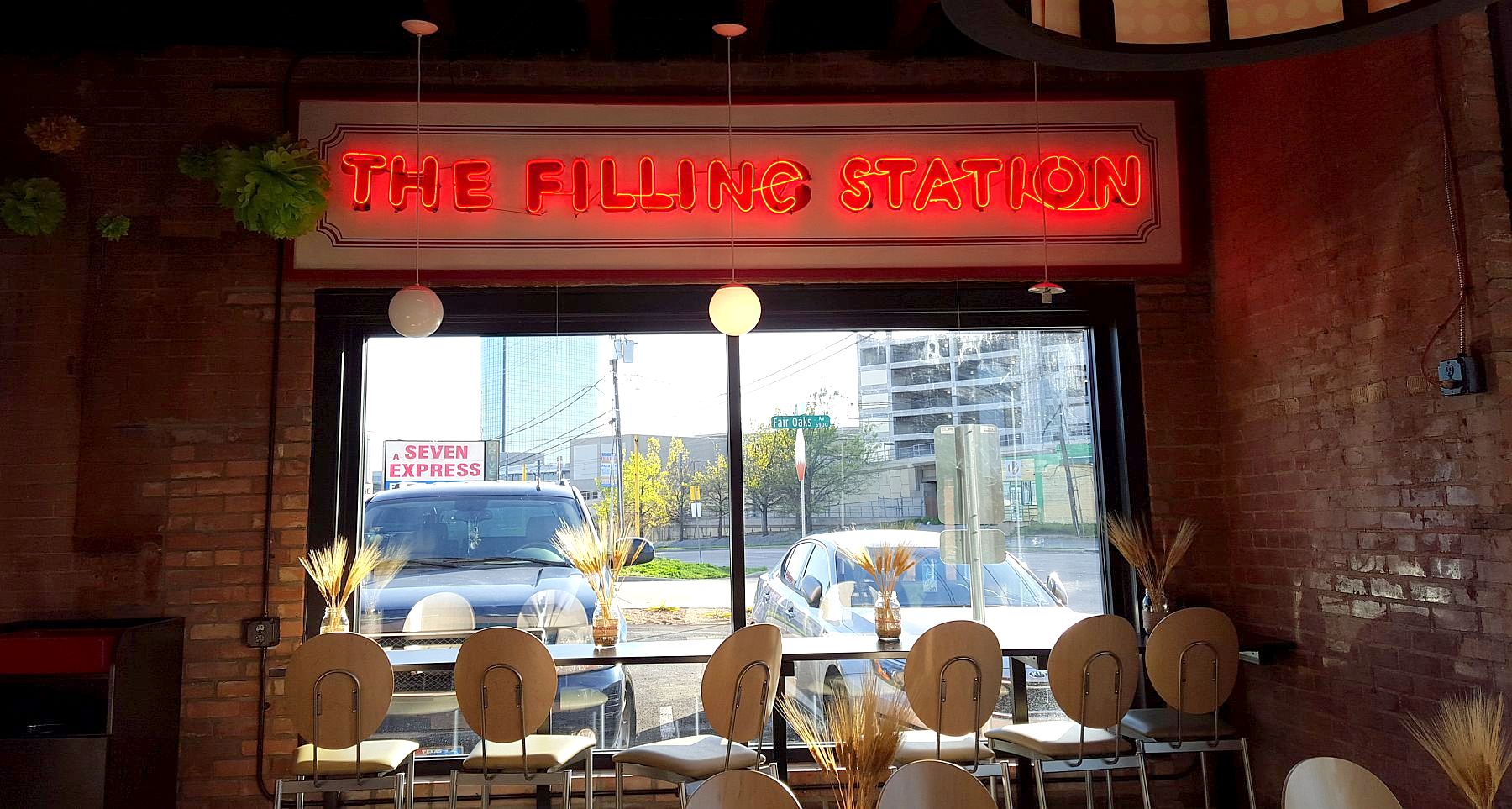
And here is what the old Loveless garage looks like today, as a Schlotzsky’s, decorated with the original neon sign from its days as The Filling Station restaurant as well as with several of the photos reproduced in this post.

filling-station_neon-sign_2016photo: Paula Bosse

**

Aside from the Bonnie and Clyde connection, this little building (which has managed to stay standing for over 80 years — a feat in Dallas!) is known by most as the home of still-missed Filling Station restaurant.

filling-station_dth

Below, an interesting 1976 quote from Filling Station co-owner Bob Joplin about the “cutthroat” competition between ’70s-era Upper Greenville bars and restaurants (numbering at the time more than 50), wondering how long his place might stay alive:

“The average life of a new place on Greenville is probably about 18 months. If that. Hell, around the corner here — the Yellow Rose of Texas — how long was it open? Three months? Maybe less? […] We’re going great right now, but we’ve only been open a little more than a year. Check back with me later — we may be here, we may not.” (DMN, Nov. 14, 1976)

The surprising longevity of The Filling Station — 29 years in business! — is why the strangely unceremonious and surprisingly brief announcement of the Filling Station’s demise (which appeared in the pages of The Dallas Morning News on July 2, 2004) is so odd — its closure merited only ten words: “The Filling Station on Upper Greenville Avenue has also closed.” 29 years! That’s an eternity in the Dallas restaurant world.

filling-station_matchbook_ebay
eBay

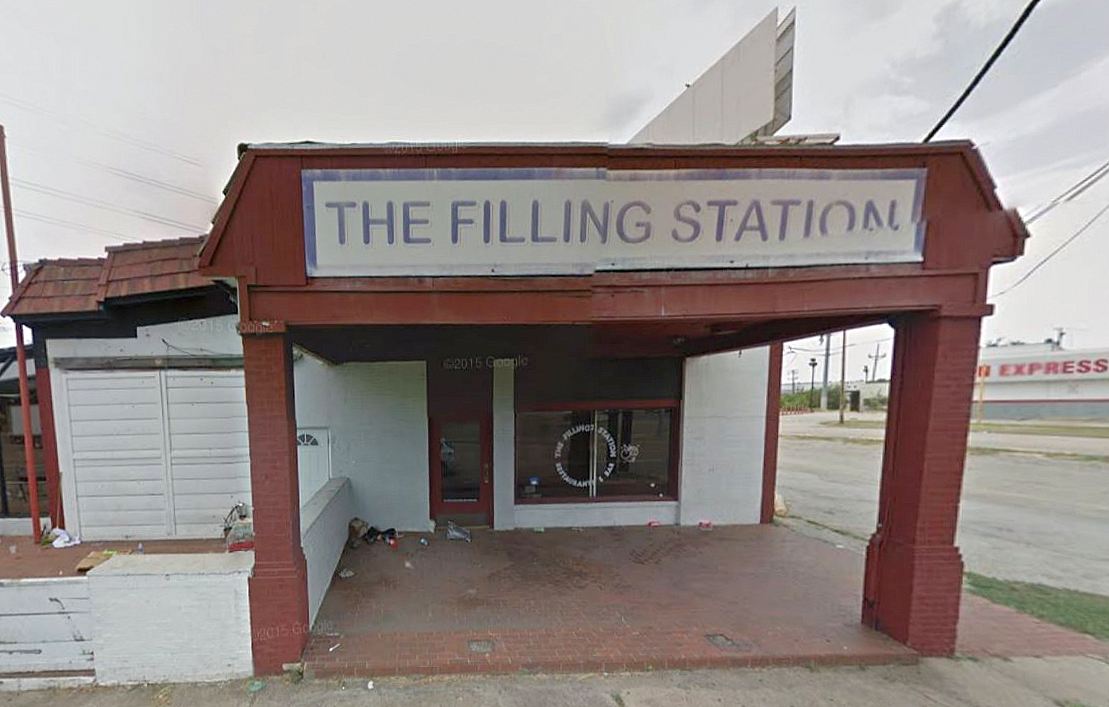
A few other businesses occupied the building, but none managed to stay open very  long. The building was vacant for several years, and it was definitely looking bedraggled when the Schlotzsky’s people came knocking.

filling-station_google_aug-2015Long-vacant — Google Street View, Aug. 2015

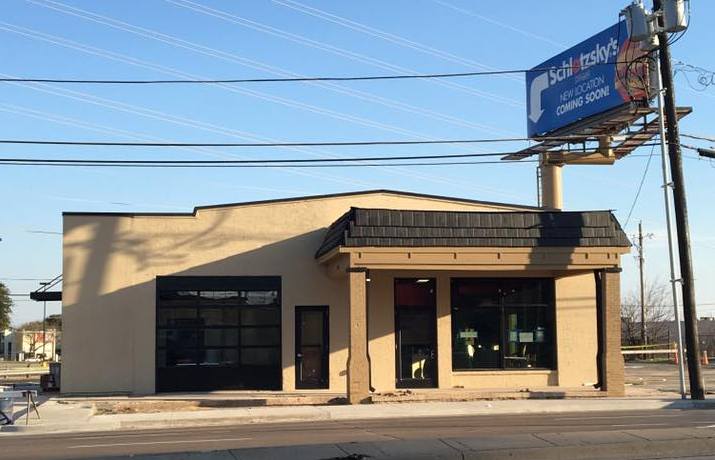
And here it is, after renovation, preparing for its opening day as a Schlotzsky’s — the building now actually looks more like its original design, seen in the photo at the top of this post.

schlotzskys_facebook-pageSchlotzsky’s Facebook page

***

Sources & Notes

The photos of the L & L Motors garage and filling station in Vickery — and the Richardson Echo clipping — were sent to my by Jeb Loveless, grandson of Homer and Jewel Loveless and nephew of J. W. Loveless. He has graciously allowed me to use the photographs in this post. Thanks, Jeb! (Several of these photos were given to the owner of the new Schlotzsky’s and can be seen on the walls inside.)

Quotes from family members whose relatives met Bonnie and Clyde when they stopped in at the gas station are from comments on the Dallas History and Retro Dallas Facebook pages (used with permission).

A Lakewood Advocate interview with the owner of this Schlotzsky’s, Steve Cole, is here. He talks about his dedication to saving as much of the structure as possible, keeping the original brick walls and the wood floors.

To take a photographic tour through what remained of the old Filling Station, see the real estate listing on Zillow here (click on the first picture and a slideshow of large photos will open).

Here’s a then-and-now look at the building over the years:

filling-station_then-now

Related articles in The Dallas Morning News:

  • “William Loveless Dies After Illness” (DMN, June 12, 1960), obituary of the original owner, W. H. Loveless
  • “A Filling Station Which Pumps Beer” by Patty Moore (DMN, Aug. 8, 1975), the first review of the new restaurant, The Filling Station

Click photos and clippings for larger images.

*

Copyright © 2016 Paula Bosse. All Rights Reserved.
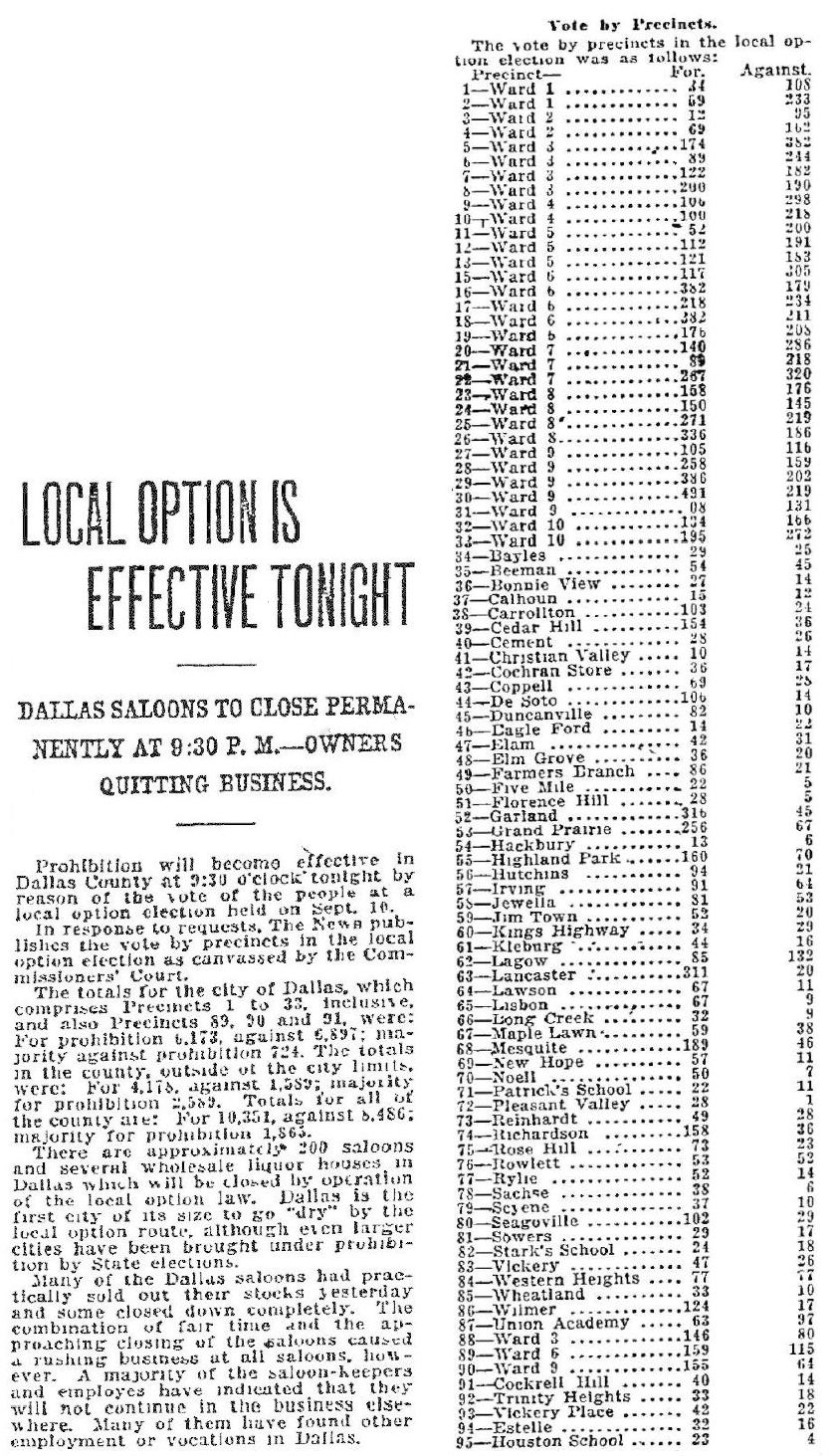
 

Photo-Pac: The First Disposable Camera — 1948

weir_mechanix-illus_1949_smA. D. Weir and his invention, 1949

by Paula Bosse

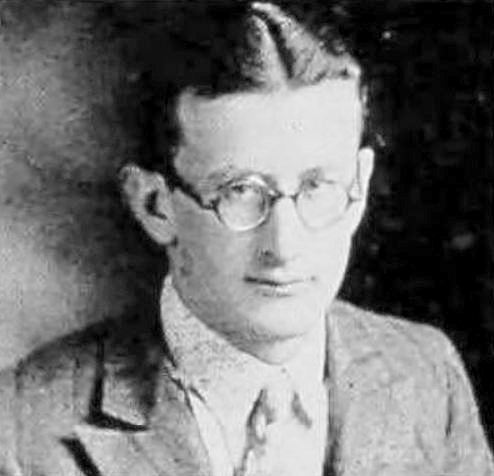
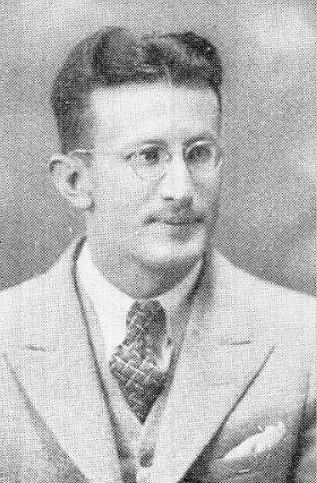
Alfred D. Weir (1909-1996) was the son of A. F. Weir, the successful retail furniture merchant who founded Weir Furniture in 1922. The younger Weir graduated from SMU in 1933 with a degree in mechanical engineering and started his career, fresh out of college, at Dallas’ Ford assembly plant. During World War II, he was the chief industrial engineer at North American Aviation and was later employed by Fairchild Engine and Aircraft, Ford’s aircraft division in Kansas City, Texas Instruments, and Bell Helicopter.

After the war and before his time in Kansas City, Weir took time out from his engineering career to try his hand as an entrepreneur: he invented, patented, and manufactured the Photo-Pac, a single-use camera made of inexpensive fiber board and pre-loaded with 35mm film (loaded by blind employees in total darkness). The user would buy one of these cameras at a drug store, department store, or gas station for $1.29, take eight photographs, and then write his or her name on the side of the camera and drop the whole thing — with the film still inside the camera — in a mail box. Photos would be processed in Dallas, and prints and negatives would be returned to the customer in a couple of days. The camera would not be returned.

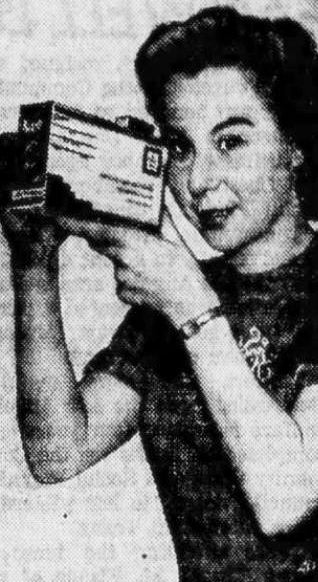
photo-pac_san-bernardino-county-sun_040250-photoSan Bernardino County Sun, April 2, 1950

photo-pac_arlington-heights-illinois-herald_122349-photoArlington Heights (Illinois) Herald, Dec. 23, 1949

It appears to have made its debut at the 1948 State Fair of Texas at an introductory price of only 98¢ (click for larger image).

photo-pac_billboard_100948Billboard, Oct. 9, 1948

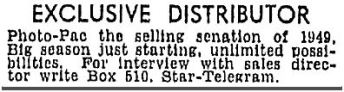
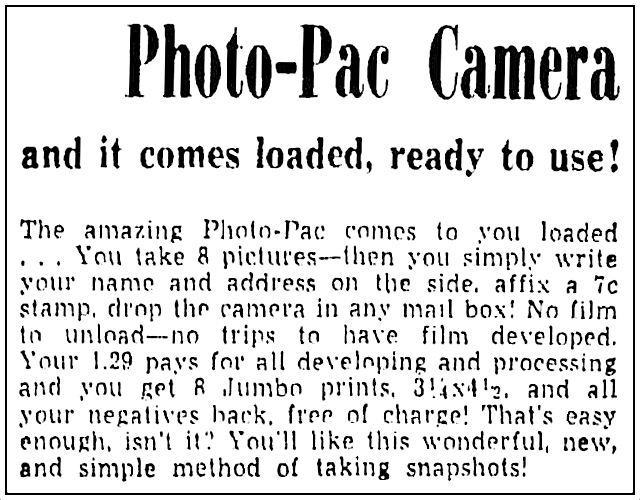
Manufacture and distribution of the camera began in earnest in May, 1949. And then … ads for the camera were everywhere! (The home-grown invention appeared in a hometown newspaper advertorial on May 1, here.) Weir and his small team managed to get the camera in retail locations all over the country. He was also worked hard to line up distributors. Ads such as this one were placed in several U.S. newspapers:

photo-pac_FWST_061649Fort Worth Star-Telegram, June 16, 1949

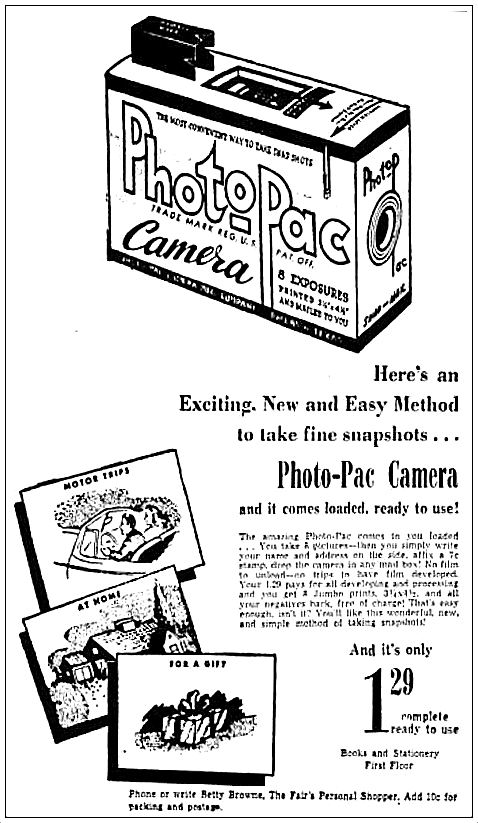
It seems to have been very popular — both as a novelty impulse buy and as a useful product for people who either did not own cameras or who did not want to take their family cameras on trips. Here’s a typical ad (see text below):

photo-pac_FWST_111649_fair-dept-store-ad

photo-pac_FWST_111649_fair-dept-store-ad_detFWST, Nov. 16, 1949 — from ad for Fort Worth’s Fair Department Store

The camera won a “prize gadget” award from Mechanix Illustrated (click to see very large image).

photo-pac_mechanix-illus_sept-1949Mechanix Illustrated, Sept. 1949

By the summer of 1950, the number of exposures went from eight to twelve, and the price increased to $1.49. It seemed that the business was growing, but by the fall of 1950, Photo-Pac seems to have reached the end of the road. Court dockets showed a couple of lawsuits filed against the company. Newspaper ads showed stock of the cameras being deep-discounted to as low as 50¢ apiece. The next year, 1951, saw Weir returning to his engineering career — he accepted a position with Ford in Kansas City and apparently left his business dreams behind. It was a great idea, but, for whatever reason, it never fully caught on.

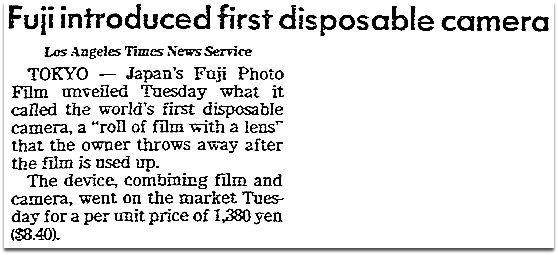
36 long years after A. D. Weir’s Dallas company folded, Fuji introduced their very popular disposable camera; Kodak followed with theirs in 1987. Those things were everywhere — everyone’s had one of them at one time or another. I bet A. D. Weir was miffed.

fuji_FWST_070286FWST, July 2, 1986

*

weir_smu_rotunda_1930A. D. Weir, SMU Rotunda, 1930

weir_smu_rotunda_1933Weir, SMU Rotunda, 1933

weir_dmn_032253-photo1953

***

Sources & Notes

Top photo is an inset from the Mechanix Illustrated “prize gadget” page, from the blog Modern Mechanix, here.

Weir’s patent can be found on Google here. To view Google Patent Image separately (and really big), click image below.

weir_patent

There seems to be some debate about whether Weir’s Photo-Pac was actually the first single-use disposable camera — if it isn’t strictly the first, it seems to have been the one that made the most headway into the American marketplace. A great article on the topic can be found on the Disposable America website here.

Wikipedia’s “disposable camera” page is here.

A. D. Weir’s father, Alfred Folsom (A. F.) Weir opened Weir Furniture at 2550 Elm Street in 1922; in 1934 the company was incorporated to include his wife and son. A. F. Weir sold the Dallas company to his brother Earl (who had owned furniture stores in Fort Worth and Arlington) in the 1940s — that business closed sometime between 1945 and 1948. In 1948, Earl’s son John Ray Weir opened Weir’s Furniture Village on Knox Street, a business still going strong today.

Most images are magically larger when clicked!

*

Copyright © 2016 Paula Bosse. All Rights Reserved.
NorthPark — 1965

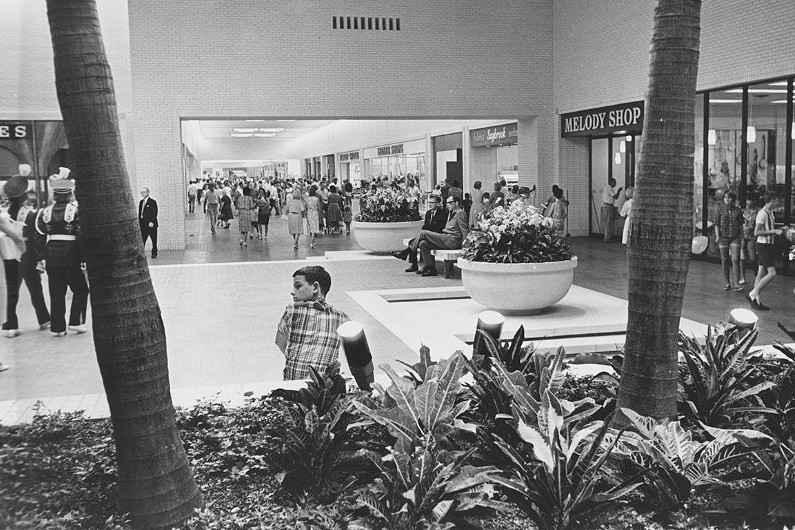
northpark_melody-shop_1965_northpark-websiteMarching band members, foliage, Melody Shop

by Paula Bosse

NorthPark Center — the only mall I’ve ever enjoyed being in — turned 50 last year. Developed by the legendary Raymond Nasher, it opened in August of 1965 on 90-something acres of old Caruth farmland. Sleek, cool, uncluttered. There was art! There were ducks! There were naughty playing cards and black light posters in Spencer’s! There was even a dime store! I spent a lot of time there as a kid in the ’70s, which is probably why I feel completely lost in the expanded, ultra-upscale version of today. I used to know where EVERYTHING was. Now? Since its recent “augmentation,” it doesn’t feel like “my” mall anymore. Now, for me, it’s just another upscale Dallas mall (albeit in an unusually appealing building and in still-sleek, aesthetically pleasing surroundings). But then I’m a person who is generally not a fan of shopping and feels anxious in shopping malls, so I’m clearly in the minority amongst Dallas women. Today’s NorthPark is still going strong and is as popular as ever (if not moreso), but I will always prefer the NorthPark of my childhood — it’s the only shopping mall I’ve ever felt completely at home in.

*

At the top, the Melody Shop — where I bought my first records. People were always in there playing the organs.

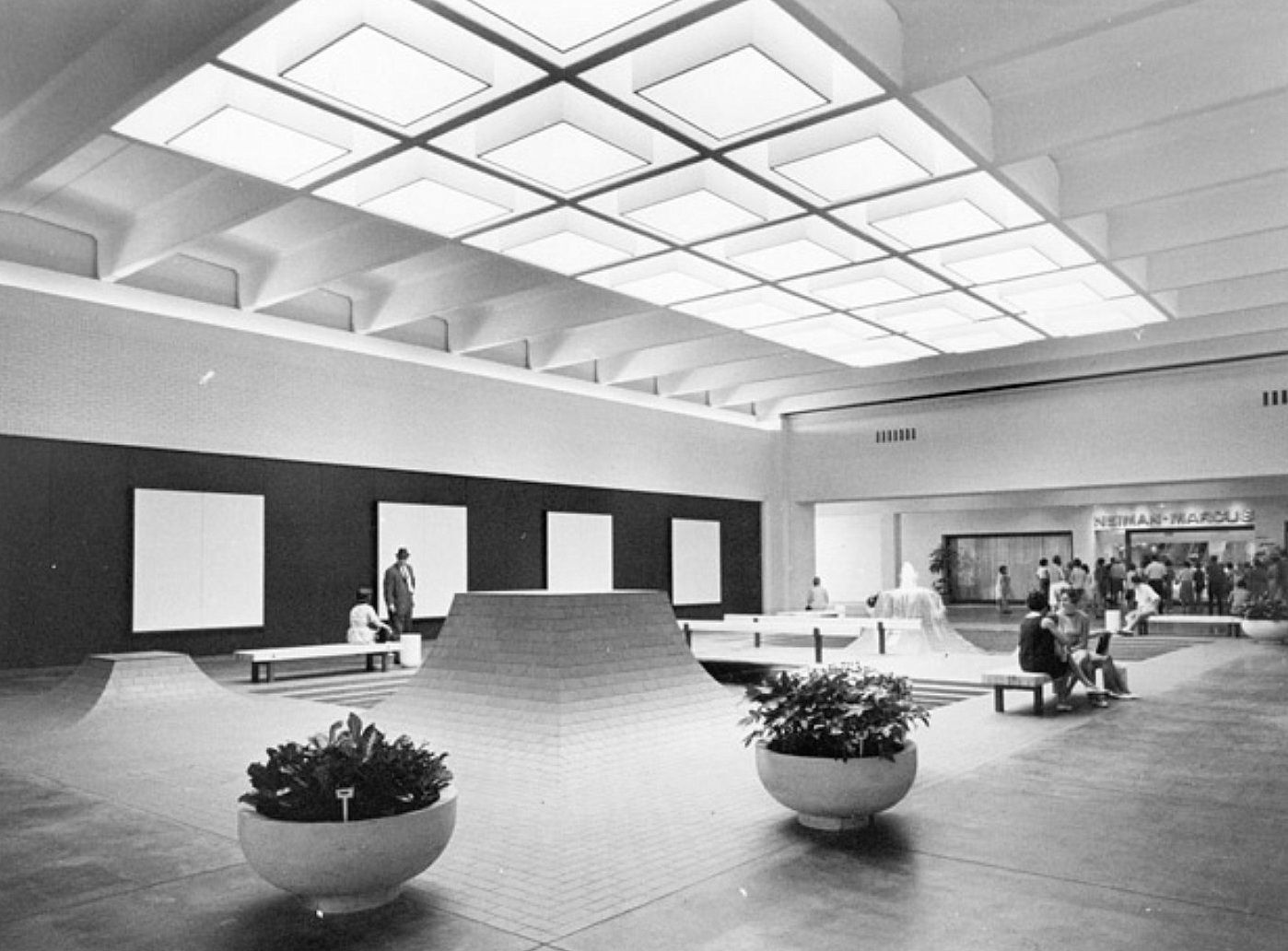
Neiman’s was there, too, of course — at the swankier end of the mall. N-M was intimidating. There weren’t a lot of black light posters and Keds in there.

northpark_neimans-northpark-center-colln

Which is why I spent most of my time in the stretch between the Melody Shop and Penney’s.

northpark_penneys_northpark-website_1965

This was the part of the mall I might have liked the best, if only because of … Orange Julius!! (See recipe below.)

northpark_orange-julius_northpark-website_1965

(Am I crazy, or hadn’t Orange Julius moved to the space next to where it is in this 1965 photo? I swear in the ’70s it was facing Penney’s.)

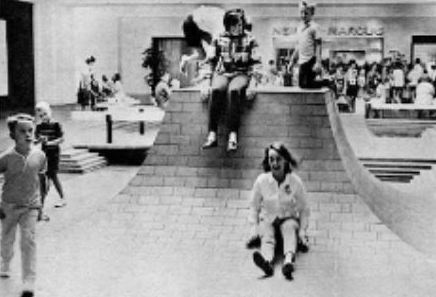
But the one thing that absolutely everyone who ever spent any time there as a kid remembers most?

northpark_slides_dth_np-websiteDallas Times Herald photo

Come to think of it, what I remember most about the NorthPark of my very early childhood is how smooth and cool-to-the-touch everything was — especially for children like me who were climbing all over everything: the tiles of those “slides,” the concrete of the fountains and planters, the floors, and those white bricks, inside and out. Everything was so smooooth. Happy belated birthday, NorthPark!

***

Sources & Notes

Most of these photos are from 1965, and most are from the history page of the NorthPark Center website, here. Their entertaining NorthPark50 blog is here.

More on the history of NorthPark at Wikipedia, here.

A 15-minute 50th anniversary video by The Dallas Morning News is on YouTube, here.

One of the first mentions of the future super-mall (and its 99-year lease) was in the March 5, 1961 edition of The Dallas Morning News in the article “Big Shop Center Slated in Dallas” by Rudy Rochelle.

See a cool color photo of the brand new mall here.

Want to make your own Orange Julius? Here’s a good recipe. The secret ingredient is powdered egg whites, available at Whole Foods and most larger grocery stores. The added sugar is important, but you might not want to use a whole quarter-cup.

UPDATE: The powdered egg whites I used to buy at my local Tom Thumb — “Just Whites” by Deb El — is no longer available. I tried several grocery stores today and couldn’t find powdered egg whites anywhere. They may be available in health food or vitamin/supplement stores. I just ordered some online. If you don’t mind using egg whites out of the shell, substitute 2 egg whites for the powdered in the recipe below.

orange-julius-recipe

Enjoy!

*

Copyright © 2016 Paula Bosse. All Rights Reserved.
Dallas Theater Center

dtc-downtown_dallas-park-dept_portalFLW’s DTC

by Paula Bosse

Frank Lloyd Wright’s Dallas Theater Center is seen here nestled amongst the woody landscape of Turtle Creek. There’s a lot of varied architecture going on in this photo!

***

Sources & Notes

Photograph is from the Dallas Park and Recreation Department Collection, Dallas Municipal Archives; it is accessible via the Portal to Texas History, here.

The text on the back:

Opened in 1959, this Center provides pleasure for thousands of Dallasites and visitors yearly through a repertory of plays presented in its Kalita Humphreys Theater. This $1,000,000 Center, the last completed building and only theater designed by Frank Lloyd Wright, also incorporates a children’s and teen theater and a private school of drama.

*

Copyright © 2016 Paula Bosse. All Rights Reserved.
Sonny James: The “Shindig Heartbreaker”

shindig-cast_sonny-james-websiteSonny James, center, with fiddle (photo: SonnyJames.com)

by Paula Bosse

Sonny James — the much-loved Country Music Hall of Fame singer — died yesterday (Feb. 22, 2016). When I was a child, his version of “Runnin’ Bear” was my favorite song, and it was played endlessly throughout the ’70s on Dallas’ classic country stations like KBOX and WBAP. I was surprised to learn a few years ago, that the Alabama-born Sonny James lived in Dallas for several years, and that Dallas was where he was performing regularly when he exploded into the national consciousness with his first #1 hit, “Young Love.”

sonny-james_dmn_0609561952

Before he made his way to Dallas, Sonny James had been making a name for himself as a performer on Shreveport’s Louisiana Hayride. One of his first appearances in Dallas was during his Hayride Days: he was a guest on the Big D Jamboree in the summer of 1952.

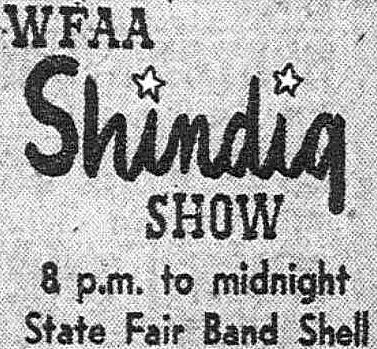
He must have made quite a splash, because only a month later, he had left the Hayride, moved to Dallas, and was signed to appear on the show “Saturday Nite Shindig,” the WFAA-sponsored answer to the Big D Jamboree, which debuted on October 11, 1952. (As “Saturday Night Shindig,” the radio show had been a WFAA staple since it began in 1944; Sonny James was hired to be part of a new “Shindig,” which was revamped from a folksy half-hour show to a 4-hour live music show and was broadcast from Fair Park.)

“Yeoow! More Zip than a Singed Cat!” (Click for larger image.)

sonny-james_dmn_100852Oct. 8, 1952

sonny-james_dmn_101052Oct. 10, 1952

It was an immediate hit, and Sonny became the main draw and something of a teen heart-throb. Less than a month after the announcement of his permanent gig as a “Shindigger,” he also got his own radio show on WFAA, Tuesday and Thursday mornings from 11:00 to 11:15.

Pretty soon, the Shindig revue was being simulcast on TV and radio, live from Fair Park (from the bandshell when it was warm, and from various other buildings during cold and inclement weather).

sonny-james_dmn_041153April 11, 1953

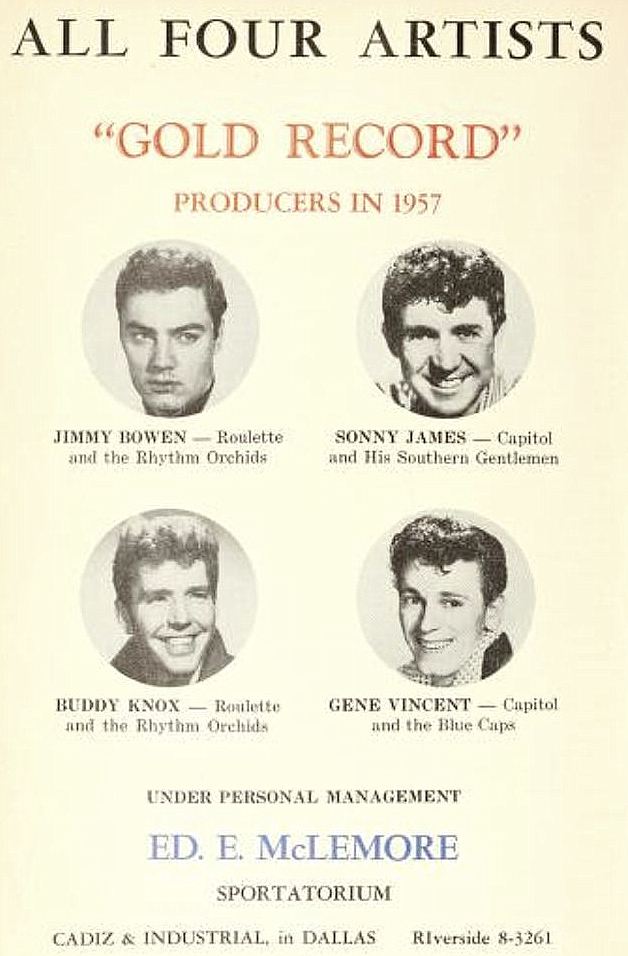
The Shindig show seems to have died away in 1954 or 1955. Sonny James headed back to the Sportatorium and the Big D Jamboree (which was run by his manager, Ed McLemore). One show of note was this one in 1955, with his old Louisiana Hayride pal Elvis Presley. (McLemore made sure that even though Elvis was the headliner, Sonny’s name was actually bigger!)

big-d-jamboree_FWST_041555-elvis_sonny-jamesApril 15, 1955

Sonny James had been recording for Capitol for several years, with some success, but it wasn’t until the end of 1956 that he had his mammoth #1 crossover hit, “Young Love,” which made him a national star. Apparently, he kept a residence in Dallas for a while (the last address I see for him in Dallas was in 1955 at 4718 Capitol, between N. Carroll and Fitzhugh). While living in Dallas, he was a steadfast member of the Church of Christ at East Side and Peak, and he frequently participated in area fishing contests (in fact, there might have been more mentions of his extracurricular fishing exploits in the local papers than there were mentions of his show-biz exploits — his fishing activities were often covered using his real name, Jimmie Loden). One person who lived in the same neighborhood Sonny did recalled on a Dallas-history message board that Sonny worked on Saturday mornings bagging groceries at a store on the corner of Capitol and Fitzhugh.

Sonny James went on to be a much-loved country performer who racked up a number of hits and was, apparently, one of the nicest guys around. He was most definitely a Southern Gentleman. Thanks, Sonny.

sonny-james_shindig_ebay

*

sonny-james_dmn_110852-shindig-ad
Nov. 8, 1952

sonny-james_promo-photo_1953
1953

shindig_dmn_091253
Sept. 12, 1953

shindig_billboard_100353
Billboard, Oct. 3, 1953

sonny-james_dmn_082154
Aug. 21, 1954

james-sonny_1957_promo-photoRadio Annual and Television Yearbook, 1957

james-sonny_mclemore_1958Radio Annual and Television Yearbook, 1958

***

Sources & Notes

Sonny James’ obituary form the Hollywood Reporter is here. His Wikipedia page is here.

The official Sonny James website is here.

To get an idea of the absolutely HOT hillbilly and rockabilly music that was being performed in Dallas in the years that Sonny James was here, check out this fantastic sampling of recordings from the Big D Jamboree:

*

See a few photos of Sonny James in Dallas at SonnyJames.com here (click thumbnails for larger images — the photo of Sonny sitting in the wings watching Elvis on stage at the Big D Jamboree is pretty great!).

A couple of good articles about Sonny James’ time in Dallas (written while he still considered himself a resident of the city) can be found in the Dallas Morning News archives:

  • “Success Won’t Spoil Mr. James” by Tony Zoppi in his “Dallas After Dark” column (DMN, Feb. 10, 1957)
  • “Sonny Snubs That Las Vegas ‘Loot'” by, of all people, Frank X. Tolbert in his “Tolbert’s Texas” column (May 13, 1957), in which Sonny — fresh off his 2.5-million-selling “Young Love” hit — talked about having a clause in contracts saying he would not perform in places with drinking, “clinch dancing,” and gambling, mostly because he did not want to exclude his teenage fans from being able to see him perform.

A good interview with Sonny James — packed with photos — appeared in the January, 1958 issue of TV Radio Mirror, a full scan of which you can find here. Even after he had hit the mega-big-time, Sonny said he continued to keep an apartment in Dallas. In the story there is a photo of his Dallas girlfriend, Doris Farmer (née Shrode) — she and Sonny took out a marriage license in July, 1957 (seen here) — I’m not sure when they married, but Sonny and Doris were happily married until Sonny’s death, almost 60 years.

Another performer who lived in the DFW area at the same time as Sonny James and who was also on the cusp of national stardom was Pat Boone, who had his own show on WBAP while attending college in Denton. Sonny and Pat were friends and even appeared on a few bills together. They were both also members of the Church of Christ, which both no doubt felt was an important bond. I wrote about Pat Boone’s time in DFW in the Flashback Dallas post “Pat Boone, Host of Channel 5’s ‘Teen Times’ — 1954,” here.

*

Copyright © 2016 Paula Bosse. All Rights Reserved.
When a Ten-Spot Could Get a Family of Four Into Six Flags — 1962

ad-six-flags_dmn_042362

by Paula Bosse

Six Flags Over Texas is about to open up again. In 1962 — the theme park’s second year — the admission price for one adult was $2.75 (approximately $22.00 in today’s money), and the price for children under 12 was $2.25 (approximately $18.00 in today’s money). A family of two adults and two children would pay $10.00 for admission — that would be a little under $80.00 in 2016 money, which was still a lot back then, until you compare it to today’s Six Flags ticket prices: $250 for a family of four (as long as both of those children are under 48″ tall). (Pink Things not included.) And you probably won’t even see a dad wearing a suit and tie and a porkpie hat. And you certainly won’t get to see ANY of this! I think you got a lot more bang for your buck 50 years ago.

***

Never leave home without the Inflation Calculator.

*

Copyright © 2016 Paula Bosse. All Rights Reserved.
 

Lakewood Post Office — 1946-1976

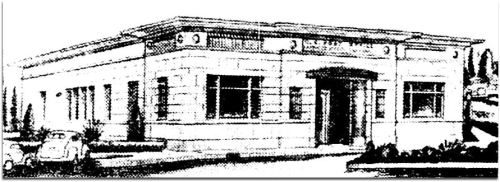
lakewood_post-office_dmn-123045Lakewood Post Office, 6324 Prospect
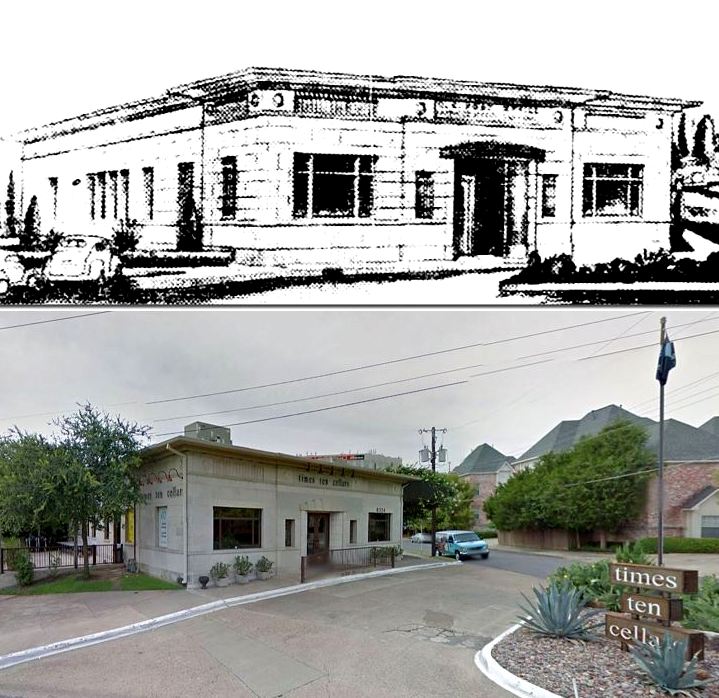
by Paula Bosse

I’m often surprised to discover things about the part of Dallas I grew up in which I somehow never knew — in this case: Lakewood’s first post office, which was apparently in operation when I was a living, breathing, sentient human being but which I’d never known about until today. (I actually grew up in the nearby Lower Greenville neighborhood, but even though I went to Long and Woodrow, I don’t remember being all that aware of Lakewood proper until I was able to drive myself around it as a teenager.) Somehow I had never known that there was a post office in Lakewood before the one at Swiss and La Vista. Or, rather, I’d never even thought about it. Until I saw this ad earlier today:

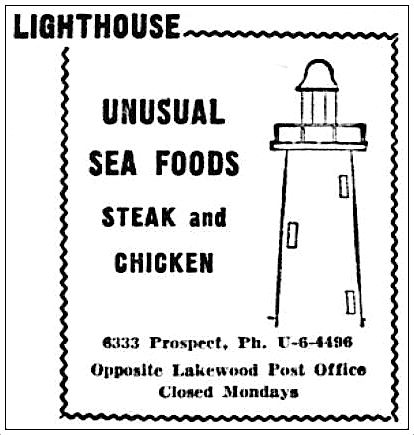
lakewood_lighthouse_dmn_0425471947

“The Lighthouse — Unusual Sea Foods, Steak and Chicken — Opposite Lakewood Post Office.”

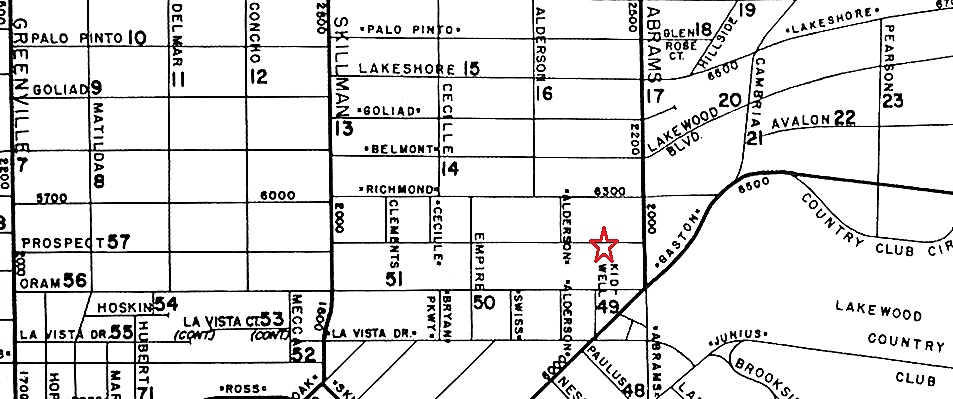
Post office? New to me. I looked it up. It was just west of Abrams, on Prospect at Kidwell, positioned diagonally across the lot. It was the 13th post office substation in Dallas, and it opened on December 2, 1946, over two years after its approval had been announced, during the war, in August, 1944.

A 1945 Dallas Morning News article had this interesting bit of information:

The contractor is Bascomb E. McClesky [sic]. The building will have 4,000 square feet of floor space. Parking space will be provided on the lot. [McCleskey] will retain title to the property and will lease it to the government, Payne said. (“Lakewood To Get Branch Post Office,” DMN, Nov. 18, 1945)

(I’m not sure I was aware developers leased property to the federal government. B. E.  McCleskey lived in the Pasadena area of Lakewood and seems to have spent his 30-year career as a general contractor who also bought, sold, and developed both commercial and residential properties in and around this part of East Dallas. When he began his career, he had an office on Gaston in the new Lakewood Shopping Center; at the time of his death in 1956, his office was right next door to the post office on land which, presumably, he still owned.)

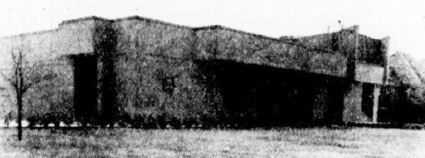
This post office lasted for 30 years until the newer, hulkier, and far less aesthetically appealing station opened at Swiss and La Vista on May 10, 1976.

lakewood-post-office_dmn_112576_swiss.-photo
1976

Some factoids which will come in handy should you ever find yourself in a U.S. Post Office Trivial Pursuit (Lakewood Edition) competition:

  • When the first Lakewood post office opened in 1946, it employed 3 clerks, 1 supervisor, and 16 carriers.
  • When the second post office opened 30 years later, it employed 13 clerks, 2 supervisors, and 47 carriers.

*

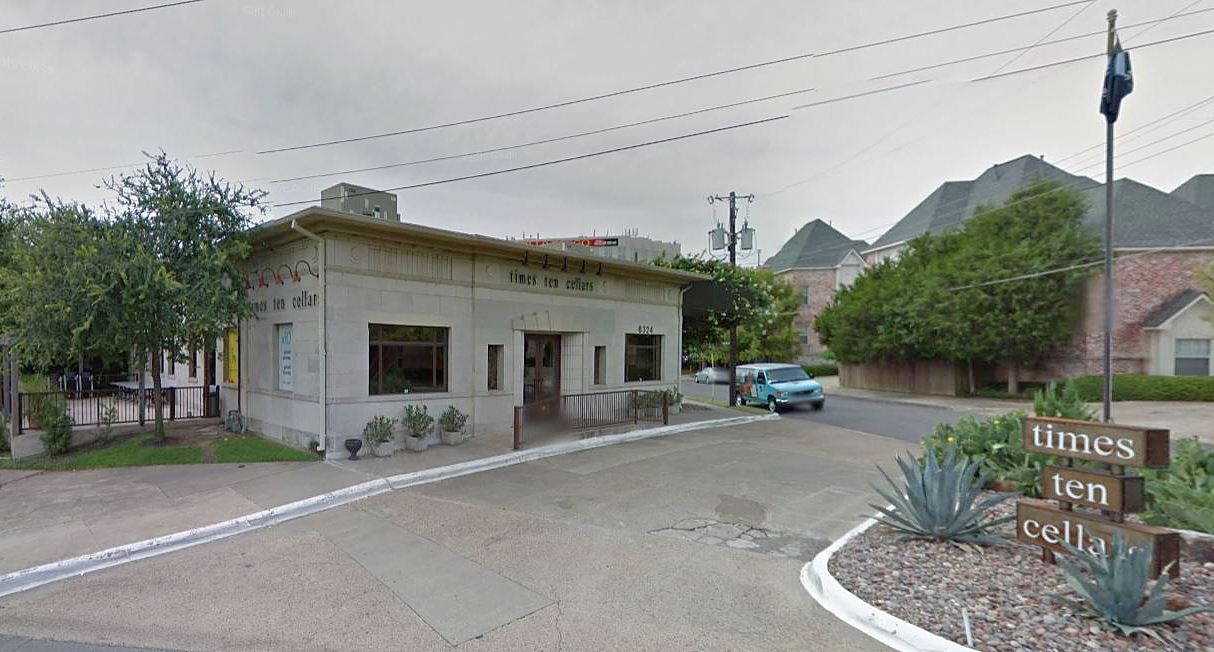
But back to the first post office — the building is still standing and houses the Times Ten Cellars wine bar! I’ve passed that building a lot over the years, but I guess I never paid much attention to it. I don’t know why, because it’s a great little  building. It would never occur to me that it might ever have been a post office. I wish more businesses in Dallas would consider repurposing older buildings rather than building characterless boxes that look like every other characterless box. Thank you, Times Ten Cellars!

times-ten-cellar_google_2015Google Street View (2015)

*

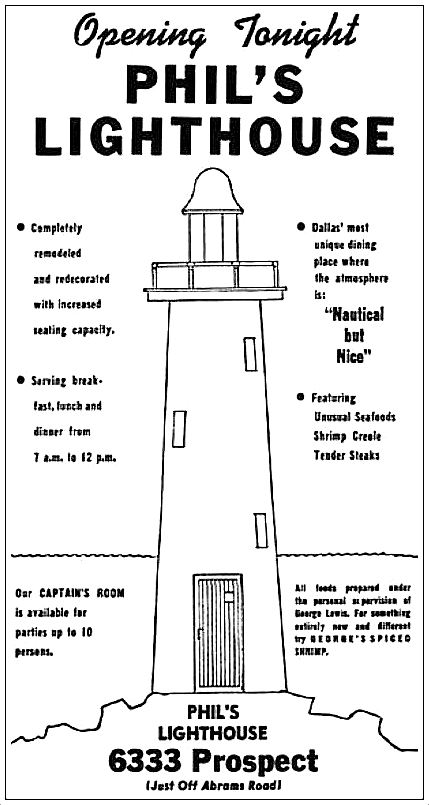
That Lighthouse “unusual sea foods” restaurant? It doesn’t seem to have lasted very long. It changed hands a few times before closing as the Lighthouse Cafe at the end of 1950. At one point it was known as Phil’s Lighthouse — “Dallas’ most unique dining place where the atmosphere is: ‘Nautical But Nice.'”

phils-lighthouse_dmn_121649DMN, Dec. 16, 1949

That’s right … “NAUTICAL BUT NICE”!

***

Sources & Notes

If anyone remembers the Lighthouse restaurant: was it actually shaped like a lighthouse?

Detail of a page from the 1952 Mapsco showing the location of the old post office (click for larger image):

lakewood-post office_1952-mapsco

lakewood-post-office_then-now

Click pictures for larger images.

*

Copyright © 2016 Paula Bosse. All Rights Reserved.