Flashback : Dallas

A Miscellany: History, Ads, Pop Culture

Category: Celebs

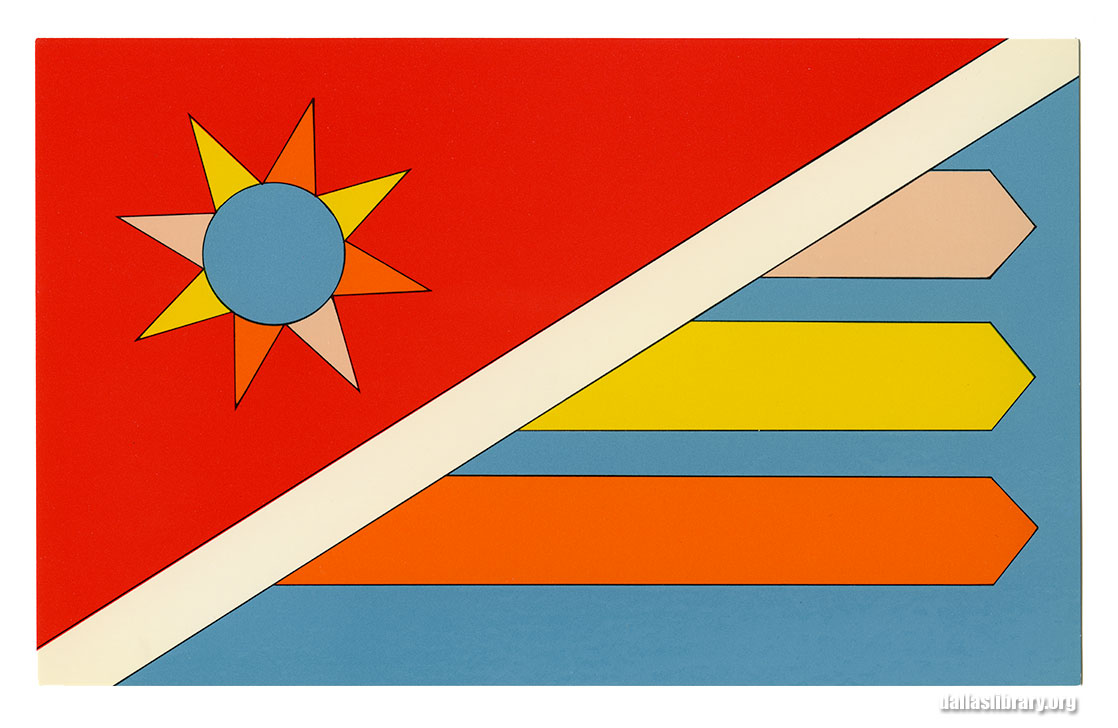
The Neiman-Marcus Corporate Flag, Designed by Emilio Pucci — 1966

neiman-marcus-corporate-flag_emilio-pucci_1966_dallas-public-library“Emilio Pucci was our Betsy Ross…”

by Paula Bosse

While looking through the Neiman Marcus Collection at the downtown Dallas Public Library, I stumbled across this perhaps long-forgotten part of Neiman-Marcus history: the “corporate flag” designed by Italian fashion legend Emilio Pucci. The image was featured on a Neiman’s postcard; the text on the back of the card reads:

Flying high over the fashion land of Neiman-Marcus: our new corporate flag, the Lone-Star-and-Stripes. Emilio Pucci was our Betsy Ross.

Betsy Ross and Emilio Pucci mentioned in the same breath! An 18th-century American seamstress who became a patriotic icon, and an Italian fashion designer whose vividly colorful, boldly patterned designs came to symbolize the youth and energy of the 1960s… talk about your strange bedfellows!

The only thing I could find about this unusually colorful flag was a brief mention in a Dallas Morning News fashion article about Neiman’s 28th Neiman-Marcus Exposition Award in early February of 1966. Gay Simpson wrote in The News that the luncheon centerpieces “carried the colors of the new Neiman-Marcus house flag. The flag, designed by Emilio Pucci, Italian couturier, has the colors of a Texas sunset dramatized with the Lone Star and stripes” (DMN, Feb. 9, 1966).

Stanley Marcus wrote in his 1974 memoir Minding the Store that his business relationship with Pucci (“the most copied designer of our time, aside from Chanel”) began in Italy in 1948 when Marcus met with the struggling young designer and placed an order for several of his scarves. Though Neiman-Marcus had not yet expanded beyond their single department store in Dallas, the store’s reputation and influence were certainly known in fashionable circles around the world, and this N-M “stamp of approval” must have been immensely important to Pucci, whose name was not yet known. This friendship and business relationship blossomed into a mutually beneficial and very profitable partnership, and it seems perfectly reasonable that Pucci would design a flag for his friend and early supporter, Stanley Marcus. (Read more of Marcus’ thoughts on Pucci here.)

There you have it. Who knew?

**

As a postscript, any Dallas blog worth its salt cannot let a mention of Emilio Pucci go by without noting his main connection to the city: Pucci will forever be remembered as the man who brought outrageously colorful and super groovy mod designs to the stewardess uniforms of Dallas-based Braniff International Airways (designs so retinally exciting that they make that little Neiman’s flag look a little dowdy in comparison!).

***

Sources & Notes

The image of the corporate flag is from a Neiman’s postcard, which can be found in the extensive (!) Neiman Marcus Collection of the Dallas Public Library (the back of the card can be seen here); it is used with permission. Thanks to the incredibly helpful staff of the Dallas History & Archives division of the downtown Dallas Public Library. (Much thanks, particularly, to Digital Archivist Misty Maberry!)

*

Copyright © 2017 Paula Bosse. All Rights Reserved.


Jimi Hendrix, Glen Campbell, Tiny Tim — In Dallas (…Separately), 1969

jimi_WFAA_042069_SMU_cThe Jimi Hendrix Experience, Love Field, 4/20/69 (Jones Film Collection, SMU)

by Paula Bosse

One of the advantages of living in a major American city is that all the biggest entertainers visit at one time or another. Let’s take three of the biggest entertainers of 1969: Jimi Hendrix, Glen Campbell, and Tiny Tim. All were huge, and all came to Dallas. And, luckily for us, they were captured on film in interviews by reporters from WFAA-Channel 8. 

For me, without question, the most exciting interview was the one with Jimi Hendrix, who, standing on the tarmac of Love Field with bandmates Mitch Mitchell and Noel Redding on April 20, 1969 (yes, 4/20…), gives a great, relaxed interview to a very lucky Channel 8 reporter, Doug Terry. (I love the look on Terry’s face throughout the interview.) Watch it here:


A few screenshots (click to see slideshow):

April 20, 1969, WFAA-Ch. 8 News (Jones Film Collection, SMU)

4/20/24 UPDATE: After several years of trying to contact the reporter, Doug Terry, I finally heard from him! Here are a few paragraphs from his email to me (used with his permission), with some interesting tidbits about how some of these interviews were conducted:

I was still a college student most of the time I worked at WFAA. I handed in my resignation after covering the north Texas pop festival in that same year. [Watch one of Doug’s Texas International Pop Festival reports from Lewisville here.] Your comment about being in a large city and its advantages was something that I did not fully grasp until years later. The access was wonderful, I saw Hendrix at least three times, on one occasion being in the dressing room with a camera when he warmed up for a show (that footage is nowhere to be found).

There are two aspects to mention about that interview. First, I was a weekend reporter and late night news anchor at Ch. 8 and I assigned myself to go interview him. In those days, one could call up the airlines when a notable person was coming in and they would give the flight number and arrival time. Amazing. Most of the people at the station at that time probably had no idea who Jimi was and wouldn’t have cared if they did know.

The other interesting point is the work of the photographer. Ordinarily, we did over the shoulder interviews, the camera to the back and side of the reporter. The fact that this was shot from the side made all the difference. As a shooter, he was not otherwise outstanding but this interview would be much less interesting if it had been shot in the traditional line-up sort of way. The two bandmates goofing around was distracting but great.

Thank you, Doug! I love this interview — I’m so glad you assigned yourself to the duty!

*

Jimi Hendrix appeared at least 4 times in Dallas:

  • Feb. 16, 1968: Fair Park Music Hall
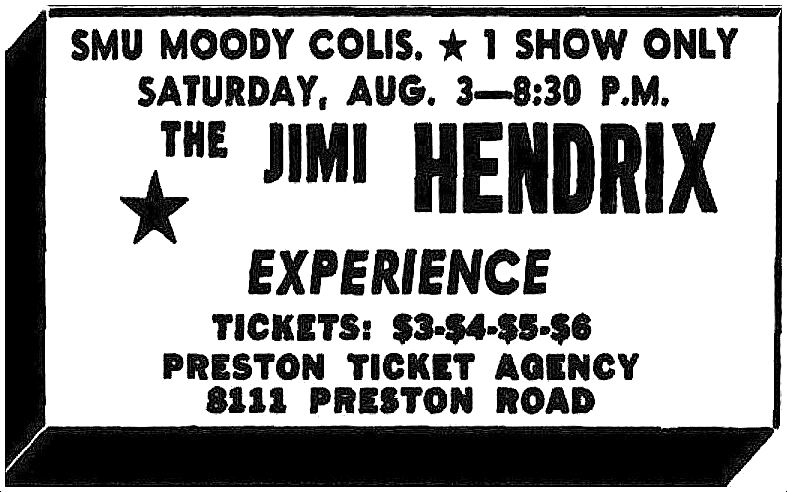
  • Aug. 3, 1968: Moody Coliseum, SMU
  • April 20, 1969: Memorial Auditorium (where he was headed after the Ch. 8 interview)
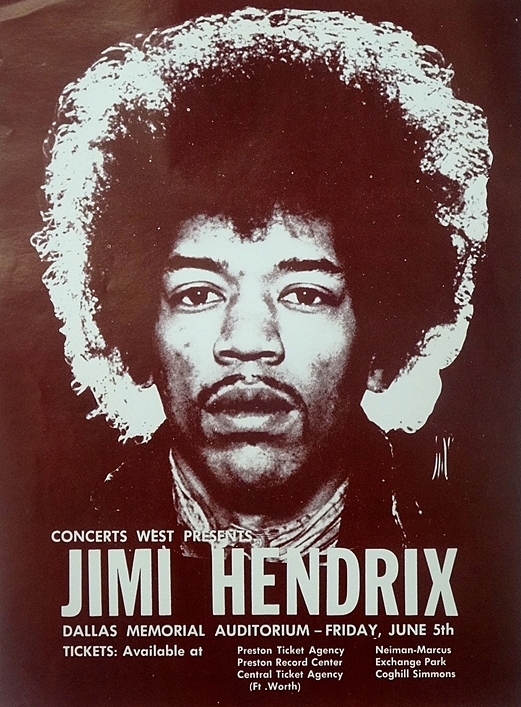
  • June 5, 1970: Memorial Auditorium

hendrix_dmn_072868
July 28, 1968

Two surprising errors (grammatical and factual) appear in a Neiman-Marcus tie-in ad (of sorts) which states that Jimi would be at Memorial Auditorium, rather than Moody Coliseum. Despite the error, it’s cool that Neiman’s was expanding its cultural horizons to include someone like Jimi Hendrix in one of its ads (which was featuring teen fashions, but still). N-M has always had its finger on the pulse of current fashions — and Jimi Hendrix was certainly fashionable.

hendrix_dmn_073168_n-m-ad_det
July 31, 1968 (ad detail)

hendrix_dmn_042069
April 20, 1969

hendrix-poster_june-5-1970_memorial-auditorium
June 5, 1970 — poster via

**

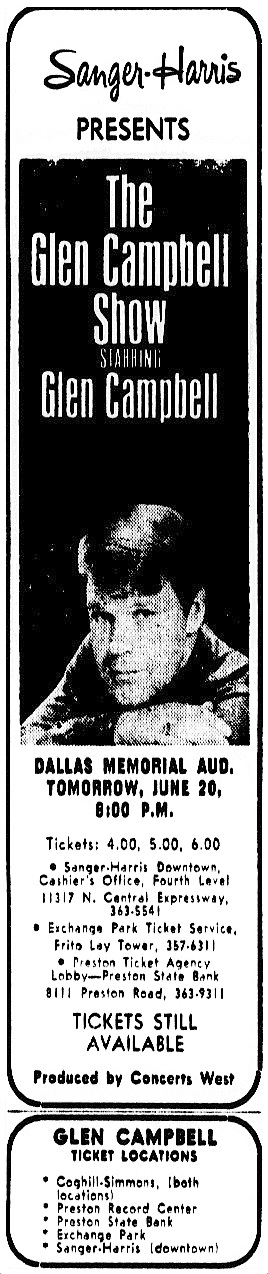
Glen Campbell was in town for several days in June, 1969. He arrived at Love Field on June 15 and was met by a “high-spirited throng” of teenage admirers. He was here to promote the release of the movie True Grit (in which he appeared with John Wayne), as well as to perform at Memorial Auditorium on June 19, 1969.

glen-campbell_dmn_061969
June 19, 1969

He was actually in Dallas the previous year, in March, 1968, to perform at the State Fair Music Hall with Bobbie Gentry. An interview with the pair begins at 3:57:

**

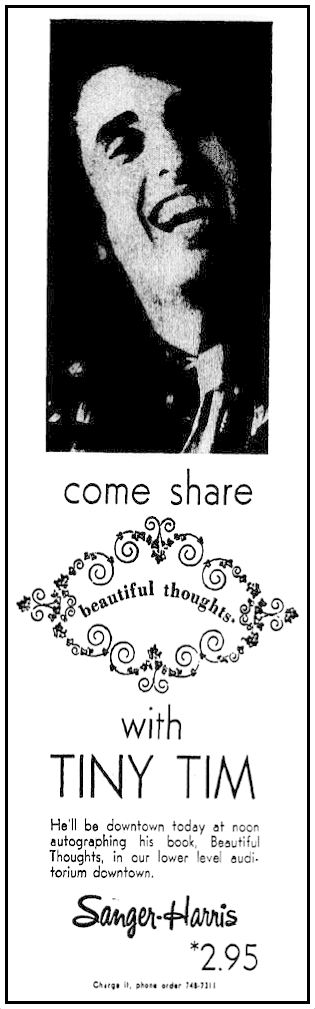
And Tiny Tim was in Dallas on June 17, 1969 to appear at a book-signing at the downtown Sanger-Harris department store. The signing was a bit more sedate than his previous visit to Dallas when he caused something of a riot on January 23, 1969 while making an appearance at the Melody Shop in NorthPark. I’m not sure what sort of crowd the Melody Shop thought they’d get for their little “autograph party,” but it’s safe to say they did not expect 5,000 over-excited teenagers. The news report the next day was peppered with words like “pandemonium,” “swarm,” “mob scene,” and “human wall.” (Read about that bizarre event here). His drawing power continued the next year when Tiny made his Dallas performing debut at … of all places … Abe Weinstein’s Colony Club, one of the city’s top “burlesque” houses. He was booked for an incredible 9-night run (!) in September, 1970. It was a major success. Dallas apparently loved Tiny Tim. And, of course, years later, Bucks Burnett’s Edstock and Burnett’s tiny Tiny Tim museum continued the Big D/Tiny Tim lovefest.

tiny-tim_dmn_061769_book-signing
June 17, 1969

tiny-ch-8_1
WFAA-Ch. 8 interview (screenshot)

***

Sources & Notes

Video is from the WFAA Newsfilm  Collection, held at the Hamon Arts Library, Southern Methodist University; screenshots are from those clips. Any requests to license these clips (or any of the other thousands at SMU!) should be directed to curator Jeremy Spracklen.

4/20/24 UPDATE: Passages from former Channel 8 reporter Doug Terry are from an email to me on April 16, 2024, reprinted with his permission.

Hit the Dallas Morning News archives to find a little pre-Music Hall interview with Jimi Hendrix conducted by “YouthBeat Editor” Marge Pettyjohn: “A Real Experience” (DMN, Feb. 25, 1968). Her interview with Tiny Tim (“Magical Mystery Tour: On Meeting Tiny Tim,” DMN, Jan. 25, 1969) is also worth checking out, as is the Jean Kelly article “5,000 Kids Mob Tiny Tim” (DMN, Jan. 24, 1969).

While you’re in the archives, look for the interview with Glen Campbell at Love Field amidst the frenzied teenage girls: “High-Spirited Throng — Fans Mob Glen Campbell at Airport” by Maryln Schwartz (DMN, June 17, 1969).

*

Copyright © 2017 Paula Bosse. All Rights Reserved.

Tiny Tim Mobbed at the Melody Shop — 1969

tiny-tim-appearance_dallas_WFAA_SMU_june-1969
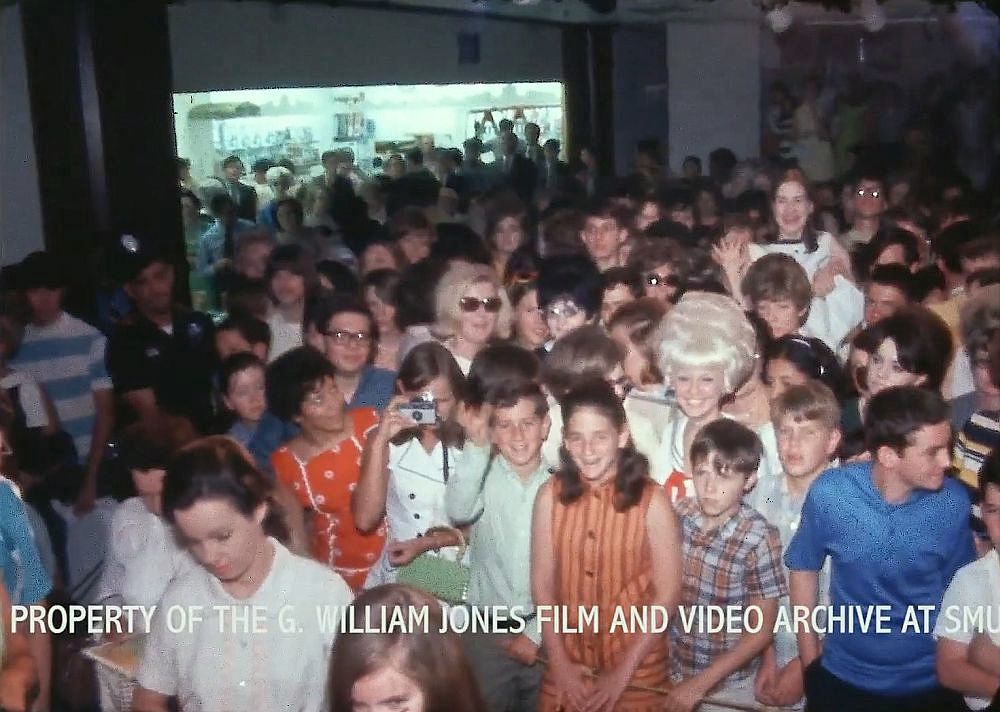
Dallas teens loved Tiny Tim… (Sanger-Harris book-signing, June 1969) 

by Paula Bosse

Tiny Tim — one of the most … unusual performers of the 1960s — was a hit with teenagers when he made his first appearance in Dallas at the Melody Shop in NorthPark mall on January 23, 1969. What had been expected to be a nice little autograph party which might attract a small number of fans and curiosity-seekers turned into something altogether unexpected.

tiny-tim_melody-shop_1969

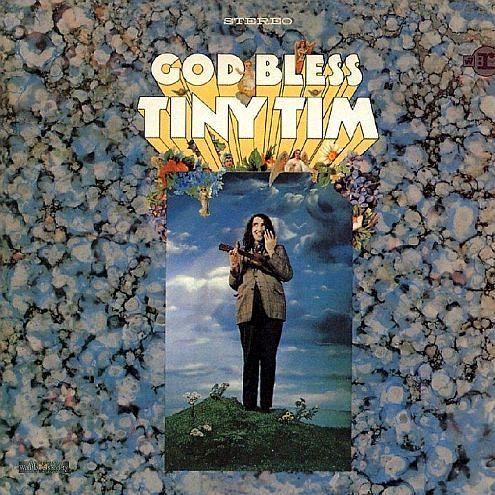
Tiny Tim (…”Tiny”? “Tim”? “Mr. Tim?”…) had the unlikeliest of hits during the hippie-era: “Tiptoe Through the Tulips,” a lilting little ukulele-accompanied song which had originally been a hit in 1929. Tiny Tim’s first few appearances on U.S. television must have caused a lot of heads to be scratched and/or jaws to be dropped. He was just kind of … weird. But gentle, and he seemed to be a genuinely nice fellow who just happened to have a penchant for songs from the megaphone-era of popular music. If you’ve never seen footage of a Tiny Tim performance, search for a clip of him on the Tonight show around 1968.

tiny-tim_god-bless_cover

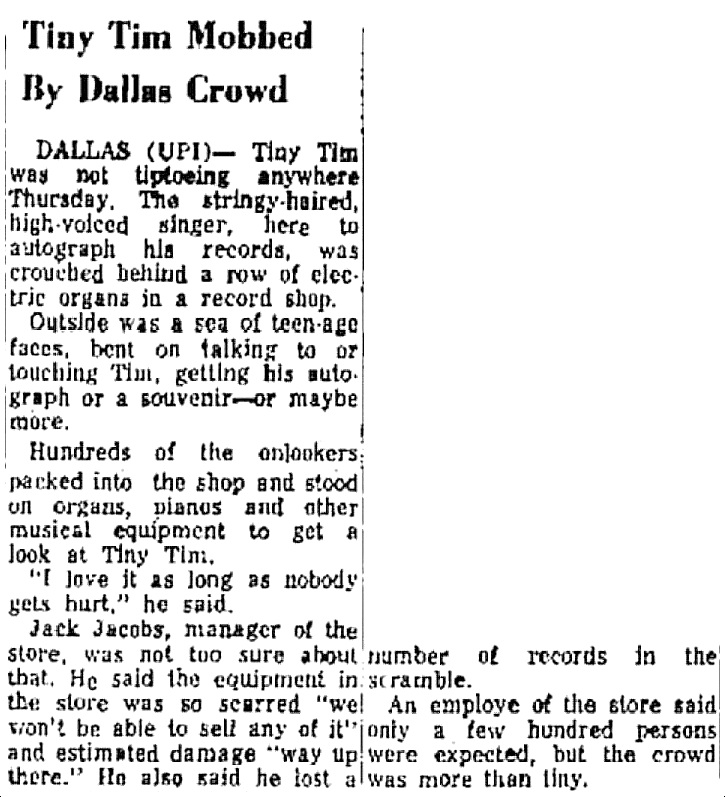
So anyway, Tiny was booked to do a little autograph party at the Melody Shop in NorthPark mall. I’m not sure what sort of crowd they thought they’d get, but it’s safe to say they did not expect 5,000 teenagers. The news report the next day was peppered with words like “pandemonium,” “swarm,” “mob scene,” and “human wall.” Who knew a 36-year-old man who strummed a ukulele and sang songs from the Victrola-age in a nasal falsetto would whip up that much enthusiasm amongst Texas teenagers?

My favorite description of the “riot” was this one:

Inside, a disheveled Tiny Tim was crouched on the floor behind a row of electric organs….. “Pretend he’s not in the store,” directed a manager. Tiny Tim, his shirttail out and his orange, green and brown tie twisted to the side, huddled alone on the floor. (“5,000 Kids Mob Tiny Tim,” Dallas Morning News, Jan. 24, 1969)

The story was even picked up by wire services. (Click article below to see a larger image.)

tiny-tim_amarillo-globe-times_012469
Amarillo Globe Times, Jan. 24, 1969

Tiny was back in Dallas a few months later, this time to do a book-signing at the downtown Sanger-Harris. (Yes! He wrote a book!)

tiny-tim_dmn_061769_book-signing
June 17, 1969

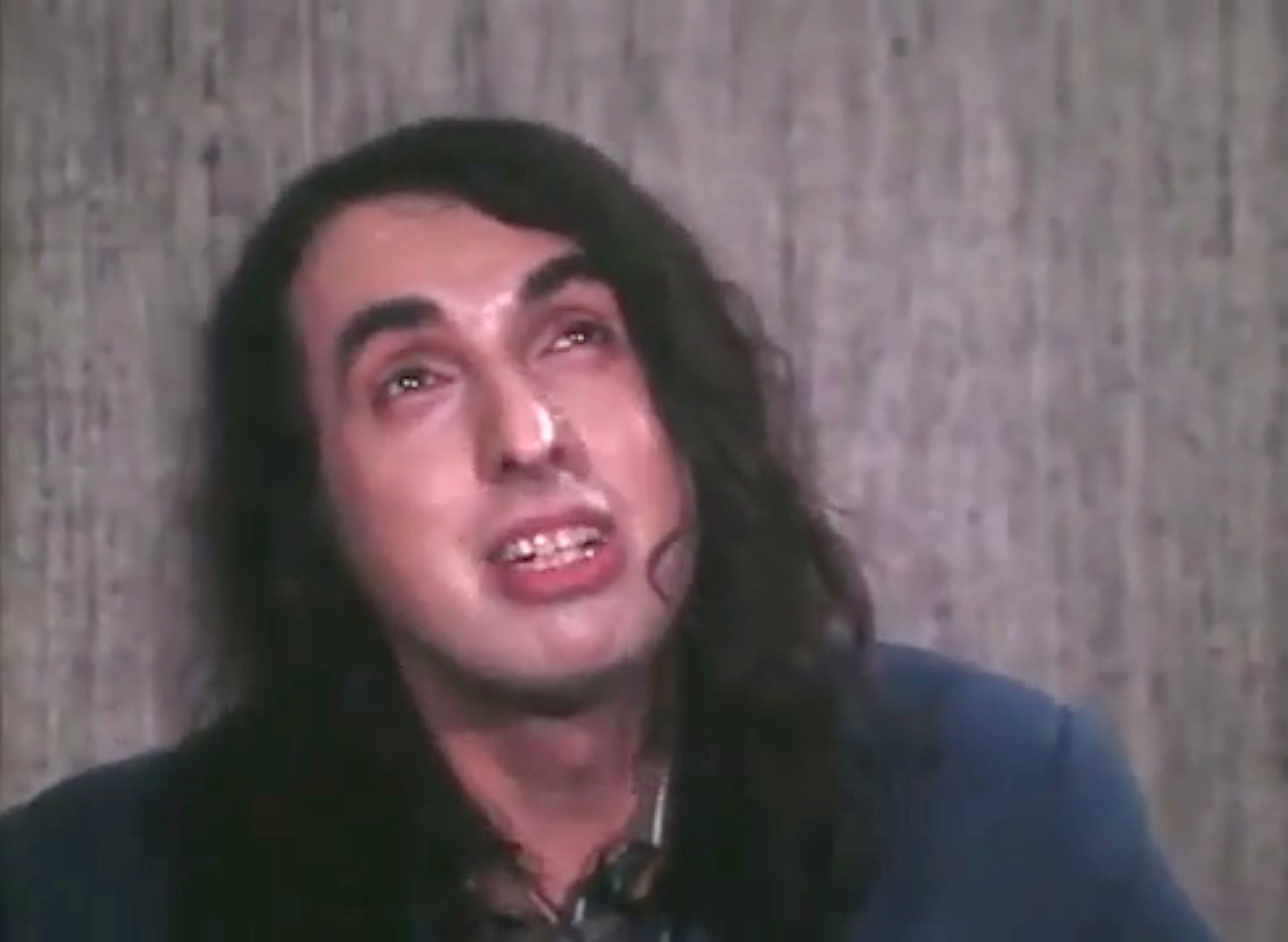
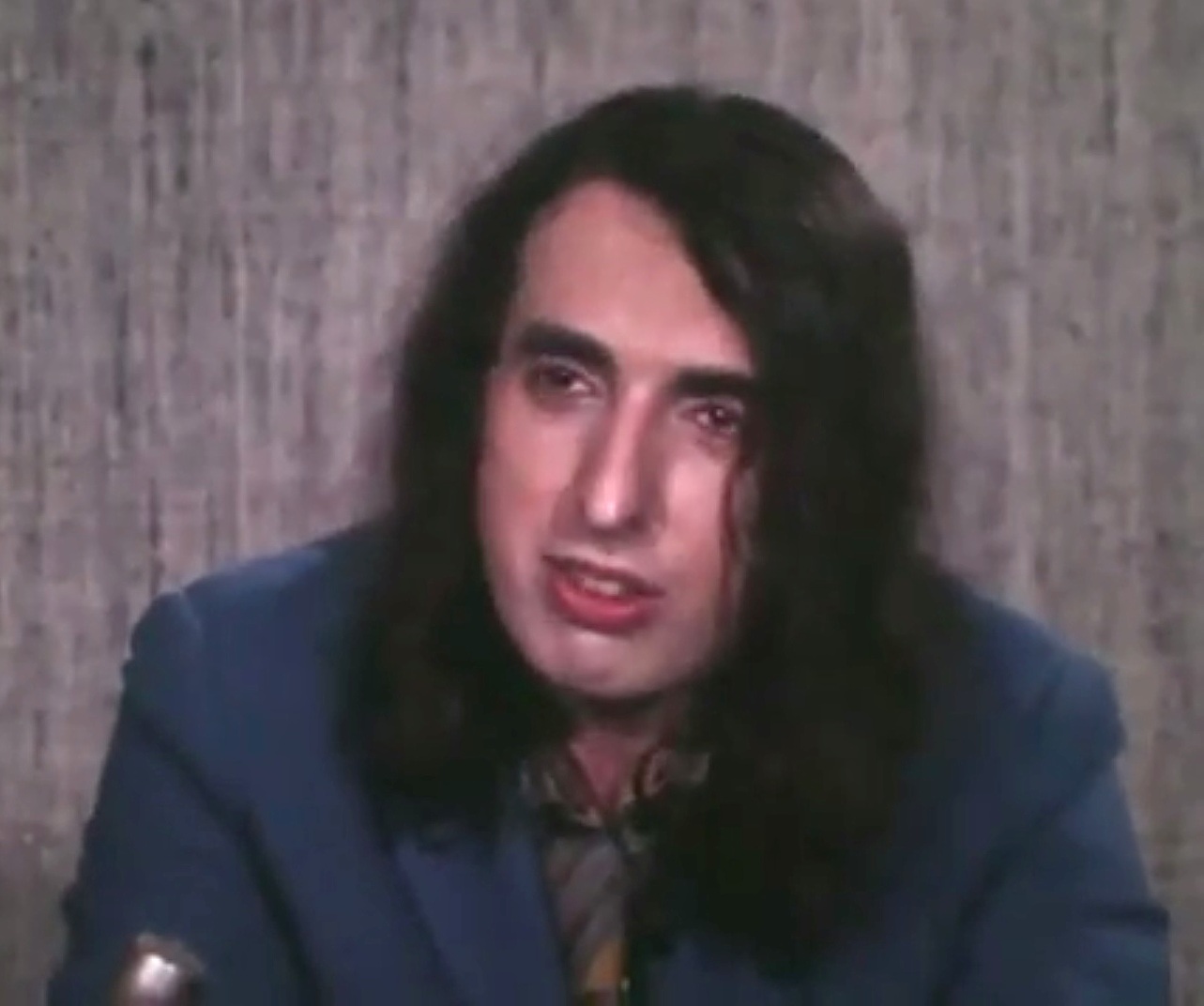
No riot was reported this visit, but Sanger’s still packed by fans who wanted a book signed by Mr. Tim (who signed with a pink quill pen). While in town, he give a little interview and an impromptu performance at a press conference (am I the only person who sees shades of Jeffrey Tambor here?):

*

tiny_ch-8_3  tiny_ch8_2  tiny-ch-8_1

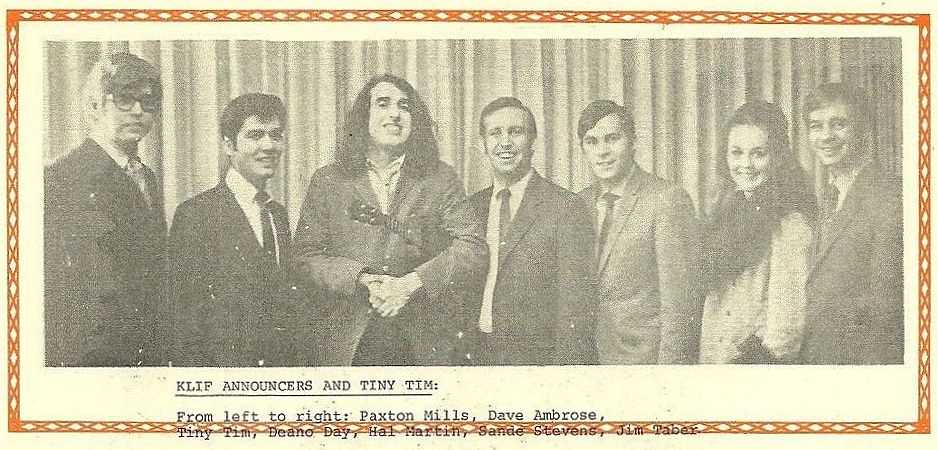
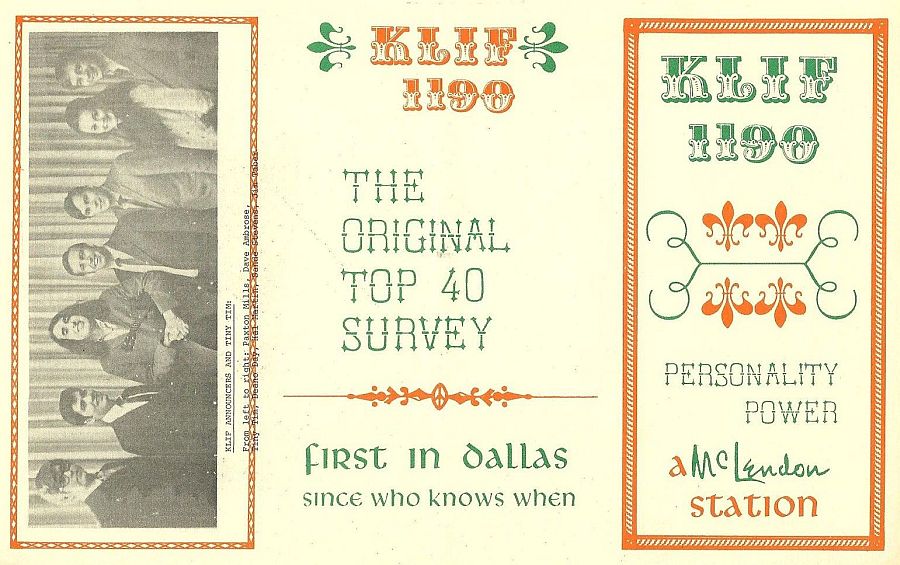
Also in 1969, he took time out to pose with KLIF on-air talent Paxton Mills, Dave Ambrose, Deano Day, Hal Martin, Sande Stevens (not sure if she worked for KLIF), and Jim Taber, seen below.

klif_tiny-tim_1969_ebay_photo-det

klif_tiny-tim_1969_ebay

But wait, there’s more… he was back in Dallas in September, 1970 for a NINE-DAY engagement (two shows nightly) at Abe Weinstein’s famed downtown burlesque house. (I don’t know if the strippers took the time off while Tiny was in residence or if they might have entertained between his sets.) Here’s a clip from a press conference during that visit:

And, why not, here’s an early publicity photo of Herbert Khaury, the man who would one day become famous as the singer Bing Crosby once described as having (I paraphrase) a vibrato big enough to throw a Labrador through.

tiny-tim_headshot

***

Sources & Notes

The 1969 Chanel 8 video is from the WFAA Newsfilm Collection held by the Hamon Arts Library, Southern Methodist University; it is posted on YouTube here (the first image and the three color photos of Tiny Tim are screenshots I captured from the video); the 1970 footage is from the same source and can be found on YouTube here.

KLIF promotional material found on eBay several months ago. The back of the card lists the KLIF’s top 40 of the week, here.

Glamour shot of Mr. Khaury found somewhere on the internet.

Tiny Tim Wikipedia entry is here.

One would be remiss in not mentioning Tiny Tim’s other ties to Dallas, namely his association with Bucks Burnett’s Edstock and Burnett’s tiny Tiny Tim museum from the 1990s. I’d link to articles in the Dallas Observer, but every time I go to the DO site my computer freezes. I encourage you to seek out these articles yourself.

More on Tiny’s January, 1969 visit to Dallas can be found in these Dallas Morning News articles:

  • “5,000 Kids Mob Tiny Tim” by Jean Kelly, with photo (DMN, Jan. 24, 1969)
  • “Magical Mystery Tour: On Meeting Tiny Tim” by Marge Pettyjohn, “YouthBeat” editor, with photo (DMN, Jan. 25, 1969)

*

Copyright © 2017 Paula Bosse. All Rights Reserved.

Albert Einstein “Threw the Switch” in New Jersey to Open the Pan-American Exposition in Dallas — 1937

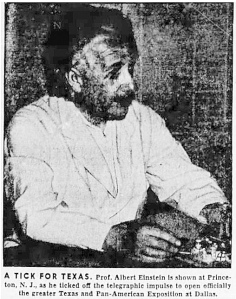
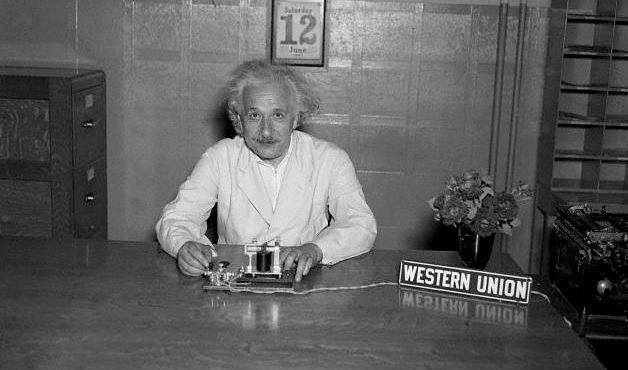
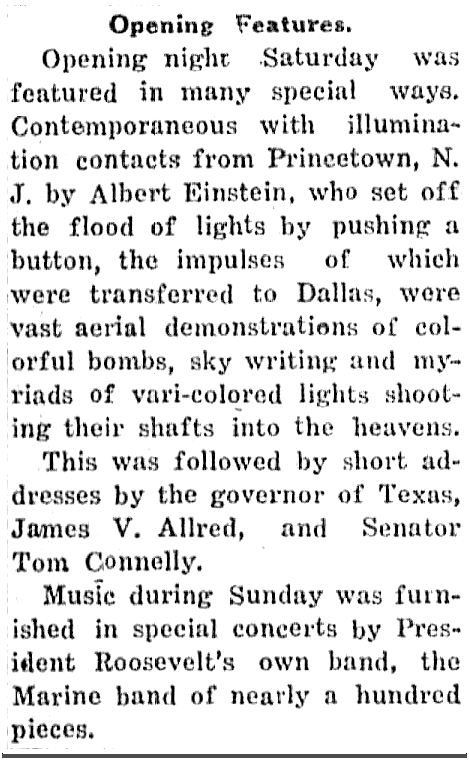
pan-american-expo_einstein_061237Einstein at the switch, June 12, 1937…

by Paula Bosse

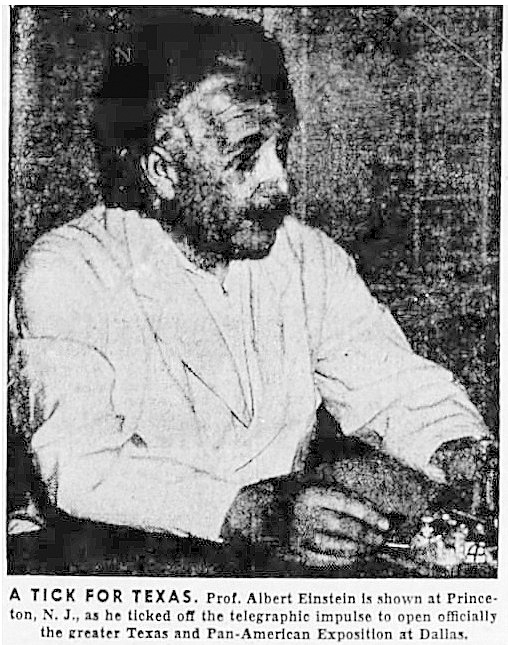
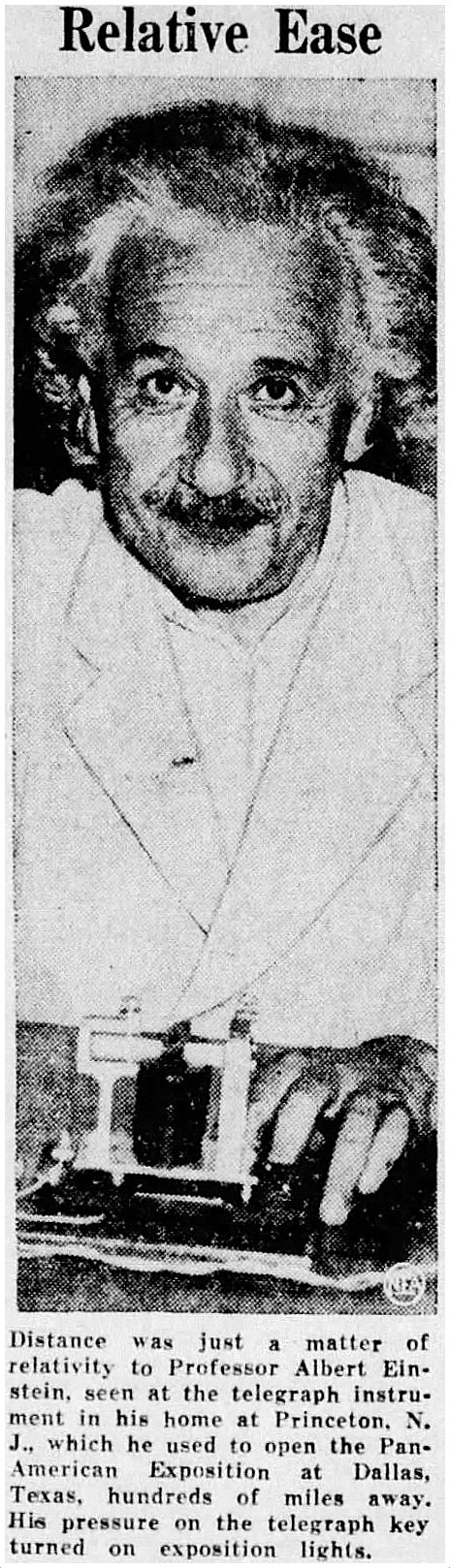
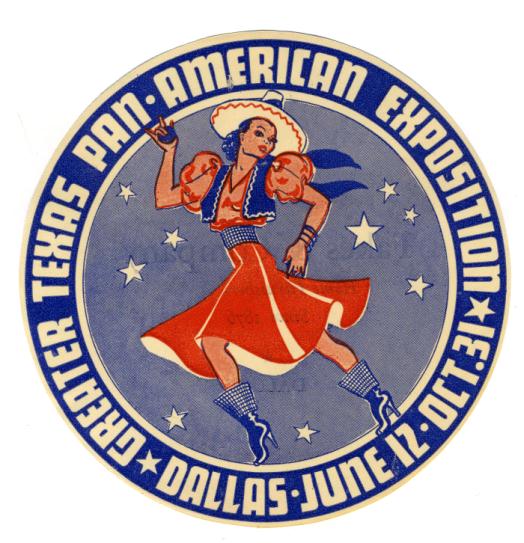
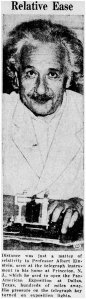
Who knew? Albert Einstein, the world’s most famous physicist, helped open the Greater Texas and Pan-American Exposition. The exposition was held at Fair Park for 20 weeks, from June 12, 1937 to October 31, 1937, as a follow-up of sorts to the Texas Centennial (the city had built all those new buildings — might as well get their money’s worth!). I’m not quite sure how Einstein got roped into this, but looking at the photo above, he seemed pretty happy about what was, basically, a long-distance ribbon-cutting. Via telegraph.

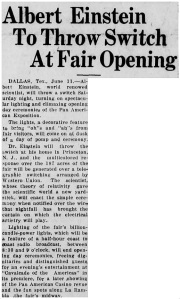
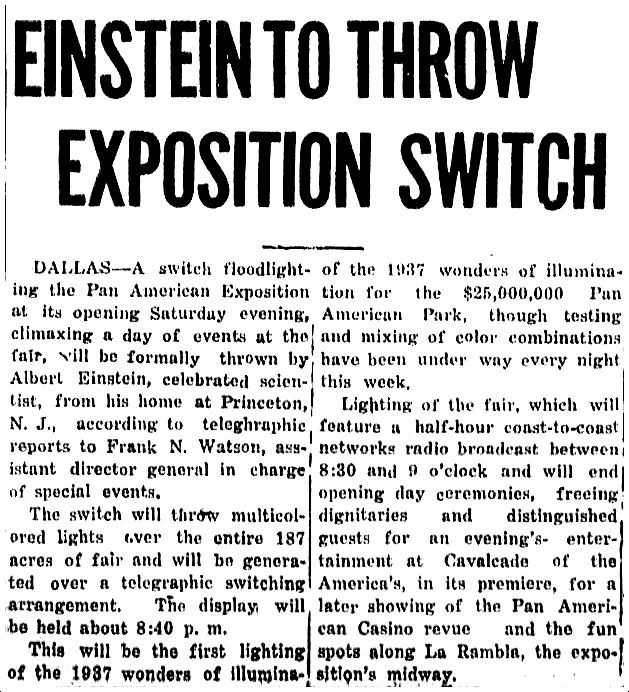
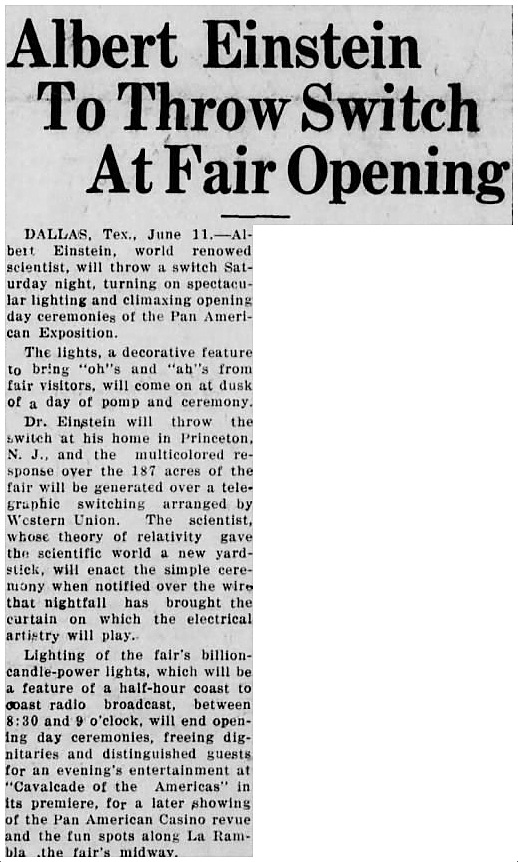
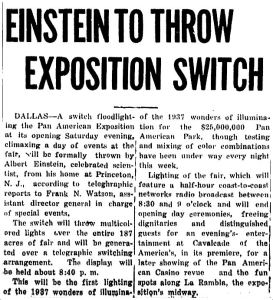
The plan was for Professor Einstein to officially open the Pan-American Exposition by “throwing the switch” which would turn on massive displays of lights around Fair Park. He would do this from Princeton, New Jersey, where he lived, by closing a telegraph circuit which would put the whole thing in motion. Newspaper reports varied on where exactly Herr Einstein was tapping his telegraph key — it was either the study in his home, in his office, in a Princeton University administration building, or in the Princeton offices of Western Union (the latter of which was mentioned in only one report I found, but it seems most likely).

Einstein was a bona fide celebrity, and this was national news — newspapers around the country ran stories about it, and the ceremony was carried live on coast-to-coast radio. Almost every report suggested that Einstein’s pressing of the key in New Jersey would be the trigger that lit up the park in Texas, 1,500 miles away — which was partly correct. According to The Dallas Morning News:

Lights on the grounds will be turned on officially at 8:40 p.m. when Dr. Albert Einstein, exponent of the theory of relativity, presses a key in his Princeton home to fire an army field gun. With the detonation of the shell, switches will be thrown to release the flood of colored lights throughout the grounds. (DMN, June 10, 1937)

So on June 12, 1937 he pressed a telegraph key somewhere in Princeton, NJ, an alert was instantly wired to Dallas, an army field gun (in some reports a “cannon”) was fired, and that blast was the cue for electricians positioned around the park to throw switches to illuminate the spectacular displays of colored lights.

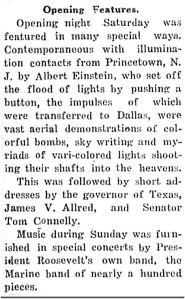
The Western Union tie-in gimmick was a success. Newspaper reports might have been a little purple in their descriptions, but from all accounts, those lights going on all at once was a pretty spectacular sight.

Dr. Albert Einstein, celebrated scientist, threw a switch that flashed a million lights over the 187-acre exposition park. The flash came at 8:40 o’clock and instantly the huge park became a city of a million wonders. Flags from a thousand staffs proclaimed their nationality [and] bands played the national airs of the nations of the Western Hemisphere as lusty cheers roared with thunderous approval. The Greater Texas and Pan-American Exposition was formally opened. It is on its way. (Abilene (TX) Reporter News, June 13, 1937)

The Dallas News describes the crowd as stunned into silence:

The waiting participants in the ceremonies at Dallas heard the results [of Einstein’s telegraph signal] when a cannon boomed. Electricians at switches around the grounds swung the blades into their niches and the flood of light awoke the colors of the rainbow to dance over the 187-acre park. Its breath taken by the spectacle, the crowd stood silent for a moment, and then broke into a cheer. (“Pan-American Fair Gets Off to Gay Start” by Robert Lunsford, DMN, June 13, 1937)

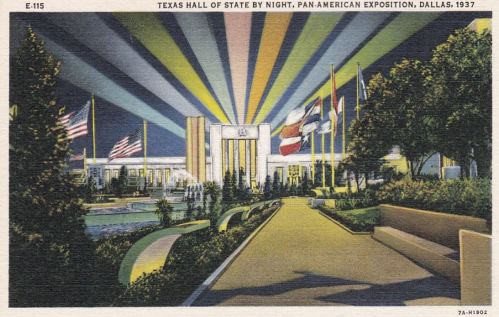
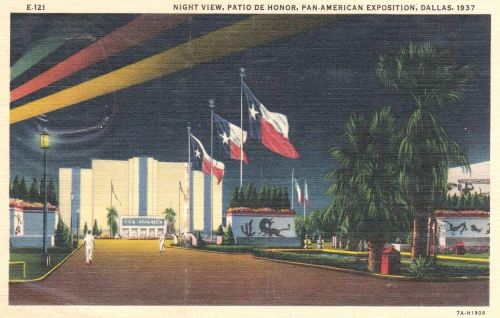
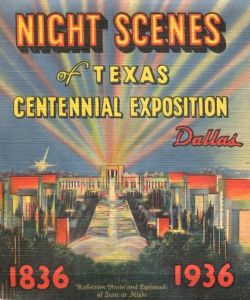
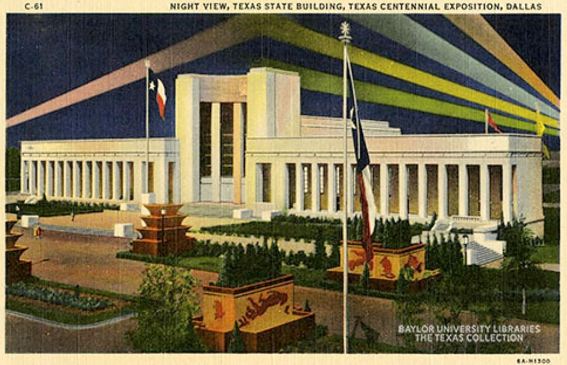
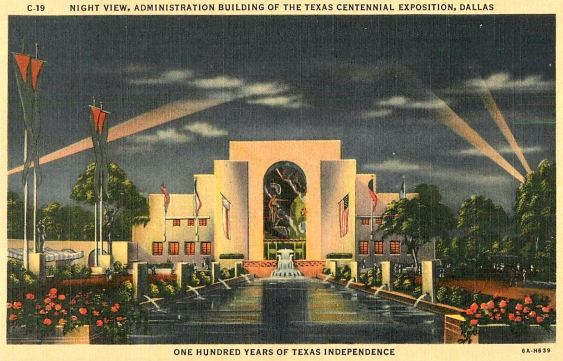
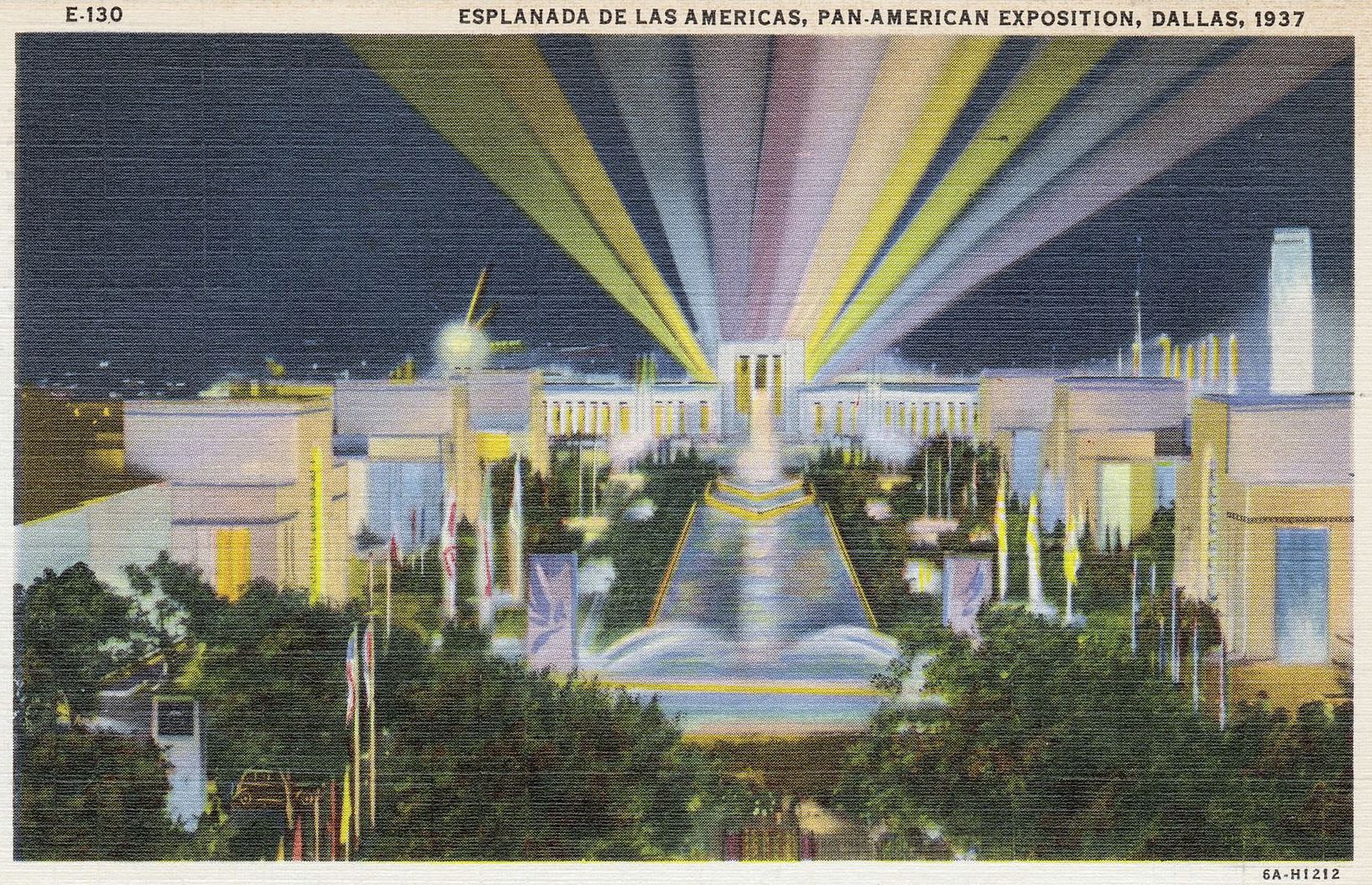
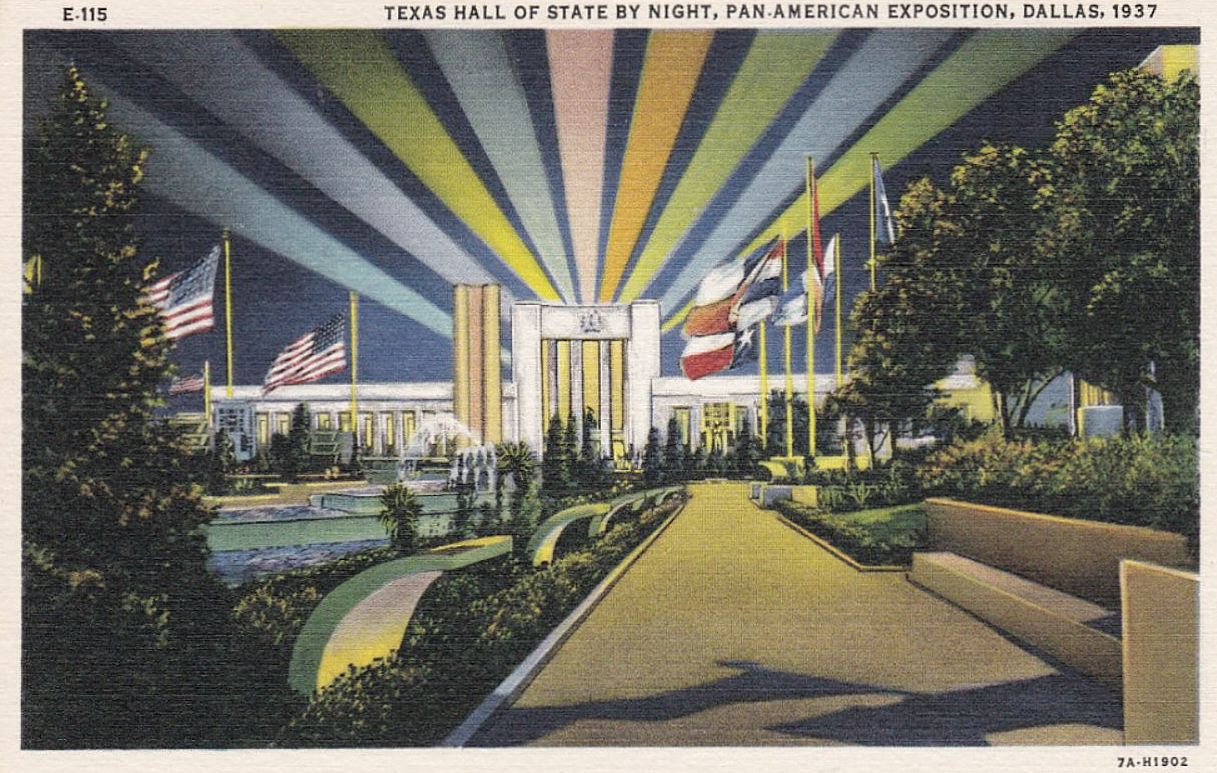
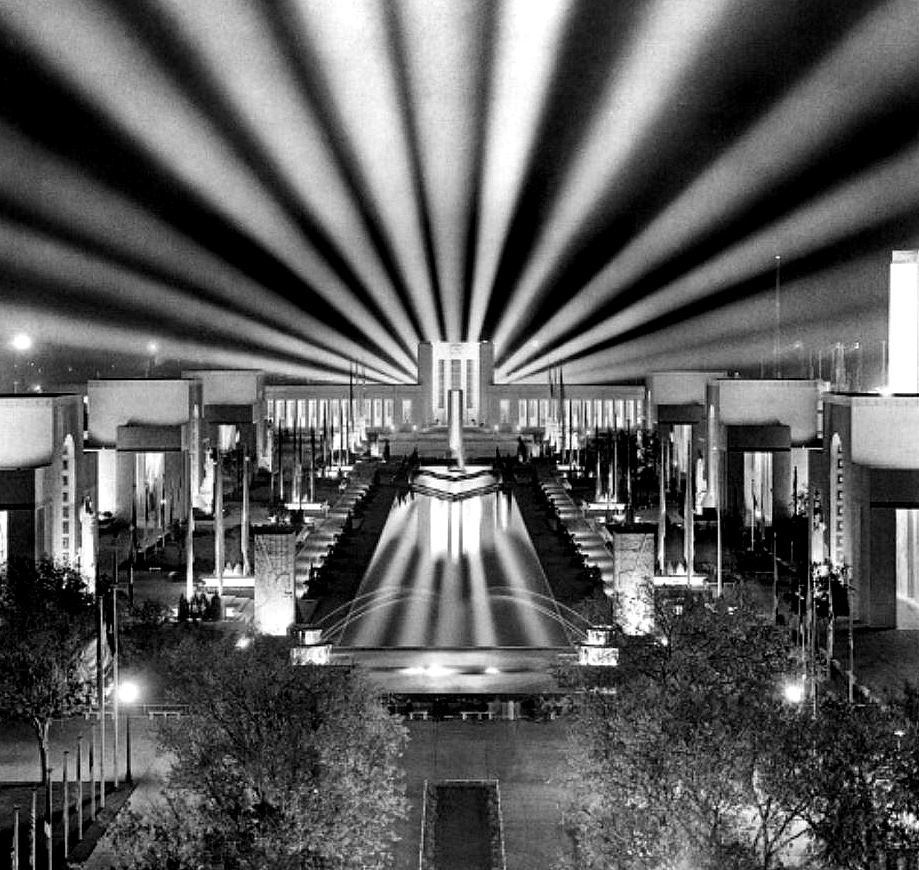
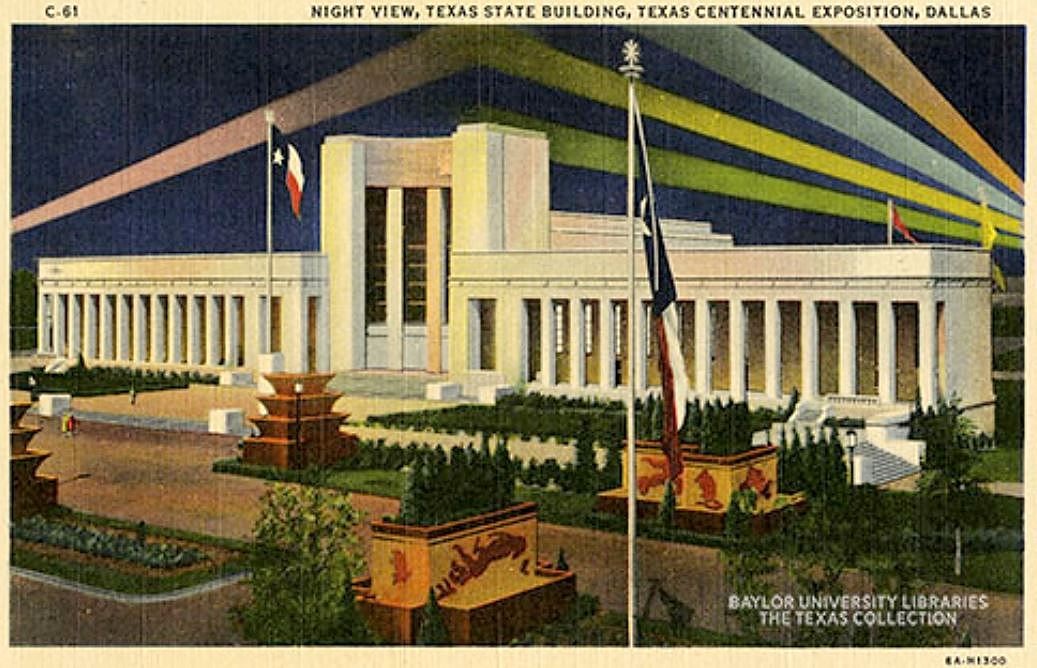
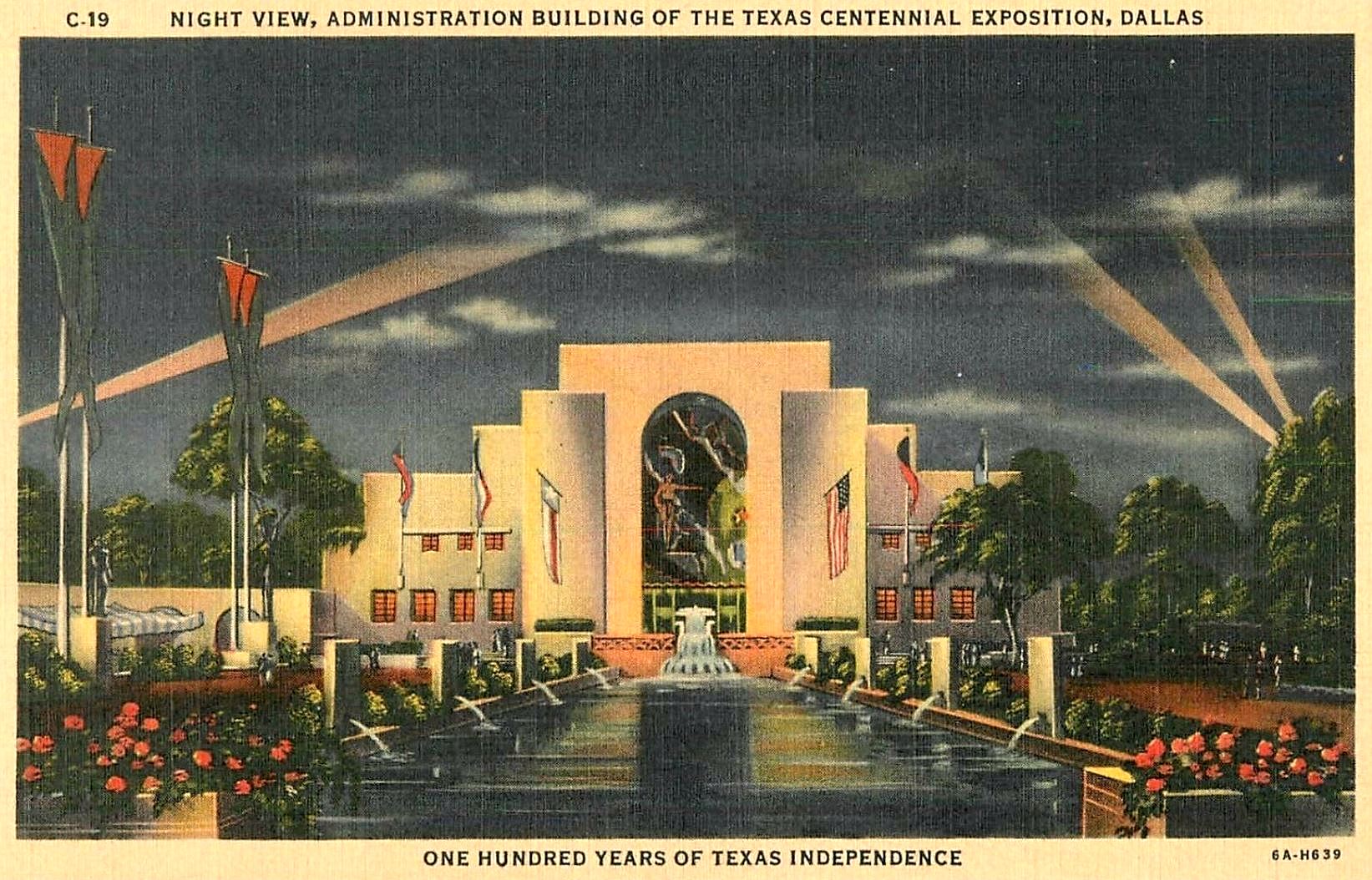
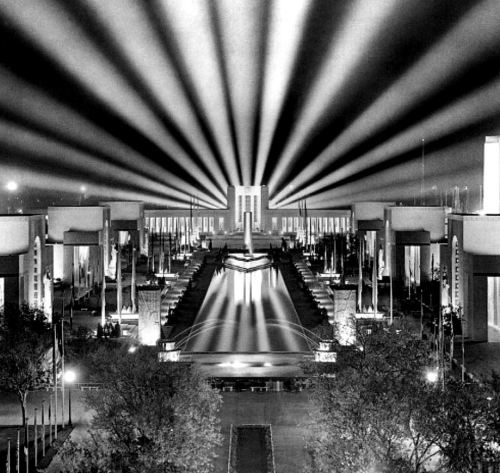
Many of the lighting designs and displays had been used the previous year during the Centennial, but, as with much of the attractions and appointments throughout the park, they were improved and spectacularized for the Pan-American Expo. And people loved what they saw.

Despite the multi-million dollar structures, air conditioning demos, works of art and other newfangled additions to the space, when people left the Centennial Exposition one thing was on everyone’s tongues, according to historical pollsters: the lights.

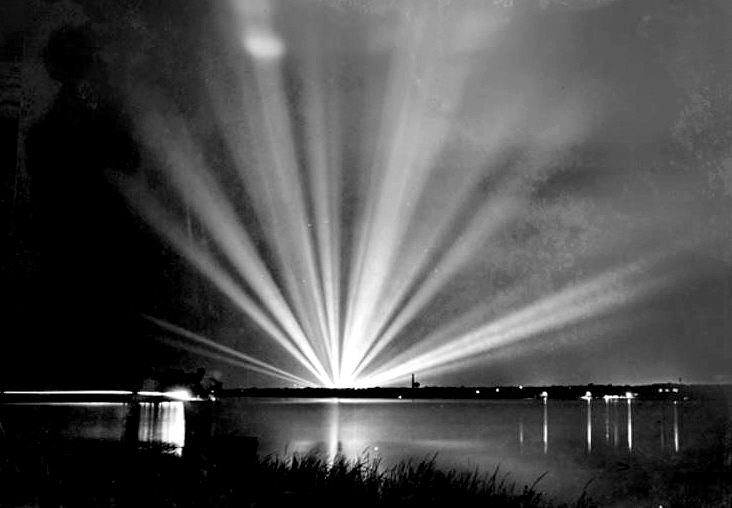
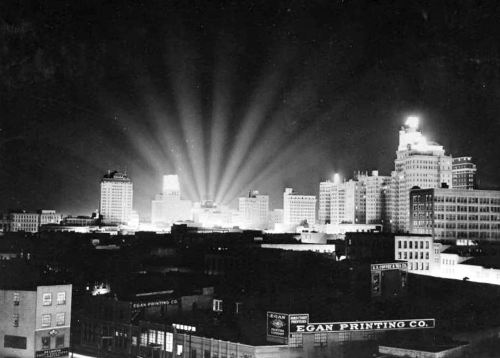
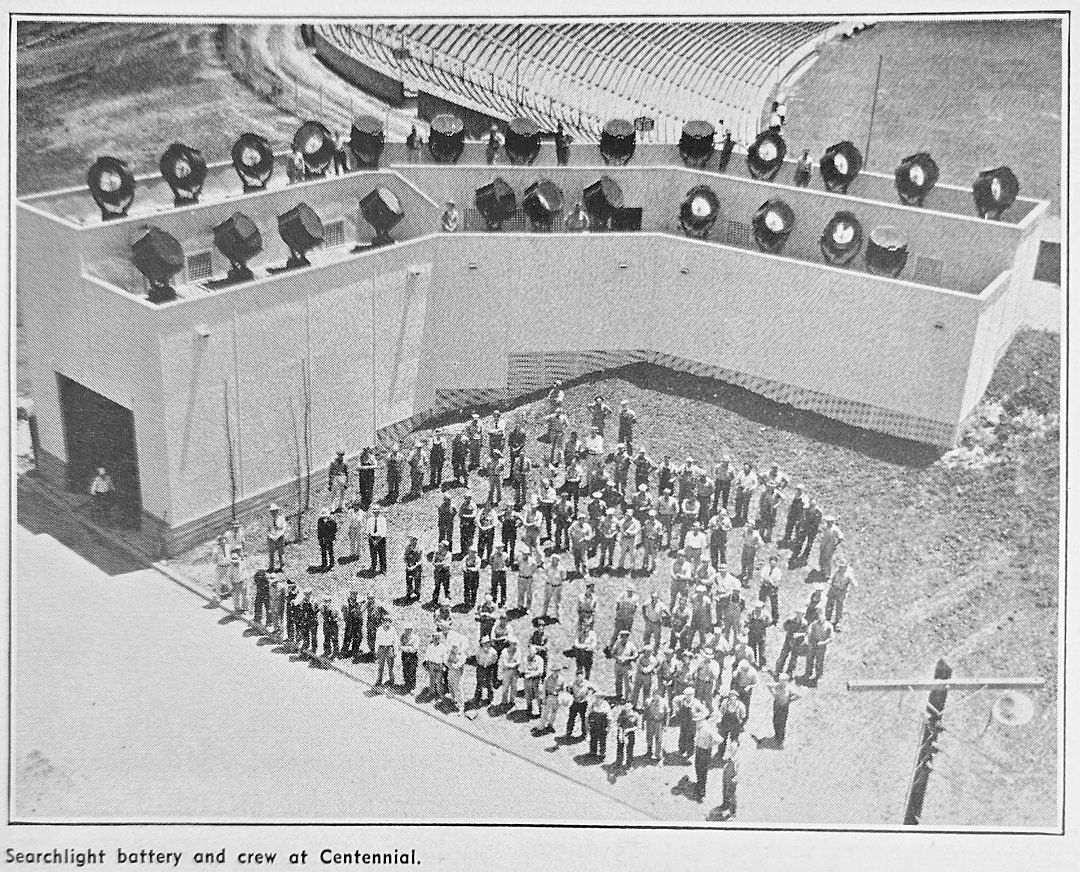
Positioned behind the Hall of State were 24 searchlights scaffolding into a crowned fan shape. “They all moved and were different colors,” says [Jim] Parsons [co-author of the book Fair Park Deco]. “It sounds gaudy, but people loved it.” The lights, he goes on to tell, were visible up to 20 miles away.

Considering most of the people who were visiting the fairgrounds were coming from rural farming communities with no electricity, the inspiring nature of those far-reaching beams makes a lot of sense. (Dallas Observer, Nov. 7, 2012)

Thanks for doing your part for Dallas history, Prof. Einstein!

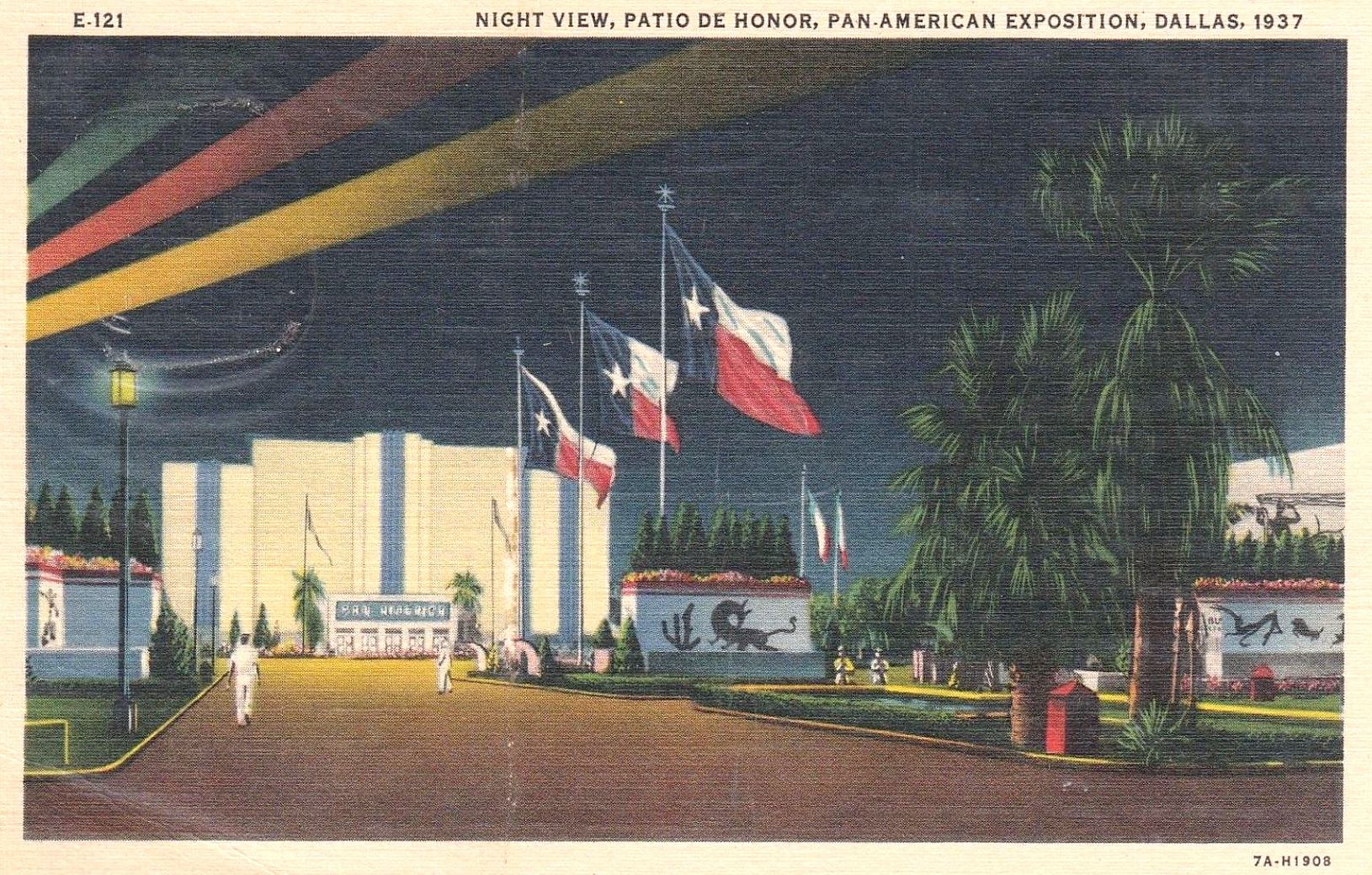
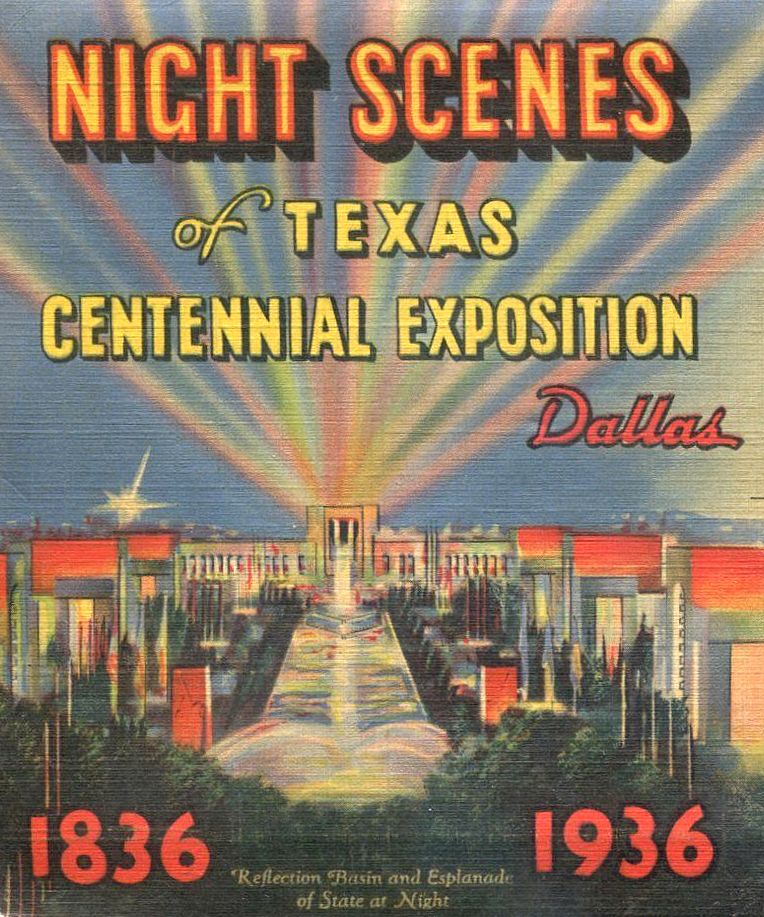
pan-american-expo_esplanade_postcard

pan-american-expo_hall-of-state_postcard

pan-american-expo_patio-de-honor_ebay

Below, photos from the Texas Centennial, 1936. The multicolored lights could be seen from miles away — here’s what they looked like from downtown and from White Rock Lake.
centennial_pan-american_lights

skyline_downtown-to-fair-park_1936_GE-colln_museum-of-innovation-and-science

fair-park-lights_white-rock-lake

tx-centennial_night-scene_espalanade_hall-of-state_lights_ebay

tx-centennial_night_hall-of-state_lights_flickr_baylorvia Baylor University Flickr stream

tx-centennial_night_administration-bldg_lights_ebay

*

A look behind the scenes: “The general lighting effect is a battery of twenty-four 36-inch searchlights as powerful as the giants that flash from the dreadnoughts of Uncle Sam’s navy. Each searchlight will produce 60 million candlepower. Combined, the battery has a total candlepower of 1.5 billion. A 350,000-watt power generator will produce this colossal quantity of ‘juice.’” And the accompanying photo of the searchlight battery crew manning the candlepower:
tx-centennial_lights_southwest-business-mag_june-1936_photoSouthwest Business, June 1936

**

(All pictures and clippings are larger when clicked.)
einstein_pan-am-expo_denison-press_060937
Denison Press, June 9, 1937

*

einstein_pan-am-expo_waxahachie-daily-light_061137
Waxahachie Daily Light, June 11, 1937

*
einstein_pan-am-expo_denison-press_061437
Denison Press, June 14, 1937

*

einstein_pan-am-expo_medford-oregon-mail-tribune_062337
Medford (Oregon) Mail Tribune, June 23, 1937

*
einstein_pan-am-expo_vernon-daily-record_062437
Vernon Daily Record, June 24, 1937

*

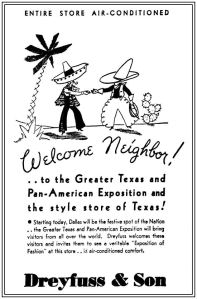
pan-american-expo_drefuss-ad_dmn_061237
1937

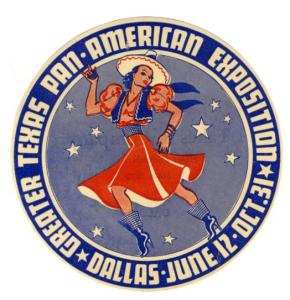
pan-american-expo_sticker_1937_cowgirl

***

Sources & Notes

Top photo from the old Corbis site.

Black-and-white photos from the Centennial seen from Fair Park and White Rock Lake are from the Texas/Dallas History and Archives Division of the Dallas Public Library; the photo of the lights seen from downtown Dallas (titled “New skyline at night from Dallas, Texas”) is from the GE Photo Collection, Museum of Innovation and Science (more info on that photo is here).

Sources of other images and clippings cited, if known.

More on the Pan-American Exposition from Wikipedia, here, and from the fantastic Watermelon Kid site of all-things-Fair-Park, here.

*

Copyright © 2016 Paula Bosse. All Rights Reserved.

November 22, 1963: Will Fritz and the JFK Investigation

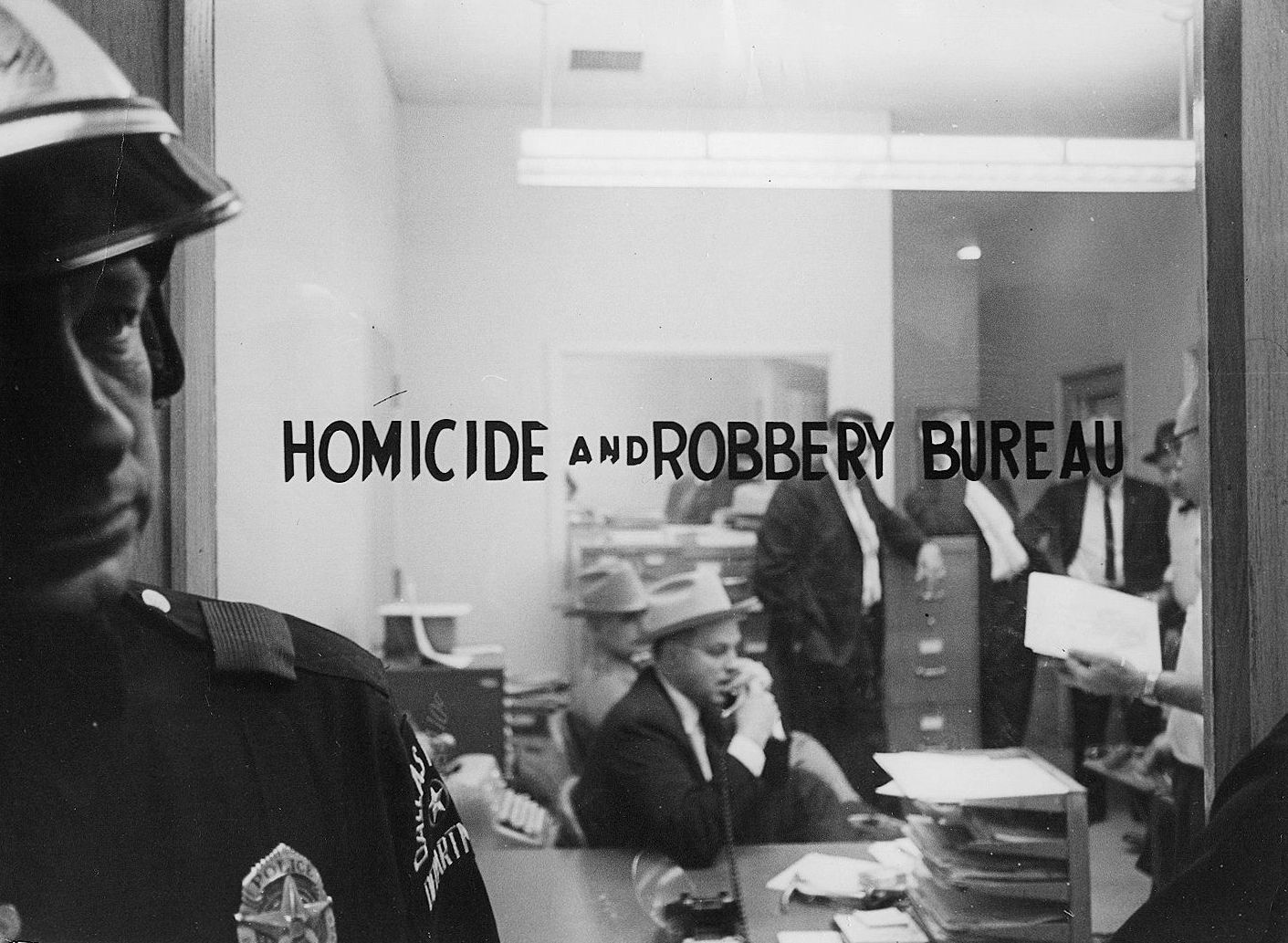
jfk_dpd_post-assassination_ebayThe men of the Homicide & Robbery Bureau at work (click for larger image)

by Paula Bosse

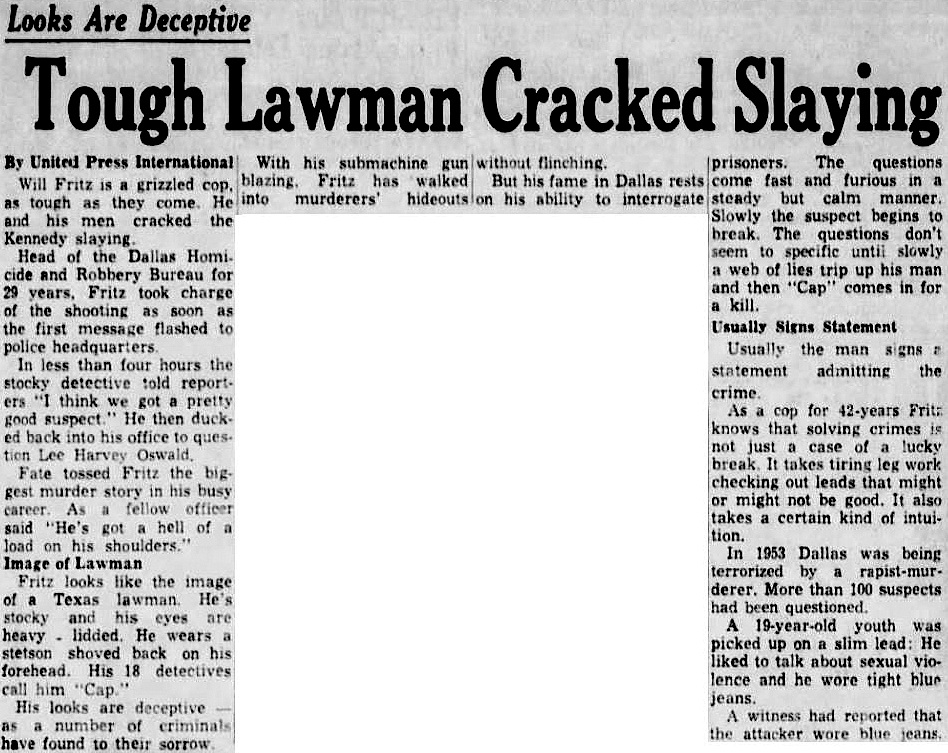
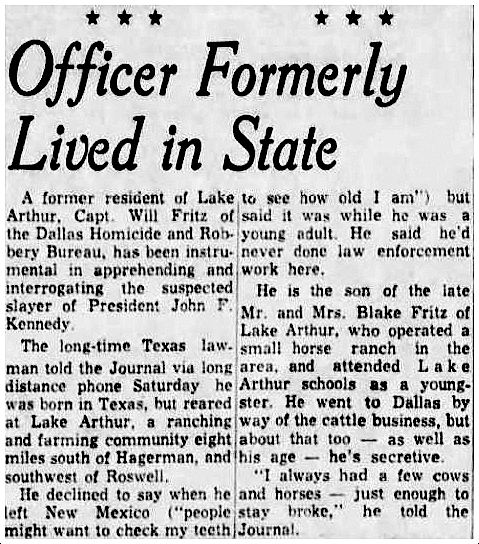
After the unthinkable had happened on the streets of Dallas — the assassination of a U.S. president — the Homicide and Robbery Bureau of the Dallas Police Department, led by Will Fritz, Captain of Detectives, sprang into action and quickly apprehended Lee Harvey Oswald as a suspect in the shooting of President John F. Kennedy. The FBI, the Secret Service, the Texas Rangers, and the whole of the Dallas Police Department worked together, but Fritz was the face of the investigation.

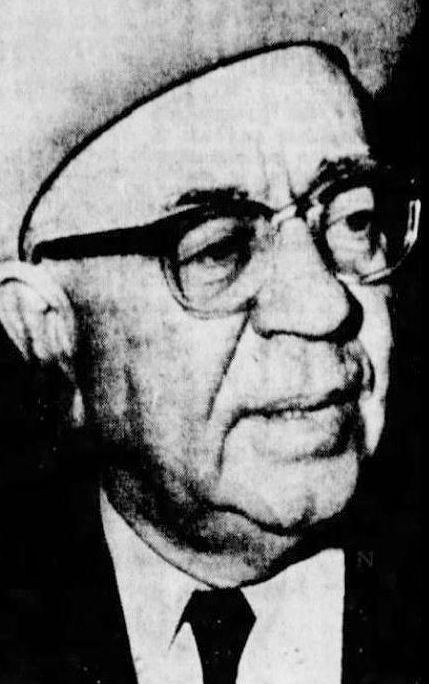
Will Fritz (1895-1984) was born in Dublin, Texas and grew up in New Mexico. He joined the Dallas Police Department in 1921 and remained on the force for 49 years, retiring in 1970 at the age of 74. He was considered one of the top police interrogators in the state and was a dedicated lawman — so dedicated he lived just steps away from police headquarters in the White Plaza Hotel (originally the Hilton Hotel, now the Indigo).

The success rate of Fritz’s detectives was impressive:

The record of Fritz and the Police Department’s Homicide and Robbery Bureau — which he has led since its formation — is a nationally enviable one. Over the past quarter century, he and his aides have solved roughly 98 per cent of the 54 to 98 homicides committed each year. (Dallas Morning News, March 1, 1959)

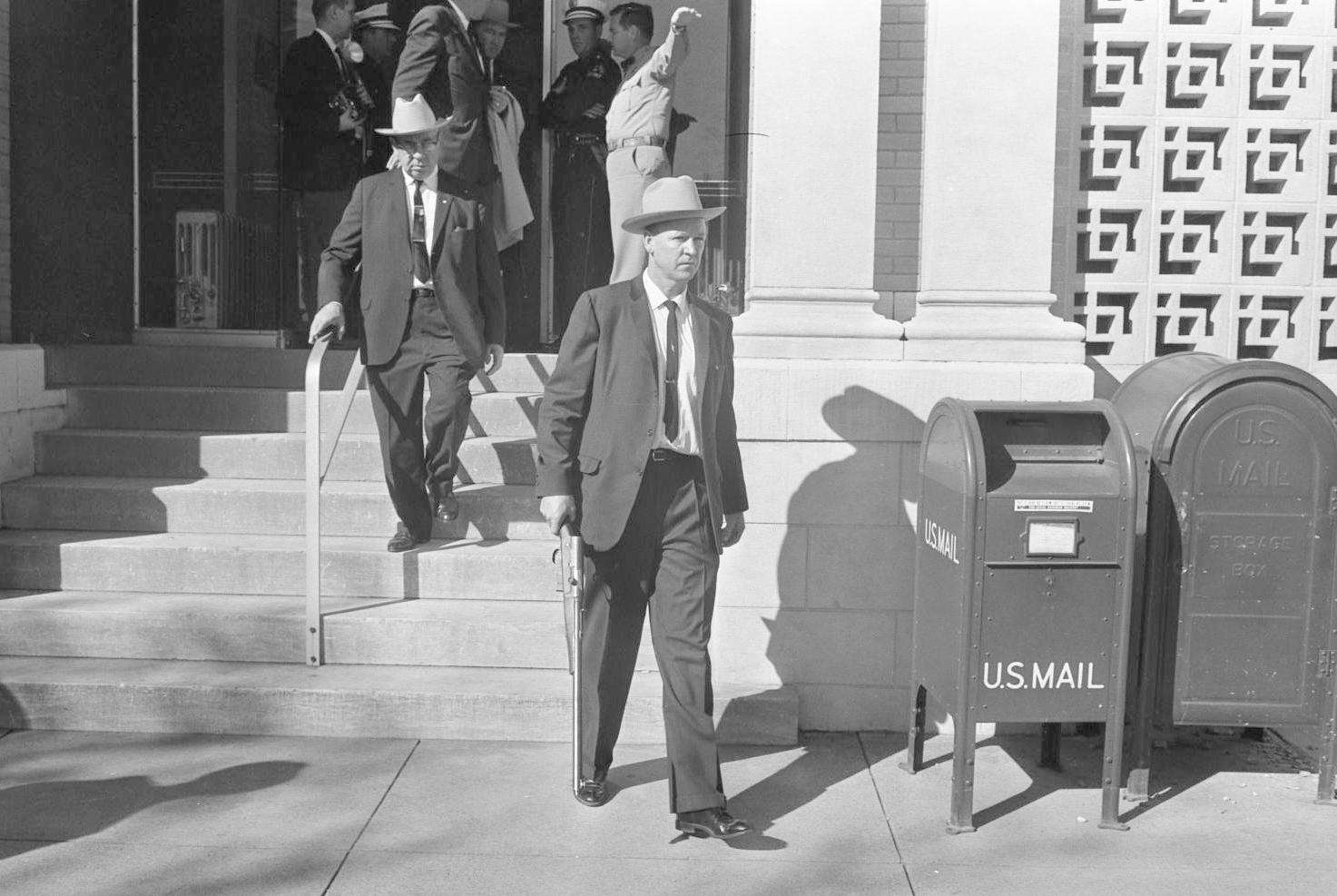
Fritz served for almost half a century with the DPD, involved in all sorts of colorful cases, but he’ll always be most remembered for the events surrounding the JFK assassination. The photo above shows his detectives at work in the Homicide office in the aftermath of the Kennedy assassination; the photo below shows him exiting the Texas School Book Depository with DPD detective Elmer Boyd (carrying rifle).

jfk_fritz_school-book-depository_112263_portal

*

*

jfk_fritz_albuquerque-journal_112463-photo

jfk_fritz_albuquerque-journal_112463a

jfk_fritz_albuquerque-journal_112463b

jfk_fritz_albuquerque-journal_112463_sidebar
Above photo and clippings from the Albuquerque Journal, Nov. 24, 1963

***

Sources & Notes

Top photo showing a Dallas police officer standing outside the Homicide and Robbery Bureau is from a 2015 eBay listing. The reverse of the photo is stamped “Paris Match/Marie Claire.”

Photo showing Fritz walking down the steps of the Texas School Book Depository, taken on November 22, 1963 by Dallas Times Herald staff photographer William Allen. It is from the Sixth Floor Museum’s Dallas Times Herald Collection, which is hosted online by the University of North Texas Libraries, via the Portal to Texas History, here (with additional information here).

More about Capt. Will Fritz from the Handbook of Texas History, here.

A really interesting profile of Fritz can be found in the 1959 Dallas Morning News article “Captain Fritz: Stays With the Case” by Don Freeman (DMN, March 1, 1959).

Other Flashback Dallas posts related to the assassination of President John F. Kennedy can be found here.

Click on photos and clippings to see larger images.

*

Copyright © 2016 Paula Bosse. All Rights Reserved.


Holy Blues: Blind Willie Johnson and Arizona Dranes — 1920s

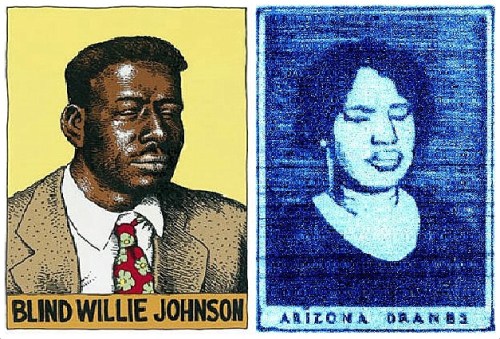
johnson-dranes

by Paula Bosse

Today a little Sunday-go-to-meetin’ music, courtesy of two powerful singers who recorded at about the same time — late 1920s — and who both spent time in Dallas. Blind Willie Johnson was from Marlin, Texas, but he recorded much of his music in Dallas and regularly played street corners in Deep Ellum. Arizona Dranes, also a native Texan, lived in Dallas for several years and was, like Johnson, blind. Listening to both of them, you can hear their influence in the gospel and blues music that came after them. Read about the short life and career of Blind Willie Johnson here. Read about the life and career of Arizona Dranes from Michael Corcoran, here and here. And listen to their music below. It’s fantastic. (All of the tracks by Johnson were recorded in Dallas.)

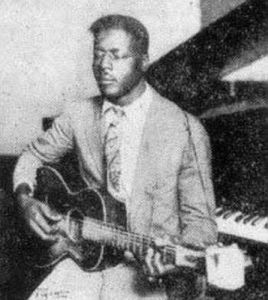
blind-willie-johnson
Blind Willie Johnson, 1927-ish?

That guitar!

*

*

Here he is with his wife singing behind him.

*

Johnson’s song “Dark Was the Night, Cold Was the Ground” was included on the Voyager Gold Record, a collection of music chosen to represent Earth’s culture and diversity, carried into space aboard the Voyager.

*

*

arizona-dranes_1953_corcoran
Arizona Dranes in 1953

That voice!

*

The song below starts off deceptively “plinky” but picks up considerably when Arizona starts to sing.

*

Want to know more about Arizona Dranes? Michael Corcoran can tell you what you need to know.

*

Copyright © 2016 Paula Bosse. All Rights Reserved.

Preston Sturges: Camp Dick’s Most Famous Former Cadet? — 1918

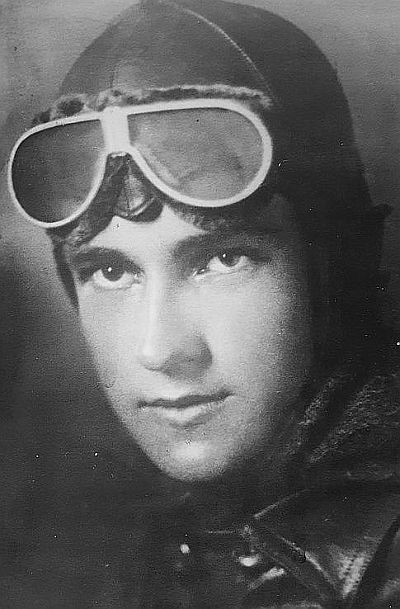
preston-sturges_camp-dick_dallas_1918
Preston Sturges playing dress-up, Camp Dick, Dallas, 1918

by Paula Bosse

While researching my Veteran’s Day post on Camp Dick cadets, I came across a 1941 Dallas Morning News article about Hollywood screenwriter and director Preston Sturges, whose latest movie The Lady Eve was about to open at the Palace. The article mentioned that Sturges had been stationed at Camp Dick, the WWI aviation boot camp for the U.S. Signal Corps, located in the old racetrack at Fair Park. Preston Sturges — a master of the screwball comedy — is one of my favorite writer-directors (in addition to The Lady Eve, everyone should watch Sullivan’s Travels), so I was interested to find out more about his time in Dallas. I didn’t think I’d find anything but a passing mention of it anywhere, but, surprisingly, it turns out Sturges himself wrote about his Camp Dick days — in a book I actually own and had started but had never finished!

Sturges was sent to Dallas in March, 1918. He was 19 years old. Born in Chicago, he had spent much of his childhood in France, tagging along with his eccentric four-times married bohemian mother who seems to have known every intellectual and artiste of the day (not only was she a close friend of dancer Isadora Duncan and Marcel Duchamp, she had also been romantically involved with Aleister Crowley — you can’t get much more bohemian than that!).

Sturges’ account of his time at Camp Dick (which appeared in Chapter 28 of the posthumously-published Preston Sturges by Preston Sturges) is amusing, describing such things as the heat (“the midday temperature of a Texas summer wasn’t really intended for human beings”), the latrines, and the food. He also remembered the nightmare of the Spanish Influenza pandemic, which was particularly deadly in the close quarters of military camps. (You can read the entirety of Sturges’ memories of his days at Camp Dick here.)

The heat was a real problem for the cadets. One of my favorite images conjured by Sturges’ chapter on the camp is this one:

Out on the parade ground, boys fell over from [the intense heat] all the time and had to be revived with cold water and a sponge. Nights we would climb up the shaky apex of the large roller coaster in the corner of the fairgrounds to try to find a breeze.

One of his memories stumped me a bit, though. He wrote the following about the buildings that stood around Fair Park:

In Dallas, we were sent to a place called Camp Dick, then known as a concentration camp. In a later war, such a facility was called a boot camp. Camp Dick was actually the Dallas fairgrounds with a fence thrown around them. Most of the buildings on the fairgrounds were huge reproductions of the products for sale within them in the prewar days when the fair was open. There was a building in the shape of a gigantic Mazola bottle; another like a huge Gulden’s mustard pot; an enormous Log Cabin Syrup edifice; a massive chili bowl; buildings representing almost anything edible or potable that one could think of….

My last memory of Camp Dick is of standing retreat against the hot sunset, the cadets at attention against the silhouetted background of the massively enlarged Sanka coffee pot, Bromo Quinine bottle and Coca-Cola bottle buildings, and in front of us Lieutenant Pennypacker, more or less at ease on the back of the fiery steed presented to him by the grateful citizens of Dallas.

I’ve never heard of any Fair Park buildings shaped like these things. (There was that giant cash register at the Texas Centennial….) Perhaps Mr. Sturges misremembered? Or indulged in a little fanciful poetic license? Or maybe these buildings DID exist? (And if they did, I’d love some corroboration, ’cause that would be cool.)

Sturges was at Camp Dick only a few months. From there he was sent to the School of Military Aeronautics in Austin and then to Park Field in Millington, Tennessee. He was in the middle of flight training there when, anti-climactically, the war ended. After several years of working in a family business, he became a successful Broadway playwright and was soon whisked off to Hollywood, where, in 1940, he won the first Oscar ever awarded for screenwriting (The Great McGinty). He was considered then — and is considered now — to be one of Hollywood’s greatest comedic screenwriters.

If you’d like to read Preston Sturges’ memories of training at Camp Dick, mosey on over here. Among other tidbits, you’ll read the amusing story behind the be-goggled photo of Cadet Sturges at the top of this post.

***

Sources & Notes

The romanticized photo at the top (the one Sturges wrote about in the book) was taken at Camp Dick in 1918. The quoted passage is also from the book, Preston Sturges by Preston Sturges, His Life In His Own Words, adapted and edited by Sandy Sturges (New York: Touchstone/Simon & Schuster, 1991). I highly recommend getting this book if you’re a fan of classic Hollywood. You can browse through it on Google Books, here, and purchase it here.

More on Sturges at Wikipedia, here.

Dive deeper: another photo of Sturges taken in Dallas in 1918 appeared in The Dallas Morning News on March 27, 1941, titled “At Camp Dick” — it shows a smiling Sturges sitting in a “dummy pilot seat.” If the photo was taken at Camp Dick, the unnamed photographer must have taken “action shots” as well as portraits of the camp’s cadets which Sturges wrote about in his autobiography. (Sturges writes in his amusing story that none of the cadets had ever been near a plane at that point, but they all wanted to be seen as dashing goggle-and-scarf-wearing flying aces.)

*

Copyright © 2016 Paula Bosse. All Rights Reserved.

Big Tex’s Hands

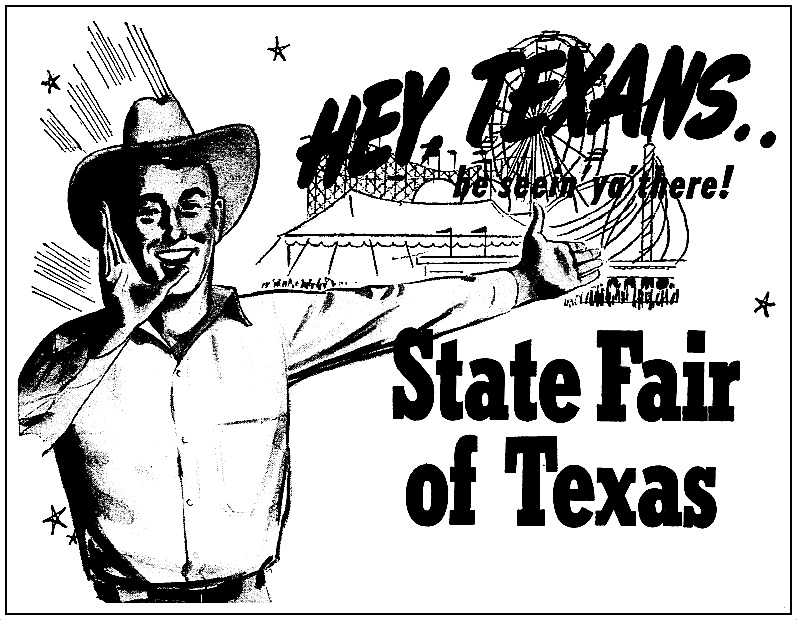
big-tex_dmn_091248_det1948 State Fair ad: “Hey, Texans!”

by Paula Bosse

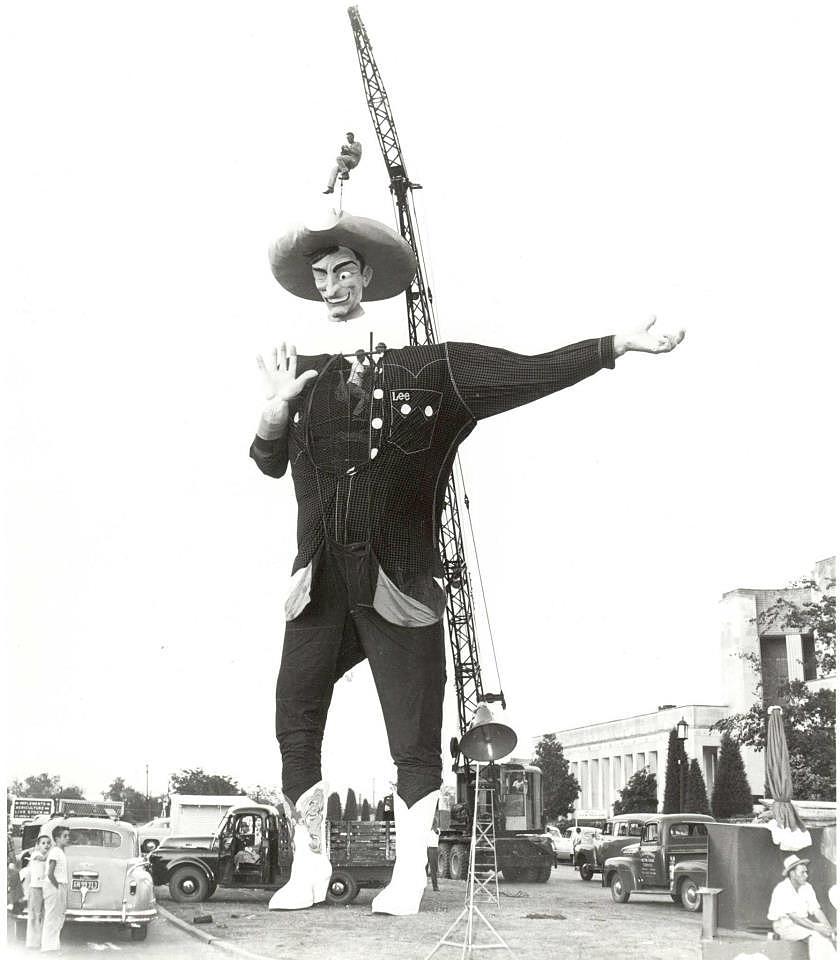
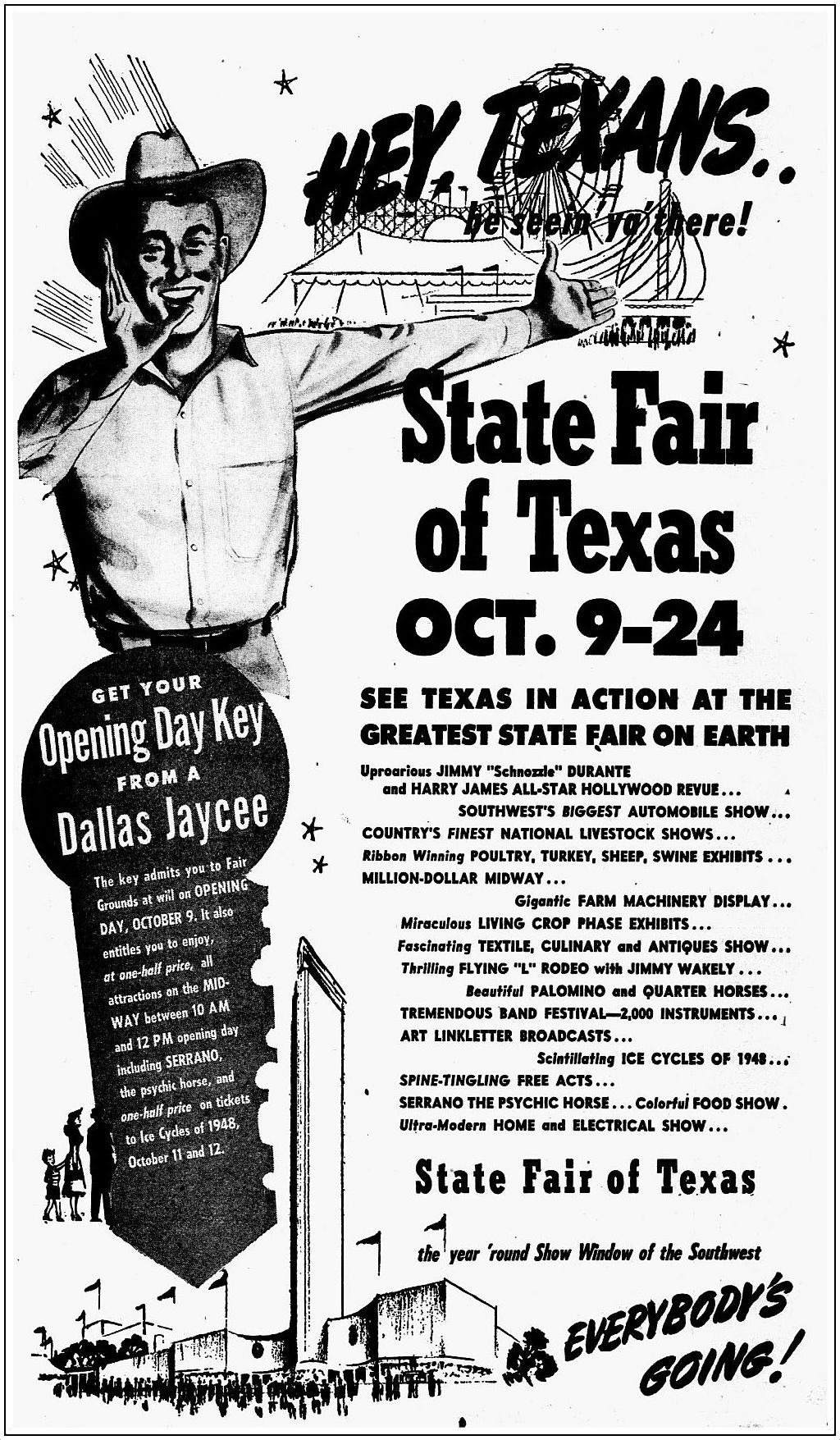
I stumbled across a State Fair of Texas ad a couple of days ago — a detail of which is above — and it made me wonder if it contained the precursor to our beloved Big Tex (whose annual hoisting-up occurred today). The ad is from 1948, four years before Big Tex’s debut at the 1952 State Fair. When I saw it I was immediately reminded of Big Tex and exclaimed to myself, “THAT’S what he should have been doing with his hands!”

I’ve always wondered exactly what Big Tex is supposed to be doing with his hands. It’s a sort of vague “welcoming” gesture, I guess, but I can remember when I had to draw Big Tex in school that I was confused by that right hand. Was he waving? Was it an Indian “How!” greeting sign? It didn’t really look like either of those, and it really irked me (I was an easily-irked child). And, actually, it has continued to bother me all these years! (I am an easily-irked adult.)

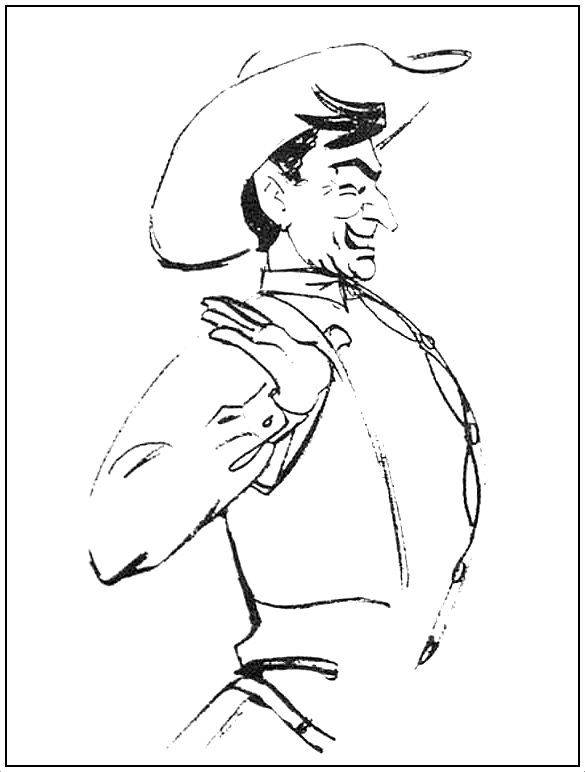
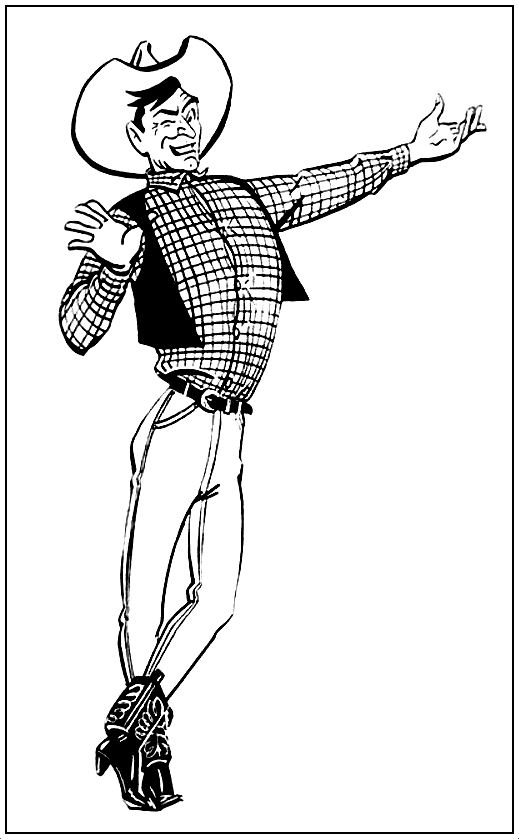
From early sketches, it seems that the right hand was intended to have the thumb hooked through a vest. Jack Bridges, Big Tex’s creator, wanted Tex to symbolize the larger-than-life Texan who wasn’t above indulging in good-humored bragging and tall-tale-telling, and that personality comes through in the sketch and the Big Tex illustration used in the 1952 ads, below.

big-tex-drawing_legend-of-big-tex

big-tex-ink_legend-of-big-tex
via The Legend of Big Tex

By the time Tex debuted, however, the vest seemed to have been discarded (as best I can tell from old photos), but the position of the right hand remained in that weird position (probably just to torment me as a child having to draw him in school).

big-tex_1952_installation_kera
A hovering, winking head, via KERA

Speaking of that very first version of Big Tex, in 1952 he had one eye shut, in the middle of a wink. He also had a long nose and wore a huge hat referred to in newspaper articles as a “sombrero.” In a 1983 interview, Jack Bridges said that in later years SFOT officials “made us open his eyes to make a ‘pretty boy’ outta him.” The wink was gone, the brim of the hat was made smaller, and his ears were moved forward. Even though Tex began to “talk” the next year, Bridges said, “I liked him better myself like he was — rugged and more or less caricature.”

The drawing of the man in the ad at the top probably has nothing to do with Big Tex, but dang if it ain’t pretty close! And the position of both hands makes sense! 

Here’s the full 1948 ad from the top:

big-tex_dmn_091248
1948

***

Sources & Notes

You can listen to a short (13-minute) interview done with Jack Bridges in 1983 as part of a Dallas Public Library oral history project, here. One of my favorite tidbits is Bridges remembering that vandals once painted a “big brown moustache” on the resting, disembodied head of Tex one year. He said that the head and the hat were kept in the Centennial Building when the fair wasn’t in progress, and the rest of Tex was kept in storage in various places around Fair Park. He said it was like making sure the president and vice-president never traveled together — if something happened to part of Big Tex, at least the whole of Big Tex wasn’t affected. (91-year-old Jack Bridges died in 2001; thankfully he didn’t have to witness the fiery … “incident” … of 2012.)
*

Copyright © 2016 Paula Bosse. All Rights Reserved.

Dallas Scenes by Florence McClung — 1940s

mcclung_dallas-cityscape_1941_kever-collectionFrom the collection of Mark and Geralyn Kever

by Paula Bosse

Florence McClung (1894-1992) — a painter, printmaker, and pastelist in the circle of Regionalist artists known as The Dallas Nine — lived in Dallas and often painted nearby rural scenes as well as more rugged Western landscapes. I haven’t seen many urban scenes by McClung, but there were two oil paintings that appeared in a one-woman show at the Dallas Museum of Fine Arts in the spring of 1945 which I’d love to find images of: “Triple Underpass” and “Big D,” the latter of which sounds very similar to the one seen above, “Dallas Cityscape,” from the collection of Mark and Geralyn Kever (whose impressive collection of Texas art can be seen in the Jan./Feb. issue of American Fine Art Magazine — jump to page 53 in the PDF to find the story, “Cream of the Crop”). (UPDATE: “Triple Underpass” has surfaced! More here.)

Here’s another urban scene, “Industrial Dallas,” with what looks like the Medical Arts Building in the background.

mcclung_industrial-dallas_david-dike-gallery_jan-2016-catDavid Dike Fine Art

I always love to see artistic renderings of the Dallas skyline, and I really like these two city scenes which are so different from McClung’s usual subject matter.

Florence McClung (née White) was born in St. Louis in 1894. Her family moved to Dallas, and she eventually studied art under several of Dallas’ finest instructor-artists (including Frank Reaugh). After several years as a college art instructor in Waxahachie, she began to participate in numerous group shows, juried shows, and one-man shows, reaching the peak of her career in the 1930s and 1940s. She died in 1992 at the age of 97. Art-wise, that spans the years from Toulouse-Lautrec to Banksy!

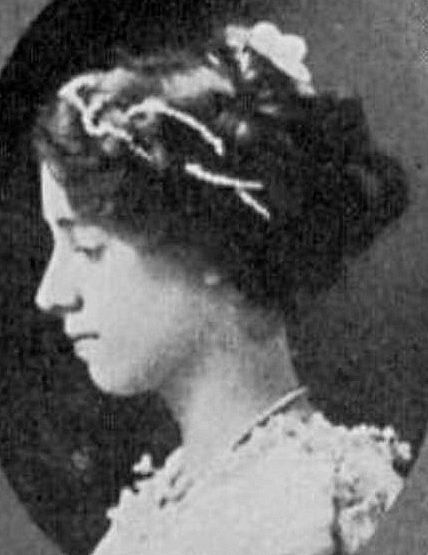
I had a hard time finding photos of her, but I managed to find two, including her senior photo which appeared in the 1912 yearbook of Dallas High School (more commonly known today as Crozier Tech) (where, incidentally, she was in the Art Club with Allie Tennant who went on to become a noted sculptor, best known for her Tejas Warrior at the Hall of State in Fair Park).

mcclung_florence-e-white_dallas-high-school_1912
Florence White, Dallas High School yearbook, 1912

mcclung-florence_circa-late-1930s
Florence McClung, circa late 1930s

***

Sources & Notes

I ran across the “Dallas Cityscape” painting on the CASETA (Center for the Advancement and Study of Early Texas Art) site.

The top painting has the title “Dallas Cityscape” and media mentions of it carry the date 1941. I couldn’t find a painting by McClung with that title (admittedly, my sources are limited!). Also, 1941 seems off because construction of the Mercantile Bank Building (seen in the painting) wasn’t completed until 1942. I wonder if it’s possible that this painting actually was the painting McClung titled “Big D” (which was most likely painted in 1944) and was included in her 1945 show at the DMFA? Might those planes have something to do with World War II? Because the Portal to Texas History has been so nice to scan them, McClung’s application for a show at the DMFA can be seen here, and her list of works to be shown is here.

“Industrial Dallas” is from a January, 2016 auction catalogue from David Dike Fine Art.

The Handbook of Texas entry for Florence Elliott White McClung can be found here.

A selection of works by Florence McClung from the Dallas Museum of Art can be found on the SMU Central University Libraries Digital Collections site, here.

UPDATE, Oct., 2018: “Triple Underpass,” from the same period as the two paintings above, has surfaced — more about it can be found in the post “‘Triple Underpass’ by Florence McClung — 1945,” here.

All images larger when clicked.

*

Copyright © 2016 Paula Bosse. All Rights Reserved.


Mrs. Hartgraves’ Cafe, and Bonnie & Clyde Earning Paychecks on Swiss Avenue

swiss-circle-front_070516The Swiss Circle building, 2016 (click for larger image) / Photo: Paula Bosse

by Paula Bosse

Bonne and Clyde were famous for being from West Dallas, but each actually spent a good amount of time in East Dallas. Working. Earning an honest living. Bonnie worked as a waitress, and Clyde worked in a mirror and glass company. Both worked in establishments on Swiss Avenue, though probably at different times. They hadn’t met yet, but it’s interesting to know they worked at businesses only a few blocks apart: Hartgraves Cafe was at 3308 Swiss, and United Mirror and Glass was at 2614 Swiss. Both buildings are still standing.

The Hartgraves Cafe (the name of which is always misspelled in historical accounts as Hargrave’s Cafe — even by Bonnie and Clyde enthusiasts) was in a curved building at the corner of Swiss and College (it is now at the corner of Swiss and Hall). 50-something-year-old Mrs. Alcie Hartgraves (her first name usually appeared in directories as “Elsie,” sometimes as “Alice”) opened the restaurant a few months after her husband, Ben, had died in 1923. It lasted until late 1930 or early 1931. (All clippings and photos are larger when clicked.)

1928-directory_hartgraves1928 Dallas directory

1929-directorySwiss Avenue between College Avenue and Floride, 1928 directory

According to Bonnie and Clyde histories, Bonnie worked there as a teenaged waitress with an absent husband, from 1928 to early 1929. According to one woman who worked at the Yates Laundry, just across from the cafe’s back door, Bonnie was a very nice person. Here, in a 1972 oral history, Rose Myers — who worked at the Yates Laundry for 25 years — remembers Bonnie from those days at Mrs. Hartgraves’ cafe:

hartgraves-yates_reminiscences
From the book Reminiscences

The laundry is long gone, but here’s what the back side of the building Bonnie worked in looks like today.

swiss-circle_back_070516Photo: Paula Bosse

And here’s a Coca-Cola ghost sign, painted on the end of the building that faces Hall.

swiss-circle_coke-ghost-sign_070516Photo: Paula Bosse

The Bonnie Parker connection is about the only reason people know about this odd little building in Old East Dallas. From looking through Dallas street directories, it appears that this building was built in 1915 or 1916 as a retail strip which, until Mrs. Hartgraves left, usually contained three or four businesses. The question is: why was it shaped like that? Many people think it was a streetcar stop, the cars using the circle as a place to turn around, but old maps showing streetcar routes from this period don’t show cars going down this part of Swiss. Below, a detail from a 1919 map, with Swiss and College streets in red. Streetcar tracks on Swiss turn left at Texas and then right on Live Oak, completely bypassing the circle area. (Another handy map of old streetcar routes laid over a present-day Google map can be found here.)

swiss-circle_1919-map
1919 map detail, via UNT

There’s a great view of the area in the 1921 Sanborn map here (with a different angle here). It may just be that the building was built to take advantage of/conform to the odd jog that Swiss Avenue takes in front of it. Here’s an aerial view from the recent past.

swiss-circle_bing-birdseye
Bing Maps

Our own teensy and unspectacular Royal Crescent! (You know what they say — “Everything’s bigger in Bath….”)

**

But what about Clyde? Clyde worked at a mirror and glass company four-tenths of a mile west. Here’s an ad from 1928 (the same year Bonnie was working at Hartgraves).

united-mirror-glass_1928-diectory-ad_texashideout
via Bonnie & Clyde’s Hideout

Charles “Chili” Blatney worked with Clyde at United Glass and Mirror. In the Dallas Morning News article “He Helps Dallas to See Itself” by David Hawkins (DMN, March 17, 1970), Hawkins wrote: “Blatney remembers him as the friend he was: The little guy who always wore a hat and who would jerk it off and beat the floor with it in merriment when a good joke was told. […] ‘I guess I was surprised to see him turn real bad,’ [said Blatney].”

The building still stands, almost unrecognizable.

So, yeah, East Dallas was the stomping grounds of Bonnie and Clyde, back when they were living paycheck-to-paycheck and before they had begun their short-lived life of crime.

***

Sources & Notes

Photos of the Swiss Circle building taken by me when I stumbled across it yesterday. I knew what it was when I saw it, but I didn’t really know much about it, other than the Bonnie connection. The building is currently vacant, currently for lease, and currently a weird shade of green. It’s a great space and a cool building. The back side is FANTASTIC!

The surname of the property owner (or property manager) is rather unbelievably … Dunaway.

The passage quoting Rose Myers, who worked at the Yates Laundry, is from the book Reminiscences: A Glimpse of Old East Dallas.

A discussion of this building can be found on the Phorum discussion board, here.

Other Flashback Dallas  posts on Bonnie and Clyde can be found here.

Click everything. See bigger images!

*

Copyright © 2016 Paula Bosse. All Rights Reserved.