Flashback : Dallas

A Miscellany: History, Ads, Pop Culture

Category: East Dallas/Lakewood

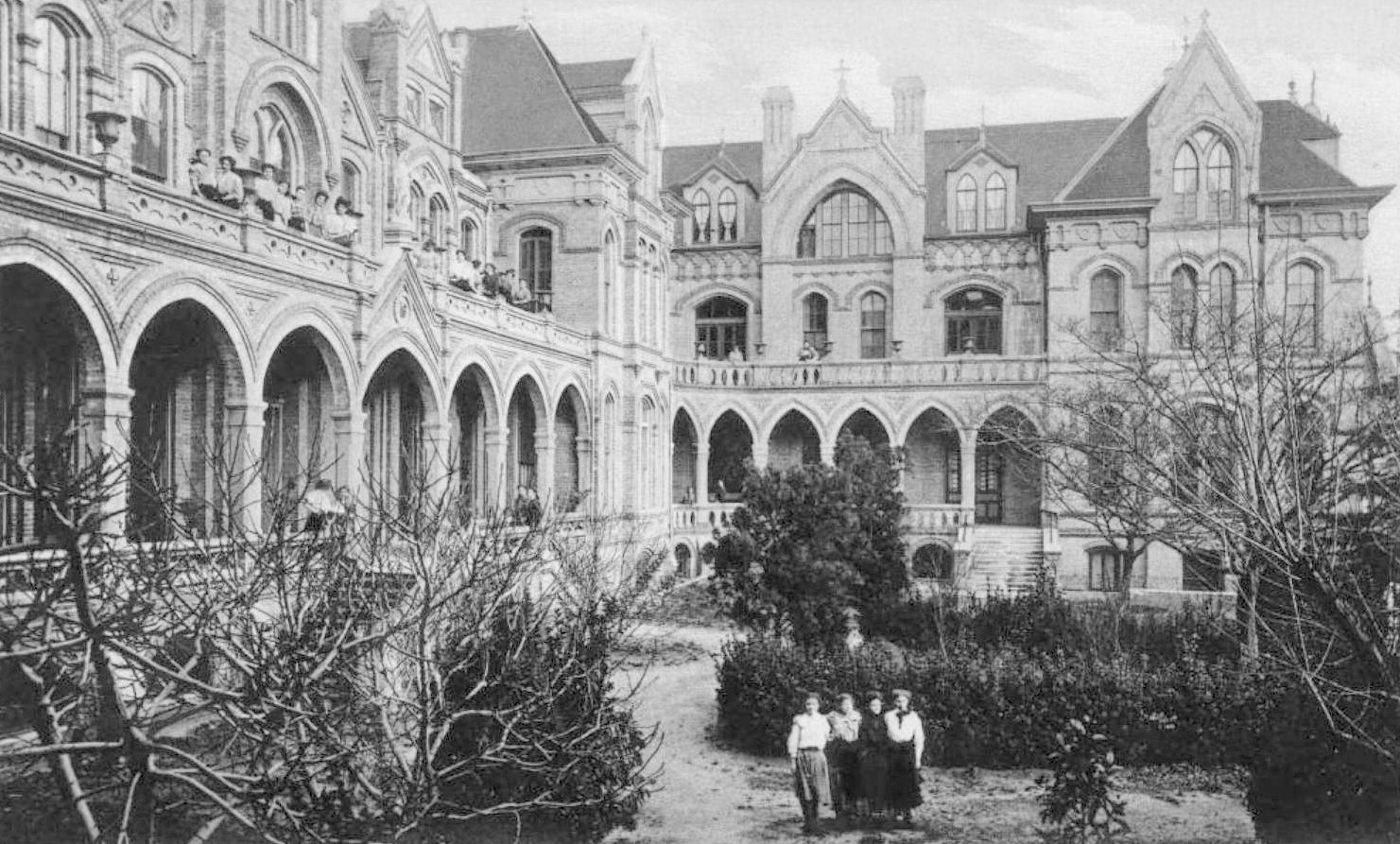
On the Grounds of the Ursuline Academy and Convent

ursuline-convent_cook-colln_degolyer_smuBetween classes… (click for much larger image)

by Paula Bosse

I love this photo of Ursuline girls at the fantastically ornate school and convent in Old East Dallas. See more photos of the school, convent, and grounds in my post “Nicholas J. Clayton’s Neo-Gothic Ursuline Academy,” here.

***

Sources & Notes

Photo by Clogenson, from a postcard in the George W. Cook Dallas/Texas Image Collection, DeGolyer Library, Central University Libraries, Southern Methodist University; it is accessible here. I have un-colorized it.

See the scale of the Ursuline property on a 1922 Sanborn map, here. It is now mostly a parking lot, across from the Dallas Theological Seminary; a sad 21st-century view of what the former campus property looks like is here.

*

Copyright © 2016 Paula Bosse. All Rights Reserved.


Bob-O-Links Golf Course — 1924-1973

bob-o-links_abrams-rdBob-O-Links golf and St. Thomas Aquinas… (click for larger image)

 by Paula Bosse

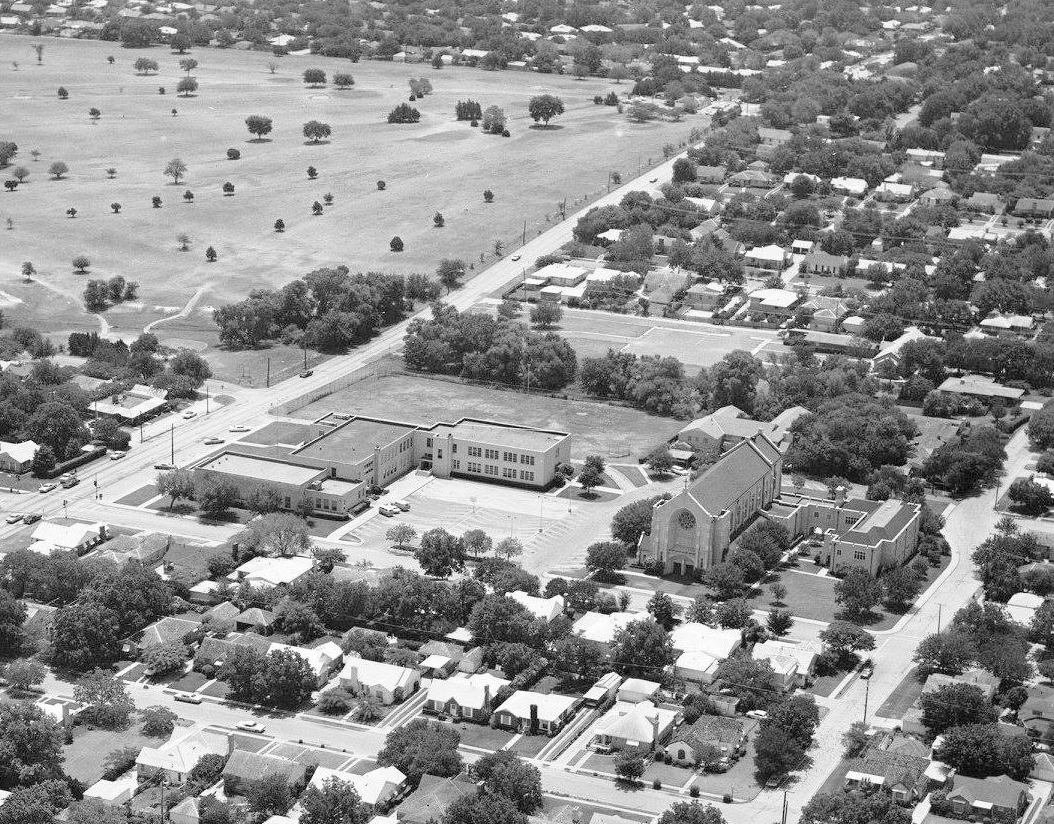
The photograph above (with a view to the southeast) shows Abrams Road (at the left), a few blocks south of Mockingbird. On the right is St. Thomas Aquinas Catholic Church and school, and on the left, part of the Bob-O-Links Golf Course, Lakewood’s only public golf course. If you’re familiar with that part of town, it’s pretty incredible to see all that open land right in the middle of it.

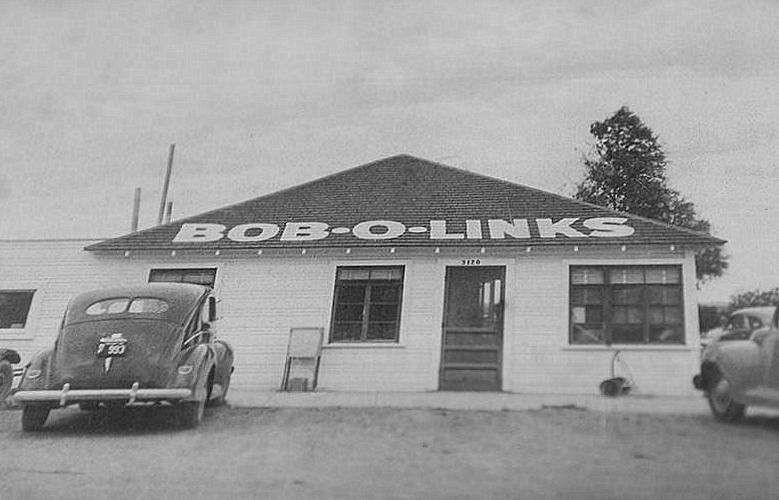
Bob-O-Links, a 9-hole course, was opened by Harry McCommas in 1924 on 60 acres of the land originally owned by the pioneer McCommas family (the family’s full 640 acres covered land that stretched from what is now Abrams Road to White Rock Lake). Despite a creek meandering through seven of the course’s nine holes, the course was an immediate hit, mainly because it was one of the few public courses in town. This is where East Dallas residents with golf-fever would go to play if they couldn’t afford to join the Lakewood County Club.

From an article by John Anders in The Dallas Morning News:

When [Harry] McCommas, 75, decided to build a golf course on his grandfather’s sheep pasture in 1928 [sic], there were only three other golf courses in Dallas. And two of those three are now gone. “We were really out in the country then. There was no water, gas or electricity so we hauled in our water by truck. We didn’t need much since it was originally a sand course.” (DMN, July 6, 1973)

When the course opened in 1924, it was pretty much out in the sticks. By the late 1950s, though, Lakewood was booming, and developers were eager to build things — much to the dismay of nearby residents. Development was staved off for over a decade, but during that whole time, developers never stopped trying to get the area re-zoned, either for commercial use or for apartments and townhouses. Eventually — inevitably — the land was sold, and the days of the little golf course came to an end. The only “victory” the neighborhood could claim is that only single-family homes would be built on the land.

Bob-O-Links Golf Course closed on July 4, 1973. And as one drives down Abrams Road these days, it’s almost impossible to believe that it was ever there.

bob-o-links

bob-o-links_matchbook_flickr
via Flickr

bob-o-links_matchbook_2b
via Flickr

patreon_bob-o-links_harry-mccommas_matchbk_ebay_a

patreon_bob-o-links_harry-mccommas_matchbk_ebay_b

bob-o-links_dallas-park-board-minutes_070858Dallas Park Board minutes, July 4, 1958

bob-o-links_1962-map
1962 map detail (click for larger image)

***

Sources & Notes

I have no information about the top photo. It was posted on the Lakewood neighborhood group on Facebook by local bon vivant Michael Vouras. Comments on his post suggest that it may be a photo in the possession of St. Thomas Aquinas, taken around the mid 1960s. I welcome more info! (UPDATE: Below in the comments, other dates are suggested.)

A present-day aerial view of the same area can be seen here. The golf course (formerly on the left) has been gobbled up by houses.

A great article on Bob-O-Links — “The Bygone Days of Bob-O-Links Golf Course” — was written by Patti Vinson and appeared in a 2015 issue of The Lakewood Advocate; read it here.

Further reading from the archives of The Dallas Morning News:

  • “Re-zoning Denied for Bob-o-Links” (DMN, Sept. 17, 1960): this re-zoning request was to build a 35-acre shopping center; it was shot down by angry neighborhood residents
  • “Negotiations Finished To Buy Bob-o-Links” (DMN, Feb. 9, 1973): purchaser was long-time Dallas developer Hal McGraw who promised to build only single-family homes
  • “Farewell, Bob-O-Links” by John Anders (DMN, July 6, 1973): very entertaining article about Anders’ last round on the course, with memories of his earlier experiences on the course and quotes from owner Harry McCommas 

Wish I’d been there. “FORE!”

*

Copyright © 2016 Paula Bosse. All Rights Reserved.

Lakewood Post Office — 1946-1976

lakewood_post-office_dmn-123045Lakewood Post Office, 6324 Prospect

by Paula Bosse

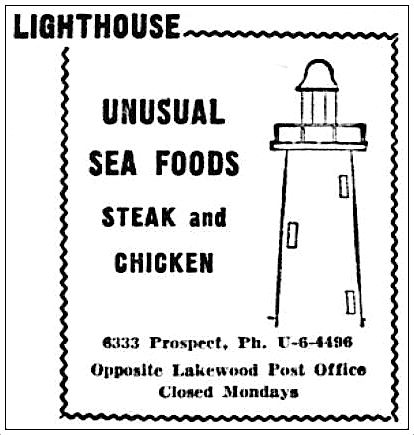
I’m often surprised to discover things about the part of Dallas I grew up in which I somehow never knew — in this case: Lakewood’s first post office, which was apparently in operation when I was a living, breathing, sentient human being but which I’d never known about until today. (I actually grew up in the nearby Lower Greenville neighborhood, but even though I went to Long and Woodrow, I don’t remember being all that aware of Lakewood proper until I was able to drive myself around it as a teenager.) Somehow I had never known that there was a post office in Lakewood before the one at Swiss and La Vista. Or, rather, I’d never even thought about it. Until I saw this ad earlier today:
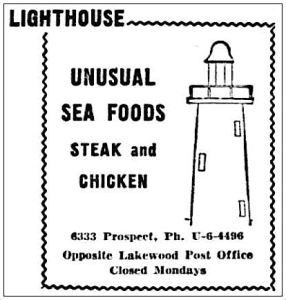
lakewood_lighthouse_dmn_0425471947

“The Lighthouse — Unusual Sea Foods, Steak and Chicken — Opposite Lakewood Post Office.”

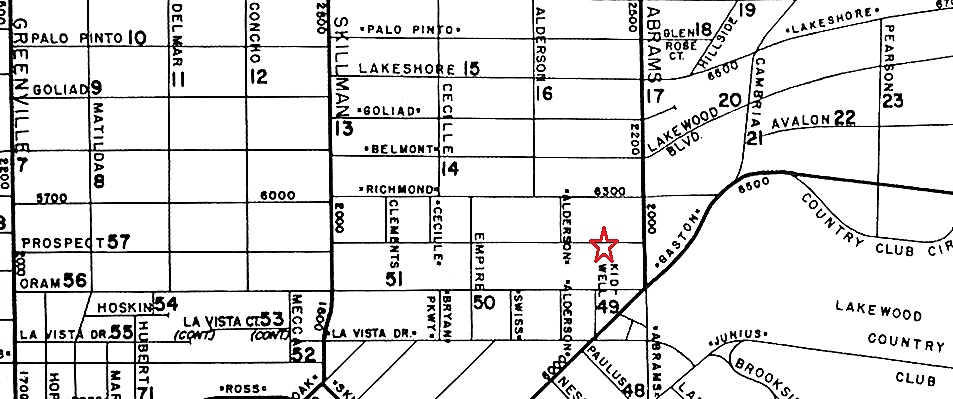
Post office? New to me. I looked it up. It was just west of Abrams, on Prospect at Kidwell, positioned diagonally across the lot. It was the 13th post office substation in Dallas, and it opened on December 2, 1946, over two years after its approval had been announced, during the war, in August, 1944.

A 1945 Dallas Morning News article had this interesting bit of information:

The contractor is Bascomb E. McClesky [sic]. The building will have 4,000 square feet of floor space. Parking space will be provided on the lot. [McCleskey] will retain title to the property and will lease it to the government, Payne said. (“Lakewood To Get Branch Post Office,” DMN, Nov. 18, 1945)

(I’m not sure I was aware developers leased property to the federal government. B. E.  McCleskey lived in the Pasadena area of Lakewood and seems to have spent his 30-year career as a general contractor who also bought, sold, and developed both commercial and residential properties in and around this part of East Dallas. When he began his career, he had an office on Gaston in the new Lakewood Shopping Center; at the time of his death in 1956, his office was right next door to the post office on land which, presumably, he still owned.)

This post office lasted for 30 years until the newer, hulkier, and far less aesthetically appealing station opened at Swiss and La Vista on May 10, 1976.
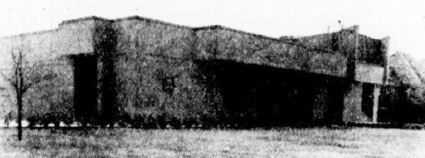
lakewood-post-office_dmn_112576_swiss.-photo
1976

Some factoids which will come in handy should you ever find yourself in a U.S. Post Office Trivial Pursuit (Lakewood Edition) competition:

  • When the first Lakewood post office opened in 1946, it employed 3 clerks, 1 supervisor, and 16 carriers.
  • When the second post office opened 30 years later, it employed 13 clerks, 2 supervisors, and 47 carriers.

*

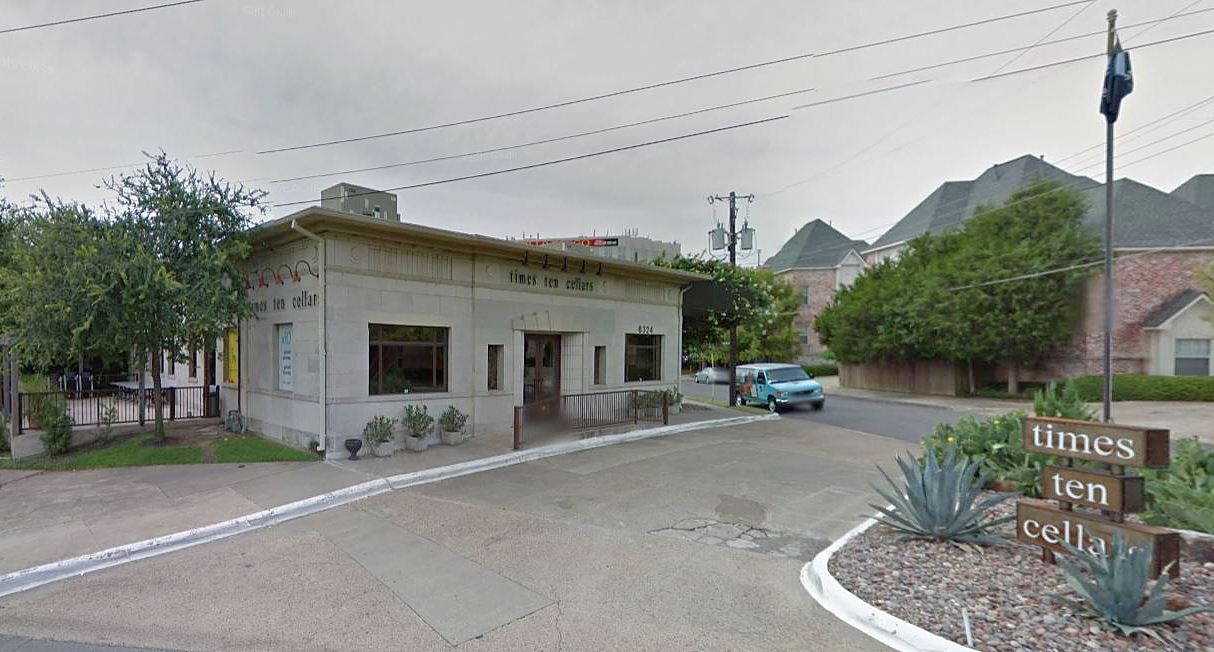
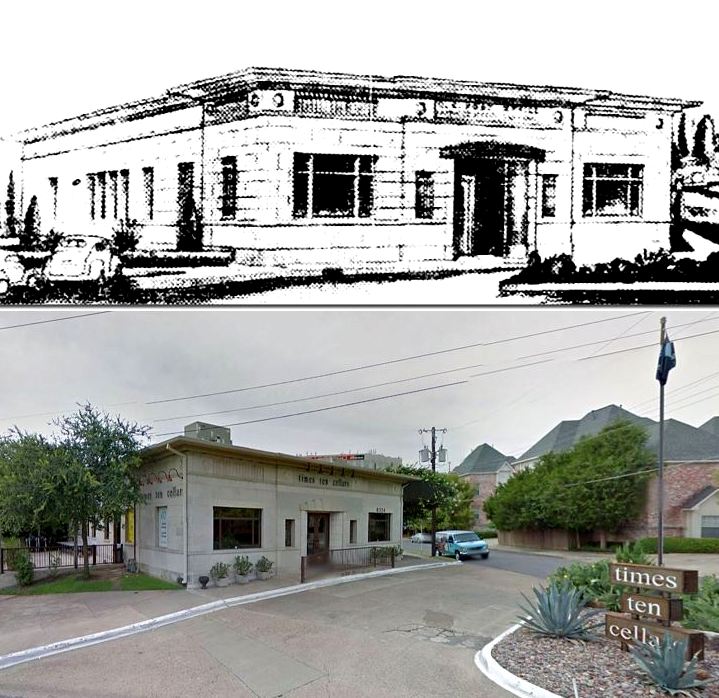
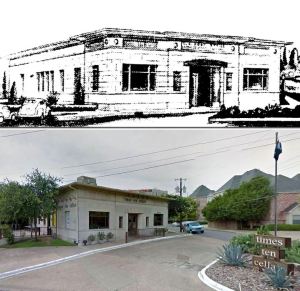
But back to the first post office — the building is still standing and houses the Times Ten Cellars wine bar! I’ve passed that building a lot over the years, but I guess I never paid much attention to it. I don’t know why, because it’s a great little  building. It would never occur to me that it might ever have been a post office. I wish more businesses in Dallas would consider repurposing older buildings rather than building characterless boxes that look like every other characterless box. Thank you, Times Ten Cellars!
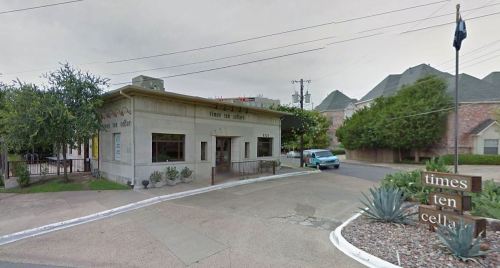
times-ten-cellar_google_2015Google Street View (2015)

*

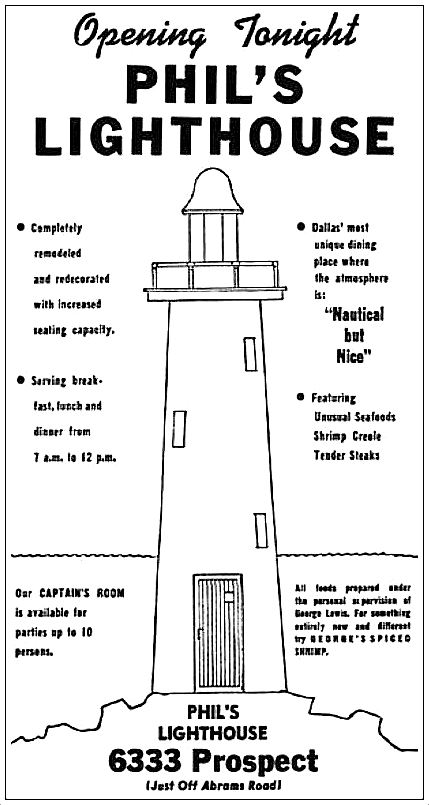
That Lighthouse “unusual sea foods” restaurant? It doesn’t seem to have lasted very long. It changed hands a few times before closing as the Lighthouse Cafe at the end of 1950. At one point it was known as Phil’s Lighthouse — “Dallas’ most unique dining place where the atmosphere is: ‘Nautical But Nice.'”
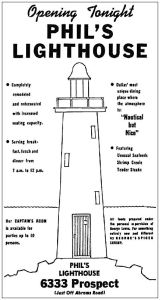
phils-lighthouse_dmn_121649DMN, Dec. 16, 1949

That’s right … “NAUTICAL BUT NICE”!

***

Sources & Notes

If anyone remembers the Lighthouse restaurant: was it actually shaped like a lighthouse?

Detail of a page from the 1952 Mapsco showing the location of the old post office (click for larger image):

lakewood-post office_1952-mapsco

lakewood-post-office_then-now

Click pictures for larger images.

*

Copyright © 2016 Paula Bosse. All Rights Reserved.


The Lakewood Theater — 1944

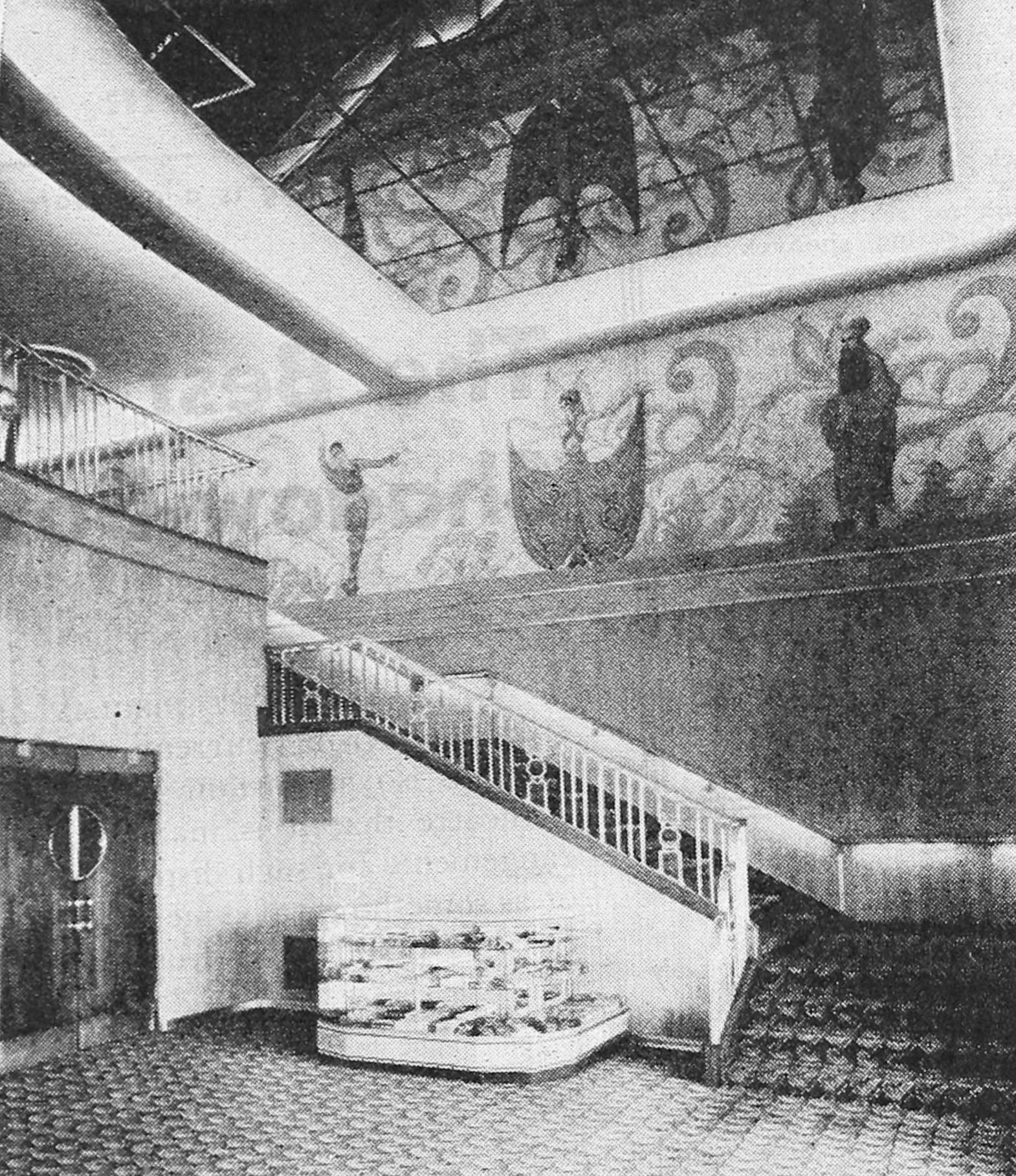
lakewood-theater_ad_inset_1944A well-lit staircase to the balcony (click for giant image)

by Paula Bosse

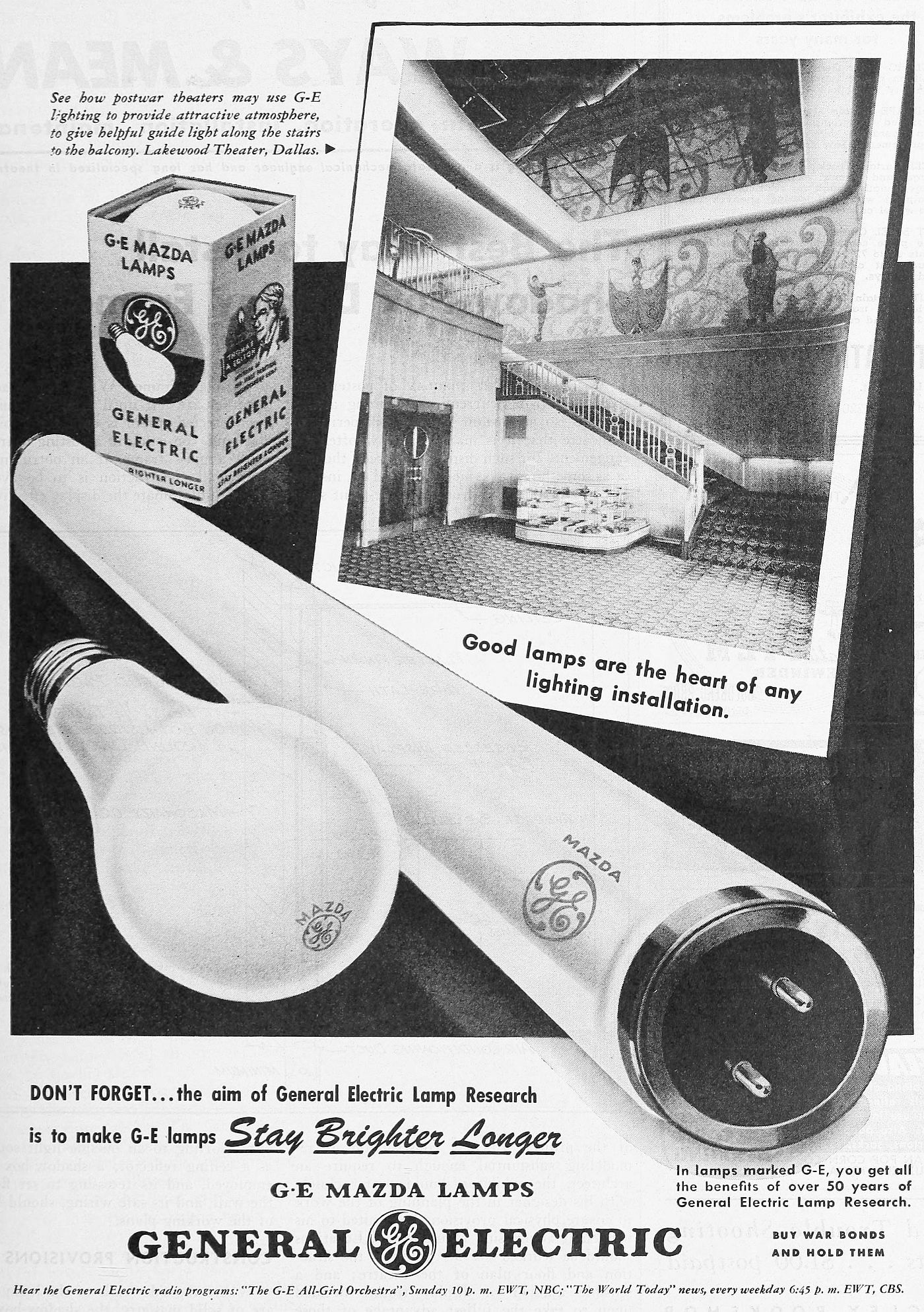
Occasionally one stumbles across a national advertisement featuring someone or something familiar to local audiences which elicits an involuntary exclamation like, “Hey! I know that guy!” I had a response kind of like that when I saw this General Electric light bulb ad featuring a photograph of the interior of the Lakewood Theater (showing a few figures from the mural by Woodrow boy Perry Nichols).

“See how postwar theaters may use G-E lighting to provide attractive atmosphere, to give helpful guide light along the stairs to the balcony.”

lakewood-theater_ad_MPH_072244_med

Yes, the Lakewood certainly did have an “attractive atmosphere.”

***

Sources & Notes

Ad for G-E Mazda lamps appeared in the July 22, 1944 issue of Motion Picture Herald. Click the above ad to see it much larger. To see it REALLY big, click here. (Apologies for the bleed-through of the ad on the other side of the page. If you’re a Photoshop wizard who can remove the offending ghost letters plastered across Nichols’ whimsical mural, I’d love a cleaned-up version.)

I have no idea what’s going on with the beleaguered Lakewood Theater these days, but if you’d like to see those murals in color, see the photos in the Lakewood Advocate, here.

*

Copyright © 2016 Paula Bosse. All Rights Reserved.
Fletcher’s State Fair Drive-In — 1960-1963

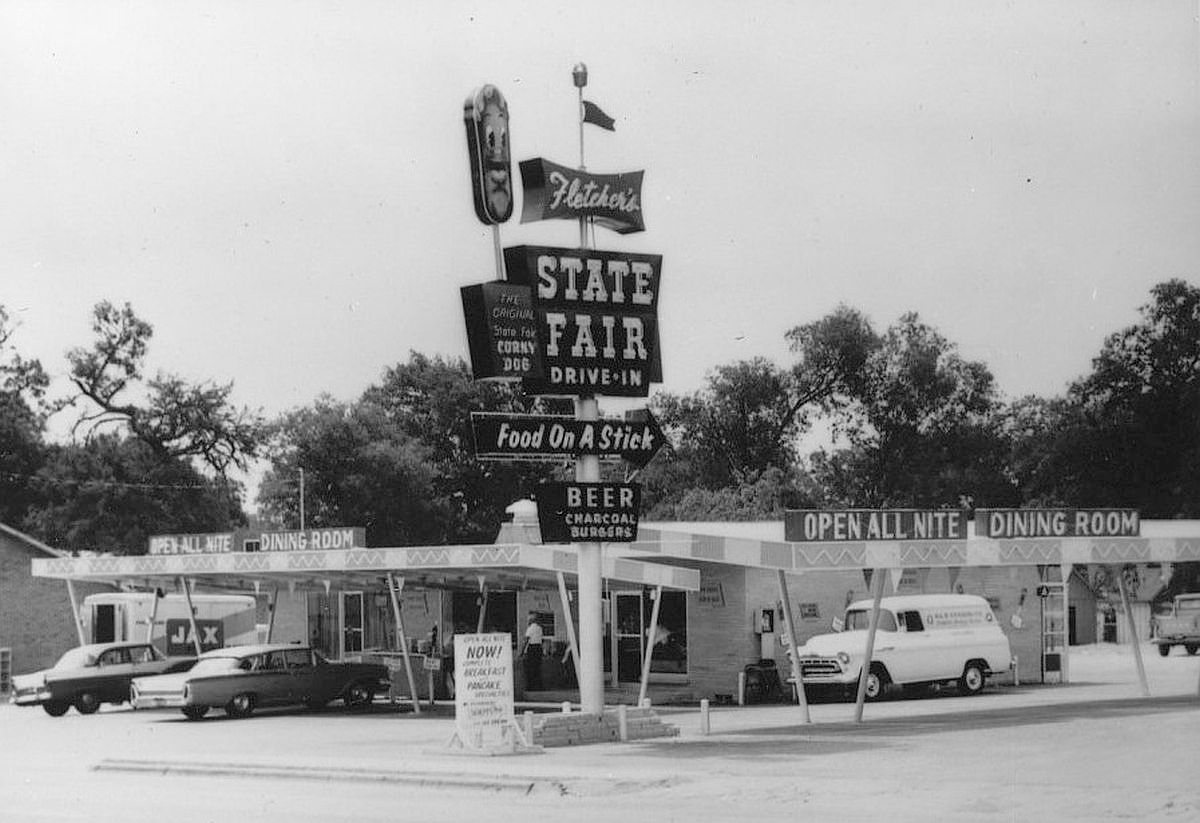
fletchers-state-fair-drive-in_DHSFood-on-a-stick, open all nite

by Paula Bosse

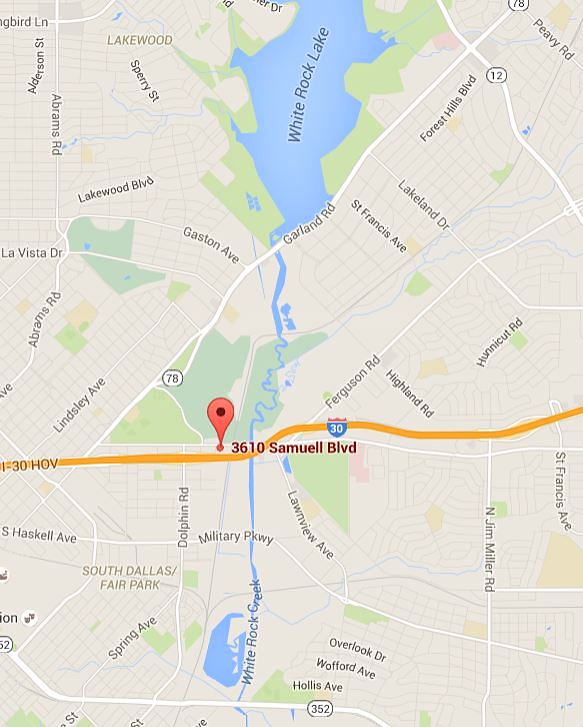
The legendary Fletcher’s Corny Dog once had its own drive-in! You didn’t have to wait until the State Fair of Texas rolled around to get your favorite “food on a stick” fix — you just needed to head to 3610 Samuell Boulevard, across from the Tenison Golf Course.

Sadly, there was a lot of drive-in and tavern competition along Samuell back then (Keller’s was practically next door!), and the State Fair Drive-In seems to have lasted only a little over three years, from the spring of 1960 to the fall of 1963.

I’d love to see this around NOW! Come on, Fletcher’s family: bring this back!

*

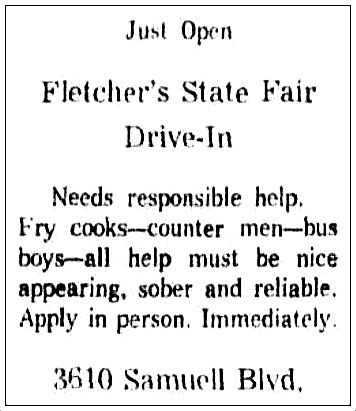
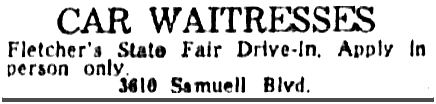
fletchers_dmn_051560May , 1960

fletchers_dmn_062960June, 1960

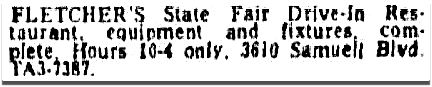
fletchers_dmn_102463_for-sale
Oct., 1963

***

Sources & Notes

Top photo from the Dallas Historical Society.

An article on Neil Fletcher’s new restaurant and a photo of the interior can be found in the archives of The Dallas Morning News: “State Fair Drive’In Fixtures Designed, Installed by Bab’s” (DMN, June 12, 1960).

After the Fletcher’s Drive-In closed, it was replaced by a Red Coleman liquor store, and was most recently a club, El Palmeras. Google Street View shows the shabby neighborhood these days, here.

3610-samuall_googleGoogle Maps

An entertaining interview with the late Neil Fletcher appeared in the Oct. 1982 issue of D Magazine, here.

A Travel Channel video focuses on the famed corny dog, here.

A previous Flashback Dallas post about that same stretch of Samuell Blvd. — “Red’s Turnpike Open-Air Dance: An East Pike/Samuell Blvd. Joint — 1946” — is here.

UPDATE: I’ve received many comments that Fletcher’s had several short-lived drive-thru restaurants which started popping up in the mid-’80s. More on the franchise plans can be read in the article “Fletcher and Firm Very Much Alive” by Donna Steph Hansard (DMN, Aug. 5, 1984).

*

Copyright © 2016 Paula Bosse. All Rights Reserved.

Christmastime in Lakewood — 1951

xmas_WWW_1952Mad tree-trimming fun ahead (click for larger image)

by Paula Bosse

Above, Woodrow kids with a Christmas tree crammed into their convertible, taking a moment to wave at someone in the distance, probably a classmate coming out of Harrell’s Drug Store. Next stop, wholesome 1950s tree-trimming fun, complete with mugs of warm cocoa and Perry Como singing about Christmas on the radio.

If you’re familiar with Lakewood, it might take a second to get your bearings, but this was Abrams Road. It’s now the short stretch known as Abrams Parkway, directly across Abrams from the Lakewood Whole Foods — it basically serves as a parking lot for the businesses now occupying these buildings.

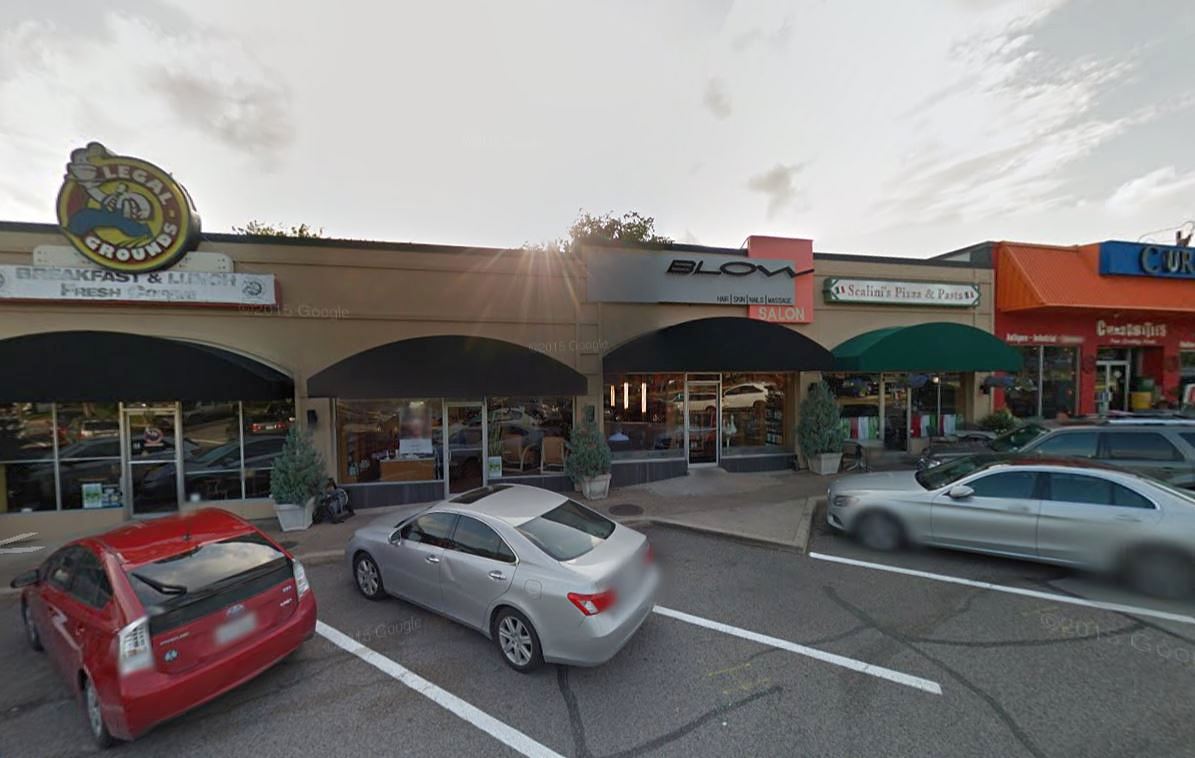
Here is a list of the businesses seen in this 1951 photo, along with what currently occupies those same buildings:

  • 2015 Abrams: then, Abrams Road Cleaners; now, The Heights (formerly Legal Grounds)
  • 2017 Abrams: then, Massey’s Beauty Salon & Barber Shop; now, part of Blow Hair Salon
  • 2019 Abrams: then, Lakewood Shoe Service; now, Blow Hair Salon
  • 2021 Abrams: then, Lakewood Recreation Club; now, Scalini’s Pizza & Pasta
  • 2023 Abrams: then, Lakewood Sporting Goods; now, part of Curiosities
  • 2025 Abrams (mostly out of frame): then, Teter Plumbing Co.; now, Curiosities (an emporium of eclectic antiques and overall super-cool stuff)

Just out of frame to the right, a couple of doors down, was the old El Chico restaurant, now Hollywood Feed.

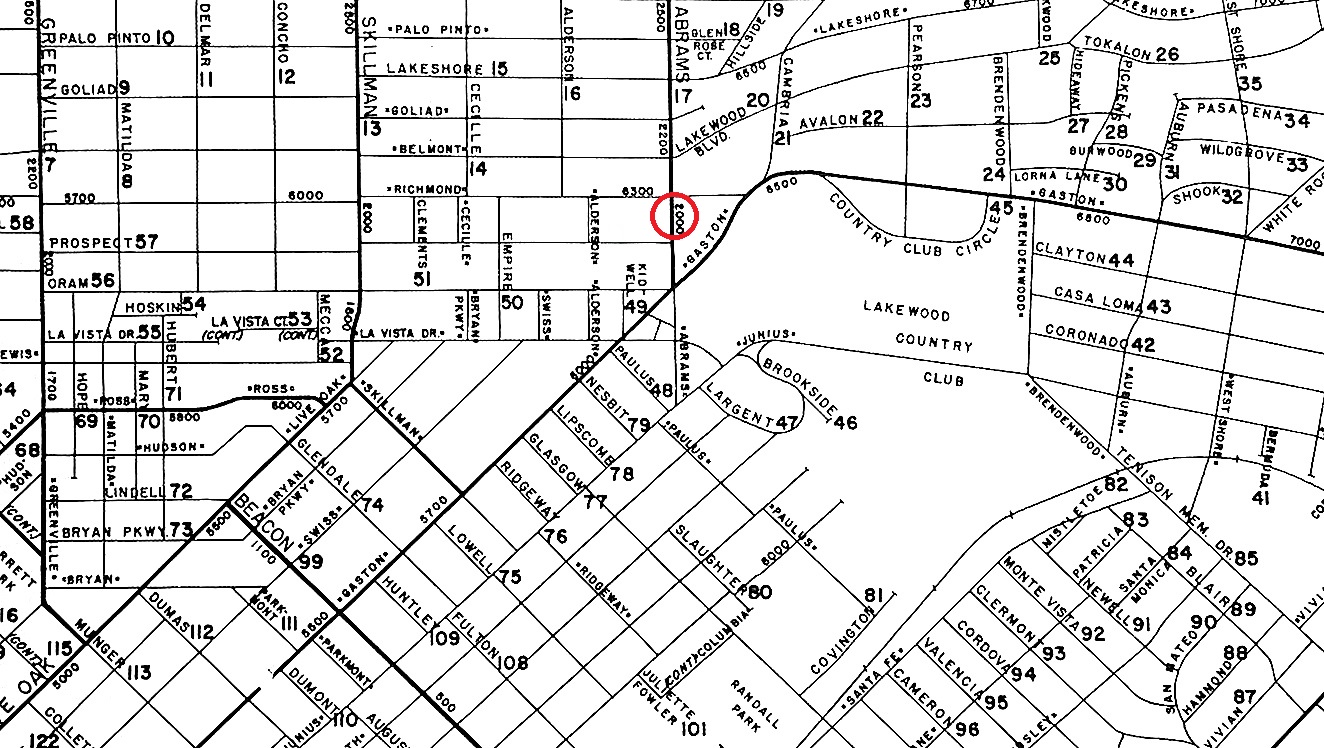
A detail of a page from the 1952 Mapsco, which will be confusing to those who might not know about the weird “Abrams Bypass” that happened in the early ’80s (click for larger image).

1952-mapsco_lakewood-det

Here’s what this strip looks like today (or recently, anyway — Legal Grounds is now The Heights):

abrams_today_google-street-viewGoogle Street View

***

Photo from the 1952 Woodrow Wilson High School yearbook, The Crusader. Apologies for the quality — the photo appeared across two pages and was scanned at a pretty low resolution. It’s still pretty cool, though.

To see a magnified detail of the businesses on the left half of the photo, click here; for those on the right half, click here.

Since I don’t have access to a street directory showing this block’s info in 1951, here are the businesses that occupied that block per the 1948 and 1953 directories:

48-53

When in doubt, click pictures to see if they get bigger — they usually do!

*

Copyright © 2015 Paula Bosse. All Rights Reserved.

Jack Wilkie’s Texaco Station, Beacon & East Grand

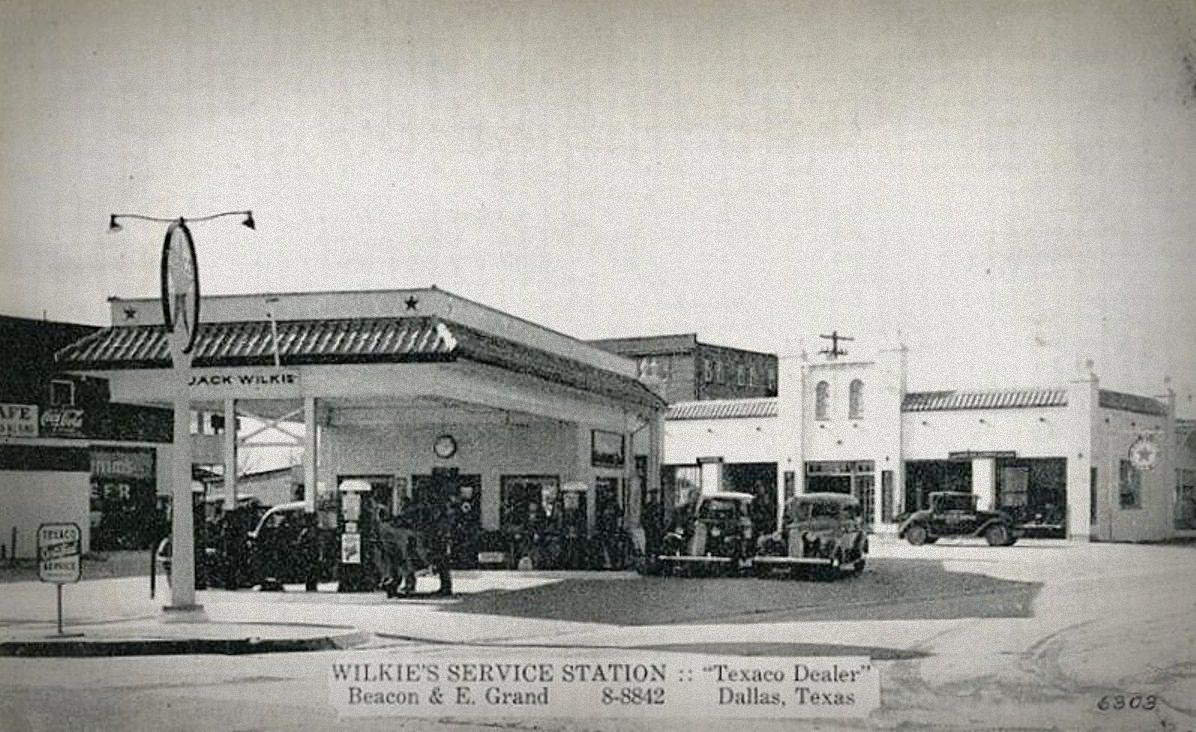
wilkie-texacoA man with a bow-tie will be with you presently….

by Paula Bosse

Above, Jack Wilkie’s Texaco service station at 5523 East Grand. It’s a shame gas stations are rarely this interesting anymore. The station opened in 1937 and was at this location well into the 1940s. Below, the same view today, with that tall brick building in the background of both photos. (I’m not sure what that building is, but while I was waiting for a friend in the Kalachandji’s parking lot a few months ago, I remember thinking what a strange building it was — especially when seen from the side. It’s had some weird additions made to the original building.) This part of East Dallas still has pockets of charm, but it’s never again going to be as cool as it was when Jack Wilkie’s service station was holding down the fort at the corner of Beacon and E. Grand.

wilkie-google

***

Sources & Notes

Top image from Flickr, here.

Second image from Google Street View.

*

Copyright © 2015 Paula Bosse. All Rights Reserved.

“Experimental” Bus Trip to White Rock Lake — 1925

white-rock-bus_dmn_071625Next stop: White Rock Lake

by Paula Bosse

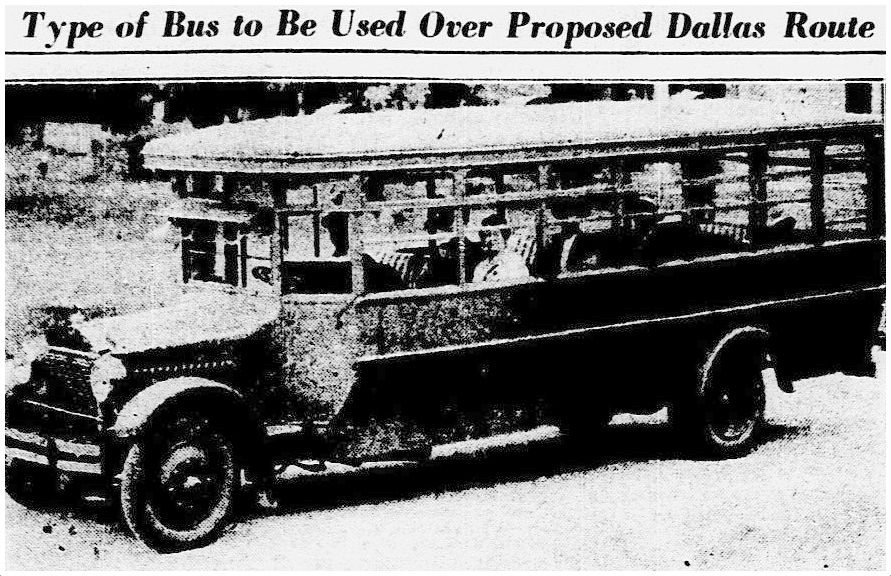
In the 1920s, White Rock Lake was becoming a popular nearby recreation area and beauty spot. It was a bit of a drive to get out there, though. Bus operators were wangling to get the contract to transport tired and pale Dallasites to a nice day out at the lake. The caption accompanying the above photo:

“This city type bus will make an experimental trip to White Rock with city officials, applicants for bus franchise and newspaper men to test adaptability of various routes to bus line operation. Busses [sic] of this type, said C. D. Cain, who has been voted the White Rock franchise informally by the City Commission, will be run on the line when the franchise is formally granted.”

***

Sources & Notes

Photo and caption from The Dallas Morning News, July 16, 1925.

*

Copyright © 2015 Paula Bosse. All Rights Reserved.

Lakewood’s “Modernistic” Skillern’s Drug Store — 1934

skillerns-lakewood_architects-rendering_1934
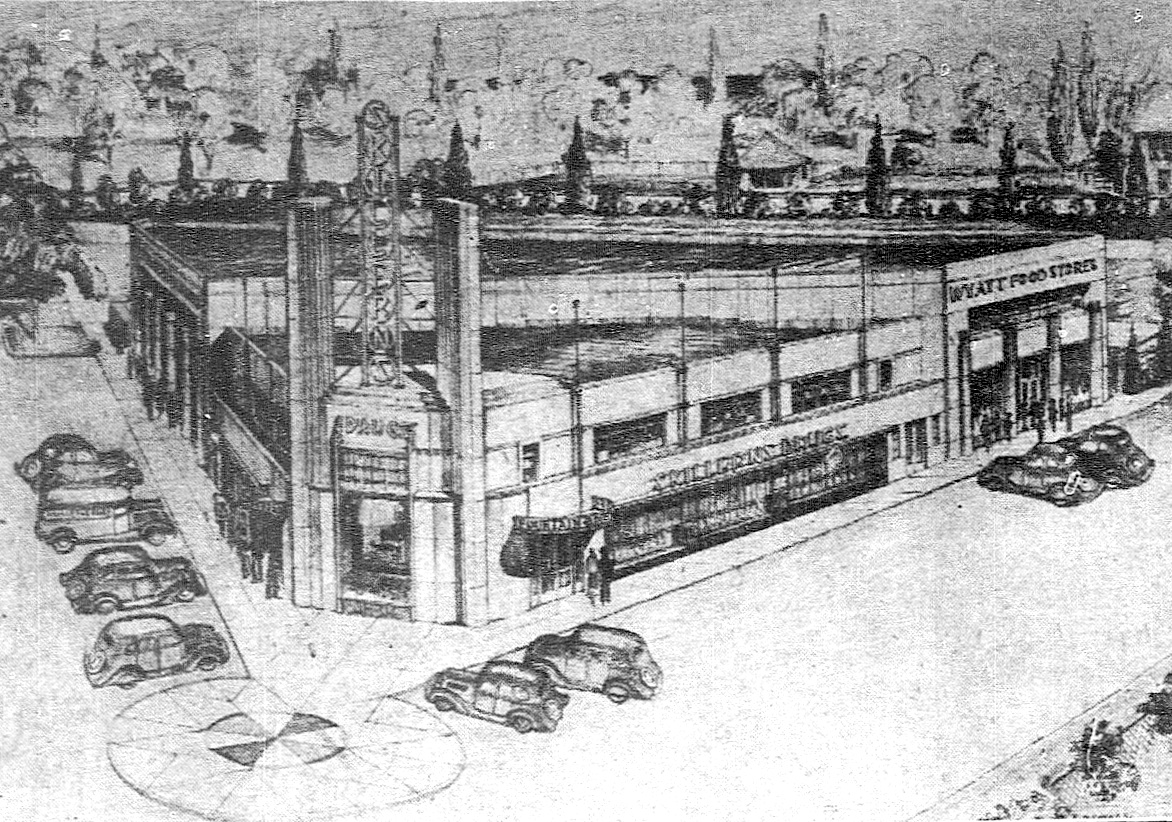
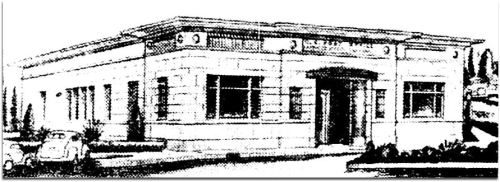
Architect’s drawing, 1934 — Abrams & Gaston…

by Paula Bosse

The drawing above was architect J. N. McCammon’s design for a new 14,000-square-foot concrete-and-stucco building of a new Lakewood development, at Abrams and Gaston (a stone’s throw from land now occupied by the parking lot of the Lakewood Whole Foods). It was to be built by Rae Skillern, whose Skillern’s drug store would anchor the development, with a Wyatt Food Store also occupying a large chunk of the property. The “retail village” was to be modeled (…somewhat) after the much-lauded Highland Park Village shopping center, and its design was described in articles as being “modernistic.”

Construction was to begin in early 1934 and be completed in 90 days, but things hit a bit of a roadblock when Lakewood residents objected to a shopping area in their “high-class” residential neighborhood (charming though Skillern’s design might have been…). A zoning classification change from “local retail” to “residential” was sought by concerned Lakewood inhabitants, but the City Plan Commission nixed this and gave the builders the go-ahead.

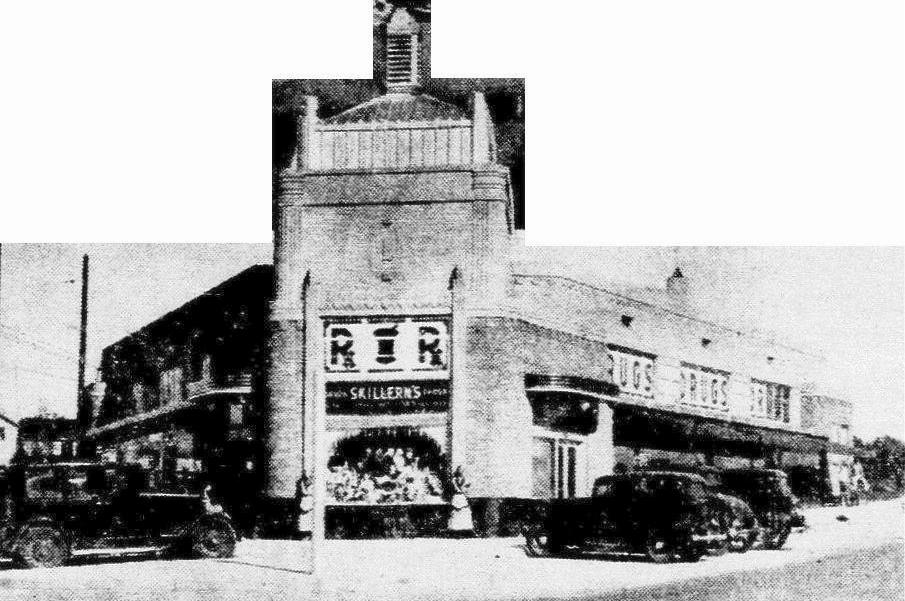
Skillern’s No. 4 opened in December of 1934 at 6401 Gaston and humbly hailed its newest emporium as “America’s most beautiful drug store.” It was, by far, the largest in the local company’s quickly expanding chain, and it featured a large, varied inventory, beautiful fixtures and innovative merchandising, a large soda fountain (with curb service), a “perfume bar,” and an open view into the “prescription department” where customers could watch the pharmacists doling out their medications.

The small shopping area quickly became a popular shopping destination (along with the larger Lakewood Shopping Center across Gaston), and the big, new Skillern’s — which sat at the point of the triangular-shaped “village” — was its focal point.

lakewood-skillerns_1930s
Dec., 1934

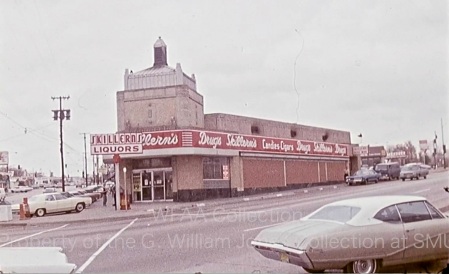
Skillern’s left its cool building sometime around 1971, after a fire caused heavy damages in November, 1970. It moved across the street, into the equally cool old Gaston Avenue Pharmacy (known familiarly as Doc Harrell’s drug store, the place with the iconic conical roof), not long after Harrell’s death in 1969. The Lakewood outpost of the Mickey Finn’s chain of pool halls opened in the old Skillern’s space in February, 1972. In 1978 the property was condemned by the city to make way for the weird Abrams Bypass, which cut through that northeast corner of the Gaston-Abrams intersection; several buildings in the immediate vicinity deemed to be in the way of progress were demolished, including Rae Skillern’s “modernistic” drug store, a Lakewood landmark for over 40 years. Pity.

Below, a screenshot of footage from WFAA-Channel 8 News, in late November 1970. A last hurrah.

skillerns_lakewood_nov-29-1970

 ***

Sources & Notes

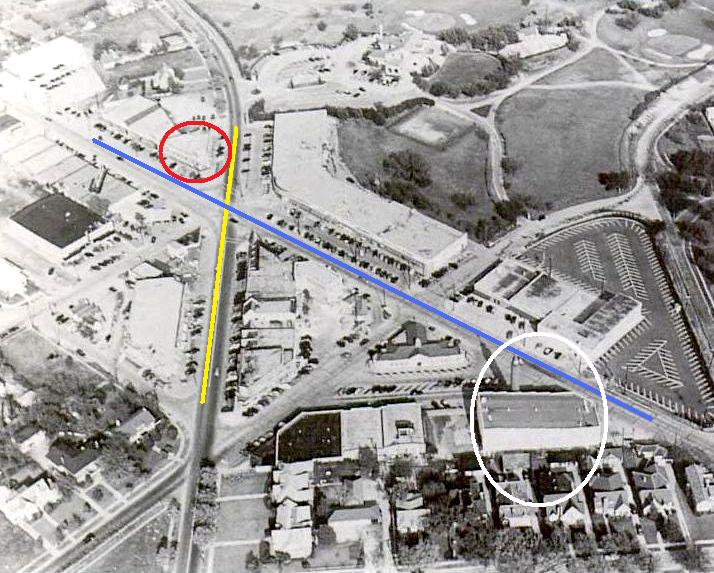
Skillern’s was located on the northeast corner of Gaston and Abrams at the tip of a triangular-shaped piece of land. The drawing at the top shows Abrams running vertically (to its west), and Gaston running horizontally (to its south). It would have faced the old Dixie House space. The Abrams Bypass skewed everything, but it was about where the little triangular “park” is now — between Abrams Parkway and Abrams Road, just west of the Whole Foods parking lot. (UPDATE: I now know that that greenspace has a name: Harrell Park!) Below is an aerial photo of what this part of Lakewood used to look like. Gaston is in yellow, Abrams is in blue, the Skillern’s building is circled in red, and the Lakewood Theater (for reference, because this all looks pretty freaky to us today and it’s hard to get one’s bearings) is circled in white. Looking northeasterly.

lakewood_aerial_marked

To see a larger image of this aerial photo — without the markings — click here. (Photo from the book The Dallas Public Library, A Century of Service by Michael V. Hazel, presumably from the collection of the Dallas Public Library.)

An interesting account of the how the bizarro Abrams Bypass happened can be found in the D Magazine article “Why Lakewood Doesn’t Trust Itself” by Charles Matthews (Oct., 1978), here. A Dallas Morning News article on the same topic — “Lakewood Plan May Benefit Bank” by Henry Tatum (March 12, 1978) — can be found in the Dallas Morning News archives.

*

Copyright © 2015 Paula Bosse. All Rights Reserved.

Munger Place — 1908

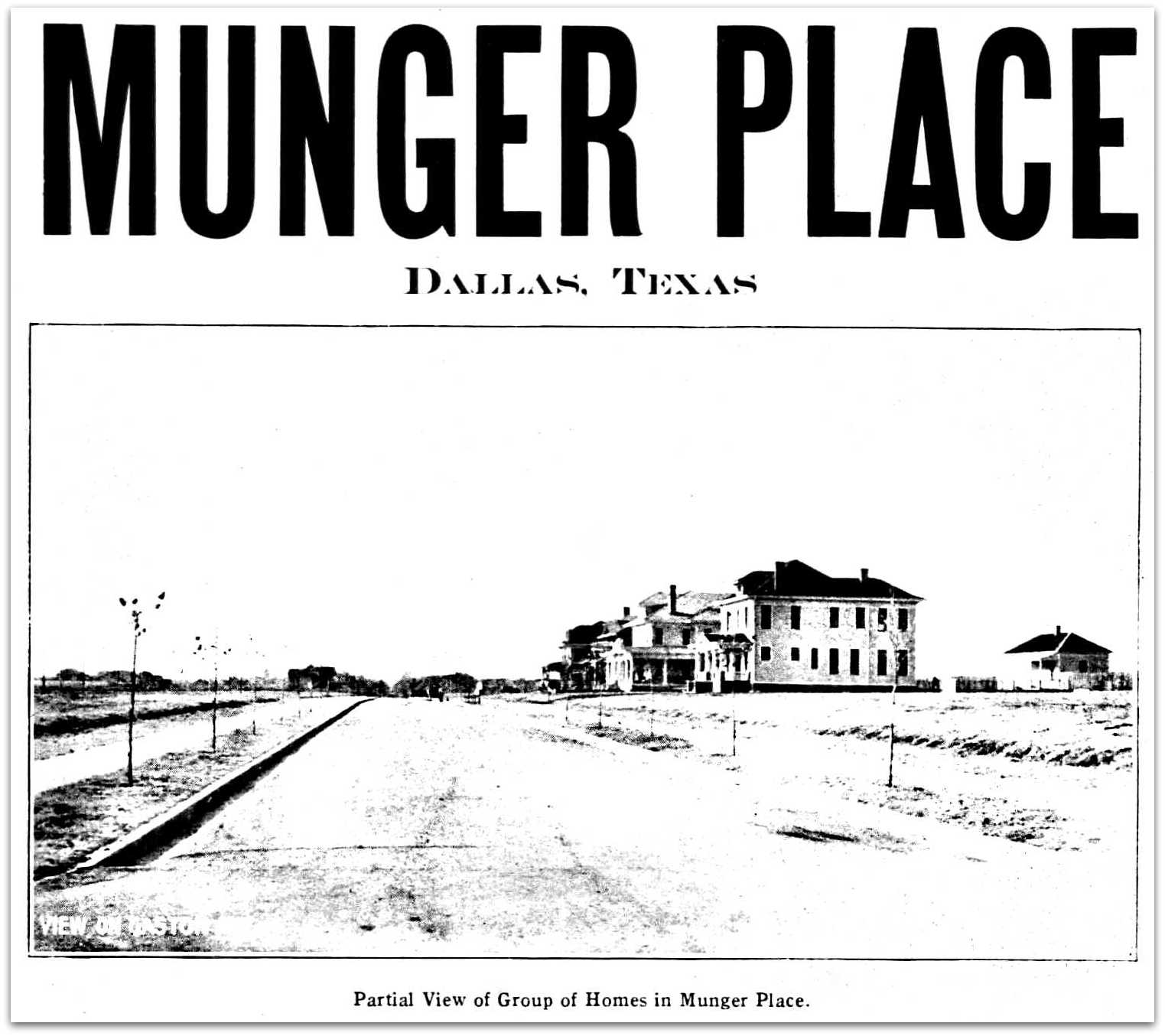
munger-place_city-directory_1908-detGaston Avenue in its salad days… (click for much larger image)
by Paula Bosse

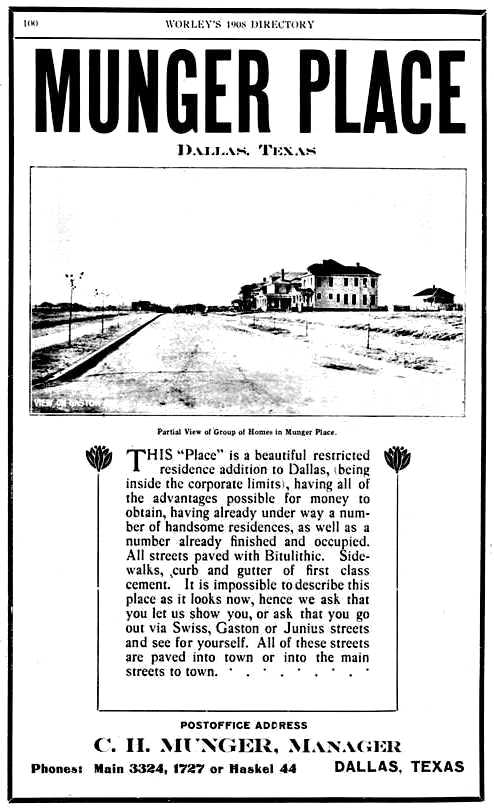
This ‘Place’ is a beautiful restricted residence addition to Dallas (being inside the corporate limits), having all of the advantages possible for money to obtain, having already under way a number of handsome residences, as well as a number already finished and occupied. All streets paved with Bitulithic. Sidewalks, curb and gutter of first class cement. It is impossible to describe this place as it looks now, hence we ask that you let us show you, or ask that you go out via Swiss, Gaston or Junius streets and see for yourself. All of these streets are paved into town or into the main streets to town.

It would have taken a great deal of creative vision to imagine what a beautiful neighborhood the one shown in that bleak photo would one day become. (Does anyone know where on Gaston this photo was taken? Are any of these houses still standing?)

munger-place_city-directory-1908

***

Ad from the 1908 city directory.

Info on the Munger Place Historic District on Wikipedia, here, and at MungerPlace.com, here.

Click top image for a much larger image.

*

Copyright © 2015 Paula Bosse. All Rights Reserved.