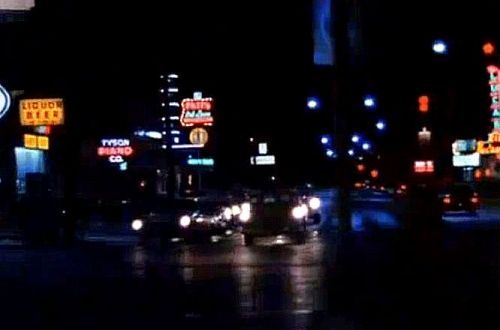
 Oak Lawn & Lemmon, 1966
by Paula Bosse
Chances are, if you’re a native Dallasite and you’re a cult movie buff, you’ve heard of Dallas filmmaker Larry Buchanan (1923-2004), the self-described “schlockmeister” who made a ton of low-budget movies in Dallas, almost all of which are considered to fall in the “so-bad-they’re-good” category. I’ve made it through only three of them, and while they’re definitely not great (or even good, really), there were moments I enjoyed.
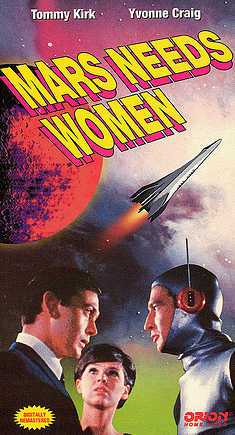
Buchanan’s most well-known movie — if only because the title has worked itself into the sci-fi vernacular — is Mars Needs Women, shot in Dallas in a couple of weeks in late 1966, starring former Disney child star Tommy Kirk and future star of “Batgirl,” Yvonne Craig. For me, the worst thing about the movie is its incredibly slow, molasses-like editing (courtesy of writer-director-editor Buchanan who was working on contract to churn out movies that had to be cut to a very specific running time, and he’s obviously padding here with interminably long scenes that drag and drag). And then there’s the dull stock footage and weird background music that I swear I’ve heard in every cheap Western ever made. Still … it has its charm.
But the BEST thing about this movie (and, presumably, his others) is that it was shot entirely in Dallas, using a lot of instantly recognizable locations. (Every time I saw a place I knew, I perked up — it reminded me a bit of seeing Bottle Rocket for the first time — almost shocked to see common every-day places in an honest-to-god MOVIE!) So, if you don’t feel you can sit through the whole thing (available, by the way, in its entirety online — see link at bottom), I’ve watched it for you, with a whole bunch of screen shots. So feast your eyes on what Dallas looked like in November of 1966. (By the way, because the movie revolves around …. Mars needing women, the movie is actually set in Houston, home of the Johnson Space Center. Even though you see the very distinctive Dallas skyline — repeatedly. Houston! You wish, Houston!)
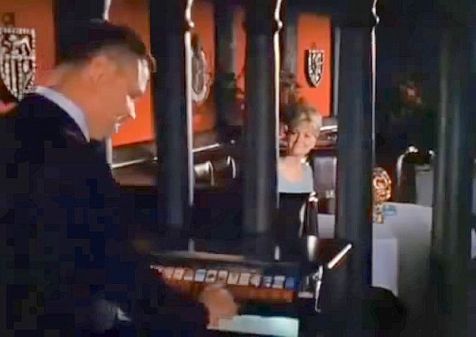
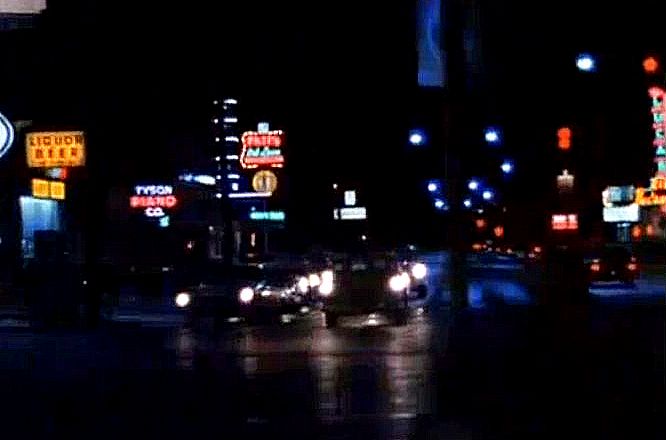
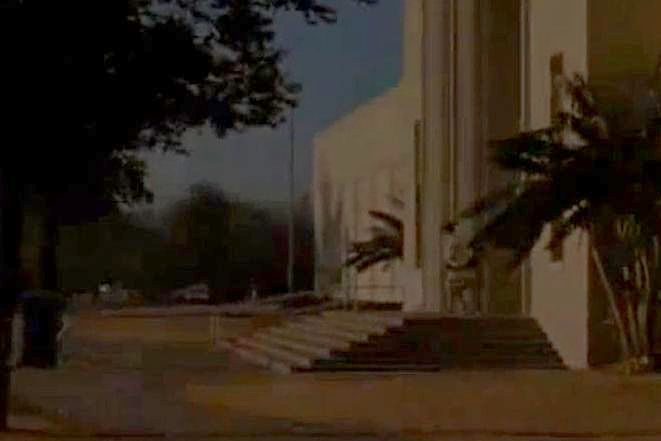
My favorite shot is the one at the top of this page and is seen in the first 90 seconds of the movie: Oak Lawn at Lemmon, with the familiar Lucas B & B sign at the right. This area was used a few more times. One character goes into the old Esquire theater, but, sadly, there was no establishing shot showing that great old neon sign. I think the first interior — showing a couple at a lounge — was shot in the swanky private club, Club Village, at 3211 Oak Lawn (at Hall), just a short hop from Oak Lawn and Lemmon.
Next, we’re off to White Rock Lake.
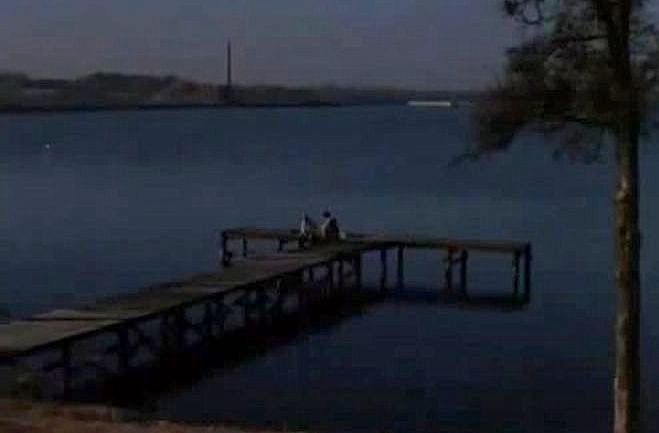
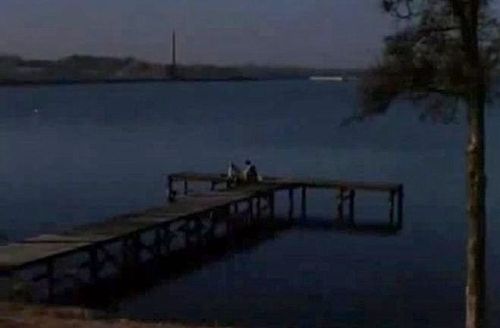 White Rock Lake. Shot day-for-night, with the pump station in the distance.
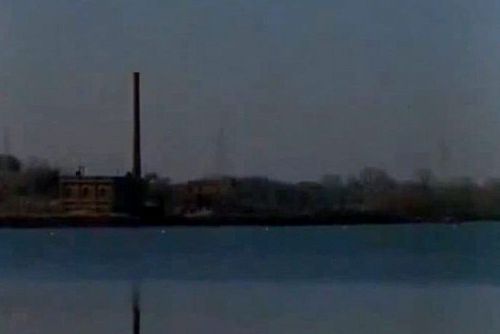 White Rock Lake pump station, where the Martians are headquartered as they search for healthy, single women to take back to Mars to help re-populate the planet.
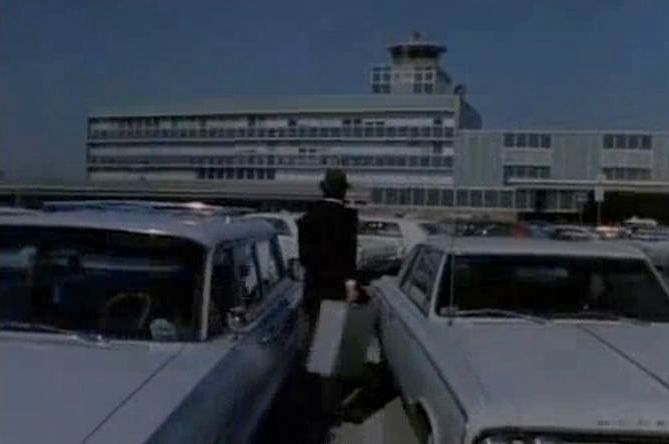
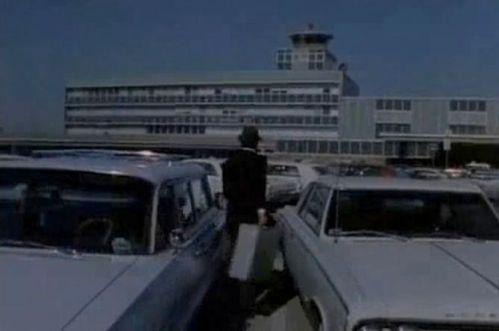 Love Field parking lot. Still shooting day-for-night. Badly.
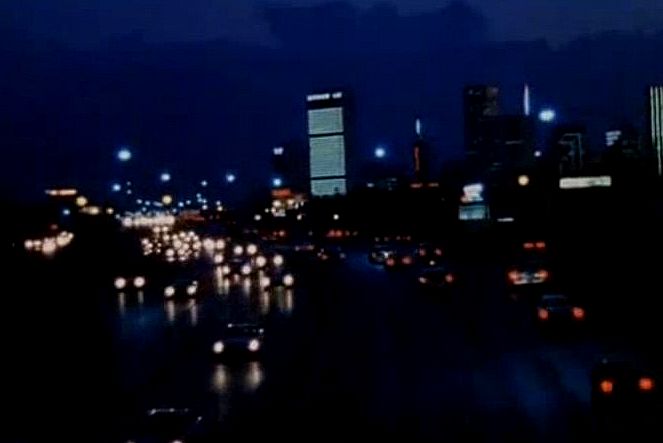
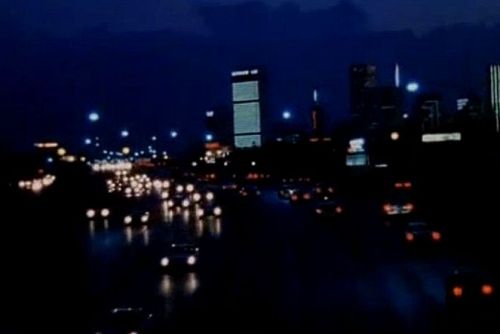 The Southland Life Building, etc., magically transported to Houston.
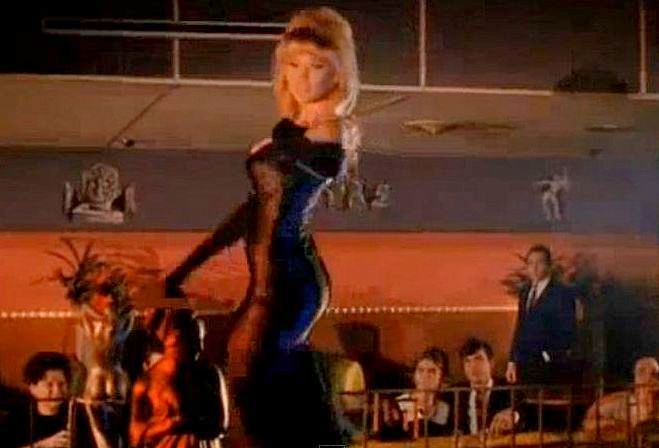
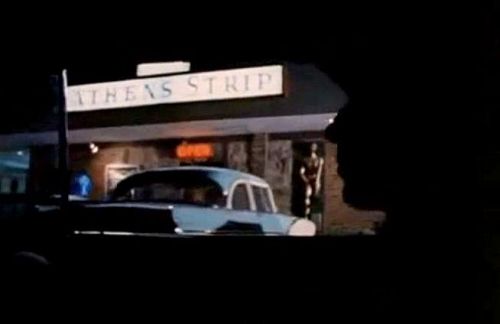 Athens Strip — a strip joint on Lower Greenville, one block north of the old Arcadia Theater. I’ve never heard of this place, but I came across the story of a guy who had visited the place back around this time and remembered one of the VERY unhappy dancers who hurled handfuls of the coins (!) that had been tossed onstage back into the audience, with such force that his face and chin sustained minor lacerations.
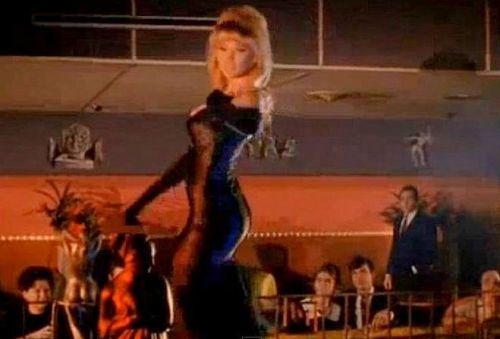 Local celebrity-stripper “Bubbles” Cash, inside Athens Strip. Plainclothes Martian (standing) ponders whether she has what it takes to birth a nation. (She does.)
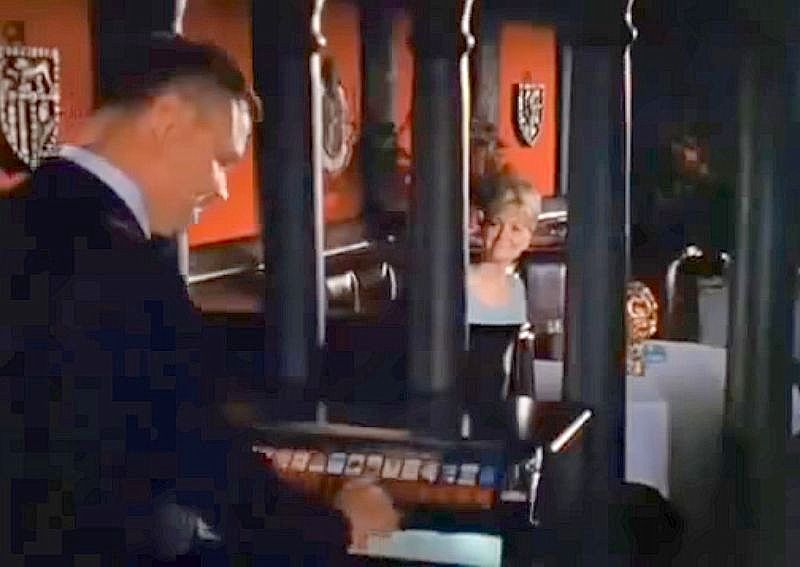
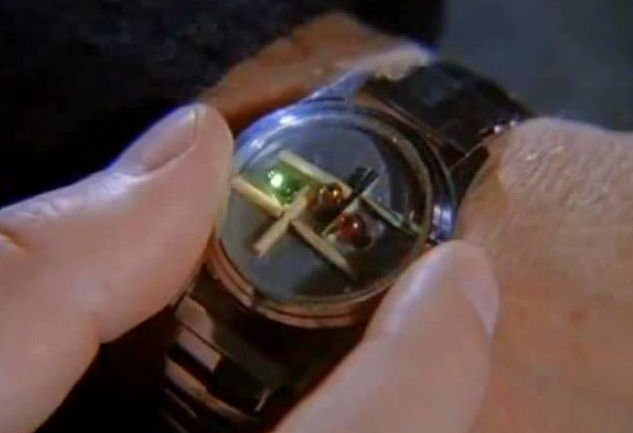
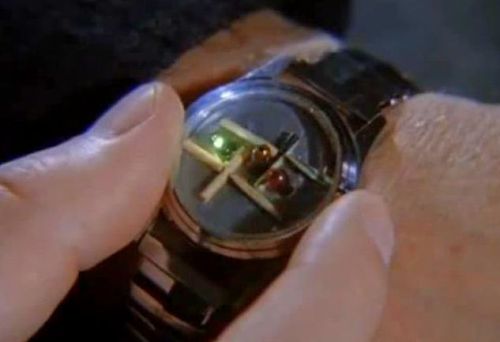 My favorite example of what a director is forced to resort to when there is no budget. This is some sort of sophisticated communication device. I think those are matchsticks.
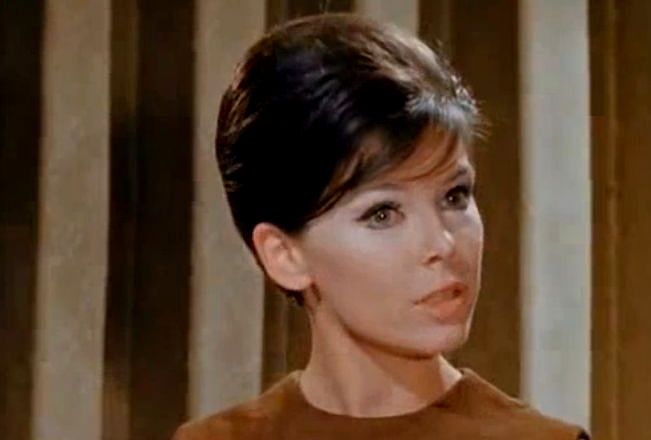
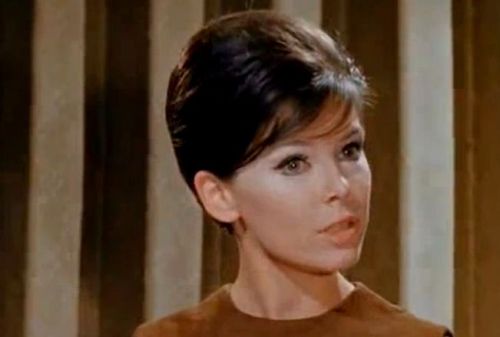 Yvonne Craig, without a doubt the best actor in the movie. In fact, she’s really good. She had already made a few movies in Hollywood at this point, but the lure of a starring role brought her back to her hometown (where the newspapers reported she was happily staying with her parents during the two-week shoot).
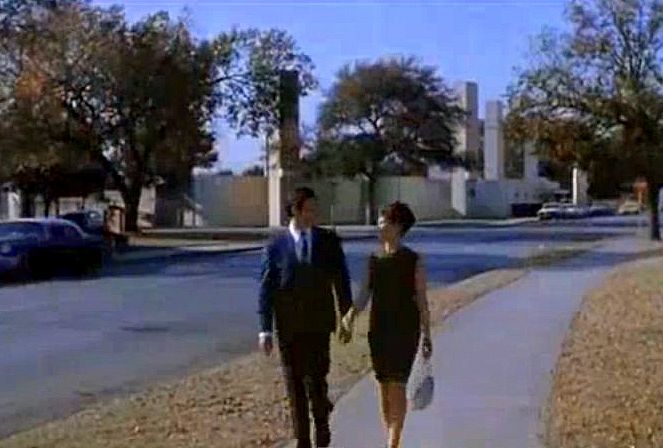
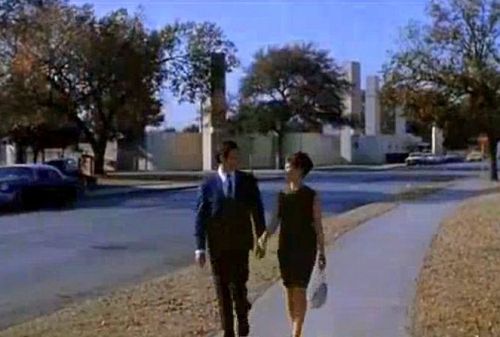 Martian #1 and sexy space geneticist strolling through Fair Park — band shell behind them, to the left.
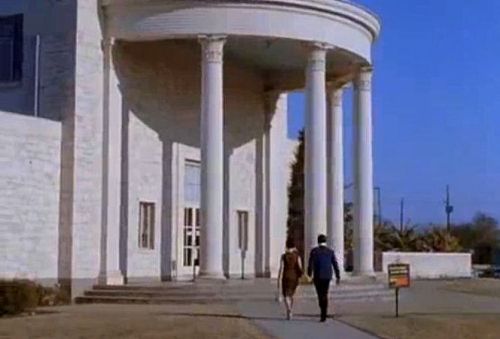 The Fair Park planetarium.
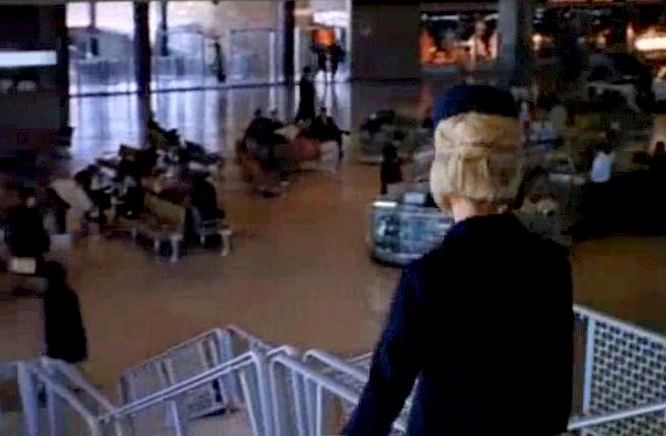
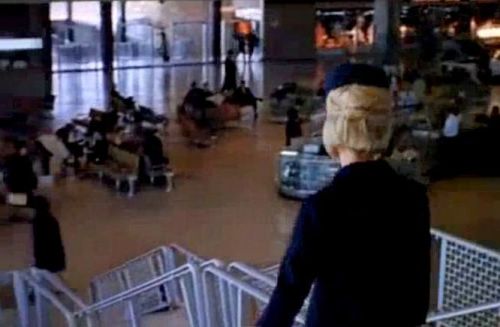 Love Field. I love the interior shots of the airport in this movie. (The stewardess walking down the stairs? Destined for Mars.)
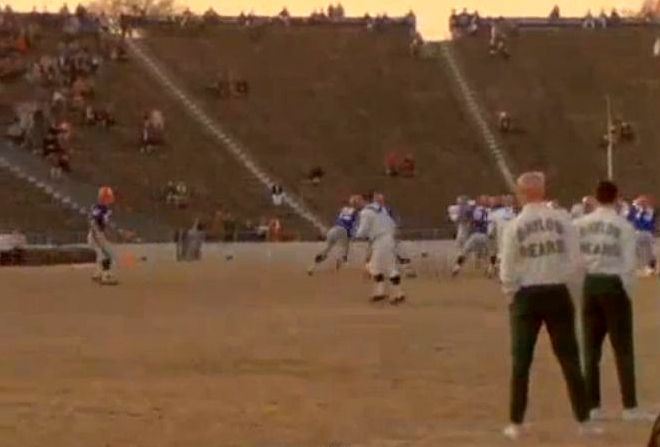
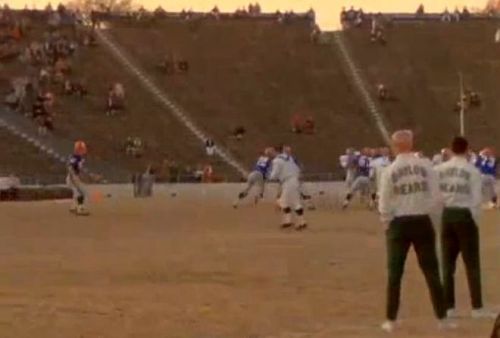 Cotton Bowl, shot during a homecoming game between SMU and Baylor. Some shots show a packed stadium, some show this. Word of warning to the homecoming queen, Sherry Roberts: do NOT accept that flower delivery!
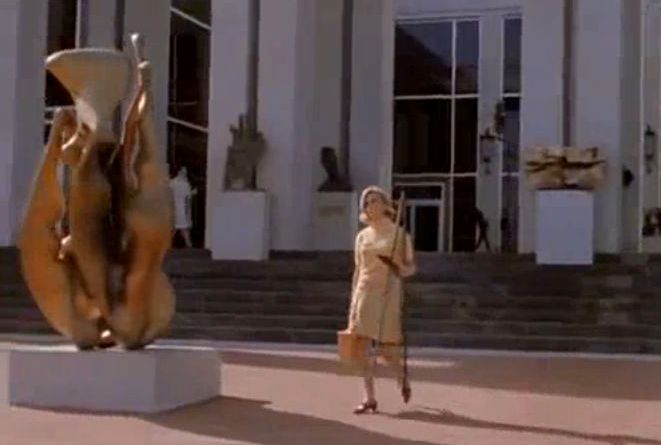
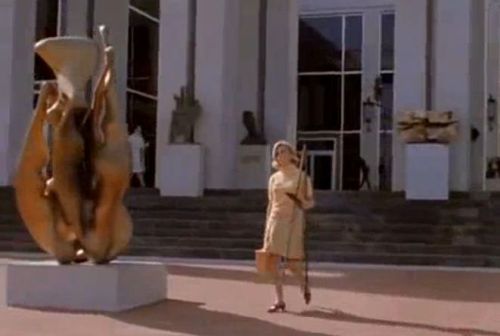 SMU, Meadows School of the Arts. I love the pan across the front of the building. Mars Needs Co-Eds.
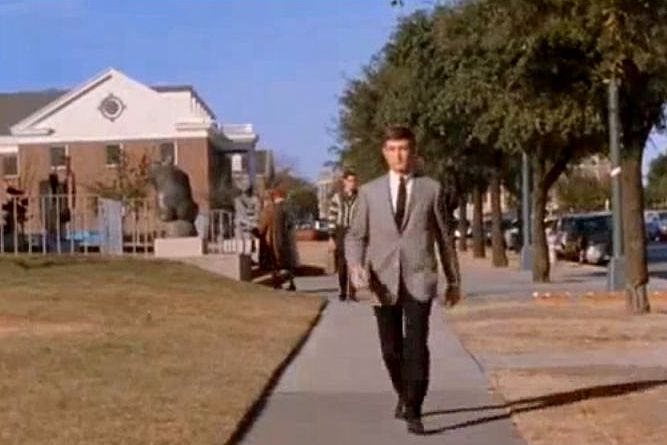
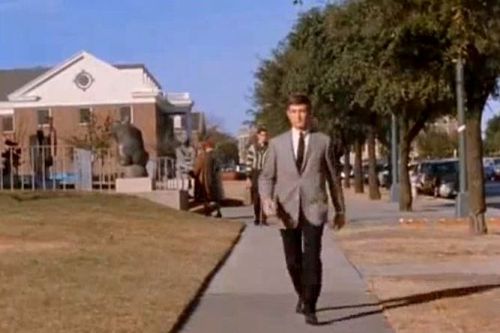 SMU. BMOC (Big Martian On Campus).
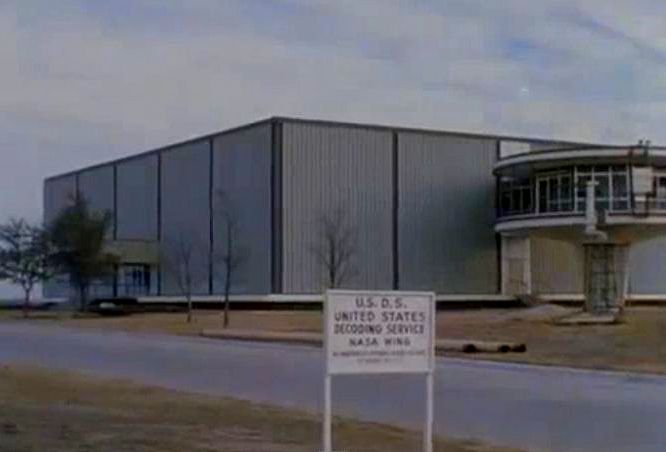
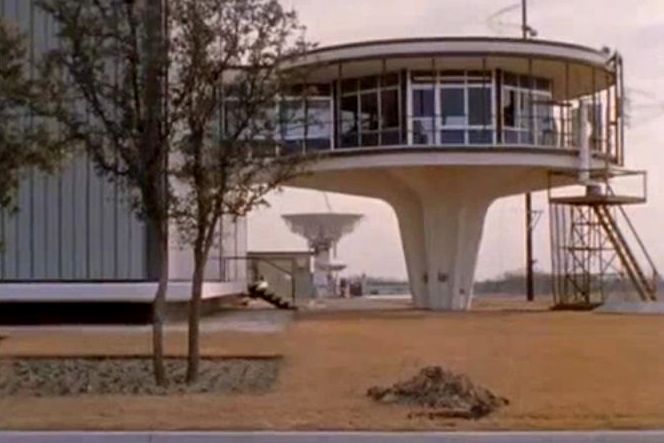
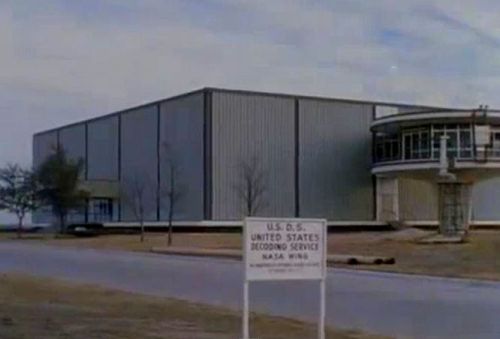 The one location I couldn’t figure out. And it’s because it isn’t in Dallas. It’s the Collins Radio building in Richardson, a company that was absorbed by/bought out by/merged with Rockwell International. I think all the interior and exterior shots which are supposed to be NASA were shot here. How did a low-budget director like Larry Buchanan get into a place like that? According to a 1986 Texas Monthly article, Buchanan, in his day-job career as an ad-man, was hired by Collins Radio in 1961 to work in their “audio-visual” department” (the man who hired him was Harold Hoffman, whose later film work with Buchanan was done under the name Hal Dwain).
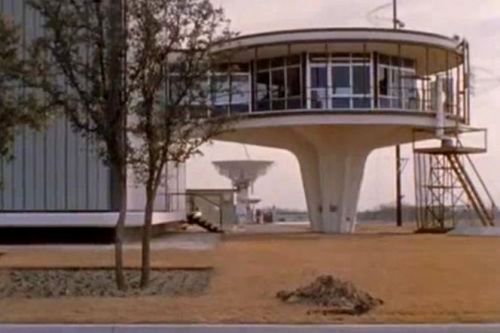 So, yeah — COOL location.
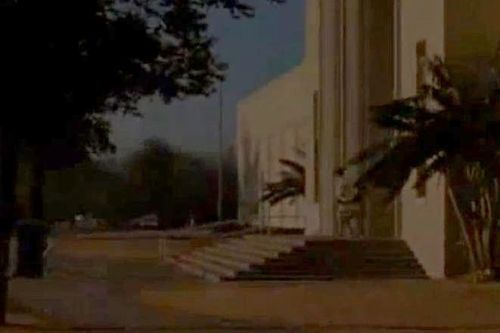 More Fair Park, more murky day-for-night.
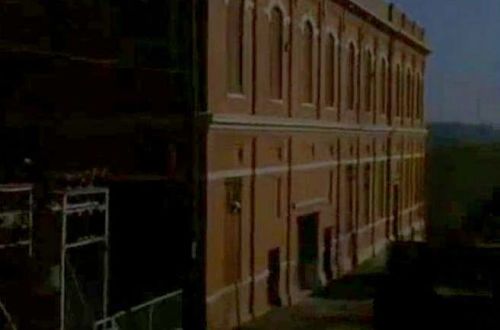 White Rock Lake pump station, aka the Martian lair.
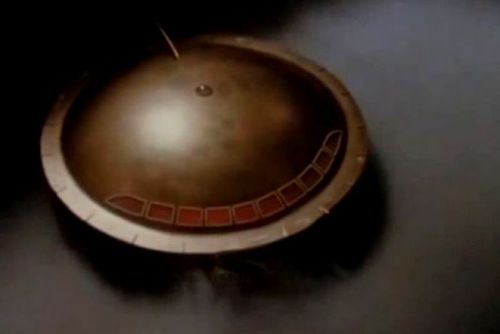 FANTASTIC flying saucer. Do the Martians get their five healthy, single women on board the ship and get them back home? You’ll have to watch it for yourself to find out.
 You tell ’em, Konnie.
Check back in a few days for more on Larry Buchanan (including a long-lost photo of him at work back in his advertising days in the 1950s).
UPDATE: Here it is — Larry Buchanan filming a Chrysler spot in the Katy railyard in 1955 for Dallas’ Jamieson Film Company, here.
***
Sources & Notes
The entire movie is on YouTube in a pretty good print. Watch it here.
Larry Buchanan Wikipedia page is here.
Mars Needs Women Wikipedia page is here.
Collins Radio/Rockwell Collins Wikipedia page is here.
Consult the Dallas Morning News archives to read a somewhat sarcastic Dallas Morning News article by Kent Biffle on the shooting of the Cotton Bowl sequence (I miss his Texana columns!): “That UFO Was a Field Goal” (Nov. 20, 1966).
*
Copyright © 2014 Paula Bosse. All Rights Reserved.

 Highland Park High School













 Flashback : Dallas