Flashback : Dallas

A Miscellany: History, Ads, Pop Culture

Category: Photographs

Commerce & Record Streets — 1946
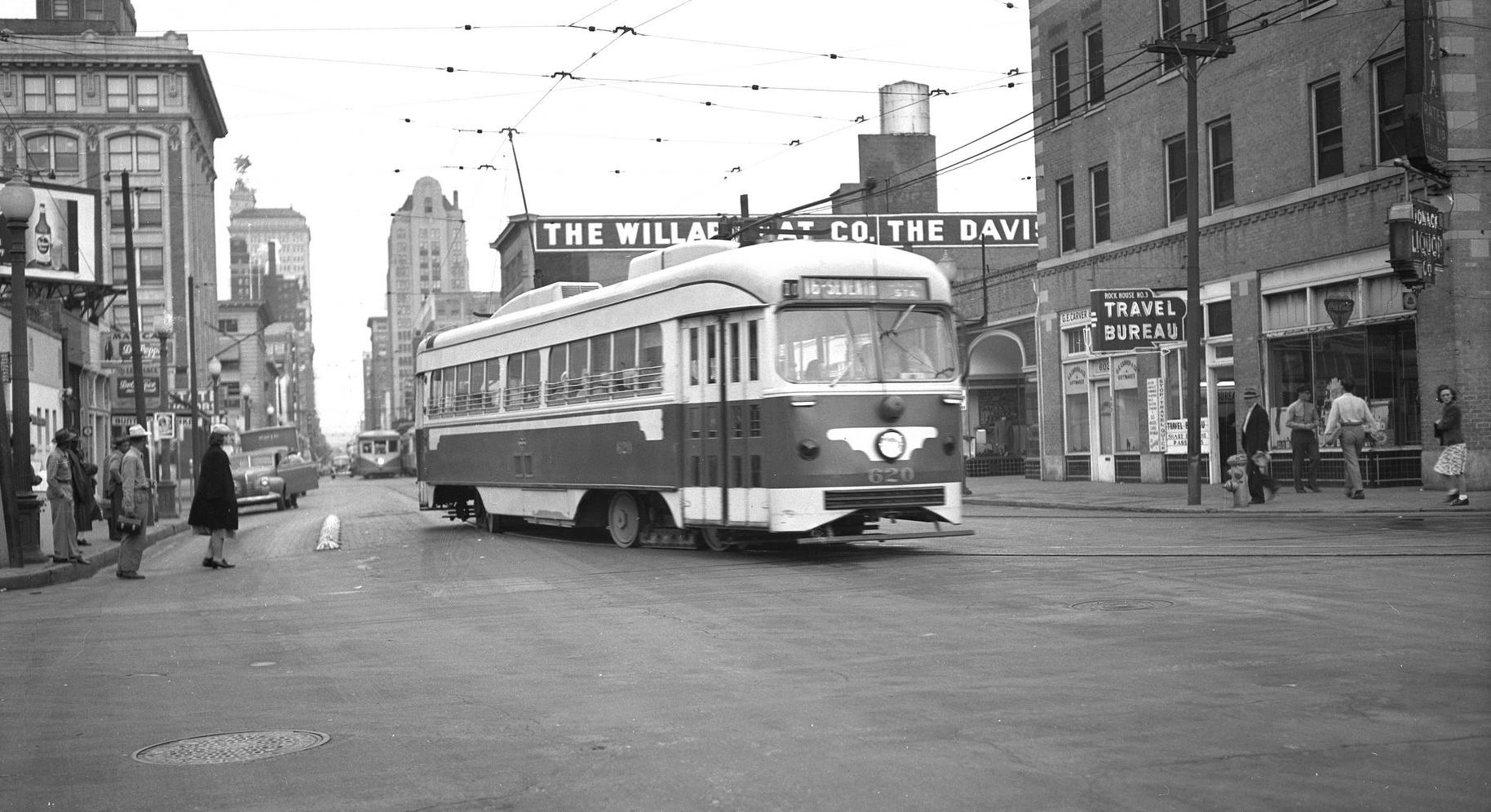
streetcar_commerce-record_051046_ceraCommerce St. looking east from Record (click for huge image)

by Paula Bosse

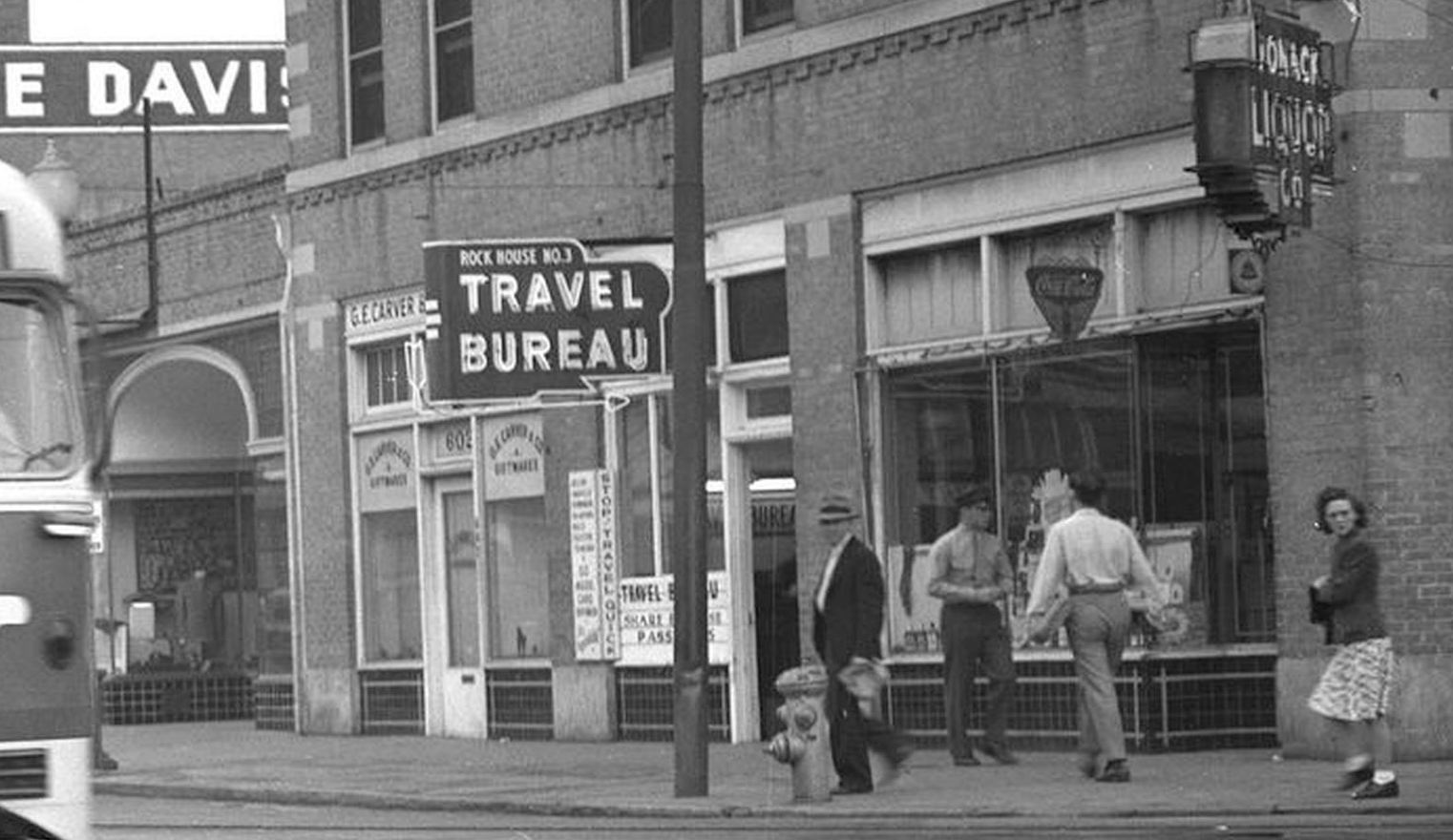
If it’s a photo of downtown in the ’40s, with people on the streets, retail storefronts, and streetcars, I’m going to love looking at it. Like this one. A lot of people might be hard-pressed to identify the location of this photograph, even if they were standing in the exact spot the photographer stood in. If you look at today’s view from the same vantage point (here), just about everything in the immediate foreground (west of the Pegasus-topped Magnolia Building) is gone — except for, most notably, the beautiful MKT Building at Commerce and Market, one of my favorite downtown buildings.

This is the intersection of Commerce and Record streets, when Record still extended from Elm to Jackson; the Old Red Courthouse was behind the photographer, to the left. Today, the Kennedy Memorial is at the left where the people are waiting for a streetcar; the George Allen Courts Building is across the street — at the right, in the block with the travel bureau; and the block containing the Willard and Davis Hat building — across Commerce from the Katy Building — is now a parking lot.

As with every photograph like this I see, I wish I could step into it and walk around the downtown Dallas of 1946. Maybe pop into Ma’s Cafe for a Dr Pepper before I hop on a streetcar and just ride around on it all day until someone kicks me off.

*

Below are a couple of magnified details (both are much larger when clicked).

streetcar_commerce-record_051046_cera-det1

streetcar_commerce-record_051046_cera-det2

Below is a listing of the businesses in this 600 block of Commerce, between Record Street and the MKT Building.

600-block-commerce_1945-directory1945 Dallas directory

(The tall building on the right with the travel bureau on the ground floor is the Plaza Hotel at 202-204 Record Street. The Yonack Liquor Store on the corner is at 200 Record, with entrances on both Commerce and Record.) 

Here’s a detail of a photo taken about the same time, showing an aerial view of Commerce Street.

aerial_commerce-st_1940s_foscue-lib_smuFoscue Map Library/SMU

***

Top photograph was taken on May 10, 1946 by Richard H. Young; it can be viewed on the CERA (Central Electric Railfans’ Association) website, here. (If you’re interested in Dallas streetcars, this page has some GREAT photographs!)

The caption of the photo from the above website: “May 10, 1946 — New Dallas Railway & Terminal Co. double-end PCC car 620, at speed, southbound, turning into Record St. from Commerce St. (Ervay-7th Line).”

The aerial photo was taken by Lloyd M. Long in the 1940s and is titled “Downtown Dallas looking east (unlabeled); it is from the Edwin J. Foscue Map Library, Central University Libraries, Southern Methodist University. This is only a small portion of the full photograph — the full photo is here.

Since there is an exact date for this photo, here is a large Skillern’s ad from that day’s newspaper. Coincidentally, there was a  Skillern drugstore on the northeast corner of Commerce and Record — it is in this photo, behind the lamppost at the bottom left. Let’s see what was on sale May 10, 1946. (I would kill for a set of those Pyrex bowls!)

skillerns-ad_dmn_051046

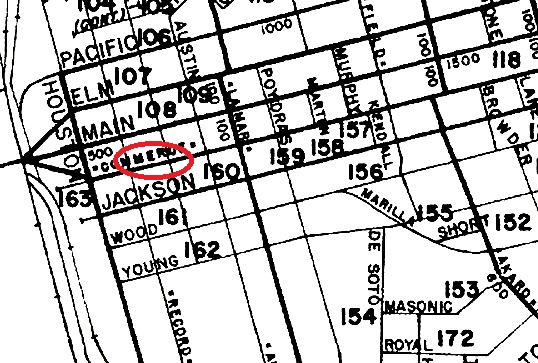
And, lastly, who doesn’t love a map?

map_commerce-and-record_1952-mapsco 1952 Mapsco

Everything is bigger when clicked!

*

Copyright © 2016 Paula Bosse. All Rights Reserved.


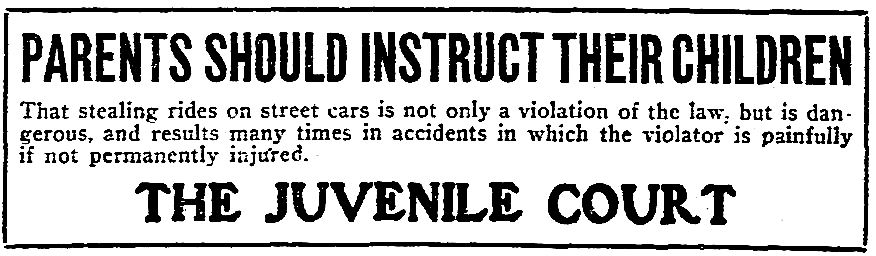
A Word From the Juvenile Court on Stealing Rides on Streetcars…

akard-car_cook-coll_degolyerThe Akard St. trolley, car #249 (click for larger image)

by Paula Bosse

…DON’T DO IT!

streetcar-ride-stealing_dmn_071309Dallas Morning News, July 13, 1909

***

Photo titled “Two Streetcar Employees with Dallas Streetcar No. 249,” is from the George W. Cook Dallas/Texas Image Collection, DeGolyer Library, Central University Libraries, Southern Methodist University; is can be accessed here.

Both images larger when clicked.

*

Copyright © 2016 Paula Bosse. All Rights Reserved.
NorthPark — 1965

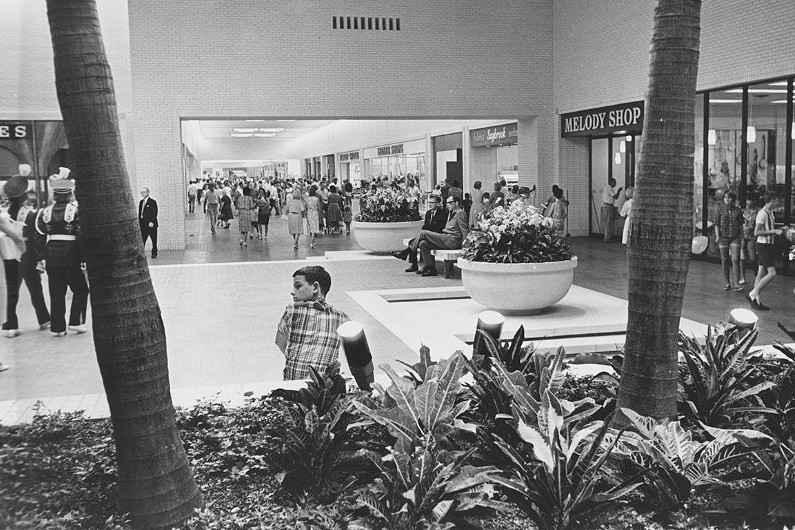
northpark_melody-shop_1965_northpark-websiteMarching band members, foliage, Melody Shop

by Paula Bosse

NorthPark Center — the only mall I’ve ever enjoyed being in — turned 50 last year. Developed by the legendary Raymond Nasher, it opened in August of 1965 on 90-something acres of old Caruth farmland. Sleek, cool, uncluttered. There was art! There were ducks! There were naughty playing cards and black light posters in Spencer’s! There was even a dime store! I spent a lot of time there as a kid in the ’70s, which is probably why I feel completely lost in the expanded, ultra-upscale version of today. I used to know where EVERYTHING was. Now? Since its recent “augmentation,” it doesn’t feel like “my” mall anymore. Now, for me, it’s just another upscale Dallas mall (albeit in an unusually appealing building and in still-sleek, aesthetically pleasing surroundings). But then I’m a person who is generally not a fan of shopping and feels anxious in shopping malls, so I’m clearly in the minority amongst Dallas women. Today’s NorthPark is still going strong and is as popular as ever (if not moreso), but I will always prefer the NorthPark of my childhood — it’s the only shopping mall I’ve ever felt completely at home in.

*

At the top, the Melody Shop — where I bought my first records. People were always in there playing the organs.

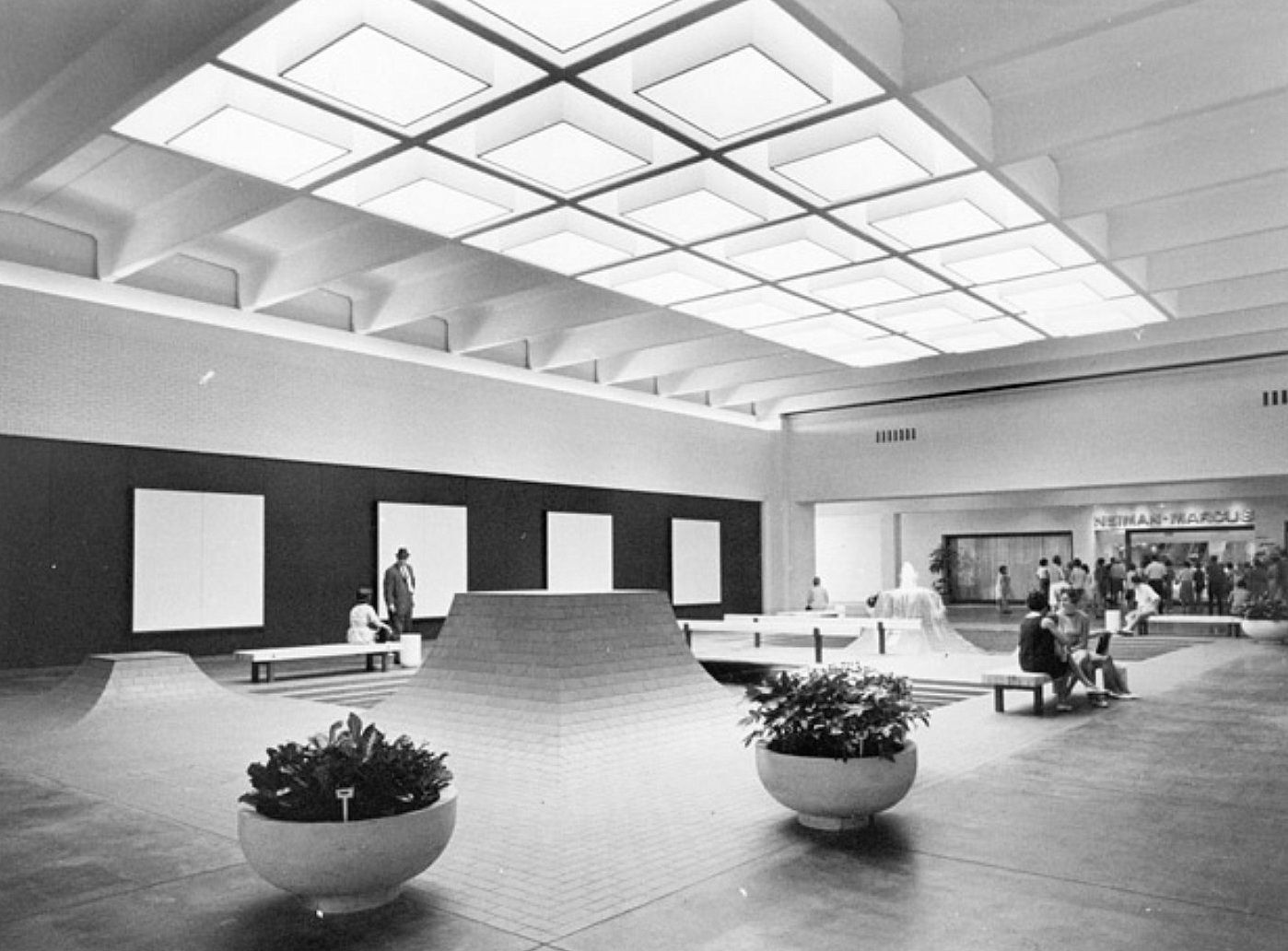
Neiman’s was there, too, of course — at the swankier end of the mall. N-M was intimidating. There weren’t a lot of black light posters and Keds in there.

northpark_neimans-northpark-center-colln

Which is why I spent most of my time in the stretch between the Melody Shop and Penney’s.

northpark_penneys_northpark-website_1965

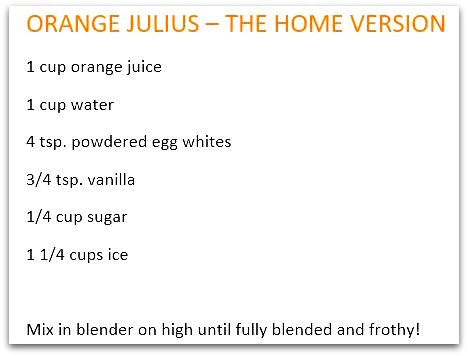
This was the part of the mall I might have liked the best, if only because of … Orange Julius!! (See recipe below.)

northpark_orange-julius_northpark-website_1965

(Am I crazy, or hadn’t Orange Julius moved to the space next to where it is in this 1965 photo? I swear in the ’70s it was facing Penney’s.)

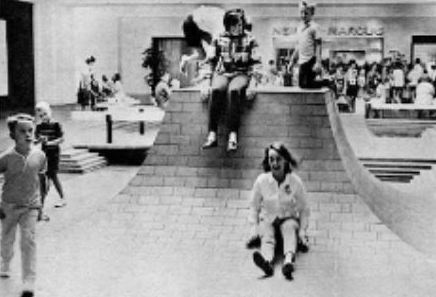
But the one thing that absolutely everyone who ever spent any time there as a kid remembers most?

northpark_slides_dth_np-websiteDallas Times Herald photo

Come to think of it, what I remember most about the NorthPark of my very early childhood is how smooth and cool-to-the-touch everything was — especially for children like me who were climbing all over everything: the tiles of those “slides,” the concrete of the fountains and planters, the floors, and those white bricks, inside and out. Everything was so smooooth. Happy belated birthday, NorthPark!

***

Sources & Notes

Most of these photos are from 1965, and most are from the history page of the NorthPark Center website, here. Their entertaining NorthPark50 blog is here.

More on the history of NorthPark at Wikipedia, here.

A 15-minute 50th anniversary video by The Dallas Morning News is on YouTube, here.

One of the first mentions of the future super-mall (and its 99-year lease) was in the March 5, 1961 edition of The Dallas Morning News in the article “Big Shop Center Slated in Dallas” by Rudy Rochelle.

See a cool color photo of the brand new mall here.

Want to make your own Orange Julius? Here’s a good recipe. The secret ingredient is powdered egg whites, available at Whole Foods and most larger grocery stores. The added sugar is important, but you might not want to use a whole quarter-cup.

UPDATE: The powdered egg whites I used to buy at my local Tom Thumb — “Just Whites” by Deb El — is no longer available. I tried several grocery stores today and couldn’t find powdered egg whites anywhere. They may be available in health food or vitamin/supplement stores. I just ordered some online. If you don’t mind using egg whites out of the shell, substitute 2 egg whites for the powdered in the recipe below.

orange-julius-recipe

Enjoy!

*

Copyright © 2016 Paula Bosse. All Rights Reserved.
Dallas Theater Center

dtc-downtown_dallas-park-dept_portalFLW’s DTC

by Paula Bosse

Frank Lloyd Wright’s Dallas Theater Center is seen here nestled amongst the woody landscape of Turtle Creek. There’s a lot of varied architecture going on in this photo!

***

Sources & Notes

Photograph is from the Dallas Park and Recreation Department Collection, Dallas Municipal Archives; it is accessible via the Portal to Texas History, here.

The text on the back:

Opened in 1959, this Center provides pleasure for thousands of Dallasites and visitors yearly through a repertory of plays presented in its Kalita Humphreys Theater. This $1,000,000 Center, the last completed building and only theater designed by Frank Lloyd Wright, also incorporates a children’s and teen theater and a private school of drama.

*

Copyright © 2016 Paula Bosse. All Rights Reserved.
Lt. Mary L. Roberts, The “Angel of Anzio” — The First Woman Awarded the Silver Star

silver-star_feb-22-1945Roberts (left) and two fellow Army Nurse Corps nurses receiving the Silver Star

by Paula Bosse

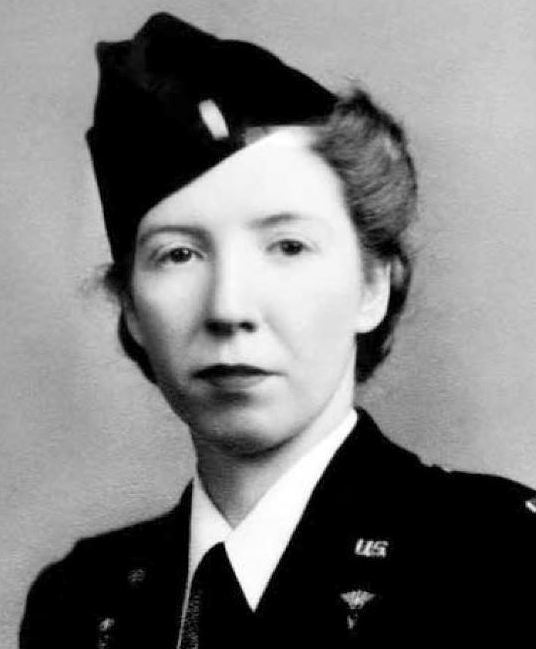
The opening paragraph from a chapter in Tom Brokaw’s book The Greatest Generation:

There are so many impressive numbers connected to World War II that it’s difficult for one or two to catch your eye. Here are a few that caught me by surprise: more than sixty thousand women served in the Army Nurse Corps. Sixteen died as a result of enemy action. Sixty-seven nurses were taken prisoner of war. More than sixteen hundred were decorated for bravery under fire or for meritorious service.

The chapter is titled “Mary Louise Roberts Wilson,” a profile of Mary L. Roberts, a Methodist Hospital nurse who enlisted in the Army Nurse Corps in 1942. She served with the 56th Evacuation Hospital Unit alongside many other medical professionals from Dallas (the unit — sometimes called the “Baylor Unit” — was organized by the Baylor University College of Medicine in Dallas). She knew she would be serving overseas in field hospitals in combat zones.

As far as seeing action, the worst of the worst for the 56th was on February 10, 1944 when their hospital tents on the Anzio beachhead in Italy were attacked by German long-range artillery shells for a full thirty minutes. Several operations were underway during the attack, and Roberts, the chief nurse of the operating tent, managed to keep a calm head and help to maintain as much order as possible.

“I wanted to jump under the operating table, but first we had to lower litter cases to the floor. Pieces of steel already were ripping through tents. There were four litters. I saw a patient on the operating table had his helmet near him so I put it over his head to give him that much protection.” (Mary L. Roberts, Dallas Morning News, Feb 23, 1944)

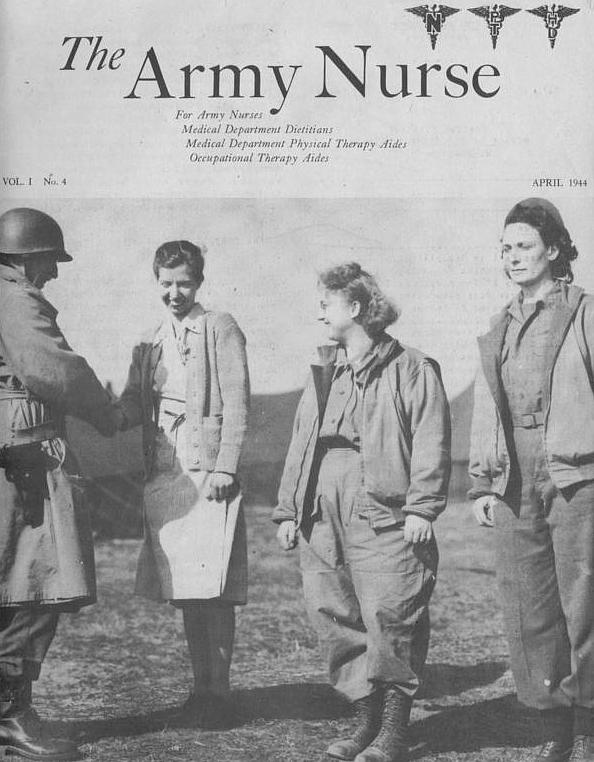
When the shelling ended, two enlisted men in the operating tent had been wounded, and elsewhere in the field hospital, two nurses had been killed and several other personnel wounded. As a result of their exceptional bravery, outstanding leadership, and “gallantry in action,” Roberts and two other nurses, 2nd Lt. Rita Virginia Rourke and 2nd Lt. Elaine Arletta Roe were awarded the Silver Star. No women had ever received the medal. As 1st Lt. Roberts had seniority, she was the first woman in history to be decorated for heroism in action.

Maj. General John P. Lucas surprised her and the other two nurses on Feb. 22, 1944 with an informal presentation of the medals at the same Anzio hospital that had been shelled only twelve days earlier. After the brief pinning ceremony, the nurses immediately returned to their duties, all feeling they were accepting acknowledgement for their team, not for themselves alone. Roberts spent 29 months overseas, and tended to more than 73,000 patients.

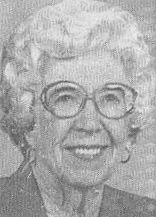
After the war, when Lufkin-native Mary Roberts returned home, she worked for almost 30 years as a nurse at a VA hospital in Dallas, and, rather late in life, she married fellow veteran Willie Ray Wilson. Mrs. Wilson died in 2001 at the age of 87. She was buried with full military honors.

roberts_texas-women-first_mcleroy_UTA1944 (Fort Worth Star-Telegram Archives, UTA)

roberts_dmn_022344-photo1944

roberts-cover_army-nurse_april-1944Presentation of the Silver Star at Anzio

roberts_obit-photoMary Roberts Wilson (1914-2001)

***

Sources & Notes

Top photo and first quote from The Greatest Generation by Tom Brokaw (New York: Random House, 1998).

For an exceedingly detailed history of the 56th Evacuation Hospital Unit, with several photographs, see here.

Articles on Mary Roberts from The Dallas Morning News archives:

  • “Baylor Unit In Action” (DMN, Aug. 26, 1942): photo of unit, including Roberts, working around an operating table
  • “Dallas Nurse, Two Others Win Medals” (DMN, Feb. 23, 1944): “The award, denoting exceptional bravery went to Lt. Mary L. (Pinky) Roberts, 1205 North Bishop, Dallas, Texas, chief nurse in an operating room hit by shell fragments.”
  • “Nurses of Dallas Unit Serving at Anzio Doing Jobs Cheerfully Despite Many Hardships” by Wick Fowler (DMN, March 31, 1944)
  • “Ends Military Career: WWII Recalled By Heroic Nurse” (DMN, July 26, 1964): photo and interview with Mary Roberts Wilson on her retirement from the U. S. Army Reserve
  • “Happiness Is Being Part of a Team” by Jane Ulrich Smith (DMN, May 16, 1972), photo and interview, on her retirement from the Veterans Administration Hospital
  • “Compassion Revisited: Nurse Reunites With GI She Treated For Serious Injuries In WWII” (DMN, Nov. 4, 1999): a reunion with former patient Dewey Ellard of Mobile, Alabama, brought together by Tom Brokaw
  • “Distinguished Career In Medicine Followed — WWII Gallantry — VA Hospital Honors Longtime Nurse — Who Won Silver Star in ’44” (DMN, Nov. 6, 2001): interview with the then-87-year-old Mrs. Wilson, published two-and-a-half weeks before her death
  • “Mary Wilson, ‘Angel of Anzio,’ Dies at 87 — WWII Nurse Known For Kindness Was Decorated For Bravery Under Fire” (DMN, Nov. 24, 2001)

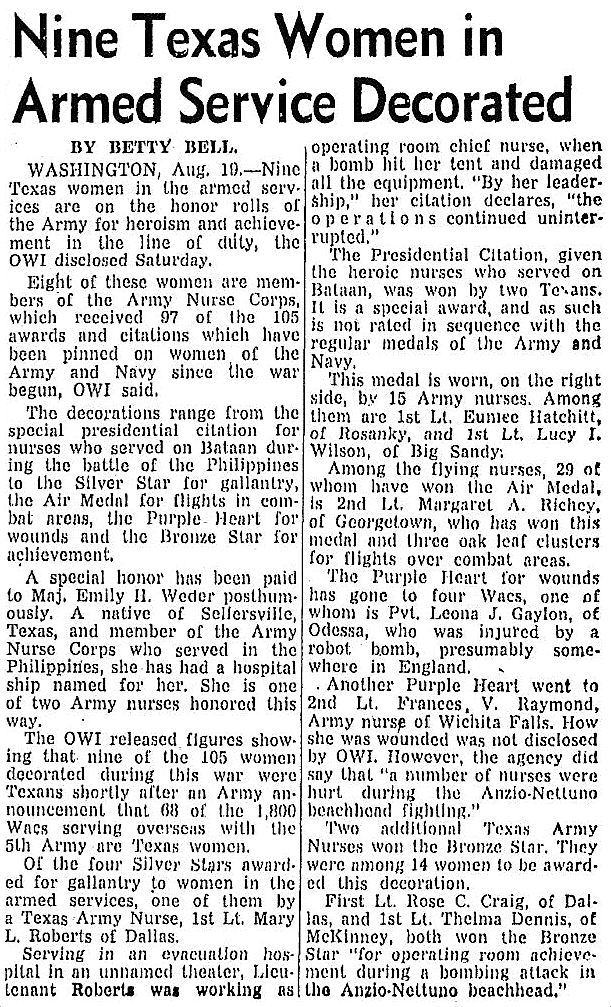
Other women who were honored in 1944 for heroism and achievement in the line of duty:

women_ww2_medals_FWST_082044Fort Worth Star-Telegram, Aug. 20, 1944

Click pictures and articles for larger images.

*

Copyright © 2016 Paula Bosse. All Rights Reserved.


The Digital Collections of SMU’s Central University Libraries: The Gold Standard

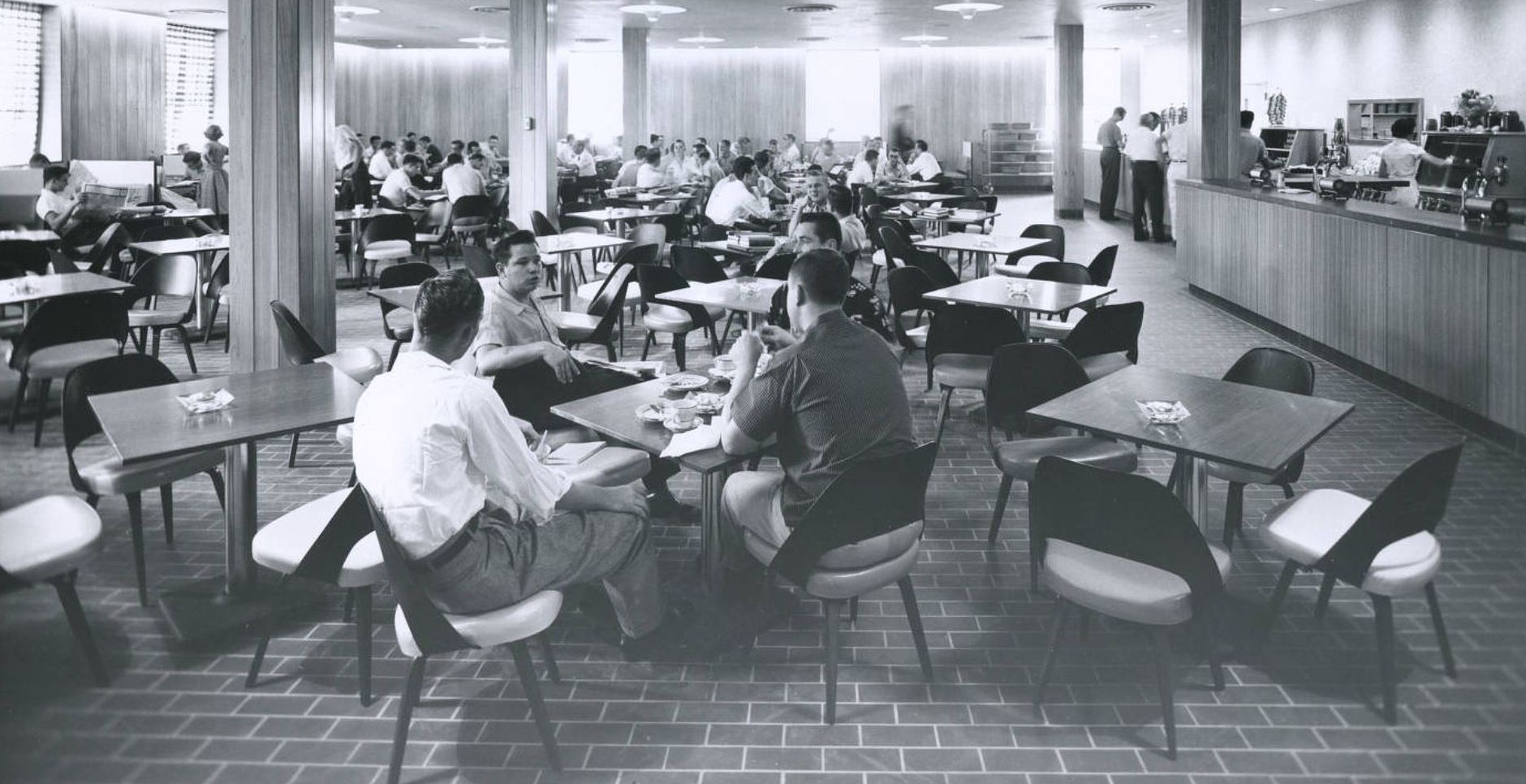
umphrey-lee-snack-bar_rotunda_1956My father in the Umphrey Lee snack bar?

by Paula Bosse

This past week I was invited by the Norwick Center for Digital Solutions at Southern Methodist University to tour several of SMU’s special collections libraries, which include the DeGolyer Library, the Hamon Arts Library (which includes the Bywaters Special Collections and the G. William Jones Film and Video Collection), the Edwin J. Foscue Map Library, and the SMU Archives. I had a behind-the-scenes look at the journey an item takes on its way to being digitized, beginning with the acquisition of the collection itself, the cataloging of the collection, and the research, annotation, and imaging of each item. Another important part of the process is the often mundane but necessary grant-writing which must be done to obtain funding to do much of the above. These collections at SMU are huge, but a remarkably efficient group of SMU library staff and students tackle the herculean task of getting everything cataloged and up online, accessible to everyone. At the end of February 2016, over 51,000 items have been published online. And there is a vast, exciting amount still to come!

For me, the online digitized database of SMU’s Central University Libraries is the absolute best for researching historical Dallas images. (I should note that Dallas history is only part of the wide-ranging collection of photographs, manuscripts, films, etc., concerning everything from Western Americana to the Mexican Revolution to trains and railroad history to artists’ sketchbooks, etc.) I’m most interested in Dallas photographs, and SMU really has no equal in what they provide online: large, high-resolution images without watermarks, accessible to anyone with a computer, tablet, or phone. It is an unbelievable treasure trove of historical images, and I’ve been lost in it for hours at a time.

I know this might come dangerously close to appearing to be some sort of paid promotion, but it’s not. We are very lucky here in Dallas to have these SMU collections available to us. I wish ALL institutions with historical holdings would also throw open the doors to their archives and share their collections online freely. (I would be remiss if I didn’t mention UNT’s wonderful Portal to Texas History site here, which, along with SMU, does just that.) We are living in a digital age, and to be unable to access some of Dallas’ other deep and varied collections of our own city’s history is incredibly frustrating, as I think it must also be for the institutions themselves — digitization of large collections takes time and money, both of which are often in short supply. SMU’s online presence is what all other libraries and institutions should model themselves after. Thank you, Norwick Center for Digital Services, for truly bringing SMU into the Digital Age.

**

On a more personal note, even though I use the online digital catalog of SMU’s collections all the time for this blog, it can also be a great source to use to explore your family’s history, if family members have attended SMU. My mother and my father both attended SMU, and thanks to the digitization of EVERY SINGLE ROTUNDA YEARBOOK (!), I was able to find photos of my parents I’d never seen before.

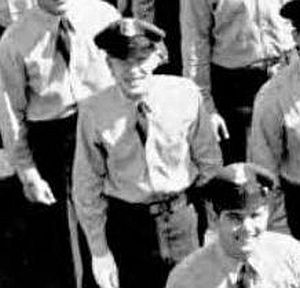
The photo at the top of this post shows the then-new Umphrey Lee Student Center snack bar and appeared in the 1956 Rotunda yearbook. I was browsing through the “Campus Memories” photos from the SMU Archives, and when I saw this photo, I immediately recognized the back of my father’s head! A KA fraternity brother of his doesn’t think it’s my father in this picture, but my mother, my brother, and I all think that that the student in the white shirt in the foreground with his back to the camera is almost certainly my father, who was a grad student in 1956. If it weren’t for the Campus Memories collection (which is FANTASTIC, by the way), I’d never have seen this photograph. And because the Rotunda database is searchable by names (see below for link), I was able to find a photo of my still-teenaged father in some sort of large, uniformed squadron (“Squadron A”) in 1953 — a zoomed-in detail of the photo is below:

PRB_squadron-A_rotunda-19531953

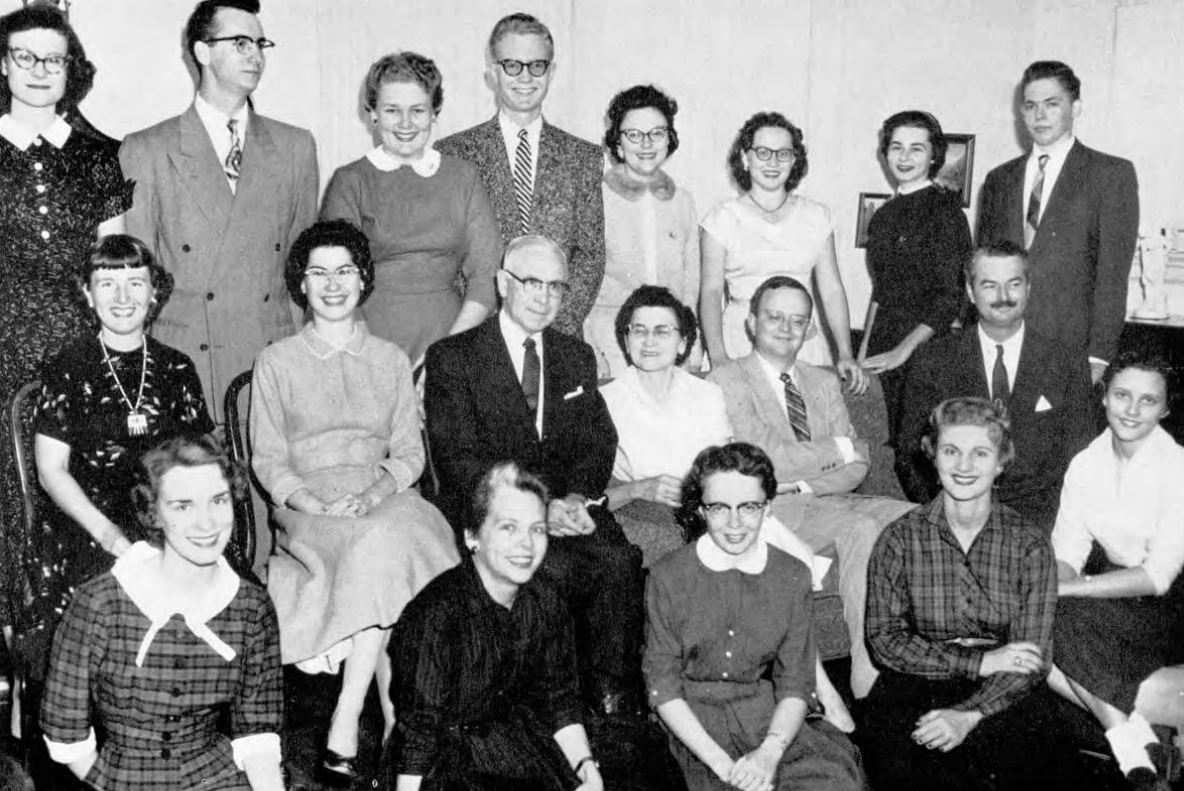
And I’m not sure I would have seen this photo of my mother taken a few years later, looking incredibly cute and perky as an officer of the honorary Comparative Literature fraternity, Beta Kappa Gamma. (My mother is on the back row, between the two tall men.)

beta-kappa-gamma_rotunda_19561956 (mustachioed professor Lon Tinkle is in middle row, far right)

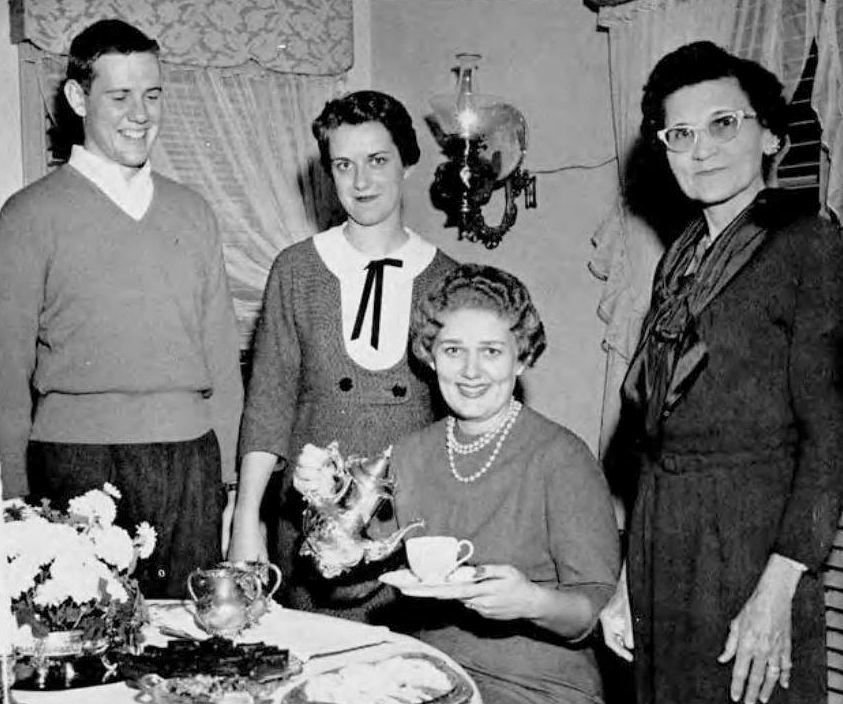
Or this photo a few years after that when she was the president of the group. She always laughs when she recalls how one of the rituals that came with the office was pouring tea from the group’s silver tea service.

mew_rotunda_19591959 (with sponsor Dr. Gusta Nance at right)

Again, thank you, SMU!

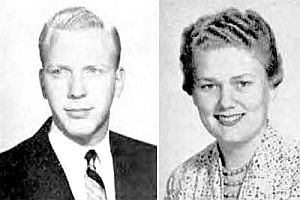
prb-mew-rotundaDick Bosse, Margaret Werry

***

Sources & Notes

Main search page for SMU Libraries’ digital collections is here. Pack a lunch. You might be here a while.

Norwick Center for Digital Solutions info is here.

Top photo is titled “Students in Umphrey Lee Student Center Snack Bar” — it was taken in 1955 and appeared in the 1956 Rotunda, SMU’s yearbook; it is from the SMU Archives, DeGolyer Library, Central University Libraries, Southern Methodist University, and it is accessible here. (I’ve cropped it a bit at the top and bottom.)

All other photos are from various editions of the Rotunda yearbook, all of which are online.

Every single edition of the Rotunda — from the very first yearbook for the inaugural 1915-1916 class — has been scanned in its entirety and is available online. This incredible resource is here. It takes a little while to figure how to navigate through the yearbooks, and it can be slow to load — but it’s worth the wait.

More from the SMU Archives (including the archived campus newspaper) is here.

Lastly, I would like to thank the Norwick Center for inviting me to visit. I’d also like to thank Anne Peterson of the DeGolyer Library; Jolene de Verges, Sam Ratcliffe, and Ellen Buie Niewyk of the Hamon Arts Library; SMU archivist Joan Gosnell; and all of the other students and Norwick staff members I met on my visit to the SMU campus. Keep up the great work!

*

Copyright © 2016 Paula Bosse. All Rights Reserved.

Woodall Rodgers Freeway Under Construction — 1966

woodall-rodgers_squire-haskins_uta_052466
Land cleared, May 1966 (click for gigantic image) (UTA Libraries)

by Paula Bosse

The photo above shows land partially cleared for the construction of Woodall Rodgers Freeway. The view is to the east, with Central Expressway at the top left and Stemmons Freeway at the bottom left. The land cleared was once part of what used to be called “North Dallas,” and before it was bulldozed away, it was a predominantly black residential neighborhood served by several African-American- and Hispanic-owned businesses. The photo above was taken on May 24, 1966. The photo below was taken on December 8, 1966. The freeway was already years behind schedule when these photos were taken, but nobody would ever have believed it would take until 1983 (!!) for Woodall Rodgers Freeway — a “cute” little highway, less than two miles long — to be completed. Oh, but it did.

woodall-rogers-squire-haskins-uta-120866Dec. 8, 1966 (photo by Squire Haskins; UTA Libraries)

In a Dallas Morning News article published on the May 27, 1983 opening of the freeway, Henry Tatum wrote the following:

Dwight Eisenhower was starting his second term as president of the United States. Elvis Presley had passed his physical examination and was headed for a stint in the Army. And Doris Day was singing up a storm on the screen in “Pajama Game.” The year was 1957 and Dallas city fathers decided it was time to build a downtown connection between Central Expressway and Stemmons Freeway. (“Freeway From the Past” by Henry Tatum, DMN, May 27, 1983)

1957!

When it was completed 26 years later — in 1983 — Ronald Reagan was president, Sally Ride was about to become the first woman to go into space, and Madonna was singing up a storm as her first album was being readied for release. That’s a looong time.

***

Sources & Notes

Both aerial photos by Squire Haskins, from the Squire Haskins Photography, Inc. Collection, UTA Libraries, University of Texas at Arlington. The photo from May can be accessed here, the one from December, here.

“Woodall Rodgers”? James Woodall Rodgers was mayor of Dallas from 1939 to 1947. It was announced that what would become a never-ending headache-of-a-highway-project bedeviled by funding squabbles and right-of-way issues would be named in his honor in 1960.

Those two photos are really, really big when you click them. …REALLY big.

*

Copyright © 2016 Paula Bosse. All Rights Reserved.
 

When Every Skyscraper Was a Distinctive Landmark

skyline_akard-royalSoak it in…

by Paula Bosse

I love this photo, taken from the southern edge of downtown, at S. Akard (running from left to right in the photo) and Royal, a street which once ran one block north of Canton (map below). Today, the convention center would be behind the photographer, and the I. M. Pei-designed City Hall would be pretty much straight ahead. I’m always going to prefer the grittier-looking downtown Dallas of days gone by to today’s shinier, glitzier version. I couldn’t get the exact angle, but today’s view from more or less the same vantage point looks like this, and it just isn’t as interesting. (I’ve never actually heard anyone broach the topic, but am I the only one who thinks that Pei’s City Hall now looks weirdly and hopelessly dated? Kind of tired and stuck in the ’70s? If nothing else, those yucky white flagpoles out front need to go!)

When this photo was taken, you could actually still see all those famous buildings — before they were dwarfed and engulfed by all those over-eager underclassmen!

***

Sources & Notes

Photo from a site managed by Andrew K. Dart, full of photos from negatives he rescued when they were thrown out by KDFW-TV, many from the archives of KRLD. This photo is from a page of Dallas skyline photos, here.

Here’s a map that shows S. Akard and Royal streets, which Mr. Dart identified as being the intersection seen in this photo by zooming in on the street sign (click for larger image):

map_akard-royal_1952-mapsco1952 Mapsco

*

Copyright © 2016 Paula Bosse. All Rights Reserved.

Fletcher’s State Fair Drive-In — 1960-1963

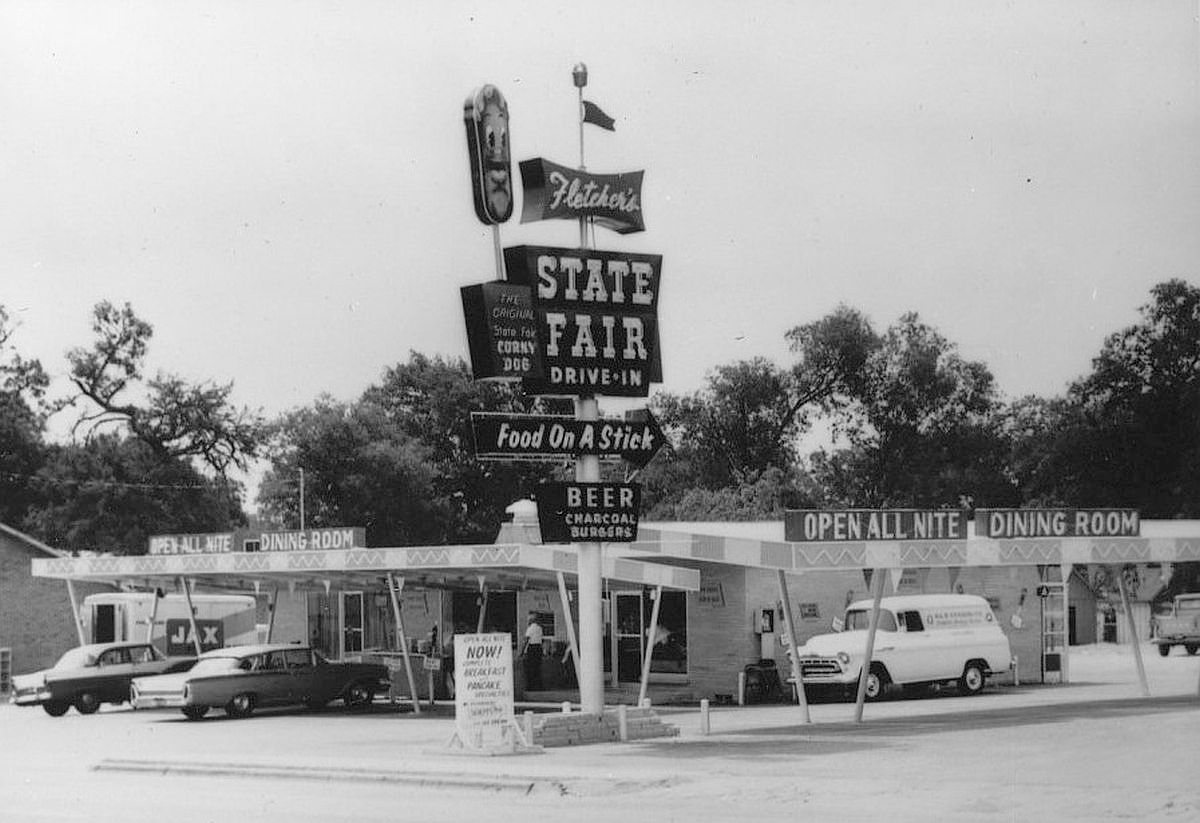
fletchers-state-fair-drive-in_DHSFood-on-a-stick, open all nite

by Paula Bosse

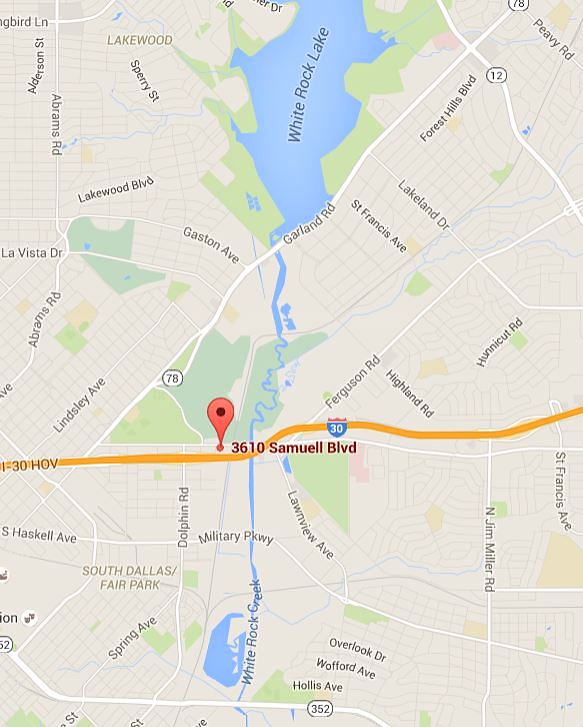
The legendary Fletcher’s Corny Dog once had its own drive-in! You didn’t have to wait until the State Fair of Texas rolled around to get your favorite “food on a stick” fix — you just needed to head to 3610 Samuell Boulevard, across from the Tenison Golf Course.

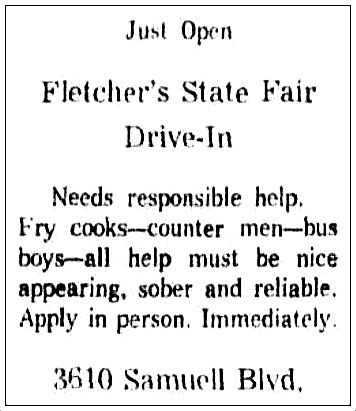
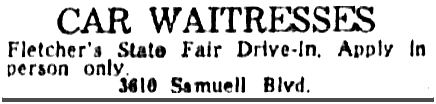
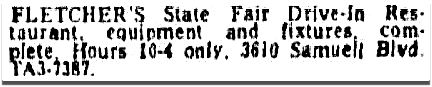
Sadly, there was a lot of drive-in and tavern competition along Samuell back then (Keller’s was practically next door!), and the State Fair Drive-In seems to have lasted only a little over three years, from the spring of 1960 to the fall of 1963.

I’d love to see this around NOW! Come on, Fletcher’s family: bring this back!

*

fletchers_dmn_051560May , 1960

fletchers_dmn_062960June, 1960

fletchers_dmn_102463_for-sale
Oct., 1963

***

Sources & Notes

Top photo from the Dallas Historical Society.

An article on Neil Fletcher’s new restaurant and a photo of the interior can be found in the archives of The Dallas Morning News: “State Fair Drive’In Fixtures Designed, Installed by Bab’s” (DMN, June 12, 1960).

After the Fletcher’s Drive-In closed, it was replaced by a Red Coleman liquor store, and was most recently a club, El Palmeras. Google Street View shows the shabby neighborhood these days, here.

3610-samuall_googleGoogle Maps

An entertaining interview with the late Neil Fletcher appeared in the Oct. 1982 issue of D Magazine, here.

A Travel Channel video focuses on the famed corny dog, here.

A previous Flashback Dallas post about that same stretch of Samuell Blvd. — “Red’s Turnpike Open-Air Dance: An East Pike/Samuell Blvd. Joint — 1946” — is here.

UPDATE: I’ve received many comments that Fletcher’s had several short-lived drive-thru restaurants which started popping up in the mid-’80s. More on the franchise plans can be read in the article “Fletcher and Firm Very Much Alive” by Donna Steph Hansard (DMN, Aug. 5, 1984).

*

Copyright © 2016 Paula Bosse. All Rights Reserved.

Early Aerial View of the SMU Campus

smu_early-aerial_ca1920s_degolyerWide open… (click for much larger view)

by Paula Bosse

Does anyone else fear the SMU campus is getting a little crowded these days? Here’s what it looked like back when there was still plenty of room to stretch out.

This photo is in the SMU archives, accompanied by this description:

Pictured is an aerial view of campus from the southeast. At the bottom is Mockingbird Lane; on the right is Airline Road; at the top is Daniel Avenue; and on the left is Hillcrest Avenue. Situated in the middle of fields is a water tower, Dallas Hall, Atkins Hall, Rankin Hall, North Hall, South Hall, the Women’s Gymnasium, Armstrong Field, and the Morrison-Bell Track.

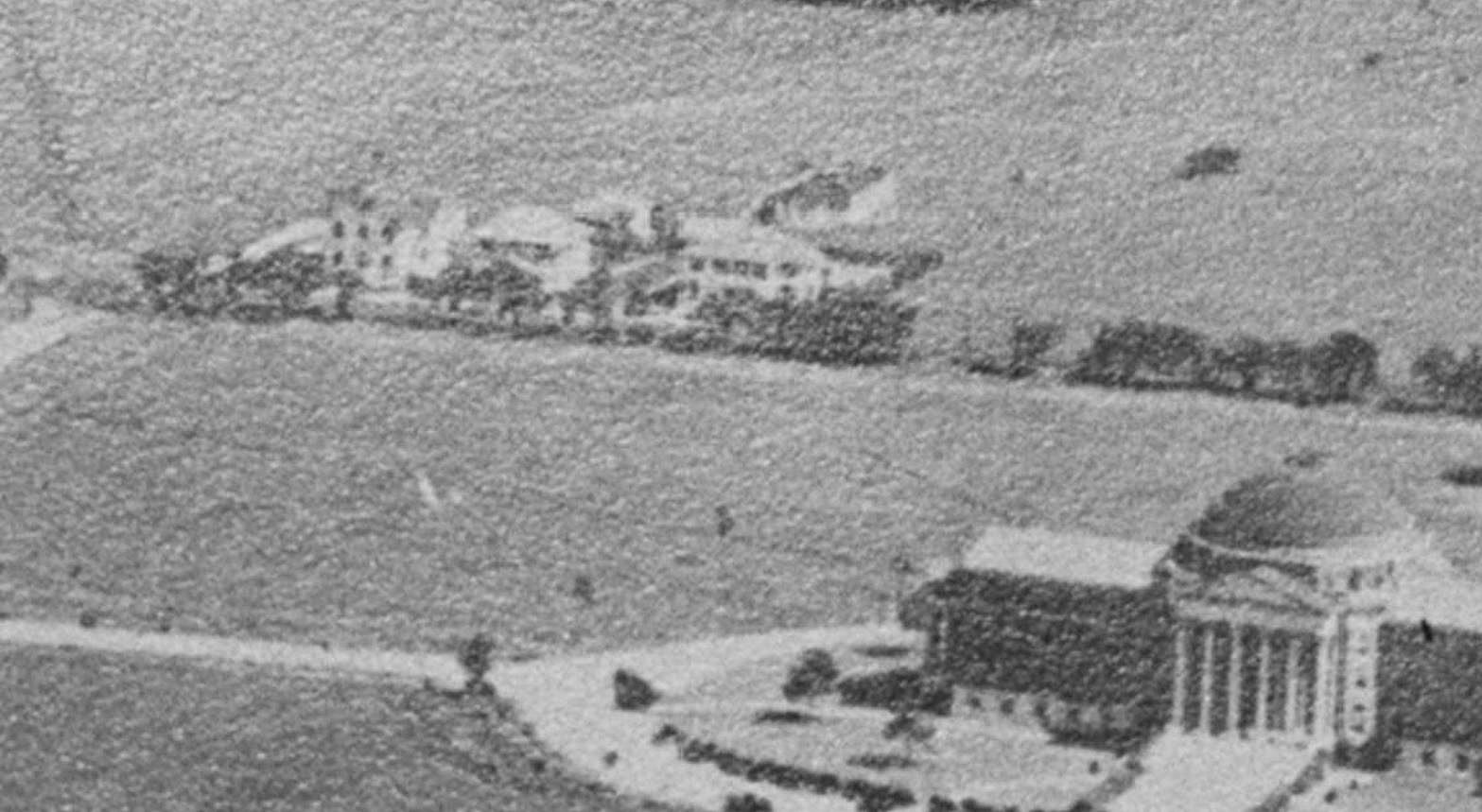
What is the huge hacienda at Hillcrest and Daniel (below)? Is that the Daniel family home?

smu_early-aerial_ca1920s_degolyer_a

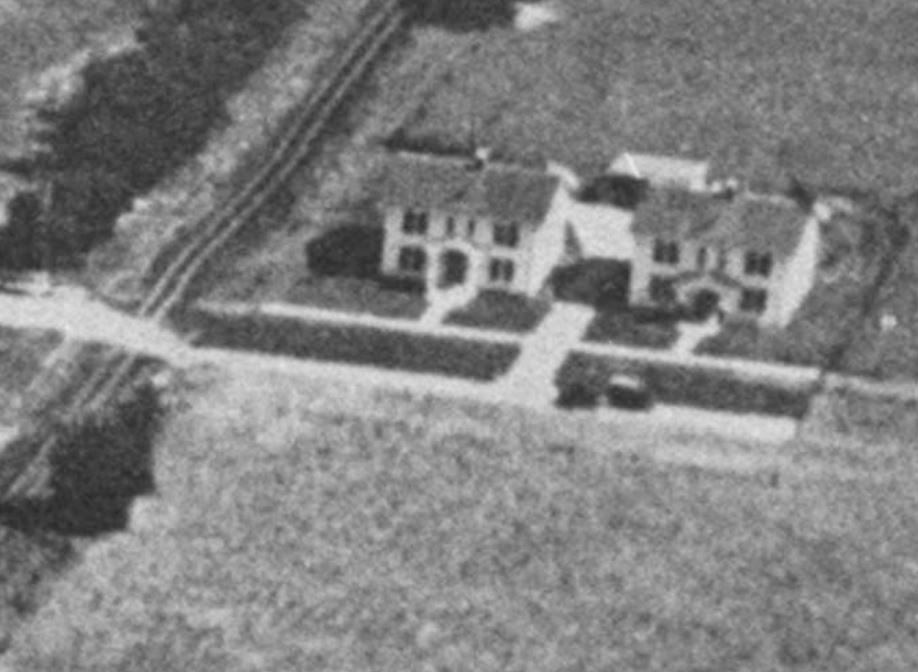
And what are the little houses next to the under-construction stadium? Faculty housing? Fraternity houses? Houses not even connected with the university?

smu_early-aerial_ca1920s_degolyer_b

I kinda wish the campus still looked like this.

***

Photo titled “Early aerial view of campus,” ca. 1920s, from the DeGolyer Library, Central University Libraries, Southern Methodist University; it is accessible here.

Zoom in on this photo as much as you can and wander around it — it’s pretty cool. Go here, then slide the magnification bar at the top all the way to the right.

Click pictures for larger images.

*

Copyright © 2016 Paula Bosse. All Rights Reserved.