Flashback : Dallas

A Miscellany: History, Ads, Pop Culture

Category: 1940s

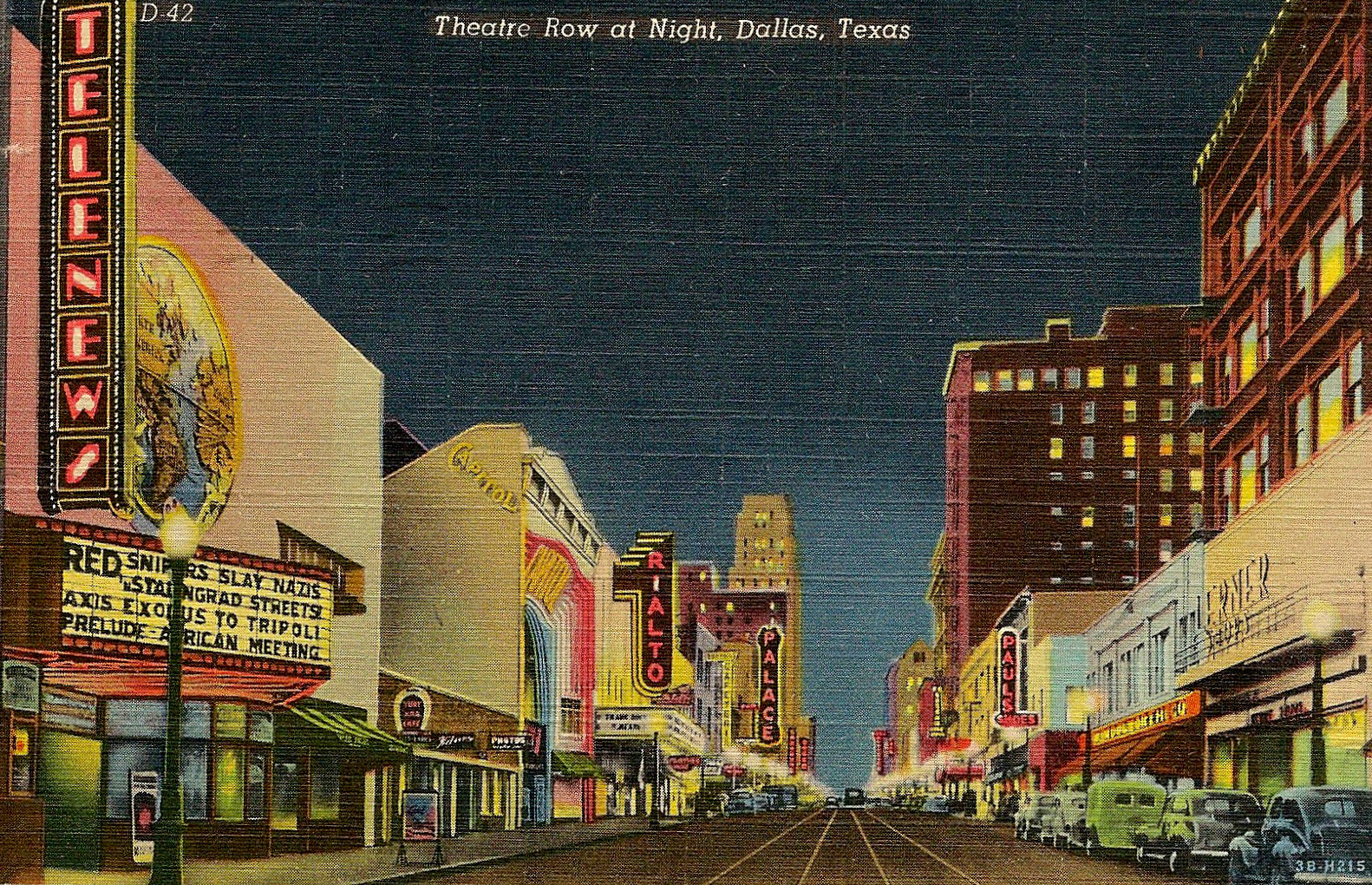
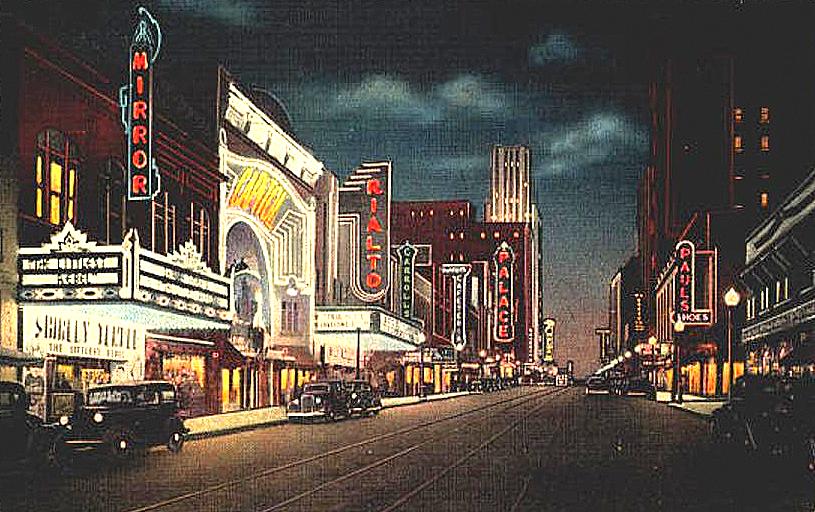
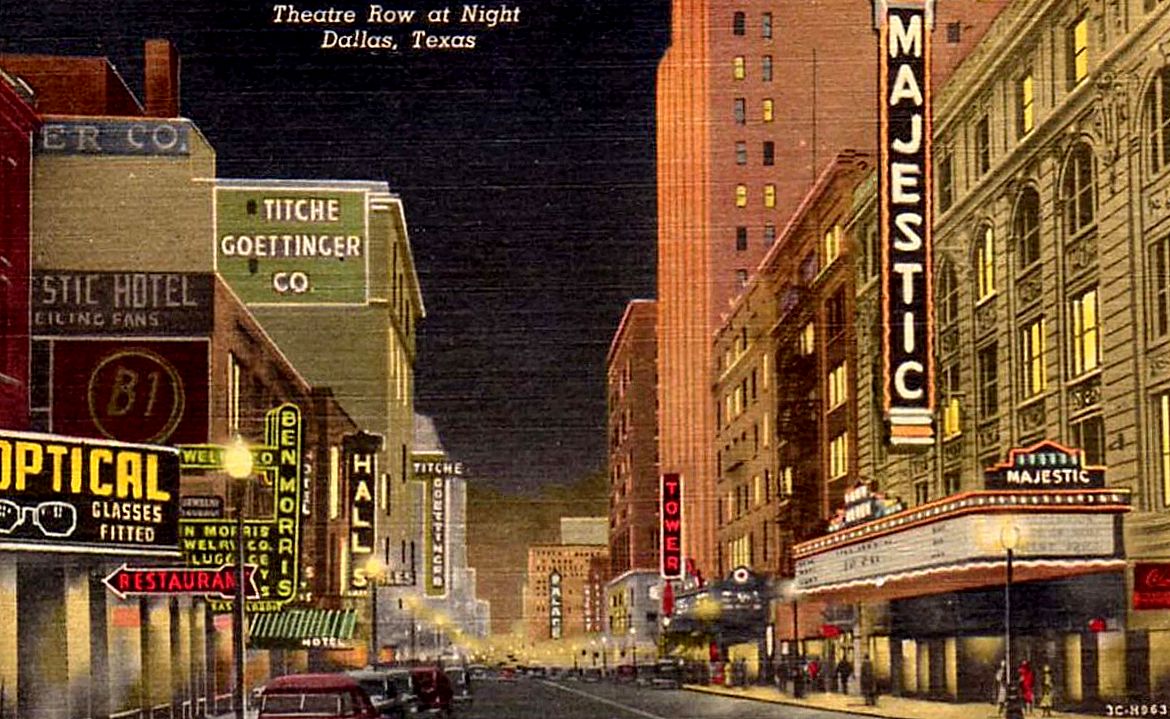
Theatre Row — A Stunning Elm Street at Night

theater-row_night_telenewsElm Street, looking east… (click for larger image)

by Paula Bosse

Damn you, suburban theaters and television, for killing this! (Hang in there, Majestic!)

Favorite thing gleaned from the postcard above? That Dallas had a newsreel-only theater — the Telenews. (See the original, somewhat pedestrian, daytime photograph which was transformed by all sorts of dazzling magic in order to turn it into that striking postcard, here.)

theater_row_night_BIG

theater-row-night_c1935

theater-row_night_majestic

***

All images are larger when clicked — some MUCH larger!

*

Copyright © 2014 Paula Bosse. All Rights Reserved.


Braniff DC-3 Over Downtown — 1940

braniff_triple-underpass_imagearchives

by Paula Bosse

Unless there was some sort of photo manipulation involved, that photographer pretty much had just one chance to get that shot. And he got it.

***

Sources & Notes

Photo from Image Archives USA, available for purchase here.

*

Copyright © 2014 Paula Bosse. All Rights Reserved.

Liquor Doctors Prescribe “Beer by the Case — All You Want”

liquor-doctors_neon-sign_dmn-video_1939

by Paula Bosse

If you have an interest in the Dallas of yesterday, you’ve probably seen the great color film footage shot in downtown in 1939, presented to us by Robert Wilonsky of The Dallas Morning News (link below). One of my favorite things from that wonderful footage is a neon sign for a business called Liquor Doctors, with “Good & Bad Liquors” below it. That would be good enough on its own, but it’s even better as seen in the film, because the “Good” and the “Bad” flash back and forth. Great.

Liquor Doctors (what a great name) seems to have started in late 1937 and eventually had at least three locations: 509 Jackson St., Commerce & Houston, and Cedar Springs & Harwood. Info is limited on these stores — I found a classified ad looking for “salesladies” for the Jackson St. store (“must be over 21”) and a report of a hold-up at the Commerce St. location (the manager was forced, at gun point, to turn over $41.86 from the cash register). Not that interesting. Until I found this tidbit from the great-granddaughter of the owner, describing the utterly ridiculous (and thoroughly entertaining) operating procedure of the Cedar Springs location in the June 2010 issue of Texas Monthly (see link at bottom of post):

Later he opened another Liquor Doctors on Cedar Springs that offered curbside service. The employees, dressed as doctors and nurses, would stroll out to the cars and dispense “medicine” six days a week.

Depending on your threshold for silliness, this is either clever or hokey. (I vote “clever.”)

For some reason the owner changed the name of the business (but why?!), and the next incarnation was simply his name, “Bob Ablin” (where, thankfully, you could still get “good and bad liquors”). I think he might have sold the liquor businesses and opened a soda fountain on Cedar Springs, a venture that lasted until January of 1948.

Below is an ad placed during a WWII whiskey shortage. There was a strict limit of one bottle per person. But beer? Until the cows came home. Bob sounds like a fun guy.

liquor-doctors_dmn_011244

***

Sources & Notes

Screen capture of the Liquor Doctors flashing neon sign from the really wonderful 1939 film footage purchased from Ebay by Robert Wilonsky (of The Dallas Morning News) and several others who joined together to share a cool slice of the city’s history with us. Watch the video and read Wilonsky’s Dallas Morning News article from April 23, 2014, here.

Quote about the Cedar Springs costumed curb service from the essay “Old Testament” — about growing up Jewish in Dallas — by Megan Giller-Dupe, Bob’s great-granddaughter. You can find the essay in Texas Monthly (June 2010), here. It includes a nice photo of Bob.

*

Copyright © 2014 Paula Bosse. All Rights Reserved.

Girl Doctors? No Way! — 1946

southwestern-med-coll_female_1946Photo from the UT Southwestern Library (click for larger image)

by Paula Bosse

Female medical students were fairly uncommon back in the 1940s, and, as this photo is described in the UT Southwestern archives, they were “so rare that they merited this photo captioned ‘Freshman Girl Students’ in the 1946-47 Southwestern Medical College yearbook, Caduceus.” I love this photo.

***

Photo is from the UT Southwestern Medical Center Library and can be accessed here.

Click photo for larger image.

*

Copyright © 2014 Paula Bosse. All Rights Reserved.

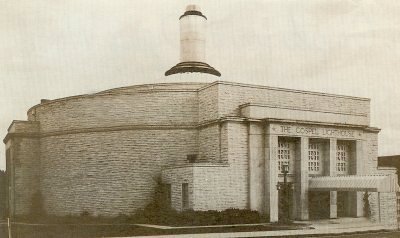
The Lighthouse Church That Warned of Sin’s Penalty with a Beam of Blue Mercury Vapor Shot Into the Skies Above Oak Cliff — 1941

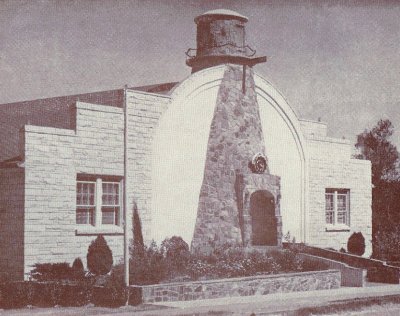
gospel-lighthouse-churchStill standing in Oak Cliff… (click for larger image)

by Paula Bosse

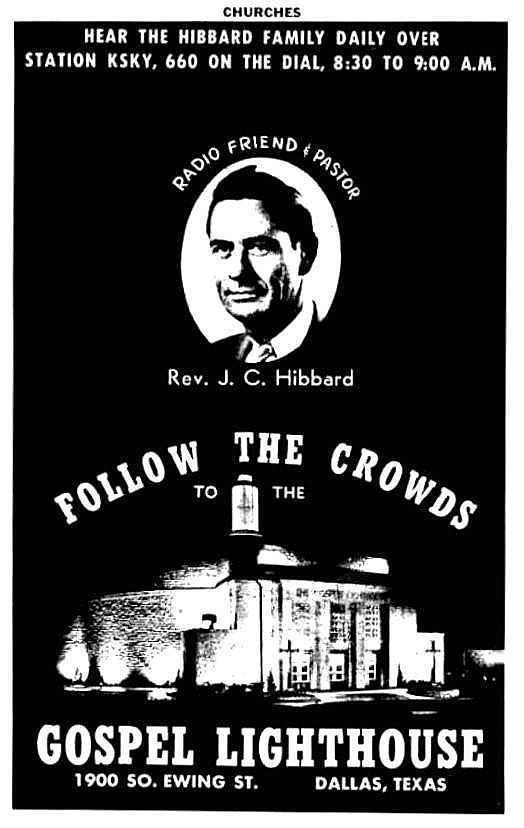
Sometimes an image just grips you. That’s what happened when I saw this postcard featuring The Gospel Lighthouse Church. The building was so odd-looking and cool. Who designed it? Where had it been? And what was that thing on top of it? I did a bit of research on the church and found out that it was organized in Dallas in 1940 by Pentecostal preacher J.C. Hibbard and his wife Nell, who was also a preacher. The two had been preaching at the Oak Cliff Assembly of God Church until J.C.’s divorce from his first wife (and subsequent second marriage to Nell) became such a point of controversy that the two felt compelled to leave (or were asked to leave) the Assemblies of God, and they formed their own church.

And that was the Gospel Lighthouse Church, located in the 1900 block of S. Ewing (at Georgia) in Oak Cliff. While their first church was being built, they held services in a large circus tent in the parking lot. The congregation helped with the physical labor of the construction, and progress on the building continued non-stop, 24 hours a day. In January of 1941, the church was completed, and an article appeared in The Dallas Morning News soon after with the grabber of a headline, “Lighthouse Church Warns Oak Cliff of Sin’s Penalty.” Sadly, the article has no byline, which is a shame, because I’d love to know who wrote the piece, because he or she pulled out all the purple-prose stops. The introduction is fantastically over-the-top:

A towering forty-foot lighthouse 300 miles from the sea was blinking out its warning signals across the dry land of South Ewing Sunday. At the front of a neat new white stone church house at 1914 South Ewing, near Louisiana, the white stone lighthouse reared far above the other buildings. Eventually, its big circular light tower will shoot a bluish mercury-vapor beam through the night to guide shaken mariners adrift on the sea of sin. Its semi-fog horns will broadcast a soft carillon of sacred music. This is the Gospel Lighthouse, built by a preacher with a new idea of church architecture and a dream of a denomination all his own. (DMN, Feb. 10, 1949)

gospel-lighthouse_first

Wow. A “bluish mercury-vapor beam” shooting through the Oak Cliff skies! (The full article is linked below.)

By 1948, J.C. Hibbard had become so popular (largely as a result of his daily radio sermons) that ground was broken on a larger church, designed by J.C. himself. It was right next to the first church. And it was pretty elaborate.

gospel_lighthouse_bw

Yeah, the lighthouse part of it looks a little cheesy, but with a name like “Gospel Lighthouse Church” you kind of have to have it.

*

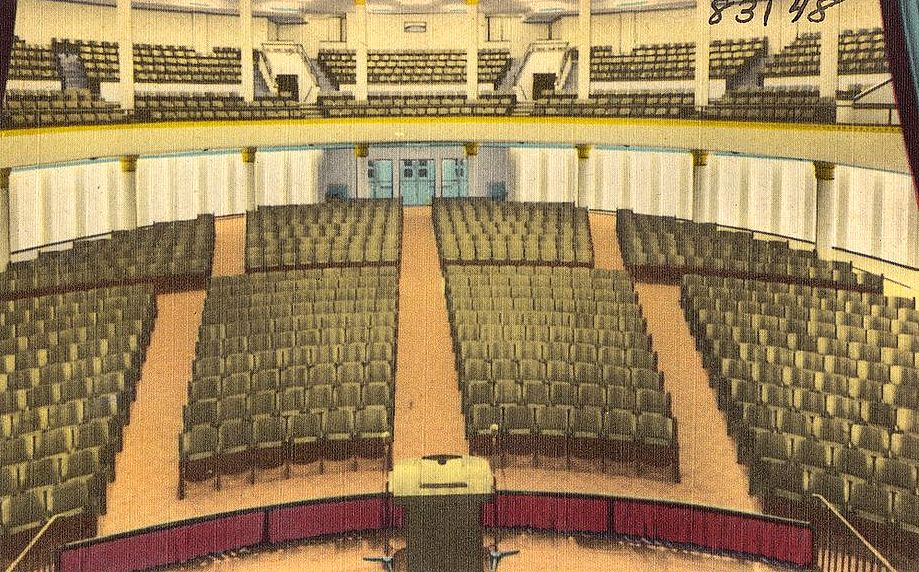
gospel-lighthouse-church_interior

The auditorium and its mezzanine.

*

gospel-lighthouse-nursery

The nursery, with elaborate murals.

*

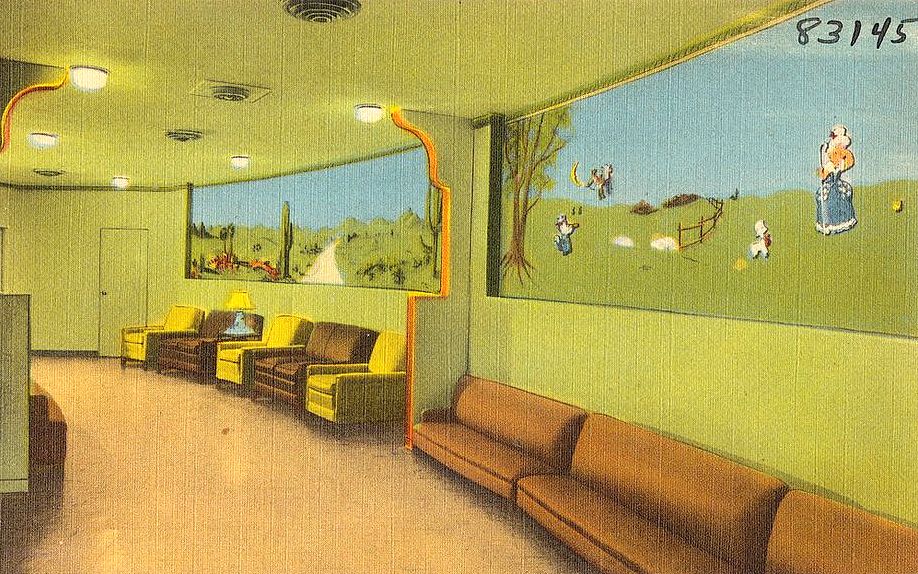
gospel-lighthouse-lounge

The lounge. Like the first church, this one had a nursery with a lounge — a “crying room” for mothers to tend to crying children without having to miss a single moment of the service. The crying was contained behind sound-proof glass while the sermon was piped in through speakers. The church had a lot of other amenities, but these were the only ones I’ve found deemed worthy enough to put on postcards.

*

I wondered if the church still stood, so I drove over to Oak Cliff yesterday and, amazingly, both churches are still there, and they are beautiful! (The original caretaker’s house is still there, too.) I’m not sure what religious group has possession of the buildings at the moment, but they are to be commended for maintaining the structures and the grounds — the 1900 block of S. Ewing really stands out from its fairly ragged surrounding neighborhood. Below are photos I took on April 19, 2014. (Click pictures for larger images.)

gospel-lighthouse_first-church_041914

Above, the first church — “a modern concrete and steel building, overlaid with white Austin stone” — which was built with help from the congregation in 1941. The beam of “bluish mercury-vapor” emanated (somehow) from the squat lighthouse above the foyer.

And, below, the later church, next door. I think the “mercury-vapor” was replaced by neon. But I could be wrong. Does either beacon light up anymore?

gospel-lighthouse_041914_sm

Aside from the “lighthouse,” the most distinctive feature of this building is those rounded walls. So beautiful!

gospel-lighthouse_side_041914-sm

The  building is actually pretty impressive to see up close. Next time you’re in the neighborhood, check it out!

***

Sources & Notes

Postcards from the Boston Public Library Tichnor Brothers Postcard Collection on Flickr, here.

Period black-and-white photos are from a page detailing the history of the Gospel Lighthouse Church, here. A biography of Rev. Hibbard from the same site can be found here.

Wander around the block on Google Street View, here.

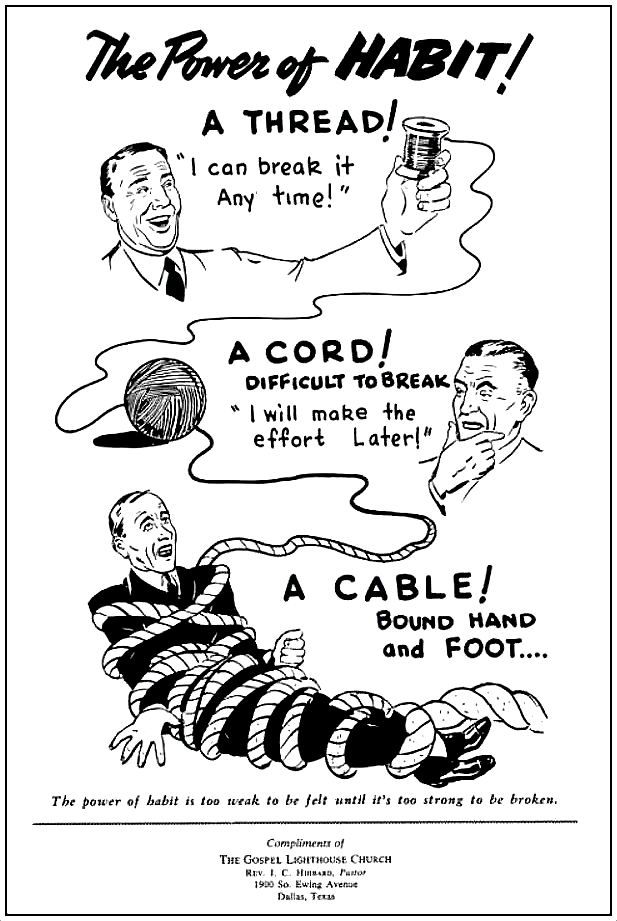
Stumbled across this ad in the 1957 Dallas directory:

gospel-lighthouse_1957-directory

And I found this ad in, of all places, the 1967 Carter High School yearbook:

gospel-lighthouse_carter-high-school_1967-yrbk

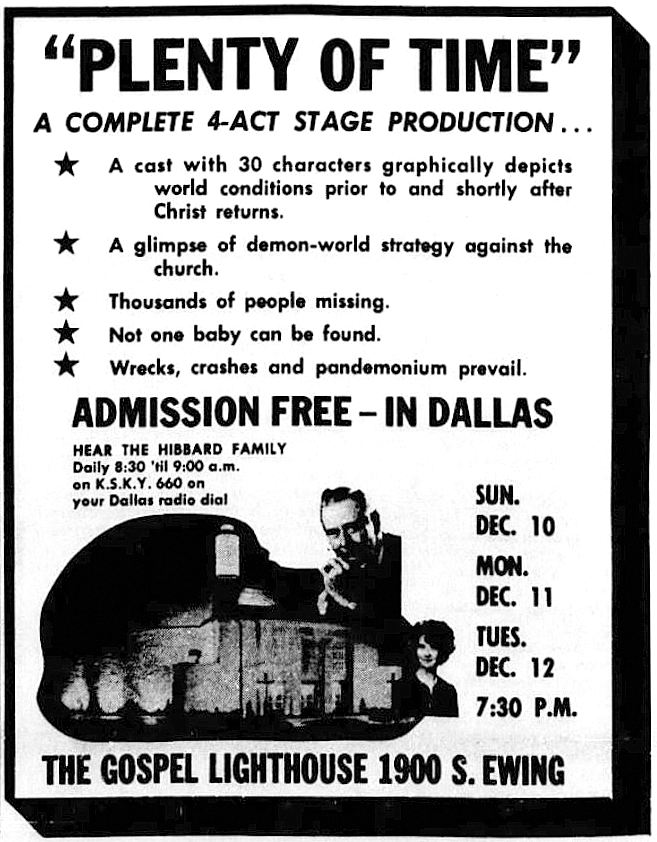
I also found this rather hair-raising ad for a 1967 Christmas-season production — an ad which somehow contains no exclamation marks:

gospel-lighthouse_mckinney-courier-gazette_120867Dec. 8, 1967

*

Copyright © 2014 Paula Bosse. All Rights Reserved.

Dallas Cowboy — 1945

langley_skyline-horseback_c1945_LOC

by Paula Bose

Big changes comin’, pardner.

***

Photo by William Langley, from the Library of Congress.

Click for larger image.

*

Copyright © 2014 Paula Bosse. All Rights Reserved.

“Rainy Day” and “Rainy Day” on a Rainy Day

bowling_rainy-day_smu

spruce-everett_rainy-day_1944

by Paula Bosse

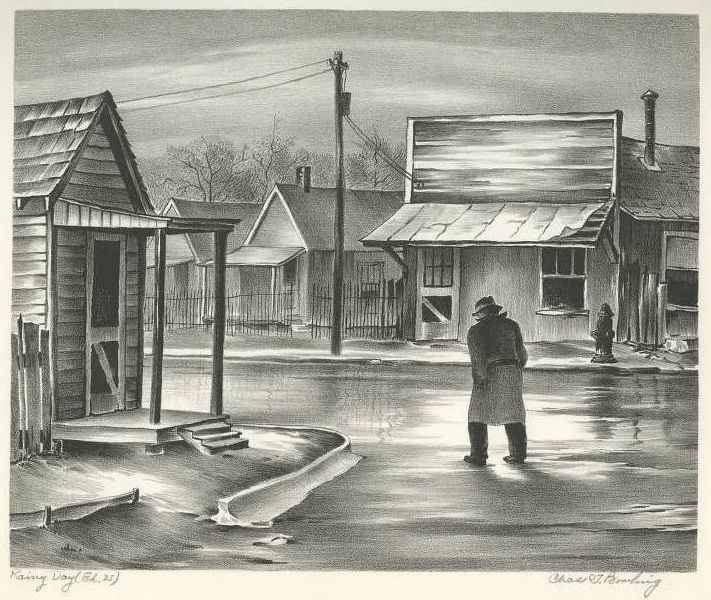
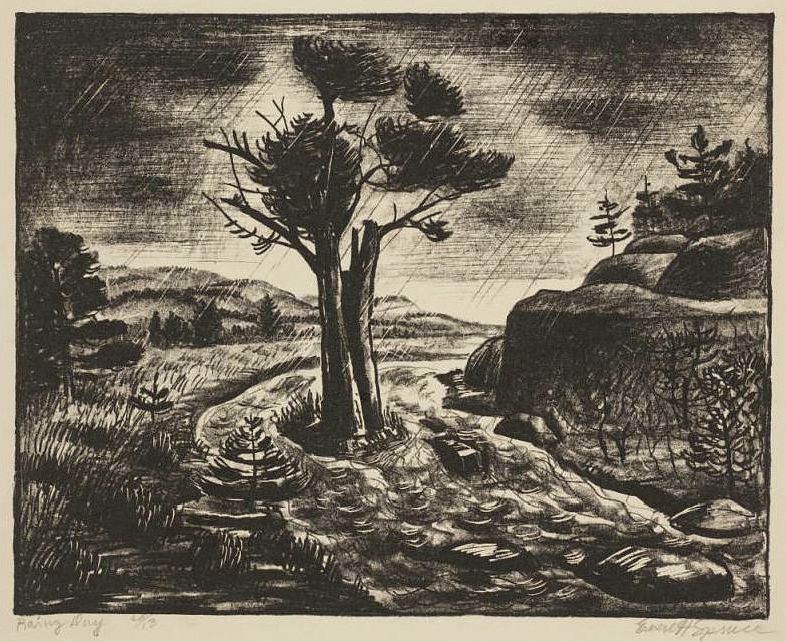
Two works by local artists closely connected with (if not actually IN) the influential Dallas Nine group of painters and printmakers. Both works are titled “Rainy Day.”

The top print is a lithograph by Charles T. Bowling (1891-1985) and is undated. (From the Bywaters Special Collections, Hamon Arts Library, Southern Methodist University.)

The second print, also a lithograph, is by Everett F. Spruce (1908-2002), dated 1944. (From the collection of the Dallas Museum of Art, a gift of A. H. Belo Corporation and The Dallas Morning News, via the Central University Libraries of SMU.)

Stay dry!

Click pictures for larger images.

*

Copyright © 2014 Paula Bosse. All Rights Reserved.

The Sexton Foods Building and the Former Life of the School Book Depository

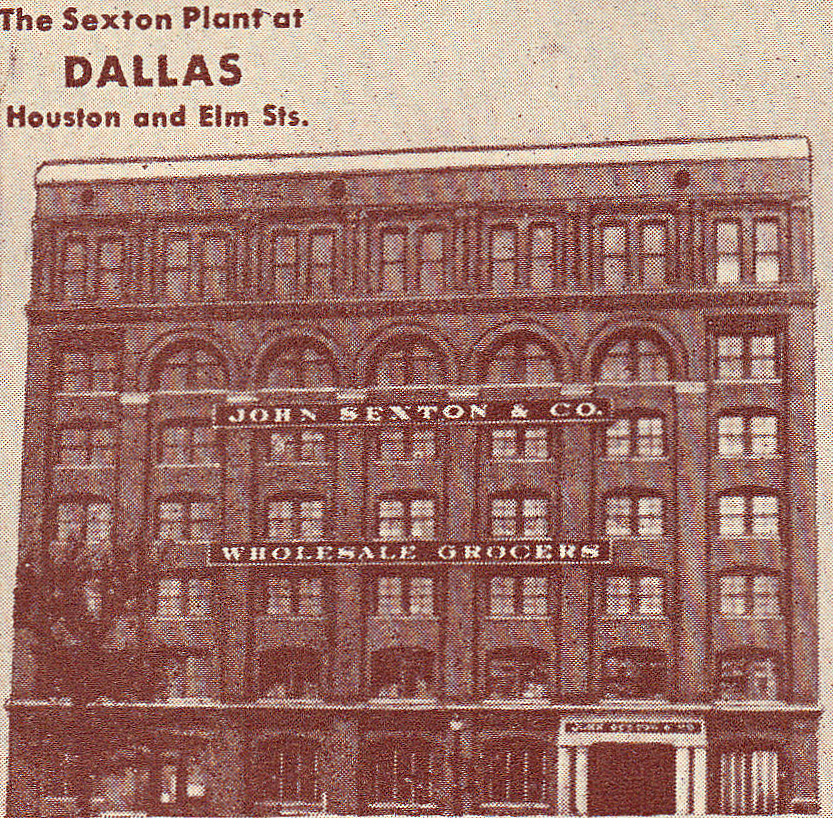
sexton_croppedLook familiar? (click for larger images)

by Paula Bosse

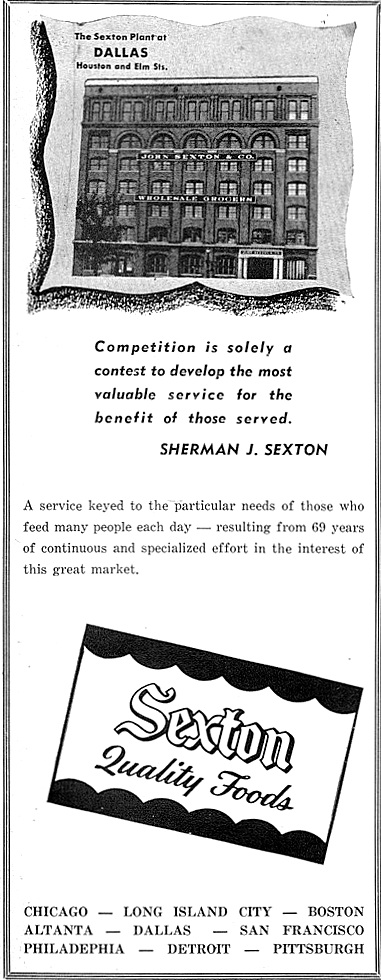
Look familiar? The building above would later become the Texas School Book Depository. But prior to that, the building housed Sexton Foods, a Chicago-based wholesale grocer which occupied the building for twenty years (1941-1961). The building was known commonly in town as “the Sexton building,” even after it was leased to the Texas School Book Depository in 1963, which explains why some people — citizens and police officers alike — were still referring to it by that name on the day of the Kennedy assassination (and this has apparently caused confusion amongst those wading deep into the “assassination literature”). The photo above is cropped from an ad I came across in The Dude Wrangler, a dude ranch quarterly (!), published in Bandera. The ad (which is reproduced in full down the page a bit) is from 1953, but the photo of the building appears to have been taken earlier.

The leasing of the building by D. Harold Byrd to the John Sexton Wholesale Grocery Company of Chicago (initially for only five years) was announced in The Dallas Morning News on Nov. 28, 1940 (“Wholesale Grocery Leases Building at Houston and Elm”). The Sexton Co. was scheduled to move in on Dec. 8 “following a general remodeling which will include installation of elevators, rearranging of partitions and painting.” They remained in the building until 1961.

sexton_19511951

sexton_foods_dallas_19531953

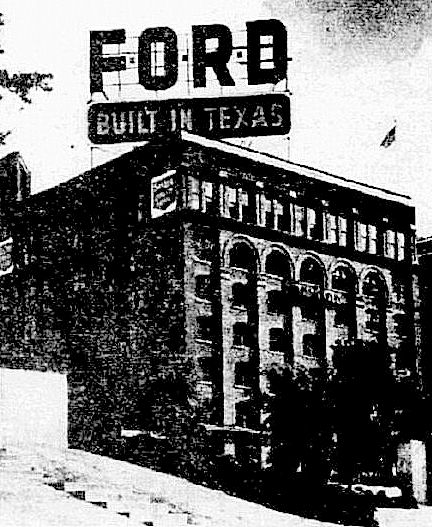
In 1953 (before anyone from Hertz was planning on putting a billboard up there), the Ford people erected a giant neon sign on top of the building to commemorate the 50th anniversary of the founding of the Ford Motor Company. In fact, it was so big that it had half a mile of neon tubing in it and was touted as being the largest animated neon sign in the Southwest. Now there’s a sign that probably caused a few car accidents!

sexton-bldg_ford-sign_1953
1953

*

Before the Sexton company moved in, the building housed the Perfection-Aire air-conditioning  company. Newspaper articles announced the renovation of the building for the A/C people — the company went into receivership a couple of years later.

perfection-aire_dmn_0314371937

*

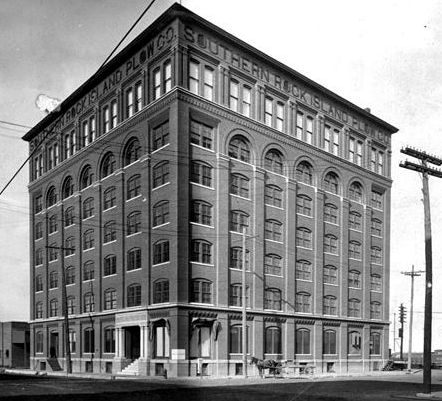
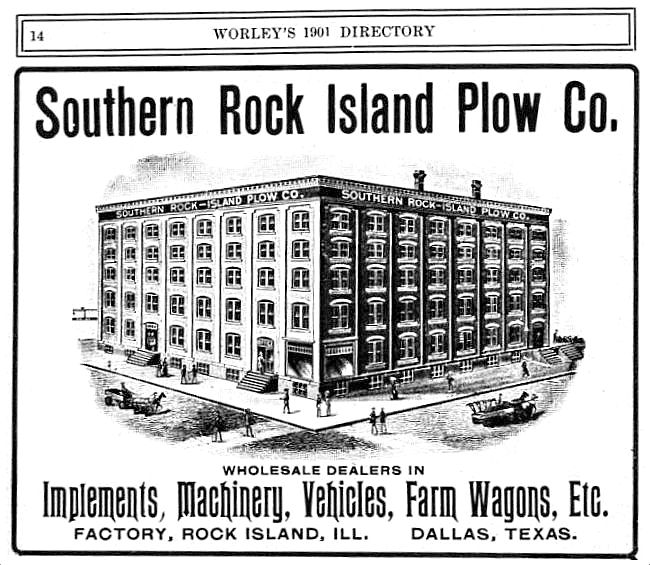
Before that, it was the site of the Southern Rock Island Plow Co., which was the original owner of the property (1894) and which built the building in 1903 after the first building was destroyed in a fire after it was hit by lightning on May 4, 1901.

rock-island-plow_DMN-c1910circa 1910

Above, the Southern Rock Island Plow Co. Building which still stands, famous as the “Texas School Book Depository”; below, the building originally built by the plow company which was destroyed by fire  in May, 1901.

southern-rock-island-plow_1901_pre-current-bldg_1901-directory1901, Dallas city directory

***

Sources & Notes

Sexton Co. ad from a 1953 issue of The Dude Wrangler ; the top image is a detail from that ad.

More on the history of the building as it pertains to the Rock Island Plow Co. is here.

More on the Sexton Foods Co. is here.

More info, specifically on the Texas School Book Depository, is here.

Official site of the current occupant, the Sixth Floor Museum, is here.

*

Copyright © 2014 Paula Bosse. All Rights Reserved.


Nardis of Dallas: The Fashion Connection Between “The Dick Van Dyke Show” and the Kennedy Assassination

by Paula Bosse

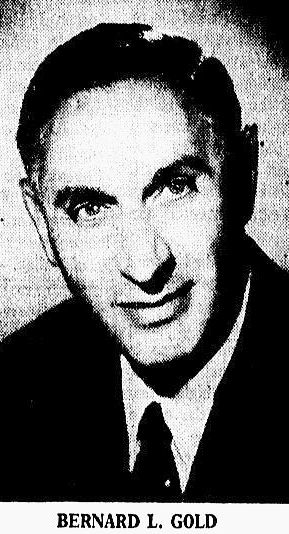
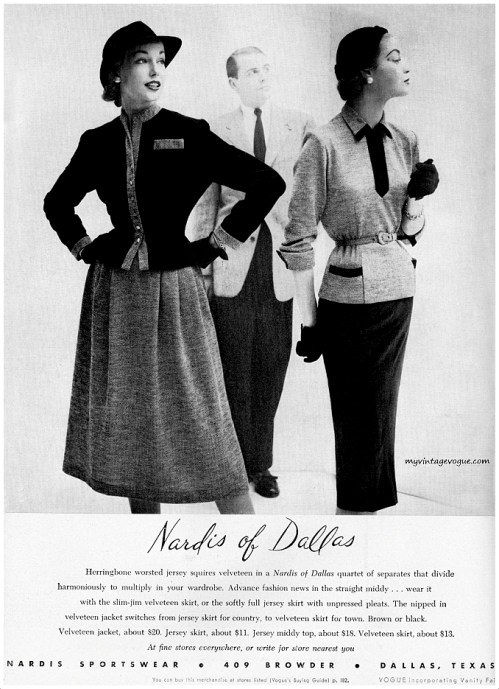
I started watching reruns of The Dick Van Dyke Show on Channel 11 when I was a kid. I still love the show, and I’ve seen every episode countless times. Which is kind of an odd jumping-off point for a post on a Dallas clothing manufacturer, but there you are. The company was Nardis of Dallas, a successful manufacturer of women’s apparel, owned by the Russian-born Bernard “Ben” Gold who arrived here in 1938 from New York City where he had operated a taxi company for many years.

Gold moved to Dallas at the request of his brother who, along with a man named Joe Sidran (“Sidran” spelled backwards is “Nardis”) was an owner in a near-bankrupt dress company. Ben Gold became a part-owner (and later the sole owner) and quickly turned the business around. When he brought in the International Ladies’ Garment Workers’ Union, other Dallas garment manufacturers were shocked (Time magazine used the word “horrified”). He also shook things up by employing African-American workers, the first such company in town to do so. The company eventually grew to become the largest clothing manufacturer in Dallas, with clients around the country and around the world. Nardis was one of the first Dallas clothing companies to have an apparel collection made in a foreign country: his upscale “House of Gold” boutique line specialized in silk, beaded, and sequined dresses and gowns, hand-made in Hong Kong.

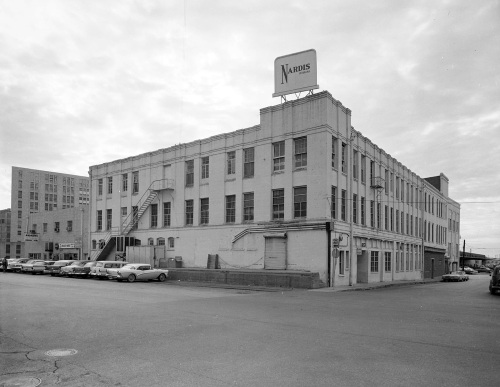
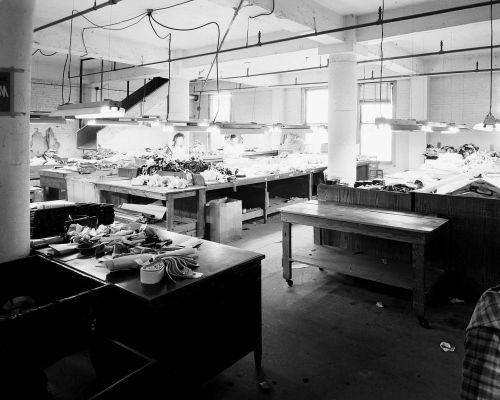
Nardis of Dallas was originally located at 409 Browder, with factories at 211 North Austin, the 400 block of S. Poydras (at Wood Street), and, finally, at 1300 Corinth (at Gould St.), where they built their 75,000-square-foot “million-dollar plant” in 1964 (a quick check of Google Maps shows the building still there, but it appears to be vacant). Below are two photos of their S. Poydras location.
nardis_squire-haskins_UTA_wood-and-poydras

Above, Wood Street at the left (Andrew’s Cafe is listed at 1008 Wood St. in the 1960 Dallas directory); below, Nardis garment workers.
AR447-R812

So how does this all connect to The Dick Van Dyke Show? If you’re a fan of the show and a faithful reader of closing credits like I am, you’ve probably seen the “Fashions by Nardis of Dallas” credit at the end of some episodes, right under the Botany 500 credit. And, like me, you might have wondered, “How did THAT happen?” How does an apparel-maker from Dallas network itself into a primo gig supplying fashions to a top Hollywood television show? I have no idea how the initial contact was made, but I DO know that Dick Van Dyke Show star Rose Marie and Nardis owner Ben Gold became very good friends while she was appearing in a production of Bye, Bye Birdie at the Dallas Summer Musicals in 1965. She mentions Gold several times in her autobiography.
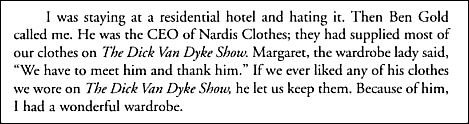
Excerpt from “Hold the Roses” by Rose Marie

She spent much of her off-stage time in Dallas with Gold and his wife, and, in fact, when Gold was fatally injured in a traffic accident that summer, Rose Marie (then recently widowed herself) stayed with his wife Tina for several days at Tina’s request.

So, no big Dick Van Dyke Show story, but, as is no doubt known to the hyper-vigilant members of the JFK-assassination community, Nardis of Dallas DOES have an interesting connection to that. In 1941, Abraham Zapruder, who had worked in the garment industry in New York, moved to Dallas and began working for Ben Gold as a Nardis pattern-cutter. His name even appears in a couple of classified ads in The Dallas Morning News.

June 1945

Jan. 1948

While at Nardis — before he left to start his own clothing company — Zapruder worked with a woman named Jeanne LeGon (later Jeanne De Mohrenschildt) who, with her husband George (suspected by some of being a CIA operative), was friends with Lee Harvey Oswald in the early ’60s. Yep. That’s an interesting, head-spinning coincidence.

And I owe all this trivial Nardis-related knowledge to wondering for years about a single card seen in the closing credits of the unquestionably stylish and fashion-forward Dick Van Dyke Show.

nardis-label_ebay

***

Sources & Notes

Fashion photographs from MyVintageVogue.com (1952, 1955, and 1956, respectively). Other Nardis fashion photos from My Vintage Vogue can be found here. (If you’re interested in vintage fashion, fashion photography, and vintage advertising, this is a great website.)

Photos of the Nardis plant at S. Poydras and Wood are by Squire Haskins, from the Squire Haskins Photography Inc. Collection, University of Texas at Arlington Libraries, Special Collections — more info on the exterior shot is here; more on the interior shot here.

Passage about Gold from Rose Marie’s autobiography, Hold the Roses (Lexington: University Press of Kentucky, 2002), p. 192.

Dick Van Dyke Show closing credits card from a 1965 episode.

Nardis of Dallas logo from a clothing tag, found on eBay.

Additional background information on Gold from Time magazine, June 12, 1950.

See another Flashback Dallas post on Nardis — “Nardis Sign-Painters: ‘Everything in Sportswear’ — 1948” — here.
nardis_texas-jewish-post_122354
1954 ad, detail

*

Copyright © 2014 Paula Bosse. All Rights Reserved

Joe Yee Cafe: The Best Chop Suey in Town

joe-yee-cafe-extChop suey *and* famous chicken house…

by Paula Bosse

I came across the above image and was enthralled. I’ve never heard of the Joe Yee Cafe, but this (granted) idealized picture is wonderful. The postcards above and below were from the early 1950s, and if you are familiar with the generally run-down neighborhood around Columbia and Fitzhugh these days, you may well shed a tear that something this charming and picturesque has been gone for many, many years.

joe-yee-cafe-interior

I love the surprising color scheme of the restaurant’s interior — those fabulous purples and greens! (The colors are a bit unexpected because they so loudly clash with the bold tomato red of the exterior.)

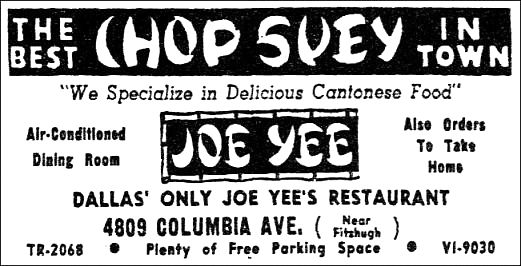
I did a little research to see what I could find out about Joe Yee’s Chinese restaurant. Seems that Mr. Yee’s cafe was in business by the 1930s, downtown, on Main Street near Field. It advertised steadily over the years, and its ads proudly proclaimed that the restaurant served “the best Chinese food you ever tasted” and was “completely air-conditioned.” Several newspaper accounts (particularly the society columns) mentioned it as a popular place for young people to grab a bite before and after dances at nearby downtown hotels. Business must have been pretty good for the place to have lasted so long at such a primo location. The cafe moved to the Columbia Street location in 1950 where it remained in business until at least late 1956 when a major fire struck.

joe-yee-cafe_matchbk

1938-joe-yee_dmn_1125381938

1943-joe-yee_dmn_0812431943

1953-joe-yee_dmn_0830531953

***

Sources & Notes

Top two early-’50s postcards are from the great Boston Public Library Tichnor Brothers Postcard Collection on Flickr, here.

In old photos of downtown Dallas one often sees “Chop Suey” signs along the streets. I’d love to know more about these restaurants in general, and about Chinese and Chinese-Americans in Dallas in the first half of the 20th century, if anyone can point me to a good source.

If background on Chop Suey is needed, might I point you to to the Wikipedia entry here, or the Snopes entry here.

*

Copyright © 2014 Paula Bosse. All Rights Reserved.