Flashback : Dallas

A Miscellany: History, Ads, Pop Culture

Category: Architecture/Significant Bldgs.

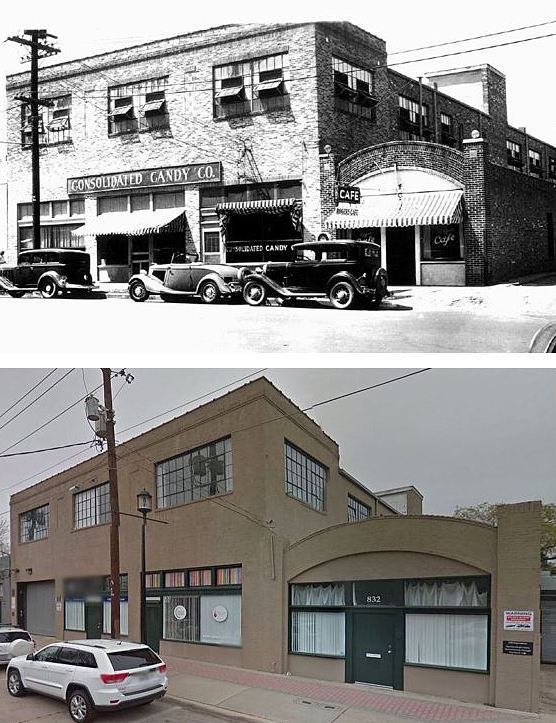
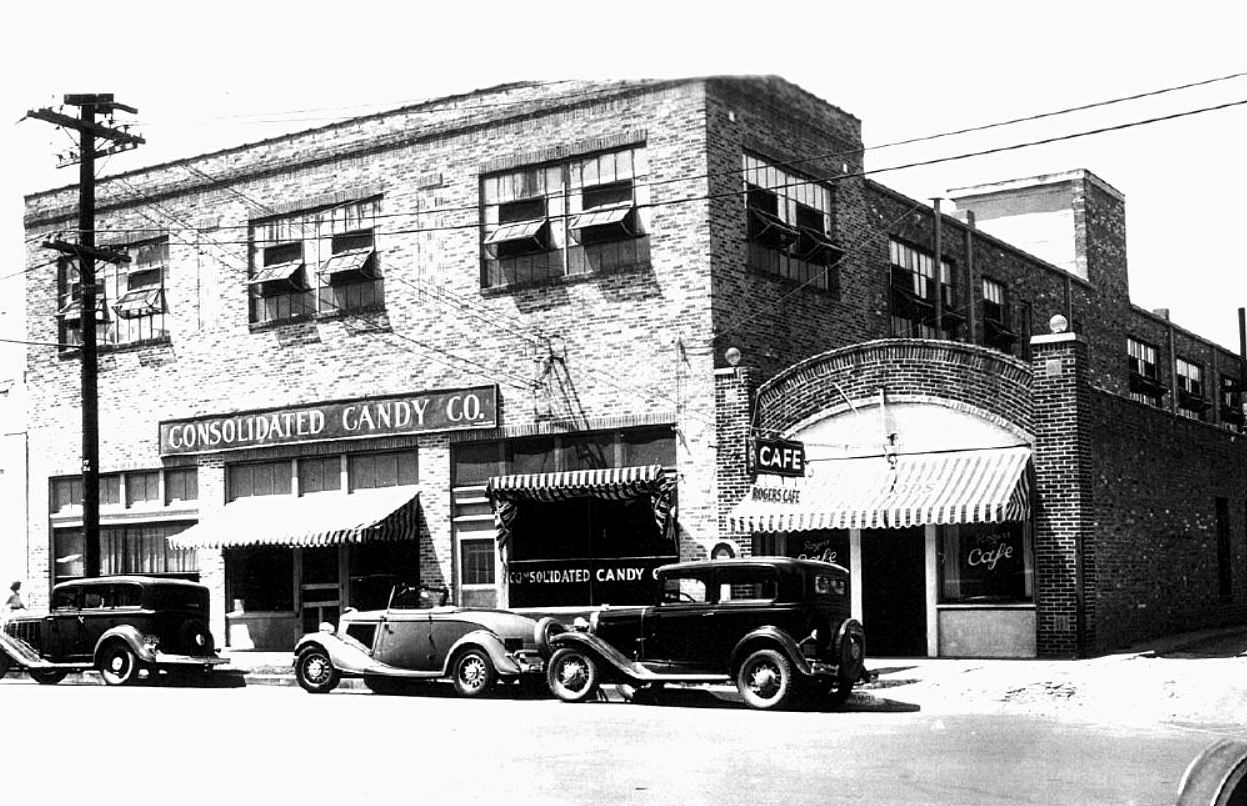
Consolidated Candy Co., 826-830 Exposition — ca. 1936

consolidated-candy-co_826-830-exposition-st_jim-wheatCandy manufacturing in Expo Park (click for larger image)

by Paula Bosse

A photo of Exposition Park about the time of the huge Texas Centennial celebration held in 1936 at Fair Park, one block away. The Consolidated Candy Co. at 826-830 Exposition Avenue was liquidated in 1939, and the Rogers Cafe next door at 832 Exposition was around only a couple of years, about 1935 to 1937, so 1936 seems a good guess.

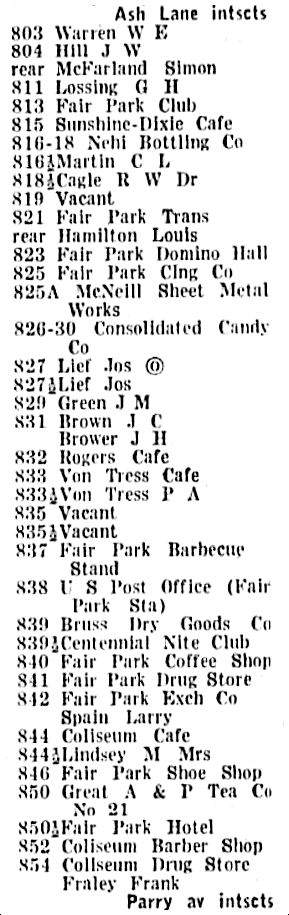
Here’s a list of businesses that were operating along hopping Exposition Avenue in 1936, between Ash and Parry (click for larger image):

expostion_1936-directory
1936 Dallas directory

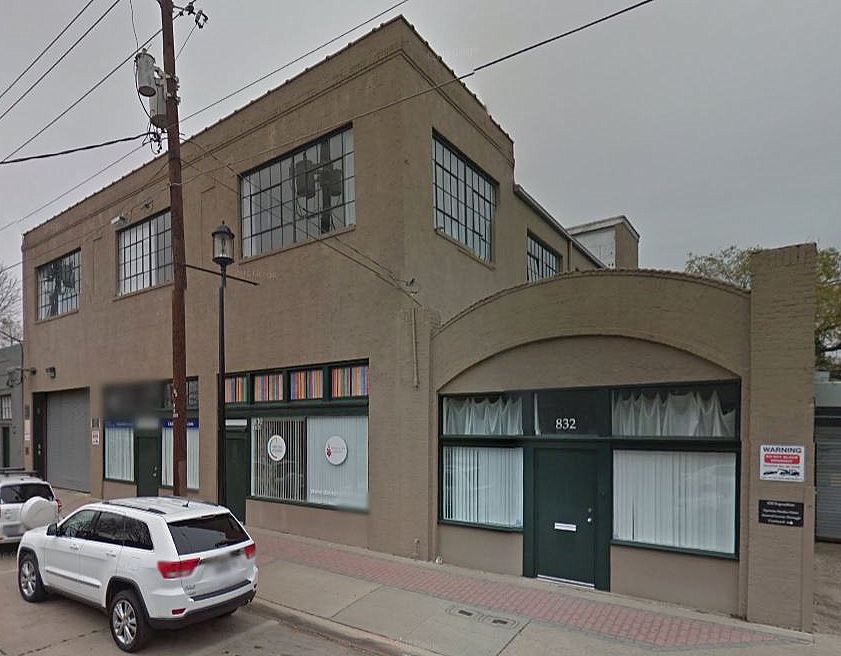
Most of the buildings from that period along Parry and Exposition are still standing, including the buildings seen in the photo above. Here is a current view.

826-830-exposition_google_jan-2016
Google Street View, Jan. 2016

I’m happy to see these two buildings still holding down that spot after all this time, but they both appear to have lost some character in the intervening 80 years. It’s like someone’s sanded all the interesting bits off and made it as bland-looking as possible. You know what I think needs to make a comeback? Awnings.

***

Top photo from Jim Wheat’s Dallas County Texas Archives site.

A Google Street View showing this block looking toward Fair Park, with these buildings on the left, is here.

exposition_google-maps
Google Maps

expo-then-now

Images larger when clicked.

*

Copyright © 2016 Paula Bosse. All Rights Reserved.

The St. Joseph Orphanage — 1891

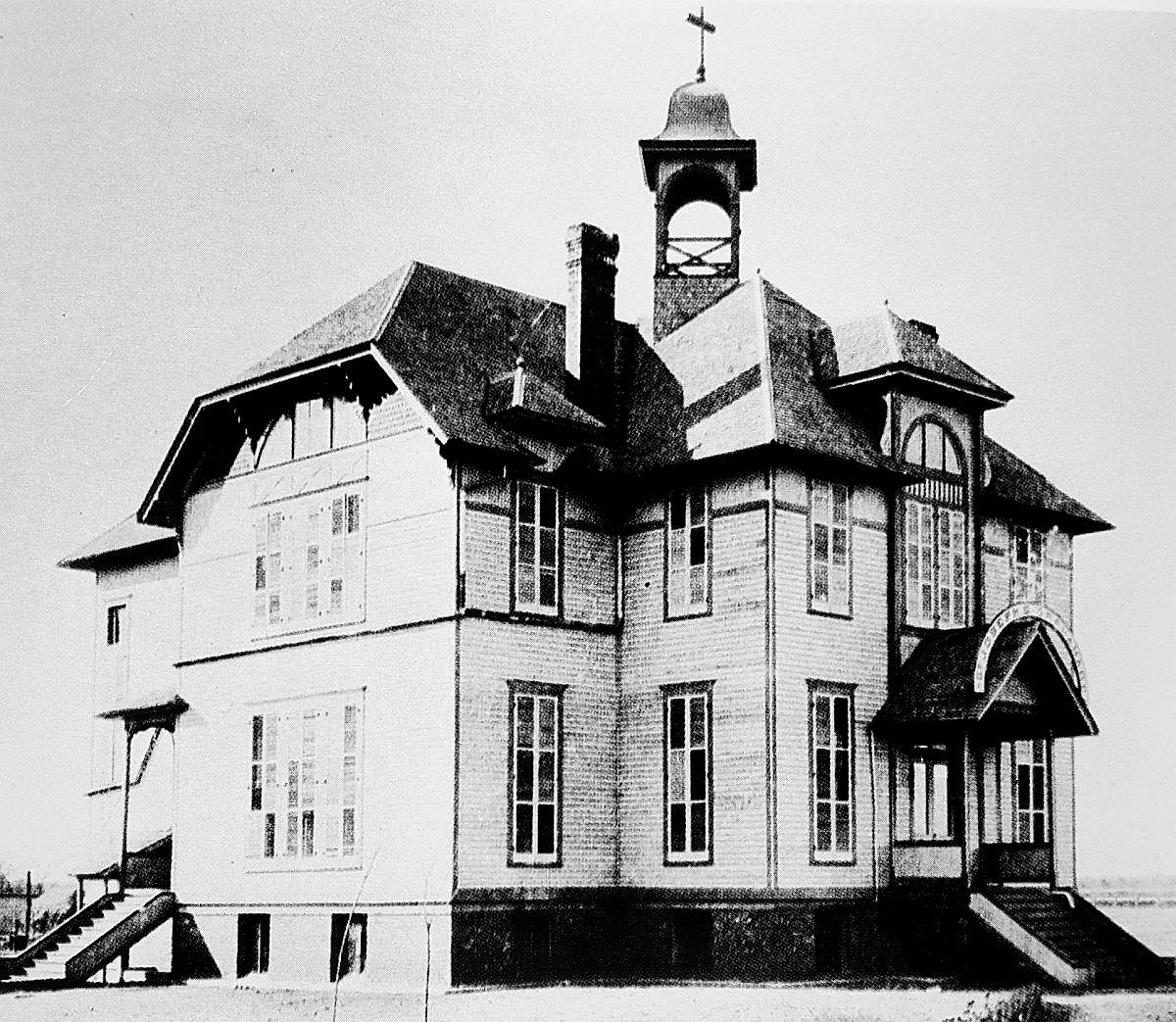
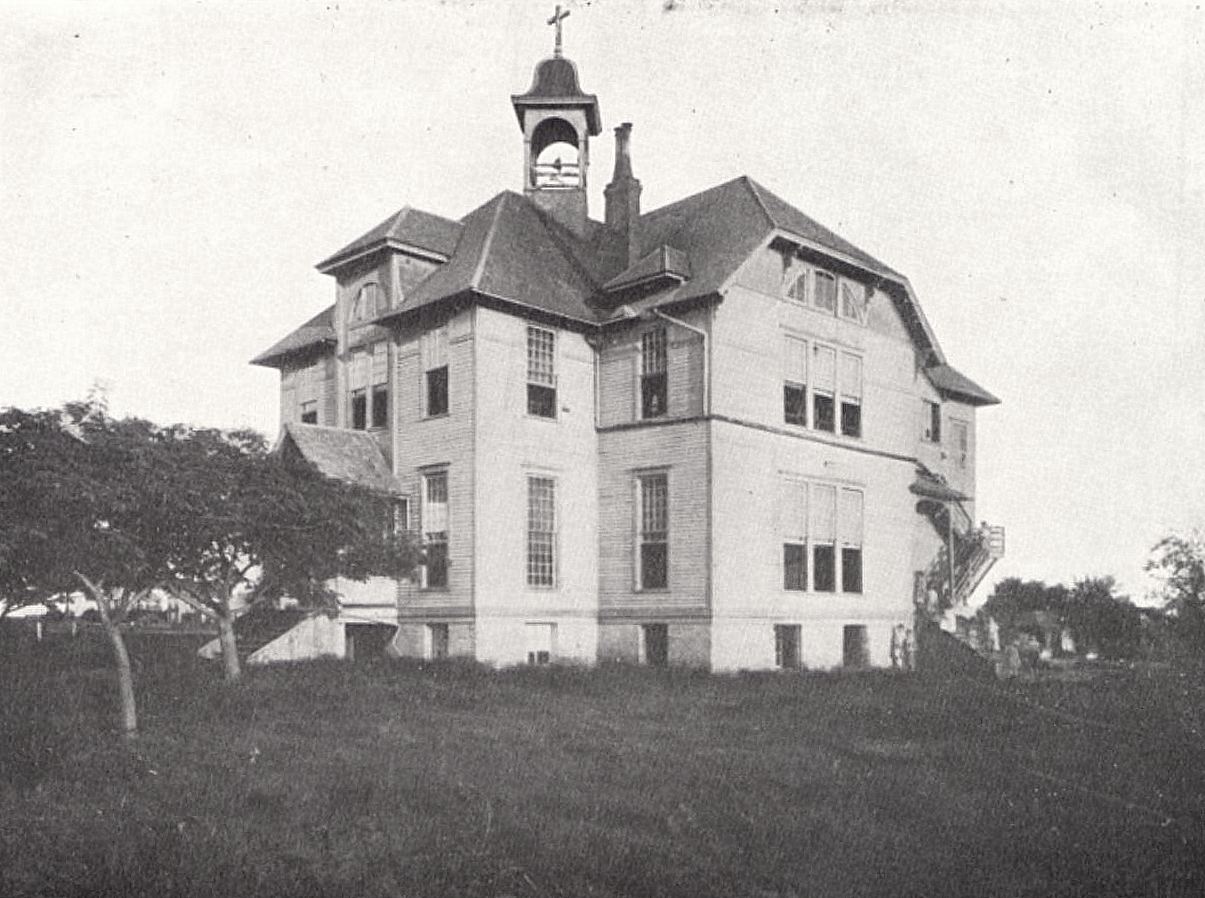
st-josephs-orphanage_dallas-rediscoveredThe new Oak Cliff orphanage, ca. 1891 (click for larger image)

by Paula Bosse

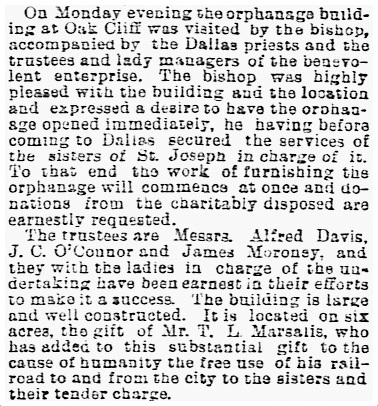
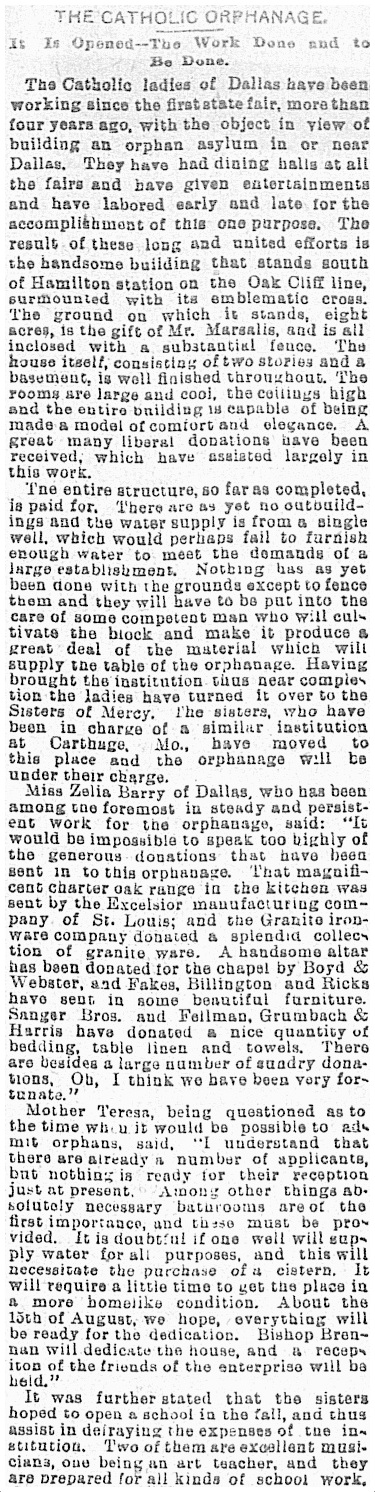
The St. Joseph orphanage was built in Oak Cliff in 1891 on 6-8 acres donated to the Catholic Diocese by Thomas Marsalis. The building was a large house, built and furnished with funds raised from local donations.

The house itself, consisting of two stories and a basement, is well finished throughout. Rooms are large and cool, the ceilings high and the entire building is capable of being made a model of comfort and elegance. A great many liberal donations have been received which have assisted largely in this work. (Dallas Morning News, July 16, 1891)

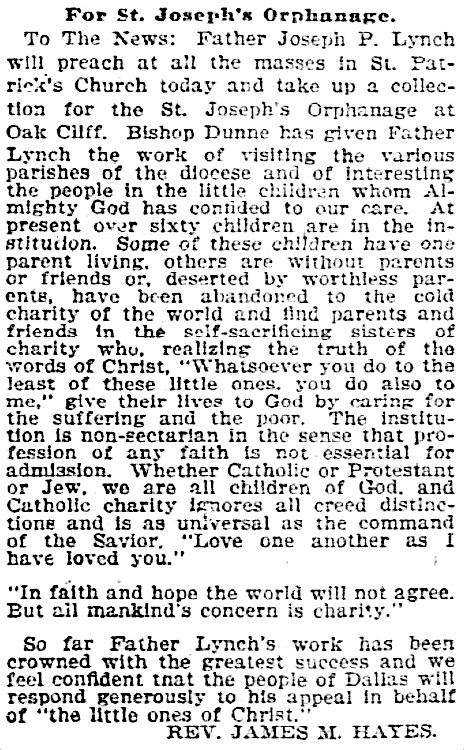
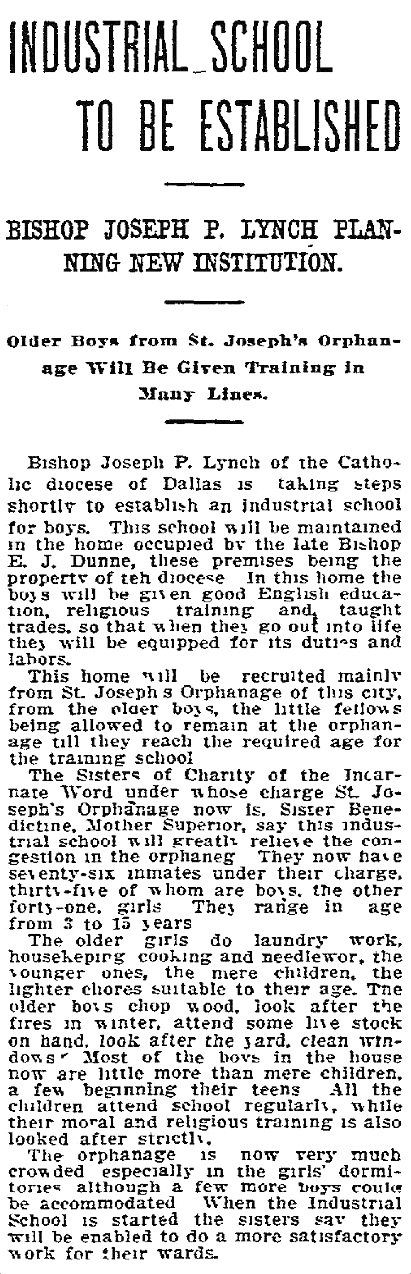
The orphanage was a Catholic institution — run at various times by the Sisters of St. Joseph, the Sisters of Mercy, the Sisters of Charity of St. Vincent de Paul, and the Sisters of Charity of the Incarnate Word — but it was “non-sectarian” in that the children or families in need were not required to be of the Catholic faith.

Some of these children have one parent living, others are without parents or friends or, deserted by worthless parents, have been abandoned to the cold charity of the world and find parents and friends in the self-sacrificing sisters of charity…. (DMN, Feb. 9, 1902)

st-josephs-orphanage_smu_ca1913-1919DeGolyer Library, SMU

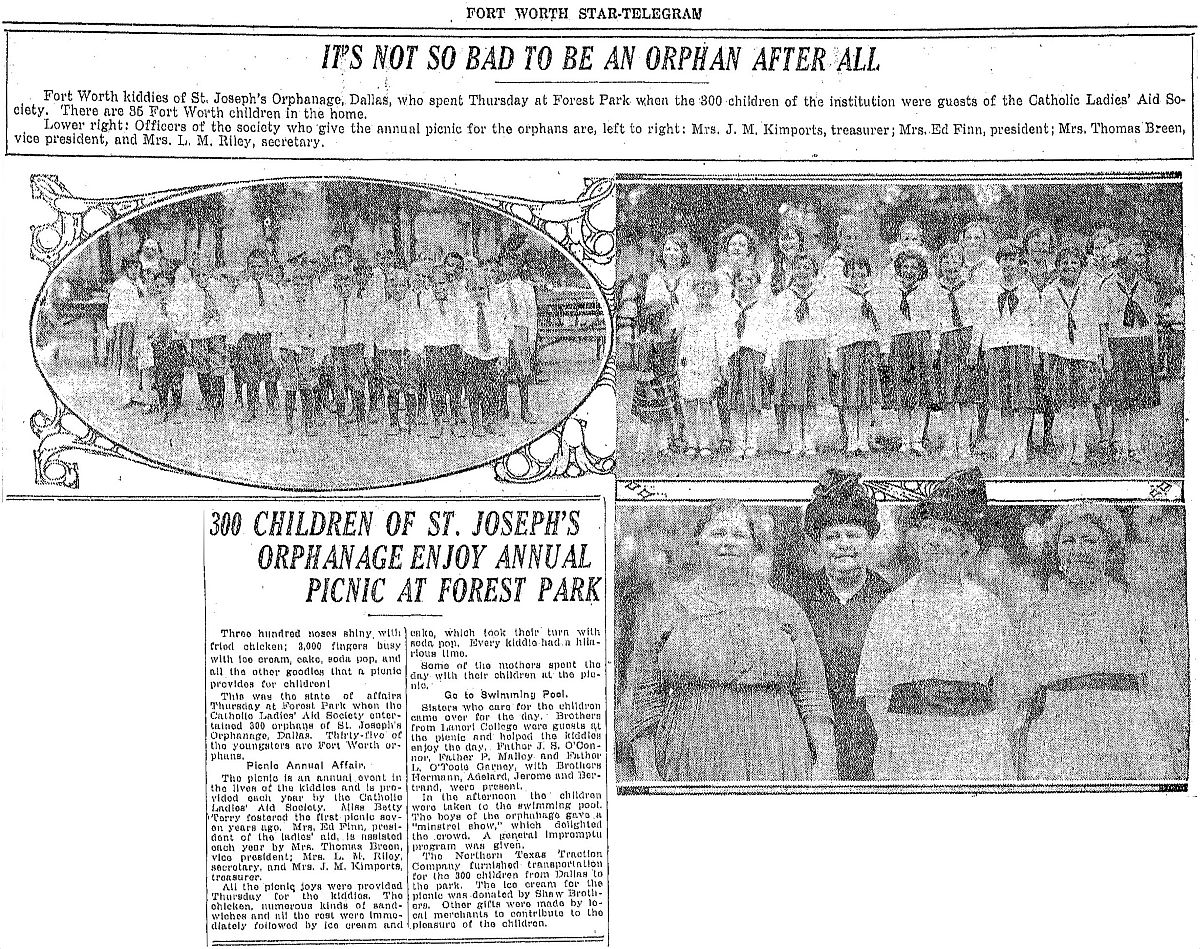
In the late ‘teens or early ’20s, the Catholic Ladies’ Aid Society of Fort Worth began an annual tradition of hosting a party for the children at Forest Park in Fort Worth. The 1923 picnic entertained 300 children. The Fort Worth Star-Telegram ran a story about the event under the unfortunate headline “It’s Not So Bad To Be An Orphan After All.” (Click article for a much larger image.)

st-josephs-orphanage_FWST_060123FWST, June 1, 1923

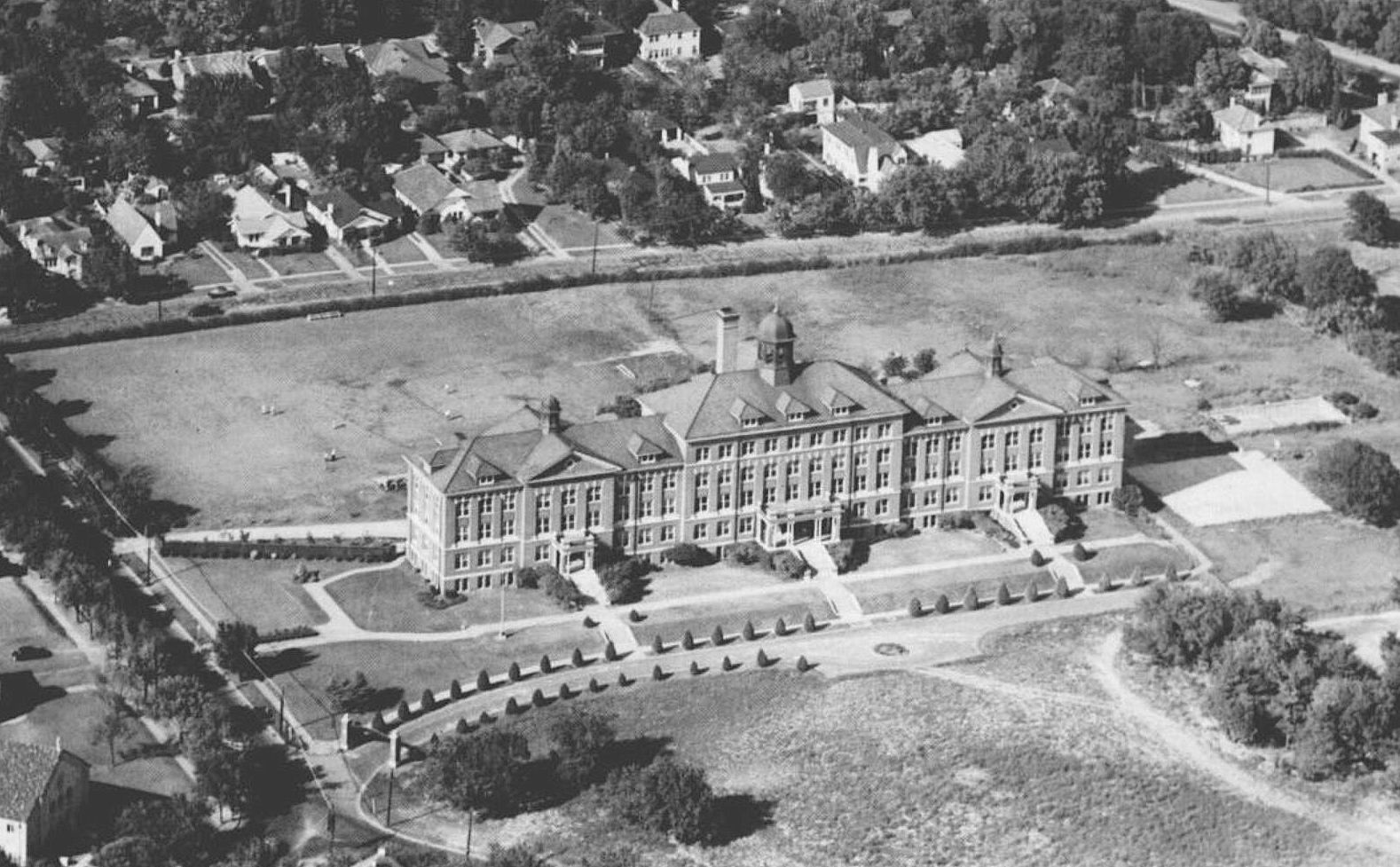
According to William L. McDonald in his book Dallas Rediscovered, “the orphanage was converted into a Carmelite convent and school in 1929 and demolished in 1945.” In December, 1930, the girls moved into their new (huge!) home in Oak Lawn (at Blackburn), in the old Dallas University building (later the Jesuit campus). The boys, I believe, moved to the Dunne Memorial Home. Here is a photo of the girls’ new home, which was taken over by Jesuit High School in 1941. (The impressive building originally built in 1906 was demolished in 1963.)

jesuit_legacies_fall-2005

**

st-josephs-orphanage_dmn_042991Dallas Morning News, April 29, 1891

st-josephs-orphanage_dmn_071691
DMN, July 16, 1891

orphanage_dmn_020902
DMN, Feb. 9, 1902

orphanage_dmn_113013-inudstrial-school-to-open
DMN, Nov. 30, 1913

st-josephs-orphanage_catholic-charities-of-dallas

***

Sources & Notes

Top photo from Dallas Rediscovered by William L. McDonald, is from the collection of the Dallas Public Library.

Photo titled “Children and Nuns, St. Joseph’s Orphanage, Dallas, Texas” was taken by Frank Rogers and is from the George W. Cook Dallas/Texas Image Collection, DeGolyer Library, Southern Methodist University; more information can be found here.

Photo of the old Dallas University/University of Dallas/Trinity University is from the article “Jesuit High School” by Liz Conrad Goedecke, which appeared in the Fall, 2005 issue of Legacies.

Bottom photo of St. Joseph’s Orphanage is from a PDF titled “A Brief Visual History of the Catholic Diocese of Dallas,” here (p. 19).

More on the original St. Joseph orphanage can be found here (scroll down to the 1902 article, “Charities of Dallas”).

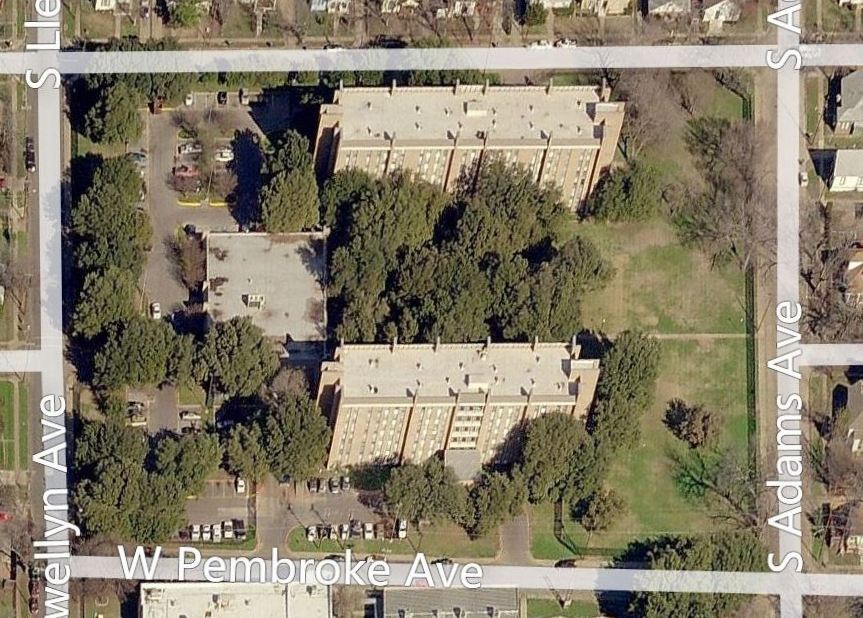
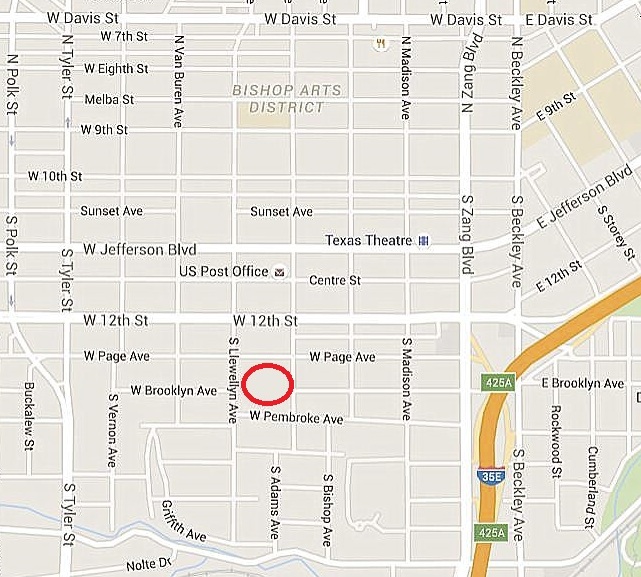
The original St. Joseph orphanage was at the southwest corner of West Page and South Adams, in Oak Cliff. See the 1922 Sanborn map, here. According to the Dallas Central Appraisal District website, the land is currently owned by the Dallas Housing Authority, which, as recently as 2014, had sought permission to build a new “home for the aged” on this property. The Bing Maps aerial view shows the Brooks Manor low-income housing project which had occupied this block for several decades before its recent demolition.

brooks-manor_bing

The Google Street view from Jan. 2016 shows an empty block.

orphanage_googleGoogle Maps

The original building at the top is not to be confused with the later St. Joseph home for girls (or the earlier Virginia K. Johnson home for unwed mothers), which was also on West Page, but a couple of blocks to the east. More on that can be found here. (It was at the Page and Madison, seen on the 1922 Sanborn map, here.) (Perhaps this was the campus the St. Joseph school moved to when Jesuit took over the campus in Oak Lawn in 1941?)

All photos and articles are larger when clicked.

*

Copyright © 2016 Paula Bosse. All Rights Reserved.


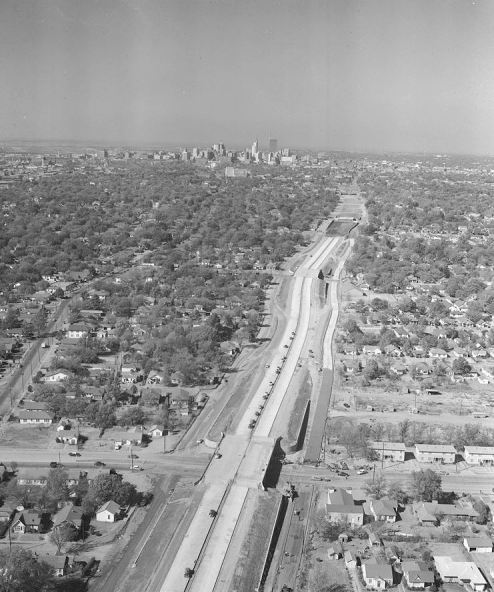
South Central Expressway Under Construction — 1955

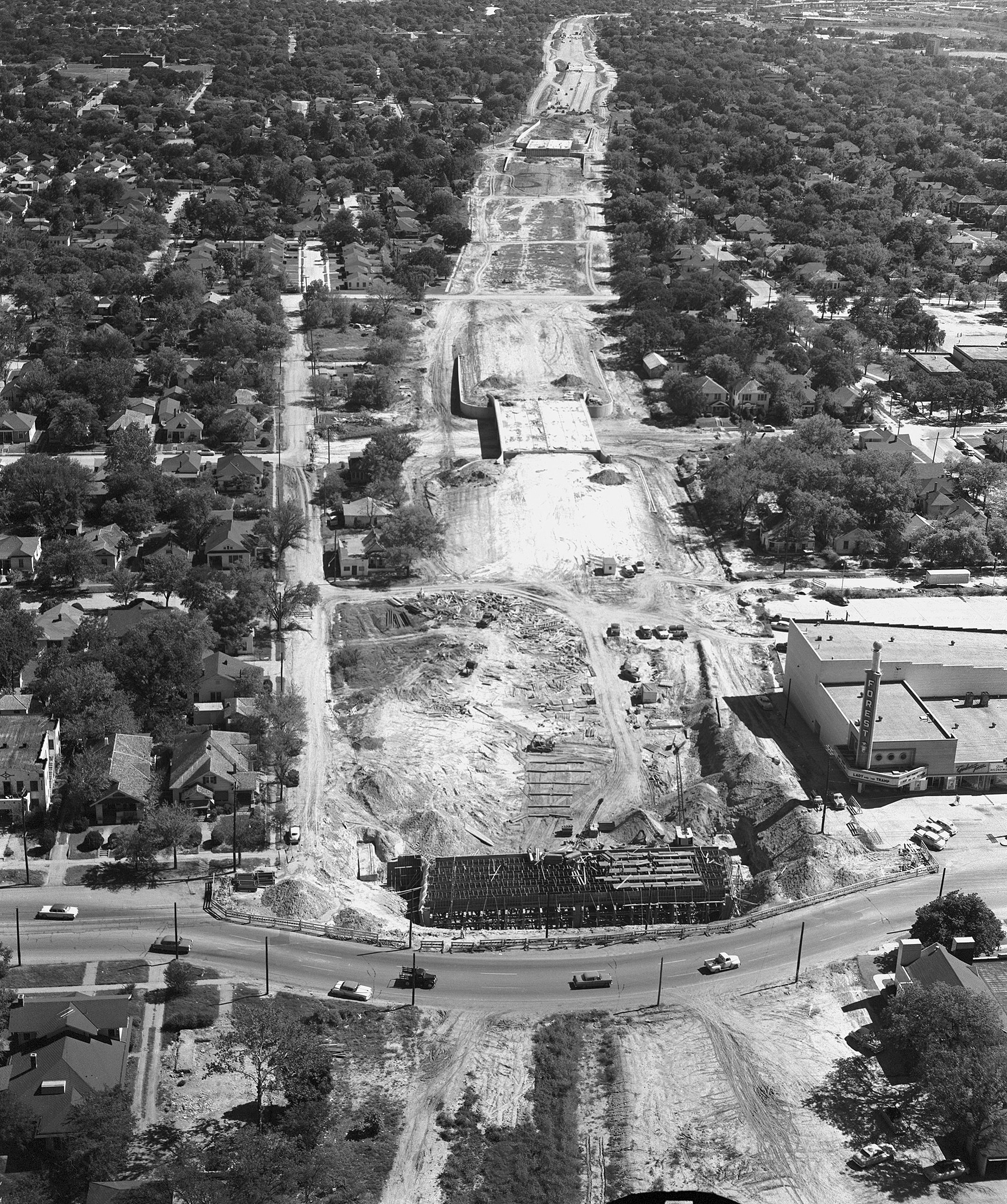
central-expwy_forest-ave_092955_squire-haskins_UTAComing soon to a neighborhood near you… (UTA Special Collections)

by Paula Bosse

Behold, a photo of South Dallas on Sept. 29, 1955, showing a lengthy stretch of bulldozed land cleared for the imminent construction of South Central Expressway. We’re looking south, with Forest Avenue (now Martin Luther King Blvd.) running horizontally in the foreground. To the right is the Forest Theater (now playing: “Lady and the Tramp”). And if you zoom in, you can just see the post-Ross Avenue location of the famed Jim Beck recording studio to the right of the theater.

This great swath of land cut through an established tree-filled residential area — it ran alongside the once-swanky Colonial Hill neighborhood. Zoom in and take a last look at some of those straggler houses that haven’t yet met their maker. …But they will. …And they did.

Below is another Squire Haskins aerial photo looking north, toward downtown, taken a few weeks later, on Nov. 11, 1955 (see a very large image of this photo on the UTA website here).

south-central-expwy_squire-haskins_nov-1955_UTASquire Haskins, Nov. 1955, UTA Special Collections

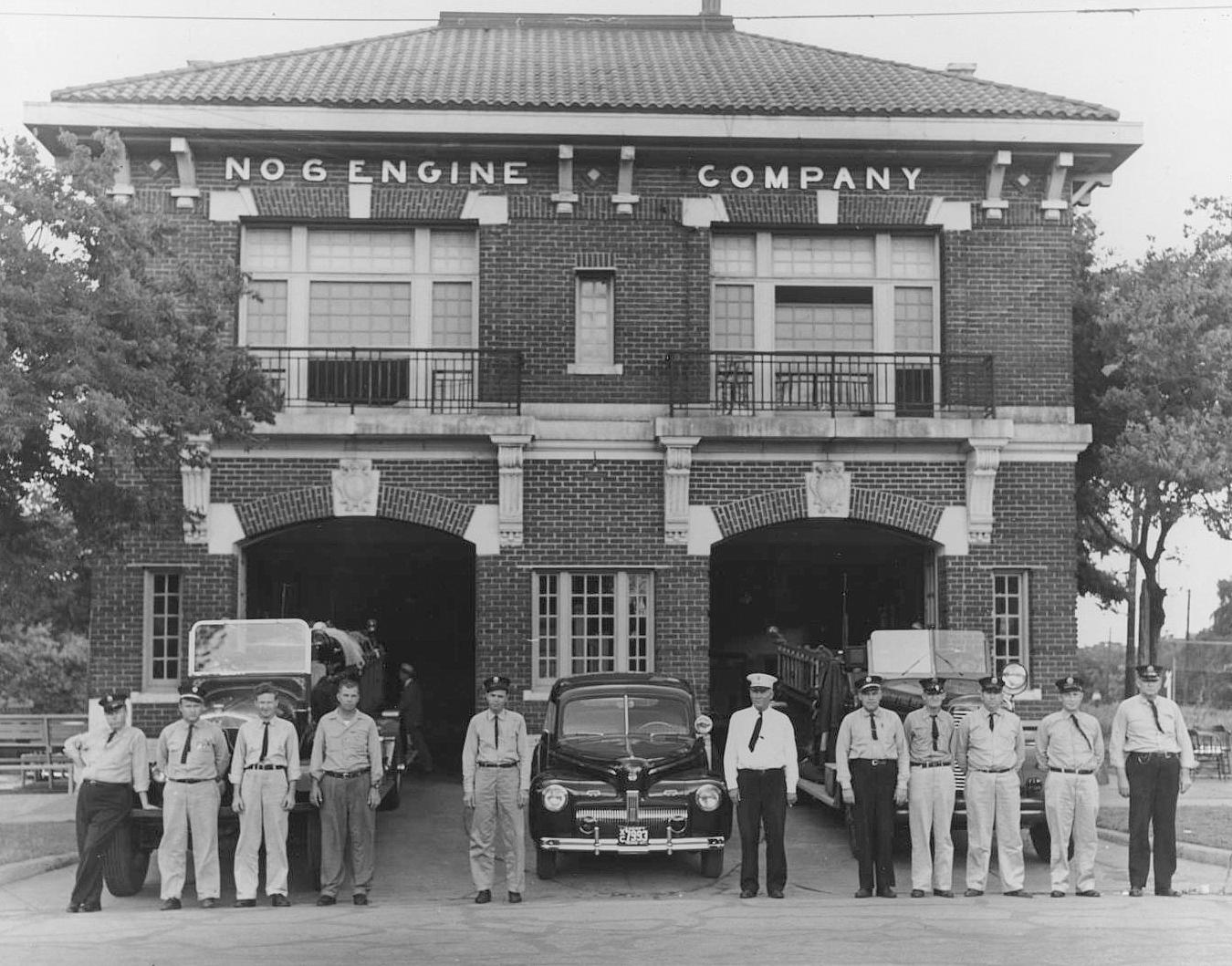
I wondered what had been demolished on Forest between the houses to the left and the theater to the right. It was Fire Station No. 6, at 2202 Forest Avenue. I looked in my bulging file of miscellaneous photos and was surprised to actually find a couple of photos of that No. 6 Engine Company, which was built in 1913.

fire-department_no. 6_forest-ave-mlk

The station was on the south side of Forest Avenue, alone in a very short block. As we look at the station in the photo above, the H&TC railroad runs just to the right of the station, and Kimble Street runs along the left. See a Sanborn map of this area in 1922, here.

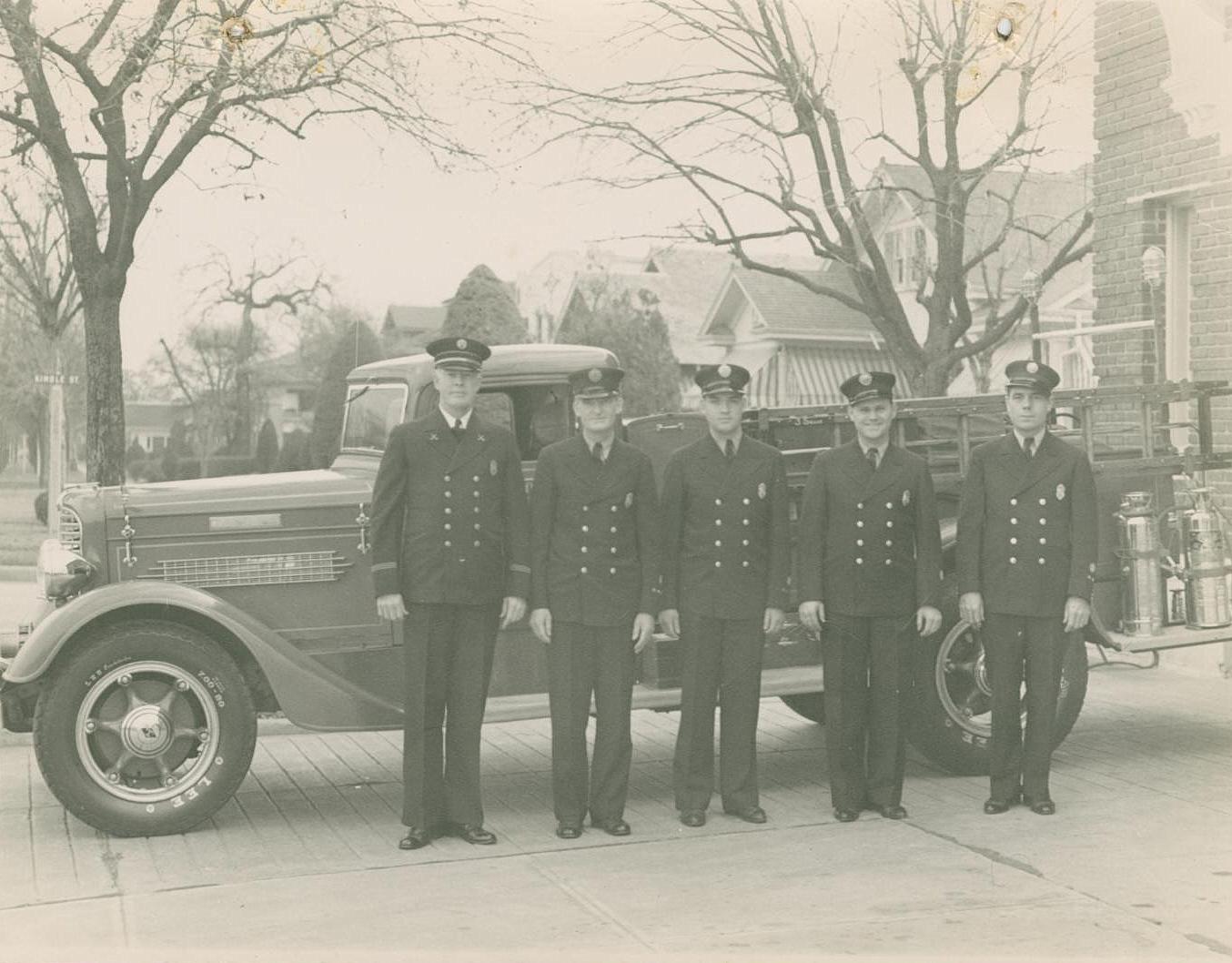
The photo  below shows what Forest Avenue once looked like, from the front of the firehouse looking east (the intersection with Kimble is on the other side of the firetruck — you can see the street sign). These houses are still standing in the 1955 photo at the top.

forest-central_fire-station_portal

When you know what this intersection looks like today (see this same view today, here), it’s hard to believe it ever looked like a cozy neighborhood. Progress is a helluva thing, man.

**

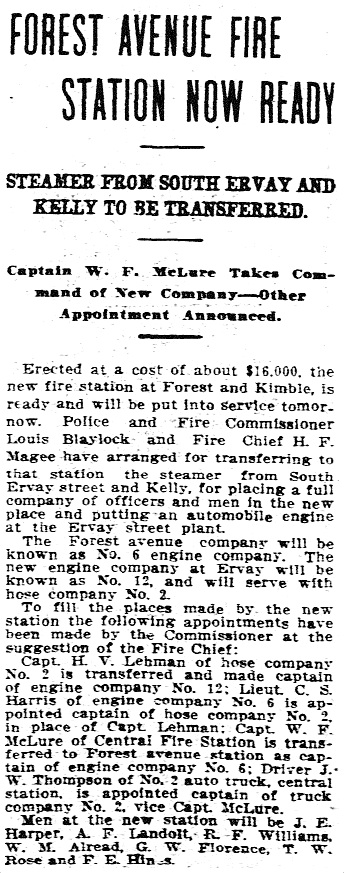
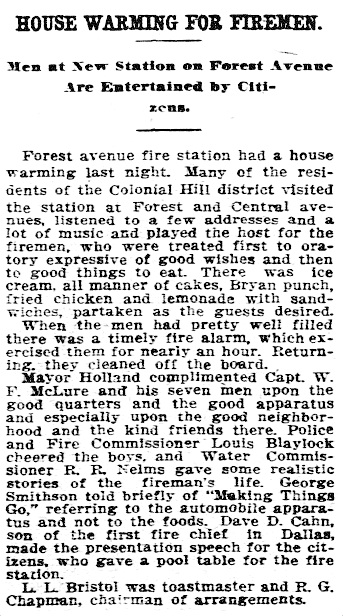
A couple of short articles for those who might want a little more info about the fire station, which was demolished sometime between April and September of 1955. (Click articles for larger images.)

forest-central_fire-station_dmn_070613
Dallas Morning News, July 6, 1913

forest-central_fire-station_dmn_072213
DMN, July 22, 1913

*

forest-ave-central_today_bing
Bing Maps

***

Sources & Notes

Top photo by Squire Haskins, from the Squire Haskins Photography, Inc. Collection, UTA Libraries, Special Collections, University of Texas at Arlington; it is accessible here.

Second photo by Squire Haskins, from the Squire Haskins Photography, Inc. Collection, UTA Libraries, Special Collections, University of Texas at Arlington; it is accessible here.

The two fire station photos are from the collection of the Dallas Firefighters Museum, via the Portal to Texas History, University of North Texas. The first photo can be viewed here, the second photo here.

*

Copyright © 2016 Paula Bosse. All Rights Reserved.

The House at Crescent & Byron, Highland Park

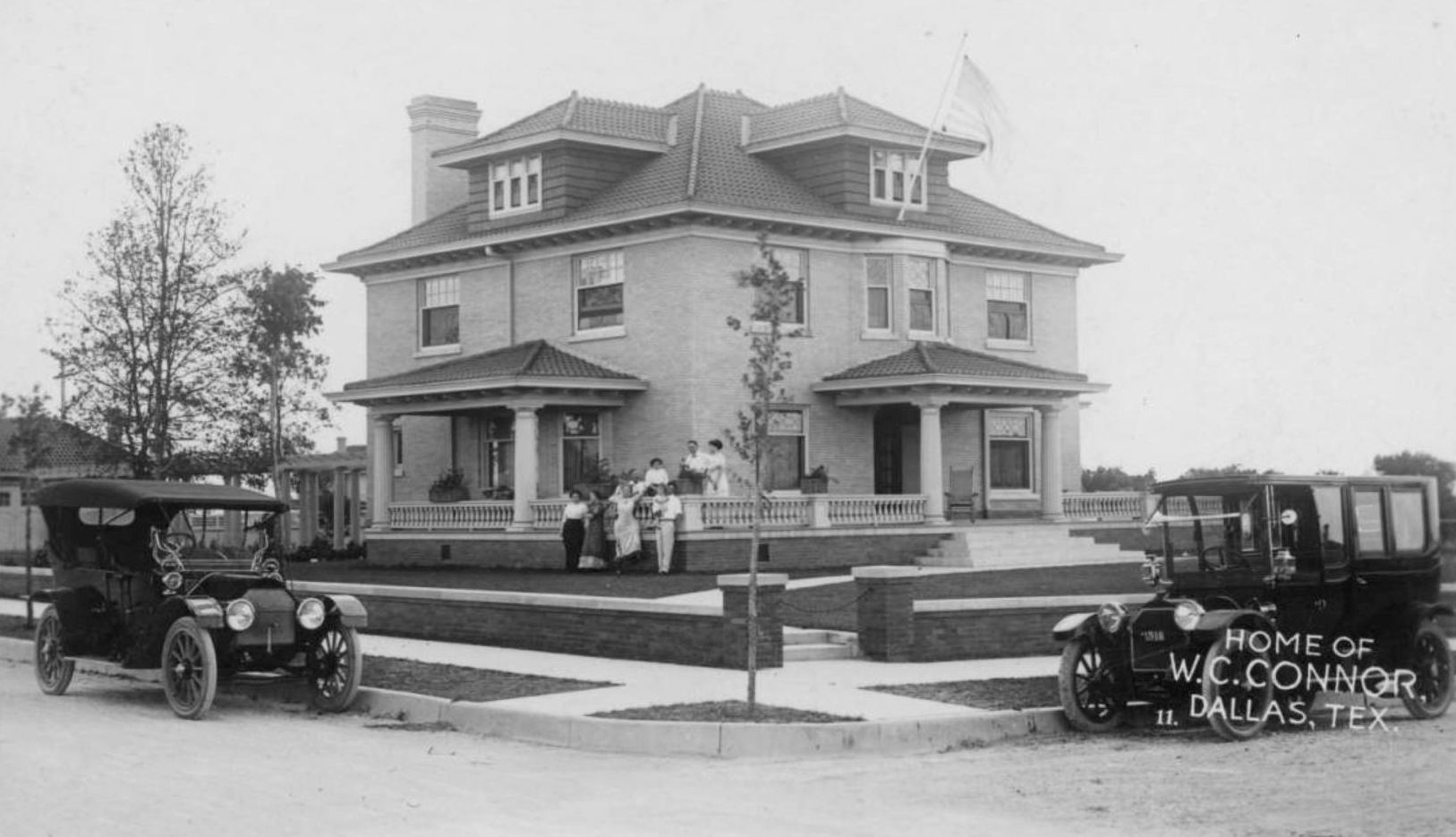
connor-home_cook-colln_degolyerWelcome…

by Paula Bosse

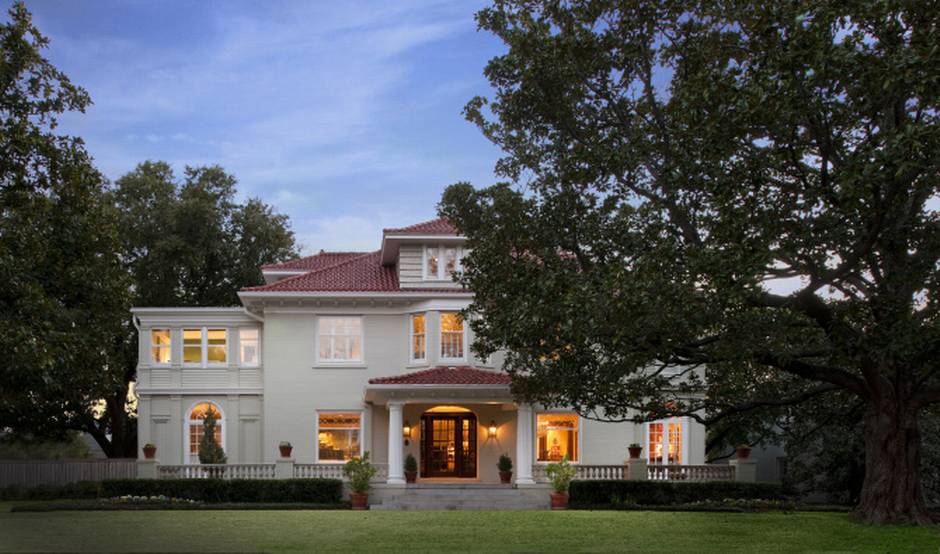
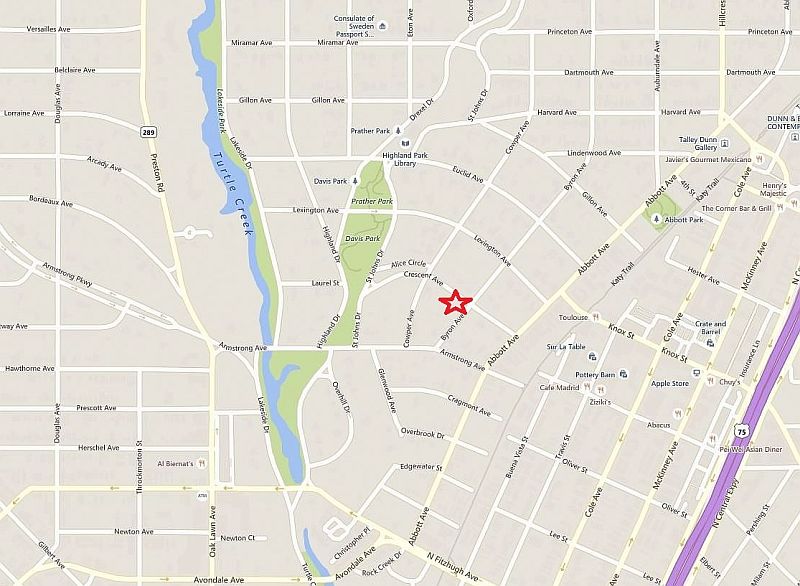
The photo of the house above caught my attention the other day. It’s exactly the sort of house I love, but I couldn’t get a good feel for the part of town it had been in. It took a while to track down, but when I did, I found that it was in Highland Park, at the southwest corner of Crescent and Byron, built about 1910. I had actually been leaning more in the direction of Old East Dallas, because when I think of Highland Park, I tend to imagine that it sprang fully landscaped and jam-packed with trees, even in its earliest days. But more surprising than learning that the house in this photograph was in Highland Park was discovering that it is STILL in Highland Park! It is still standing, and, more exciting, it is still recognizable and largely un-tampered-with! Take a look at it today, here.

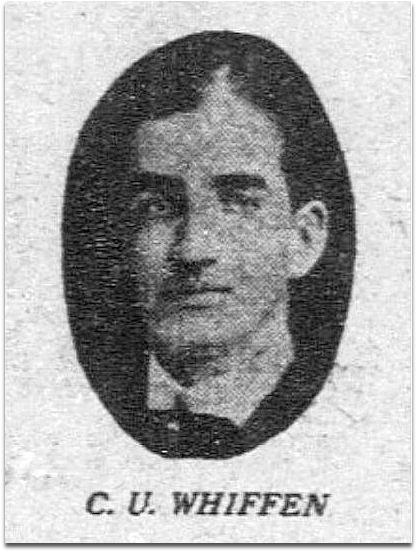
After rummaging around various online databases, I determined that this lovely house was built sometime in 1910 for its first occupants, the C. U. Whiffen family, whose name appeared under a picture of their photogenic house in ads placed by Hann & Kendall, the real estate agents in charge of selling lots for the developers of Highland Park. A photo of the house first showed up in an ad from September, 1910 and was used again in May, 1911. (See the full ads here.)

whiffen_dmn_051411-ad-det

The Whiffen family moved into the house in 1910 from their previous home on McKinney Avenue.

whiffen_dmn_010811-NCR-ad-detCalvin U. Whiffen, seen in an NCR ad, DMN, Jan. 8, 1911

whiffen_1911-directory1911 city directory

Whiffen had interests in a couple of different businesses but was primarily associated with NCR, the National Cash Register company. When Whiffen was transferred to Los Angeles by NCR, he sold the house to former Dallas mayor W. C. Connor for $18,000 (a little under $500,000 in today’s  money).

connor_whiffen_dmn_122211DMN, Dec. 21, 1911

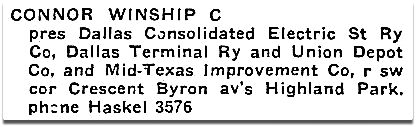
connor_1912-directory
1912 city directory

Winship C. Connor (also widely known as “Bud” Connor) was an interesting man whose contributions to the city were extremely important in its becoming a major metropolitan area. Not only did he serve multiple terms as mayor of Dallas (from 1887 to 1894), but, among other accomplishments, he also built the first waterworks system, the first streetcar line, and the first electric light plant. In later years, he presided over several companies, including the Consolidated Electric Street Railway Co.

connor_fuel-oil-journal_oct-1915Connor, pictured in the Fuel Oil journal, Oct. 1915

Connor moved from the house on Crescent Avenue to a house on Miramar in 1918 or 1919, and, in 1921, he died, at the age of 73. The top photo of the house was taken sometime between 1912 and 1919. He can be seen with his family, sitting on the porch, in this detail.

connor-home_cook-colln_degolyer-det1

The house has had very few owners throughout its 106 years. In one of those odd, happy coincidences, I’ve just discovered that one of those owners was Edward L. Wilson, Jr. (1920-2011). Ed Wilson was an engineer who had his office in a small building (now razed) on Maple Avenue, next door to the Stoneleigh Hotel. He leased out the ground floor to my father who ran The Aldredge Book Store there for over 20 years. Mr. Wilson was a man of few words, but very, very nice and an understanding landlord. I’m happy to learn that he and his family lived in this beautiful house for several years.

Here it is today.

crescent_dmn_032913DMN, Mar. 29, 2013

***

Sources & Notes

Top photo, titled “Home of W. C. Connor, Dallas, Tex.,” is from the George W. Cook Dallas/Texas Image Collection, DeGolyer Library, Central University Libraries, Southern Methodist University; it can be viewed here.

See inside this house in a Dallas Morning News video, here (for some reason, I am unable to view this video on my computer, but I can watch it on my phone). The house was a featured stop on a Highland Park Centennial celebration tour of homes in 2013. More photos of the house today can be seen on Douglas Newby’s Architecturally Significant Homes page, here.

Where is it?

crescent-byron_bing
Bing Maps

W. C. Connor was a man of great accomplishment — his Dallas Morning News obituary (Aug. 6, 1921) is here; his citation in A History of Greater Dallas and Vicinity is here; his Wikipedia page, here.

*

Copyright © 2016 Paula Bosse. All Rights Reserved.

Home Sweet Home at Commerce & Harwood

municipal-bldg_houses_jeppson_flickr“Main Street Garden?”

by Paula Bosse

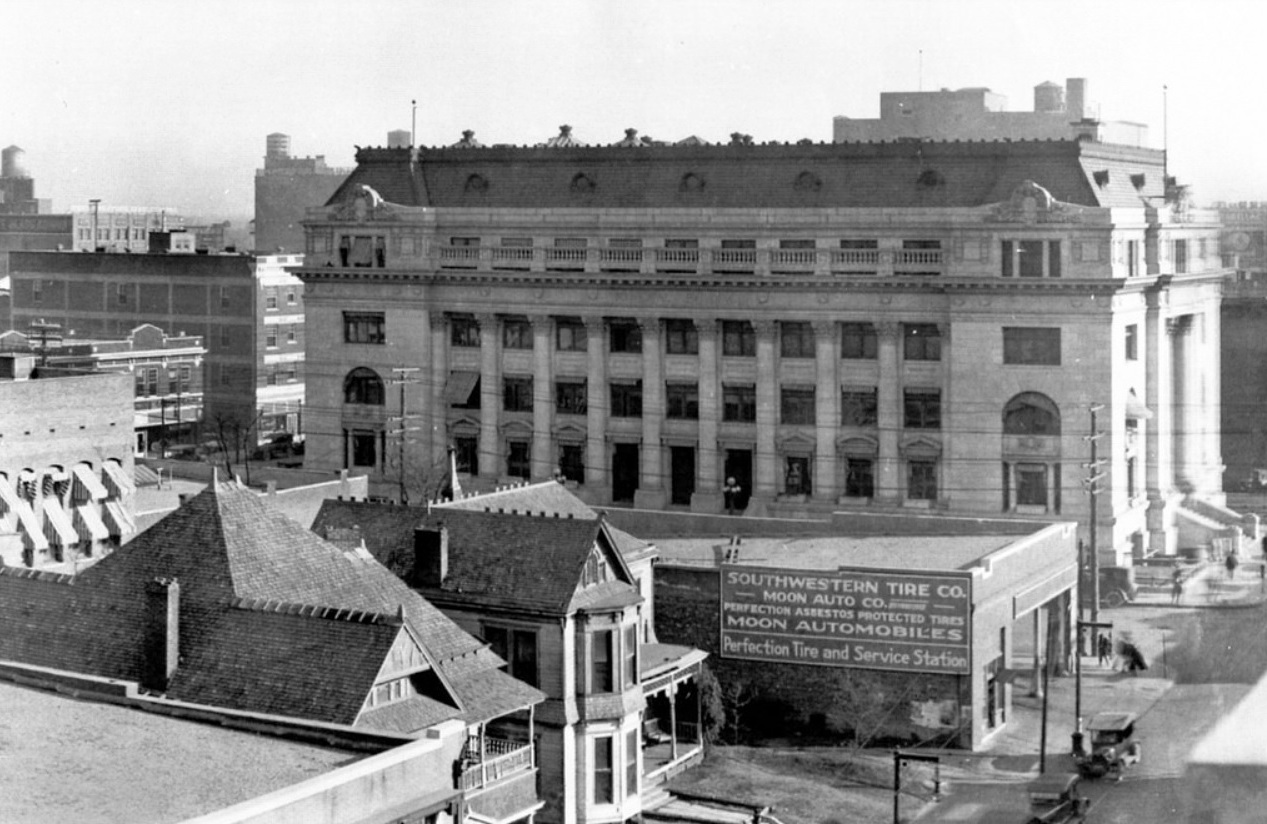
Quaint homes, mere steps from City Hall. Not sure of the exact date of this photo, but these homes and this service station were at the above location in 1920. Wonder when those homeowners finally decided to sell? Talk about your primo real estate!

Below is a similar photo, but this one shows more of Commerce looking east — I don’t come across a lot of photos of this era showing downtown past what was unofficially thought of as its eastern boundary.

municipal-bldg_cook-coll_degolyer_SMU

***

Sources & Notes

Photo from Noah Jeppson’s Flickr page, here.

Second photo, titled “Dallas City Hall,” is from the George W. Cook Dallas/Texas Image Collection, DeGolyer Library, Central University Libraries, Southern Methodist University; more info on this photo can be found here.

More on the building of the City Hall/Municipal Building in the Flashback Dallas post “The Elegant Municipal Building — 1914,” here.

*

Copyright © 2016 Paula Bosse. All Rights Reserved.

Highland Park Village — The Original Model

hp-village_model_gallowayDallas’ most exclusive shopping destination

by Paula Bosse

The model of the Highland Park Shopping Village (“9 Acres of Property”) was, for many years, on display in the sales office of the Flippen-Prather Realty Co., the company that developed Highland Park and this beautiful shopping “village.” (I’m not sure where this photo was taken — it looks like a Flippen-Prather promotional table set up in an exhibition space of some sort.) Construction began on the shopping area in early 1930 and took several years to complete. The architects were Dallas’ Fooshee & Cheek.

Below, a slightly closer look at this cool model, complete with little cars (but no little people…).

hp-village-model_galloway-det

***

Sources & Notes

The photo (credited to the collection of Hugh Prather, Jr.) is from the really wonderful book The Park Cities, A Photohistory by Diane Galloway (Dallas: Diane Galloway, 1989). (This is an essential book for anyone interested in historic photos of Dallas and the Park Cities. If you come across a copy priced under $30.00, snap it up!)

More on the Highland Park Village of today can be found here.

*

Copyright © 2016 Paula Bosse. All Rights Reserved.

Commerce & Record Streets — 1946

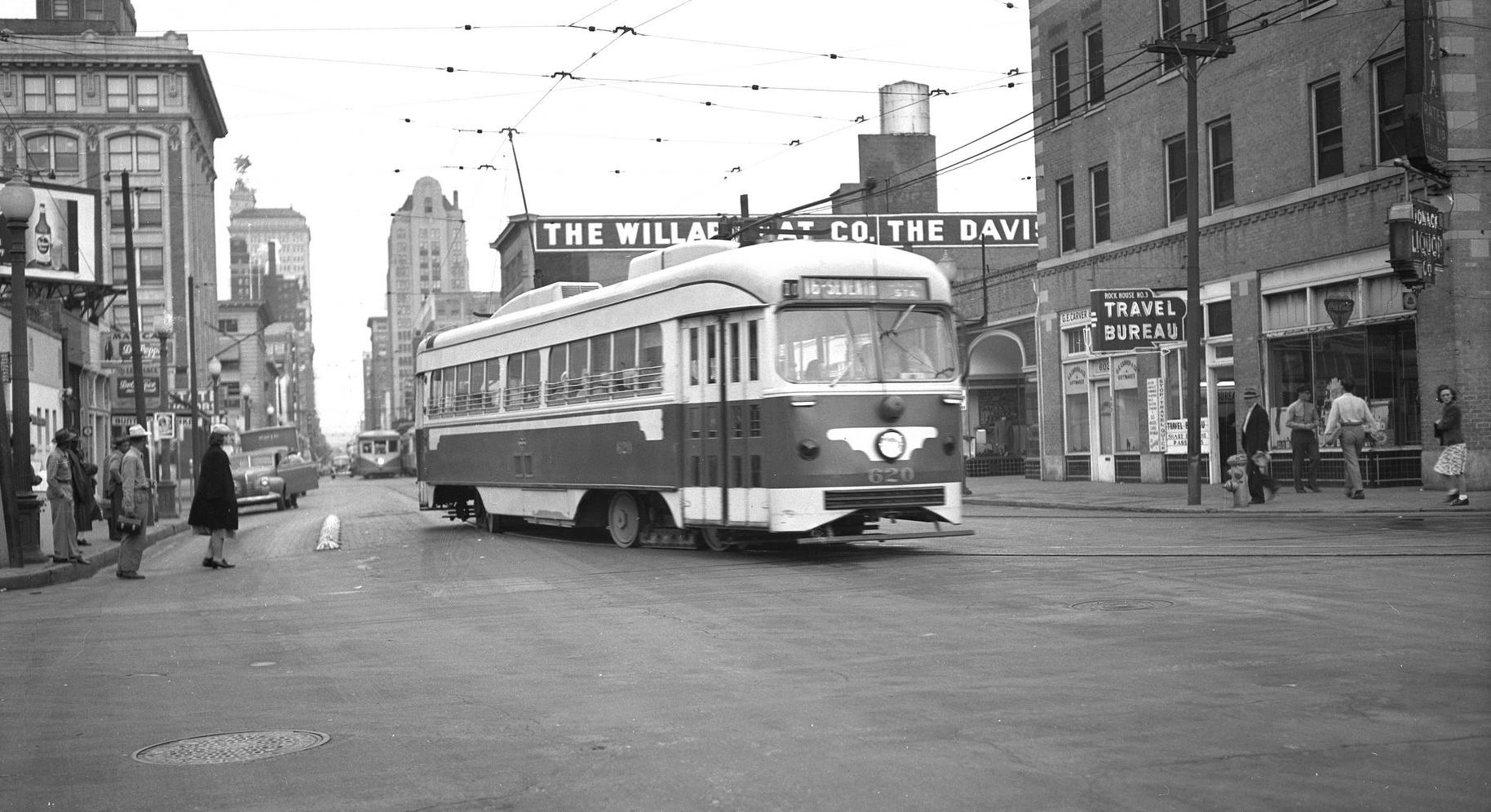
streetcar_commerce-record_051046_ceraCommerce St. looking east from Record (click for huge image)

by Paula Bosse

If it’s a photo of downtown in the ’40s, with people on the streets, retail storefronts, and streetcars, I’m going to love looking at it. Like this one. A lot of people might be hard-pressed to identify the location of this photograph, even if they were standing in the exact spot the photographer stood in. If you look at today’s view from the same vantage point (here), just about everything in the immediate foreground (west of the Pegasus-topped Magnolia Building) is gone — except for, most notably, the beautiful MKT Building at Commerce and Market, one of my favorite downtown buildings.

This is the intersection of Commerce and Record streets, when Record still extended from Elm to Jackson; the Old Red Courthouse was behind the photographer, to the left. Today, the Kennedy Memorial is at the left where the people are waiting for a streetcar; the George Allen Courts Building is across the street — at the right, in the block with the travel bureau; and the block containing the Willard and Davis Hat building — across Commerce from the Katy Building — is now a parking lot.

As with every photograph like this I see, I wish I could step into it and walk around the downtown Dallas of 1946. Maybe pop into Ma’s Cafe for a Dr Pepper before I hop on a streetcar and just ride around on it all day until someone kicks me off.

*

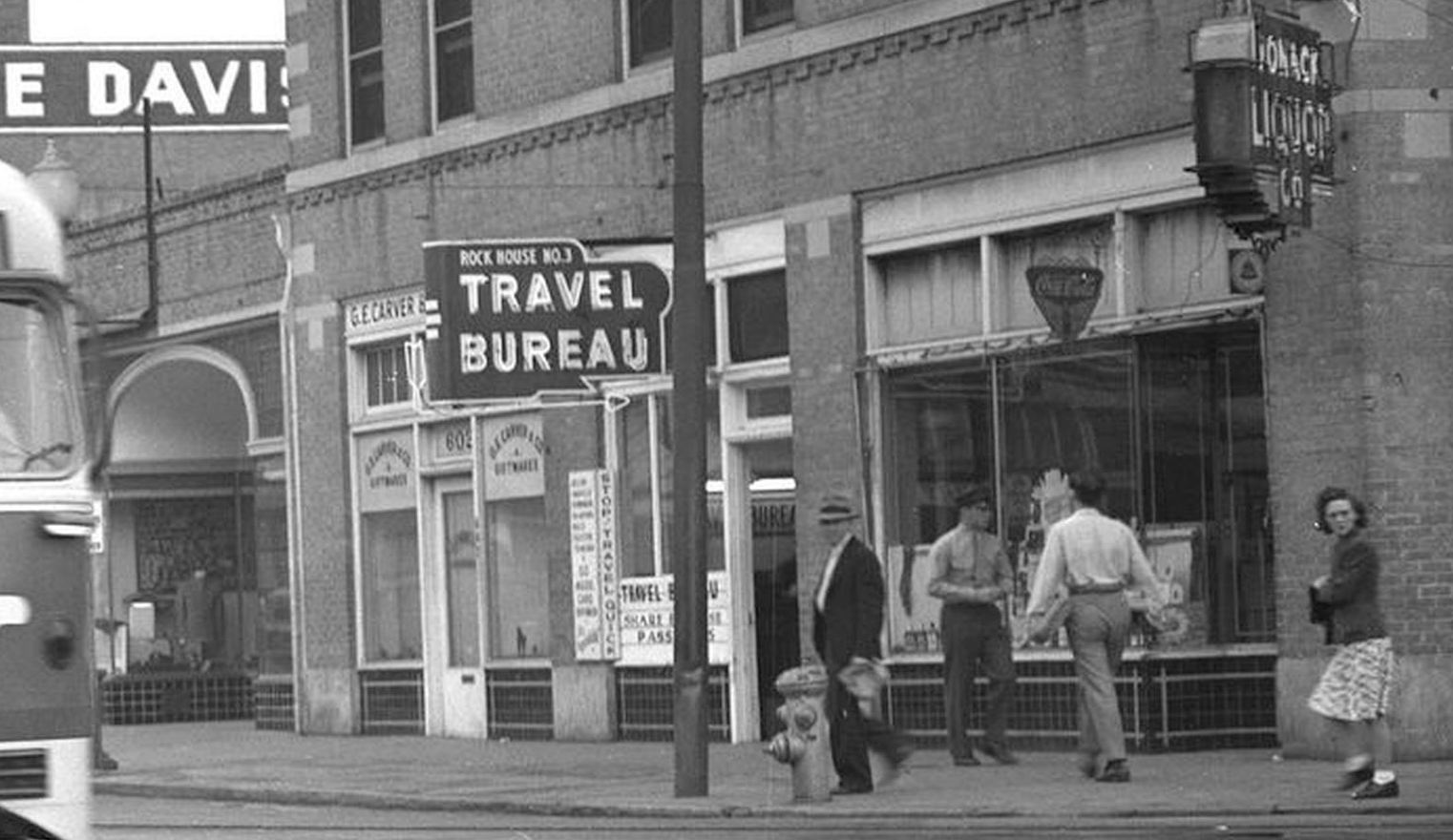
Below are a couple of magnified details (both are much larger when clicked).

streetcar_commerce-record_051046_cera-det1

streetcar_commerce-record_051046_cera-det2

Below is a listing of the businesses in this 600 block of Commerce, between Record Street and the MKT Building.

600-block-commerce_1945-directory1945 Dallas directory

(The tall building on the right with the travel bureau on the ground floor is the Plaza Hotel at 202-204 Record Street. The Yonack Liquor Store on the corner is at 200 Record, with entrances on both Commerce and Record.) 

Here’s a detail of a photo taken about the same time, showing an aerial view of Commerce Street.

aerial_commerce-st_1940s_foscue-lib_smuFoscue Map Library/SMU

***

Top photograph was taken on May 10, 1946 by Richard H. Young; it can be viewed on the CERA (Central Electric Railfans’ Association) website, here. (If you’re interested in Dallas streetcars, this page has some GREAT photographs!)

The caption of the photo from the above website: “May 10, 1946 — New Dallas Railway & Terminal Co. double-end PCC car 620, at speed, southbound, turning into Record St. from Commerce St. (Ervay-7th Line).”

The aerial photo was taken by Lloyd M. Long in the 1940s and is titled “Downtown Dallas looking east (unlabeled); it is from the Edwin J. Foscue Map Library, Central University Libraries, Southern Methodist University. This is only a small portion of the full photograph — the full photo is here.

Since there is an exact date for this photo, here is a large Skillern’s ad from that day’s newspaper. Coincidentally, there was a  Skillern drugstore on the northeast corner of Commerce and Record — it is in this photo, behind the lamppost at the bottom left. Let’s see what was on sale May 10, 1946. (I would kill for a set of those Pyrex bowls!)

skillerns-ad_dmn_051046

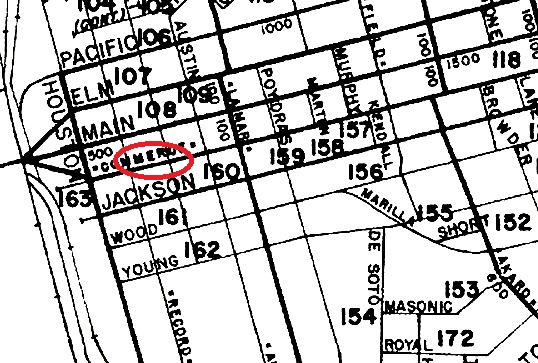
And, lastly, who doesn’t love a map?

map_commerce-and-record_1952-mapsco 1952 Mapsco

Everything is bigger when clicked!

*

Copyright © 2016 Paula Bosse. All Rights Reserved.


The Filling Station on Greenville Avenue: From Bonnie & Clyde to Legendary Burger Place

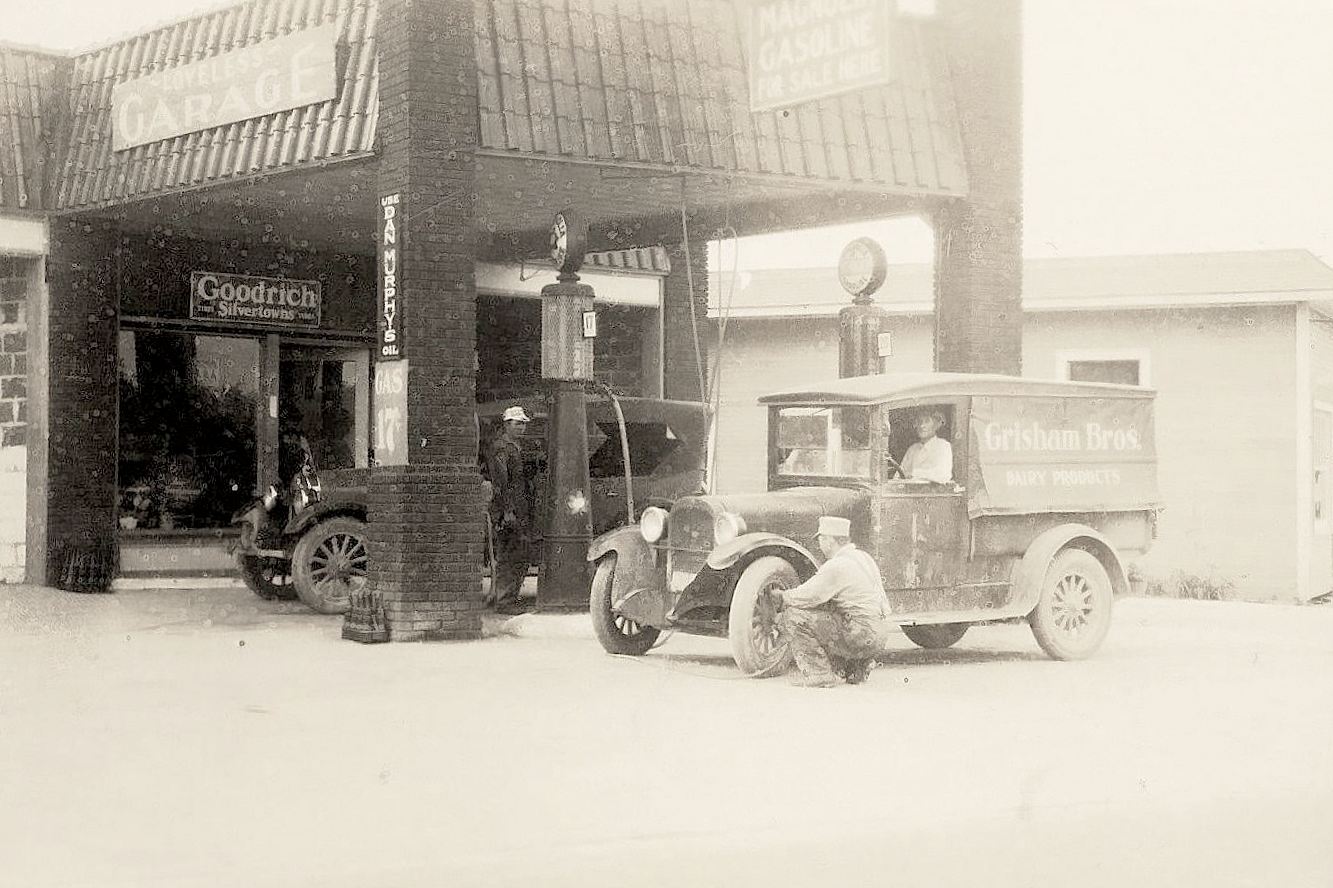
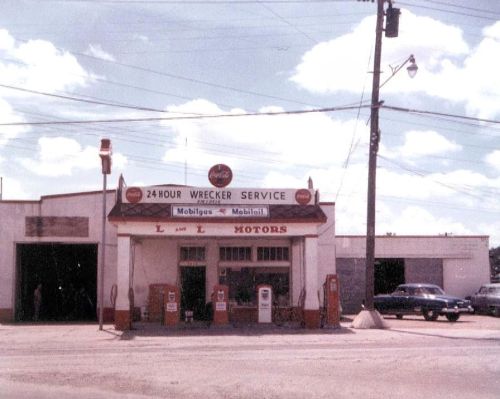
loveless-station_extThe Loveless filling station, Vickery, TX… (click for larger image)

by Paula Bosse

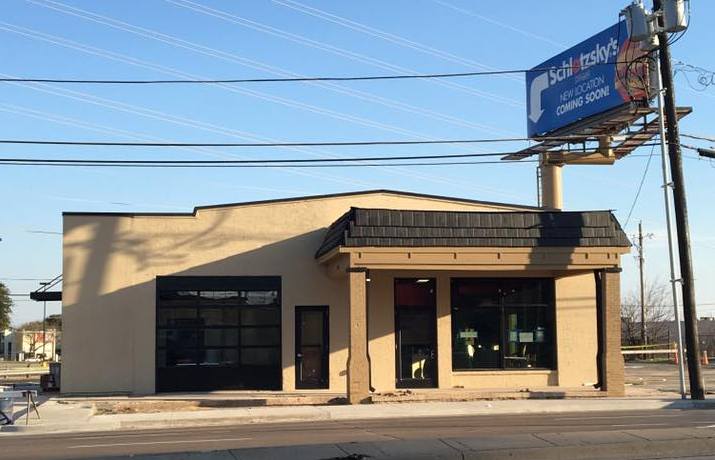
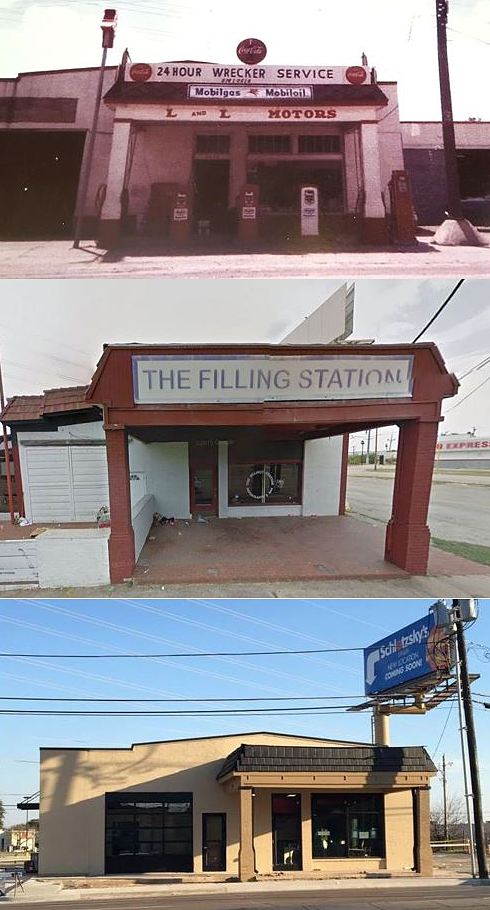
Perhaps you’ve driven past the site of the much-loved former burger place The Filling Station at Greenville Avenue and Park Lane recently and saw that the old building was undergoing renovation. Construction has ended, and a new Schlotzsky’s (the sandwich shop founded in Austin in 1971) has opened at 6862 Greenville Avenue. And it’s pretty cool that they’ve preserved this old 1930s building, a landmark to many Dallasites.

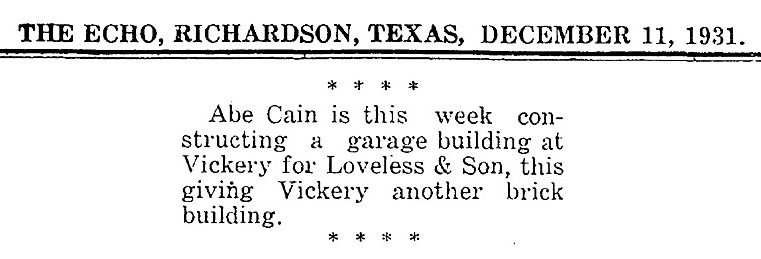
The original filling station and garage was built, according to family members, about 1931 — it was one of the first brick  buildings in the small community of Vickery (which was annexed by Dallas in 1945). The construction even made the columns of the Richardson Echo (Dec. 11, 1931):
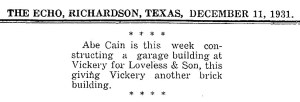
loveless-garage_richardson-echo_121131

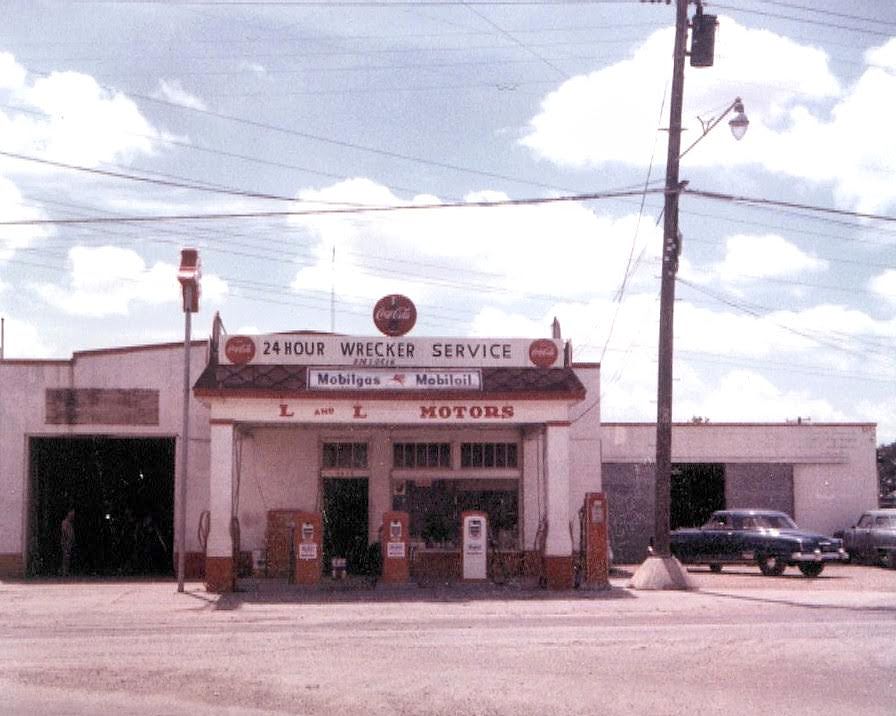
The business had begun in the early ’20s in another building across the street, but things were definitely looking up for the garage and its owners, William Homer Loveless and his son J. W. Loveless, when the new building went up. L & L Motors lasted 50 or so years until the early 1970s, when the once-sleepy Vickery area had exploded into part of “Upper Greenville,” an entertainment mecca lined with bars, restaurants, discos, and strip joints.

The Filling Station, a theme restaurant and bar decorated with gas station memorabilia, opened in 1975 and lasted a remarkable 29 years, closing in 2004. Filling Station super-fans still have fond memories of both the building and its menu of “theme” foods and drinks with names like “sedanwiches,” the Ethyl burger, the Tail Pipe, and the Ring Job.

Beyond being a nostalgic favorite from the go-go days of Upper Greenville, the real reason this place has always had historic appeal to Dallasites is because it is one of the still-standing Dallas-area locations with a tie to Bonnie and Clyde. According to Loveless family lore, the pair bought gas at the station at least once, sometime back in the ’30s. According to Sonya Muncy, whose father, J. W. Loveless, took over the station after her grandfather passed away:

“That was my daddy’s station and his dad’s before. When he got hurt in an auto accident and couldn’t work anymore, he sold it, and it became the first Filling Station restaurant. I think my mom still has pics of Daddy in front of it when he came out of the Army. Gas was 9 cents a gallon with 3 cents tax, for a total of 11 cents a gallon. He had the coldest Cokes around! Across the street where Park and Ride is was my grandmother’s house. I remember playing at the station as a kid and helping Daddy work on cars. When I got my first car, he made me change the oil and rotate the tires! Lol. It was called L & L Motors with Mobil gas. […] Bonnie & Clyde also got gas there and Daddy said they were always nice to him.”

Kevin Wood remembered when his grandparents happened to be at the station when Bonnie and Clyde stopped in:

“The day Bonnie and Clyde came in to fuel, Clyde shook my Pops’ hand.”

And in a later comment:

“My grandmother and grandfather were in the store the day B & C came in … always said they were very nice.”

*

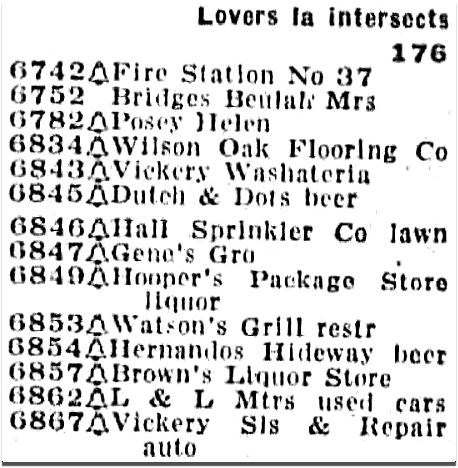
FUN FACT: Jack Ruby apparently ran a short-lived tavern called Hernando’s Hideaway right next door, at 6854 Greenville in the early or mid ’50s (he seems to have owned it and later sold it). It appears the building was torn down at some point. So … Bonnie and Clyde and Jack Ruby, together at last, cheek by jowl.
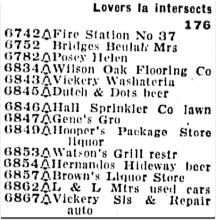
hernandos-hideaway_jack-ruby_1956-directory
Greenville Ave., 1956 directory

*

For as long as I can remember, I’ve checked out this old building every time I drive by it, marveling that it has managed to remain standing all these years, and always afraid it won’t be there the next time I pass it. So thank you, Steve Cole, owner of this Schlotzsky’s, for bringing it back to life and appreciating it as much as a lot of the rest of us do.

**

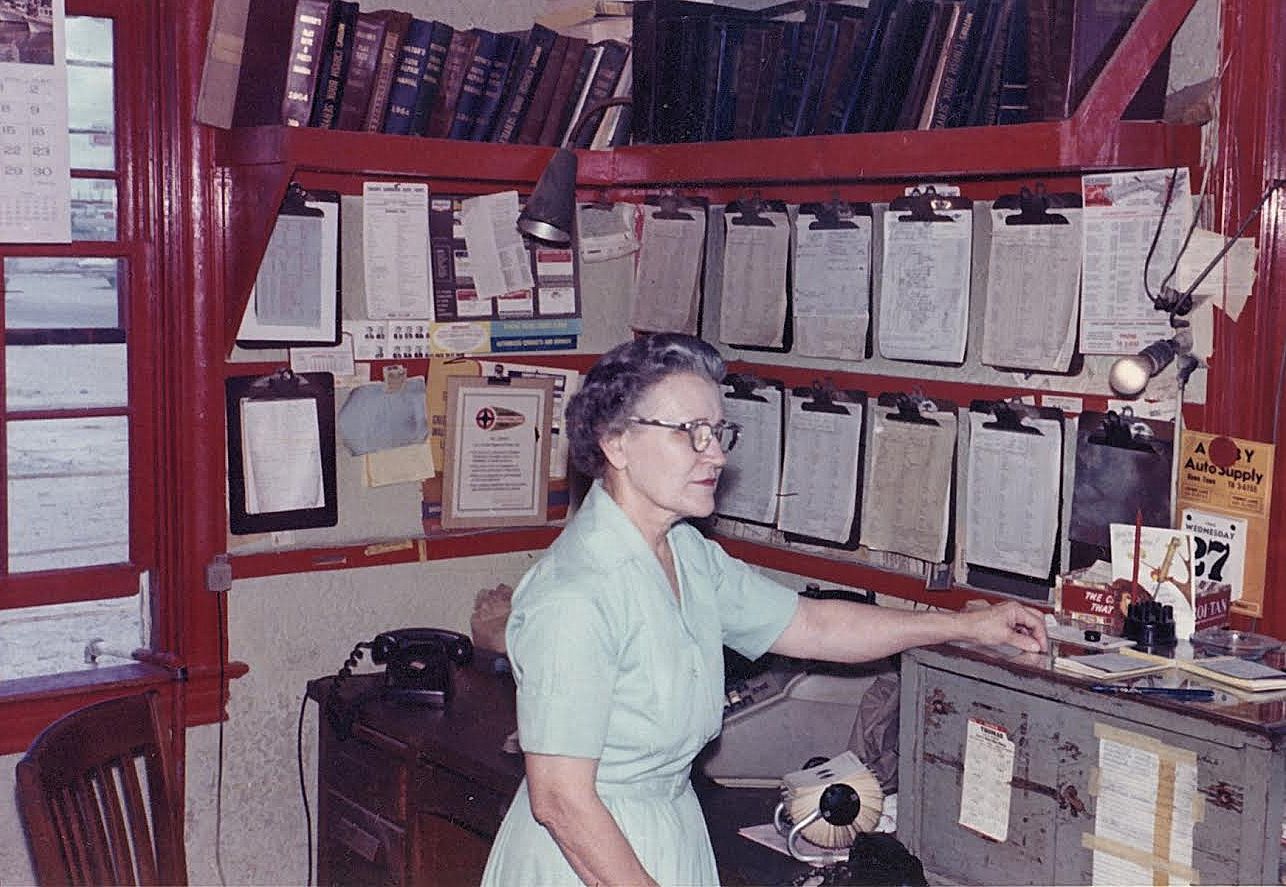
The photos in this post were kindly sent to me by Jeb Loveless, grandson of Homer Loveless, the original owner. Below, perhaps the oldest photo of the building, in the Bonnie and Clyde era.
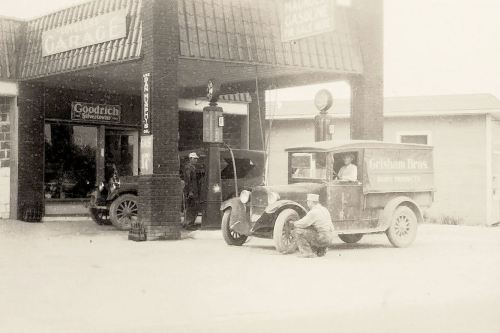
loveless-station_collection-of-jeb-lovelessphoto: collection of Jeb Loveless

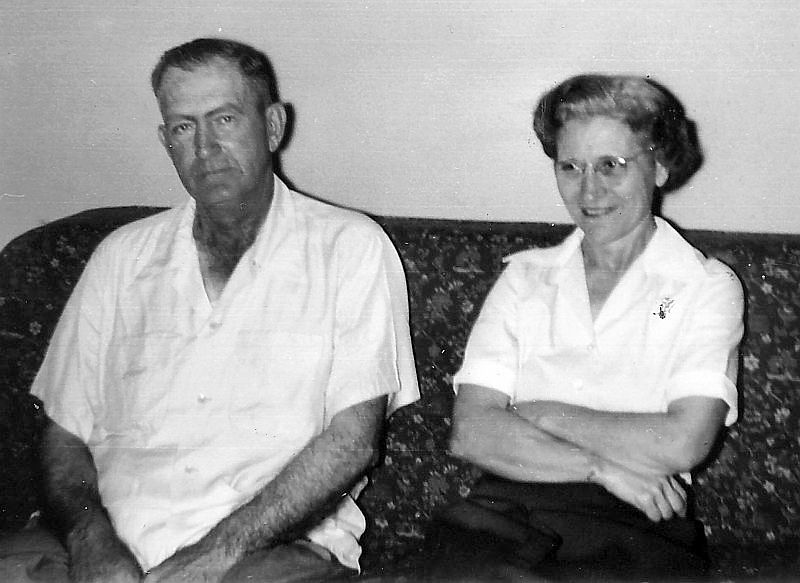
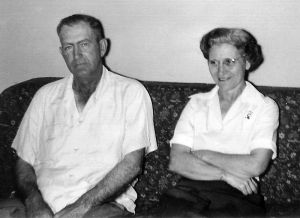
Below, Homer Loveless and his wife Jewel in 1956.
loveless_homer-and-jewel_april-1956

Jewel at work.

loveless-station_jewel-loveless

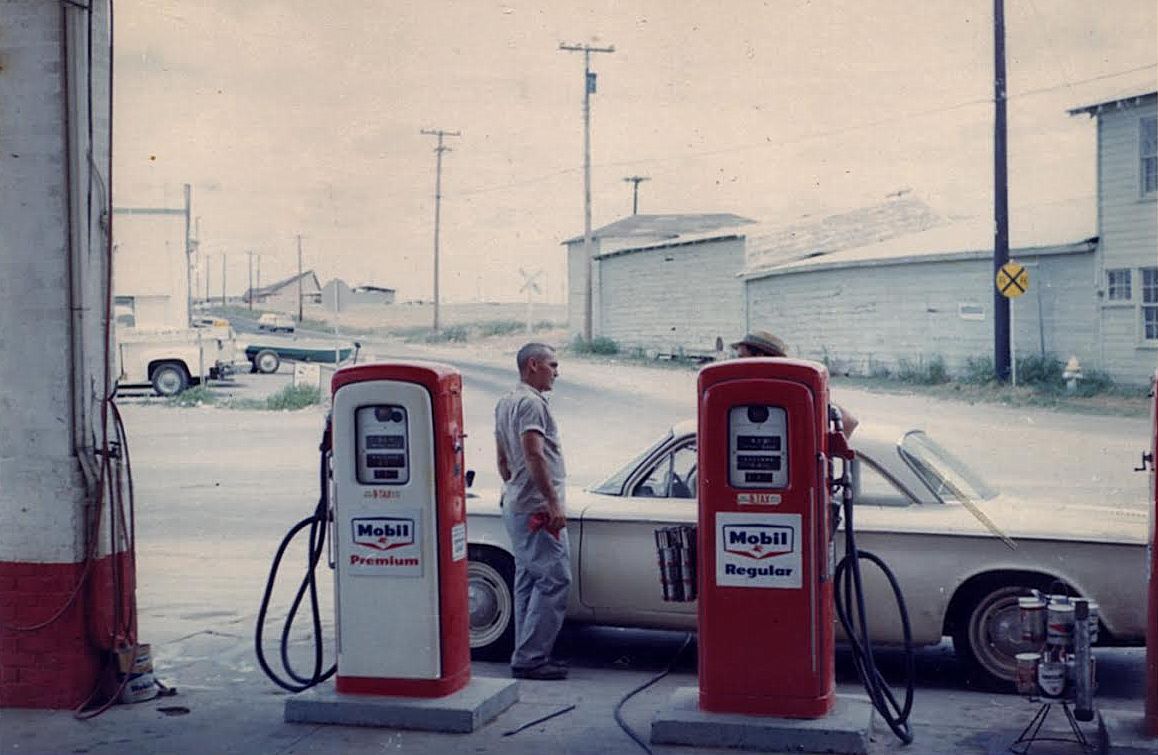
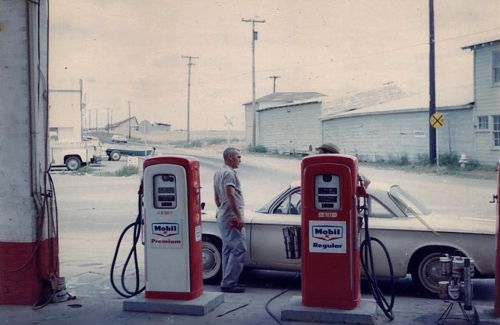
Homer and Jewel’s son (and co-owner) J. W., at the pumps.
loveless-station_jw-loveless

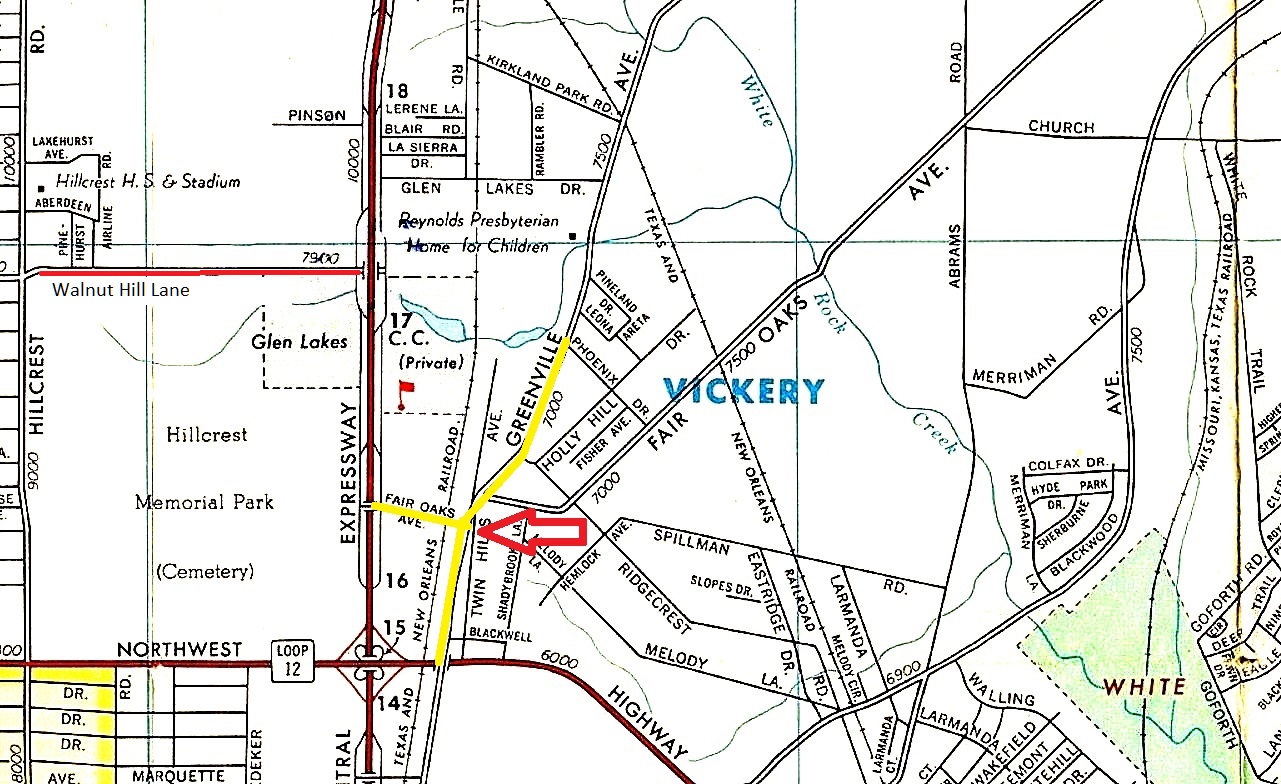
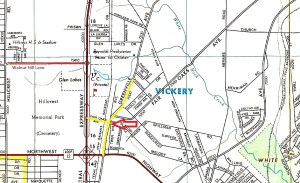
UPDATE: I couldn’t for the life of me figure out what roads I was looking at here. Thanks to Danny Linn, I now know that the road straight ahead is what shows on 1962 maps as being the tail end/very beginning of Fair Oaks (this little bit still exists between Greenville and Central but is restricted to buses) — the view is looking west toward Central Expressway; the Corvair at the pumps is headed south on Greenville. A detail of this area from a 1962 map is below  — note that Park Lane did not yet exist. (The full 1962 Enco map is here.)
filling-station_vickery_1962-map(click me!)

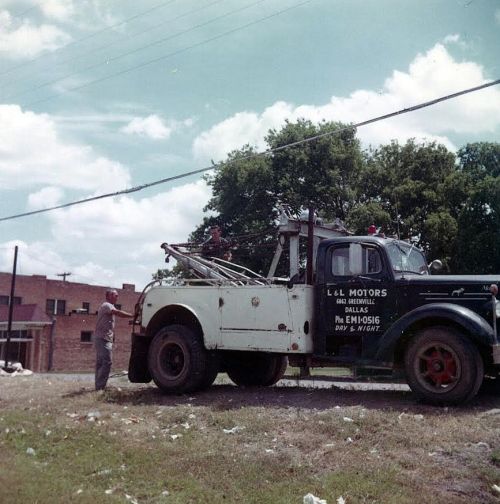
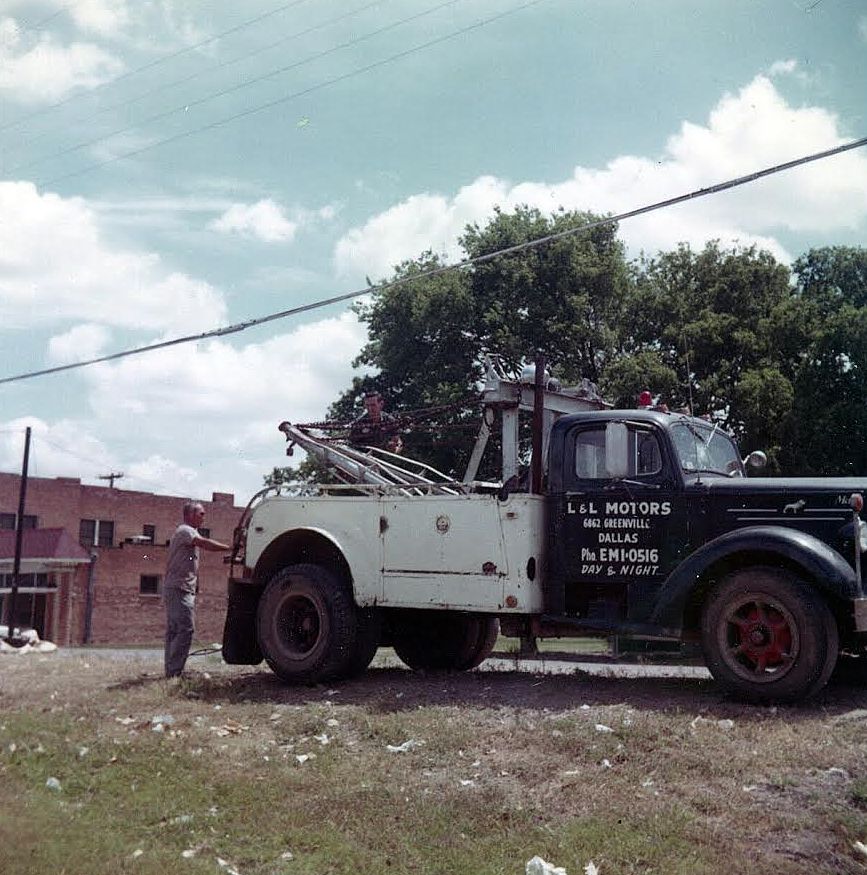
J. W. with the tow truck.

loveless-station_towtruck_1964

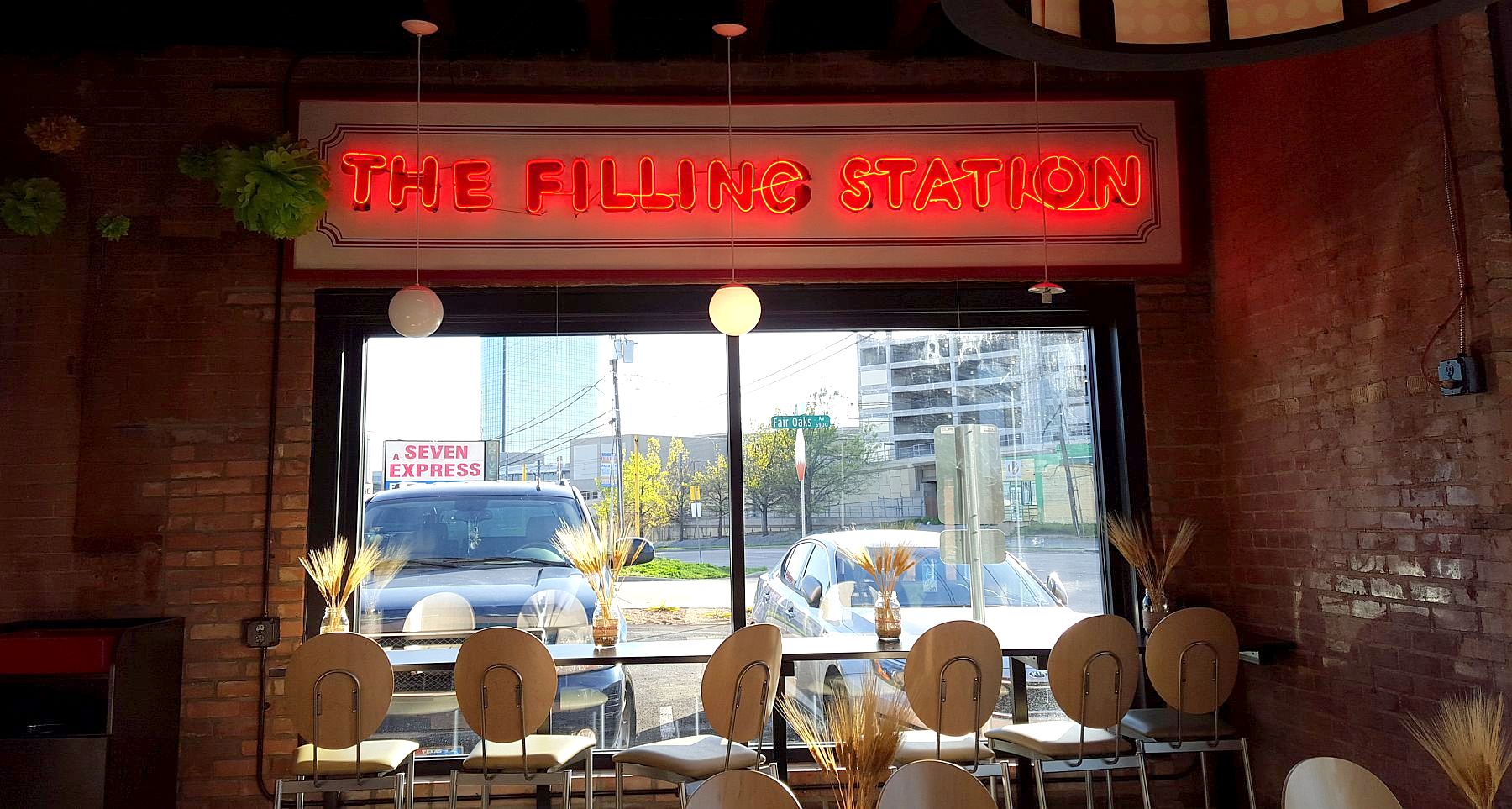
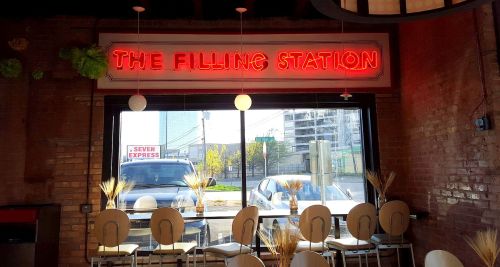
And here is what the old Loveless garage looks like today, as a Schlotzsky’s, decorated with the original neon sign from its days as The Filling Station restaurant as well as with several of the photos reproduced in this post.
filling-station_neon-sign_2016photo: Paula Bosse

**

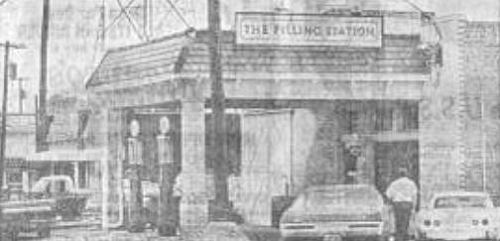
Aside from the Bonnie and Clyde connection, this little building (which has managed to stay standing for over 80 years — a feat in Dallas!) is known by most as the home of still-missed Filling Station restaurant.
filling-station_dth

Below, an interesting 1976 quote from Filling Station co-owner Bob Joplin about the “cutthroat” competition between ’70s-era Upper Greenville bars and restaurants (numbering at the time more than 50), wondering how long his place might stay alive:

“The average life of a new place on Greenville is probably about 18 months. If that. Hell, around the corner here — the Yellow Rose of Texas — how long was it open? Three months? Maybe less? […] We’re going great right now, but we’ve only been open a little more than a year. Check back with me later — we may be here, we may not.” (DMN, Nov. 14, 1976)

The surprising longevity of The Filling Station — 29 years in business! — is why the strangely unceremonious and surprisingly brief announcement of the Filling Station’s demise (which appeared in the pages of The Dallas Morning News on July 2, 2004) is so odd — its closure merited only ten words: “The Filling Station on Upper Greenville Avenue has also closed.” 29 years! That’s an eternity in the Dallas restaurant world.
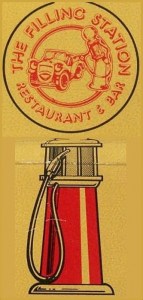
filling-station_matchbook_ebay
eBay

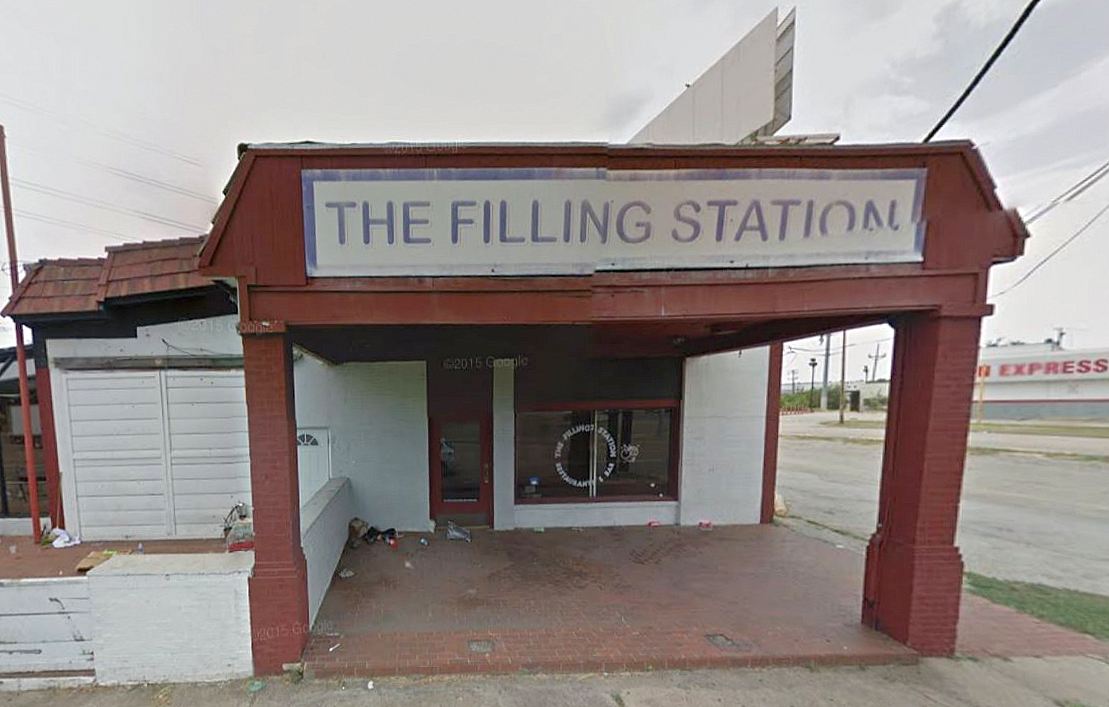
A few other businesses occupied the building, but none managed to stay open very  long. The building was vacant for several years, and it was definitely looking bedraggled when the Schlotzsky’s people came knocking.
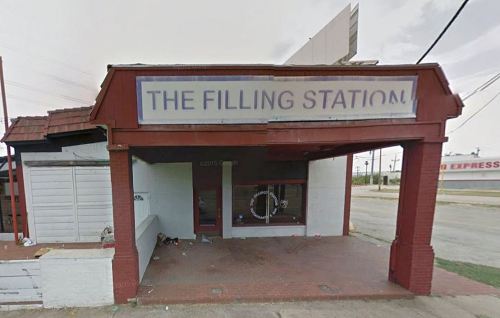
filling-station_google_aug-2015Long-vacant — Google Street View, Aug. 2015

And here it is, after renovation, preparing for its opening day as a Schlotzsky’s — the building now actually looks more like its original design, seen in the photo at the top of this post.
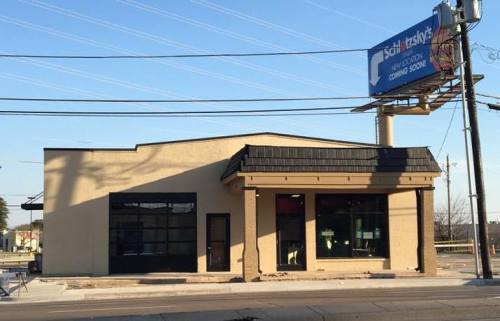
schlotzskys_facebook-pageSchlotzsky’s Facebook page

***

Sources & Notes

The photos of the L & L Motors garage and filling station in Vickery — and the Richardson Echo clipping — were sent to my by Jeb Loveless, grandson of Homer and Jewel Loveless and nephew of J. W. Loveless. He has graciously allowed me to use the photographs in this post. Thanks, Jeb! (Several of these photos were given to the owner of the new Schlotzsky’s and can be seen on the walls inside.)

Quotes from family members whose relatives met Bonnie and Clyde when they stopped in at the gas station are from comments on the Dallas History and Retro Dallas Facebook pages (used with permission).

A Lakewood Advocate interview with the owner of this Schlotzsky’s, Steve Cole, is here. He talks about his dedication to saving as much of the structure as possible, keeping the original brick walls and the wood floors.

To take a photographic tour through what remained of the old Filling Station, see the real estate listing on Zillow here (click on the first picture and a slideshow of large photos will open).

Here’s a then-and-now look at the building over the years:

filling-station_then-now

Related articles in The Dallas Morning News:

  • “William Loveless Dies After Illness” (DMN, June 12, 1960), obituary of the original owner, W. H. Loveless
  • “A Filling Station Which Pumps Beer” by Patty Moore (DMN, Aug. 8, 1975), the first review of the new restaurant, The Filling Station

Click photos and clippings for larger images.

*

Copyright © 2016 Paula Bosse. All Rights Reserved.


NorthPark — 1965

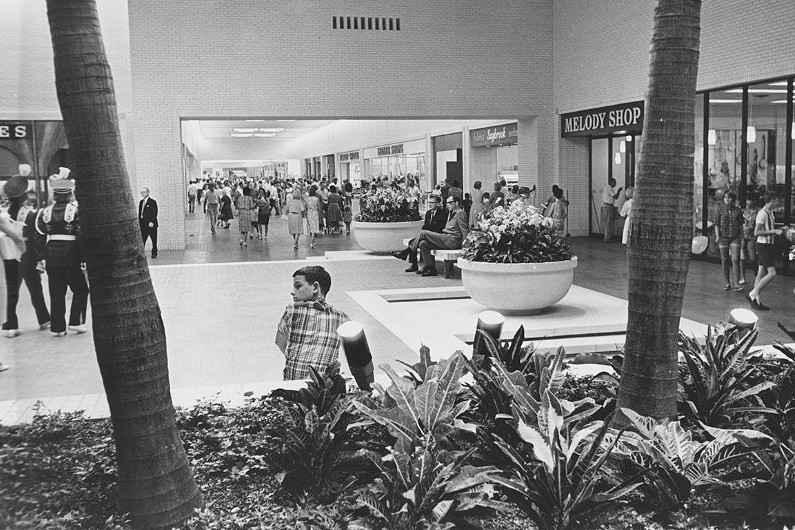
northpark_melody-shop_1965_northpark-websiteMarching band members, foliage, Melody Shop

by Paula Bosse

NorthPark Center — the only mall I’ve ever enjoyed being in — turned 50 last year. Developed by the legendary Raymond Nasher, it opened in August of 1965 on 90-something acres of old Caruth farmland. Sleek, cool, uncluttered. There was art! There were ducks! There were naughty playing cards and black light posters in Spencer’s! There was even a dime store! I spent a lot of time there as a kid in the ’70s, which is probably why I feel completely lost in the expanded, ultra-upscale version of today. I used to know where EVERYTHING was. Now? Since its recent “augmentation,” it doesn’t feel like “my” mall anymore. Now, for me, it’s just another upscale Dallas mall (albeit in an unusually appealing building and in still-sleek, aesthetically pleasing surroundings). But then I’m a person who is generally not a fan of shopping and feels anxious in shopping malls, so I’m clearly in the minority amongst Dallas women. Today’s NorthPark is still going strong and is as popular as ever (if not moreso), but I will always prefer the NorthPark of my childhood — it’s the only shopping mall I’ve ever felt completely at home in.

*

At the top, the Melody Shop — where I bought my first records. People were always in there playing the organs.

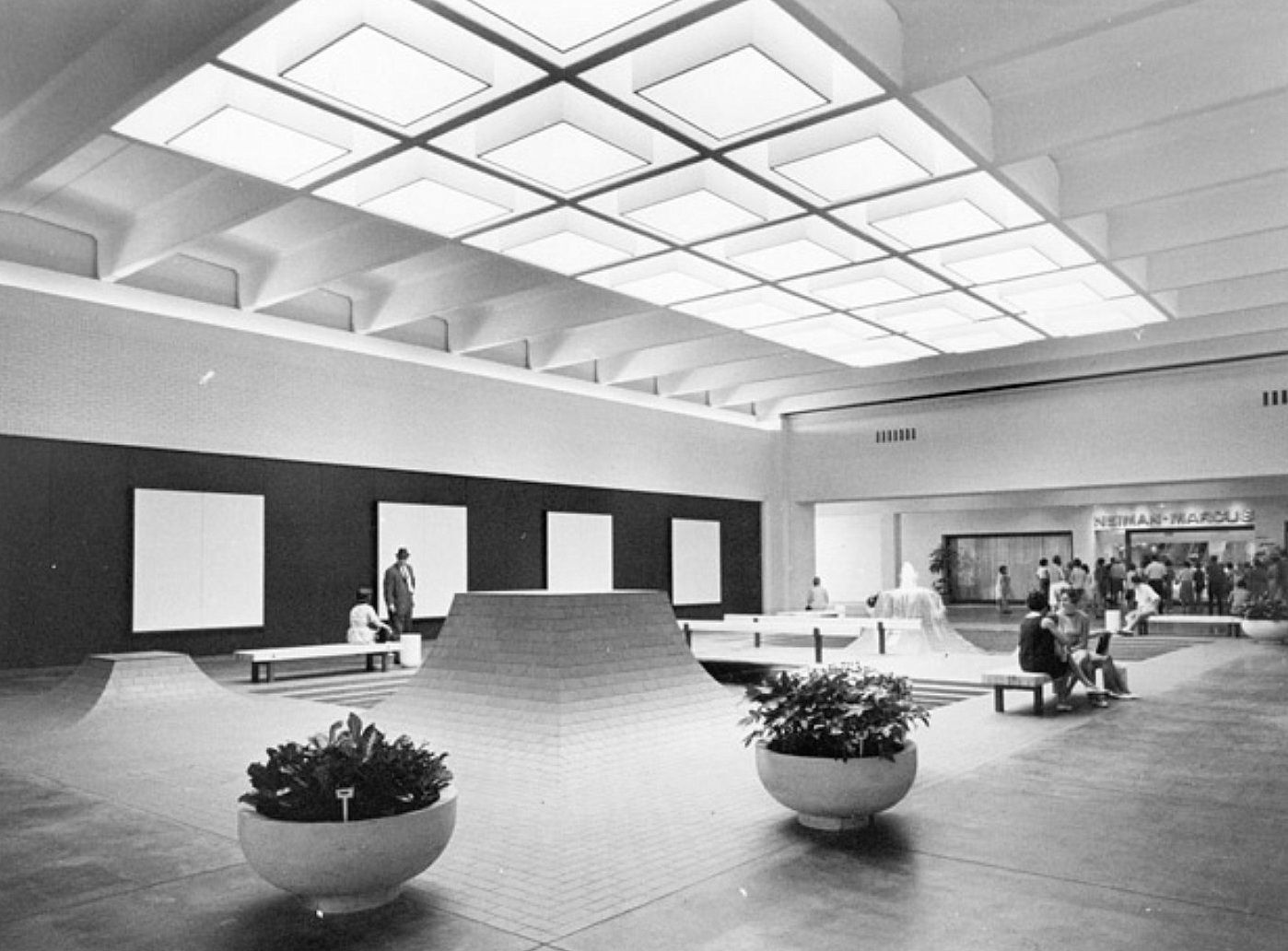
Neiman’s was there, too, of course — at the swankier end of the mall. N-M was intimidating. There weren’t a lot of black light posters and Keds in there.

northpark_neimans-northpark-center-colln

Which is why I spent most of my time in the stretch between the Melody Shop and Penney’s.

northpark_penneys_northpark-website_1965

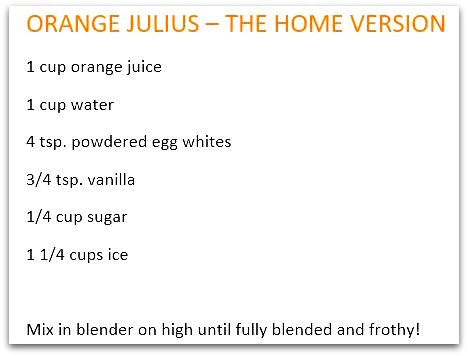
This was the part of the mall I might have liked the best, if only because of … Orange Julius!! (See recipe below.)

northpark_orange-julius_northpark-website_1965

(Am I crazy, or hadn’t Orange Julius moved to the space next to where it is in this 1965 photo? I swear in the ’70s it was facing Penney’s.)

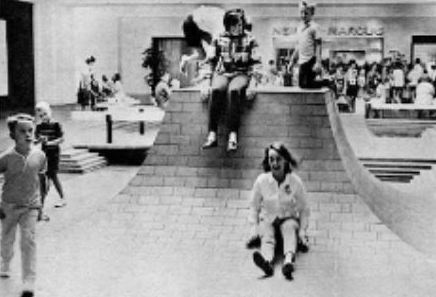
But the one thing that absolutely everyone who ever spent any time there as a kid remembers most?

northpark_slides_dth_np-websiteDallas Times Herald photo

Come to think of it, what I remember most about the NorthPark of my very early childhood is how smooth and cool-to-the-touch everything was — especially for children like me who were climbing all over everything: the tiles of those “slides,” the concrete of the fountains and planters, the floors, and those white bricks, inside and out. Everything was so smooooth. Happy belated birthday, NorthPark!

***

Sources & Notes

Most of these photos are from 1965, and most are from the history page of the NorthPark Center website, here. Their entertaining NorthPark50 blog is here.

More on the history of NorthPark at Wikipedia, here.

A 15-minute 50th anniversary video by The Dallas Morning News is on YouTube, here.

One of the first mentions of the future super-mall (and its 99-year lease) was in the March 5, 1961 edition of The Dallas Morning News in the article “Big Shop Center Slated in Dallas” by Rudy Rochelle.

See a cool color photo of the brand new mall here.

Want to make your own Orange Julius? Here’s a good recipe. The secret ingredient is powdered egg whites, available at Whole Foods and most larger grocery stores. The added sugar is important, but you might not want to use a whole quarter-cup.

UPDATE: The powdered egg whites I used to buy at my local Tom Thumb — “Just Whites” by Deb El — is no longer available. I tried several grocery stores today and couldn’t find powdered egg whites anywhere. They may be available in health food or vitamin/supplement stores. I just ordered some online. If you don’t mind using egg whites out of the shell, substitute 2 egg whites for the powdered in the recipe below.

orange-julius-recipe

Enjoy!

*

Copyright © 2016 Paula Bosse. All Rights Reserved.
Dallas Theater Center
dtc-downtown_dallas-park-dept_portalFLW’s DTC

by Paula Bosse

Frank Lloyd Wright’s Dallas Theater Center is seen here nestled amongst the woody landscape of Turtle Creek. There’s a lot of varied architecture going on in this photo!

***

Sources & Notes

Photograph is from the Dallas Park and Recreation Department Collection, Dallas Municipal Archives; it is accessible via the Portal to Texas History, here.

The text on the back:

Opened in 1959, this Center provides pleasure for thousands of Dallasites and visitors yearly through a repertory of plays presented in its Kalita Humphreys Theater. This $1,000,000 Center, the last completed building and only theater designed by Frank Lloyd Wright, also incorporates a children’s and teen theater and a private school of drama.

*

Copyright © 2016 Paula Bosse. All Rights Reserved.