Flashback : Dallas

A Miscellany: History, Ads, Pop Culture

Category: Neighborhoods

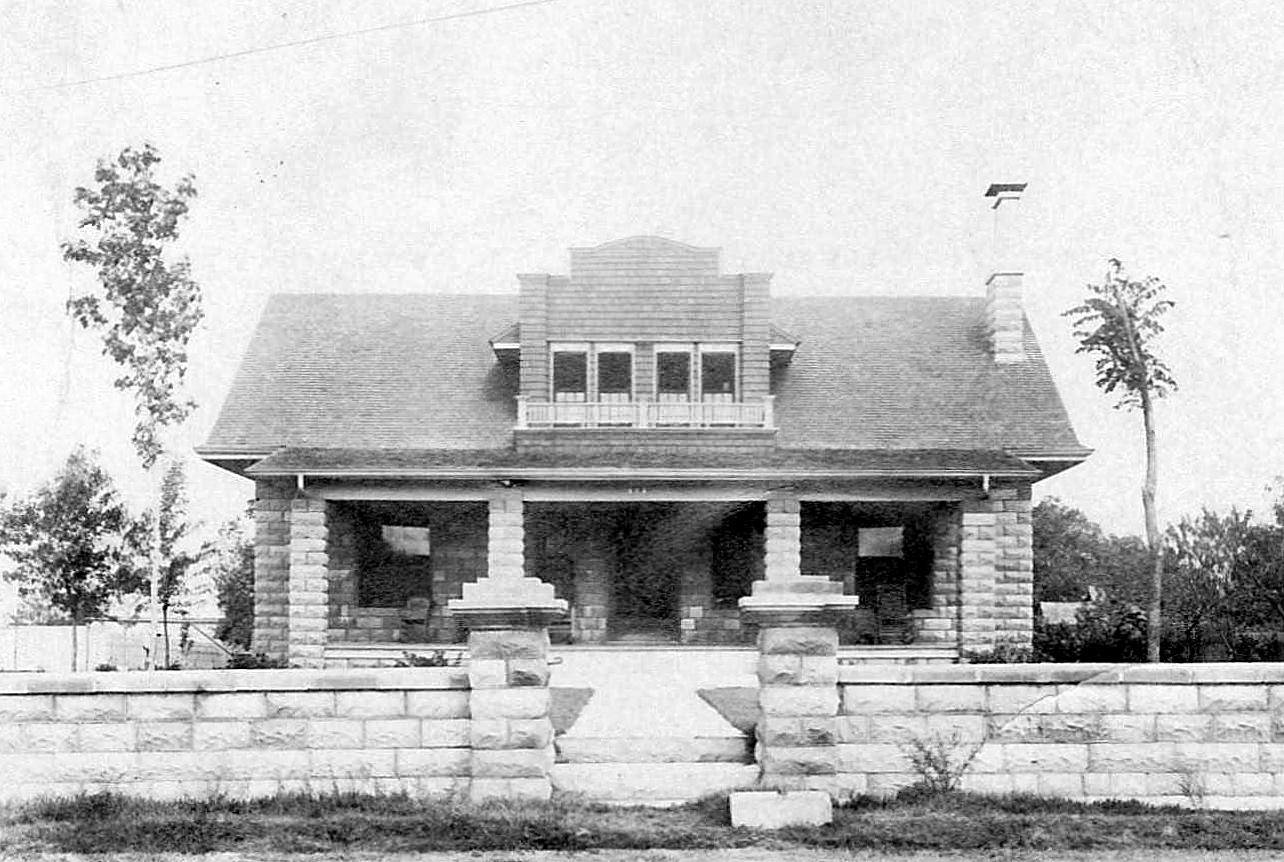
The Aldredge Book Store — 2909 Maple Avenue

abs_2909-maple-ave_erik-bosse
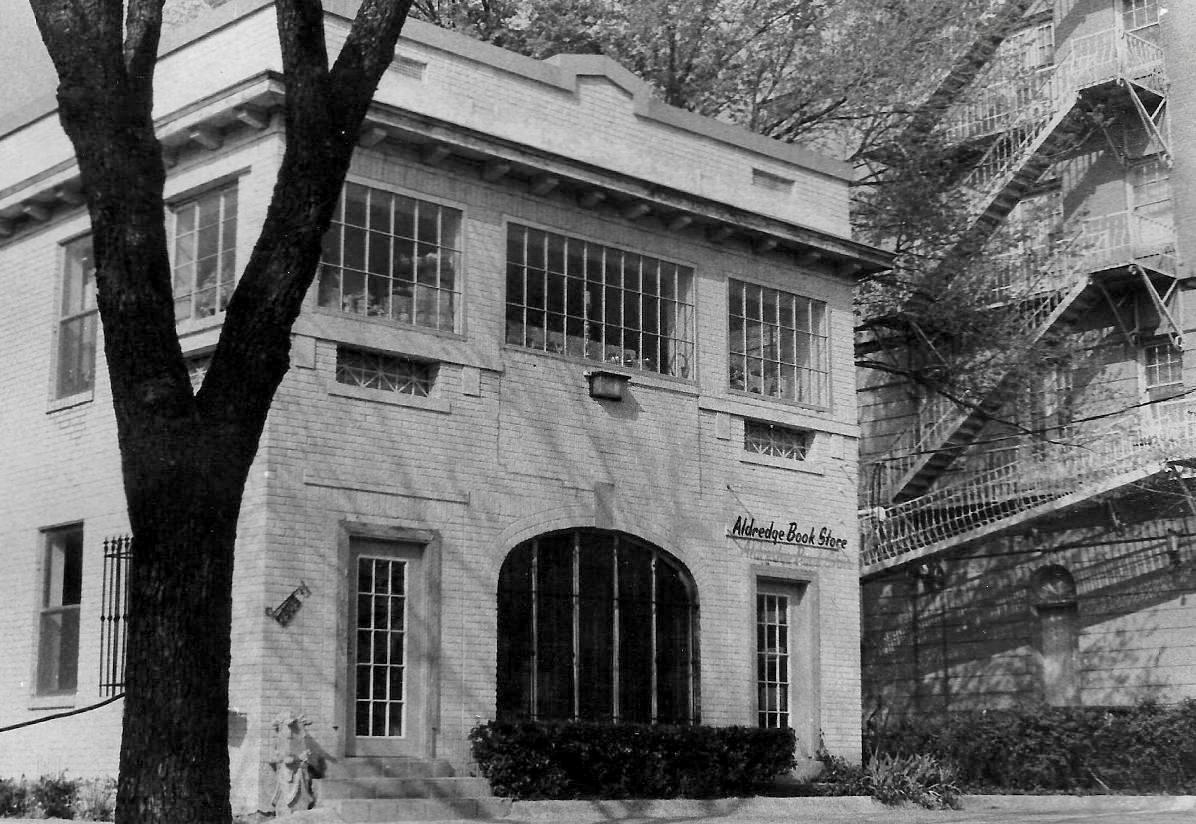
The last location of The Aldredge Book Store, next to the Stoneleigh Hotel

by Paula Bosse

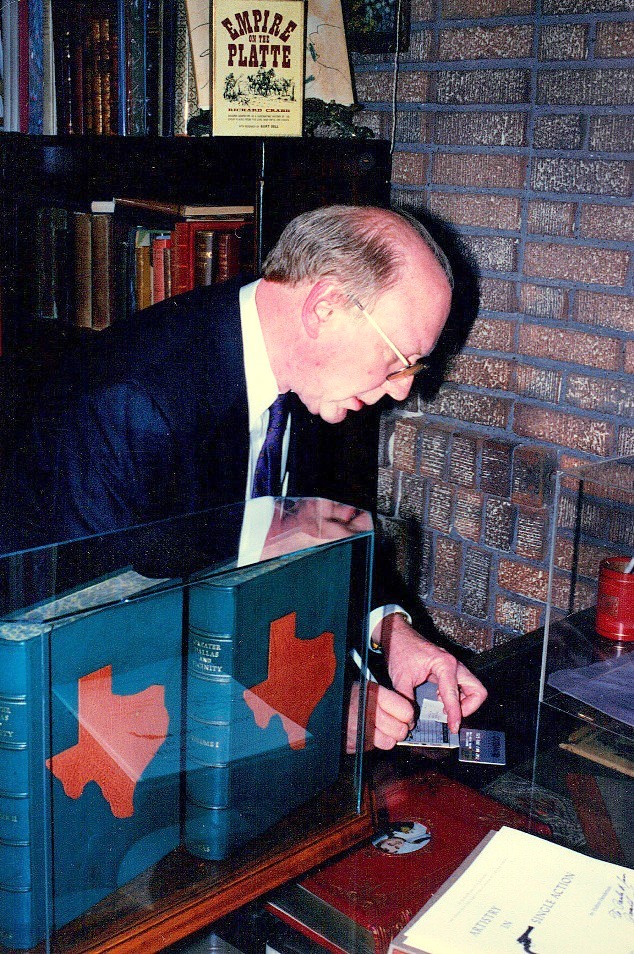
Today is the birthday of my late father, Dick Bosse. For most of the life of The Aldredge Book Store, he either managed it or, later, owned it. The store’s first location was in an old Victorian house at 2800 McKinney Avenue, at Worthington (a photo showing the house with weirdly overgrown vegetation is here), the second location was at 2506 Cedar Springs, near Fairmount, and the final location was the one seen above, at 2909 Maple Avenue, right next door to the Stoneleigh Hotel. My brother, Erik, took the photo, sometime in the 1980s, I think. The Stoneleigh is the building partially seen at the right. The bookstore occupied the building’s lower floor, and the top floor was occupied by the engineering business of the owner, Ed Wilson.

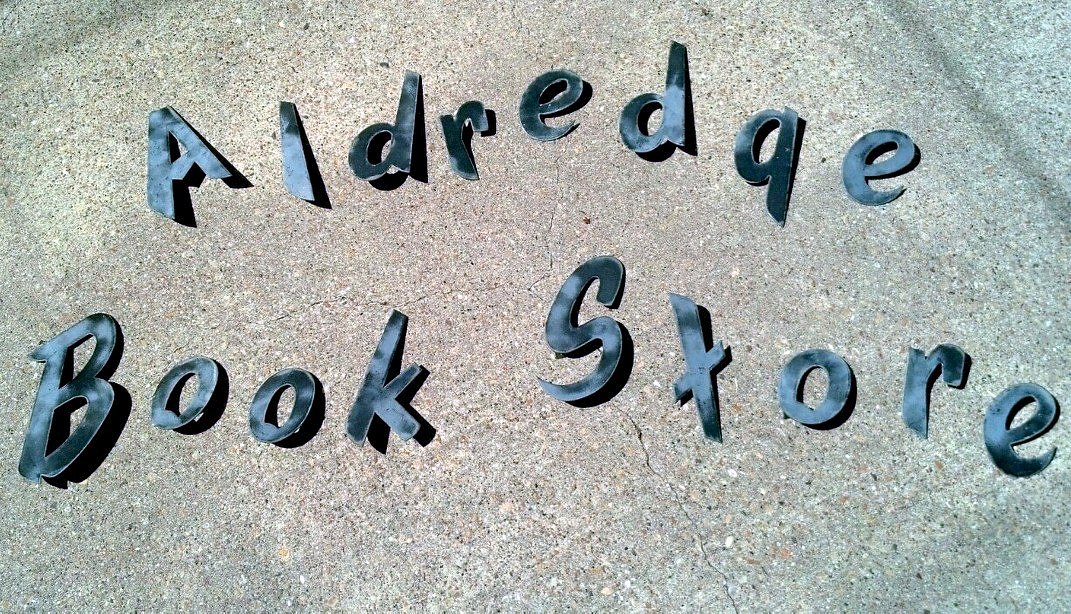
We closed the store in the early 2000s, a few years after my father’s death. Erik and his friend Pete removed the letters spelling out the store’s name which were bolted to the brick exterior over the entrance. I came across them a few years ago and laid them out in my driveway (in a much jauntier arrangement than was seen on Maple).

abs_sign-letters_paula-bosse

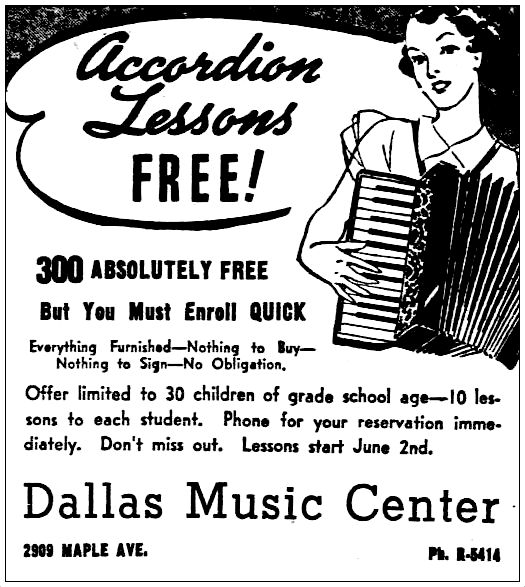
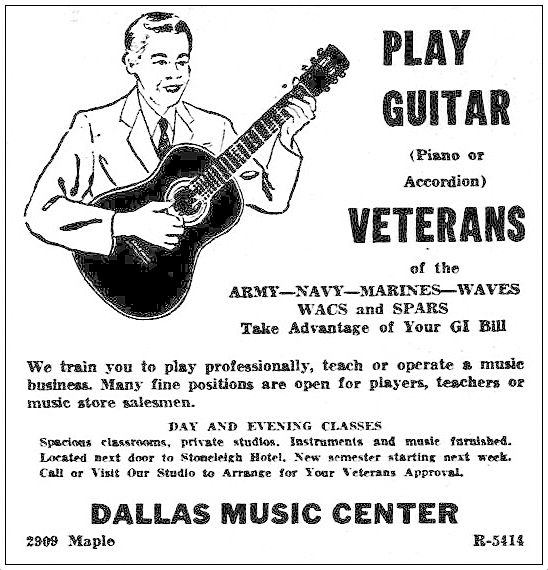
As far as I can gather, the two-story building was built about 1930 and was originally a duplex — a classified ad shows that the lower floor (where the bookstore was) was a 6-room apartment with 3 bedrooms and a tile bath. Sometime in the late ’30s, building owner Glen Shumaker opened up the Dallas Music Center, where students (children and adults) took music lessons; a sort of “music business school” was also offered as part of the curriculum. That business seems to have been around at least into the early 1950s.

dallas-music-center_0527471947 ad

dallas-music-center_0124481948 ad

It was later the home of several businesses, including sales offices and an advertising company, a farming trade magazine, a correspondence school, and the Dallas Diabetes Association. I’m not sure when the bookstore moved in — maybe 1979 or 1980.

Sadly, the building was demolished in the early-to-mid-2000s and is currently a driveway/parking area for the Stoneleigh Hotel. It still surprises me to not see the old building when I drive by.

dick-bosse_aldredge-book-store
Dick Bosse

***

Sources & Notes

Photograph of The Aldredge Book Store by Erik Bosse; photo of the ABS letters by Paula Bosse.

Other Flashback Dallas posts on The Aldredge Book Store can be found here.

*

Copyright © 2019 Paula Bosse. All Rights Reserved.


The Star Lounge, 4311 Bryan

star-lounge_next-to-brannon-bldg_city-of-dallas-preservation-collectionThe 4300-block of Bryan Street… (City of Dallas photo)

by Paula Bosse

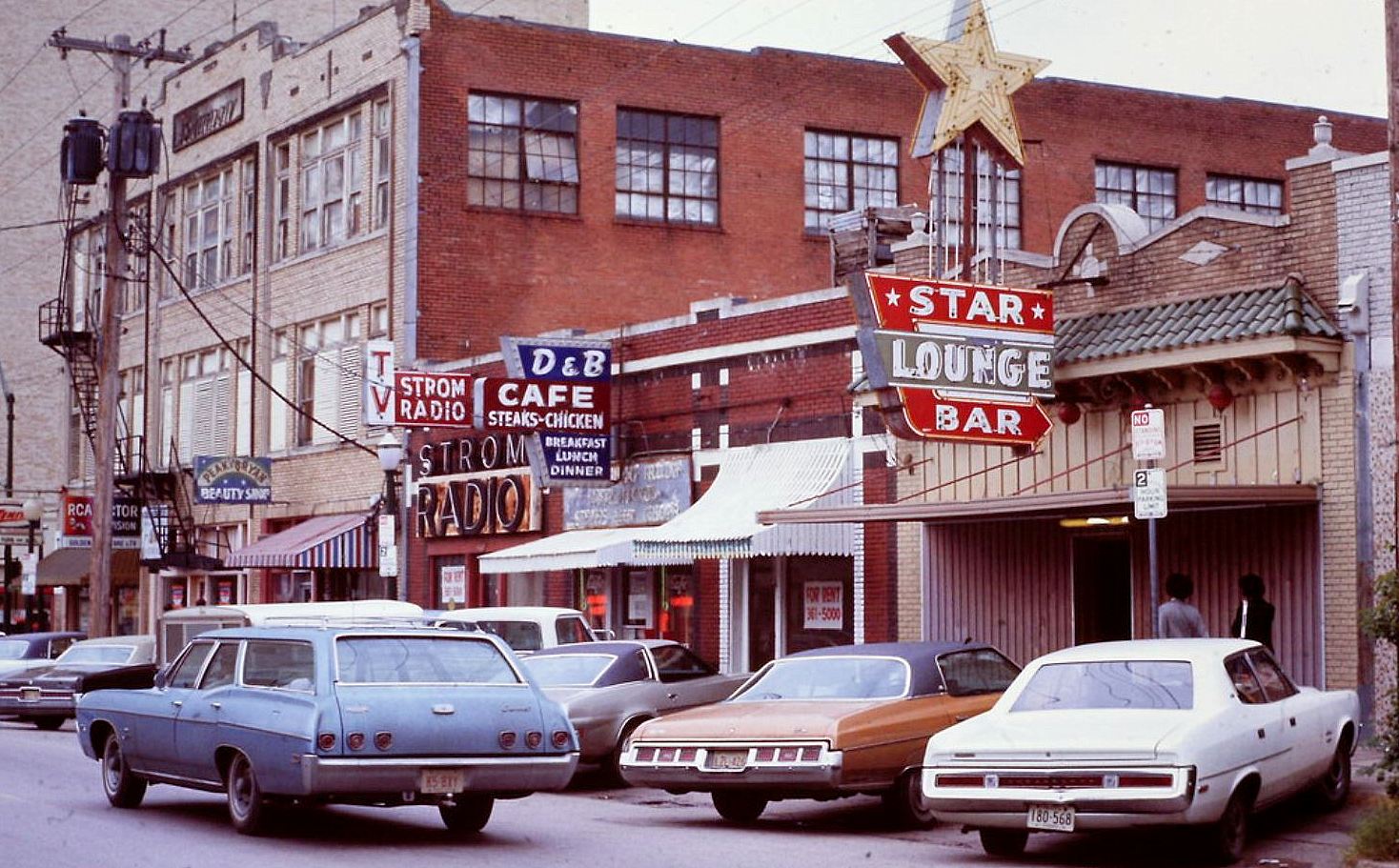
You know those photos that just really grab you? This is one of those for me. It shows the Star Lounge & Bar (that sign!), located at 4311 Bryan, just east of Peak in Old East Dallas. The Star Lounge was opened in 1962 by Mrs. Wanda Nolan; Clark K. Curtis closed it in 1978 or 1979: that’s a lot of beer and cocktails over the lips and through the gums.

The building was built in 1922 by J. S. Johnson (the building permit had the estimated cost of construction at $3,500). Before the arrival of the Star Lounge, previous occupants of the space had included a barber shop, a cleaners, and a floor-covering and linoleum-installation company. (In 1931, when ABC Cleaners was there, the back wall of the building was blown out when two sticks of dynamite were planted one night by racketeers who were attempting to control the dry cleaning industry in Dallas by threatening violence if small-business owners refused to raise prices as a bloc and funnel the extra cash — basically “protection money” — back to them. The bad guys were thwarted.)

Early classified ads for the Star Lounge were want-ads for waitresses; in 1965, want-ads for “waitresses” were replaced by ads for “amateur go-go girls and exotic dancers.” I’m not sure how long that lasted, but it’s interesting to note that both sides of the 4300 block of Bryan were, at one time, jammed with bars which had similarly-themed retro-cool names (but which probably were more seedy than cool): the Orbit Lounge, the Rocket Lounge, the Space Lounge, and the Apollo Lounge. I’ve never seen that before. By 1970 those space-age gin mills were joined by an adult theater/bookstore. So… lively place! I’m hoping there was a lot — or even some — neon strobage going on.

This photo was probably taken around 1974, the year that Strom Radio & Appliances seems to have left the neighborhood. Neighboring businesses seen in this photo are Golden Furniture & Appliances (which has signs for Zenith and RCA-Victor out front), Peak & Bryan Beauty Shop, and the D & B Cafe. The three-story building on the corner of Bryan and Peak is the Brannon Building. All those buildings still stand — see the (sadly) more sedate block these days on Google Street View, here.

star-lounge_google-street-view_june-2018Google Street View, June, 2018

***

Sources & Notes

This photo is from a really great, somewhat random collection of 35mm slides from the City of Dallas Historic Preservation Program archives — most are from the 1970s and ’80s. Read about the recently rediscovered photos here, and browse through the entire fantastic collection on Flickr, here.

*

Copyright © 2019 Paula Bosse. All Rights Reserved.


Rubber Stockpile: Forty-One Mountainous Piles of Tires — 1943

rubber-stock-pile_dallas-1943_ebay-det
Guarding wartime scrap rubber, near Love Field…

by Paula Bosse

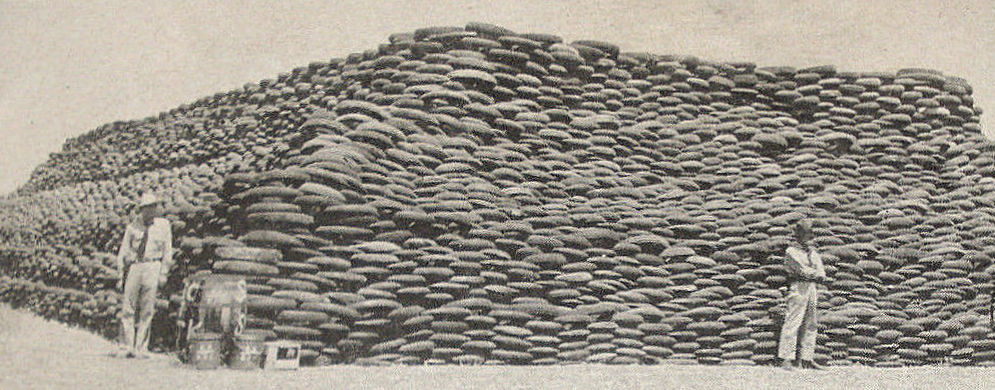
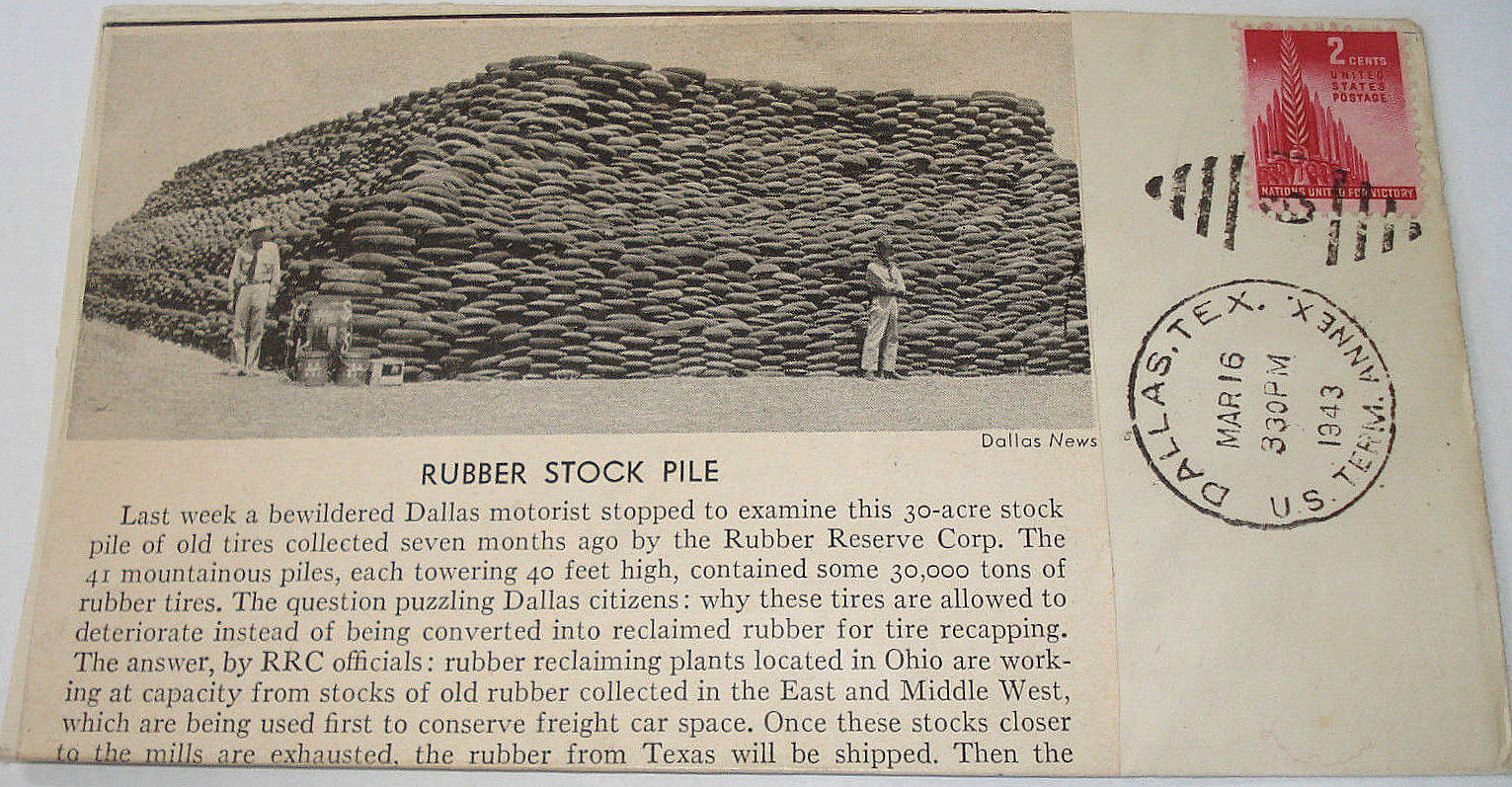
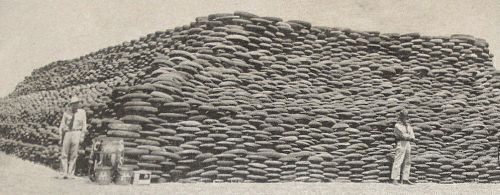
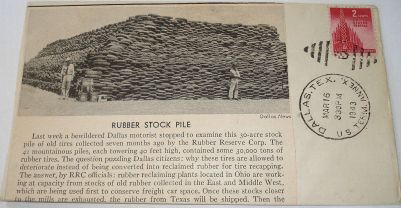
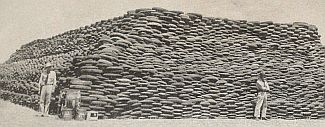
You don’t see this everyday: a photo of a pile of tires so large it dwarfs the armed guards who stand in front of it. (For that matter, you don’t often see armed men guarding tires.) What’s going on here? All is explained in the accompanying Time magazine article from March, 1943, which appears to have been cut from the magazine and pasted onto an envelope.
rubber-stock-pile_dallas-1943

The article reads:

RUBBER STOCK PILE
Last week a bewildered Dallas motorist stopped to examine this 30-acre stock pile of old tires collected seven months ago by the Rubber Reserve Corp. The 41 mountainous piles, each towering 40 feet high, contained some 30,000 tons of rubber tires. The question puzzling Dallas citizens: why these tires are allowed to deteriorate instead of being converted into reclaimed rubber for tire recapping. The answer, by RRC officials: rubber reclaiming plants located in Ohio are working at capacity from stocks of old rubber collected in the East and Middle West, which are being used first to conserve freight car space. Once these stocks closer to the mills are exhausted, the rubber from Texas will be shipped. Then the 25 armed guards, who watch Dallas’s [illegible] day and night, can go home.

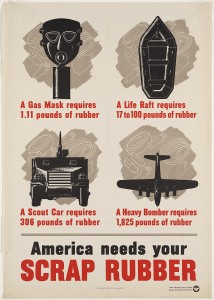
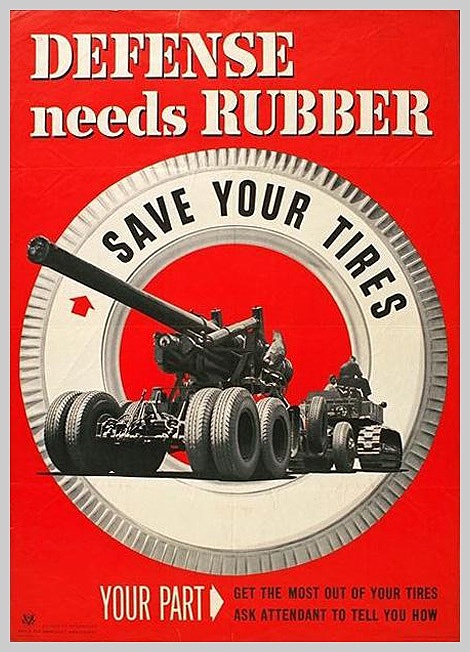
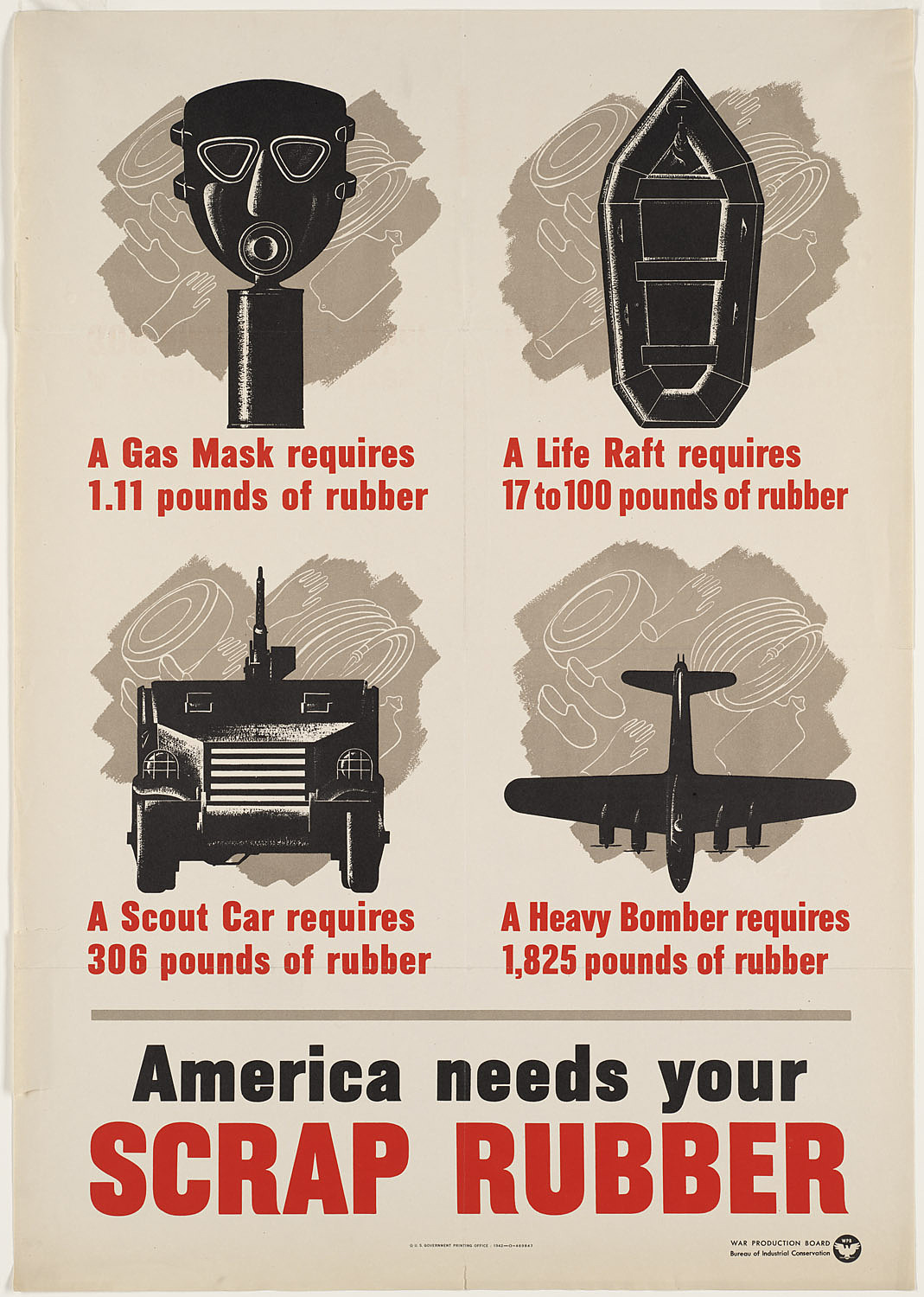
Ah, that mound of tires was the result of one of World War II’s many scrap drives. The national rubber drive ran from June 15, 1942 until July 10, 1942. The government requested that all Americans collect any old or unused rubber items in order to help with the supply of rubber in the U.S. (Japan controlled the bulk of rubber imports, and those imports had stopped when the United States entered the war). Rubber was needed for military purposes, but it was also necessary for essential domestic needs, mainly as tires needed to transport goods and people. Americans were told they needed to treat their automobile’s tires like gold: drive safely, drive slowly, and drive only when necessary — don’t wear your tires out, because you don’t know how long it’ll be until they’re manufactured again and/or how long it will be until large-scale production of synthetic rubber would become a reality. 

defense-needs-rubber_sarah-sundin

scrap-rubber-poster_sarah-sundinPosters via SarahSundin.com

When the rubber drive began, people were basically told that if they collected enough scrap rubber, the dire prospect of nation-wide gas rationing might be unnecessary (at the time only a few states in the northeast had been suffering through the rationing of gasoline) — the thinking was that if the government withheld gasoline that citizens would conserve rubber simply because they were unable to drive as much. Texans really like their cars and trucks, and we have long distances to drive, so it’s no surprise that throughout the rubber drive, Texas out-performed almost every state in per capita tonnage collected. In the first day of the drive, a Dallas gas station at Harwood and Young reported that 4,500 pounds of collected scrap rubber had been left throughout the day by Dallasites performing their patriotic duty. And that was just one day and one gas station! The government was paying a penny a pound, but many people refused payment.

What sorts of things were people dropping off at their neighborhood gas station (the government-directed drop-off points)? Other than used tires, everything you could imagine:

  • Automobile floor mats
  • Galoshes and raincoats
  • Bathing caps
  • Hot water bottles
  • Garden hoses
  • Girdles
  • Doorstops
  • Tennis and golf balls
  • Rings from jelly jars
  • Baby pants
  • Dolls
  • Toy mice
  • Slingshots
  • Soles of athletic shoes
  • Roadside debris
  • Mats found under office furniture and cuspidors

That stuff adds up fast.

*

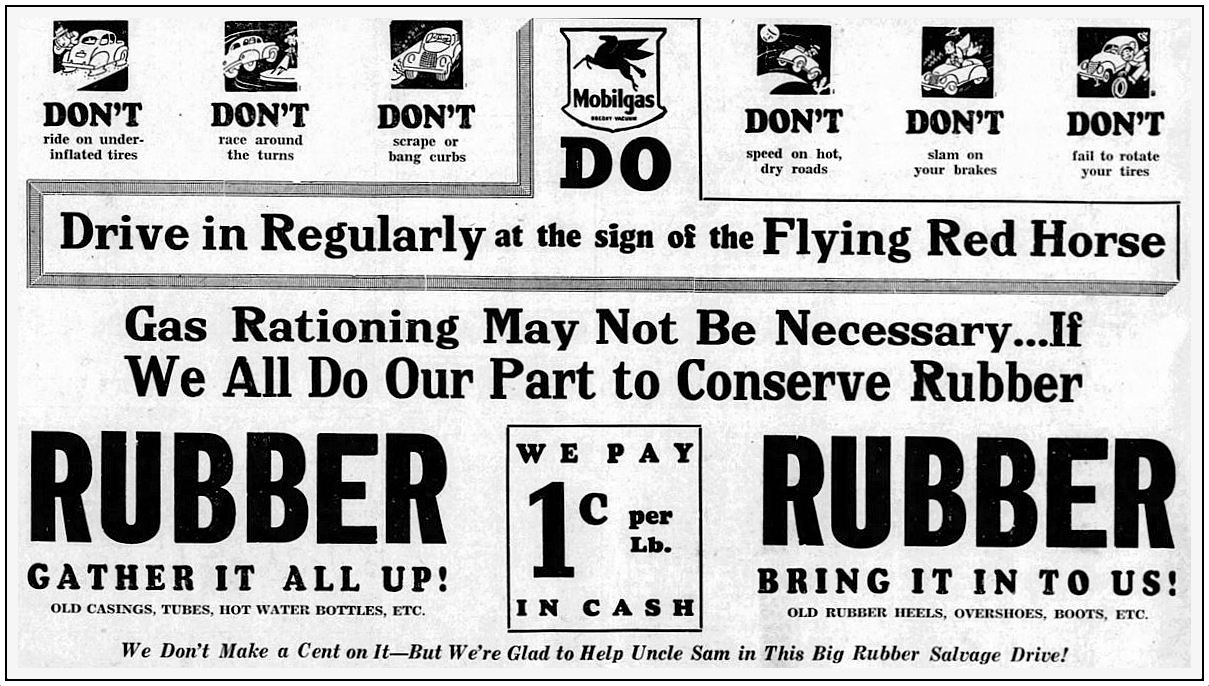
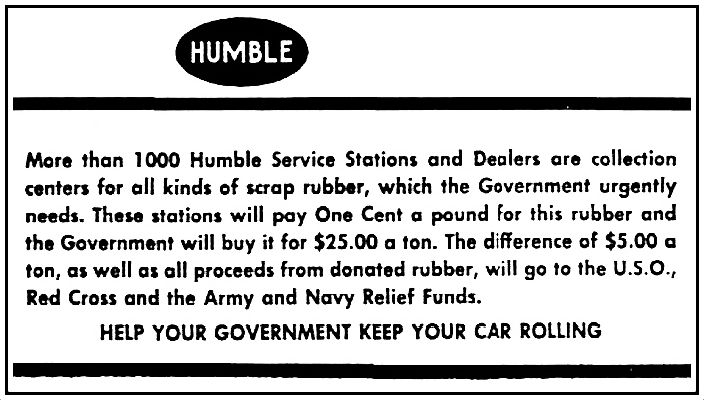
Below are several ads exhorting readers to do their bit for the war effort by collecting and donating scrap rubber during the national rubber drive. (All images are larger when clicked.)
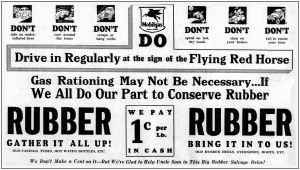
conserve-rubber_ad_nebraska_061642Mobil ad detail, June 16, 1942

Scrap could be dropped off at any service station.
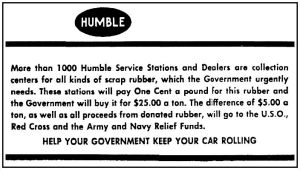
humble-ad_061742_detHumble Oil ad detail, June 17, 1942

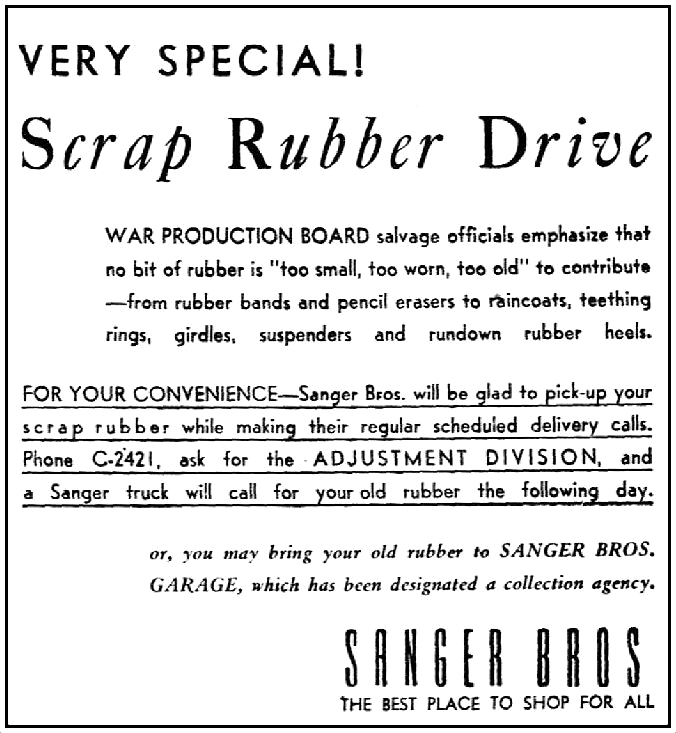
If you needed home pick-up service, Sanger Bros. would send a truck.
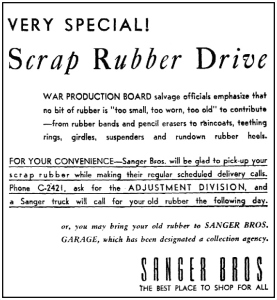
rubber-drive_sangers_061642Sanger Bros. ad, June 16, 1942

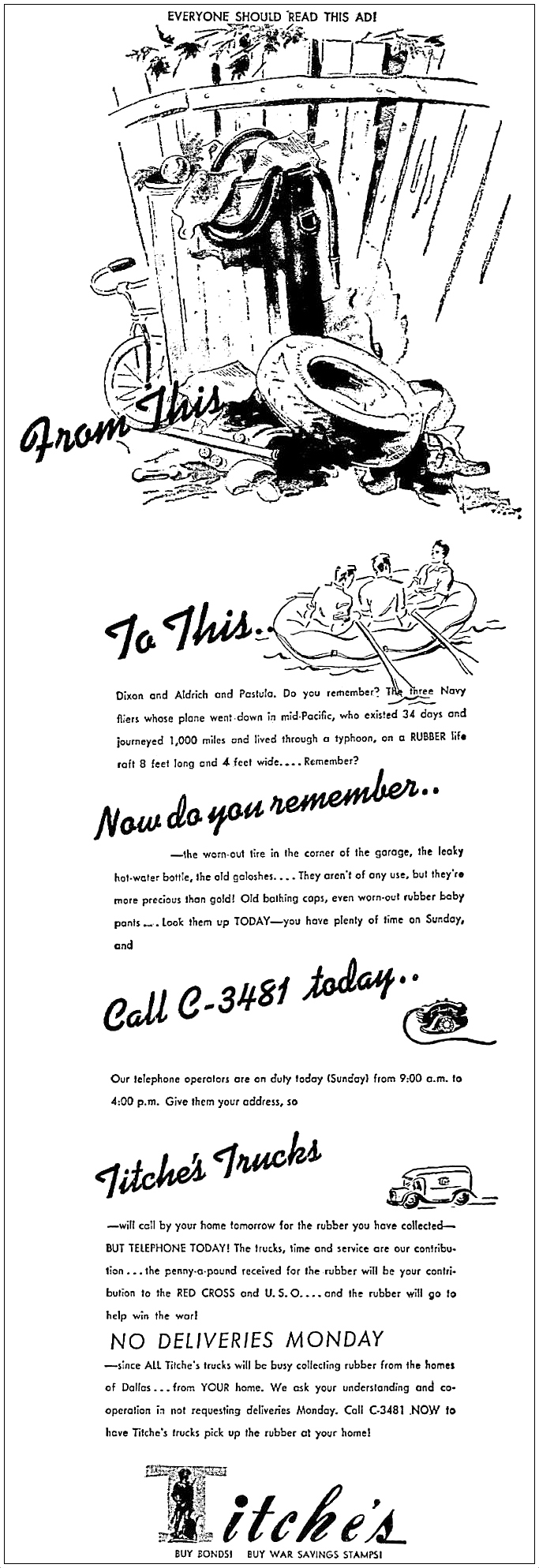
As would Titche’s.
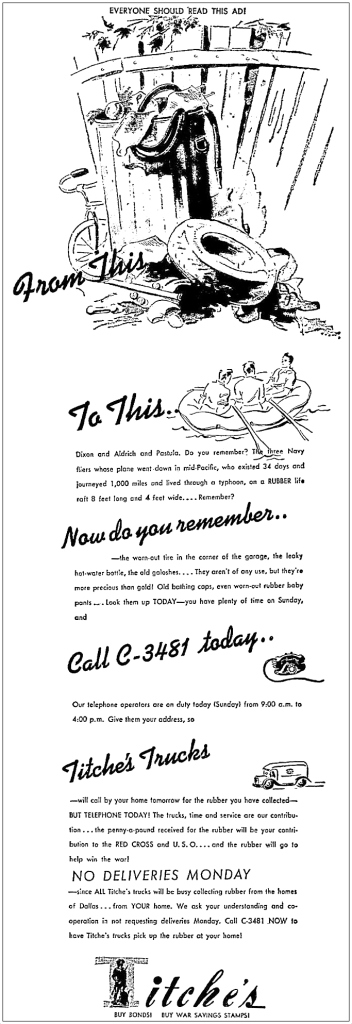
rubber-drive_titches-ad_062142Titche’s ad, June 21, 1942

Reminders to ferret out that rubber were added to many advertisements, as seen in this detail from a larger grocery store ad. (The drive was originally intended to run through June 30, but ended up being extended through July 10.)
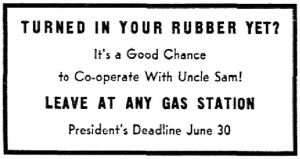
rubber-drive_safeway-ad_062642_detSafeway ad detail, June 26, 1942

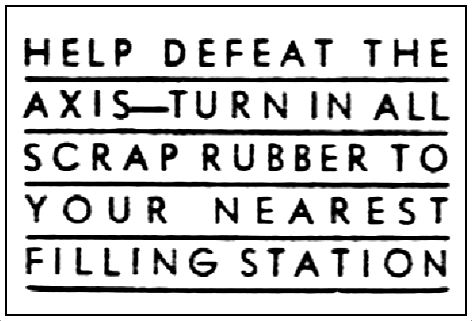
This appeared in an ad from the men’s and boys’ clothing store Reynolds-Penland.
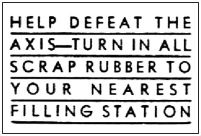
rubber-drive_reynolds-penland-ad_062642_detReynolds-Penland ad detail, June 26, 1942

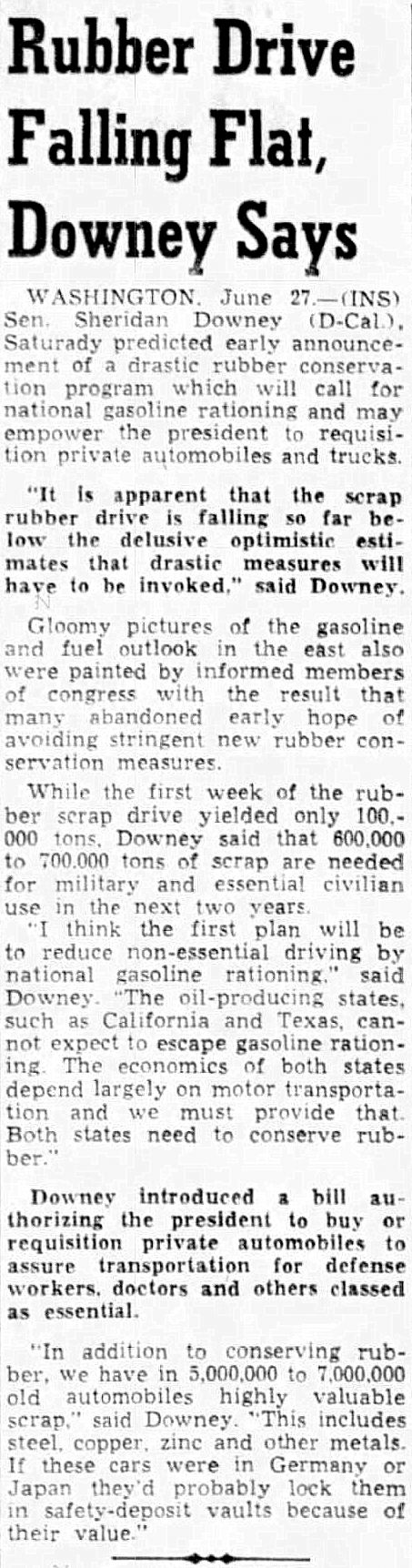
As well as things were going in Big D, according to the government, things weren’t going well nationally, and the powers-that-be were more loudly threatening gas rationing for the entire country, including the states which were actually collecting the most, Texas and California.
rubber-drive_austin-statesman_062742
Austin Statesman, June 27, 1942

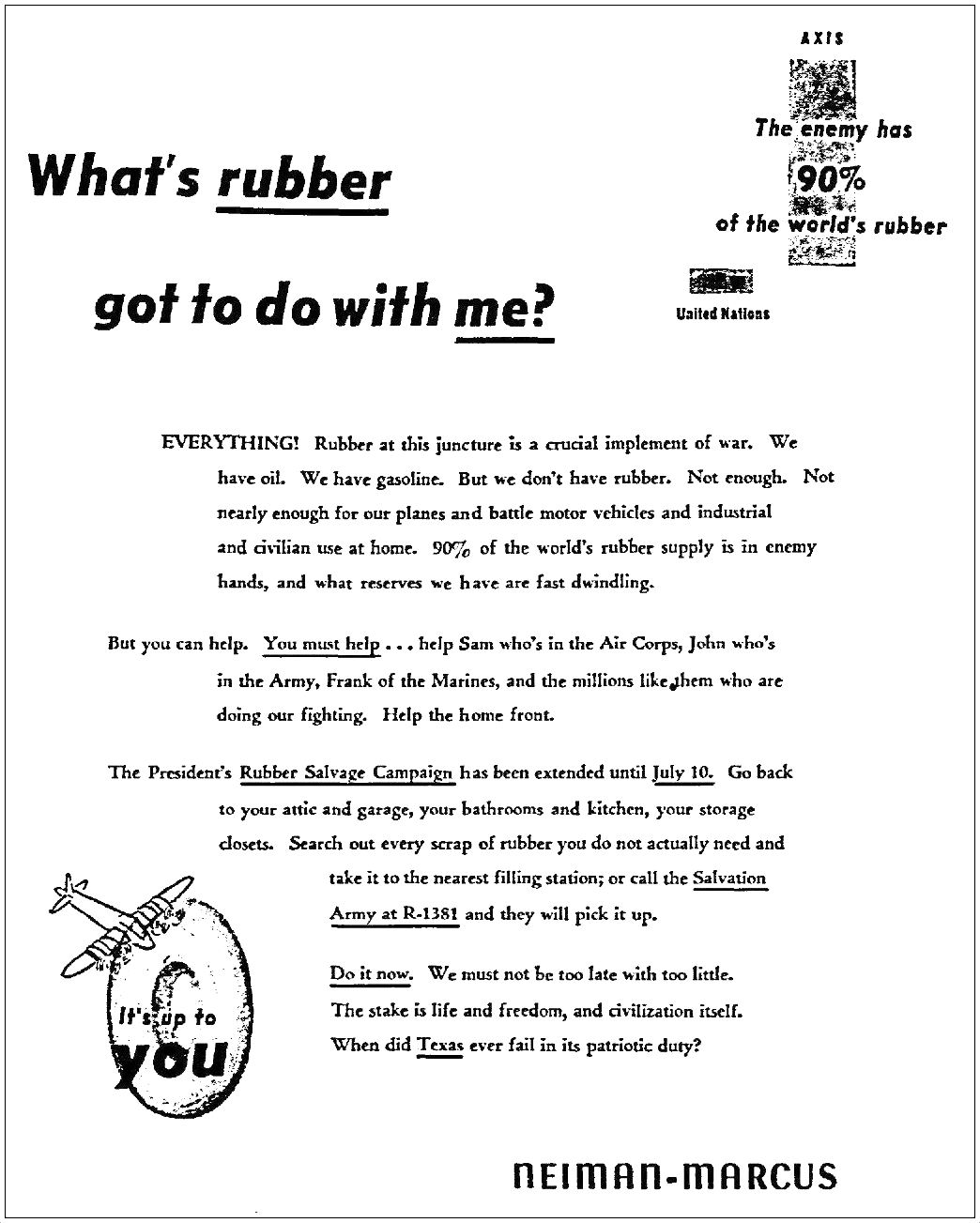
The deadline was extended until July 10, with hopes that people would knuckle down and collect much, much more. This Neiman’s ad asked the question “What’s rubber got to do with me?” and answered its own question with an emphatic “EVERTHING!” The ad ended with a barn-burner: “We must not be too late with too little. The stake is life and freedom, and civilization itself. When did Texas ever fail in its patriotic duty?”
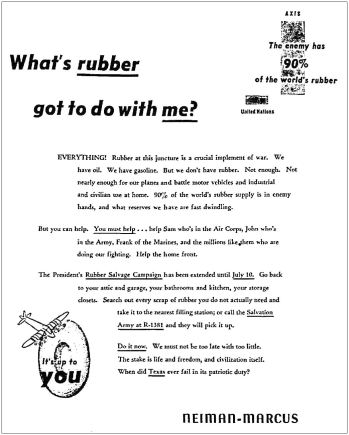
rubber-drive_neiman-marcus_070342Neiman-Marcus ad, July 3, 1942

The drive ended with Texas and the western states collecting the most scrap rubber. At the very bottom were New York, New Jersey, and Pennsylvania, all of which were already rationing gasoline. Ultimately, FDR considered the rubber drive to have been a failure, but, like the other scrap drives, it whipped up patriotism and resulted in a feeling of shared community as people worked together for the sake of the country — something which might have been more valuable than rubber.

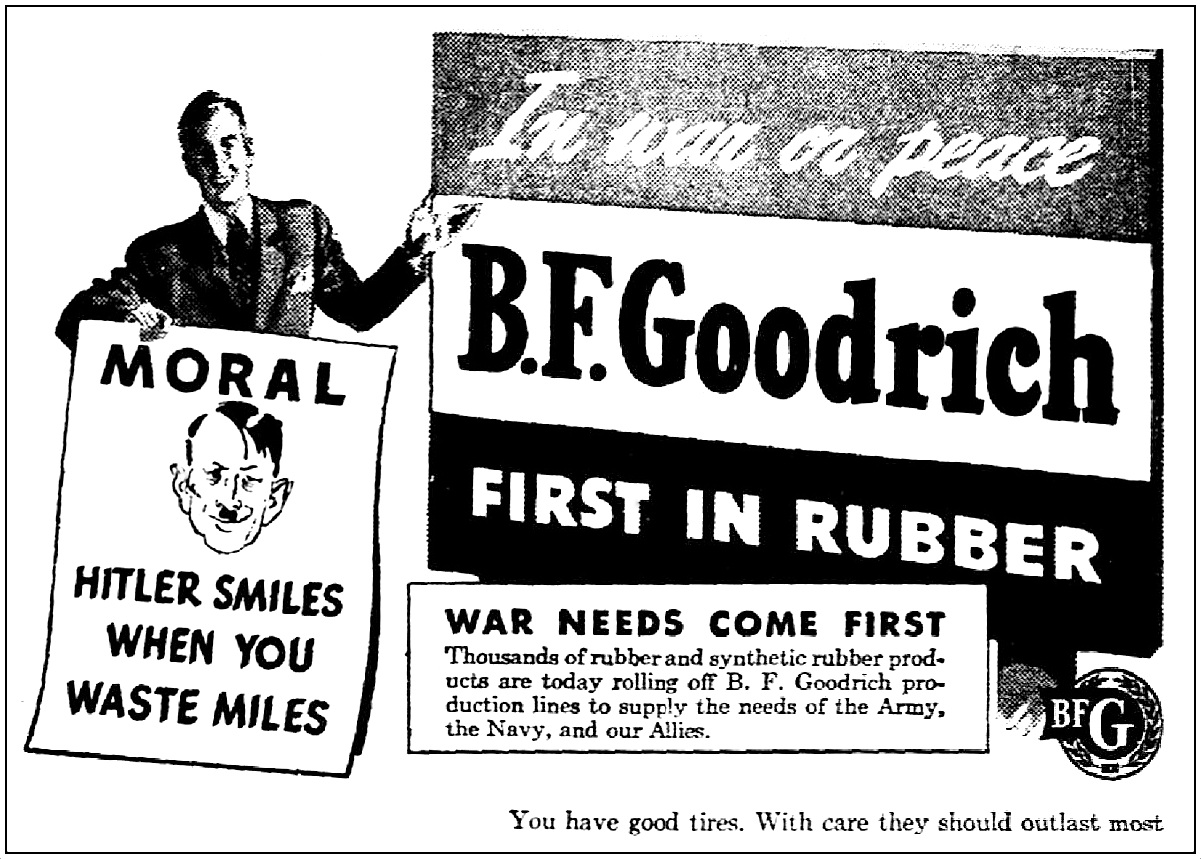
Synthetic-rubber production slowly increased, but, even so, tire manufacturer B. F. Goodrich wanted everyone to continue to make sure their tires lasted as long as possible, because, after all, ” Hitler smiles when you waste miles.”
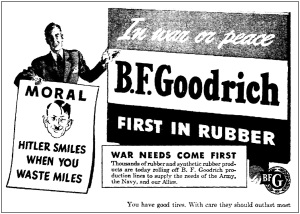
rubber-drive_b-f-goodrich-ad_071942_detB. F. Goodrich Tires ad detail, July 17, 1942

**

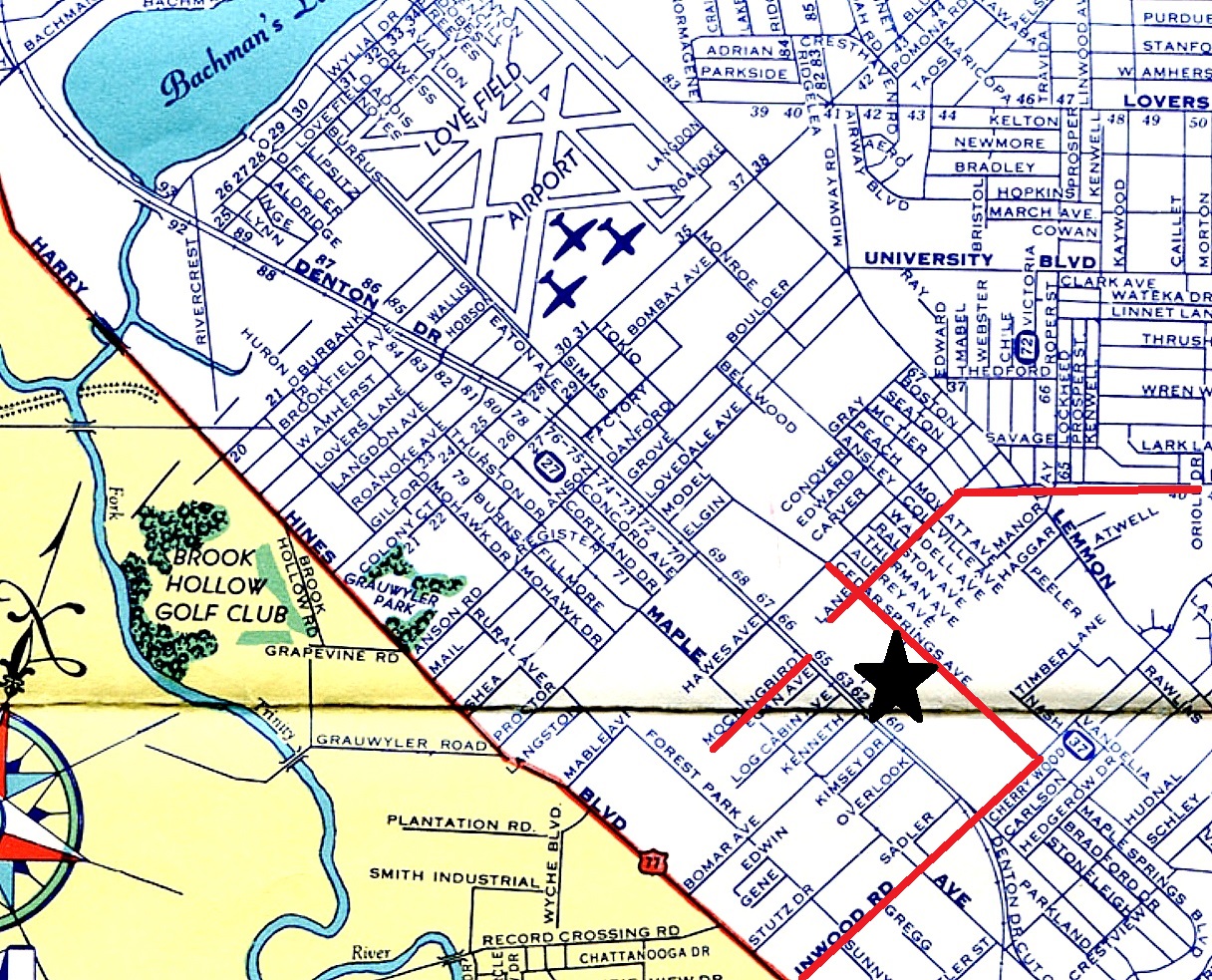
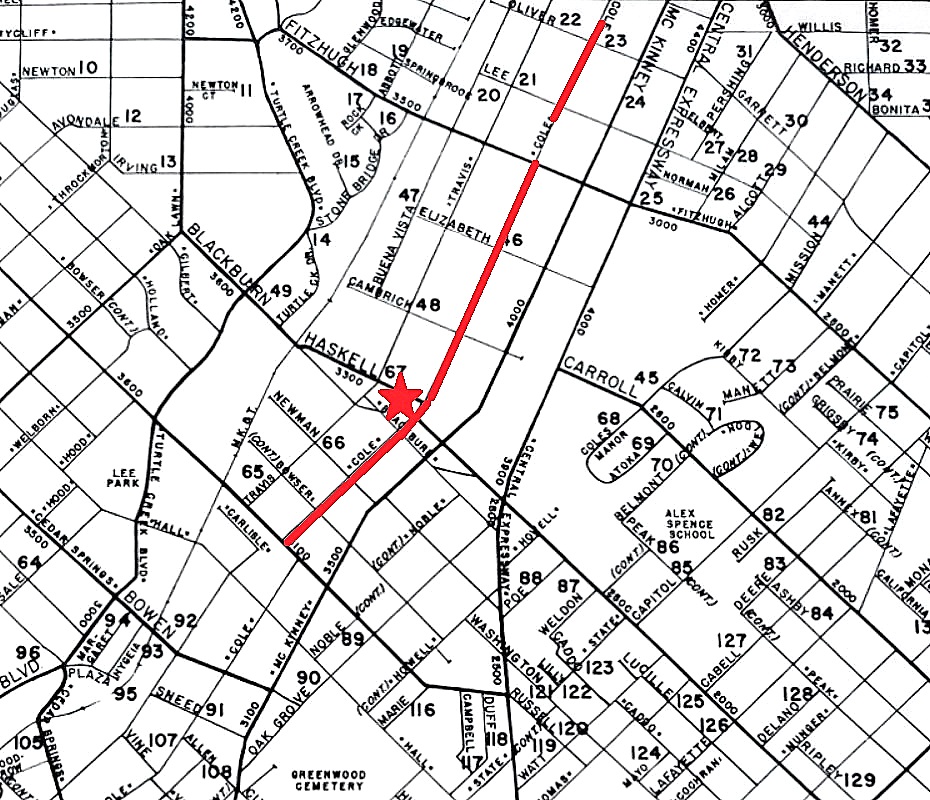
So where exactly was that massive used-tire mountain range? According to The Dallas Morning News, it was in a large open field “at the intersection of the MKT Railroad switch and Cedar Springs, just west of the Coca-Cola plant” (DMN, July 13, 1942), between Inwood and W. Mockingbird, not far from Love Field. The map below (from 1949) shows the general location of the yard, marked with a black star.
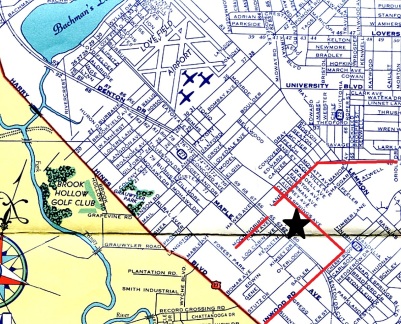
tire-mountain_1949-ashburn-map_dallas-freeways-site_det1949 Ashburns’ map detail, via DFW Freeways site

Initially, the salvage yard was to be contained on a 13-acre plot of land, surrounded by an 8-foot board fence. There were to be several tall guardhouses, and the “precious pile of vital war material” would  be patrolled 24 hours a day by armed guards “to protect it from fire hazards, thieves, or saboteurs” (DMN, Aug. 6, 1942). The fear of a potentially huge and uncontrollable fire was the main concern — a special fire plug was installed on the property and a direct phone/alarm line to the central fire station was set up. By August, the size of the yard increased by 50% to accommodate the 30 or more freight carloads which were arriving daily with scrap rubber from all over Texas (except the Panhandle). This huge salvage yard was meant to hold the rubber-drive scrap until reclamation plants in Ohio could accommodate it.

Several months later, the Time article put the expanded size of the yard at 30 acres, containing 30,000 tons of rubber material. By January, 1944, it was estimated the mammoth tire graveyard contained a whopping one million tires. Rather anti-climactically, a local tire dealer was contracted by the Rubber Reserve Corporation to “pick out the repairable and recappable carcasses” (DMN, Jan. 23, 1944) which were estimated to number about 150,000 tires; they would then be dispersed to Texas dealers who would either sell  them to consumers or vulcanize them. Despite the frenzied rubber drive of 1942 and almost a year and a half of sitting forlornly in an open field guarded by men with guns, it looks like those tires never made their trip to Ohio.

*

The land that these “tire mountains” occupied appears to have been leased from Carl C. Weichsel, member of a noted Dallas pioneer family. 23 acres of the land was sold to the Coca-Cola Company in 1937 — a $1,000,000 syrup plant and warehouses were built on ten of the acres, at Lemmon and W. Mockingbird. (Coca-Cola bought ten more acres in 1947 in order to expand.) A few weeks after the Coca-Cola land-purchase was announced, Dallas County granted the Missouri-Kansas-Texas Railway right of way across Cedar Springs, just south of Mockingbird, for a switch track to the Coca-Cola plant. 

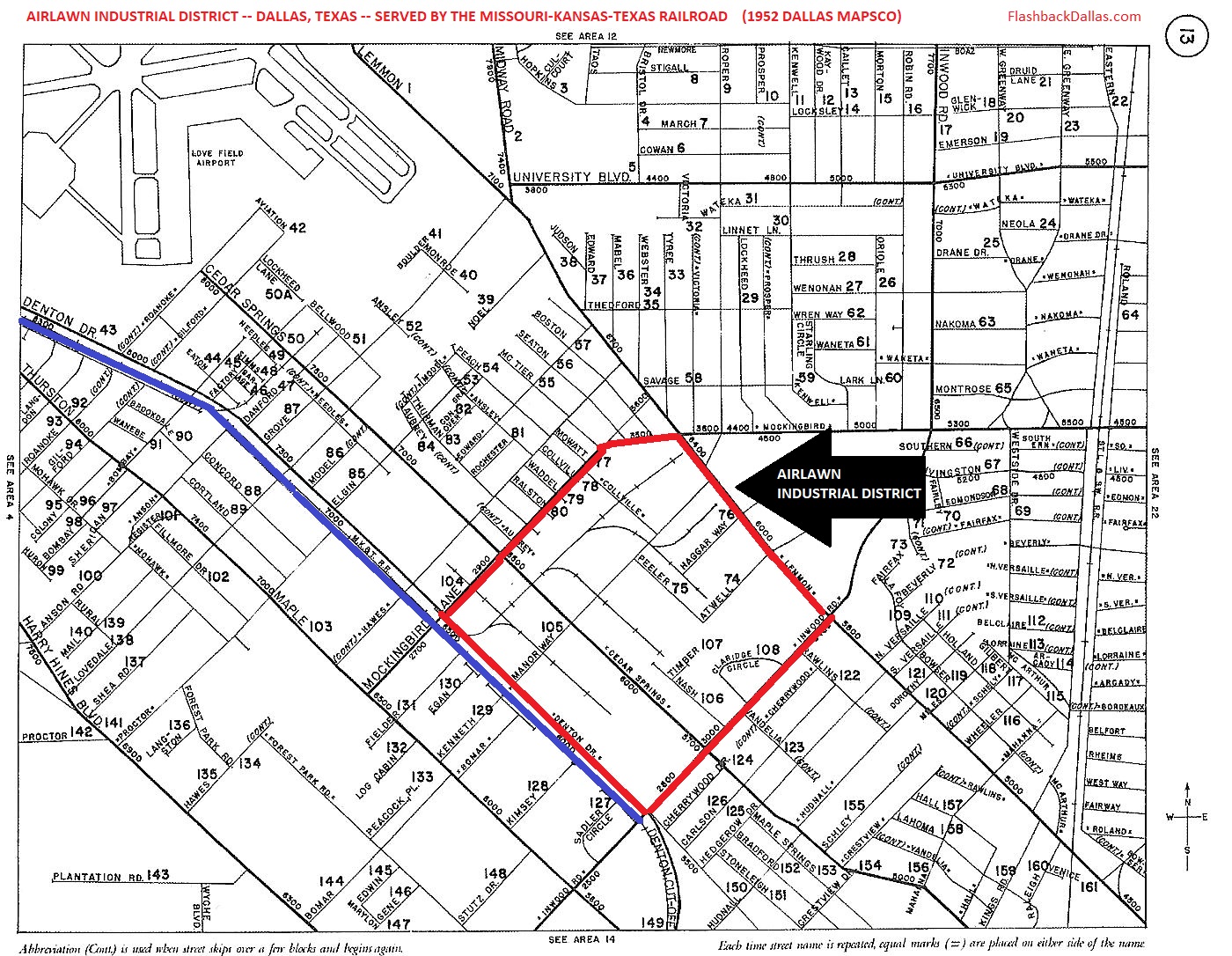
In the mid 1940s, the Airlawn Industrial District sprang up in this area. The planning and development of Airlawn was spearheaded by none other than the Katy Railroad, beginning when Coca-Cola decided to move to the area. 

The […] plans were drawn up by the Katy’s industrial research and development department with the aid of experts versed in the problems of present day industry. […] The Katy maintains a Diesel switch engine on duty twenty-four hours a day to handle the switching operations in the Airlawn area. One section gang is assigned to this area to maintain the miles of track that interweave the industrial buildings. (DMN, Oct. 9, 1949)

The MKT was working to attract businesses along their lines: they needed the businesses, and the businesses needed them. Win-win! (It’s interesting to note that another major manufacturer that the Katy worked with on securing a location was another soft drink company: the Dr Pepper plant on Mockingbird, near Central.)

Below is a map from 1952 which shows the railroad spurs which were used by the Airlawn businesses. I’m not sure why I find this so interesting, but I do! (Are these tracks still in use?)
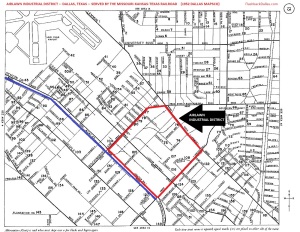
airlawn-industrial-district_mapsco-19521952 Dallas Mapsco

***

Sources & Notes

First and second image are from an old eBay listing; it appears that someone pasted a Time magazine article (March 15, 1943) to an envelope; the postmark and cancellation shows that it was mailed from Dallas on March 16, 1943, even though there does not appear to be an address on the front or back of the envelope.

A really interesting article on the various WWII scrap drives — “Getting In the Scrap: The Salvage Drives of World War II” by Hugh Rockoff, of the Economics Dept. of Rutgers University — is well worth a read, here. From his abstract: “While the impact of the drives on the economy was limited, the impact of the drives on civilian morale, may well have been substantial.”

Another very informative article on the national rubber drive of 1942 can be found in the post “Make It Do — Tire Rationing in World War II” by Sarah Sundin, here.

See a variety of patriotic posters encouraging Americans to participate in WW2 scrap drives here.

Pertinent Dallas Morning News articles about this rubber salvage yard:

  • “Work Begun on Rubber Storage Plant” (DMN, July 13, 1942)
  • “Close Guard Is Kept On Rubber” (DMN, Aug. 6, 1942 — includes a photo of the yard, similar to the one that appeared in Time magazine)
  • “150,000 Usable Tires Believed Salvageable From Waste Pile” (DMN, Jan. 23, 1944)
rubber-stock-pile_dallas-1943_ebay-det_sm

*

Copyright © 2019 Paula Bosse. All Rights Reserved


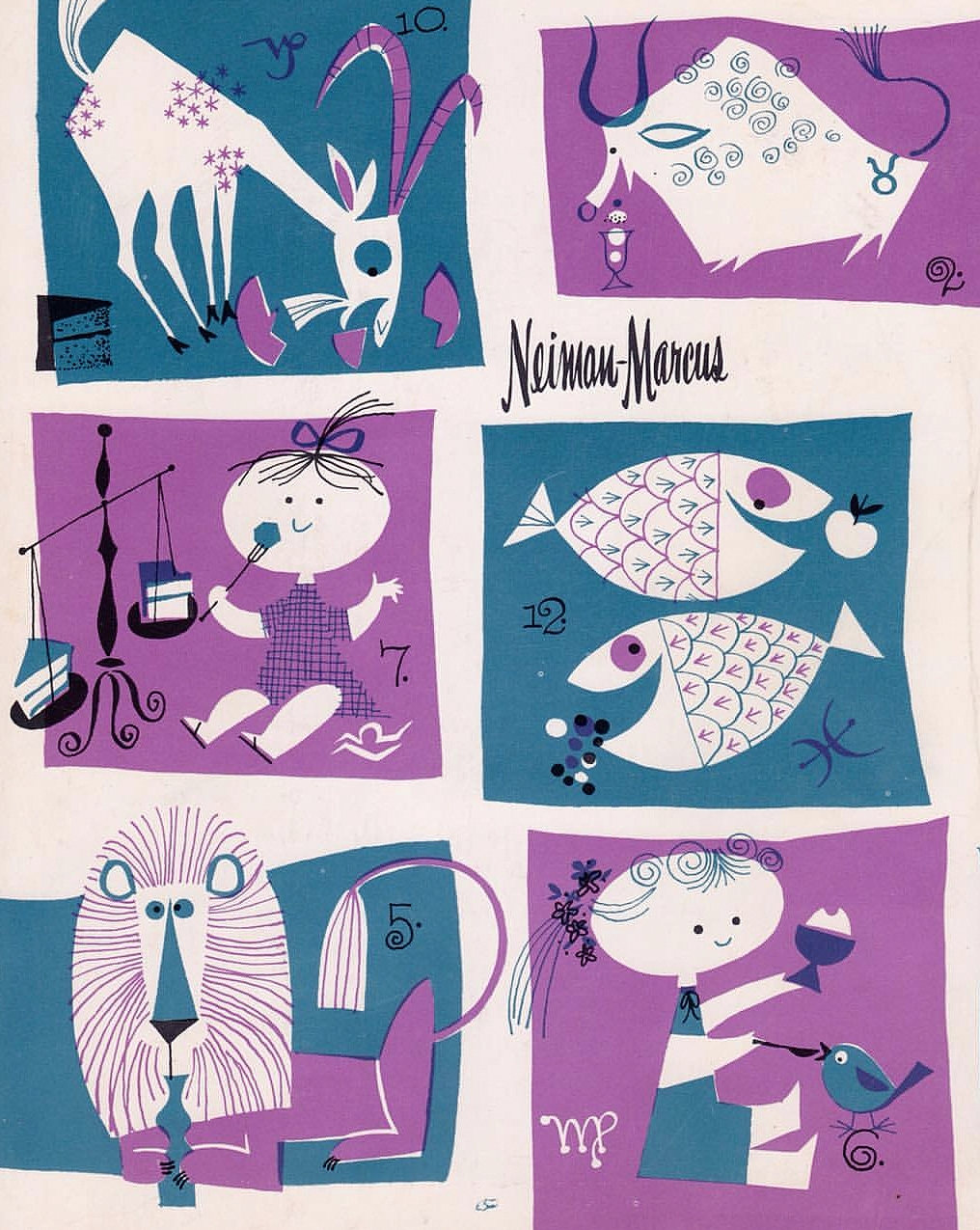
The Zodiac Room

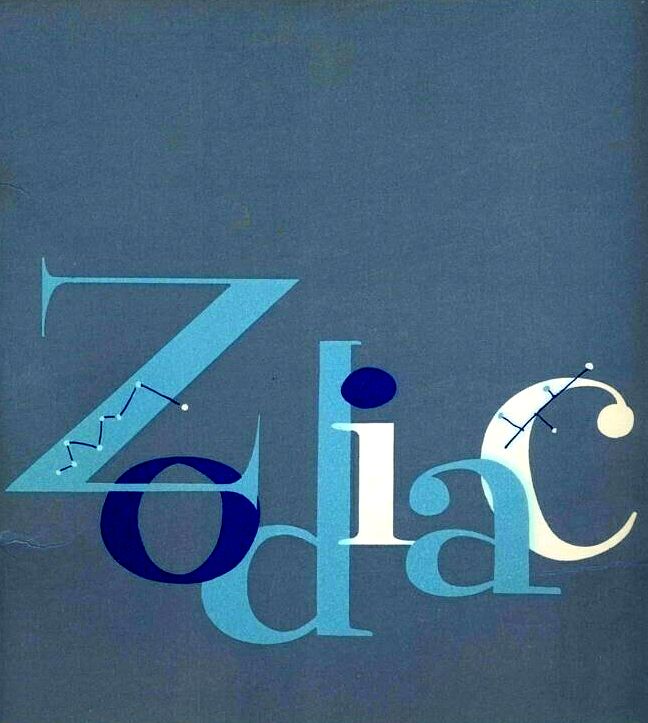
zodiac-room_ebay_menu_cover

by Paula Bosse

The tastefully swanky Zodiac Room opened at the downtown Neiman-Marcus store on April 27, 1953. (Interestingly, there was an earlier — and presumably unrelated — Zodiac Room, in the Jefferson Hotel, from at least 1950 to 1952.)

The Zodiac, a fashionable restaurant and tearoom featuring select foods, will open Monday on the sixth floor of Neiman-Marcus Company’s downtown store. Designed by Eleanor LeMaire of New York, the restaurant’s décor will suggest the roof of the world with signs of the Zodiac represented in both the main dining area and the terrace. (The Dallas Morning News, April 26, 1953)

Stanley Marcus wanted a restaurant in the store in which customers could take a break from shopping by having lunch or afternoon tea on-site, without having to leave the premises. Customers could continue to “shop” while dining as models walked around modeling fashions from the store’s inventory.

“[W]e installed a large restaurant, the Zodiac Room, to attract more people to the downtown area and as a service to those customers from out of town who were spending the day in the store.” (Stanley Marcus, in his book Minding the Store)

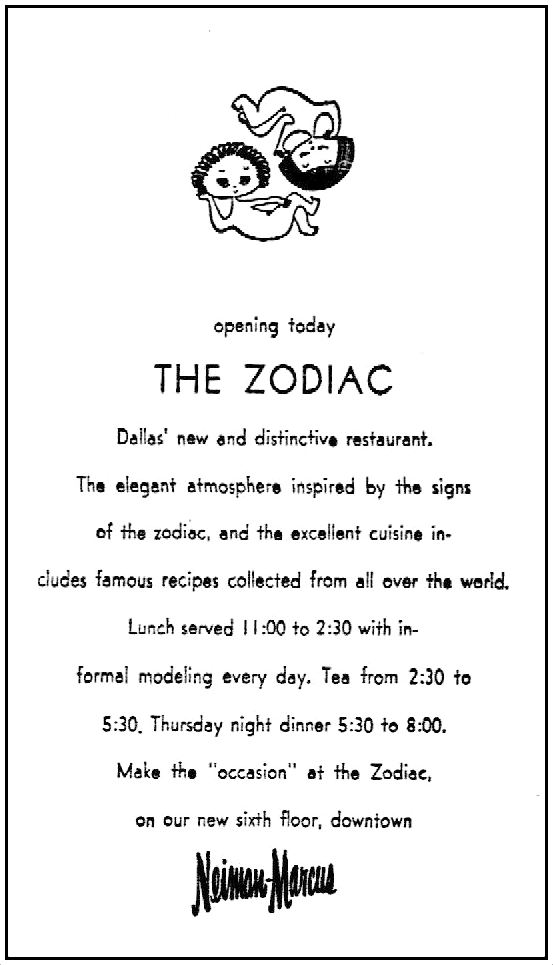
Below are a few ads from the Zodiac’s first week (click to see larger images).

zodiac_opening-ad_042653
April 26, 1953

COME AND SEE DALLAS’ NEW AND DISTINCTIVE RESTAURANT — THE ZODIAC.

Just completed on our new sixth floor, the Zodiac Restaurant is another step in our downtown expansion program to bring to Dallas the most luxurious and elegant store in America.

The star studded atmosphere of the Zodiac will give you an out of this world feeling. The walls are a wonderful cerulean blue, the carpet’s deep enough for snowshoes and an Italian tile pool sprouts water lilies for the occasion. Informal modeling every day at luncheon.

Plan to have lunch with us this week and bring your guests. We think you’ll be enchanted with the atmosphere as well as the excellent cuisine. Luncheon 11:00 to 2:30, tea 2:30 to 5:00, dinner Thursday night 5:00 to 8:00. NEIMAN-MARCUS

zodiac_opening-today-ad_042753
April 27, 1953

zodiac-room_042853-ad_opening
April 28, 1953 (N-M ad, detail)

You could even get a Zodiac-inspired hair-do, the Zodiac Cut: “Sophisticated, spherical — without a hint of a part.”

zodiac-cut_nm-ad_042953April 29, 1953

Other than the fact that this elegant dining space was part of the world-famous Neiman-Marcus department store, its main draw was its food. According to Stanley Marcus, in his book Minding the Store, the Zodiac struggled for the first year or two and didn’t find its footing until he hired the now-legendary Helen Corbitt as the restaurant’s director. He wrote the following in a guest column in The Dallas Morning News in 1979:

“A landmark in the culinary history of Dallas was the arrival of Helen Corbitt, who made a monumental contribution to improvement of food and service standards in the community. The Neiman-Marcus Zodiac Room became famous under her direction.” (Stanley Marcus, DMN, April 12, 1979)

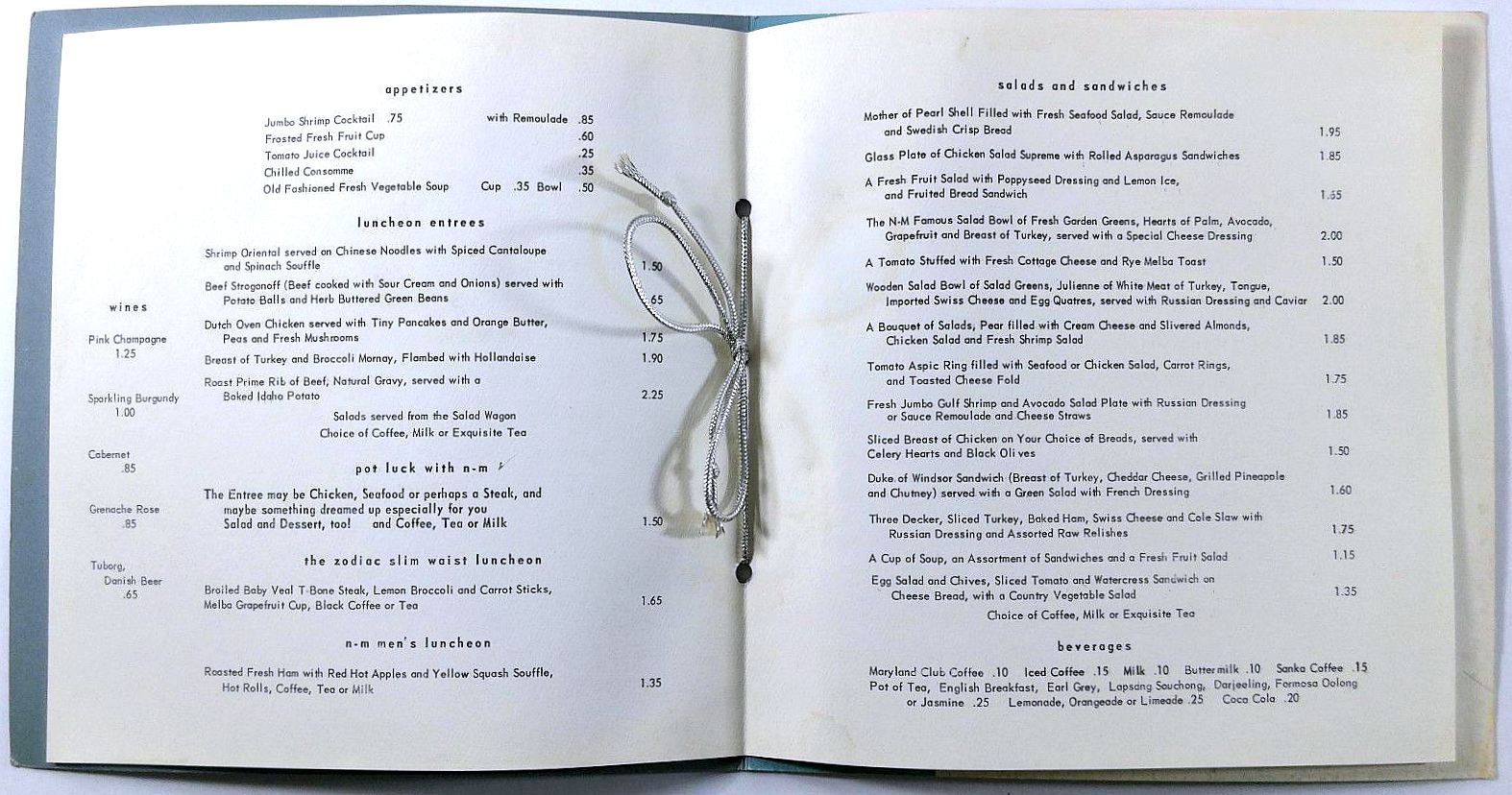
Below is an example of the fare favored by the Ladies Who Lunch (and the occasional Men Who Lunch), seen in a menu from 1956. (The most expensive item on the menu was the Roast Prime Rib of Beef, which came with a Baked Idaho Potato, a salad from the “Salad Wagon,” and a choice of coffee, milk, or “exquisite tea” — the price was $2.25, which in today’s money was a shockingly affordable $21.00.)

zodiac-1956-menu_inside_ebay

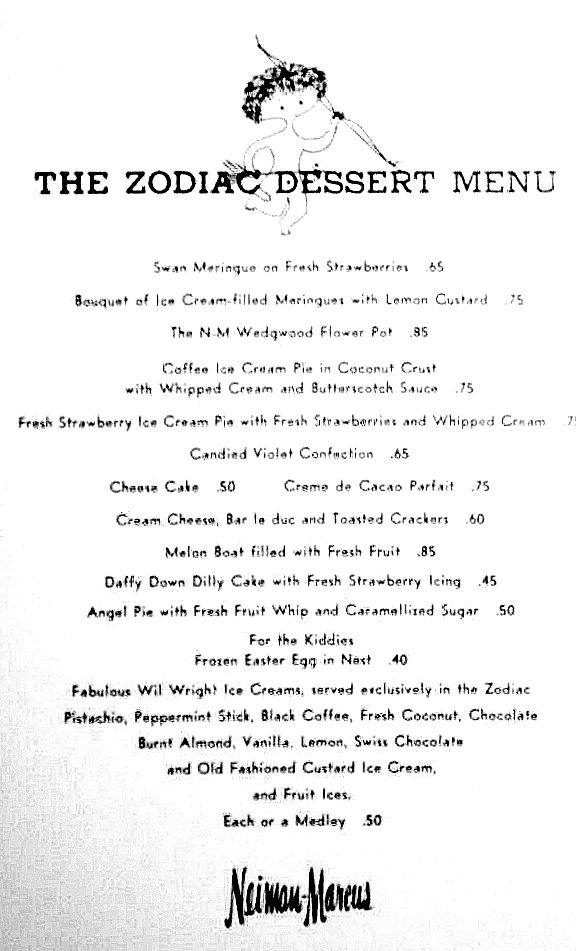
A dessert menu (a bit hard to read, I’m afraid) is below:

zodiac-menu-2_ebay_dessert-menu

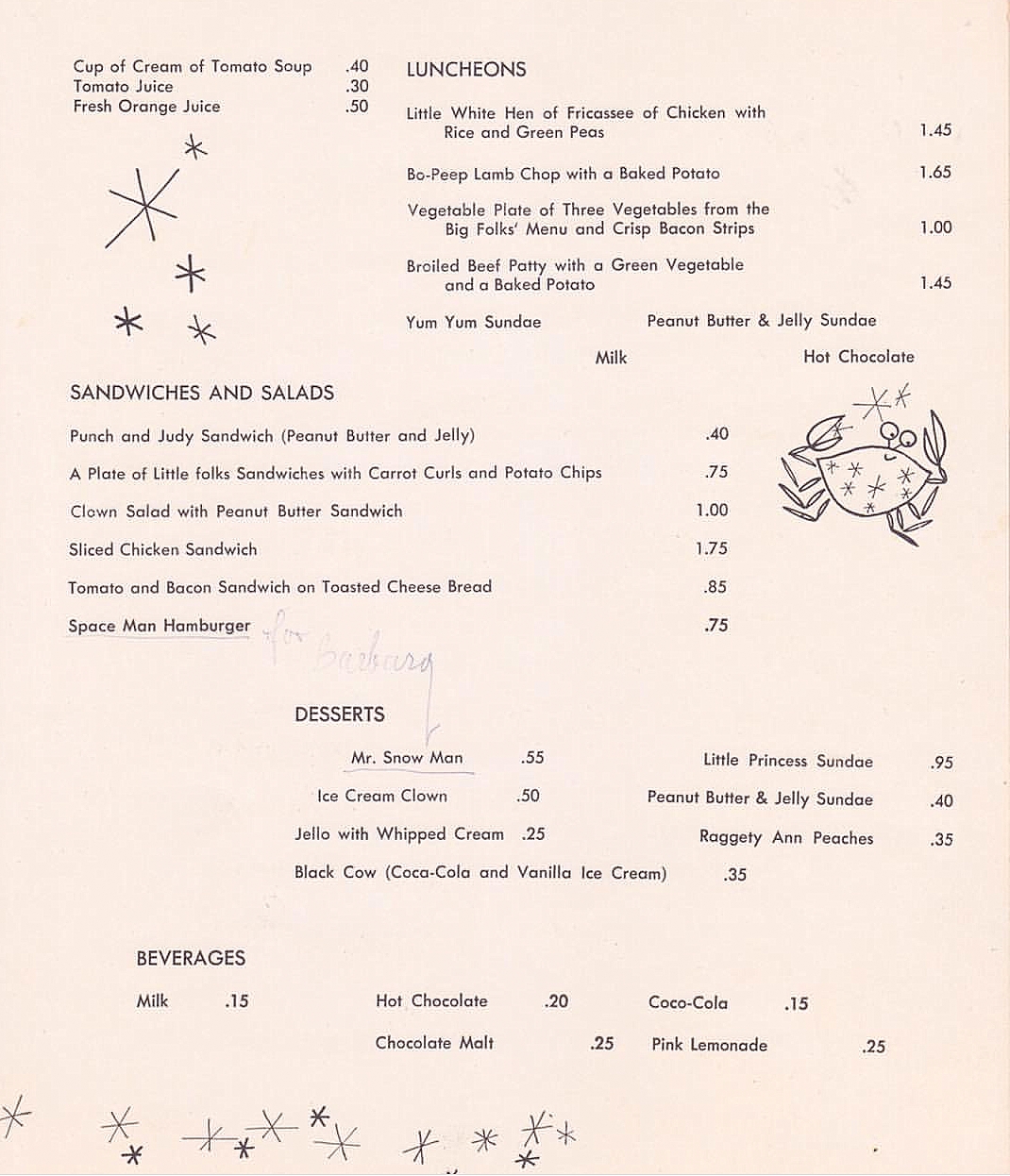
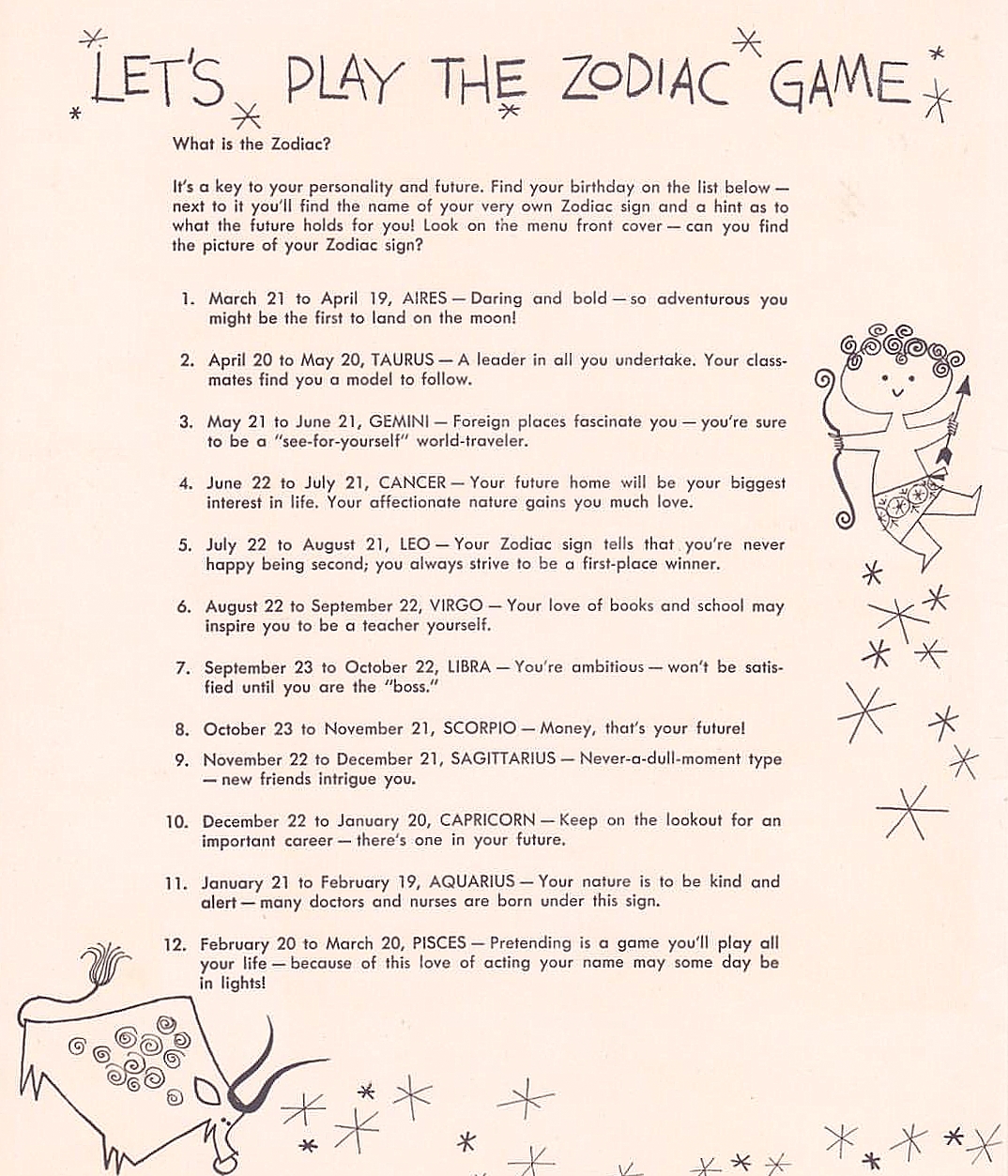
There was also a children’s menu, which was so charmingly designed by Neiman’s gift-wrap designer, Alma Shon, that I don’t blame a customer for having spirited away a copy of the menu as a holiday-time souvenir of what was no doubt a very special occasion (the date penciled at the top is Dec. 23, 1966). (More information about Ms. Shon is in the “Sources & Notes” section at the bottom of this post.) Below, the front and back of the children’s menu, illustrated with the signs of the zodiac:

zodiac-room_childrens-menu_instagram_front

zodiac-room_childrens-menu_instagram_back

Inside, meal options for well-appointed kiddies and a “Zodiac game” to keep them occupied.

zodiac-room_childrens-menu_instagram_food

zodiac-room_childrens-menu_instagram_zodiac-game

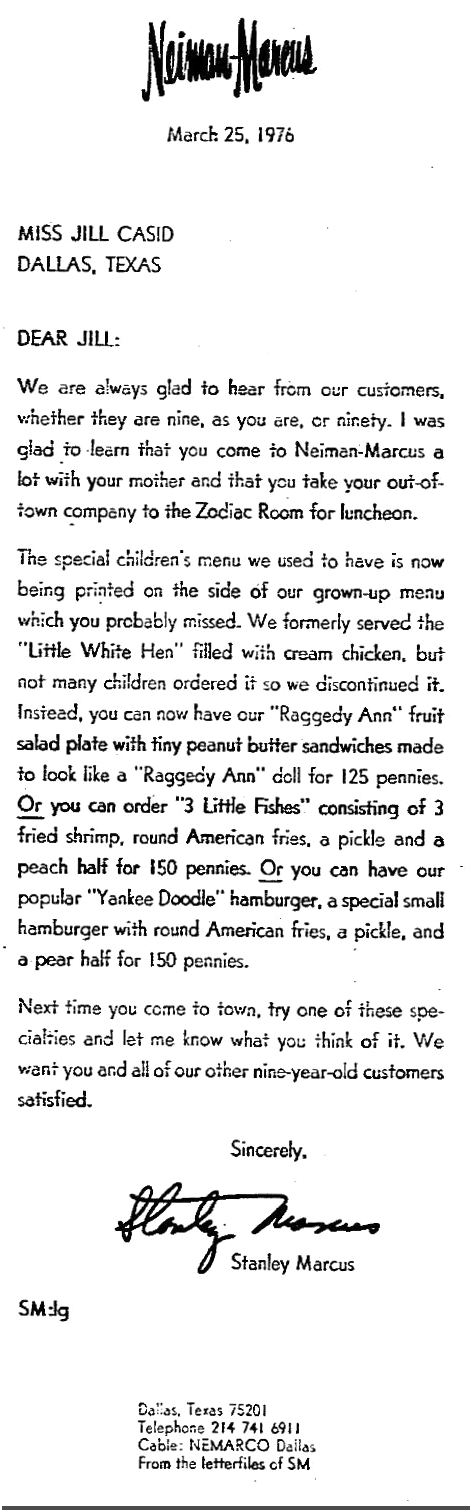
A few years later, this Stanley Marcus-penned letter appeared as a 1976 N-M ad — it was a personal reply to a nine-year-old Zodiac patron who had apparently written to Neiman’s inquiring about the children’s menu, which she was distressed to see had disappeared on her last visit:

zodiac-room_051776_ad-det_childrens-menu
May 17, 1976

zodiac-room_postcard_flickr

Lastly, a memory of the downtown Zodiac, from the Department Store Museum website:

The downtown Dallas store was in its entirety a magic store. Every step and turn off the escalators to the top floor was amazing. The Zodiac room with its floor-to-ceiling diaphanous curtains that filtered the bright Texas sky made for a dreamlike atmosphere along with the slender long-legged models in evening gowns and furs and the Andre Previn-inspired piano player. The popovers with strawberry and cinnamon butter weren’t bad either. Thank you, Dallas and Neiman-Marcus, for such a rich time in my life.

And it’s still going strong.

zodiac_matchbox_cook-collection_degolyer-library_SMU

***

Sources & Notes

Top image and other (non-children’s) menu images from eBay.

The four images of the Zodiac Room children’s menu are the reason I decided to do this post. My whimsy-threshold is pretty low, but I love the utterly charming drawings which grace the front and back covers. I saw them posted on the Instagram account @reflectionofaman (a cool account — here, for the desktop site — which features the photographs of Stanley Marcus, curated by his granddaughter, photographer Allison V. Smith); it had been shared there by Babs Bern (@mullett7665.manor). The menu’s artist — Alma Shon — was identified by her daughter Kate Heyhoe (@StarkRavingCat) in the comments. According to a 1953 Dallas Morning News profile, Shon was born in California in the early 1920s to Korean refugees who had fled Korea in 1905 during the Russo-Japanese War. She grew up in Los Angeles but made her way to Dallas by at least 1948; she began working for Neiman Marcus in 1948 or 1949. She was in charge of Neiman’s giftwrap design, but also designed other merchandising elements — she was with the store for several decades. More on Ms. Shon (including a photo of her from the ’50s) can be found in a post by her daughter Kate, here.

Color postcard of the Zodiac Room was found on Flickr, here. I used this same card in a previous Flashback Dallas post, “Luncheon at The Zodiac Room, Darling.”

Image of the  blue matchbox at the bottom is from the George W. Cook Dallas/Texas Image Collection, DeGolyer Library, SMU Libraries; more info is here.

More on Helen Corbitt can be found in articles in Texas Monthly and in Legacies; a couple of her recipes — including her famous Poppy-Seed Dressing — can be found here.

*

Copyright © 2019 Paula Bosse. All Rights Reserved.

A Flooded Sportatorium — 1945

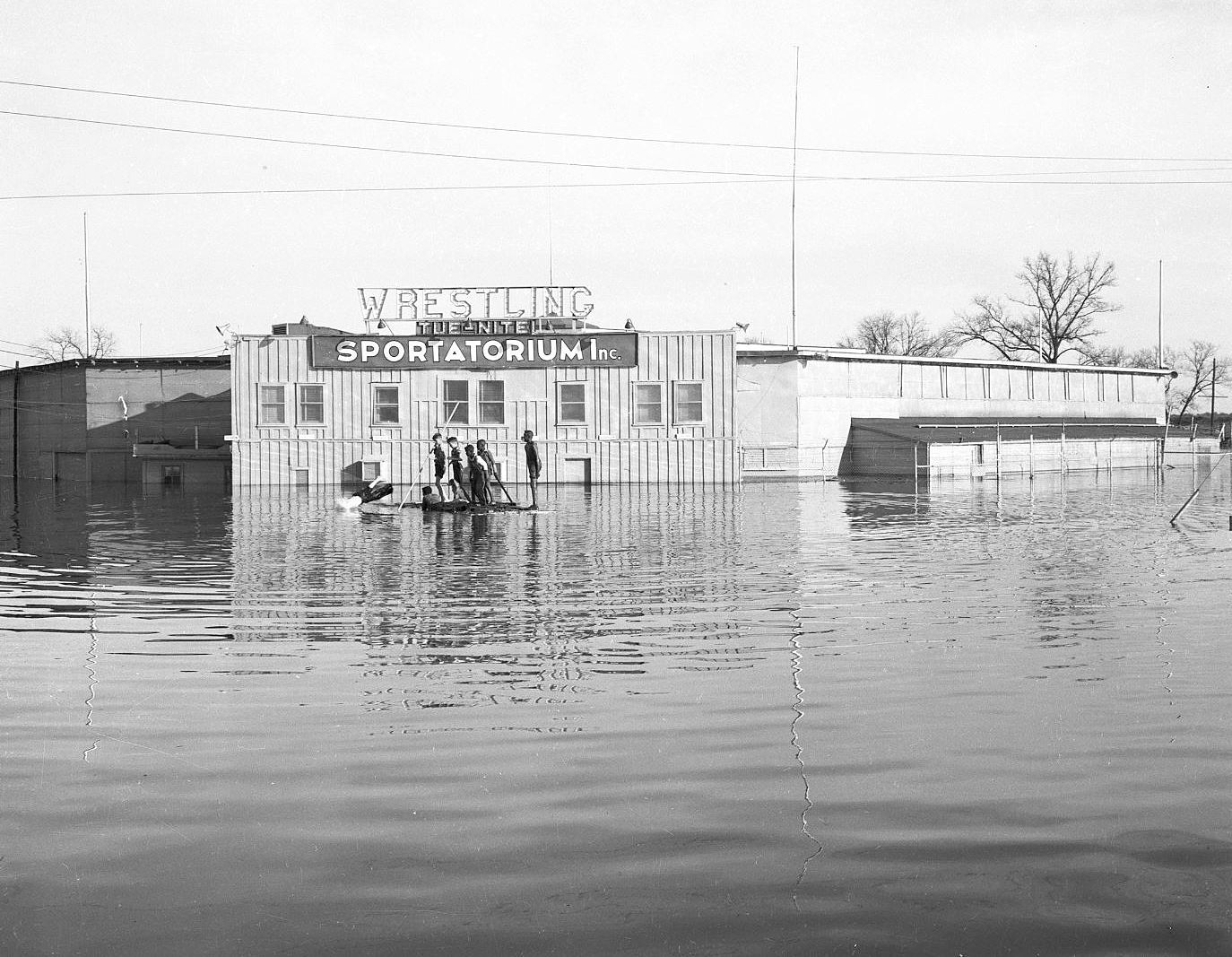
sportatorium_flood_squire-haskins_UTA_boys-1_det
Boys gotta do what boys gotta do… (photo: Squire Haskins/UTA Libraries)

by Paula Bosse

Imagine it has flooded around the Sportatorium: what would you expect seven boys and their dog to do? Well, here they are doing about what you’d expect. (The image above is a detail from the photo below, by Squire Haskins.)

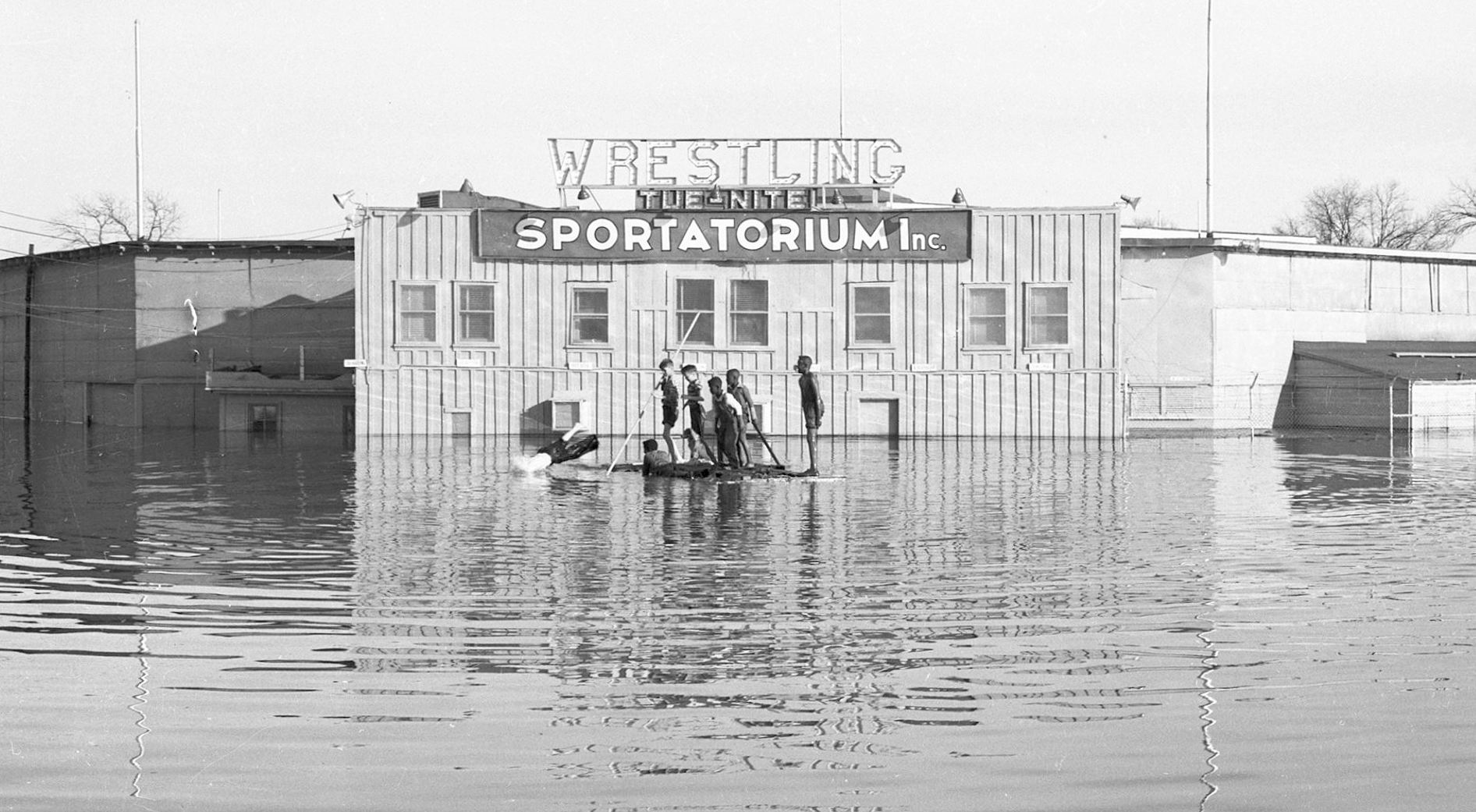
sportatorium_flood_squire-haskins_UTA_boys-1

Another photo, this one with a Huck-Finn-meets-Iwo-Jima-Memorial vibe:

sportatorium_flood_squire-haskins_UTA_boys-2

My closer-up detail (click to see larger image):

sportatorium_flood_squire-haskins_UTA_boys-2_det

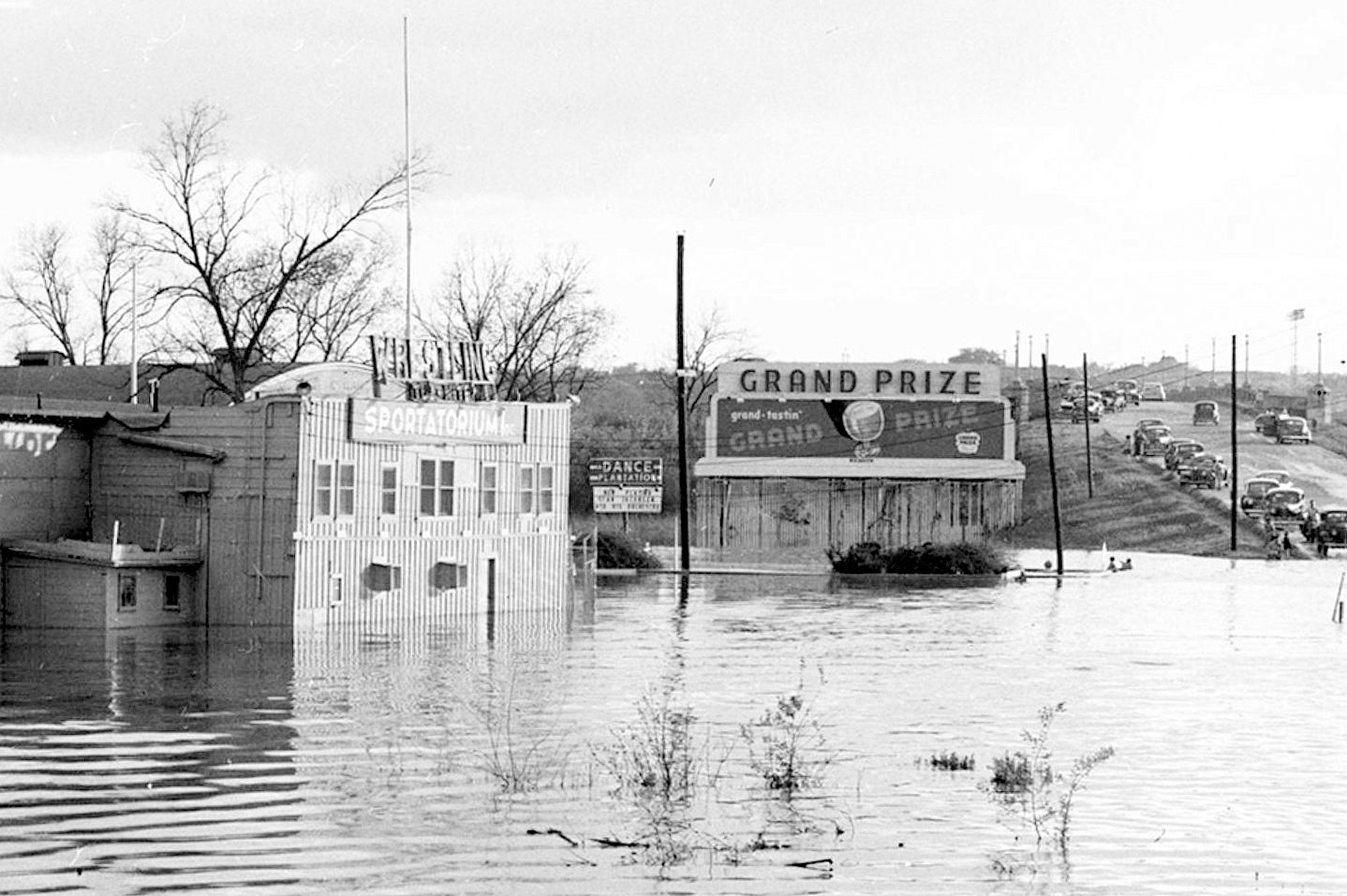
Another view:

sportatorium_flood_squire-haskins_UTA_no-boys

Closer up, with a Grand Prize Beer billboard, cars (on Industrial?), and a sign for the next-door Plantation nightspot:

sportatorium_flood_squire-haskins_UTA_no-boys_det

No wrasslin’ tonight, y’all.

***

Sources & Notes

All photos by Squire Haskins, from the University of Texas at Arlington Libraries, Special Collections.

The photos in the UTA collection are undated, but a photograph of these same boys and dog on their raft appeared in The Dallas Morning News on April 5, 1945, along with a whimsical article titled “Pint-Size Warriors Fight Battle of Trinity, Prove Stormiest Rain Cloud Has Silver Lining.” A few pages away there were several aerial photos showing the major flooding which had submerged large portions of the area around the Sportatorium and Corinth Street viaduct.

The Sportatorium was located at 1000 S. Industrial (now Riverfront), at Cadiz (see map here). Maybe a little too close to the Trinity….

*

Copyright © 2019 Paula Bosse. All Rights Reserved
A Texas Centennial Scrapbook — 1936

tx-centennial_scrapbook_starring-tx_portal
“Starring Texas”

by Paula Bosse

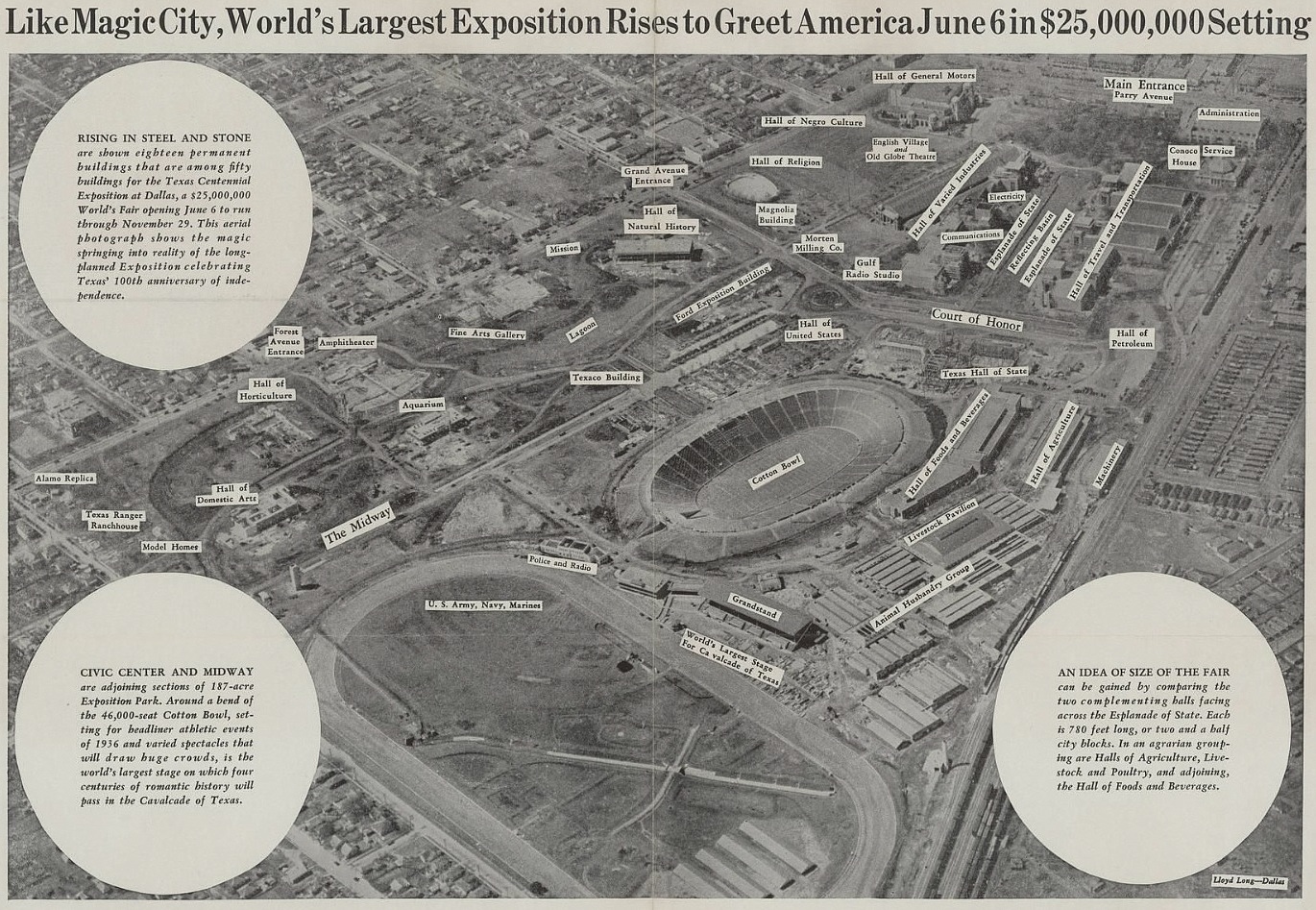
Here is an aerial view of Fair Park I’ve never seen. It shows Centennial buildings under construction, along with labels marking the locations of those not yet started. It’s always hard to place where some of these no-longer-standing buildings once stood, so this is very helpful. Click the picture to see a larger image, but to really zoom in on the photo, see it at the Portal to Texas History, here.

tx-centennial_scrapbook_fair-park_aerial_construction_portal

Below is another view — an illustrated map from a Centennial visitor’s pamphlet (the zoom-in-able image is also at the Portal to Texas History, here). It was an early illustration, as it shows the original design for the Hall of State with wings never built.

tx-centennial_scrapbook_fair-park_aerial_portal

tx-centennial_scrapbook_fair-park_aerial_portal_key
(all images larger when clicked)

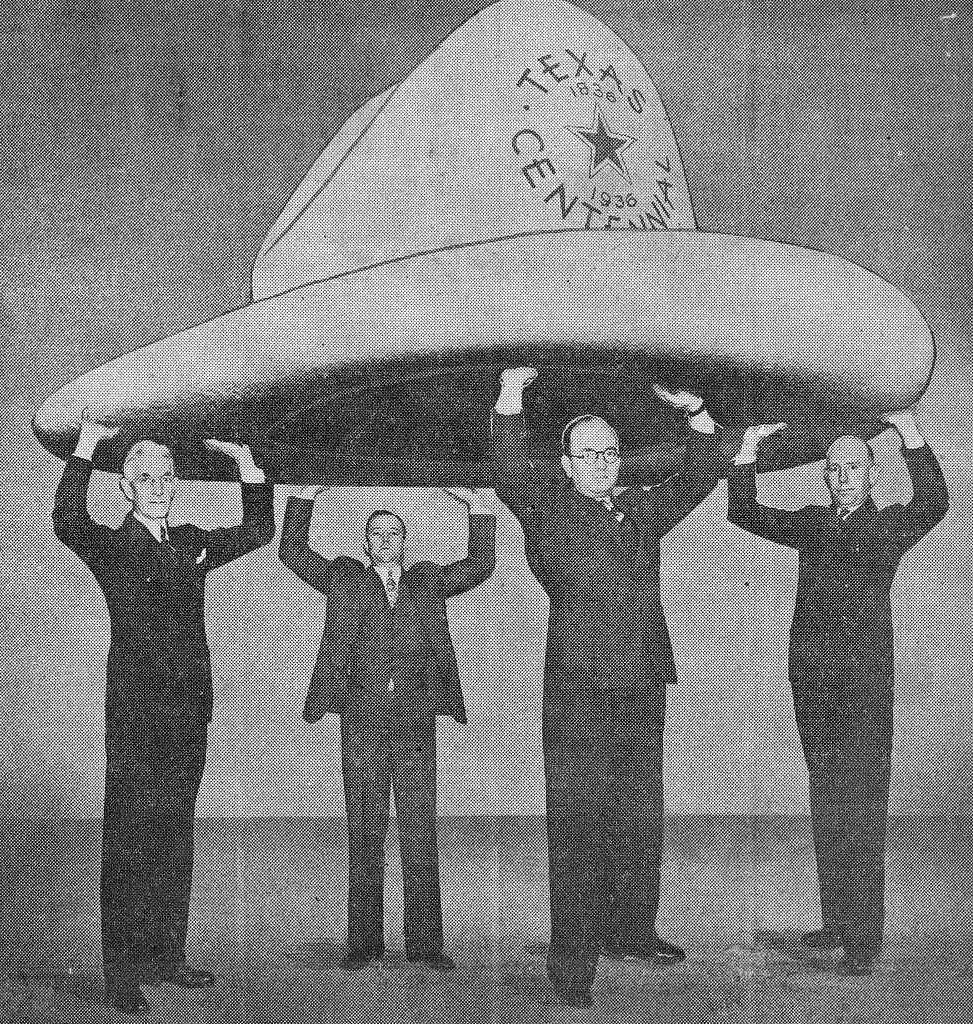
These pictures came from a Texas Centennial scrapbook made by 10-year-old Doris Rae Levy for a contest in her class at Lily B. Clayton Elementary School in Fort Worth. The scrapbook is impressively packed with Texas History-related newspaper and magazine articles, pamphlets, and postcards. A couple of the things she included that I enjoyed seeing were photos of a giant Centennial “sombrero” and a photo of honorary Centennial Rangerette, Shirley Temple:

tx-centennial_scrapbook_hat_FWST_portal
Fort Worth Star-Telegram, Feb. 25, 1936

This photo shows four Fort Worth businessmen holding up a “200 gallon sombrero” which would soon be making an appearance at the Fat Stock Show.

And here’s Shirley Temple — who might have been the most famous star in Hollywood at the time — dressed in a snazzy cowboy outfit and an eye-catching pair of boots. She had been appointed honorary Chief of the Texas Centennial Exposition Rangerettes (a bevy of attractive Texas women who acted as goodwill ambassadors and made personal appearances all over the country promoting the Dallas exposition). Miss Temple’s honorary commission apparently came with a tie-in merchandising deal — see the official Shirley Temple with her official Shirley Temple doll below (the latter photo was not from Doris’ scrapbook).
tx-centennial_scrapbook_shirley-temple_portal

tx-centennial_shirley-temple_doll_pinterest

*

I thought I would look up Doris Rae Levy, the little girl who compiled the impressive, packed-to-the-gills scrapbook, to see what I could find out about her. This sad news appeared less than two weeks before the Texas Centennial Exposition opened in Fair Park:

tx-centennial_scrapbook_doris-rae-levy_FWST_052636
FWST, May 26, 1936

***

Sources & Notes

Doris Rae Levy’s “Texas Centennial Scrap Book” was provided by the Fort Worth Jewish Archives to UNT’s Portal to Texas History; it has been scanned and may be viewed in its entirety here.

The photo of Shirley Temple with the Centennial Rangerette doll was found on Pinterest, with the original image here. Color images of the doll can be seen here.

*

Copyright © 2019 Paula Bosse. All Rights Reserved.

My First Home — 3809 Cole Avenue

cole-avenue-farmhouse_ca-1900_warlick
Home sweet home, circa 1900…

by Paula Bosse

Above is a photo of a stone house which once stood at 3809 Cole Avenue, across from North Dallas High School. It was built by John H. “Jack” Cole — probably around 1880-1900 — and it was occupied for decades by family members, up until the 1960s. By the 1980s it was owned by the Southland Corp. and was ultimately torn down around 1987 or so. And it was the very first house I lived in (…briefly).

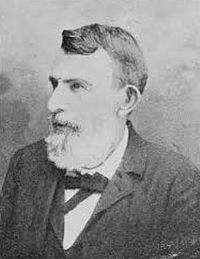
Jack Cole was one of the sons of Dr. John Cole, an important early settler who arrived in Dallas in 1843 and whose family soon owned thousands of primo acres in what is now Highland Park and Oak Lawn.

cole-jack_flickr
John H. “Jack” Cole

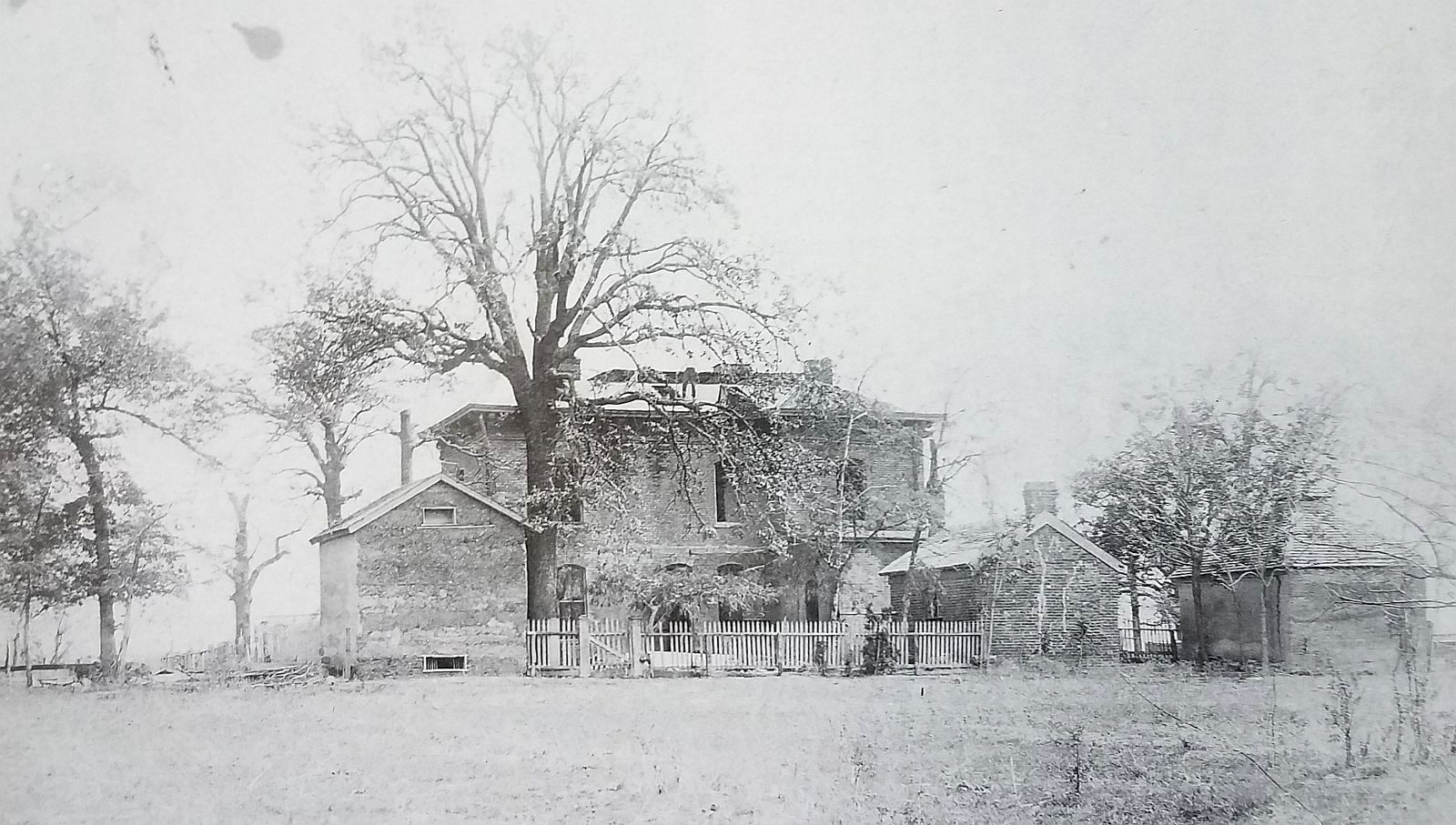
According to a great-great grandson, Jack’s farmhouse once stood on land which is now the site of Cole Park (about where the tennis courts), and his barn and stock tank were on the land now occupied by North Dallas High School. Below is a photo of the farmhouse (it looks like it might be the back of the house); built in the 1850s (and added onto over the years), it was said to be one of the first brick houses in Dallas County (Jack had his own brick kiln on the property).

cole-jack_farmhouse_park-cities-photohistory_galloway
photo: Bill Gillespie

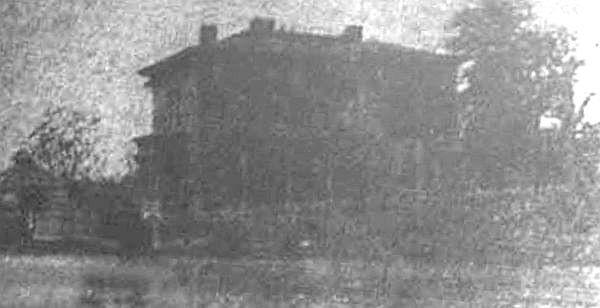
Below is the only other photo I’ve been able to find of the house — apologies for the image quality!

cole-farmhouse_wheat

The smaller house seen at the top was located a short distance away.

At some point Jack Cole’s farmhouse and barn were torn down; the land for Cole Park was donated to the city by the family and became part of the Dallas park system in 1921, and North Dallas High School opened the following year.

The small stone house was occupied by various Cole descendants over the years, primarily the Miers and Warlick families. It was opened up to renters in the 1960s and, until sometime in the late ’80s, was rented as both living space and retail space.

My parents lived there only about a year. My father ran a small book business out of the front of the house, and my parents lived in the back and upstairs. The floors were brick and the walls were stone, and according to my mother, a lot of the mortar was gone and you could see outside though gaps in the walls. It was a very, very cold place in the winter. I was born during this time and lived there for a few chilly months until we were off to someplace across town with better insulation.

I mentioned this house a few years ago in a post about North Dallas High School, and a guy named Craig Thomas contacted me to tell me that he had lived in that same house in the 1980s — along with friends who were part of local bands The Plan and Luxor. They dubbed the house “Green Acres” because it was definitely something of a fixer-upper along the lines of the TV show of the same name. He even sent me a photo of the house from 1984! It looked a little tired by then, but it was close to a hundred years old by that time.

cole-house_ca-1984_craig-thomas
photo: Craig Thomas

It pleases the history geek in me to know that I started out my life living in a house built by a member of one of the most important founding families of Dallas. …I sure wish I remembered it!

3809-cole_1952-mapsco
1952 Mapsco

***

Sources & Notes

Top photo is from the collection of Michael Warlick, a Cole descendant who grew up in the house. (Many thanks to Danny Linn for bringing this fantastic photo to my attention!)

The photo of the Jack Cole farmhouse is from the book The Park Cities, A Photohistory by Diane Galloway, credited as coming from the collection of Bill Gillespie, another Cole descendant.

The blurry photo is from Jim Wheat’s site, here (the accompanying article is very interesting, here).

The color photo is used courtesy of Craig Thomas (whose blog is here).

*

Copyright © 2019 Paula Bosse. All Rights Reserved.

Rugged Highland Park

highland-park_charles-arnold_postcard_postmarked-1909

by Paula Bosse

Two views of Turtle Creek, wending through Highland Park. The view above is from a postcard mailed to East Hampton, Long Island in 1909 (“Haven’t seen this but it must be true. Pretty good for Texas…”); the view below is from about 1915, the year Highland Park was incorporated (the photo appears to show the same three children seen in my earlier post, “Wading in Turtle Creek, 100 Years Ago”). (Both images of the bluff-lined creek are larger when clicked.)

dallas-educational-center_turtle-creek_ca-1916

***

Sources & Notes

Top image is from a C. Weichsel postcard titled “Woodland Scene. Highland Park. Dallas, Tex.” (photo possibly by Charles A. Arnold). Another image of this postcard can be seen on the cover of the Fall, 2015 issue of Legacies (here); the story it illustrates is “Attempts to Annex the Park Cities,” here.

The black-and-white photo (captioned “Highland Park”) is from a booklet on Dallas education, published around 1916.

*

Copyright © 2019 Paula Bosse. All Rights Reserved.


Interurban Coming Through

interurban_commerce-street_dart-archives
Street traffic used to be a lot different… (click for larger image)

by Paula Bosse

Great photo of Interurbans trundling down Commerce Street, past the Adolphus Hotel. …Wish I’d been there.

***

Sources & Notes

Photo is from the Dallas Area Rapid Transit archives, but I neglected to note a linkable source. (Click photo to see a larger image.)

*

Copyright © 2019 Paula Bosse. All Rights Reserved.

Esquire Theater — 1969

esquire-theater_1969_portal“Midnight Cowboy” at the Esquire, 1969…

by Paula Bosse

This is a really great photo of the still-missed Esquire Theater in Oak Lawn. Here we see it in 1969, showing the X-rated film Midnight Cowboy, which went on to win several Academy Awards, including Best Picture (the only X-rated film to receive the Best Picture Oscar), Best Director (John Schlesinger), and Best Adapted Screenplay (by Waldo Salt, based on the novel by James Leo Herlihy).

Midnight Cowboy opened at the Esquire in July, 1969 and ran for several months. One of the featured actors in this American classic is Dallas’ own Brenda Vaccaro (Thomas Jefferson High School Class of 1958, daughter of Mario Vaccaro who owned Mario’s Italian restaurant) — I’ve loved her in everything I’ve ever seen her in. (Here’s one of her scenes from Midnight Cowboy.)

vaccaro-brenda_thomas-jefferson_1958_seniorThomas Jefferson High School, 1958

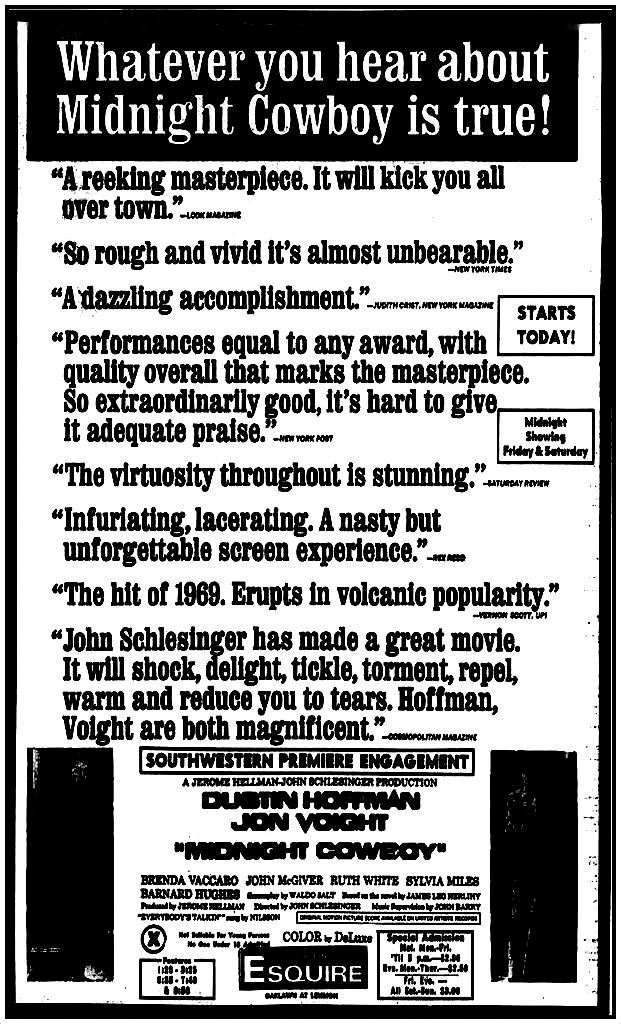
“Whatever you hear about Midnight Cowboy is true!” … “A reeking masterpiece. It will kick you all over town.” … “A nasty but unforgettable screen experience.”

midnight-cowboy_072369_opening_esquire
Opening day, July 23, 1969

It’s been a while since I’ve seen this movie. I had forgotten how much I liked the opening in which Joe Buck leaves Texas to head to New York. Here it is, overflowing with small-town Texas flavor (filmed in Big Spring). Cameo by an evocative Mrs. Baird’s paper hat.

***

Sources & Notes

Photo titled “[‘Midnight Cowboy’ at Esquire Theatre]” is from the Spotlight on North Texas collection, provided by UNT Media Library to The Portal to Texas History; more on this photo can be found here.

*

Copyright © 2019 Paula Bosse. All Rights Reserved.