Flashback : Dallas

A Miscellany: History, Ads, Pop Culture

Category: SMU

Send Your Kids to Prep School “Under the Shadow of SMU” — 1915
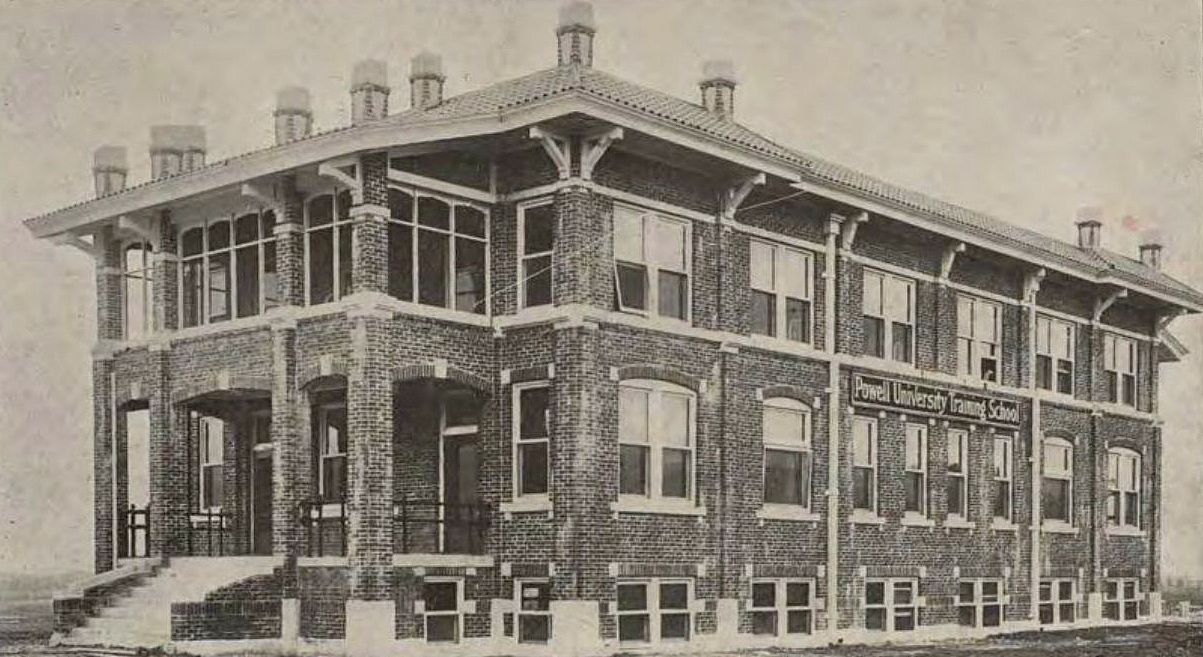
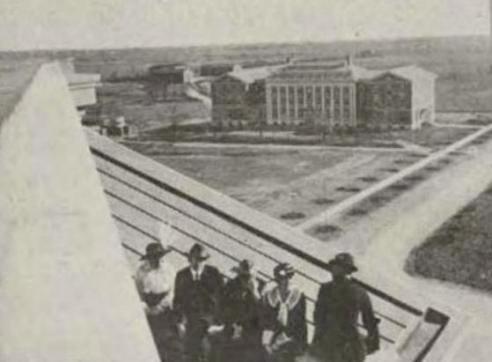
powell-prep_rotunda_1916Powell University Training School, 1915

by Paula Bosse

Nathan Powell (1869-1963) was a former Methodist minister who opened his prep school, Powell University Training School, on thirty acres of open land, just across an unpaved road from SMU (which was still in the very early days of its construction). SMU and the Powell school shared more than just adjacent addresses — which they both rather idealistically touted as being “situated on high ground overlooking the university campus and the city” — they also opened on the same day, September 15, 1915.

The location and the opening date were not a coincidence, as Dr. Powell was one of the Methodist movers and shakers who originally promoted the idea of Dallas as the site for a new Methodist university. The following (perhaps exaggerated) sentence can be found in the (perhaps overly laudatory) profile of Powell in one of those ubiquitous late-19th, early-20th century “mug books,” A History of  Texas and Texans (1916):

Beyond his activities as a minister and teacher, the most notable achievement in the life and career of Doctor Powell lies in the fact that he was the sole originator and promoter of the great Southern Methodist University at Dallas, which began its first year September 15, 1915.

Powell University Training School lasted for only about twelve years, until Powell’s rather sudden retirement in 1927 (the good reverend’s “retirement” might have been precipitated by numerous lawsuits and mounting debt). When the school closed, Dr. Powell and his family moved to Harlingen to — as his obituary states — “help organize the grapefruit growers of the Rio Grande Valley.” He operated a citrus nursery himself for a while until it was destroyed by a 1933 hurricane. Nathan Powell died in Harlingen in 1963 at the age of 94.

It’s always exciting to see old buildings still standing in Dallas, and, happily, this one is still around — and it still looks good. Fittingly, it’s currently home to an early-child development center. Next time you’re near the intersection of Binkley and Hillcrest, go take a look.

*
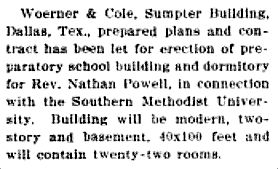
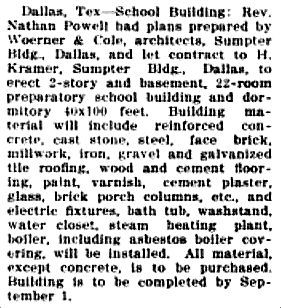
powell_tx-trade-rev-industrial-record_071515a*powell_tx-trade-rev-industrial-record_071515bBoth items from the Texas Trade Review & Industrial Record, July 15, 1915
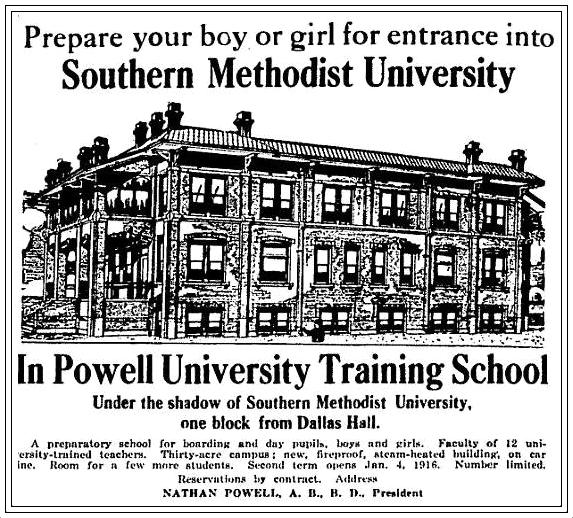
powell_school_ad_smu-times_121815SMU Times, Dec. 18, 1915 (click for larger image)
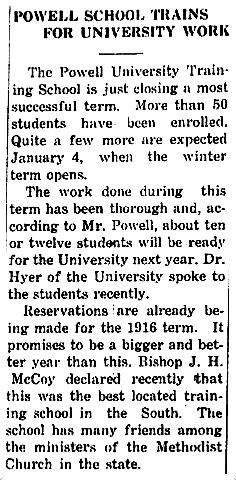
powell_school_smu-times_121815SMU Times, Dec. 18, 1915

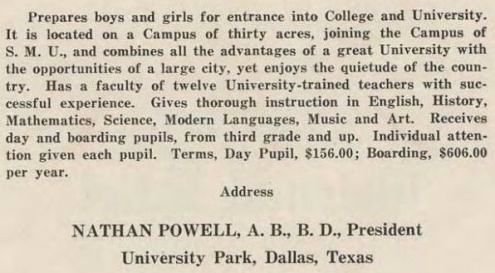
ad-powell-prep_smu-rotunda-19161915 (click to read text)

Below, after the school closed. Looking a little shaggy. I would have guessed the photo was from much earlier, but it’s dated 1931. Complete with horse.
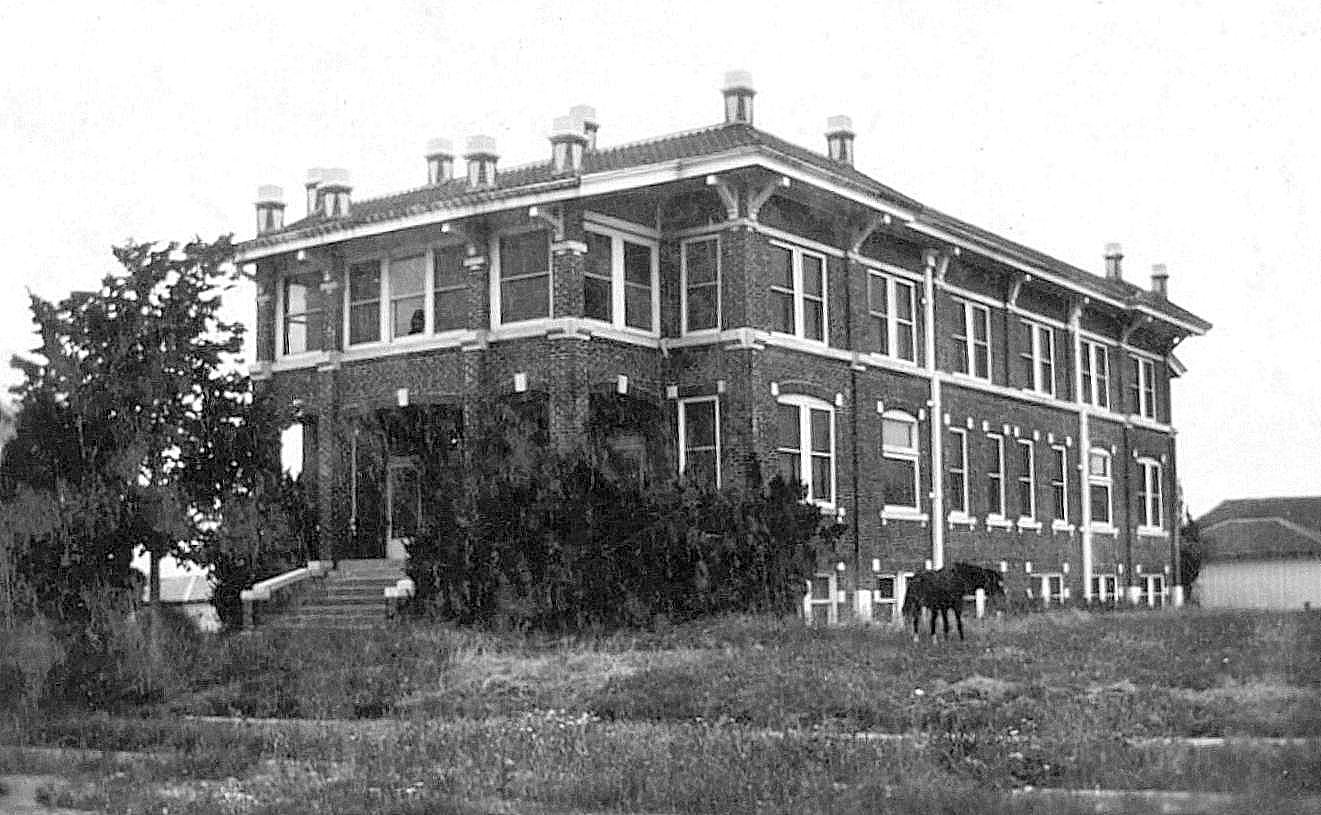
powell-univ-training-school_brown-bk_university-park_19311931, Brown Book, University Park Public Library

***

Sources & Notes

Top image and bottom ad appeared in the very first edition of The Rotunda, SMU’s yearbook for their inaugural year, 1915-16.

More on Rev. Powell’s early life and involvement with the founding of Southern Methodist University can be read in A History of Texas and Texans by Frank W. Johnson (Chicago and New York: American Historical Society, 1916), here.

Information regarding Powell’s retirement in Harlingen is from “The Chronological History of Harlingen” by Norman Rozeff (circa 2009), in a PDF here.

Powell’s obituary can be found in The Dallas Morning News, Nov. 8, 1963: “Dr. Powell Dies; Helped Found SMU.”

Currently occupying 3412 Binkley is The Community School of the Park Cities. According to the history page of their website (here), the building has been operated as a school since at least the 1950s.

I’m not sure what the actual facts are concerning Nathan Powell’s role in the founding of SMU. There are very few results when searching the internet. Most newspaper articles connecting him with the university seem to have been generated by Powell himself. If Powell was as important in the history of SMU as he claimed to be, it’s surprising to see so little information on any connection. Was Powell’s assertion that he was the driving force behind the creation of SMU a blatant lie? Was it merely an exaggeration of the truth? Or was it accurate, but something happened to cause the university to distance itself from him? A collection of papers in the SMU archives (which I have not seen) seems to indicate that there were those in Methodist circles who disputed Powell’s claims, as Elijah L. Shettles took it upon himself to prove that Nathan Powell was the driving force behind the very existence of SMU. An overview of the collection — The Elijah L. Shettles Papers on the Founding of Southern Methodist University — can be found here.

(I’ve found an article from the Fort Worth Star-Telegram in 1910 that had Powell all but saying Fort Worth — not Dallas — would be the best choice for the university’s location. Read that article and see other photos of the school — and also read about the lawsuit against Powell (which had nothing to do with SMU) that took thirteen years to reach trial and ended in quite a hefty judgement, in a PDF here.)

See more of SMU’s first year in previous posts here and here.

*

Copyright © 2014 Paula Bosse. All Rights Reserved.
“Mars Needs Women” — The Dallas Locations

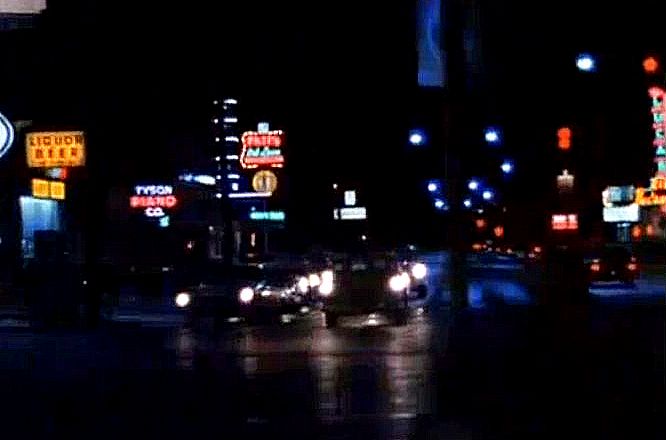
1-mars-oak-lawnOak Lawn & Lemmon, 1966

by Paula Bosse

Chances are, if you’re a native Dallasite and you’re a cult movie buff, you’ve heard of Dallas filmmaker Larry Buchanan (1923-2004), the self-described “schlockmeister” who made a ton of low-budget movies in Dallas, almost all of which are considered to fall in the “so-bad-they’re-good” category. I’ve made it through only three of them, and while they’re definitely not great (or even good, really), there were moments I enjoyed.

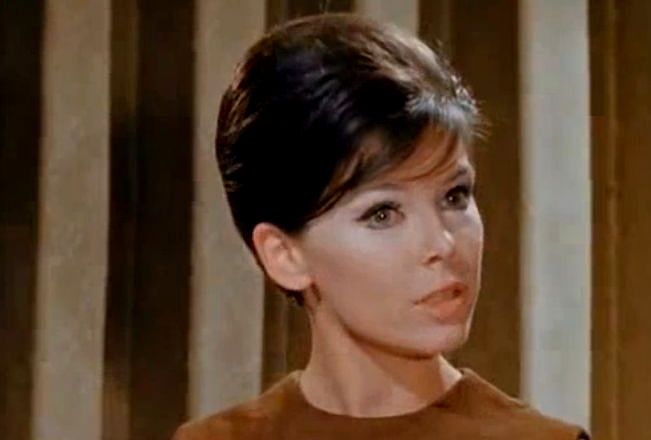
Buchanan’s most well-known movie — if only because the title has worked itself into the sci-fi vernacular — is Mars Needs Women, shot in Dallas in a couple of weeks in late 1966, starring former Disney child star Tommy Kirk and future star of “Batgirl,” Yvonne Craig. For me, the worst thing about the movie is its incredibly slow, molasses-like editing (courtesy of writer-director-editor Buchanan who was working on contract to churn out movies that had to be cut to a very specific running time, and he’s obviously padding here with interminably long scenes that drag and drag). And then there’s the dull stock footage and weird background music that I swear I’ve heard in every cheap Western ever made. Still … it has its charm.

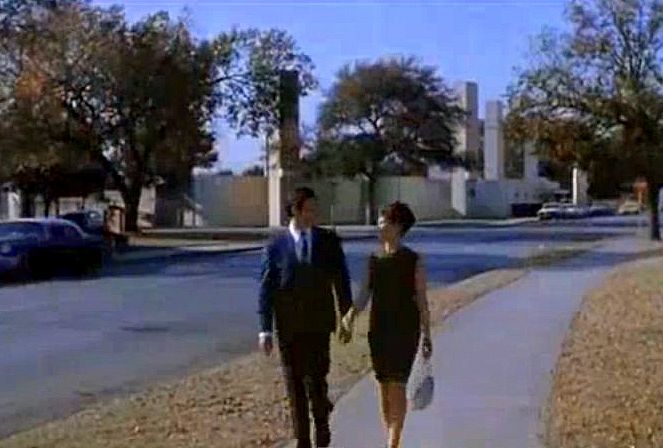
But the BEST thing about this movie (and, presumably, his others) is that it was shot entirely in Dallas, using a lot of instantly recognizable locations. (Every time I saw a place I knew, I perked up — it reminded me a bit of seeing Bottle Rocket for the first time — almost shocked to see common every-day places in an honest-to-god MOVIE!) So, if you don’t feel you can sit through the whole thing (available, by the way, in its entirety online — see link at bottom), I’ve watched it for you, with a whole bunch of screen shots. So feast your eyes on what Dallas looked like in November of 1966. (By the way, because the movie revolves around …. Mars needing women, the movie is actually set in Houston, home of the Johnson Space Center. Even though you see the very distinctive Dallas skyline — repeatedly. Houston! You wish, Houston!)

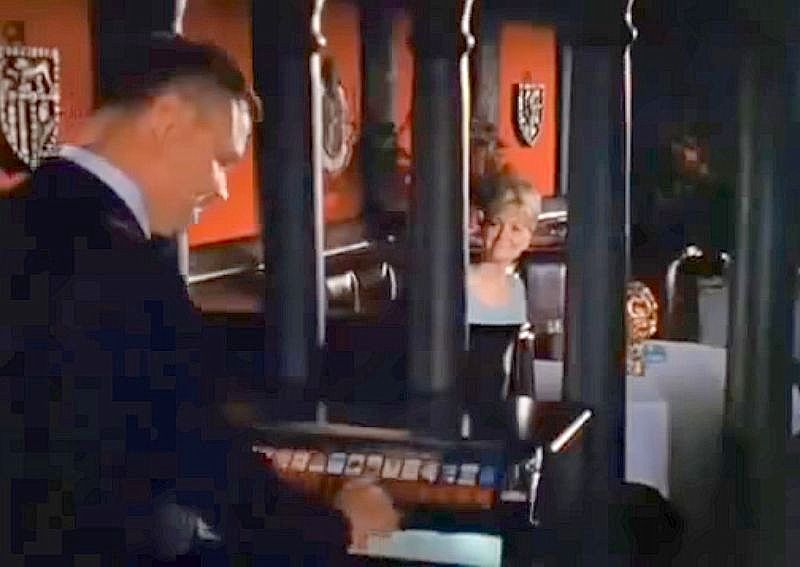
My favorite shot is the one at the top of this page and is seen in the first 90 seconds of the movie: Oak Lawn at Lemmon, with the familiar Lucas B & B sign at the right. This area was used a few more times. One character goes into the old Esquire theater, but, sadly, there was no establishing shot showing that great old neon sign. I think the first interior — showing a couple at a lounge — was shot in the swanky private club, Club Village, at 3211 Oak Lawn (at Hall), just a short hop from Oak Lawn and Lemmon.

1966_club-village_mars-needs-women

Next, we’re off to White Rock Lake.

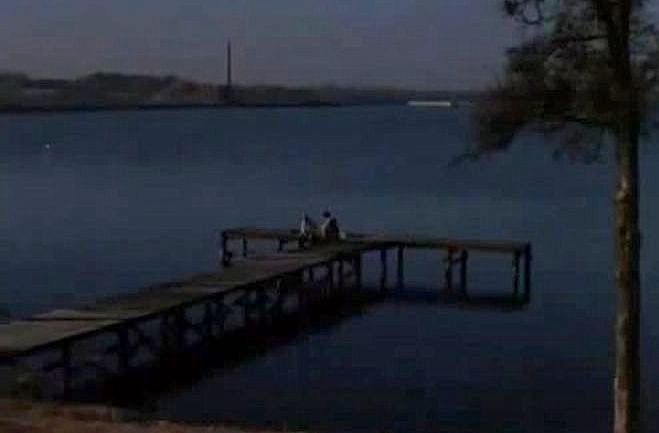
2-mars_pump1White Rock Lake. Shot day-for-night, with the pump station in the distance.

3-mars-pump2White Rock Lake pump station, where the Martians are headquartered as they search for healthy, single women to take back to Mars to help re-populate the planet.

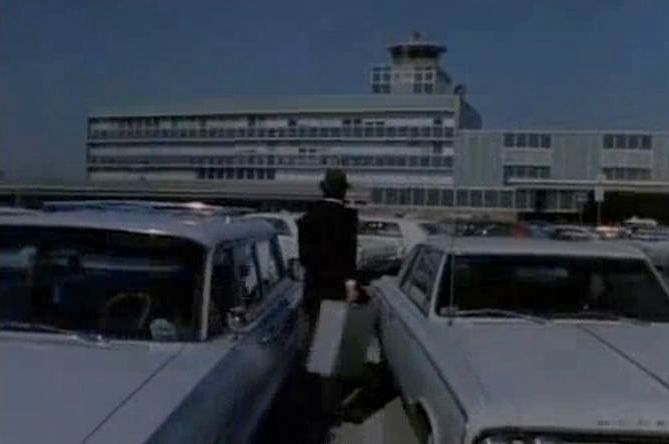
4-mars_love-field-extLove Field parking lot. Still shooting day-for-night. Badly.

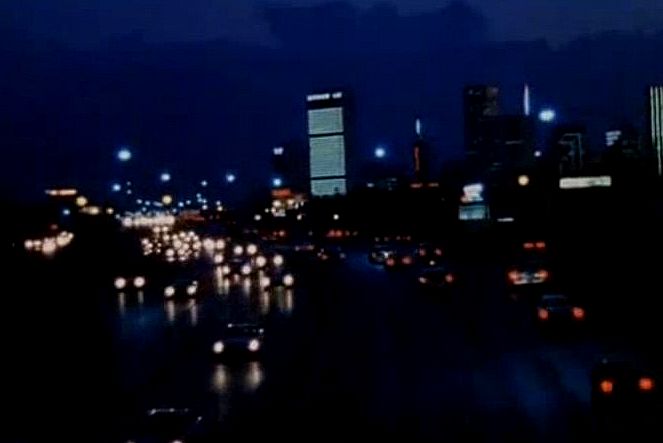
5- mars-southland-lifeThe Southland Life Building, etc., magically transported to Houston.

7-mars-athens-stripAthens Strip — a strip joint on Lower Greenville, one block north of the old Arcadia Theater. I’ve never heard of this place, but I came across the story of a guy who had visited the place back around this time and remembered one of the VERY unhappy dancers who hurled handfuls of the coins (!) that had been tossed onstage back into the audience, with such force that his face and chin sustained minor lacerations.

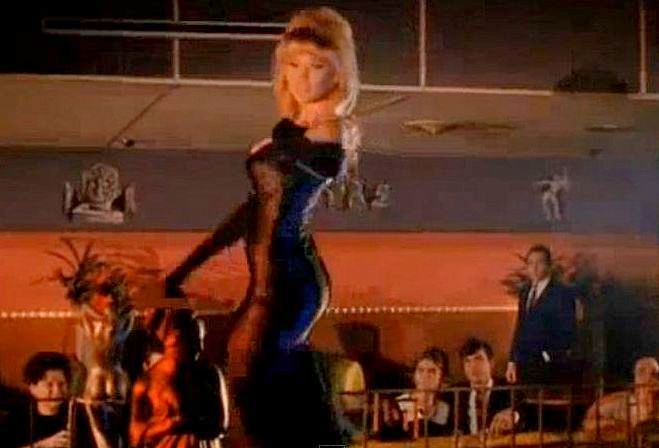
8-mars-needs-women_athens-strip_bubbles-cashLocal celebrity-stripper “Bubbles” Cash, inside Athens Strip. Plainclothes Martian (standing) ponders whether she has what it takes to birth a nation. (She does.)

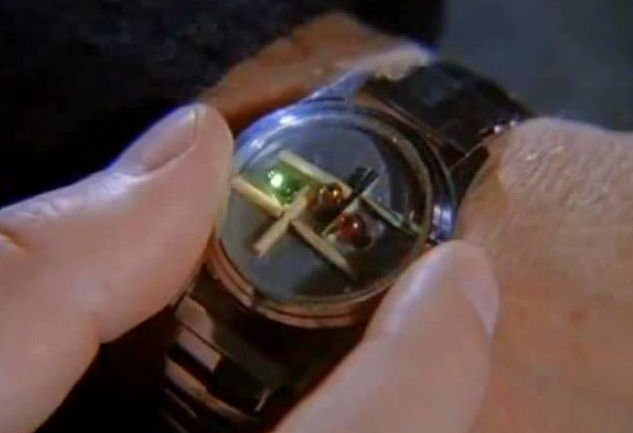
9-mars-watchMy favorite example of what a director is forced to resort to when there is no budget. This is some sort of sophisticated communication device. I think those are matchsticks.

10-mars-yvonne-craigYvonne Craig, without a doubt the best actor in the movie. In fact, she’s really good. She had already made a few movies in Hollywood at this point, but the lure of a starring role brought her back to her hometown (where the newspapers reported she was happily staying with her parents during the two-week shoot).

11- mars-band-shellMartian #1 and sexy space geneticist strolling through Fair Park — band shell behind them, to the left.

12-mars-planetariumThe Fair Park planetarium.

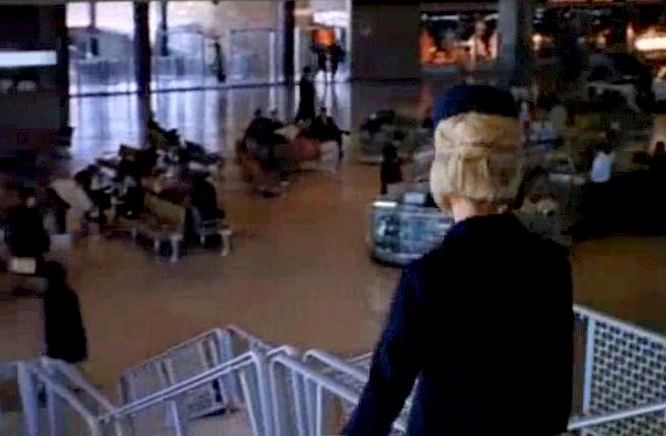
13-mars_love-fieldLove Field. I love the interior shots of the airport in this movie. (The stewardess walking down the stairs? Destined for Mars.)

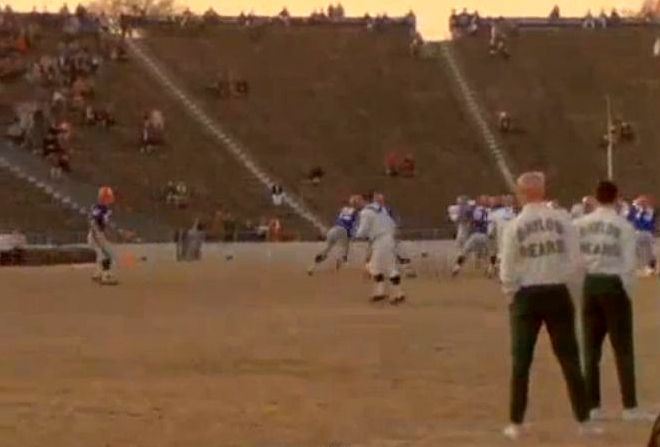
14-mars-cotton-bowlCotton Bowl, shot during a homecoming game between SMU and Baylor. Some shots show a packed stadium, some show this. Word of warning to the homecoming queen, Sherry Roberts: do NOT accept that flower delivery!

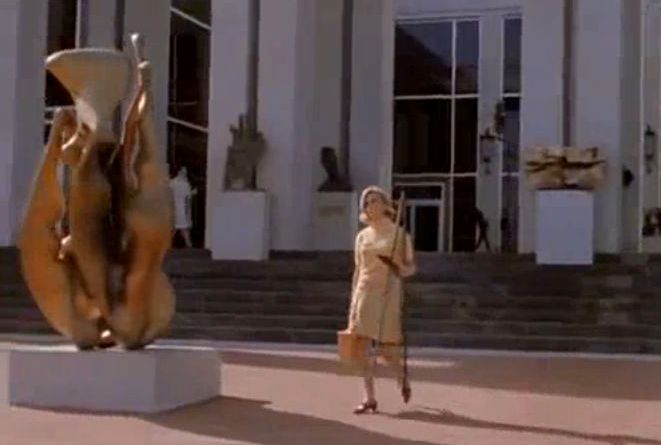
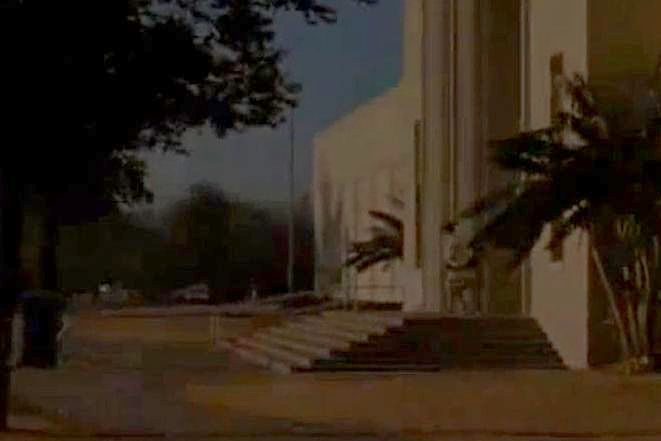
15-mars-meadowsSMU, Meadows School of the Arts. I love the pan across the front of the building. Mars Needs Co-Eds.

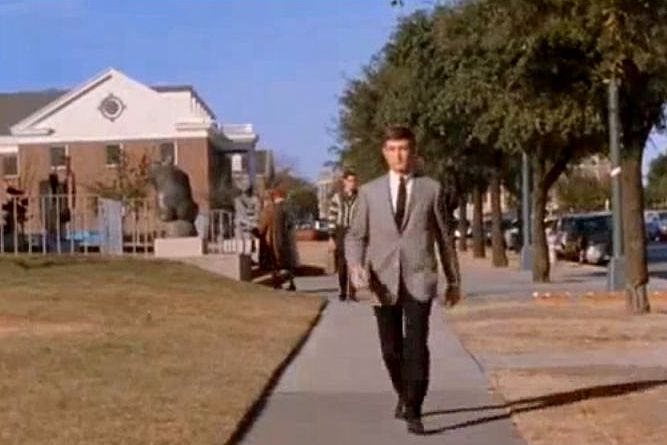
17-mars_BMOCSMU. BMOC (Big Martian On Campus).

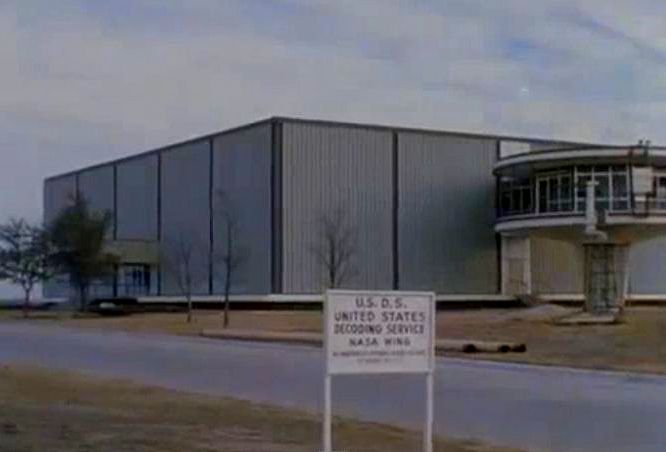
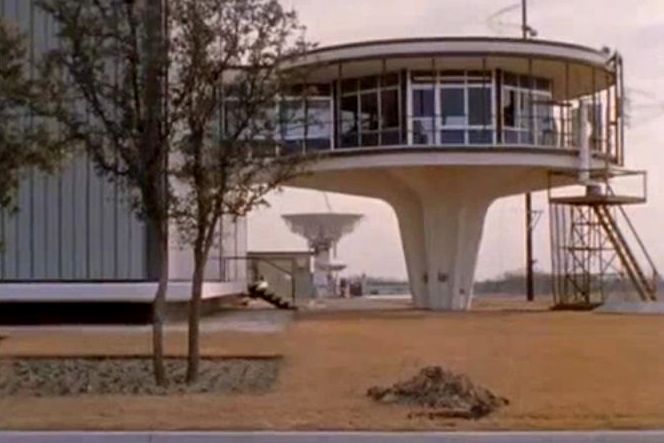
18-mars-collins-radioThe one location I couldn’t figure out. And it’s because it isn’t in Dallas. It’s the Collins Radio building in Richardson, a company that was absorbed by/bought out by/merged with Rockwell International. I think all the interior and exterior shots which are supposed to be NASA were shot here. How did a low-budget director like Larry Buchanan get into a place like that? According to a 1986 Texas Monthly article, Buchanan, in his day-job career as an ad-man, was hired by Collins Radio in 1961 to work in their “audio-visual” department” (the man who hired him was Harold Hoffman, whose later film work with Buchanan was done under the name Hal Dwain).

19-mars-collins-radioSo, yeah — COOL location.

20-mars_fair-parkMore Fair Park, more murky day-for-night.

21-mars_pump3White Rock Lake pump station, aka the Martian lair.

22-mars-saucerFANTASTIC flying saucer. Do the Martians get their five healthy, single women on board the ship and get them back home? You’ll have to watch it for yourself to find out.

23-mars-endYou tell ’em, Konnie.

mars-needs-women_VHS-box

Check back in a few days for more on Larry Buchanan (including a long-lost photo of him at work back in his advertising days in the 1950s).

UPDATE: Here it is — Larry Buchanan filming a Chrysler spot in the Katy railyard in 1955 for Dallas’ Jamieson Film Company, here.

***

Sources & Notes

The entire movie is on YouTube in a pretty good print. Watch it here.

Larry Buchanan Wikipedia page is here.

Mars Needs Women Wikipedia page is here.

Collins Radio/Rockwell Collins Wikipedia page is here.

Consult the Dallas Morning News archives to read a somewhat sarcastic Dallas Morning News article by Kent Biffle on the shooting of the Cotton Bowl sequence (I miss his Texana columns!): “That UFO Was a Field Goal” (Nov. 20, 1966).

*

Copyright © 2014 Paula Bosse. All Rights Reserved.
SMU’s First Year: The Dinkey, Campus Hijinx, and the Basket Ball — 1915-16

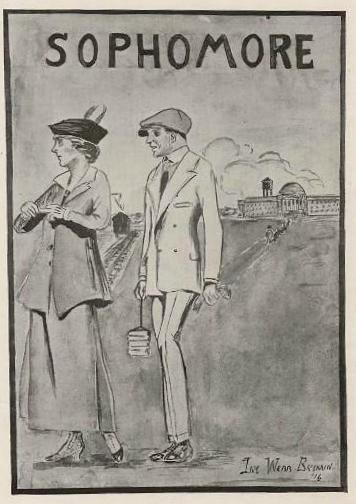
1smu-rotunda-1916_soph-drawing

by Paula Bosse

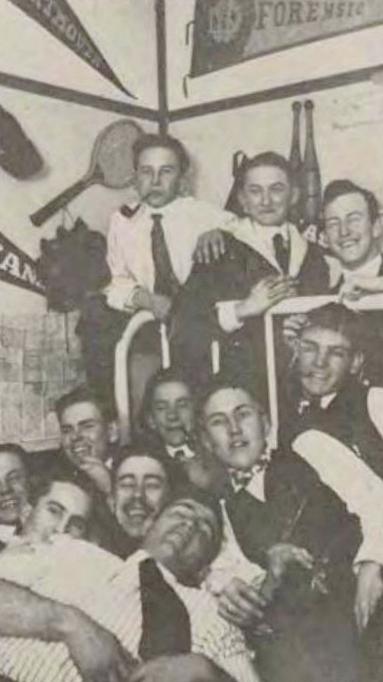
As a companion to my previous post on the first year of classes at SMU, here are a few more photos from the yearbook, these documenting the less studious side of campus life.

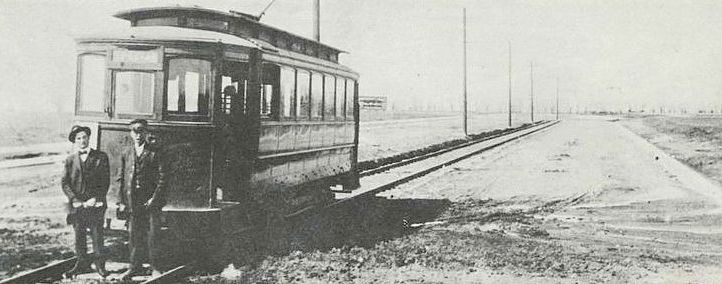
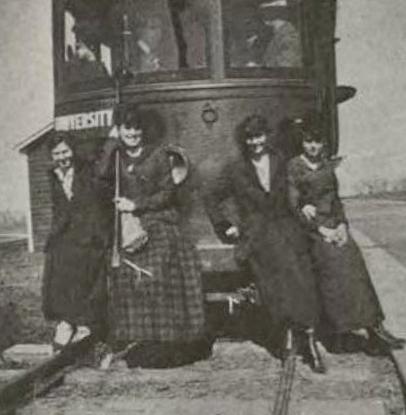
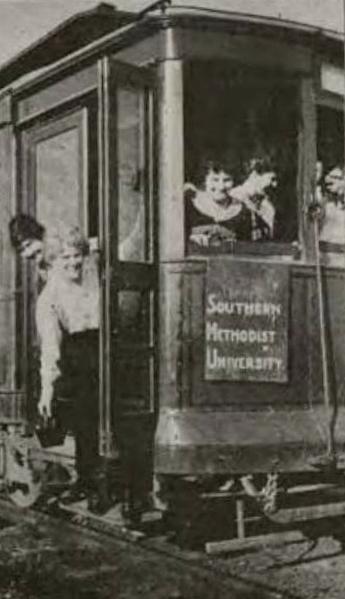
The most interesting thing about these photos, for me, is the SMU trolley, nick-named “The Dinkey” (or “The Dinky”). When SMU opened in 1915, it was waaaaaaaaaay outside the city limits, and the rail line extended only as far north as Knox. In order to get to and from downtown (and points beyond), one had to board the Dinkey near Hillcrest and McFarlin and ride to Knox, then change to an official city streetcar and head into civilization.

This reminiscence appeared in a 1984 issue of Park Cities People:

The first time Manning saw the campus was from the wooden seat of the Dinkey, an electric streetcar built for SMU in 1915.

“I told Dad Johnson, the conductor, as I boarded in Highland Park, I wanted to get off at SMU,” Manning said. “He said, ‘That’s as far as it goes.'”

“‘When we got there, I said, ‘Where’s the campus?’ He said, ‘There’s only two buildings. Dallas Hall is the one with the columns.'”

Manning couldn’t see the building from the Dinkey for the four-foot-tall Johnson grass and had to follow a travel-worn path to Dallas Hall.

2dinkey-hpcentennial“The Dinkey ran from Dallas Hall to Knox Street on tracks in the middle of Hillcrest. This photo taken at McFarlin.”

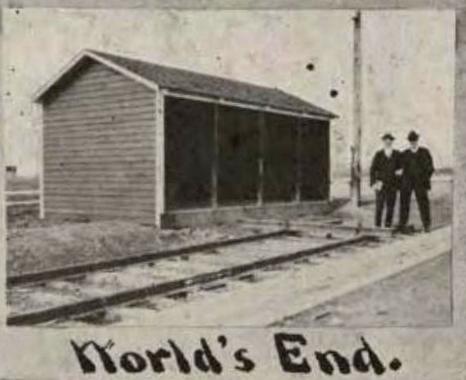
3smu-rotunda-1916_dinkey-stopThe “depot” where the Dinkey picked up and dropped off SMU students, faculty, and visitors.

4smu-rotunda-1916_dinkeyThe Dinkey, garnished with co-eds.

5smu-rotunda-1916_dinkey

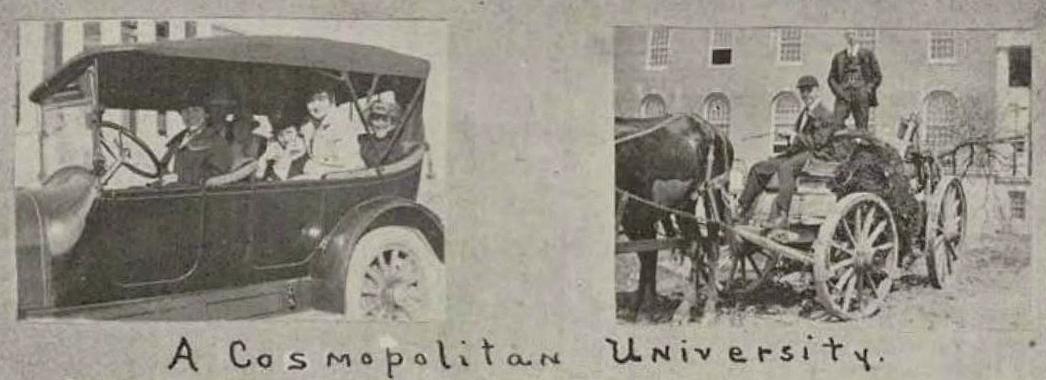
6smu-rotunda-1916_cosmopolitan-univ“Cosmopolitan University” horsepower.

7smu-rotunda-1916_frat

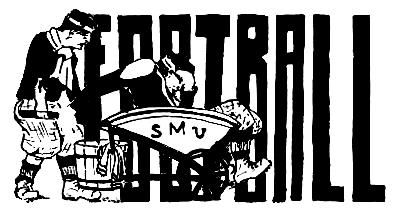
8smu-rotunda-1916_footballBad season?

The inaugural football season started tentatively. The 1915 schedule:

  • Oct. 9th: SMU vs. TCU at Fort Worth
  • Oct. 14th: SMU vs. Hendrick College at Dallas
  • Oct. 27th: SMU vs. Austin College at Dallas Fair
  • Nov. 4th: SMU vs. Dallas University
  • Nov. 12th: SMU vs. Daniel Baker at Brownwood
  • Nov. 19th: SMU vs. Southwestern University at Dallas
  • Nov. 25th: SMU vs. Trinity University at Waxahachie

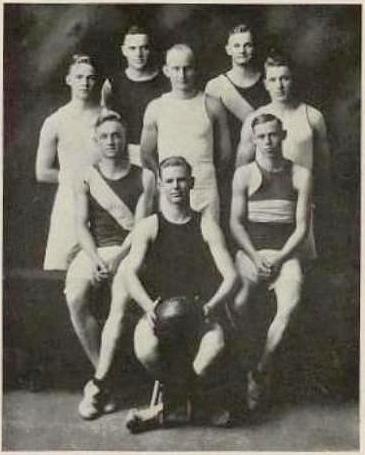
9smu-rotunda-1916_basketballThe men’s “Basket Ball” team.

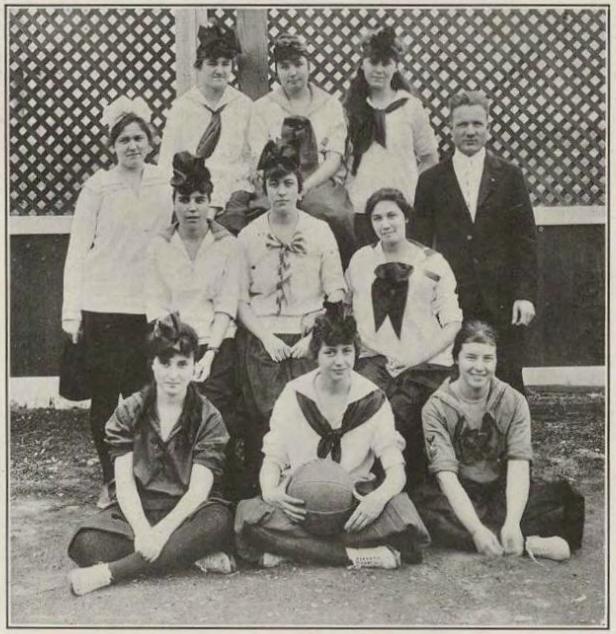
10smu-rotunda-1916_girls-basketballThe girl’s “Basket Ball” team.

16smu-rotunda-1916_cover

***

Sources & Notes

All images (except the second) from the 1915-1916 edition of SMU’s “Rotunda” yearbook.

Photo (and caption) of the “Dinkey” trolley at Hillcrest and McFarlin from Highland Park Centennial Celebration site, here.

Quote about traveling to the campus from Park Cities People (March 15, 1984).

“Dallas Hall and the Hilltop” by Tom Peeler, an entertaining  1998 D Magazine article on the first days of SMU, is here.

My previous post containing more photos from this first yearbook, is here.

*

Copyright © 2014 Paula Bosse. All Rights Reserved.
SMU, “The School of the Future” — 1915-16

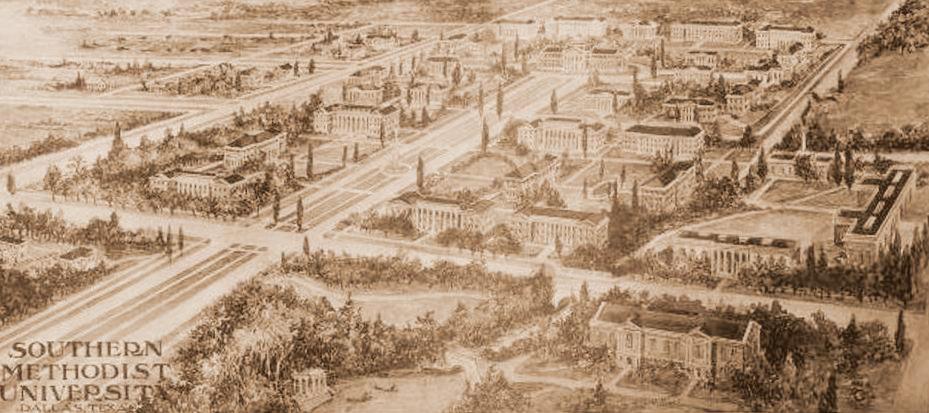
1smu-rotunda-frontis_1916-lgProposed buildings — upper half of the campus

by Paula Bosse

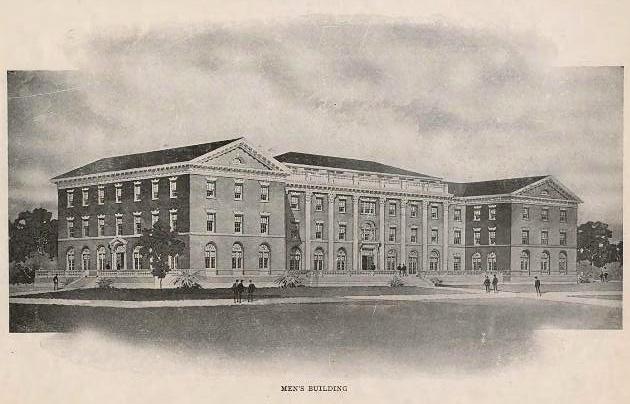
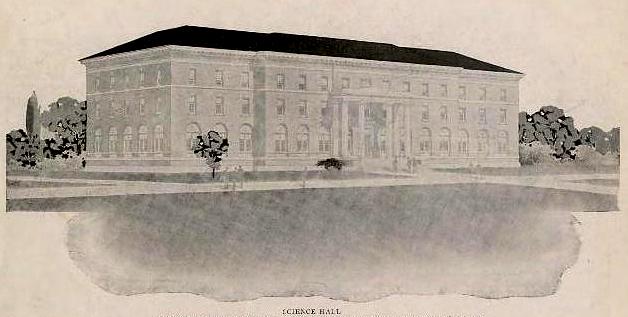
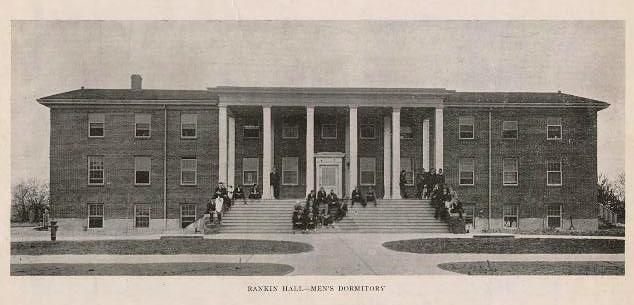
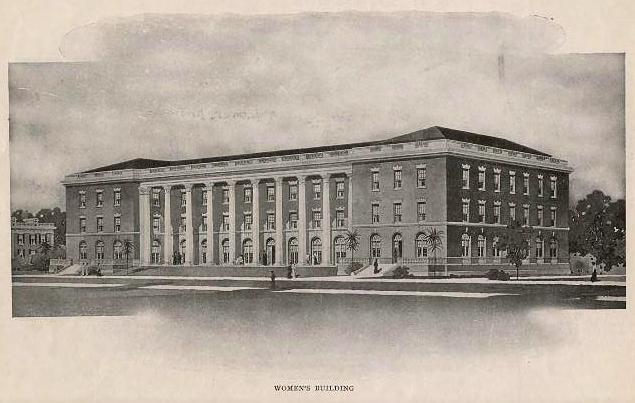
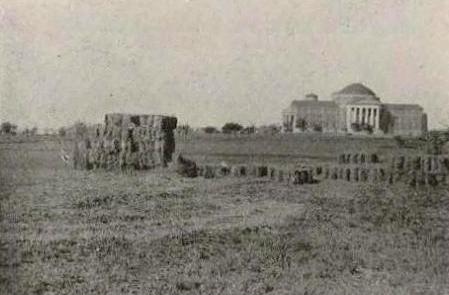
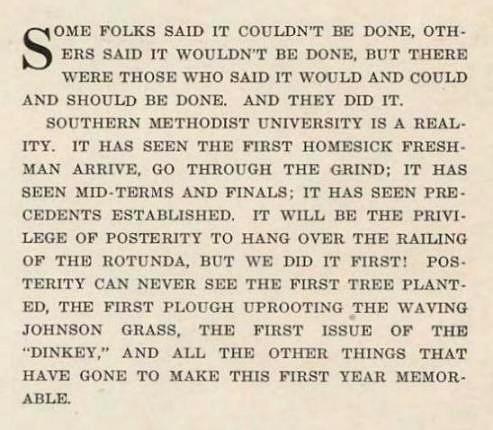
In 1916, the SMU campus consisted of Dallas Hall and four dormitories — five lonely buildings set in a vast empty expanse of some 600-plus acres (a good chunk of which would be sold during the hard times of the Great Depression). There are as many jokes throughout the first yearbook about this prairie outpost’s resemblance to a “farm” as there are about the university’s ongoing construction — there are numerous photos of high-spirited students standing on or next to piles of bricks and constantly churning cement mixers. Even though there were fewer than two dozen members of the senior class, the entire student body of that first year numbered an impressive 701. This first year was, of course, a milestone in the history of SMU, but it was also a significant step forward in the history of Dallas.

2smu-rotunda-1916-aDallas Hall — Administration Building

3smu-rotunda-1916-bMen’s Building

4smu-rotunda-1916-b1Science Hall

5smu-rotunda-1916-cRankin Hall — Men’s Dormitory

6smu-rotunda-1916-c1Women’s Building

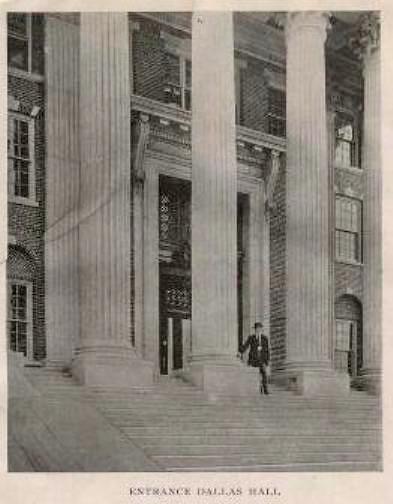
8smu-rotunda-1916-dallas-hall-entranceEntrance Dallas Hall

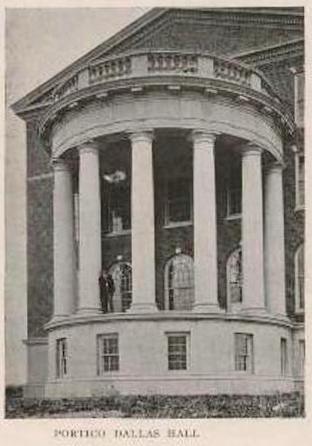
9smu-rotunda-1916-dallas-hall-porticoPortico Dallas Hall

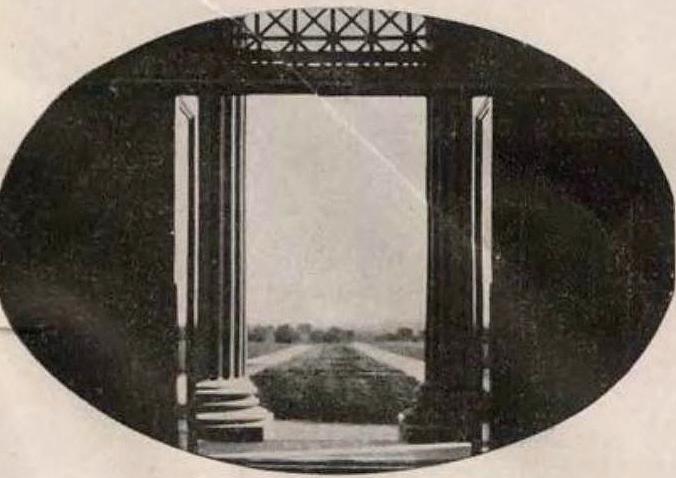
10smu-rotunda-1916_bishop-blvd-fr-admin-bldgBishop Boulevard from Administration Building

11smu-rotunda-1916_viewNewest view in town

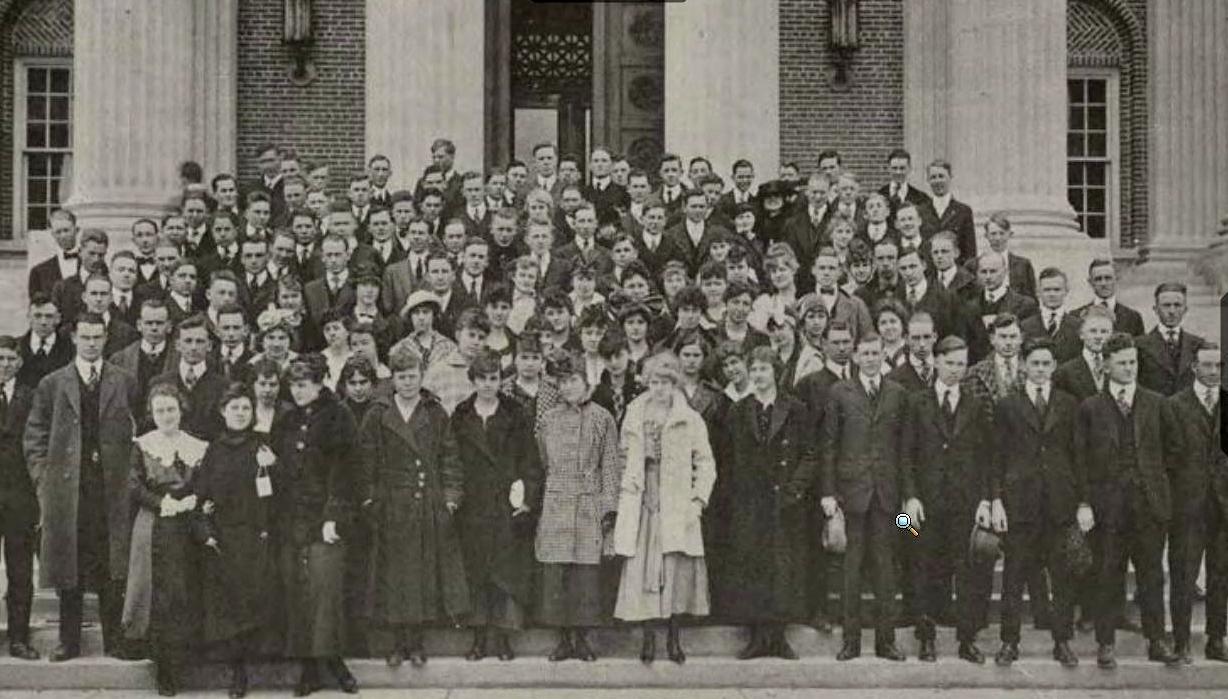
12smu-rotunda-1916_freshman-class1915-16 Freshman Class

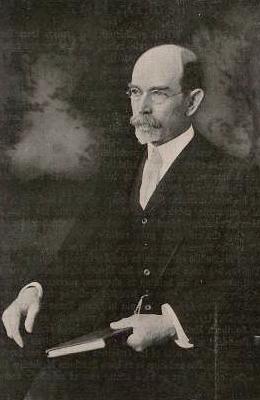
13smu-rotunda-1916_hyerSMU President Robert Stewart Hyer

smu-rotunda-1916_smu-farm_photo

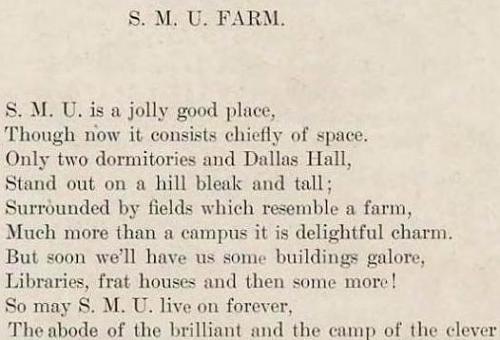
smu-rotunda-1916_smu-farm_verseDallas Hall, bales of hay, and stilted-yet-charming student versification

15smu-rotunda-1916_first-class

16smu-rotunda-1916_cover

SOUTHERN METHODIST UNIVERSITY
Dallas, Texas

For Men and Women
School of Liberal Arts
School of Theology
School of Fine Arts

Student Body:
The first year closes with a matriculation of 701, exclusive of the Summer School, which may bring the total enrollment to more than 1000. This is a record without parallel.

Location:
The campus is located north of the city, and four miles from the center of business activity. It is situated on an eminence above the level of many of the city’s highest buildings. In addition to the many natural trees, there have been several hundred trees and shrubs transplanted, making it a park of unusual beauty.

Buildings:
Dallas Hall, the gift of the citizens of Dallas, and costing $300,000.00, is acknowledged to be one of the best school buildings in the South. It is fireproof throughout and so arranged that it will accommodate the maximum number of students. Four dormitories with accommodations for about 300 students have already been built. They are all equipped with modern conveniences for comfort and study.

All the buildings are provided with electric lights, natural gas, artesian water, and steam heat. No effort has been spared to provide the best in every department.

S.M.U., “THE SCHOOL OF THE FUTURE”

***

Sources & Notes

All images from the “Rotunda” yearbook, issued by Southern Methodist University in 1916.

A very good, brief history of SMU’s beginnings is “From High on the Hilltop…” by Marshall Terry, and it can be read in its entirety here (PDF).

More photos from this yearbook in a later post, “SMU’s First Year: The Dinkey, Campus Hijinx, and The Basket Ball,” here.

*

Copyright © 2014 Paula Bosse. All Rights Reserved.

Peruna, via Neiman-Marcus, a la Andy Warhol — 1965

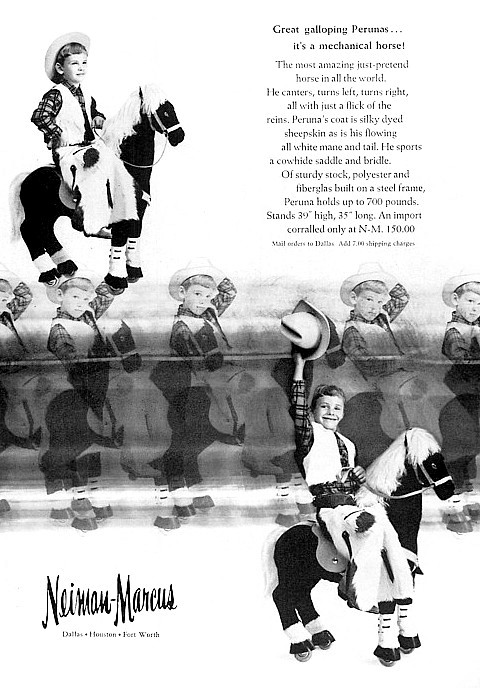
n-m_peruna-toy_1965“Great galloping Perunas … it’s a mechanical horse!”

by Paula Bosse

You’re a parent of comfortable financial standing who graduated from SMU. What do you get the future Mustangs in your life? You get them a mechanical Peruna!

*

Great galloping Perunas … it’s a mechanical horse!

The most amazing just-pretend horse in all the world.

He canters, turns left, turns right, all with just a flick of the reins. Peruna’s coat is silky dyed sheepskin as is his flowing all white mane and tail. He sports a cowhide saddle and bridle. Of sturdy stock, polyester and fiberglass built on a steel frame, Peruna holds up to 700 pounds. Stands 39″ high, 35″ long. An import corralled only at N-M. 150.00

Mail orders to Dallas. Add 7.00 shipping charges.

Neiman-Marcus
Dallas • Houston • Fort Worth

***

Sources & Notes

I’ve had this ad for years and have no idea where I found it. I used it back in 2012 in an old advertising blog I had, so I’ll use myself as a source.

In 1965, the price of this SMU-specific toy was $150, the equivalent in 2014 money is about $1,150.

Photos of the original Peruna, the Shetland pony mascot for SMU, can be seen here.

*

Copyright © 2014 Paula Bosse. All Rights Reserved.
The Store That Doak Built

doak-walker-sport-center

by Paula Bosse

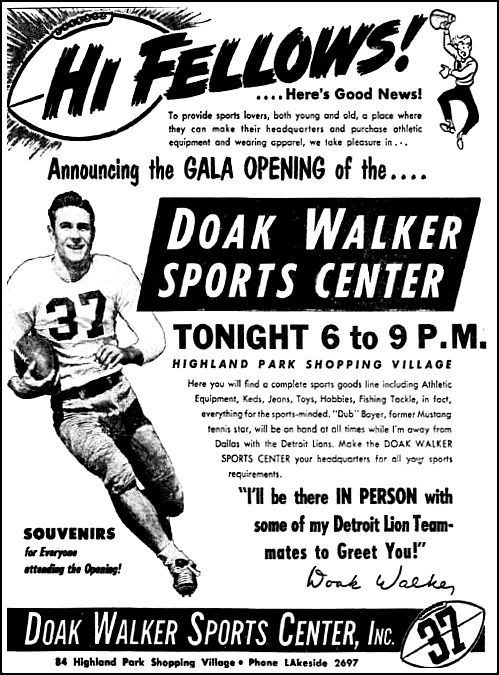
Doak Walker, the Heisman-winning superstar football player for SMU from 1945 to 1949, was, for a good forty-odd years, a partner in a successful sporting goods business that bore his name: the Doak Walker Sports Center. When it opened in Highland Park Village on August 23, 1951, the 24-year old — then playing pro ball with the Detroit Lions — was a bona fide celebrity, both locally and nationally. Predictably, the grand opening drew large crowds of sports fans eager to see their homegrown hero and check out the new place in town to get tennis balls and baseball bats (and, who knows, there might even have been some who showed up to see those unnamed Lions teammates the ads said he’d bring with him). The promise of “souvenirs for everyone!” was merely icing on the cake.

At the same time that the Sports Center was opening, Doak’s name was also on a Gulf station that he and former Mustangs teammate Raleigh Blakely owned on Hillcrest across from the SMU campus. And while both of those business concerns were chugging along, he was also appearing in local and national ads for everything from chewing gum to Vitalis (with a name like “Doak” you’re going to have instant name recognition). Oh, and he was also playing football. Doak Walker was a force to be reckoned with — on the field, on Madison Avenue, and in the dang Park Cities.

*

doak-walker_sports-ctr_opening_dmn_082351

***

Postcard of Doak Walker Sports Center from the Boston Public Library Tichnor Brothers Postcard Collection on Flickr, here.

Life magazine from Sept. 27, 1948. The cover story on Doak Walker and the SMU team can be accessed here.

Signed issued of Sport magazine is currently available for sale here.

Triangle Motors ad from a 1951 program for an SMU-Rice game at the Cotton Bowl.

Doak Walker bio on the Pro Football Hall of Fame website is here.

*

Copyright © 2014 Paula Bosse. All Rights Reserved.
Roger Corman Does Dallas — 1970

by Paula Bosse

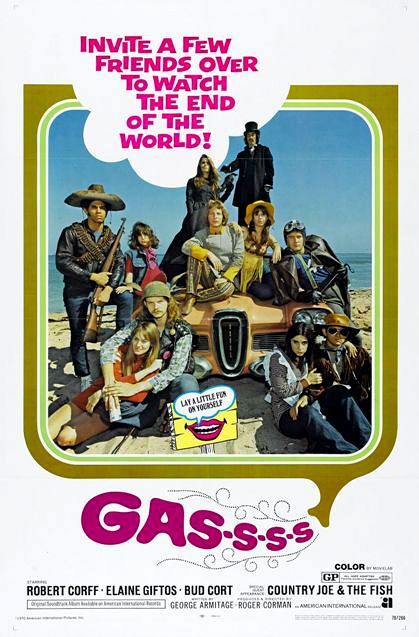
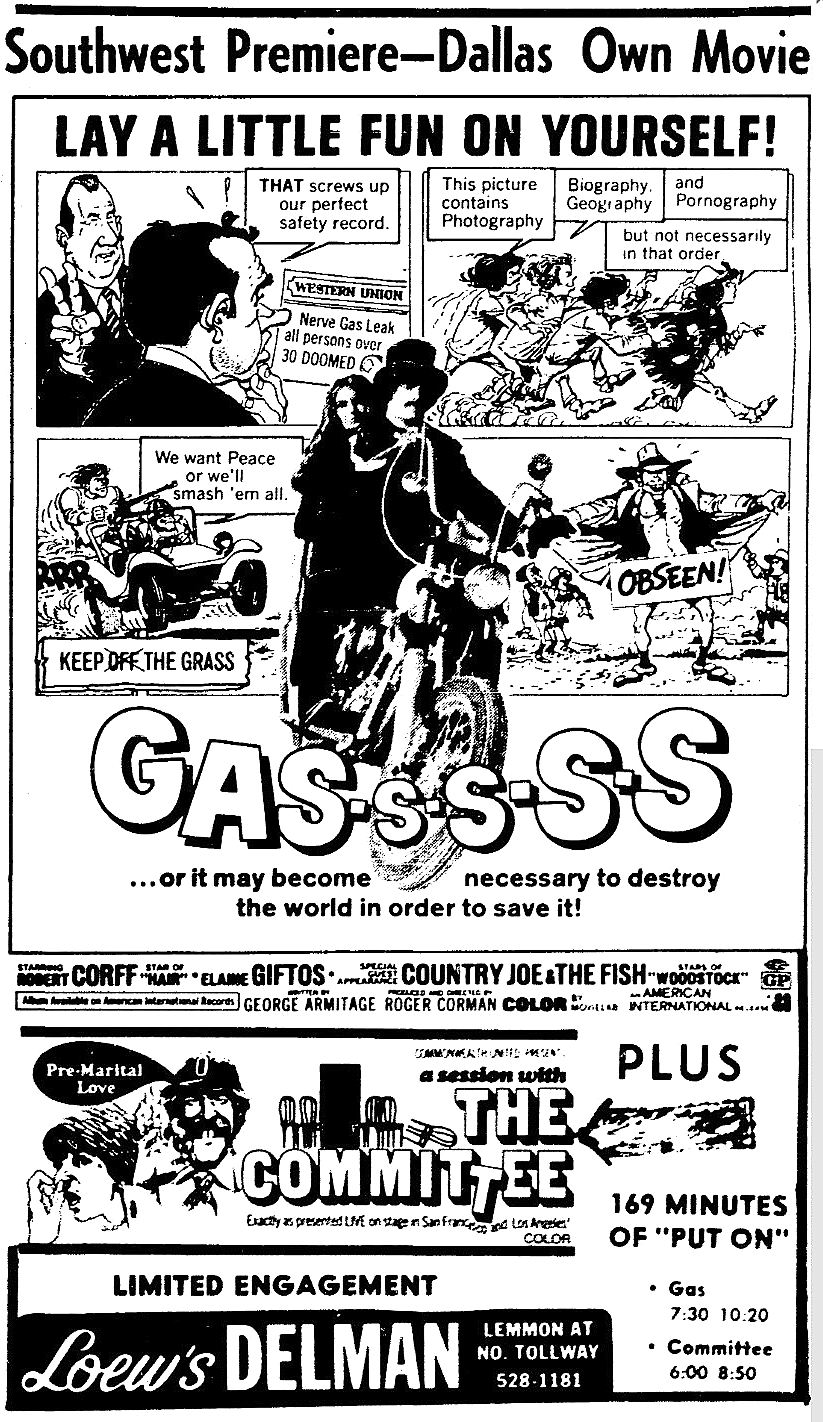
Think you’re up on your “movies-shot-in-Dallas” trivia? I thought I was. Until I happened across a strange little movie in the wee hours of the morning a couple of years ago. The movie is called Gas-s-s-s! Or sometimes Gas–Or–It Became Necessary to Destroy the World In Order to Save It. And it’s directed and produced by the great schlockmeister (and I use that word lovingly), Roger Corman.

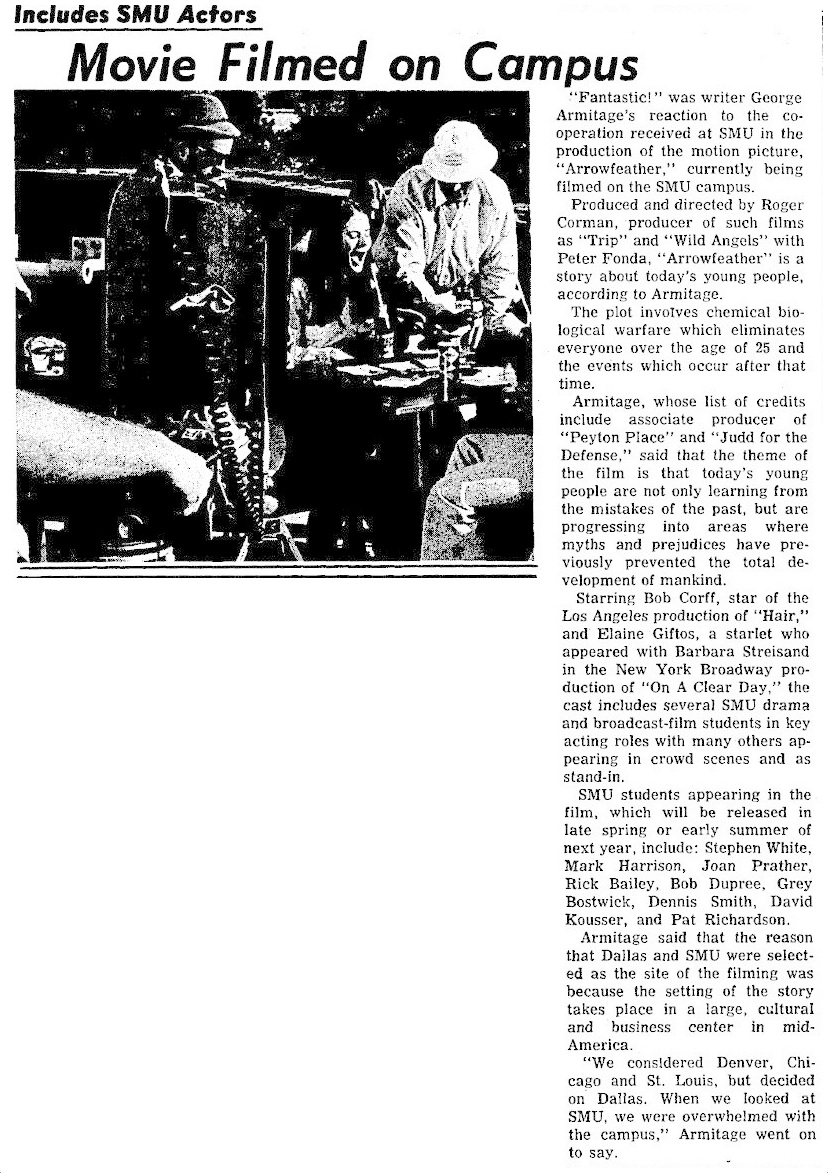
For my purposes here, I’m not going to try to describe the meandering plot of this vaguely post-apocalyptic screwball hippie groove-fest, but other than the fact that it has early appearances on film by Bud Cort, Cindy Williams, Ben Vereen, and Talia Shire (billed here as “Tally Coppola”), the only thing that really matters is that a good ten minutes of this really bad movie take place in Dallas — a good chunk of it shot on the SMU campus (?!). (I wonder if there was some guerrilla film-making going on here because it seems unlikely that the powers-that-be at SMU would have allowed Corman to film one of his typical counter-culture movies in the heart of the Park Cities.) (ETA: Well, I’ve recently come across an article from the SMU Daily Campus, which appeared during filming (read it at the bottom of this post). It mentions previous Corman movies, so I guess the Hilltop decision-maker knew of Corman’s oeuvre and was fine with everything. Either that, or that person was lazy and didn’t bother investigating. The working title, by the way, was “Arrowfeather.”)

The Dallas scenes are conveniently right at the beginning of the movie (following a short animated sequence of plot exposition and titles). Corman’s opening montage of the streets of Dallas is only 30-seconds long, but it’s really great! Not that he meant it to be, but it’s like a little valentine to downtown Dallas as it was embarking on a new decade. Look at all those buildings! Look at all those people! Later on you see an eerie, deserted downtown, Dealey Plaza, SMU fraternity row, and a mod, weird-looking church which I’ve never seen (where is that, anyway?). Here’s the opening couple of minutes of the movie:

*

The entire movie is occasionally on YouTube, but it seems to go up and get pulled off with some frequency. By the time you read this it may no longer be available, but you can watch the trailer here. (If you can find the full movie, the Dallas bits start at about the 3:30 mark and last until about the 13:00 mark.)

I watched the whole thing, and I can’t say I enjoyed it. I DID really like Cindy Williams as an excitable music geek, here in her first movie — three years before American Graffiti and longer still before Laverne & Shirley — but I’m not sure that’s enough of a reason to recommend sitting all the way through it. (And don’t get excited about Bud Cort, because his participation is minimal.)

Watch the whole thing if you must. But, remember: you’ve been warned!

**

gassssss_movie_smu-daily-campus_nov-4-1970SMU Daily Campus, Nov. 4, 1970

This article appeared in the SMU newspaper — The Daily Campus — while the movie was being filmed in Dallas. (Click for larger image.)

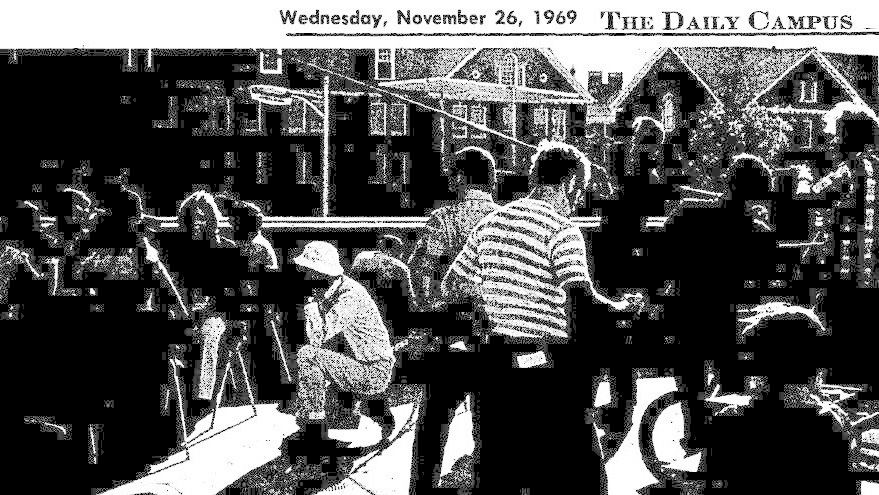
gas_making-of_roger-corman_smu-daily-campus_112669SMU Daily Campus, Nov. 26, 1969

The photos accompanying the article are, sadly, not the greatest resolution, but here’s one:

gas_making-of_roger-corman_smu-daily-campus_112669_photo

***

Sources & Notes

SMU Daily Campus article (Nov. 26, 1969) is from the Southern Methodist University Student Newspapers collection, DeGolyer Library — see the scanned issue here.

The IMDb listing for the movie is here. Who knows? You might know people in it! …Heck, you might be in it.

If you’ve arrived at this post by searching on “schlockmeister,” I invite you to peruse these other Flashback Dallas posts about Dallas’ own Roger Corman, Larry Buchanan:

*

Copyright © 2014 Paula Bosse. All Rights Reserved.