Flashback : Dallas

A Miscellany: History, Ads, Pop Culture

Knox Street Fire — 1961
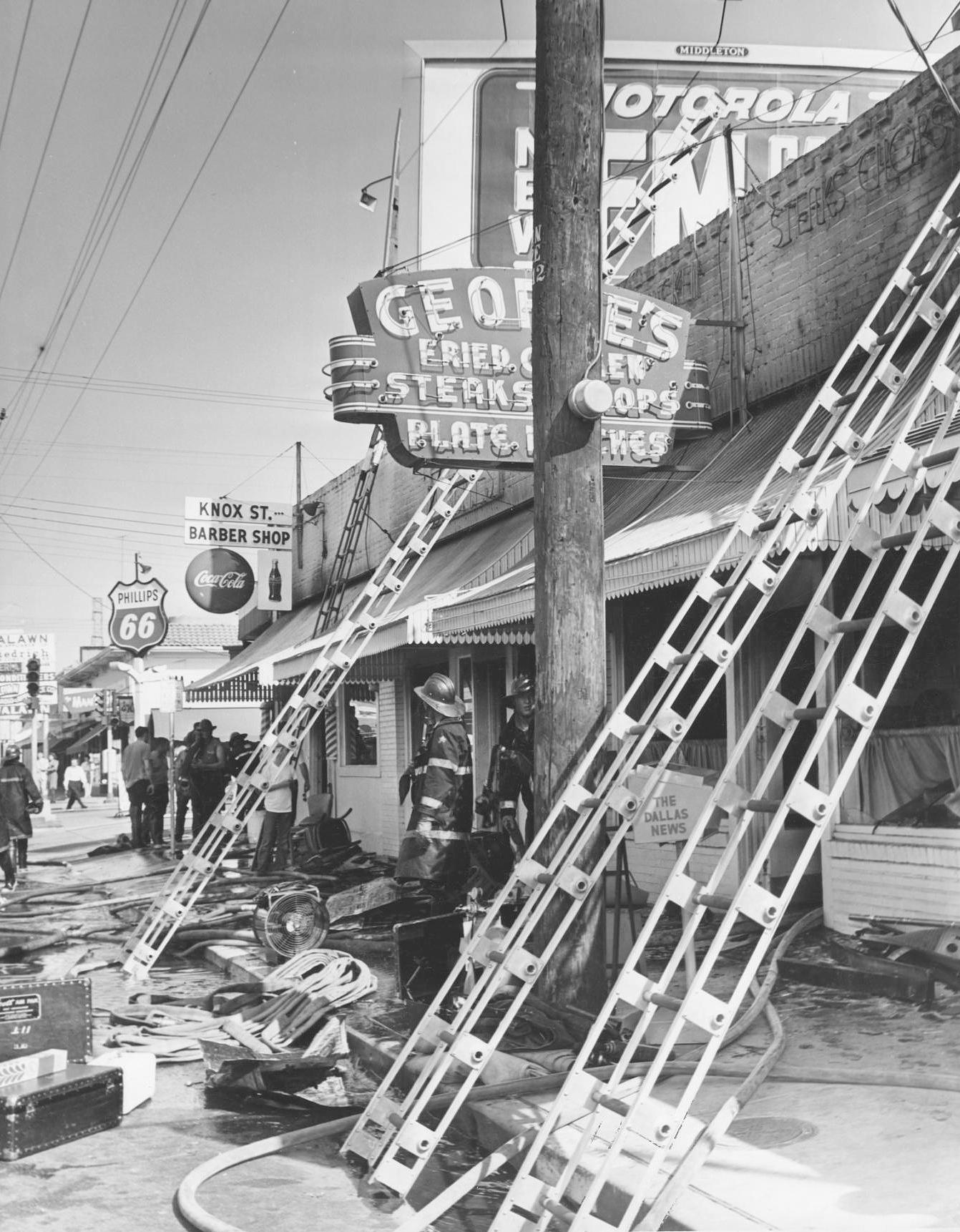
knox-street-fire_3100-block_052161_unt_portal_dallas-firefighters-museum3100 block of Knox, after a 4-alarm fire…

by Paula Bosse

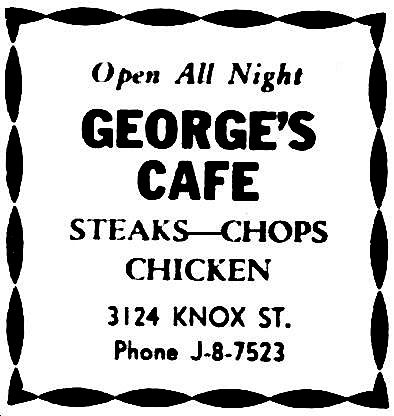
I often run across photos that aren’t particularly historical, but they’re interesting because they show a part of town with which I’m familiar, but which looks very different today. The photo above shows the 3100 block of Knox Street, between McKinney and Cole, looking toward Cole (seen at the stoplight). It shows the aftermath of a 4-alarm fire that broke out on May 21, 1951 and destroyed three businesses: George’s Cafe (at 3124 Knox), the Knox Street Barber Shop (3128 Knox), and Foster’s Food Store (3122 Knox) — the building housing these business survived, but it is long-gone; the land is now occupied by On The Border.

There were no fatalities at the scene, but, sadly, Charles William Layne, a 13-year-old neighborhood boy who suffered from a heart condition, collapsed while running to see what the commotion was and later died.

I looked up one of the businesses affected by the fire: George’s Cafe, owned by George Bartlett, who opened the business at 3124 Knox in 1937. Apparently those early days were difficult, and Bartlett barely kept the business afloat. The only thing that seemed to keep him going was the fear of losing the money his widowed mother had loaned him after she had mortgaged her home. A heartwarming rags-to-riches article about Bartlett appeared in the pages of The Dallas Morning News (“Shot at the Moon” by Kenneth Foree, DMN, Nov. 28, 1946).

Digging a bit, I saw that Bartlett had tried to sell the cafe several times but never seems to have found a buyer. The for-sale ads stopped after 1964. The last appearance of the cafe in the Dallas directory was in 1965. Bartlett died in 1966.

But Bartlett wasn’t kidding when he was interviewed by Kenneth Foree in that Dallas News article: it was very hard making money running the place. So hard, in fact, that in order to keep from going under, he had to take on a side job: he became a bookie, taking bets on basketball games, football games, and horse races. He was arrested twice (in 1959 and 1963) and spent 90 days in jail after being convicted on book-making charges. When arrested in 1963 after having been caught flushing receipts down the toilet as the vice squad broke down his door (a case which was later no-billed), the 57-year-old Bartlett told the arresting officer, “I just can’t make any money in the cafe business” (“Bookmaking Raid Nets Two Arrests” by Hugh Aynsworth, DMN, Nov. 17, 1963). He was shown in a news photo wearing handcuffs and pajamas. Oh, George. What would your mother have said?

UPDATE: I stumbled across news footage from 1963 of poor George on the worst day of his life, described above: in it, he is seen being arrested on camera — in his pajamas — after vice cops raided his East Dallas home. He has a black eye, which he sustained when cops caught him attempting to flush evidence. You can watch the short, silent video here — and you can read the news script which would have been read by the news anchor over the footage, here (it will explain those loaves of bread). Below is a screen shot.
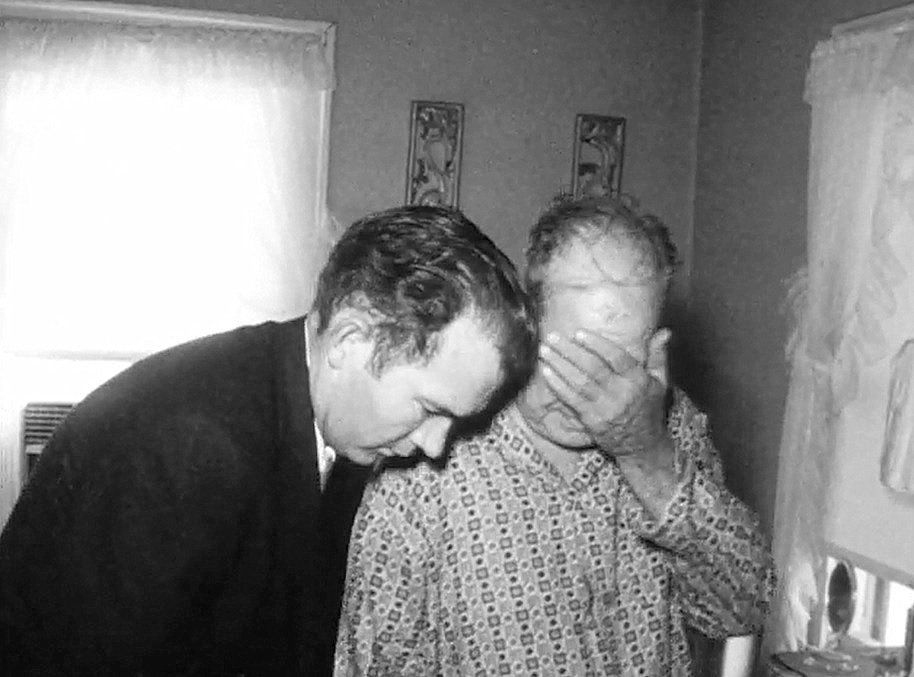
bartlett-george_bookie-raid_nov-1963_WBAP_portalKXAS-NBC 5 News Collection, UNT

**

georges-cafe_dmn_062245
June 22, 1945

Below, the businesses in the 3100 block of Knox Street at the time of the fire. The businesses that burned were located in a building torn down many years ago and replaced by On The Border (the view today is here).

knox-street_3100-block_1962-directory
1962 Dallas directory

***

Sources & Notes

The photo at the top is from the Dallas Firefighters Museum collection, via the Portal to Texas History — more info is here.

Screen shot of George Bartlett is from footage shot on Nov. 16, 1963, from the KXAS-NBC 5 News Collection, UNT Libraries Special Collections, via the Portal to Texas History.

*

Copyright © 2016 Paula Bosse. All Rights Reserved.
Thanksgiving, 1891: The First Turkey-Day Football Game in Dallas

thanksgiving-card_pinterest_sm

by Paula Bosse

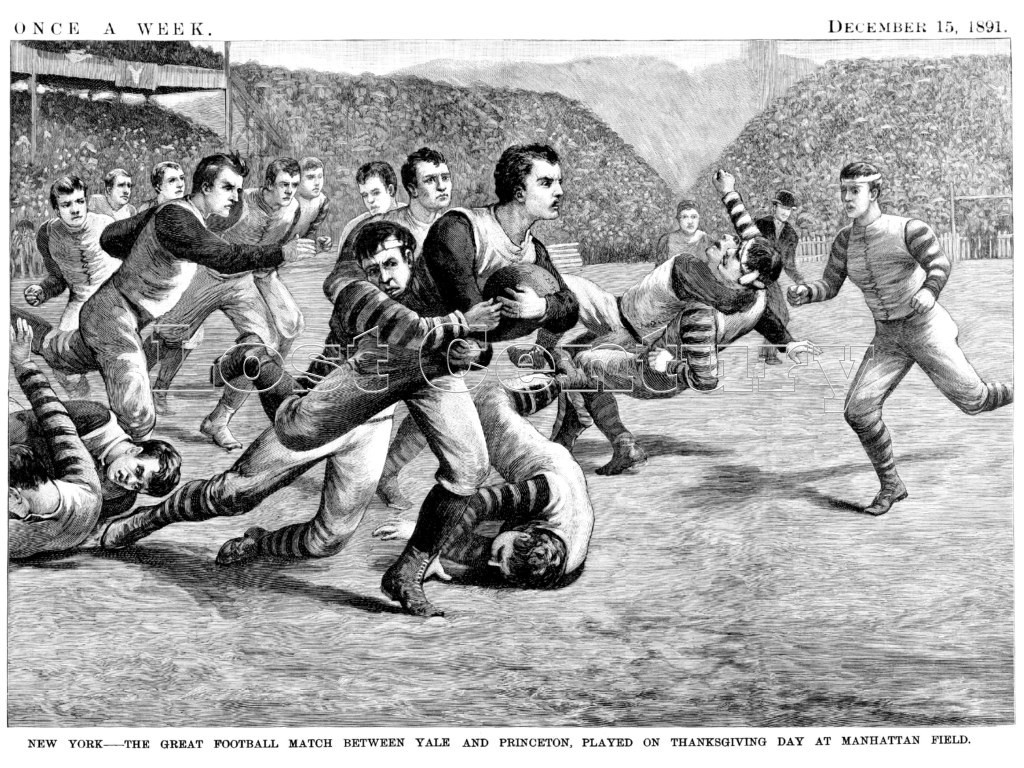
Thanksgiving is a holiday known for eating until you’re full as a tick and football — the highlight for many is the traditional Dallas Cowboys game. But when was the very first Thanksgiving Day football game played in Dallas? 125 years ago — in 1891. It was played on November 26, 1891 in Oak Cliff (…which wasn’t strictly part of Dallas at the time, but… yeah, 1891). The game was between teams from Dallas and Fort Worth, teams which had been organized only a few months previously. The sport of “rugby football” had been gaining popularity around the United States, particularly as a college sport. One of the biggest games of the young sport was the university game played on Thanksgiving Day. In 1891, the Yale-Princeton Thanksgiving game was played in New York before thousands and thousands of spectators. Yale won that year, 19-0 (see the exciting illustration below in which helmets for players are non-existent, but a man who appears to be the referee is wearing a stylish bowler hat). (Click for larger image.)

thanksgiving__football_yale-princeton_1891_lost-century

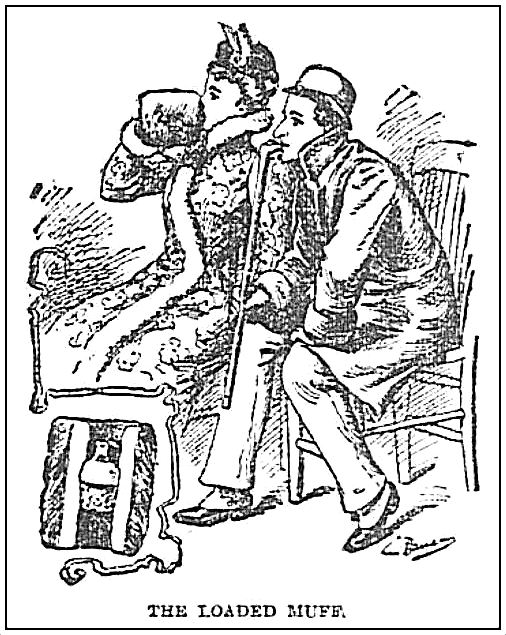
This Ivy League game was almost more of a society event than a sporting event. To get a feel for the atmosphere of these university games, read this really great contemporary article — “The Man of Fashion, We Observe Thanksgiving Day with Great Eclat” by Albert Edward Tyrrell — on the fashions and behavior of these generally well-heeled crowds (it also contains an interesting look at how Thanksgiving was celebrated in 1891, by the swells as well as the non-swells). My favorite piece of minutiae was that young ladies were not above sneaking flasks of liquor into games, hidden in their fashionable hand-warmers. I give you “the loaded muff”:

football_thanksgiving_loaded-muff_dmn112291

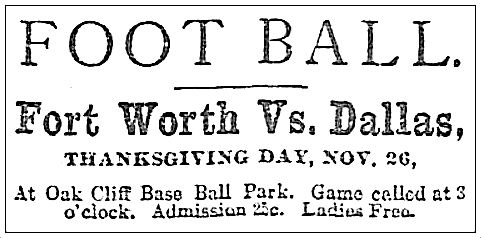
But I digress. However much those early Texas football enthusiasts might have hoped for similar large, flask-sipping crowds, the first Thanksgiving football game held in Dallas (and possibly in Texas) attracted a smaller crowd of hundreds rather than thousands (including “about 100 ladies”). Though the crowd was miniscule compared to the one up in New York that day, it did not lack in boisterousness and excited appreciation.

thanksgiving_football_dmn_112591_ad
Dallas Morning News, Nov. 25, 1891

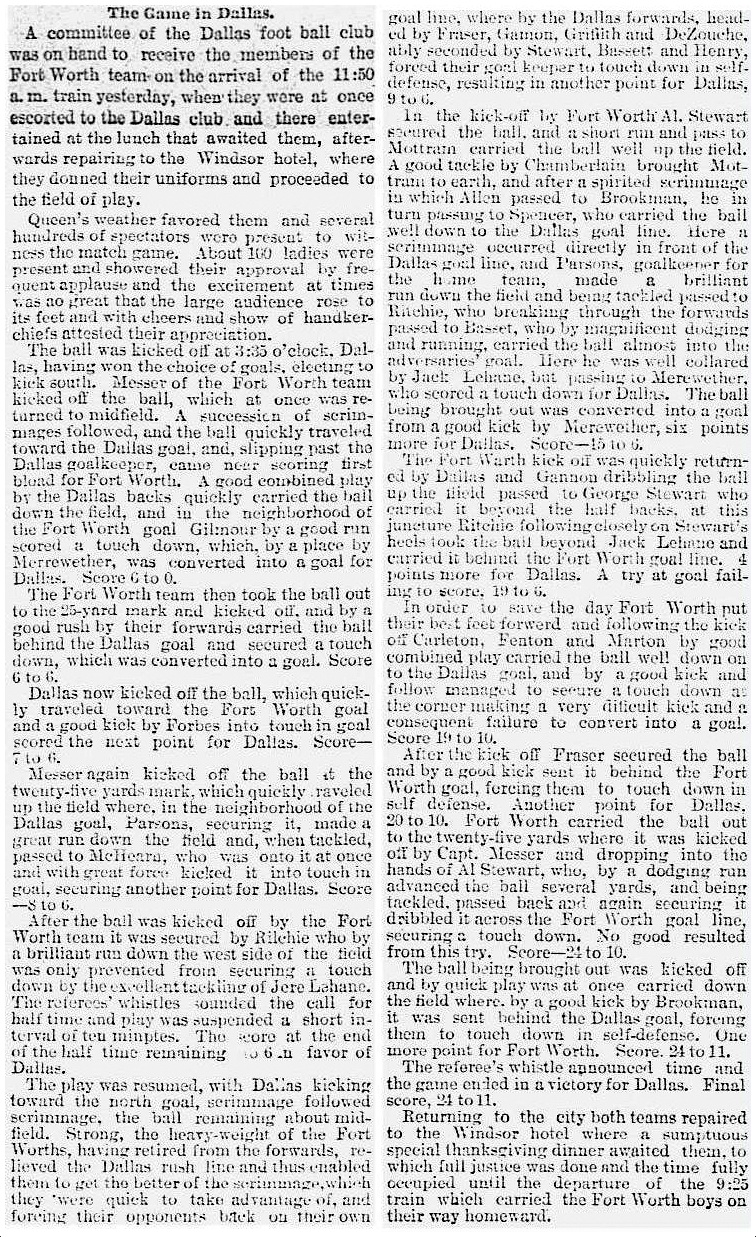
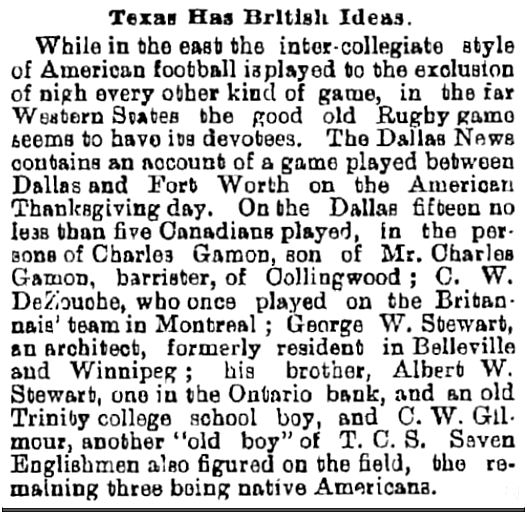
Dallas and Fort Worth had met twice before their matchup in Oak Cliff — both times with Dallas emerging victorious, and … not to be too anti-climactic, but the big inaugural Thanksgiving Day game on November 26, 1891 resulted in another Dallas win (24-11). (This shouldn’t be too surprising, seeing as the overwhelming majority of the players on the Dallas team of 15 grew up playing rugby in rugby-playing countries: 7 were British and 5 were Canadian — only 3 were native-born Americans. Still. Whatever it takes.) (The dullish play-by-play of the game can be read below.)

So what else was going on in Dallas in the Thanksgiving season of 1891? Here are a few morsels.

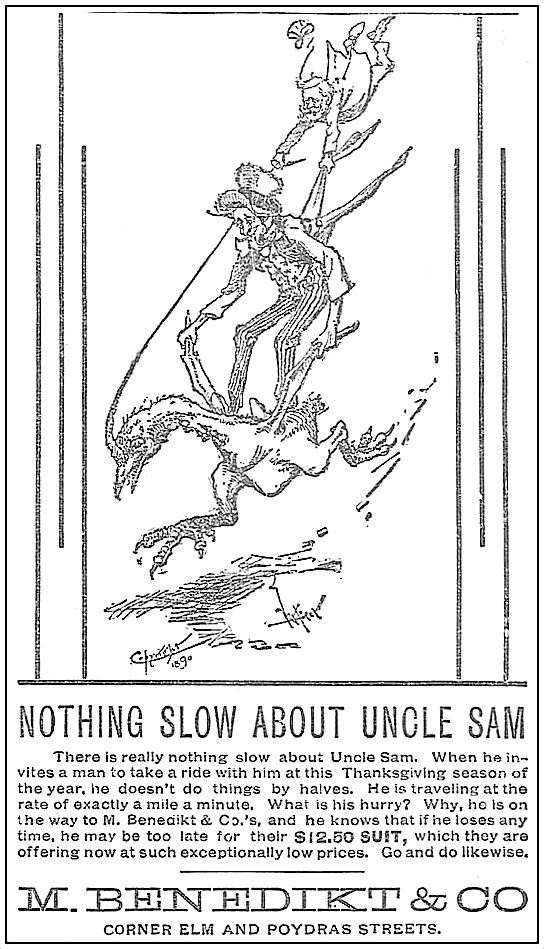
Men might have contemplated getting a new $12.50 suit from M. Benedikt & Co. (a suit which would cost about $335.00 today) — especially after seeing this eye-catching Uncle-Sam-riding-a-(scrawny)-turkey ad. (Click pictures to see larger images.)

ad-thanksgiving_benedikt_dmn_112191
DMN, Nov. 21, 1891

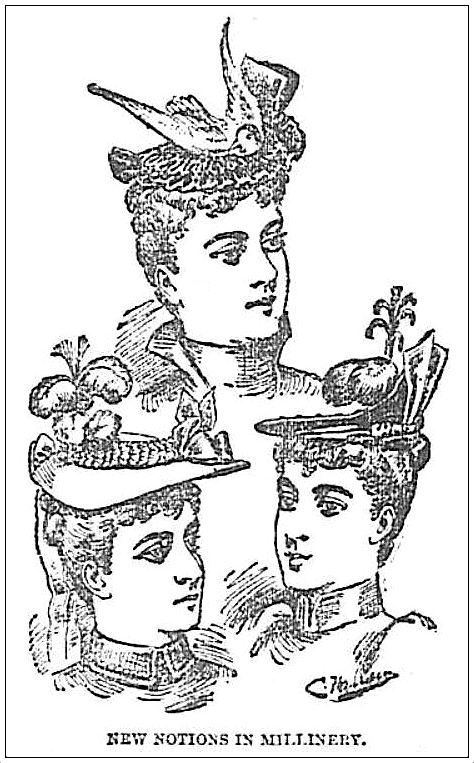
Ladies were kept up to date on the millinery, dress, and hairstyle fashions of the season by reading newspaper articles such as “What Is Really Worn, The Fashions That Find Favor at Thanksgiving” (which can be read here).

thanksgiving_milinery_dmn_112291
DMN, Nov. 22, 1891

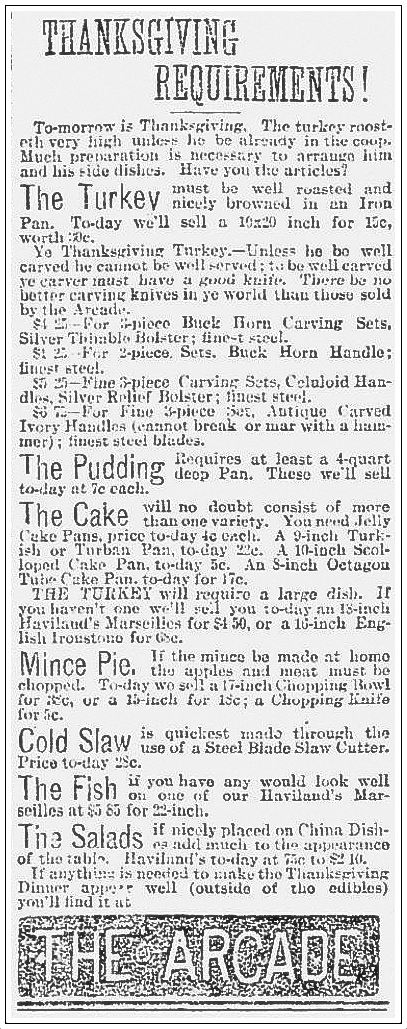
And stores that sold cookware, bakeware, and china took out ads to inform Dallasites that they really needed some new items in order to properly prepare for the big day — one’s guests shouldn’t be forced to be served a feast from tacky serving dishes or eat from chipped plates.

ad-thanksgiving_dmn_112591
DMN, Nov. 25, 1891

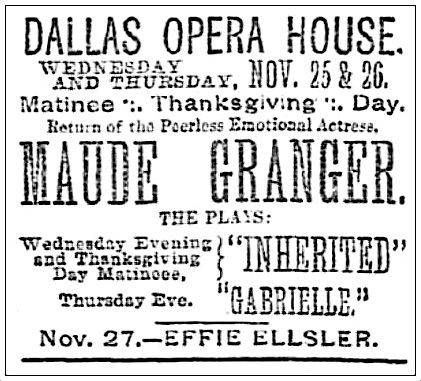
If one wasn’t spending Thanksgiving Day attending one of the city’s many church services, feeding the children at the Buckner Orphans Home, feeding one’s guests and one’s family, visiting friends, or trekking over to Oak Cliff to see that football game, he or she might have considered attending a matinee at the Dallas Opera House — Maude Granger (“The Peerless Emotional Actress”) was back in town and raring to emote.

thanksgiving_theater_dmn_112491
DMN, Nov. 24, 1891

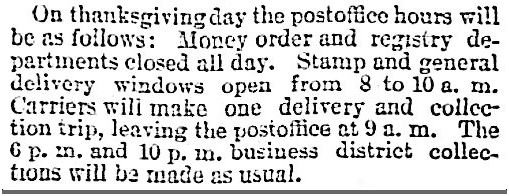
Almost everyone had the day off from work, but, oddly enough, most postal workers had to work at least part of the day. Neither rain nor sleet nor tender turkey breasts and cranberry sauce stayed those couriers from the swift completion of their appointed rounds, I guess.

thanksgiving_post-office_dmn_112591
DMN, Nov. 25, 1891

At least no one was dreading/eagerly anticipating Black Friday back in ’91.

**

Back to football. First, a friendly D-FW practice run before the Big Game.

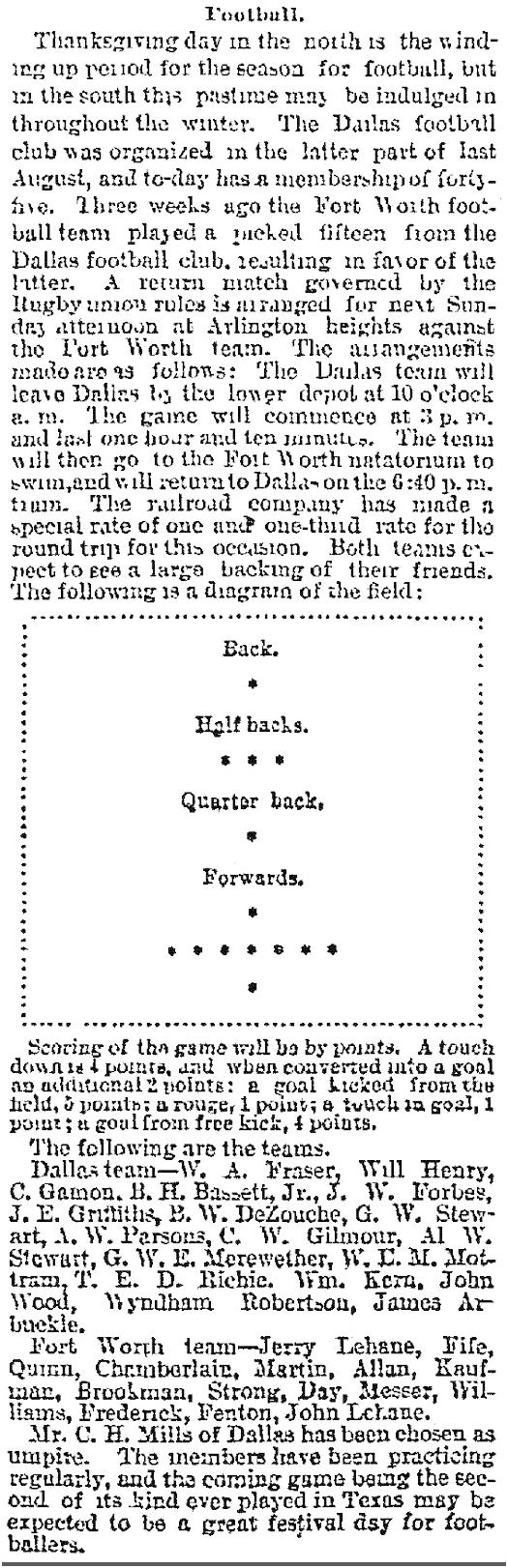
thanksgiving_football_dmn_111491
DMN, Nov. 14, 1891

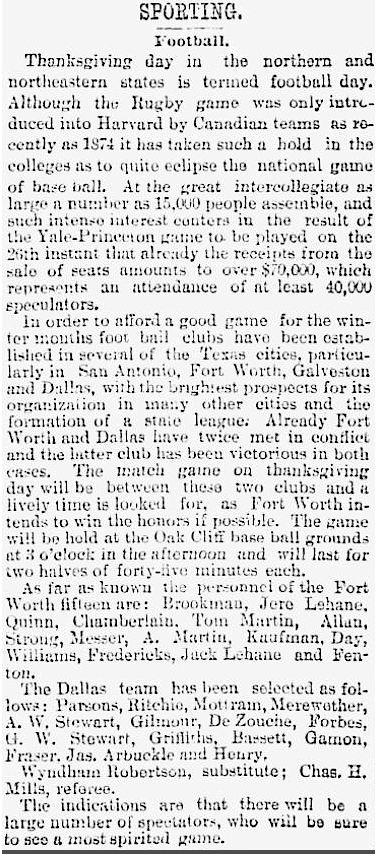
The pre-game article.

thanksgiving_football_dmn_112591
DMN, Nov. 25, 1891

The post-game article.

thanksgiving_football_dallas-fw_dmn_112791_highlights
DMN, Nov. 27, 1891

And an article from a proud Canadian newspaper, boasting of the number of Queen Victoria’s faithful subjects playing for the Dallas team.

thanksgiving__football_manitoba-free-press_121191
The Manitoba Free Press, Dec. 11, 1891

***

Sources & Notes

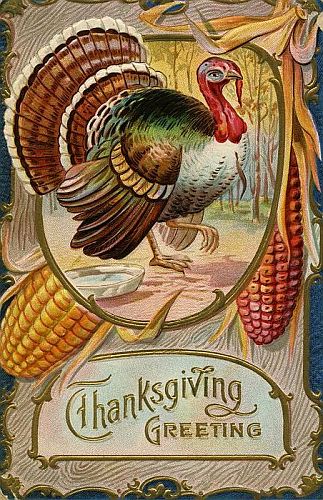
Thanksgiving card found on Pinterest.

Illustration of the 1891 Yale-Princeton game is from the Lost Century of Sports website, here. (I’m not really a sports fan, but if I were, this website of 19th-century sports might be one of my favorites!)

For more on how Thanksgiving finally came to be celebrated in Texas in 1874 (it took a long time for the Southern states to agree to celebrate what many thought was a “Yankee abolitionist holiday”), see my post “Encouraging Dallasites to Observe Thanksgiving — 1874,” here.

Happy Thanksgiving!

*

Copyright © 2016 Paula Bosse. All Rights Reserved.
From the Vault: A Warm and Cozy Look at a 1950s Dallas Skyline

dallas-skyline_ed-bearden

by Paula Bosse

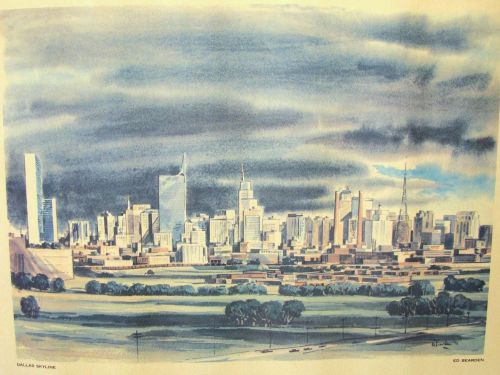
As Thanksgiving approaches, a nice cozy and nostalgic rendering of our city’s skyline seems to be in order. See this image much larger at my original post “‘Dallas Skyline’ by Ed Bearden — 1958” here.

Have a Happy Thanksgiving!

*

Copyright © 2016 Paula Bosse. All Rights Reserved.
November 22, 1963: Will Fritz and the JFK Investigation

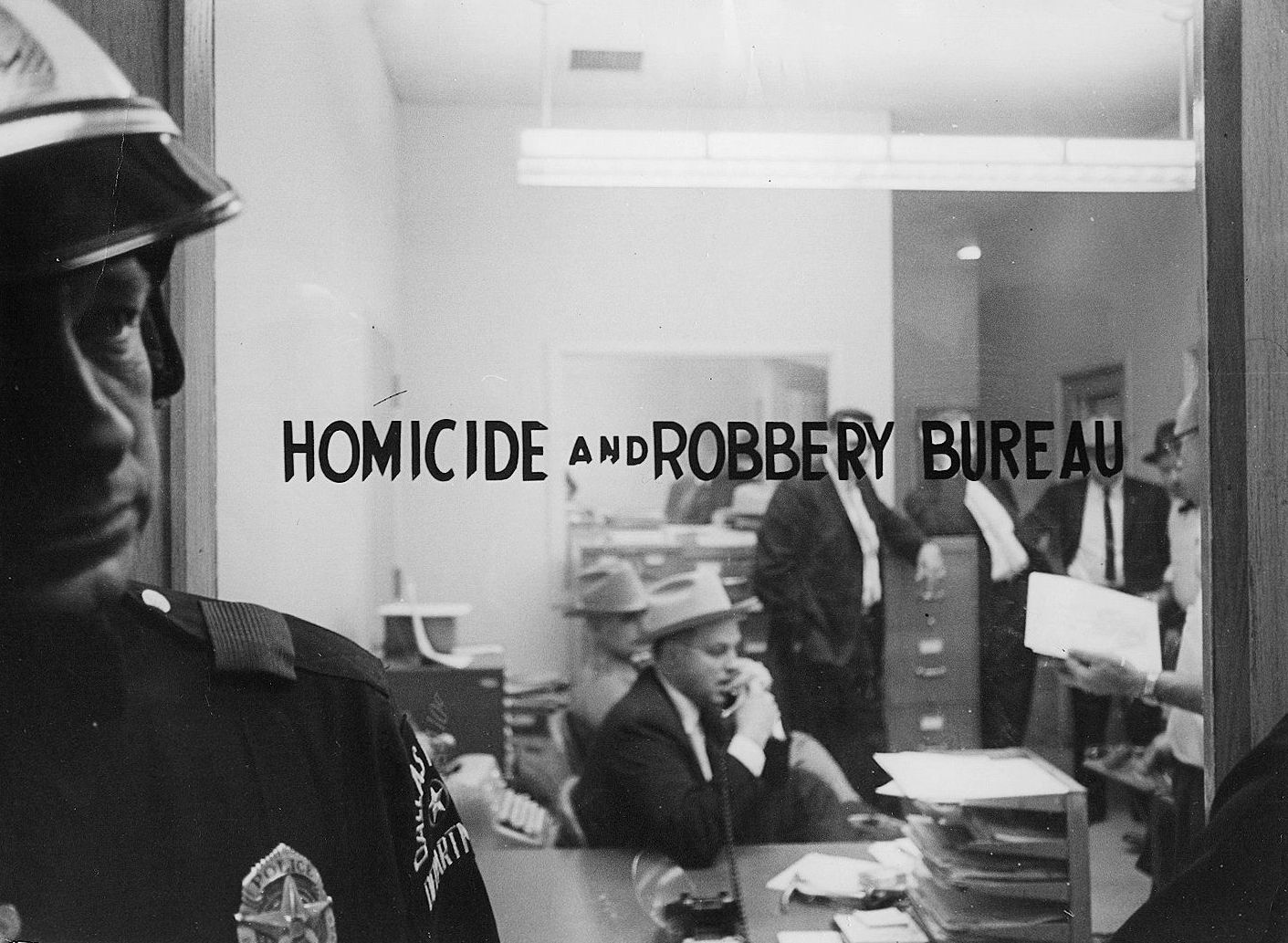
jfk_dpd_post-assassination_ebayThe men of the Homicide & Robbery Bureau at work (click for larger image)

by Paula Bosse

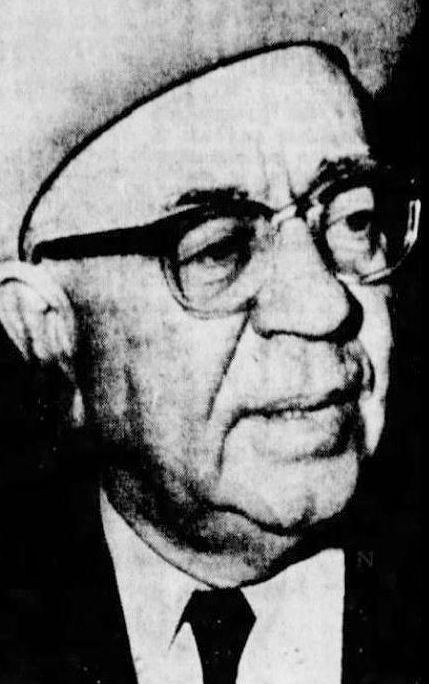
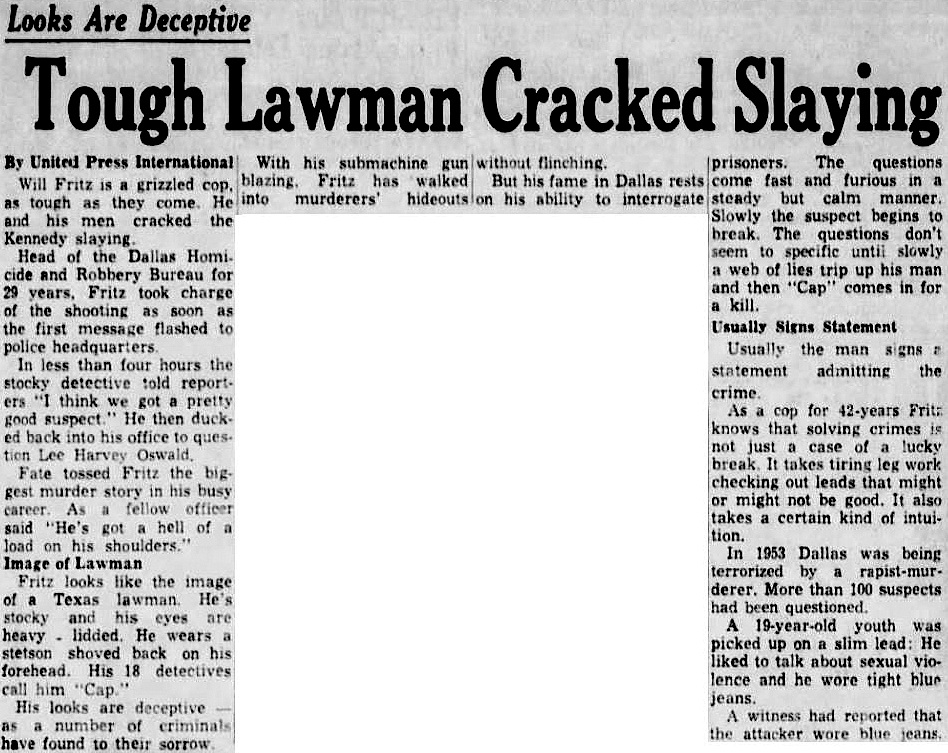
After the unthinkable had happened on the streets of Dallas — the assassination of a U.S. president — the Homicide and Robbery Bureau of the Dallas Police Department, led by Will Fritz, Captain of Detectives, sprang into action and quickly apprehended Lee Harvey Oswald as a suspect in the shooting of President John F. Kennedy. The FBI, the Secret Service, the Texas Rangers, and the whole of the Dallas Police Department worked together, but Fritz was the face of the investigation.

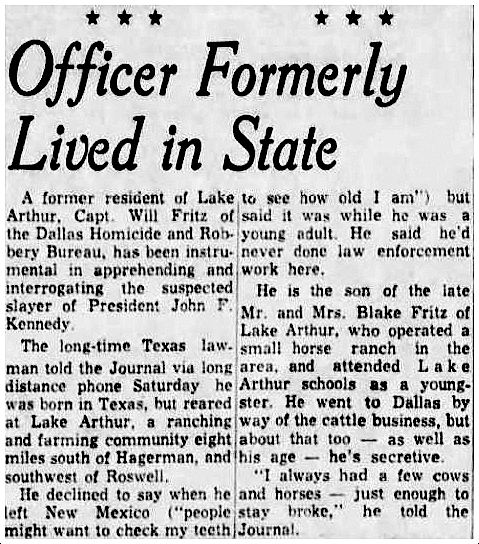
Will Fritz (1895-1984) was born in Dublin, Texas and grew up in New Mexico. He joined the Dallas Police Department in 1921 and remained on the force for 49 years, retiring in 1970 at the age of 74. He was considered one of the top police interrogators in the state and was a dedicated lawman — so dedicated he lived just steps away from police headquarters in the White Plaza Hotel (originally the Hilton Hotel, now the Indigo).

The success rate of Fritz’s detectives was impressive:

The record of Fritz and the Police Department’s Homicide and Robbery Bureau — which he has led since its formation — is a nationally enviable one. Over the past quarter century, he and his aides have solved roughly 98 per cent of the 54 to 98 homicides committed each year. (Dallas Morning News, March 1, 1959)

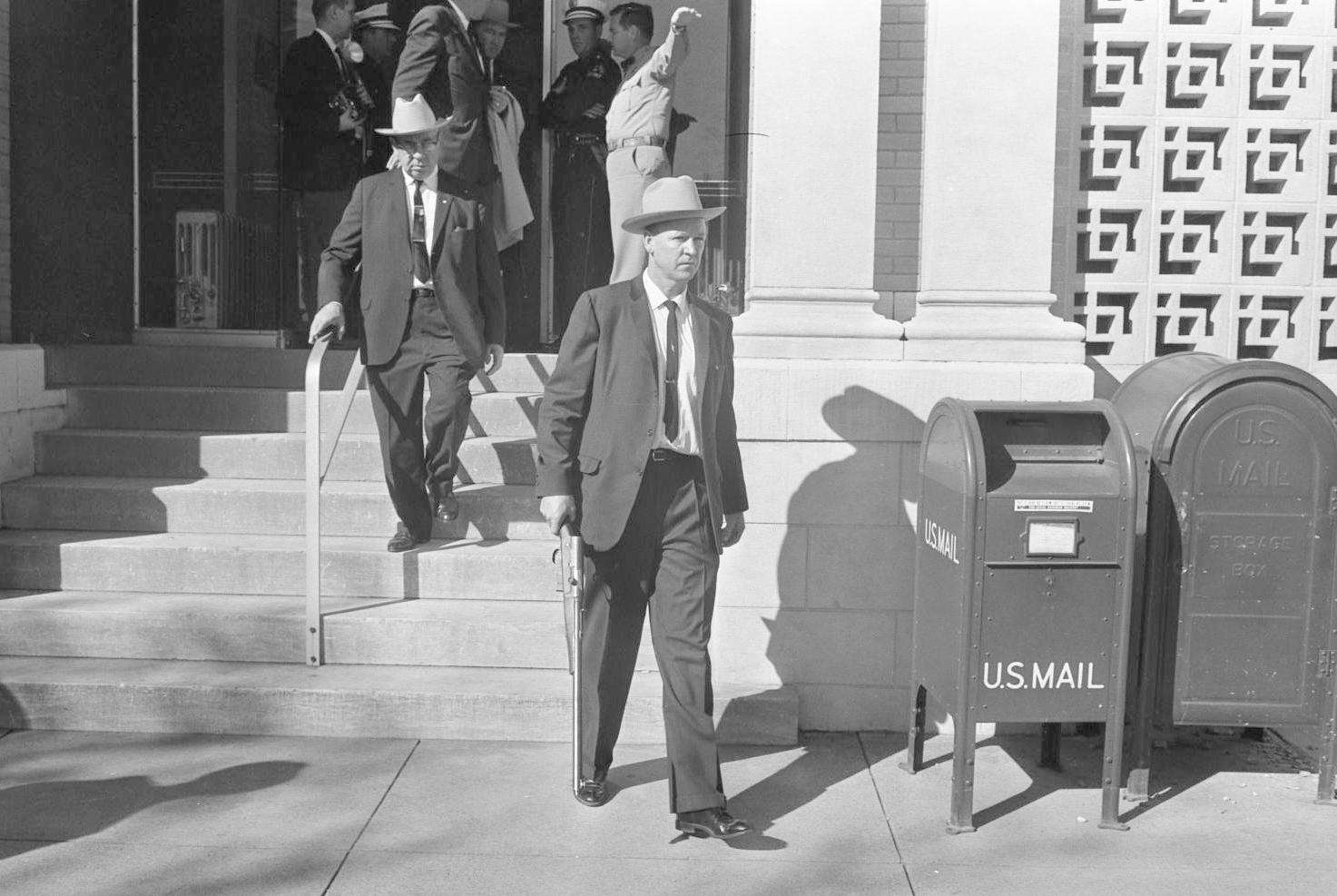
Fritz served for almost half a century with the DPD, involved in all sorts of colorful cases, but he’ll always be most remembered for the events surrounding the JFK assassination. The photo above shows his detectives at work in the Homicide office in the aftermath of the Kennedy assassination; the photo below shows him exiting the Texas School Book Depository with DPD detective Elmer Boyd (carrying rifle).

jfk_fritz_school-book-depository_112263_portal

*

*

jfk_fritz_albuquerque-journal_112463-photo

jfk_fritz_albuquerque-journal_112463a

jfk_fritz_albuquerque-journal_112463b

jfk_fritz_albuquerque-journal_112463_sidebar
Above photo and clippings from the Albuquerque Journal, Nov. 24, 1963

***

Sources & Notes

Top photo showing a Dallas police officer standing outside the Homicide and Robbery Bureau is from a 2015 eBay listing. The reverse of the photo is stamped “Paris Match/Marie Claire.”

Photo showing Fritz walking down the steps of the Texas School Book Depository, taken on November 22, 1963 by Dallas Times Herald staff photographer William Allen. It is from the Sixth Floor Museum’s Dallas Times Herald Collection, which is hosted online by the University of North Texas Libraries, via the Portal to Texas History, here (with additional information here).

More about Capt. Will Fritz from the Handbook of Texas History, here.

A really interesting profile of Fritz can be found in the 1959 Dallas Morning News article “Captain Fritz: Stays With the Case” by Don Freeman (DMN, March 1, 1959).

Other Flashback Dallas posts related to the assassination of President John F. Kennedy can be found here.

Click on photos and clippings to see larger images.

*

Copyright © 2016 Paula Bosse. All Rights Reserved.
 

Holy Blues: Blind Willie Johnson and Arizona Dranes — 1920s

johnson-dranes

by Paula Bosse

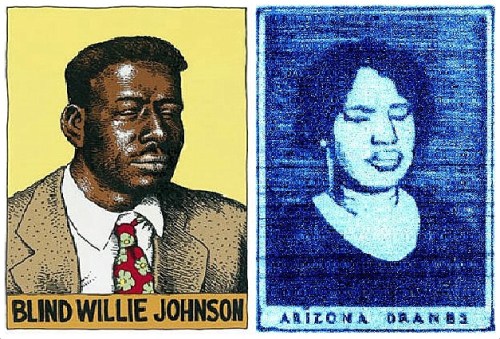
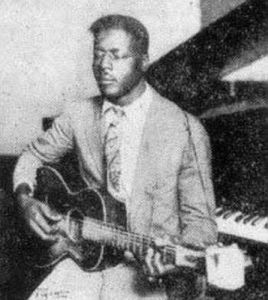
Today a little Sunday-go-to-meetin’ music, courtesy of two powerful singers who recorded at about the same time — late 1920s — and who both spent time in Dallas. Blind Willie Johnson was from Marlin, Texas, but he recorded much of his music in Dallas and regularly played street corners in Deep Ellum. Arizona Dranes, also a native Texan, lived in Dallas for several years and was, like Johnson, blind. Listening to both of them, you can hear their influence in the gospel and blues music that came after them. Read about the short life and career of Blind Willie Johnson here. Read about the life and career of Arizona Dranes from Michael Corcoran, here and here. And listen to their music below. It’s fantastic. (All of the tracks by Johnson were recorded in Dallas.)

blind-willie-johnson
Blind Willie Johnson, 1927-ish?

That guitar!

*

*

Here he is with his wife singing behind him.

*

Johnson’s song “Dark Was the Night, Cold Was the Ground” was included on the Voyager Gold Record, a collection of music chosen to represent Earth’s culture and diversity, carried into space aboard the Voyager.

*

*

arizona-dranes_1953_corcoran
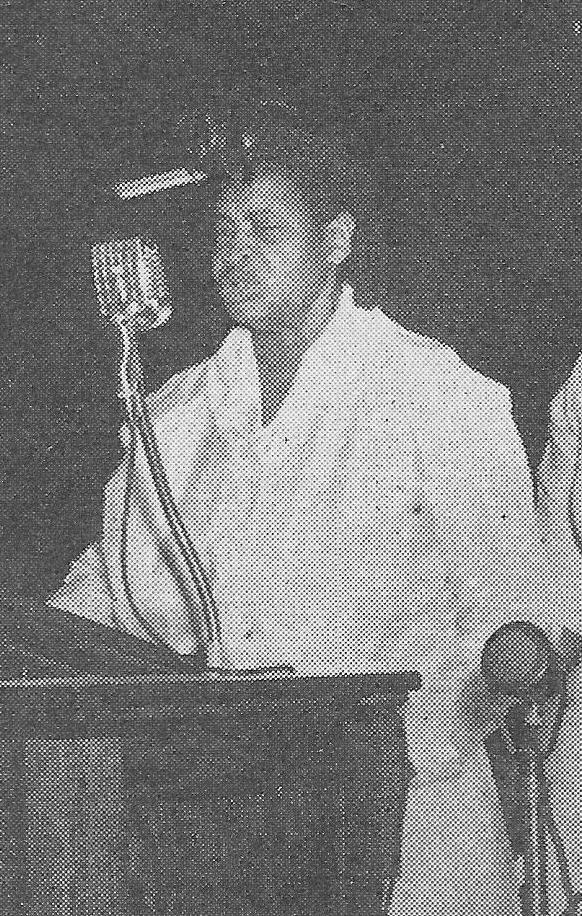
Arizona Dranes in 1953

That voice!

*

The song below starts off deceptively “plinky” but picks up considerably when Arizona starts to sing.

*

Want to know more about Arizona Dranes? Michael Corcoran can tell you what you need to know.

*

Copyright © 2016 Paula Bosse. All Rights Reserved.
From the Vault: Need a Cab? Hearse? — 1888

ad-dallas-cab-undertaker_imm-gd-1889

by Paula Bosse

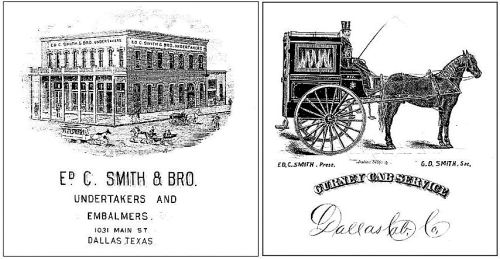
The Smith brothers knew how to diversify! They ran a Dallas undertaking firm and a cab service. More on this newfangled “gurney cab service” in the 2014 post “The Smith Brothers Can Set You Up With a Hearse … Or a Cab — 1888,” here.

*

Copyright © 2016 Paula Bosse. All Rights Reserved.
The Expanded “Texas Size” Titche’s Building: Twelve Glamorous Acres of Department Store — 1955

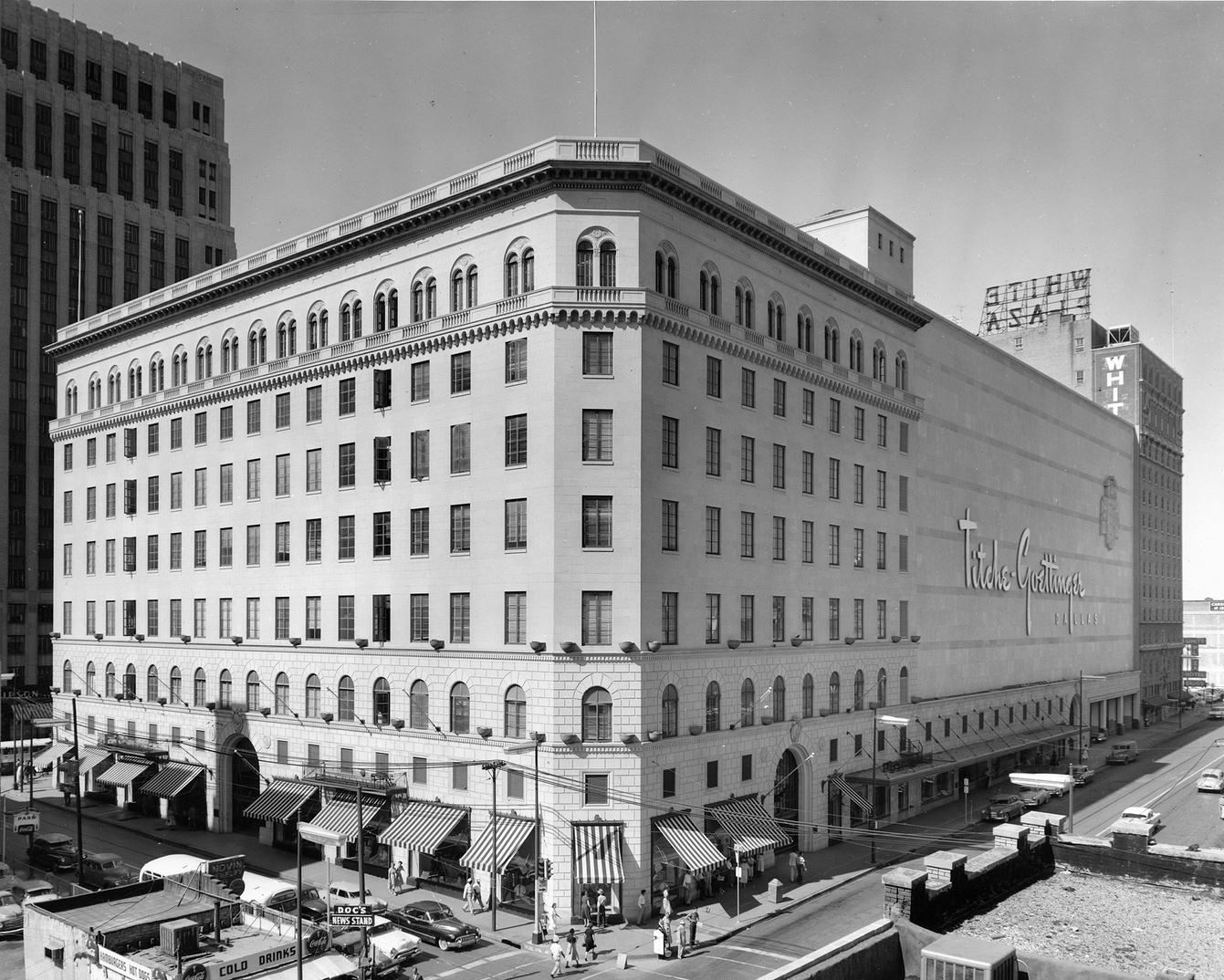
titches_utaDallas’ largest department store, ca. 1955…

by Paula Bosse

This photo of the Titche-Goettinger department store (Main and St. Paul) was taken soon after the store’s expansion which increased its size from 250,000 square feet to a whopping 504,000 square feet. When the greatly enlarged store introduced itself to the Dallas public at an open house in March 1955, one of the most notable things about it (for me, anyway) was the fact that 93-year-old Max Goettinger — founder of the department store in 1902, along with Edward Titche — attended the festivities.

The beautiful original building — designed by George Dahl — was built in the late 1920s and was a commanding presence at only half its later size. (Click pictures to see larger images.)

titches_night

The postcard view above has handily erased most of the other buildings in that block which one would have seen in a photograph, including the Pollock Trunk Co. and the old Hilton Hotel (later the White Plaza, currently the Indigo). A 1942 view of the block, looking west from Harwood, looked like this:

main-street-canyon_ebay

When construction of the new part of the store was completed in 1955, this new 12-acre “Texas Size” Titche’s was the largest store in Dallas, a head-spinning prospect for a city that loves to shop.

**

If you want a much more comprehensive overview of the Titche’s building — and want to see wonderful photos of the building, inside and out — I highly recommend Noah Jeppson’s Unvisited Dallas post, “Titche-Goettinger Building,” here. My favorite part? Its innovative system of pneumatic tubes!

***

Sources & Notes

Top photo by Squire Haskins, from the Squire Haskins Photography, Inc. Collection, UTA Libraries, Special Collections — more info here) (click on the thumbnail image on the page to see this photo BIG).

Read more on the expansion at the Dallas Morning News archives:

  • “Titche’s Reports Plans to Double Present Size” by Edd Rout (DMN, Sept. 7, 1952)
  • “Visitors Jam Opening of Texas-Sized Titche’s” by James A. Cockrell (DMN, March 15, 1955)

This wonderful building is still standing, modified to accommodate its current owners, the University of North Texas. Here’s how the building looks these days, via Google Street View, here.

More on the Titche-Goettinger Building on Wikipedia, here.

*

Copyright © 2016 Paula Bosse. All Rights Reserved.
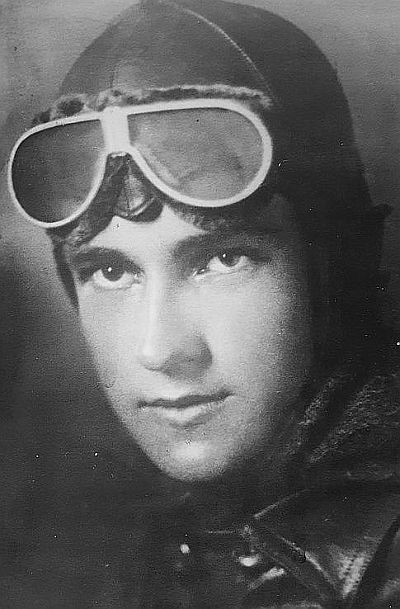
Preston Sturges: Camp Dick’s Most Famous Former Cadet? — 1918

preston-sturges_camp-dick_dallas_1918
Preston Sturges playing dress-up, Camp Dick, Dallas, 1918

by Paula Bosse

While researching my Veteran’s Day post on Camp Dick cadets, I came across a 1941 Dallas Morning News article about Hollywood screenwriter and director Preston Sturges, whose latest movie The Lady Eve was about to open at the Palace. The article mentioned that Sturges had been stationed at Camp Dick, the WWI aviation boot camp for the U.S. Signal Corps, located in the old racetrack at Fair Park. Preston Sturges — a master of the screwball comedy — is one of my favorite writer-directors (in addition to The Lady Eve, everyone should watch Sullivan’s Travels), so I was interested to find out more about his time in Dallas. I didn’t think I’d find anything but a passing mention of it anywhere, but, surprisingly, it turns out Sturges himself wrote about his Camp Dick days — in a book I actually own and had started but had never finished!

Sturges was sent to Dallas in March, 1918. He was 19 years old. Born in Chicago, he had spent much of his childhood in France, tagging along with his eccentric four-times married bohemian mother who seems to have known every intellectual and artiste of the day (not only was she a close friend of dancer Isadora Duncan and Marcel Duchamp, she had also been romantically involved with Aleister Crowley — you can’t get much more bohemian than that!).

Sturges’ account of his time at Camp Dick (which appeared in Chapter 28 of the posthumously-published Preston Sturges by Preston Sturges) is amusing, describing such things as the heat (“the midday temperature of a Texas summer wasn’t really intended for human beings”), the latrines, and the food. He also remembered the nightmare of the Spanish Influenza pandemic, which was particularly deadly in the close quarters of military camps. (You can read the entirety of Sturges’ memories of his days at Camp Dick here.)

The heat was a real problem for the cadets. One of my favorite images conjured by Sturges’ chapter on the camp is this one:

Out on the parade ground, boys fell over from [the intense heat] all the time and had to be revived with cold water and a sponge. Nights we would climb up the shaky apex of the large roller coaster in the corner of the fairgrounds to try to find a breeze.

One of his memories stumped me a bit, though. He wrote the following about the buildings that stood around Fair Park:

In Dallas, we were sent to a place called Camp Dick, then known as a concentration camp. In a later war, such a facility was called a boot camp. Camp Dick was actually the Dallas fairgrounds with a fence thrown around them. Most of the buildings on the fairgrounds were huge reproductions of the products for sale within them in the prewar days when the fair was open. There was a building in the shape of a gigantic Mazola bottle; another like a huge Gulden’s mustard pot; an enormous Log Cabin Syrup edifice; a massive chili bowl; buildings representing almost anything edible or potable that one could think of….

My last memory of Camp Dick is of standing retreat against the hot sunset, the cadets at attention against the silhouetted background of the massively enlarged Sanka coffee pot, Bromo Quinine bottle and Coca-Cola bottle buildings, and in front of us Lieutenant Pennypacker, more or less at ease on the back of the fiery steed presented to him by the grateful citizens of Dallas.

I’ve never heard of any Fair Park buildings shaped like these things. (There was that giant cash register at the Texas Centennial….) Perhaps Mr. Sturges misremembered? Or indulged in a little fanciful poetic license? Or maybe these buildings DID exist? (And if they did, I’d love some corroboration, ’cause that would be cool.)

Sturges was at Camp Dick only a few months. From there he was sent to the School of Military Aeronautics in Austin and then to Park Field in Millington, Tennessee. He was in the middle of flight training there when, anti-climactically, the war ended. After several years of working in a family business, he became a successful Broadway playwright and was soon whisked off to Hollywood, where, in 1940, he won the first Oscar ever awarded for screenwriting (The Great McGinty). He was considered then — and is considered now — to be one of Hollywood’s greatest comedic screenwriters.

If you’d like to read Preston Sturges’ memories of training at Camp Dick, mosey on over here. Among other tidbits, you’ll read the amusing story behind the be-goggled photo of Cadet Sturges at the top of this post.

***

Sources & Notes

The romanticized photo at the top (the one Sturges wrote about in the book) was taken at Camp Dick in 1918. The quoted passage is also from the book, Preston Sturges by Preston Sturges, His Life In His Own Words, adapted and edited by Sandy Sturges (New York: Touchstone/Simon & Schuster, 1991). I highly recommend getting this book if you’re a fan of classic Hollywood. You can browse through it on Google Books, here, and purchase it here.

More on Sturges at Wikipedia, here.

Dive deeper: another photo of Sturges taken in Dallas in 1918 appeared in The Dallas Morning News on March 27, 1941, titled “At Camp Dick” — it shows a smiling Sturges sitting in a “dummy pilot seat.” If the photo was taken at Camp Dick, the unnamed photographer must have taken “action shots” as well as portraits of the camp’s cadets which Sturges wrote about in his autobiography. (Sturges writes in his amusing story that none of the cadets had ever been near a plane at that point, but they all wanted to be seen as dashing goggle-and-scarf-wearing flying aces.)

*

Copyright © 2016 Paula Bosse. All Rights Reserved.
Children and Cadets: Junior Red Cross Parade — 1918

wwi_jr-red-cross-parade_022218_camp-dick-soldiers_waruntold-siteCadets from Camp Dick march down Elm… (click for larger image)

by Paula Bosse

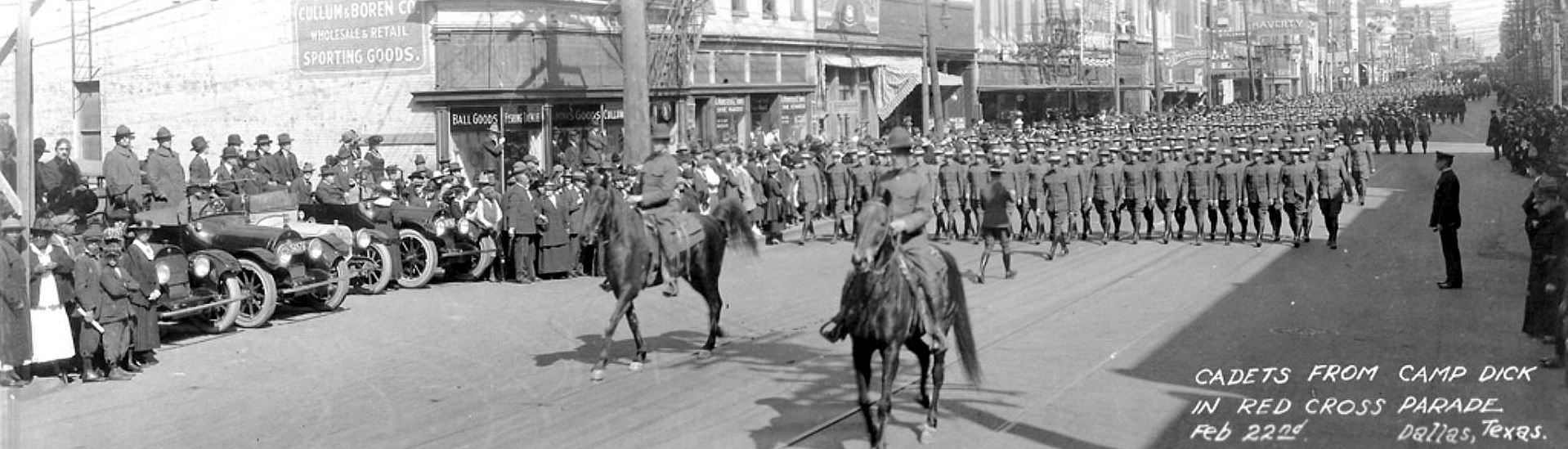
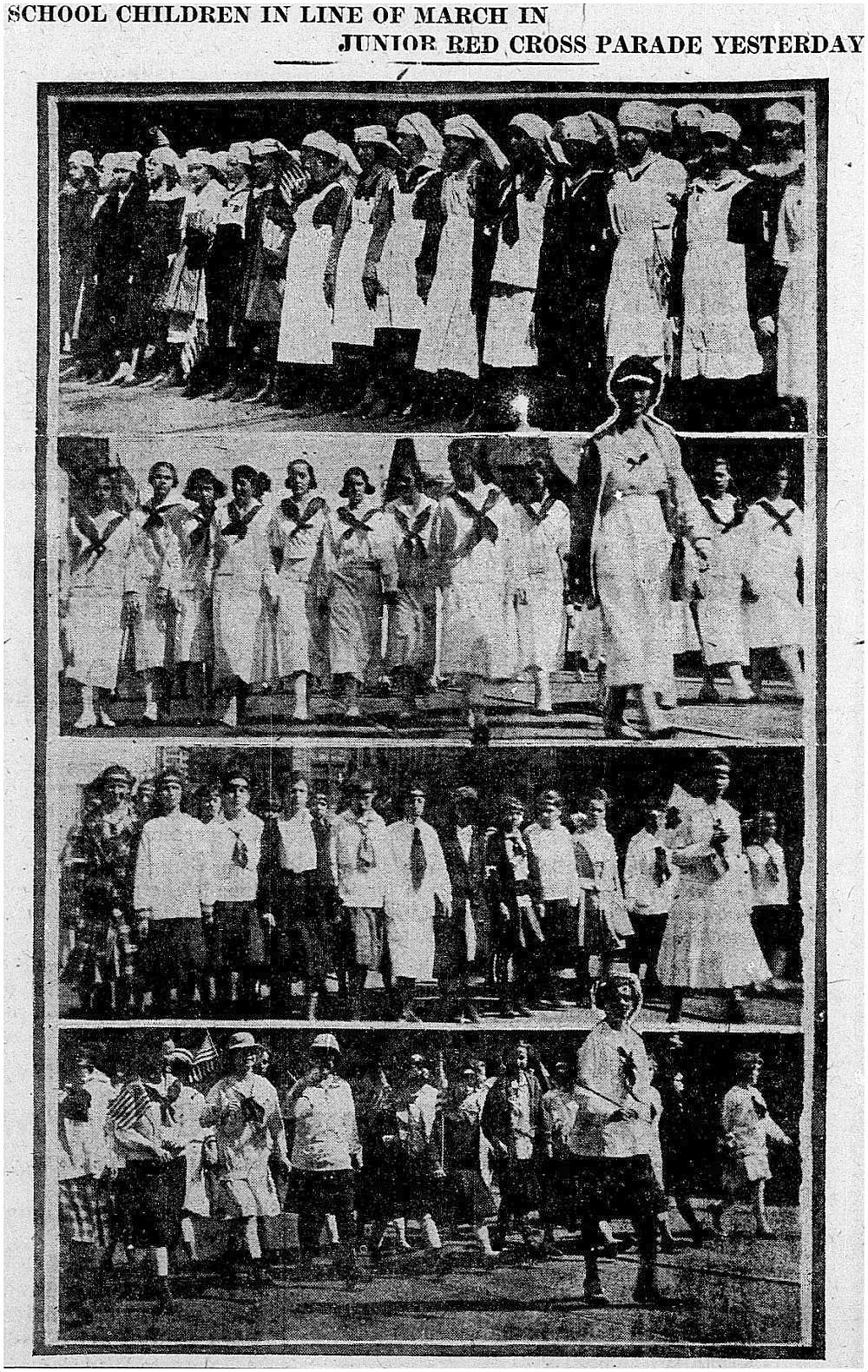
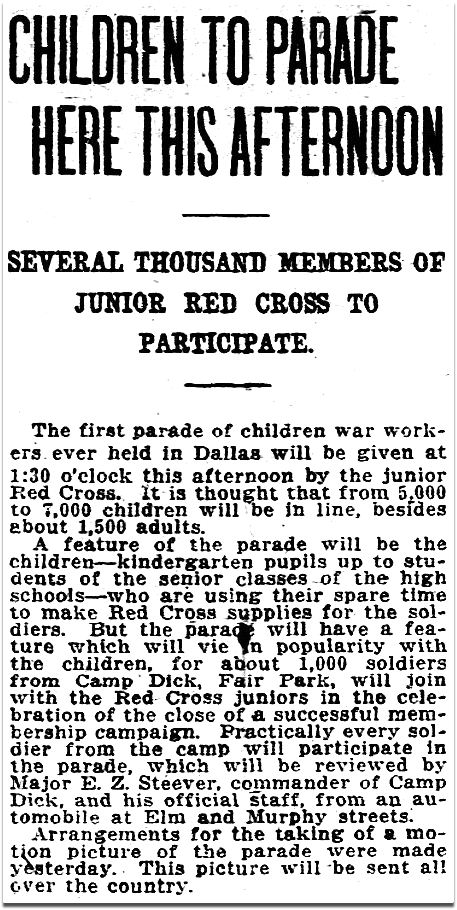
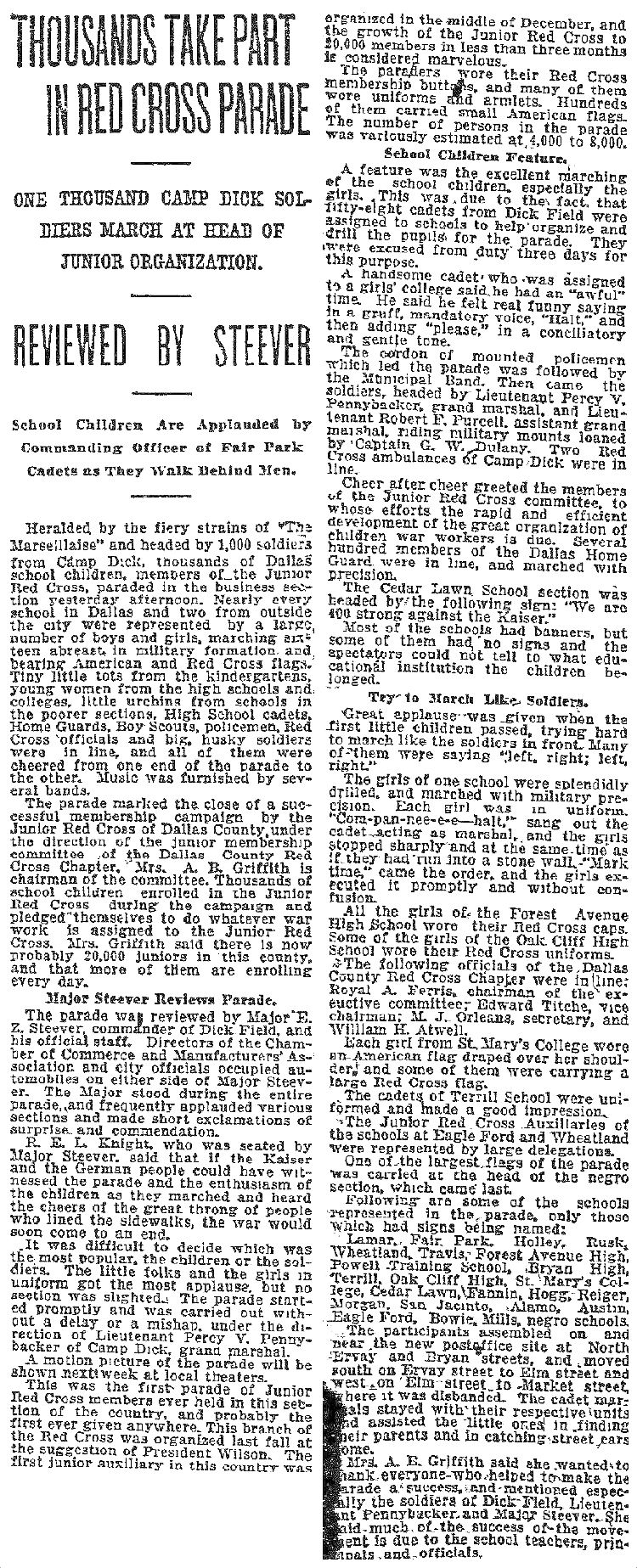
Today is Veteran’s Day, a national day of observance which originally began as Armistice Day in 1919 to mark the end of hostilities in World War I. I was thinking of posting something non-WWI-related, but I stumbled across this wonderful photo showing a WWI-era parade down Elm Street and couldn’t pass up the opportunity to share it. The parade was comprised almost entirely of children who had contributed to the war effort through the Junior Red Cross. The parade was described as “the first parade of children war workers ever held in Dallas.” The number of children (said to represent every school in Dallas) was estimated at up to 8,000 marchers, from kindergarteners to high school seniors.

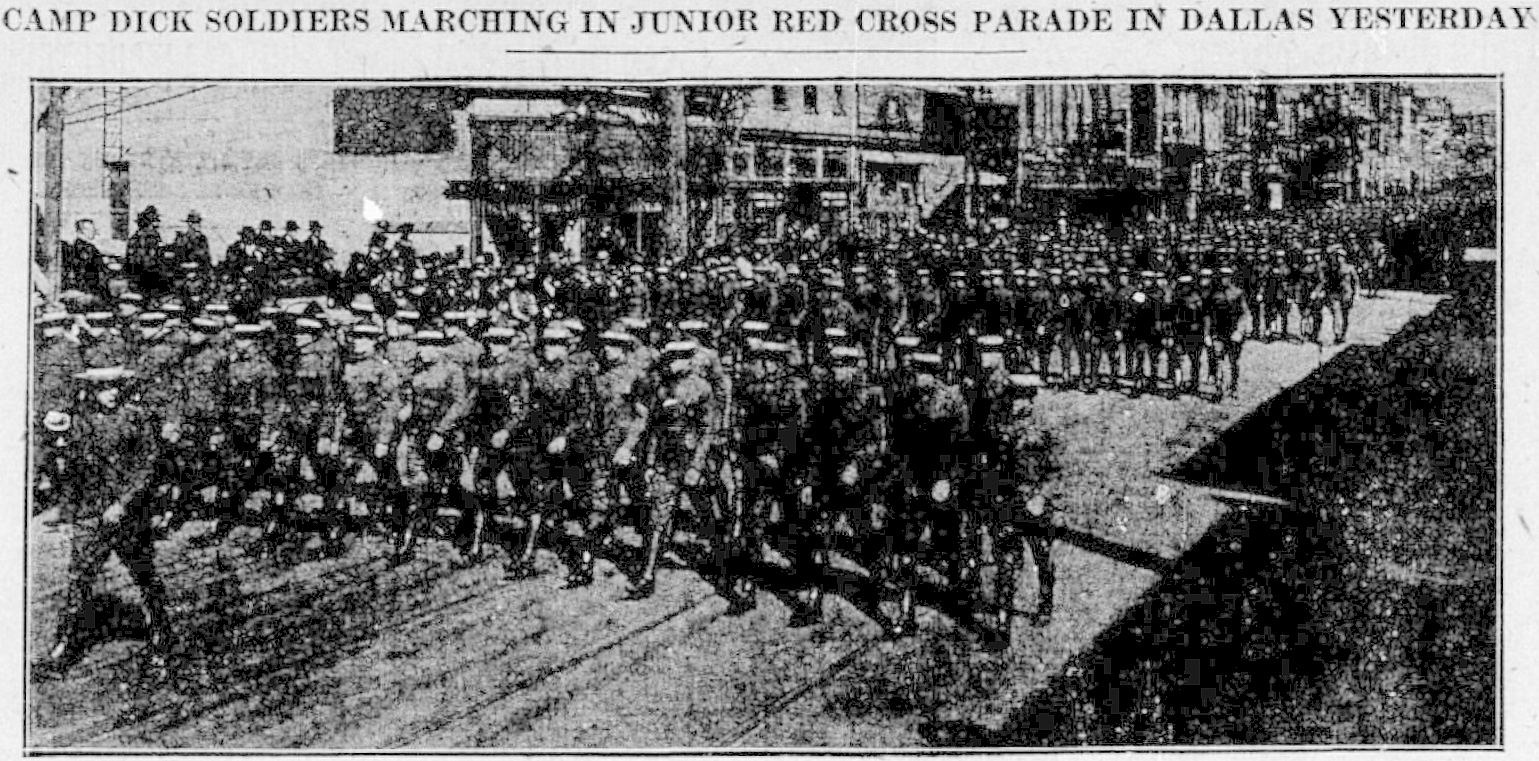
The parade — which took place on February 22, 1918 — also featured 1,000 or so men based at Camp John Dick, the Air Service training camp at Fair Park. Seeing this parade must have been quite a novelty for Dallasites, as cadets had begun to arrive at Camp Dick only 16 days previously (airmen had been stationed at Love Field a little longer, but only by a couple of months).

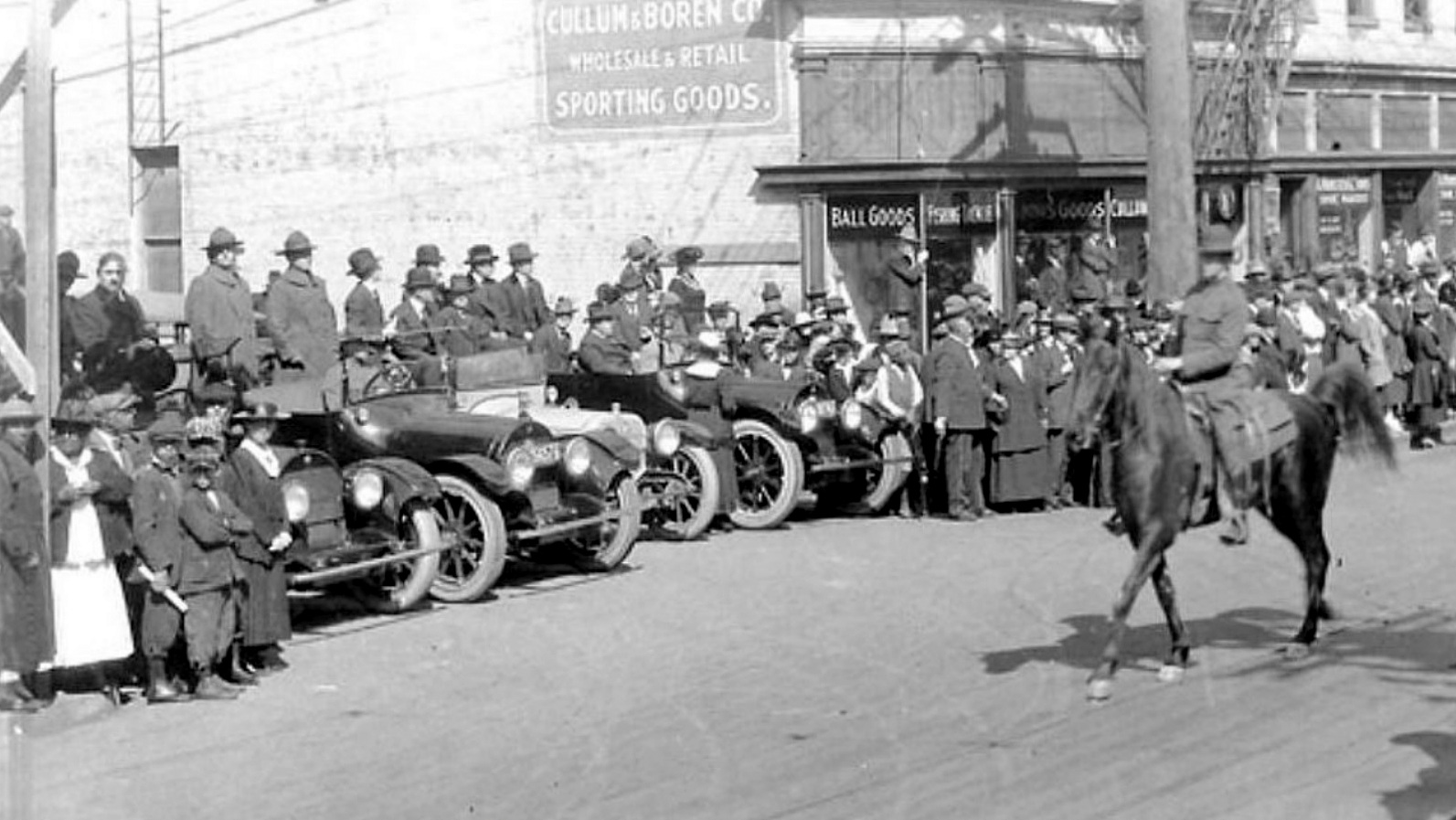
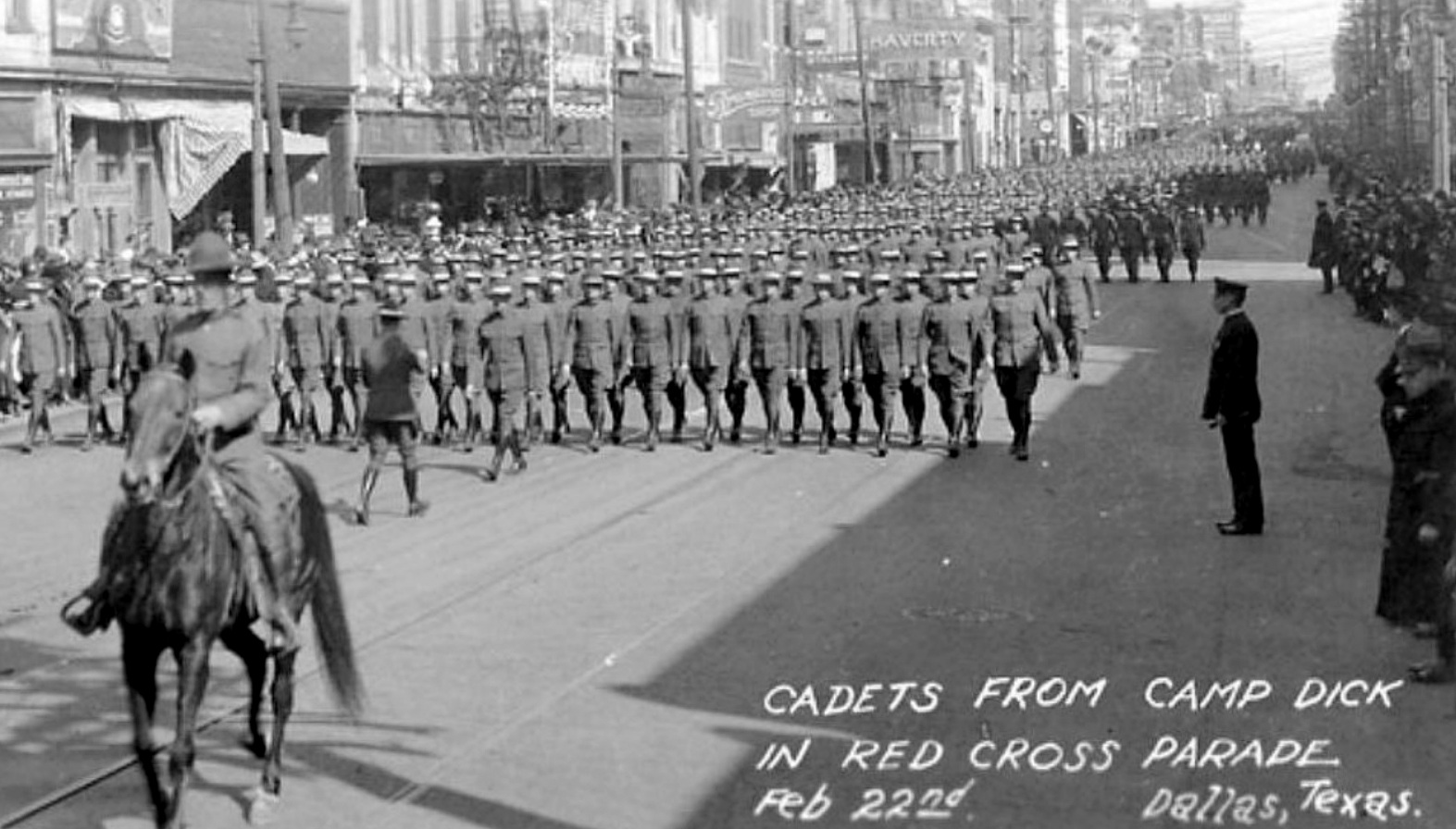
Below, I’ve taken the photo from the top and broken it into two halves and then magnified them. The parade was heading west on Elm Street and can be seen here passing Cullum & Boren (1509-1511 Elm), a downtown sporting goods mainstay just a few doors east of Akard. (See a similar view of Elm Street from later that year — in September — from a Dallas Times Herald photo, here.)

wwi_jr-red-cross-parade_022218_det1

wwi_jr-red-cross-parade_022218_det2

And the children.

wwi_jr-red-cross-parade_dmn_022318Dallas Morning News, Feb. 23, 1918

wwi_jr-red-cross-parade_dmn_022218
DMN, Feb. 22, 1918

wwi_jr-red-cross-parade_dmn_022218_camp-dick-soldiers

wwi_jr-red-cross-parade_dmn_022318
DMN, Feb. 23, 1918, photo and article

***

Sources & Notes

Top photo titled “Cadets From Camp Dick in Red Cross Parade, Feb. 22nd, Dallas, Texas” found on the site War Untold, The Collection of Andrew Pouncey, here (click “continue reading” at  bottom of post).

More on the Camp John Dick Aviation Concentration Camp from The Atlantic in the article “What America Looked Like: Bayonet Practice During WWI” (with a great photo), here.

Other Flashback Dallas WWI-related posts here:

Armistice Day Wikipedia page is here.

All pictures and clippings are larger when clicked.

*

Copyright © 2016 Paula Bosse. All Rights Reserved.
 

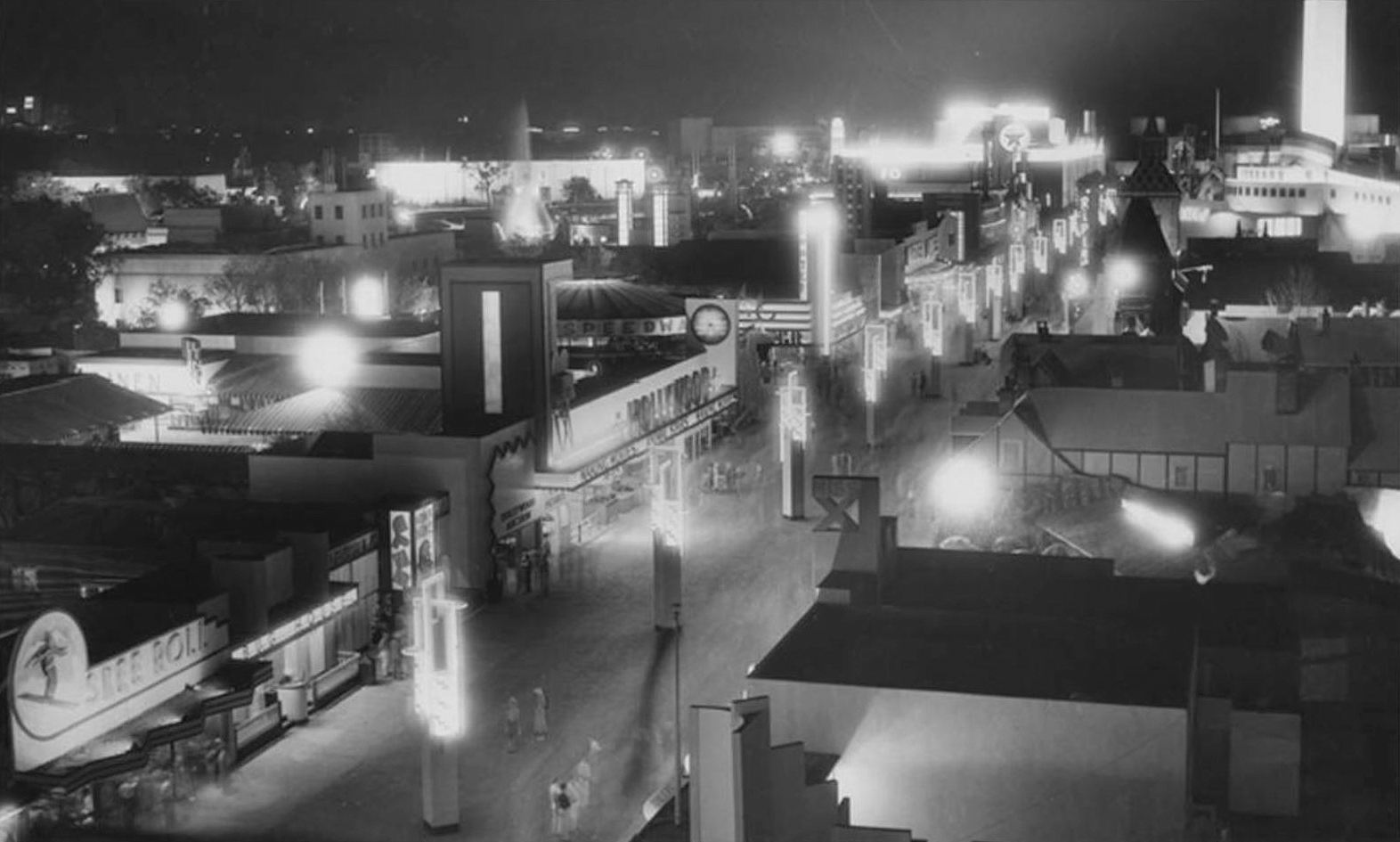
“Dallas Midway, Night Illumination” — 1936

tx-centennial_midway_night_cook-coll_smuAll calm in Fair Park along the Centennial Midway (click for larger image)

by Paula Bosse

Above, a nighttime shot of an almost empty Midway during the Texas Centennial. All this scene needs in order to boost the moody atmosphere is a little fog. Go a little further and add some zither music, Joseph Cotten, and Orson Welles running past the Texaco Building and you’d have a pretty cool setting for a Texas version of The Third Man.

***

Photo titled “Dallas Midway, Night Illumination, Centennial Exposition, State Fair of Texas” (taken by an unknown photographer on Oct. 16, 1936) is from the George W. Cook Dallas/Texas Image Collection, DeGolyer Library, Central University Libraries, Southern Methodist University; more info here.

*

Copyright © 2016 Paula Bosse. All Rights Reserved.