Flashback : Dallas

A Miscellany: History, Ads, Pop Culture

Category: 1890s

Commerce & Market, Where the Air Was Made Blue

Kinder, gentler times…

by Paula Bosse

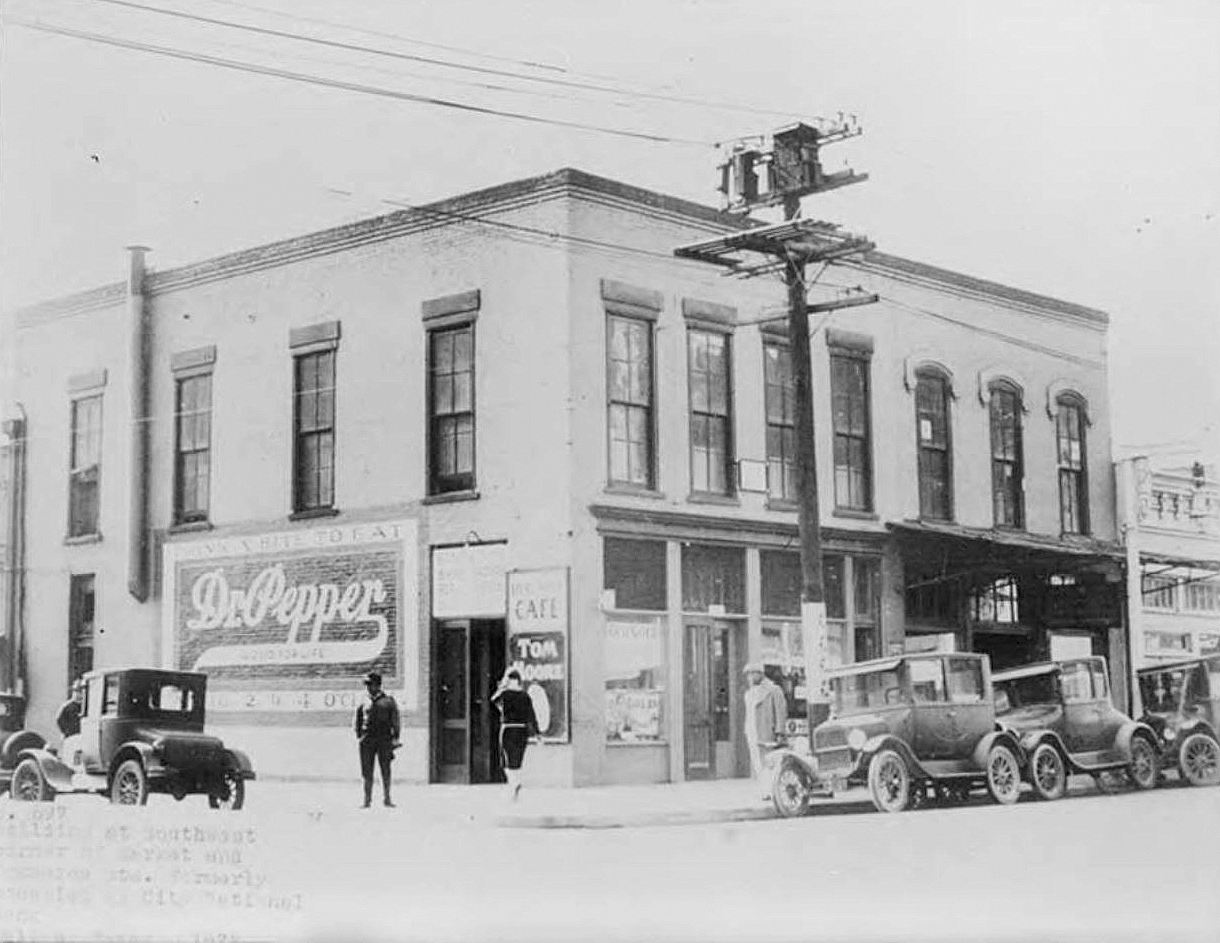
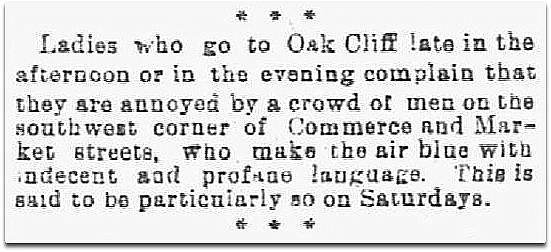
The photo above shows a small, fairly nondescript building at the southwest corner of Market and Commerce, with retail stores and a cafe at street level and, I think, a hotel on the second floor. My car-make-and-model knowledge is bad, but I’ll guess that this photo might be from the early ’20s (a 1921 Sanborn map of the area is here). If you go back even further — like to 1891 — this corner was a hangout for unsavory types, as reported below in The Dallas Morning News in 1891.

Dallas Morning News, Sept. 7, 1891

It’s no surprise there was “indecent and profane language” in the air in 1891 (“particularly on Saturdays”), seeing as that corner was a mere hop, skip, and a jump from Dallas’ premier red-light district.

This corner is currently occupied by the George Allen Courts Building.

***

Sources & Notes

Photo, titled “Building at SW corner of Market and Commerce Streets, formerly occupied by City National Bank Dallas, 1872,” is from the Collection of Dallas Morning News negatives and copy photographs, DeGolyer Library, Southern Methodist University; more information is here.

This post appeared in a slightly different version on the Flashback Dallas Patreon page.

*

Copyright © 2025 Paula Bosse. All Rights Reserved.

Thanksgiving Day Football in Dallas — 1893

by Paula Bosse

Back in 2016, I wrote “Thanksgiving, 1891: The First Turkey-Day Football Game in Dallas.” (I highly recommend checking out that post — I loved writing it, and there are a lot of unexpectedly interesting things in it — if you’re not a football fan, don’t worry! The “loaded muff” thing is the best weird historical tidbit you may read all day.)

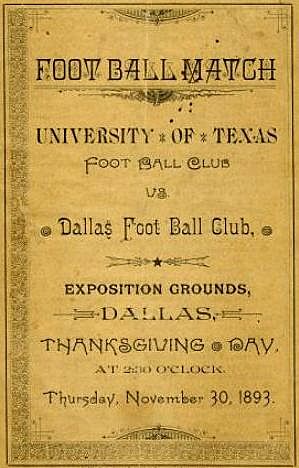
By 1893, I guess the holiday football game (or “foot ball” game) had already become a tradition in Dallas. That year, the Nov. 30th Thanksgiving match-up was between the University of Texas team and the Dallas Foot Ball Club. You can read all the details of the game in a Dallas Morning News article from Dec. 1, 1893 (thankfully, sports writing evolved!). (Spoiler: The headline is “And Dallas Lost It.” UT emerged victorious, with an 18-16 win.)

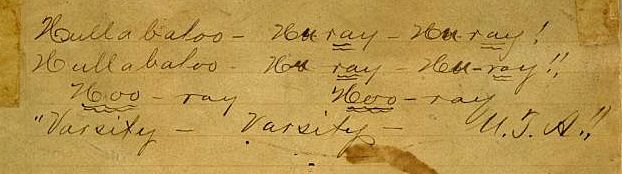
UT had a chant:

Hoo-ray!

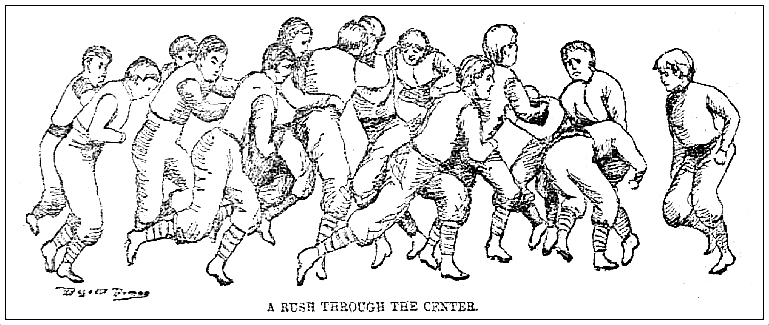
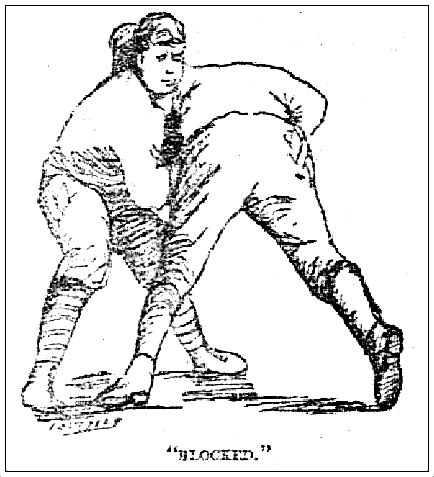
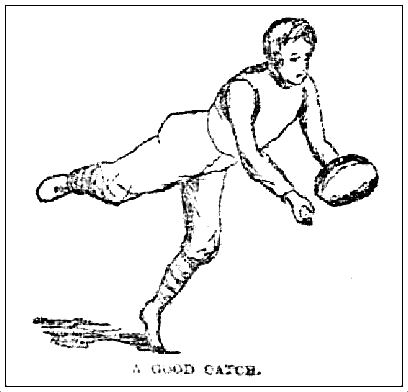
Below, the somewhat rudimentary DMN illustrations that accompanied the very wordy coverage of the Nov. 30, 1893 gridiron battle.

A rush through the center:

Blocked:

A good catch:

*

Happy Thanksgiving! I hope your day is filled with good food, family and friends, and a non-demoralizing football game.

***

Sources & Notes

First two images from the cover of a scrapbook from the Dolph Briscoe Center for American History, University of Texas.

Line drawings from The Dallas Morning News, Dec. 1, 1893.

Read other Flashback Dallas posts on Thanksgiving in Dallas here.

*

Copyright © 2024 Paula Bosse. All Rights Reserved.

Rudolph Gunner: Dallas Bookseller and Emperor Maximilian’s “Best Friend”

books_rudolph-gunner_dallas-through-a-camera_1894_degolyer-lib_SMU238 Main, circa 1894

by Paula Bosse

For the past several years, I’ve been posting bookstore-related posts on the birthday of my late father, Dick Bosse, an antiquarian bookseller who began his career straight out of SMU at The Aldredge Book Store, a literary landmark to many, which he eventually ended up owning. This year’s offering goes back to 19th-century Dallas.

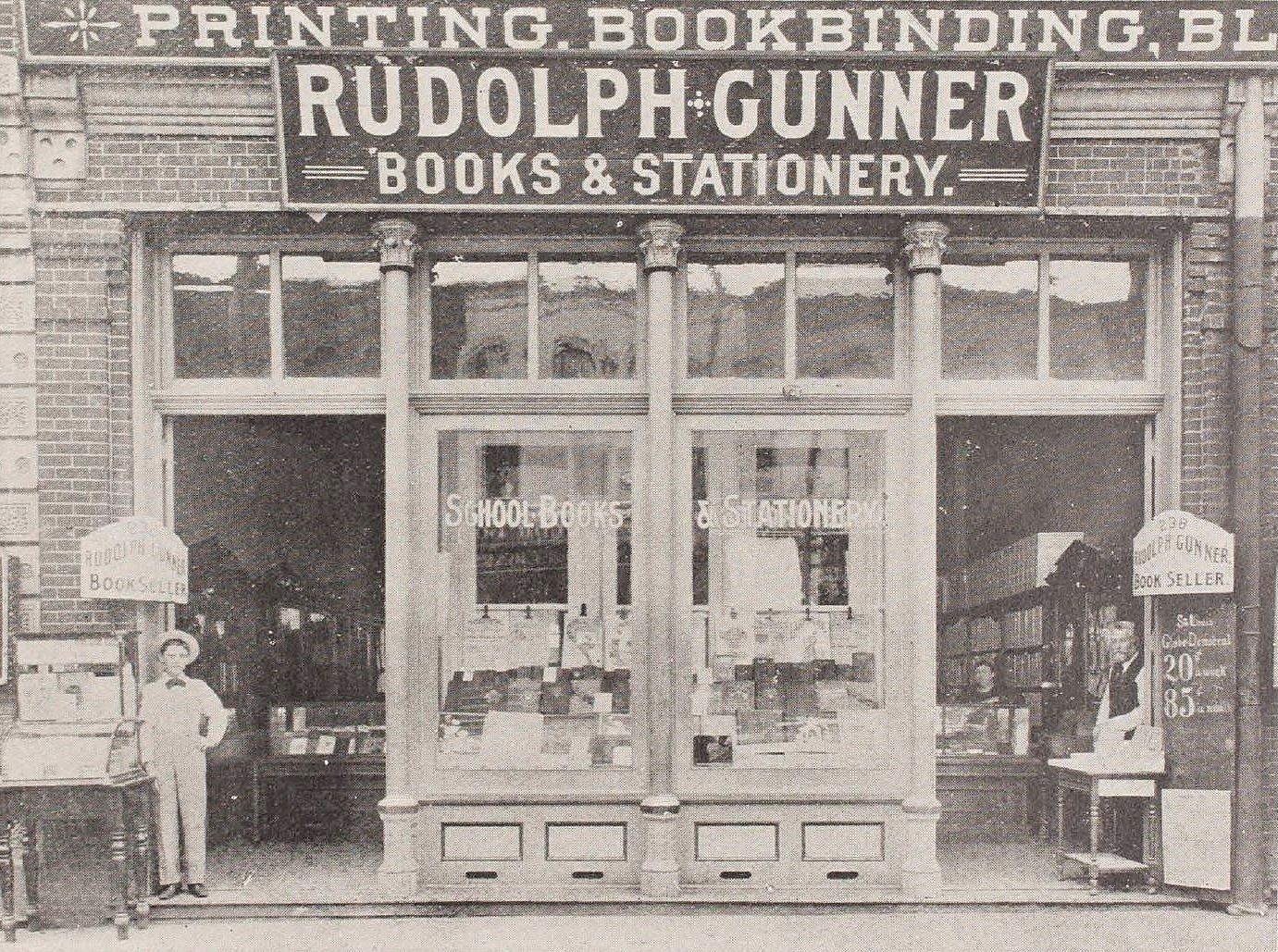
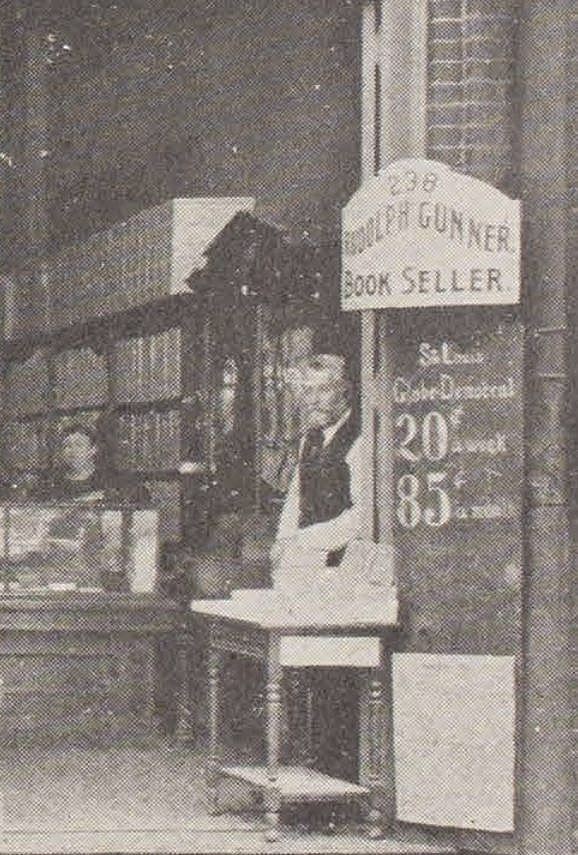
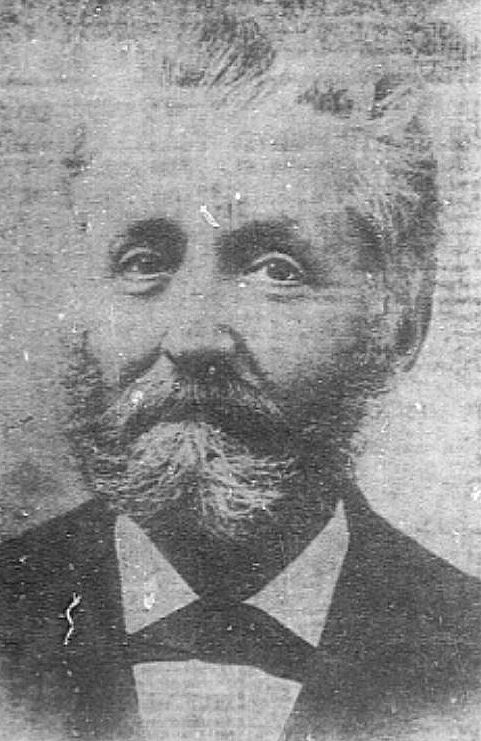
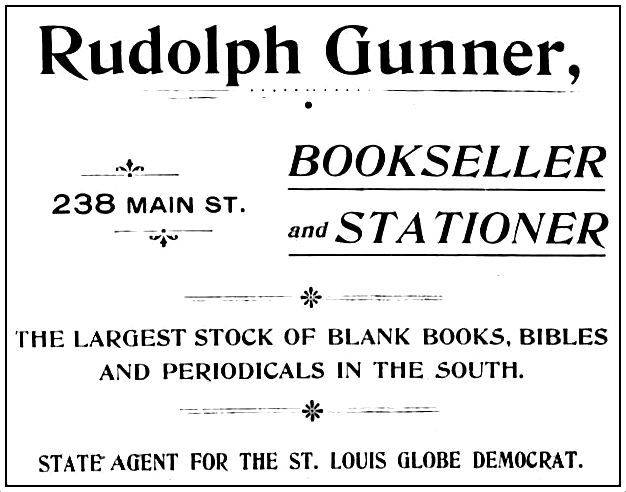
Above is a photo of the bookstore owned by Austrian immigrant Rudolph Gunner, located at 238 Main (later 1006 Main), between Poydras and Martin. Gunner (1833-1911) had, perhaps, one of the most impressive and colorful historical pedigrees of any Dallas resident. He served in the Austrian navy all over the world, but his most important service was as confidante and aide-de-camp to Emperor Maximilian and Empress Carlota of Mexico in the 1860s. That story is too big to tell here (Wikipedia is here to help), but it’s interesting that a man who was often referred to as “Maximilian’s best friend” eventually wound up in Dallas in 1885 and opened a bookstore, first on Elm Street, later on Main.

My father had a fascination with Mexico and used to talk about Maximilian quite a bit. I wonder if he knew Maximilian’s right-hand man lived out his days in Dallas, having spent several years as a bookseller?

books_rudolph-gunner_dallas-through-a-camera_1894_degolyer-lib_SMU_det_gunner

gunner-rudolph_photo

rudolph-gunner_1896-directory_adDallas city directory, 1896

*

In a sidenote, Gunner mentioned in several interviews that he had a LOT of historical documents and souvenirs from his military career serving in the Crimea, Egypt, Africa, and, especially, Mexico. I winced when I read this passage from an article by A. C. Greene in The Dallas Morning News (“Bookstore Owner Once Was Colorful General — He Headed Maximilian’s Mexico Palace Guard.” DMN, Apr. 18, 1993):

[A]t the time of his death in 1911 [his] home was at 1506 Fitzhugh. [His wife] was still living there, with a considerable collection of historic memorabilia, books, medals and military items, when the home burned, destroying everything but Gen. Gunner’s sword with the emperor’s crest.

Wow. All of that, gone. (And to answer my question above, I’m pretty sure my father would have known this, if only because he read A. C. Greene’s columns and probably even discussed this with him on a visit to the store.)

***

Sources & Notes

Top photo by Clifton Church, from his book Dallas, Texas, through a camera: a collection of half-tone engravings from original photographs (1894) — from the DeGolyer Library, SMU, here.

Read a first-hand account of Gunner’s time in Mexico in a Dallas Morning News article from Jan. 14, 1886 here; his DMN obituary (Aug. 25, 1911) is here.

Read previous Flashback Dallas articles on Dallas bookstores here.

I would love you to join me over on Patreon, where I upload Dallas history posts daily for subscribing members (as little as $5 a month!). If you would like to support what I do, check out Flashback Dallas on Patreon.

books_rudolph-gunner_dallas-through-a-camera_1894_degolyer-lib_SMU

*

Copyright © 2024 Paula Bosse. All Rights Reserved.

The Grading of Junius — 1903

junius-street_wilson-home_1903_ebay_front_bwLet the scraping begin!

by Paula Bosse

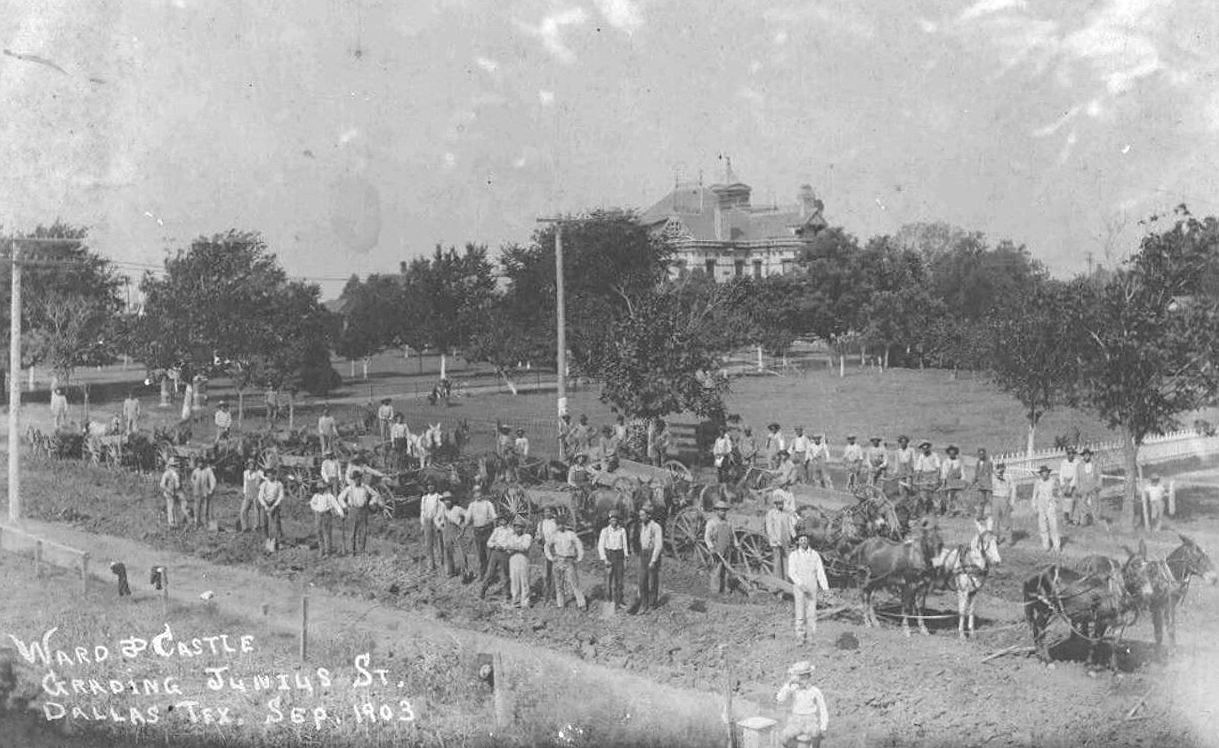
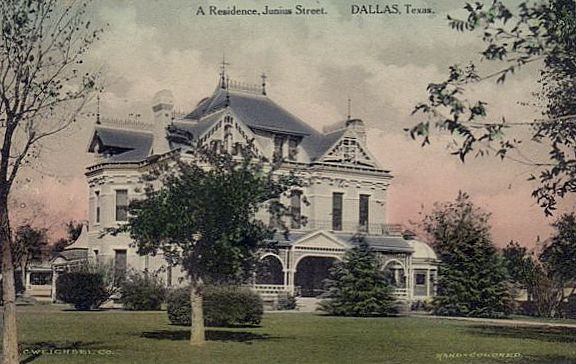
Here’s an interesting photograph I stumbled across on eBay. It shows Junius Street in East Dallas, between Peak and Carroll, taken in September 1903, as workers were grading the street as part of the paving process. The mammoth house seen on what looks like a hill, belonged to John B. Wilson (namesake of the Wilson Building downtown), who had purchased the grand home from Thomas Field in the 1890s. (This beautiful house — built in 1884 — was demolished in 1922 in order to free up land for apartments, etc. Read more about this in the 2014 post “Junius Heights … Adjacent!”) Here’s Wilson’s home, up close:

junius-st

The house was built in 1884 at the northeast corner of Junius and Peak — it sat on a lot of land. By 1903, after other houses had been built around it, it occupied almost half a block, bounded by Junius, Peak, and Gaston. (See this area on Sanborn maps from 1905 and 1922 — it’s pretty easy to spot the house!)

But back to the 1903 photo. It shows road work on Junius, which, up until that point, had been a dirt/gravel road.

In March 1903, residents of Junius Street asked the City Council to pave their street between Haskell and Fitzhugh. I’m sure their main goal was to live on a nice, paved street instead of one that became a nasty, muddy nightmare when it rained — but, perhaps to make it seem more egalitarian, they zhuzhed up their request by saying that Junius street is the principal outlet to Garland, Reinhardt and the country surrounding those towns.” They noted that the county had kept the continuation of the road outside the city in good condition and that this stretch of paved road would provide “a connecting link between the city and the country.” (I don’t know how important this “connecting link” was, but the stretch of road they wanted paved was only half a mile long. It seems pretty ballsy to request that the city pave this very short bit of road, which would have resumed being unpaved east of Fitzhugh…. and on to Garland and Reinhardt. I think there’s no question that Moneyed Resident Wilson — who, let’s not forget, was building the very large Wilson Building downtown at this time — had a lot of sway amongst the city leaders.)

The group approached the city with a proposition in which they, the homeowners, would pay for half the cost of the construction, with each of them paying 50¢ for every foot of their property which fronted the street. (Surprisingly, only two property owners had an issue with this — one of them was Dr. Buckner of the Buckner Orphans’ Home (before it relocated to the ‘burbs, it was at 4120 Junius), who said the home did not have the funds for this, but he personally ponied up a $50 contribution, the equivalent of about $1,700 in today’s money.) The city seemed happy with this and agreed to match the $2,500 collected by the group. (Mr. Wilson’s share must have been substantial.) I don’t know what the tax situation was back then, but it’s odd that people once had to do this. I would guess that very few streets were paved beyond the Central Business District in this era — who could afford that? I guess that’s why so many real estate ads from the past stressed that the streets of their new developments were all paved.

The Junius improvements included the laying/installing of cement sidewalks, a macadamized roadway, and bois-d’arc-block gutters. The grading work (shown in the photo at the top) began in August 1903.

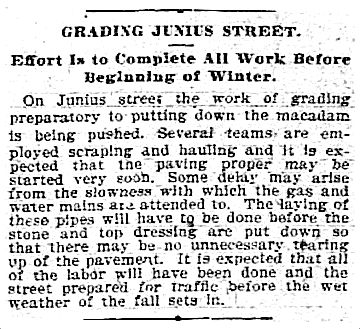
junius_grading_DMN_082503Dallas Morning News, Aug. 25, 1903

There were, of course, delays, caused by a lack of materials, weather, the necessity of having to wait while gas and water mains were laid, and having to either rebuild a bridge over the road or build a culvert under the road (the city went with the cheaper culvert). Work was still going on in December, but I gather the job was completed early in 1904.

*

Leadership of the neighborhood group was comprised of two people from each block (one from each side of the street). The leaders for what is now the 4700 block of Junius were John C. Ward and C. J. Castle (their names are on the photo showing this work in progress). The notation below is written on the back of the photo: “J. B. Wilson home in background (built Wilson Building downtown). J. C. Ward my grandfather. Mary Musick.”

junius-street_wilson-home_1903_ebay_back_det

J. C. Ward (1851-1937) came to Dallas in 1874, traveling in a covered wagon, witnessing buffalo stampedes and white-knuckling it through Indian territories. He was pals with an elderly John Neely Bryan. He worked as a contractor and must have done well, as he owned houses on several lots in the 4700 block of Junius, most of which were occupied by family members (including his daughter, Ella Ward Arnold, and his granddaughter, Mary Arnold Musick) — his own home was in the 6100 block of Junius, which appears to be the current location of the Lakewood Library. At one point he owned 72 acres of farmland on the eastern edge of Dallas, but it was condemned by the city in order to build White Rock Lake. He didn’t seem to hold too much of a grudge, because his major pastime was fishing, and he frequently walked the 2 miles to the lake from his home to fish, well into his 80s.

He seems to have had a real affinity for Junius Street. I love the fact that he and his across-the-street neighbor, C. J. Castle, memorialized the paving of their street with a specially commissioned photograph and managed to get all the workers to pose for it. The paving of Junius must have been a particularly gratifying achievement.

***

Sources & Notes

Top photo is from eBay — it is currently for sale, here.

If you enjoy this sort of thing, check me out on Patreon, where, for a subscription costing mere pennies a day, you can receive daily, bite-size Dallas-history posts directly in your inbox.

junius-street_wilson-home_1903_ebay_front_bw

*

Copyright © 2024 Paula Bosse. All Rights Reserved.

Elm Street Store: Whiskey, Brooms, Cigars

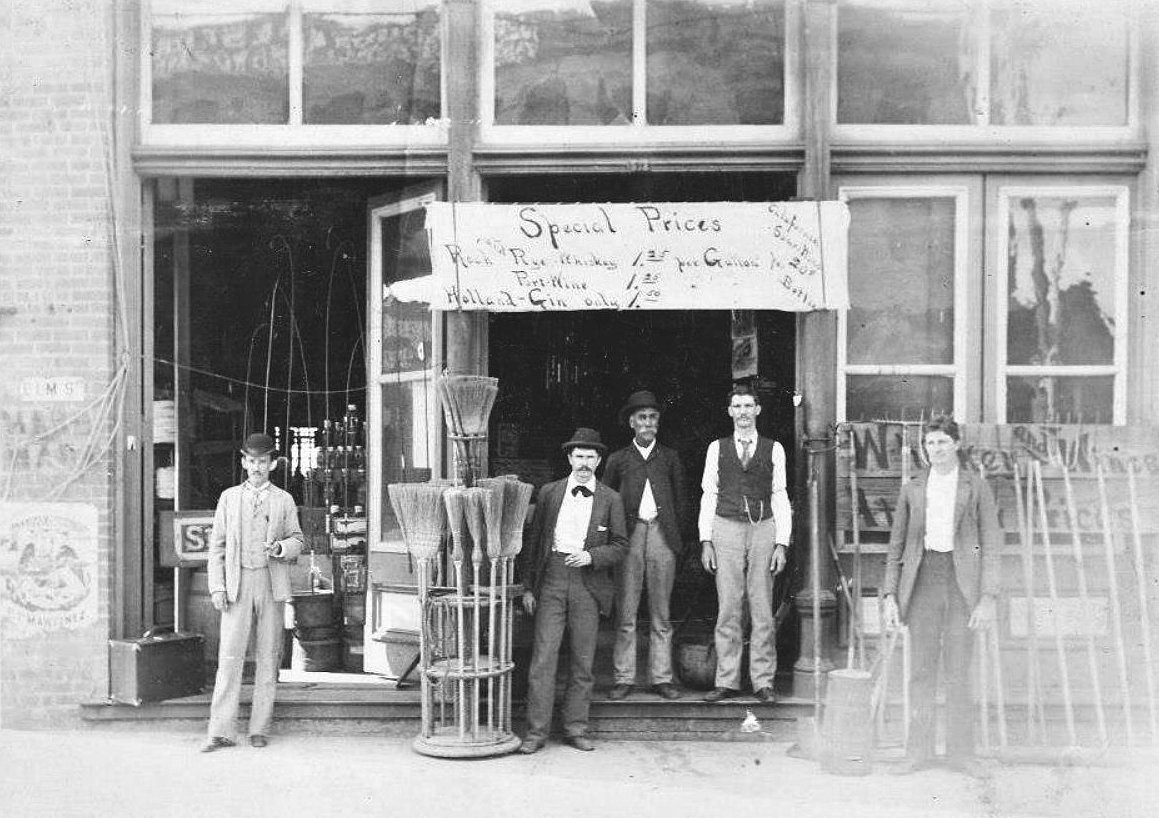
elm-street-store_whiskey-broomsEverything one needs…

by Paula Bosse

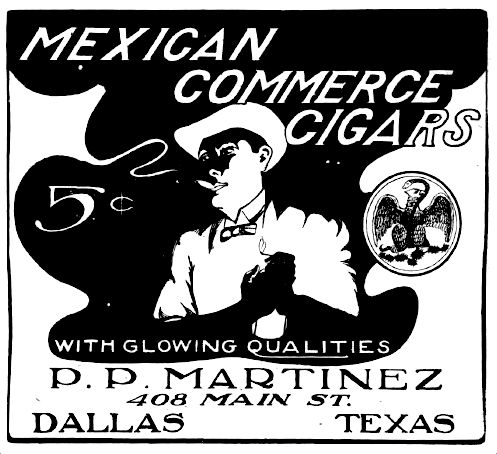
What more do you need in life than a gallon of whiskey, wine, or gin? And maybe some brooms. And a butter churn. The essentials. I don’t know anything about this photo, except that it does appear to be Dallas — you can see “Elm St.” on the brick wall at the left, just above an ad for Dallas cigar king P. P. Martinez. Not sure when the photo was taken — 1890s-ish? Below is a P. P. Martinez ad from 1908.

ad-martinez-cigars_dmn_050308

It’s hard to make out the “Special Prices” sign above the doorway, but some of the items you could purchase were rock and rye whiskey ($1.25 a gallon), port wine ($1.25 a gallon), and Holland gin (“only $1.50 per gallon”).

I had never heard of “rock and rye” whiskey until a few minutes ago. It was a whiskey cordial made with rock candy (!) and some sort of citrus or other flavor. So I’m guessing it was pretty sweet and powerful. It was often sold as a “tonic” because taxes were substantially less on medicines than on spirits. So goodbye, saloon staple, hello cough medicine! “Rock and rye” has made a recent comeback among whiskey-quaffing hipsters.

***

Sources & Notes

I have no idea where I found this photo back in 2014, but it’s great!

This post appeared in a slightly different form on my Patreon page a few months ago. If you’d like to receive daily Dallas-history postlets, check it out!

elm-street-store_whiskey-brooms_sm

*

Copyright © 2023 Paula Bosse. All Rights Reserved.

The Bullen Store, Exposition Avenue — 1896-1936

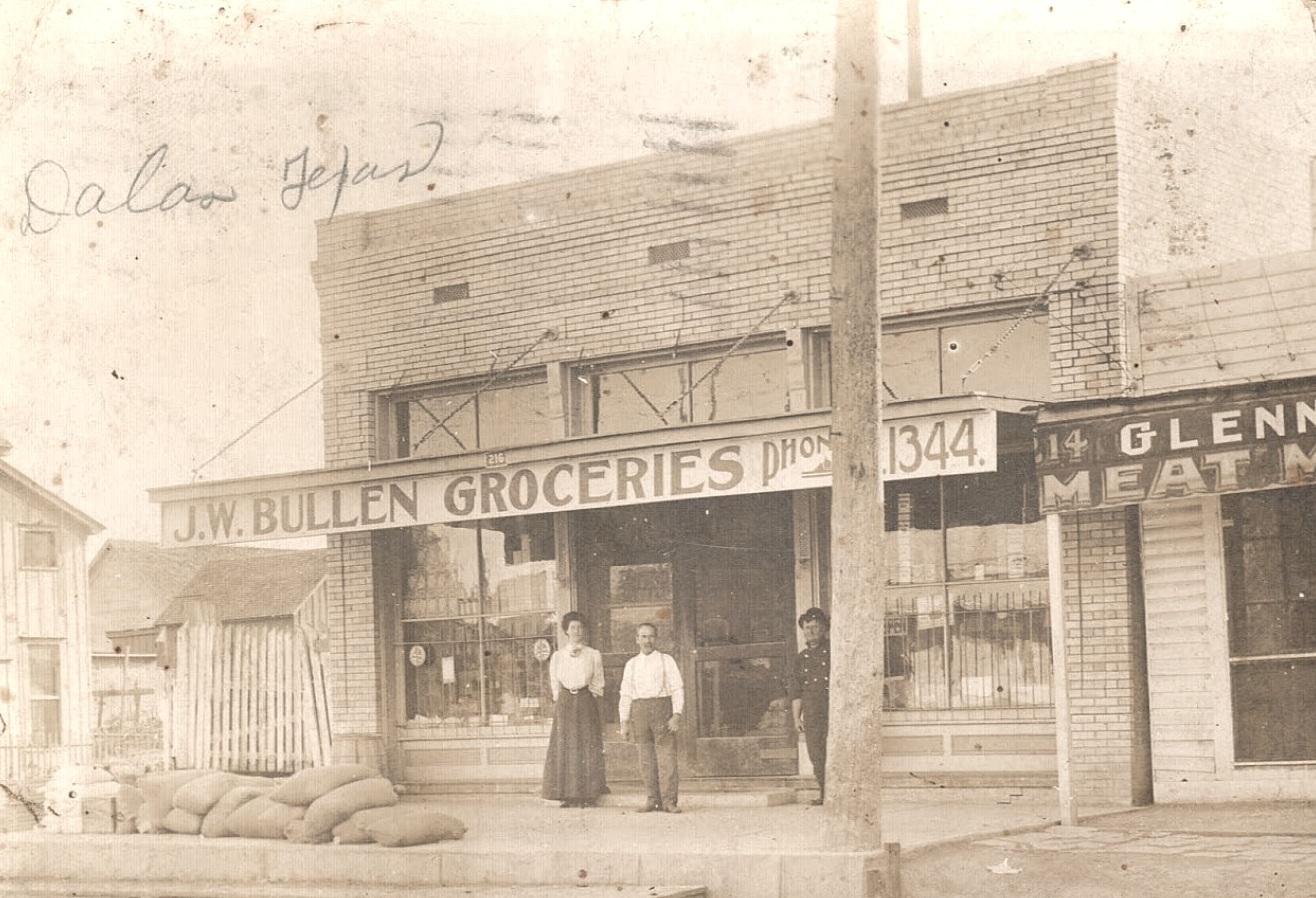
bullen-store_exposition-avenue_ca-1905Exposition Ave., ca. 1905 (photo: Bullen family, used with permission)

by Paula Bosse

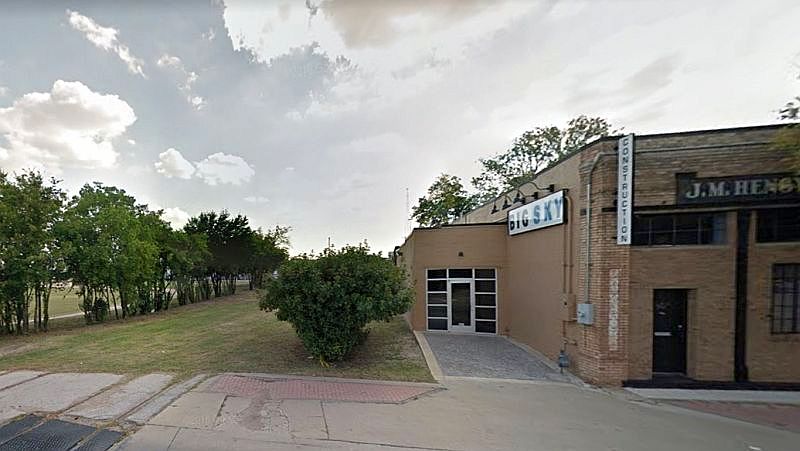
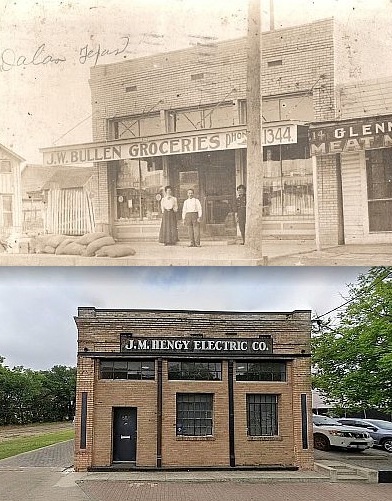
If you’re reading this, you probably have a fascination with old buildings. When was it built? What had it been? How has it not been torn down? One such building — which, though interesting, doesn’t really strike one as particularly old — is the small building at 507 Exposition Avenue, a few blocks from Fair Park. Actually, the thing that jumped out at me was the sign on the building reading “J. M. Hengy Electric Co.” — back in 2015 I wrote a long post about the exceedingly litigious Hengy family (“F. J. Hengy: Junk Merchant, Litigant”) (J. M. was the grandson of F. J.). The Hengy Electric Co. was in business at that location from at least the 1930s until at least the 1960s. I’m not sure why the current owners kept this sign, but I’m glad they did, because it’s why I noticed it.

This building was most likely built in the 1890s, and it was home to a grocery store owned by J. W. Bullen (John Wesley Bullen Sr.), a Tennesse native who came to Texas in the late 1870s and, after a few years of farming in the area, settled in Dallas. He worked for the Santa Fe railroad for a while before opening this grocery on Exposition Avenue in the 1890s — easy to give directions to because the Gulf, Colorado and Santa Fe (GC&SF) Railway tracks ran right alongside the store. Bullen’s grocery was a neighborhood mainstay for at least 40 years. He retired in 1936, and he and his wife, Mary, eventually moved to California to live with their daughter. J. W. Bullen died in California in 1948, at the age of 89 — his life spanned the Civil War to the advent of television.

Below, J. W. Bullen is shown with his brothers, Thomas, James, and Joseph — he is at the bottom right.
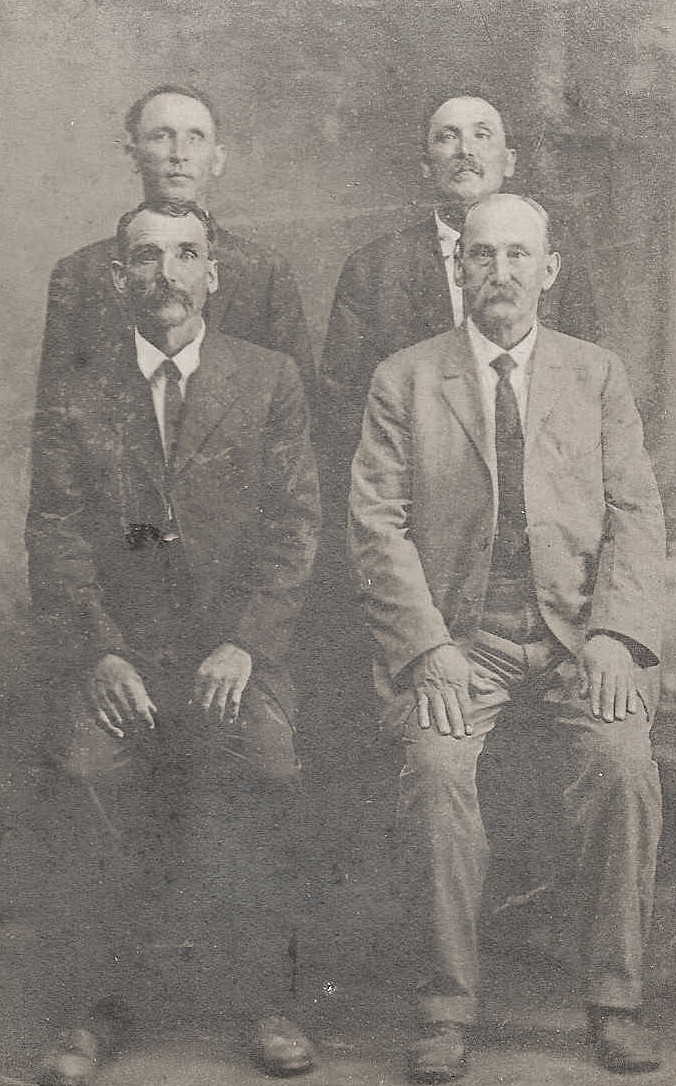
bullen-j-w_sitting-right_ancestryvia Ancestry.com

I came across the photo at the top of this post on the Dallas Historical Society discussion forum (“The Phorum”) back in 2017 (it’s taken 5½ years for me to finally write this!) — the thread is here. A Bullen relative posted this photo, and I was ecstatic to see it! It’s such a great image — I have never seen a photo of Exposition Park from this period. (I asked Mr. Bullen — the man who posted this photo — if I could reproduce it, and he very nicely gave me permission.)

I would guess that the photo dates from sometime around 1904-1906, when the Glenn Brothers meat market occupied the space next door (originally 214 Exposition and later 505 Exposition).
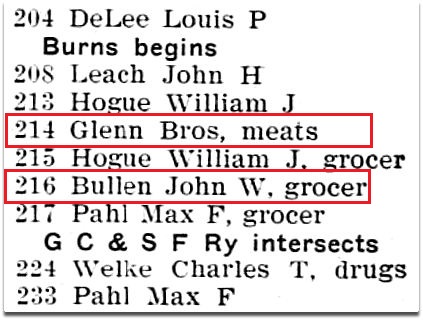
1905-directory_bullen-glenn-bros1905 Dallas city directory

The Hengy business originally occupied the Glenn Bros. space for several years, from at least 1930. After Bullen’s retirement, Hengy moved into the larger space at 507 Exposition. Today it is occupied by Big Sky Construction.
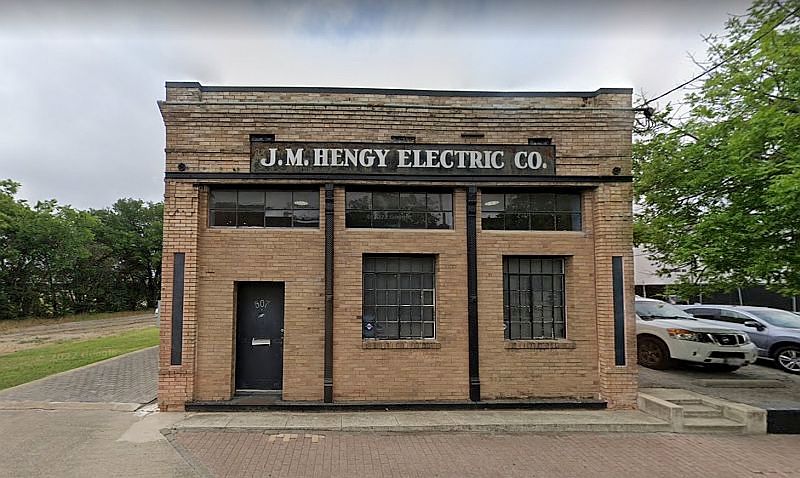
507-exposition_google-street-view_may-2022
Google Street View, May 2022

The railroad tracks have been pulled up, but below are two Google Street Views from 2012 showing where they once were — they couldn’t have been much closer to Bullen’s store! That’s got to have rattled the merchandise (and the store’s occupants) several times a day.
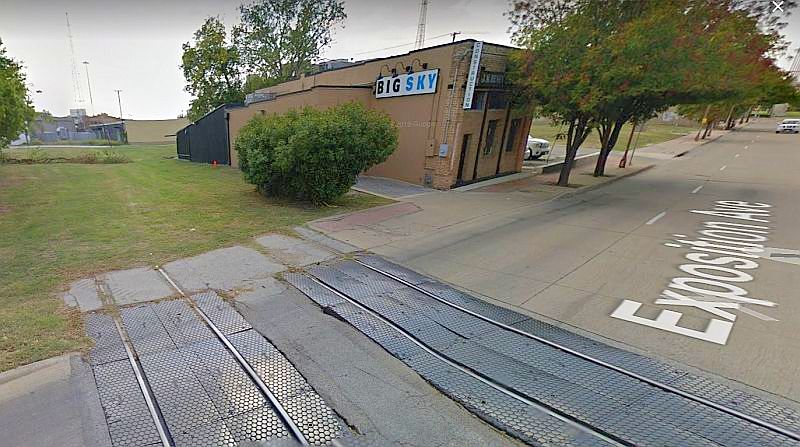
507-exposition_google-street-view_sept-2012Google Street View, Sept. 2012

507-exposition_google-street-view_sept-2012_bGoogle Street View, Sept. 2012

*

The address of Bullen’s store was originally 216 Exposition Avenue. After the citywide address change in 1911, it became 507 Exposition Avenue. The store was in business by at least 1896, but a newspaper article on the 62nd wedding anniversary of Mr. and Mrs. Bullen says that the business began in 1893. At this time, development of Exposition Park was exploding (see the 1889 ad I posted yesterday, here).
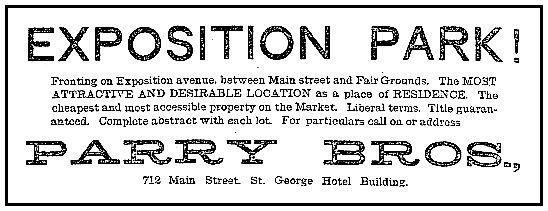
expo-park_ad_dmn_1012891889

If you look at Sanborn maps of this area (the 1899 map is here, the 1905 map is here, and the 1921 map is here) you see that almost all of the buildings in the area are houses (designated by the letter “D,” for “dwelling”). Having only ever known the area in recent times, it’s hard to imagine this ever having been an almost entirely residential neighborhood. And, back in the 1890s, it was also full of livestock.
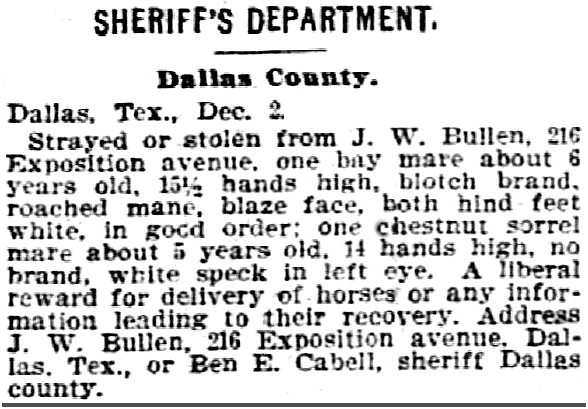
bullen_dmn_120397_stolen-horsesDallas Morning News, Dec. 3, 1897

*

Here’s a map of Dallas from 1898, with Bullen’s store way on the edge of the world, under the star.
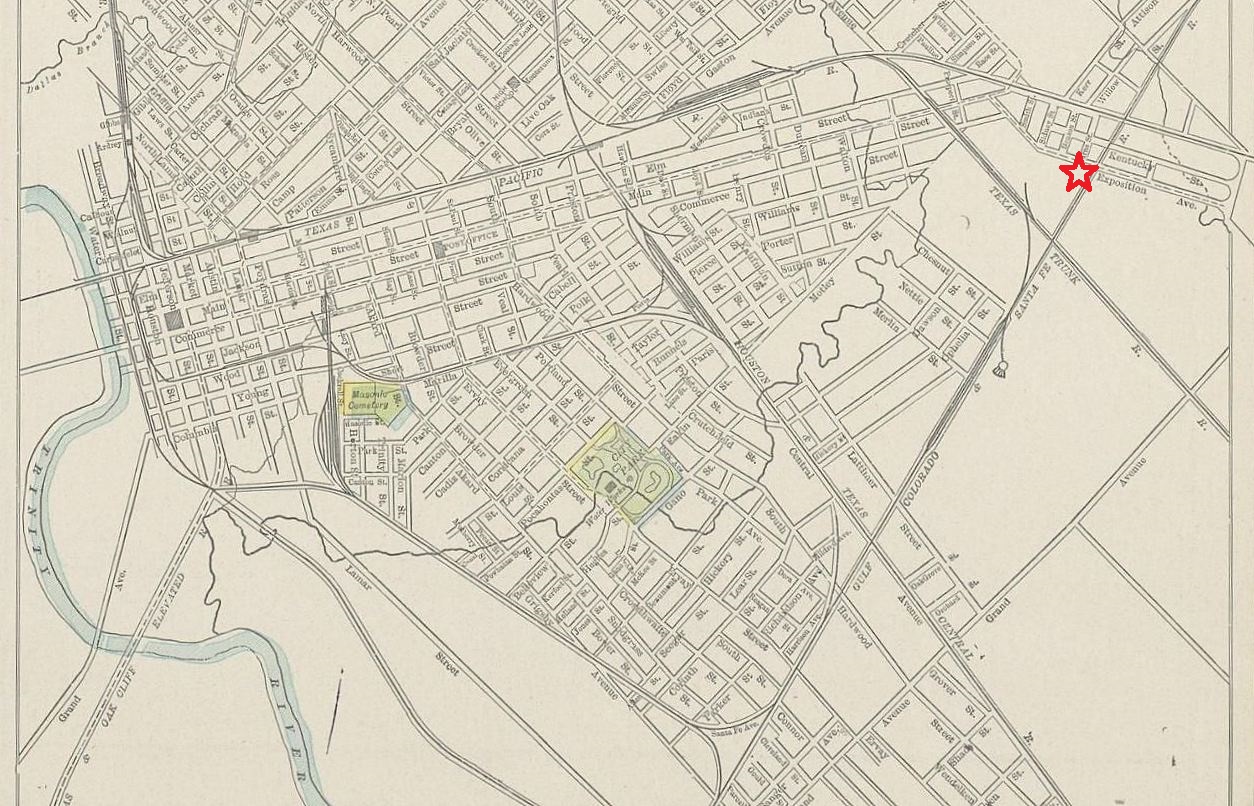
1898-map_bullen-store_expositionvia Portal to Texas History

*

507-exposition_then-now_ca-1905-2022

***

Sources & Notes

Photo is from the family collection of Joseph Bullen II, used with permission.

I would LOVE to see historical photos of the Expo Park area — from any time, really, but especially from the time it was primarily residential. If you have any photographs, please let me know!

See this building today on Google Street View, here.

Biographical information on J.W. Bullen from “J. W. Bullens Observe Their Anniversary” (Dallas Morning News, Nov. 22, 1942).

More Flashback Dallas posts on Exposition Park can be found here.

bullen-store_exposition-avenue_ca-1905_sm

*

Copyright © 2023 Paula Bosse. All Rights Reserved.

19th-Century Sign-Painting and Real-Estating

smithson-harris_amer-petroleum-inst_smithsonian
Need signs and/or land?

by Paula Bosse

Above, a photo of Smithson & Harris, makers and painters of signs in the 1890s. The business — owned by Harry M. Smithson and W. H. Harris — was apparently at 209 S. Akard, which has been described as having been on the northeast corner of Akard and Commerce, later the site of the Magnolia Building. That address does not comport with 209 S. Akard as we know it today — that would be in the southwest block of S. Akard — south of Commerce and on the other side of the street. This is a sentence from Smithson’s obituary: 

Mr. Smithson operated a sign-painting and furniture repair shop in a one-story frame building where the Magnolia Building now stands at the northeast corner of Akard and Commerce. — Dallas Morning News, May 1, 1936

Another source repeats the same info. Below is an excerpt from the small booklet Dallas’ First Hundred Years, 1856-1956 by George H. Santerre. I’m guessing Santerre got his info from the very same obit (and perhaps embellished the importance of the two businesses pictured).

In 1895 Dallas’ merchants obtained their large store signs from Smithson & Harris, whose one-story frame establishment […] facing on Akard was located on the northeast corner of Commerce and Akard streets, the present site of Dallas’ Magnolia Building. The real estate offices of Palmer & McKay, through which many of Dallas’ real estate transfers were handled, adjoined the sign-painters location.

As far as that last little nod to Palmer & McKay (John R. Palmer and James C. McKay), I could find their real estate partnership in only one Dallas directory — 1891, when their office was located at 296 Main. I have no 1890 directory to check, but Palmer left a previous place of employment in 1889. “Palmer & McKay” had disappeared from Dallas directories by 1892, so my guess is that the photo is from about 1890.

As far as the address being 209 S. Akard — Dallas has renumbered and renamed so many streets over the years that it’s hard to keep track of everything. 

Dallas’ most prosperous and well-known sign-maker of this period was P. S. Borich. His shop was at 209 Sycamore (the street was later renamed N. Akard). But around 1890, “209 Sycamore” became, weirdly, 108 South Akard — right where the Magnolia Building was built. Borich was at 209 Sycamore/108 S. Akard until about 1900, when most of the individuals mentioned above had moved on to other professions. (You can see the confusing address numbering in the 1885 and 1892 Sanborn maps.)

borich_1889-dallas-directory1889 Dallas directory
So I’m not sure what’s going on in this photo of a building with the address “209.” 19th-century sublet?

(Incidentally, the Borich company eventually morphed into Texlite, the company that made Pegasus, the city’s symbol who lives atop, yes, the Magnolia Building. I wrote about Borich and Texlite in the post “Texlite, Borich, Pegasus.”

“Smithson & Harris” and “Palmer & McKay” were both very short-lived partnerships, lasting only a year or two. Wherever these businesses were located, it’s a cool photo.

***

Sources & Notes

Photo from the American Petroleum Institute Photograph and Film Collection, National Museum of American History, Archives Center; it is accessible via the Smithsonian Institution Online Virtual Archives, here. The back of the photo contains the notations “Magnolia Corner, 1896” and “Credit: Magnolia Petroleum Co.” …So much conflicting information. My head hurts.

Another copy of this photo is in the George A. McAfee photographs collection, DeGolyer Library, SMU Libraries, Southern Methodist University — more information on that copy is here (note: there is even more conflicting info in the description, but it also carries the “circa 1896” date).

I first saw the (cropped) photo in the 1931 Rotunda, the yearbook of SMU, from the collection at the DeGolyer Library, SMU Libraries, Southern Methodist University, here.

smithson-and-harris-signs_mcafee_degolyer_SMU_ca. 1890_sm

*

Copyright © 2022 Paula Bosse. All Rights Reserved.

Main Street, West Toward the Clock Tower

main-street-west-from-st-george-hotel_ebayEnjoy it while you can…

by Paula Bosse

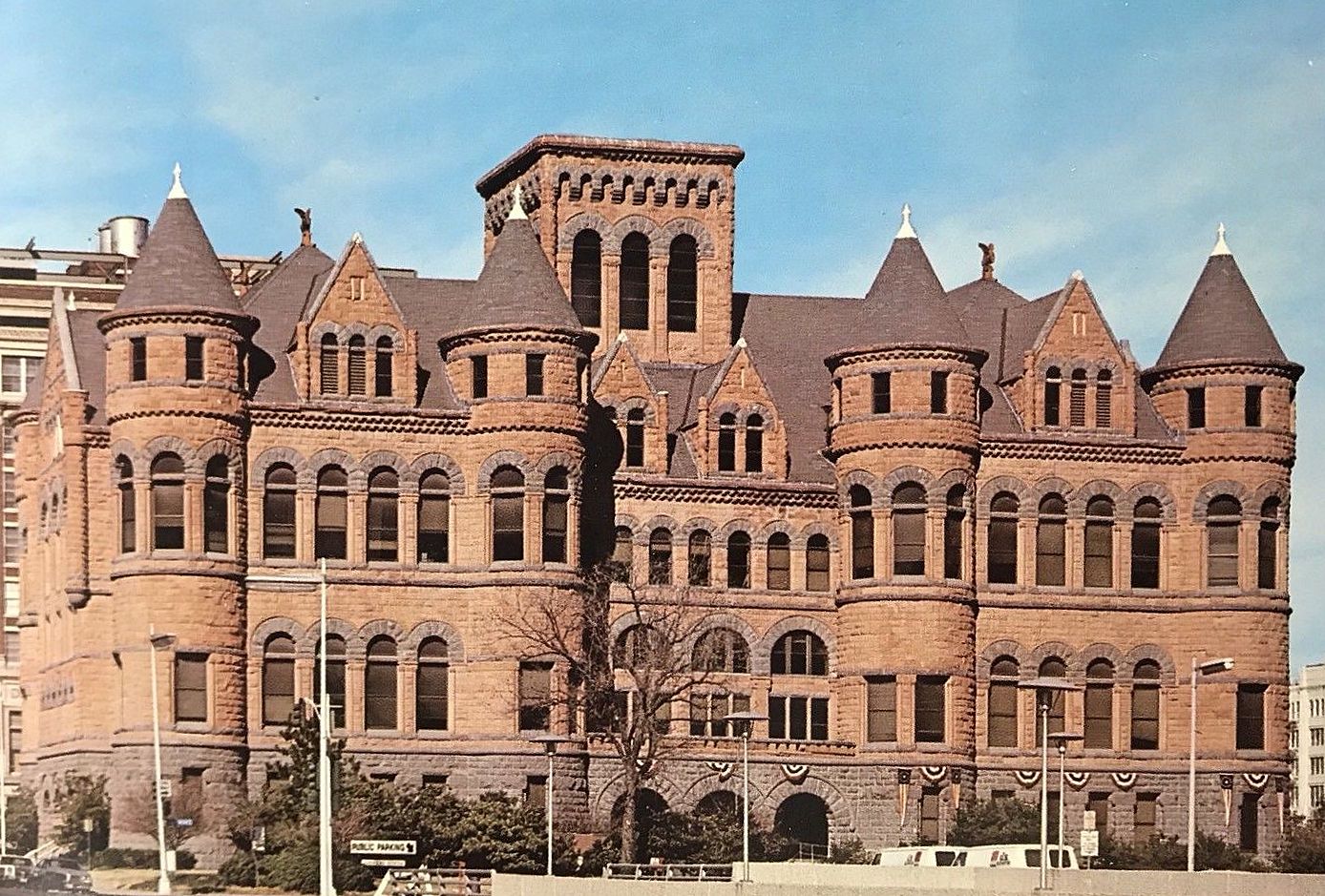
A nice view of Main Street, looking west toward the probably pretty new courthouse (built in 1892). Streetcars, the St. George Hotel, the North Texas Building, the Trust Building. Much the same shot is seen in this photo from 1954 (more buildings, less sky).

I hope citizens back then weren’t getting too attached to that beautiful clock tower, because it would go bye-bye in April, 1919 after it had been determined that it might be on the verge of collapse. 

From The Dallas Morning News, Jan. 22, 1919:

COURTHOUSE TOWER IS ORDERED REMOVED

Believing the courthouse tower to be a nuisance to the safety of persons in the building, the Commissioners Court yesterday ordered H. A. Overbeck, architect, to prepare specifications for its removal. The tower will be leveled off even with the balcony.

Mr. Overbeck recently made an inspection of the tower, reporting that while there is no immediate danger, it is altogether advisable that the tower be demolished, as a strong windstorm might cause it to collapse. The walls have numerous cracks in them, the sandstone is disintegrating in places, and some of the iron supports are rusted and deteriorating, he said.

The work of removing the tower will begin as soon as Mr. Overbeck can complete the necessary plans.

It wasn’t even 30 years old. The tower came down a few months later at a cost to the county of $10,000 (the equivalent today of about $153,000). 

From The Dallas Morning News, April 20, 1919:

COST $10,000 TO REMOVE COURTHOUSE TOWER

The work of razing the courthouse tower was completed this week, and workmen yesterday began tearing down the scaffold and improvised elevator shaft which had been erected to facilitate the removal of the large quantity of stone and steel contained in the old tower.

It is estimated that there were close to 75 tons of material in the tower. It cost the county $10,000 to have it removed.

75 tons!

But, oh dear — it looked bad without the tower. Real bad. …I mean REAL bad.

old-red-courthouse_no-clock-tower_postcard_ebayYikes

But, thankfully, the Dallas County Courthouse got a brand new clock tower in 2007, and Old Red looks beautiful again!

***

Sources & Notes

Images from eBay.

main-street-west-from-st-george-hotel_ebay_sm

*

Copyright © 2021 Paula Bosse. All Rights Reserved.

Random Photos of Turn-of-the-Century-ish Houses

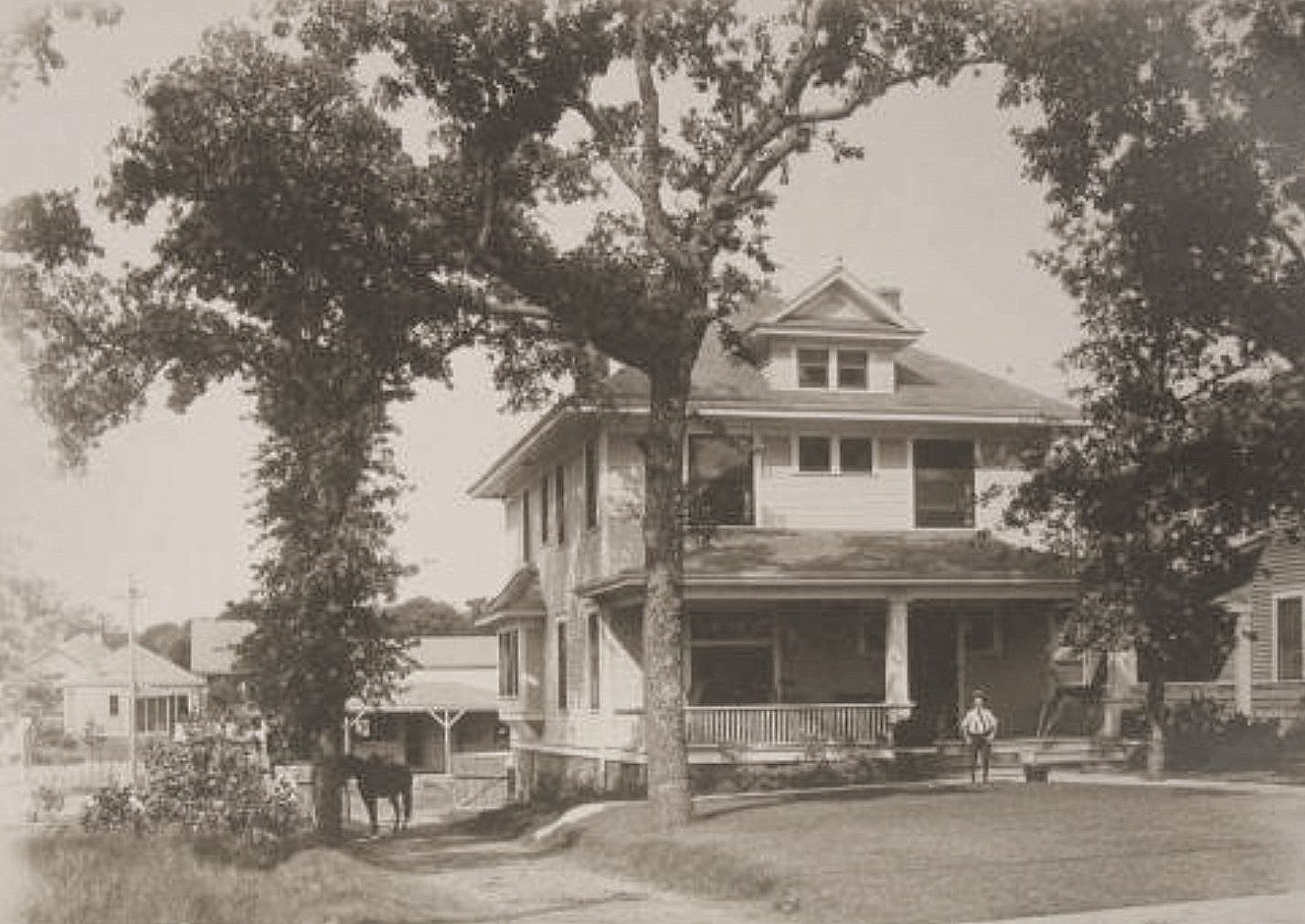
lemmon-avenue_house_rppc_ebayLemmon Avenue home, horse included….

by Paula Bosse

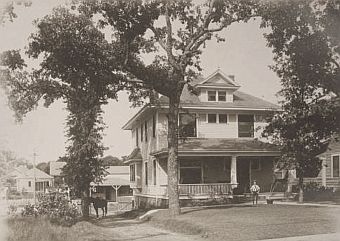
I love looking at old houses — especially ones which once occupied parts of town which are definitely no longer residential areas. It’s always sad to realize that the beautiful house you’re looking at — one which you can imagine living in now, in the 21st century — has, almost always, been torn down decades ago and replaced with something much less interesting. Thankfully, people 120 years ago used to have their homes photographed in order to print up picture postcards which they would then send to friends and relatives. Most of the images below come from these “real photo postcards,” and all show nice little glimpses into Dallas homes from before 1910. Only one of these houses is still standing. (All photos are larger when clicked.)

*

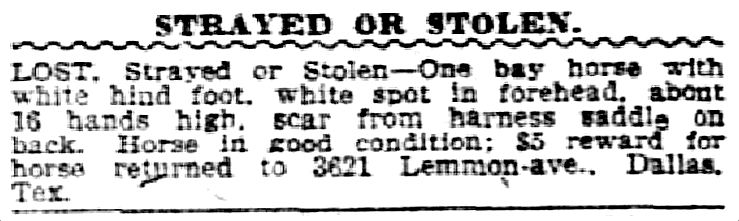
Sadly, the house above is not still standing. It’s a beautiful house. Even comes with a horse! The house was at 405 Lemmon Avenue in Oak Lawn. After the addresses in Dallas changed in 1911, the address became 3621 Lemmon (in the middle of the block between Welborn and Turtle Creek Park/Lee Park — apartments and a parking garage now occupy that whole block) — see it on a 1921 Sanborn map here. The owner was W. Leslie Williams, a real estate man. Family horses wandered off a few times, according to “strayed or stolen” ads placed in the paper, such as the one below.

williams_dmn_111211_strayed-horse
Nov. 1911

*

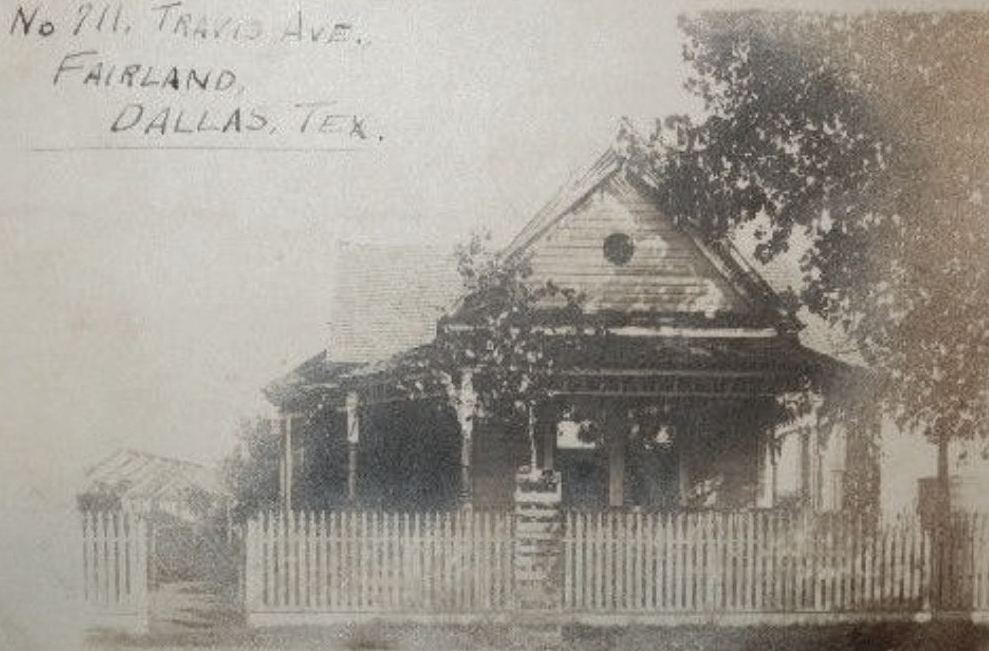
Below, a house which once stood at 711 Travis (which later became 4627 Travis), between Knox and Hester (the Katy railroad tracks would have run right behind the house) — see it on a 1921 Sanborn map here. It was in the “Fairland” addition. The owner of the house was T. B. Baldwin, a traveling agent for The Dallas Morning News. The photo was on a postcard mailed in 1908.

travis-ave-house_fairland_1908_ebay_rppc

*

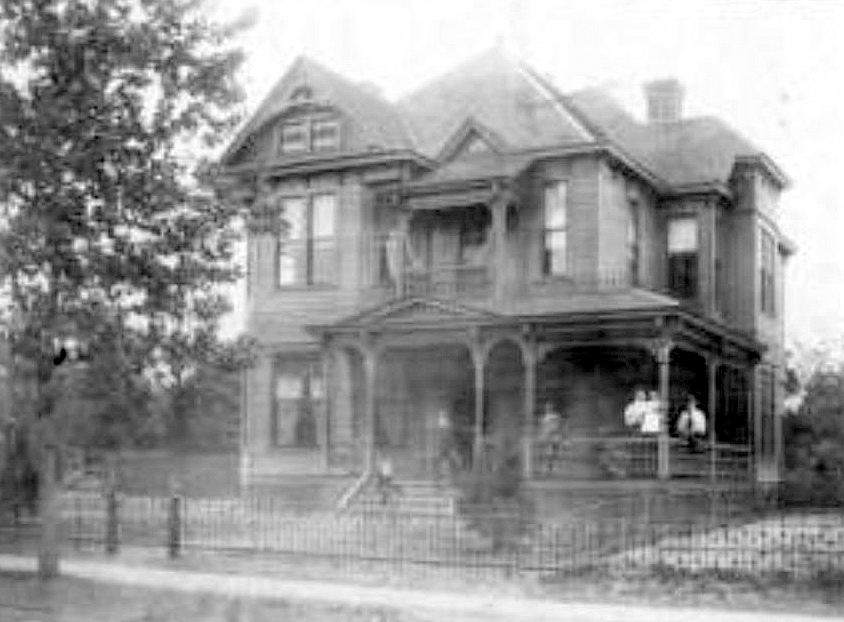
Now to South Dallas (The Cedars?). This house stood at 200 Cockrell Ave. (which became 2130 Cockrell), between Corinth and Montgomery, now part of a large swath of empty land almost certainly being developed in somebody’s head as I type this. See it at the very bottom of this 1921 Sanborn map. The house was owned by Horatio W. Fairbanks, supervisor of the Dallas Cotton Mills, and was later occupied by the Wesley Settlement House for several years. The photo below is from 1896.

fairbanks-h-w_1896._ebay_cockrell-ave

*

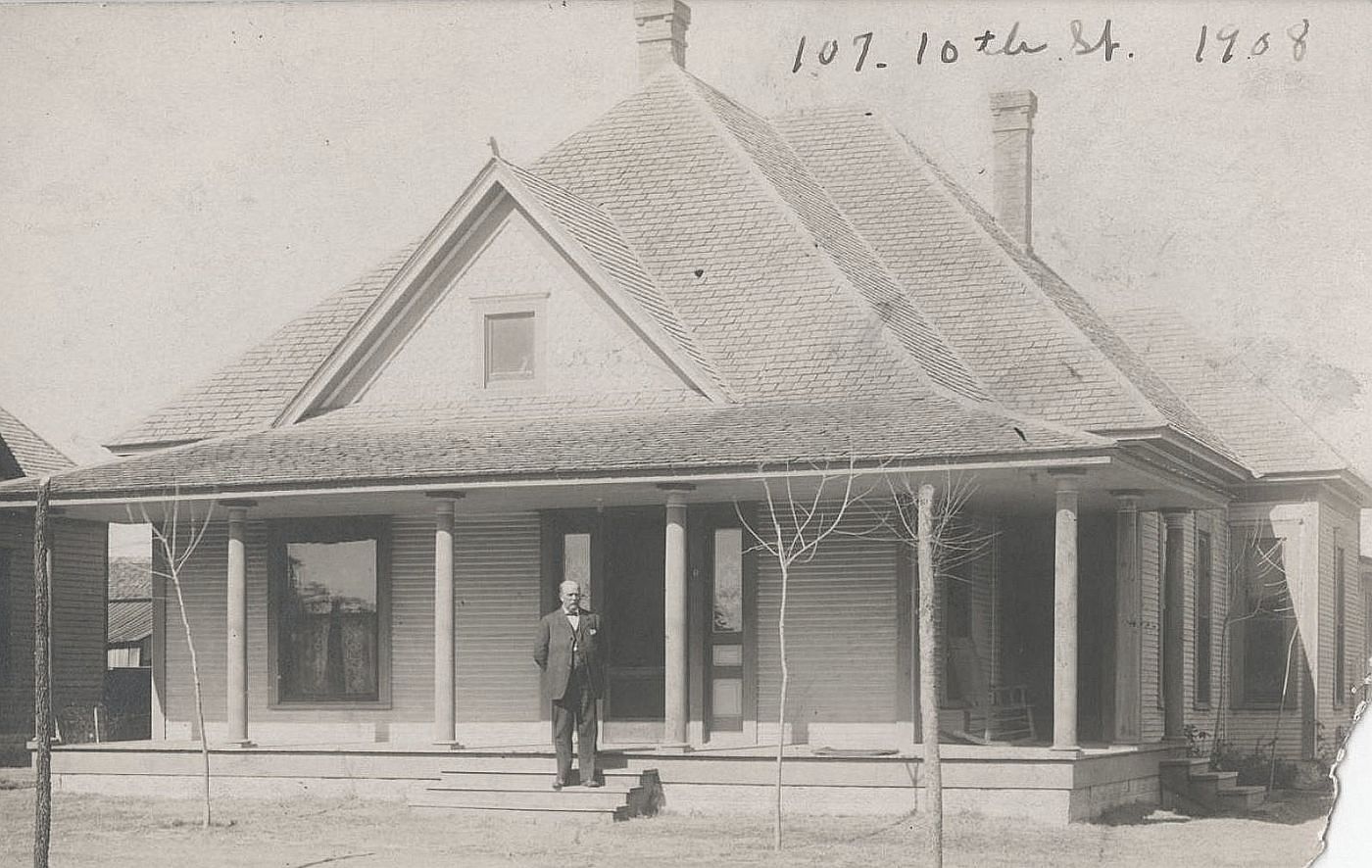
Now to four houses in Oak Cliff. The first stood at 107 10th Street (later 525 E. 10th St.), between Lansing and Marsalis — see it on a 1922 Sanborn map here. This was the home of Dr. William E. King, whom I presume is the man standing in front of the house — he died in 1909, a year after this photo was taken. The land now appears to be occupied by a body-shop parking lot. (This 1908 photo is from the Murphy Historical Society, via the Portal to Texas History, here.)

king-william_oak-cliff_1908_murphy-historical-society_via-portal

*

The home of T. Henry Dorsey, a member of the family who founded the Dorsey Printing Co., a pioneer printing establishment in Dallas, was at 161 Grand Ave. (the name of the street was changed to Marsalis, and in 1911 the address of this house became 113 N. Marsalis), between 9th and 10th streets — see it on a 1905 Sanborn map here. The current occupant of this land is, I think, a trucking company. This house — which Dorsey moved into around 1900 — can be seen below from several angles (including one from the back which shows a fence running into part of the house which appears to be encroaching onto a neighbor’s property. 

dorsey_ebay_d

dorsey_ebay_a

dorsey_ebay_b

dorsey_ebay_c

*

Before 1911, the address of the house below — a house I absolutely love — was 174 South Jefferson; after 1911, the address was, rather confusingly, changed to 516 East Jefferson (between Patton and Denver) — see it on a 1905 Sanborn map here. It was on land now occupied by Felix Botello Elementary School. This house was owned for several decades by Dr. William M. Lively. The image below is from a postcard dated 1909. (Great car!)

lively-house_poss-oak-cliff_rppc_1909_ebay

*

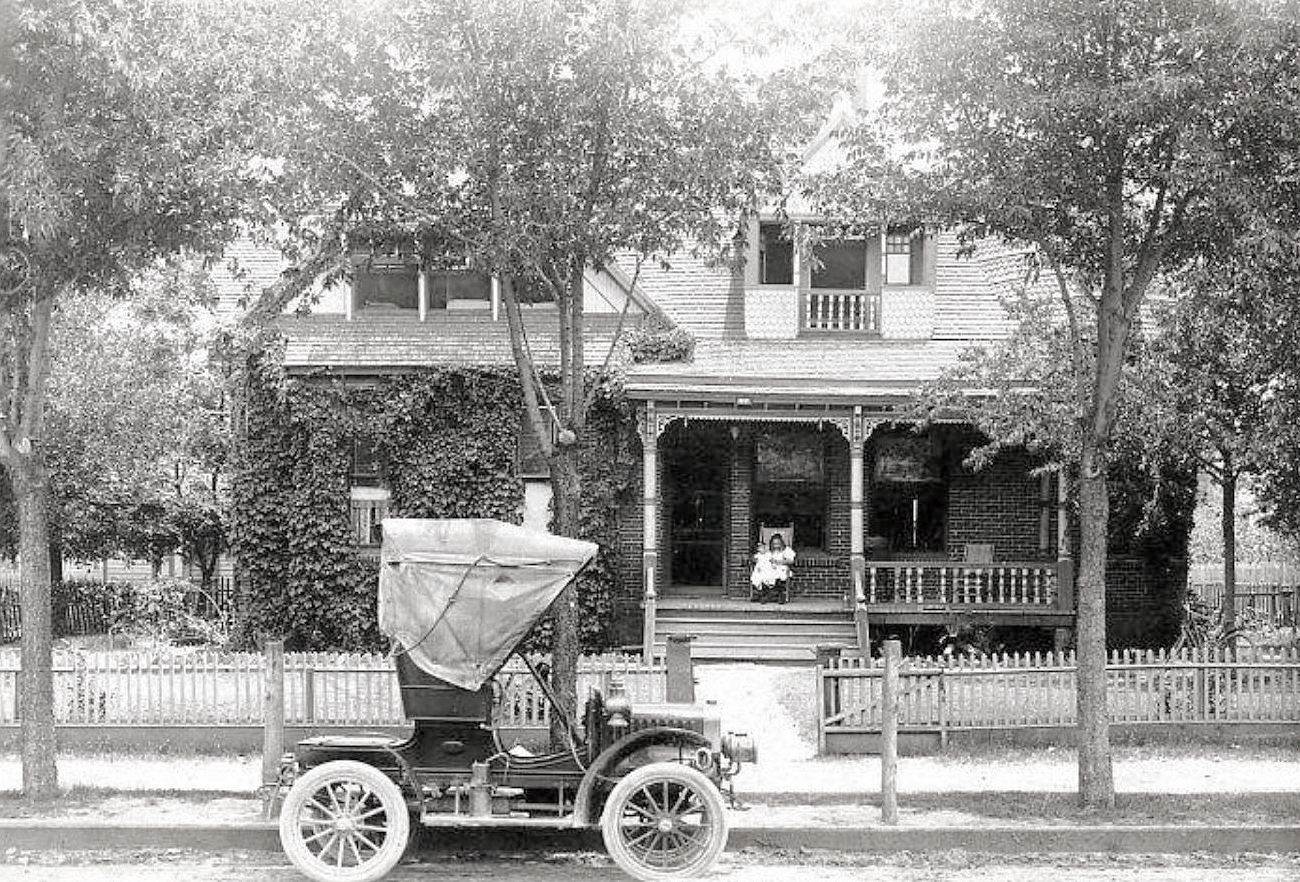
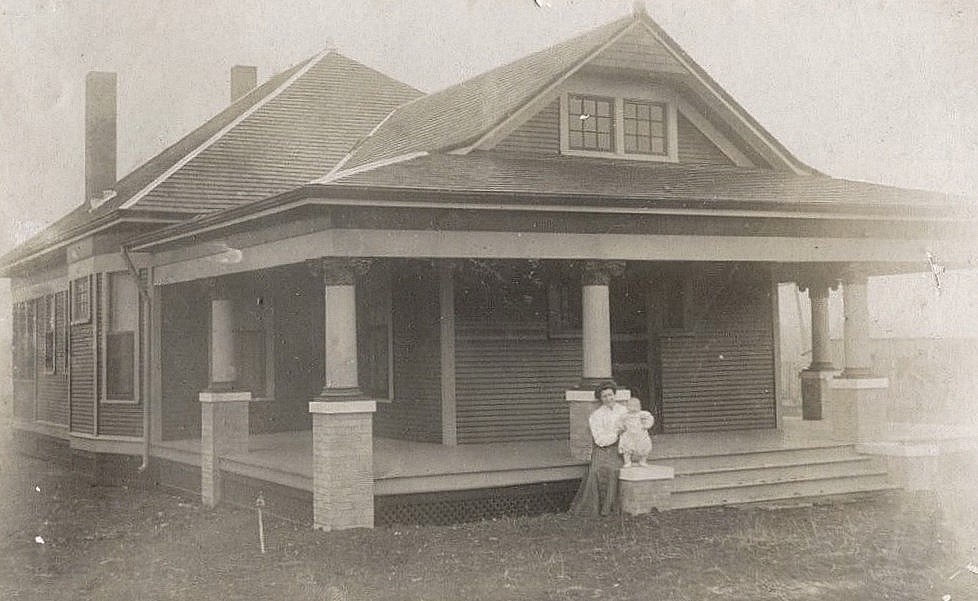
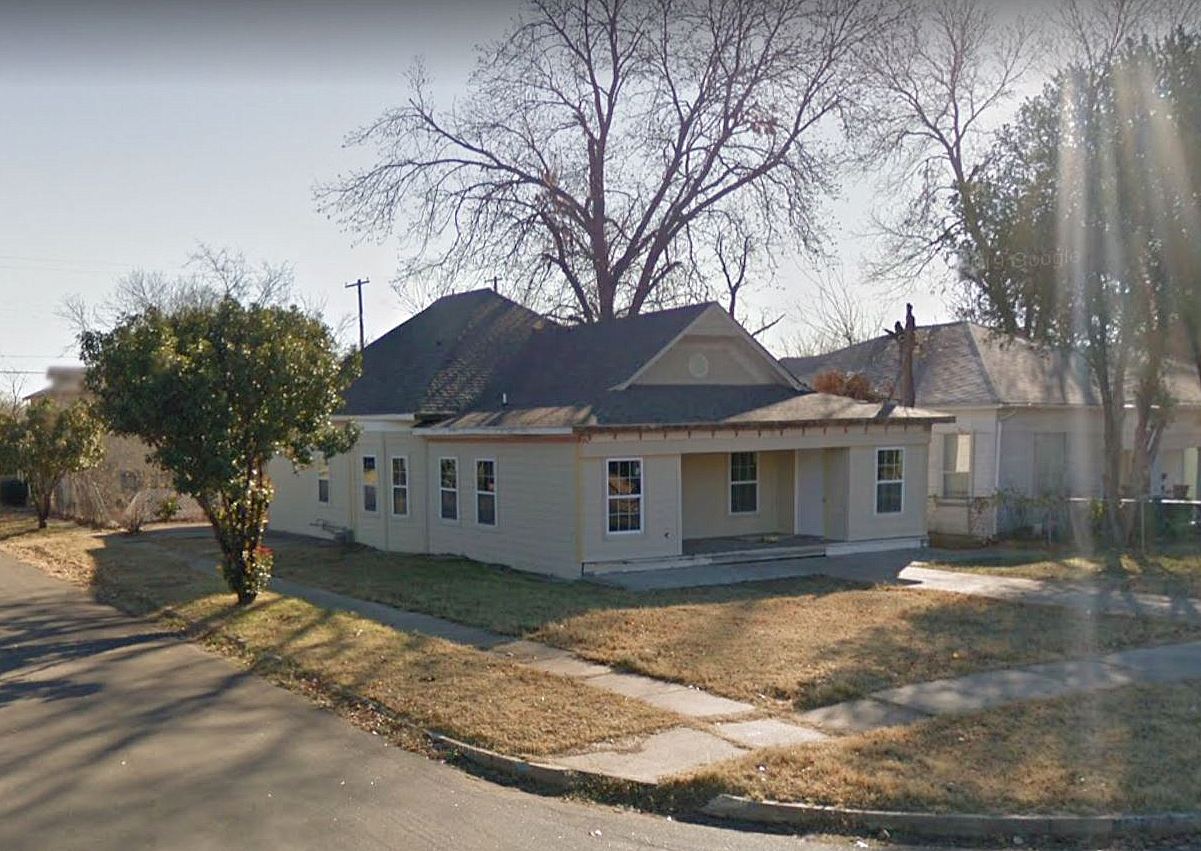
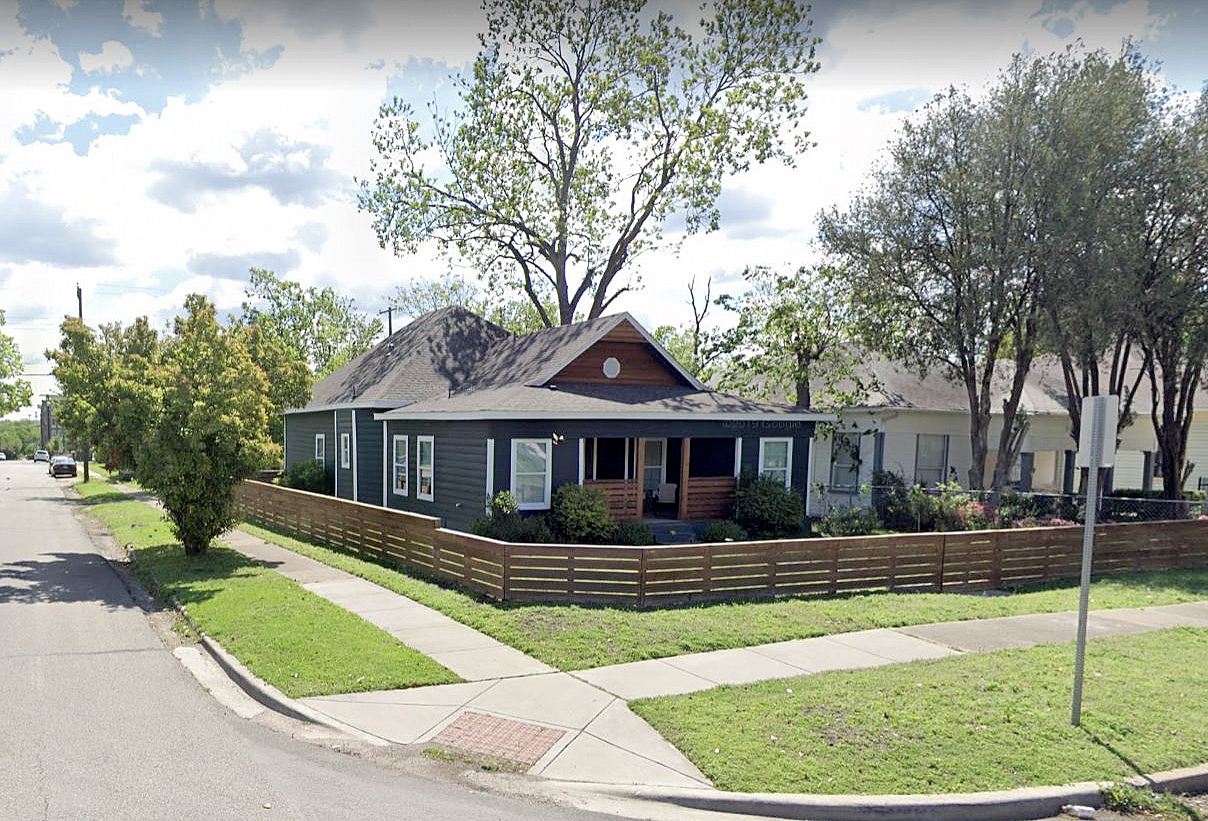
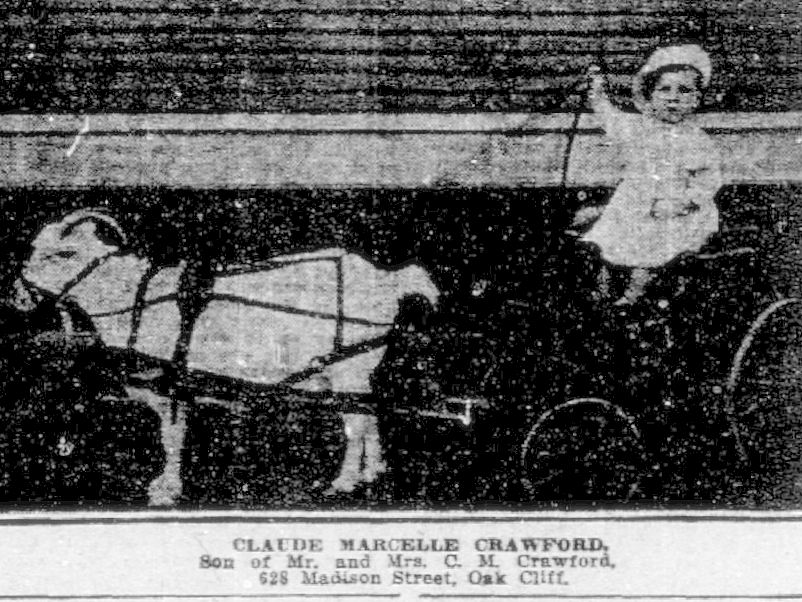
Below is the only one of these houses still standing. It began life as 120 Madison Ave. (which later became 628 N. Madison), at the corner of W. Neely St. in the Kidd Springs neighborhood of Oak Cliff. See it on a 1922 Sanborn map here (bottom left corner). Claude Marcelle (C. M.) Crawford, a traveling salesman, lived here with his wife, Maud, and their infant son, Marcelle Crawford. Maud Crawford (who died in 1913, just a couple of years after this photo was taken) wrote: “What do you think of our ‘cosy corner.’ Every one tells us it is pretty so much until we almost believe it our selves.” Crawford eventually went to work for Bristol-Myers as a regional branch manager, and after 30 years, when he was in ill health, the company retired him on full pay (!) in gratitude for his service. When he retired, he owned a Beverly Drive home in Highland Park, apparently having done very well. His charming little starter-house in Oak Cliff still stands, having recently been remodeled. 

crawford-house_madison_oak-cliff_ebay_cropped
about 1910

crawford-house_madison_google-street-view_2012
2012, Google Street View

crawford-house_madison_google-street-view_20192019, Google Street View

crawford-claude-marcelle_dmn_081311
Claude Marcelle Crawford, Jr., Dallas Morning News, Aug. 13 1911

*

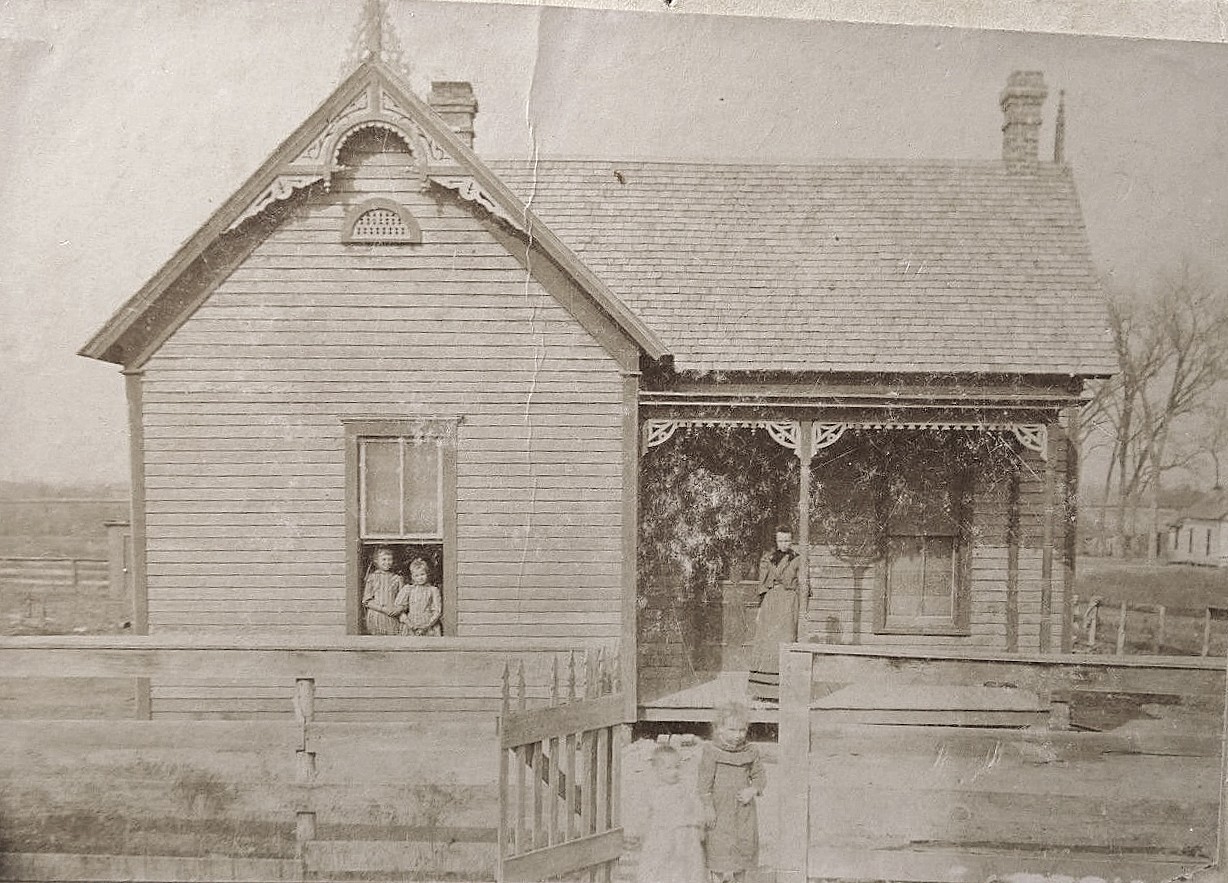
And, lastly, the only house I wasn’t able to determine the location of — it also looks like the oldest. On the back is a faint penciled notation which appears to  be signed “G. P. Taylor.” In a more recent notation in ink, the family members in the photo are identified: “Made in Dallas, Tex. — Elm St. — Mother on porch, Mattie & I in window, Pearl & Joe in gate.” 1870s or 1880s? It’s a mystery!

elm-street-house_ebay_taylor

***

Sources & Notes

All images except the William E. King house are from eBay.

lemmon-avenue_house_rppc_ebay_sm

*

Copyright © 2020 Paula Bosse. All Rights Reserved.

Paul Giraud’s 1892 View of Dallas with Trinity River “Improvements” Which Were Never Made

1892_map_birdseye_paul-giraud_wikimediaClick to explore a larger image…

by Paula Bosse

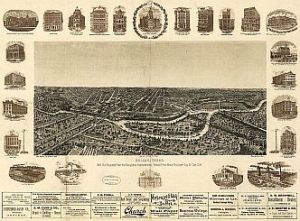
Above is a map titled “Dallas, Texas, With The Projected River And Navigation Improvements. Viewed From Above The Sister City of Oak Cliff.” It was a bird’s-eye view of the city drawn in 1892 by Dallas resident and businessman Paul Giraud.

If you click on the picture you will see a very large image which will allow you to look at all the tiny details. You’ll see a lot of stuff that never actually existed in Dallas, but which Giraud — an adamant and tireless proponent of a navigable Trinity waterway — hoped would become part of Dallas. It’s pretty cool and a lot of fun to wander through. (A good background history on Giraud’s “map” can be found on the Amon Carter Museum website here.)

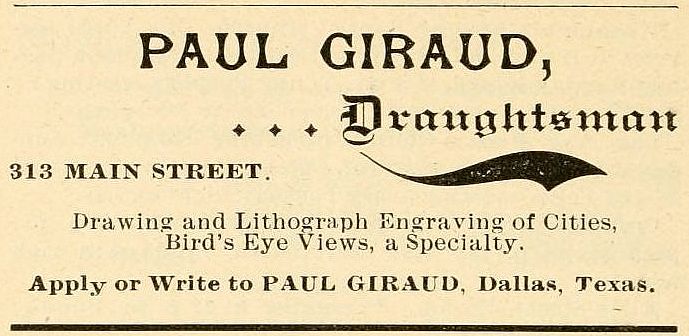
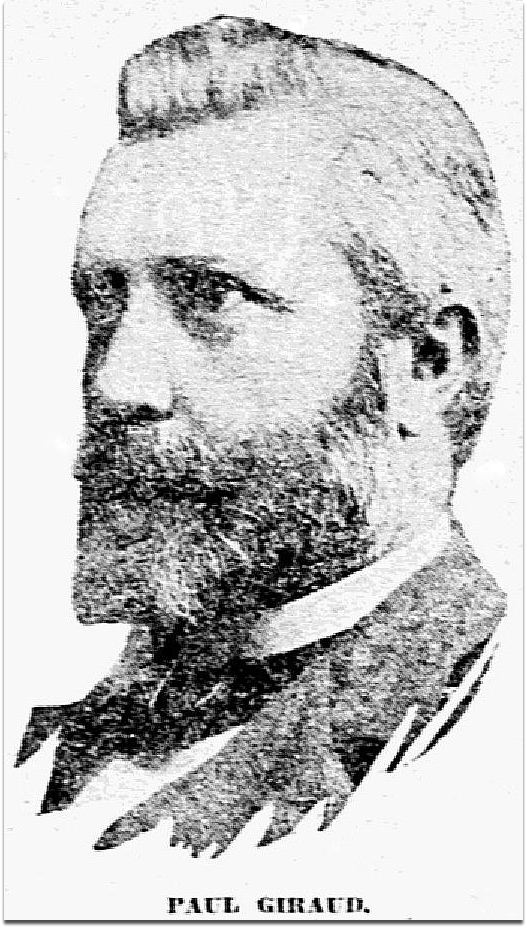
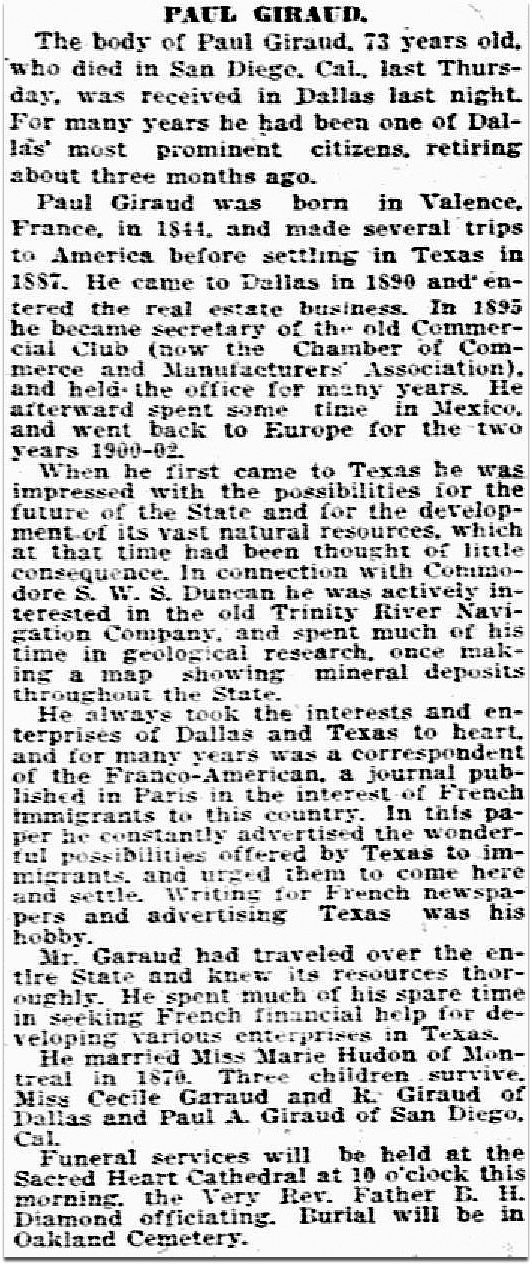
Born in France in 1844, Paul Giraud settled in Dallas in 1890 where he worked both in real estate and as a draftsman while also acting as a booster of Dallas and Texas to anyone who would listen, especially to Europeans and fellow Frenchmen who were considering the possibility of emigrating to the United States. He was also an inventor and secured at least one patent.

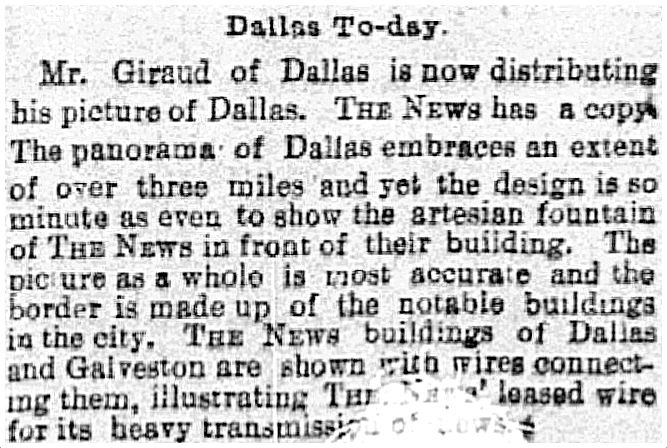
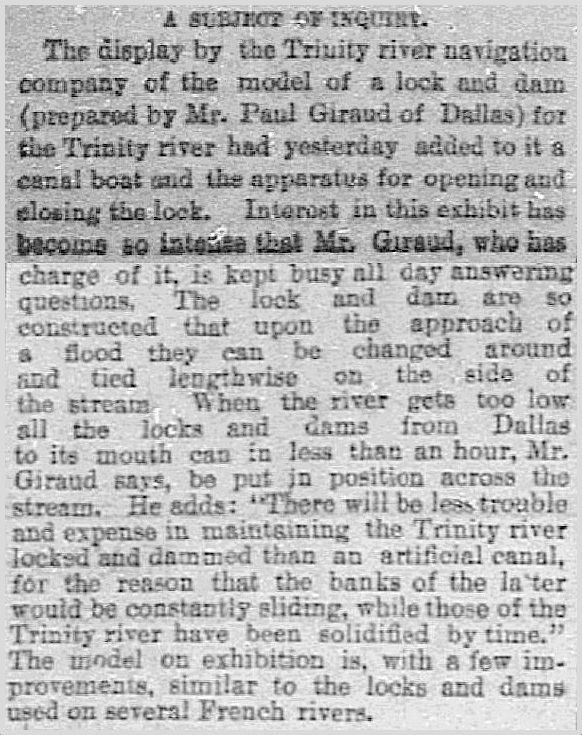
Giraud’s enthusiasm and dedication for the Trinity River scheme could be found in the bird’s-eye view seen above, in a miniature three-dimensional model with working locks and dams which he constructed for the 1892 State Fair, and in newspaper articles printed across the state which he wrote to assure readers (and investors) of the feasibility of the project.

All that work, but, sadly, Giraud’s dream was never realized — the Trinity won. But he did leave us with that fantastic, partially realistic bird’s-eye view of the city.

*

1892_map_birdseye_giraud_dmn_091892Dallas Morning News, Sept. 18, 1892

giraud_trinity-lock-and-dam-model_state-fair_dmn_102992
DMN, Oct. 29, 1892

paul-giraud-draughtsman_souv-gd_1894
Souvenir Guide of Dallas, 1894

giraud-paul_dmn_121117_obit_photo

giraud-paul_dmn_121117_obit
Photo and obituary, DMN, Dec. 11, 1917 (click to read)

***

Sources & Notes

This map is in the collection of the Library of Congress, here; the picture at the top of this post links to the enlarged Wikimedia image here.

If you’d like to compare some of the buildings with Sanborn maps to see what was real and what was fanciful, you can find the 1892 Sanborn maps here (scroll down). It might be helpful to use Sheet 1 as a guide — if, for instance, you want to look at the area in the immediate vicinity of the courthouse (which was under construction at the time…), you see that you need Sheet 3, so you click on “Dallas 1892 Sheet 3” on the list of maps.

1892_map_birdseye_paul-giraud_wikimedia_sm

*

Copyright © 2020 Paula Bosse. All Rights Reserved.