Flashback : Dallas

A Miscellany: History, Ads, Pop Culture

Category: 1900s

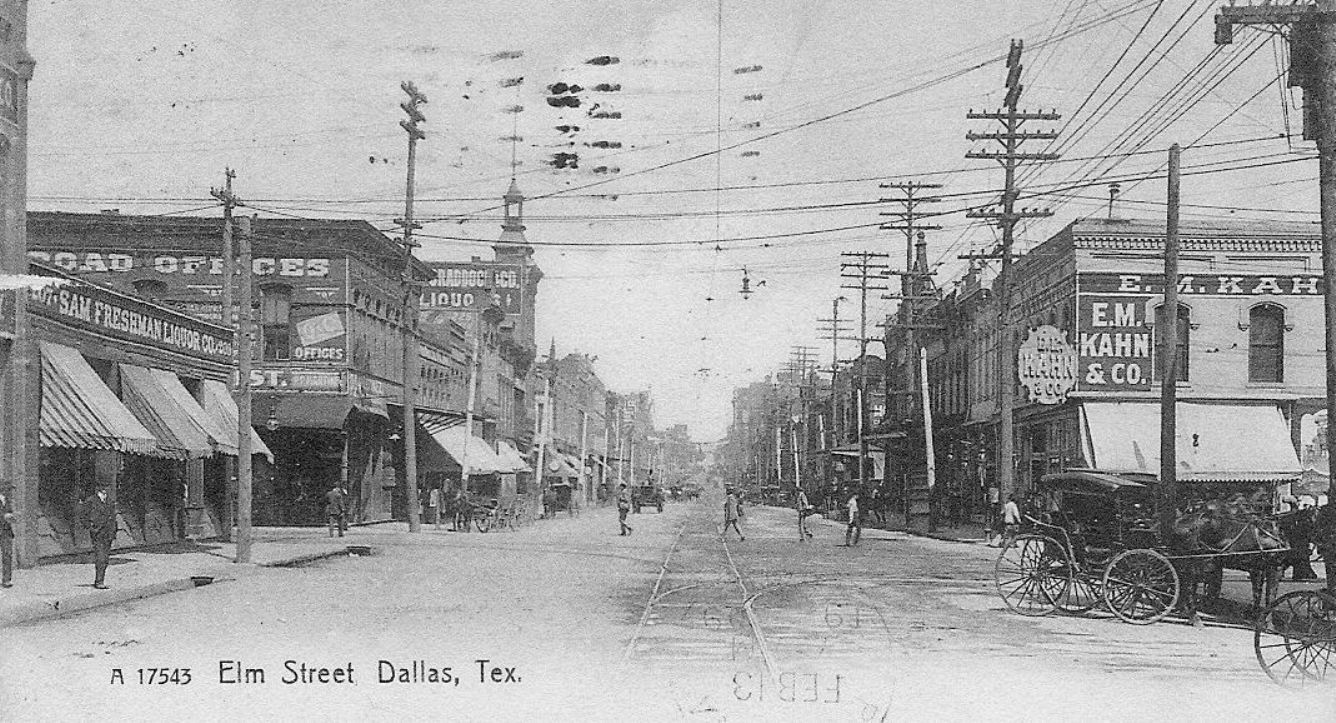
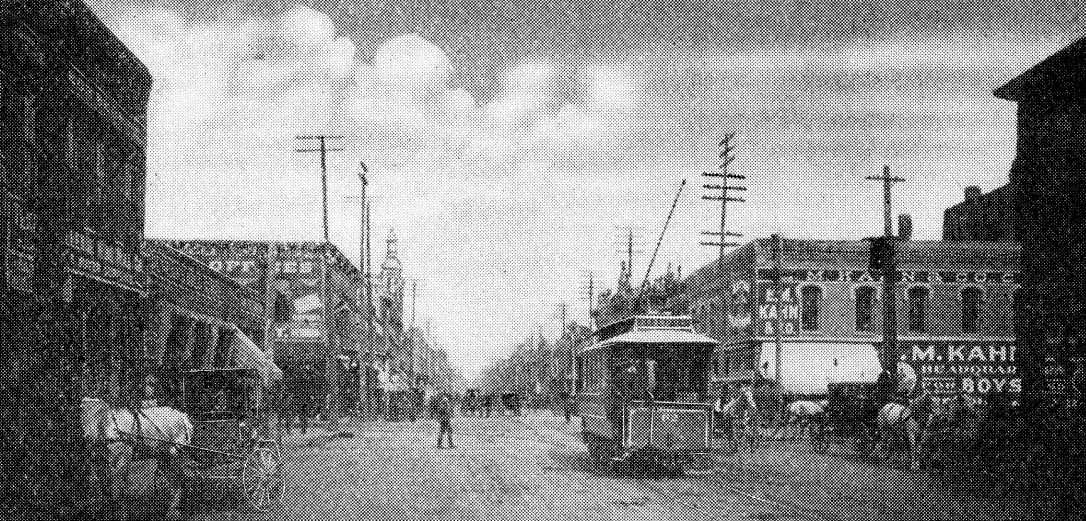
Elm Street — 1909

elm-street_postcard-1909-lgElm St. at N. Lamar, looking east (click for much larger image)

by Paula Bosse

In a sort of unfocused wandering around the internet yesterday, I happened across two photos of Elm Street in 1909 that were virtually the same shot, and I came across them on completely unrelated websites. Just a weird coincidence. And they’re pretty cool.

(Ever since I wrote about L. Craddock & Co. Liquors a few months ago, I swear I see that building everywhere now! It’s become a kind of landmark I use to get my bearings. It’s the building on the left with the little cupola on top — it was at Elm and Poydras, between N. Lamar and Griffin.)

elm-street_1909

***

The first photo is a postcard, from Ebay.

Second photo is from Texas: A Southwest Empire (Chicago/St. Louis: Passenger Traffic Dept. Rock Island-Frisco Lines and Chicago & Eastern Illinois Railroad, 1909).

To check out the businesses along this stretch of Elm, see the Worley’s 1909 city directory here. This page shows all the businesses in this photo, moving west to east. It will start with Sam Freshman Liquors right before you cross N. Lamar. On the east side of Lamar, on the right, E.M. Kahn’s. L. Craddock, on the left, is at the corner of Elm and Poydras.

The Worley’s and other criss-cross directories are invaluable in determining locations, especially at the time of this photo, because Dallas street numbers changed in 1911 and do not correspond to today’s street numbers (a surprisingly interesting topic, which I researched here). Besides, those directories are a lot of fun to play around with! (Then again, I was one of those kids who enjoyed reading the dictionary.)

Click photos for larger images.

*

Copyright © 2014 Paula Bosse. All Rights Reserved.

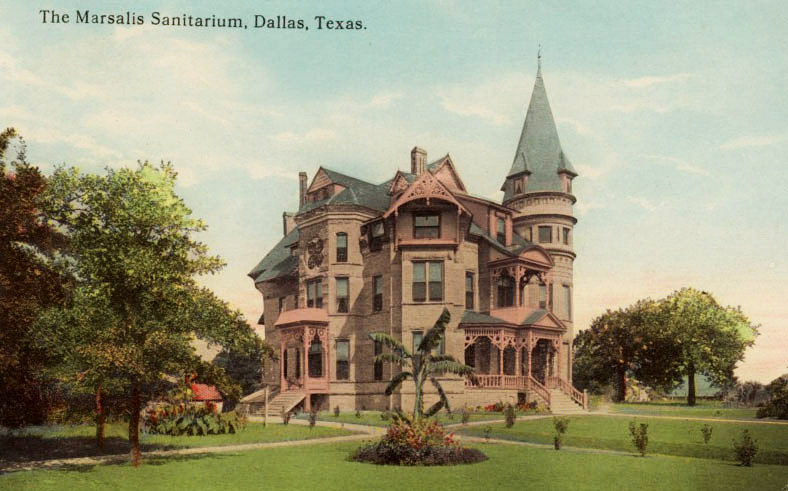
The Marsalis House: One of Oak Cliff’s “Most Conspicuous Architectural Landmarks”

marsalis_sanitarium_oak-cliffThe fabulous Marsalis house in Oak Cliff (click for larger image)

by Paula Bosse

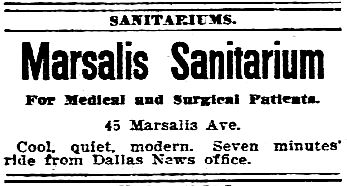
The Marsalis Sanitarium was a 15-bed private surgical and convalescent hospital in Oak Cliff, established in 1905 by Dr. J. H. Reuss and his partner, Dr. James H. Smart. Whether or not that building was actually pink (and I certainly hope that it was!), it was most definitely a show-stopper — one of those stunning structures that one doesn’t expect to see in and around Dallas because almost none of them still stand.

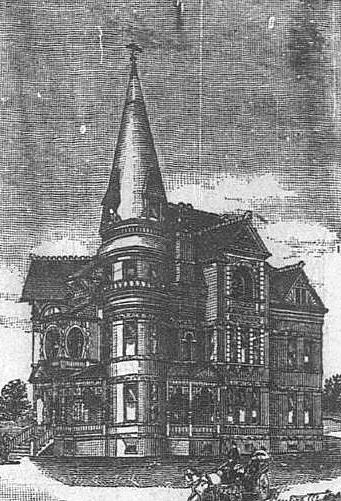
This grand home was built by Oak Cliff promoter and developer Thomas L. Marsalis in about 1889 as his personal residence at a reported cost of $65,000 (the equivalent of more than $1,750,000 in today’s money). It was located at what is now the southwest corner of Marsalis Avenue and Colorado Boulevard. The house was apparently never occupied. Supposedly, Marsalis’ wife did not want to live there because it was “too far from town” (!), but Marsalis’ financial distress throughout this time was probably more to blame.

marsalis-house_drawing
Dallas Morning News

Marsalis’ insolvency resulted in the foreclosure of the house in the early 1890s and its ultimate sale at public auction in 1903. The winning bidder at that auction was Dr. Reuss, and the house became the Marsalis Sanitarium soon after.

marsalis-sanitarium_tx-state-journal-medical-advertiser_dec-1905_portal
1905 ad (click for larger image)

marsalis_sanitarium_dmn_010109DMN, Jan. 1, 1909

marsalis-sanitarium_worleys-1909
Worley’s City Directory, 1909

Sometime after 1909 it became a girls’ seminary, and then in 1913 it fell into private hands. On August 10, 1914 the poor house burned to the ground. The headlines the next day read:

“Oil Starts Oak Cliff Early Morning Fire; Fisher Asserts Some One Set Old Building Ablaze; Firemen Find Structure Completely Enveloped in Flames and Interior Roaring Furnace.”

marsalis-house-fire_dmn_081114DMN, Aug. 11, 1914

Such a sad ending for such a beautiful house!

marsalis-home

***

Sources & Notes

1905 ad for the Marsalis Sanitarium from the December 1905 issue of the Texas State Journal of Medicine, found on the Portal to Texas History, here.

Black and white photograph of the Marsalis home in 1895 from the article in Legacies magazine, “Where Did Thomas L. Marsalis Go?” by James Barnes and Sharon Marsalis (which can be read here); photo from the collection of the Dallas Public Library.

For a biography of the family of Dr. Joseph H. Reuss, proprietor of the Marsalis Sanitarium, see here.

Click pictures for larger images.

*

Copyright © 2014 Paula Bosse. All Rights Reserved.


Main Street Traffic — c. 1905

main-murphy_degolyerMain, east from Murphy (DeGolyer Library, SMU)

by Paula Bosse

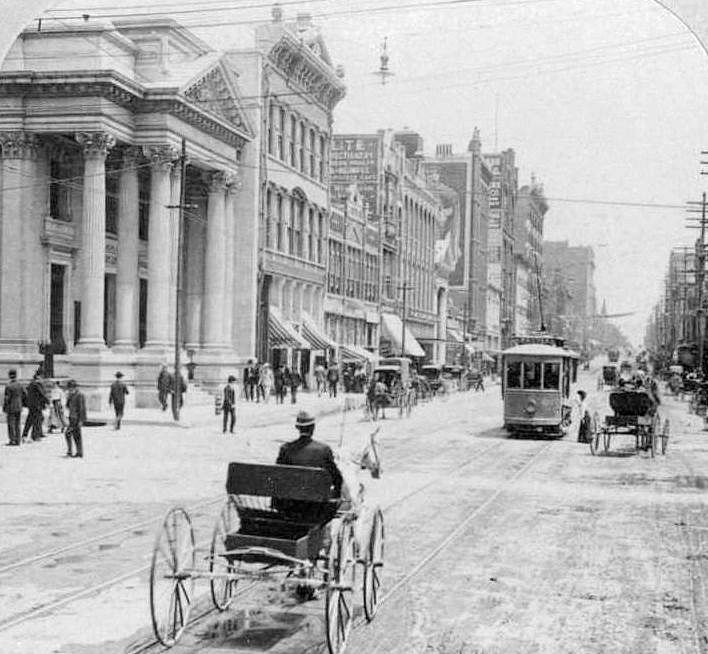
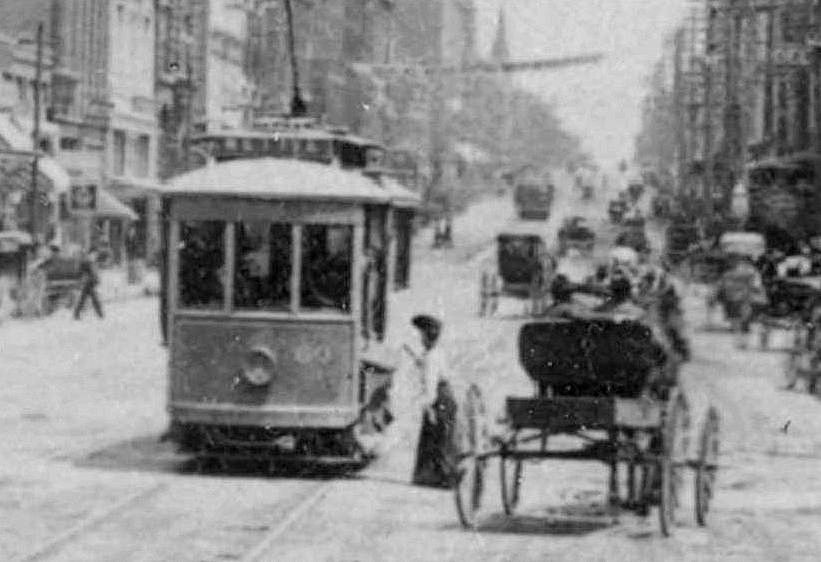
Another day, another dollar. At left, the City National Bank, which was built in 1902-03. At right (and below), a woman dodging traffic to catch a streetcar.

main-murphy_degolyer_det

***

Sources & Notes

Stereograph image from the Lawrence T. Jones III Texas Photography Collection, DeGolyer Library, Southern Methodist University; it is accessible here.

The DeGolyer description reads “Looking east on Main Street.” The City National Bank at the left was at the northeast corner of Murphy and Main, which would be, today, about where One Main Place stands.

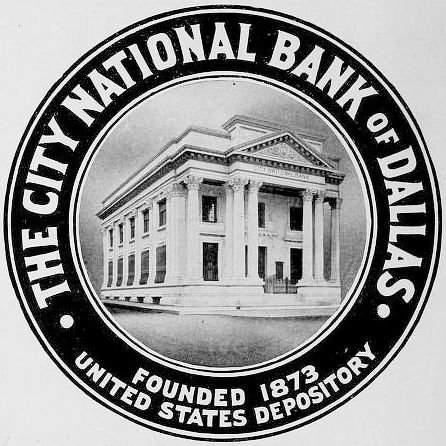
A photo of the City National Bank, from the 1909 Worley’s directory:

city-national-bank_1909-det

*

Copyright © 2014 Paula Bosse. All Rights Reserved.

Dallas Morning News Lobby — c. 1904

dmn-lobby_c1903_degolyer

by Paula Bosse

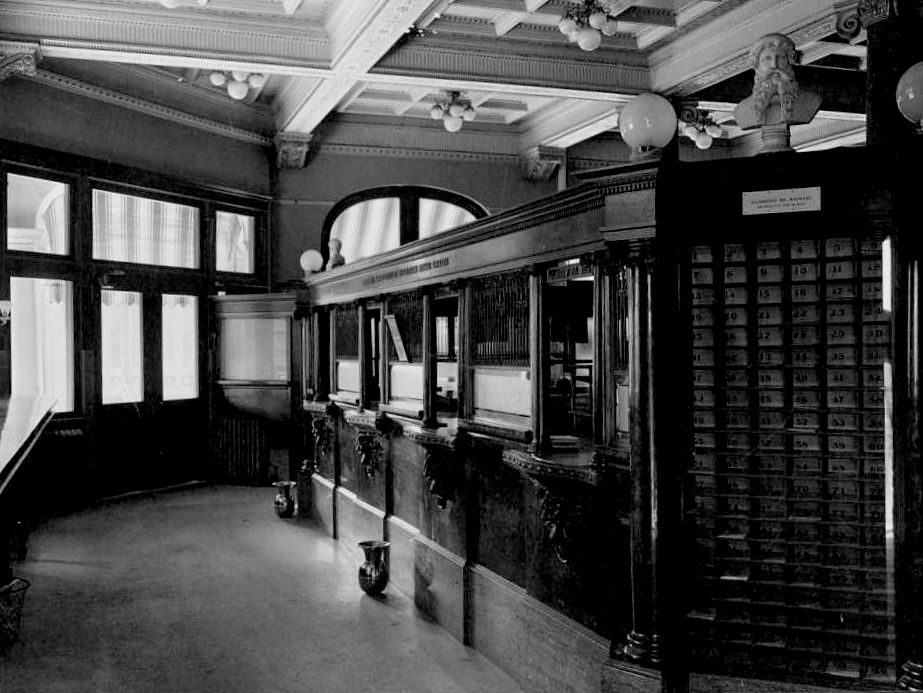
Suppose it’s 1904 and you’ve placed a classified ad in The Dallas Morning News — looking for a job, looking for a buyer for your business, or looking for your reprobate cousin Harold who’s skipped town without re-paying you the money you loaned him. You want to retain a certain amount of anonymity or you have no fixed abode, so you’ve requested that replies from interested parties be addressed in care of a box number at the newspaper offices. If you had done that in 1904, this is where you would have gone to pick them up: the lobby of The Dallas Morning News, seen here in their first building (built in 1885) at 500-501 Commerce St. I can only assume there is another strategiacally-placed spittoon just out of frame.

Here are a few random classifieds with box numbers, all of which appeared in the paper 110 years ago today. These people would have been wandering in and out of this lobby hoping to see envelopes waiting for them when they arrived. Having watched a LOT of old movies, I picture woefully conspicuous detectives hanging out in the lobby, pretending to read the paper, with one eye fixed on those boxes. Waiting. …Watching. …Spitting.

classified_stenographer_dmn_051704

classifieds_dmn_051704

classifieds-dmn_041704

***

Photo from the Belo/Dallas Morning News collection, DeGolyer Library, Central University Libraries, Southern Methodist University, accessible here.

Classifieds from the May 17, 1904 edition of The Dallas Morning News.

Click photo for larger image.

*

Copyright © 2014 Paula Bosse. All Rights Reserved.

“Electricity in Every Form” — 1909

ad-sanitarium_moran_1909(Click for larger image)

by Paula Bosse

There was a lot going on in 1909 on the 7th floor of the Wilson Building in the “extensive apartments” occupied by a local “institution” affiliated with the Battle Creek Sanitarium. Individuals could (and apparently did) avail themselves of the following treatments:

Some of the therapeutic measures employed are: Baths of various kinds scientifically administered by trained attendants. Electricity in every form. Every kind of general and special Massage. Mechanical Vibration by the most recent and efficient apparatus. Hydrotherapy (the scientific use of water) in its great variety of application. Electric Light Baths. Physical Culture.

Just let that soak in. Or surge through you. Administering your voltage? Say hello to Dr. F. B. Moran, below.

moran_sanitarium_dmn_102730

Yes, indeed.

***

Sources & Notes

Ad from the 1909 Worley’s city directory.

Photo of Dr. Moran from a 1930 ad so long-winded and dull I couldn’t finish reading it or fit it in here.

See the Battle Creek Sanitarium contraptions in action here.

Click ad for larger image.

*

Copyright © 2014 Paula Bosse. All Rights Reserved.


Jordan Moore

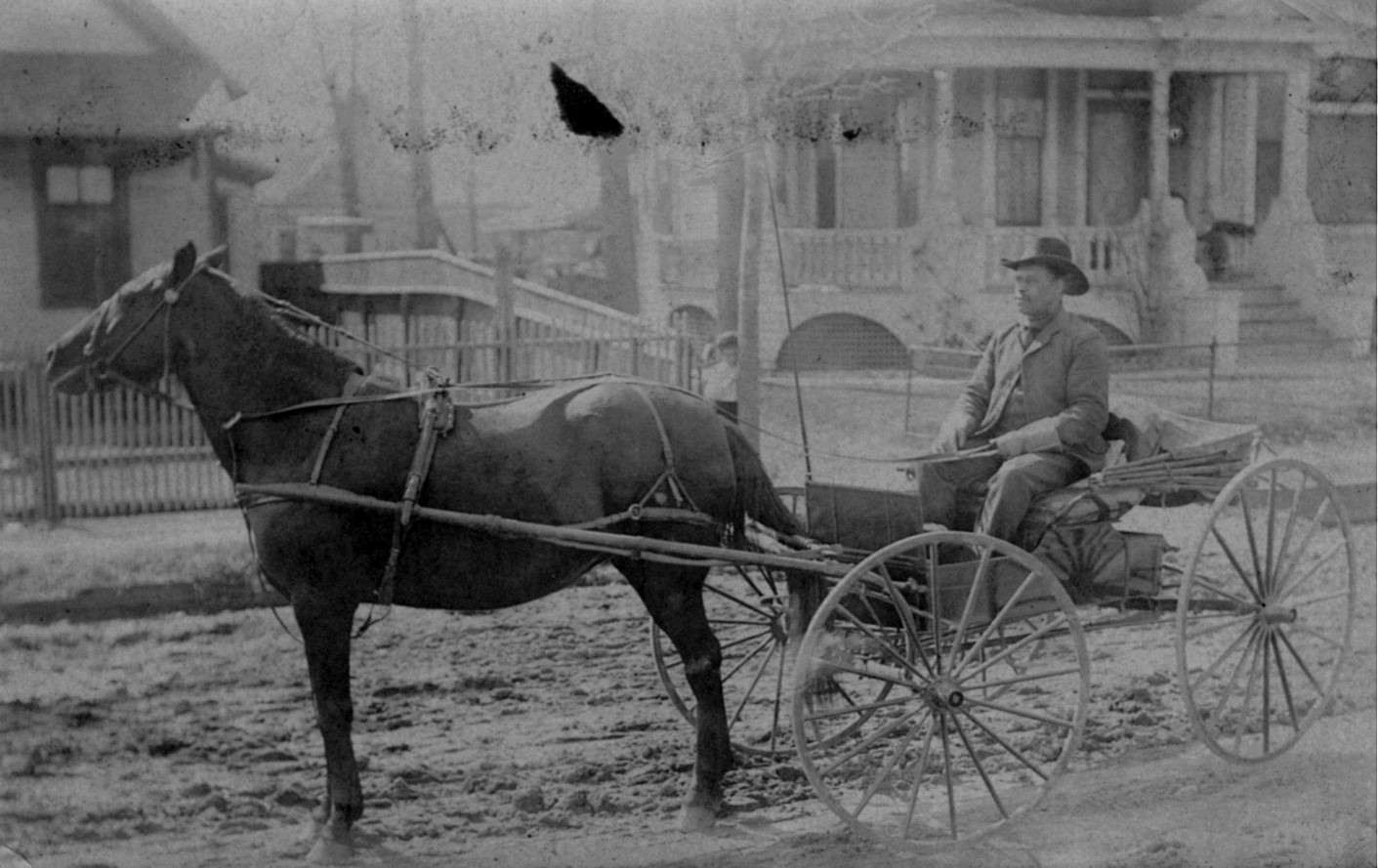
jordan-moore-buggy_c1905Jordan Moore, about 1905 (click for larger image)

by Paula Bosse

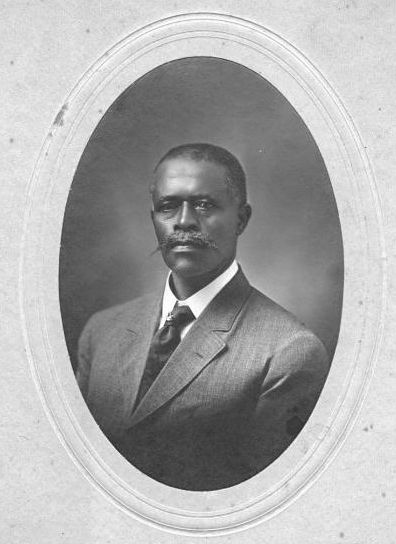
When wandering around the internet, one often encounters arresting images. Like the one above. There’s something about that photograph that grabs your attention. The stoic man in the buggy, the stiff, straight-standing horse, the child hiding behind the pole, the partial view of the porch of a fancy house, and the horrible, horrible condition of that street. The description reads simply: “Photograph of Jordan Moore seated in a horse-drawn carriage. Houses are visible in the background.” I wondered if I should know who Jordan Moore was, because the name wasn’t familiar. The photograph was in the collection that had been donated to the Dallas Historical Society by J. L. Patton, a prominent African-American educator. I found a few more photos of Mr. Moore in Patton’s collection, but I still had no idea who Jordan Moore was. So I did a little research.

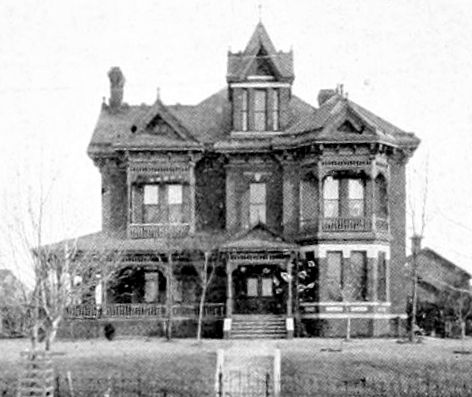
Jordan Moore was born in Virginia in 1863. At some point he made it to Texas, perhaps in the early 1880s, and then to Dallas a few years later. By 1893 he was working for Mrs. Miranda Morrill, who had moved to Dallas in 1886, following the death of her husband, Judge Amos Morrill. Though born in Tennessee, Mrs. Morrill had moved to Texas as a child in 1834 and had strong ties to the state (one of her uncles was a signer of the Texas Declaration of Independence). When she arrived in Dallas, she built an imposing mansion at Ross and Harwood and, as she had no children, she and her servants (as they were listed on census forms) had that huge house to themselves to ramble around in. Mrs. Morrill was a prominent mover-and-shaker in town, devoting her time and money to a host of worthy social causes. In her employ was Jordan Moore, who is listed variously as her coachman and yardman, and who resided on the property. He worked for her until she died in 1906 at the age of 80.

(Mrs. Morrill’s obituary is interesting for many reasons, but particularly because amongst her surviving family members were her half-brothers R. L. Moore and S. J. Moore, sons of Mrs. Morrill’s stepfather. I don’t know if Jordan Moore was born into slavery and was owned by members of Mrs. Morrill’s family, but it’s interesting that he shared a surname with his employer’s family.)

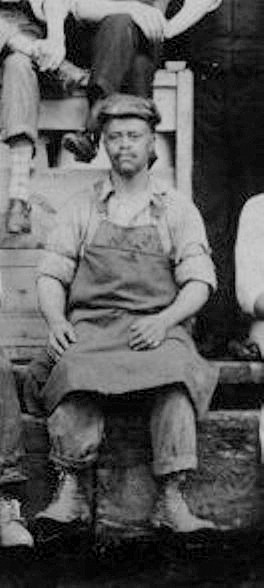
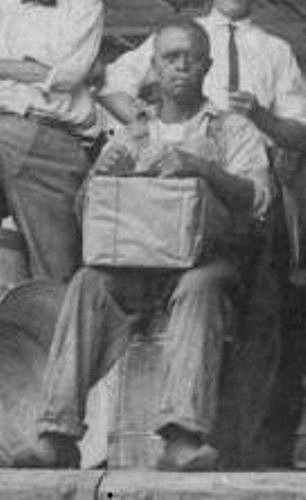
In 1907, after Mrs. Morrill’s death, Mr. Moore had moved to rooms elsewhere and went to work as a porter for the very large, very successful Huey & Philp Hardware Company at Griffin and Elm. Below are a couple of photographs of Moore and co-workers on the loading docks. He does not look very happy. He stayed at the job for 11 years but moved around from rooming house to rooming house — from Ross to Cochran to N. Harwood to Masten. (One of the captions on these photos states that Mr. Moore purchased a house on Cochran St. in 1900. I don’t think that’s correct. If he did buy a house, he doesn’t appear to have ever lived in it.)

Jordan Moore died on January 22, 1918, from complications of  diabetes. He was 54. He never married and had no children, and the friend he had been staying with when he died offered scant and approximate guesses as to dates and places when asked to supply them for the official death certificate.

I wondered why all these photos of a man who apparently left no family and had lived a fairly commonplace life had made their way into the personal collection of J. L. Patton, a principal at Booker T. Washington High School and a pioneer in education for African-American students in Dallas. And then I noticed that the name of the “informant” on the death certificate was Samuel Stanton, a long-time friend with whom Moore had been staying in his last days. Moore was the godfather of Mr. Stanton’s daughter, and Mr. Stanton’s daughter was Mr. Patton’s mother. Patton would have been 12 when Moore died, and he would certainly have remembered him — and one hopes he had fond memories of him.

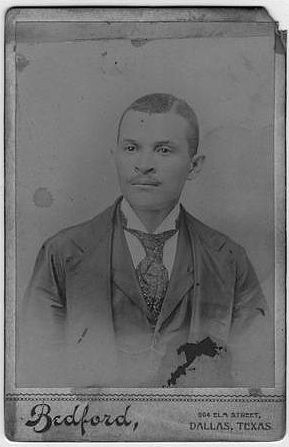
Jordan Moore was buried in Alpha Cemetery, one of the few “negro” cemeteries of the time, near the old freedmen’s town of Alpha, near present-day Preston and Alpha Road. Below are more photographs of Mr. Moore, now in the collection of the Dallas Historical Society.

jordan-moore-portrait_18901890

moore-loading-dock_c1905Mr. Moore (seated, second from left), Huey & Philp loading dock, ca. 1907

moore-det

moore-with-box_loading-dock_c1910Mr. Moore (seated, with box), Huey & Philp loading dock, ca. 1910-15

moore-box-det

jordan-moore-photo_c1910sca. 1910-15

morrill-house_1898Mrs. Morrill’s house at Ross & Harwood, 1894

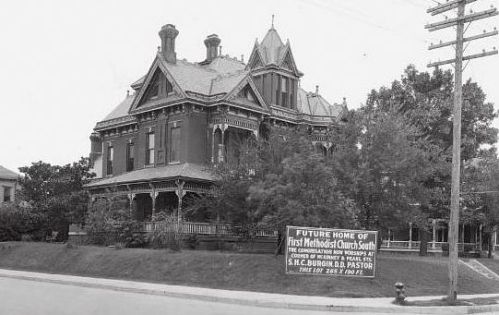
morrill-house_lost-dallas_doty_dmnThe Morrill house — next stop: demolition, 1920

huey-philp_19091909 ad

huey-philp_1913_dmn_080212Huey & Philp Hardware Co., at Griffin and Elm — ca. 1913

***

Sources & Notes

Photos of Jordan Moore from the Dallas Historical Society’s J. L. Patton Collection, once viewable at UNT’s Portal to Texas History website. Top photo, c. 1905.

The first photo of Mrs. Morrill’s house at Ross and Harwood is from Clifton Church’s book Dallas, Texas Through a Camera (Dallas, 1894). (As an interesting aside, Church was married to Morrill’s niece.) In the book Dallas Rediscovered, the house is described thusly: “Mrs. Miranda Morrill’s dark, brooding residence, completed in 1886 by A. B. Bristol at the southwest corner of Harwood, was leveled in 1920 for construction of the First United Methodist Church.”

The second photo of the Morrill house is from Mark Doty’s book Lost Dallas (Charleston: Arcadia Publishing, 2012).

Huey & Philp Hardware Co. ad from Worley’s 1909 Dallas directory.

Lang & Witchell drawing of the Huey & Philp building is from a Dallas Morning News blog post by Steve Brown, here.

More on the accomplishments of J. L. Patton from the Handbook of Texas, here.

*

Copyright © 2014 Paula Bosse. All Rights Reserved.


A Painterly View of Commerce Street

commerce-st_postcard

by Paula Bosse

I could be WAY off, but this MIGHT be approximately Commerce and Poydras, looking … east? For present-day reference, it’s about where the McDonald’s is on Commerce. Possibly. Click it to make it larger. Misinformation is likely.

*

Copyright © 2014 Paula Bosse. All Rights Reserved.

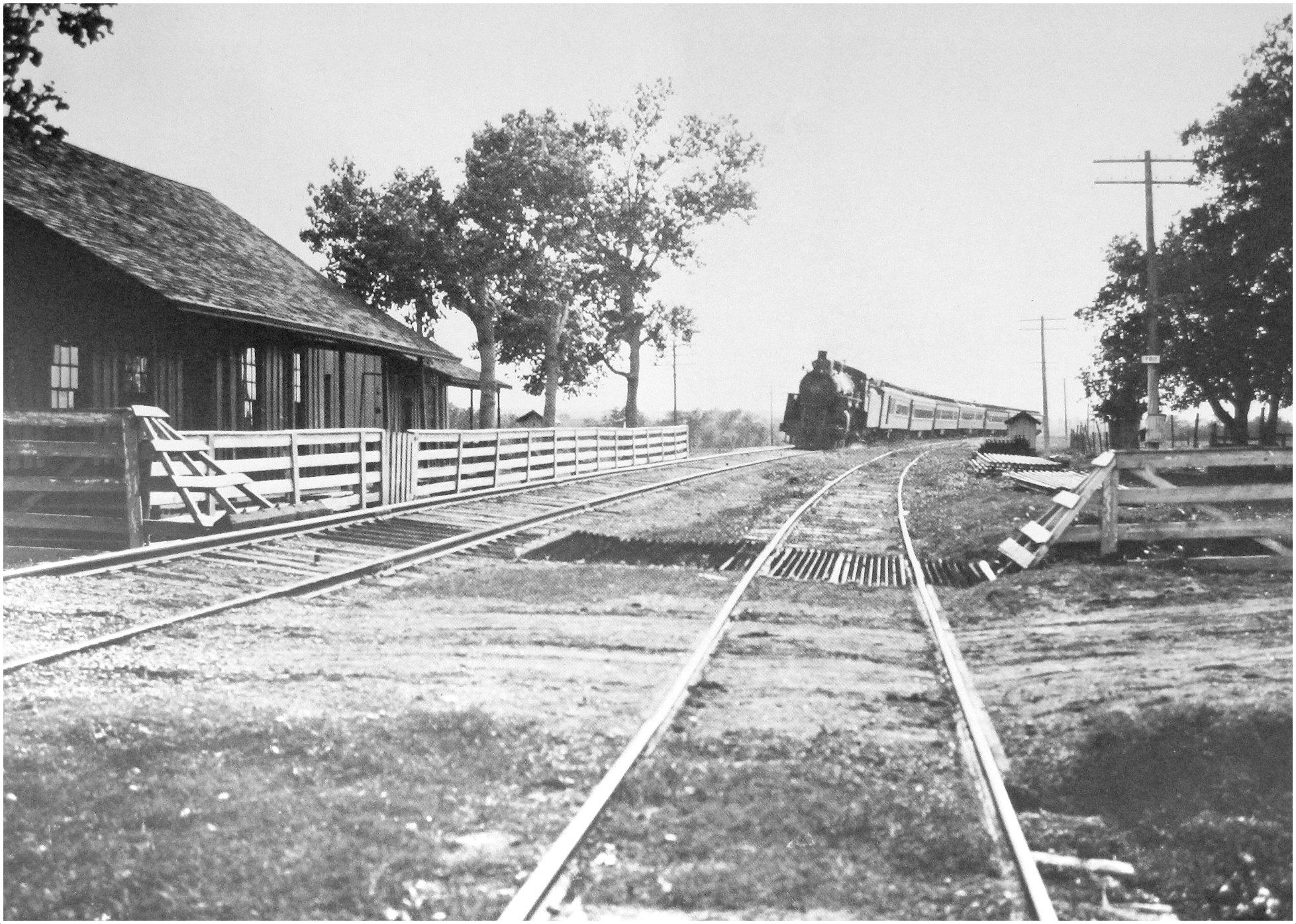
Katy Comin’ ‘Round the Bend — 1908

katy-train_mockingbird-greenville_c1908M-K-T approaching…

by Paula Bosse

I love this photo — taken not far from where I grew up — showing an MKT train waaaaaaaaaaaaaaay out in the country. A. C. Greene’s caption, from his book Dallas, The Deciding Years:

The Katy approaches Dallas. This spot would be near Mockingbird Lane and Greenville today. It was taken about 1908.

*

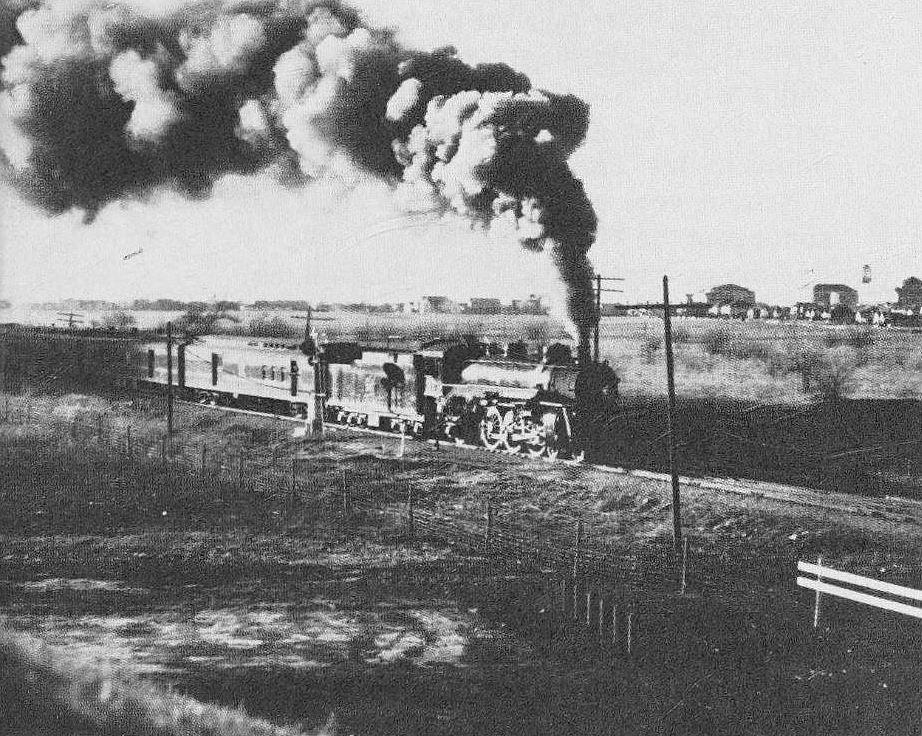
Here’s another photo, circa 1940s — SMU buildings can be seen in the distance.

smu_katy-train_park-cities-walkers-gd_diane-galloway_photo

And the caption to this photo, from the book The Park Cities: A Walker’s Guide and History by Diane Galloway and Kathy Matthews:

SMU as it was in the early forties can be seen in the distance as the Missouri-Kansas-Texas #379 Train No. 2 “Texas Special” speeds by northbound, approaching Greenville Avenue overpass. This particular day the train has a “pusher” because it was over ten cars long.

*

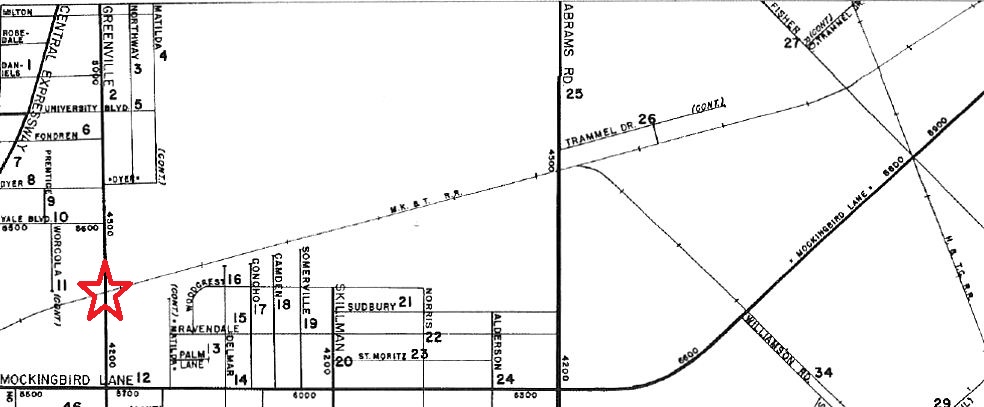
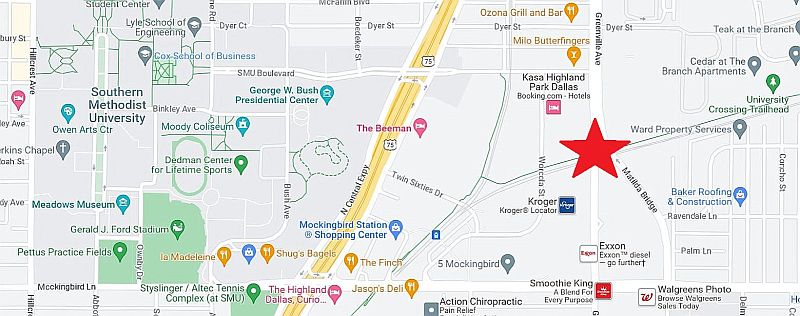
Below, a couple of helpful maps showing the general area (click to see larger images).

katy_greenville_mapsco-19521952 Mapsco

katy-crossing_greenville-ave_googleGoogle Maps

**

I’m just going to imagine the dearly departed Dr Pepper plant in the background. I grew up very close to here, and I would lie awake in bed as a child and hear train whistles a few blocks away. Even though the railroad tracks across Mockingbird, just east of Central, were removed several years ago, I automatically slow down when I drive across where they had been, still expecting to drive over the raised rails.

I sound old. (Am I old?) No, I’m not old! (…Am I?) Hmm. Maybe it’s time to start handing out ribbon candy to the neighborhood children who fetch my hat pins, lye soap, and a bolt of gingham from the sundries counter of the dry goods store in town.

***

Sources & Notes

First photo and caption from Dallas, The Deciding Years by A. C. Greene (Austin: Encino Press, 1973).

Second photo (from the DeGolyer Library, SMU) and caption appeared in the book The Park Cities: A Walker’s Guide and History by Diane Galloway and Kathy Matthews.

*

Copyright © 2014 Paula Bosse. All Rights Reserved.

Maple North of Wycliff: The Hinterlands — 1900

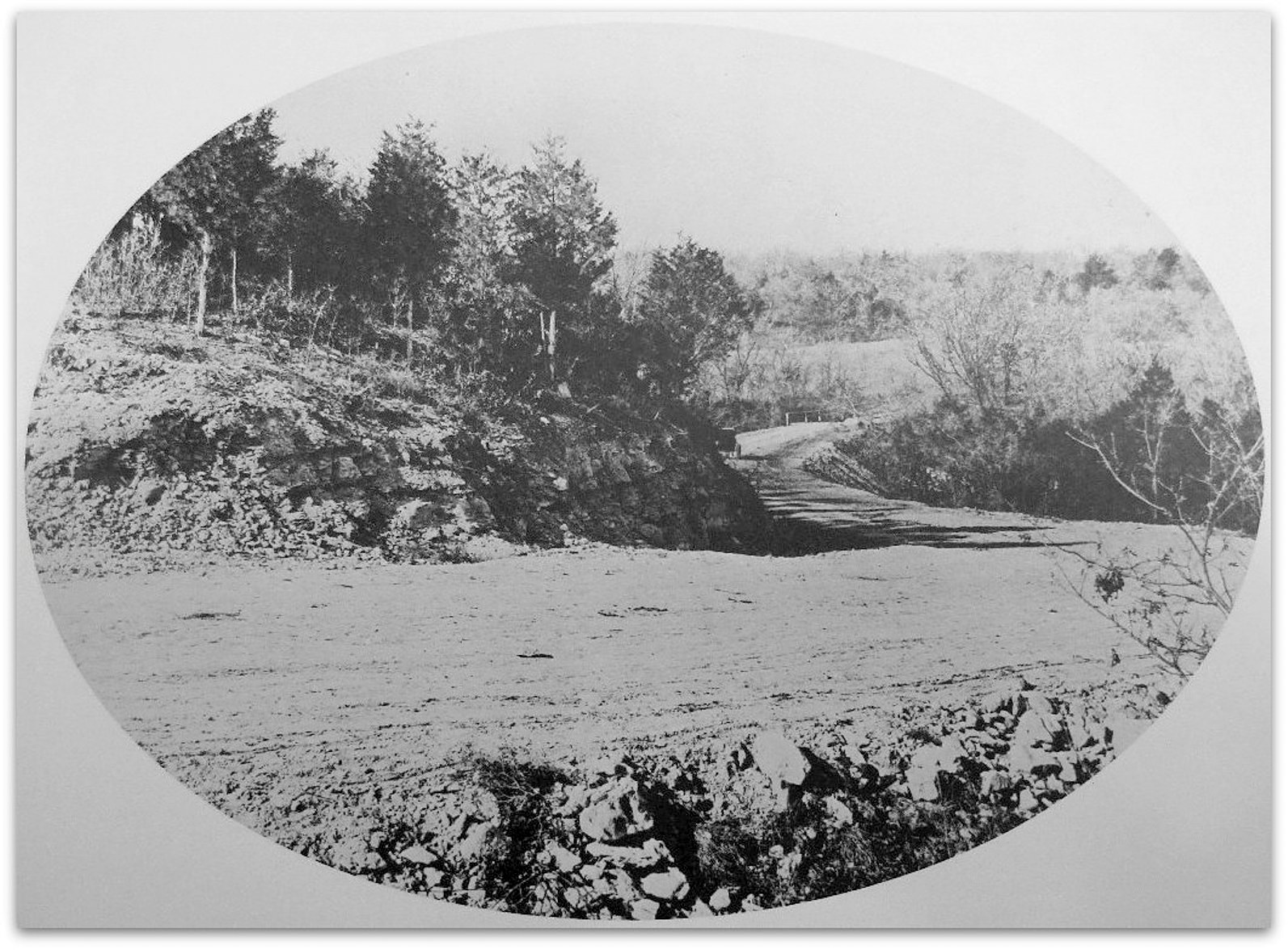
Looks a little different these days… (click for larger image)

by Paula Bosse

Here we see Maple Avenue, somewhere north of the Katy Railroad crossing, circa 1900. A. C. Greene, in his book Dallas, The Deciding Years, estimated it shows Maple “just north of where Wycliff now crosses” (see note at bottom of post wondering if this might instead show Maple just north of the railroad crossing). I have to say, the present-day view of that area has nothing going for it over the one depicted above, except maybe asphalt. …If you like asphalt.

Here’s a detail that shows the little horse and buggy, heading out to the hinterlands. (Click to see a larger image.)

greene_maple-wycliff-ca1900-det

Personally, I’d take the “hinterlands” view to the one we’re subjected to today.

An interesting book about early Dallas history that I would highly recommend is Diaper Days of Dallas, Ted Dealey’s entertaining memories of growing up in Dallas. His family had a house on Maple Avenue at about the turn of the century (his father was George Bannerman Dealey, early founder of The Dallas Morning News), and the Maple-McKinney area was his playground. Here is his description of the city limits at the time this photo was taken:

Dallas, in those early days, consisted of about eight square miles of territory. To the south the city limits ended roughly at Grand Avenue; to the east the city limits ended roughly where Fitzhugh Avenue now runs; to the north it went out Cedar Springs across Maple Avenue to a point where Melrose Hotel stands now. North of this there was practically nothing. On the west the city extended to the Trinity River.

So, at the turn on the century, this wonderful vista was the hinterlands — out in the country and well beyond the city limits.

***

Photo from Dallas, The Deciding Years by A. C. Greene (Austin: Encino Press, 1973), with the caption: “In 1900 Maple Avenue was mainly a rural lane. This photograph was taken just north of where Wycliff now crosses Maple. Courtesy Dallas Public Library.”

Text quoted is from Diaper Days of Dallas by Ted Dealey (Nashville: Abingdon Press, 1966), p. 23.

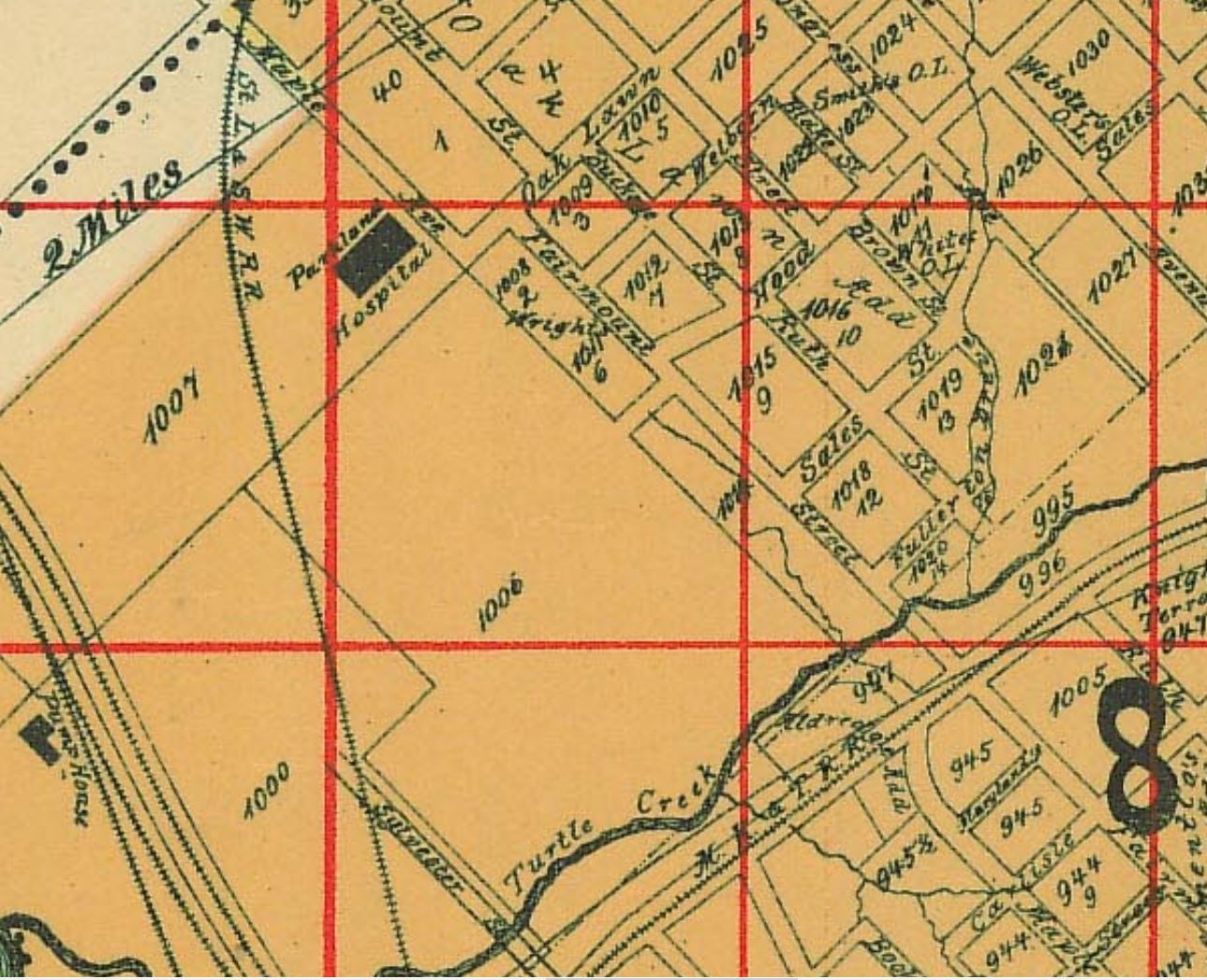
EDIT: I don’t know if this photo does show Maple around what is now Wycliff. The curve is very similar to the one Maple used to make before it was straightened in 1918 or 1919 — right around the railroad crossing, which also included a bridge across Turtle Creek, as seen in this detail from a 1905 map. Just a thought.

maple-ave_1905-map_portal_det

Click photos for larger images.

*

Copyright © 2014 Paula Bosse. All Rights Reserved.

That Time When Dallas Changed the Numbers of Every Single Street in Town — 1911

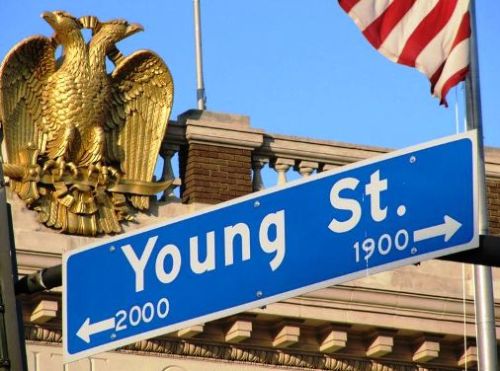
young-street-sign_flickrPhoto by Silver Lighthouse/Flickr

by Paula Bosse

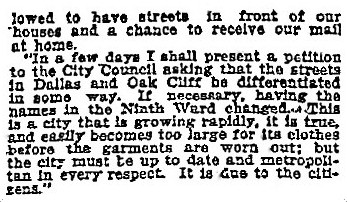
Here’s a topic that isn’t very sexy, but it’s one of those mammoth-scale city-wide operations that had to be done, but no one wanted to tackle it because it was a huge undertaking and it was going to be a big hassle: re-numbering the streets. All of them. Throughout the entire city. I wasn’t aware that something like this had ever happened until I started using old criss-cross directories to try to pinpoint the location of old buildings that were originally built on streets that no longer exist (such as Poydras and Masten).

Why, for instance, is the current address of the Majestic Theatre 1925 Elm St., but in 1909 that same parcel of land on Elm had an address of 463 (-ish)? Weird, huh? Obviously street numbers changed at some point, but when? And why? Eventually I zeroed in on 1910 or 1911 as the year when addresses seemed to have changed, but I was having a hard time finding any information about what prompted the change in the first place. Until I hit on the key phrase “century system.” After that, my search became much easier.

As far back as the 1880s, the city seemed poised to address the haphazard street numbering situation, as it was causing “endless confusion” — the powers-that-be had even seemed to settled on the “century system” (so called because each block is numbered up to 100, with a new hundred starting in the next block). But progress moves at a snail’s pace in city government, and the plan didn’t start picking up steam until fifteen or twenty years later.

In the early days of the 20th century, the numbering of Dallas streets was, as one mail carrier described it, “freakish.” Numbers weren’t always consecutive. Sometimes odd and even numbers were on the same side of the street. Sometimes a run of numbers would suddenly start all over again. Houses sometimes had TWO numbers. People would move and expect to take their number with them. Buildings and houses often had NO numbers. Street signs were few and far between, and it wasn’t uncommon for street names to be duplicated in different parts of town. As you can imagine, unless you were intimately familiar with the area or neighborhood, chances were that you weren’t going to  be able to find anything. Unsurprisingly, the real pressure to come up with some sort of logical, uniform street numbering system came from the city’s postmasters and postal employees (that they managed to regularly deliver mail to the proper recipients is just short of miraculous).

Postmaster Albert G. Joyce (one in a line of several postmasters who tried to effect change over the years) wrote an impassioned/frustrated plea for action in 1904:
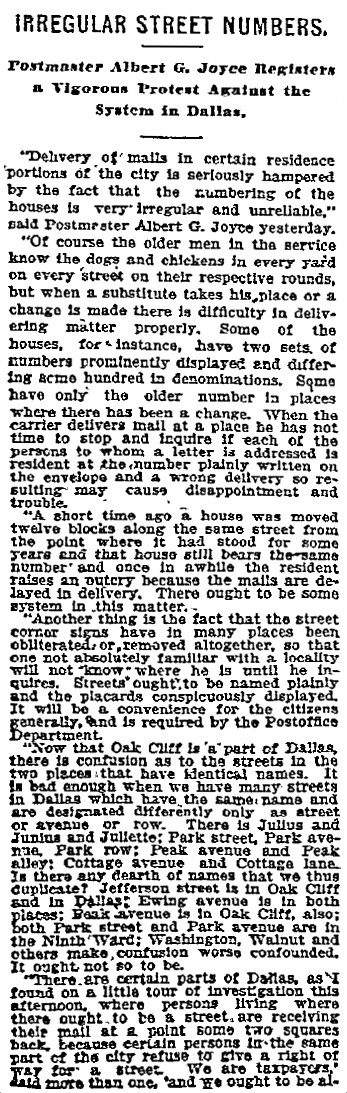
1904_street-numbering_dmn_051804a

1904_street-numbering_dmn_051804b(DMN, May, 18, 1904)

Everyone agreed that something needed to be done — especially as the city’s population was growing at an astronomical rate, but … nothing got done. Here, at the end of 1907, another exasperated postal employee shared examples of the problem:
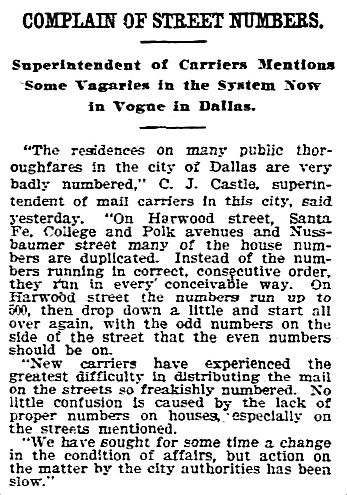
1907_street-numbering_dmn_120707(DMN, Dec. 7, 1907)

 By 1909, a plan was finally starting to come together. This article describes how the numbering system would be implemented downtown, starting from the Trinity River, with Main and Ervay being the east-west and north-south anchors:
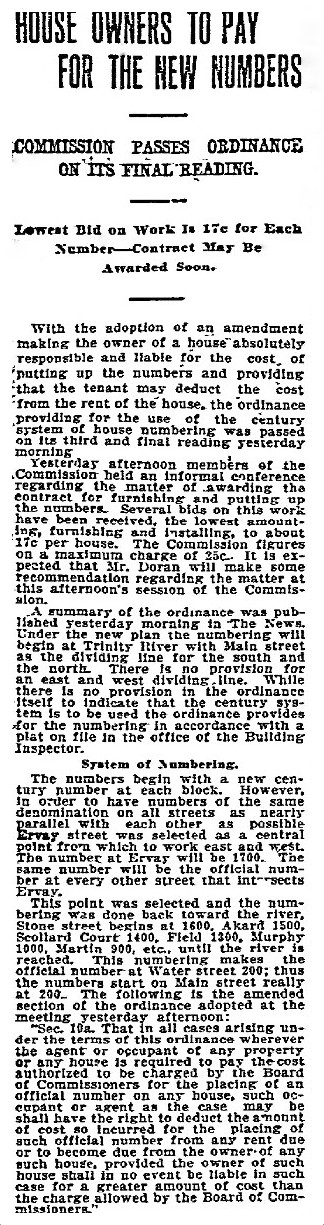
1909-street-numbering_dmn_121709-ervay(DMN, Dec. 17, 1909)

Even though the plan had basically been decided on, it wasn’t put into action for at least a year. There were three main reasons to delay the implementation: city directories had already been compiled and were to be issued soon, the 1910 census survey was about to begin, and the post office (which would bear the brunt of the impact of the drastic change) asked that the changeover take place before or after the busy holiday season.

By the end of 1910, the final details had been hammered out. The main change to the previous version of the plan was that the city, rather than the property owners, would pay for the re-numbering. Also, I don’t know if this was a new detail or not, but there is mention here that numbering east of Greenville Ave. would “begin anew.” The re-numbering was expected to be completed in January, 1911.
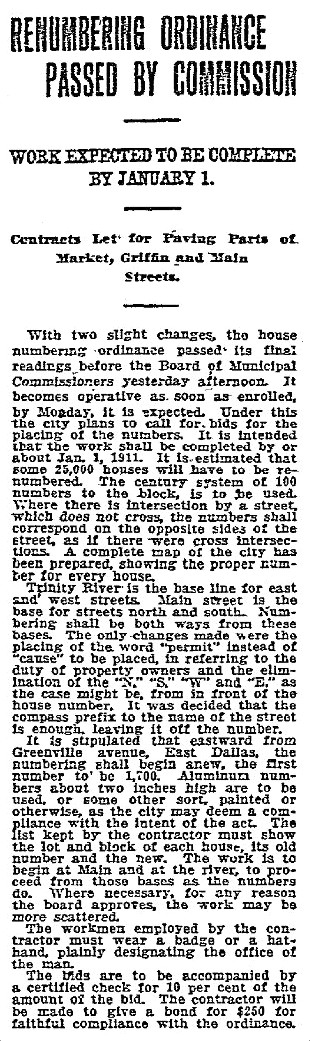
1910-street-numbering_dmn_100110(DMN, Oct. 1, 1910)

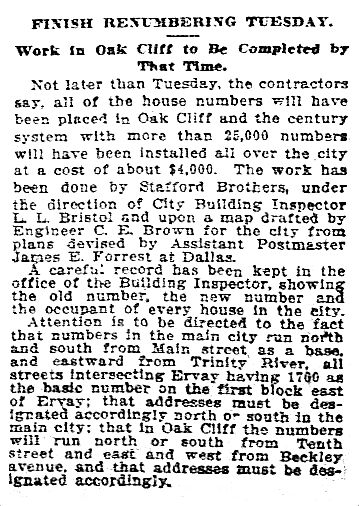
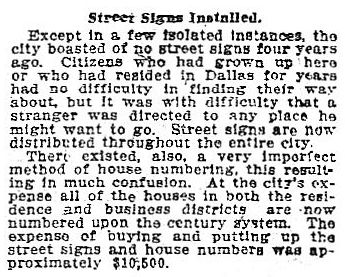
By the middle of January, 1911 the long-put-off task was completed, ending in Oak Cliff. The cost to the city of the “number placement” and the new street signs was $10,500.
1911_street-numbering_dmn_011511(DMN, Jan. 15, 1911)

The problem that had been moaned about for decades had been fixed, and a uniform system of street numbering had finally been put in place.
 1911_street-numbering_dmn_043011(DMN, Apr., 30, 1911)

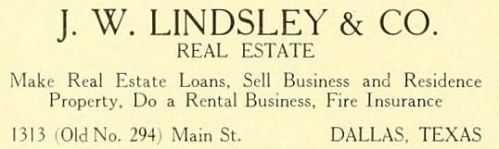
 I can’t imagine how much of a headache and how unbelievably confusing the whole process and aftermath must have been. Several businesses, concerned that their clientele might have a difficult time “finding” them, hedged their bets by including BOTH address — the old and the new — on their letterhead and in their ads. This two-address thing went on for quite a while with some businesses — in fact, leading real estate man J. W. Lindsley was so annoyed by this practice that he complained about it to the Morning News in 1916 (a full five years after the switch!). Even though, ahem, Lindsley was one of the few advertisers in the Blue Book Directory for 1912-14 who did that very thing:
lindsley-ad-blue-bk_1912

Unlike his competitor, Murphy & Bolanz, who had just the one (but still felt compelled to add the “new” to the address):

murphy-bolanz-ad_blue-bk_1912

And that is today’s lesson on how Dallas finally bit the bullet and gave the entire city new addresses.

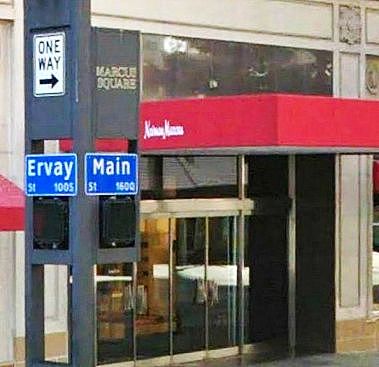
(And now I know that Neiman Marcus apparently IS the center of Dallas.)
main-ervay_NM

**

UPDATE: HOW TO FIND THE OLD OR NEW ADDRESS. When I first wrote this, I’m not sure if I knew about the very handy resource Jim Wheat provided on his website: the 1911 Worley’s Dallas street directory, here. This is one way you can determine what the post-address-changeover was if you know the pre-1911 address (or vice-versa): find the street name and click on it. You’ll find two columns: one showing the “new” address, and the other the “old” address. (These aren’t always exact, but it at least gets you in the right block number to investigate further.) If you don’t know a specific address, you can make an educated guess according to the cross-streets. Thank you, Jim Wheat!

***

Photo of Young St. sign from Flickr, here. It’s great.

All newspaper articles from The Dallas Morning News.

The two real estate ads from The Standard Blue Book of Texas, 1912-14, Dallas Edition (Dallas: A. J. Peeler and Company, n.d.).

 Slightly fuzzy Ervay-Main sign from Google Street View.

An early article about this issue, “Street Numbering, A Neglected Matter to Receive Attention Soon” (Dallas Daily Times-Herald, Nov. 22, 1889) can be found here.

And if you’re interested in just what goes into tackling a problem like this in modern times, hie yourself over to “Street-Naming and Property-Numbering Systems” by Margaret A. Corwin (American Planning Assn., ca. 1976). Read the entire report here, in a PDF. I’m nothing if not thorough.

dallas-st_sign_nyt_120713

*

Copyright © 2014 Paula Bosse. All Rights Reserved.