Flashback : Dallas

A Miscellany: History, Ads, Pop Culture

Category: Children

Hunting Pecans in the Park
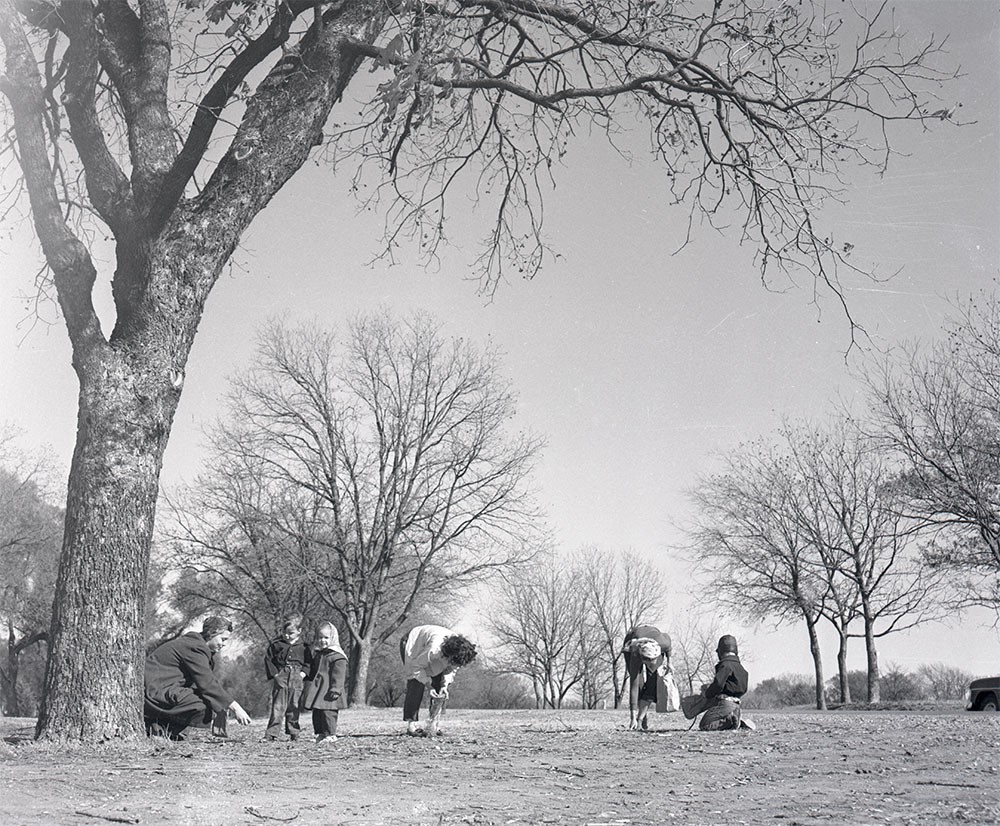
On a nut-meat mission, White Rock Lake Park, 1952

by Paula Bosse

A few days ago, the Dallas Public Library posted a version of the mural below on its social media accounts. The title of the mural is “Gathering Pecans” by Dallas artist Otis Dozier. It was painted in 1941 as a New Deal federally commissioned work to hang in the Arlington Post Office (it now hangs in the Amon Carter Museum in Fort Worth). I love this mural — not only because I’m a fan of Dozier’s work, but also because it captures something that was once a common practice for families: going to a public place like a park (or as seen in the mural, somewhere along the side of the road) and picking up pecans.

Amon Carter Museum of American Art

When I was a child, my mother used to take me and my brother to White Rock Lake Park (or occasionally to Reverchon Park) to gather pecans. It was fun. Like a really easy Easter egg hunt with really small eggs. The 1952 photo at the top predates my own time hunting for fallen pecans, but I swear, that could be me, bundled up in a coat and scarf, having fun with my family on a crisp, sunny day.

We’d pick up the nuts (so. many. pecans…) and drop them into a paper sack. Then we’d take them home and lay sheets of newspaper on the dining room table, and the whole family — including my father and aunt — would spend an afternoon cracking pecans and picking out the “meat” with special nutcracking instruments. Next stop: a delicious dessert. I absolutely loved all of this.

I asked my (much younger) co-workers if they ever did this — went to a park to gather pecans. There were a couple of vague “…maybe?…” responses, but most had never heard of such a thing. How sad!

If your family doesn’t do this, consider it. It’s one of my favorite fall memories. And you’ll get an almost-free pecan pie out of it!

Just remember: picking up fallen pecans from the ground in a public park is okay (I think), but shaking branches or disturbing trees to make pecans fall is NOT allowed (and might also lead to a fine). Here are some boys sitting next to a sign that says “Please! Threshing Prohibited.” See those long sticks they’ve got? When that photographer leaves, they’re going to be “threshing.”
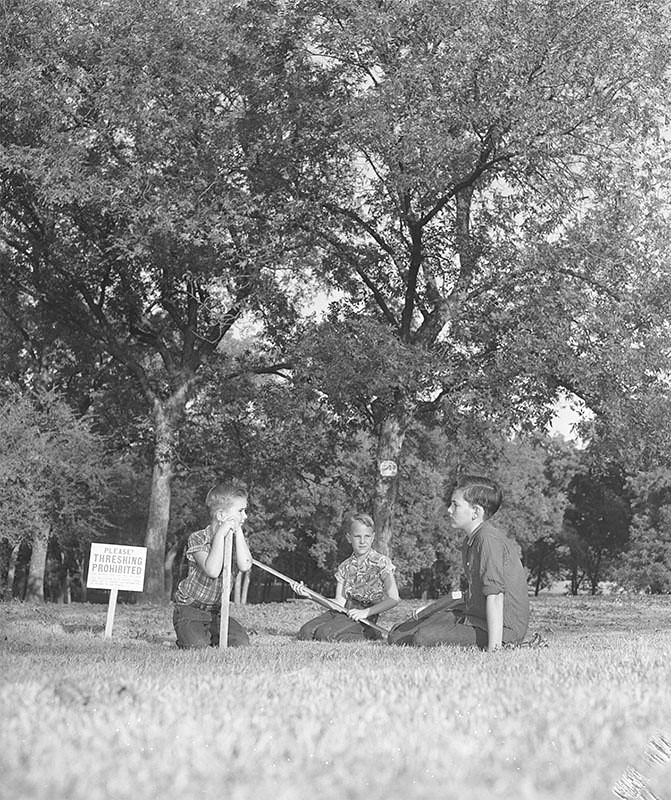
Don’t do it! Please! Hunt on the ground.
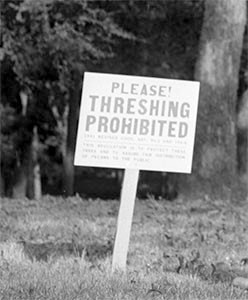
And don’t wander onto private property unless you have permission. Don’t be like Dinks McClain! He might have been acquitted, but he had to go through a lot of nut-based hassle to be a free man again!
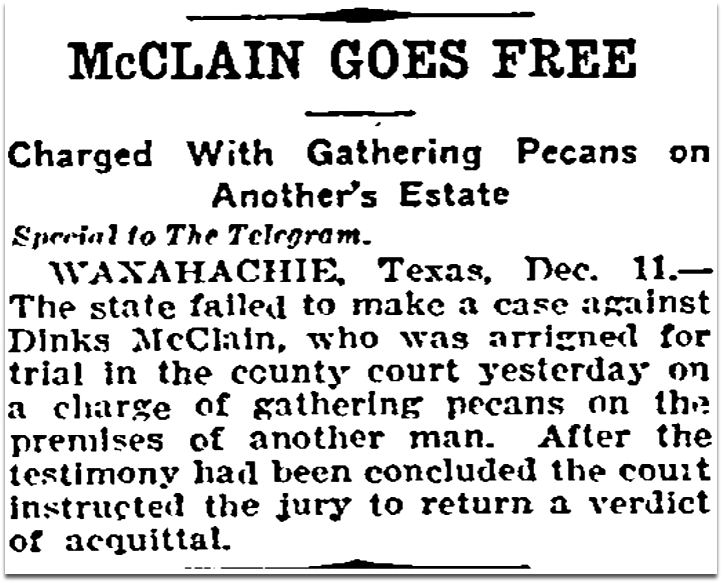
Fort Worth Star-Telegram, Dec. 11, 1907

*

Poaching nuts from private property is not the only thing to beware of. If you browse through the Dallas Morning News and Fort Worth Star-Telegram online archives using the search term “pecan gatherers” or “gathering pecans” or “hunting pecans,” etc., you will see an absolutely eye-popping number of articles about severe injuries and death (!) suffered by people just innocently out looking for some pecans. Lots of people fell out of trees (STAY ON THE GROUND!!), lots of people were shot (in a variety of scenarios), someone drowned, I think (…interesting), and snakes were everywhere. Avoid all these things. And don’t trespass. Don’t be a Dinks McClain. Stay on the ground, stay on public land, and stay away from errant bullets and snakes.

**

Lastly, here’s a 1926 newspaper article (all sub-headlines included!) all about this vanishing tradition:

GYPSY CALL OF THE FALL WOODS HEARD BY DALLAS MOTORISTS 

Autumn Leaves and Pecans on Dallas Roads Are Popular 

Autumn Tang Brings Forth Many Drivers 

Roads Near Dallas Are Crowded on Week-End Afternoons

Seek Fall Leaves 

Decorations and Pecans Are Gathered to Take Home 

Autumn has failed to chill the ardor of Dallas motorists. On the contrary, they are attracted by the briskness of a fall afternoon drive and by the flaming beauty of autumn leaves or the promise of pecans on and under wayside trees. 

Now that the early nights prevent the after-dinner twilight rides of the late summer, Dallasites are saving their drives for week-end and holiday afternoons. On Saturday and especially on Sunday afternoons thousands of local motorists are driving on country roads near Dallas or through the more woodsy of the parks and city addresses to view the beauty of the changing autumn. Others go with the practical motive of finding pecans, and many of these are rewarded.

Roads Are Near

On Saturday afternoon the more popular roads leading from Dallas are crowded with automobiles. No matter in what part of Dallas the motorist lives, he can find a thoroughfare near his home, leading to woods colored by the approach of winter. White Rock Lake, South Beckley avenue, the Holmes street road, Stevens Park, Reverchon Park, Oak Lawn Park, Turtle Creek Boulevard, the Maple avenue road and the Lemmon avenue road are some of the favored drives. On them the motorist will find autumn beauty in profusion.

Many Dallas hostesses are using the gorgeously colored fall leaves as decorations. Even when the motorists are not planning to entertain at home, many take back bunches of the leaves to bring some of the fall color into living and dining-rooms.

Perhaps the most popular fall tree is the sumac, whose scarlet stands out against the darker red and the brown of other leaves. Seen from the roadside, the brilliant leaves have provided an irresistible attraction to stop and gather some to many automobilists. Ash, oak and darker leaves also make their gypsy calls from the woods.

Find Pecans 

Pecans as well as decorative leaves are found in many directions from Dallas. Those motorists fortunate enough to have friends with a farm or estate along a water course are making the most of their friendships, while others are forced to rely upon finding trees on unposted land or by the roadside. Most of the pecan hunters are rewarded with enough of the nuts to crack and pick out on the ride back, though fee are able to get a supply sufficient to last through the late fall evenings by the fire.

The brisk coolness of the autumn week-end afternoon, made golden by a pleasant ineffectual sun, not only has not discouraged Dallas automobilists, but the tang of the fall has brought out many who took only short drives during the summer. (Dallas Morning News, Nov. 7, 1926)

***

Sources & Notes

The top photo was taken in November 1952 and is from the Hayes Collection, Dallas History & Archives, Dallas Public Library (PA76-1/11502.2). The description accompanying the photograph: “Hunting pecans at the north end of White Rock Lake are B. B. Rakestraw of Tyler, left, and J. T. White of 7322 Benning. The crisp Fall weather was bringing pecan meat lovers out throughout the city. High winds helped solve the problem of getting nuts.”

The second photograph was taken October 16, 1953 and is also from the Hayes Collection (PA76-1/16051.1). The description of this photo: “Tommy and Danny Wheeler waiting for pecans to fall.”

“Gathering Pecans” is a post-office mural by Otis Dozier (1941); the image reproduced here is from the collection of the Amon Carter Museum of American Art, Fort Worth, Texas — more info is here.

Watch this short film from the Amon Carter Museum on the mural’s relocation and restoration:

*

Pecan tree trivia: in an Oct. 15, 1950 DMN article (“Plenty of Pecans Await Searchers at Dallas Parks”), it is noted that, in 1950, there were approximately 20,000 pecan trees in Dallas parks — half of them were in White Rock Lake Park.

*

Copyright © 2025 Paula Bosse. All Rights Reserved.
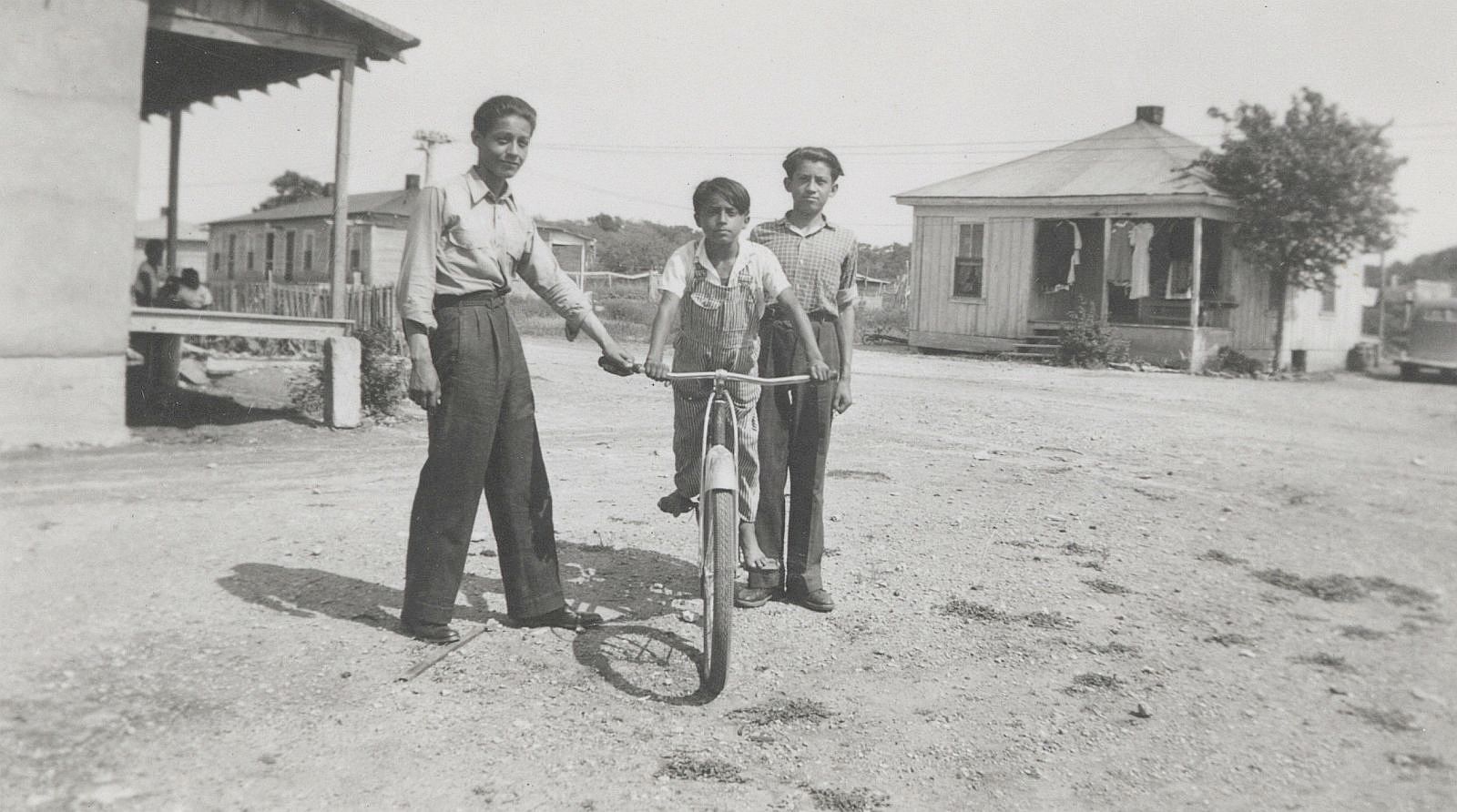
Martinez Brothers, Eagle Ford — 1939

Eladio, Henry, and Feliberto

by Paula Bosse

There are pictures I come across sometimes that affect me in a way I can’t really explain. Like this one. This shows three brothers posing for a photo in West Dallas in 1939. The boys are, left to right, Eladio Martinez, Henry Martinez, and Feliberto Martinez. Their father worked for the nearby Trinity Portland Cement Company. During the Depression, the boys helped support the family by cleaning railroad boxcars for a nickel each.

Eladio was killed in action during World War II — the Eladio R. Martinez Learning Center in West Dallas is named after him. His brothers Henry (Enrique) and Feliberto were active in the community and in preserving the history of Ledbetter/Eagle Ford.

Read more about Eladio Martinez here.

***

Sources & Notes

Photo — “Eladio Martinez, Henry Martinez on a bicycle, and Feliberto Martinez” — is from the Dallas Neighborhood Stories Grant Collection, Dallas History and Archives, Dallas Public Library; the accession number of this photograph is MA19.4/BDW-Martinez-H.6. More info on this is on the DPL Digital Collections page, here.

*

Copyright © 2025 Paula Bosse. All Rights Reserved.

Halloween Looked a Lot Different in Highland Park in 1924

Trick or treat!

by Paula Bosse

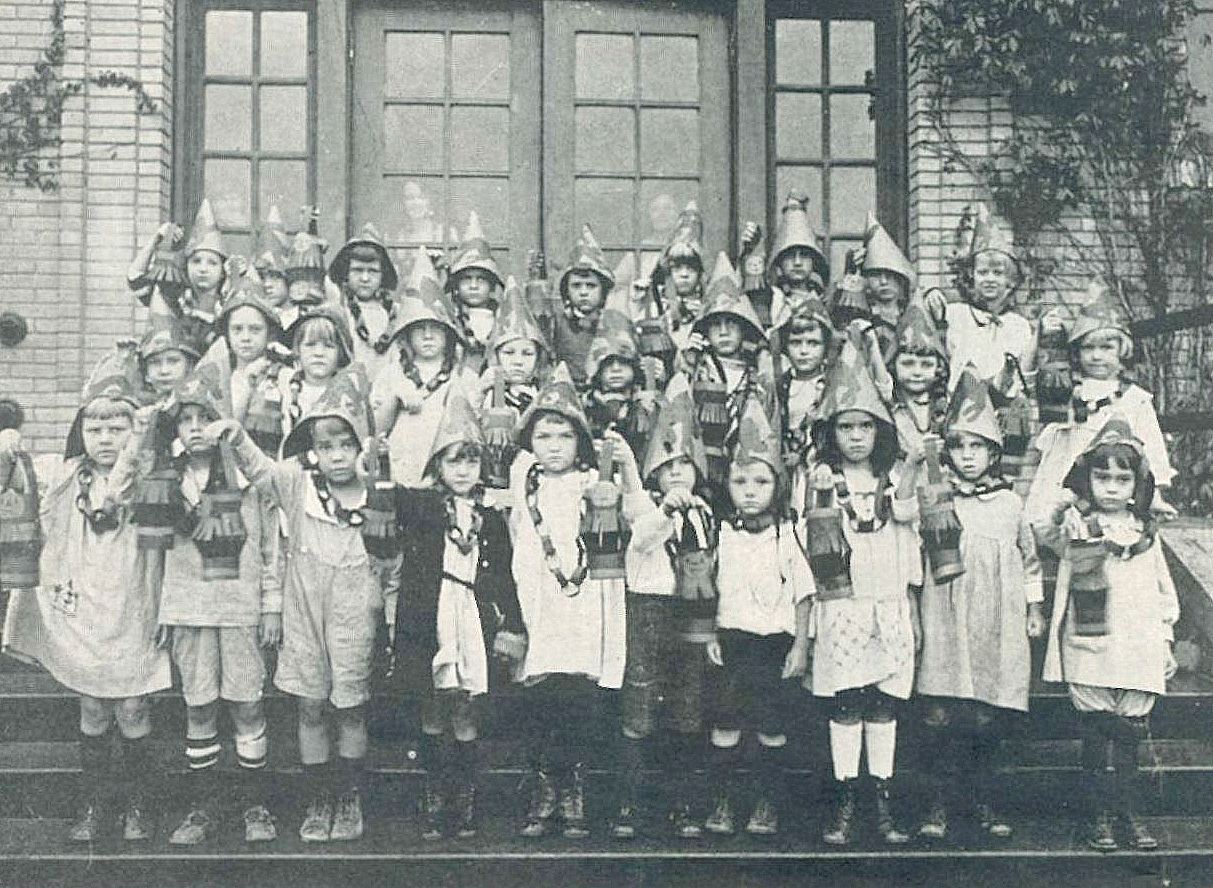
It’s Halloween! Let’s see how kids dressed up for the occasion 100 years ago.

The caption for the above photo:

A group of the little folks of John S. Armstrong School who will enjoy the Hallowe’en Celebration at Davis Park on Friday evening, October 31.

Yeah, some of those children are scary. I wouldn’t want to meet a couple of them in a dark alley.

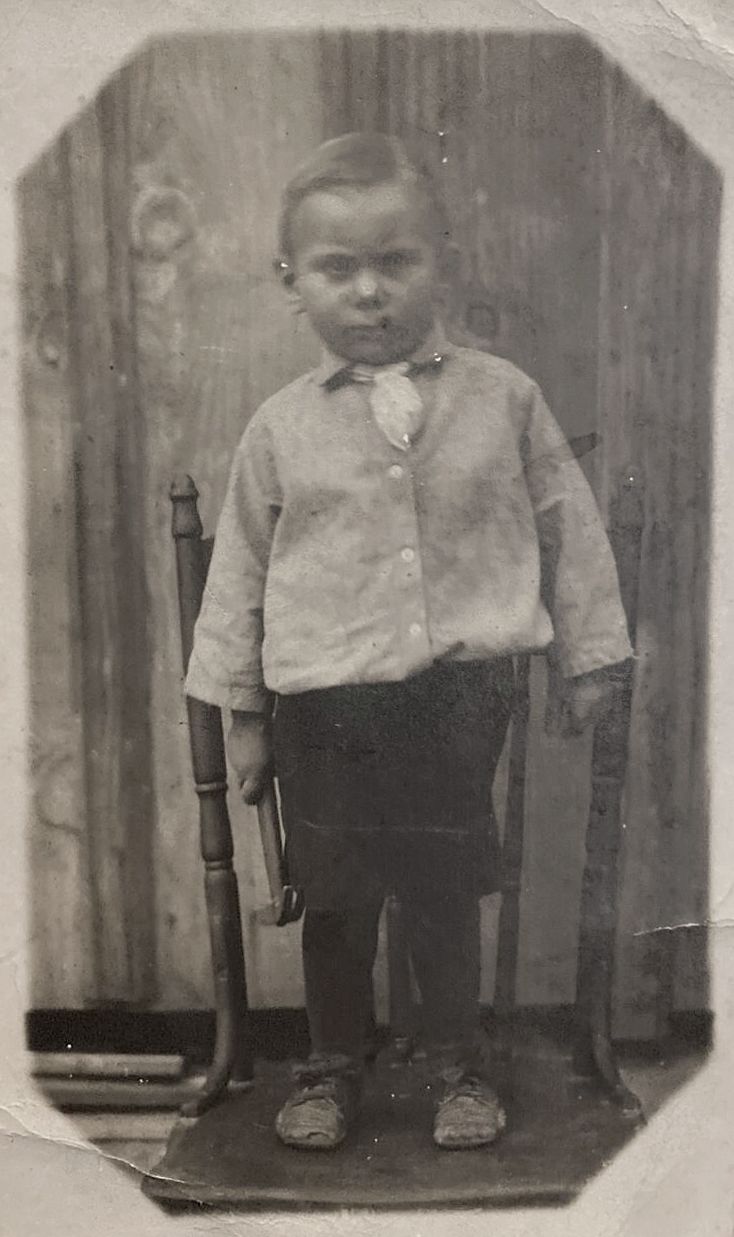
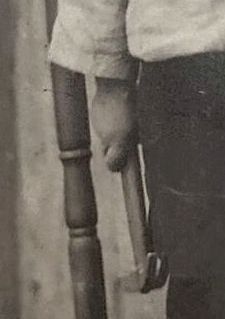
But none of them can hold a candle to this kid, who, for some reason, is holding a hammer. Did the studio provide it as a prop? (If so, why?) Maybe he brought it with him, (Again… why?) It appears that this was taken in Dallas — just to keep things local. I’m not frivolously posting non-Dallas content here! So, rest assured, this is a scary local kid. …With a hammer. And he does not look happy. Avoid!

I’m just going to believe this photo was taken to memorialize a unique Halloween costume and is not simply a portrait of a future serial killer.

Happy Halloween!

***

Sources & Notes

Top photo appeared in the pages of an interesting little magazine called Highland Park, which was published by developers Flippen-Prather from about 1923 to at least 1928; this photo is from the October 1924 issue; from the Periodicals Collection, Dallas History and Archives, Dallas Public Library.

The photo of the boy with the hammer is a Real Photo Post Card (RPPC), found on eBay in 2021; details on the back of the card indicate it might have been taken in Dallas.

I came across a couple of other creepy photos of children, which I posted on another (non-Dallas) blog (these contain frivolous non-local content):

See previous Flashback Dallas posts with a spooky Halloween theme here.

*

Copyright © 2024 Paula Bosse. All Rights Reserved.
Daily Flashbacks

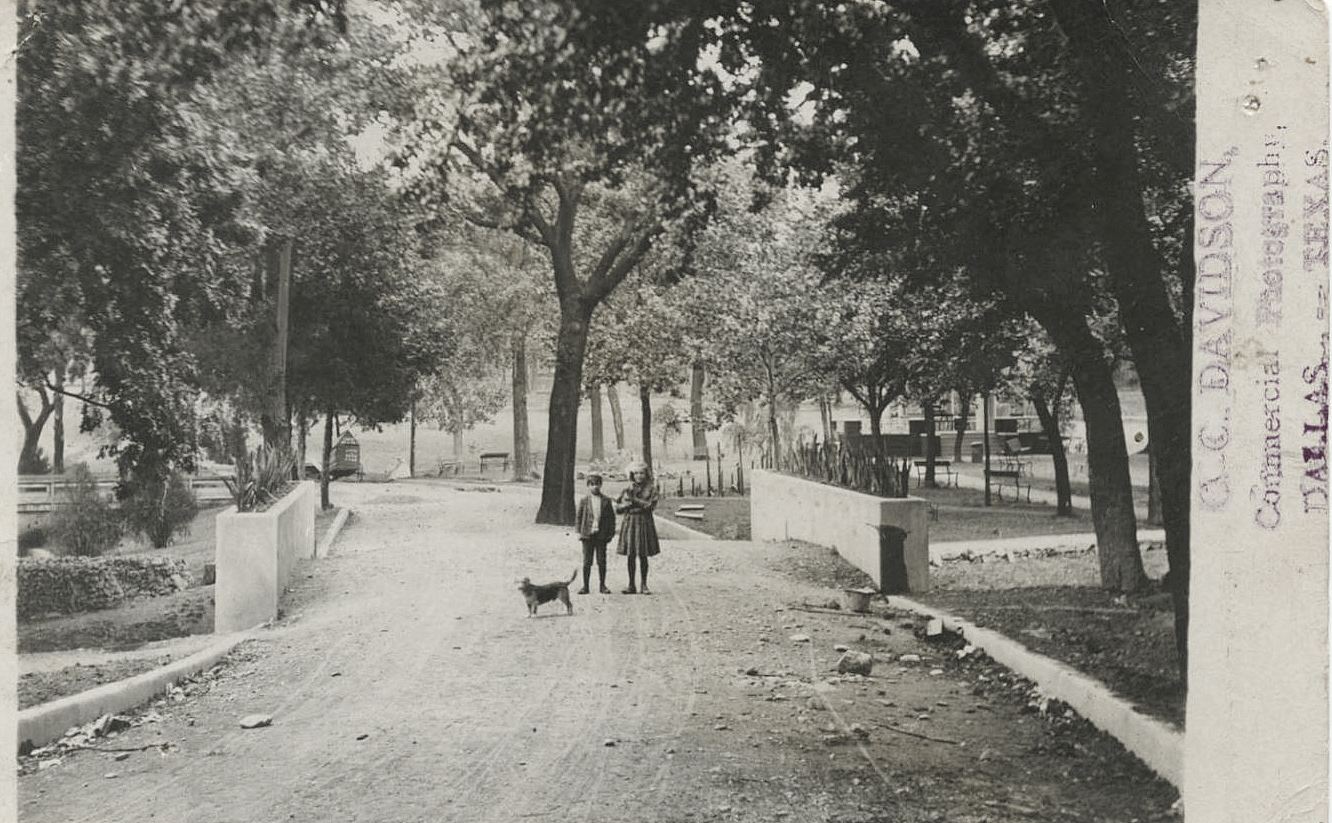
patreon_davidson-c-c_photographer_cook-collection_degolyer-library_SMUCity Park: Children and dog (and cat?)

by Paula Bosse

I always feel I have to apologize for any sort of self-promotion. Sorry if this is tiresome, but this is a periodic reminder that I have a Patreon page, where I post daily Dallas history posts for a teeny-tiny $5 monthly subscription. Somehow, I’ve been doing this for a year, as of April 2nd. The financial support has been very much appreciated. As I fight to stay afloat on the scary, choppy waves of under-employment — trying to keep my head above water — it has been a literal godsend. If you’re curious what the posts are like, there are occasional “free” posts if you scroll down the page, but most are for patrons. I try to write on topics I haven’t written about here on the blog — or at least present new photos or info. Join us!

Every couple of months, I compile a list of the subjects I’ve covered so you can see what sorts of things I’ve written little post-lets about. (See the previous lists here.) Here’s what I’ve written about in February and March:

MARCH 2024

  • Blaine Nye: Smartest Guy in the NFL? – 1971
  • Willie at the Longhorn Ballroom
  • Roof Repair at Pennsylvania & Meyers – 1926
  • Apparel Mart, Frighteningly Large
  • KCHU-FM HQ
  • White Theater, South Dallas – ca. 1946
  • Northern Texas Traction Co.
  • H. L. Hunt, Hawking His Wares at the State Fair of Texas – 1971
  • Business Center of the Great Southwest – 1905
  • Mystery Planing Mill – 1949
  • Dallas Morning News Buildings: Old & New, Cheek by Jowl – 1912
  • Skyline, Feat. A Dying Windsor Hotel & Harris-Lipsitz – 1911
  • Hot-Rodders
  • Green Skies Over Dallas – 1951
  • SMU, As the Crow Flies – ca. 1953
  • Auto Showroom, Oak Cliff – 1950s
  • Women in Aviation – 1943
  • Cycling in Dallas – 1880s
  • Preston Royal Shopping Center’s Fab Neon Sign – 1955
  • Corner Market, Carpenter Ave. & Myrtle St. – ca. 1946
  • Signed, “Yearning in Dallas” – 1906
  • Burger House, Est. 1951
  • Greetings from Coriscana/Spending Time with Lefty Frizzell
  • Live in DFW: CCR, David Cassidy, Led Zeppelin, Tom Jones – Aug. 1971
  • Cotton Mill Kindergarten – 1913
  • S. H. Lynch & Co.: Rolls Royce HQ – 1940s
  • R. C. Hickman, Dallas Photographer
  • Skyline Motel: “You Can Check Out Any Time You Like, But You Can Never Leave”
  • Texas Seed & Floral Co. – 1911

FEBRUARY 2024

  • Love Field, New Terminal – 1940
  • North American Aviation Training School/Futura Lofts
  • Highland Park Village, View from a Rooftop – 1977
  • Metzger’s Milk: “Ends the Quest for the Best”
  • Salih’s, Preston Center – 1968
  • Commerce Street: “View Showing Post Office”
  • The Fairgrounds, From Above – 1920s
  • Republic Bank: Marble, Glass, and Gold
  • Saloon
  • Conley-Lott-Nichols Machine Co. Building
  • Famous Black Dallas Malt Liquor
  • Cadiz Viaduct’s “Spectacular Neon Electric Sign” – 1937
  • KRLD Studios – 1965
  • Lined Up To See “Davy Crockett” at the Majestic – 1955
  • Johnny’s Supermarket, Columbia and Beacon – 1959
  • “Lovers’ Lane” at Fair Park – 1909
  • Glen Lakes Country Club, Teen Fave – 1959
  • C. C. Davidson: A Mystery Schoolhouse and Children in a Park
  • Antone’s/Antoine’s – Snails and Po’ Boys on Harry Hines
  • Flamingos
  • The Old Randall Place, Masten Street
  • New Phone: “Direct, Instantaneous, and Secret” – 1913
  • Park Cities Baptist Church – 1959
  • Dallas Theater Center’s Vinyl Membrane – 1965
  • Rock Creek Inn BBQ – 1946-ish
  • Boat Date, Kidd Springs
  • Stephen Tobolowsky Wishes You a Happy Groundhog Day!
  • The Chuck Wagon, Fair Park – 1936

***

Sources and Notes

Photo “[Children and Dog in a Park]” is from a real photo postcard with the stamp of Dallas photographer C. C. Davidson (I don’t know if he was the photographer or whether his company was merely printing the postcards for a customer to send to friends and family) — from the George W. Cook Dallas/Texas Image Collection, DeGolyer Library, SMU Libraries, accessible here.

One last blast of the ballyhoo: if you’d like to see what I do on Patreon, see the subscription page here. Five bucks a month. A post every day. Subscribe, read everything there, and unsubscribe before the next payment cycle rolls around, if it isn’t the pure, joyous experience I’ve been going on about. I’m perfectly fine with that! Don’t want no pig in a poke.

patreon_logo

*

Copyright © 2024 Paula Bosse. All Rights Reserved.

The Stagecoach Ride at Six Flags: 1961-1967

six-flags_stagecoach_fort-worth-magazineWhat could possibly go wrong?

by Paula Bosse

Did you ride the stagecoach at Six Flags?

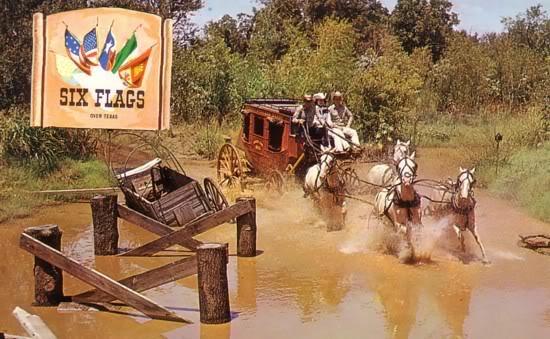
The stagecoach at Six Flags? What? This:

six-flags_stagecoach

And this (with grazing buffalo for added Old West atmosphere):

six-flags_stagecoach_buffalo_ebay_front

When I first saw Six Flags postcards touting stagecoach rides, my first thought was, “How did they ever manage to get insurance for that?”

six-flags_stagecoach_buffalo_ebay_reverse

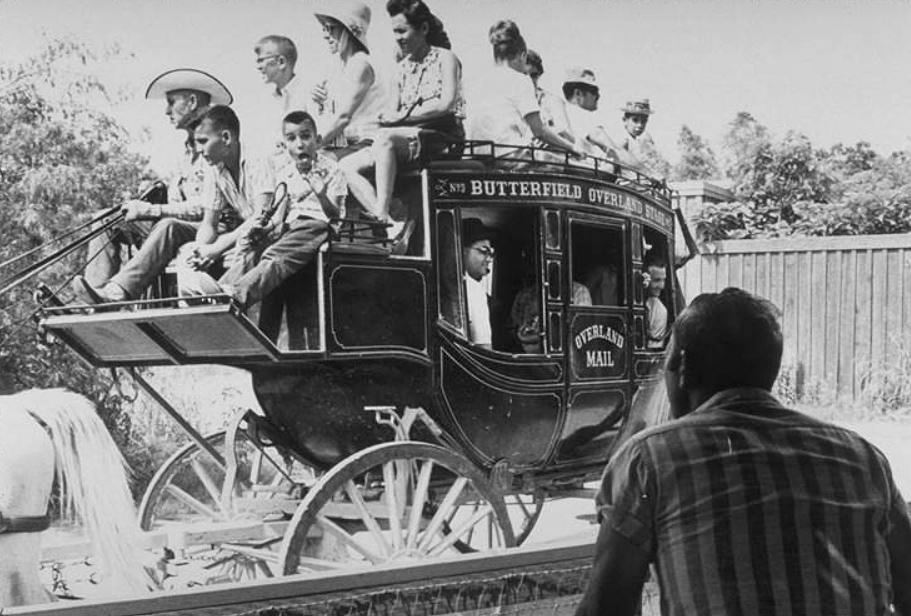
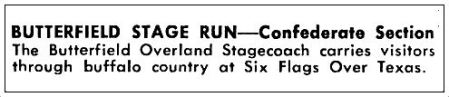
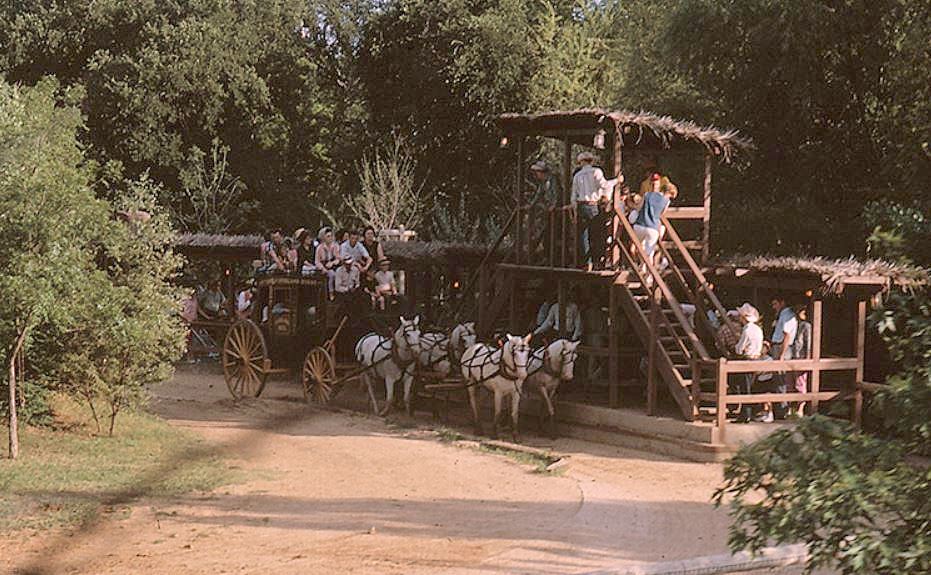
The “Butterfield Overland” ride debuted in the “Confederate” section when the park opened in 1961 and lasted until about 1967. It was very, very popular.

six-flags_stagecoach_1965_UTA_det1965, via UTA Libraries Special Collections (det)

Why did I never know about this when I was a kid? I never saw a stagecoach. I would have LOVED to ride a stagecoach. What happened? Well, here’s what happened: in May 1967, one of the stage’s wheels came off mid-ride, and the stage overturned, injuring 11 of the 14 people on board, most of them children. A 4-year-old Haltom City girl — who was riding on the top — was pinned beneath the overturned stagecoach. When she was freed, she was rushed to the hospital and underwent emergency surgery on both feet. One of the news stories about this unfortunate incident ended with, “Saturday’s accident was the first involving the stagecoach since the park opened in 1961,” adding that more than 4 million persons had ridden this ride between 1961 and 1967. (Four million!) (Granted, I think there were four stagecoaches and four teams of horses, but… four million!!)

One month after the accident, it was reported that the girl’s father had sued Six Flags for $531,000, contending that park officials were guilty of 30 counts of negligence. ($531,000 would be the equivalent in today’s money of about $5 million.) I can’t find anything about what happened with this lawsuit, but I assume there was probably a quiet settlement. Coincidentally or not, that spelled the end of the Butterfield Overland stagecoach ride at Six Flags Over Texas.

And that’s why I never heard of — or got to experience — a stagecoach ride at Six Flags.

(I don’t know what happened to the buffalo.)

***

Sources & Notes

Top photo of a Six Flags stagecoach jam-packed with kids from Fort Worth magazine.

The 1965 image is a detail of a larger photo from the Jack White Photograph Collection, UTA Libraries Special Collections — see the full photo and more details here.

Read more about this Butterfield Overland stagecoach ride at Parktimes.com.

The whole “Confederate” and “Texas” sections of SFOT were kind of weird, including a several-times-a-day lynching (!), as can be seen in one of the postcards in the 2014 Flashback Dallas post “Angus Wynne Jr.’s ‘Texas Disneyland’ — 1961.”

For real, non-amusement-park stagecoach tidbits, check out the post (also from 2014) “Dallas to Austin by Stagecoach: Only Three Days! (1854).”

A slightly different version of this post originally appeared on the Flashback Dallas Patreon page in August 2023. If you’d like to see daily Flashback Dallas posts, please consider supporting me on Patreon, for as little as $5 a month.

six-flags_stagecoach_fort-worth-magazine_sm

*

Copyright © 2023 Paula Bosse. All Rights Reserved.
Dads’ Day at Hockaday — 1947

hockaday_dads-day_life-mag_cornell-capa_1947_cokesMid-day snack in Lower Greenville

by Paula Bosse

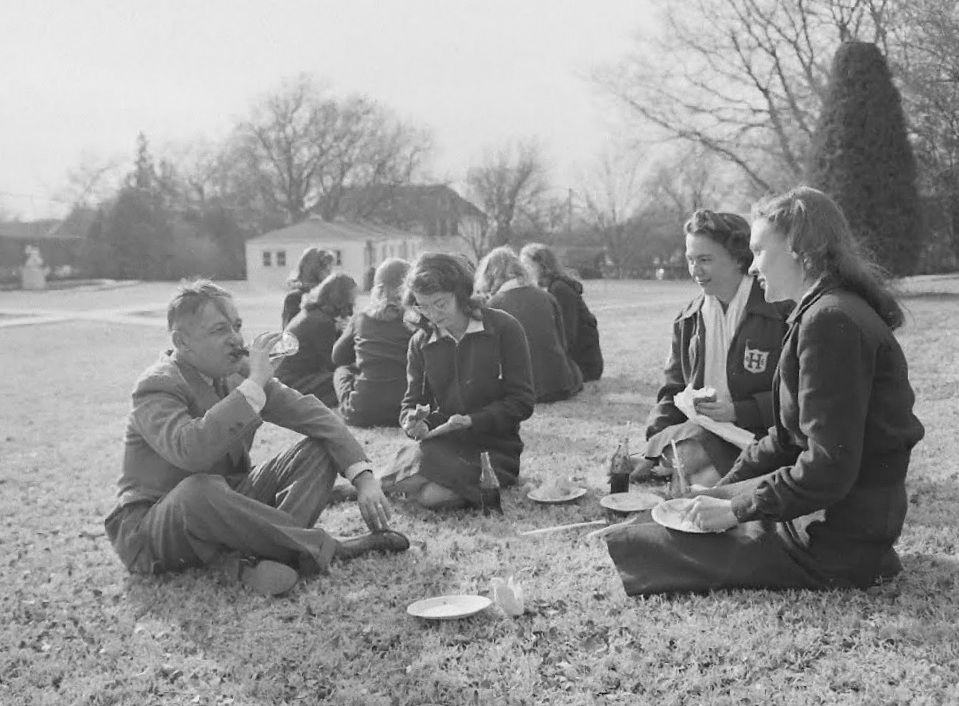
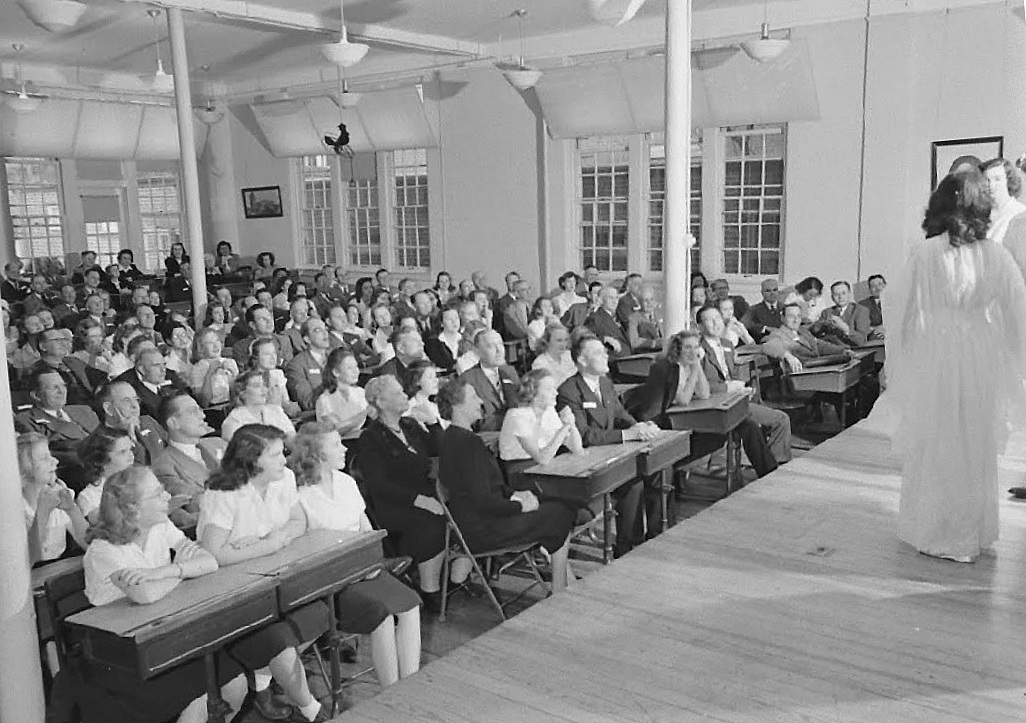
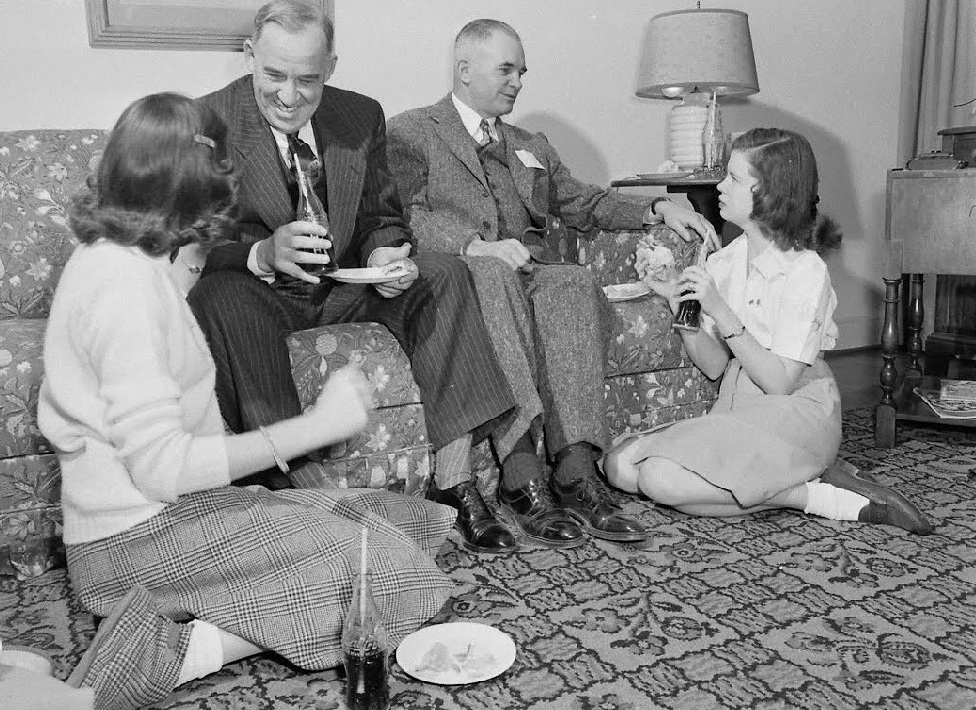
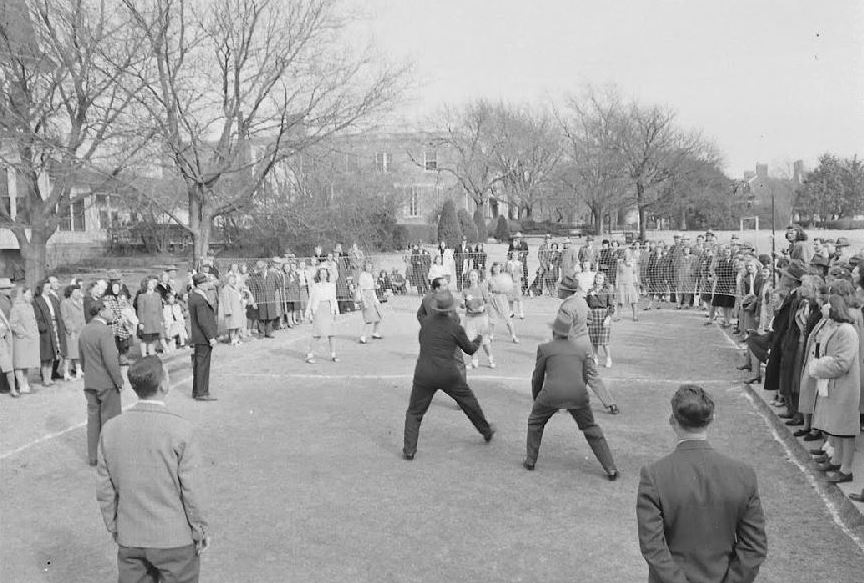
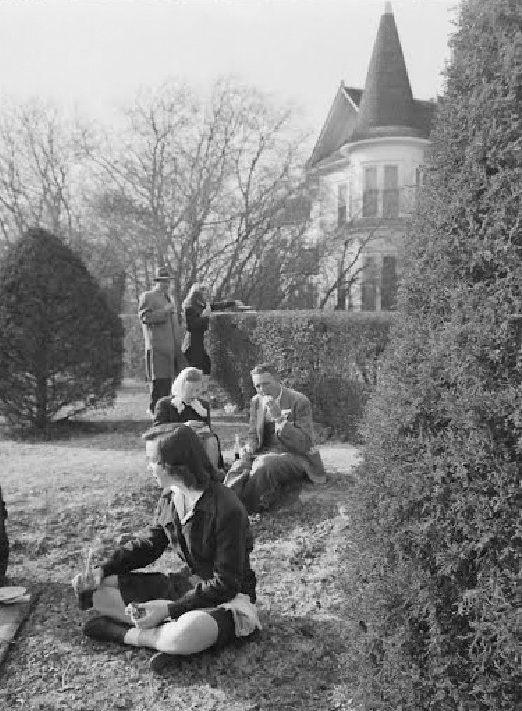
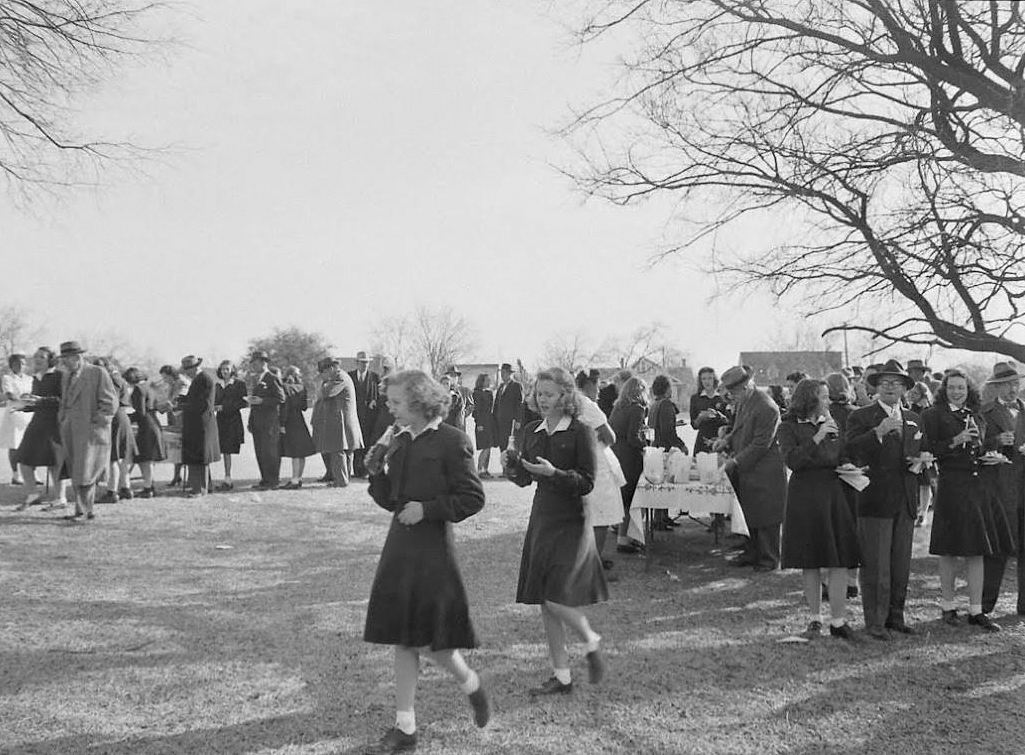
“Dads’ Day” at the Hockaday School for Girls, was a big thing. In this annual celebration, fathers (many of whom traveled from other states) would spend a few hours on the campus with their daughters, attend special programs and performances, visit classrooms, engage in friendly sporting matches against their daughters (volleyball, softball, kickball), and enjoy refreshments. In 1947, there was an al fresco Coke and hamburger lunch. But the big event was that night: a formal dinner in the Crystal Ballroom of the Baker Hotel. And, luckily for us, the Dads’ Day festivities of February 1947 were captured by Life magazine photographer Cornell Capa. A few of the photos appeared in the March 10, 1947 issue, in the story “Dad Has His Day; Texas Schoolgirls Invite Fathers to Come and Be Dates for a Day.” This Dads’ Day story even got the cover. Below are photos by Capa which weren’t used in the story.

*

Dads watching one of several presentations in their honor:

hockaday_dads-day_life-mag_cornell-capa_1947_performance

*

Sitting in a classroom. I don’t know who this girl is, but I love this photo of her. (If readers recognize any of the people in these photographs, please comment below.)

hockaday_dads-day_life-mag_cornell-capa_1947_desk

*

Hangin’ with the girls, enjoying refreshments:

hockaday_dads-day_life-mag_cornell-capa_1947_indoors_cokes

*

Volleyballing with hats on (I love this photo!):

hockaday_dads-day_life-mag_cornell-capa_1947_game

*

Enjoying more refreshments (lotta Coke at Hockaday…). (Note Bosque Bonita in the background, the property’s original house, Greenville and Belmont. Read more here.)

hockaday_dads-day_life-mag_cornell-capa_1947_bosque-bonita

*

More refreshments on a chilly February day:

hockaday_dads-day_life-mag_cornell-capa_1947_lunch

*

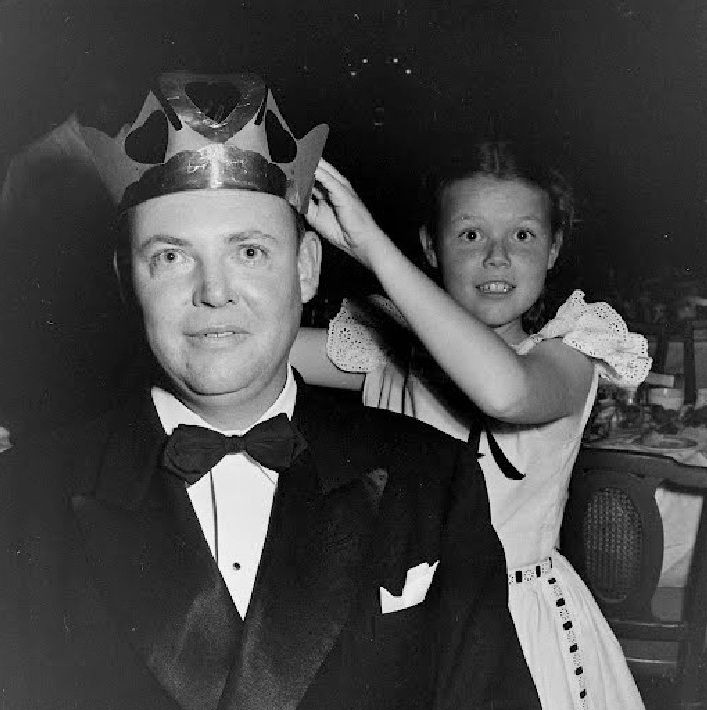
Girls who attended Hockaday as a boarding school, in a dorm, making the paper crowns which fathers will wear at the formal dinner at the Baker Hotel:

hockaday_dads-day_life-mag_cornell-capa_1947_dorm

*

Below, Ann Seidenglanz (whose preparations for this big dinner were captured in the pages of Life — she even made the cover!) places a crown on her father’s head (Charles B. Seidenglanz):

hockaday_dads-day_life-mag_cornell-capa_1947_crown

*

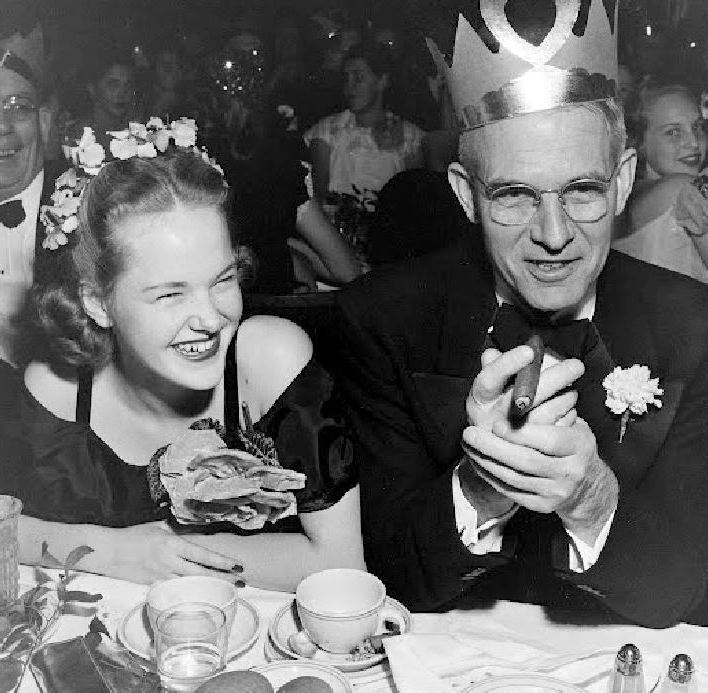
I don’t know who these people are, but I love this photo:

hockaday_dads-day_life-mag_cornell-capa_1947_baker-hotel

*

Jerrie Marcus was accompanied by her father, Stanley Marcus. (Jerrie Marcus Smith died in March of this year. Please check out the book she wrote about her great aunt Carrie Marcus — A Girl Named Carrie: The Visionary Who Created Neiman Marcus and Set the Standard for Fashion.)

hockaday_dads-day_life-mag_cornell-capa_1947_stanley-marcus_daughter - Copy

*

Miss Ela Hockaday, founder of the legendary school and, at the time of this photo, its president emeritus.

hockaday_dads-day_life-mag_cornell-capa_1947_miss-hockaday

***

Sources & Notes

Photos are by Cornell Capa, taken on assignment for Life magazine — none of the photos above appeared in the published article (March 10, 1947). See the published story here; see the photos Capa shot (almost all of which were never published) here. All photos Copyright: ©Time Inc.

hockaday_dads-day_life-mag_cornell-capa_cover_031047

None of the people in the photos above are identified, other than covergirl Ann Seidenglanz. And Stanley Marcus is obviously instantly recognizable to any Dallasite. If you can identify any of the others seen above, I’d be happy to add their names to this post.

Also, check out the lengthy Dallas Morning News story which preceded this Dads’ Day event (with studio photos of several fathers and daughters), in the DMN archives: “News of Women.” DMN, Feb. 9, 1947, Section III, p. 1, 2, 13.

More about the Greenville Avenue-era Hockaday campus can be found in the Flashback Dallas post “Belmont & Greenville: From Caruth Farmland to Hub of Lower Greenville.”

And you are always welcome to follow me on Patreon, where it’s Flashback Dallas every day, for as little as $5 a month.

hockaday_dads-day_life-mag_cornell-capa_1947_cokes_sm

*

Copyright © 2023 Paula Bosse. All Rights Reserved.
Uncle Scooter Reads the Funnies: 1940-41

radio_uncle-scooter_wfaa-wbap-kgko-combined-family-album_1941Little Man and Uncle Scooter…

by Paula Bosse

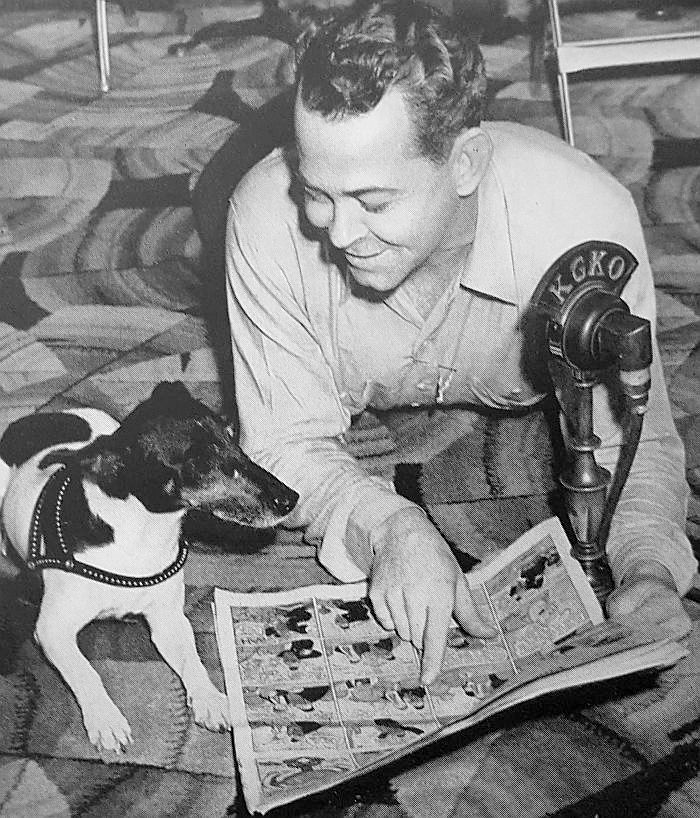
Several years ago, I was flipping through a promotional booklet for radio stations WFAA, WBAP, and KGKO, and I came across the photo above. I think about this photo a lot. It shows radio personality “Uncle Scooter” lying on the floor next to a KGKO microphone, reading the comics over the air to a vast audience of children and pointing out something pertinent to his trusty companion, a fox terrier named Little Man. I love this photograph. It makes me smile every time I see it. Wouldn’t it be great if this was how he actually conducted his broadcasts — on the floor with his doggie next to him? Here’s the caption:

uncle-scooter_dog_wfaa-wbap-kgko-combined-family-album_1941_caption

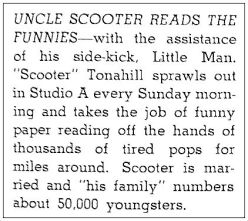
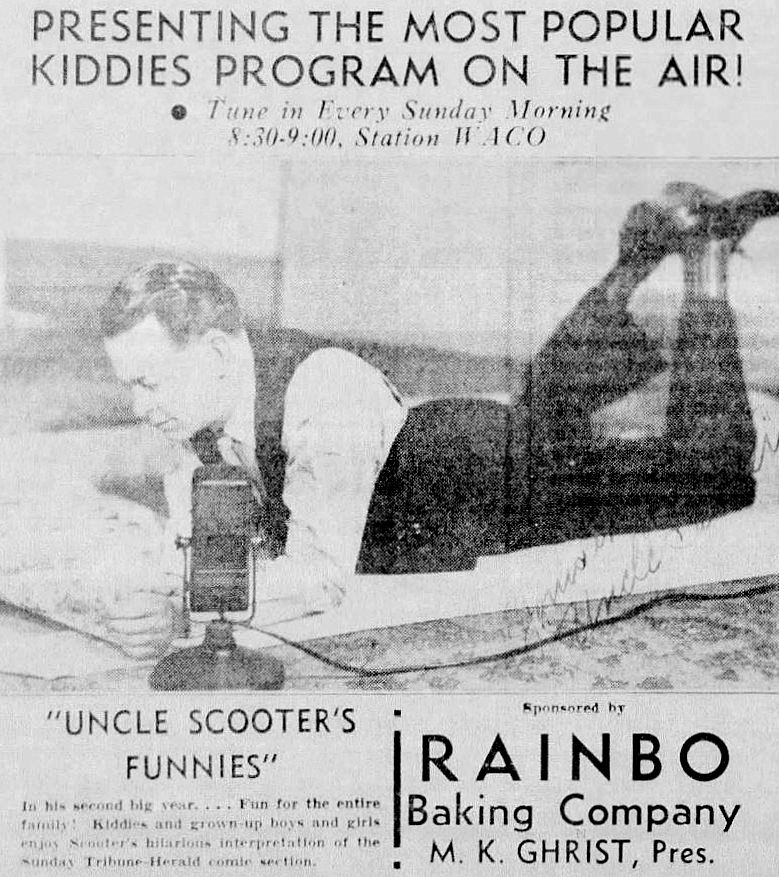
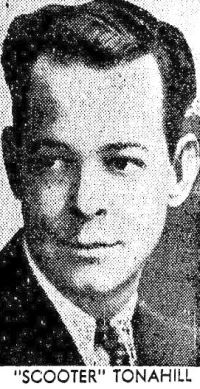
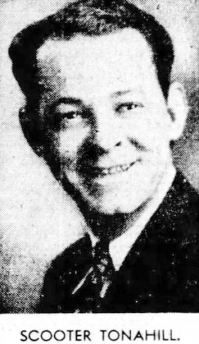
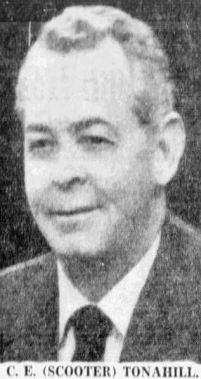
Clarence E. Tonahill (1904-1954) — known to everyone as “Scooter” — appears to have begun his radio career in Waco at the appropriately named station WACO. He then worked at KGKB in Tyler, then returned for a few years to WACO, and then to KTSA in San Antonio. Like most people in broadcasting in those days, he did a little bit of everything: he was an announcer, a newsreader, a sportscaster, and an entertainer. One of his most popular shows was just him reading the Sunday comics over the air for children. Below, a WACO ad from 1937 showing Uncle Scooter, again, lying on the studio floor (no dog, though).

uncle-scooter_waco-tribune-herald_010337Waco Tribune-Herald, Jan. 3, 1937

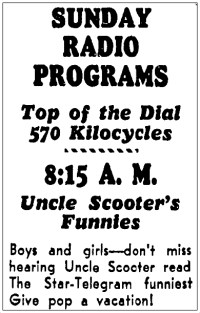
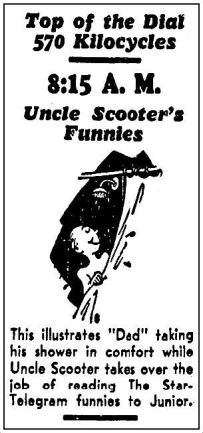
Around September 1939, he moved to Fort Worth to begin a busy stint at KGKO, a DFW station co-owned by The Dallas Morning News and The Fort Worth Star-Telegram (this was part of the very unusual WFAA-WBAP radio broadcasting partnership). He started as an “announcer” (which might well have included cleaning up the studio!), but he quickly graduated to doing a lot of sports-announcing and color commentary (football and boxing), man-on-the-street interviews, and personal appearances. He also hosted several shows, including a weekday morning show called “Sunrise Frolic.” But Sundays… Sunday mornings were set aside for his funnies-reading.

1940_radio_uncle-scooter_FWST_090840Fort Worth Star-Telegram, Sept. 1940

1940_radio_uncle-scooter_FWST_091540FWST, Sept. 1940

1941_radio_uncle-scooter_FWST_031641FWST, March 1941

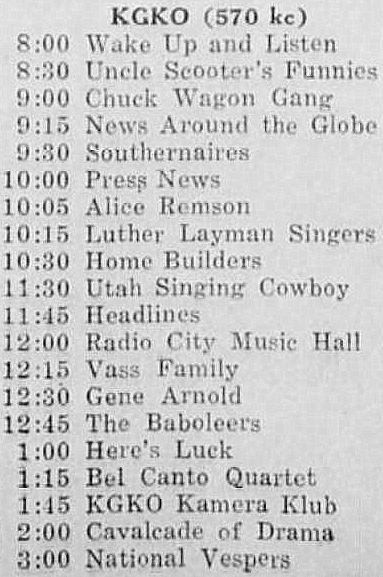
The Sunday lineup on KGKO, before and after the funnies:

1940_radio_uncle-scooter_bryan-tx-eagle_121440Bryan Eagle, Dec. 1940

I see listings for the show in 1940 and 1941 — and then, briefly, in 1947. His obituary says that Tonahill retired from his career as a broadcasting personality in 1946 and opened his own business in Fort Worth, Scooter’s Radio Supply (a supplier of broadcasting equipment to stations around the country).

He must have been a bright, friendly voice on the radio. I’d love to know the role Little Man played (Little Man was Scooter’s real-life pet and was described in a magazine profile as Scooter’s “favorite hobby”). I have fond (if somewhat vague) memories from my childhood of Bill Kelley reading the comics on The Children’s Hour on Channel 5 — but I can say without hesitation that things on The Children’s Hour would have been a whole lot more interesting if he’d just had a cute little dog with him!

1940_scooter-tonahill_FWST_042040_kgko-ad_det_photo1940_scooter-tonahill_FWST_100940_kgko-ad_det_photo1940

1954_tonahill-clarence-e_FWST_072654_obit_photo1954

kgko_19391939

***

Sources & Notes

Top photo from “WFAA, WBAP, KGKO Combined Family Album” (Dallas-Fort Worth, 1941).

radio_uncle-scooter_wfaa-wbap-kgko-combined-family-album_1941_sm

*

Copyright © 2023 Paula Bosse. All Rights Reserved.

Santa Claus Visits Fair Park — 1969 and 1970

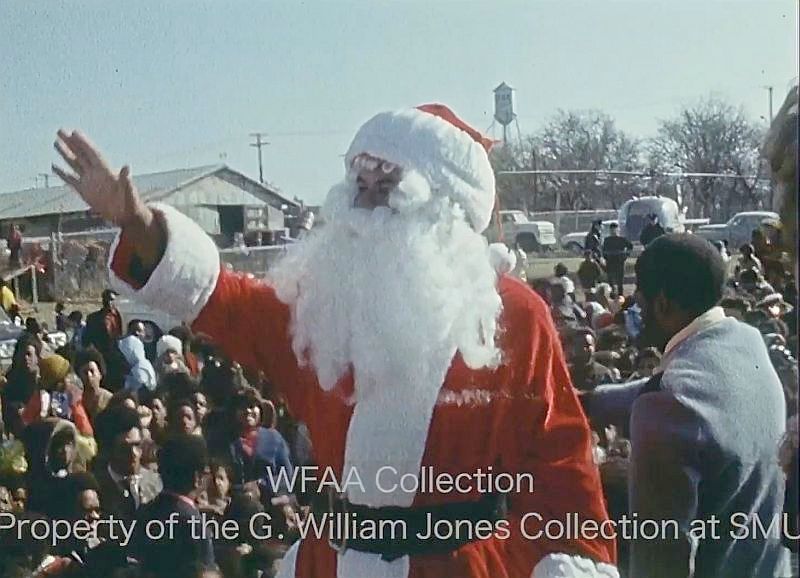
santa_4_WFAA_SMU_122069
The list is ready…

by Paula Bosse

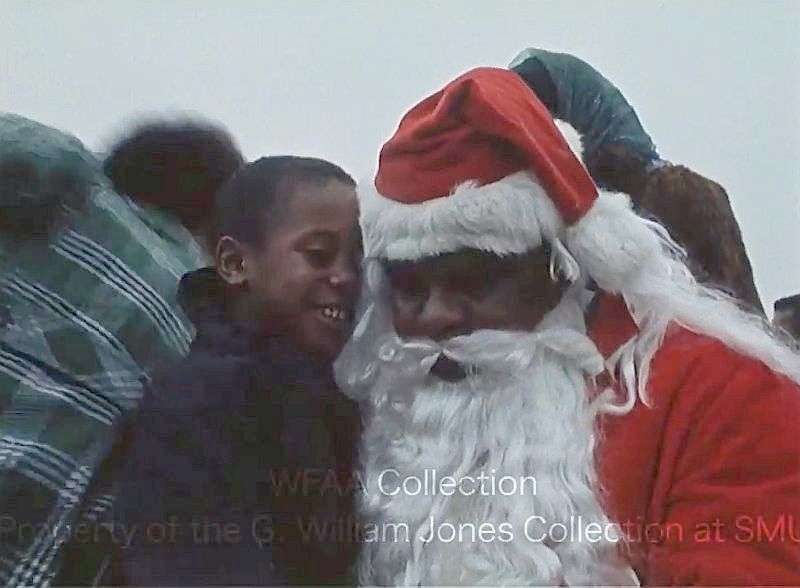
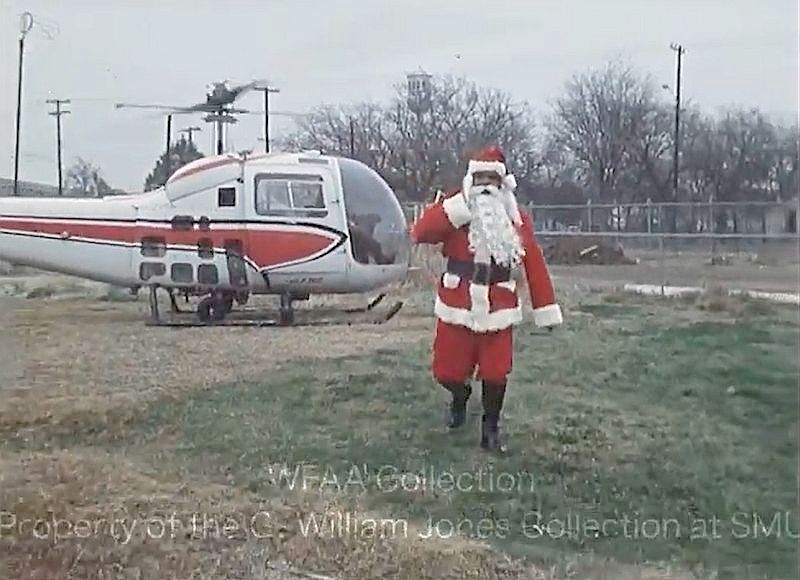
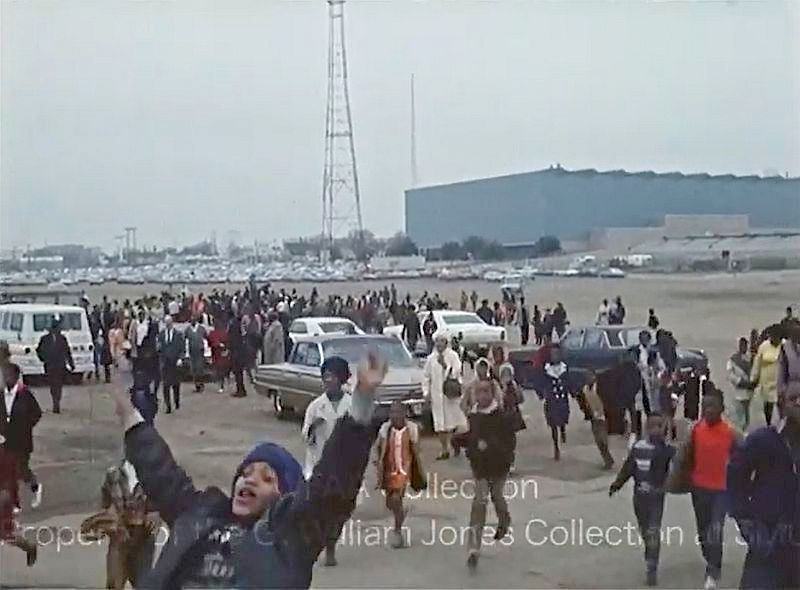
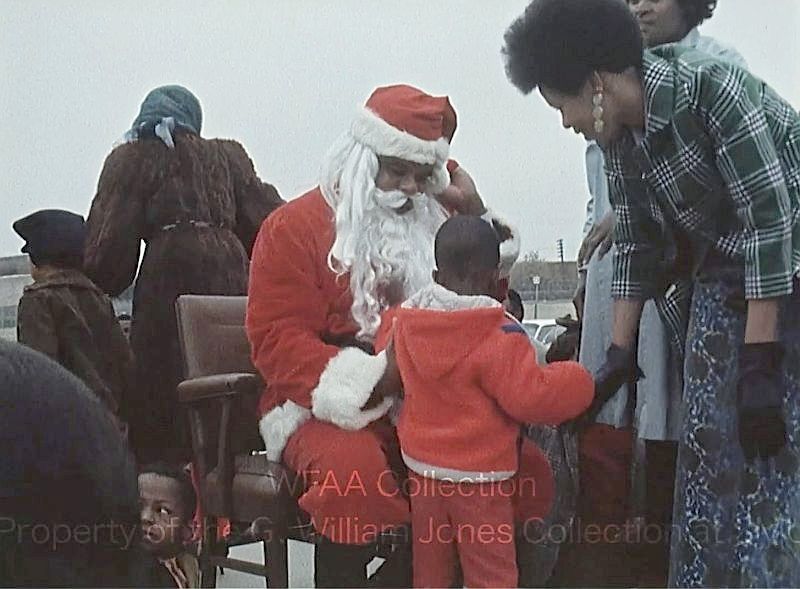
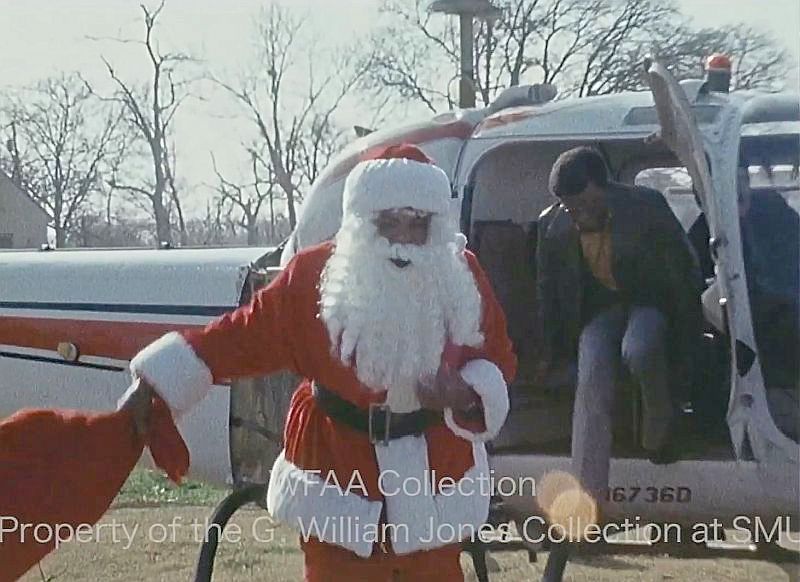
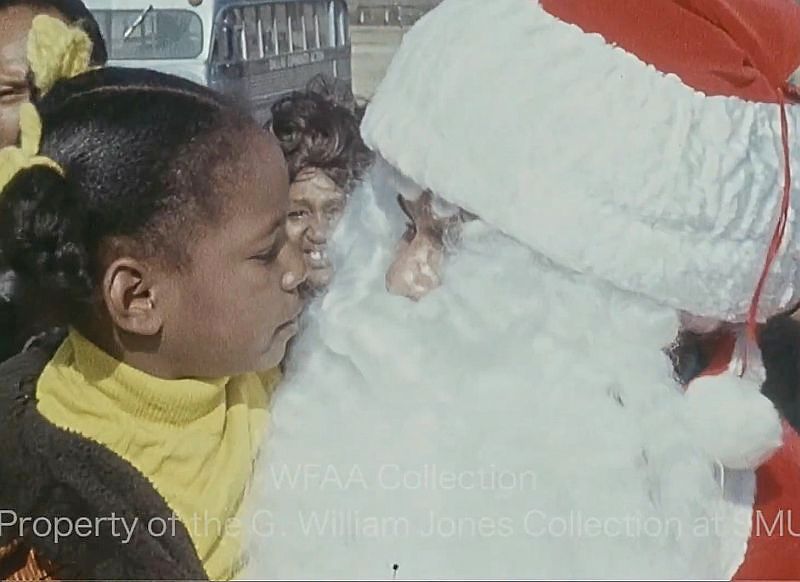
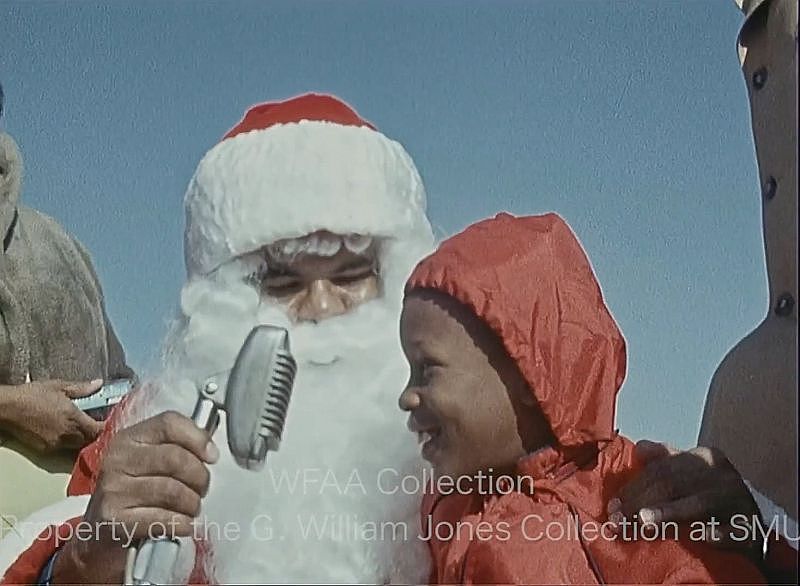
Check out two charming film clips of Santa visiting kids in Fair Park on Dec. 20, 1969 and Dec. 23, 1970 (the links to the clips are below). He arrives, of course, in a helicopter. These events were sponsored by the Negro Chamber of Commerce.

From this clip’s YouTube description:

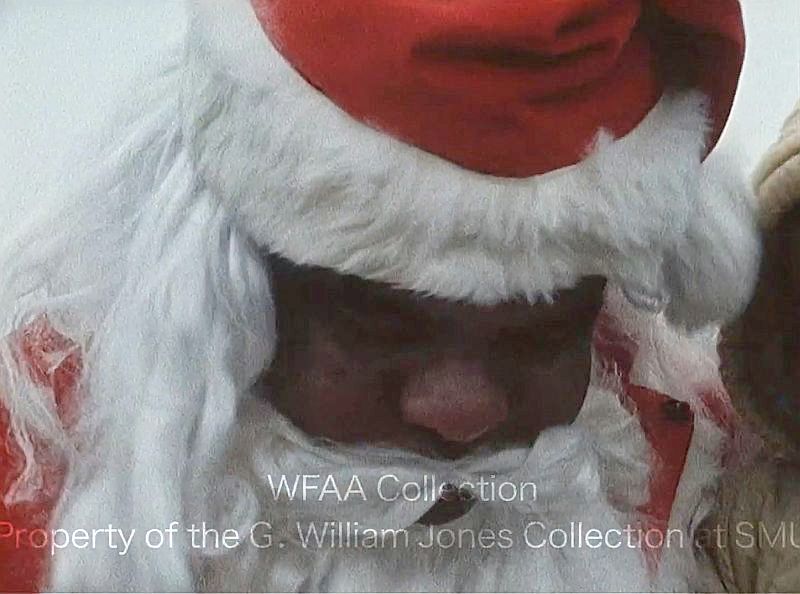
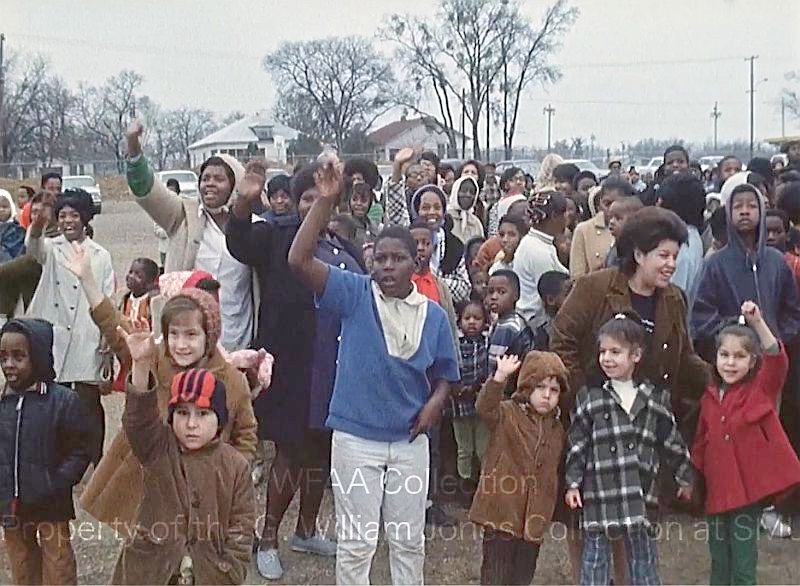
A Black Santa Claus lands via helicopter in Fair Park as a large crowd of predominantly African American children rush to meet him; children are seen on Santa’s lap as parents stand by; a box of wrapped apples is seen. (A “Black Santa” was an unusual sight in the 1960s, and the concept was much in the news in the 1969 Christmas season as the Southern Christian Leadership Conference (SCLC) had issued a demand that department stores in Cincinnati hire African American Santas or face a boycott, and the story was widely covered around the country.) (Silent)

Watch the full 38-second (silent) clip on YouTube here. Below are some screenshots.

santa_2_WFAA_SMU_122069

santa_3_WFAA_SMU_122069

santa_5_WFAA_SMU_122069

santa_6_WFAA_SMU_122069

santa_7_WFAA_SMU_122069

Santa made a return visit the next year — again via chopper — on Dec. 23, 1970. An article appeared in The Dallas Morning News revealing Santa’s helper to be Issac Debois who was quoted as saying with a chuckle, “I’m the only black Santa Claus from the South Pole.” Watch the full 38-second (silent) clip here.

santa-1970_122370_WFAA_SMU_1

santa-1970_122370_WFAA_SMU_2

santa-1970_122370_WFAA_SMU_3

santa-1970_122370_WFAA_SMU_4

Merry Christmas!!

***

Sources & Notes

All images are screenshots from WFAA-Channel 8 news stories — from the WFAA Newsfilm Collection, G. William Jones Collection, Southern Methodist University.

The first clip (from 1969) is contained in the larger video on YouTube here — the specific short clip is here.

The second clip (from 1970) is contained in the larger video on YouTube here — the specific clip is here.

Read the Dallas Morning News story about the second visit in the DMN archives: “Santa Enjoys Happy Visit, With Gifts” (DMN, Dec. 24, 1970).

Find more Flashback Dallas posts on Christmas here and Hanukkah here,

santa_4_WFAA_SMU_122069_sm

*

Copyright © 2022 Paula Bosse. All Rights Reserved.
Ursuline Academy — 1921

ursuline_1921-yrbk_1-year-highVelma Rich and her classmates…

by Paula Bosse

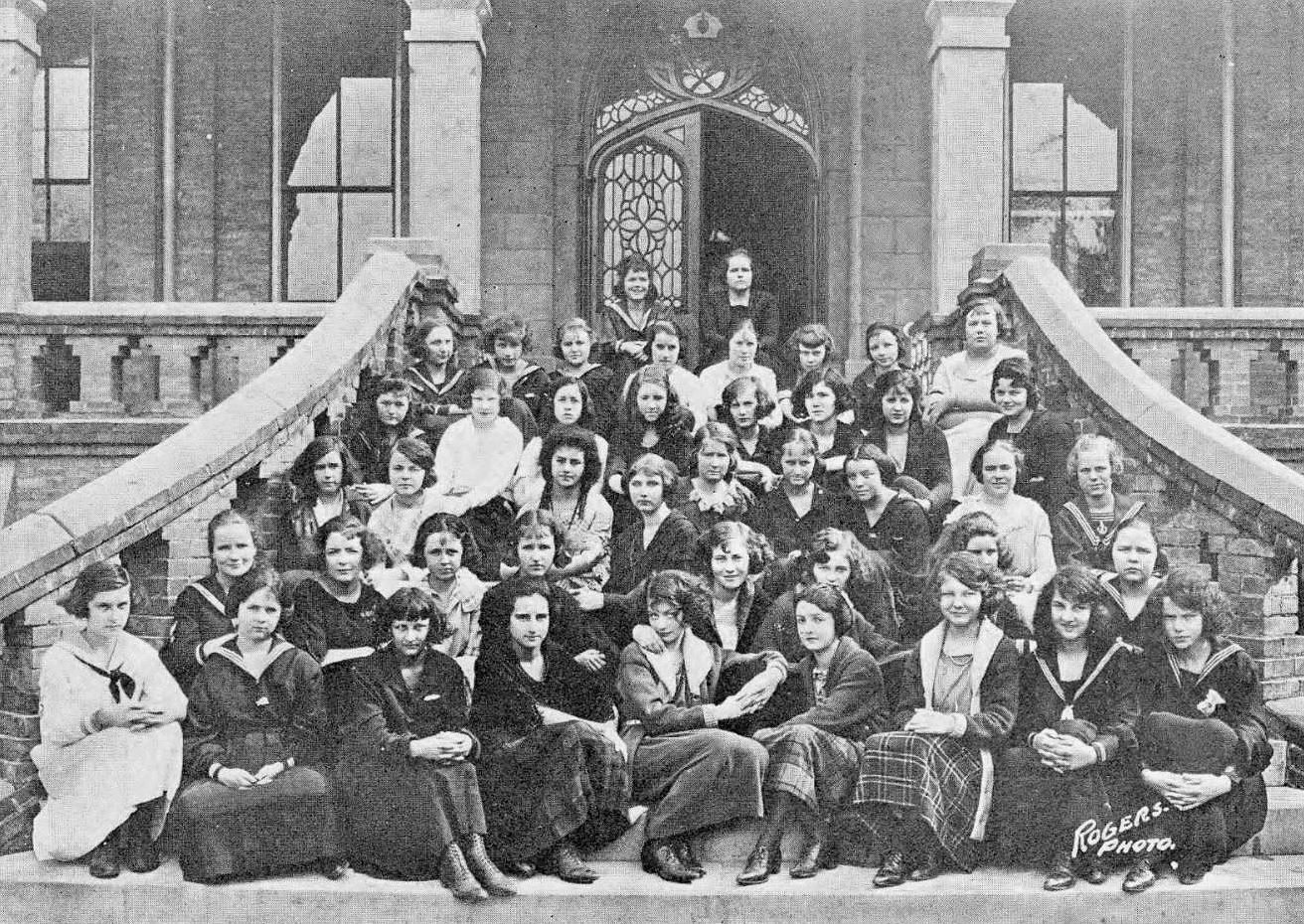
I never tire of looking through old high school yearbooks. Here are some photographs from the 1921 edition of The Ursulina, the yearbook of the Ursuline Academy, the all-girls school located in the block bounded by Live Oak, Haskell, Bryan, and St. Joseph in Old East Dallas.

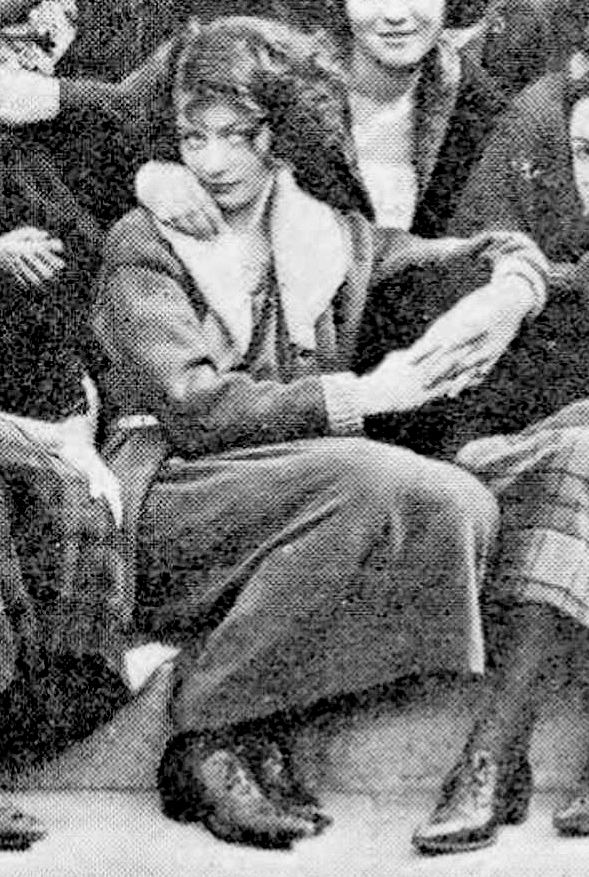
Above, the “I Year High,” which I gather would be the equivalent of the freshman class.  (I am transfixed by the girl in the center of the front row — I think she is Velma Rich — I bet she was a handful.) (Caption for this photo listing the girls can be seen here.)

*

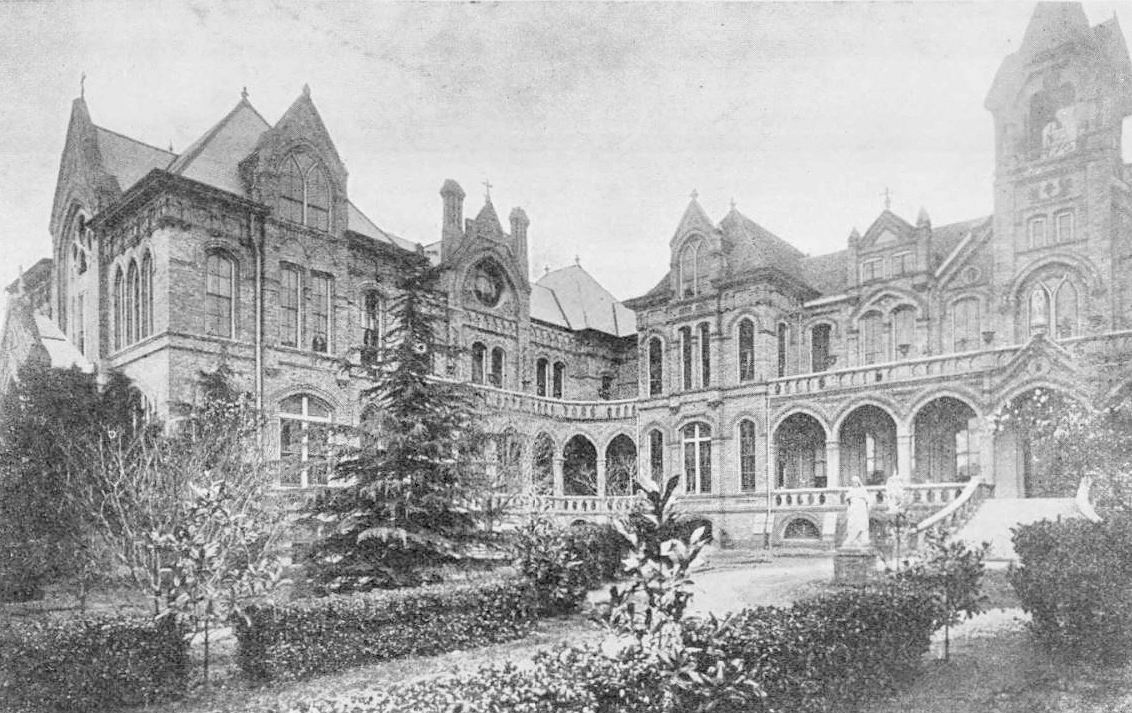
Below, the East View of the Academy. The caption reads: “A Famous Battlefield (the study hall) and the Porch of Dreams, where school girls congregate to discuss the latest bulletin board news while enjoying some toothsome dainty.” (All photos larger when clicked.)

ursuline_1921-yrbk_east-view

*

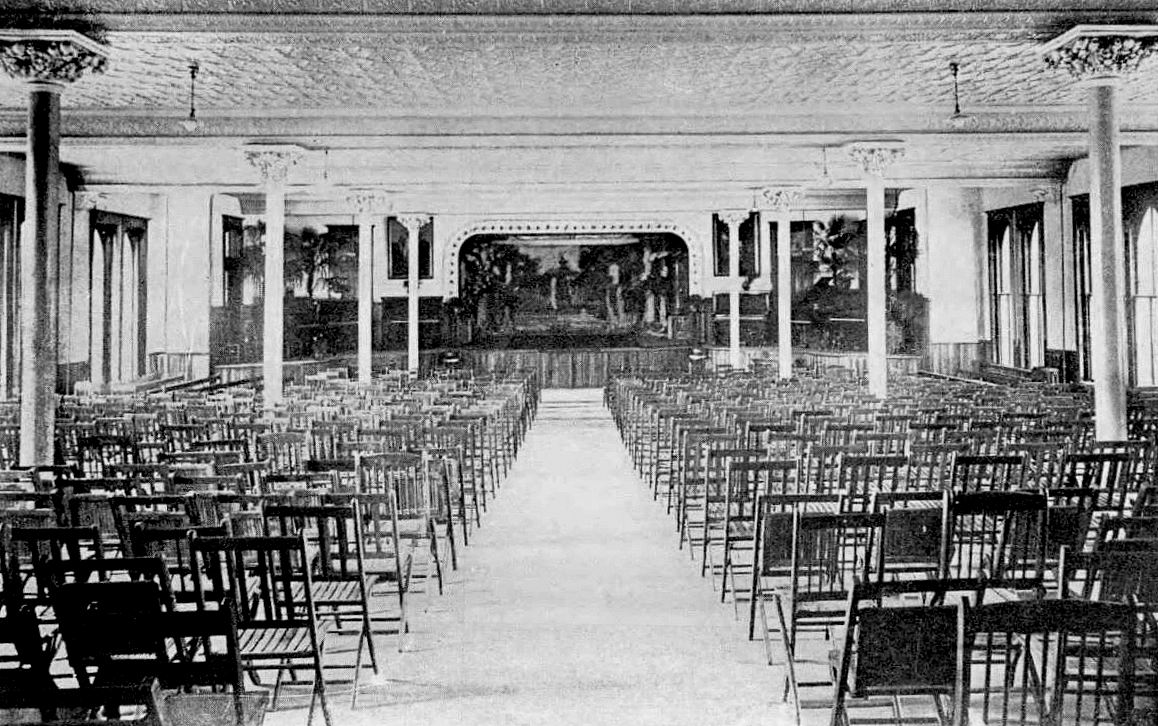
The auditorium. “And this is where we treat our friends to music, play and dance.”

ursuline_1921-yrbk_auditorium

*

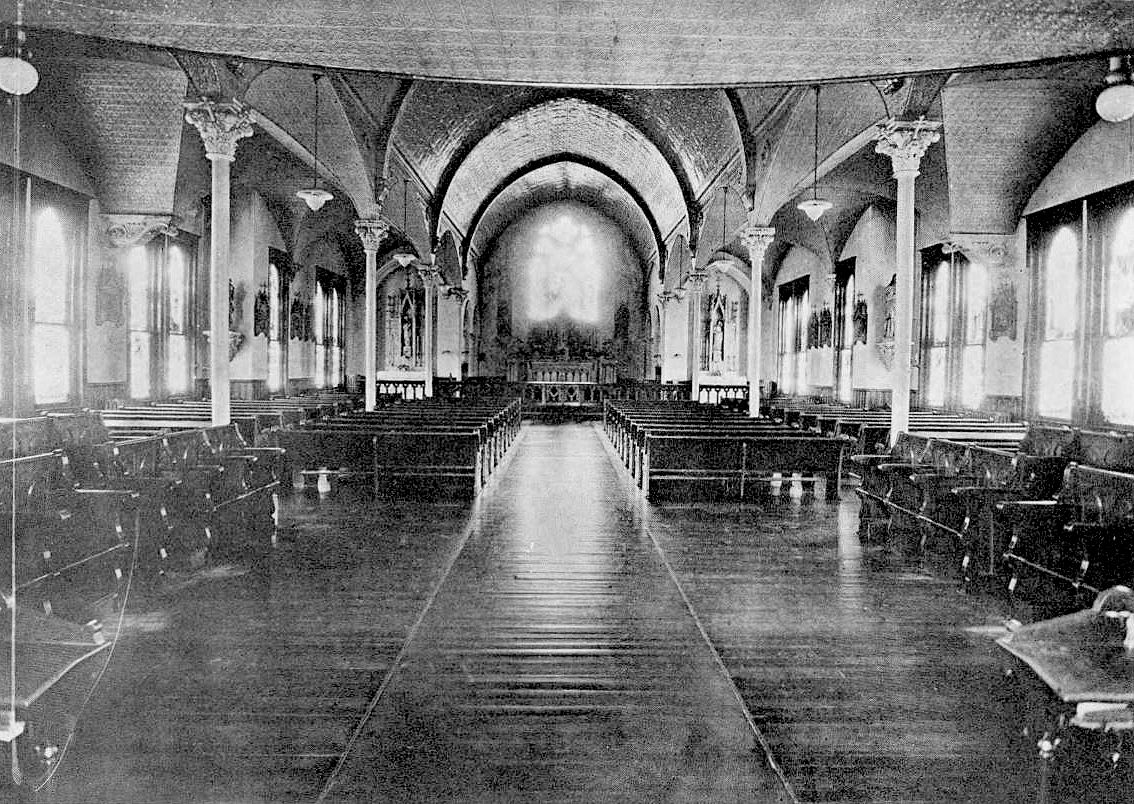
The chapel. “‘Tis just the place to go for help when things are ‘up and down.'”

ursuline_1921-yrbk_chapel

*

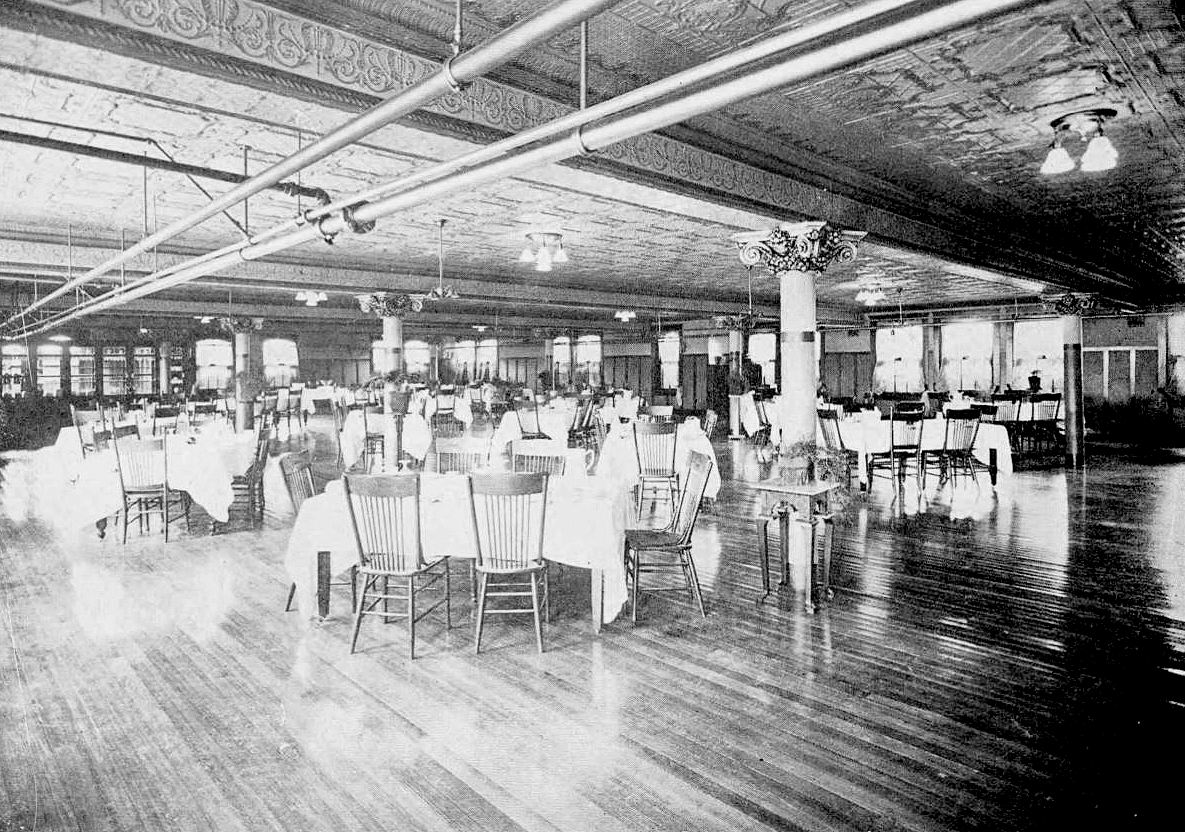
The dining hall. “You may live without learning/You may live without books/But show me the man/Who can live without cooks.”

ursuline_1921-yrbk_dining-hall

*

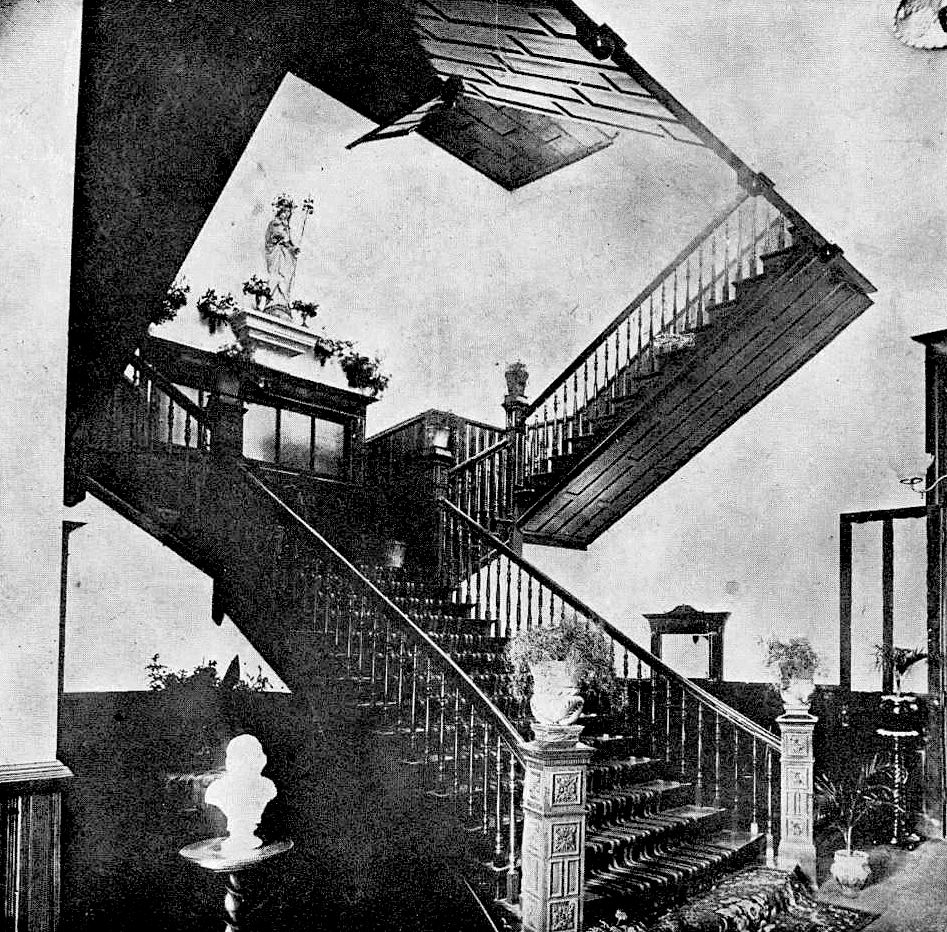
The hall and stairways. “If these old stairs had power of speech, what girlish secrets they could tell!”

ursuline_1921-yrbk_hall-and-stairways

*

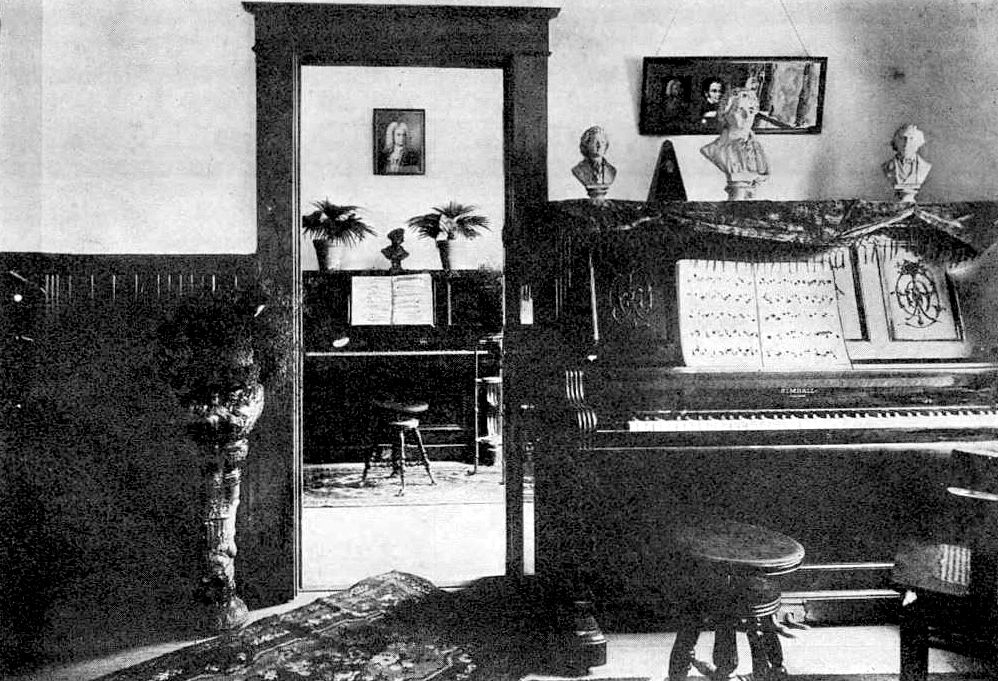
The music room. “A spot where many young ladies are kept very busy, ‘Untwisting all the chains that tie the hidden soul of harmony.'”

ursuline_1921-yrbk_music-room

*

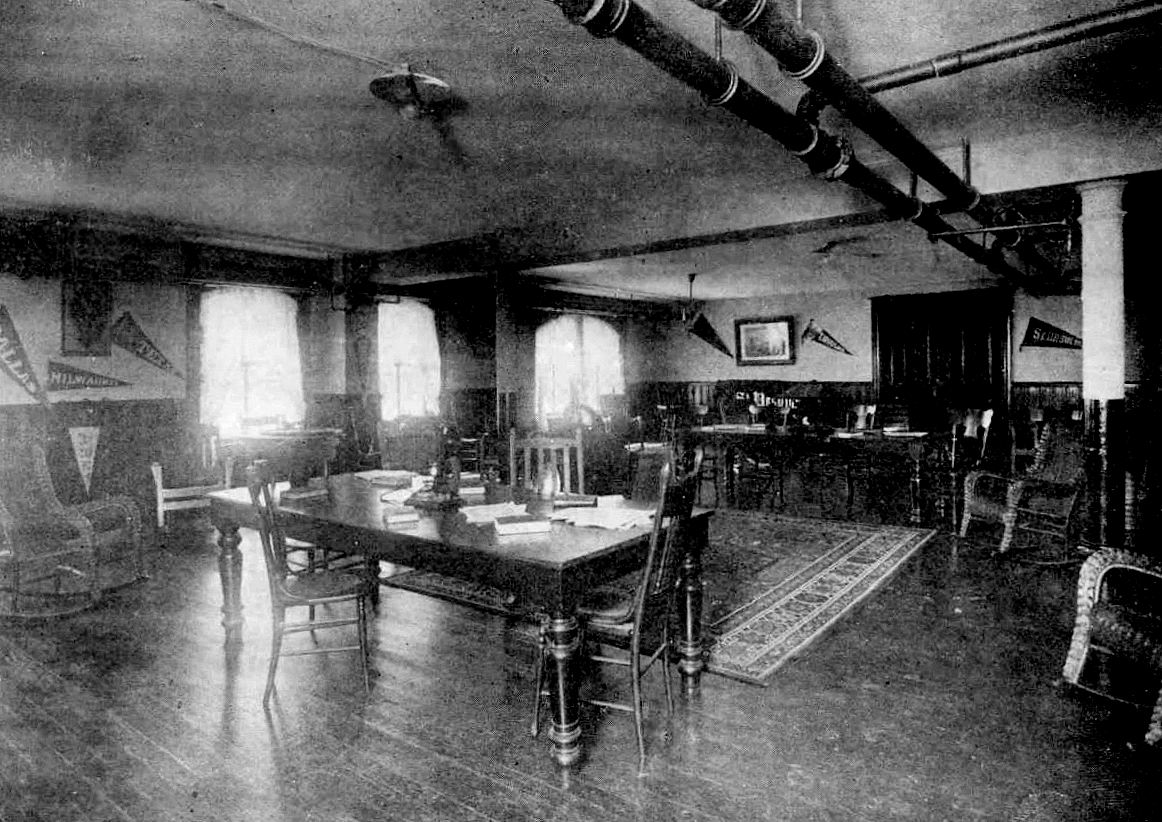
The recreation room. “Just the spot where, nine months out of the year, you can always find ‘Jest and youthful jollity/Quips and cranks and wanton wiles/Nods and becks and wreathed smiles.'”

ursuline_1921-yrbk_recreation-room

*

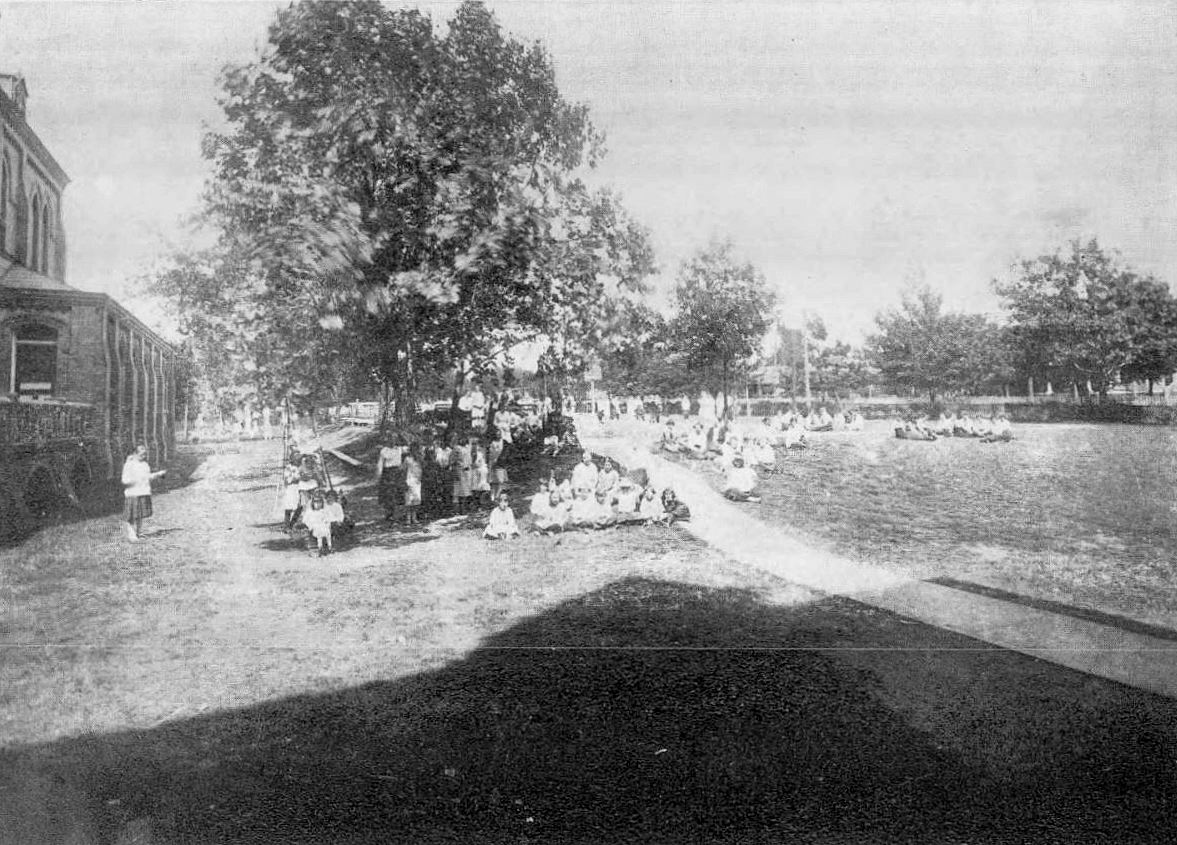
The campus. “What you and me/Were wont to ‘saw and see.'”

ursuline_1921-yrbk_campus_b

*

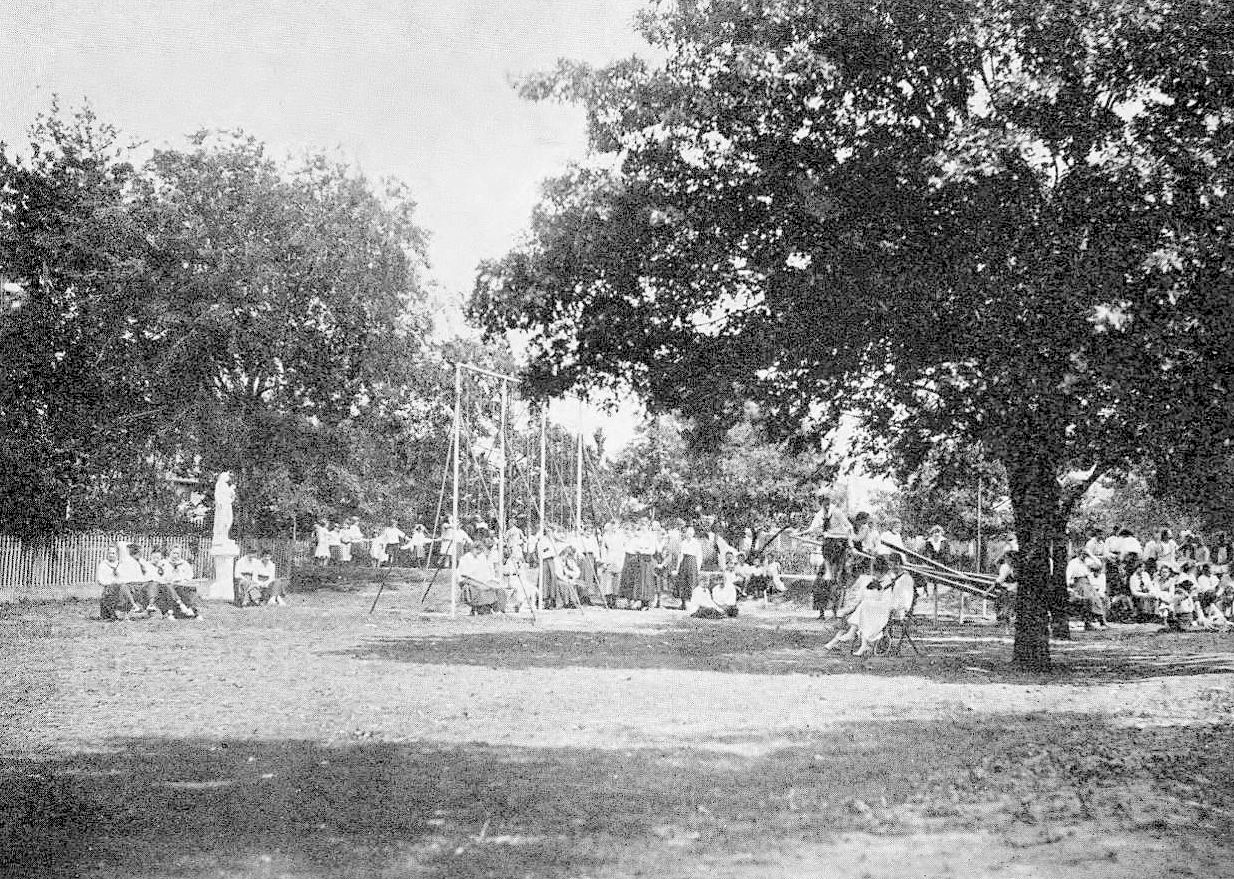
The campus. “This is a gay spot at all times. It is kept alive in summer by games of roller skating, croquet and tennis; in winter, by ‘hikes,’ basket ball, races and, on rare occasions, old fashioned snowballing.”

ursuline_1921-yrbk_campus

*

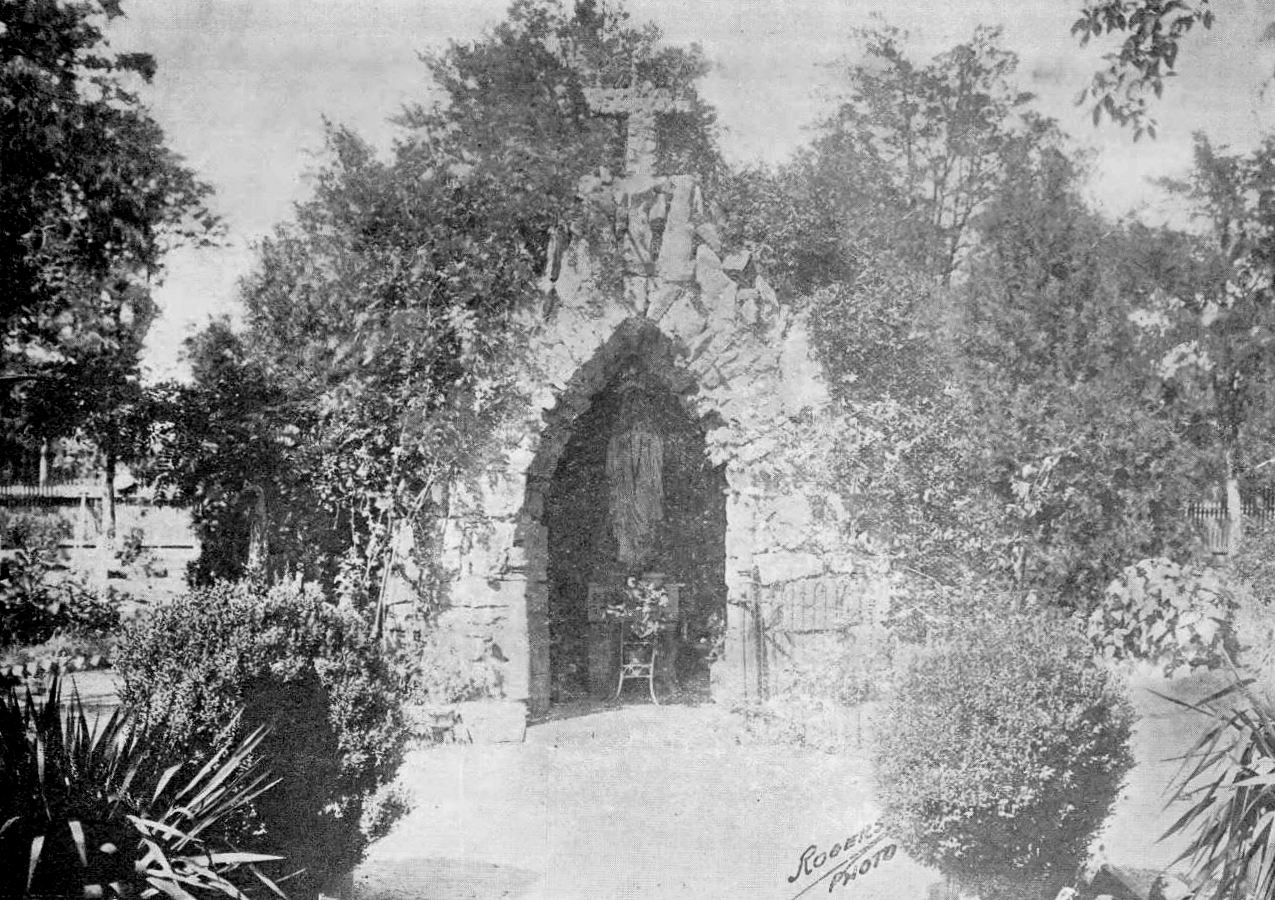
The grotto. “Somehow, all life seems much more sweet/When I take my old brown beads and kneel at Mary’s feet.”

ursuline_1921-yrbk_grotto

*

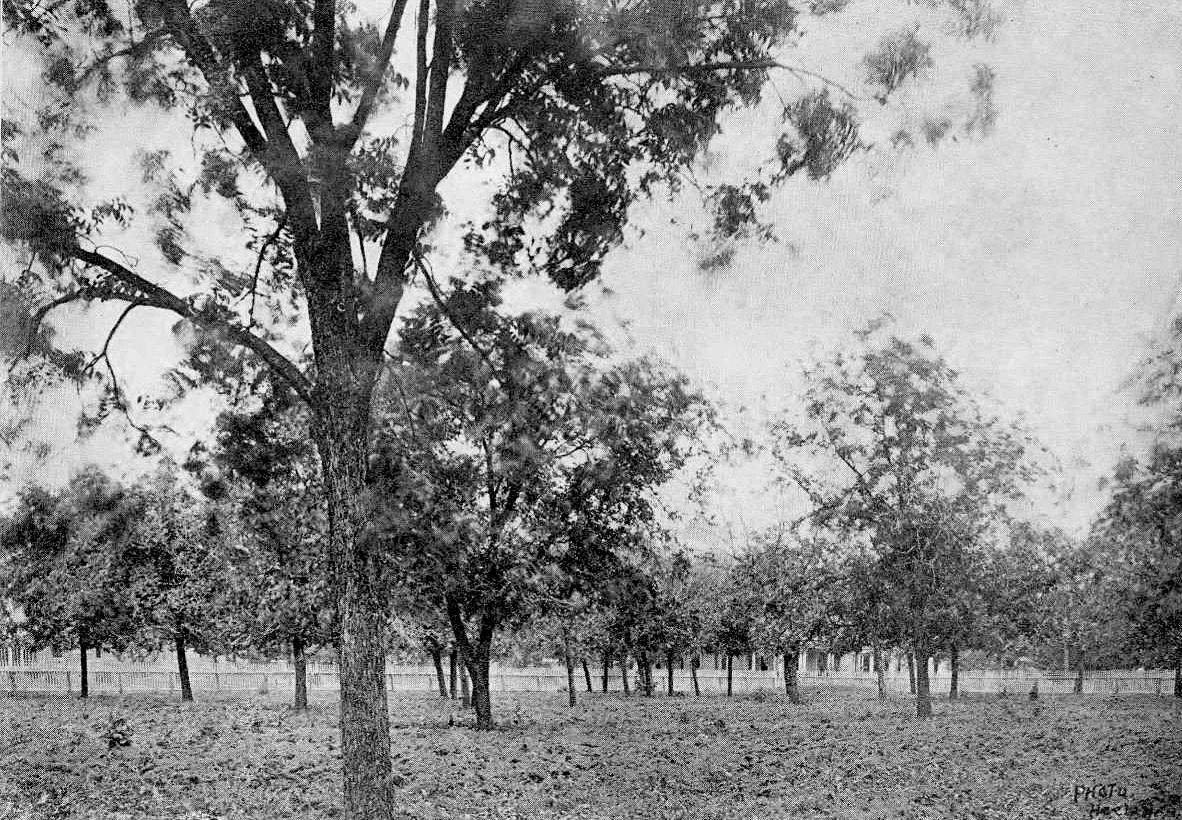
The pecan grove. “Where nuts grow, and school girls go to while away the time.”

ursuline_1921-yrbk_pecan-grove

*

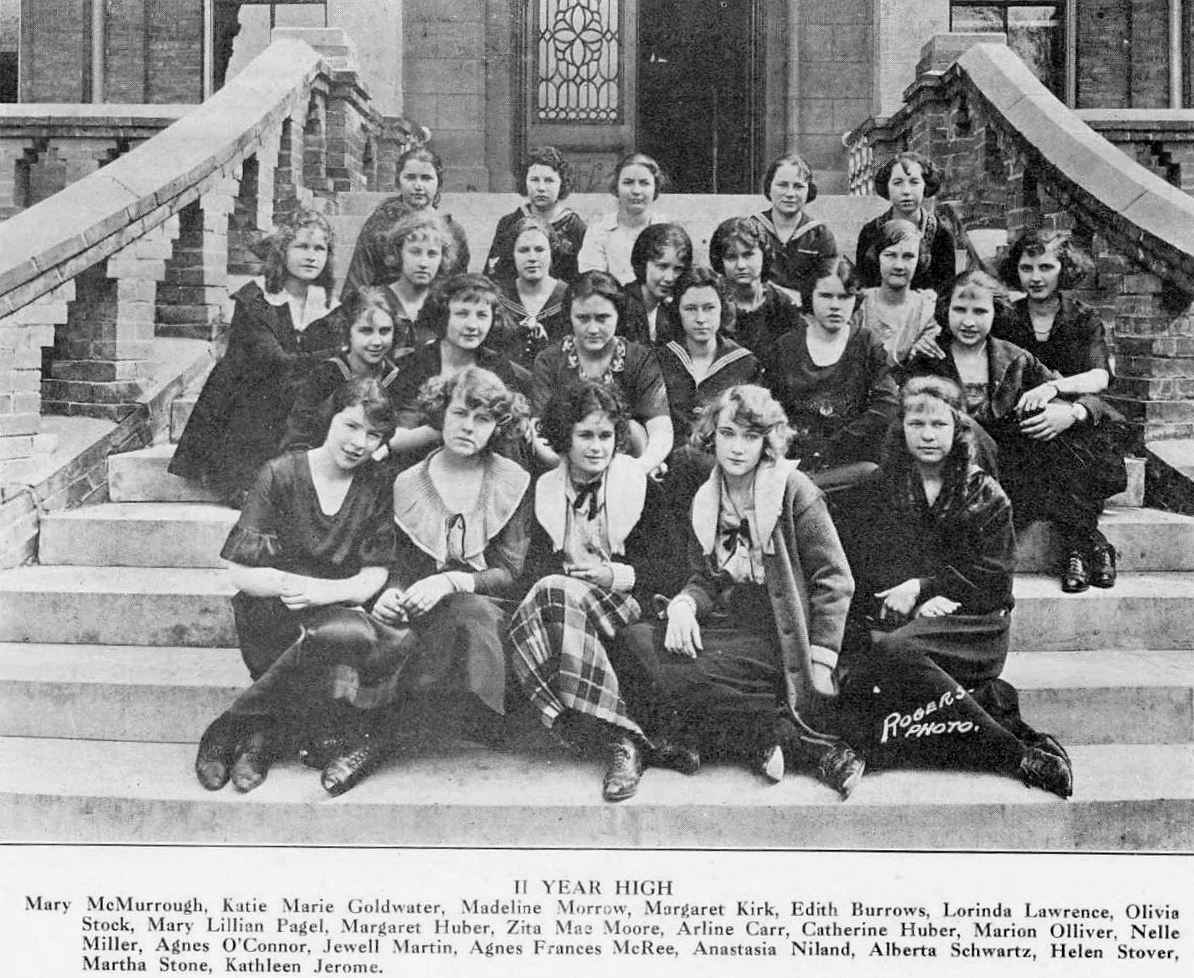
“II Year High” (sophomore class).

ursuline_1921-yrbk_2-year-high

*

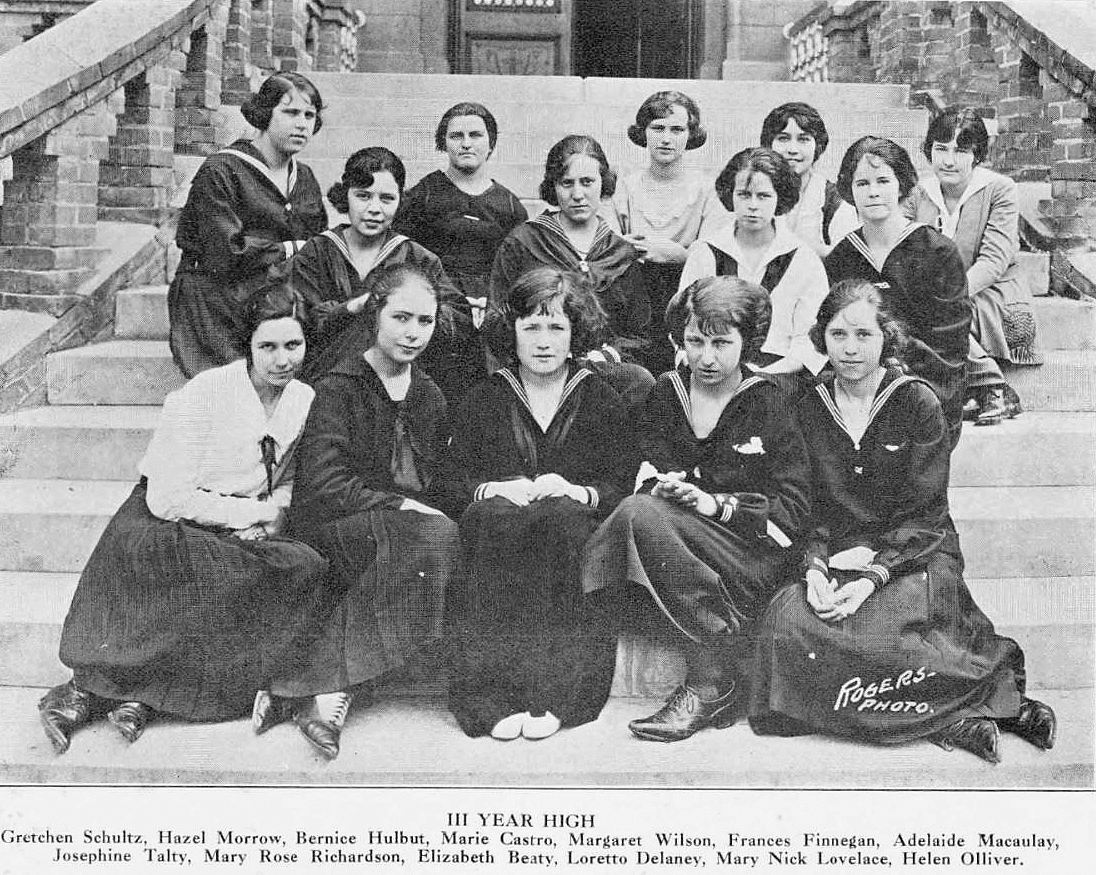
“III Year High” (junior class).

ursuline_1921-yrbk_3-year-high

*

The provincialate and novitiate. “Sweet secluded retreat where young Ursuline teachers are trained in the spirit of the Order to continue the work begun by St. Angela de Merici over three hundred years ago.” (Another, slightly more gothic image is here.)

ursuline_1921-yrbk_ext

*

And because I love her attitude, another look at 15-year-old Velma Rich.

rich-velma_ursuline_1921-yrbk

***

Sources & Notes

All photos from the 1921 edition of The Ursulina, the yearbook of the Ursuline Academy. Many (if not all) of the photos are by Dallas photographer Frank Rogers.

Other Flashback Dallas posts on Ursuline can be found below:

ursuline_1921-yrbk_1-year-high_sm

*

Copyright © 2021 Paula Bosse. All Rights Reserved.
A Flooded Sportatorium — 1945

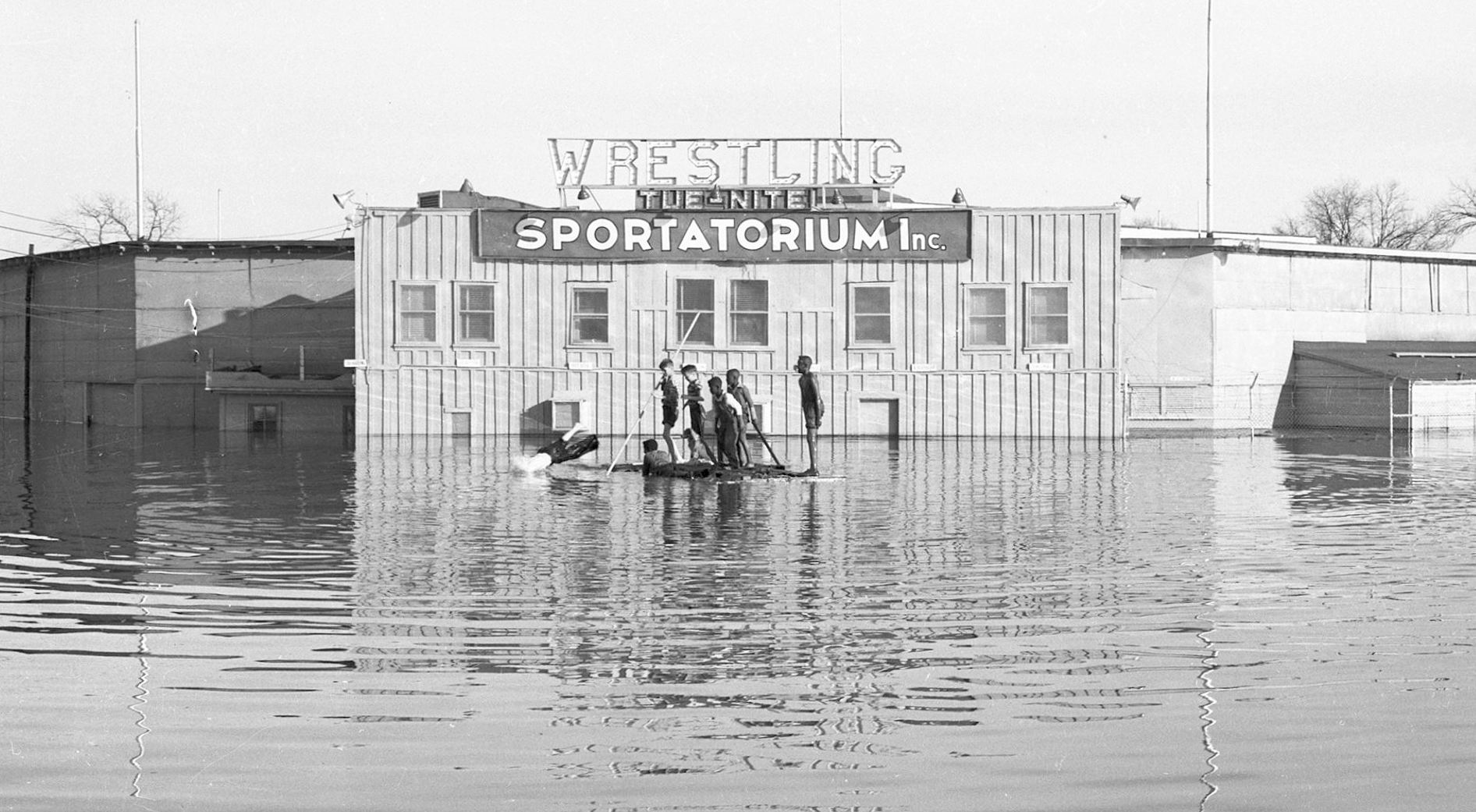
sportatorium_flood_squire-haskins_UTA_boys-1_det
Boys gotta do what boys gotta do… (photo: Squire Haskins/UTA Libraries)

by Paula Bosse

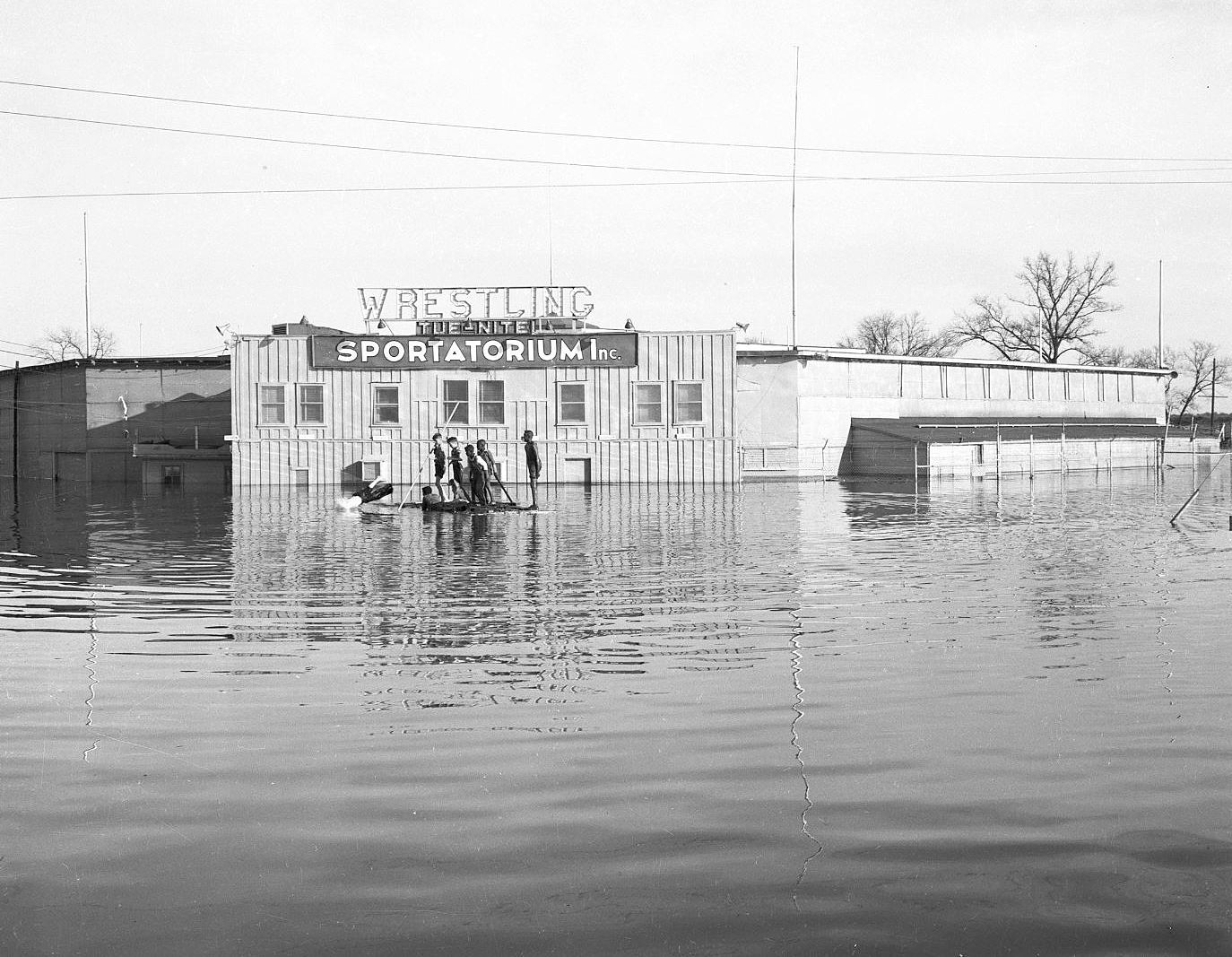
Imagine it has flooded around the Sportatorium: what would you expect seven boys and their dog to do? Well, here they are doing about what you’d expect. (The image above is a detail from the photo below, by Squire Haskins.)

sportatorium_flood_squire-haskins_UTA_boys-1

Another photo, this one with a Huck-Finn-meets-Iwo-Jima-Memorial vibe:

sportatorium_flood_squire-haskins_UTA_boys-2

My closer-up detail (click to see larger image):

sportatorium_flood_squire-haskins_UTA_boys-2_det

Another view:

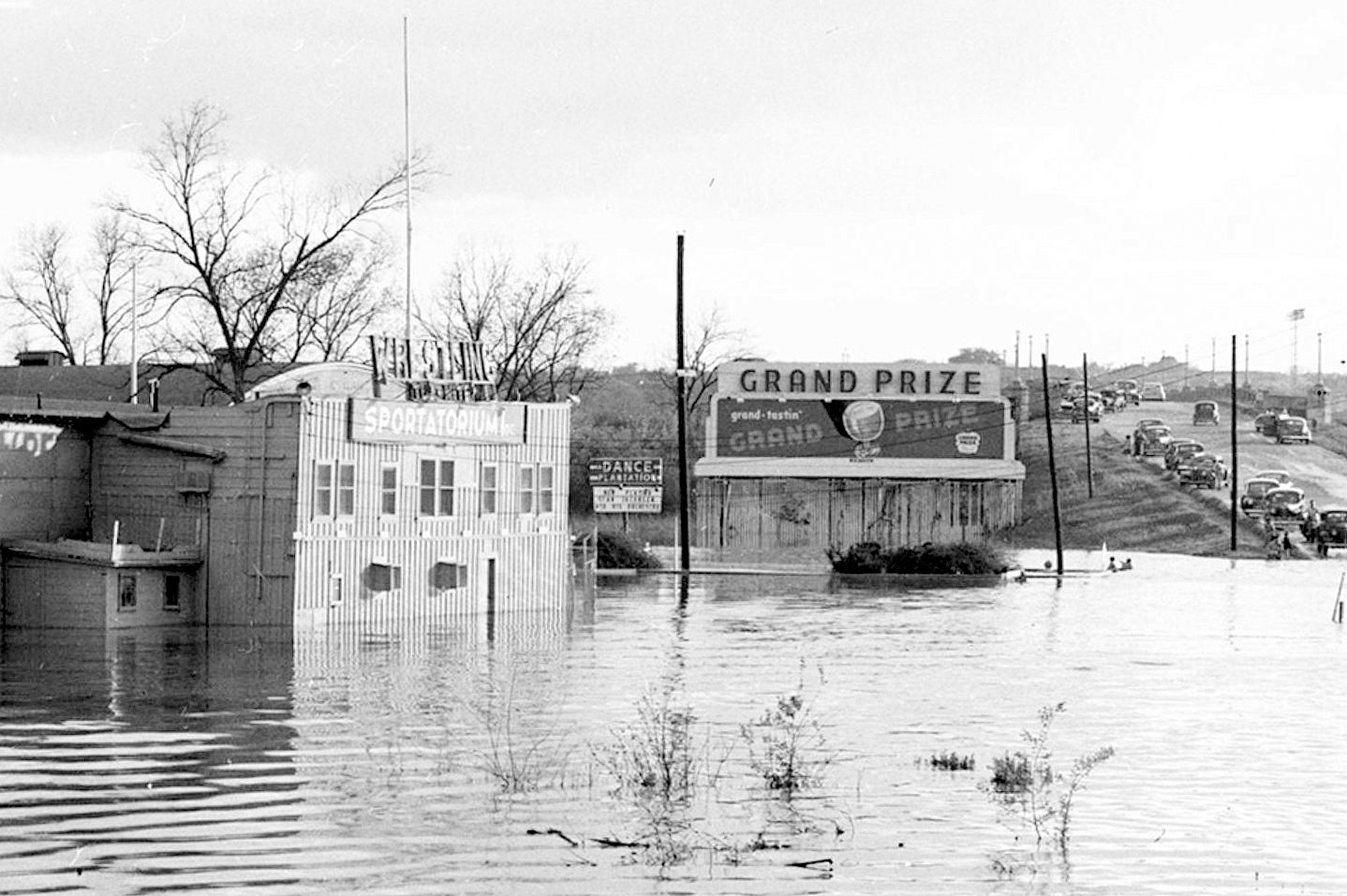
sportatorium_flood_squire-haskins_UTA_no-boys

Closer up, with a Grand Prize Beer billboard, cars (on Industrial?), and a sign for the next-door Plantation nightspot:

sportatorium_flood_squire-haskins_UTA_no-boys_det

No wrasslin’ tonight, y’all.

***

Sources & Notes

All photos by Squire Haskins, from the University of Texas at Arlington Libraries, Special Collections.

The photos in the UTA collection are undated, but a photograph of these same boys and dog on their raft appeared in The Dallas Morning News on April 5, 1945, along with a whimsical article titled “Pint-Size Warriors Fight Battle of Trinity, Prove Stormiest Rain Cloud Has Silver Lining.” A few pages away there were several aerial photos showing the major flooding which had submerged large portions of the area around the Sportatorium and Corinth Street viaduct.

The Sportatorium was located at 1000 S. Industrial (now Riverfront), at Cadiz (see map here). Maybe a little too close to the Trinity….

*

Copyright © 2019 Paula Bosse. All Rights Reserved