Flashback : Dallas

A Miscellany: History, Ads, Pop Culture

Category: Dallas Skyline

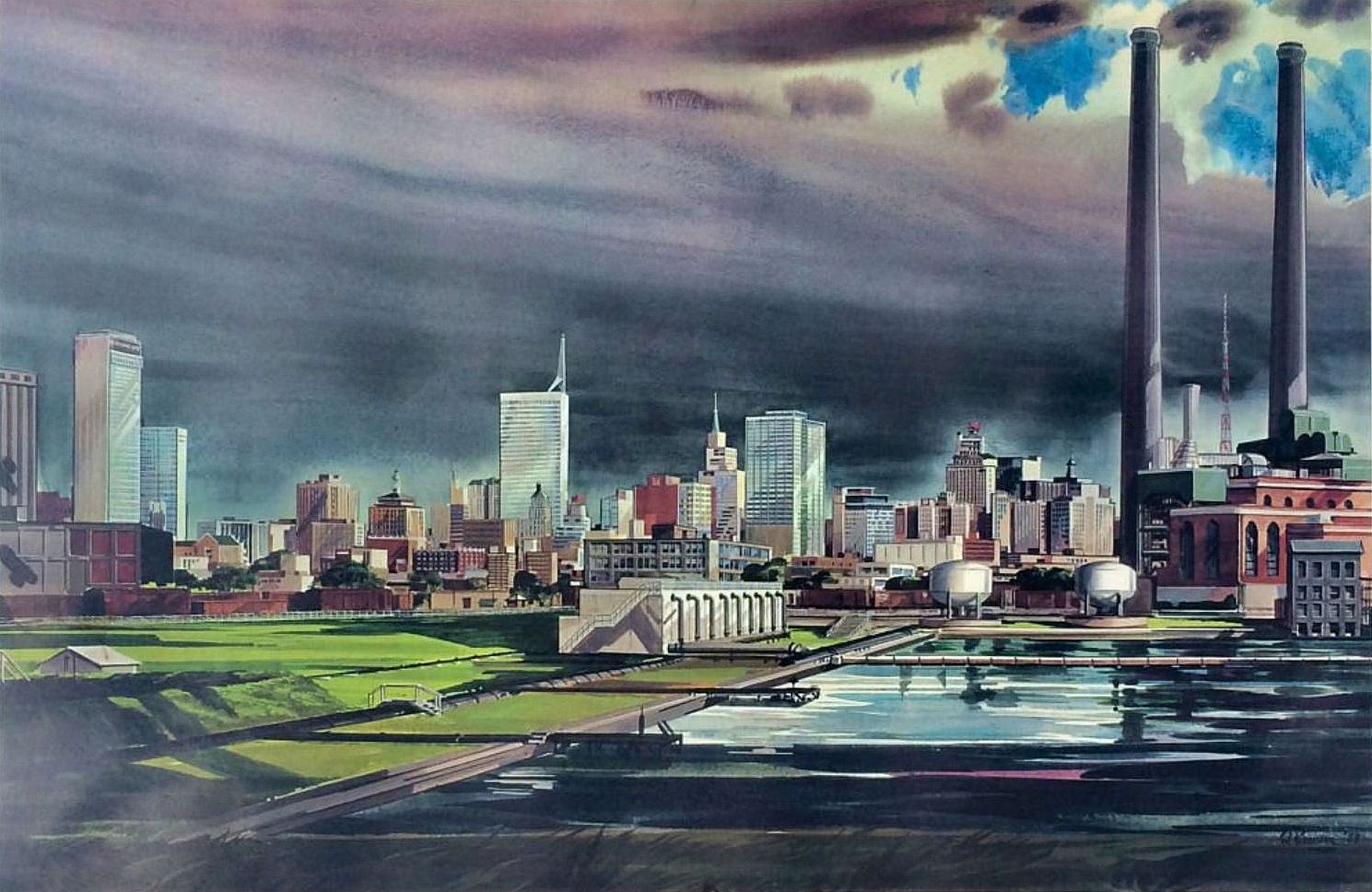
“Dallas Skyline: Late Afternoon From Stemmons Freeway” by Ed Bearden — 1959

bearden_dallas-skyline-late-afternoon-from-stemmons-freeway_litho_1959Skyline and power plant… (click for larger image)

by Paula Bosse

I think the 1950s Dallas skyline is my favorite Dallas skyline. This lithograph by Dallas artist Ed Bearden shows all the usual superstars — the Southland Life Building, the Medical Arts Building, the Republic Bank Building, the Mercantile, the Magnolia — but it also shows a building that doesn’t often find its way into artistic renderings of the city’s skyline: the Dallas Power & Light plant (which was demolished several years ago and is now the site of the American Airlines Center). It looks really great here, with its familiar twin steamstacks and its oasis-like “spray pond” shimmering in the foreground. In fact, the presence of the DP&L plant is my favorite element of this artwork. The beauty of that workhorse industrial plant gives those fancy skyscrapers a run for their money!

This same view from the Stemmons of today looks like — brace yourself — this.

***

Sources & Notes

Lithograph by Ed Bearden; image from an auction listing on the Live Auctioneers site, here. (Thanks, “Not Bob,” for alerting me to this great artwork!)

See another Bearden skyline seen from a similar vantage point, here.

More on the cool-looking DP&L plant and its twin smokestacks can be found in these Flashback Dallas posts:

  • “DP&L’s Twin Smokestacks,” here
  • “A New Turbine Power Station for Big D — 1907,” here

*

Copyright © 2017 Paula Bosse. All Rights Reserved

Keeping Up With Busy Dallas — 1927

dallas-skyline_drawing_forest-avenue-high-school-yrbk_1927Spot the landmarks (click for much larger image)

by Paula Bosse

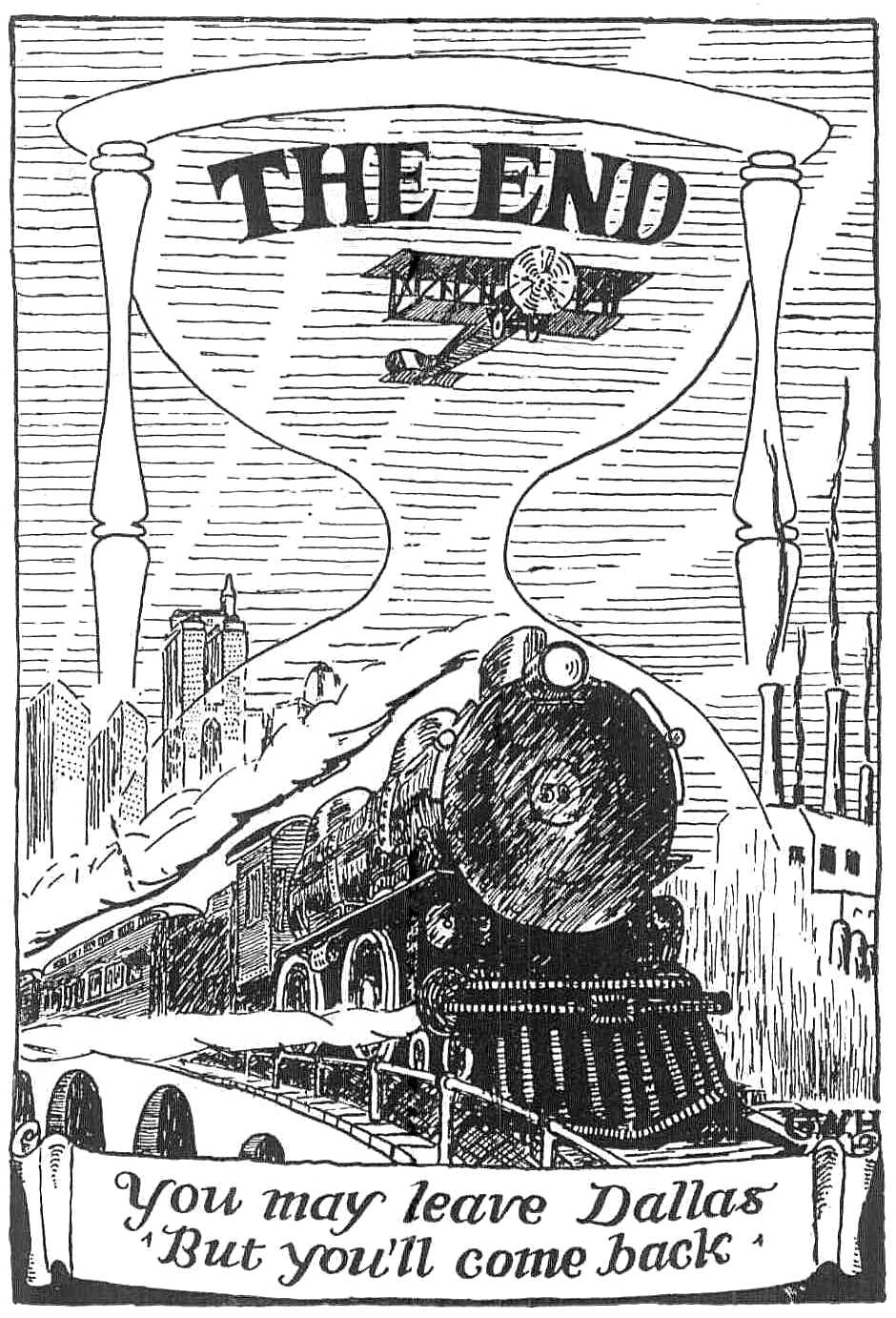
Here are two striking graphic depictions of the Dallas skyline, both of which appeared in the 1927 Forest Avenue High School yearbook. The skyline was impressive in 1927, but it would change a lot in the next few years. One important change would come with the addition of what became the unofficial symbol of Dallas: the Magnolia Building was already there in 1927, but Pegasus would not be installed on top of it until 1934.

Below, a drawing that appeared on the last page of the yearbook, showing a locomotive chugging away from the Big City, with the promise/threat “You may leave Dallas, but you’ll come back.”

dallas_you-may-leave_train_forest-ave-high-school-yrbk_1927

This is an interesting little tidbit from the same yearbook:

dallas-history_forest-ave-high-school-yrbk_1927

26.44 square miles in area?! Smallest of any major Texas city?! 42nd in U.S. population?! How times change. According to recent figures, the City of Dallas stretches across 385 square miles, is the third largest city in Texas, and is the ninth largest city in the United States. And the Magnolia Building — seen in both of the drawings above and once the tallest building in the state — is now dwarfed by taller buildings all around it. Dallas has been busy.

***

Sources & Notes

Drawings from the 1927 Forest Avenue High School yearbook, The Forester. (Forest Avenue High School was the original name of James Madison High School. The all-white South Dallas high school became an all-black high school in 1956.)

The artist of the top drawing appears to be someone by the name of “Bond” (which may be Ashley Bond who drew a great birdseye view of the city in 1925 here). The bottom drawing is signed “GWH” — George W. Harwood, Jr. I think Bond might have been a professional artist affiliated with the printing company that printed the yearbooks, but here is the dashing photo of GWH, Class of 1930 (I believe he left Dallas and didn’t come back…).

harwood_forest-ave-high-school-yrbk_1930

Click drawings to see larger images.

*

Copyright © 2017 Paula Bosse. All Rights Reserved.


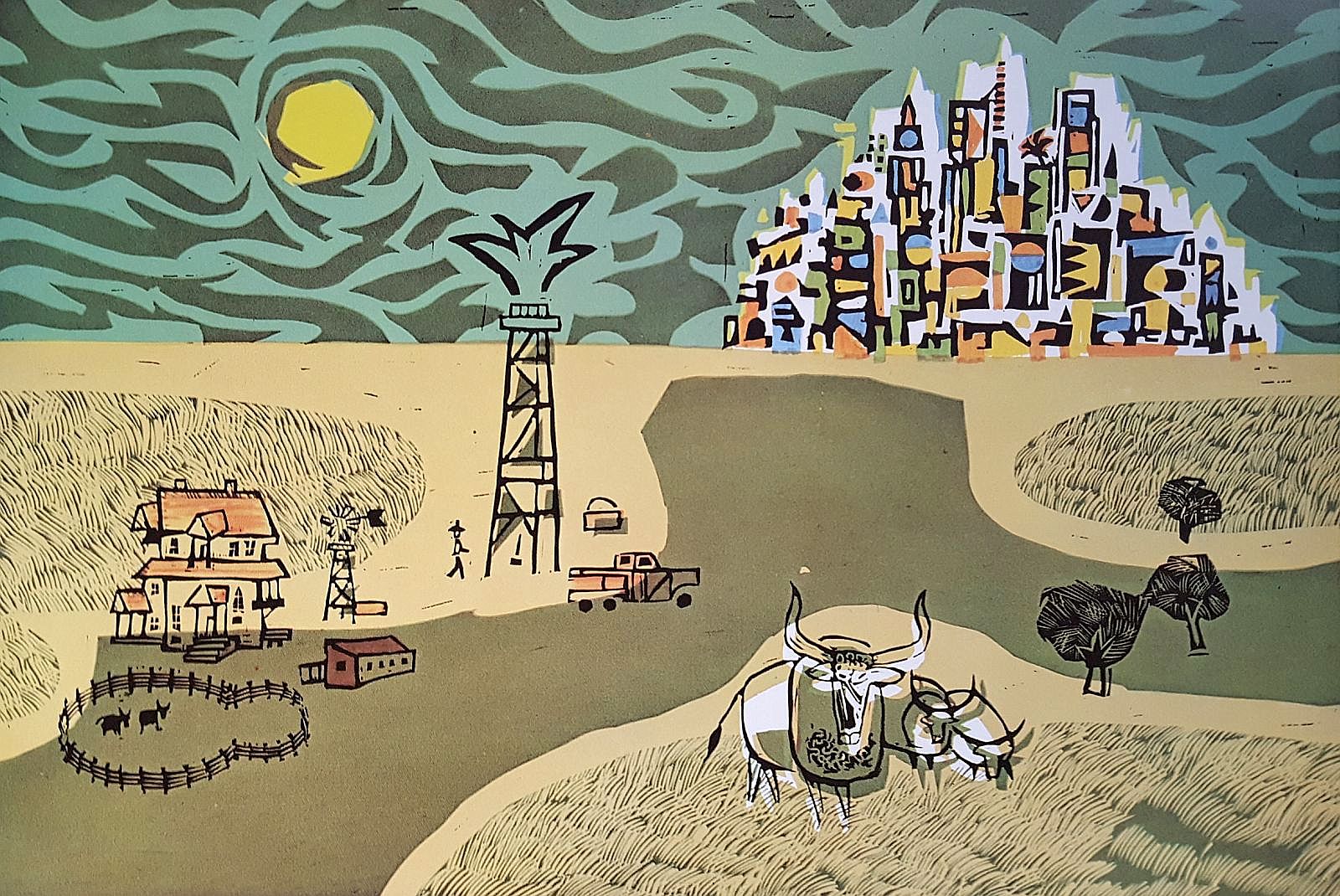
“Dallas/The Big D” by William E. Bond — ca. 1962

dallas-big-d_william-e-bond_business-week-collection_ca1962Yonder lies Big D…

by Paula Bosse

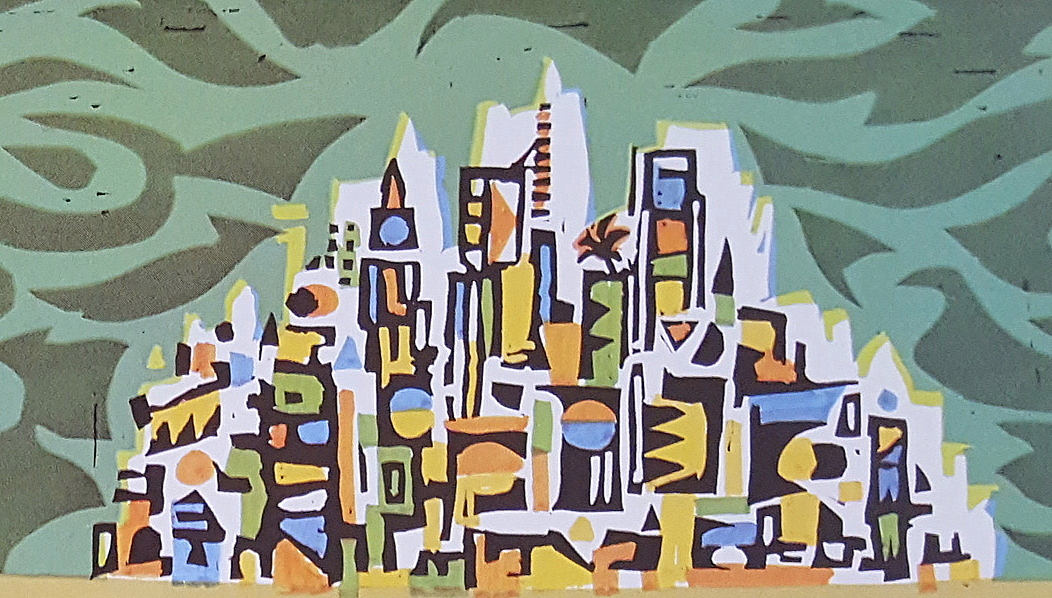
This print — titled “Dallas/The Big D” by native Texan William E. Bond (1923-2016) — is fantastic. I love everything about it. It was commissioned by Business Week magazine to be used as part of its “Business America” series, an advertising campaign showcasing fifteen American cities captured in woodcuts. Every element of this scene is great, but let’s look at a detail showing just the Dallas skyline, with a hard-to-miss Pegasus. I also see what looks to be the Mercantile Building and the Republic Bank Building in there. And … that sky!

bond_william-e_dallas-big-d_print_business-week_ca-1962_det

william-e-bond_sig

Bond’s homage to Dallas was reproduced in the 1963 book Woodcuts of Fifteen American Cities from the Business Week Collection. Below, text from the book (my assumption is that the first paragraph is the copy that appeared in a print advertisement for Business Week — it appears that the ad campaign used the artists’ works collected in this book to illustrate the ads, with each ad mentioning local companies with large BW subscribership).

Dallas … leapfrogging ahead commercially and culturally. Cotton, cattle, and oil put the Big D on the map. But aircraft, electronics and machinery keep it moving. Companies like Texas Instruments (682 Business Week subscribers), Ling-Temco-Vought (106), Collins Radio (135), Dresser Industries (123). In Dallas, and everywhere in business America, men who manage companies read Business Week. You advertise in Business Week when you want to inform management.

And this was Bond’s bio with a quote from him on “the Big D”:

“Dallas is a great many things. It is a giant of a city in the midst of a giant country – full of life and energy and the will to grow and keep growing. Anyone who knows Dallas feels this spirit. And it is this feeling that I have tried to capture.”

Born in 1923 in Crandall, Texas, Mr. Bond attended the Art Center School in Los Angeles. He has won many gold and silver awards in art director and illustrator shows, including a gold medal in the New York Illustrators Show in 1962. Mr. Bond uses a variety of media, including paper prints, sculpture, and painting. He has been an agency art director most of his career, and is now a free-lance designer.

**

Bill Bond was born in Crandall, Texas in 1923, studied art at the Art Center School in Los Angeles, and spent several years as an award-winning commercial artist in Dallas. He worked as an advertising art director for The Dallas Times Herald, the Sam Bloom Agency, and Tracey-Locke; during this time he frequently participated in group art shows around the city. When he retired, he focused his creative talents on sculpture, becoming known for his wildlife pieces and Western bronzes. He died in Kerrville in 2016 at the age of 92.

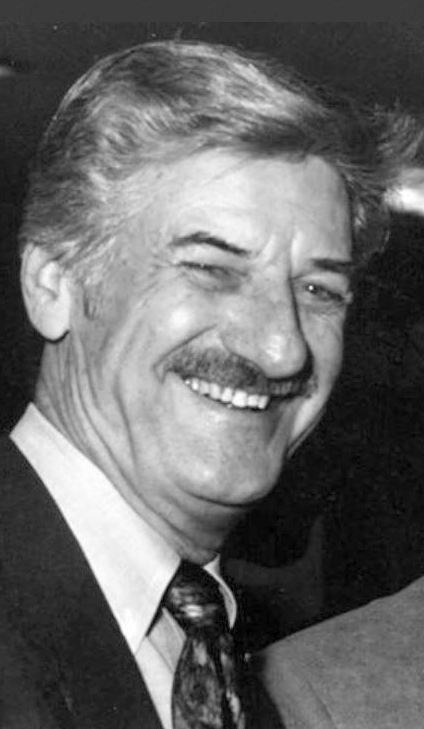
william-bond_obit-photo

***

Sources & Notes

The book that features a reproduction of this print is Woodcuts of Fifteen American Cities from the Business Week Collection (New York: McGraw-Hill Publishing Company, Inc., 1963). From the introduction:

One of the principal methods of communication in the 20th century, and one of the biggest businesses, is advertising. Here, too, industry has regularly and effectively used fine art – in the creation of some memorable advertising campaigns.

From 1960 to 1962 Business Week commissioned fourteen prominent woodcut artists to illustrate its “Business America” series. Reproductions of the fifteen woodcut illustrations which were produced appear on the following pages.

Bill Bonds’ obituary is here.

Thanks to Bob Dunn for posting an image of Bond’s print in the Retro Dallas Facebook group. I liked it so much I went out and bought a copy of the (large) book! A few copies are available online here.

*

Copyright © 2017 Paula Bosse. All Rights Reserved.

“Dallas’ Dependable Business Climate” — 1959

ad-business-in-dallas_1959_photo-detThe “D” in “Big D” stands for “dinero”… (click for larger image)

by Paula Bosse

The booming Dallas skyline, captured by Squire Haskins on September 10, 1959, was used in a boosteriffic Chamber of Commerce-y statistics-filled ad.

“It’s exciting to live, do business, make money and grow in Dallas.”

ad-business-in-dallas_1959

***

This Industrial Dallas, Inc. ad appeared in the January, 1960 issue of Fortune magazine. I found it on eBay, here.

Images larger when clicked.

*

Copyright © 2017 Paula Bosse. All Rights Reserved.

The Business District at Night

skyline_night_flickr_coltera

by Paula Bosse

If you squint, the Mercantile Building looks a little Statue-of-Liberty here.

***

Postcard from Flickr.

Click for larger view.

*

Copyright © 2016 Paula Bosse. All Rights Reserved.

Looking South from the Hilltop — 1966

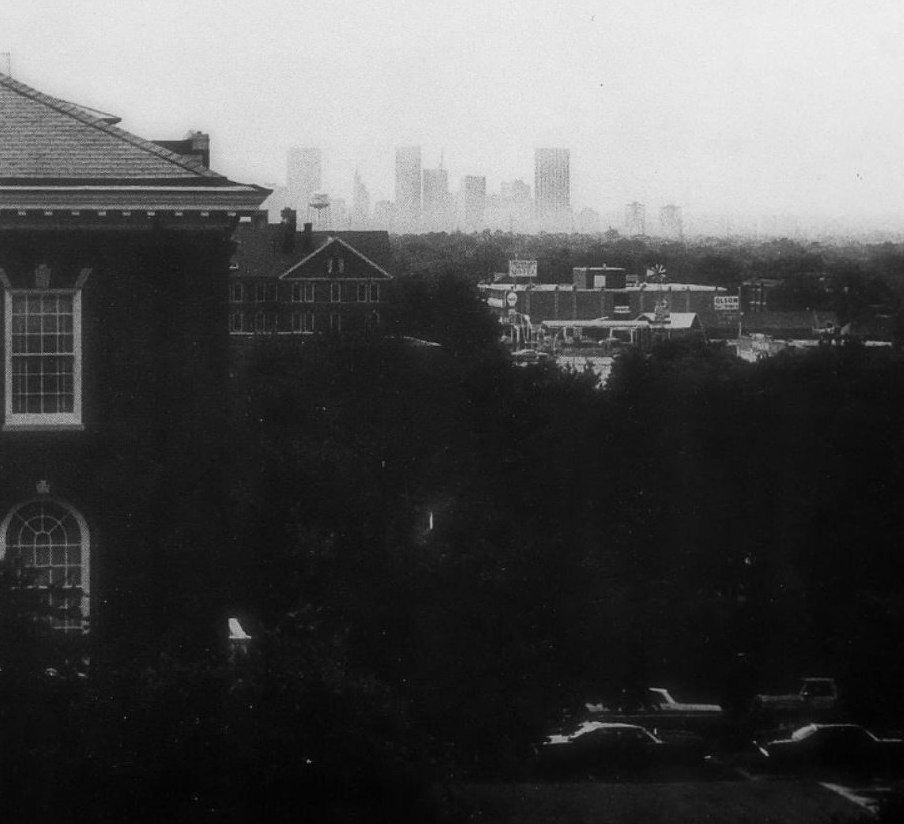
skyline_smu-law-school-yrbk_1966Downtown, as seen from the SMU campus… (click for larger image)

by Paula Bosse

Yeah, the photo is pretty dark, and the image quality leaves something to be desired, but I like this unusual view of a dreamlike downtown skyline, as seen from the SMU campus. Hillcrest Avenue — the SMU drag — can be seen in the upper center; the large building on the west side of Hillcrest is the University House Motel (still standing, but expanded and massively renovated as Hotel Lumen). Right next to the motel is the excessively quaint windmill of the Little Red Barn restaurant.

It all seems very calm.

***

Photo from the 1966 Southern Methodist University Law School yearbook.

*

Copyright © 2016 Paula Bosse. All Rights Reserved.

The Skyline Beyond — 1950

skyline-from-tenement-housing_haskins-coll_uta-120450

by Paula Bosse

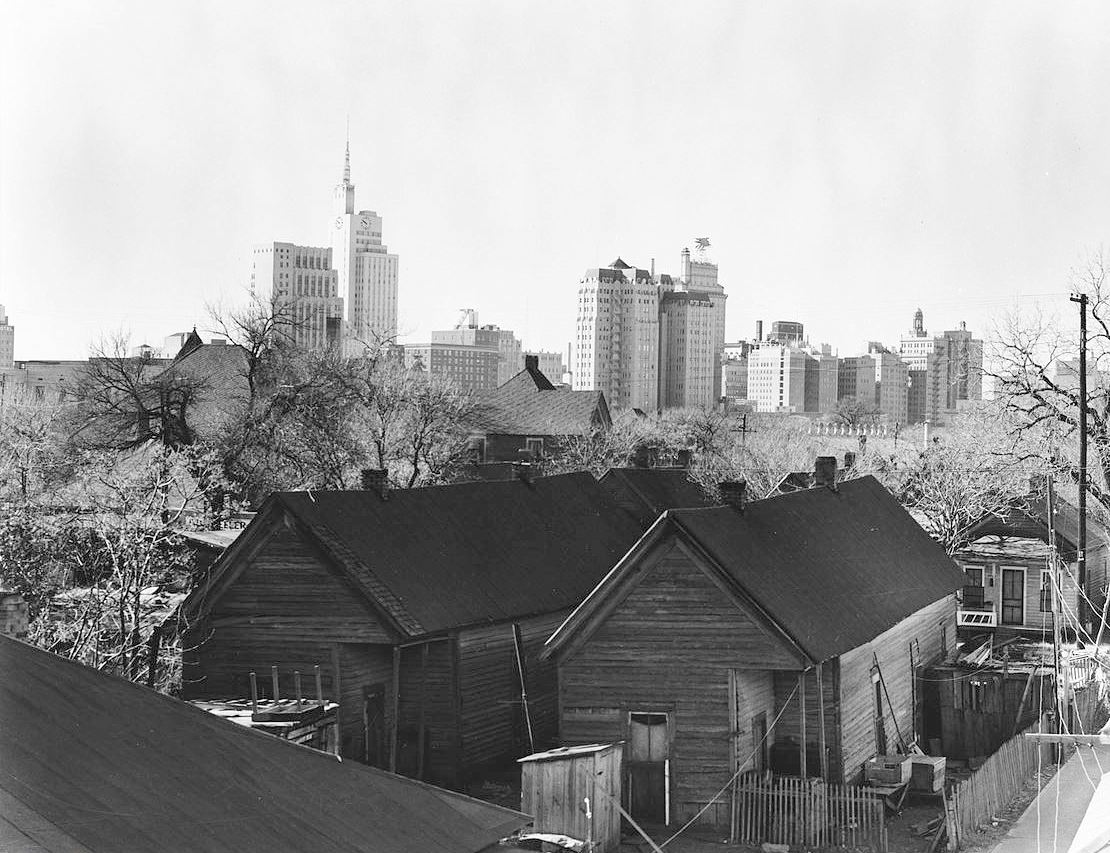
The view over there; the view over here.

***

“Skyline of Dallas from backyards of tenement houses, 12/04/1950” — photograph by Squire Haskins, from the Squire Haskins Photography, Inc. Collection, UTA Libraries. Info is here. Super-gigantic image is here.

The view is looking south toward downtown.

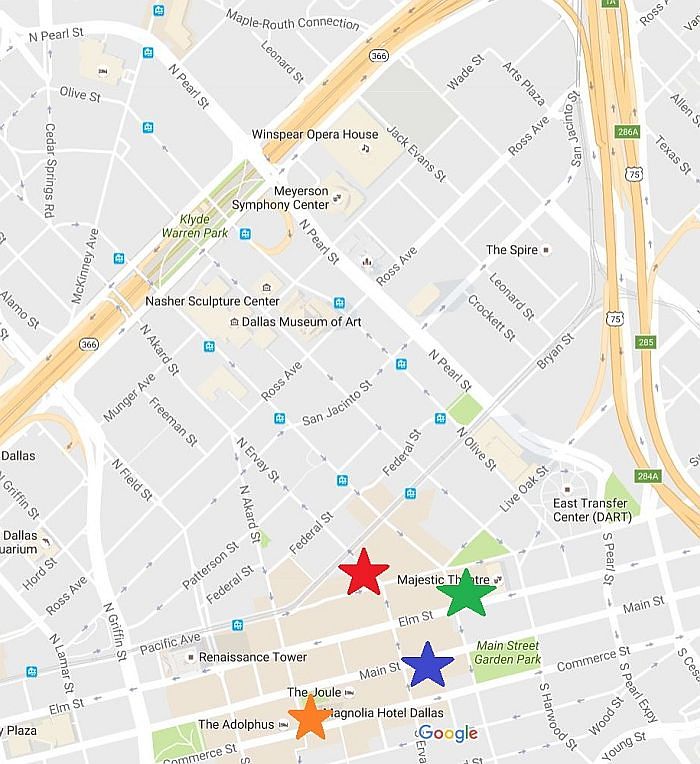
A map below, showing:

  • the Medical Arts Building at the center right (Pacific & Ervay, red star)
  • the Magnolia Oil Building (with Pegasus, at Commerce and Akard, orange star)
  • the Tower Petroleum Building (Elm and St. Paul, green star)
  • the Mercantile Bank Building (Main and Ervay, blue star)

skyline_1950_google
Google Maps

*

Copyright © 2016 Paula Bosse. All Rights Reserved.

The Dallas Skyline: Spot the Landmarks

skyline_from-swMid-Century Big D… 

by Paula Bosse

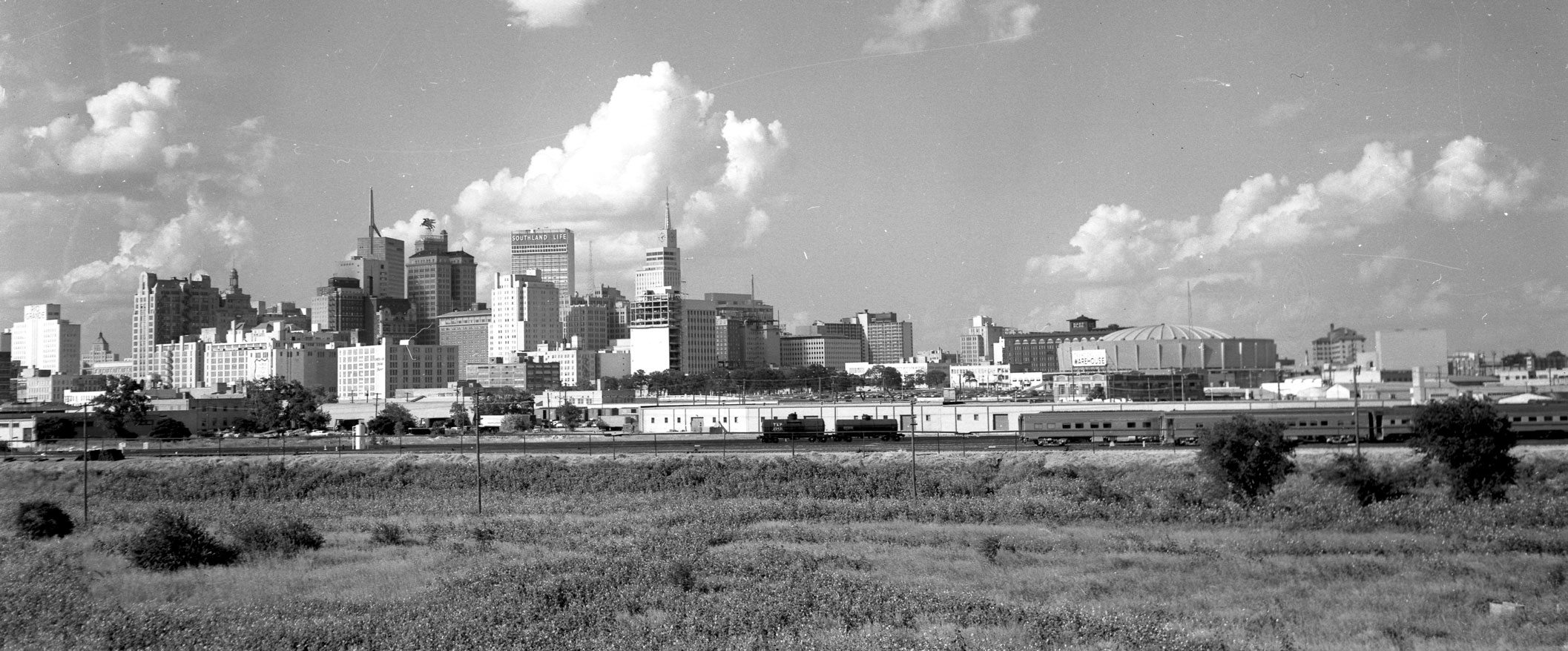
The Dallas skyline is always changing, and it’s always been impressive. The late-’50s/early-’60s version above looks quaint by today’s standards, but it’s one of my favorite skyline periods. I’ve never been a huge fan of the Convention Center, but the rest of it? Pretty great.

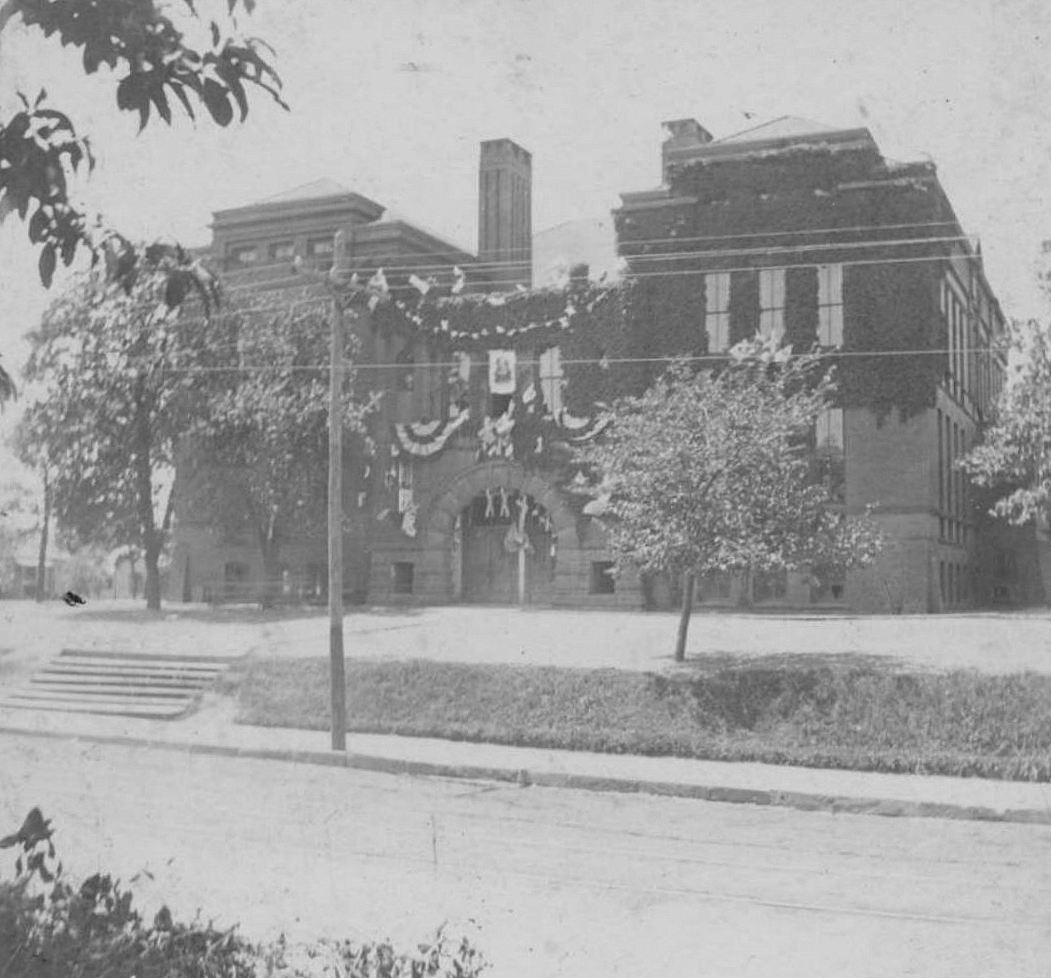
In order to make way for the George Dahl-designed Dallas Memorial Auditorium/Dallas Convention Center (which opened in 1957), the old Columbian School/Royal Street School (built in 1893) was demolished. At the time of its razing, it had most recently served as the city’s school administration building and as a book warehouse. Here are a couple of photos of the school, long before the bulldozers arrived.

columbian-school_flanders-site
via James Edwards Flanders site

columbian-school_cook-collection
Cook Collection, SMU

Also interesting was that this land — which the city had been buying up for many years (some as a result of condemnation/eminent domain) also included four pioneer cemeteries. Read more about what happened to those cemeteries here.

dallas-convention-center_flickr-coltera

***

Sources & Notes

Top photo is from a site containing several photos relating to early KRLD radio and TV, with the occasional shot of Dallas streets and buildings, here.

Other sources, if known, are noted.

*

Copyright © 2016 Paula Bosse. All Rights Reserved.

Dallas Skyline — ca. 1974

skyline_aerial_1974_getty-images_watermarkSo many landmarks! (click for larger image)

by Paula Bosse

I try to avoid using photos with watermarks, but this is a great view of the Dallas skyline, taken by famed photographer Charles Rotkin. Below, another of his photos.

aerial_skyline_corbis_1974

***

Photos by Charles Rotkin. Top photo from Corbis/VCG via Getty Images. Bottom photo ©Charles E. Rotkin/CORBIS (I can no longer find this image on the new Getty site). CORBIS/Getty says that both of these photos were taken on Jan. 1, 1974, but I’ve found that their date info is sometimes inaccurate.

2004 obituary of Charles Rotkin is here.

Click photos for larger images.

*

Copyright © 2016 Paula Bosse. All Rights Reserved.

Dallas Scenes by Florence McClung — 1940s

mcclung_dallas-cityscape_1941_kever-collectionFrom the collection of Mark and Geralyn Kever

by Paula Bosse

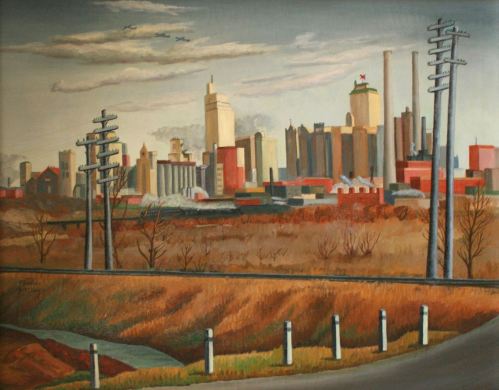
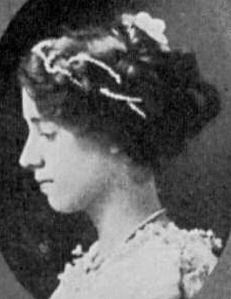
Florence McClung (1894-1992) — a painter, printmaker, and pastelist in the circle of Regionalist artists known as The Dallas Nine — lived in Dallas and often painted nearby rural scenes as well as more rugged Western landscapes. I haven’t seen many urban scenes by McClung, but there were two oil paintings that appeared in a one-woman show at the Dallas Museum of Fine Arts in the spring of 1945 which I’d love to find images of: “Triple Underpass” and “Big D,” the latter of which sounds very similar to the one seen above, “Dallas Cityscape,” from the collection of Mark and Geralyn Kever (whose impressive collection of Texas art can be seen in the Jan./Feb. issue of American Fine Art Magazine — jump to page 53 in the PDF to find the story, “Cream of the Crop”). (UPDATE: “Triple Underpass” has surfaced! More here.)

Here’s another urban scene, “Industrial Dallas,” with what looks like the Medical Arts Building in the background.

mcclung_industrial-dallas_david-dike-gallery_jan-2016-catDavid Dike Fine Art

I always love to see artistic renderings of the Dallas skyline, and I really like these two city scenes which are so different from McClung’s usual subject matter.

Florence McClung (née White) was born in St. Louis in 1894. Her family moved to Dallas, and she eventually studied art under several of Dallas’ finest instructor-artists (including Frank Reaugh). After several years as a college art instructor in Waxahachie, she began to participate in numerous group shows, juried shows, and one-man shows, reaching the peak of her career in the 1930s and 1940s. She died in 1992 at the age of 97. Art-wise, that spans the years from Toulouse-Lautrec to Banksy!

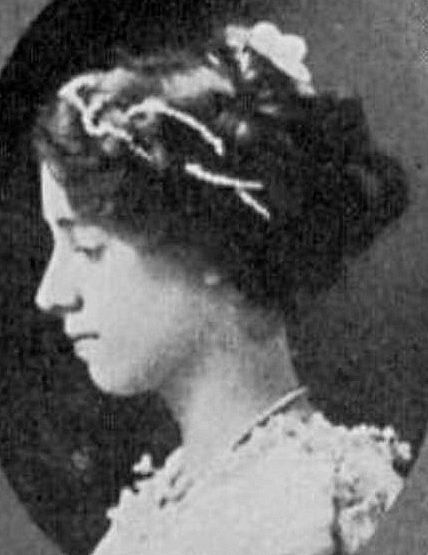
I had a hard time finding photos of her, but I managed to find two, including her senior photo which appeared in the 1912 yearbook of Dallas High School (more commonly known today as Crozier Tech) (where, incidentally, she was in the Art Club with Allie Tennant who went on to become a noted sculptor, best known for her Tejas Warrior at the Hall of State in Fair Park).
mcclung_florence-e-white_dallas-high-school_1912
Florence White, Dallas High School yearbook, 1912

mcclung-florence_circa-late-1930s
Florence McClung, circa late 1930s

***

Sources & Notes

I ran across the “Dallas Cityscape” painting on the CASETA (Center for the Advancement and Study of Early Texas Art) site.

The top painting has the title “Dallas Cityscape” and media mentions of it carry the date 1941. I couldn’t find a painting by McClung with that title (admittedly, my sources are limited!). Also, 1941 seems off because construction of the Mercantile Bank Building (seen in the painting) wasn’t completed until 1942. I wonder if it’s possible that this painting actually was the painting McClung titled “Big D” (which was most likely painted in 1944) and was included in her 1945 show at the DMFA? Might those planes have something to do with World War II? Because the Portal to Texas History has been so nice to scan them, McClung’s application for a show at the DMFA can be seen here, and her list of works to be shown is here.

“Industrial Dallas” is from a January, 2016 auction catalogue from David Dike Fine Art.

The Handbook of Texas entry for Florence Elliott White McClung can be found here.

A selection of works by Florence McClung from the Dallas Museum of Art can be found on the SMU Central University Libraries Digital Collections site, here.

UPDATE, Oct., 2018: “Triple Underpass,” from the same period as the two paintings above, has surfaced — more about it can be found in the post “‘Triple Underpass’ by Florence McClung — 1945,” here.

All images larger when clicked.

*

Copyright © 2016 Paula Bosse. All Rights Reserved.