Flashback : Dallas

A Miscellany: History, Ads, Pop Culture

Category: Downtown

What’s Playing at the Palace? — 1950s

elm-street_ten-commandments_1957_flickr_coltera.JPGFilm Row: Elm & Ervay, looking west… (click for large image)

by Paula Bosse

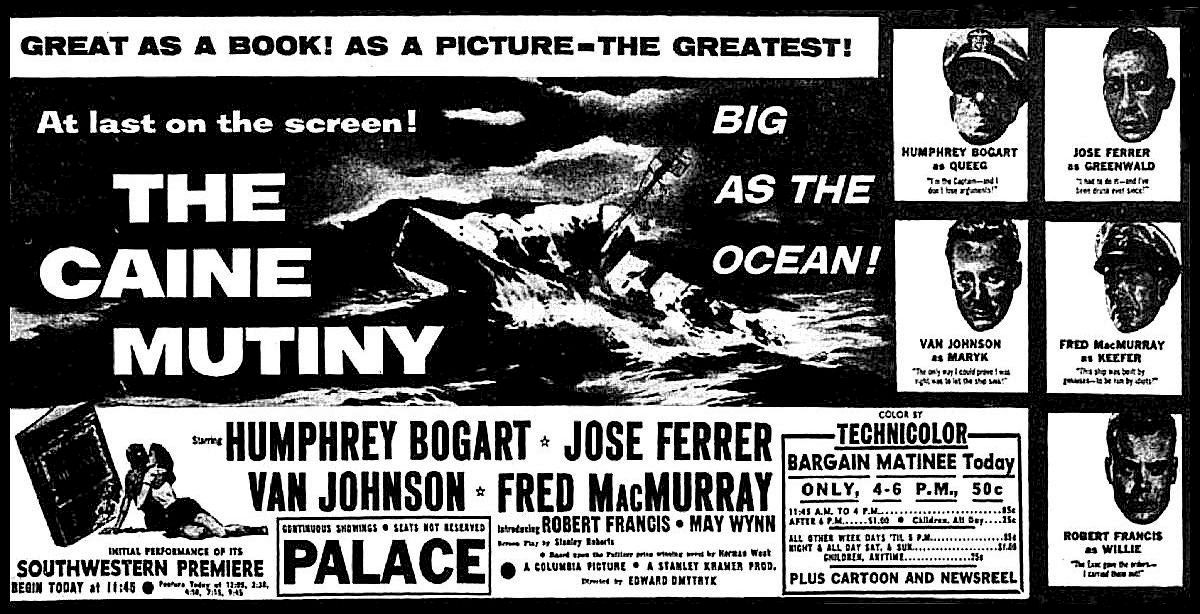
In the 1950s, the two prestige movie theaters in Dallas were the Majestic and the Palace, mainstays of “Theater Row” and just a few blocks apart on Elm Street. The Palace Theater (at Elm and Ervay, across from the Wilson Building) is seen in the two postcards featured here. The one above shows Elm Street looking west. “The Ten Commandments” is playing, placing the date that photo was taken sometime between February and May, 1957. The postcard below shows an eastward-looking view with “The Caine Mutiny” on the marquee, dating that photo to the latter half of July, 1954.

elm-street_looking_east_palace_night_flickr_coltera

“The Ten Commandments” was a huge, huge hit and ran for 11 weeks — no movie had ever run that long in the history of Dallas theaters (it had beat out the then-champ, “Sergeant York,” which had had a seven-week run at the Majestic in 1941).

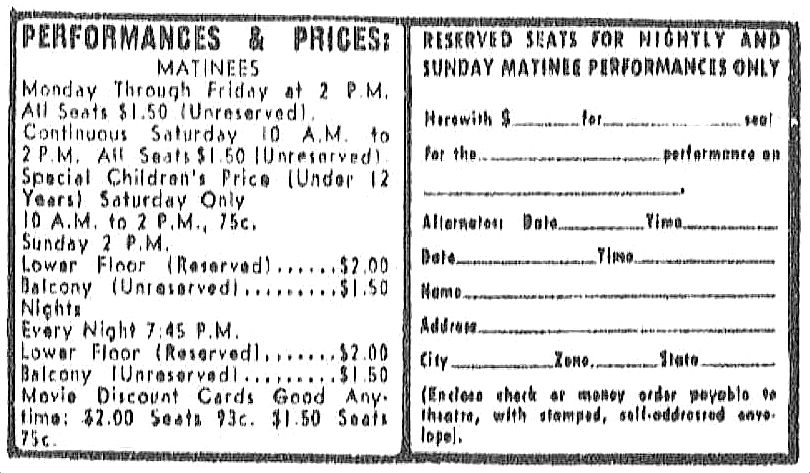
It was also one of the longest movies to ever play in Dallas. We’re talking a running time of almost 4 hours (with an intermission), something which not only tested the endurance of audiences but also severely limited the number of showings per day. It was an “event” picture, and, accordingly, prices were higher and reserved seats were offered.

ten-commandments_palace_dmn_021457_ad_det_reserved-seatsFeb., 1957

The number of people in Dallas who saw that movie at the Palace is staggering: over 100,000! Even after its run at the Palace ended, it continued to draw crowds when it moved down the street to the Tower.

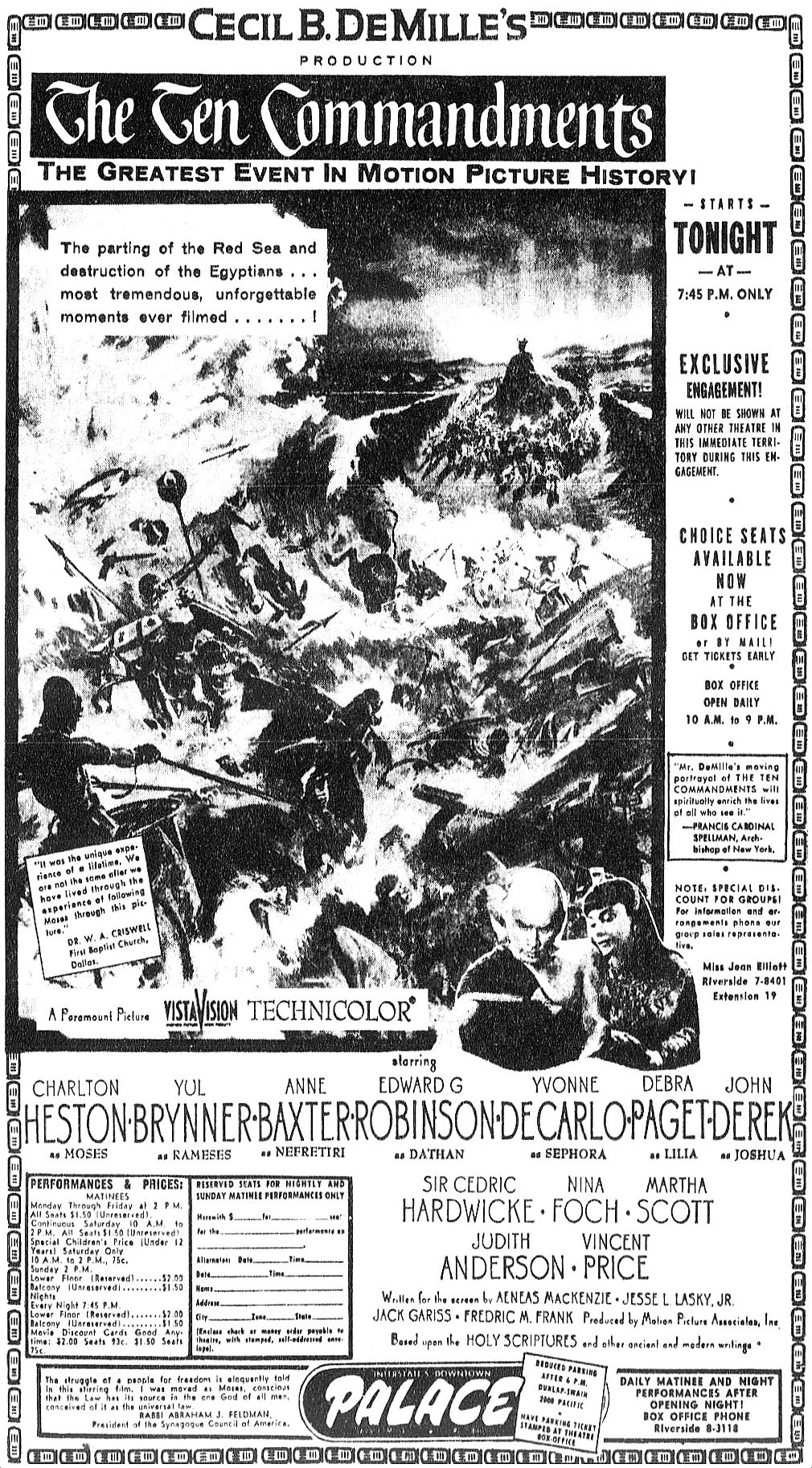
The opening-day ad for the movie:

ten-commandments_palace_dmn_021457_ad
Feb. 14, 1957

There were a couple of things I found interesting about this ad. One was that it had a blurb by First Baptist Church of Dallas’ chief Baptist,  W. A. Criswell.

ten-commandments_palace_dmn_021457_ad_det_criswell

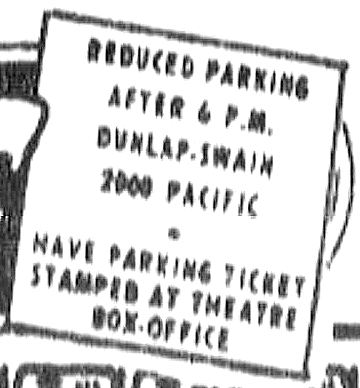
The second was that patrons could park behind the theater — on Pacific — at the Dunlap-Swain station. (Parking downtown for large crowds in those days must have been challenging —  not everyone took streetcars or, later, buses.)

ten-commandments_palace_dmn_021457_ad_det_parking

*

caine-mutiny_palace_dmn_071654_opening-nightJuly, 1954

***

Sources & Notes

Both postcards found on Flickr, posted by the unstoppable Coltera: the top one here, the bottom one here.

“The Ten Commandments” ran at the Palace Theater from Feb. 14, 1957 to May 2, 1957. The film that followed was “Boy On a Dolphin,” which featured the debut of super-sexy Sophia Loren in a U.S. movie. …Which is an interesting counterpoint.

“The Caine Mutiny” ran from July 16, 1954 to July 29, 1954.

A previous post about the Palace — “Next-Door Neighbors: The Palace Theater and Lone Star Seed & Floral — 1926” — can be found here.

Click pictures and clippings to see larger images.

*

Copyright © 2016 Paula Bosse. All Rights Reserved.


A Rainy Day at Main and Akard — 1932

main-akard_frank-rogers_011632_legacies_fall-2013Fedoras, cloches, umbrellas…

by Paula Bosse

A nice photo of a rainy day downtown, almost 85 years ago. The photo — taken on January 16, 1932 by Dallas photographer Frank Rogers — shows the intersection of Main and Akard (the people with umbrellas are crossing Akard Street, heading east). Marvin’s Drug Store (which occupied the ground floor of what was later known as the Gulf States Building) was on the northwest corner, and the A. Harris department store occupied the first five floors of the Kirby Building (originally the Busch Building) on the northeast corner — both buildings are still standing. See the view today, via Bing, here.

***

Sources & Notes

Photo from the Fall, 2013 issue of Legacies, viewable at the Portal to Texas History, here.

*

Copyright © 2016 Paula Bosse. All Rights Reserved.

The Sam Houston Zephyr Leaving Union Station, Crossing Over the Triple Underpass — 1950

zephyr_triple-underpass_1950_portalThe SHZ heading out of Dallas… (click for larger image)

by Paula Bosse

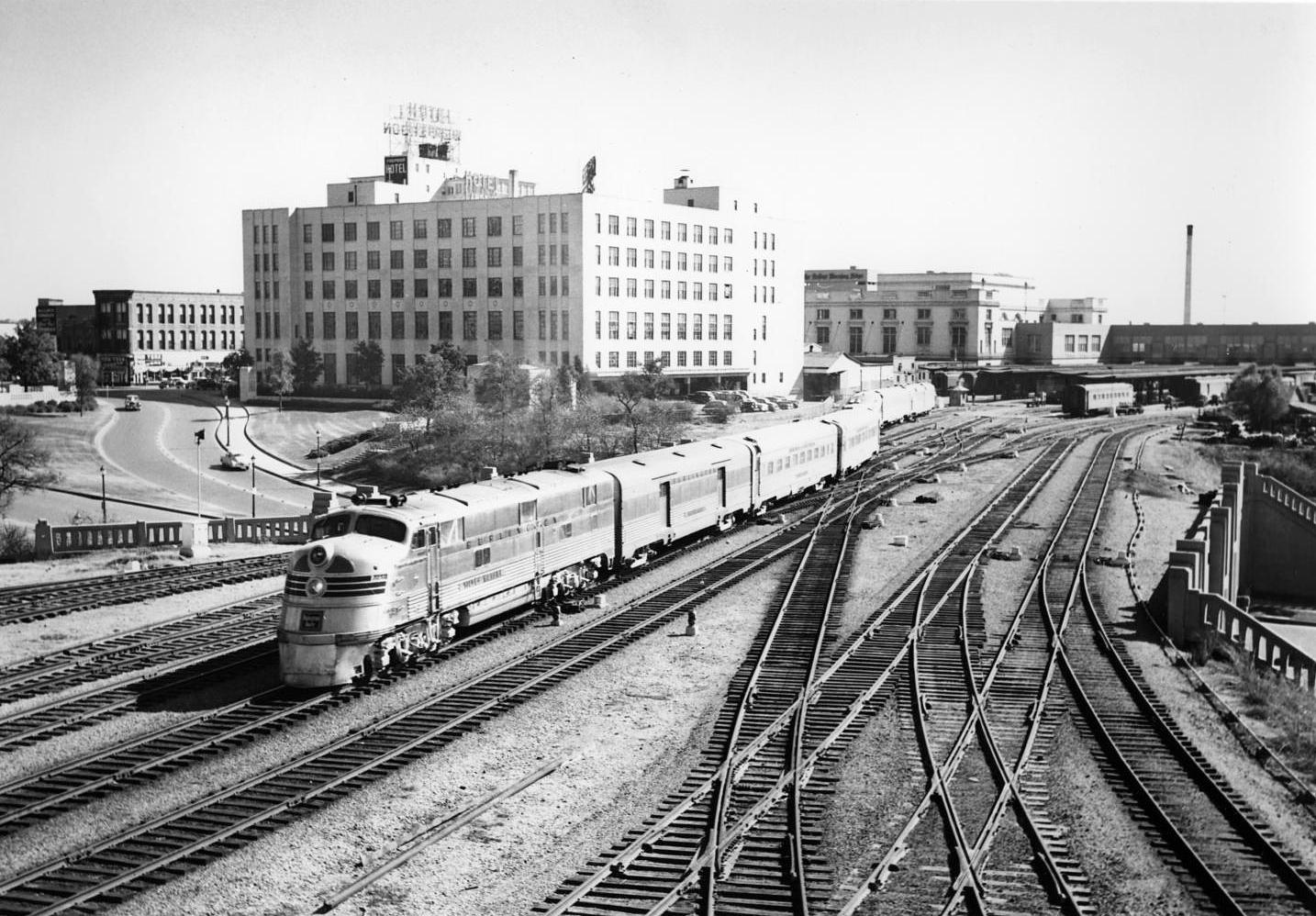
The title pretty much says it all. The Sam Houston Zephyr passenger train is seen crossing over the Triple Underpass, heading out of Dallas. Next stop: Fort Worth. The Post Office Terminal Annex is the tall white building, the Jefferson Hotel is behind it (with the sign on its roof), and Union Station is in the background, just right of center, with the Dallas Morning News building peeking over its roofline. The Old Red Courthouse would be out of frame to the left.

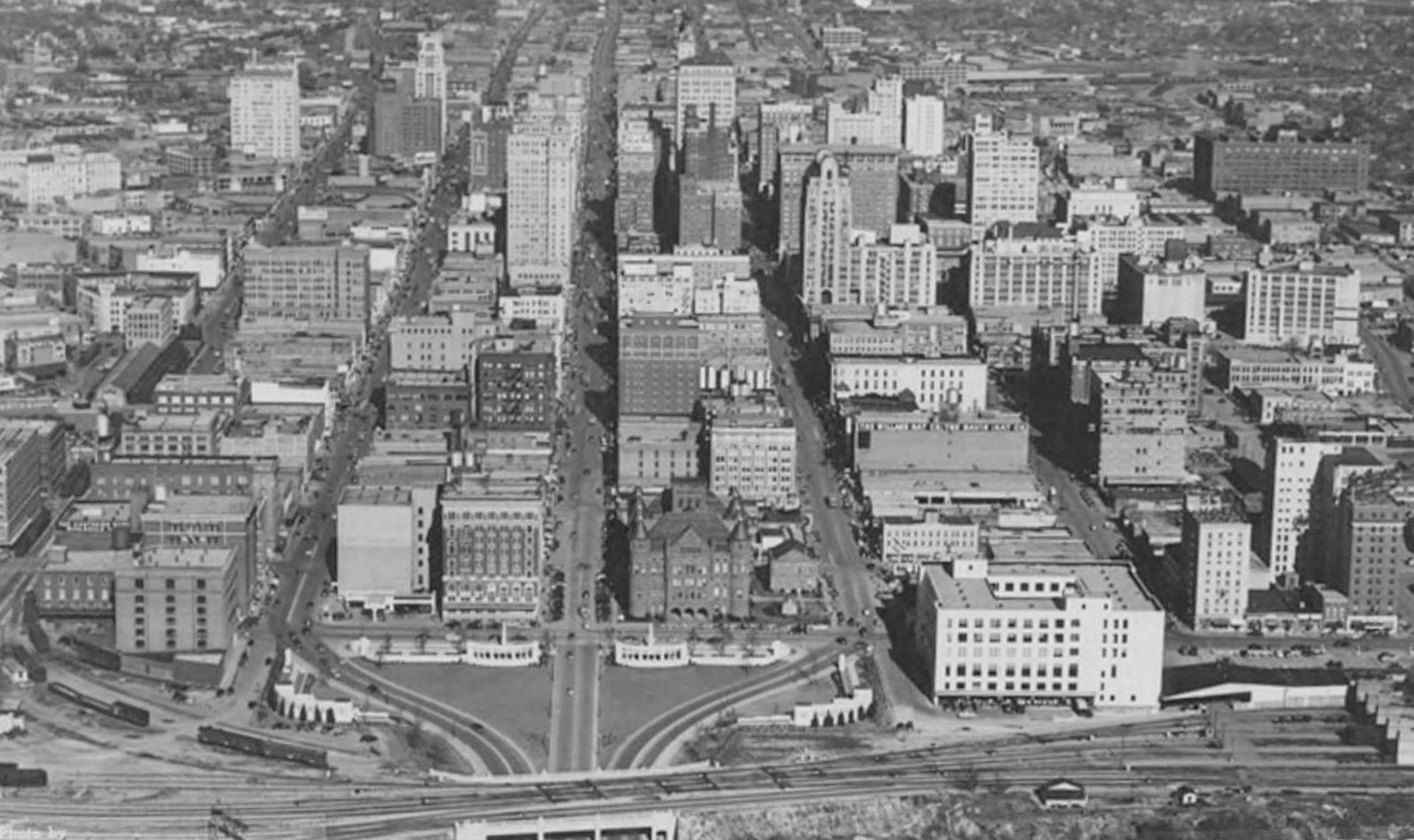
Below, a view of downtown from the west, with the Triple Underpass partially cut off at the very bottom, and Union Station just out of frame at the right.

downtown_aerial-photo-service_postcard_cook-collection_smu_cropped

In asking members of Facebook’s Texas Railroad History group about the top photo, Gerald Preas, one of the members, made this comment, full of interesting little tidbits (slightly edited by me):

The large building in the center is the USPO Terminal Annex. I started working there in August 1963. The buildings between TA and Union Station were part of Railway Express, used for sorting mail to and from RPO cars. That stack in back was the power station for Union Station — it had its own electric and water system, maybe sewage, too. I drank many times that cool sweet well-water. Notice cars around TA loading dock. I supervised that dock 1968/69 — we had to keep the area open. Now look where train is bending, people would park off ballast, but cars turning would swing out further and hit parked cars. That tree on the upper right led down grade to vacant parting lot. I was coming up that path when the President was shot.

***

Sources & Notes

Top photo shows the Fort Worth and Denver’s Sam Houston Zephyr train No. 4, northbound from Houston, leaving the Dallas Union Terminal Station, heading to Fort Worth. The photo was taken by Roger S. Plummer in 1950; photo from the Museum of the American Railroad, via UNT’s Portal to Texas History, here.

(Other photos of the Sam Houston Zephyr taken in Dallas — and one in Fort Worth — by Roger S. Plummer between 1949 and 1955 can be found on the Portal to Texas History site, here.)

Bottom image titled simply “Dallas, Texas” is an Aerial Photo Service postcard, from the George W. Cook Dallas/Texas Image Collection, DeGolyer Library, Central University Libraries, Southern Methodist University. I’ve edited the image a bit — see the original image and description here.

An aerial view of the same area today can be seen here, via Google.

A previous Flashback Dallas post on the stunningly beautiful Texas Zephyr can be found here.

Thanks to the members of the Texas Railroad History group on Facebook for their comments and help.

Both photos are larger when clicked.

*

Copyright © 2016 Paula Bosse. All Rights Reserved.


November 22, 1963: Will Fritz and the JFK Investigation

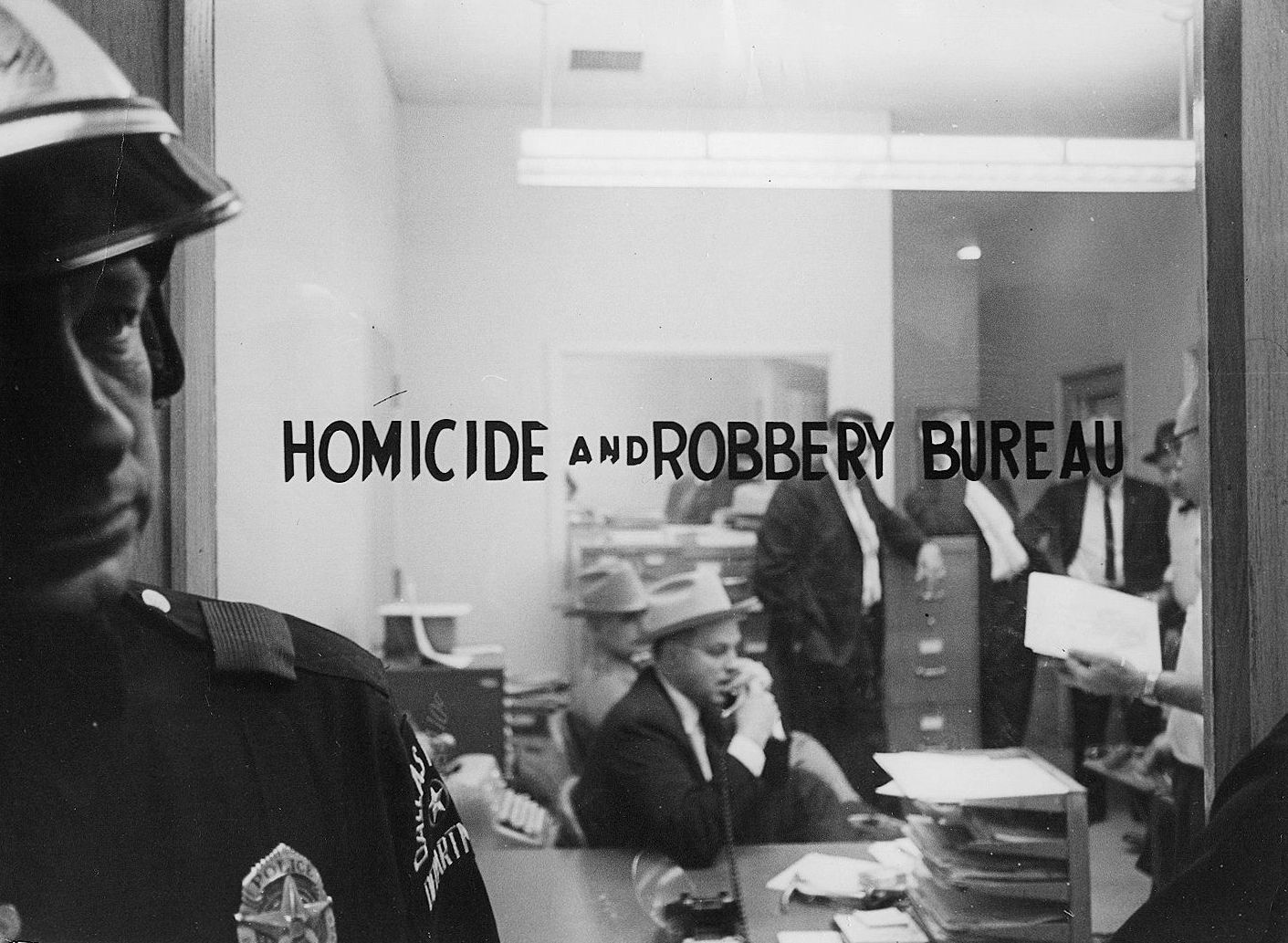
jfk_dpd_post-assassination_ebayThe men of the Homicide & Robbery Bureau at work (click for larger image)

by Paula Bosse

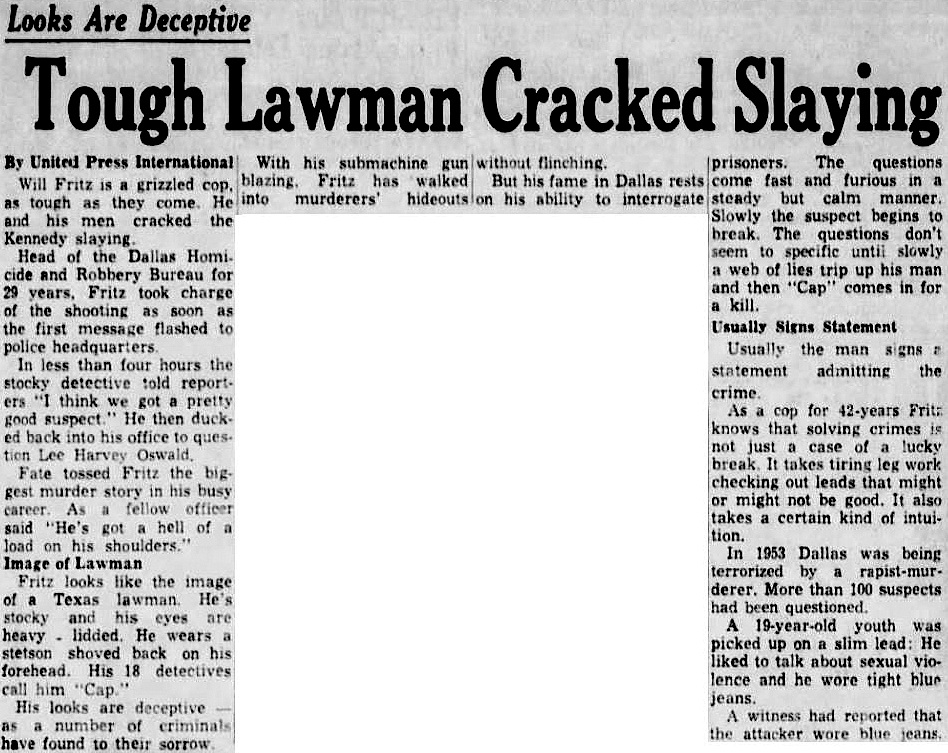
After the unthinkable had happened on the streets of Dallas — the assassination of a U.S. president — the Homicide and Robbery Bureau of the Dallas Police Department, led by Will Fritz, Captain of Detectives, sprang into action and quickly apprehended Lee Harvey Oswald as a suspect in the shooting of President John F. Kennedy. The FBI, the Secret Service, the Texas Rangers, and the whole of the Dallas Police Department worked together, but Fritz was the face of the investigation.

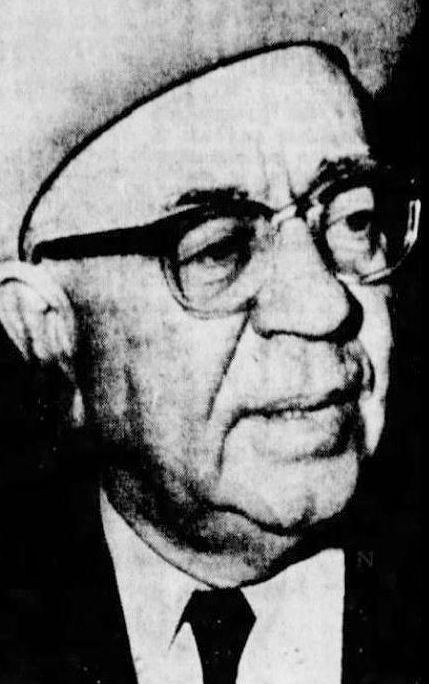
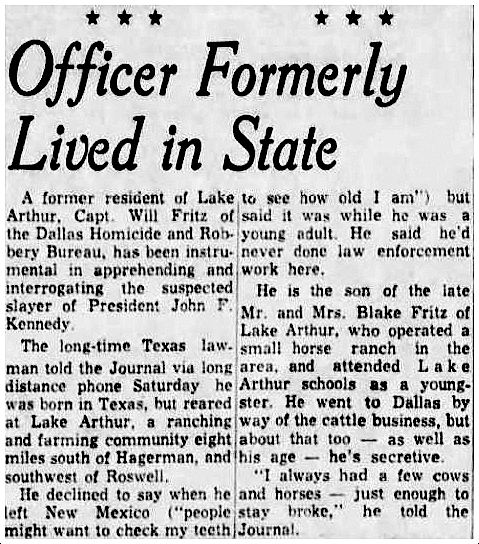
Will Fritz (1895-1984) was born in Dublin, Texas and grew up in New Mexico. He joined the Dallas Police Department in 1921 and remained on the force for 49 years, retiring in 1970 at the age of 74. He was considered one of the top police interrogators in the state and was a dedicated lawman — so dedicated he lived just steps away from police headquarters in the White Plaza Hotel (originally the Hilton Hotel, now the Indigo).

The success rate of Fritz’s detectives was impressive:

The record of Fritz and the Police Department’s Homicide and Robbery Bureau — which he has led since its formation — is a nationally enviable one. Over the past quarter century, he and his aides have solved roughly 98 per cent of the 54 to 98 homicides committed each year. (Dallas Morning News, March 1, 1959)

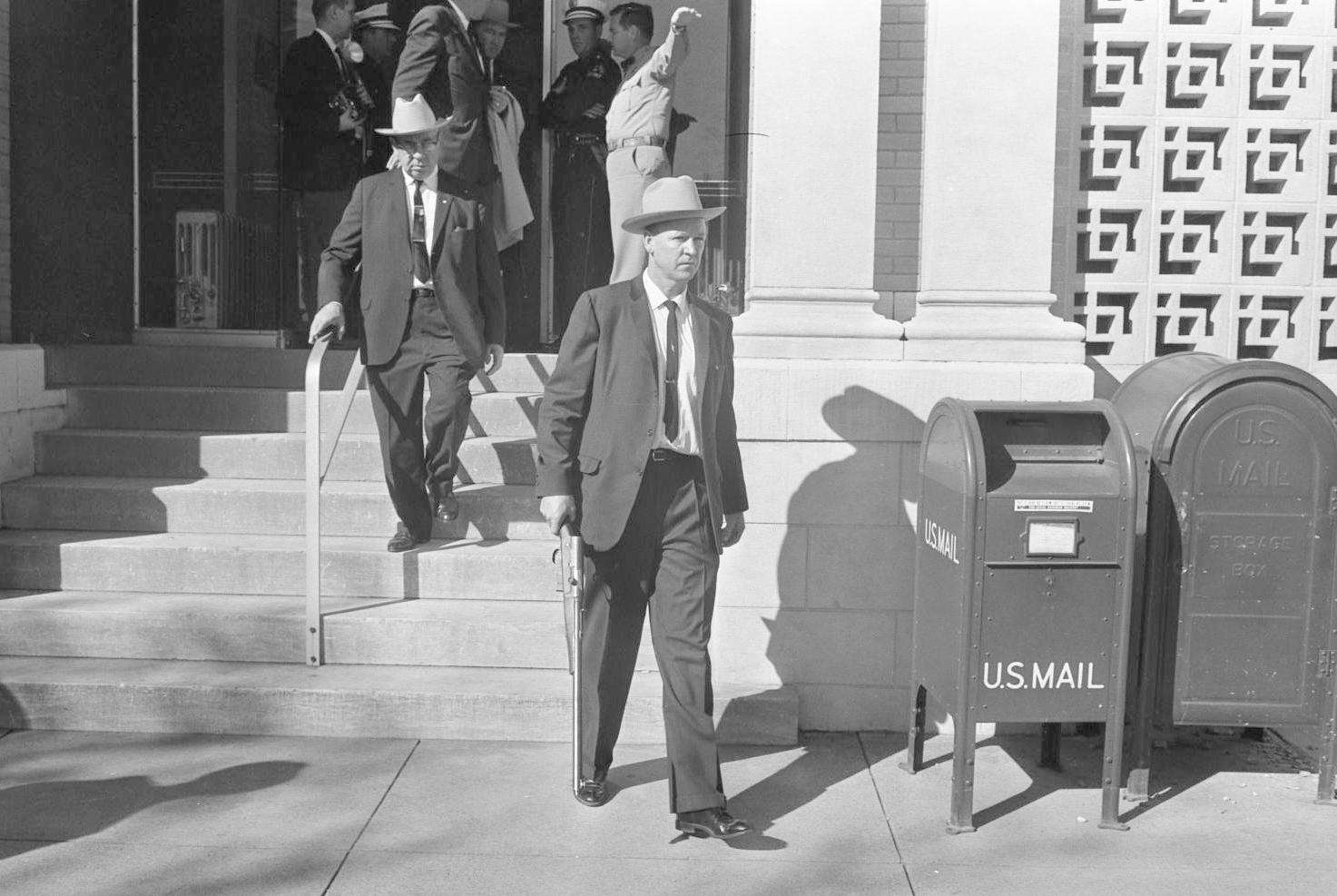
Fritz served for almost half a century with the DPD, involved in all sorts of colorful cases, but he’ll always be most remembered for the events surrounding the JFK assassination. The photo above shows his detectives at work in the Homicide office in the aftermath of the Kennedy assassination; the photo below shows him exiting the Texas School Book Depository with DPD detective Elmer Boyd (carrying rifle).

jfk_fritz_school-book-depository_112263_portal

*

*

jfk_fritz_albuquerque-journal_112463-photo

jfk_fritz_albuquerque-journal_112463a

jfk_fritz_albuquerque-journal_112463b

jfk_fritz_albuquerque-journal_112463_sidebar
Above photo and clippings from the Albuquerque Journal, Nov. 24, 1963

***

Sources & Notes

Top photo showing a Dallas police officer standing outside the Homicide and Robbery Bureau is from a 2015 eBay listing. The reverse of the photo is stamped “Paris Match/Marie Claire.”

Photo showing Fritz walking down the steps of the Texas School Book Depository, taken on November 22, 1963 by Dallas Times Herald staff photographer William Allen. It is from the Sixth Floor Museum’s Dallas Times Herald Collection, which is hosted online by the University of North Texas Libraries, via the Portal to Texas History, here (with additional information here).

More about Capt. Will Fritz from the Handbook of Texas History, here.

A really interesting profile of Fritz can be found in the 1959 Dallas Morning News article “Captain Fritz: Stays With the Case” by Don Freeman (DMN, March 1, 1959).

Other Flashback Dallas posts related to the assassination of President John F. Kennedy can be found here.

Click on photos and clippings to see larger images.

*

Copyright © 2016 Paula Bosse. All Rights Reserved.


The Expanded “Texas Size” Titche’s Building: Twelve Glamorous Acres of Department Store — 1955

titches_utaDallas’ largest department store, ca. 1955…

by Paula Bosse

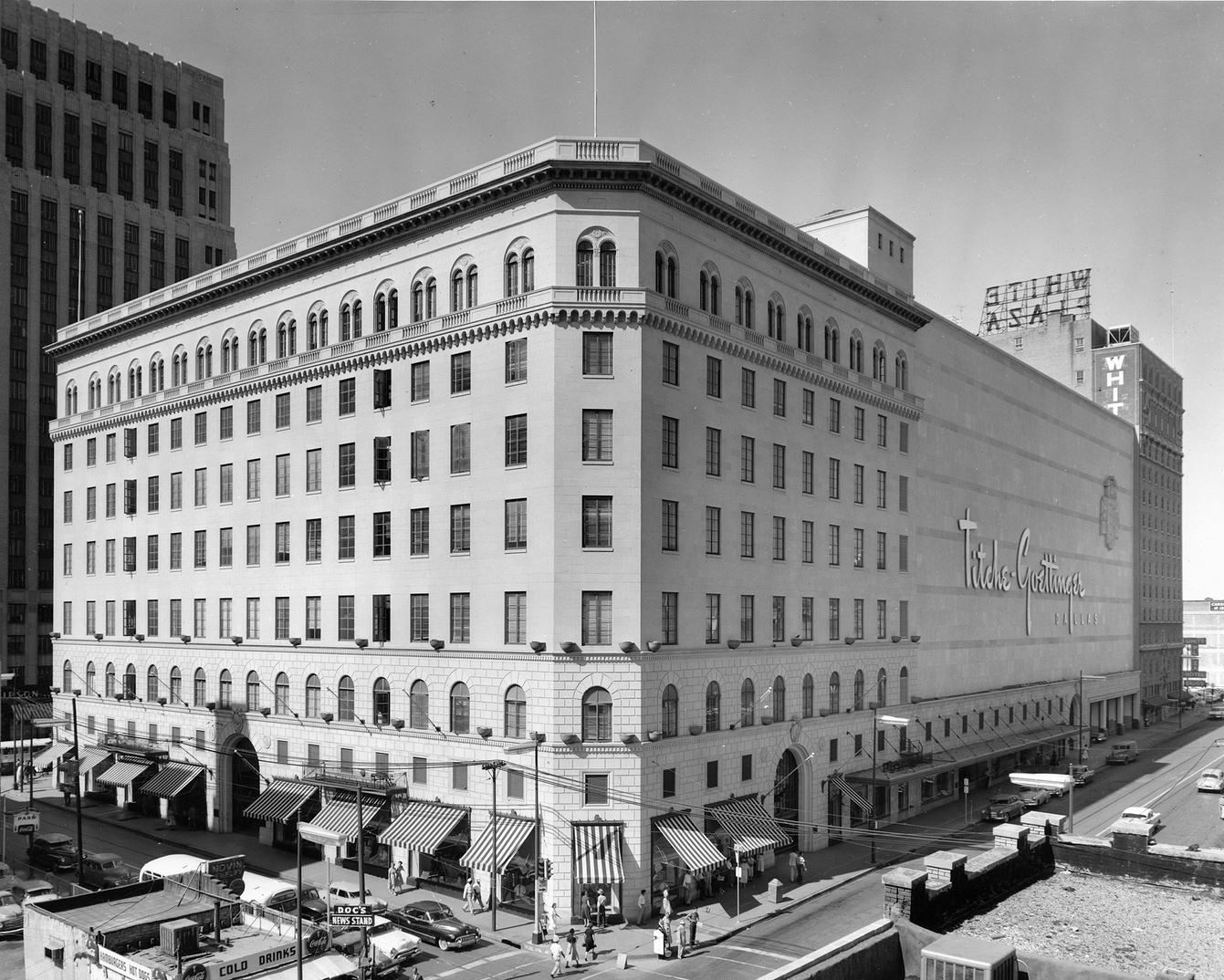
This photo of the Titche-Goettinger department store (Main and St. Paul) was taken soon after the store’s expansion which increased its size from 250,000 square feet to a whopping 504,000 square feet. When the greatly enlarged store introduced itself to the Dallas public at an open house in March 1955, one of the most notable things about it (for me, anyway) was the fact that 93-year-old Max Goettinger — founder of the department store in 1902, along with Edward Titche — attended the festivities.

The beautiful original building — designed by George Dahl — was built in the late 1920s and was a commanding presence at only half its later size. (Click pictures to see larger images.)

titches_night

The postcard view above has handily erased most of the other buildings in that block which one would have seen in a photograph, including the Pollock Trunk Co. and the old Hilton Hotel (later the White Plaza, currently the Indigo). A 1942 view of the block, looking west from Harwood, looked like this:

main-street-canyon_ebay

When construction of the new part of the store was completed in 1955, this new 12-acre “Texas Size” Titche’s was the largest store in Dallas, a head-spinning prospect for a city that loves to shop.

**

If you want a much more comprehensive overview of the Titche’s building — and want to see wonderful photos of the building, inside and out — I highly recommend Noah Jeppson’s Unvisited Dallas post, “Titche-Goettinger Building,” here. My favorite part? Its innovative system of pneumatic tubes!

***

Sources & Notes

Top photo by Squire Haskins, from the Squire Haskins Photography, Inc. Collection, UTA Libraries, Special Collections — more info here) (click on the thumbnail image on the page to see this photo BIG).

Read more on the expansion at the Dallas Morning News archives:

  • “Titche’s Reports Plans to Double Present Size” by Edd Rout (DMN, Sept. 7, 1952)
  • “Visitors Jam Opening of Texas-Sized Titche’s” by James A. Cockrell (DMN, March 15, 1955)

This wonderful building is still standing, modified to accommodate its current owners, the University of North Texas. Here’s how the building looks these days, via Google Street View, here.

More on the Titche-Goettinger Building on Wikipedia, here.

*

Copyright © 2016 Paula Bosse. All Rights Reserved.

Children and Cadets: Junior Red Cross Parade — 1918

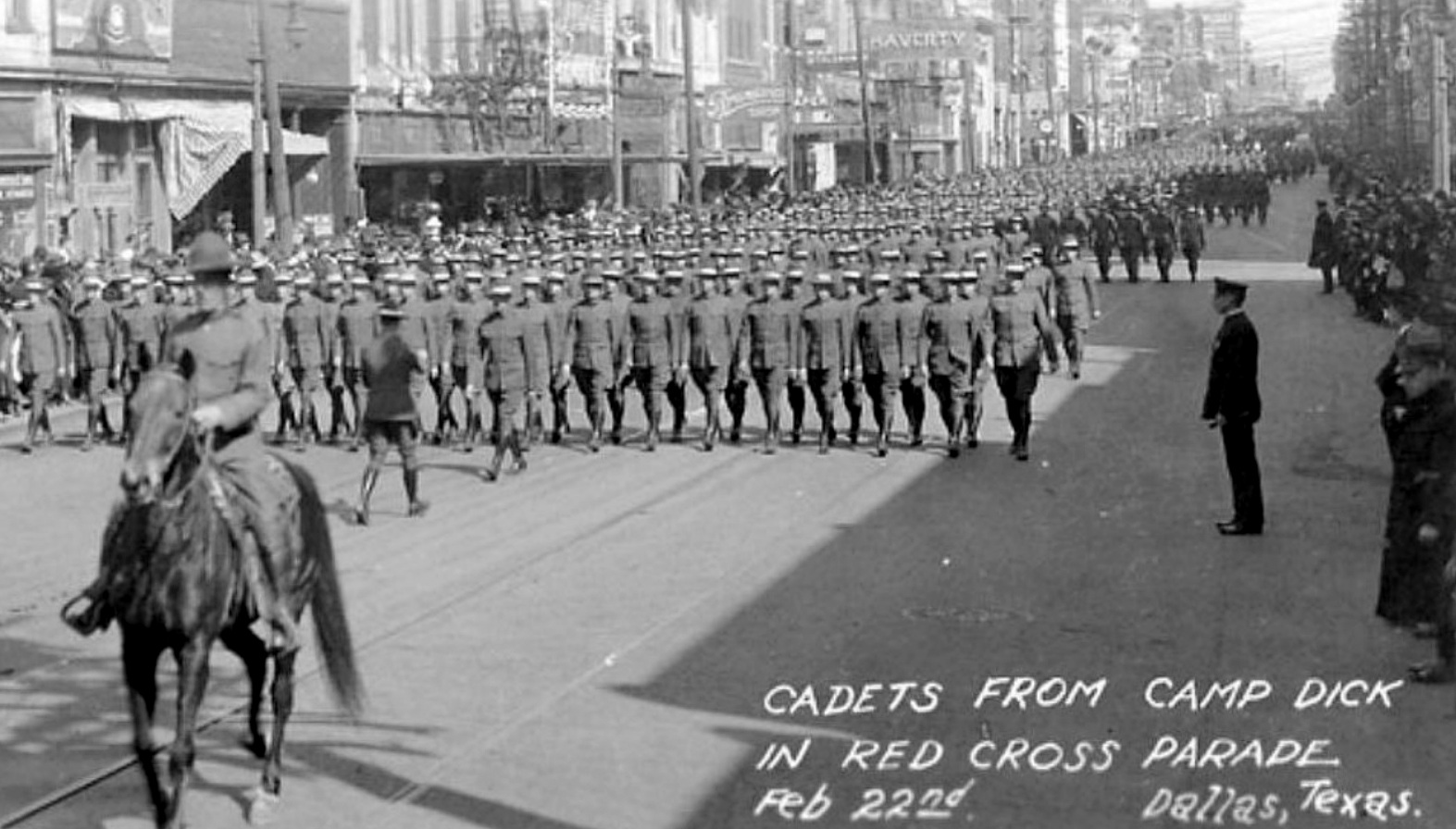
wwi_jr-red-cross-parade_022218_camp-dick-soldiers_waruntold-siteCadets from Camp Dick march down Elm… (click for larger image)

by Paula Bosse

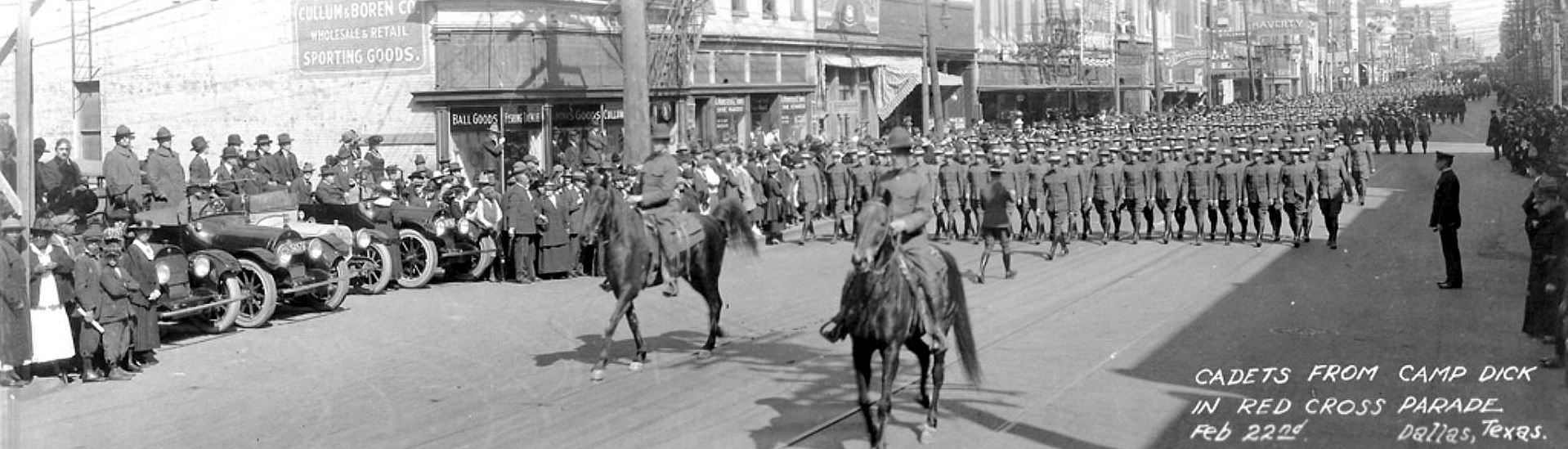
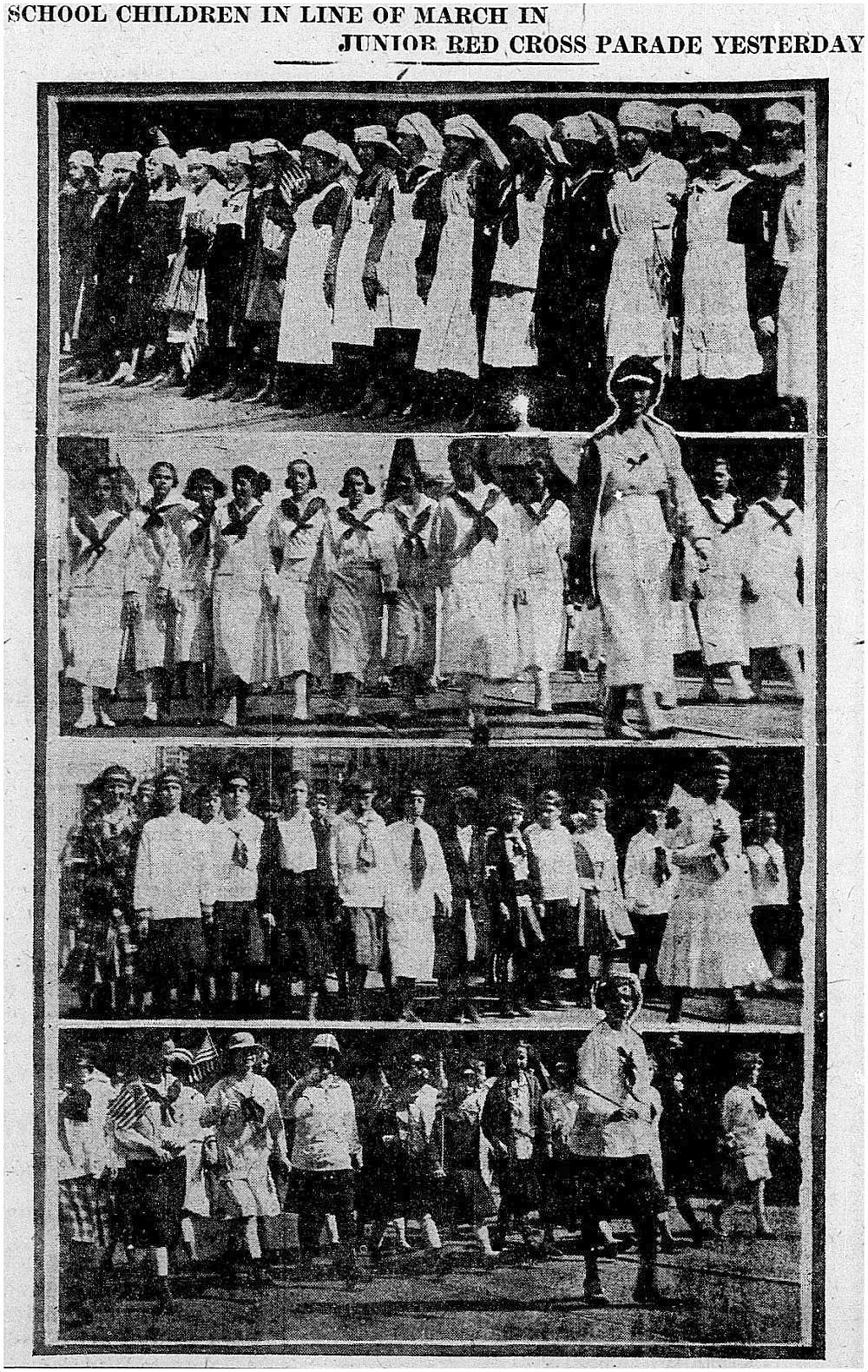
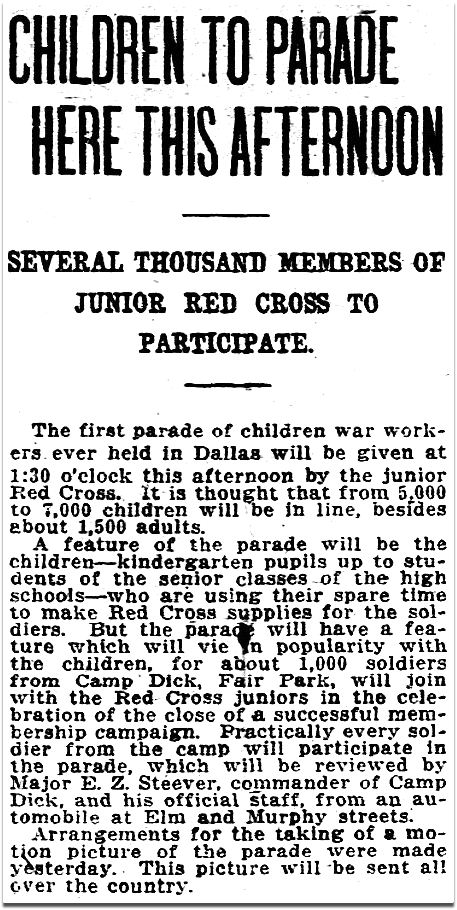
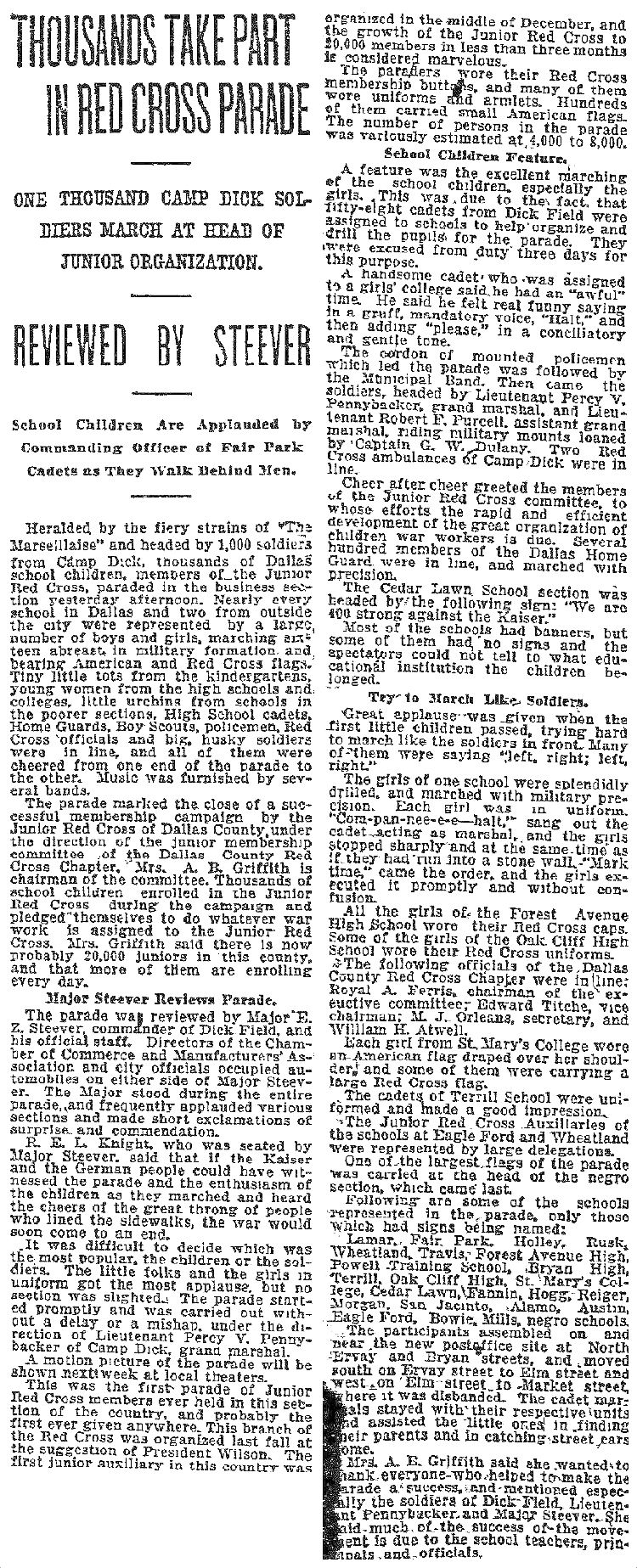
Today is Veteran’s Day, a national day of observance which originally began as Armistice Day in 1919 to mark the end of hostilities in World War I. I was thinking of posting something non-WWI-related, but I stumbled across this wonderful photo showing a WWI-era parade down Elm Street and couldn’t pass up the opportunity to share it. The parade was comprised almost entirely of children who had contributed to the war effort through the Junior Red Cross. The parade was described as “the first parade of children war workers ever held in Dallas.” The number of children (said to represent every school in Dallas) was estimated at up to 8,000 marchers, from kindergarteners to high school seniors.

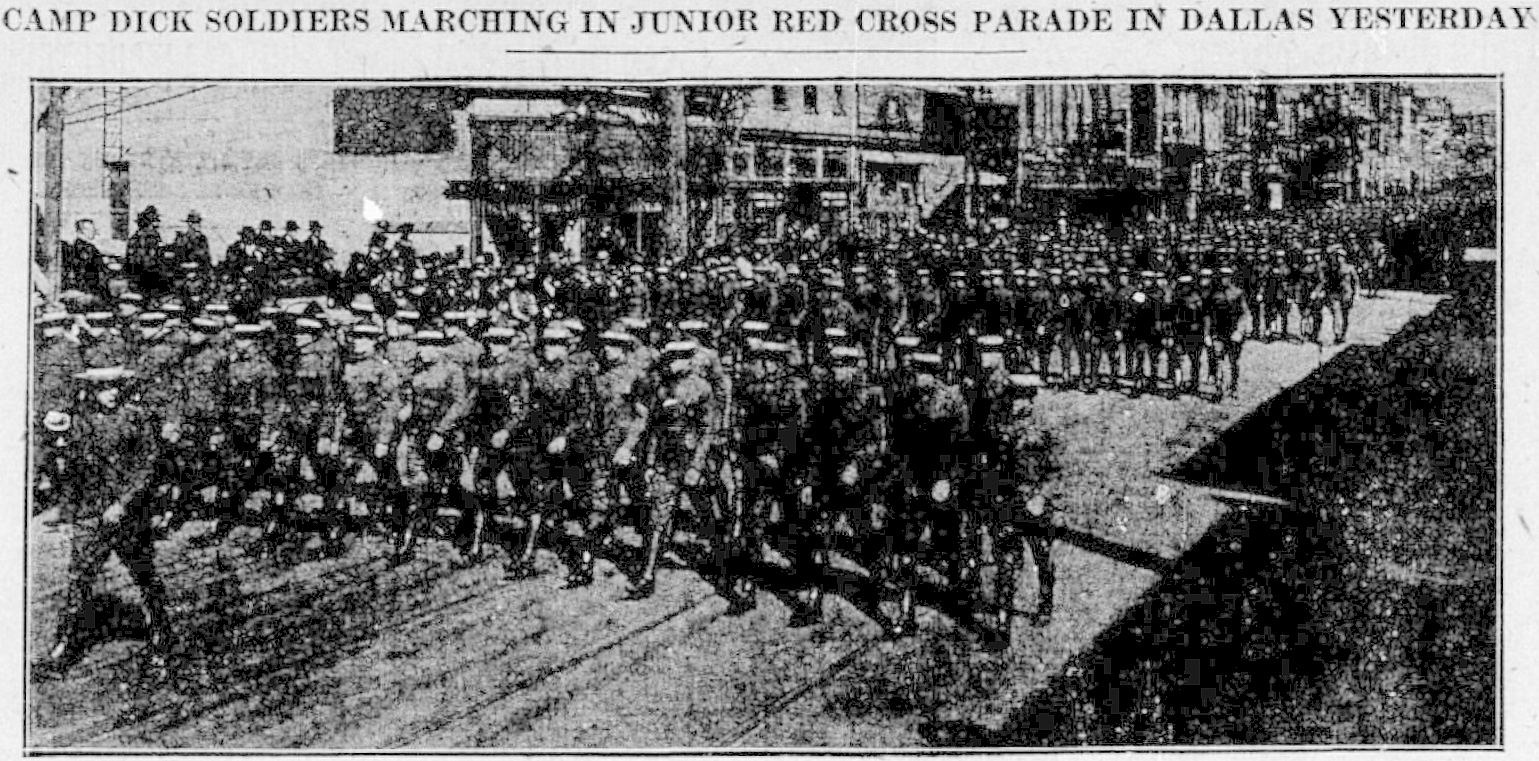
The parade — which took place on February 22, 1918 — also featured 1,000 or so men based at Camp John Dick, the Air Service training camp at Fair Park. Seeing this parade must have been quite a novelty for Dallasites, as cadets had begun to arrive at Camp Dick only 16 days previously (airmen had been stationed at Love Field a little longer, but only by a couple of months).

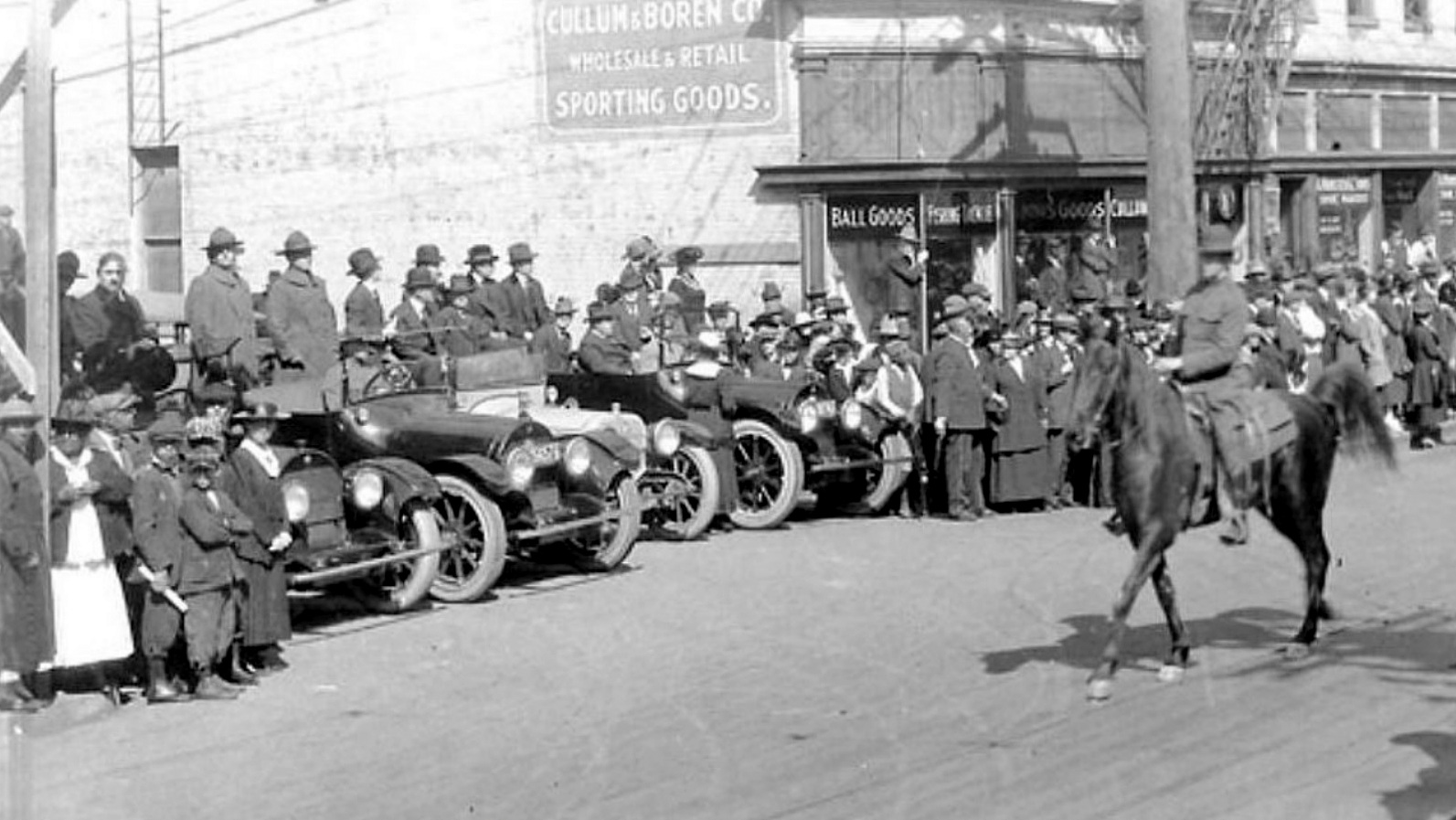
Below, I’ve taken the photo from the top and broken it into two halves and then magnified them. The parade was heading west on Elm Street and can be seen here passing Cullum & Boren (1509-1511 Elm), a downtown sporting goods mainstay just a few doors east of Akard. (See a similar view of Elm Street from later that year — in September — from a Dallas Times Herald photo, here.)

wwi_jr-red-cross-parade_022218_det1

wwi_jr-red-cross-parade_022218_det2

And the children.

wwi_jr-red-cross-parade_dmn_022318Dallas Morning News, Feb. 23, 1918

wwi_jr-red-cross-parade_dmn_022218
DMN, Feb. 22, 1918

wwi_jr-red-cross-parade_dmn_022218_camp-dick-soldiers

wwi_jr-red-cross-parade_dmn_022318
DMN, Feb. 23, 1918, photo and article

***

Sources & Notes

Top photo titled “Cadets From Camp Dick in Red Cross Parade, Feb. 22nd, Dallas, Texas” found on the site War Untold, The Collection of Andrew Pouncey, here (click “continue reading” at  bottom of post).

More on the Camp John Dick Aviation Concentration Camp from The Atlantic in the article “What America Looked Like: Bayonet Practice During WWI” (with a great photo), here.

Other Flashback Dallas WWI-related posts here:

Armistice Day Wikipedia page is here.

All pictures and clippings are larger when clicked.

*

Copyright © 2016 Paula Bosse. All Rights Reserved.


How Dallas Used to Get Election Returns

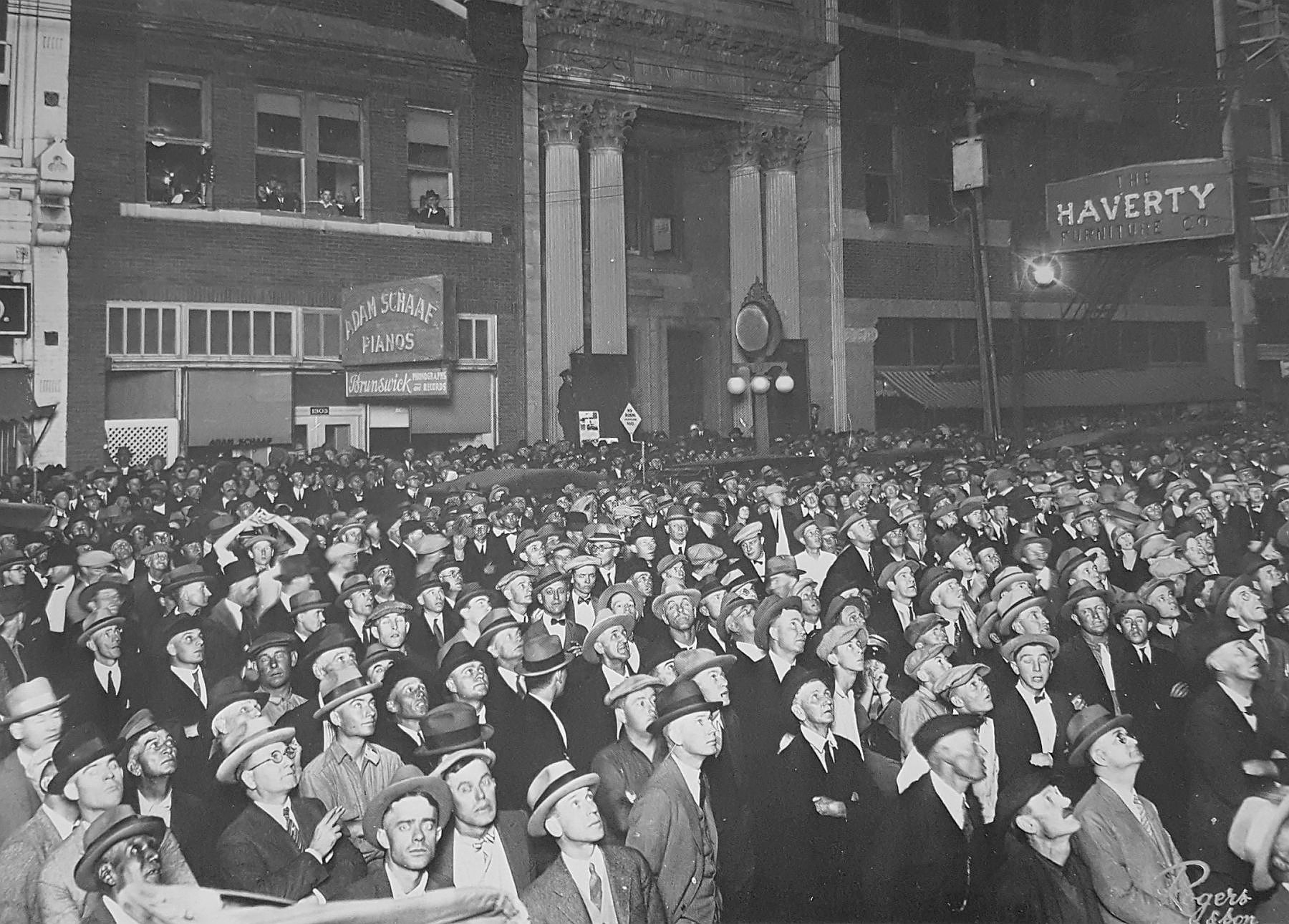
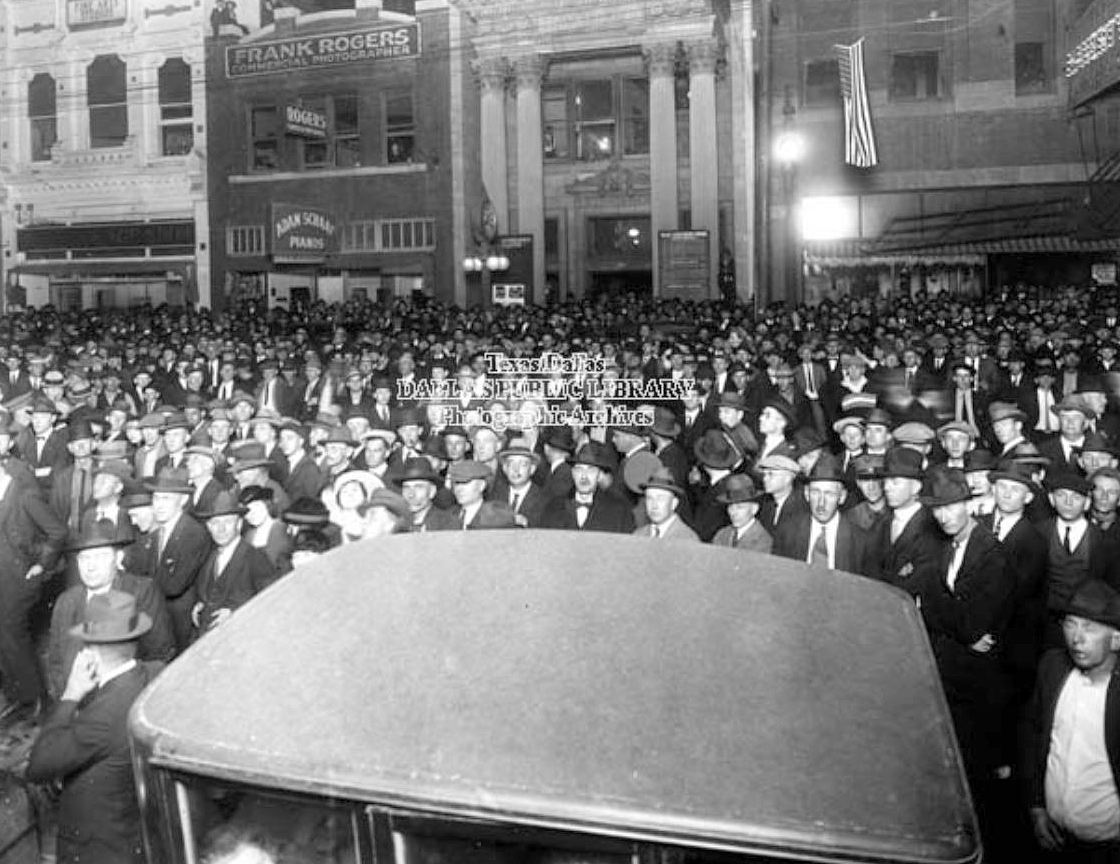
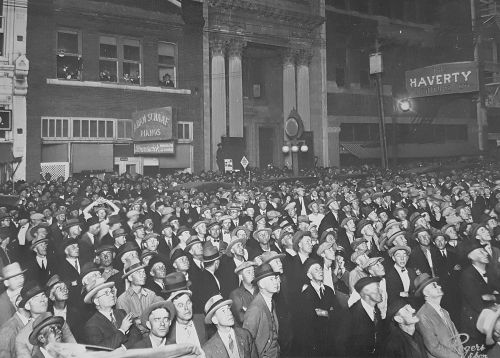
election-returns_1928_frank-rogers_dplA Dallas crowd waits for returns, in the middle of Elm Street…

by Paula Bosse

I think there’s some sort of political thing going on? Like most every other human being in the United States (…and beyond), I’m pretty sick of hearing about politics and politicians. Like nauseous sick. So why not write about elections! Below are some fun facts about how Dallasites used to get their election returns — share them with your fellow voters while standing in line at the polling station. They will think you are either very interesting or very annoying.

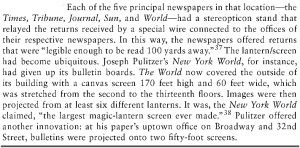
Forget the issues and the personalities, let’s look at election results: how were they passed along to the public in the days before radio and television? Other than newspapers (the primary source of all things informational), there was a time when results were “bulletined” by throwing images onto stretched canvases or even onto the sides of  buildings by a powerful stereopticon or “magic lantern.” These results were continuously updated as manual counts in local races were tabulated; farther-flung races were updated via tallies received by telegraph or telephone. Crowds gathered in front of buildings — usually newspaper offices — to watch the returns. Some accounts have this form of information dissemination beginning in the 1860s (see an illustration from 1872 here), with the practice becoming more widespread by the 1880s and more technologically advanced by the 1890s.

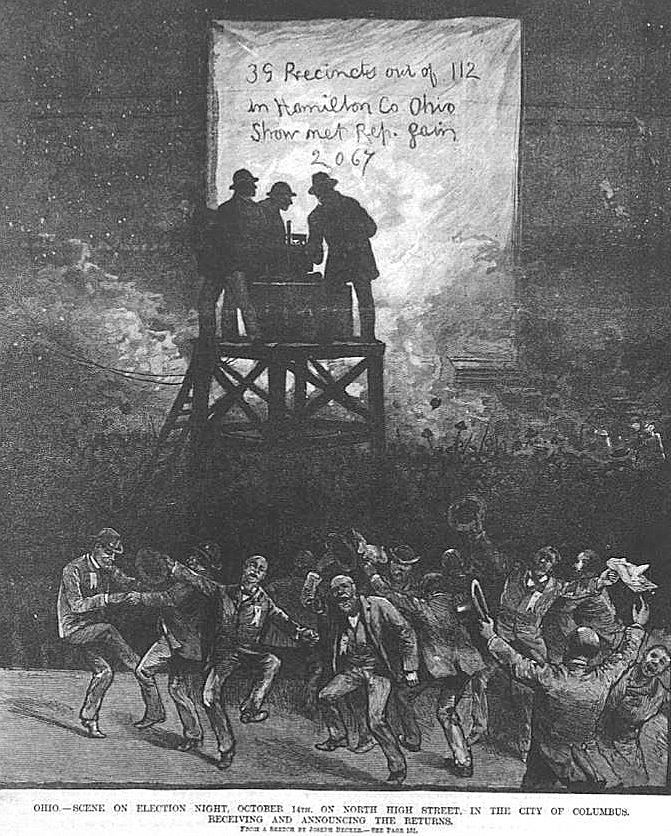
Below, an illustration showing jubilant crowds watching congressional returns in Columbus, Ohio in 1884.
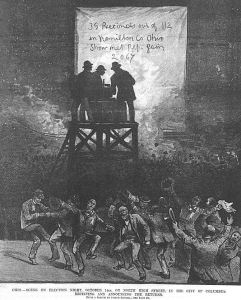
ohio_election-results_1884
Columbus, Ohio, 1884

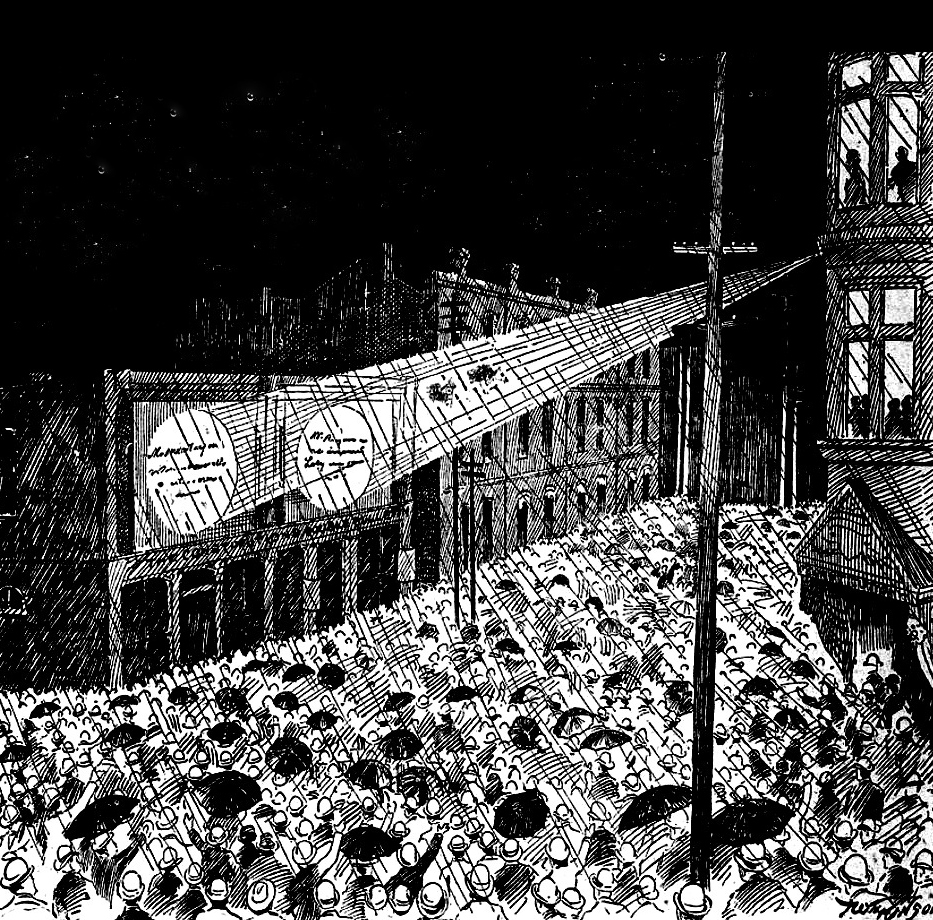
Things had been refined by 1896, as this illustration from the Atlanta Constitution shows. The caption: “Flashing out the returns in front of the Constitution office. Thousands of people gathered in front of the Constitution Building last night and watched the returns come in.” In the rain! That’s dedication.
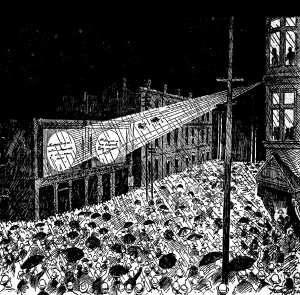
atlanta-1896_twitter
Atlanta, Georgia, 1896

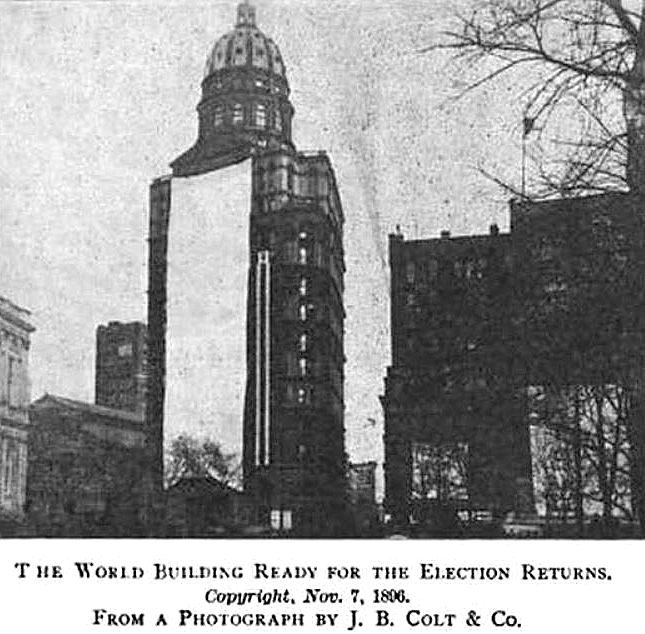
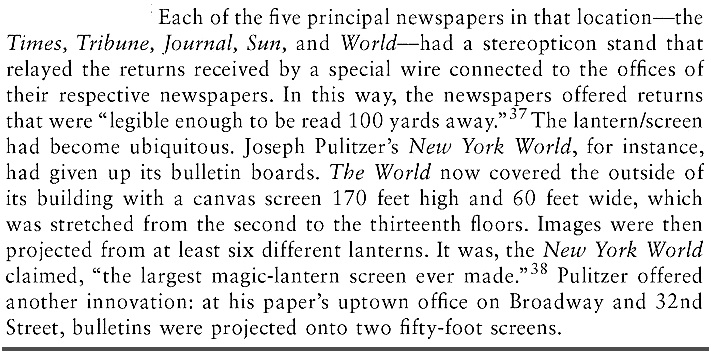
Also in 1896 — things got crazy in New York, with a ridiculously large “screen” hung from a very tall building.
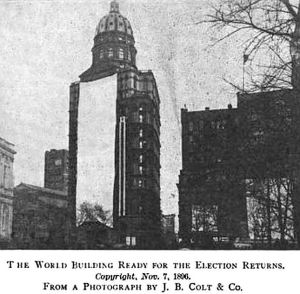
projections_electrical-engineer_mag_111196_photo
NYC, 1896

magic-lantern_nyc_films-and-american-presidency
from “Film and the American Presidency”

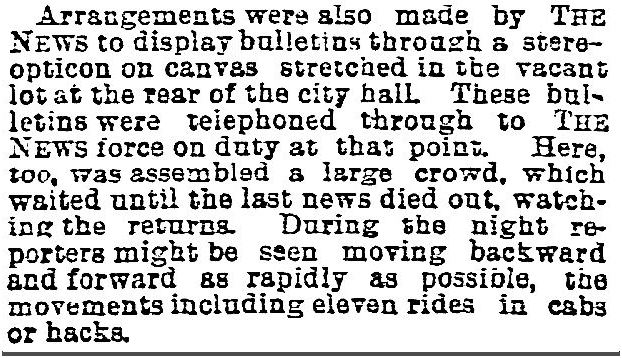
The first mention I found in The Dallas Morning News about projecting election results before a large crowd was in 1891. Not only did the newspaper have a large bulletin board (maybe like a large chalk board?), they also used the stereopticon. (The full article about the results of the 1891 election can be read here.) (All pictures and clippings are larger when clicked.)
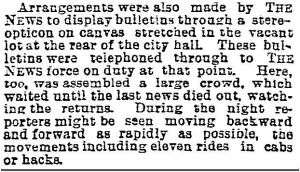
1891_election-returns_dmn_040891
Dallas Morning News, April 8, 1891

The magic lantern was called back into service the next year (read an entertaining DMN article about an 1892 election here in which the crowd huddled in front of the screen watching the returns despite rain and open saloons) — in fact, this “electric bulletin board” was so popular it was used for at least 40 more years.

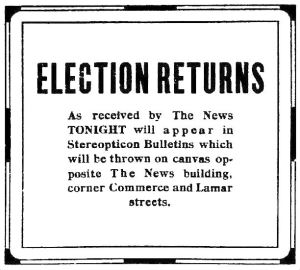
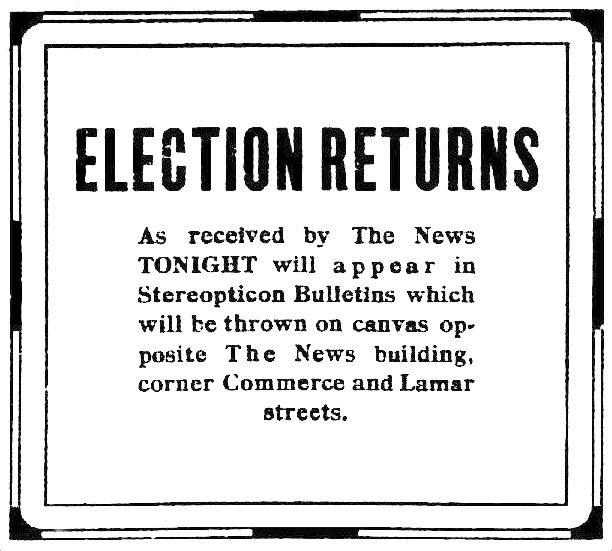
In 1896, interest was really intense — an unbelievable 94% of Dallas’ registered voters had turned out to cast ballots. (It took four days to tally the votes!) A huge crowd gathered around the News building at Commerce and Lamar to watch the bulletins which were “flashed by means of a powerful stereopticon on a large canvas screen stretched across the street” (“Republicans Doubled Votes in ’96” by Sam Acheson, DMN, Jan. 1, 1968).

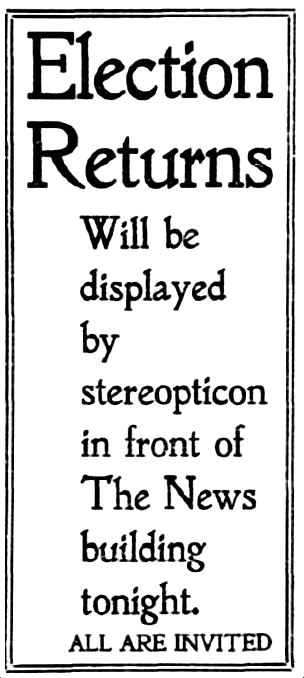
By 1900 this stereopticon thing was getting to be standard operating procedure.
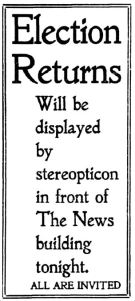
1900_election-result_dmn_110600
DMN, Nov. 6, 1900

1908_election-result_dmn_050208
DMN, May 2, 1908

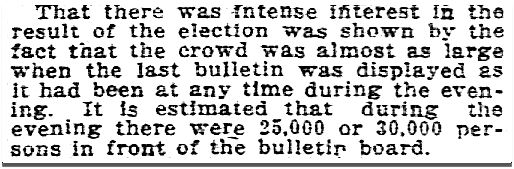
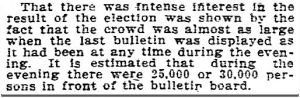
By 1911, “25,000 or 30,000 persons” were showing up to watch the returns.
1911_25-or30000-people_dmn_072311
DMN, July 23, 1911

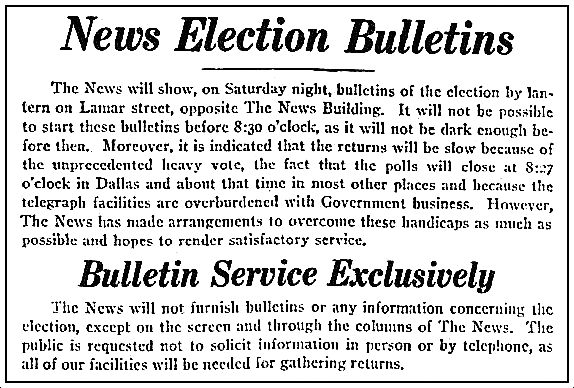
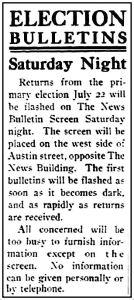
I guess people used to just phone the papers after elections to ask about the results. The News would rather you didn’t, thanks.
1916_election-result_dmn_072116
DMN, July 21, 1916

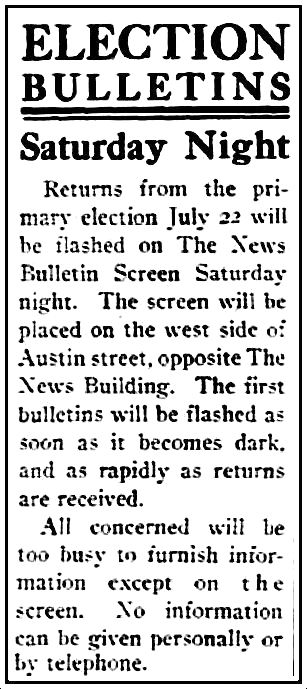
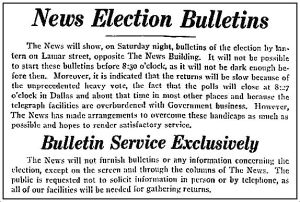
1918 was an interesting year for a few reasons: (1) WWI was underway, (2) the polls opened — for some reason — at 9:27 AM and closed at 8:27 PM (?), and … (3) it was the first election in Dallas in which women were allowed to vote. There was suddenly a huge number of registered voters to have to deal with. Newspaper reports showed registration of women outnumbering men in several precincts. The large number of new voters meant that votes began to be counted “one hour after the polls are opened and will continue until the work is concluded” (DMN, July 19, 1918). Which seems odd. Also, women were encouraged to vote early in the day so as to avoid long lines and men were instructed to watch their behavior if there were women present.
1918_election-result_dmn_072618
DMN, July 26, 1918

It’s surprising that the use of projectors to display election returns was used as late as 1930, well after the advent of radio. Apparently the Texas Election Bureau and Press Association had rules forbidding radio stations from announcing election results over the air until they had been printed in the newspaper — they were, however, allowed to give “relative standings” to their audiences at fifteen-minute intervals (DMN, July 27, 1930).

Seems like the newspapers held all the power (probably not a huge problem for radio stations since most of them were owned by the newspapers, and, of course, no problem at all for the papers who printed oodles of “extra” editions). By 1930, though, crowds had gotten so large downtown that they were diverting people to Fair Park where they could sit and enjoy the cool breezes as they listened to see if their candidates had won or lost. (“Sitting” seems to be the operative word here.) But soon radio would wrest the “instant news bulletin” power away from the newspapers, and these quaint magic lantern watching-parties would be unnecessary. Eventually people wouldn’t know they’d ever even existed.

Fast-forward to today. I can’t even imagine trekking downtown to watch election results come in at a snail’s pace, magic lantern or not. It’s the 21st century, man, and I’ll be plopped in front of my TV, channel-hopping, stress-eating and stress-drinking, and wondering what friendly country I might consider “visiting” for a while.

***

Sources & Notes

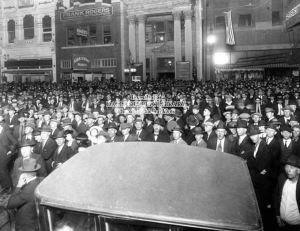
Top photo shows crowds of Dallasites watching election returns. This Frank Rogers photo — a Dallas Public Library photo reproduced in A. C. Greene’s book Dallas, The Deciding Years — shows a crowd (which seems to be devoid of women) watching election returns in the 1300 block of Elm Street. Below is another Rogers photo from the DPL, undated, but probably taken in 1922:
election-returns_elm-street_dpl_frank-rogers

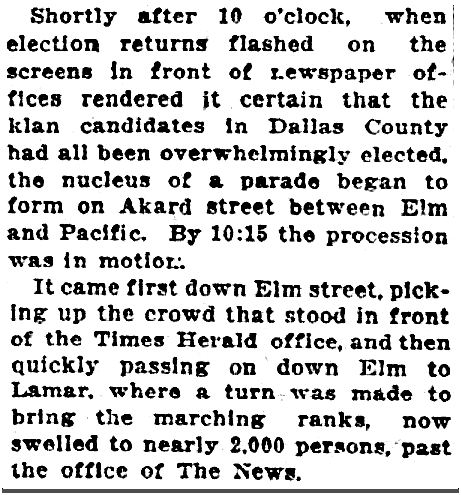
It’s convenient that Rogers was able to include his studio in the background! The photograph is undated, but Frank Rogers and the Adam Schaaf Piano Store shared a building at 1303 Elm only between 1922 and 1923 (the top photo is dated 1928 by the DPL, but neither Rogers nor the piano store were in that location after about 1925). The building to the right is the Dallas Times Herald Building (with the pillars, at 1305 Elm), and it would make sense that the crowd was looking toward the other side of the street as results were being updated and projected from the Times Herald. In fact, this may have been the night that the KKK famously marched through downtown, past the large crowds gathered in front of both the Dallas Times Herald and Dallas Morning News offices, to celebrate that their candidates had won … and had won big.
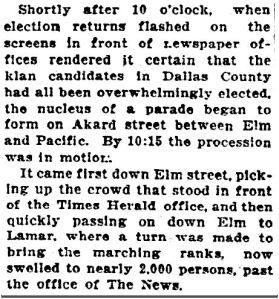
klan-march_dmn_082722
DMN, Aug. 27, 1922

The illustration showing Ohio returns in Columbus being projected on the night of Oct. 14, 1884 is from Frank Leslie’s Weekly (this illustration was featured in the book Politicking and Emergent Media: U.S. Presidential Elections of the 1890s by Charles Musser).

The 1896 illustration is from the Atlanta Constitution, found on Twitter.

The 1896 photograph of the World Building in New York is from the trade journal The Electrical Engineer, Nov. 11, 1896. The paragraph below it is from the book Film and the American Presidency by Jeff Menne and Christian B. Long.

Further reading from the archives of The Dallas Morning News (regarding the July 26, 1930 election):

  • “News and Journal To Give Two Election Count Parties” (DMN, July 25, 1930) — an announcement to voters where they could get the “flashed” returns of the next day’s voting (in front of the News building “as usual,” and at Fair Park “where results will also be thrown on a screen at the moving picture booth near the grand stand”
  • “Fates of Favorites Watched on News and Journal Screens” (DMN, July 27, 1930) — two photos showing crowds at Commerce and Lamar and at Fair Park watching the returns

Click pictures and clippings to see larger images.

*

Copyright © 2016 Paula Bosse. All Rights Reserved.

Next-Door Neighbors: The Palace Theater and Lone Star Seed & Floral — 1926

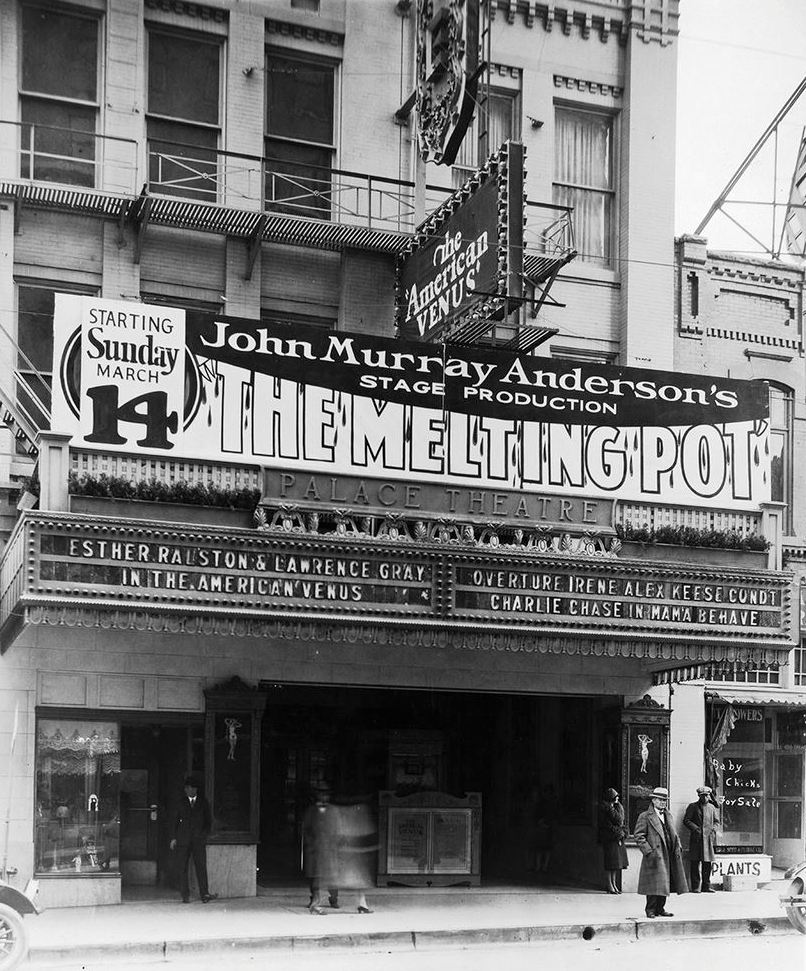
palace-theatre_melting-pot_march-1926_utaElm Street neighbors, March, 1926…. (click for larger image)

by Paula Bosse

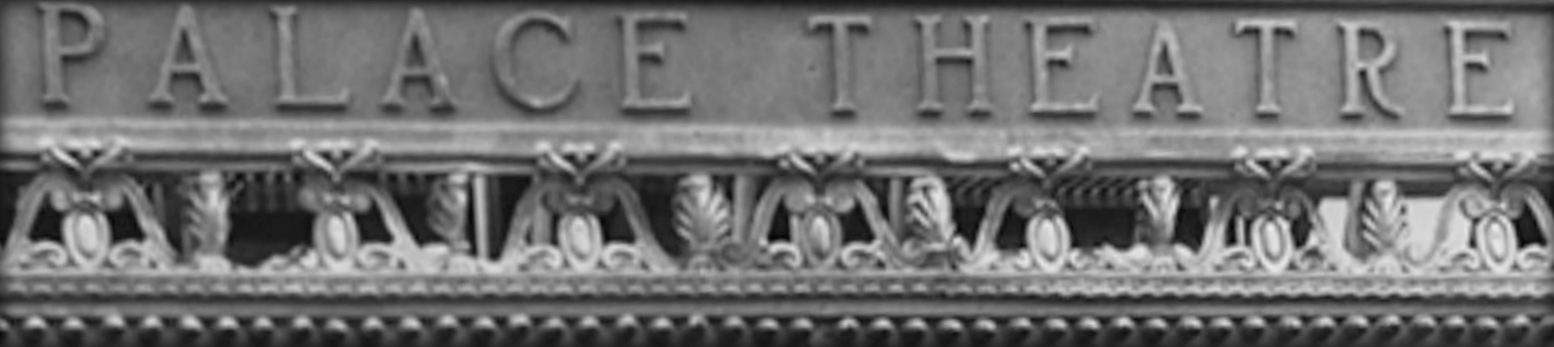
Above, the Palace Theater, one of Dallas’ great moviehouses. It opened in June, 1921, near the northwest corner of Elm and Ervay; this photograph is from March of 1926, three months before the theater’s fifth birthday. It was still a whippersnapper. 

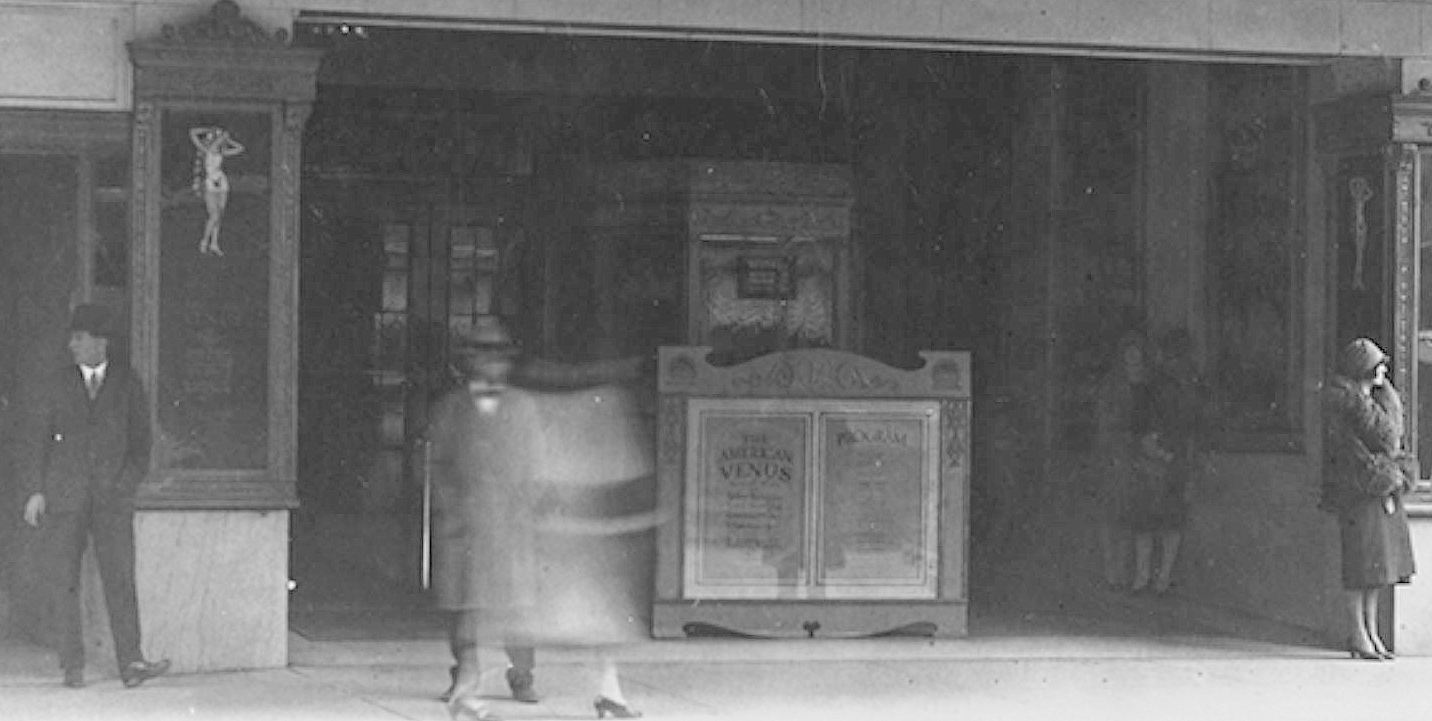
Below, a detail from the photo: by zooming in and tweaking the contrast, the box office is revealed, as are two women chatting in the shadows (all pictures and clippings are larger when clicked).

palace-theatre_melting-pot_march-1926_uta_det2

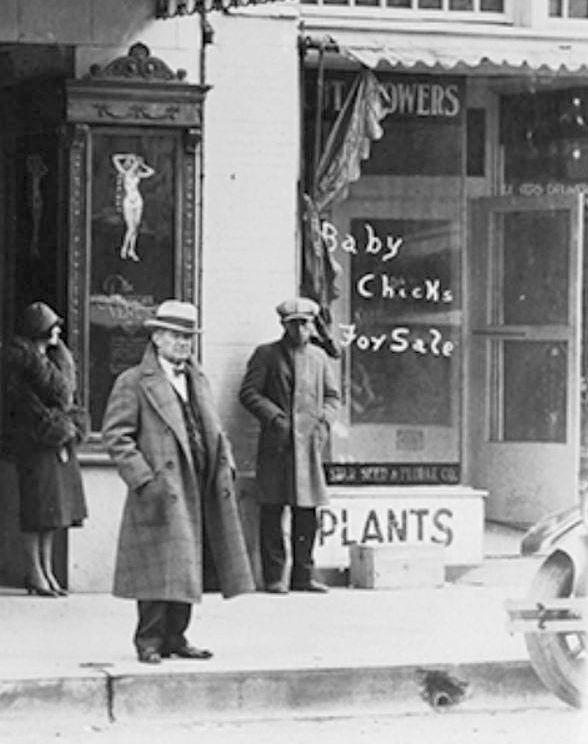
As interesting as old movie theaters are, I was more intrigued by the three people to the right of the theater (who all look like characters from a period melodrama) and by the business next door. I’ll never know who those men were or who that woman was waiting for, but finding out what business was selling baby chicks (…next door to the Palace?) was pretty easy.

palace_lone-star-seed_1926_uta_det

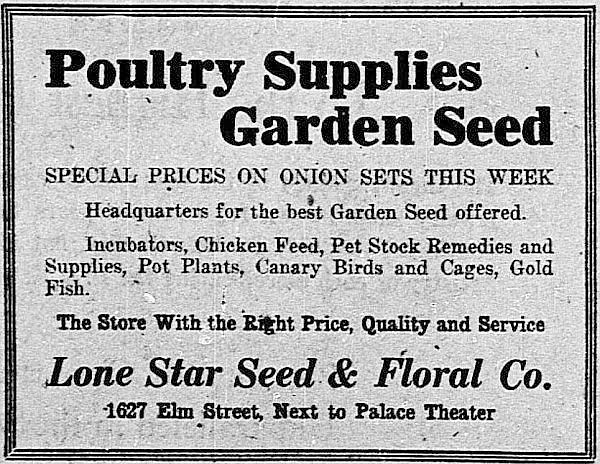
The store was Lone Star Seed & Floral (1627 Elm). They sold seeds and flowers, potted plants, canaries, goldfish, and pet and livestock supplies. They could also help you with all your poultry needs: feed, incubators, medicine, and live chickens. …Right next door to one of the plushest and most luxurious entertainment destinations in Dallas.

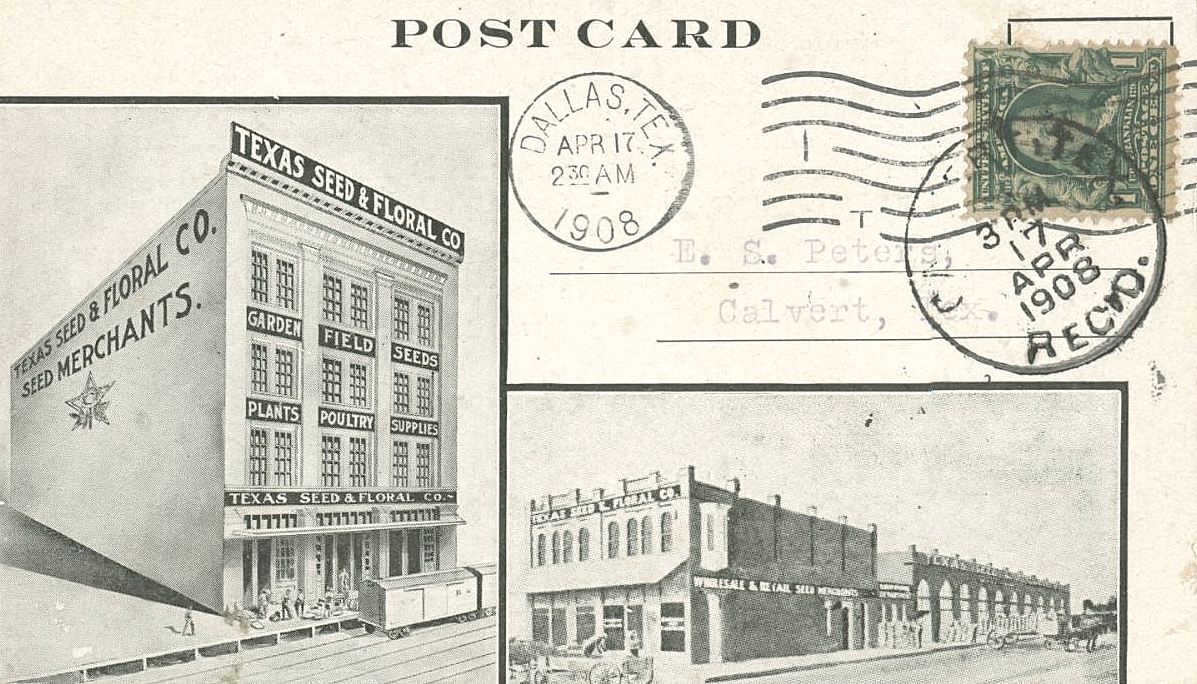
Lone Star Seed & Floral appears to have once been Texas Seed & Floral and had been around since at least 1892. They set up shop at 1627 Elm in 1902 and remained there quite a while until they moved in January, 1927, just a few months after the top photo was taken. Here is a postcard of its earlier incarnation, with photos of the Pacific Avenue location at the left, and the Elm Street location at the lower right (the view is looking north on Ervay; the Palace would later be built immediately west of this  building, to the left of the lower postcard image, just out of frame).

texas-seed-and-floral_1908_portal

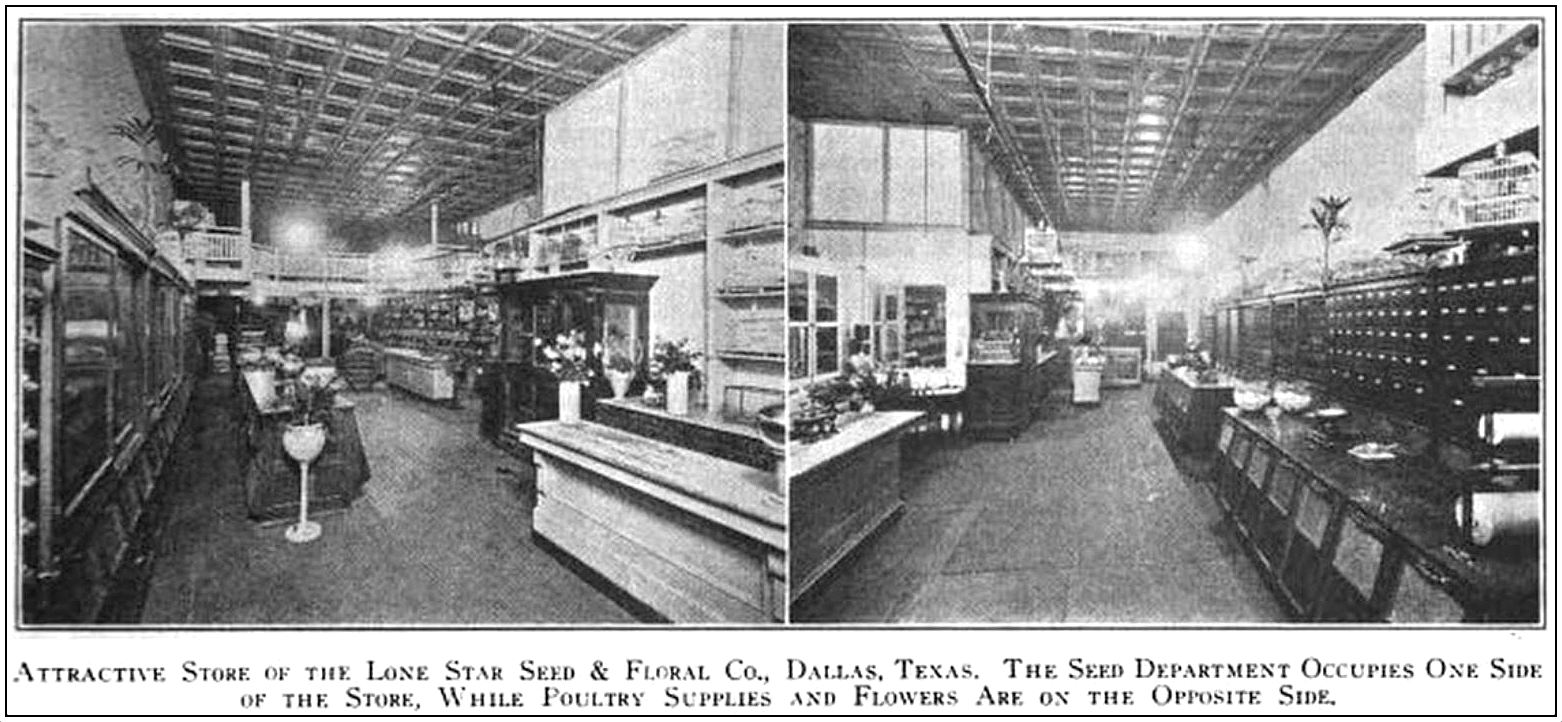
The store looks very clean and extremely well organized. My inexplicable love of things stored in card-catalog-file-like cabinets and fold-out bins tells me I’d probably be stopping in fairly regularly after having seen the latest Buster Keaton film next door.

lone-star-seed_the-seed-world_082020

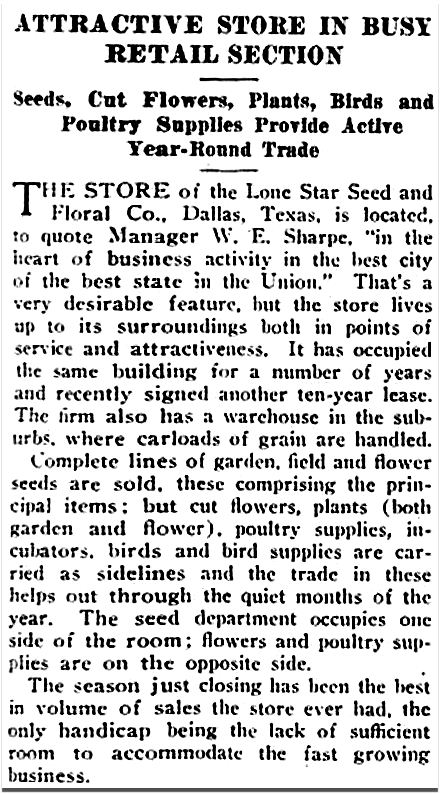
lone-star-seed_the-seed-world_082020_article
Photo and article from, yes, The Seed World, Aug. 20, 1920

lone-star-seed_dmn_022622
Feb., 1922

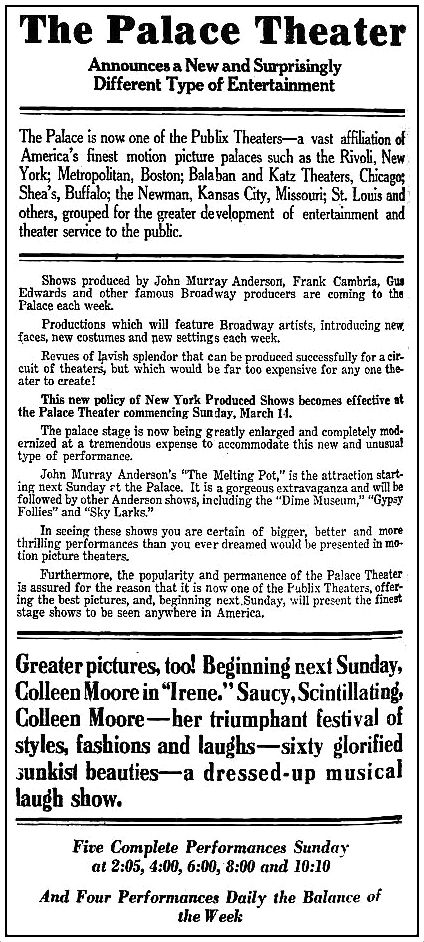
But back to the Palace. The banner is publicizing the imminent arrival of John Murray Anderson’s “The Melting Pot,” a stage production which opened at the Palace on March 14, 1926. The Palace Theater, owned by the Publix chain, was about to embark on “a new and surprisingly different type of entertainment,” which consisted of musical revue roadshows staged in New York under the direction of producer John Murray Anderson. Each production — its performers, costumes, and sets — would be sent into the hinterlands, playing a circuit which included Dallas, the only stop in Texas. There was a new show every week. And if you missed it, you really had no excuse: there were four shows daily (five on Sunday). (Anderson was later asked by Billy Rose to help with producing Fort Worth’s Centennial celebration.) (John Rosenfield’s tepidly positive Dallas Morning News review, “‘Melting Pot’ Is Presented at Palace, Introducing New Style Film Theater Feature,” ran on March 15, 1926.)

palace_dmn_031326_melting-pot-ad
Palace ad, March 13, 1926

*

palace-theatre_1926_uta_det1

***

Sources & Notes

Top photo from the Billy Burke Photograph Collection, UTA Libraries, Special Collections; more info here.

See the same view today via Google Street View here.

The Texas Seed & Floral Co. postcard is from the collection of Dallas Heritage Village, via the Portal to Texas History, here.

The beloved Palace — once an honest-to-God “movie palace” was unceremoniously demolished in 1971. It had stood at Elm and Ervay for 50 years. The north side of that block is now occupied by Thanksgiving Tower. The theater and the seed store were just west of Ervay — Lone Star Seed & Floral was just to the left of where the 7-Eleven is, on the ground floor of 211 N. Ervay, the blue building seen here (the view is northwesterly from the Wilson Building across the street).

See a great photo of Elm Street in the ’20s in the post “Dazzling Neon, Theater Row — 1929” here.

Click pictures and clipping to see larger images.

*

Copyright © 2016 Paula Bosse. All Rights Reserved.


The Katy Building, Commerce Street

m-k-t_katy-bldg_flickr_coltera“The Katy Serves the Southwest…” (click for larger image)

by Paula Bosse

A couple of days ago I posted a photo of an M-K-T train leaving Dallas and, today, coincidentally, I came across a photo of the Katy Building, the railroad’s headquarters, at Commerce and Market. This photo shows Commerce looking west toward the Old Red Courthouse from Austin Street. An interurban car is heading east.

See the same view today, via Google Street View, here.

A photo I really love — which shows a view from about the same time looking east on Commerce — can be seen in a previous post, “Commerce & Record Streets — 1946,” here.

***

Photo from Flickr, here.

*

Copyright © 2016 Paula Bosse. All Rights Reserved.

The M-K-T Pulling Out of Dallas

mkt-leaving-dallas_peter-stewart_austin_ebayTrain whistles don’t sound so lonesome in the daytime…

by Paula Bosse

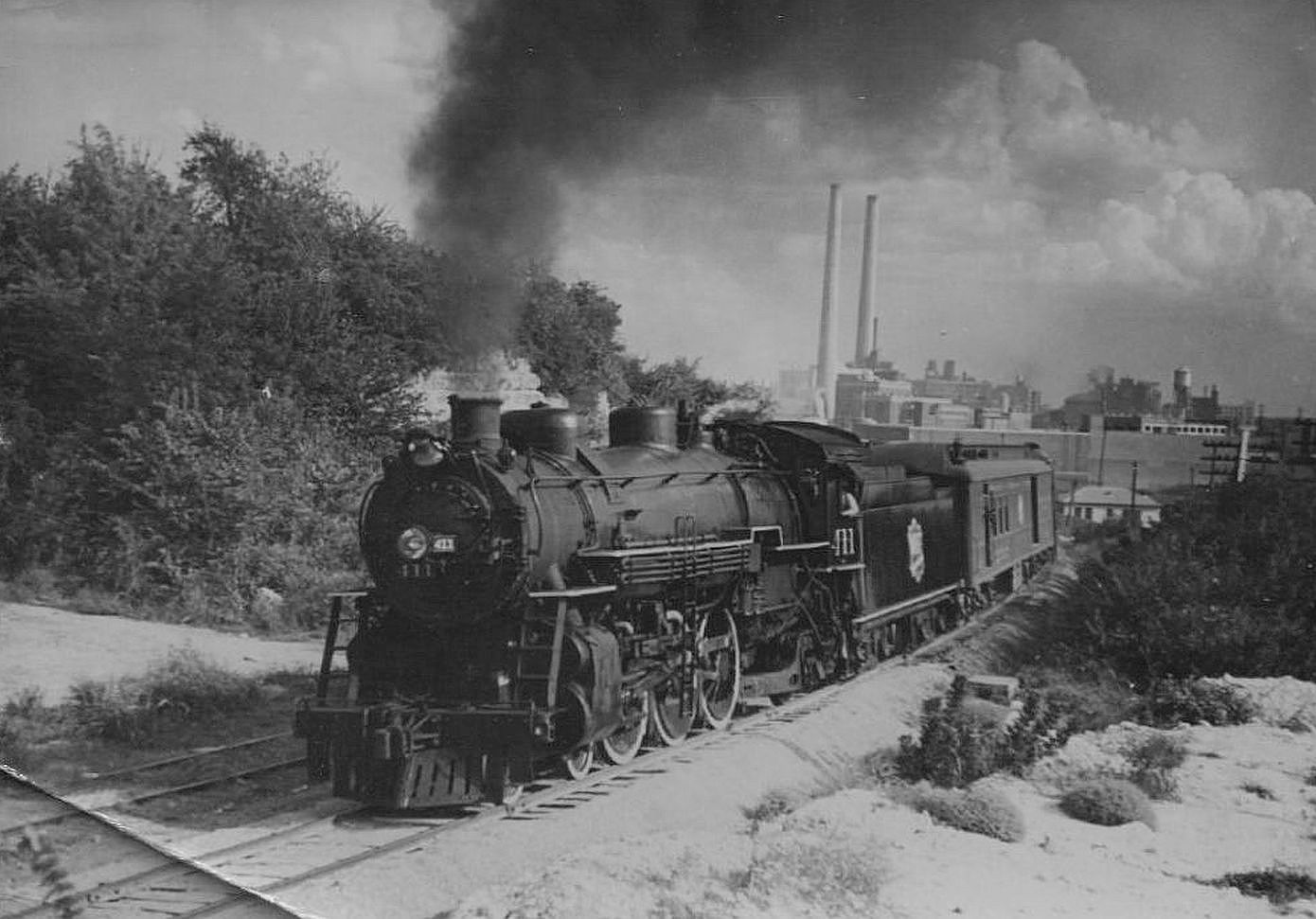
Above, an undated photo I came across on eBay a couple of months ago, showing a Missouri-Kansas-Texas train heading north from the Katy yard at the northwest corner of downtown. In the background are the twin DP&L smokestacks which were iconic landmarks until they were demolished in order to build the American Airlines Center and Victory Park. Below, a later photo taken from about the same location.

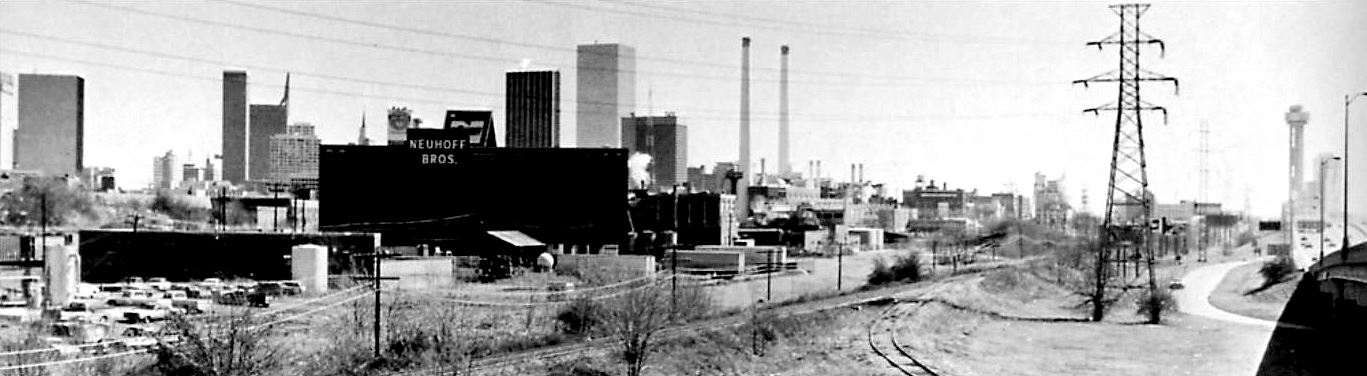
neuhoff_dpl_reunion-tower

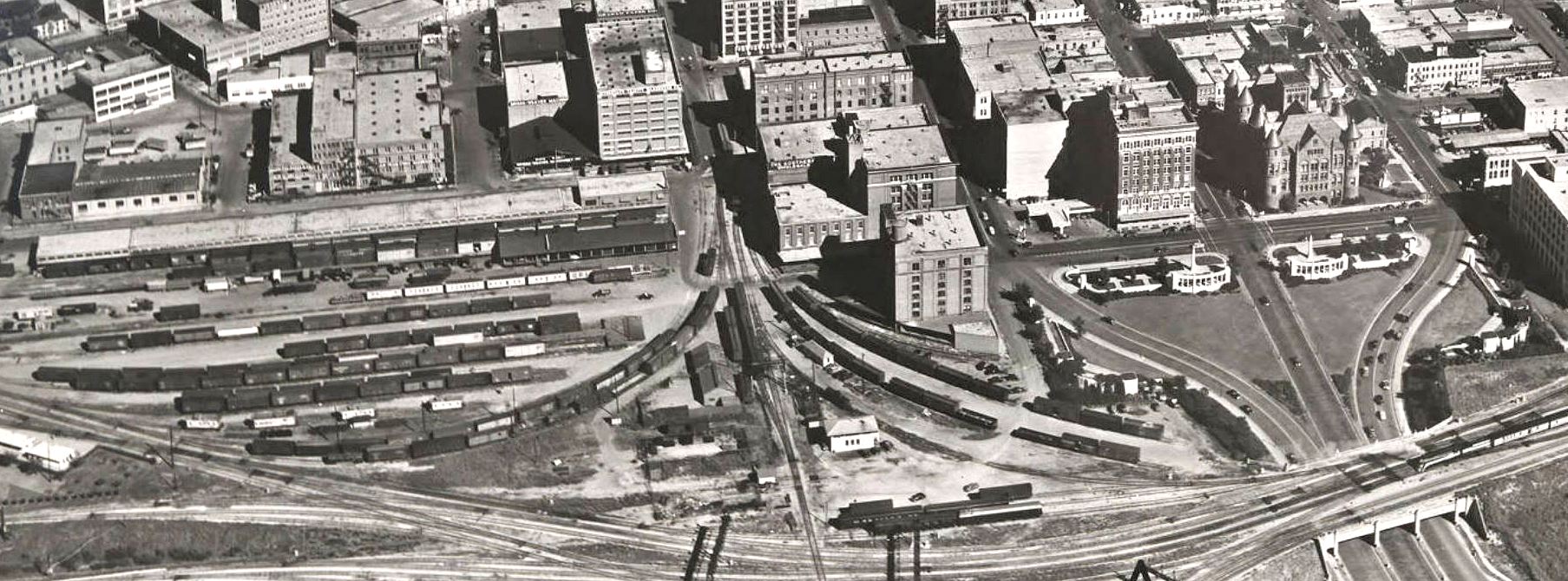
The area between Dealey Plaza and the Neuhoff meat packing plant was crammed with tracks; below is a detail from a mid-1940s aerial photo (click to see a larger image).

aerial_long_foscue-lib_smu_1940s_det

The M-K-T split about where the photo at the top was taken, as can be seen in the Sanborn map below (from 1927) between Turtle Creek and McKinney Avenue. One track headed north, the other cut through Oak Lawn and Highland Park (now the Katy Trail), crossing Mockingbird at the Dr Pepper plant near Central Expressway.

sanborn_vol-2_key_1927

mkt-logo

***

Sources & Notes

Top photo from eBay, with the photographer of this “vintage snapshot” credited as “Peter Stewart, Austin, Texas.” (There is a crease to the lower left corner.) It is undated, but when posted to the Texas Railroad History group on Facebook, commenters suggested mid-to-late-1930s to early ’50s. It’s a bit grainy, but the number on the engine appears to be 411.

The second photo, showing the Neuhoff plant and Reunion Tower, is from the collection of the Dallas Public Library.

The aerial shot is a detail from this photo by Lloyd M. Long, from the Edwin J. Foscue Map Library, Central University Libraries, Southern Methodist University.

The map detail is from the “key” page of the 1927 Sanborn Fire Insurance Map, here. Speaking of Sanborn maps, this one from 1921 shows M-K-T tracks galore behind the DP&L plant.

Click pictures to see larger images.

*

Copyright © 2016 Paula Bosse. All Rights Reserved.