Flashback : Dallas

A Miscellany: History, Ads, Pop Culture

Category: Neighborhoods

Eula Wolcott’s Baker Hotel Book Shop & Rental Library, 1926-1942

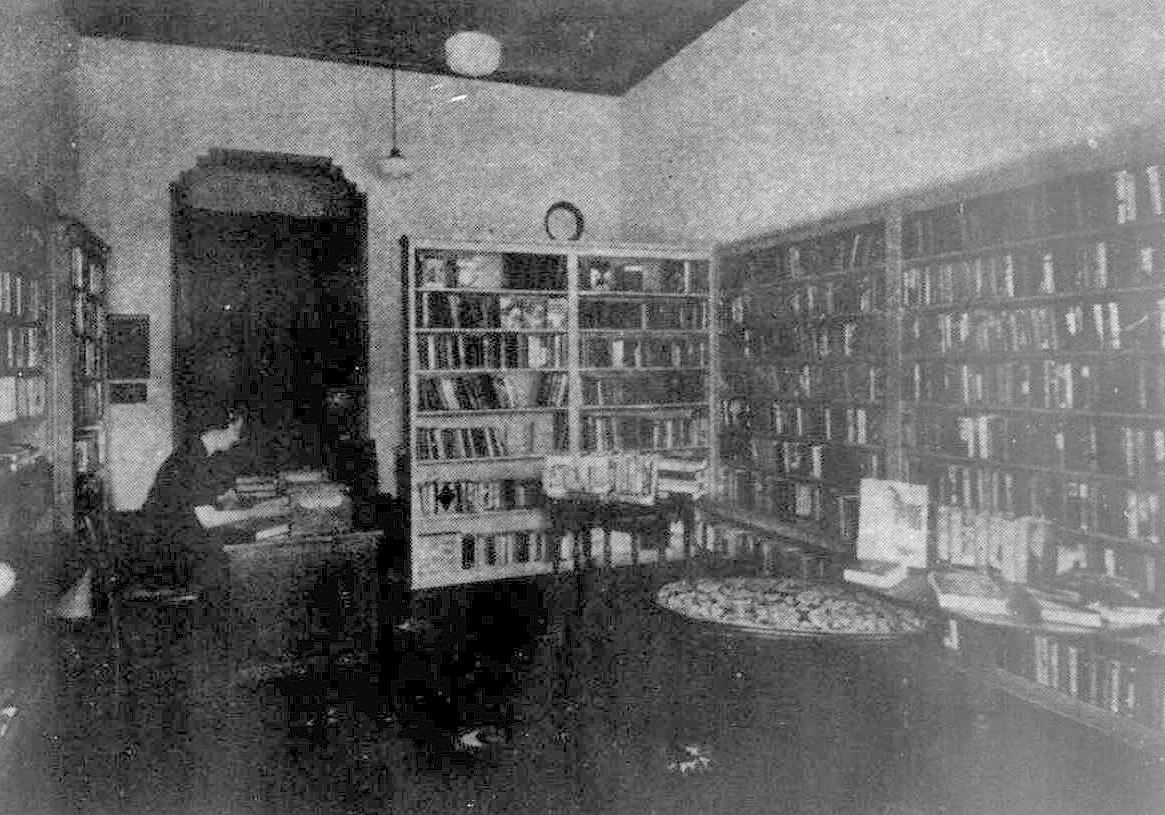
baker-hotel-book-shop_1934Eula Wolcott: bookseller, librarian (Publishers Weekly, 1934)

by Paula Bosse

Today is the birthday of my late father, Dick Bosse, owner of the Aldredge Book Store. I always try to post something bookstore-related on his birthday. This year: Miss Eula Wolcott’s Baker Hotel Book Shop & Rental Library, located inside the Baker Hotel.

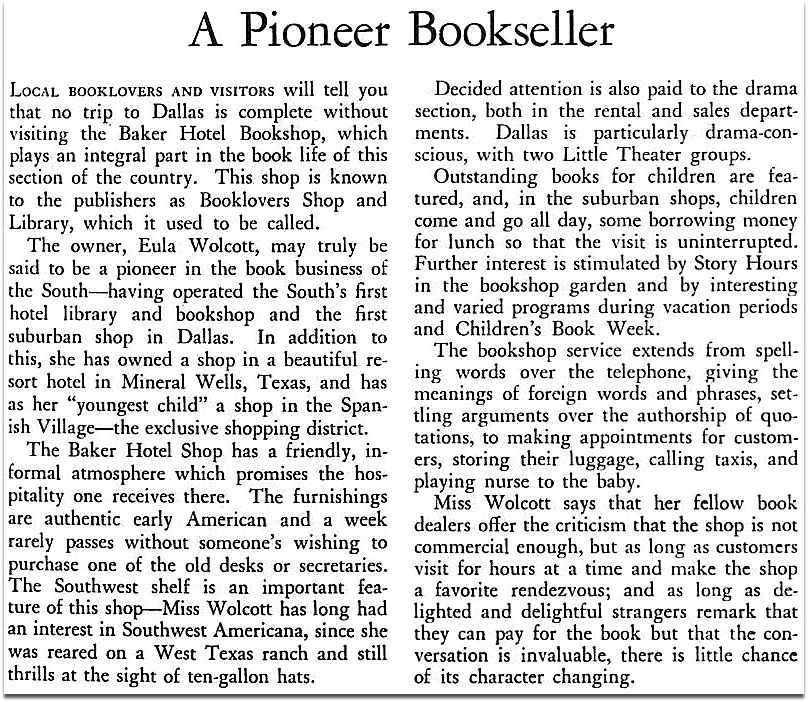
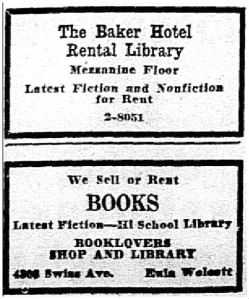
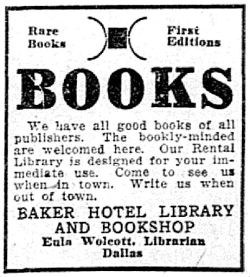
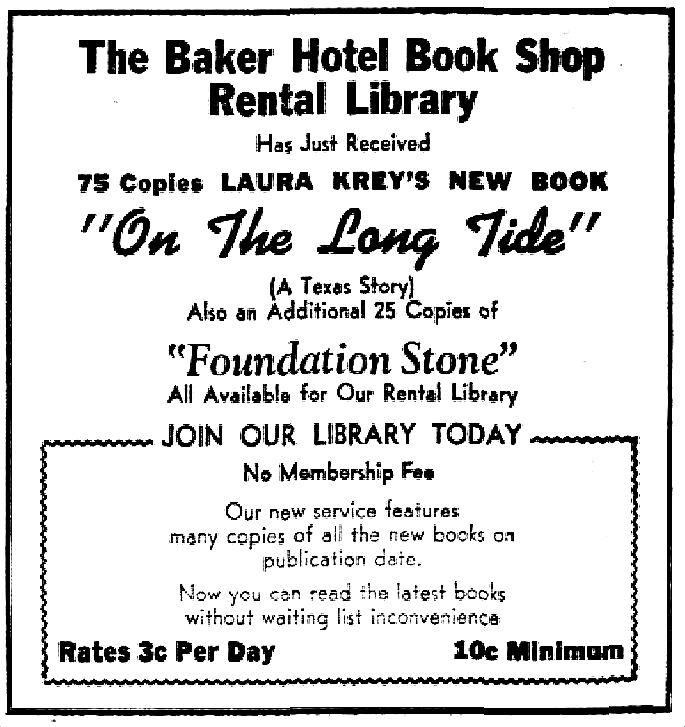
Eula Wolcott (1881-1962) was born in Waxahachie and had moved to Dallas by 1910. She appears to have had theatrical ambitions and studied voice and expression (she was billed as an “Experienced Concert Reader and Story Teller”). She opened a little book store and library in the early 1920s — the Booklovers Shop and Library was first on West Jefferson and later on Swiss Avenue. In 1926, she opened a similar shop inside the glamorous Baker Hotel, an enterprise she ran successfully until at least 1942 when another owner took over (she also apparently had a book shop inside the Baker Hotel in Mineral Wells). In 1931 she opened the rather confusingly-named “Baker Hotel Book Shop and Rental Library” in Highland Park — in the new “Spanish Village” (the original name for Highland Park Village). Below is a very enthusiastic profile from Publishers Weekly (click to see a larger image).

baker-hotel-book-shop_publishers-weekly_032434_eula-wolcott_textPublishers Weekly, March 24, 1934

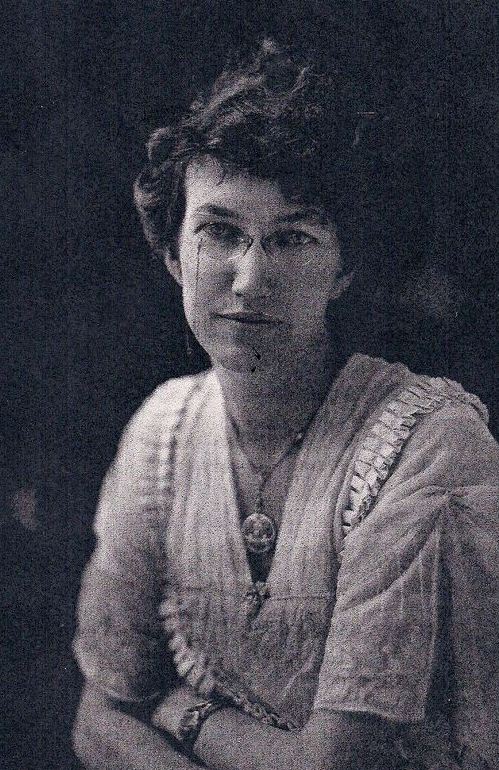
I wish the photo at the top had been better, because I’d love to get a good look at the decor. And Eula. I managed to find a photo of her.

wolcott-eula_ancestryEula Wolcott, via Ancestry.com

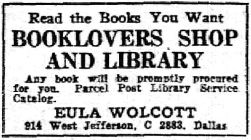
Here are a few ads:

booklovers_0420241924

baker-hotel_book-shop_DMN_oct-24-1926Two shops, one owner — 1926

baker-hotel_book-shop_1009271927

baker-hotel-book-shop_19371937

baker-hotel_book-shop_DMN_oct-25-19401940

She was active as a bookseller for many years and was also a familiar voice to radio listeners who tuned in to hear her book reviews on WFAA. 

One interesting piece of trivia about Eula’s hotel bookshop, shared with me by a former bookstore client of mine: the Baker Hotel Book Shop was the very first American bookstore that British author H. G. Wells ever visited. A lecture tour brought him to Dallas in 1940 — like many of the celebs of the day, he stayed at the Baker. I’m sure Eula was very happy to have Mr. Wells, a literary powerhouse, in her shop. Let’s hope he exhibited proper bookstore etiquette and purchased something!

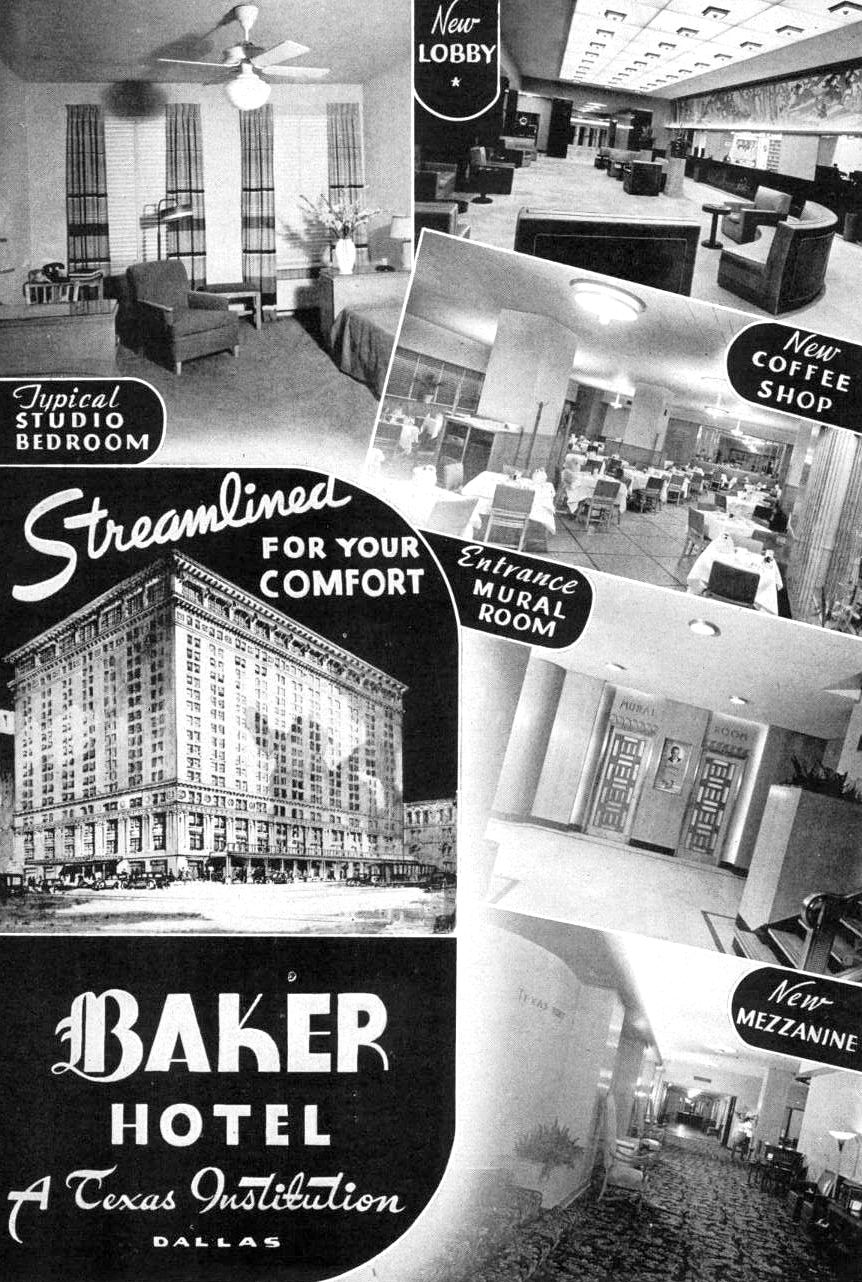
baker-hotel_mural-room_dallas-directory_1942Baker Hotel, circa 1940

***

Sources & Notes

Top photo and article from the trade magazine Publishers Weekly, March 24, 1934.

Read more Flashback Dallas articles on the Dallas bookstore scene here.

baker-hotel-book-shop_1934_sm

*

Copyright © 2022 Paula Bosse. All Rights Reserved.

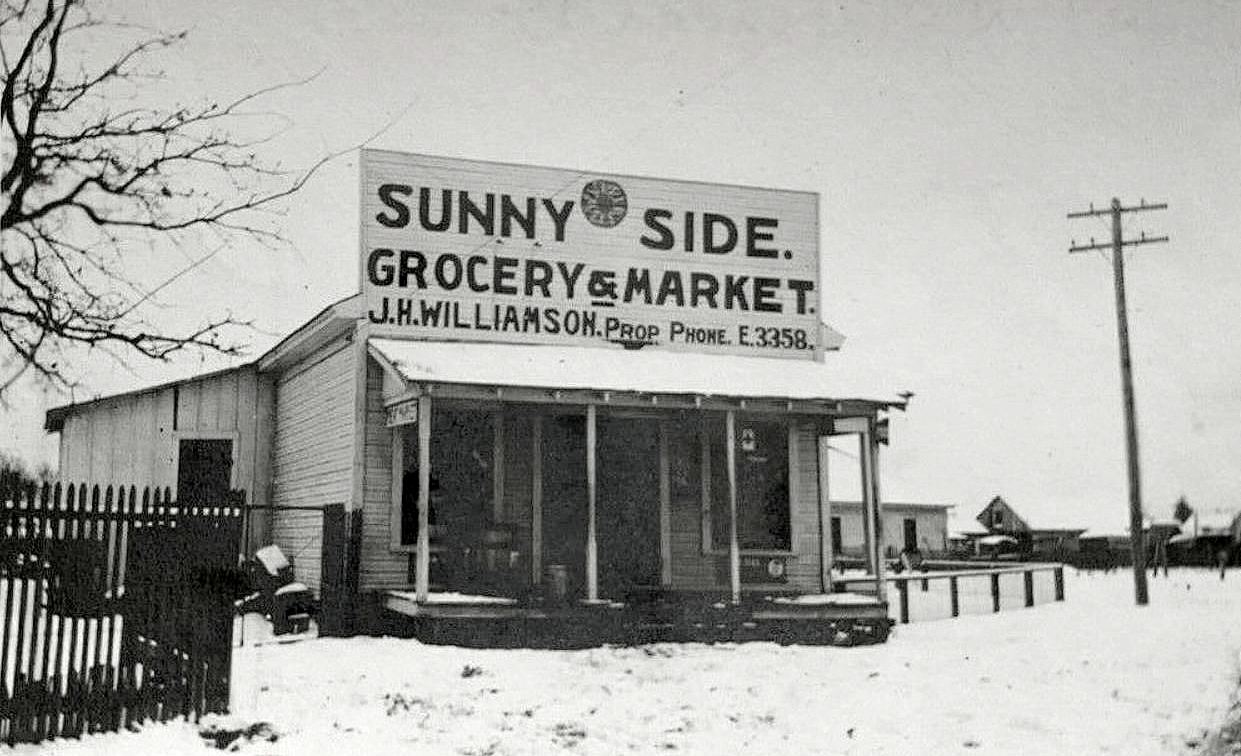
The Sunny Side Grocery — 1915

williamson-store_4207-w-clarendon_1915_ebay_rppc_c“Uncle John’s store”

by Paula Bosse

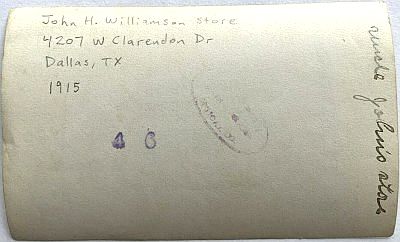
Above, the Sunny Side Grocery & Market, J. H. Williamson, prop. According to the notation on the back of this photo, the store — owned by John Williamson — was located at 4207 W. Clarendon (a few steps from Sunny Side Avenue in, I believe, Cockrell Hill (which I’m ashamed to say I didn’t realize was a separate city from Dallas — as Wikipedia says, it is a city “completely surrounded by the city of Dallas” — sorry, Cockrell Hill!).

williamson-store_4207-w-clarendon_1915_ebay_notation

Mr. Williamson appears to have owned another store — or this store, with an incorrect modern-day notation by a descendant. The other store (also called the Sunny Side Grocery…) was listed in the 1915 Dallas city directory (as well as in a 1915 ad in The Dallas Morning News) as being at 3600 Copeland (where S. Trunk and Copeland meet in South Dallas — as seen in the bottom right corner of this 1922 Sanborn map).

The only other thing to go on is the telephone number: “E 3358,” which might be “Edgewood” 3358. The Edgewood exchange went into service in 1911 and served “all telephones south of the Santa Fe tracks and west of the Fair Grounds” (Dallas Morning News, May 2, 1911). So that’s not terribly helpful in this instance, since both locations would be in that exchange (I think…). My guess is that the photo shows the W. Clarendon location (which was still in business as late as 1936).

So I’m going with Cockrell Hill, which, again, is a CITY COMPLETELY SURROUNDED BY ANOTHER CITY

***

Sources & Notes

Photo found on eBay.

williamson-store_4207-w-clarendon_1915_ebay_rppc_sm

*

Copyright © 2022 Paula Bosse. All Rights Reserved.

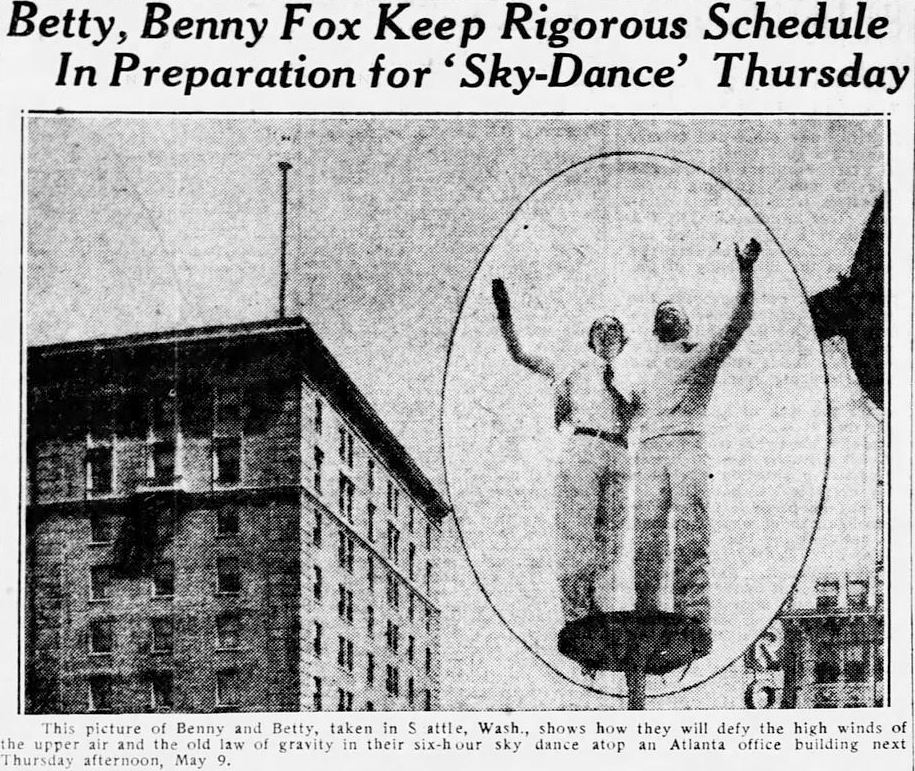
Betty and Benny Fox, Sky-Dancing in Dallas — ca. 1935

fox-betty-benny_princeton-univ_nd
Betty & Benny, without a care in the world… 

by Paula Bosse

I often just wander aimlessly around the internet, hoping I’ll find something Dallas-related that I haven’t seen before. Last night I found this unusual photo in the Western Americana Collection of Princeton University, described as “View of a Texas city, possibly Dallas.” Okay. It didn’t strike me immediately as a familiar view of Dallas, but you’ve got appearances by Dallas Art Glass Co., Texas Hosiery, and Texas Paper Co. So, yeah. Dallas! I definitely haven’t seen this before. (Scroll down for the specifics of the location.)

Once I determined this was, in fact, Dallas, I tried to figure out what was happening — who (and why?!) were those two people waving from a tiny platform on top of a tall pole? I first thought “flagpole-sitting,” the weird fad of the 1920s which makes me uncomfortably acrophobic just thinking about it. But it was two people on a pole. Standing. Waving. I just kept looking at it, wondering how they got up there. And how were they going to get down (without plummeting)? Why were they there? Were they a couple? Were there husband-and-wife pole-sitters/-standers/-dancers/-wavers? So many questions.

My first hint was in a December, 1931 story in The Dallas Morning News about a young woman who seemed to have some name-recognition named Betty Fox who was, at the time of the article, perched atop a pole in Greenville, Texas, attempting to test her endurance and remain there for 100 hours. As one does. (When in Greenville….) So I searched for newspaper articles about “Betty Fox.” She was, indeed, a star in the pole-sitting world, entertaining large crowds and making personal appearances all around the country. Then I noticed that there seemed to be more than one “Betty Fox” out there. Hmm. And I had noticed that there had been a pole-sitter named Ben Fox who was a fairly serious flagpole-sitting champ. That was kind of a weird coincidence. Or was it? And then I found the article “Sky Dancers Betty and Benny Fox,” which helpfully explained that Benny and Betty were daredevil aerial dancers. They were originally billed as brother and sister, but as the article says, “they were not related. And Betty was not always the same person, nor was she actually named Betty.”

They traveled from city to city where they drew large crowds who watched them perform high in the sky on a tiny circular disc 24 inches in diameter (it later shrank to 18 inches in diameter). Their acrobatic “sky dance” (AKA “The Dance of Death”) apparently lasted for several hours. (There was an article I read from 1931 about “Betty” and a heretofore unknown other “sibling” named “Babe” Fox who defied a judge’s injunction to prohibit the two from engaging in a 100-hour marathon-dance stunt on a 35-inch platform, 50 feet in the air in cold, wet, and windy Texarkana. Seems like a bad idea, but, apparently, they didn’t die. (…Or maybe they did and just got a new “Betty” and “Babe” and carried on to the next gig.)

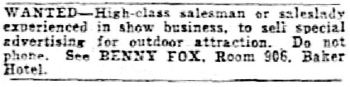
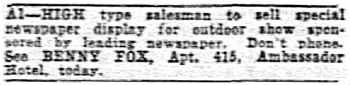
Princeton University estimated the date of the photo to be around 1930. I think it might have been 1935. The two classified ads below in which Benny seeks Dallas promoters for their local event, were from the end of 1935. (The event was sponsored by a Dallas newspaper — it obviously wasn’t the DMN, because there was no story about the Foxes in their pages.) The newspaper photo below the ads shows the then-current version of Betty and Benny, and they look like the couple in the Princeton photo. 

fox-benny_dmn_112735Dallas Morning News, Nov. 27, 1935

fox-benny_dmn_120735DMN, Dec. 7, 1935

fox_atlanta-constitution_050335Atlanta Constitution, May 3, 1935

Yes, that caption says they performed for SIX HOURS.

I’m not sure how long “Betty and Benny” lasted, but they were back in Dallas in 1957 performing at a week-long carnival in Wynnewood Shopping Center. I bet there were more “Bettys” than “Perunas.”

Here’s some newsreel footage of one of the Betty and Benny incarnations, doing their thing in Chicago. (Seriously, if you’ve got even a hint of a fear of heights, look away!!!)

*

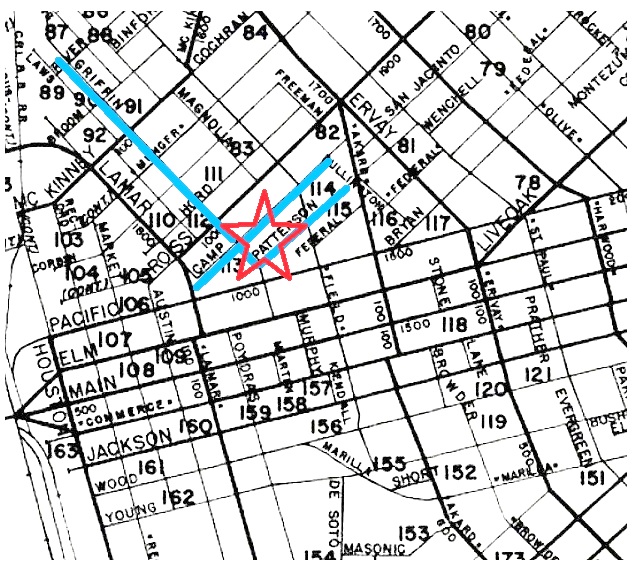
So where was that photo at the top taken? I’m estimating the camera was on the top of a building at, roughly, Griffin and Pacific, looking in a northerly direction. At the top right, the tall building farthest away is the First Methodist Episcopal Church (now First United Methodist) at Ross and Harwood. It’s hard to see any streets, but the two running diagonally are Camp and Patterson. A few addresses of businesses seen in the photo:

  • Dallas Art Glass Co.: 1408 Camp
  • Steger Transfer Co.: 1305 Camp
  • Texas Hosiery: 1200 Camp/1201 Patterson
  • Texas Paper Co.: 1200 Patterson, extending to Pacific

A 1921 Sanborn map is here. A detail from a 1952 Mapsco is below.

fox_mapsco_1952_camp-patterson-griffin1952 Mapsco (det)

*

I’m not sure why Princeton has this photo in their collection, but I really enjoyed reading about Benny and his “Bettys.”

***

Sources & Notes

Top photo — “View of a Texas city, possibly Dallas” — is from the Western Americana Collection, Princeton University Library Special Collections; more information on this photo can be found on the Princeton website here.

See several “action” photos of Benny and Betty from GettyImages here.

Read the very entertaining “Sky Dancers Betty and Benny Fox” by Alan E. Hunter, here.

Another story I wrote concerning an “endurance” stunt (which, like this one, also makes me feel a little panicky) is “Buried Alive at the Fair Park Midway — 1946.” 

fox-betty-benny_princeton-univ_nd_det

*

Copyright © 2022 Paula Bosse. All Rights Reserved.

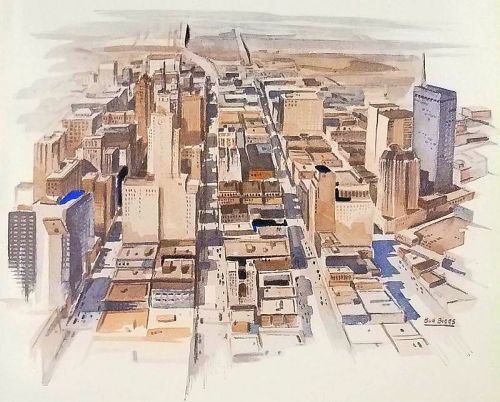
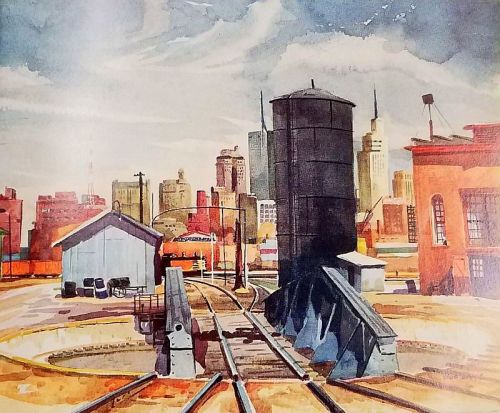
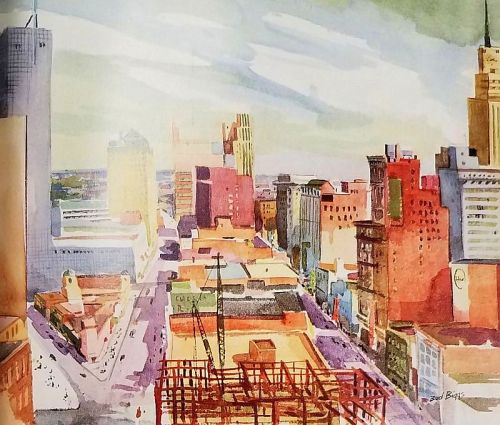
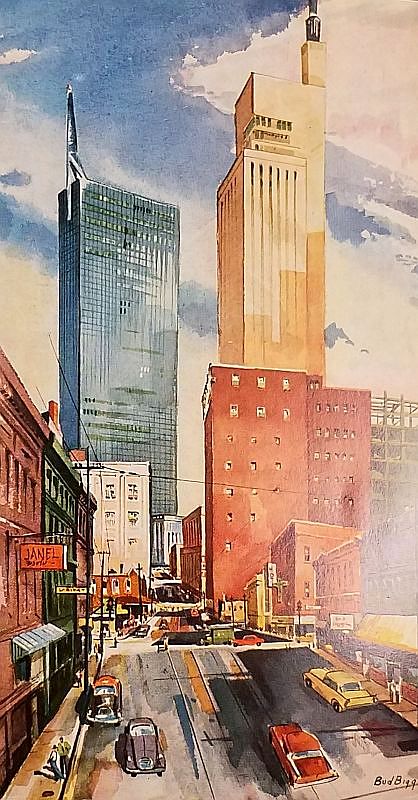
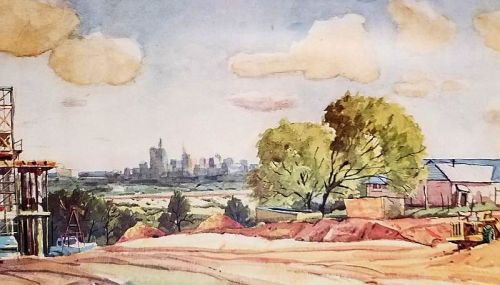
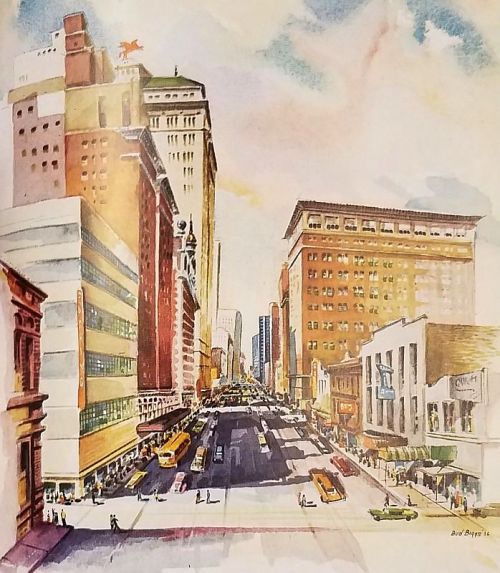
Bud Biggs: 12 Watercolors of Dallas — ca. 1955

1-1956-january_dallas-mag_bud-biggs“Aerial View of Downtown Dallas” by Bud Biggs

by Paula Bosse

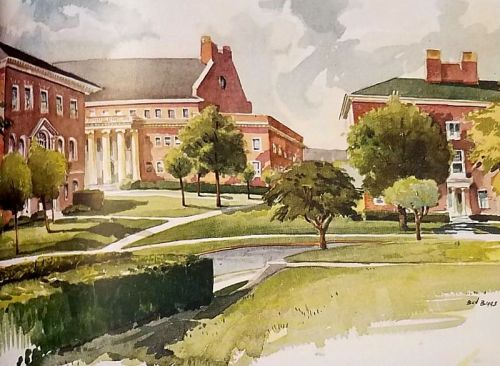
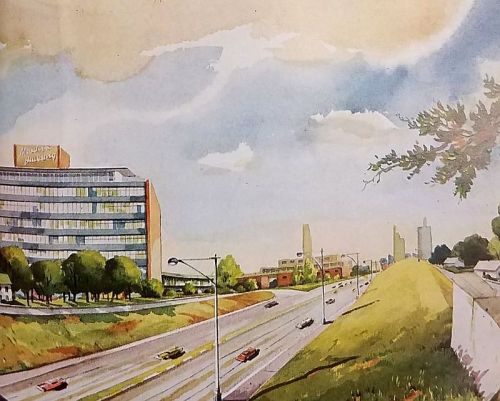
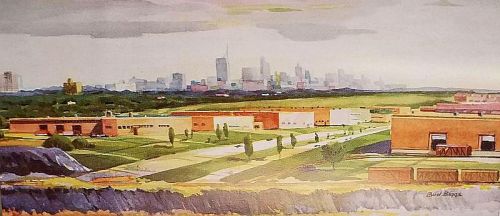
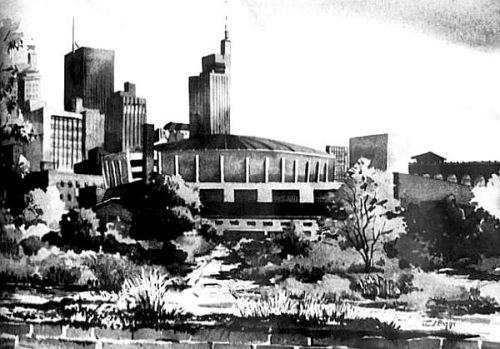
Back in 2018 I posted Christmas-themed magazine cover art by Dallas artist/illustrator Bud Biggs — it was one of my favorite images posted that year (see the post here). I knew that it had been one of the 12 monthly covers by Biggs used in 1956 for Dallas magazine, the Dallas Chamber of Commerce publication. Since then, I’ve managed to turn up all 12 watercolors. Some of them are going to look a little wonky with unfortunate glare patches — this is because I was unable to photograph them lying flat. I’ve done my best! I’ve paired them with the titles which were printed in the Dallas Morning News — I hope I’ve gotten the right titles with the right paintings. 

*

Above, “Aerial View of Downtown Dallas” by Bud Biggs (this painting appeared on the cover of the January, 1956 issue of Dallas magazine).

*

Below, “The Katy Round House” by Bud Biggs (February, 1956 cover)

2-1956-february_dallas-mag_bud-biggs

*

“Looking Up Pacific” by Bud Biggs (March, 1956 cover)

3-1956-march_dallas-mag_bud-biggs

*

“Ervay Street” by Bud Biggs (April, 1956 cover)

4-1956-april_dallas-mag_bud-biggs

*

“Ground-breaking, Dallas University” by Bud Biggs (May, 1956 cover)

5-1956-may_dallas-mag_bud-biggs

*

“Commerce Street” by Bud Biggs (June, 1956 cover) 

6-1956-june_dallas-mag_bud-biggs

*

“SMU Legal Center” by Bud Biggs (July, 1956 cover)

7-1956-july_dallas-mag_bud-biggs

*

“Central Expressway” by Bud Biggs (August, 1956 cover)

8-1956-august_dallas-mag_bud-biggs

*

Midway, State Fair of Texas” by Bud Biggs (September, 1956 cover)

9-1956-september_dallas-mag_bud-biggs

*

“Trinity Industrial District” by Bud Biggs (October, 1956 cover)

10-1956-october_dallas-mag_bud-biggs

*

“City Auditorium” by Bud Biggs (November, 1956 cover) — sadly, I was unable to find this one in color.11-1956-november_dallas-mag_bud-biggs_BW

*

“Main Street, Christmas Night” by Bud Biggs (used for the cover of the December, 1956 issue of Dallas and for the cover of the Christmas, 1959 issue of the Shamrock Oil & Gas publication, The Shamrock)

xmas_bud-biggs_shamrock-mag_1959_texas-tech

**

This series of 12 paintings won the “Best Covers of 1956” award from the American Association of Commerce Publications, and in 1958 all 12 of the original watercolors were purchased by Southwest Airmotive Company to be displayed in their new Love Field terminal. I have no idea where these paintings are today. I love them. 

*

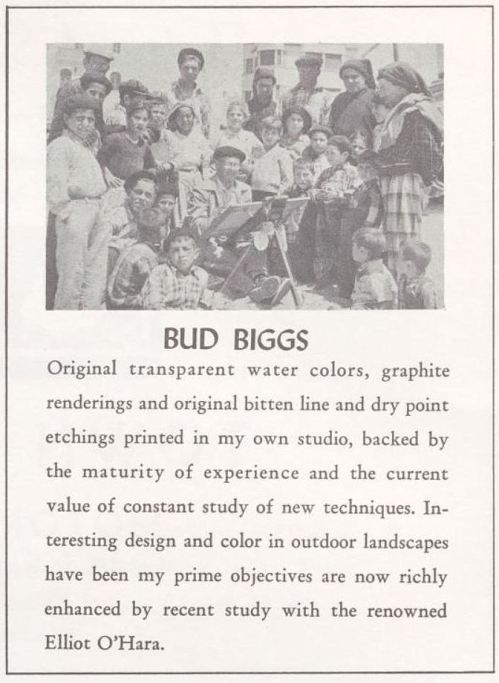
Dallas native Bancroft Putnam “Bud” Biggs (1906-1985) attended Forest Ave. High School, SMU, and the St. Louis School of Fine Arts. He was primarily a commercial artist, working for Dallas artist Guy Cahoon before opening his own advertising studio. He produced fine art as well, specializing in watercolors, and was a respected art instructor. Below is an ad placed in the publication La Fiesta of Art (1957) to coincide with an art show in Highland Park Village. He is seen sitting at an easel. I had never heard of Bud Biggs before that Christmas post in 2018 — someone needs to round up his works and publish them!

biggs-bud_la-fiesta-of-art_1957_portal

***

Sources & Notes

Information on the 12 paintings is from the Dallas Morning News article “Art & Artists: Biggs Series Bought by Firm” by Rual Askew, Feb. 20, 1958.

2-1956-february_dallas-mag_bud-biggs_sm

*

Copyright © 2022 Paula Bosse. All Rights Reserved.

Dallas Skyline Mosaic Mural, Preston Forest Shopping Center — 1960

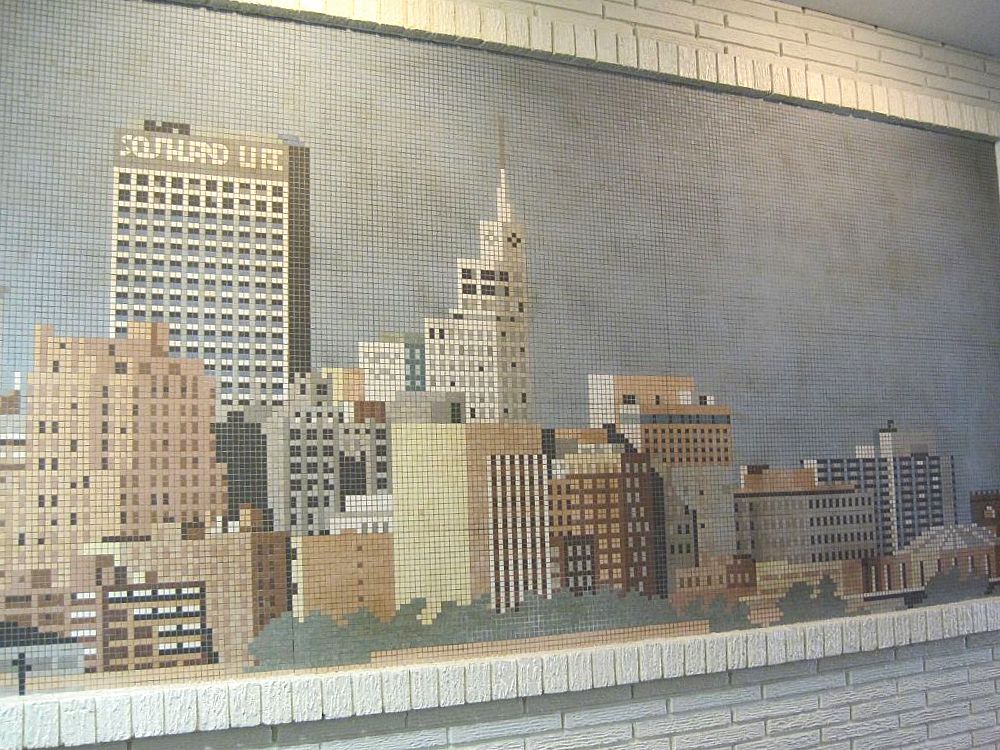
preston-forest-mosaic_1_wide_paula-bosse_june-2014A hidden gem at Preston and Forest…

by Paula Bosse

I was contacted by someone over the weekend about a photo I had posted to my personal Instagram back in 2014. And that reminded me that I’ve been meaning to post these photos for several years now! (Thanks, G.H.)

Back in June, 2014, I saw a Dallas Morning News blog post by Rudy Bush, saying that he had just seen a pretty amazing mural after having gone to get a haircut in the Preston Forest Shopping Center and that he was hoping to find more information about it. He posted a photo, and it was COOL! I’d never seen it, and started looking to see what I could find. Rudy included my info in a later DMN blog post, with a nice link to my brand new Flashback Dallas site.

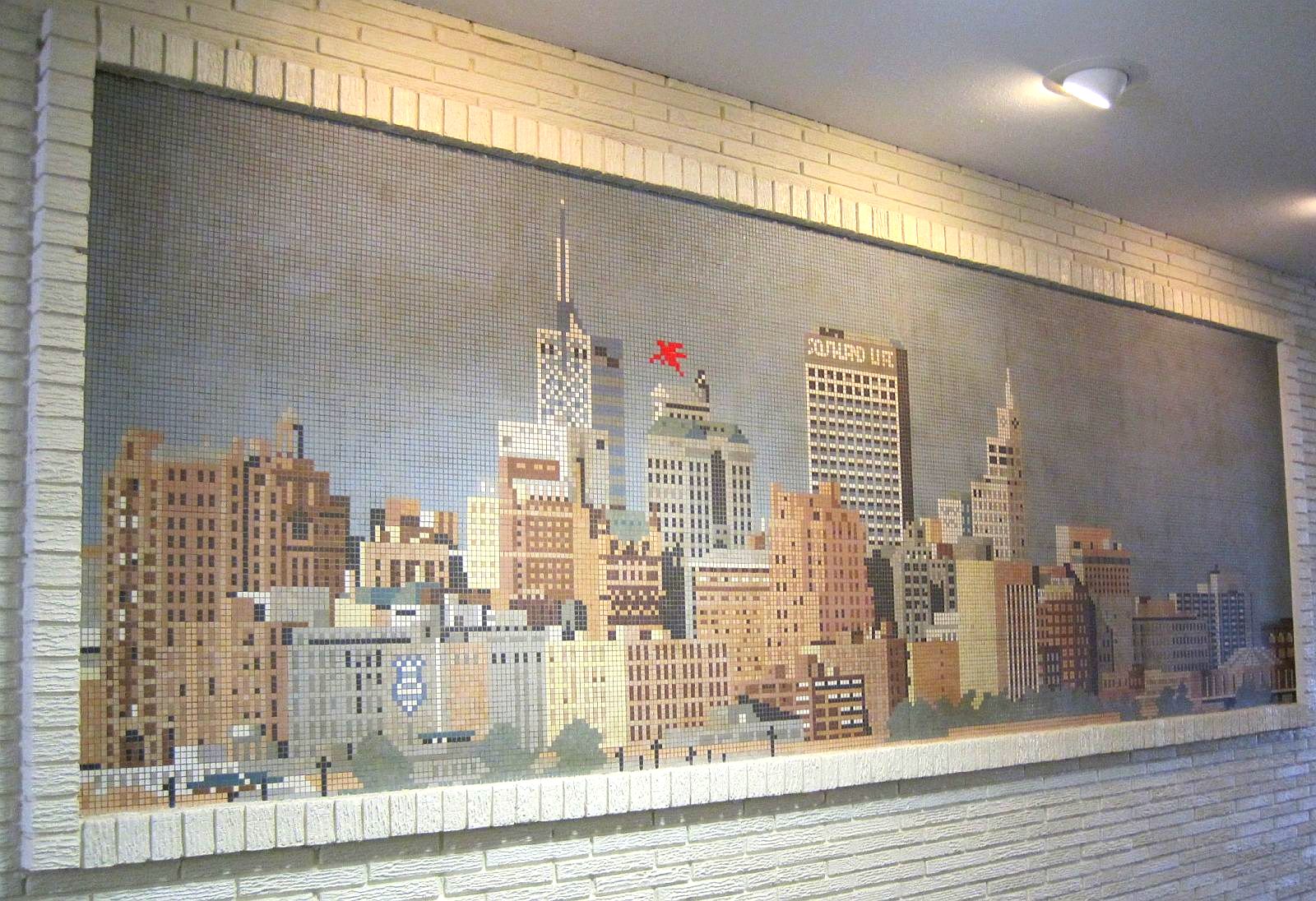
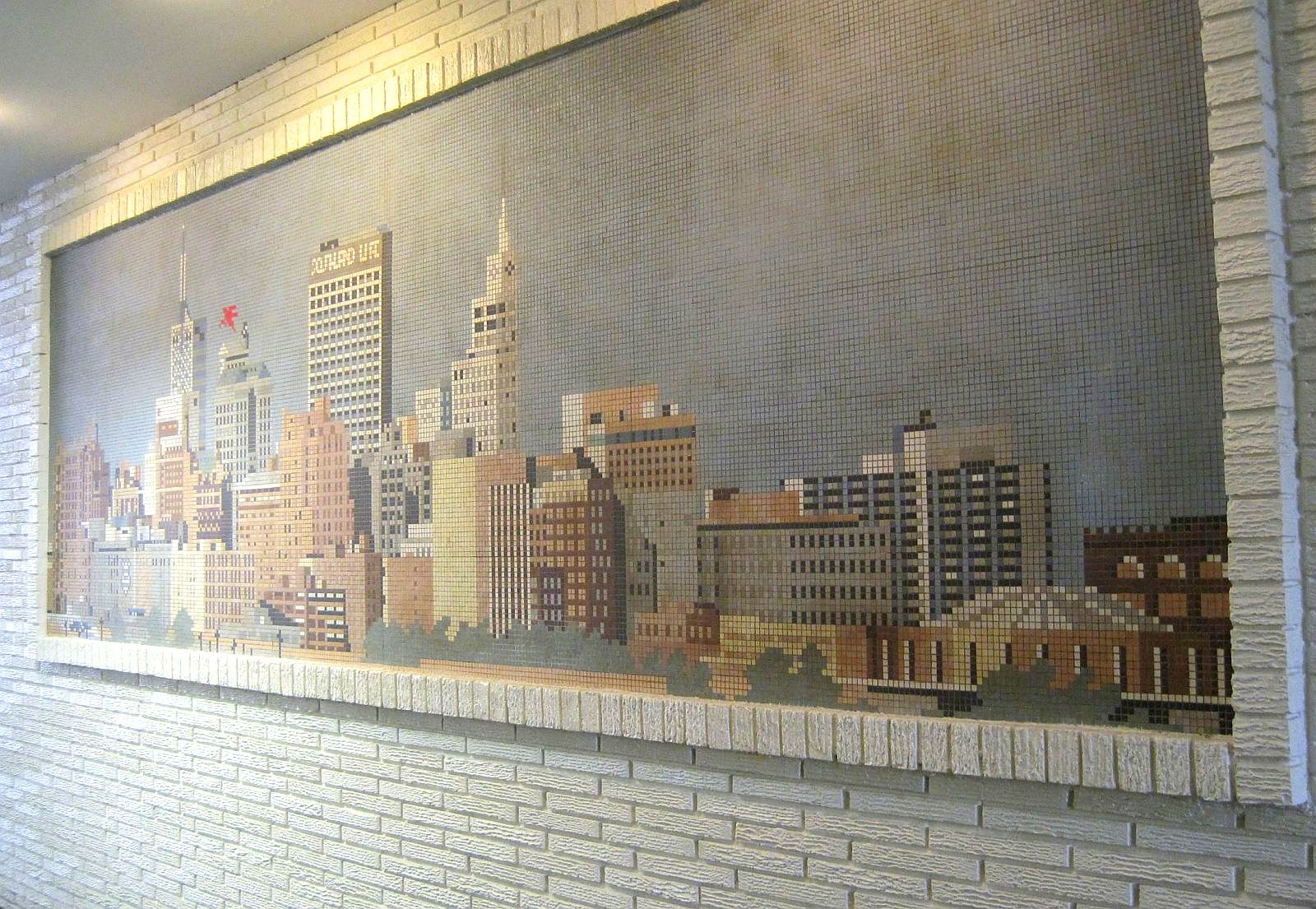
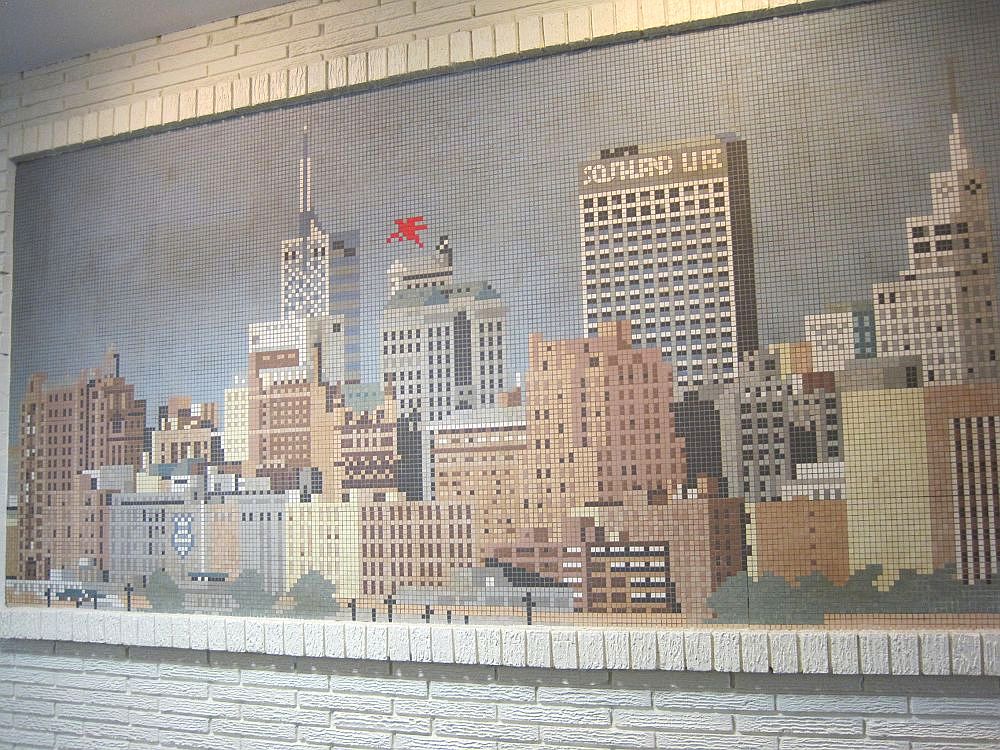
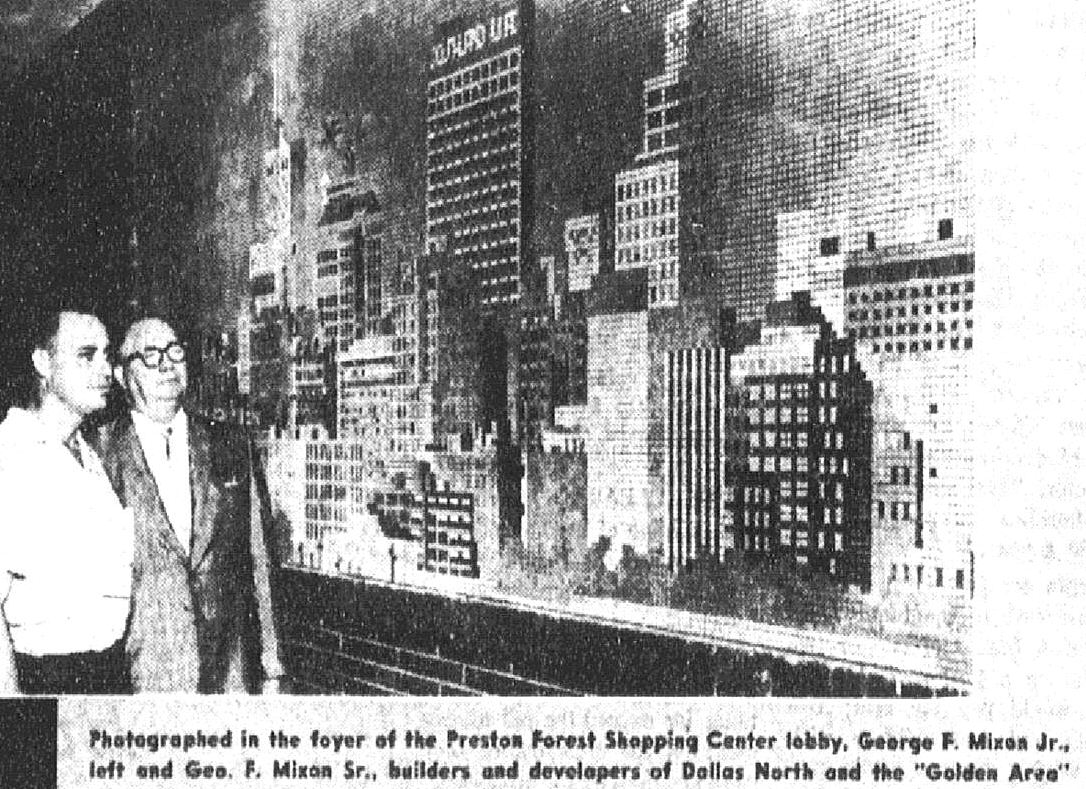
The 80-square-foot tile mosaic — made up of more than 46,000 ceramic tiles — shows the Dallas skyline of the late 1950s. It was created by Cambridge Tile Co. of Ohio (with a factory in the Trinity Industrial District) and installed by H. J. Palmer Tile Co. of Dallas. The mural was commissioned by George F. Mixon Sr. and George F. Mixon Jr., developers of several North Dallas shopping centers, including the Preston Forest Shopping Center (southeast corner of Preston and Forest). The mural was installed in the shopping center office.

I haven’t been over to see it since 2014, but I assume it’s still there. It’s about halfway between Staples and Whole Foods, next to a barber shop. It’s in the small lobby of office space you might never have even noticed. And it is wonderful. Unfortunately, it’s in a hallway, so there’s no way to take a photo of the whole thing straight on. Even when you’re standing looking at it, it’s like being on the front row of a movie theater — the only way to see the whole thing is to move your head from side to side as you feel yourself straining to lean back to take the whole thing in. 

I know it was commissioned especially for this building, but no one ever sees it! It would be great if it were installed somewhere else where more people could enjoy it. I love it. Go and see it! And have fun identifying all the landmark buildings. (UPDATE: I have been informed by several people who have made the pilgrimage to Preston-Forest to see this mural that it is no longer accessible to the general public. What a shame!)

*

Here are photos I took in June, 2014.

preston-forest-mosaic_5_wide_paula-bosse_june-2014

preston-forest-mosaic_6_paula-bosse_june-2014

preston-forest-mosaic_8_paula-bosse_june-2014

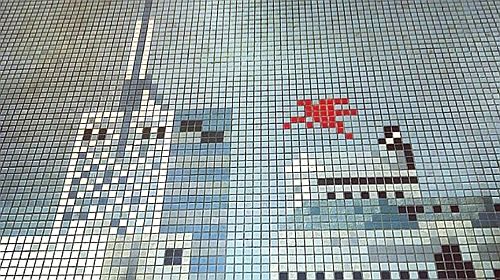
And, of course, my favorite detail — look what you can do with 29 red tiles:

preston-forest-mural_instagram_paula-bosse_june-2014

**

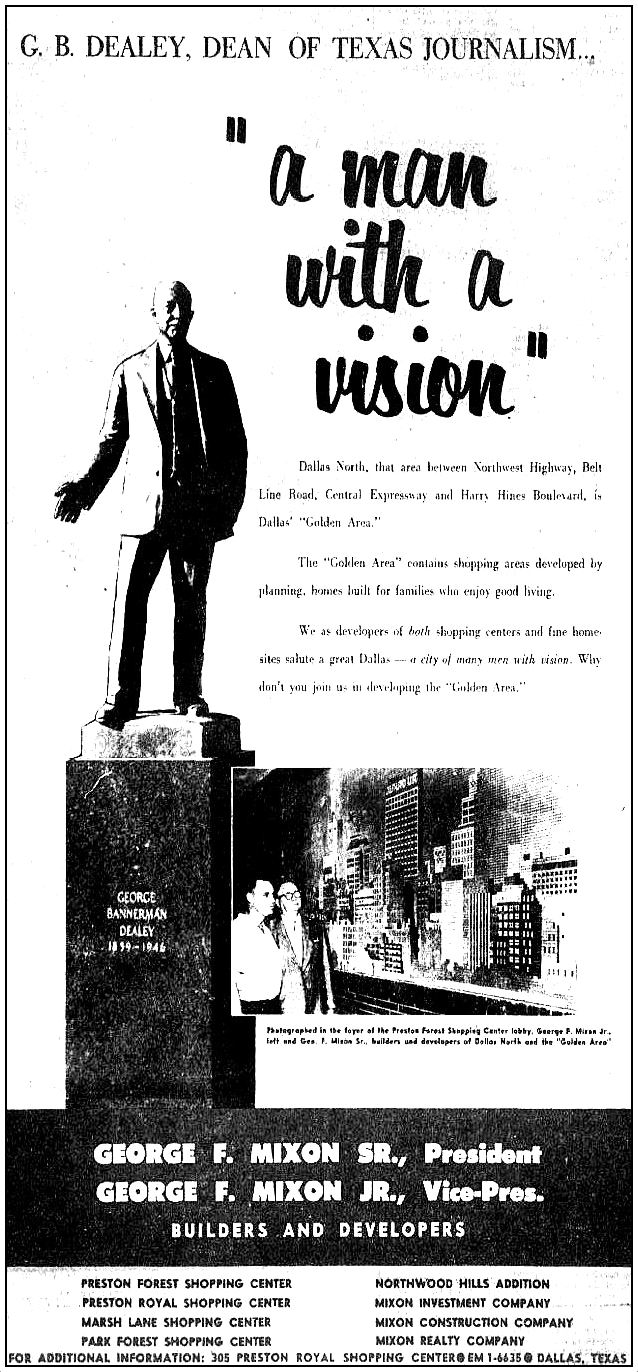
Below, a photo of the Mixons in front of their mural — from a 1960 ad. (See the full ad below.)

preston-forest_mosaic_100260_ad-det_mixon

preston-forest_mosaic_100260_ad_mixonAd, Oct. 1960 (click for larger image)

***

Sources & Notes

All photos by Paula Bosse, taken in June, 2014.

preston-forest-mosaic_1_wide_paula-bosse_june-2014_sm

*

Copyright © 2022 Paula Bosse. All Rights Reserved.

Two Postcard Views of a Growing Dallas

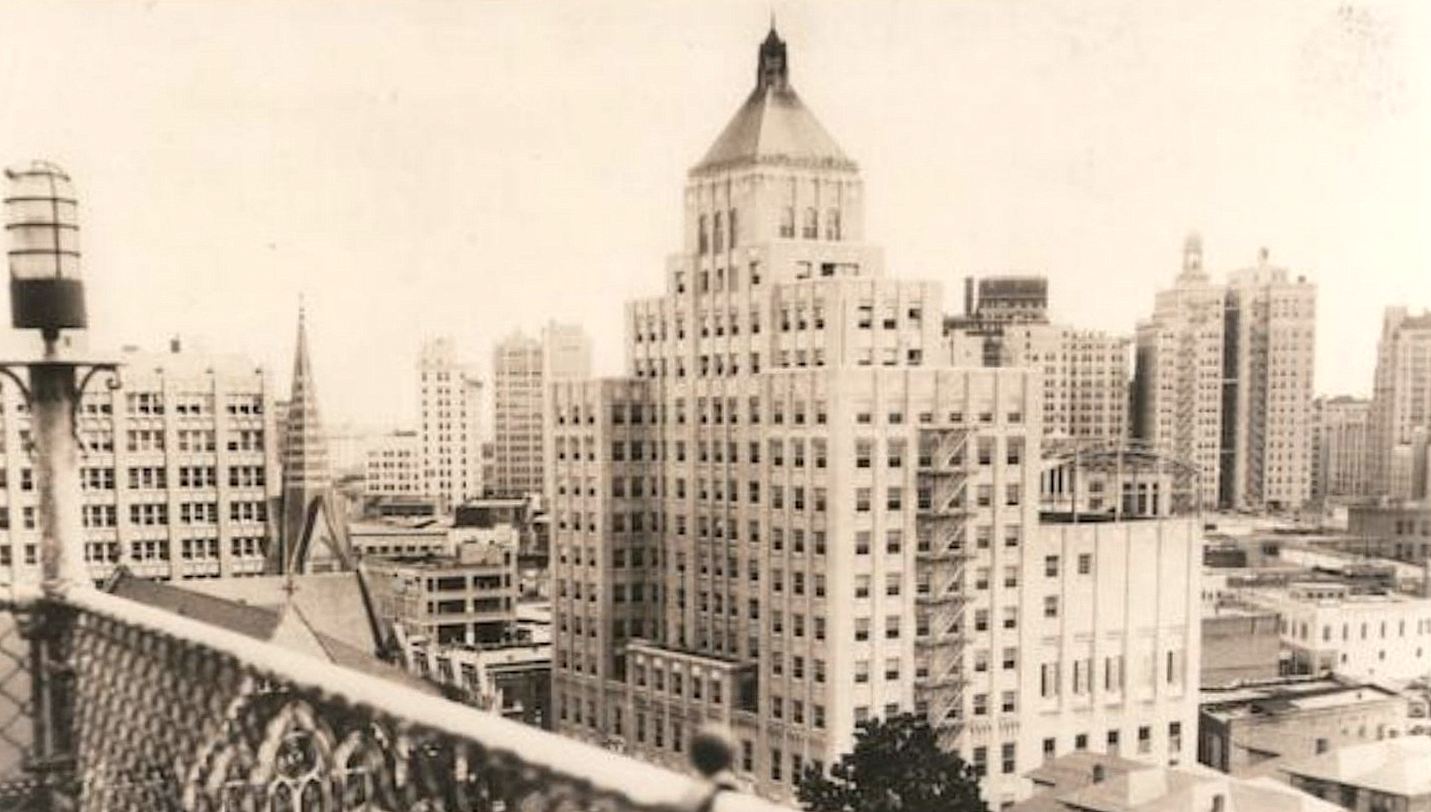
skyline_dallas-texas_rppc_postcard_ebayThere’s a church, and a bank, and a bank, and a bank…

by Paula Bosse

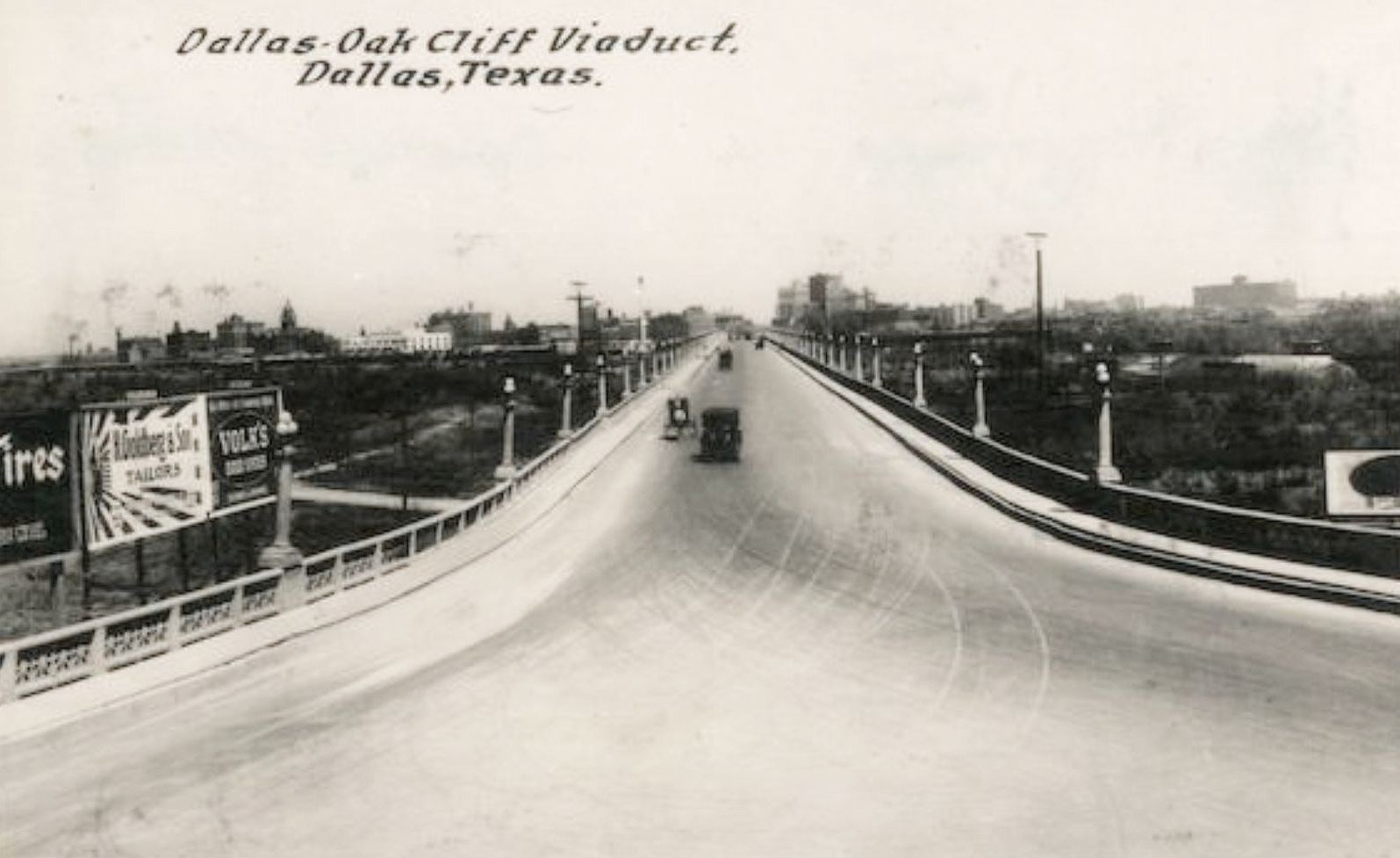
A couple of quickies: these are two really nice postcards which popped up recently on eBay — I’d never seen them before.

Above, a lovely, creamy, glowing shot of the skyline. I recognize several of the buildings, but I’m not sure where the photographer was positioned. I’m sure a smart person will put the location in the comments.

And below, a great image of the “Dallas-Oak Cliff viaduct,” looking toward the city. There’s even a Volk’s billboard to welcome visitors.

oak-cliff-viaduct_rppc_ebay

***

Sources & Notes

Both postcards found on eBay.

skyline_dallas-texas_rppc_postcard_ebay_sm

*

Copyright © 2022 Paula Bosse. All Rights Reserved.

The University Park Brown Books — An Unbelievable Resource!

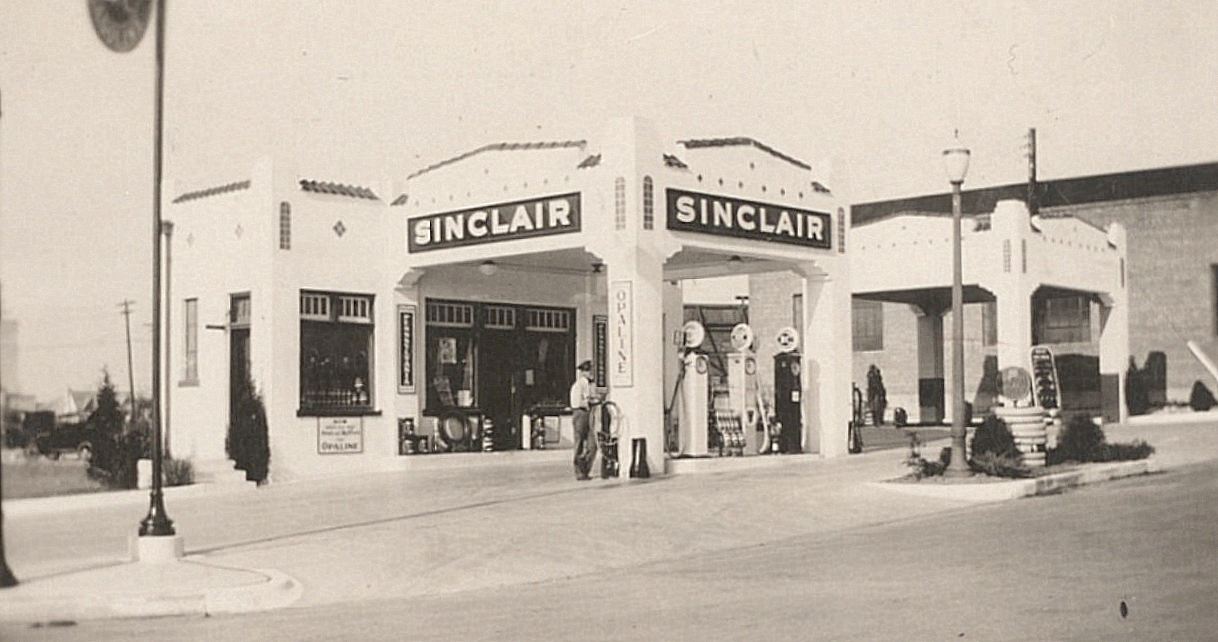
snider-plaza_brown-bks_university-park_6600-1934_sinclalirFill ‘er up in Snider Plaza, 1934

by Paula Bosse

You know how sometimes someone nonchalantly mentions something to you which should have been introduced by a fireworks display? That’s what happened when my friend Rod Hargrave sent me a link he had come across about a new online resource from the University Park Public Library: the city’s “Brown Books,” fully digitized. I made a note to check out the link when I had time but didn’t get to it for a week. I’m not the kind of person who uses “OMG,” but… O..M..G !! This is just unbelievably fantastic. 

Here’s the blurb form the University Park Public Library post

Brown Books at UP Public Library
March 2, 2022

Spend some time with one of the library’s newest resources! The City’s Brown Books contain thousands of subdivision records of individual construction permits for homes and some businesses across several decades. In these pages, you can find interesting and helpful information about the original structure. Data includes notations about square footage, construction date, original building price, along with details about the interior of the building and more. Over 98 percent of all documents include a photograph of the original structure.

PHOTOGRAPHS! Almost everything I looked up had a photo. I looked up addresses of places I’d written about – photos! I looked up businesses along Preston, Hillcrest, and Lovers Lane — photos! I looked at just about every business in Snider Plaza — photos! I even looked up the still-standing house my family lived in for a couple of years on Milton — photo! The earliest photos I found were from 1931. And all of this available to anyone with a computer — for free! Thank you, University Park Public Library!

And as the blurb says, not only are there photographs of the properties, but there is a whole history of the building, complete with renovation info, builder info, a drawing of the original footprint, etc. This includes tons of buildings which have been torn down — nothing ever dies in city/county records.

Below are some of the photos I found. Scroll down below them for instructions on how to access these records yourself on your computer.

*

Here are a few photos of businesses on “the drag” — Hillcrest Avenue, across from SMU. (Click pictures to see larger images.)

6200 block of Hillcrest, at Granada (in 1931). (See this property’s Brown Books page here.)

6200-block-hillcrest_brown-bks_university park_1931

*

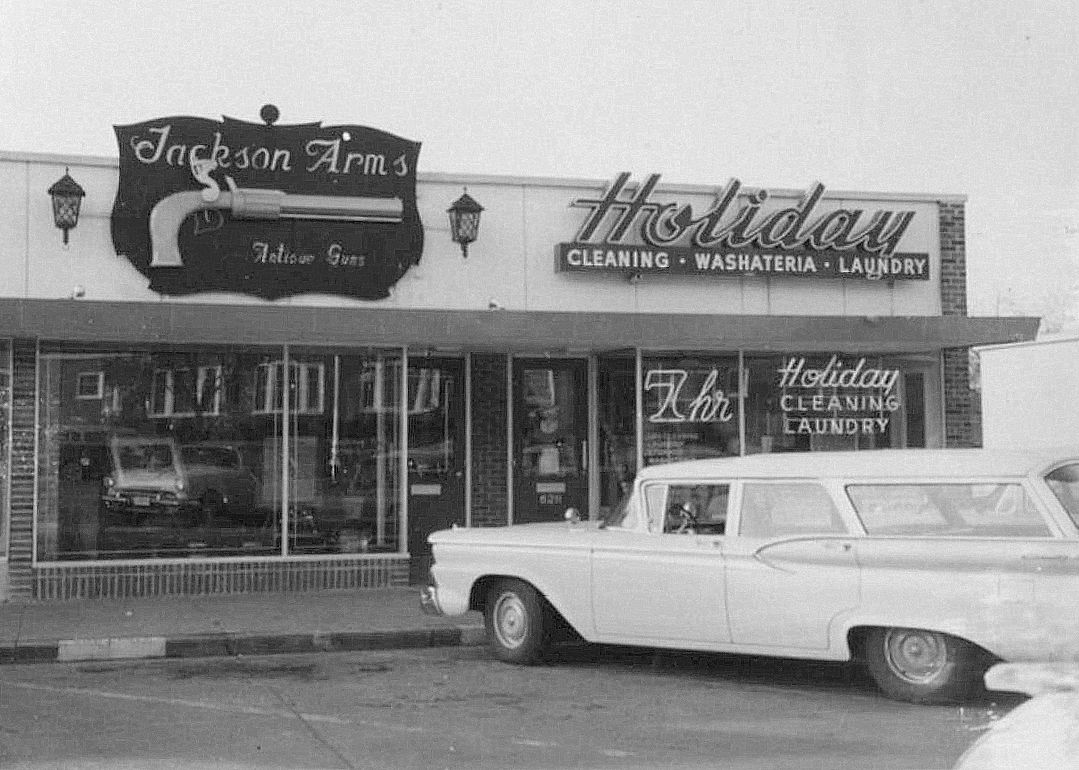
6209 Hillcrest (1959) — Jackson Arms, once my father’s home-away-from-home. (Brown Books page is here.)

6209-hillcrest_brown-bks_university park_1959_jackson-arms

*

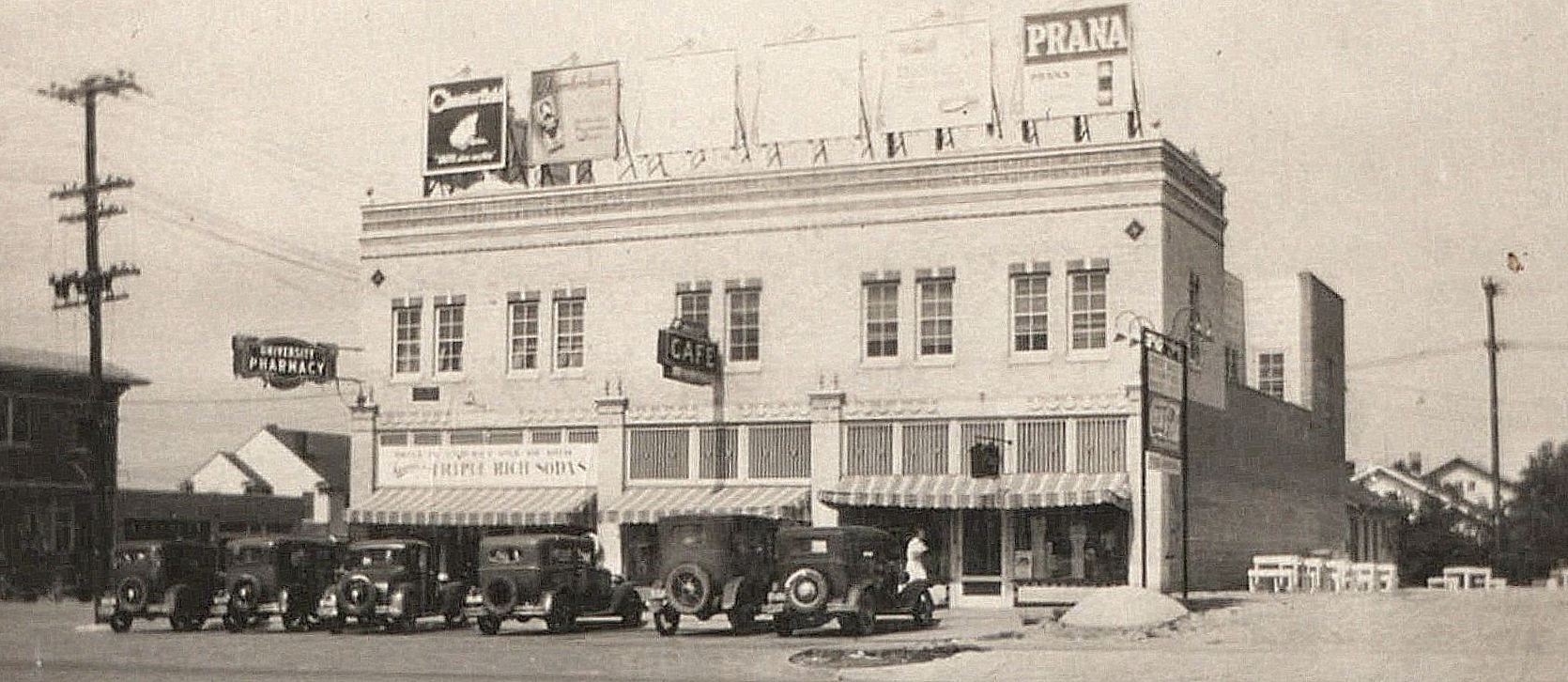
6401 Hillcrest, at McFarlin (1931). The Couch Building, which burned down a few years ago — I wrote about that building here. (Brown Books page is here.) I **LOVE** this photo. I love the billboards on top of the building.

6401-hillcrest_brown-bks_university park_1931_couch-bldg

*

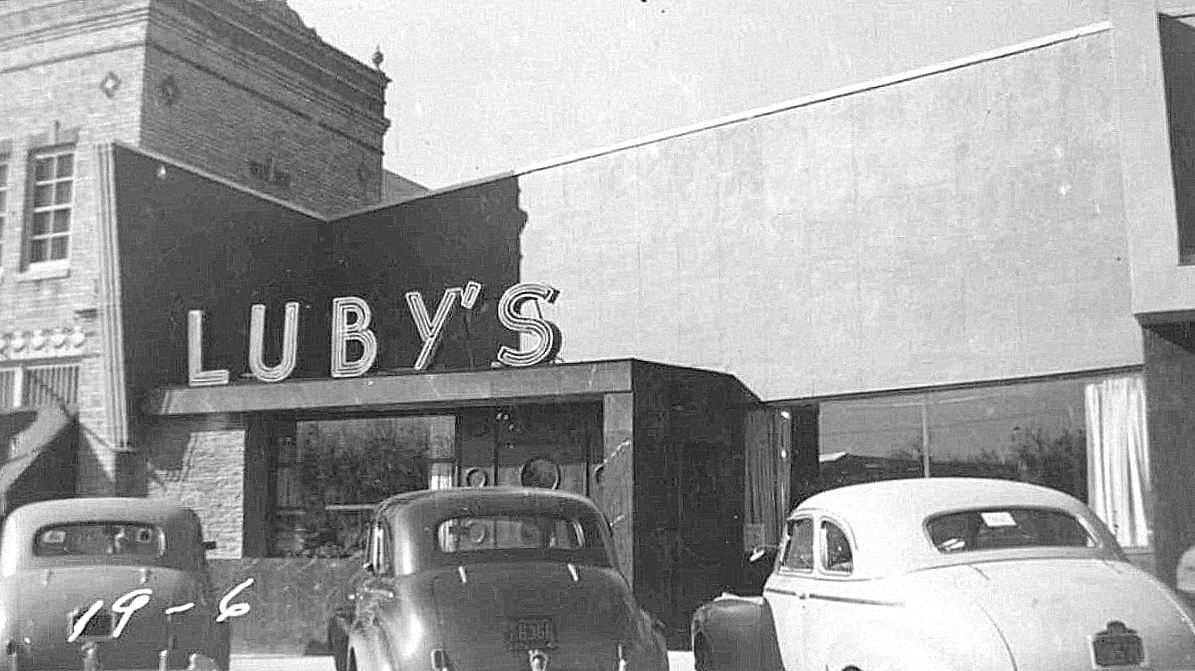
6407 Hillcrest (1948). Luby’s! What an interesting design. (Brown Books page is here.)

6407-hillcrest_brown-bks_univeristy-park_1948_lubys

*

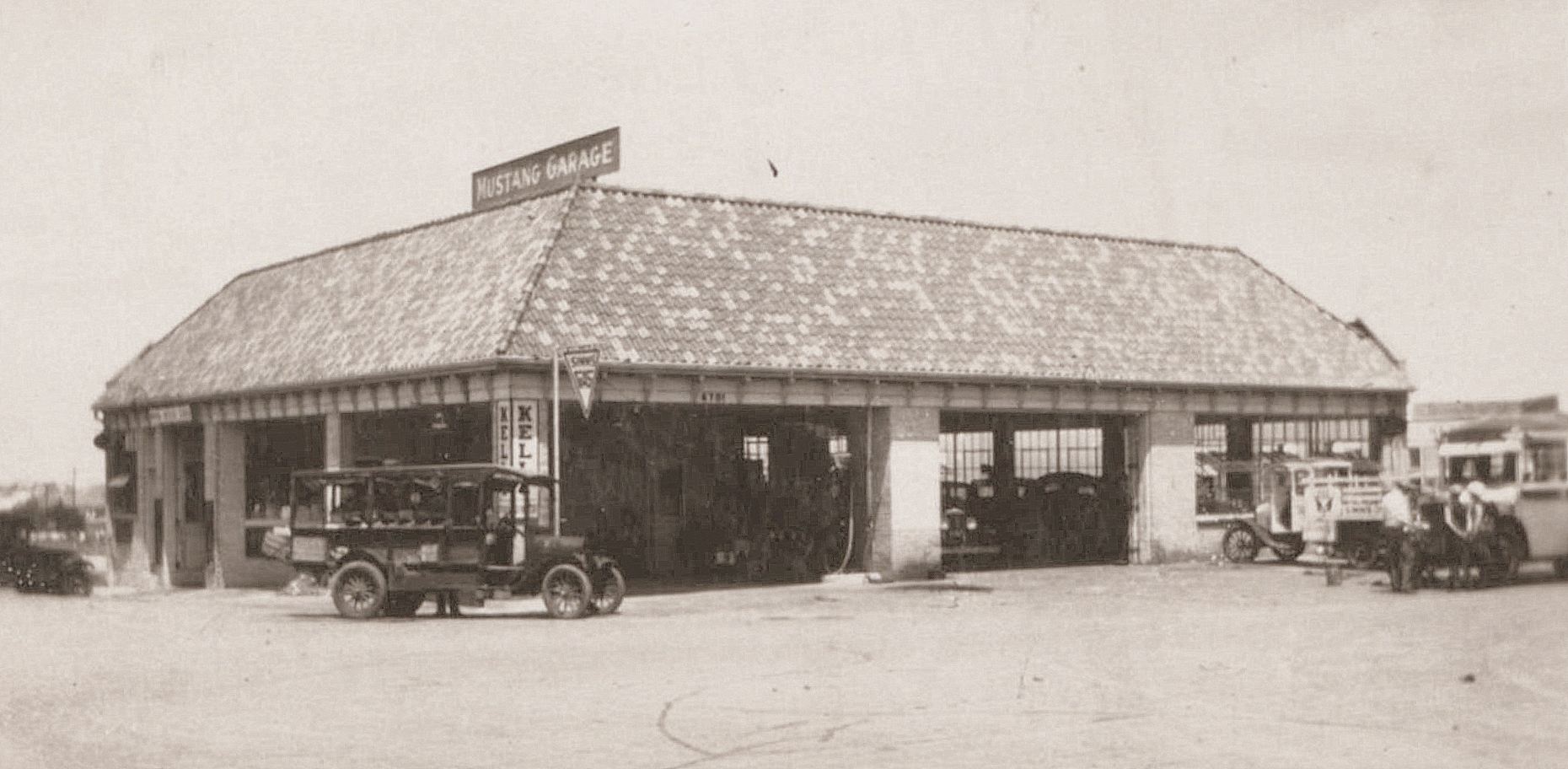
6601 Hillcrest (1931). The Mustang Garage — but instantly recognizable today as the home of JD’s Chippery and Cotton Island. (Brown Books page is here.)

6601-hillcrest_mustang-garage_brown-bks_university-park_1931

*

And, a few Snider Plaza highlights. First, the photo at the top of this post, the Sinclair service station at 6600 Snider Plaza (1934). (Brown Books page is here.)

*

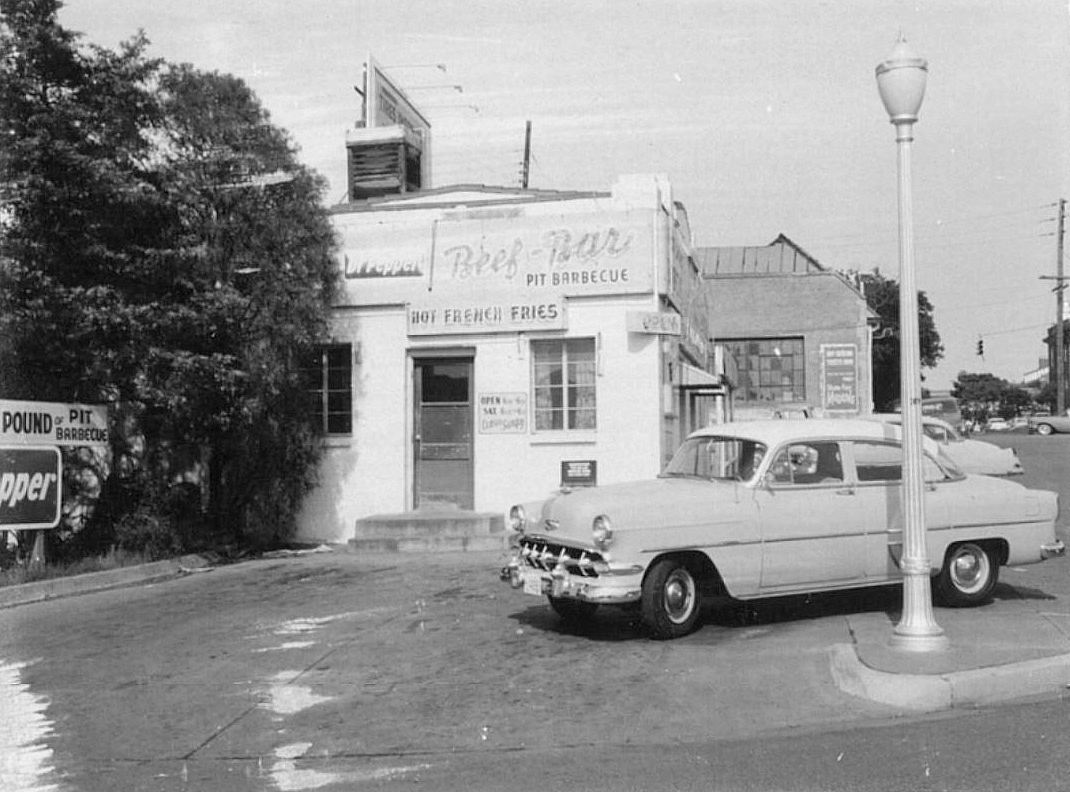
6600 Snider Plaza #313 (no date). The Beef Bar. (Brown Books page is here.) Another fantastic photo! BBQ in UP, before Peggy Sue (RIP).

snider-plaza_brown-bks_university-park_6600-313_nd_beef-bar-pit-barbecue

*

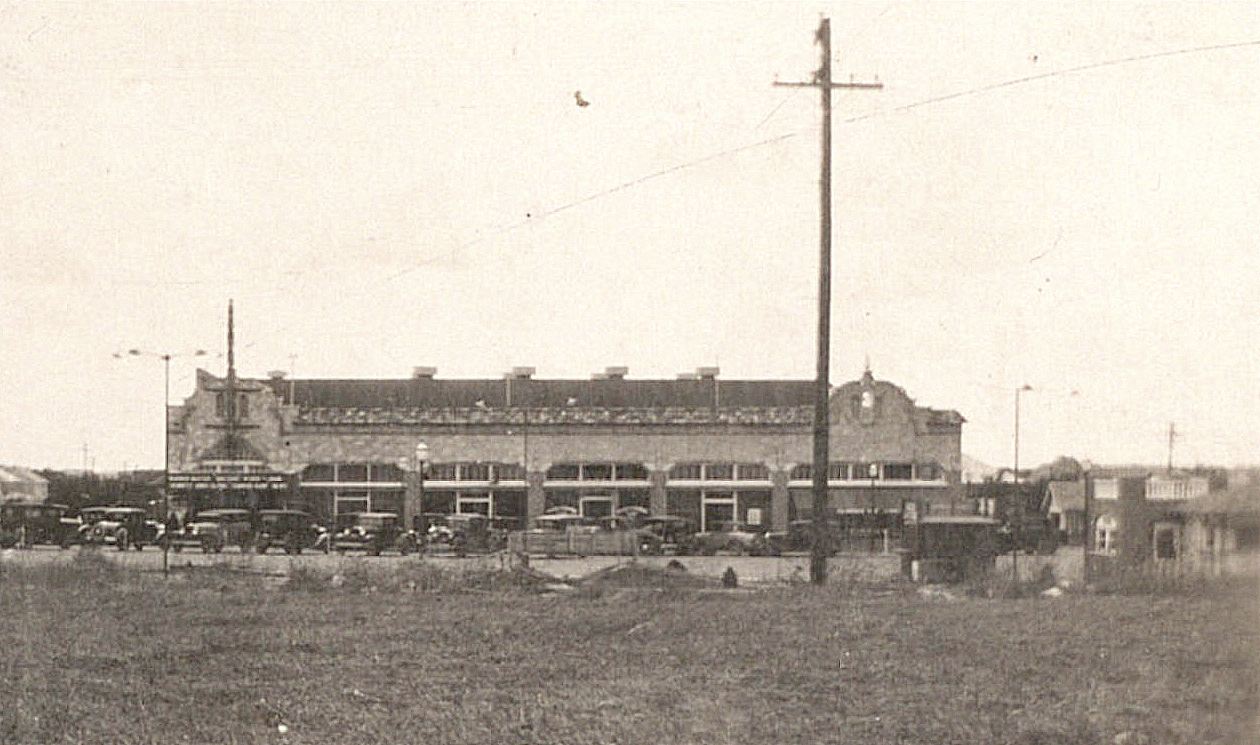
6701 Snider Plaza (1931). Including the Varsity Theater (at the far left) — I wrote about this cool building here. (Brown Books page is here.)

snider-plaza_brown-bks_university-park_6713_1931_movie-theater

*

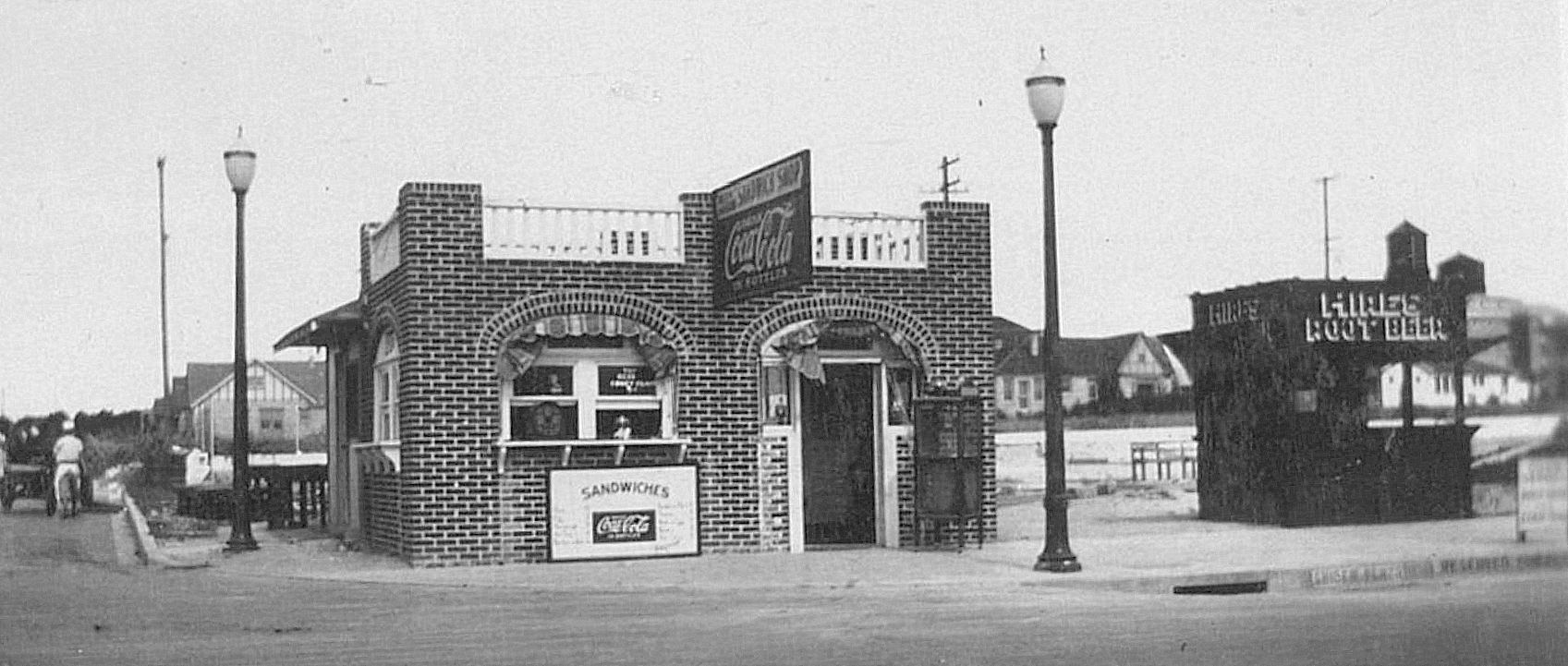
6730 Snider Plaza (1931). A sandwich shop and a Hires Root Beer stand. (Brown Books page is here.)

snider-plaza_brown-bks_university-park_6730_1931_sandwich-shop_hires-root-beer

*

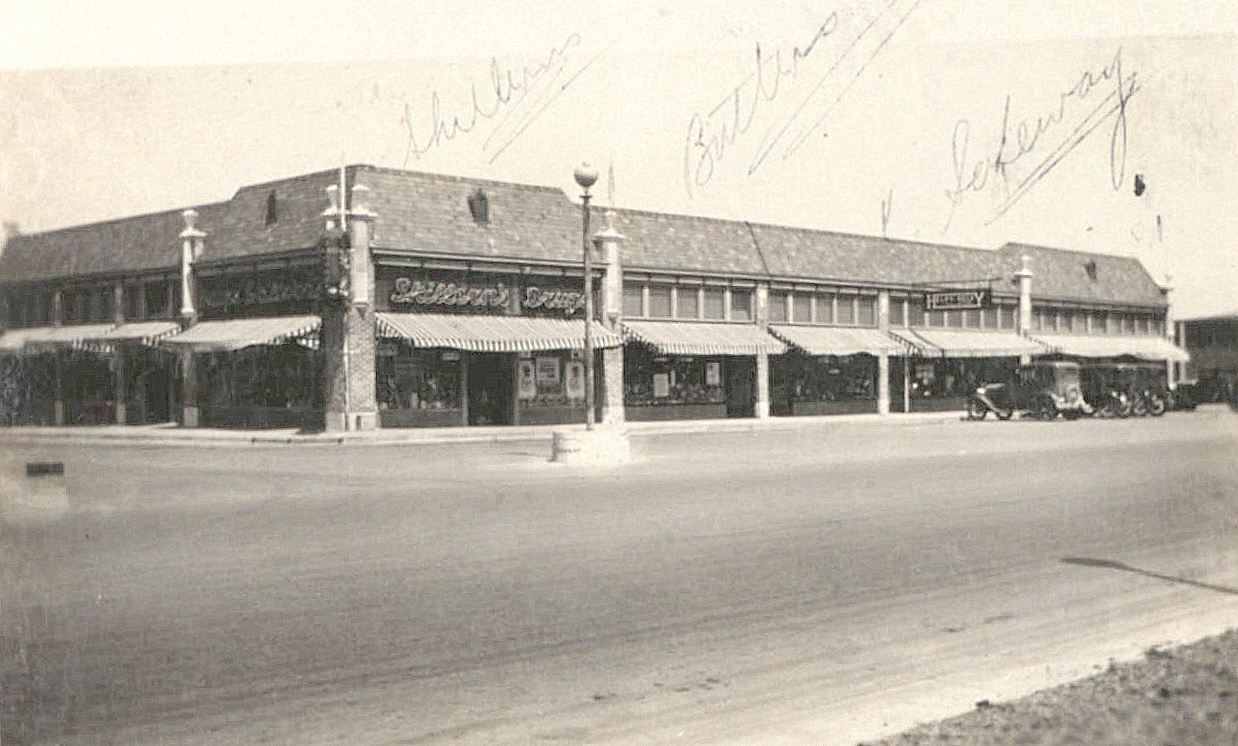
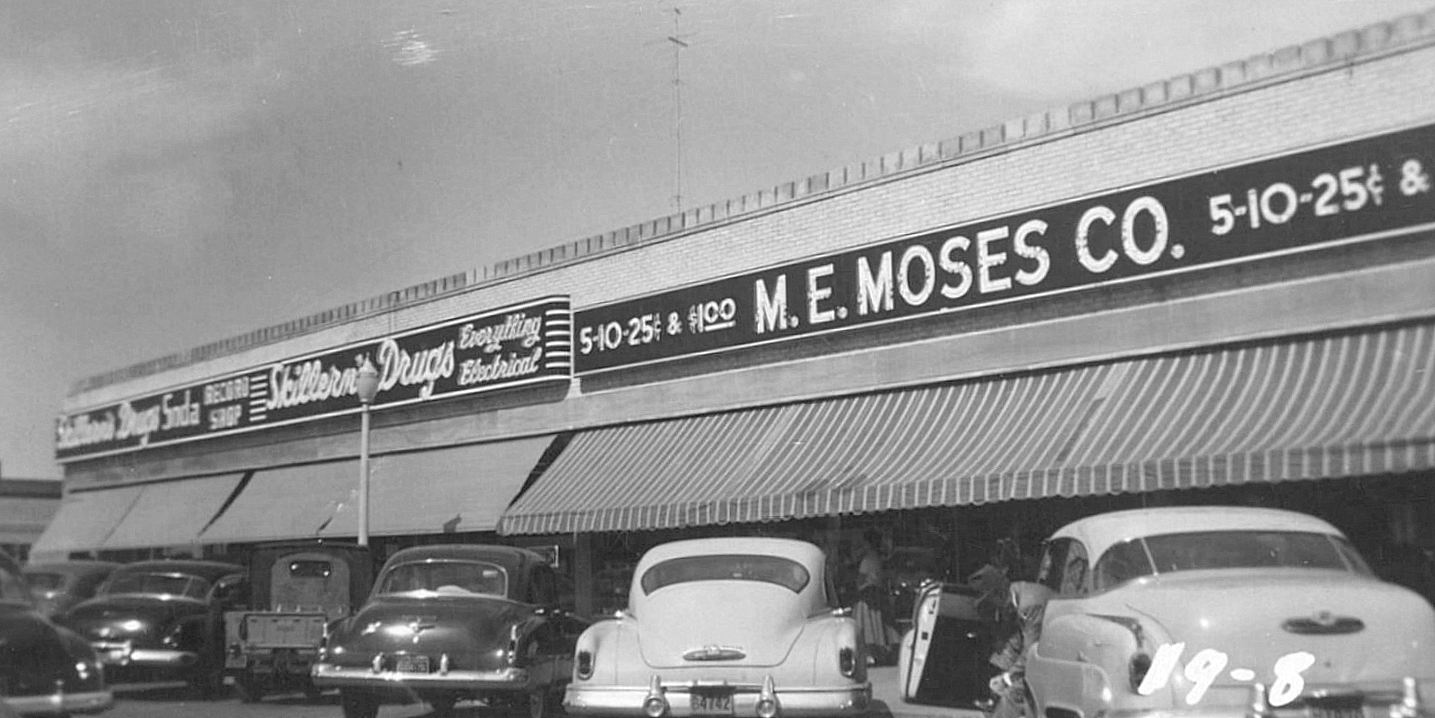
6828 Snider Plaza (1941). Skillern’s Drugs and M. E. Moses. (Brown Books page is here. After a facelift, another photo is here.) I remember spending a lot of time in that dime store when I was a kid — it had a weird change in floor level, which looks like it must have been where a wall had once separated it from the space Skillern’s occupied.

snider-plaza_brown-bks_university-park_6828_1941_moses_skillerns

*

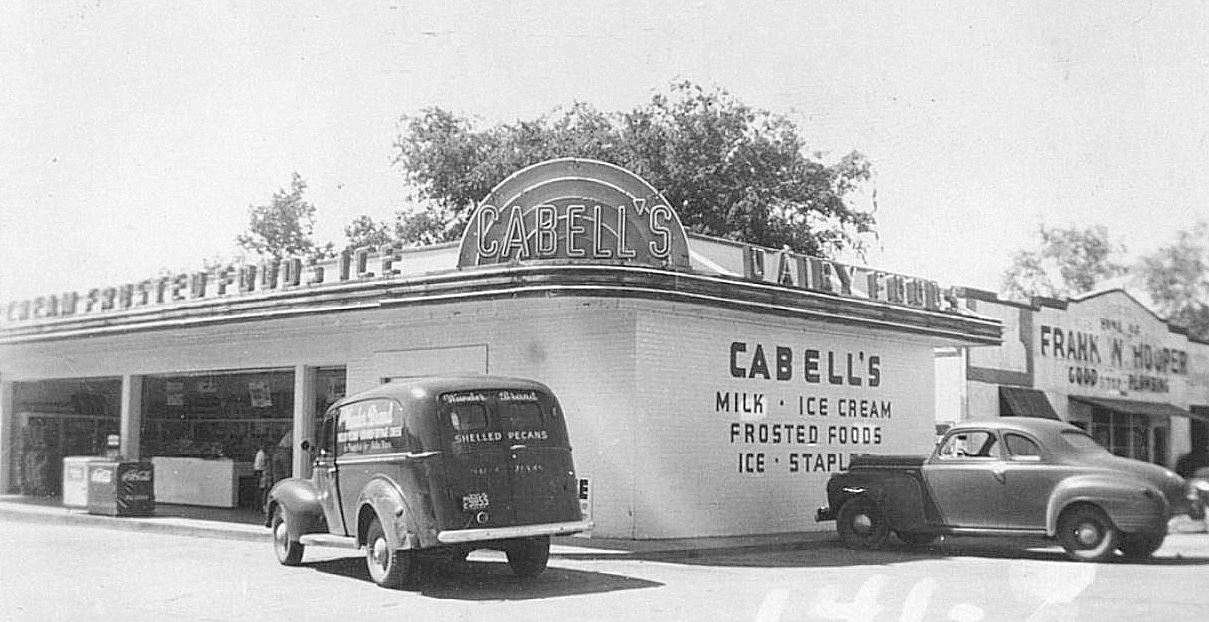
7001 Snider Plaza (1946). Cabell’s. (Brown Books page is here.)

snider-plaza_brown-bks_university-park_7001__1946_cabells

*

A quick jog over to 6001 Preston Road, at Normandy (1931). Country Club Pharmacy (it later moved to Inwood Road). (Brown Books page is here.) My mother worked for a few years as the office manager for the First Unitarian Church diagonally across from this drug store. When I was a kid hanging out waiting for my mother to finish work, I dropped a LOT of cash at the drug store on Archie comic books.

6001-preston_brown-bks_university-park_1931_drug-store

*

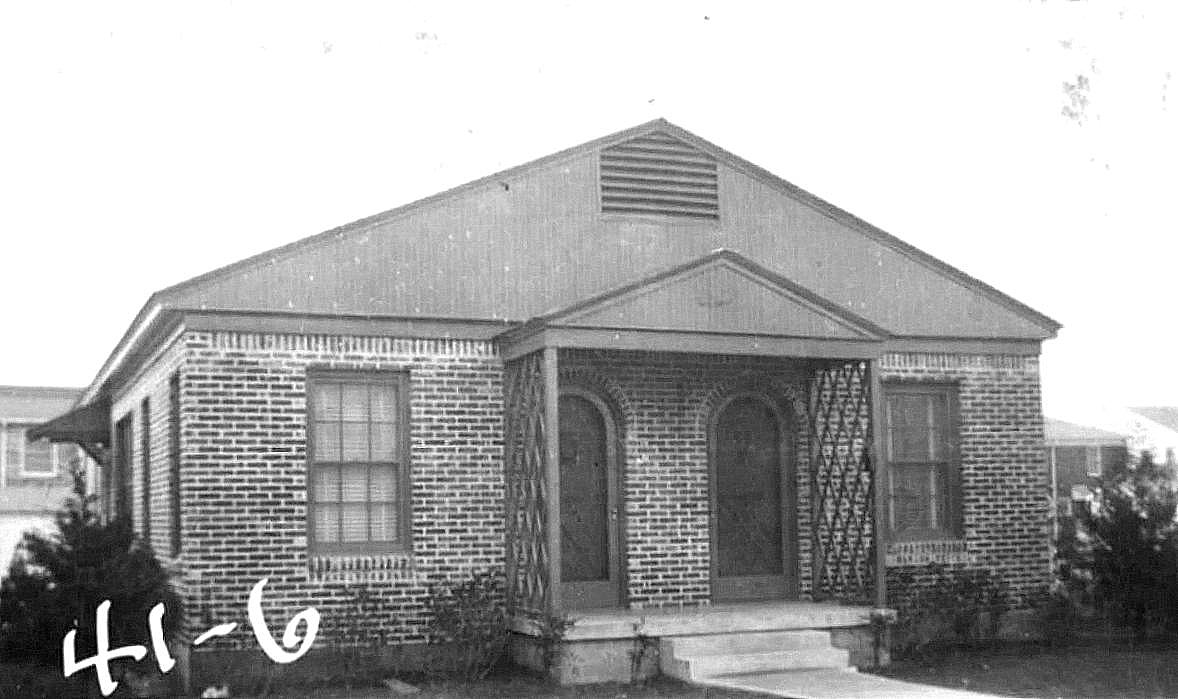
And, lastly, 4129 Lovers Lane (1947). A post-war duplex. (Brown Books page is here.) Every single time I drive down Lovers Lane, I always look forward to seeing this little house which has somehow managed to evade bulldozers. I love this house so much. And this is one of the very few times when I think that it has actually improved in appearance from its original design (see it today on Google Maps here). Hang in there, little house!

4129-lovers-lane_brown-bks_university-park_1947

**

FIND YOUR HOUSE! OR ANOTHER (AT LEAST PRE-1970s) BUILDING IN UNIVERSITY PARK.

  1. Go here. (This is the “welcome page” — if this doesn’t load, go to the UP Public Library blog post here and click through. If you get an error message, go back to “welcome page” and you should see the search page.)
  2. Enter the address (number + street name) you want to find in the search box. You can also just type in a street name, and it will bring up all addresses on that street. (I typed in “Binkley” and got 18 pages of results — seems like overkill, but they’re all in chronological address order.) This works if you enter “Snider Plaza” — take a tour through the Snider Plaza of yesteryear. Some addresses will have more than one sheet. And there’s TONS of info on each property. 

And that’s it! You’ve lost a day! Or several! 

UPDATE: It appears this resource is no longer accessible by the general public. I haven’t checked, but my guess is that it is available only to University Park residents who have a library card. Please say it isn’t so, UP Public Library!

Not 100% sure where the boundaries for University Park are? See a City of University Park map here.

Enjoy!

***

Sources & Notes

Absolutely everything you see here is from the University Park Public Library and the Brown Books in their collection. This is such an amazing resource. Thank you, UPPL and the City of University Park for digitizing these records and putting them online for all of us to use!

And thank you, Rod, for alerting me to this resource which I will be using constantly!

DOES DALLAS HAVE ANYTHING LIKE THIS??? IMAGINE!

snider-plaza_brown-bks_university-park_6600-1934_sinclalir_sm

*

Copyright © 2022 Paula Bosse. All Rights Reserved.

3635 Beverly Drive, The Residence of Architect Anton F. Korn — 1926

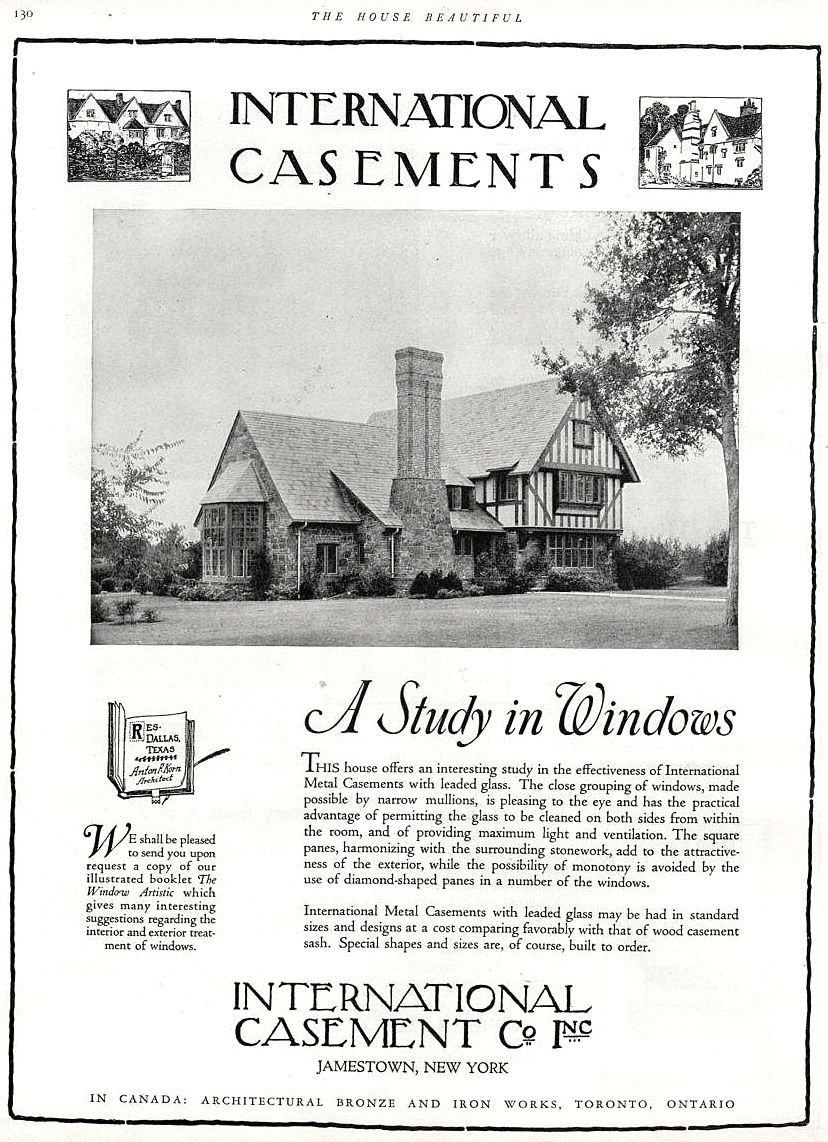
international-casement_ad_anton-korn_1926-detAnton Korn’s Highland Park home, 1926

by Paula Bosse

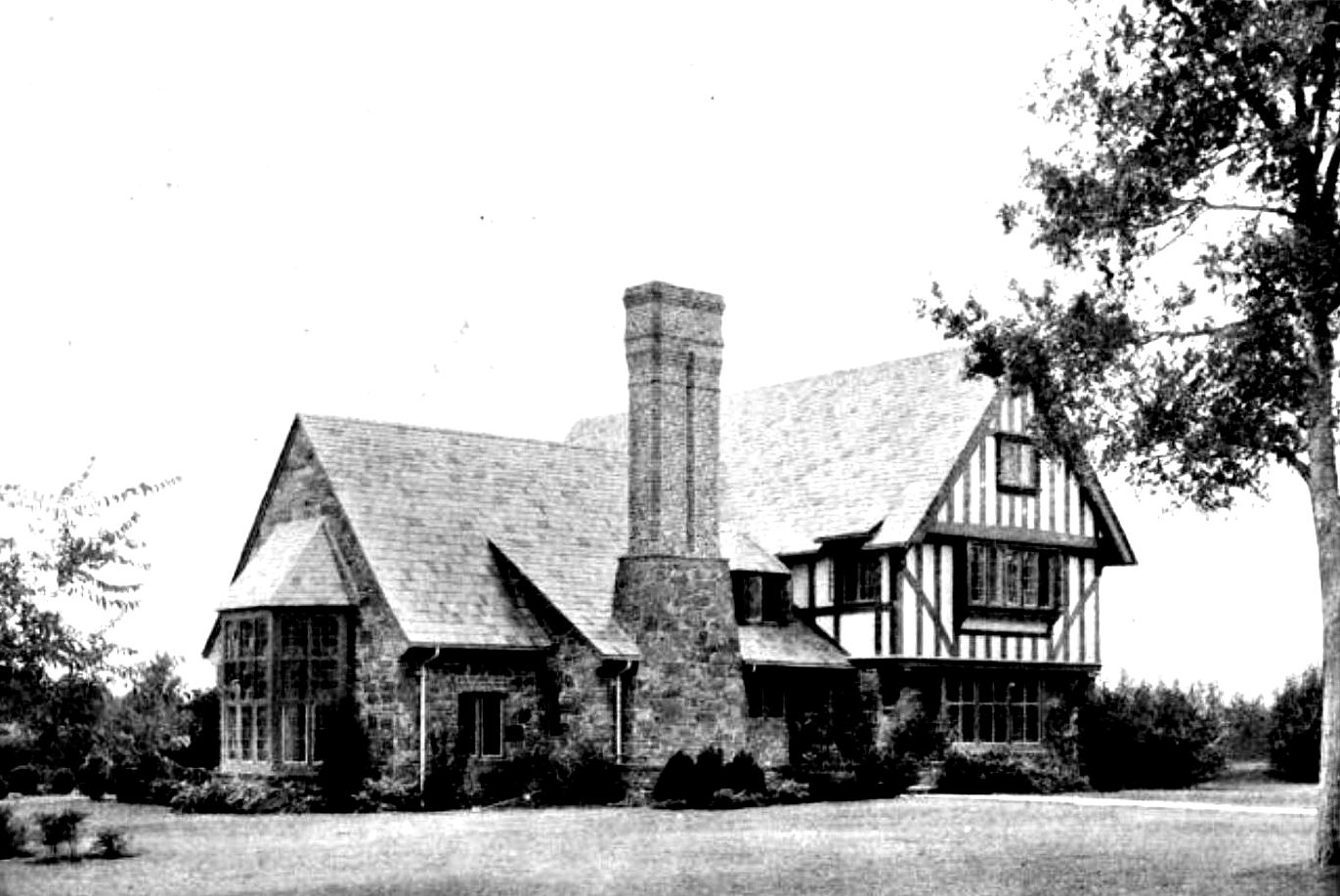
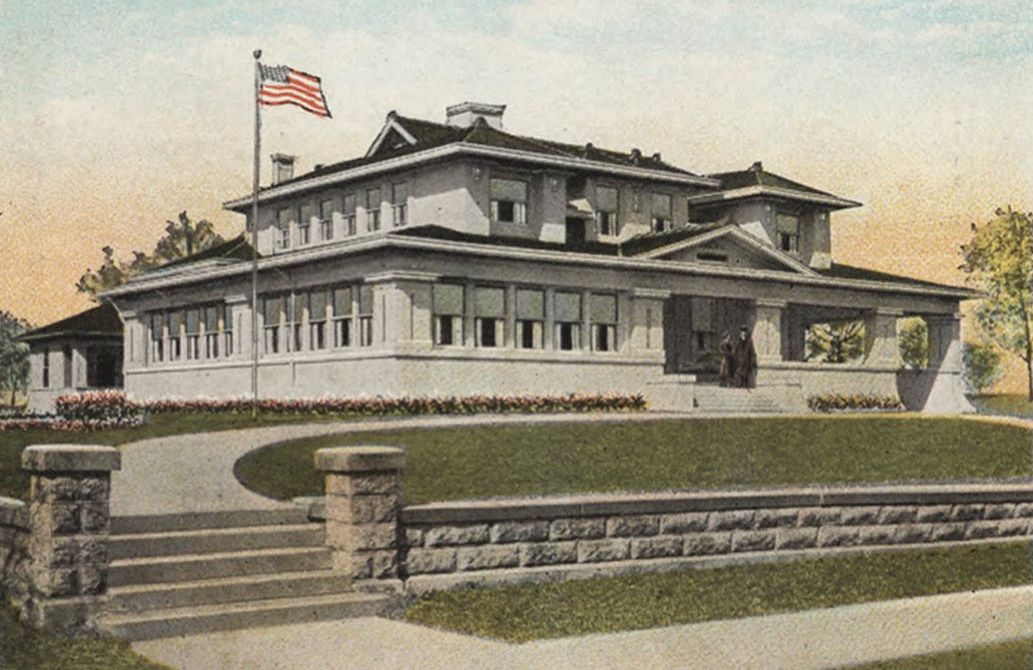
The image above appeared in a 1926 ad in The House Beautiful. The ad was for metal casement windows with leaded glass, manufactured by International Casement Co. Such a beautiful house! The only clue as to where this house might have been located is in information in the inset which reads, “Res. Dallas, Texas — Anton F. Korn, Architect.” Korn was a well-known architect in Dallas, and I had seen several mentions of him on Douglas Newby’s Architecturally Significant Homes site — I went there, looked up Anton Korn (1886-1942), and found this page, which shows several of the houses he designed. I scrolled down until I found one that looked like the house in the photo. I think it is the home Korn designed at 3635 Beverly Drive in Highland Park (southwest corner of Beverly and Drexel). The image on Google Maps (here) has trees obscuring the chimney, but it looks like the same house. According to Newby, the house was designed in 1924. And according to the city directory, Korn apparently designed the house for himself, and he lived there for several years. Newby notes that the oak timbers were re-planed from the grand Oriental Hotel (southeast corner of Commerce and Akard).

Here’s the ad that photo came from:

international-casement_ad_anton-korn_1926

I love this house! Let’s hope it continues to stand another (almost) 100 years!

***

Sources & Notes

Ad currently for sale on eBay.

international-casement_ad_anton-korn_1926-det_sm

*

Copyright © 2022 Paula Bosse. All Rights Reserved.

A Bird’s-Eye View Across the Central Business District — ca. 1905

birds-eye-view_ebay_colorDallas, home of meat, drugs, and saddles

by Paula Bosse

Above, a sort of bland, colorized view of downtown, looking to the east, with Main on the left and Commerce on the right. Below, the muddier, grittier reference photos, taken from the courthouse (all three were issued as postcards).

birdseye-view_ca-1908_ebay

birds-eye_ebay

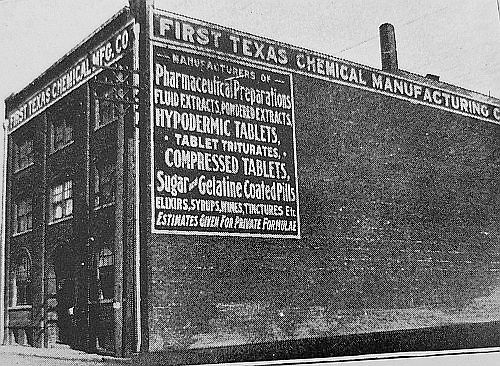
In the foreground is the First Texas Chemical Manufacturing Co. (on Market Street, between Main and Commerce), established in 1903 by super-rich guy C. C. Slaughter et al. The company manufactured a wide variety of drugs, pharmaceuticals, elixirs, and preparations.

first-texas-chemical_ca-1908_greater-dallas-illustratedvia Greater Dallas Illustrated, 1908

first-tx-chemical_dmn_122003Dallas Morning News, Dec. 20, 1903

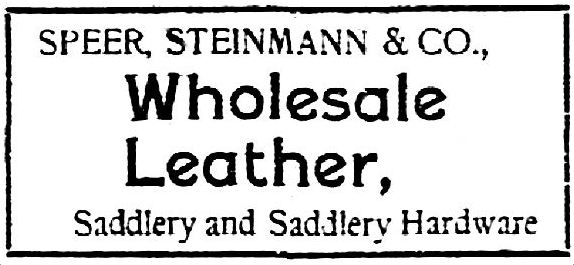
In the middle right of the postcards — facing Commerce — is Speer, Steinmann & Co., which made saddles and traded in wholesale leather products.

speer-steinmann_dmn_022699DMN, Feb. 26, 1899

In the lower left is Fulton Market. Below is a rather grisly newspaper account which starts off sounding like there’s been a bloody massacre on Main Street, with carnage everywhere. Turns out it’s just an arresting ad for butcher Mike Younger, a recent arrival from Atlanta.

fulton-market_dmn_012503_adDMN, Jan. 25, 1903

***

Sources & Notes

The first three images are postcards, all found on eBay. There is another copy of the second postcard in the George W. Cook collection of the DeGolyer Library at SMU which you can enlarge — see it here.

birds-eye-view_ebay_color_sm

*

Copyright © 2022 Paula Bosse. All Rights Reserved.

The Gaston-Carroll Pharmacy — ca. 1929

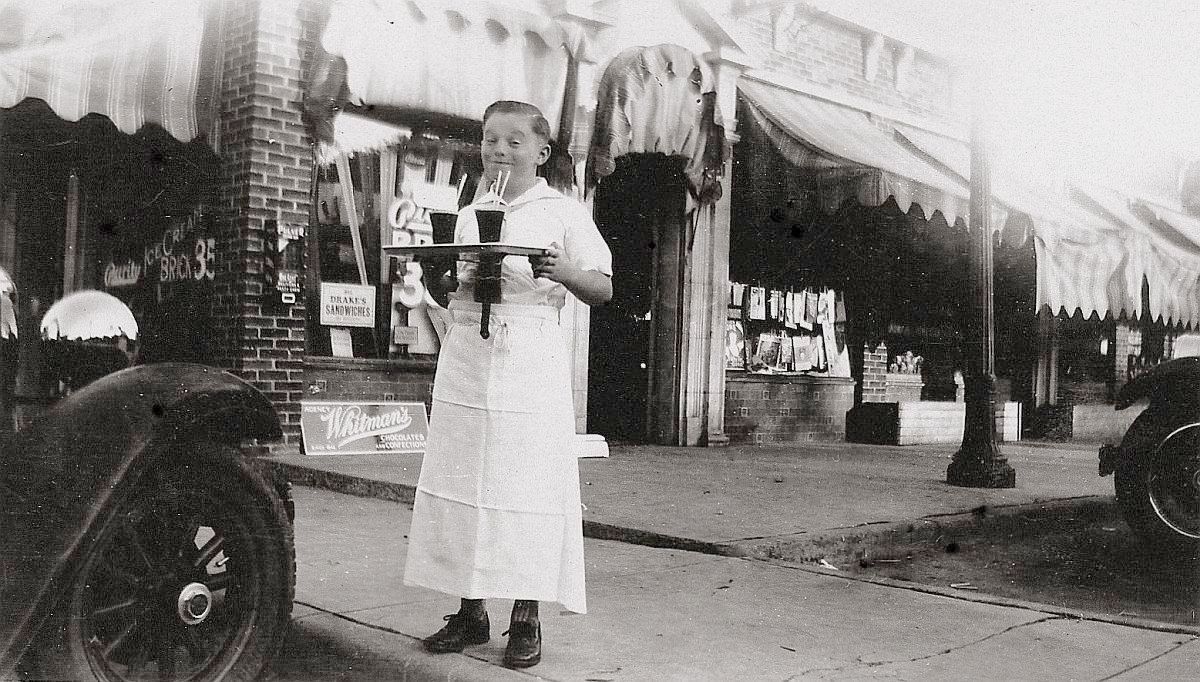
gaston-carroll-pharmacy_1929_joe-windrow_dallasFB_2
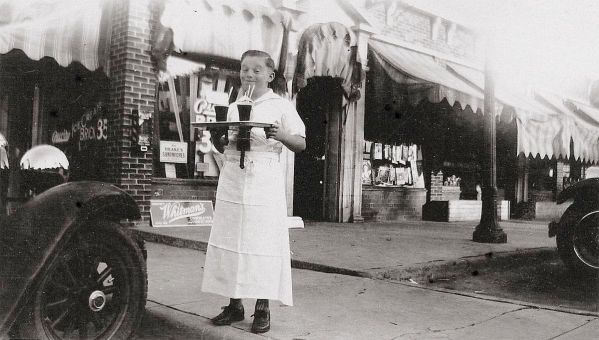
Curb service at Gaston and Carroll…

by Paula Bosse

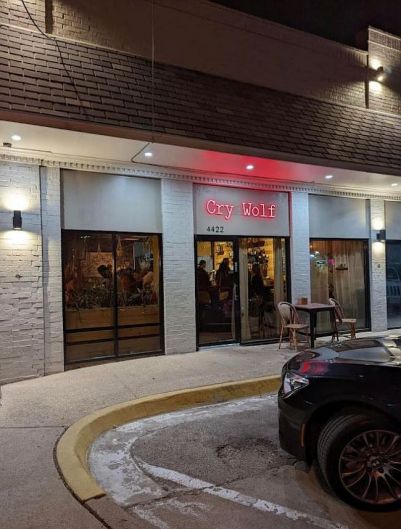
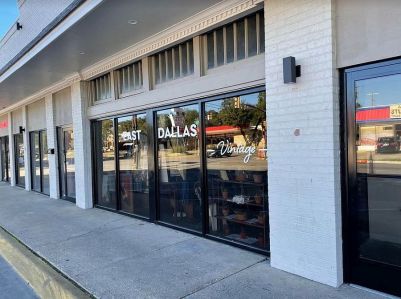
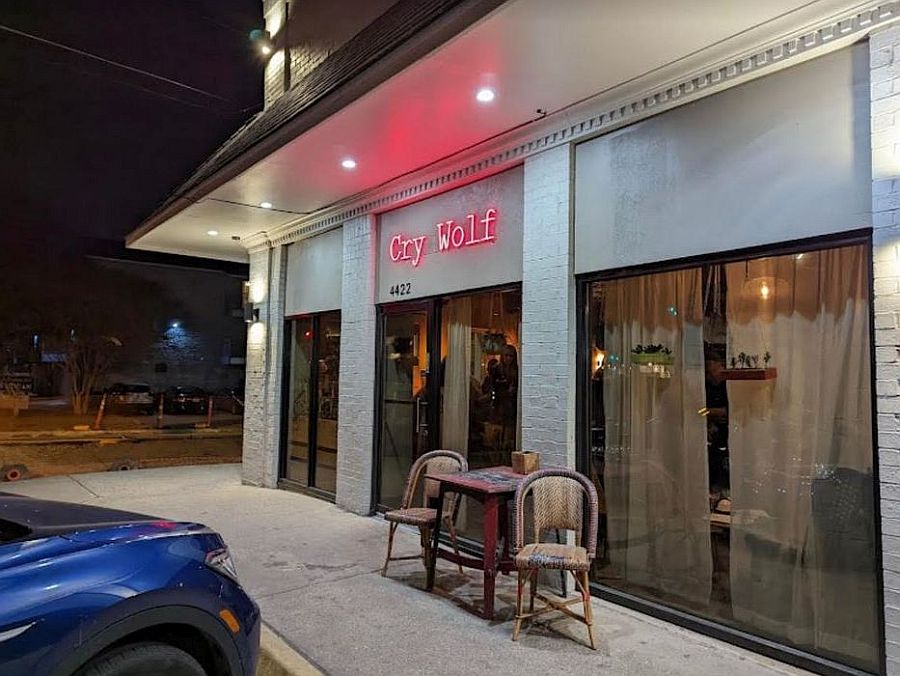
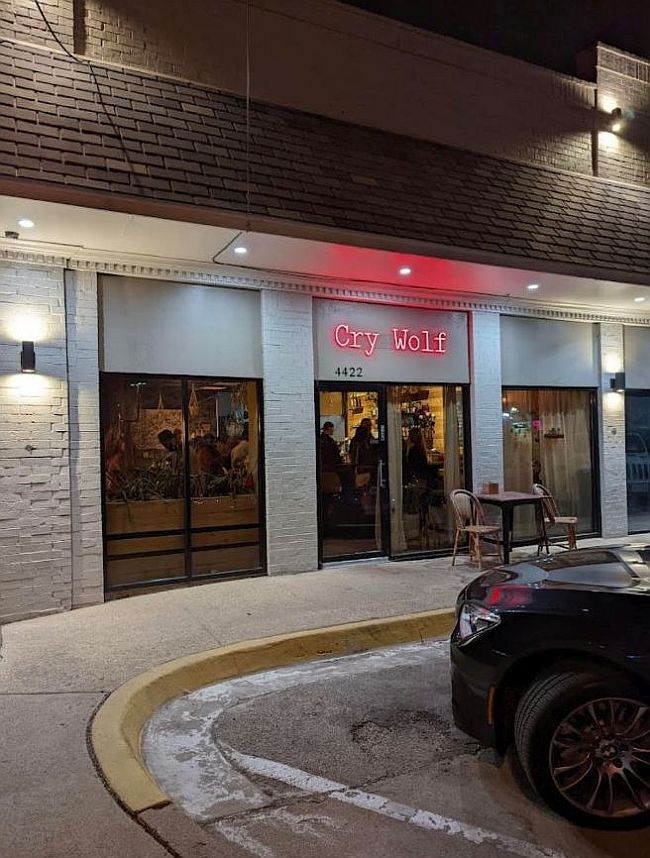
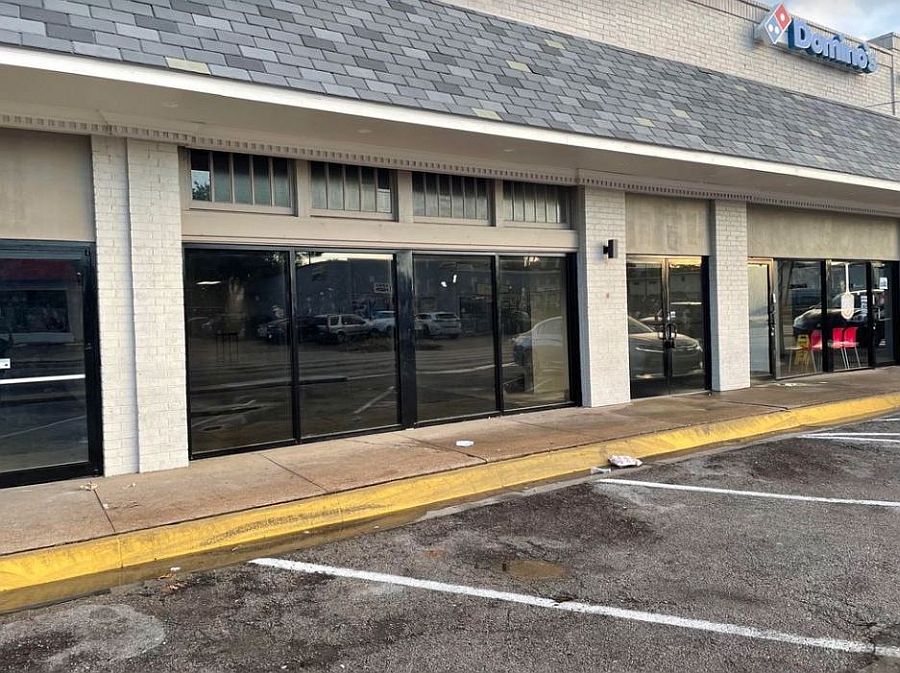
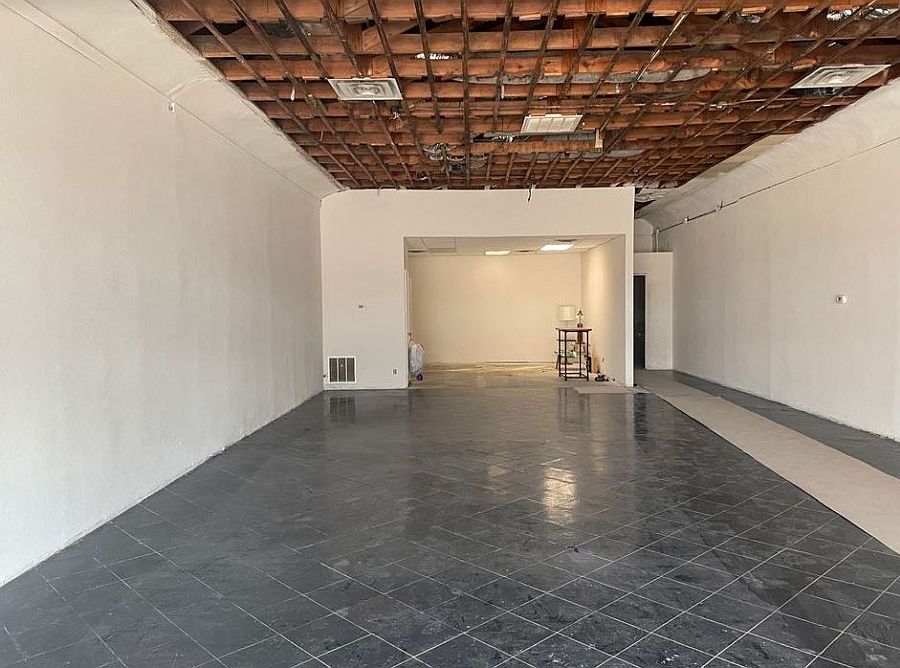
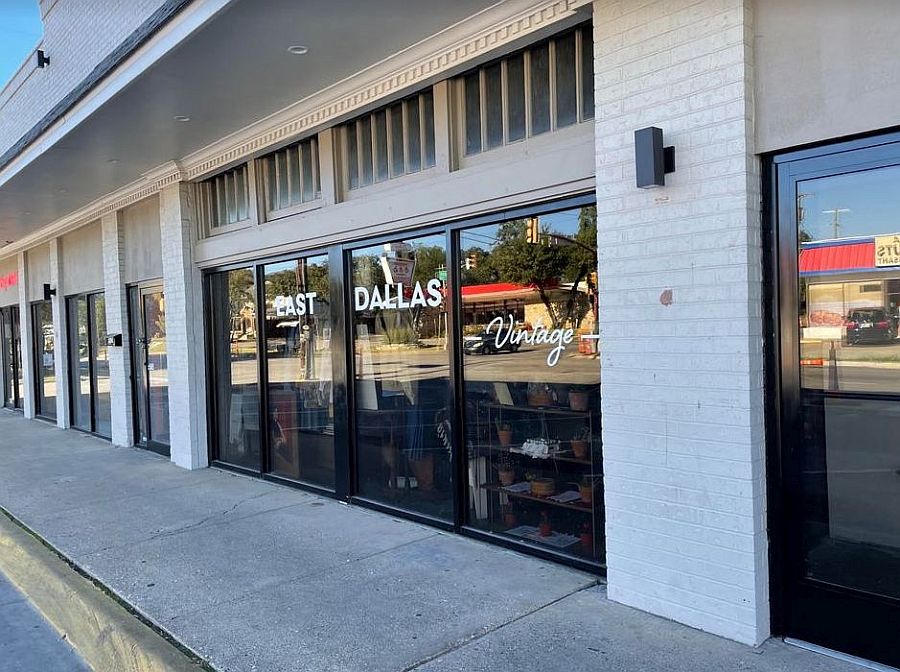
I received an email the other day from Melissa Maher asking about the building which houses the new shop she owns with her business partner, Chelsea Callahan-Haag: East Dallas Vintage, at 4418 Gaston Avenue. Next door, on the corner, is Ross Demers’ new restaurant, Cry Wolf (4422 Gaston). Surprisingly, I had two photos of the building from the 1920s!

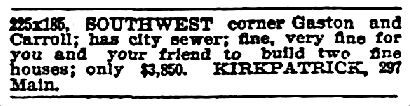
The building is on the southwest corner of Gaston and N. Carroll in Old East Dallas and was built in 1925. The first mention I found was from a classified ad in The Dallas Morning News in February, 1902 — a “for sale” ad for the lot boasted that it had “city sewer” and that it was “fine, very fine for you and your friend to build two fine houses” (which is an unusual sales tactic). The price was $3,850 — if you believe the accuracy of inflation calculators, that would be the equivalent of about $125,000 in today’s money.
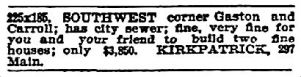
1902_gaston-carroll_dmn_081802Dallas Morning News, Aug. 18, 1902

In 1907 it was reported that attorney N. Lawrence Lindsley was building a house on the large lot, for the equivalent of about $250,000 (add that amount to the cost of the land…). Before 1911, the address was 668 Gaston Avenue — after 1911 the address became 4418 Gaston. Over the years, the house passed through several owners until the large, stately 3-story home had been broken up into apartments in the 1920s (see the house on a 1922 Sanborn map here). In 1925, the house went on the market.

A CORNER ON GASTON WITH A FUTURE
Southwest corner of Gaston and Carroll. Has three-story well-built house bringing $100 monthly rental or 8.5 per cent on price of $14,000. Lot 90x125x160. When Gaston is opened through to Pacific this will be one of the best corners in East Dallas for stores. Call H. K. Dunham, exclusive agent. […] Do not bother tenant. No trade. Seay-Cranfill Co. Realtors. (Feb. 8, 1925)

It was snapped up fast. A mere ten days later, a Texas charter notice appeared in newspapers for Gaston Avenue Investment Company, owners of the property. The 18-year-old house was promptly razed, and a building containing space for four shops opened in June. 

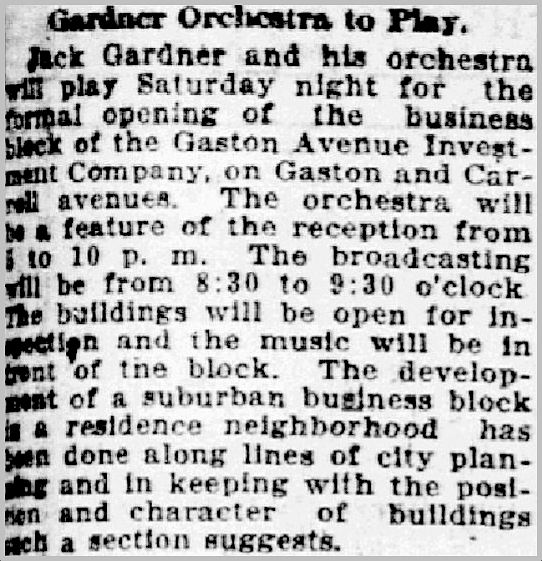
The grand opening was broadcast live on WFAA radio on June 27, 1925, with music performed by Jack Gardner and his orchestra. Quite a do.
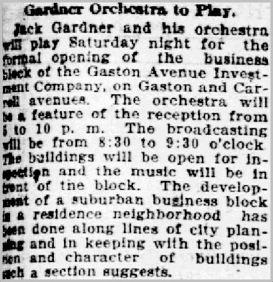
1925_gaston-carroll_dmn_062725DMN, June 27, 1925

The original businesses were:

4414: Piggly Wiggly grocery store (now a Domino’s Pizza)
4418: Long’s Helpy-Selfy (a “serve-yourself” no-frills grocery)
4420: Johnson’s Superior Market, Otto S. Johnson, prop. (um, another grocery)
4422: Gaston-Carroll Pharmacy, C. L. Watts, prop. (with a soda fountain)

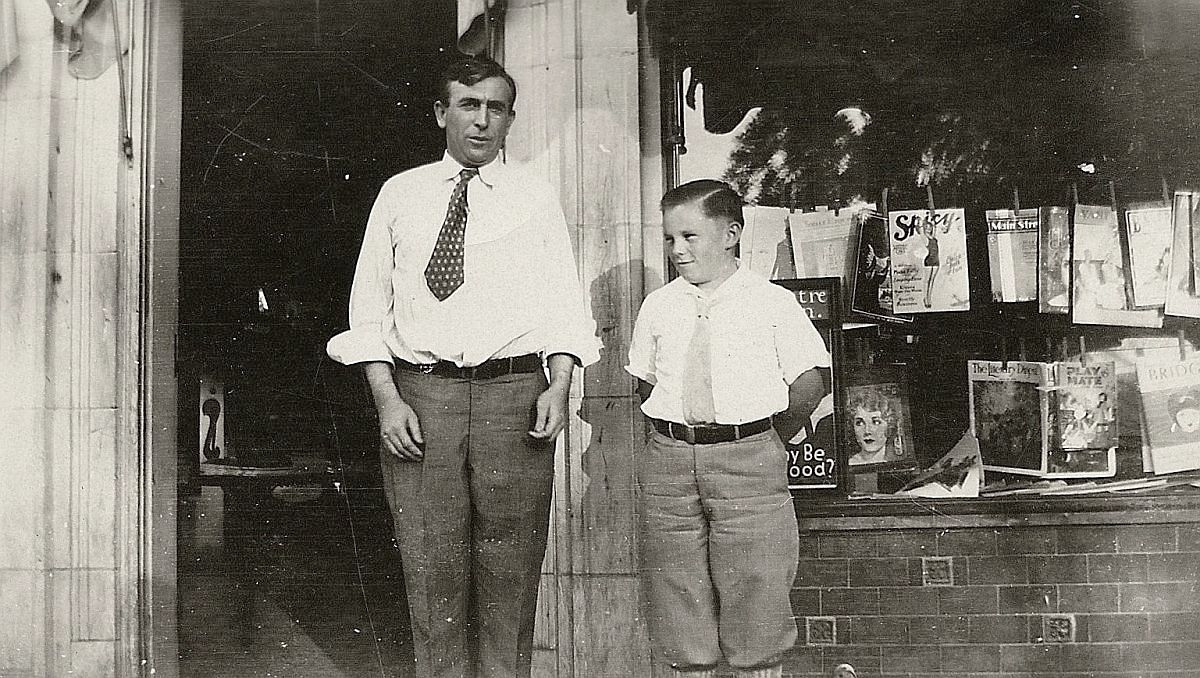
The Gaston-Carroll Pharmacy was on the corner, and that’s what we see in the photos above and below, taken about 1929 when Bill Windrow had taken over as president, manager, and druggist. An 11-year-old relative, Rollen Joseph “Joe” Windrow, worked as a carhop. Above, we see Joe “hopping”; below, Bill and Joe, stand on the sidewalk in front of the pharmacy.
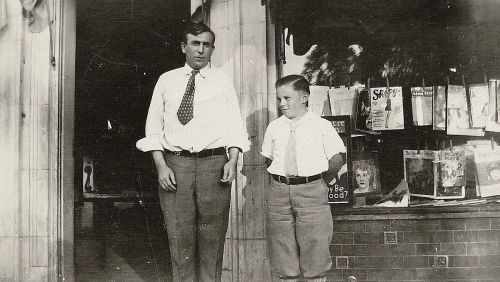
gaston-carroll-pharmacy_dallasFB_bill-and-joe-windrow_str

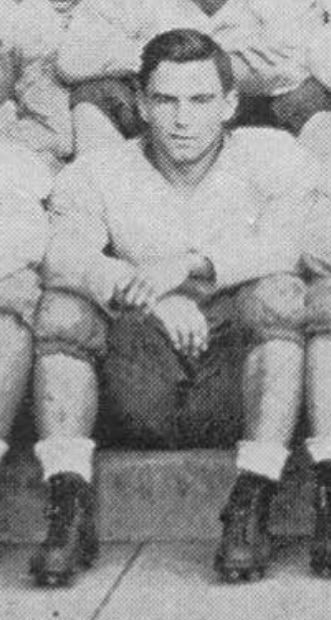
Joe lived nearby on Swiss Avenue and later went to Woodrow Wilson High School. He grew up to be a handsome young man.
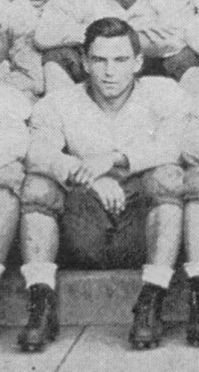
windrow-joe_woodrow_football_1936Joe Windrow, Woodrow Wilson High School, 1936
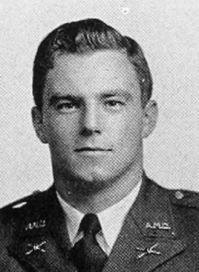
windrow-joe_tx-a-and-m_1941Joe Windrow, Texas A&M, 1941

*

Over the years, the space on the right (4414 Gaston) was most often a grocery store (Piggly Wiggly, Safeway, Tom Thumb), and the space on the corner was a pharmacy for at least 60 years (Gaston-Carroll, Marvin’s, Walgreens, Taylor’s, and Felty’s). The middle shops were a variety of businesses, with one of the spaces apparently being absorbed into another.

*

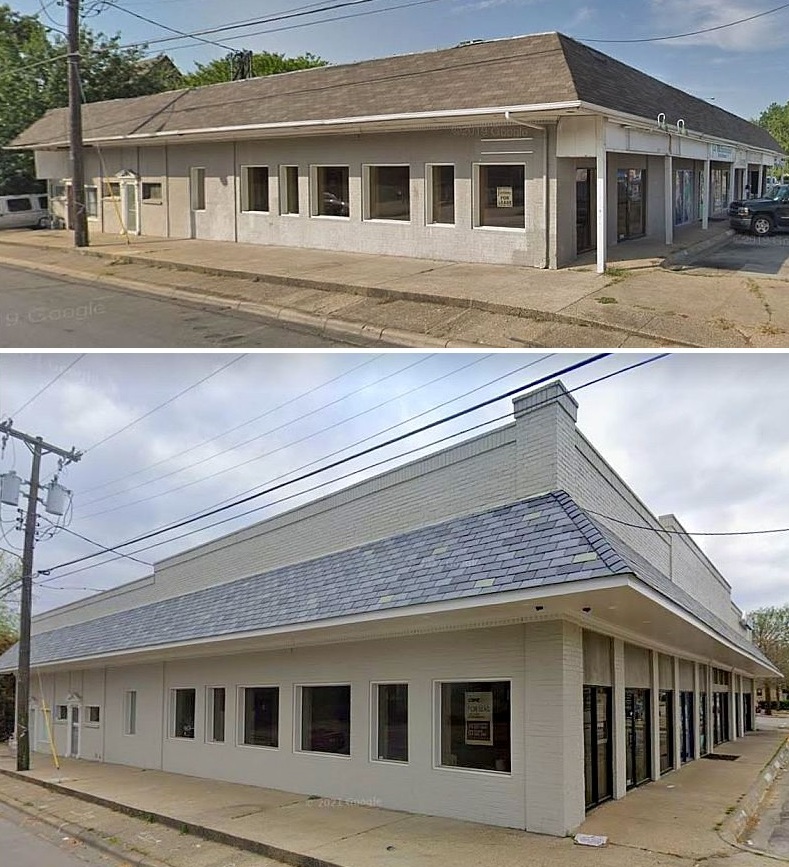
The building received a nice makeover recently. The Google Street Views below show July 2018 (before), and March 2019 (after).
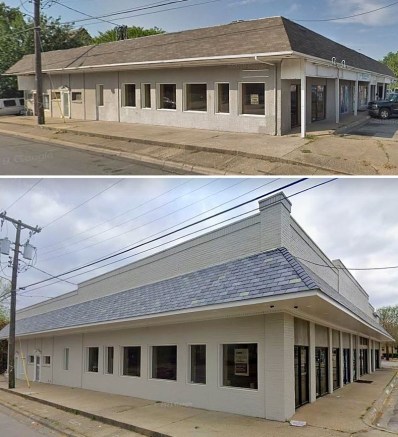
gaston-carroll_google-street-view_july-2018._march-2019Google Street View: 2018, 2019

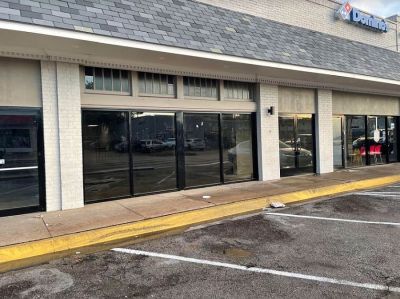
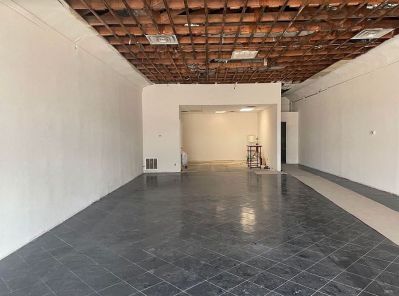
Melissa Maher, one of the proprietors of East Dallas Vintage (now occupying 4418 Gaston) sent me the following photos (from the end of 2021, I believe), showing her space and the space next door (Cry Wolf, 4422, in the old pharmacy location on the corner). She was wondering if there had been a basement in the building. It seems unlikely, but if anyone has any info, I’m sures she’d love to know.
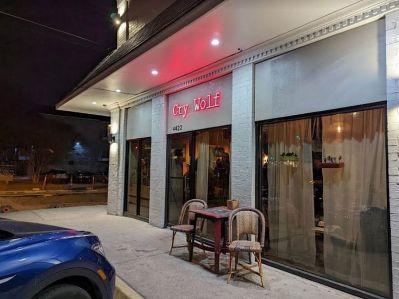
2021_gaston-carroll_melissa-maher_1photo: Melissa Maher

2021_gaston-carroll_melissa-maher_2photo: Melissa Maher

2021_gaston-carroll_melissa-maher_3photo: Melissa Maher

2021_gaston-carroll_melissa-maher_4photo: Melissa Maher

2021_gaston-carroll_melissa-maher_5photo: Melissa Maher

*

Thanks for asking about this, Melissa! I had always meant to write something about the Gaston-Carroll Pharmacy and post these 1929 photos — and this was a great opportunity to use them. I hope to visit your shop sometime!

***

Sources & Notes

The top two photos were found on a Dallas history Facebook group, but I’m not sure which one. They were posted in 2015, and I’m unable to find them now. I believe they were found by the original poster on Ancestry.com. Luckily, I had noted the names “Windrow,” “Joe,” and “Bill,” because I now know more about the Windrows than a non-Wiindrow needs to know — I can definitely verify that the circa-1920 photos are of the Gaston-Carroll Pharmacy. I’m still not sure of the relationship between Bill and Joe (there were a lot of Windrows…) — possibly uncle and nephew, or maybe cousins.

Thanks again to Melissa Maher for her photos. Go see her and Chelsea Callahan-Haag at East Dallas Vintage.

I couldn’t find any photos of the home of N. Lawrence Lindsley — I know they’re out there somewhere! I’d love to see one. If you know of any, please let me know!

Of related interest, the other half of that block in which this building is located was once home to a truly palatial home, built by Thomas Field. See it on a 1905 Sanborn map here. See the house in the Flashback Dallas post “Junius Heights … Adjacent!”

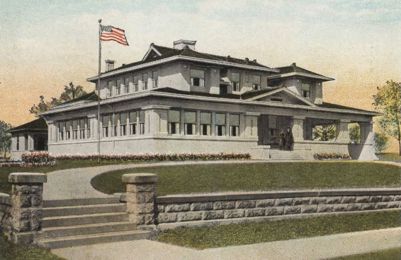
Also, catty-corner from this building is the former Brink’s restaurant. Way back, though, it was once the site of another grand residence — a home which became the Spann Sanitarium about the same time that the little strip of shops was built (I keep meaning to write about this sanitarium…):
spann-sanitarium_postcard

gaston-carroll-pharmacy_1929_dallasFB_det_sm

*

Copyright © 2022 Paula Bosse. All Rights Reserved.