Flashback : Dallas

A Miscellany: History, Ads, Pop Culture

Category: Neighborhoods

A Gaston Avenue Plumbing Company, Its Windmill, and a Water-Whooshing Neon Sign
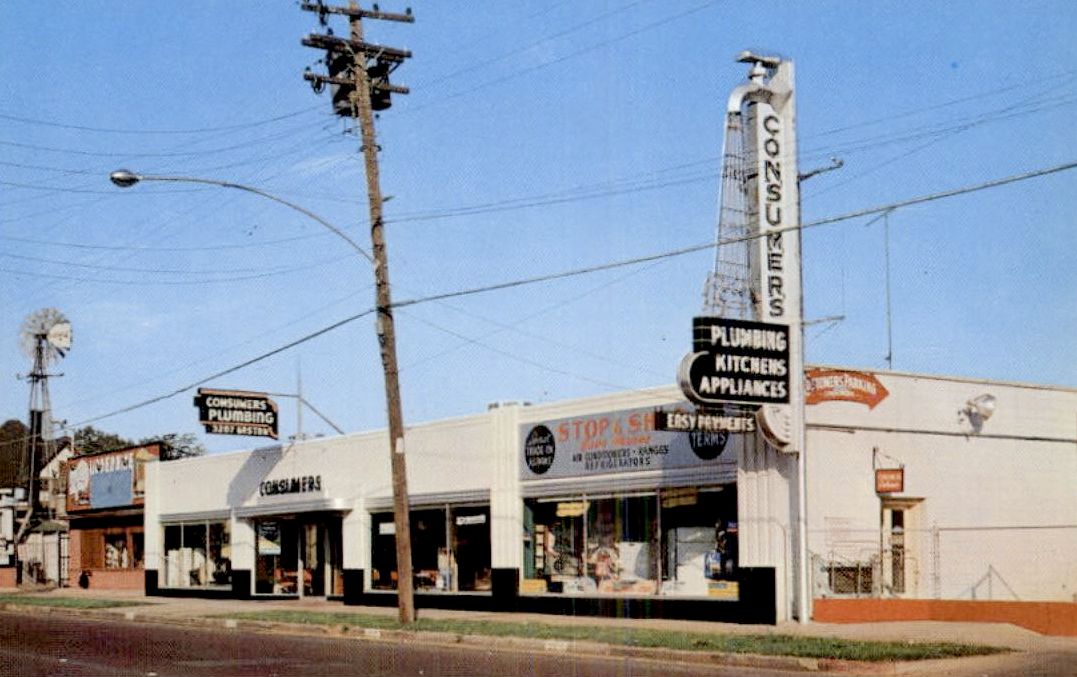
gaston-ave_strip-shopping_colteraConsumers Plumbing Co., Gaston and Hall

by Paula Bosse

A few years ago I came across this photo, showing the 3200 block of Gaston Avenue, just west of Hall. At the time I was more concerned with whether the deco-esque building still stood (it does not) that, somehow, I don’t think I even noticed the windmill (!). I know I didn’t notice that absolutely fantastic sign at the right, which I only hope was an animated neon sign with water whooshing from a faucet and then bubbling up at the bottom.

The business seen here is a plumbing supply business referred to over the years as both Consumers Supply & Plumbing Co. and as Consumers Plumbing Supply Co. It began in Dallas in 1924 when Sam Glickman opened a location on Main Street; two years later, the company incorporated, with two locations — one in Dallas and one in Fort Worth: the incorporators were Glickman and his wife, Minnie, and Morris Strauss and his wife, Josephine.

consumers-plumbing_main-st_july-1924
July, 1924 (click for larger image)

In these early years, an incident in July, 1927 involving partner Morris Strauss (who ran the Fort Worth store) led to a highly publicized trial which garnered front-page coverage. Morris was abducted from his house late one night by several men, some of whom may have been wearing masks (which, on its own, was illegal, per the anti-mask law), had a hood placed over his head, and was driven to a deserted country road where he was beaten and flogged with a whip or rope and a tree limb. He was left bloodied, in his robe and pajamas, with a warning that the same fate awaited his partner, Glickman, in Dallas.

Newspaper reports suggested that the masked “floggers” were affiliated with a plumbers’ organization whose members were reportedly unhappy with what they thought was shoddy work and low-ball bidding on city projects by Consumers Plumbing. There was huge interest in the ensuing trial of one of the men implicated in the beating, a former FW police detective with ties to the Ku Klux Klan, but the trial ended anti-climactically in a hung jury. In 1990, a Fort Worth Star-Telegram article (“KKK Links Lurk In Tarrant Past” by Hollace Wiener, FWST, Feb. 25, 1990) noted that this incident was precipitated not so much by the fact that Strauss was outselling the competition, but, more importantly, it was because he was Jewish (both Strauss and Glickman were Russian-Jewish immigrants). Not only did the defendant have Klan connections, so did the judge (and probably several members of the jury). Strauss had been granted permission by the city manager to carry a firearm for his protection, and as far as I can tell, there were no further attacks. But the Fort Worth branch of Consumers Plumbing did not make it into the 1930s, and Mr. Strauss appears to have left town.

consumers-plumbing_flogging_detroit-free-press_100127
Detroit Free Press, Oct. 1, 1927

*

Samuel G. Glickman (1898-1967) was born in Russia and, as a boy, immigrated with his family to the United States, settling in New Orleans. He initially trained as a telegraph operator but eventually became a plumber and moved to Dallas to set up his own retail/wholesale plumbing company, offering plumbing services and selling supplies and fixtures.

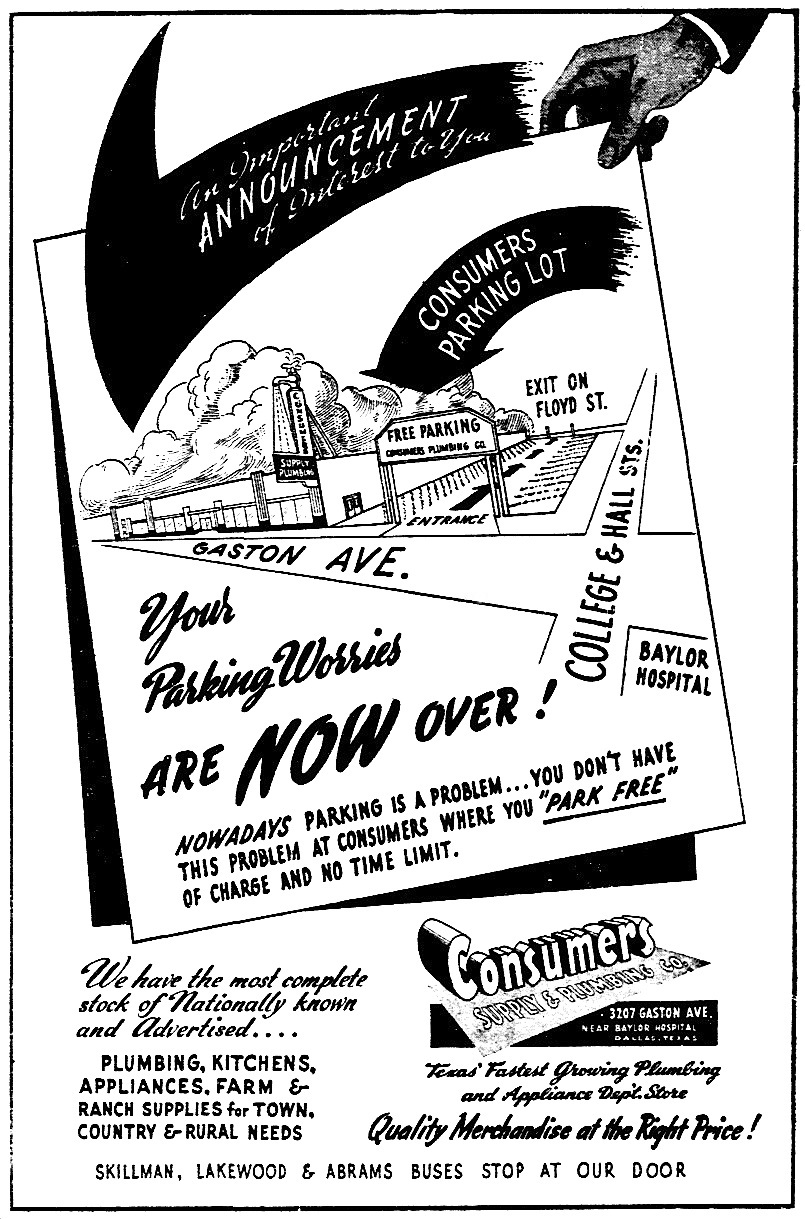
In 1934 or 1935, he moved into a large building in Old East Dallas at 3207-3211 Gaston, next to the 1890s-era Engine Co. No. 3 firehouse (which stood immediately east of Consumers Plumbing, at the corner of Hall, until about 1963). The building had a second floor, where Glickman lived for a time. In fact, he was sleeping there when a huge early-morning 4-alarm fire broke out in the half-block-long building in January, 1949. Despite being right next door to a fire station, the building was gutted. Glickman rebuilt. And the new building (seen at the top) and THAT SIGN were pretty cool. (All images are larger when clicked.)

consumers-plumbing_fire_011349_ad
Jan., 1949

consumers-plumbing_gaston_100249Oct., 1949

consumers-plumbing_gaston_oct-1949Oct., 1949

And because everything — no matter how obscure — seems to end up on the internet — here are a couple of random photos from a 1959 Volkswagen trade publication, showing Consumers workers loading plumbing-related things onto the back of a VW pick-up — some copywriter was no doubt ecstatic to have the opportunity to use “Everything goes in, including the kitchen sink!”
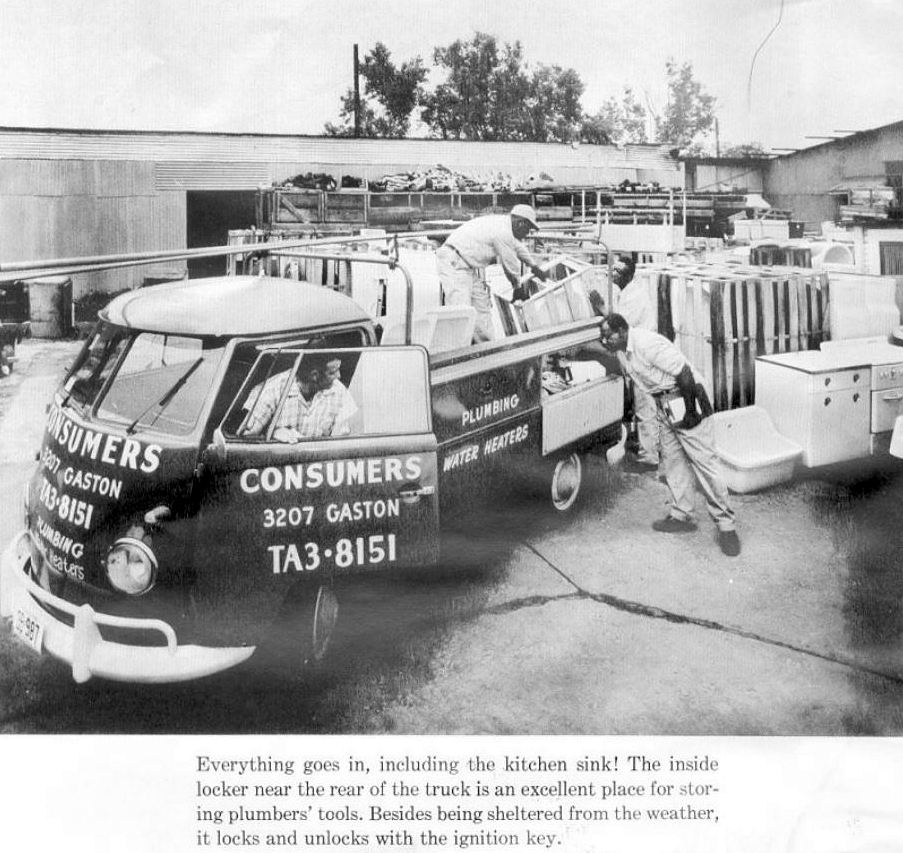
consumers_VW-truck_1959

consumers_vw_1959_thesambadotcom_1via TheSamba.com

At some point the Eveready Supply Co. (another of Glickman’s businesses) joined Consumers in the same block. Glickman died in 1967, and the businesses either moved or closed in the 1970s. The building is, unfortunately, long gone, and that block of Gaston is just one of … EVERY SINGLE BLOCK IN THAT AREA which seems to have been swallowed up by the gargantuan, ravenous, real-estate-gobbling machine known as Baylor Hospital (or whatever it’s called these days).

God, I wish I’d seen that neon faucet sign.

Oh, and the windmill? Aside from being an attention-grabber to passersby, Consumers also sold farm and ranch supplies.
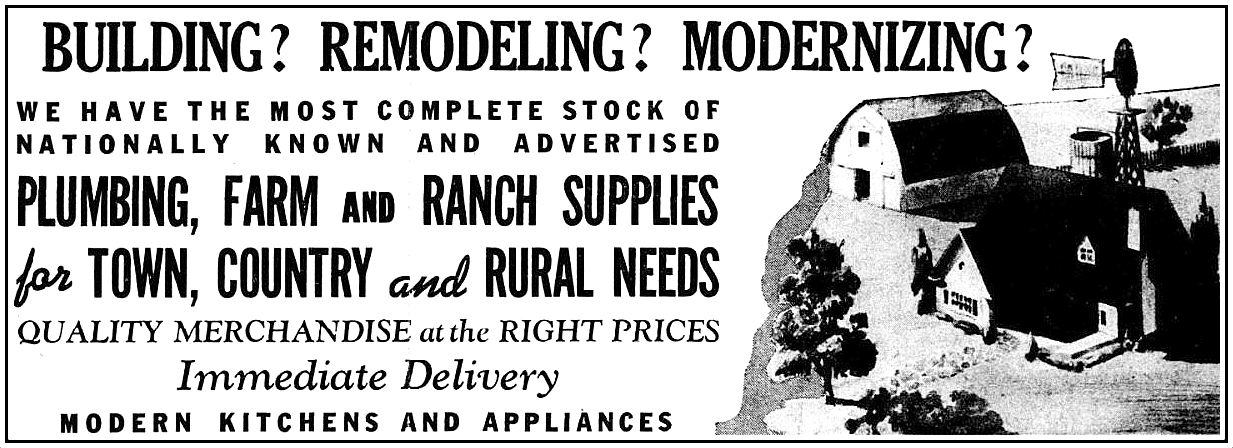
consumers-plumbing_gaston_oct-1947
Oct., 1947

***

Sources & Notes

Top color photo is from a postcard found several years ago on a Flickr page of superstar user “Coltera,” here.

I love neon signs, and Dallas used to have them everywhere. I haven’t seen another sign with quite this same water-whooshing-out-of-a-faucet design, but the one seen in this video is similar (but not as good!). Dripping faucets are popular — like this one. A great page featuring eccentric vintage neon signs of plumbing establishments is here.

And only because one of those Volkswagen trucks is featured prominently in a previous Flashback Dallas post, check out the floating VW pick-up bobbing along a flooded 4600-block of Gaston (mere blocks from Consumers Plumbing), here. And — why not? — a Clarence Talley Volkswagen ad from 1961 can be found here.

*

Copyright © 2018 Paula Bosse. All Rights Reserved.
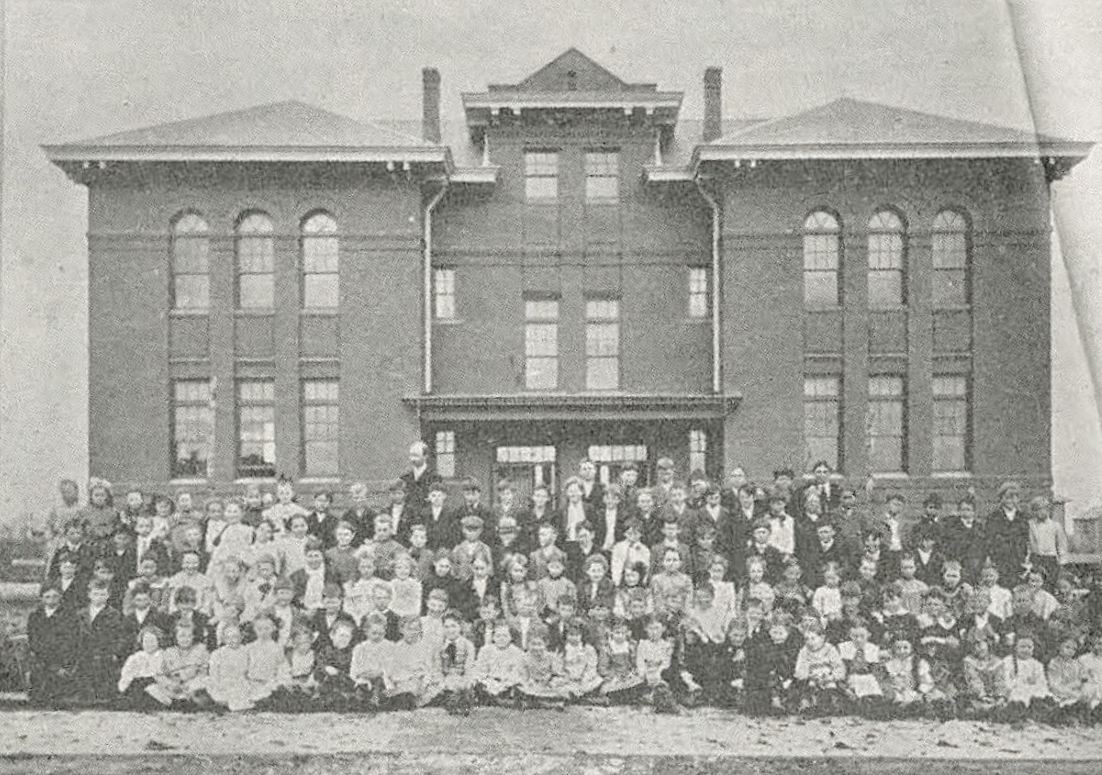
John H. Reagan Elementary, Oak Cliff’s “West End School” — 1905

west-end-school_come-to-dallas_degolyer_SMU_ca1905Class picture in front of the new school…

by Paula Bosse

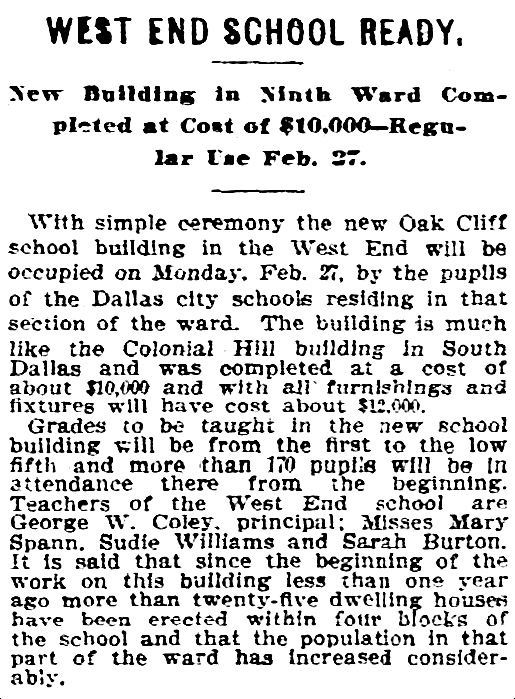
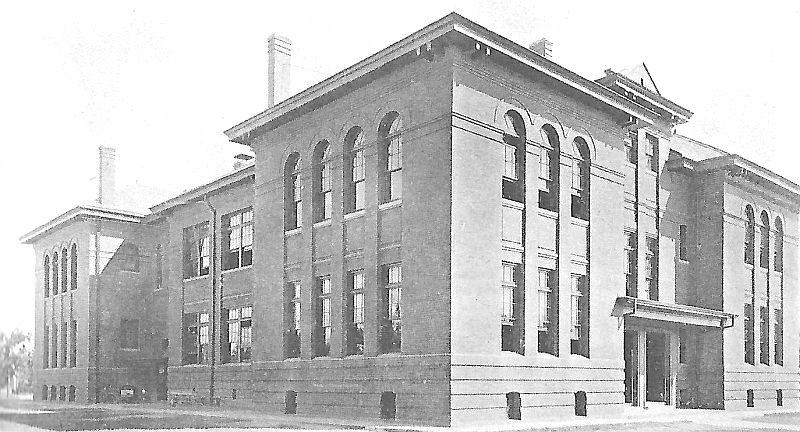
In 1904 things were getting really crowded in schools in recently-annexed Oak Cliff. The school board agreed that Dallas’ new Ninth Ward needed at least one new school, and they voted to build a four-room primary school — initially referred to as the “West End school” — at 9th and Llewellyn. After a delay in construction because of a shortage of bricks, the two-story schoolhouse opened in February, 1905. (Click photos and clippings to see larger images.)

west-end-school_reagan-elementary_dmn_021805
Dallas Morning News, Feb. 18, 1905

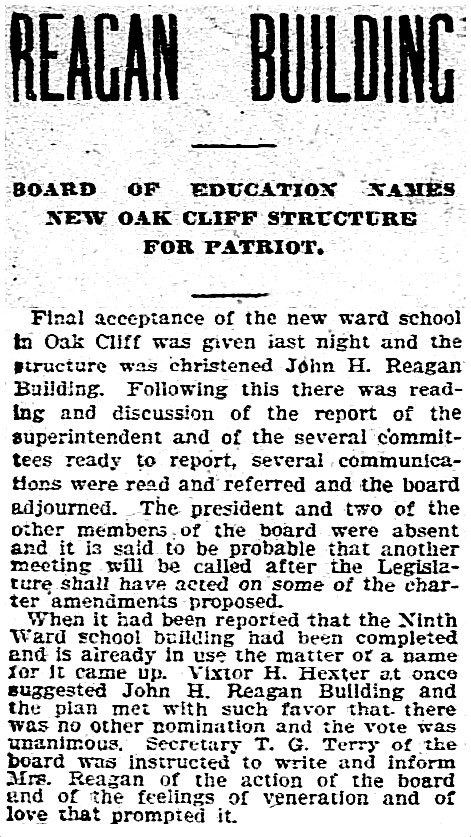
The following month the school was named for a Confederate hero of the Civil War, John H. Reagan.

reagan-school_dmn_031405
DMN, March 14, 1905

As the population of Oak Cliff grew over the years, so did the school, which expanded with additions beyond those original four rooms in order to accommodate the continual growth of the neighborhood. The building had a good run and stood for 76 years — until it was demolished at the end of 1981 (or the beginning of 1982) to make room for a new building at the same  location. The new school retained the Reagan name, which has become a point of controversy in recent years.

reagan-elementary_education-in-dallas

***

Sources & Notes

Top photo is from the promotional booklet “Come To Dallas,” from the collection of the DeGolyer Library, SMU Libraries, Southern Methodist University; more here.

Bottom photo is from the book Education In Dallas, 1874-1966, Ninety-Two Years of History by Walter J. E Schiebel.

More on the history of Reagan Elementary and the recent controversy over whether the school should be renamed can be found in the Dec. 27, 2017 Oak Cliff Advocate article “Backstory: One Low-Income School in Oak Cliff Bears the Name of a Confederate Leader” by Rachel Stone.

For more on the then-impending demolition of the original school building, check out the Dallas Morning News archives for the story “Graduates Come to Visit School On Its Deathbed” by Keith Anderson (DMN, Sept. 14, 1981).

*

Copyright © 2018 Paula Bosse. All Rights Reserved.
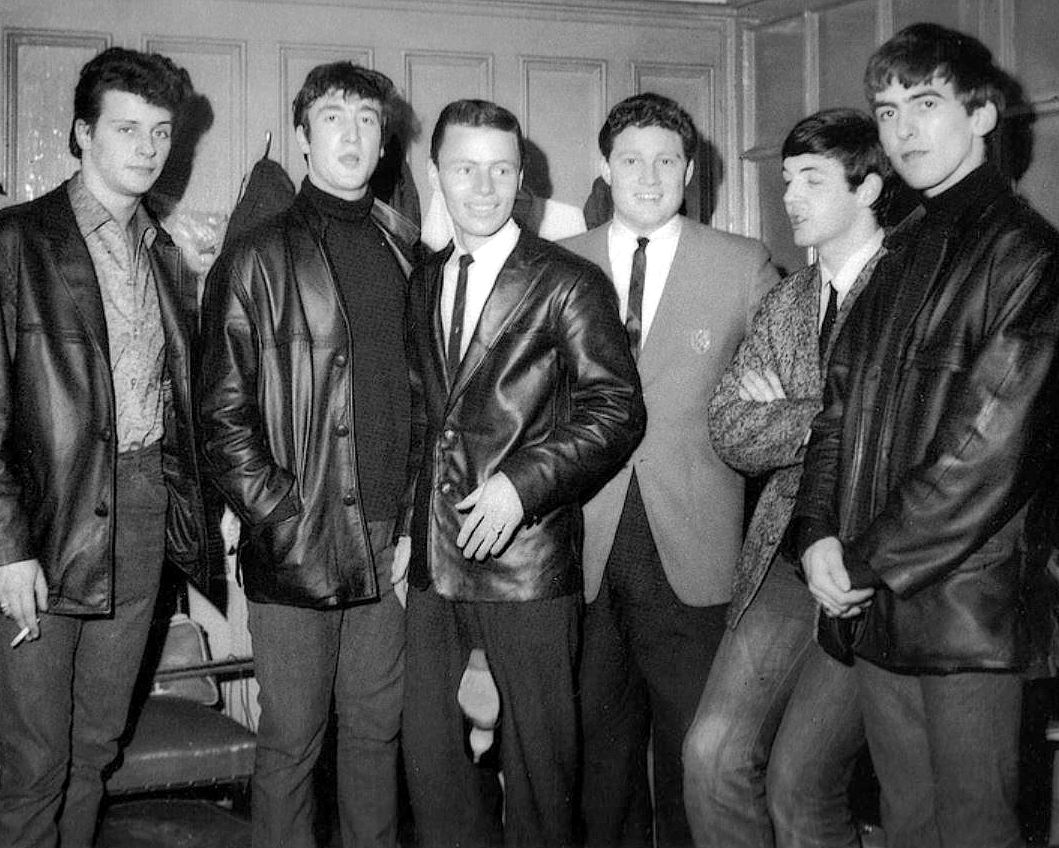
Bruce Channel, Delbert McClinton, and The Beatles — 1962

beatles_delbert_bruce_062162_mike-mccartneyThe Ringo-less Beatles with Delbert and Bruce, June 21, 1962

*

(CLICK HERE TO WATCH THE FILM DISCUSSED IN THIS POST)

*

by Paula Bosse

You know how you’re all excited about one thing only to discover something even more exciting sitting all alone over off to the side? That’s what happened when I took a look at the “Light Crust Doughboys collection” which has recently been uploaded to the Portal to Texas History site as part of the Spotlight on North Texas project via the UNT Media Library. I’m a huge fan of Western Swing and classic country music, and I spent an enjoyable hour or two watching home movies of the Light Crust Doughboys as they toured around Texas. When I looked to see what else comprised this collection, I saw the words “England Tour,” “Bruce Channel,” and “Delbert McClinton,” and a jolt went through me: oh my god, could there be film footage of the legendary meeting between the Beatles and North Texas musicians Bruce Channel and Delbert McClinton? Every Beatles fan worth his/her salt knows about the June 21, 1962 meeting when John Lennon eagerly chatted with Delbert McClinton about his harmonica prowess.

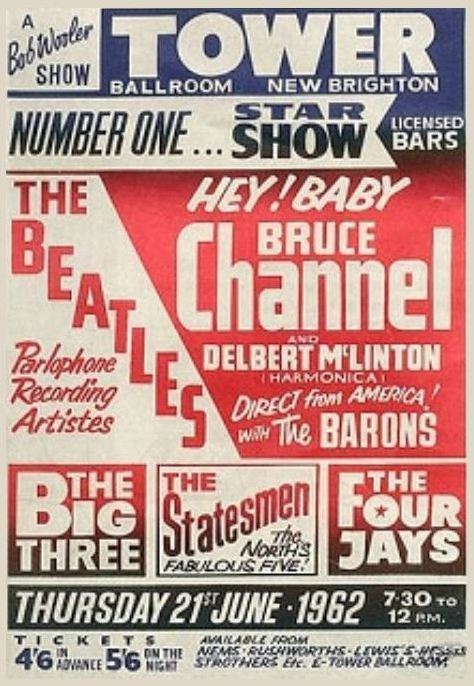
channel-beatles_poster_new-brightonvia Beatlesource.com

I watched the 27-minute home movie (shot by Marvin “Smokey” Montgomery, member of the Light Crust Doughboys and, from what I gather, Bruce Channel’s musical collaborator and, possibly, acting manager), and it does, in fact, capture glimpses of the famed tour in which Grapevine’s Channel, riding high on his #1 hit Hey! Baby, toured England with Fort Worth musician Delbert McClinton, who played harmonica on the record. One of their dates was the English town of Wallasey, just across the Mersey from Liverpool. On June 21, 1962 Bruce and Delbert played the New Brighton Tower Ballroom — their opening act was a popular local band on the brink of superstardom, The Beatles. Backstage, John Lennon asked for a few harmonica tips from Delbert whose Hey! Baby sound John really liked, and Delbert was happy to share. The photo above was taken at that meeting by Paul’s brother, Mike McCartney: from left to right, Pete Best (who would soon be replaced by Ringo Starr), John Lennon, Delbert McClinton (is he wearing Paul’s jacket?), Bruce Channel, Paul McCartney, and George Harrison. Another one, with Bruce and Paul, is below (I’m not sure who the girl is).

channel_mccartney_062162_mike-mccartney-photoBoth photos via Beatlesource.com

The home movie shot by Smokey Montgomery shows Bruce and Delbert (both only 21 years old at the time), their Fort Worth record producer “Major Bill” Smith, as well as several members of the package show of British performers that toured with Bruce, including Frank Ifield, Jay and Tommy Scott, and Beryl Bryden. …But, argh, no Beatles! So close! Still, this is great film footage of a famous tour — footage which may never have been seen by the public — and it is now available online for all to see, courtesy of the University of North Texas!

The 27-minute (silent) film can be viewed here (the good stuff is really only in the first 11 minutes or so — the rest is mostly tourist footage of the changing of the guards at Buckingham Palace). 

This may be thrilling to only a handful of people, but I am definitely one of those people!

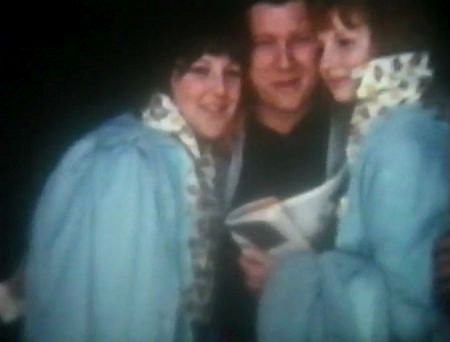
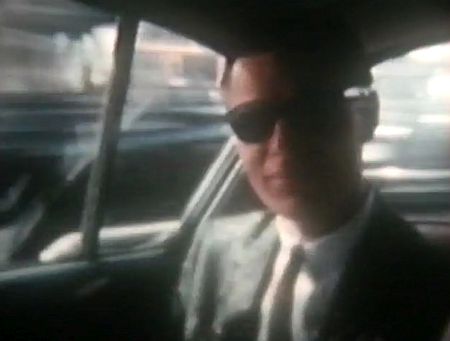
A few screen captures from Smokey Montgomery’s 1962 “England Tour” film (all images are larger when clicked):

channel-film_UK_1962_bruce_busBruce on the bus

channel-film_UK_1962_delbertDelbert in a taxi

channel-film_UK_1962_bruce_with-fansBruce with fans

channel-film_UK_1962_bruce_fansPerks of the trade

channel-film_UK_1962_bruce_kiss
More perks

channel-film_UK_1962_delbert_hands-up
Delbert

channel-film_UK_1962_bruce_delbert_bbc
Bruce and Delbert, London

You just never know what you’re going to stumble across…. Below is Bruce Channel’s monster 1962 hit, recorded in 1961 at the Clifford Herring Studios in Fort Worth, Hey! Baby, kicked off by Delbert McClinton’s distinctive harmonica.

**

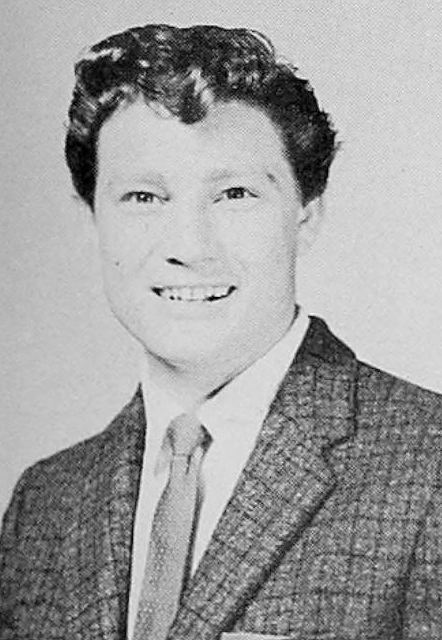
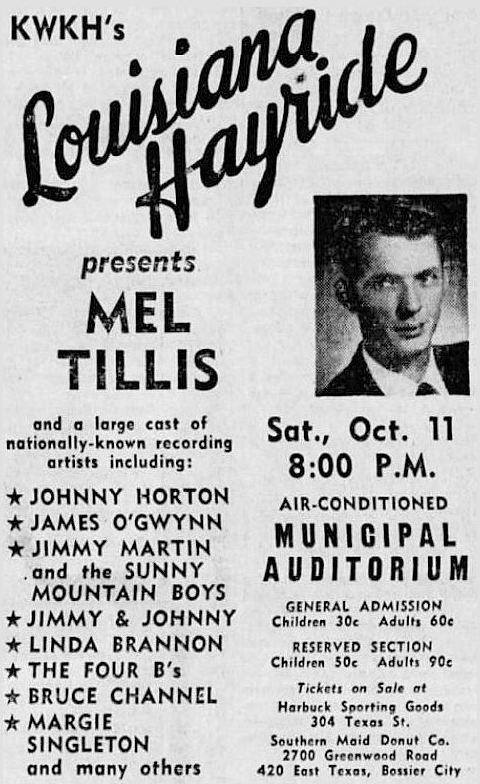
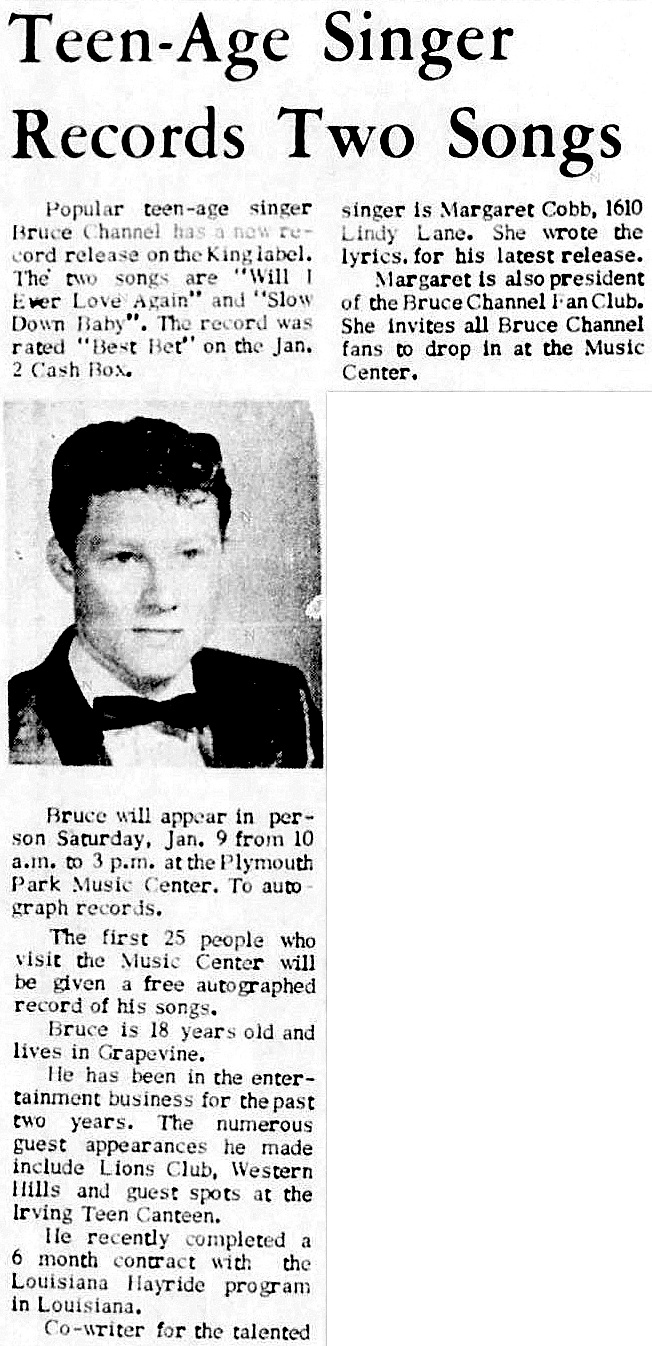
Bruce Channel (born Bruce McMeans — the “Channel” was his mother’s maiden name), was born at the end of 1940 and attended Grapevine High School. During his high school days he gained popularity as a performer, complete with lengthy commutes between Dallas and Shreveport, where he was a regular performer on the star-making Louisiana Hayride. Around this time he began writing songs with Margaret Cobb, an Irving woman who was 10-15 years older and the sister of a musician acquaintance. Dallas-Fort Worth-area musician Smokey Montgomery (known for decades as the banjo player in the Light Crust Doughboys) not only helped arrange those songs, but he also produced and played on some of Channel’s early singles, such as the cool (and fast!) rockabilly number, Slow Down, Baby (hear it here) and a song I like even more, Come On, Baby (hear it here).

The Cobb-Channel-penned Hey! Baby was recorded in 1961 and soon became a local radio hit, most notably on KLIF in Dallas, then worked its way up charts around Texas. The song finally reached #1 in the country in March, 1962. Channel had a few other lesser hits, but none ever reached the heights of Hey! Baby. He moved to Nashville in the ’70s and embarked on a successful songwriting career.

Delbert McClinton was born in Lubbock, also at the end of 1940, but grew up in Fort Worth where he, too, was a teenage musician, first gaining attention with his band The Straitjackets/Straightjackets and later the Rondels. He’s a bona fide Texas blues legend and continues to perform.

channel-bruce_grapevine-high-school_sr-photo_1960Bruce McMeans, Grapevine High School, 1960

channel-bruce_louisiana-hayride_shreveport-times_101058
Shreveport Times, Oct. 10, 1958

channel-bruce_irving-news-record_010760
Irving (TX) News-Texan, Jan. 7, 1960 (click for larger image)

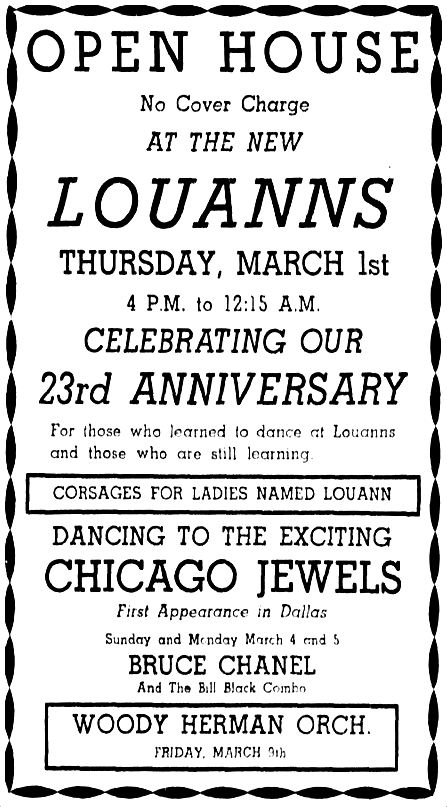
channel-bruce_louanns_march-1962
Louann’s, Dallas, March, 1962

bruce-channel_photo
British tour program photo, June, 1962, via Flickr

mcclinton-delnert_arlington-hts-high-school_1959_junior
Delbert McClinton, Arlington Heights High School, 1959

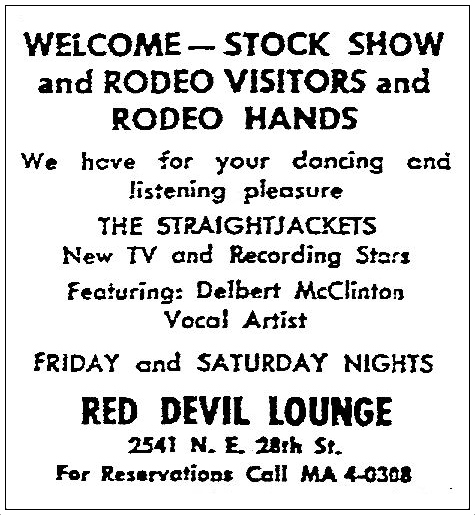
delbert-mcclinton_FWST_012558
Red Devil Lounge, Fort Worth, Jan., 1958

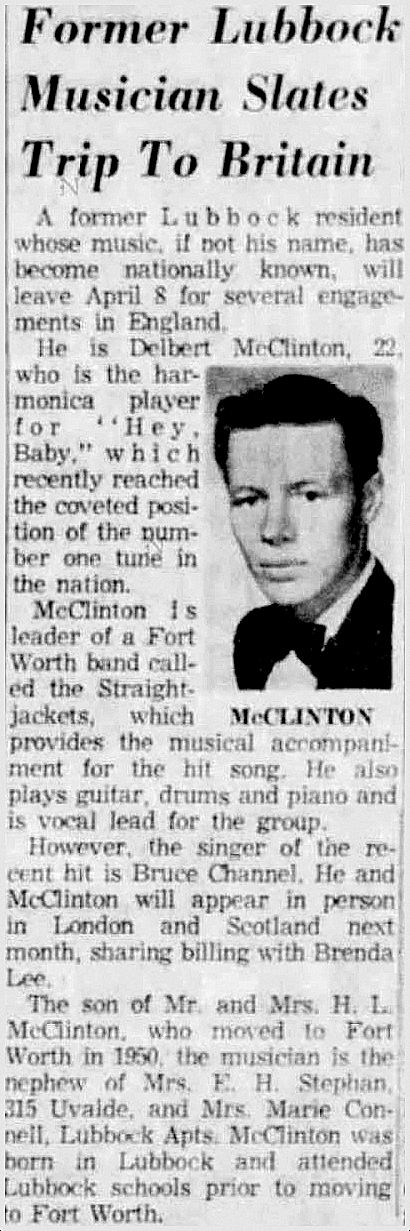
mcclinton-delbert_lubbock-avalanche-journal_032162
Lubbock Avalanche-Journal, March 21, 1962 (click to read)

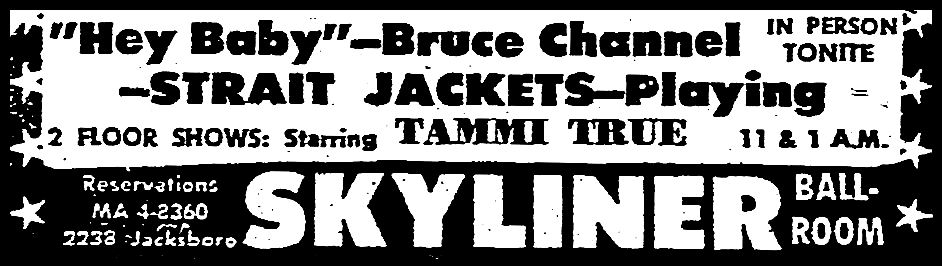
channel-bruce_delbert-mcclinton-strait-jacketsFWST_010662
Bruce with Delbert (and stripper Tammi True), FW, Jan. 1962

***

Sources & Notes

The film featuring Bruce Channel and Delbert McClinton is titled “[The Light Crust Doughboys, No. 16 — England Tour]” and is part of the Spotlight on North Texas collection; it was provided by UNT Media Library to The Portal to Texas History and may be viewed here. It was filmed by Marvin “Smokey” Montgomery (who can be seen near the very end, sitting almost in silhouette in front of an airplane window). The film is part of a collection of Light Crust Doughboys and LCD-related materials donated by Art Greenhaw. (Special thanks to Laura Treat!)

Speaking of UNT, there may also be a film clip somewhere in the Denton vaults in which Bruce Channel, the “Grapevine farmboy,” was the subject of a WBAP-Ch. 5 news story (the April 18, 1962 script is here).

See the full printed program for Bruce Channel’s June, 1962 British package tour here.

Bruce Channel’s website is here. Read an interesting interview with him here. More Bruce on Wikipedia, here.

Delbert McClinton’s website is here. He’s constantly touring. Go see him!

The producer of (among other recordings) Hey! Baby and Hey, Paula (the song which has followed me around my whole life) was “Major Bill” Smith who was quite a polarizing character and was often described as a “hustler” (Delbert was not a fan). Read about him here. (Also, rockabilly god Ronnie Dawson might be one of the musicians on Hey! Baby — I’ve always heard he played drums on Hey, Paula.)

Marvin “Smokey” Montgomery is listed, along with Major Bill Smith, as a co-producer of Hey! Baby, which sold well over a million copies, but it rankled him that he did not get a songwriting credit (and, perhaps more importantly, did not earn royalties), which he contended he deserved: in a 1973 Dallas Morning News profile he said somewhat bitterly, “[*Now*] if I have anything to do with making the music or writing the words… you can bet your sweet life my name will be on that record.” (“The Man Who’ll ‘Listen To Your Song'” by David Hawkins, DMN, Oct. 18, 1973). More on Smokey’s long career can be found at the Handbook of Texas, here.

Read about the Beatles’ use of a perhaps Delbert-inspired harmonica sound on several of their early recordings, most notably Love Me Do, here.

Side note: Hey! Baby broke first locally on Dallas radio station KLIF and then on Houston’s KILT — both stations were owned by Gordon McLendon, which might explain why Bruce Channel was appearing at an April, 1964 political rally at Reverchon Park in support of McLendon’s race for U.S. Senate (?!) — see the ad here. (McLendon lost his Democratic primary challenge against Sen. Ralph Yarborough, who ultimately went on to defeat Republican contender, the elder George Bush.)

Bruce and Delbert weren’t the only DFW musicians with whom pre-Beatlemania Beatles hobnobbed: they also shared a bill in Paris with Dallas son Trini Lopez in 1963 — the Flashback Dallas post “Trini Lopez: Little Mexico’s Greatest Export” is here.

*

Copyright © 2018 Paula Bosse. All Rights Reserved.
 

Dallas History on the BBC

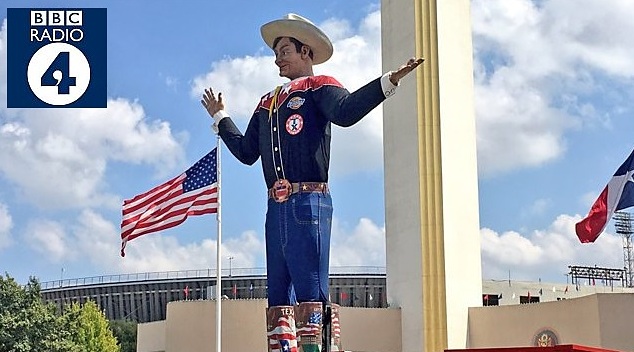
big-tex_bbc_radio-4_julia-barton_photo
“Howdy, chaps!”

by Paula Bosse

A few years ago, when writing about one of the many attempts in the never-ending saga of trying to make the Trinity River a navigable waterway, I stumbled across the 99% Invisible podcast website where I discovered Julia Barton and her long audio piece on the very same topic. I was surprised — and excited — to find someone with a similar background to mine tackling Dallas’ history and looking at it from a thoroughly 21st-century perspective. I felt she and I had been separated at birth, and I enthusiastically contacted her via Twitter. Since then we’ve met a couple of times, chatted back and forth online, and, this year, she asked if I would help with research for a radio piece about Dallas she was preparing for BBC Radio. Of course I would!

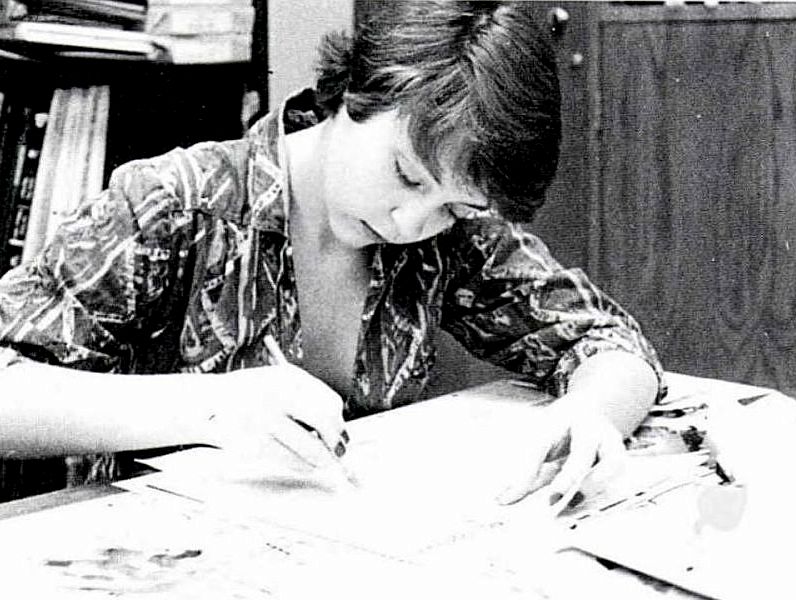
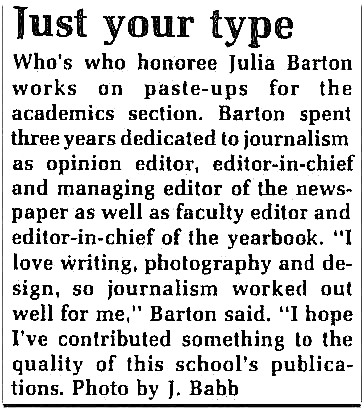
Julia Barton is a radio and podcast editor and has worked extensively in public radio; she is currently working on Malcolm Gladwell’s hugely successful Revisionist History podcast. She also presents stories, some of which are about Dallas, a city she seems to have a lingering fascination with, even though she hasn’t lived here in decades. Though born in Minnesota, Julia spent most of her childhood in Dallas, growing up in the Little Forest Hills area, attending Alex Sanger Elementary, Gaston Middle School, and Skyline High School (Class of ’87) where she appears to have been an overachieving student journalist. She lives in New York City now, where she puts those journalism tools to good use.

julia-barton_skyline_1987-yearbook_photo

julia-barton_skyline_1987-yearbook-caption

Julia Barton, 1987 Skyline High School yearbook

The first tidbit I heard about Julia’s story for the BBC involved another former Dallas resident, Dennis Rodman (of basketball and North Korea diplomacy fame), who grew up in both South Dallas and South Oak Cliff and attended Sunset High School for a couple of years before transferring to South Oak Cliff High School, where he graduated in 1979.

rodman-dennis_south-oak-cliff-high-school_senior-photo_1979

Senior photo, South Oak Cliff High School, 1979

I’m not sure about the chronology of the piecing-together of the various aspects of Dallas history which comprise the finished half-hour BBC program, but an important kernel was Rodman’s childhood memory of hiking for miles with friends through underground sewage tunnels to Fair Park in order to get into the State Fair of Texas without the burden of paying — they just popped up a manhole cover when they’d reached their destination and … voilà! — they were inside Fair Park. He wrote about this in his autobiography Bad As I Wanna Be, and you can read this passage here (if bad language offends you, buckle up). I really love Rodman’s story about these tunnels — so much so that after Julia shared it with me, it got to the point where I was asking everyone I ran into if they’d ever heard about what I assumed was an apocryphal story. But the tunnel-to-Fair-Park-legend was true. And that weird kernel snowballed into a half-hour personal narrative about Dallas, race, inequality, education, school desegregation, and, yes, Big Tex. History isn’t always pretty, but let’s hope we can learn from past mistakes.

Listen to Julia Barton’s “Big Tex,” here.

***

Sources & Notes

“Big Tex” was presented by Julia Barton for the UK’s BBC Radio 4. It features Julia’s classmates Sam Franklin (Class of ’86) and Nikki Benson (Class of ’87), her former teacher at Skyline Leonard Davis (an all-around great guy and fellow Dallas Historical Society volunteer — hi, Leonard!), as well as former teenage tunneller Melvin Qualls, local historian Donald Payton, and sixth graders from Julia’s alma mater, Alex Sanger Elementary School. It is a Falling Tree production, produced by Hannah Dean and Alan Hall. The link to the audio — and background on the production — is here. (Top photo is from the BBC page.)

Jim Schutze of the Dallas Observer wrote a great piece on this radio program (“Before Desegregation, Black Kids Had a Secret Tunnel Into the State Fair. Truth!”) — read it here (it includes a few production photos taken as Julia researched the story in Dallas).

Julia Barton’s website is here; a collection of her stories for Public Radio International (PRI) is here.

Two of Julia’s Dallas narratives:

  • “Port of Dallas” — history of the attempt to navigate (and monetize) the Trinity River: as an audio-only podcast, and as a video presentation done as a TEDx Talk at SMU
  • “The Failed Socialist Utopian Dream That Helped Dallas Become a Major City” — a look at the La Réunion community of the 1850s, from the PRI “World in Words” podcast (starts at about the 5:30 mark)

Thanks for asking me to help with research, Julia — I particularly enjoyed fact-checking the question “was-Mussolini-*really*-invited-to-the-Texas-Centennial?” (He was!)

*

Copyright © 2018 Paula Bosse. All Rights Reserved.
 

Stop at the Delmonico — ca. 1919

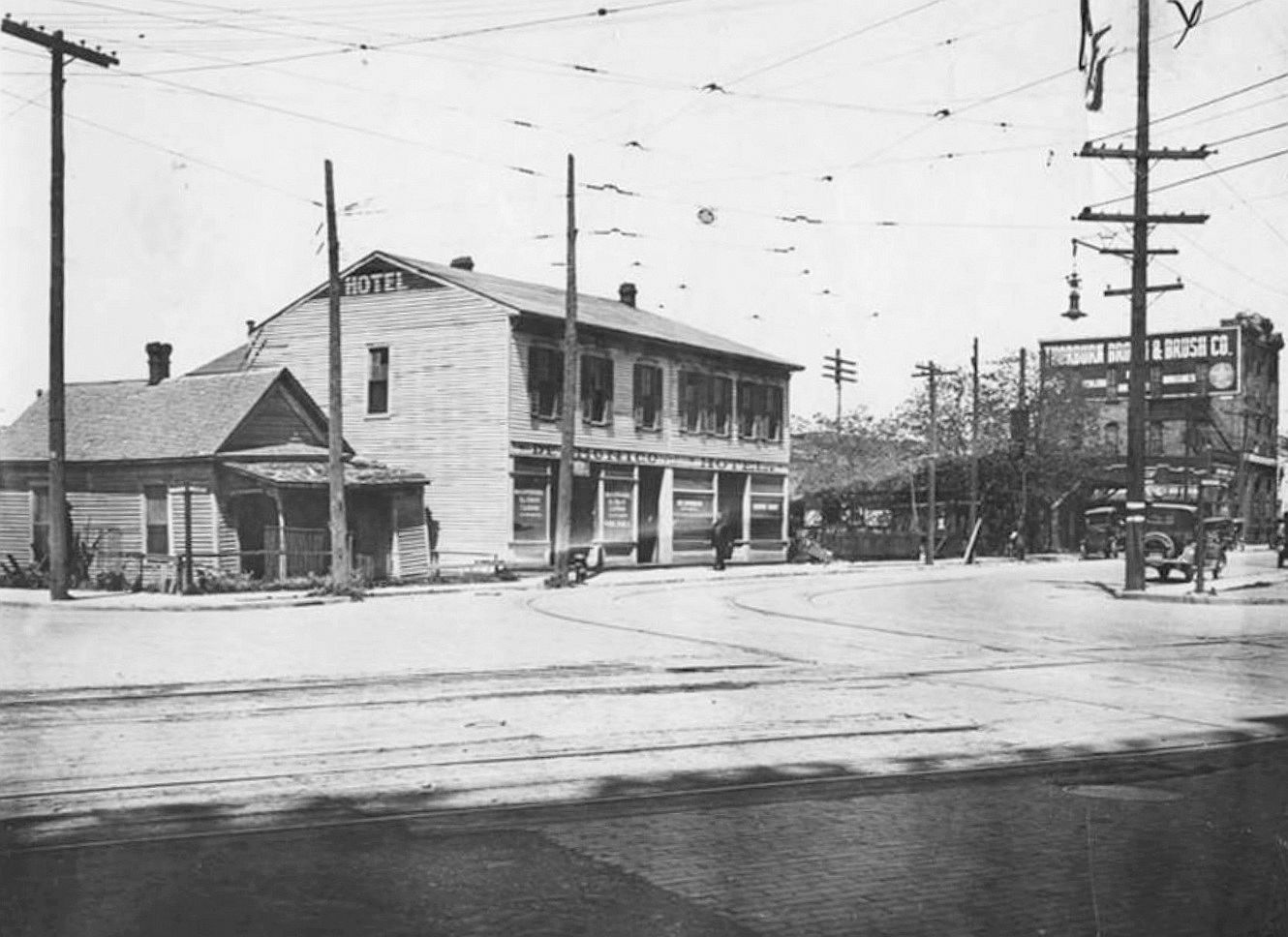
delmonico-hotel_degolyer_SMU_ca-1919The Delmonico Hotel & Thorburn Broom factory… (click for larger image)

by Paula Bosse

How does one refer to the area just above Pacific and Central, where Swiss once crossed Central? “Deep Ellum-adjacent”? “Far North Deep Ellum”? The “Extreme Western Edge of Old East Dallas”? It was very close to the old union railroad depot, where the T&P and H&TC tracks crossed (about where Pacific and Central crossed). It was once a bustling area, but after the depot closed in the ‘teens, it didn’t bustle so much anymore. 

The photo above — looking to the northeast and taken about 1918 or 1919 — shows the Delmonico Hotel (at 2309-2311 Swiss Avenue) and, to the right, the Thorburn Broom & Brush Co. factory (2405-2409 Swiss). (See the Swiss Avenue occupants of these two blocks as listed in the 1919 Dallas directory here.) The street that runs between the two blocks is Central Ave. The railroad tracks running horizontally at the bottom of the photo run along Pacific, and the streetcar tracks curve up and to the right to run along Swiss.

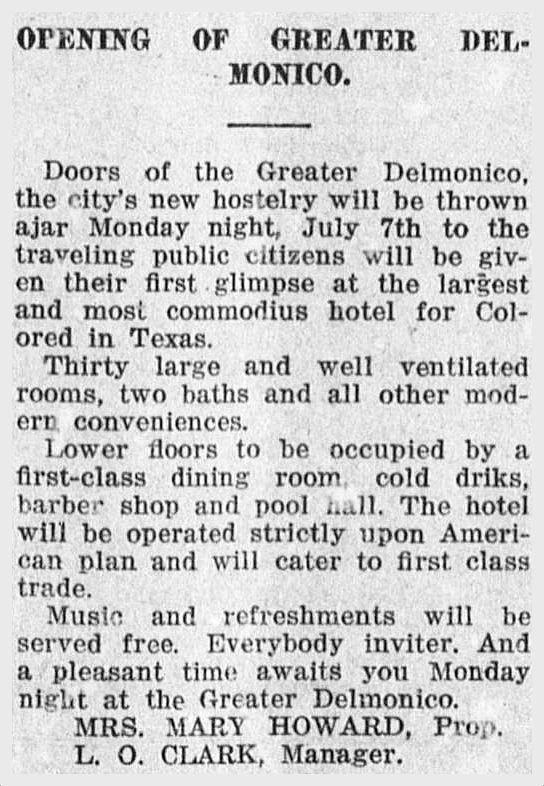
The Delmonico Hotel was at this location for only a couple of years until it moved a block around the corner, facing Central — the new, larger “Greater” Delmonico opened in July, 1919, occupying the upper floor at 302 Central. The proprietress of both locations was Miss Mary Howard (later Mrs. L. O. Clark). Miss Howard was, apparently, an enterprising African American woman who ran what was described in Dallas’ premiere black newspaper as “the largest and most commodious hotel for Colored in Texas… [catering] to first class trade” (Dallas Express, July 5, 1919). It remained in business at its second location on Central Ave. until 1927 or 1928.

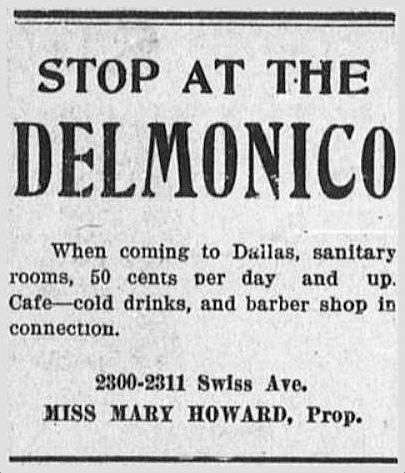
delmonico-hotel_dallas-express_011119Dallas Express, Jan. 11, 1919

Above, an ad for the hotel’s first location (the address should read “2309-2311 Swiss”). Below, a nice article on the opening of the second location on Central.

delmonico-hotel_dallas-express_070519_NEW-greater-delmonicoDallas Express, July 5, 1919

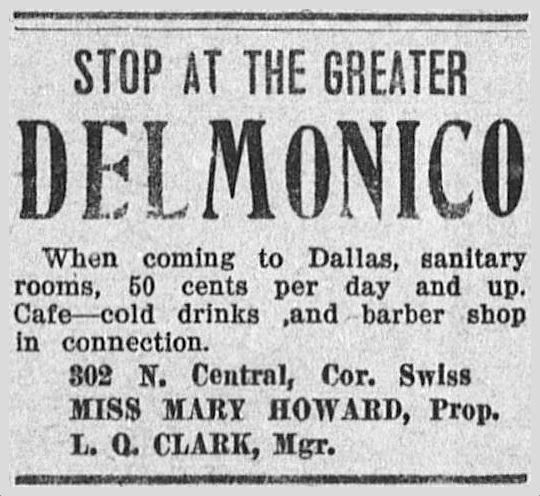
delmonico-hotel_dallas-express_082319Dallas Express, Aug. 23, 1919

It’s interesting that the 1919 Dallas directory has a business listing for this hotel (the first location, the one seen in the photo) — it is the sole hotel for “colored” patrons listed (denoted with the letter “c” — you can see the list of hotels from the 1919 directory here).

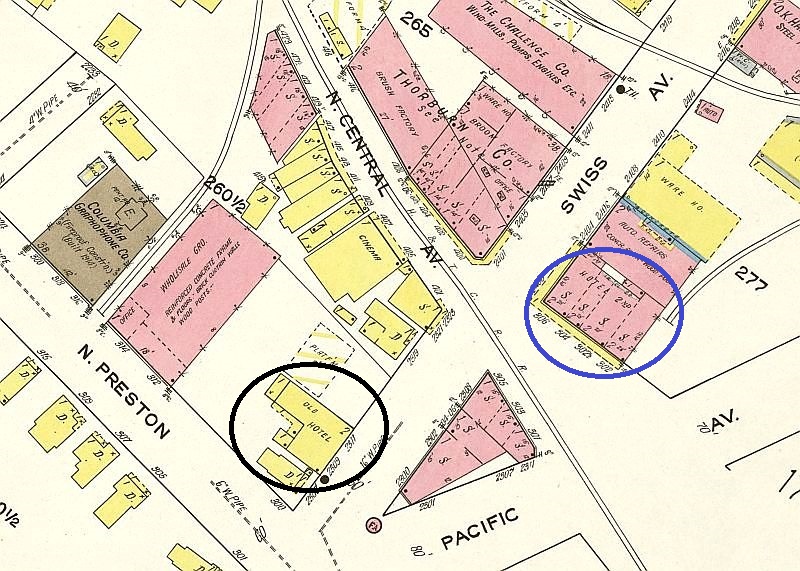
The first location can be seen in this detail of a 1921 Sanborn map, circled in black; the second location is circled in blue; the Thorburn Co. broom factory at Swiss and Central is labeled. (All images are larger when clicked.)

delmonico_swiss-central_sanborn_1921-sheet-14-det

The 2300 block of Swiss is no longer there — it is now empty land beneath the elevated North Central Expressway. The 2400 block (where the broom factory stood) is still there and is the site of a self-storage business (the Thorburn factory once stood here, across from the Lizard Lounge).

*

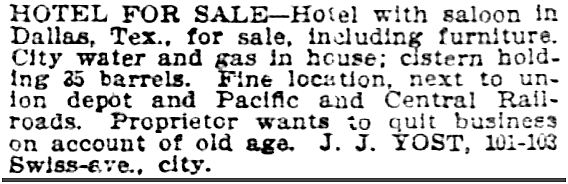
The large white building housing the Delmonico appears to have been built in 1889 by Swiss-born John Jacob (“J. J.”) Yost, who soon opened the Bear Hotel, which seems to have been a popular rooming house/hotel for German immigrants. By 1902 Yost was looking for a buyer for the hotel (“with saloon”) and placed the ad seen below (an ad which appeared not too long after a court notice appeared in the papers showing  that Yost had been found guilty of operating a “disorderly house” (a brothel) and had been fined $200, which was a huge fine at the time).

bear-hotel_dmn_042602_for-saleDallas  Morning News, April 26, 1902

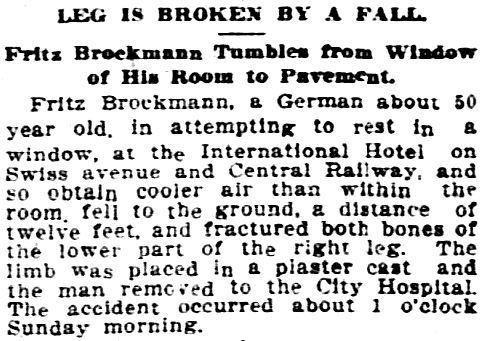
As Yost described it, the hotel really was in “a fine location” — just a block or two from a very busy passenger-train depot. Perhaps he was asking too much for it, but the Bear Hotel appears to have remained in operation until 1906, when it became the International Hotel (which was in business until 1918 when the hotel became the Delmonico, the first of these hotels to be owned by an African American for a strictly black (segregated) clientele). Below is an amusing (or terrifying) news tidbit from 1909 about a guest at the International Hotel. When you find yourself asking “what did people do before air-conditioning?” remember what happened to poor Fritz Brockmann:

international-hotel_dmn_070509
DMN, July 5, 1909

**

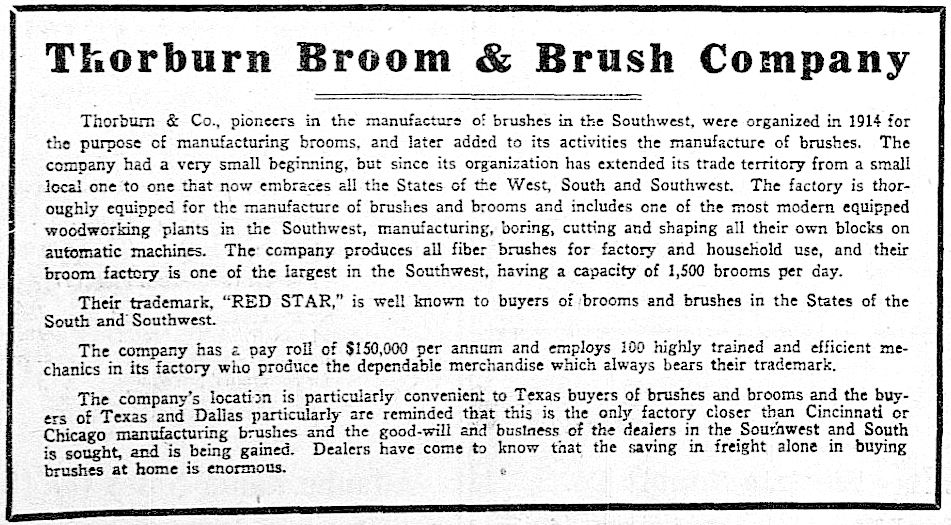
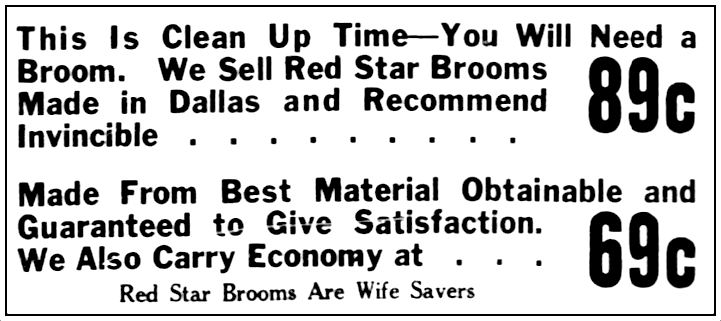
The Thorburn Broom & Brush Co. manufactured … brooms and brushes in their factory seen at the right in the photo above. A few bristly factoids about the company were included in a Chamber of Commerce-like series of ads from 1922.

thorburn-broom-brush_june-1922June, 1922

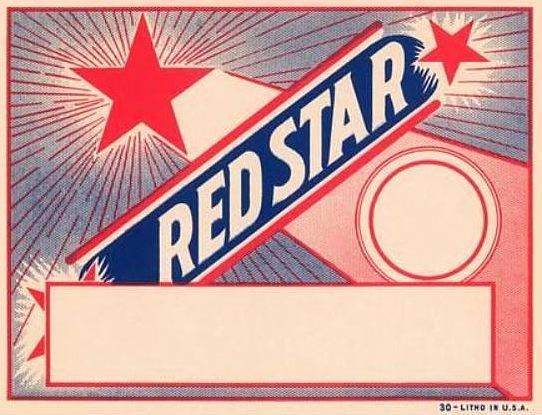
Thorburn’s marquee brand seems to have been the trademarked Red Star brooms (“Red Star brooms are Wife Savers”).

thorburn_red-star-brooms_1924Piggly Wiggly ad, 1924

red-star-broom-label

***

Sources & Notes

Top photo — titled “[Swiss Avenue at Central and the Houston and Texas Central Tracks]” — is attributed to George A. McAfee and is from the DeGolyer Library, SMU Libraries, Southern Methodist University; more information on this photo may be found here.

More info about the old Union Depot — which was one block south from the location seen in the photo above — can be found in these Flashback Dallas posts:

  • “The Old Union Depot in East Dallas: 1897-1935,” here
  • “The Union Depot Hotel Building, Deep Ellum — 1898-1968,” here
  • “The Gypsy Tea Room, Central Avenue, and The Darensbourg Brothers,” here

*

Copyright © 2018 Paula Bosse. All Rights Reserved.
Life on Hall Street — 1947

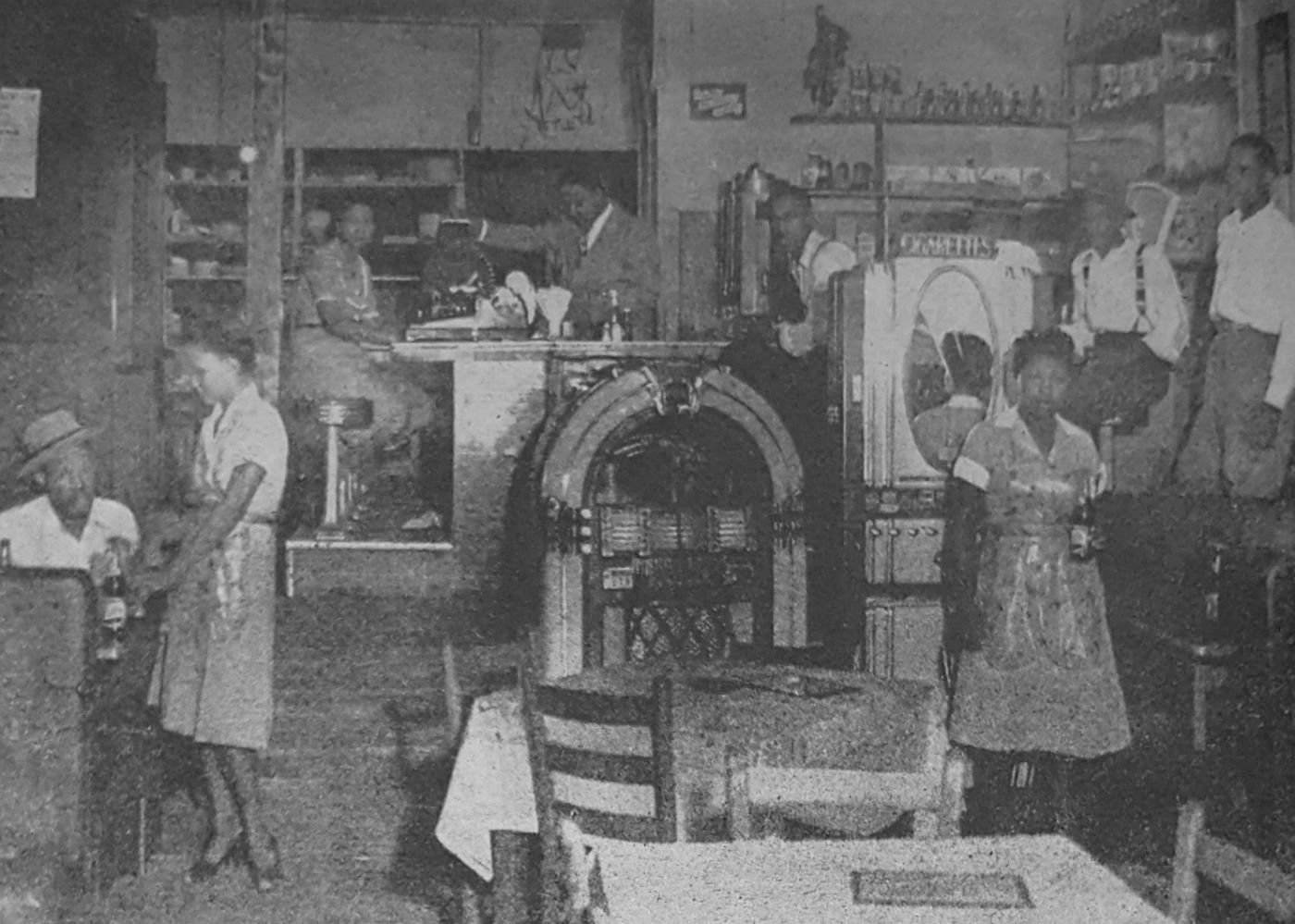
adolphus-bar-b-q_dallas-negro-directory_1947-48_dining-roomInterior of Adolphus Isaac’s Bar-B-Q Palace…

by Paula Bosse

Here are a few post-war ads for businesses in the 2200 and 2300 blocks of N. Hall, between Thomas and State, in the heart of “North Dallas,” a once-thriving business and entertainment district which catered to Dallas’ black community, until construction of Central Expressway sliced it in half a year or two after these ads appeared. These two blocks are completely unrecognizable today (a Google Street View looking north on Hall from Thomas can be seen here), and evidence that this area was once a lively African American neighborhood teeming with small businesses, cafes, and clubs exists almost entirely in old photos and ads like these.

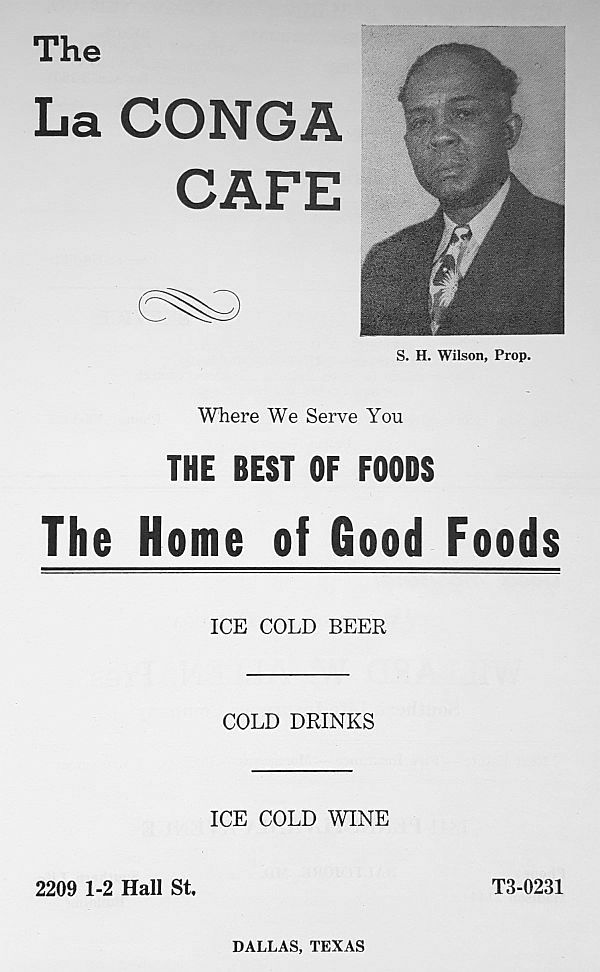
Below, the LA CONGA CAFE, 2209½ Hall, S. H. Wilson, proprietor. “Where we serve you the best of foods. The home of Good Foods. Ice cold beer.” (All pictures are larger when clicked.)


la-conga_dallas-negro-directory_1947-48

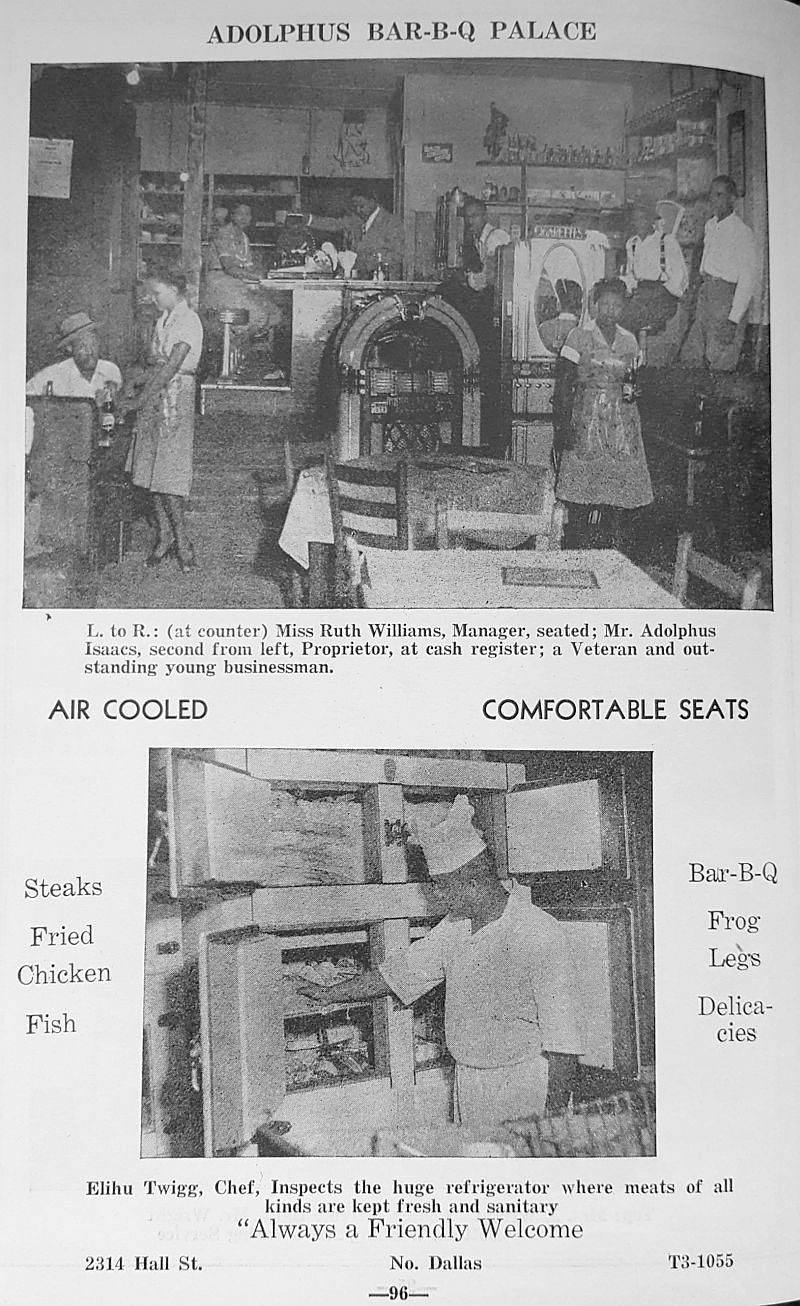
THE ADOLPHUS BAR-B-Q PALACE, 2314 Hall, Adolphus Isaac (whose name in the ad appears to be misspelled), proprietor. “Always a friendly welcome. Steaks, fried chicken, fish, bar-b-q, frog legs [!], delicacies.”

adolphus-bar-b-q_dallas-negro-directory_1947-48

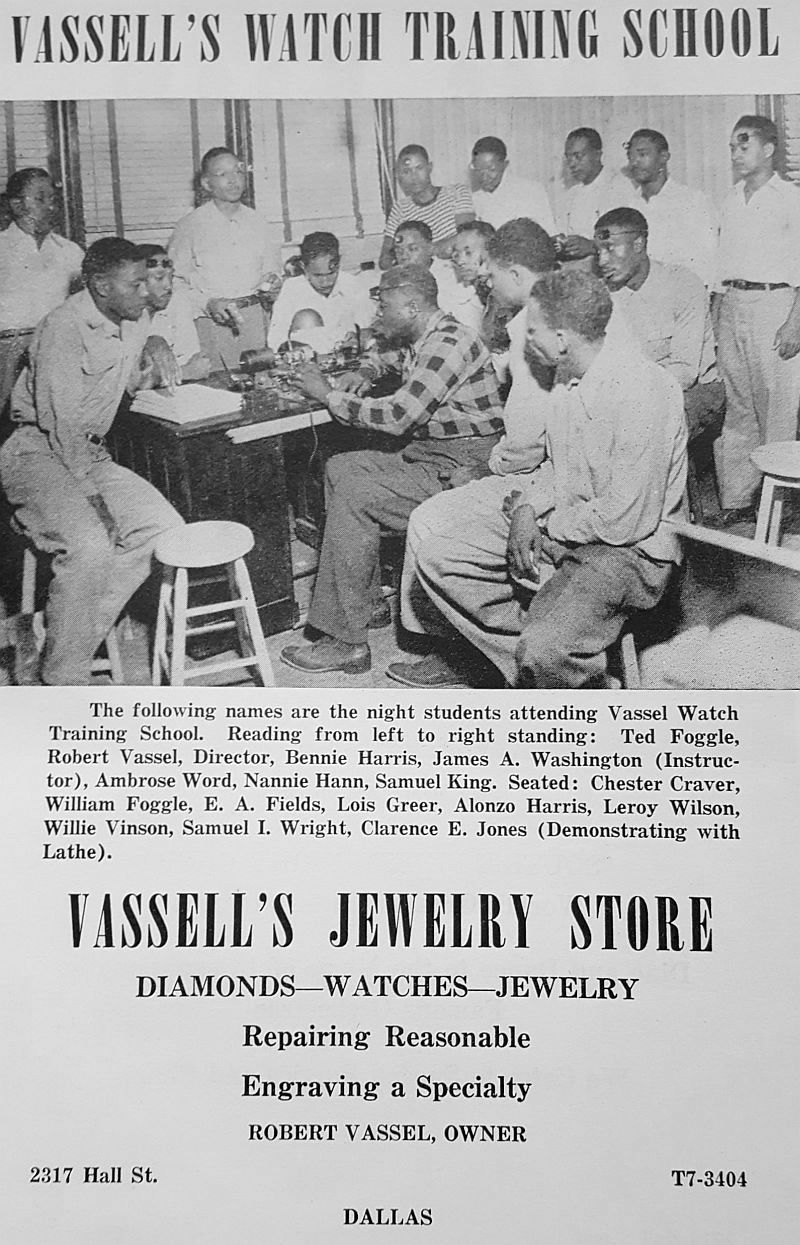
VASSELL’S JEWELRY STORE, 2317 Hall, Robert Vassell, proprietor. “Diamonds — watches — jewelry. Repairing reasonable, engraving a specialty.” This ad shows the “watch training school” Vassell operated in which WWII GI’s learned watch-repair.

vassells-watch-training-school_negro-directory_1947

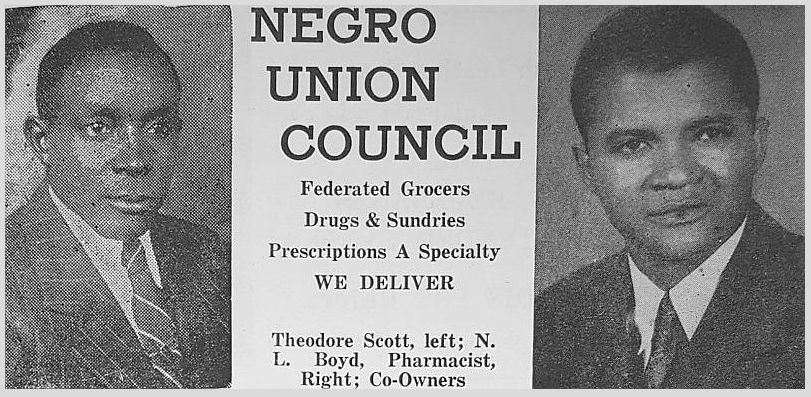
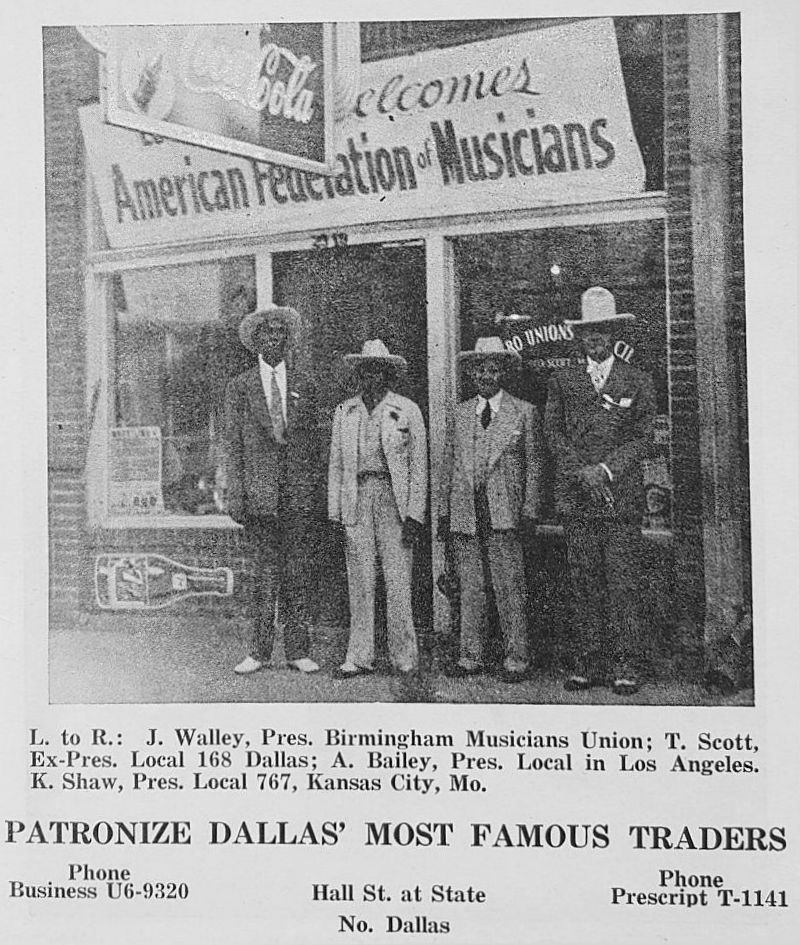
NEGRO UNION COUNCIL, 2319 Hall. A group of black unionists shared space at 2319 Hall: the Negro Unions Council, the Musicians Protective Union Local 168 (whose former president was Theodore Scott seen in both photos below), Federated Labor (AF of L), Hotel & Restaurant Employees Intl. Local No. 825. (Ned L. Boyd, pictured below, was a pharmacist who owned Boyd’s Pharmacy a couple of doors down at 2311 Hall.)

negro-union-council_negro-directory_1947

American Federation of Musicians officials (and their hats) standing in front of 2319 Hall.

negro-union-council_musicians_negro-directory_1947

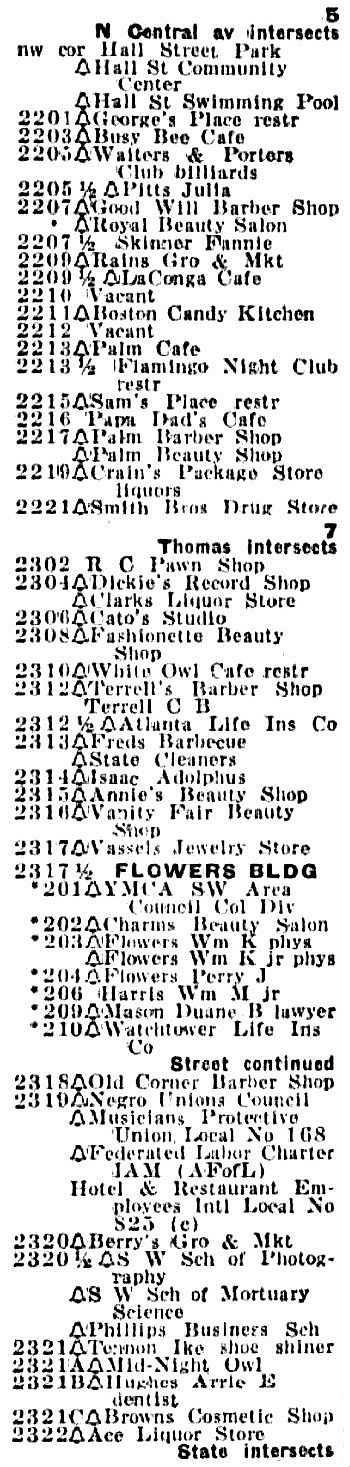
Below, the 1947 Dallas street directory, showing the businesses in the 2200 and 2300 blocks of N. Hall.

vassell_hall-st_1947-directory1947 Dallas directory (click to see larger image)

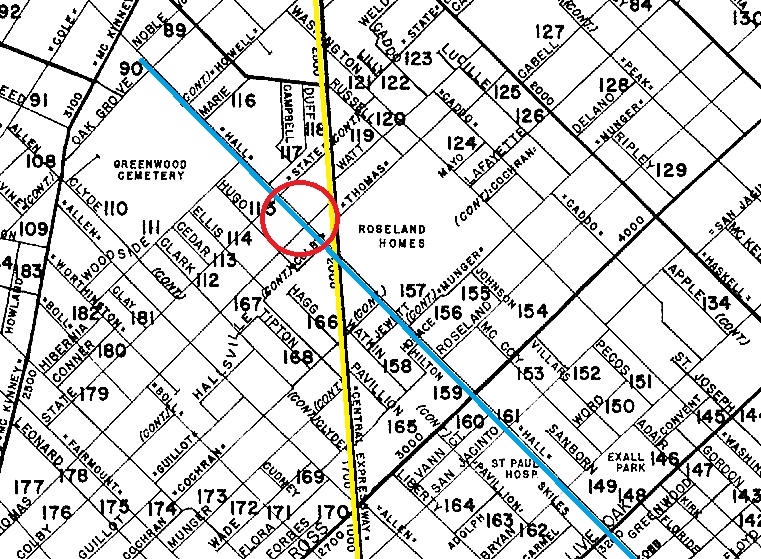
Below, a detail of a 1952 Mapsco page, with Hall Street in blue, Central Expressway (which hadn’t yet been built when the ads above appeared in 1947) in yellow, and the 2200 and 2300 blocks of Hall circled in red.

state-thomas_mapsco_1952
1952 Mapsco

As an aside, Roseland Homes seen in the map detail above, was a low-income public housing project for black residents, which opened in June 1942. It covered a 35-acre tract, with 650 units and was the first of many such housing projects for low-income black, white, and Hispanic families which opened that year, and it continues to this day.

***

Sources & Notes

Ads from the Dallas, Texas Negro City Directory, 1947-1948, with thanks to Pat Lawrence.

Read more about Hall Street — just a few blocks south, near Ross — in the Flashback Dallas post “1710 Hall: The Rose Room/The Empire Room/The Ascot Room — 1942-1975,” here.

*

Copyright © 2018 Paula Bosse. All Rights Reserved.
“Triple Underpass” by Florence McClung — 1945

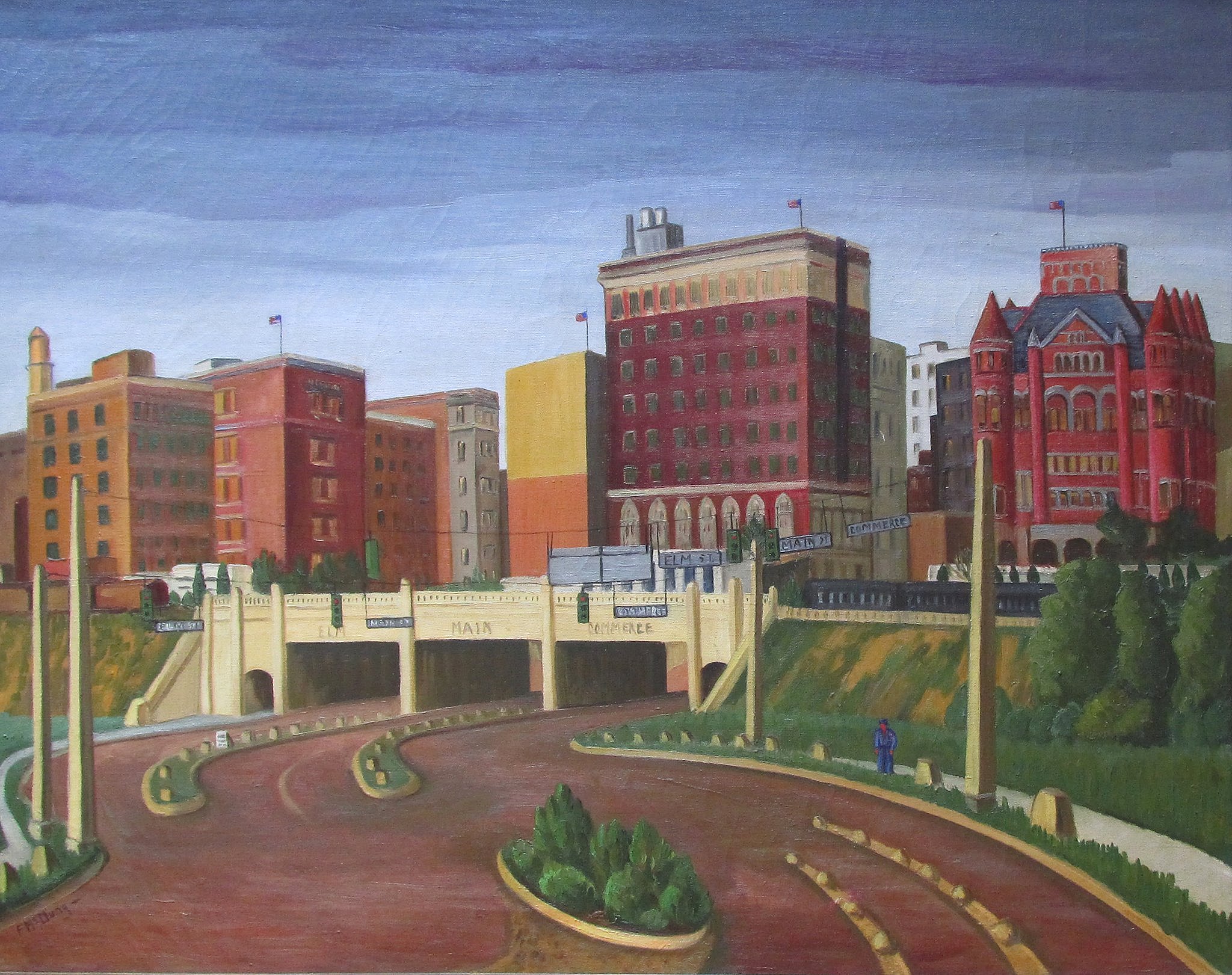
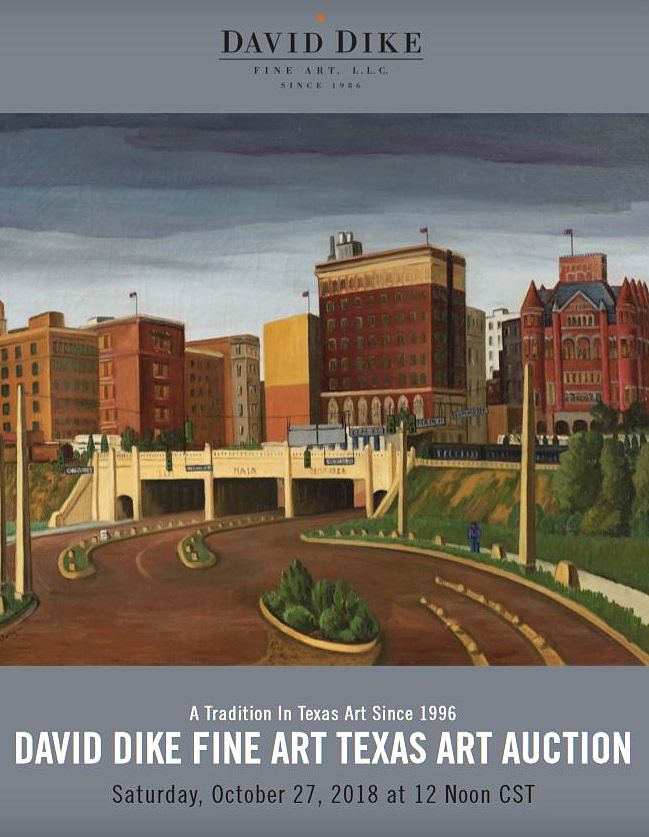
mcclung_triple-underpass_1945_david-dike-fine-art“Triple Underpass” by Florence McClung (photo: David Dike Fine Art)

by Paula Bosse

The word “iconic” is used way too much these days, but I suppose Dallas’ triple underpass is something that truly deserves to be described as “iconic.” Aside from the beauty, the engineering, and the usefulness of the underpass/railroad bridge, it is also, of course, known around the world for its cameo appearance in the Kennedy assassination.

Built in 1936, after years of back-and-forth planning and negotiating, the triple underpass was open in time for the Texas Centennial Exposition. It finally opened up a straight shot from Fort Worth to Dallas via Highway 1, and it and the concurrently-built Dealey Plaza served as Dallas’ welcoming “gateway” into the city for visitors approaching from the west.

The 1945 painting seen above — “Triple Underpass” by Dallas artist Florence McClung (1894-1992) — may be one of the first depictions of the structure in a fine art context. This painting goes up for sale this weekend, as the featured lot in the David Dike Fine Art Texas Art Auction. The estimate is $75,000-$175,000. Florence would be shocked by that, as her original price — which she wrote on a checklist for a show at the then-Dallas Museum of Fine Arts was $300 (which would, today, be about $4,000). (UPDATE 10/27/18: The painting sold for $252,000 — which, I assume, includes the buyer’s premium.)

mcclung_1945-dma-show_checklist-portal_cropped

As a fan of Texas art — and especially of the Dallas regionalist group, the Dallas Nine (with which McClung, though not a member, was closely associated) — I hope this wonderful piece of Dallas art (and you can’t get much more quintessentially Dallas than this!) goes for much more than the gallery estimate. (I wrote about McClung previously, here, with images showing a couple of other Dallas “cityscapes” done around the same time as “Triple Underpass.”)

*

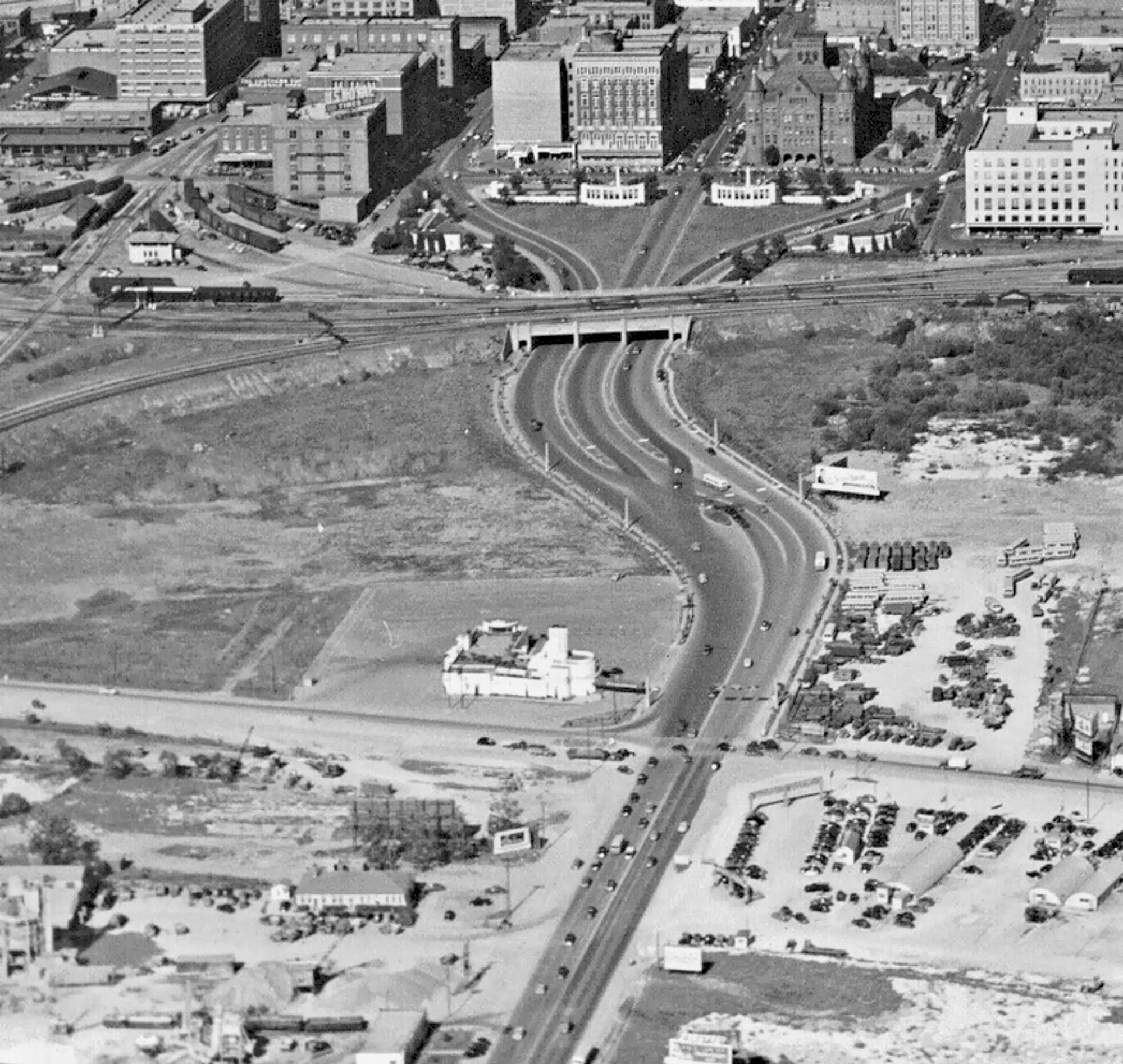
Below is a photo from 1945 showing an aerial view of the scene captured by McClung that same year. (A photo from a little later, with a view to the west, is here.)

triple-underpass-1945
Dallas, 1945 (click for larger image)

A few things are interesting to me:

  • McClung neglected to include the ever-present billboard atop what was then the Sexton Foods building (later the School Book Depository) — in the photo above, U. S. Royal tires are being advertised.
  • I love that little oval, landscaped island, which is also seen in McClung’s painting.
  • Those four obelisk-y pillars, seen in both the photo and the painting, two on either side of the roadway, west of the underpass — what are those?
  • Is that large white building in the lower middle of the photograph Pappy’s Showland? Maybe the Sky-Vu Supper Club (which I have meant to write about for years)? (No! It’s the Chicken Bar, at the northeast corner of Commerce and Industrial. A photo of it under construction in 1945 is here.)

See here for as close to the angle of McClung’s view as I could get, from a 2014 Google Street View. (The painting shows the Dallas County Courthouse as it was then, without its now-replaced tower.)

**

Good luck to the bidders this weekend. It’s a great painting!

dike-gallery_catalog-cover_oct-2018

***

Sources & Notes

Image of Florence McClung’s painting “Triple Underpass” is from the David Dike Fine Art catalog, which is illustrated with the works to be auctioned on Saturday, October 27, 2018; the catalog can be viewed in its entirety, here (this painting and its description are on p. 45). The website of David Dike Fine Art is here. The prices realized for this auction can be found here — McClung’s painting is Lot 163.

I am unsure of the source of the 1945 aerial photo — I saved it years ago and did not make note of the source, although I highly suspect it is from one of the many fine collections held by SMU.

See McClung’s application for the DMFA show where “Triple Underpass” was shown, here; her checklist of works to be shown is here (both documents are from the Dallas Museum of Art’s Exhibition Records, via UNT’s Portal to Texas History).

The earlier Flashback Dallas post “Dallas Scenes by Florence McClung — 1940s” (with two other paintings from the same period as “Triple Underpass”) is here.

*

Copyright © 2018 Paula Bosse. All Rights Reserved.


Casa View Elementary/Casa View Park — 1954-1974

casa-view-elementary_park_aerial_squire-haskins_1954_dallas-municipal-archives_portalCasa View Elementary and next-door park, 1954 (click for larger image)

by Paula Bosse

I wrote about Casa Linda Park not long ago, so today … Casa View Park (and its neighbor, Casa View Elementary School).

After World War II, there was a severe housing shortage in Dallas, and developers began looking to areas which offered new land to build on and were ripe for annexation. One such area — east of White Rock Lake and beyond the city limits — was eyed as a prime site for a new residential neighborhood: it didn’t take long for the area now known as Casa View to pop up.

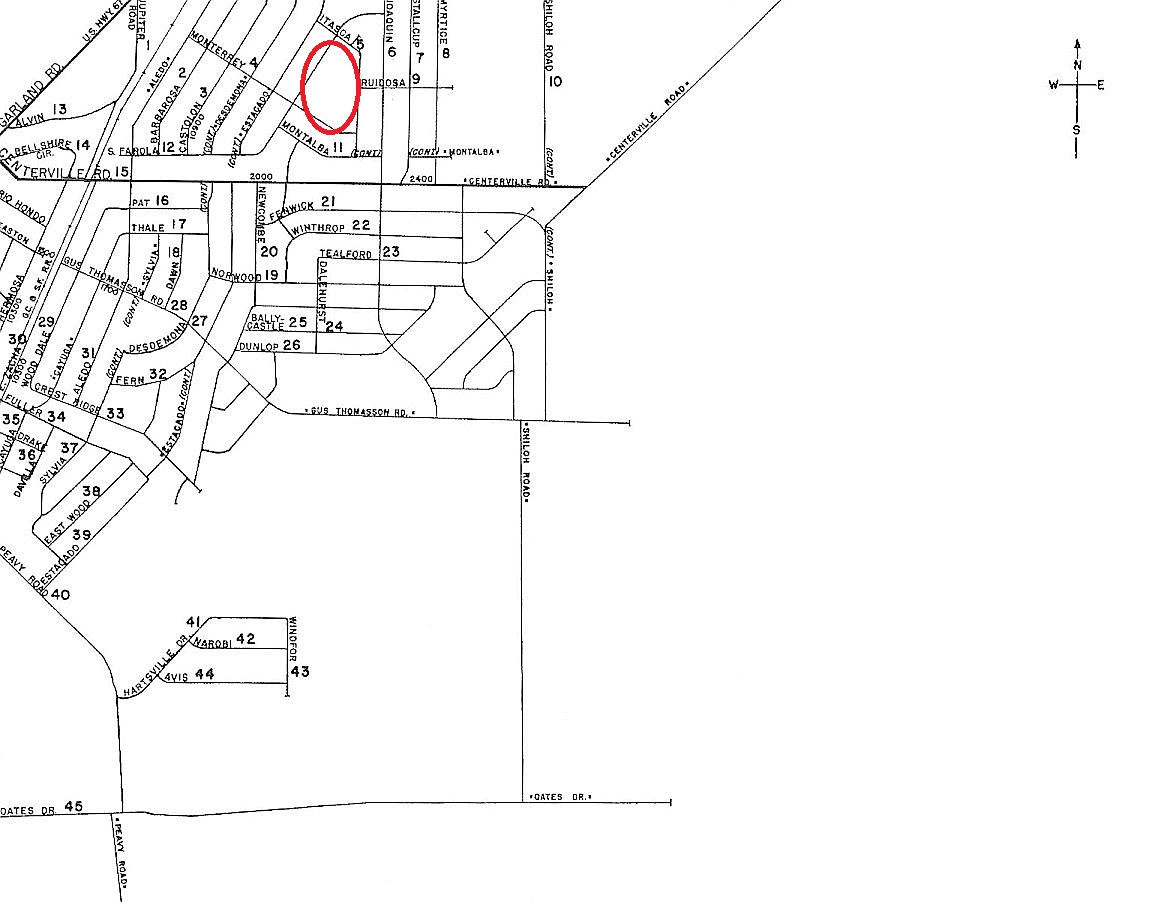
One of Casa View’s neighborhoods was Casa View Heights (which, roughly, is bounded by Garland Road, Centerville Road, Shiloh Road, and … maybe Barnes Bridge? — see ad below) — it was a development spearheaded by Carl Brown, whose nearby Casa Linda development had been a big hit. The land this addition was built on was annexed by the City of Dallas in 1949. In mid-1950, it was announced that “ten acres of pasture land north of Centerville Road in the Casa View area” had been purchased by the Dallas School Board, a tract which “some day may be the site of a school […] though the school building program has no project scheduled for the area” (“Sizable Land Plots,” Dallas Morning News, July 16, 1950).

About half that parcel of land became Casa View Park sometime in 1950; the other half became the campus of Casa View Elementary School. The school (designed by premier Dallas architect Mark Lemmon) began construction in 1952 and was ready for use by the opening of the new school year in 1953 (enrollment on the first day was an impressive 870 students).

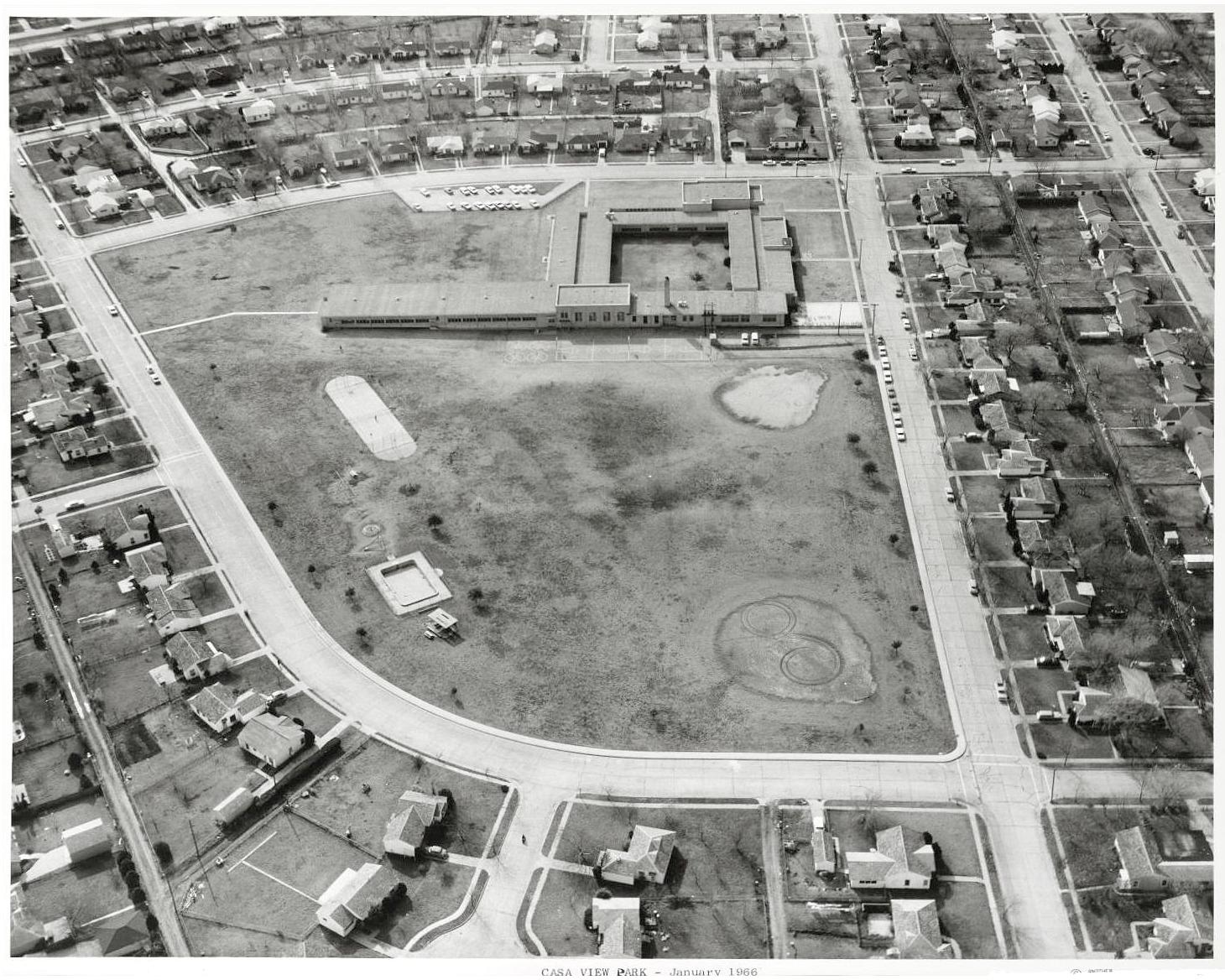
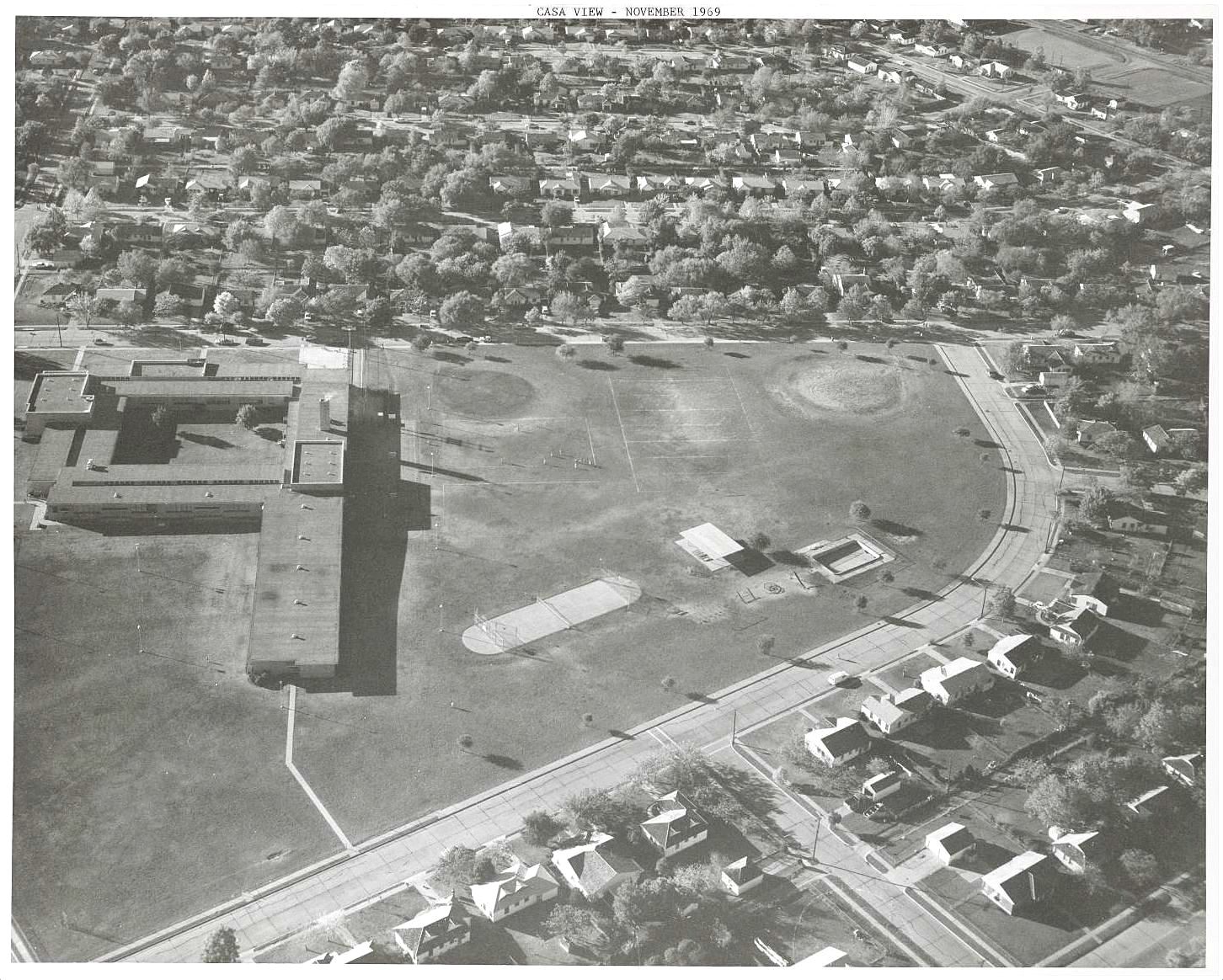
Below are four aerial photos showing the Casa View park and school, taken over a 20-year period by Squire Haskins. (All images are larger when clicked.)

*

At the top: a photo from 1954, with the year-old Casa View Elementary School on the left (in its original square shape, with an unusual-for-the-time open courtyard in the center); the fairly bleak-looking, treeless Casa View Park is on the right. The view is to the west, with Farola at the top, Monterrey on the left, and Itasca at the bottom and right.

Below, from January, 1966 — a view toward the south:

casa-view-elementary_park_aerial_squire-haskins_jan-1966_dallas-municipal-archives_portal

November, 1969 — looking west:

casa-view-elementary_park_aerial_squire-haskins_nov-1969_dallas-municipal-archives_portal

August, 1974 —  looking east:

casa-view-elementary_park_aerial_squire-haskins_aug-1974_dallas-municipal-archives_portal

*

Below, with annexation under their belt (and assurance of city services, schools, etc.) developers’ ads like this one began appearing in local newspapers, hoping to entice prospective homeowners to the brand new “Casa View Heights” addition. (The description of these modest homes as “luxury” was a bit of a stretch….) 

casa-view-heights_103049_adOctober, 1949

Here are a couple of interesting pages from the 1952 Dallas Mapsco. Take a look at all that empty white space just waiting to be gobbled up by an ever-sprawling Big D. (The location of the park and school is marked in the second image.)

casa-view_mapsco-1952a


casa-view_mapsco-1952b_marked

***

Sources & Notes

The aerial photos are from the Dallas Municipal Archives, and are included in the collection “Dallas Parks Aerial Photographs” provided to UNT’s Portal to Texas History site; all photos above can be found here.

The location of the school and park can be seen here. A present-day aerial view from Google is here.

*

Copyright © 2018 Paula Bosse. All Rights Reserved.


Nighttime Bird’s-Eye Views of Dallas

skyline_legacies_spring-2012All lit up…

by Paula Bosse

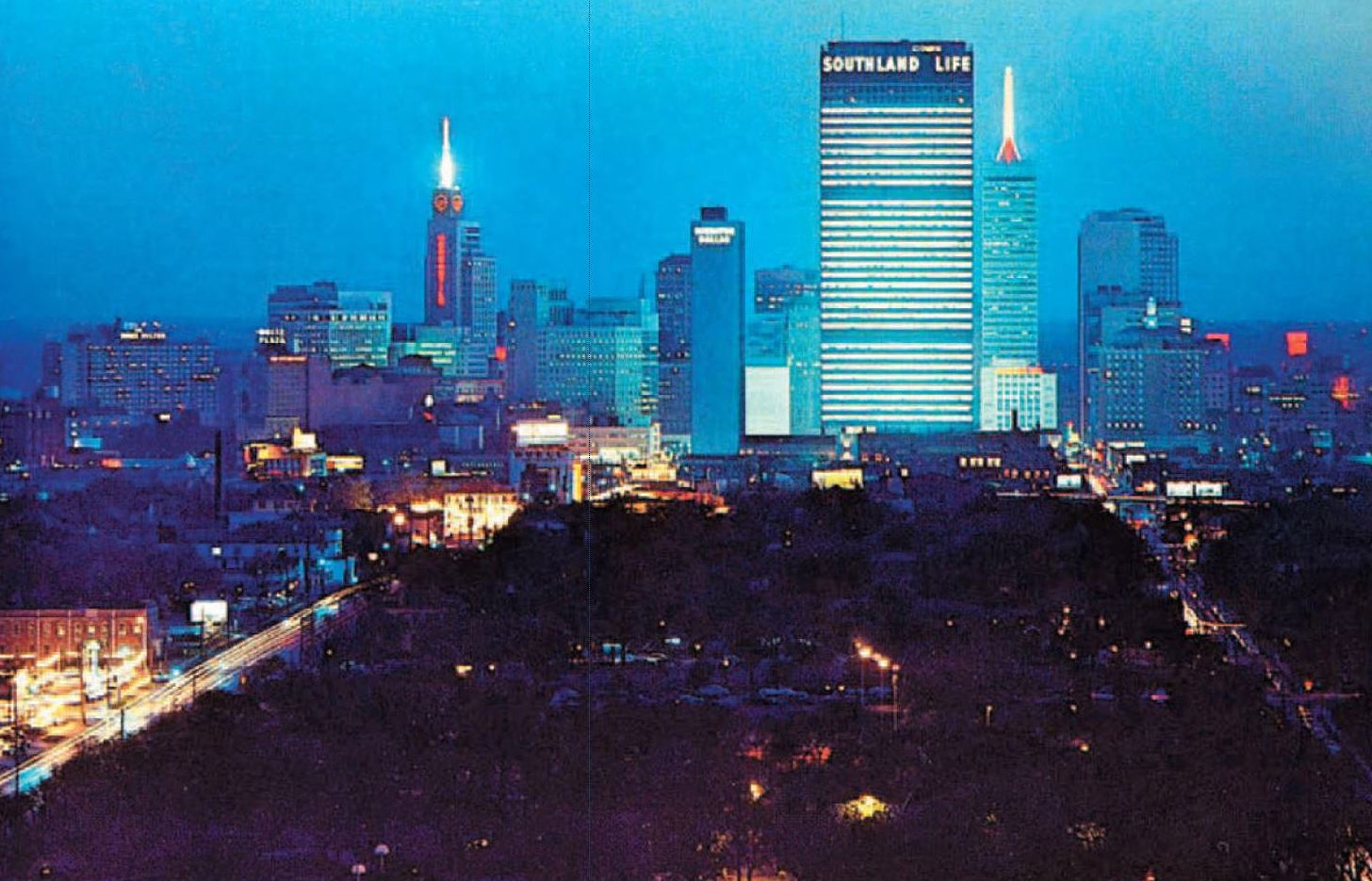
In my opinion, Dallas has always been most impressive at night. The view above is from the east. Among other familiar landmarks, we see skyline icons the Mercantile Building, the Sheraton Hotel, the Southland Life Building (at the time the city’s tallest building), and the rocket-topped Republic Bank Building (previously the city’s tallest building). I think that’s Live Oak St. on the left running in and out of downtown and Bryan on the right.

And, below, a view toward the east, with Jackson Street on the right, and dramatically-lit appearances by the Adolphus Hotel, the Magnolia Building, the Baker Hotel, and the Mercantile.

skyline_legacies_spring-2012_postcard

***

Sources & Info

These postcard images were featured on the front and back covers of the Spring, 2012 issue of Legacies magazine (viewable on UNT’s Portal to Texas History site, here).

A similar photo (colorwise) to the second image above (but taken from a rotated angle) can be found in the Flashback Dallas post “Dallas Skyline At Night — ca. 1965” — this photo shows the skyline just a few short years later after the new Republic Tower II had appeared on the horizon and claimed the title as the city’s tallest building — the Southland Life Building’s reign was only about five years long..

*

Copyright © 2018 Paula Bosse. All Rights Reserved.
The State Fair of Texas Over the Decades

state-fair-of-tx_midway_kodachrome_1961_ebaySFOT midway, 1961… (click for larger image)

by Paula Bosse

The history of the State Fair of Texas is also the history of Dallas — if you live in Dallas, you know a lot about the fair, if only by osmosis. Here are a few images from the decades since the fair began in 1886.

Below, from 1889, a sedate advertisement for the Texas State Fair and Dallas Exposition (from The Immigrant’s Guide to Texas, 1889). (All images are larger when clicked.)

state-fair_imm-gd_1889

*

A great-looking poster from 1890, colorful and exciting:

sfot_poster_1890

*

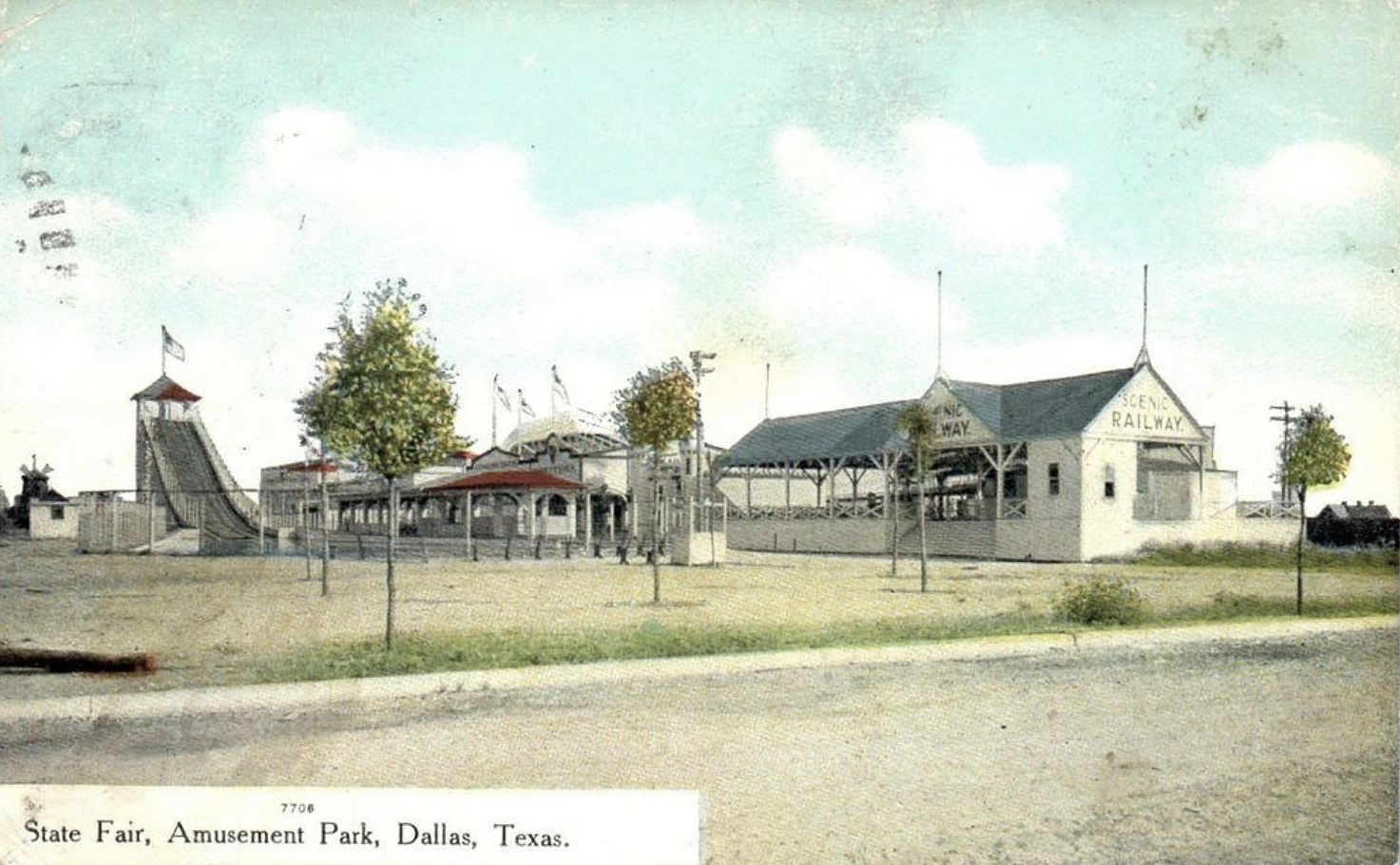
A midway in its infancy, in the aughts. (I wrote about the “The Chute” water ride, here.)

shoot-the-chute_postcard_ca-1906

*

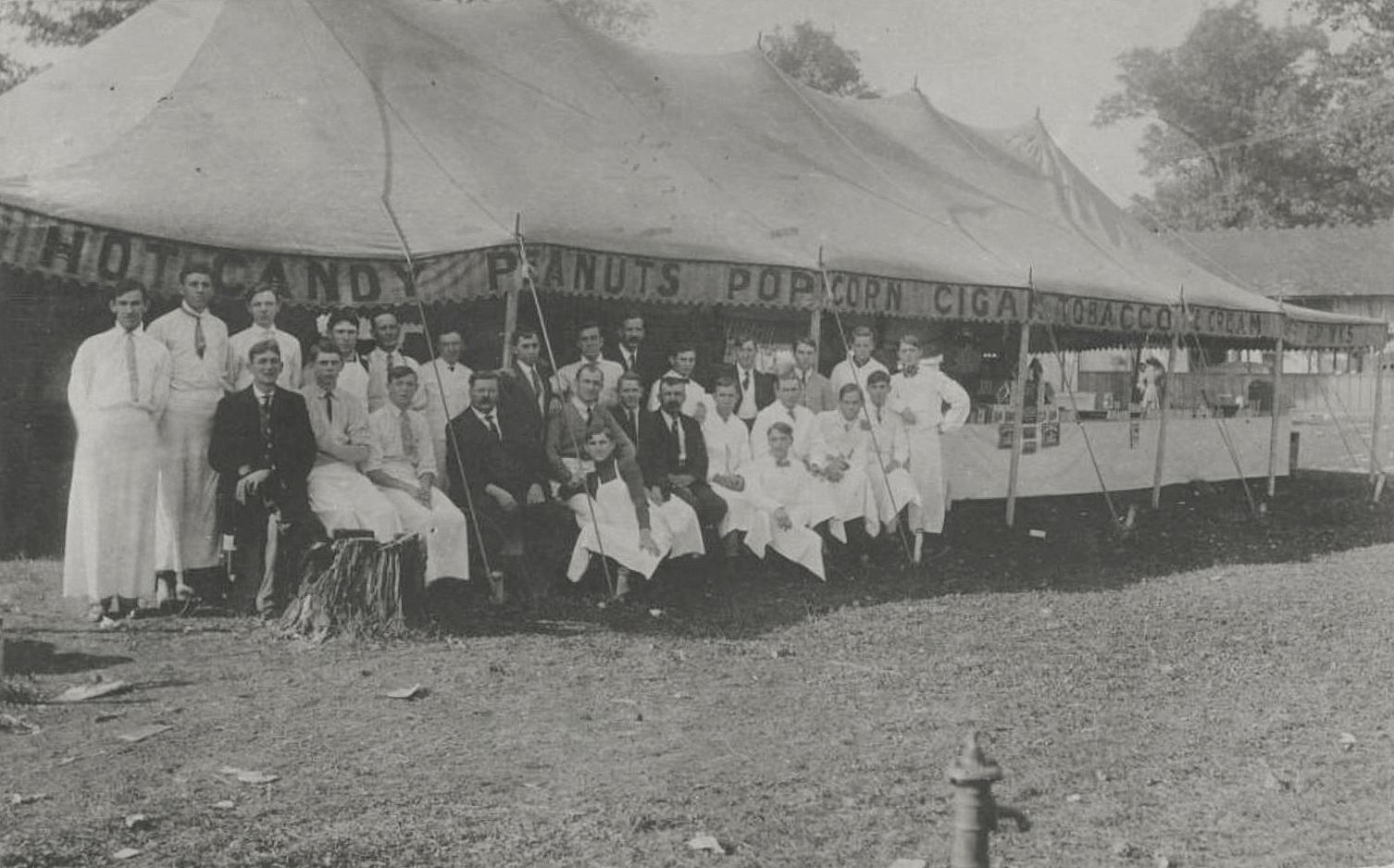
Here’s a group photo showing the food vendors at the 1910 fair. No corny dogs in 1910, but plenty of candy, peanuts, popcorn, ice cream, and, sure, why not, cigars and tobacco.

state-fair-concessionaires_1910_cook-colln_degolyervia George W. Cook Collection, DeGolyer Library, SMU

*

In the 1920s, Fair Park looked a lot smaller:

fair-park_mcafee_degolyer_SMU_ca-1920s
via George A. McAfee Collection, DeGolyer Library, SMU

Here’s a handy 1922 map of the grounds, from the fine folks at Caterpillar (don’t miss those tractors!) — you can see where the people in the photo above are walking.

state-fair-map_caterpillar_ad_1922

*

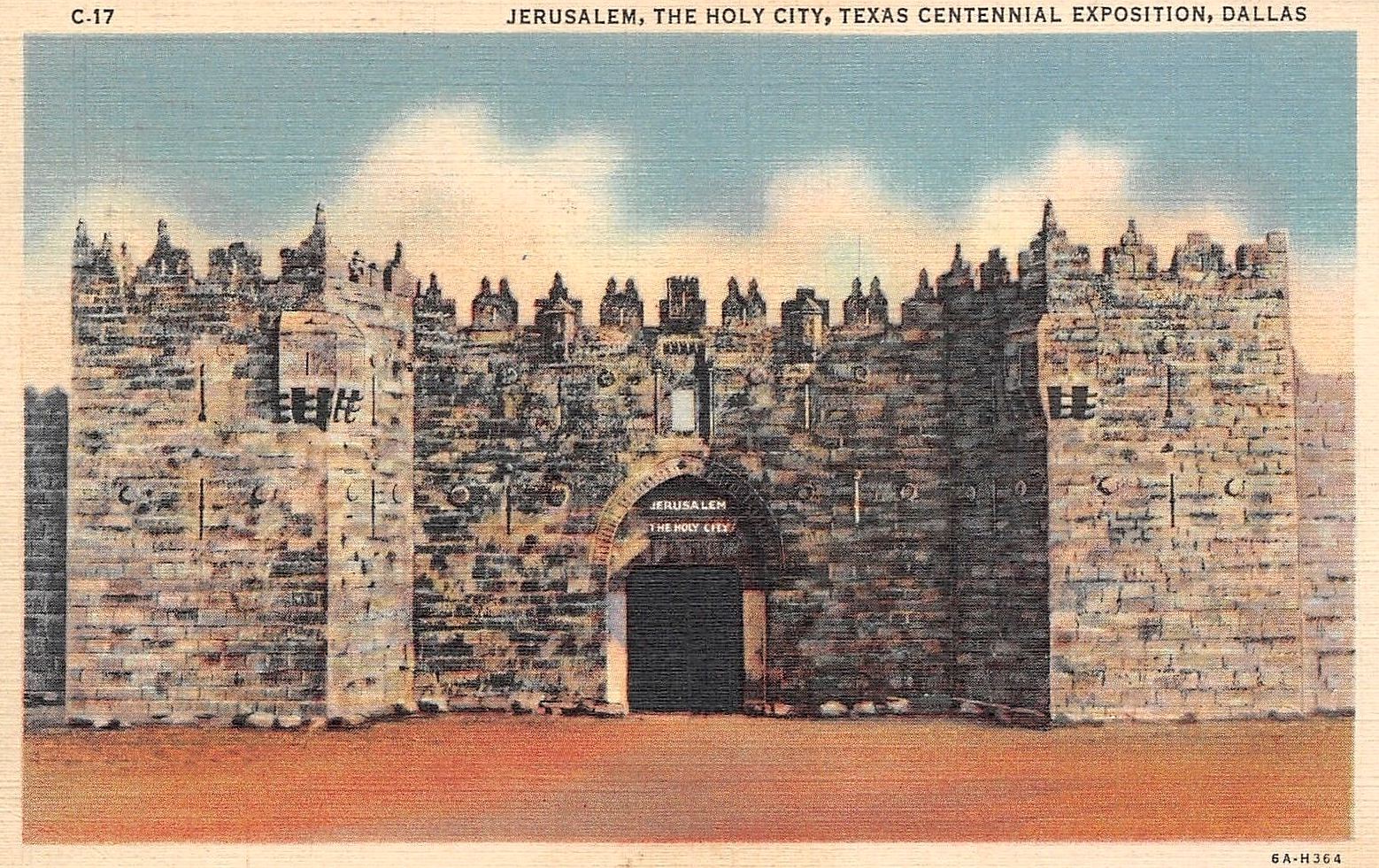
If it’s 1936, it’s gotta be the Texas Centennial — and here’s an exhibit I’d never heard of: Jerusalem, The Holy City. This was one of many exhibits at the Texas Centennial previously seen at the 1933 Chicago World’s Fair, where it apparently had attracted more than one million visitors. In the weeks leading up to the Centennial’s opening, it was described thusly: “The Holy City will contain a collection of religious artworks and other material. The entrance will represent the Damascus gate of Jerusalem. No admission will be charged but donations will be asked visitors” (Dallas Morning News, May 17, 1936).

tx-centennial_jerusalem-the-holy-city_postcard

*

The State Fair of Texas was not held during much of World War II, but it was back in 1946, with Tommy Dorsey, Gypsy Rose Lee, and Jackie Gleason.

state-fair_sept-1946_ad-cow
Sept., 1946

*

Neiman-Marcus was at-the-ready in 1950 with suggestions on stylish footwear for ladies wanting to trudge around the Fair Park midway in heels.

For the Million-Dollar Midway — For taking in this famous “main drag” of the State Fair — get into our famous-maker midway heel shoes. Most everybody — after walking a block or two in them — says they’re worth a million! Have all the comfort of low heels, plus the high-heel’s way of making your ankles look prettier.

sfot-neiman-marcus_ad_101650October, 1950

*

The 1960s were certainly colorful, and this is a great color photo from 1961 (currently available on eBay as a 35mm Kodachrome slide) — it’s the photo at the top of this post, but in order to cut down on unnecessary scrolling, I’ll slide it in again right here:

state-fair-of-tx_midway_kodachrome_1961_ebay

*

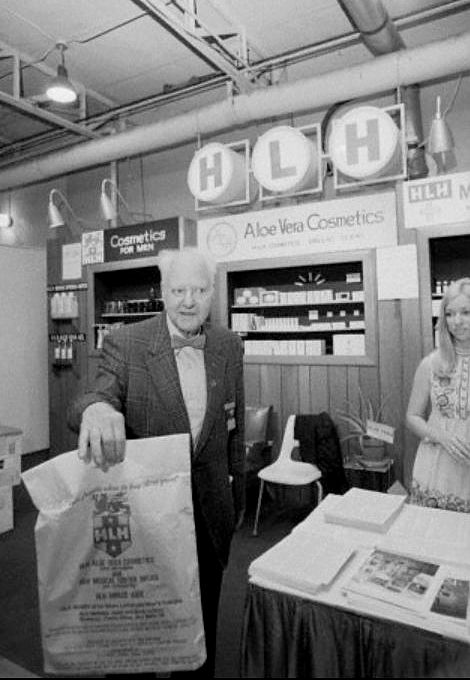
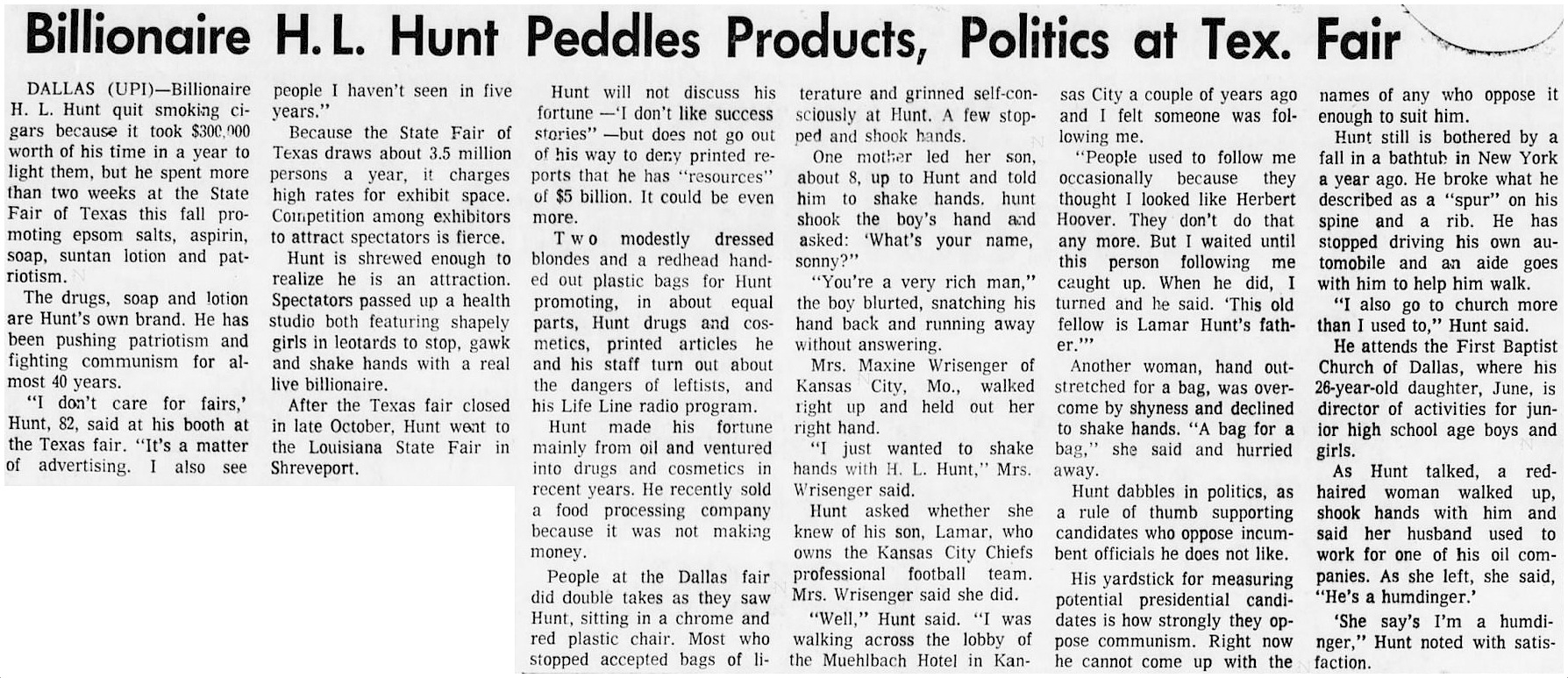
The 1970s was a weird decade, and what better way to start off a weird decade than with 80-something-year-old oil tycoon (and eccentric Dallas resident) H. L. Hunt handing out cosmetics at a booth at the State Fair? Hunt — whom Frank X. Tolbert described as “probably the world’s only billionaire health freak” — manufactured a line of cosmetics and other products containing aloe vera, the wonder elixir. Imagine seeing the world’s richest man handing out plastic goodie-bags to awe-struck passersby. Like I said, weird.

h-l-hunt_state-fair_1971

hunt_state-fair_pomona-progress-bulletin_CA_111471Pomona (CA) Progress-Bulletin, Nov. 14, 1971 (click to read)

*

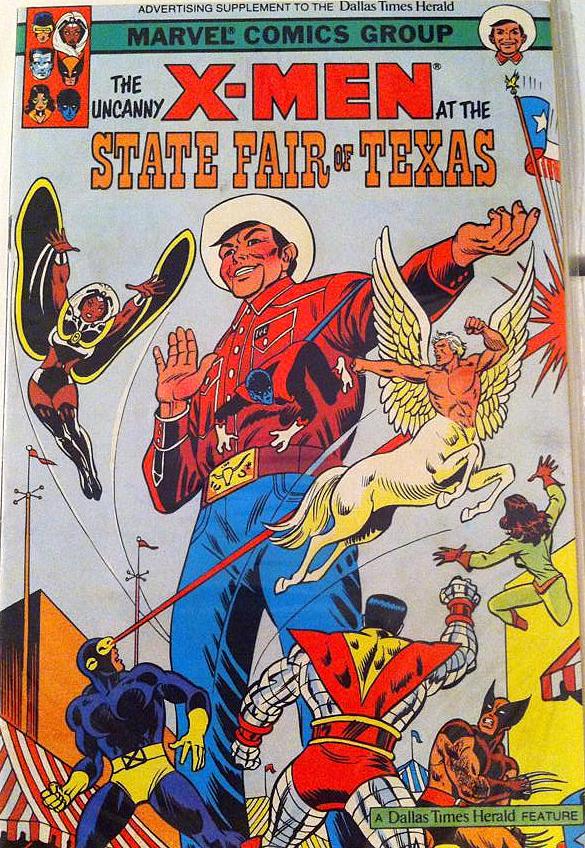
And, finally, the 1980s. A century after the State Fair of Texas began, the X-Men came to Big D to do whatever it is they do — and The Dallas Times Herald got a cool little advertising supplement out of it. (If this appeals to you, check out when Captain Marvel came to Dallas in 1944, here, and when Spider-Man came to Dallas in 1983, here.)

sfot_xmen_comic-book_1983

***

Sources & Notes

Sources (if known) are noted.
All images are larger when clicked.
I wrote a similar State-Fair-of-Texas-through-the-ages post a few years ago: “So Sorry, Bill, But Albert Is Taking Me to the State Fair of Texas,” here.
*

Copyright © 2018 Paula Bosse. All Rights Reserved.