Flashback : Dallas

A Miscellany: History, Ads, Pop Culture

Category: Vault

From the Vault: The Dunbar Branch Library

dunbar_hazel_dpl-bk
“North Dallas” before it became “Uptown”

by Paula Bosse

See photos of Dallas’ first public library built to serve the city’s black community in the Flashback Dallas post from 2015, “The Dunbar Branch: Dallas’ First Library for the African-American Community, 1931-1959.”

*

Copyright © 2019 Paula Bosse. All Rights Reserved.

From the Vault: Downtown Dallas at Night

rotarian-magazine_jan-1929

by Paula Bosse

Things have been busy in recent weeks, but I hope to get back to posting more regularly soon!

In the meantime, check out “A Decade of Spectacular Growth for the Dallas Skyline: 1929-1939,” a post from 2014 showing just how much downtown grew (and illuminated itself) in the span of only ten years. The photo above, published in a 1929 issue of The Rotarian magazine, is the “before” image….

*

Copyright © 2019 Paula Bosse. All Rights Reserved.

From the Vault: Lunch-Ladies of Yesteryear

lunch-ladies_frontier-top-tier_dpl

by Paula Bosse

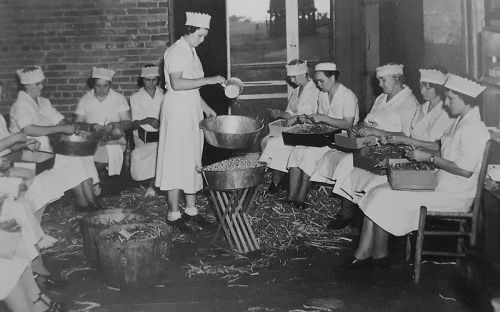
Ah, school lunches. I’m pretty sure the scene above of Dallas school cafeteria workers shelling fresh peas was one not seen in my lifetime. I’m definitely a product of the canned-and-frozen-food era. Check out the post “School Lunches of Yesteryear” for a list of eyebrow-raising delectables from a typical menu offered to Dallas students in the 1920s and ’30s.

*

Copyright © 2019 Paula Bosse. All Rights Reserved.

From the Vault: W. W. Orr, Buggy Man of the 1870s and ’80s

ad-orr-carriages_directory_1878

by Paula Bosse

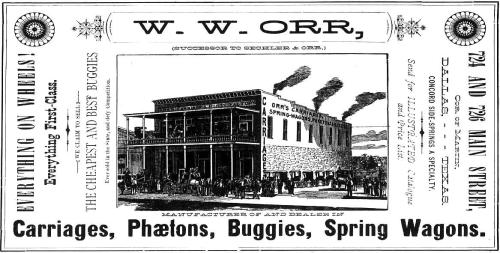
I love this ad from 1878, showing W. W. Orr’s carriage shop at Main and Martin (with an open-air second-floor showroom!). Read about Mr. Orr in the Flashback Dallas post from 2014, “W. W. Orr: Buggies, Phaetons, Carriages — ‘Everything On Wheels!'”

*

Copyright © 2019 Paula Bosse. All Rights Reserved.

From the Vault: Ebby Halliday

ebby_1956_charm_via-candys-dirtphoto: Ebby Halliday Realtors

by Paula Bosse

This fantastic photograph of a 40-something-year-old Ebby Halliday appeared in Charm magazine (“The magazine for women who work”) and shows Ebby in high ’50s fashion, surveying the city that made her very, very wealthy.

I wrote about Ebby Halliday in 2015 the day after her death at the age of 104. I’ve gone back and expanded that post, adding more about the life of one of Dallas’ most successful real estate titans — the post, “Ebby Halliday: 1911-2015” — is here.

*

Copyright © 2019 Paula Bosse. All Rights Reserved.

A Few Photo Additions to Past Posts — #10

hyperbolic-parabola_six-flags_1961_tx-highways-mag_FB

by Paula Bosse

Time again to add bits and pieces of stuff I’ve come across recently to old posts.

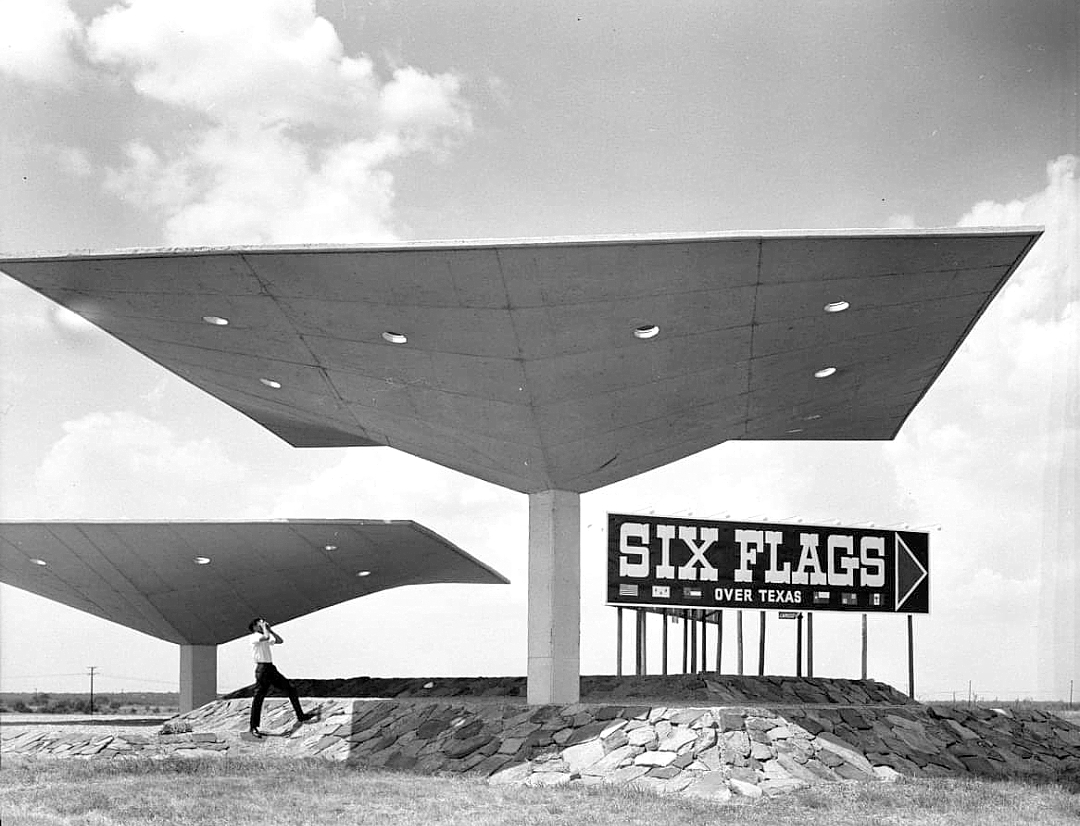
The first addition is the photo above, showing a once-familiar site upon approaching Six Flags Over Texas. This has been added to the inexplicably popular “The Hyperbolic Paraboloids of the Prairie.” (Source: Texas Highways magazine Facebook page — 1961 photo by Willis Albarado)

*

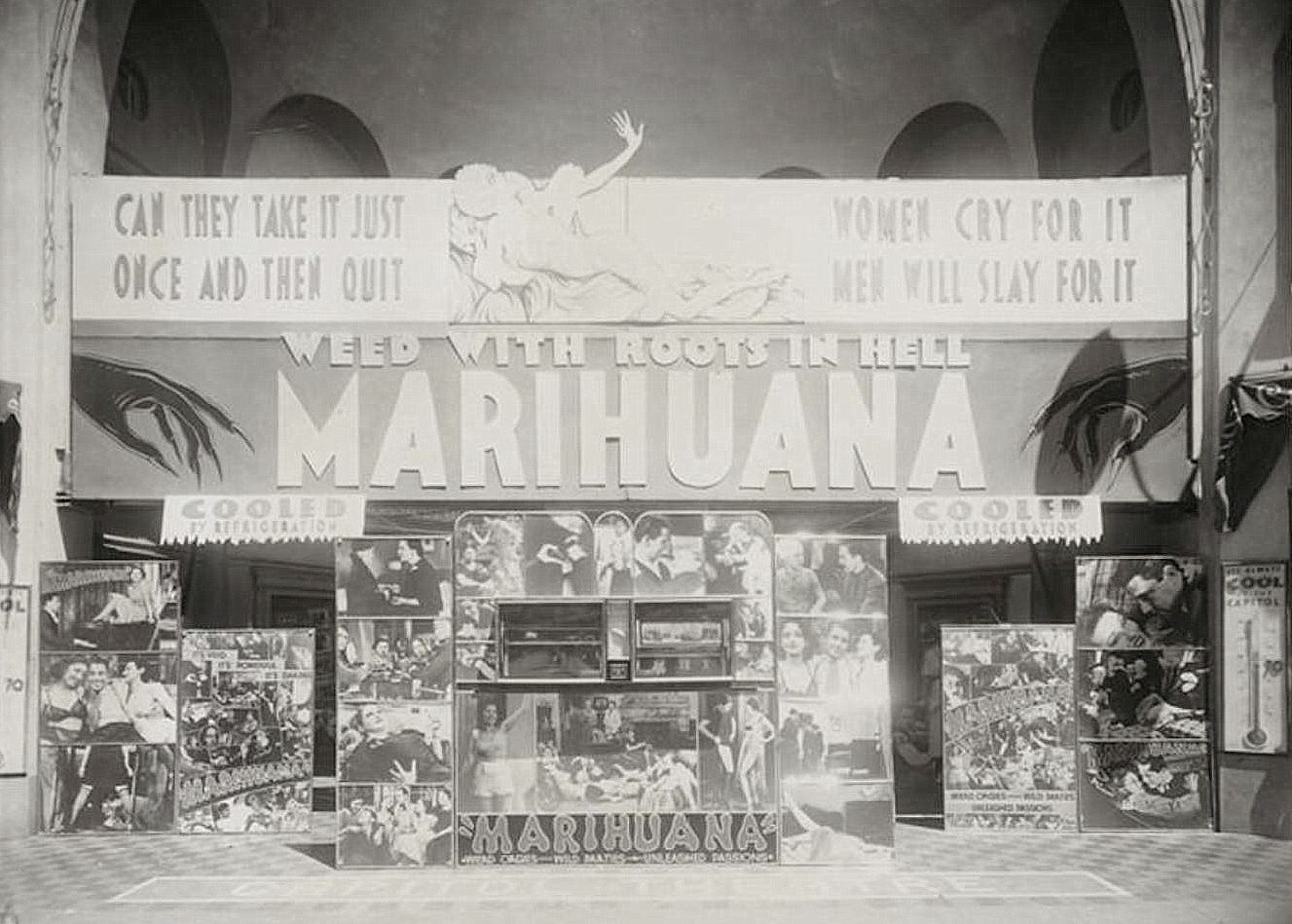
Below, a photo of the everything-but-the-kitchen-sink eye-popping “ballyhoo” adorning the entrance to the Capitol Theater for the 1936 showing of Marihuana, now a cult classic. (“Weed with roots in hell. Can they take it just once and then quit? Women cry for it, men will slay for it.”) (Movie promotion isn’t what it used to be.) This fantastic photo has been added to one of my favorite posts “‘Delusions of Affability’ — Marijuana in 1930s Dallas.” (Source: George W. Cook Dallas/Texas Image Collection, DeGolyer Library, Southern Methodist University) (All images are larger when clicked.)

marihuana_capitol_1936_cook-collection_degolyer-library_SMU

*

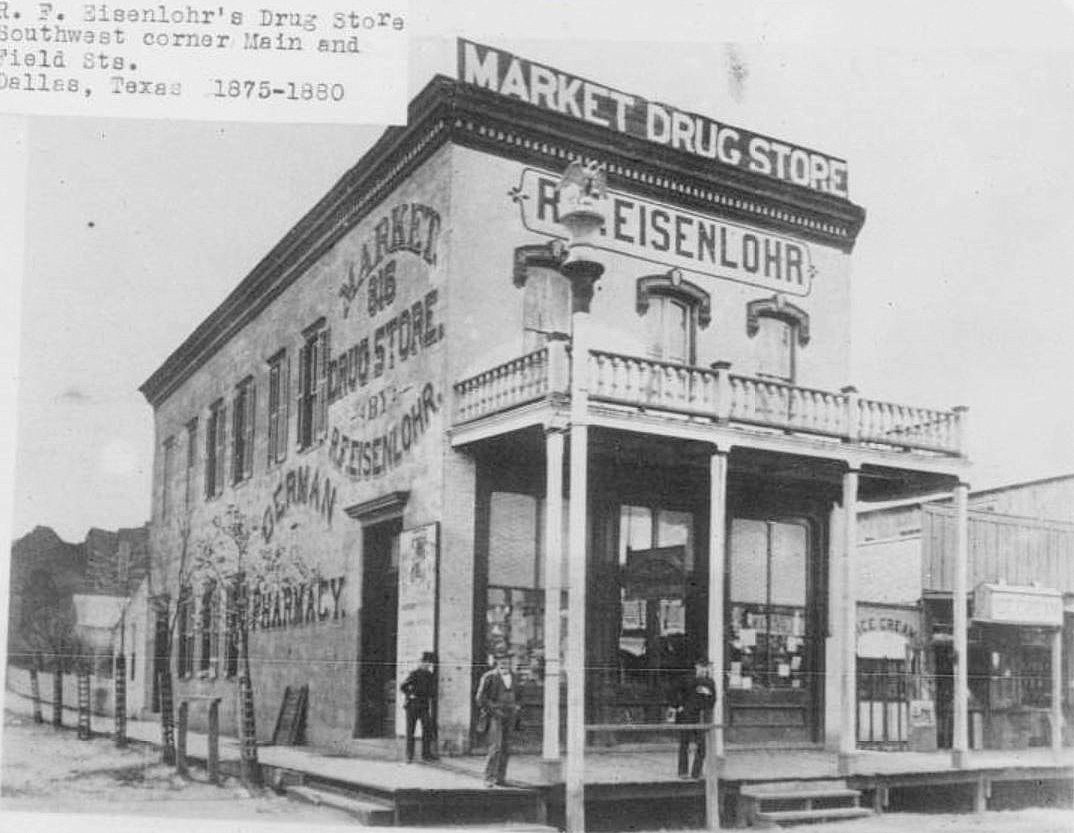
This ca. 1875-1880 photo of the R. F. Eisenlohr store and “German pharmacy” (southwest corner of Main and Field) has been added to “The Eisenlohr Family and Dallas’ First Christmas Tree — 1874.” (Source: DeGolyer Library, SMU)

eisenlohr-store_degolyer-lib_SMU

*

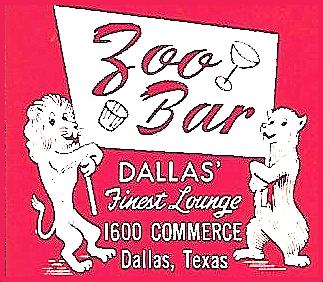
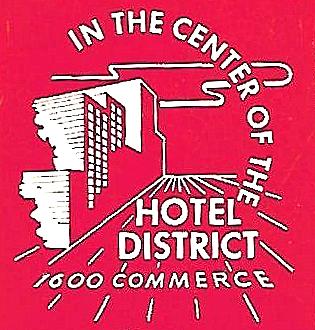
Nothing all that exciting, perhaps, about this matchbook art, but it’s atmospheric. It’s been added to “Gene’s Music Bar, The Lasso Bar, and the Zoo Bar.” (Source: eBay)
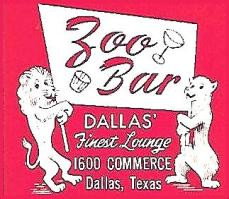
zoo-bar_matchbook_ebay_2     zoo-bar_matchbook_ebay_1

*

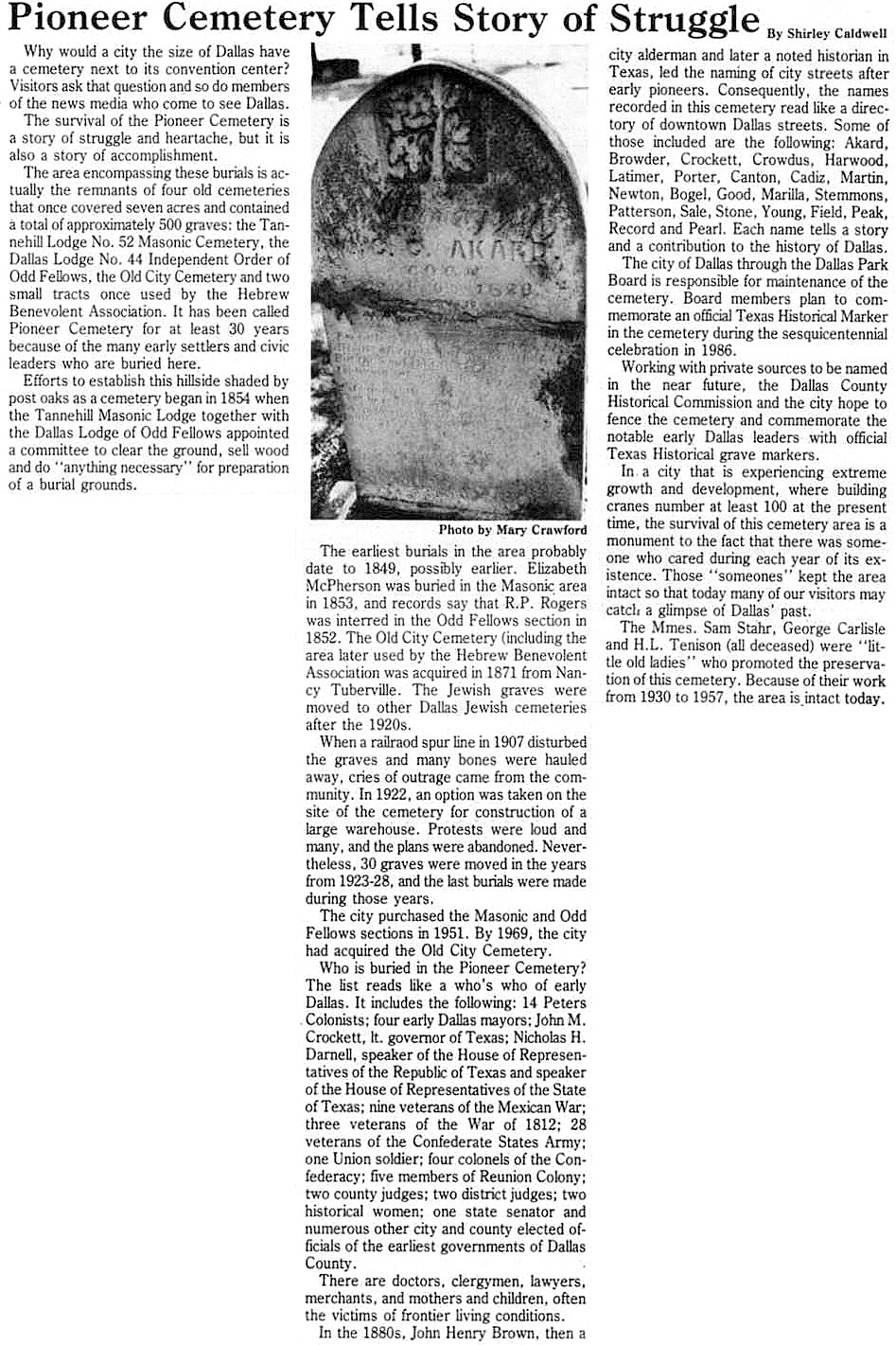
This article on Dallas’ historic cemeteries near where the current City Hall was built has been added to “The Historic Masonic, Odd Fellows, and City Cemeteries.” (Source: Historic Dallas magazine, July, 1985, via UNT’s Portal to Texas History)

pioneer-cemeteries_historic-dallas_july-1985_portal

*

My family’s neighborhood “special occasion” restaurant was Kirby’s steakhouse on Lower Greenville. I recently came across a 1987 Channel 5 news report on the closing of the long-lived restaurant (it had started out as a Pig Stand in the 1920s). I’ve added this screenshot and the link to the news report (which can be watched here) to the post “My Birthdays at Kirby’s: Filet Mignon for Everyone!” (Source: KXAS-NBC 5 News Collection, UNT Libraries, via the Portal to Texas History)

kirbys_ch-5_closing_screencap_portal

*

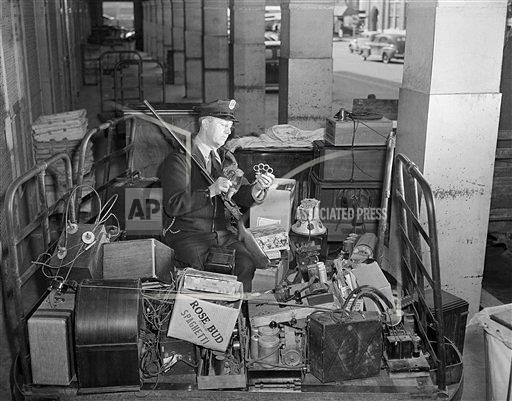
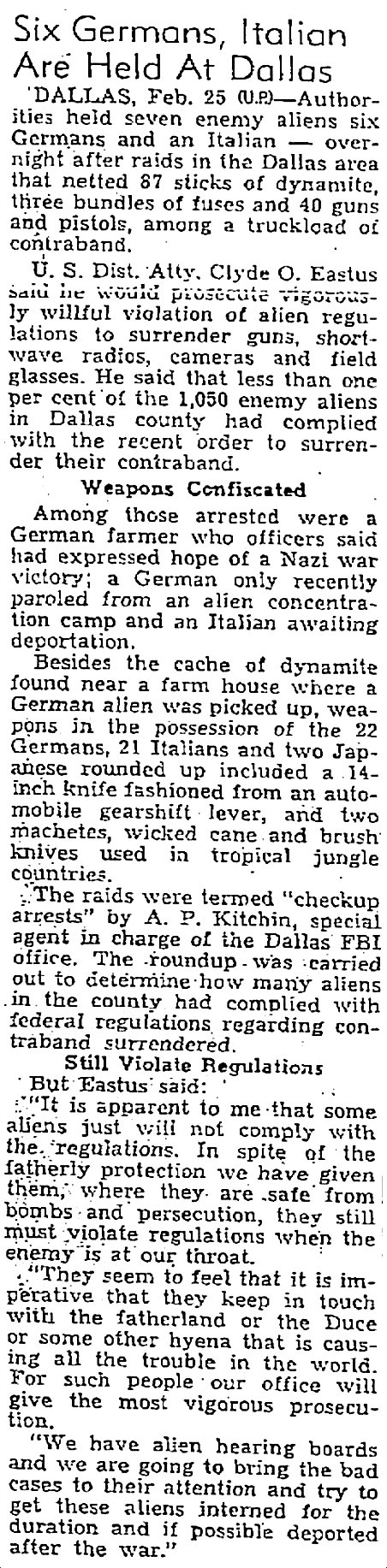
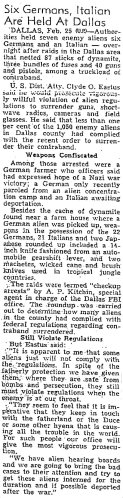
The Associated Press photo below — which shows a police officer posing with confiscated contraband seized in raids of the homes of the city’s “enemy aliens” (in this case Germans and Italians) — has been added to the post “‘Enemy Aliens’ and the WWII Internment Camp at Seagoville,” along with a United Press article from Feb., 1942.
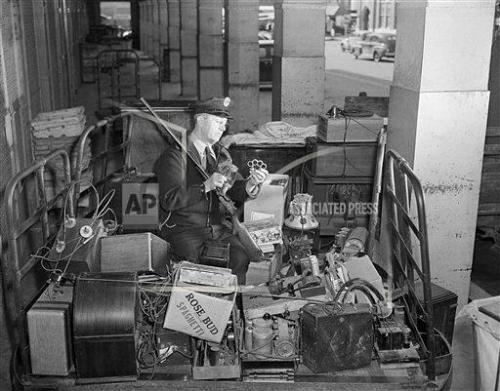
wwii_aliens_AP_1942

wwii-alien-roundup_lubbock-avalanche_022642
Lubbock Avalanche, Feb. 26, 1942 (click to read)

*

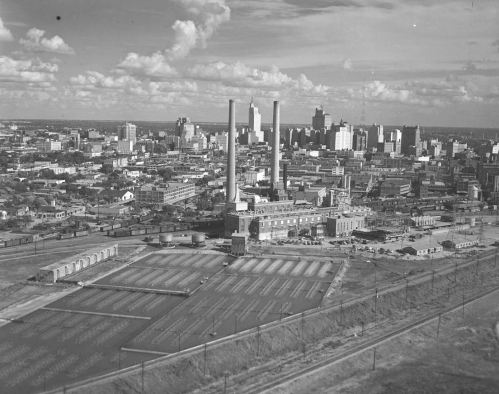
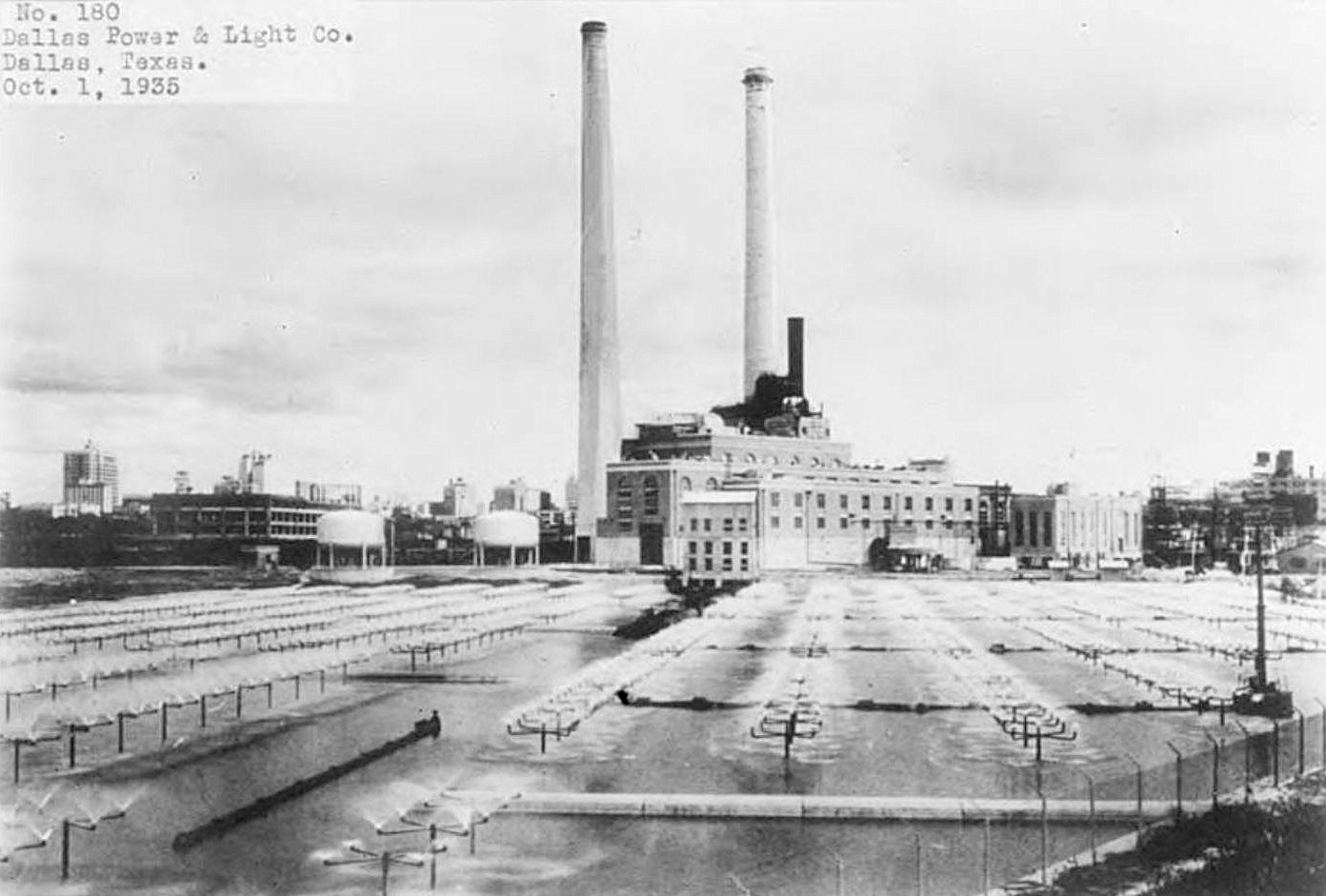
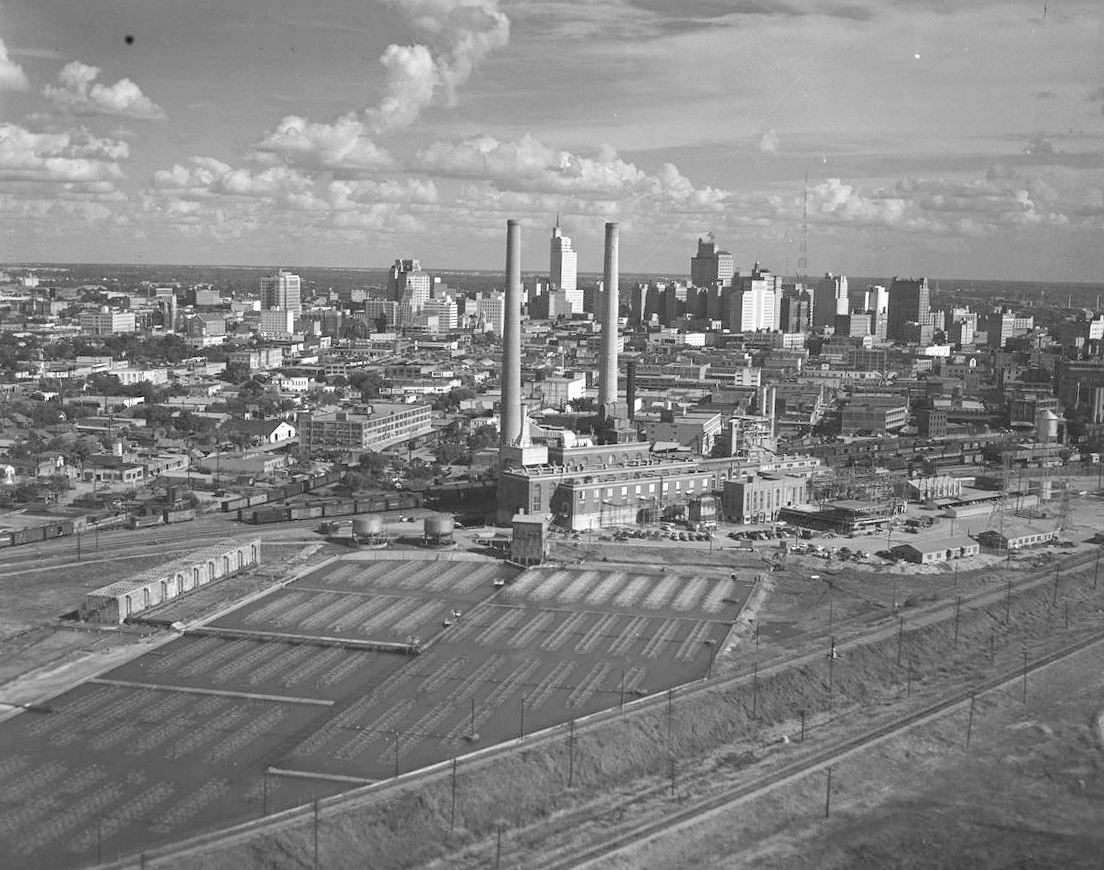
Three views of the DP&L power plant because, why not?, has been added to “DP&L’s Twin Smokestacks.”

dallas-power-and-light_degolyer-lib_SMUvia DeGolyer Library, SMU

dpl-plant_towers_squire-haskins_UTAvia Squire Haskins Collection, University of Texas at Arlington

dpl_steamstacks
source unknown

*

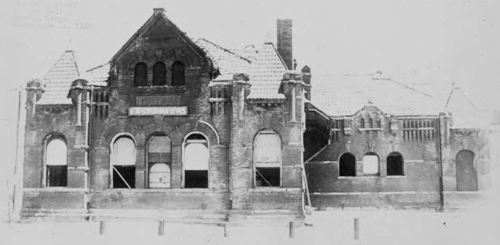
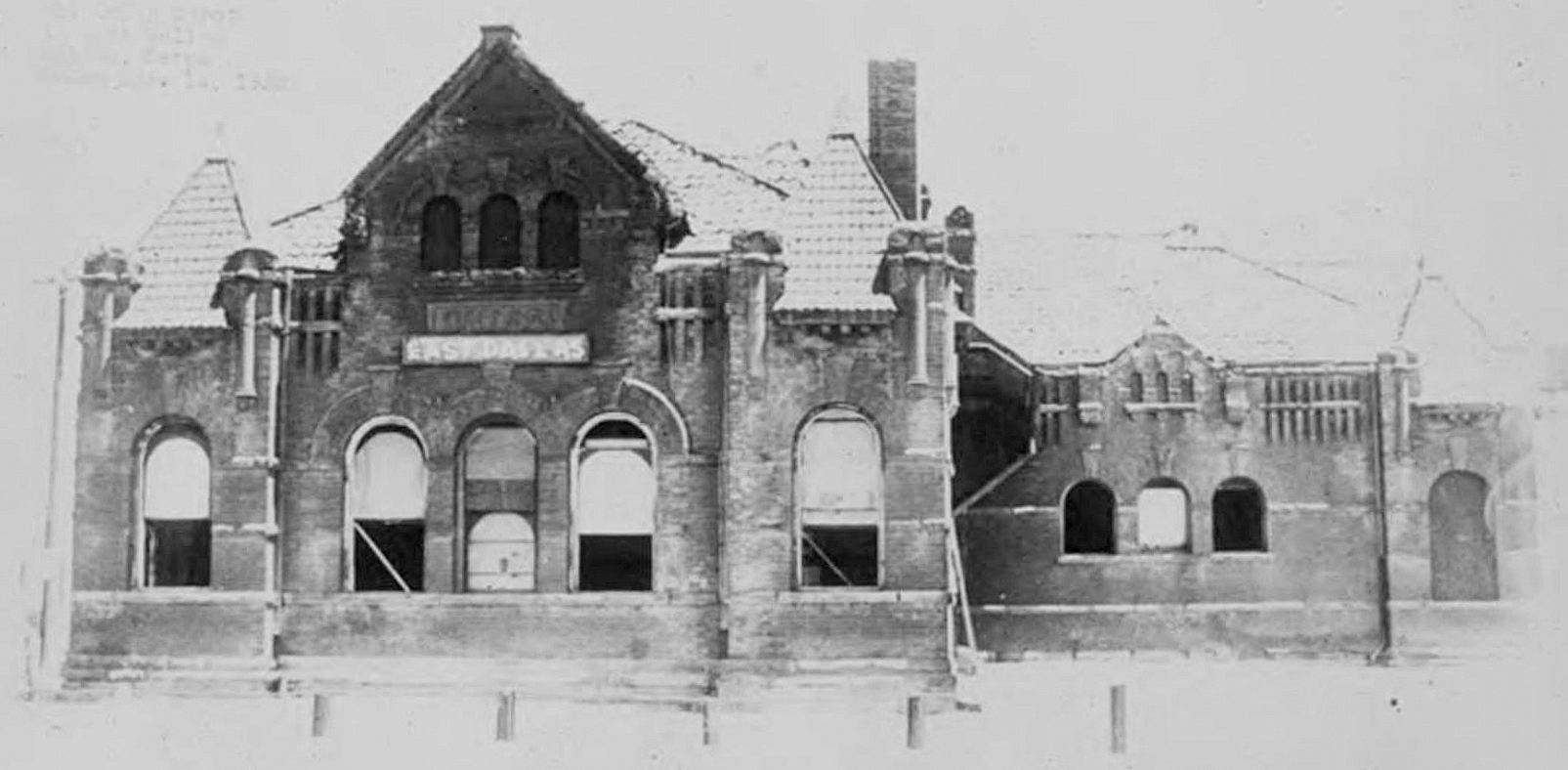
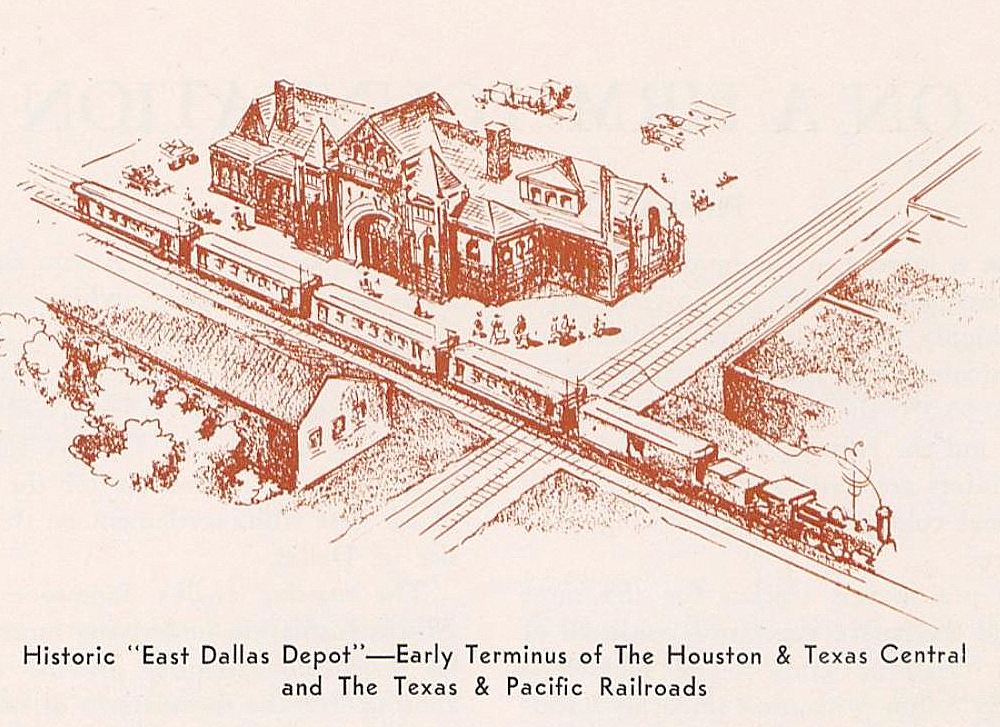
I keep adding photos of the old East Dallas railroad depot to the post “The Old Union Depot in East Dallas: 1897-1935” — it may be getting a bit much. I’m adding three more anyway.
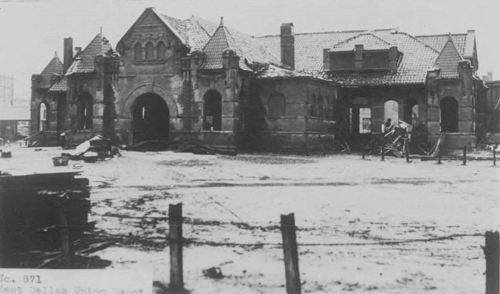
east-dallas-union-depot_degolyer-lib_SMU
via DeGolyer Library, SMU

union-depot_east-dallas_1933_degolyer-lib_SMU
via DeGolyer Library, SMU

union-depot_your-dallas-of-tomorrow_1943_portal“Your Dallas of Tomorrow” (1943), Portal to Texas History

*

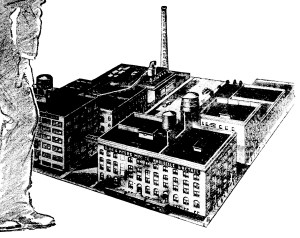
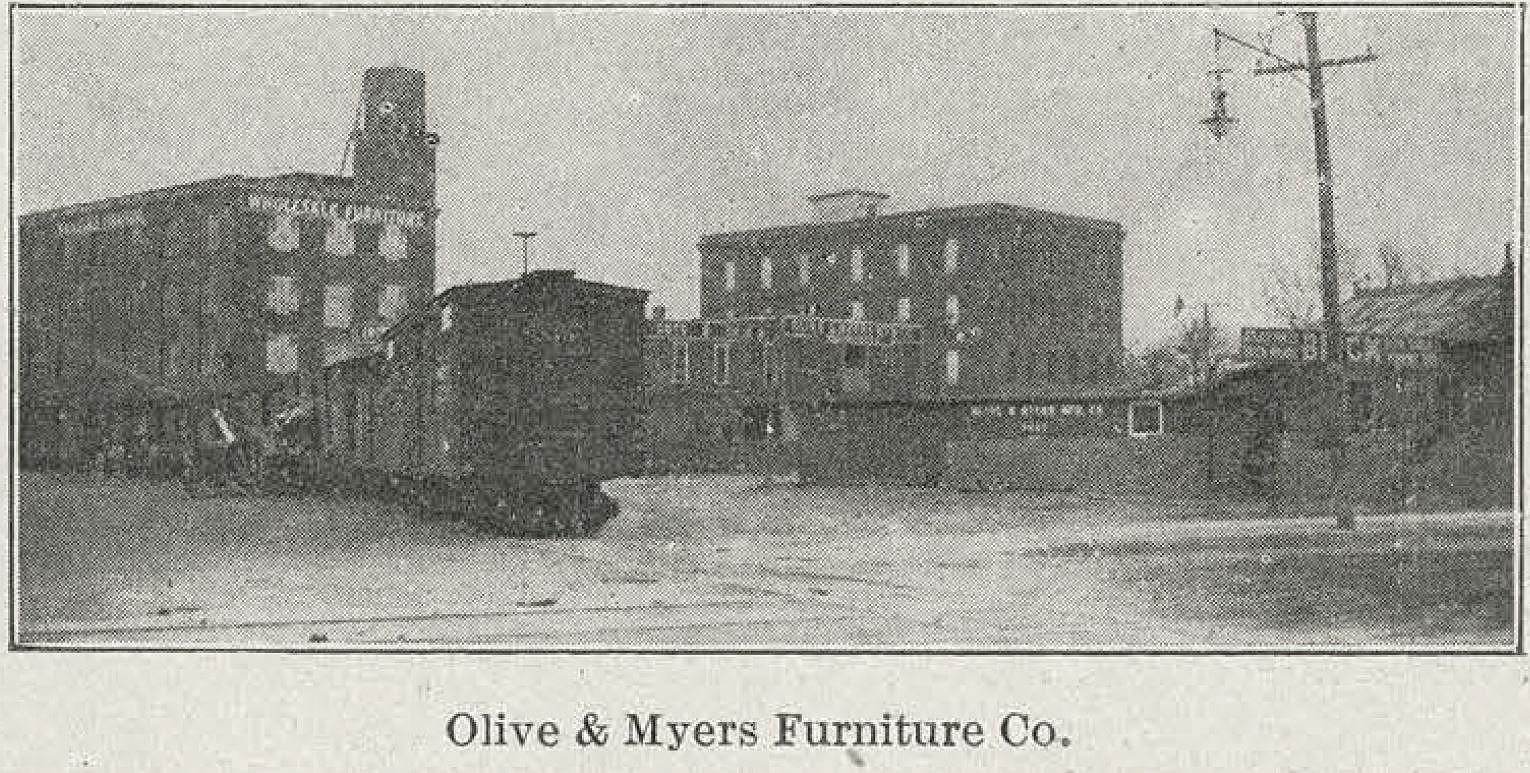
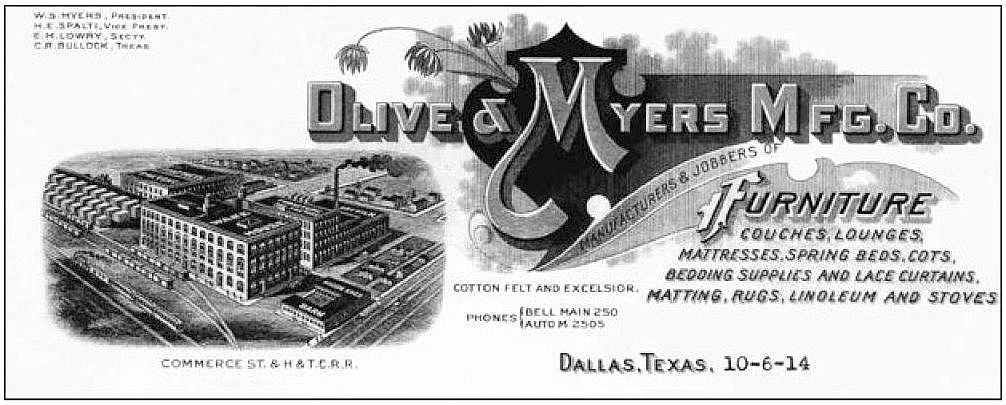
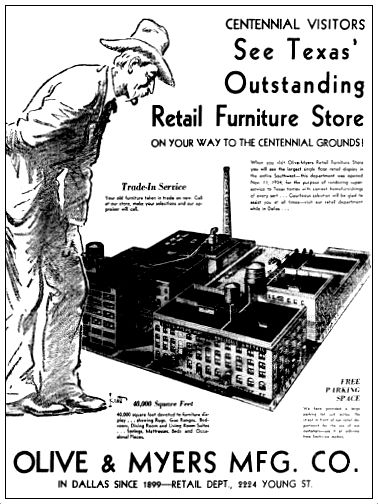
I’ve been contacted by several people who live in the converted factory now known as “2220 Canton” about the (FANTASTIC!) main photo I used in the post “Canton Street: Poultry, Pecans, and Future Luxury Lofts.” Only because I had to figure out where that photo had been taken do I now know about Olive & Myers, the furniture manufacturers who once occupied a sprawling hub of buildings in the Farmers Market area. I’m adding a few images to that post for you, enthusiastic 2220 people.
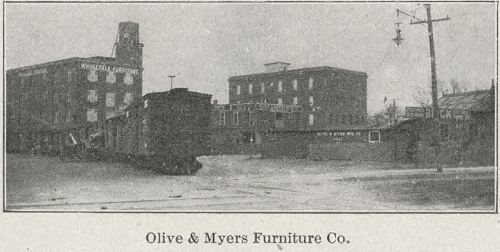
olive-and-myers_come-to-dallas_degolyer_SMU_ca1905
ca. 1905, DeGolyer Library, SMU (link lost!)

olive-myers_hist-of-an-opportunity_degolyer-lib_SMU_ca-1910via DeGolyer Library, SMU

olive-myers_legacies_spring-2013Legacies, Spring 2013, via Portal to Texas History
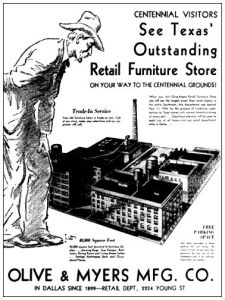
olive-myers_centennial-ad_june-1936

olive-myers_centennial-ad_june-1936_det
Centennial ad, June, 1936, above (with very large detail below)

*

Copyright © 2019 Paula Bosse. All Rights Reserved.


From the Vault: #1 in Junk

ad-hengy-junk_city-directory_1890

by Paula Bosse

Who was the top man in junk in turn-of-the-century Dallas? It was F. J. Hengy, who, when not practicing his junk business, seems to have spent all of his free time in court suing and being sued. Read about this interesting early Dallasite in the Flashback Dallas post from 2015, “F. J. Hengy: Junk Merchant, Litigant.”

*

Copyright © 2019 Paula Bosse. All Rights Reserved.
From the Vault: Dali Does Dallas — 1952

dali_union-station_feb-1952_dpl
“A Dali-an door!”

by Paula Bosse

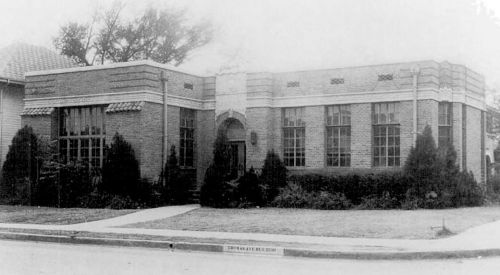
Salvador Dali visited Dallas in February, 1952 on a lecture tour. Not only was he delighted to find this oddly slanted doorway at Union Station, he also said that while in Texas he had been astonished to find himself dreaming in vivid technicolor. Read the original Flashback Dallas post “Salvador Dali Brings ‘Nuclear Mysticism’ to Dallas — 1952,” here.

*

Copyright © 2019 Paula Bosse. All Rights Reserved.

Crozier Technical High School — ca. 1946

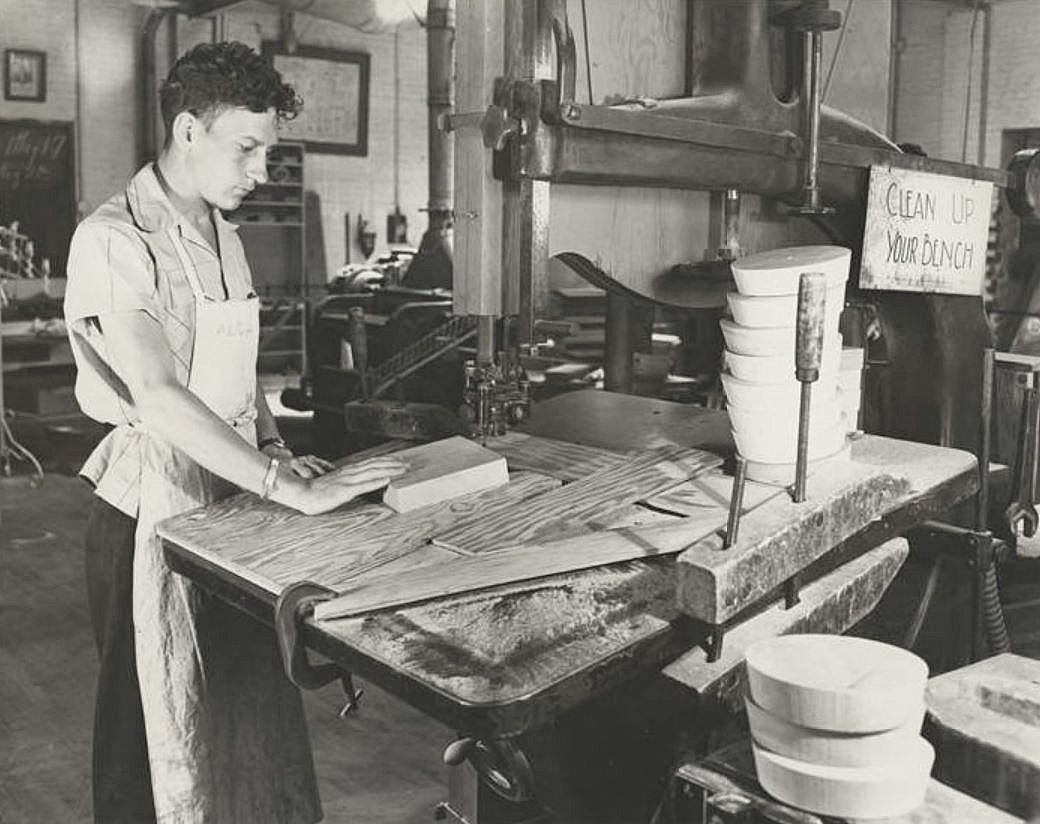
crozier-tech_woodworking_cook-coll_degolyer_SMUThe Tech woodworking shop…

by Paula Bosse

It’s always seemed strange to me that Dallas had a technical high school where students were able to learn all sorts of various trades: auto mechanics, metal-working, industrial machine operation, commercial art, introductory science and engineering courses, and much more. Students — while still in high school — could develop skills and acquire practical knowledge in areas they wanted to pursue as careers; they could also discover (while still in high school) that what they thought they wanted to do as a career was absolutely NOT something they wanted to pursue. I imagine that many graduates were ready to step to into jobs immediately after graduation. 

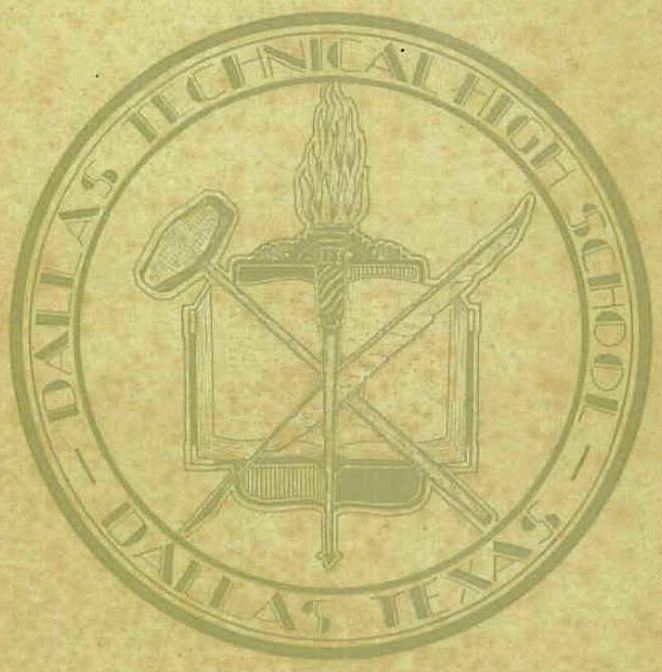
In 1929, Bryan High School (the old “Central High School”) became Dallas Technical High School. In Denman Kelley’s “Principal’s Message” in the 1929 yearbook, he noted that this new idea in education “offers a wonderful opportunity to build up a school for those pupils whose educational needs are not met in the traditional schools…. As the volume of students grows, as the offerings increase with increasing needs, this school must truly become ‘A Greater School for All Dallas.'”

dallas-technical-high-school_1929_seal
Dallas Technical High School, 1929 yearbook

It offered four “general divisions of study” (each arranged in four-year courses): an industrial course, a commercial course, a home-economics course, and the regular literary course. Among the specialized classes offered were automotive repair, woodworking, architectural drawing, stenography, painting, and elementary business training. These courses at Dallas Tech were available to all high school students in the city, and many students jumped at the opportunity to transfer to the downtown campus. (In 1942 the school’s name was changed to N. R. Crozier Technical High School in honor of the late Dallas school superintendent.)

I’m still amazed by this — shouldn’t we still be doing this? I guess this is what magnet schools do, but is magnet-school participation among DISD students anywhere near as widespread as it once was when vocational classes were concentrated at the huge campus of Tech?

*

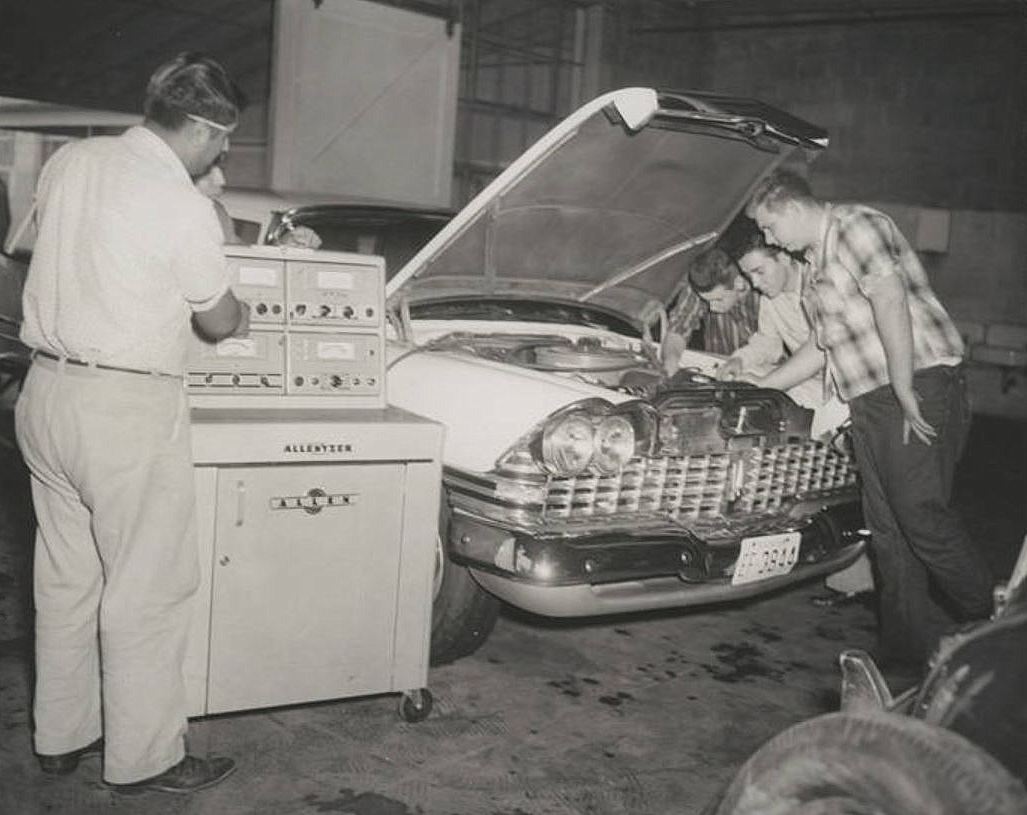
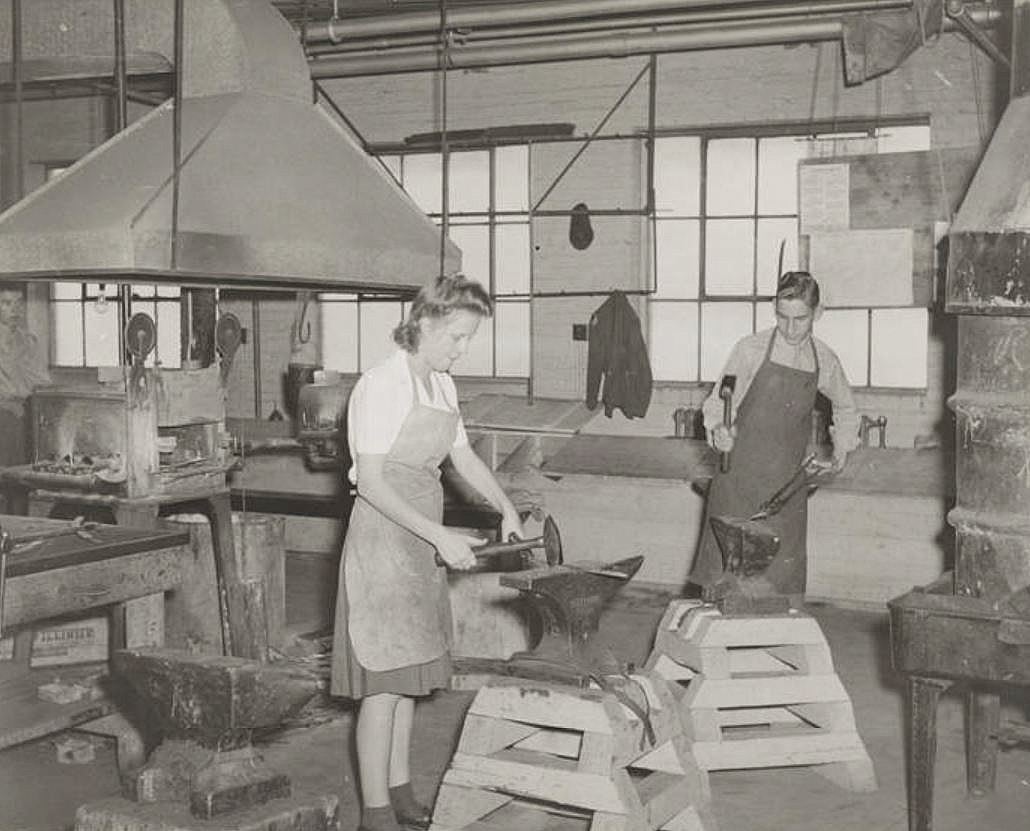
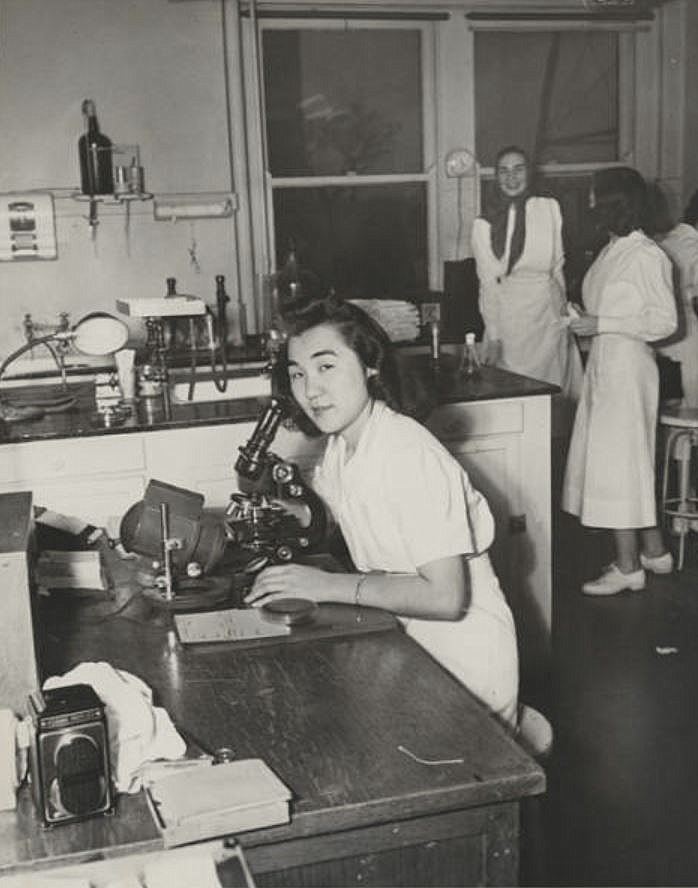
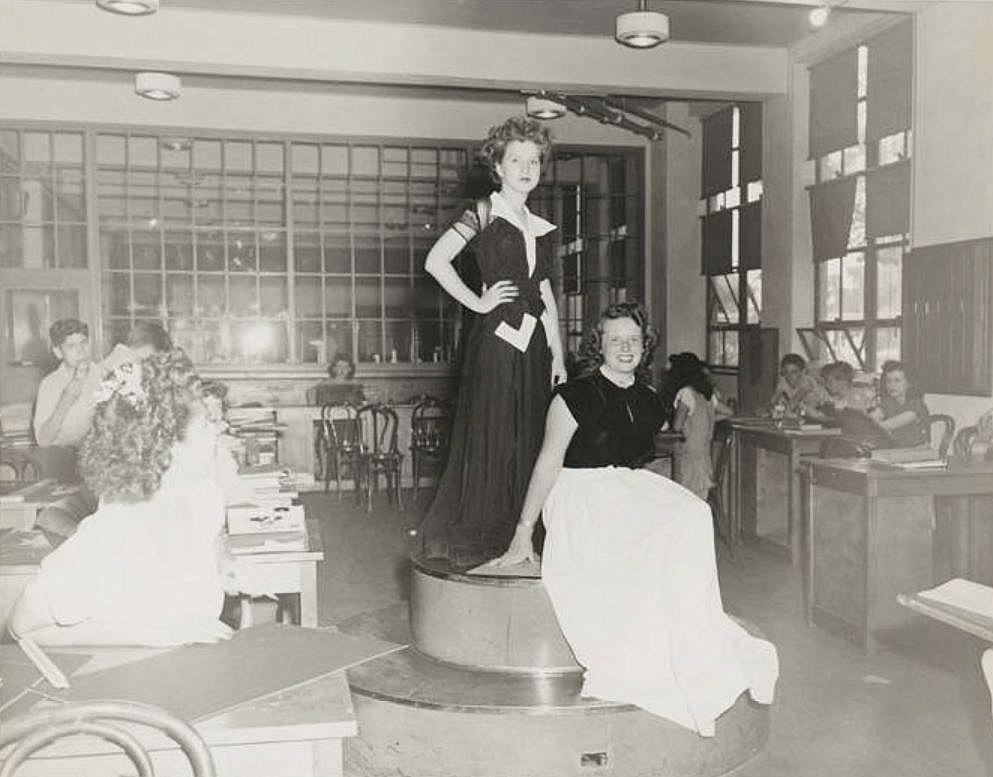
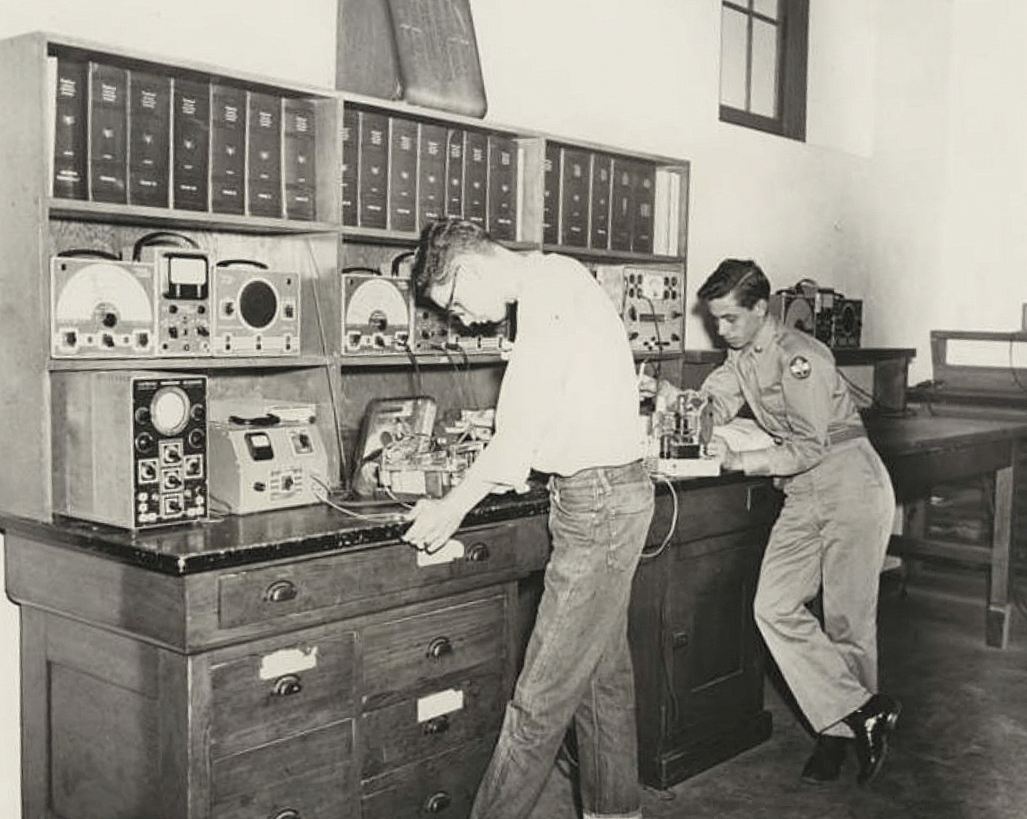
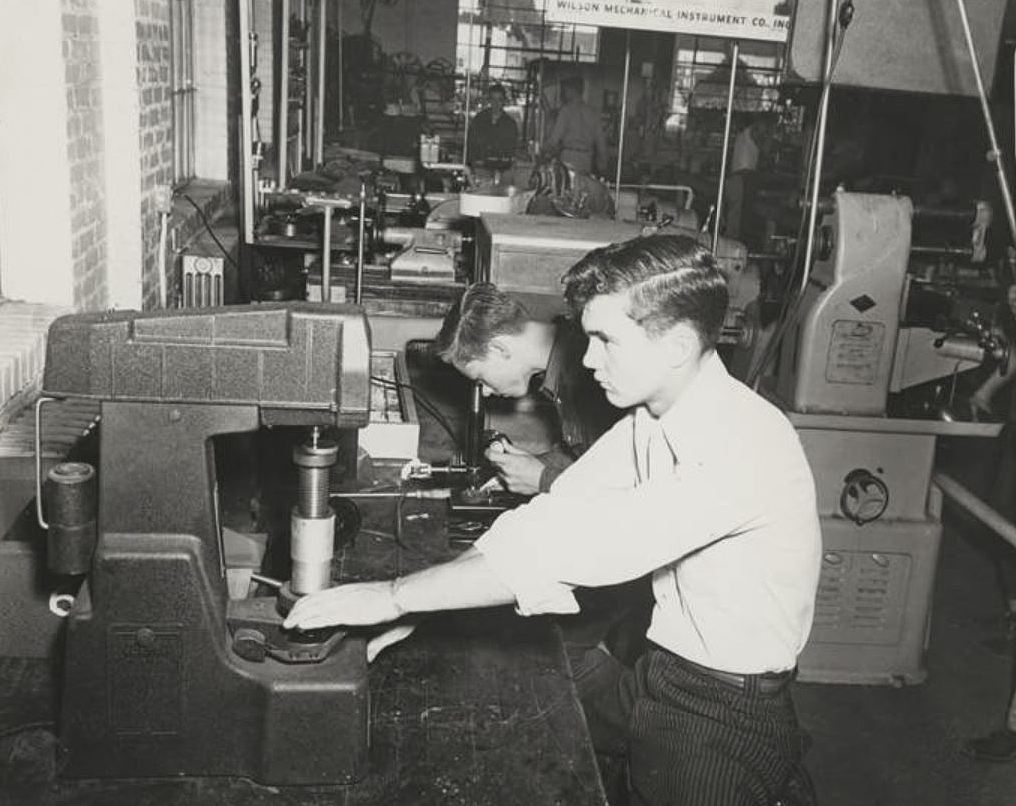
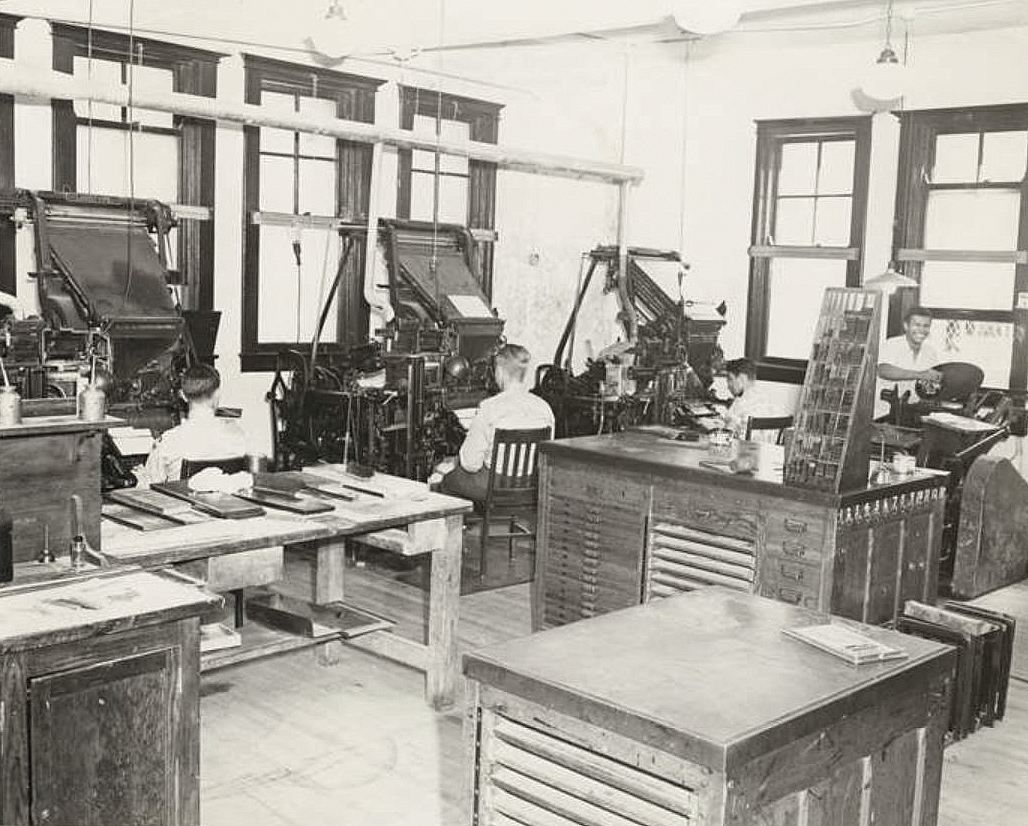
Below are photos showing students in some of the classes available at Crozier Tech in the 1940s. (All photos are larger when clicked.)

crozier-tech_auto_cook-coll_degolyer_SMUUnder the hood

crozier-tech_forge_metal-works_cook-coll_degolyer_SMUAt the forge

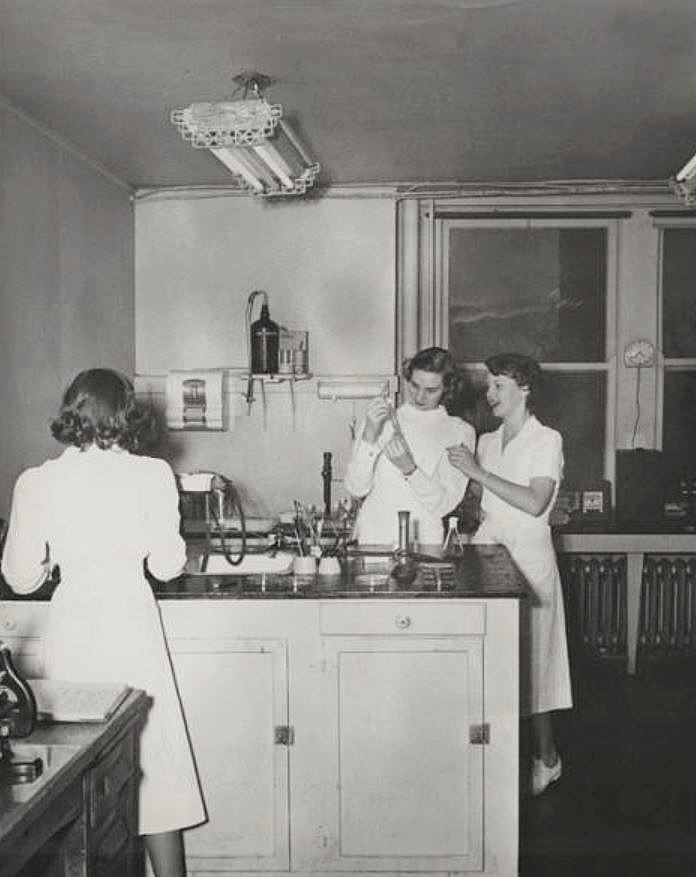
crozier-tech_clinical-laboratory_cook-coll_degolyer_SMUIn the laboratory

crozier-tech_sewing_cook-coll_degolyer_SMUModeling finished products in sewing class

crozier-tech_radio_cook-coll_degolyer_SMUNoodling with radios?

crozier-tech_machine-shop_cook-coll_degolyer_SMUIn the machine shop

crozier-tech_nursing_cook-coll_degolyer_SMUIn the nursing course

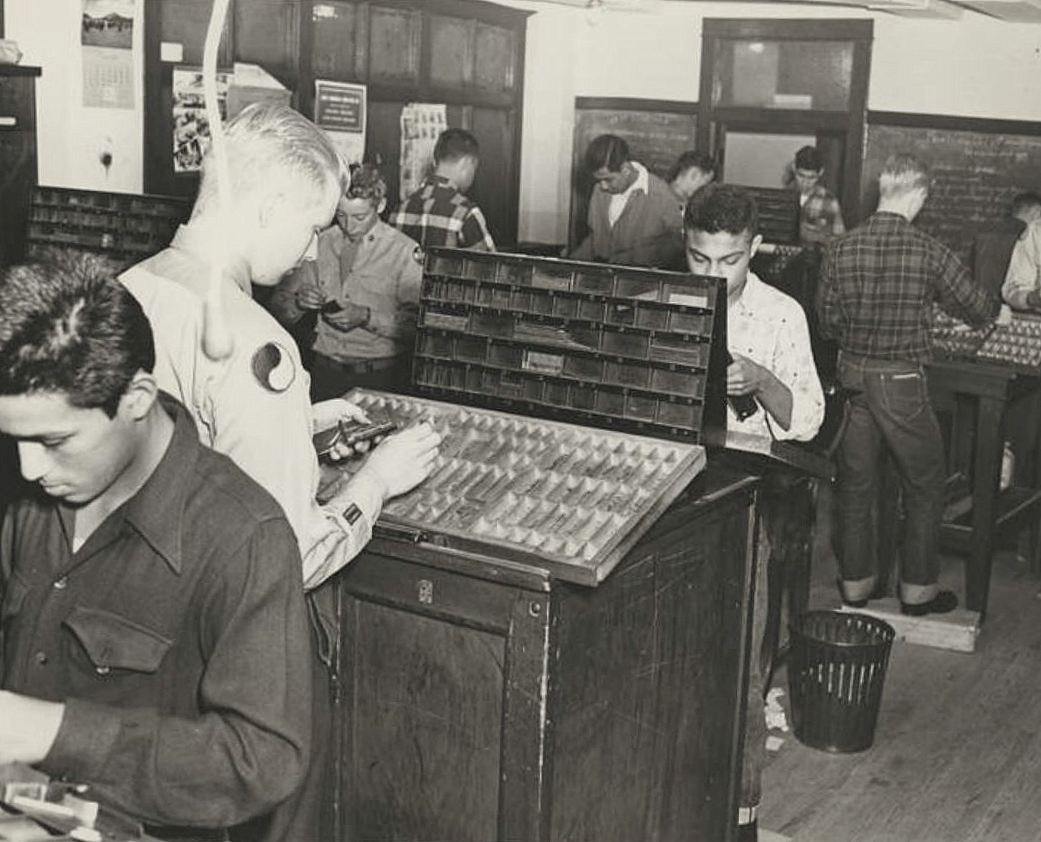
crozier-tech_printing_cook-coll_degolyer_SMUSetting type in the printshop

crozier-tech_printing_linotype_cook-coll_degolyer_SMUWorking a letterpress and linotype machines (!)

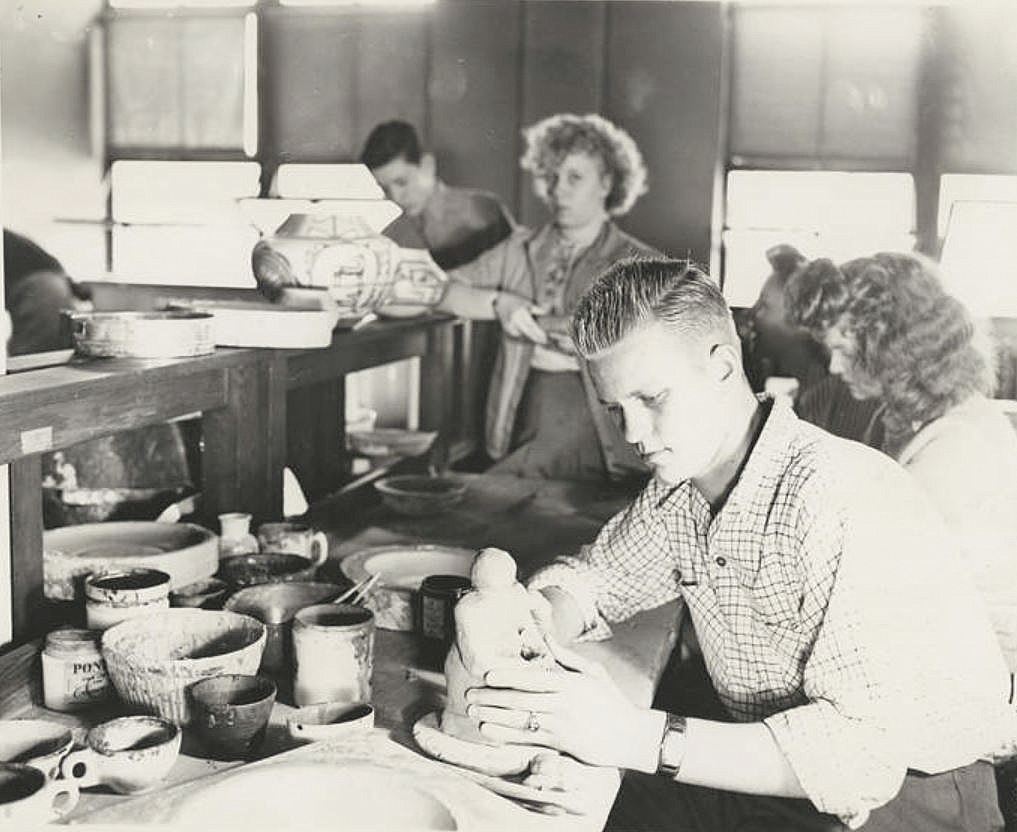
There were also studio and commercial art courses. (I have to add this one because I’m pretty sure I now have evidence that in a previous life I was in a Crozier Tech sculpture class in 1946 — my doppelganger is the blurry girl in the center of the photo, looking with suspicion at the camera.)

crozier-tech_sculpture-clay-modeling_cook-coll_degolyer_SMU

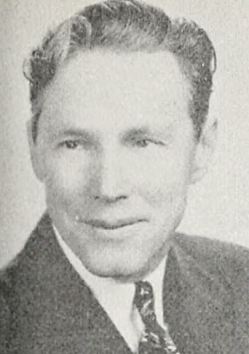
Lastly, a photo of the handsome photography teacher, Orbette A. Homer, who taught at Tech from 1937 until his retirement in 1962. He and his students were responsible for these photos, some of which appeared in the 1946 Crozier Tech yearbook, The Wolf Pack.

orbette-a-homer_crozier-tech-yearbook_1960O. A. Homer, 1960

***

Sources & Notes

All classroom photos are from the George W. Cook Dallas/Texas Image Collection, DeGolyer Library, SMU Libraries, Southern Methodist University; these images (and more from this Crozier Tech collection) can be found here.

The photo of Orbette Anderson Homer (1901-1968) is from the 1960 Crozier Tech yearbook.

*

Copyright © 2018 Paula Bosse. All Rights Reserved.

From the Vault: When Funeral Homes Become McKinney Avenue Hotspots

ad-funeral-home_mckinney-routh_directory-1929-detThe “slumber chamber” is occupied…

by Paula Bosse

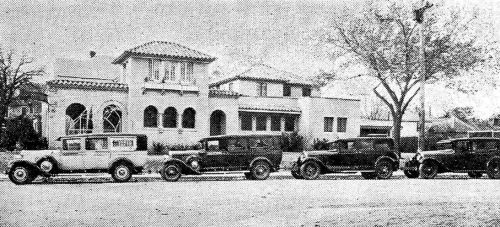
As much as I dislike what the unfortunate over-development of “Uptown” has done to the quirky, funky style of the McKinney Avenue of my childhood, it’s always a shock to realize that, somehow, a few surprisingly old buildings still stand. One of them is this once-fabulous building at McKinney and Routh — it was built in 1927 as a funeral home but has been the site of a succession of restaurants for the past couple of decades. Who knew? Read about it in my post from 2015, “Not Dead Yet at McKinney & Routh,” here.
*

Copyright © 2018 Paula Bosse. All Rights Reserved.