Flashback : Dallas

A Miscellany: History, Ads, Pop Culture

Category: Women

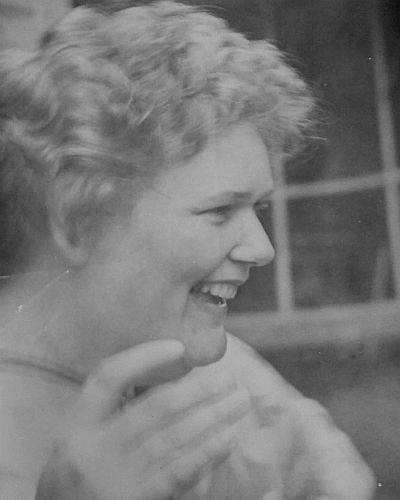
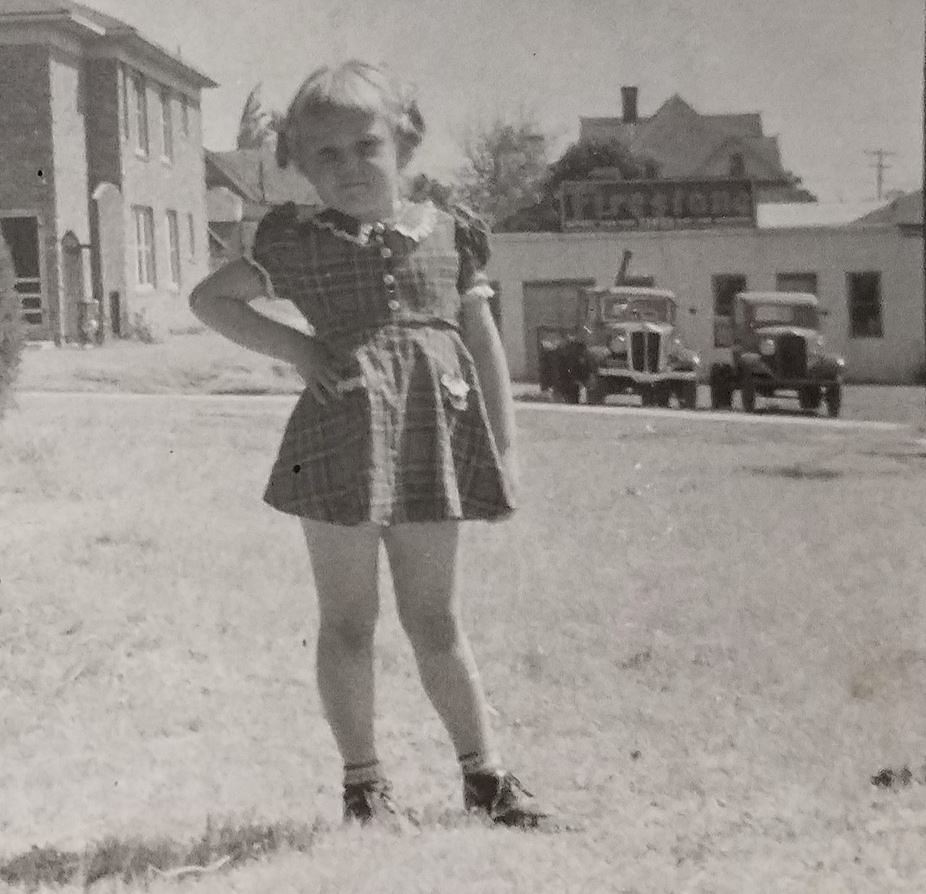
My Mother, Margaret Werry: 1936-2025

by Paula Bosse

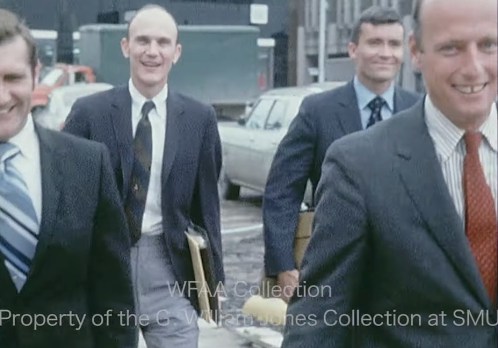
My mother, Margaret Werry (who was known as Margaret Bosse during much of her time as a political activist), died on May 16, 2025, in hospice care at Baylor Hospital in Dallas. She was 89.

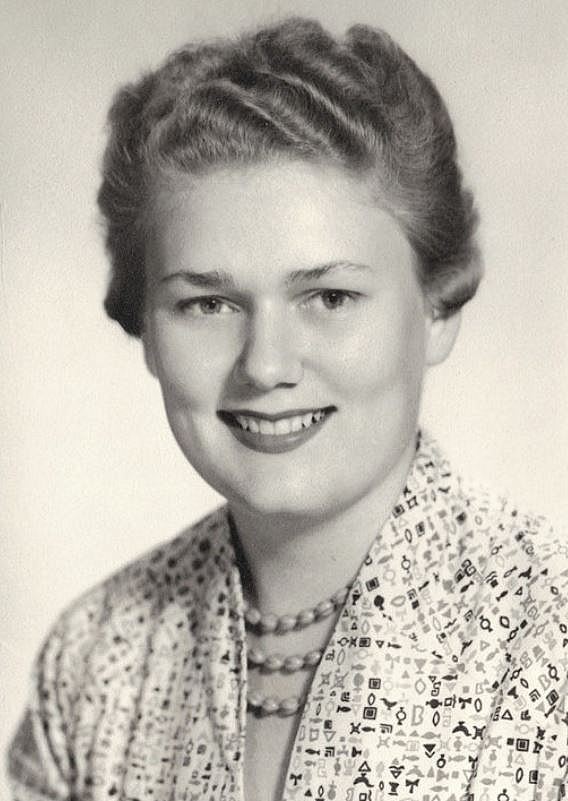
She was born in Dallas, grew up in Oak Lawn on Hartford Street, between Douglas and Wycliff, a couple of blocks from her grade school, Sam Houston Elementary. Instead of attending North Dallas High School, she chose to go to Crozier Tech downtown so she could focus on advanced science courses (she had dreams of going to medical school). She graduated at 16 and attended SMU, majoring in Comparative Literature. (See photos of both of my parents from SMU yearbooks here.)

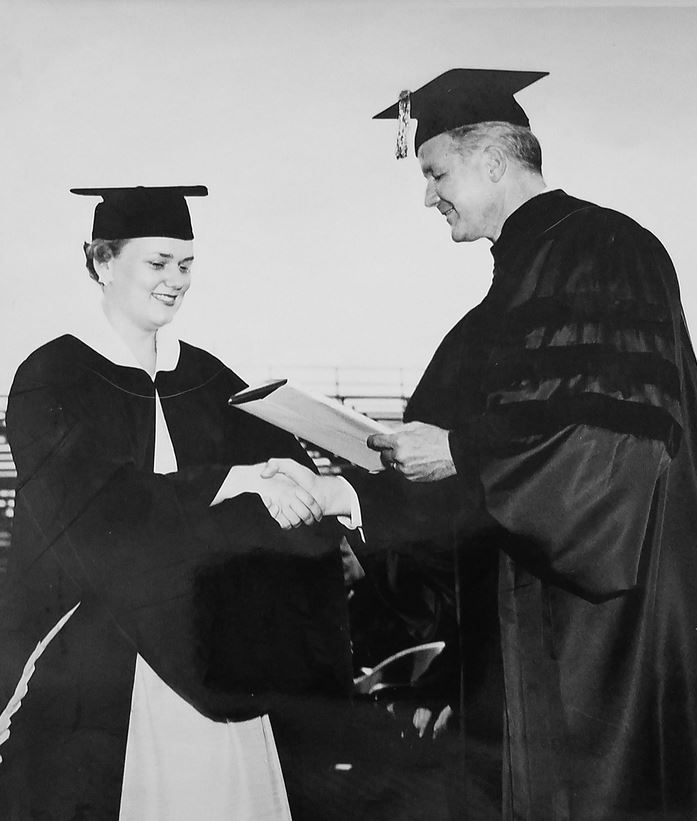
My mother with SMU president, Willis Tate

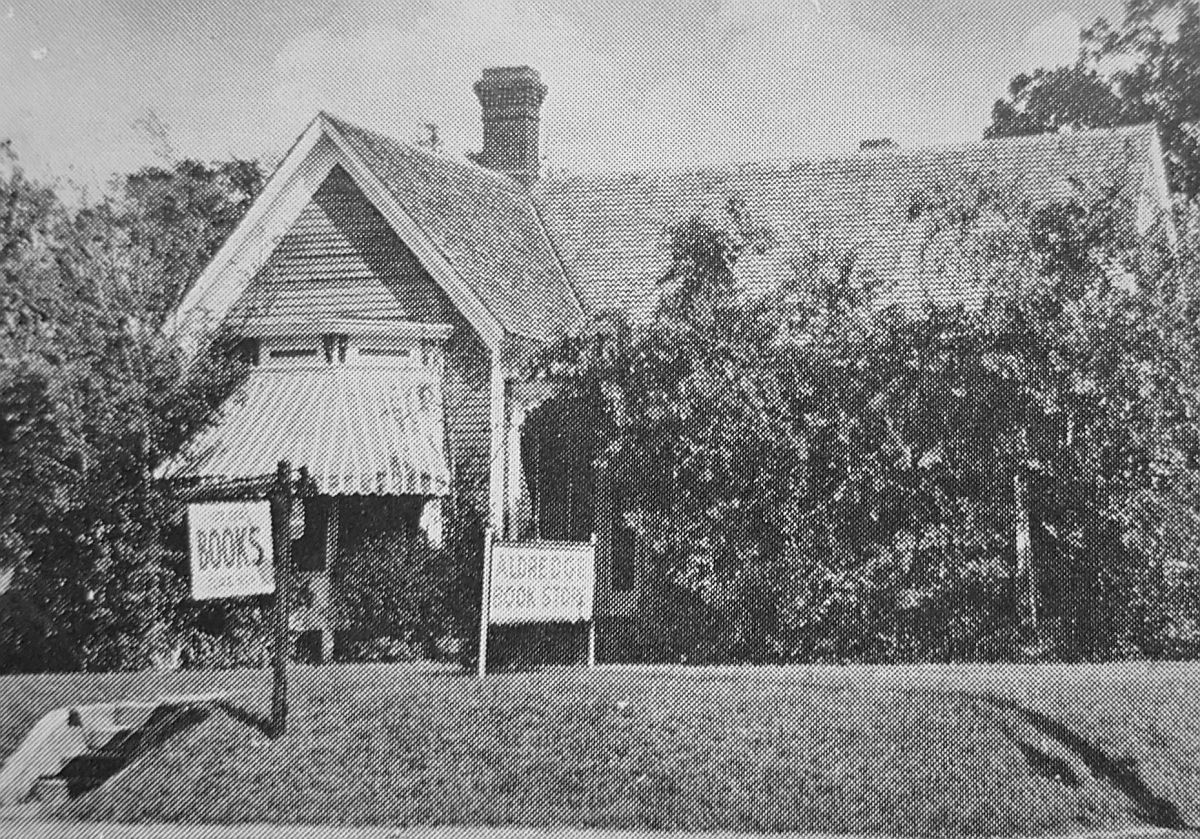
She spent a short time at UT medical school in Galveston, but her mother’s unexpected death brought her back home. She soon began working at an antiquarian bookstore on McKinney Avenue, located in an old Victorian house: The Aldredge Book Store, where she met my father, Dick Bosse, another former Comparative Literature major at SMU. They married a few years later. That bookstore was a home-away-from-home for my parents, for me, and for my brother. Every kid should be lucky enough to grow up in a used bookstore. (My parents divorced amicably in the ’80s and remained friends until his death in 2000. The obituary of my father written by my brother, Erik Bosse, is here.)

2800 McKinney Avenue, ca. 1960

My mother’s passions in life were working for progressive political causes and for advancing and promoting women’s issues. The 1970s and ’80s were a time of non-stop political activity for her. She was one of the small group of women who were connected in various ways to the First Unitarian Church on Preston Road who helped and supported attorney Linda Coffee in developing the case that became known as Roe v. Wade. She tirelessly worked for women’s rights, even helping to establish the Women’s Southwest Federal Credit Union here in Dallas at a time when mainstream banks and credit unions did not generally grant loans to women without their husband’s consent (!). She always described the ’70s as the most exciting time of her life. A lot was changing then, and she was right in the middle of it.

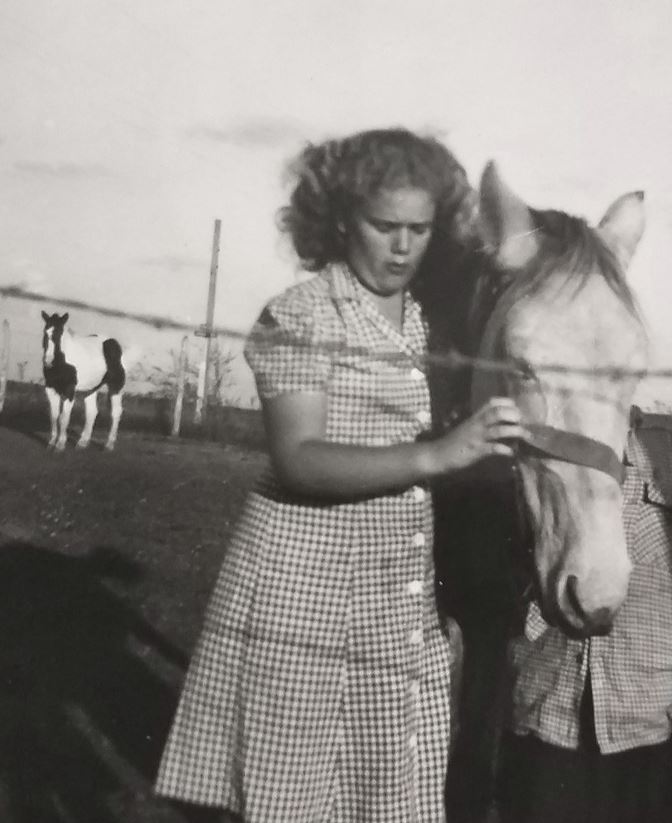
She was also a passionate animal-lover — our house was never without several cats. Some of her fondest childhood memories were her visits to the farm of her aunt and uncle, which she always described with idyllic nostalgia.

She also loved classic movies, Orson Welles, William Faulkner, and bookbinding, to name just four random things.

I remember her reading books to me and my brother. My favorite was The World is Round by Gertrude Stein, which I love to this day, and which I am convinced led to the love of writing and language my brother and I share.

My mother was the kindest person I knew (next to my father). She was smart, funny, and ethical, and, somehow, she never lost her patience when trying to help me with my math homework (sadly, I did not inherit her love of numbers and mathematics). She was a wonderful baker, and I will miss her amazing Christmas cookies and cakes.

And I’ll just miss her. I’ll miss her every day. Her health had been in decline for several years, and the last few months were difficult for her and for my brother and me. I am relieved she is no longer suffering, but it breaks my heart to lose her.

I received a lovely note from Charles Drum, who used to work with my parents at The Aldredge Book Store during those early days. Here is what he wrote:

I read about your mom’s passing. My thoughts are with you. Your mom could always make me laugh. It was a gift. Like your dad, she had a treasury of arcane knowledge to share. I wish I’d been able to talk to her in recent years. We had a lot of memories of ancient times.

Those days at the Aldredge Book Store, working with your dad, Sawnie [Aldredge, the original owner], Mimi [Sawnie’s wife and ABS fixture], and even Thelma [the somewhat irascible maid] were formative years for me and set standards of care, wit, camaraderie, and just plain fun that I was rarely able to match in following years. Your folks’ interests. stories, and above all their humor are a vivid part of me to this day.
 
Happy I sat down to write you.

Thank you, Charlie. (See Charlie in a photo with my father, here.)

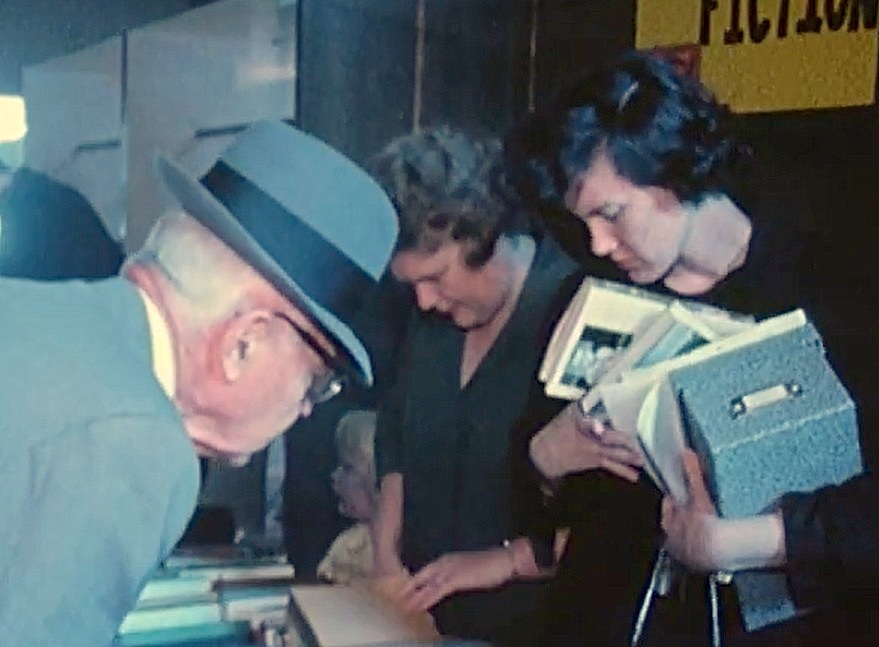
I recently came across this image of my mother and me at one of the hundreds of book sales and book events I found myself at during my childhood. (It’s hard to see me, but I’m in there, next to my mother, dwarfed by people and books and people with books.)

I’ll miss you, Mama. Thank you for all your memories of Dallas.

Thank you for everything.

***

Sources & Notes

Flashback Dallas posts about The Aldredge Book Store are here.

I understand friends of hers may be preparing a get-together to remember my mother. If you were a friend of hers and are interested in attending, please send me an email at the contact info at the top of this page.

*

Copyright © 2025 Paula Bosse. All Rights Reserved.

Lulu Roman, 1946-2025

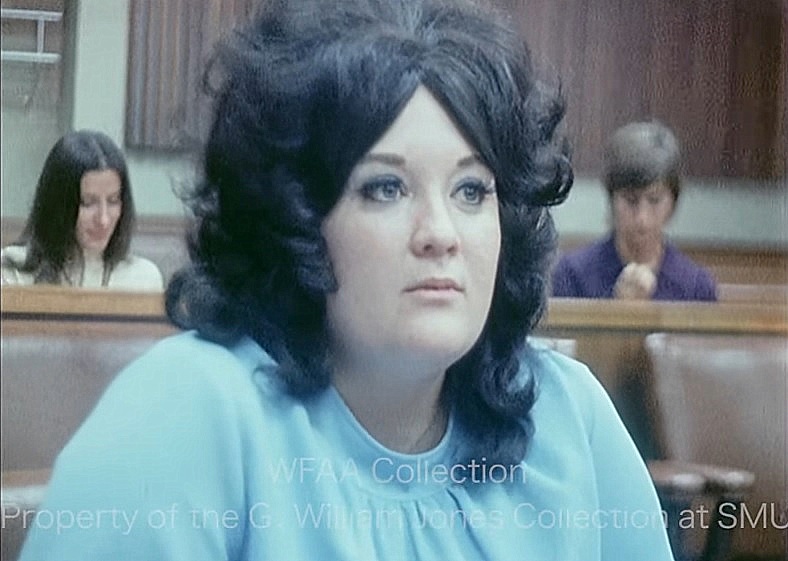
In a Dallas courtroom, 1971

by Paula Bosse

Lulu Roman — known for her appearances on the TV show Hee Haw and her numerous gospel recordings — died last week (on April 23, 2025). She was a Dallas native and a graduate of Samuell High School. A summary of her life and career can be found in the Hollywood Reporter obituary and her Wikipedia entry.

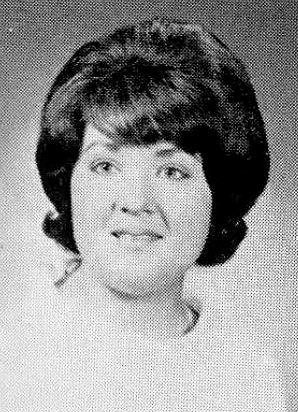
She graduated from W. W. Samuell High School in 1964 (her name back then was Louise Hable), and five years later, she became an original member of the cast of Hee Haw. In 1971, her Oak Lawn apartment (2627 Douglas) was raided by seven narcotics agents, who seized 5.5 pounds of marijuana and small amounts of LSD and hashish. She was booked for drug possession, and this effectively ended her connection with Hee Haw (she later found religion, gave up drugs, and was welcomed back to the show when she was clean — you can see her talk about her new-found “high” to a Channel 8 reporter in 1973 on YouTube here). (The photo at the top is from one of Lulu’s appearances in court in 1971.)

She then went on to a successful career as a gospel singer. RIP, Lulu.

1963 Samuell yearbook, Junior class photo

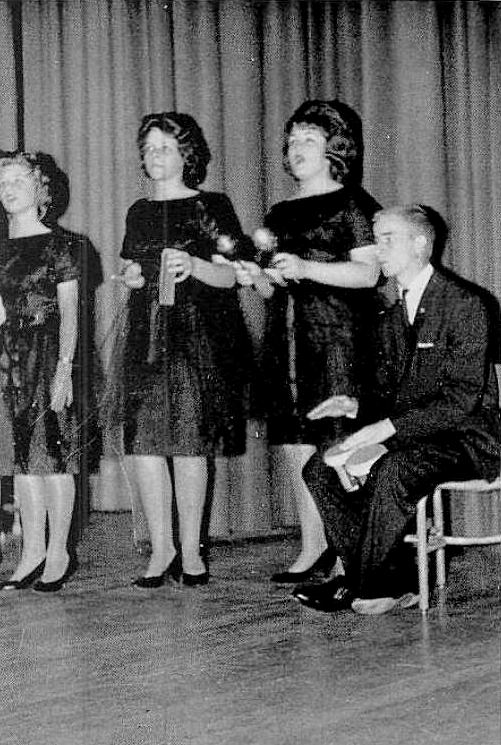
Performing a “Calypso Christmas carol”:

1963 Samuell yearbook

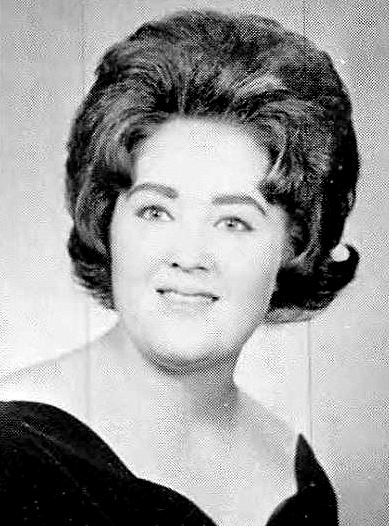
1964 Samuell yearbook, Senior class photo

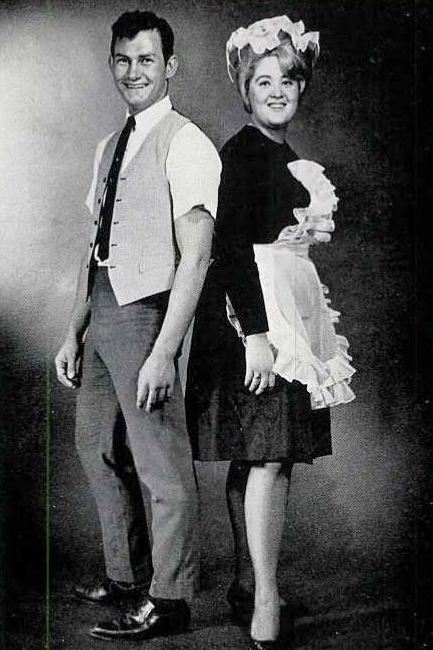
With classmate David Henderson, in costume for a theatrical production.

1964 Samuell yearbook

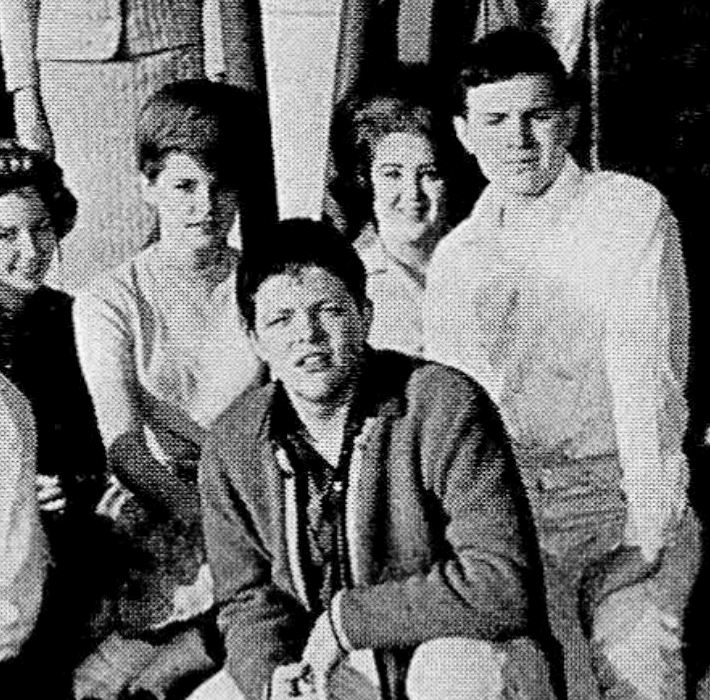
Detail of a photo of members of the Thespians Club:

1964 Samuell yearbook

Hitting the big-time, on Hee Haw:

***

Sources & Notes

Top image is a screenshot from Channel 8 news footage of Lulu’s drug possession trial in Dallas on Sept. 3, 1971, from the WFAA Collection, G. William Jones Collection, Hamon Arts Library, Southern Methodist University.

School photos from the 1963 and 1964 Samuell High School yearbooks.

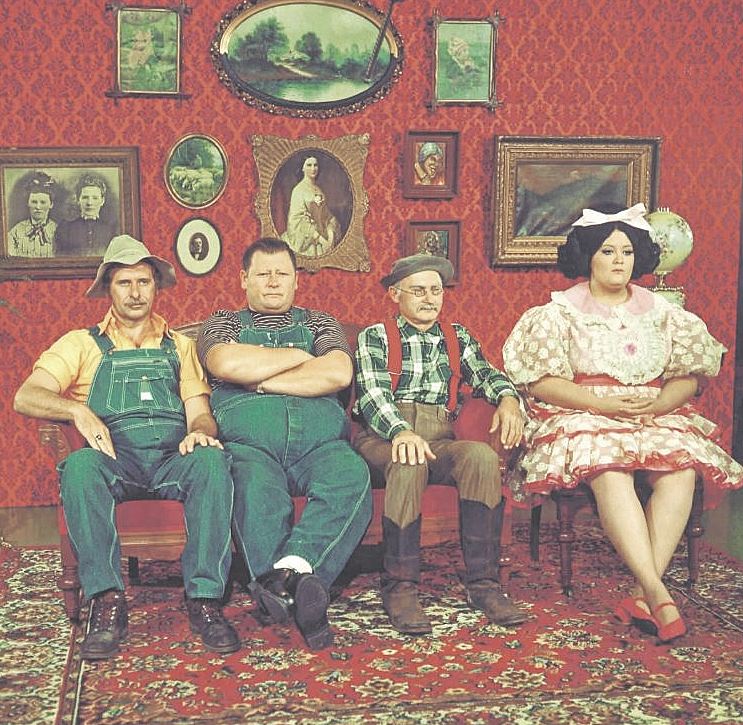
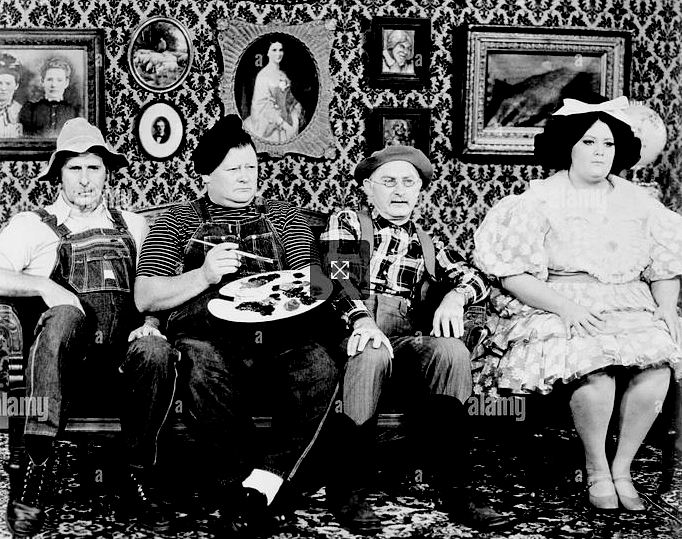
Color photo of some of the Hee Haw cast members (Gordie Tapp, Junior Samples, Grandpa Jones, and Lulu Roman), from The Tennessean; black-and-white photo from Alamy.

*

Copyright © 2025 Paula Bosse. All Rights Reserved.

Tooling Around Munger Place — ca. 1913

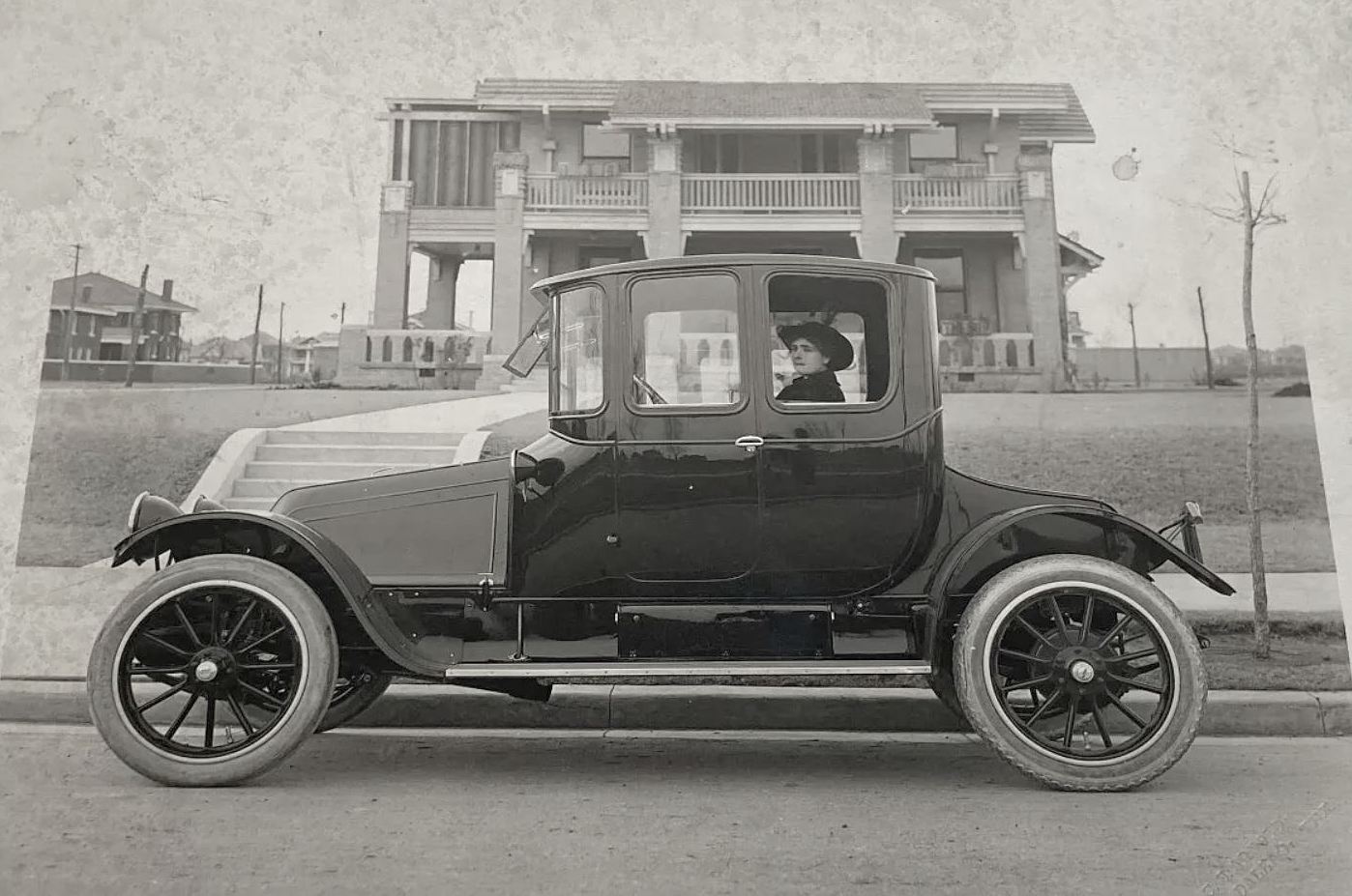
Snazzy motor car parked in front of 5109 Swiss Avenue

by Paula Bosse

This arresting photo shows a woman in the driver’s seat of what appears to be a “ladies'” electric car (possibly a Detroit Electric, although I can find no models that look like this one…), parked in front of an unusual-looking Swiss Avenue home, complete with a second-story sleeping porch and virtually no landscaping. The photo — taken by notable Dallas photographer Charles Erwin Arnold — is currently offered on eBay.

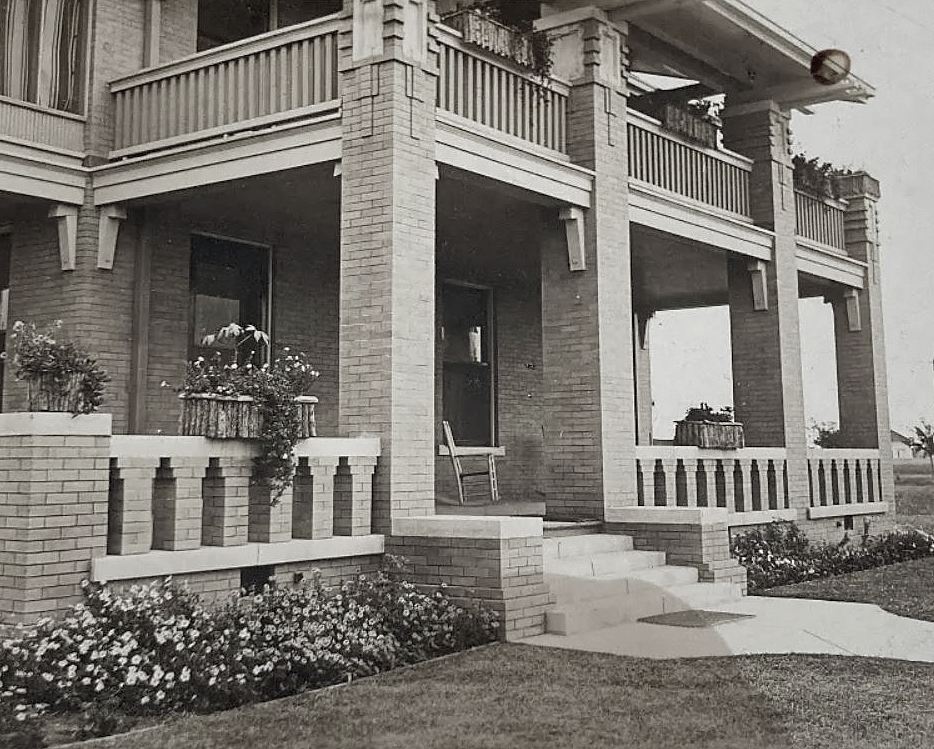
Here’s a view of the entrance to the house which, as noted on the reverse, is at 5109 Swiss Avenue.

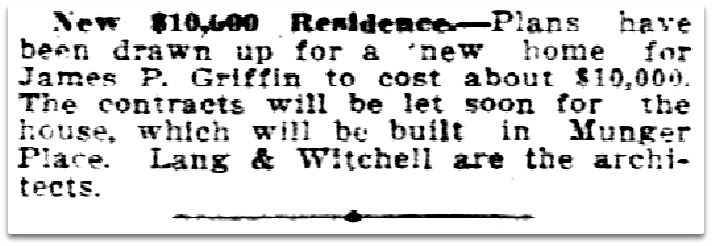
The house was built in 1911/12 and was designed by Lang & Witchell (architects to the rich and richer), who were busy drawing up house plans for people up and down Swiss (they were so prolific that it seems like most of the buildings built in Dallas at the time came from their drafting tables!). This house was commissioned by James P. Griffin (president of the Texas Electric Railway Co.) and his new wife, May Burford Griffin (daughter of Dallas pioneer Judge Nat Burford).

Dallas Morning News, Sept. 13, 1911

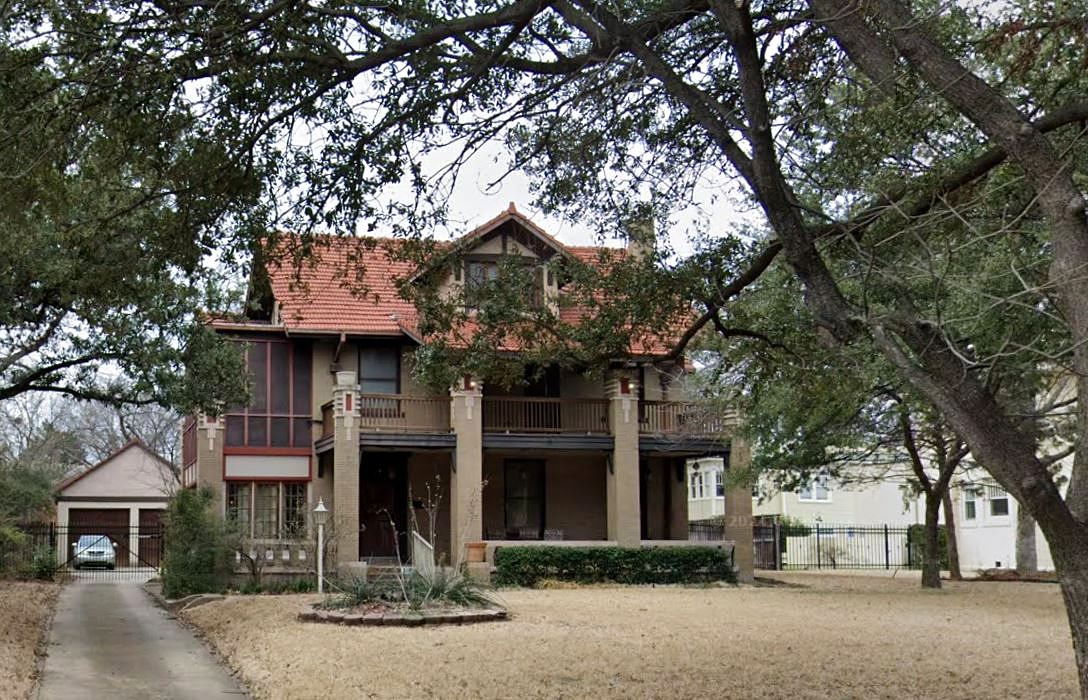
The house is still standing but has been remodeled, as is mentioned in various real estate ads over the years. (At one point, there was a reference to a kitchen with marble floors, which… I’m not sure I’ve ever seen marble floors in a kitchen. I don’t know if they were original to the house — or are still there — but, whatever the case, that is très élégant.)

The house can be seen in recent years in an Ebby Halliday listing from 1982, in an undated photo on Douglas Newby’s Architecturally Significant Homes website, and on the Swiss Avenue Historic District website. The image below is a Google Street View from Feb. 2023.

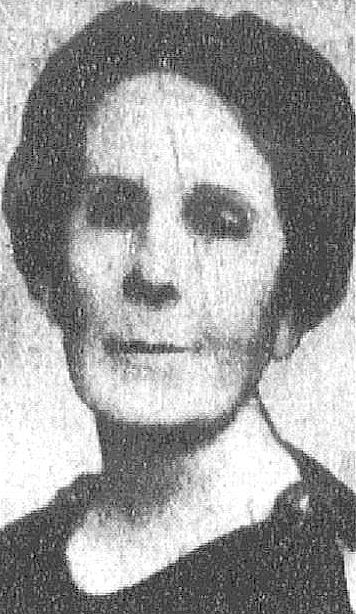
I assume that the woman in the car is Mrs. Griffin, seen below in later years. In the photo, she would have been about 32.

I love that car. And I love that house, which looked very modern 112 years ago!

***

Sources & Notes

The circa-1913 photos are from a current listing on eBay. I posted the top photo on my Patreon page less than a week ago, and reader Tom R. identified the house. I think the second photo has been added in the past couple of days, because I’m pretty sure it wasn’t there when I wrote that post! Someone might have contacted the seller to ask if it might be a house on Swiss Avenue, and they realized they had another photo of the house, which they added to the listing. …And increased the price significantly! These are such cool photos. If I were the current owners of this Swiss Ave. house, I would be all over this!

Thanks to Tom and William for their helpful comments on my original Patreon post (“Super-Cool Car, Super-Cool House”).

*

Copyright © 2024 Paula Bosse. All Rights Reserved.

The Girls of St. Mary’s

st-marys-college_girl-athletes_frank-rogers_post-1911_ebay“Juxta Dallas Texas”

by Paula Bosse

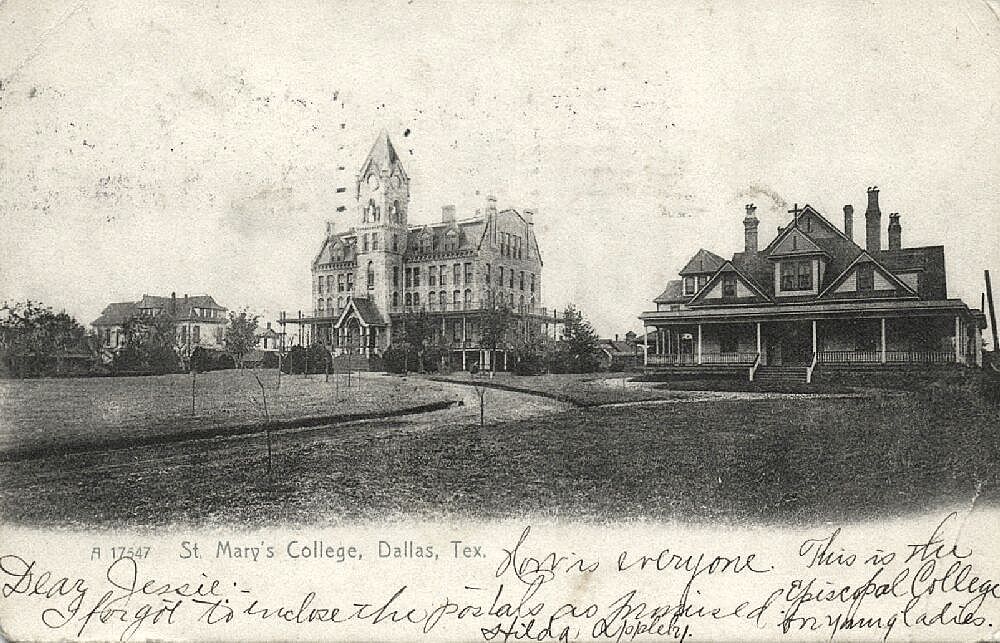
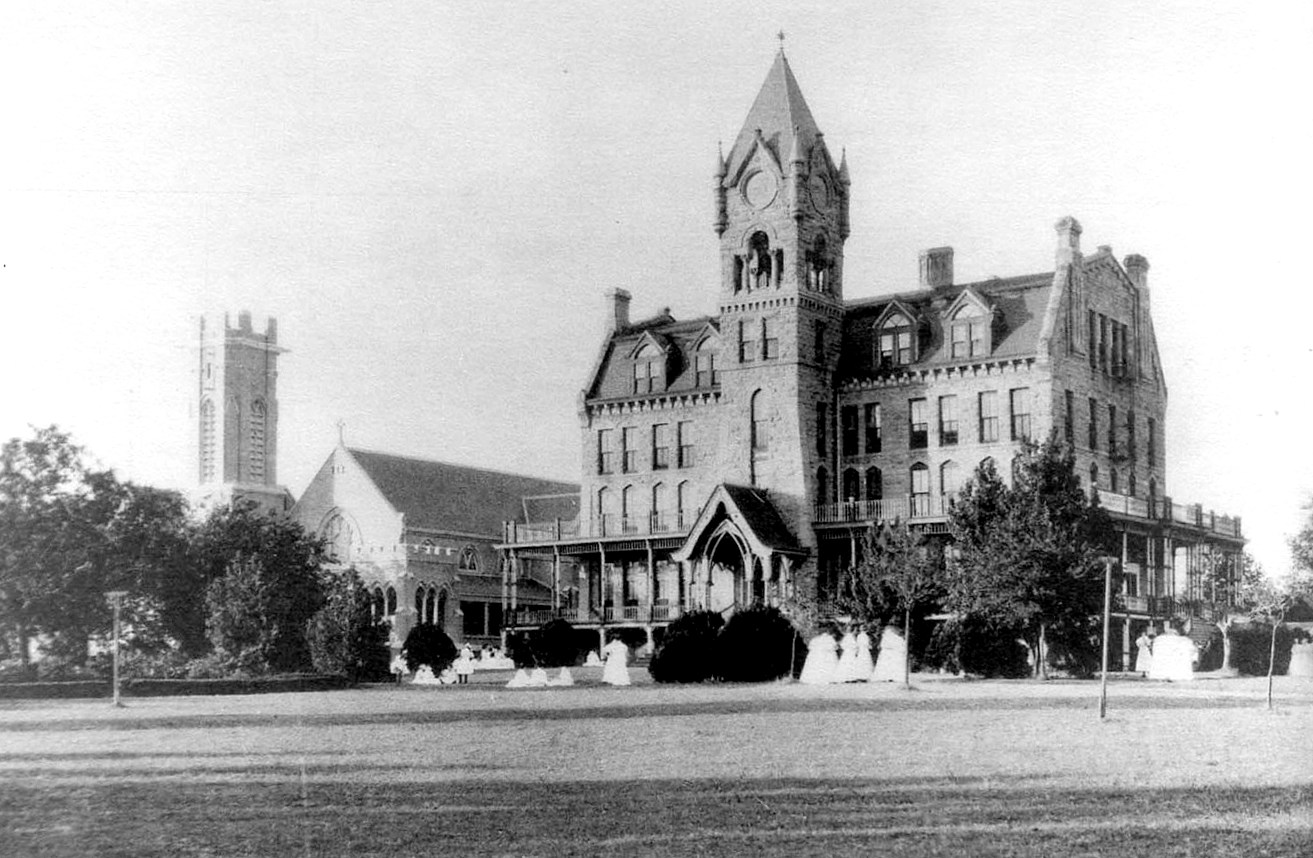
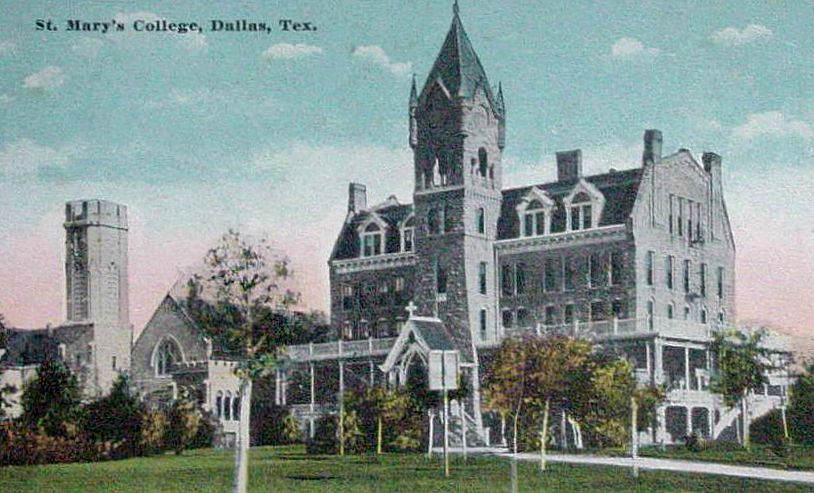
St. Mary’s College, founded in 1889 in East Dallas (at Ross and Garrett avenues), was a prestigious school for girls, affiliated with the Episcopal Church. It had a statewide reputation, and many girls attended as boarding students — Lady Bird Johnson was a proud alumna. Around 1930 it became home to a relocated Terrill School for Boys.

The once sprawling “College Hill” campus covered 20 acres (see it on a 1922 Sanborn map here). I can find no news reports of its demolition, but one source says 1948. Read more about the school’s history in the Handbook of Texas entry here. and see other photos and a short history in the Flashback Dallas post “Private Education in Dallas — 1916.”

The site of the former school has recently been filled with apartments. The old chapel tower still stands, but the large, open school campus is long gone. See the most recent Google Street View of St. Matthew’s Cathedral here. — the main school building would have been directly to the right.

*

As far as the photo at the top of this post, I really love this image of smiling girl athletes (the basketball team?) posing in their gym togs in front of the school.

“Juxta Dallas Texas” (“near Dallas Texas”).

st-marys-college_girl-athletes_frank-rogers_post-1911_ebay_det

*

The ad below touts the school’s offerings in 1911 (including a school dairy):

ST. MARY’S COLLEGE AND SCHOOL OF MUSIC

Founded by the Right Rev. A. C. Garrett [Alexander Garrett], D.D., LL. D.
Twenty-third Year Opens Sept. 13, 1911

A College for Christian education of women — college, scientific and literary courses. Bishop A. C. Garrett, instructor in mental science and logic. Advanced classes in charge of graduates of universities of recognized standing. European instructors of modern languages. School of Music under direction of instructors trained in Germany, Paris, France and New England Conservatory of Music. Pianoforte pupils examined annually. Art and China Painting taught according to the best methods. Health, diet and physical culture in charge of two trained nurses and teachers of physical culture. 

The group of buildings comprise:
1. St. Mary’s Hall (stone).
2. Graff Hall, which is devoted to the Schools of Music and Art.
3. Hartshorne Memorial Recitation Hall.
4. The Mary Adams Bulkley Memorial Dormitory.
5. Sarah Nielson Memorial for the care of the sick.

Houses heated by steam and lighted by electricity. A very attractive College Chapel and large Gymnasium built last year. A very attractive home. Artesian well. Milk supplied from college dairy. Homemade bread and sweetmeats. Night watchman. School opens Sept. 13. For catalogue address:

Bishop Garrett, President St. Mary’s College, Dallas, Texas

st-marys_standard-blue-bk_1912-1914

*

st-marys-college_postcard

*

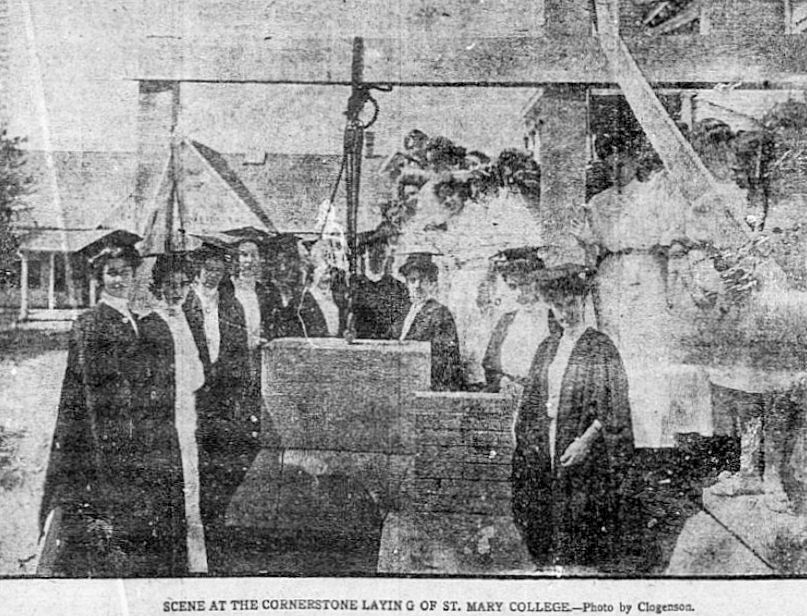
st-marys_cornerstone_dmn_092907-clogensonLaying the cornerstone for the chapel, Dallas Morning News, Sept. 29, 1907

*

st-marys-college_ebay

*

st-marys-college_postmarked-1909

*

Below, the chapel tower can be seen at the left. It still stands, as part of St. Matthew’s Cathedral (5100 Ross Avenue).

patreon_st-marys-college_c1908

*

As seen from a distance — on the right, from Collett and Junius (more info on this photo from the Flashback Dallas post it originally appeared in, “Munger Place, The Early Days: 1905-1909”):

munger-place-bk_ca-1905_degolyer-lib_SMU_collett-and-junius_2

*

st-marys-college-ebay

*

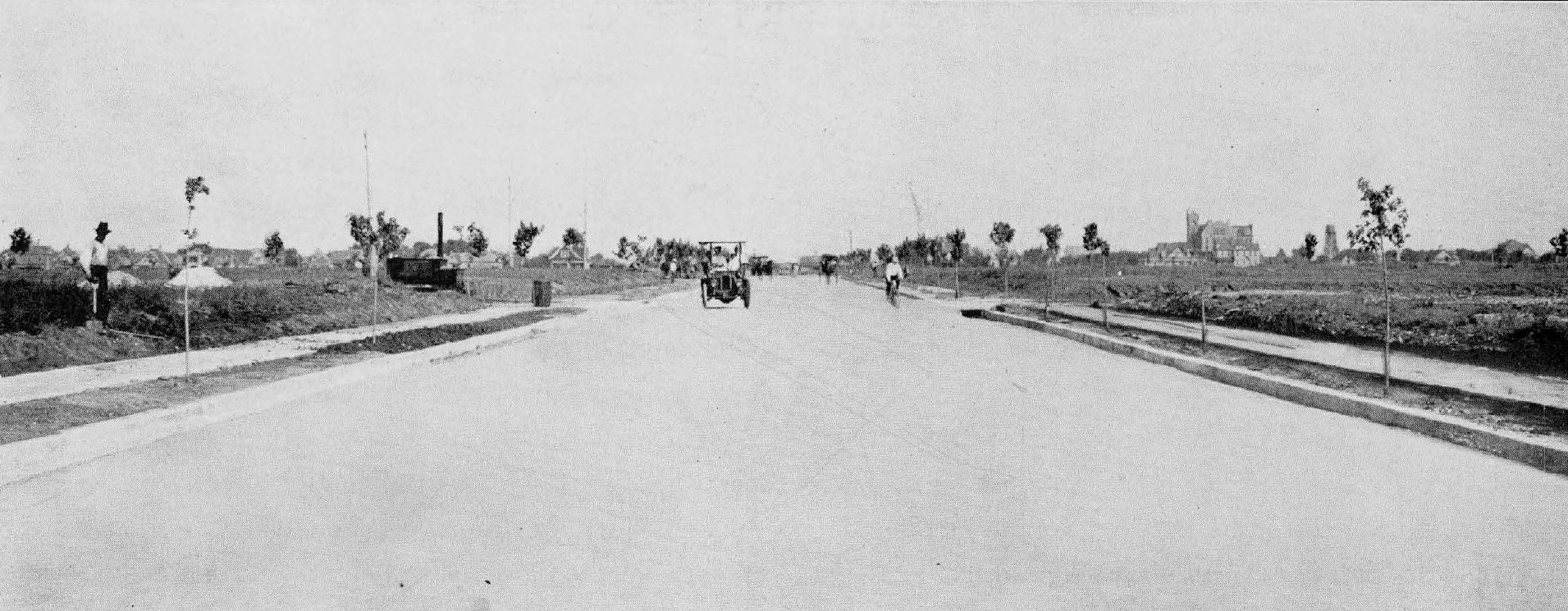
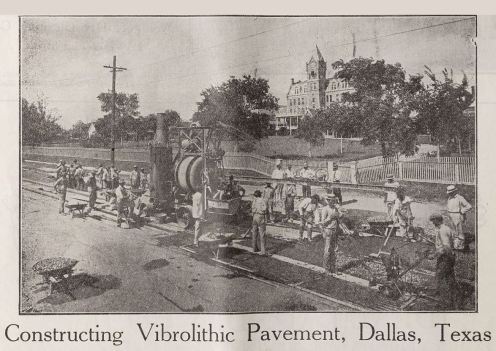
St. Mary’s appeared in an ad for a street-paving company in 1916 (from the original post here):

street-construction_vibrolithic-pavement_SFOT-booklet_1916_SMU_st-marys

*

st-marys-college_dallas-rediscovered_DHSDallas Historical Society

***

Sources & Notes

Top photo by Frank Rogers, taken some time after 1911. Found on eBay. Originally used in a Patreon post, “The Girls of St. Mary’s.”

Last photo from the Dallas Historical Society, found in the book Dallas Rediscovered by William L. McDonald.

Unless otherwise noted, most other images/postcards found on eBay.

Please consider supporting me on Patreon, where for as little as $5 a month, you can get daily Flashback Dallas posts! (You can follow for free, but only a small handful of posts are “public.”)

st-marys-college_girl-athletes_frank-rogers_post-1911_ebay_det

*

Copyright © 2024 Paula Bosse. All Rights Reserved.

Some-Context Channel 8 Screenshots: 1971

lady mailman june 1971 WFAAWFAA Collection/Jones Film Collection/SMU

by Paula Bosse

I have been working as part of a 3-person team (led by Jeremy Spracklen and Scott Martin) on the WFAA archive of news film, housed in the G. William Jones Film and Video Collection at the Hamon Arts Library at SMU. I have been working on 1970 and 1971, going through daily footage shot for Channel 8 News. I get a bit bogged down by all the sports and car crashes, but at this point, I am so all-consumed by these two specific years that I feel I would do well on Jeopardy if the categories were things like “Minor League DFW Hockey Teams of the Early ’70s,” “Internecine Squabbles of the Dallas City Council, the Dallas School Board, and the Dallas County Commissioners Court,” and “So What’s the Deal with the Sharpstown Scandal?” My 2023 has been spent immersed in 1971, where the chaos of the implementation of court-ordered school busing, the huge securities fraud scandal that involved some very powerful Texas politicians (Sharpstown), and the battle between Craig Morton and Roger Staubach to become the Cowboys’ #1 quarterback were some of the stories that dominated the headlines. And, lordy, there were some pretty exotic hairstyles, fashions, and interior design trends hammering away relentlessly throughout this post-hippie (it might really still have been current-hippie), pre-disco period.

Here are a few of my favorite moments from this 1971 DFW-centric news footage from the WFAA archives. Links to the pertinent clips on YouTube are included at the end of the descriptions. These clips are rarely the full reports that would have been seen on the nightly news — they are often just silent footage or B-roll, without any identification of people or clues as to where they were filmed or even why they were newsworthy. It’s (mostly) a lot of fun to dig through and watch the unfolding of history from more than 50 years in the future.

**

Above, from JUNE 1971

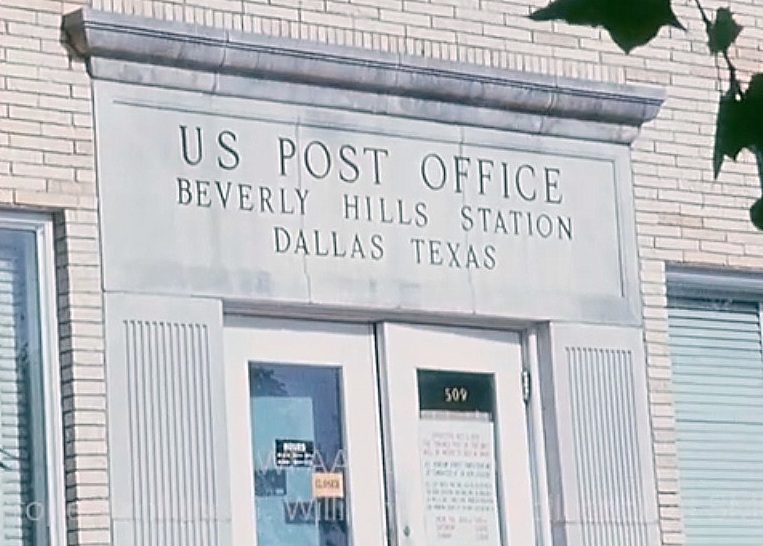
One of my favorite human-interest stories from the past year (meaning 1971!) was the profile of one of the few “lady mailmen” in Dallas at the time. She’s utterly, utterly charming, has a supportive and interesting husband and family, and loves her job. The Channel 8 cameraman shows her as she sorts her mail in the Beverly Hills Station post office in Oak Cliff and follows her as she walks along her route on West Davis. The only problem with this 7 minutes of interesting footage is that the woman is never identified. I dove in, really wanting to identify her. I thought I had cracked the mystery of her identity, only to find myself at a dead end again. If only her children could see this wonderful profile of their mother. If you know who this woman is, please let me know, and we’ll add her name to the YouTube description and try to track down any family members. I would LOVE her children to be able to see this.

The “lady mailman” is interviewed here (this first bit is in three short segments, totaling 4 minutes); a later clip shows her on her route, here (about 3 minutes). The old post office building still stands at 509 N. Barnett.
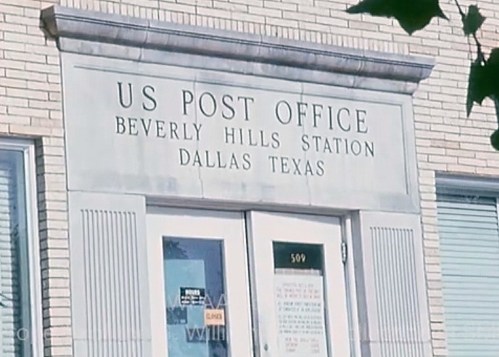
lady mailman june 1971 WFAA_beverly hills post office

*

JANUARY 1971

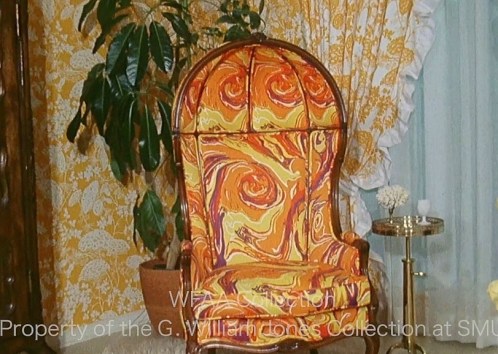
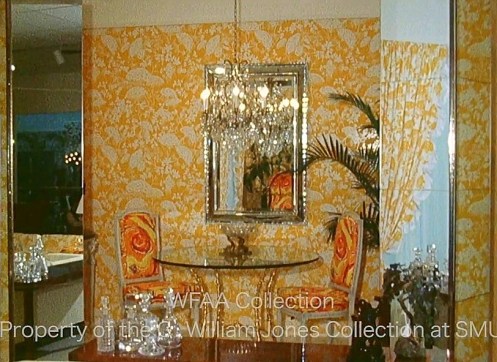
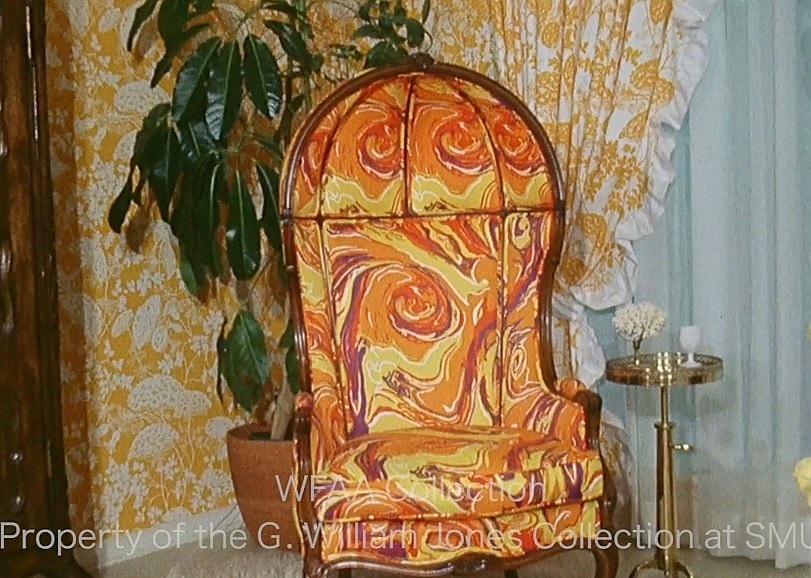
So, yeah, fashion and interior design trends were pretty… in-your-face in 1971. In the three screenshots below, you’ll see some retina-abusing images of with-it decor. The first features the always beautiful Phyllis George, the Denton native who was in the midst of her Miss America reign. In this clip, she has come back home to DFW for an appearance at an event in which a room designed with her in mind is unveiled (by decorators C. John Megna and William Farrington). She is wearing a dress designed by Carlo Bitetto specifically for her to wear IN THAT ROOM (!). You don’t often see sparkles and plaid cheek-by-jowl.

The clip with the super-color-saturated room and its battling patterns is here.
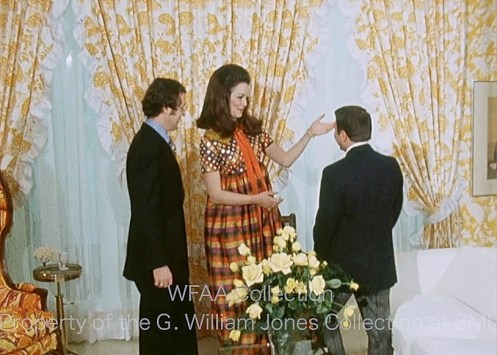
phyllis-george-room_jan-1971_c

phyllis-george-room_jan-1971_b

phyllis-george-room_jan-1971_a

*

FEBRUARY 25, 1971

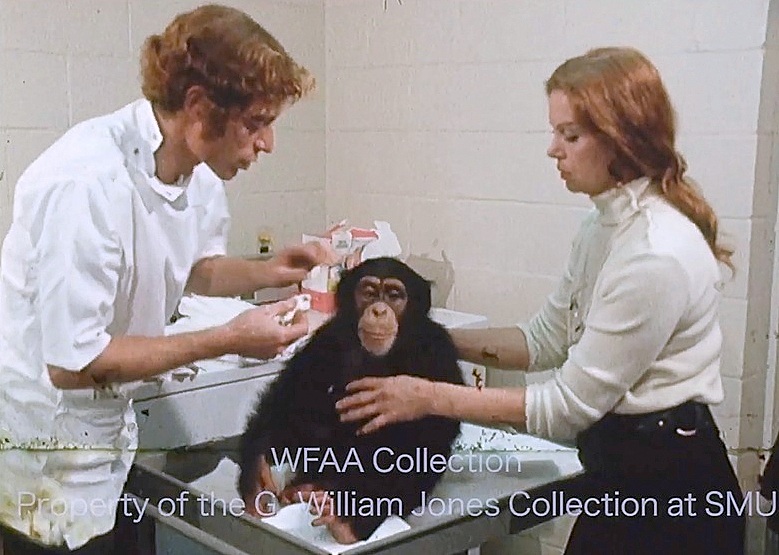
Before Lion Country Safari, Mesquite had World of Animals, a drive-thru safari park. World of Animals had a wild-animal veterinarian who visited regularly from California: Dr. Martin Dinnes. Below, Dinnes is seen providing dental care to popular attraction Harold the Chimp. This is not really something I expected to see, but there you are. (Dinnes was later engaged to actress and wildlife preservation activist Tippi Hedren for several years.)

The clips of Dinnes being interviewed and preparing Harold for a tooth extraction (and I grimaced a bit, because the camera keeps rolling during the procedure, so be warned!) are here and here. (The last clip has a shot of Harold’s hand, which, understandably, appears to be gripping the chair.) That is one well-behaved, chill chimp!
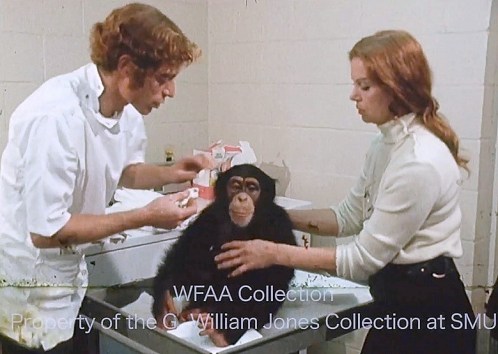
dinnes-martin_harold-chimp_022571_WFAA

*

MAY 18, 1971

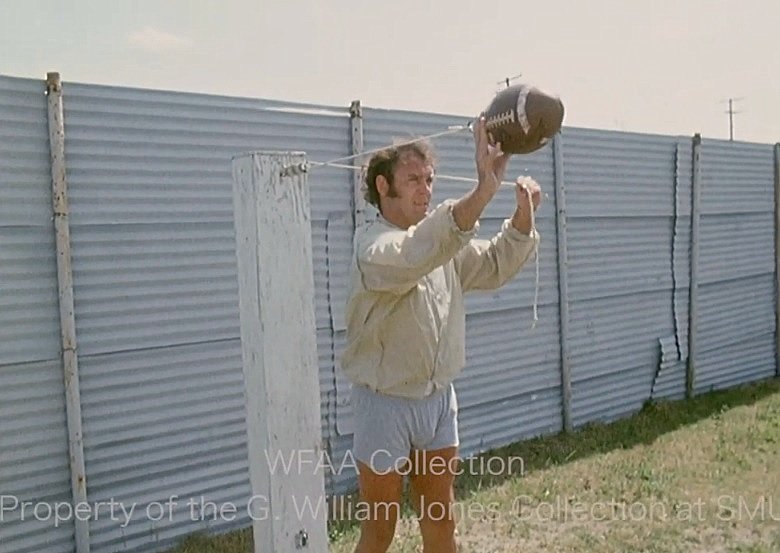
In 1971, there was an ongoing battle between old quarterback Craig Morton and NKOTB Roger Staubach over who would be named the team’s official starting QB. Coach Tom Landry worked for months with a two-quarterback system, alternating them from game to game — he was fine with this, but everyone else hated it. Below are screenshots of Morton and Staubach at the Cowboys practice field. I know virtually nothing about sports training, but this, um, extremely low-tech gadget struck me as weird. And funny. I mean, okay, it was 1971, but surely there was something more technologically advanced than this? It’s a football on a string, tied to a post. And maybe there’s a spring or something in there. This must have been effective. Rog looks like he’s straining. I don’t know. But I love it.

See Craig in an interview with Verne Lundquist from May 18, 1971 about his elbow and shoulder injuries here, and then using the football-on-a-string thing (and then training with Staubach) here; and see Roger interviewed on the same day about really, really wanting to be the starting QB here, and then he hits the string thing here before working out with Morton in what must have been a fairly tense period of both of their careers.
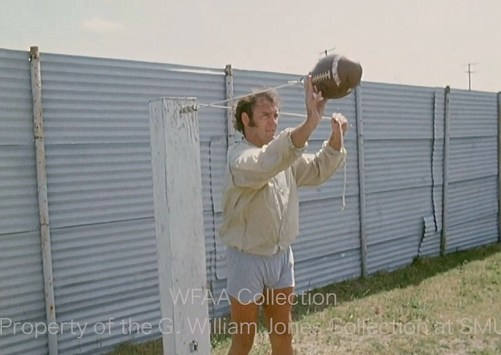
morton-string_WFAA_may-18-1971

staubach-string_WFAA_may-1971

*

JUNE 1971

Medical examiners used to be on the news a lot. One who popped up frequently was Tarrant County M.E. Dr. Feliks Gwozdz. I was amused more than I should have been when I saw the skull-and-crossbones coffee mug on his desk. I hope it said “World’s Greatest Coroner!” on the back.

The silent footage of Dr. Gwozdz at his desk is here.

skull-crossbones_feliks-gwozdz_june-1971

*

JULY 14, 1971

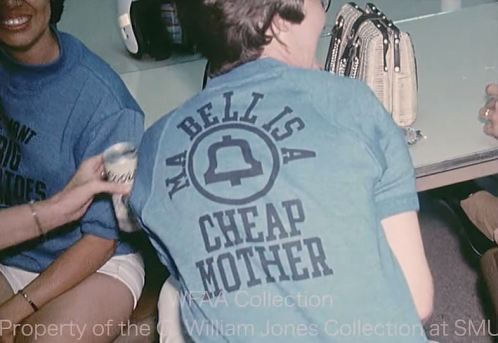
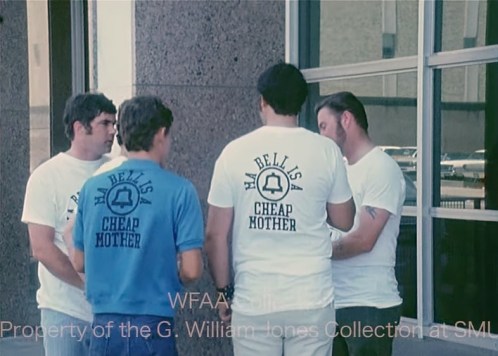
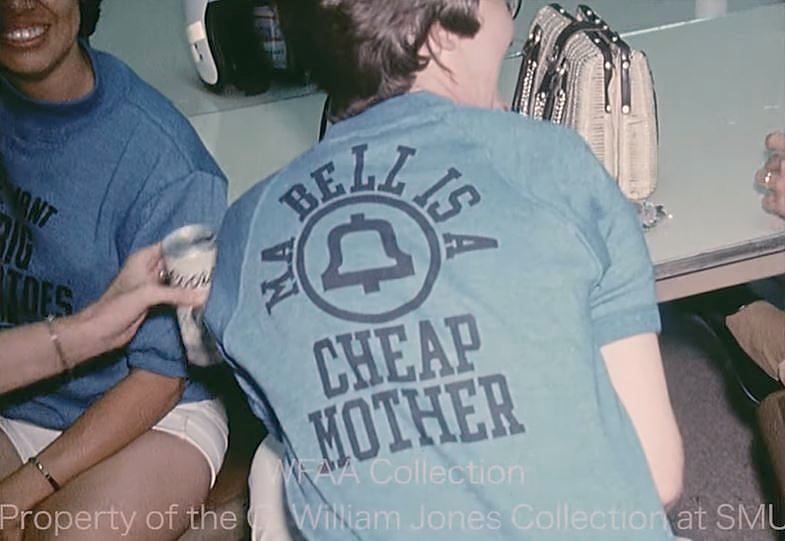
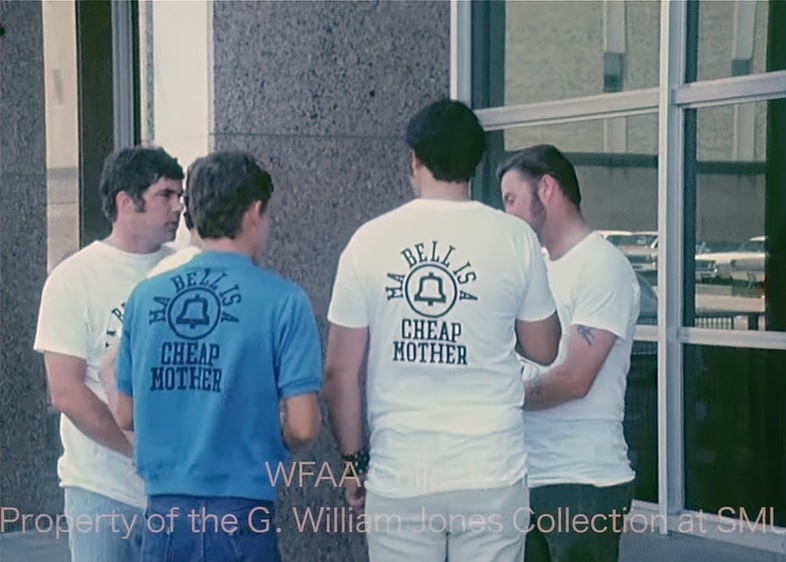
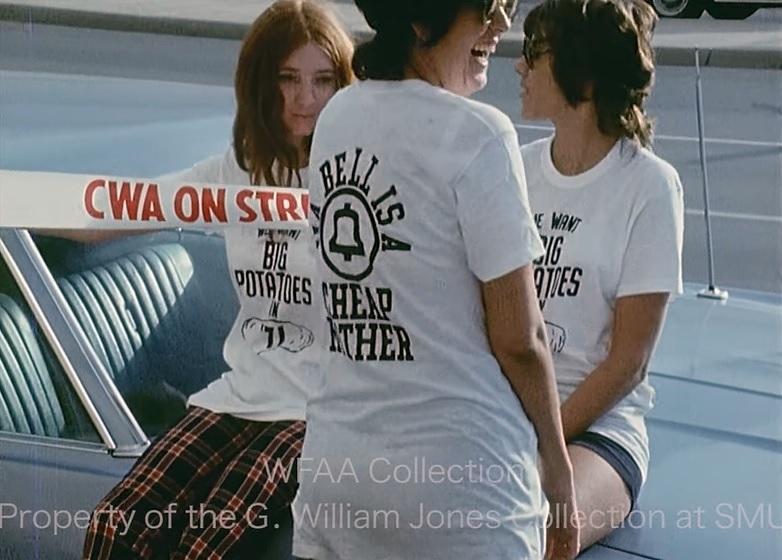
Back in 1971 there was what seemed like the threat of a union strike every 10 minutes. I enjoyed the footage of a bunch of Southwestern Bell employees who look like they were probably a lot of fun to hang out with. Their t-shirts read “Ma Bell Is a Cheap Mother,” which is just great.

Strike footage is here (about 2½ minutes) and here.

SWB-strike_july-14-1971_big potatoes

SWB-strike_july-14-1971_ma bell is a cheap mother

SWB-strike_july-14-1971_WFAA

*

JULY 1971

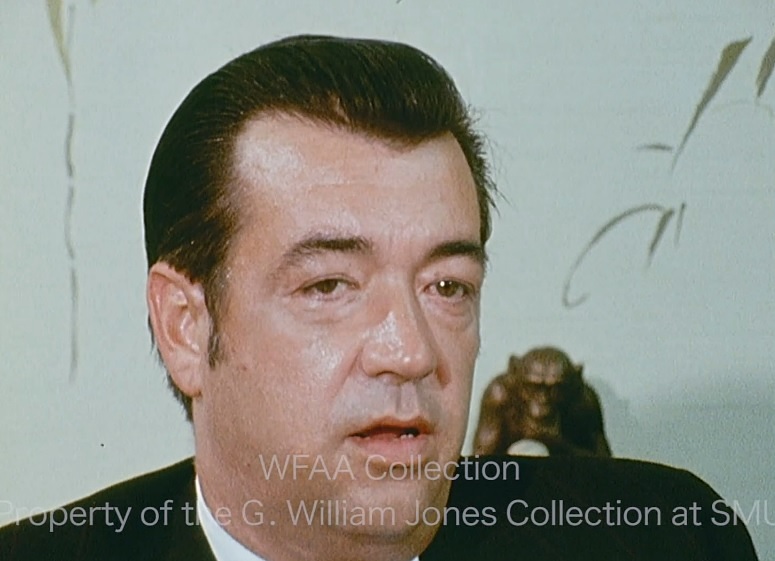
One of the top stories of 1971 was the endless furor set off by court-mandated school busing in attempts to desegregate schools. It was a mess. The man seen below is attorney Bill Brice, a leader of one of the many anti-busing groups. …Surely the cameraman noticed the monkey.

Man with monkey can be seen here.

anti-busing_bill-brice_monkey_WFAA_july-8-9-1971

*

AUGUST 29, 1971

When the Dallas School Board and Supt. Nolan Estes weren’t pulling their hair out over desegregation, they tackled other issues. One of which was so overshadowed by anti-busing demonstrations that it barely got any play, but I find it really interesting. It concerned Crozier Tech High School downtown. At the end of the 1970-71 school year, the landmark school was closed, and there was lots of discussion on what the DISD should do with the building/land, which they owned (2218 Bryan). This press conference was supposed to be about Estes’ vision of a 40-story school-office complex, which he suggested be built on the land — the first 10 floors would be for school use, and the top 30 floors would be leased to businesses as office space, with leases, theoretically, paying for construction and maintenance of the building. The building was never built (and thankfully, old Tech still stands). School board president John Plath Green and Supt. Estes sit in front of an architectural drawing of the envisioned DISD skyscraper. Too bad no one wanted to talk about it.

Footage from the press conference where reporters only want to ask about busing, is here.
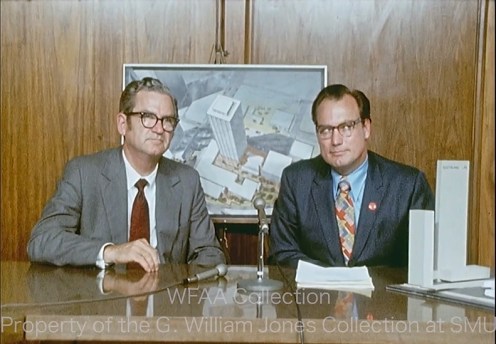
super-school_DISD_crozier-tech_DMN_082971_WFAA_SMU

*

SEPTEMBER 23, 1971

The Sharpstown Scandal was a bigger story than busing, but, even though political scandals are juicy, it just didn’t get everyday people mobilizing, marching in the streets, and shouting each other down in public forums the way busing did. But it was a massive story, and several political careers bit the dust because of it. The sprawling and confusing securities-fraud scandal mostly involved drab politicians and business executives. But one part of it involved, bizarrely, six celebrated — if not beloved — NASA astronauts and an insurance company pension fund.

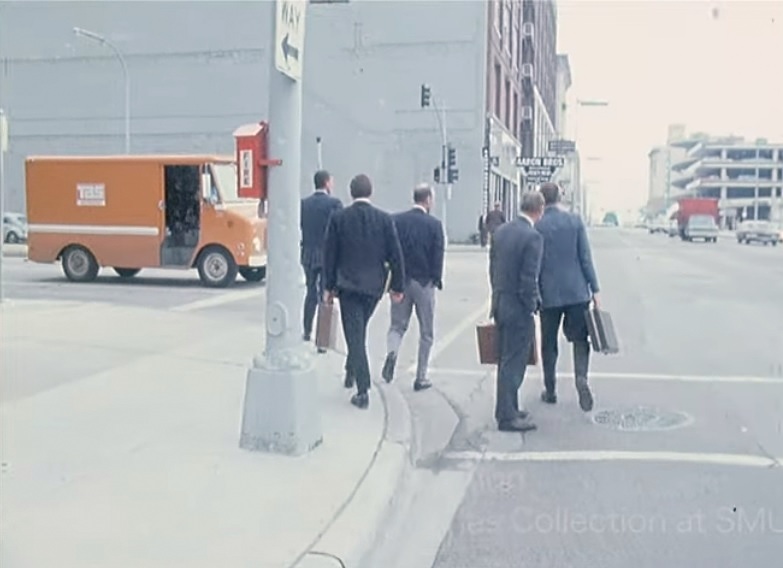
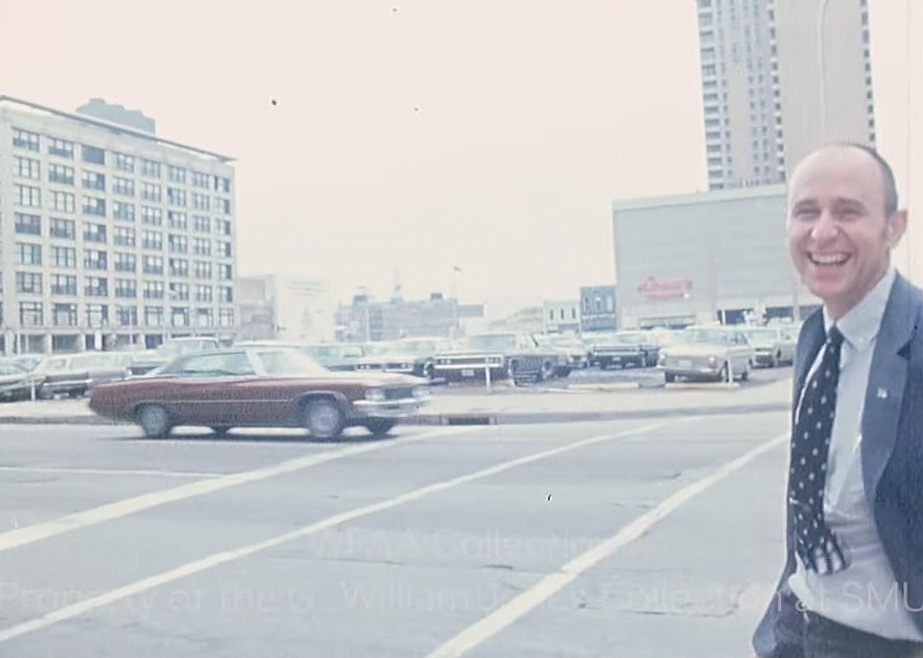
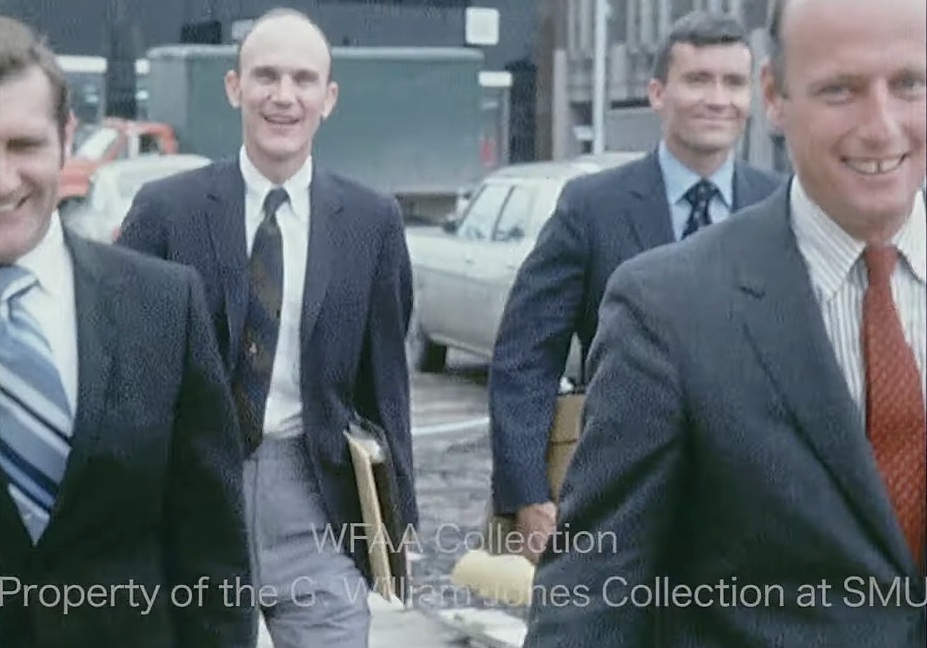
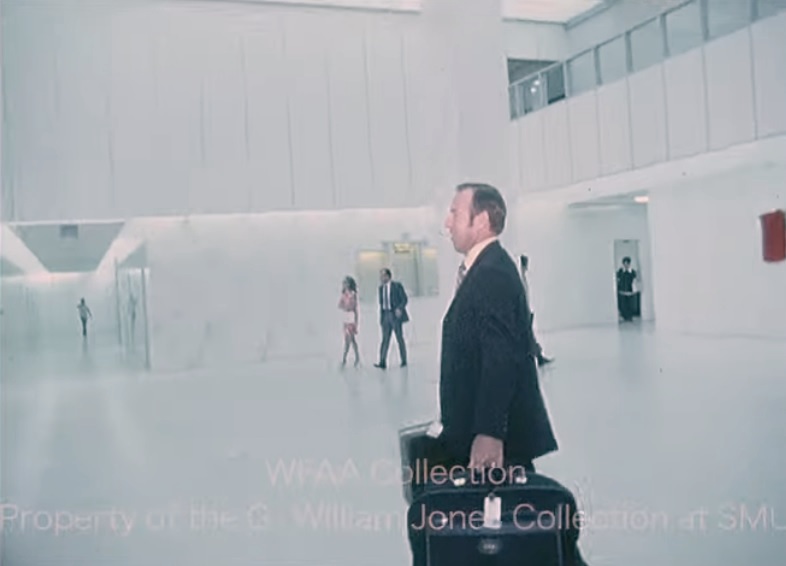
In this Channel 8 footage, you can see something you don’t see every day: five NASA astronauts walking together down the street (a sixth one was nearby, on his own). James Lovell, Pete Conrad, Fred Haise, Ken Mattingly, Richard Gordon, and Alan Bean were in Dallas on Sept. 23, 1971 to testify as witnesses before a federal grand jury that was investigating the activities surrounding the Sharpstown Scandal. These are screenshots of the five (minus Lovell), carrying briefcases through grubby downtown Dallas, and of Lovell on his own, exiting the Federal Court House. When I first watched this footage, it just seemed really odd: five internationally (galactically!) famous astronauts — heroes! — walking together down the street, without any kind of security or entourage. If you were a NASA freak (and there were a lot back then, at the height of the Apollo-Gemini programs) and you just happened to have walked past this group, your head would have exploded.

See Lovell exiting the sterile- and dystopian-looking courthouse on his own (that woman he holds the door open for has no idea who he is), and the others walking somewhat playfully down the street here (I love this footage!); a confusing wrap-up of the day’s events is here.
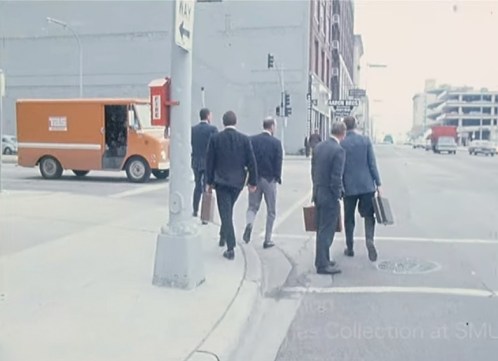
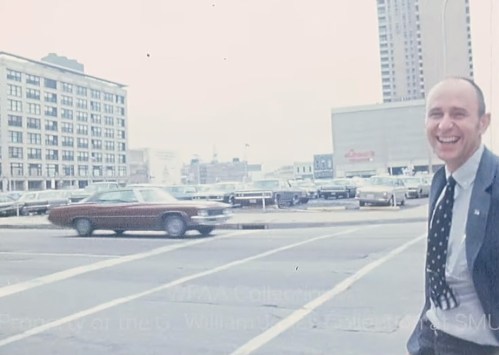
astronauts_WFAA_SMU_sept-23-1971

astronauts_WFAA_SMU_sept-23-1971_1

astronauts_WFAA_SMU_sept-23-1971_2

astronauts_WFAA_SMU_sept-23-1971_c

*

OCTOBER 14, 1971

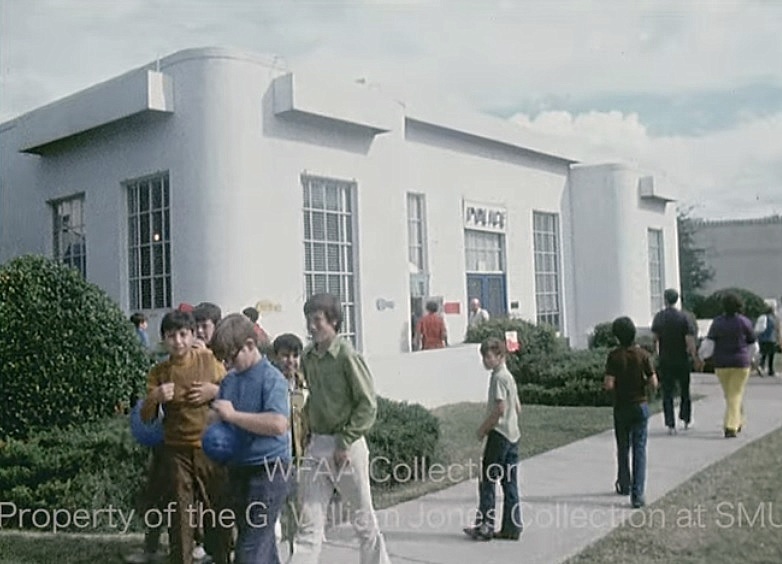
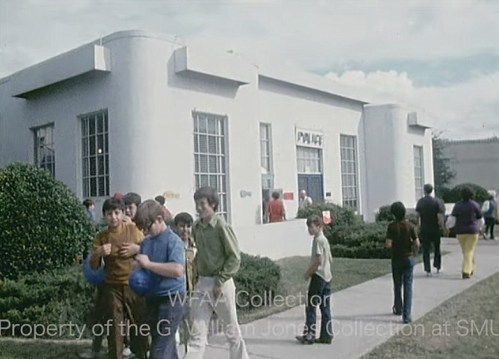
In footage from the State Fair of Texas, I was really taken by this building, which I swore I had never seen. It was the home of the “lost children” center during the fair, in the Dallas police HQ in Fair Park. It looks different to me now, but it’s still there, near the Aquarium. It looked better in 1971!

Lots of footage of crying children and harried parents, here and here.
fair-park_sfot_lost-kids_101471_WFAA_SMU

*

OCTOBER 1971

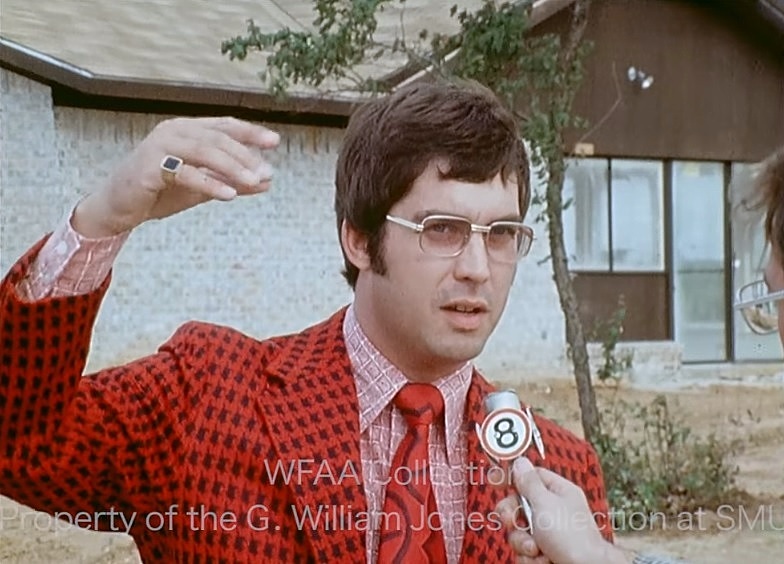
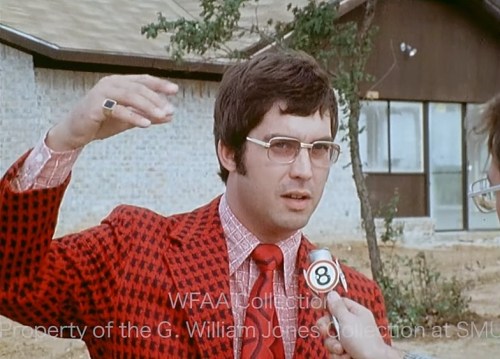
This young dandy is named John Ott (I’m not 100% sure about the spelling). He was a real estate developer in Euless. He couldn’t have been more on top of the 1971 fashion wave. Represent, Euless!

It’s a story about replanting trees (with, admittedly, interesting footage of trees being uprooted and replanted). Here and here.
developer_john-ott_euless_oct-29-30-1971_WFAA_SMU

*

OCTOBER 31, 1971

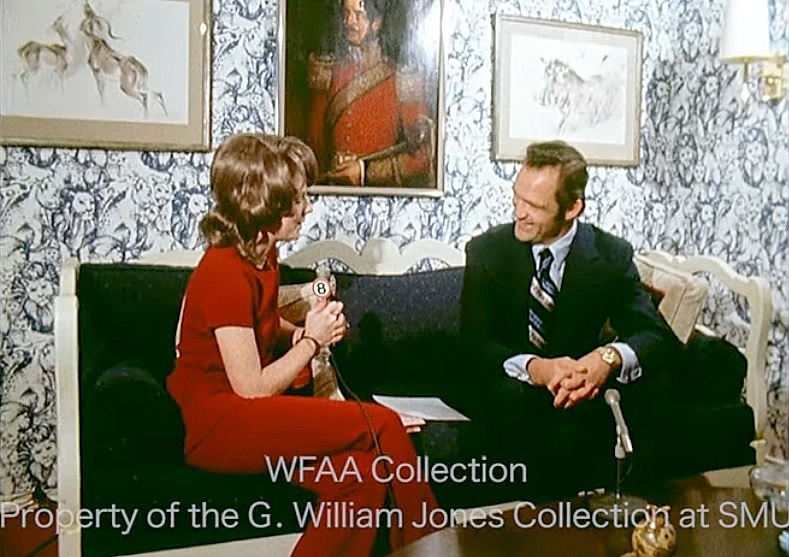
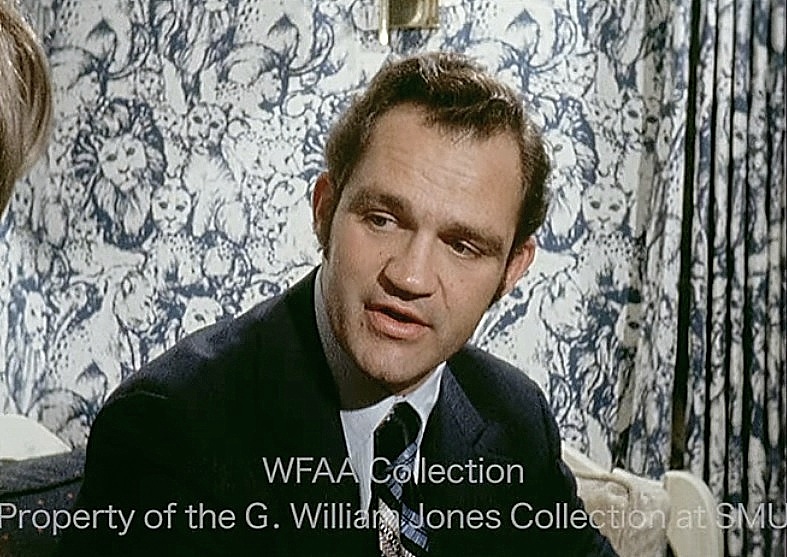
In the screenshots below, Channel 8 reporter Judi Hanna (who had recently debuted an unfortunate hairdo) interviews Dallas City Councilman Garry Weber about City Council things. I don’t know where this was filmed, but I only hope it wasn’t his home. It’s hard to focus on what anyone is saying, because of the tidal wave of stuff coming at you. (Ironically, he was being interviewed about sponsoring a change to the city charter in order to crack down on the “visual pollution” of unenforced sign ordinances.) I was so overwhelmed by this vista, that I somehow assumed I was seeing cupid-studded wallpaper. But no. Check out the second screenshot, which also includes a peek at the room’s drapes. I can’t tell where the wallpaper ends and the drapes begin.

Appropriately shown on Halloween night, clips from this report are here (followed by footage of signs-galore along Lemmon Avenue) and here.

weber-garry_WFAA_SMU_oct-31-1971_wide

weber-garry_WFAA_SMU_oct-31-1971_drapes

*

OCTOBER 1971

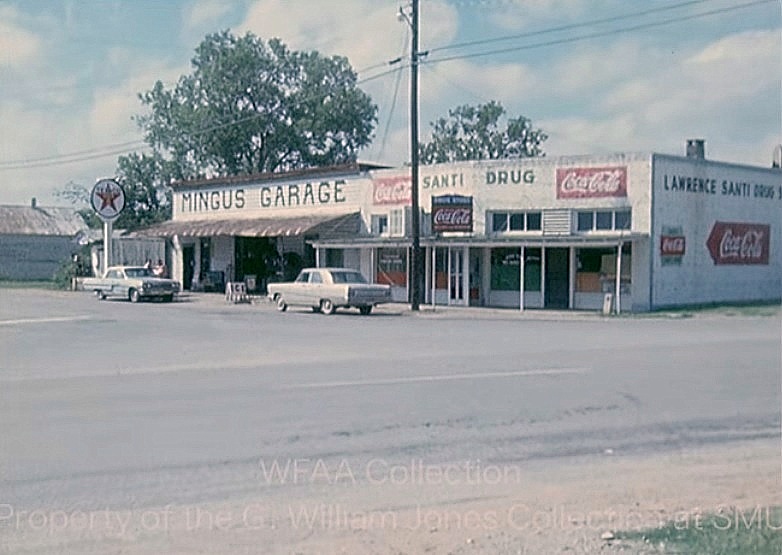
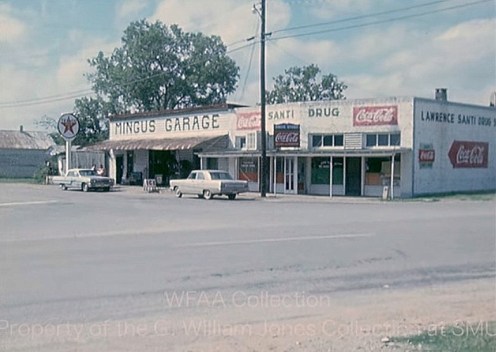
Lastly, a shot of Mingus, Texas, a small West Texas town near Thurber. I just love this image. I think I found the location — here’s what it looks like now.

Why was the tiny town of MIngus being featured on a Dallas news report? The Greater Mingus-Thurber Metropolitan Area was in the news because it was the location of a commune of the controversial Children of God (i.e. “cult”). Actually, the “Children” were in the process of being evicted by the landowner, who, interestingly, was a TV preacher in Los Angeles (I guess even TV evangelists have a breaking point). Members of this group splintered, and a few moved to Big D for a while, where they continued to be newsworthy until they moved elsewhere.

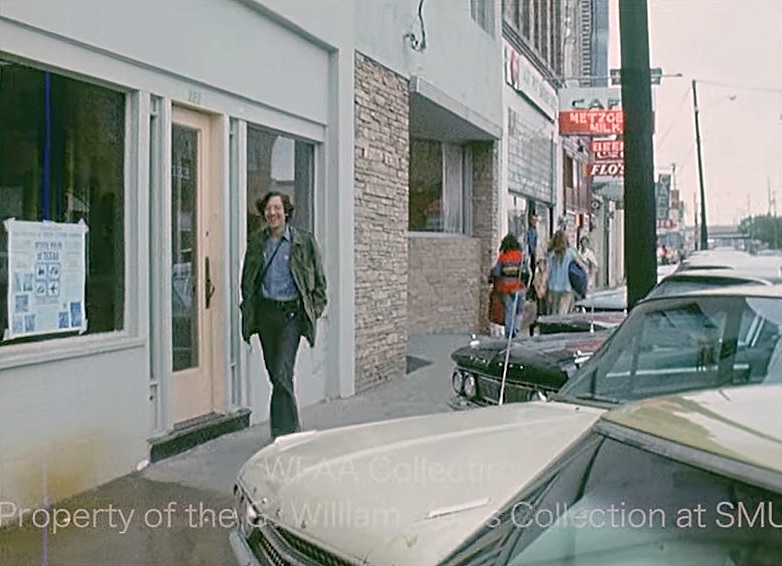
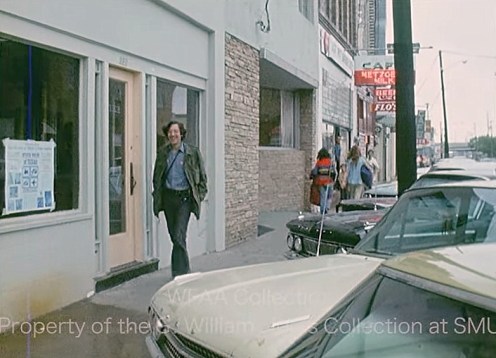
The shot of Mingus is from one of the many clips contained in this Oct. 7 package, here (it is specifically at the 1:08 mark). Below that is a shot from a week later, after some of the self-described “Jesus Freaks” had landed in Dallas — a group member is seen walking through Exposition Park to their new HQ, at 639½ Exposition — it and other CoG footage from Oct. 14, 1971 is here (this specific shot is seen at the 17:18 mark). (If you are considering a documentary on the Children of God, there’s lots of footage for you in the WFAA archives at SMU.)
mingus_WFAA_SMU_100771

children-of-god_expo-park_WFAA_SMU_oct-14-1971

*

AUGUST 1971

This is a bonus.

As I worked my way through 1971, there was one truly amazing story. It involved the kidnapping of a toddler in Fort Worth. On Aug. 25, 1971, 21-month-old Melissa Suzanne Highsmith disappeared. Her 22-year-old mother, Alta, had hired a new babysitter, who was supposed to watch her for the day while Alta was at work. The babysitter picked Melissa up in the morning as planned, but she never returned the child. The babysitter and Melissa disappeared without a trace. There were no leads in the case for years. …And YEARS.

In 2022, the Highsmith family learned of an online DNA match, which would indicate they had found Melissa. Eventually, it was determined that a 50-something-year-old woman named “Melanie” was actually the long-missing Melissa. The woman who kidnapped her raised her as her own daughter, and Melissa never suspected she wasn’t the woman’s child (although she says she never felt really “connected” to her).

Melissa (she now uses “Melissa” again) was reunited with her family at the end of 2022. One report I read said that she grew up only 10 minutes from the Fort Worth apartment her mother lived in. Despite the Highsmith family’s 51 years of loss, grief, worry, and suffering, there has ultimately been a happy ending!

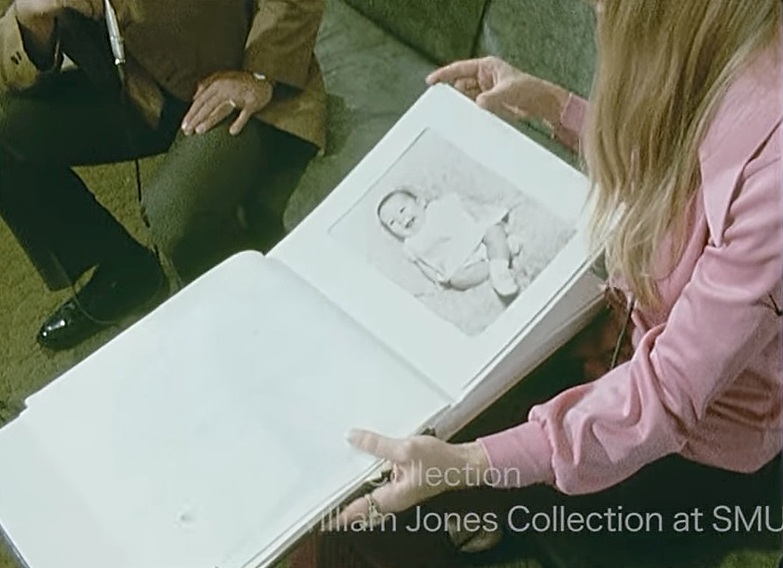
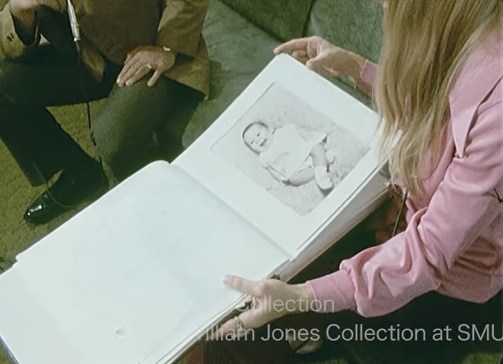
In the screenshot below from an Aug. 26, 1971 Channel 8 story, Alta Highsmith shows a photo of her missing daughter to the camera. The report is here.
kidnapping_highsmith_WFAA_SMU_aug-26-1971

**

If you managed to get all the way through this, you deserve an award! This might be the longest thing I’ve written all year! I’m more than ready for my 1971 Jeopardy challenge (Dallas edition)!

***

Sources & Notes

All screenshots are from news film in the WFAA Collection, held by the G. William Jones Film & Video Collection, Hamon Arts Library, SMU. Clips are posted regularly from this Channel 8 collection on YouTube, here.

My previous collection of WFAA screenshots can be found in the post “No-Context Channel 8 Screenshots: 1970-1971.”

lady mailman june 1971 WFAA_sm

*

Copyright © 2023 Paula Bosse. All Rights Reserved.

Dads’ Day at Hockaday — 1947

hockaday_dads-day_life-mag_cornell-capa_1947_cokesMid-day snack in Lower Greenville

by Paula Bosse

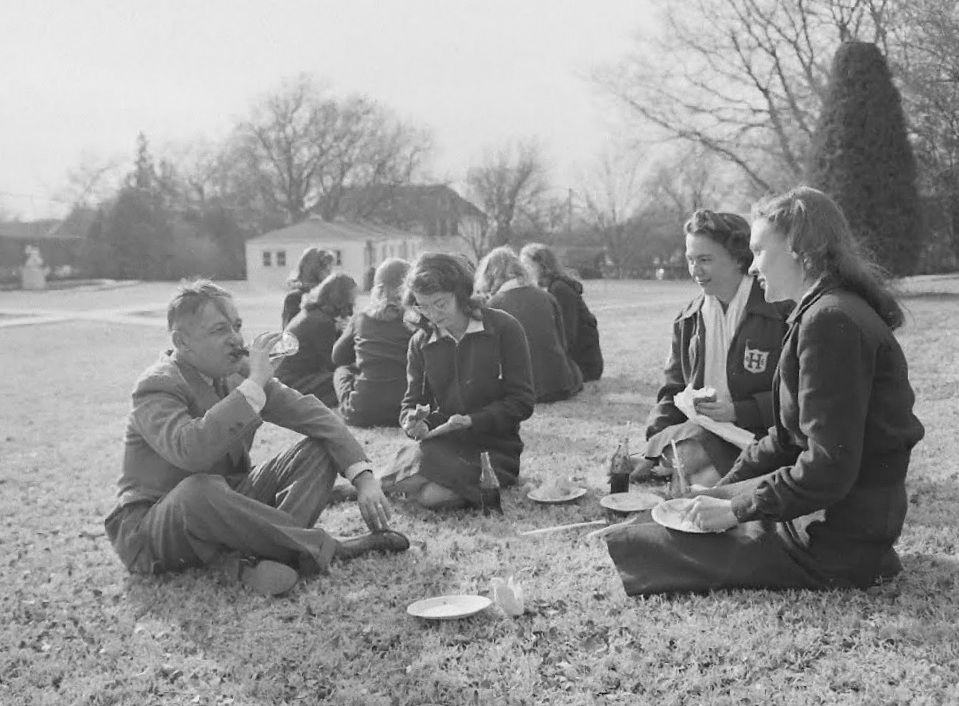
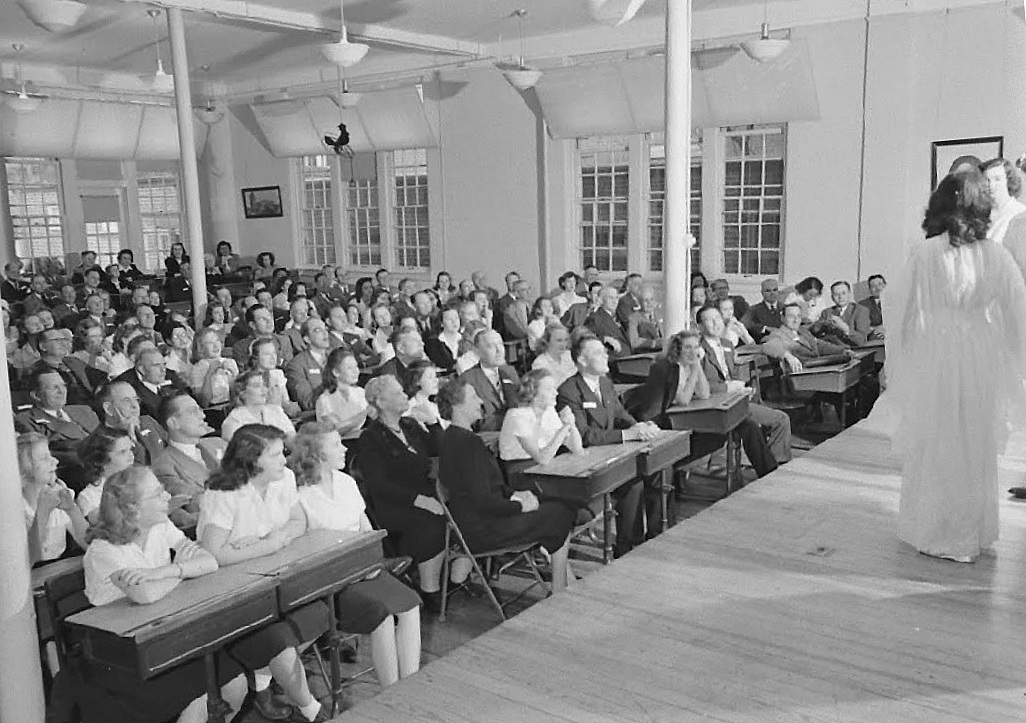
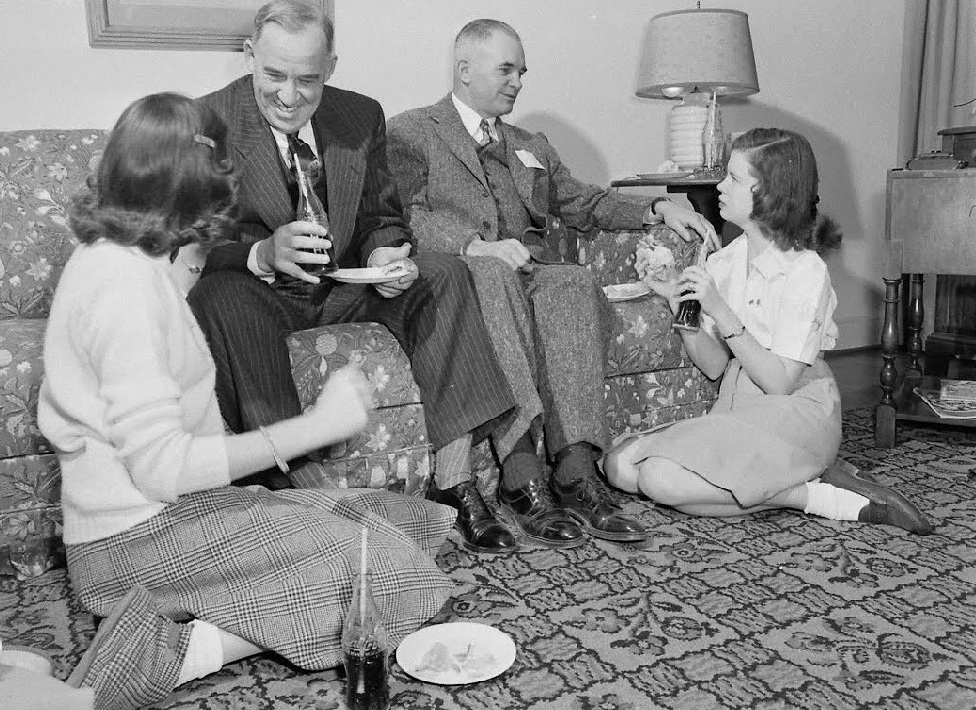
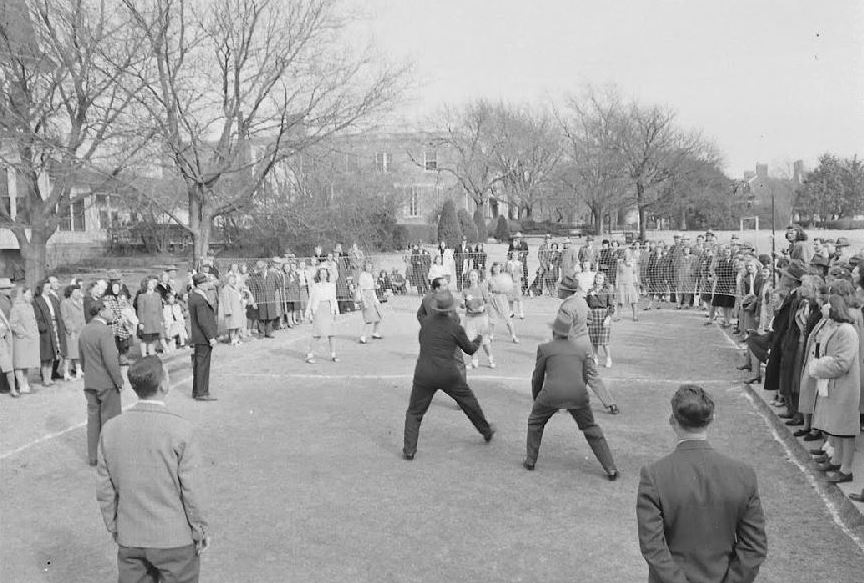
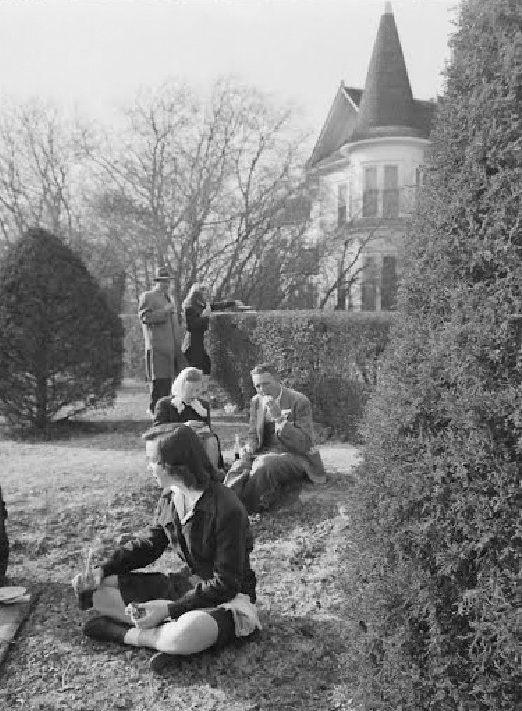
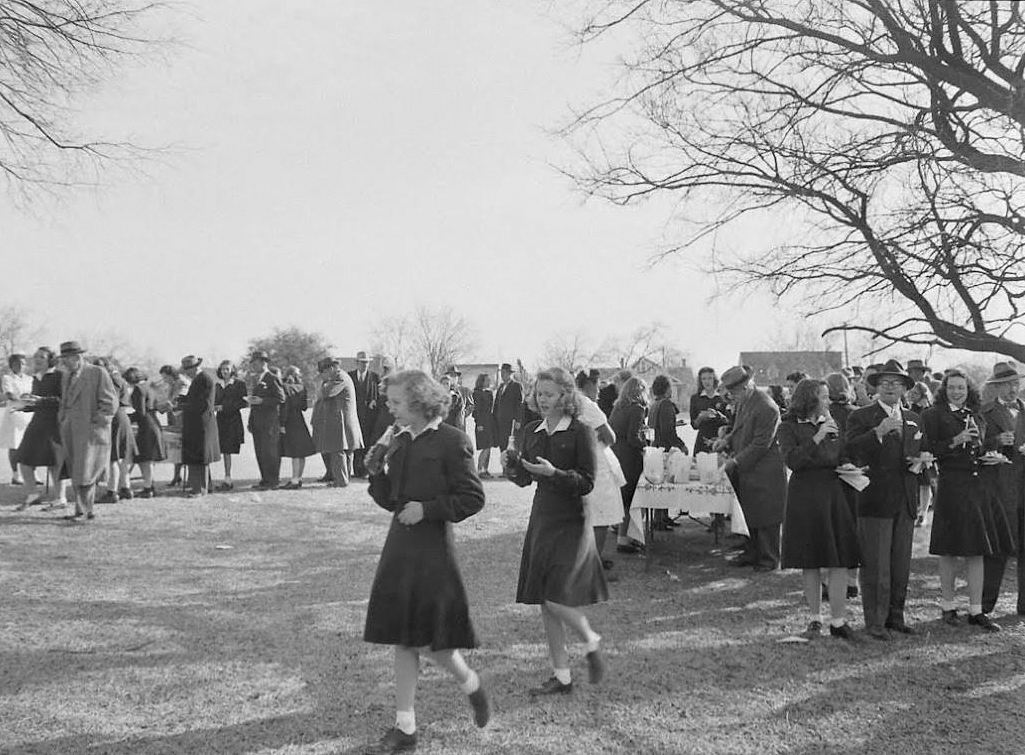
“Dads’ Day” at the Hockaday School for Girls, was a big thing. In this annual celebration, fathers (many of whom traveled from other states) would spend a few hours on the campus with their daughters, attend special programs and performances, visit classrooms, engage in friendly sporting matches against their daughters (volleyball, softball, kickball), and enjoy refreshments. In 1947, there was an al fresco Coke and hamburger lunch. But the big event was that night: a formal dinner in the Crystal Ballroom of the Baker Hotel. And, luckily for us, the Dads’ Day festivities of February 1947 were captured by Life magazine photographer Cornell Capa. A few of the photos appeared in the March 10, 1947 issue, in the story “Dad Has His Day; Texas Schoolgirls Invite Fathers to Come and Be Dates for a Day.” This Dads’ Day story even got the cover. Below are photos by Capa which weren’t used in the story.

*

Dads watching one of several presentations in their honor:

hockaday_dads-day_life-mag_cornell-capa_1947_performance

*

Sitting in a classroom. I don’t know who this girl is, but I love this photo of her. (If readers recognize any of the people in these photographs, please comment below.)

hockaday_dads-day_life-mag_cornell-capa_1947_desk

*

Hangin’ with the girls, enjoying refreshments:

hockaday_dads-day_life-mag_cornell-capa_1947_indoors_cokes

*

Volleyballing with hats on (I love this photo!):

hockaday_dads-day_life-mag_cornell-capa_1947_game

*

Enjoying more refreshments (lotta Coke at Hockaday…). (Note Bosque Bonita in the background, the property’s original house, Greenville and Belmont. Read more here.)

hockaday_dads-day_life-mag_cornell-capa_1947_bosque-bonita

*

More refreshments on a chilly February day:

hockaday_dads-day_life-mag_cornell-capa_1947_lunch

*

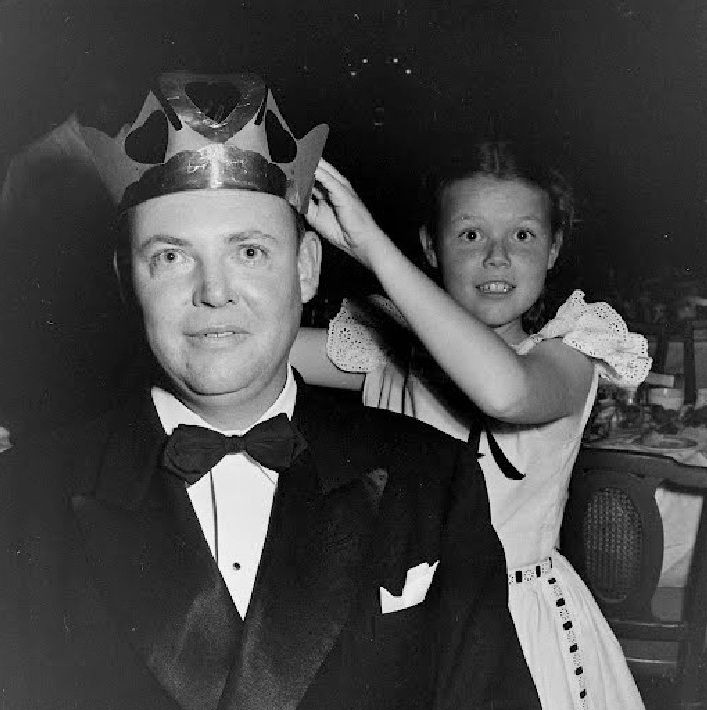
Girls who attended Hockaday as a boarding school, in a dorm, making the paper crowns which fathers will wear at the formal dinner at the Baker Hotel:

hockaday_dads-day_life-mag_cornell-capa_1947_dorm

*

Below, Ann Seidenglanz (whose preparations for this big dinner were captured in the pages of Life — she even made the cover!) places a crown on her father’s head (Charles B. Seidenglanz):

hockaday_dads-day_life-mag_cornell-capa_1947_crown

*

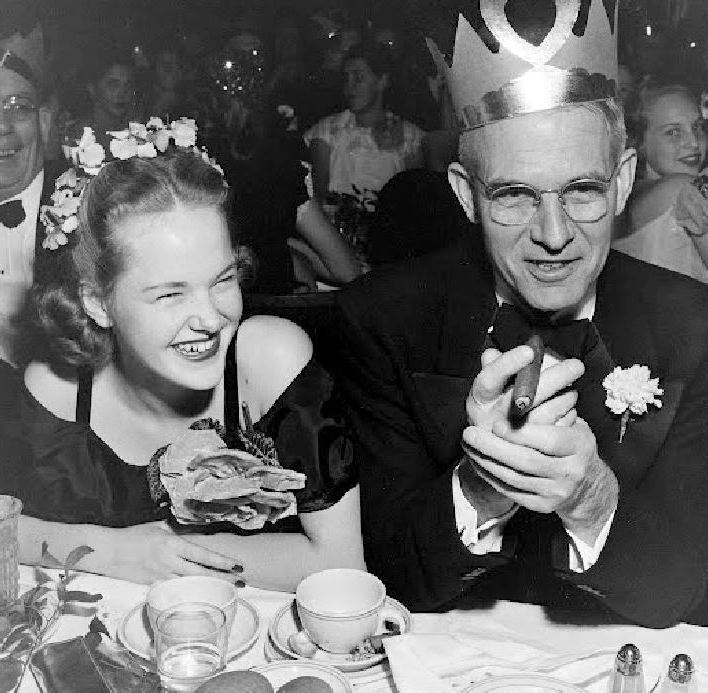
I don’t know who these people are, but I love this photo:

hockaday_dads-day_life-mag_cornell-capa_1947_baker-hotel

*

Jerrie Marcus was accompanied by her father, Stanley Marcus. (Jerrie Marcus Smith died in March of this year. Please check out the book she wrote about her great aunt Carrie Marcus — A Girl Named Carrie: The Visionary Who Created Neiman Marcus and Set the Standard for Fashion.)

hockaday_dads-day_life-mag_cornell-capa_1947_stanley-marcus_daughter - Copy

*

Miss Ela Hockaday, founder of the legendary school and, at the time of this photo, its president emeritus.

hockaday_dads-day_life-mag_cornell-capa_1947_miss-hockaday

***

Sources & Notes

Photos are by Cornell Capa, taken on assignment for Life magazine — none of the photos above appeared in the published article (March 10, 1947). See the published story here; see the photos Capa shot (almost all of which were never published) here. All photos Copyright: ©Time Inc.

hockaday_dads-day_life-mag_cornell-capa_cover_031047

None of the people in the photos above are identified, other than covergirl Ann Seidenglanz. And Stanley Marcus is obviously instantly recognizable to any Dallasite. If you can identify any of the others seen above, I’d be happy to add their names to this post.

Also, check out the lengthy Dallas Morning News story which preceded this Dads’ Day event (with studio photos of several fathers and daughters), in the DMN archives: “News of Women.” DMN, Feb. 9, 1947, Section III, p. 1, 2, 13.

More about the Greenville Avenue-era Hockaday campus can be found in the Flashback Dallas post “Belmont & Greenville: From Caruth Farmland to Hub of Lower Greenville.”

And you are always welcome to follow me on Patreon, where it’s Flashback Dallas every day, for as little as $5 a month.

hockaday_dads-day_life-mag_cornell-capa_1947_cokes_sm

*

Copyright © 2023 Paula Bosse. All Rights Reserved.
The Texettes, The Elite Corps of Texas Stadium Usherettes — 1971

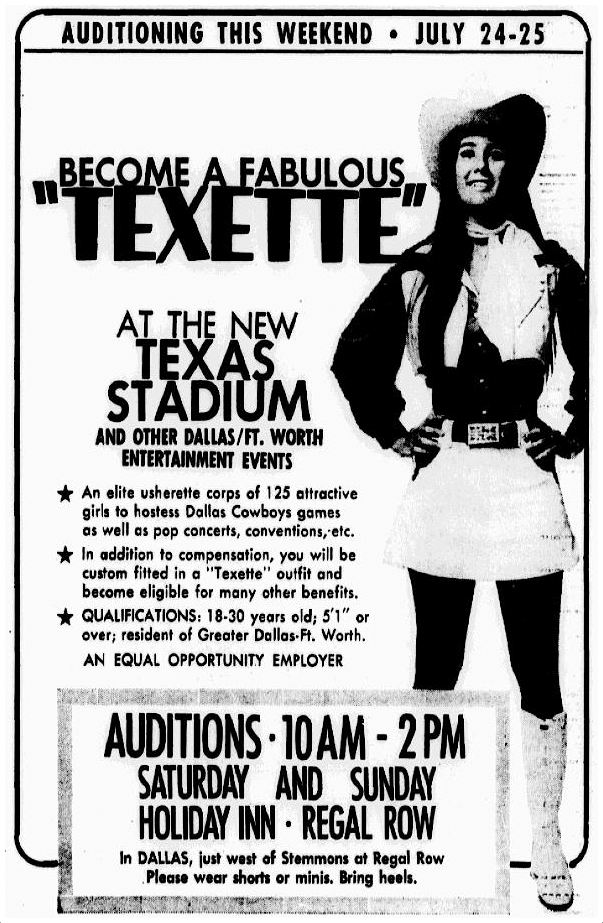
1971_texettes_ad_072171Become a fabulous Texette… (July 1971)

by Paula Bosse

I will never be accused of knowing anything about sports — or even about things that are sports-adjacent — but I’m fairly literate in pop culture, and I am genuinely surprised that, until yesterday, I had never heard of the “Texettes.” I have no idea how long they lasted (for all I know, they’re still around!), but it was from 1971 until at least 1984 (I say 1984 only because there was a classified ad in the The Dallas Morning News announcing Texette auditions in June of that year — but Blackie Sherrod mentions them in what I think is the present tense in a 1989 column, so they might have been around into the ’90s). Seriously, how have I never heard of them? There’s almost nothing about them online, which is weird, because they were around for a significant amount of time.

The ad above, announcing the first-ever Texette auditions, appeared in the Dallas and Fort Worth newspapers on July 21, 1971. The opening of the brand-new Texas Stadium was on the horizon (the first Dallas Cowboys game to be played there was on Oct. 24, 1971), and the huge stadium was going to be 100% unfamiliar to Cowboys fans — they were going to need people to help them find stuff. Here’s where the Texettes came in. They were described as “hostesses” and “usherettes” who wore mini-skirts and go-go boots. Open auditions were held to find 125 Texettes. Hopefuls were advised to wear hotpants or mini-skirts and heels. The only qualifications appear to have been that the “girls” be between the ages of 18 and 30, at least 5’1″, DFW residents, and attractive.

*

BECOME A FABULOUS ‘TEXETTE’ AT THE NEW TEXAS STADIUM
and other Dallas/Ft. Worth entertainment events.

  • An elite usherette corps of 125 attractive girls to hostess Dallas Cowboys games as well as pop concerts, conventions, etc.
  • In addition to compensation, you will be custom fitted in a “Texette” outfit and become eligible for many other benefits.

**

Texettes were “hostesses” who smiled and welcomed people to the stadium, helped fans find their seats, and gave tours. (They also seem to have functioned as something not far removed from cocktail waitresses in the press box.) The first year (1971) they were paid $8 a game (equivalent in today’s money of about $60). They also appeared at various DFW events as sort of all-purpose Chamber-of-Commerce-like greeters with toothy smiles and toned thighs.

Their outfits consisted of white knee-high go-go boots, blue mini-skirts, white blouses, vests, yellow neckerchiefs, and white cowboy hats. They pre-dated the “sexy”-era of Dallas Cowboys Cheerleaders (before the famous cheerleaders we know today, high school students cheered the team on at the Cotton Bowl), but the Texettes’ Western-inspired, drill-team-inspired costumes might have served as a kernel of the inspiration for those of the Dallas Cowboys Cheerleaders. It’s interesting (to me, anyway) that the Texettes and the Cheerleaders existed at the same time for a few years — for quite a while, in fact. Seems like they might cancel each other out. But I guess the Texettes were more cute-girl-next-door cowgirls in the stands, and the cheerleaders were sexy-girl-you’ll-never-be-able-to-talk-to-in-real-life cowgirls on the field.

As I said, I’d never heard of this “elite usherette corps” before yesterday. If anyone knows how long they were a thing, please comment below.

**

I’ve found two bits of film of Texette auditions (both are in the indispensable WFAA archives held by the Jones Film Collection at SMU). The first is from July 1971 (the same audition advertised in the top ad) — it can be seen in Channel 8 footage below (there are two separate clips — at the 19:44 mark and at the 24:26 mark). The report is delivered by a frightened man giving off “Tim Calhoun” vibes.

*

A later report — from 1975 — shows another try-out. The reporter notes that the job has unique perks, like maybe finding a football-player husband or catching the eye of a talent scout. By then, the pay had jumped to $10 an appearance, and there were a lot more applicants.

*

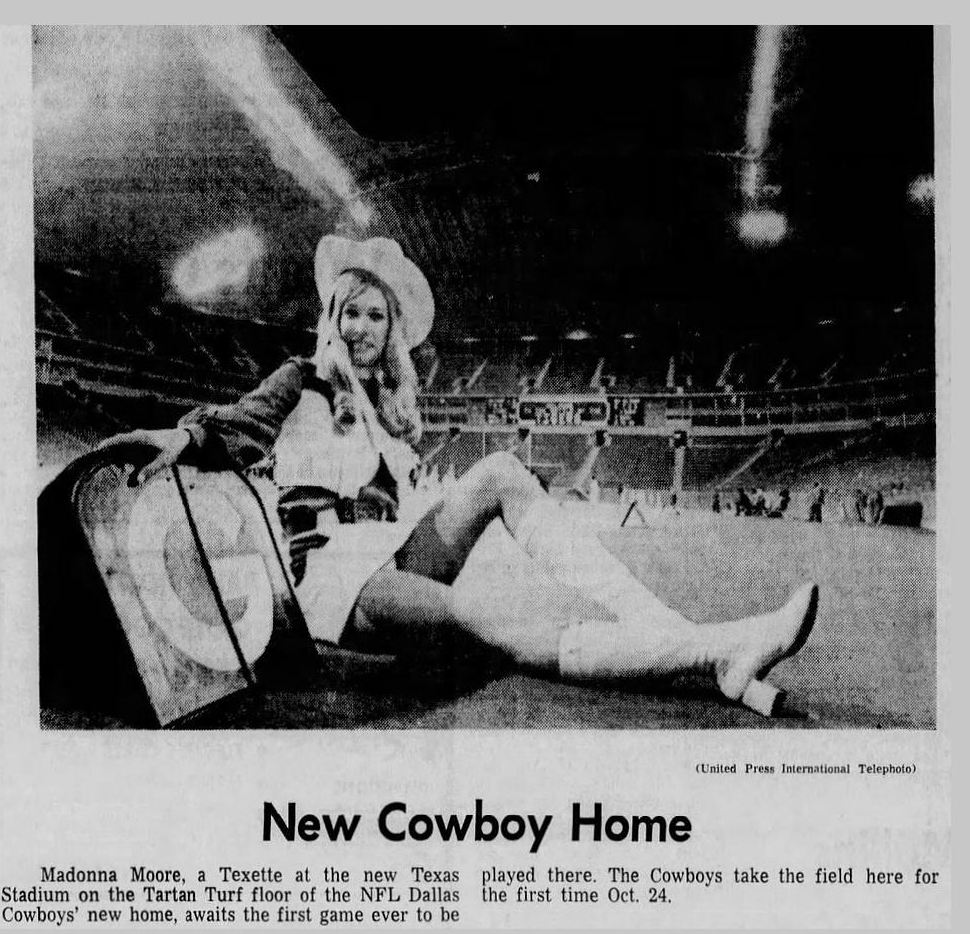
Below, a new Texette (Madonna Moore) on the field at Texas Stadium. This might have been taken on Oct. 15, 1971, the day the very first football game was played there (local team Bishop College lost to Texas Southern University, 34-21).

1971_texettes_bradenton-FL-herald_101671Bradenton (FL) Herald, Oct. 16, 1971

*

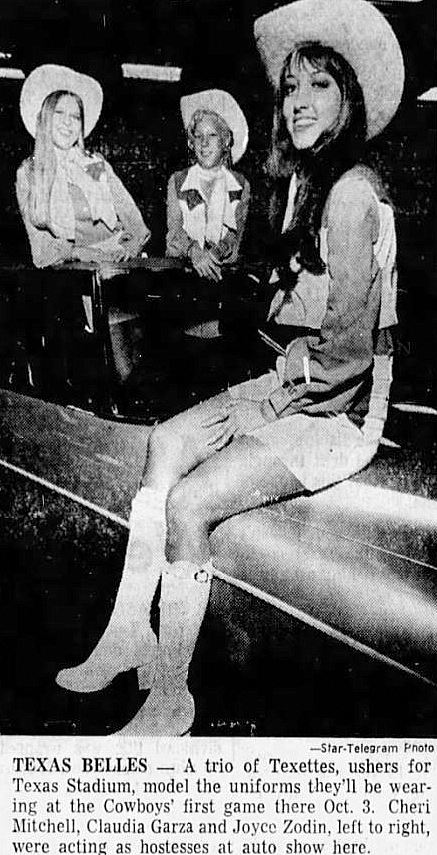
Showing off their new outfits are Texettes Cheri Mitchell, Claudia Garza, and Joyce Zodin. (The caption was incorrect about the date the Cowboys would take the field — that wasn’t until Oct. 24, 1971, in a game against the New England Patriots, which they won 44-21.)

1971_texettes_FWST_091671Fort Worth Star-Telegram, Sept. 16, 1971

*

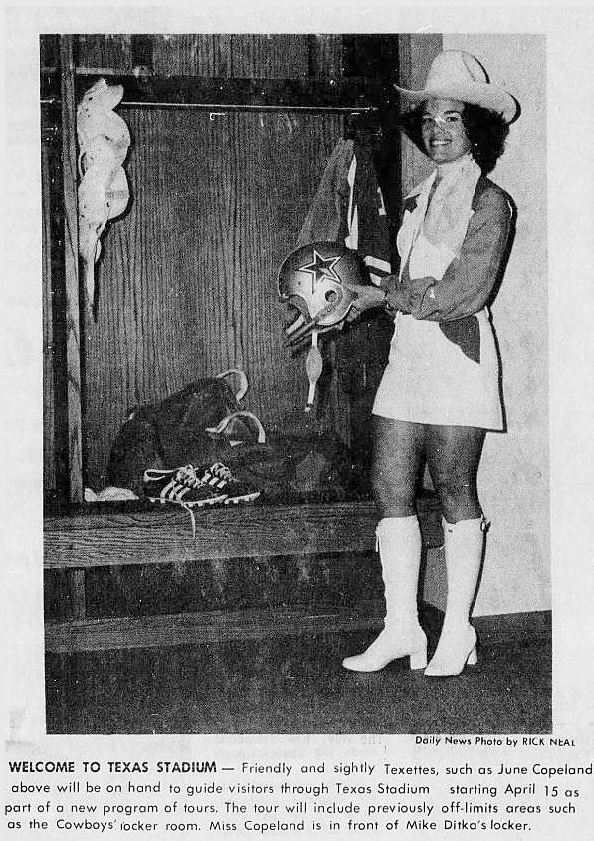
Texette June Copeland stands in front of Mike Ditka’s locker, which appears to have been rifled through.

1972_texettes_irving-daily-news_040572Irving Daily News, Apr. 5, 1972

*

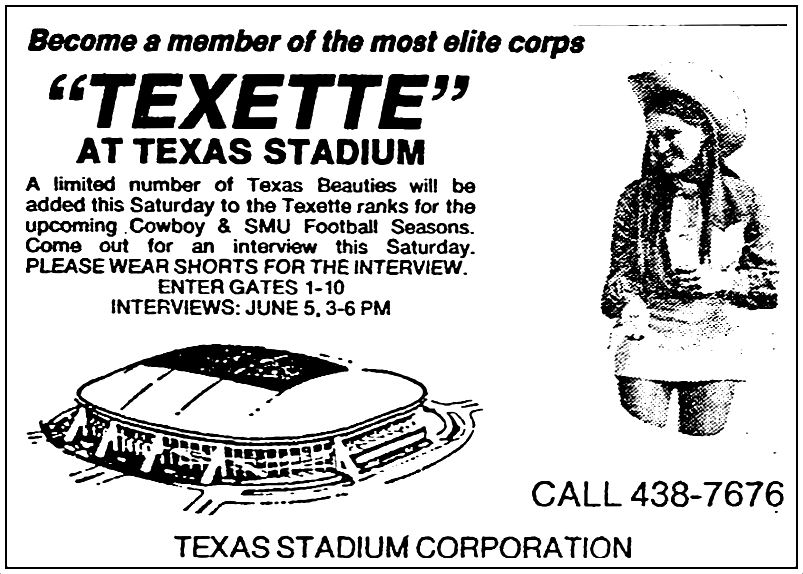
The Texettes were still going strong in 1982 as they entered their 11th year. I think the skirt has gotten shorter.

1982_texettes_ad_060382June 1982

*

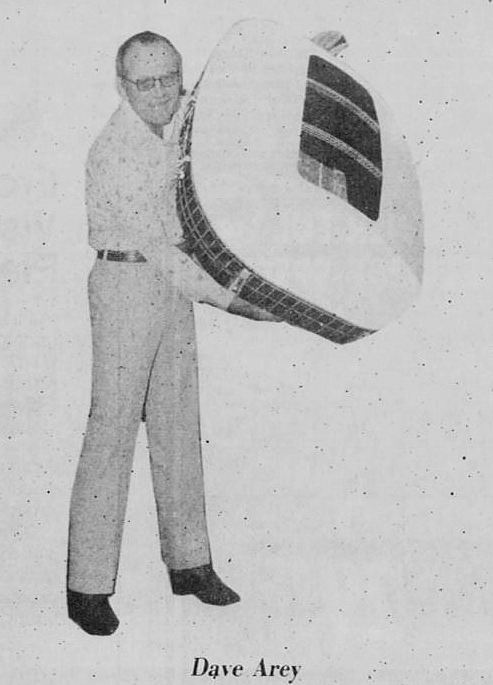
This has nothing to do with the Texettes, but I love this photo of Dave Arey, director of operations at Texas Stadium. He’s seen here holding a replica of the stadium, which seems like it would have been perfect as a doggie bed.

texas-stadium_dave-arey_irving-daily-news_082276Irving Daily News, Aug. 22, 1976

*

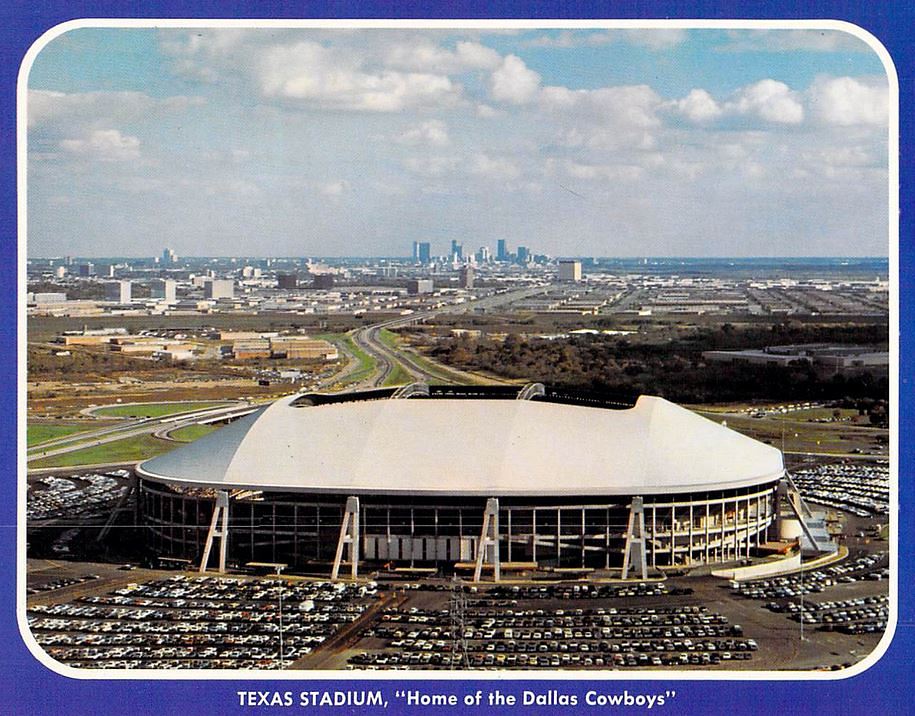
texas-stadium_postcard_ebay

***

Sources & Notes

This originally appeared in a slightly different form this morning as a post on my Patreon page (where I post daily Dallas-history tidbits for subscribers who are generously supporting me for as little as $5 a month).

1971_texettes_ad_072171_sm

*

Copyright © 2023 Paula Bosse. All Rights Reserved.
Black Women’s Equestrian Company K (American Woodmen) — 1920s

black-womens-equestrian-contingent_cook-coll_degolyer-lib_SMUGeorge W. Cook Collection, DeGolyer Library, SMU

by Paula Bosse

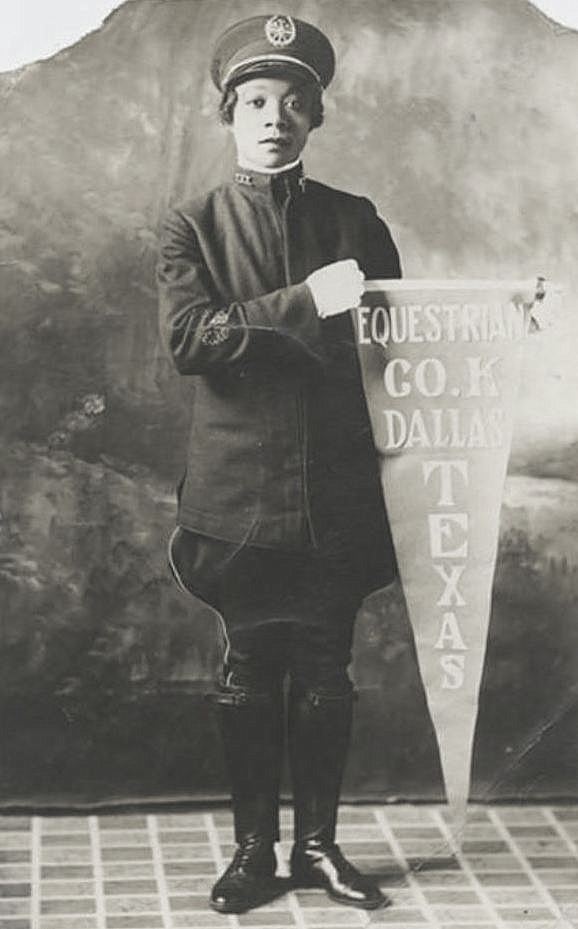
Above, a photograph of an African American woman holding a pennant which reads “Co. K — Dallas, Texas.” Company K was a women’s equestrian unit of Dallas Camp No. 86, consisting of at least 30 members — it was one of the various “uniformed ranks” of the American Woodmen, a Black fraternal organization. These groups competed in drills and marched in parades, and, from what I gather, they were meant to be seen as something of a symbol of strength, purpose, and resolve. Company K won many drilling contests and was active, from what I can tell, from at least 1922 to at least 1930.
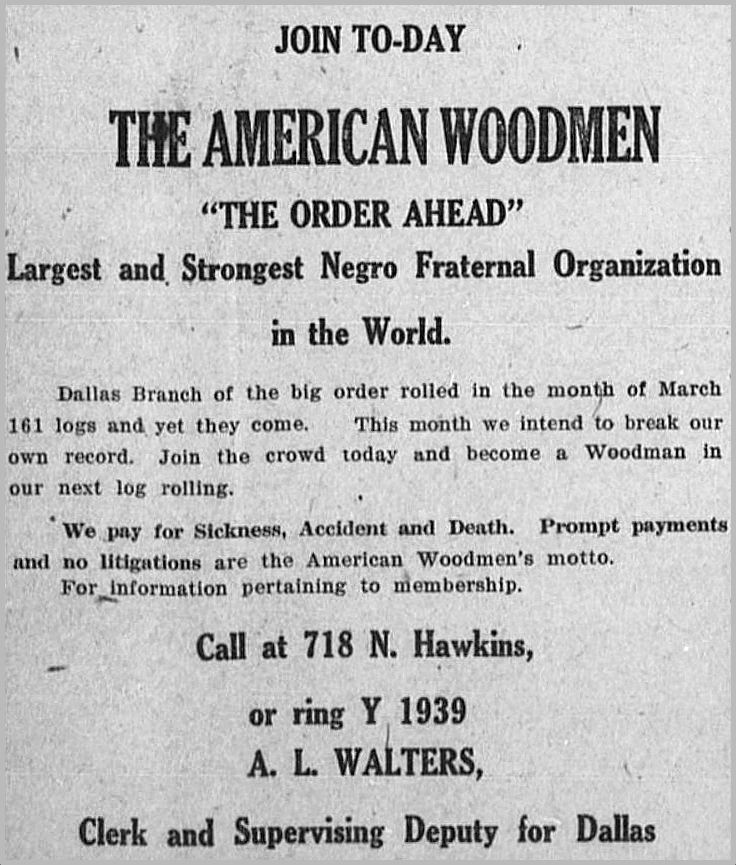
The American Woodmen (not to be confused with the Woodmen of the World, an exclusively white organization) was a national fraternal benefit association which provided loans and insurance coverage to members. It was open to Black men and women. During the 1920s, the Woodmen offices were located at 714 N. Hawkins, at Central (the address was originally 718 N. Hawkins, as seen in the ad below). Members could join various extracurricular “uniform ranks” if they so chose.

american-woodmen_dallas-express_041720Dallas Express, Apr. 17, 1920

The American Woodmen Uniform Ranks were overseen by the national “Commander,” Maj. Gen. John L. Jones (many fraternal organizations borrowed liberally from the military, as seen in their fondness for uniforms, “officer” ranks, precision drilling, etc.). While in Dallas for the Woodmen’s District Encampment in August 1922, Jones told a reporter:

“The American Woodmen in establishing their uniform rank department intended to instill in those who joined it a higher appreciation for the value of the Negro soldier and hero. No other fraternity has thus established that branch of their organization.” (Dallas Express, Aug. 12, 1922)

When uniformed members of these various divisions drilled and paraded — hundreds at a time — it was an impressive, powerful sight. It was good PR, not only for the group selling insurance, but also for Black Americans who rarely had the opportunity to participate in this type of uniformed display of earnest, pillar-of-the-community solidarity. (See a typical group of the “Uniform Ranks” — which also included marching bands and nurses — in a 1924 photo showing the Louisville, Kentucky Camp, here.)

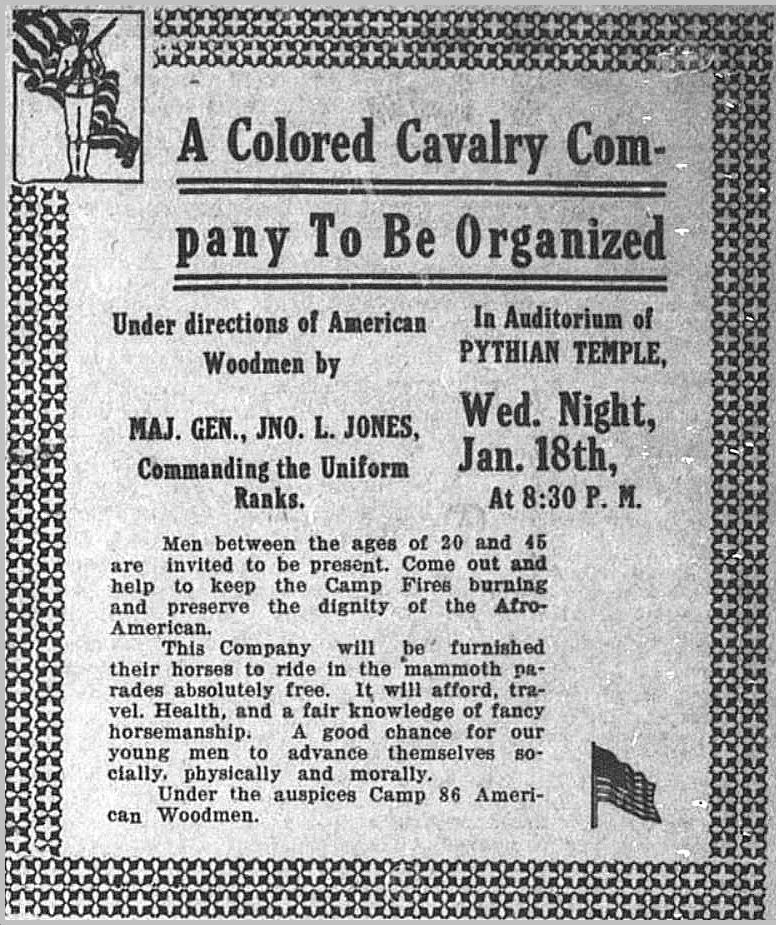
But back to Company K. I haven’t found any photos of them with horses, but I assume they really did ride horses. Below is an ad from January 1922, recruiting men for a Woodmen “cavalry.” I assume there was a similar version of this ad seeking female recruits.

woodmen_american-woodmen_cavalry_dallas-express_011422Dallas Express, Jan. 14, 1922

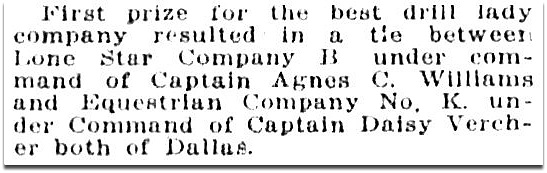
In an early competition at an “encampment” (a meeting of various American Woodmen companies, or “camps”), Company K tied for first place with another Dallas unit, Lone Star Company B. (Read coverage of this huge days-long encampment in the pages of the Black newspaper, The Dallas Express, hereThe Dallas Morning News did not mention the event.) The Dallas Encampment was at Riverside Park, a large open space where visitors set up military-style barracks/tents and competed in various military-like precision drills over the course of a few days. Riverside Park was the former Negro Play Park, at what is now Sabine and Denley in Oak Cliff, near the Trinity (it is now, I believe, Eloise Lundy Park). Not only was Riverside Park the site for several encampments and a place where Black families picnicked and gathered for special occasions, it was also the home of Negro League baseball games (these games were so popular among both Black and white Dallasites that a special section for white fans had to be installed during the Jim Crow era, when racial segregation was enforced by law). But back to Company K.

equestrian-co-k_dallas-express_081922_portal_detDallas Express, Aug. 19, 1922

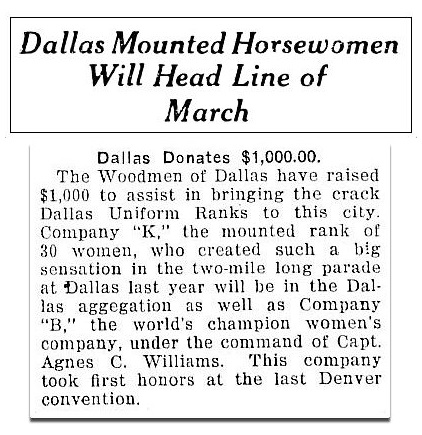
The parade mentioned in the article below is described in the Express article “Woodmen Stage Big Parade” (Aug. 19, 1922). It sounds like it was a pretty big deal.

equestrian-co-k_black-dispatch_OKC_031523_headline_excerptBlack Dispatch (Oklahoma City, OK), Mar. 15, 1923

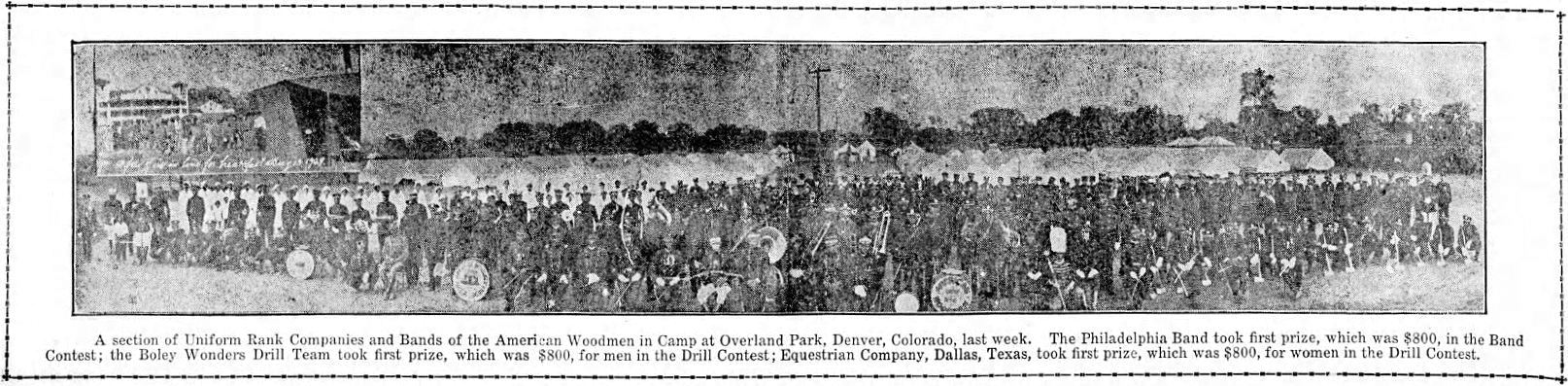
The incredibly low-resolution photo below was taken at the 1929 Encampment in Denver — it shows the scale of an encampment, with tents visible behind the posed participants. The caption says that Dallas’ Equestrian Co. K won the first prize for women in the drill contest — the prize (which, amazingly, was the same as the first prize for men) was $800, which, in today’s inflation-adjusted money would be about $15,000! 

equestrian-co-k_black-dispatch_OKC_090529_photoBlack Dispatch (OKC), Sept. 5, 1929

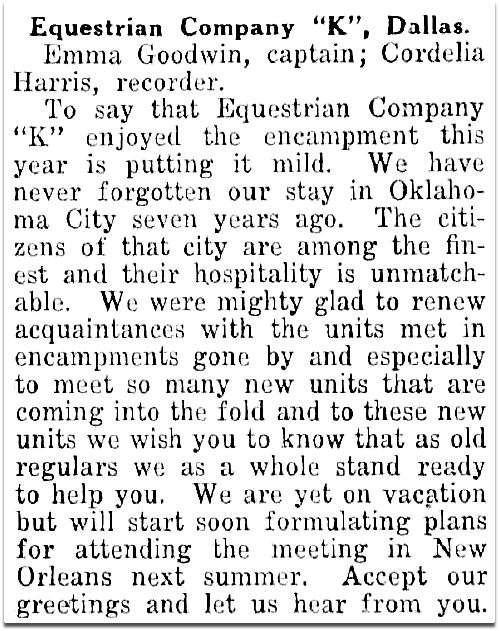
In an excerpt from a chatty overview of the women’s drilling groups, Company K spokeswomen say how happy they are to be back in Oklahoma City.

black-dispatch_OKC_071030_detBlack Dispatch (Oklahoma City), July 10, 1930

Most fraternal organizations are, as the name would imply, men-only. Yeah, they may have their female “auxiliary” organizations to give the women something to do, but the American Woodmen (Woodpeople?) included women in important roles. And it certainly paid off — the women of Equestrian Company K regularly won competitions and regularly brought the bacon home. 

*

100% of what is contained in this post is information I didn’t know until I set out to discover what “Equestrian Co. K, Dallas, Texas” referred to. As always, it’s exciting to learn about something I had never known about.

***

Sources & Notes

Top photo — “[Member of African American Women’s Equestrian Contingent, Company K, of Dallas, Texas]” — is from the George W. Cook Dallas/Texas Image Collection, DeGolyer Library, Southern Methodist University; more information on this photo can be found on the SMU Libraries site, here.

There is very little information on the internet about these American Woodmen women’s companies, so I’ve collected the article “Echoes from the Forest — Uniform Rank Department, American Woodmen” (The Black Dispatch, Oklahoma City, July 10, 1930), which lists female personnel for several Dallas companies, including the equestrian company, drill companies, a hospital company, and a nurse company — read the PDF here.

Read about the American Woodmen Benevolent Society (not to be confused with the (white) Woodmen of the World organization) in two very informative and interesting blog posts, here and here.

Read about Black soldiers during World War I in the sort-of related Flashback Dallas post “Black Troops from Dallas, Off to the Great War,” here.

black-womens-equestrian-contingent_cook-coll_degolyer-lib_SMU_sm

*

Copyright © 2023 Paula Bosse. All Rights Reserved.

New Wheels for Margo Jones — 1955

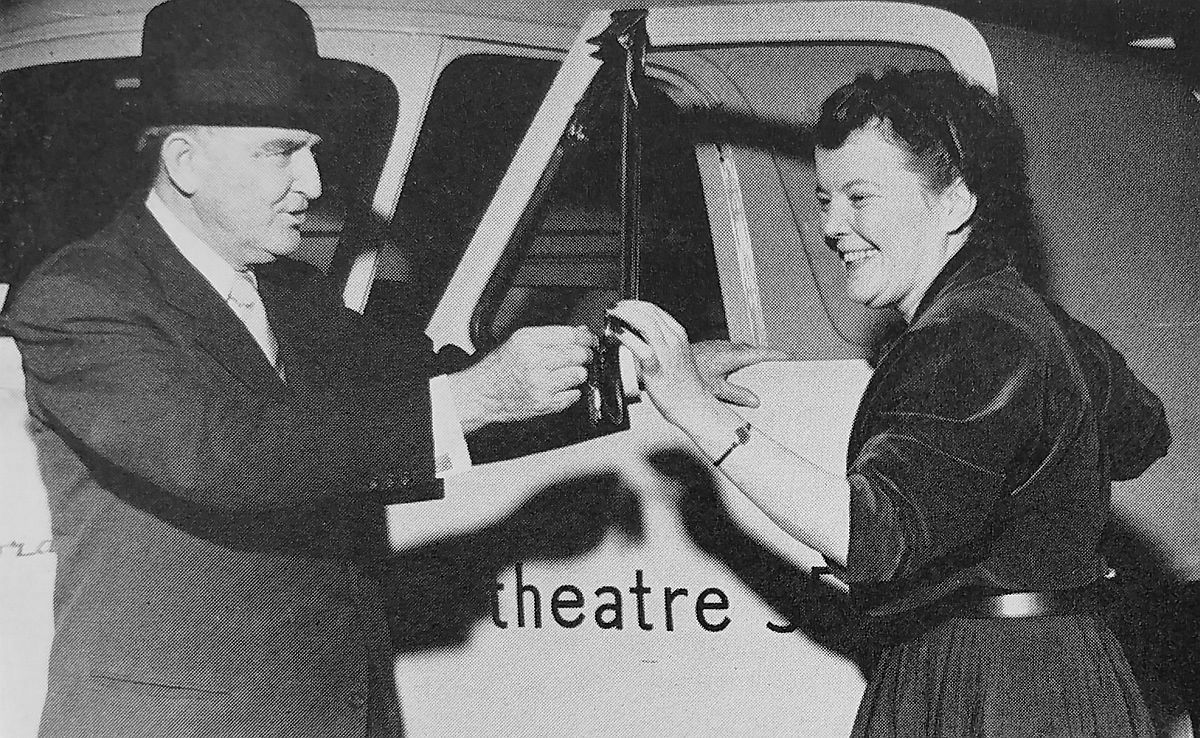
jones-margo_theatre-55_dallas-magazine_apr-1955DeWitt Ray and Margo Jones

by Paula Bosse

The photo above shows Dallas theater legend Margo Jones accepting the keys to a new Ford truck in March 1955. Below, the caption that appeared in the April 1955 issue of Dallas magazine:

GIFT FOR THEATRE ’55: Margo Jones, director of Theatre ’55, is shown as she accepts the keys to a new 1955 panel truck from DeWitt T. Ray, Dallas banker and member of Dallas Theatre ’55 board of trustees. The truck, gift of a group of 18 Dallas businessmen and civic leaders, will be used for transporting set furniture, props and other necessities for the theatre’s productions.

She looks very, very happy!

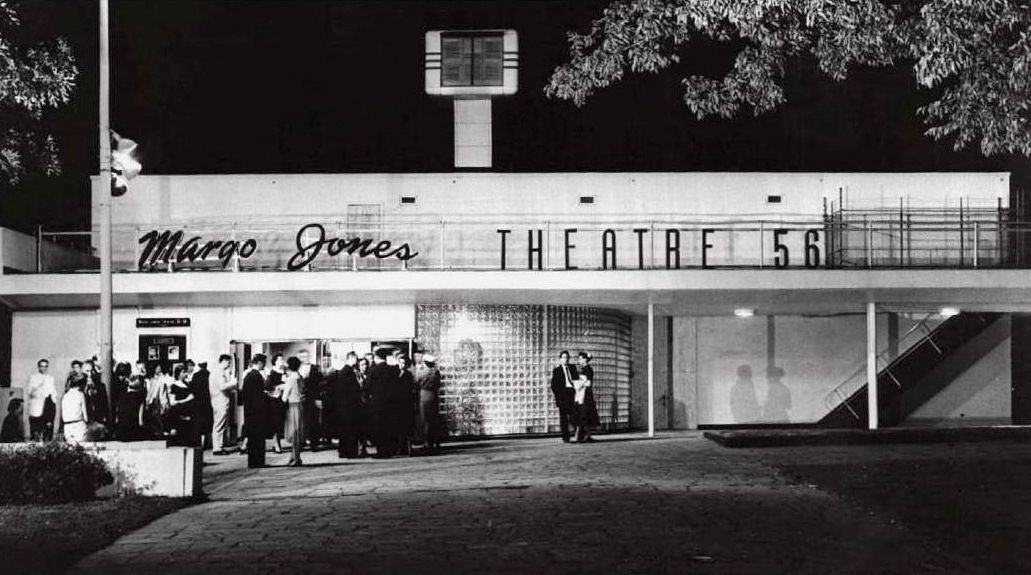
margo-jones_theatre-56_dpl

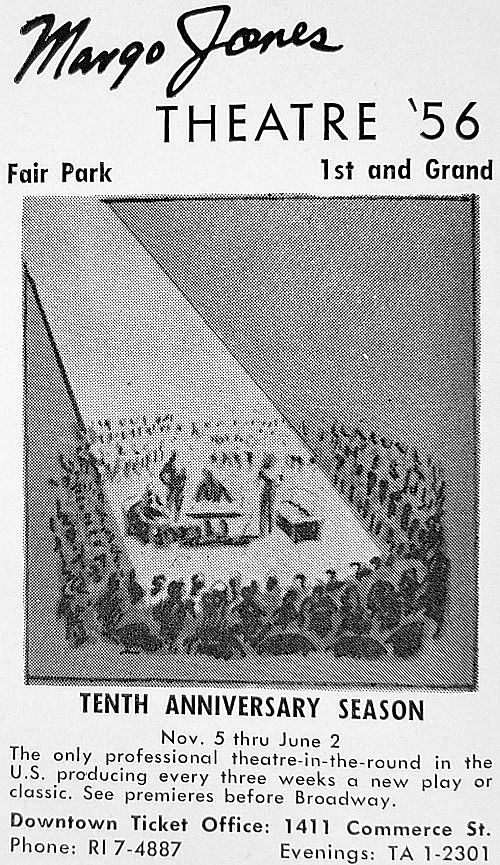
jones-margo_theatre-56_this-month-in-dallas_dec-1956_ad

***

Sources & Notes

Photo is from the April 1955 issue of Dallas, a periodical published by the Dallas Chamber of Commerce.

Photo of the exterior of the theater from the collection of the Dallas Public Library.

Ad from the Dec. 1956 issue of This Month in Dallas.

More on Margo Jones can be found in the following Flashback Dallas posts:

Watch “Sweet Tornado: Margo Jones and the American Theater,” the full documentary on Margo Jones produced by KERA-Channel 13, here.

jones-margo_theatre-55_dallas-magazine_apr-1955_sm

*

Copyright © 2022 Paula Bosse. All Rights Reserved.

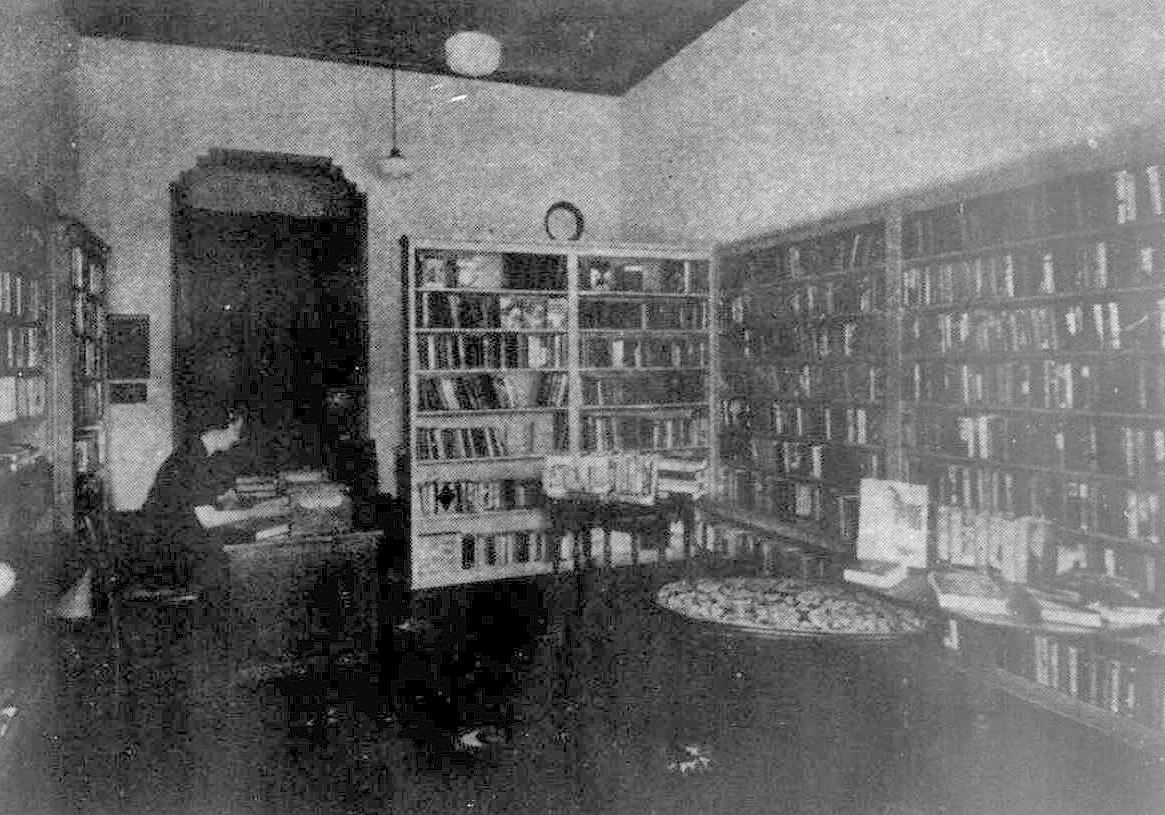
Eula Wolcott’s Baker Hotel Book Shop & Rental Library, 1926-1942

baker-hotel-book-shop_1934Eula Wolcott: bookseller, librarian (Publishers Weekly, 1934)

by Paula Bosse

Today is the birthday of my late father, Dick Bosse, owner of the Aldredge Book Store. I always try to post something bookstore-related on his birthday. This year: Miss Eula Wolcott’s Baker Hotel Book Shop & Rental Library, located inside the Baker Hotel.

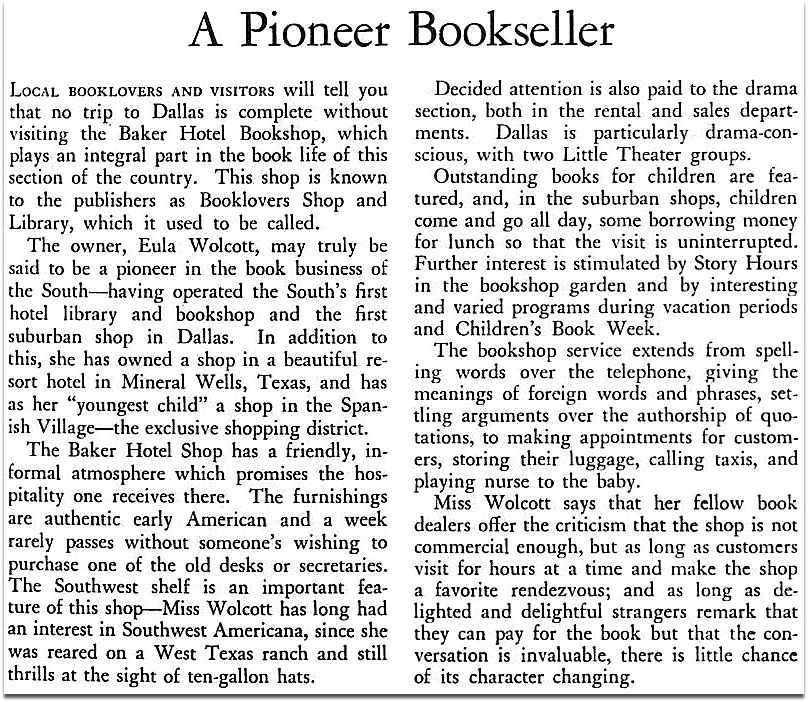
Eula Wolcott (1881-1962) was born in Waxahachie and had moved to Dallas by 1910. She appears to have had theatrical ambitions and studied voice and expression (she was billed as an “Experienced Concert Reader and Story Teller”). She opened a little book store and library in the early 1920s — the Booklovers Shop and Library was first on West Jefferson and later on Swiss Avenue. In 1926, she opened a similar shop inside the glamorous Baker Hotel, an enterprise she ran successfully until at least 1942 when another owner took over (she also apparently had a book shop inside the Baker Hotel in Mineral Wells). In 1931 she opened the rather confusingly-named “Baker Hotel Book Shop and Rental Library” in Highland Park — in the new “Spanish Village” (the original name for Highland Park Village). Below is a very enthusiastic profile from Publishers Weekly (click to see a larger image).

baker-hotel-book-shop_publishers-weekly_032434_eula-wolcott_textPublishers Weekly, March 24, 1934

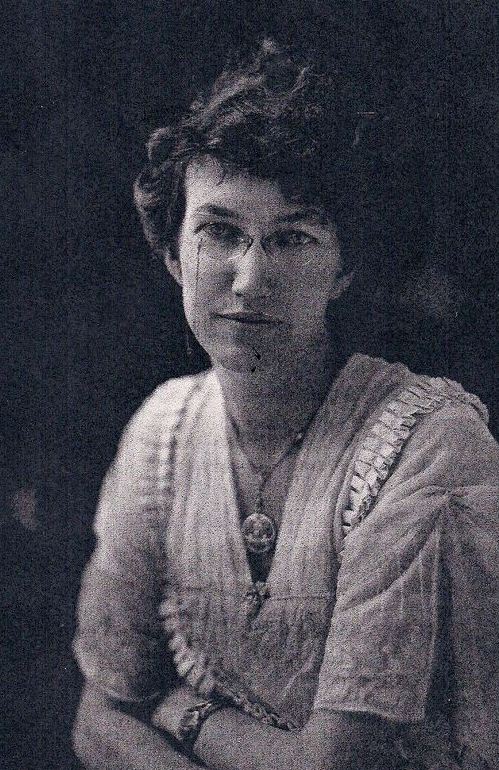
I wish the photo at the top had been better, because I’d love to get a good look at the decor. And Eula. I managed to find a photo of her.

wolcott-eula_ancestryEula Wolcott, via Ancestry.com

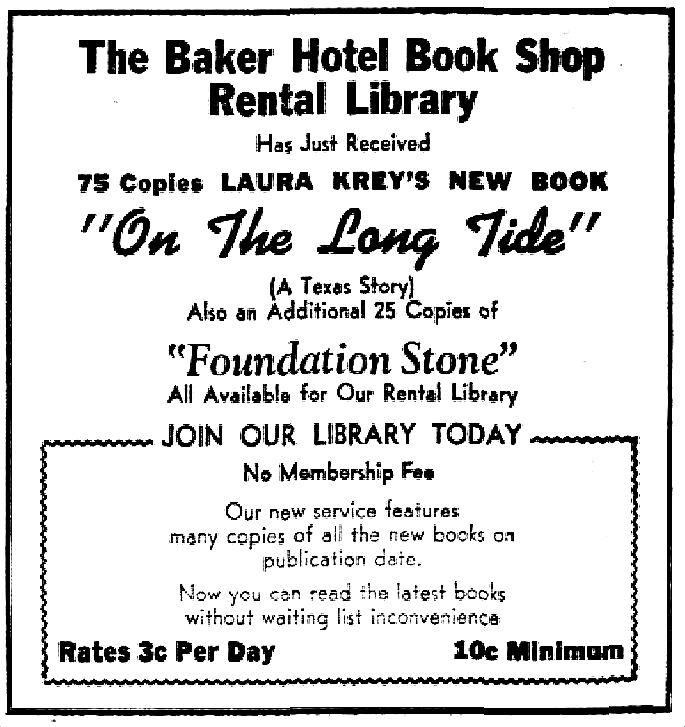
Here are a few ads:

booklovers_0420241924

baker-hotel_book-shop_DMN_oct-24-1926Two shops, one owner — 1926

baker-hotel_book-shop_1009271927

baker-hotel-book-shop_19371937

baker-hotel_book-shop_DMN_oct-25-19401940

She was active as a bookseller for many years and was also a familiar voice to radio listeners who tuned in to hear her book reviews on WFAA. 

One interesting piece of trivia about Eula’s hotel bookshop, shared with me by a former bookstore client of mine: the Baker Hotel Book Shop was the very first American bookstore that British author H. G. Wells ever visited. A lecture tour brought him to Dallas in 1940 — like many of the celebs of the day, he stayed at the Baker. I’m sure Eula was very happy to have Mr. Wells, a literary powerhouse, in her shop. Let’s hope he exhibited proper bookstore etiquette and purchased something!

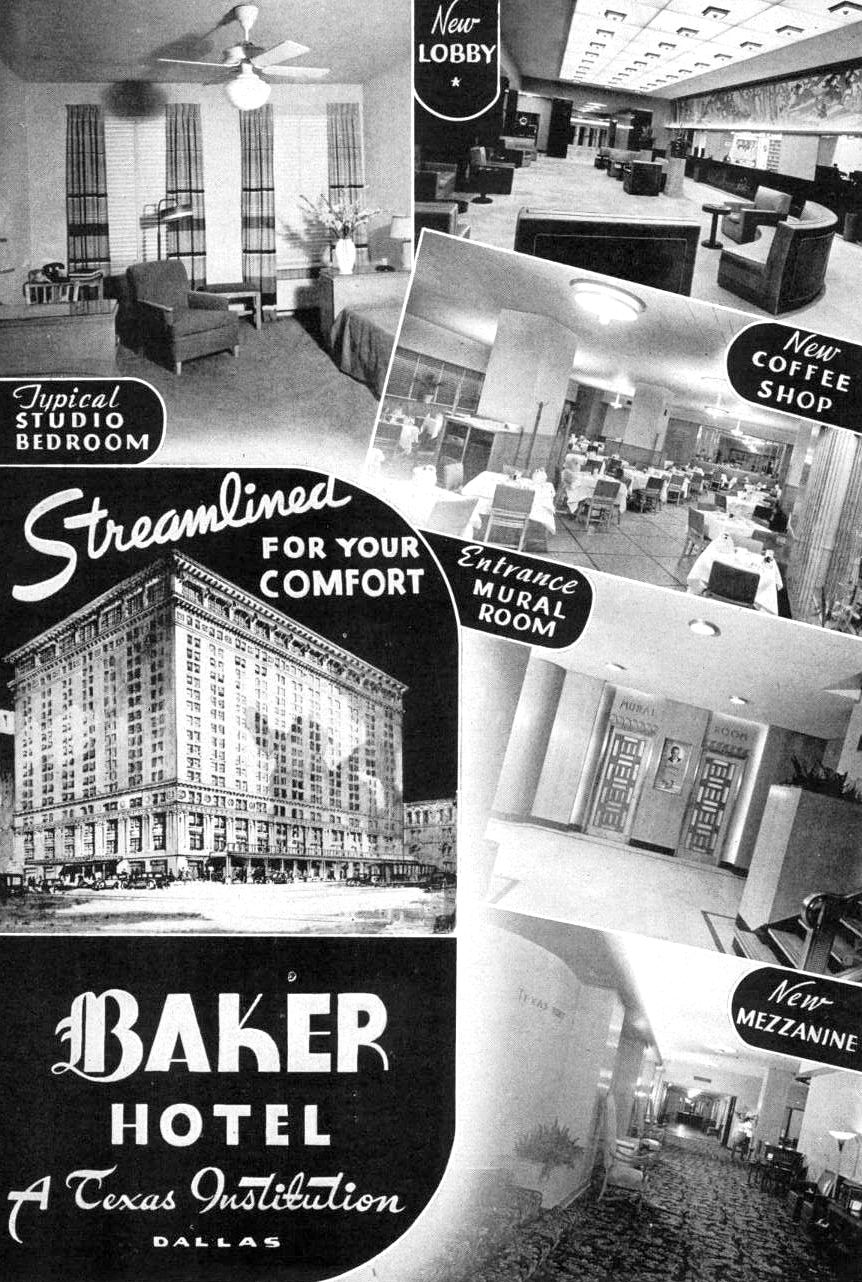
baker-hotel_mural-room_dallas-directory_1942Baker Hotel, circa 1940

***

Sources & Notes

Top photo and article from the trade magazine Publishers Weekly, March 24, 1934.

Read more Flashback Dallas articles on the Dallas bookstore scene here.

baker-hotel-book-shop_1934_sm

*

Copyright © 2022 Paula Bosse. All Rights Reserved.