Flashback : Dallas

A Miscellany: History, Ads, Pop Culture

Dallas News Hustler — 1908

newsboy-horse_dmn_012608_lgErnest d’Ablemont, 13, newspaper carrier aboard his trusty steed, 1908

by Paula Bosse

The photo above appeared in the pages of The Dallas Morning News on Jan. 26, 1908 under the headline “One of the Dallas News Hustlers.” The caption:

Ernest A. d’Ablemont is one of the hustlers selling The Dallas News. He began selling the paper in March, 1905, on Sundays at the age of 11 years. He is now 14, or will reach that age on his birthday, March 16, 1908. Since he began, he has never missed a Sunday, rain or shine, hot or cold. Since his business career began he has clothed himself and has accumulated sufficient money to enable him to make a loan of $150 at 10 per cent.

Quite the business-minded newsboy — the Inflation Calculator estimates that $150 in 1908 would be equivalent to almost $4,000 today! In 1909 — just a year later — he had his own entry in the Worley’s city directory, but he had jumped ship from the News and was working for The Dallas Dispatch.

dablemont_worleys_1909

Ernest d’Ablemont was born in Dallas in 1894 to immigrant parents — his father, Felix, was French, and his mother, Inga, was Norwegian. One wonders what could possibly have enticed a Parisian to come to Dallas, but Felix had been in the city since about 1883, working first in a meat market, then spending most of his life as a produce man. Felix was a “truck farmer” (he grew vegetables to sell locally), and he had a small piece of land off 2nd Avenue in the old Lagow Settlement area, south of Fair Park, about where S. 2nd Ave. intersects with Hatcher. Felix placed this ad in 1903:

dablemont_dmn_110103

“German, Swede, Norwegian or French preferred.”

Ernest followed in the footsteps of his farmer father. After his early entrepreneurial foray into the world of newspaper delivery and a couple of years of service in World War I (which took him overseas where he was assigned to a field hospital and a “sanitary train”), he returned to Dallas and worked the family’s truck farm until he retired. He died in 1954 at the age of 60.

***

Sources & Notes

Top image of young Ernest on horseback from The Dallas Morning News, Jan. 26, 1908; photo by Clogenson.

Want-ad from the DMN, Nov. 1, 1903.

WWI “sanitary trains”? I’d never heard the term. Find out what they were and see what one looked like in this GREAT photo from Shorpy, here.

*

Copyright © 2014 Paula Bosse. All Rights Reserved.

Babe Didrikson, Oak Cliff Typist

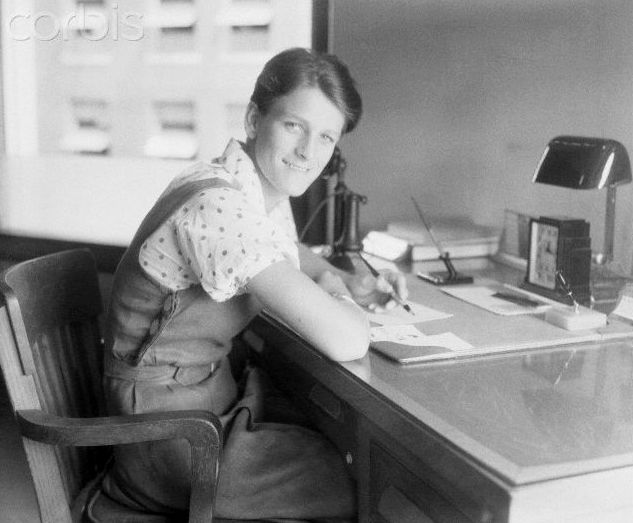
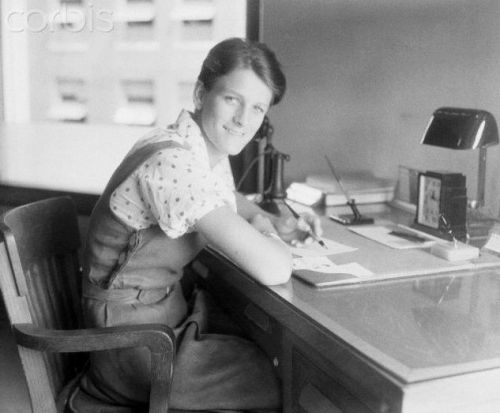
babe-corbis_102132Babe Didrikson at a desk she was probably pretty unfamiliar with, 1932

by Paula Bosse

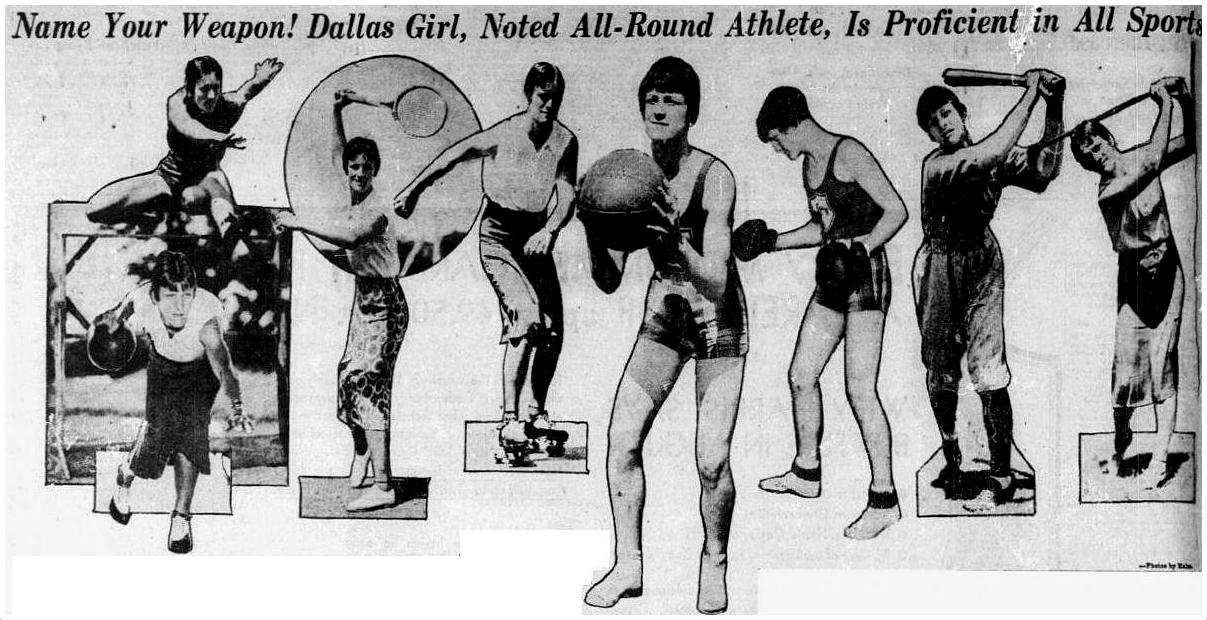
Mildred “Babe” Didrikson has been called the greatest athlete of the 20th century — male or female. She was an All-American basketball player, she set a number of world records in a wide variety of track and field events (she was so good at all of the individual sports that she was entered at least once as an entire TEAM — a team of one!), she won two gold medals and one silver (which should have been three gold medals…) at the 1932 Olympics, and she was, perhaps most famously, a champion golfer who was a founder of the LPGA. She was also highly proficient in softball, bowling, diving, swimming, roller skating, and tennis, and she dabbled in hockey, skeet-shooting, billiards, and even football. There was no sport she didn’t try — and even if she had never tried it before, she was probably pretty good at it. And she spent an important period of her life in Dallas.

babe_dmn_0802311931

Babe Didrikson was born in Port Arthur, Texas in 1911 and grew up in nearby Beaumont. She excelled in sports in school, especially basketball. In the late-’20s, a man named Col. M. J. McCombs, who was the head of the women’s athletic program for an insurance company, saw Babe in action and recruited her to play for his company’s basketball team in Dallas. She was offered a job to do vague secretarial work for the Employers’ Casualty Company (which had offices in the old Interurban Building downtown), with the understanding that she was really being taken on in order to play on the company team. With the blessing of her Norwegian immigrant parents, she interrupted her high school education in Beaumont to accept the $75-a-month job and was moved into a Haines Avenue rooming house in Oak Cliff.

Babe soon became the star of the Golden Cyclones, her company’s championship-winning team which participated in an “industrial” league governed by the national Amateur Athletic Union (the AAU). In the off-season she was introduced to track and field events by McCombs, and she quickly mastered them all.

babe_emp-cas-coFlying the company colors

She soon began breaking world records. Watch her compete at an AAU meet at SMU in July 1930, where one of the records she broke was for the javelin throw, here.

didrikson-babe_070730_track-meet_SMU_javelin_critical-past_screenshot-cropJuly 1930, Dallas

Before she knew it, it was the summer of 1932, and the Olympics were being held in Los Angeles — the 21-year old won three medals, emerged as the star of the games (she was frequently referred to as “the wonder girl from Dallas”) and began her climb up the ladder of celebrity.

After the Olympics, the city of Dallas gave her a victory homecoming, with a parade, a luncheon, and various presentations, all covered widely in the local press. The Dallas Morning News described it as “a demonstration the magnitude of which has never before been accorded a son or daughter of this city” (DMN, Aug. 12, 1932), bigger even, they said, than the reception that had greeted Charles Lindbergh on his Dallas visit.

U625776INPBabe’s post-Olympics parade through downtown Dallas — Aug. 11, 1932

After the celebrations had settled down, Babe Didrikson, sports superstar, was back at “work” — at least long enough to have photographs of her taken at the most uncluttered desk imaginable. (Though to be fair, Babe did claim to have been a typing champion in high school. Even if that were true — and she was known to be something of an exaggerator — it’s still almost impossible to imagine this world champion athlete typing up an afternoon’s dictation on insurance matters.)

babe_insuranceEmployers’ Casualty Co.’s casual employee — Oct. 21, 1932

Babe eventually turned pro, left Dallas, married wrestler George Zaharias, and became an incredibly successful golfer. She died from cancer in 1956 at the early age of 45, but her legacy lives on as one of the greatest and most versatile athletes of all time (…who, for a few short years, also happened to do a bit of light secretarial work for an insurance company in Dallas).

**

Below are a few of my favorite random Babe-related tidbits.

babe_hat_dmn_0712321932

Babe was often ridiculed by male sportswriters for her bearing and physique, which they thought were not feminine enough for their tastes. This criticism — ridiculous though it was — must have stung, because she occasionally made efforts to placate them, some of which seemed very awkward, such as this. The caption of the above photo: “Mildred (Babe) Didrikson (left) and her chaperon, Mrs. Henry Wood, are pictured above as they appeared Monday afternoon just before boarding a train for Chicago, Ill. for the national AAU track and field championships in which Babe […] hopes to carry off high honors and win a berth on the American Olympic team. This is the first picture ever taken of Babe with a hat on. She has never worn one before.”

*
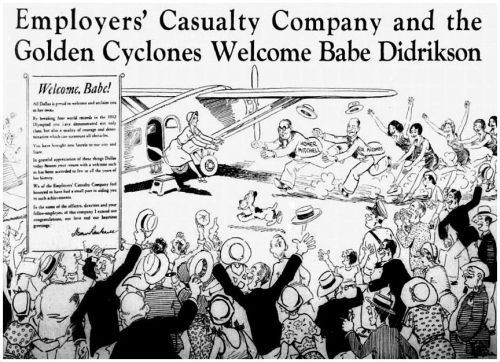
babe_insurance_ad_dmn_081132Aug. 11, 1932

babe_insurance_ad_dmn_081132-detAug. 11, 1932 — ad inset

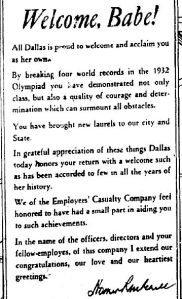
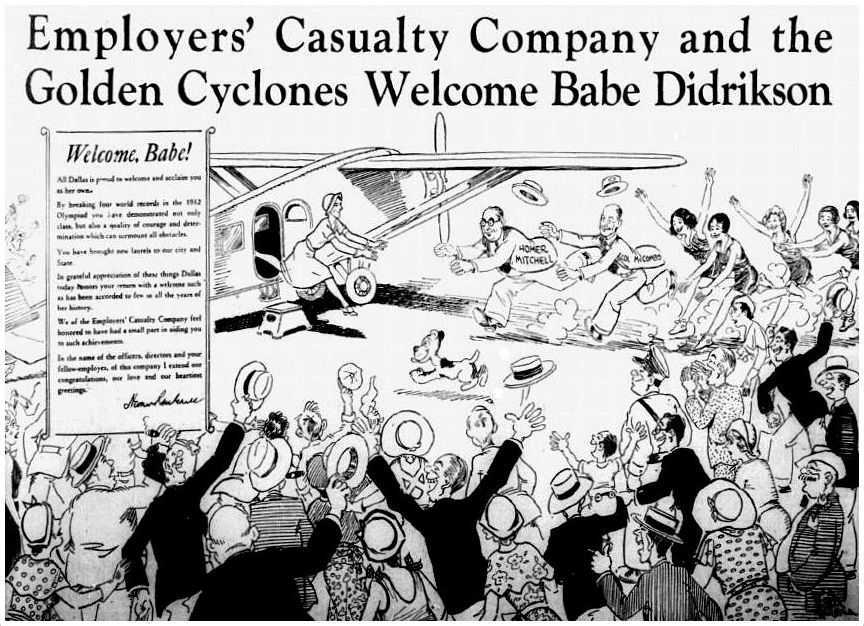
Above, an ad taken out by the Dallas company Babe worked for, welcoming her back home from her Olympic triumph. Drawing by Jack Patton. (Even though Babe had buckled to pressure with the whole hat thing, I can’t quite picture her wearing gloves.)

*

babe-and-babe_081247

Babe and the other Babe, August 12, 1947. I love this photo.

*

babe_vanity-fair_1933

Fantastic photo of Babe in her prime by Lusha Nelson, from the January, 1933 issue of Vanity Fair.

*

babe

***

Sources & Notes

The two photos of Babe Didrikson at her desk, the photo of the parade in Dallas, and the photo with Babe Ruth are from the huge selection of photographs of Babe at CorbisImages. See a lot of photos of her throughout her career, here. The photos of her training and in action are exhilarating, but it’s nice seeing her looking so happy and relaxed in her later golfing days. She definitely smiled a lot more after she started making more than the measly $75 a month she was making in Dallas.

An interesting article from 1975 about Babe in which former co-workers and teammates from Employers Casualty remembered their time with her can be found in the Dallas News archives: “Friends Recall Babe’s Prowess” by Temple Pouncey (DMN, Oct. 26, 1975).

For more on Babe’s time in Dallas and Oak Cliff, she writes about it in her autobiography, This Life I’ve Led (1955), here. (The entire book can be read for free at the link.) Also, check out this article by Gayla Brooks that appeared in the Oak Cliff Advocate.

A really well done, comprehensive overview of Babe Didrikson Zaharias’ career (with lots of great photos), can be found at Pop History Dig, here.

One of my favorite weird Babe things is the record she made with her “golf protege” Betty Dodd. Betty sings (not very well) and is accompanied by Babe on harmonica, an instrument she loved all of her life and which she taught herself to play as a child. The song — and a bit of backstory on Babe and Betty’s relationship — is here (click the arrow at the left of the strip beneath the record label to hear the song “I Felt a Little Teardrop”). Babe’s solo starts at about the 1:06 mark.

And, lastly, newsreel footage of Babe over the years, from the early track meets and the Olympics, to her later career as a golf superstar can be watched here and here.

*

Copyright © 2014 Paula Bosse. All Rights Reserved.

Theater Row Block Party! — 1948

theater-row-block-party_082648_preservation-dallasDallas premiere, “Red River” — Aug. 26, 1948 (click for larger image)

by Paula Bosse

On a rainy night in August, 1948, United Artists premiered the movie “Red River” in Dallas at the Majestic Theatre. The now-classic Western about a Chisholm Trail cattle drive, directed by Howard Hawks and starring John Wayne and newcomer Montgomery Clift, was actually “premiered” simultaneously on August 26, 1948 in 250 theaters in Texas, Oklahoma, Kansas, and New Mexico, the four southwestern states most closely associated with the Chisholm Trail.

red-river_ad_dmn_082648(Aug. 26, 1948)

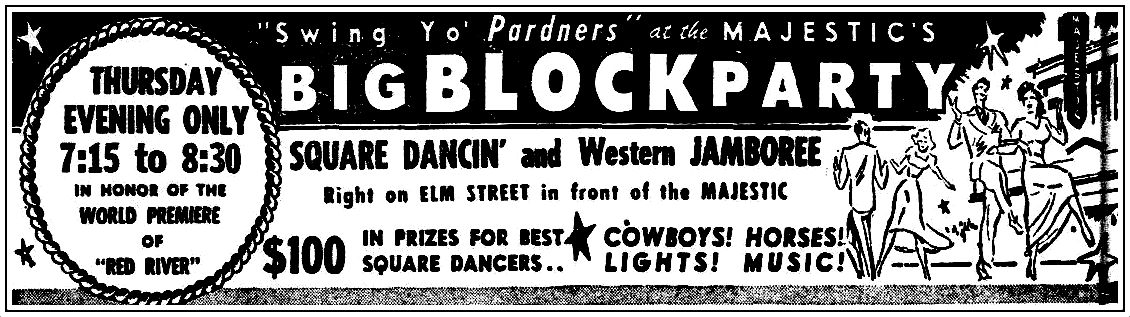
In Dallas, the publicity machine was seriously cranked up. The main attraction was a free-to-the-public street party in which the 1900 block of Elm Street was closed to traffic for a slate of western-themed festivities. The “jamboree” included square dancing, a musical set by cowboy singer Jim Boyd and his band, “cowboys and cowgirls from the Pleasant Mound Rodeo,” the Dallas Mounted Quadrille, and the Sheriff’s Posse. Or, as the ad said more succinctly, “Cowboys! Horses! Lights! Music!”

red-river_block-party_dmn_082648Great ad! Click to see it bigger! (Aug. 26, 1948)

No Hollywood celebrities were there, but the big Western Jamboree was apparently well-attended, even in the rain and despite rain, people gathered for square dancing.

(Wow. Square dancing in the rain. That’s dedication.)

The movie was a huge hit, so much so that the Majestic added showings, including one at 9:30 in the morning (!). It had a record week in Dallas, and, nationally, by the end of that first week it was reported to be the biggest-grossing picture in the history of United Artists.

The “world premiere” is interesting and all, but that photo of a brightly lit-up Theater Row is even better!

***

Sources & Notes

The original source of the photograph is not known, but I stumbled across it on a Preservation Dallas page, here.

“Red River” is a great movie. If you haven’t seen it, you need to. Even if you think you don’t like Westerns. Roger Ebert’s review/analysis is here.

*

Copyright © 2014 Paula Bosse. All Rights Reserved.


Police Blotter — 1880s

san-angelo-saloonA saloon in a calm moment

by Paula Bosse

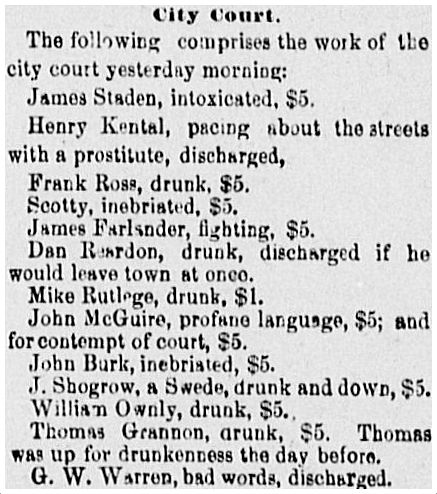
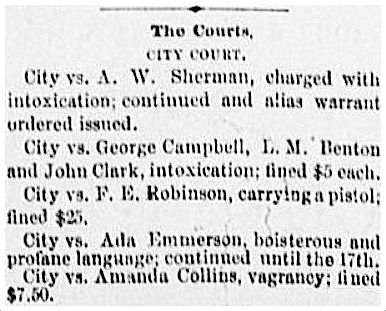
A few snapshots of life among Dallas’ lively and unruly set in the 1880s, as reported in The Dallas Daily Herald:

police-blotter_dal-her_061681(June 16, 1881)

police-blotter_dal-herald_060381(June 3, 1881)

police-blotter_dal-her_102782(Oct. 27, 1882)

police-blotter_dal-her_111782(Nov. 17, 1882)

Looks like Dallas had a steady flow of cash coming into the city coffers. The usual fine seemed to be five dollars, and that was a LOT of money back then. If you plug that into the Inflation Calculator, it shows that five bucks in 1881 would be equivalent to about $118 in today’s money. So, yeah — the city was raking it in. Prosperity! Thank you, drunks and reprobates — you  helped build our city!

***

Top photo shows imbibers inside the Arc Light Saloon in San Angelo, Texas; photo found here. Not Dallas, but I was unable to find a photo of a saloon in Dallas in this period. (I bet there’s a Tumblr on this, though. Or a Pinterest page….)

All newspaper clippings from The Dallas Daily Herald, accessible through the invaluable Portal to Texas History; browse through the collection here.

See more tidbits from the police blotter in the Flashback Dallas post “Police Blotter — Drunks, Vagrants, Adulteres,”  here.

*

Copyright © 2014 Paula Bosse. All Rights Reserved.

Armistice! — 1918

wwi_returning-troops-parade_1919_portalDowntown parade for returning troops — June, 1919 (click for larger image)

by Paula Bosse

Dallas found out that the Great War had finally ended at around 3:00 in the morning of November 11, 1918 when the siren atop the Adolphus Hotel sounded with “maniacal shrieks.” People poured into the streets to celebrate.

The crackle of revolver reports began to sound. Sleep was murdered, even had one been so disposed, and many residents from all parts of the city foregathered in the downtown district to jubilate and exult in various ways until daylight came. (Dallas Morning News, Nov. 12, 1918)

Giddy celebrations and impromptu parades were the order of the day, and the joyous spirit that erupted throughout the city is reflected in this Dallas Morning News report of “the first day of world peace since August, 1914” (click to see larger image):

wwi_armistice-in-dallas_dmn_111218
DMN, Nov. 12, 1918

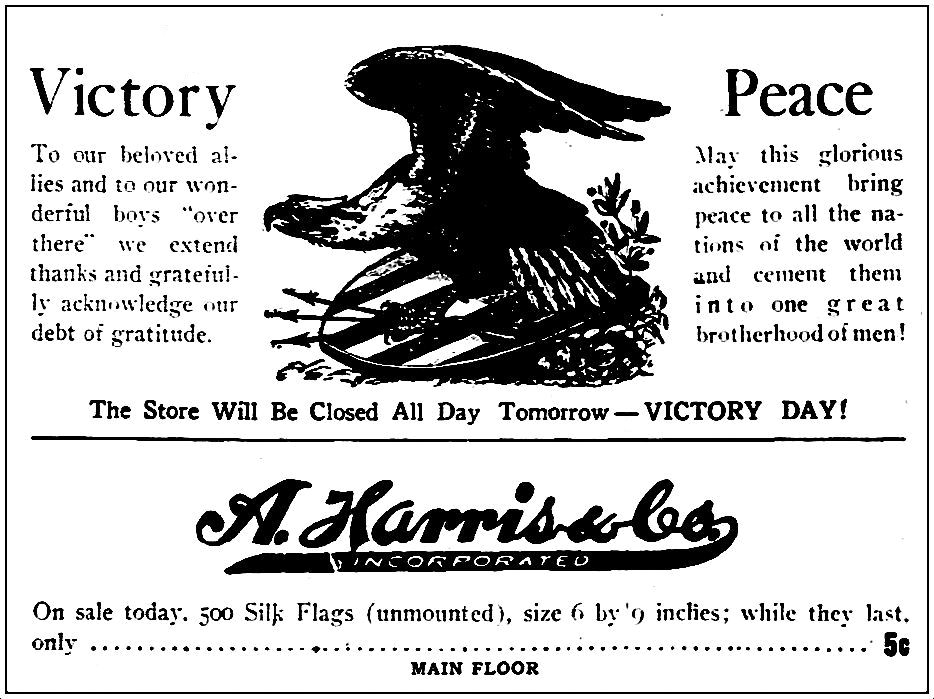
Local businesses got in on the action by placing heart-felt patriotic advertisements (some of which also quietly reminded readers that Christmas was just around the corner).

armistice_linz_dmn_111218

armistice_kahn_dmn_111218

ad-dreyfuss_dmn-111218

wwi_armistice_a-harris_dmn_111218

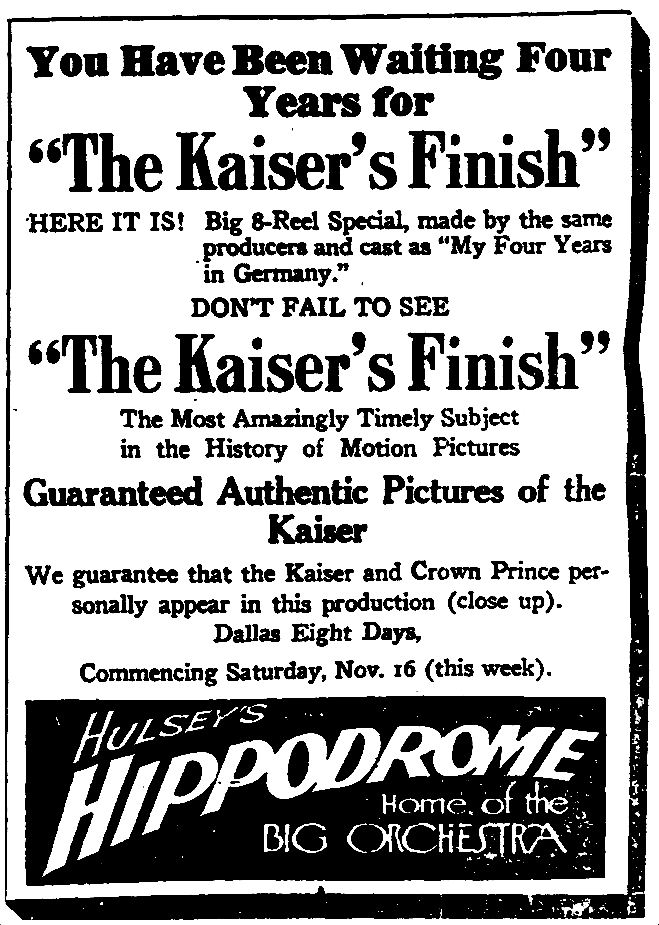
wwi_armistice_hippodrome_dmn_111318

wwi_armistice_hurst-bros_dmn_111318

When World War I officially ended on November 11, 1918, the military and civilian deaths and casualties totaled more than 37 million. All everyone wanted was for their loved ones to return home safely and for life to return to normal as quickly as possible. There was a lot to be thankful for that Thanksgiving.

***

Sources & Notes

Photo of the 111th Engineers from the Tarrant County College Northeast, Heritage Room, via the Portal to Texas History, here. It shows the 1500 block of Main Street, looking west toward Akard. See the same view today here (the short white  building at 1520 Main is currently occupied by the Iron Cactus; in the 1919 photo, that address is occupied by Thompson’s in what looks like the same building). (See another parade photo of the same block here. The detail is much, much better!)

1500-block_main_1919_2015

Ads from the Dallas Morning News, Nov. 12 and 13, 1918.

The Wikipedia entry for World War One casualties is here.

Click pictures for larger images.

*

Copyright © 2014 Paula Bosse. All Rights Reserved.


Main Street — 1905

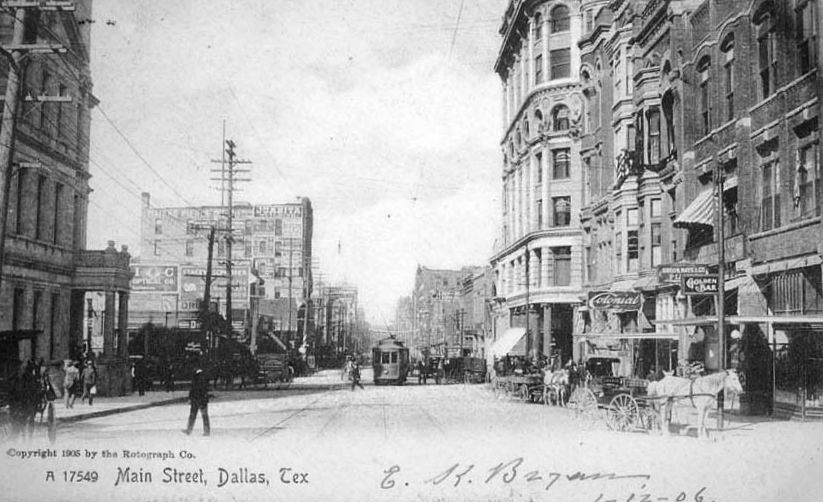
main-st_1905A wide Main Street (click for larger image)

by Paula Bosse

Just another day on Main, here looking west from the middle of the block between Ervay and St. Paul. The Wilson Building is on the right, the Juanita Building is at the top left.

***

Postcard from eBay.

*

Copyright © 2014 Paula Bosse. All Rights Reserved.

Preston Royal Fire Station — 1958

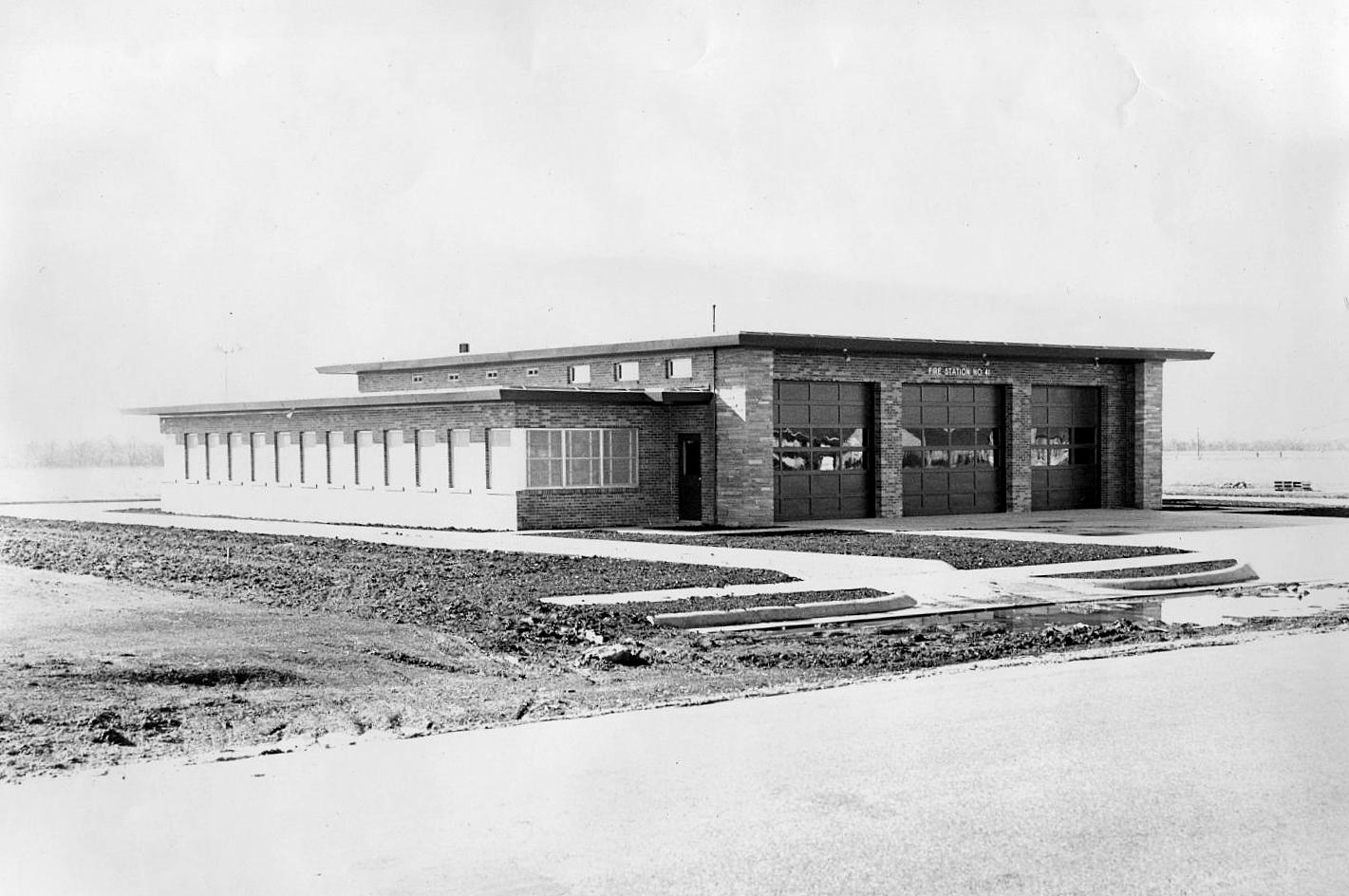
fire-station-41_royal-laneStation No. 41, 5920 Royal Lane (click for larger image)

by Paula Bosse

Above, Dallas Fire Station 41 on Royal Lane, just west of Preston Road, about the time it opened (the back of the photo says service at the station began Jan. 16, 1958). It looks as if it’s been set down upon a bleak and barren piece of land in the middle of nowhere, but, actually, commercial development in this Preston Hollow-area neighborhood was … um … on fire in 1958. The large shopping centers at Preston and Royal were under construction at this time, and even though it was very far north, it was most certainly a desirable area in which to live (as, of course, it still is).

The station was designed by architect Raymond F. Smith who had previously designed a couple of other fire stations in town, but who was known mainly for his work designing movie theaters, such as the Casa Linda (1945), the Delman (1947), and — hey! — the (long-gone) Preston Royal Theatre, which opened in 1959 right across the street from this fire station (both of which were, rather conveniently, a mere four blocks away from Smith’s Royal Lane residence).

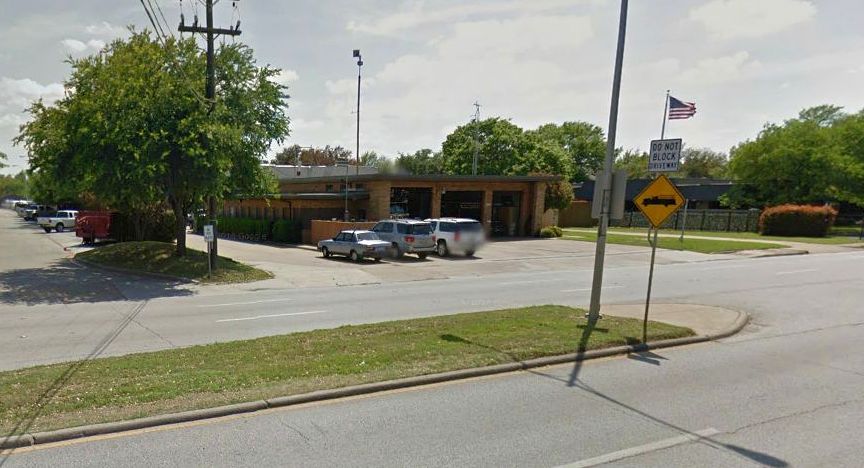
The station is still in operation, working to keep North Dallas flame-free — it just has a few more neighbors (and trees!) now than it did in 1958.

fire-station_royal_google

**

UPDATED Oct. 22, 2019: A powerful tornado hit northwest Dallas on Oct. 20, 2019 and devastated much of the Preston Hollow area. This fire station was hit hard, and it is currently out of commission. Below are photos from DFR’s Twitter feed.

preston-royal-fire-station_dfr-twitter_102119_int

preston-royal-fire-station_dfr-twitter_102119_ext

***

Sources & Notes

Photo from the Dallas Firefighters Museum, via the Portal to Texas History. It can be viewed here.

Second image of the firehouse from Google Street View.

Bottom two photos of the station post-tornado are from the Twitter feed of @DallasFireRes_q.

*

Copyright © 2014 Paula Bosse. All Rights Reserved.


The Texas Bookbindery, Arcadia Park

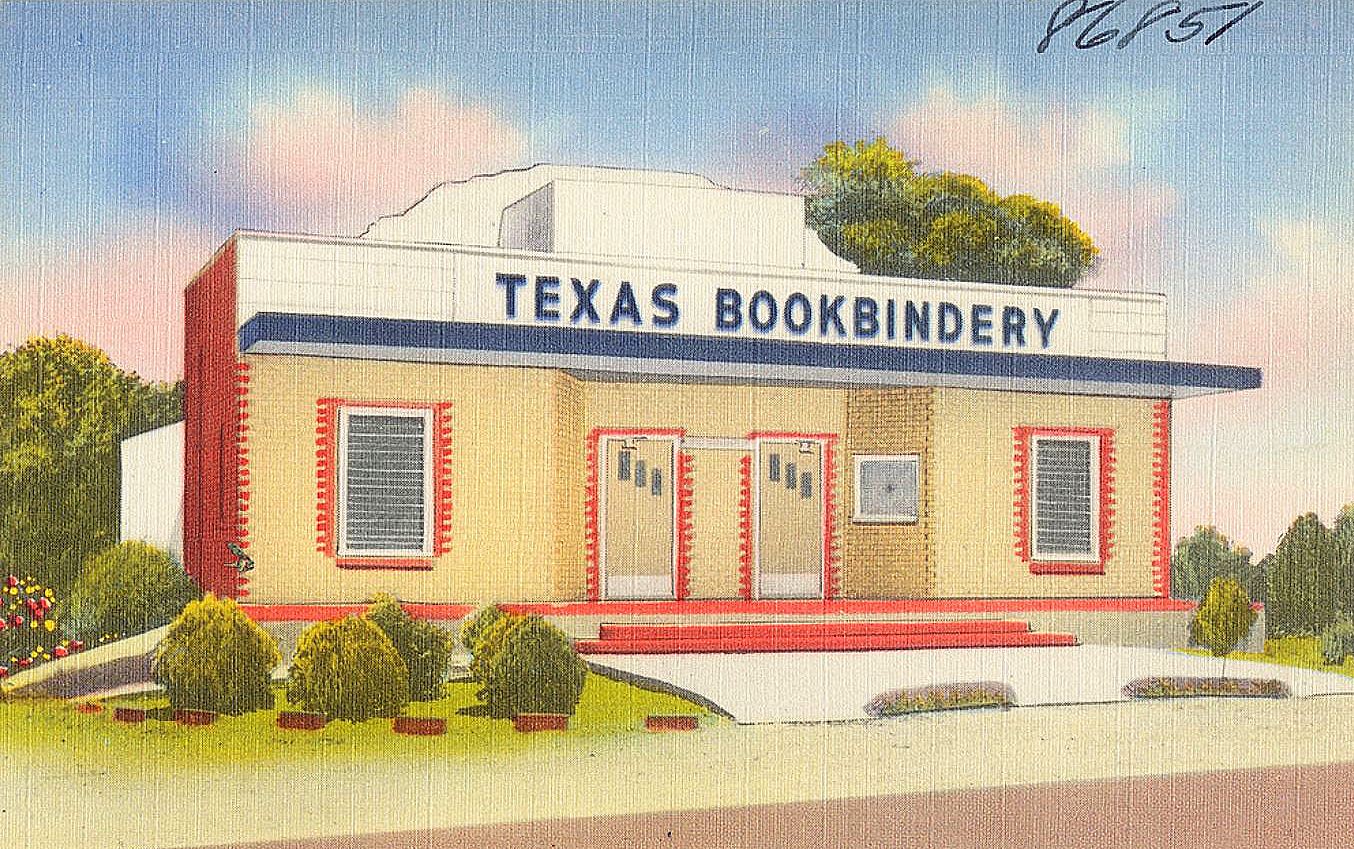
texas-bookbindery_oak-cliff_tichnorThe Texas Bookbindery, be-shrubbed and gleaming in Oak Cliff’s Arcadia Park

by Paula Bosse

Old postcards, such as the one above, are perfect little fictional jewels. One knows instinctively when looking at them that they show a highly idealized version of reality. I almost didn’t want to find out too much about the Texas Bookbindery, because I love this image so much, and I was pretty sure that if the simple-but-charming building still stood, it wouldn’t really look like a happy little place atop a slight hill, with lovely landscaping, where butterflies flitted among the flowers and bluebirds sang in the nearby trees.

I didn’t find out much about the Texas Bookbindery, except that it seems to have been in business from at least the late 1940s until the late ’60s or early ’70s. It was managed by a man named T. Bernard White, who was featured in a 1948 Dallas Morning News article about the horrible things people do to library books (the Dallas Public Library sent the bindery what sounds like an unending stream of not-quite-destroyed books which were still repairable).

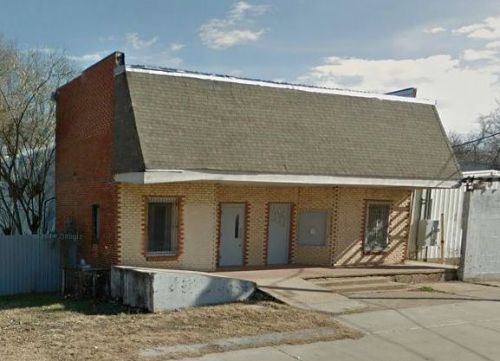
Apparently bookbinderies keep a pretty low profile, because the only other mention I found in the newspaper about this one was in 1962 when a large number of the 37 employees (“mostly women”) were overcome by fumes from poorly-vented gas heaters in the “one-story sheet-metal plant” (yes, a large sheet-metal structure extends behind the deceptively cheery street view). That story listed the address as 714 N. Justin, in the Arcadia Park area of Oak Cliff. I was almost afraid to plug that address into Google. As well I should have been. Here’s what that sweet little building looks like now (but …the shrubs! …the flowers! …the BLUEBIRDS!!):

tx-bookbindery-nowToday, via Google Street View

Poor little bookbindery.

UPDATE: A month after I wrote this post in November, 2014 the Google car drove down N. Justin and snapped a new Google Street View of the poor little bindery — it looked even sadder: it had a big hole in its roof. In March of 2017, that hole-in-the-roof image from December, 2014 has yet to be updated. See it here.

***

Sources & Notes

Postcard from the fantastic Boston Public Library Tichnor Brothers Postcard Collection on Flickr, here.

Click top pictures for larger image.

*

Copyright © 2014 Paula Bosse. All Rights Reserved.


The Elm Street Cave — 1967

elm-st-cracks_flickr_red-oak-kid_smThe Elm St. Cave – tourist attraction…

by Paula Bosse

In the wee hours of the morning of Jan. 11, 1967, a giant hole opened up on the south side of Elm Street — 200 yards long, 20 feet wide, and 15 feet deep — running roughly the entire length of the block between Griffin and Field. It was assumed that there was some connection between the cave-in and the adjacent construction of One Main Place. During the ensuing investigation into a cause, the consultations with geologists, the lawsuits, the repairs, the backfilling, etc., this very busy stretch of Elm was closed for an incredible seven months (!). Most of that time it was a gaping hole.

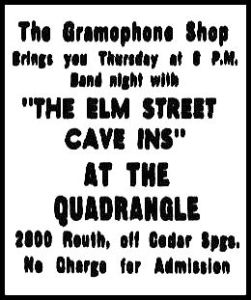
The hole was a major headache to city leaders and to downtown developers (…and to motorists), but it became an ongoing joke to everybody else. The “Elm Street Cave” and “Elm Street Cavern” were referenced everywhere for most of 1967. San Francisco had “The Summer of Love” that year, Dallas had “The Elm Street Cave-In.” It was the butt of endless jokes in local, out-of-town, and even out-of-state newspapers. A band sprang up calling themselves The Elm Street Cave-Ins.

cave-ins-band_dmn_062867June 28, 1967

A group of local lawyers known as The Skid Row Bar Association proclaimed to the press that it was “the last remaining scenic wonder in Dallas.” Curious tourists were drawn to the hole like camera-laden moths to a flame. “Talk about your ‘Deep Elm’!” became a punchline much bandied about by people who didn’t understand that something like that is moderately amusing once or twice, but that it tends to lose its sharpness after it’s repeated ten or fifteen times. And, bizarrely, it even found its way into an oddly defensive Sears ad (click to see a larger image).

ad_sears_dmn_070667-det_sm1967 Sears ad, detail

The hole was eventually filled in, and, in August — after months of jokes and inconvenience — the street was finally re-opened. Life returned to a pre-cave-in normalcy. The reason for the collapse was determined to be shifting rock formations below street level. One report said that workmen had “uncovered a huge crevice in the limestone beneath the street measuring 30 feet deep. They filled the crevice with concrete and tied together the broken sections of rock.” I’m not sure how comfortable I’d feel about a giant building sitting on shifting shale-covered limestone,* but apparently everything’s been fine ever since, and everyone — the engineers, the geologists, the One Main Place developers and tenants — lived happily ever after.

***

Sources & Notes

Associated Press photo of the lovely Judy Thedford and her fashionably large hair posing rather incongruously beside a car bumper appeared in newspapers across the country on Feb. 12, 1967. This scan is from the Red Oak Kid’s Flickr page, here.

The weird “Let’s quit apologizing! Dallas is worth seeing!” ad comes from a larger Sears advertisement that appeared in July 1967.

Related Dallas Morning News articles:

  • “Strip of Elm Collapses; Experts Remain Baffled” by Carolyn Barta (DMN, Jan. 12, 1967)
  • “Cracks on Elm Street Not Funny to City Hall” by Kent Biffle (DMN, Feb. 12, 1967)

*For people who (unlike myself) know something about geology, an article written in 1965 about the special problems regarding the One Main Place excavation and construction (“How to Support Skyscrapers” by Martin Casey — DMN, Nov. 28, 1965) might be interesting. There is much mention of Austin Chalk Limestone and Eagle Ford Shale, which made the One Main Place project quite troublesome to engineers. 

*

Copyright © 2014 Paula Bosse. All Rights Reserved.

Dallas’ Ford Dealerships in the 1920s: Authorized for Your Protection

ford_dal-exp_091622-smAuthorized Ford dealers, 1922

by Paula Bosse

Dallas has always been a big car town, getting its first look at a “horseless carriage” way back in 1899 when E.H.R. Green sped into town at 15 m.p.h. and startled the citizenry. By 1903, The Dallas Morning News was bragging that Dallas had more privately owned cars than any other city its size in the South (“over 40”). By 1909, the Ford Motor Company had a Model T service center in the city, and in 1914, Ford opened an important regional assembly plant downtown (which later moved to more spacious digs on East Grand).

For many years, there were six — and only six — authorized Ford dealers in town. In several ads of the period, “automobilists” were stringently warned to avoid “bogus” agents offering counterfeit Ford parts. (Accept no knock-offs!) Below, the six authorized Ford dealers operating in Dallas in the 1920s. (All photos are larger when clicked.)

ford-dealer_fishburn_houston_dmn_101329Above, Fishburn Motor Company, 101 N. Houston St. Long gone, Dealey Plaza now occupies this site. Behind the building, at the right, is the Southern Rock Island Plow Company building, better known today as the School Book Depository.

ford-dealer_flippen_ross_dmn_101329The Flippen Auto Company, 1917 Ross Ave. The building took up part of the block now occupied by the Dallas Museum of Art.

ford-dealer_lamberth_dmn_101329Lamberth Motor Company, 3800 Main St. This building, not far from Fair Park, is at Main and S. Washington and later became part of the Fritos factory. With the building’s renovations over the years, it’s a little difficult to tell, but I think this building is still standing (and is the only one of these six buildings that has survived). To see what this building has looked like over the years, see my previous post, “3800 Main: Fritos Central,” here.

ford-dealer_morriss_lancaster_dmn_101329aThe John E. Morriss Company, 132 North Lancaster Ave., Oak Cliff. I’m not positive, but I think this may have been where Hector P. Garcia Middle School now stands.

ford-dealer_rose-wilson_ervay_dmn_101329Rose-Wilson Company, 1218 South Ervay St. In the Cedars, one block north of the Ambassador Hotel.

ford-dealer_shelton_main_dmn_101329J. H. Shelton & Company, 2311 Main St., at the very edge of Deep Ellum. The buildings seen here were right about where Central Expressway crosses over Main.

ford-logo_19221922

*

Copyright © 2014 Paula Bosse. All Rights Reserved.