Flashback : Dallas

A Miscellany: History, Ads, Pop Culture

The Stretch of “Theater Row” They Never Talk About

leo-theater
The “other end” of Film Row

by Paula Bosse

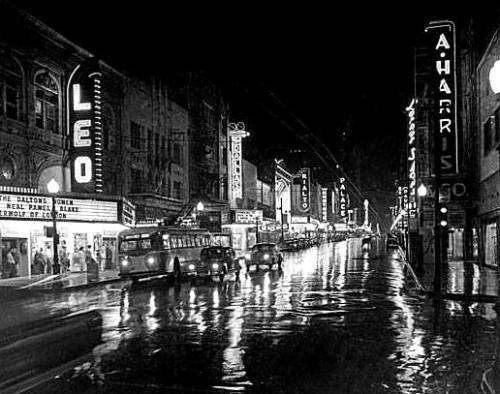
It’s April, 1952, and you’ve got a hot date Friday. Movies are good for date night. What to see? Why not catch a bold, frank, and true “adult” double-bill at the Leo? In the early-’50s, the Leo Theater, at 1501 Elm Street, was at the other end of “Theater Row” — on the metaphorical “other side of the tracks” from the classy Majestic and Palace — and it was one of those places that your mother probably wouldn’t approve of.

leo-theater_dmn-0405521952

The ad above shows a typical Leo double-feature: “Pin-Down Girl” (aka “Racket Girls”) from 1951, a searing look at lady wrestlers and prostitution (the trailer below has a moment that’s actually pretty shocking, and you’ll laugh at yourself immediately afterward for having been shocked), and “Honky Tonk Girl” (aka “Hitchhike to Hell”) from 1941 about teenagers and, well, prostitution. There were at least two exploitation movies titled “Honky Tonk Girl,” so I’m not sure which is the correct poster for the particular cinematic treasure on the Leo bill, but I really love the artwork of this one, so in it goes.

honky-tonk-girl_poster

Here’s the trailer for “Pin-Down Girl” (which is handy, because it gives you about all you really need to satisfy a piqued curiosity without wasting a lot of your time):

**∙*

***

Sources & Notes

I don’t have a source for the top photo, but I believe I have seen it attributed to the Dallas Public Library. If this is incorrect, please let me know.

A little background on the Leo Theater (1948-1953), originally the Queen (1913-1948), can be found in the comments section here.

But if you want to know just what was going on in these not-quite-but-fast-approaching seedy Dallas theaters, you owe it to yourself to read a great passage from Troy Sherrod’s Historic Dallas Theatres (Arcadia Press, 2014), here (scroll down to the caption).

*

Copyright © 2014 Paula Bosse. All Rights Reserved.

George Dahl’s Titche-Goettinger Building

titches

by Paula Bosse

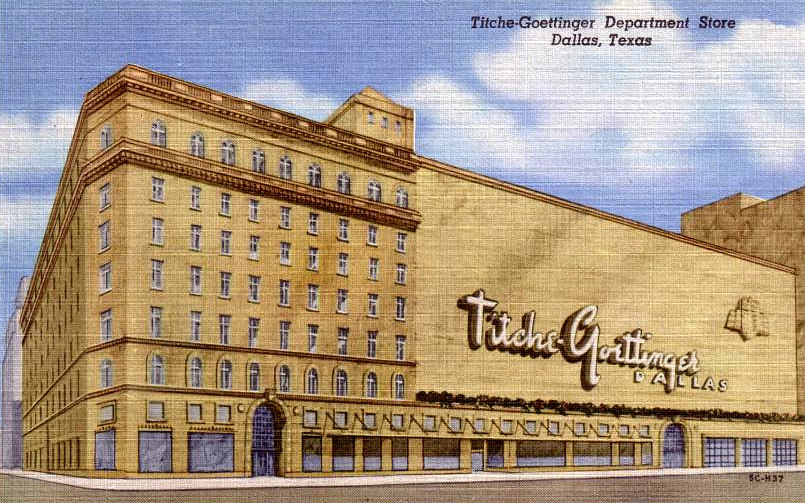
Such a beautiful building! Such a beautiful font!

George Dahl designed the original building (on the left) in the late-1920s, and Thomas, Jameson & Merrill designed the expansion (on the right) in the early ’50s.

titches_new-store_sunset-high-school-yrbk_1929
Ad from the 1929 yearbook of Sunset High School

***

Read about the building here.

Everything you could want to know about Titche-Goettinger/Titche’s is here.

UNT owns the building at 1900 Elm now, and it’s installed windows in that cool solid wall where the store’s name used to be. Check out photos of key renovations and read why they were made here.

More on the Titche’s building (including news on its expansion in 1952 and an architect’s drawing) can be found in the Flashback Dallas post “Main Street — ca. 1942,” here. See the expanded building here.

Click for larger image!

*

Copyright © 2014 Paula Bosse. All Rights Reserved.

Need a Handgun? Head Over to Titche’s! — 1963

titches_gunstitches_guns_dmn_110563c

by Paula Bosse

Titche’s was a nice department store. In 1963 it was a good place to buy a well-tailored suit, shop for fine crystal, and, apparently, get a gun.

***

Sources & Notes

Ad from Nov. 5, 1963.

*

Copyright © 2014 Paula Bosse. All Rights Reserved.


Dallas Cowboy — 1945

langley_skyline-horseback_c1945_LOC

by Paula Bose

Big changes comin’, pardner.

***

Photo by William Langley, from the Library of Congress.

Click for larger image.

*

Copyright © 2014 Paula Bosse. All Rights Reserved.

The Margules Family’s Passover Seder

1-passover_djhsClick for larger image (Dallas Jewish Historical Society photo)

by Paula Bosse

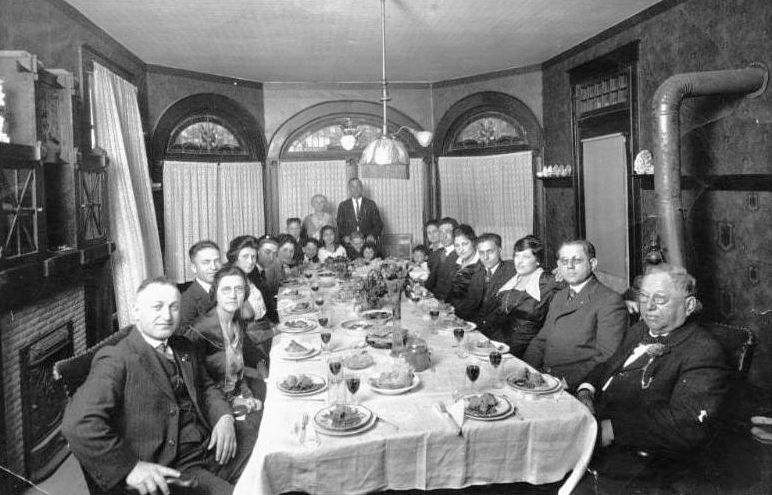
Above, a photograph of Passover seder, probably in the 1920s, taken at the South Dallas home of Sam and Dubbie Margules, with some (or all) of their nine children.

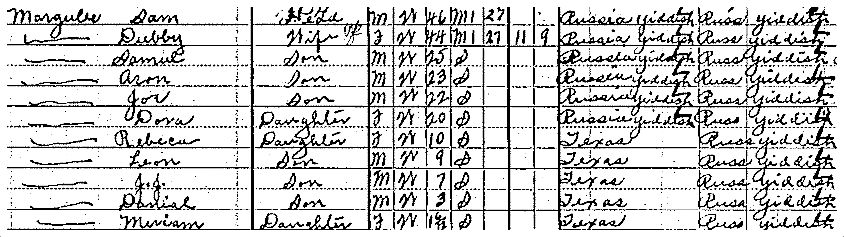
2-margules_census_1910(1910 Census — click for larger image)

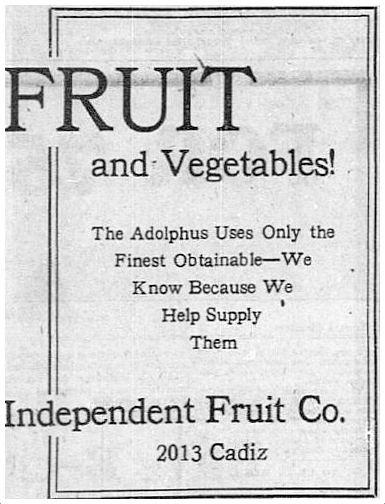
Sam Margules immigrated to the United States from Russia in the late 1880s. By the early 1890s he had made his way to Dallas and had begun working in the wholesale produce business. Once settled and on secure financial footing, he sent for his wife and four children (five more would be born in Dallas). In 1915, Sam established his own business, the Independent Fruit Co.

3-margule_ind-fruit-co_dmn_010116(1916)

4-margules_adolphus_dmn_101224(1924)

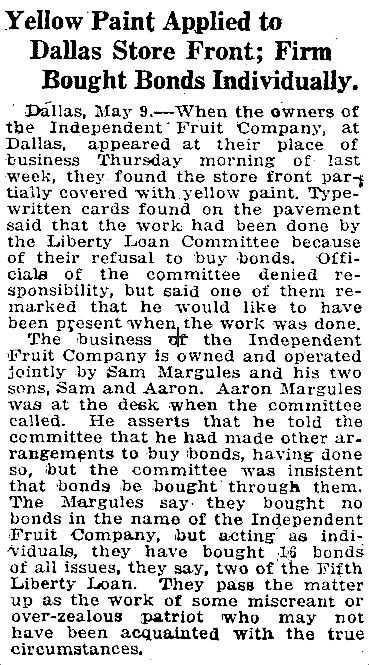
Even thought the Margules family seems to have had a happy and successful life in Dallas, there was one incident that must have been very unsettling for them. In the waning days of World War I, a Chicago trade publication reported an instance of vandalism against the Independent Fruit Co., perpetrated by a thuggish Liberty war bond committee. In what was clearly meant as intimidation, the shakedown “committee” had splashed yellow paint across the Margules storefront in the dead of night, as punishment for what they believed was the family’s refusal to purchase Liberty bonds. These attacks with yellow paint were a common occurrence around the country in those days (as was tarring and feathering!), and they were frequently directed at immigrants, as were nasty accusations that they were “slackers”  (a much-used pejorative at the time meaning “unpatriotic shirker” or even “coward”)

The family seems to have shrugged off the incident, but it must have been a frightening time for them. The Jewish community in Dallas was a large and thriving one, but there was always antisemitism to deal with, and the Ku Klux Klan’s rise to power in the 1920s was particularly difficult for Jews in Dallas. (Click article below to see larger image.)

5-margules_chicago-packer_051019(1919)

Sam Margules died in 1930 at the age of  67, a 40-year resident of Dallas. His wife, Dubbie, died in 1953 at the age of 90, survived by 18 grandchildren and 17 great-grandchildren.

***

Sources & Notes

Photo from the Dallas Jewish Historical Society — the full citation is here.

Ads from The Dallas Morning News.

Article on the yellow paint attack from The Chicago Packer, May 10, 1919.

A passage on other yellow paint attacks on America’s immigrants by Liberty Bond committees can be read here.

A lengthy article on “The Jews Who Built Dallas” by David Ritz  (D Magazine, Nov. 2008) can be read here.

Click top two pictures for larger images.

*

Copyright © 2014 Paula Bosse. All Rights Reserved.


That Commute Would Have Been a Whole Lot Less Traumatizing 60 Years Ago

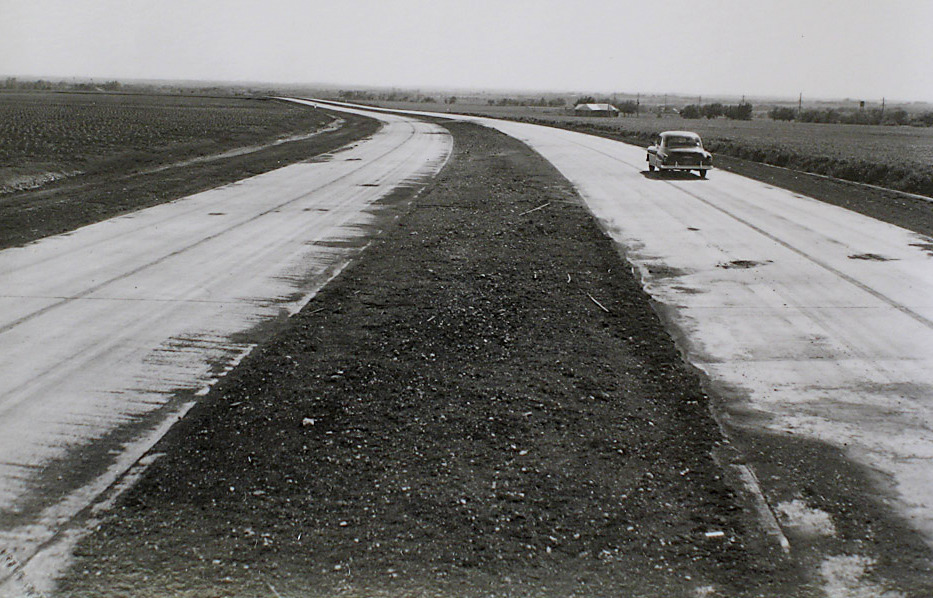
central-expressway_n-of-nwhwyA lonely stretch of Central Expressway…

by Paula Bosse

Above, we see a new section of US 75/Central Expressway, north of Loop 12/Northwest Highway, 1955.

Just let that sink in a moment.

***

Sources & Notes

From an incredibly informative blog on Dallas-area freeways. The photographs documenting the construction of Central are great — check ’em out here.

*

Copyright © 2014 Paula Bosse. All Rights Reserved.

“Start Your Day the Happy Way … with The Dallas Morning News” — 1961

ad-DMN_dmn_101461
(click for larger image)

by Paula Bosse

A word from a secretary:

I’m a secretary, and I prefer The Dallas Morning News.

My boss refers to me as his “Girl Friday” because I am more than an ordinary secretary. I make more money than an ordinary secretary makes, too.

Questions come up from time to time and I am able to supply the answers … simply because I start my day the happy way … with The Dallas Morning News.

I read it all … the news, editorials, even glance through the business and sports sections. I pay particular attention to current affairs, both foreign and domestic.

For myself, I browse the women’s pages … the fashion news, club activities, and all the special features. The advertising is very helpful. I do most of my shopping during the lunch hour. I always know where to go for what I want without having to shop around.

If you are a secretary and would like for your job to be more interesting … and valuable, too … here’s a tip. Start your day the happy way with The Dallas Morning News.

*

Copyright © 2014 Paula Bosse. All Rights Reserved.


Hoisting a Few in the Basement Speakeasy

speakeasy_greene

by Paula Bosse

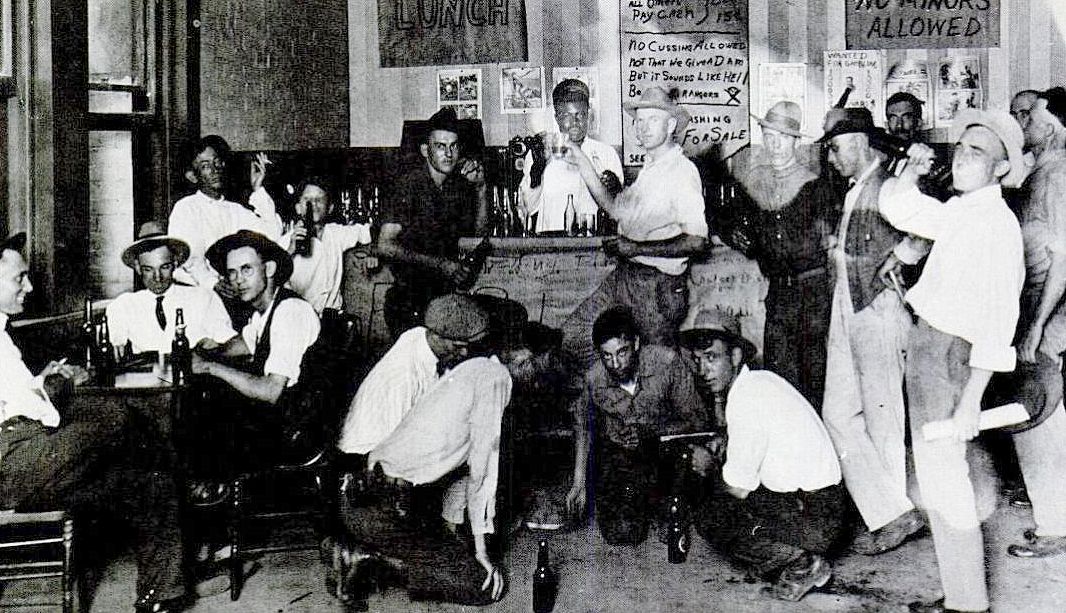
It’s tax day. Here’s a photo of men drinking illegally and gambling. Cheers!

“Dallas voted for Prohibition October 1917 — but it didn’t go dry, as this workingman’s speakeasy (a word not developed then) shows. One sign assures drinkers ‘No Neer Beer Served.’ This is a basement of some downtown building, address unknown.”

***

Photo and caption from Dallas, The Deciding Years by A. C. Greene (Austin: Encino Press, 1973).

Click picture for larger image.

*

Copyright © 2014 Paula Bosse. All Rights Reserved.

The Hyperbolic Paraboloids of the Prairie

hyperbolic_paraboloidThe future is NOW! (click for larger image)

by Paula Bosse

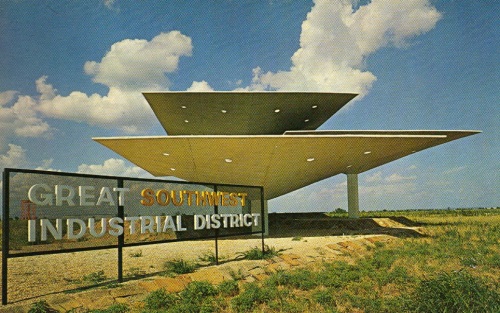
In amongst things the things I’ve haphazardly collected (and I use the term loosely) over the years is this postcard. The image looks familiar to me, as if I remember actually seeing it — but I think that might just be because I’ve looked at this postcard so long. The first thing that popped into my head when I saw it was “turnpike,” but until I read up on the history of local highways (my days are fun-filled!), I wasn’t entirely sure where the turnpike had been other than “the other side of downtown, toward Fort Worth.” Did I ever see this sign and attendant weird looming structures when I was a child? Unless it was still up in the ’70s, I probably didn’t. So what is it?

Here’s the text from the back:

  • Concrete wings
  • THREE HYPERBOLIC PARABOLOIDS
  • GREAT SOUTHWEST INDUSTRIAL DISTRICT
  • Midway between Dallas and Fort Worth
  • “Located on U.S. 80, these hyperbolic paraboloids stand as insignia of the vast Great Southwest Industrial District in the center of the Dallas-Fort Worth metropolitan area. This thin shell ‘concrete umbrella’ construction form was pioneered in the Untied States by Great Southwest Corporation, developer of a 5500-acre planned industrial district.”

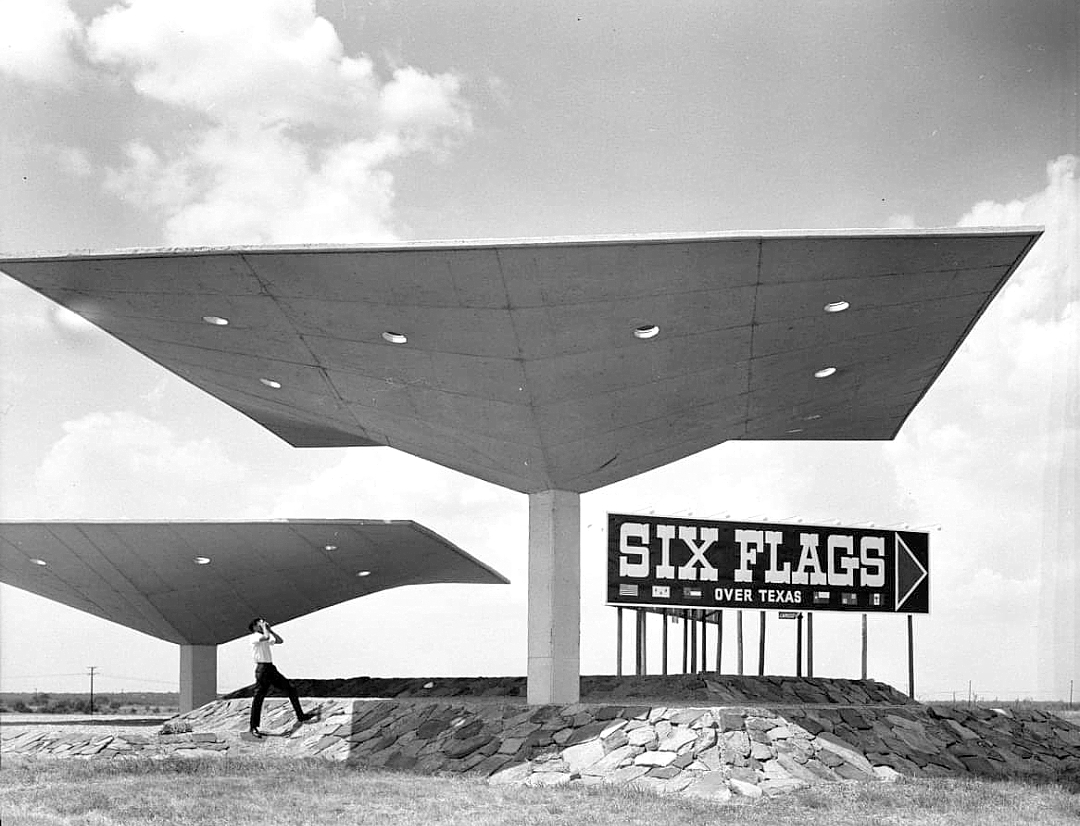
It was somewhere around Arlington and Grand Prairie, back when it was still a vast, undeveloped area being planned in the mid-1950s by Angus Wynne who would, a few years later, bring us Six Flags Over Texas. (US Hwy 80 no longer runs west of Dallas — that stretch is now, I think, Hwy 180 — it was shoved off its Great American Interstate Highway pedestal by the DFW Turnpike and the arrival of what is now Interstate 30.)

hyperbolic-parabola_six-flags_1961_tx-highways-mag_FB
1961 (Texas Highways photo by Willis Albarado)

But … “hyperbolic paraboloids”? Those things are so cool. The “hyperbolic paraboloid” was developed by Mexico-based Spanish engineer-architect Felix Candela who worked in the Dallas area with the great architect O’Neil Ford (on, specifically, the Great Southwest Industrial District and the Texas Instruments Semiconductor Building). Candela is pretty interesting — look him up. Without Candela’s paraboloids and his contributions to engineering and architecture, Santiago Calatrava probably wouldn’t be doing the sort of thing that he’s doing.

Here’s another view of (other) paraboloids out on the Texas prairie. They’re like elegant, curved, inverted parasols. Kind of. Made from thin shells of concrete. (One source identified these paraboloids as being part of the Great Southwestern Industrial District and another source as being from the Texas Instruments campus. (See 1958 TI ad below.) Either way, it’s Felix Candela, all the way.)
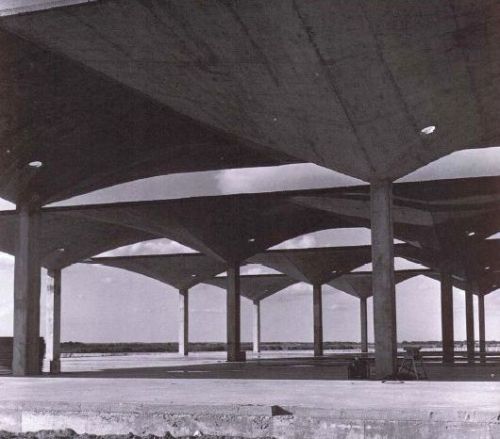
paraboloid_texas-instruments

I’m still trying to figure out if I ever saw that fantastic sign and those three silent, looming paraboloids. It’s all pretty cool-looking, and it must have been an unexpected sight in the middle of what was, then, basically nothing.

Speaking of Candela and Calatrava, here’s a photo of the two together:
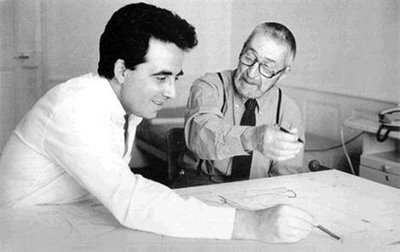
calatrava-candela

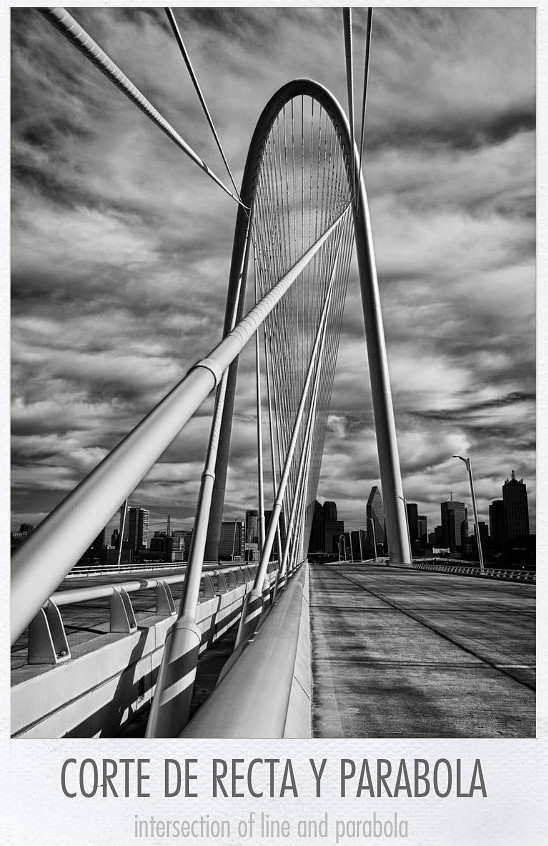
And here’s another paraboloid-y structure that stands out in the DFW area — you might have seen it:
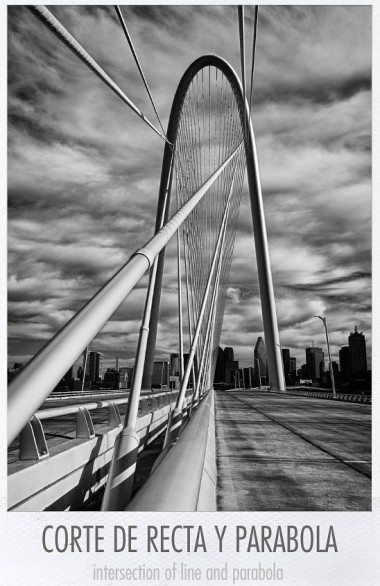
calatrava_parabola

***

Sources & Notes

Photo of Calatrava and Candela from the blog An Engineer’s Aspect, here.

Photo of the Calatrava bridge from Pinterest, here.

A good overview of Felix Candela’s work, with photos and a video, is on the Columbia University website, here.

The Great Southwest Industrial District (Arlington and Grand Prairie) still exists, and their website has a history page which explains its creation and development by Angus Wynne, here.

Lastly, who could resist reading up on just what the heck a “hyperbolic paraboloid” is (warning: math) — Wikipedia’s on it, here.

A 1958 Texas Instruments ad wants you to know that “hyperbolic paraboloids form roof-ceiling” (click to see larger image):
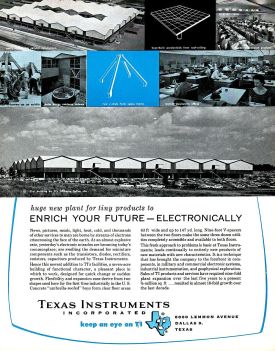
texas-instruments_hyperbolic-paraboloid_1958_ebay1958

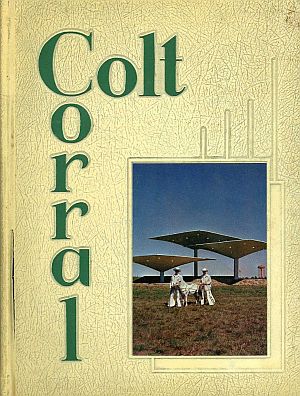
UPDATE: Thanks to comments below, I’m happy to present another photo of the paraboloids, this one from the cover of the 1960 Arlington High School yearbook, complete with Shetland pony! Click the image below to see a larger image of the photo inset. (Thanks to Brad McCorkle for alerting me to the photo — it was taken by his father, Lynn McCorkle, intrepid student photographer!)
paraboloid_arlington-high-school-yrbk_1960

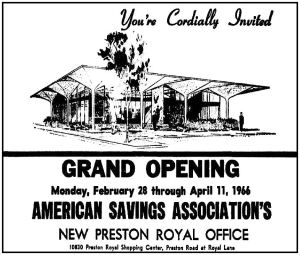
ANOTHER UPDATE, from the comments: this still-standing building at 10830 Preston Road (Preston Royal Shopping Center) was one of many that utilized hyperbolic paraboloids in its design. The American Savings Association building (designed by Brock & Mabrey of Corpus Christi, with Braden & Jones of Dallas as associated architects) opened in March, 1966.
american-savings-association_hyperbolic-paraboloid_030166

*

Copyright © 2014 Paula Bosse. All Rights Reserved.

A Colorful Elm Street — 1920s

elm-st-color_1920s

by Paula Bosse

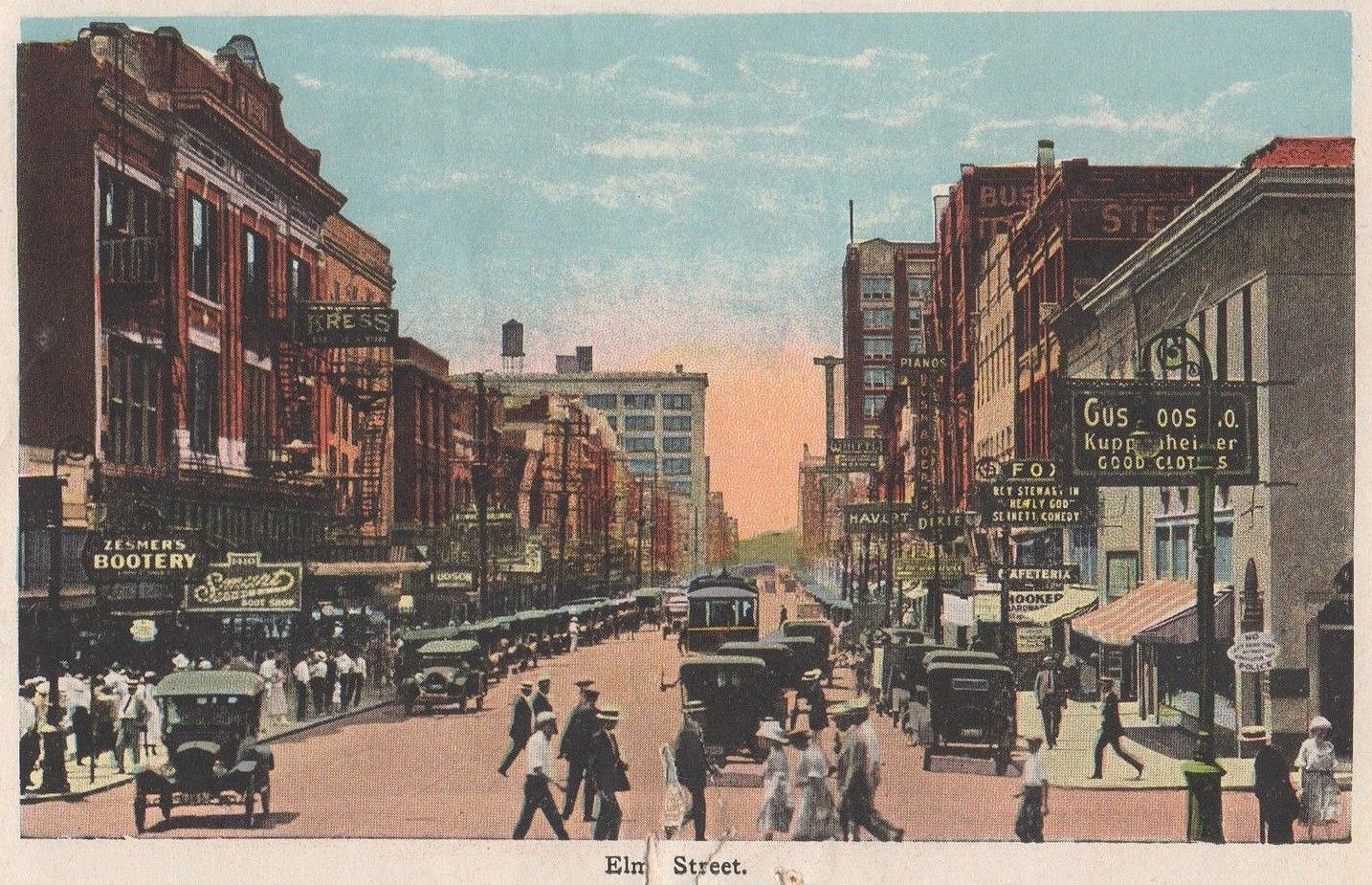
A bustling Elm St. — looking west from Akard — in “color,” in the early ’20s. I love this. You can practically walk down the street and window-shop.

Click for very large image.

*

Copyright © 2014 Paula Bosse. All Rights Reserved.