Flashback : Dallas

A Miscellany: History, Ads, Pop Culture

Labor Day Parade — 1911
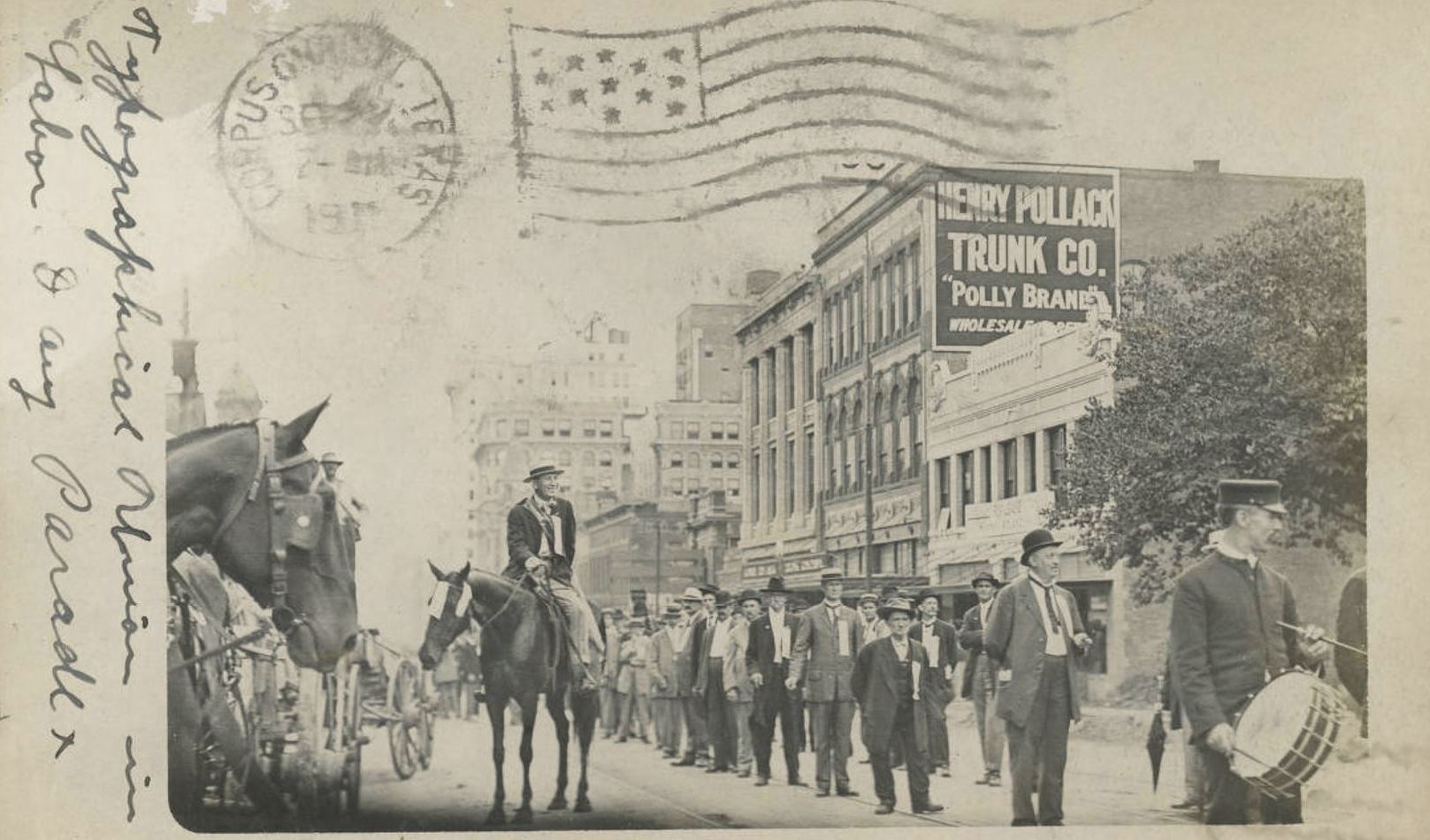
labor-day-parade_typographical-union_ca1911_cook-colln_degolyerUnion men on parade… (click for larger image)

by Paula Bosse

The photo above shows members of the Typographical Union marching in the Labor Day Parade held on Sept. 4, 1911. The photograph was taken looking west on Main Street toward St. Paul. (The Henry Pollack Trunk Co. was in the 1900 block, later occupied by the Titche’s building, now the Universities Center.)

The real photo postcard was sent three weeks later by John R. Minor, Jr. (a member of the union who worked as a linotype operator at The Dallas Morning News) to his mother, Mrs. Ada L. Minor, who was convalescing in Corpus Christi. (It’s possible the 27-year-old Minor was in this photo.)

Coverage of the day’s festivities can be read in the DMN article “Labor Day in Dallas Excels Past Record” (Sept. 5, 1911) here.

May your Labor Day not be spent walking behind a horse!

*

I feel I have to insert this bit of trivia here, if only because I spent so much time reading about the Minor family: in 1906, when John R. Minor, Jr. was 22 years old, the building in which he had a third-floor apartment was consumed by fire in the early hours of the morning. The three-story Knepfly Jewelry Building — built in 1888 on the southwest corner of Main and Poydras — was something of a landmark. The fire spread through the building so quickly that the only way to escape was to jump. Minor jumped and broke both legs and his pelvis. He was not expected to live, but he managed to pull through and spent several weeks in the hospital recovering. Two of the other top-floor residents died — one of whom had also jumped. Here’s the building. Minor had to jump past the telegraph wires on the Poydras (left) side of the building (the telegraph wires can be seen better in this photo from Dallas Rediscovered). He landed on his feet in the middle of the street. It’s amazing he didn’t break more bones. (Click for larger image.)
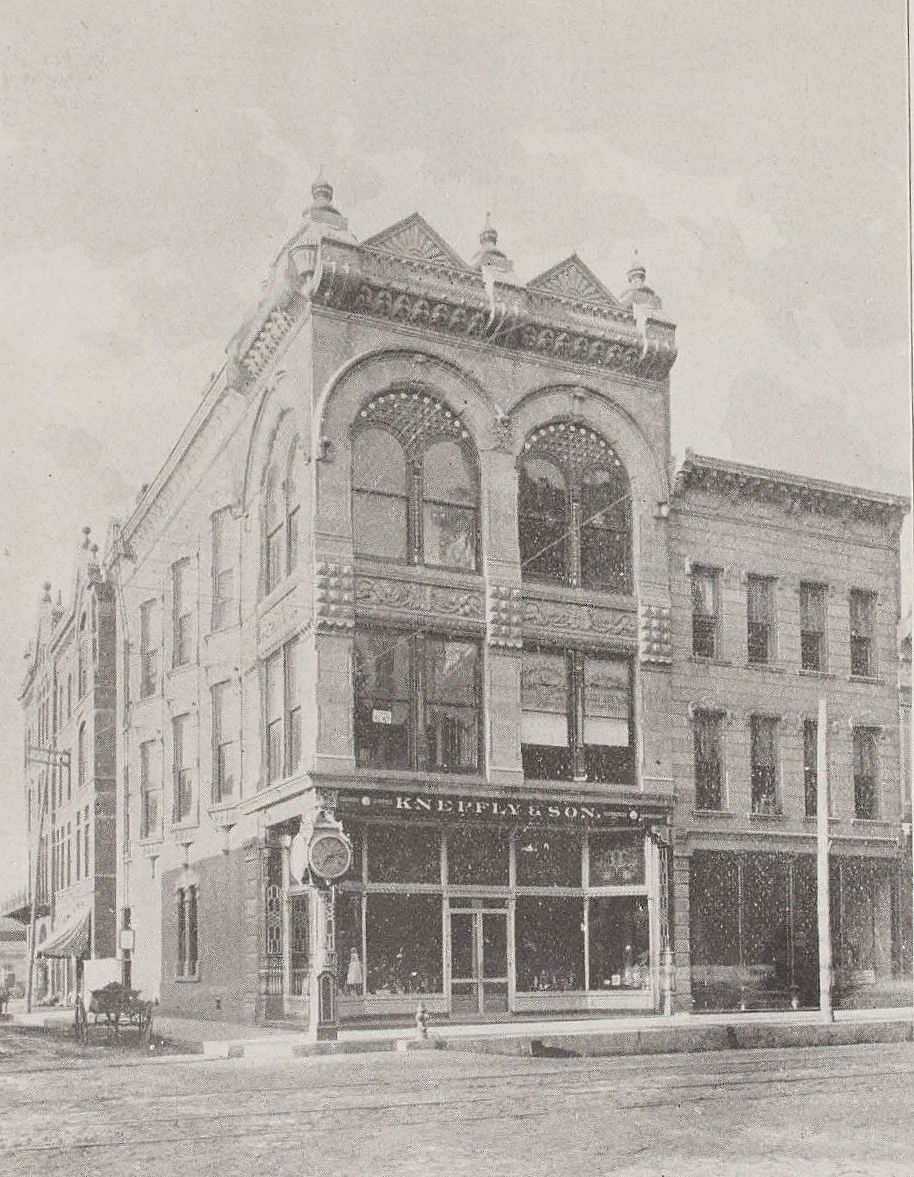
knepfly-bldg_church_dallas-through-a-camera_ca-1894_SMU

If he had marched in the 1911 Labor Day parade — which went west down Elm from about Pearl, then back east on Main from Lamar — he would have walked right past the building. On second thought, if he broke both legs and his pelvis, a mile-long march in a parade might have been a little taxing. (Maybe he’s the one on the horse!)

***

Sources & Notes

Postcard titled “Typographical Union in Labor Day Parade” is from the George W. Cook Dallas/Texas Image Collection, DeGolyer Library, Southern Methodist University; more info (and an image of the message side of the card) can be found here.

The photo of the Knepfly Building is by Clifton Church, from his book Dallas, Texas Through a Camera (1894), accessed from the DeGolyer Library, SMU Libraries, Southern Methodist University; more info is here.

Click pictures to see larger images.

*

Copyright © 2016 Paula Bosse. All Rights Reserved.


Under the Paw of the Tiger: Taking the Cocaine, Morphine, and Opium “Cure” — 1890s

ad-dallas-ensor-institute_souv-gd_1894
“No cure, no pay…”

by Paula Bosse

In the 1890s, Dallas had a big cocaine problem. And a big morphine problem. And a big opium problem. In fact, the whole country did. Before the over-the-counter dispensing of these drugs was made illegal, they were easily obtained in any drugstore. Cocaine was especially cheap: a nickel or a dime (the equivalent of about two bucks in today’s money) could get you plenty. Things seem to have hit the breaking point in Dallas in 1892, with scads of lurid cautionary tales about crazed and doomed hopheads filling the papers, but the problem had been building for a while.

With this sudden surge in readily available opiates came a surge in institutions attempting to help the addicted kick their habit. Between 1893 and 1895 or 1896, there were three such places one could go to “take the cure” in Dallas: the Dallas Ensor Institute (which was located at what is now 1213 Elm Street, between Griffin and Field, where Renaissance Tower now stands), the Hagey Infirmary (in what is now the 2100 block of Main, just east of Pearl), and, most famously, the Keeley Institute (which for many years was on Hughes Circle in The Cedars, just south of Belleview, between S. Akard and S. Ervay). The first two  were gone after only a couple of years, but the Dallas branch of the then-famous Keeley Institute lasted in Dallas at a few different locations until at least 1936.

*

The text of the 1894 Dallas Ensor Institute ad above:

No Gold – No Mineral
The Dallas Ensor Institute
For the Cure of
Liquor, Morphine, Cocaine
and Tobacco Habits
No. 287 Elm Street,
Opened in the City of Dallas on the 1st day of July, 1893, and has successfully cured Two Hundred and Sixty-Three people all told, who are to-day sober men with the exception of three.
We Guarantee a Cure in every case, to the entire satisfaction of the patient, or it COSTS HIM NOTHING
REMEMBER, NO CURE, NO PAY.
Consultation Free and Correspondence Solicited.
Address Lock Box 367.
C. B. BEARD, Manager
Call and see us

*

The more widely known Keeley Institute opened in Dallas around 1895 (click ad for larger image).

keeley-institute_dmn_103195
Dallas Morning News, Oct. 31, 1895

The text is worth a read of its own:

keeley-institute_dmn_103195-det

It’s interesting that the Keeley ad and the Ensor ad both admit to being less than perfect in their success rate — to the tune of “three.” I wonder if they were the same three people?

keeley-institute_1899
1899

*

Even though the addiction rate was getting to be something of an epidemic — especially, it seems, among women — pharmacists were split on whether the city council should ban sales of these drugs except when ordered by a doctor. While all of them saw first-hand the hopeless addicts who came in every day proffering scrounged dimes, many were loath to lose the steady business — they were making a pretty good living. It wasn’t until about 1901 that the city council outlawed the sale of narcotics unless accompanied by a prescription; the State of Texas enacted a similar law four years later. Not that that stopped people from continuing to “hit the pipe” (a phrase I was surprised to see had been around in 1910), but it probably did save many lives in the days when addiction was not very well understood and was not very effectively treated.

***

Sources & Notes

Dallas Ensor Institute ad from the Souvenir Guide of Dallas (Dallas: D. M. Anderson Directory Co., 1894).

Interested in more on a druggy Dallas?

  • See an ad for the Hagey Infirmary in my post “Hagey Infirmary, No Patient Too Frail — 1894,” here.
  • See my post “‘Delusions of Affability’ — Marijuana in 1930s Dallas,” here.
  • And, heck, see my other cocaine-related post, “New Year, New Teeth — 1877” — about a dentist who might have been dipping into his own medicine chest a little too frequently — here.
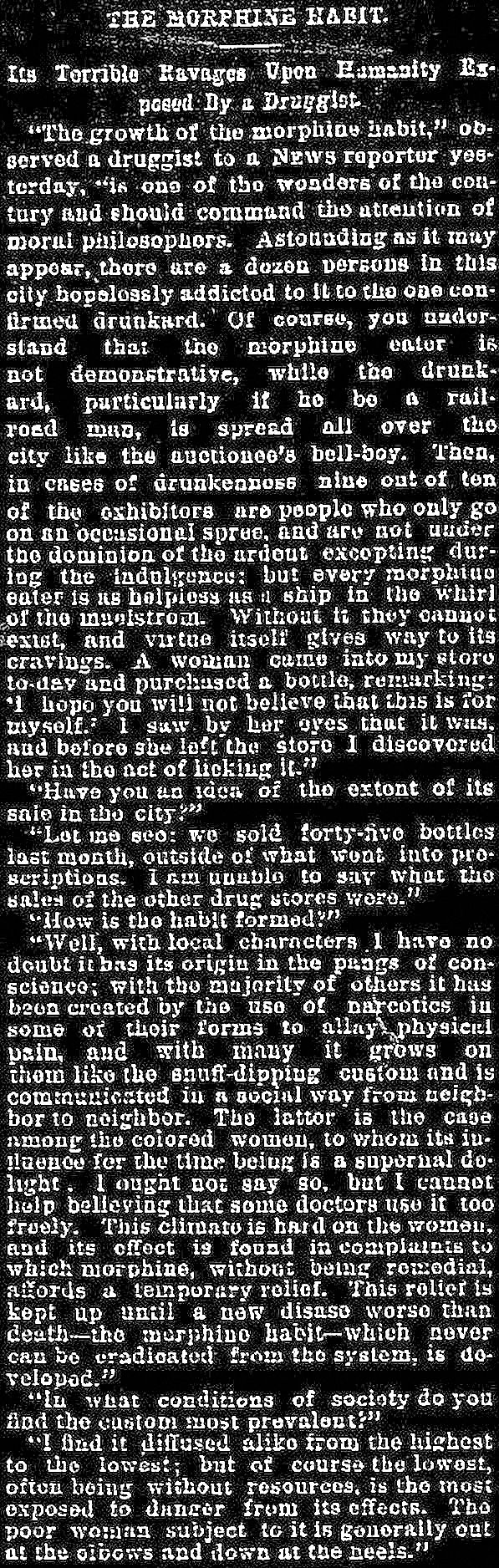
  • See the Dallas Morning News article “When Dope Sold Like Aspirin,” by Kenneth Foree (DMN, Sept. 5, 1951) for a really interesting look at Dallas during its first wave of drug problems. Imagine, if you will, the sight of a woman so in need of a fix that, despite having vehemently assured the druggist only moments earlier that the “medicine” she was purchasing was not for her, she began to lick the bottle before she even left the store. Cocaine is a hell of a drug….

A Dallas Morning News article which was cited by Kenneth Foree in the above article was this one, from 1887 (click to see a larger image):

morphine-habit_dmn_090587
DMN, Sept. 5, 1887

The song referenced in the Foree article mentioned above is “Take a Whiff on Me,” which Lead Belly — who played around Deep Ellum in the ‘teens and ’20s — recorded in the 1930s. One of the verses of the song sometimes called “Cocaine Habit Blues” has a Dallas shout-out: “Walked up Ellum and I come down Main / Tryin’ to bum a nickle just to buy cocaine / It’s oh, oh, baby take a whiff on me.” Hear his version of the song (and read the lyrics) here (the “Ellum” line is at the 1:29 mark).

Most images are larger when clicked.

*

Copyright © 2016 Paula Bosse. All Rights Reserved.


The Fair Park Bond Issue — 1934

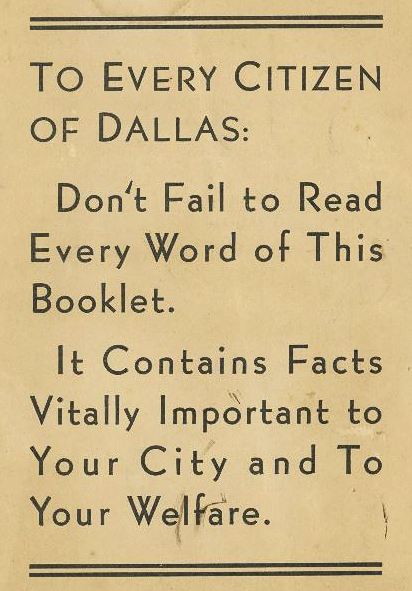
centennial-bond-issue_front-cover_cook-collection_degolyer_SMU_sm“Forward 1936…”  (DeGolyer Library, SMU)

by Paula Bosse

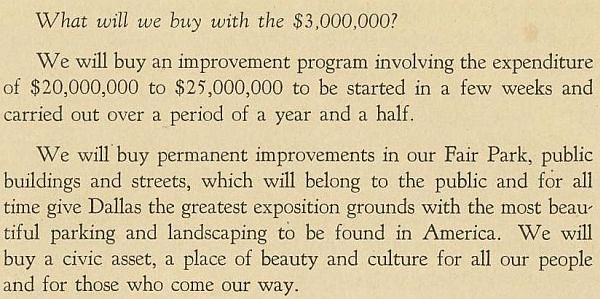
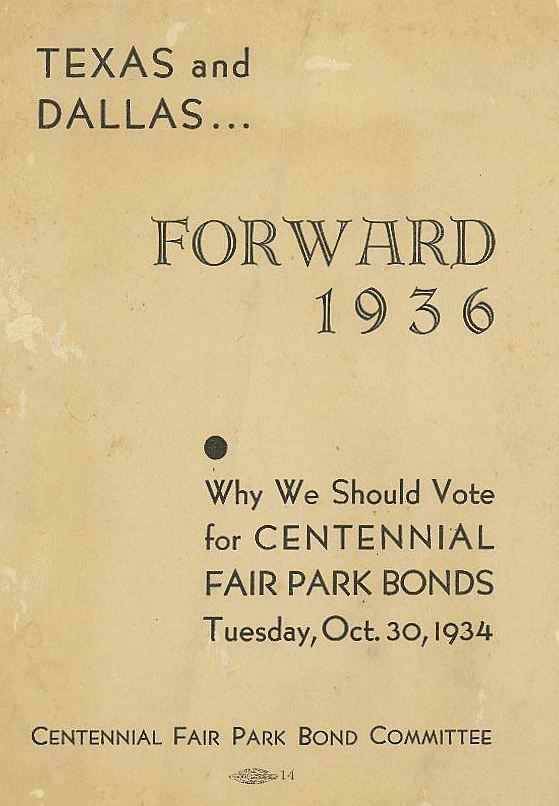
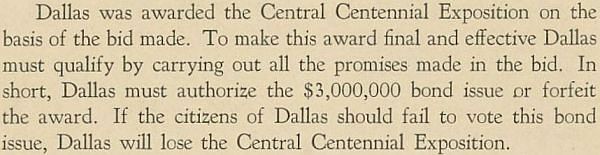
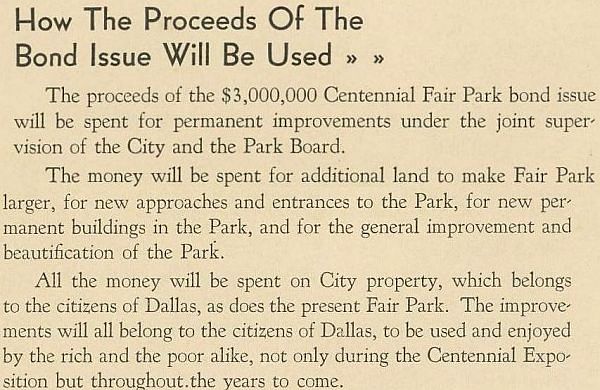
With all the heated discussion currently going on about what the city is going to do with Fair Park, I thought this little pamphlet from 1934 seemed timely. Published by the “Centennial Fair Park Bond Committee” (comprised of all the Dallas movers and shakers one would expect), the get-out-the-vote brochure was issued to explain the $3,000,000 (about $54,000,000 in today’s money, adjusted for inflation) bond issue, the approval of which was essential in order to clinch the honor of hosting the Texas Centennial Exposition in 1936. The entire pamphlet — part of the George W. Cook Collection in the DeGolyer Library — may be read on SMU’s website, here.

centennial-bond-issue_back-cover_cook-collection_degolyer_SMU

A couple of excerpts:

centennial-bond-issue

centennial-bond-issue_2

centennial-bond-issue_3

*

The issue passed, overwhelmingly, by a 5-1 margin. It’s interesting to note that the voting restrictions on this referendum were … pretty restrictive. Not only was payment of a poll tax required to vote (…one had to pay for the “privilege” of voting…), but one also had to be a property owner — and that property owner was not allowed to vote until a “rendition” was signed downtown in the tax assessor’s office. Many property owners who had signed the necessary paperwork were still unable to vote as they had not paid (or could not afford) the poll tax. It’s pretty obvious here that a substantial number of lower income residents (i.e. non-property owners or property owners unable to afford the poll tax) — including many who lived in the area immediately surrounding Fair Park — were legally prohibited from casting a vote.

6,550 ballots were cast (5462-1088), which represented “little more than one-third of the 18,000 supposed qualified to decide this important issue” (Dallas  Morning News, Nov. 1, 1934). It was declared to be “the largest majority ever cast for a bond issue in [the] history of Dallas” (DMN, Oct. 31, 1934).

The passage of the October, 1934 bond issue assured that Dallas would host the Texas Centennial Exposition, a statewide celebration which proved to be a huge success and was a tremendous economic boon to the city.

***

Sources & Notes

The pamphlet “Texas and Dallas … Forward 1936: Why We Should Vote For Centennial Fair Park Bonds, Tuesday, October 30, 1934” is part of the George W. Cook Dallas/Texas Image Collection, DeGolyer Library, Central University Libraries, Southern Methodist University; the entire pamphlet is contained in a PDF which may be read and/or downloaded here.

More on this vote can be found in these two Dallas Morning News articles:

  • “OK on Bonds For Huge Fair Up to Voters” (DMN, Oct. 30, 1934) — published on voting day, this article includes the particulars of the voting restrictions
  • “Five-to-One Majority Scored As City Favors Centennial Bonds to Assure Huge Fair” (DMN, Oct. 31, 1934) — the results

Payment of a poll tax was still required to vote in Texas elections until 1966, when the U. S. Supreme Court ruled such taxes were unconstitutional. More about that from the Dallas Public Library, here.

*

Copyright © 2016 Paula Bosse. All Rights Reserved.


The Historic Masonic, Odd Fellows, and City Cemeteries

cemeteries_1920s_photo-e
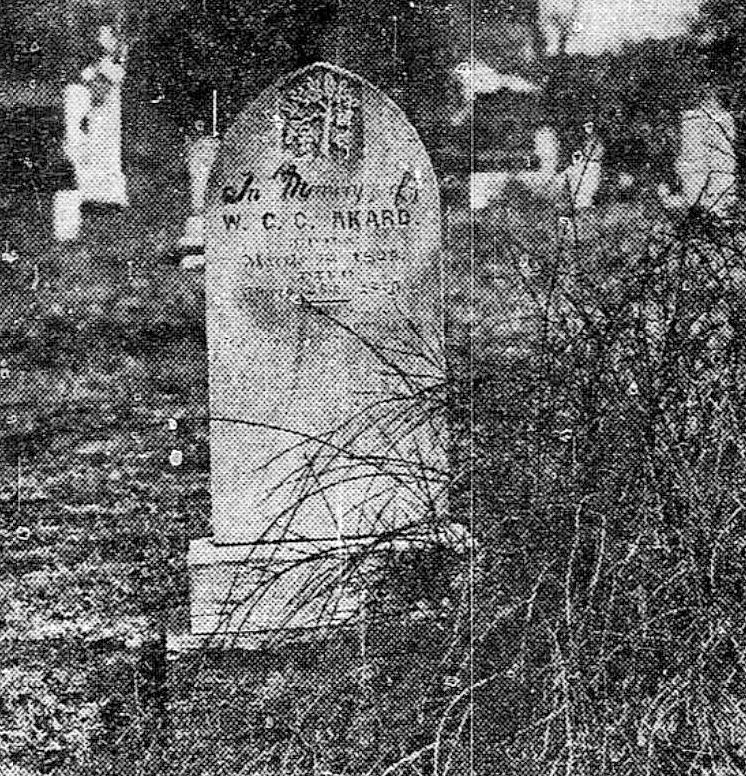
Tombstone of W. C. C. Akard, 1826-1870… (click for larger image)

by Paula Bosse

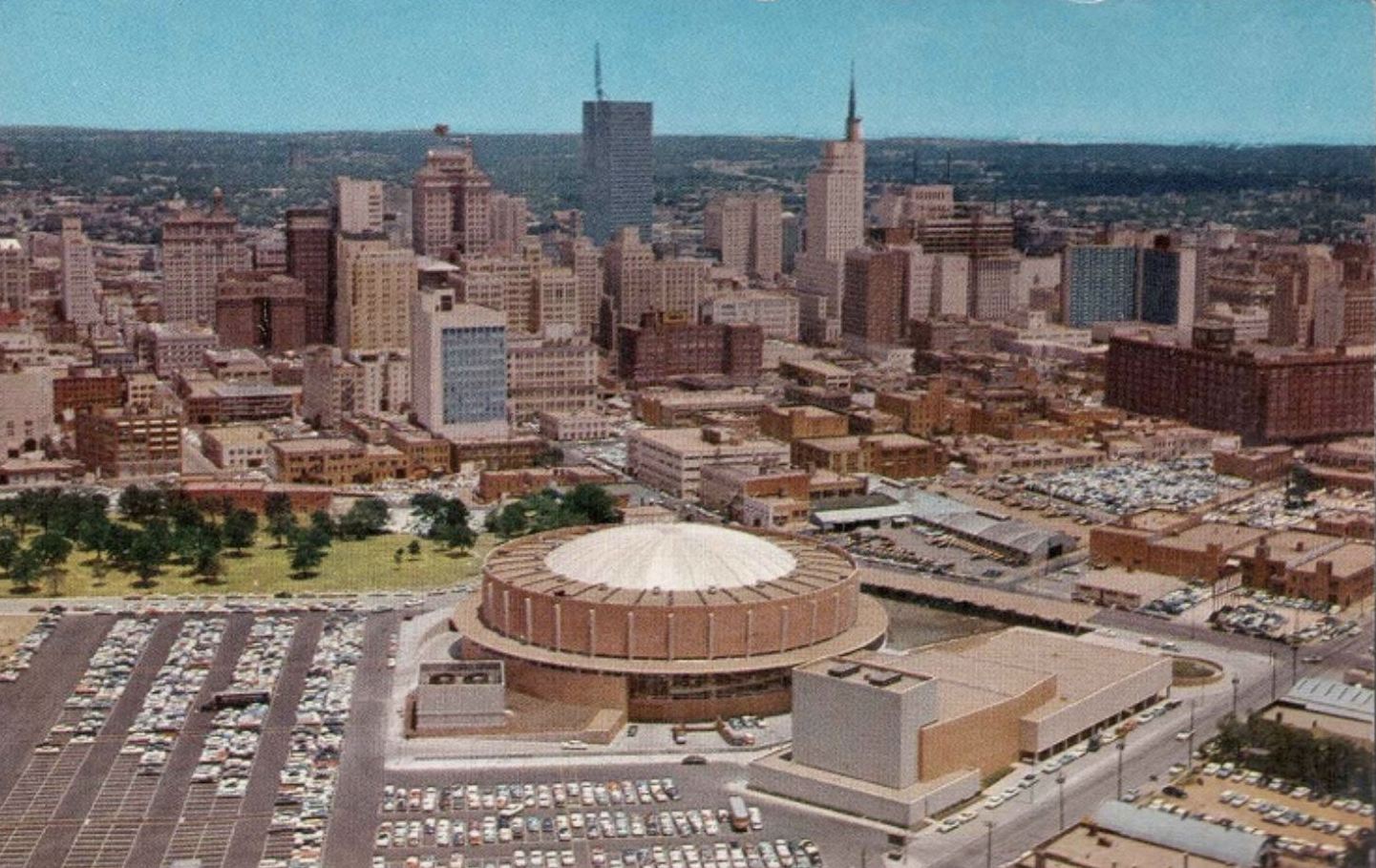
The other day I posted a photo of the Dallas skyline and pointed out that the land occupied by Memorial Auditorium/Dallas Convention Center was once the site of a cemetery (or, rather, several cemeteries: the old City Cemetery, the Masonic and Odd Fellows Cemeteries, and the Jewish Cemetery.

By the 1920s, the grounds were overgrown and grave markers were in various states of disrepair; there were about 500 graves, but many of the remains of those buried there had been moved (resulting in more than a few somewhat alarming gaping holes!). As the 1920s were winding down, fewer and fewer burials were taking place in these cemeteries, but people were still being interred throughout the 1920s — some of these appear to have been indigents without funds to be buried elsewhere.

The oldest grave markers dated to the 1850s. Many of those buried there were important Dallasites: mayors, politicians, pioneer businessmen, doctors, and judges — many of the markers bore names which are now part of everyday life in Dallas (names such as Harwood, Ervay, Akard, Crowdus, Browder, Marsalis, etc.). Over the years, cemetery land had been encroached upon bit by bit (by the Santa Fe railroad, for one) causing many graves to be unceremoniously destroyed. As the city grew and this land (which was once beyond the city limits) became more and more valuable for developers, many of the graves were moved and the remains relocated to other cemeteries. But many remained, and there was concern that the land was being neglected. For decades, the city of Dallas was petitioned by civic leaders to officially protect, beautify, and maintain this land. It wasn’t really until the construction of the convention center in the 1950s that these plans began to take shape. Remaining graves and markers are now part of the Pioneer Park Cemetery at Pioneer Plaza.

Below is a detail from an 1882 map, showing the original locations of the four cemeteries, just beyond the southern edge of the city limits. The Masonic Cemetery occupied the northern section, and the Odd Fellows Cemetery occupied the southern section. The City Cemetery adjoined both, immediately to the east (just west of Akard). The tiny Jewish Cemetery is seen on the southeastern edge of the City Cemetery (in later years Masonic Street cut through the City Cemetery land, and the Jewish Cemetery was just south of the street and right next to the old Columbian School). (See the changed boundaries of the cemeteries on a 1905 Sanborn map here.)

map_1882_cemeteries
Jones & Murphy’s Map of the City of Dallas, Texas, 1882 (det.)

*

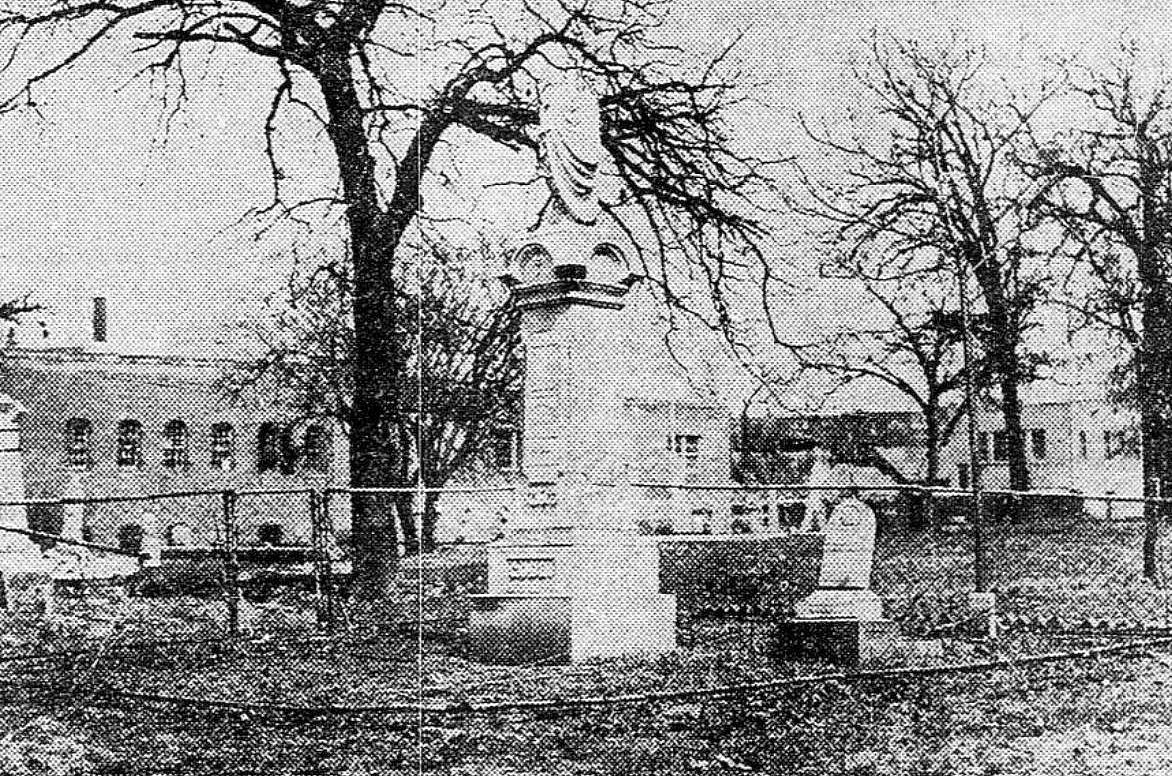
The photo at the top of this post shows the grave of W. C. C. Akard (1826-1870). (Incidentally, according to a 1939 Dallas Morning News article, he apparently pronounced his name “Ay-kard” rather than “ACK-erd” as we do today.) The photos below show the run-down Masonic-Odd Fellows cemetery in the 1920s.

*

cemeteries_1920s_photo-a

The Masonic and Odd Fellows Cemetery, with the Magnolia Building in the background.

*

cemeteries_1920s_photo-b

Cheek-by-jowl with a growing urban Dallas.

*

cemeteries_1920s_photo-c

I love this photo, with train cars on the Marilla Street tracks and the Butler Brothers building in the distance, just east of where City Hall now stands.

*

cemeteries_1920s_photo-d

Another interesting image, looking to the northwest, with the Santa Fe freight depot (still standing on Young Street near Griffin) at the top right. (The cemetery land was apparently fifteen feet above the surrounding street level.)

**

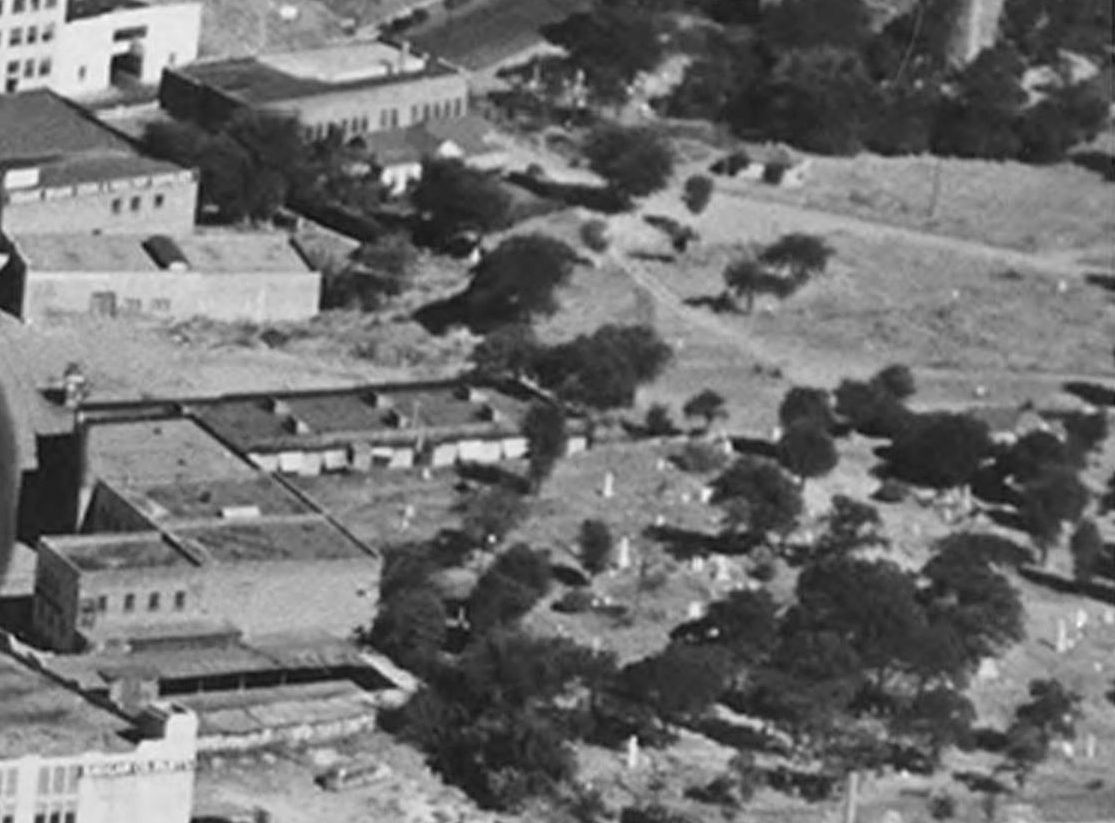
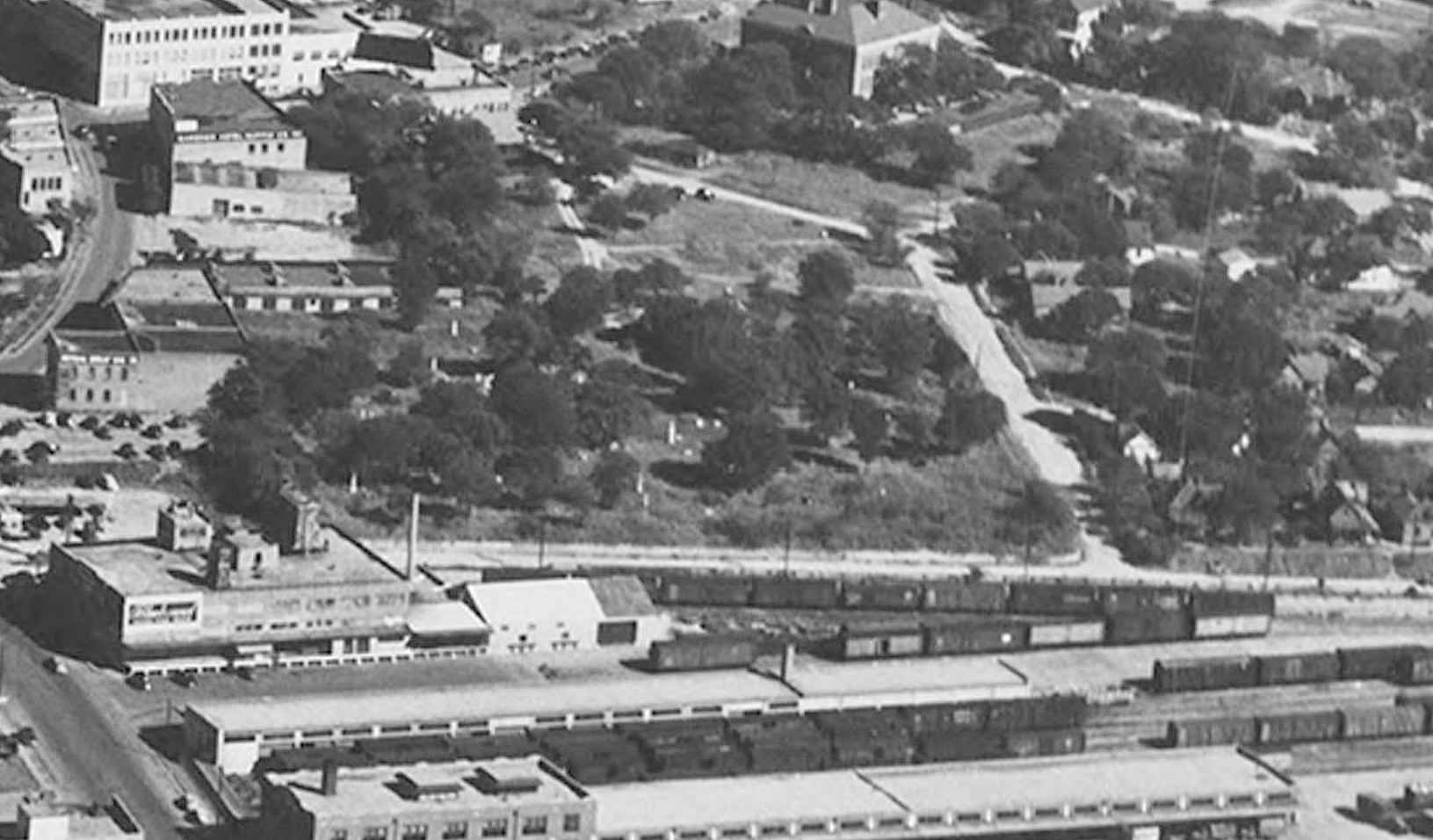
Below are a few extreme close-ups from aerial photographs by Lloyd M. Long (from the Edwin J. Foscue Map Library, Southern Methodist University — links to the original full photos can be found beneath each image). Cemetery markers are visible in these photos taken from the west.

cemeteries_1938_foscue_smu_longAbove, a detail from a 1938 photo.

*

cemeteries_1939_foscue_smu_longDetail from a 1939 photo.

*

cemeteries_1949_foscue_smu_long
And a detail from a 1949 photo.

*

dallas-convention-center_flickr_coltera

And the “after” photo, with much of the old cemetery land used as the site of Memorial Auditorium.

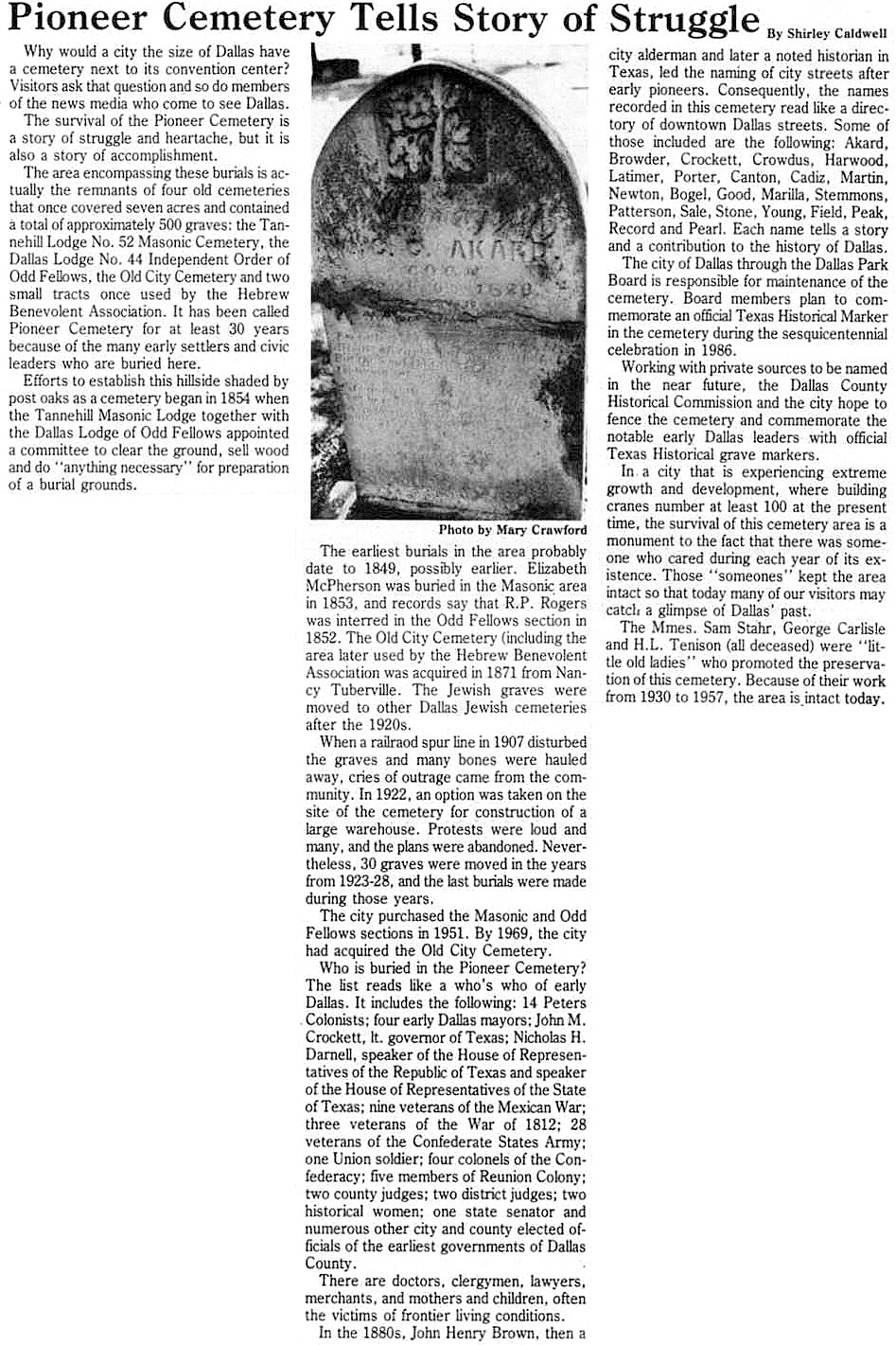
Below, a short history of the cemeteries, which appeared in the July, 1985 issue of Historic Dallas magazine: “Pioneer Cemetery Tells Story of Struggle” by Shirley Caldwell. (Click to read.)


pioneer-cemeteries_historic-dallas_july-1985_portal
via UNT’s Portal to Texas History

***

More on this cemetery can be found on Julia D. Quinteros de Hernandez’s timeline, here.

A collection of newspaper stories about the adjacent “Old City Cemetery” (some of which describe shocking disturbances of the land and of graves) can be found on Jim Wheat’s site, here.

More on Dallas’ older cemeteries can be found in Frances James’ article “Cemeteries in Dallas County: Known and Unknown” (Legacies, Fall, 1996), here.

Information about how the city dealt with the plight of the cemeteries amidst the looming possibility of development can be found in the Dallas Morning News article “Park Board Protests Motel at Auditorium” by Francis Raffetto (DMN Dec. 18, 1958).

A bird’s-eye view of Pioneer Plaza can be seen on Bing, here (zoom in to see the historic markers in the lower right corner).

All images and clippings are larger when clicked.

*

Copyright © 2016 Paula Bosse. All Rights Reserved.


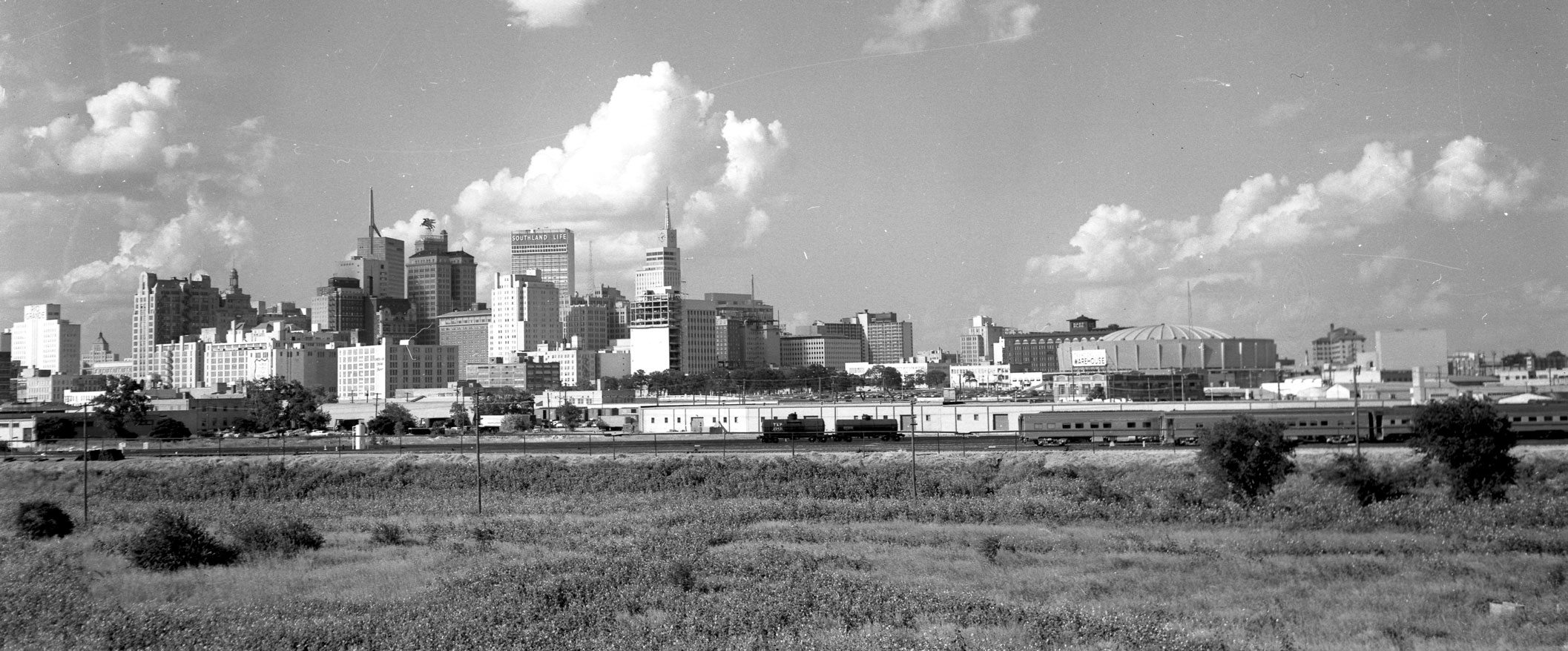
The Dallas Skyline: Spot the Landmarks

skyline_from-swMid-Century Big D… 

by Paula Bosse

The Dallas skyline is always changing, and it’s always been impressive. The late-’50s/early-’60s version above looks quaint by today’s standards, but it’s one of my favorite skyline periods. I’ve never been a huge fan of the Convention Center, but the rest of it? Pretty great.

In order to make way for the George Dahl-designed Dallas Memorial Auditorium/Dallas Convention Center (which opened in 1957), the old Columbian School/Royal Street School (built in 1893) was demolished. At the time of its razing, it had most recently served as the city’s school administration building and as a book warehouse. Here are a couple of photos of the school, long before the bulldozers arrived.

columbian-school_flanders-site
via James Edwards Flanders site

columbian-school_cook-collection
Cook Collection, SMU

Also interesting was that this land — which the city had been buying up for many years (some as a result of condemnation/eminent domain) also included four pioneer cemeteries. Read more about what happened to those cemeteries here.

dallas-convention-center_flickr-coltera

***

Sources & Notes

Top photo is from a site containing several photos relating to early KRLD radio and TV, with the occasional shot of Dallas streets and buildings, here.

Other sources, if known, are noted.

*

Copyright © 2016 Paula Bosse. All Rights Reserved.
The Esquire Club, The Charm Club, and The Riflettes: James Madison High School — 1970

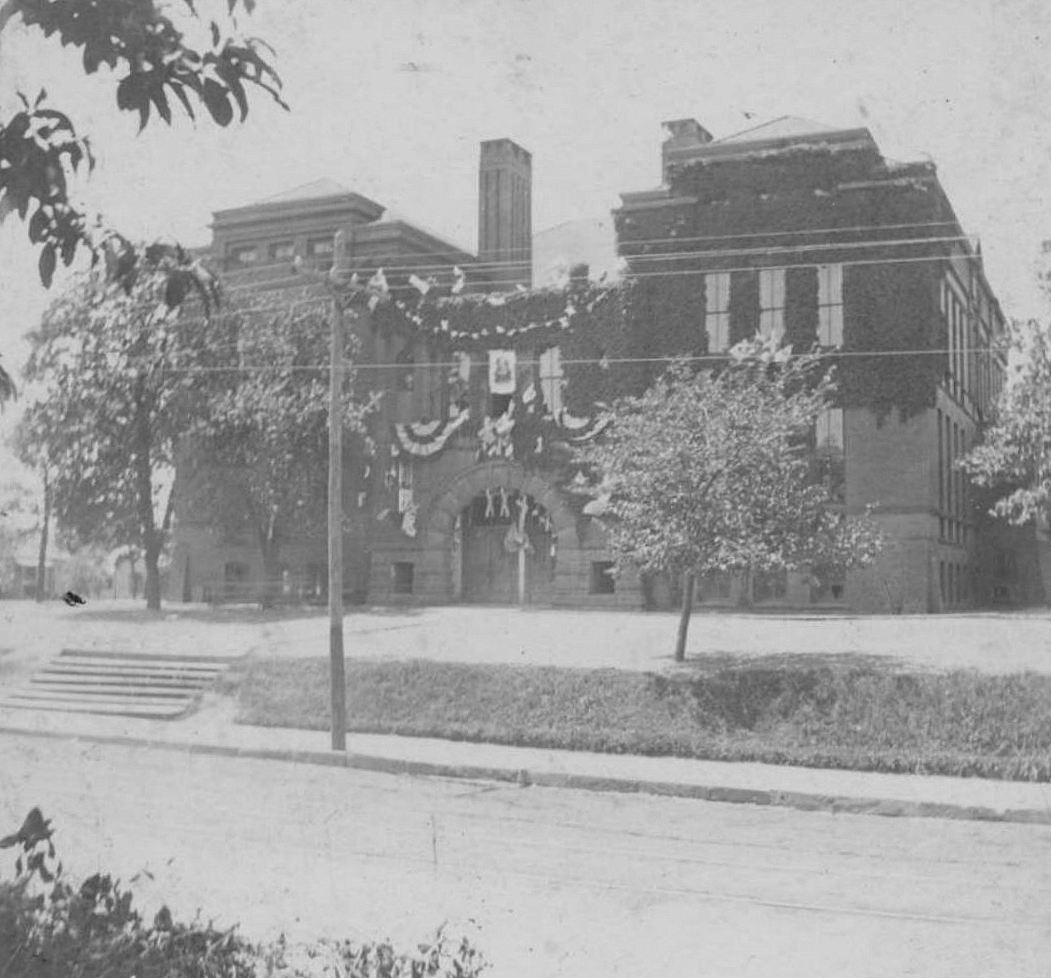
madison_1971-yrbk_exteriorPhoto op on the front steps….

by Paula Bosse

Browsing through high school yearbooks (as one does), one always finds images of teenagerdom from yesteryear that are charming. I’ve never been a huge fan of the 1970s, but 1970 was still hanging onto the ’60s for dear life before polyester and disco completely took hold and refused to give up.

These photos are from the 1970 yearbook of James Madison High School (the top photo is from 1971, but … close enough). Here are a few tidbits from that annual. Enjoy.

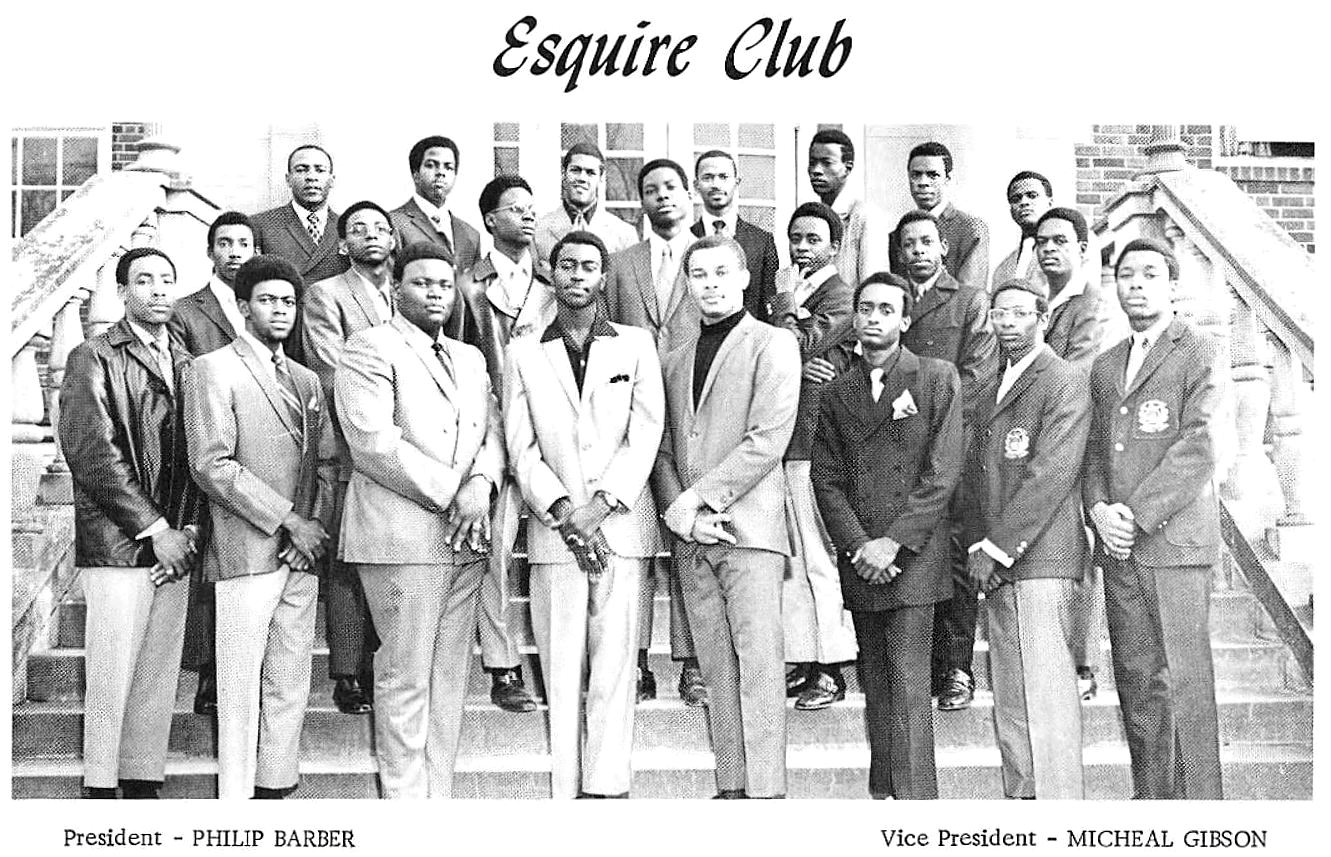
First, the Esquire Club. ‘Nuff said.

madison_1970-yrbk_esquire-club

*

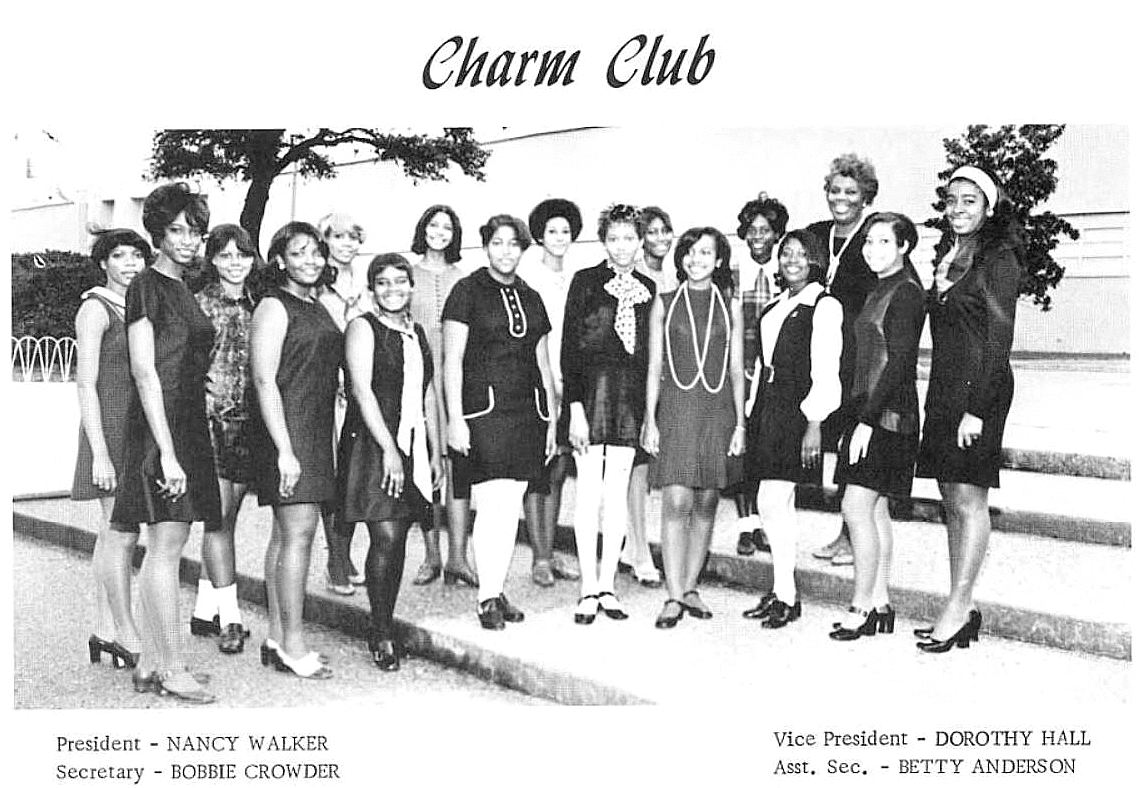
And the Charm Club:

madison_1970-yrbk_charm-club

*

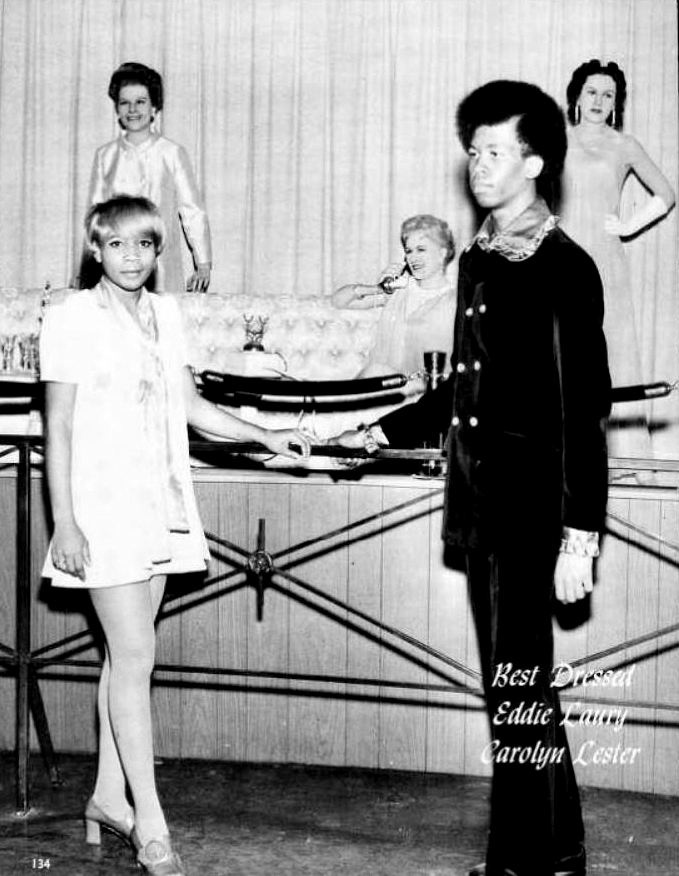
And the crème de la crème of Madison’s fashionable young men and women, Eddie Laury and Carolyn Lester, the “Best Dressed” of 1970. (Eddie, are you wearing ruffled satin and velvet? You win the ’70s!)

madison_1970-yrbk_best-dressed

(All the class favorites were photographed in front of confusing background dioramas. Was it … a wax museum?)

*

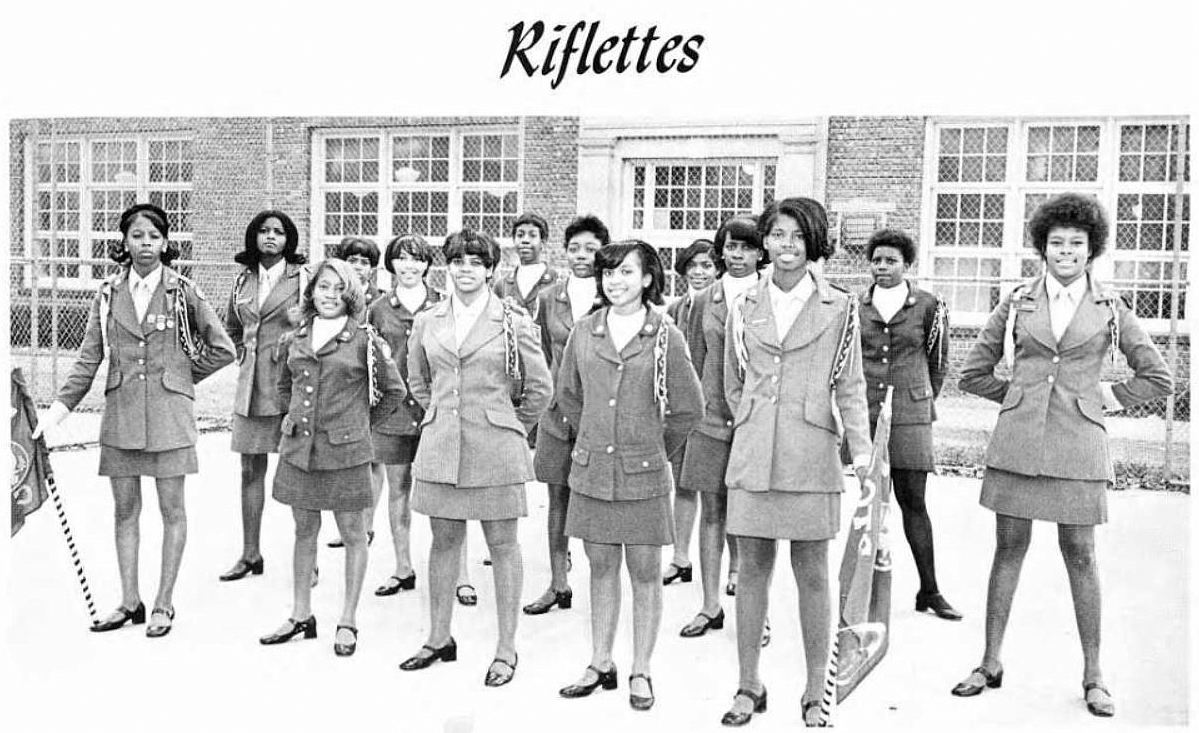
The winsomely named “Riflettes”:

madison_1970-yrbk_riflettes

*

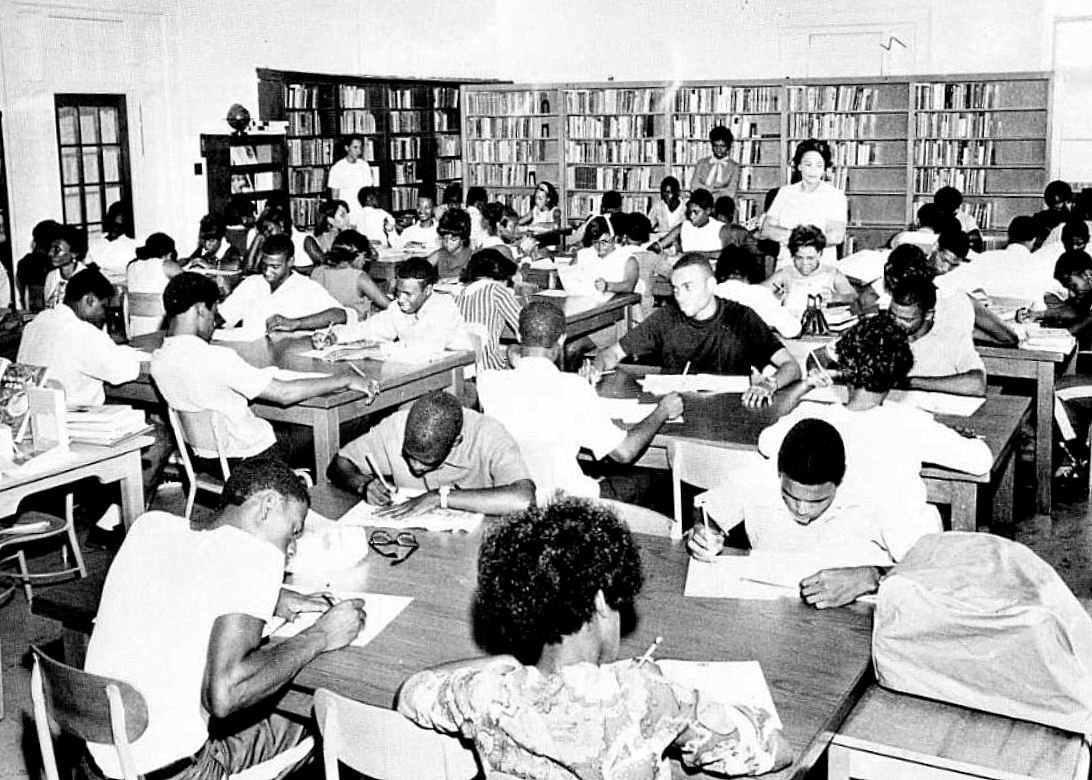
The dreaded taking of the SAT (under Mrs. Penn’s watchful eye):

madison_1970-yrbk_sat

*

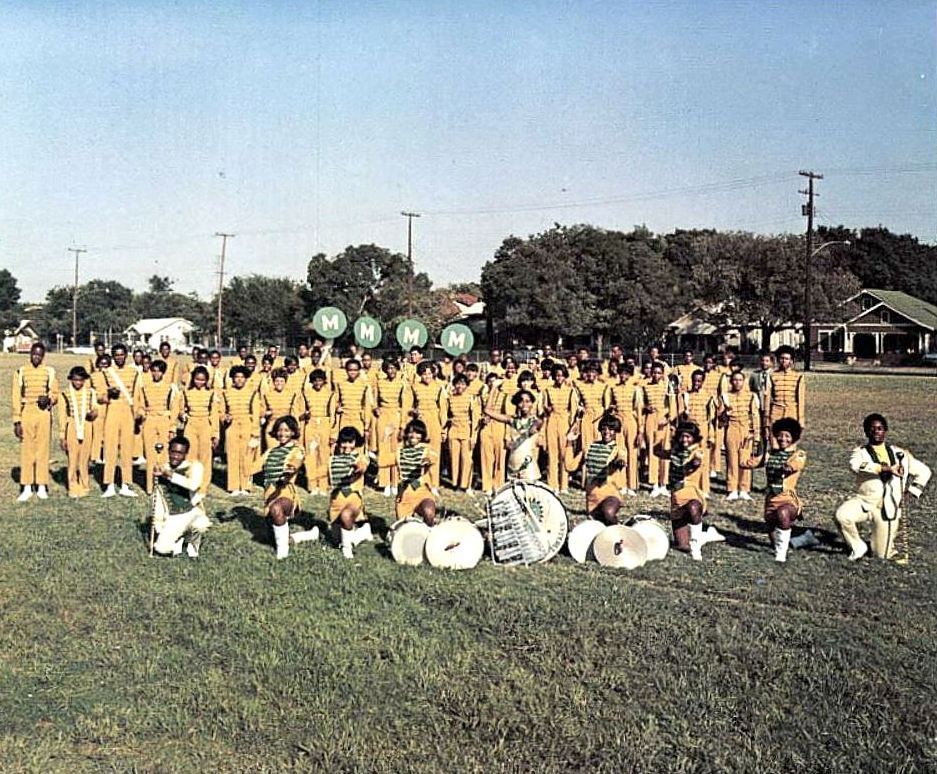
The fun of marching band:

madison_1970-yrbk_marching-band

*

And my favorite of almost any Dallas high school yearbook photo I’ve seen, the ROTC “Sweethearts”:

madison_1970-yrbk_rotc-sweethearts

Best. Photo. EVER.

***

Sources & Notes

Photos from James Madison High School’s 1970 and 1971 yearbook, The Trojan Archives.

*

Copyright © 2016 Paula Bosse. All Rights Reserved.
The Adolphus, The Oriental, The Magnolia

adolphus_magnolia_oriental_TSHA-1977-annual-mtg_portal_sm
Akard looking north… (click me!!)

by Paula Bosse

This is just great. I’ve never seen this photo, which was taken sometime between 1922 and 1924. Dallas has never looked more … architectural. (Click that photo — it’s worth seeing it bigger.)

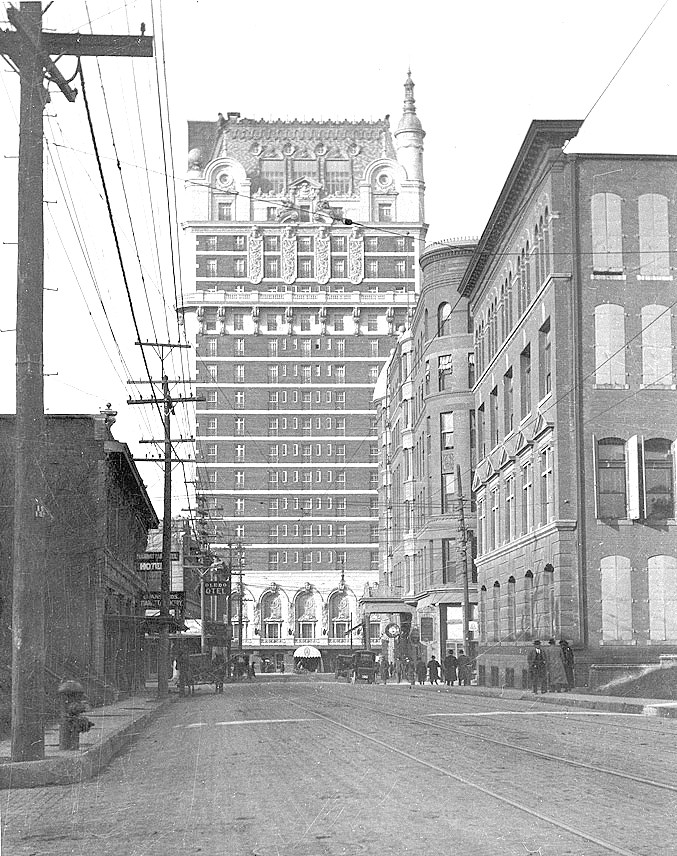
The view is looking north on Akard toward Commerce, from some building on or near Jackson Street. The Adolphus Hotel (built in 1912 and still standing) is straight ahead, the shorter Oriental Hotel (1893-1924) is in the middle, and the Pegasus-less Magnolia Petroleum Building (built in 1922 and still standing) towers above both of them.

I don’t think I’ve seen the Oriental from this angle. And I’ve never noticed all those windows in the Magnolia Building that look directly across into other windows. (That must be … strange.) And since I recently posted photos of this same block of S. Akard, I immediately recognized the short building with the odd-shaped cut-out/crest-like decoration in it opposite the Oriental.

Here’s the same view a few years earlier — about 1913, before the Magnolia was built:

adolphus_1913_dpl_via-d-mag-online

I love these photos. And how nice that two of these landmark buildings are still alive and kicking!

***

Sources & Notes

Top photo appeared in the program for the 1977 Texas State Historical Association Annual Meeting of 1977 (held, appropriately enough, in the Baker Hotel, which was built on the corner previously occupied by the Oriental); I found it on the Portal to Texas History site, here. (Dear printers of things like this: please never EVER use brown ink to print photographs. If anyone knows of a cleaner, sharper copy of this great photo, please let me know!)

Second photo is from the Texas/Dallas History Division, Dallas Public Library; I found it posted on the D Magazine site, accompanying the article “How Haunted Is the Adolphus Hotel?” here.

Photos larger when clicked.

*

Copyright © 2016 Paula Bosse. All Rights Reserved.
 

A Few Photo Additions to Past Posts — #2

flippen-auto_park-cities-photohistory_gallowayLooking west on Ross from Harwood (click for larger image)

by Paula Bosse

I have so much stuff crammed into overflowing digital files that it’s a bit overwhelming. Time to chip away at some of these odds and ends. Here are a few photographs that I am adding to previous posts.

The photo above shows Ross Avenue from N. Harwood. The Flippen Auto Co. and the former Conway house once stood on land now occupied by the Dallas Museum of Art. I’ve just added this to my post “The Beginning of the End of Ross Avenue’s Downtown Mansions — 1925.” (Photo from The Park Cities, A Photohistory by Diane Galloway.)

*

This view of Elm Street has been added to “Elm Street, Looking West From Griffin.” (Photo from the University of Texas at Arlington Special Collections; link here.)

elm-street_UTA

*

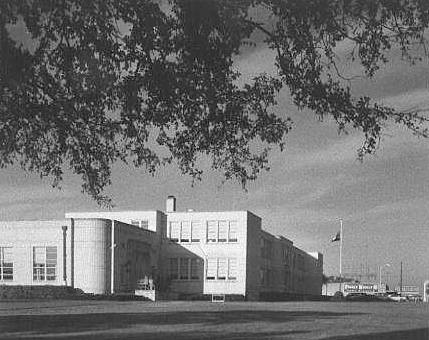
A Pinterest board maintained by the DISD allowed me to grab this not-great-but-still-better-than-I’ve-been-able-to-find-elsewhere photo of my grade school alma mater, Stonewall Jackson. My favorite hard-to-see detail is the Piggly Wiggly grocery store in the distance. This is where my family shopped. I can still remember the layout of the inside of that store at Mockingbird and Matilda. I’ve added this photo to my 2014 post “Happy 75th Anniversary, Stonewall!”

stonewall_DISD-pinterest

*

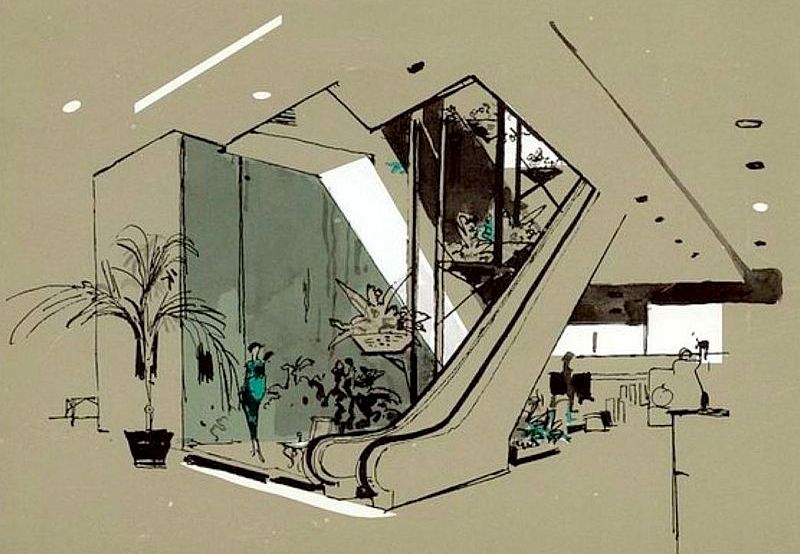
Another image I found on some random Pinterest page while looking for something else, is this Neiman-Marcus postcard, one of several promotional cards. I’ve added it to two others in the post “Luncheon at The Zodiac Room, Darling.”

n-m_escalator_pinterest

*

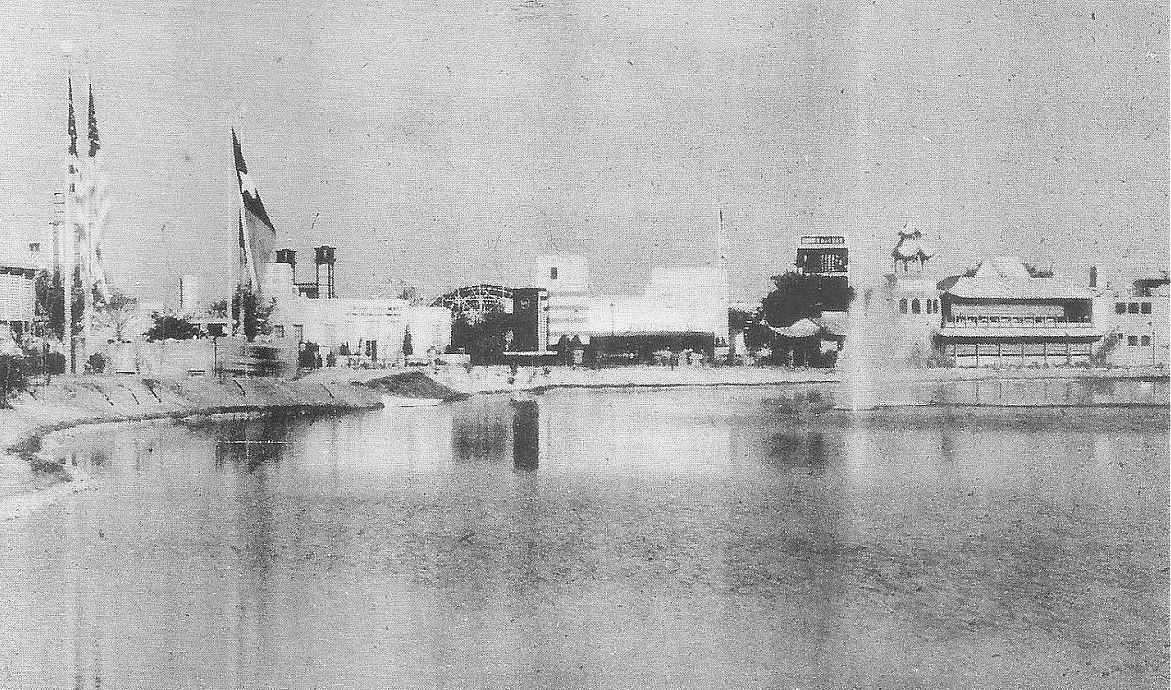
Not great resolution in this postcard photo of the huge NCR cash register at the Texas Centennial, but it’s a cool view, across the lagoon (the attendance-counting cash register is right of center, next to the pagoda). I’ve added it to “The Giant Cash Register at the Texas Centennial — 1936.”

tx-centennial_lagoon_cash-register_1936

*

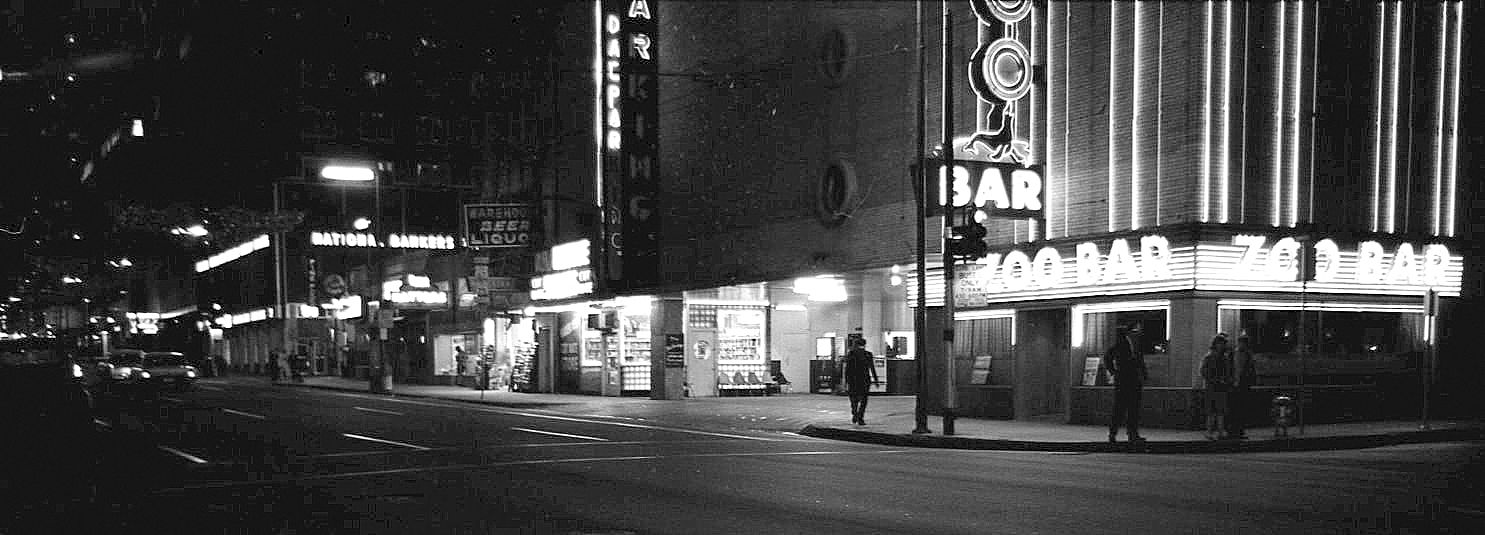
This is a fantastic photo of the somewhat notorious Zoo Bar on Commerce Street, taken by Dallas Times Herald photographer Bill Bell on November 22, 1963, at the end of an exhausting day following the Kennedy assassination (photo from the Sixth Floor Museum Collection, Portal to Texas History, here). I have added this photo to the post “Gene’s Music Bar, The Lasso Bar, and the Zoo Bar.”

zoo-bar_dth-photo_112263_sixth-floor-museum_portal_cropped

*

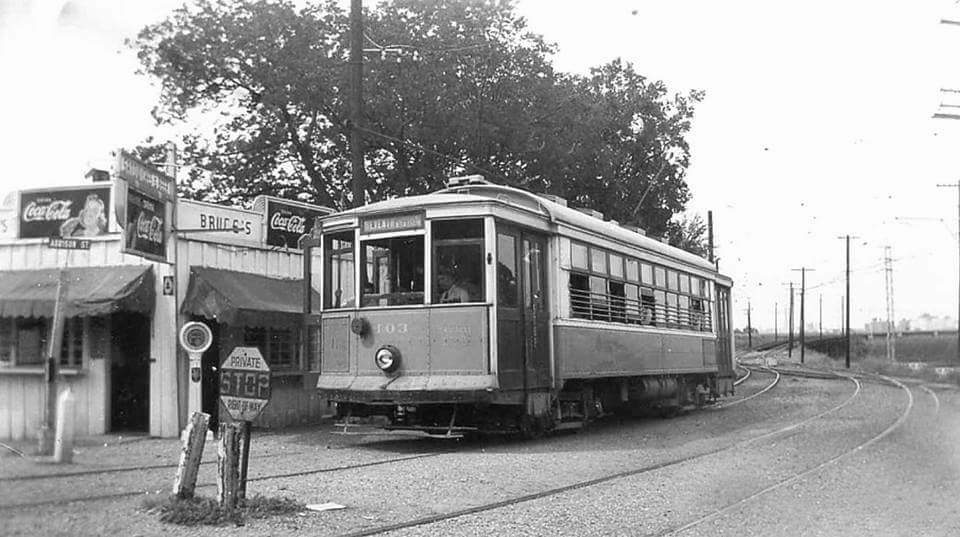
I’ve added this photo of the Oak Cliff streetcar stop at E. Jefferson Blvd. and Addison St. to the post “Waiting on a Streetcar on a Sunny Winter Day in Oak Cliff — 1946.”

oak-cliff-streetcar-stop_addison-jefferson

*

Here’s a charming little matchbook from the 1950s, advertising the Dallas Athletic Club’s golf club, which opened up near Mesquite in the ’50s (matchbook from the George W. Cook collection, DeGolyer Library, SMU, here). I’ve added it to the post “The Dallas Athletic Club Building, 1925-1981.”

dallas-athletic-club_matchbook_cook-collection_degolyer_smu_a

dallas-athletic-club_matchbook_cook-collection_degolyer_smu_b

*

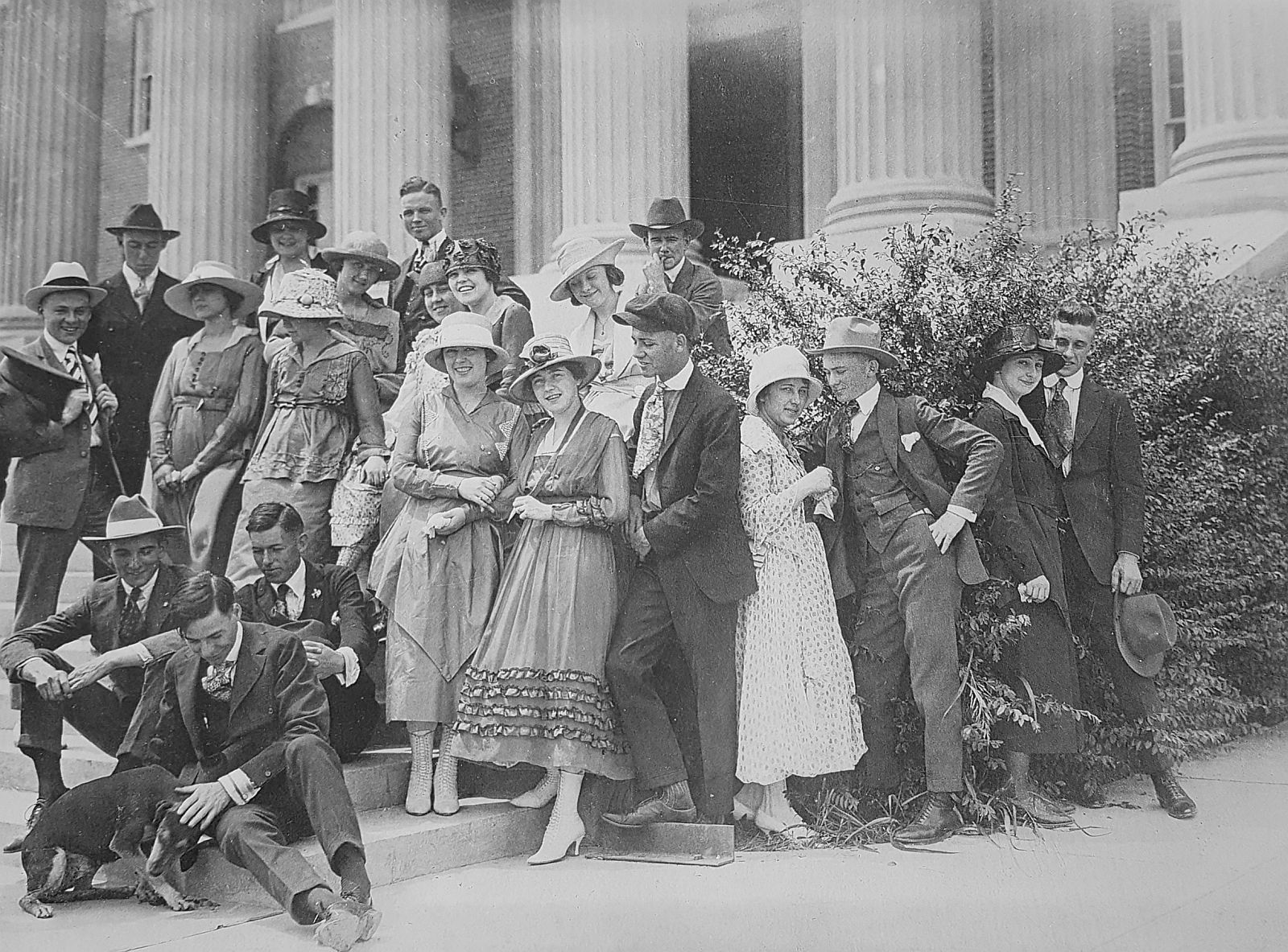
I’ve added the photo below (from Diane Galloway’s The Park Cities, A Photohistory) to the post “An Afternoon Outing with SMU Frat Boys and Their Dates — 1917.” I’m not sure why this group of young people was photographed so extensively that day, but I really love this series of photos.

smu_group-date_park-cities-photohistory_galloway

*

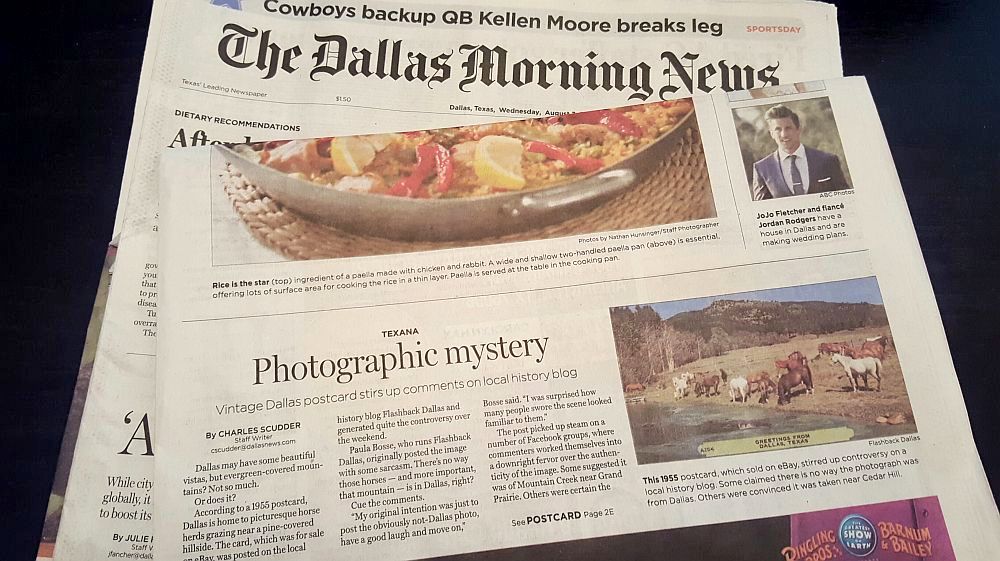
And, lastly, I’ve added this photo to a post from a just a few weeks ago — “‘Greetings From Dallas, Texas’ — 1955.”  This was one of those strange posts that ended up taking on a life of it own across the internet, with people arguing vehemently for and against whether the photograph on a postcard was actually taken anywhere near Dallas. Somehow The Dallas  Morning News got ahold of it and published an online article about it. That was weird enough, but then it actually appeared in the newspaper itself! Ha!

DMN_080316DMN, Aug. 3, 2016

***

All images larger when clicked.

*

Copyright © 2016 Paula Bosse. All Rights Reserved.
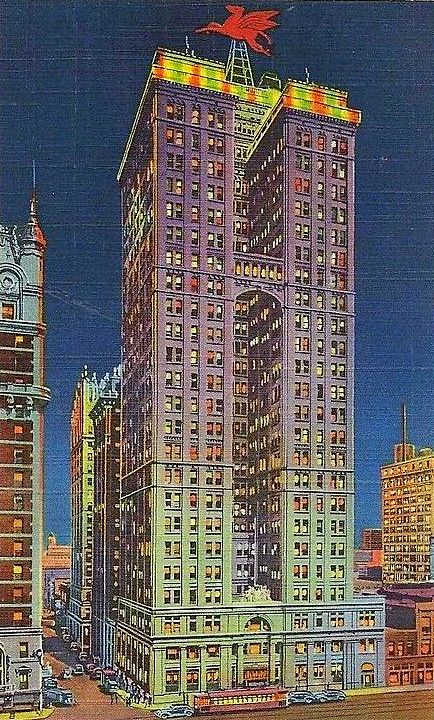
“Magnolia Building by Night”

magnolia-bldg-night

by Paula Bosse

Still standing. Still beautiful.

See a similar postcard, with a wider view — and a blobbier Pegasus — here.

*

Copyright © 2016 Paula Bosse. All Rights Reserved.
J. L. Long, Woodrow Wilson — 1958
woodrow_long_022758_squire-haskins_UTA_smBuccaneers, Wildcats: represent… (click for B-I-G image)

by Paula Bosse

Another fab aerial photo from Squire Haskins: a 1958 southwesterly shot of J. L. Long Jr. High School (on the left) and Woodrow Wilson High School.

…I am not unfamiliar with these East Dallas institutions. 

***

Sources & Notes

Photo taken above Lakewood by Squire Haskins on Feb. 27, 1958. From the Squire Haskins Photography, Inc. Collection, UTA Libraries, Special Collections — more info here. To see UTA’s super-gigantic image, click the photo!

*

Copyright © 2016 Paula Bosse. All Rights Reserved.