Flashback : Dallas

A Miscellany: History, Ads, Pop Culture

Category: 1940s

Showtime on Elm Street

theater-row_night_majestic-melba-tower-palace_portalLit up like Broadway…

by Paula Bosse

Who doesn’t love nighttime photos of Dallas’ Theater Row, generating enough electricity to be seen from space. The Majestic, the Melba, the Palace. And a buck a night at the Majestic Hotel across the street, the window shades of which could not possibly have been enough to block out the blinding, strobing neon. This is a similar view to the fabulous photo from 1942 by Arthur Rothstein seen here. This is absolutely the period of Dallas’ history I wish I could have experienced first-hand.

***

Sources & Notes

Photo titled “[Businesses on theatre row at night]” is from the Spotlight on North Texas Collection, UNT Media Library, UNT Libraries — more information can be found on the Portal to Texas History site here.

theater-row_night_majestic-melba-tower-palace_portal_sm

*

Copyright © 2021 Paula Bosse. All Rights Reserved.

Ross Graves’ Cafe: 1800 Jackson — 1947

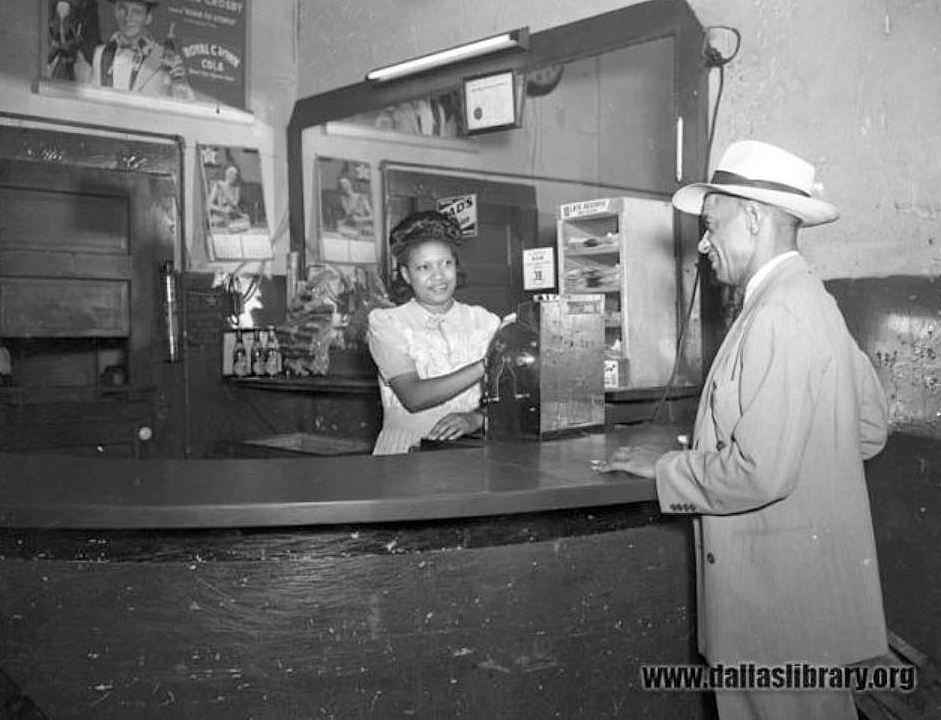
graves-cafe_marion-butts_dpl_1947_cashierGraves Cafe… (photo by Marion Butts/Dallas Public Library)

by Paula Bosse

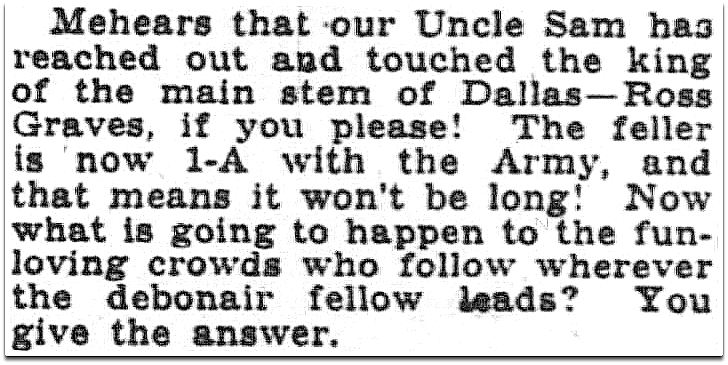
Ross Graves (1903-1973) seems to have been something of a successful bon vivant who dipped his toe into a variety of businesses catering to Dallas’ African-American community: he was the proprietor of, variously (and often simultaneously), a night club, a liquor store, a gas station, a barber shop, and, most successfully, a restaurant, which was in business for almost 20 years (sometimes referred to as Ross Cafe or Graves Place). Below is a photo from 1947 showing the Ross Graves Cafe at 1800 Jackson Street (at Prather) in downtown Dallas (we see the south side of Jackson, with the view to the west).

graves-cafe_1800-jackson_negro-directory_1947

This photo accompanied an ad with the following text:

graves-cafe_negro-directory_1947-48-text

He opened the cafe around 1937 and kept it going until 1955 when he “retired” (he also dabbled in dice-game-hosting at the cafe and was busted in 1954 on gaming charges — he was given a 2-year probated sentence the next year). (Also, the building was part of a large donation to the city in 1955 — more about that below.)

The photo at the top shows, I’m guessing, Mr. Graves standing at the cafe’s cash register with an employee in 1947. He’s also seen in the photo below.
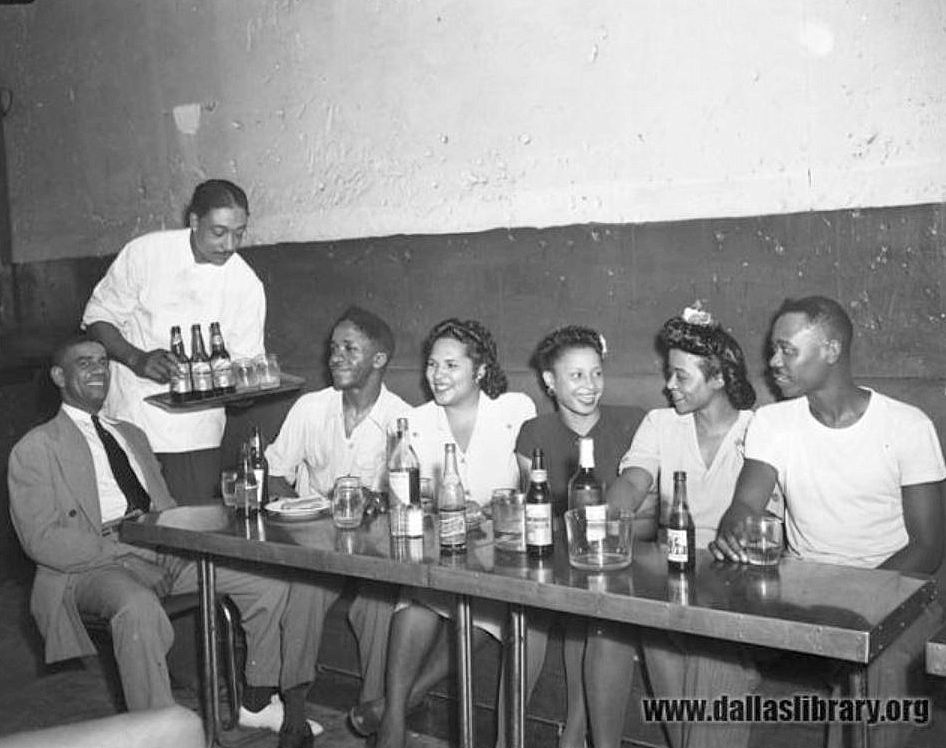
graves-cafe_marion-butts_dpl_1947(photo by Marion Butts/Dallas Public Library)

**

I was originally intrigued by the photo of the exterior of the cafe — I couldn’t picture where it had been. But in trying to find out more about the building, I learned about the life of Ross Graves and came across some interesting little tidbits which paint a a picture of a fun-loving man with an active social life, lots of friends, and a healthy bank account. Below are a few clippings from the Pittsburgh Courier, a newspaper published in Pennsylvania which served as something of a national newspaper for Black America, with political, sports, and entertainment news from around the country. There was always news from Dallas in it — in fact, they had a local office here (3306 Roseland). There was even a Dallas-based society/gossip columnist named Mrs. O. J. Cansler (whose column had the rather unfortunate name of “Kolumn Komments”). She was quite frothy and wrote with the breathless excitement one expects in a society columnist. (I highly encourage anyone with a subscription to Newspapers.com to check out her “kolumn” — it’s a breath of fresh air to read about Dallas’ Black community presented in such a lively and fun manner (or in ANY manner, really — you weren’t going to find any of what she was writing about in the Dallas Morning News or the Dallas Times Herald). Especially interesting are mentions of long-forgotten clubs and nightspots where bands and performers from Dallas’ vibrant musical scene played. Here are a few appearances of Ross (and his wife, Ruby) from the pages of the Pittsburgh Courier.

*
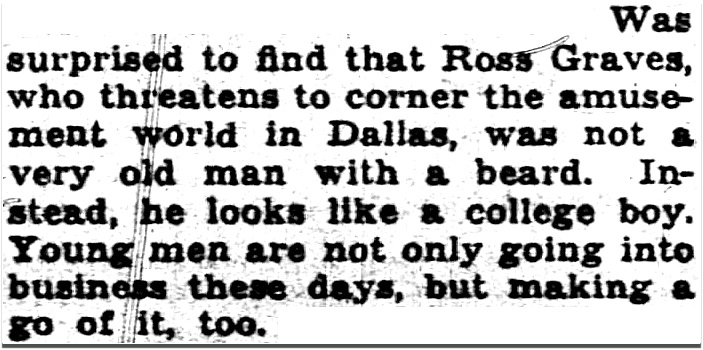
1939_graves_pittsburgh-PA-courier_111139_kolumn-komments_o-j-cansler
Pittsburgh Courier, Nov. 13, 1939

Graves was 36 years old at the time.

*
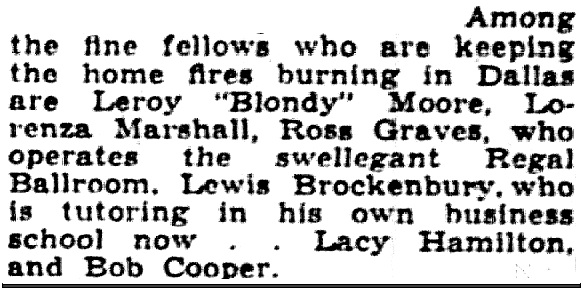
1942_graves_pittsburgh-PA-courier_080842_toppin-the-town_columnPittsburgh Courier, Aug. 8, 1942

The Regal Ballroom (listed as the Regal Nite Club in city directories) was at 3216 Thomas, at Hall. It didn’t last very long, but while it did, it was, apparently, “swellegant”! Here’s a mention of it as the location of a swing band contest in 1940 (won by Don Percell):
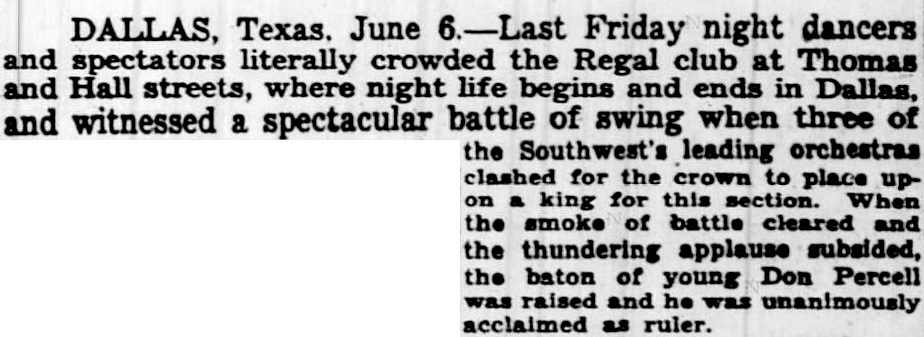
graves_regal-club_pittsburgh-courier_060840Pittsburgh Courier, June 8, 1940

*

1942_graves_pittsburgh-PA-courier_101742_kolumn-komments_mrs-o-j-canslerPittsburgh Courier, Oct. 17, 1942

*

Graves’ second wife, Ruby Graves, was known for her “smart toggery.”

1944_graves_pittsburgh-PA-courier_101444_ruby-gravesPittsburgh Courier, Oct. 14, 1944

*

Ross and Ruby were quite the hosts:
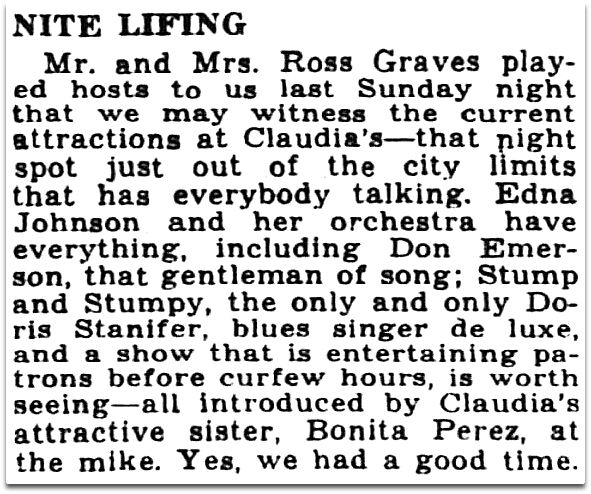
1945_graves_pittsburgh-PA-courier_040745_kolumn-komments_mrs-o-j-canslerPittsburgh Courier, Apr. 7, 1945

I love this. This is the sort of thing you would never have read in the Morning News or the Times Herald. I want to know more about Claudia’s — “that night spot just out of the city limits that has everybody talking.”

*

graves-cafe_ad_pittsburgh-courier-051245Pittsburgh Courier, May 12, 1945

*

1946_graves_pittsburgh-PA-courier_062246_kolumn-komments_mrs-o-j-cansler
Pittsburgh Courier, June 22, 1946

Just popping up to NYC in their new Fleetwood to take in a boxing match. As one does.

**

Ross and Ruby eventually ended up living in a house on “swellegant” South Boulevard (2500 South Blvd.). At least one of their daughters was an Idlewild debutante, who made her debut in 1967 (read about the world of Black debutantes in 1937 Dallas here). Milam County native Ross Graves died on Dec. 4, 1973 at the age of 70. He had lived in Dallas for 50 years. And I bet he had a good time.

**

The location of Ross Graves’ Cafe was at 1800 Jackson Street, between Ervay and St. Paul, in a weird stretch of Jackson where two blocks were connected without a  break, in a row of buildings without an intersecting street. (The buildings are long gone, but the location can be seen on Google Maps here.) An interesting detail about these two blocks — the 1700 and 1800 blocks of Jackson Street — is that this property was owned by Dr. John W. Anderson, a prominent Black physician. After his death, his widow, Pearl C. Anderson, deeded the land to the Dallas Community Chest, the proceeds of which would be used to help needy Dallasites. (The donation was conservatively estimated at $200,000 at the time — about $2 million in today’s money). She donated the property in 1955, the same year Graves retired.
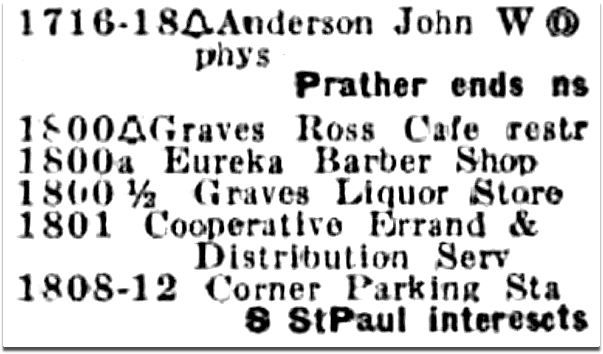
graves-cafe_dallas-directory-1947Jackson Street, 1947 Dallas city directory

***

Sources & Notes

Photos of the interior of Ross Graves’ Cafe are from the Marion Butts Collection, Dallas Public Library. Call Number for the top photo is PA2005-4/380.1; Call Number for the second is PA2005-4/380.2 (both are incorrectly identified as being in Deep Ellum).

The photo of the exterior of the cafe is from the Dallas, Texas Negro City Directory, 1947-1948 (many thanks to Pat Lawrence).

graves-cafe_marion-butts_dpl_1947_cashier_sm

*

Copyright © 2021 Paula Bosse. All Rights Reserved.

SMU Campus, An Aerial View from the North — 1940s

smu-campus_from-the-north_squire-haskins_UTA_nd(Squire Haskins Collection, UTA Libraries)

by Paula Bosse

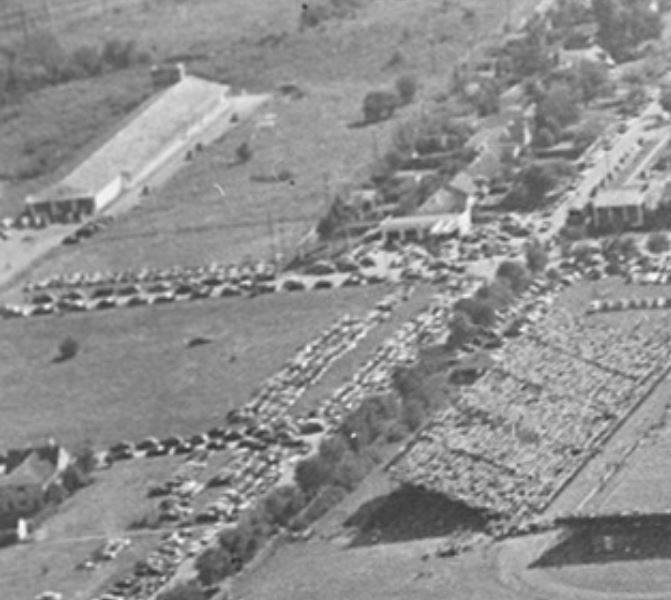
When you see aerial views of the SMU campus, they’re usually looking to the north, toward Dallas Hall. Which is one reason this photo by ace photographer Squire Haskins is interesting. It’s also noteworthy because it shows “Trailerville,” the trailer camp set up on the campus from 1946 to 1953 for married war-vet students, and it also shows the pre-fab men’s dormitories, which look like army barracks. Housing in post-WWII Dallas was was very, very tight, and people had to make do and were crammed into all sorts of spaces. (See a very large image of this photo on the UTA website here.)

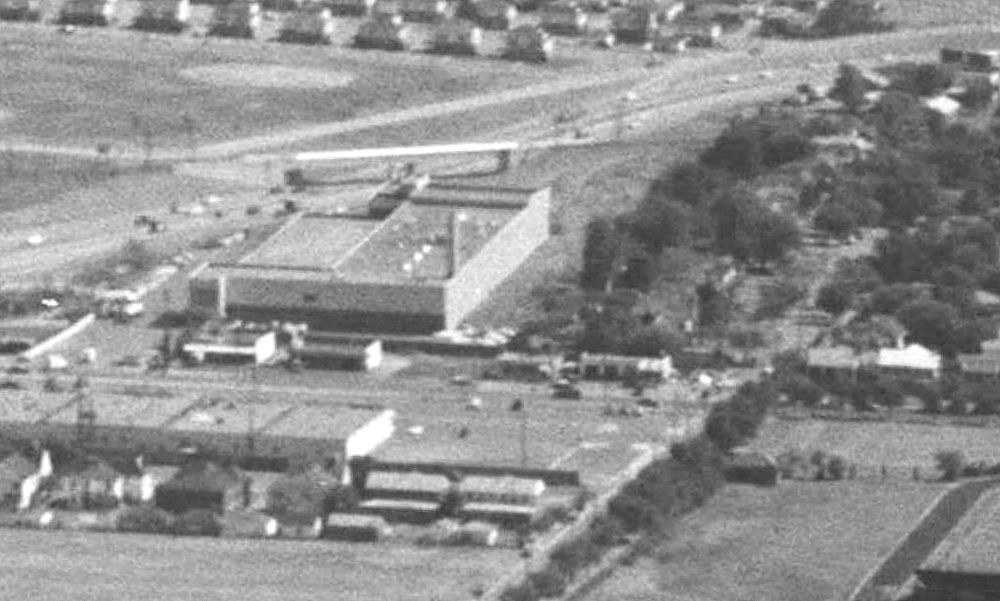
For reference, Mockingbird Lane is running horizontally at the top (I was wondering if that might have been the Mrs. Baird’s bakery (built in 1953) at the top left, but it’s not far enough east), Bishop Blvd. is in the center, and Hillcrest Avenue is at the right. And there’s also a whole lot of empty land — a startling sight if you’ve seen the present-day bursting-at-the-seams campus.

Here are a few blurry close-ups. First, Trailerville (which I’ve been meaning to write about for years!) — just northeast of Ownby Stadium:

smu-campus_from-the-north_squire-haskins_UTA_nd_det-2

Men’s dorms in temporary buildings which were removed in 1952/53:

smu-campus_from-the-north_squire-haskins_UTA_nd_det-1

And something that isn’t the Mrs. Baird’s Bread factory (scroll down to see what it was):

smu-campus_from-the-north_squire-haskins_UTA_nd_det-3

*

Thanks to the comments below by reader “Not Bob,” it appears that the photo of the long building at the top left corner — on the site later occupied by Mrs. Baird’s Bread — was once an armory for the 112th Cavalry (Troop A) of the Texas National Guard. The building was originally built in 1921 as the headquarters of the Wharton Motor Company, a short-lived automobile and tractor manufacturer. It appears to have closed by 1922 and the company was bankrupt by 1924. The 112th Cavalry (with about 40 horses) moved in at the end of 1927 — they were forced to move out by the end of 1930 because of neighbor complaints (and a lawsuit) about the horses being in such close proximity to residences. By the time of the photo above, it was the Town and Country food business which rented freezer-locker space to the public. Mrs. Baird’s Bread decided to build on the site in 1949 (with the intention, presumably, to raze the existing building) — construction began in 1952 and the factory opened in 1953 (incidentally, the factory was designed by legendary Dallas architect George Dahl). (I should write about the Wharton building sometime — it has an interesting history.) 

The commenter (“Not Bob”) also linked to a similar view of the campus in 1955, post-Trailerville:

smu_from-the-north_1955_degolyer-library_SMU_cropped(DeGolyer Library, SMU)

By then, Central Expressway had been built and Mrs. Baird’s was cranking out that delicious aroma that filled the neighborhood for decades:

smu_from-the-north_1955_degolyer-library_SMU_det-mrs-bairds

***

Sources & Notes

“Aerial view of the campus of Southern Methodist University, Dallas, Texas” is by Squire Haskins, from the Squire Haskins Photography Inc. Collection, University of Texas at Arlington Libraries; more information on this photo can be found here (click thumbnail photo to see larger image).

“1955 aerial view of campus from the north” — by William J. Davis — is from the collection of the DeGolyer Library, Southern Methodist University; more information on this photo is here.

smu-campus_from-the-north_squire-haskins_UTA_nd_sm

*

Copyright © 2021 Paula Bosse. All Rights Reserved.

Misc. Streetcars — ca. 1940s

municipal-bldg_streetcar-draughon_ebayStreetcar passing City Hall

by Paula Bosse

A bunch of photos of Dallas streetcars found currently (or recently) listed on eBay.

Above, Commerce and Harwood, looking toward the Municipal Building. Below, Commerce and Harwood, looking south toward First Presbyterian Church.

streetcar-harwood_draughon_ebay

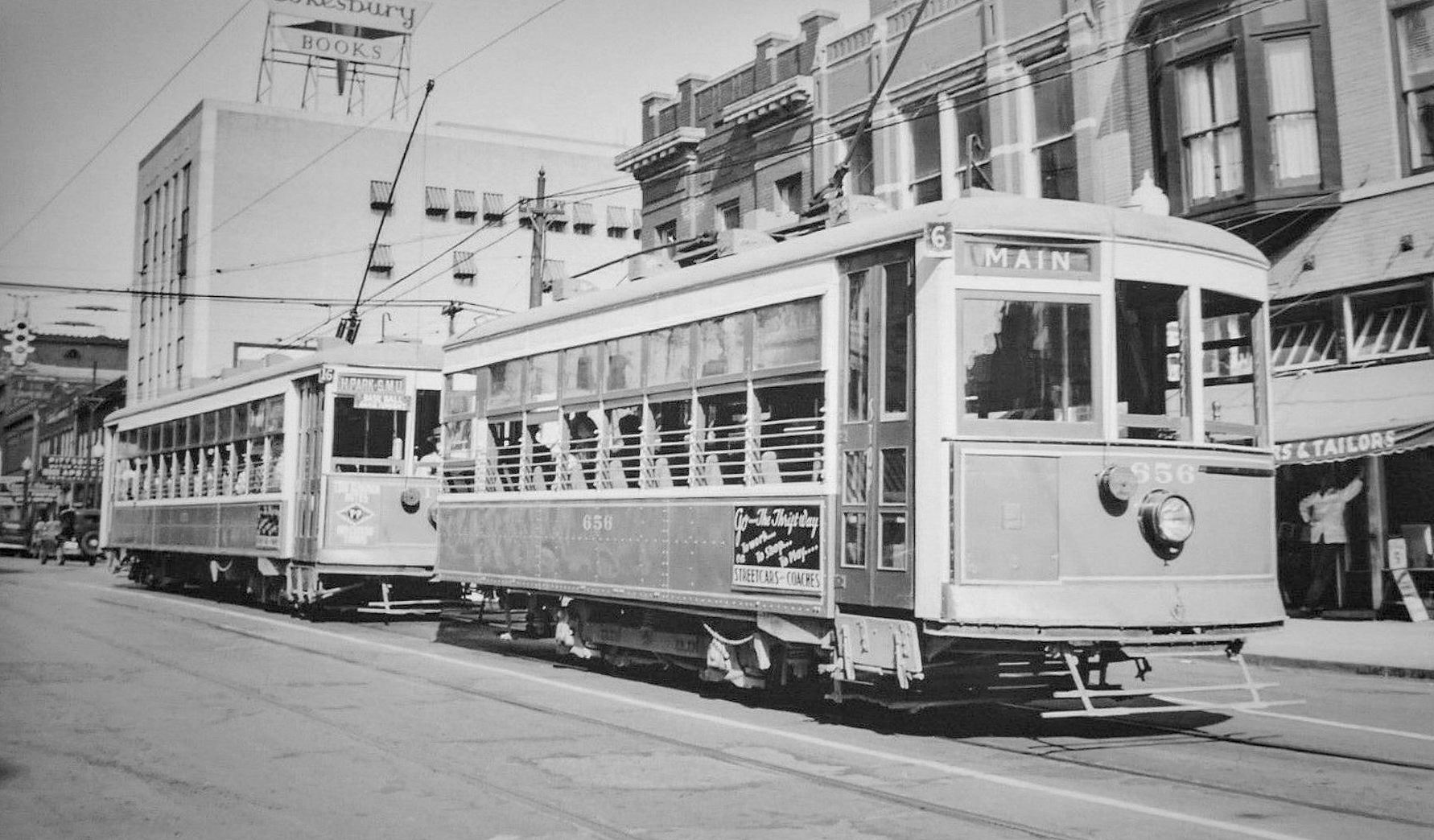
“Main Street” car and “Highland Park-SMU” car, with Cokesbury Bookstore (at St. Paul) in the background:

streetcar_cokesbury_ebay

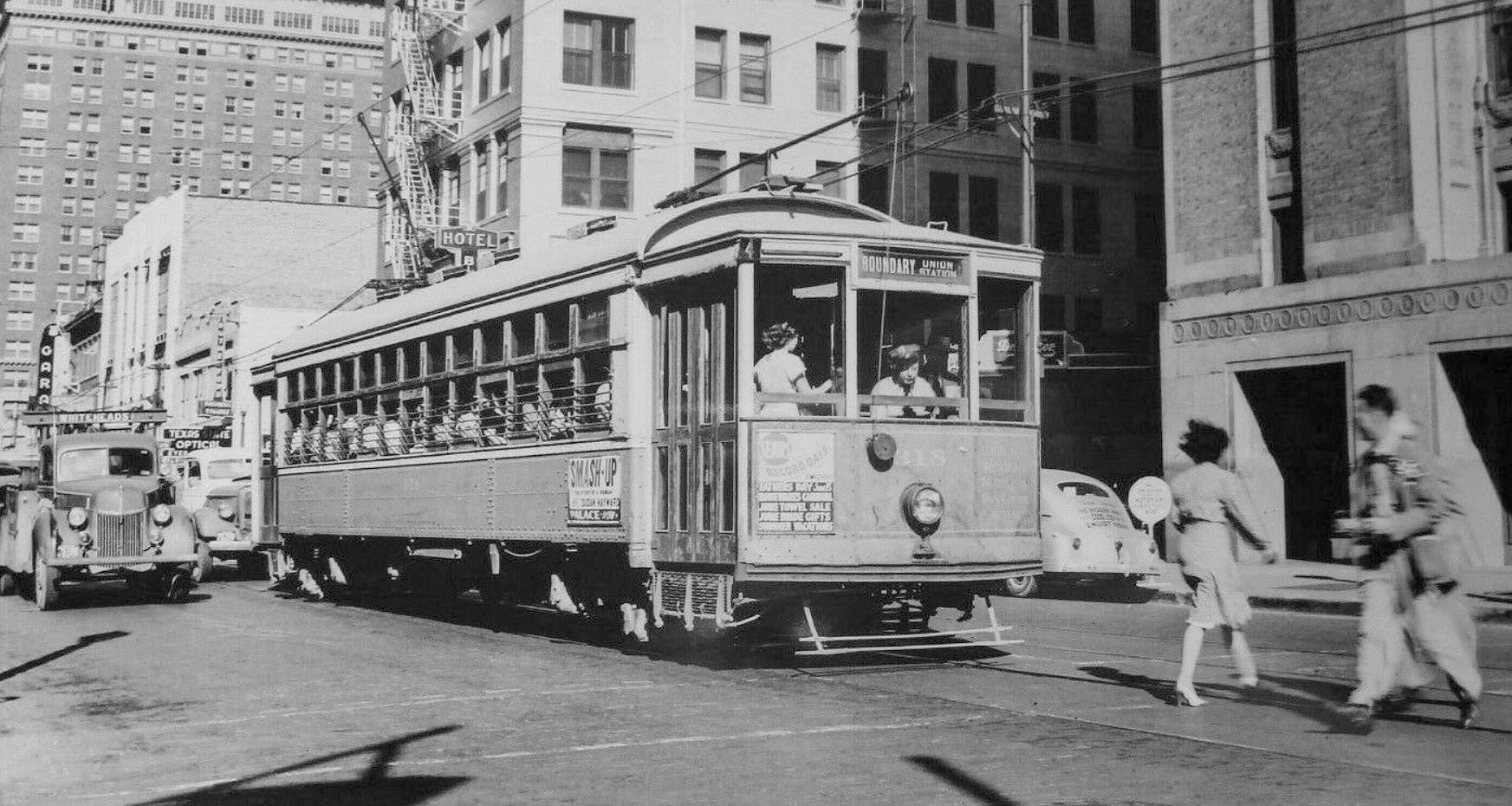
“Boundary-Union Station” car, heading west on Commerce, with the Baker Hotel in the background (back when it was still a two-way street). “Smash-Up” — the movie advertised on the side of the streetcar — was released in 1947.

streetcar_boundary-union-station_ebay

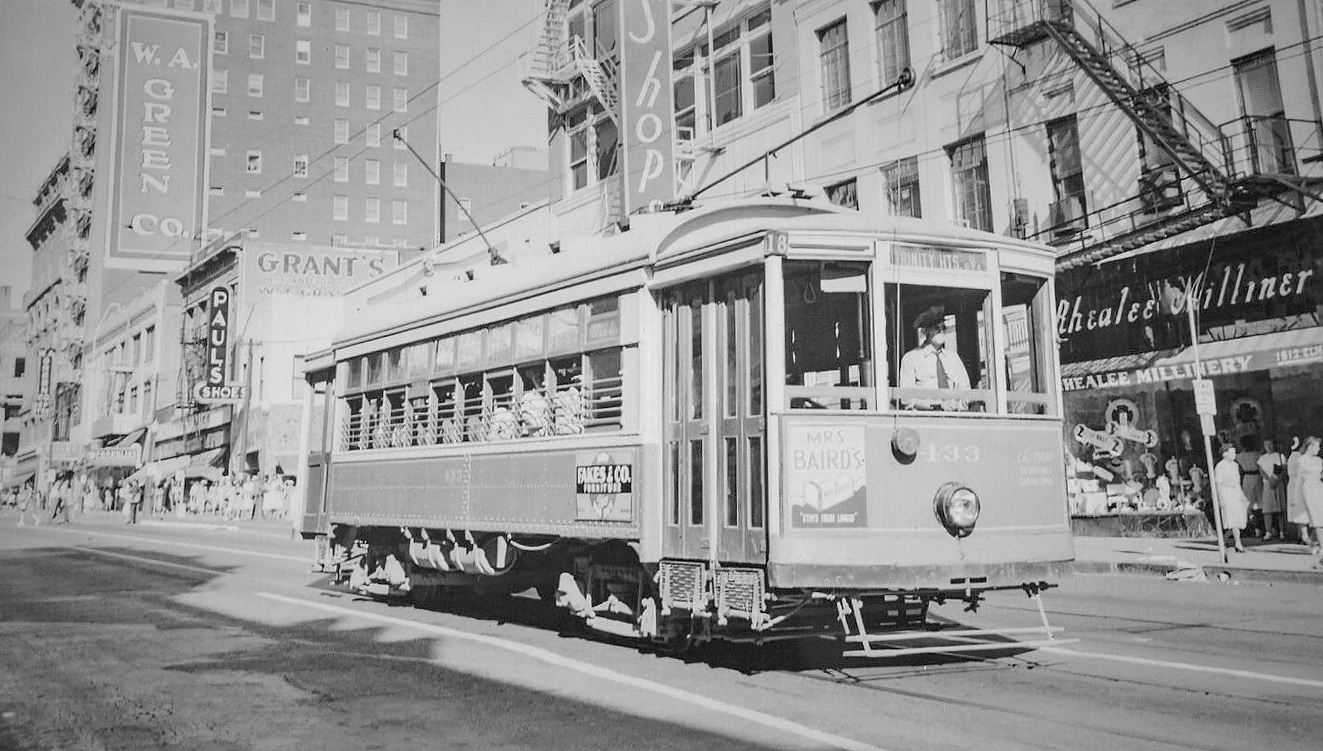
“Trinity Heights” car, heading west in the 1500 block of Elm:

streetcar_w-a-green_elm-st_ebay

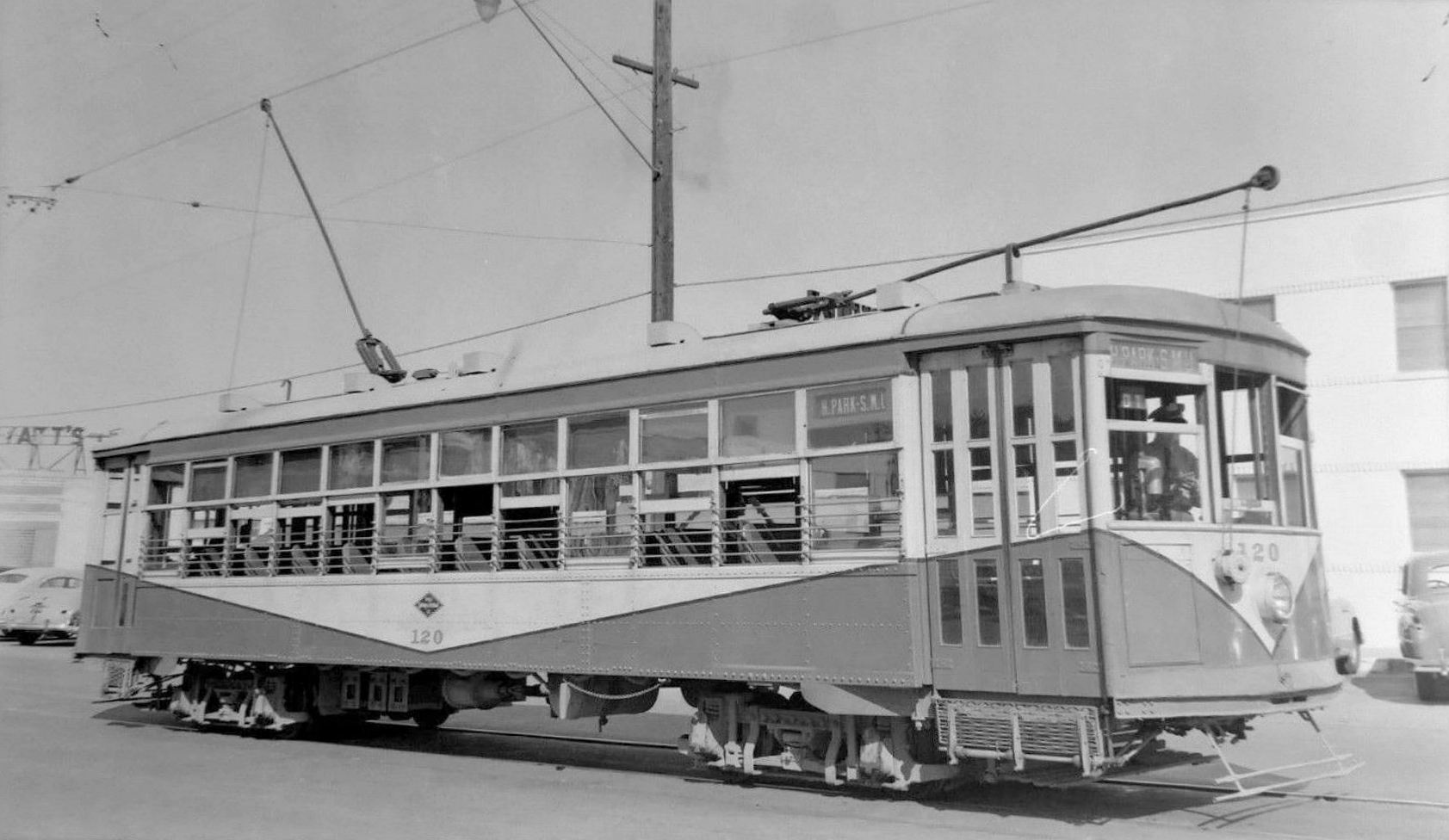
 “Highland Park-SMU” car:

streetcar_hp_smu_ebay

***

Sources and Notes

All photos from eBay seller “bksales” (current Dallas streetcar items available from this seller are here).

municipal-bldg_streetcar-draughon_ebay_sm

*

Copyright © 2021 Paula Bosse. All Rights Reserved.

“A Man’s Shop With a Texas Man’s Viewpoint” — 1945

irby-thompson_western-wear_tx-country-day-school-yrbk-1945

by Paula Bosse

Back when men wore Western pearl-snap shirts embroidered with cardinals, leaves, and acorns — and, if this ad is anything to go by, they wore them proudly and unironically.

Frankly, I’d like to see a return to this style.

*

“Wherever Texas men gather to relax and play
you’ll see fine sports clothes by Irby-Thompson.”

Western Suit: $115 (equivalent in today’s money to about $1,660)
Sport Coat: $45 (today, $650)
Slacks: $20 (today, $290)
Tie & Handkerchief: $5 (today, $73)

***

Sources & Notes

Ad found in the pages of the 1945 Texas Country Day School yearbook. 

Irby-Thompson (housed in the Mercantile Building), was opened in 1944 by Collis P. Irby and J. S. Thompson; in 1948 Irby and his former store manager, Count Mayes, bought out Thompson and became Irby-Mayes.

Related: see the Flashback Dallas post “Irby-Mayes Ad With a Cameo by the Merc — 1948.”

irby-thompson_western-wear_tx-country-day-school-yrbk-1945_sm

*

Copyright © 2020 Paula Bosse. All Rights Reserved.

Awaiting the “Victory Fair” of 1946…
sfot_victory-fair_ebay_1946

by Paula Bosse

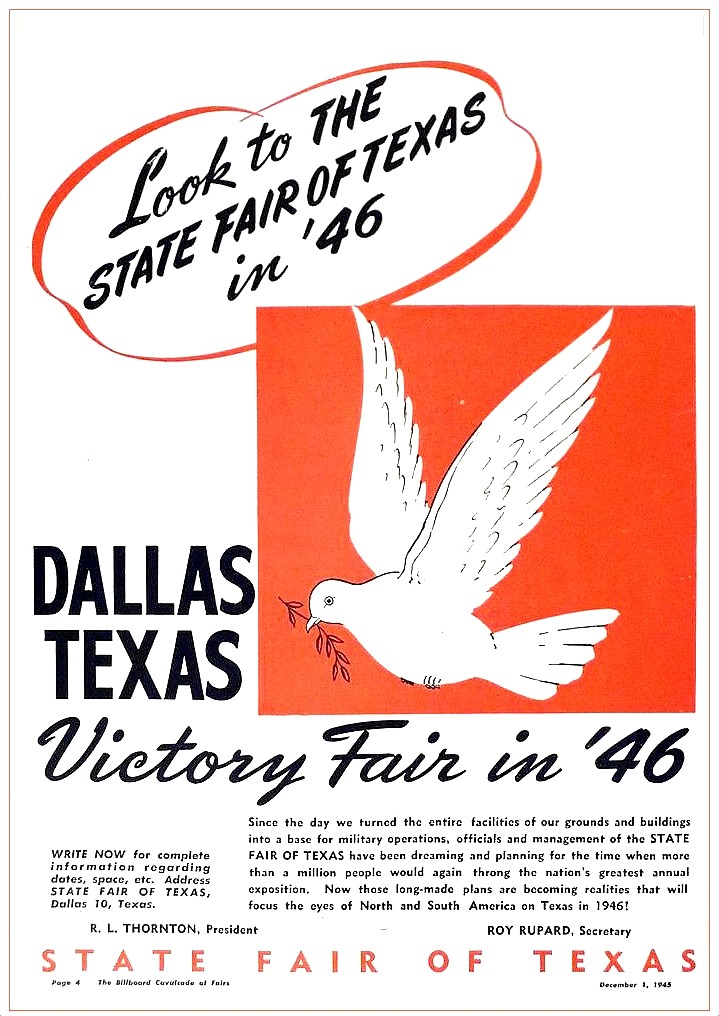
Many of us are missing the State Fair of Texas, canceled this year due to the COVID-19 pandemic. The last time the fair was canceled was during World War II. Here is an ad from 1945, assuring everyone that the State Fair would be back in 1946.

*

Dallas Texas Victory Fair in ’46

Since the day we turned the entire facilities of our grounds and buildings into a base for military operations, officials and management of the STATE FAIR OF TEXAS have been dreaming and planning for the time when more than a million people would again throng the nation’s greatest annual exposition. Now those long-made plans are becoming realities that will focus the eyes of North and South America on Texas in 1946!

***

Sources & Notes

Ad found on eBay (originally published in the “Billboard Cavalcade of Fairs,” Dec. 1, 1945).

More Flashback Dallas posts on the State Fair of Texas can be found here.

*

Copyright © 2020 Paula Bosse. All Rights Reserved.

Legendary Sports Writers of the Fort Worth Press — ca. 1948

sportswriters_blackie-sherrod_dan-jenkins_bud-shrake_etc_fort-worth-press_SMUBlackie and crew…

by Paula Bosse

The legendary sport writers of The Fort Worth Press, circa 1948: (standing, l to r) Jerre Todd, Blackie Sherrod, Dan Jenkins; (sitting) Andy Anderson and Edwin “Bud” Shrake. Missing: Gary Cartwright. 

This is what sports writers should look like!

***

Sources & Notes

Photo — titled “[Staff of Fort Worth Press]” — is from the Blackie Sherrod papers, DeGolyer Library, Southern Methodist University; more info can be found here.

More on Blackie Sherrod, who became the dean of Dallas sportswriters, can be found in the Flashback Dallas post “Blackie Sherrod: The Most Plagiarized Man in Texas: 1919-2016.”

Read a great, lengthy piece about these guys and their time as the greatest sportswriting staff in Texas in the article “Mourning Dark: The Fort Worth Press’ Legendary Sportswriters Are a Dying Breed” by Kathy Cruz (Fort Worth Weekly, Jan. 3, 2018).

*

Copyright © 2020 Paula Bosse. All Rights Reserved.

A Few Dallas Hospitals and Clinics — 1944

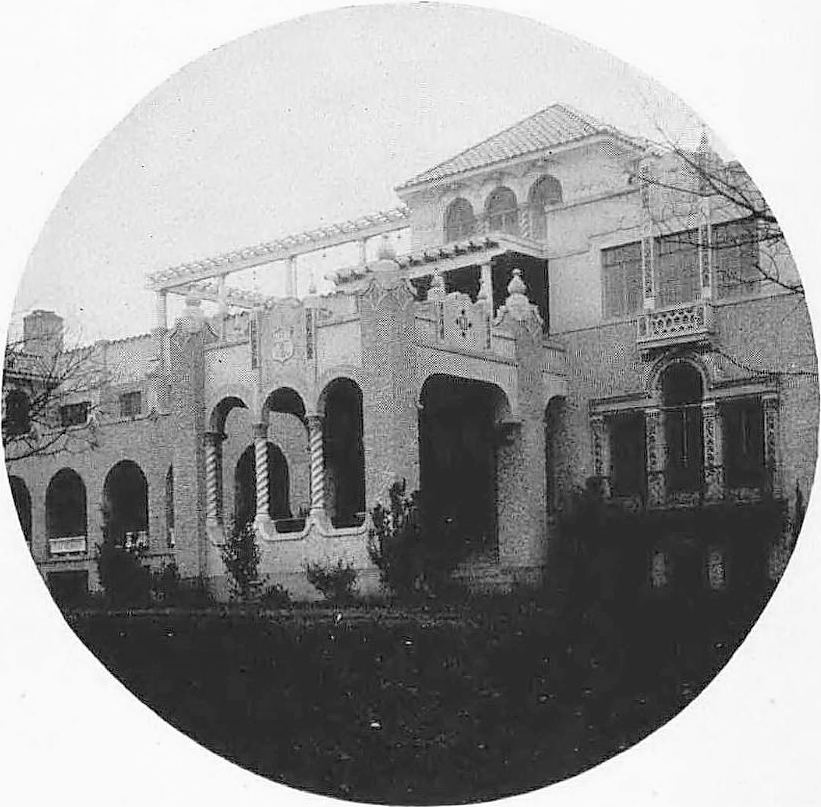
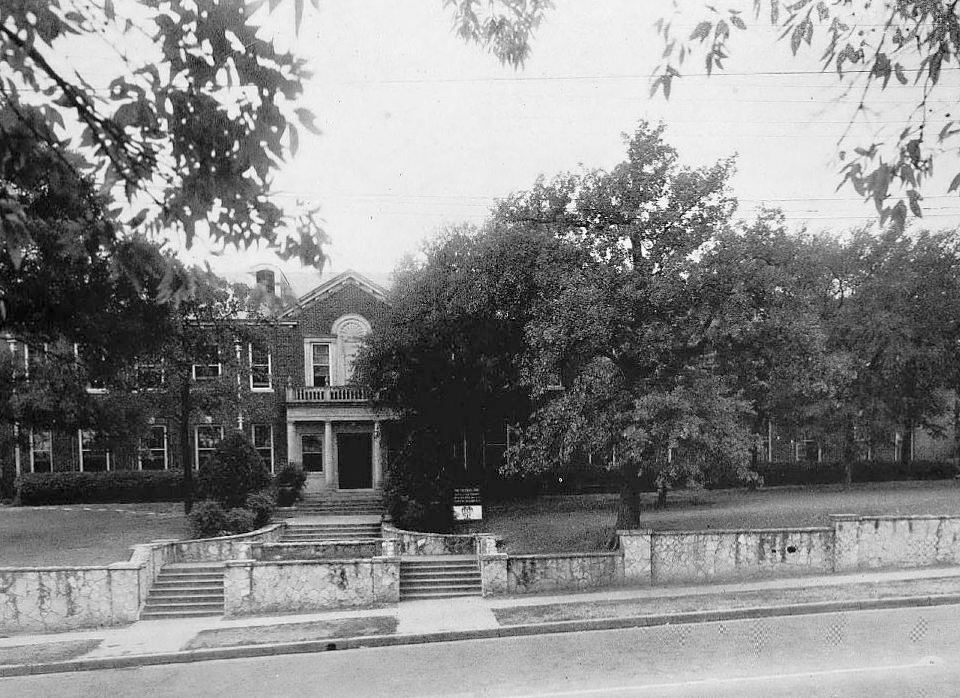
southwestern-medical-college_1944 yrbk_st-pauls-hospitalSt. Paul’s Hospital, Old East Dallas

by Paula Bosse

Here are photos of Dallas hospitals and clinics which appeared in the 1944 yearbook of Southwestern Medical College (I wrote about the then-new medical school here).

Above, St. Paul’s Hospital (3121 Bryan).

*

Below, Baylor University Hospital (3315 Junius):

southwestern-medical-college_1944 yrbk_baylor-hospital

*

Methodist Hospital of Dallas (301 W. Colorado):

southwestern-medical-college_1944 yrbk_dallas-methodist-hospital

*

Parkland Hospital (Maple Avenue and Oak Lawn Avenue, northwest corner):

southwestern-medical-college_1944 yrbk_parkland-hospital

*

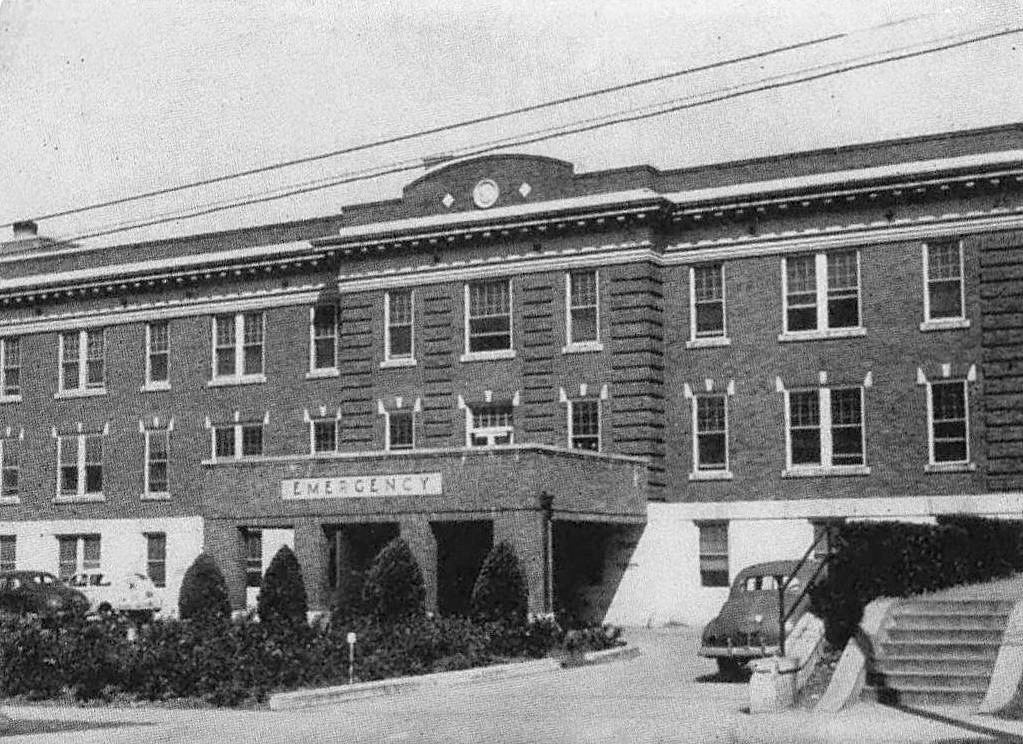
Parkland emergency entrance:

southwestern-medical-college_1944 yrbk_parkland-hospital_emergency-entrance

*

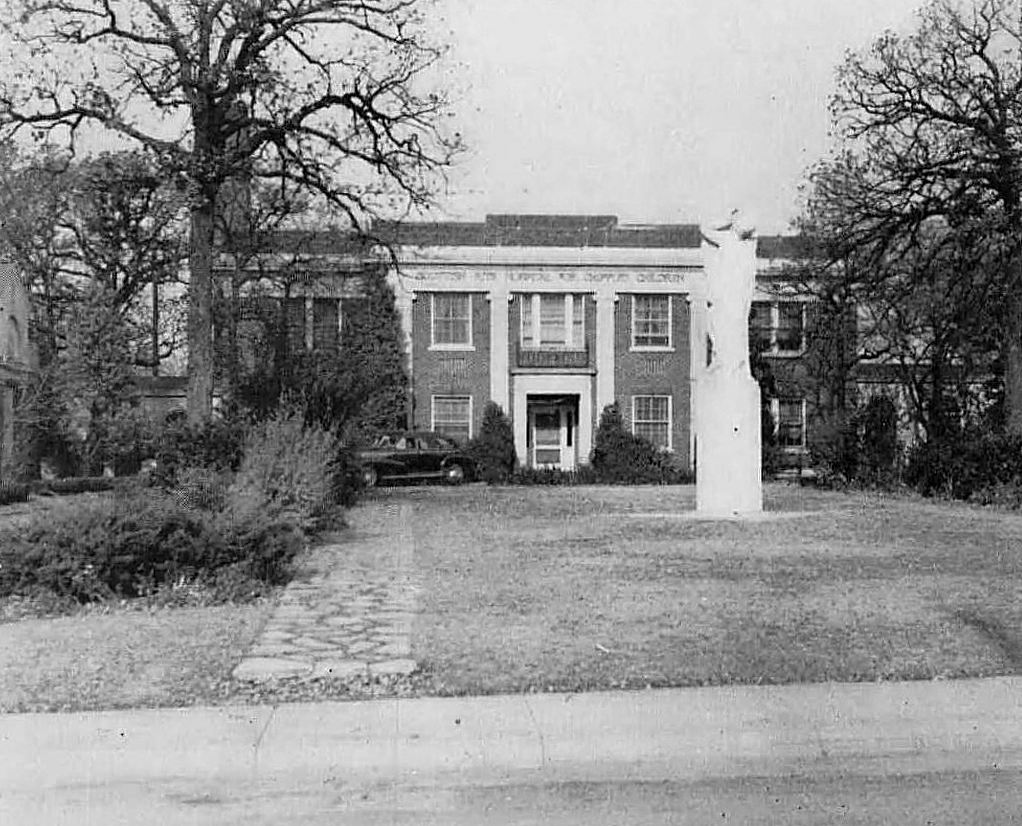
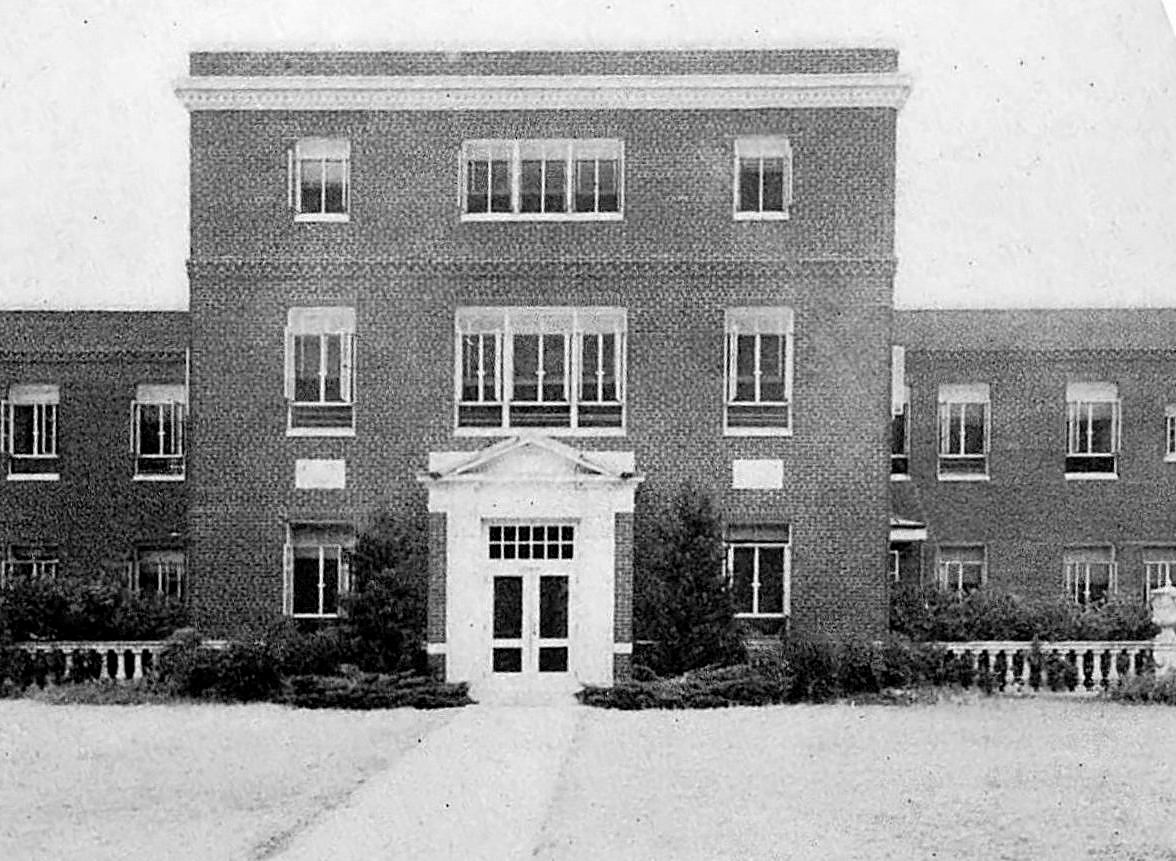
Scottish Rite Hospital for Crippled Children (2201 Welborn), two views:

southwestern-medical-college_1944 yrbk_scottish-rite-hospital-for-crippled-children

southwestern-medical-college_1944 yrbk_scottish-rite-hospital-for-crippled-children_2

*

Children’s Hospital of Texas (2306 Welborn):

southwestern-medical-college_1944 yrbk_childrens-hospital-of-texas

*

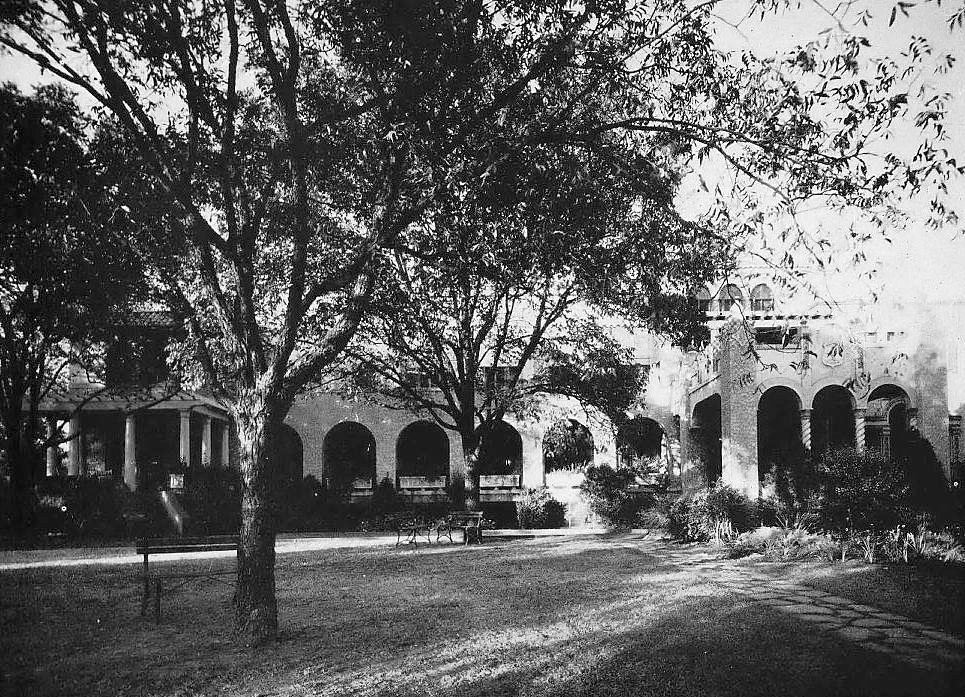
Bradford Memorial Hospital for Babies (3512 Maple Avenue), two views:

southwestern-medical-college_1944 yrbk_bradford-memorial-hospital

southwestern-medical-college_1944 yrbk_bradford-memorial-hospital_inset

*

And the Richard Freeman Memorial Clinic (3617 Maple Avenue):

southwestern-medical-college_1944 yrbk_richard-freeman-memorial-clinic

***

Sources & Notes

All photos from the 1943-1944 Caduceus, the yearbook of Southwestern Medical College, then in its first year.

Addresses from the 1943 Dallas city directory.

southwestern-medical-college_1944 yrbk_st-pauls-hospital_sm

*

Copyright © 2020 Paula Bosse. All Rights Reserved.

Southwestern Medical College — 1944

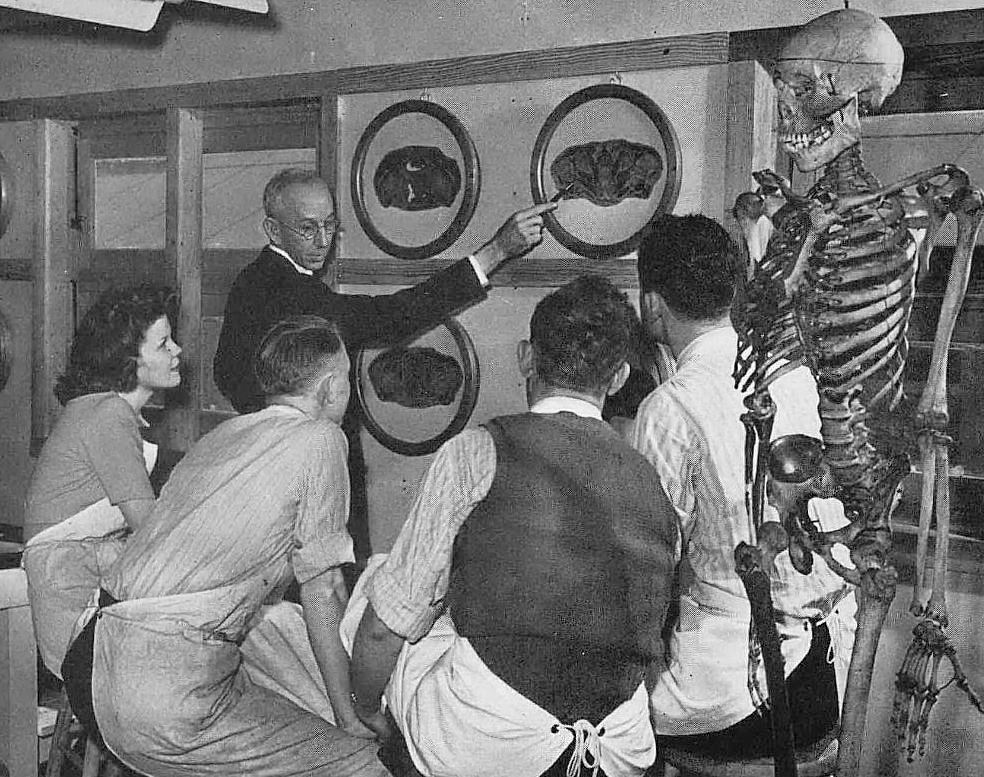
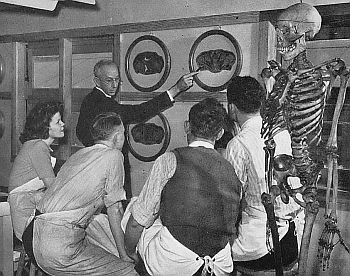
southwestern-medical-college_1944 yrbk_students_dr-w-w-looney_anatomySouthwestern Medical College students in anatomy class…

by Paula Bosse

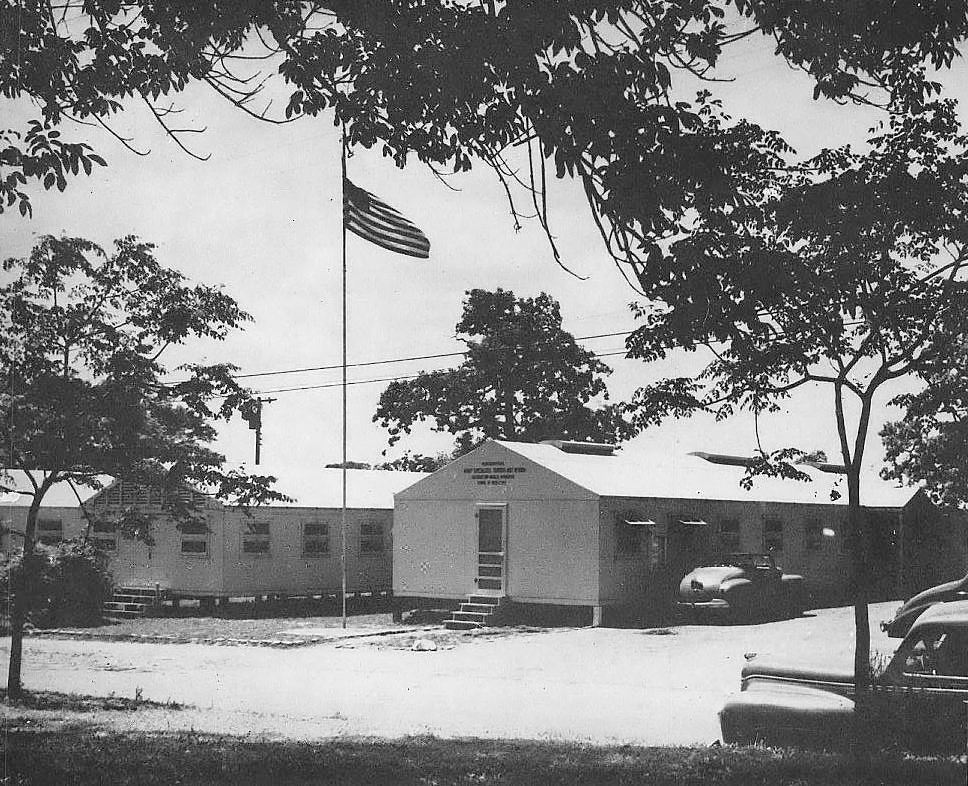
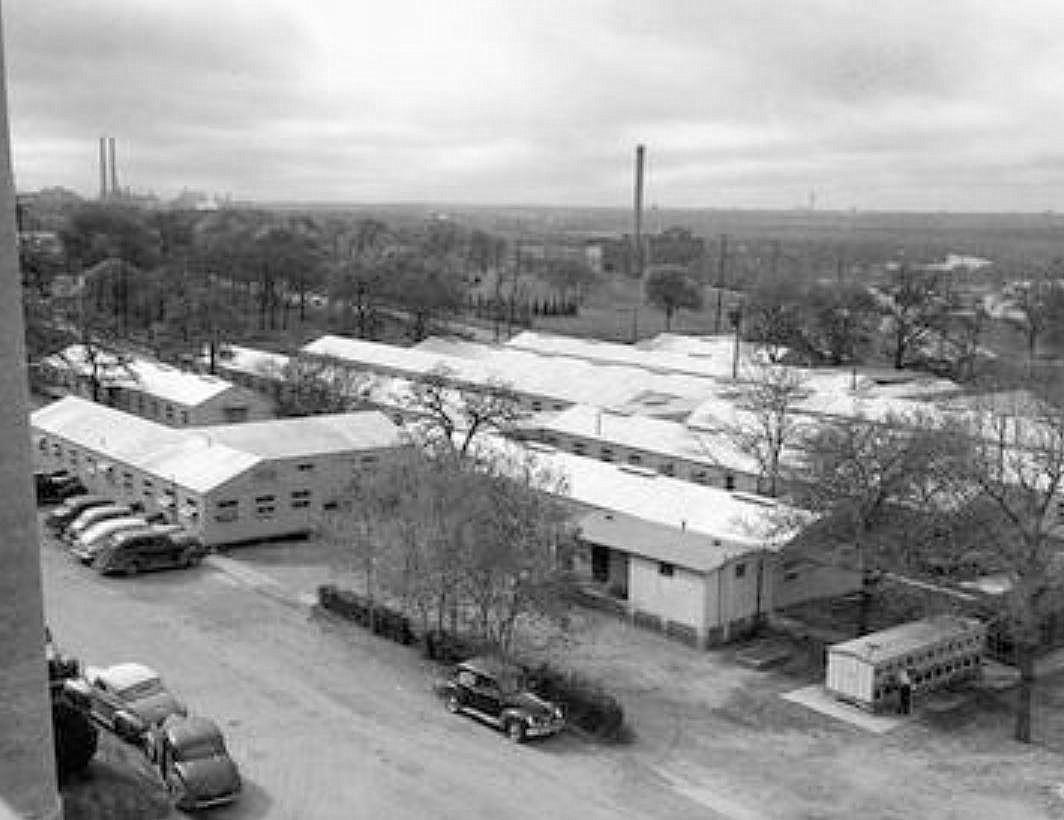
Decades before the University of Texas Southwestern Medical School was an internationally renowned institution, its precursor — the scrappy little Southwestern Medical College — opened its pre-fabricated doors to students in 1943 in temporary buildings on the Parkland Hospital grounds.

To read an in-depth history of UTSW, see their website. But, briefly, there had been medical schools in Dallas in the past (including the Dallas Medical College at the turn of the century), but by the time World War II had arrived, the Baylor University college of medicine (located on the campus of Baylor Hospital in East Dallas) was it, and many medical professionals at the time considered it to be lacking in facilities, equipment, and enthusiastic financial support. The Southwestern Medical Foundation was organized in 1939 by Dr. Edward H. Cary who, along with other Dallas civic leaders, spent many years working tirelessly to see his vision of not just a medical school, but of an entire sprawling medical center (hospitals, clinics, schools, research labs, etc.) finally built on a 36-acre tract of land, centered around Harry Hines and Inwood.

By 1943, the Foundation had plans drawn up and had been assured of support from the city and, more importantly, funding. They also hired the entire faculty of the Baylor medical and dental schools and attracted most of their students. They hoped to work with Baylor University as a partner in their grand medical center, but Baylor dropped out of negotiations when the Foundation insisted the new school would be non-sectarian. The Baptist university decided, instead, to leave Dallas for Houston, at the invitation of the M. D. Anderson Foundation.

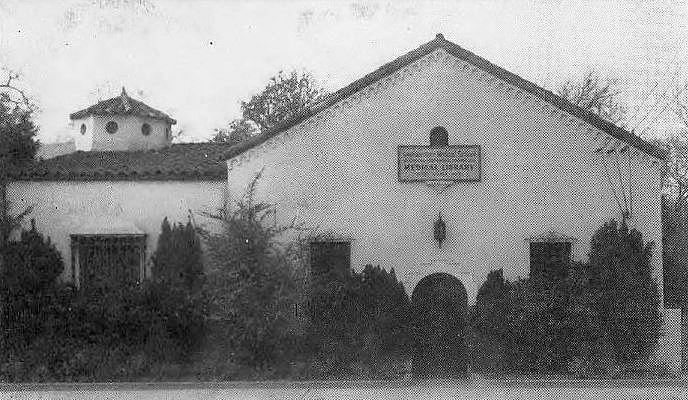
The new Southwestern Medical College opened in 1943 in a handful of  temporary buildings built on the Parkland campus — they also utilized other nearby buildings in this first year, and lectures were often conducted in various Dallas hospitals and clinics. 

These photos are from 1943-1944, the college’s first year and the humble beginnings of what just grew and grew and grew into a huge medical center and one of the world’s most respected medical research institutions.

Below, the epicenter! (Click photos to see larger images.)

southwestern-medical-college_1944 yrbk_temp-bldg_1

Don’t know exactly where this was, but this is the very appealing Medical Library:

southwestern-medical-college_1944 yrbk_temp-bldg_2

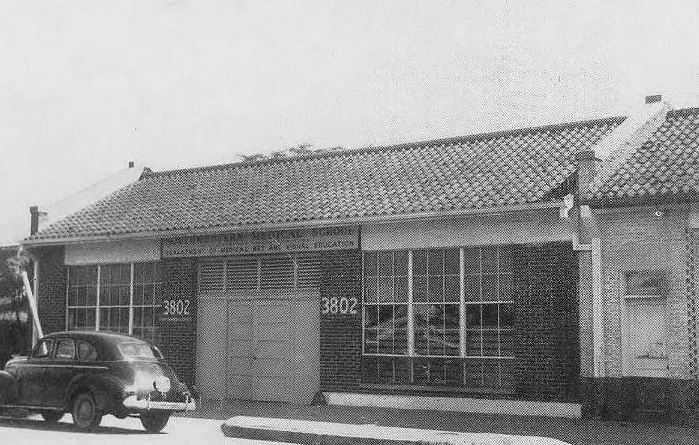
The Department of Medical Art and Visual Education, a building which was probably at 3802 Maple Avenue, across from Parkland Hospital:

southwestern-medical-college_1944 yrbk_temp-bldg_3

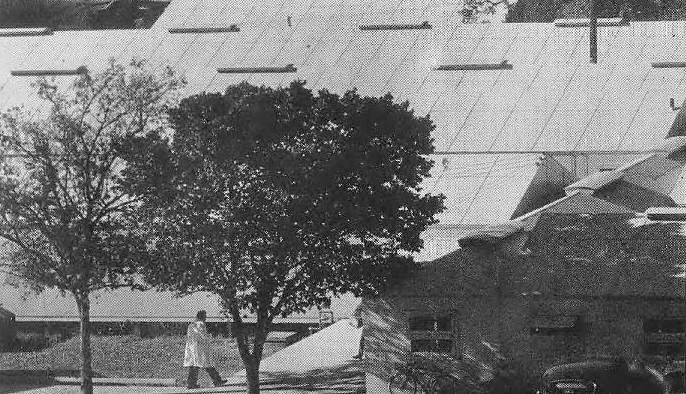
A man in a white coat is seen walking toward the rows of temporary pre-fab buildings:

southwestern-medical-college_1944 yrbk_temp-bldg_4

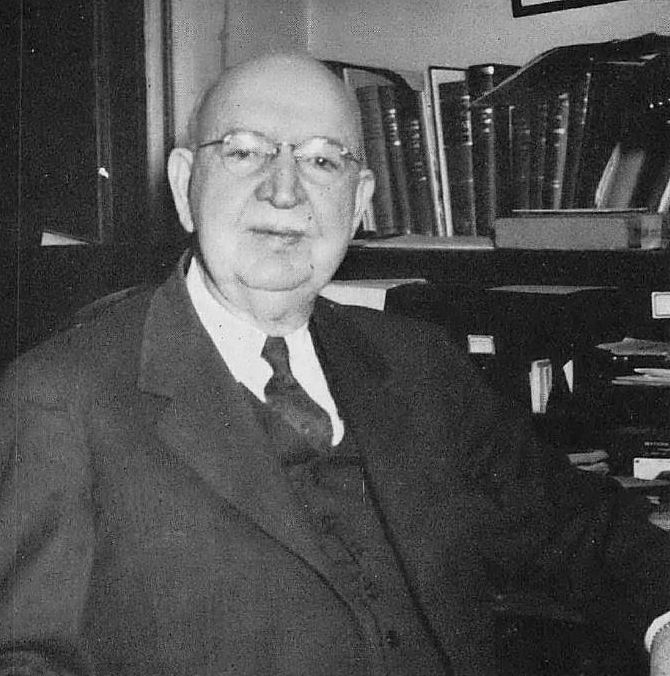
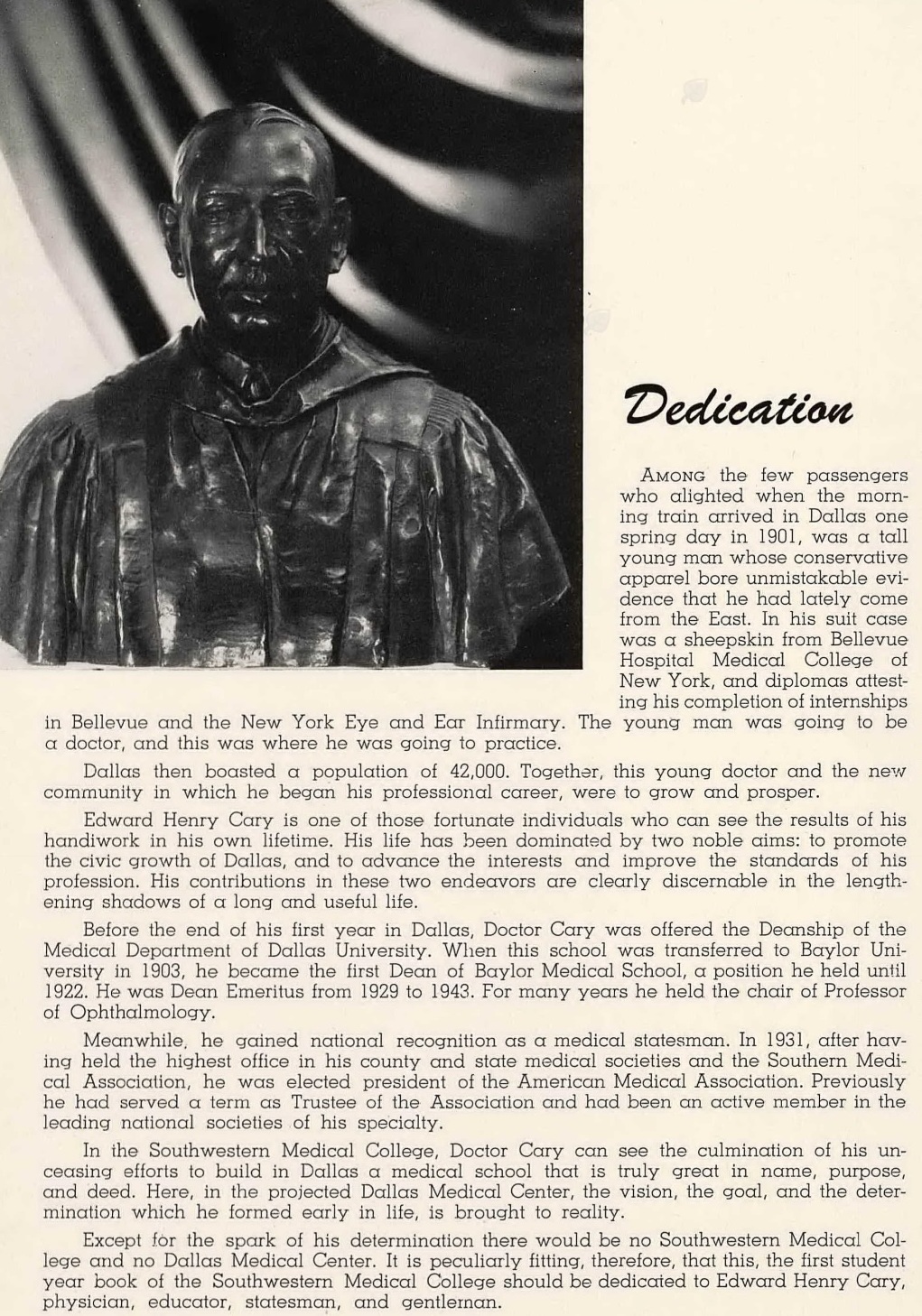
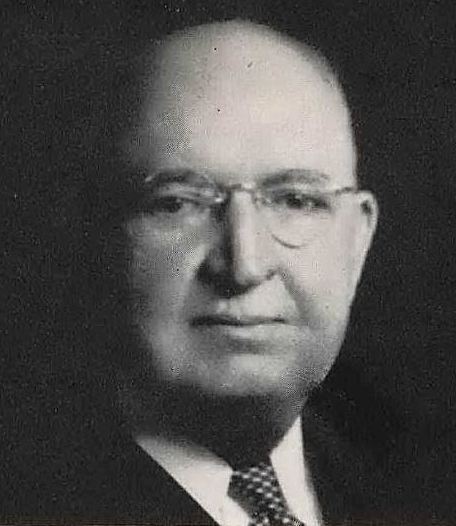
Below, Dr. E. H. Cary, the man who was the driving force behind the school and the vision which has now become UTSW (he was also a professor of ophthalmology at the new college):

dr-e-h-cary_southwestern-medical-college_1944-yrbk

The first yearbook was dedicated to Dr. Cary:

southwestern-medical-college_1944 yrbk_caduceus_dedication_dr-e-h-cary

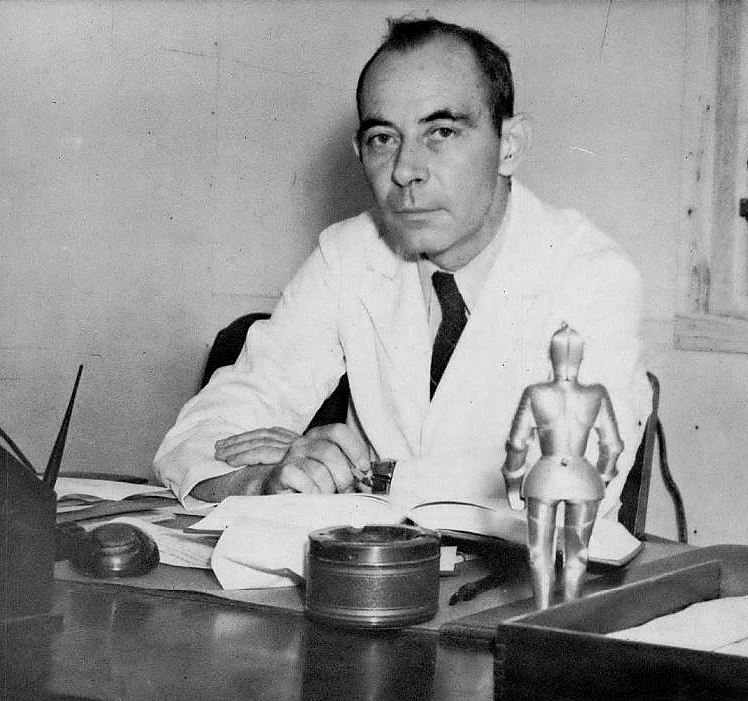
The dean was Dr. Tinsley R. Harrison:

dr-tinsley-r-harrison_dean_southwestern-medical-college_1944-yrbk

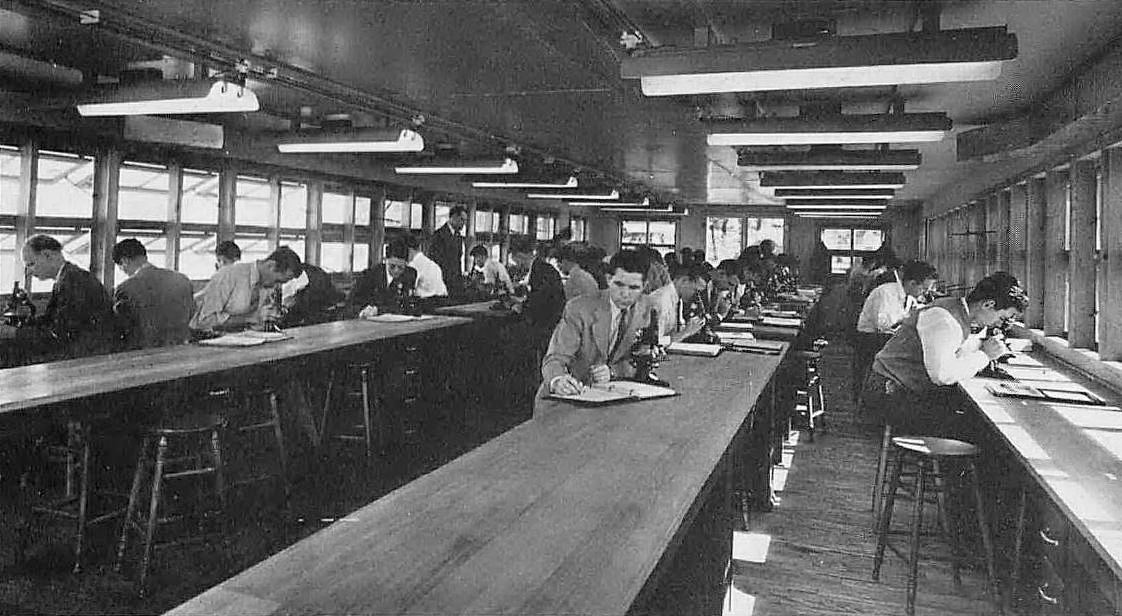
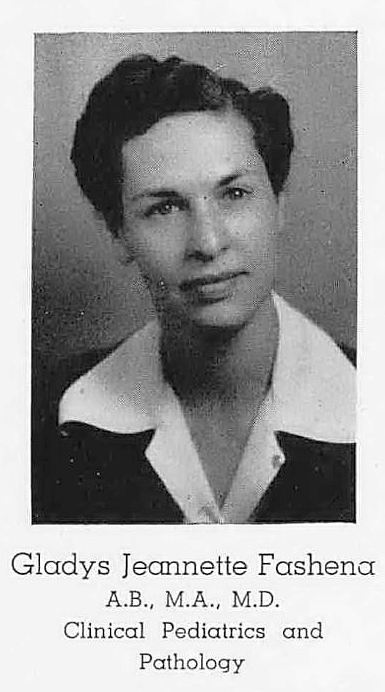
One of the only women instructors at the new college was Dr. Gladys Fashena, who had a long career in Dallas. (See her in WFAA news footage from 1969 when she was a director at Children’s Medical Center — pertinent footage begins at the 6:49 mark.) There were a few female students, but very few. One can be seen in the top photo, the caption of which reads “Dr. W. W. Looney quizzes a group of freshmen on the mysteries of cross-section anatomy.”

fashena-gladys_southwestern-med-college_1944-yrbk_professor_only-woman

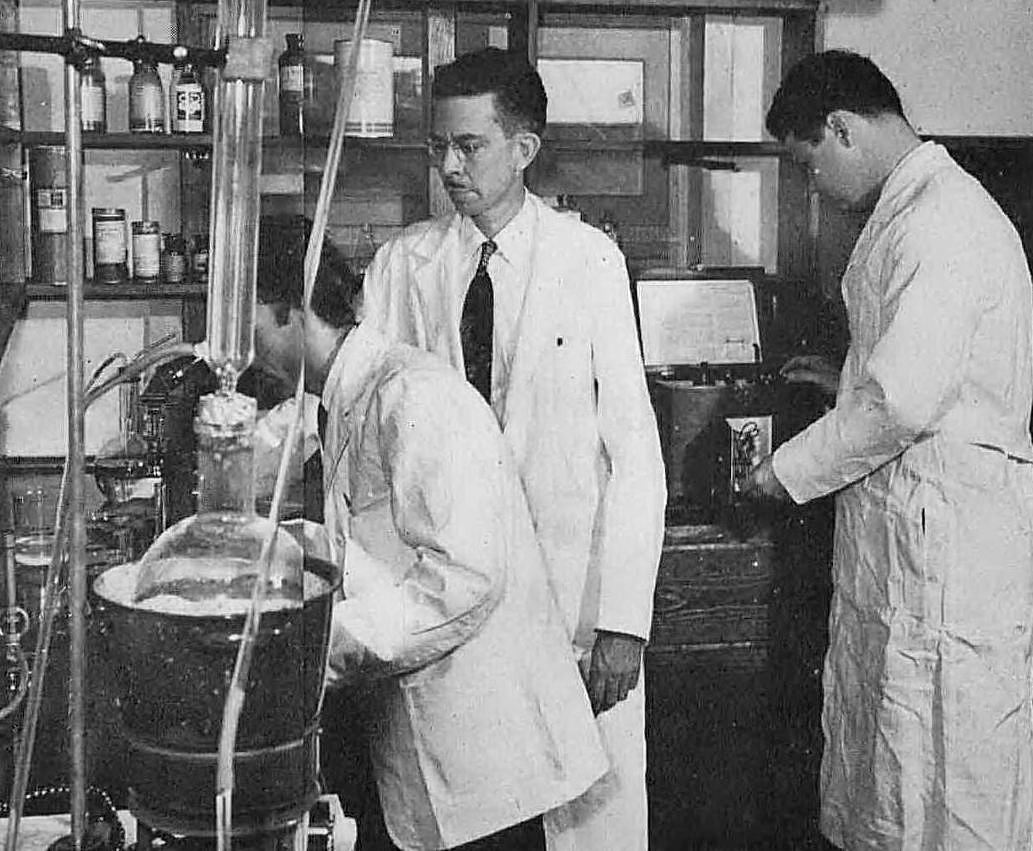
Here is Dr. Herbert C. Tidwell teaching a biochemistry class:

southwestern-medical-college_1944 yrbk_students_1

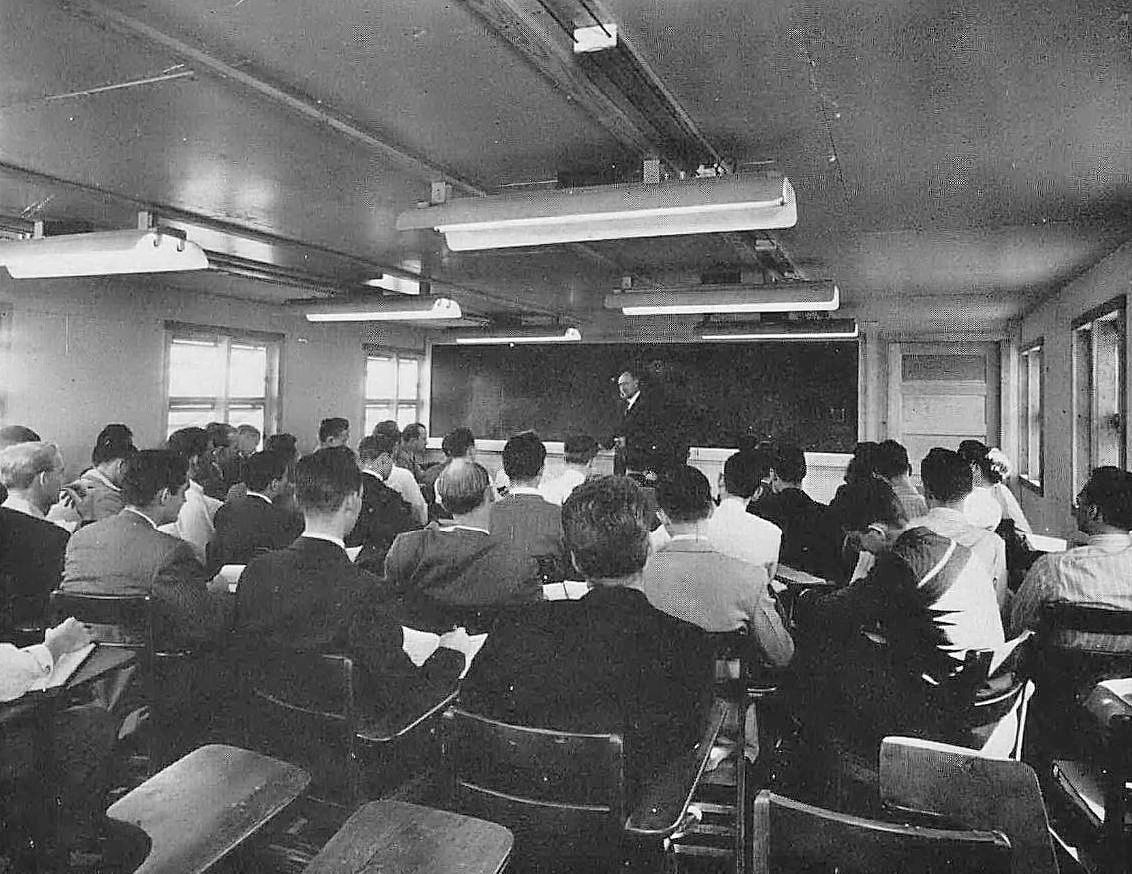
Students attending a pathology lecture by Dr. George T. Caldwell:

southwestern-medical-college_1944 yrbk_students_dr-george-t-caldwell_pathology

“Sophomores examine pathological tissues under the microscope”:

southwestern-medical-college_1944 yrbk_students_microscopes

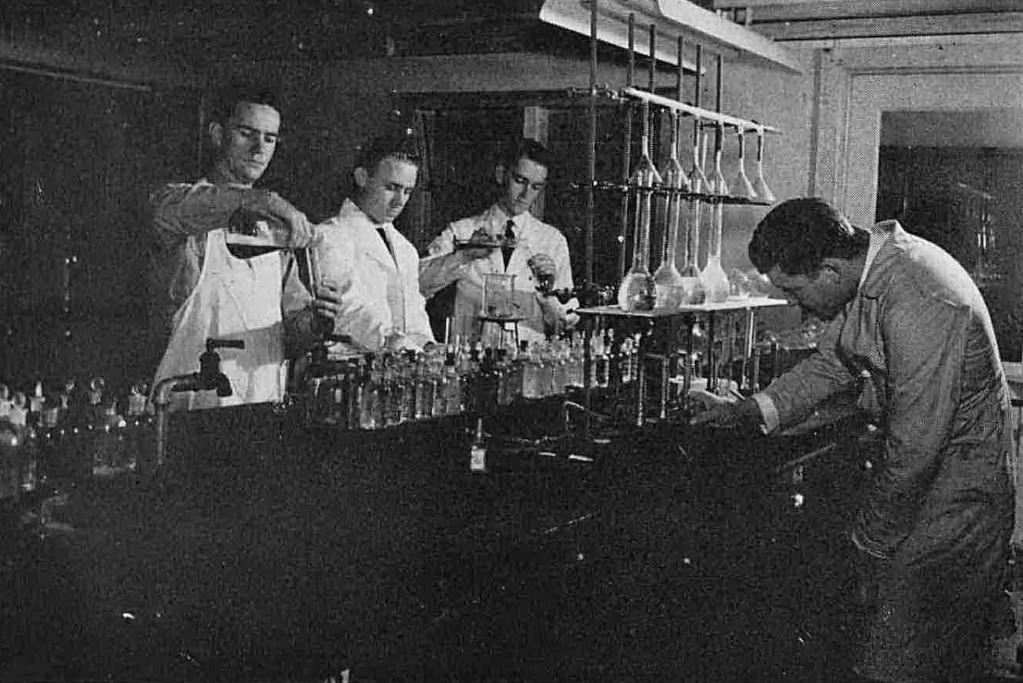
Students pouring things:

southwestern-medical-college_1944 yrbk_students_test-tubes

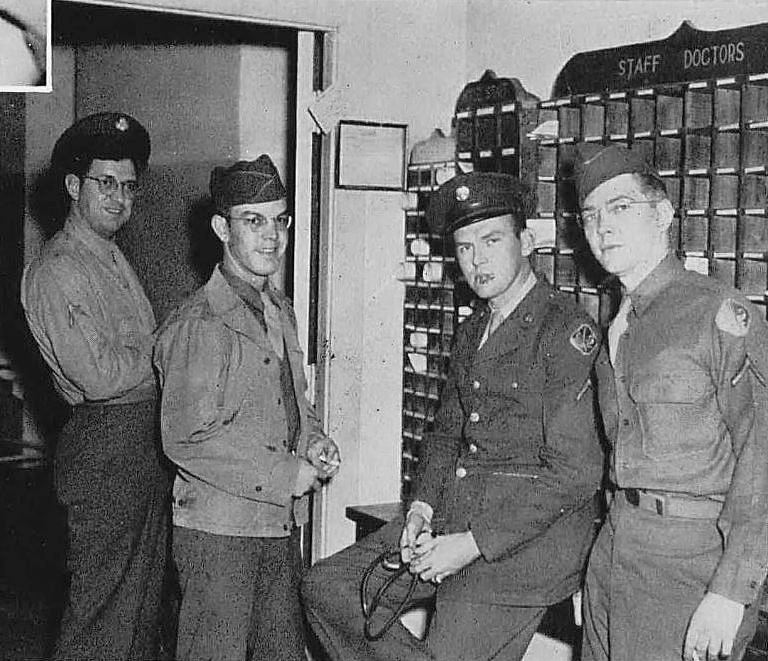
When the first year began, the U.S. was deep into WWII. Most students would be headed to military service after graduation (which was accelerated in order to get more medical professionals into the pipeline). “Upperclassmen wait for ward rounds”:

southwestern-medical-college_1944 yrbk_students_upperclassroom_waiting-for-ward-rounds

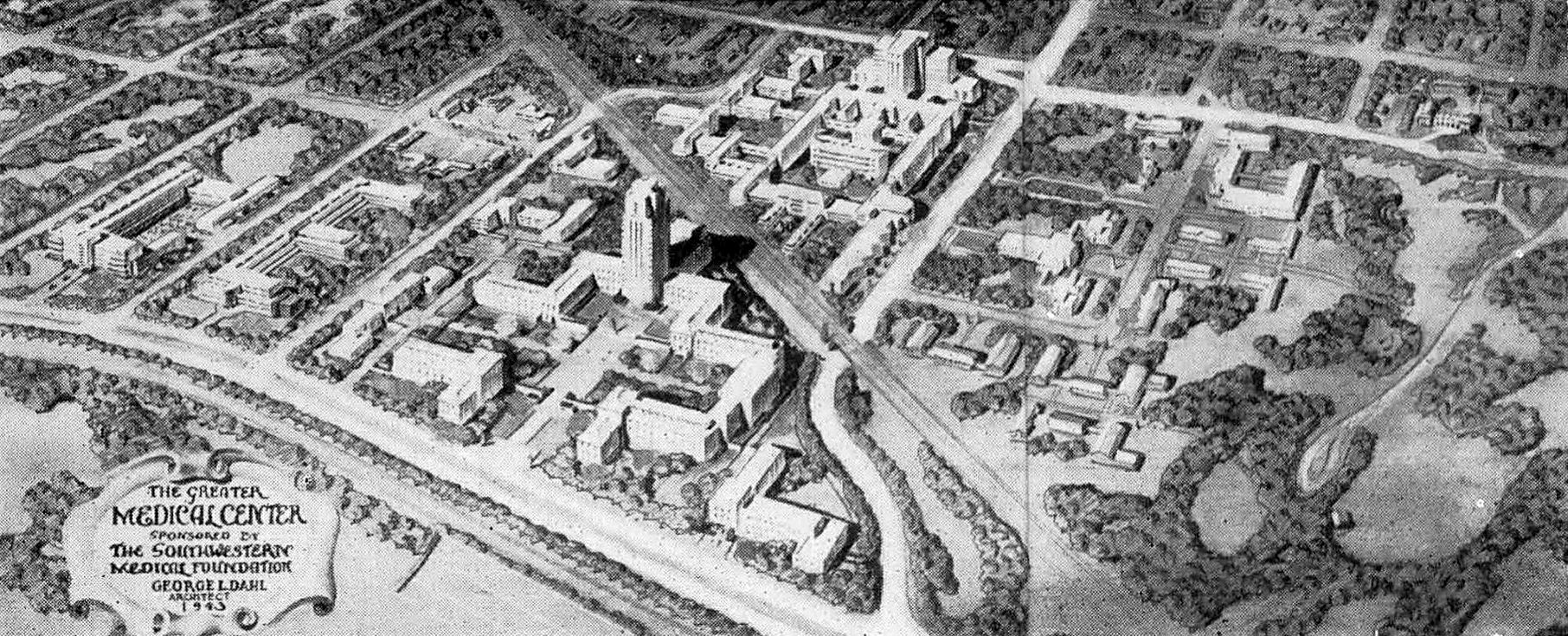
The great vision of “The Greater Medical Center” (architect, George Dahl, 1943):

southwestern-medical-college_1944 yrbk_george-dahl_greater-dallas-medical-center

A little backstory: 

southwestern-medical-college_1944 yrbk_story

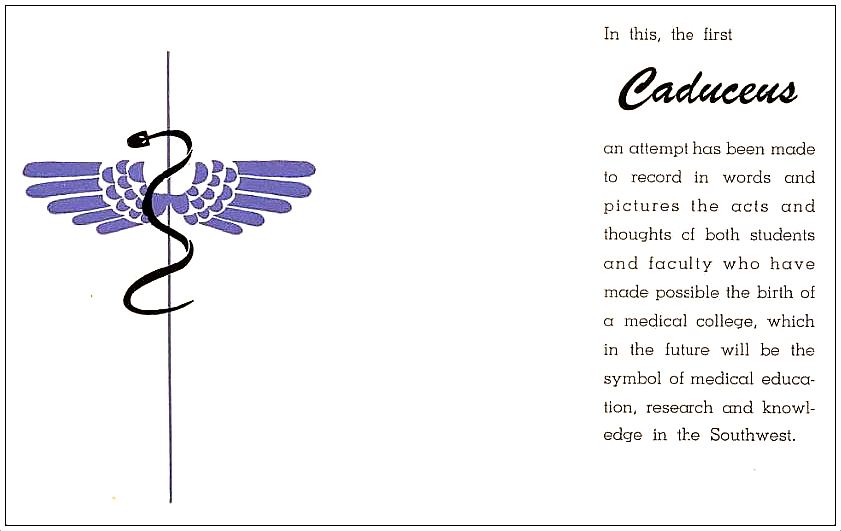
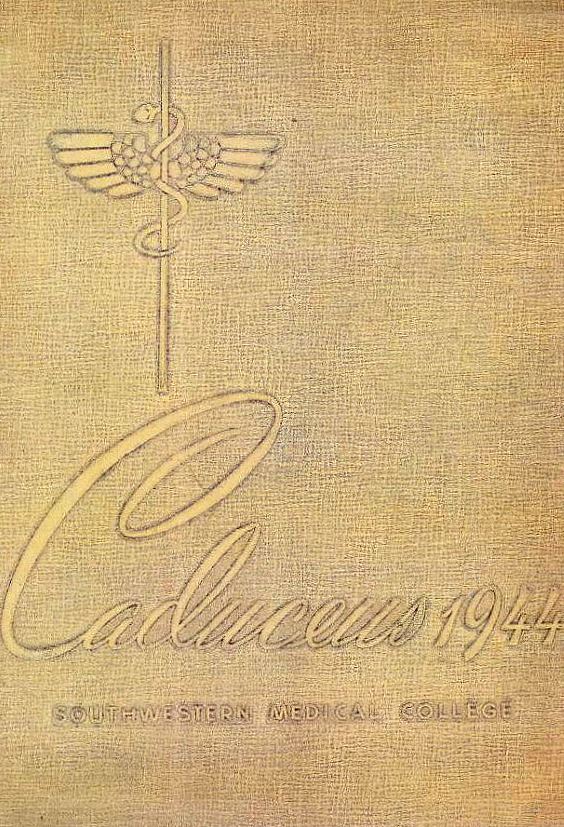
The Foreword: “In this, the first Caduceus, an attempt has been made to record in words and pictures the acts and thoughts of both students and faculty who have made possible the birth of a medical college, which in the future will be the symbol of medical education, research and knowledge in the Southwest” (1944):

southwestern-medical-college_1944 yrbk_caduceus_foreword

southwestern-medical-college_1944 yrbk_caduceus_cover

dr-e-h-cary_president_southwestern-medical-college_1944-yrbkDr. Edward H. Cary

***

Sources & Notes

All images are from the 1944 edition Caduceus, the yearbook of Southwestern Medical College.

Below, an early photo from Wikipedia

southwestern-medical-college-wikipedia

More Flashback Dallas posts tagged as “Medical” can be found here.

southwestern-medical-college_1944 yrbk_students_dr-w-w-looney_anatomy_sm

*

Copyright © 2020 Paula Bosse. All Rights Reserved.

City Park, From the Air: 1948-1997

1948_city-park_aerial_dallas-municipal-archives_portalCity Park, 1948 (Dallas Municipal Archives)

by Paula Bosse

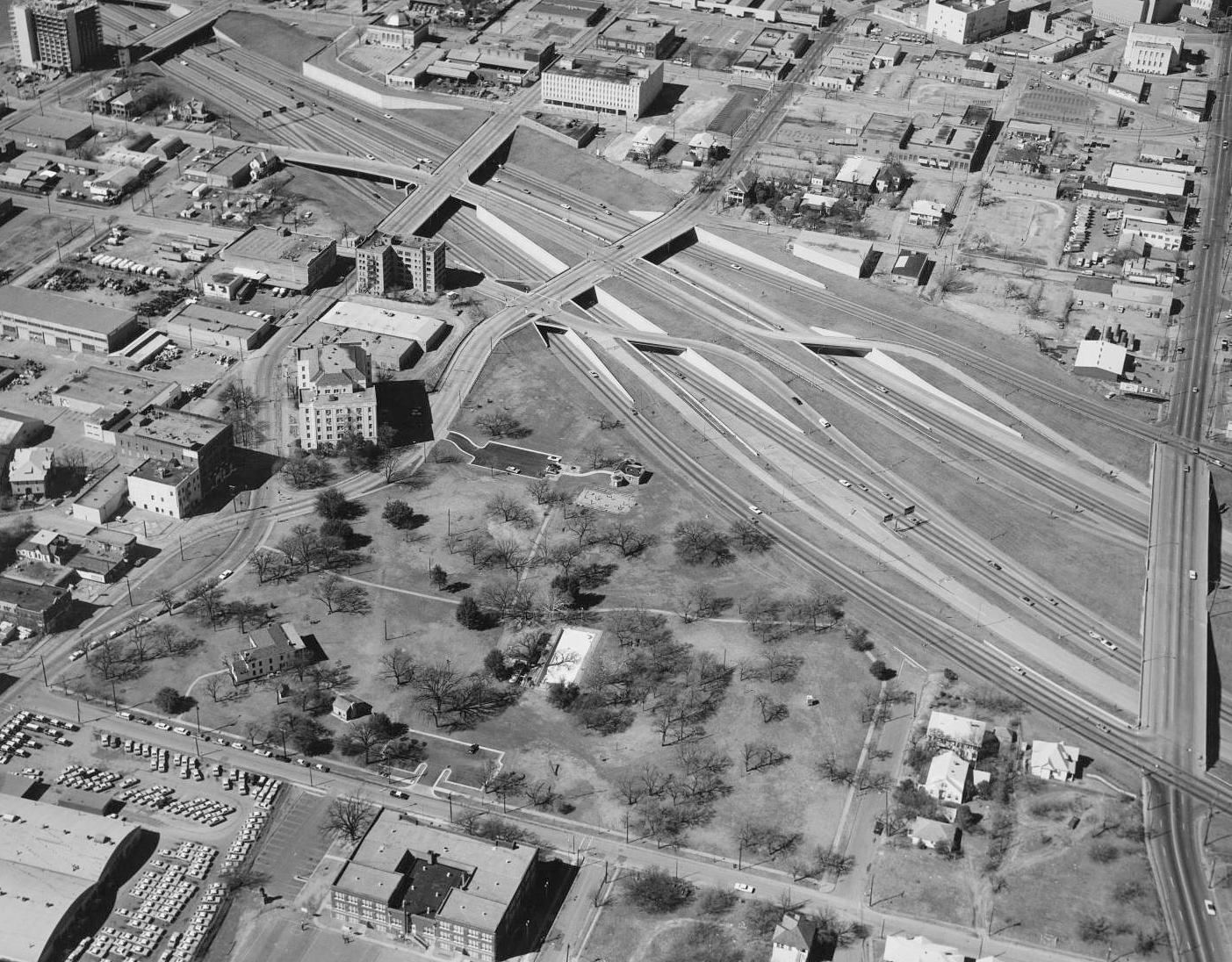
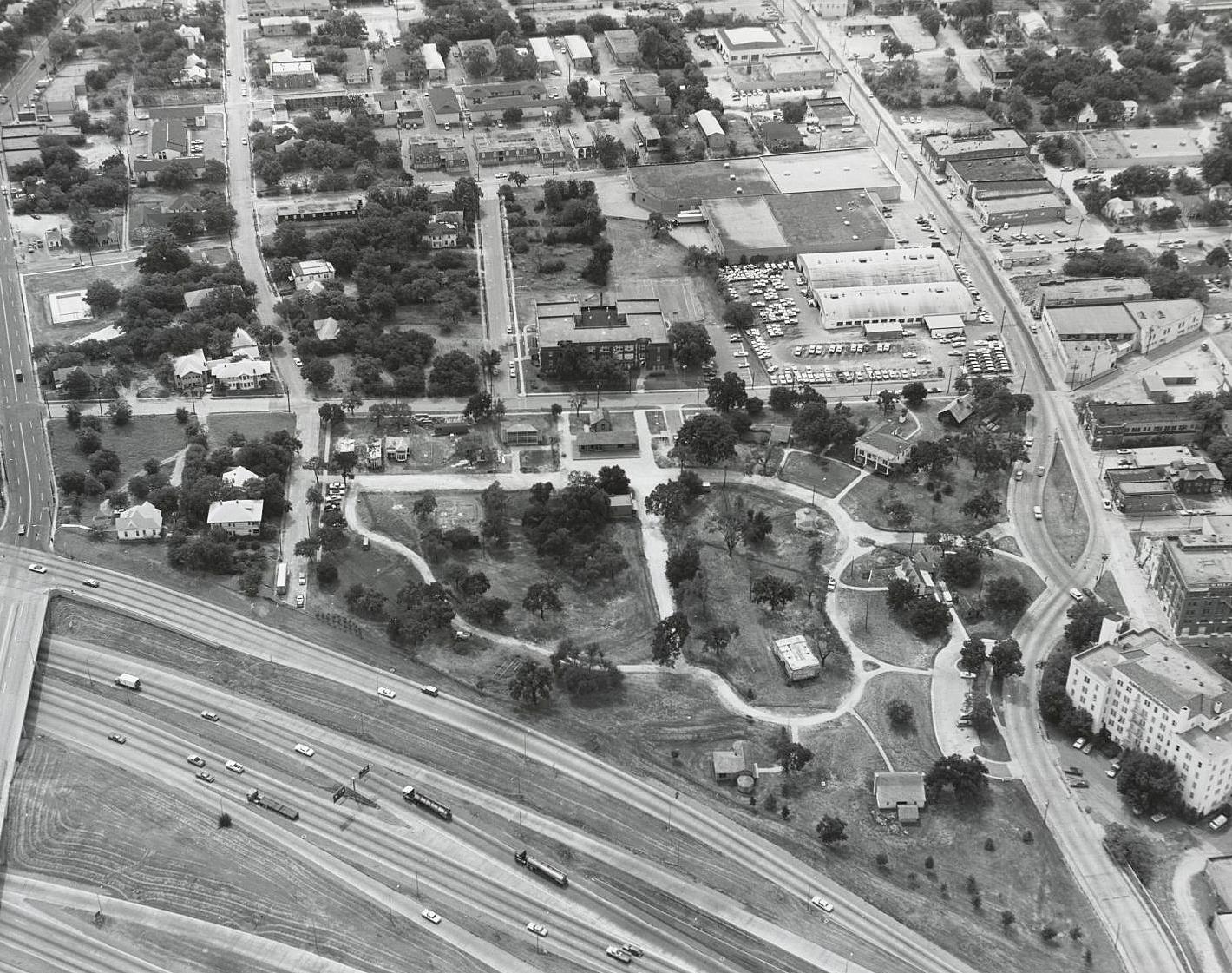
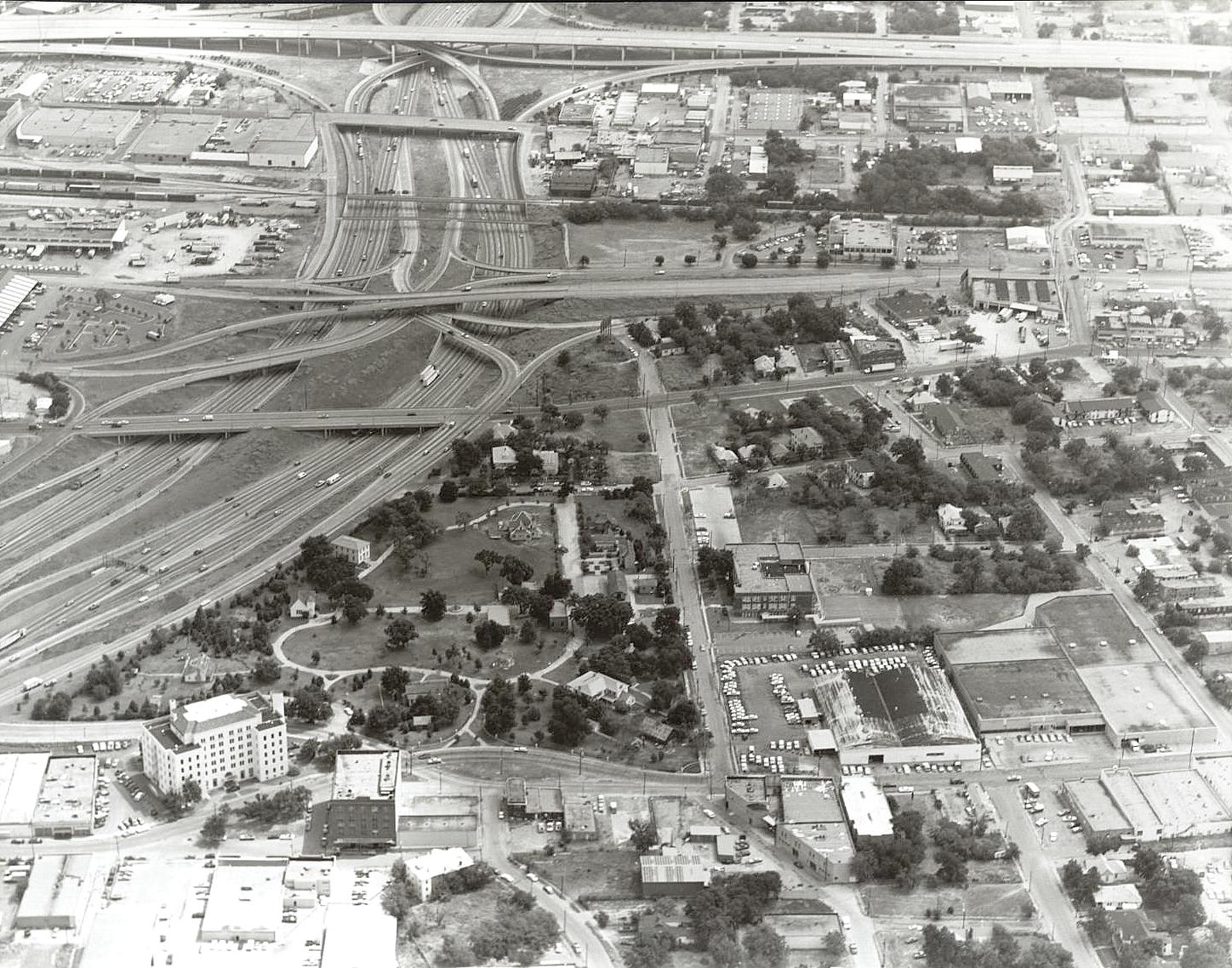
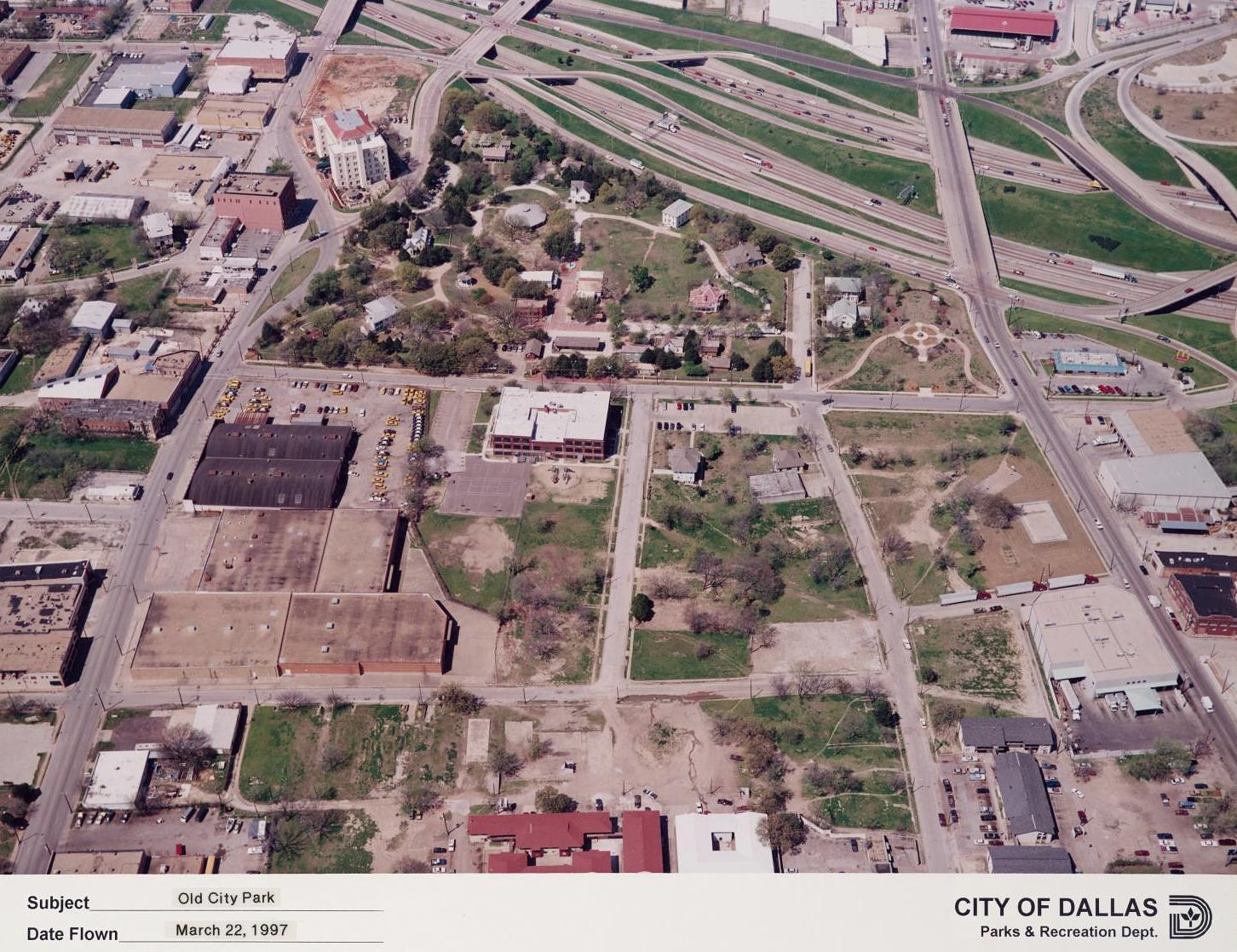
These eight aerial photos of City Park/Old City Park in The Cedars, just south of downtown, show the encroachment of an ever-increasing acreage of asphalt onto what was once the city’s most beautiful park. (All photos are from the Dallas Municipal Archives, and all are larger when clicked.) The one thing present in all photos is the late Ambassador Hotel (RIP).

Above, in 1948, before the cement mixers arrived (photo by Barnes Aerial Surveys).

Below, 1954.

1954_city-park_aerial_squire-haskins_dallas-municipal-archives_portal
Squire Haskins, Dallas Municipal Archives, 1954

1966:

1966_city-park_aerial_squire-haskins_dallas-municipal-archives_portalSquire Haskins, Dallas Municipal Archives, 1966

1969:

1969_city-park_aerial_squire-haskins_dallas-municipal-archives_portalSquire Haskins, Dallas Municipal Archives, 1969

1972:

1972_city-park_aerial_squire-haskins_1972_dallas-municipal-archives_portalSquire Haskins, Dallas Municipal Archives, 1972

1975:

1975_city-park_aerial_squire-haskins_1975_dallas-municipal-archives_portalSquire Haskins, Dallas Municipal Archives, 1975

Circa 1982:

1982-ca_city-park_aerial_dallas-municipal-archives_portalDallas Municipal Archives, ca. 1982

1997:

1997_city-park_aerial_reginald-d-loftin_dallas-municipal-archives_portalReginald D. Loftin, Dallas Municipal Archives, 1997

Today-ish (or at least before the Ambassador burned down in May, 2019):

city-park_google-maps_aerialGoogle Maps

***

Sources & Notes

All photos are from the Dallas Municipal Archives Collection, via the Portal to Texas History; they can all be found here.

Read about the history of the Ambassador Hotel in the Flashback Dallas post “The Majestic Hotel/The Park Hotel/The Ambassador Hotel: R.I.P — 1904-2019.”

A few old postcards of City Park in its heyday can be found in the post “Iola Bridge.”

1948_city-park_aerial_dallas-municipal-archives_portal_sm

*

Copyright © 2020 Paula Bosse. All Rights Reserved.