Flashback : Dallas

A Miscellany: History, Ads, Pop Culture

Category: 1960s

Twelve Prominent Black Baptist Churches — 1967
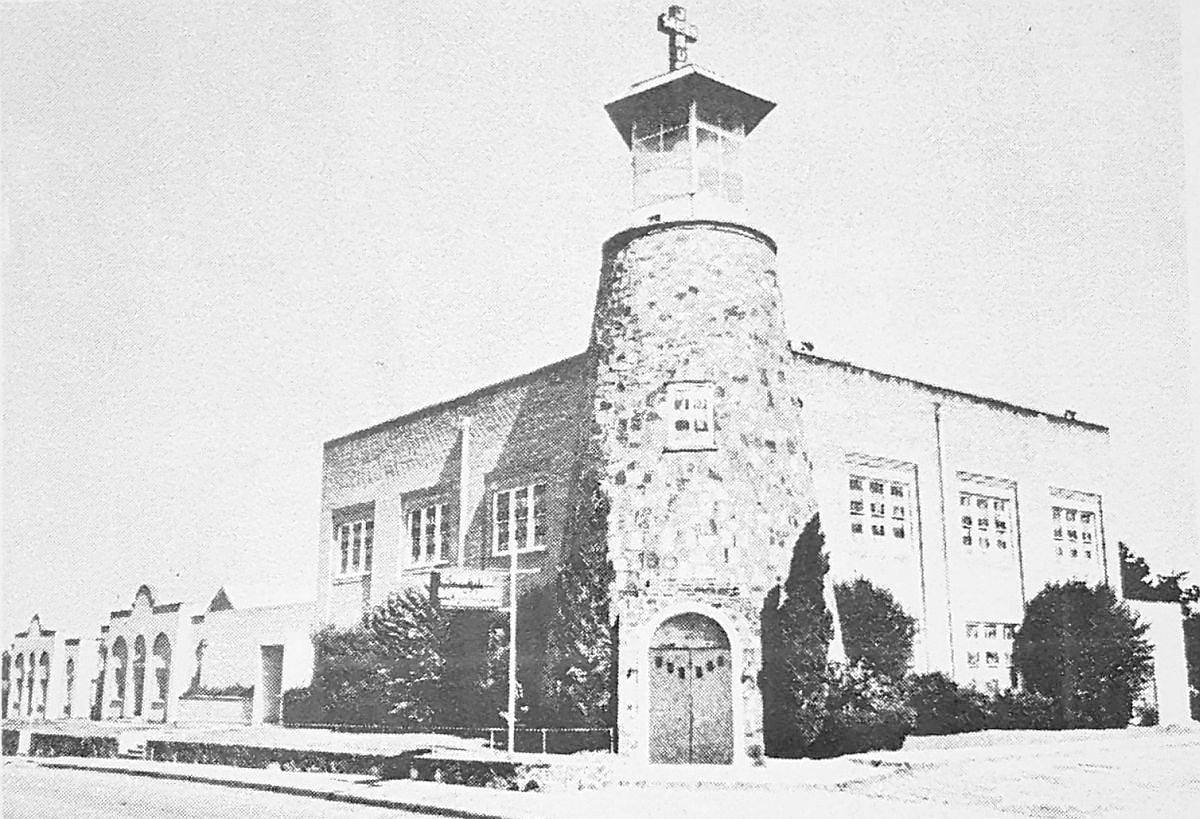
church_zion-hill-missionary-baptist_1967Zion Hill Missionary Baptist Church… (click for larger image)

by Paula Bosse

Flipping through the pages of the 1967 Souvenir Program of the 74th Annual Session of the Missionary Baptist General Convention of Texas and Its Auxiliaries (…as one does), I kept coming across ads featuring photos of Dallas churches and wondered how many were still standing. Out of the twelve I’m posting here, all but three are still standing. That’s a healthy survival rate!

All photos are from the above-mentioned program for the Missionary Baptist General Convention of Texas, which convened in Dallas, October 17-20, 1967. All photos (which are larger when clicked) appeared in this 1967 booklet, but a few were older photos taken in previous years or decades.
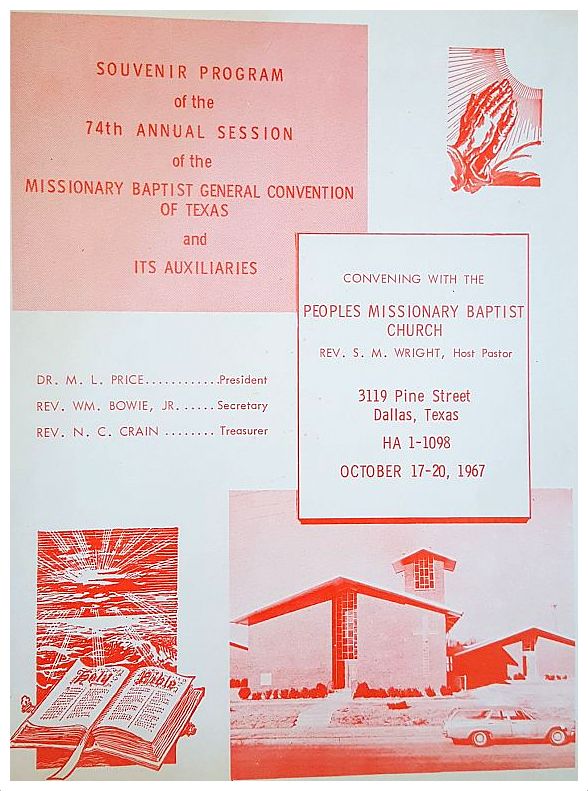
missionary-baptist-convention_1967

*

At the top, Zion Hill Missionary Baptist Church, 909 Morrell Avenue, East Oak Cliff (Rev. A. F. Thomas, Sr., Minister). The church is still standing and is still cool-looking — see it on Google Street View here. (According to a history of the church, the building was designed by J. C. Hibbard, the Assembly of God preacher who designed his own Oak Cliff church, the Gospel Lighthouse Church, which I wrote about here — the two eye-catching buildings are only a mile apart.)

*
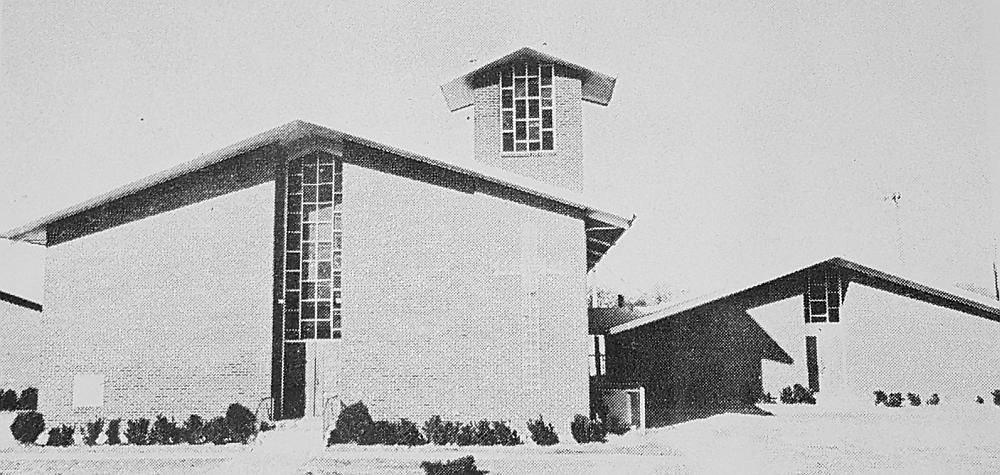
church_peoples-missionary-baptist_1967

People’s Missionary Baptist Church, 3119 Pine Street, South Dallas (Rev. S. M. Wright, Pastor). Still standing, here

*
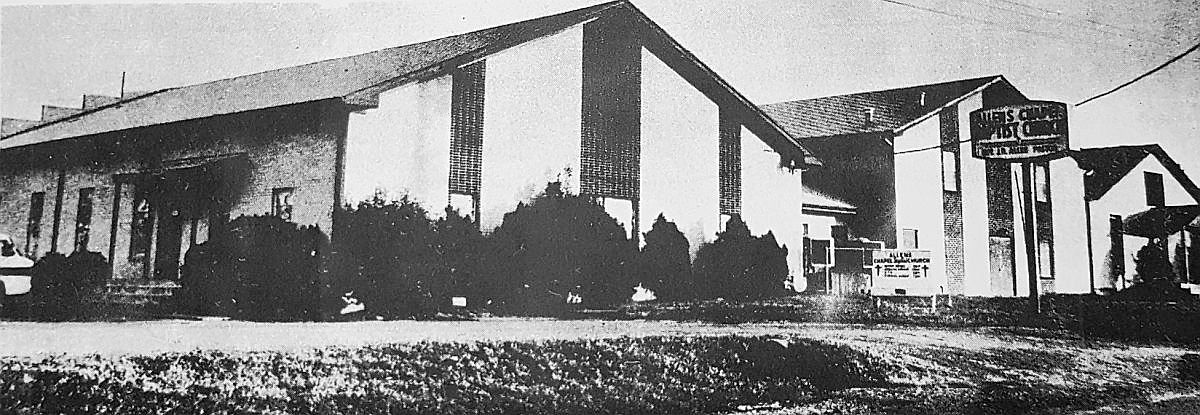
church_allen-chapel-baptist_1967

Allen Chapel Baptist Church, 2146 Overton Road, Oak Cliff (Rev. J. R. Allen, Pastor). Still standing, here.

*
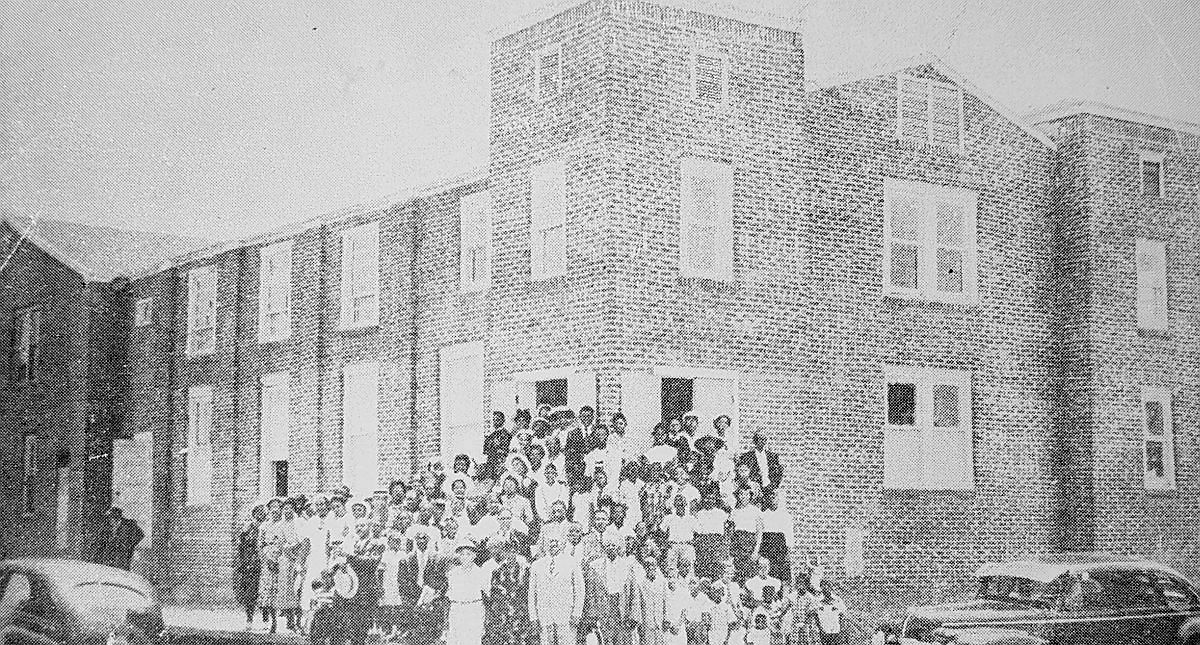
church_morning-star-baptist_1967

Morning Star Baptist Church (photo circa 1947, the year the brick church was built), 2662 Anderson Street, South Dallas (Rev. Howard Gill, Pastor). Still standing, here.

*
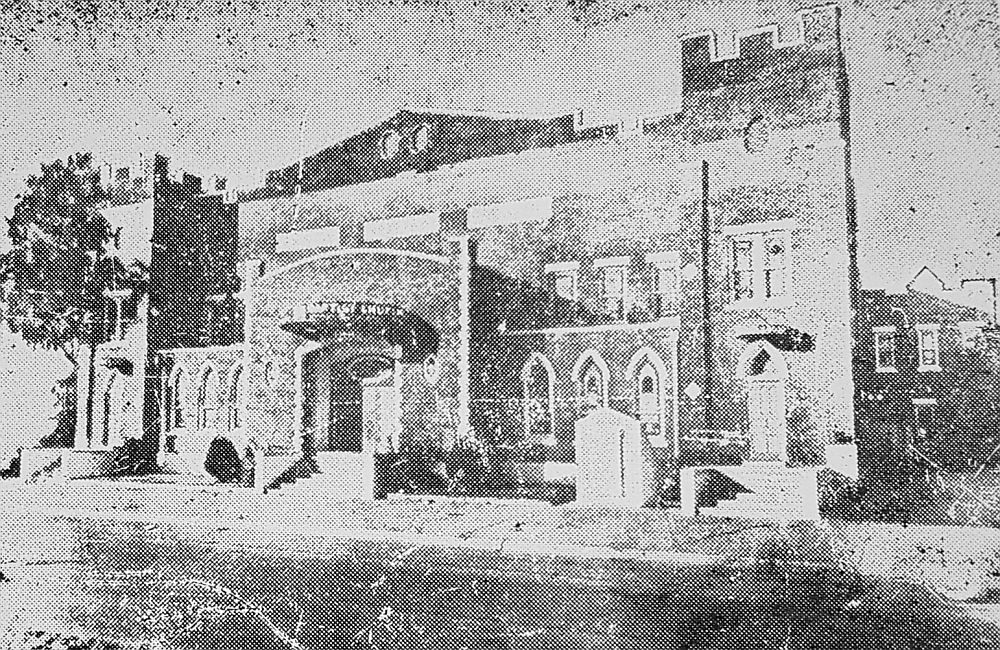
church_good-street-baptist_1967

Good Street Baptist Church, 902 N. Good-Latimer (between Live Oak and Bryan) (Dr. Cesar Clark, Pastor). No longer standing.

*
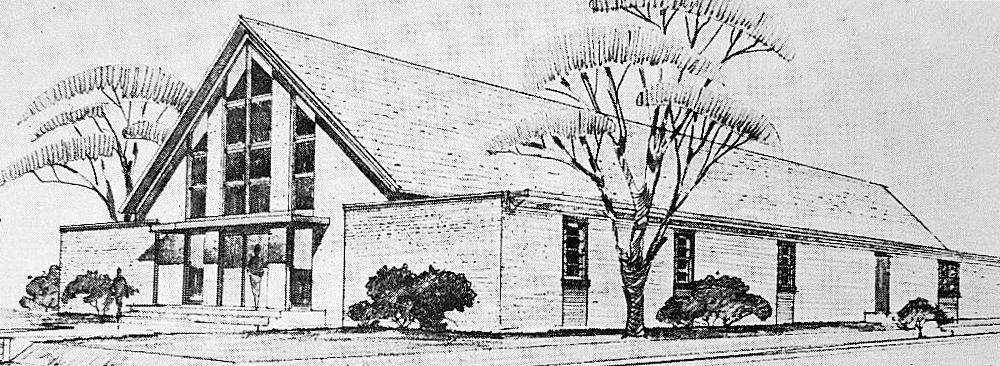
church_oak-hill-missionary-baptist_1967

Oak Hill Missionary Baptist Church, 4440 S. Oakland Avenue (now Malcolm X Blvd.), South Dallas (Rev. M. G. Solomon, Pastor). Drawing of their “future church building.” Still standing, here.

*
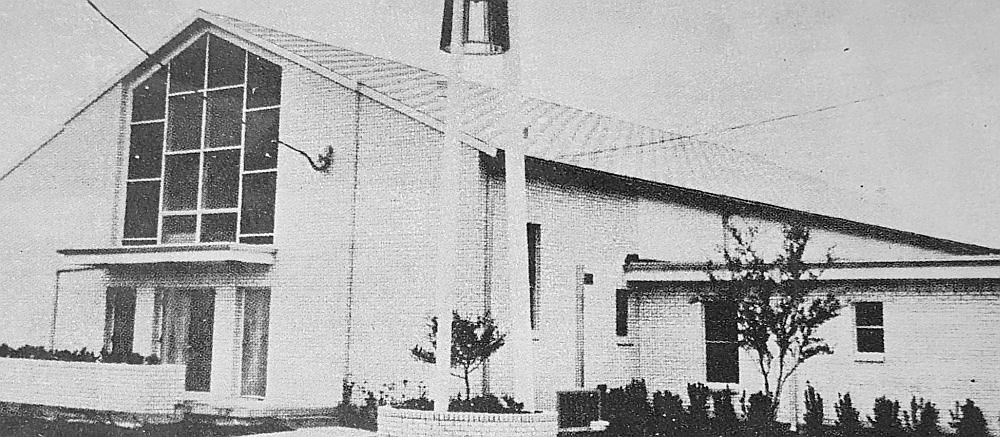
church_bethany-baptist_1967

Bethany Baptist Church, 6710 Webster Street, Love Field area (A. L. Schley, Pastor). Still standing, here.

*
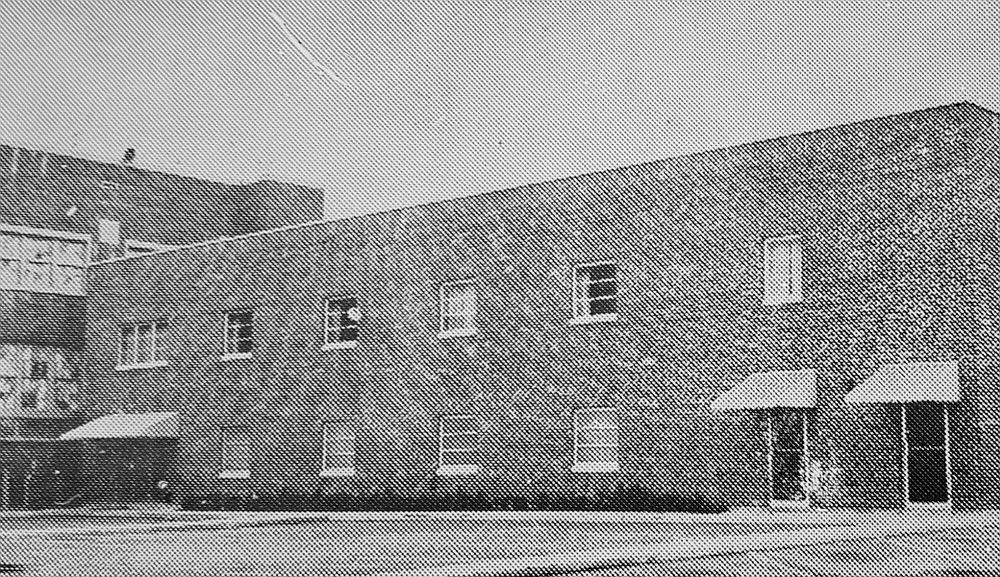
church_munger-avenue-baptist_1967

Munger Avenue Baptist Church, 3919 Munger Avenue (not to be confused with N. Munger Blvd.), near Haskell and Washington, in what used to be the thriving African-American neighborhood of North Dallas (Rev. B. E. Joshua, Pastor). Still standing, here.

*
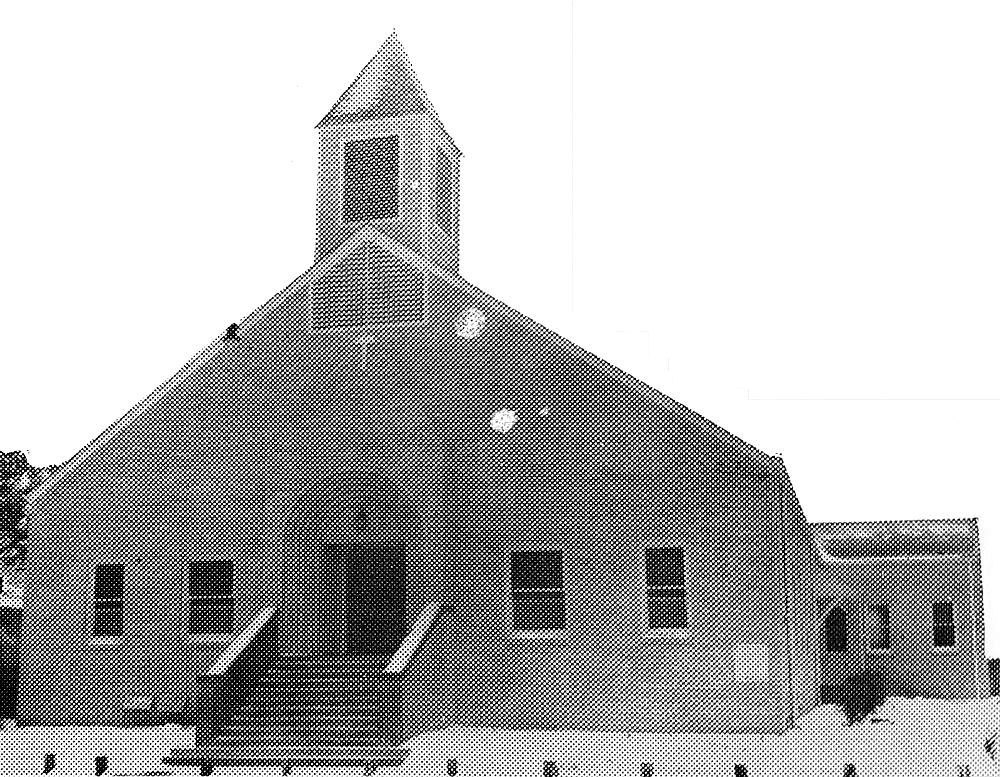
church_pilgrim-rest-baptist_1967

Pilgrim Rest Missionary Baptist Church, 2525 Caddo Street, just a few blocks from Munger Avenue Baptist Church (Rev. G. B. Prince, Pastor). No longer standing. The property was sold to the Southland Corporation in 1983 — its location is now occupied by a Cityplace parking lot. According to the history of the church, Pilgrim Rest moved to 1819 N. Washington in 1985.

*
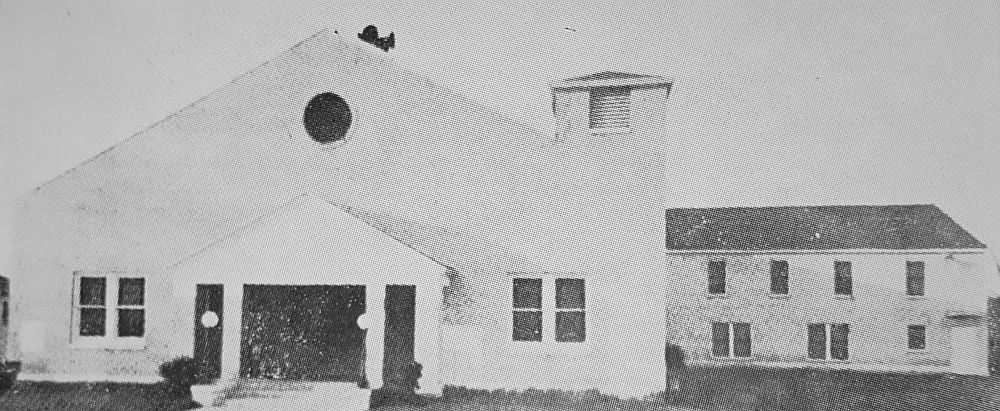
church_mount-moriah-missionary-baptist_1967

Mount Moriah Missionary Baptist Church, 3611 Latimer Street, South Dallas (Rev. B. F. Briggs, Pastor). Still standing, here.

*

church_st-john-baptist_1967

St. John Baptist Church, 2019 Allen Street, State-Thomas area (Robert H. Wilson, Minister). No longer standing.

*
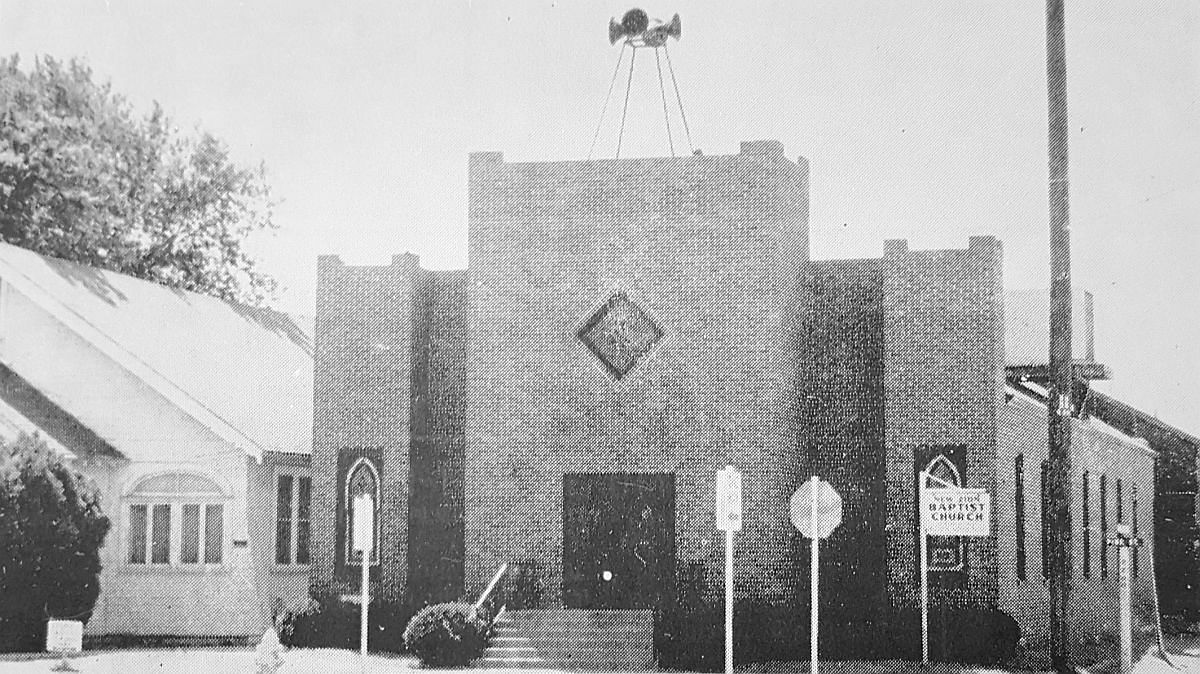
church_new-zion-baptist_1967

New Zion Baptist Church, 2214 Pine Street, South Dallas (Rev. A. V. Voice, Pastor). Now Greater New Zion Church, this is my favorite of these twelve buildings, and it still looks good, here.

***

Sources & Notes

All photos from the Souvenir Program of the 74th Annual Session of the Missionary Baptist General Convention of Texas and Its Auxiliaries, which was held in Dallas in October, 1967.

Many thanks to George Gimarc for passing this wonderful little booklet on to me. I hope to share more from its pages in the future.

All photos larger when clicked.

*

Copyright © 2017 Paula Bosse. All Rights Reserved.
 

Bryan Adams High School: Yearbook Photos from 1961 and 1962

bryan-adams_1961_colorGreetings, from BAHS… (click for larger image)

by Paula Bosse

Yesterday I posted a bunch of ads (seen here) from the 1961 and 1962 yearbooks of Bryan Adams High School, and today I’m posting a bunch of photos of random school life from those same yearbooks. (All photos are larger when clicked.)

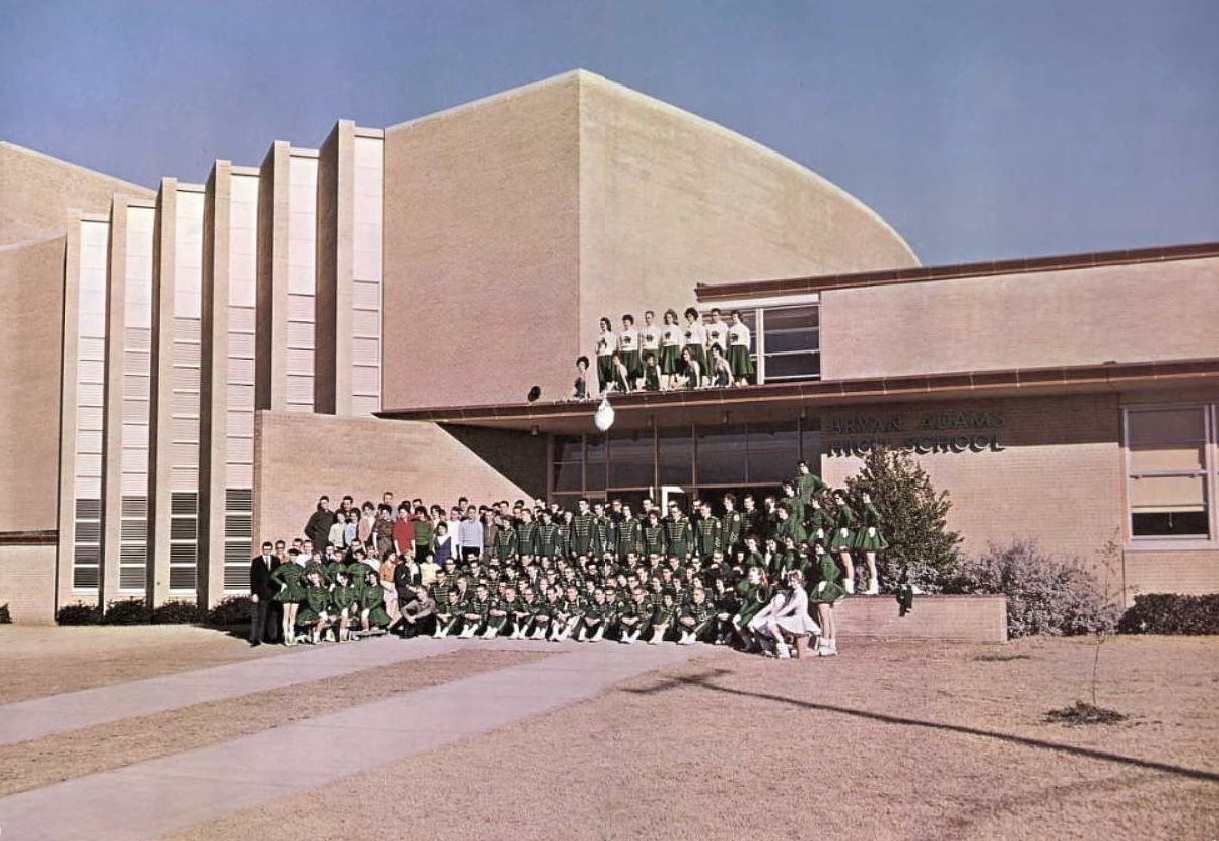
Above, band, drill team, and cheerleaders. (1961)

Below, the rigors of the art student. (1961)

bryan-adams_1961-yrbk_art-students

*

Boys. (1961)

bryan-adams_1961-yrbk_boys

*

The Corals. The caption: “The Corals play an important role in the life of El Conquistador.” (El Conquistador is the name of the yearbook, and The Corals were a popular combo that played around Dallas in the late ’50s and early ’60s. I assume they were BA students.) (1961)

bryan-adams_1961-yrbk_the-corals

*

The Senior Ball, held downtown at the Sheraton. (1961)

bryan-adams_1961-yrbk_sr-ball-sheraton

*

Gymnasium drama. (1961)

bryan-adams_1961-yrbk_gym

*

BA drill team in the stands at a football game. “Beautiful Belles.” (1961)

bryan-adams_1961-yrbk_beautiful-belles

*

The Up Beats. (1962)

bryan-adams_1962-yrbk_up-beats

*

The guy in the glasses is Sverker Olson, “our exchange student from Sweden.” He looks very happy. (1961)

bryan-adams_1961-yrbk_exchange-student

*

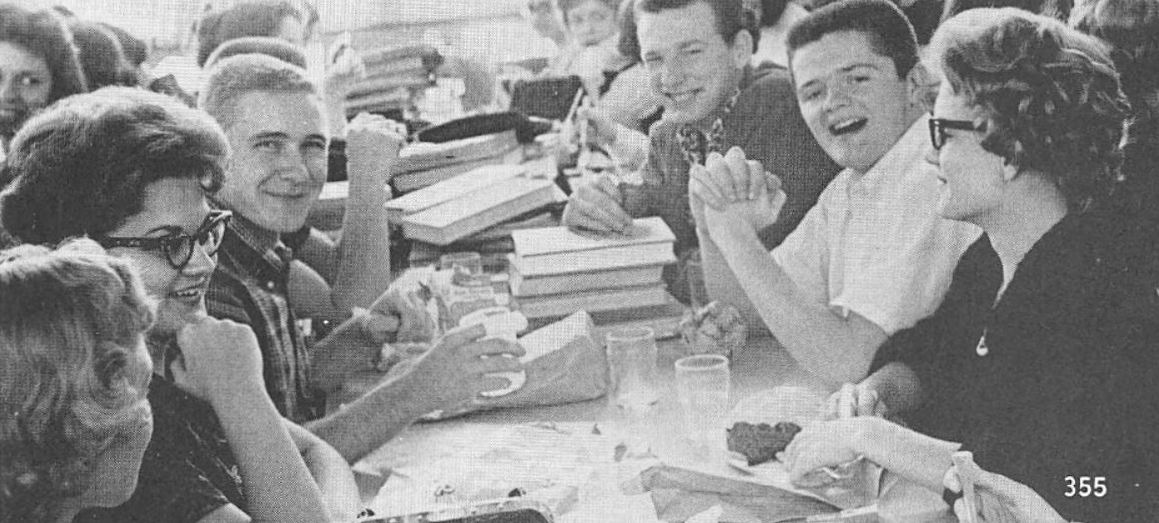
I saw many, many photos of that guy on the right in the white shirt. He was either very popular or was slipping the photographer a buck every time he saw him in order to get as many photos of himself as possible into the yearbook. (1961)

bryan-adams_1961-yrbk_lunchroom

*

I was in band in high school. We never got to play at the State Fair of Texas at the feet of Big Tex.

bryan-adams_1962-yrbk_big-tex

*

Grainy photo that’s interesting mostly because of how tiny downtown looked from the eastern shore of White Rock Lake back in 1962.

bryan-adams_1962_white-rock

***

All photos from the Bryan Adams High School yearbook, El Conquistador — all are larger when clicked.

*

Copyright © 2017 Paula Bosse. All Rights Reserved.

Bryan Adams High School: Yearbook Ads from 1961 and 1962

bryan-adams_1962-yrbk_penneys_casa-view

by Paula Bosse

I love ads from high school yearbooks — especially when they feature students. Here are several from the Bryan Adams 1961 and 1962 yearbooks. (Click the ads to see larger images.)

Above, the J. C. Penney store in Casa View at 2596 Gus Thomasson. Great ad! (1962)

Below, Jackson’s Sporting Goods in Casa Linda. (1962)

bryan-adams_1962-yrbk_jacksons-sporting-goods

*

Gingham Girl Dance Studio on Northwest Highway (“We Also Feature Baton Lessons”). (1961)

bryan-adams_1961-yrbk_gingham-girl-dance-studio_baton

*

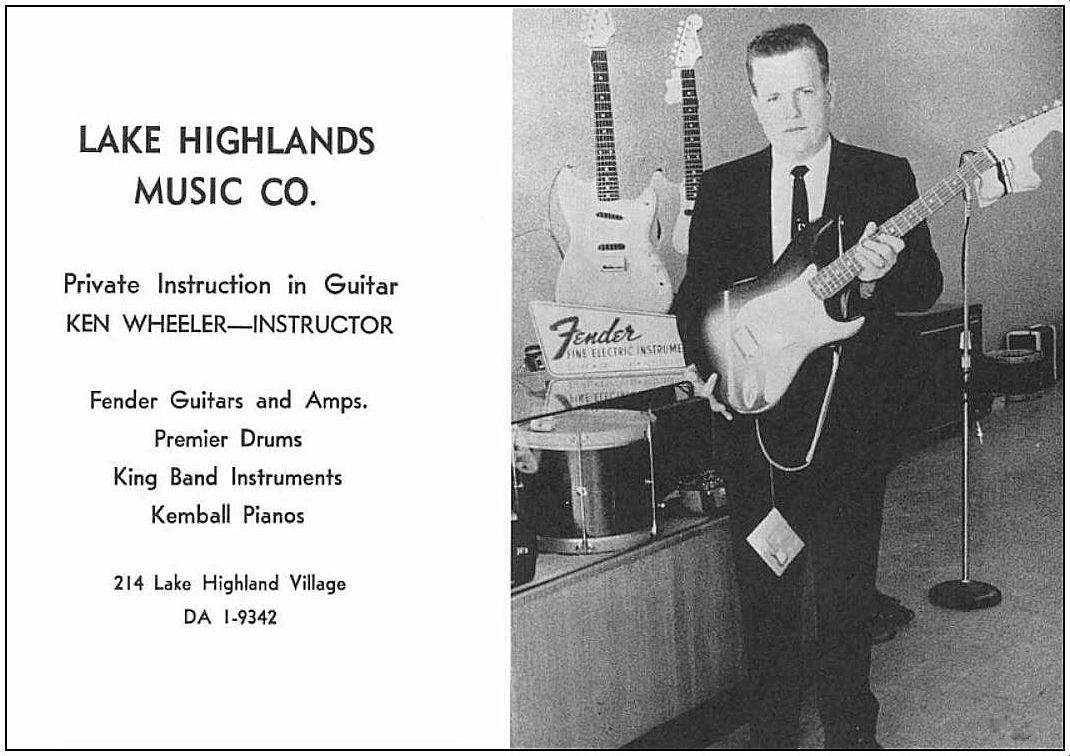
Lake Highlands Music Co. — guitar lessons by Ken Wheeler. (1961)

bryan-adams_1961-yrbk_lake-highlands-music-co

*

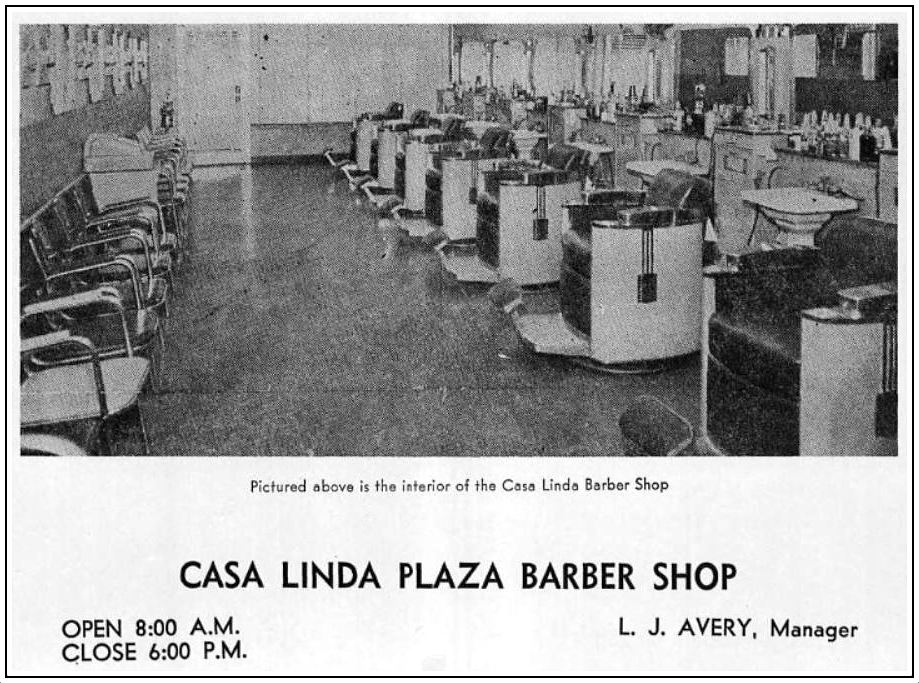
Casa Linda Barber Shop. (1962)

bryan-adams_1962-yrbk_casa-linda-barber-shop

*

Ethel Shipp — female attire, from tots to teens and beyond; Casa Linda and Casa View. (1961)

bryan-adams_1961-yrbk_ehtel-shipp

*

Dallas Ice Arena — ice skating at Fair Park. (1962)

ad-dallas-ice-arena_bryan-adams-yrbk_1962

*

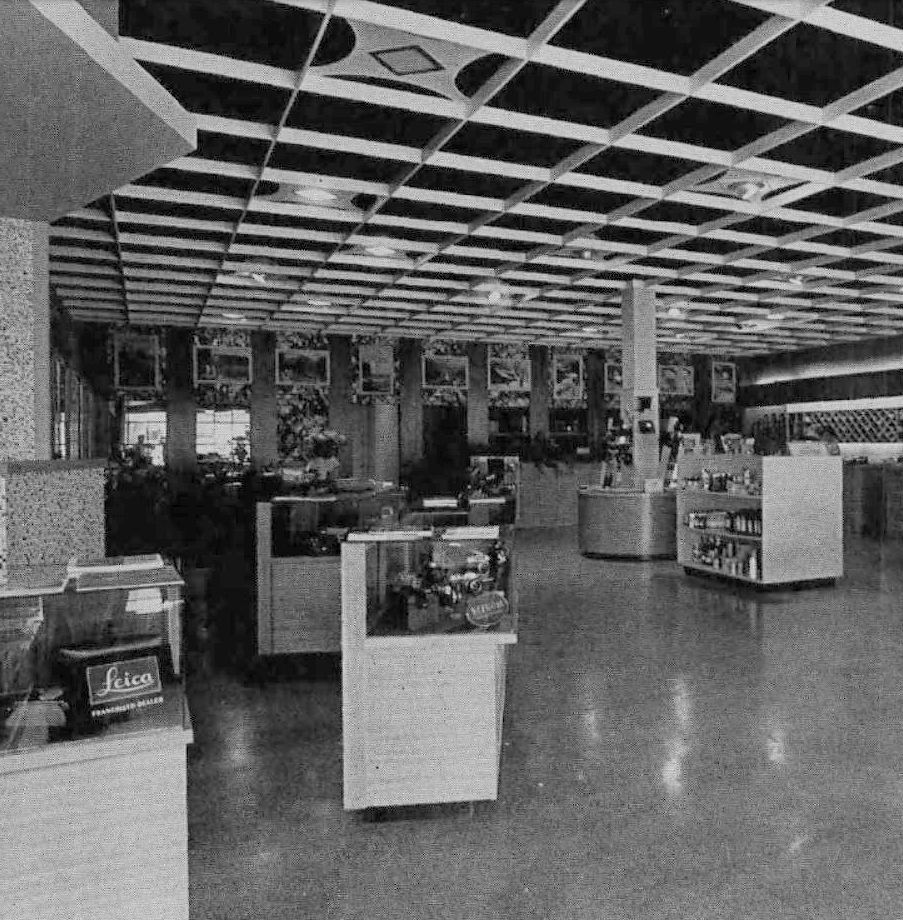
Cooter’s Village Camera Shop — Highland Park Village. (First ad 1961, second 1962)

ad-cooters-village-camera_bryan-adams_1961-yrbk_photo

ad-cooters-village-camera_bryan-adams_1962-yrbk_photo

ad-cooters-village-camera_bryan-adams_1961-yrbk

*

Pop’s Spaghetti House (Frank Da Mommio and Pop Da Mommio), on Gaston, near Baylor. (1962)

bryan-adams_1962-yrbk_pops_gaston

*

Colbert’s in Casa Linda. (1962)

bryan-adams_1962-yrbk_colberts

*

Stone’s Shoes, Northlake Shopping Center. (1962)

bryan-adams_1962-yrbk_stones-shoes

*

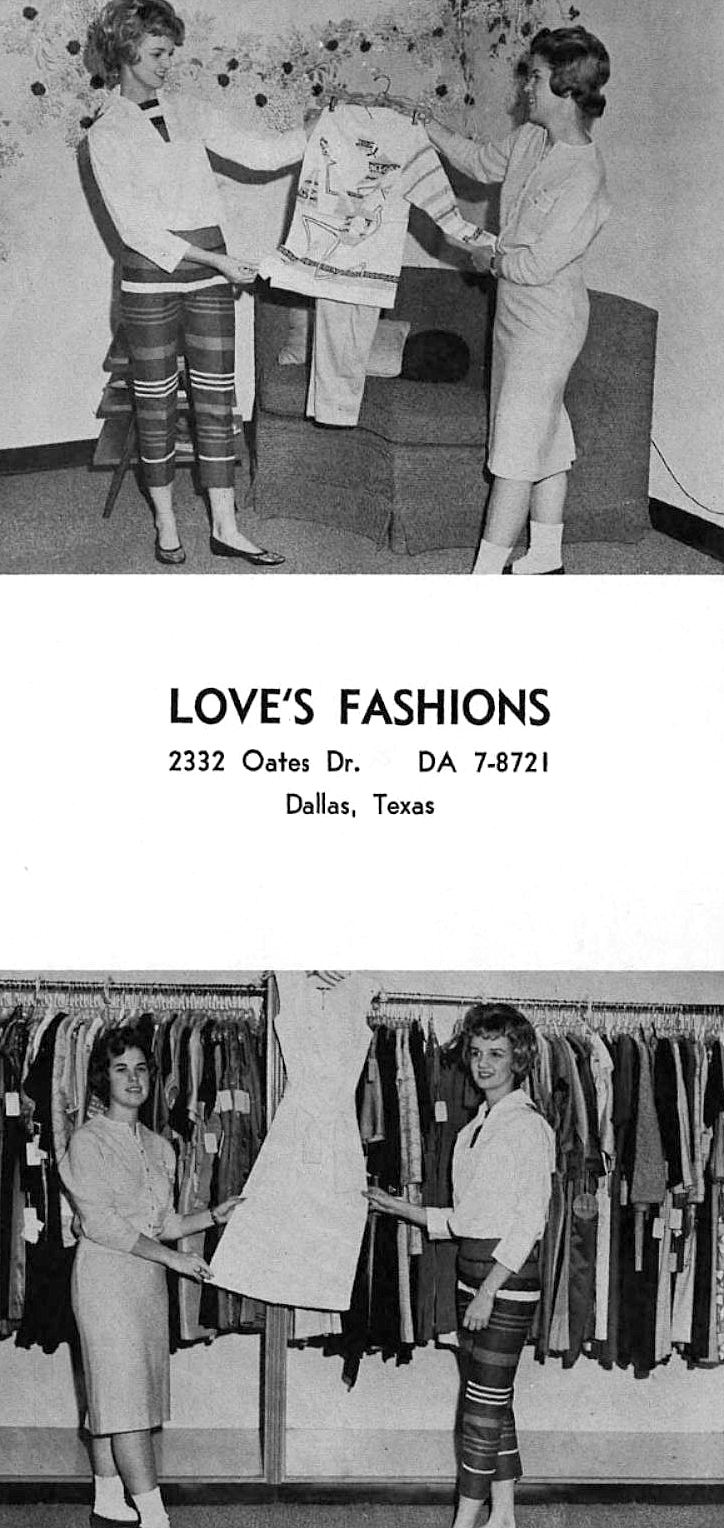
Love’s Fashions, on Oates. (Those striped pants are cool!) (1962)

bryan-adams_1962-yrbk_loves-fashions

*

Smitty’s Party Room, Bakery, and Coffee Bar, also on Oates Drive. (1961)

bryan-adams_1961-yrbk_smittys

*

KBOX and their happenin’ djs: Jerry Clemmons, Johnny Borders, Pat Hughes, Chuck Benson, Bill Holley, and Gary Mack. (1961)

kbox_bryan-adams_1961-yrbk

*

And my favorite ad because of its association to greatness: Belvick Electric Company, Garland Road. Greatness? Here’s a hint: the proprietors are Jerry Dauterive and Buck Dauterive. Maybe it’s just because I watch a lot of television, but any fan of the classic animated show “King of the Hill” (created by Mike Judge, who lived in Garland for several years) will recognize the name “Dauterive” — as in Bill Dauterive, Hank Hill’s sad-sack friend. It’s such an unusual name and there are so many Dallas jokes in the show that I figured the men in this ad must have some sort of connection to the TV show. It turns out that the character is named for series writer-producer Jim Dauterive, a native Dallasite and … a Bryan Adams alum! And Buck was his father. According to an interview in White Rock Lake Weekly, Jim Dauterive liked to slip neighborhood references into the show: he named a character in the show “Gus Thomasson,” had Hank Hill direct someone to a liquor store near White Rock Lake, and even snuck in a mention of Louanns on Greenville. So there you have it! (Ad from 1961.)

bryan-adams_1961-yrbk_dauterive_king-of-the-hill

*

Copyright © 2017 Paula Bosse. All Rights Reserved.


“Dallas/The Big D” by William E. Bond — ca. 1962

dallas-big-d_william-e-bond_business-week-collection_ca1962Yonder lies Big D…

by Paula Bosse

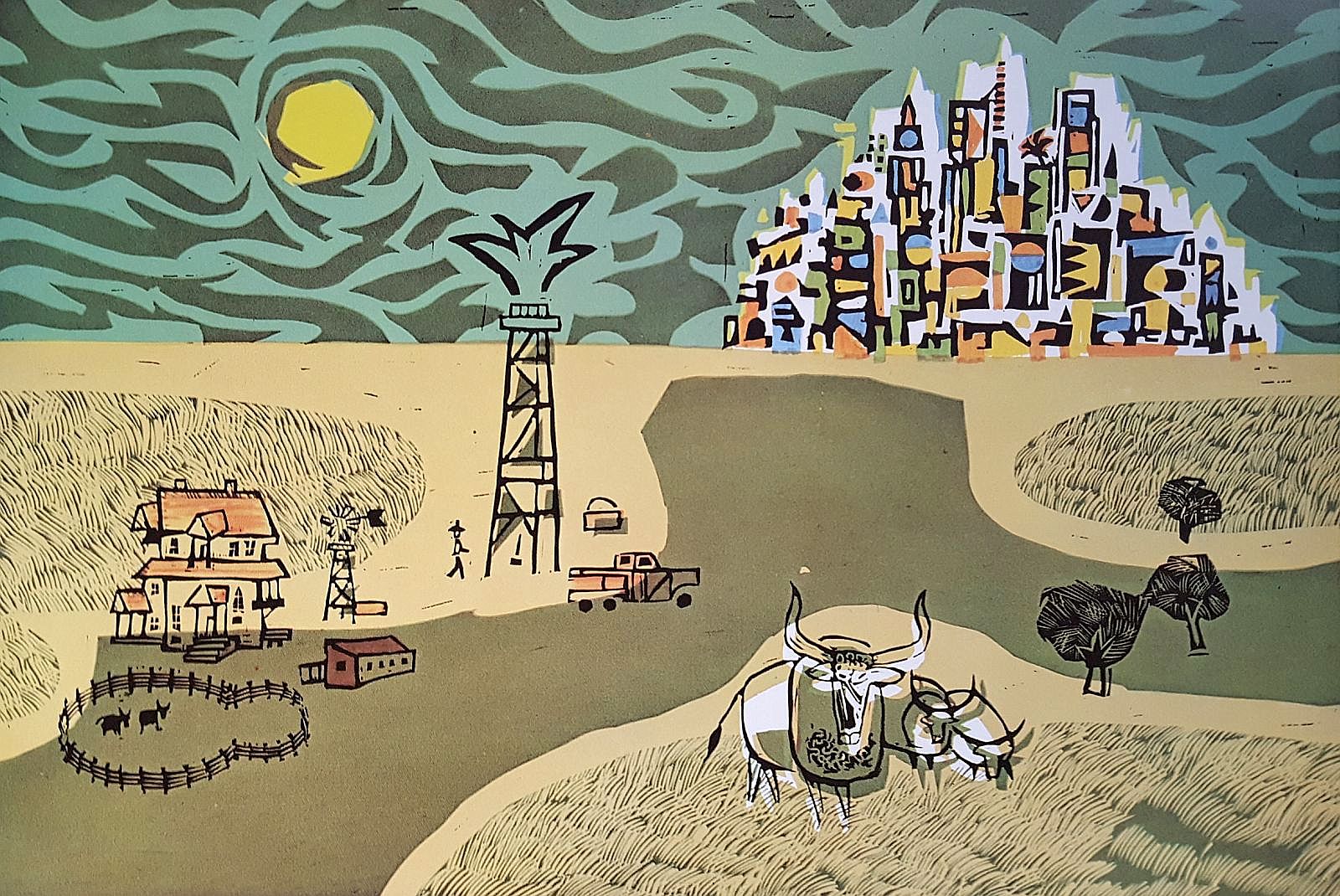
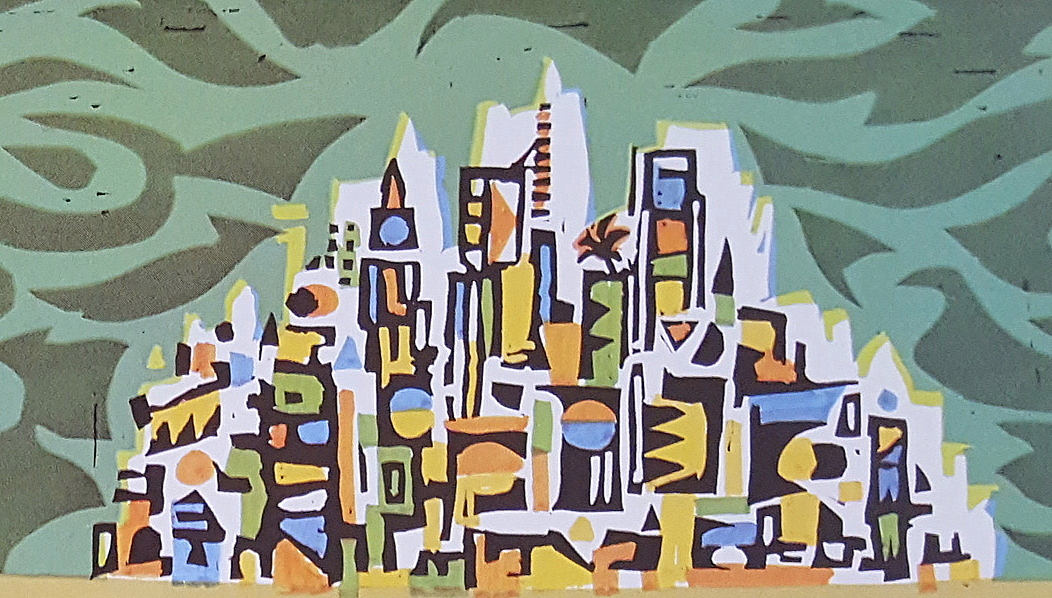
This print — titled “Dallas/The Big D” by native Texan William E. Bond (1923-2016) — is fantastic. I love everything about it. It was commissioned by Business Week magazine to be used as part of its “Business America” series, an advertising campaign showcasing fifteen American cities captured in woodcuts. Every element of this scene is great, but let’s look at a detail showing just the Dallas skyline, with a hard-to-miss Pegasus. I also see what looks to be the Mercantile Building and the Republic Bank Building in there. And … that sky!

bond_william-e_dallas-big-d_print_business-week_ca-1962_det

william-e-bond_sig

Bond’s homage to Dallas was reproduced in the 1963 book Woodcuts of Fifteen American Cities from the Business Week Collection. Below, text from the book (my assumption is that the first paragraph is the copy that appeared in a print advertisement for Business Week — it appears that the ad campaign used the artists’ works collected in this book to illustrate the ads, with each ad mentioning local companies with large BW subscribership).

Dallas … leapfrogging ahead commercially and culturally. Cotton, cattle, and oil put the Big D on the map. But aircraft, electronics and machinery keep it moving. Companies like Texas Instruments (682 Business Week subscribers), Ling-Temco-Vought (106), Collins Radio (135), Dresser Industries (123). In Dallas, and everywhere in business America, men who manage companies read Business Week. You advertise in Business Week when you want to inform management.

And this was Bond’s bio with a quote from him on “the Big D”:

“Dallas is a great many things. It is a giant of a city in the midst of a giant country – full of life and energy and the will to grow and keep growing. Anyone who knows Dallas feels this spirit. And it is this feeling that I have tried to capture.”

Born in 1923 in Crandall, Texas, Mr. Bond attended the Art Center School in Los Angeles. He has won many gold and silver awards in art director and illustrator shows, including a gold medal in the New York Illustrators Show in 1962. Mr. Bond uses a variety of media, including paper prints, sculpture, and painting. He has been an agency art director most of his career, and is now a free-lance designer.

**

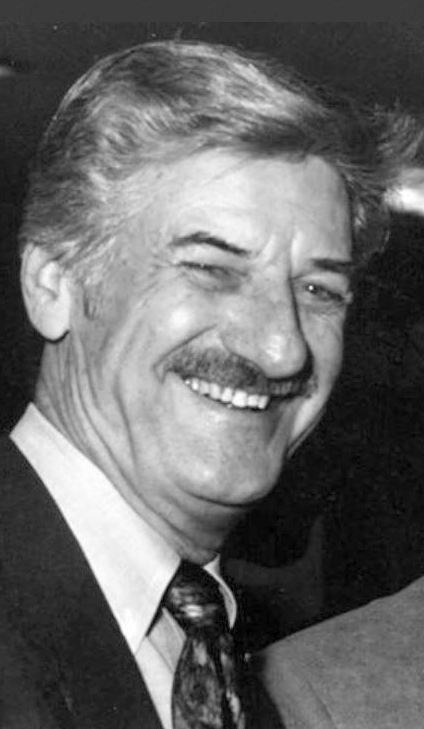
Bill Bond was born in Crandall, Texas in 1923, studied art at the Art Center School in Los Angeles, and spent several years as an award-winning commercial artist in Dallas. He worked as an advertising art director for The Dallas Times Herald, the Sam Bloom Agency, and Tracey-Locke; during this time he frequently participated in group art shows around the city. When he retired, he focused his creative talents on sculpture, becoming known for his wildlife pieces and Western bronzes. He died in Kerrville in 2016 at the age of 92.

william-bond_obit-photo

***

Sources & Notes

The book that features a reproduction of this print is Woodcuts of Fifteen American Cities from the Business Week Collection (New York: McGraw-Hill Publishing Company, Inc., 1963). From the introduction:

One of the principal methods of communication in the 20th century, and one of the biggest businesses, is advertising. Here, too, industry has regularly and effectively used fine art – in the creation of some memorable advertising campaigns.

From 1960 to 1962 Business Week commissioned fourteen prominent woodcut artists to illustrate its “Business America” series. Reproductions of the fifteen woodcut illustrations which were produced appear on the following pages.

Bill Bonds’ obituary is here.

Thanks to Bob Dunn for posting an image of Bond’s print in the Retro Dallas Facebook group. I liked it so much I went out and bought a copy of the (large) book! A few copies are available online here.

*

Copyright © 2017 Paula Bosse. All Rights Reserved.

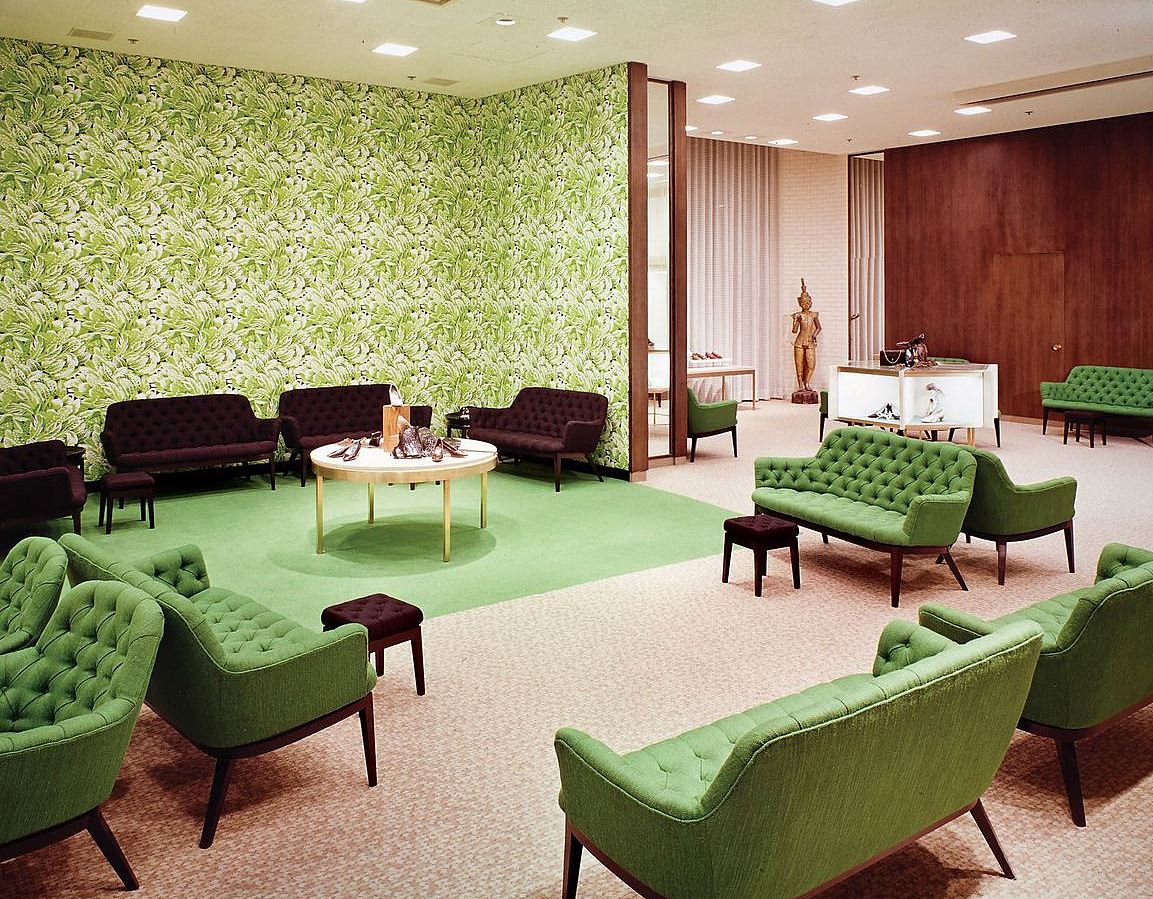
The Neiman-Marcus Shoe Salon — 1965

n-m_shoe-salon_1965_nyt-magazine_dec-2016Behold, the shoe salon…

by Paula Bosse

Look at this.

LOOK. AT. THIS.

***

Sources & Notes

1965 photo by Ezra Stoller. It appeared in the December 1, 2016 New York Times magazine as part of a slideshow, here; it was a companion to a short article about Stanley Marcus by James McAuley, here.

I never thought of myself as a fan of lime green upholstery until I saw that salon furniture. The wallpaper is a bit … busy (in a tasteful, sophisticated way…), but that furniture is, as they say, to die for. (And the door that disappears into the wall is a nice touch.)

*

Copyright © 2017 Paula Bosse. All Rights Reserved.

Jimi Hendrix, Glen Campbell, Tiny Tim — In Dallas (…Separately), 1969

jimi_WFAA_042069_SMU_cThe Jimi Hendrix Experience, Love Field, 4/20/69 (Jones Film Collection, SMU)

by Paula Bosse

One of the advantages of living in a major American city is that all the biggest entertainers visit at one time or another. Let’s take three of the biggest entertainers of 1969: Jimi Hendrix, Glen Campbell, and Tiny Tim. All were huge, and all came to Dallas. And, luckily for us, they were captured on film in interviews by reporters from WFAA-Channel 8. 

For me, without question, the most exciting interview was the one with Jimi Hendrix, who, standing on the tarmac of Love Field with bandmates Mitch Mitchell and Noel Redding on April 20, 1969 (yes, 4/20…), gives a great, relaxed interview to a very lucky Channel 8 reporter, Doug Terry. (I love the look on Terry’s face throughout the interview.) Watch it here:


A few screenshots (click to see slideshow):

April 20, 1969, WFAA-Ch. 8 News (Jones Film Collection, SMU)

4/20/24 UPDATE: After several years of trying to contact the reporter, Doug Terry, I finally heard from him! Here are a few paragraphs from his email to me (used with his permission), with some interesting tidbits about how some of these interviews were conducted:

I was still a college student most of the time I worked at WFAA. I handed in my resignation after covering the north Texas pop festival in that same year. [Watch one of Doug’s Texas International Pop Festival reports from Lewisville here.] Your comment about being in a large city and its advantages was something that I did not fully grasp until years later. The access was wonderful, I saw Hendrix at least three times, on one occasion being in the dressing room with a camera when he warmed up for a show (that footage is nowhere to be found).

There are two aspects to mention about that interview. First, I was a weekend reporter and late night news anchor at Ch. 8 and I assigned myself to go interview him. In those days, one could call up the airlines when a notable person was coming in and they would give the flight number and arrival time. Amazing. Most of the people at the station at that time probably had no idea who Jimi was and wouldn’t have cared if they did know.

The other interesting point is the work of the photographer. Ordinarily, we did over the shoulder interviews, the camera to the back and side of the reporter. The fact that this was shot from the side made all the difference. As a shooter, he was not otherwise outstanding but this interview would be much less interesting if it had been shot in the traditional line-up sort of way. The two bandmates goofing around was distracting but great.

Thank you, Doug! I love this interview — I’m so glad you assigned yourself to the duty!

*

Jimi Hendrix appeared at least 4 times in Dallas:

  • Feb. 16, 1968: Fair Park Music Hall
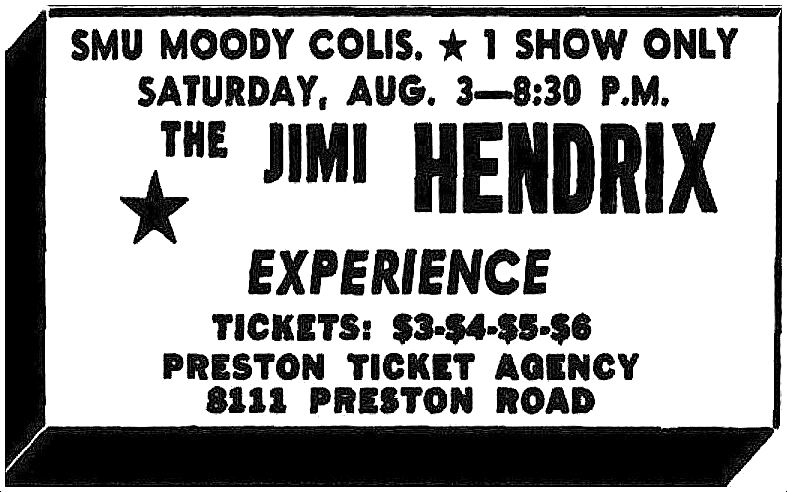
  • Aug. 3, 1968: Moody Coliseum, SMU
  • April 20, 1969: Memorial Auditorium (where he was headed after the Ch. 8 interview)
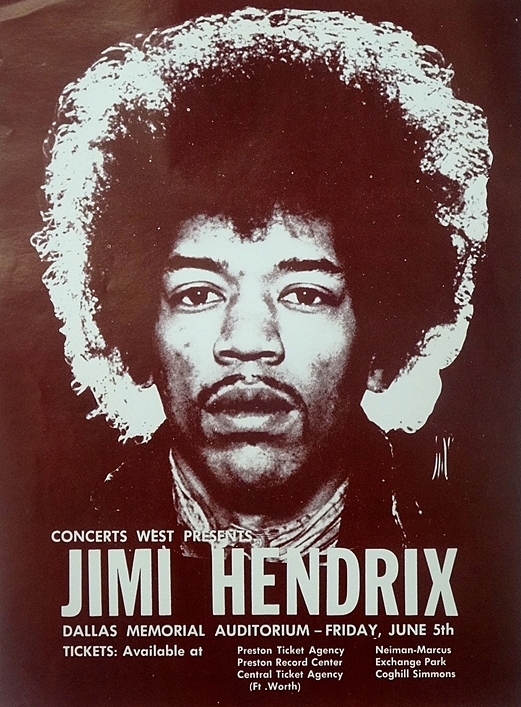
  • June 5, 1970: Memorial Auditorium

hendrix_dmn_072868
July 28, 1968

Two surprising errors (grammatical and factual) appear in a Neiman-Marcus tie-in ad (of sorts) which states that Jimi would be at Memorial Auditorium, rather than Moody Coliseum. Despite the error, it’s cool that Neiman’s was expanding its cultural horizons to include someone like Jimi Hendrix in one of its ads (which was featuring teen fashions, but still). N-M has always had its finger on the pulse of current fashions — and Jimi Hendrix was certainly fashionable.

hendrix_dmn_073168_n-m-ad_det
July 31, 1968 (ad detail)

hendrix_dmn_042069
April 20, 1969

hendrix-poster_june-5-1970_memorial-auditorium
June 5, 1970 — poster via

**

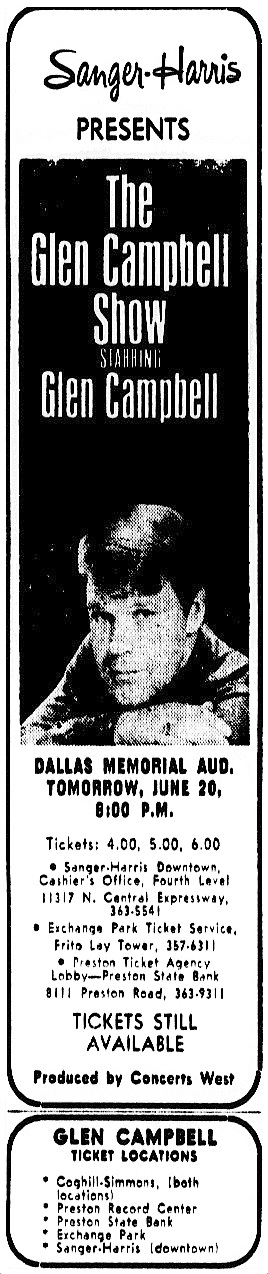
Glen Campbell was in town for several days in June, 1969. He arrived at Love Field on June 15 and was met by a “high-spirited throng” of teenage admirers. He was here to promote the release of the movie True Grit (in which he appeared with John Wayne), as well as to perform at Memorial Auditorium on June 19, 1969.

glen-campbell_dmn_061969
June 19, 1969

He was actually in Dallas the previous year, in March, 1968, to perform at the State Fair Music Hall with Bobbie Gentry. An interview with the pair begins at 3:57:

**

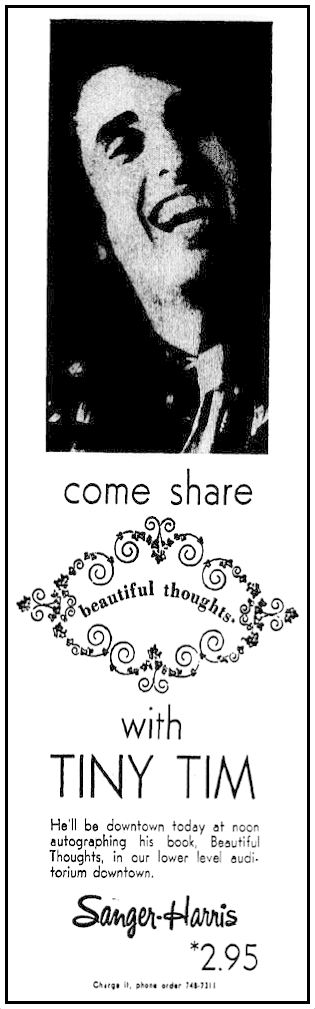
And Tiny Tim was in Dallas on June 17, 1969 to appear at a book-signing at the downtown Sanger-Harris department store. The signing was a bit more sedate than his previous visit to Dallas when he caused something of a riot on January 23, 1969 while making an appearance at the Melody Shop in NorthPark. I’m not sure what sort of crowd the Melody Shop thought they’d get for their little “autograph party,” but it’s safe to say they did not expect 5,000 over-excited teenagers. The news report the next day was peppered with words like “pandemonium,” “swarm,” “mob scene,” and “human wall.” (Read about that bizarre event here). His drawing power continued the next year when Tiny made his Dallas performing debut at … of all places … Abe Weinstein’s Colony Club, one of the city’s top “burlesque” houses. He was booked for an incredible 9-night run (!) in September, 1970. It was a major success. Dallas apparently loved Tiny Tim. And, of course, years later, Bucks Burnett’s Edstock and Burnett’s tiny Tiny Tim museum continued the Big D/Tiny Tim lovefest.

tiny-tim_dmn_061769_book-signing
June 17, 1969

tiny-ch-8_1
WFAA-Ch. 8 interview (screenshot)

***

Sources & Notes

Video is from the WFAA Newsfilm  Collection, held at the Hamon Arts Library, Southern Methodist University; screenshots are from those clips. Any requests to license these clips (or any of the other thousands at SMU!) should be directed to curator Jeremy Spracklen.

4/20/24 UPDATE: Passages from former Channel 8 reporter Doug Terry are from an email to me on April 16, 2024, reprinted with his permission.

Hit the Dallas Morning News archives to find a little pre-Music Hall interview with Jimi Hendrix conducted by “YouthBeat Editor” Marge Pettyjohn: “A Real Experience” (DMN, Feb. 25, 1968). Her interview with Tiny Tim (“Magical Mystery Tour: On Meeting Tiny Tim,” DMN, Jan. 25, 1969) is also worth checking out, as is the Jean Kelly article “5,000 Kids Mob Tiny Tim” (DMN, Jan. 24, 1969).

While you’re in the archives, look for the interview with Glen Campbell at Love Field amidst the frenzied teenage girls: “High-Spirited Throng — Fans Mob Glen Campbell at Airport” by Maryln Schwartz (DMN, June 17, 1969).

*

Copyright © 2017 Paula Bosse. All Rights Reserved.

Tiny Tim Mobbed at the Melody Shop — 1969

tiny-tim-appearance_dallas_WFAA_SMU_june-1969
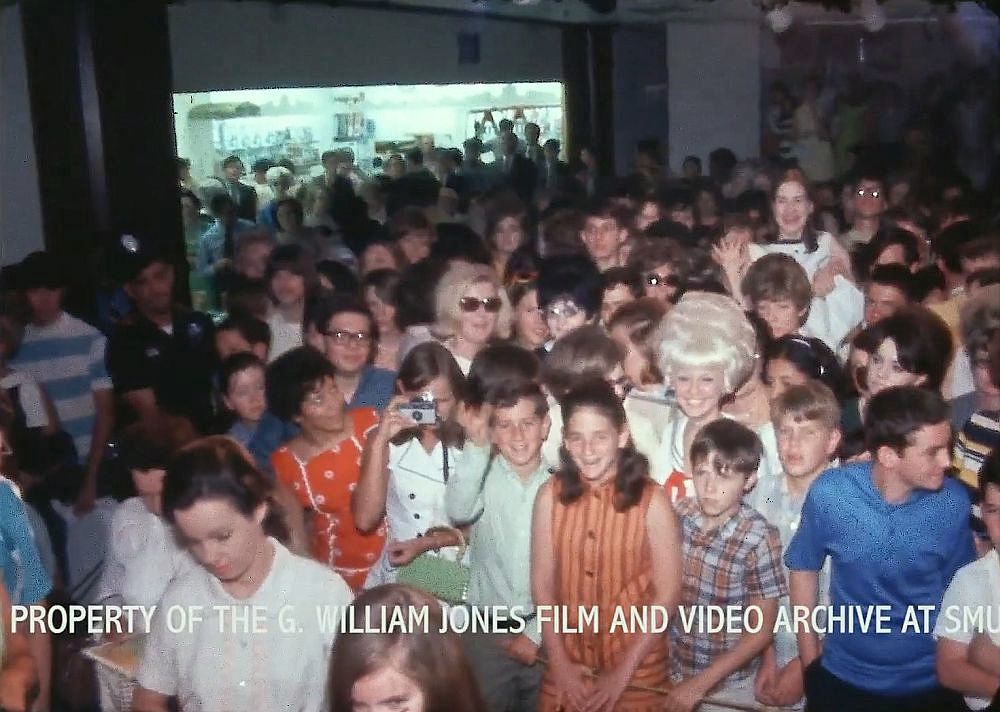
Dallas teens loved Tiny Tim… (Sanger-Harris book-signing, June 1969) 

by Paula Bosse

Tiny Tim — one of the most … unusual performers of the 1960s — was a hit with teenagers when he made his first appearance in Dallas at the Melody Shop in NorthPark mall on January 23, 1969. What had been expected to be a nice little autograph party which might attract a small number of fans and curiosity-seekers turned into something altogether unexpected.

tiny-tim_melody-shop_1969

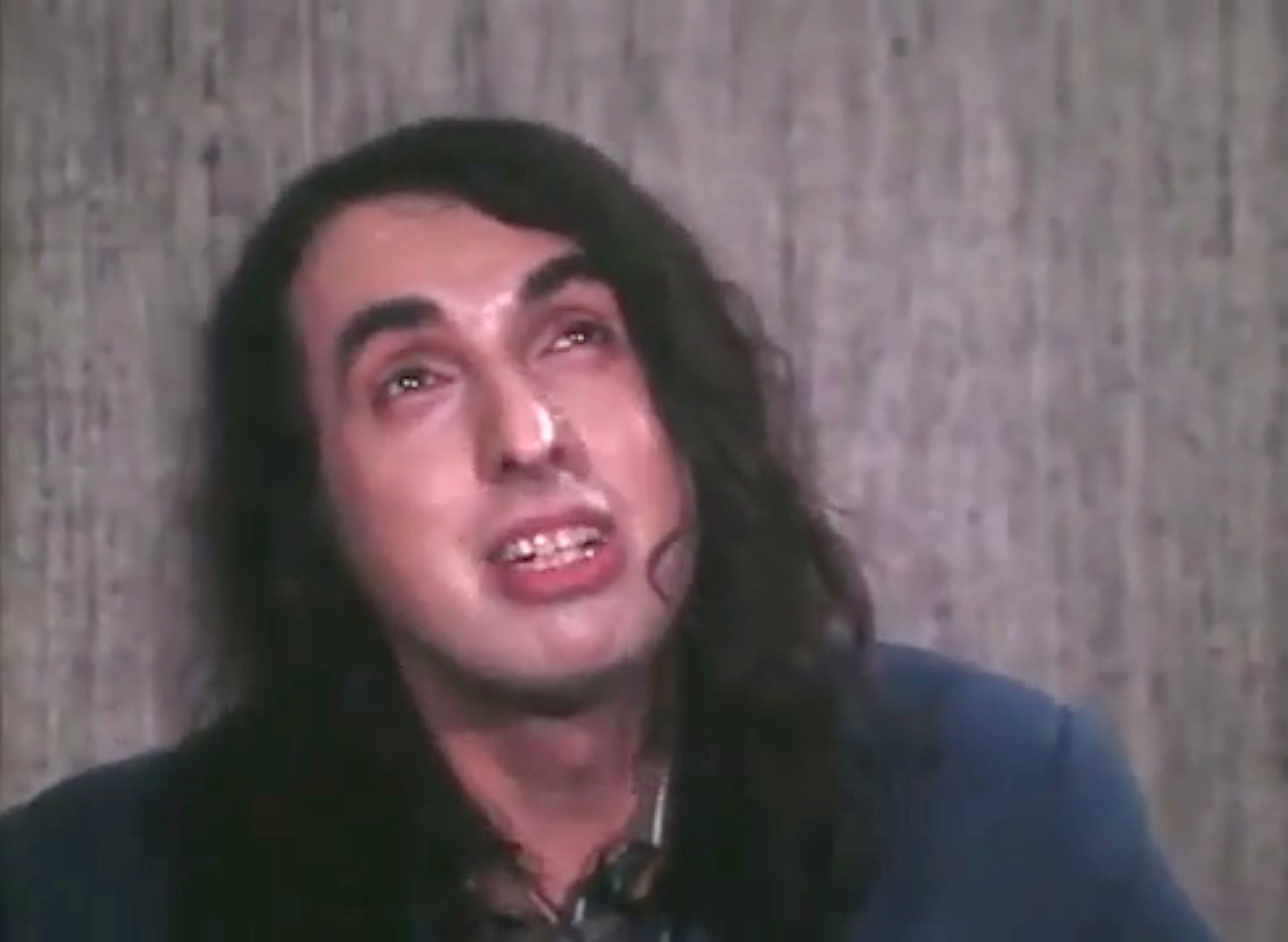
Tiny Tim (…”Tiny”? “Tim”? “Mr. Tim?”…) had the unlikeliest of hits during the hippie-era: “Tiptoe Through the Tulips,” a lilting little ukulele-accompanied song which had originally been a hit in 1929. Tiny Tim’s first few appearances on U.S. television must have caused a lot of heads to be scratched and/or jaws to be dropped. He was just kind of … weird. But gentle, and he seemed to be a genuinely nice fellow who just happened to have a penchant for songs from the megaphone-era of popular music. If you’ve never seen footage of a Tiny Tim performance, search for a clip of him on the Tonight show around 1968.

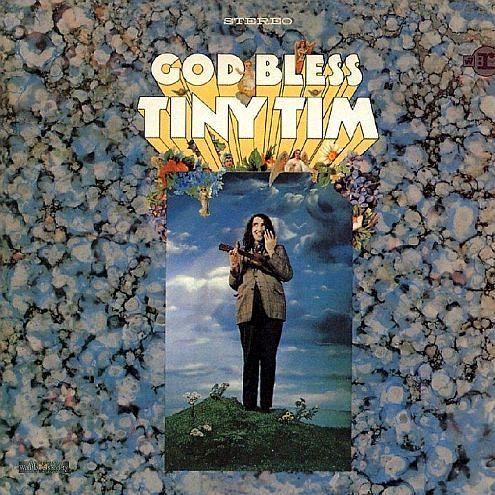
tiny-tim_god-bless_cover

So anyway, Tiny was booked to do a little autograph party at the Melody Shop in NorthPark mall. I’m not sure what sort of crowd they thought they’d get, but it’s safe to say they did not expect 5,000 teenagers. The news report the next day was peppered with words like “pandemonium,” “swarm,” “mob scene,” and “human wall.” Who knew a 36-year-old man who strummed a ukulele and sang songs from the Victrola-age in a nasal falsetto would whip up that much enthusiasm amongst Texas teenagers?

My favorite description of the “riot” was this one:

Inside, a disheveled Tiny Tim was crouched on the floor behind a row of electric organs….. “Pretend he’s not in the store,” directed a manager. Tiny Tim, his shirttail out and his orange, green and brown tie twisted to the side, huddled alone on the floor. (“5,000 Kids Mob Tiny Tim,” Dallas Morning News, Jan. 24, 1969)

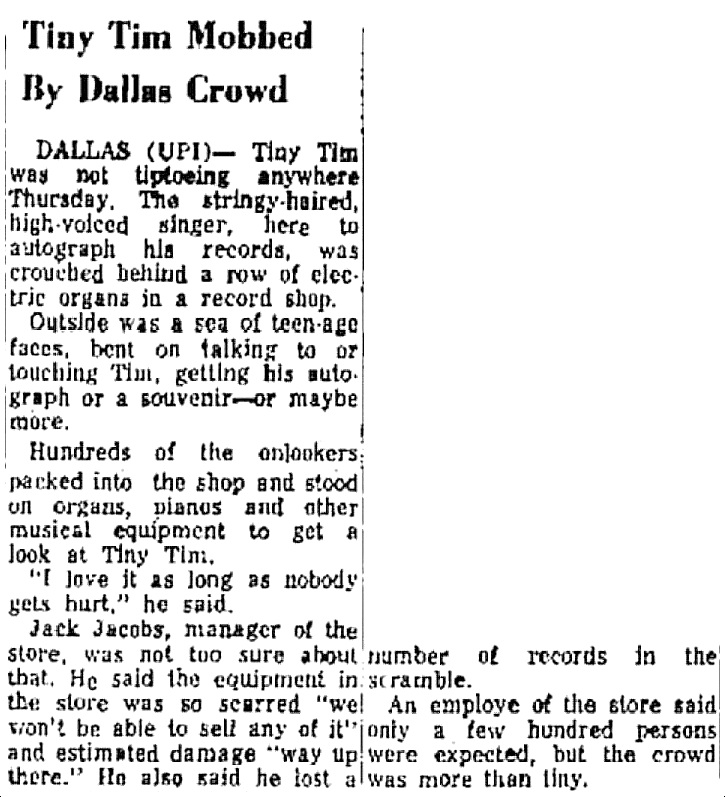
The story was even picked up by wire services. (Click article below to see a larger image.)

tiny-tim_amarillo-globe-times_012469
Amarillo Globe Times, Jan. 24, 1969

Tiny was back in Dallas a few months later, this time to do a book-signing at the downtown Sanger-Harris. (Yes! He wrote a book!)

tiny-tim_dmn_061769_book-signing
June 17, 1969

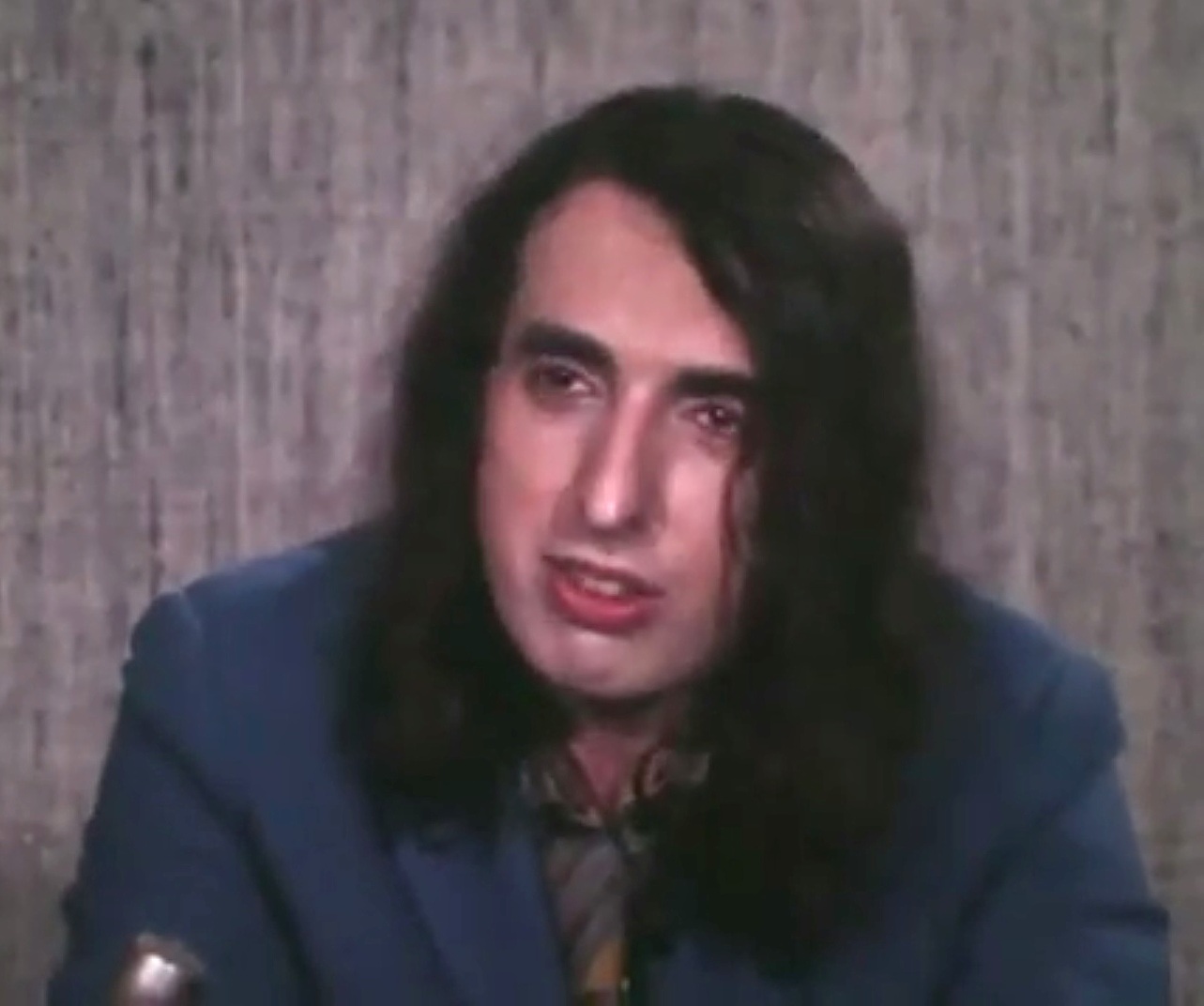
No riot was reported this visit, but Sanger’s still packed by fans who wanted a book signed by Mr. Tim (who signed with a pink quill pen). While in town, he give a little interview and an impromptu performance at a press conference (am I the only person who sees shades of Jeffrey Tambor here?):

*

tiny_ch-8_3  tiny_ch8_2  tiny-ch-8_1

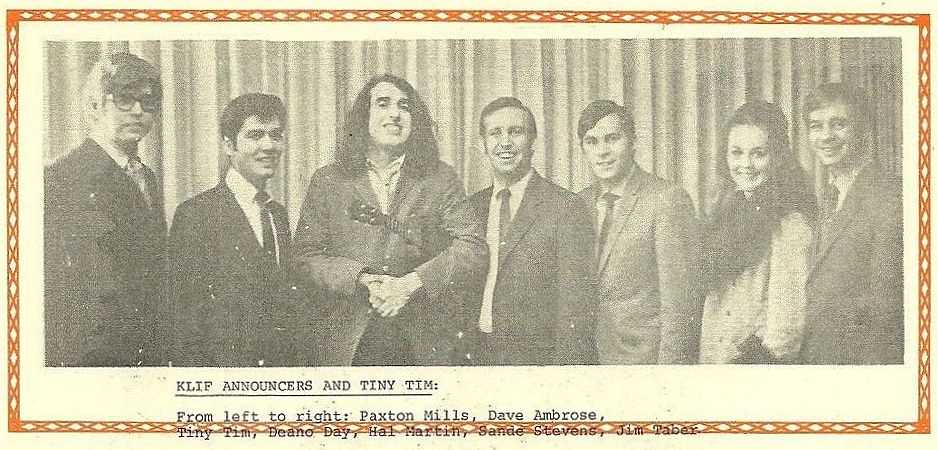
Also in 1969, he took time out to pose with KLIF on-air talent Paxton Mills, Dave Ambrose, Deano Day, Hal Martin, Sande Stevens (not sure if she worked for KLIF), and Jim Taber, seen below.

klif_tiny-tim_1969_ebay_photo-det

klif_tiny-tim_1969_ebay

But wait, there’s more… he was back in Dallas in September, 1970 for a NINE-DAY engagement (two shows nightly) at Abe Weinstein’s famed downtown burlesque house. (I don’t know if the strippers took the time off while Tiny was in residence or if they might have entertained between his sets.) Here’s a clip from a press conference during that visit:

And, why not, here’s an early publicity photo of Herbert Khaury, the man who would one day become famous as the singer Bing Crosby once described as having (I paraphrase) a vibrato big enough to throw a Labrador through.

tiny-tim_headshot

***

Sources & Notes

The 1969 Chanel 8 video is from the WFAA Newsfilm Collection held by the Hamon Arts Library, Southern Methodist University; it is posted on YouTube here (the first image and the three color photos of Tiny Tim are screenshots I captured from the video); the 1970 footage is from the same source and can be found on YouTube here.

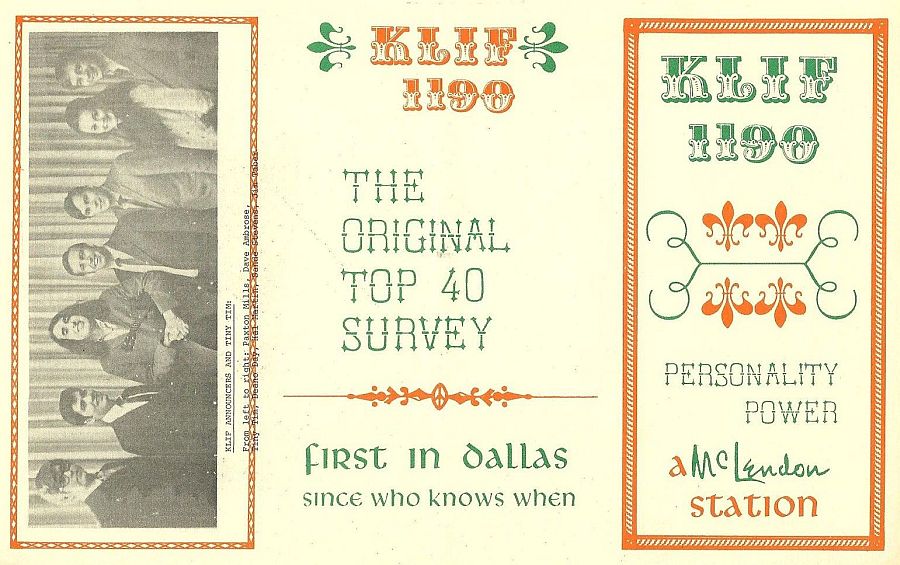
KLIF promotional material found on eBay several months ago. The back of the card lists the KLIF’s top 40 of the week, here.

Glamour shot of Mr. Khaury found somewhere on the internet.

Tiny Tim Wikipedia entry is here.

One would be remiss in not mentioning Tiny Tim’s other ties to Dallas, namely his association with Bucks Burnett’s Edstock and Burnett’s tiny Tiny Tim museum from the 1990s. I’d link to articles in the Dallas Observer, but every time I go to the DO site my computer freezes. I encourage you to seek out these articles yourself.

More on Tiny’s January, 1969 visit to Dallas can be found in these Dallas Morning News articles:

  • “5,000 Kids Mob Tiny Tim” by Jean Kelly, with photo (DMN, Jan. 24, 1969)
  • “Magical Mystery Tour: On Meeting Tiny Tim” by Marge Pettyjohn, “YouthBeat” editor, with photo (DMN, Jan. 25, 1969)

*

Copyright © 2017 Paula Bosse. All Rights Reserved.

Shopping at Sears in Casa View

sears_casa-view_ext_squire-haskins_utaAppliance central… (click for larger image)

by Paula Bosse

I’m not in the Casa View area very often, but I was driving through last week and noted that a lot of the elements of the shopping center looked as if they were original to the buildings — specifically the little metal doo-dads along the top of the canopies over the sidewalks. I came across the photo above tonight and was happy to see those little doo-dads back when they were relatively new. The shopping center is a little confusing to me, but I think this is what that building pictured above looks like these days. (Why, why, WHY did someone think this “remodel” of the buildings was a good idea! Slapping on a new facade and removing the decorative metal doo-dads was an unfortunate decision.)

The Sears store pictured above is actually the second Sears in Casa View. The first store opened in October, 1956  at 2211 Gus Thomasson (here’s what the location of the first store looks like now — metalwork still there but that cool brick exterior has been painted over). It was Dallas’ fifth Sears store and opened in the still-under-development Casa View neighborhood. It wasn’t a full department store — its merchandise was limited mostly to appliances and automotive products. It was also a place to pick up catalog orders. (Click photos and ads to see larger images.)

ad-sears_casa-view_dmn_102556
Oct. 25, 1956

Apparently the store was so successful that in March, 1964, a brand new Sears opened up in a five-times-larger location (2310 Gus Thomasson) across the street — the photo at the top of this post was probably taken when it was in its first months.

sears_new-location_casa-view_dmn_031264-detMarch 12, 1964

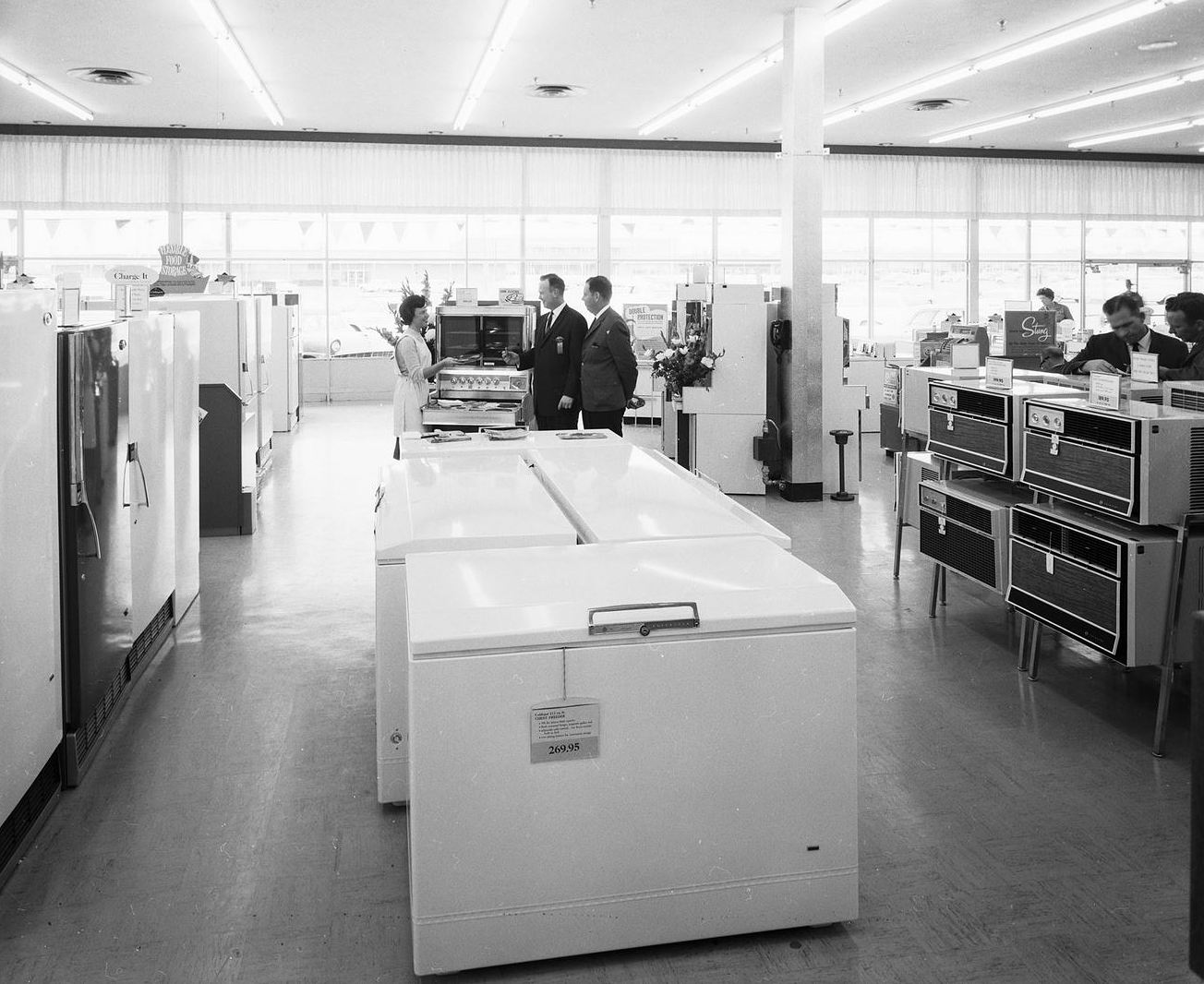
Its interior — seen below in all its pristine, blinding whiteness — is fantastic. (Is that woman in the apron serving cookies she’s just baked?)

sears_casa-view_int_squire-haskins_uta

*

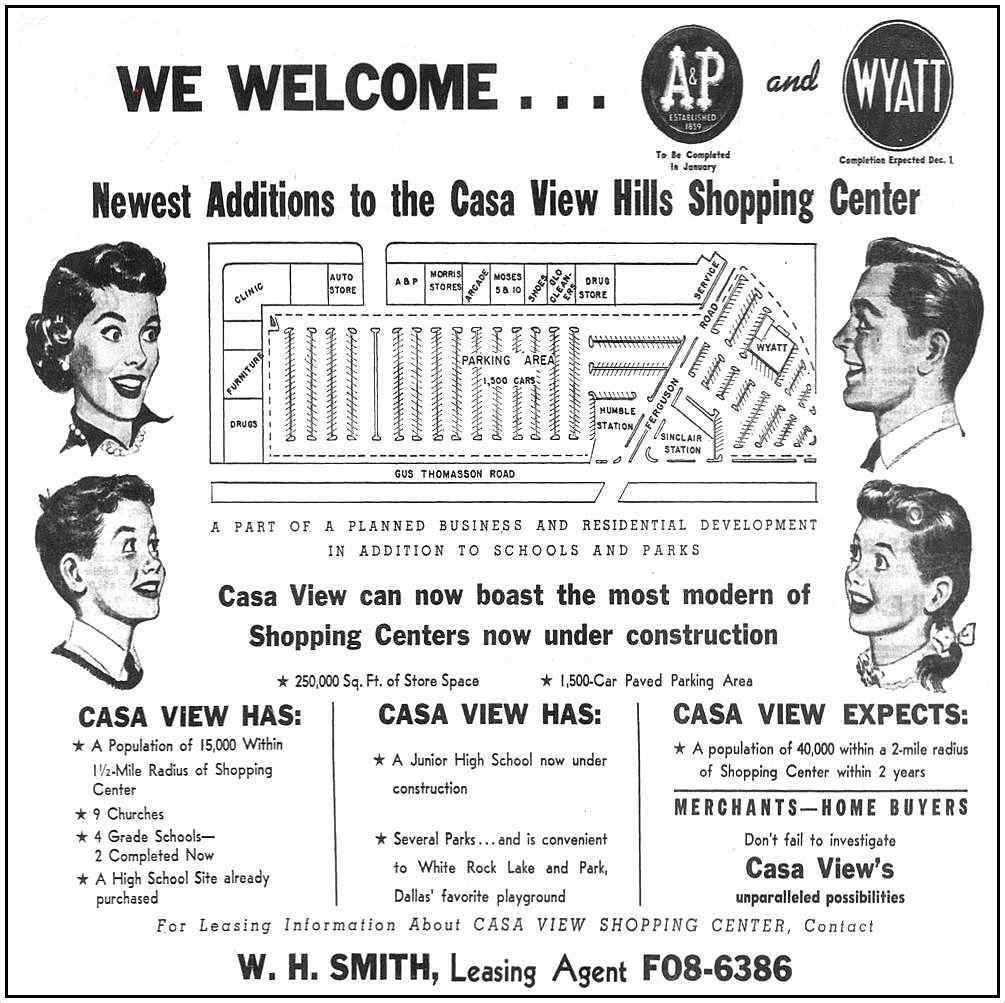
The reason I was confused by the shopping area is that it was built in phases. The first part was built in 1953 and was originally known as Casa View Hills Shopping Center. (Click the ad below to see a larger image.)

casa-view-shopping-center_dmn_100453
Oct. 4, 1953

But then the ownership changed hands in early 1955, and it was renamed Casa View *Village* and reopened in April under the new name.

In the meantime (I might have this chronology a bit out of whack), Casa View Center had been built in 1954, diagonally across the street. And then in 1955, construction began on an expanded Casa View Village. (This might have been its second expansion. Casa View was hopping in the mid-’50s!) And Sears had had stores in both Casa View Village and Casa View Center. It’s all kinda confusing.

The Casa View Shopping Center (I don’t know what its official name is these days, but I’m going with this) is looking a little ragged these days, but it still has a quirky charm, and I’m happy to see it still chugging along after 60 years.

***

Sources & Notes

Photos by Squire Haskins from the Squire Haskins Photography, Inc. Collection, UTA Libraries Special Collections. More info on the top photo showing the exterior of the Sears building can be found here; more info on the interior photo is here. (Click on the thumbnails on the UTA pages to see very large images.)

The Casa View Wikipedia page is here.

D Magazine has a “Dallas Neighborhood Guide” to Casa View here.

Dallas Morning News articles:

  • “Name Changed” (from Casa View Hills Shopping Center to Casa View Village) (DMN, March 13, 1955)
  • “Avery Mays Announces New Shopping Center” (expanded Casa View Village, with aerial photo) (DMN, Nov. 10, 1955)
  • “New Sears Opening in Casa View” (DMN, Oct. 11, 1956)

Other businesses once located in these shopping centers can be found in the post “Bryan Adams High School: Yearbook Ads from 1961 and 1962,” here.

Photos and clippings are larger when clicked.

*

Copyright © 2017 Paula Bosse. All Rights Reserved.
 

The Stage Door Restaurant: Elm Street’s “Home of Lox and Bagels” — 1965-1968

stage-door_youtube_1966A Reuben sandwich sings to me, like a siren to a sailor…

by Paula Bosse

Why does Dallas have so few delis? Here’s one that seemed to be pretty popular in the 1960s: the Stage Door Restaurant and Delicatessen (and bakery), located at 1707 Elm, between the Palace Theater and the Dallas Athletic Club. It opened in June 1965 and lasted until the end of 1968 (when it was replaced by a restaurant called King Beef). I doubt there was any connection with the famous Stage Deli in New York, but manager Milton Stackel certainly had kosher cred of his own, having worked for twenty years at Grossinger’s, the legendary Jewish resort in the Catskill Mountains. I’m not sure how he found himself operating an eatery in downtown Dallas, Texas, but I’m glad he was here.

To any Milton Stackel-like entrepreneurs out there reading this:

DALLAS NEEDS DELIS!!


Authentic Jewish delicatessens!

Please!

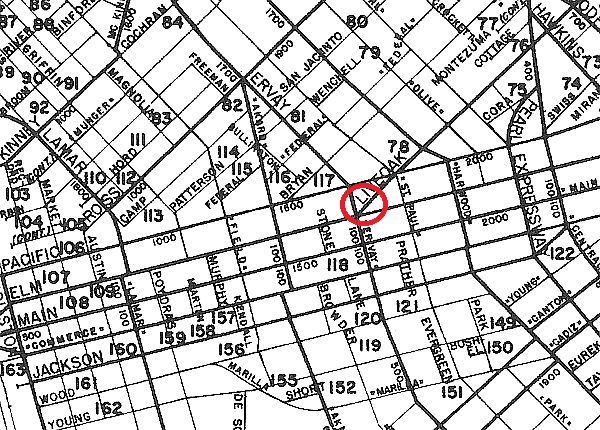
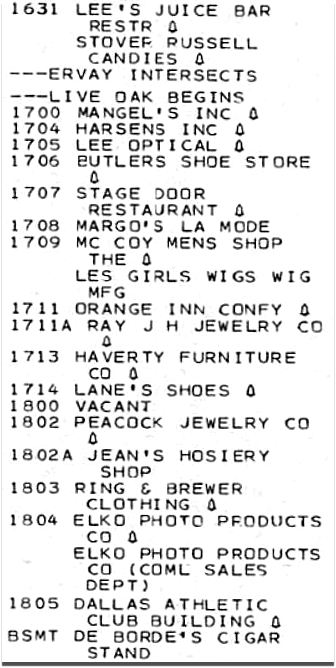
The apparently quite popular eatery was located at/near the old five-point Elm-Ervay-Live Oak intersection (seen here a dozen years earlier — the Stage Door would later be between Lee Optical and Haverty’s). There were two dining areas, one of which was The Playbill Dining Room which served an “international-type cuisine in a Gay Nineties atmosphere.” There was also a thriving take-out deli and the nearby bakery. And now? Come on, Dallas restaurateurs! Get to work!

*

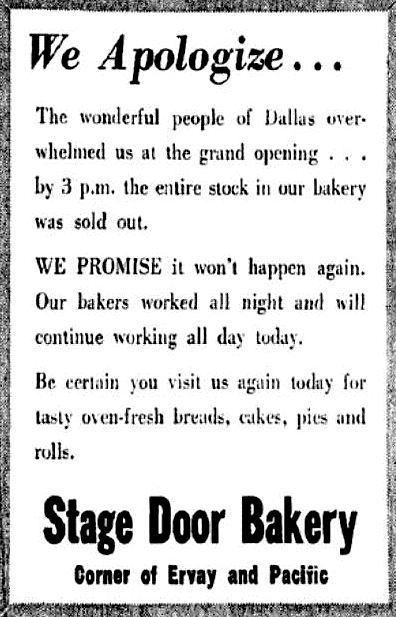
stage-door-bakery_dmn_060465
June 1965

stage-door-restaurant_texas-jewish-post_122365_portal
Texas Jewish Post, Dec. 23, 1965

This ad shows the bakery entrance next door.

stage-door-bakery_dmn_112465
Nov. 1965

stage-door_dmn_112564

stage-door-restaurant_texas-jewish-post_122365_portal-det
Texas Jewish Post ad detail, Dec. 23, 1965

stage-door_1707-elm_1952-mapsco
1952 Mapsco

stage-door_1966-directory
1966 Dallas directory

1700-block-elm_1966-directory
Elm Street, 1966 Dallas directory

***

Sources & Notes

Top image is a screengrab from a YouTube video, here, containing footage shot downtown by Lawrence W. Haas on Memorial Day, 1966.

Read more about the opening of the new business (and see a photo of the interior) in the Dallas Morning News article “Stage Door Restaurant Makes Debut in Dallas” (DMN, June 3, 1965).

*

Copyright © 2017 Paula Bosse. All Rights Reserved.

Wynnewood

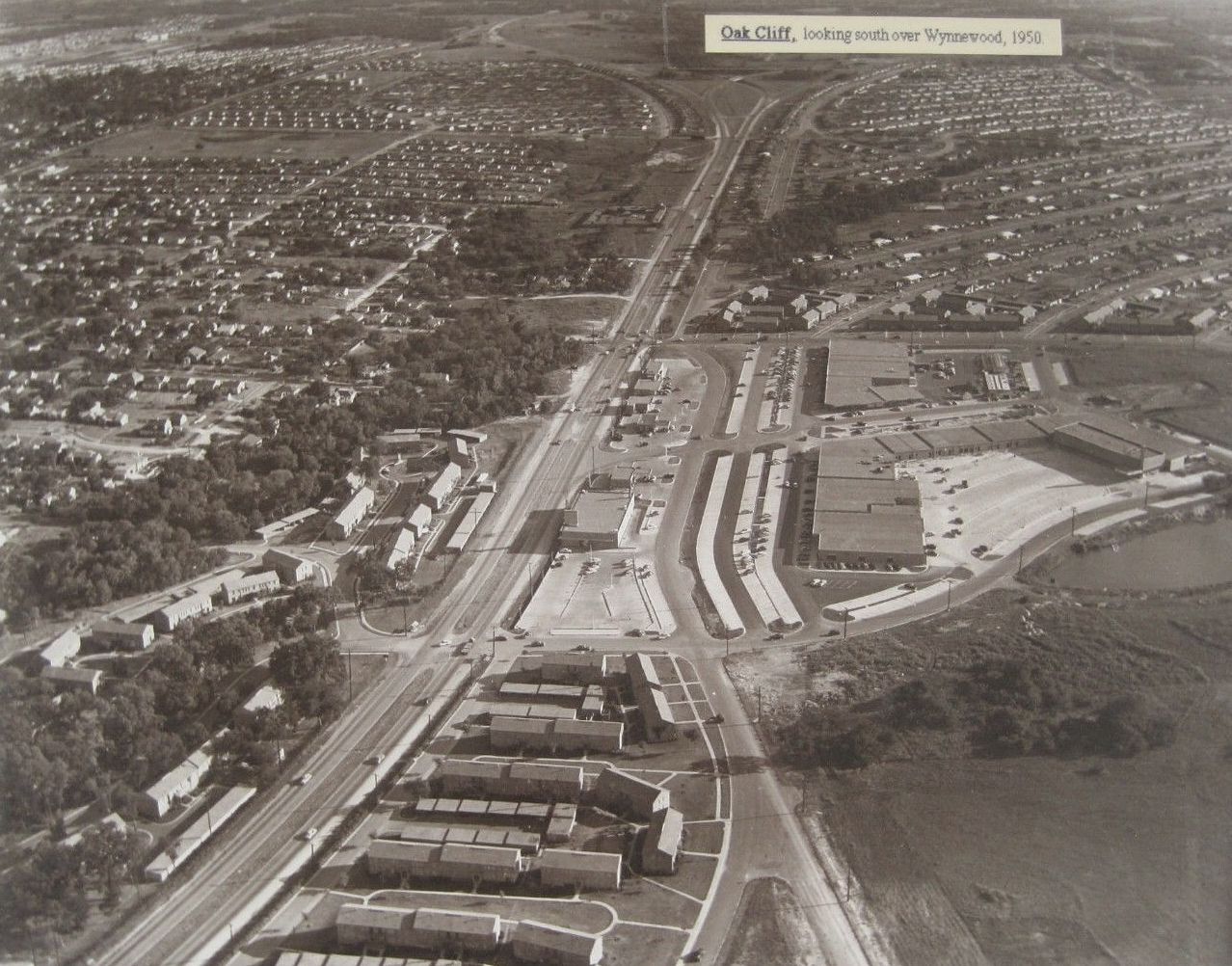
oak-cliff_wynnewood_looking-south_1950_ebayS. Zang and a brand-new Wynnewood…

by Paula Bosse

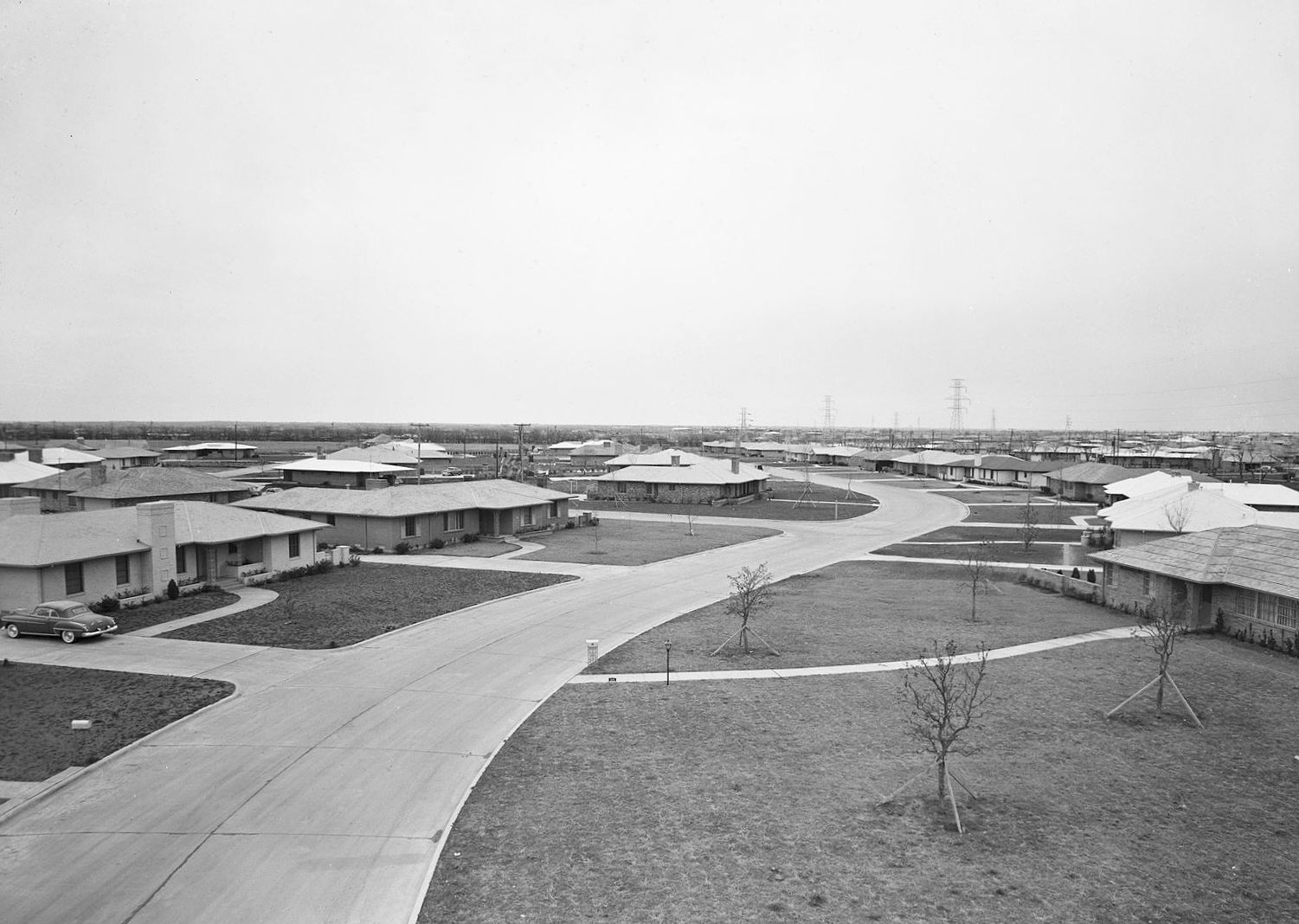
Enjoy these photos of the early days of Oak Cliff’s Wynnewood development. (And for an in-depth history of this 820-acre planned community, see Ron Emrich’s Legacies article “Wynnewood: ‘A Tonic to the Shelter-Hungry Nation,'” here.)

Above, looking south down Zang Blvd. in 1950 — see the same view 60-some-odd years later via Google, here (the “current” satellite view is pretty out-of-date, but you get the idea).

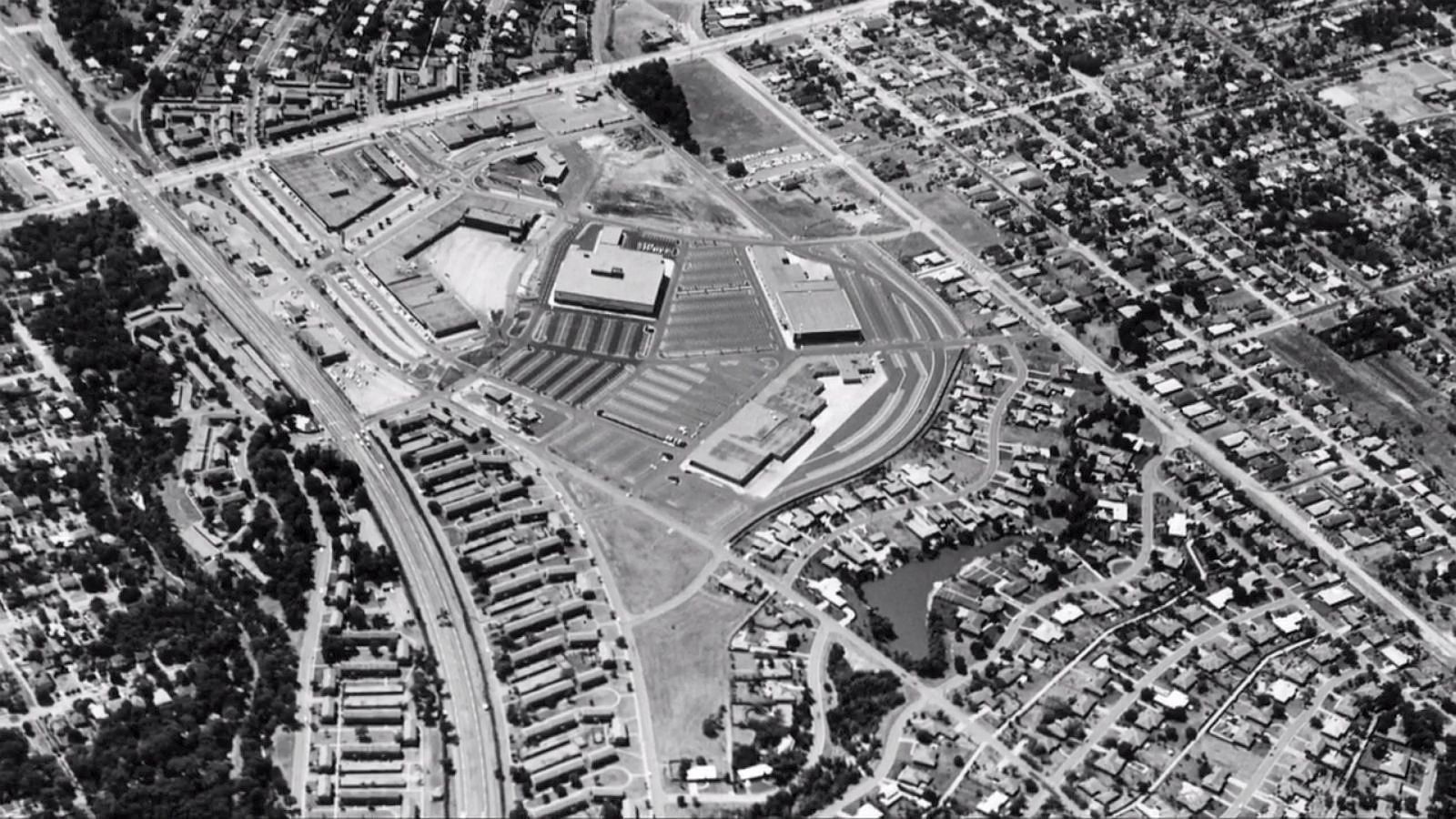
Below, Wynnewood — 1961.

wynnewood_film_screenshot_1961

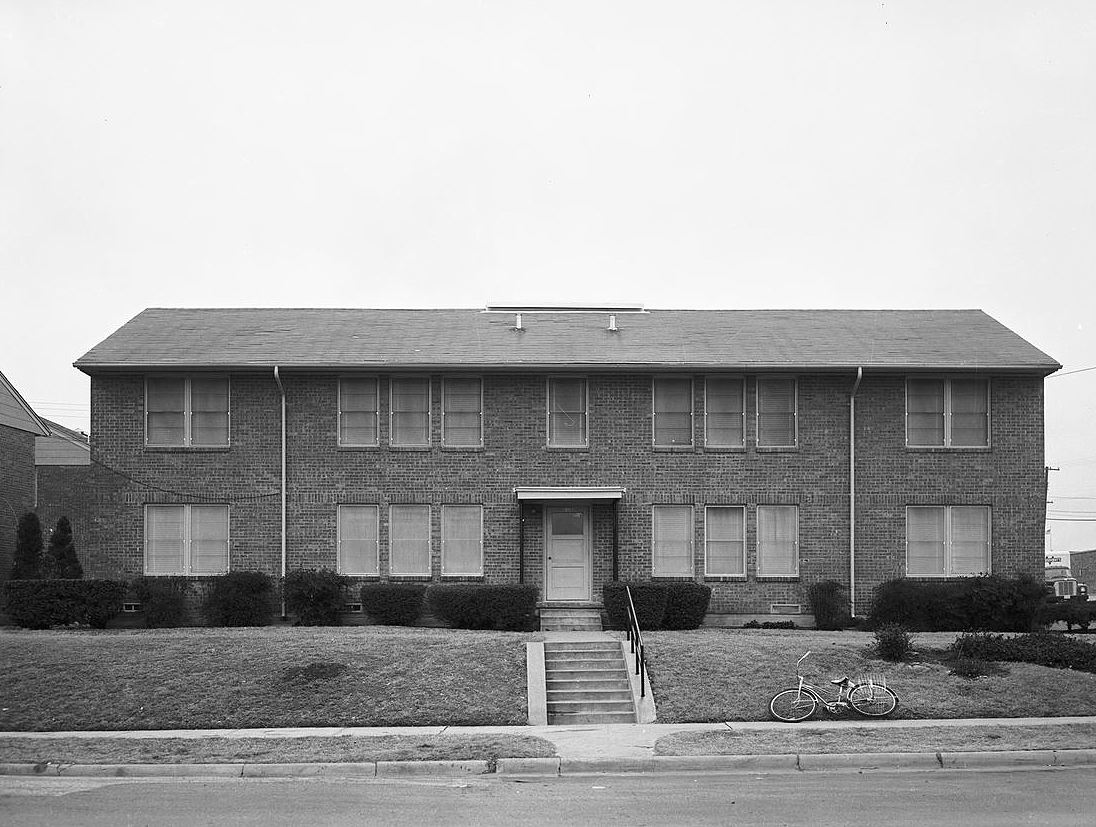
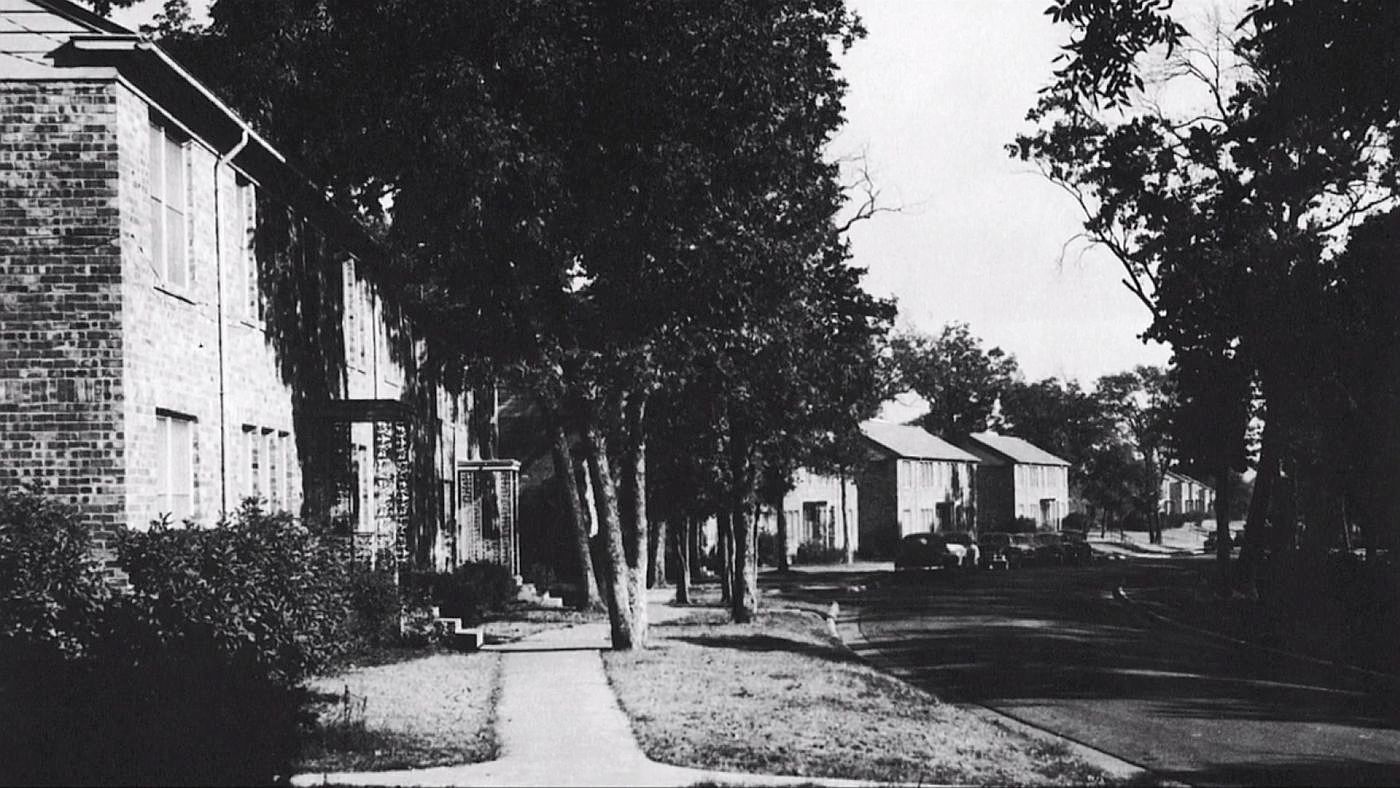
The Wynnewood Garden Apartments — 1954, the year “Father Knows Best” debuted:

wynnewood_apartments_squire-haskins_uta

Wynnewood Garden Apartments:

wynnewood_film_screenshot_garden-apartments_1958_dpl

Birds-eye view of a neighborhood in Oak Cliff that is probably Wynnewood — 1954:

wynnewood_residential_squire-haskins_uta_030454

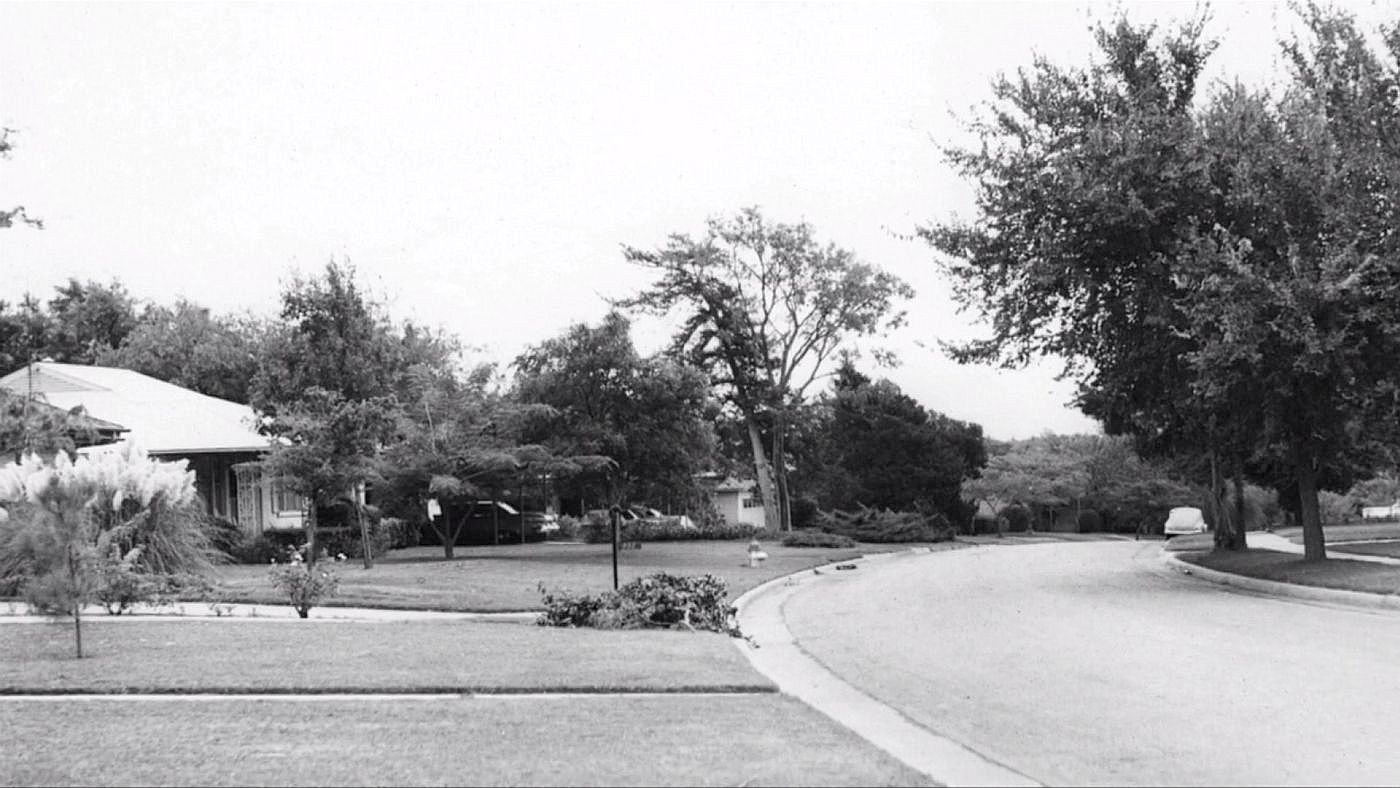
Wynnewood North, residential street — 1961:

wynnewood_film_screenshot_street_1961

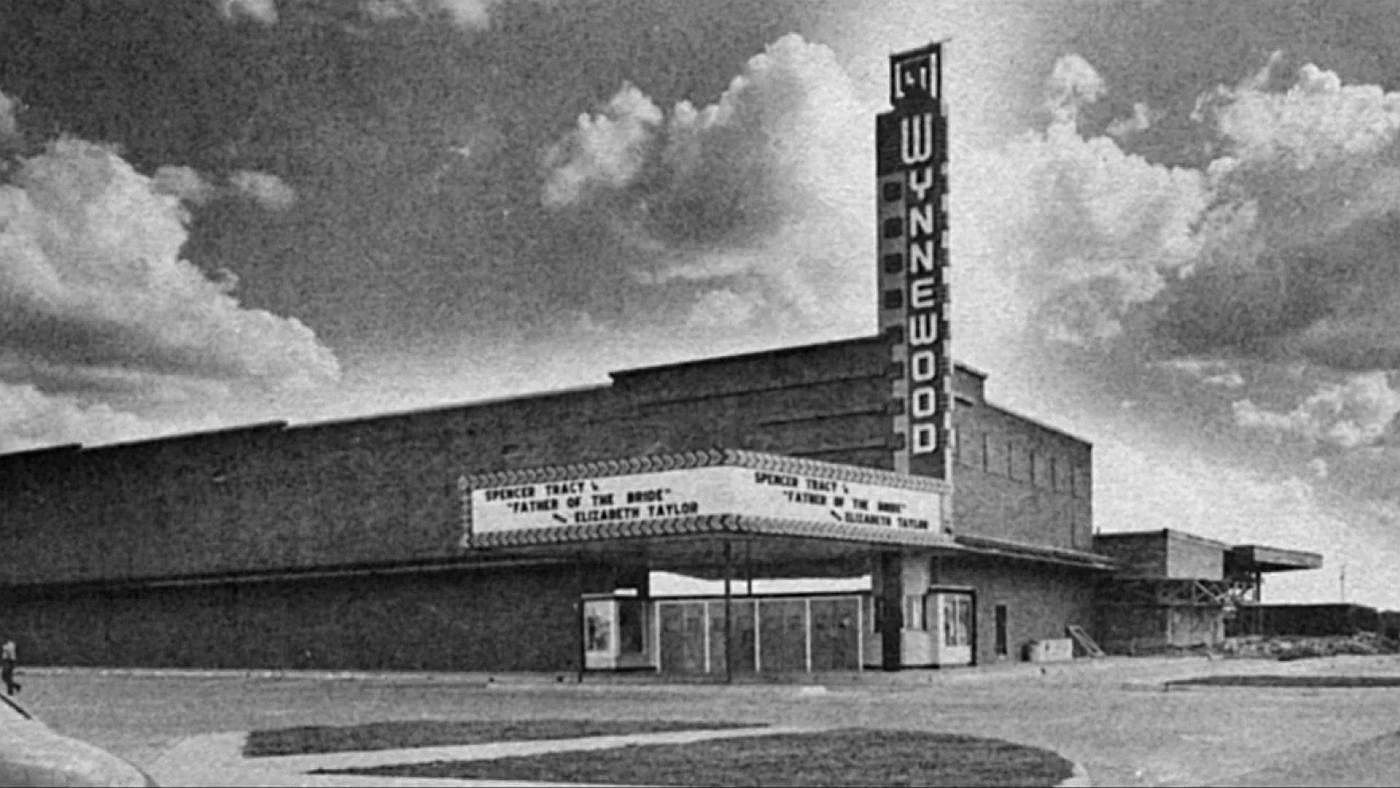
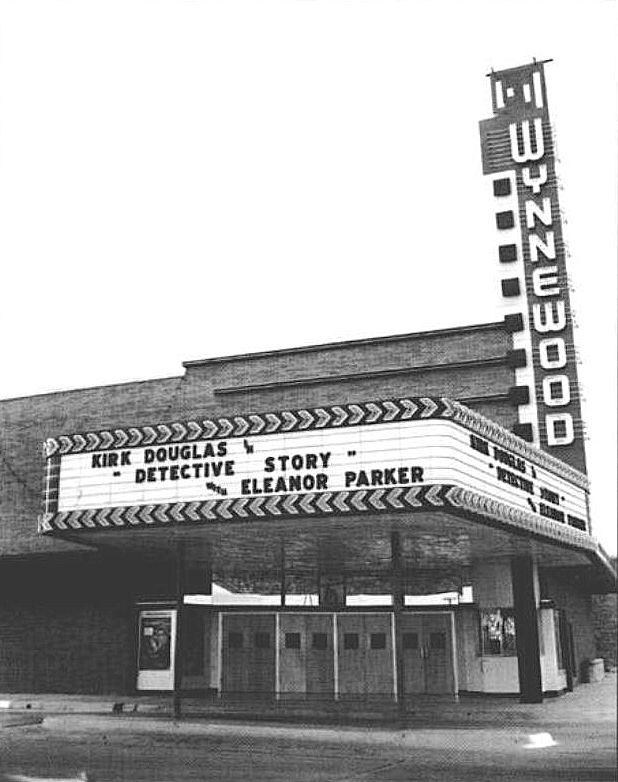
The Wynnewood Theater — 1950:

wynnewood_film_screenshot_theater

The Wynnewood Theater — 1951:

theater_wynnewood_legacies-2002

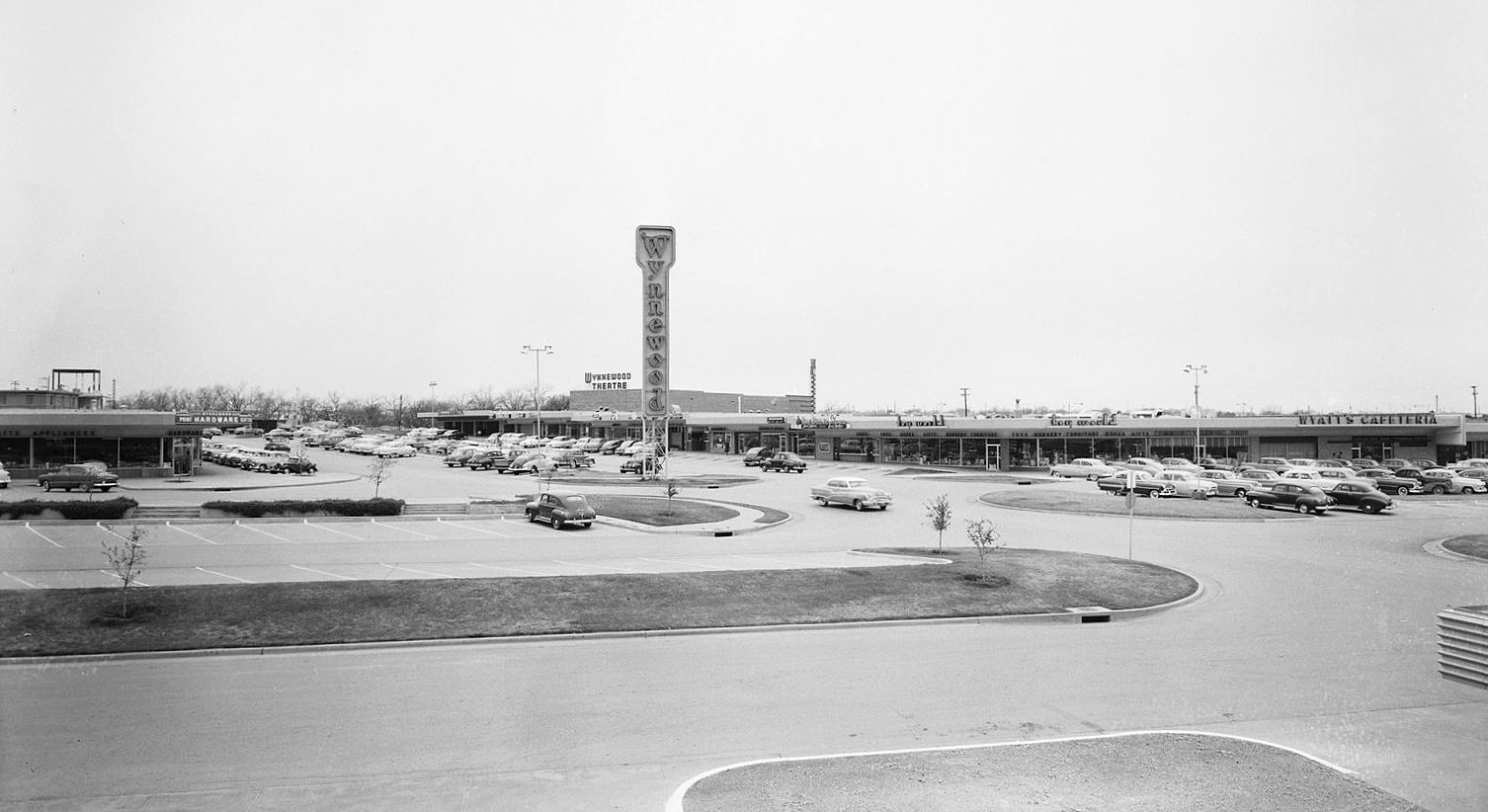
Wynnewood Shopping Village — 1954:

wynnewood-shopping_village_squire-haskins_uta_030454

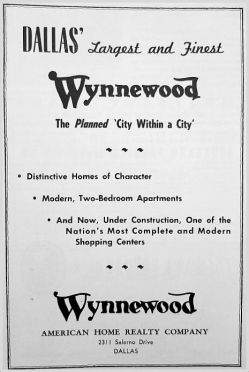
1949 ad for the “Planned ‘City within a City'”:

wynnewood_dallas-mag_feb-1949

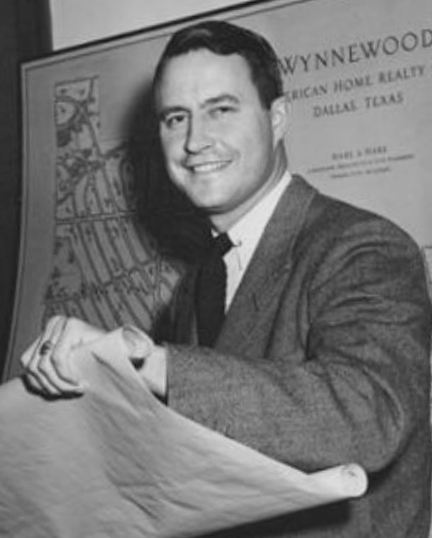
The “Wynne” behind “Wynnewood” (and the man who, a few years later, brought us Six Flags Over Texas) — Angus Wynne, Jr., 1946:

angus-wynne_pinterest

**

Watch a great little 22-minute film from 2013 on the development, rise, fall, and rebirth of Wynnewood North, “Neighborhood Stories: Wynnewood North,” here, produced by the Building Community Workshop (make sure to watch the video in full screen). There is an impressive companion booklet with more photos, here, which you can browse through page by page (hover over the cover and click on the “full screen” icon).

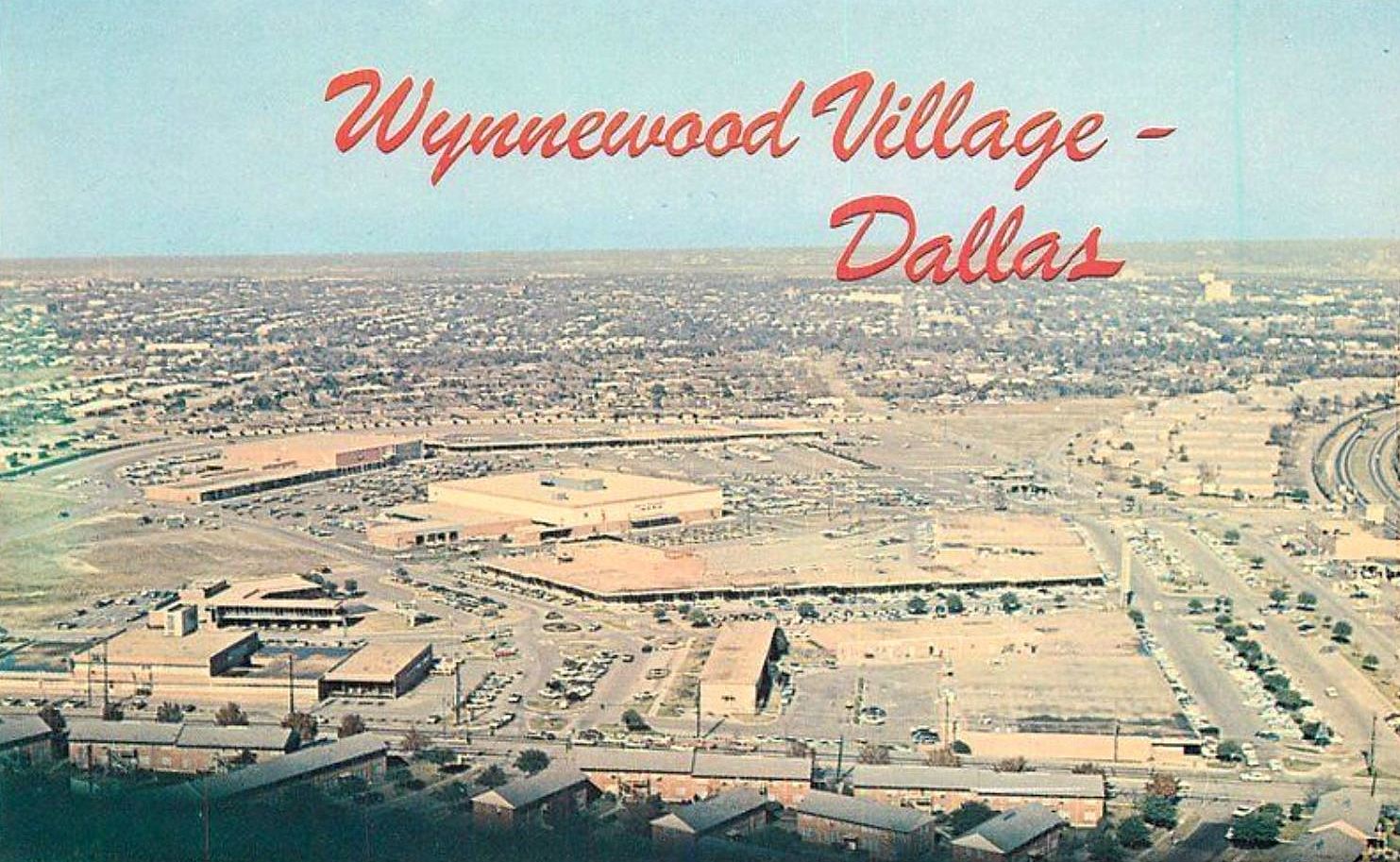
wynnewood-village_postcard_birdseye

***

Sources & Notes

Top photo from eBay. The only description was the one taped to the photo: “Oak Cliff, looking south over Wynnewood, 1950.”

1961 aerial shot from the short film linked above, “Neighborhood Stories: Wynnewood North”; photo provided by resident Janice Coffee.

Wynnewood apartment buildings: with bike, taken by Squire Haskins on March 4, 1954, from the Squire Haskins Collection, UTA — more info here (click thumbnail on that page to see huge image). Second photo of Garden Apartments is a screenshot from the “Wynnewood North” film; Dallas Public Library photo.

“Birds-eye view” of neighborhood taken by Squire Haskins on March 4, 1954 (described as “possibly Wynnewood” by UTA) — more info from UTA here (click that thumbnail for BIG image). More Wynnewood photos from UTA here.

Photo of 1961 residential street from the “Wynnewood North” film, provided by Janice Coffee.

1950 photo of Wynnewood Theater is also from “Wynnewood North” film (Hayes Collection photo, Dallas Public Library).

1951 photo of theater from the article “Wynnewood: ‘A Tonic to the Shelter-Hungry Nation'” by Ron Emrich (Legacies, Fall 2002) — GREAT history — read it here.

1949 ad from Dallas, a publication of the Dallas Chamber of Commerce, February 1949.

Angus Wynne, Jr. photo from Pinterest.

Need more Wynnewoodiana?

  • More photos from the Dallas Public Library, here.
  • More about Wynnewood from Wikipedia, here.
  • Even more from this Oak Cliff Advocate article by Gayla Brooks, here (this is an instance where I would encourage people to read the comments!).

*

Copyright © 2017 Paula Bosse. All Rights Reserved.