Flashback : Dallas

A Miscellany: History, Ads, Pop Culture

Category: 1960s

Ernie Banks: From Booker T. Washington High School to the Baseball Hall of Fame to the Presidential Medal of Freedom

banks-ernie_jet_110355
Ernie Banks and George Allen, Oct. 1955 (Jet magazine)

by Paula Bosse

Ernie Banks, the baseball player so indelibly linked with Chicago that he is known as “Mr. Cub,” is a Dallas native whose professional career began when he was spotted by a Negro League scout while playing softball in a park near his high school, Booker T. Washington. He was recruited right away and made his mark almost immediately, and, in 1953, he and Gene Baker became the first African American players signed to the Chicago Cubs.

One of the sport’s most popular players, Banks, who began his career playing shortstop, routinely shattered home run records and was a perennial MVP and All-Star player. Even though his Cubs never made it to the World Series, Banks was a stand-out player, and his election to the Baseball Hall of Fame in 1977 came as no surprise. I have to admit, my knowledge of baseball is scant, but I love this man, and it’s a testament to “Mr. Cub” that he is as famous for his genuine nice-ness as he is for his undisputed skill as a player.
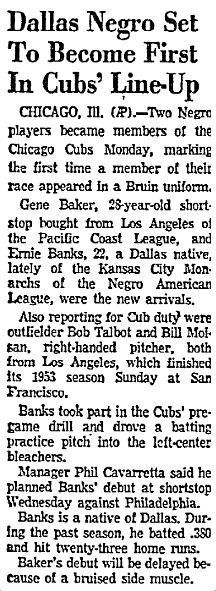
banks_dmn_091553AP, Sept. 15, 1953

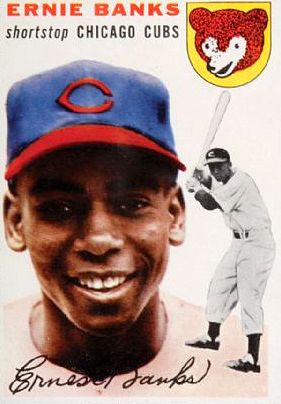
ernie-banks_rookieErnie Banks’ rookie card – Topps, 1954

ernie_banks

*

Oct. 11, 1955 was declared “Ernie Banks Day” in Dallas. Ernie was in town to play an exhibition game between the Major League Negro All Stars and the Negro American League All Stars (Ernie’s major leaguers won, 6-2) — while he was here, he enjoyed the hometown adulation and was lauded with gifts. The photo at the top of this post was from that day, as is the one below, in which he poses with his wife, Mollye Banks.

banks-ernie_wife-mollye-ector-banks_101155_patton-collection_DHSHometown hero, Oct. 11, 1955 (Dallas Historical Society)

***

Sources & Notes

Top photo from Jet magazine, Nov. 3, 1955; a version ran in The Dallas Morning News on Oct. 12, 1955 above the following caption: “Honors came thick and fast for Ernie Banks at Burnett Field Tuesday night. Appearing with a group of barnstorming Major League All Stars, Banks was presented a new Oldsmobile (background), a Texas style hat and scrolls and trophies. With Banks is George Allen, chairman of the citizens’ appreciation committee which presented the automobile. The mayor [R.L. Thornton] proclaimed Oct. 11 Ernie Banks Day in Dallas.”

The photo of Banks and his wife, Mollye Ector Banks, in Dallas is from the John Leslie Patton Jr. Papers, Dallas Historical Society (Object ID V.86.50.902).

Check out these articles from The Dallas Morning News archives:

  • “Banks to Tackle First — Reluctantly” by Bud Shrake (DMN, March 16, 1962) — with a few paragraphs on growing up in Dallas
  • “From Dallas to Cooperstown” by Randy Galloway (DMN, Jan. 20, 1977)

A nice overview of Ernie Banks’ career titled “Nice Guys Don’t Always Finish Last” by Steven Schmich (from his larger article titled “Five Dallas Athletes Who Made a Difference”) can be read in the Spring, 1994 issue of Legacies magazine here. (In fact, the entire issue of this Dallas history journal is devoted to sports and is available to read in its entirety, beginning here.)

Stats? I got yer stats, right here.

In November 2013, Ernie Banks was awarded the Presidential Medal of Freedom. A few short words from him after the ceremony say all that really needs to be said from this wonderful man — watch the short video here.

UPDATE: Sadly, Ernie Banks has died. He died Friday, January 23, 2015. He was 83. The New York Times obituary is here; the Chicago Tribune’s wonderful collection of tributes and photos is here.

*

Copyright © 2014 Paula Bosse. All Rights Reserved.

A Lost Photo of Director Larry Buchanan, Celebrated “Schlockmeister” — 1955

buchanan-katy-camera_1955_bwLarry Buchanan (in bowtie) in his ad-man days, 1955

by Paula Bosse

I got all excited when I saw the above photo posted in the Lone Star Library Annex Facebook group. It accompanied an article and another photo from the Katy Employes’ Magazine (August, 1955) (seen below) — the poster was interested in the railroad-angle of the article and photos, but the name “Larry Buchanan” was what grabbed my attention.

buchanan_katy-chrysler

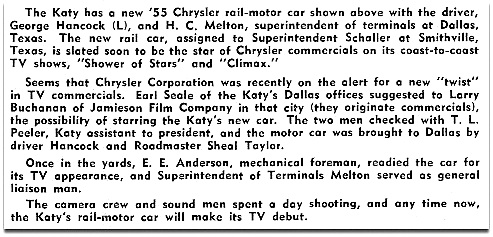
buchanan_katy-text

The photo was posted because it was a wonderful piece of M-K-T Railroad-related ephemera. Before reading the accompanying text, I thought that the idea of a 1955 Chrysler tricked-out to ride along Katy railroad tracks (so that M-K-T officials could, presumably, ride the rails in comfortable air-conditioned splendor as they moved from one inspection site to the next) was the cool thing about the article. Then I got to the name “Larry Buchanan.” And it became much, MUCH more interesting.

So who is Larry Buchanan? Briefly, Larry Buchanan is one of the greatest exponents of grade-Z, low-low-low-LOW-budget filmmaking, a director with a cult following amongst those who enjoy movies in the “so-bad-they’re-good” genre. He shot most of his movies in the 1960s in Dallas, taking advantage of lots of locations around the city, even if the movies he was shooting weren’t actually set in Dallas (one movie had Highland Park Village standing in for Italy, and “Mars Needs Women” was set in Houston, even though the movie is crammed full of easily recognizable Dallas locations such as the downtown skyline and the Cotton Bowl). The movies that have earned him his place in the pantheon of cult figures are primarily his sci-fi movies, like “Mars Needs Women,” “Attack of the Eye People,” “Curse of the Swamp Creature,” and “Zontar: The Thing from Venus.” Many were re-makes of earlier low-budget sci-fi movies commissioned by American International Pictures, and Buchanan was usually the producer, director, writer, and editor — “auteur” seems like the wrong word to use here, but that’s what he was, a filmmaker intensely involved with every phase of the production.

Buchanan was born in 1923 and grew up in Buckner Orphans Home. After a fleeting thought of becoming a minister, Buchanan — long-fascinated by movies — left for Hollywood and New York where he worked as an actor in small roles or on the crew (during this time there were professional brushes with, of all people, George Cukor and Stanley Kubrick). By the early 1950s, Buchanan was back in Dallas, employed by the Jamieson Film Company (3825 Bryan St.), working on industrial films, training films, television programs, and commercials. It was at Jamieson that he learned all aspects of film production, including how to get things done quickly and how to bring projects in under budget. It’s also where he met co-workers Brownie Brownrigg, Robert B. Alcott, Bob Jessup, and Bill Stokes, all of whom went on to have film careers of their own and most of whom Buchanan used as crew members when shooting in and around the city.

It was during this period that the photo above was taken. There are countless websites out there devoted to Larry Buchanan’s film oeuvre, but there are very, very few photos of him online. I found exactly three:

larry-buchanan_bob-jessup_texas-monthly_lgLarry (left) with cinematographer Bob Jessup

larry-buchanan_tx-monthly_may-1986-photo_detIn 1986 (Tim Boole/Texas Monthly)

larry-buchananDate unknown

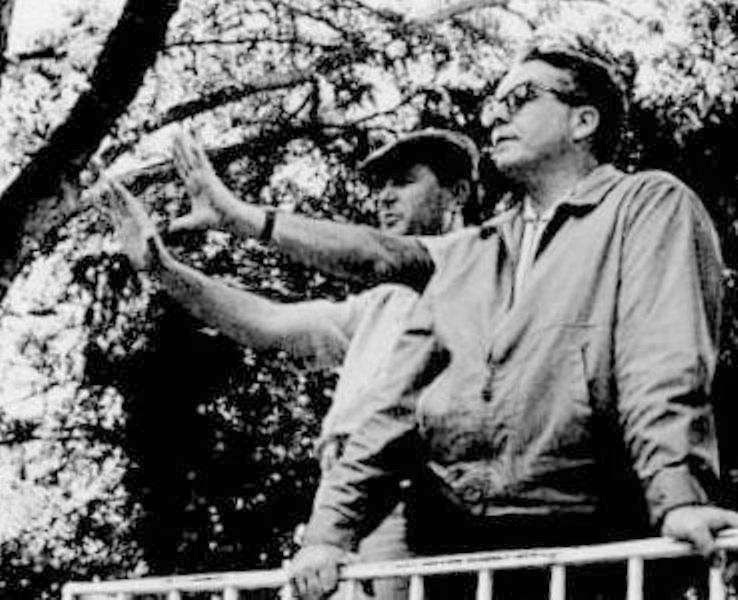
The photo at the top of this post is from 1955, before Buchanan had really begun cranking out his own movies. I can’t say for sure that this IS a photograph of Larry Buchanan, but it seems likely that it is. In that striped shirt, he looks like the kind of hip, energetic, ever-enthusiastic director I imagine him being. I can only hope that it IS him, straddling railroad ties, behind a camera pointed at a retrofitted Chrysler, in Dallas’ Katy railyard. One wonders if that Chrysler spot had a higher budget than some of the movies he was making ten years later. UPDATE: In the comments, below, Larry’s son Barry identifies his father in the top photo, but not as the man behind the camera, but as the man behind the car, wearing the bowtie. Thanks for the correction, Barry1)

From all reports, Larry was a tireless, driven, upbeat guy who loved making movies, and I think it would have been a lot of fun hanging out with him. If I ever have enough disposable income, I’ll fork it over and buy a copy of his entertaining-but-pricey autobiography, the well-received It Came From Hunger: Tales of a Cinema Schlockmeister (McFarland & Co., 1996).

It’s been fun researching Larry Buchanan. There’s a lot more to tackle later. I mean, I haven’t even touched on the legendary “Naughty Dallas” yet!

***

Tons of links here….

First two photos and text from the Katy Employes’ Magazine (Aug. 1955).

buchanan-cover_sm

Katy magazine scans made with permission of the Facebook page Lone Star Library Annex.

Other examples of automobiles equipped with “railroad wheels” can be found here.

Black and white photo of Buchanan with Bob Jessup (photographer and date unknown) and the great color photo (a detail of which is shown above) by Tim Boole, both from the article, “How Bad Were They?” by Douglass St. Clair Smith (Texas Monthly, May 1986), which you can read here.

That last photo of Buchanan is all over the internet — the only one you ever really see. I don’t know who took it, when it was taken, or where it originally appeared. But it’s a great photo!

Larry Buchanan died in December, 2004, at the age of 81. His obituary from The New York Times is here.

A fond look back at Buchanan’s career by Eric Celeste appeared in the April 2005 issue of D Magazine and can be read here.

The best piece on Buchanan is “A Tribute to Larry Buchanan” by his good friend Greg Goodsell, here.

My recent post on “Mars Needs Women” — with screen caps of movie scenes shot at recognizable Dallas locations — is here.

I never did find that Chrysler spot that had been slated to appear on network TV. I have a feeling it may be in a lengthy collection of Chrysler commercials and films from 1955 which you can watch here. I couldn’t slog all the way through it, but there are a couple of “Shower of Stars” episodes, which are mentioned in the Katy article (they’re odd “entertainment” shows which seem to be nothing more than infomercials for Chrysler starring famous people in bad sketches). If anyone actually finds footage that was filmed that day in Dallas, please let me know!

And, lastly, Larry Buchanan’s movies are fun, but some are more fun than others, “if you know what I mean, and I think you do” (as Joe Bob Briggs — surely one of Larry’s biggest admirers — might say). Many of them are available to watch in their entirety online. Check YouTube and Google.

Click photos for larger images!

*

Copyright © 2014 Paula Bosse. All Rights Reserved.

The Statler Hilton: Dallas Has It All … Again

statler-hotel

by Paula Bosse

It’s alive!

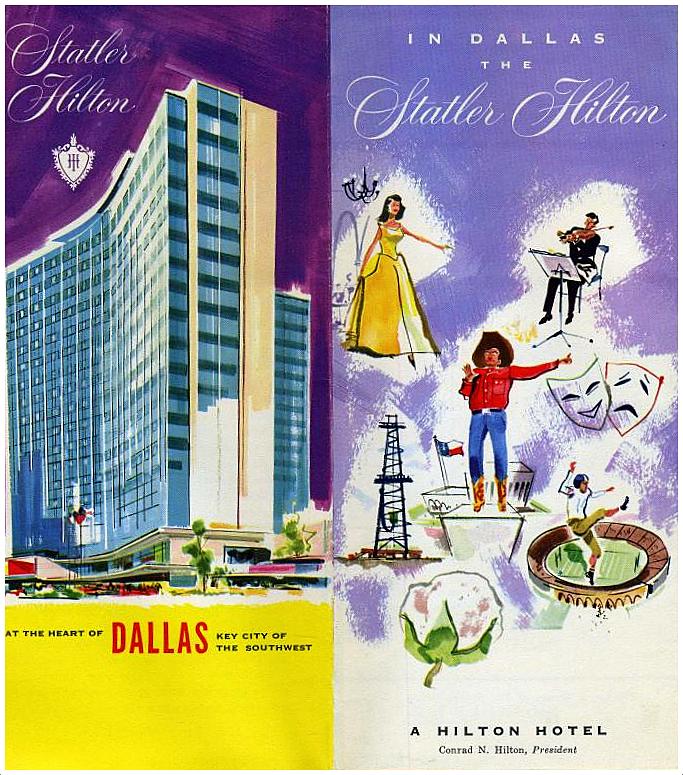
The old Statler Hilton looks like it might finally be renovated! Read about the exciting plans here.

Click picture for larger image.

*

Copyright © 2014 Paula Bosse. All Rights Reserved.
The Shooting of “Bonnie & Clyde” — 1966

bonnie-clyde_unt_113066On location: Greenville Avenue (click for larger image)

by Paula Bosse

Today is the 80th anniversary of the ambush and killing of Bonnie and Clyde. Since I’ve written about Ted Hinton (one of the ambushers and erstwhile motor lodge operator) and Clyde Barrow (as a not-yet-completely-delinquent 17-year old) (and dressed up in a sailor suit), why not a brief look at the movie?

I was hoping to find a bunch of local as-it-was-happening anecdotes in the newspaper archives, but I found very little. (Hey, Dallas — you had a major motion picture with Hollywood celebrites in it — couldn’t you have devoted a little more ink to it?)

The photo at the top is the only one I could find that showed shooting (…as it were) at a Dallas location. The above was shot at the Vickery Courts motor lodge at 6949 Greenville Avenue (just north of Park Lane, across Greenville and up a bit from where the old Vickery Feed Store was).

So photos were practically non-existent, but I did learn that the interiors were shot at a large soundstage on Dyer, just off Greenville, called Stage 2, owned by Bill Stokes of Bill Stokes & Associates (where I spent a blink-of-an-eye interning back in high school).

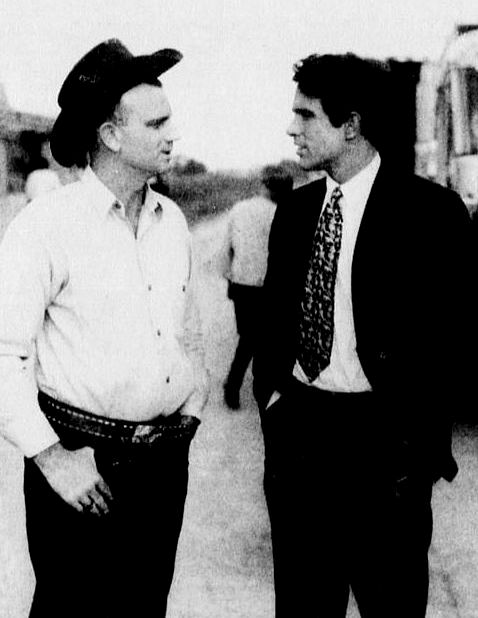
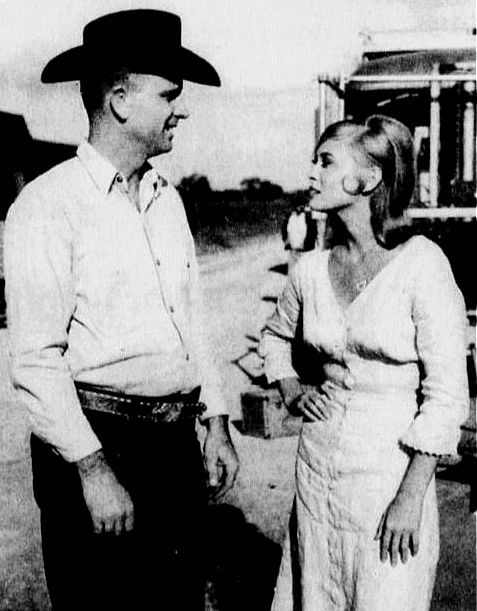
Below are two photos of Warren Beatty and Faye Dunaway between shots in Lavon, Texas, just outside Wylie — talking with one of the extras, Billy Joe Rogers, a saddlemaker from Wylie.

bonnie-clyde_lavon_beatty_102066

bonnie-clyde_lavon_dunaway-102066

The reactions to the finished movie from the local critics was interesting. The reviewer for The Dallas Morning News hated it. Hated it.

Bonnie and Clyde were a couple of rat punks who created terror in a vast area simply because they had no hesitation in gunning down those who stood in their way. […] They became for a brief span the nation’s most hunted outlaws and finally were shot down […] like the mad dogs they were. […] In a word: There is nothing entertaining about mad dogs; they should be killed — and quickly. (William A. Payne, DMN, Sept. 14, 1967)

I don’t know anything about the reviewer, William A. Payne, but my guess is that he vividly remembered the real-life Bonnie and Clyde and, like many other reviewers of the time, deplored the perceived glamorization of violence. (As an aside, I wondered why I wasn’t finding listings for “Bonnie and Clyde” in the early ’30s when I searched through the Dallas Morning News archives. As I learned from Mr. Payne, the two were commonly known as “Clyde and Bonnie” back then. So there you go!)

The review from Elston Brooks of The Fort Worth Star-Telegram, on the other hand, was ecstatic.

“Bonnie and Clyde,” which had every right to be a B-grade gangster shootout in double-breasted suits, is instead a shattering emotional experience, a fascinating film and  — oddly enough — an important motion picture. (Elston Brooks, FWST, Sept. 15, 1967)

My guess is that Brooks was about 30 years younger than Payne and had little, if any, personal connection to the real-life outlaws who killed real people.

*

The film ran up against a lot of studio problems. Warner Bros. head Jack Warner called it “the longest two hours and ten minutes I ever spent,” and the plan was to dump the movie in drive-ins and second-string-movie houses and be done with it. But producer-star Beatty was persistent and got it into the Montreal Film Festival where the positive reviews as well as the 9,000-word rave from Pauline Kael in The New Yorker assured it got the attention it merited. And it did. It was nominated for 10 Academy Awards and is considered a classic move of the 1960s.

*

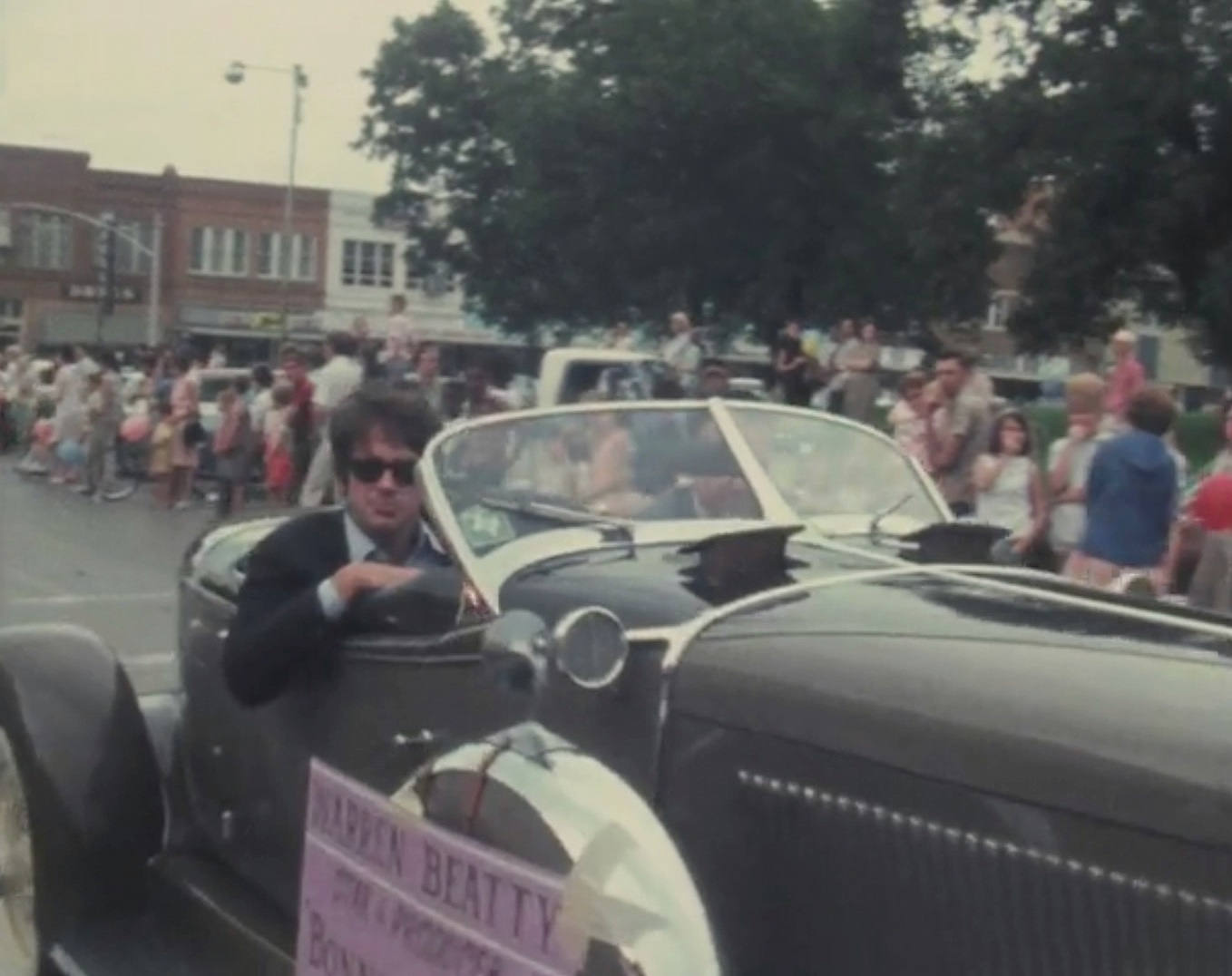
The movie had its Southwestern premiere at the Campus Theater in Denton in September, 1967. Watch (silent) news footage of the premiere from WBAP-TV (Ch. 5) at the Portal to Texas History, here (it begins about the 4:41 mark). Here’s a screen capture of Warren Beatty that day — also appearing were Michael J. Pollard and Estelle Parsons.

bonnie-and-clyde-movie_beatty_denton-premiere_wbap-tv_091367_portal

*

One last little interesting tidbit was what happened after the movie wrapped production in Dallas. Warren Beatty donated the so-called “death car” to a local wax museum. Unfortunately for the wax museum, the car’s bullet holes had been filled in to shoot another scene, so the museum had to search for someone to professionally and authentically re-riddle the car with bullet holes.

It’s always something.

***

Sources & Notes

Top dark and grainy photo of location shooting at Vickery Courts from The Campus Chat (newspaper of North Texas State University, Denton), Nov. 30, 1966.

Photos of Beatty and Dunaway in Lavon, Texas from The Wylie News, Oct. 20, 1966. An article and more photos from the set (local extras, etc.) can be found here and here.

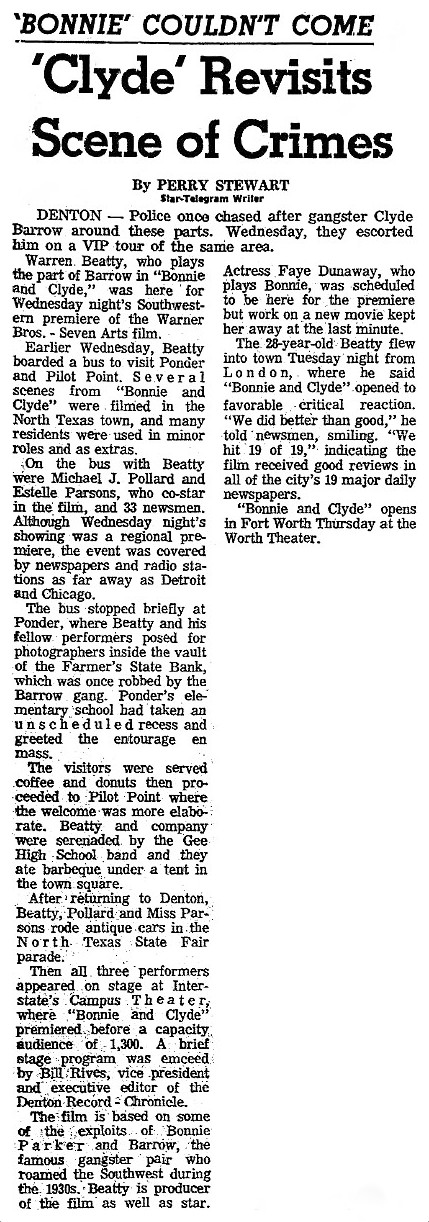
Here’s a bonus Fort Worth Star-Telegram article on the fun and unusual bus trip that Beatty and other stars of the film took to some of the small towns they’d filmed in when they were back in the area for the local premiere in Denton (click to read):

bonnie-clyde_fwst_091467
FWST, Sept. 14, 1967

And a good overview of the making of the film can be found at TCM’s website here.

*

Copyright © 2014 Paula Bosse. All Rights Reserved.
 

Six Flags-Inspired Recipes for the (Gluten-Tolerant) Superfan — 1966

six-flags-ckbk_USA

by Paula Bosse

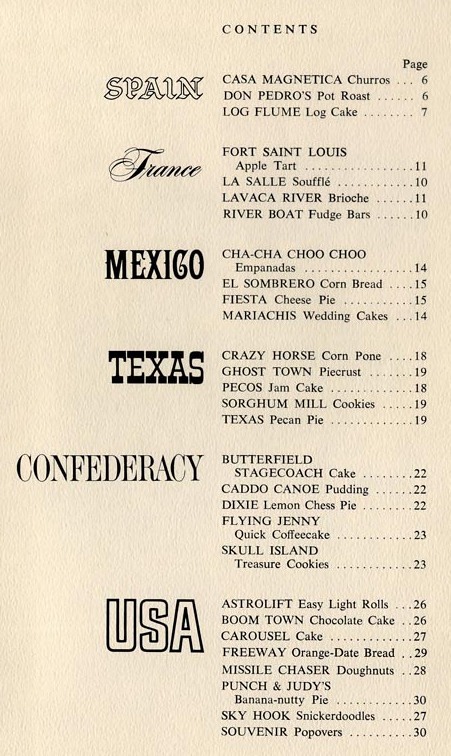
Did you know there was a Six Flages-themed cookbook? Well, there was! Issued in 1966 by the Gladiola Flour company (every recipe — rather unsurprisingly — contains flour), the Six Flags aficionado was presented with dishes such as “Casa Magnetica Churros,” “Log Flume Log Cake,” “Skull Island Treasure Cookies,” and “Sky Hook Snickerdoodles.” From the introduction:

“Names of the recipes have been inspired by attractions and rides at Six Flags Over Texas, the exciting adventureland located midway between Dallas and Fort Worth. Look to the Six Flags Over Texas Cookbook when you want something different — a dish your guests will remember.”

That “Log Flume Log Cake”? Mosey on over here and whip one up this weekend for your gluten-tolerant friends and family.

six-flags-ckbk_cover_1966-sm

six-flags-ckbk_contents

six-flags-ckbk_spain

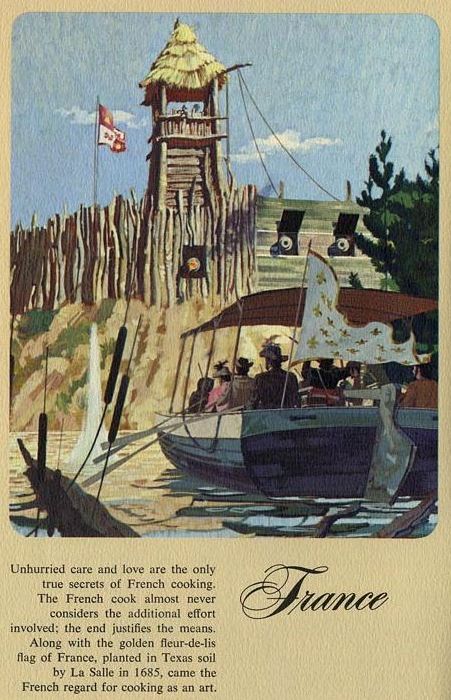
six-flags-ckbk_france

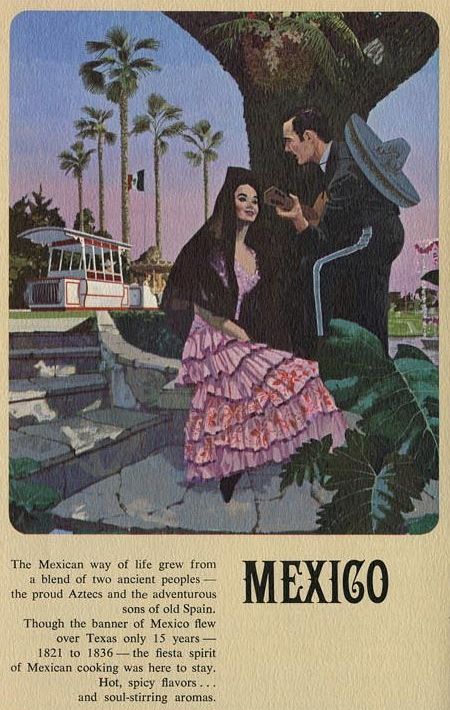
six-flags-ckbk_mexico

six-flags-ckbk_texas

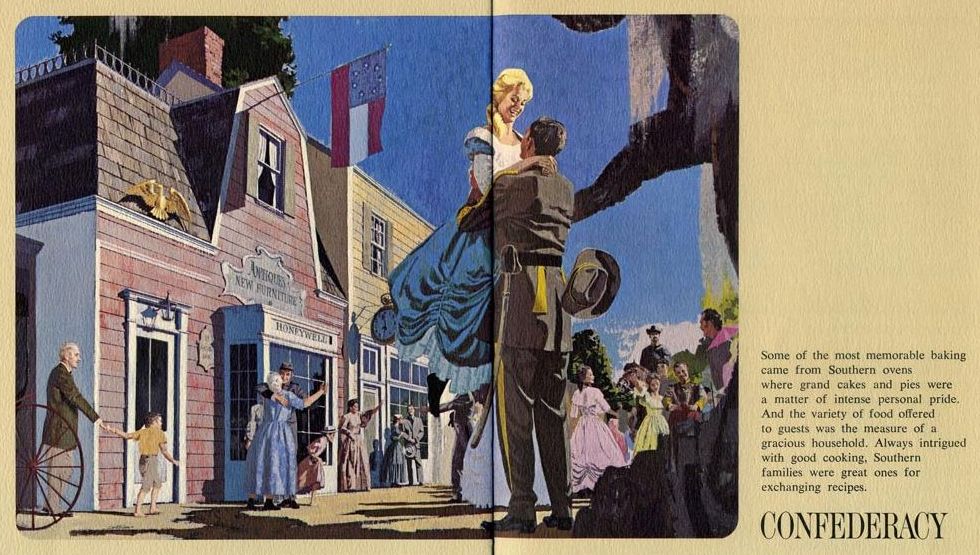
six-flags-ckbk_confederacy

***

All images from The Six Flags Over Texas Cookbook by Gladiola (Sherman: Fant Milling Co., 1966). These images (and the entire cookbook) from Ken Collier’s great Six Flags Over Texas collection. The cookbook can be viewed here; and check out his other Six Flags pages here.

For other Flashback Dallas posts on the early days of Six Flags Over Texas, see here.

Click oblong pictures for larger images.

*

Copyright © 2014 Paula Bosse. All Rights Reserved.

Angus Wynne, Jr.’s “Texas Disneyland” — 1961

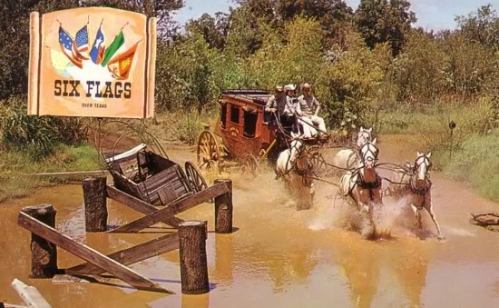
six-flags_stagecoach

by Paula Bosse

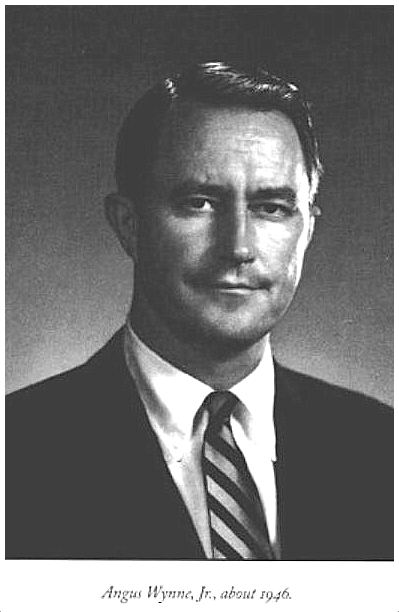
If you’re reading this, you’ve probably been to Six Flags Over Texas in Arlington. Depending on your age, you may pine for those glorious days of yesteryear when Six Flags was a truly unique theme park. Today it is not. Back then, there was only one Six Flags, and it was a great, weird place. A theme park based on Texas history! Who would come up with such a far-fetched idea? Angus Wynne, Jr. did. Some of it must have sunk in, because, to this day, the way I can remember the “six flags” that have flown over Texas is by remembering rides and attractions at Six Flags Over Texas.

I wasn’t going regularly to Six Flags until the ’70s, when it was still definitely all about Texas, but looking at old postcards that were issued to celebrate the opening of the park in 1961, I was shocked by some of the great stuff that was retired before my annual visits. Like … helicopter rides! Actual helicopter rides that took off from an area near (in?) the parking lot: five minutes for five dollars (this was back when admission was $2.25 for kids and $2.75 for adults — those days are long-gone…).

And … a stagecoach ride! I would have LOVED that! Looks kind of dangerous, though — which might be why it didn’t last. The description on the back of the postcard:

Bridge Out — Confederate Section: Butterfield Overland Stagecoach pulled by a team of four matched white horses cuts past washed out bridge on its way to deliver passengers and the U.S. mail back to the safety of the depot — always plenty of exciting action taking place at the multi-million dollar Six Flags Over Texas entertainment park.

*

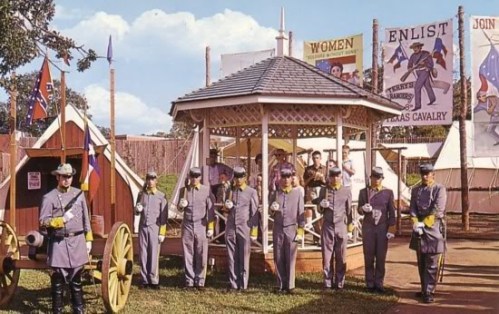
six-flags_confederate

And, yes, the problematic “Confederate” section. The description on the back of this postcard reads:

Call To Arms — Confederate Section: Confederate Drill Team at Six Flags Over Texas. To these men in gray, the South is still ‘a-fightin’ them Yankees.’ Frequent enlistment rallies are held where youngsters join up and receive papers proving their military status in Terry’s Texas Rangers, 8th Texas Cavalry.

Don’t remember seeing that. It probably started to lose its luster somewhere back around the Vietnam War.

*

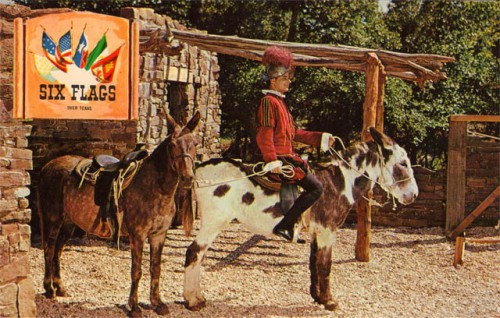
six-flags_spanish_mule

Jack Maguire, in his great Alcalde article (link below) describes this … um … “ride” thusly:

The Spanish section is next. Here guests board pack mules to venture forth with Francisco Vasquez de Coronado, greatest of the conquistadores, as he descends into Palo Duro Canyon searching for the Seven Cities of Cibola.

With the mules and the stagecoach team, Six Flags must have had a busy corral somewhere in the park.

*

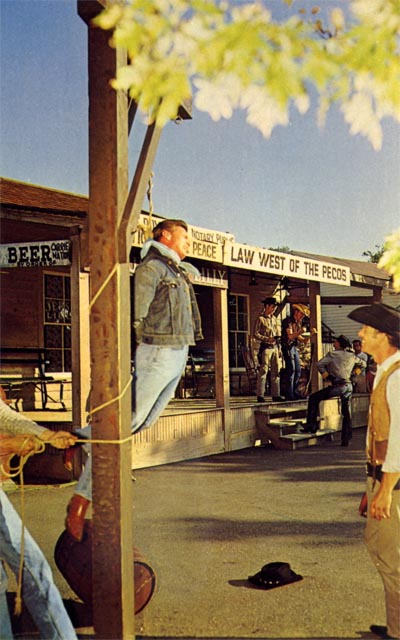
six-flags_hanging

And, well, this is my favorite: a hanging. …At an amusement park. Maybe they’re just a-funnin’. This took place in the “Texas Section,” where the bank was robbed every hour on the hour and there was the show-stopping gunfight in the middle of the street. I remember that. I don’t remember some guy getting strung up, though. I like the fact that this photo was used to promote an amusement park.

*

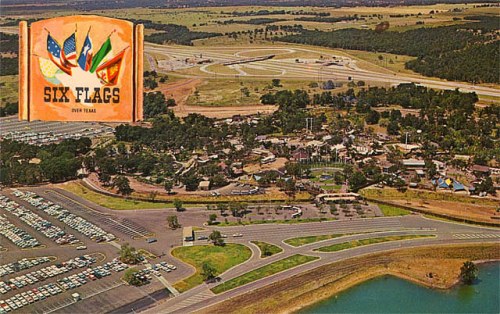
six-flags

And here’s the whole of it, in 1961. I guess there must have been other things in Arlington back then. But it looks pretty empty once you’ve ventured past Skull Island and left the park.

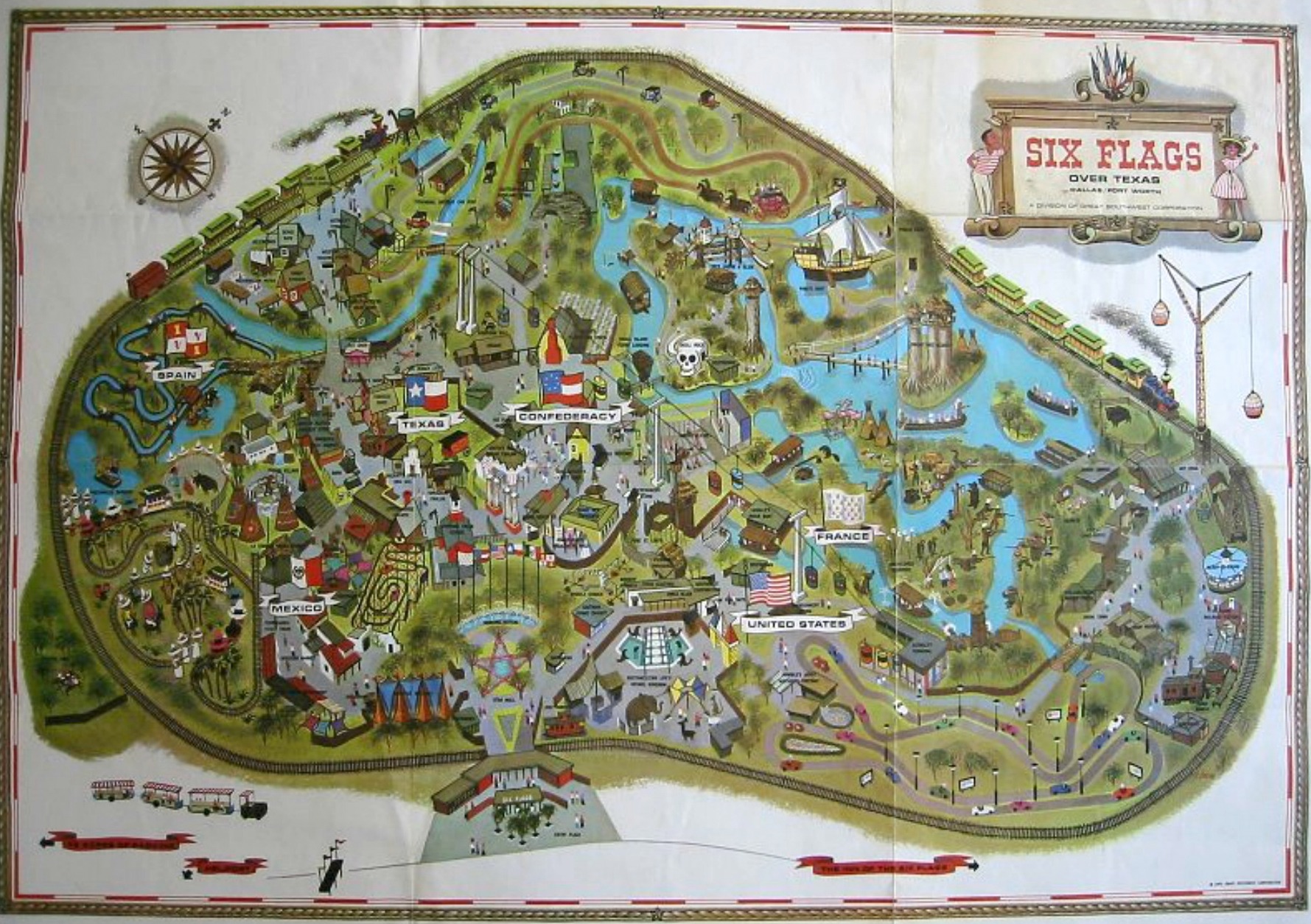
six-flags_map_mid-1960s(Click for much larger image!)

Thank you, Angus Wynne, Jr. — I had so much fun in your park — I wish I had seen it when it opened!

wynne_angus-jr_legacies_fall-2002

***

Sources & Notes

Top two postcards from the jumble of stuff I own.

All other postcards from the INCREDIBLE Six Flags Over Texas postcard collection of Ken Collier, which you can see — page after page after page — here.

I’m not sure where I found the map, but it gets pretty big when clicked.

Photo of Angus Wynne, Jr. from the Fall, 2002 issue of Legacies.

Memories of the helicopter ride by a former park employee (who says it lasted only until 1962 when it was discontinued due to a “hard landing” incident) can be read here.

And for a truly enjoyable look at the then-new theme park, I HIGHLY recommend Jack Maguire’s “The Wynne Who Waves Six Flags” in the November, 1961 issue of The Alcalde, the University of Texas alumni magazine — read it and look at the photos of a Six Flags *I* certainly never knew (but wish I had), here.

For my follow-up post on The Six Flags Over Texas Cookbook (1966) — with a link to the entire booklet and all the Six Flags-inspired recipes — see here.

*

Copyright © 2014 Paula Bosse. All Rights Reserved.

“Mars Needs Women” — The Dallas Locations

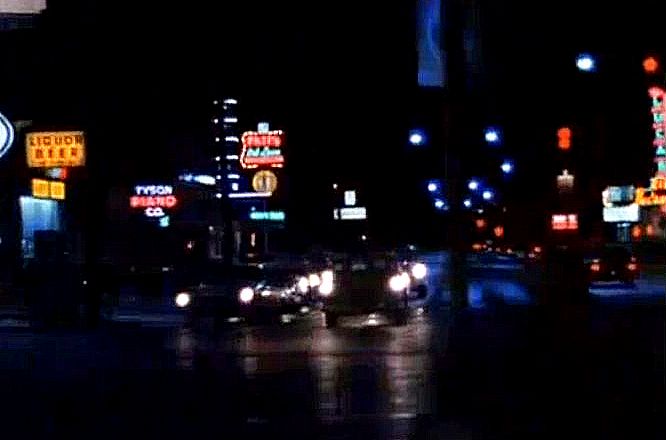
1-mars-oak-lawnOak Lawn & Lemmon, 1966

by Paula Bosse

Chances are, if you’re a native Dallasite and you’re a cult movie buff, you’ve heard of Dallas filmmaker Larry Buchanan (1923-2004), the self-described “schlockmeister” who made a ton of low-budget movies in Dallas, almost all of which are considered to fall in the “so-bad-they’re-good” category. I’ve made it through only three of them, and while they’re definitely not great (or even good, really), there were moments I enjoyed.

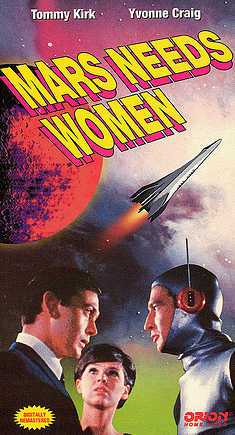
Buchanan’s most well-known movie — if only because the title has worked itself into the sci-fi vernacular — is Mars Needs Women, shot in Dallas in a couple of weeks in late 1966, starring former Disney child star Tommy Kirk and future star of “Batgirl,” Yvonne Craig. For me, the worst thing about the movie is its incredibly slow, molasses-like editing (courtesy of writer-director-editor Buchanan who was working on contract to churn out movies that had to be cut to a very specific running time, and he’s obviously padding here with interminably long scenes that drag and drag). And then there’s the dull stock footage and weird background music that I swear I’ve heard in every cheap Western ever made. Still … it has its charm.
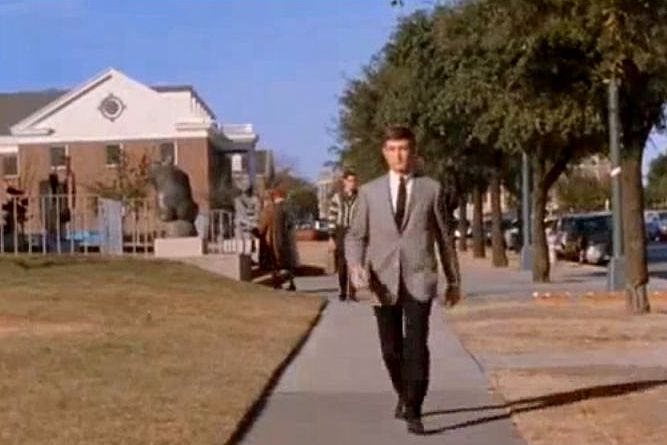
But the BEST thing about this movie (and, presumably, his others) is that it was shot entirely in Dallas, using a lot of instantly recognizable locations. (Every time I saw a place I knew, I perked up — it reminded me a bit of seeing Bottle Rocket for the first time — almost shocked to see common every-day places in an honest-to-god MOVIE!) So, if you don’t feel you can sit through the whole thing (available, by the way, in its entirety online — see link at bottom), I’ve watched it for you, with a whole bunch of screen shots. So feast your eyes on what Dallas looked like in November of 1966. (By the way, because the movie revolves around …. Mars needing women, the movie is actually set in Houston, home of the Johnson Space Center. Even though you see the very distinctive Dallas skyline — repeatedly. Houston! You wish, Houston!)

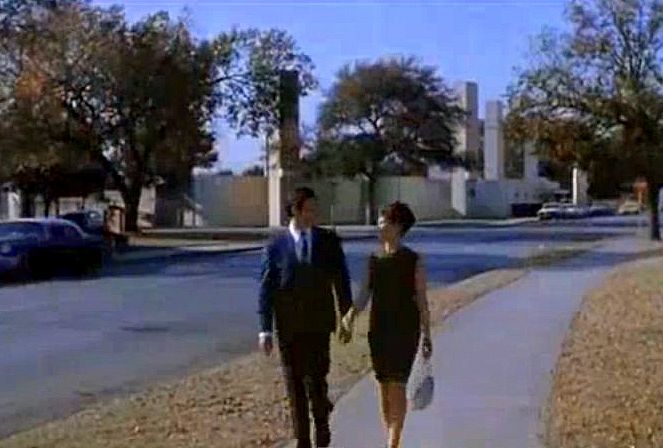
My favorite shot is the one at the top of this page and is seen in the first 90 seconds of the movie: Oak Lawn at Lemmon, with the familiar Lucas B & B sign at the right. This area was used a few more times. One character goes into the old Esquire theater, but, sadly, there was no establishing shot showing that great old neon sign. I think the first interior — showing a couple at a lounge — was shot in the swanky private club, Club Village, at 3211 Oak Lawn (at Hall), just a short hop from Oak Lawn and Lemmon.

1966_club-village_mars-needs-women

Next, we’re off to White Rock Lake.

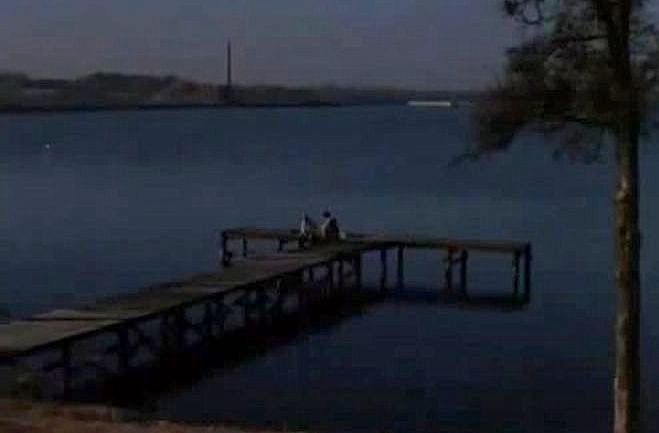
2-mars_pump1White Rock Lake. Shot day-for-night, with the pump station in the distance.

3-mars-pump2White Rock Lake pump station, where the Martians are headquartered as they search for healthy, single women to take back to Mars to help re-populate the planet.

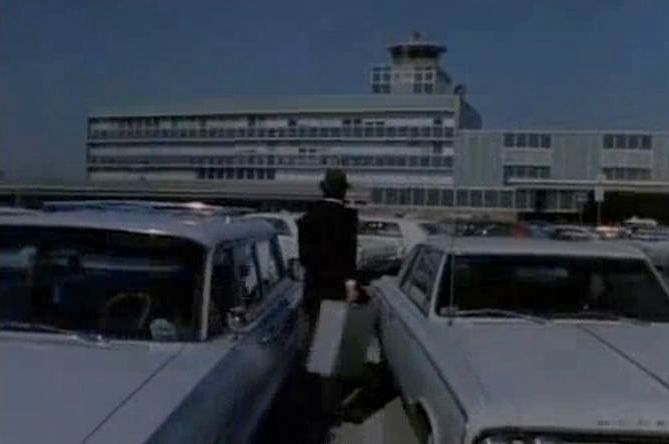
4-mars_love-field-extLove Field parking lot. Still shooting day-for-night. Badly.

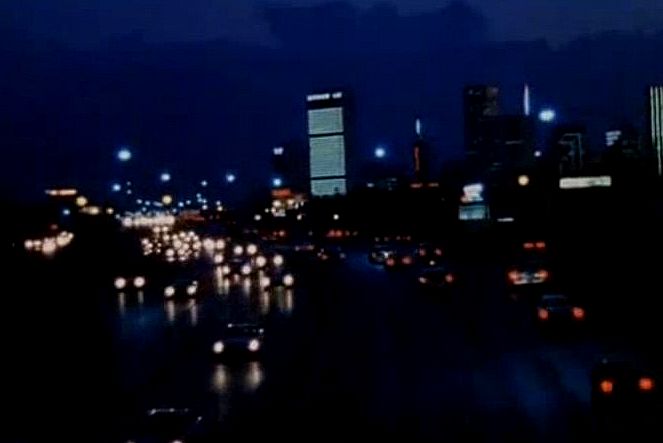
5- mars-southland-lifeThe Southland Life Building, etc., magically transported to Houston.

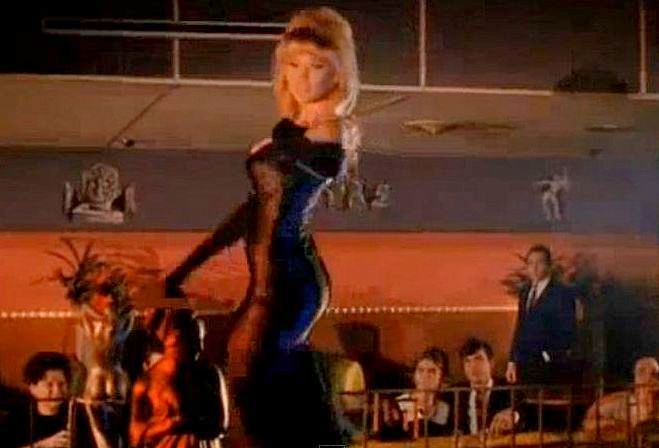
7-mars-athens-stripAthens Strip — a strip joint on Lower Greenville, one block north of the old Arcadia Theater. I’ve never heard of this place, but I came across the story of a guy who had visited the place back around this time and remembered one of the VERY unhappy dancers who hurled handfuls of the coins (!) that had been tossed onstage back into the audience, with such force that his face and chin sustained minor lacerations.

8-mars-needs-women_athens-strip_bubbles-cashLocal celebrity-stripper “Bubbles” Cash, inside Athens Strip. Plainclothes Martian (standing) ponders whether she has what it takes to birth a nation. (She does.)

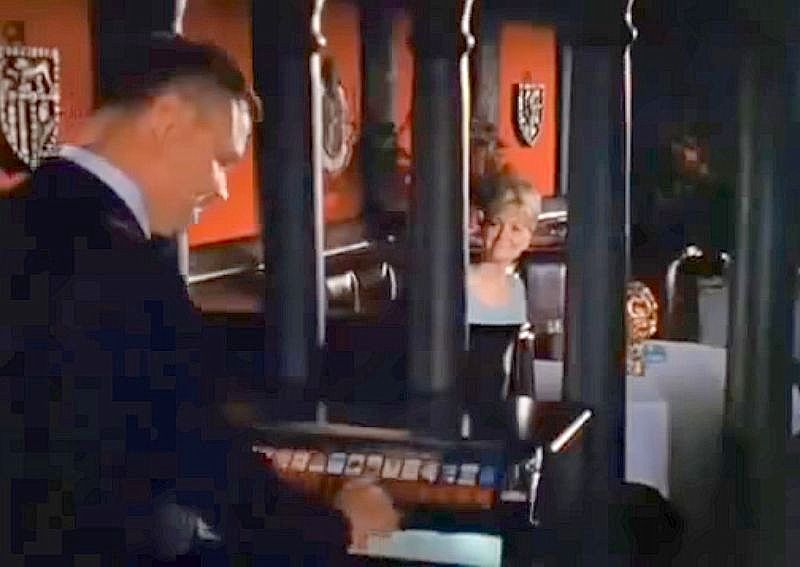
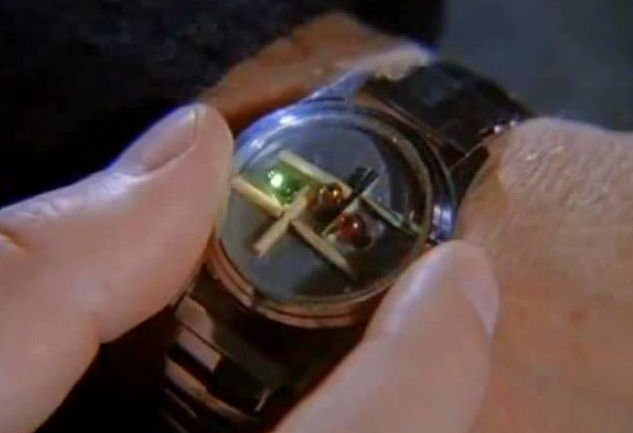
9-mars-watchMy favorite example of what a director is forced to resort to when there is no budget. This is some sort of sophisticated communication device. I think those are matchsticks.

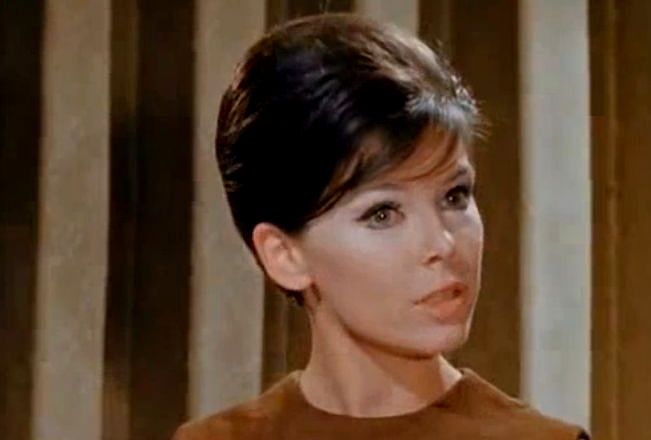
10-mars-yvonne-craigYvonne Craig, without a doubt the best actor in the movie. In fact, she’s really good. She had already made a few movies in Hollywood at this point, but the lure of a starring role brought her back to her hometown (where the newspapers reported she was happily staying with her parents during the two-week shoot).

11- mars-band-shellMartian #1 and sexy space geneticist strolling through Fair Park — band shell behind them, to the left.

12-mars-planetariumThe Fair Park planetarium.

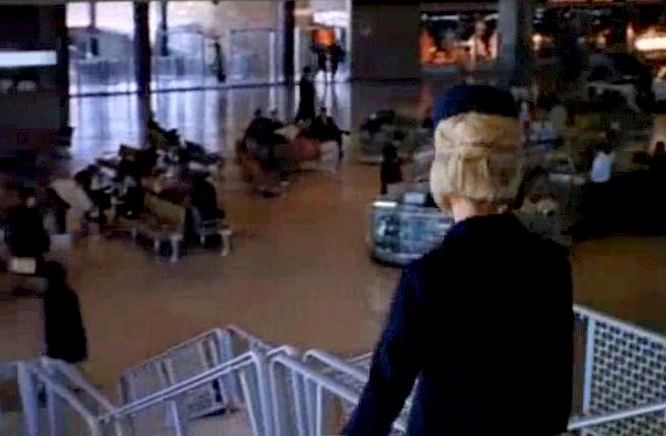
13-mars_love-fieldLove Field. I love the interior shots of the airport in this movie. (The stewardess walking down the stairs? Destined for Mars.)

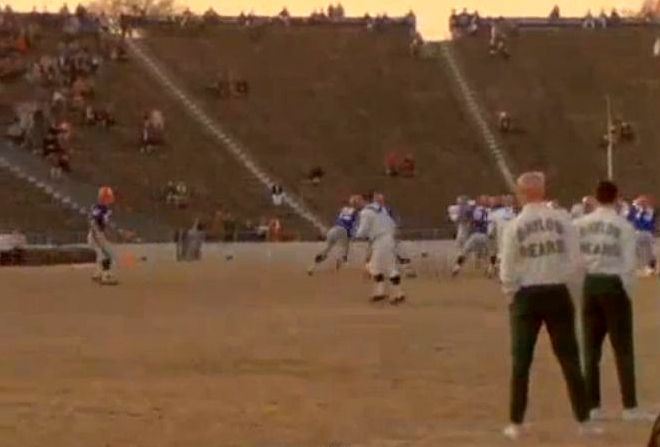
14-mars-cotton-bowlCotton Bowl, shot during a homecoming game between SMU and Baylor. Some shots show a packed stadium, some show this. Word of warning to the homecoming queen, Sherry Roberts: do NOT accept that flower delivery!

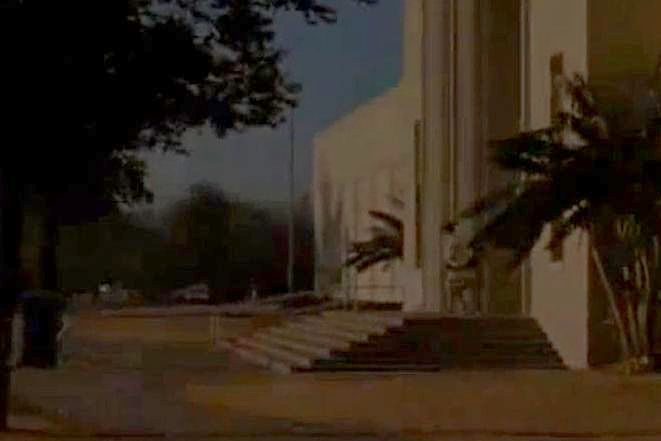
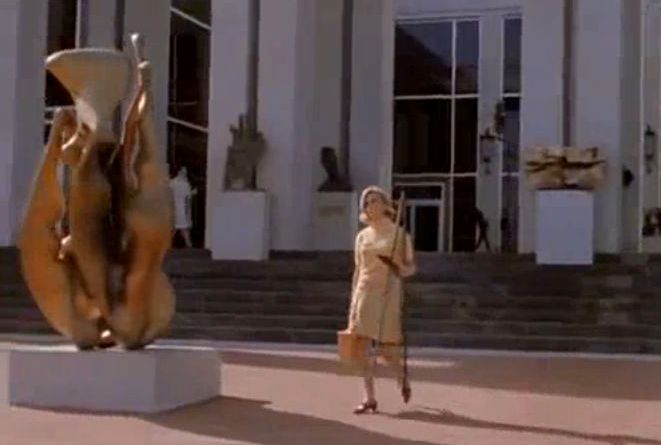
15-mars-meadowsSMU, Meadows School of the Arts. I love the pan across the front of the building. Mars Needs Co-Eds.

17-mars_BMOCSMU. BMOC (Big Martian On Campus).

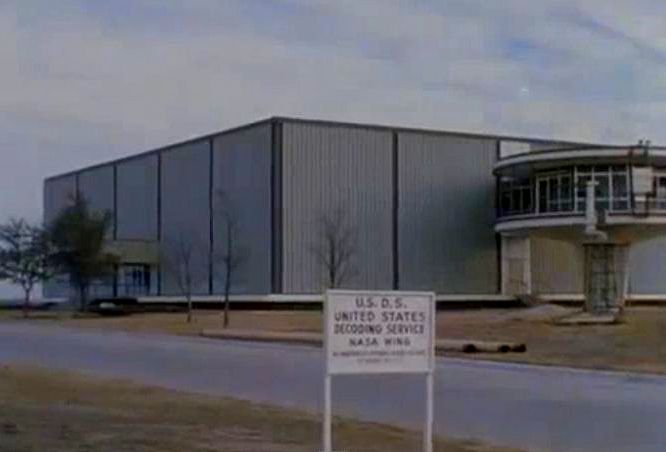
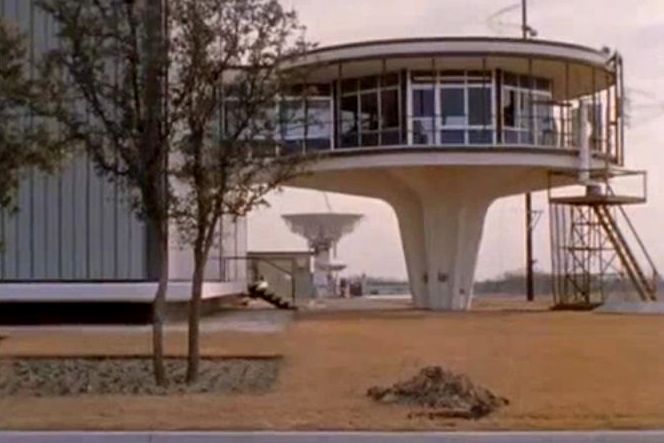
18-mars-collins-radioThe one location I couldn’t figure out. And it’s because it isn’t in Dallas. It’s the Collins Radio building in Richardson, a company that was absorbed by/bought out by/merged with Rockwell International. I think all the interior and exterior shots which are supposed to be NASA were shot here. How did a low-budget director like Larry Buchanan get into a place like that? According to a 1986 Texas Monthly article, Buchanan, in his day-job career as an ad-man, was hired by Collins Radio in 1961 to work in their “audio-visual” department” (the man who hired him was Harold Hoffman, whose later film work with Buchanan was done under the name Hal Dwain).

19-mars-collins-radioSo, yeah — COOL location.

20-mars_fair-parkMore Fair Park, more murky day-for-night.

21-mars_pump3White Rock Lake pump station, aka the Martian lair.

22-mars-saucerFANTASTIC flying saucer. Do the Martians get their five healthy, single women on board the ship and get them back home? You’ll have to watch it for yourself to find out.

23-mars-endYou tell ’em, Konnie.

mars-needs-women_VHS-box

Check back in a few days for more on Larry Buchanan (including a long-lost photo of him at work back in his advertising days in the 1950s).

UPDATE: Here it is — Larry Buchanan filming a Chrysler spot in the Katy railyard in 1955 for Dallas’ Jamieson Film Company, here.

***

Sources & Notes

The entire movie is on YouTube in a pretty good print. Watch it here.

Larry Buchanan Wikipedia page is here.

Mars Needs Women Wikipedia page is here.

Collins Radio/Rockwell Collins Wikipedia page is here.

Consult the Dallas Morning News archives to read a somewhat sarcastic Dallas Morning News article by Kent Biffle on the shooting of the Cotton Bowl sequence (I miss his Texana columns!): “That UFO Was a Field Goal” (Nov. 20, 1966).

*

Copyright © 2014 Paula Bosse. All Rights Reserved.

Minor League Ball: The Dallas Rangers — 1958-1964

dallas-rangers_1959_ebay

by Paula Bosse

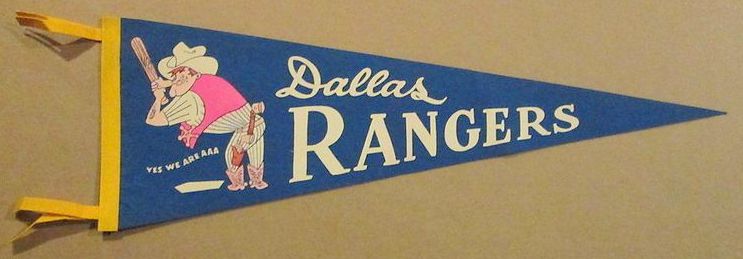
Now there’s a baseball pennant.

“YES WE ARE AAA.” (Apparently triple-A ball had different cleat allowances back in 1959.)

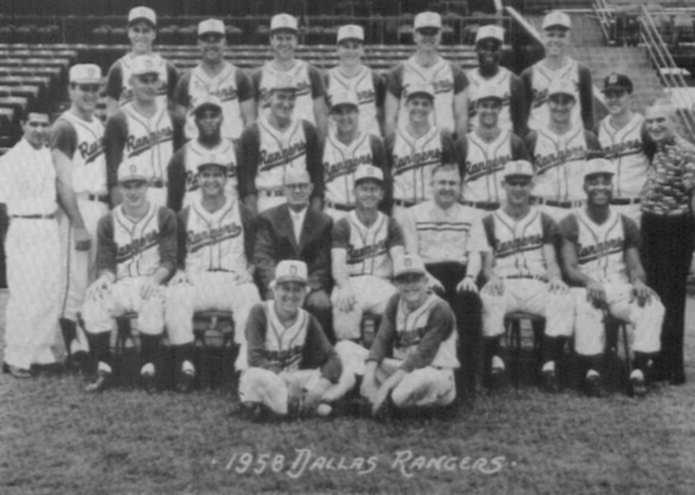
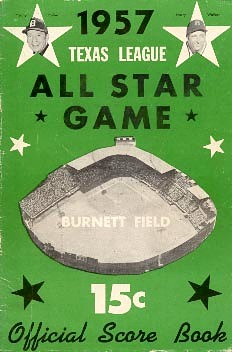
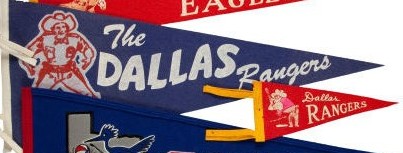
My knowledge of baseball? Pretty limited. I knew that Dallas had professional teams leading up to the Texas Rangers, but that’s about it. Here is a 1958 team photo of the Dallas Rangers, a minor league team that lasted from 1958-1964, known for a couple of those years as the Dallas-Fort Worth Rangers. (This team, by the way, has no historical connection with the present-day Texas Rangers.) They played at Burnett Field. Again, I know precious little about this sort of thing, but, from what I can gather after a hasty skimming, they weren’t very good. The faltering franchise moved to Vancouver in 1965. To Canada! I like this photo. From a purely Americana perspective, the best sports team photos are always, for me, those of  baseball teams.
baseball-dallas-rangers_burnett-field_1958(Click for larger image. Won’t be any sharper, but it’ll be slightly bigger.)

baseball-texas-league_burnett-field_1957

dallas-rangers_dmn-blog-det_102512

***

Sources & Notes

Since I don’t know what I’m talking about, there will be a lot of links.

Top photo of 1959 pennant is from Ebay — which, as of THIS MINUTE, is currently available for purcha$e, here.

The 1958 team photo and 1959 program — I’m not sure where I found them months ago, but I think it might have been here. (As I’m looking at the page right now, all the photos are inactive — but the site may just have exceeded its monthly bandwidth. Lots of good info on the teams that played at Burnett Field, though.)

Bottom image of pennants from a Dallas Morning News blog post by Robert Wilonsky.

Dallas Rangers Wikipedia page here.

Info on Burnett Field here.

And, for those who are really into this sort of thing, the team stats for that 1958 team pictured above can be pored over here.

*

Copyright © 2014 Paula Bosse. All Rights Reserved.

Back When Preston Royal Was “Exotic” and Had Its Very Own Elephant

safari-preston-royal

safari-preston-royal-back

by Paula Bosse

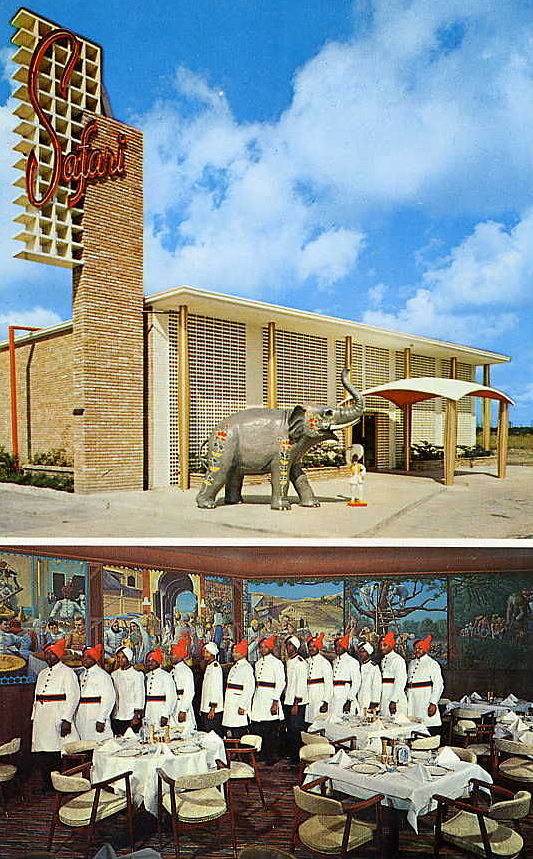
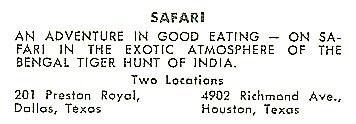
Dallas had a restaurant like this?! Yes, it did. (EDIT: It has been brought to my attention in the comments that the image above shows the *Houston* location. But I have been assured that the Dallas location had its very own elephant standing guard outside — so I will not have to ignominiously change the title of this post!)
The Safari Steak House was in the Preston Royal Shopping Center at the northeast corner of Preston & Royal (in the space now occupied by the venerable Royal China restaurant). The decor shown in the postcard above is something else — someone put their whole heart and soul into that, from the elephant and, um, elephant wrangler (“mahout“?) out front, to the ornate wood carving and the somewhat… busy murals inside. And the uniformed staff is pretty impressive, too.
Here are photos of the DALLAS Safari, taken in 1961 by Squire Haskins (photos from the UTA Libraries, Special Collections — click the links below the photos for full descriptions and large images). (Thanks, Tom Bowen, for sharing these links in the comments.)

safari_squire-haskins_1961_UTA_1via UTA Libraries, Special Collections

safari_squire-haskins_1961_UTA_2via UTA Libraries, Special Collections

Guy T. Jones opened the Safari in mid 1956 (I think the Houston location was opened later — it was open by at least 1959). I could find almost no early advertising for the place — perhaps Jones blew his advertising budget on elephants and murals. At this point, the shopping center was basically still under construction — the eastern-edge building (home of the Safari) opened about a year after the larger northern-edge building. There used to be a gap between the two buildings, which can be seen in the photo immediately above and can (sort of) be seen in the 1955 ad below, which shows a model of what the finished shopping center would look like.

preston-royal-shopping-center_032755-adAd detail, March 1955

In 1974, Royal China (which is a fantastic place, by the way) took over the space.

I really wish I’d seen that elephant, which — according to the comment below — “was highly visible and well lit at night.” I certainly hope so!

*

From the cover of the menu:

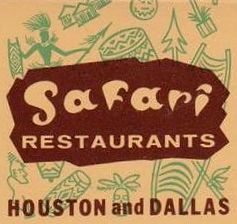
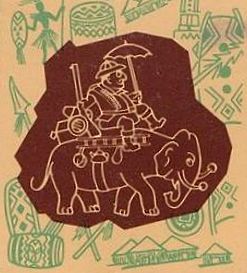
safari-matchbook-a

safari-matchbook

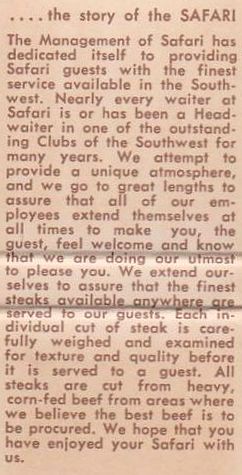
safari-matchbook_story

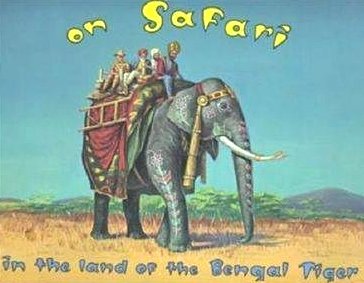
safari-preston-royal_menu-1969

*

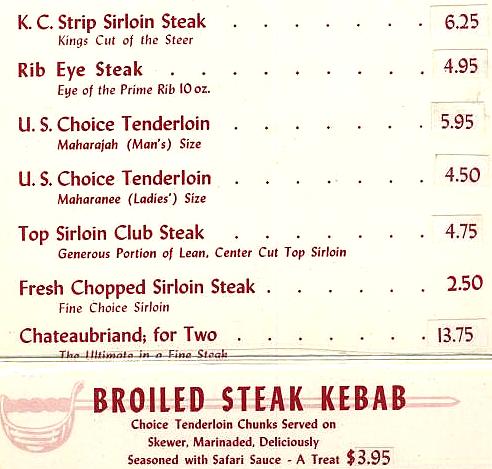
Below, the steak menu. One could choose between the “Maharajah (Man’s) Size” and the “Maharanee (Ladies’) Size.” Or get the kebabs of skewered beef “deliciously seasoned with Safari Sauce — A Treat.”

safari-menu

*

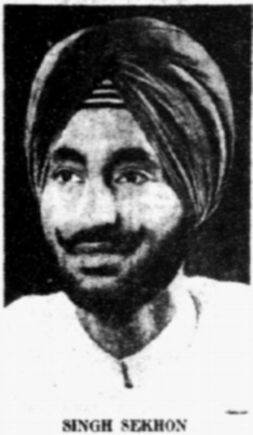
One of the stars of the restaurant was Iqbal “Ike” Singh Sekhon, who started working as the restaurant’s host while studying for his Master’s degree at SMU. He left a few years later to run the fabulous La Tunisia.

safari_dmn_062756-photo

safari-menu-logo

***

Sources & Notes

Edit (Sept. 2022): Wow. This post had a bunch of problems! All I can say is that this was one of my very earliest posts. I was so enamored of that elephant that I made a couple of very glaring errors.

First off, the original title of this post was “Back When Preston Royal Village Was ‘Exotic’ and Had Its Very Own Elephant.” The Safari Steak House was in the Preston Royal Shopping Center, located on the northeast corner of Preston and Royal; the Preston Royal Village shopping center, is on the northwest corner. I’ve (ignominiously) changed the title, but… yikes.

And, as mentioned in the first paragraph, the postcard at the top shows the Houston location, not the Dallas location. Incidentally, the Houston building is still there — it can be seen in a 2011 Google Street View capture here.

The two photos by Squire Haskins (linked below the images) are from the Squire Haskins Photography Inc. Collection, University of Texas at Arlington Libraries, Special Collections (thanks, Tom!). They are dated 1961, one year before a major fire at the restaurant. They reopened the following month, with what sounds like quite an update in decor. I’m not sure when the “gap” between the two shopping center buildings was filled in, but that would have been a good time to expand.

*

Copyright © 2014 Paula Bosse. All Rights Reserved.

Need a Handgun? Head Over to Titche’s! — 1963

titches_gunstitches_guns_dmn_110563c

by Paula Bosse

Titche’s was a nice department store. In 1963 it was a good place to buy a well-tailored suit, shop for fine crystal, and, apparently, get a gun.

***

Sources & Notes

Ad from Nov. 5, 1963.

*

Copyright © 2014 Paula Bosse. All Rights Reserved.