Behold, a feast of yesteryear (and this is just the game and fish dishes):
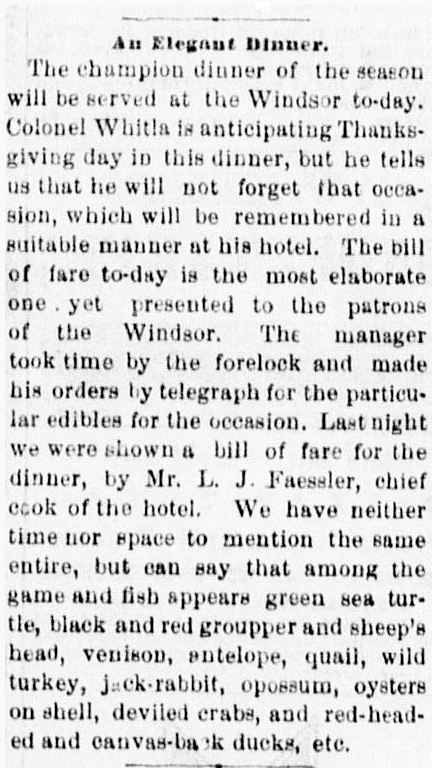
Dallas Herald, Nov. 25, 1877
**
AN ELEGANT DINNER
The champion dinner of the season will be served at the Windsor to-day. Colonel Whitla is anticipating Thanksgiving day in this dinner, but he tells us that he will not forget the occasion, which will be remembered in a suitable manner at his hotel. The bill of fare to-day is the most elaborate one yet presented to the patrons of the Windsor.
The manager took time by the forelock and made his orders by telegraph for the particular edibles for the occasion. Last night we were shown a bill of fare for the dinner, by Mr L. J. Faessler, chief cook of the hotel. We have neither time nor space to mention the same entire, but can say that among the game and fish appears green sea turtle, black and red groupper and the sheep’s head, venison, antelope, quail, wild turkey, jack rabbit, opossum, oysters on shell, deviled crabs, and red-headed and canvas-backed ducks, etc.
*
Hava a Happy (Possom-Free) Thanksgiving!
***
Sources & Notes
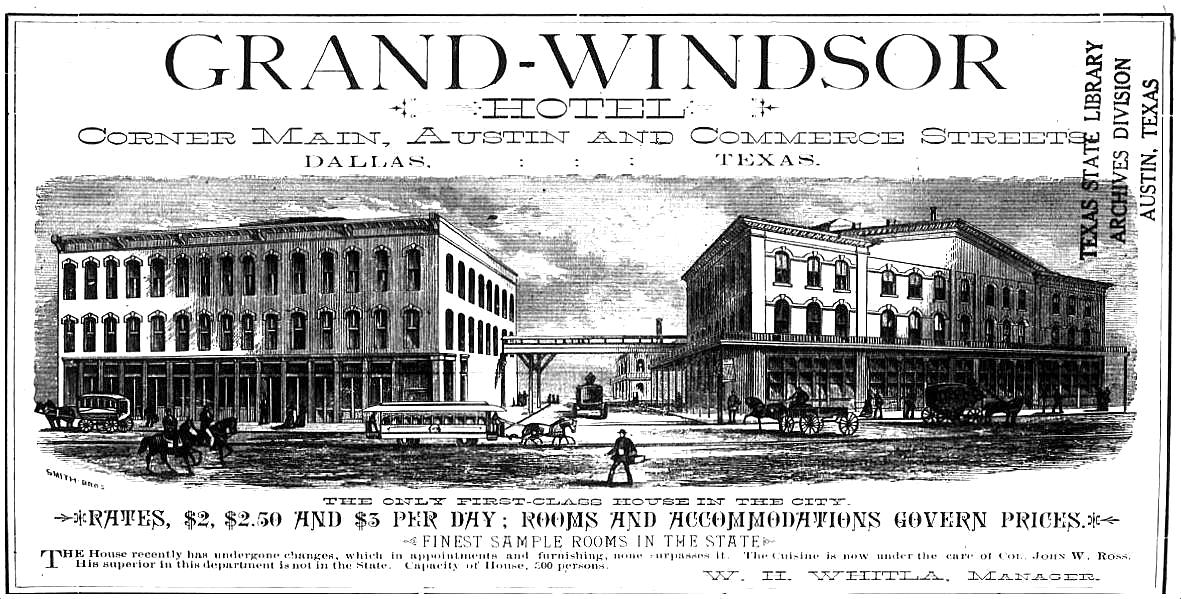
Top ad for the Grand-Windsor Hotel from the 1878 Dallas directory. Originally two hotels (the Le Grande Hotel and the Windsor Hotel), they were joined by a little “sky-bridge” over Austin Street when they merged. See the Grand-Windsor on the 1885 Sanborn map here. (The room rates of $2-$3 back then would be the equivalent of about $60-$90, if you trust inflation calculators.)
Article is from the Nov. 25, 1877 edition of the Dallas Daily Herald, via the Portal to Texas History.
More Flashback Dallas posts on Thanksgiving can be found here;
I have always been fascinated by vintage advertising. I haven’t posted ads in a while, so here are a whole bunch of them, from 1916. 107-year-old ads. Let’s call them historical ads. All are from the same publication (linked at the bottom of this post).
*
My favorite ads are those that contain photos or highly detailed drawings of buildings, especially if those buildings no longer exist — like the one above, which has a long-gone Dallas landmark in the background: the ad for the VIBROLITHIC CONSTRUCTION CO. shows paving work going on in front of St. Mary’s College in East Dallas at Garrett & Ross (more can be found about the girls’ school in this post, scroll down to “St. Mary’s”).
*
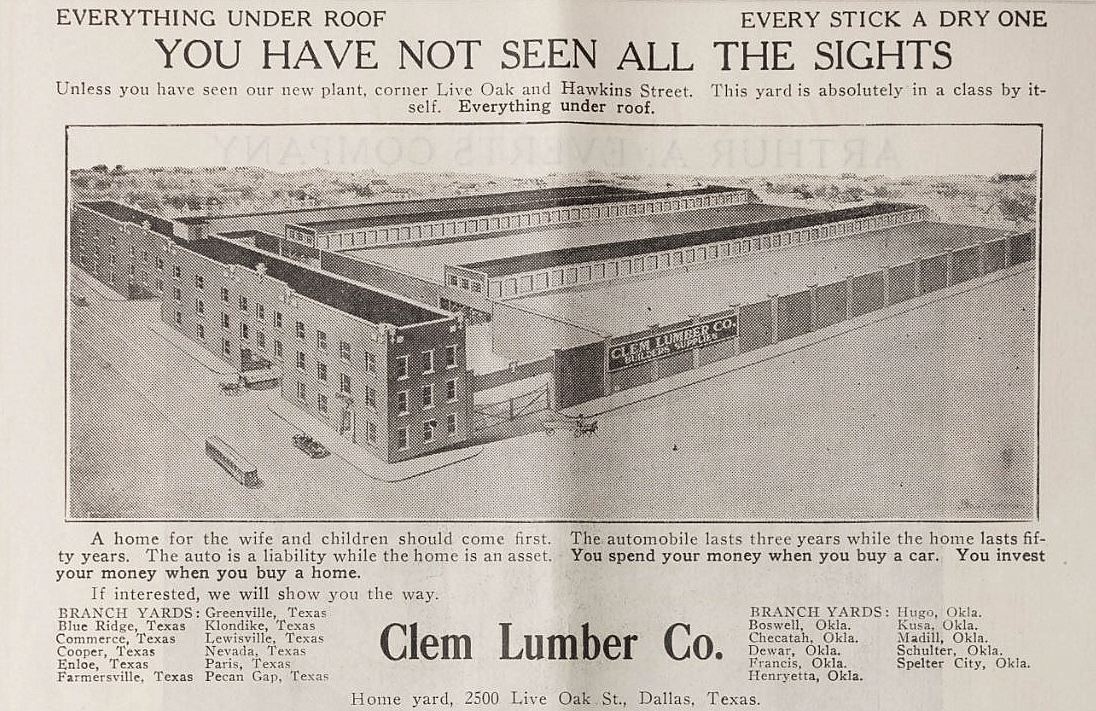
CLEM LUMBER CO., 2500 Live Oak (at Hawkins). “Every stick a dry one.”
*
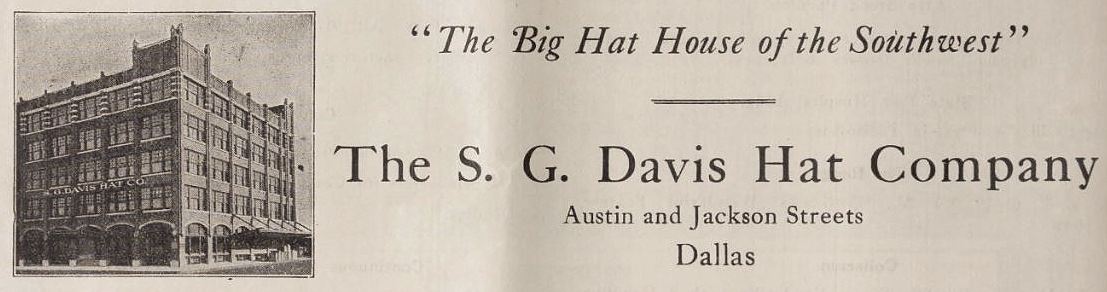
S. G. DAVIS HAT COMPANY, Jackson & S. Austin. Built in 1913 — still standing.
*
VOORHEES & BURDSAL, Photographers, 912½ Elm.
*
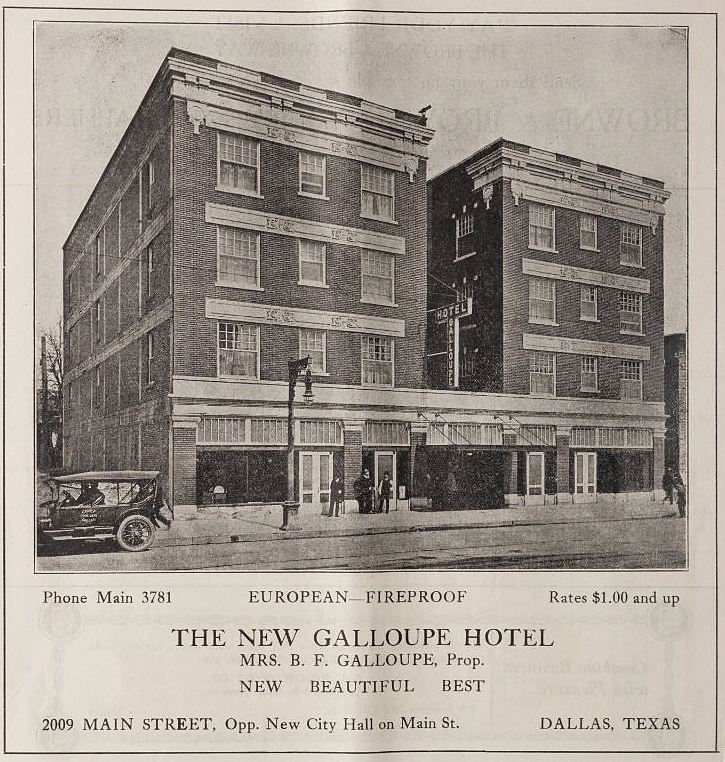
THE NEW GALLOUPE HOTEL, 2009 Main (across from the Municipal Building). “New, beautiful, best.”
*
GEO. W. LOUDERMILK FUNERAL DIRECTOR & EMBALMBER, 1935 Main. “First ambulance service in Dallas.”
*
THE NEWPORT THEATRE, 1505 Elm (near Akard, next door to the Queen Theater). A movie theater I’ve never heard of. It opened in 1915 and closed a couple of years later when it burned. “A family theatre for women and children.”
*
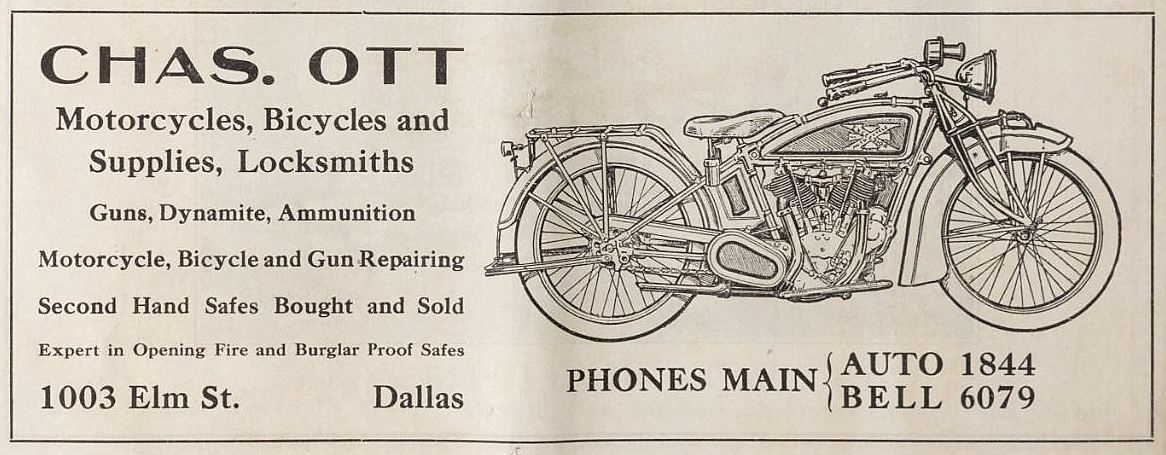
CHAS. OTT, Locksmith, etc., 1003 Elm. “Motorcycles, bicycles and supplies, locksmiths, guns, dynamite, ammunition […] second-hand safes.” Something for everyone! I wrote about Ott’s previously, here.
*
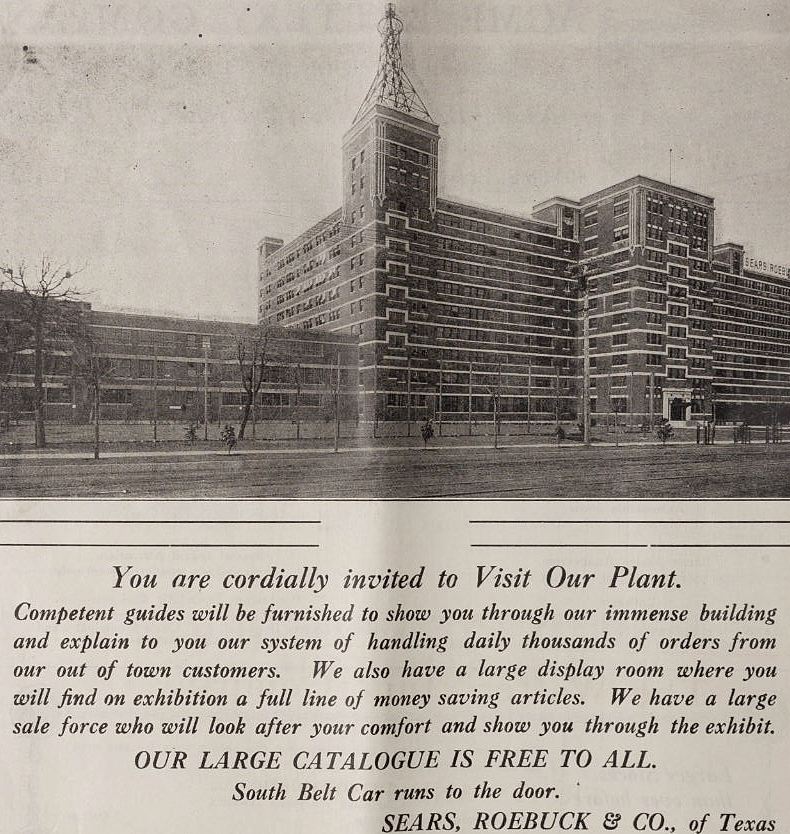
SEARS-ROEBUCK & CO., S. Lamar & Belleview. The “immense building” was built in stages between 1910 and 1913. Sears may be holding on for dear life in the 21st century, but its former HQ is thankfully still standing. (More here — scroll down to #10.)
*
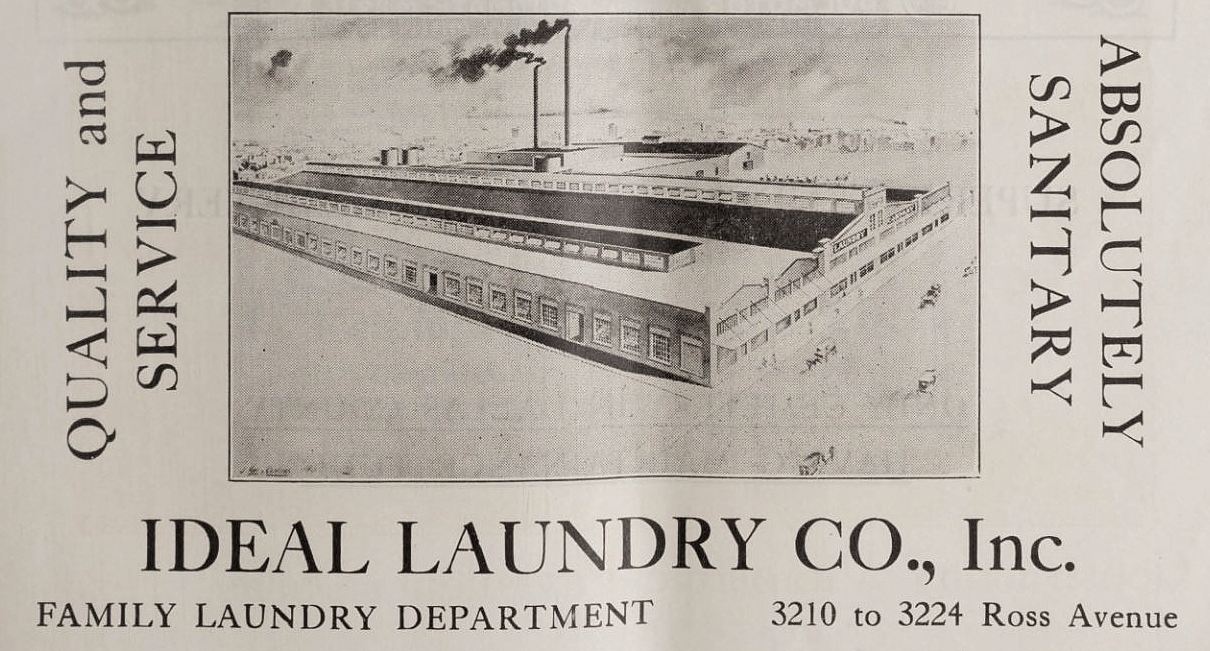
IDEAL LAUNDRY, 3210-24 Ross Avenue. Oh, Ross, I don’t even recognize you anymore…. “Absolutely sanitary.”
*
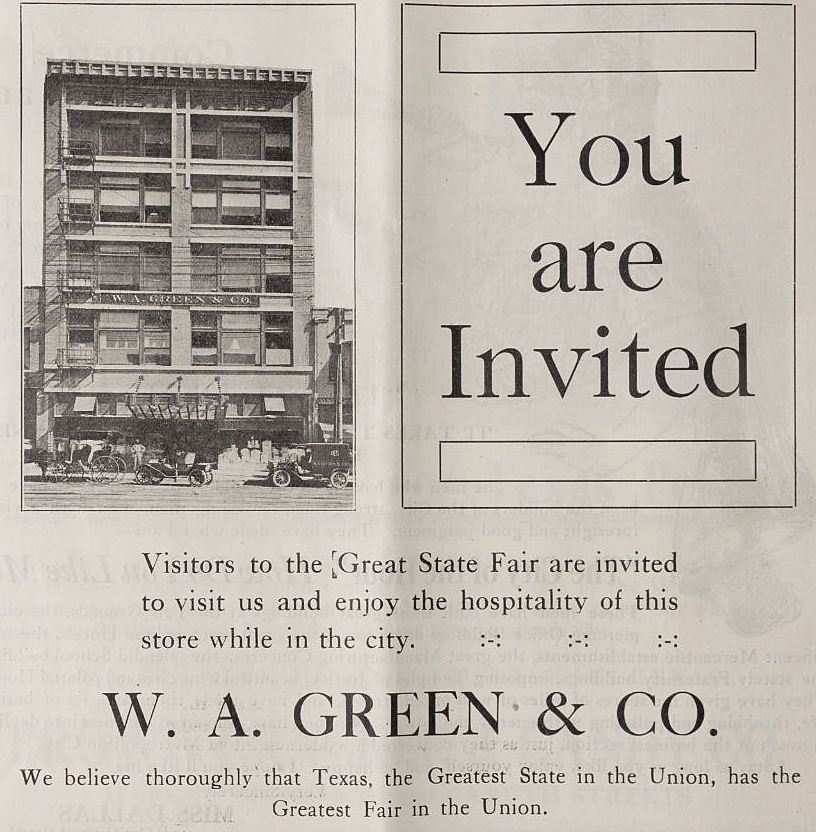
W. A. GREEN & CO. department store, 1516-18 — still standing.
*
KLEIN BROS. CO., southeast corner of N. Walton and Junius. You might have seen this company’s name stamped in sidewalks all over town. “The sidewalk builders.”
*
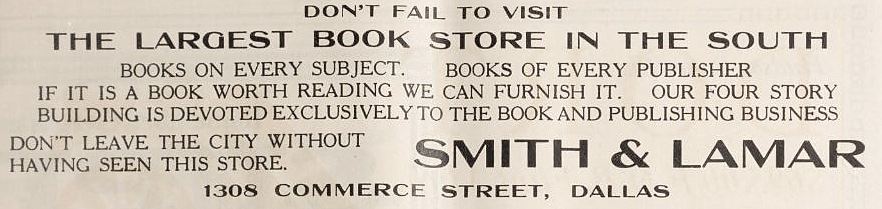
SMITH & LAMAR, Booksellers, 1305 Commerce Street. “Don’t fail to visit.”
*
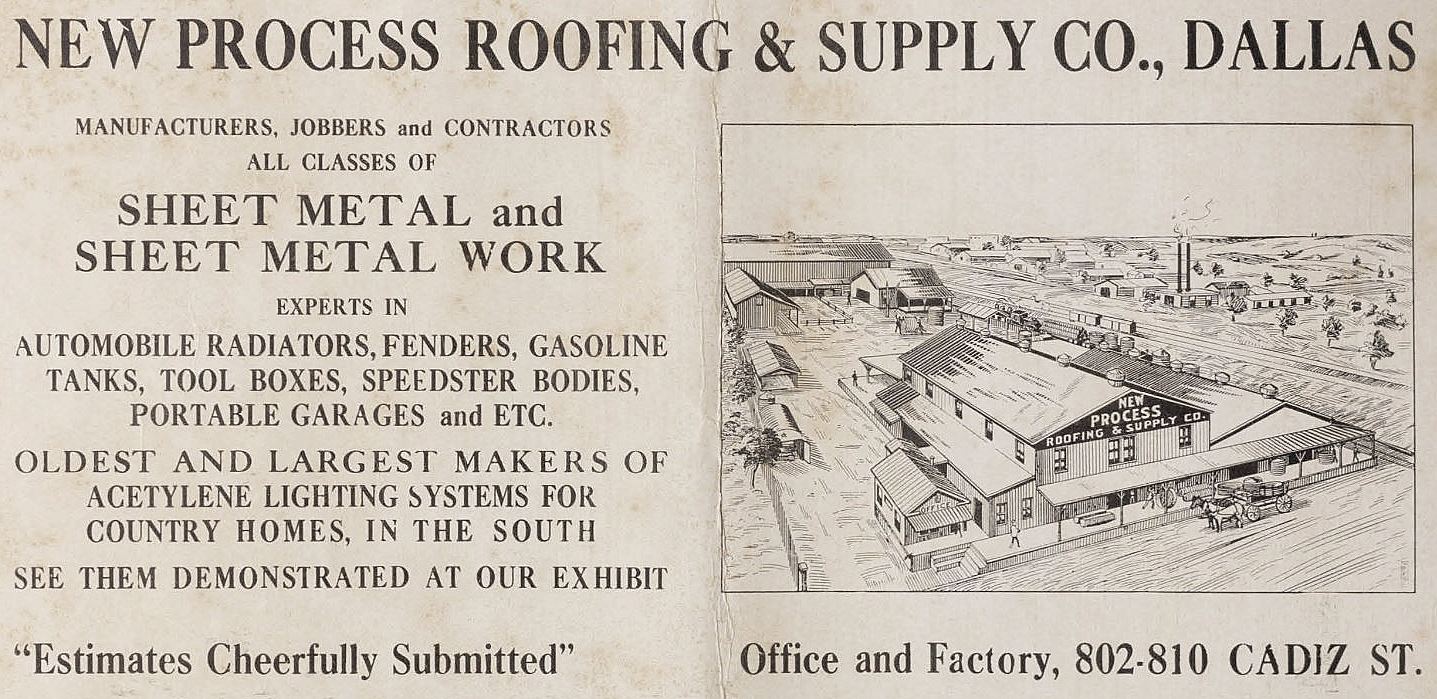
NEW PROCESS ROOFING & SUPPLY CO., 802-10 Cadiz (I think this is where the Alamo Drafthouse now sits).
*
EVEREADY STORAGE BATTERY CO., 431 S. Ervay (now the site of the Dallas Public Library). See what it looked like here. “Free from ruinous sulphation.”
*
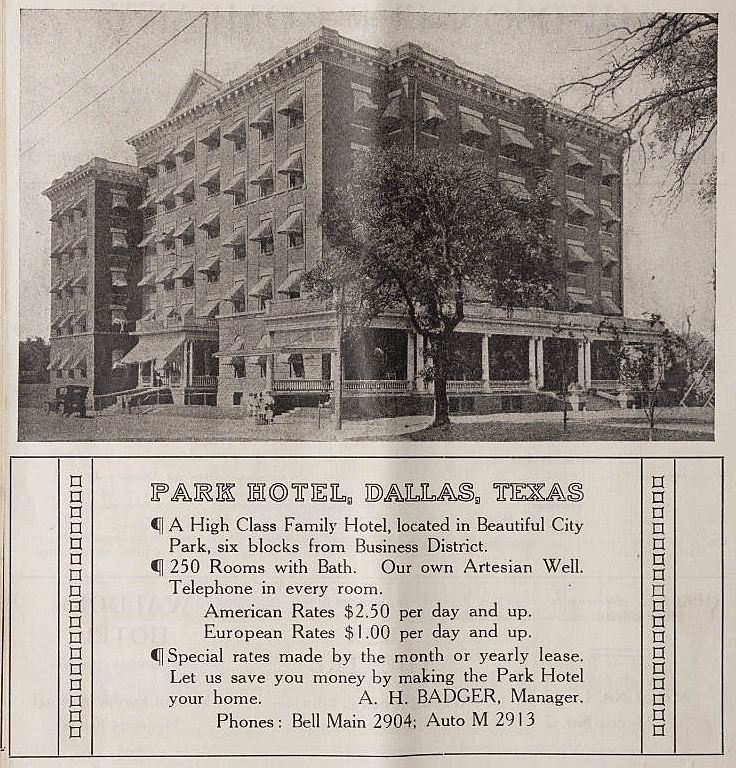
THE PARK HOTEL, 1312 S. Ervay. Known in recent years as the Ambassador Hotel (which burned down in 2019) (is anything going to be built on that land?), the Park Hotel, on the edge of lovely City Park, was “a High Class family hotel.”
*
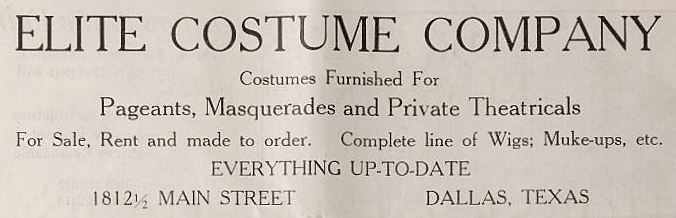
ELITE COSTUME COMPANY, 1812½ Main. AKA the Elite Dressmaking School & Costume Co., Miss Violet Blackmore, manager. “Everything up-to-date.”
*
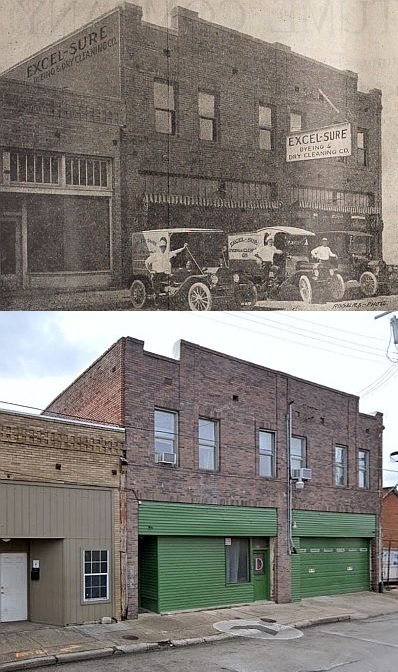
EXCEL-SURE DYEING & DRY CLEANING CO., 4310-12 Elm. This unassuming building in Old East Dallas, just east of the intersection of Peak & Elm, is, surprisingly, still standing and is at least 110 years old.
Here’s a “then and now” comparison:
***
Sources & Notes
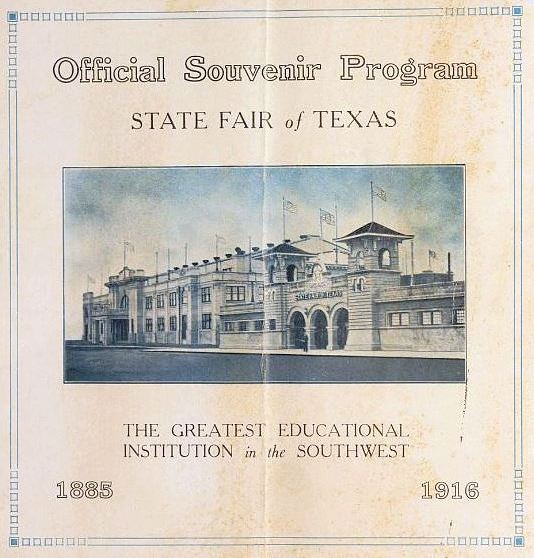
The ads in this post all appeared in a souvenir booklet, “Official Souvenir Program, State Fair of Texas: The Greatest Educational Institution in the Southwest, 1885-1916,” from the collection of the DeGolyer Library, SMU Libraries, Southern Methodist University — it can be accessed here.
If you enjoyed this post, please consider supporting me on Patreon for just pennies a day/five bucks a month! I share mini Flashback Dallas morsels daily. More info is here.
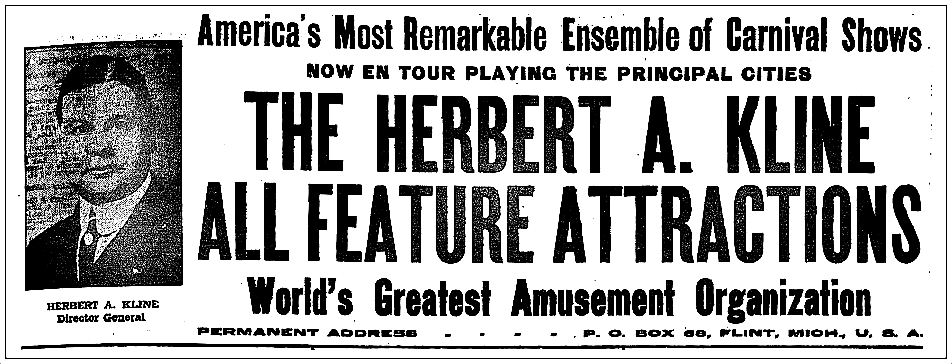
Herbert A. Kline (1873-1934) was a showman and promoter from Michigan who provided acts to several state fairs and large carnivals in the U.S. — his heyday appears to have been the 1910s. In 1909, he brought his troupe of performers and sideshow features to the State Fair of Texas. Most of the photos in this post are from promotional material for that 1909 season, with most of the photos showing Kline’s traveling “amusements.”
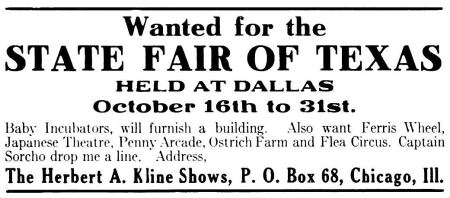
Two weeks before he got to Texas, he posted this ad in the entertainment trade magazine Billboard — I hope Capt. Sorcho (“the great deep-sea diver”) dropped him a line.
Billboard, Oct. 2, 1909
*
“THE BEAUTIFUL ORIENT” — included were dancers, gun-spinners, magicians, acrobats, and — somehow — wedding ceremonies. It also boasted “the cleanest and most refined dancing-girl show in America.”
*
“SUPERBA, THE BEST” — a collection of vaudeville-type performers, including one woman whose “talent” appears to be that she was attractive.
*
“MRS. D. H. KINCHELOE, WARBLER” (a whistler/reader/vocalist/pianist from Kentucky — her name is misspelled below) and “THE GREAT McGARVEY, FEMALE IMPERSONATOR” (Bert McGarvey was known for a nicely turned-out ankle, charisma, magnetism, and a specialty number called “The Sacred Cobra Dance”). They — along with Galetti’s Musical Monkeys — would appear after the more high-brow operatic singers.
*
“THE IGORROTE VILLAGE” — native peoples of the Philippines gave a sort of presentation on how they lived, employing what might be seen as primitive customs in daily life. (A description of a “performance” in New York’s Central Park noted that there were demonstrations on how to shrink heads, which might have been too “exotic” for Dallas.)
*
John T. Backman’s Troupe of Glass Blowers — this was absolutely fascinating (the sign alone!). Check out this entertaining articleabout the sorts of things these people did.
*
Also in Kline’s family of traveling show-folk:
A creature half-reptile and half-human
Russian Prince Midget, who speaks three languages, weighs less than 16 pounds, and whose crib was a cigar box
Alice, The Wonder, “who is acknowledged by the press and the public to be the strangest girl in all the world”
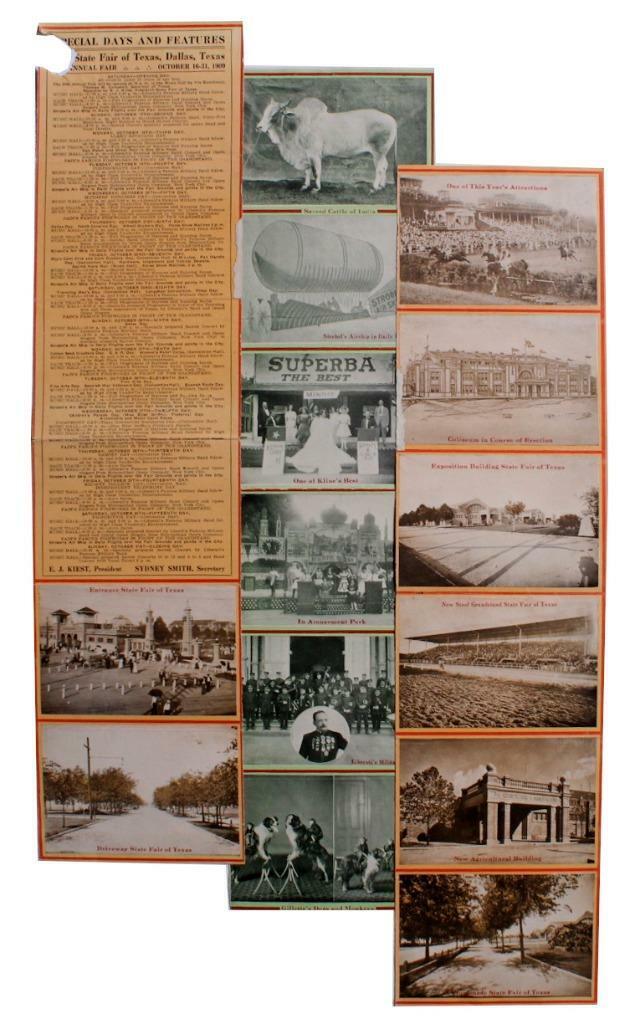
Here is an image from an eBay item, showing where these photos came from.
*
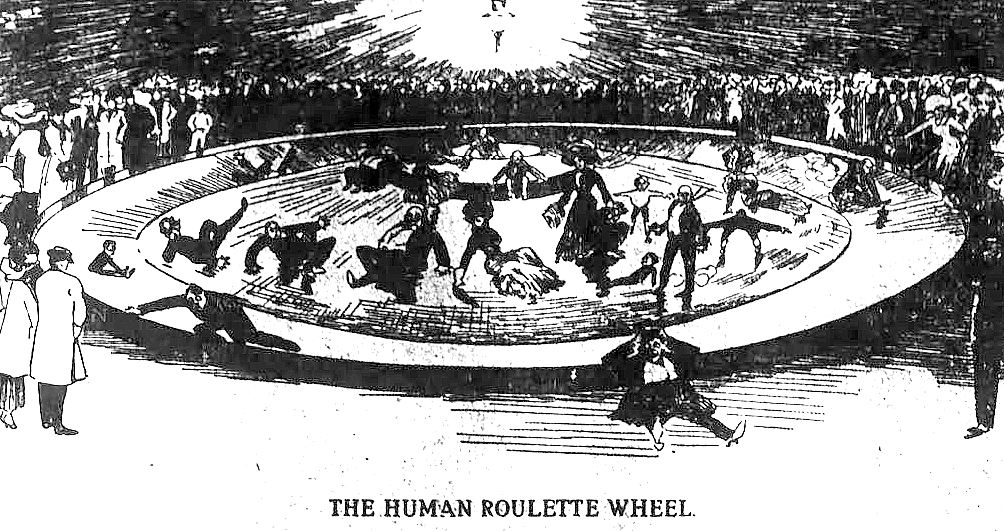
There was also a “ride” called “THE HUMAN ROULETTE WHEEL.” It was probably more fun for the spectators than for the participants.
Houston Post, Nov. 7, 1909
*
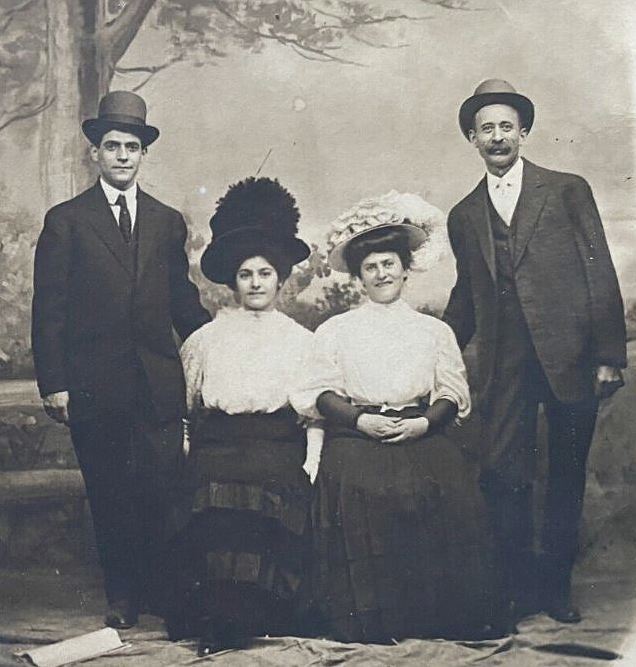
The prospect of being flung off a human roulette wheel might have been daunting to women of the period, who wore heels, corsets, long skirts, and big hats. Below are some typical fairgoers of the time, in a souvenir photo taken at the 1907 State Fair of Texas (Louis Block of Fort Worth, Miss Ray Goldsmith of Dallas, her sister Grace Goldsmith Rosenblatt, and Grace’s husband, David Rosenblatt). Imagine these people wandering around Fair Park and stopping in to see “the strangest girl in all the world” and watching people being hurled off a spinning disk.
via eBay
*
New York Clipper, Oct. 1912
*
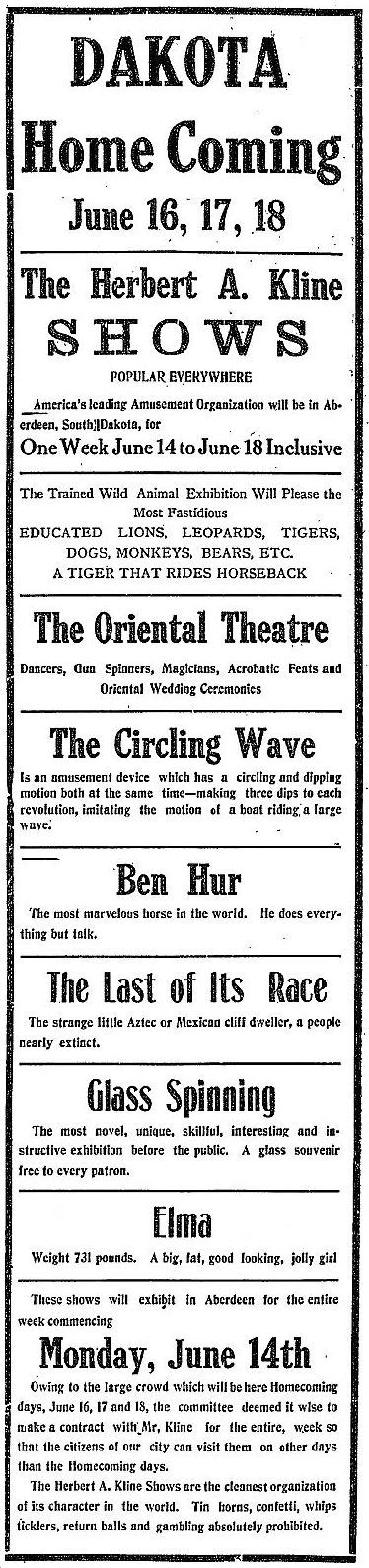
This ad for a South Dakota fair — a few months before Kline’s stop in Dallas — shows descriptions of several of the acts. (“A tiger that rides horseback.”)
Aberdeen (South Dakota) American, June 9, 1909
*
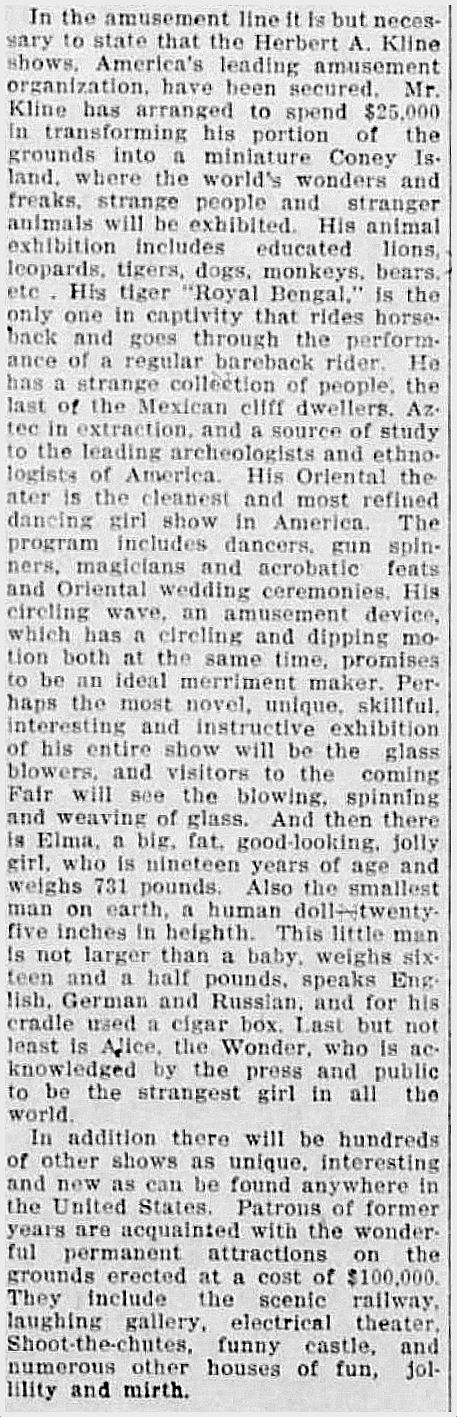
And a promotional article sent to local papers ahead of Kline’s arrival.
I don’t think the 1936 Texas Exposition at Fair Park could have oversold itself. It was everything it promised. The sensory overload must have been almost debilitating!
The night beauty of the Texas Centennial Exposition at Dallas isbreath-taking! Rainbow-hued fountains, rippling flags, colorful buildings, thousands of constantly changing lights blending into a symphony of thrilling, inspiring, gorgeous effects… A glamorous fairyland of scintillating light, color and cool water that alone will repay your trip. SEE this marvel of beauty!
*
“Have the time of your life in Dallas! […] Joyous days and nights of holiday-making await you … in one of the most magnificent settings ever conceived! […]The Texas Centennial Exposition at Dallas is being enthusiastically applauded as the most magnificent spectacle ever attempted on the American continent.”
*
“World’s Greatest Show for 50¢… Ample Tourist Accommodations… Come to Dallas!”
(According to the Inflation Calculator, 50¢ admission in 1936 would be equivalent to about $10 in today’s money. 10¢ hamburgers would be about $2, and 5¢ cold drinks would be about $1.)
*
“Dallas: Night Spot of the World! / Dallas: Day Spot of the World!”
***
Sources & Notes
Images from a promotional brochure offered recently on eBay.
Check out many previous Flashback Dallas posts on the Texas Centennial here.
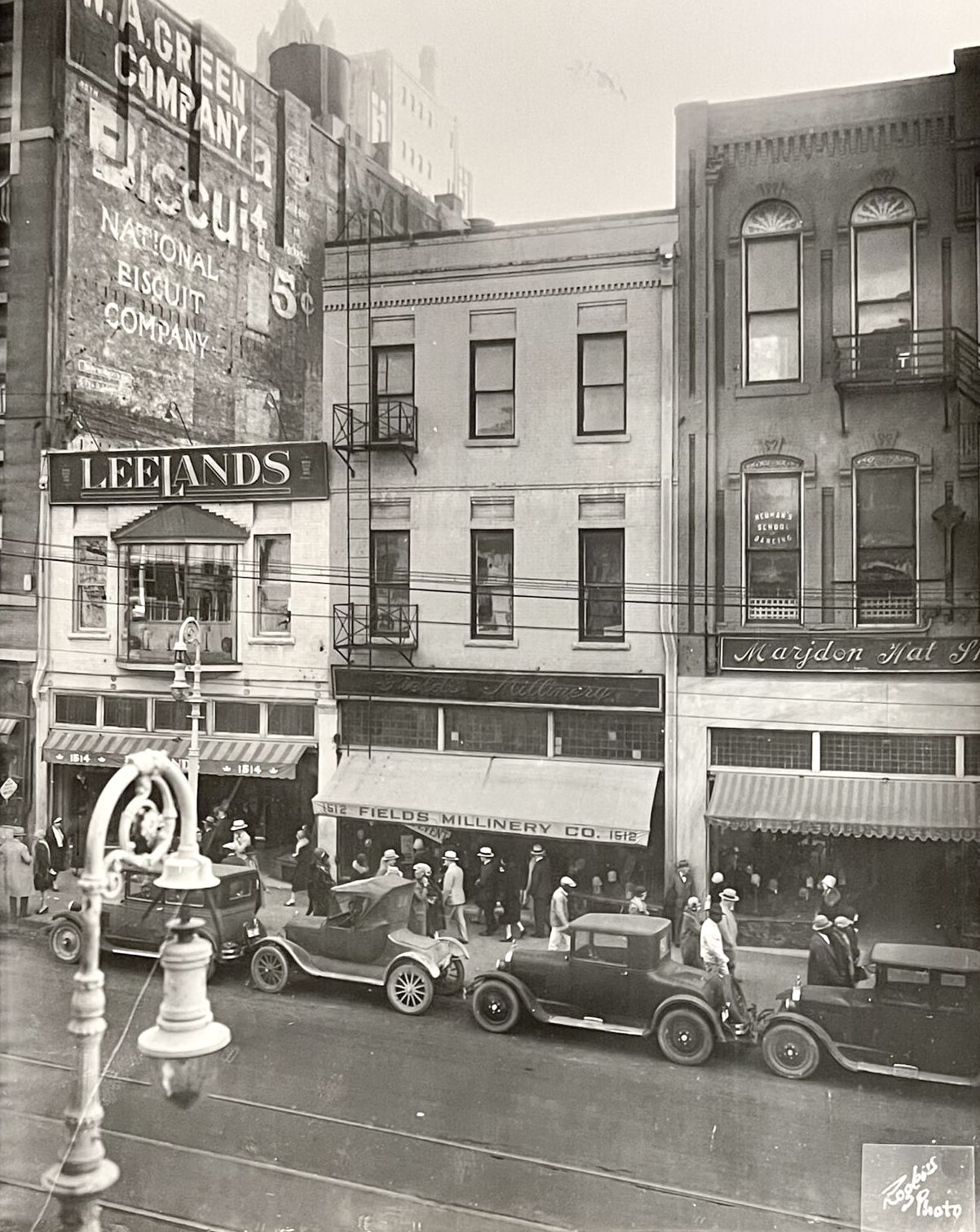
This is a great photo by Frank Rogers showing businesses on the south side of the 1500 block of Elm Street, between Stone and Akard (see it today on Google Street View here — some of these buildings are still standing). Mid-1920s? Back when Elm ran two ways, and you could park your rumble-seated roadster at the curb.
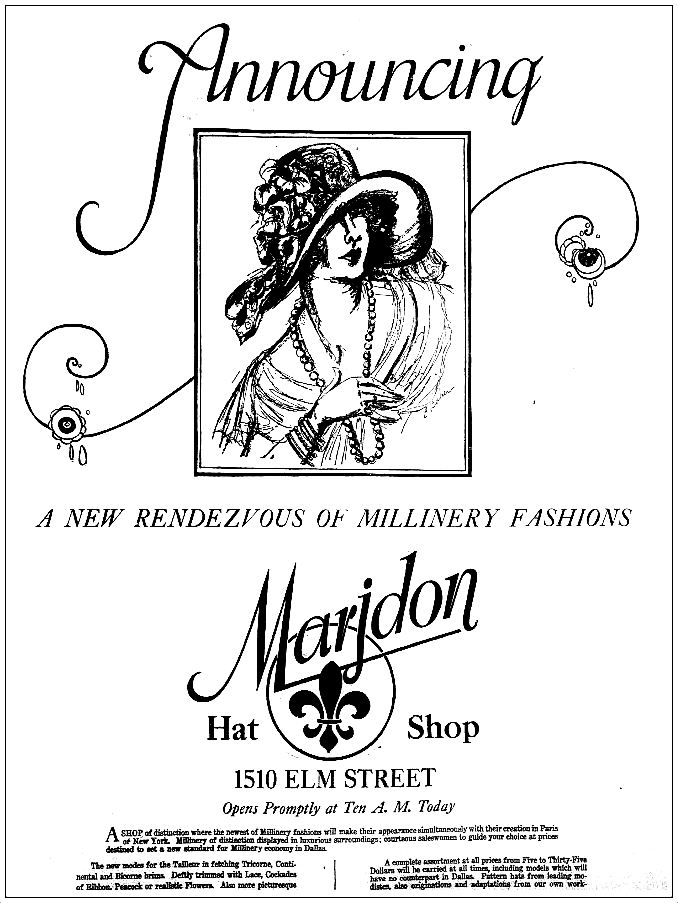
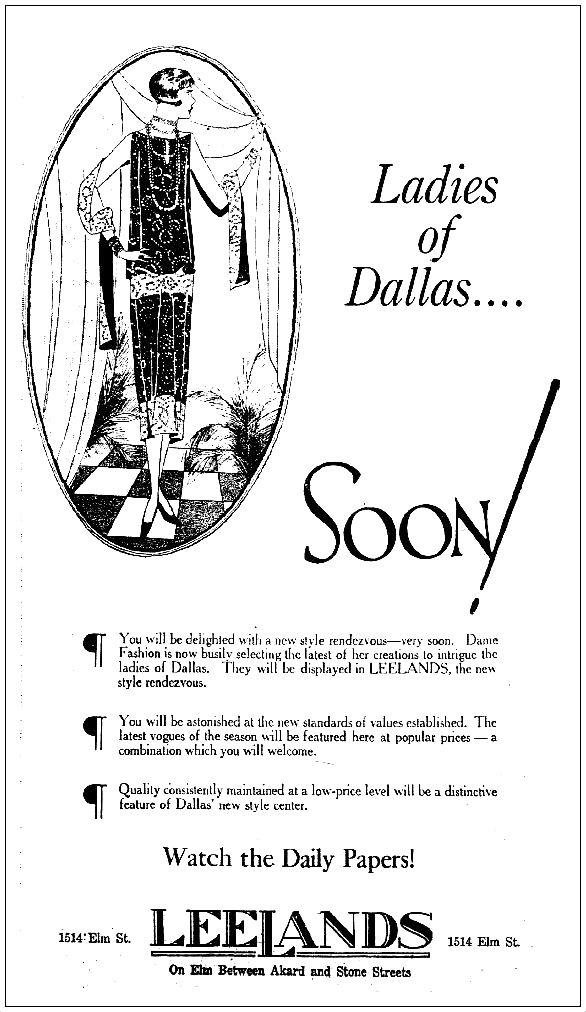
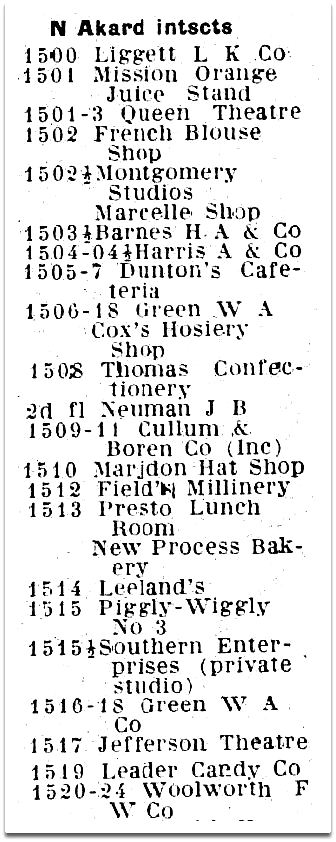
Mostly out of frame at the left is the W. A. Green department store (1516-18 Elm), then, moving east to west, Leelands women’s fashions (1514 Elm), Fields Millinery Co. (1512 Elm), part of the Marjdon Hat Shop (1510 Elm), and, above the hat shop, Neuman’s School of Dancing. (“Marjdon” must be one of the most annoying and hard-to-say business names I’ve come across.)
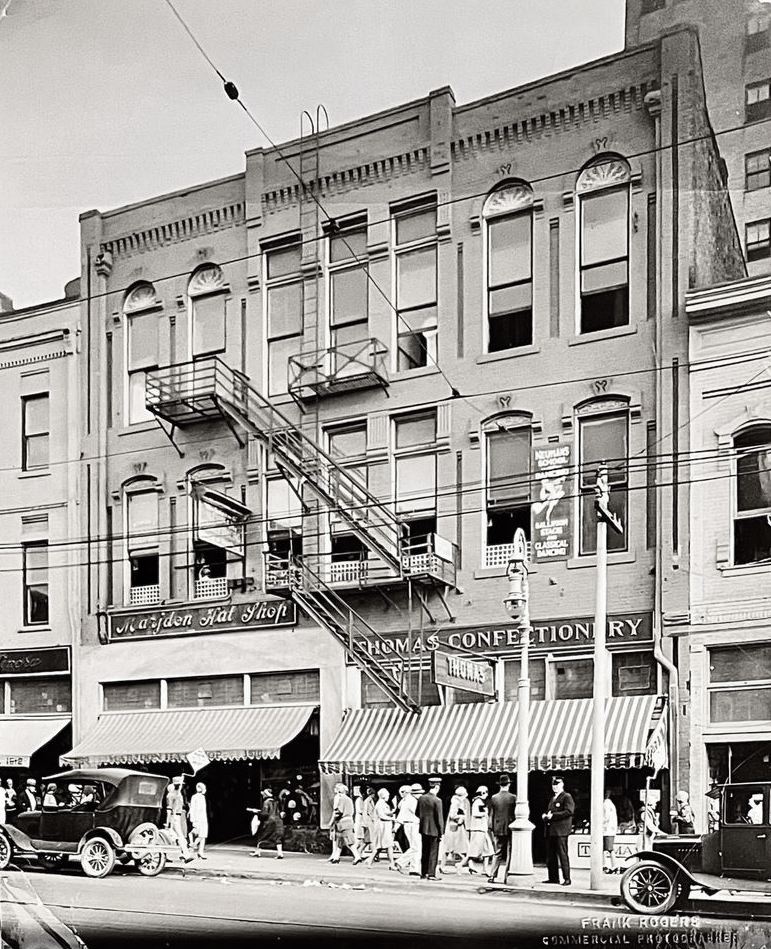
The block continues in the photo below, in another photo by Rogers (this building has been replaced and is now a parking garage).
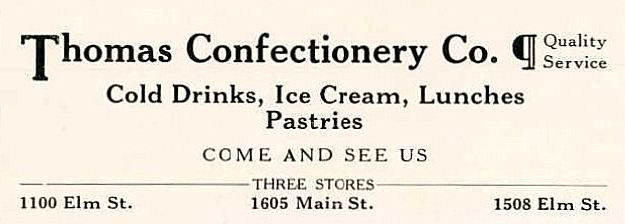
We see a full shot of Marjdon (that name…). Previously (1916-1924), that street-level space was occupied by the Rex Theater. Next door is Thomas Confectionery (1508 Elm, one of the company’s several downtown locations), which, according to the promotional postcard below was the “largest confectionery in the state.”
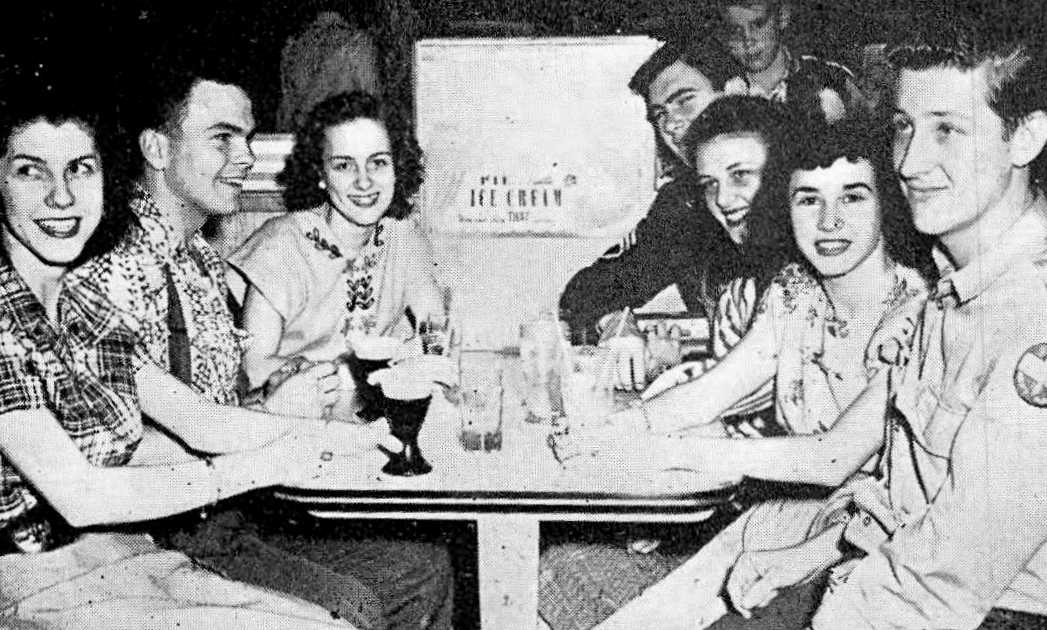
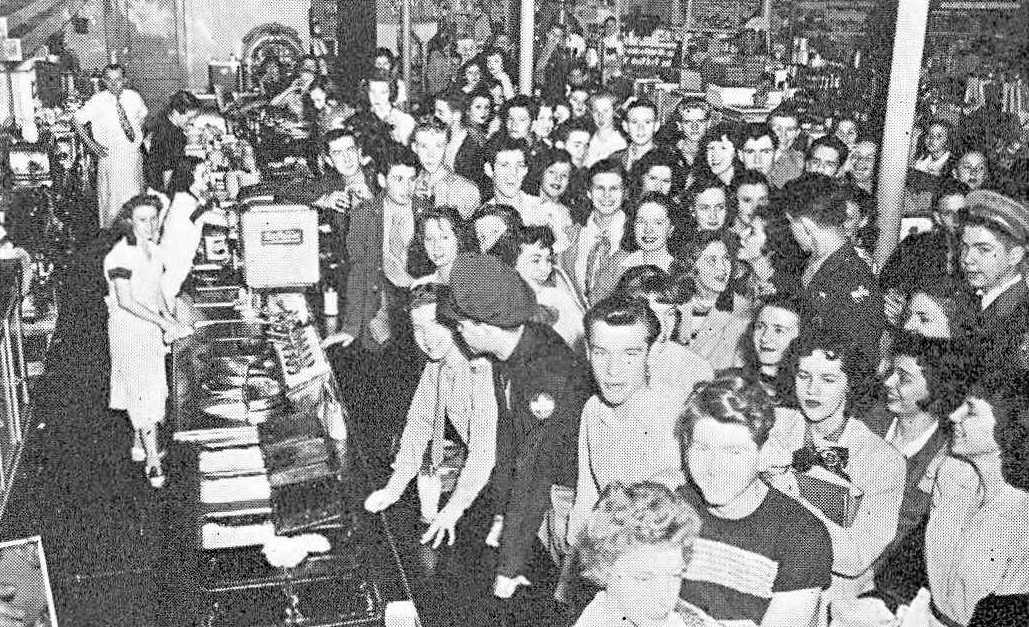
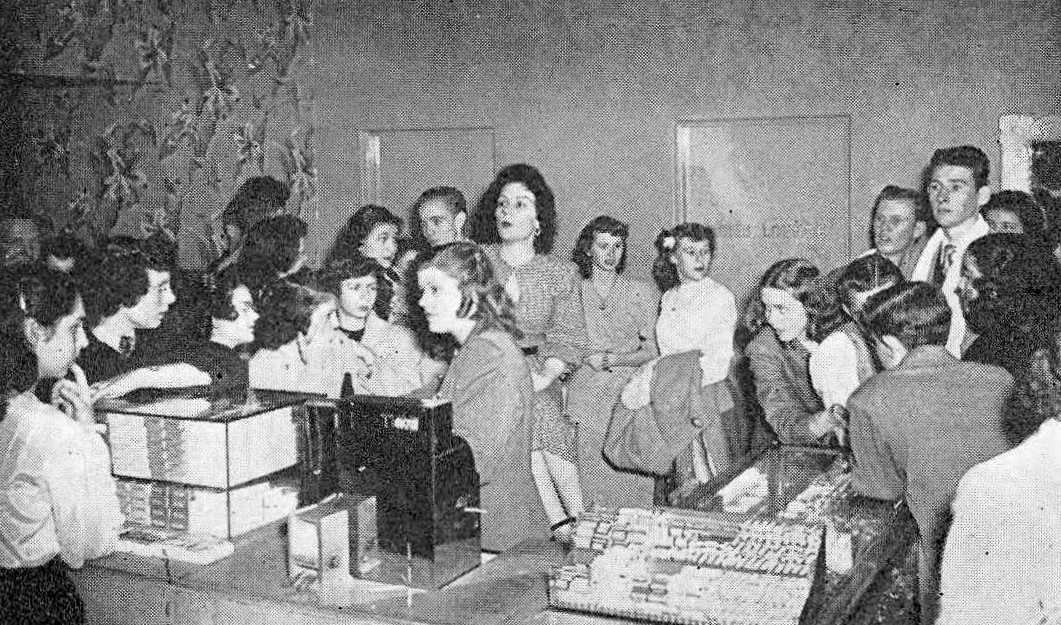
Photos from the 1948 Woodrow Wilson High School yearbook show how kids hung out in post-war Lakewood and Lower Greenville. I don’t know where some of these photos were taken — if you do, please let me know!
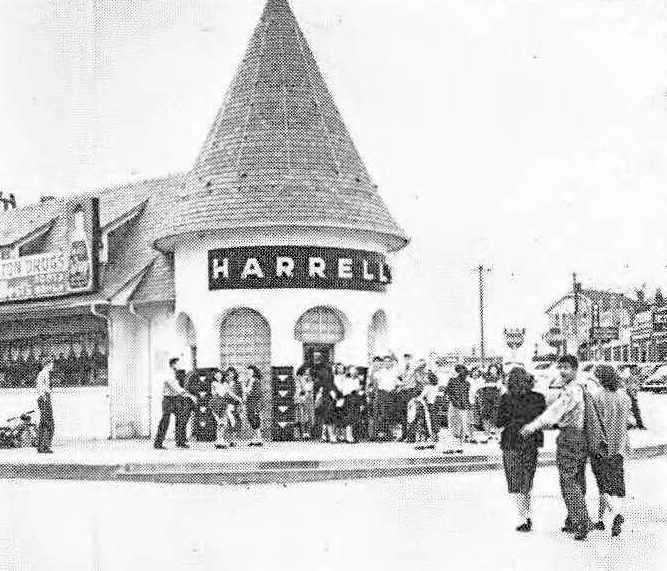
Above, there were lots of soda shops/pharmacy fountains to patronize. Including Harrell’s, in the familiar-to-anyone-who-has-spent-any-time-in-Lakewood turreted still-there building, below.
And here:
And here:
And here, where dressed-up teens are waiting for a table:
And here, the “fancy” Sammy’s on Greenville Avenue (right across the street from the less fancy Sammy’s):
I have been obsessed with this building (just south of the intersection of Greenville and Ross) my whole life. Was there open-air dining upstairs? Dancing?
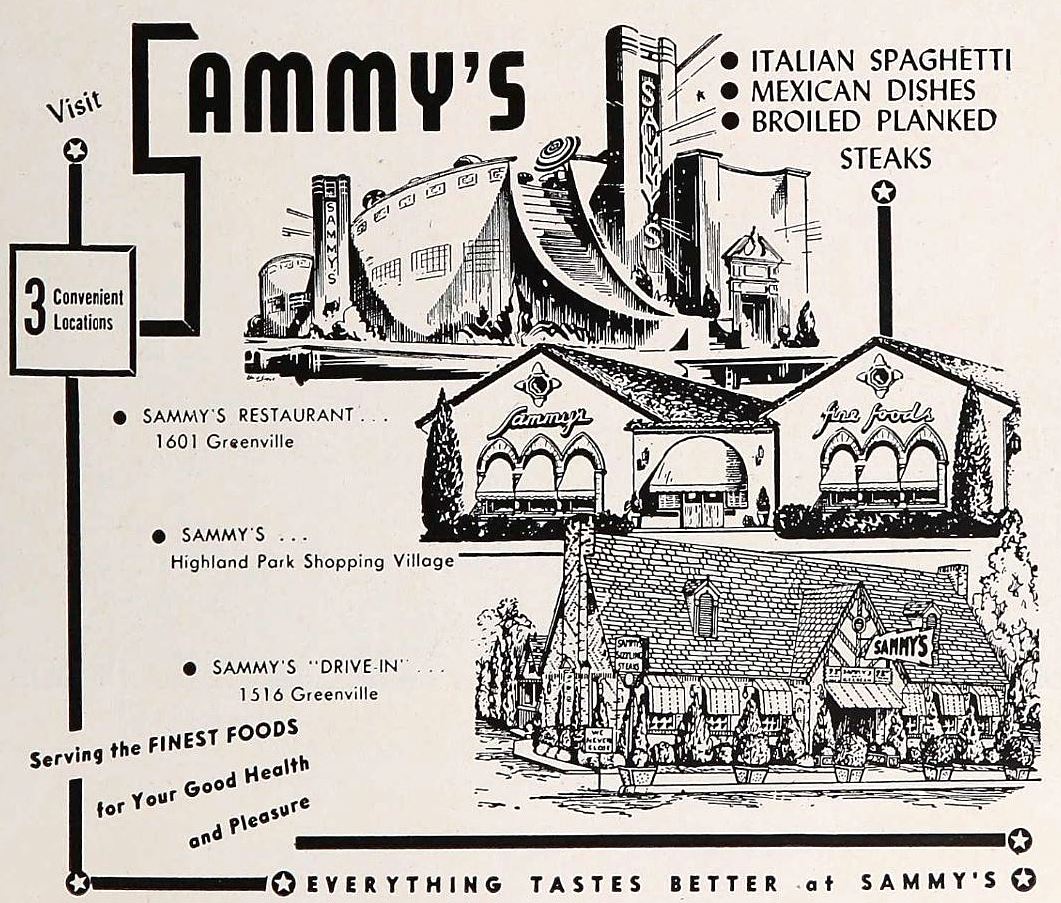
Since I mentioned it, these were the three Sammy’s which were in operation in 1945 — the two on Greenville and one in Highland Park Village:
So, yeah, there was lots of hanging around for Woodrow kids back in 1948.
***
Sources & Notes
All images (except the ad for Sammy’s) are from the 1948 Crusader, the yearbook of Woodrow Wilson High School.
Sammy’s ad is from the 1945 Highland Park High School yearbook.
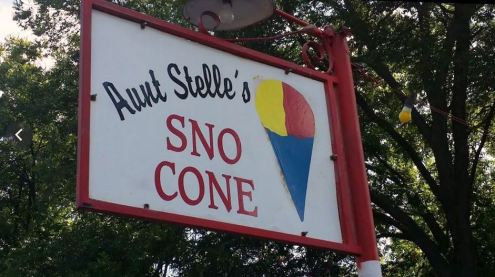
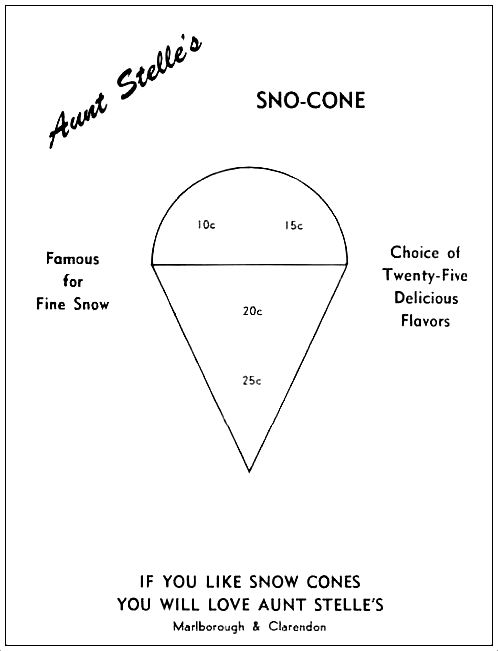
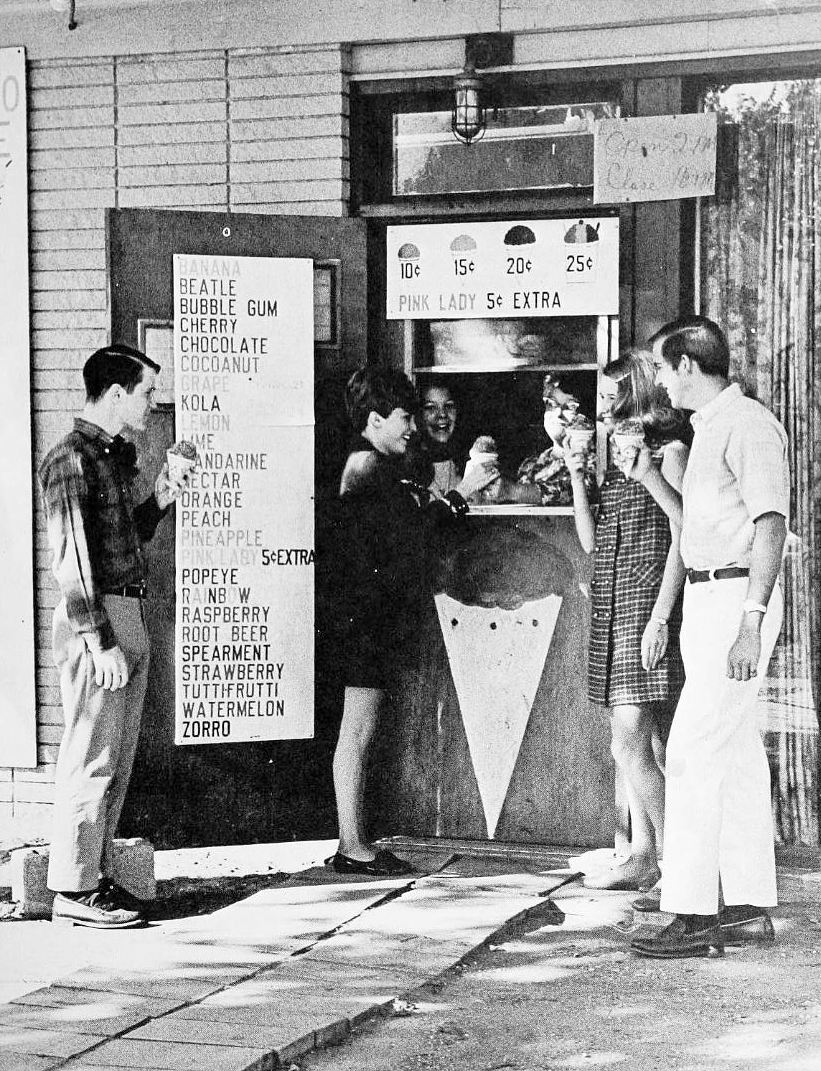
This has been a brutally hot summer. The kind of summer when a snow cone would really hit the spot at just about any sweltering hour of the day. One place that was famous for its snow cones (they were described as being like “fine snow”) was Aunt Stelle’s Sno Cone, at 2002 W. Clarendon (at Marlborough) in Oak Cliff. Established by Estelle Williams in 1962, the little stand was hugely popular until it officially closed in 2018. Her snow cones were flying out of there every summer season for more than 55 years! To generations of customers. Not many businesses can boast that kind of longevity and patron loyalty. (One of those loyal patrons was Oak Cliff homeboy Stevie Ray Vaughan.)
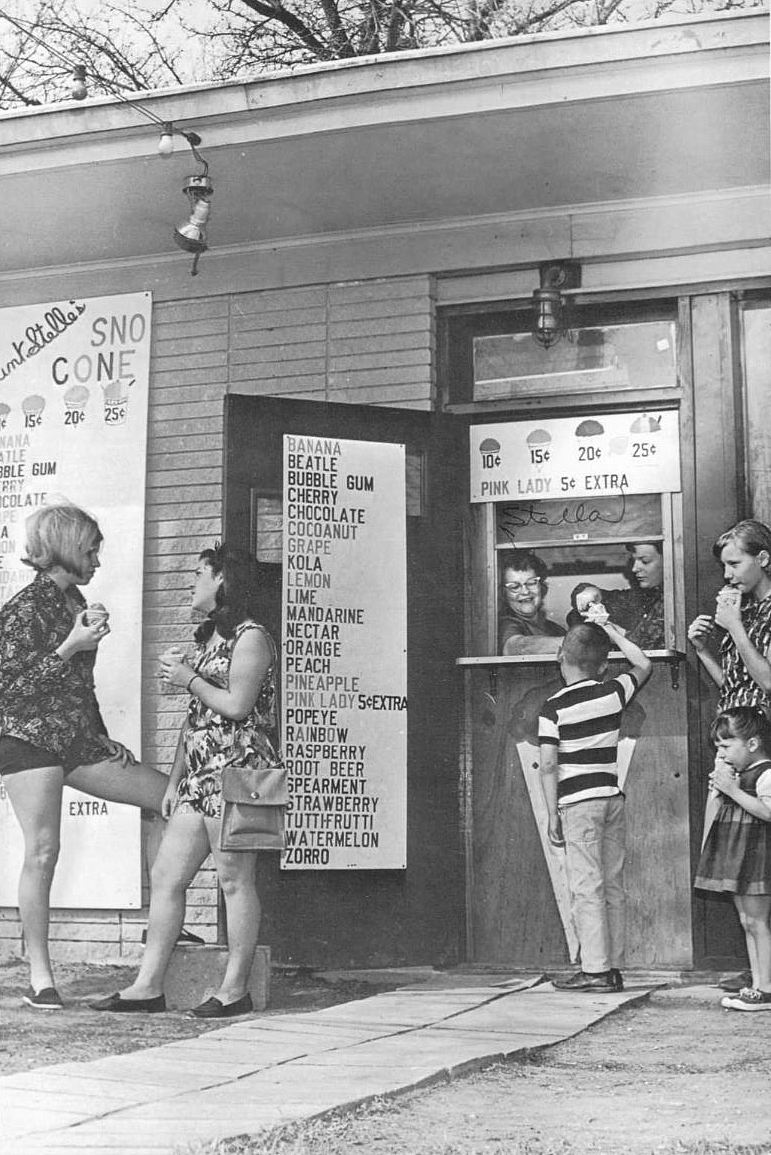
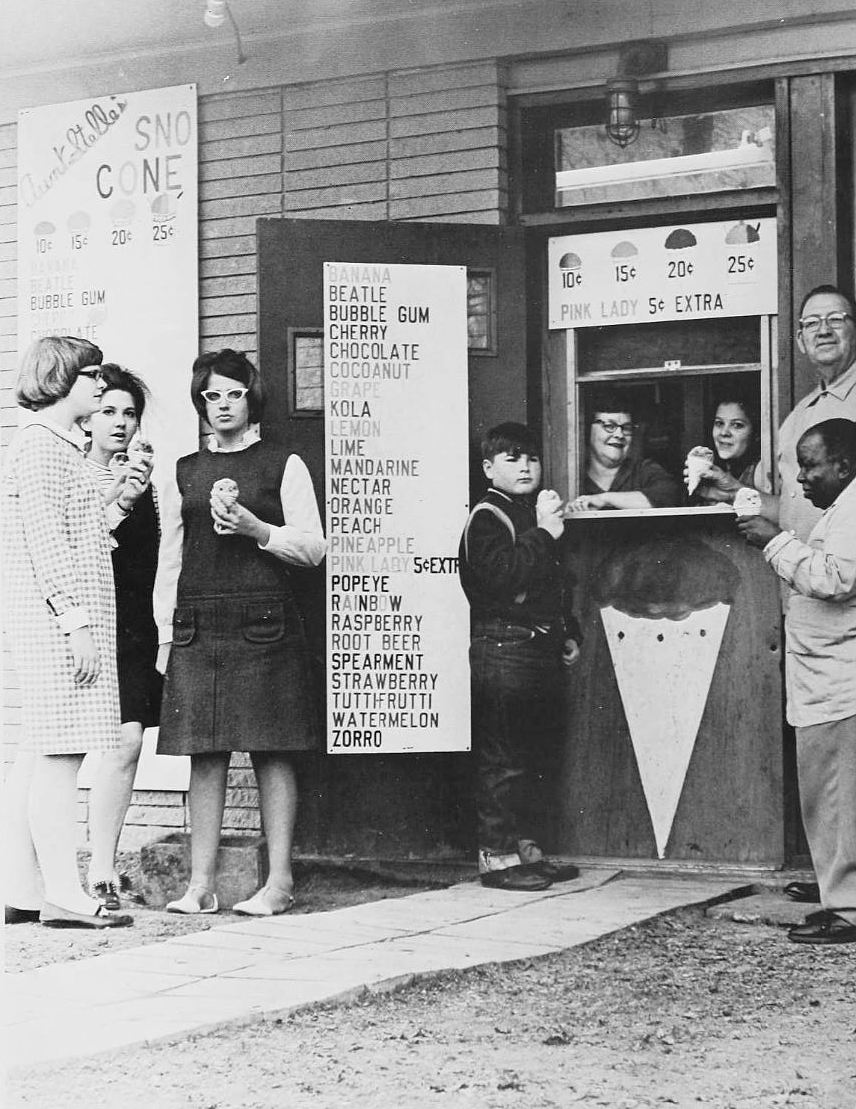
Having not grown up in Oak Cliff, I wasn’t familiar with Aunt Stelle’s until I saw the photos below which appeared as ads in editions of the Sunset High School yearbook. You can see Estelle in the window. She looks exactly like the kind of person I’d want serving me a delicious, refreshing, messy treat.
Speaking of the treats, check out that menu board! I understand the “Beatle” tasted like a grape SweeTart, the “Zorro” tasted like licorice (and it was black!), the “Pink Lady” tasted like vanilla ice cream, and the “Popeye”… I really wanted it to be green and taste like spinach, but apparently it tasted like gumballs (what a missed opportunity!).
*
1967 Sunset High School yearbook
1967 Sunset yearbook
1968 Sunset yearbook
1969 Sunset yearbook
***
Sources & Notes
Top image of the Aunt Stelle’s sign is from Google — the photographer is listed simply as “Scott.”
A great story about Aunt Stelle’s can be found in the Dallas Morning News archives in the story “Sno Days: Aunt Stelle’s Has Been Keeping Oak Cliff Cool for 40 Seasons” by Dave Tarrant (DMN, June 22, 2001).
Consider supporting me on Patreon! Five bucks a month gets you daily morsels of Dallas history!
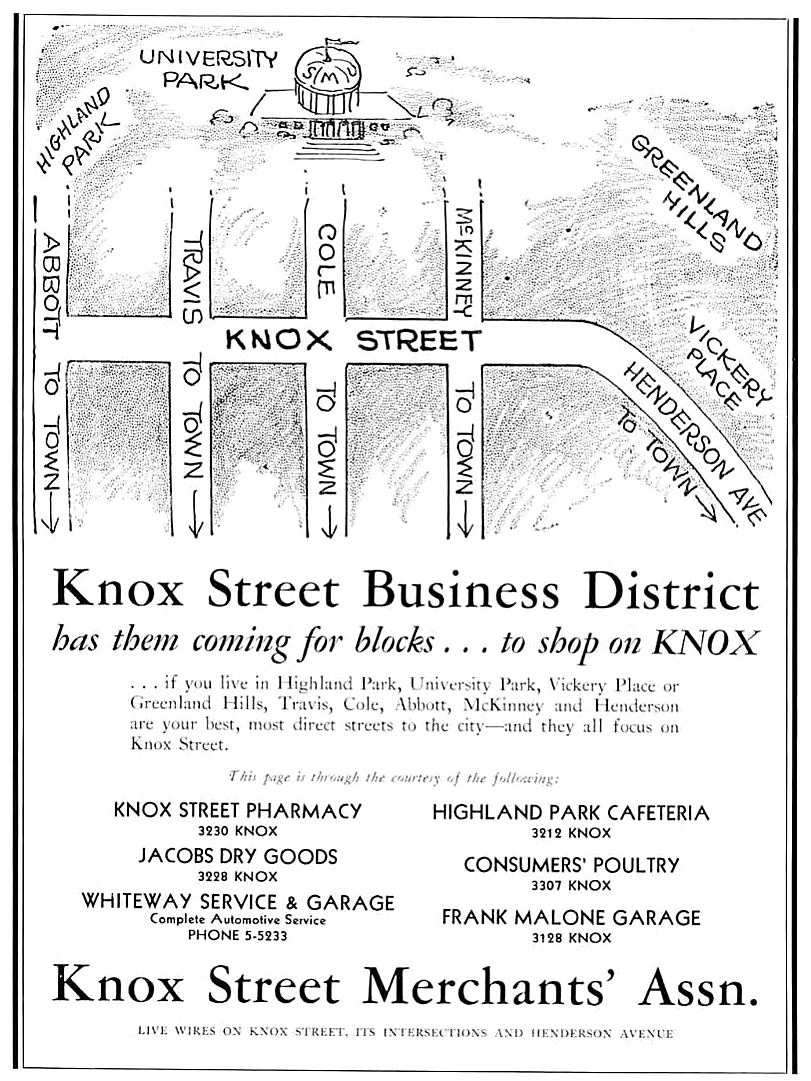
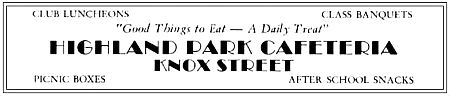
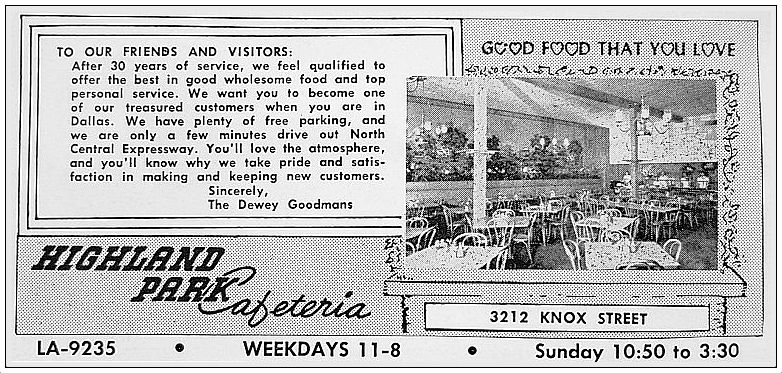
A quick post today! Above, the much-loved, much-missed Highland Park Cafeteria (3212 Knox), a proud member of the Knox Street Merchants’ Association, the latter of which has drawn up a not-terribly-helpful, pre-Central Expressway map, as seen below, with handy arrows pointing to town.
1932
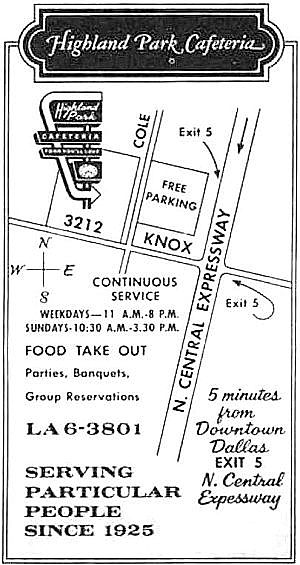
From a couple of decades later, a matchbook graphic (with a more helpful map), reminding you that the HPC has been “serving particular people since 1925”:
I’m just going to add these things here, because, so far, this is my only post on the HPC, and I might as well keep everything together.
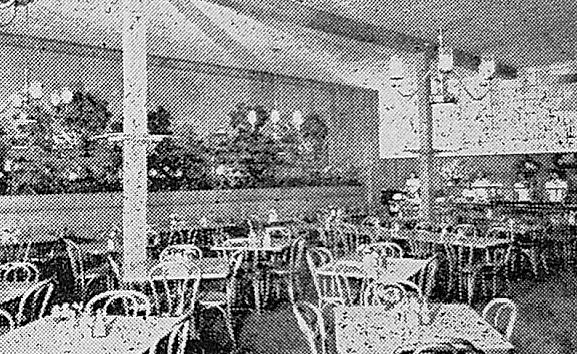
I saw the 1956 ad below, and, even though the photo in the ad is pretty poor quality, it looked like there was a mural there. I’m always interested in murals — most of the time a photo like this is the only chance to see them because they are inevitably painted over or demolished. Anyway… was there a story behind the mural? What did it show?
Dec. 1956
Here it is larger, but the resolution is still low, and the hanging light fixtures directly in front of the mural don’t help:
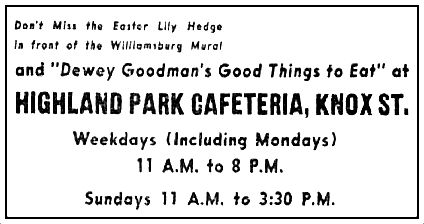
I found only one mention of a mural at the Highland Park Cafeteria — in this 1950 ad, which mentions “the Williamsburg mural,” as if it were a well-known feature of the restaurant:
April 1950
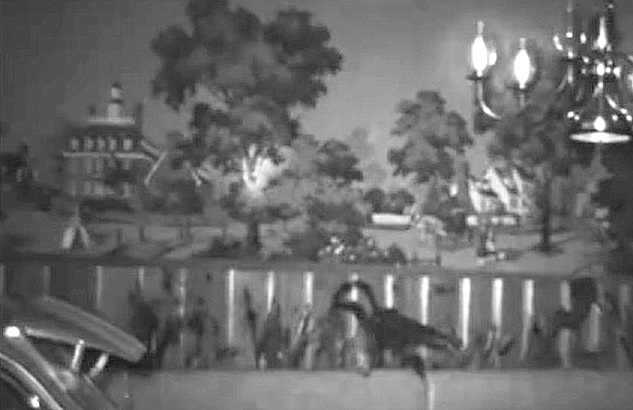
Then I asked about it on the Flashback Dallas Facebook page — and that led to this muddy screenshot glimpse of the mural from unknown news footage from 1953. Yep, Colonial Williamsburg, above a long planter. I’m not sure why that was immortalized on a wall of the Highland Park Cafeteria, but if anyone was wondering about any sort of HPC mural, these few paragraphs are for you!
***
Sources & Notes
Photo from Pinterest.
Knox Street Merchants’ Association ad from the 1932 SMU Rotunda. (That whole area has gotten cramped and is certainly more claustrophobic than when I was a kid, but I’m sure the present-day business owners would probably still echo the 1932 sentiment “Knox Street Business District has them coming from blocks … to shop on Knox.”) (Also, it isn’t often that I see ads mentioning Greenland Hills, the general M Steets area, adjacent to the neighborhood I grew up in.)
Matchbook (detail) from the George W. Cook Dallas/Texas Image Collection, DeGolyer Library, SMU Libraries — the full image and more information can be found here.
I’m on Patreon! If you’d like to support me and get new posts daily, head over here.
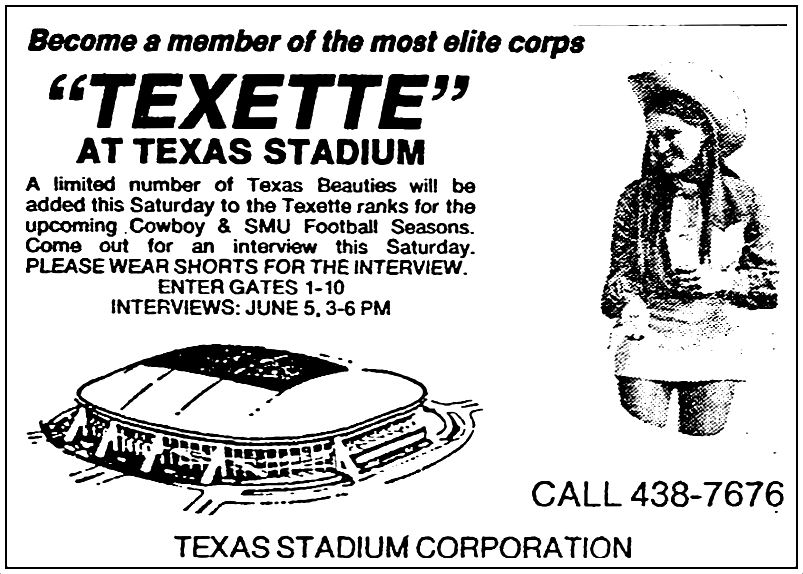
I will never be accused of knowing anything about sports — or even about things that are sports-adjacent — but I’m fairly literate in pop culture, and I am genuinely surprised that, until yesterday, I had never heard of the “Texettes.” I have no idea how long they lasted (for all I know, they’re still around!), but it was from 1971 until at least 1984 (I say 1984 only because there was a classified ad in the The Dallas Morning News announcing Texette auditions in June of that year — but Blackie Sherrod mentions them in what I think is the present tense in a 1989 column, so they might have been around into the ’90s). Seriously, how have I never heard of them? There’s almost nothing about them online, which is weird, because they were around for a significant amount of time.
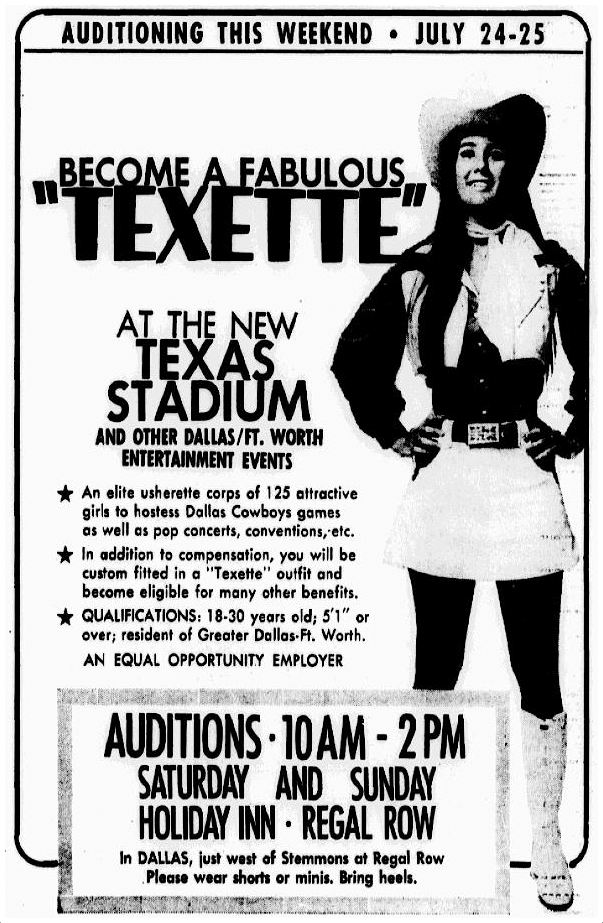
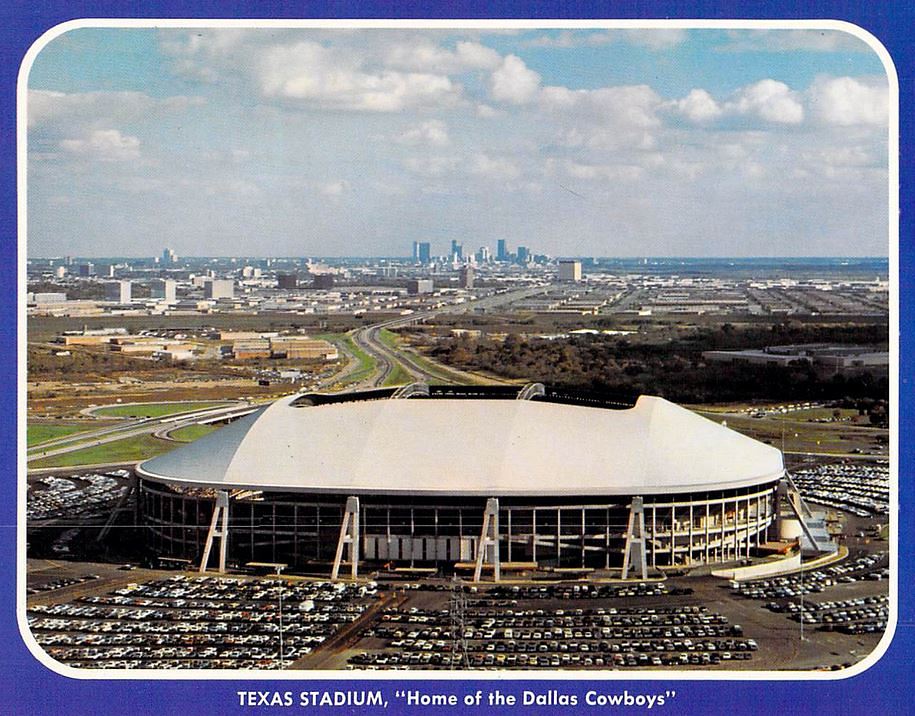
The ad above, announcing the first-ever Texette auditions, appeared in the Dallas and Fort Worth newspapers on July 21, 1971. The opening of the brand-new Texas Stadium was on the horizon (the first Dallas Cowboys game to be played there was on Oct. 24, 1971), and the huge stadium was going to be 100% unfamiliar to Cowboys fans — they were going to need people to help them find stuff. Here’s where the Texettes came in. They were described as “hostesses” and “usherettes” who wore mini-skirts and go-go boots. Open auditions were held to find 125 Texettes. Hopefuls were advised to wear hotpants or mini-skirts and heels. The only qualifications appear to have been that the “girls” be between the ages of 18 and 30, at least 5’1″, DFW residents, and attractive.
*
BECOME A FABULOUS ‘TEXETTE’ AT THE NEW TEXAS STADIUM
and other Dallas/Ft. Worth entertainment events.
An elite usherette corps of 125 attractive girls to hostess Dallas Cowboys games as well as pop concerts, conventions, etc.
In addition to compensation, you will be custom fitted in a “Texette” outfit and become eligible for many other benefits.
**
Texettes were “hostesses” who smiled and welcomed people to the stadium, helped fans find their seats, and gave tours. (They also seem to have functioned as something not far removed from cocktail waitresses in the press box.) The first year (1971) they were paid $8 a game (equivalent in today’s money of about $60). They also appeared at various DFW events as sort of all-purpose Chamber-of-Commerce-like greeters with toothy smiles and toned thighs.
Their outfits consisted of white knee-high go-go boots, blue mini-skirts, white blouses, vests, yellow neckerchiefs, and white cowboy hats. They pre-dated the “sexy”-era of Dallas Cowboys Cheerleaders (before the famous cheerleaders we know today, high school students cheered the team on at the Cotton Bowl), but the Texettes’ Western-inspired, drill-team-inspired costumes might have served as a kernel of the inspiration for those of the Dallas Cowboys Cheerleaders. It’s interesting (to me, anyway) that the Texettes and the Cheerleaders existed at the same time for a few years — for quite a while, in fact. Seems like they might cancel each other out. But I guess the Texettes were more cute-girl-next-door cowgirls in the stands, and the cheerleaders were sexy-girl-you’ll-never-be-able-to-talk-to-in-real-life cowgirls on the field.
As I said, I’d never heard of this “elite usherette corps” before yesterday. If anyone knows how long they were a thing, please comment below.
**
I’ve found two bits of film of Texette auditions (both are in the indispensable WFAA archives held by the Jones Film Collection at SMU). The first is from July 1971 (the same audition advertised in the top ad) — it can be seen in Channel 8 footage below (there are two separate clips — at the 19:44 mark and at the 24:26 mark). The report is delivered by a frightened man giving off “Tim Calhoun” vibes.
*
A later report — from 1975 — shows another try-out. The reporter notes that the job has unique perks, like maybe finding a football-player husband or catching the eye of a talent scout. By then, the pay had jumped to $10 an appearance, and there were a lot more applicants.
*
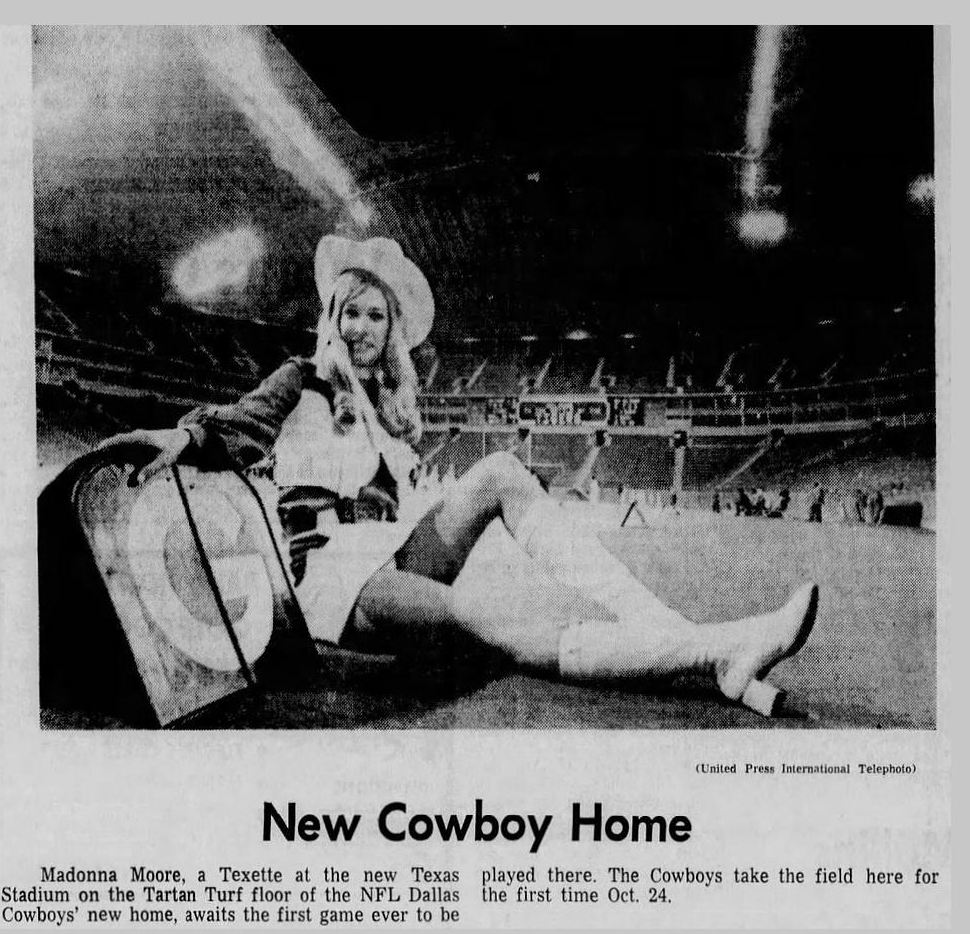
Below, a new Texette (Madonna Moore) on the field at Texas Stadium. This might have been taken on Oct. 15, 1971, the day the very first football game was played there (local team Bishop College lost to Texas Southern University, 34-21).
Bradenton (FL) Herald, Oct. 16, 1971
*
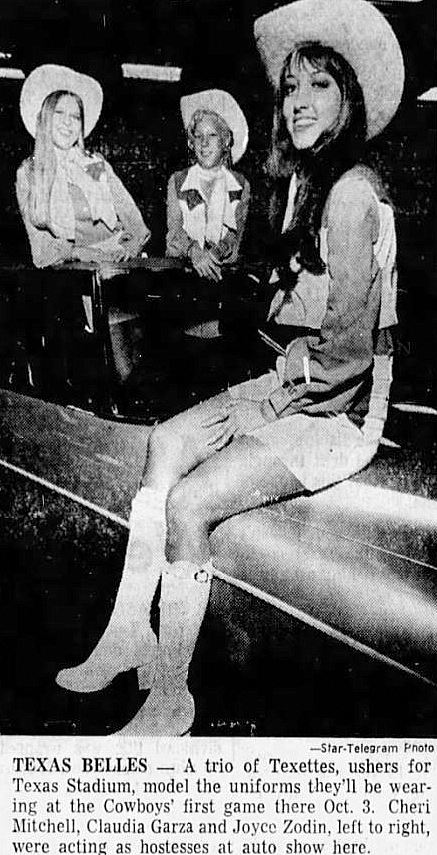
Showing off their new outfits are Texettes Cheri Mitchell, Claudia Garza, and Joyce Zodin. (The caption was incorrect about the date the Cowboys would take the field — that wasn’t until Oct. 24, 1971, in a game against the New England Patriots, which they won 44-21.)
Fort Worth Star-Telegram, Sept. 16, 1971
*
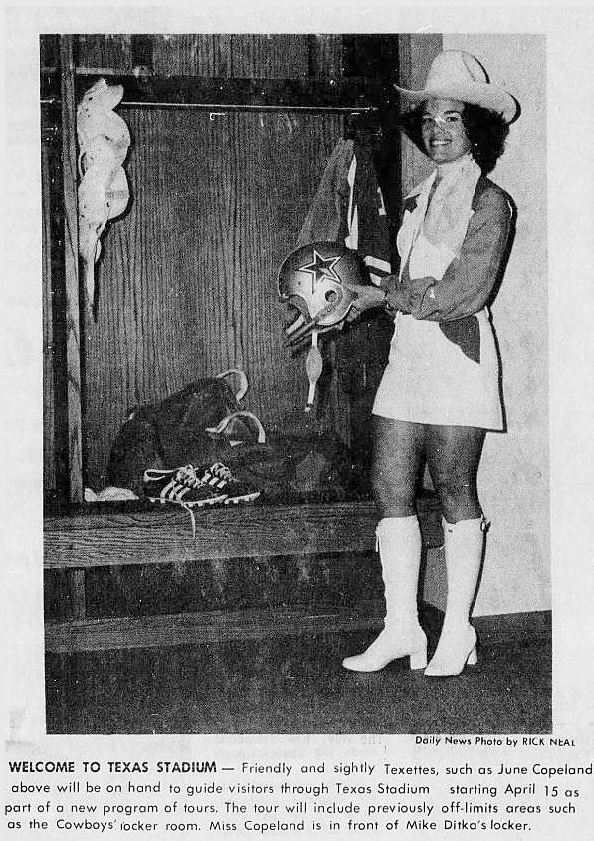
Texette June Copeland stands in front of Mike Ditka’s locker, which appears to have been rifled through.
Irving Daily News, Apr. 5, 1972
*
The Texettes were still going strong in 1982 as they entered their 11th year. I think the skirt has gotten shorter.
June 1982
*
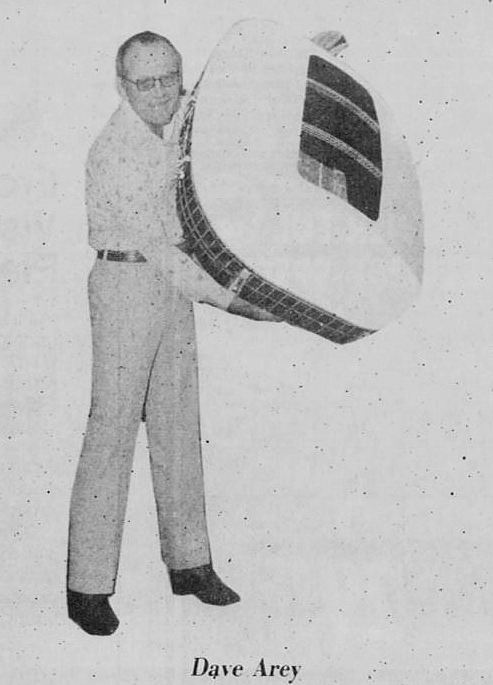
This has nothing to do with the Texettes, but I love this photo of Dave Arey, director of operations at Texas Stadium. He’s seen here holding a replica of the stadium, which seems like it would have been perfect as a doggie bed.
Irving Daily News, Aug. 22, 1976
*
***
Sources & Notes
This originally appeared in a slightly different form this morning as a post on my Patreon page (where I post daily Dallas-history tidbits for subscribers who are generously supporting me for as little as $5 a month).
Today is my late father’s birthday. He was, in every respect of the word, a “bookman.” Every year on his birthday I post something bookstore-related.
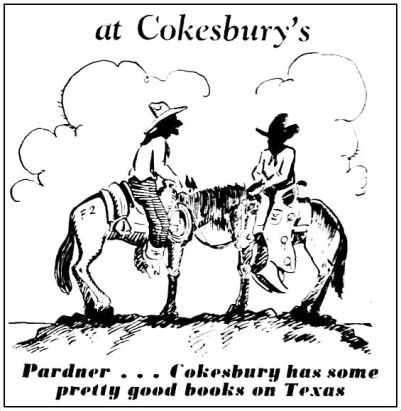
His specialty was Texana and Western Americana. This Texas-themed Cokesbury’s ad is from September 1947, the same month The Aldredge Book Store opened (the store my father — Dick Bosse — eventually owned, a store which was also known for having “some pretty good books on Texas”).
***
Sources & Notes
This ad appeared in the Sept. 28, 1947 edition of The Dallas Morning News.
Read other Flashback Dallas posts on bookstores here.

 Dallas Herald, Nov. 25, 1877









 Billboard, Oct. 2, 1909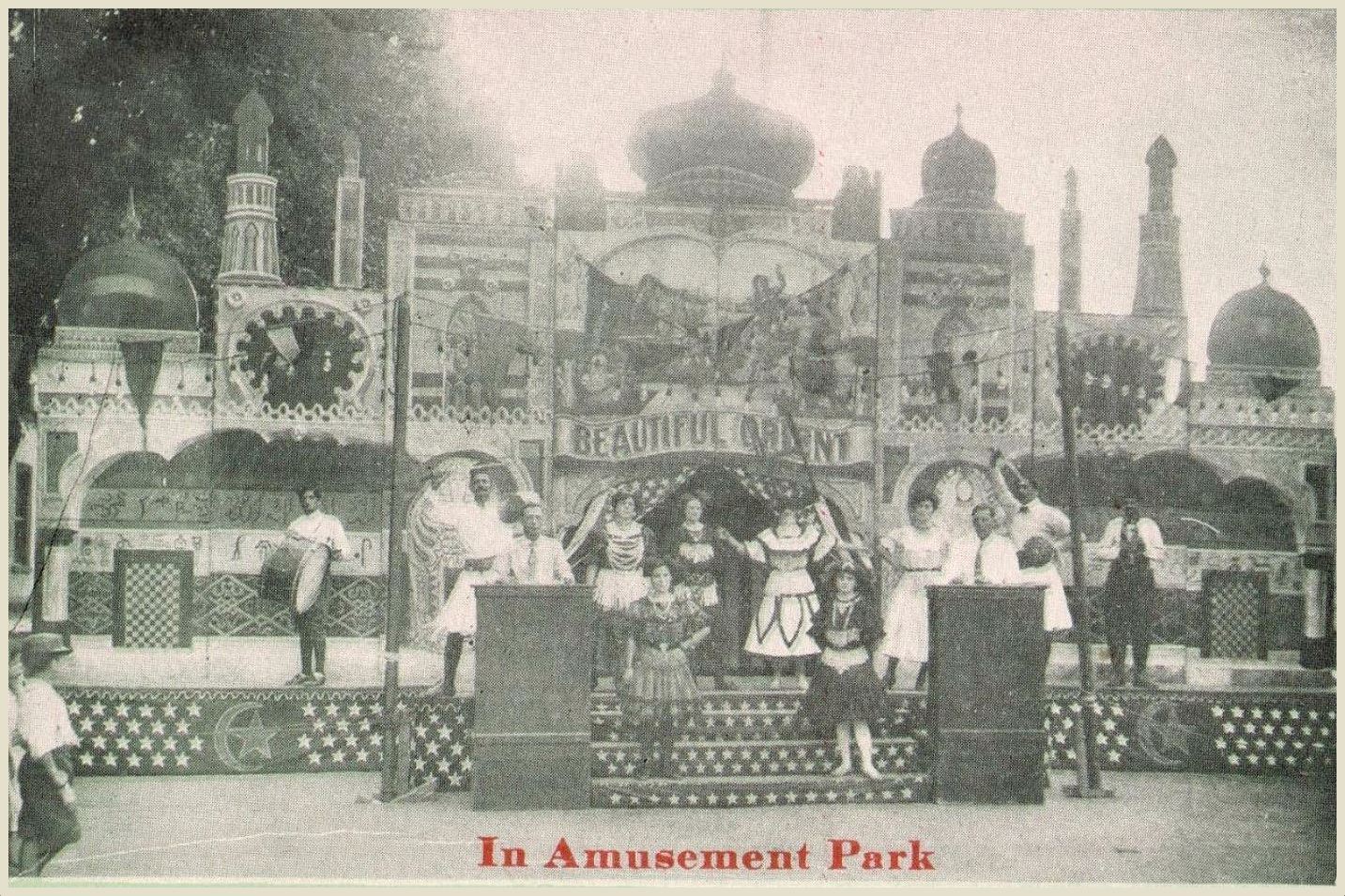











 An Oak Cliff oasis…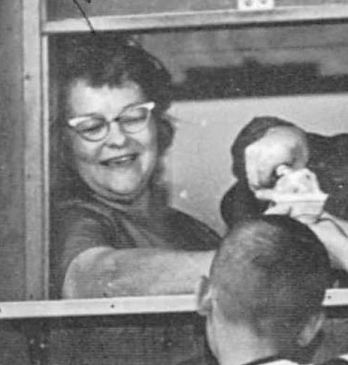




 Flashback : Dallas