Flashback : Dallas

A Miscellany: History, Ads, Pop Culture

Category: African American Dallas

Life on Hall Street — 1947
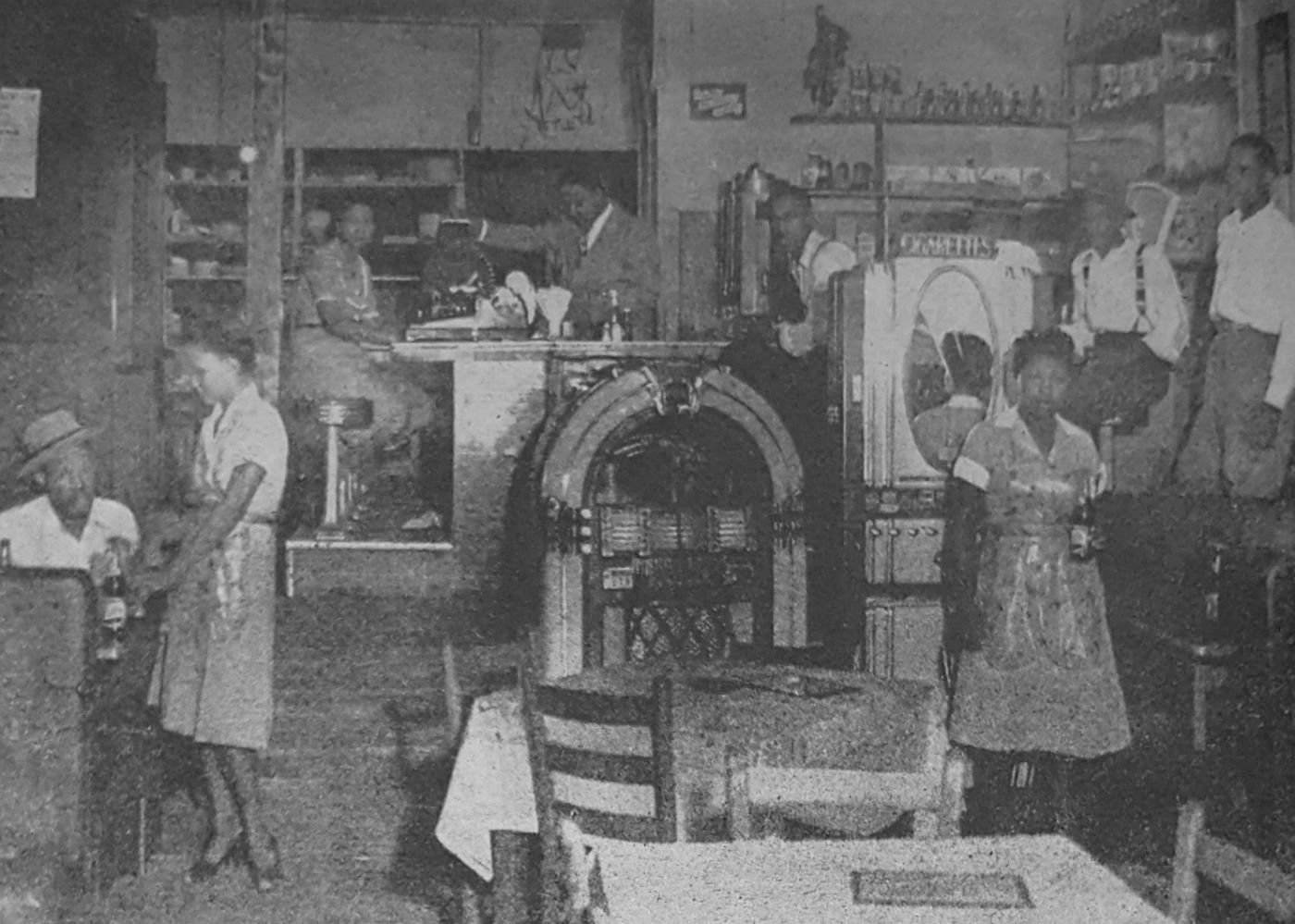
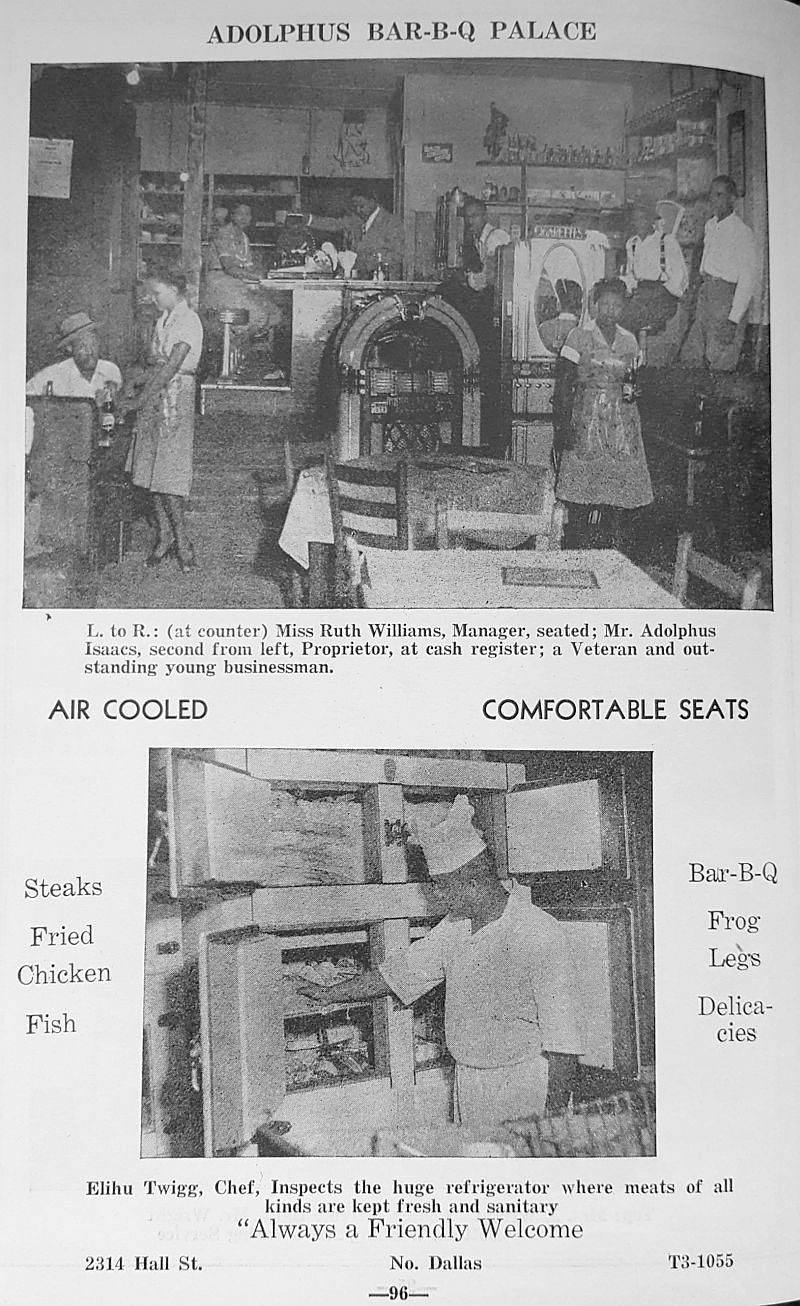
adolphus-bar-b-q_dallas-negro-directory_1947-48_dining-roomInterior of Adolphus Isaac’s Bar-B-Q Palace…

by Paula Bosse

Here are a few post-war ads for businesses in the 2200 and 2300 blocks of N. Hall, between Thomas and State, in the heart of “North Dallas,” a once-thriving business and entertainment district which catered to Dallas’ black community, until construction of Central Expressway sliced it in half a year or two after these ads appeared. These two blocks are completely unrecognizable today (a Google Street View looking north on Hall from Thomas can be seen here), and evidence that this area was once a lively African American neighborhood teeming with small businesses, cafes, and clubs exists almost entirely in old photos and ads like these.

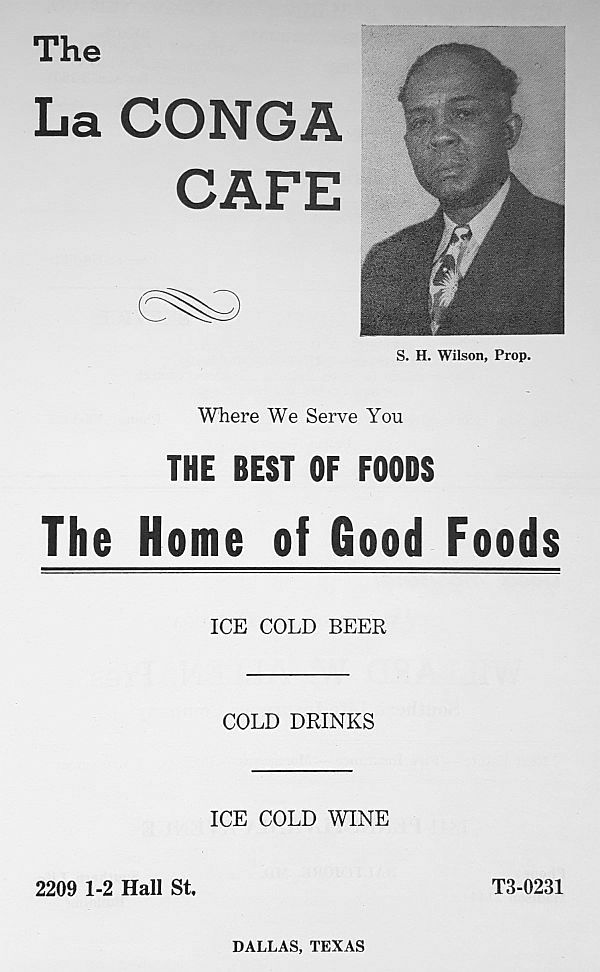
Below, the LA CONGA CAFE, 2209½ Hall, S. H. Wilson, proprietor. “Where we serve you the best of foods. The home of Good Foods. Ice cold beer.” (All pictures are larger when clicked.)

la-conga_dallas-negro-directory_1947-48

THE ADOLPHUS BAR-B-Q PALACE, 2314 Hall, Adolphus Isaac (whose name in the ad appears to be misspelled), proprietor. “Always a friendly welcome. Steaks, fried chicken, fish, bar-b-q, frog legs [!], delicacies.”
adolphus-bar-b-q_dallas-negro-directory_1947-48

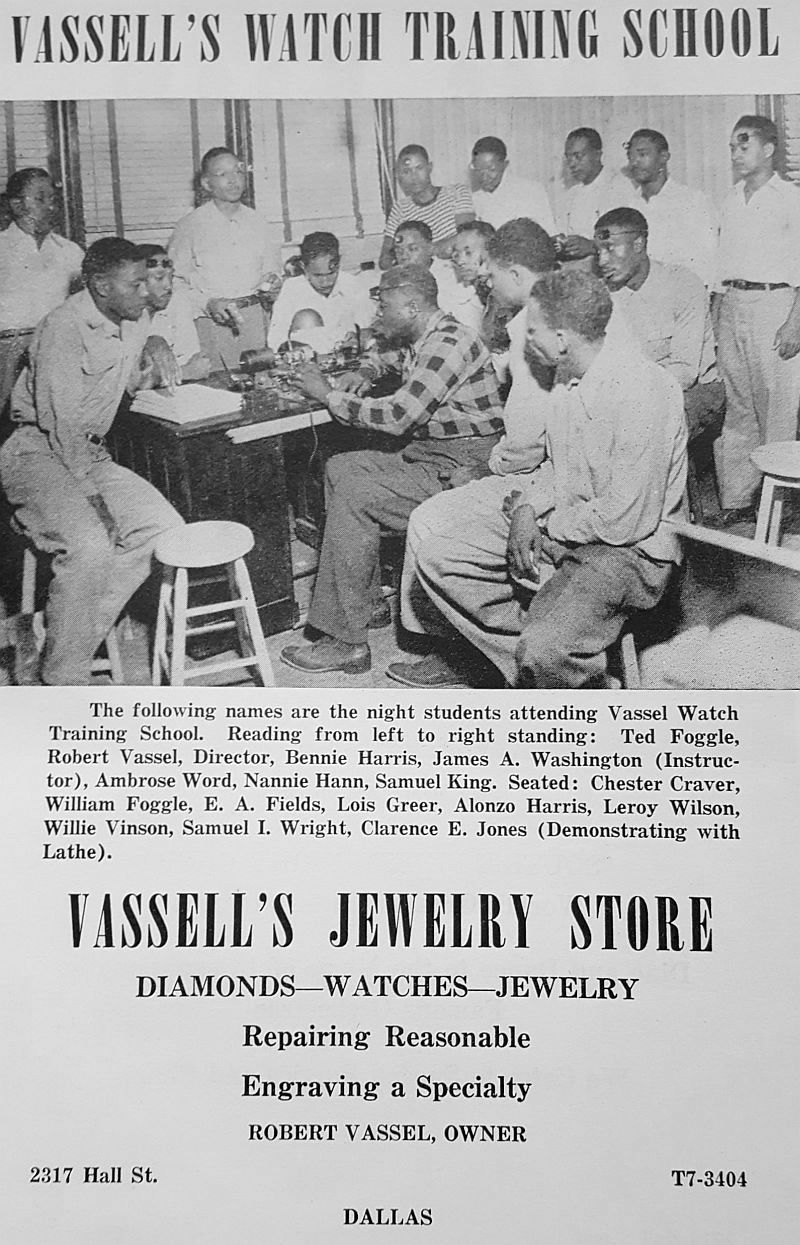
VASSELL’S JEWELRY STORE, 2317 Hall, Robert Vassell, proprietor. “Diamonds — watches — jewelry. Repairing reasonable, engraving a specialty.” This ad shows the “watch training school” Vassell operated in which WWII GI’s learned watch-repair.
vassells-watch-training-school_negro-directory_1947

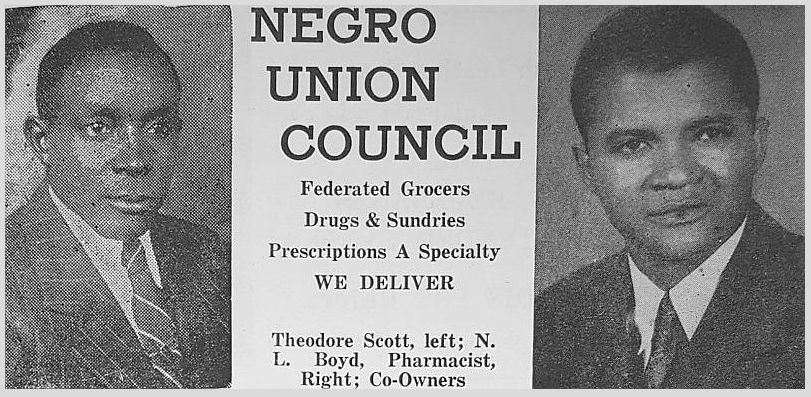
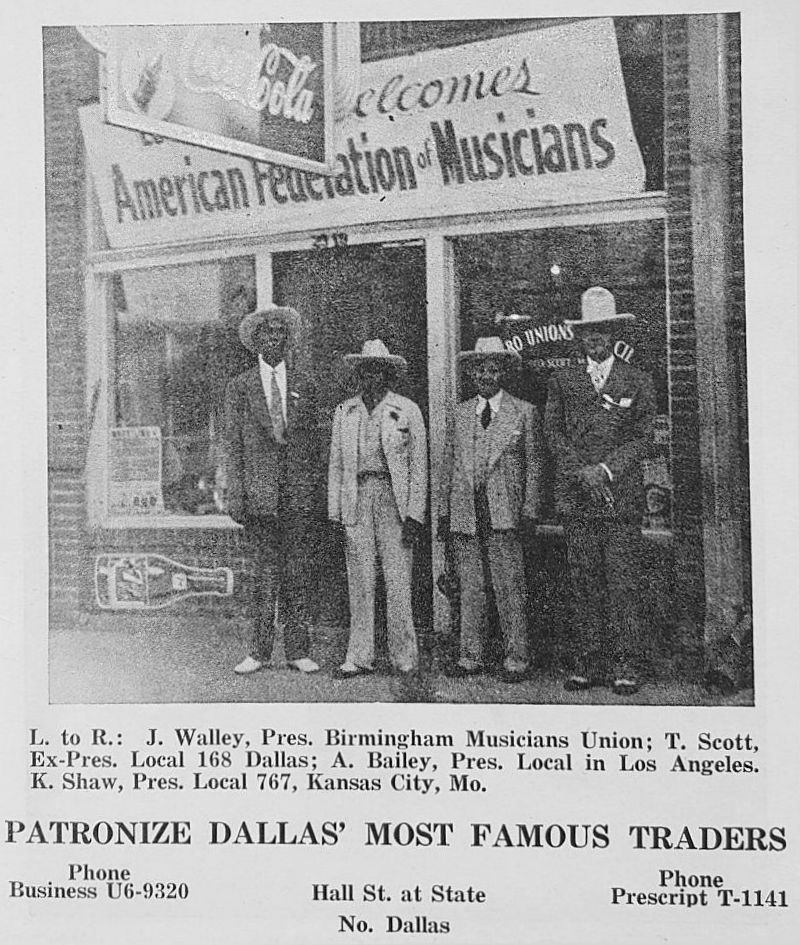
NEGRO UNION COUNCIL, 2319 Hall. A group of black unionists shared space at 2319 Hall: the Negro Unions Council, the Musicians Protective Union Local 168 (whose former president was Theodore Scott seen in both photos below), Federated Labor (AF of L), Hotel & Restaurant Employees Intl. Local No. 825. (Ned L. Boyd, pictured below, was a pharmacist who owned Boyd’s Pharmacy a couple of doors down at 2311 Hall.)
negro-union-council_negro-directory_1947

American Federation of Musicians officials (and their hats) standing in front of 2319 Hall.
negro-union-council_musicians_negro-directory_1947

Below, the 1947 Dallas street directory, showing the businesses in the 2200 and 2300 blocks of N. Hall.
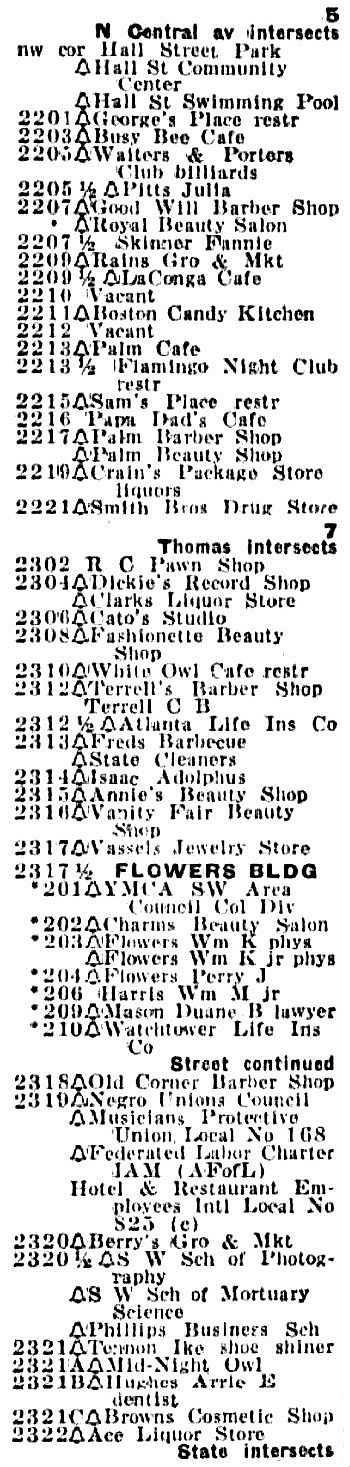
vassell_hall-st_1947-directory1947 Dallas directory (click to see larger image)

Below, a detail of a 1952 Mapsco page, with Hall Street in blue, Central Expressway (which hadn’t yet been built when the ads above appeared in 1947) in yellow, and the 2200 and 2300 blocks of Hall circled in red.
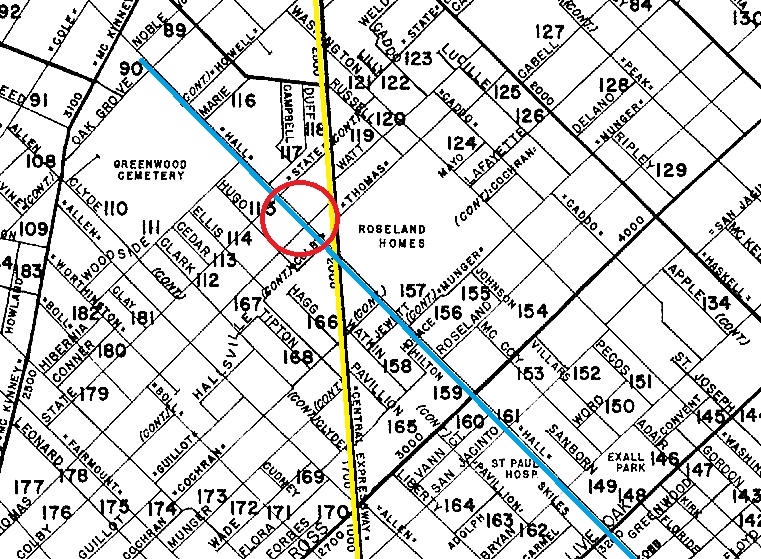
state-thomas_mapsco_1952
1952 Mapsco

As an aside, Roseland Homes seen in the map detail above, was a low-income public housing project for black residents, which opened in June 1942. It covered a 35-acre tract, with 650 units and was the first of many such housing projects for low-income black, white, and Hispanic families which opened that year, and it continues to this day.

***

Sources & Notes

Ads from the Dallas, Texas Negro City Directory, 1947-1948, with thanks to Pat Lawrence.

Read more about Hall Street — just a few blocks south, near Ross — in the Flashback Dallas post “1710 Hall: The Rose Room/The Empire Room/The Ascot Room — 1942-1975,” here.

*

Copyright © 2018 Paula Bosse. All Rights Reserved.
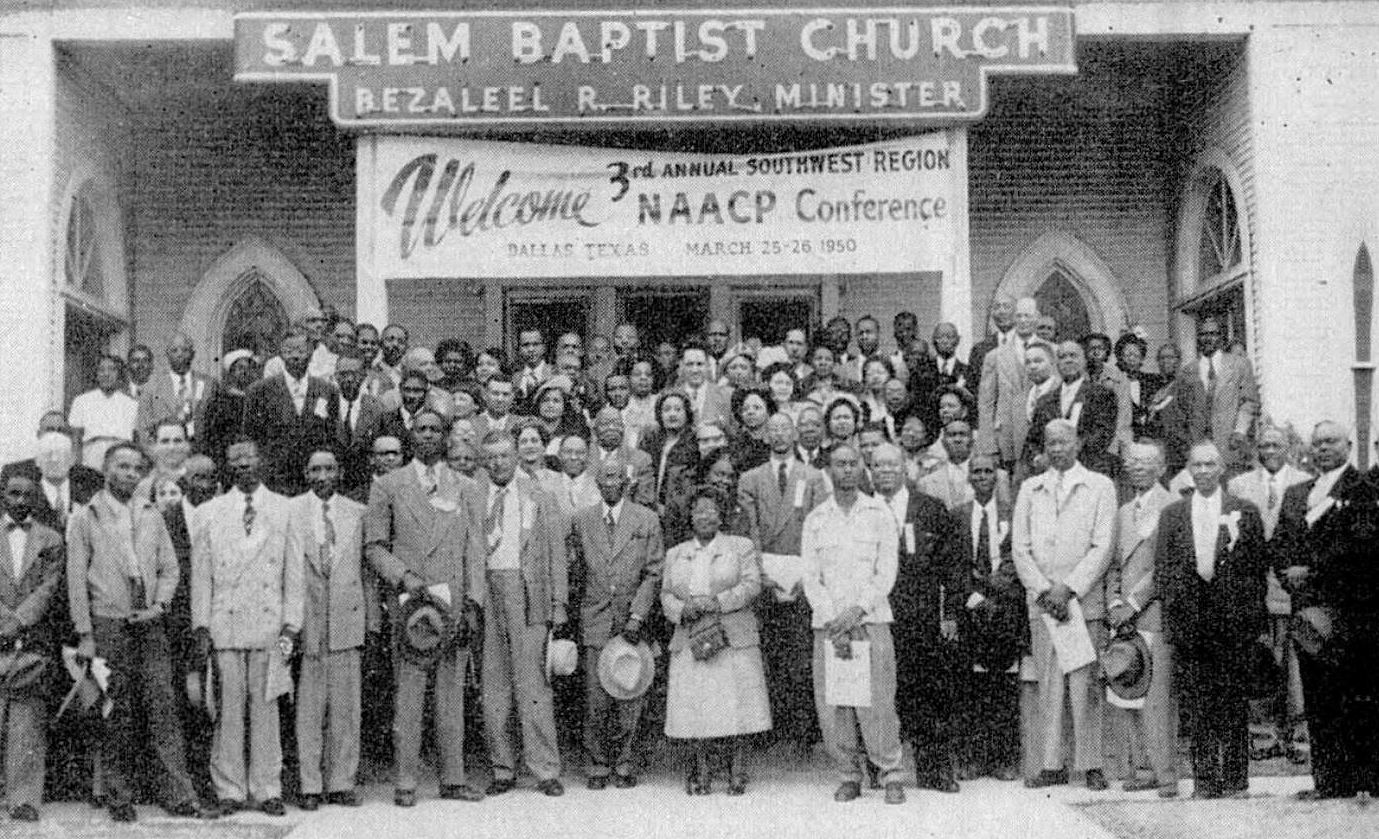
NAACP Southwest Conference in Dallas — 1950

NAACP-conference_the-crisi_june-1950Top delegates of the NAACP regional conference in Dallas, 1950

by Paula Bosse

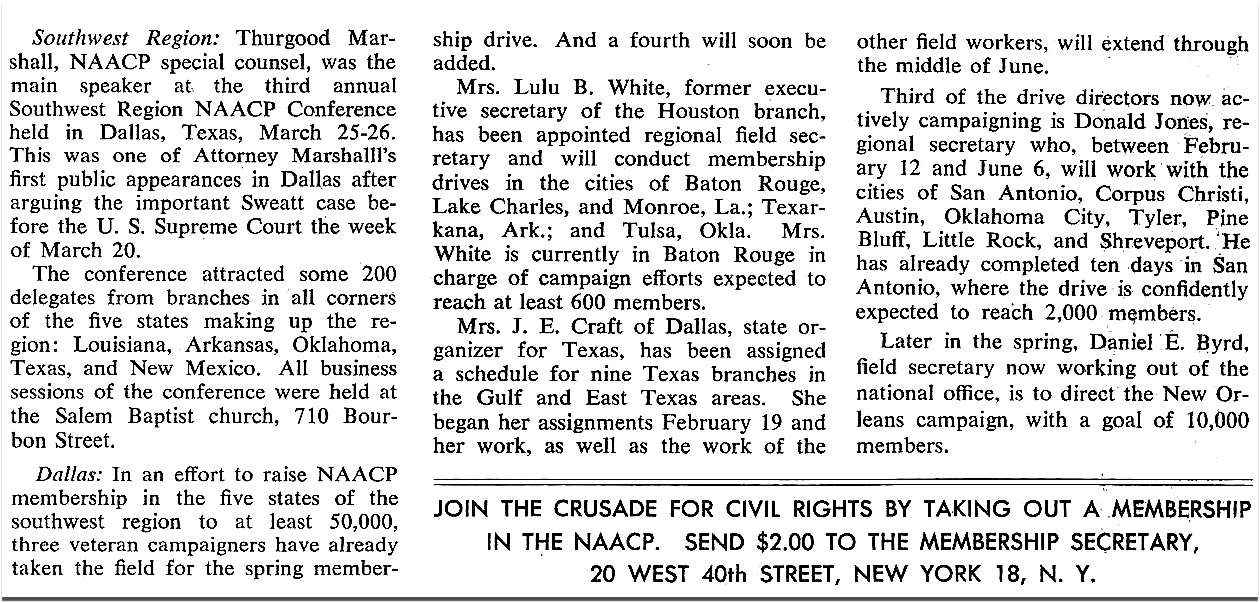
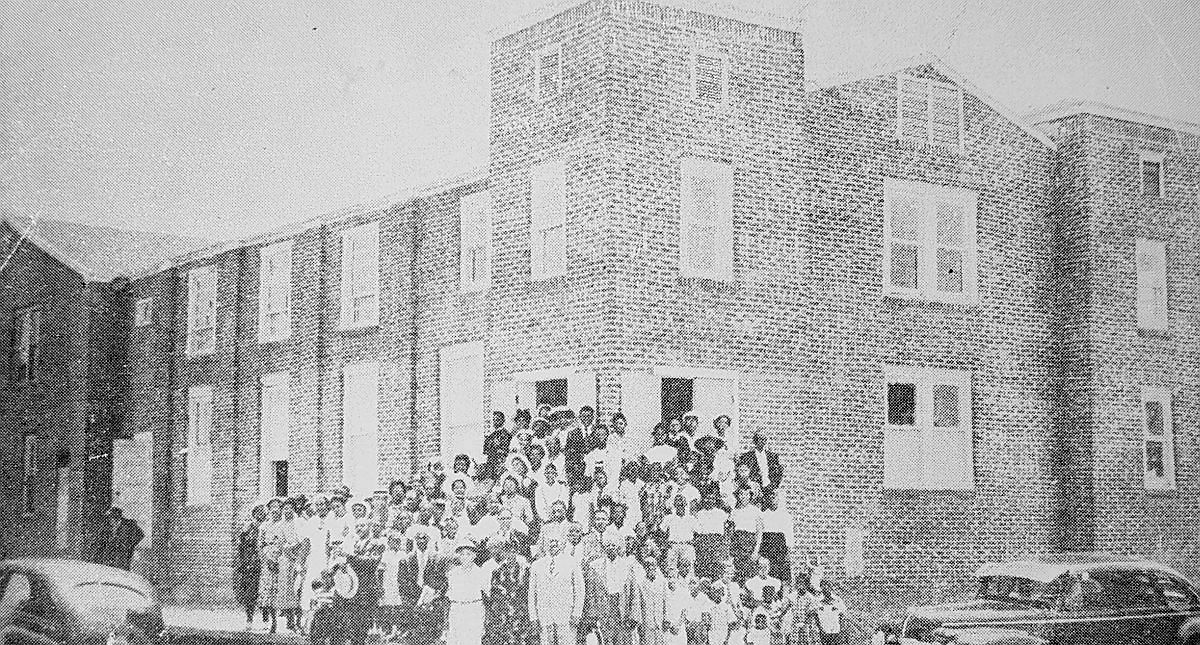
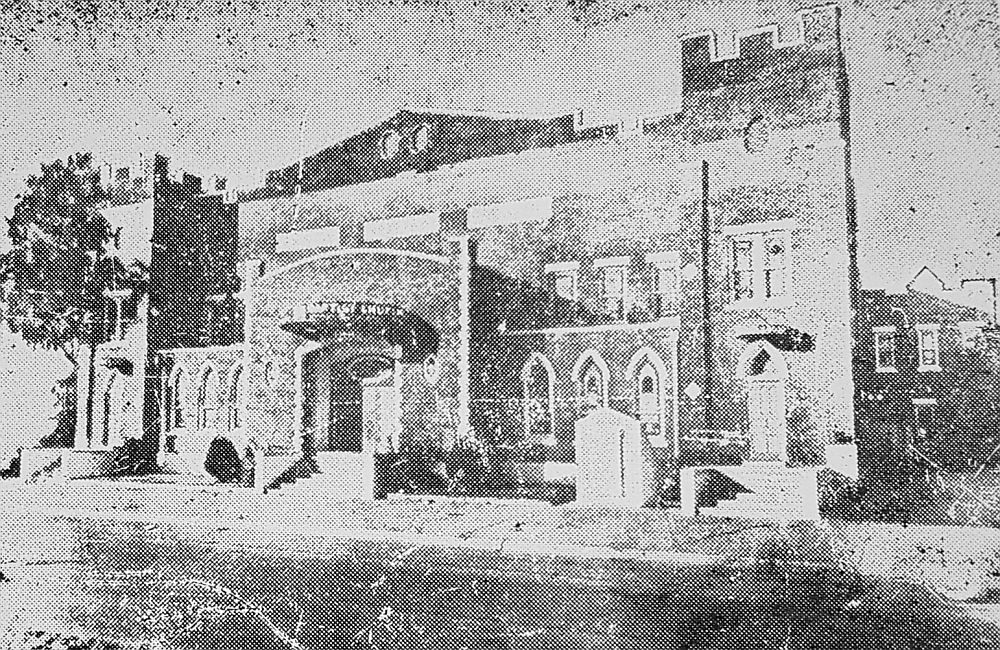
The third annual NAACP Southwest Region Conference was held in Dallas, March 24-26, 1950. Above we see the top delegates (out of about 200 attendees), standing in front of the Salem Baptist Church, then located at 710 Bourbon in South Dallas. One of their main objectives was to increase NAACP membership in order to more effectively tackle issues of civil rights and social injustice.

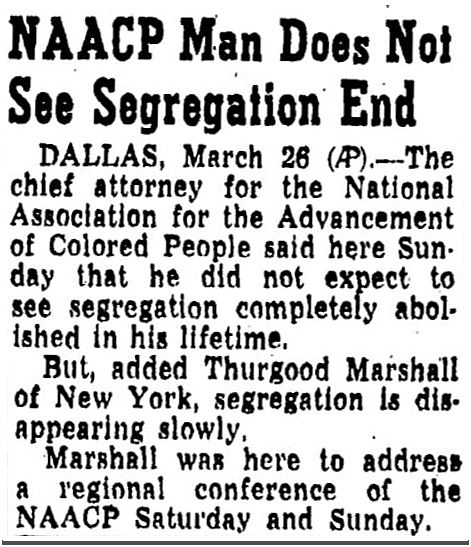
The conference’s main speaker was special counsel to the NAACP, Thurgood Marshall. During the conference, he stated that, although there was slow and steady progress being made by African-Americans in American society, he did not expect to see racial segregation abolished in his lifetime. 17 years after this statement, Thurgood Marshall was appointed by President Lyndon Johnson to serve as a justice on the United States Supreme Court.

NAACP_thurgood-marshall_FWST_032750Fort Worth Star-Telegram, March 27, 1950

Below, the review of the conference that appeared in the April, 1950 issue of the NAACP magazine, The Crisis (click to see larger image).

NAACP-SW-conference_the-crisi_april-1950The Crisis, April, 1950

***

Sources & Notes

Top photo from the June, 1950 issue of The Crisis, the magazine published by the NAACP. Many decades’ worth of scanned issues of the magazine are viewable via Google Books, here.

The Salem Baptist Church was, at the time of the photo above, located at 710 Bourbon in South Dallas. According to the church’s website, the church moved from that location in the early 1960s when the site was one of many purchased by the Texas Highway Department to be demolished for highway construction.

Click photo and news clippings for larger images.

*

Copyright © 2018 Paula Bosse. All Rights Reserved.
Bishop College — 1969

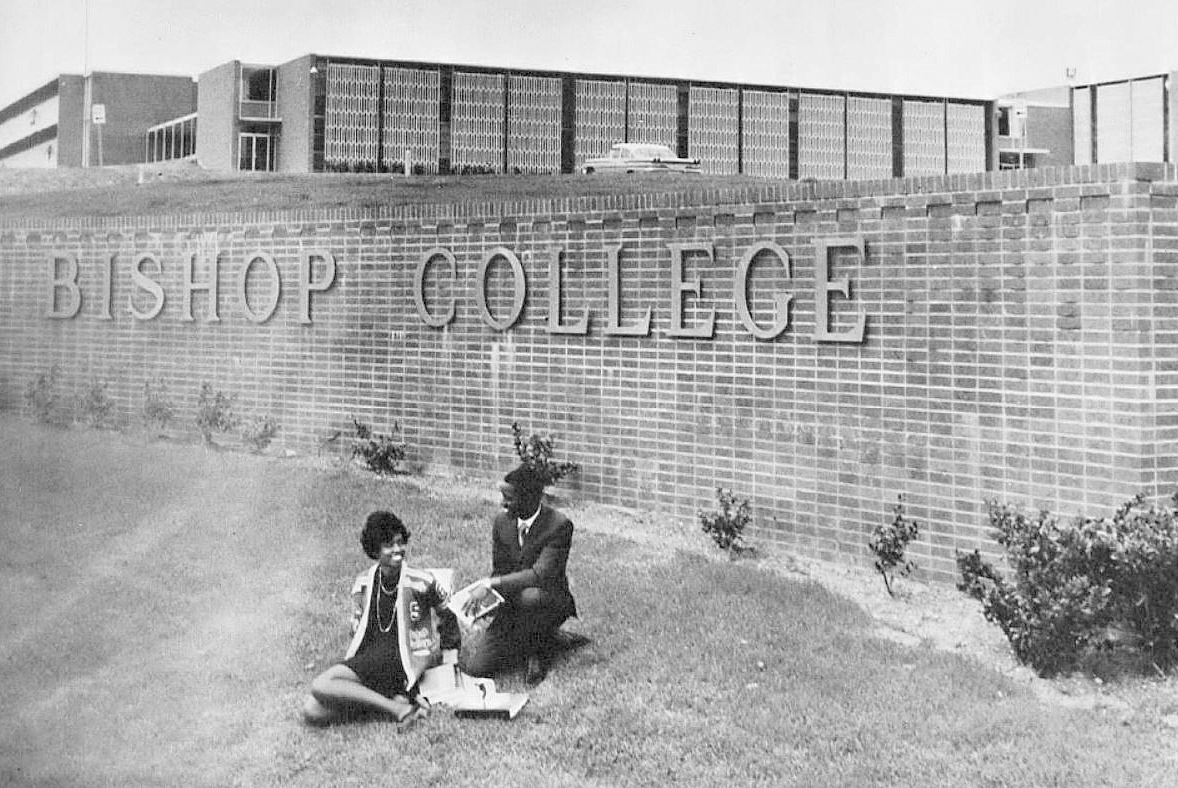
bishop-college_1969Welcome to Bishop College… (click for larger image)

by Paula Bosse

Bishop College was a historically black college founded in Marshall, Texas in 1881 by the Baptist Home Mission Society. The main building on the Bishop College campus was a grand plantation house built with slave labor in the late 1840s for the wealthy Holcombe family, who allowed it to be used during the Civil War it as the headquarters of the Trans-Mississippi Agency of the Confederate Post Office Department. That it became the home of one of the first institutions of higher education for African Americans in Texas seems almost poetic.

In 1961 — 80 years after its founding, Bishop College moved to the Highland Hills area of South Dallas, along Simpson Stuart Road, to become Dallas’ first black college. The move was made in a push to increase enrollment and was made possible by money raised by a group of Dallas businessmen headed by Carr P. Collins, Sr., by the American Baptist Convention, and by the Negro Baptists of Texas. Dallas businessman and philanthropist Karl Hoblitzelle donated the land. What started in 1961 as a 103-acre campus with only seven buildings and an enrollment of 651 students, grew to a campus stretching over 360 acres and a peak enrollment of about 2,000 students.

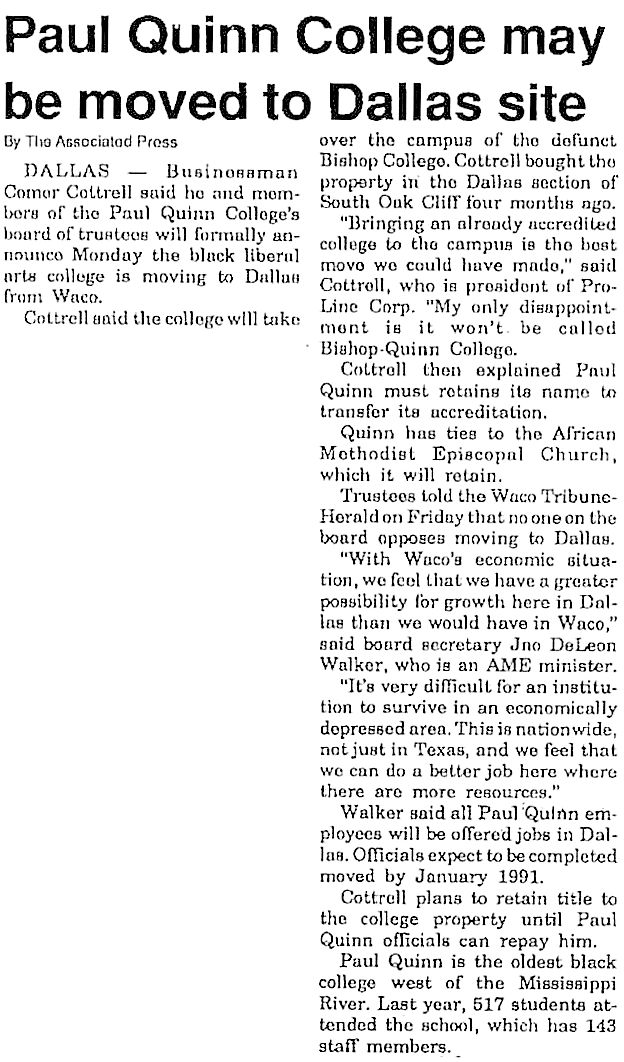
Despite its move to a major metropolitan area and an increase in enrollment, the college was never on firm financial ground. After years of financial mismanagement, charges of embezzlement, and mounting government debt, the college lost its accreditation and eligibility to receive further funds. In a last-ditch effort to remain open, the college filed for Chapter 11 bankruptcy in 1987, but they were never able to recover, and Bishop College closed in 1988 after 107 remarkable years. In 1990, the property was purchased by Comer S. Cottrell, who persuaded the powers-that-be of Waco’s Paul Quinn College — the oldest African-American college in Texas — to move to Dallas and take over the defunct Bishop College campus. Paul Quinn College has been operating in Dallas since 1990.

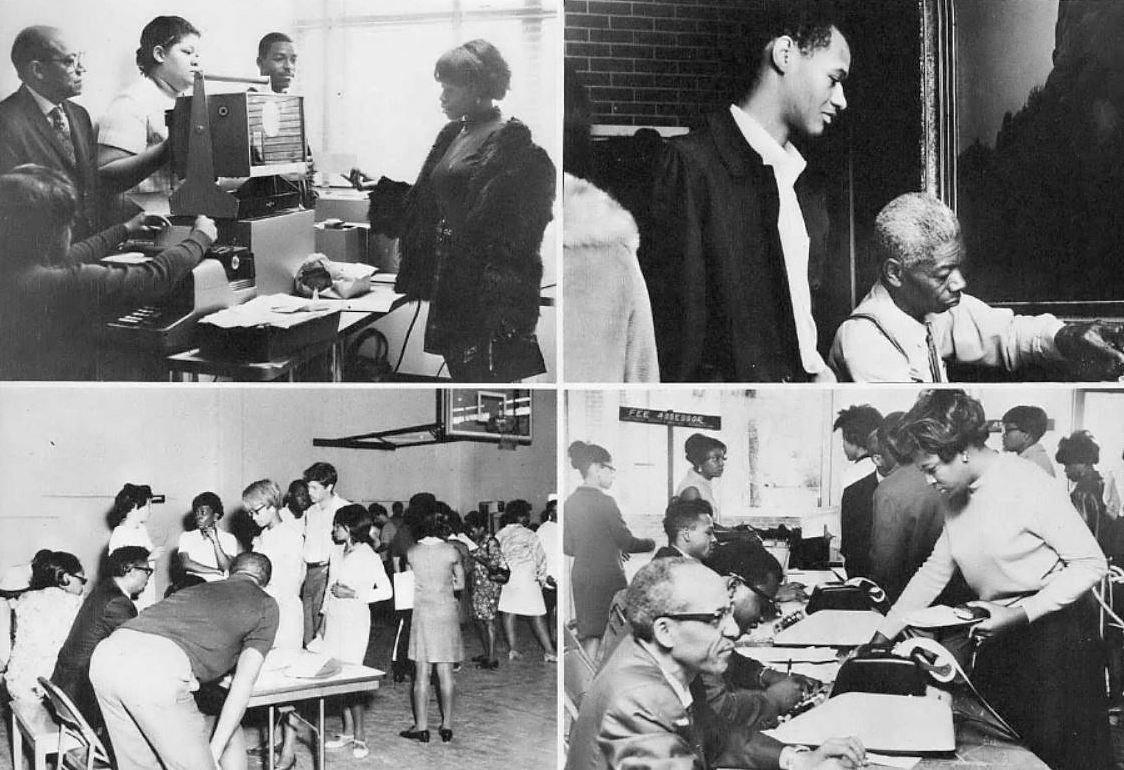
The photos below are from the 1969 Bishop College yearbook, back in its happier, groovier days of growth and progress. (Click to see larger images.)

Below, class registration.

bishop-college_1969-yrbk_registration

*

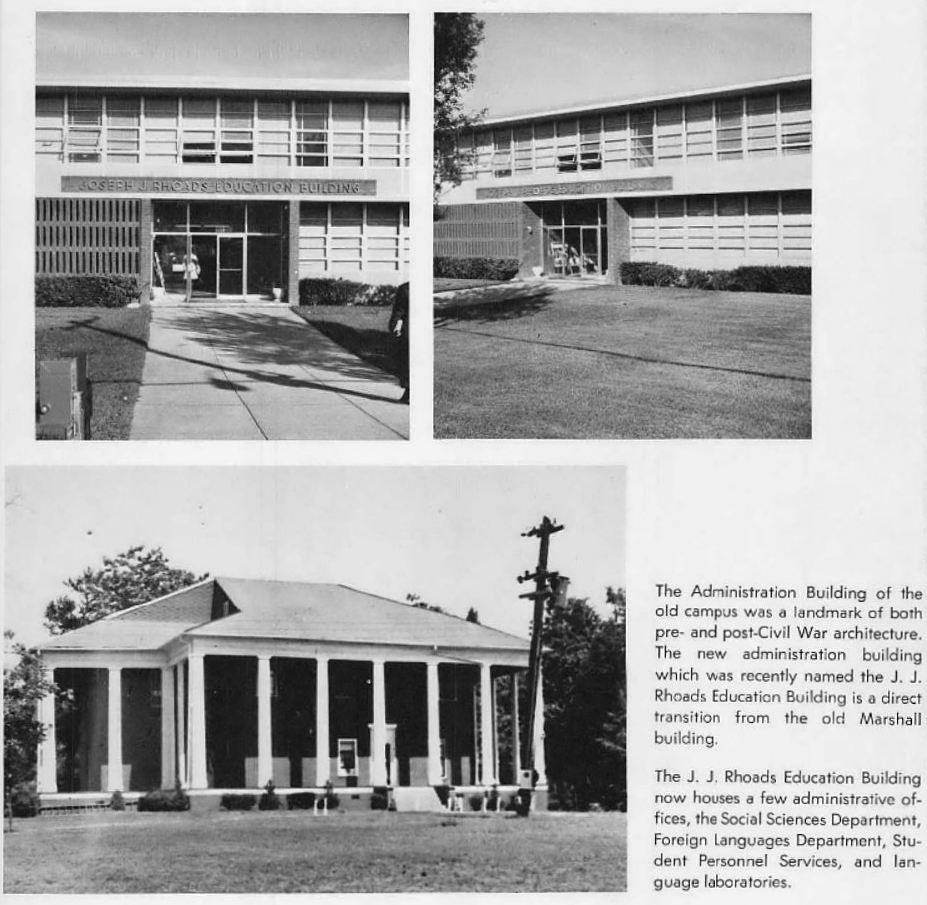
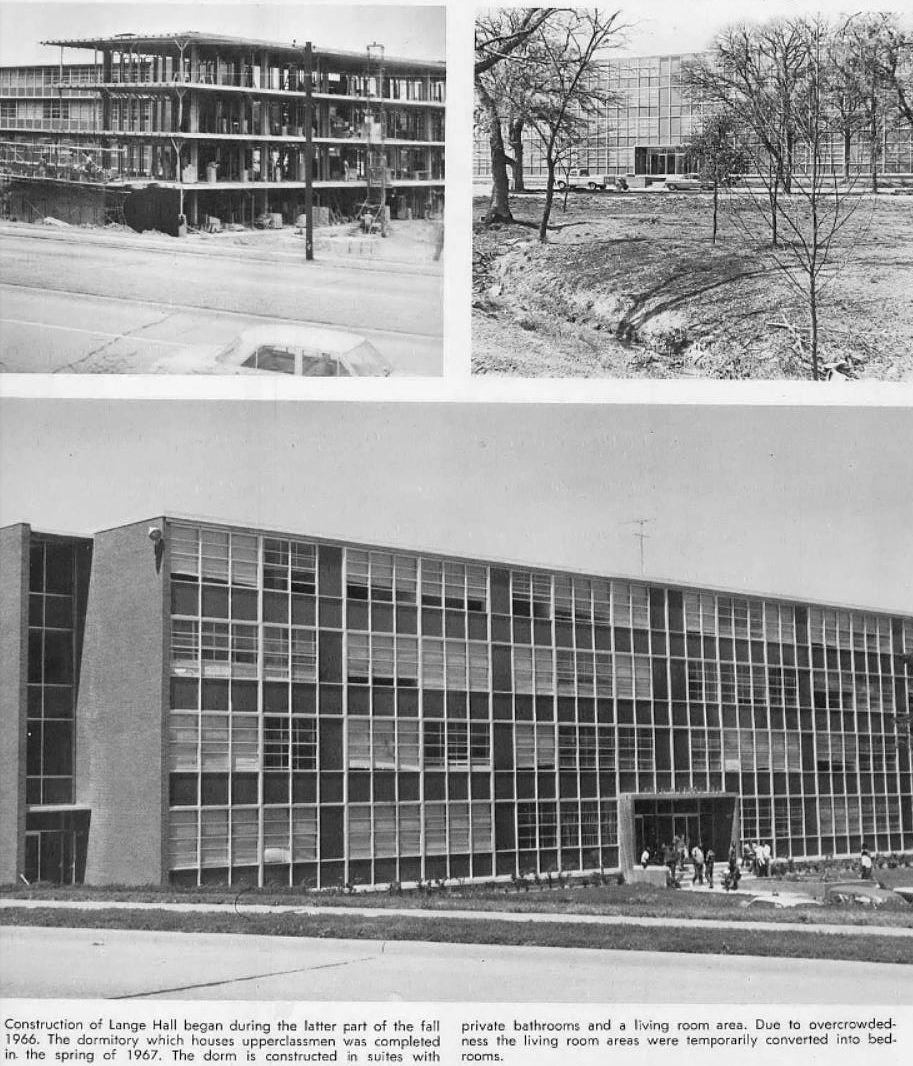
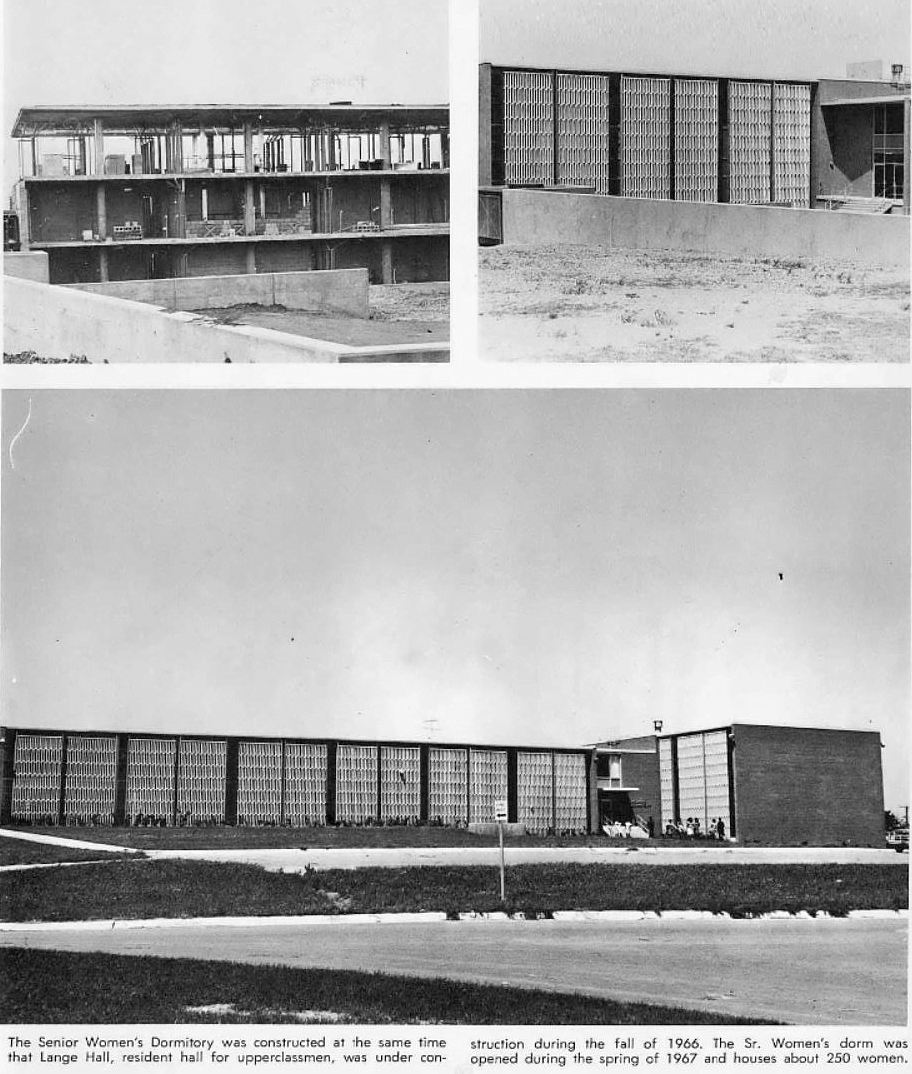
Campus buildings, including the “homage” to the old Bishop administration building in Marshall, “Wyalucing.”

bishop-college_1969-yrbk_education-bldg

bishop-college_1969-yrbk_lange-hall

bishop-college_1969-yrbk_sr-womens-dorm

*

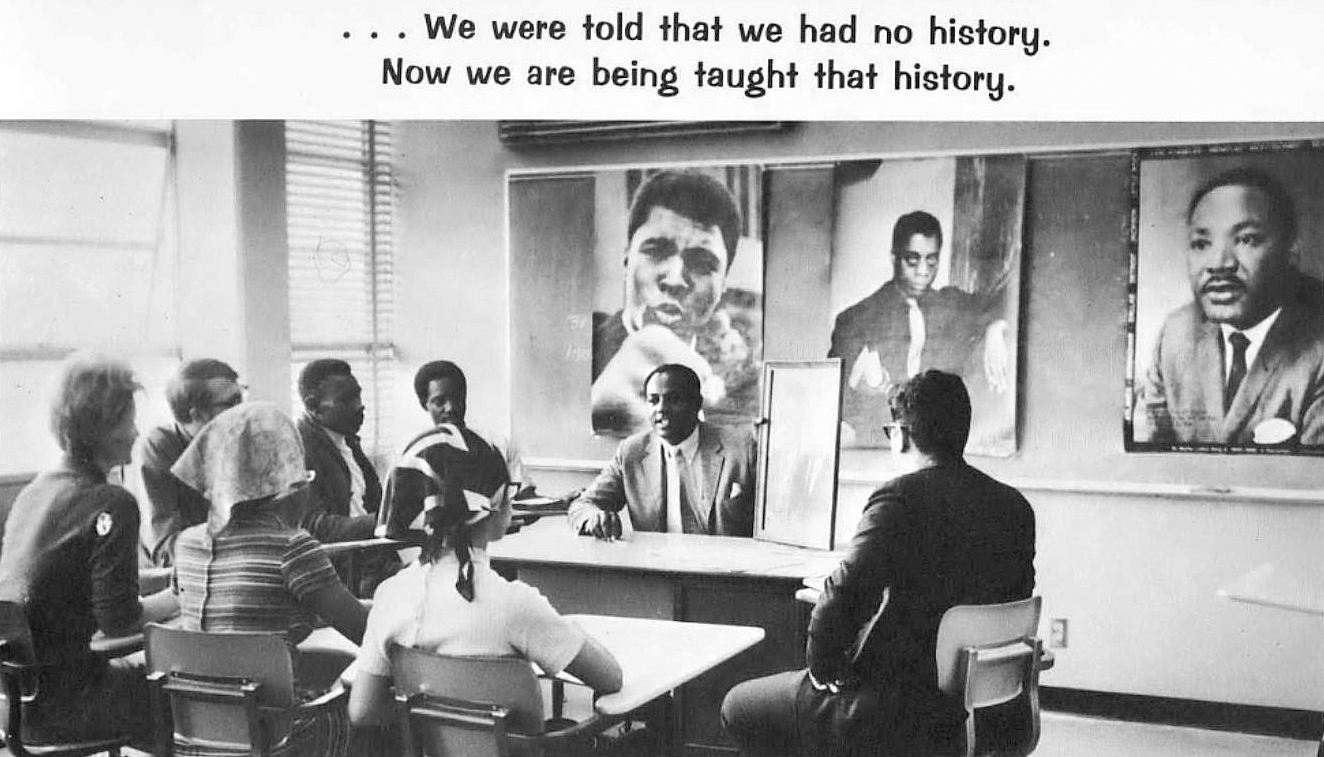
bishop-college_1969-yrbk_afro-amer-history

bishop-college_1969-yrbk_campus_classroom

Above, Raymond Hall, who taught classes in African and American culture.

*

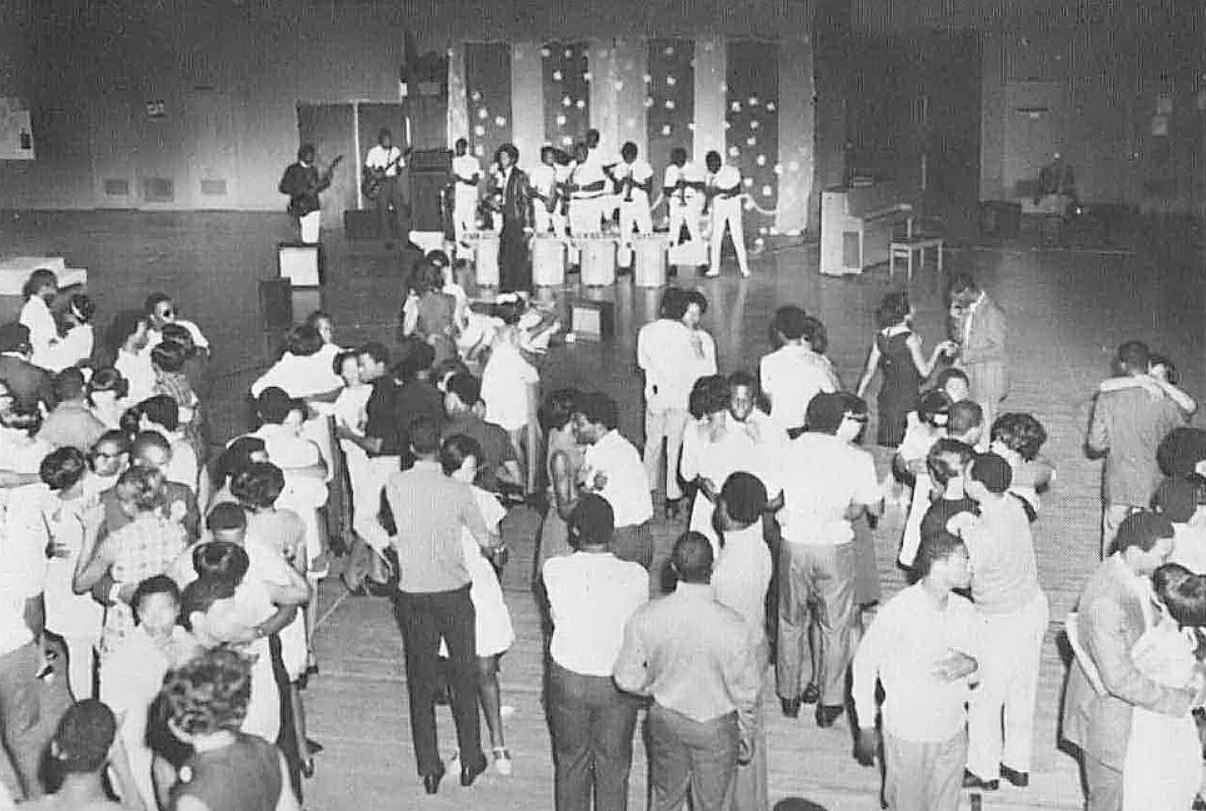
bishop-college_1969-yrbk_dance

Above: “Energetic students got in the groove. Charles Hunt and members of the Bishop Collegians, the lab band, played and really socked it to the students attending the show. From the lab band has come four different groups which are worthy credits to the band and Mr. VanBolden, director.”

Below: “Theopolis Jones, a freshman from Birmingham, Ala., worked out on the drums. He was but one of the forty freshmen who were members of the Ambassadors of Band. Fellow members of the class stood by and looked on with real enthusiasm.”

bishop-college_1969-yrbk_drummer

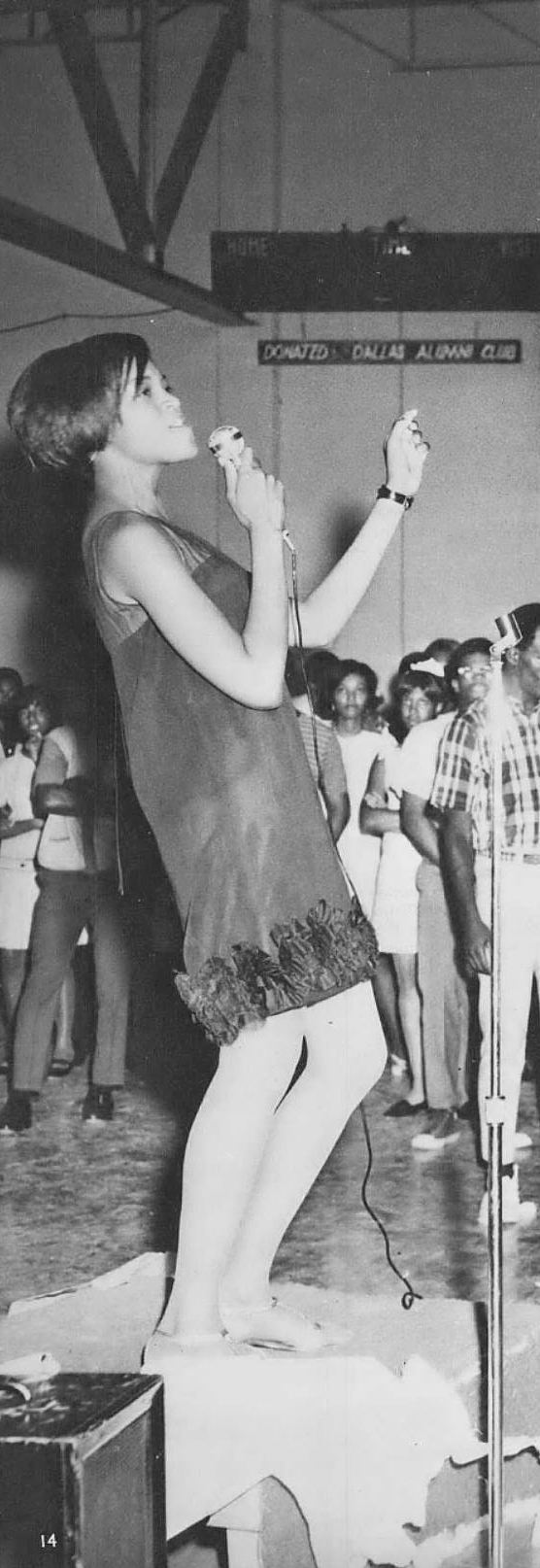
Below: “Joyce Morris, a sophomore from Oklahoma, was one of the feature vocalists at the talent show which was sponsored by the Ambassadors of Band, the Bishop College Marching Concert Band.”

bishop-college_1969-yrbk_joyce-morris

*

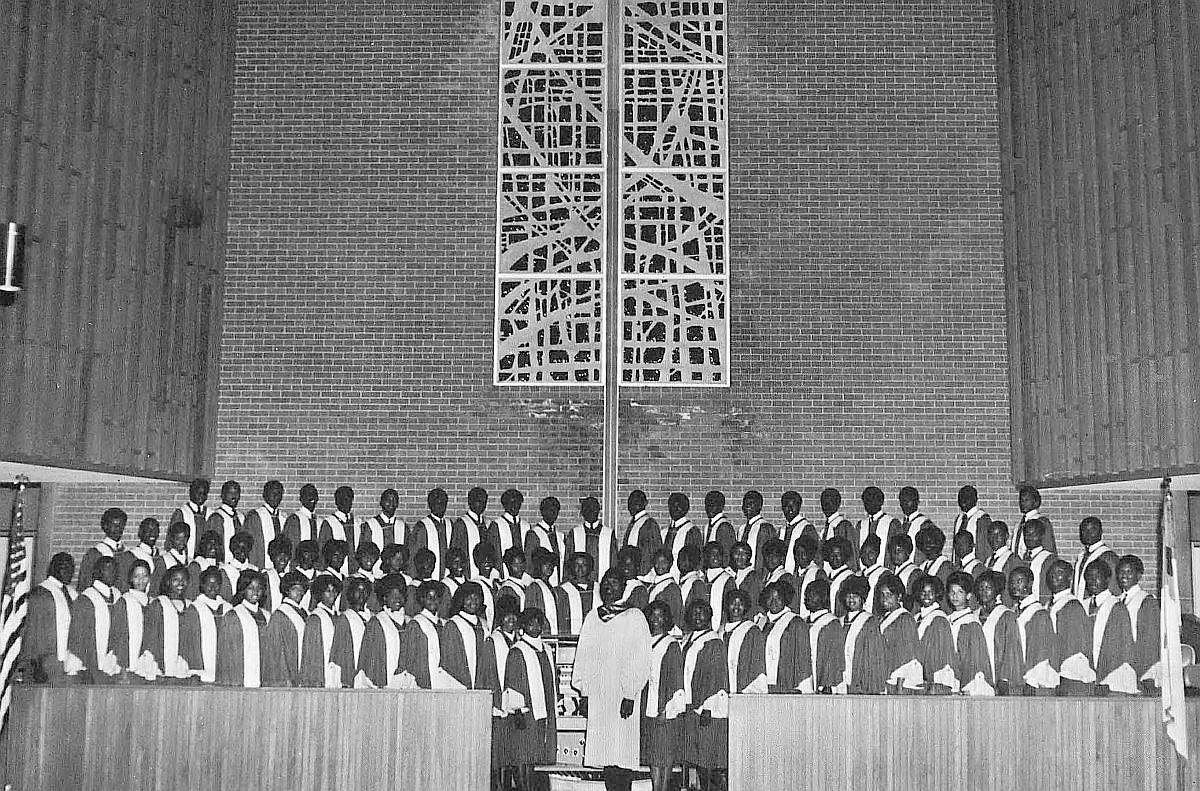
Concert choir, under the direction of John S. Meeks.

bishop-college_1969_concert-choir

*

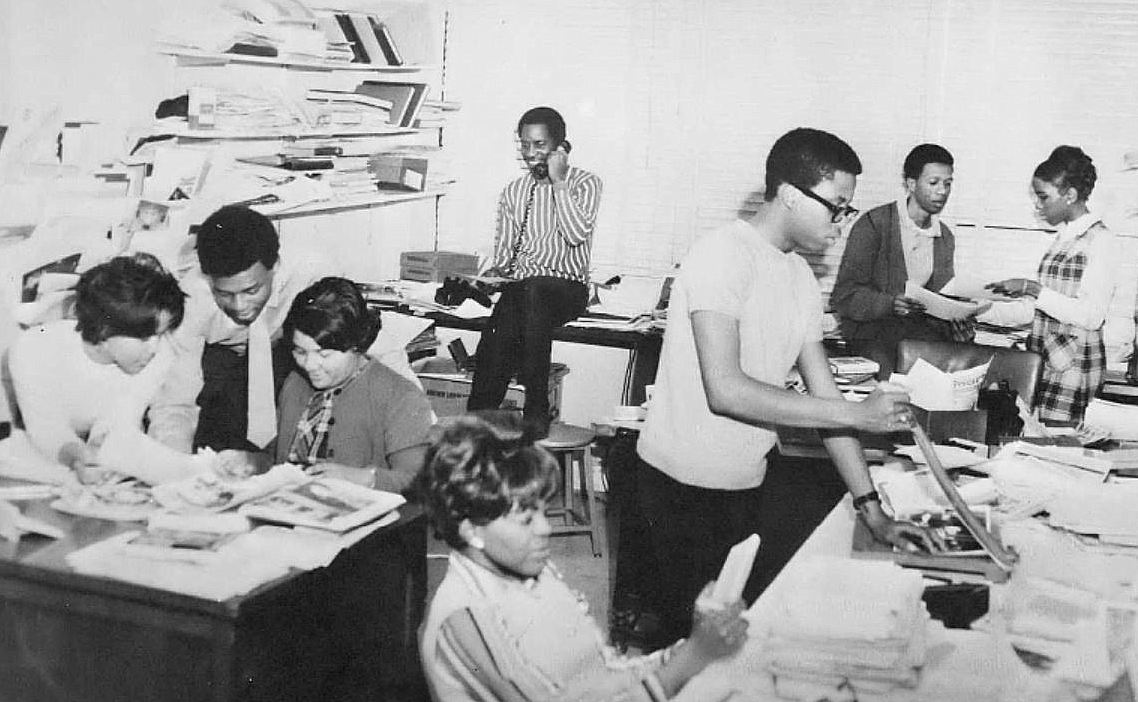
Staff of the college newspaper, the Bishop Beacon.

bishop-college_1969_bishop-beacon-staff

*

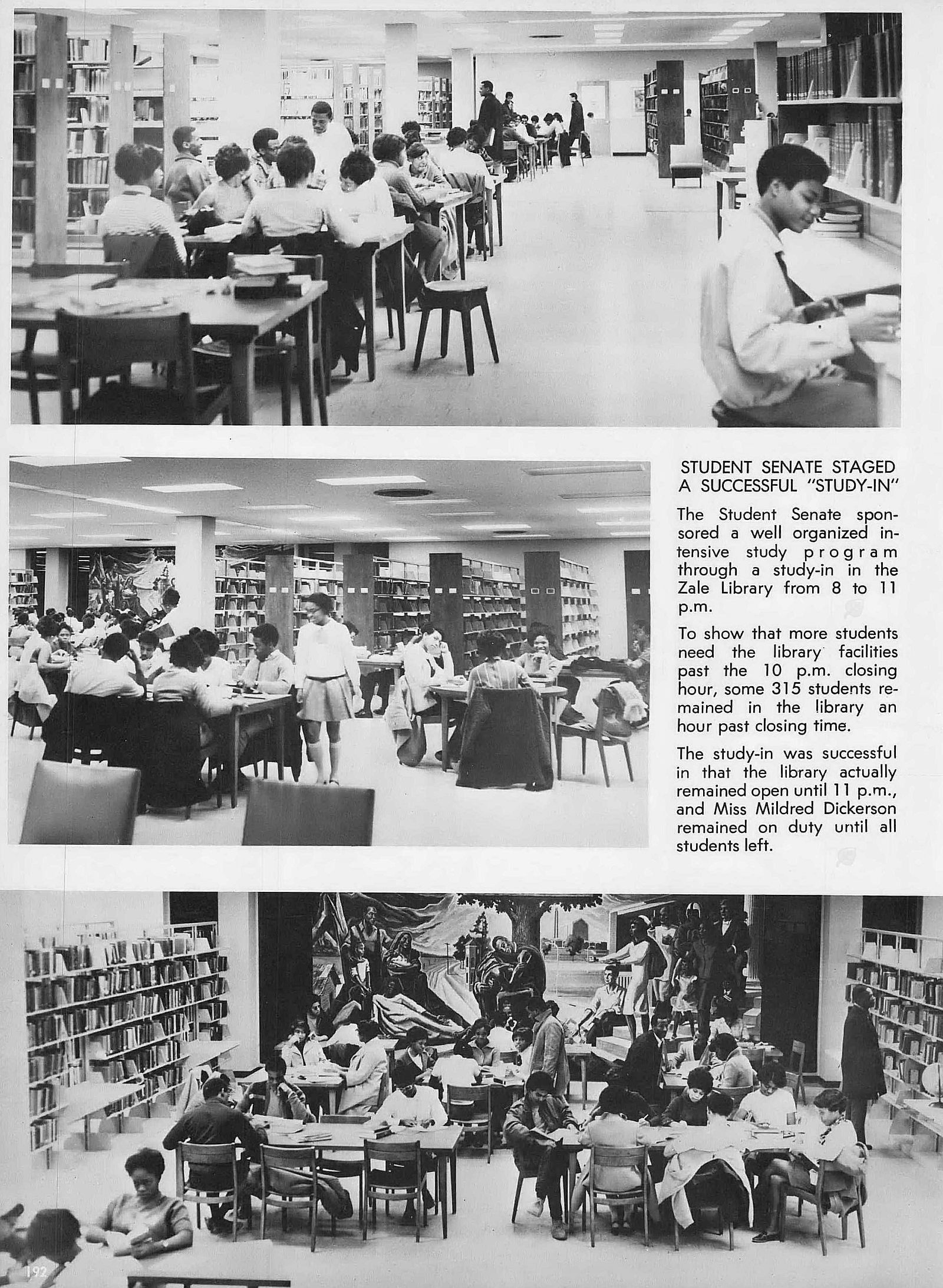
Zale Library “study-in” (note the 1968 mural by Louis Freund — see it in color, on the Paul Quinn website, here).

bishop-college_1969_zale-library-study-in

*

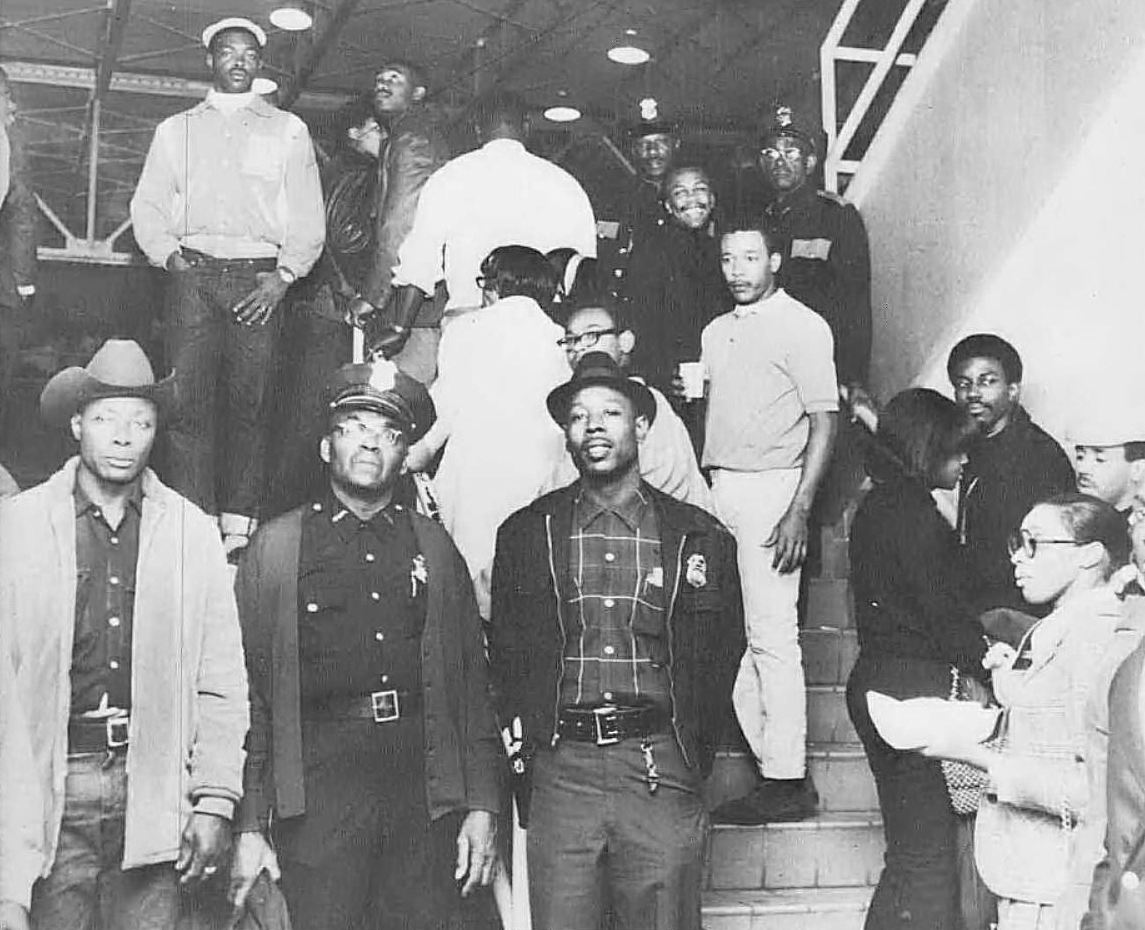
bishop-college_1969-yrbk_campus-security

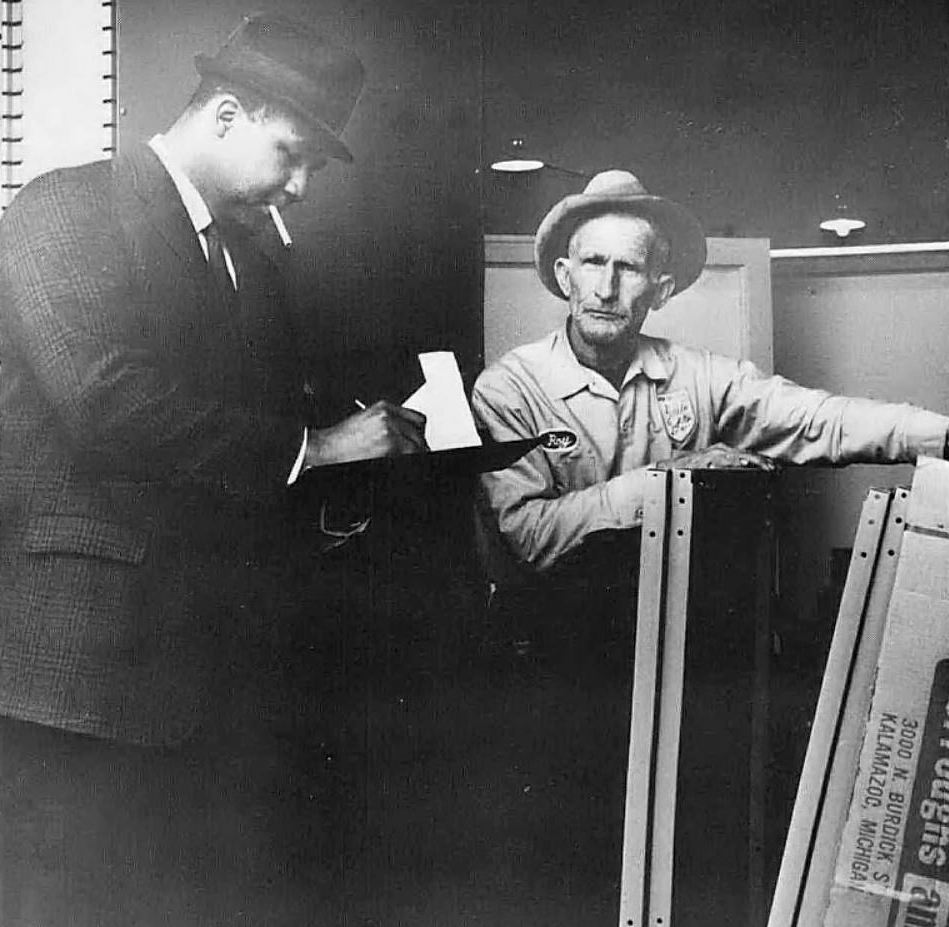
I love these two photos: above, campus security; below, a photo one would never guess was taken in the late 1960s, featuring two men who worked in the receiving department (Wesley Hayes and Roy Sallings).

bishop-college_1969-yrbk_equipment-receiving-dept

*

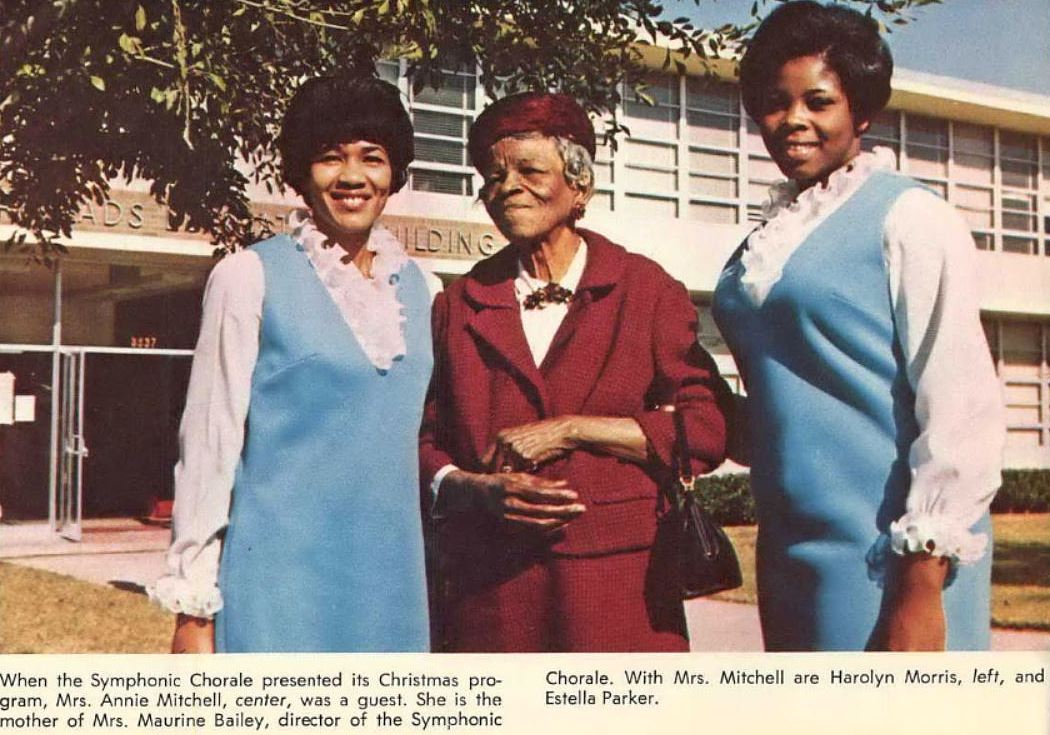
Mrs. Annie Mitchell, mother of music teacher Maurine Bailey (who was a legendary instructor at Lincoln High School for many years), with be-ruffled students Harolyn Morris and Estella Parker.

bishop-college_1969-yrbk_mrs-annie-mitchell

*

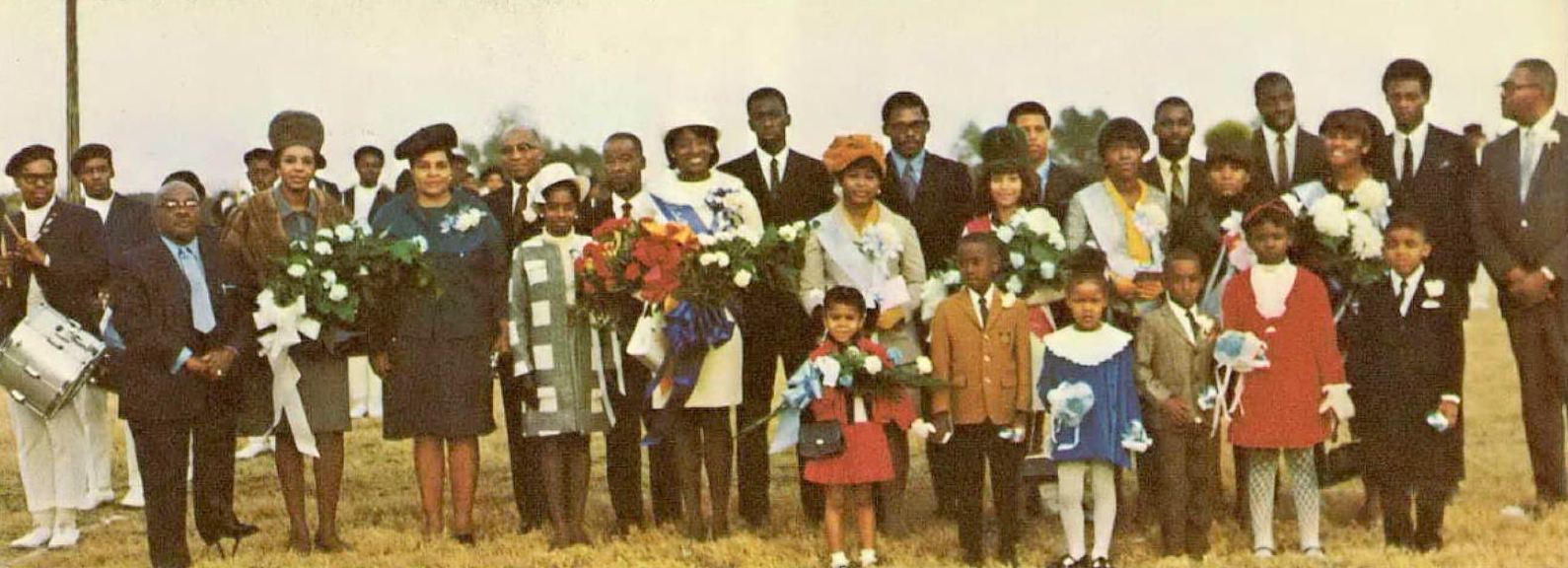
Homecoming half-time fashion parade.

bishop-college_1969_homecoming-halftime

*

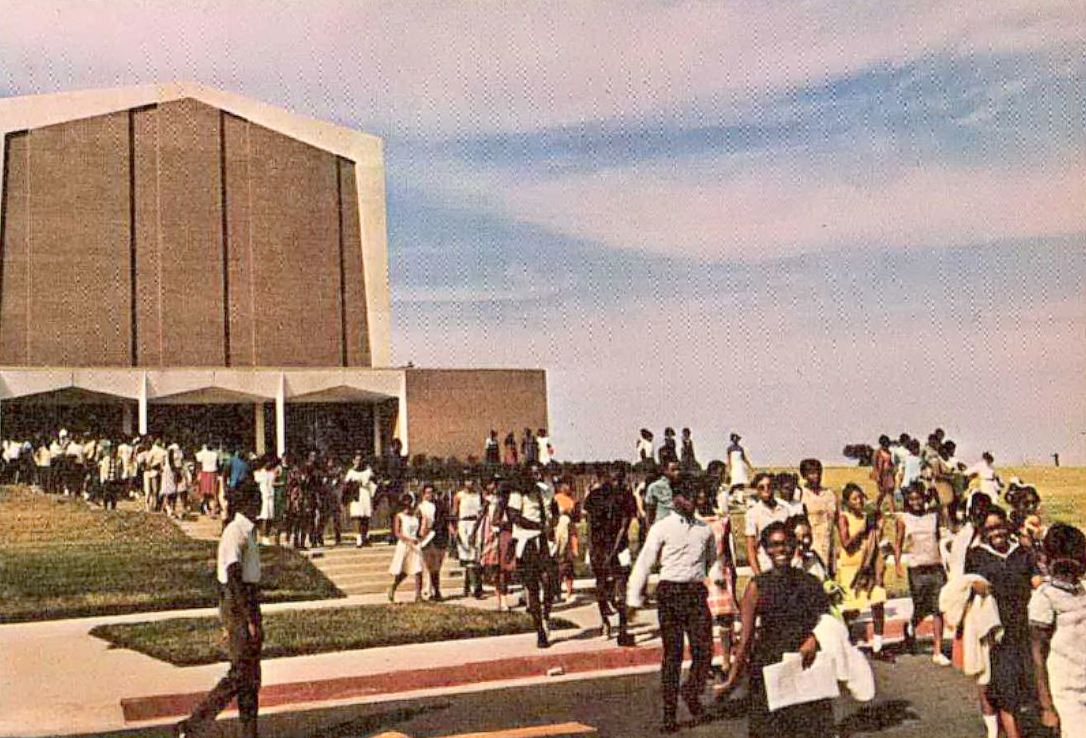
Happy students on the hilltop.

bishop-college_1969_crowd

*

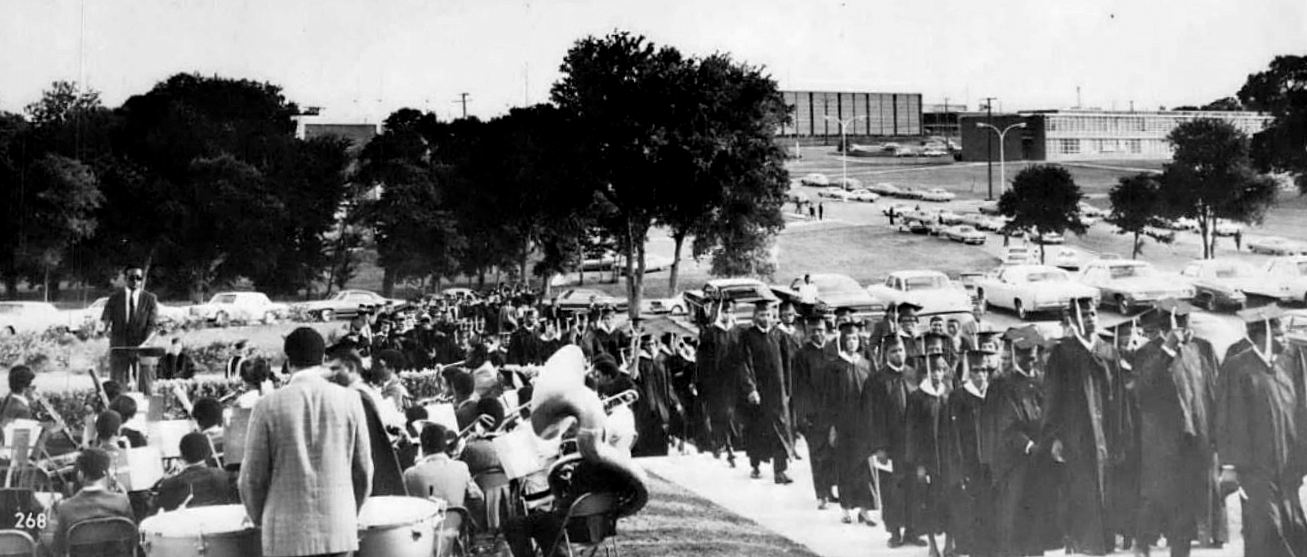
Graduation.

bishop-college_1969-yrbk_spring-1969-grads

**

bishop-college_paul-quinn_paris-news-062490Paris (TX) News, June 24, 1990 (click to read)

***

Sources & Notes

All photos from the 1969 Tiger, the yearbook of Bishop College.

More details on the demise of Bishop College can be found in the Dallas Morning News article “Where Did Bishop Fail? Those Involved With College Disagree on Cause of Fiscal Problems” by Sherry Jacobson (DMN, March 20, 1988).

Bishop College links-o-rama!

All photos are larger when clicked.

*

Copyright © 2017 Paula Bosse. All Rights Reserved.
 

1710 Hall: The Rose Room/The Empire Room/The Ascot Room — 1942-1975

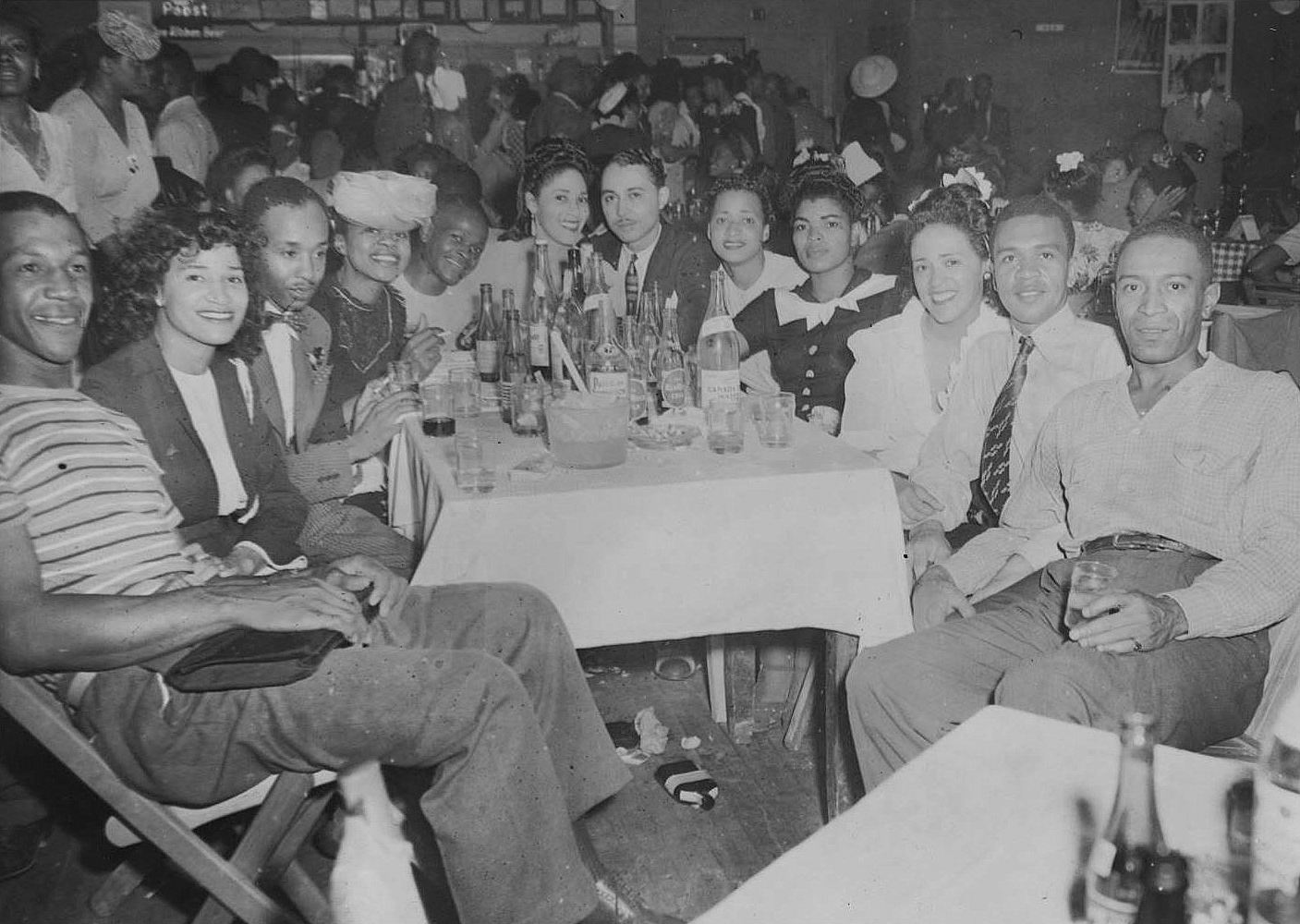
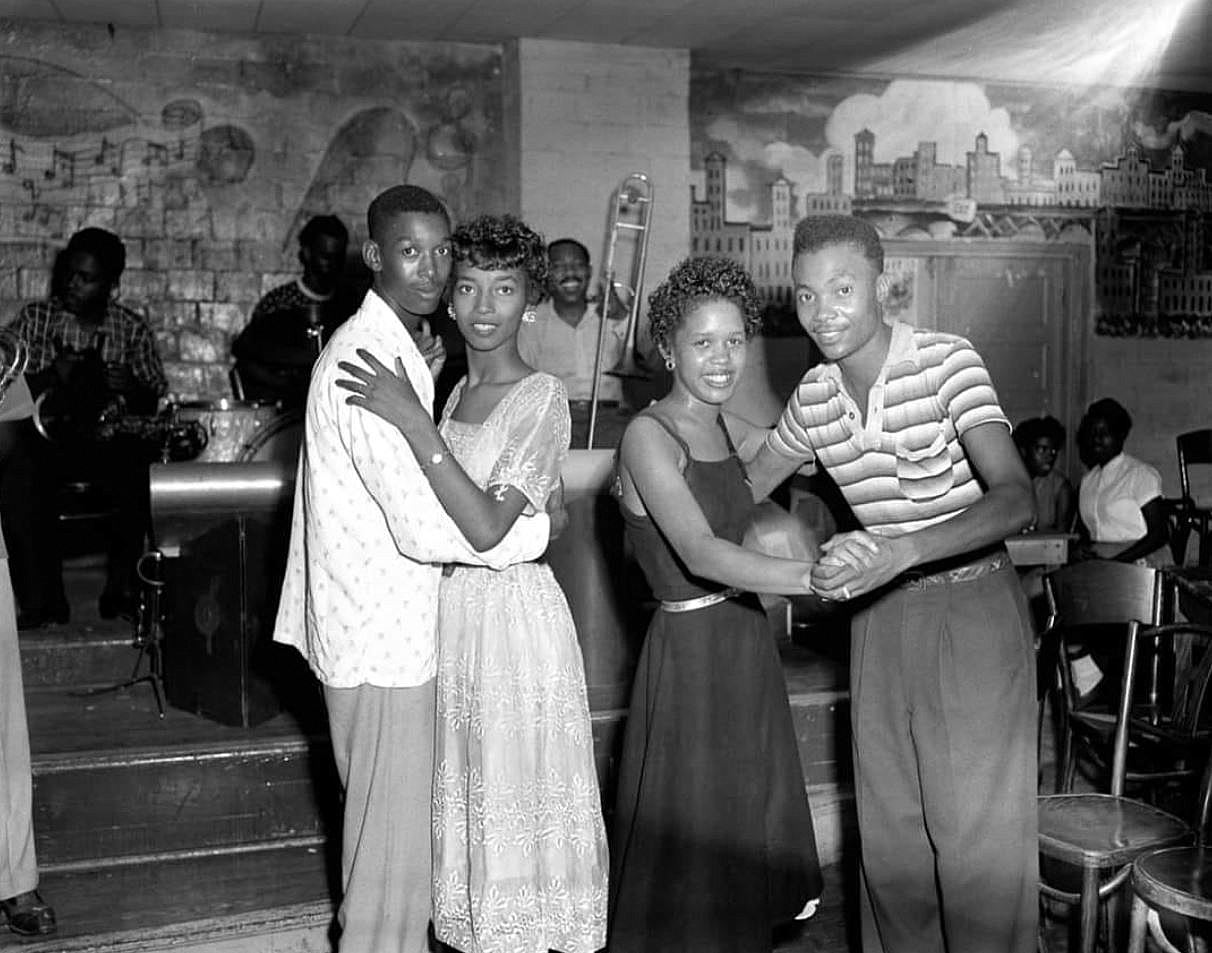
rose-ballroom_aug-1942_cook-collection_degolyer_smuThe Rose Ballroom, 1942

by Paula Bosse

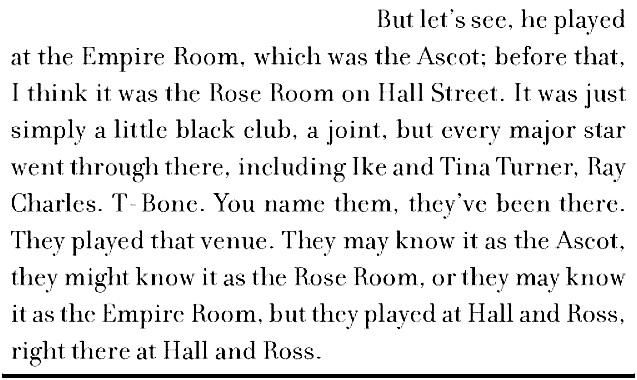
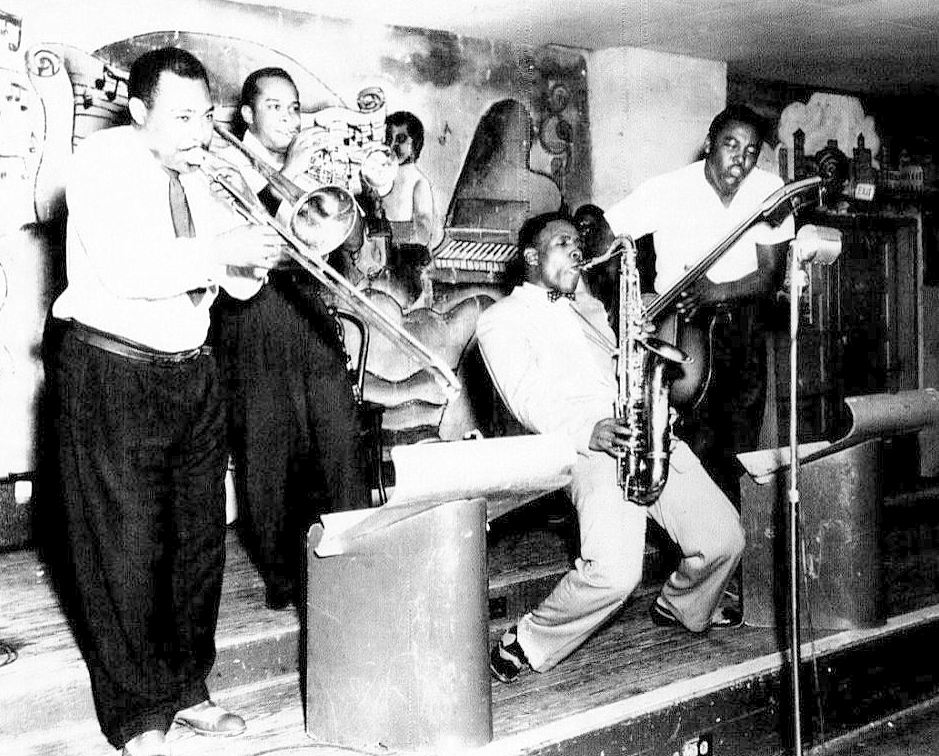
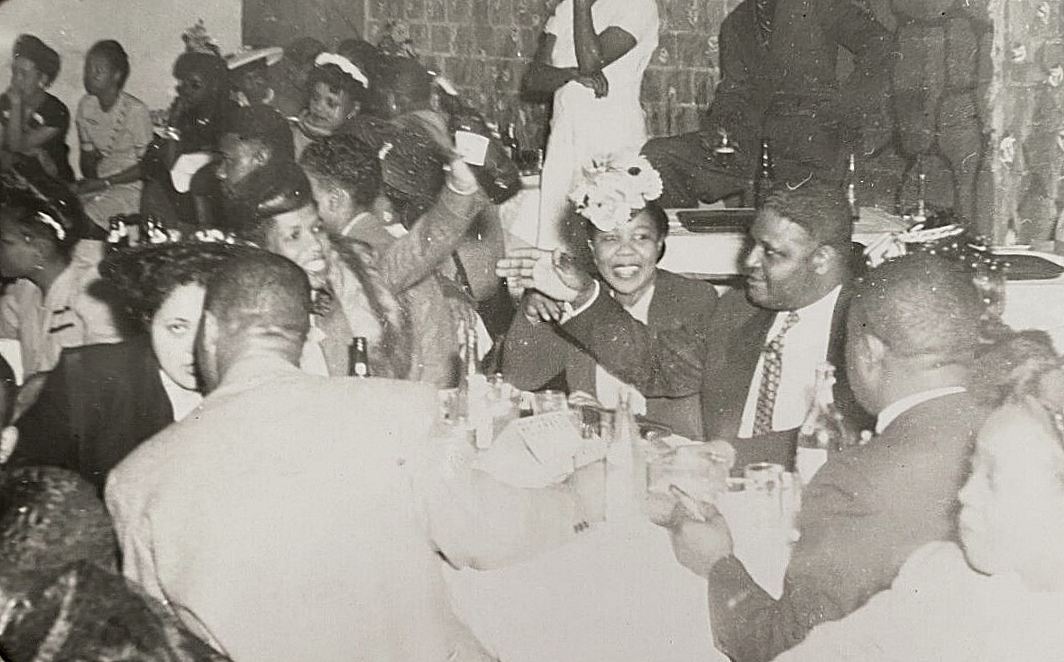
The photo above was taken at the Rose Ballroom at 1710 Hall Street (a few steps off Ross Avenue) in August, 1942. 1710 Hall was the home to a string of very popular black nightclubs: the Rose Ballroom (1942-1943), the Rose Room (1943-1951), the Empire Room (1951-1969) (not to be confused with the nightclub of the same name in the Statler Hilton), and the Ascot Room (1969-1975). There seems to have been some overlap of owners and/or managers and/or booking agents, but they all appear to have been very popular “joints” (as described by Freddie King’s daughter), where both big-name touring musicians as well as popular local acts played. Icons T-Bone Walker and Ray Charles were regulars (there are stories of Ray Charles sleeping on the Empire Room’s stage during the time he was living in Dallas in the ’50s). Everybody seems to have played there. Below, a quote from Wanda King, talking about her father, blues legend Freddie King — from the book Texas Blues: The Rise of a Contemporary Sound by Alan Govenar (all clippings and photos are larger when clicked):

rose-room_freddie-king_wanda-king_texas-blues_govenar

Some of the acts scheduled to appear in early 1946 at the Rose Room were Erskine Hawkins, Louis Armstrong, Lionel Hampton, Buddy Johnson, and Andy Kirk. …Wow.

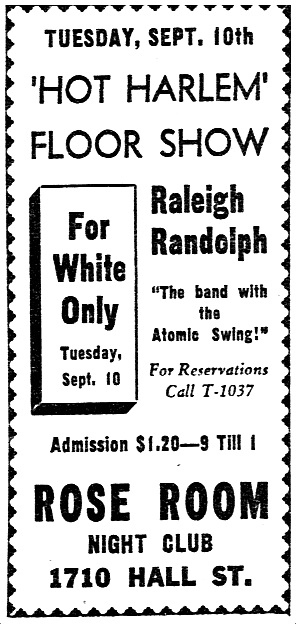
In the days of segregation, when Dallas police threatened to shut the club down if the owner allowed white patrons to mix with black patrons, the club scheduled “white only” nights where Caucasian audiences could see their favorite non-Caucasian performers. (Before these special club nights, which seem to have started in 1945, a revue would be taken “on the road” — over to the Majestic Theatre on Elm Street — to perform live onstage.)

rose-room_dmn_092945-ad
1945

rose-room_dmn_090846_ad
1946

The photo up there at the top showed the audience — here’s the stage (1946 photo of the E F Band by Marion Butts, from the Marion Butts Collection, Dallas Public Library):

rose-room_the-e-f-band_marion-butts_dpl_1946

And here’s what the stage looked like when the club became the Empire Room (onstage is Joe Johnson in a 1954 photo by R. C. Hickman, taken from a great article about Hickman in Texas Highways, here):

empire-room_joe-johnson_1954_r-c-hickman_tx-highways_020299

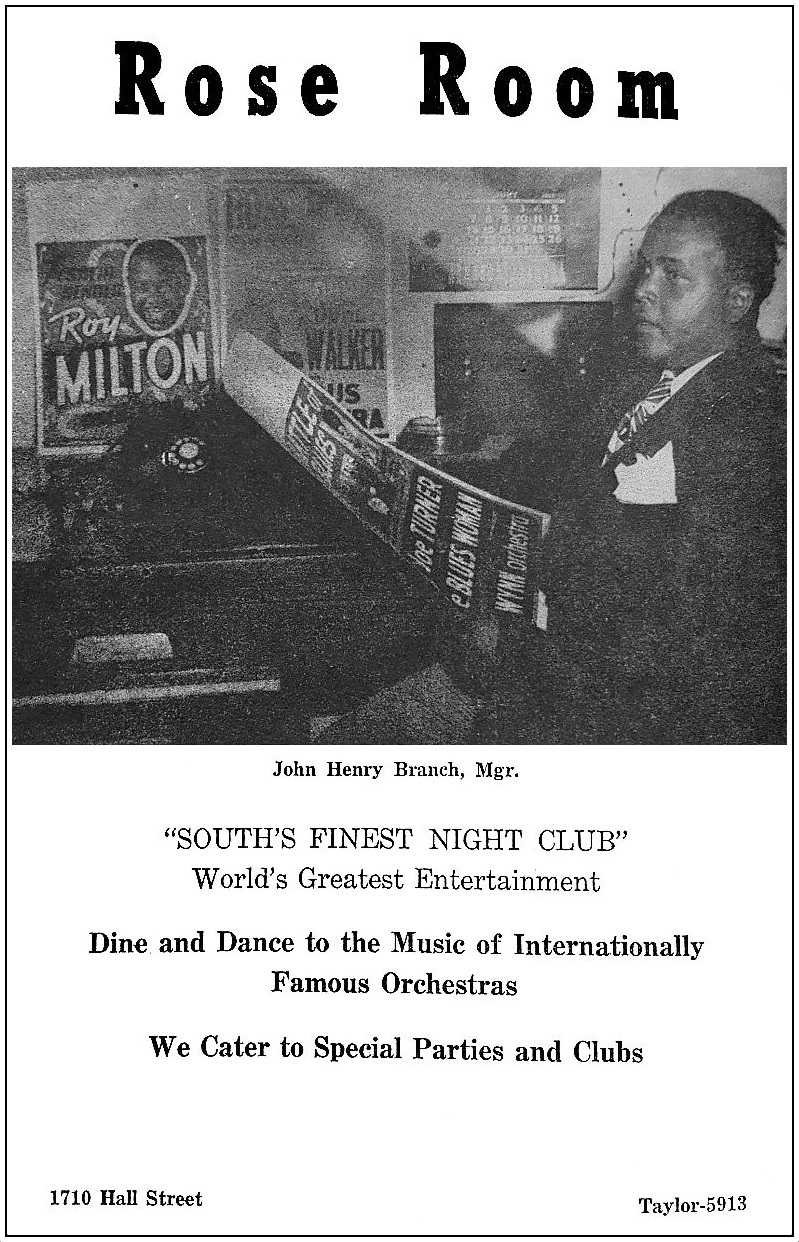
One thing that probably helped set the Rose Room/Empire Room apart from a lot of the other clubs in town at this time was the man who booked the shows — and who booked acts all over the area: John Henry Branch. The guy knew everyone. Here he is in an ad from 1947:

rose-room_1947-1948-negro-directory_dallas

Aside from booking acts and musicians for black clubs, he also booked acts for white clubs — including Jack Ruby’s Carousel and Vegas clubs. In fact, Branch chatted with Ruby at the Empire Room the night before Ruby shot Oswald — Ruby had come in to check on a piano player Branch was booking for a gig at the Vegas Club in Oak Lawn. Branch supplied testimony to the Warren Report, and while it’s not all that riveting (because there wasn’t that much to tell), it’s still interesting to hear how Branch describes his own club and Ruby’s personality (“You can’t never tell about him — he’s a weird person.”) — you can read his testimony here.

I have to admit, I’d never heard of the Rose Room or the Empire Room before I saw the photo at the top of this post. I really missed out. So much fantastic music! And I missed it. It’s just another reminder that Dallas has an incredible music history.

rose-room_texas-blues_govenar-brakefieldfrom the Texas African American Photography Archive

rose-room_1944-45-directory_hall-street
1700 block of Hall Street, 1944-45 city directory

What’s at 1710 Hall these days? A vacant lot — soon to be developed, no doubt. Ross Avenue ain’t what it used to be….

rose-room_photo_green-cover_ebayeBay

empire-room_teenage-dance_hickman_080656Teen dance, Aug. 6, 1956 (photo by R. C. Hickman)

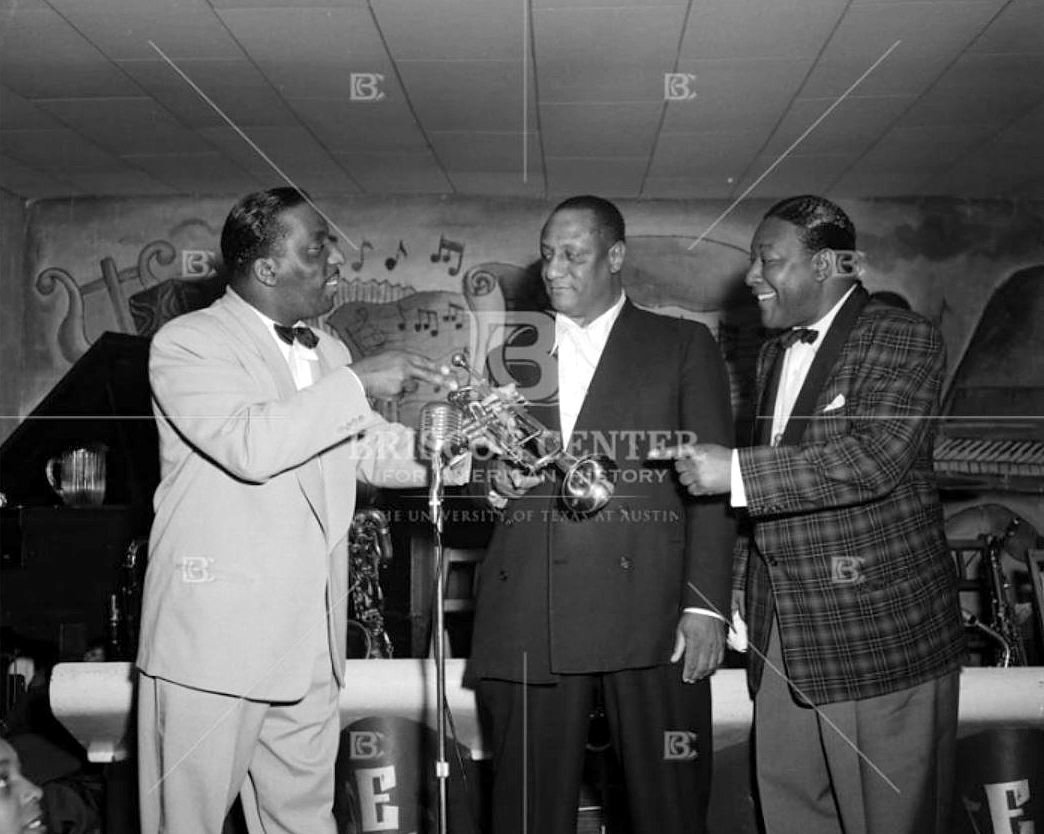
empire-room_l-g-mccutcheon_hickman_042351_briscoe-center_watermarkApr. 23, 1951 (photo by R. C. Hickman, Briscoe Center, Univ. of TX)

**

UPDATE: After many fruitless attempts to find a photo of the exterior of this building, I stumbled across it in a 1973 filmed report from KERA, recently uploaded by the G. William Jones Film and Video Collection at SMU. Below is a screenshot showing the Ascot Room a couple of years before it finally closed, looking a little worse for wear. The 8-minute film (which you can watch here) shows tons of locations in the Black neighborhoods of South Dallas (along Forest Avenue/MLK Blvd.) and “North Dallas” (along Hall Street) — the Ascot Room can be seen briefly at the 1:46 mark. (More on this film can be found in the Flashback Dallas post “Black Dallas — 1973.”)

ascot-room_june-1973_kera-collection_jones-collection_SMUAscot Room, 1973 (screenshot, Jones Collection, SMU)

***

Sources & Notes

Top photo from the George W. Cook Dallas/Texas Image Collection, DeGolyer Library, Central University Libraries, Southern Methodist University; more info on this photo is here. Someone has written this on the photo: “Aug. 42, Dallas, Rose Room” — in August, 1942 the club was known as the Rose Ballroom; it changed its name to the Rose Room in early 1943.

1973 screenshot is from a 1973 film (my guess is that it was broadcast on Channel 13’s “Newsroom”) from the KERA Collection, G. William Jones Film and Video Collection, Hamon Arts Library, Southern Methodist University.

Wanda King quote is from the book Texas Blues: The Rise of a Contemporary Sound by Alan Govenar (College Station: Texas A & M University Press, 2008).

Rose Room ad featuring John Henry Branch is from the 1947-48 Dallas Negro City Directory (with thanks to Pat Lawrence!).

More about the hopping Hall Street area can be found in the Flashback Dallas post “Life on Hall Street — 1947,” here.

*

Copyright © 2017 Paula Bosse. All Rights Reserved.
Twelve Prominent Black Baptist Churches — 1967

church_zion-hill-missionary-baptist_1967Zion Hill Missionary Baptist Church… (click for larger image)

by Paula Bosse

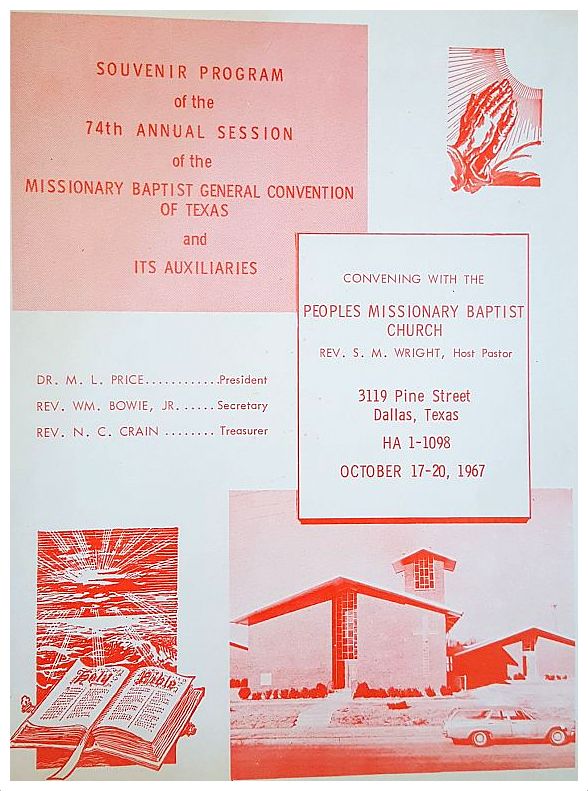
Flipping through the pages of the 1967 Souvenir Program of the 74th Annual Session of the Missionary Baptist General Convention of Texas and Its Auxiliaries (…as one does), I kept coming across ads featuring photos of Dallas churches and wondered how many were still standing. Out of the twelve I’m posting here, all but three are still standing. That’s a healthy survival rate!

All photos are from the above-mentioned program for the Missionary Baptist General Convention of Texas, which convened in Dallas, October 17-20, 1967. All photos (which are larger when clicked) appeared in this 1967 booklet, but a few were older photos taken in previous years or decades.

missionary-baptist-convention_1967

*

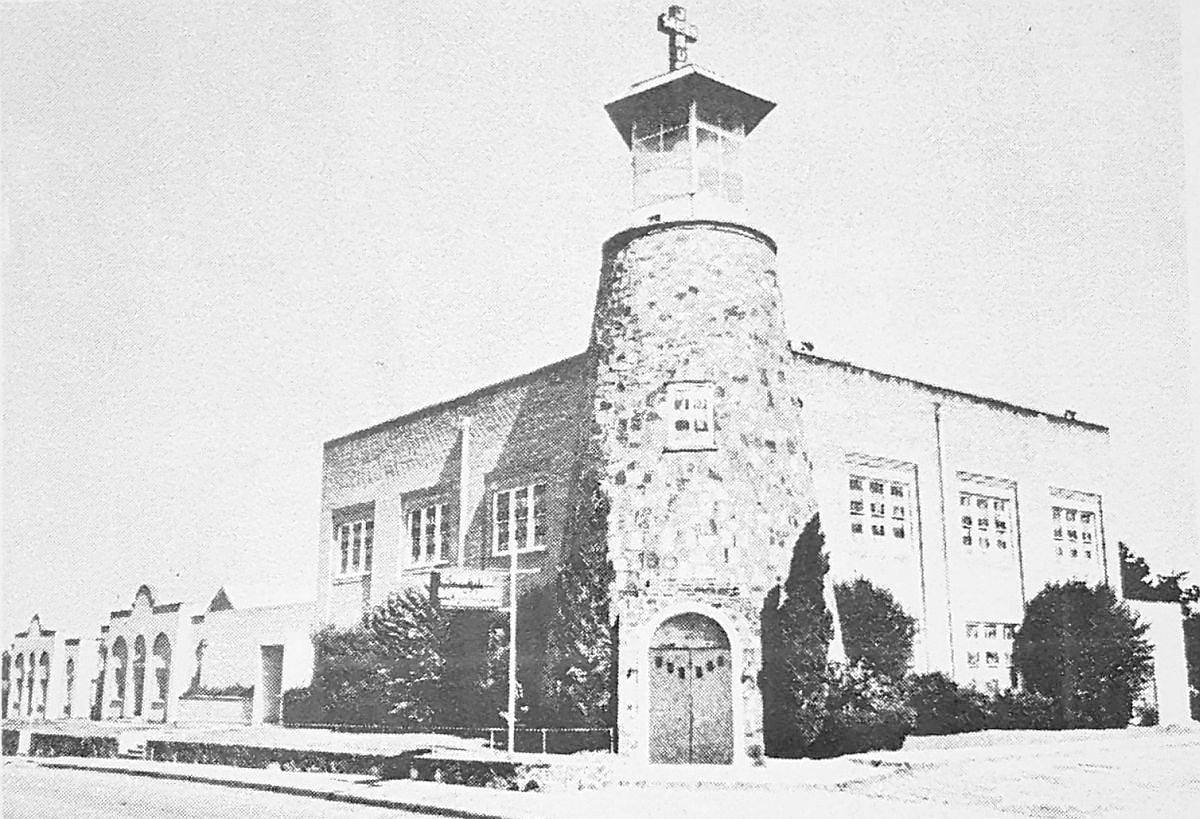
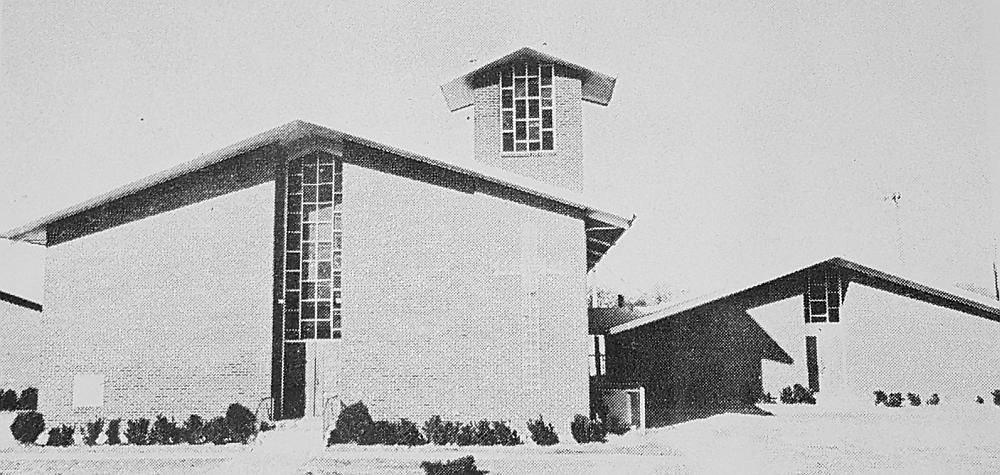
At the top, Zion Hill Missionary Baptist Church, 909 Morrell Avenue, East Oak Cliff (Rev. A. F. Thomas, Sr., Minister). The church is still standing and is still cool-looking — see it on Google Street View here. (According to a history of the church, the building was designed by J. C. Hibbard, the Assembly of God preacher who designed his own Oak Cliff church, the Gospel Lighthouse Church, which I wrote about here — the two eye-catching buildings are only a mile apart.)

*

church_peoples-missionary-baptist_1967

People’s Missionary Baptist Church, 3119 Pine Street, South Dallas (Rev. S. M. Wright, Pastor). Still standing, here

*

church_allen-chapel-baptist_1967

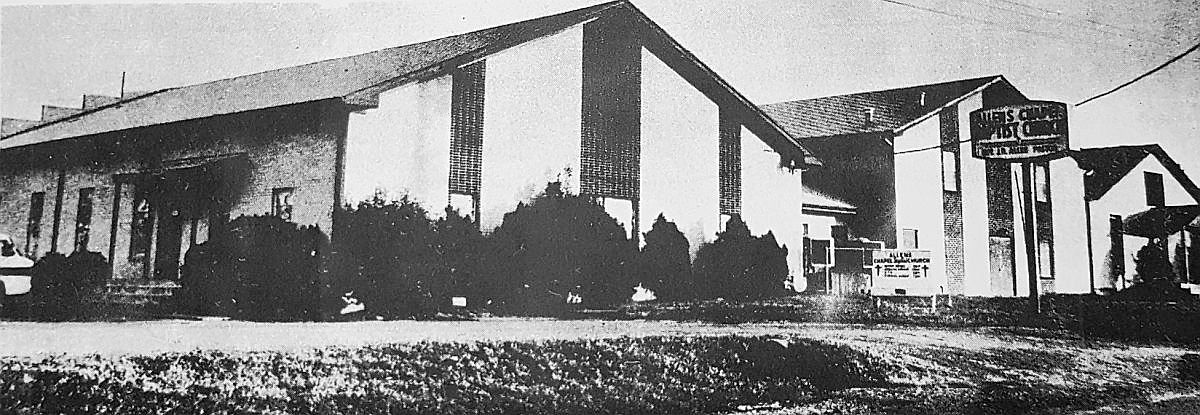
Allen Chapel Baptist Church, 2146 Overton Road, Oak Cliff (Rev. J. R. Allen, Pastor). Still standing, here.

*

church_morning-star-baptist_1967

Morning Star Baptist Church (photo circa 1947, the year the brick church was built), 2662 Anderson Street, South Dallas (Rev. Howard Gill, Pastor). Still standing, here.

*

church_good-street-baptist_1967

Good Street Baptist Church, 902 N. Good-Latimer (between Live Oak and Bryan) (Dr. Cesar Clark, Pastor). No longer standing.

*

church_oak-hill-missionary-baptist_1967

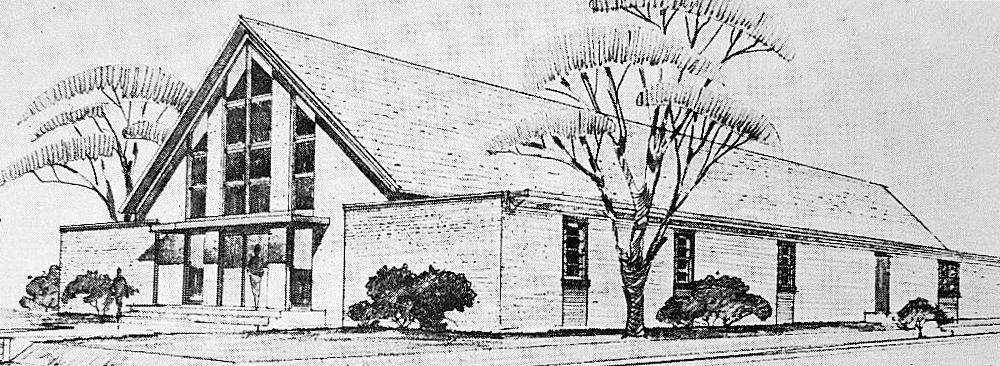
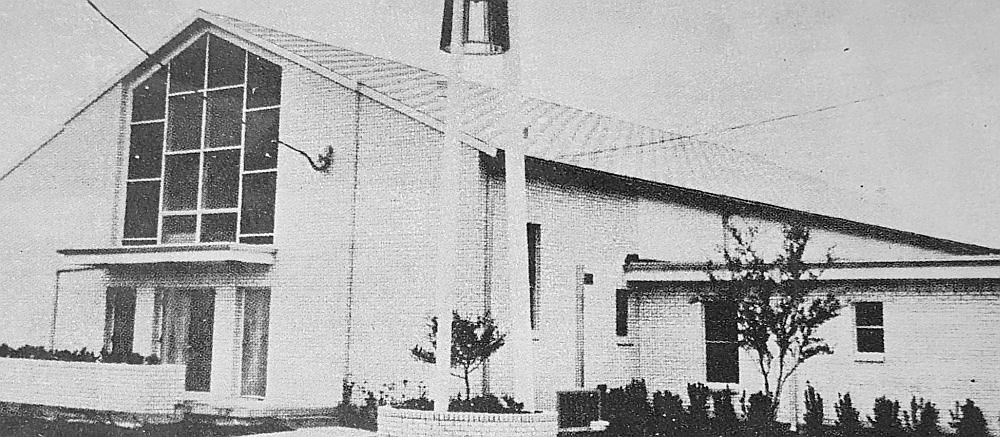
Oak Hill Missionary Baptist Church, 4440 S. Oakland Avenue (now Malcolm X Blvd.), South Dallas (Rev. M. G. Solomon, Pastor). Drawing of their “future church building.” Still standing, here.

*

church_bethany-baptist_1967

Bethany Baptist Church, 6710 Webster Street, Love Field area (A. L. Schley, Pastor). Still standing, here.

*

church_munger-avenue-baptist_1967

Munger Avenue Baptist Church, 3919 Munger Avenue (not to be confused with N. Munger Blvd.), near Haskell and Washington, in what used to be the thriving African-American neighborhood of North Dallas (Rev. B. E. Joshua, Pastor). Still standing, here.

*

church_pilgrim-rest-baptist_1967

Pilgrim Rest Missionary Baptist Church, 2525 Caddo Street, just a few blocks from Munger Avenue Baptist Church (Rev. G. B. Prince, Pastor). No longer standing. The property was sold to the Southland Corporation in 1983 — its location is now occupied by a Cityplace parking lot. According to the history of the church, Pilgrim Rest moved to 1819 N. Washington in 1985.

*

church_mount-moriah-missionary-baptist_1967

Mount Moriah Missionary Baptist Church, 3611 Latimer Street, South Dallas (Rev. B. F. Briggs, Pastor). Still standing, here.

*

church_st-john-baptist_1967

St. John Baptist Church, 2019 Allen Street, State-Thomas area (Robert H. Wilson, Minister). No longer standing.

*

church_new-zion-baptist_1967

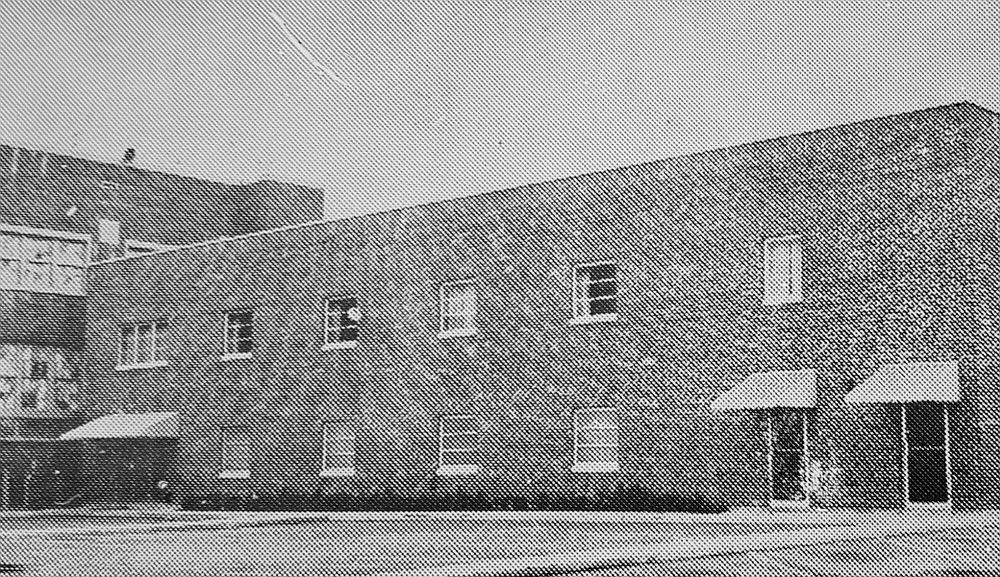
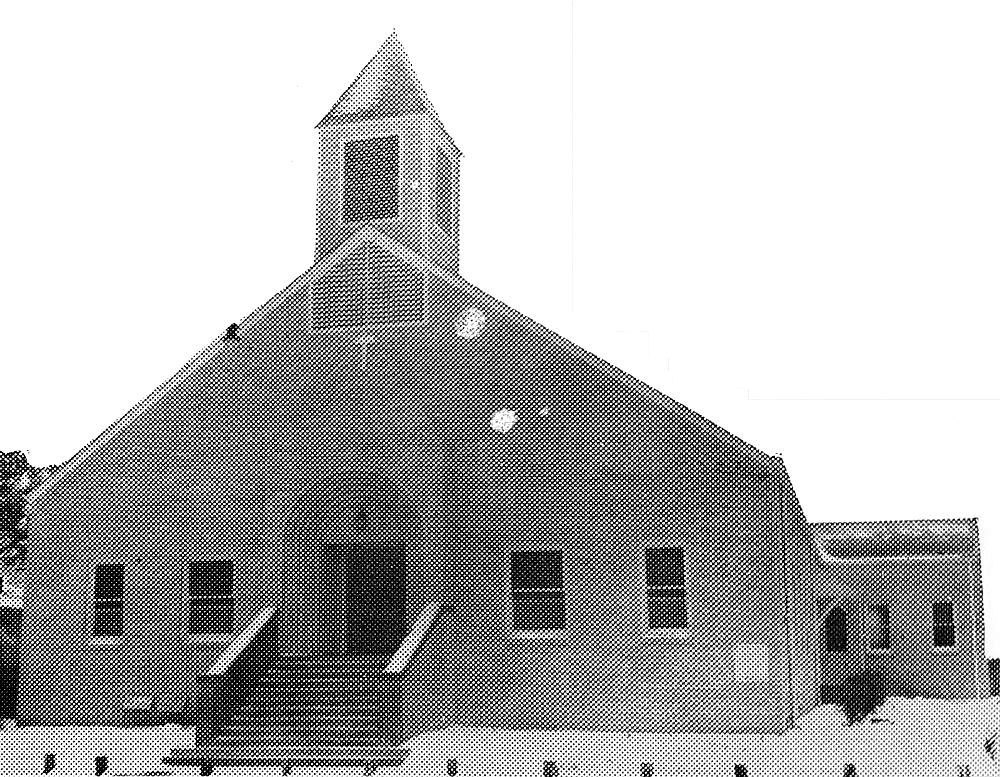
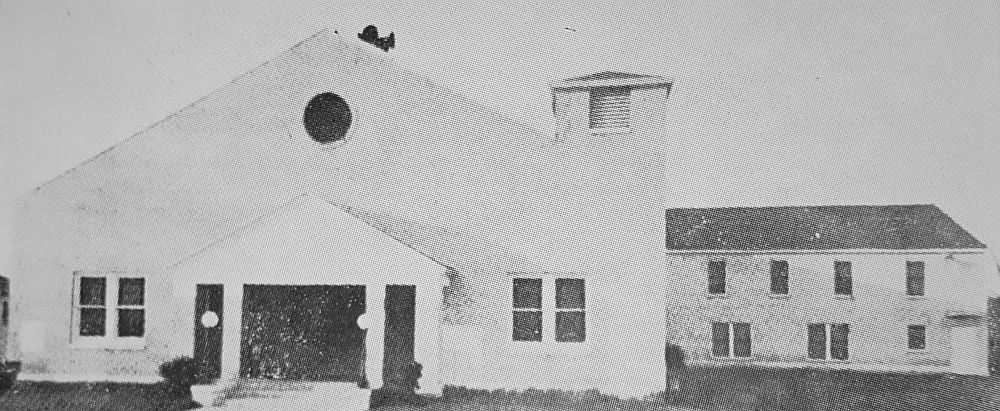
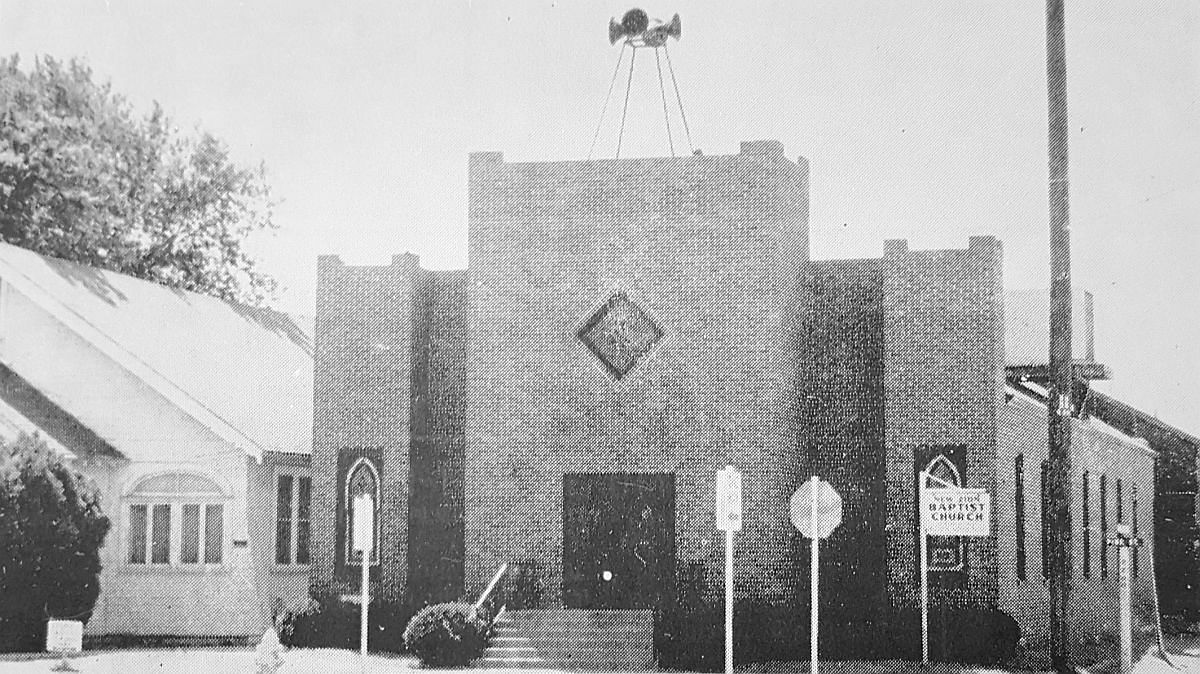
New Zion Baptist Church, 2214 Pine Street, South Dallas (Rev. A. V. Voice, Pastor). Now Greater New Zion Church, this is my favorite of these twelve buildings, and it still looks good, here.

***

Sources & Notes

All photos from the Souvenir Program of the 74th Annual Session of the Missionary Baptist General Convention of Texas and Its Auxiliaries, which was held in Dallas in October, 1967.

Many thanks to George Gimarc for passing this wonderful little booklet on to me. I hope to share more from its pages in the future.

All photos larger when clicked.

*

Copyright © 2017 Paula Bosse. All Rights Reserved.
 

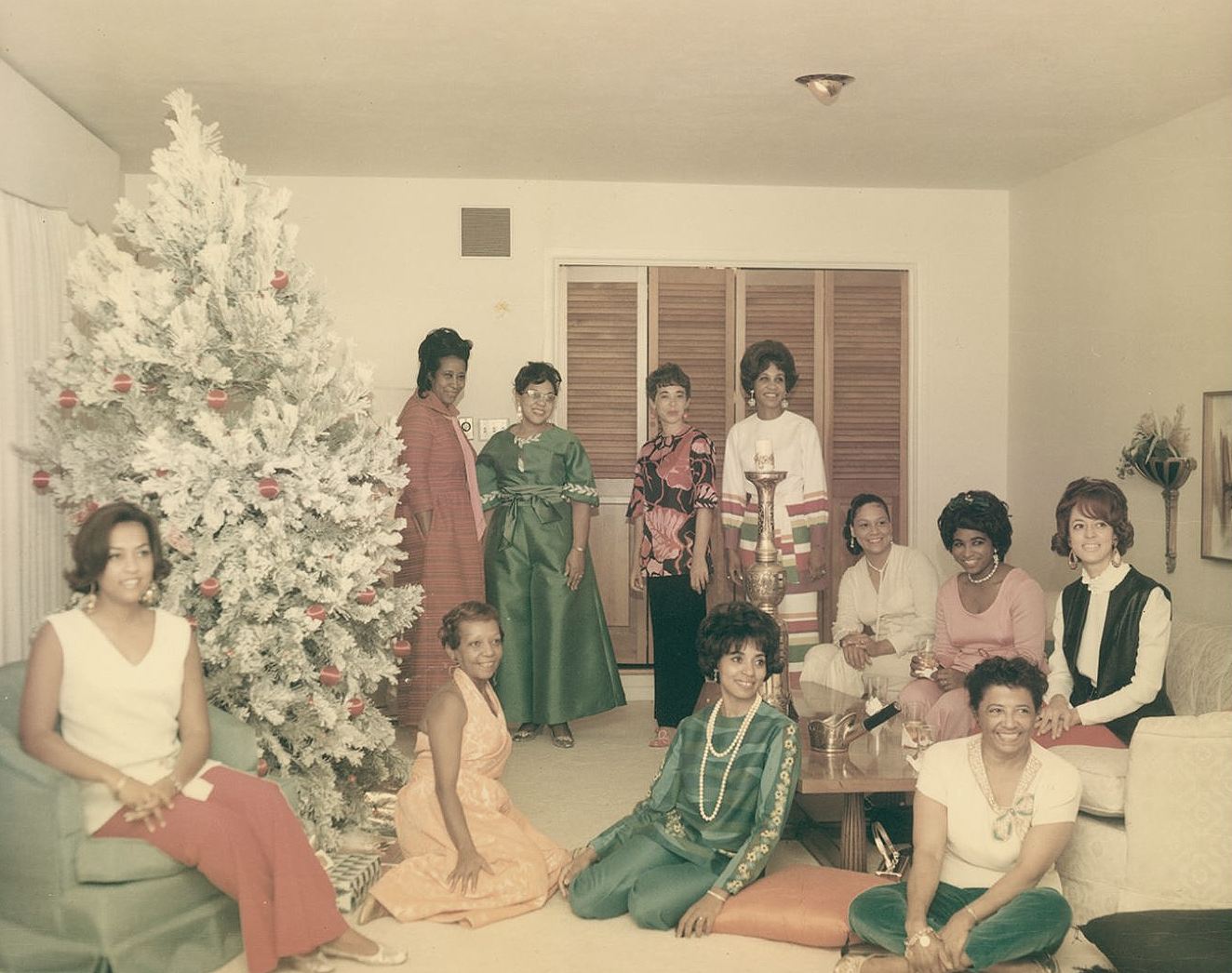
Merry Christmas from the Priscilla Art Club — 1968

xmas_priscilla-art-club_123168_uta“Say ‘fondue’!”

by Paula Bosse

These women look like they’ve stepped out of a catalog — perfectly dressed, perfectly coiffed, perfectly posed. They are members of the Priscilla Art Club, the oldest African-American women’s club in Dallas. The club was formed in 1911, and I think it may still be active — the most recent news I could find of the club was from 2012, when the “centennial legacy quilt,” made by members to celebrate the club’s 100th anniversary, was displayed at the African American Museum. Below, a little history of the club from the press release announcing the exhibit in February, 2012.

THE PRISCILLA ART CLUB CELEBRATES BLACK HISTORY MONTH

In honor of Black History Month, the Priscilla Art Club, the oldest African American women’s organization in Dallas County, will host a display of its centennial legacy quilt made by its members […] at the African American Museum of Life and Culture, Dallas Fair Park.

“The idea of a custom designed legacy quilt started out as a novel idea from our Systems Committee in recognition of our 100th anniversary. The twenty-two club members quickly became engaged in seeing it to fruition and we are happy to honor the beauty, the inspiration and the legacy of our Club” said Shirley Porter Ware, Club President.

The Priscilla Art Club, organized in 1911 as a club for young matrons, was organized under the encouragement and direction of Mrs. Mattie Mansfield Chalmers. The organization’s purposes were to establish and maintain the aesthetic, promote congenial companionship and foster all social and community interests that pertain to the general uplift. The Club was named for Priscilla, a New Testament woman of extraordinary culture and the wife of Aquila, a Jewish tentmaker.

Since its auspicious beginning, the Club has invited into its membership many of Dallas’ most distinguished homemakers. These members have exhibited an interest or are talented in arts and crafts.

Besides being homemakers and mothers, the members have been and some still are principals, school administrators, teachers, business owners, social workers, church leaders and servant volunteers in the local community.

Throughout the century of service and sisterhood, recorded in The Priscilla’s prolific history include mention of service rendered in support of the World War I efforts by rolling bandages that were sent overseas to the field hospitals in France. For several years, the Priscillas decorated the shotgun house, located in Old City Park, in observance of the holiday season. In more recent years, the members have decorated t-shirts and jackets made from sweat shirts to give to men and women in local assisted living facilities. Club members have made crocheted skull caps in a variety of vivid colors and patterns and donated to cancer patients actively engaged in treatment regimens.

Regardless of change, the Priscilla Art Club’s concern for its artistic endeavors and for civic and social uplift will continue with deepening interest and commitment as the tradition of the founders’ legacy is carried forward.

I hope the club is still around. This year marks its 105th anniversary.

***

Sources & Notes

Photo was taken on December 31, 1968; from the Culmer Family Papers, UTA Libraries, Special Collections, accessible here.

The 2012 press release was posted on the Facebook page of the Dallas Fort Worth Association of Black Journalists, here.

More on the history of the club can be found in the Dallas Morning News article “Reception to Honor Art Club’s 65th Year” by Julia Scott Reed (DMN, April 2, 1976).

The most in-depth history of the club that I could find online can be found in the guide to the Culmer Family Papers at UTA, here (scroll down to the paragraph that begins “The Priscilla Art Club was one of the most prestigious, if not elitist clubs for African American women in Dallas….

*

Copyright © 2016 Paula Bosse. All Rights Reserved.
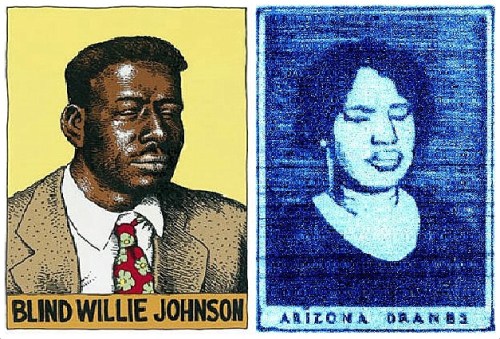
Holy Blues: Blind Willie Johnson and Arizona Dranes — 1920s

johnson-dranes

by Paula Bosse

Today a little Sunday-go-to-meetin’ music, courtesy of two powerful singers who recorded at about the same time — late 1920s — and who both spent time in Dallas. Blind Willie Johnson was from Marlin, Texas, but he recorded much of his music in Dallas and regularly played street corners in Deep Ellum. Arizona Dranes, also a native Texan, lived in Dallas for several years and was, like Johnson, blind. Listening to both of them, you can hear their influence in the gospel and blues music that came after them. Read about the short life and career of Blind Willie Johnson here. Read about the life and career of Arizona Dranes from Michael Corcoran, here and here. And listen to their music below. It’s fantastic. (All of the tracks by Johnson were recorded in Dallas.)

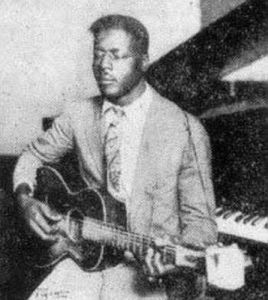
blind-willie-johnson
Blind Willie Johnson, 1927-ish?

That guitar!

*

*

Here he is with his wife singing behind him.

*

Johnson’s song “Dark Was the Night, Cold Was the Ground” was included on the Voyager Gold Record, a collection of music chosen to represent Earth’s culture and diversity, carried into space aboard the Voyager.

*

*

arizona-dranes_1953_corcoran
Arizona Dranes in 1953

That voice!

*

The song below starts off deceptively “plinky” but picks up considerably when Arizona starts to sing.

*

Want to know more about Arizona Dranes? Michael Corcoran can tell you what you need to know.

*

Copyright © 2016 Paula Bosse. All Rights Reserved.
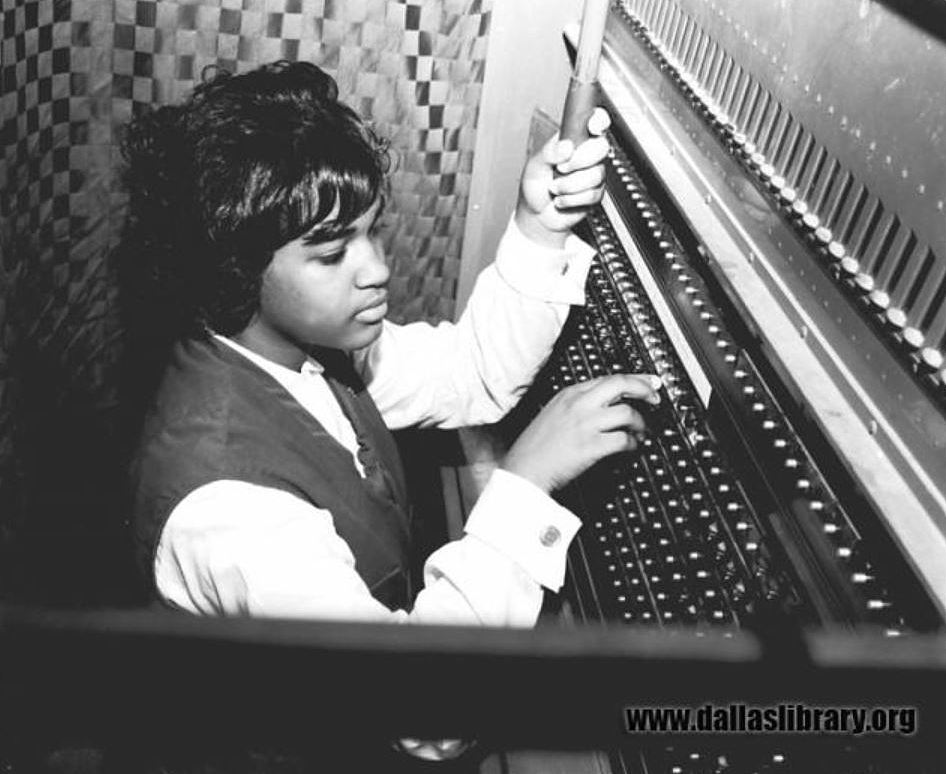
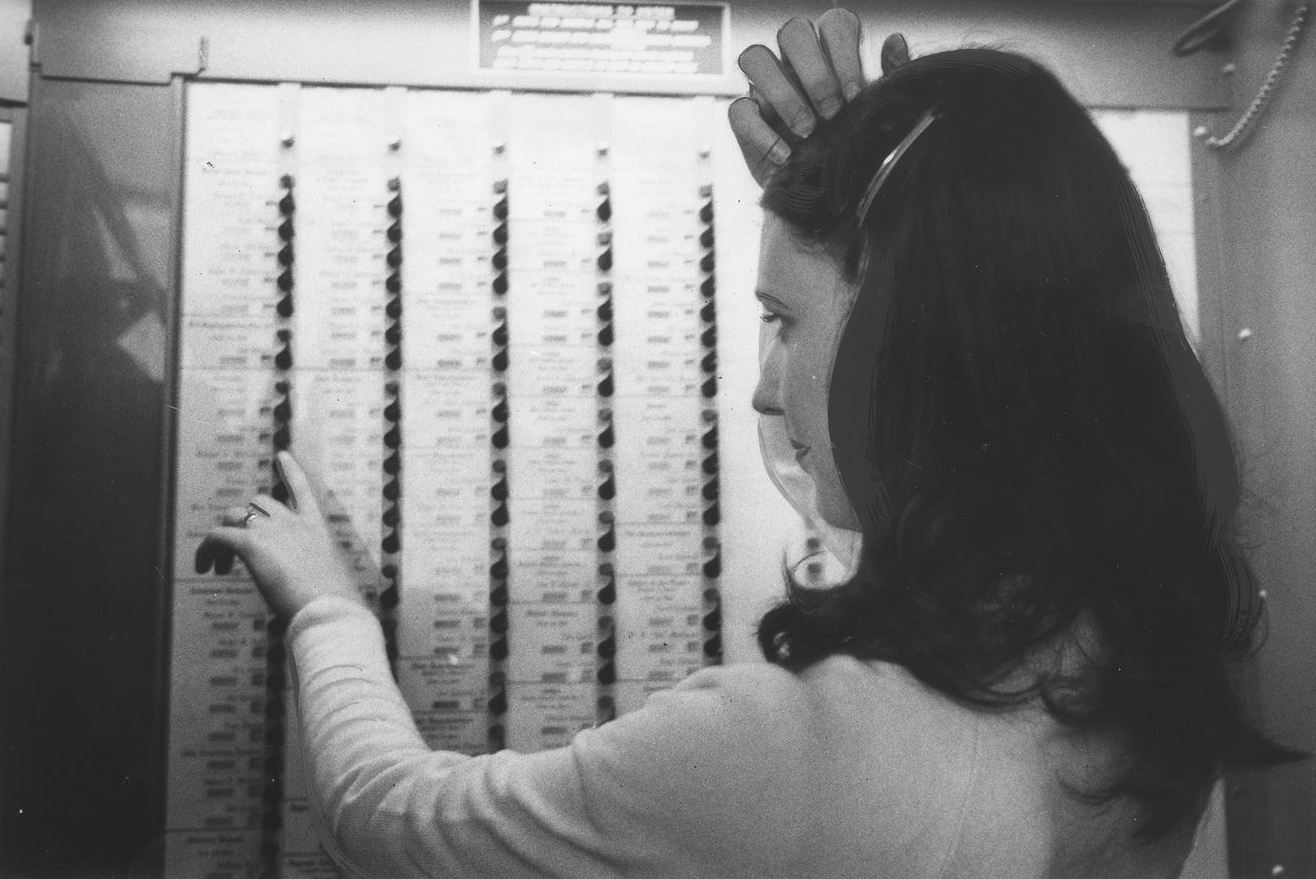
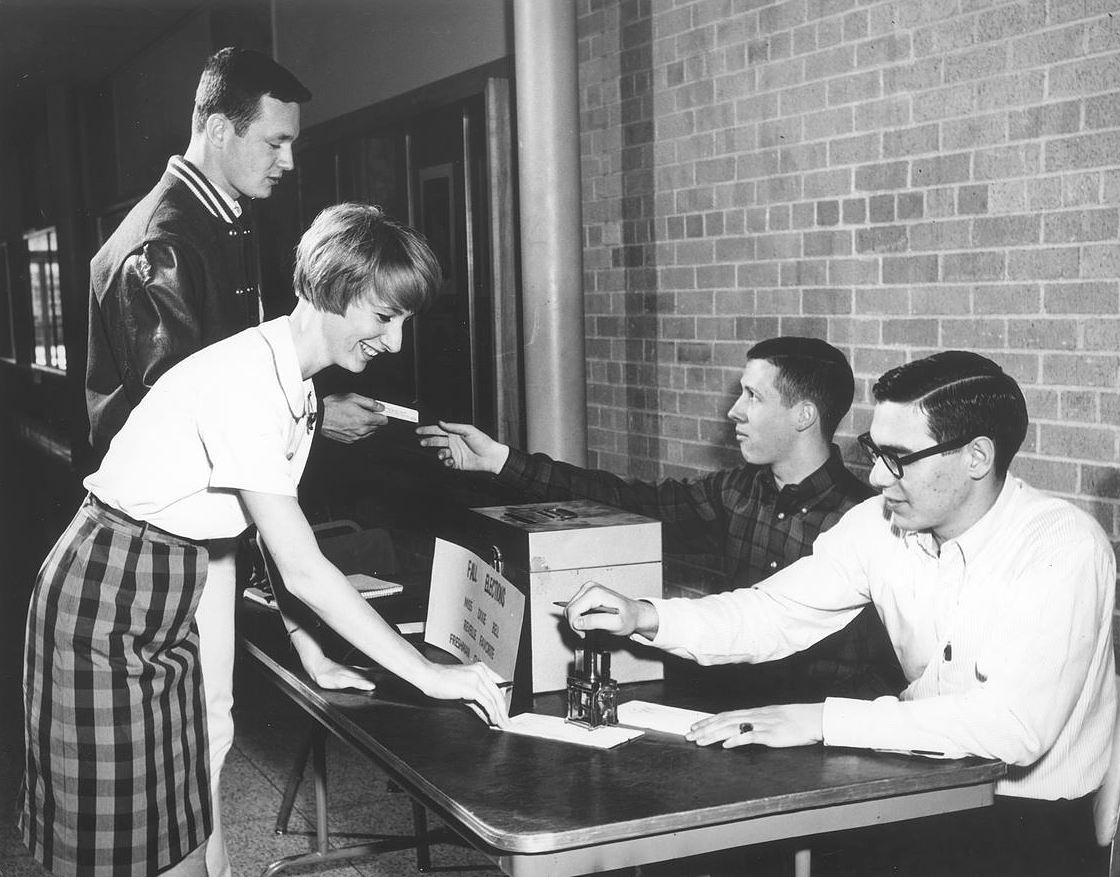
Voting Day

voting-instructions-for-youth_marion-butts_dpl_1965Lever-pulling behind the curtain, 1965 (click for larger image)

by Paula Bosse

It’s here, y’all. Get out and get it done.

voting_uta_no-date

voting_uta_1972

***

Sources & Notes

Top photo from 1965 by Marion Butts, from the Dallas Public Library’s Marion Butts Collection: “Young woman demonstrates the use of a voting machine” — more here (you may have to be logged into to your Dallas Public Library account to reach this page).

Second photo is undated and has no photographer info: “Early voter, Mrs. Gene Savage, looking at long Democratic party ballot,” from UTA Libraries, Special Collections — more info here.

Third photo is from 1972: “Students voting in Fall Elections, University of Texas at Arlington (UTA), 1972,” from UTA Libraries, Special Collections — more info here.

More on Dallas elections can be found in the Flashback Dallas post “How Dallas Used to Get Election Returns,” here.

Click photos to see larger images.

*

Copyright © 2016 Paula Bosse. All Rights Reserved.
 

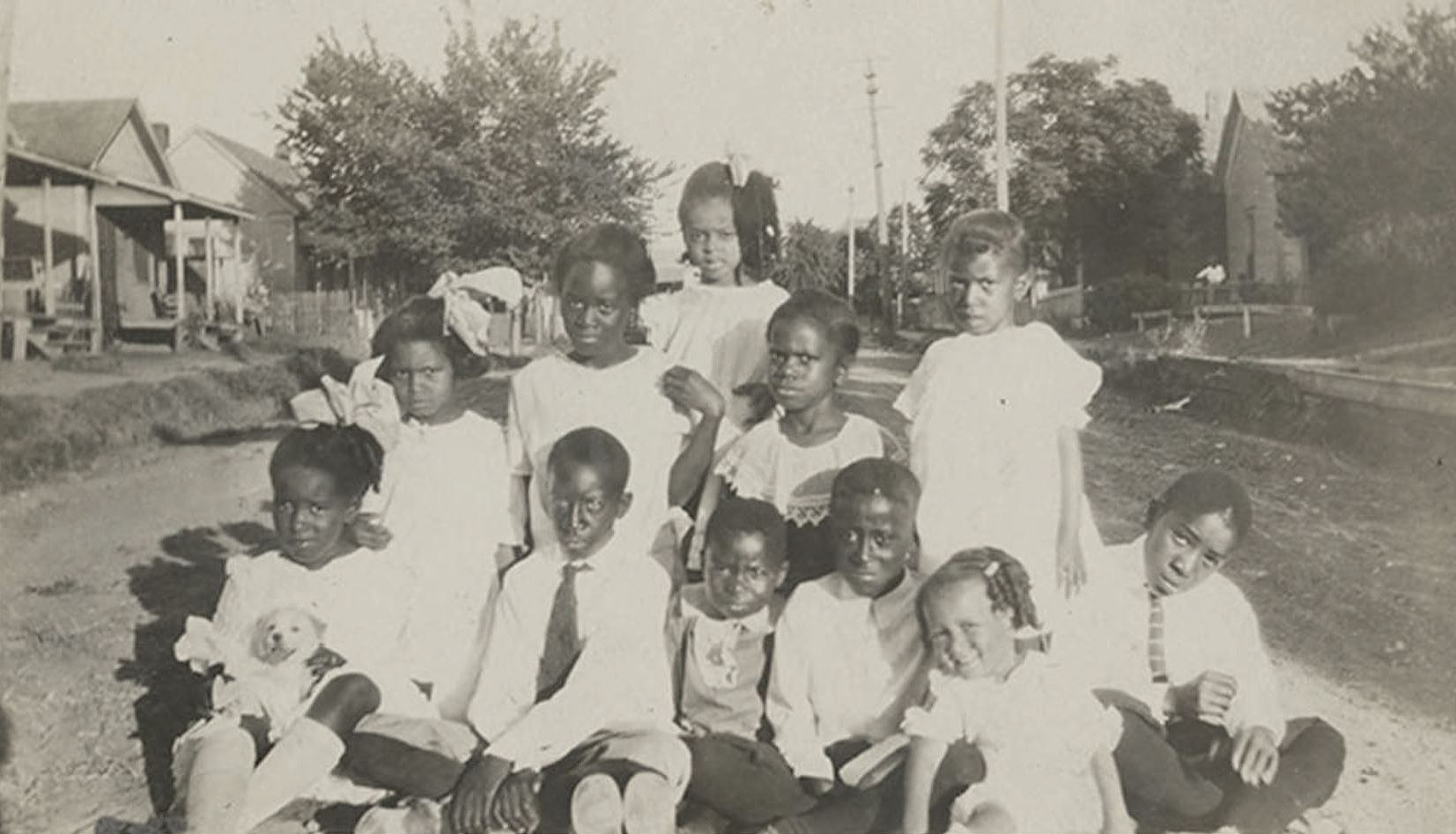
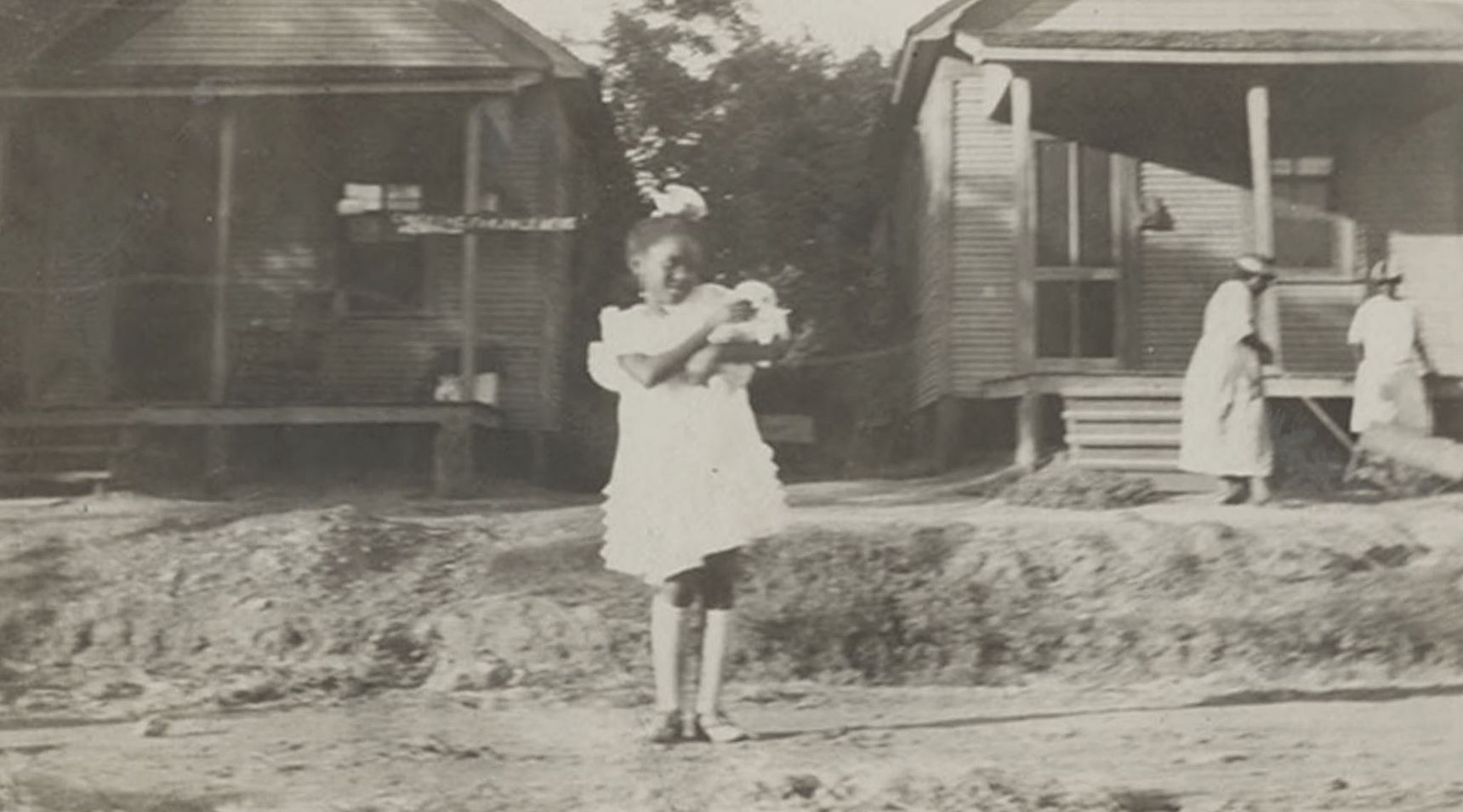
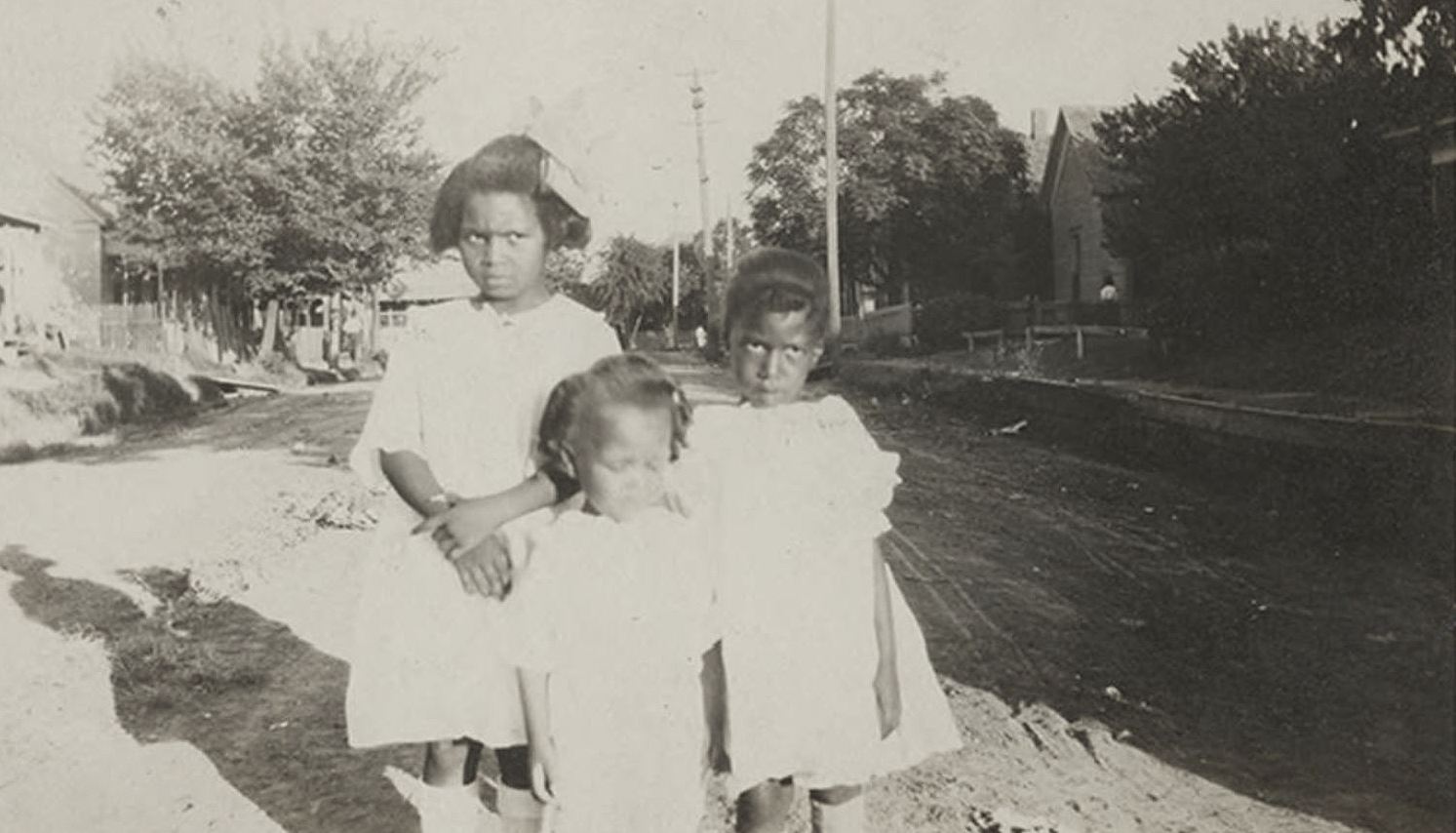
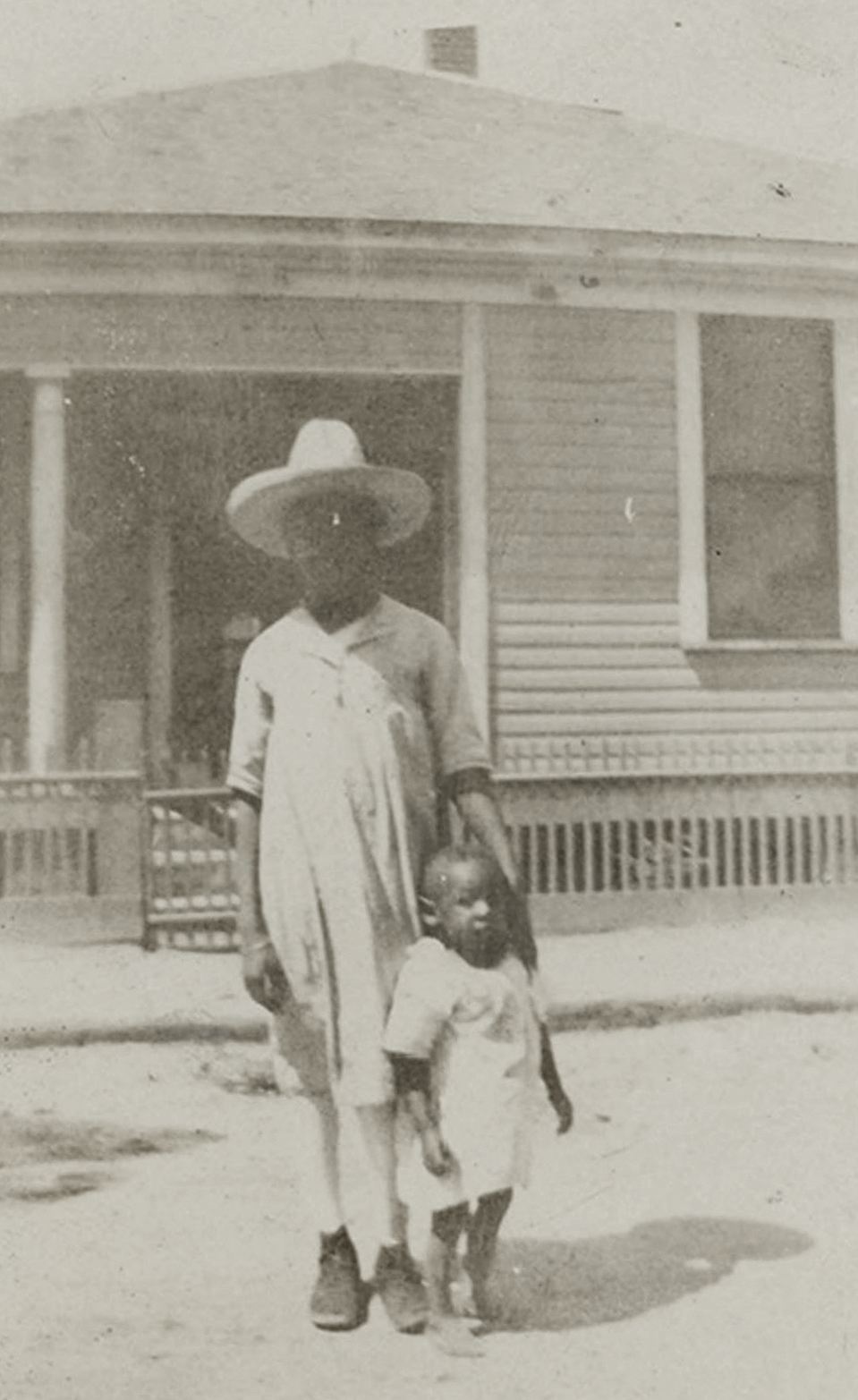
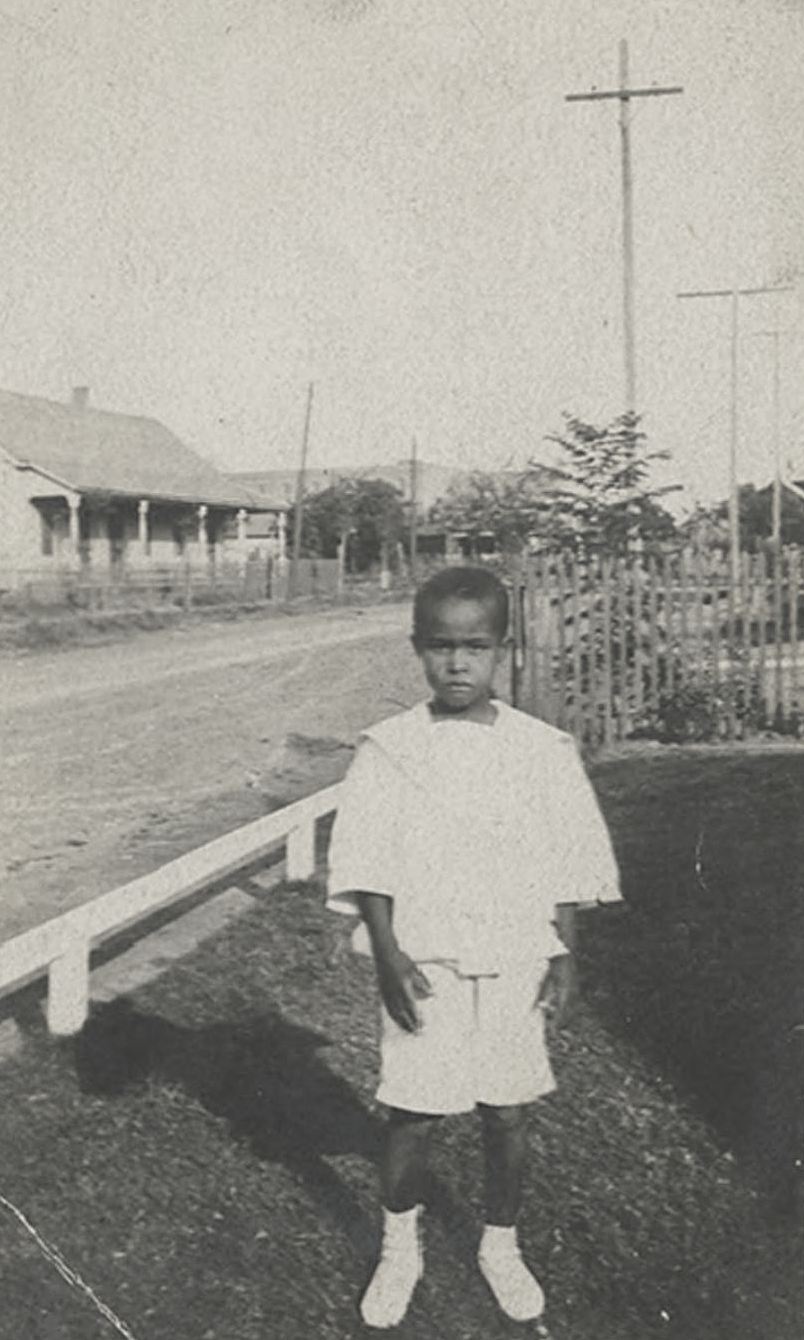
The Kids of State-Thomas

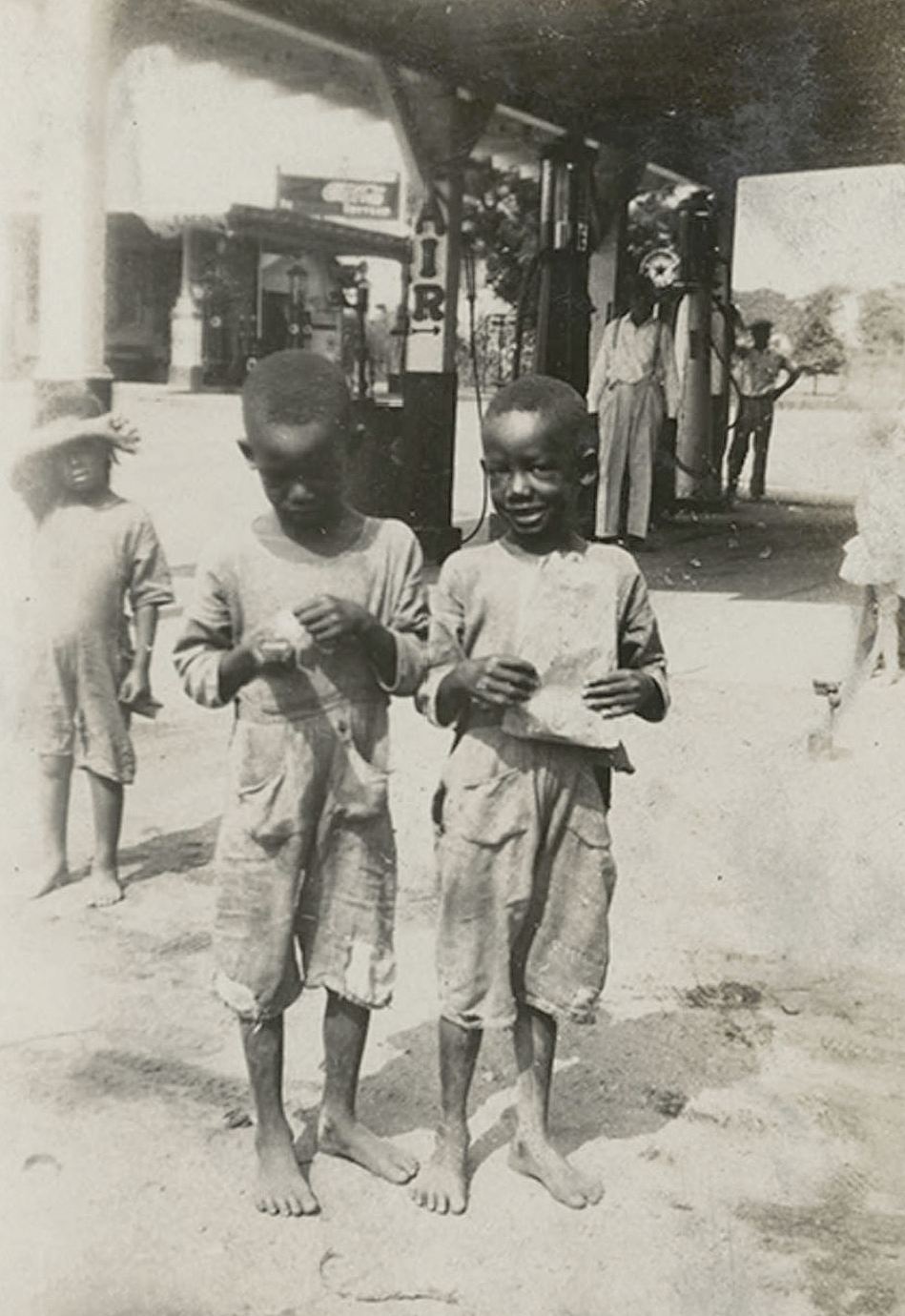
african-american-children_cook-coll_smu_1George W. Cook Collection, SMU

by Paula Bosse

More great photos from the George W. Cook Collection at SMU’s DeGolyer Library! Click photos to see larger images.

african-american-children_cook-coll_smu_2

african-american-children_cook-coll_smu_3

african-american-children_cook-coll_smu_4

african-american-children_cook-coll_smu_5

african-american-children_cook-coll_smu_6

***

Sources & Notes

All photos from the George W. Cook Dallas/Texas Image Collection, DeGolyer Library, Central University Libraries, Southern Methodist University. Additional information for each photo can be found for photo 1 here; photo 2 here; photo 3 here; photo 4 here; photo 5 here; and photo 6 here.

The State-Thomas area (also known in the past as Freedman’s Town and North Dallas) was once a vibrant African-American neighborhood which has now become swallowed up by “Uptown.” A short history can be found here (scroll down to “Freedman’s Town”).

Other State-Thomas-related photos can be found in these Flashback Dallas posts:

  • “The Allen Street Taxi Company,” here
  • “The Dunbar Branch: Dallas’ First Library for the African-American Community, 1931-1959,” here

Photos are big. Click them!

*

Copyright © 2016 Paula Bosse. All Rights Reserved.


The Esquire Club, The Charm Club, and The Riflettes: James Madison High School — 1970

madison_1971-yrbk_exteriorPhoto op on the front steps….

by Paula Bosse

Browsing through high school yearbooks (as one does), one always finds images of teenagerdom from yesteryear that are charming. I’ve never been a huge fan of the 1970s, but 1970 was still hanging onto the ’60s for dear life before polyester and disco completely took hold and refused to give up.

These photos are from the 1970 yearbook of James Madison High School (the top photo is from 1971, but … close enough). Here are a few tidbits from that annual. Enjoy.

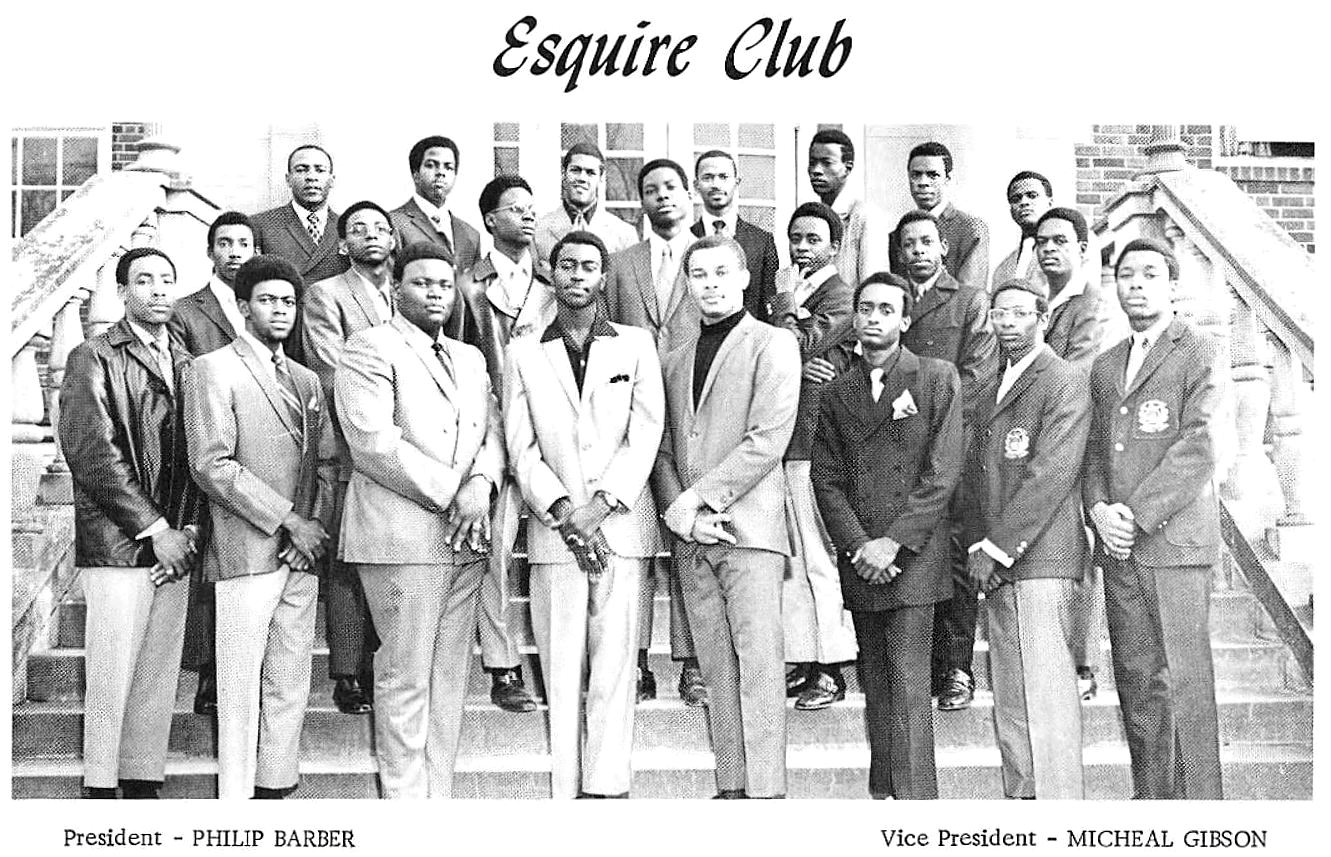
First, the Esquire Club. ‘Nuff said.
madison_1970-yrbk_esquire-club

*

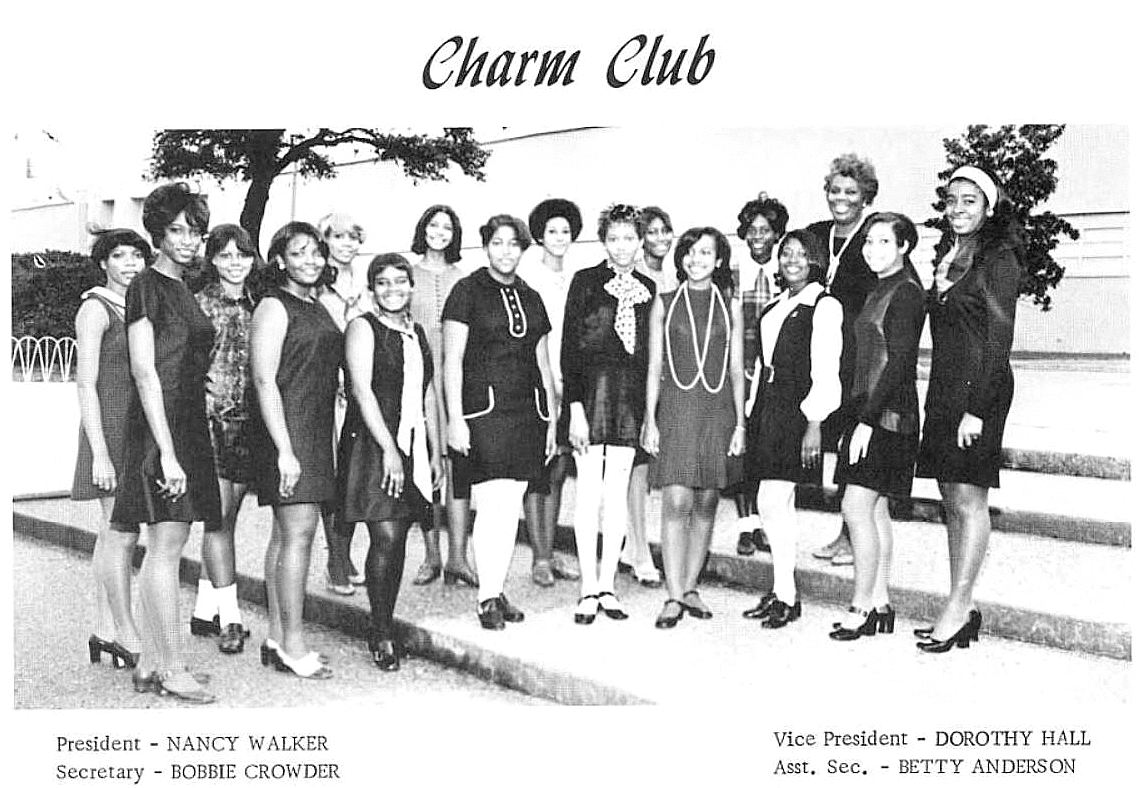
And the Charm Club:

madison_1970-yrbk_charm-club

*

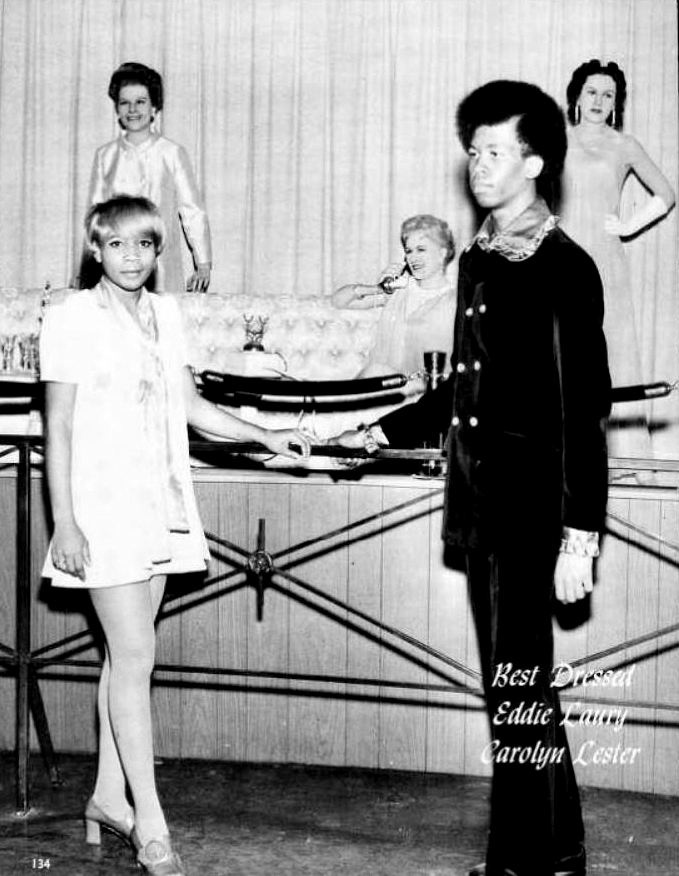
And the crème de la crème of Madison’s fashionable young men and women, Eddie Laury and Carolyn Lester, the “Best Dressed” of 1970. (Eddie, are you wearing ruffled satin and velvet? You win the ’70s!)
madison_1970-yrbk_best-dressed

(All the class favorites were photographed in front of confusing background dioramas. Was it … a wax museum?)

*

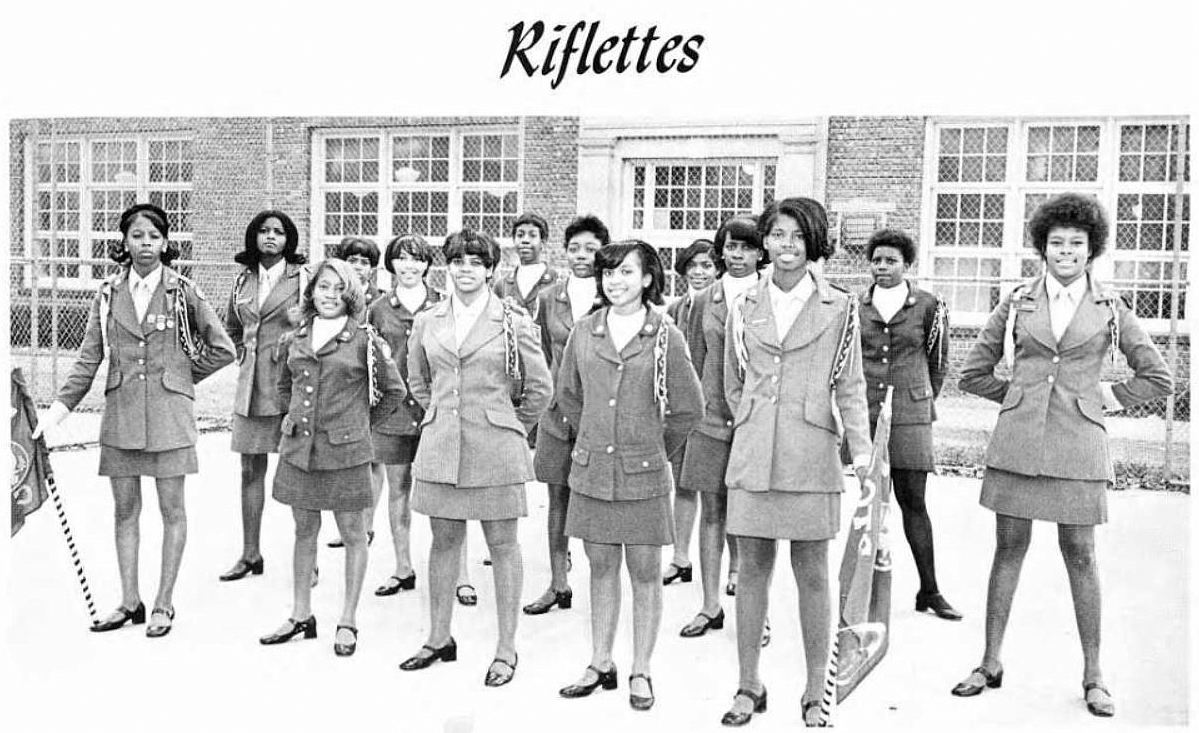
The winsomely named “Riflettes”:

madison_1970-yrbk_riflettes

*

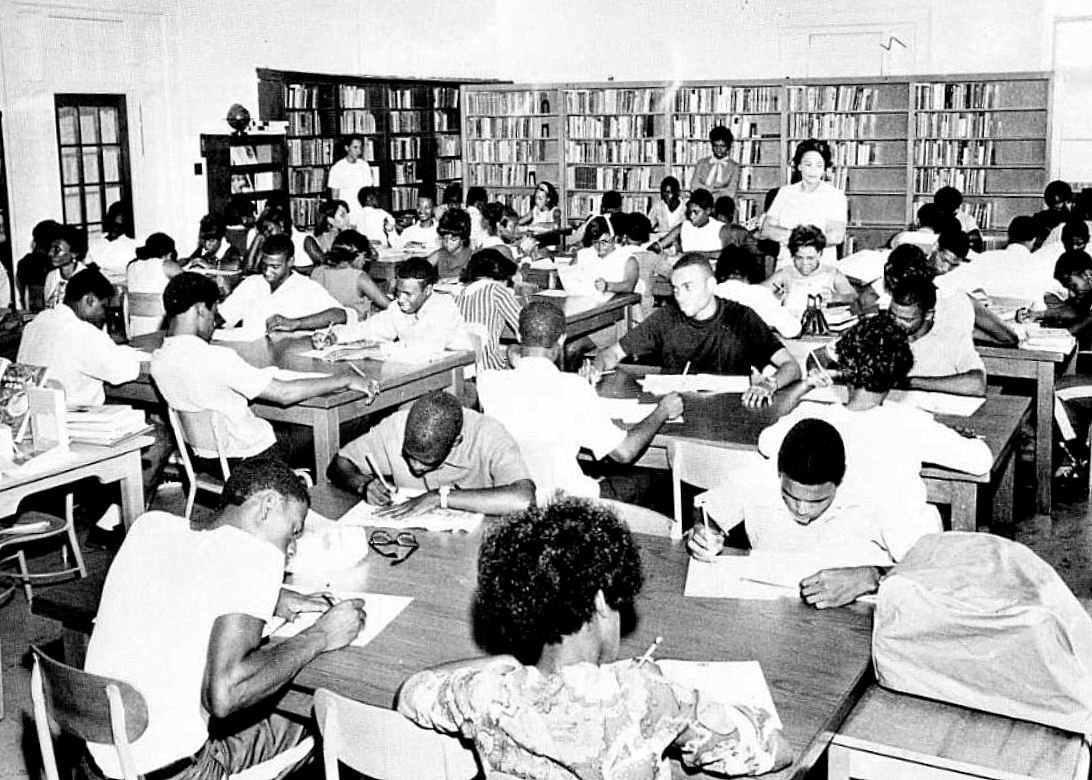
The dreaded taking of the SAT (under Mrs. Penn’s watchful eye):

madison_1970-yrbk_sat

*

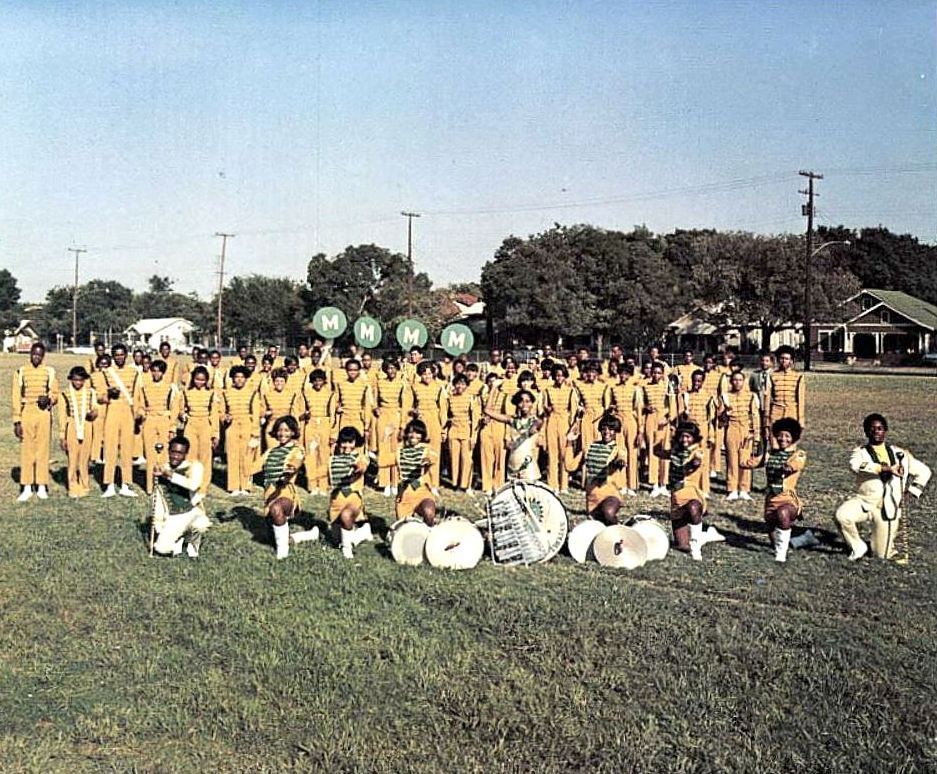
The fun of marching band:

madison_1970-yrbk_marching-band

*

And my favorite of almost any Dallas high school yearbook photo I’ve seen, the ROTC “Sweethearts”:

madison_1970-yrbk_rotc-sweethearts

Best. Photo. EVER.

***

Sources & Notes

Photos from James Madison High School’s 1970 and 1971 yearbook, The Trojan Archives.

*

Copyright © 2016 Paula Bosse. All Rights Reserved.