Flashback : Dallas

A Miscellany: History, Ads, Pop Culture

Category: Architecture/Significant Bldgs.

Teatro Panamericano / Cine Festival — 1943-1981
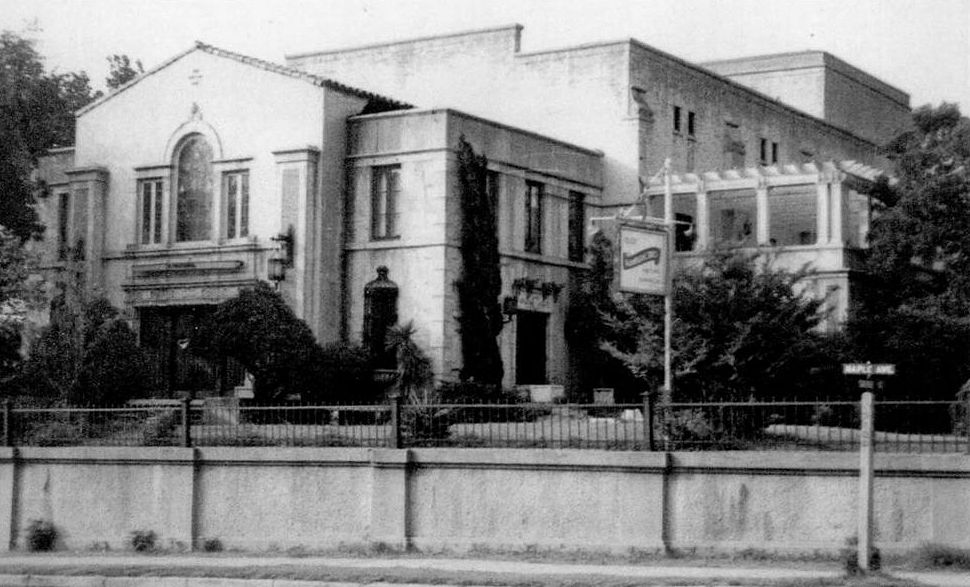
teatro_villasana_1950sEl Panamericano (click for larger image) (Villasana)

by Paula Bosse

In 1937, Joaquin José (J. J.) Rodriguez opened the first theater in Dallas to show Spanish-language movies. It was the Azteca, at 1501 McKinney Avenue, one block away from the still-there El Fenix. He soon changed the name to the Colonia and later to El Patio.

colonia_1938-directory1938 city directory

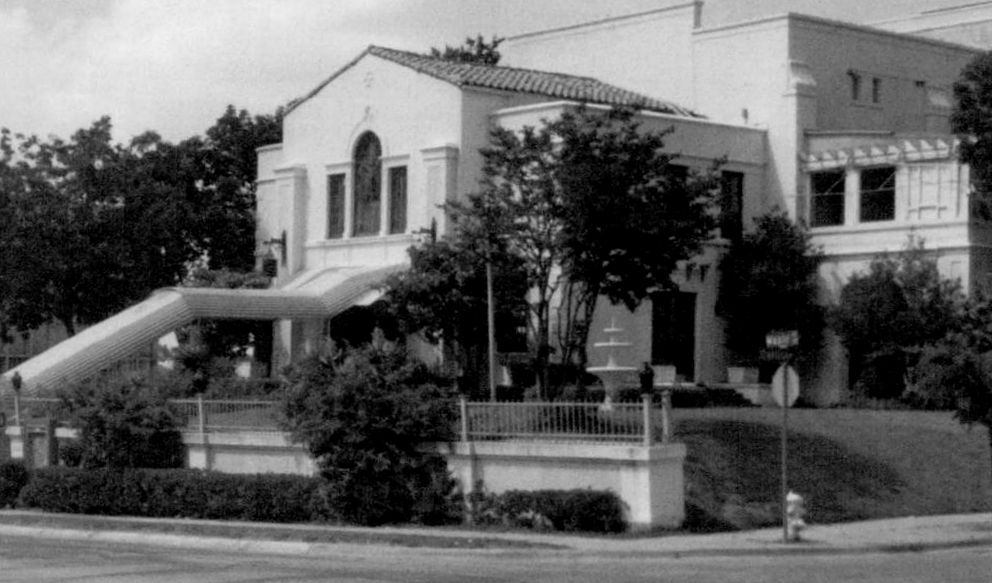
Even though a journalist later described this theater as being “dingy” and “unprepossessing” (DMN, July 31, 1944), the theater was quite successful, little surprise as the Hispanic community of the day was sorely underserved in almost every way. This endeavor was so successful that in the fall of 1943, the 36-year old entrepreneur made a big, BIG move: he bought the stunning and palatial Maple Avenue building that once housed the famed Dallas Little Theatre, an amateur theatrical group that had burst on the scene in 1927, but which had fallen on hard times in recent years.
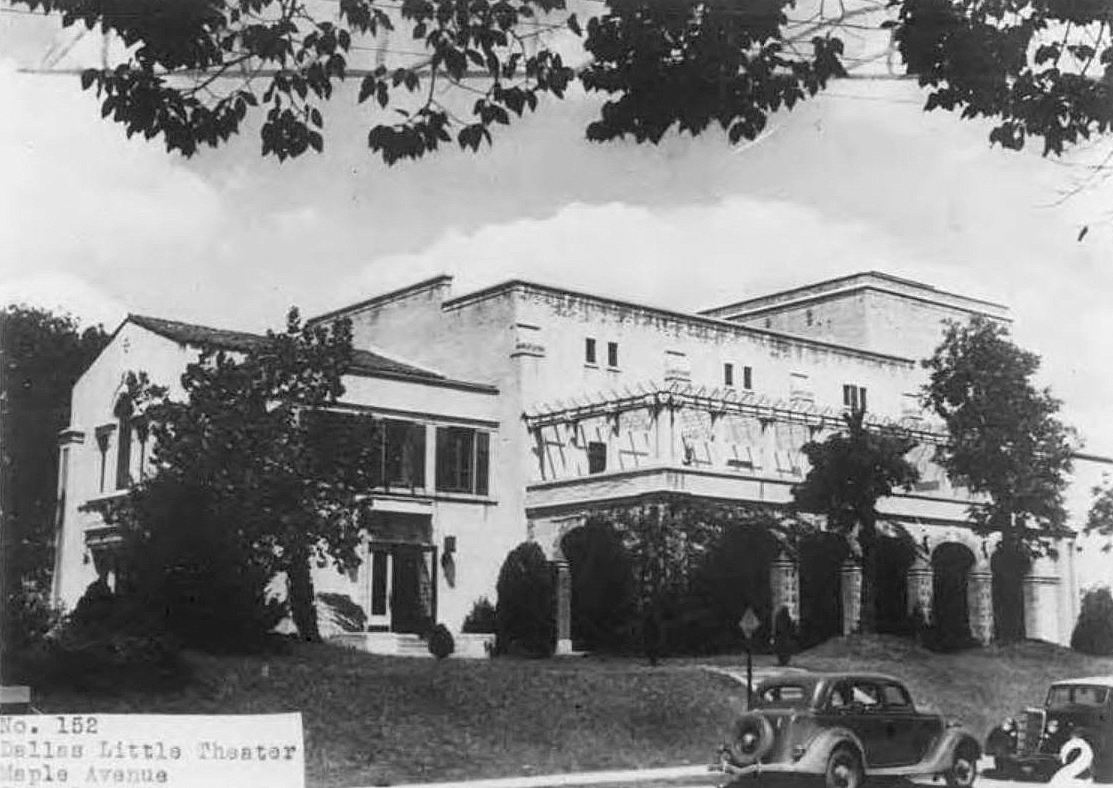
dallas-little-theater_degolyer-lib_SMU1930s

Rodriguez raised the necessary $35,000 (equivalent to almost half a million dollars in today’s money), bought the beautiful building at 3104 Maple, and renamed it Teatro Panamericano. The angle of the article that appeared in The Dallas Morning News on Sept. 22, 1943 announcing the new theater had the new moviehouse as being a boon to students and Anglo members of the community who might need to brush up on their Spanish rather than as a welcomed entertainment venue for the “Mexican colony” living and working in the adjacent Little Mexico neighborhood.

El Panamericano was an immediate success and soon became not only a place to see movies, but also a place for Dallas’ Spanish-speaking community to meet and mingle, with PLENTY of room for all sorts of events. (It was so big that Rodriguez and his family lived in back. He also had TWO offices and more storage space than he had things to store in it. No skimping on the parking lot either — one ad touted an acre of parking space.)

The theater’s importance to the Hispanic community of Dallas was both cultural and social:

For Mexican-Americans growing up in Dallas during the ’50s and ’60s, the films at El Panamericano, were a link with their historical and cultural heritage. For some, it would be their only exposure to cultural ties; for those whose families were stressing their Americanization by using only English in the home, it was a chance to practice their Spanish. (“Festival Fades, but Mexican Movies Thrive,” DMN, Aug. 9, 1981)

After more than 20 years of running a successful theater that catered to his core niche audience, Rodriguez was persuaded to change the theater’s focus. Mexican families had slowly moved out of the neighborhood, many to Oak Cliff where the Stevens Theater on Fort Worth Avenue had begun showing Spanish-language movies in the early ’60s and had siphoned off a large portion of Rodriguez’s audience. In 1965 the Panamericano became an arthouse cinema which showed mostly subtitled European films (and, later, underground and cult movies) — these were movie bills which were clearly aimed at college students and an upper-class Anglo audience. The Panamericano became the splashy Festival Theatre.
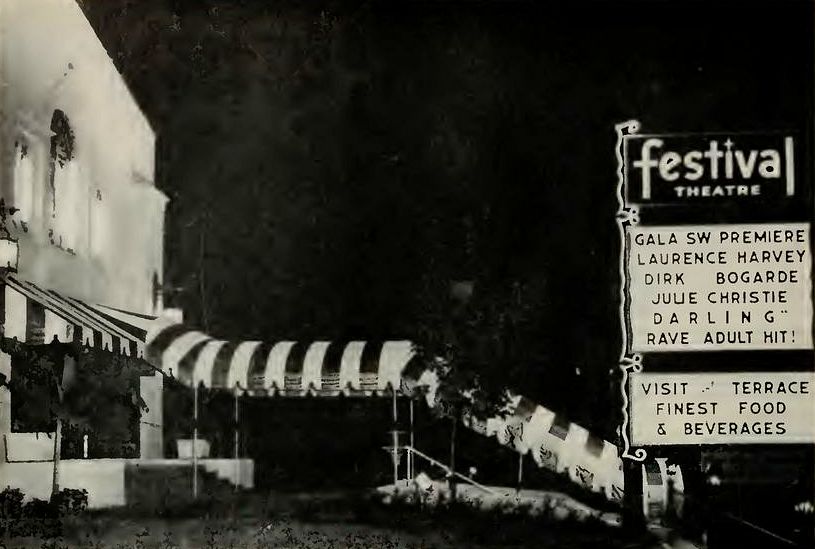
festival_box-office-mag_112265BoxOffice magazine, Nov. 22, 1965

An indoor-outdoor restaurant — the Festival Terrace — was added, and it boasted of being “the only theater in the history of Texas with a wine and beer license.”
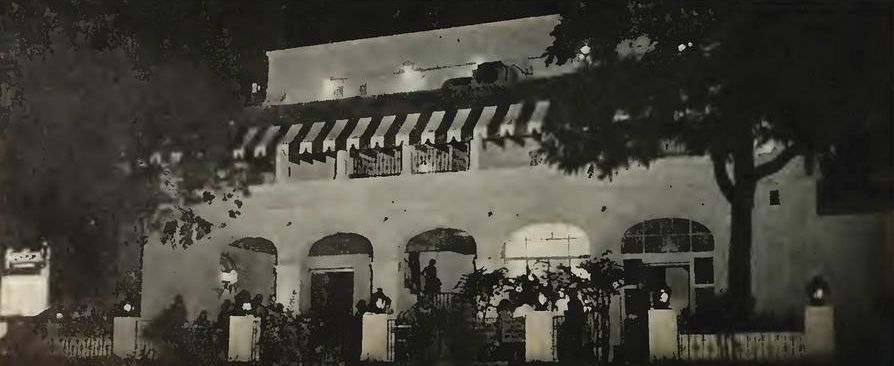
festival_box-office-mag_112265-restaurantBoxOffice magazine, Nov. 22, 1965

teatro_villasana_1960s1960s (Villasana)

As impressive as the Festival and its array of films were, the theater struggled, and Rodriguez later called this period a “big mistake.”

“As soon as I could, I changed it back to the way it was before. In fact, I lost money on that deal.” (DMN, Aug. 9, 1981)

Another unusual misstep for Rodriguez at this time was his decision to open a drive-in that showed only Spanish-language films. What sounded like a great idea was another surprising failure for Rodriguez. Despite its non-stop advertising in the first half of 1965, the wonderfully-named Auto-Vista (located in Grand Prairie) lasted less than a year.
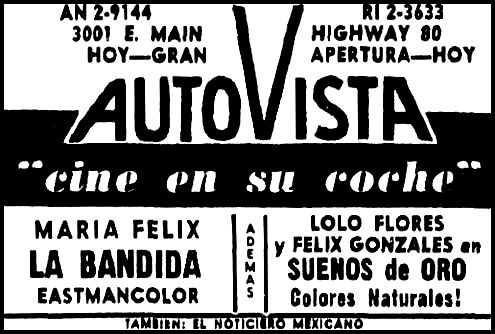
auto-vista_dmn_032565“Cine en su coche”! (March, 1965)

Rodriguez’s new-old Spanish-language theater — now the Cine Festival — was still popular, but it never regained its former glory. Rodriguez retired in 1981 and sold the property. Despite efforts by preservationists to save the beautiful Henry Coke Knight-designed building, it was demolished a few months later — in early January, 1982 — in the dead of night under cover of darkness (… that happens a lot in Dallas…). A nondescript office building was later built in its place.

J. J. Rodriguez died in 1993 at the age of 86, almost exactly 50 years after opening one of the most important entertainment venues for Dallas’ Hispanic population. He was a respected leader in the community and was for many years president of the Federation of Mexican Organizations, an organization he helped found in the 1930s. His theater was both culturally important and beloved by its patrons.

*
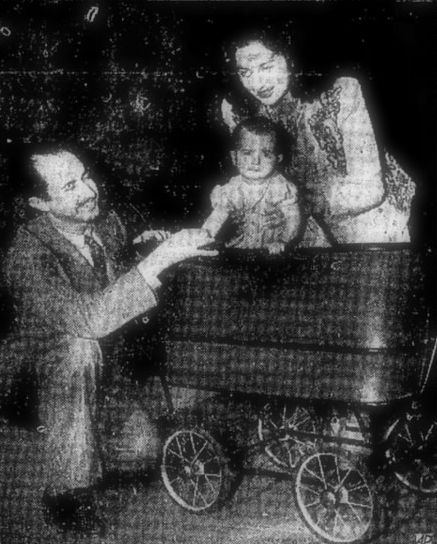
pampa-news_AP-073044J. J. with daughter and wife (Pampa News, July 30, 1944) AP photo
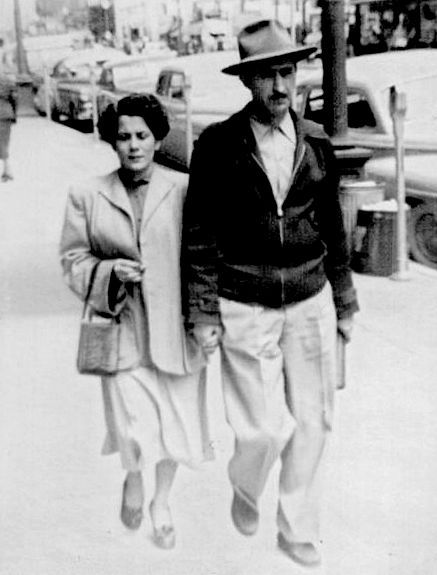
rodriguez_villasana_downtown_1940sWith his wife, Maria, downtown 1940s (Villasana)
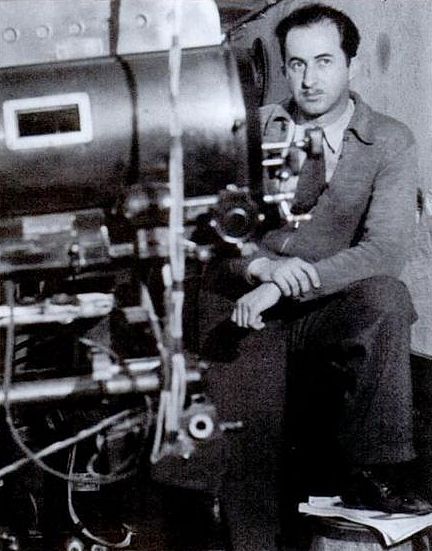
rodriguez_villasana_1950sIn the projection booth, 1950s (Villasana)

*

The matchbook cover image below gives an indication of how large the theater was. The building at 3401 Maple — at the corner of Carlisle, across Maple from the Maple Terrace — was gigantic.
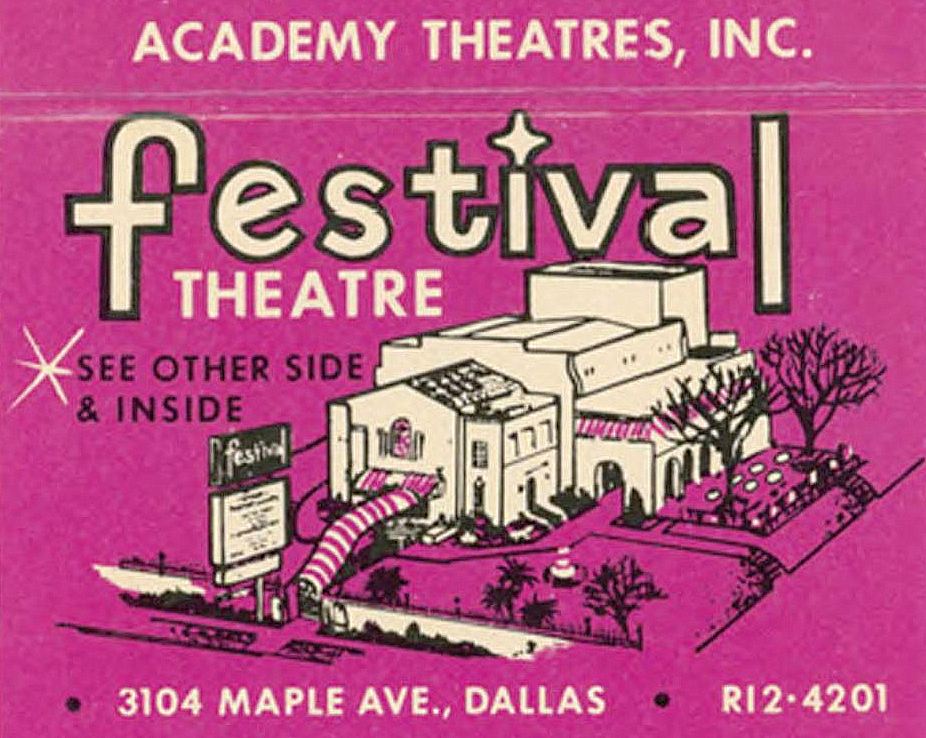
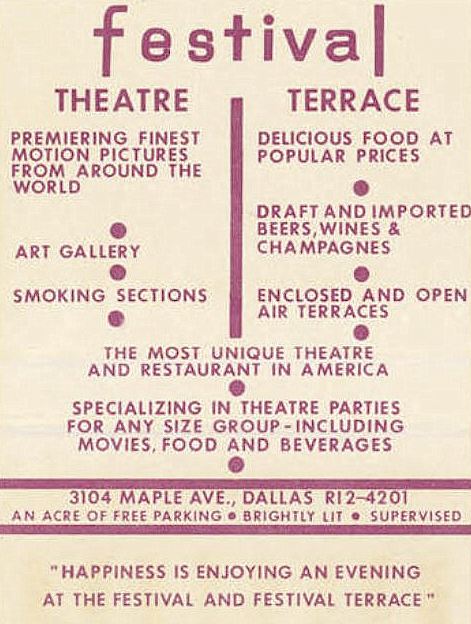
festival-theatre_cook-collection_degolyer_smu_matchbook-cover

festival-theatre_cook-collection_degolyer_smu_matchbook-insideMatchbook via George W. Cook Collection, SMU

In a Dallas Phorum discussion (here), the space was described thusly:

It was an interesting building with an outdoor terrace restaurant, a full proscenium stage, rehearsal space downstairs below the stage, dressing rooms, shop/storage areas, and even a puppet theatre built into a wall in the balcony lobby area.

To see what the corner of Maple and Carlisle looks like now, click here (have a hanky ready). Can you imagine how wonderful it would be to still have that elegant building and still see it in use as a theater and restaurant?

**

In what may well be research overkill, I thought it was odd that there was an Azteca Theatre at 1501 McKinney a year before Rodriguez owned it. I wondered if, in fact, Rodriguez had owned the first Spanish-language movie theater in Dallas, or whether that distinction belonged to Ramiro Cortez (whose name is often misspelled as Ramiro Cortes). It seems that Cortez’s theater might have featured live performances rather than motion pictures. Like Rodriguez, Cortez had ties to Dallas entertainment — read about him here.

azteca_1937-directory1937 city directory

***

Sources & Notes

Photos with “Villasana” under them are from the book Dallas’s Little Mexico by Sol Villasana (Charleston, SC: Arcadia Publishing, 2011); all are from the personal collection of Mariangel Rodriguez. More photos of J. J. Rodriguez can be seen here (click “Next” on top yellow bar).

The full article from the Nov. 22, 1965 issue of the industry journal, BoxOffice, includes additional photos and information and can be seen here and here.

All other images and clippings as noted.

Articles on J. J. Rodriguez and his theaters which appeared in The Dallas Morning News:

  • “Pan-American Theater to Aid Spanish Study” (DMN, Sept. 22, 1943)
  • “Teatro Panamericano” by John Rosenfield (DMN, Oct. 12, 1943)– coverage of opening night festivities
  • “Maple Location Regains Swank” by John Rosenfield (DMN, Sept. 18, 1965) — about the change from El Panamericano to the arthouse Festival Theater
  • “Festival Fades, but Mexican Movies Thrive: Theater Owner Says Adios to Film Business” by Mercedes Olivera (DMN, Aug. 9, 1981) — about the closing of the Festival Theater
  • “Encore No More” (DMN, Jan. 4, 1982) — photo of the partially demolished theater
  • “Rites Set for Hispanic Leader J. J. Rodriguez — He Co-Founded Federation of Mexican Organizations” by Veronica Puente (DMN, Sept. 26, 1993) — Rodriguez’s obituary

“Dallas Theater Owner Is One-Man Pan-American Agency” — a syndicated Associated Press article by William C. Barnard — can be read here.

Read about Teatro Panamericano at Cinema Treasures, here.

Read about the competing Stevens Theater in Oak Cliff on Fort Worth Avenue, here.

*

Copyright © 2015 Paula Bosse. All Rights Reserved.
Neon Refreshment: The Giant Dr Pepper Sign

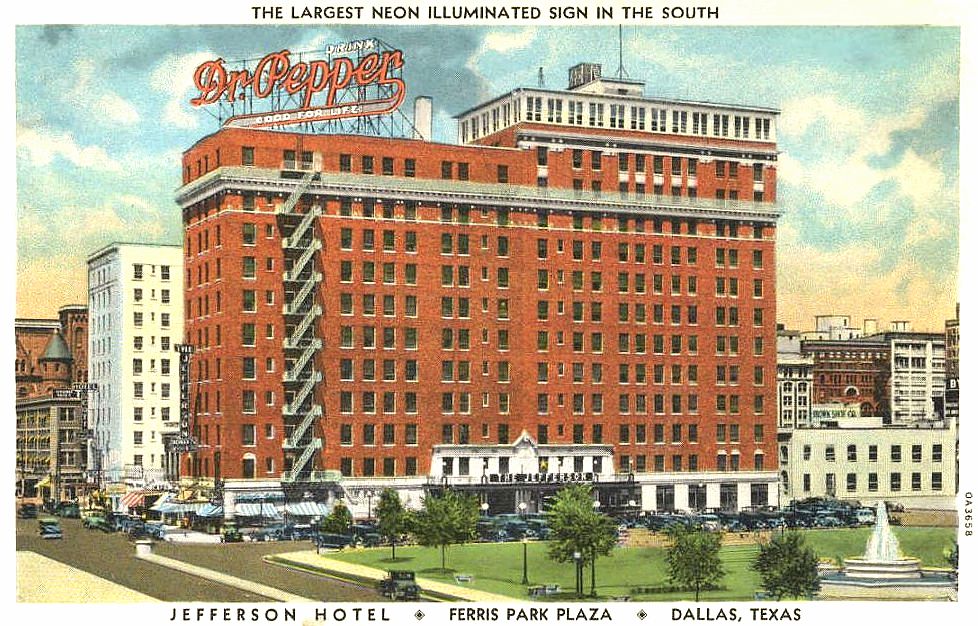
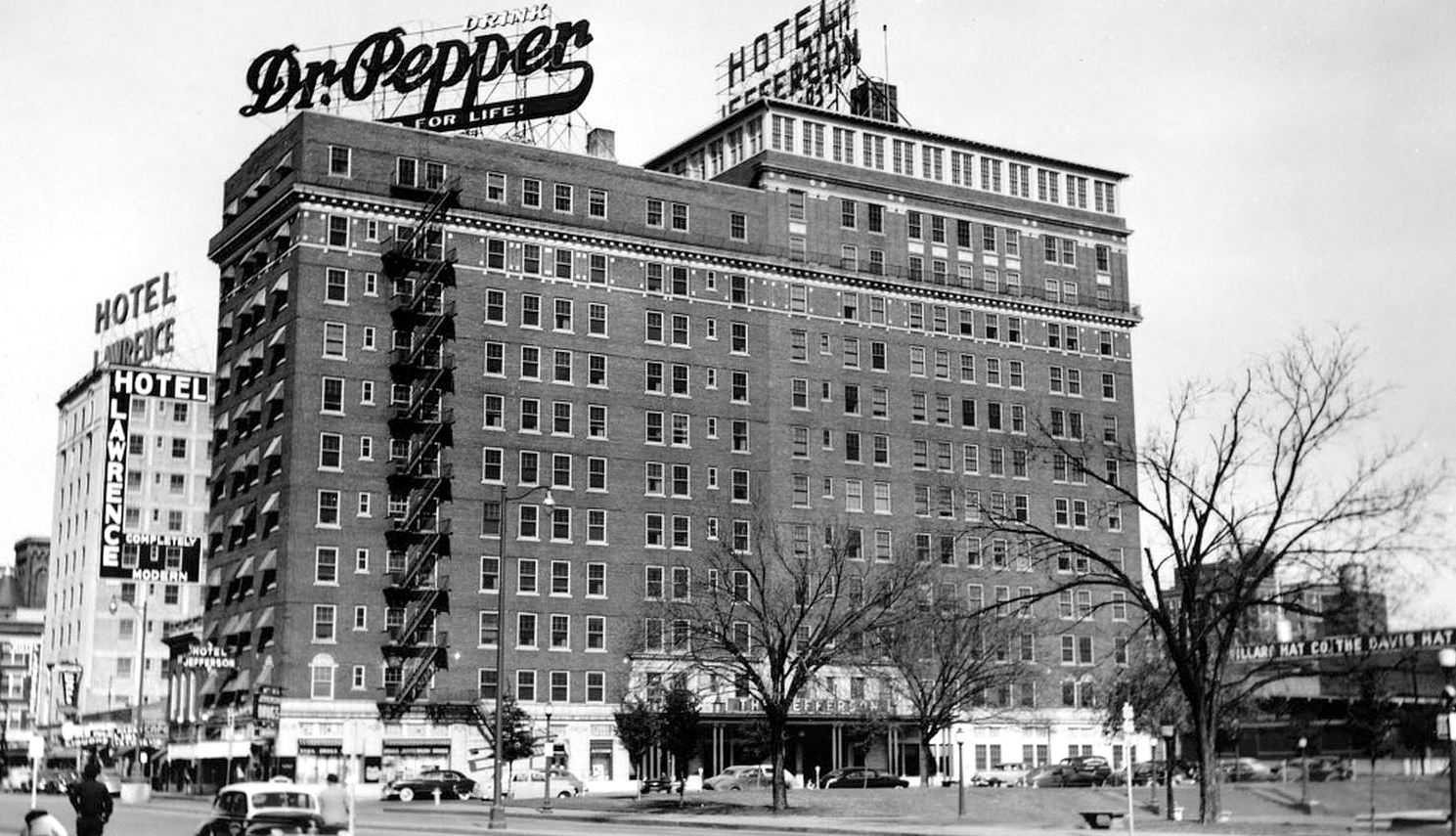
hotel-jefferson_neon-dr-pepper_cook_degolyer_SMU_ca1945

by Paula Bosse

The Jefferson Hotel probably made some serious money leasing out rooftop acreage to the Dr Pepper people who erected a huge neon sign there. The hotel was located across from Union Station and a couple of blocks from the Old Red Courthouse. For people approaching the city from the southwest, there was absolutely nothing between them and that refreshing beacon rising tantalizingly above S. Houston and Wood streets.

hotel-jefferson_neon-dr-pepper_cook_degolyer_ca1945-verso

jefferson-hotel_hotel-lawrence_dr-pepper-sign_dmn-tumblr

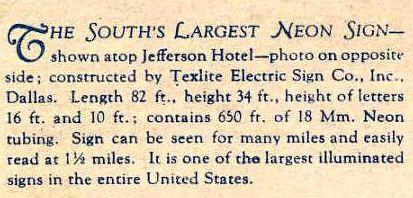
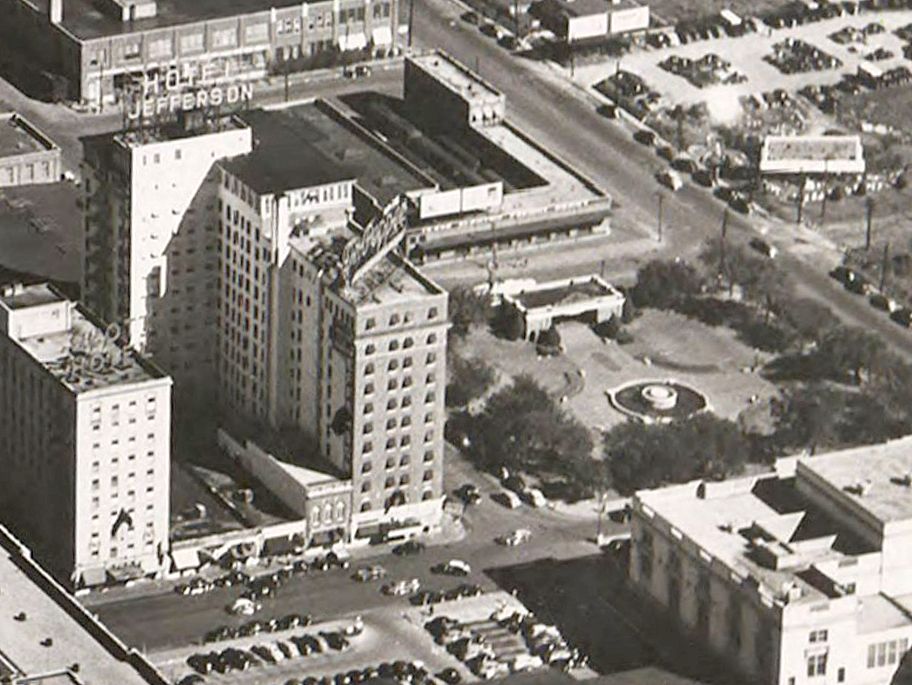
Texlite — the Dallas company that made the sign — was the first company in the Southwest to build and sell neon signs. Their first neon in Dallas advertised a shoe store in 1926 or 1927. (Texlite is best known as the company that built the red neon Pegasus and installed him on top of the Magnolia Petroleum Building in 1934.) My guess is that this Dr Pepper sign went up sometime between 1927 and 1934. It was up there for quite some time. Below is a detail from a photo taken sometime after 1943, and that DP sign was still there, continuing to make people subliminally thirsty

hotel-jefferson_dp_foscue-det(click for larger image)

It’s surprising Dallas didn’t have more neon back then. With a pioneering hometown neon company, the Dallas skyline should have been lit up like a Christmas tree 24 hours a day!

***

Sources & Notes

Postcard is from the George W. Cook Dallas/Texas Image Collection, Central University Libraries, Southern Methodist University; it can be viewed here.

First black-and-white photo was purchased at an antique mall or flea market, origin unknown; found here.

The 1940s-era aerial photo is a detail of a larger photo, “Downtown Dallas looking east (unlabeled)” by Lloyd M. Long, from the Edwin J. Foscue Map Library, Central University Libraries, SMU; the full photo can be viewed here.

A great photo of the hotel and sign can be seen in Sam Childers’ Historic Dallas Hotels, here. Childers writes that the Dr Pepper sign came down when the Jefferson was sold and became the Hotel Dallas in 1953. 20-some-odd years for a sign like that to remain in one place is a pretty good run.

The Jefferson Hotel (or as it’s sometimes identified, “Hotel Jefferson”) was at 312 S. Houston St. The building was demolished in 1975. It is now a hotel-shaped parking lot.

See what other clever thing once occupied the roof of the Jefferson Hotel in the Flashback Dallas post “The Jefferson Hotel and Its ‘Wireless Telegraph’ Rooftop Tower — 1921.”

*

Copyright © 2015 Paula Bosse. All Rights Reserved.
 

The Magnolia Building, Pre-Pegasus — 1920s

magnolia-bldg_pre-pegasus_RPPC_smBeautiful!

by Paula Bosse

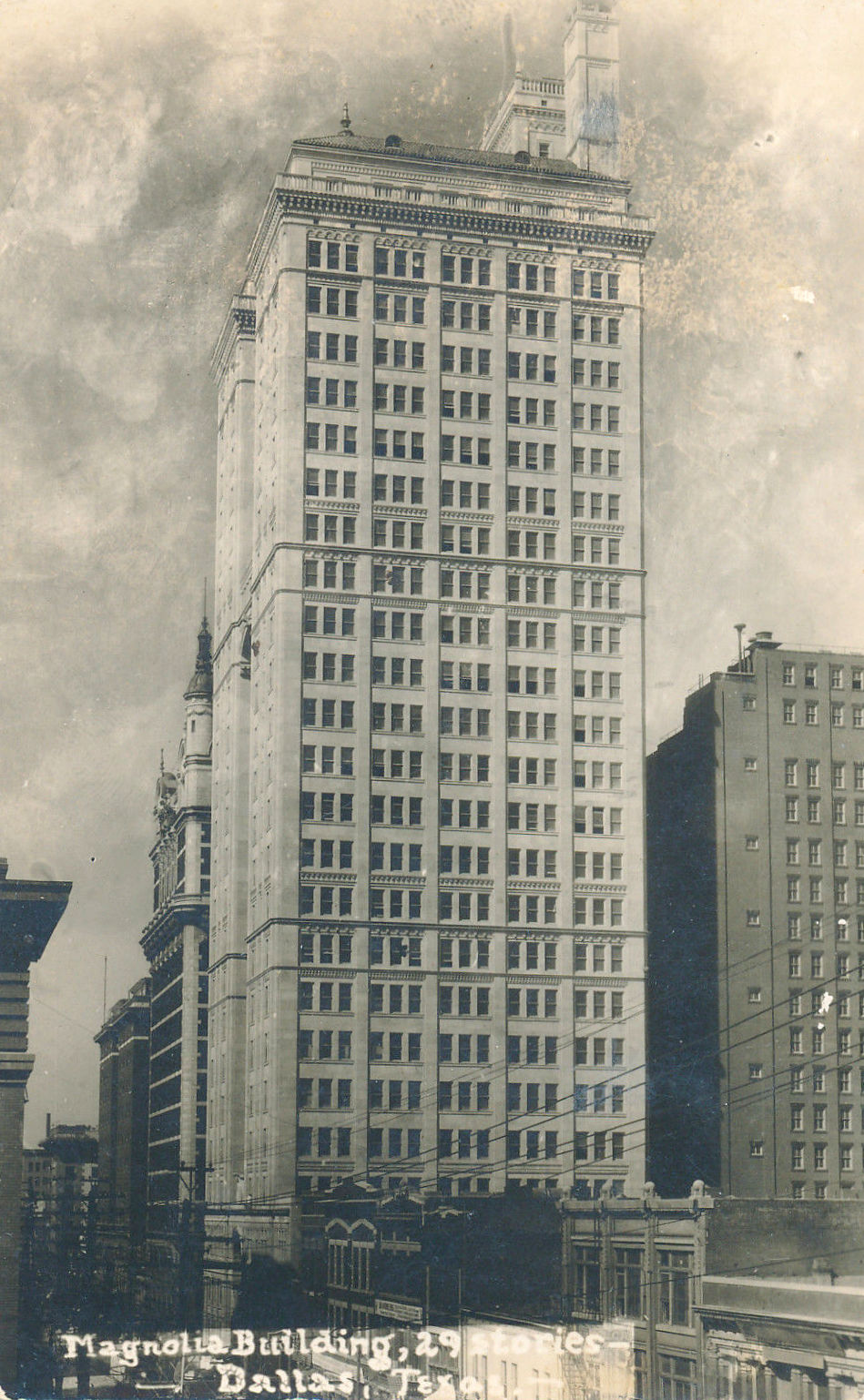
This is such a wonderful photo of the Magnolia Petroleum Building — even without Pegasus on top of it! When it opened in 1922, it was the tallest building in the state — all 29 stories of it. (It was so tall, apparently, that the photographer couldn’t get the whole building in the shot!) It certainly looks impressive — and impressively ominous — in this photograph. An added bonus is the beer-stein-shaped turret of the Adolphus Hotel peeking around at the left. Fantastic photo!

***

Sources & Notes

Photograph from a postcard found on eBay; written on the back is this message to folks back home in Oklahoma City: “Arrived at 11:30 PM. in this burg. It’s some big place, believe me.”

Brief history of what is now the Magnolia Hotel, is here. (Pegasus was not placed on top of the building until 1934.)

Some more Flashback Dallas posts featuring my favorite views of the Magnolia Building (with and without Pegasus):

  • here — photos showing the major change in the skyline between 1929 and 1939
  • here — incredible photo of the skyline taken from The Cedars, by Alfred Eisenstaedt
  • here — the Magnolia Bldg. lit up at night, with the Mercantile Bank Bldg. in the background
  • here — one of my favorite postcards of Dallas, showing the city at night, with Pegasus the highest point on the horizon

*

Copyright © 2015 Paula Bosse. All Rights Reserved.
Locomotive & The White Swan Building

white-swan-bldg_locomotive_flickr_colteraBack when the N. Lamar area was a bit more industrial

by Paula Bosse

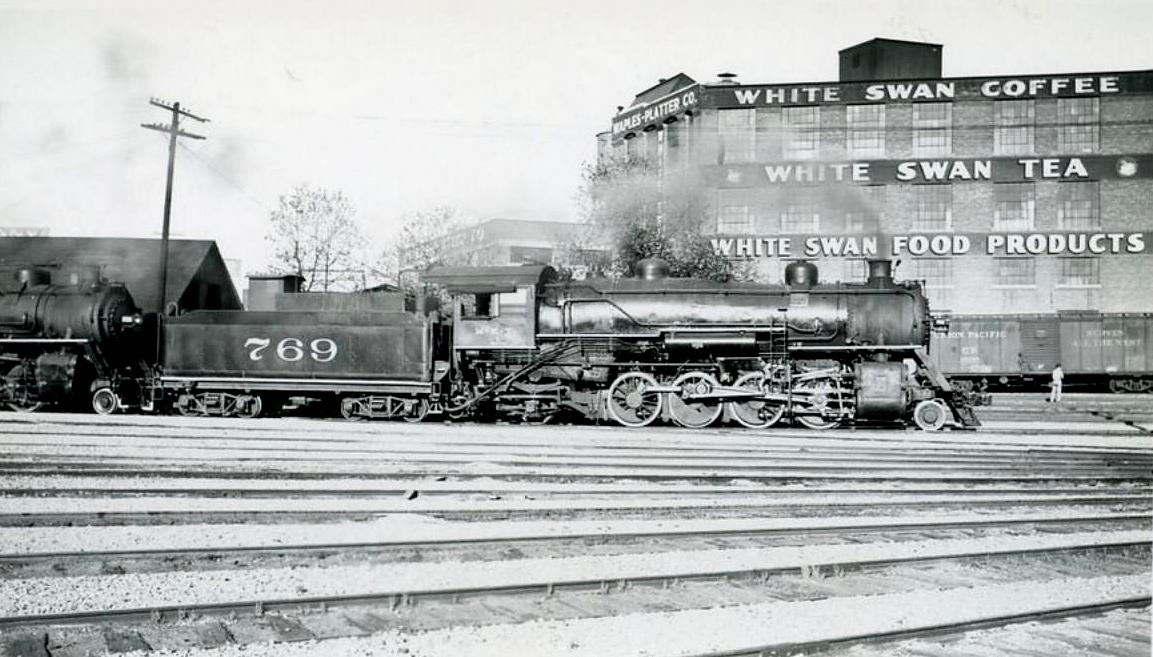
Just a quick one today: loco chugging past the White Swan Building.

***

Sources & Notes

Image from Flickr, captioned “Vintage postcard: MKT railroad engine, White Swan Building, Dallas, Texas”; viewable on Flickr here.

The historic White Swan Building is located at 2200 N. Lamar, just north of Woodall Rodgers; it currently houses the House of Blues.

*

Copyright © 2015 Paula Bosse. All Rights Reserved.
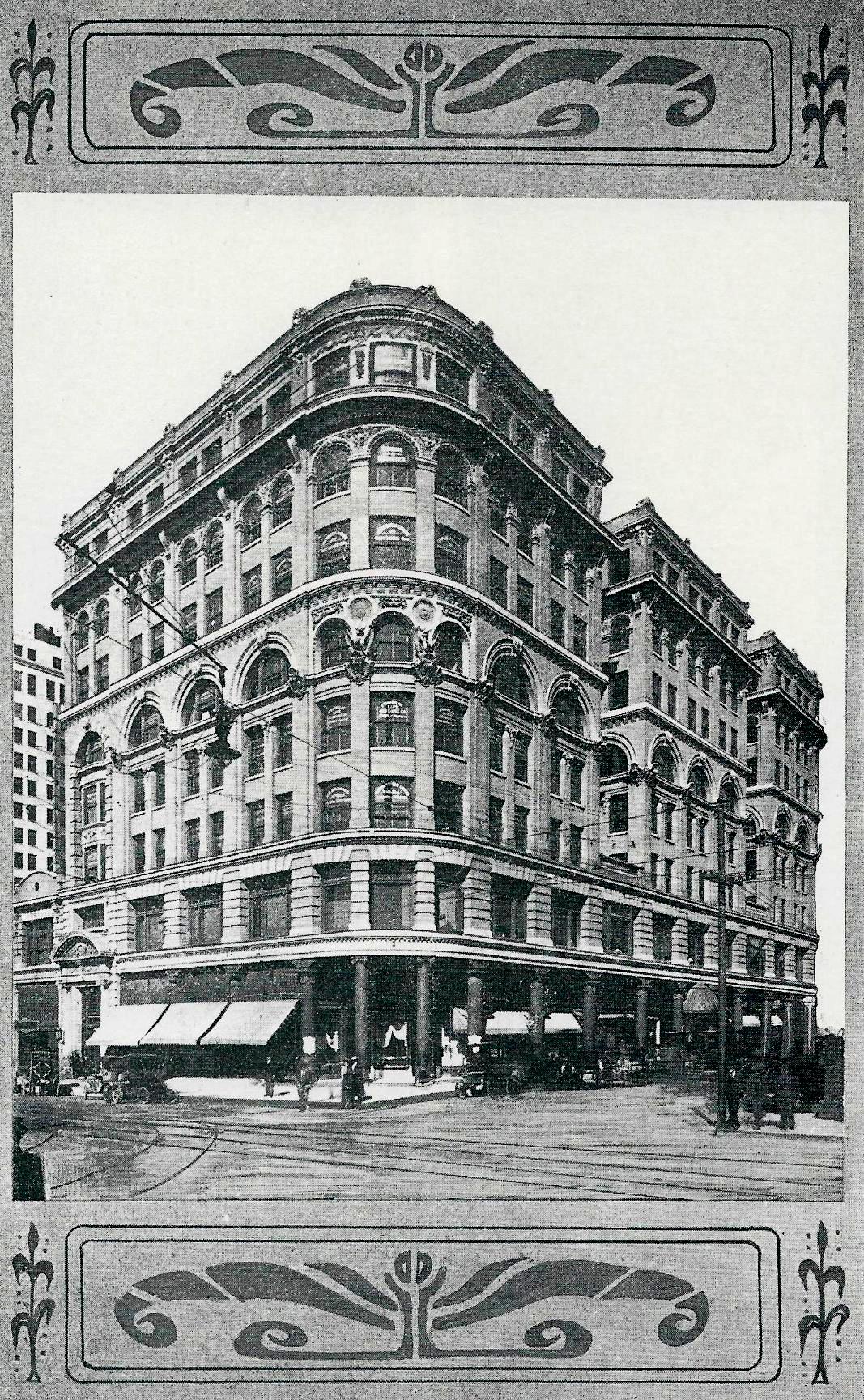
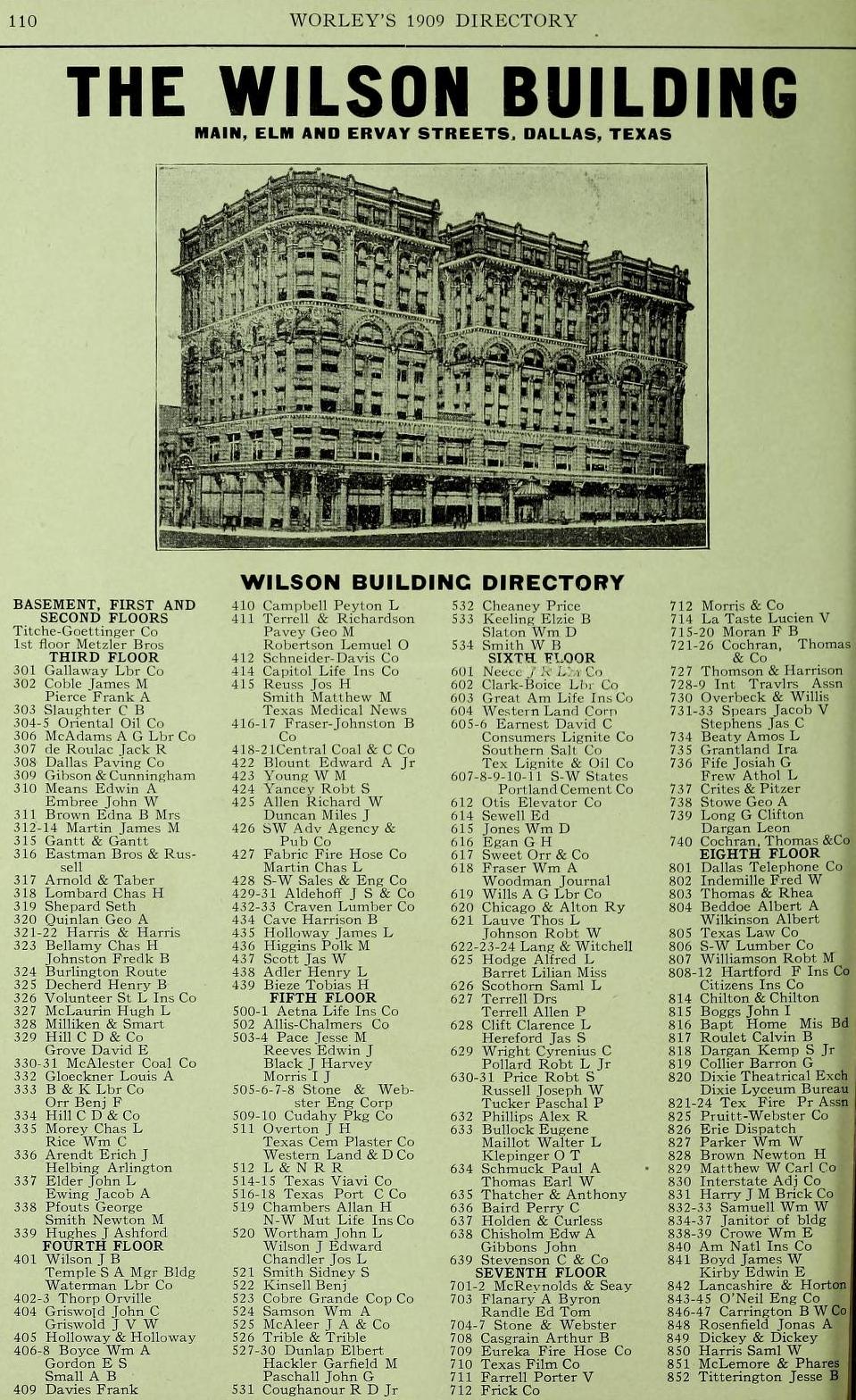
The Wilson Building & Its Tenants — 1908/1909

wilson-bldg_greater-dallas-illus-1908Forever & always, Dallas’ most beautiful building (click for larger image)

by Paula Bosse

I love the Wilson Building. Who doesn’t? Every time I realize it’s still standing, I’m actually kind of shocked. To find a 100-plus-year-old building still standing in Dallas is a rarity. If the wrecking ball ever strikes this building, there will definitely be hell to pay.

I’d never seen the above photo, which was published along with lovely art nouveau borders in the book Greater Dallas Illustrated, The Most Progressive Metropolis of the Southwest (1908). I’m fascinated by office buildings of the first half of the twentieth century that had business names painted on upper-floor windows. I always think of Sam Spade’s office.

sam-spade_sign-window

I was really hoping to find at least ONE detective agency in the Wilson Building at that time, but steep rents and a choosy leasing agent were probably working against such downmarket enterprises setting up shop in such a grand palace. Below is the list of occupants in the building at about the time the top photo was taken. Aside from the Titche-Goettinger department store occupying the basement and first two floors, Dallas’ premier office building was home to several important local business concerns, lots of insurance companies and agents, some notable architects (Lang & Witchell, C.D. Hill, Overbeck & Willis), and a surprising number of osteopaths (including Edna B. Brown, one of only two women specifically mentioned by name). (Click directory page for larger image.)

wilson-bldg-occupants_1909-directory

***

Photo of the Wilson Building from Greater Dallas Illustrated (Dallas: Friends of the Dallas Public Library, 1992 — originally published in Dallas in 1908). The Wilson Building is located on Main and Elm at Ervay.

It’s doubtful that it would fall victim to the wrecking ball, but the Wilson Building may not actually be protected from any possible future threat of demolition. For clarification, see the comment near the top of the comments section in this Dallas Morning News article on recent demolition in the same block, here.

Sam Spade image is a still from the 1941 Humphrey Bogart film The Maltese Falcon, based on Dashiell Hammett’s novel. (Poor Archer….)

Directory page from Worley’s 1909 city directory.

My previous post — “The Wilson Building Under Construction — 1902” — can be found here.

Click pictures for larger images.

*

Copyright © 2015 Paula Bosse. All Rights Reserved.
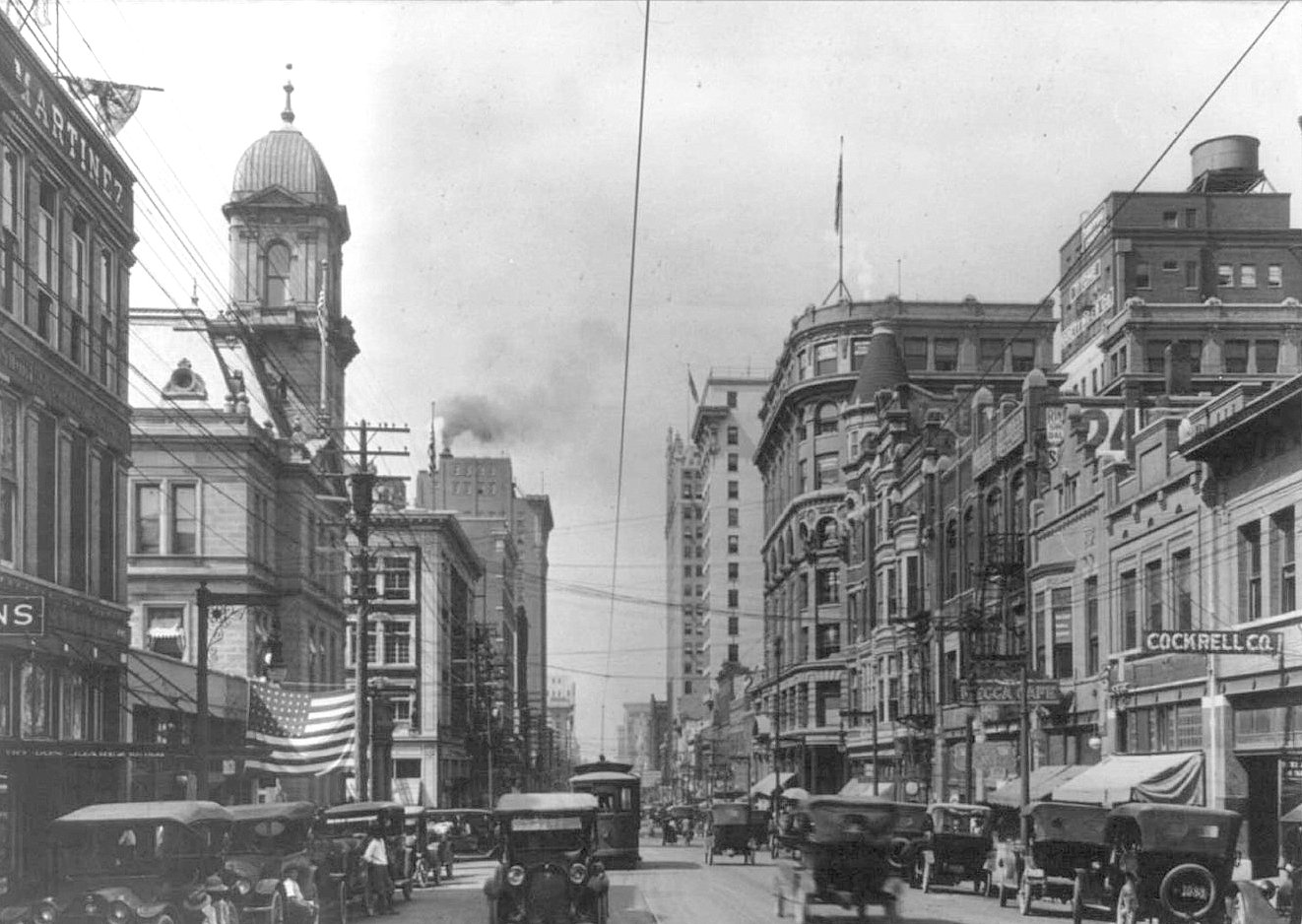
Main Street and Flags, Flags, Flags — ca. 1917

downtown_ca1917_LOCFind the flags! (click for larger image)

by Paula Bosse

This is a cool photo. I have no idea if it was taken anywhere around July 4th, but I post it today because today is July 4th, AND I see 5 — possibly 6 — American flags in this photograph of Main Street. The patriotism displayed here may have more to do with World War I than Independence Day, but why not post it on the 4th of July?

Enjoy the holiday!

***

Photo identified as “Texas, Dallas, 1917, Business section” by the Library of Congress; photo info here.

For the previous Flashback Dallas post “4th of July — Sweating in Formation,” which shows a parade from the 1870s or 1880s, click here.

*

Copyright © 2015 Paula Bosse. All Rights Reserved.
Clifton Church’s Central Business District — ca. 1894

main_by-church_1894Main Street looking west, toward a ghostly courthouse (click for larger image)

by Paula Bosse

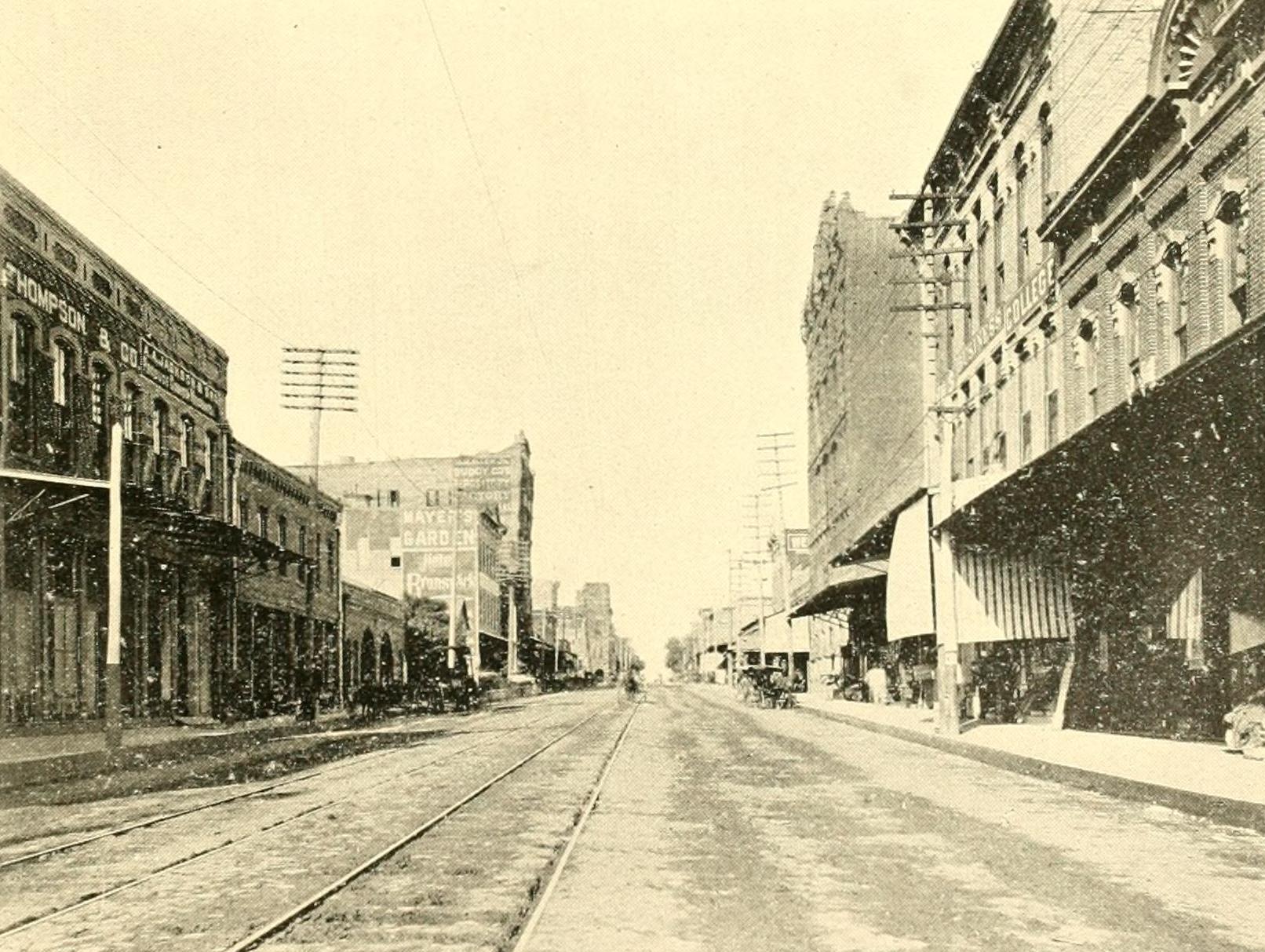
These three photographs were taken by prominent Dallas photographer Clifton Church, probably in 1893 or 1894. The one at the top shows Main Street looking west, taken just east of Poydras. (The then-new courthouse at the end of the street appears to have been lightly fleshed out by the hand of a photo re-toucher, giving it a mirage-like quality.) The Trust Building, on the right, was at the northeast corner of Main & N. Austin; the Dexter insurance office was in the North Texas Building, at 221-223 Main (under the old numbering system), between N. Lamar and Poydras; and the Scruggs & Scruggs wholesale liquor business was at 237-239 Main, two doors east of the Poydras intersection. The present-day view from the same location can be seen on Google Street View, here.

*

The photo below shows Elm Street looking east, taken just east of Akard. In the middle of the block on the left is Mayer’s Beer Garden & Saloon, at 361-363 Elm; the tall building behind it was the Guild Building at 369-371 Elm. Across the street, the tall building on the right is the Chilton Building. In the foreground at the right is the Dallas Business College at 342 Elm (which, in the 1892 city directory, showed to be where artist Frank Reaugh had studio space). The present-day view can be seen here.

elm_by-church_1894

*

And, below, Commerce Street, looking east from about Poydras. At the bottom left is the L. J. Bartlett Oriental Livery and stables, at 237-241 Commerce; next to it is the St. George Hotel. In the distance, across the street, is the brand new Oriental Hotel at Commerce and Akard with its distinctive rounded topknot. In the middle of the block is the famed Padgitt Bros. Saddlery at 248-250 Commerce, and in the foreground is Ballard & Burnette at 240-242 Commerce, a company that sold “wholesale hats, caps, gloves, and umbrellas.” The present-day view is here

commerce_by-church_1894

*

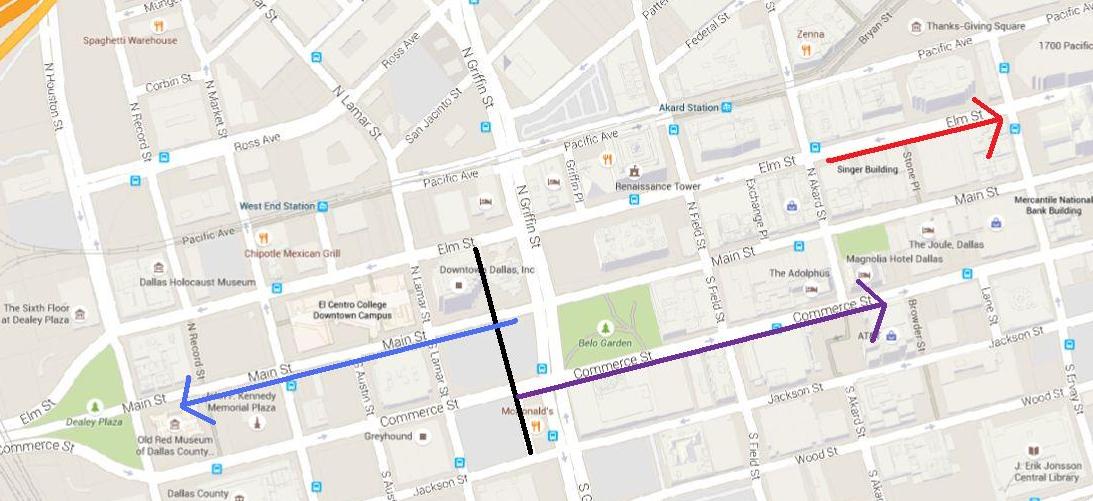
Below is a handy-dandy visual showing the locations of the above photos on a present-day map. (The black line shows where Poydras used to be. It exists today only as an alley-like block-long stretch of asphalt that runs alongside the downtown McDonald’s.) Click for larger image.

downtown_church-photos_googleGoogle Maps

***

Photos by Clifton Church (1855-1943), from his book Dallas, Texas Through a Camera: A Collection of Half-Tone Engravings from Original Photographs (Dallas: J. M. Colville, Franklin Printing House, 1894). (Sadly, these images are a bit washed out. I’d love to see the original photographs — and I’d love to see a copy of the original book.)

Address information from city directories and Sanborn maps.

Click pictures for larger images.

*

Copyright © 2015 Paula Bosse. All Rights Reserved.
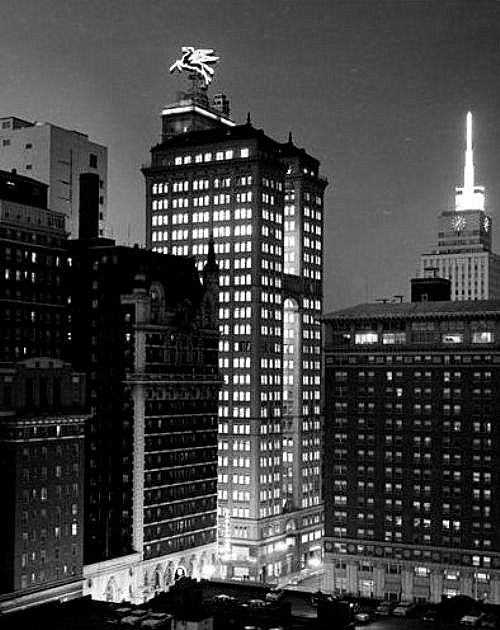
The Magnolia Building at Night

magnolia-bldg_night_briscoe-ctr©ExxonMobil

by Paula Bosse

Dallas noir.

***

Undated photo, from the ExxonMobil Historical Collection, Dolph Briscoe Center for American History; viewable here.

*

Copyright © 2015 Paula Bosse. All Rights Reserved.


“The Walls Are Rising” (1967): Watch It Online!

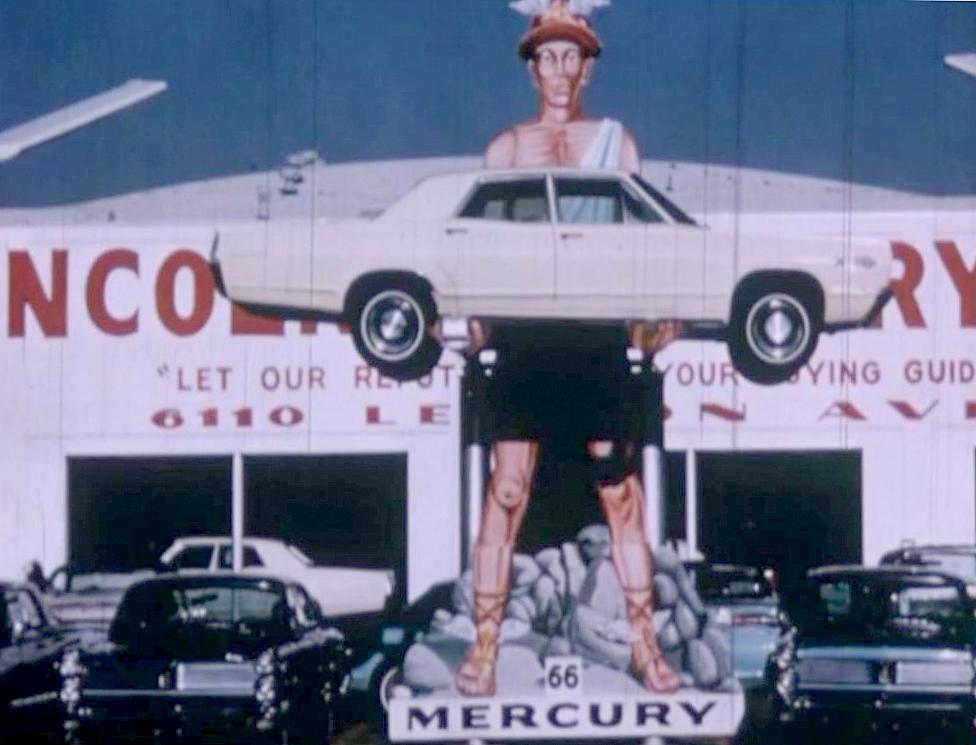
mercury-dealership-6110-lemmon_wallsDallasites love their cars…. (photo from “The Walls Are Rising”/AIA Dallas)

by Paula Bosse

Late last year I stumbled across mention of a 1967 film about Dallas called “The Walls Are Rising.” It was made by the American Institute of Architects, Dallas Chapter, and was sponsored by the Greater Dallas Planning Council as a sort of warning to the people of Dallas about the dangers of auto-centric sprawl and uncontrolled urban planning. I searched and searched for the whereabouts of the film, but it seemed to have disappeared without a trace. I contacted AIA Dallas, and after much searching, they found the film, still on an old reel. They digitized the film and screened it before a large and enthusiastic crowd in January, and after viewing the film and listening to a panel discussion, audience members launched into a lively and concerned discussion about the state of Dallas today. It turns out that most of the topics of grave concern in 1967 continue to be topics of grave concern today, almost 50 years later.

AIA Dallas has uploaded the 27-minute film to Vimeo, and it is now available for all to watch online. Made to emphasize the dangers of out-of-control urban blight brought on by an over-reliance on automobiles, a lack of green spaces, and depressing expanses of visual clutter, the film is a sardonic look at a claustrophobically “modern” Dallas. It’s a hip documentary — absolutely a product of its era — made by a filmmaker with avant-garde tendencies; imagine what an industrial film would have been like had it been made by “with-it” ad men who were given free-rein to get their message across (and who may have indulged in illicit substances during the editing phase). Not as weird as the film itself (though still plenty weird) are some of the proposals from architects and planners on ways to improve the city’s “livability.”

Best of all, though, are all the photos of the city. It’s great being able to hit “pause” and take a look at each and every 1967 photo of Dallas, from a jam-packed downtown, to a cluttered Oak Lawn, to a serene Turtle Creek.

Thanks again to AIA Dallas for finding the film and uploading this weird little slice of Dallas history!

The Walls are Rising from AIA Dallas on Vimeo.

*

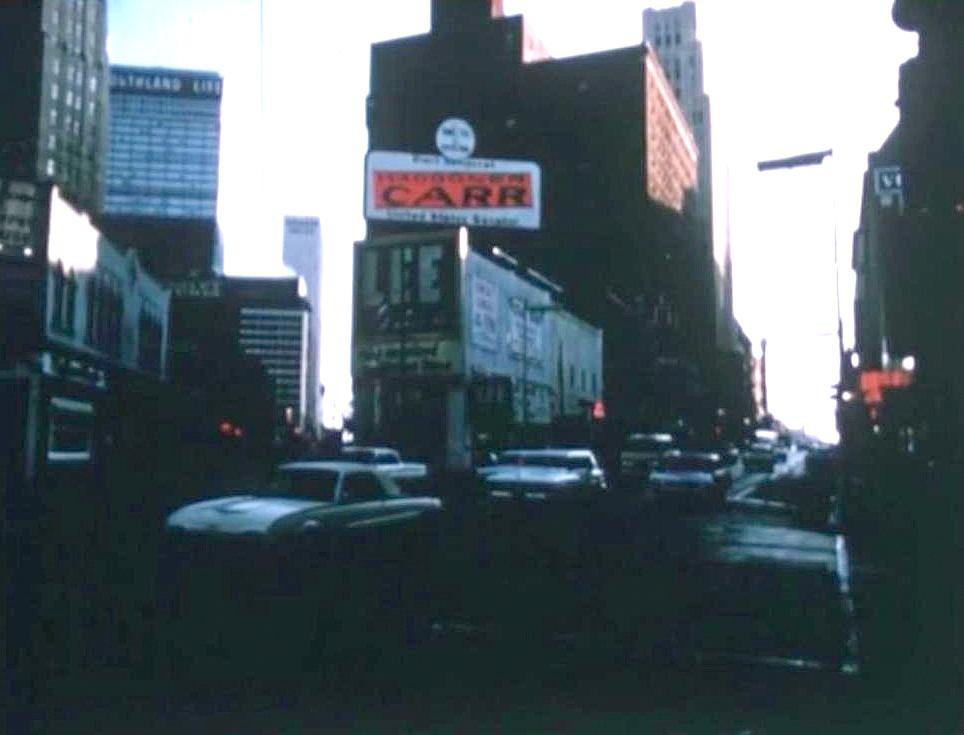
A few screengrabs (click for larger images):

oak-lawn_jays_esquire_walls

lee-optical_walls

sterling_walls-are-rising_1967

night_parking

state-fair-2_walls

turtle_turtle-creek_walls

***

Sources & Notes

The video can be found on Vimeo here.

All photos by Ronald Perryman, from his film “The Walls Are Rising” (1967), “produced by Greater Dallas Planning Council in collaboration with Dallas Chapter of American Institute of Architects.”

The AIA Dallas website is here.

Robert Wilonsky’s Dallas Morning News blog post (May 21, 2015) on the uploading of this film is here.

My previous posts on “The Walls Are Rising” can be found here.

*

Copyright © 2015 Paula Bosse. All Rights Reserved.
Post Office, Sunbonnets — ca. 1890s

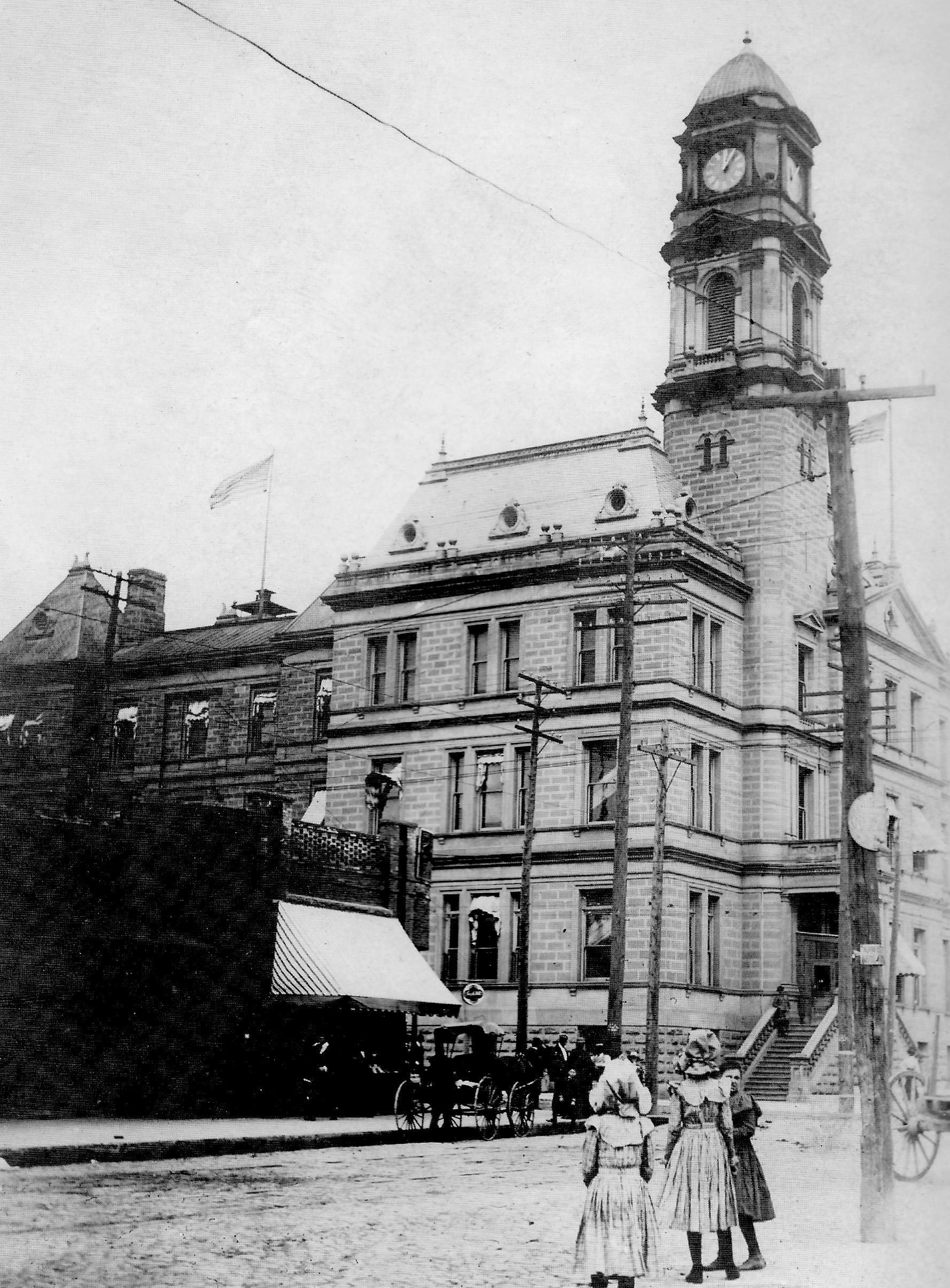
post-office_hist-photos-of-dallas

“Little Post Office on the Blackland Prairie” (click for larger image)

by Paula Bosse

Laura and Mary Ingalls and Nellie Oleson appear to have wandered into Dallas to take a look at the new Post Office clock tower, seen here at Commerce and Ervay, probably in the mid- to late-1890s.

***

Photo from the book Historic Photos of Dallas by Michael V. Hazel (Nashville: Turner Publishing Co., 2006).

For an incredible view of this same spot from 1894, see my previous post “Henry Stark’s ‘Bird’s Eye of Dallas’ — 1895/96” here (click pictures for larger images).

Click picture for very large image!

*

Copyright © 2015 Paula Bosse. All Rights Reserved.