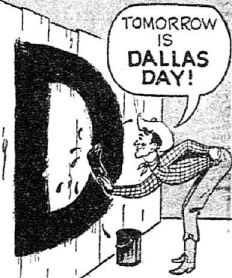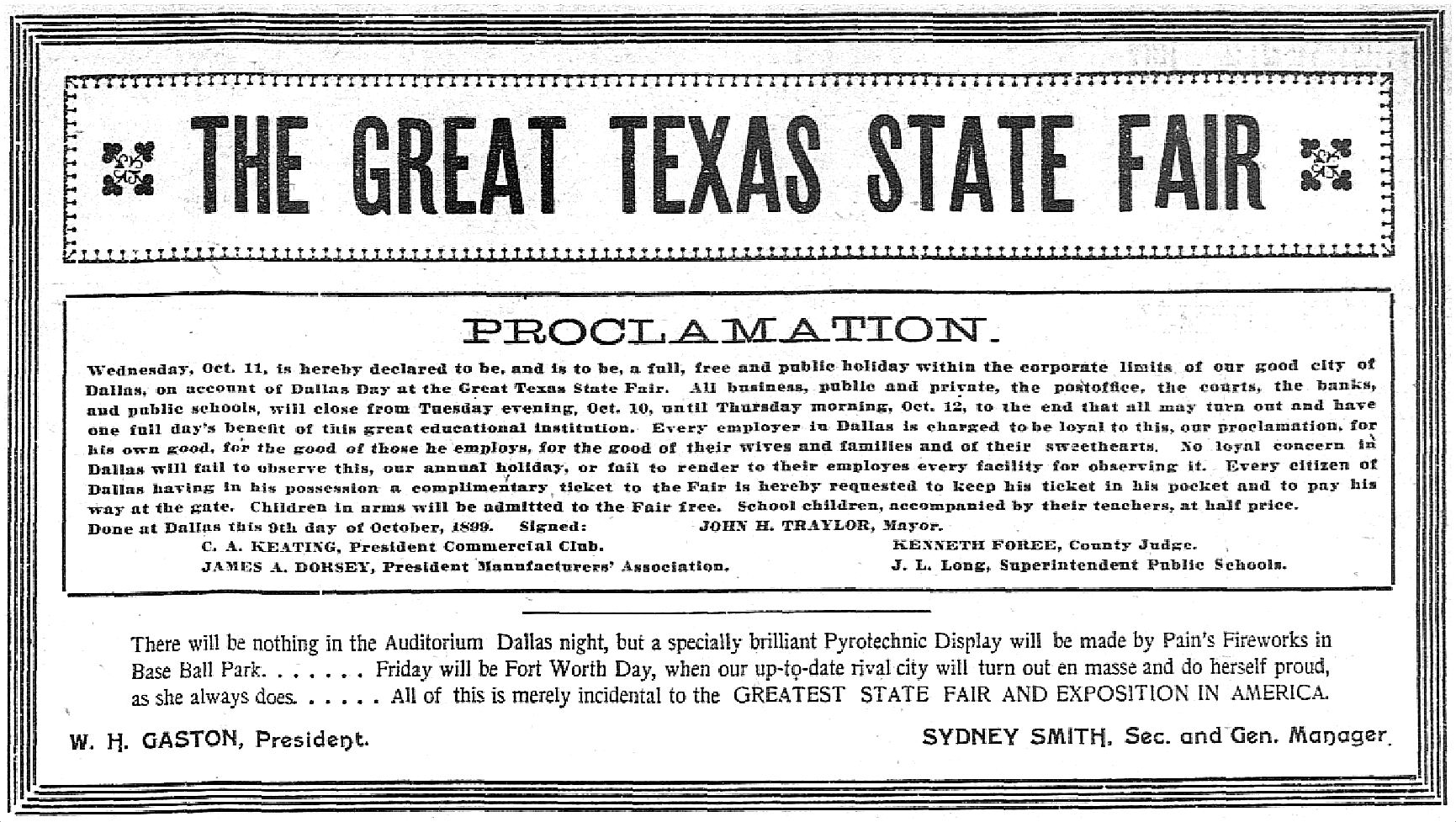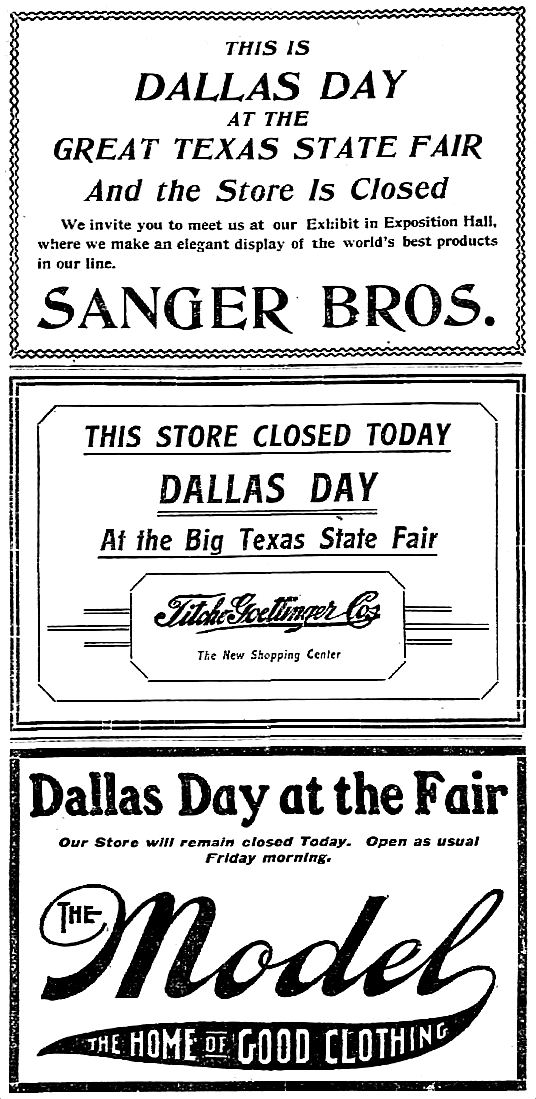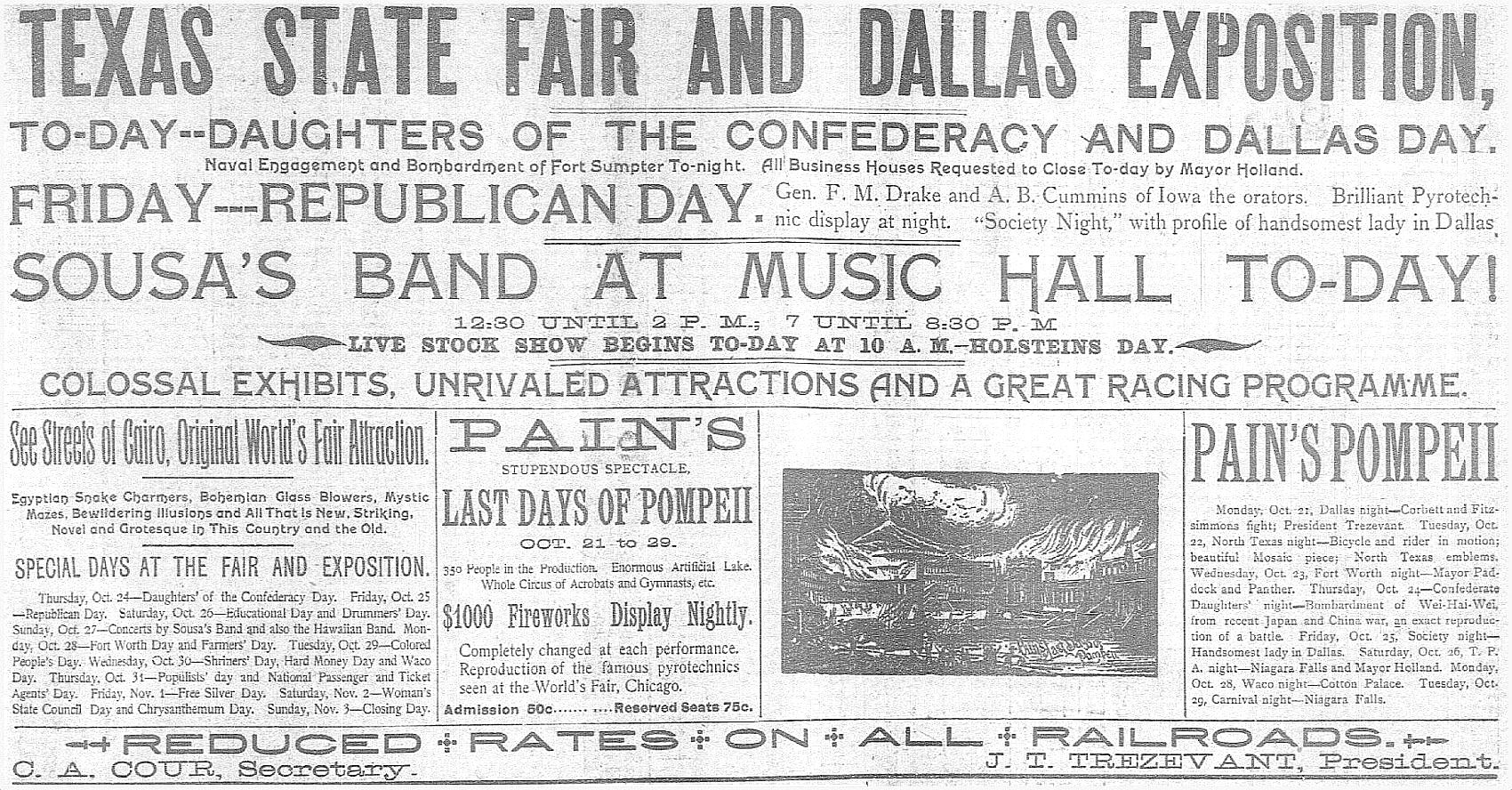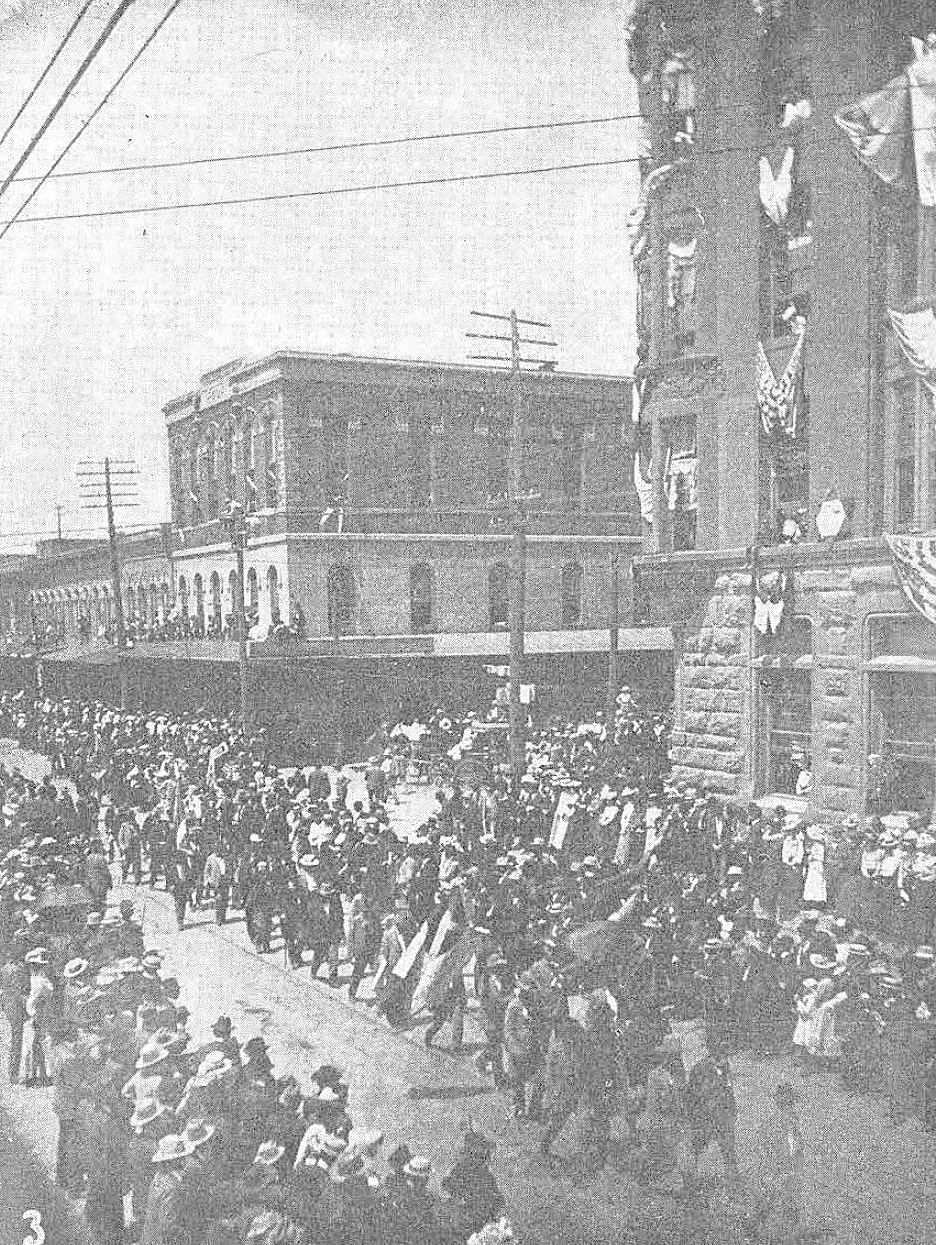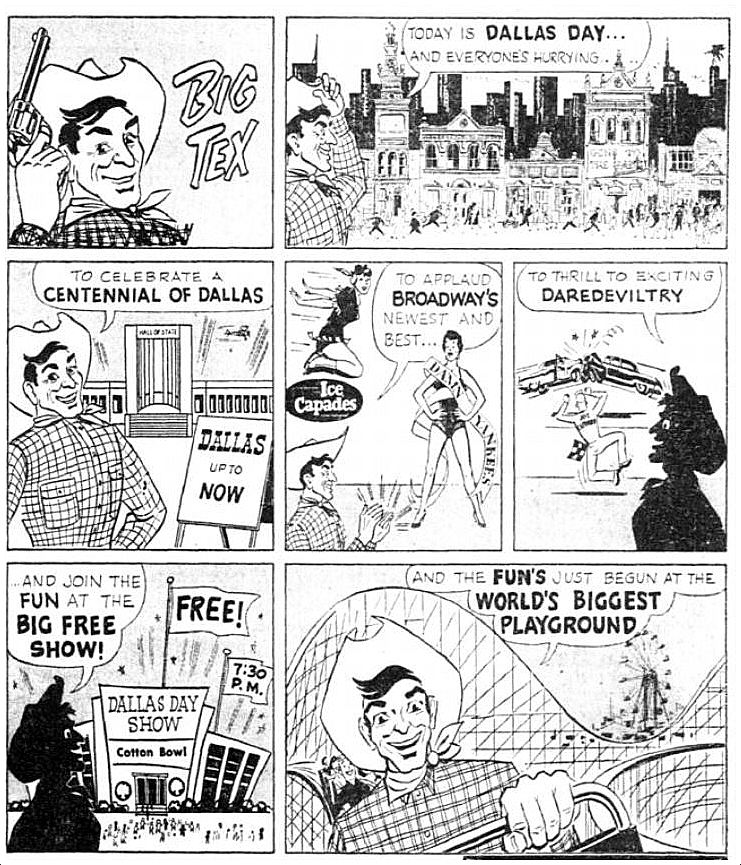
“Dallas Day” used to be an important day at the State Fair of Texas. Like really important. Like national-holiday-important. Below is a typical mayoral proclamation announcing the sweeping closures of public and private businesses and institutions on “Dallas Day,” from 1899 (click to see a larger image; transcription follows):
Dallas Morning News, Oct. 10, 1899
THE GREAT TEXAS STATE FAIR
PROCLAMATION
Wednesday, Oct. 11, is hereby declared to be, and is to be, a full, free and public holiday within the corporate limits of our good city of Dallas, on account of Dallas Day at the Great Texas State Fair.
All business, public and private, the postoffice, the courts, the banks, and public schools, will close from Tuesday evening, Oct. 10, until Thursday morning, Oct. 12, to the end that all may turn out and have one full day’s benefit of this great educational institution.
Every employer in Dallas is charged to be loyal to this, our proclamation, for his own good, for the good of those he employs, for the good of their wives and families and of their sweethearts.
No loyal concern in Dallas will fail to observe this, our annual holiday, or fail to render to their employes every facility for observing it.
Every citizen of Dallas having in his possession a complimentary ticket to the Fair is hereby requested to keep his ticket in his pocket and to pay his way at the gate. Children in arms will be admitted to the Fair free. School children, accompanied by their teachers, at half price.
Done at Dallas this 9th day of October, 1899.
Signed: John H. Traylor, Mayor
*
For decades, it was expected that most Dallas businesses and government offices would close on “Dallas Day.” The central business district must have been a ghost town. Woe be to anyone needing a new frock, a replacement gasket, a bank draft, or even a postage stamp on “Dallas Day.” The city had bigger fish they wanted its citizens to fry.
Oct. 18, 1906
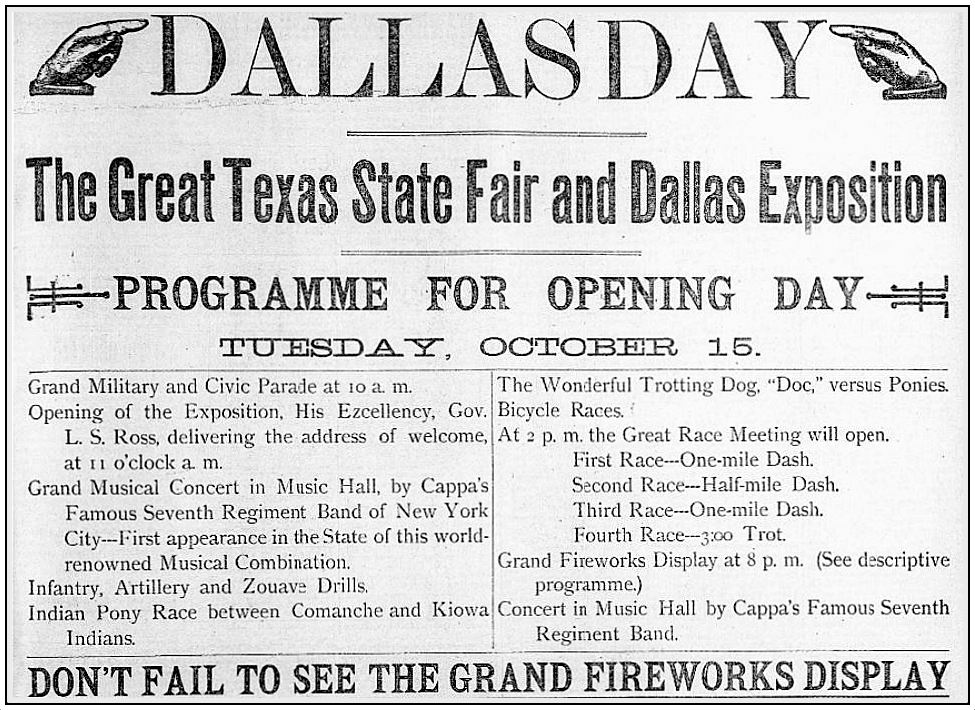
Here’s an early “Dallas Day” ad from 1889 with pointing fingers:
Oct. 14, 1889
The State Fair of Texas was (and continues to be) so filled with other ubiquitous “days” (such as old favorites “Hard Money Day” and “Chrysanthemum Day,” as seen in the ad below from 1895) that if Dallas weren’t Dallas, “Dallas Day” might run the risk of getting lost in the jam-packed fair schedule.
“Dallas Day” may still be a thing, for all I know (I guess I think of “Dallas Day” as the day Dallas’ elementary school kids get off to go to the fair, a tradition I hope never dies), but it had lost a lot of steam after those early days. Some businesses continued to close or shorten their hours to let employees enjoy the fair, but the era of a city shutting down so that everyone could flock to the State Fair began to fade after those early decades of the 20th century. But imagine how exciting that must have been, with all of Dallas descending on Fair Park en masse.
The State Fair of Texas is, once again, in full swing. Here are a few random SFOT images and ads from the past.
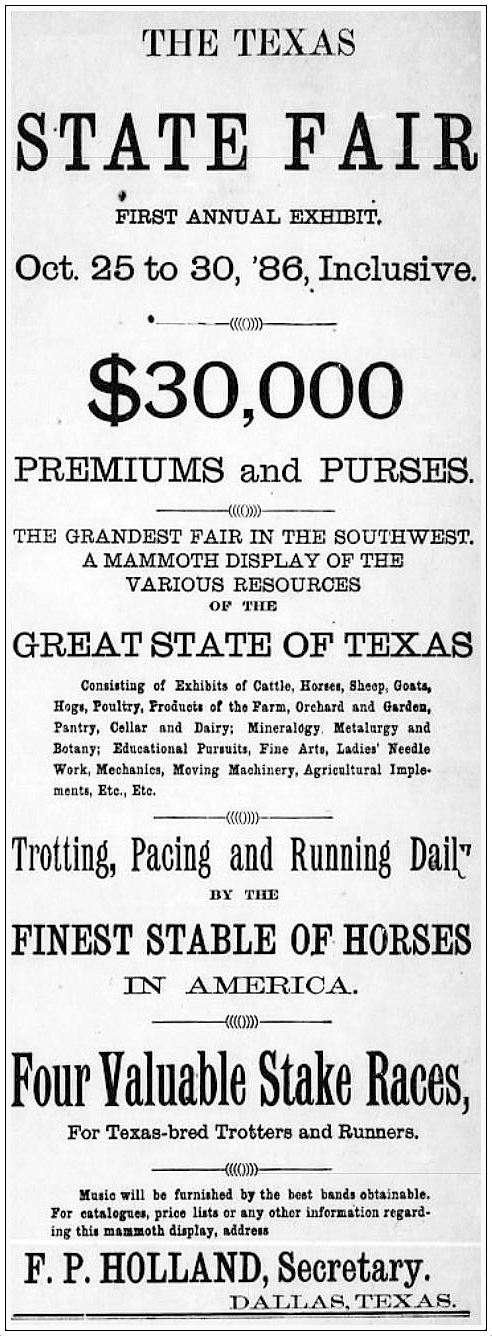
First up, an ad for the very first state fair in Dallas, in 1886. Almost unbelievably, this “Dallas State Fair” (held on 80 acres of land now known as Fair Park) was one of two competing state fairs held in the city that year — the other one was the “Texas State Fair,” which was held about three miles northeast of the courthouse on a 100-acre site roughly about where Cole Park is near present-day North Dallas High School. The two state fairs ran concurrently, and both were smash hits. The “Dallas State Fair and Exposition” eventually became the State Fair of Texas in 1904. Below are the ads for those competing two fairs. (Click to see a larger image.)
The East Dallas fair, Dallas Herald, Oct. 9, 1886
The North Dallas fair, Dallas Herald, Oct. 20, 1886
*
One of the original buildings built for the 1886 Dallas State Fair was the massive Exposition Building, designed by architect James Flanders. On a site devoted to the career of Flanders, the architect recalled this project many years later: “The progress of the work on the structure was watched by most people with a degree of curiosity far more intense than is excited by the loftiest skyscraper in these days when people have no time to wonder. Such an apparition on the bald prairie attracted crowds of the curious from far and near on Sundays.”
Above, the huge Exposition Hall, enlarged from its initial design, which, in 1886 was reported to contain 92,000 square feet of unrivaled exhibition space. Unfortunately, the wooden buildings seen above burned to the ground in the early hours of July 20, 1902. The blaze was so intense that “the whole of the city was lit up with the brilliancy of the sunrise” and that “flames rose to such great height that they were seen as far west as Fort Worth, where it was thought the whole city of Dallas was burning” (Dallas Morning News, July 21, 1902). More on this building can be found on the Watermelon Kid site, here.
Below, the Exposition Building can be seen from the fairgrounds racetrack in a photo published in 1900 in an issue of The Bohemian magazine (via the Fort Worth Public Library).
*
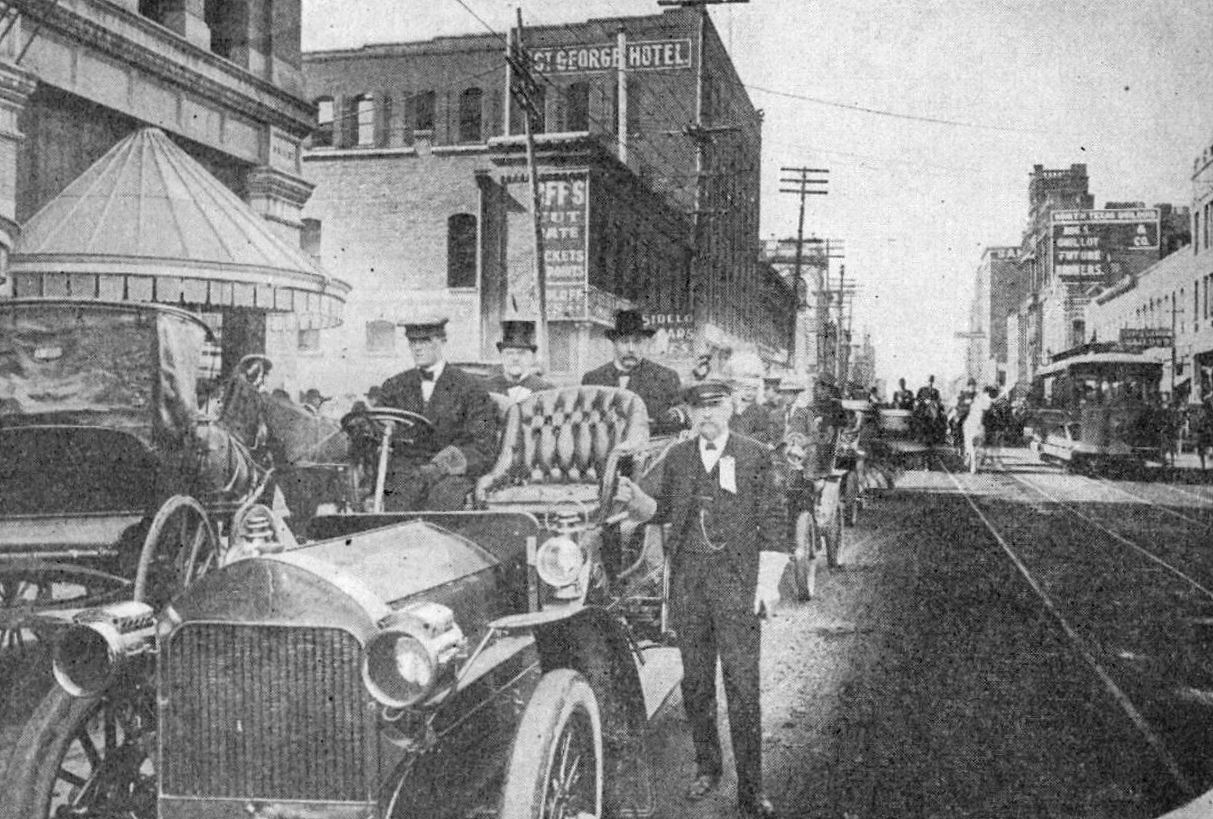
A moment from the opening day parade festivities of the 1903 fair is captured in the photo below, with the following caption from the 1941-42 edition of the Texas Almanac: “Gov. S. W. T. Lanham (in rear seat of pioneer horseless carriage) in opening day parade for 1903 State Fair of Texas formed on Main Street. Fair President C. A. Keating was seated beside him, and Secretary John G. Hunter of Board of Trade is seen standing beside the gasoline buggy.”
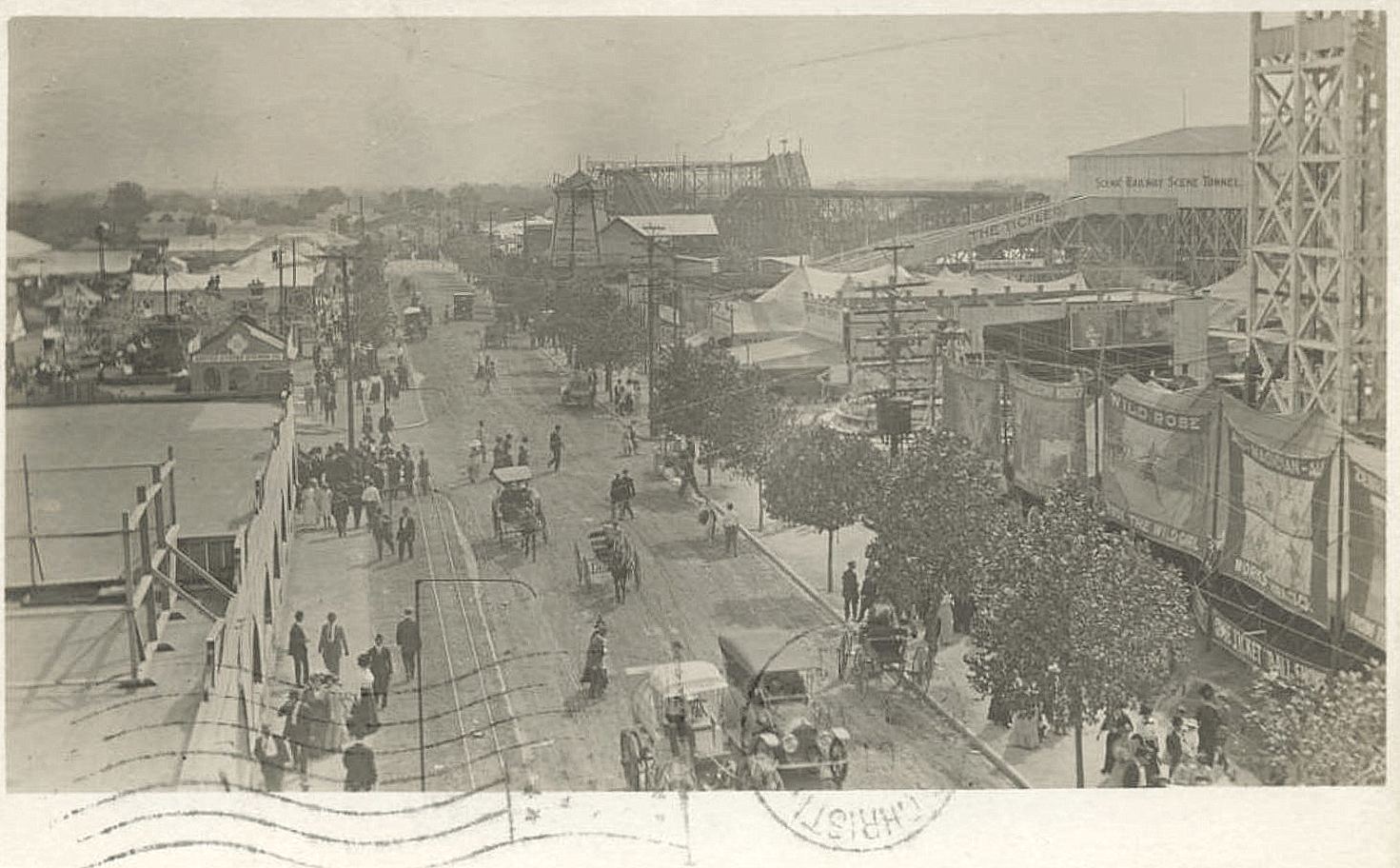
Here is a 1911 view of the state fair midway taken by John R. Minor, Jr. in a real-photo postcard. (More on Mr. Minor is here; more images of the Shoot the Chutes water ride can be found here.)
From the 1920s, an ad for Clayco Red Ball gasoline (“It’s RED in color”). I’m always a sucker for ads containing photos or drawings of Dallas landmarks, and here we see the entrance to Fair Park. (Why was the gas red? Why not? It was the brainchild of Dallas advertising man Wilson W. Crook, Sr. who needed a way to make this Oklahoma gas different. He remembered that during his WWI days in France that higher quality airplane fuel was colored red to distinguish it from regular gasoline. When the gas was introduced to Dallas in August, 1924, he devised a promotion that gave away 5 gallons of this gas to every red-headed person who showed up at participating service stations.)
Clayco Red Ball ad, Oct. 1924
*
If we’re talking about the State Fair of Texas and we’ve come to the 1930s, there’s a pretty good chance there’s going to be a photo from the Texas Centennial. And, looky here: a nice shot of concessionaires waiting for thirsty patrons at the Centennial Exposition in 1936. A couple of nickels could get you a Coke and a phone call.
During World War II the State Fair was on hiatus. Here’s an ad from the 1941-42 Texas Almanac pre-closure, with a nice pencil sketch of the Esplanade and Hall of State:
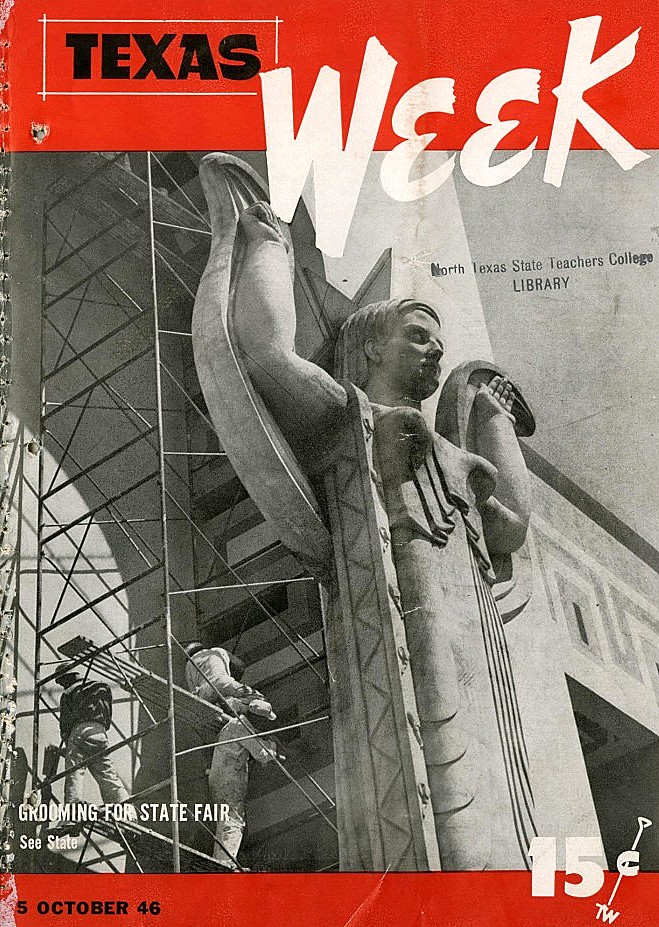
And a 1946 magazine cover story on the imminent reopening of the fair:
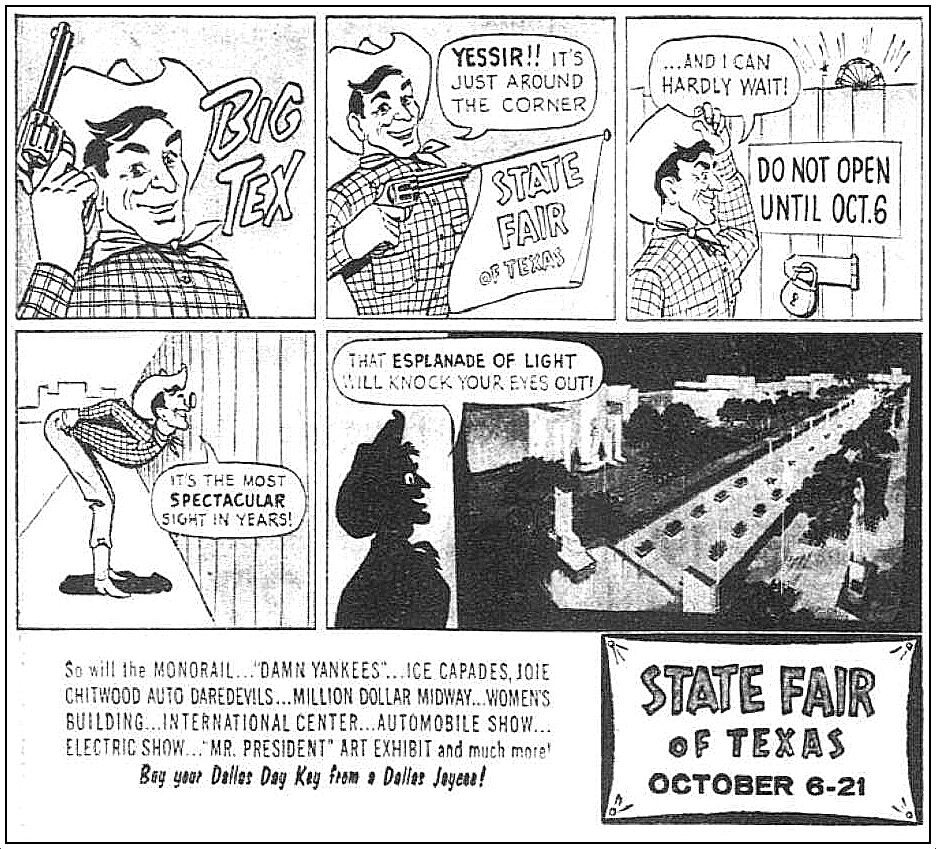
In 1956 Big Tex warned/assured you that the Esplanade lights would “knock your eyes out.”
*
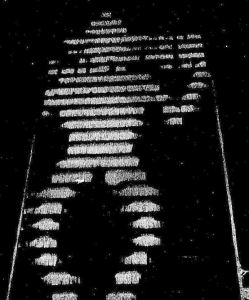
Speaking of Big Tex and lights knocking your eyes out, in the 1960s Big Tex was memorialized on the side of a downtown building, like a giant bow-legged Lite-Brite.
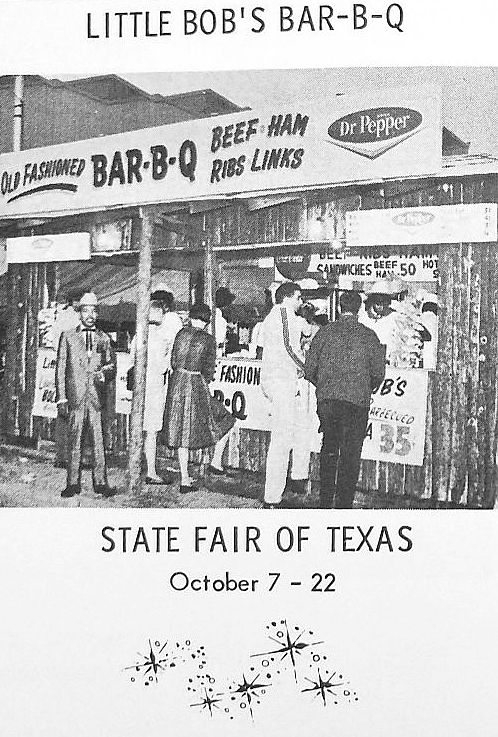
Back at Fair Park, Huey P. Nash was supplying fair throngs with barbecue from his Little Bob’s Bar-B-Q stand. In 1964, Nash was the first African-American vendor to be granted a food concession at the State Fair. Little Bob’s (which I believe is still in business) was, at the time of this 1967 ad, located in South Dallas at 4203 S. Oakland (now Malcom X), at the corner of Pine. (Ad is from the 1967 Souvenir Program of the 74th Annual Session of the Missionary Baptist General Convention of Texas; more photos from this publication can be seen here.)
The 1960s also gave us the Swiss Skyride, which replaced the Monorail (which, when it was introduced in 1956, was the first commercially operated monorail in the United States). The Swiss Skyride was erected in Fair Park in August, 1964, and the 6-minute ride debuted a few months later at the 1964 State Fair of Texas.
via Lon Tinkle’s children’s book Key to Dallas (1965)
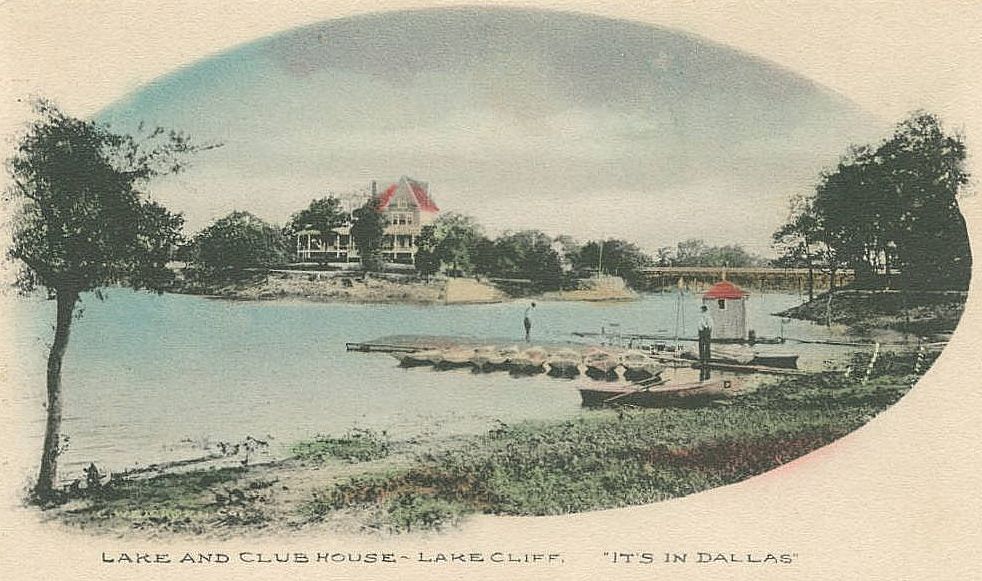
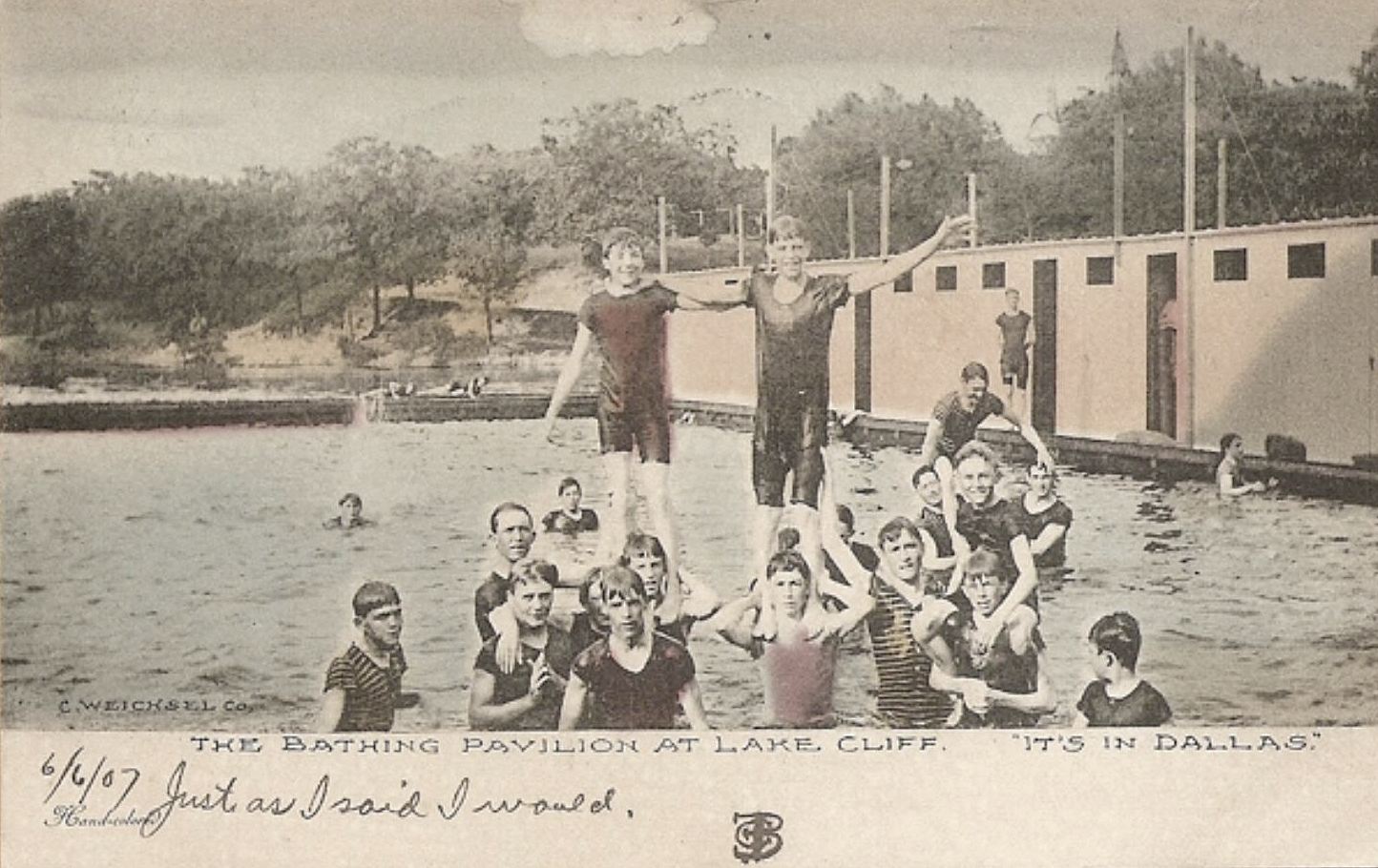
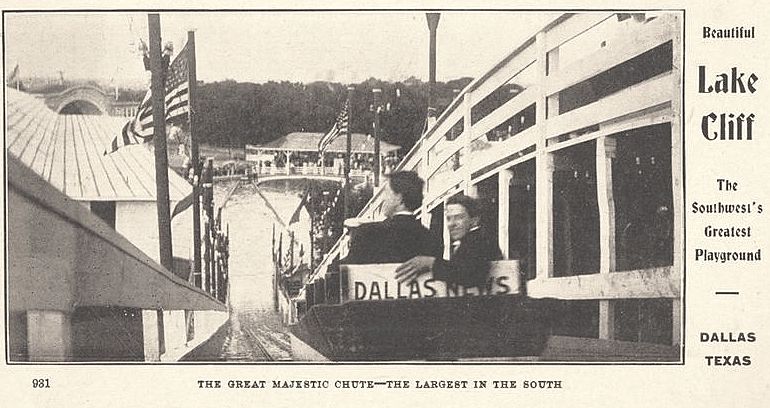
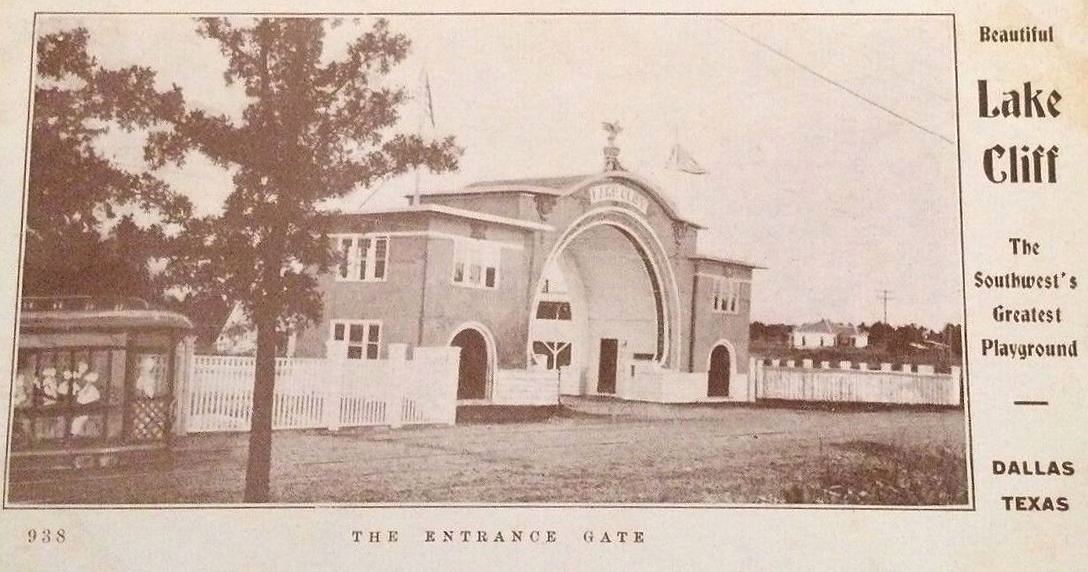
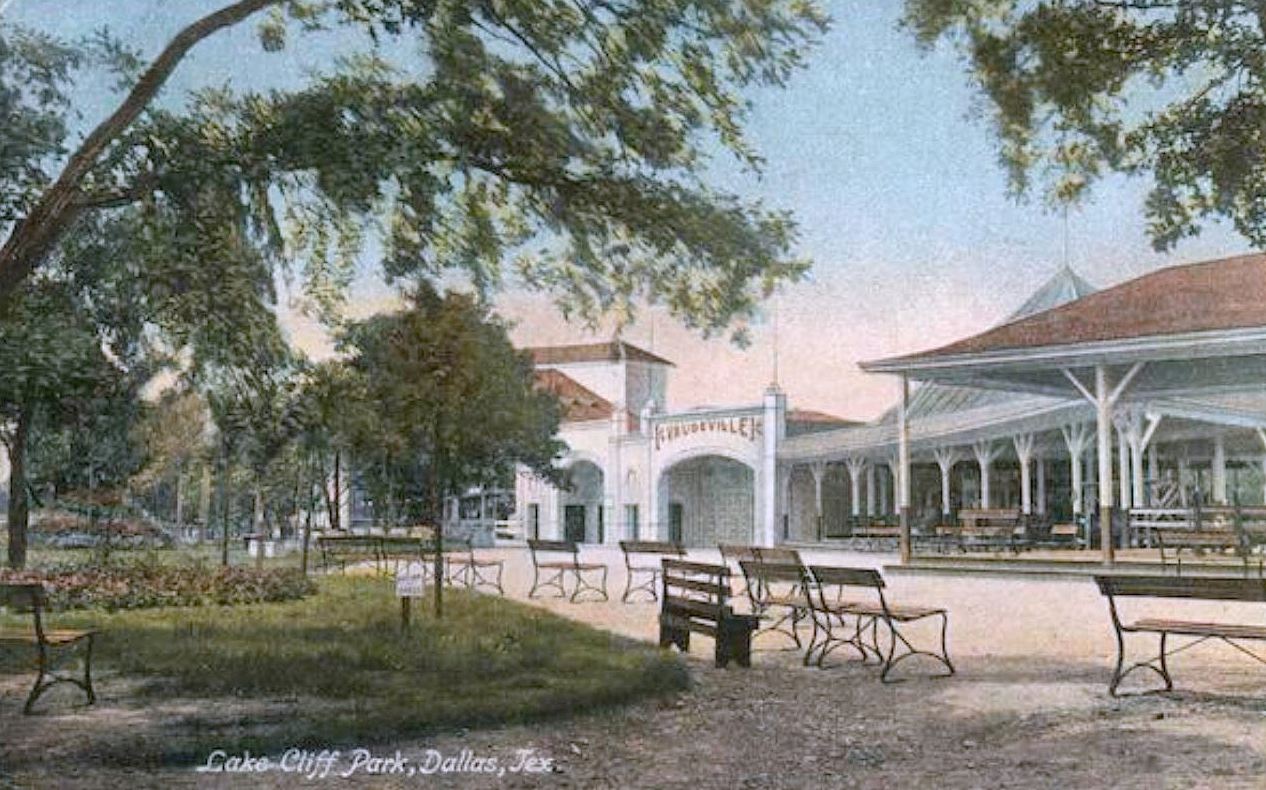
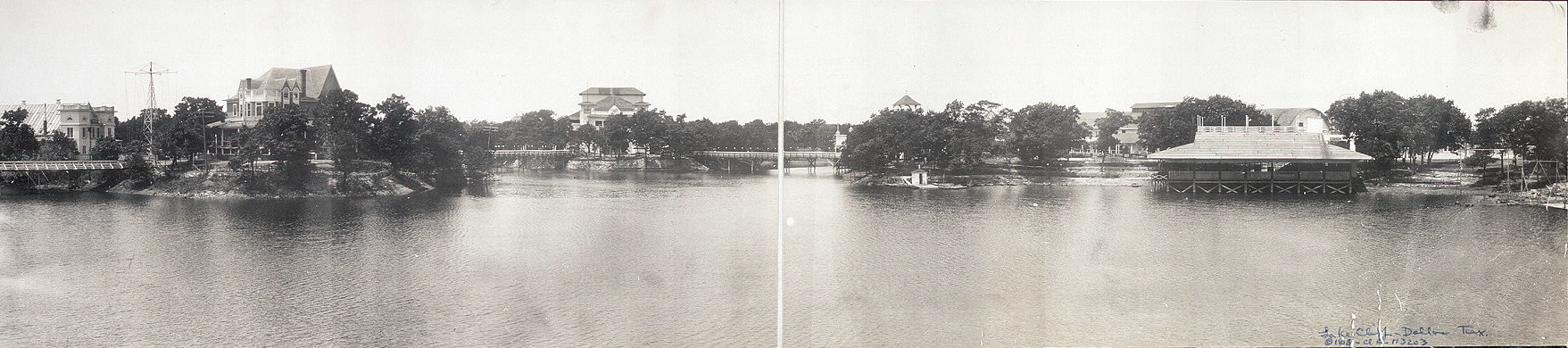
Enjoy these images of Lake Cliff, which, 100 years ago, was “the greatest amusement park in the Southwest.” The slogan “It’s in Dallas” should really have read “It’s in Oak Cliff” — and back then Oak Cliff had everything!
Jump forward to the 1940s — when it was more of a big pool, without all the flash and filigree:
Take a look at it now in this stunningly beautiful drone video by Matthew Armstrong:
*
***
Sources & Notes
Top image is from a postcard in the George W. Cook Collection at SMU’s DeGolyer Library, here.
Most other uncredited images were found around the internet, several from Coltera’s Flickr stream.
More on Lake Cliff can be found in this article by Rachel Stone from the Oak Cliff Advocate (be sure to click the link to see the full 1906 promotional brochure on “the Southwest’s greatest playground” (it’s “Clean, Cool, Delightful”)).
One of my favorite actors — Rip Torn — has died. My favorite performance of his was as Larry Sanders’ producer, Artie, on The Larry Sanders Show. He was PERFECT in that role. And I loved a little-seen movie he did in the ’70s called Payday in which he played a hard-living country-music singer (watch the trailer here; the full movie is currently on YouTube). But, really, I liked him in everything I saw him in.
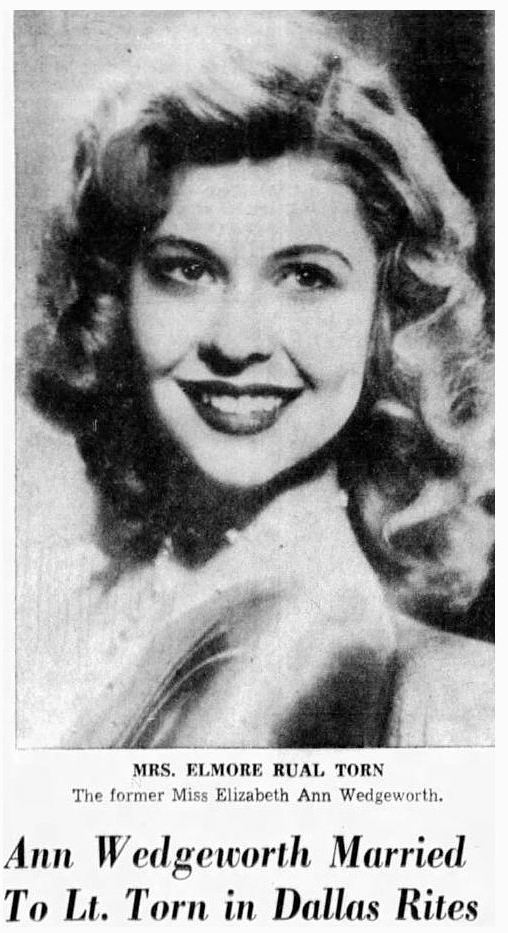
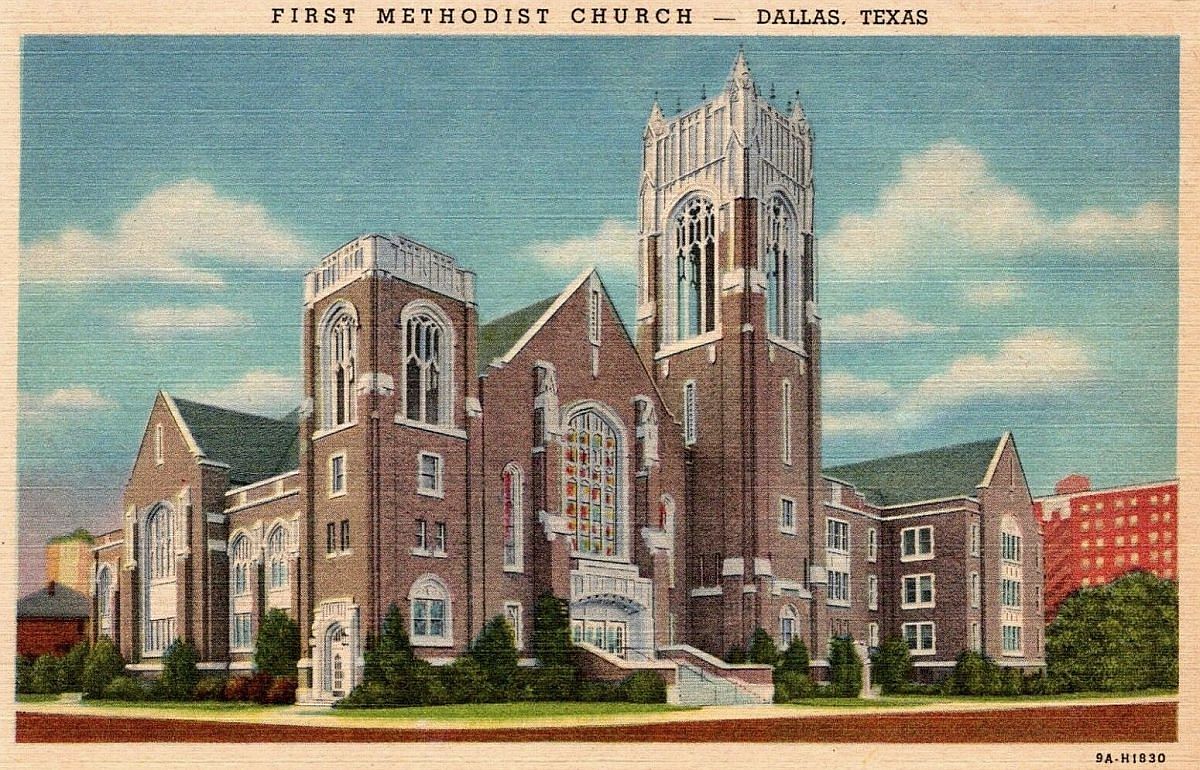
A couple of years ago I wrote about Dallas-reared actress Ann Wedgeworth and was surprised to discover that she had been married to fellow Texan Rip Torn (born Elmore Rual Torn) and their wedding had been in Dallas. They had probably met in Austin in 1952 or 1953 when both were members of the University of Texas Curtain Club acting group. They were married in downtown Dallas on Saturday, January 15, 1955 at First Methodist Church on Ross and Harwood, with Rev. Calvin W. Froehner officiating. The 20-year-old bride wore rose-hued lace and satin; the 23-year-old groom probably wore a military uniform as he was then serving in the U.S. Army Military Police.
Austin American, Jan. 25, 1955
Taylor (TX) Daily Press, Jan. 23, 1955
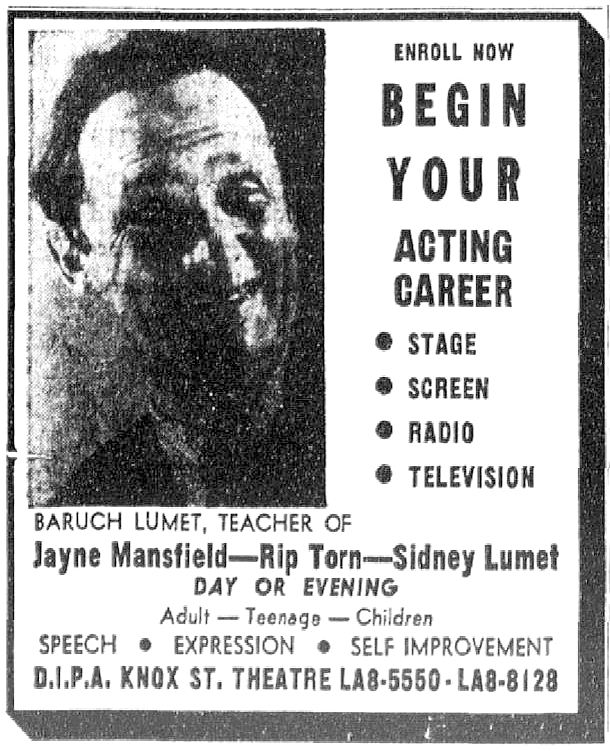
At some point — probably around the time of his marriage — Rip (and possibly Ann) took acting lessons at the Dallas Institute of Performing Arts on Knox Street. D.I.P.A. was run by Baruch Lumet (father of Hollywood director Sidney Lumet).
1958
Rip (who was called “Skip” as a child, which is nowhere near as good as “Rip”) moved to New York later in 1955 when Rip’s army hitch was finished, and both began working in New York theater fairly soon after their arrival. They had a daughter Danae and were married until their divorce in 1961.
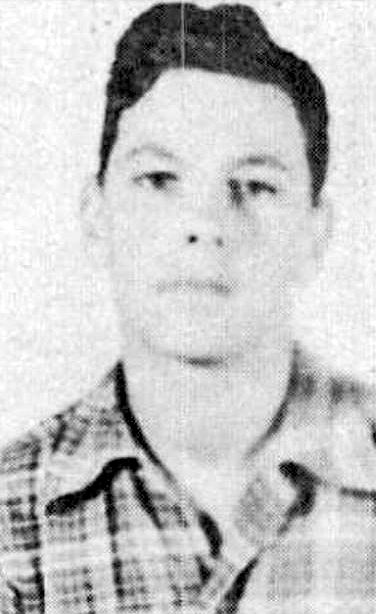
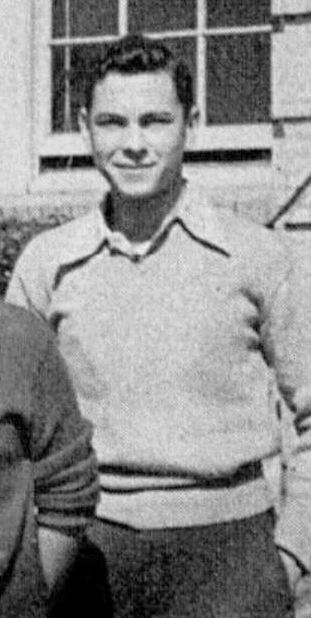
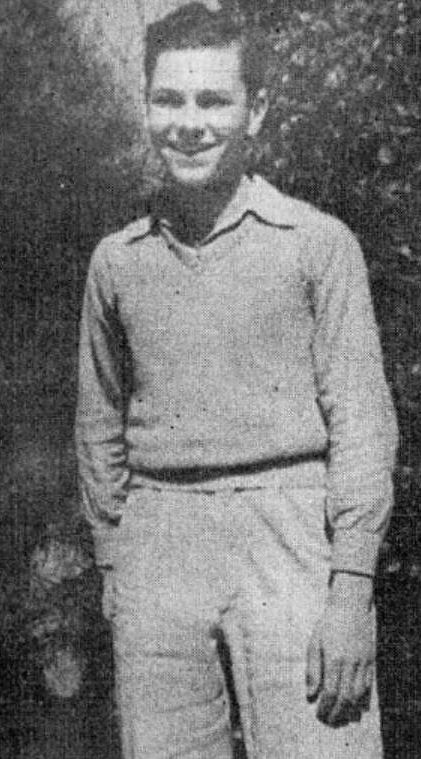
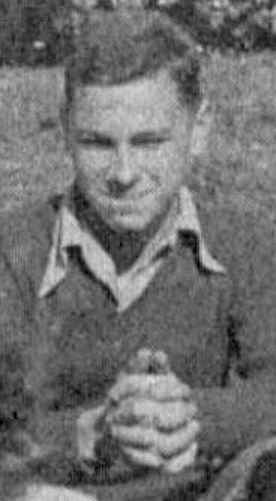
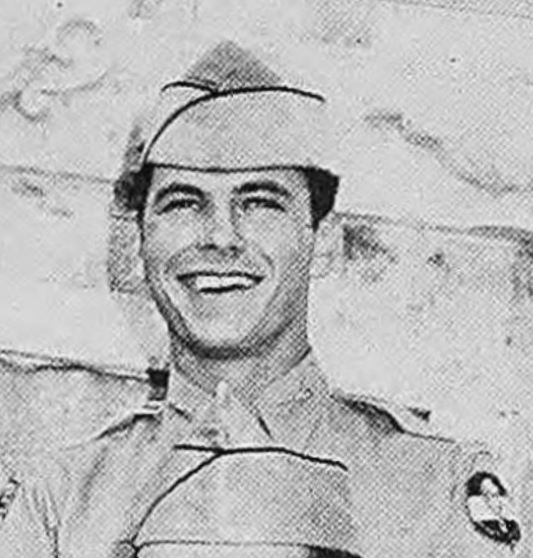
Below are a few photos of Rip Torn from high school and college yearbooks. (Most images are larger when clicked.)
1946, Longview (TX) High School, sophomore
1947, Longview High School, junior
1947, Longview High School, Chemistry Club president
1947, Longview High School, sports editor of the school paper
1947, Longview High School, Junior Class treasurer
1948, Taylor (TX) High School, senior
1948, Taylor High School, yearbook staff, business manager
1950, Texas A & M, Sophomore Class parliamentarian
1951, University of Texas, junior, Radio Guild
1952, University of Texas, senior, Sigma Chi fraternity
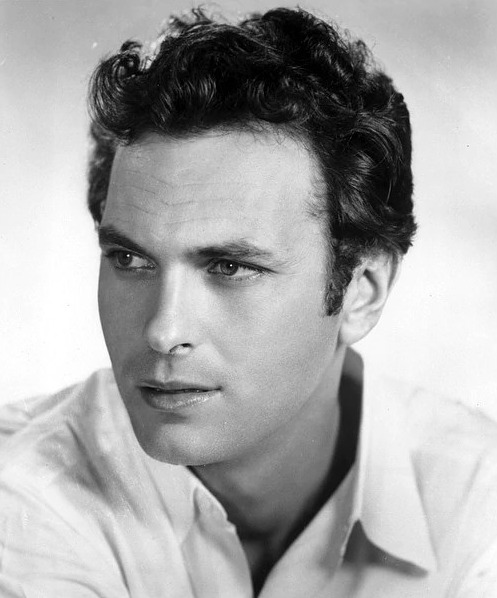
Hollywood glamour shot
RIP, Rip (1931-2019).
***
Sources & Notes
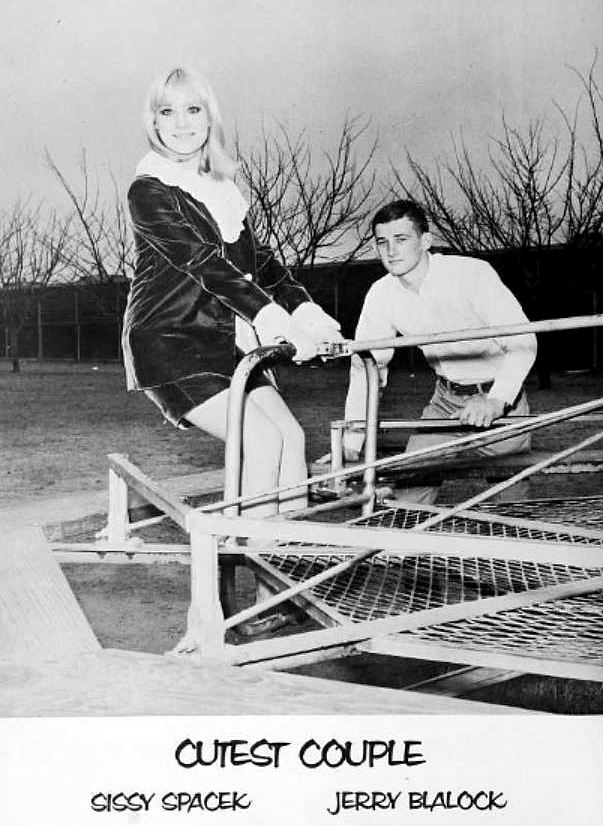
Rip Torn had a famous first-cousin, Sissy Spacek — Rip’s mother and Sissy’s father were brother and sister. I checked the Quitman High School yearbook (Sissy’s alma mater) and found her mod and groovy 1968 senior photos. Here’s one, showing her as a class favorite, voted “Cutest Couple” with Jerry Blalock. (And, yes, that really is her.)
And, since I’m on a roll, here’s a photo of Rip Torn’s mother, Thelma Spacek, when she was a student at Southwestern College (Georgetown, TX) in 1927. Rip had that same profile.
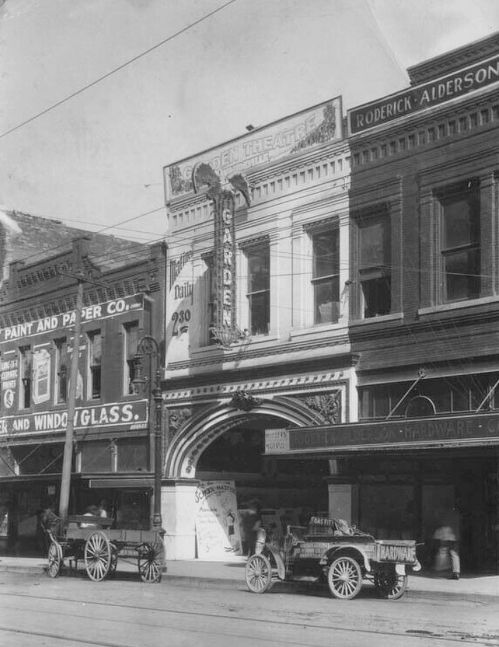
The photo above shows the Garden Theatre, located at 1517 Elm, on the north side of the street, between Akard and Stone Street. It was opened in the fall of 1912 by partners W. J. Brown and R. J. (Ray) Stinnett (who also operated the Cycle Park Theatre at Fair Park). The Garden was a vaudeville stop for touring companies.
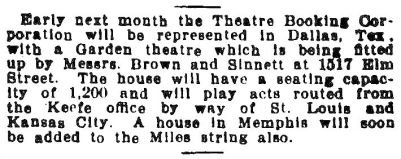
Variety, Sept. 1912
It was one of many local theaters which simulcast World Series baseball games via telegraph updates, in the days before radio and TV (I wrote more about this fascinating subject here).
Oct. 16, 1912
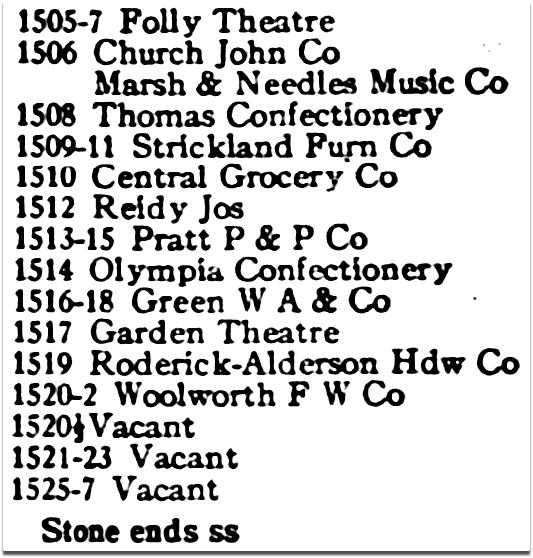
As seen in the top photo, the Garden Theatre sat between the Pratt Paint & Paper Co. and the Roderick-Alderson Hardware Co.
1913 Dallas city directory
The photo at the top was found on eBay, with the seller-provided date of 1912. Zooming in, one can see a placard in front of the theater advertising the appearance of the Hendrix Belle Isle Musical Comedy Company (misspelled on the sign as “Henndrix”) — for many years this troupe toured with a production called “The School-Master”/”School Days,” the very production seen here on offer to audiences at the Garden. (Read a review of a 1912 Coffeyville, Kansas performance of the troupe’s bread-and-butter act here.)
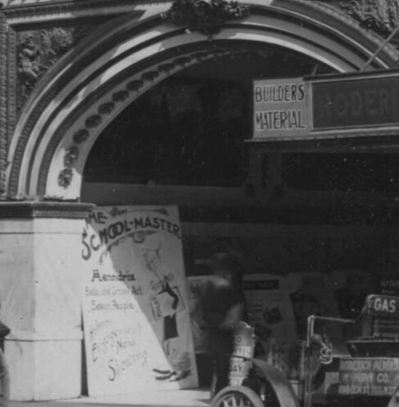
In April, 1913 Brown and Stinnett split, with Brown taking the Cycle Park action and Stinnett keeping the Garden (and a handful of other theaters).
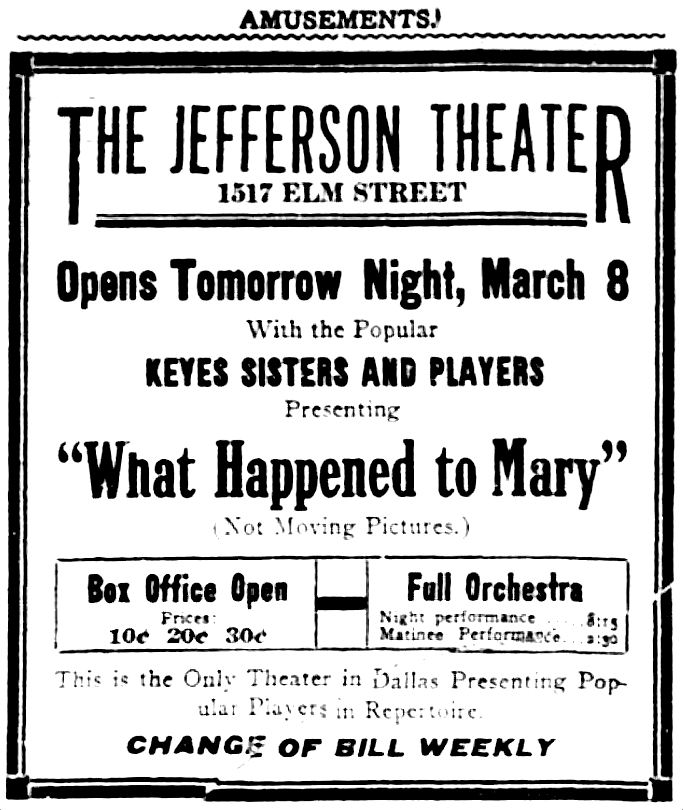
On March 8, 1915 the theater changed its name and reopened as the Jefferson Theater. As the ad below stated, “This is the only theater in Dallas presenting popular players in repertoire […] Not moving pictures.”
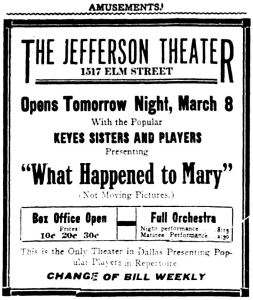
March 7, 1915
I’m not sure where the “Jefferson” name came from, but….
June 11, 1915
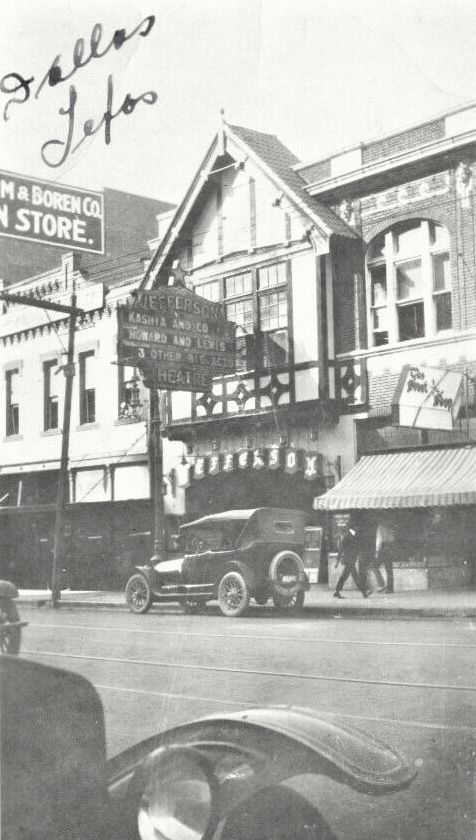
The photo below shows the Jefferson with an unusual olde-English-style half-timbered facade — I doubt that lasted long. The photo is undated, but the marquee advertises vaudeville mainstays Kasmir & Co. (Sophie Kasmir — or Sophia Kasmir — was a prima donna of note) and comedians Howard & Lewis.
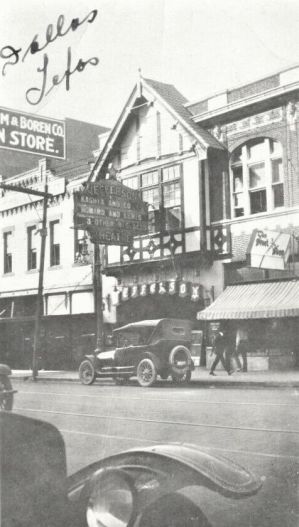
eBay
There were a few back-and-forths as far as operators and leases of the Jefferson, but in 1923, Ray Stinnett “sold” (or probably more accurately sub-leased) the theater in order to concentrate on his other (bigger! better! brighter!) venture, the next-door Capitol Theater, but he reacquired it in 1925 and renamed it the Pantages. (This has caused confusion, with some thinking it had become the Pantages earlier — the confusion is understandable, as the Jefferson was affiliated with the Pantages vaudeville circuit between 1917 and 1920, and during that time the word “Pantages” appeared prominently on the theater’s marquee, but it was still the Jefferson. See a photo from May, 1925, showing the Jefferson from the Pacific side here, after it had become a Loew’s-affiliated theater.)
The Jefferson became the Pantages Theater on December 27, 1925, when Stinnett opened the newly remodeled venue which offered vaudeville stage acts as well as motion pictures. (All images are larger when clicked.)
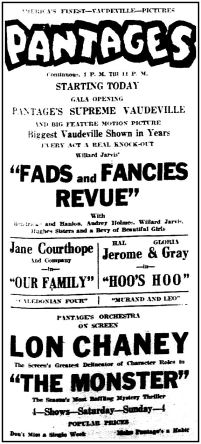
Dec. 27, 1925
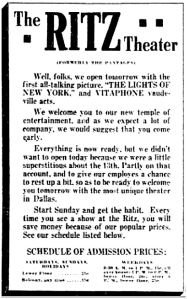
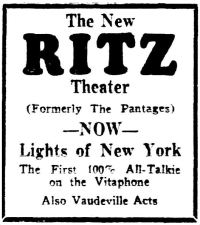
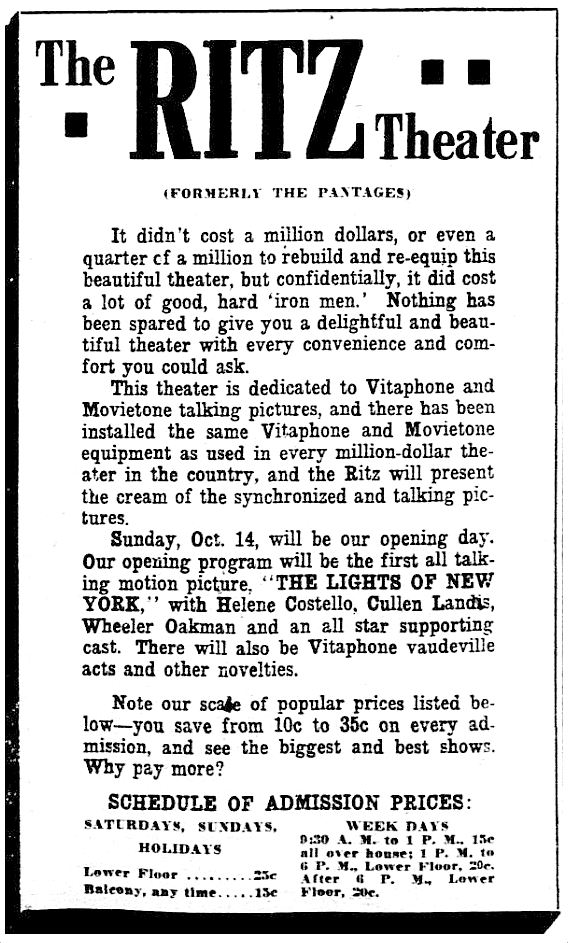
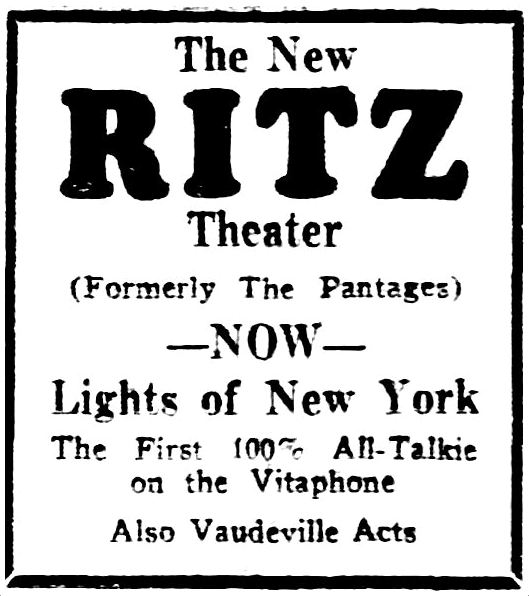
That incarnation didn’t last too long. Goodbye, Pantages, hello, Ritz. The Ritz Theater opened on October 14, 1928, operated by the R & R (Robb & Rowley) chain but leased from Stinnett. The first film shown was “The Lights of New York,” the first all-talking feature-length movie.
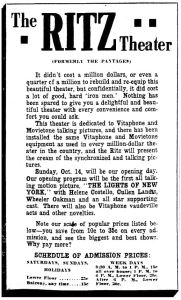
Oct. 10, 1928
Oct. 13, 1928
Oct. 15, 1928
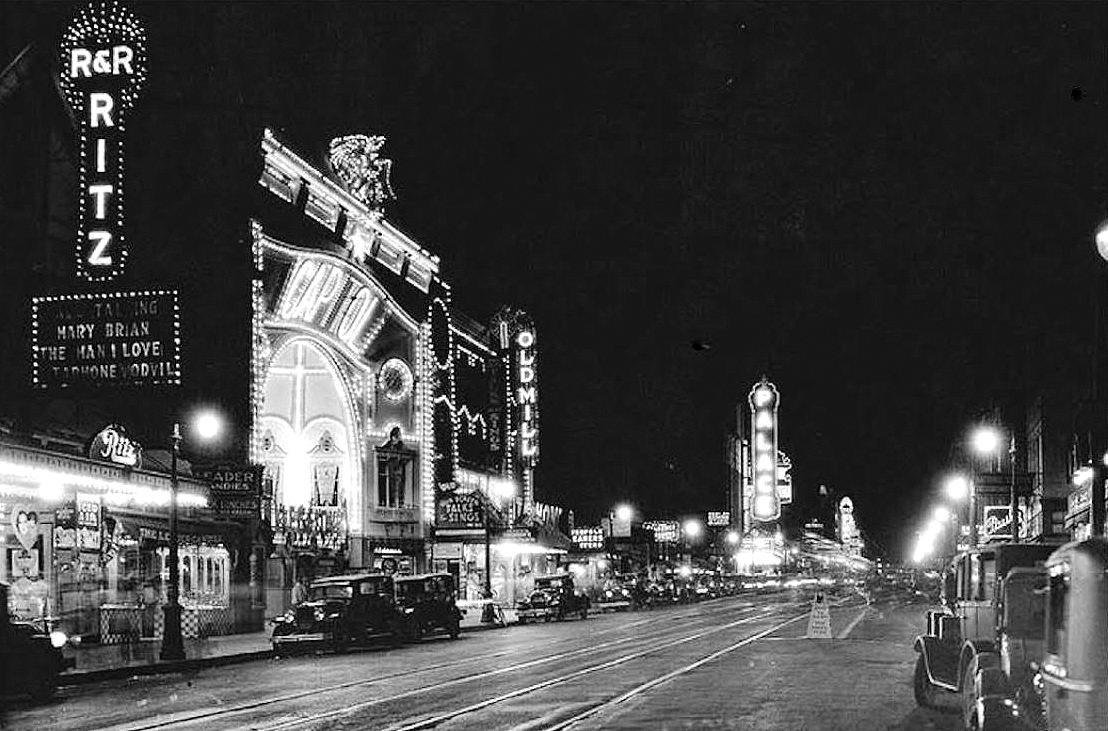
Below, a 1929 photo showing the 1500 and 1600 blocks of Elm Street, the heart of Theater Row: seen here are the Ritz, Capitol, Old Mill, and Palace theaters (the regal Queen was a few doors west of the Ritz, at the corner of Elm and Akard).
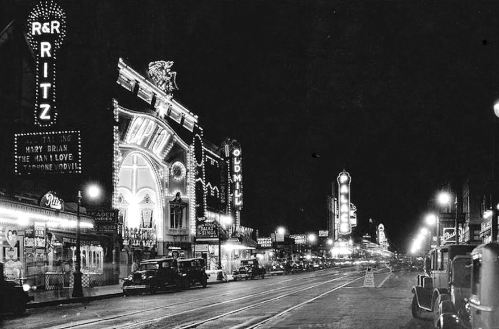
photo from “Historic Dallas Theatres” by D. Troy Sherrod
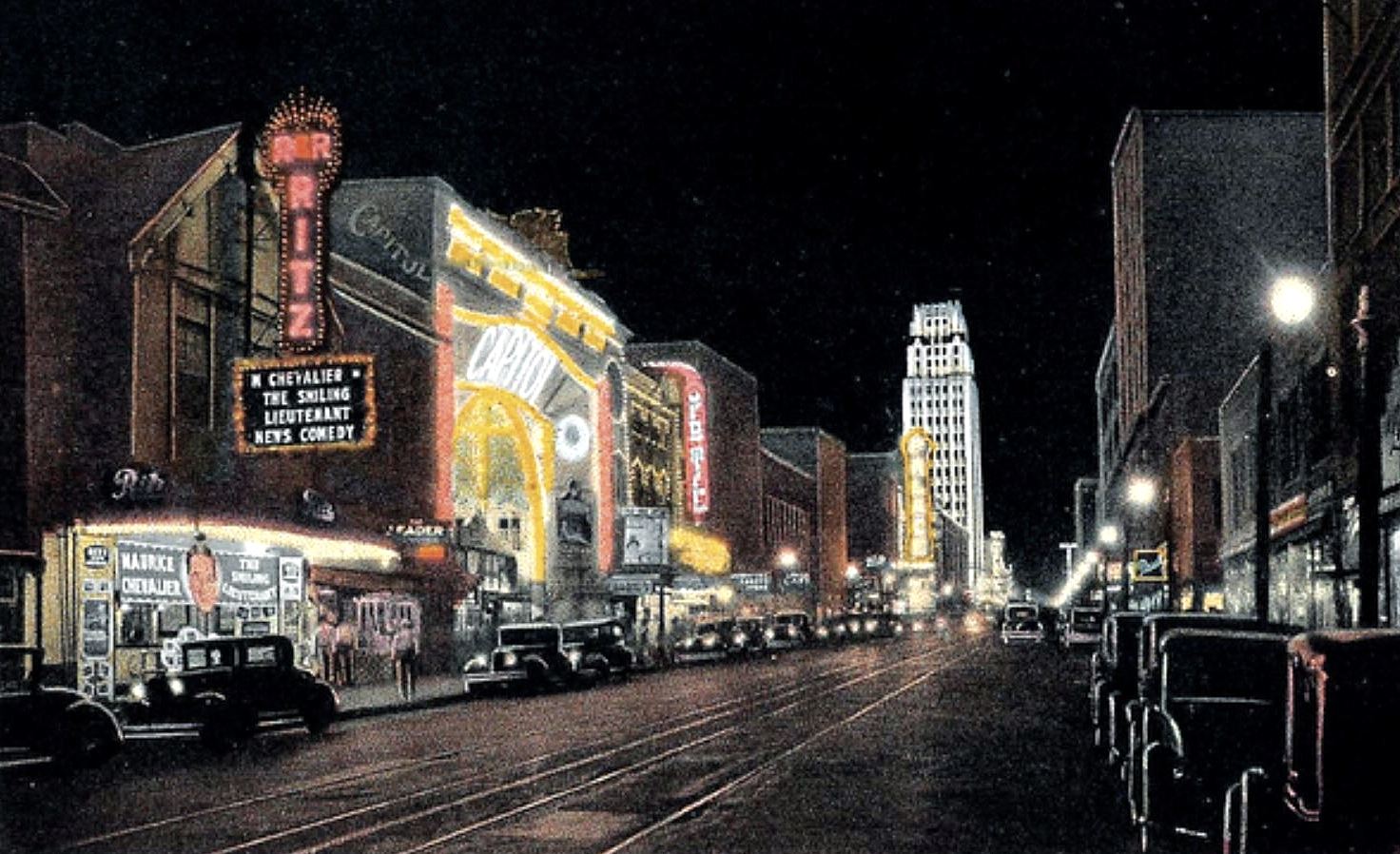
A postcard showing the Ritz (and neighbors) a couple of years later, in 1931:
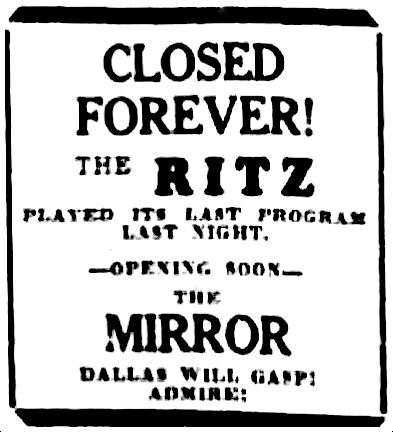
But the Ritz didn’t last all that long either — a little over three years.
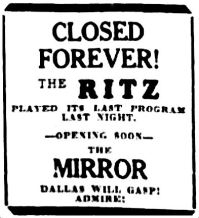
Dec. 8, 1931
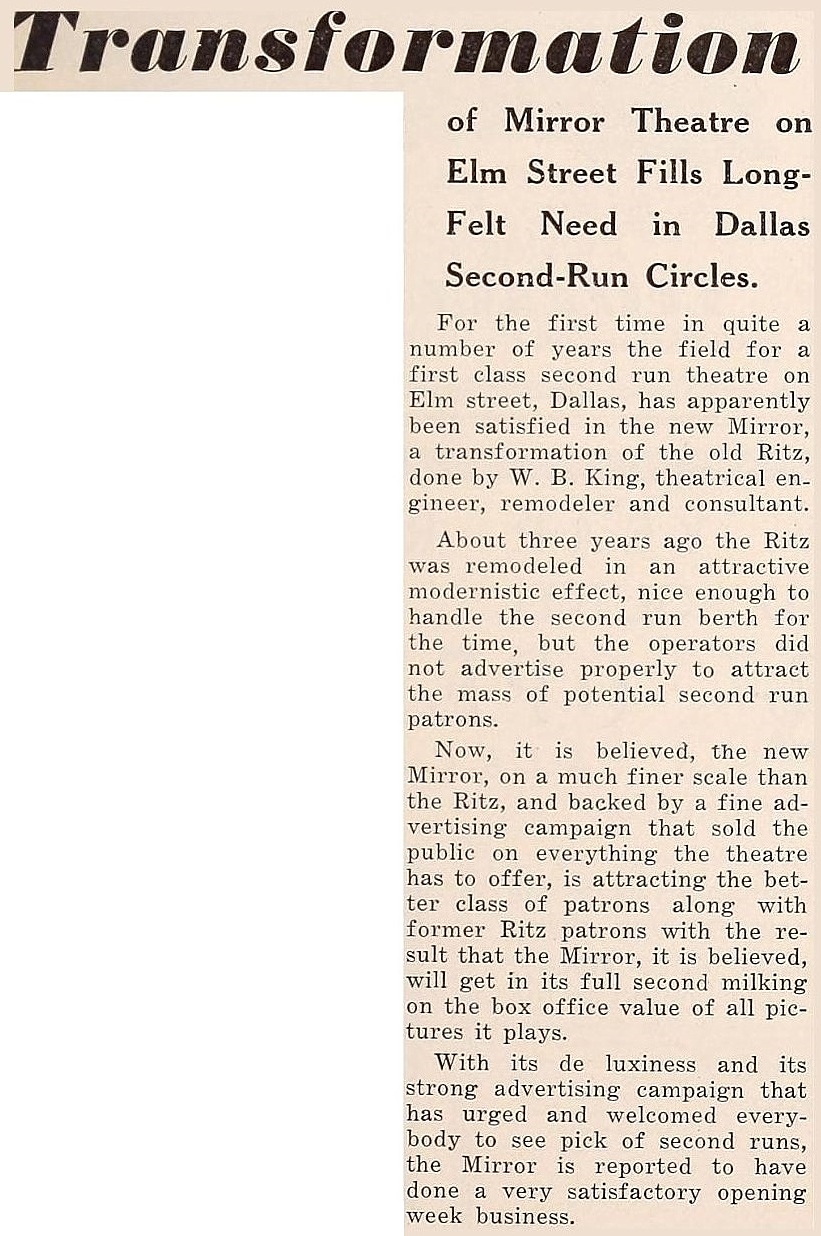
In 1931 the theater was acquired by the Hughes-Franklin company (as in Howard Hughes, the super-rich Texan who had an obsession with Hollywood). The plan was to renovate the building and rename it the Mirror, “a duplicate, in so far as possible, of the famous Mirror Theater of Hollywood. A feature will be the extensive use of mirrors in the lobby and foyer” (Dallas Morning News, Nov. 29, 1931).
Motion Picture Times, Dec. 29, 1931
The Mirror Theater opened at 1517 Elm on Christmas Day, 1931.
Dec. 25, 1931
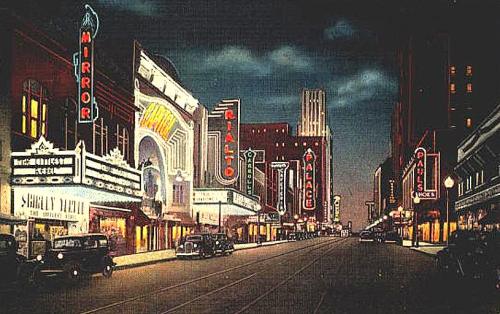
Theater Row, 1936:
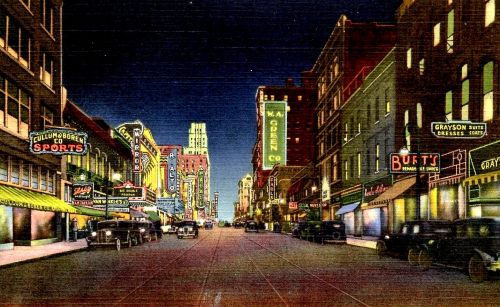
More Elm Street:
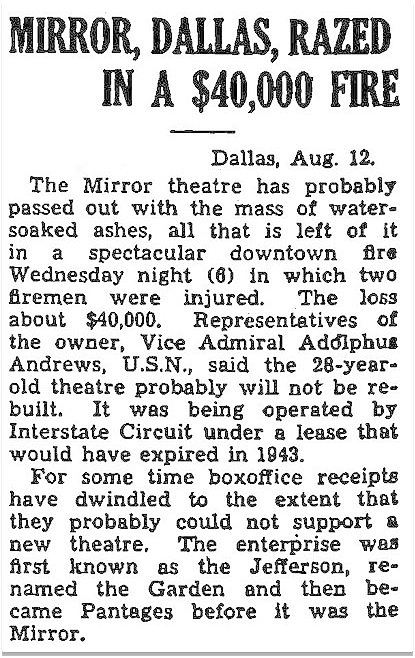
The Mirror chugged on for several years as a second-run house, apparently less and less profitable as the years passed. On August 4, 1941 the theater burned down in an early-morning fire. The property owner, Vice Admiral Adolphus Andrews, decided against rebuilding.
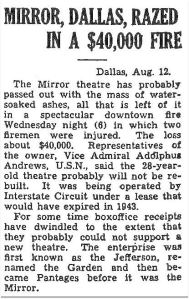
Variety, Aug. 13, 1941
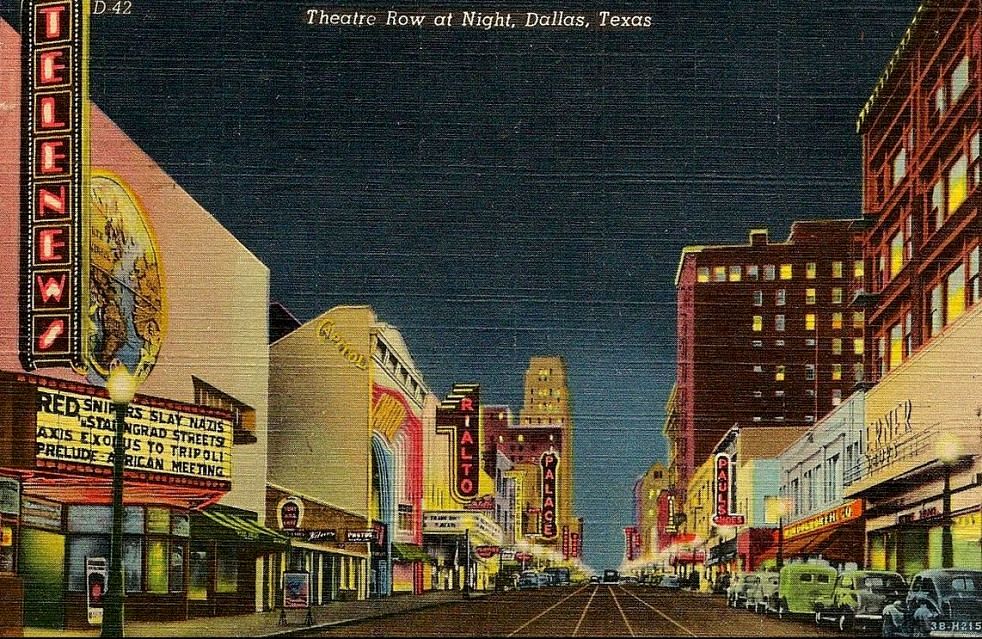
Here’s the same view as seen above, only now the space next to the Capitol is a nondescript one-story retail building. (The Telenews, a theater showing newsreels, opened in November 1941.)
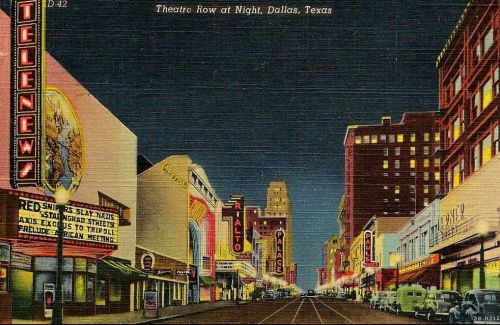
Below, a photo from around 1942, the first time in 30 years without a theater at 1517 Elm Street.
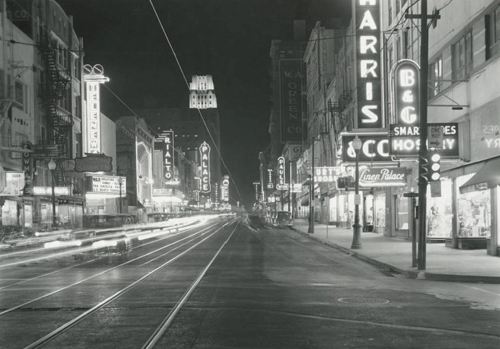
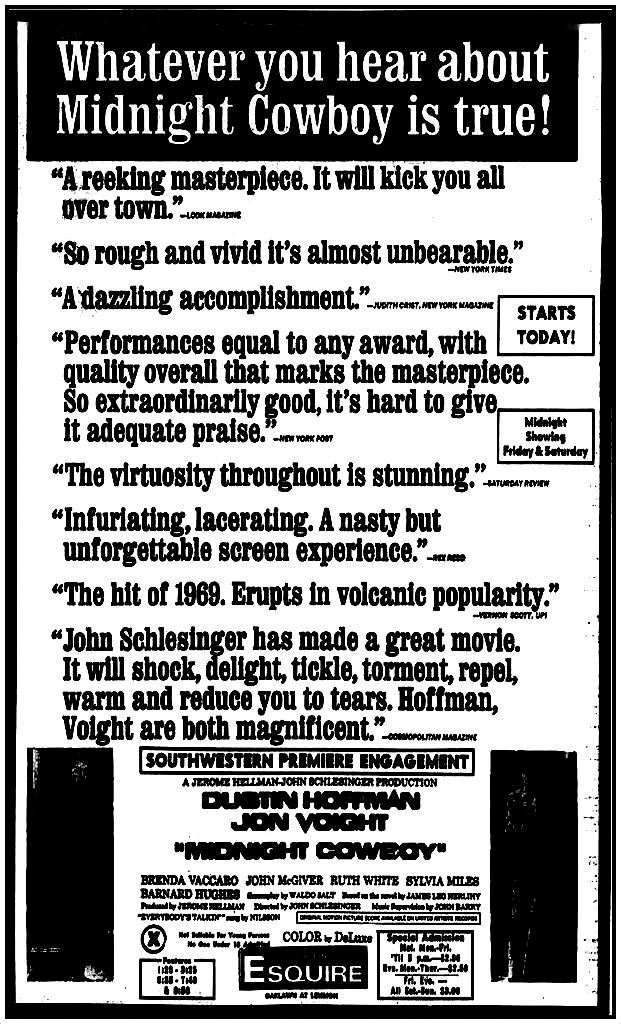
This is a really great photo of the still-missed Esquire Theater in Oak Lawn. Here we see it in 1969, showing the X-rated film Midnight Cowboy, which went on to win several Academy Awards, including Best Picture (the only X-rated film to receive the Best Picture Oscar), Best Director (John Schlesinger), and Best Adapted Screenplay (by Waldo Salt, based on the novel by James Leo Herlihy).
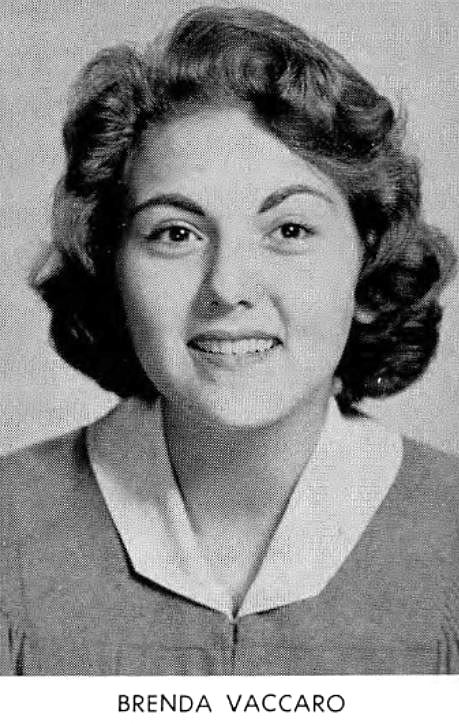
Midnight Cowboy opened at the Esquire in July, 1969 and ran for several months. One of the featured actors in this American classic is Dallas’ own Brenda Vaccaro (Thomas Jefferson High School Class of 1958, daughter of Mario Vaccaro who owned Mario’s Italian restaurant) — I’ve loved her in everything I’ve ever seen her in. (Here’s one of her scenes from Midnight Cowboy.)
Thomas Jefferson High School, 1958
“Whatever you hear about Midnight Cowboy is true!” … “A reeking masterpiece. It will kick you all over town.” … “A nasty but unforgettable screen experience.”
Opening day, July 23, 1969
It’s been a while since I’ve seen this movie. I had forgotten how much I liked the opening in which Joe Buck leaves Texas to head to New York. Here it is, overflowing with small-town Texas flavor (filmed in Big Spring). Cameo by an evocative Mrs. Baird’s paper hat.
***
Sources & Notes
Photo titled “[‘Midnight Cowboy’ at Esquire Theatre]” is from the Spotlight on North Texas collection, provided by UNT Media Library to The Portal to Texas History; more on this photo can be found here.
English actress Jane Asher — who has acted since the age of 5 — will probably forever be referred to somewhere (like here) as “Paul McCartney’s former girlfriend.” They dated from 1963 to 1968, and Jane always asserted that her acting career was what was important to her, not being a celebrity (or the girlfriend of a celebrity). But if you were dating a Beatle, that was probably an impossible thing to escape.
In 1967, Jane toured the United States for several months as part of the Bristol Old Vic company. One of their longest stays was in Dallas (April 10-15, at the State Fair Music Hall), where the company performed Shakespeare’s Measure For Measure, Hamlet, and Romeo and Juliet (in which Jane appeared as Juliet). The Dallas performances (“The theatrical event of the season!” “Only Southwestern engagement…”) were co-sponsored by Neiman-Marcus.
It appears that Jane popped into Dallas early — on April 4 and April 5 — in order to do some publicity, catch a Dallas Theater Center production of Julius Caesar (as the guest of Richard Marcus who, afterwards, hosted a small dinner party), and, the next day, celebrate her 21st birthday at a noon luncheon in Neiman’s Zodiac Room.
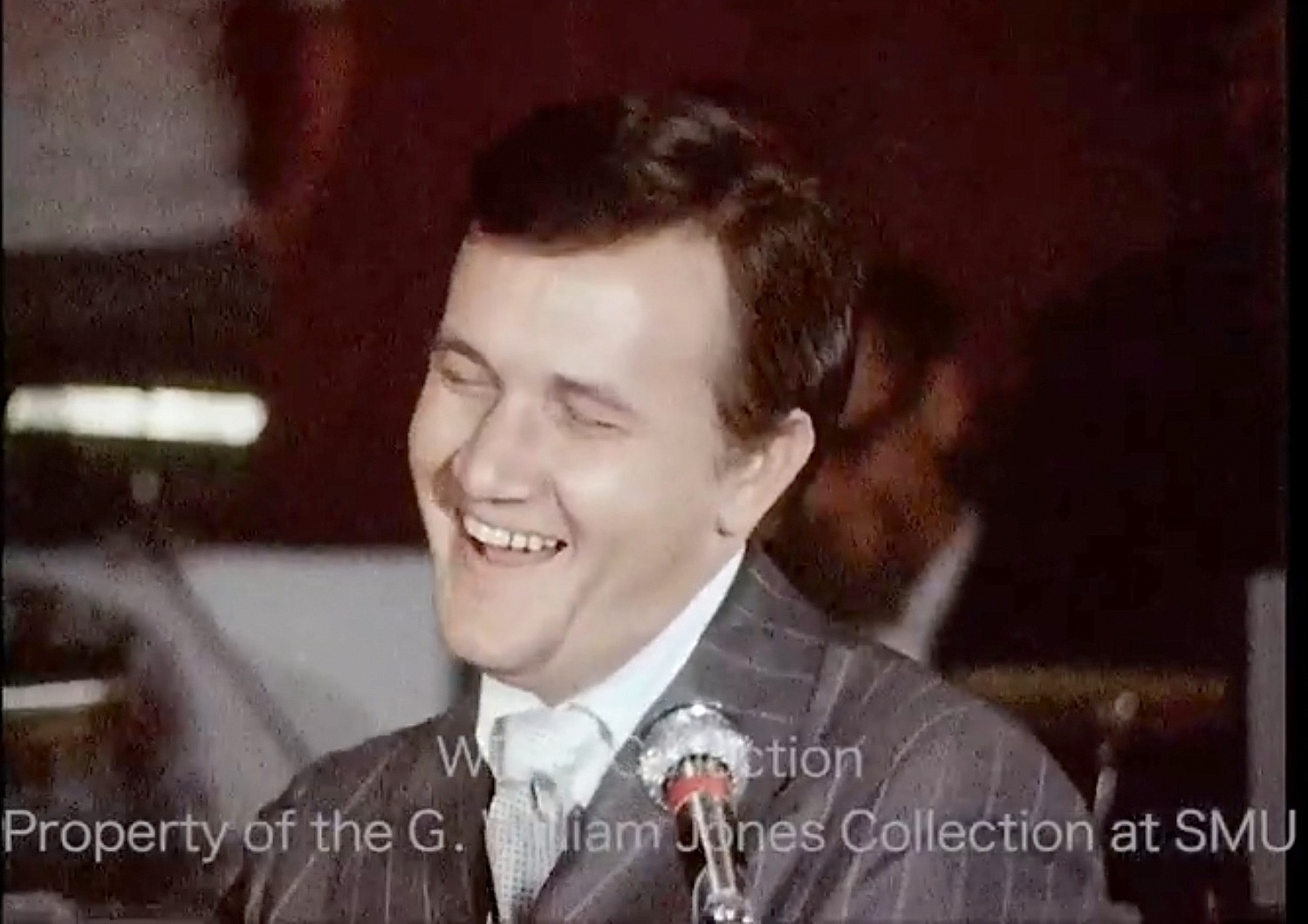
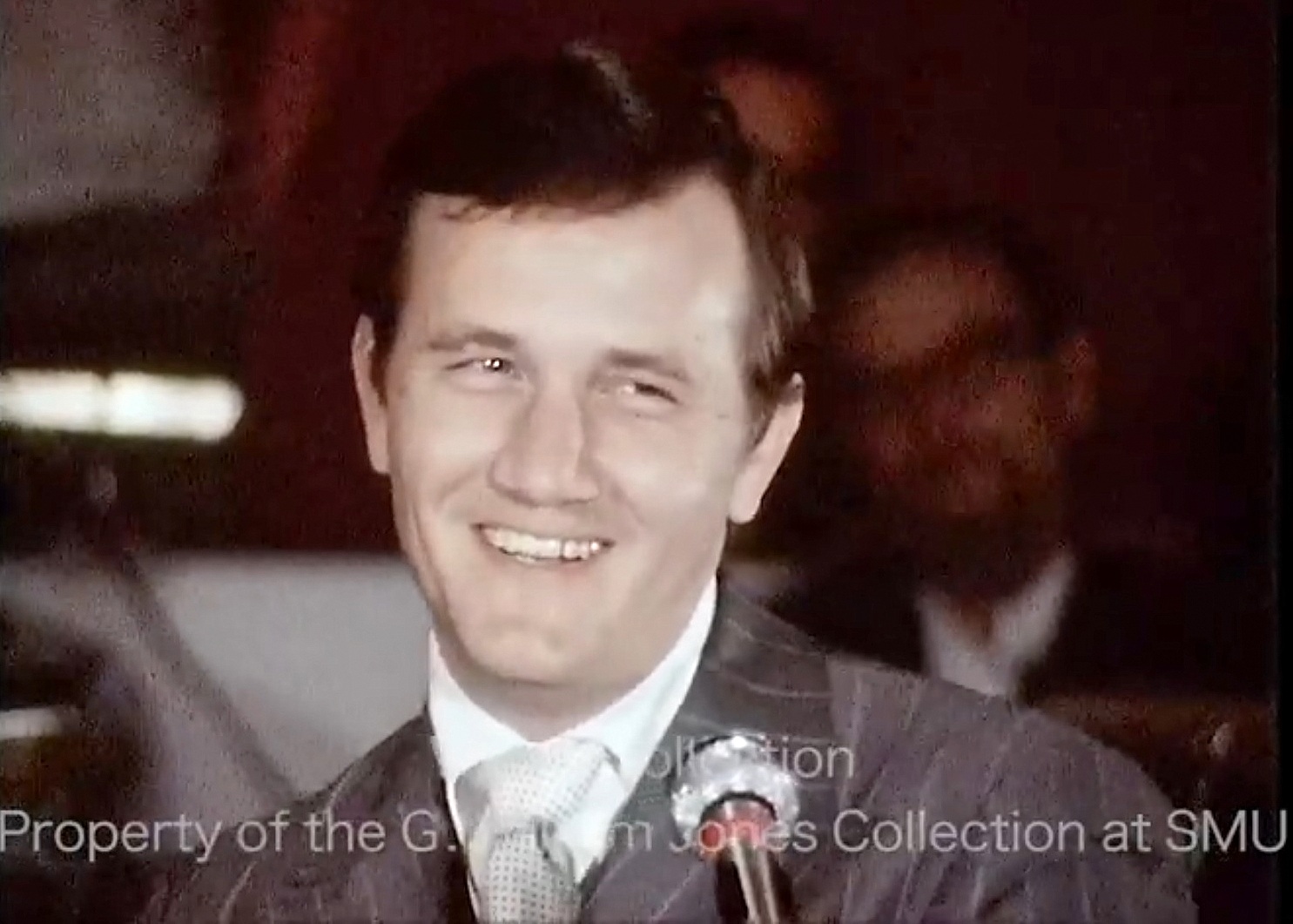
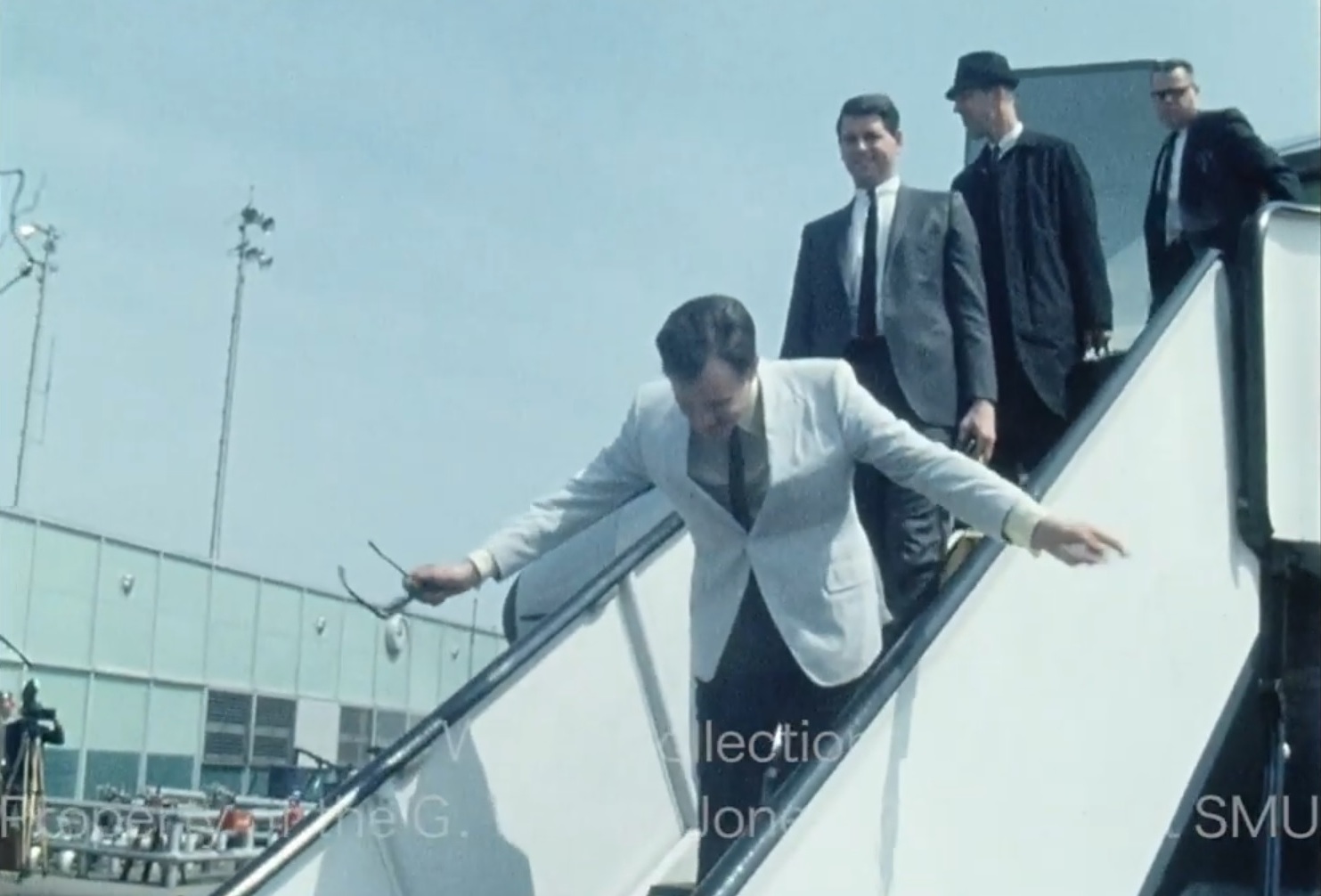
Her arrival at Love Field was captured by Channel 8 news cameras (sadly, without sound).
*
AP wire photo, taken in Dallas on April 4, 1967
AP wire photo, taken in Dallas at Neiman-Marcus on April 5, 1967
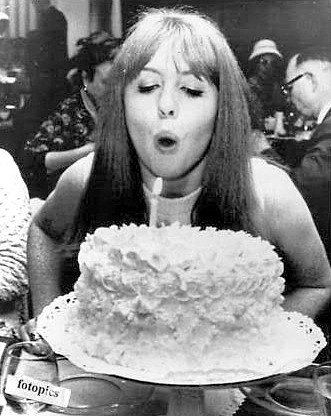
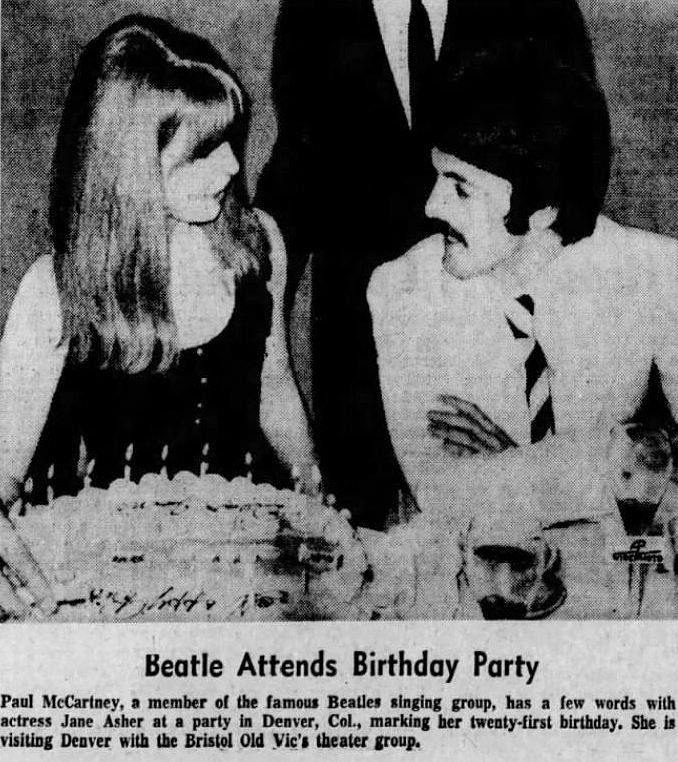
After cake at the Zodiac Room on her birthday — April 5, 1967 — she left for Denver, the next stop on the tour. That night her famous boyfriend joined her there for even more cake.
Denver, April 5, 1967
After the run in Denver, the Bristol Old Vic company came to Dallas for six days (and seven performances). A reviewer complained about the Music Hall’s poor acoustics and thought that the productions of the three plays were a bit “mod” for his taste (“considerable stage movement and fast-paced dialogue caused many of the lines to be lost”), but he thought Jane acquitted herself well as Juliet in a good, if somewhat undistinguished production.
In an interview with Maryln Schwartz of The Dallas Morning News, Jane — probably for the thousandth time — had to steer the conversation back to her acting and away from her famous boyfriend. When Schwartz asked who her favorite “singing group” was she told her it was the Grateful Dead.
**
Austin American-Statesman, Jan. 15, 1967 (click to see larger image)
***
Sources & Notes
Top photo by Harry Benson, Daily Express, Hulton Archive, Getty Images. The Getty caption has the date as April 25, 1967, which is incorrect — the photo was most likely taken on April 5, 1967 (Jane is wearing the same outfit seen in the Zodiac Room photo, and on April 25th, the theatrical company had been in Illinois for over a week). I have to admit, I love seeing celebrities awkwardly wearing Texas cowboy hats. But Jane looks pretty cute.
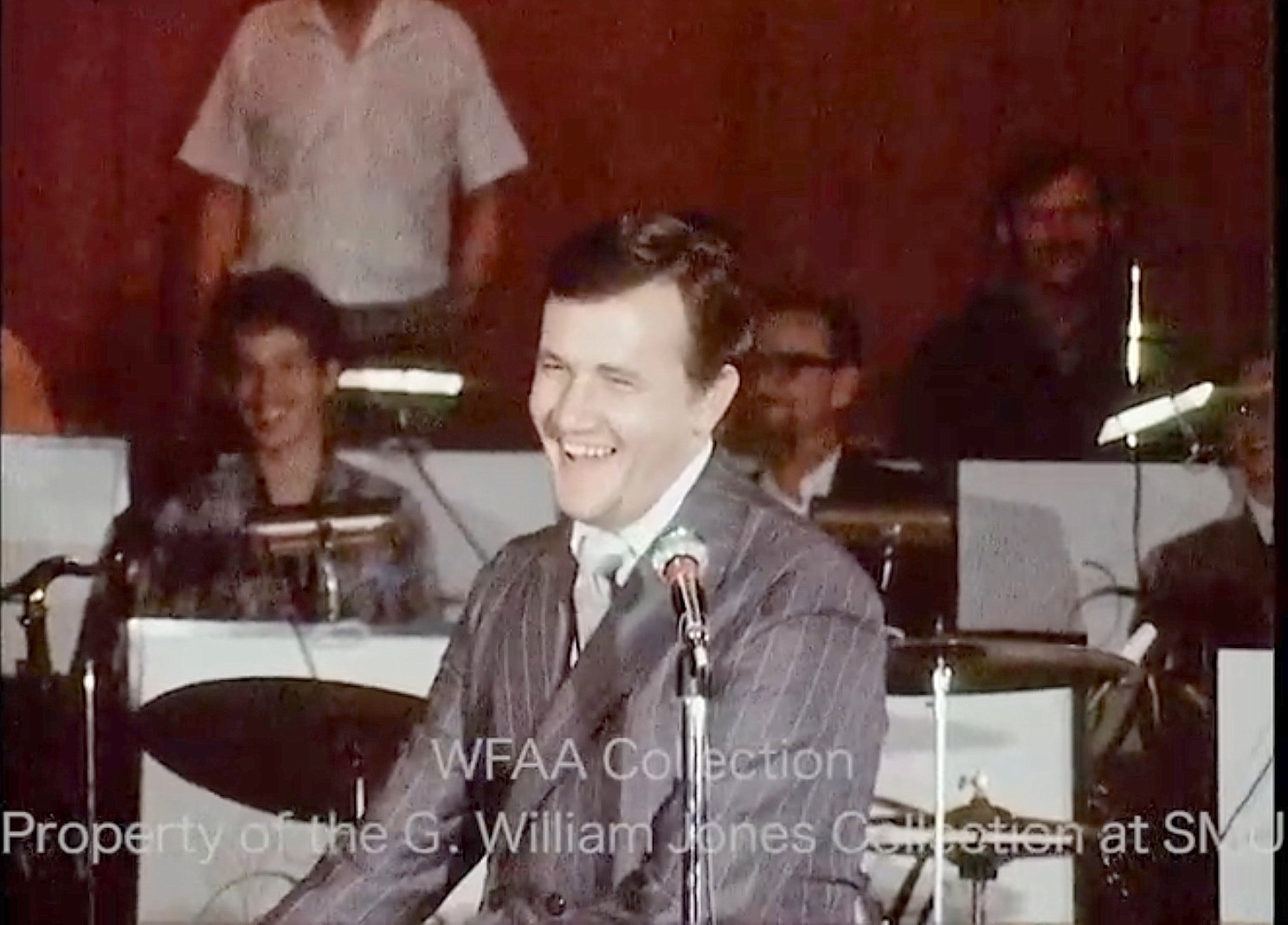
The WFAA-Ch. 8 news footage is from the G. William Jones Film Collection at SMU. The short, 49-second clip shows her arriving on a Delta flight at Love Field, met by a no doubt Stanley Marcus-approved be-costumed young man with a trumpet and a woman bearing some sort of official proclamation of “welcome.” The two color photos are my screen captures.
The birthday cake photo is from a blog post teeming with fantastic photos of Jane Asher and her stunning red hair, here.
More on the Beatles and Dallas can be found in the Flashback Dallas post “The Fab Four in Big D — 1964,” here. (It’s interesting to note that two important people in the orbit of the Beatles celebrated milestone birthdays in Dallas: Jane Asher turned 21 here, and manager Brian Epstein turned 30 while here with “the boys” in 1964.)
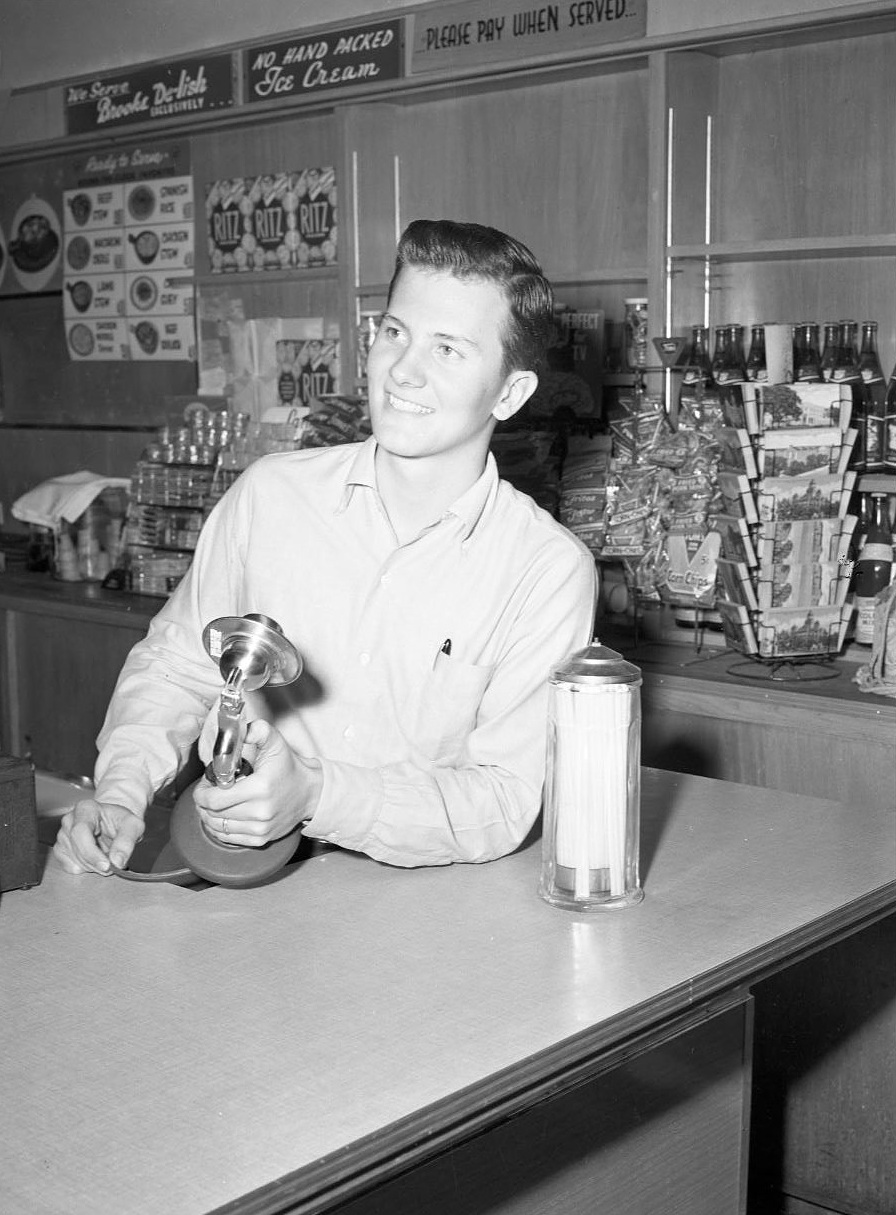
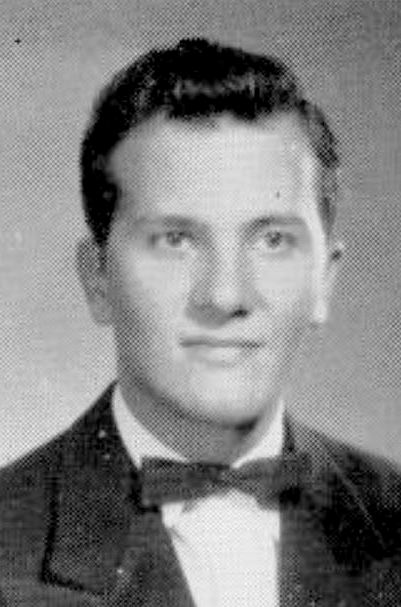
“Handsome teen-ager” Pat Boone, host of WBAP’s “Teen Times”
by Paula Bosse
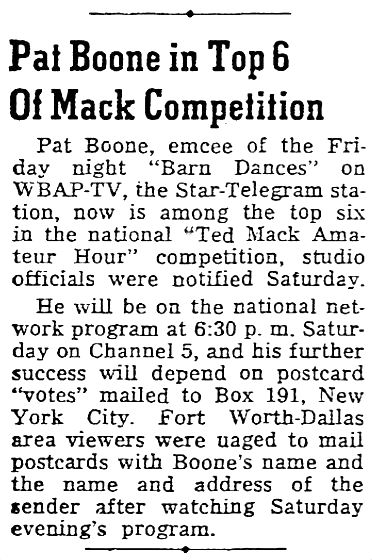
In January, 1954, soon-to-be pop-star Pat Boone transferred from a college in Nashville to North Texas State College (now the University of North Texas) in Denton — he was 19 years old and recently married with a baby on the way. An entertainer since childhood, he had recently appeared on (and won) Ted Mack’s nationally televised “Amateur Hour” and had a few minor recordings under his belt. He entered the Denton college in the middle of the school year, majoring in speech and minoring in music.
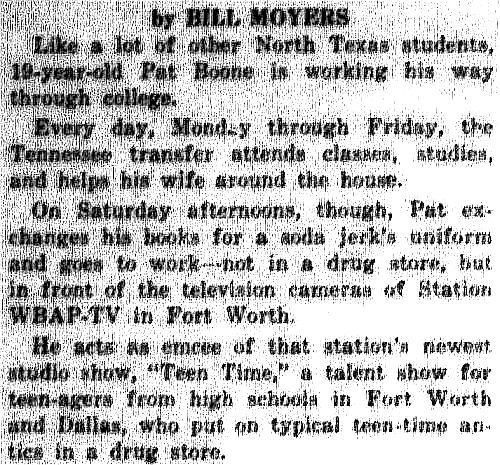
In an interview with the college newspaper, The Campus Chat, student reporter Bill Moyers (yes, that Bill Moyers) asked the scrupulously clean-cut Boone what career he saw for himself. His answer: “I want to preach on Sundays at churches that can’t afford pastors, and perhaps I’ll even become a full-time pastor.” He said that even though he had devoted years to being an entertainer and his father-in-law was a bona fide star, he did not envision a career as a professional singer because, for one reason, he did not approve of night clubs, on moral grounds: “I don’t want to sing at night clubs, and that’s where most of the singers do much of their work” (Campus Chat, Feb. 24, 1954).
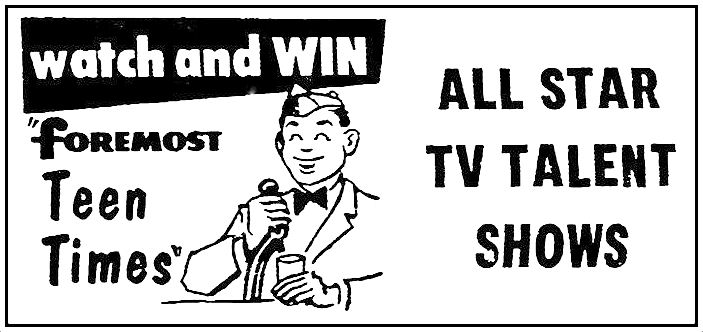
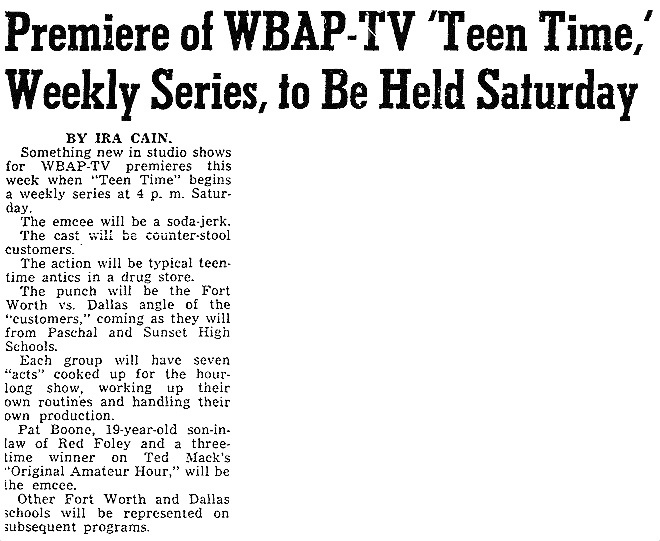
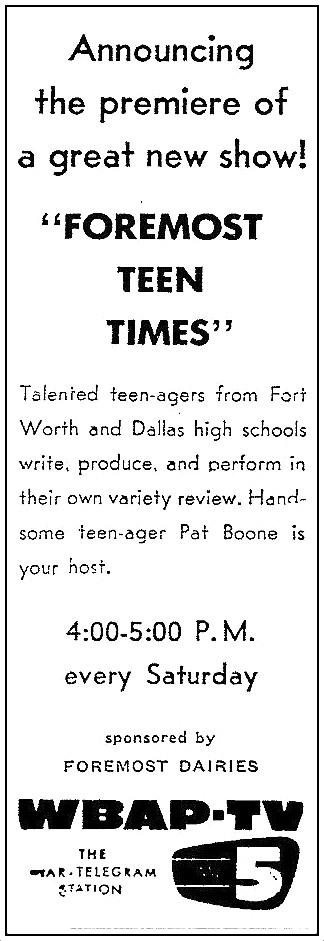
The reason he was being interviewed in the first place — after only a couple of months in town — was because he had been named as the host of a Dallas-Fort Worth television show called “Teen Times,” sponsored by Foremost Dairies and broadcast on Saturday afternoons on WBAP-Ch. 5; the show premiered in February, 1954. Boone acted as host, dressed as a soda jerk behind a drugstore soda fountain, with teenaged guests who represented one Dallas school and one Fort Worth school (the schools changed each week), competing in a sort of talent show. Boone kept things moving, performed a few songs, and, in between, sang the praises of Foremost milk and ice cream.
Boone hosted the show through the spring of 1955. During the run of this local show, his popularity grew quickly on a national level, the result of several national TV appearances and ever-increasing record sales. After his year-and-a-half time in Denton, he moved to New York in the summer of 1955 and enrolled at Columbia University; before the end of the year, Pat Boone’s fame exploded: he had a huge hit with a cover of Fats Domino’s “Ain’t That a Shame” and was appearing regularly on national TV. By the late ’50s his record sales were reportedly second only to Elvis Presley’s, even though Boone’s squeaky-clean and sincere wholesomeness was the polar opposite of the suggestive, hep-cat abandon of Elvis’ earthier style.
Even though Pat Boone was a North Texas student for only a short time, whenever he has returned to Denton over the years he has always received something of a hero’s welcome. With formative years spent here, and with his star-turn in the 1962 filmed-at-Fair-Park movie State Fair, Pat Boone has every right to be considered an honorary Texan.
*
During his time in Denton, Pat Boone hosted two television shows for WBAP-Channel 5: the Foremost Dairies-sponsored “Teen Times” (often referred to as “Teen Time”) on Saturday afternoons, and the Bewley Mills-sponsored “Barn Dance” on Friday nights. (It looks like “Teen Times” was revamped a few years later and returned to Channel 5 in a somewhat similar format as “Teen-Age Downbeat” in January, 1958.)
1954
Fort Worth Star-Telegram, Feb. 7, 1954 (click to read)
Feb. 13, 1954
FWST, Feb. 12, 1954
Below, a super-blurry excerpt from Bill Moyers’ article in The Campus Chat (read the full interview here):
Campus Chat (North Texas State College newspaper), Feb. 24, 1954
FWST, June 20, 1954
In June, 1955, Les Handy — a voice teacher at Texas Wesleyan College — took over as emcee at “Teen Times.”
1955
And in September, 1955, Pat and Shirley and their new baby moved from Denton to New York City.
Student Religious Council (detail from group photo)
***
Sources & Notes
Top photo of Pat Boone behind a soda fountain holding a microphone appeared in the Feb. 24, 1954 edition of Campus Chat, the college paper of what was then North Texas State College; it is from the UNT Libraries Special Collections, and may be accessed on UNT’s Portal to Texas History, here.
Pat Boone’s wife, Shirley, was the daughter of the legendary Nashville “hillbilly” singer, Red Foley. Here’s a video of a nervous Boone and his father-in-law on Foley’s “Ozark Jubilee” TV show, two weeks after Pat and Shirley had left Denton for New York. They are singing “Tennessee Saturday Night,” Red Foley’s big hit from 1949 (hear his great original hillbilly boogie version here).
Because it involves Pat Boone and UNT, check out the 20-minute informational film all about the college, made for students by students in 1963, available to watch on the Portal to Texas History, here — Pat Boone offers a few enthusiastic bits of narration.
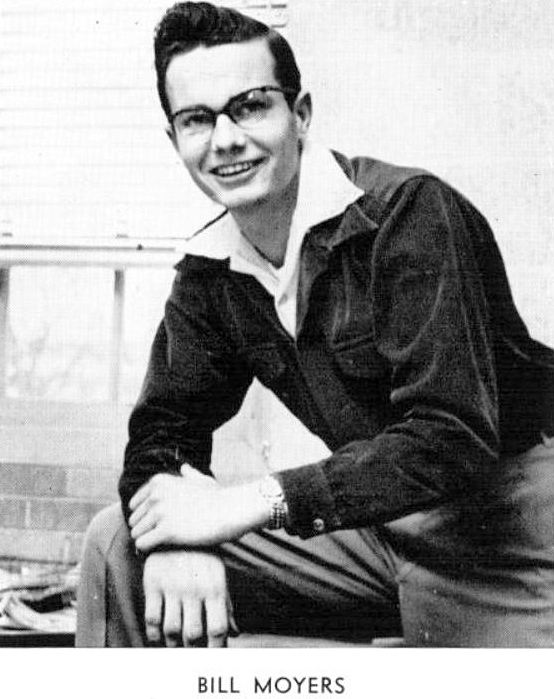
And, why not, here’s a photo of journalist Bill Moyers from the 1953 North Texas yearbook.
The Ringo-less Beatles with Delbert and Bruce, June 21, 1962
*
(CLICK HERE TO WATCH THE FILM DISCUSSED IN THIS POST)
*
by Paula Bosse
You know how you’re all excited about one thing only to discover something even more exciting sitting all alone over off to the side? That’s what happened when I took a look at the “Light Crust Doughboys collection” which has recently been uploaded to the Portal to Texas History site as part of the Spotlight on North Texas project via the UNT Media Library. I’m a huge fan of Western Swing and classic country music, and I spent an enjoyable hour or two watching home movies of the Light Crust Doughboys as they toured around Texas. When I looked to see what else comprised this collection, I saw the words “England Tour,” “Bruce Channel,” and “Delbert McClinton,” and a jolt went through me: oh my god, could there be film footage of the legendary meeting between the Beatles and North Texas musicians Bruce Channel and Delbert McClinton? Every Beatles fan worth his/her salt knows about the June 21, 1962 meeting when John Lennon eagerly chatted with Delbert McClinton about his harmonica prowess.
I watched the 27-minute home movie (shot by Marvin “Smokey” Montgomery, member of the Light Crust Doughboys and, from what I gather, Bruce Channel’s musical collaborator and, possibly, acting manager), and it does, in fact, capture glimpses of the famed tour in which Grapevine’s Channel, riding high on his #1 hit Hey! Baby, toured England with Fort Worth musician Delbert McClinton, who played harmonica on the record. One of their dates was the English town of Wallasey, just across the Mersey from Liverpool. On June 21, 1962 Bruce and Delbert played the New Brighton Tower Ballroom — their opening act was a popular local band on the brink of superstardom, The Beatles. Backstage, John Lennon asked for a few harmonica tips from Delbert whose Hey! Baby sound John really liked, and Delbert was happy to share. The photo above was taken at that meeting by Paul’s brother, Mike McCartney: from left to right, Pete Best (who would soon be replaced by Ringo Starr), John Lennon, Delbert McClinton (is he wearing Paul’s jacket?), Bruce Channel, Paul McCartney, and George Harrison. Another one, with Bruce and Paul, is below (I’m not sure who the girl is).
The home movie shot by Smokey Montgomery shows Bruce and Delbert (both only 21 years old at the time), their Fort Worth record producer “Major Bill” Smith, as well as several members of the package show of British performers that toured with Bruce, including Frank Ifield, Jay and Tommy Scott, and Beryl Bryden. …But, argh, no Beatles! So close! Still, this is great film footage of a famous tour — footage which may never have been seen by the public — and it is now available online for all to see, courtesy of the University of North Texas!
The 27-minute (silent) film can be viewed here(the good stuff is really only in the first 11 minutes or so — the rest is mostly tourist footage of the changing of the guards at Buckingham Palace).
This may be thrilling to only a handful of people, but I am definitely one of those people!
A few screen captures from Smokey Montgomery’s 1962 “England Tour” film (all images are larger when clicked):
Bruce on the bus
Delbert in a taxi
Bruce with fans
Perks of the trade
More perks
Delbert
Bruce and Delbert, London
You just never know what you’re going to stumble across…. Below is Bruce Channel’s monster 1962 hit, recorded in 1961 at the Clifford Herring Studios in Fort Worth, Hey! Baby, kicked off by Delbert McClinton’s distinctive harmonica.
**
Bruce Channel (born Bruce McMeans — the “Channel” was his mother’s maiden name), was born at the end of 1940 and attended Grapevine High School. During his high school days he gained popularity as a performer, complete with lengthy commutes between Dallas and Shreveport, where he was a regular performer on the star-making Louisiana Hayride. Around this time he began writing songs with Margaret Cobb, an Irving woman who was 10-15 years older and the sister of a musician acquaintance. Dallas-Fort Worth-area musician Smokey Montgomery (known for decades as the banjo player in the Light Crust Doughboys) not only helped arrange those songs, but he also produced and played on some of Channel’s early singles, such as the cool (and fast!) rockabilly number, Slow Down, Baby (hear it here) and a song I like even more, Come On, Baby (hear it here).
The Cobb-Channel-penned Hey! Baby was recorded in 1961 and soon became a local radio hit, most notably on KLIF in Dallas, then worked its way up charts around Texas. The song finally reached #1 in the country in March, 1962. Channel had a few other lesser hits, but none ever reached the heights of Hey! Baby. He moved to Nashville in the ’70s and embarked on a successful songwriting career.
Delbert McClinton was born in Lubbock, also at the end of 1940, but grew up in Fort Worth where he, too, was a teenage musician, first gaining attention with his band The Straitjackets/Straightjackets and later the Rondels. He’s a bona fide Texas blues legend and continues to perform.
Bruce McMeans, Grapevine High School, 1960
Shreveport Times, Oct. 10, 1958
Irving (TX) News-Texan, Jan. 7, 1960 (click for larger image)
Louann’s, Dallas, March, 1962
British tour program photo, June, 1962, via Flickr
Delbert McClinton, Arlington Heights High School, 1959
Red Devil Lounge, Fort Worth, Jan., 1958
Lubbock Avalanche-Journal, March 21, 1962 (click to read)
Bruce with Delbert (and stripper Tammi True), FW, Jan. 1962
***
Sources & Notes
The film featuring Bruce Channel and Delbert McClinton is titled “[The Light Crust Doughboys, No. 16 — England Tour]” and is part of the Spotlight on North Texas collection; it was provided by UNT Media Library to The Portal to Texas History and may be viewed here. It was filmed by Marvin “Smokey” Montgomery (who can be seen near the very end, sitting almost in silhouette in front of an airplane window). The film is part of a collection of Light Crust Doughboys and LCD-related materials donated by Art Greenhaw. (Special thanks to Laura Treat!)
Speaking of UNT, there may also be a film clip somewhere in the Denton vaults in which Bruce Channel, the “Grapevine farmboy,” was the subject of a WBAP-Ch. 5 news story (the April 18, 1962 script is here).
See the full printed program for Bruce Channel’s June, 1962 British package tour here.
Bruce Channel’s website is here. Read an interesting interview with him here. More Bruce on Wikipedia, here.
Delbert McClinton’s website is here. He’s constantly touring. Go see him!
The producer of (among other recordings) Hey! Baby and Hey, Paula (the song which has followed me around my whole life) was “Major Bill” Smith who was quite a polarizing character and was often described as a “hustler” (Delbert was not a fan). Read about him here. (Also, rockabilly god Ronnie Dawson might be one of the musicians on Hey! Baby — I’ve always heard he played drums on Hey, Paula.)
Marvin “Smokey” Montgomery is listed, along with Major Bill Smith, as a co-producer of Hey! Baby, which sold well over a million copies, but it rankled him that he did not get a songwriting credit (and, perhaps more importantly, did not earn royalties), which he contended he deserved: in a 1973 Dallas Morning News profile he said somewhat bitterly, “[*Now*] if I have anything to do with making the music or writing the words… you can bet your sweet life my name will be on that record.” (“The Man Who’ll ‘Listen To Your Song'” by David Hawkins, DMN, Oct. 18, 1973). More on Smokey’s long career can be found at the Handbook of Texas, here.
Read about the Beatles’ use of a perhaps Delbert-inspired harmonica sound on several of their early recordings, most notably Love Me Do, here.
Side note: Hey! Baby broke first locally on Dallas radio station KLIF and then on Houston’s KILT — both stations were owned by Gordon McLendon, which might explain why Bruce Channel was appearing at an April, 1964 political rally at Reverchon Park in support of McLendon’s race for U.S. Senate (?!) — see the ad here. (McLendon lost his Democratic primary challenge against Sen. Ralph Yarborough, who ultimately went on to defeat Republican contender, the elder George Bush.)
Bruce and Delbert weren’t the only DFW musicians with whom pre-Beatlemania Beatles hobnobbed: they also shared a bill in Paris with Dallas son Trini Lopez in 1963 — the Flashback Dallas post “Trini Lopez: Little Mexico’s Greatest Export” is here.
The history of the State Fair of Texas is also the history of Dallas — if you live in Dallas, you know a lot about the fair, if only by osmosis. Here are a few images from the decades since the fair began in 1886.
Below, from 1889, a sedate advertisement for the Texas State Fair and Dallas Exposition (from The Immigrant’s Guide to Texas, 1889). (All images are larger when clicked.)
*
A great-looking poster from 1890, colorful and exciting:
*
A midway in its infancy, in the aughts. (I wrote about the “The Chute” water ride, here.)
*
Here’s a group photo showing the food vendors at the 1910 fair. No corny dogs in 1910, but plenty of candy, peanuts, popcorn, ice cream, and, sure, why not, cigars and tobacco.
Here’s a handy 1922 map of the grounds, from the fine folks at Caterpillar (don’t miss those tractors!) — you can see where the people in the photo above are walking.
*
If it’s 1936, it’s gotta be the Texas Centennial — and here’s an exhibit I’d never heard of: Jerusalem, The Holy City. This was one of many exhibits at the Texas Centennial previously seen at the 1933 Chicago World’s Fair, where it apparently had attracted more than one million visitors. In the weeks leading up to the Centennial’s opening, it was described thusly: “The Holy City will contain a collection of religious artworks and other material. The entrance will represent the Damascus gate of Jerusalem. No admission will be charged but donations will be asked visitors” (Dallas Morning News, May 17, 1936).
*
The State Fair of Texas was not held during much of World War II, but it was back in 1946, with Tommy Dorsey, Gypsy Rose Lee, and Jackie Gleason.
Sept., 1946
*
Neiman-Marcus was at-the-ready in 1950 with suggestions on stylish footwear for ladies wanting to trudge around the Fair Park midway in heels.
For the Million-Dollar Midway — For taking in this famous “main drag” of the State Fair — get into our famous-maker midway heel shoes. Most everybody — after walking a block or two in them — says they’re worth a million! Have all the comfort of low heels, plus the high-heel’s way of making your ankles look prettier.
October, 1950
*
The 1960s were certainly colorful, and this is a great color photo from 1961 (currently available on eBay as a 35mm Kodachrome slide) — it’s the photo at the top of this post, but in order to cut down on unnecessary scrolling, I’ll slide it in again right here:
*
The 1970s was a weird decade, and what better way to start off a weird decade than with 80-something-year-old oil tycoon (and eccentric Dallas resident) H. L. Hunt handing out cosmetics at a booth at the State Fair? Hunt — whom Frank X. Tolbert described as “probably the world’s only billionaire health freak” — manufactured a line of cosmetics and other products containing aloe vera, the wonder elixir. Imagine seeing the world’s richest man handing out plastic goodie-bags to awe-struck passersby. Like I said, weird.
Pomona (CA) Progress-Bulletin, Nov. 14, 1971 (click to read)
*
And, finally, the 1980s. A century after the State Fair of Texas began, the X-Men came to Big D to do whatever it is they do — and The Dallas Times Herald got a cool little advertising supplement out of it. (If this appeals to you, check out when Captain Marvel came to Dallas in 1944, here, and when Spider-Man came to Dallas in 1983, here.)
***
Sources & Notes
Sources (if known) are noted.
All images are larger when clicked.
I wrote a similar State-Fair-of-Texas-through-the-ages post a few years ago: “So Sorry, Bill, But Albert Is Taking Me to the State Fair of Texas,” here.