Flashback : Dallas

A Miscellany: History, Ads, Pop Culture

Category: North Dallas

The Cloverleaf

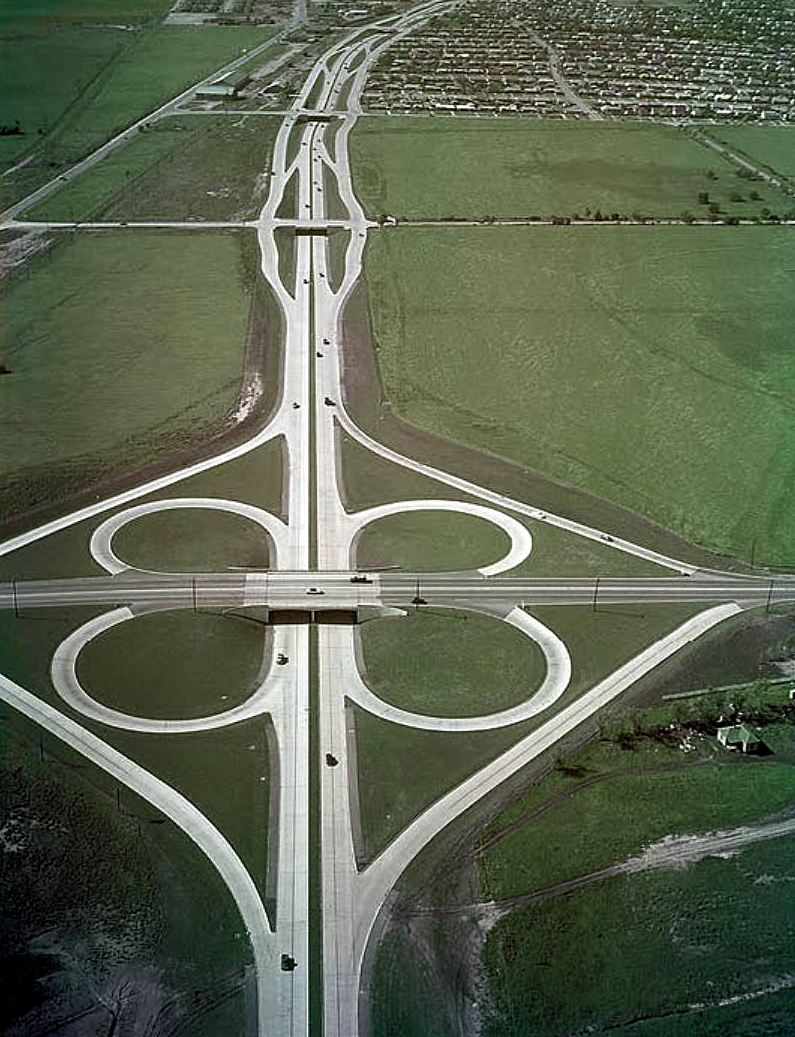
patreon_cloverleaf_south_txdot_slotboom_ca-mid-1950s_colorBehold... (via TxDOT)

by Paula Bosse

I have such a weird fondness for the old Central Expressway/Northwest Highway cloverleaf interchange, at NorthPark. In fact, I kind of forget it’s not there anymore. I have fairly scary memories of my mother driving like a bat out of hell on it. I’m pretty sure the car was tipped at an angle on two tires as we rounded those curves. And I remember being behind the wheel myself when I was a new driver, white-knuckling it until I hit the straight-away. Strange that I have such fond memories of it, because a lot of those memories were kind of terrifying! I guess it has to be the design. It was cool. COOL! The photo above is just great. The view is to the south from Northwest Highway, across open Caruth farmland. Mid-’50s. Pre-NorthPark. Pre-people. Pre-traffic.

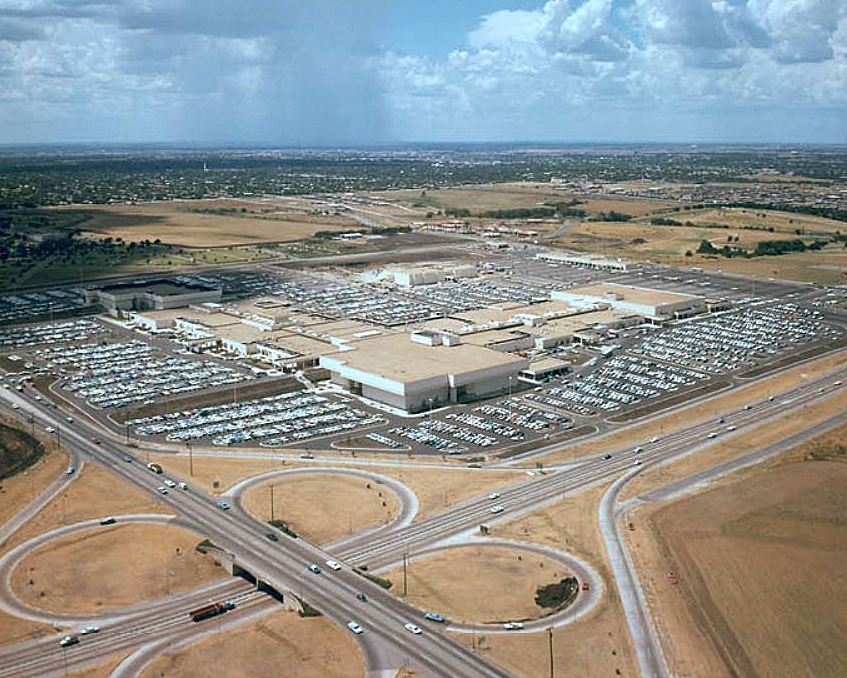
Below, after NorthPark’s arrival (photo from Oct. 1967):

patreon_cloverleaf_northpark_oct-1967_UTA_slotboom_color

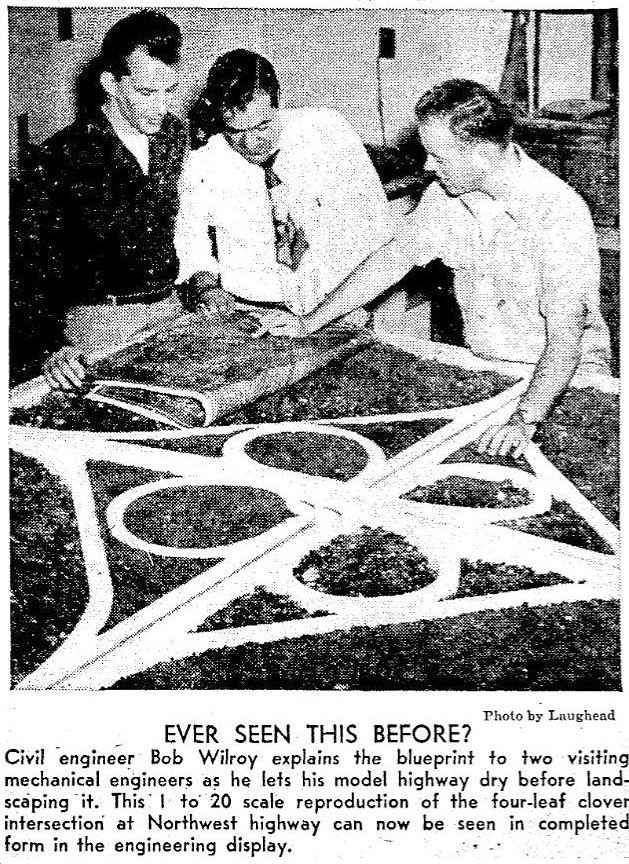
Here’s an interesting photo I stumbled across in an issue of SMU’s Daily Campus newspaper from 1951 — a personal-size cloverleaf:

patreon_cloverleaf_SMU-daily-campus_050551SMU Daily Campus, May 5, 1951

I really miss the Northwest Highway cloverleaf. I think about it almost every time I drive past NorthPark on Central. Shoulda kept it, Dallas.

***

Sources & Notes

The top two photos are from the book Dallas-Fort Worth Freeways by Oscar Slotboom (top photo from TxDOT, second photo from UTA Libraries, Special Collections).

This post appeared in a slightly different form on the Flashback Dallas Patreon page.

patreon_cloverleaf_south_txdot_slotboom_ca-mid-1950s_color

*

Copyright © 2024 Paula Bosse. All Rights Reserved.

St. Mark’s From the Air

st-marks_preston-royal-to-the-west_squire-haskins_UTAGo west, young man…

by Paula Bosse

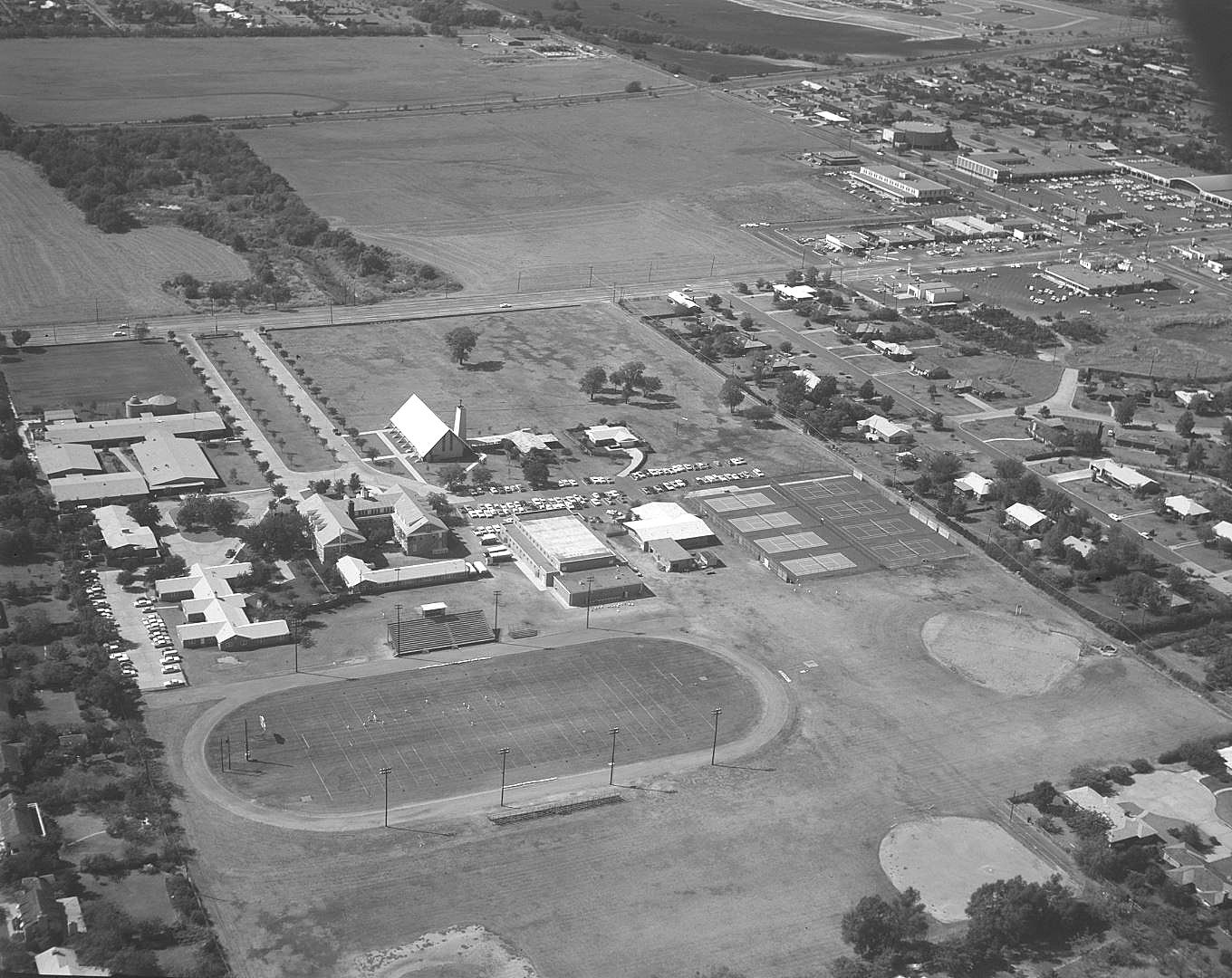
The photo above shows an aerial view of the St. Mark’s campus, with a view to the northwest. So. Much. Space. The horizontal road in the top third of the photo is Preston Road. In the top right corner, at 5923 Royal Lane, is the round St. Luke’s Episcopal Church, which was built in 1959. (I have learned only tonight that the architect of that church — and many other buildings around Dallas — was designed by architect William H. Hidell Jr., who studied with George Dahl. Hidell grew up in the same house I grew up in — several decades earlier. Small world.) Across the street from the round church is the Preston Royal fire station, built in 1958, and recently destroyed by a tornado (and which I wrote about here). This photo is undated, but it was obviously taken sometime after 1959. That amount of empty land is surprising. (If you really want to freak out about miles of nothing in North Dallas, check out this unbelievable photo of Preston and Valley View in 1958, pre-LBJ).

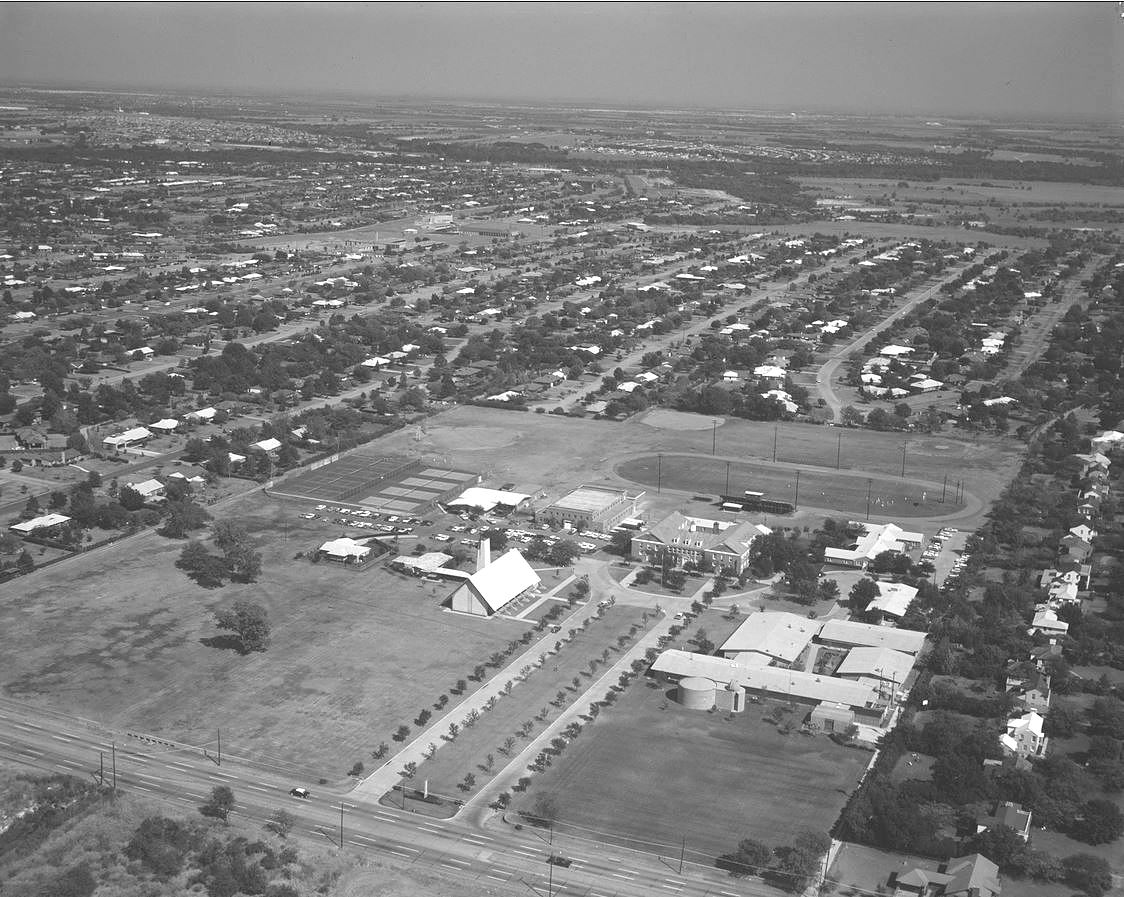
And here are two other St. Mark’s-centric photos from the same flight — all taken by Squire Haskins (see links below for very large images on the UTA website). Below, a view to the northeast:

st-marks-aerial_to-northeast_squire-haskins_UTA

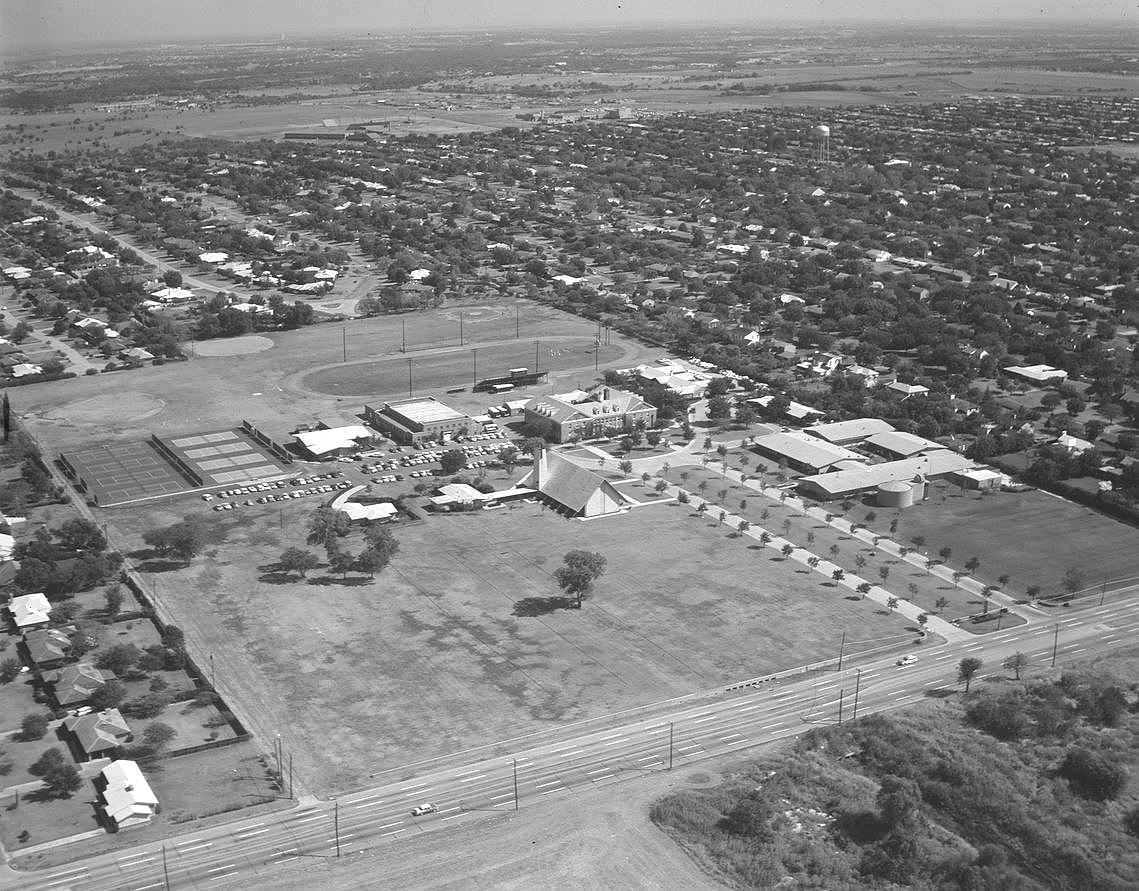
And a view to the southeast:

st-marks-aerial_to-southeast_squire-haskins_UTA

***

Sources & Notes

These three aerial photos are by Squire Haskins, from the Squire Haskins Photography Inc. Collection, University of Texas at Arlington Libraries. Read more information about these individual photos: the first one is here (view to the northwest); the second is here (view to the northeast); and the third is here (view to the southeast). Click the pictures on the UTA site to see really, really big images.

Please consider supporting the work I do at Flashback Dallas by funding me on Patreon, where I post exclusive content.

st-marks_preston-royal-to-the-west_squire-haskins_UTA_sm

*

Copyright © 2023 Paula Bosse. All Rights Reserved.

Safari Redux

safari_squire-haskins_1961_UTA_1Dallas? Yes!

by Paula Bosse

Back in 2014 — when Flashback Dallas was still in its blogging infancy — I wrote about the Safari Steak House in North Dallas in the post “Back When Preston Royal Was ‘Exotic’ and Had Its Very Own Elephant.” There were a few errors in that post which I corrected today, thanks to a couple of commenters on the original post who pointed out that what I thought showed the Safari restaurant at Preston & Royal showed, instead, the Houston location. Kind of embarrassing!

What better time than this to say that I ABSOLUTELY WELCOME CORRECTIONS!! I’d like this blog to be as unpedantically accurate as possible, so, please, if you see I’ve smugly written something which is blatantly incorrect, please let me know! I’ll be happy you let me know.

I invite you to check out that original post, now updated with a couple of photos of the actual Dallas Safari Steak House, including the one above, taken by the estimable Squire Haskins in 1961.

***

Sources & Notes

Photo “Safari Steak House, Dallas, Texas” by Squire Haskins, 1961, from the Squire Haskins Photography Inc. Collection, University of Texas at Arlington Libraries, Special Collections — more info on this photo can be found here. (Thank you for the links, Tom Bowen!)

The Safari space is now occupied by Royal China, which I love from the days I worked across the street at Borders.

safari_squire-haskins_1961_UTA_1_sm

*

Copyright © 2022 Paula Bosse. All Rights Reserved.

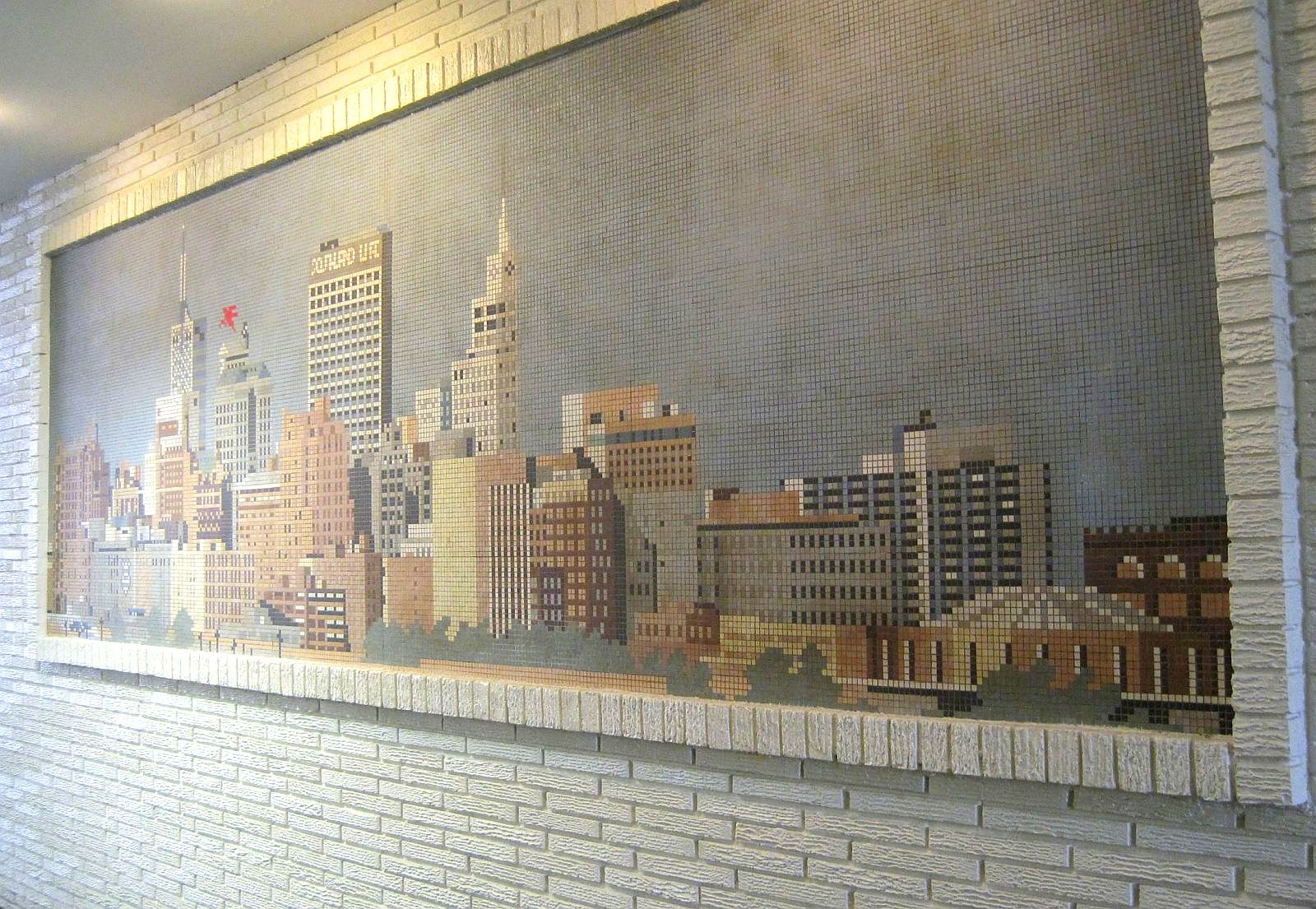
Dallas Skyline Mosaic Mural, Preston Forest Shopping Center — 1960

preston-forest-mosaic_1_wide_paula-bosse_june-2014A hidden gem at Preston and Forest…

by Paula Bosse

I was contacted by someone over the weekend about a photo I had posted to my personal Instagram back in 2014. And that reminded me that I’ve been meaning to post these photos for several years now! (Thanks, G.H.)

Back in June, 2014, I saw a Dallas Morning News blog post by Rudy Bush, saying that he had just seen a pretty amazing mural after having gone to get a haircut in the Preston Forest Shopping Center and that he was hoping to find more information about it. He posted a photo, and it was COOL! I’d never seen it, and started looking to see what I could find. Rudy included my info in a later DMN blog post, with a nice link to my brand new Flashback Dallas site.

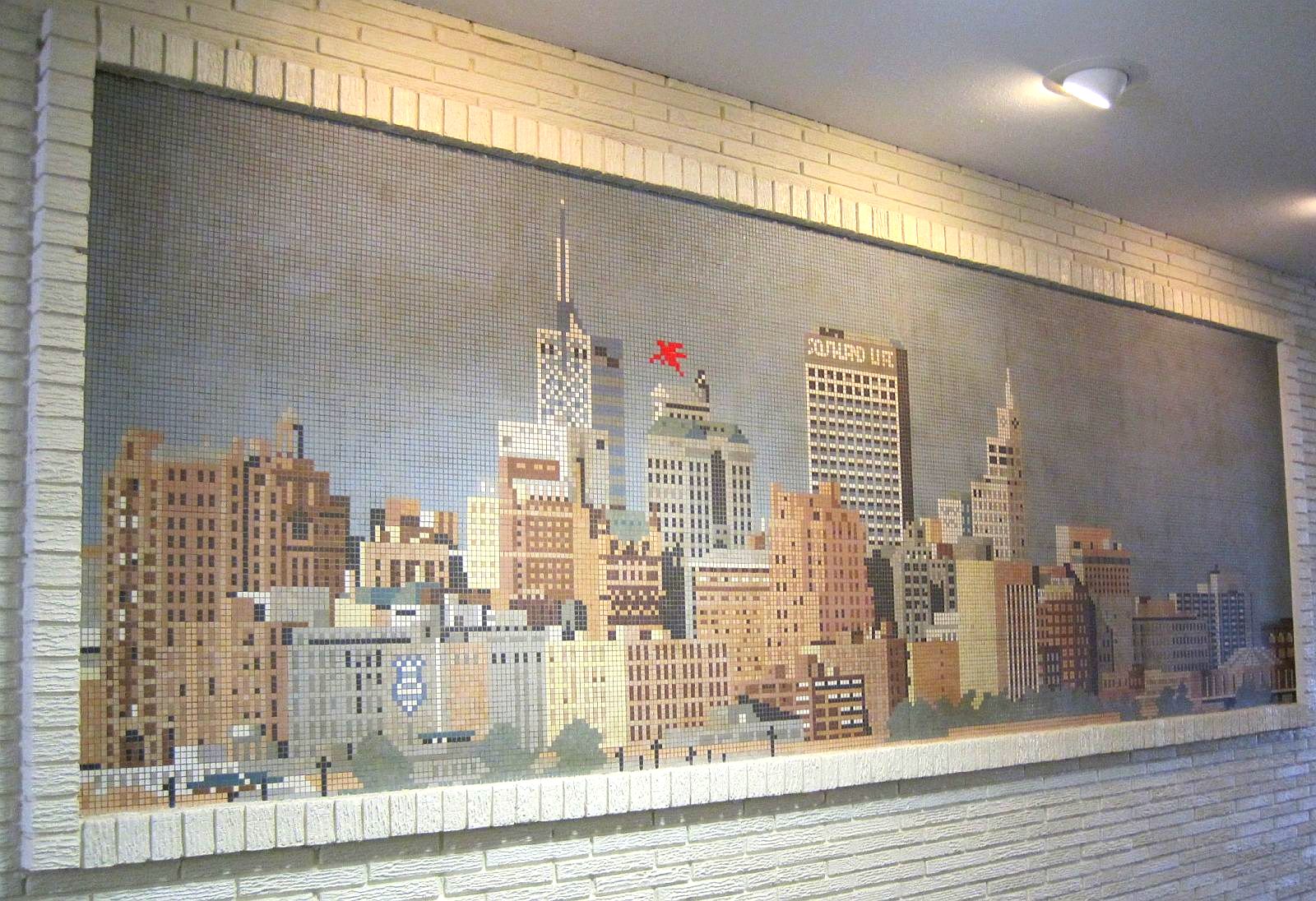
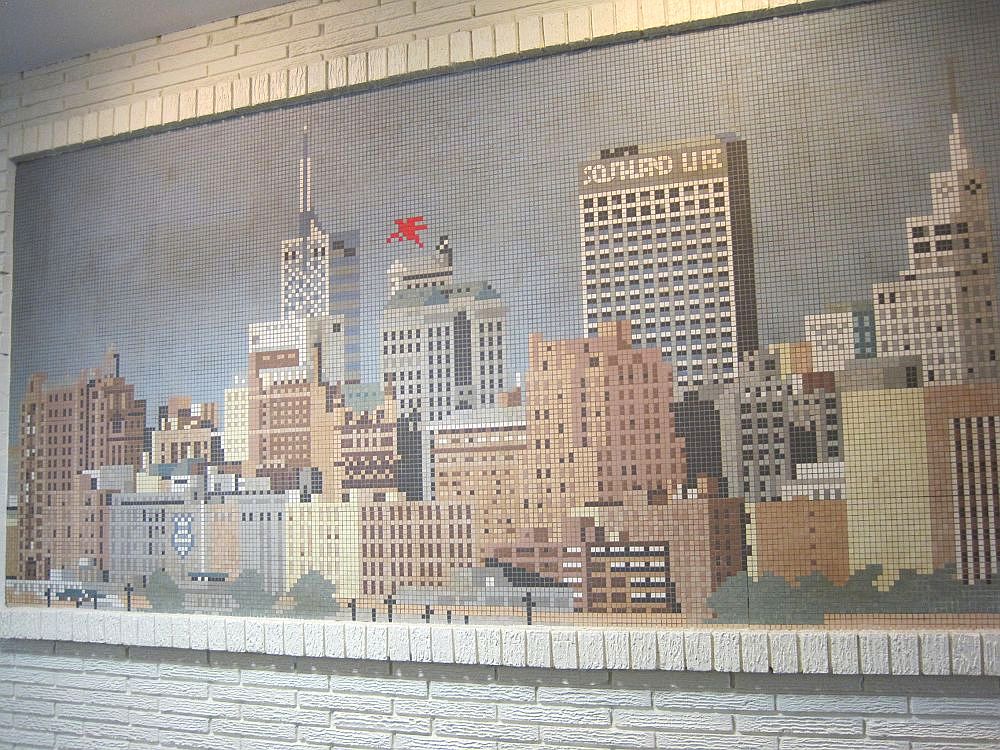
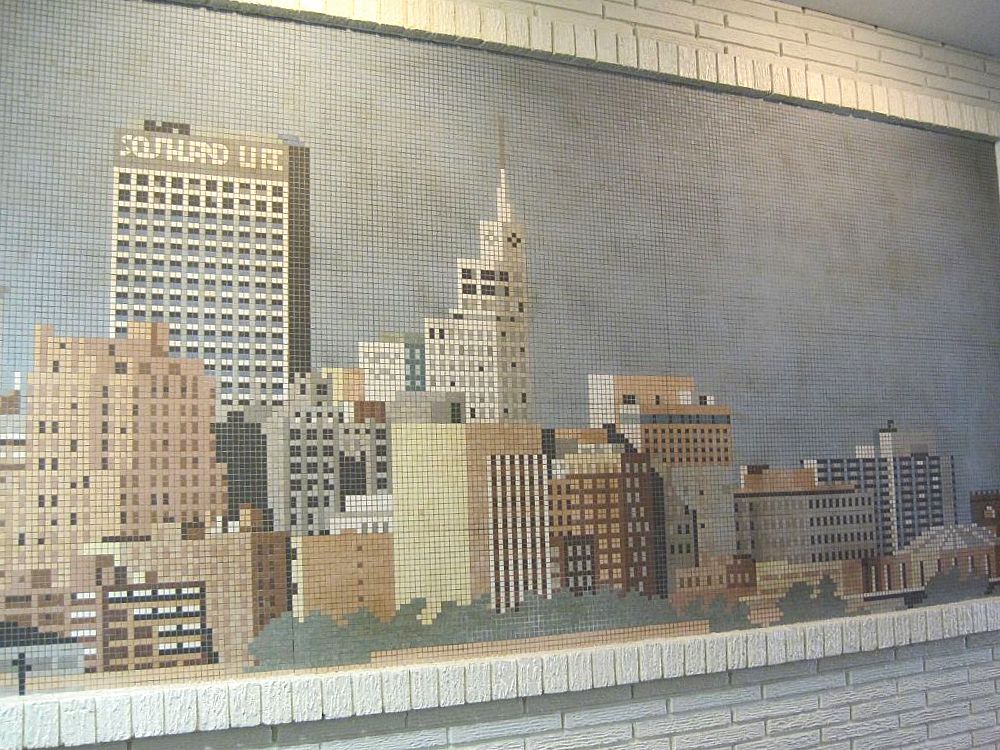
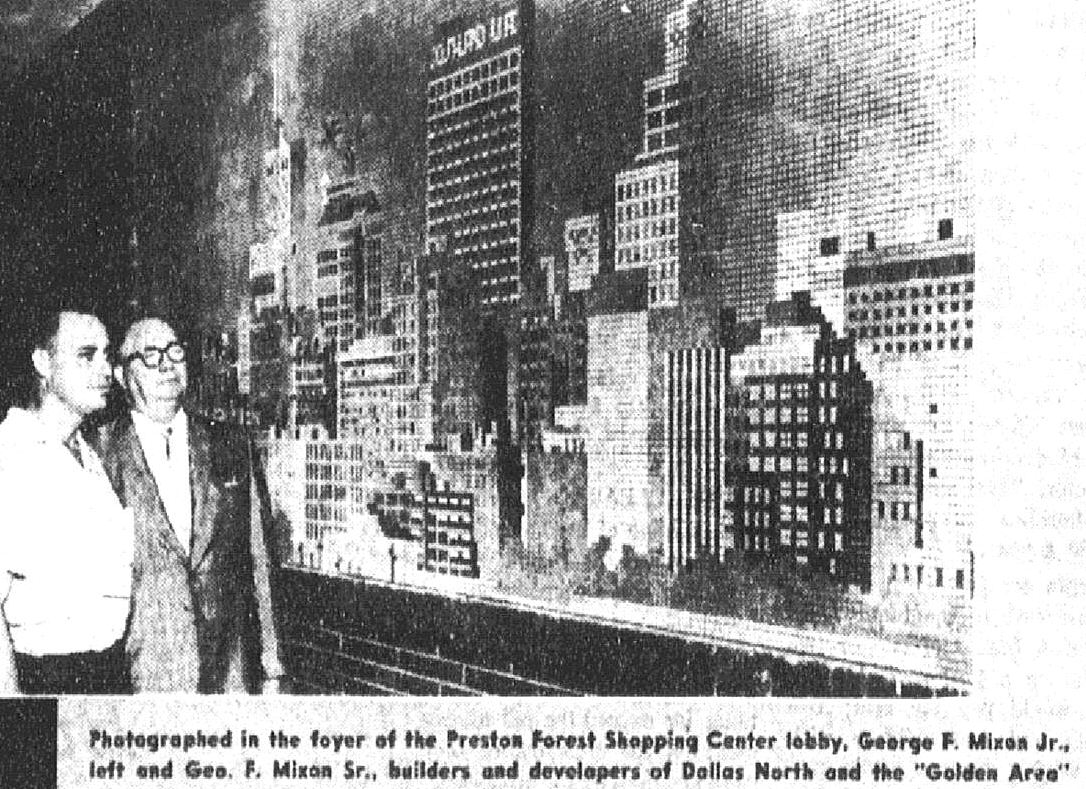
The 80-square-foot tile mosaic — made up of more than 46,000 ceramic tiles — shows the Dallas skyline of the late 1950s. It was created by Cambridge Tile Co. of Ohio (with a factory in the Trinity Industrial District) and installed by H. J. Palmer Tile Co. of Dallas. The mural was commissioned by George F. Mixon Sr. and George F. Mixon Jr., developers of several North Dallas shopping centers, including the Preston Forest Shopping Center (southeast corner of Preston and Forest). The mural was installed in the shopping center office.

I haven’t been over to see it since 2014, but I assume it’s still there. It’s about halfway between Staples and Whole Foods, next to a barber shop. It’s in the small lobby of office space you might never have even noticed. And it is wonderful. Unfortunately, it’s in a hallway, so there’s no way to take a photo of the whole thing straight on. Even when you’re standing looking at it, it’s like being on the front row of a movie theater — the only way to see the whole thing is to move your head from side to side as you feel yourself straining to lean back to take the whole thing in. 

I know it was commissioned especially for this building, but no one ever sees it! It would be great if it were installed somewhere else where more people could enjoy it. I love it. Go and see it! And have fun identifying all the landmark buildings. (UPDATE: I have been informed by several people who have made the pilgrimage to Preston-Forest to see this mural that it is no longer accessible to the general public. What a shame!)

*

Here are photos I took in June, 2014.

preston-forest-mosaic_5_wide_paula-bosse_june-2014

preston-forest-mosaic_6_paula-bosse_june-2014

preston-forest-mosaic_8_paula-bosse_june-2014

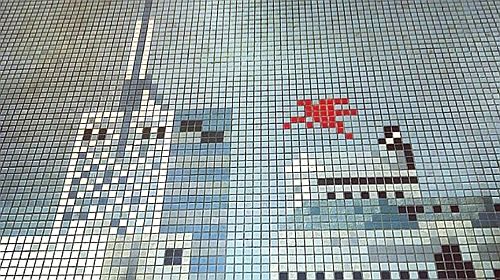
And, of course, my favorite detail — look what you can do with 29 red tiles:

preston-forest-mural_instagram_paula-bosse_june-2014

**

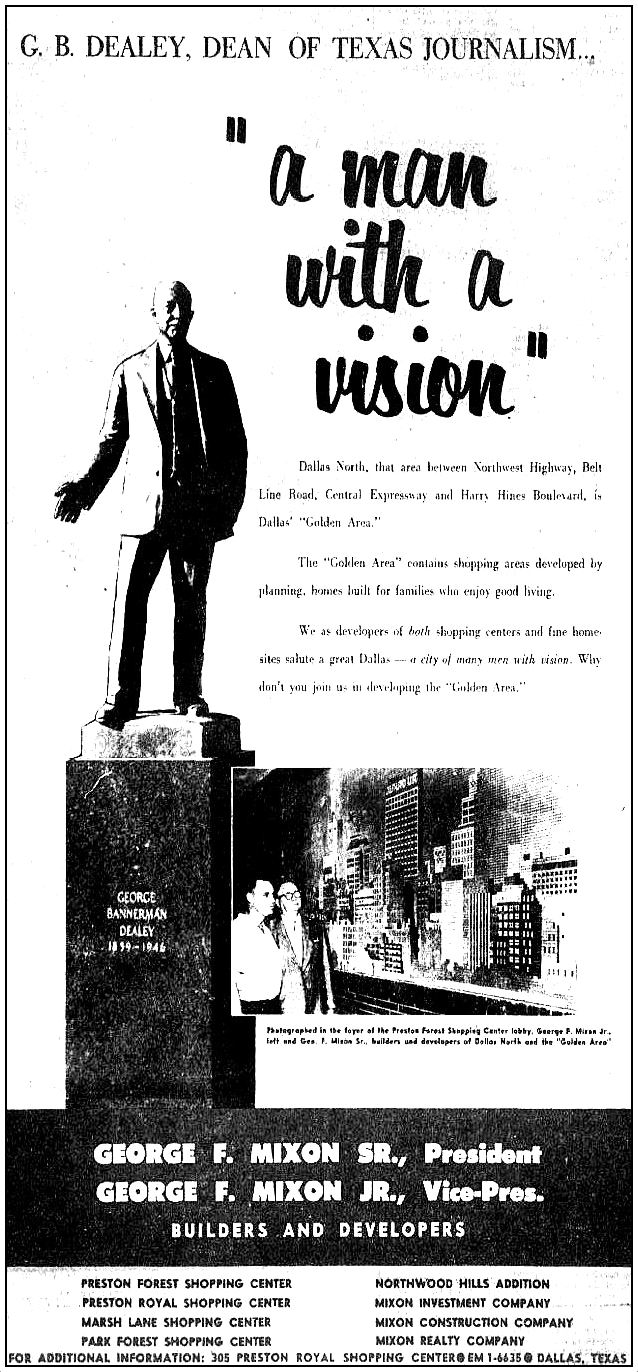
Below, a photo of the Mixons in front of their mural — from a 1960 ad. (See the full ad below.)

preston-forest_mosaic_100260_ad-det_mixon

preston-forest_mosaic_100260_ad_mixonAd, Oct. 1960 (click for larger image)

***

Sources & Notes

All photos by Paula Bosse, taken in June, 2014.

preston-forest-mosaic_1_wide_paula-bosse_june-2014_sm

*

Copyright © 2022 Paula Bosse. All Rights Reserved.

Christmas at NorthPark — 1970s

xmas_northpark_trees_1971_instagramA familiar scene to Dallas shoppers

by Paula Bosse

NorthPark was the mall of my childhood — in fact, I don’t recall my family going to any other mall. I loved going there at Christmastime — to see the decorations, to watch a puppet show, to slide down those pillars, and, of course, to visit Santa. These photos from the Instagram feed of NorthPark Center are very nostalgic. 

*

Above, 1971. How to get to Santa: take a right at the fountain, walk and walk (…and walk) — things start picking up the closer you get to Neiman’s — hang a right at N-M, and there he is!

*

Admiring a snowman, ca. 1970.

xmas_northpark_snowman_1970_instagram

*

Also admiring a “tree” suspended over one of the iconic NP fountains, ca. 1970.

xmas_northpark_fountain_1968_instagram

*

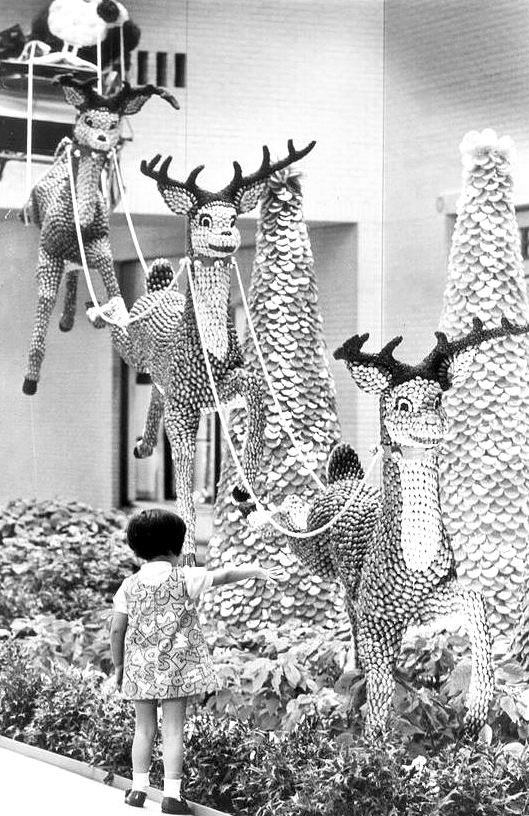
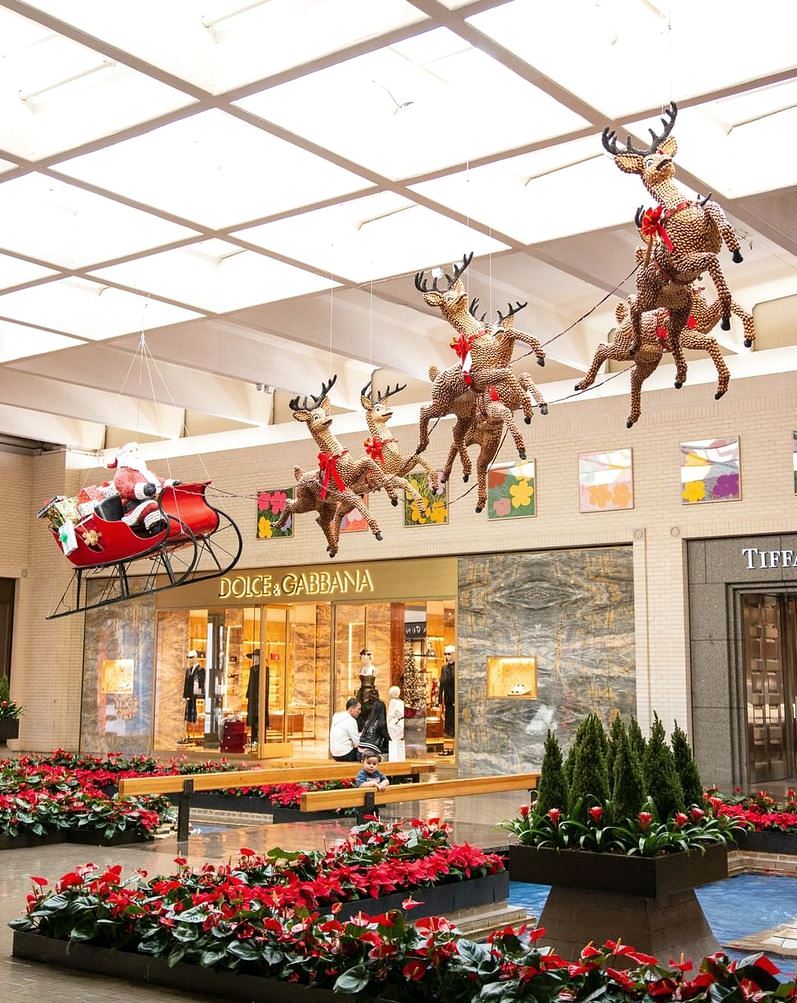
If you’ve been to NorthPark at Christmas you’ve seen the aerial display of Santa and his sleigh being whisked away by flying reindeer. This is NorthPark Center’s caption from Instagram: “Flying high over Neiman Marcus Fountain Court, the vintage Candy Santa and Pecan Reindeer installation has been a special part of NorthPark’s holiday tradition since 1965. The handcrafted display, consisting of real pecans, almonds, red and black licorice, marshmallows, sour cherries, raisins, and other candies, portrays Santa and his reindeer on their way to deliver presents to children all over the world.” Those pecan-studded reindeer really fascinated me as a kid. (The photo below is undated.)

xmas_northpark_santa-and-reindeer_instagram

1970:

xmas_northpark_girl-reindeer_pinterestvia NorthPark’s Pinterest page

1972:

xmas_northpark_santa_sleigh_1972_instagram

They’re still flying high, to the delight of 21st-century children:

xmas_northpark_santa-and-reindeer_color_present_instagram

*

And, lastly, what every child saw before and after a holiday visit to NorthPark. When your car pulled into a parking spot you were filled with excited anticipation, and when you left, you were over-stimulated and exhausted. But happy.

xmas_northpark-parking-lot_ca-1974_instagram

**

Merry Christmas and Happy Holidays to everyone!

***

Sources & Notes

Unless otherwise noted, all photos from the Instragram feed of @NorthParkCenter

See many, many more Flashback Dallas Christmas posts from years gone by here.

xmas_northpark_trees_1971_instagram_sm

*

Copyright © 2021 Paula Bosse. All Rights Reserved.

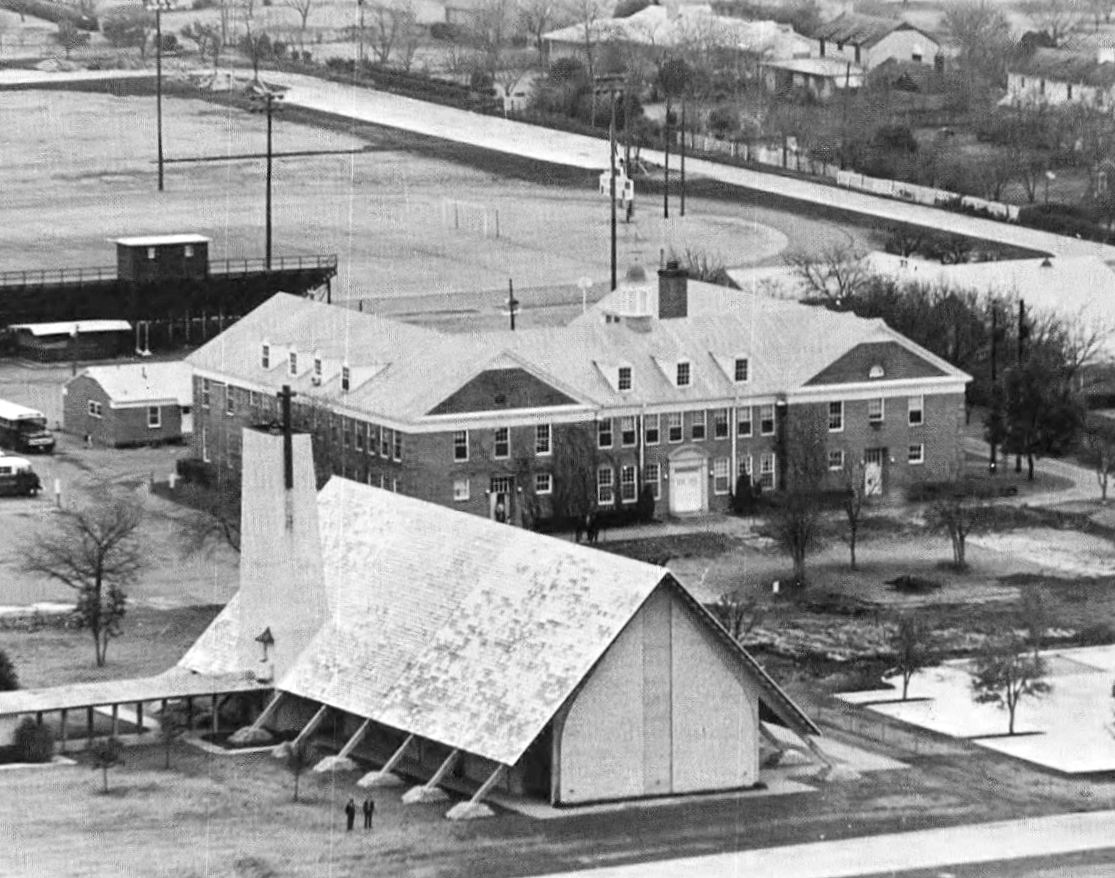
St. Mark’s Campus — 1960s

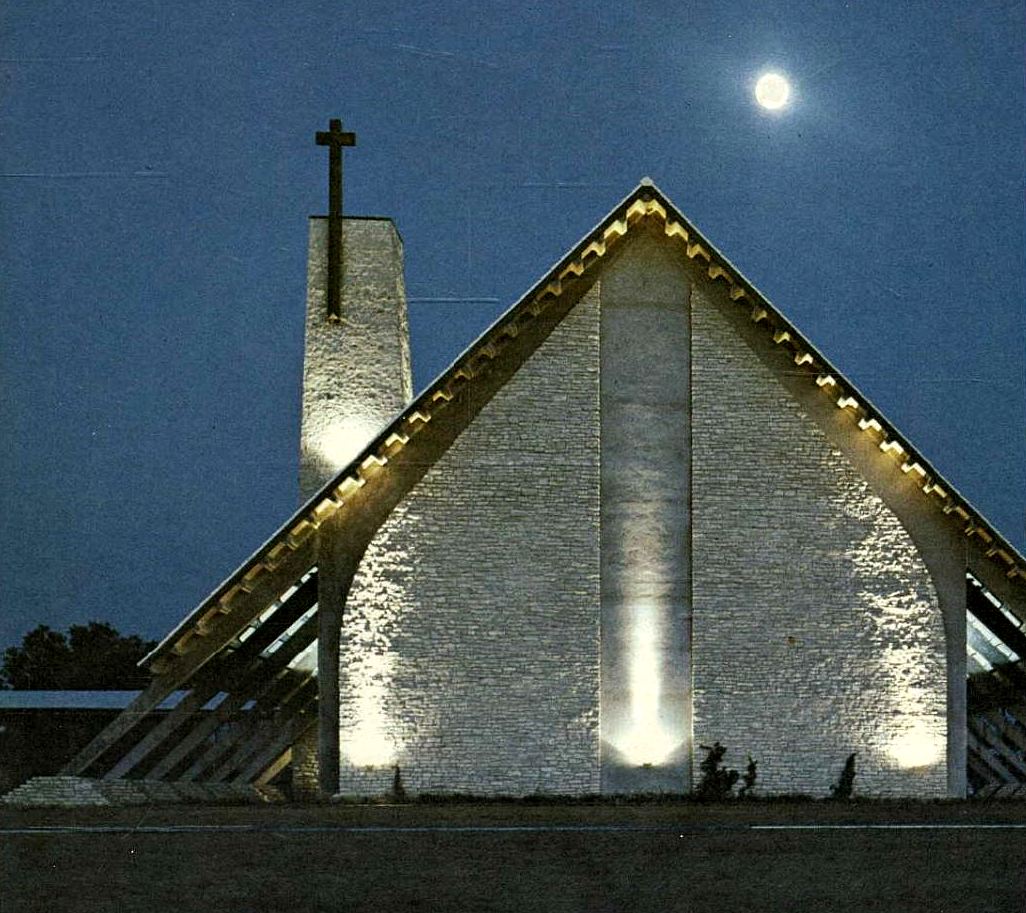
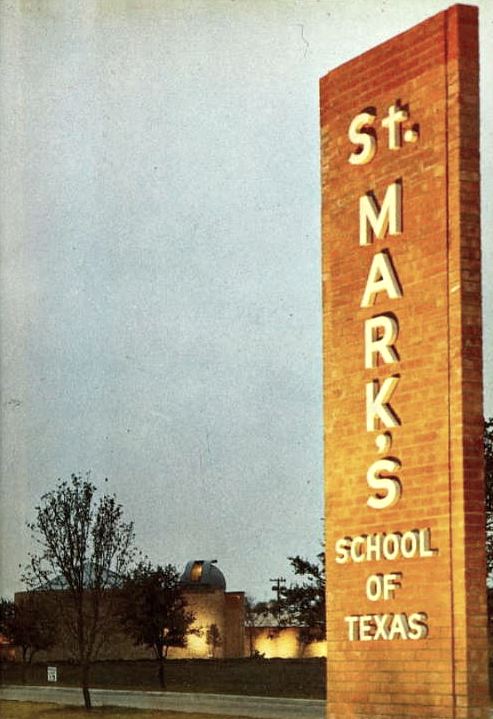
st-marks_1961-yrbk_chapel_duskSt. Mark’s chapel at dusk, 1961

by Paula Bosse

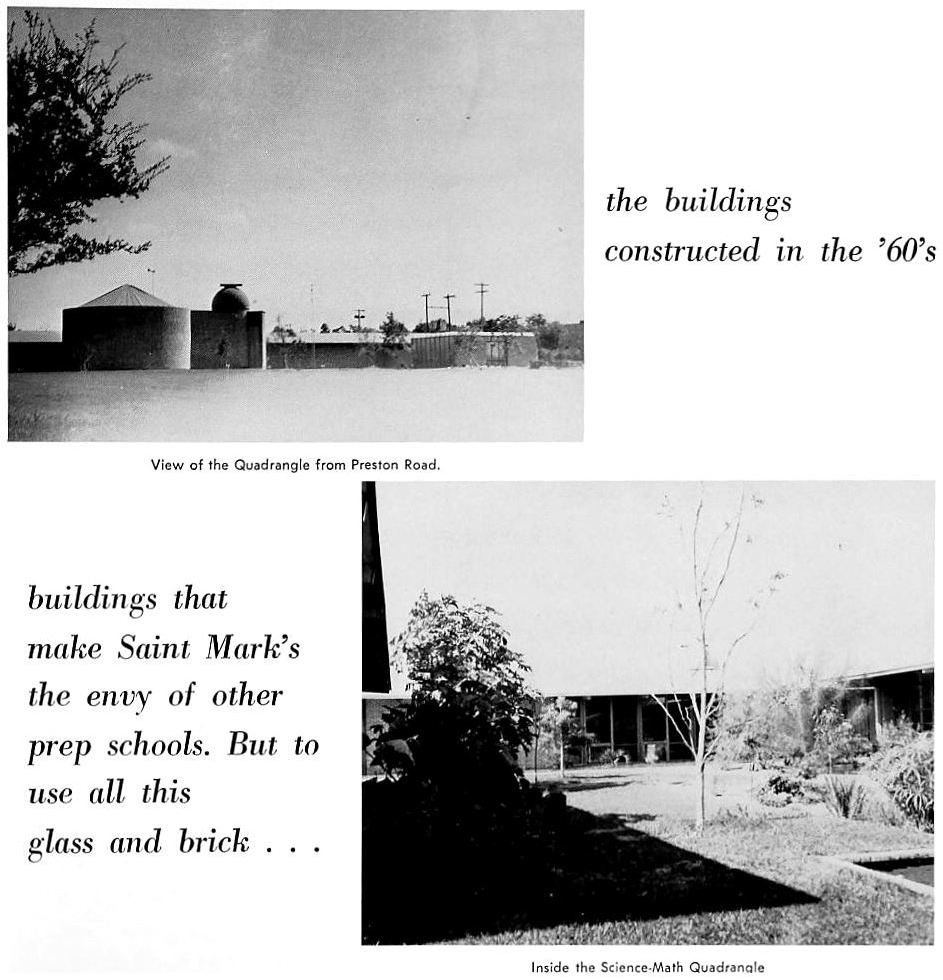
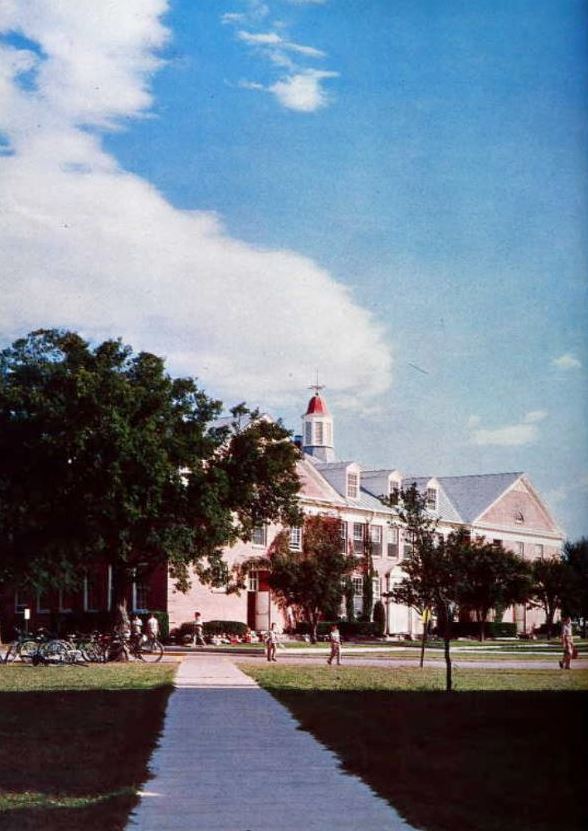
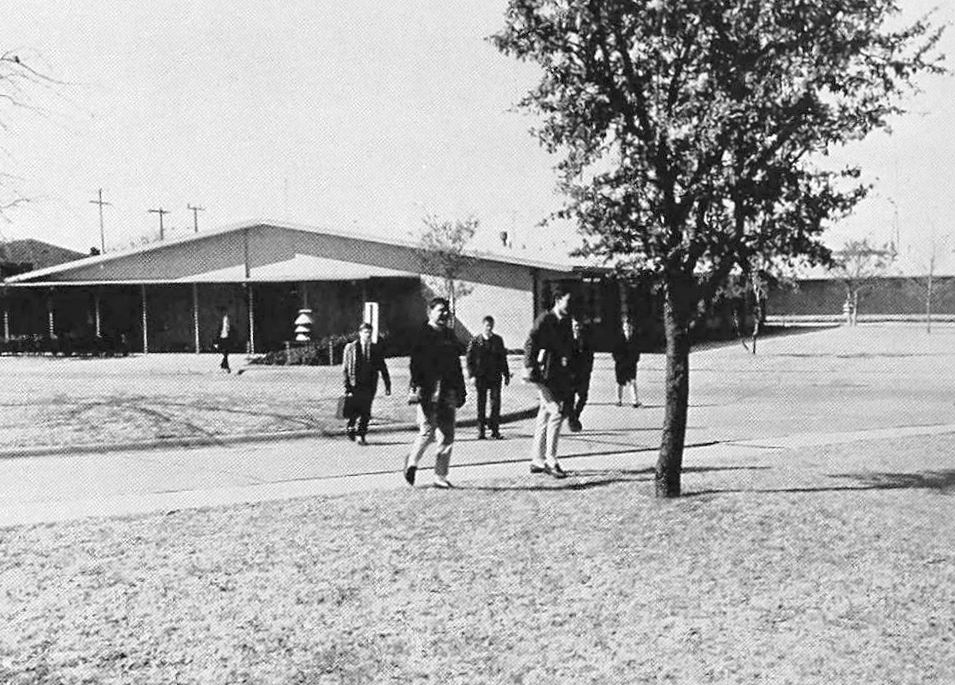
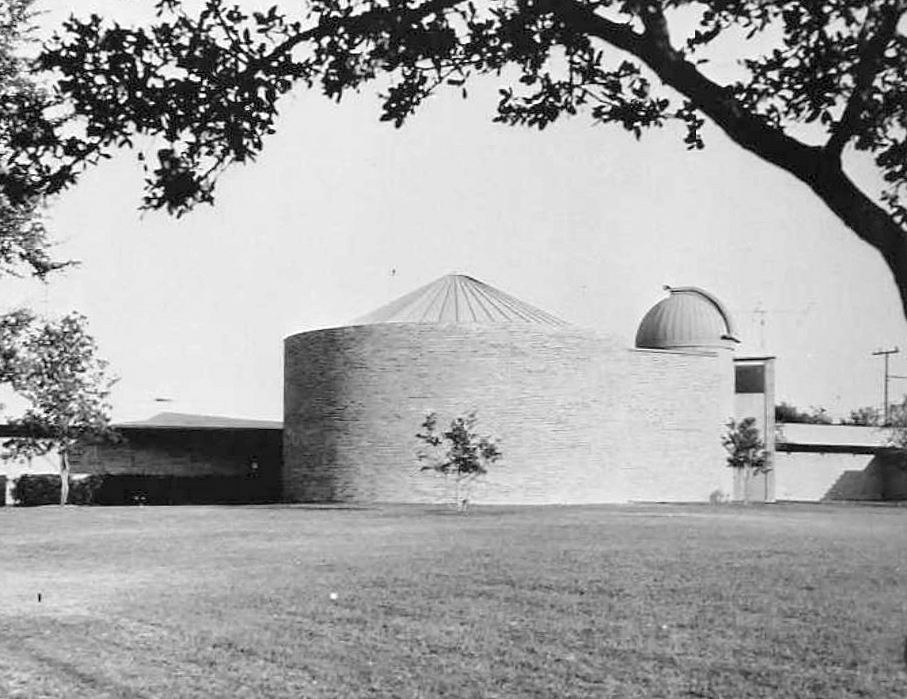
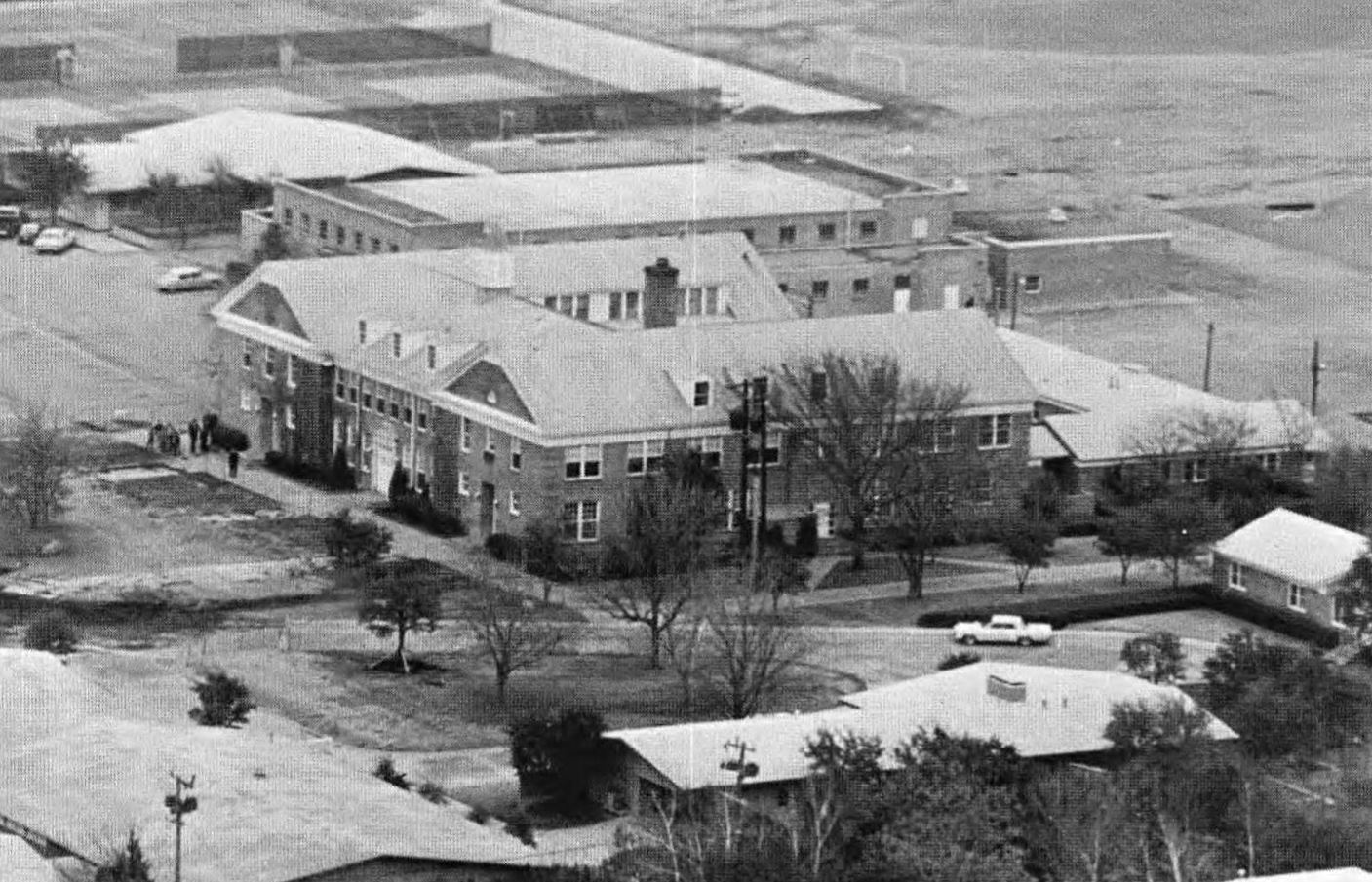
A few photos of St. Mark’s School of Texas campus buildings and history from various editions of Marksmen, the school’s yearbook.

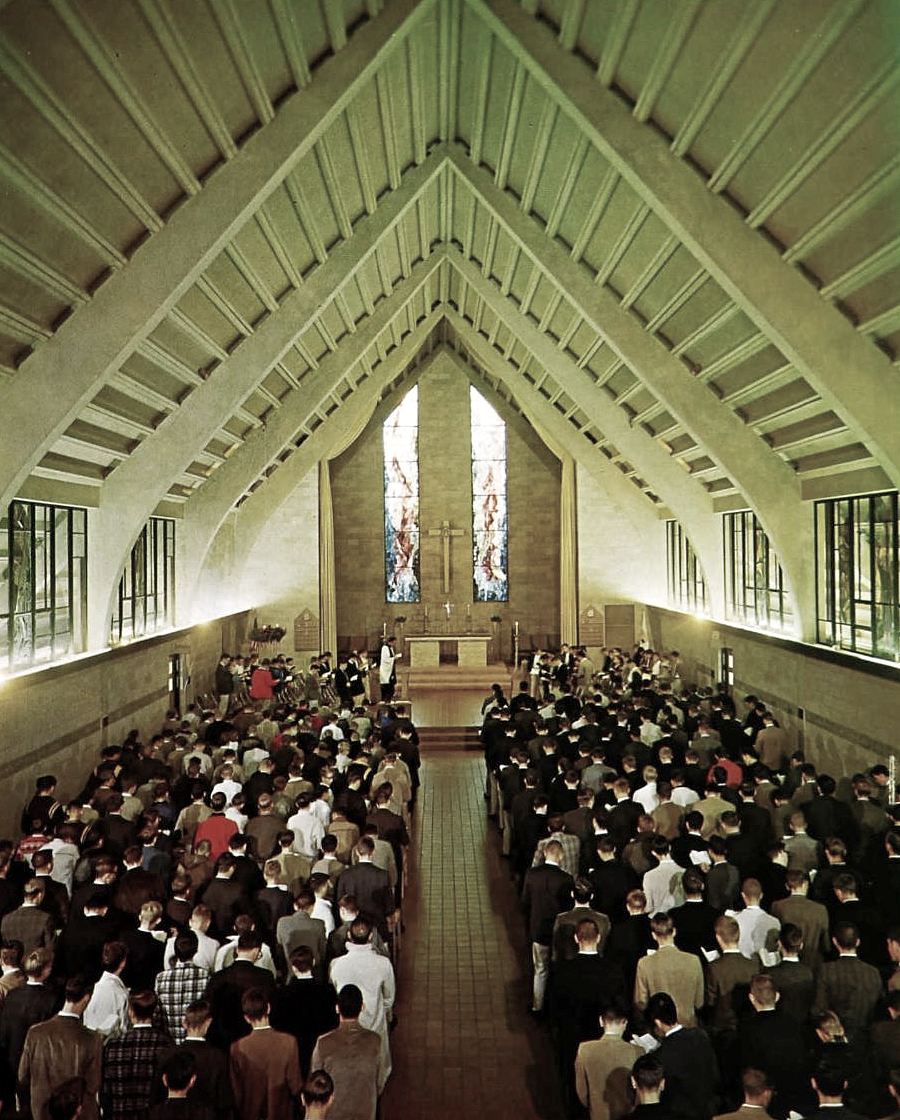
Above the exterior of the chapel beneath a full moon. Below, the interior of the chapel (click for larger images).

st-marks_1965-yrbk_chapel1965

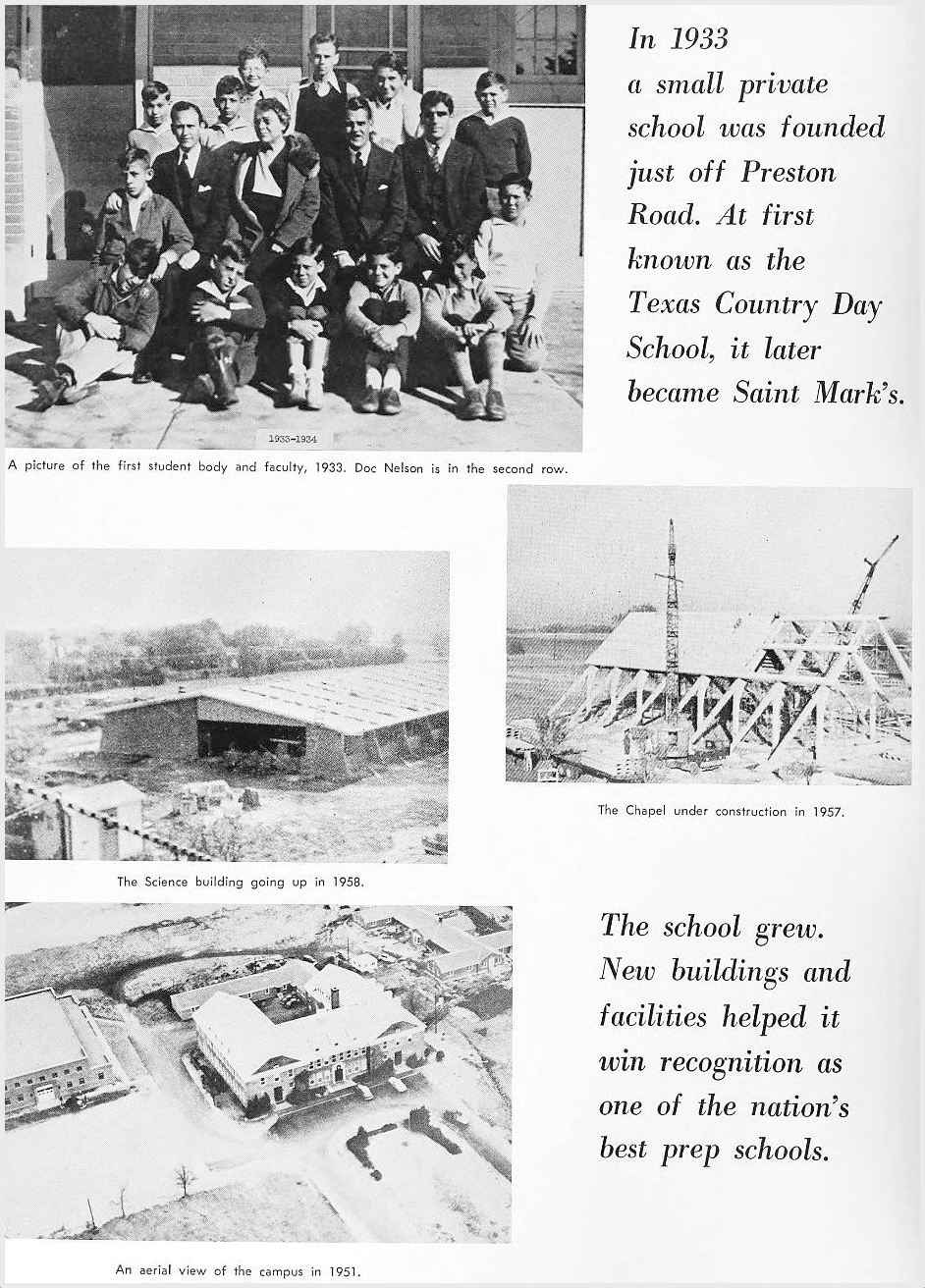
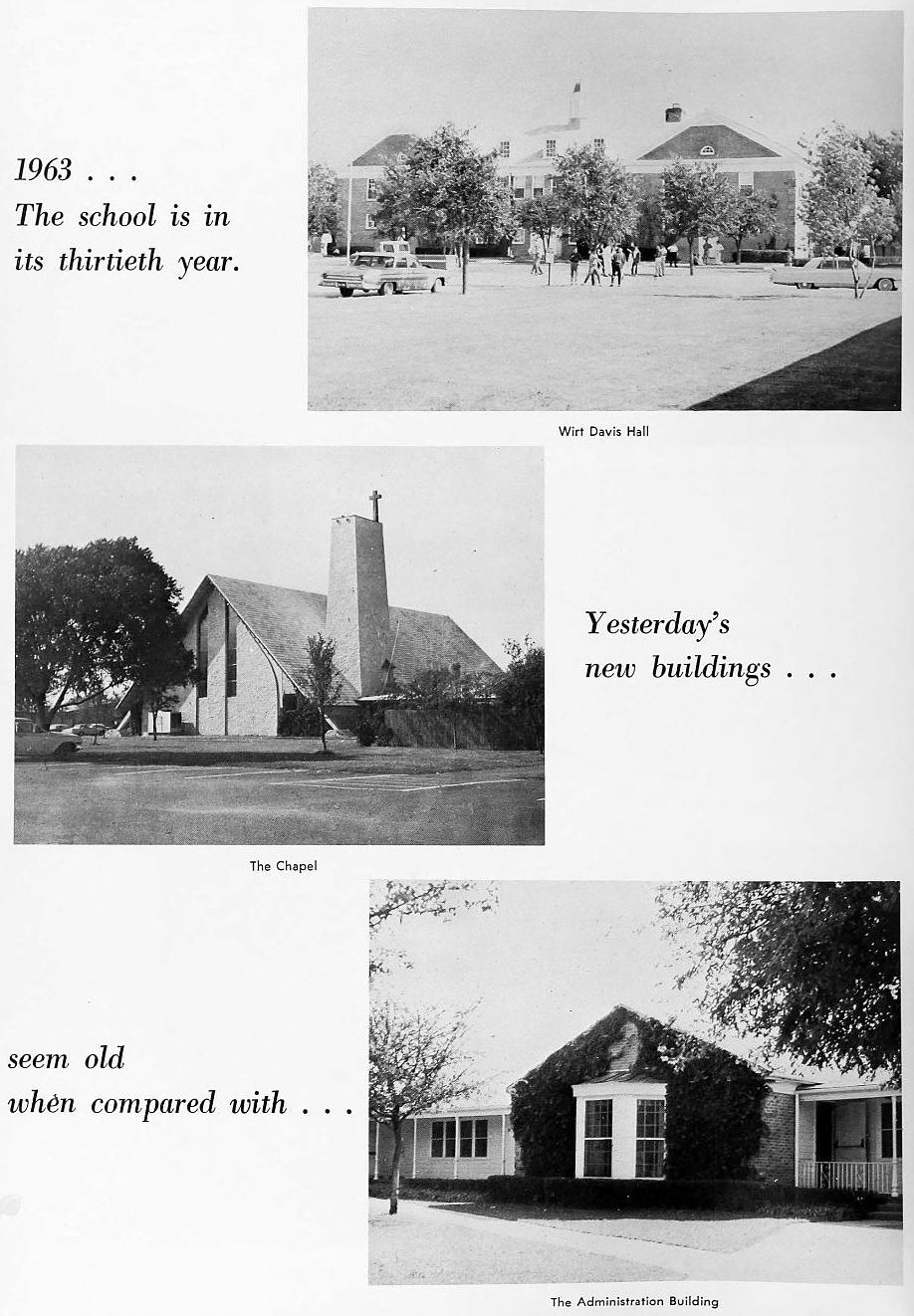
A photo spread from the 1963 yearbook, commemorating 30 years as an institution (see the St. Mark’s timeline here). 

st-marks_1963-yrbk_30th-anniv_hist-1

st-marks_1963-yrbk_30th-anniv_hist-2

st-marks_1963-yrbk_30th-anniv_hist-31963

st-marks_1963-yrbk_campus_color1963

st-marks_1964-yrbk_between-classes1964

st-marks_campus_st-marks-yrbk_1964_observatory1964

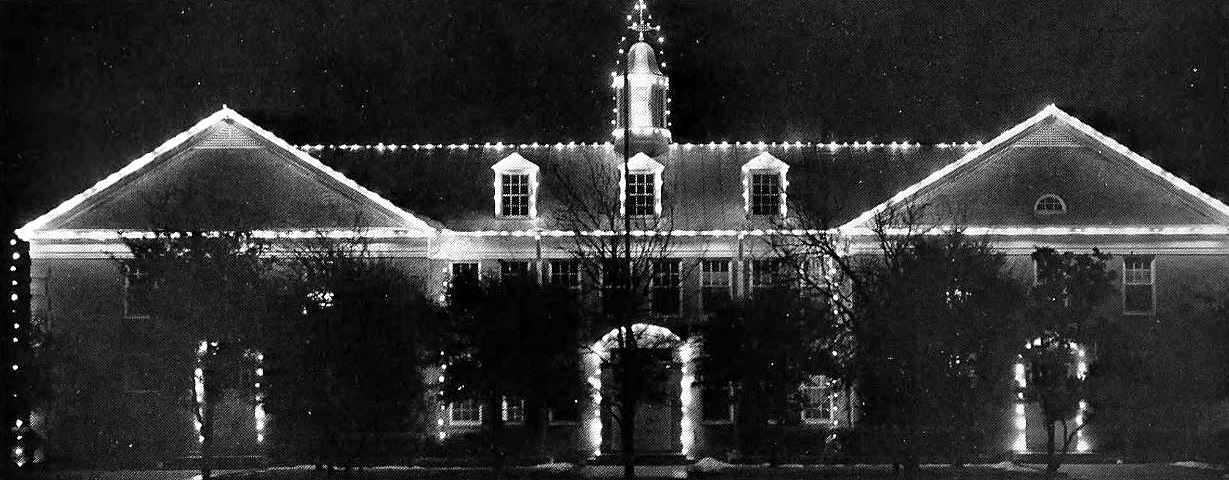
Decorated for Christmas:

xmas_st-marks_1964-yrbk

1964

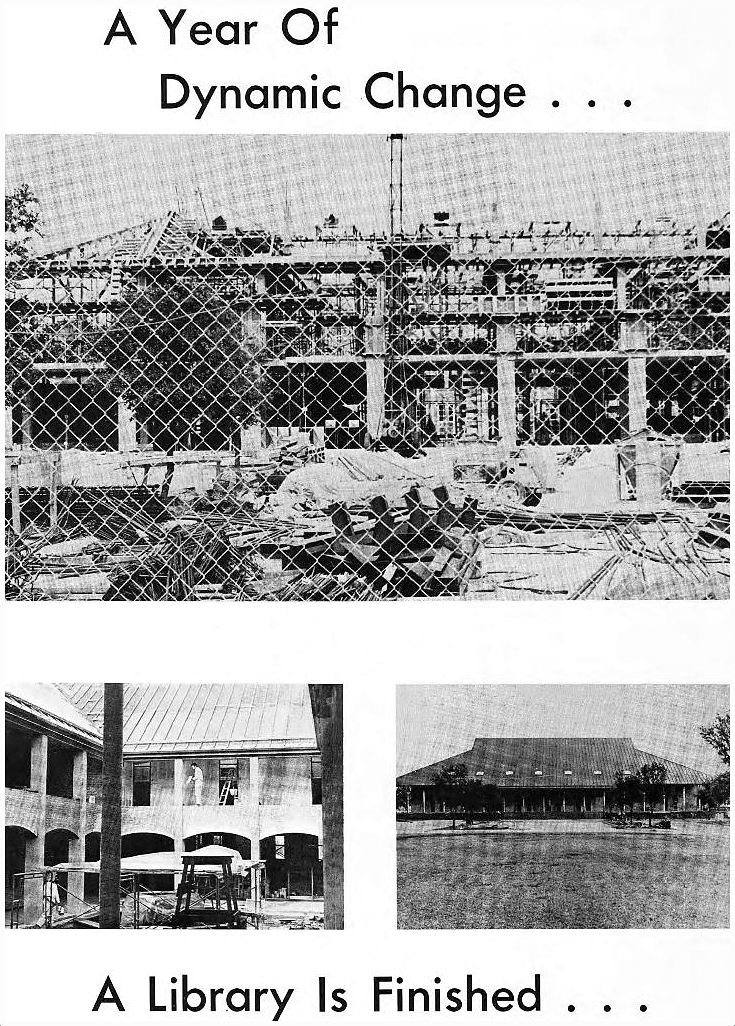
st-marks_1967-yrbk_new-library1967

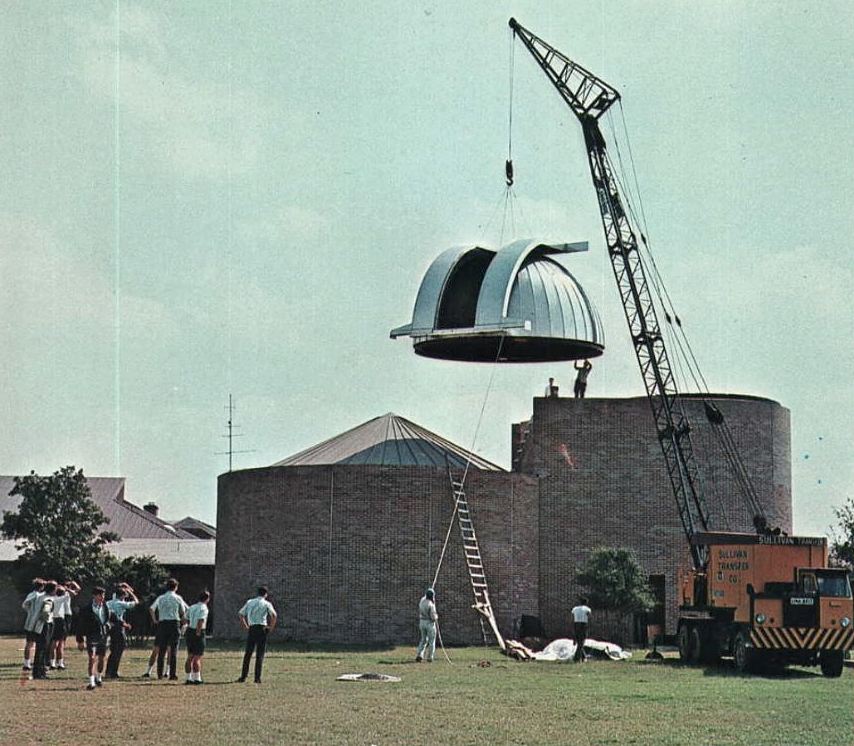
st-marks_campus_st-marks-yrbk_1968_observatory1968

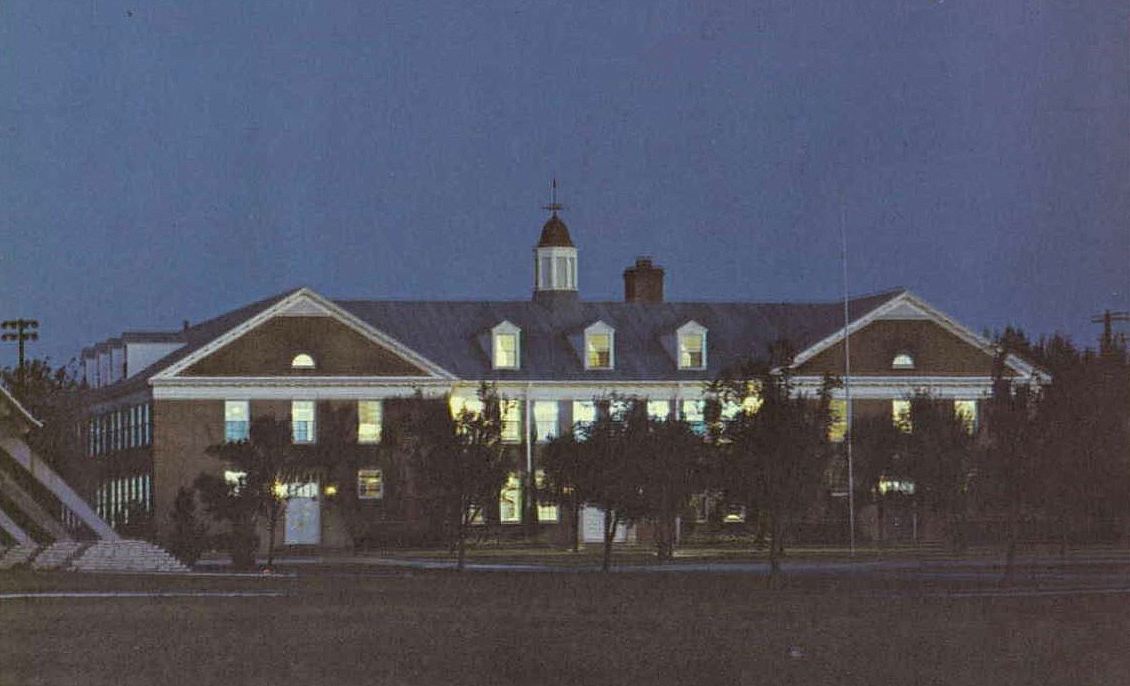
st-marks_1961-yrbk_dusk1961

st-marks_campus_st-marks-yrbk_19621962

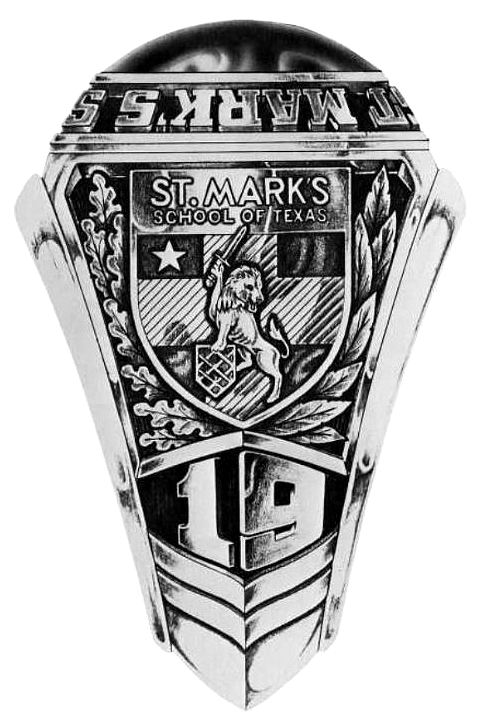
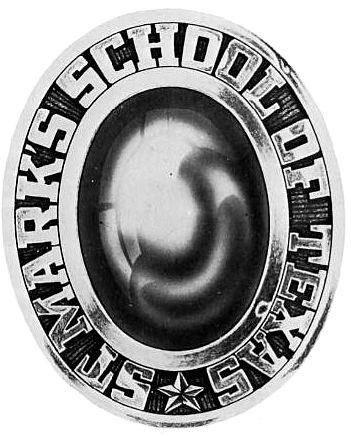
st-marks_1963-yrbk_class-ring

st-marks_1963-yrbk_class-ring_b1963

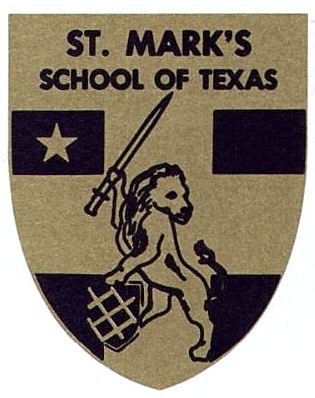
st-marks-seal

***

Sources & Notes

All images from various editions of Marksmen, the St. Mark’s yearbook.

More St. Mark’s-related Flashback Dallas posts can be found here.

st-marks_1961-yrbk_chapel_dusk_sm

*

Copyright © 2020 Paula Bosse. All Rights Reserved.

St. Mark’s, Aerial Views — 1960s

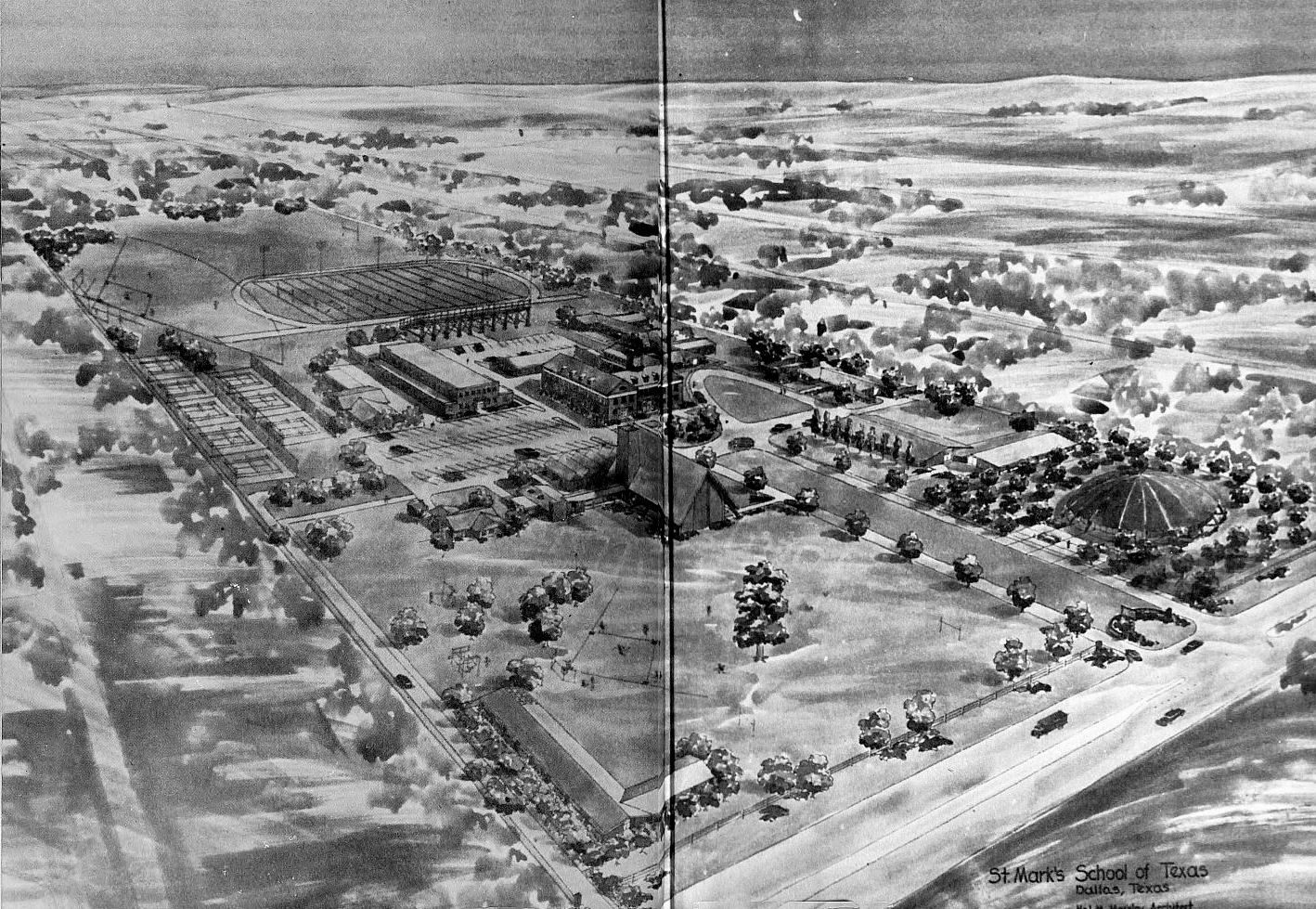
st-marks_campus_st-marks-yrbk_aerial_1960Rendering of the campus by architect Hal M. Moseley, from the 1960 yearbook

by Paula Bosse

St. Mark’s School of Texas, the prep school for boys in North Dallas (10600 Preston Road, south of Royal Lane), has been one of the city’s finest educational institutions for decades. It opened in 1950 after the merging of the Cathedral School for Boys and the Texas Country Day School, both of which traced their roots to the legendary Terrill School, founded in 1906 (see the St. Mark’s timeline on the school’s website here).

Below are a few aerial photos of the ever-expanding campus from the 1960s. (Above is a drawing of the grounds by architect Hal M. Moseley from the endpapers of the 1960 Marksmen, the St. Mark’s yearbook.)

The campus in 1964 (click to see larger image):

st-marks_campus_st-marks-yrbk_aerial-19641964

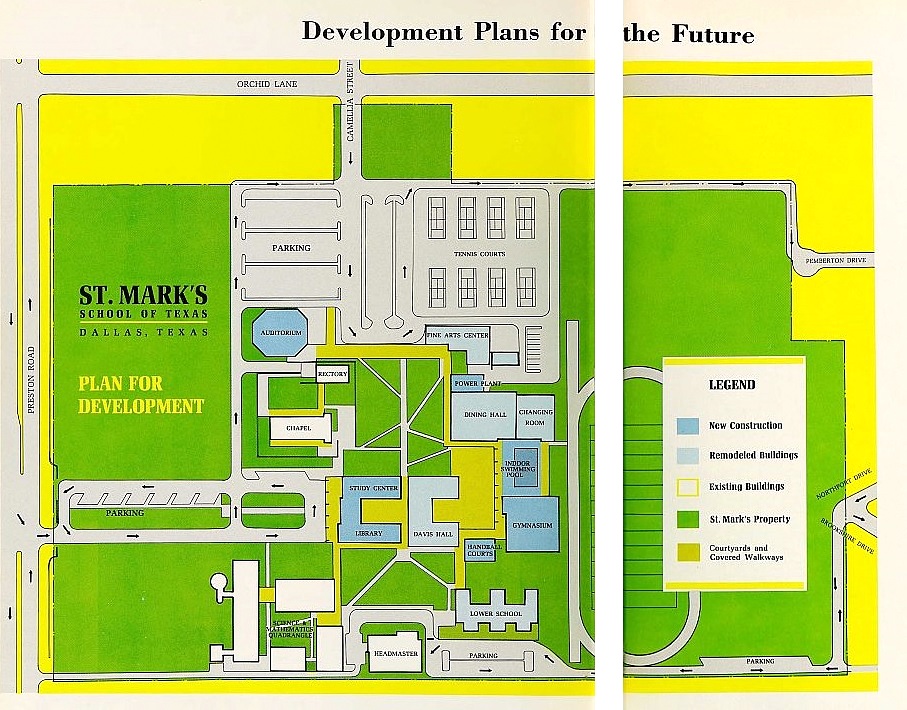
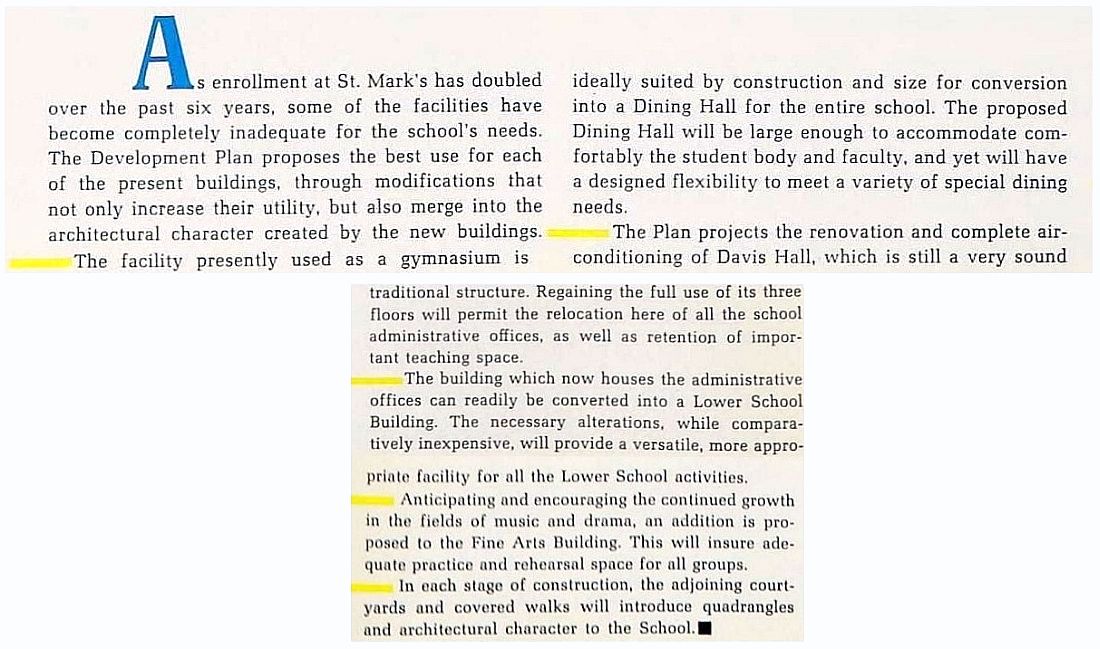
In 1965, plans had been drawn for expansion and renovation. Five of the existing structures would be renovated, and a new gymnasium and “individual study center” (including a 50,000-volume library) would be constructed:

st-marks_development-plan_1965-yearbook

st-marks_development-plan_1965-yearbook_caption1965

Two photos from 1966, with the caption “before the building of the new library and study center”:

st-marks_campus_st-marks-yrbk_1966_aerial_1

st-marks_campus_st-marks-yrbk_1966_aerial_21966

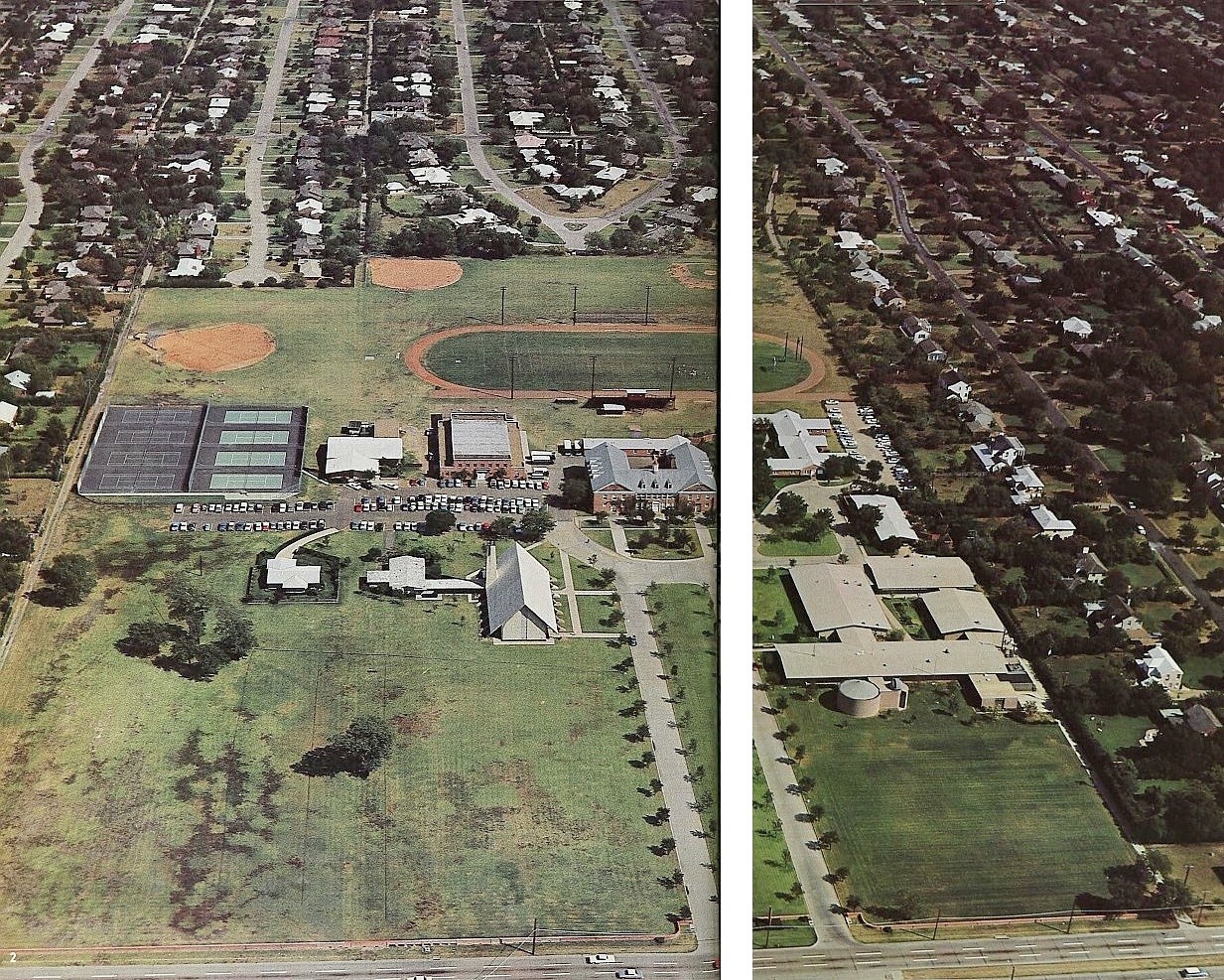
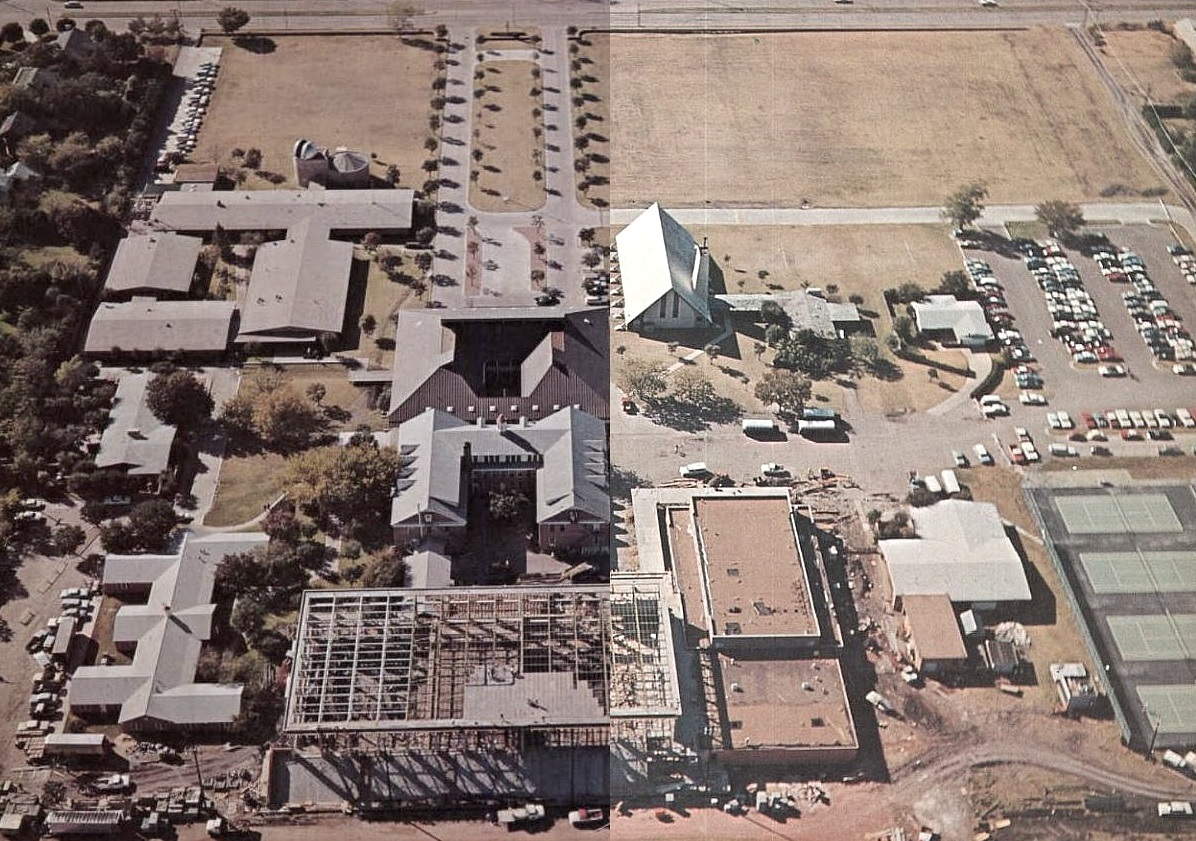
And a rather haphazard editing of mismatched endpaper photos from 1968:

st-marks_campus_st-marks-yrbk_aerial_19681968

***

Sources & Notes

All images are from various editions of Marksmen, the St. Mark’s yearbook.

More about St. Mark’s School of Texas can be found at Wikipedia, here.

Other St. Mark’s-related Flashback Dallas posts can be found here.

st-marks_campus_st-marks-yrbk_aerial_1960_sm

*

Copyright © 2020 Paula Bosse. All Rights Reserved.

Luby’s, In Dallas Since 1929

lubys_main-st_1954_detLuby’s No. 2, Main Street, 1954 (photo detail)

by Paula Bosse

The liquidation of Luby’s restaurants was announced this week. There are a lot of people (Texans in particular) who are going to take this news hard.

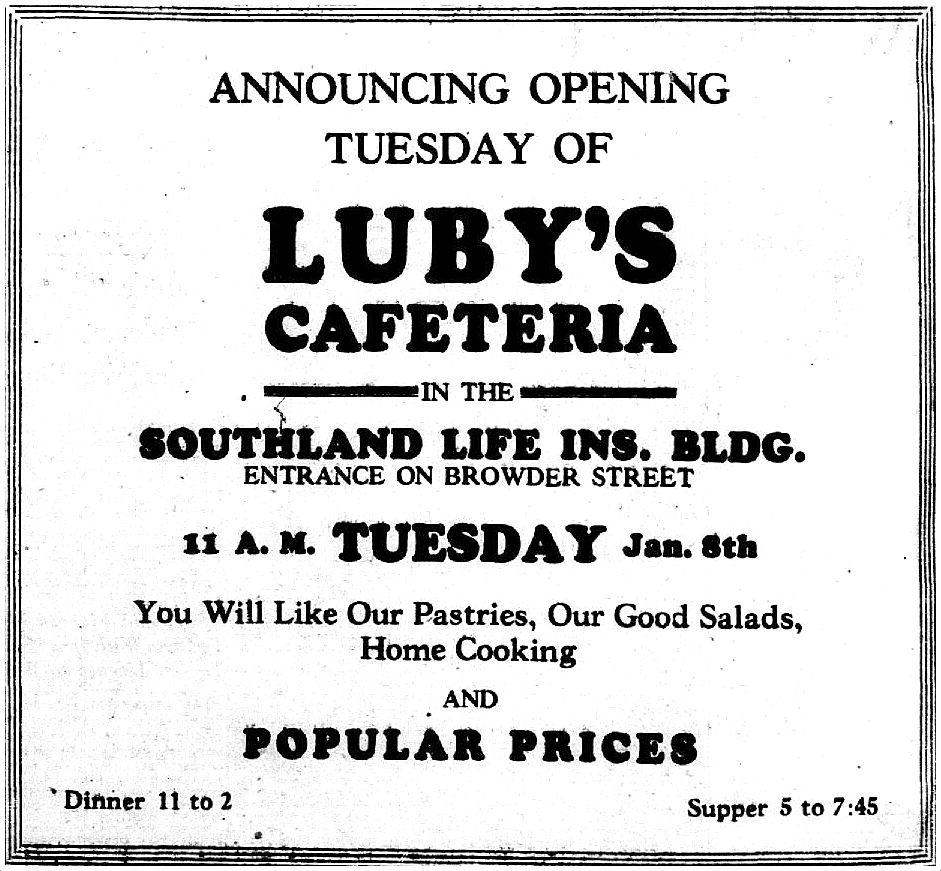
I spotted the Luby’s seen in the picture above in a photo I found on eBay a few years ago (see the full photo here). I was surprised to learn that the first Luby’s in Dallas opened in 1929. (I think it was the first Luby’s in Texas — there might have been a tangentially related “Luby’s”-branded restaurant in Muskogee, Oklahoma, but let’s just say that the Luby’s at 205 Browder Street in downtown Dallas was the first one in Texas. It was opened by Earl E. Luby on January 8, 1929.

lubys_010829_adJan. 8, 1929

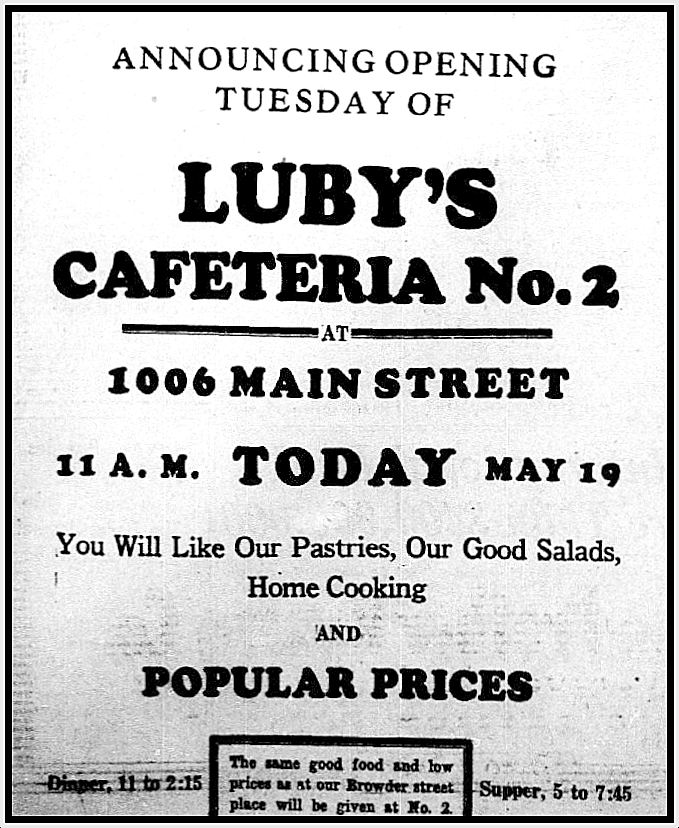
The second location (the one seen in the photo above) opened at 1006 Main Street (at Poydras) two years later, on May 19, 1931.

lubys_051931_no-2May 19, 1931

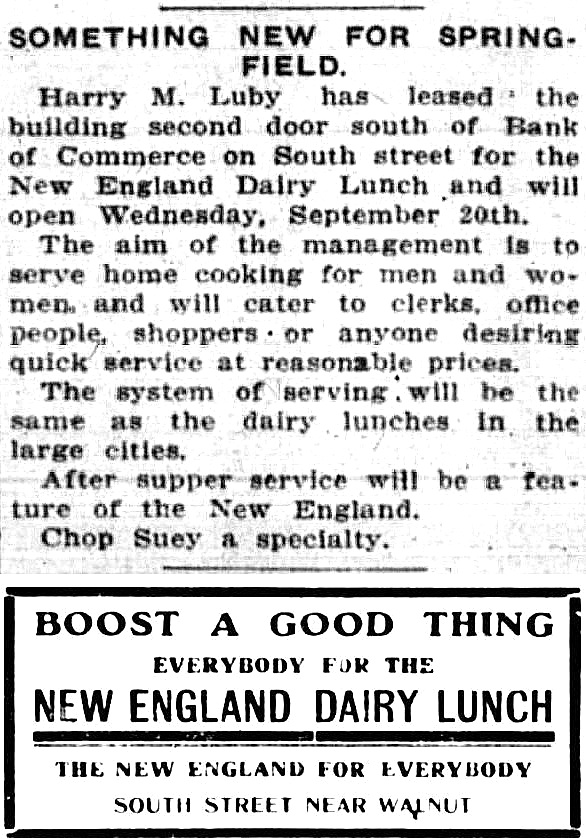
Earl Luby was the first cousin of Harry M. Luby, the man who is generally considered to have opened the forerunner of what we now know as Luby’s. In September, 1911, Harry opened a cafeteria in Springfield, Missouri called New England Dairy Lunch — there were several other restaurants around the U.S. with the same name, so I’m not sure if he bought it as a franchise, but whatever the case, that cafeteria was the start of a tray-toting empire.

luby_springfield-MO-news-leader_sept-1911Springfield News-Leader, Sept. 20 & 21, 1911

He opened other New England cafeterias in Missouri and, with cousin Earl, in Oklahoma. (There was one in Dallas in 1919, located at 1409 Elm, which appears to be connected to the Luby family.)

new-england-cafeteria_041619Apr. 16, 1919

In 1929 Earl branched off, moved to Texas, opened his own cafeterias (mostly in Dallas), and made a fortune. (There were Luby’s cafeterias run by other members of the Luby family, most notably Harry’s son, Robert Luby, who was active in South Texas a few decades later. I don’t know whether these were two completely different business entities, but Earl was king of the very lucrative Dallas market.)

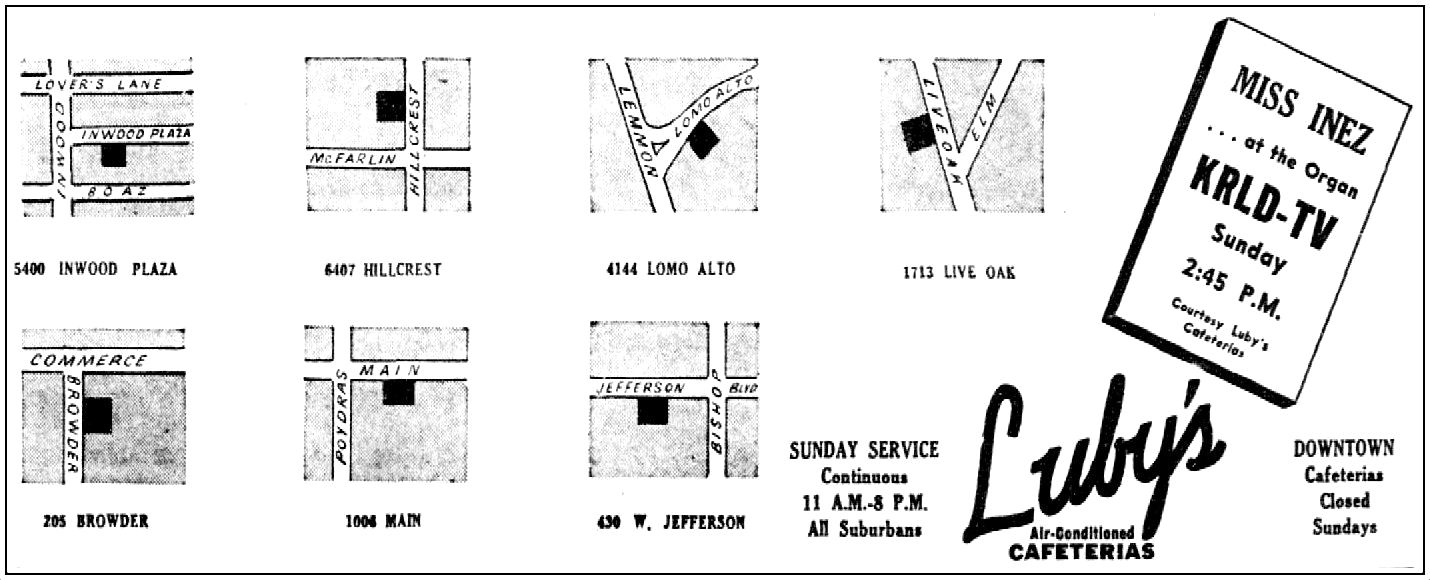
Here’s an ad from 1953 with Luby’s locations at that time (along with a Miss Inez shout-out). (Click to see a larger image.)

lubys_062153_ad-det_maps

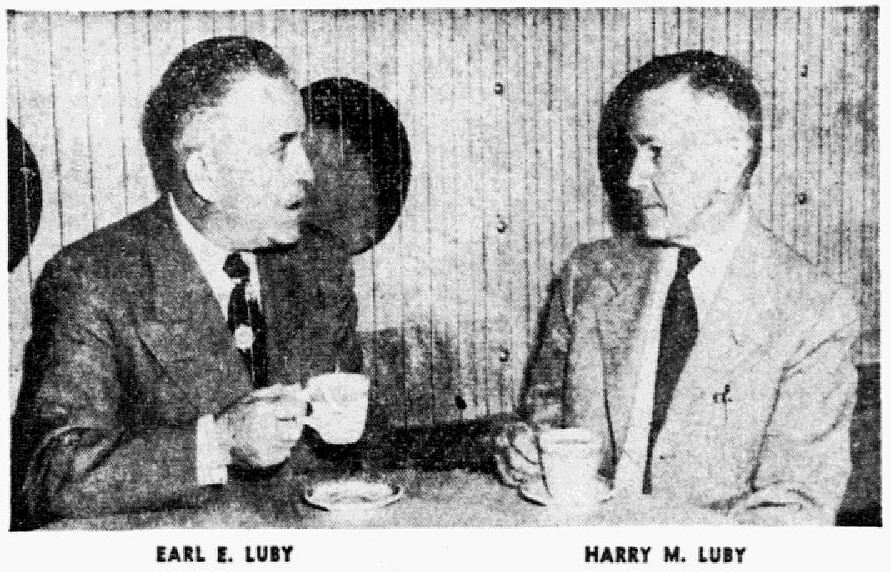
And from the same ad, a photo of cousins Earl and Harry enjoying a convivial cup of coffee.

lubys_062153_ad-det_photoJune 1953 ad (details)

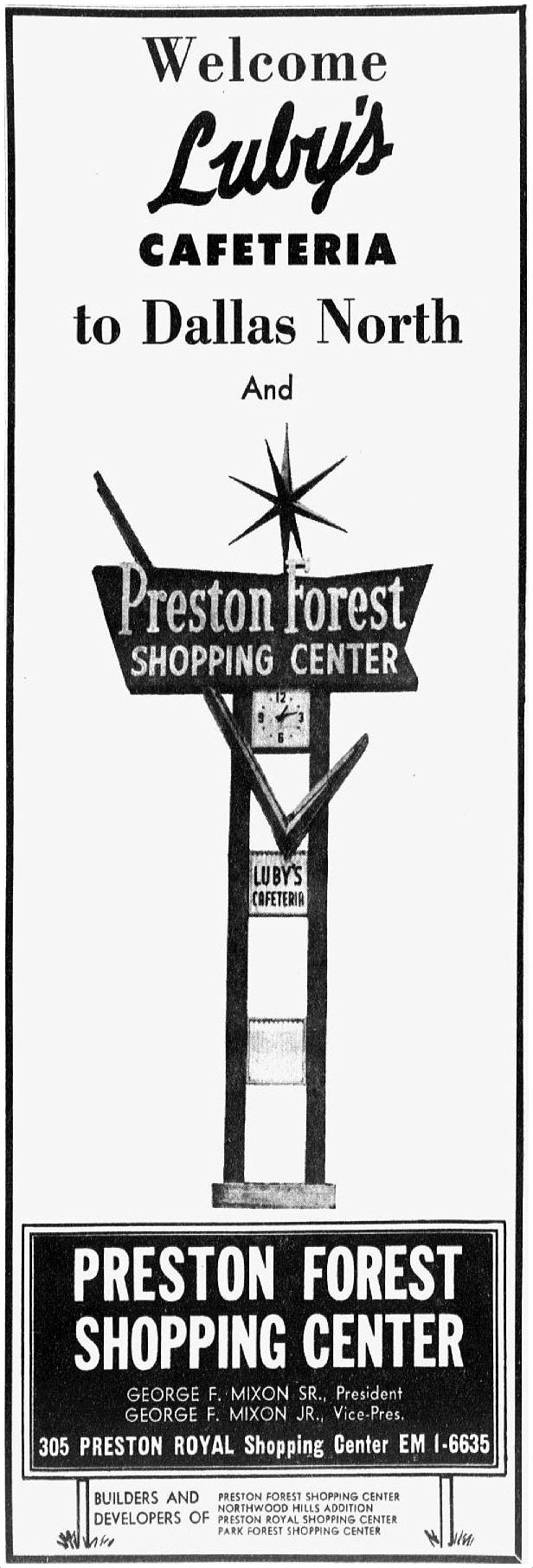
And, below, a 1960 ad for the new Luby’s at the Preston Forest Shopping Center (that sign is fantastic!).

preston-forest_lubys_090760_signSept. 1960

It’s a shame to say goodbye to such a long-lived Dallas institution. RIP, Luby’s. And thanks, Earl (1897-1990).

lubys_matchbk

***

Sources & Notes

1954 photo of Main Street is a detail of a larger photo found in the Flashback Dallas post “Streetcar #728, Main Street — 1954.”

Luby’s website is here (hurry!).

More on the history of Luby’s (with some incorrect information and nary a mention of Earl!) can be found on Wikipedia and The Handbook of Texas.

lubys_main-st_1954_det_sm

*

Copyright © 2020 Paula Bosse. All Rights Reserved.

Miscellaneous Dallas

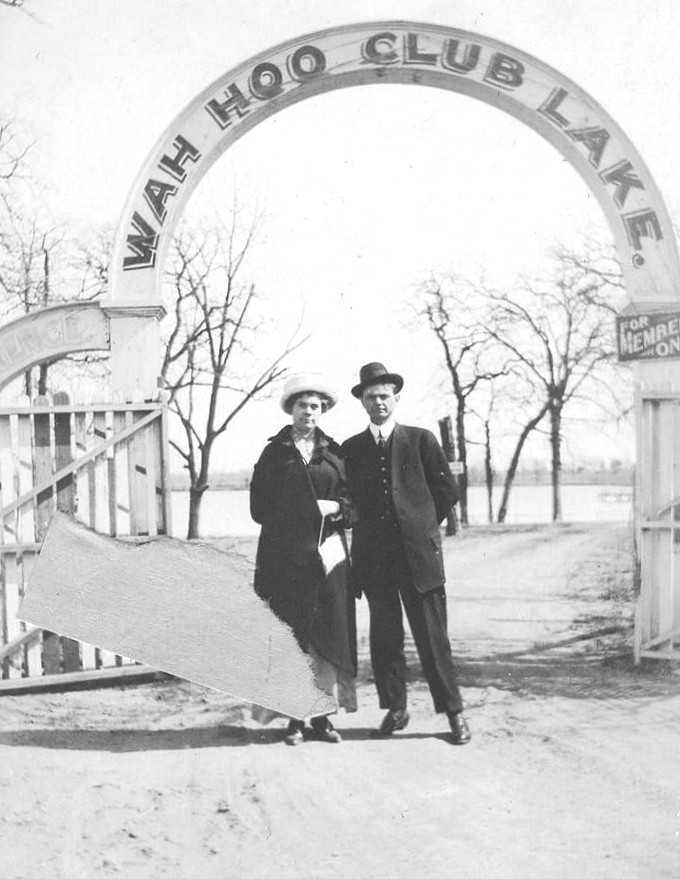
wah-hoo-club_lake_ebayWah Hoo Club Lake, Members Only…

by Paula Bosse

Here are several images, most in varying degrees of low resolution. I don’t know what else to do with them other than post them all together, randomly. No research. They’re just HERE! Enjoy!

Above, a handsome couple posing under the entrance to Wah-Hoo Club Lake (I’ve seen it more often spelled “Wahoo” — south of Fair Park).

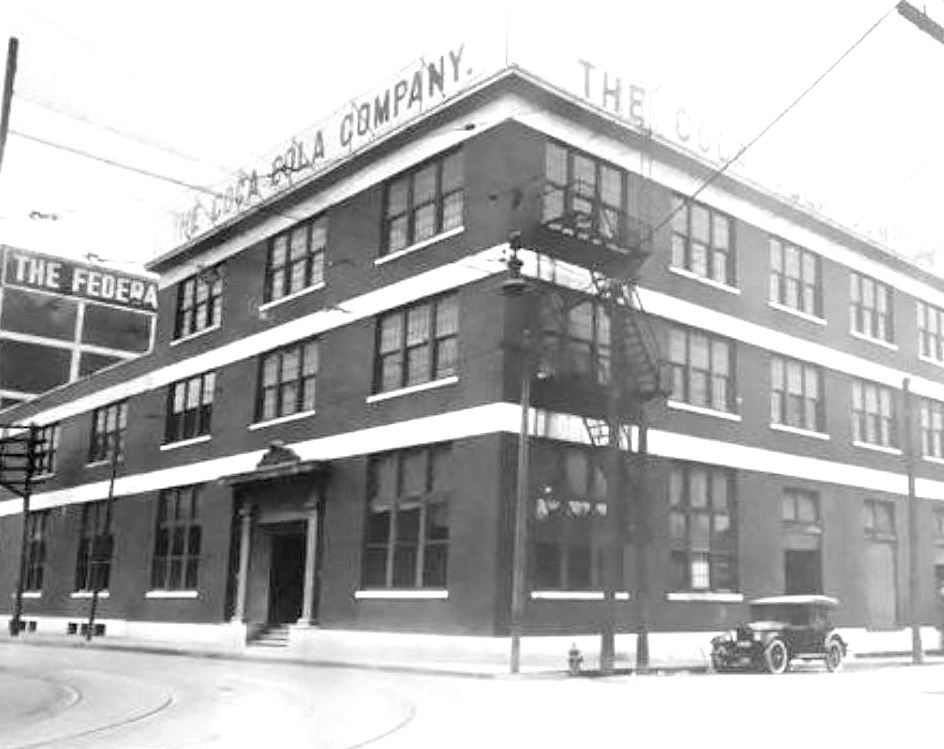
Below, the Coca-Cola Company building, McKinney and N. Lamar (still standing).

coca-cola_photo_ebay

*

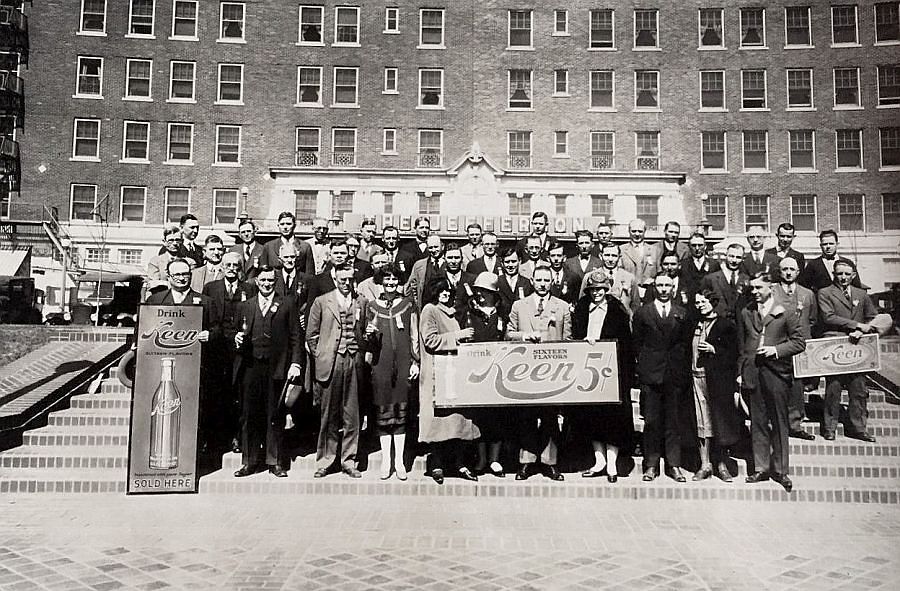
Speaking of Coke, here are some Keen folks, standing on the steps of the Jefferson Hotel (Union Station is out of frame to their right).

keen-soda_jefferson-hotel_frank-rogers-photo_ebay

*

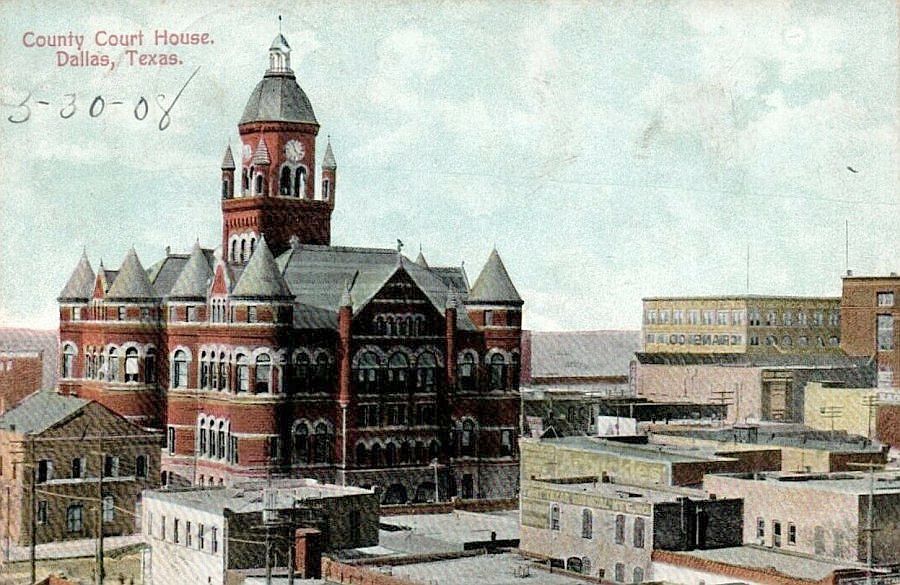
A couple of blocks away, the Old Red Courthouse, seen here from an unusual angle — looking toward the northwest (postcard postmarked 1908).

old-red_postcard_1908_ebay

*

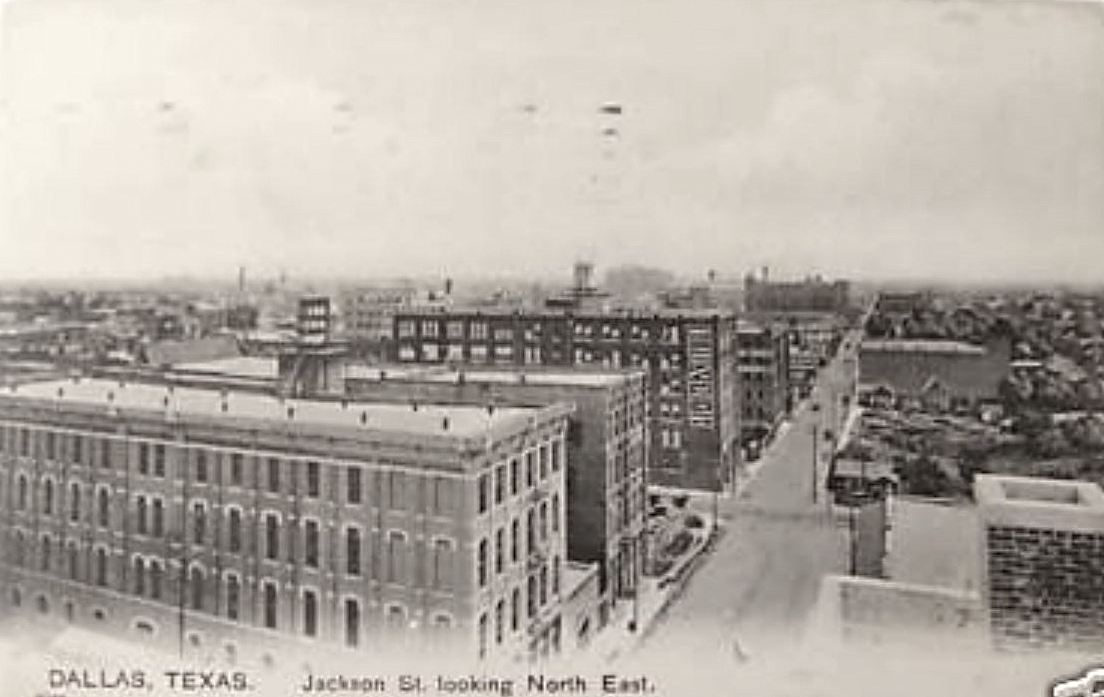
This is a super low-resolution image, but I’ve never seen it before, so, what the heck: I give you a fuzzy Jackson Street looking northeast (postmarked 1907).

jackson-street-looking-northeast_postcard_ebay_postmarked-1907

*

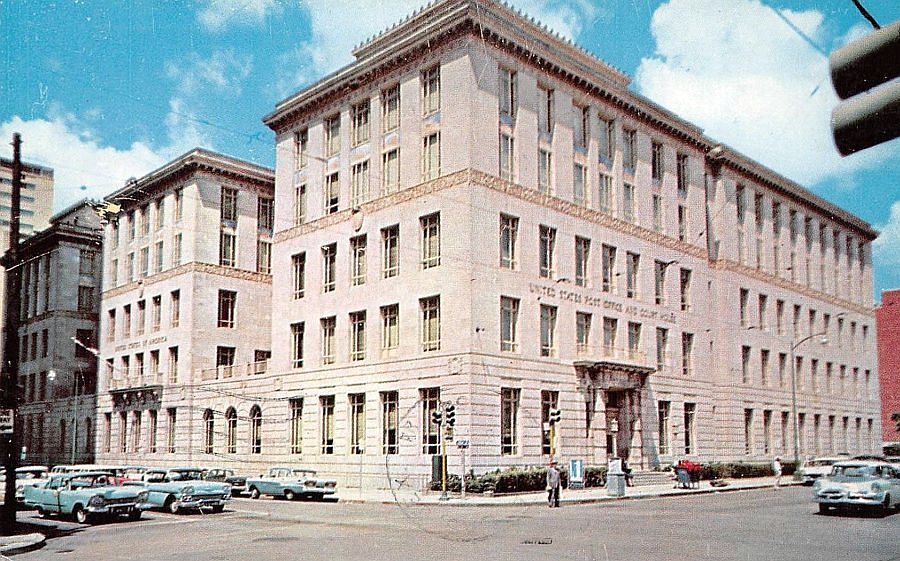
The “new” Post Office and Federal Building at Bryan and Ervay (postmarked 1964).

post-office_federal-bldg_bryan-ervay_postmarked-1964

*

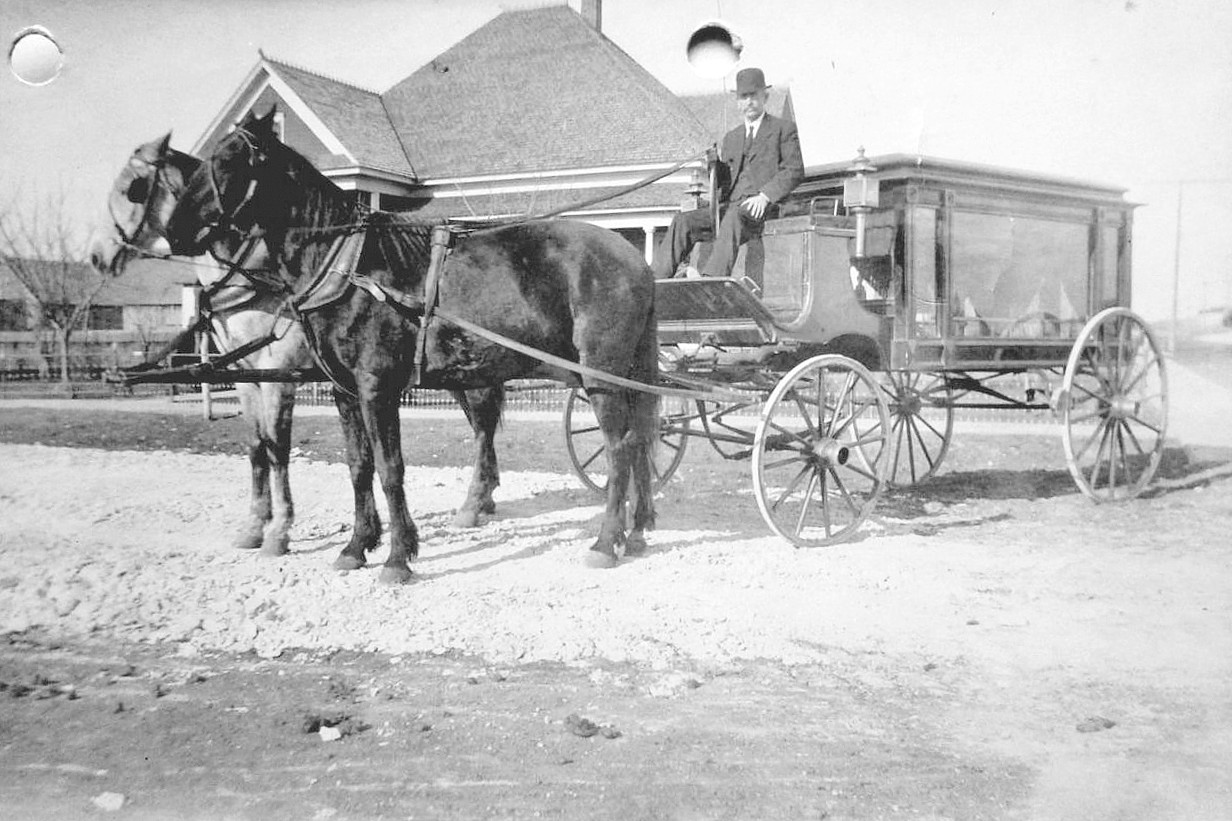
A jog over to Oak Cliff — here’s a horse-drawn hearse.

oak-cliff_hearse_horse-drawn_rppc_ebay

*

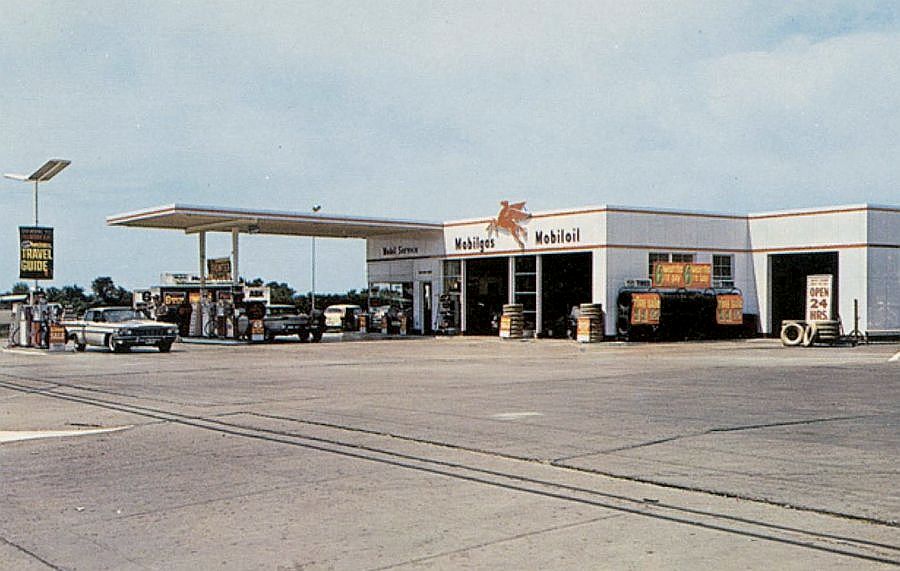
Up to Preston and Royal (northeast corner, I think) — a Mobil station.

preston-royal_10721-preston_corner_royal_flickr_coltera

*

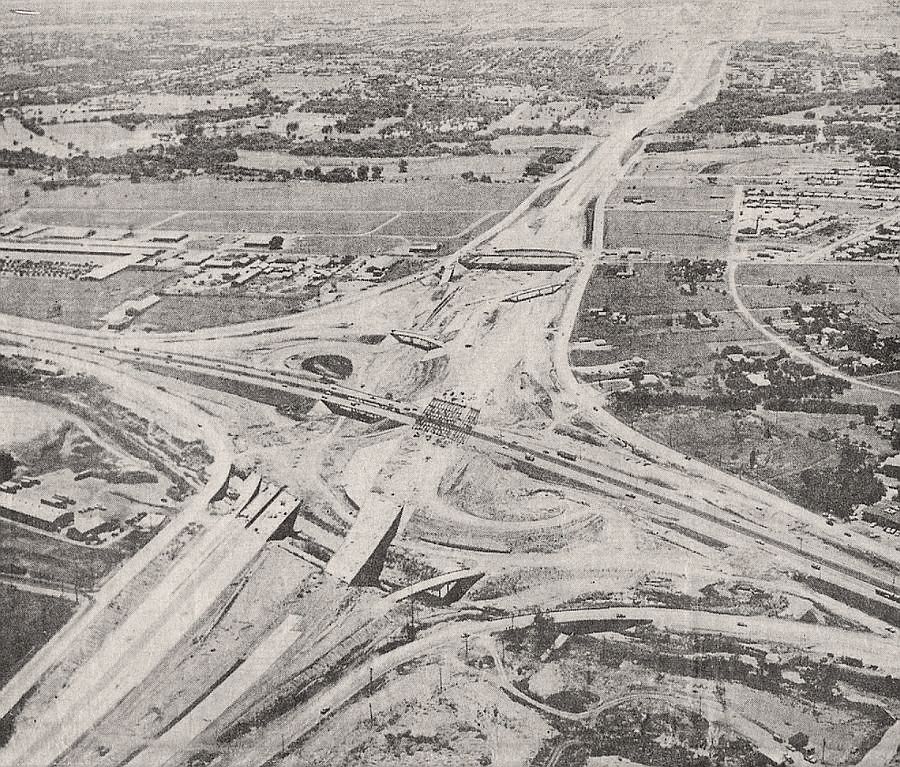
Even farther north, LBJ under construction, looking west at the intersection with Central (1967). (Can’t pass up the opportunity to link to one of the most popular photos I’ve ever posted which shows what is now LBJ and Valley View in 1958 — nothin’ but farmland.)

lbj-looking-west_at-75_flickr_red-oak-kid

*

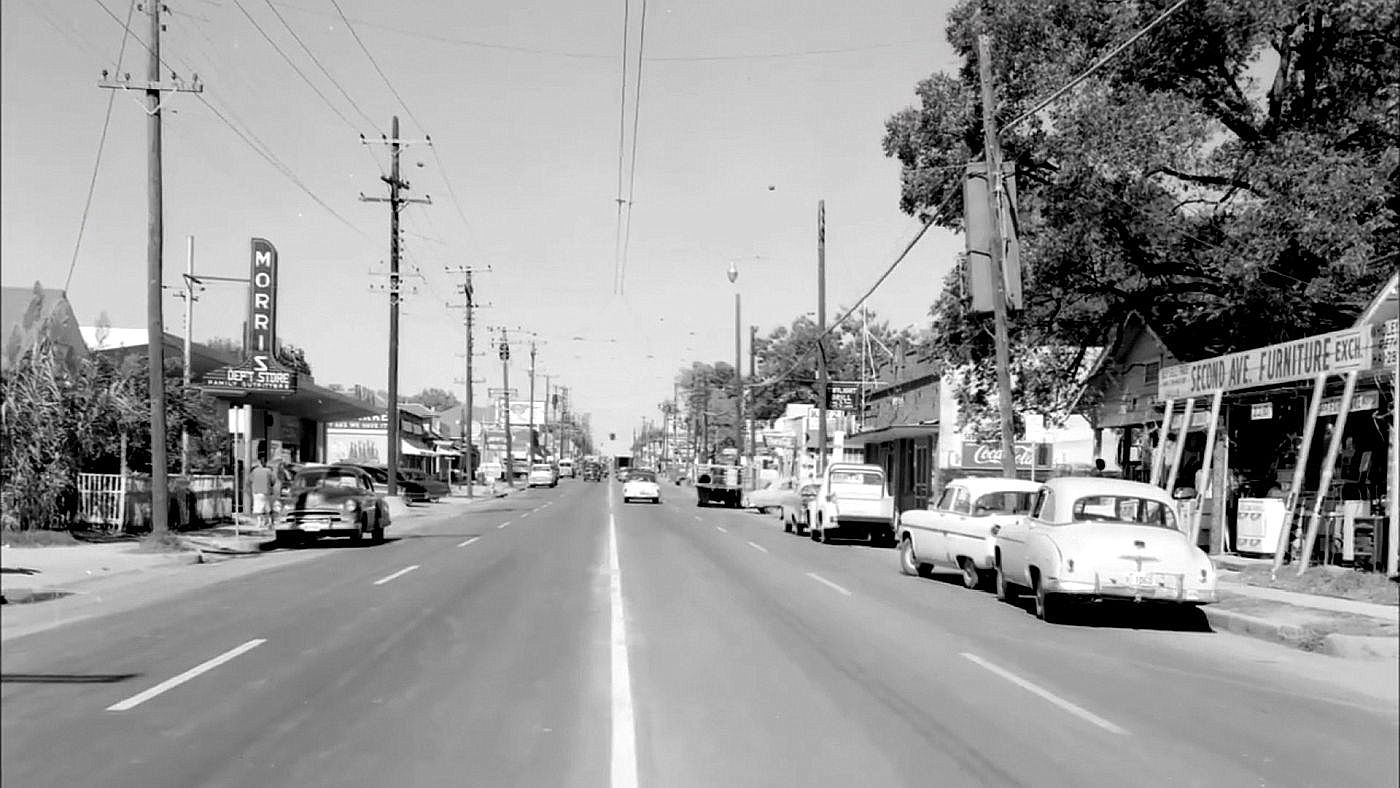
And, lastly, my favorite of these miscellaneous images: the 2200 block of 2nd Avenue (from about Metropolitan — a couple of blocks south of Fair Park). This part of town used to be really interesting. Unfortunately, it looks nothing like this now (see it on Google Street View here). This is a screenshot from the KERA-produced documentary “South Dallas Pop” (which you can watch in its entirety here).

2nd-ave_south-dallas-pop_KERA

***

Sources & Notes

All images found on eBay except for the following: Preston-Royal Mobil station, from Coltera’s Flickr stream; LBJ photo from Red Oak Kid’s Flickr stream; and the photo of 2nd Avenue, which is from the Dallas Public Library.

See “Miscellaneous Dallas #2” here.

wah-hoo-club_lake_ebay_det_sm

*

Copyright © 2020 Paula Bosse. All Rights Reserved.

Temple Emanu-El, At the “Northern Limits of Dallas” — 1957

temple-emanu-el_life-mag_1957-aerial_crop
Temple Emanu-El, 1957… (click for larger image)

by Paula Bosse

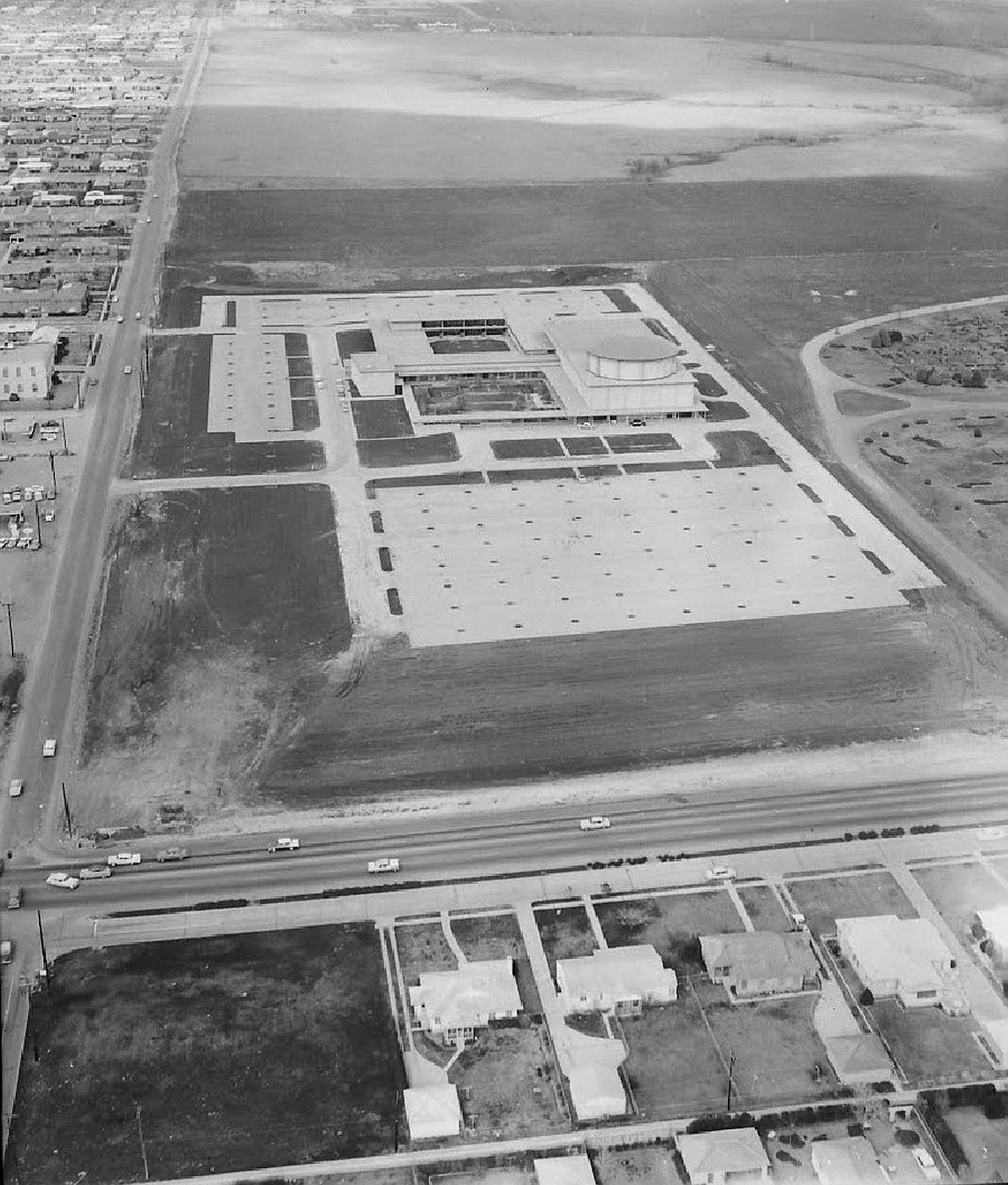
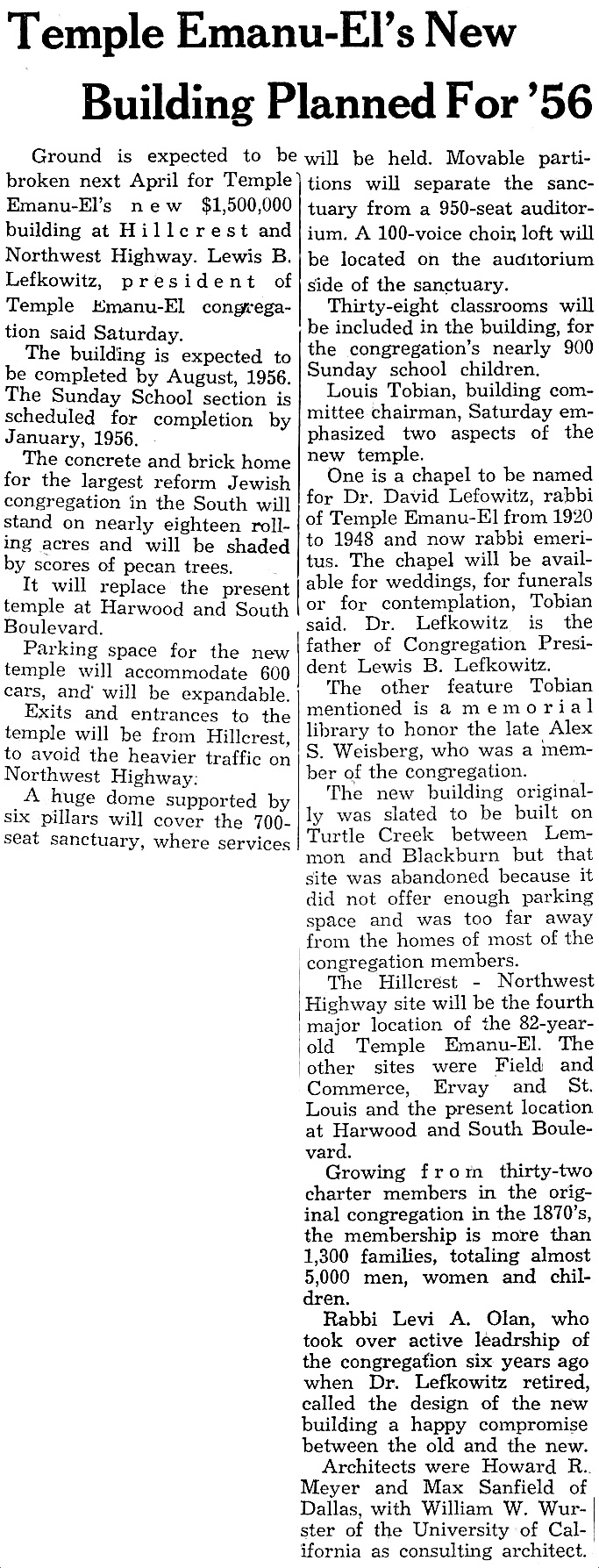
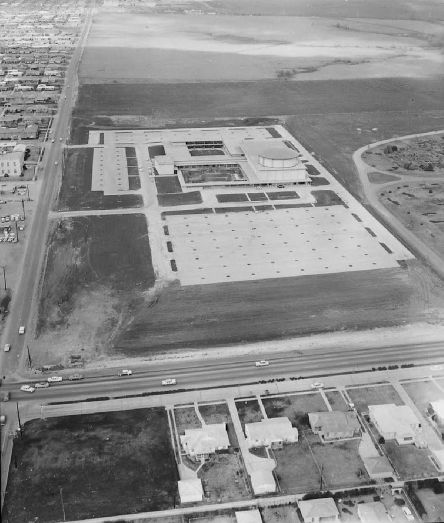
Above, the new, not-yet-landscaped Temple Emanu-El in 1957, at the northeast corner of Hillcrest and Northwest Highway; this aerial view is looking north from Northwest Highway. (The view today, via Google Earth, is here.)

In 1952 Temple Emanu-El’s congregation purchased eighteen rolling acres of Caruth farmland from Earle Clark Caruth, at what was then described as “the northern limits of Dallas.” This was after a lengthy period of consideration by leaders of the congregation over whether they should accept the gift of developer and artist Sylvan T. Baer of eleven “wooded and rolling” acres in Oak Lawn along Turtle Creek which he had offered as the site of a new temple. Even though Baer’s attractive site was more centrally located than their long-time South Dallas location (a definite bonus, as the congregation wished to move closer to the North Dallas area where most of their members now lived), the Turtle Creek site was ultimately deemed to be too small, too far from the North Dallas area they preferred, and too restrictive as far as the ability to finance construction. (Though rejected as a religious site, Baer’s very pretty land eventually became the home of the Dallas Theater Center.)

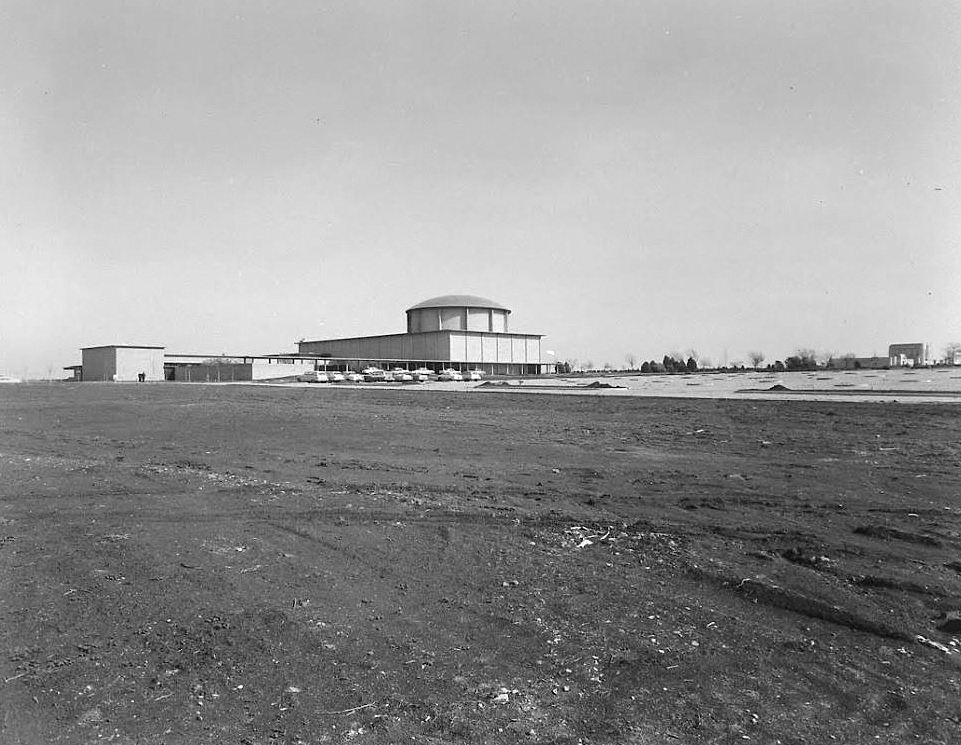
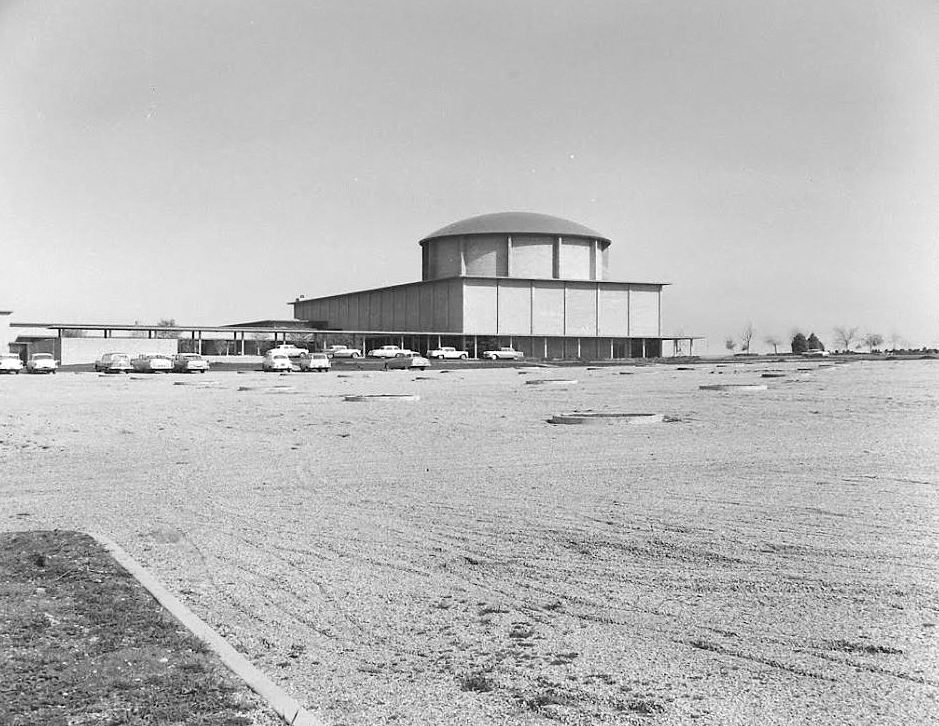
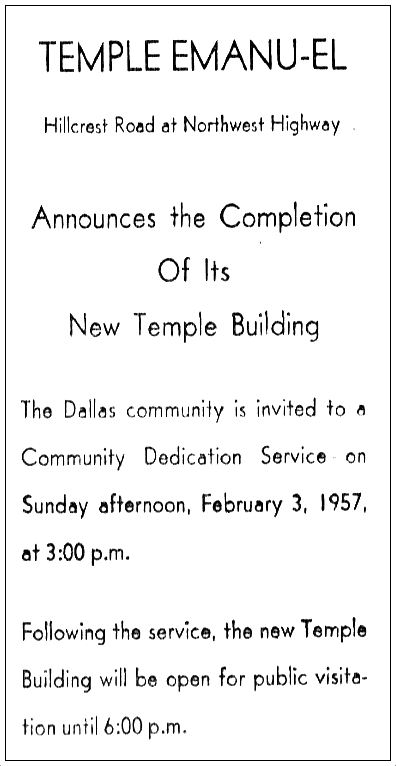
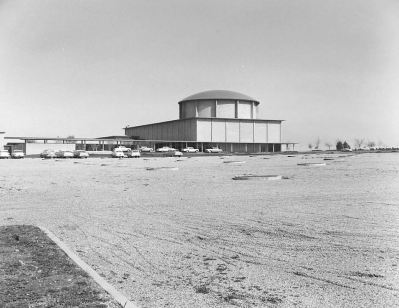
Temple Emanu-El — home to the largest reform Jewish congregation in the South — hired Dallas architects Howard R. Meyer and Max M. Sandfield to design their new home (with William W. Wurster of the University of California serving as consultant); the project was announced in 1954, and dedication ceremonies of the finished building(s) took place in February, 1957, probably around the time the photos below and above were taken.

temple-emanu-el_life-mag_1957

temple-emanu-el_life-mag_1957_b

temple-emanu-el_020257
Feb. 2, 1957

*

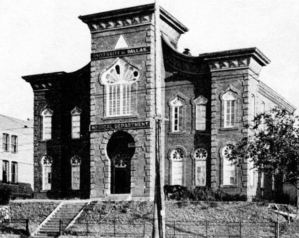
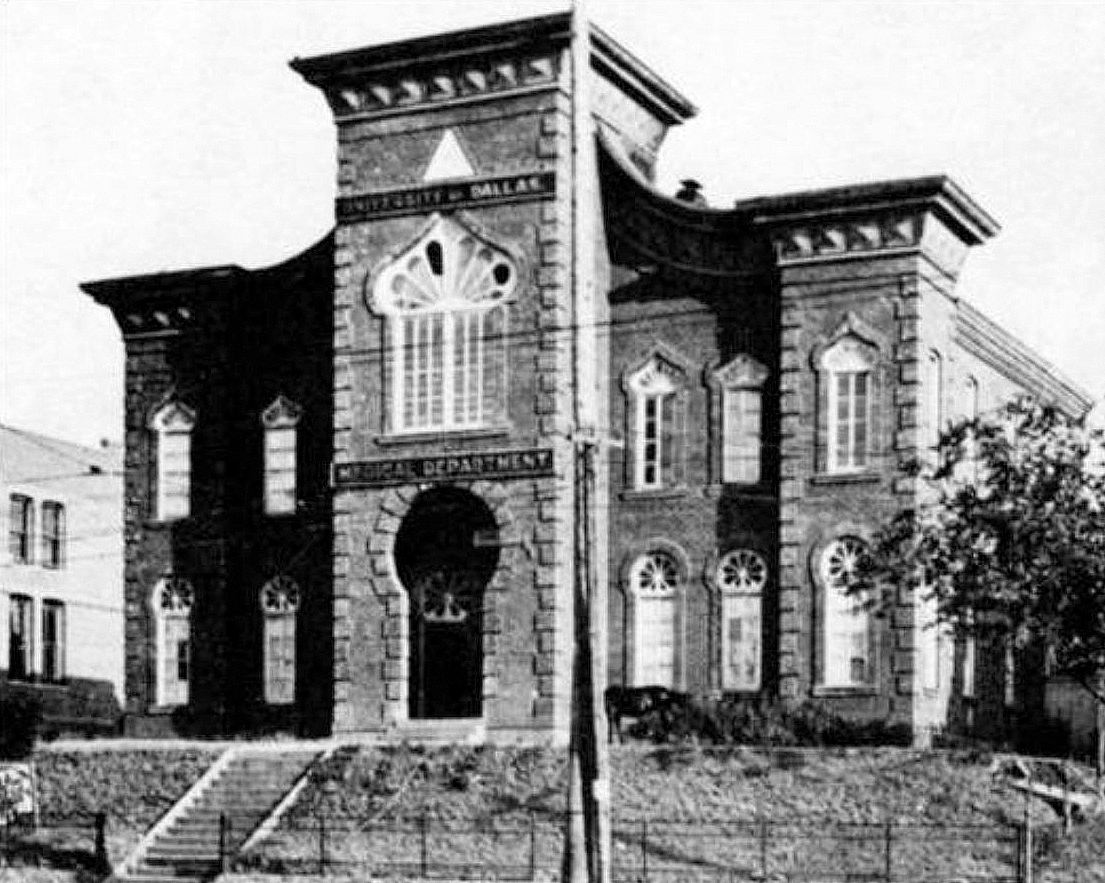
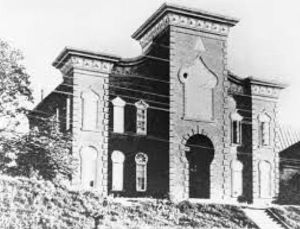
Below, the first Temple Emanu-El, built in 1876 at Commerce and Field, designed by architect Carl G. DeGrote. It was dedicated May 28, 1876 (read the extensive coverage of the ceremonies as printed in the Dallas Herald here — click “zoom” to read). After a move to their next location, the old temple became the University of Dallas Medical Department in 1900; it was demolished around 1906.
temple-emanue-el_first-synogogue
Temple Emanu-El, first location

temple-emanu-el_univ-dallas-med-dept_dhs-via-nih
Later, as a medical school (DHS photo via NIH)

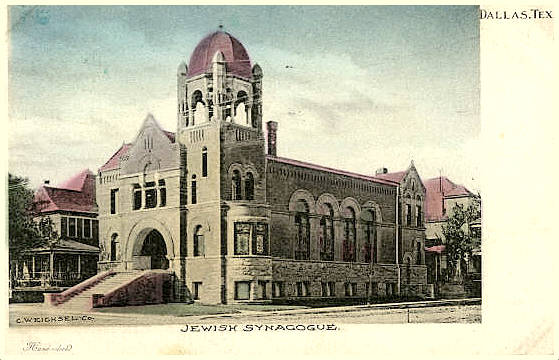
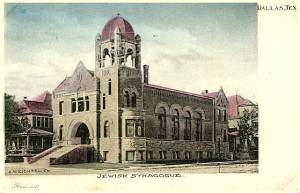
The second site was at the corner of S. Ervay and St. Louis, in The Cedars, built around 1898, designed by architects J. Reilly Gordon, H. A. Overbeck, and Roy Overbeck. Following another move in the ‘teens, the building was converted into a Unitarian Church; it was demolished in 1961 to make room for R. L. Thornton Freeway.
temple-emanu-el_second-location

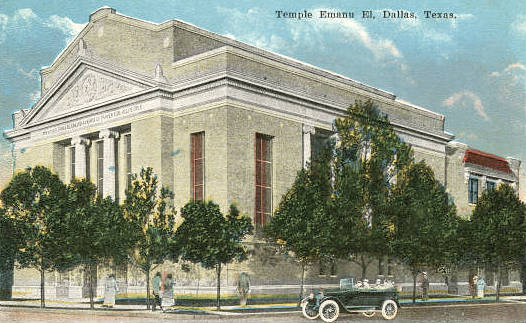
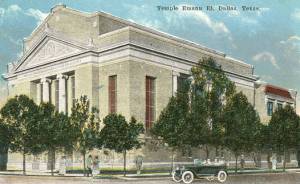
The congregation moved into its third location about 1917: a new Hubbell & Greene-designed building at South Boulevard and S. Harwood, where they remained until the move to the new Hillcrest location. This building was demolished in 1972.
temple-emanu-el_third-location_south-blvd-harwood

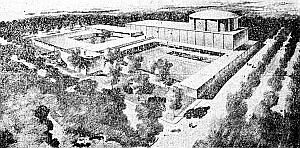
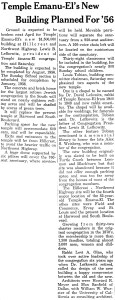
The congregation officially moved to their fourth (and current) location, in North Dallas, at the beginning of 1957, led by Rabbi Levi A. Olan.
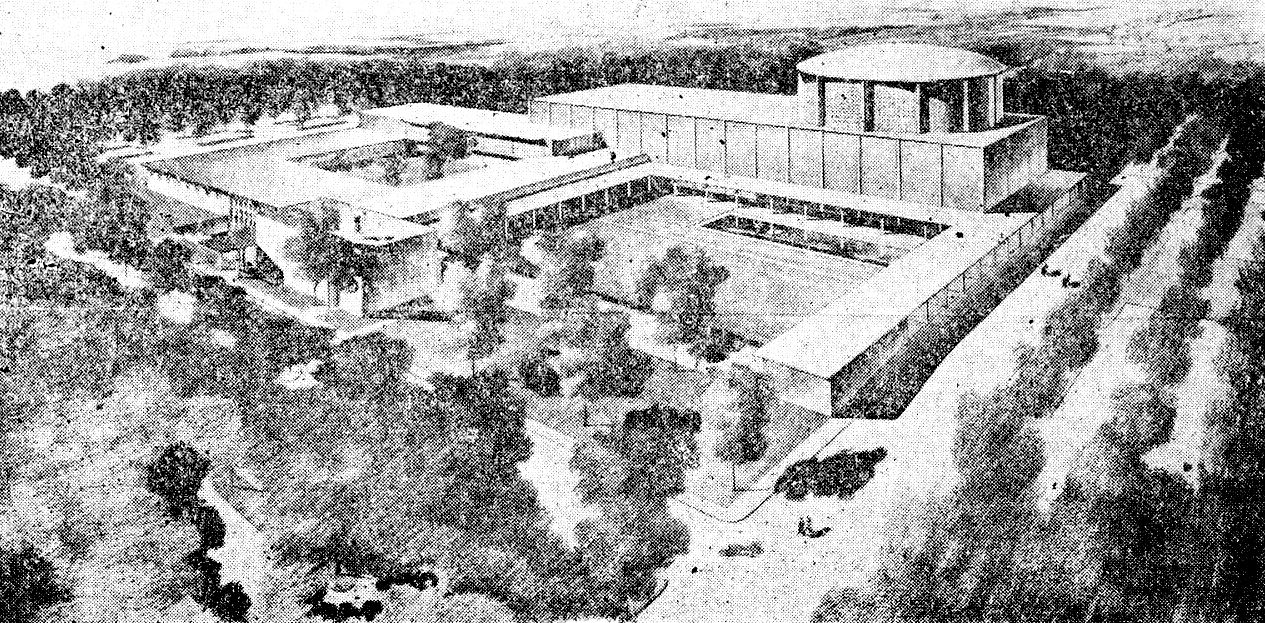
temple-emanu-el_tx-jewish-post_093054_drawing_sm

temple-emanu-el_tx-jewish-post_093054_announcement
Texas Jewish Post, Sept. 30, 1954 (click to read)

***

Sources & Notes

First three photos by Life magazine photographer Joe Scherschel, © Time Inc. More than 150 photos from this assignment can be found here. Supposedly there was a cover-story on the new building, but all I’ve found is this one-page photo-with-caption from the Feb. 25, 1957 issue. If anyone has info on a lengthier Life story, please let me know.

Drawing and article announcing the new Temple Emanu-El are from the Texas Jewish Post (Sept. 30, 1954), here. (UNT’s Portal to Texas History has fully-scanned issues of the DFW-centric Texas Jewish Post — 1950-2011 — accessible here. All issues are searchable, and all have articles, photos, and ads — it is a fantastic resource.)

Read a description of the just-completed first Dallas synagogue from the Dallas Herald (May 28, 1876), here (column 4); read the surprisingly lengthy coverage of the official opening ceremonies, which includes a history of the events which led to the building’s construction, in the May 30, 1876 Herald, here (columns 1-4). (To read the articles, click the “zoom” tab above the scanned page.)

Read the Temple Emanu-El entry in the Handbook of Texas here.

The history page of the Temple Emanu–El website is here.

Head to the Dallas Morning News archives to read about the art and architecture of Temple Emanu-El in the article “A Temple of Art, Architecture — The Forms Merge In Well-Designed Emanu-El” by architecture critic David Dillon (DMN, Dec. 24, 1984).

A comprehensive history of Temple Emanu-El and Jewish life in Dallas (well-illustrated with photographs) can be found in the book A Light in the Prairie, Temple Emanu-El of Dallas, 1872-1997 by Gerry Cristol (Fort Worth: TCU Press, 1998).

All images are larger when clicked.

*

Copyright © 2019 Paula Bosse. All Rights Reserved.