Flashback : Dallas

A Miscellany: History, Ads, Pop Culture

Category: University Park

University Park’s “Couch Building” Goes Up In Flames (1929-2016)
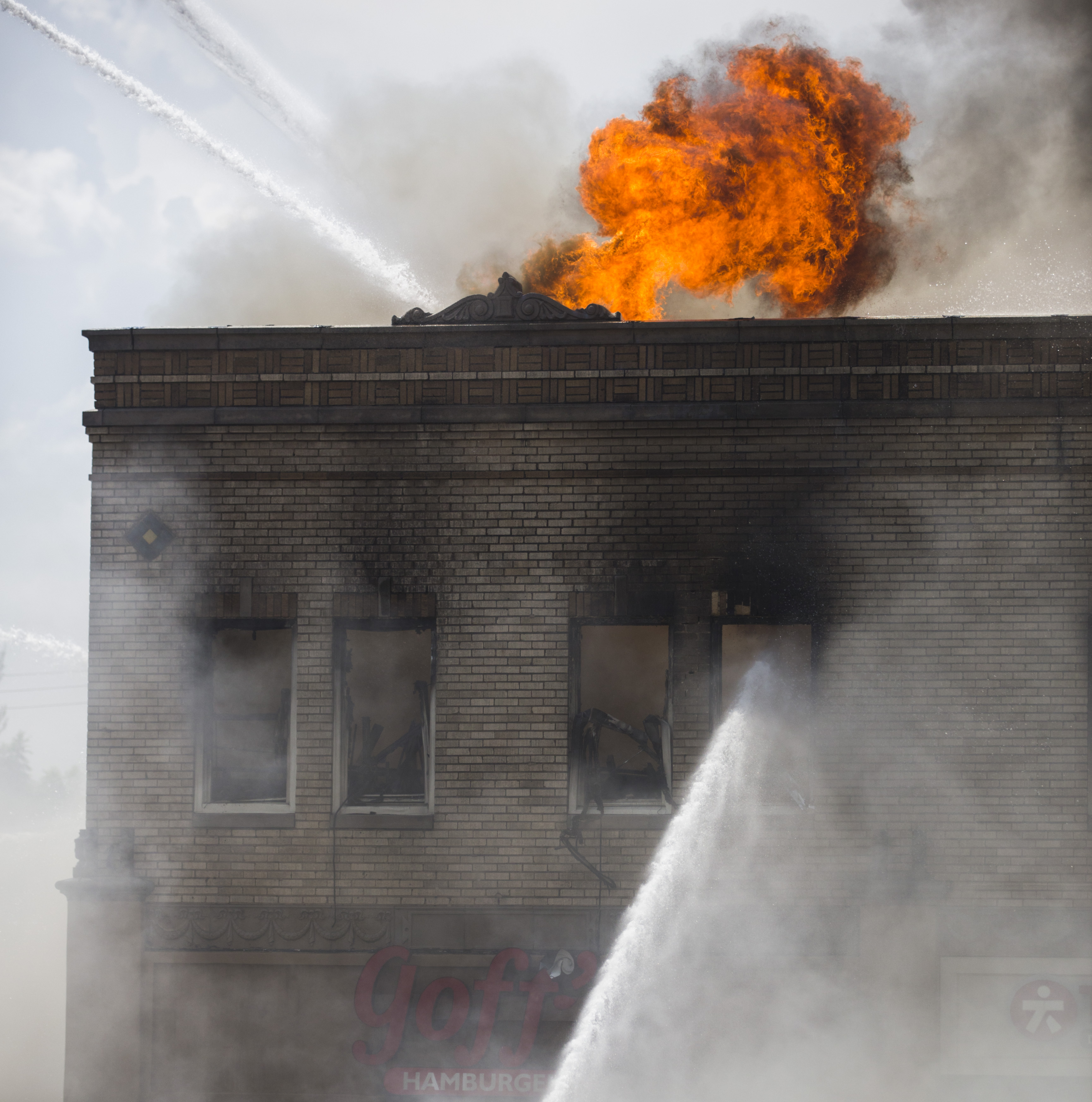
goffs_fire_dmn-081216_ashley-landis-photo
Photo: Ashley Landis/DMN (click for huge image)

by Paula Bosse

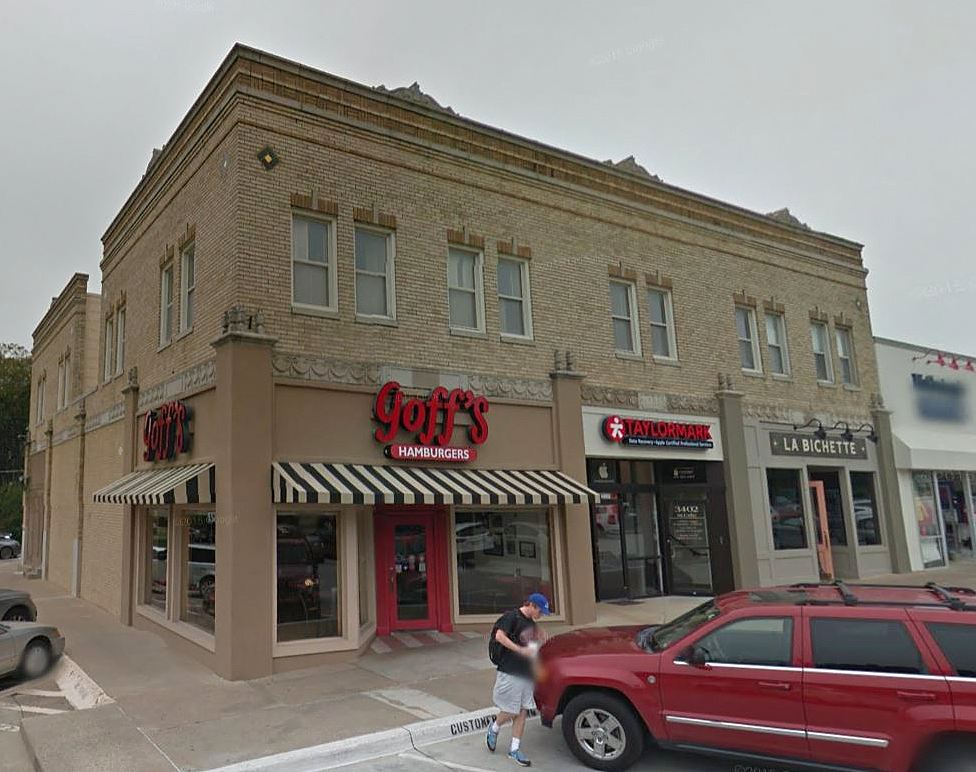
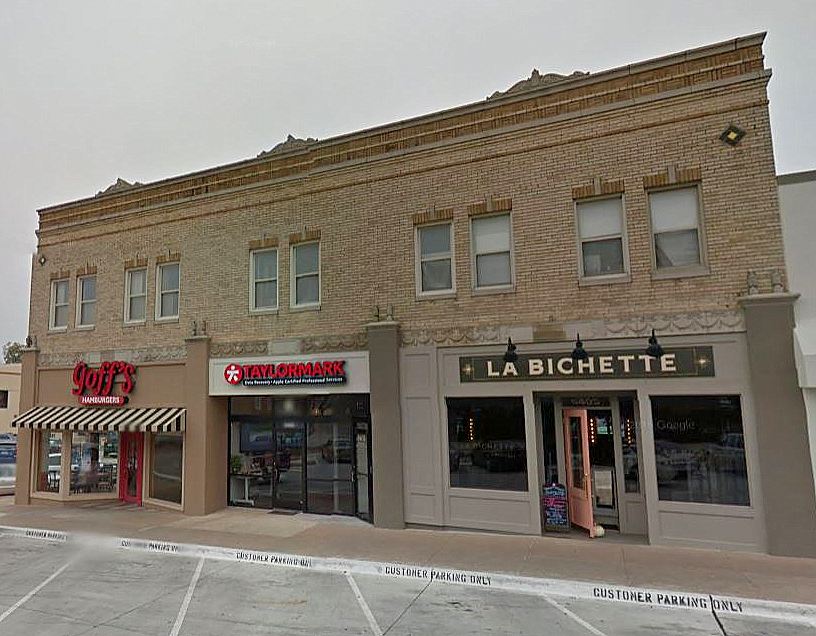
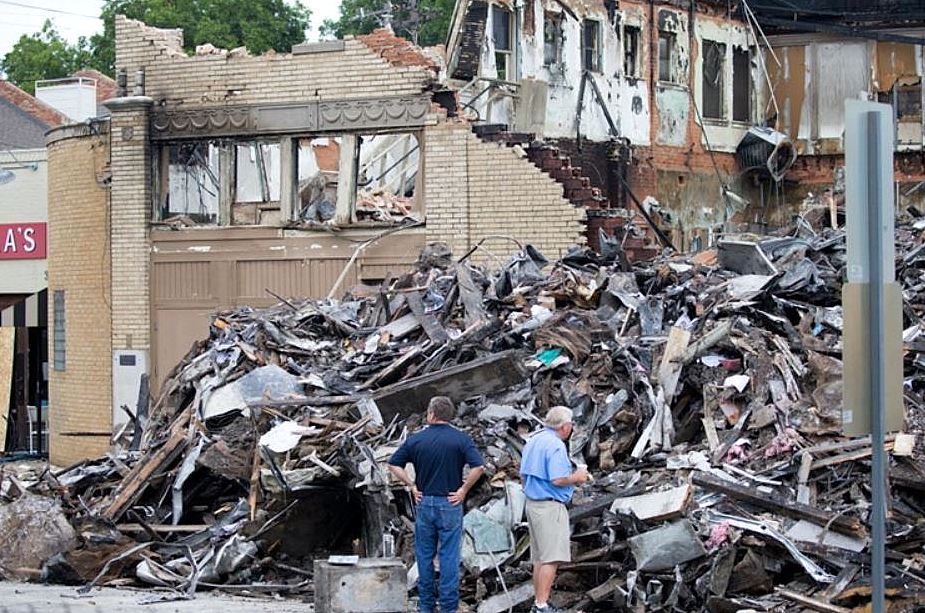
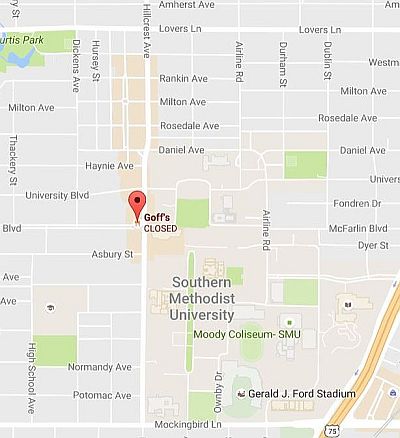
Yesterday, fire erupted in the old University Park building at the northwest corner of Hillcrest and McFarlin. The building — which housed Goff’s Hamburgers and several other businesses — is, today, a pile of rubble. I’ve always loved this building — every time I’d drive past it I’d smile, happy that the only truly distinctive non-SMU building along that part of Hillcrest was still standing. And now it isn’t.

The building — which was built in 1929 across Hillcrest from McFarlin Auditorium — had a rocky start. SMU really, really didn’t want it to be built.

A. B. Couch (1895-1970) came to Dallas around 1914 from Waco to attend pharmacy school. In 1921, a few years after becoming a pharmacist, he opened his own drugstore, the University Pharmacy, at the southwest corner of Hillcrest and Roberts avenues (Roberts was renamed McFarlin Boulevard in 1928).
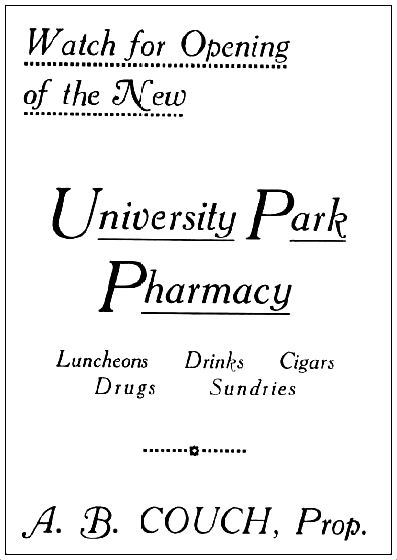
university-park-pharmacy_couch_1920-rotunda
Coming soon… (1920 SMU Rotunda yearbook)

Business must have been good, because in February of 1923, Couch bought the vacant property across the street. Three years later, he applied for a permit to build a business on the property, and that’s when the Robitussin hit the fan.

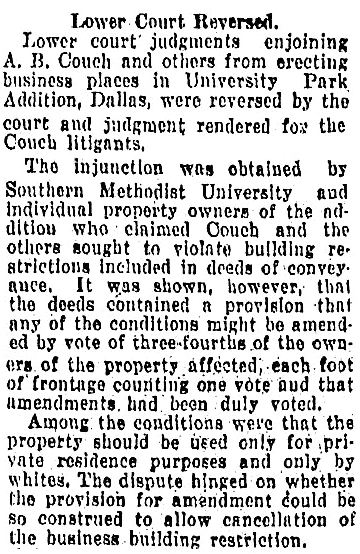
It’s a bit confusing, but, basically SMU, the original owner of the property (and all that surrounded it), put their land west of the campus (west of Hillcrest) on the market, but it could be sold only with specific restrictions — there were several of these restrictions, but the two cited most frequently were that land in this University Park Addition was to be developed solely for residential purposes, and that these homes were to be occupied by white people only. Somehow, in transferring property and re-deeding and re-re-deeding — and all sorts of other real estate transactions I don’t understand — the contract for the large lot purchased by Mr. Couch was drawn up with the restrictions omitted (“an oversight”). Couch was insistent on building businesses on the land he’d purchased, and SMU was adamant that he not be allowed to. Cue the lawsuit. (An overview of this case — in the appeals court — can be read here. It’s interesting, if confusing.)

The court case dragged on and on, through injunctions and appeals, and, finally, in December of 1928, the Supreme Court of Texas ruled in favor of Couch. (Click to see a larger image.)
couch_FWST_120628_supreme-court-of-tx-ruling
Fort Worth Star-Telegram, Dec. 6, 1928

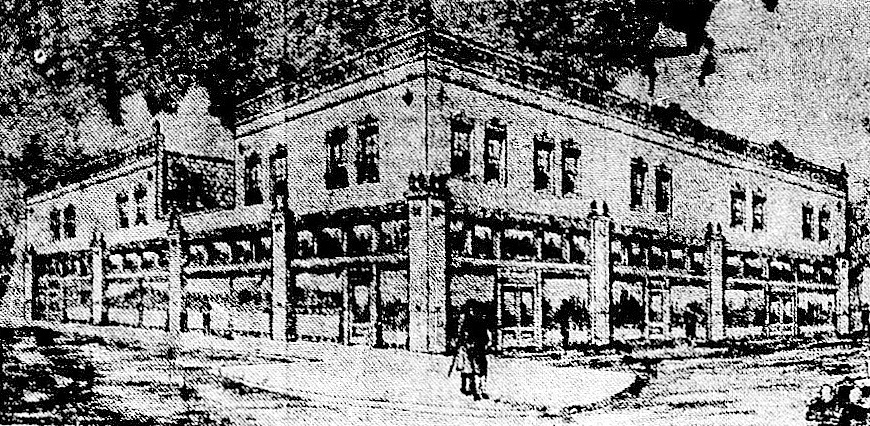
In the spring of 1929, Couch released the drawing of the two-story F. J. Woerner-designed building he planned to build:
couch-bldg_woerner-rendering_1929

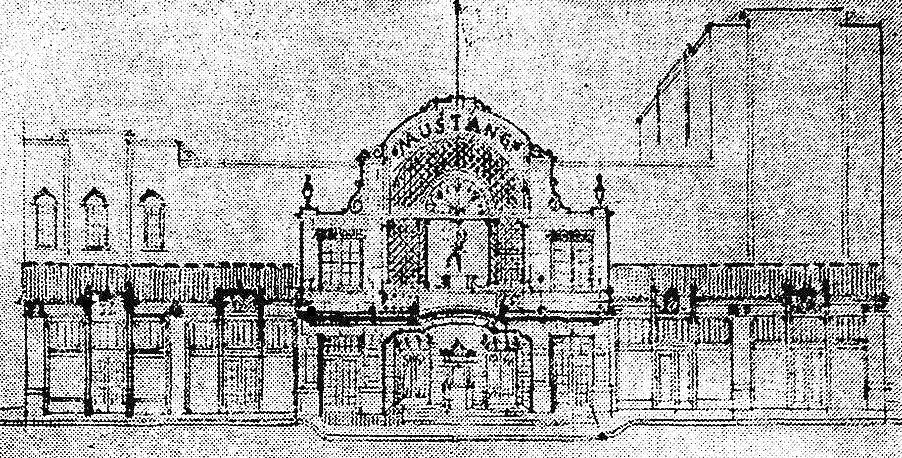
He also announced that he would build in this same block, a $125,000, 1,000-seat cinema: the Mustang Theater, which, though not yet built, had been leased for 10 years to R. J. Stinnette, who ran the Capitol Theater downtown. The building was designed by W. Scott Dunne, the architect of many of Dallas’ movie theaters (the Texas Theatre, the Arcadia, the Melba, the Dal-Sec, etc.).
mustang-theater_scott-dunne_rendering_1929

It doesn’t appear that the Mustang Theater was ever built, probably because the Varsity Theater in Snider Plaza (a stone’s throw away) had been announced that very same week (the Varsity opened in the fall of 1929).

So, forget the Mustang. Couch’s building — which was called, yes, “The Couch Building” — opened in 1930 or ’31. Its official address was 3402 McFarlin, but the address of the new location of the University Pharmacy was 6401 Hillcrest. There were a couple of stores next to the pharmacy, and offices upstairs (it seemed a popular location for doctors and real estate agents). Mr. Couch lived next door, at 3404 McFarlin (in a house which was, ironically, destroyed by fire in 1932).

That simple but lovely building stood on that corner for almost 90 years. Until yesterday. Sorry about that, A. B.
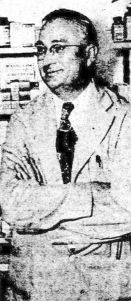
a-b-couch_pharmacist_1940sAndrew Bateman Couch, pharmacist

*

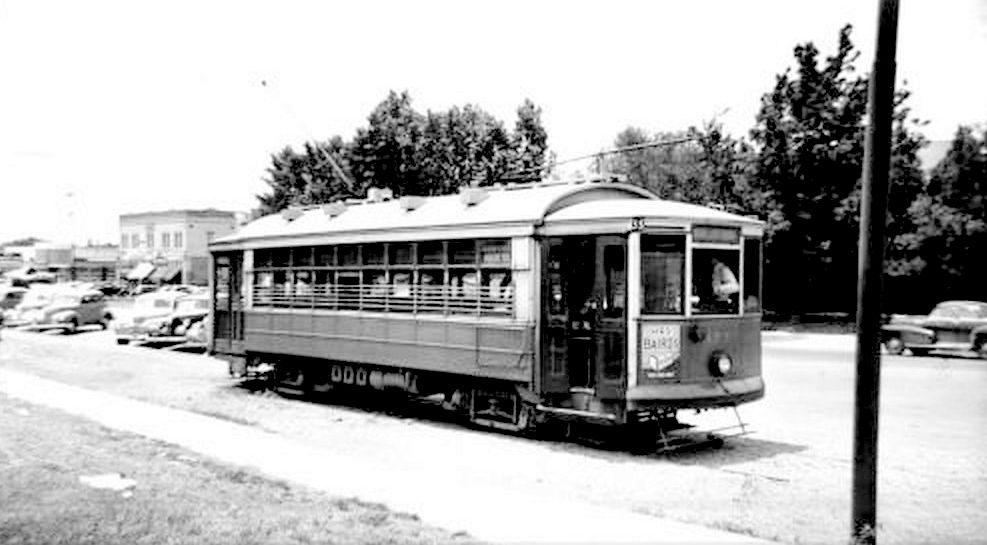
Below a photo taken on June 13, 1947, showing the “Highland Park/SMU” streetcar sitting at the end of the line, just south of Snider Plaza, with an 18-year-old Couch Building behind and to the left of the streetcar.

couch-bldg_061347_ebay

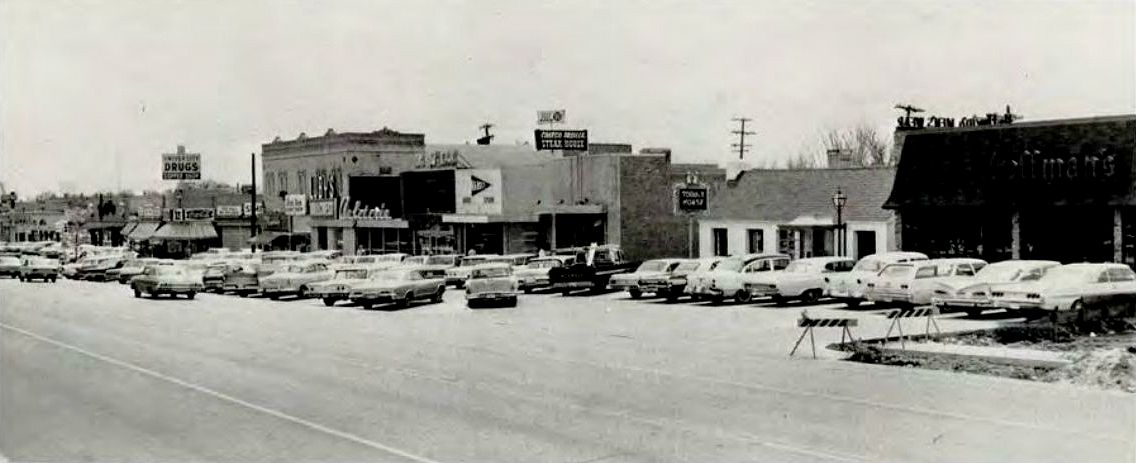
Below, the same view of Hillcrest looking south, from the 1965 SMU Rotunda yearbook. (Note that an unrelated University Pharmacy — this one owned by Harold Simmons — is seen at the southwest corner of Hillcrest and McFarlin. Couch sold his drugstore business in 1943, and a new pharmacy, which passed through several hands, opened across the street in Couch’s original 1921 location.)
drag3_smu-rotunda_19651965 SMU Rotunda

goffs_google_november-2015Google Street View, Nov. 2015

goffs_google_nov-2015_frontGoogle Street View, Nov. 2015

goffs_rubble_dmn-photo_081316_ting-shen-photographerDMN photo, Aug. 13, 2016 — Ting Shen, photographer
hillcrest-mcfarlin_map_goffs
Google Maps, Aug. 13, 2016 

***

Sources & Notes

Top and bottom photos are from the Dallas Morning News; see their coverage here, here, and here. That top photo is VERY large on The News’ website — look at all the detail of the brick and decoration.

Footage of the fire and its aftermath, from WFAA, can be watched here (scroll down to see all video footage).

Photo with the streetcar is from eBay; I saw it in the Retro Dallas, Texas Facebook group, posted by Dallas historian Teresa Musgrove Gibson.

Take a look at the 1921 Sanborn map, here. This building would be built at what is the northwest corner of Roberts (later McFarlin) and Hillcrest. University Park is pretty wide open in 1921.

*

Copyright © 2016 Paula Bosse. All Rights Reserved.

University Park’s Belligerent Duck, Enemy of Mailmen — 1946

duck-mailman_texas-week-mag-082446
“Neither snow nor rain nor duck…”

by Paula Bosse

The past few weeks have been hot and exasperating, so here’s a nice little human-interest story about a duck attacking a mailman. Whilst on his appointed rounds through University Park, United States postal carrier L. F. Wilson was attacked and bitten by a confrontational duck which regularly hung out on the porch of a Turtle Creek-adjacent University Boulevard home. According to another mailman (who had also been attacked), the hostile waterfowl probably chose this house to zealously patrol because the lady of the house fed the duck and “the duck likes the lady.”

 On August 13, 1946, a reporter at The Dallas Morning News who had heard about this “belligerent duck” decided to accompany Wilson to see the dangerous guard-duck in person. Not only did the duck bite Wilson for a second time, he also chased the reporter out of the yard. The second mailman said that he, too, had been chased by the duck and told the reporter that the duck would even charge at the owner of the house and force him back inside if he dared venture onto his own porch to read his newspaper. That was one angry, territorial duck.

It must have been a slow news day, because the following day this story — and a photograph — appeared on the FRONT PAGE of The Dallas Morning News. Not only that, but the photo and story were picked up by newspapers across the U.S. and Canada. North Americans love good duck reportage.

duck-mailman_FWST_081546
Fort Worth Star-Telegram, Aug. 15, 1946

The residents of the house at 3806 University were not identified, but they were Lucy Clemmons Davis and J. Oscar Davis. I present this photo of Mrs. Davis only because she looks exactly like a kind-hearted person who would feed and befriend ducks.

duck-mailman_lucy-clemmons-davis_1950s

***

Sources & Notes

Top photo from Texas Week magazine (Aug. 24, 1946), via the Portal to Texas History, here.

Read the original Dallas Morning News story in the DMN archives: “Duck With Dander Up Interferes With Mails” (DMN, Aug. 14, 1946).

The house on University Blvd. is across the creek from Goar Park and the University Park Fire Department, and across University Blvd. from Williams Park. It you’d like an aerial view of the duck’s old stomping paddling grounds (and the site of one-too-many duck attacks), take a look here (the view is to the west).

Because it’s one of those totally random things people feel they should bring to one’s attention simply because it’s totally random, I feel I should mention that the photo of the duck attack was taken the same day that British author H. G. Wells was drawing his last breath (his obit received only one-fourth the amount of space in the Morning News as the UP/USPS duck situation). H. G. Wells was in Dallas at least once — he gave a lecture at SMU on Nov. 1, 1940.

*

Copyright © 2016 Paula Bosse. All Rights Reserved.


Early Aerial View of the SMU Campus

smu_early-aerial_ca1920s_degolyerWide open… (click for much larger view)

by Paula Bosse

Does anyone else fear the SMU campus is getting a little crowded these days? Here’s what it looked like back when there was still plenty of room to stretch out.

This photo is in the SMU archives, accompanied by this description:

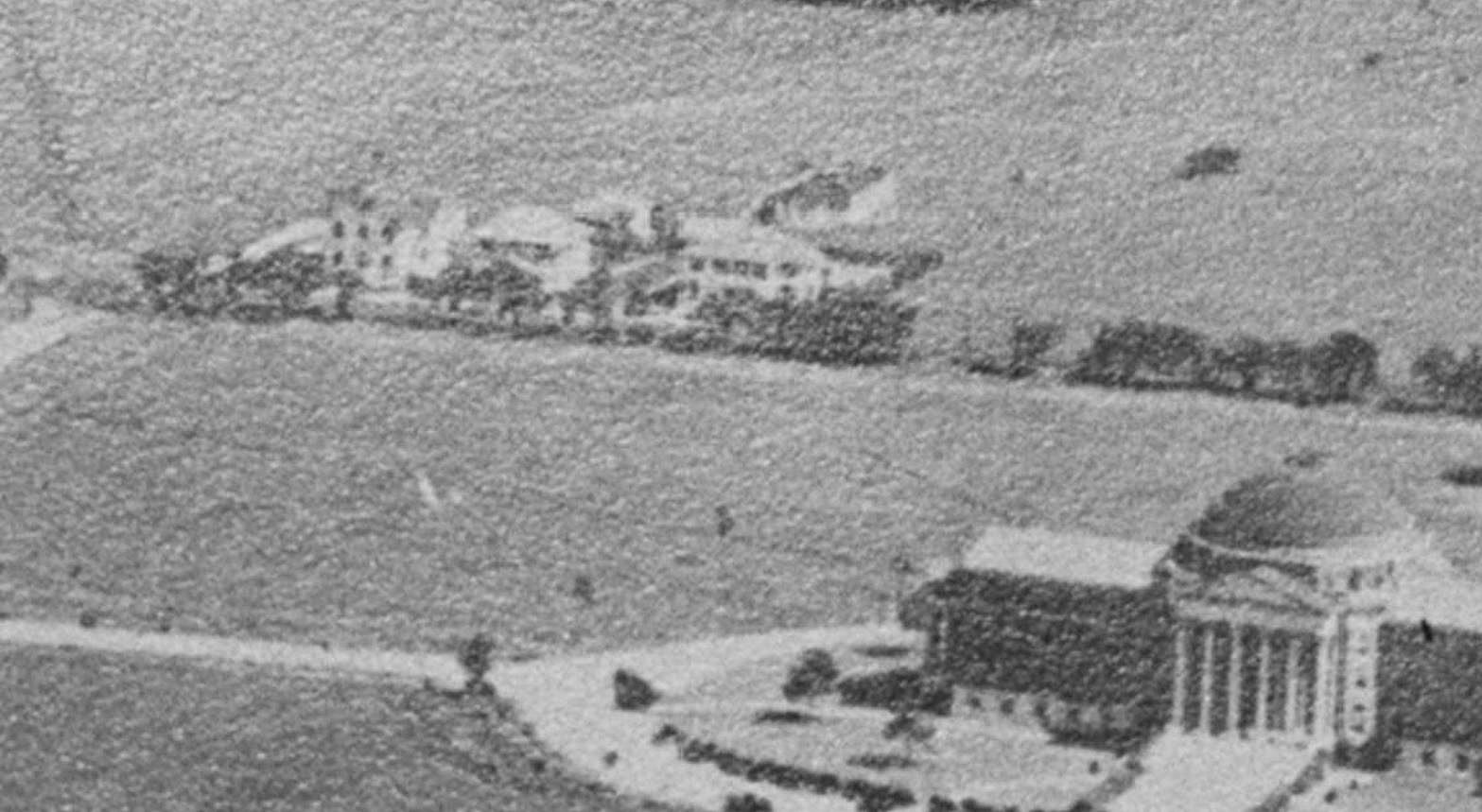
Pictured is an aerial view of campus from the southeast. At the bottom is Mockingbird Lane; on the right is Airline Road; at the top is Daniel Avenue; and on the left is Hillcrest Avenue. Situated in the middle of fields is a water tower, Dallas Hall, Atkins Hall, Rankin Hall, North Hall, South Hall, the Women’s Gymnasium, Armstrong Field, and the Morrison-Bell Track.

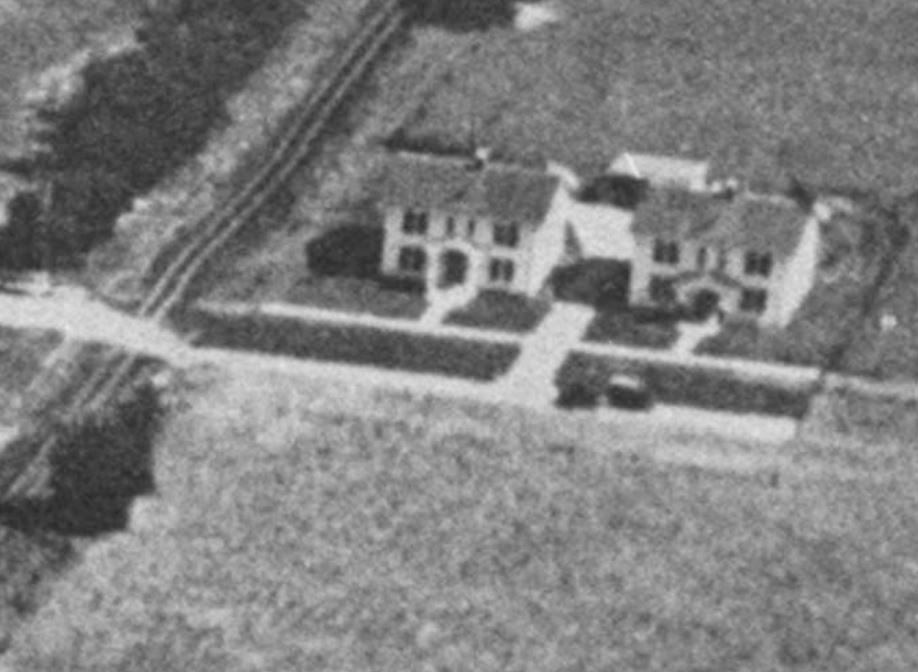
What is the huge hacienda at Hillcrest and Daniel (below)? Is that the Daniel family home?

smu_early-aerial_ca1920s_degolyer_a

And what are the little houses next to the under-construction stadium? Faculty housing? Fraternity houses? Houses not even connected with the university?

smu_early-aerial_ca1920s_degolyer_b

I kinda wish the campus still looked like this.

***

Photo titled “Early aerial view of campus,” ca. 1920s, from the DeGolyer Library, Central University Libraries, Southern Methodist University; it is accessible here.

Zoom in on this photo as much as you can and wander around it — it’s pretty cool. Go here, then slide the magnification bar at the top all the way to the right.

Click pictures for larger images.

*

Copyright © 2016 Paula Bosse. All Rights Reserved.

Parasols on the SMU Campus — 1917

smu_parasols_1917_degolyerSMU, sparsely populated

by Paula Bosse

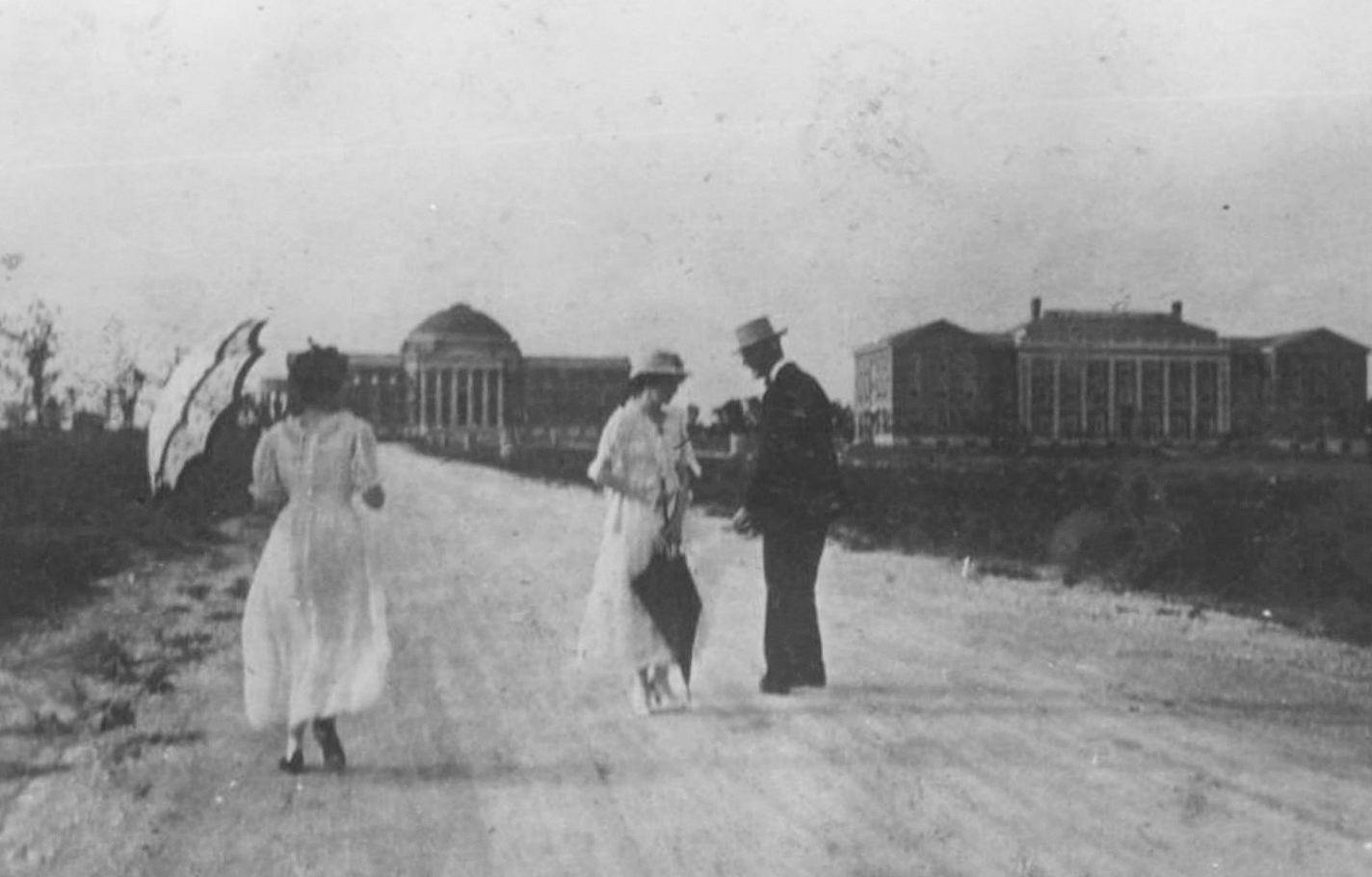
I love this photo showing a man and two women with parasols walking up an unpaved Bishop Blvd. toward Dallas Hall. The women’s dormitory, Atkins Hall, is on the right. …And that’s it.

***

Sources & Notes

Photo titled “Dallas Hall and women’s dormitory in 1917” is from the DeGolyer Library, Central University Libraries, Southern Methodist University; more information is here. (I have straightened the image, and corrected the color somewhat.)

*

Copyright © 2016 Paula Bosse. All Rights Reserved.

An Afternoon Outing with SMU Frat Boys & Their Dates — 1917

smu_omega-phi_dallas-hall_1917_degolyerCampus couples, 1917

by Paula Bosse

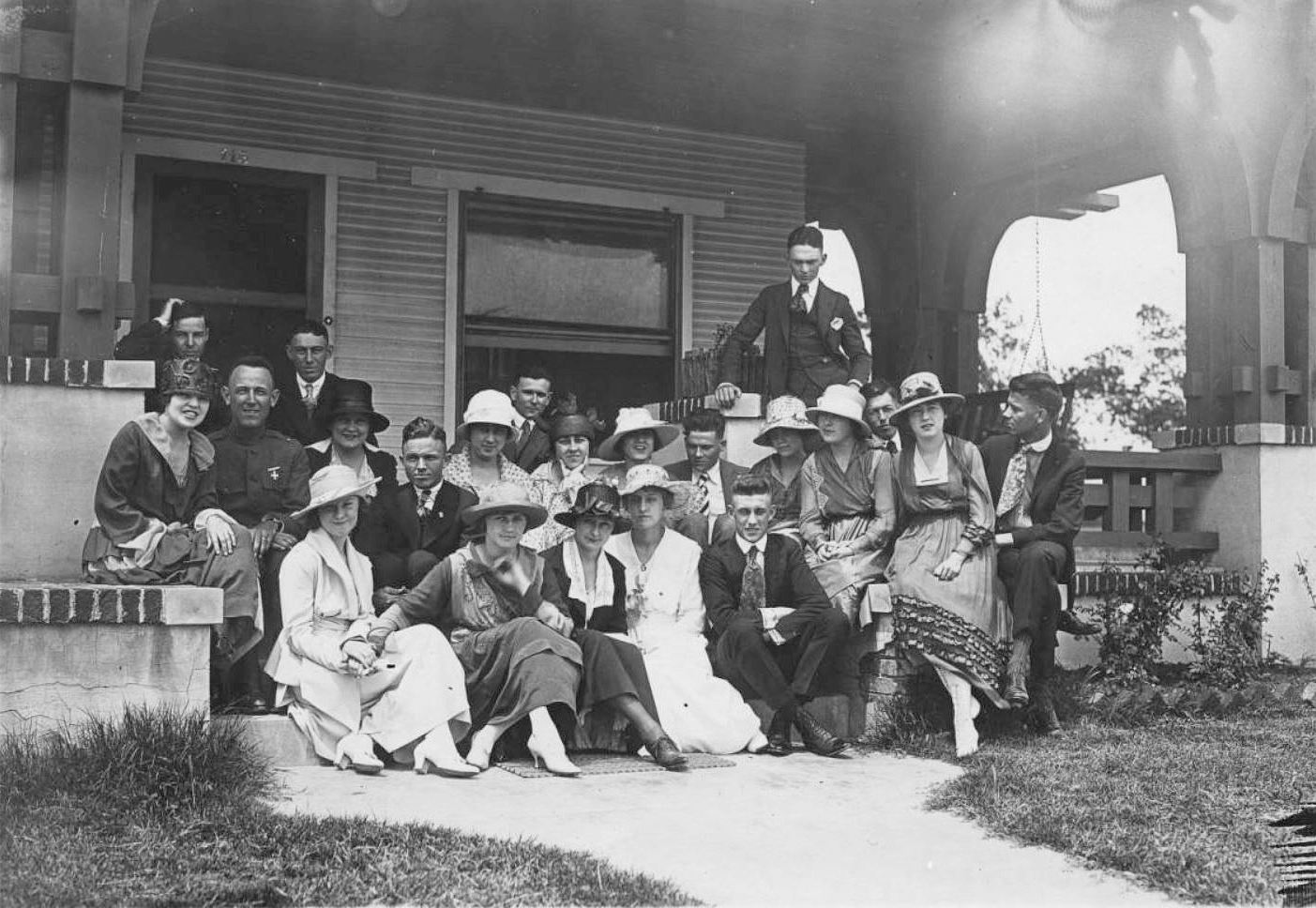
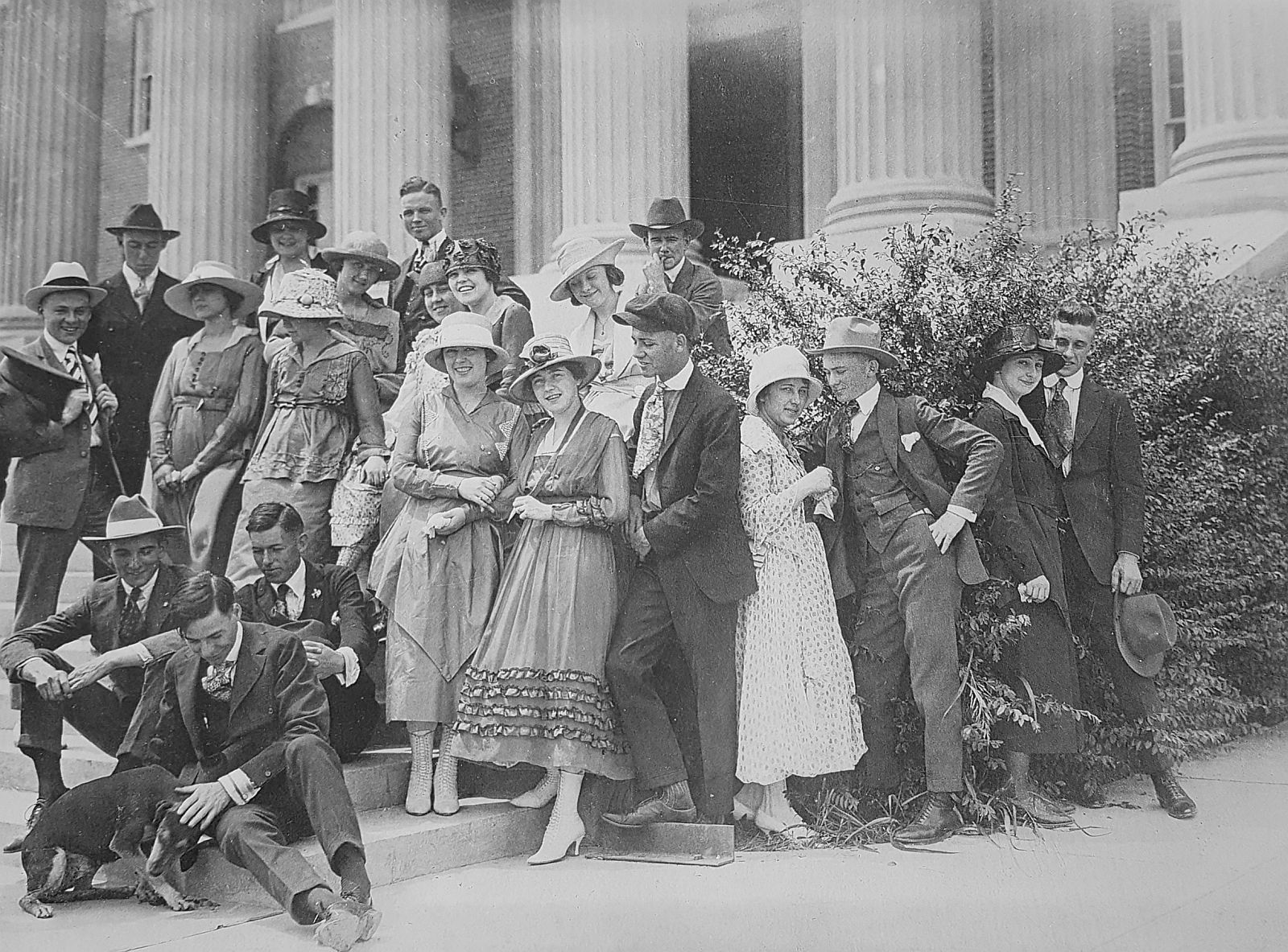
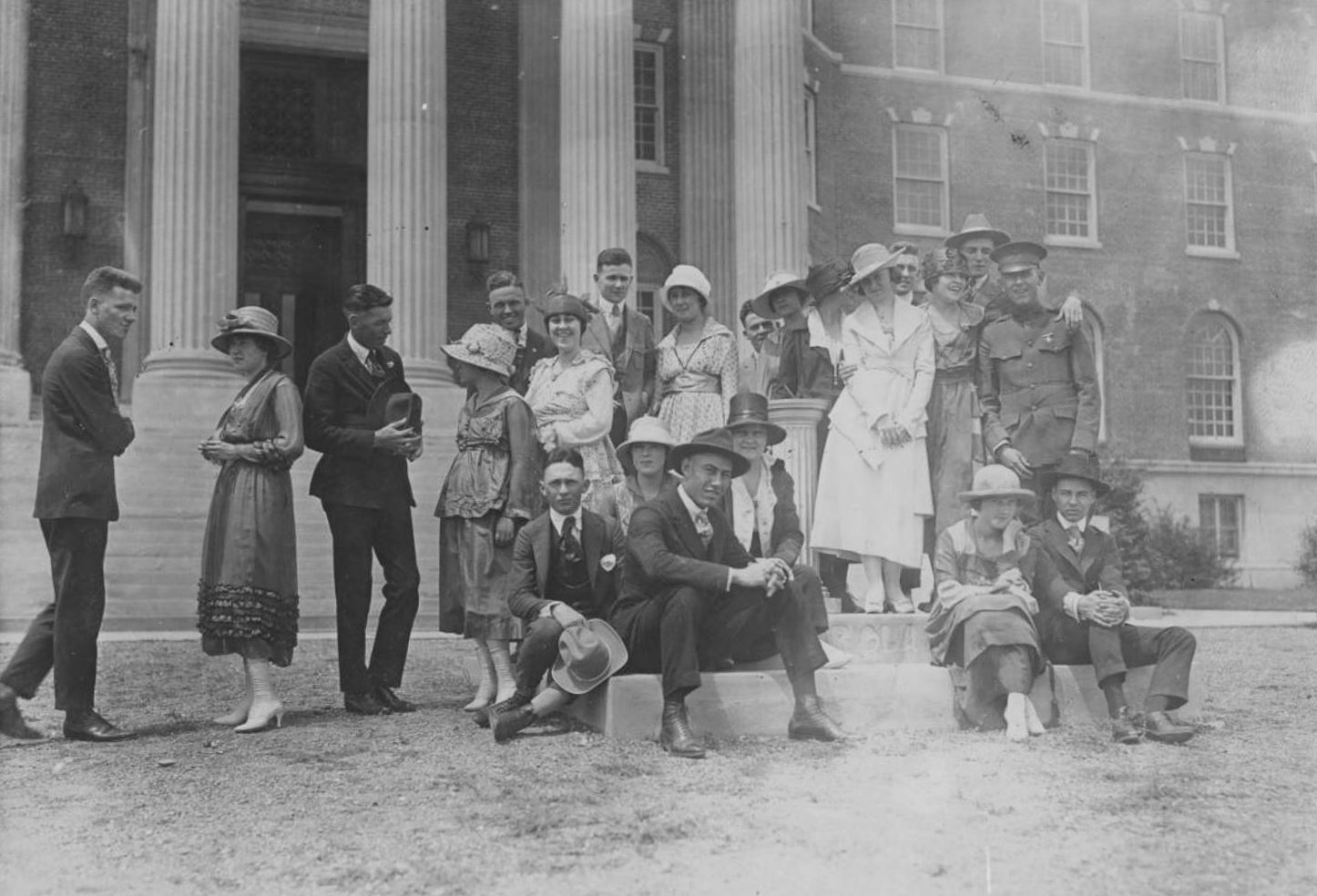
I came across three wonderful World War One-era photos in the SMU archives while I was looking for something else. You know how you can become enthralled by the charm of old photos and sit for long stretches of time staring at every little detail and wondering about the lives of the unidentified people who populate them? That happened to me with these. There is one particular young woman who stands out more than anyone else. Not only is she the best-dressed person in the photos, she also seems calm, collected, and serene. She looks friendly. She was probably very pleasant to have around.

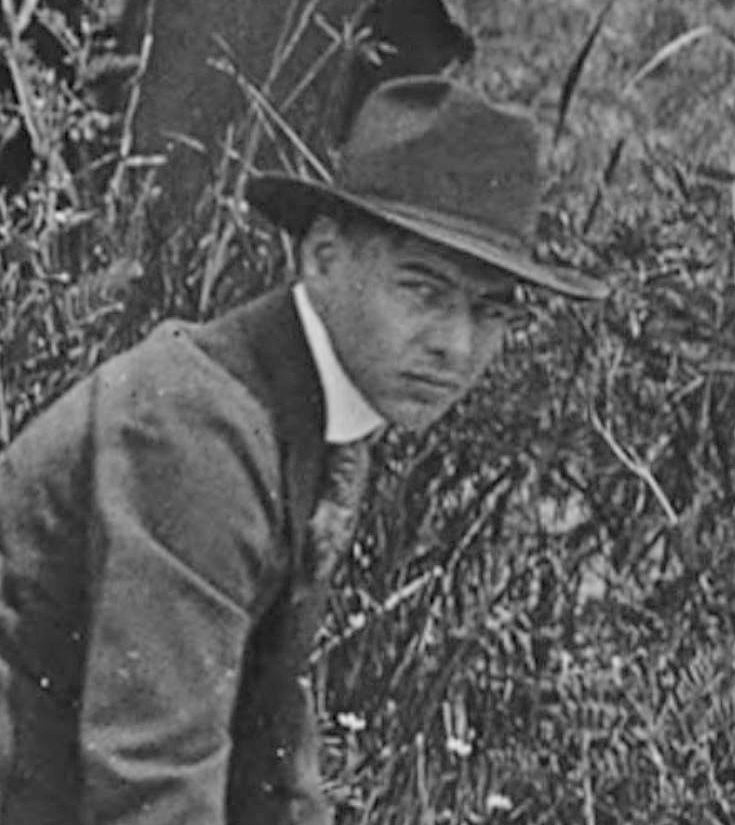
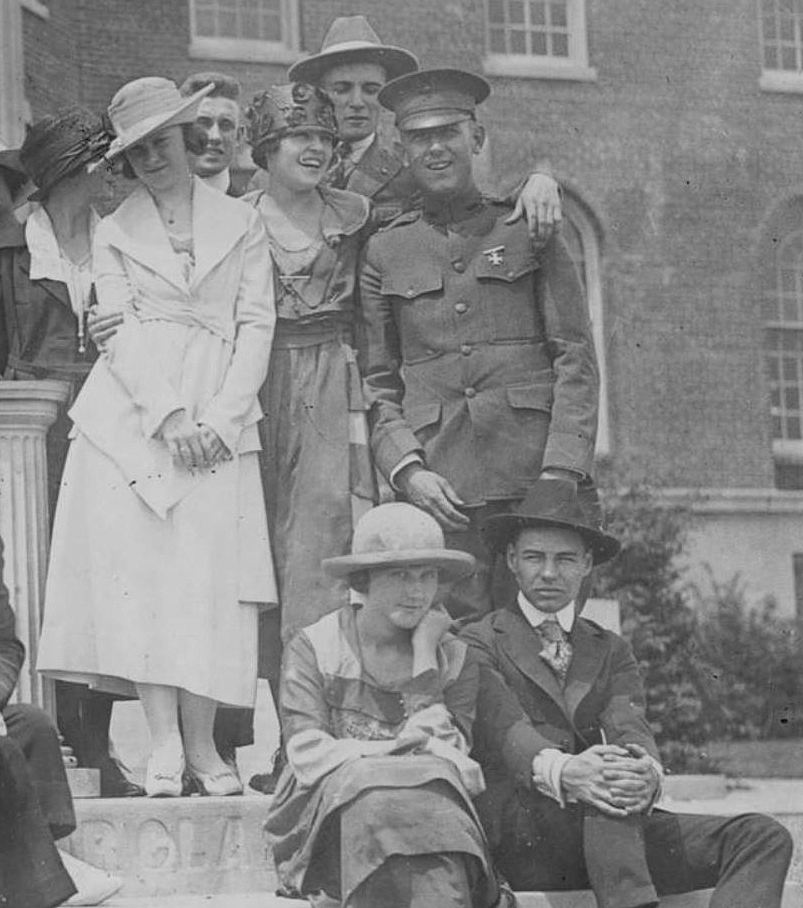
These three photographs show a group of ten young couples and a pair of chaperones spending a beautiful sunny day together, with the highlight of the day being a trip to Highland Park’s Exall Lake. The men are SMU students, identified only as members of the Omega Phi fraternity. The women are identified merely as “dates,” but I’m sure that some of them were also SMU students. The photograph above shows the crowd gathered on campus in front of Dallas Hall. The woman in white looks like she’s on a pedestal, glowing in a spotlight. Below, a closer look at her stylish outfit (as well as a look at the young be-medaled WWI soldier next to her).

smu_omega-phi_dallas-hall_1917_degolyer-det1

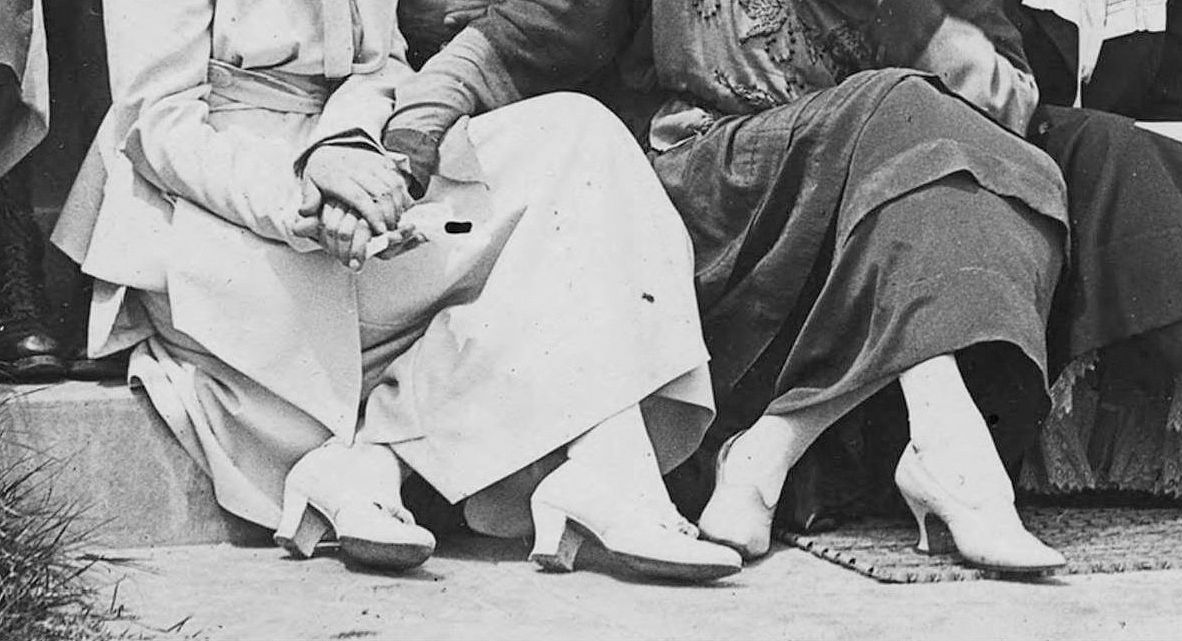
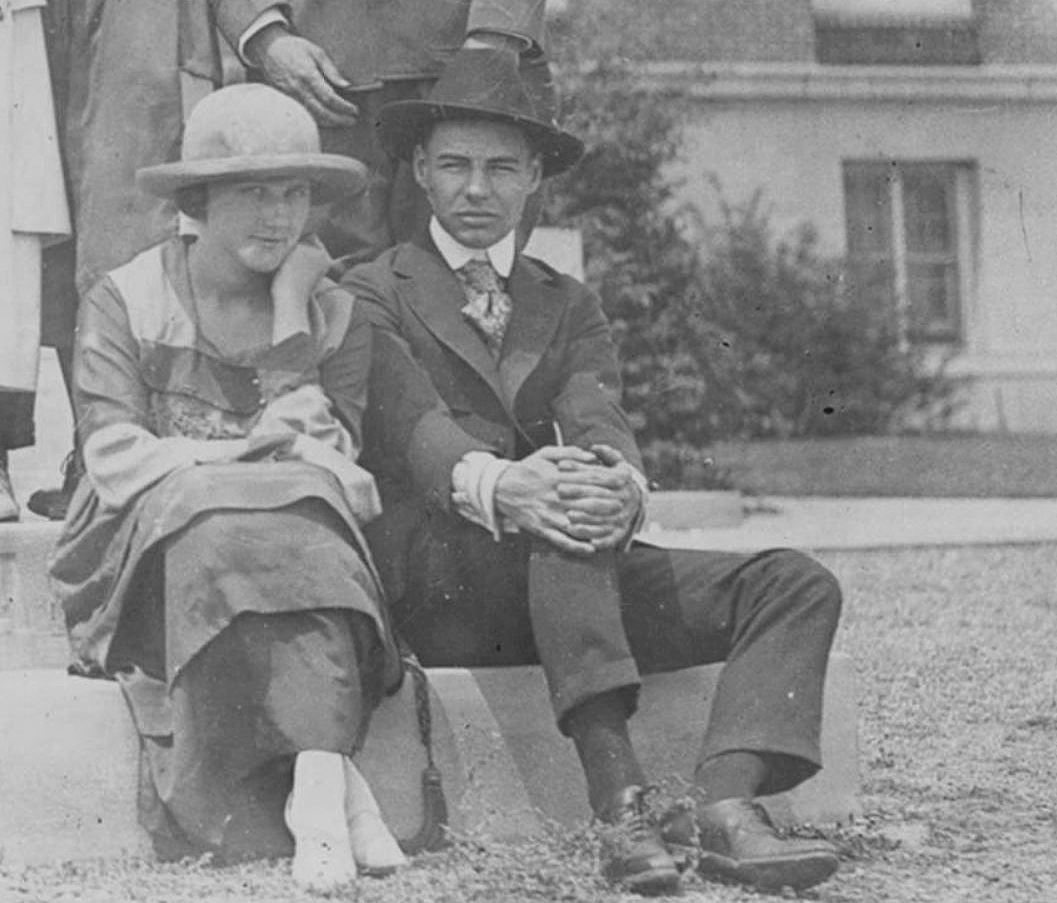
And, below, a similar detail, but this one showing the daintily crossed ankles of another pretty girl, seated beside a sour-looking companion.

smu_omega-phi_dallas-hall_1917_degolyer-det2

And here’s the gang on the idyllic banks of Exall Lake. Diane Galloway included this photograph in her book The Park Cities, A Photohistory with this caption:

At one time a bridge crossed Exall Lake near the Cary house, shown in the distance. The photographer was standing on the bridge to capture this picture of well-dressed SMU students going boating on the lake. A trip to Lakeside Drive was one of the few off-campus excursions permitted in 1917.

I love this photo. If I didn’t know what the Turtle Creek area looked like, I’d be hard-pressed to identify this as Dallas!

smu_omega-phi_exall-lake_1917_degolyer

Here’s a close-up of the beatific, smiling woman in white. I like the kid lurking in the background.

smu_omega-phi_exall-lake_1917_degolyer-det1

And the boat.

smu_omega-phi_exall-lake_1917_degolyer-det2

And the sour-looking guy again, looking even more annoyed than before.

smu_omega-phi_exall-lake_1917_degolyer-det3

And here’s the crowd sitting on the steps of the frat house (which was located at Haynie and Hillcrest). The personnel has changed a little bit (they gained a woman and lost a man), but (almost) everyone seems pretty happy.

smu_omega-phi_porch_1917_degolyer

And, below, my very favorite detail from these three photos.

smu_omega-phi_porch_1917_degolyer-det1

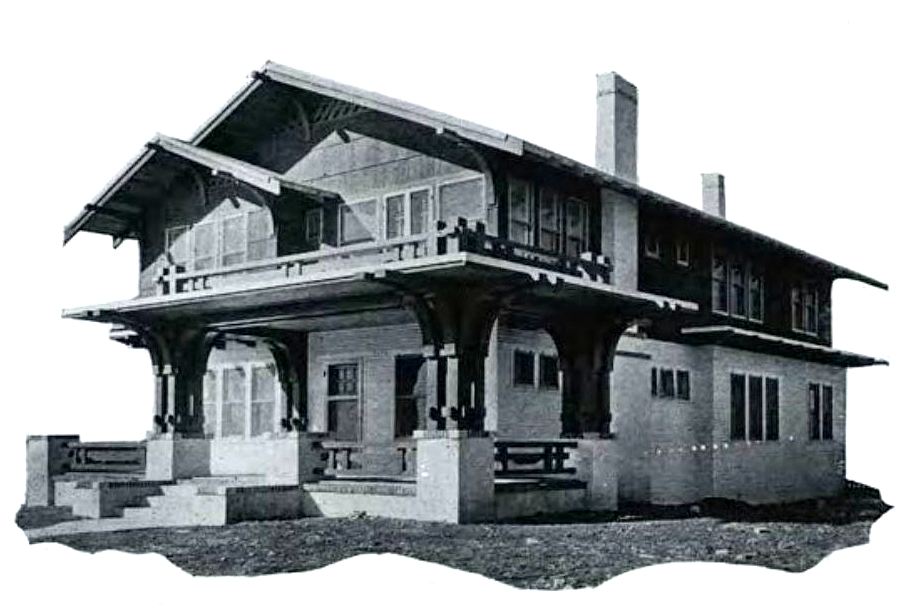
After a bit of sleuthing, I found a picture of the house at the time these photos were taken. It was actually a residence which was, I think, being rented out to the small group of Omega Phis. They had a proper fraternity house built several years later.

omega-phi-house_rotunda_1917

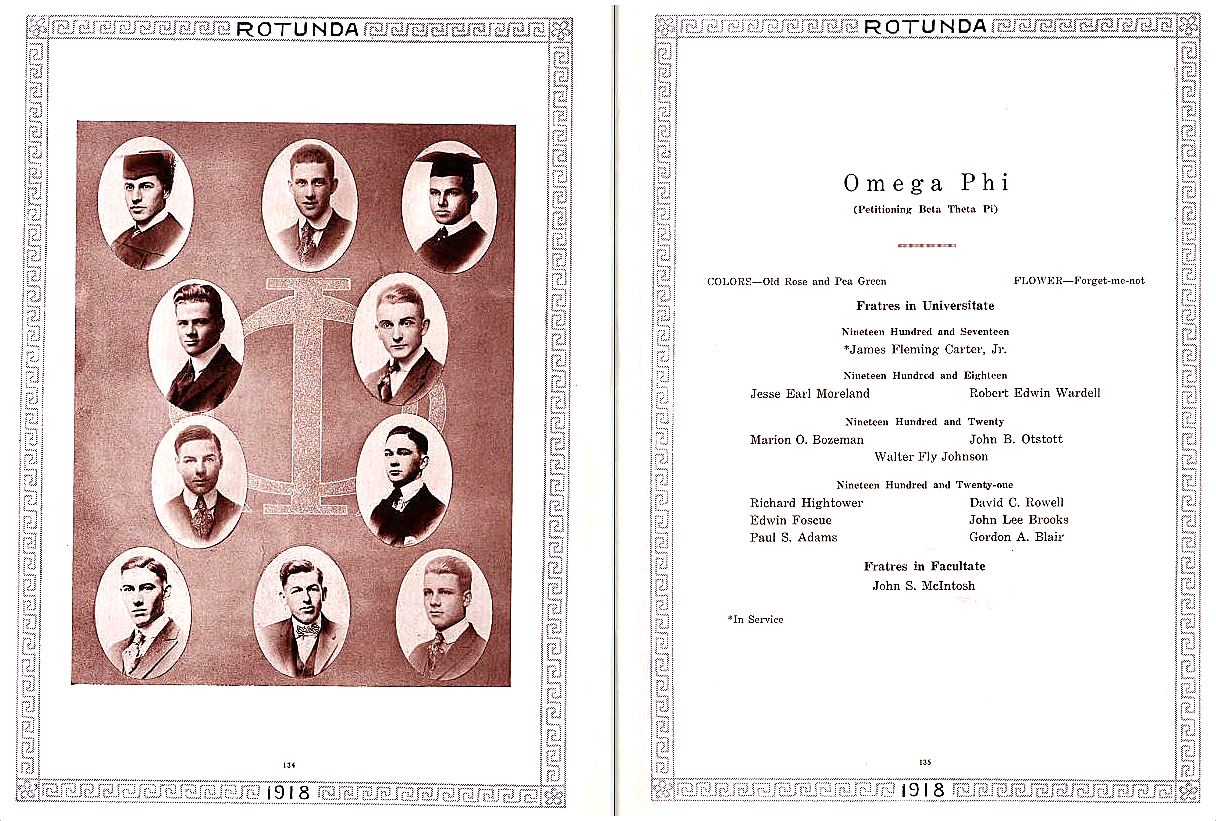
The top photo had “1917” written on the back, so I checked SMU’s Rotunda yearbooks from around that time. Here’s a look at the men who were members of Omega Phi in 1918. Several of these faces match the ones in the photos of the afternoon outing.

omega-phi_rotunda-1918

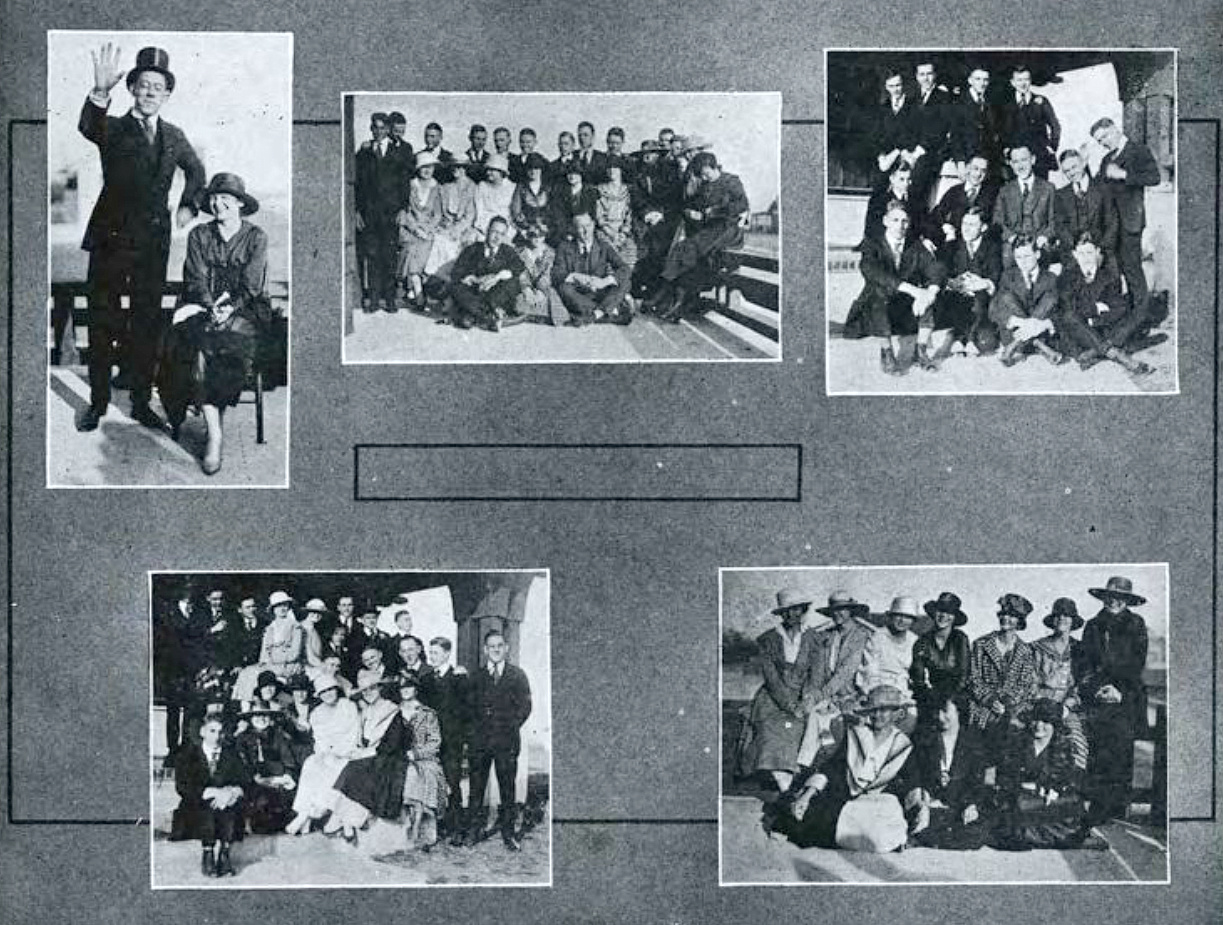
And, below, a photo collage from the Omega Phi page of the 1917 Rotunda. Several of the women look familiar. I see the Woman in White in at least one of these snapshots.

omega-phi_photos_rotunda_1917

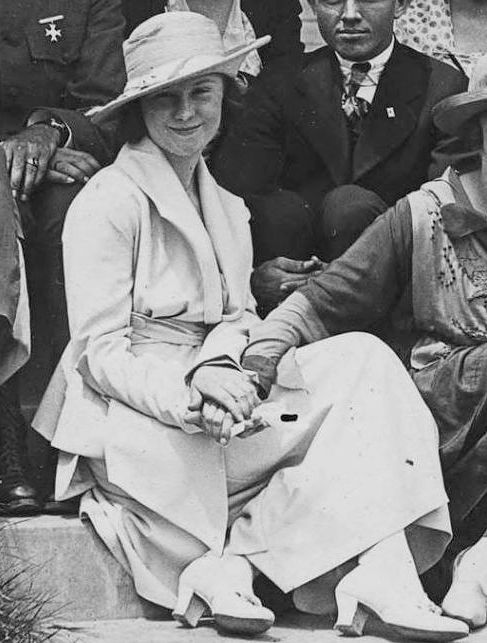
And here she is, close up. I hope she was as happy, intelligent, and confident in her real life as she appears to be in these photos.

smu_omega-phi_porch_1917_degolyer-det2

***

Sources & Notes

The three photos of the afternoon outing all come from the collection of the DeGolyer Library, Central University Libraries, Southern Methodist University:

  • “Omega Phi Fraternity members and their dates in front of Dallas Hall” is here.
  • “Omega Phi Fraternity member outing to Exall Lake” is here.
  • “Omega Phi Fraternity members and their dates on porch” is here.

The quote from Diane Galloway comes from her FANTASTIC book, The Park Cities, A Photohistory (Dallas: Diane Galloway, 1989), p. 24.

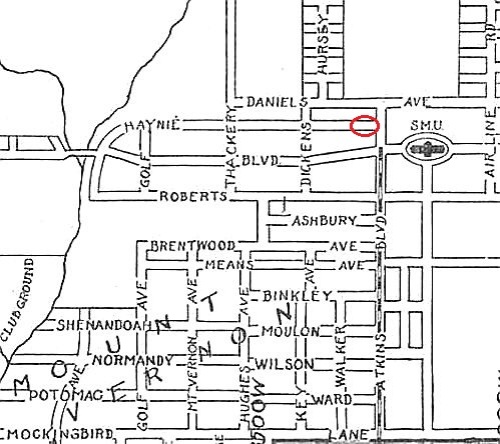
The ersatz Omega Phi fraternity house was located at 115 Haynie Avenue, just west of Atkins (now Hillcrest). (The photo of the exterior of the house is from the 1917 SMU Rotunda yearbook.)

omega-phi_map_19191919 map (detail), Portal to Texas History

I have absolutely no idea how college fraternities work, but it seems that when they formed on the SMU campus in 1915, the Omega Phi group was not actually affiliated with a national fraternity. They “petitioned” to be chartered by national groups, but they finally stopped trying after 11 years of, I guess, being repeatedly turned down — in 1926 they declared themselves to be an “independent society.” But one year later, they were granted a charter by the national Kappa Sigma fraternity. In the Dallas Morning News article announcing the news, this sentence was included: “The local chapter will be known as Delta Pi chapter.” I have no idea what any of that means, but if you’re really into these things, read the DMN article “Kappa Sigmas Grant Charter” (Sept. 26, 1927), here.

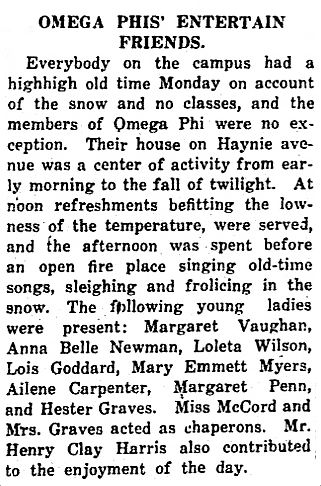
As for the identities of the women in the photos, it’s a mystery. I would assume, though, that at least some of them were the women mentioned in this little article about a cozy winter get-together at the Haynie Ave. house:

omega-phi_smu-campus_011917DMN, Jan. 19, 1917

If you’re not familiar with beautiful Exall Lake, you can watch a short, minute-long video of the lake’s history, produced to celebrate the 100th anniversary of Highland Park, here.

For other posts featuring photos I’ve zoomed in on to reveal interesting little vignettes, click here.

UPDATE: I stumbled across another photo of this group, from Diane Galloway’s book The Park Cities, A Photohistory:

smu_group-date_park-cities-photohistory_galloway

*

Copyright © 2015 Paula Bosse. All Rights Reserved.
SMU Turns 100: A Look Back at Its Very First Days — 1915

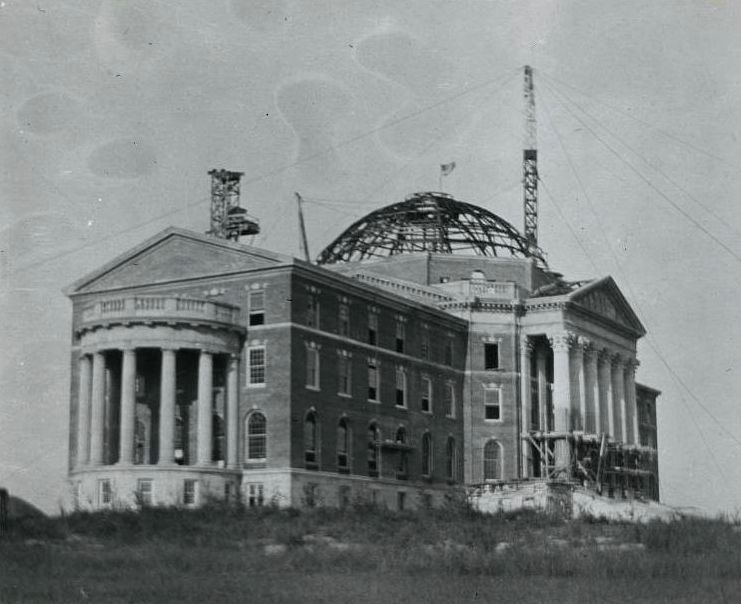
smu_dallas-hall-dome-under-construction_1914Dallas Hall’s dome under construction, 1914 (SMU Archives)

by Paula Bosse

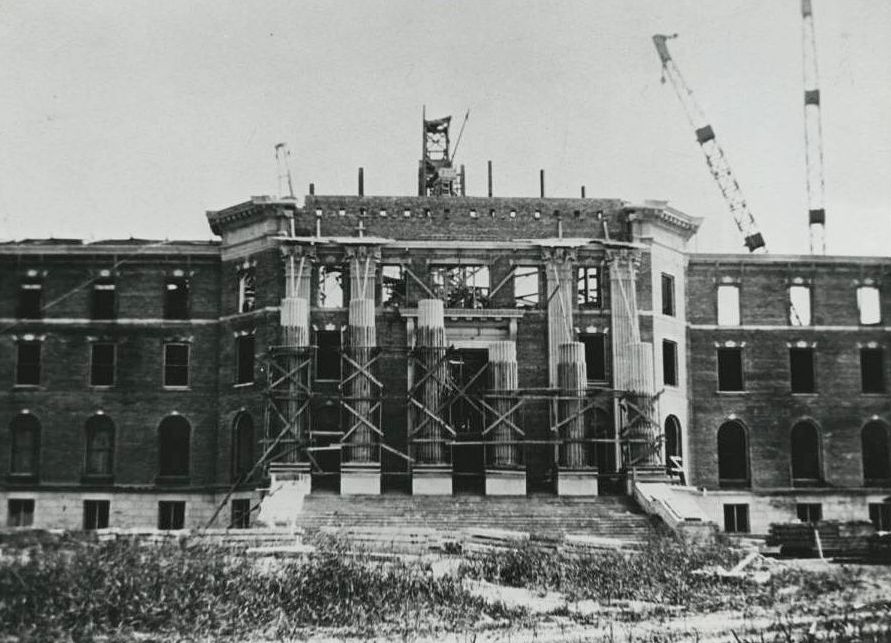
Classes began for the very first time at brand new Southern Methodist University on September 28, 1915 — 100 years ago today! Where HAS the time gone? Below, a few photos from those early days (click pictures for larger images).

smu_dallas-hall-columns-under-construction_1914_degolyerDallas Hall’s columns going up, 1914, out in the middle of a mostly empty prairie, well beyond the Dallas city limits.

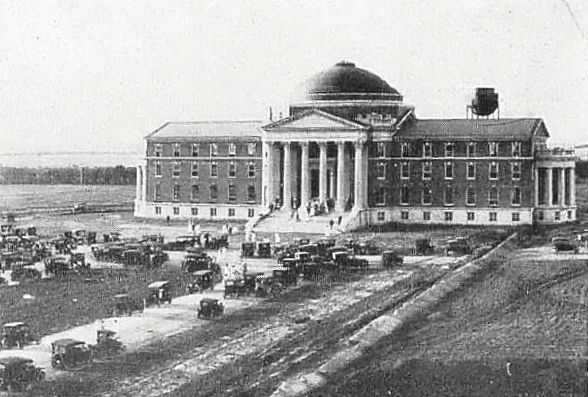
smu_week-before-opening_1935-rotundaVisitors checking out the new campus, a week before its opening.

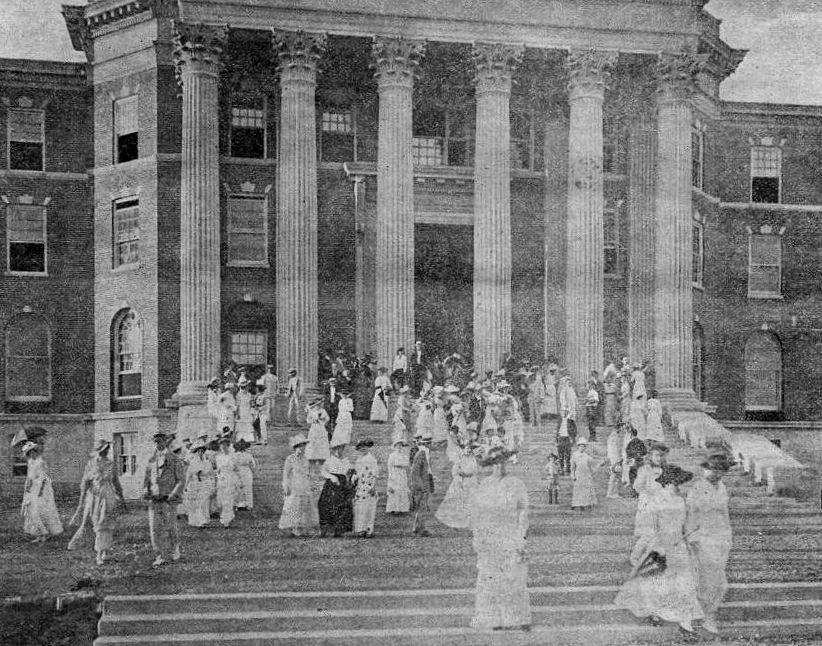
smu_visitors-before-opening_091115Genteel visitors on the steps of Dallas Hall, the only building on campus in which classes were actually held.

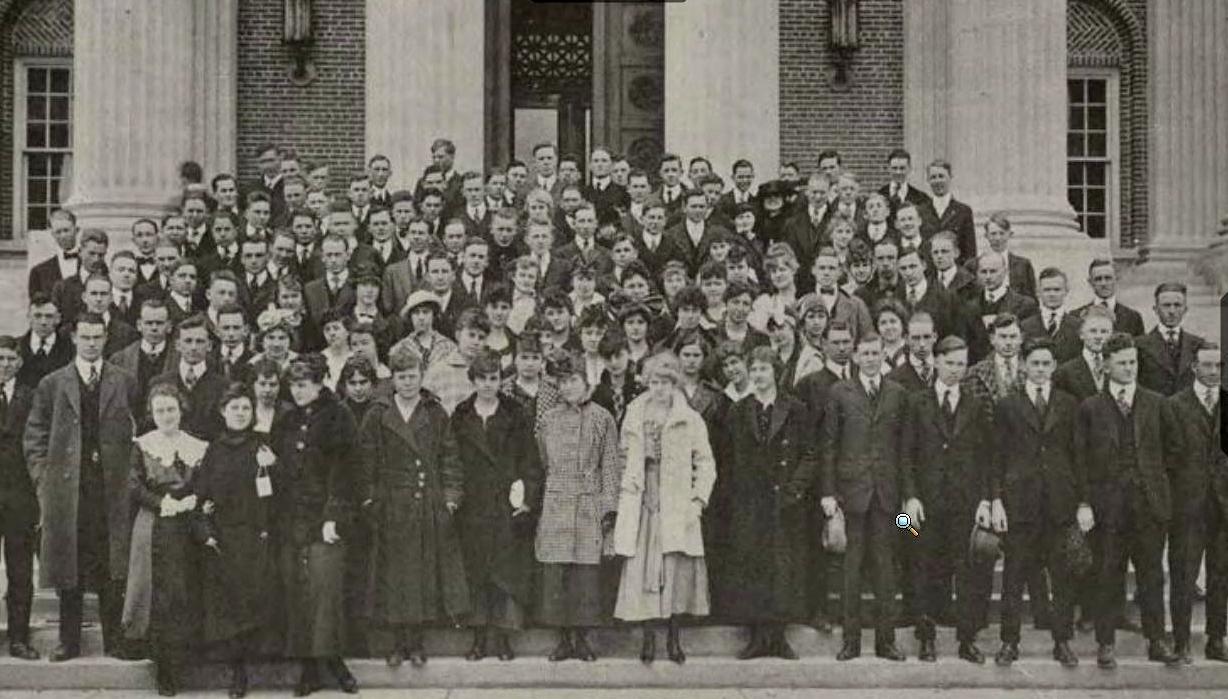
12smu-rotunda-1916_freshman-classSMU’s first freshman class.

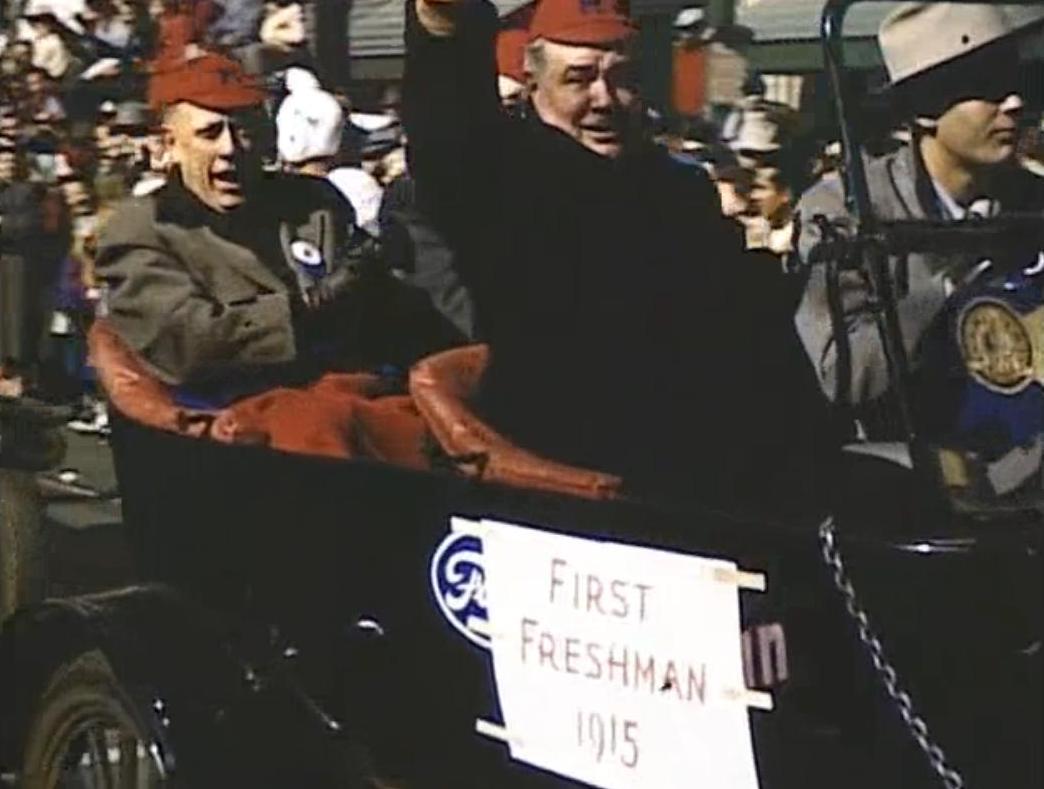
smu_first-freshmen_1950-homecoming-paradeAnd a couple of those freshmen, 35 years later, riding in a car in the 1950 Homecoming Parade downtown.

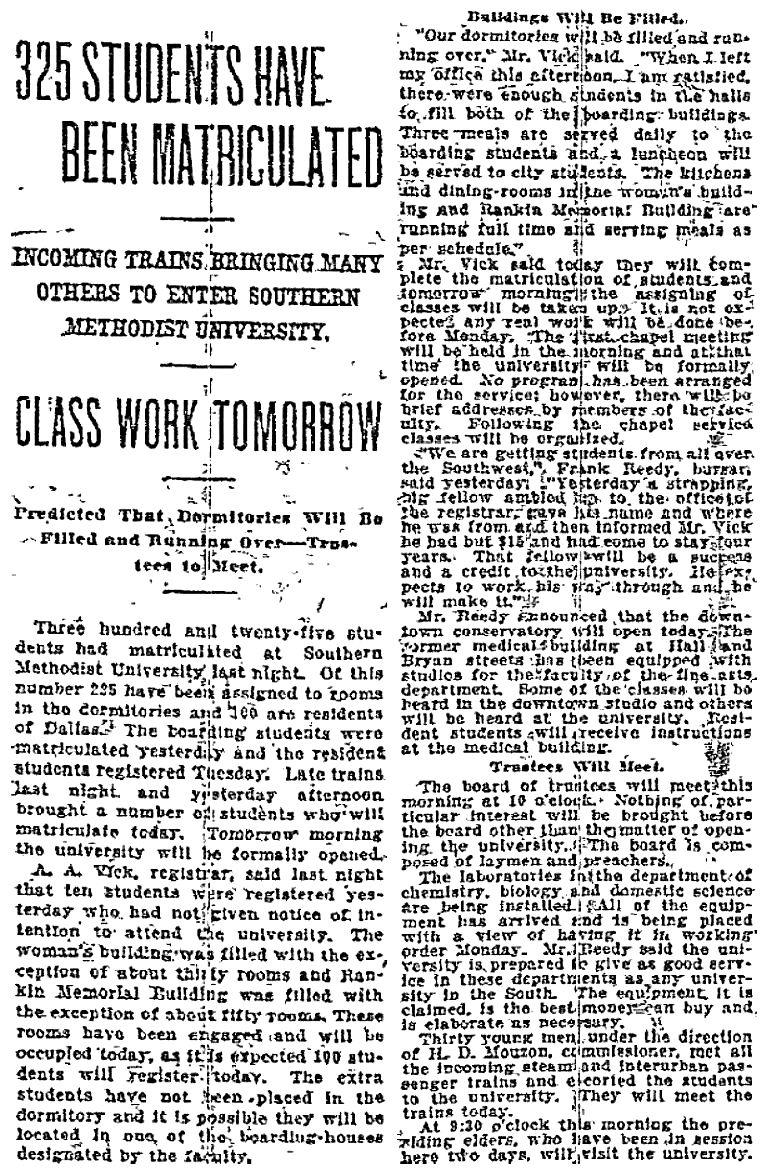
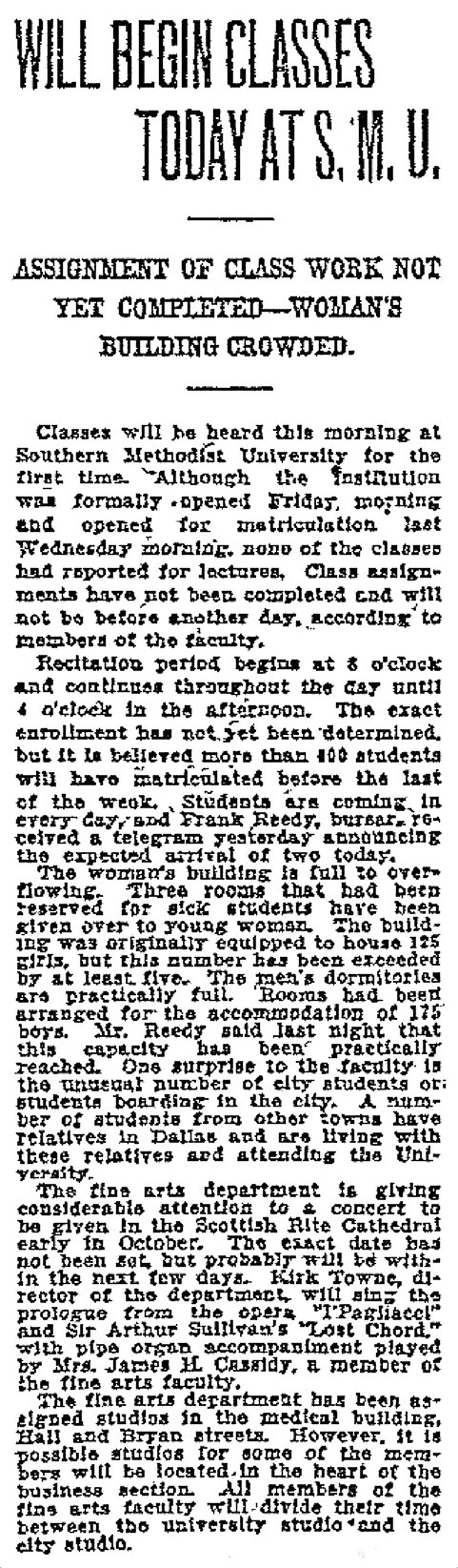
Below are a couple of logistical and progress-report articles from the week when students began arriving for that first year’s classes. Most interesting is that several classes were held off-campus, because of lack of space in an already crowded Dallas Hall. The fine arts department was housed at the “downtown conservatory” which was located in a former medical building at Hall and Bryan streets. The fine arts faculty had studios there and would move between downtown and the SMU campus. (Click articles for larger images.)

smu_first-day_dmn_092315Dallas Morning News, Sept. 23, 1915

smu_first-day-classes_dmn_092815DMN, Sept. 28, 1915

Happy Centennial, SMU!

***

Sources & Notes

The photos of Dallas Hall under construction are from the DeGolyer Library, Central University Libraries, Southern Methodist University. The photo of the dome under construction is here; the photo of the columns going up is here.

The photo of campus visitors and their cars lined up in front of Dallas Hall is from the 1935 edition of the SMU Rotunda yearbook; the caption: “Dallas Hall, a week before opening of SMU.”

The photo of visitors on the steps of Dallas Hall is from Bridwell Library, Special Collections, Perkins School of Theology, Southern Methodist University, and it can be accessed here. The photo was taken on Sept. 11, 1915 and was printed in the Sept. 23, 1915 edition of The Texas Christian Advocate above the caption “[Snapshot] of visitors at entrance to Dallas Hall on occasion of the reception given Saturday the 11th by the citizens of Dallas to the faculty.” (The article and another photo can be seen at the link above.)

The photo of SMU’s first freshman class is from the 1915-16 SMU Rotunda yearbook.

The image of the former SMU freshmen is a screen capture from a home movie of SMU’s 1950 Homecoming Parade which is part of the DeGolyer Library’s collection; the entire 17-minute silent color film can be watched on the SMU Central Libraries site, here. The very entertaining film contains the parade, a tour around campus, an elaborately decorated Fraternity Row, and the football game against Texas A & M at the Cotton Bowl.

These other Flashback Dallas posts related to SMU’s first year may also be of interest:

  • “SMU, ‘The School of the Future’ — 1915-16,” here
  • “SMU’s First Year: The Dinkey, Campus Hijinx, and The Basket Ball — 1915-16,” here
  • “University Park, Academic Metropolis — ca. 1915,” here
  • “Send Your Kids to Prep School ‘Under the Shadow of SMU’ — 1915,” here (Incidentally, the Powell University Training School opened on the same day as SMU as a sort of “sister school” — the building it occupied is still standing, on Binkley, just off Hillcrest — this building celebrates its Centenary, too!)

Click photos and clippings to see larger images.

*

Copyright © 2015 Paula Bosse. All Rights Reserved.
 

“The Only Motel Located In the Park Cities” — 1964

university-house-hotel_smu-rotunda_1965-detA palm tree, a palm tree, my kingdom for a palm tree… (click for large image)

by Paula Bosse

Behold, an architect’s rendering of University Park’s first motel (… motel?!). With palm trees! (The architects — Barron, Heinberg and Brocato  — were from Alexandria, Louisiana, where they might actually have palm trees. Perhaps they assumed they grew in Dallas. Or could be imported. Or just looked nice as a whimsical garnish.) Palm trees or not, look at that great mid-century design!

Plans for the University House Motel were announced in December, 1963 — it was to be built on Hillcrest at Binkley, right across the street from SMU by Edward T. Dicker, the man who built 3525 Turtle Creek. (Interestingly, according to a press release printed in The Dallas Morning News on Dec. 8, 1963, real estate transactions for the property involved a land lease from Shell Oil Co.) With 60 suites, it was the perfect location for hotel lodgings for parents visiting their children in college.

This was to be both a major commercial addition to University Park as well as something of an architectural departure. The closest hotel/motel alternative (according to the ad below, anyway) was farther away than might have been convenient for visiting families — the (also super-cool-looking) Holiday Inn was all the way down Central, just past Fitzhugh.

ad-holiday-inn_central-expwy_smu-rotunda_1965
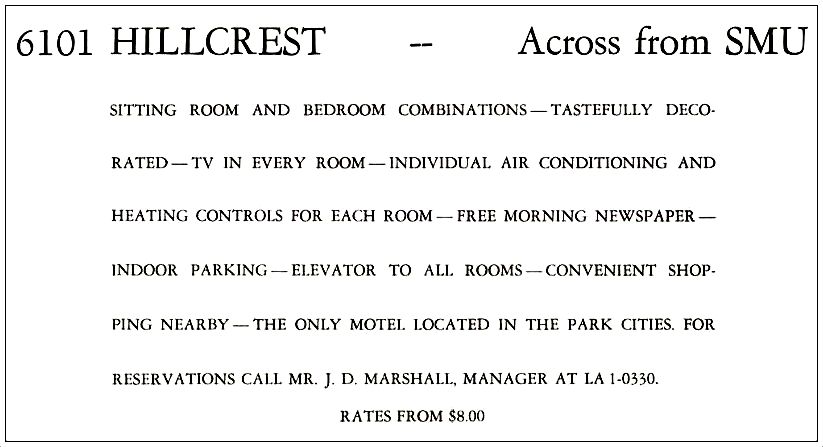
If I were a visiting parent, I’d probably choose the University House option because of its unbelievably close proximity to the campus. And if I saw the ad below, I’d definitely book a room — pronto!

university-house-hotel_smu-rotunda_1965(click to read text)

When construction was complete and the motel opened for business, the sans-palm-tree reality of the building had to have been a bit of a disappointment to anyone who had salivated over that sleek Mid-Century Modern drawing (even though I’m sure the interior decor was much nicer than most motels). Maybe it’s just me. It sort of looks like the drawing. …Sort of….

university-house_smu-rotunda_1965

The University House hung on for several years, then changed ownership and names several times. It is now the site of the much-expanded and certainly much-swankified Hotel Lumen. Interestingly, the skeleton of the original building is still in there somewhere. As Alan Peppard wrote in the Dallas Morning News on Oct. 16, 2006 soon after Hotel Lumen opened, “The old hotel was gutted back to nothing but the concrete frame and rebuilt as a hip University Park hotel.” (To see what things look like now, click here — the renovated original building is on the left, the expansion is on the right.)

In the 21st century, Hotel Lumen is exactly the kind of hotel that comfortably-well-off-but-still-tastefully-hip SMU parents want to stay in when they arrive in town to visit the progeny. All that’s missing are a few palm trees….

***

The University House Motel ad appeared in the 1965 Southern Methodist University Rotunda yearbook. That same yearbook also contained the Holiday Inn ad and the photograph of the University House Motel. (The photo appeared over the yearbook’s cheeky “Why be discreet?” caption and was featured in the previous Flashback Dallas post, “The SMU ‘Drag’ — 1965,” here.)

The 1965 ad has the nightly rate at the University House Motel at $8 — about $60 in today’s money, adjusted for inflation. Not bad for parents who could afford to send their children to SMU and who weren’t staying downtown at the Adolphus, the Baker, or the Hilton.

Photos of Hotel Lumen — inside and out — can be found on their website, here.

Click pictures for larger images.

*

Copyright © 2015 Paula Bosse. All Rights Reserved.
 

The SMU “Drag” — 1965

drag3_smu-rotunda_1965Hillcrest, looking south, just north of McFarlin (click for larger image)

by Paula Bosse

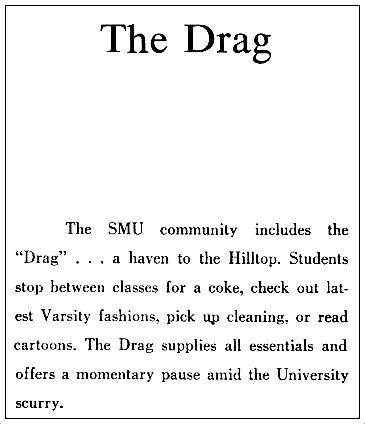
Hillcrest, north of Mockingbird, up to Snider Plaza, and maybe all the way up to Lovers Lane. The Drag. Might as well be an unofficial SMU annex. Over the past several decades, some students may have spent more time in the businesses across the street from the western edge of the campus than they did in some of their classes. The look of the area has changed quite a bit recently, but views from the 1965 SMU yearbook are not drastically different from what it looked like up until just a few years ago — and in some stretches, some of the same buildings seen in these photos still stand. Unless something has gone terribly wrong, businesses along the SMU drag that cater primarily to an ever-replenishing SMU student body should never have a lack of customers.

The yearbook caption for the photo above: “Give me your tired, your poor … just give me your money.” (See this view from recent months, with traffic cones, here.)

Below, a few more photos from the 1965 Rotunda tribute to The Drag.

drag_smu-rotunda_1965*

Looking north.

drag1_smu-rotunda_1965*

At Binkley, current site of Hotel Lumen.

drag4_smu-rotunda_1965-university-house*

Smoking welcomed. Preppy look, circa 1965.

drag2_smu-rotunda_1965

***

All photos from the 1965 Southern Methodist University Rotunda yearbook.

To take a look at a map of the SMU campus from 1964, click here (DeGolyer Library collection, Southern Methodist University).

Click pictures for larger images.

*

Copyright © 2015 Paula Bosse. All Rights Reserved.
University Park: The Addition — 1916

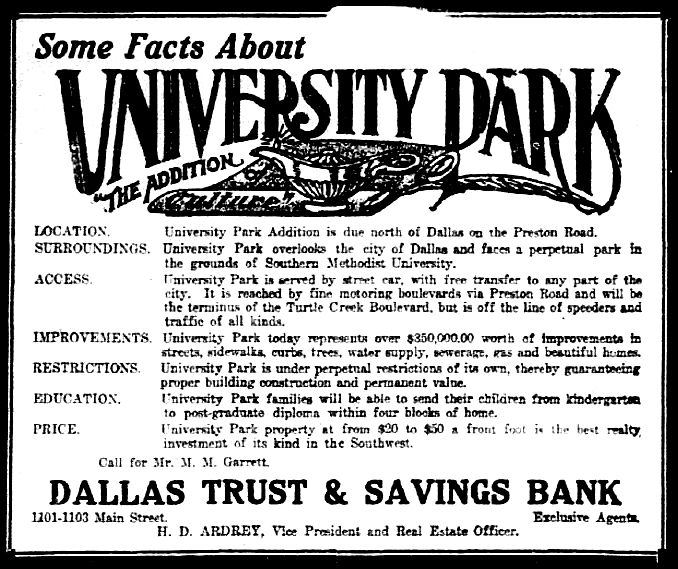
university-park_dmn_0625161916 ad (click for larger, slightly more legible image)

by Paula Bosse

Mr. M. M. Garrett of the Dallas Trust & Savings Bank wants you to know some facts about the University Park Addition:

  • LOCATION. University Park Addition is due north of Dallas on the Preston Road.
  • SURROUNDINGS. University Park overlooks the city of Dallas and faces a perpetual park in the grounds of Southern Methodist University.
  • IMPROVEMENTS. University Park today represents over $350,000.00 worth of improvements in streets, sidewalks, curbs, trees, water supply, sewerage, gas and beautiful homes.
  • RESTRICTIONS. University Park is under perpetual restrictions of its own, thereby guaranteeing proper building construction and permanent value.
  • EDUCATION. University Park families will be able to send their children from kindergarten to post-graduate diploma within four blocks of home.
  • PRICE. University Park property at from $20 to $50 a front foot is the best realty investment of its kind in the Southwest.

Hurry!

*

Copyright © 2015 Paula Bosse. All Rights Reserved.
 

SMU’s School of Engineering, Chemistry Dept. Building, and School of Commerce — 1925

smu-engineering_1925-smBleak campus, cool cars (click for larger image)

by Paula Bosse

I’m afraid my updating here has fallen by the wayside a bit as I am STILL plowed under from my recent big move. Today I will finally unpack my books! So, time for a just a quick post. Here’s a photo of some quaint little temporary buildings on the SMU campus, still in its first decade. Below is the description of this image, written in the early 1970s:

“The parking lot in the foreground and the curving driveway are basically still the same today, but the rest of the picture has changed drastically since 1925 when it was taken.

“On the left is the Southern Methodist University Engineering School with the Chemistry Department Building in the middle and the School of Commerce on the right. The smaller building was a construction shack used for carpentry work.

“Not shown, but just to the right of this location was Dallas Hall — still a landmark. Today, the Fondren Science Building has replaced the temporary buildings pictured.

“In the background to the right and left are rows of bois d’arc trees along Airline and Daniels — planted in those days as fences.”

***

Sources & Notes

Photo from a postcard issued as part of the Park Cities Bank “Heritage Series” in the 1970s; the credit line on the postcard reads “Donated by Stanley Patterson.” Thanks to the Lone Star Library Annex Facebook group for use of the image.

*

Copyright © 2015 Paula Bosse. All Rights Reserved.