Flashback : Dallas

A Miscellany: History, Ads, Pop Culture

Category: Railroads

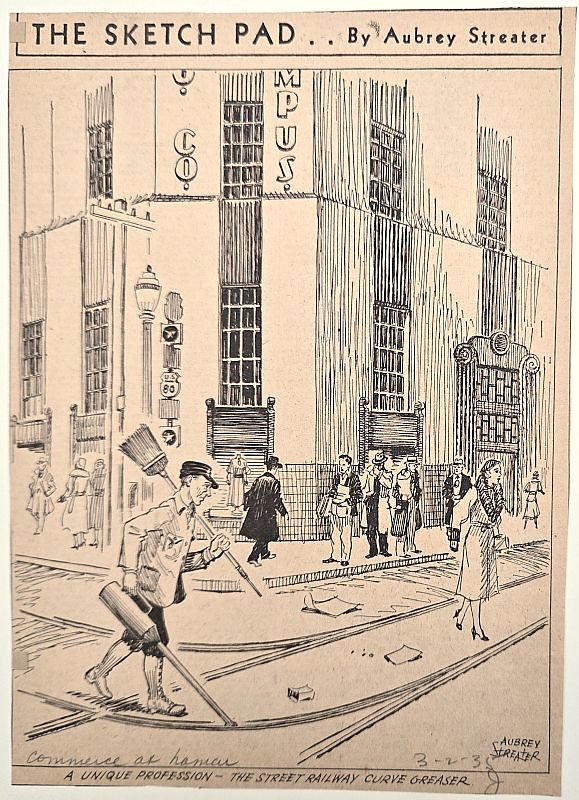
A Unique Profession: The Curve Greaser — 1935

by Paula Bosse

The caption reads: “A unique profession — the street railway curve greaser.”

I have to admit, this is a “profession” I never knew existed. Lubricating the rails would have helped with the constant wear and tear of steel-on-steel friction and would have, presumably, cut down on the incessant squealing of streetcar wheels. This was an essential job at the time, one I’ve only just learned of!

Handwritten notations identify the intersection as “Commerce at Lamar” and the date as “3-2-35.”

***

Sources & Notes

Clipping is from the Dallas History and Archives, Dallas Public Library.

“The Sketch Pad” cartoon panel by Aubrey Streater was a regular feature that appeared in the pages of The Dallas Journal. Streater was a commercial artist and headed the art department of The Dallas Morning News (publisher of The Dallas Journal).

This post appeared in a slightly different version on the Flashback Dallas Patreon page.

*

Copyright © 2024 Paula Bosse. All Rights Reserved.

Zephyr, Meet Ox Cart — 1936

zephyr_sam-houston-zephyr_oxcart_ebay_front…Ox cart, meet Zephyr

by Paula Bosse

On Oct. 4, 1936, the Sam Houston Zephyr — the very first streamlined passenger train in Texas — made one of it very first public appearances, at the Texas Centennial in Dallas. This beautiful train (check out a photo of its interior here) was operated by the Burlington-Rock Island railroad between Fort Worth and Houston, with stops in Dallas, Waxahachie, Corsicana, and Teague. (See footage of it arriving it what might be Dallas in what might be 1936 in cool home movie footage here — then go to the beginning to see great Centennial footage — some of it in color! — and other footage shot in Kidd Springs.)

Back to the Zephyr. At its Centennial stop, a photo-op presented itself: the super-new (Zephyr) alongside the super-old (an ox cart). This photo ran in newspapers around the world, accompanied by variations of the following captions:

PROGRESS! Just a zephyr in the breeze is the Burlington Zephyr, particularly when compared to an ancient ox cart. The two were shown together at the Texas centennial fair at Dallas. The speedy streamliner runs from Dallas to Houston, Texas.

*

MARCH OF PROGRESS. An excellent contrast in the modes of transportation of today and yesterday is presented here as the Sam Houston Zephyr, streamlined train running between Dallas, Tex., and Houston, enters the grounds of the Texas Centennial exposition with an ox cart plodding along beside it. The presentation is part of the Cavalcade of Texas given at the exposition in Dallas. The girls are LaNeyl Brown and Peggy Humphreys.

*

From a Dallas Morning News article on the Centennial exhibit at Fair Park:

The streamlined Sam Houston Zephyr, operated between Dallas, Fort Worth and Houston by the Burlington-Rock Island, will be displayed on the siding in the grounds east of the Hall of Transportation. One of the powerful Opp Mogul freight engines of the Texas & Pacific also will be shown. To furnish a contrast with modern and ancient transportation the ox cart and stagecoach used in Cavalcade will be rolled out. (DMN, Oct. 4, 1936)

zephyr_sam-houston-zephyr_oxcart_DMN_100436_events

*

An interesting sidelight regarding the older modes of transportation is this blurb about the difficulty Centennial personnel had in finding authentic stagecoaches, covered wagons, and ox carts to use in various Fair Park productions celebrating the history of Texas, forcing them to resort to building reproductions (seems hard to believe that there were only two authentic stagecoaches to be found in the entire state!):

zephyr_centennial_AP-wire-story_may-1936
AP wire story, May 1936

The article is referring to props needed for the giant Cavalcade of Texas historical pageant, but check out the nice little novelty “prairie schooner” below, which served as a quirky, casual Centennial restaurant (“Smacking of the old West is the Chuck Wagon, a dining place for 250, with an overgrown chuck wagon serving as the kitchen and service counter” — Dallas Morning News, June 7, 1936):

patreon_tx-centennial_chuckwagon-restaurantDallas Historical Society

patreon_tx-centennial_chuck-wagon-restaurant_worthpointvia Worthpoint

***

Sources & Notes

Top photo was found on eBay (German wire photo).

Photo of the Chuck Wagon restaurant is from the Texas Centennial Exposition Collection, Dallas Historical Society, Object ID V.38.3.245 — more info on this photo is here.

Consider becoming a member of my Flashback Dallas Patreon page for as little as $5 a month — I post there daily. No strings attached. Cancel at any time!

zephyr_sam-houston-zephyr_oxcart_ebay_front

*

Copyright © 2024 Paula Bosse. All Rights Reserved.

Jerry Bywaters: A Quick Trip to Farmers Branch

bywaters-jerry_untitled_farmers-branch-depot_bywaters-collection_smu_ndBywaters Special Collections, Hamon Arts Library, SMU

by Paula Bosse

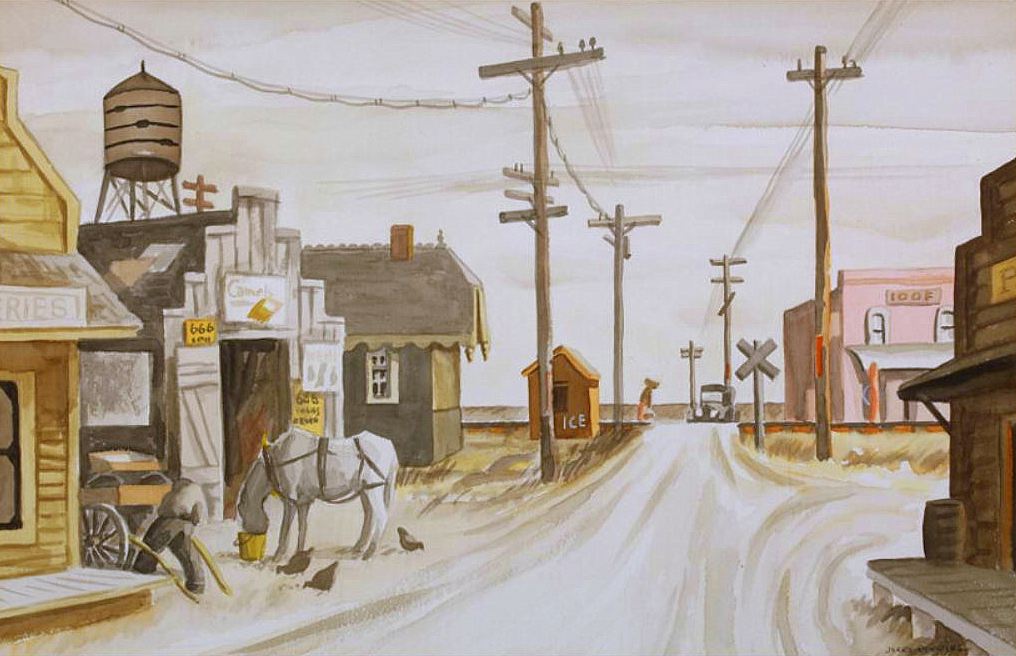
One of the joys of being a fan of an artist is discovering works you’ve never seen before. And here are two, both by a favorite of mine, Dallas artist Jerry Bywaters — and both are watercolors of the very nearby Farmers Branch. Bywaters must have been quite taken with the picturesque little depot there, because it snuck into at least two of his paintings. The one above is untitled, and the one below is “Farmers Branch In the Early Days.”

bywaters-jerry_farmers-branch-in-the-early-days_watercolor_ha-dot-com_sold-2010

I can’t find dates for either of these, but the top work appears to have debuted at an exhibition at the Lawrence Art Galleries in November 1937 (it is mentioned in a review of the show by Frances Folsom in The Dallas Morning News — “Exhibition of Art Works by Jerry Bywaters Opening,” DMN, Oct. 31, 1937).

The depot is still standing — it was restored and relocated to the Farmers Branch Historical Park in 1985. Read a great history of the depot here.

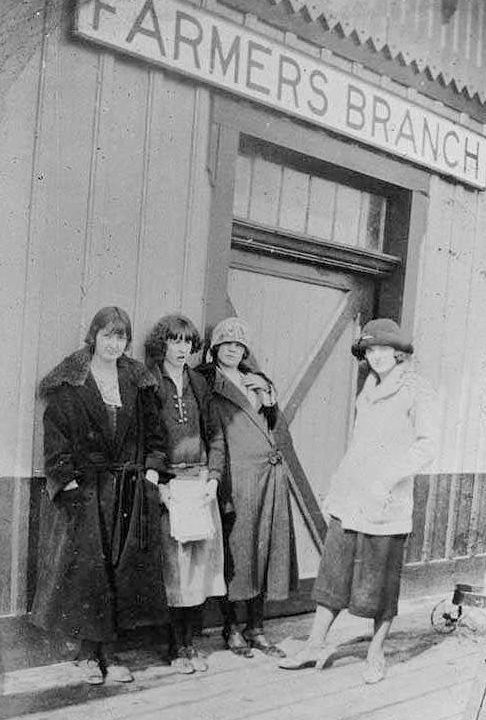
The photo below is from the City of Farmers Branch site. Who wouldn’t want to spend a day with those girls?

farmers-branch-depot_photo_fb-city-website

I think I need to explore Farmers Branch.

***

Sources & Notes

Top painting (“Untitled [Farmers Branch Train Depot]”) is an undated watercolor by Jerry Bywaters, from the Bywaters Special Collections, Hamon Arts Library, SMU Libraries — more info on this can be found at the SMU site here.

The second painting, “Farmers Branch In the Early Days,” is an undated watercolor by Jerry Bywaters; it was sold by Heritage Auctions in 2010. (A notation on the back of this framed piece indicates that it once belonged to the legendary Judge Sarah T. Hughes, or it was purchased by her to give to a very lucky friend.)

The photo of bobbed flappers loitering around the depot is from the City of Farmers Branch website, here.

Other Flashback Dallas posts with (very different) examples of Jerry Bywaters’ art:

A version of this post originally appeared on my Patreon page.

bywaters-jerry_untitled_farmers-branch-depot_bywaters-collection_smu_nd_sm

*

Copyright © 2023 Paula Bosse. All Rights Reserved.

Businessmen’s Lunchtime Mobilization Drills — 1917

wwi_businessmen_noon-drills_dmn_040117_photoDrilling behind the depot, March 1917

by Paula Bosse

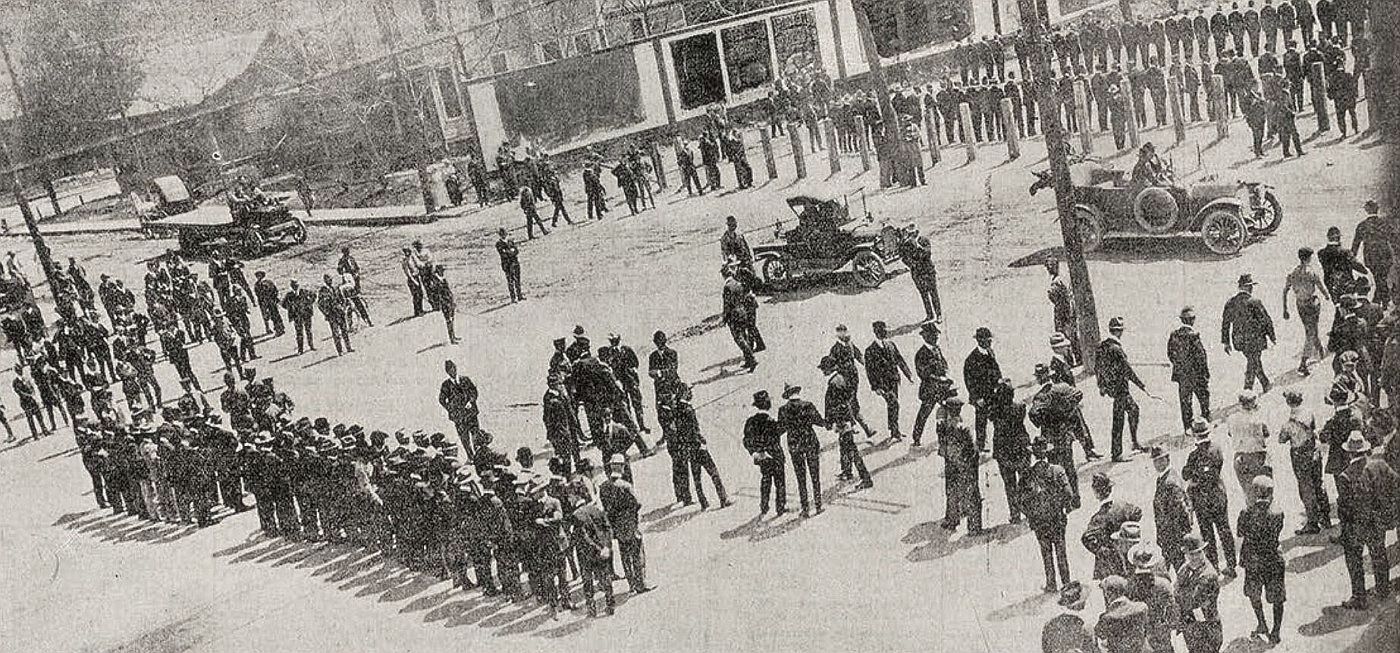
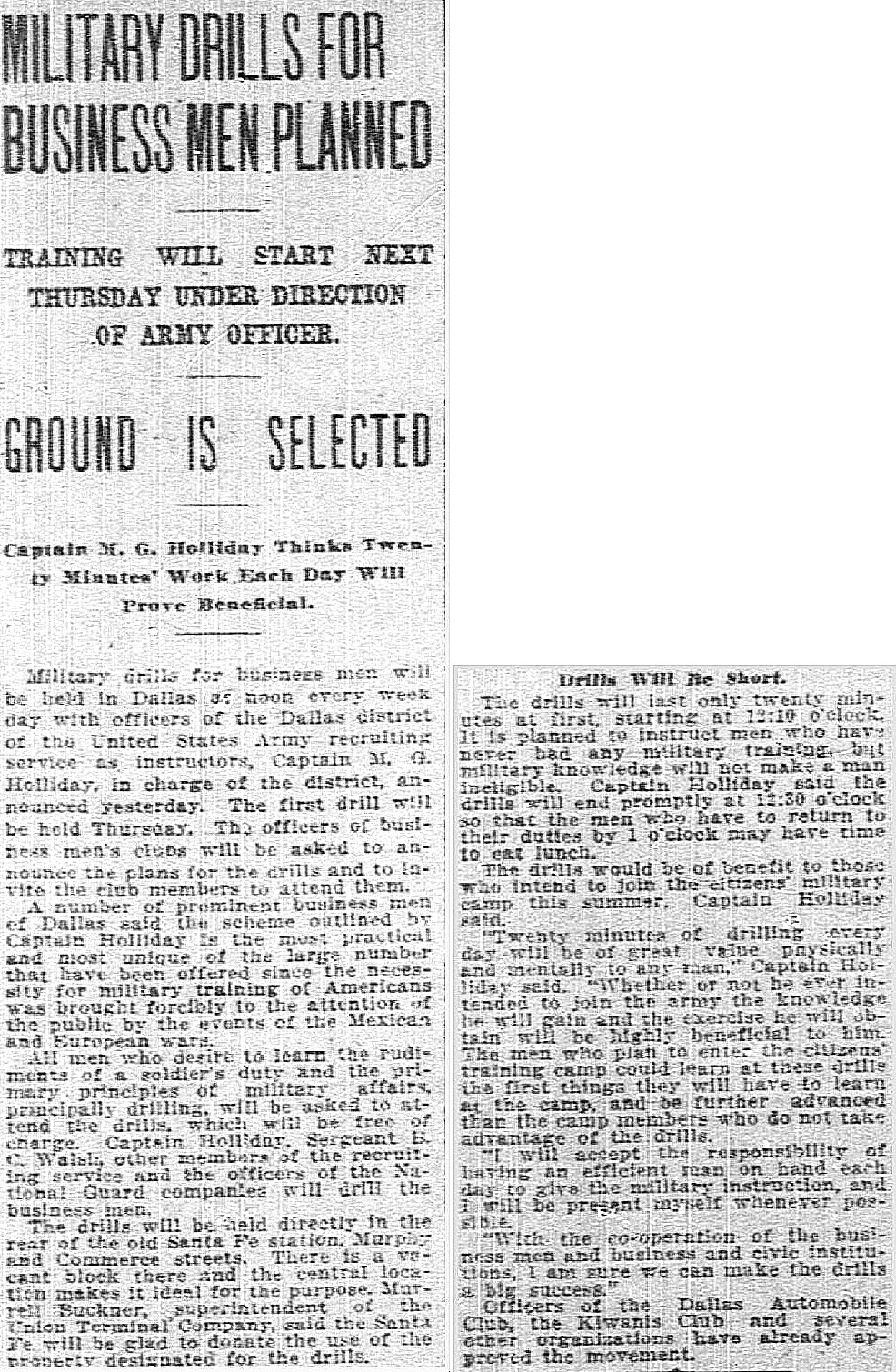
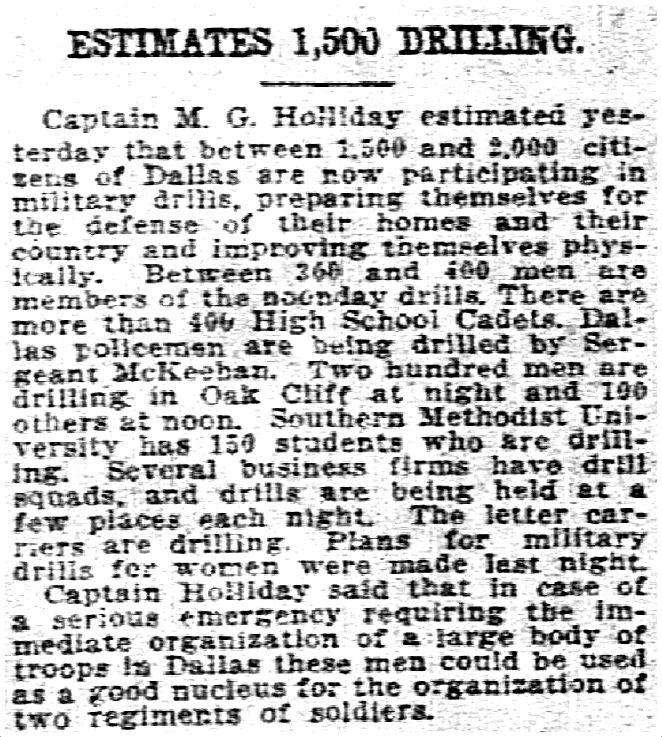
In March 1917, just days before the United States entered World War I, it was announced that there would be lunchtime military training drills in downtown Dallas for any man who wished to participate. This was part of the “Preparedness Movement” which was sweeping the country, in which citizens readied themselves for war. The idea for these drills came from Oswin K. King, a Dallas sportswriter, and they were organized and conducted by Capt. M. G. Holliday, with help from other officers of the Texas National Guard. The drills were held “in the rear of the old Santa Fe station, Murphy and Commerce streets. There is a vacant block there and the central location makes it ideal for the purpose” (“Military Drills for Business Men Planned,” Dallas Morning News, March 25, 1917). (See this location on a 1905 Sanborn map, here.)

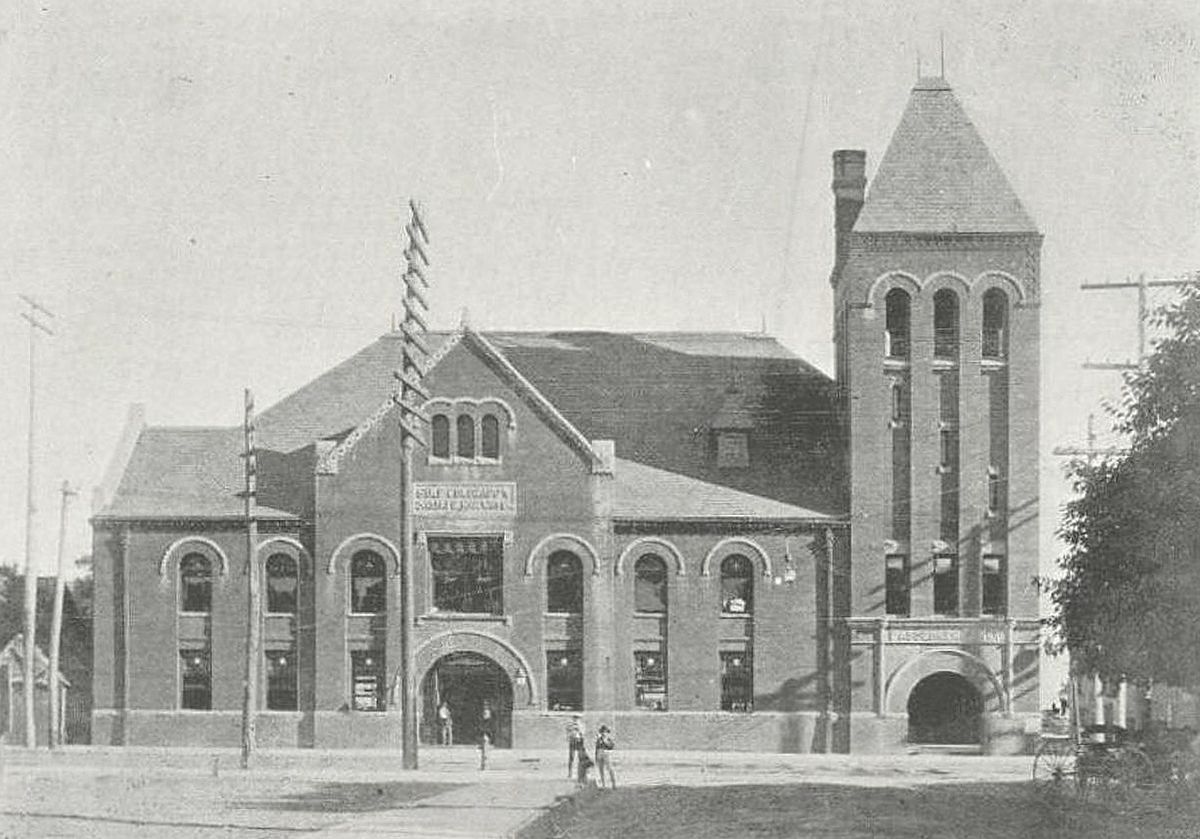
Seems like a good time to insert a photo of the Gulf, Colorado, and Santa Fe depot (when it was still in operation), behind which all this drilling activity was taking place:

santa-fe-depot_ca-1899_fire-dept-souvenir-bk_portalca. 1899, via Portal to Texas History

Military-style drills involving local civilians hadn’t really been done like this before, and news of this swept the country’s newspapers. It was a BIG story. Dallas became the city everyone copied. Cities all over the United States began their own drilling exercises, and Capt. Holliday was kept busy traveling around Texas to advise towns on how to establish such civilian units for themselves. There was a lot of marching in formation going on in April 1917.

Two weeks in, drill-mania had taken over Dallas. It was estimated that 600 men were showing up daily for the downtown noon drills, and that many more — perhaps as many as 2,000 — had joined smaller groups and clubs which were drilling on their own all over town. There was a large contingent in Oak Cliff, lots of students in high schools and at SMU, policemen, letter carriers, businessmen, etc. There was even a suggestion that women should form their own groups. Any way you looked at it, the endeavor was a success (or at least fervently supported). Capt Holliday said that, should the need arise, a large body of troops could be immediately organized in Dallas — perhaps two regiments’ worth. 

This training lasted about a month, which seems like sufficient time for bank clerks and grocerymen and automobile mechanics and upholsterers to get the hang of doing whatever this was. By the spring of 1917, Dallas was prepared.

**

The April 1, 1917 Dallas Morning News article accompanying the photo above is transcribed here:

DALLAS BUSINESS MEN MOBILIZE FOR MILITARY TRAINING

First City in United States to Start New Drills in Rudiments of Soldier Knowledge

From Few Dozen the First Day to 600 or More Saturday, Shows Rapid Increase of Interest in the Noon Drills. Captain in U.S. Cavalry and Number of Non-Commissioned Officers Instructing Men and Rudiments of Knowledge of Soldier Life

Dallas enjoys the distinction of being the first city in the United States to inaugurate the new mobilization of business men for the purpose of learning the rudiments of military training. There were those who said it could not be done, but the movement has gotten under full swing and the attendance is increasing daily.

Oswin K. King, of the Evening Journal, originated the idea, and becoming enthused of the possibilities, Mr. King suggested the matter to Captain M. G. Holliday of the 12th United States Calvary. Captain Holliday at once took up the plan as suggested by Mr. King and agreed to supervise the work. 

For several days now, hundreds of Dallas business men have been in line on the spacious vacant property to the south of the Commerce Street station of the Santa Fe Railroad. The site is convenient to hundreds of business offices and not over five minutes’ walk from the skyscraper district.

That interest is increasing in the movement is evidenced by the number of business men who are enrolling. From a few dozen on Wednesday, last, to 400 on Thursday, and probably 200 more Friday and Saturday, shows that Dallas men are anxious to learn the rudiments of military training.

The idea is to teach the rudiments of close-order formation, including everything in what is known as the “Soldier’s School Without Arms.”

The instruction will continue indefinitely. Captain Holliday is assisted by several non-commissioned officers and civilian military experts.

*

WWI_noon-drills_dmn_032517DMN, Mar. 25, 1917 (click for larger image)

*

wwi_businessmen_noon-drills_dmn_041317DMN, Apr. 13, 1917

***

Sources & Notes

Top photo from The Dallas Morning News, April 1, 1917, sent to me by Julia Barton (thanks, JB!).

Photo of the Santa Fe depot is from a Dallas Fire Department publication from 1899, provided by the Dallas Firefighters’ Museum to the Portal to Texas History — more information is here.

More Flashback Dallas posts on the WWI era can be found here.

wwi_businessmen_noon-drills_dmn_040117_photo_sm

*

Copyright © 2023 Paula Bosse. All Rights Reserved.

Union Station Interiors — 1916

union-station_interior_atlantic-terra-cotta-co-coll_UT_frank-rogersA beautiful place to wait…

by Paula Bosse

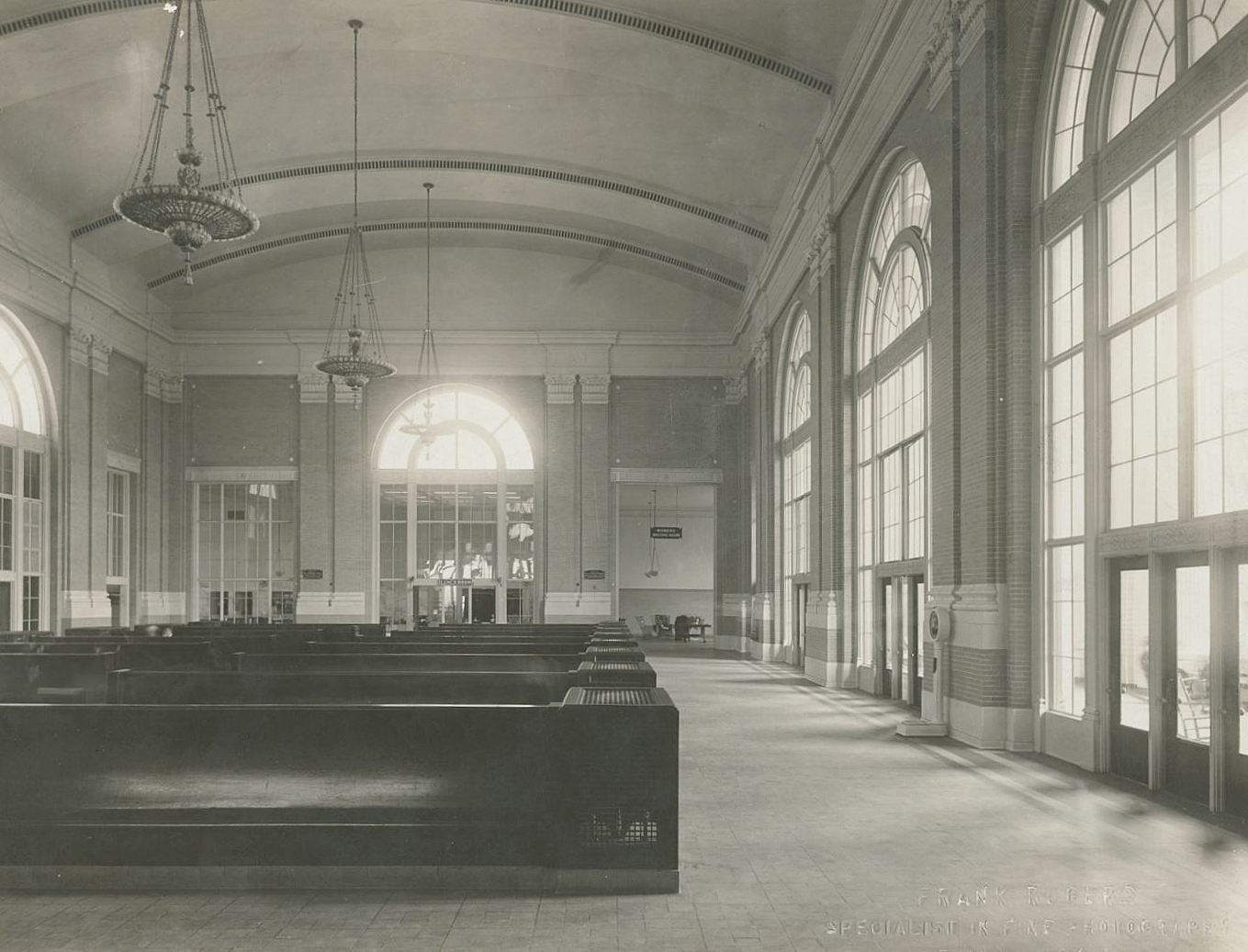
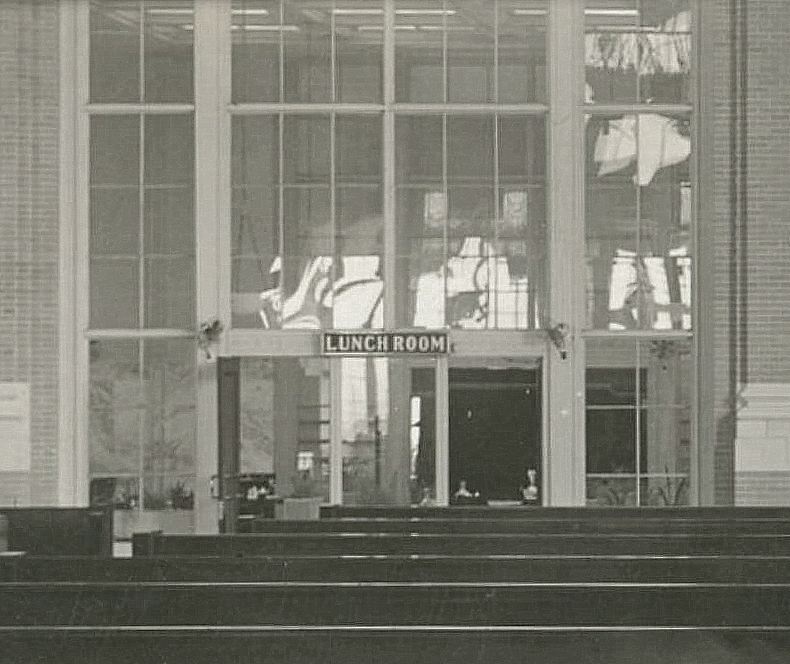
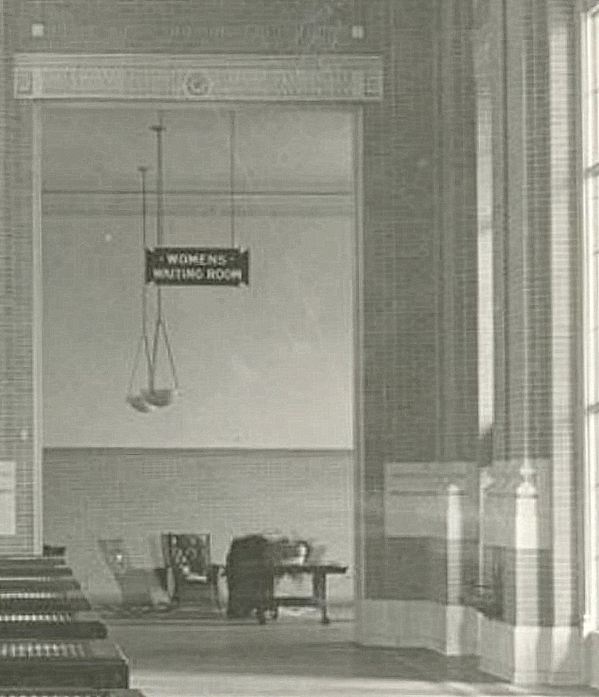
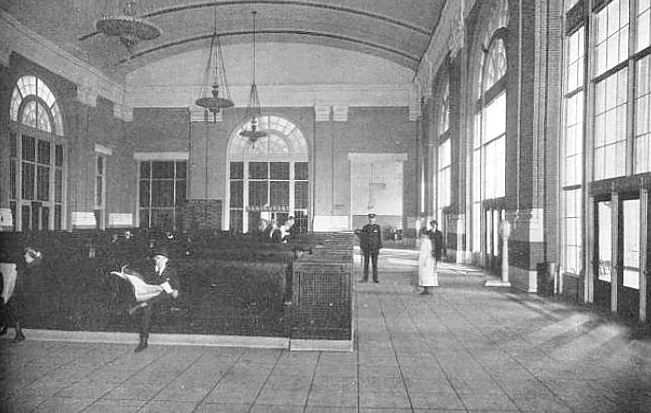
Above, a photo of the new “Union Depot,” completed in 1916 and, thankfully, still standing more than a century later. Below, a couple of details of the Lunch Room and the Women’s Waiting Room.

union-station_interior_atlantic-terra-cotta-co-coll_UT_frank-rogers_lunch-rm

union-station_interior_atlantic-terra-cotta-co-coll_UT_frank-rogers_womens-wtg-rm

The same view as the top photo, but from 1922:

union-station-interior_1922

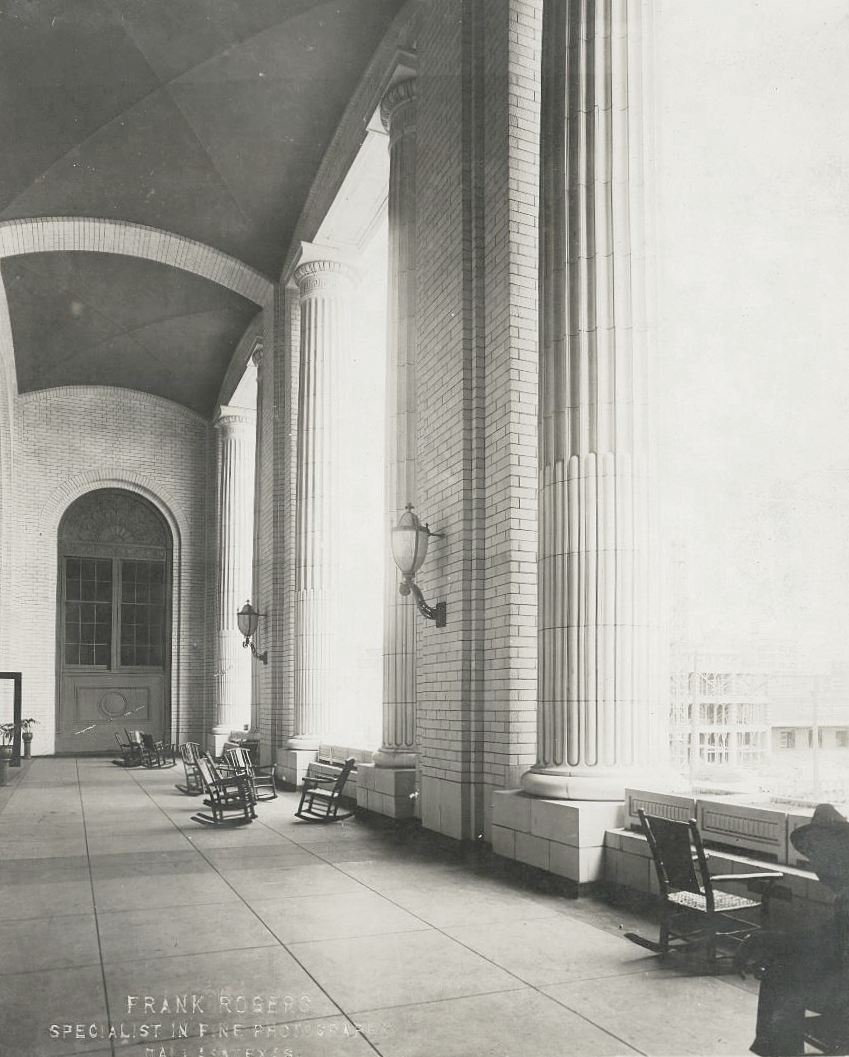
Back to 1916, in what I gather is a sort of interior/exterior shot showing another place to pass the time. What better, quaint way to wait for a train and take in a great, slightly elevated view, than in a rocking chair.

union-station_rocking-chairs_atlantic-terra-cotta-co-coll_UT_frank-rogers

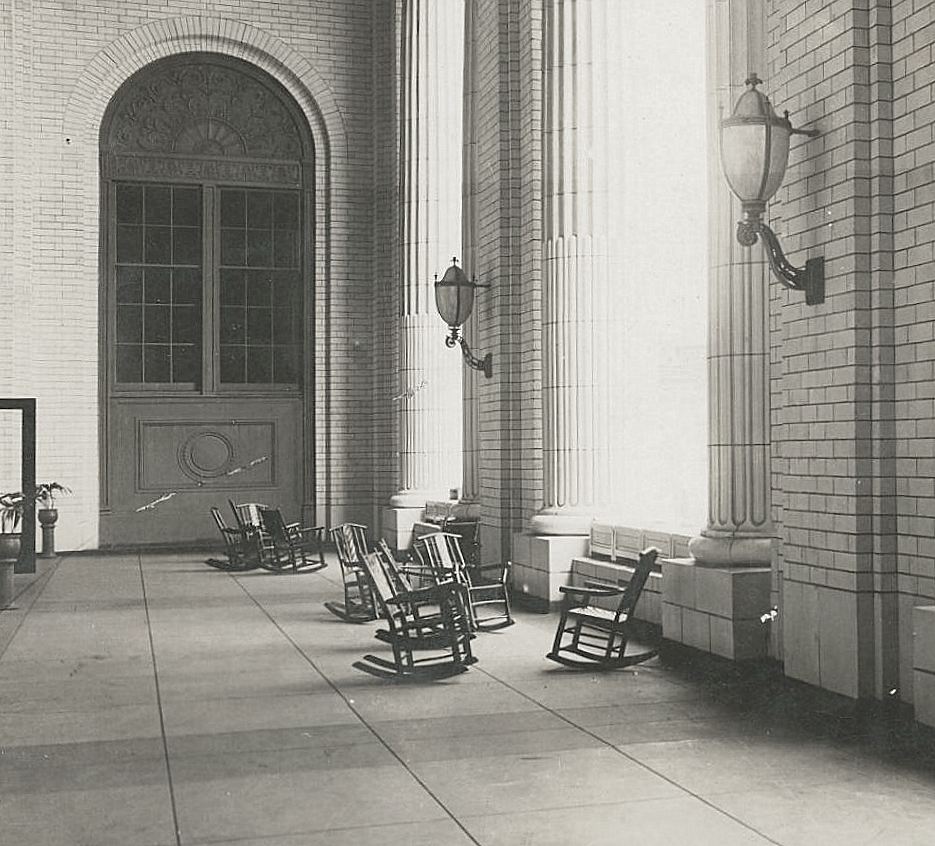
And a slight zoom-in:

union-station_rocking-chairs_atlantic-terra-cotta-co-coll_UT_frank-rogers_det-1

Imagine those rocking chairs up there in those archways, between the columns.

union-station_dallas-city-of-the-hour_ca-1916_SMU

***

Sources & Notes

The two photos from 1916 (by Frank Rogers) are from the Atlantic Terra Cotta Company Architectural records and photographs, 1914-1941, Architectural Terra Cotta, Alexander Architectural Archives, University of Texas Libraries, The University of Texas at Austin — more info on these photos is here and here

A couple of other images of the new Union Station can be seen in these Flashback Dallas posts:

union-station_interior_atlantic-terra-cotta-co-coll_UT_frank-rogers_sm

*

Copyright © 2022 Paula Bosse. All Rights Reserved.

Elm & Akard, Photographer J. C. Deane, and The Crash at Crush

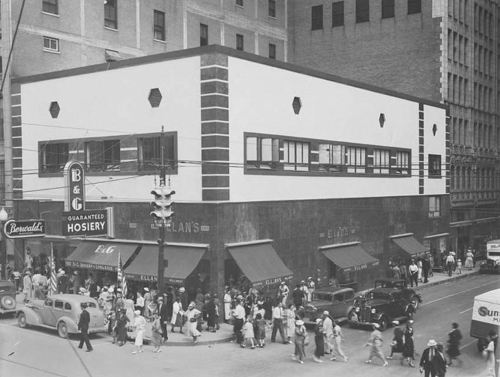
elm-and-akard_george-mcafee_degolyer_SMUYessirree! Elm & Akard, 1936/1937… (click for larger image)

by Paula Bosse

One of the best collections of historical Dallas photos — and certainly one of the easiest to access online — can be found in SMU’s DeGolyer Library. I can’t say enough good things about the astounding quality of their vast collection or the willingness to make large scans of their photos available online, free to share, without watermarks (higher resolution images are available for a fee, for publication, etc.). I love you, DeGolyer Library (and all the people and entities behind your impressive digitization process)!

When going through recently uploaded photos, I came across photos from different decades showing the same intersection: the southeast corner of Elm and Akard streets (now the 1500 block). The building appears to be the same in each of the photos, and that is interesting in itself — but I was excited to find a connection in one of them to one of my favorite weird Texas historical events.

And that is the photo below. It’s a cool photo — there’s some sort of parade underway. This is Elm Street looking toward the east (or, I guess, the southeast), and the photographer is just west of Akard Street. At the bottom left of the photo is the United States Coffee & Tea Co. (which I wrote about here); in the background at the right is the Praetorian Building on Main; and just left of center is the Wilson Building addition under construction (which dates this photo to 1911). But the building that interested me the most is the one at the bottom right, the one at the southeast corner of Elm and Akard. I noticed “Deane’s Photo Studio” on the exterior of the upper part of the building. I recognized the name, having seen it on various Dallas portraits over the years, but now I realize there were two photographers named Deane in Dallas in the first half of the 20th century: Granville M. Deane (who had a longer career here) and his brother, Jervis C. Deane — J. C. Deane was the photographer who occupied the upper-floor studio at 334 Elm (later 1502 Elm) between 1906 and 1911. His studio was above T. J. (Jeff) Britton’s drugstore.
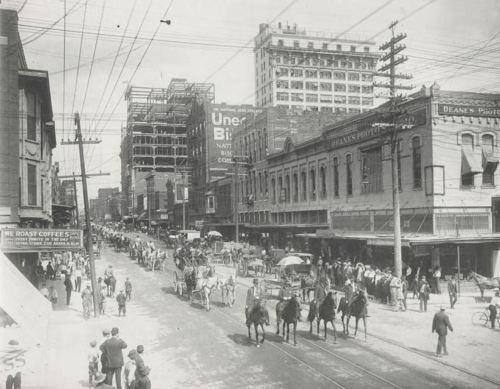
elm-east-from-akard_deane-photography_ca1912_degolyer_SMUElm Street, looking east from Akard, 1911  (DeGolyer Library, SMU)

J. C. Deane (born in Virginia in 1860) worked as an award-winning photographer around Texas, based for much of his career in Waco. He was in Dallas only a decade or so, leaving around 1911, after a divorce, noting in ads that he had to sell his business as he was “sick in sanitarium.” After leaving Dallas he bounced around Texas, working as a studio photographer in cities such as Waco and San Antonio. I have been unable to find any information on his death.

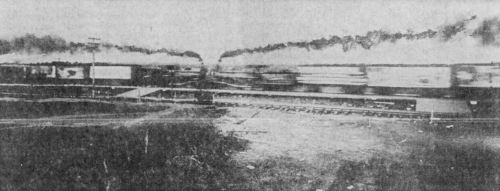
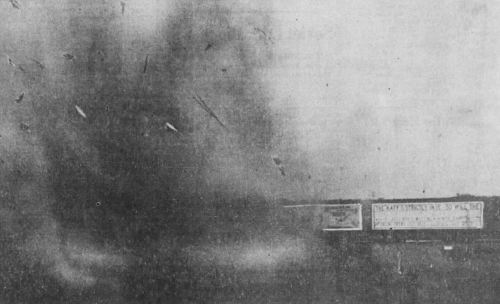
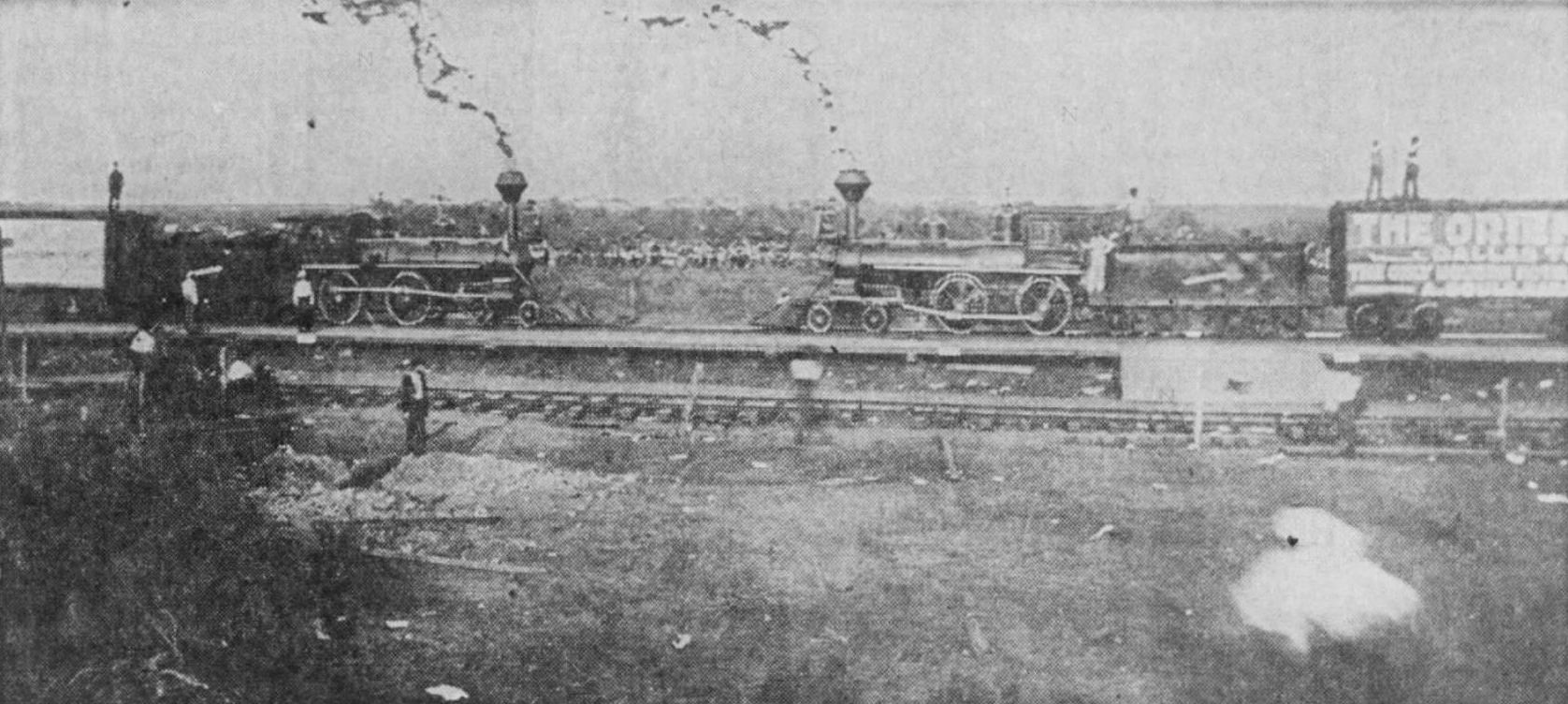
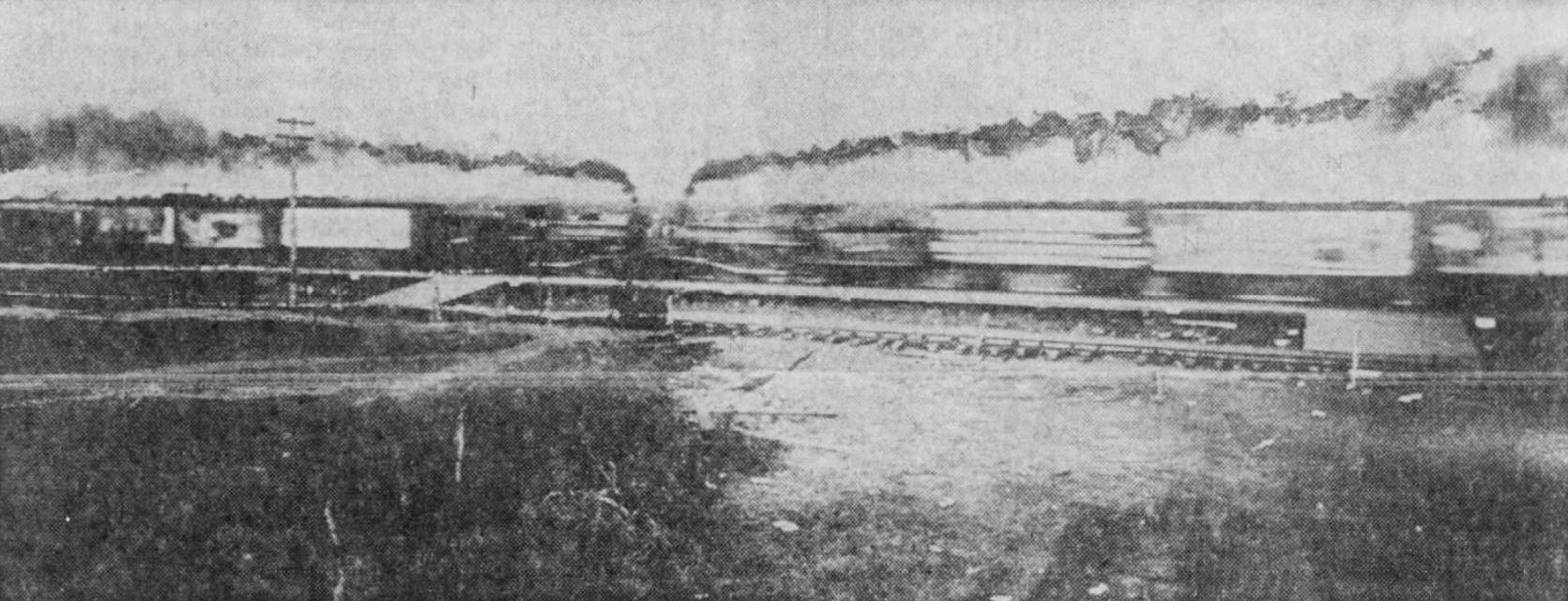
The reason that J. C. Deane holds a place in the annals of weird Texas history? He was one of the photographers commissioned to photograph the supremely bizarre publicity stunt now known as The Crash at Crush, wherein a crowd upwards of 30,000 people gathered in the middle of nowhere, near the tiny town of West, Texas, in September, 1896, to watch the planned head-on collision of two locomotives (read more about this here). Long story short: things did not go as planned, and several people were injured (a couple were killed) when locomotive shrapnel shot into the crowd — one of those badly injured was J. C. Deane who was on a special platform with other photographers. For the sake of the squeamish, I will refrain from the details, but Deane lost his right eye and was apparently known affectionately thereafter as “One Eye Deane.” (For those of you not squeamish, I invite you to read all the gory details, related by Deane’s wife, in an interview with The Dallas Morning News which appeared on October 1, 1896, here.) The photos below are generally credited to Deane, back when he was just good ol’ happy-go-lucky “Two-Eye Jervis.” (All these photos are larger when clicked.) (Scroll down to the bottom of the page for a link to contemporary coverage of the event as reported in The Dallas Morning News.)
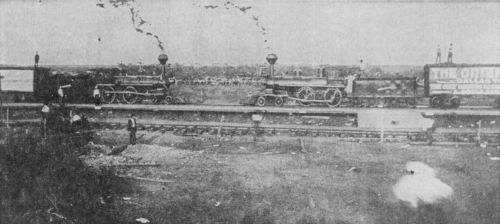
deane_crash-at-crush_1_austin-american-statesman_091662Before…

deane_crash-at-crush_2_austin-american-statesman_091662During…

deane_crash-at-crush_3_austin-american-statesman_091662And after…

I’ve been fascinated by the Crash at Crush ever since I heard about it several years ago, and now I know there’s a Dallas connection — and photos of the building where he worked.

Back to Elm Street.

For a brief time (a few months in 1936?) the building was referred to as the “Hutton-Drake Building” and a major renovation of the old building began at the beginning of 1936, when the whole of Dallas was on overdrive to spruce up the city ahead of the crush of Centennial visitors. Here’s an undated “before” photo….
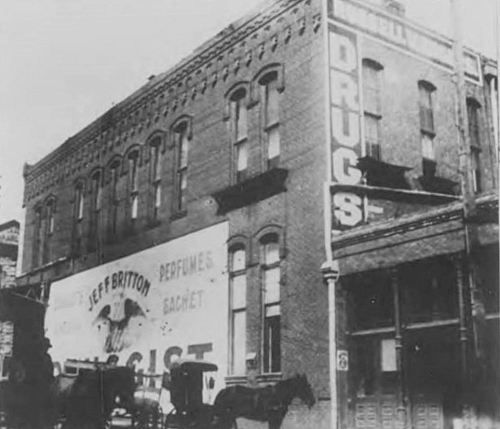
hutton-drake-bldg_jeff-britton_degolyer-lib_SMUvia DeGolyer Library, SMU

The architect’s drawing of the remodeled Deco delight….
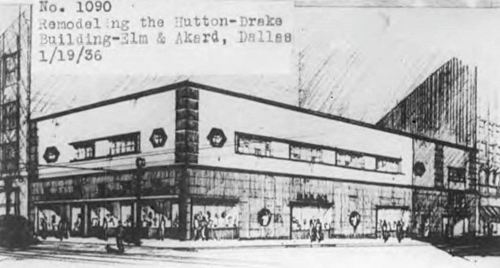
hutton-drake-bldg_remodeling_drawing_1936_degolyer-lib_SMUvia DeGolyer Library, SMU

And, because I love this photo so much, here it is again — the finished, revamped building:

elm-and-akard_george-mcafee_degolyer_SMUSoutheast corner of Elm & Akard, 1936/1937, via DeGolyer Library, SMU

What the heck kind of craziness is this?! I mean I LOVE it, but… it’s very… unusual. I would absolutely never have guessed that this building had been in downtown Dallas. And it appears to be the same building seen in the 1911 photo, just with a very fashion-forward new face. Those little hexagonal windows! Along with that fabulous B & G Hosiery sign, there was a nice little bit of art deco oddness sitting there at the corner of Elm and Akard. The Kirby Building, seen at the far right, seems like a creaky older statesman compared to this overly enthusiastic teenager. The businesses seen here — Ellan’s hat shop, B & G Hosiery, and Berwald’s — were at this corner together only in 1936 and 1937. I could find nothing about this very modern facelift — if anyone knows who the architect is behind this, please let me know! (See a postcard which features a tiny bit of this fabulous building here — if the colors are correct, the building was green and white.)

In November, 1941, Elm Street’s Theater Row welcomed a new occupant, the Telenews theater, which showed only newsreels and short documentaries. By that time the A. Harris Co. had purchased the building at the southeast corner of Elm and Akard and expanded into its upper floors. Telenews opened at the end of 1941 and Linen Palace was gone from this Elm Street location by 1943, dating this photo to 1941 or 1942.
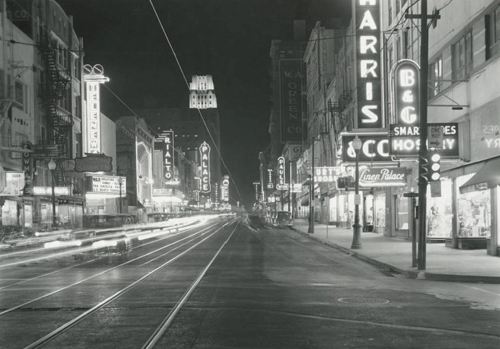
theater-row_by-george-mcafee_degolyer_SMUElm Street, 1941/1942  (DeGolyer Library, SMU)

All of these are such great photos. Thanks for making them available to us, SMU!

***

Sources & Notes

The three Dallas photos are from the George A. McAfee collection of photographs at the DeGolyer Library at Southern Methodist University — some of the photos in this large and wonderful collection were taken by McAfee, some were merely photos he had personally collected. The top photo (taken by McAfee) is listed on the SMU database with the title “[Looking Southeast, Corner of Elm and Akard, Kirby Building at Right]” — more info on this photo is here. The second photo, “[Looking East on Elm West of Akard / Praetorian Building (Main at Stone) Upper Right Center]” is not attributed to a specific photographer; this photo is listed twice in the SMU database, here and here. The third photo, “[Looking East on Elm from Akard on “Theatre Row” (Including on North Side on Elm from Left to Right — Telenews, Capitol, Rialto, Palace, Tower, Melba and Majestic],” appears to have been taken by McAfee, and it, too, appears twice in the online digital database, here and here. (I’ve updated this post with additional photos from the DeGolyer Library relating to the building’s remodeling in 1936 — links are below the images.)

The three photos from the “Crash at Crush” event are attributed to Jervis C. Deane, and were taken on September 15, 1896 along the MKT railroad line between West and Waco; the images seen above appeared in the Austin American-Statesman on Sept. 16, 1962. More on the Crash at Crush from Wikipedia, here — there is a photo there of the historical marker and, sadly, Jervis Deane’s name is misspelled. Sorry, Jervis!

Read the Dallas Morning News story of the train collision aftermath in the exciting article lumberingly titled “CRUSH COLLISION: The Force of the Blow and Damage Done. Boilers Exploded with Terrific Force, Scattering Fragments of the Wreckage Over a Large Area. The Showers of Missiles Fell on the Photographer’s Platform Almost as Thick as Hail – Description of the Scene,” here.

The southeast corner of Elm and Akard is currently home to a 7-Eleven topped by an exceedingly unattractive parking garage — see the corner on Google Street View here.

There is a handy Flashback Dallas post which has TONS of photos of Akard Street, several of which have this building in it: check out the post “Akard Street Looking South, 1887-2015,” here.

*

Copyright © 2018 Paula Bosse. All Rights Reserved.

White Rock Train Station (And a Helicopter Ride)

white-rock-station_portalWaiting on the Texas Chief…

by Paula Bosse

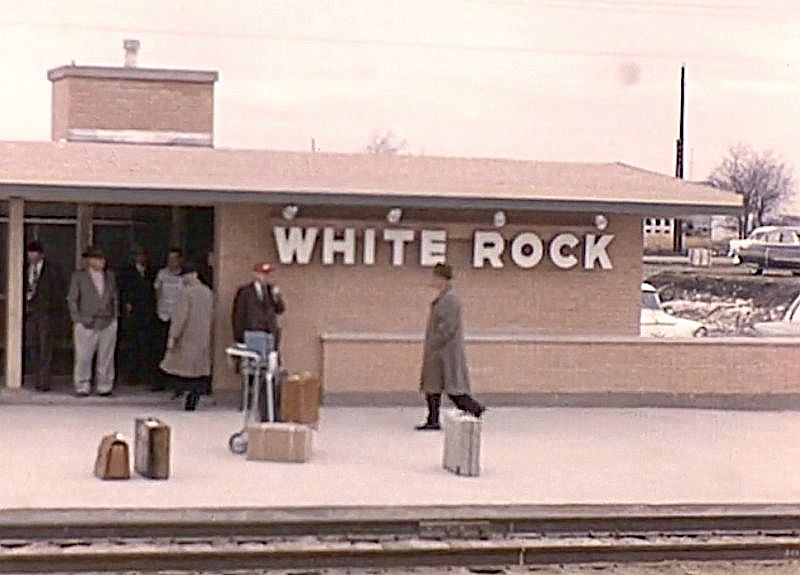
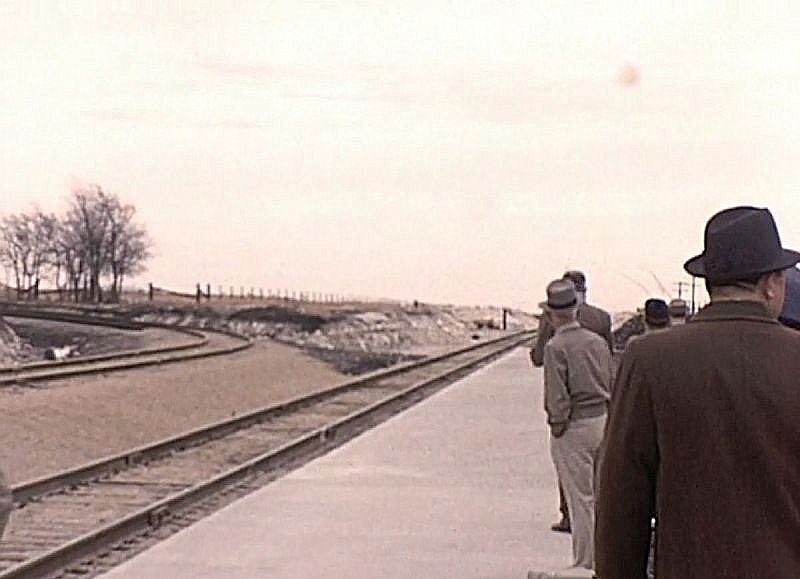
I was so happy to get word from UNT media librarian and film/video archivist Laura Treat this morning that she had come across film footage of White Rock Station, the first suburban train depot built in the Southwest by the Santa Fe Railway (in 1955). The footage is from the “Spotlight on North Texas” collection, a collaborative project between the University of North Texas Libraries and the Texas Archive of the Moving Image (TAMI) to preserve North Texas film history. This footage is from home movies donated by Mr. Peter Pauls Stewart.

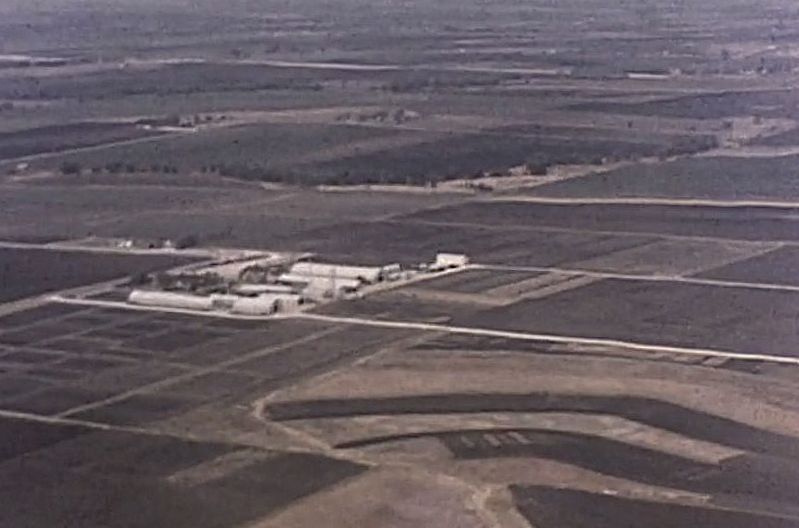
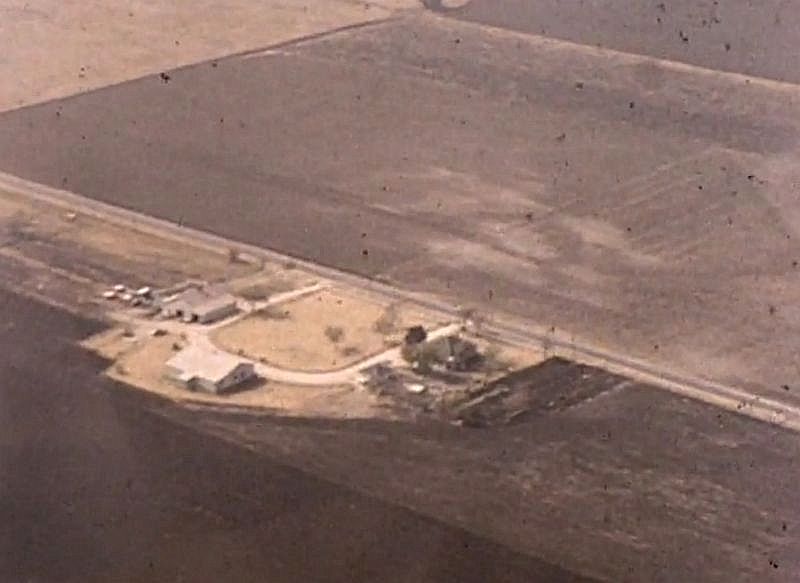
The 4-minute clip starts off with footage shot from a helicopter, showing brand new highways cutting through wide open land, followed by scenes of cute children and their cute dog, and then, beginning at the 3:00 mark, chilly-looking scenes of White Rock Station (which was located at about Jupiter and Kingsley on the edge of Garland, and which, today, looks disappointingly different) and a group of mostly men, some with cameras who appear to be train enthusiasts, waiting for the arrival of the Texas Chief. Doesn’t really look like Texas, does it? Below are some screenshots — watch the full clip on the Texas to Portal History site, here.

*
white-rock-station_parking_portal

white-rock-station_peter-pauls-stewart_portal

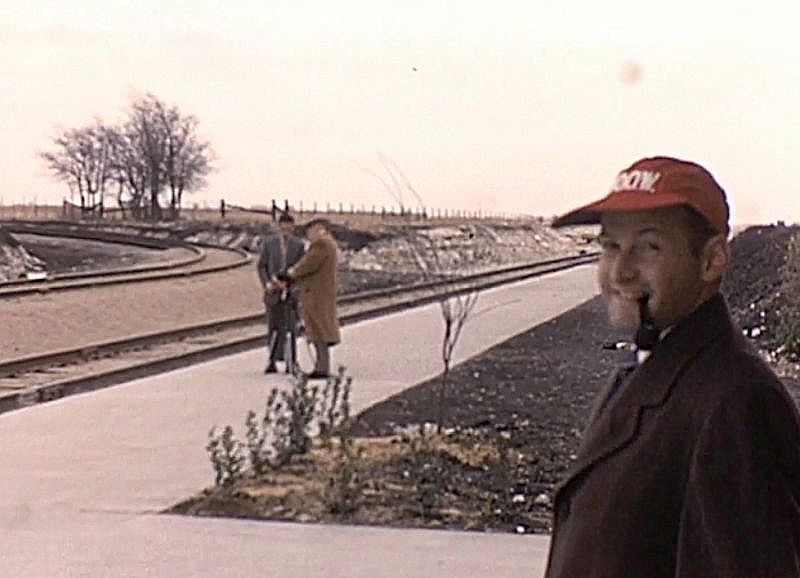
Above, two men set up a camera on a tripod as Mr. Stewart — the man who donated the footage — smiles at the camera and waits for the much-anticipated arrival of the train (which, be warned, is never actually seen in this film!).

white-rock-station_track_portal

Below a couple of aerial shots of the North Texas countryside.

helicopter_portal_1

helicopter_portal_2

UPDATE: In the comments below, Danny Linn writes about the aerial footage seen in the first minute or two of the clip: “… at the very beginning [of the clip is] a clear view of the old Highland Park Airport off Coit Road just north of Forest Lane. This portion of the clip also shows a fairly new Central Expressway near the future crossroad of LBJ Freeway.” Thank you, Danny! I assumed part of what we saw was in the LBJ-area, but wasn’t sure — another view of that area can be seen in a fairly startling photo of Preston and Valley View in 1958, here.

***

Sources & Notes

The main page of this clip (titled “The Peter Pauls Stewart Films, No. 5 — Helicopter and Railroad Rides”) can be found here, on the Portal to Texas History website; it is from the Spotlight on North Texas collection, UNT Media Library, University of North Texas. (Click picture to watch clip in a new window.)

I have to admit that I had never heard of White Rock Station until I wrote about it in 2015, a post which has been surprisingly popular. The post — “White Rock Station” — can be found here.

Click pictures to see larger images.

Thank you, Laura!

*

Copyright © 2017 Paula Bosse. All Rights Reserved.


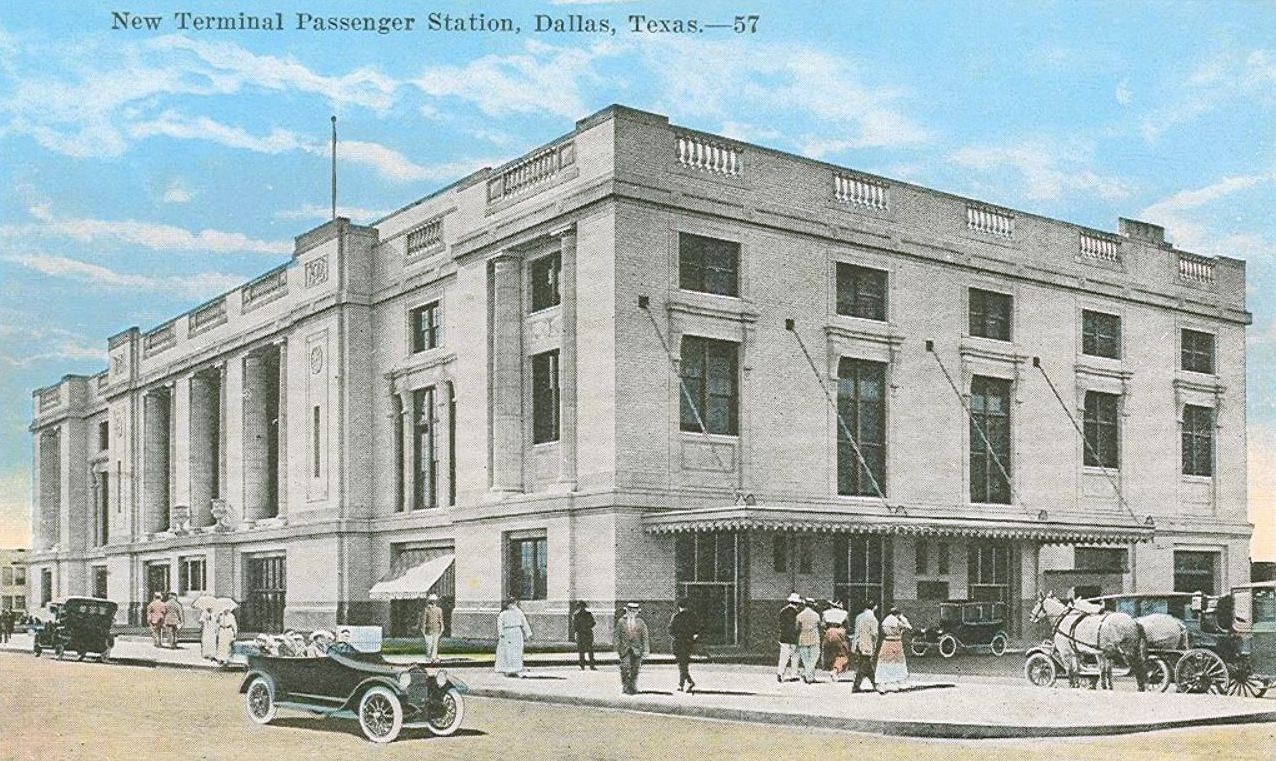
“New Terminal Passenger Station” — 1916

union-station-postcard_1916Union Station, open for business…

by Paula Bosse

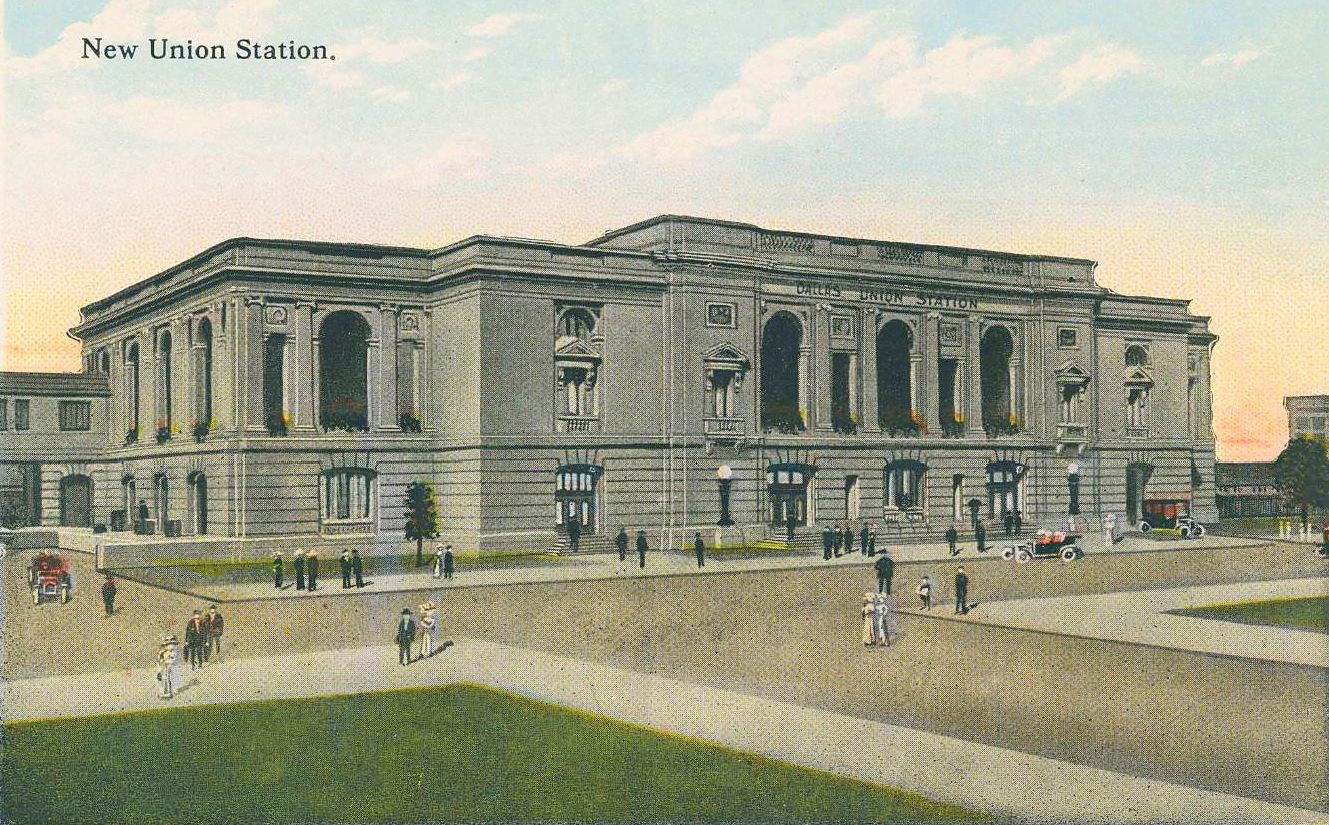
I love this postcard view of Dallas’ own Union Station, brand new in 1916. Minus the horses, it looks very much like this today.

***

Sources & Notes

Postcard found on eBay. 

*

Copyright © 2017 Paula Bosse. All Rights Reserved.

San Antonio Extra: The Texas Transportation Co. and the Pearl Brewery Electric Freight Trolley

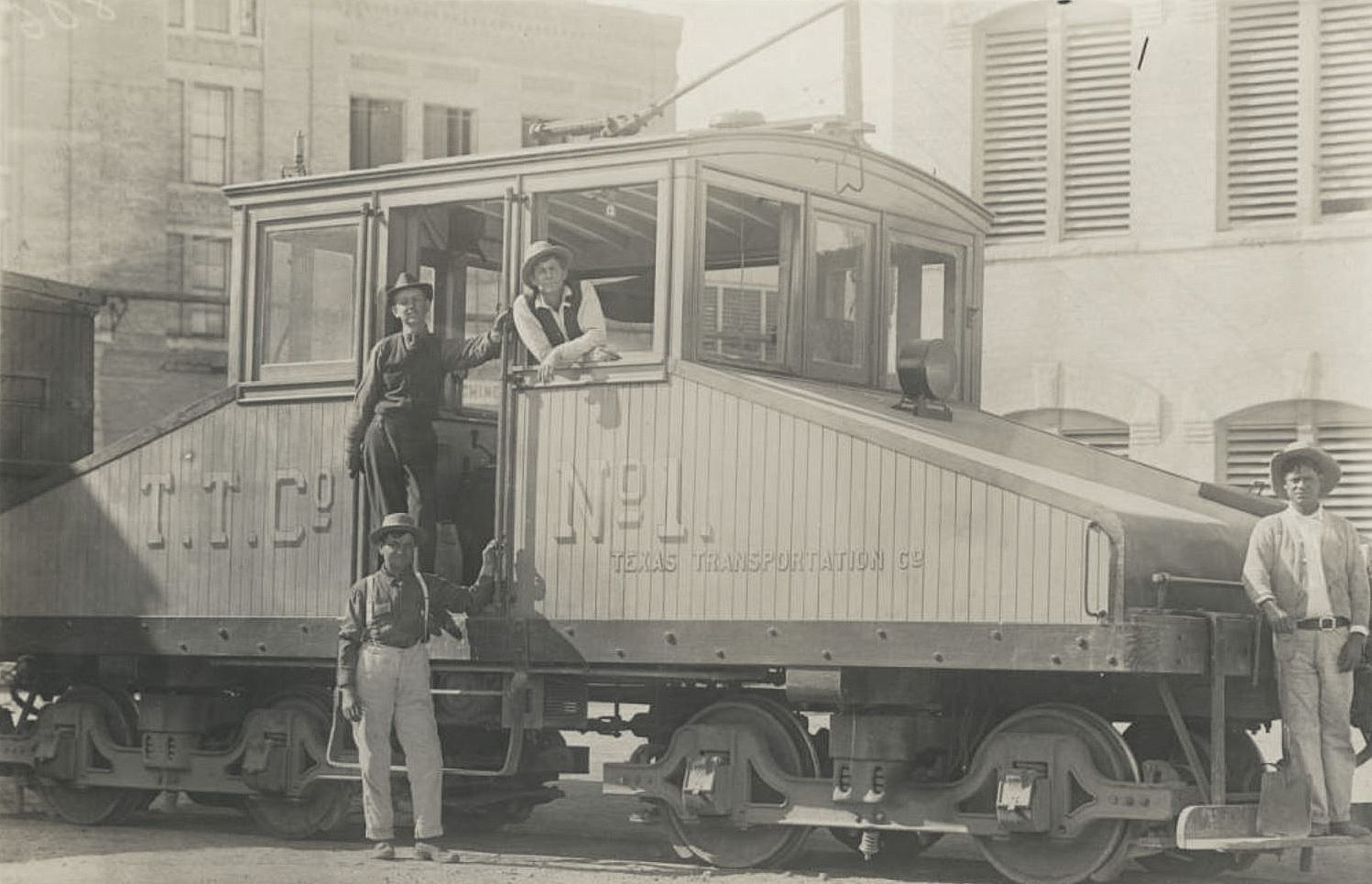
texas-transportation-co_cook-coll_degolyer_smu_san-antonioT. T. Co. No. 1, at your service… (click for larger image)

by Paula Bosse

I come across a lot of interesting Texas photos that have nothing to do with Dallas, so I think I might, on occasion, post them here, knowing that someone else is also likely to find them interesting. Like the one above.

This photo is from the incredible gift that just keeps giving, the George W. Cook Dallas/Texas Image Collection, held by the DeGolyer Library at SMU. Most of the items in the collection have a Dallas connection, but there are several others of general Texas interest.

When I saw this photo I wasn’t sure what it was. It looked like an electric trolley, but I’d never seen a shape like that before. It turns out it was, indeed, an electric freight locomotive. It was one of two locomotives that belonged to the Texas Transportation Co.’s tiny fleet of two — this was engine No. 1. The T.T.C. operated a freight service on their very short 1.3-mile track for 113 years (1887-2000), serving primarily the Pearl and Lone Star breweries of San Antonio, running freight to and from the breweries and the Southern Pacific rail yard. (More at Wikipedia, here.)

Here’s a later photo of the locomotive (October, 1928), now emblazoned with the Pearl Beer logo.

texas-transportation-co_1928_denver-public-library

As hard as it is to believe, this electric freight trolley ran along the streets of San Antonio until the year 2000, when it became a victim of the Pabst Brewing Company’s acquisition and shuttering of the Pearl Brewery. Without the brewery, there was no need for the trolley to continue to run. A month before it stopped running, a man shot video footage of the locomotive(s) trundling through San Antonio. I particularly liked seeing the locos push freight cars as well as pull them (seen at about the 12:50 mark). (Read the notes of the man who shot the video on the YouTube page under “Show More.”)

*

***

Sources & Notes

Top photo — titled “T. T. Co. No. 1. Texas Transportation Co.” — is from the George W. Cook Dallas/Texas Image Collection, DeGolyer Library, Central University Libraries, Southern Methodist Unviersity; more information about this photo can be found here.

Second photo — titled “Texas Transportation Co. locomotive, engine number 1, engine type Electric” — is from the Otto C. Perry Memorial Collection of Railroad Photographs, Western History Department, Denver Public Library; more information on this photo can be found here.

A great short, illustrated history of the Texas Transportation Co. and the various locomotives that ran on its rails can be found at the Don Ross Group website, here (be sure to read the reminiscences of a man who worked at the Pearl Brewery as a college student in 1960 at the bottom of the page).

I wrote about electric interurban freight-hauling locomotives in the Flashback Dallas post “Interurbans: Freight Movers?”

Click photos to see larger images.

*

Copyright © 2017 Paula Bosse. All Rights Reserved.
 

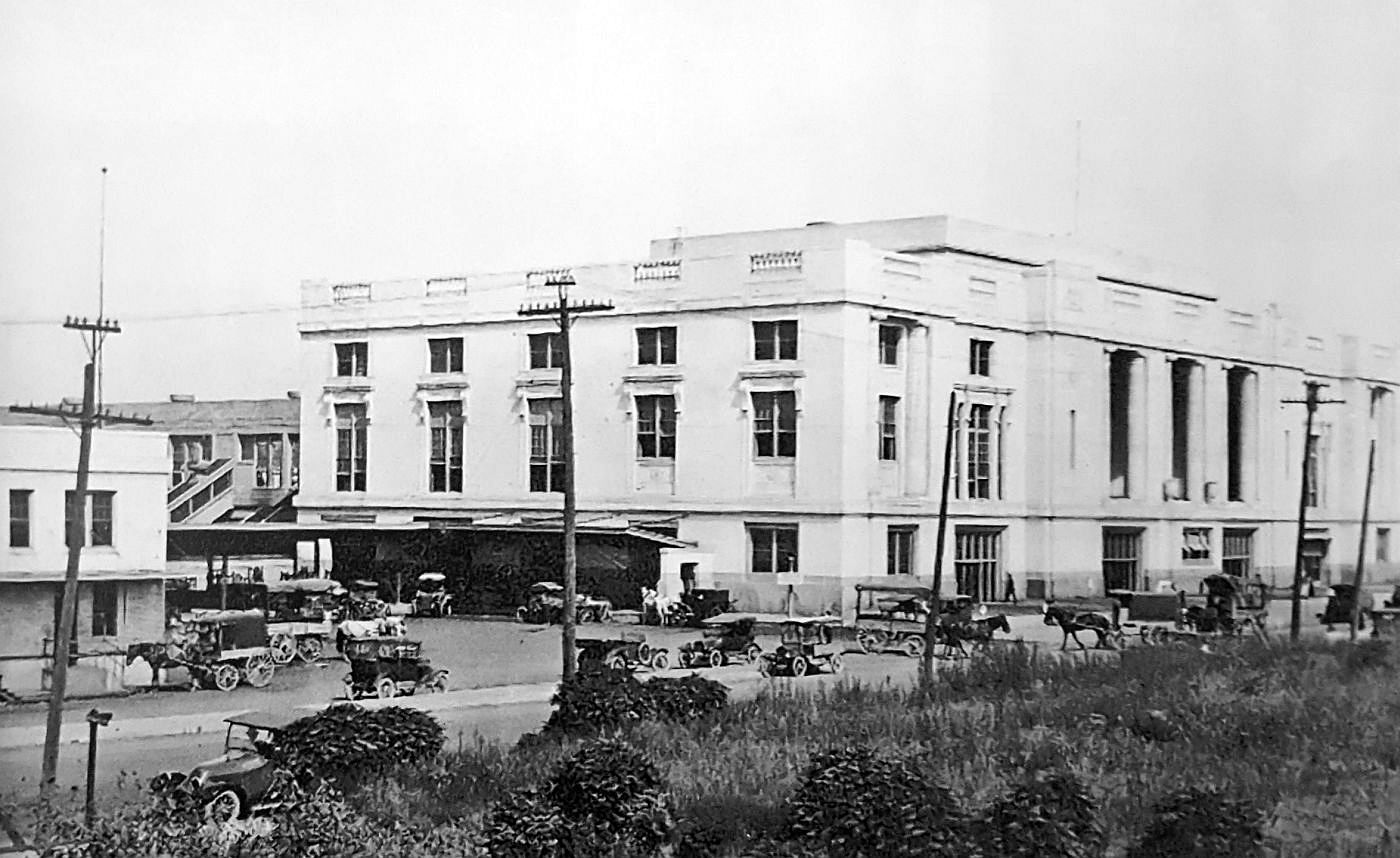
Union Station — ca. 1916
union-station_ca-1916A century ago… (click to see larger image)

by Paula Bosse

A new Union Station, bustling with activity, as seen across a scrubby vacant lot which, today, is the home of the Dallas Morning News building at S. Houston and Young. See the view today, here.

The photo shows the baggage shed which used to be on the south side of the building as well as the passenger bridge heading to and from the trains, with steps leading down to the platforms. See the details on the Sanborn map from 1921 here.

Union Station has weathered some difficult times and suffered from neglect after the golden age of train travel ended, but after recent extensive renovation/restoration, the historic landmark looks as good as new!

*

Copyright © 2017 Paula Bosse. All Rights Reserved.