Flashback : Dallas

A Miscellany: History, Ads, Pop Culture

The First JFK Assassination Reenactment — 1963

jfk_secret-service-reenactment_dth_112763Secret Service film crew, 11-27-63

by Paula Bosse

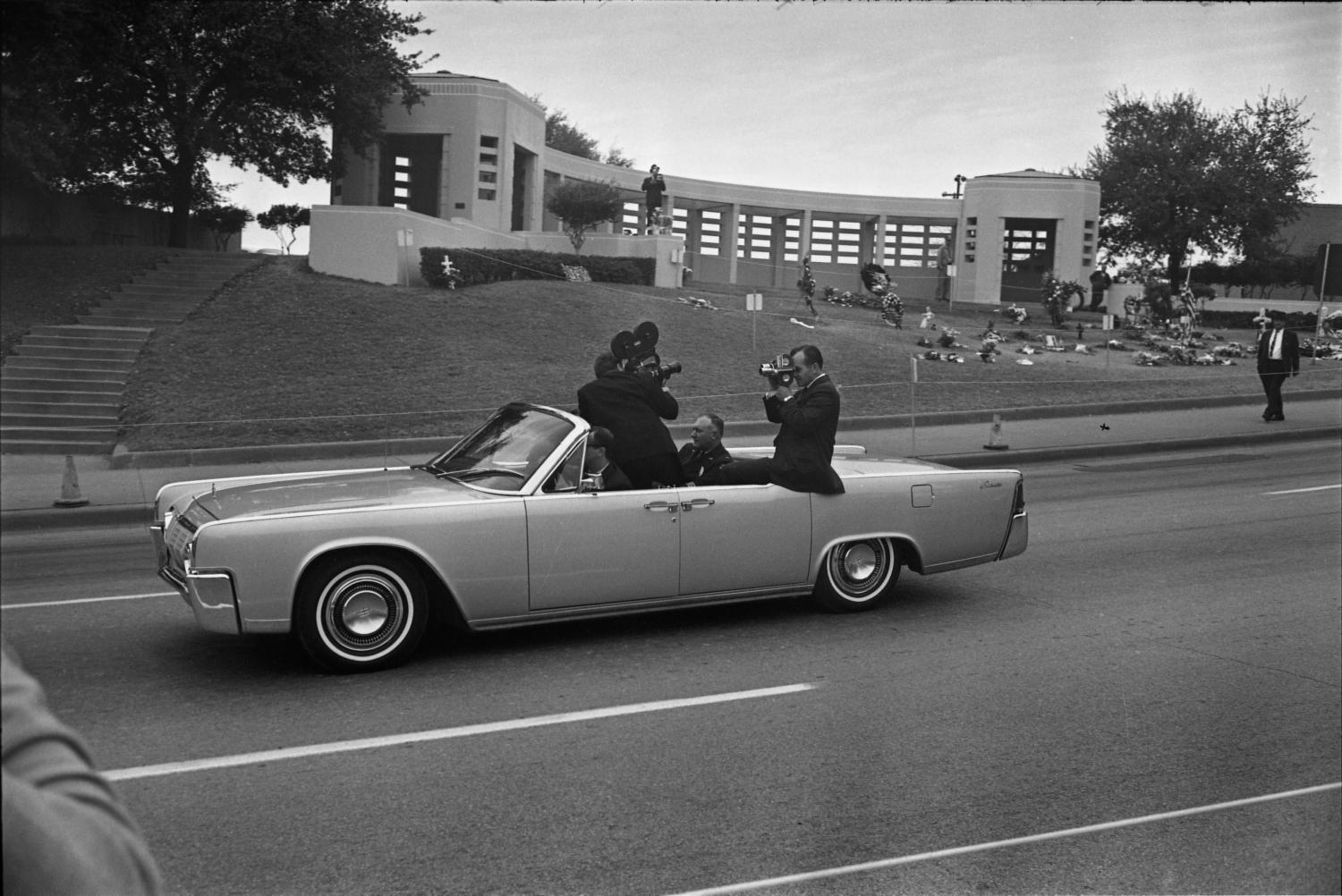
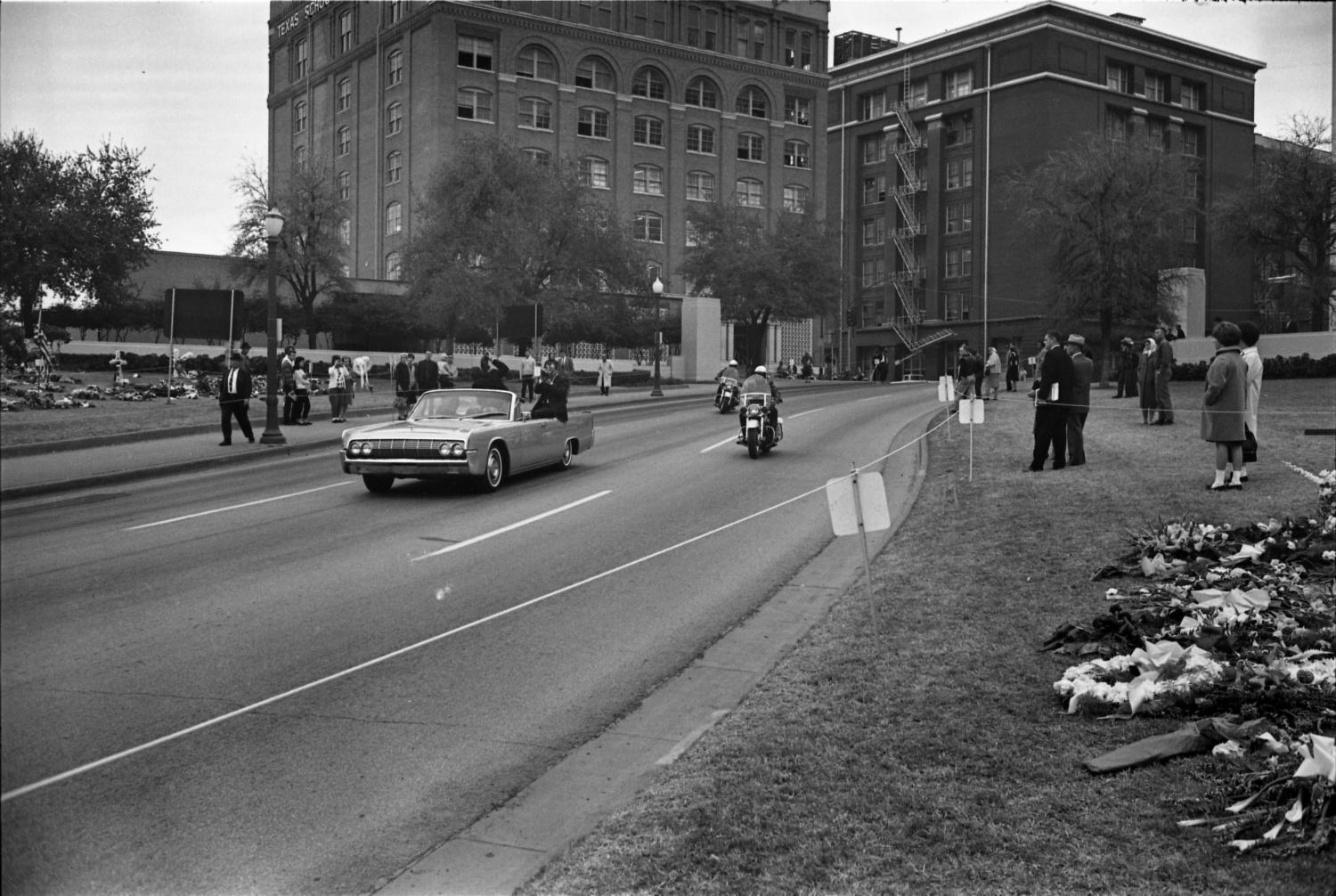
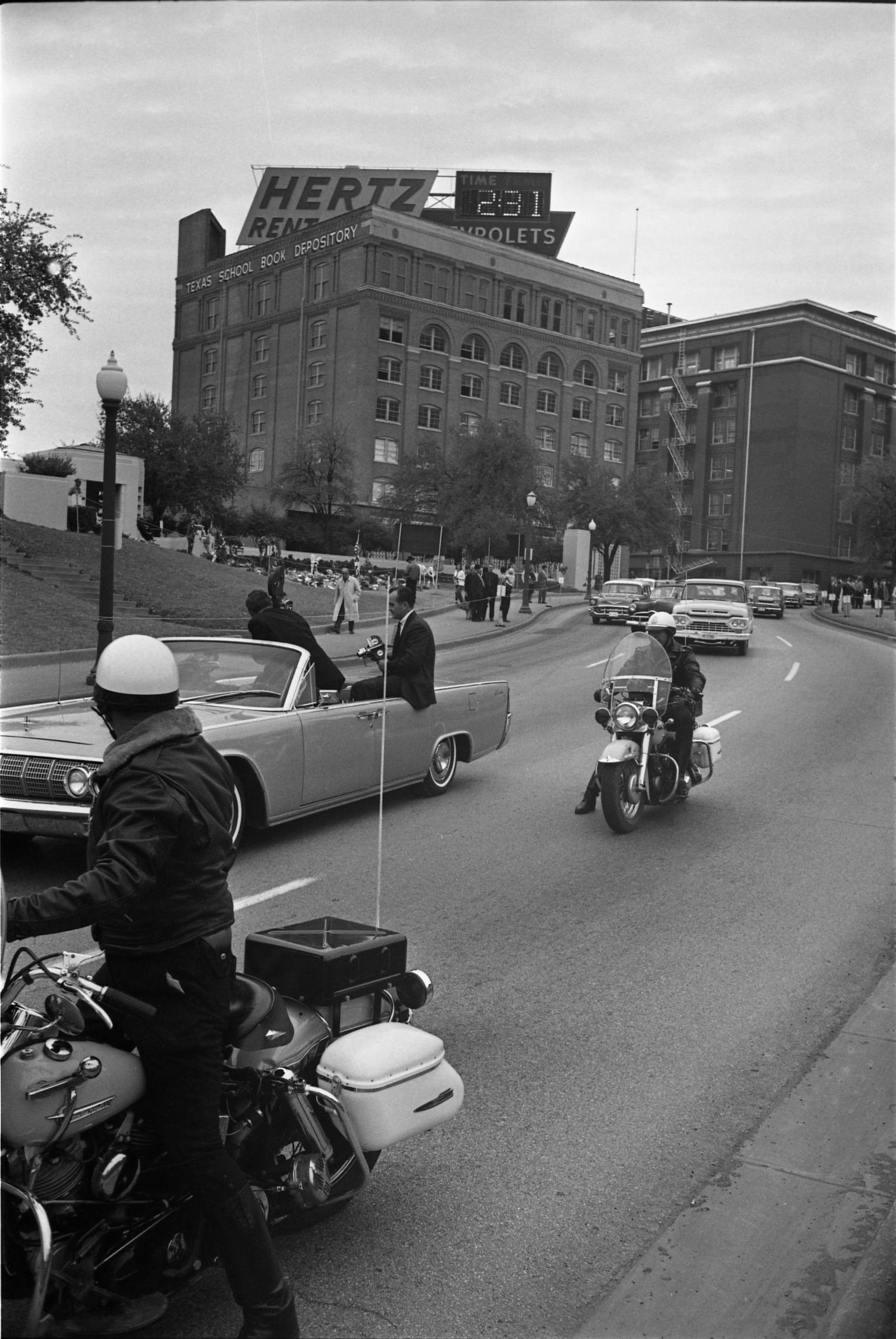
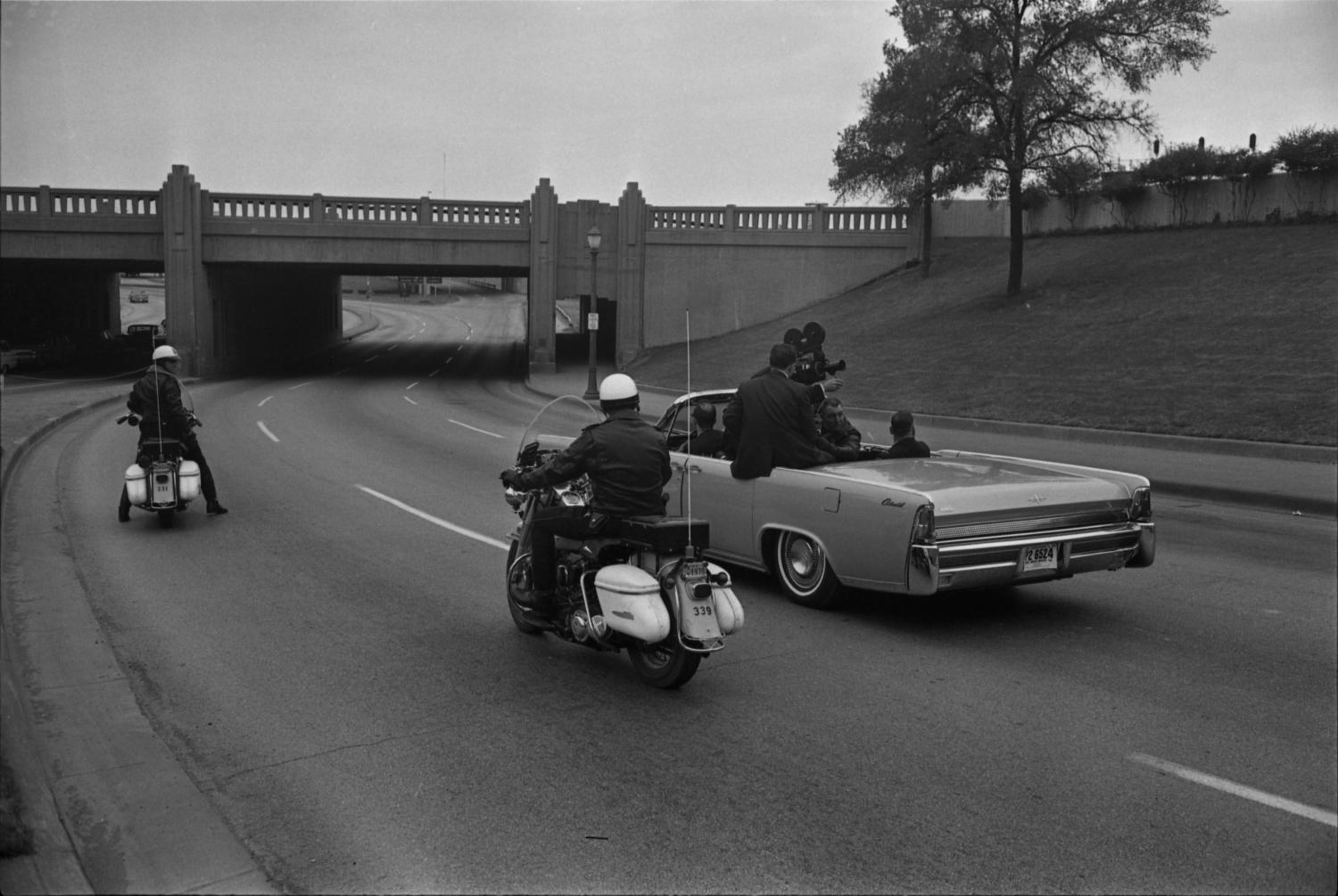
There is yet another JFK assassination-related film being shot in and around Dealey Plaza, causing all sorts of traffic woes, but spotlighting some great period cars, trucks, and fashions. The first reenactment? It took place on November 27, 1963 as part of the Secret Service investigation. A newspaper account suggested that Jack Ruby may have been watching from his jail cell, mere steps away. The photos below, showing some of that filming, were taken by a Dallas Times Herald staff photographer. (All photos from the Sixth Floor Museum at Dealey Plaza/UNT’s Portal to Texas History.)

jfk_secret-service-reenactment_dth_112763c

jfk_secret-service-reenactment_dth_112763b

jfk_secret-service-reenactment_dth_112763d-triple-underpass

Another photo — this one of somber onlookers — taken the same day. Ruby’s home-away-from-home — the jailhouse — is in the background at the left.

jfk_secret-service-reenactment_same-afternoon_dth_112763

***

Sources & Notes

Photos from the incredible Dallas Times Herald collection of Kennedy assassination photographs from the Sixth Floor Museum at Dealey Plaza, viewable online via UNT’s invaluable Portal to Texas History; the reenactment photos are here (the first photo is here).

The reenactment received only a few paragraphs in The Dallas Morning News the next day: “Crime Re-enacted by Secret Service” by Carl Freund (DMN, Nov. 28, 1963).

Currently filming in Dallas: the television adaptation of Stephen King’s novel “11-22-63.” Read the updates on the filming from Robert Wilonsky of The Dallas Morning News, here.

UPDATE: Watch the footage shot this day in my post “The Official Government Reenactment of the Kennedy Assassination — Nov. 27, 1963,” here.

*

Copyright © 2015 Paula Bosse. All Rights Reserved.

Take a Spin In “The Rotor” at The State Fair of Texas

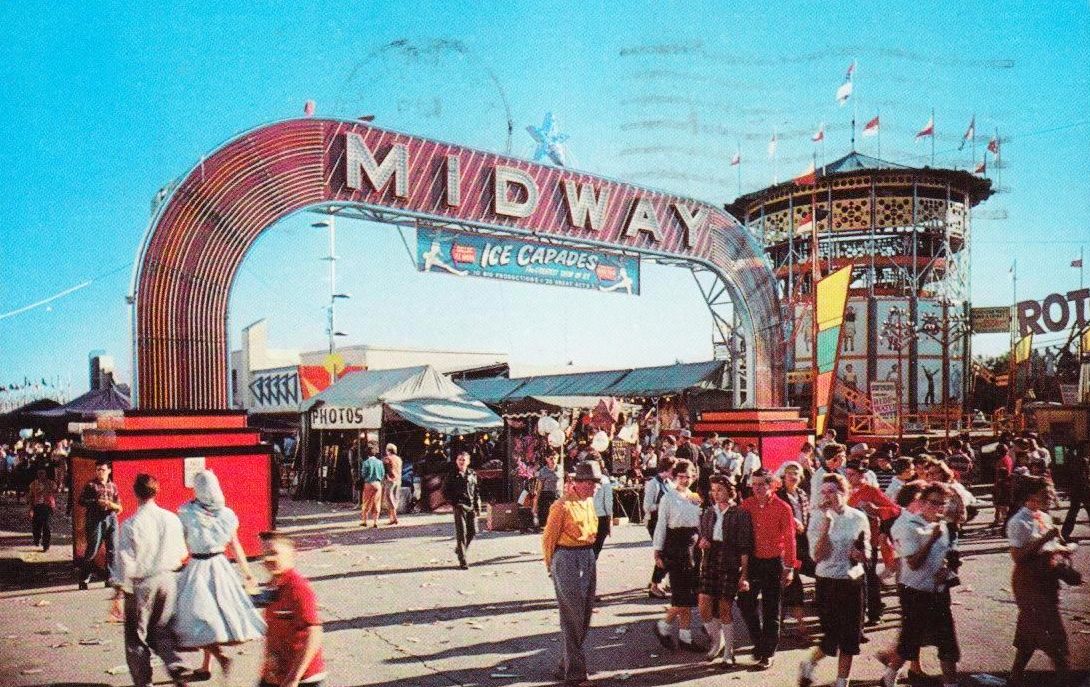
state-fair-midway_ebayAnother beautiful day at the fair!

by Paula Bosse

Students’ Day at the Fair? There are a lot of unaccompanied kids in that photo eating food on sticks.

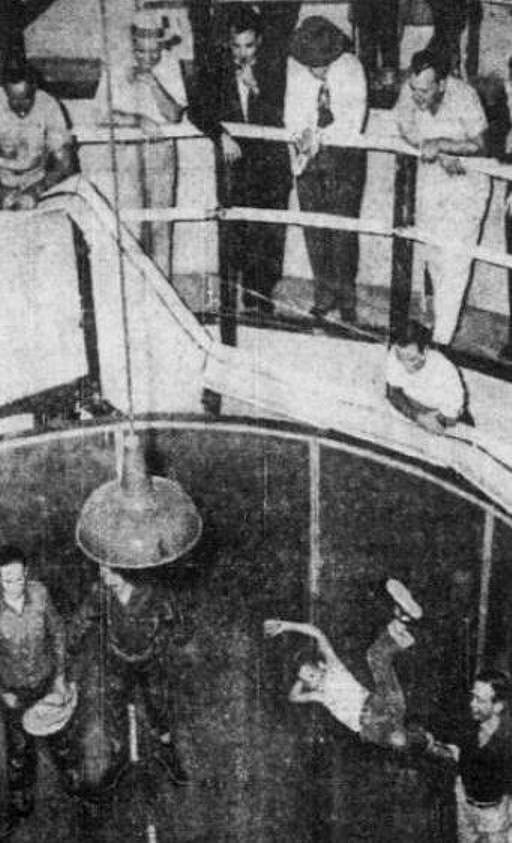
I could be wrong, but I think the round structure to the right of the entrance is The Rotor (part of the sign is visible at the far right). The Rotor resembled a large barrel inside. You’d stand with your back to the curved wall, and then the walls would begin spinning around. Eventually the spinning got faster and you’d be pinned against the wall with centrifugal force as the floor dropped out. …Which could be a big mistake after too many corny dogs and cotton candy.

The Rotor debuted at the State Fair in 1952, imported from England. The British company would be sued later that year by the man who invented the ride, Ernst Hoffmeister. Hoffmeister sued several people who were operating similar rides internationally, but all was resolved by the following year, and the Rotor ride was an extremely popular fixture of the State Fair of Texas midway for many years.

 Below, the ride in action.

rotor_1953

***

Sources & Notes

Postcard from eBay.

For more on this, head to the Dallas Morning News archives and read an interview with the men who brought the Rotor to the State Fair of Texas in the article “‘Bloody Sensation’ — Britons to Supply Ride on State Fair Midway” by Frank X. Tolbert (DMN, Sept. 25, 1952).

*

Copyright © 2015 Paula Bosse. All Rights Reserved


Wading in Turtle Creek, 100 Years Ago

turtle_creek-smu-rotunda-1916_sm

by Paula Bosse

A photograph of children wading in a very different-looking Turtle Creek, taken about 1915, the year Highland Park (pop. 1,100) was incorporated.

***

Sources & Notes

Photo from the 1915-1916 SMU Rotunda yearbook.

Population factoid from Wikipedia.

Click picture for larger image.

*

Copyright © 2015 Paula Bosse. All Rights Reserved.


The Dallas Skyline, Vibrant & Sophisticated — 1960

skyline_drawing_ca-1960If only…

by Paula Bosse

This is a fantastic interpretation of the Dallas skyline, circa 1960. A little artistic license and … voilà! … Dallas has never looked New Yorkier. In a good way!

Thank you, anonymous commercial artist! This is the cool, sophisticated version of Dallas I’ve always wanted to live in!

*

Copyright © 2015 Paula Bosse. All Rights Reserved.


From the Vault: University Park’s Monarch Butterfly Wrangler

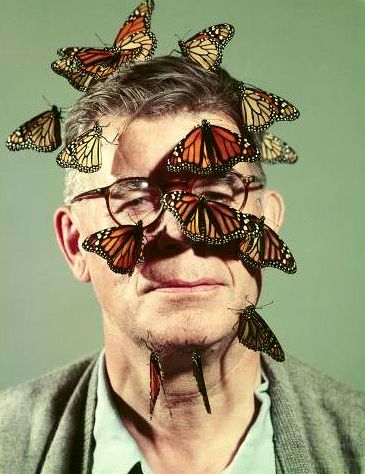
monarch_life_colorCarl Anderson & friends (John Dominis, Time-Life Pictures/Getty Image)

by Paula Bosse

One of my favorite Flashback Dallas posts was the one I wrote earlier this year about Carl Anderson, a man who was passionate about studying Monarch butterflies. He shared his love of these butterflies with everyone — from the neighbor kids on Centenary Avenue in University Park to the worldwide readership of Life magazine.

I wrote the original post — which you can read here — when the Monarchs were migrating up from Mexico. Now they are migrating back south. Check out the animated map of the Fall/Winter 2015 migration here.

Keep your eyes peeled for Monarchs! Do it for Carl!

*

Copyright © 2015 Paula Bosse. All Rights Reserved.


1615 South Ervay: The Eagle Apartment Building

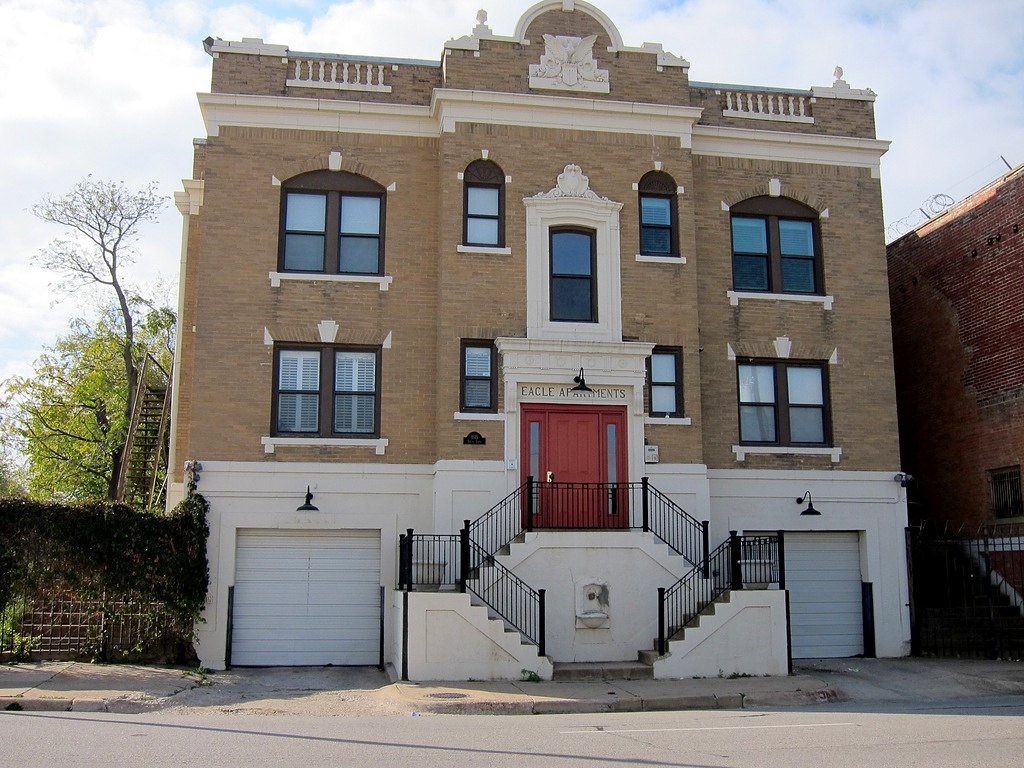
1615-s-ervay_zillowThe Eagle, today (click for larger image) / Photo: Zillow

by Paula Bosse

Whenever I drive along South Ervay, I always slow down — or pull over — to take a look at this building. It doesn’t look like anything else around it, and I’ve wondered about it from the first time I saw it.

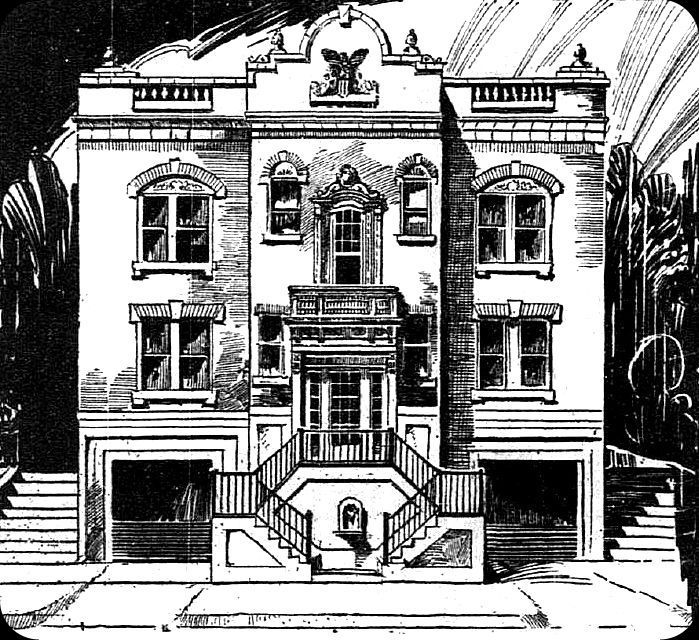
It was built in 1924 and was announced in a newspaper advertorial beneath the headline “New Apartment Building on South Ervay Street to Have Garage Space in Basement.” It was accompanied by a drawing of a fairly grand-looking building.

1615-s-ervay_dmn_0622241924

This new apartment building at 1615 South Ervay street, now being completed by George Kean, embodies many new and novel features in the construction of buildings of this character, one of these being provision of garage space for tenants in the basement. The building will contain eight four-room apartments and sixteen two-room efficiency apartments. J. W. Lindsley & Co. are leasing agents, and contract has been given to Sanger Bros. for furnishings of the building.

A basement garage for a small apartment building like this was pretty unusual for the time. And when they said Sanger’s was supplying the furnishings, they meant everything from furniture down to bed linens and kitchen utensils!

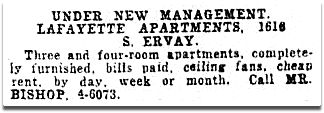
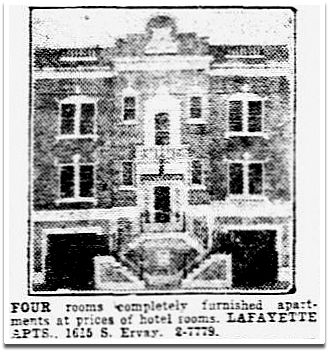
The first “for rent” ads began appearing a week after this announcement. Below, the photo and text of an ad from June 29, 1924.

eagle-apts_dmn_062924-deteagle-apts_dmn_062924-textJune, 1924

Hey, I’d take a look!

But renting’s for chumps — how about owning the entire building? (“Can care for 50 cars”!)

eagle-apts_dmn_080324Aug., 1924

Below, an ad with rates and a bit more info (it sounds like all units had a Murphy bed — even the apartments with a bedroom):

eagle-apts_dmn_071225July, 1925

They were kind of pricey. According to the Inflation Calculator, prices in today’s money would be about $825-$900 for a 2-room efficiency, and about $1,225-$1,375 for a 4-room apartment.

By the fall of 1931, the building had changed hands, was under new management, and had been re-named. It was now the Lafayette Apartments, and units were now being rented “by day, week or month.”

lafayette_dmn_100131Oct., 1931

lafayette-apartments_dmn_101532Oct., 1932

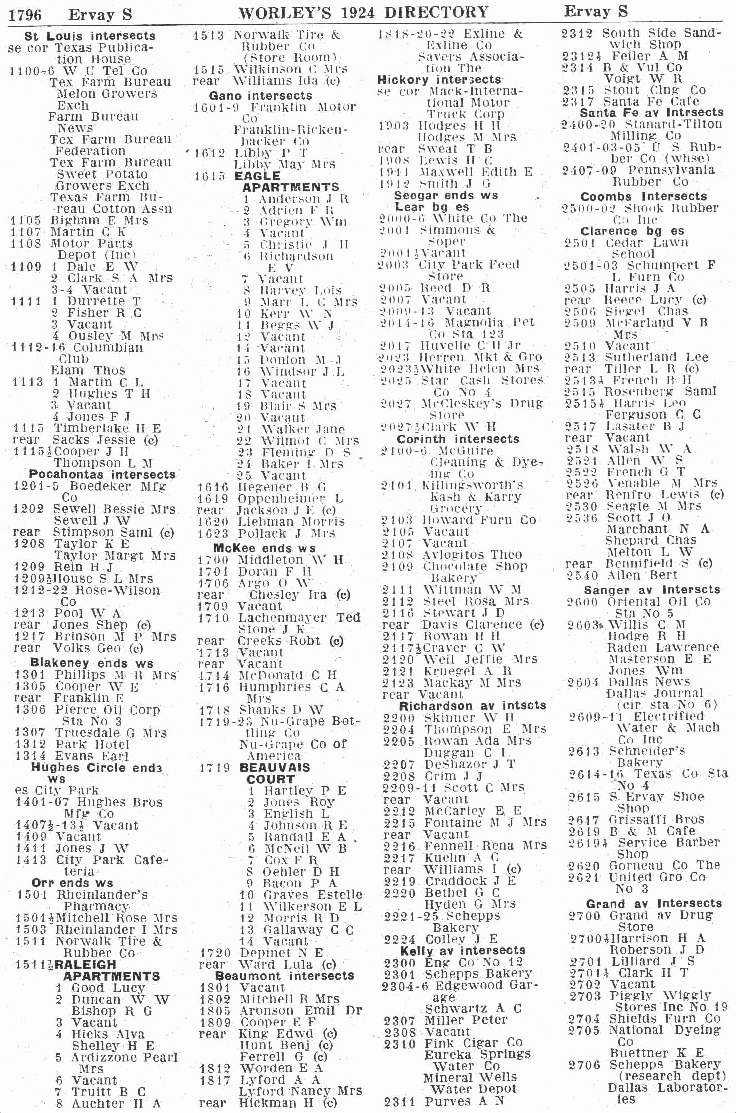
Today this stretch of South Ervay is not the crowded and busy thoroughfare it once was. Though there were several businesses and small industrial buildings, it was also a residential area, lined with houses, apartment buildings, and the large Park Residence Hotel (better known in recent years as the Ambassador Hotel). The Eagle apartment building is in the 1600 block of South Ervay — when it opened in 1924, there were also apartment buildings in the 1500 and 1700 blocks. It’s interesting to take a look at a page from the 1924 city directory to see who and what occupied this South Ervay neighborhood in 1924 (click for larger image):

south-ervay_1924-directory1924 Dallas directory

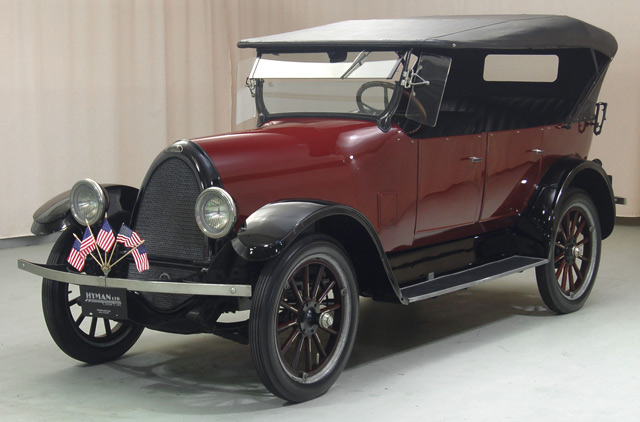
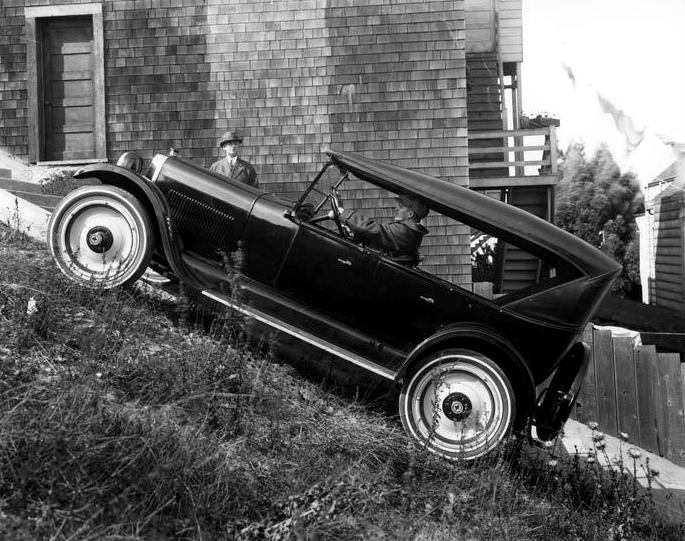
The building right next door to the Eagle Apartments was the Franklin-Rickenbacker Motor Co., a car dealership (part of the word “Franklin” can be seen painted on the brick wall in the 1924 photograph). For context, here are the automobiles that would have been for sale next door to the Eagle when it opened.

1924-franklin_secondchancegarage1924 Franklin

1924-rickenbacker1924 Rickenbacker

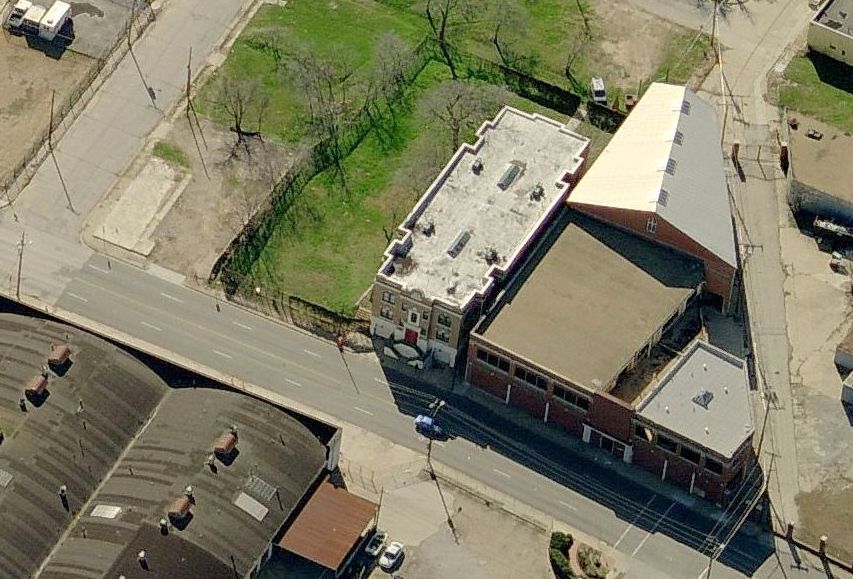
Today, people are still living in 1615 South Ervay. I’m not sure how many condominiums are in the building, but if you search around on the internet, you can find several real estate listings that show what various of the units look like inside. They’re very nice! It’s a much larger building than I realized, as can be seen in this aerial view.

south-ervay_bingBing

I love that red door. Here’s to the continued revitalization of South Dallas and The Cedars!

***

Sources & Notes

Top photo from Zillow.

Photo of the Franklin automobile from SecondChanceGarage.com, here. I found the Rickenbacker photo on a Rickenbacker guitar site which froze my computer and which shall remain unlinked; more photos of Rickenbacker cars (as well as a history of the company) can be found here (the car was named after WWI flying ace Eddie Rickenbacker, a cousin of the guitar maker).

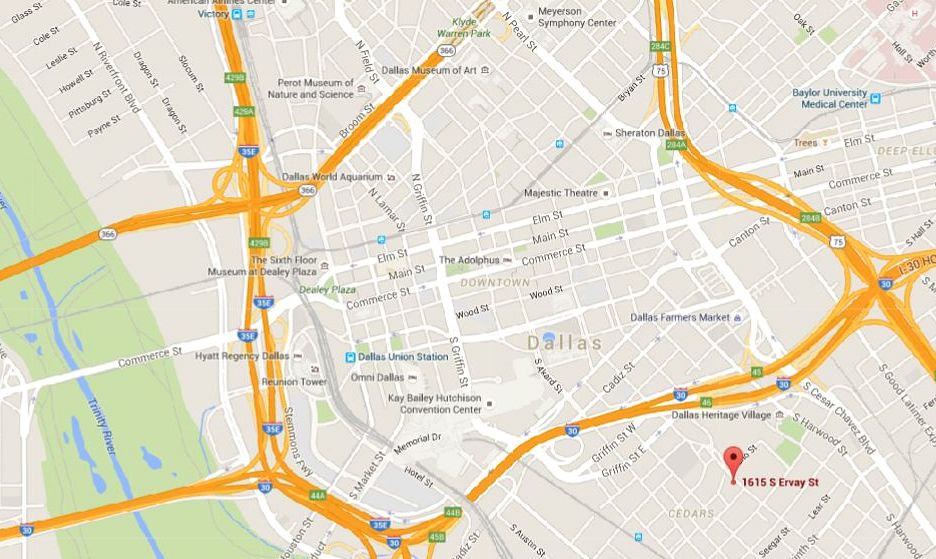
1615 S. Ervay is located catty-corner to Old City Park/Dallas Heritage Village, near the intersection of S. Ervay and Gano streets.

1615-s-ervay_googleGoogle

Street view of the building, looking north on Ervay toward downtown, here.

*

Copyright © 2015 Paula Bosse. All Rights Reserved.

Young Bucks at the Fair — 1915

state-fair_men-touring-car_1915_degolyerRaring to go…

by Paula Bosse

Some of these guys look like they’d be fun to spend a day with at the fair. …Some of them don’t.

***

Sources & Notes

Real photo postcard titled “Men in a touring car with 1915 State Fair of Texas in Dallas banner” is from the Collection of Texas Postcards, DeGolyer Library, Central University Libraries, Southern Methodist University; it can be accessed here.

*

Copyright © 2015 Paula Bosse. All Rights Reserved.

From the Vault: Oak Cliff Trolley — 1895


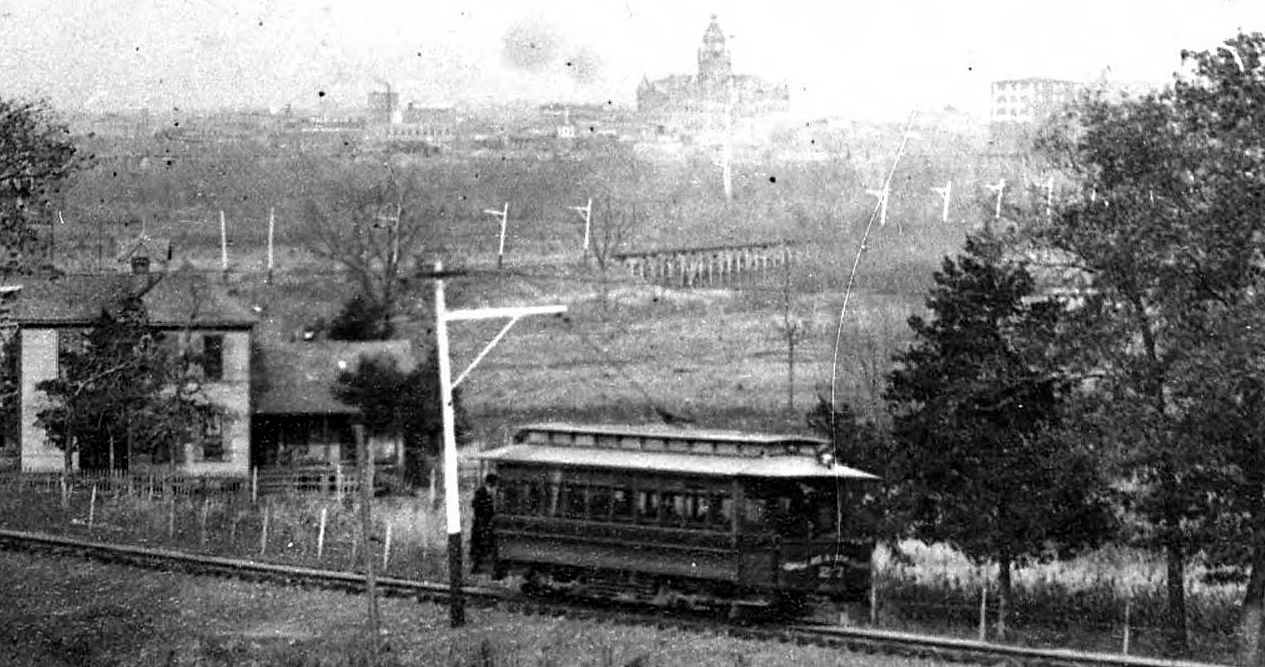
trolley_oak-cliff_det1“Dallas from Oak Cliff” (detail), Henry Stark (click for much larger image)

by Paula Bosse

This wonderful detail of a photograph by Henry Stark shows a trolley chugging through a rural and woody Oak Cliff in 1895: an example of 19th-century mass transit in Dallas. See the full post from last year — which includes the original photo and three other magnified details — here.

*

Copyright © 2015 Paula Bosse. All Rights Reserved.

SMU Turns 100: A Look Back at Its Very First Days — 1915

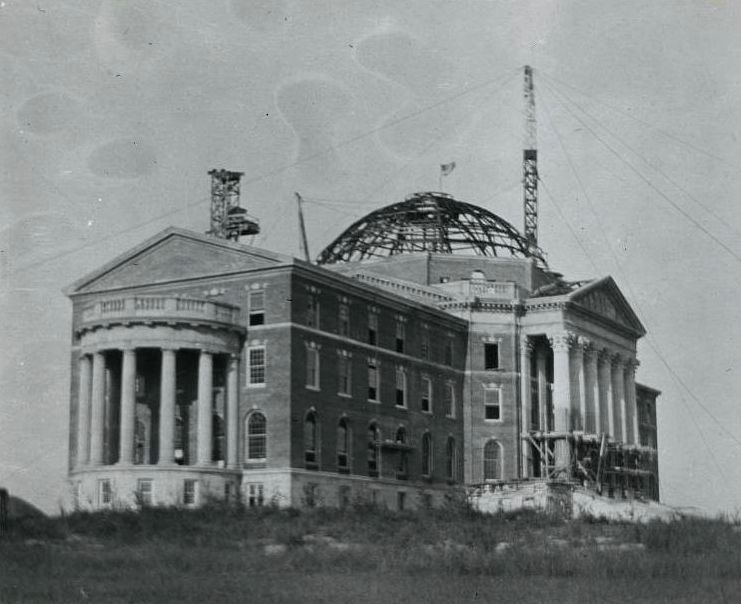
smu_dallas-hall-dome-under-construction_1914Dallas Hall’s dome under construction, 1914 (SMU Archives)

by Paula Bosse

Classes began for the very first time at brand new Southern Methodist University on September 28, 1915 — 100 years ago today! Where HAS the time gone? Below, a few photos from those early days (click pictures for larger images).

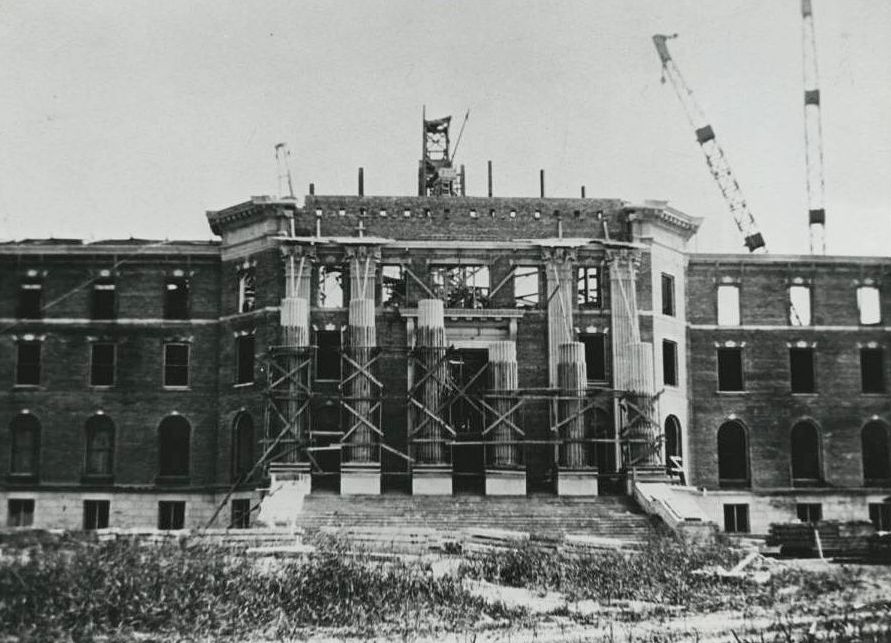
smu_dallas-hall-columns-under-construction_1914_degolyerDallas Hall’s columns going up, 1914, out in the middle of a mostly empty prairie, well beyond the Dallas city limits.

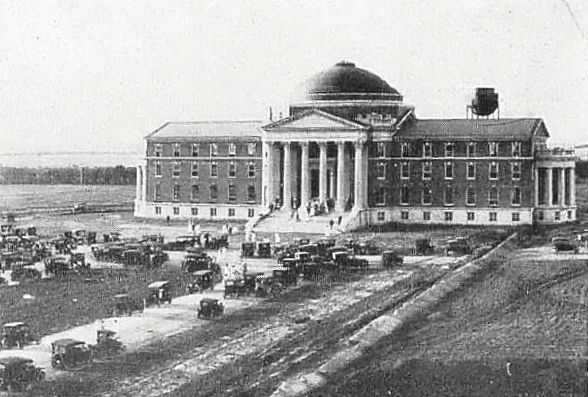
smu_week-before-opening_1935-rotundaVisitors checking out the new campus, a week before its opening.

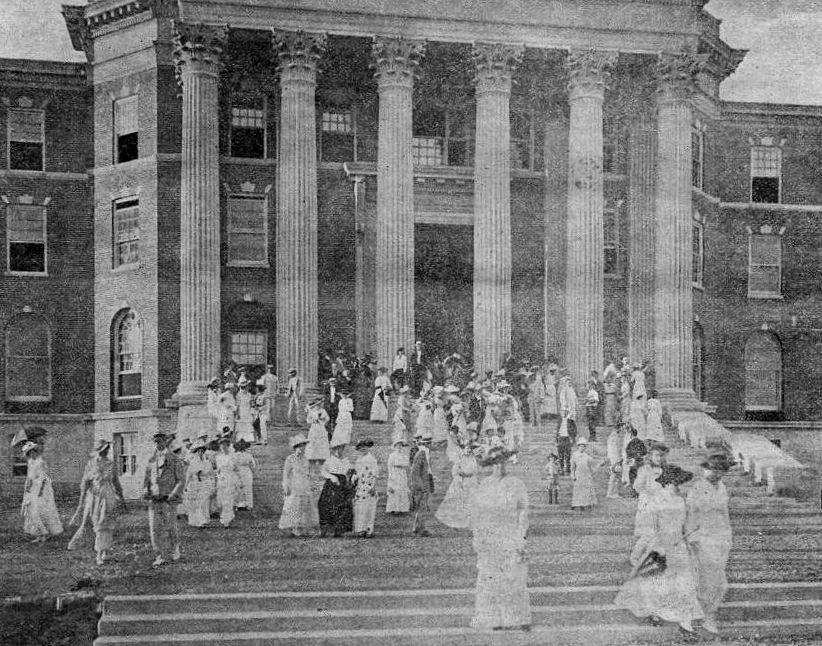
smu_visitors-before-opening_091115Genteel visitors on the steps of Dallas Hall, the only building on campus in which classes were actually held.

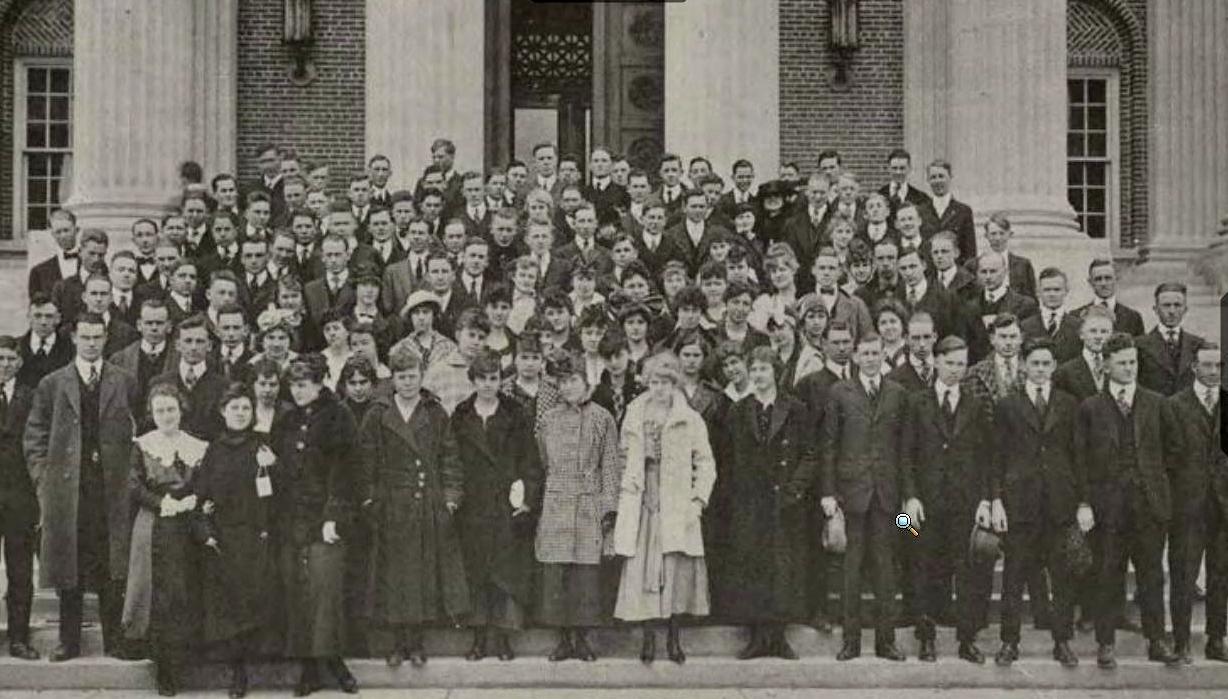
12smu-rotunda-1916_freshman-classSMU’s first freshman class.

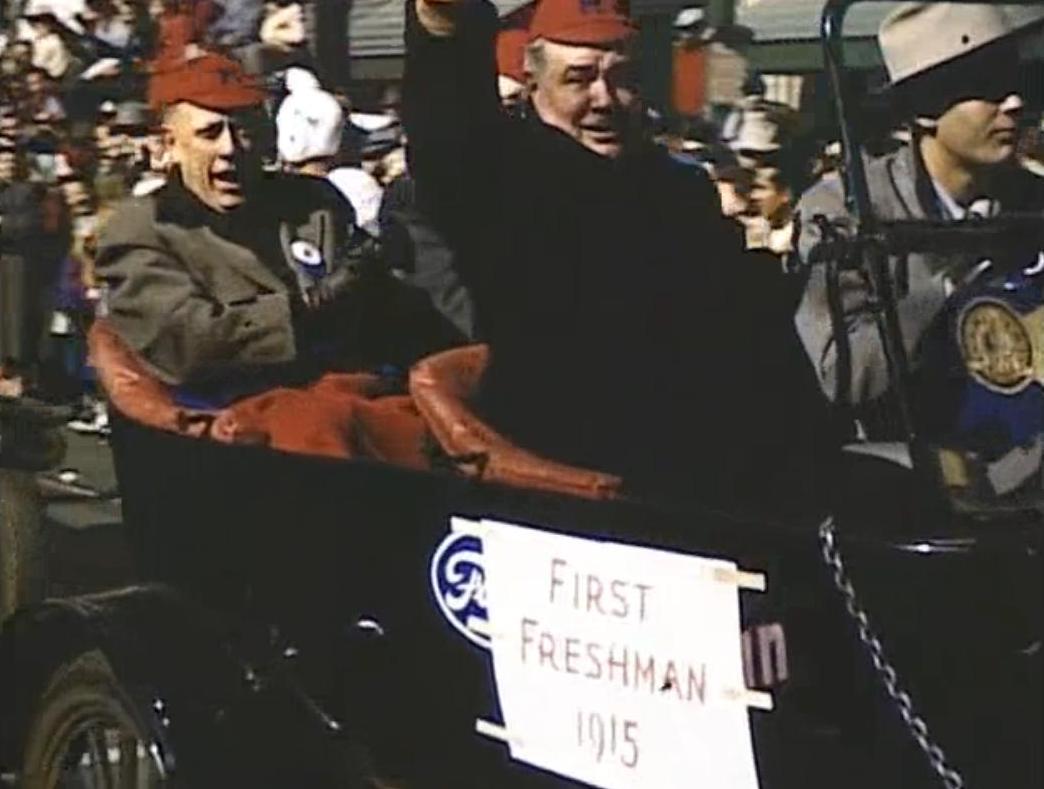
smu_first-freshmen_1950-homecoming-paradeAnd a couple of those freshmen, 35 years later, riding in a car in the 1950 Homecoming Parade downtown.

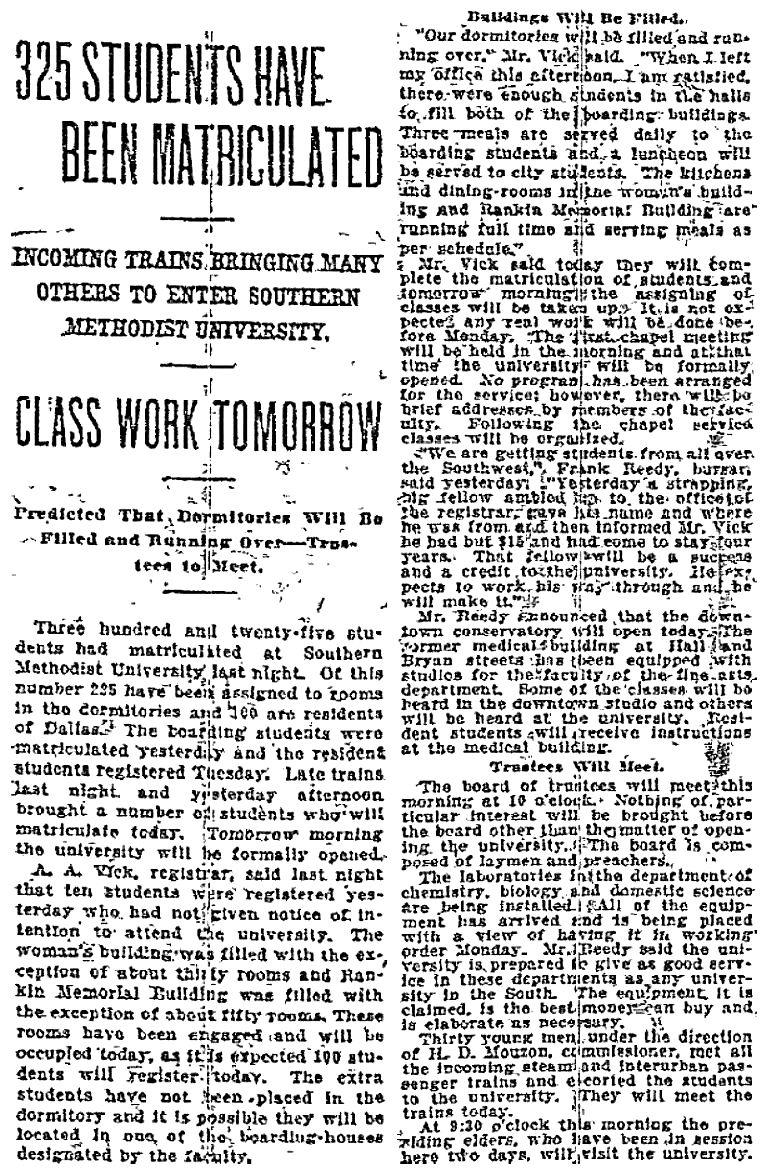
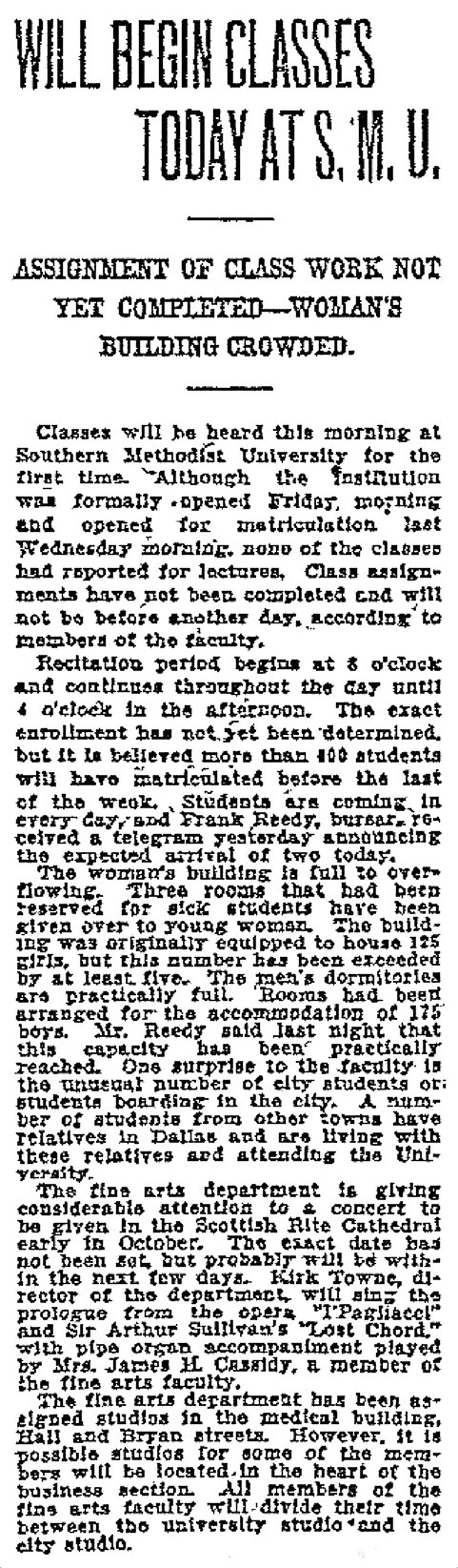
Below are a couple of logistical and progress-report articles from the week when students began arriving for that first year’s classes. Most interesting is that several classes were held off-campus, because of lack of space in an already crowded Dallas Hall. The fine arts department was housed at the “downtown conservatory” which was located in a former medical building at Hall and Bryan streets. The fine arts faculty had studios there and would move between downtown and the SMU campus. (Click articles for larger images.)

smu_first-day_dmn_092315Dallas Morning News, Sept. 23, 1915

smu_first-day-classes_dmn_092815DMN, Sept. 28, 1915

Happy Centennial, SMU!

***

Sources & Notes

The photos of Dallas Hall under construction are from the DeGolyer Library, Central University Libraries, Southern Methodist University. The photo of the dome under construction is here; the photo of the columns going up is here.

The photo of campus visitors and their cars lined up in front of Dallas Hall is from the 1935 edition of the SMU Rotunda yearbook; the caption: “Dallas Hall, a week before opening of SMU.”

The photo of visitors on the steps of Dallas Hall is from Bridwell Library, Special Collections, Perkins School of Theology, Southern Methodist University, and it can be accessed here. The photo was taken on Sept. 11, 1915 and was printed in the Sept. 23, 1915 edition of The Texas Christian Advocate above the caption “[Snapshot] of visitors at entrance to Dallas Hall on occasion of the reception given Saturday the 11th by the citizens of Dallas to the faculty.” (The article and another photo can be seen at the link above.)

The photo of SMU’s first freshman class is from the 1915-16 SMU Rotunda yearbook.

The image of the former SMU freshmen is a screen capture from a home movie of SMU’s 1950 Homecoming Parade which is part of the DeGolyer Library’s collection; the entire 17-minute silent color film can be watched on the SMU Central Libraries site, here. The very entertaining film contains the parade, a tour around campus, an elaborately decorated Fraternity Row, and the football game against Texas A & M at the Cotton Bowl.

These other Flashback Dallas posts related to SMU’s first year may also be of interest:

  • “SMU, ‘The School of the Future’ — 1915-16,” here
  • “SMU’s First Year: The Dinkey, Campus Hijinx, and The Basket Ball — 1915-16,” here
  • “University Park, Academic Metropolis — ca. 1915,” here
  • “Send Your Kids to Prep School ‘Under the Shadow of SMU’ — 1915,” here (Incidentally, the Powell University Training School opened on the same day as SMU as a sort of “sister school” — the building it occupied is still standing, on Binkley, just off Hillcrest — this building celebrates its Centenary, too!)

Click photos and clippings to see larger images.

*

Copyright © 2015 Paula Bosse. All Rights Reserved.


Trinity Heights: The Tallent Furniture Studio and The Sunshine Home

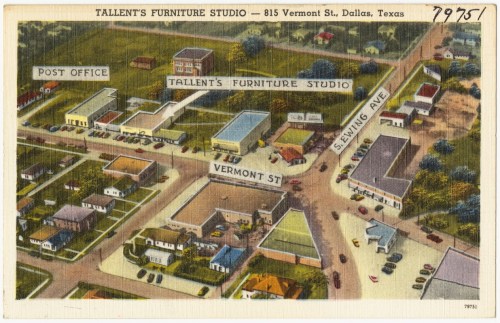
tallents-furniture-store_oak-cliff_tichnorVermont & South Ewing… (click for larger image)

by Paula Bosse

The postcard image above shows a bird’s eye view of a few blocks in the Trinity Heights neighborhood of Oak Cliff, from the late 1940s. As I looked at it, I wondered a) what does this intersection look like now, b) what is that unlabeled building that looks like a jail behind the furniture store, and c) what was Tallent’s Furniture Studio?

Tallent’s Furniture Studio, owned by Raymond E. Tallent, was located at 815 Vermont Avenue.

tallent_dmn_010350-obit-photo

tallents-ad_dmn_081256-det1956

Not only did it house a furniture store, but it also served as an office for Tallent’s real estate business. According to Tallent’s obituary, he came to Dallas in 1920 and started his real estate business five years later. Starting out, he’d’ve been happy to trade you property for diamonds. “What have you?”
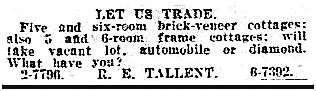
tallent_dmn_042928-real-estate-adApril, 1928

The first mention I found for the furniture store is this Christmas ad from 1947.

tallents_ad_121147Dec., 1947

Tallent died in January of 1950 at the age of 53. Both of his businesses continued after his death, and the furniture store was still going in the late 1960s.

So, nothing out of the ordinary — just a small business, like thousands of other small Dallas businesses. Probably the most interesting thing about Tallent was that he had the good taste to have that great promotional postcard made. That strange little building behind the store was a lot more interesting.

*

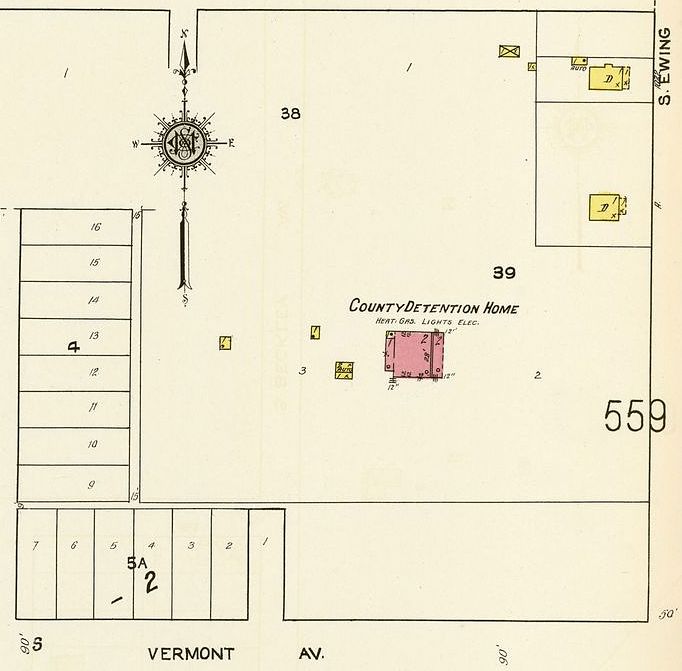
What was that building? The first time it popped up on a Sanborn map was 1922: it was identified as a “County Detention Home” (click for larger image).
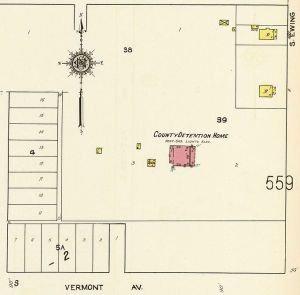
detention-home_sanborn_19221922 Sanborn map detail — see full page here

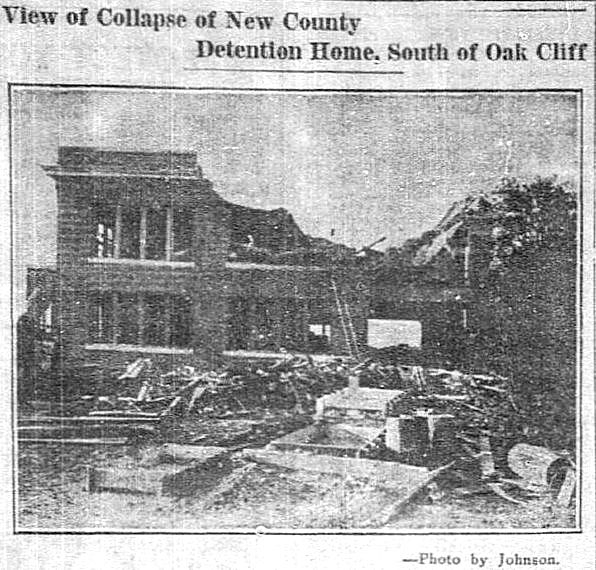
Despite its name, the “detention home” was not a correctional facility for juvenile delinquents, but it was a home for dependent children who had been made wards of Dallas County because of neglect or abandonment or because parents had died or were simply unable to care for them. This detention home was built in 1917 at 1545 South Ewing (“south of Oak Cliff”). During its construction in 1917, its roof collapsed, killing one of the workers.
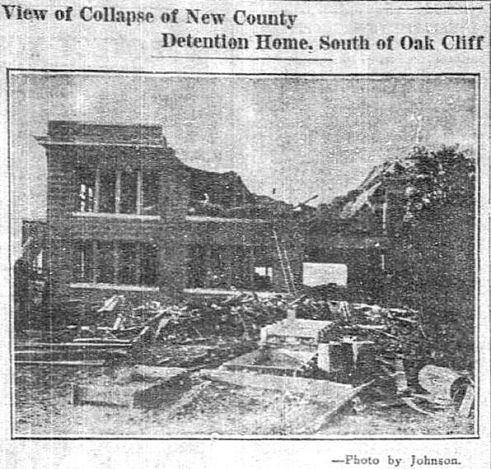
detention-home-collapse_dmn-041317Dallas Morning News, Apr. 13, 1917

The home was almost immediately overcrowded, and its superintendents were constantly scrambling for an increase in funding. Children, ranging in age from toddlers to teenagers, lived there as long as they needed — some for a few months, some for several years. They attended nearby schools, and even though they were wards of the court and were living in an institution, the people who ran the place tried to make it as home-like as possible. In January, 1934, the name of the county facility was changed to the much more cheerful “Sunshine Home.”

In 1950, the Sunshine Home received $165,000 in bond money for improvements and expansion, adding modern structures to the large campus but still retaining the original two-story red brick building built in 1917.

In 1975, the Dallas County Sunshine Home and the Girls’ Day Center merged, and the former Sunshine Home was renamed Cliff House.

In 2014, the 28,000-square-foot property on just under five acres was put up for sale, and in early 2015 plans for a charter elementary school were approved.

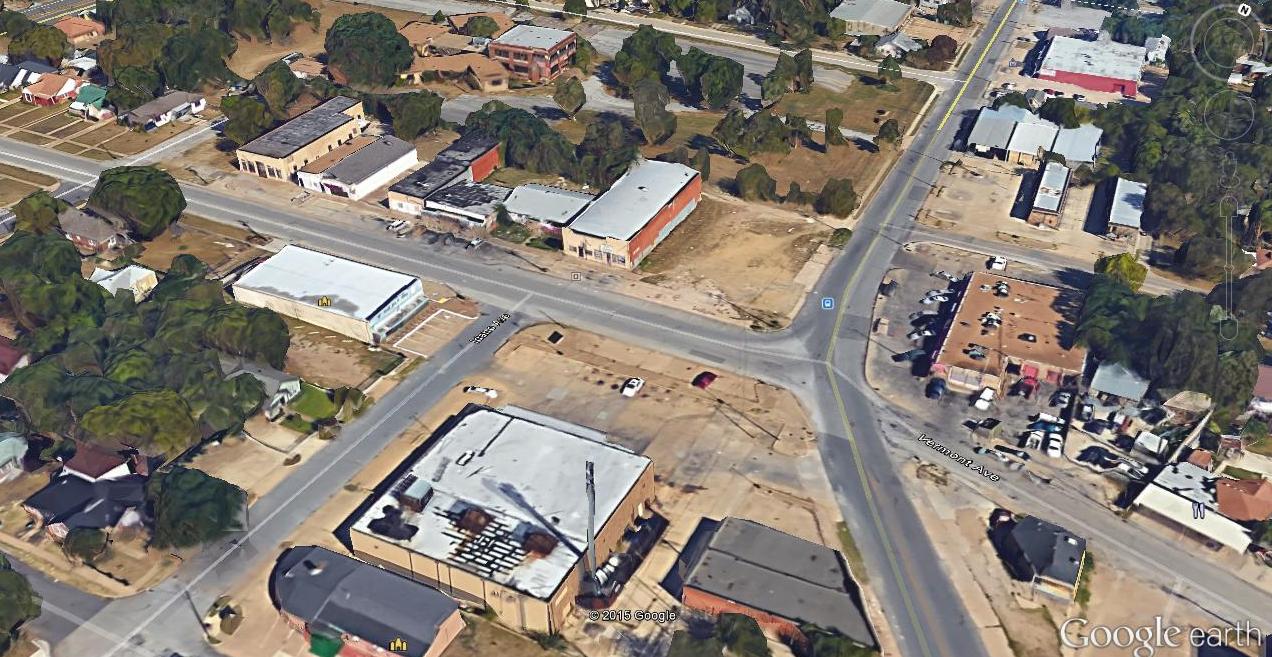
Below, a Google Earth image of the same view as the postcard featuring Tallent’s Furniture Studio, captured before the old Sunshine Home buildings had been demolished (click for larger image).

tallent_birdseye-google-earthGoogle Earth

The view is remarkably similar to the one taken more than 65 years earlier. A little bleaker these days, perhaps, but certainly still recognizable.

***

Sources & Notes

Top postcard is from the Boston Public Library Tichnor Brothers Postcard Collection; it is viewable here.

Information on the plans for the KIPP Truth Academy submitted to the City of Dallas (with interesting illustrations/maps on pages 10 and 11) can be found in a PDF, here.

A recent Google Street View of this block of Vermont Avenue can be seen here. The Tallent furniture store occupied the building to the left of the Vermont Grocery.

The heart-tugging article “For All Loving Care Bestowed, Sunshine Home, Space Small, Needs Much to Cheer Children” (DMN, July 24, 1941) — written by popular Dallas Morning News columnist Paul Crume — describes daily life in the Sunshine Home and can be found in the Dallas Morning News archives.

A then-and-now comparison (click for larger image):

tallent_then-now

*

Copyright © 2015 Paula Bosse. All Rights Reserved.