Coming soon to a neighborhood near you… (UTA Special Collections)
by Paula Bosse
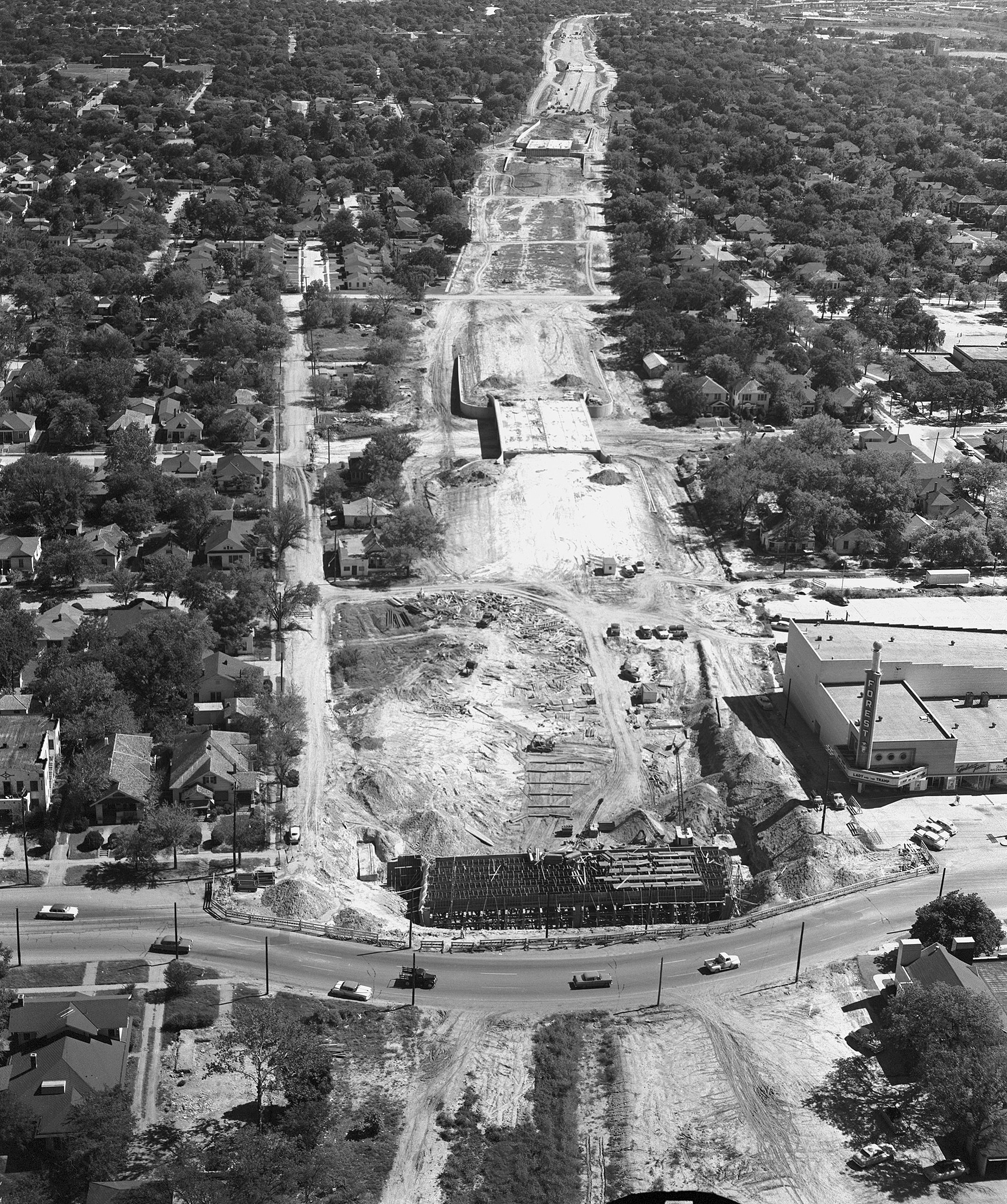
Behold, a photo of South Dallas on Sept. 29, 1955, showing a lengthy stretch of bulldozed land cleared for the imminent construction of South Central Expressway. We’re looking south, with Forest Avenue (now Martin Luther King Blvd.) running horizontally in the foreground. To the right is the Forest Theater (now playing: “Lady and the Tramp”). And if you zoom in, you can just see the post-Ross Avenue location of the famed Jim Beck recording studio to the right of the theater.
This great swath of land cut through an established tree-filled residential area — it ran alongside the once-swanky Colonial Hill neighborhood. Zoom in and take a last look at some of those straggler houses that haven’t yet met their maker. …But they will. …And they did.
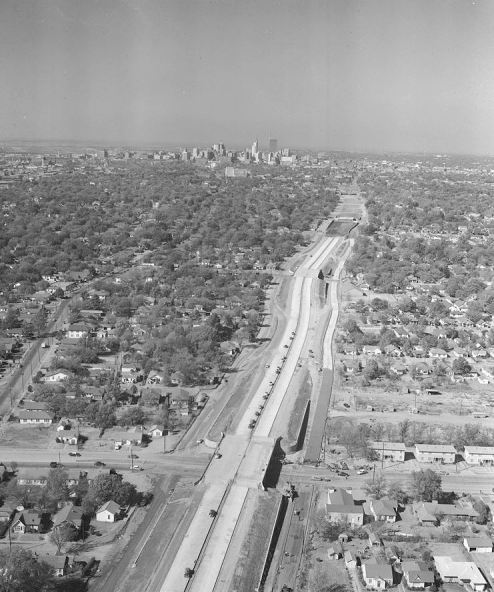
Below is another Squire Haskins aerial photo looking north, toward downtown, taken a few weeks later, on Nov. 11, 1955 (see a very large image of this photo on the UTA website here).
Squire Haskins, Nov. 1955, UTA Special Collections
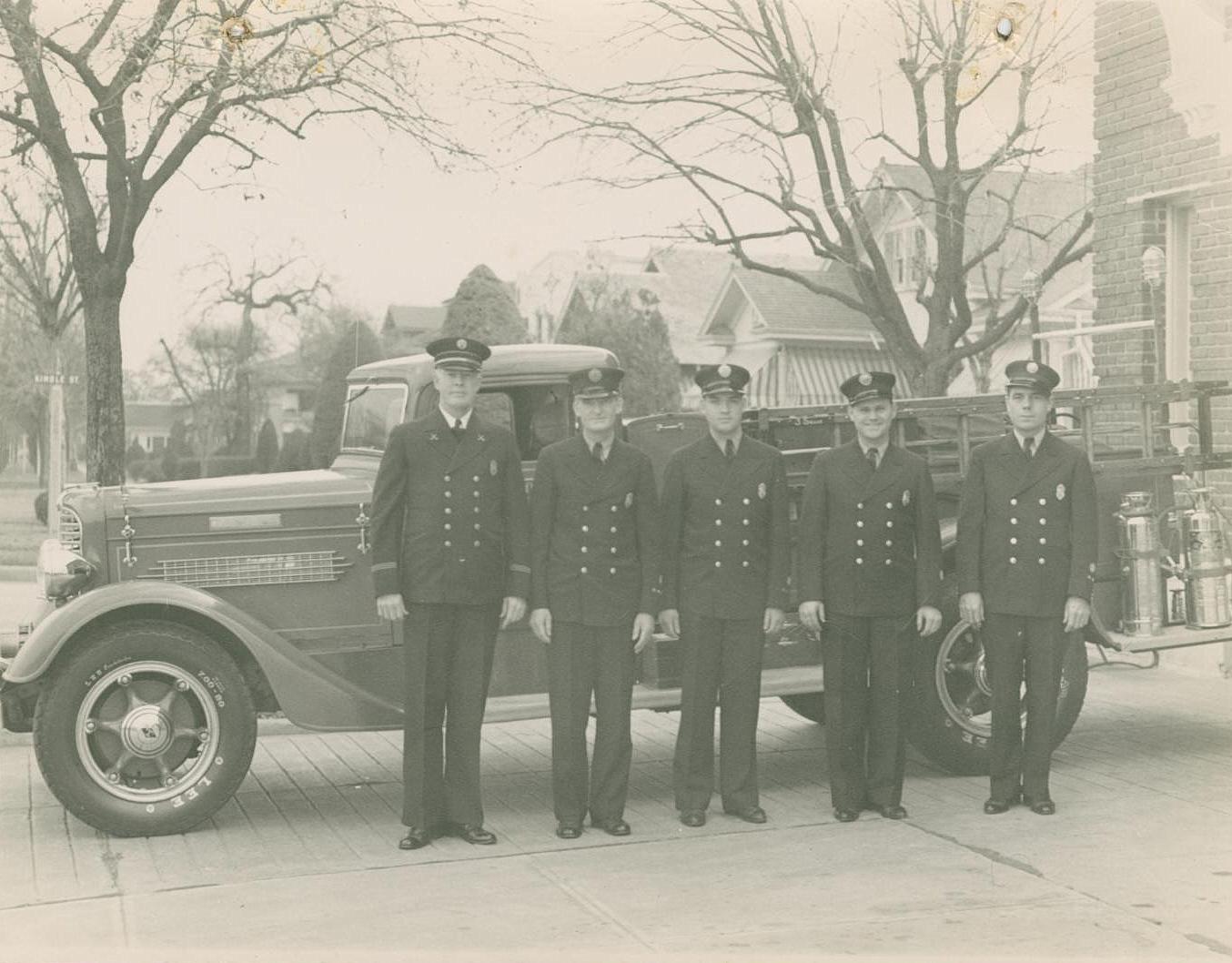
I wondered what had been demolished on Forest between the houses to the left and the theater to the right. It was Fire Station No. 6, at 2202 Forest Avenue. I looked in my bulging file of miscellaneous photos and was surprised to actually find a couple of photos of that No. 6 Engine Company, which was built in 1913.
The station was on the south side of Forest Avenue, alone in a very short block. As we look at the station in the photo above, the H&TC railroad runs just to the right of the station, and Kimble Street runs along the left. See a Sanborn map of this area in 1922, here.
The photo below shows what Forest Avenue once looked like, from the front of the firehouse looking east (the intersection with Kimble is on the other side of the firetruck — you can see the street sign). These houses are still standing in the 1955 photo at the top.
When you know what this intersection looks like today (see this same view today, here), it’s hard to believe it ever looked like a cozy neighborhood. Progress is a helluva thing, man.
**
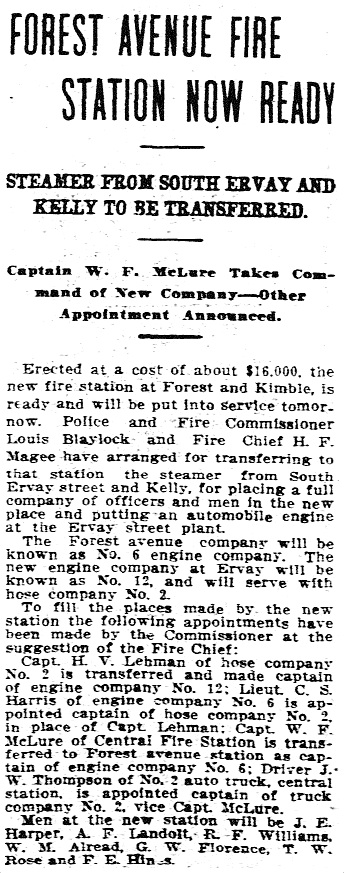
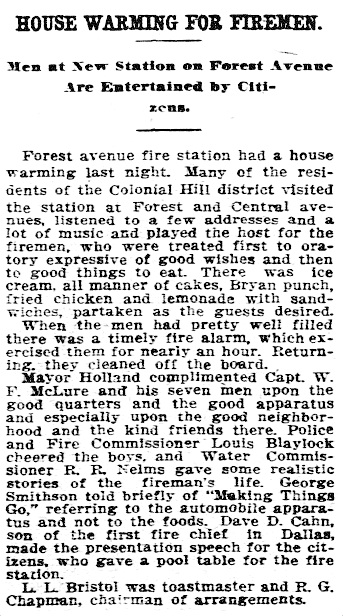
A couple of short articles for those who might want a little more info about the fire station, which was demolished sometime between April and September of 1955. (Click articles for larger images.)
Dallas Morning News, July 6, 1913
DMN, July 22, 1913
*
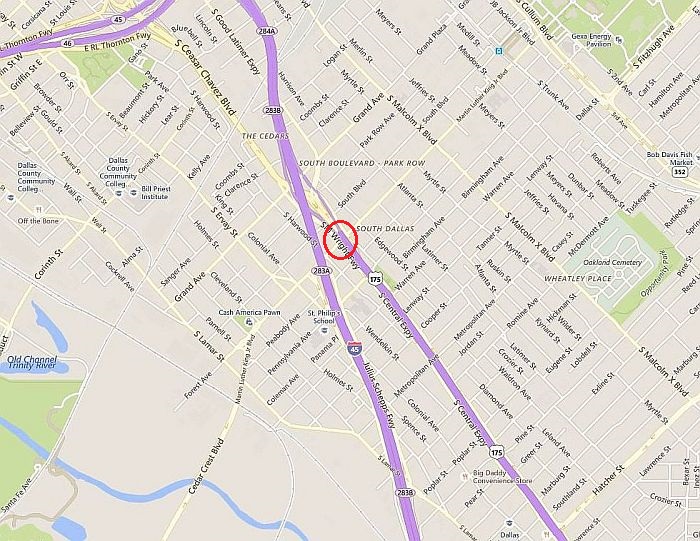
Bing Maps
***
Sources & Notes
Top photo by Squire Haskins, from the Squire Haskins Photography, Inc. Collection, UTA Libraries, Special Collections, University of Texas at Arlington; it is accessible here.
Second photo by Squire Haskins, from the Squire Haskins Photography, Inc. Collection, UTA Libraries, Special Collections, University of Texas at Arlington; it is accessible here.
The two fire station photos are from the collection of the Dallas Firefighters Museum, via the Portal to Texas History, University of North Texas. The first photo can be viewed here, the second photo here.
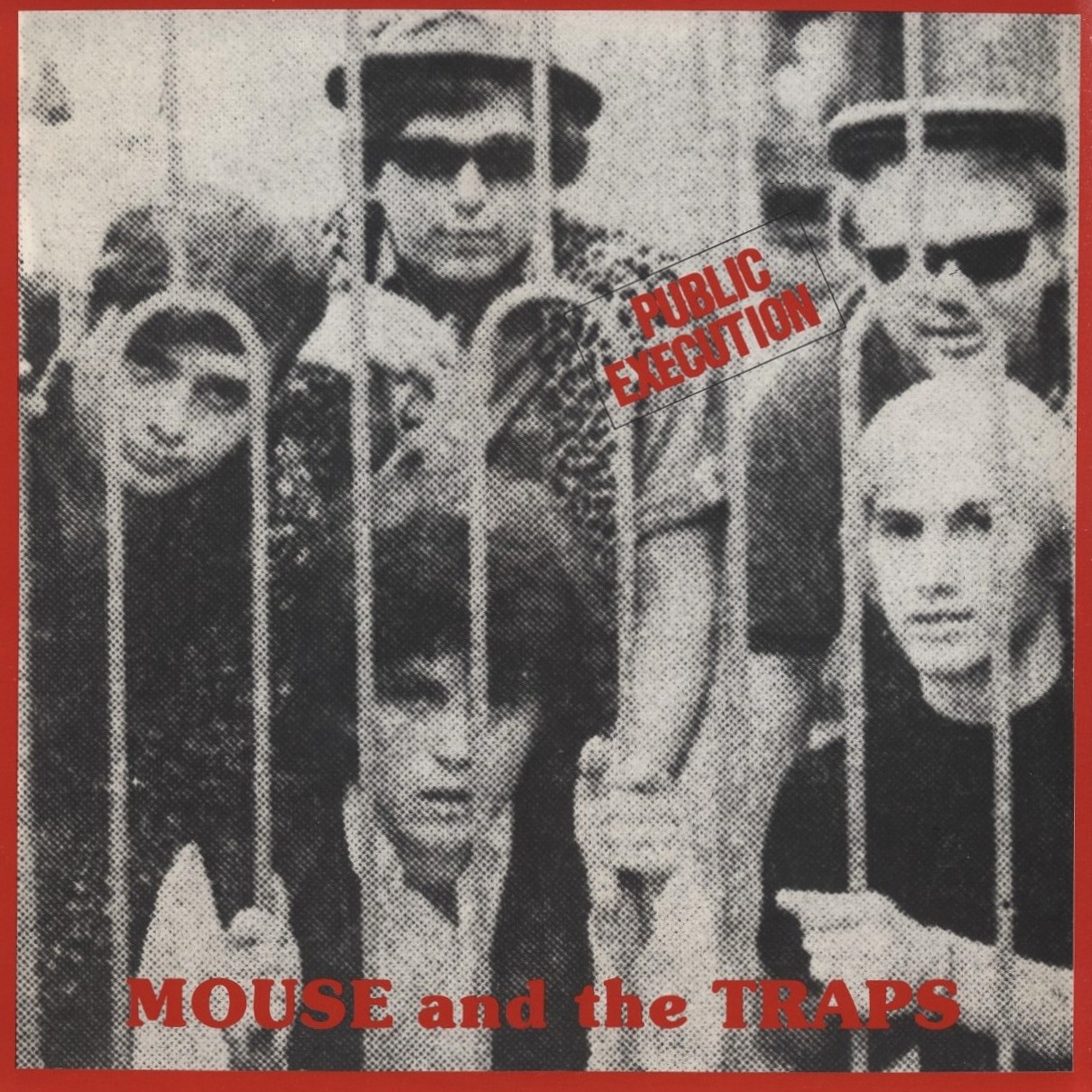
Last Tuesday, my friend Carlos Guajardo and I were each asked to present a favorite vinyl album at the Tuesday Night Record Club, a monthly event organized by Brian McKay and held at the historic Texas Theatre. My choice was a French import called Public Execution by Mouse and the Traps, a collection of the Texas band’s singles issued during their fairly short career (roughly 1965 to 1970). I bought this at a time when all of my disposable income was going to alternative record stores Metamorphosis and VVV, and I feel fairly certain that I bought this album at Metamorphosis. ’60s garage rock may be my favorite genre of music, and Texas garage rock is, for whatever reason, usually the best.
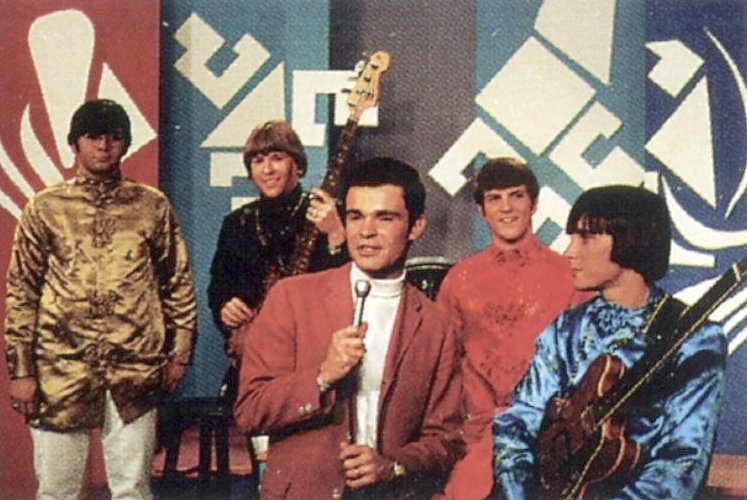
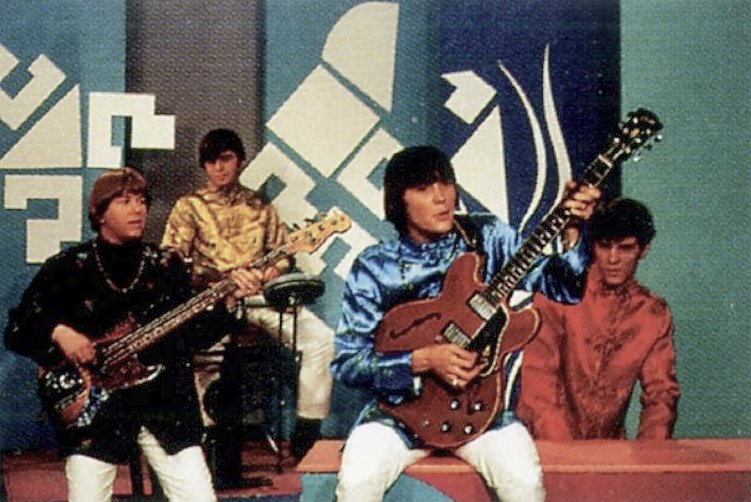
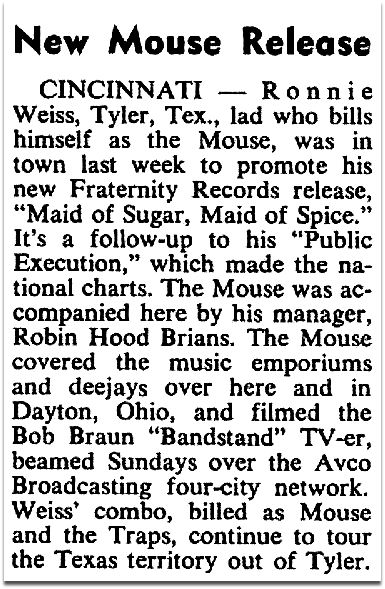
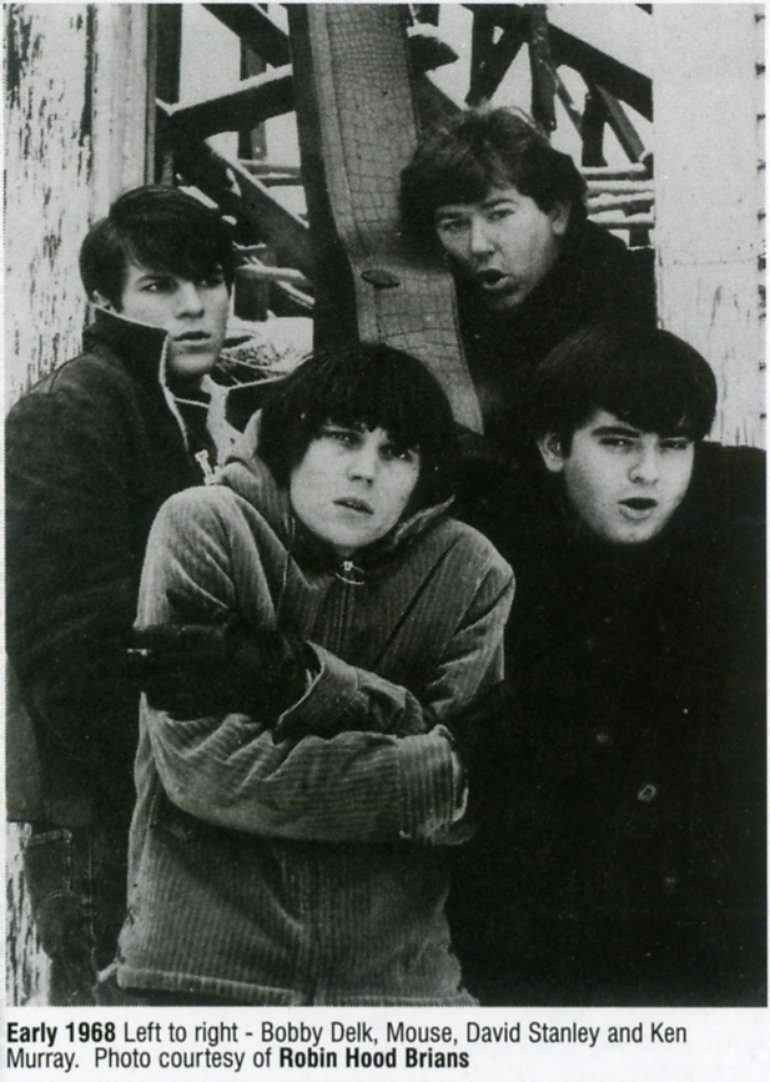
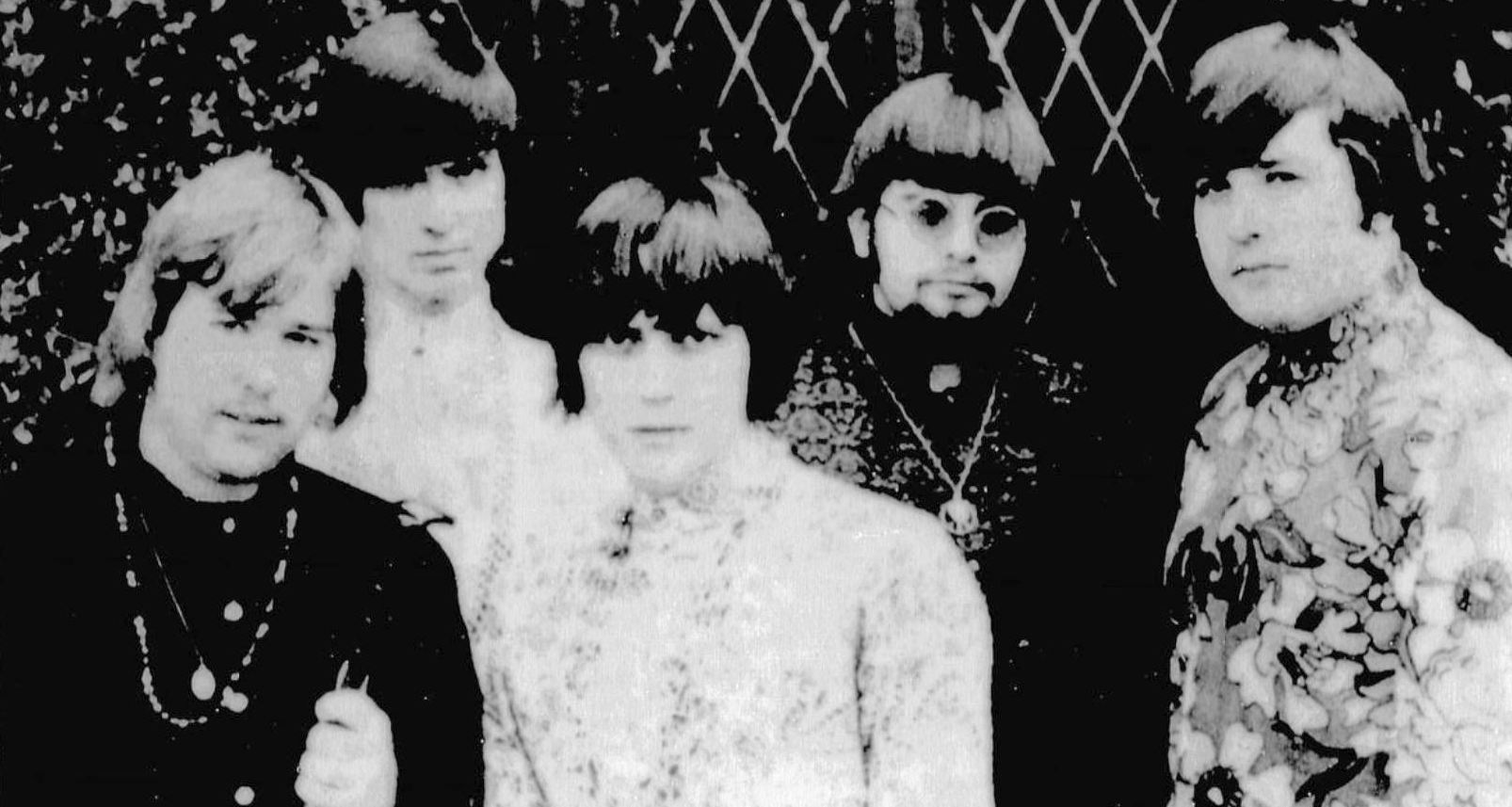
Mouse and the Traps was a band formed in Tyler, Texas in 1965, with Ronnie Weiss (whose nickname was “Mouse”) on vocals and guitar, Bugs Henderson on lead guitar, David Stanley on bass, Ken “Nardo” Murray on drums, and Jerry Howell on keyboards. Even though most of the band members grew up in Tyler and almost all of their singles were recorded there (recordings produced by the great Robin Hood Brians, who was only a couple of years older than the band), the band pretty much moved to Dallas when they began to get a lot of airplay on local stations, notably KLIF. I actually always thought they were a Dallas band, and, damn it, I’m still considering them a Dallas band.
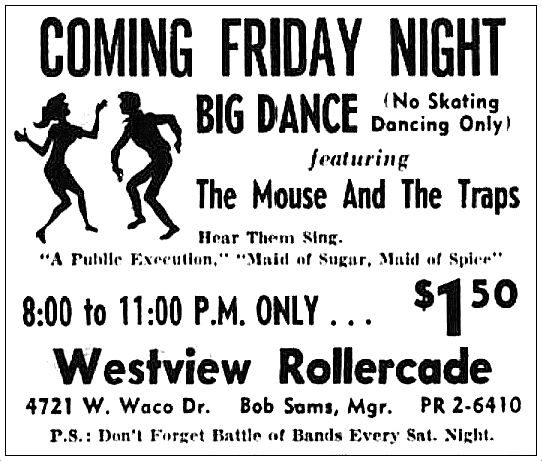
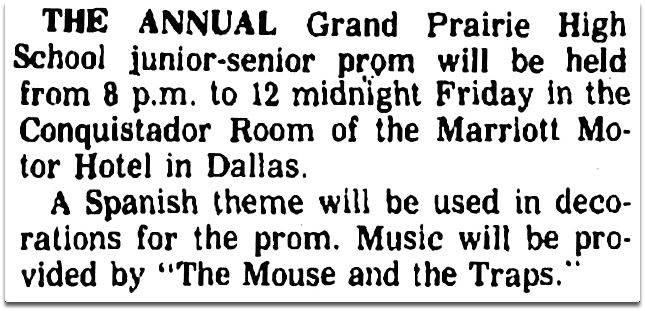
Mouse and the Traps toured around the state feverishly, playing clubs, colleges, parties, and even proms. There were occasional forays beyond Texas, but, for the most part, they remained a (very popular) regional band. Their first single — the unapologetically Dylan-esque “A Public Execution,” was released at the end of 1965 on the Fraternity label; it was their only record to show up on the Billboard charts, as a “bubbling under” track, not quite reaching the Top 100. After a couple of years, Bugs Henderson (who later became “guitar legend Bugs Henderson”) left the band and was replaced by Bobby Delk. Their personnel history is a little fuzzy, but I think Bugs re-joined the band briefly before the group finally disbanded sometime in 1970, after releasing a series of well-regarded singles and after almost five years of endless live dates. For most bands that had found little commercial success, that would have been the last most people would have heard of them. But most bands weren’t “Nugget” bands.
In 1972, Lenny Kaye included Mouse and the Traps on his revered (and influential) “Nuggets” compilation, propelling the band from “slowly fading memory” to “newly appreciated cult band” and introducing them to a whole new international audience. The band is now regarded as “proto-punk” and an important Texas garage band.
Their garage recordings are probably the most admired, but they dabbled in every ’60s style imaginable, including psychedelia, folk rock, breezy pop, and West Coast country, with hints of Dylan, The Beatles, The Yardbirds, Them, Donovan, and the Sir Douglas Quintet. There’s even a “Get Smart”-inspired novelty song in there. My favorite song of theirs, “Maid of Sugar, Maid of Spice,” is generally considered their finest single, assuring them a place in the pantheon of great garage songs. The stinging, electrifying guitar of Bugs Henderson is fantastic.
The band re-formed for several reunion shows over the years, but, sadly, Bugs Henderson died in 2012. No more reunion shows featuring the original line-up.
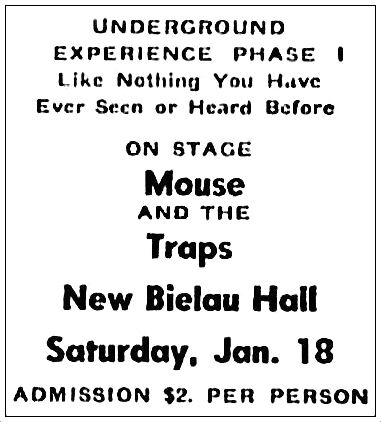
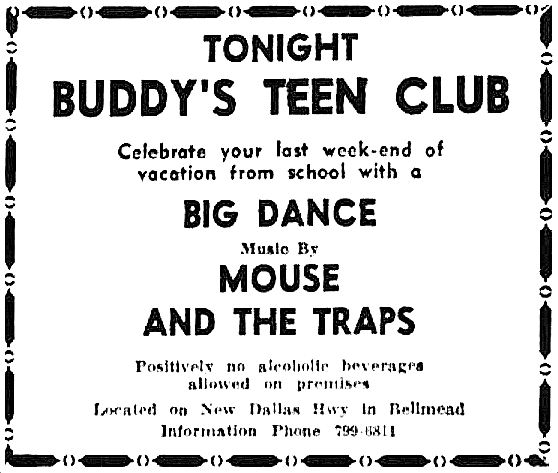
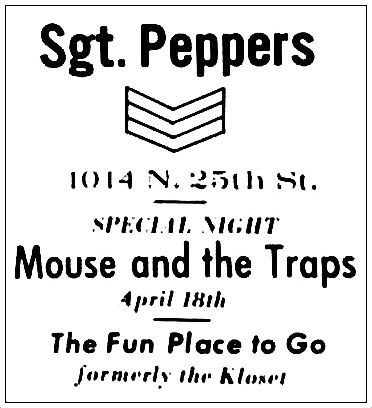
As far as the Dallas connection during the height of their career, there is precious little I’ve been able to find, as far as contemporary local photos, ads, or newspaper mentions. Despite the cultural revolution which began with the explosive arrival of the Beatles to the U.S. in 1964, “teenage” music in the ’60s was not taken seriously enough at the time to warrant much coverage in the major newspapers.
One of the few mentions of the band I found was as a support act on a Sonny and Cher show at the Fair Park Music Hall in early 1966. Also on the bill: The Outcasts from San Antonio, and Scotty McKay from Dallas (who can be seen performing two pretty good songs in a clip from one of Dallas director Larry Buchanan’s “schlock” movies, “Creature of Destruction,” here).
Feb., 1966
They also appeared on the TV music show “Sump’n Else” “Upbeat” (in 1968, post-Bugs). (Thanks to Jim for pointing out in the comments that these two color photos actually show the band on the Cleveland-based syndicated teen show “Upbeat,” hosted by Don Webster. TV listings show that the band appeared on the show in April 1968, along with the Boxtops and several other performers.)
Photos: Robin Hood Brians
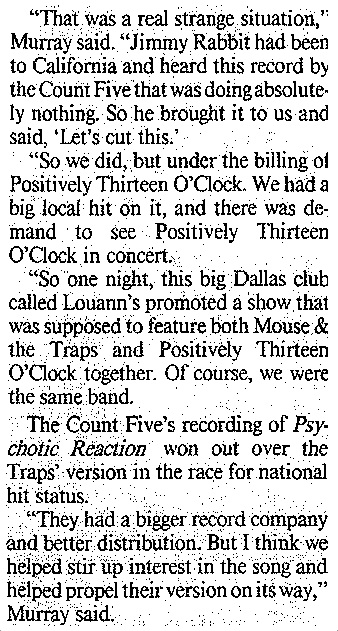
They also played a memorable show at Louanns in 1966 where they appeared on a double-bill as two separate bands. In 1966 Jimmy Rabbit, a popular DJ on KLIF who was a big supporter of the band, asked them to perform as his backing band on a (great!) recording of “Psychotic Reaction” — a very early cover (perhaps the first) of the song by the Count Five. The song was recorded in Tyler by Robin Hood Brians with Rabbit on vocals and was released under the name Positively Thirteen O’clock. Unsurprisingly, with Rabbit being a DJ on the top station in town, it became a huge local hit. Ken “Nardo” Murray talked about it in a 1988 interview (read the full interview here). Click for larger image.
Fort Worth Star-Telegram, May 17, 1988
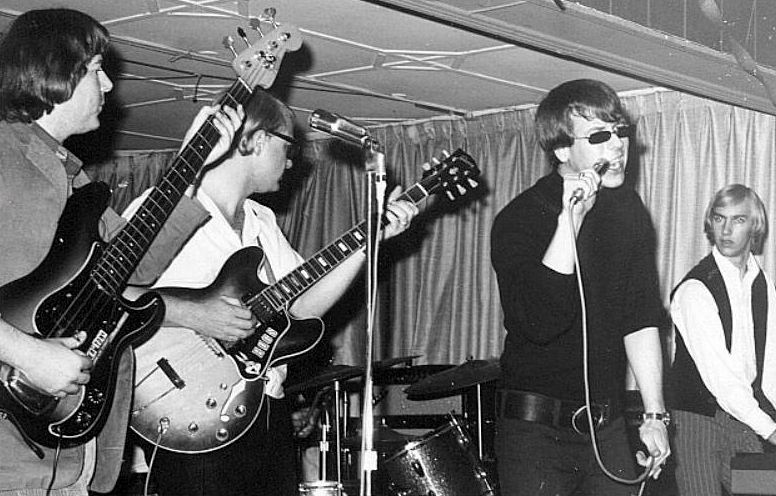
And here they are at Louanns, with Rabbit at the mic, backed up by Dave Stanley, Bugs Henderson (he has “Bugs” and a picture of Bugs Bunny on his guitar!), and Jerry Howell:
If anyone has any Dallas-related photos or memorabilia of Mouse and the Traps, I’d love to see them! I’d also love to hear from people who saw them perform in the ’60s.
*
Billboard, May 21, 1966
Waco Tribune Herald, Aug. 11, 1966
Grand Prairie Daily News, May 9, 1968
Weimar Mercury, Jan. 16, 1969
North Texas State University newspaper, Feb. 7, 1969
Waco Tribune Herald, Aug. 30, 1969
Waco Citizen, April 13, 1970
***
Sources & Notes
A few Mouse and the Traps tidbits:
The band was originally called “Mouse.” “The Traps” was added when the second single, “Maid of Sugar, Maid of Spice” came out in 1966.
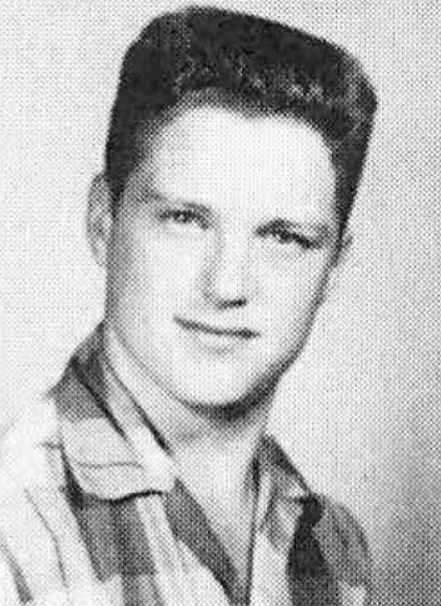
The “Henderson” listed as co-writer with Ronnie Weiss of a few of the early Mouse and the Traps songs (including the first two singles) was not Bugs Henderson (who was born Harry Fisher Henderson but was known as “Buddy” in the pre-“Bugs” days) — it was Knox Henderson, a high school pal from Tyler, seen below from a 1955 John Tyler High School (Tyler, TX) yearbook.
More on the band — including photos and newspaper articles — can be found here. Also included is additional information on Robin Hood Brians who has produced artists as diverse as ZZ Top, the Five Americans, James Brown, David Houston, and John Fred and His Playboy Band (whose “Judy In Disguise” knocked the Beatles out of the #1 spot on the national charts).
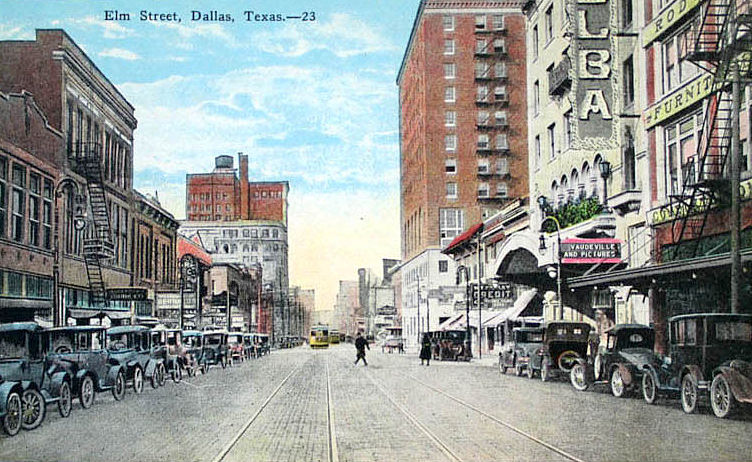
Above, a 1920s postcard showing Elm Street looking west from about where the Majestic Theatre is now. The lovely Melba Theatre can be seen at the right, with its sign partially visible. Originally opened as the Hope Theatre in 1922, it was renamed the Melba in October 1922 and became the Capri on Christmas Day 1959. West of the Melba is the tall red brick Dallas Athletic Club Building. Both of these buildings were demolished in 1981. (Also demolished about the same time were the Kress Building, the Volk Building, and the Baker Hotel. 1981 was a bad year to be an old building in Dallas. Read more in the Dallas Morning News article “Kress Building: Demolition Derby,” DMN, April 24, 1981.)
Today, a few snippets from the police and court reports about Dallas people doing things they shouldn’t have been doing. (All clippings are larger when clicked.)
*
Drunkenness seems to have been the most common reason for arrest in the 1870s and 1880s (and probably still is today). The city “popped it to” a lot of people back in the 1880s.
Dallas Herald, Feb. 14, 1883
A “crazy boy” from Collin County eluded lawmen by running off into the Cedars (back when the area we still call “The Cedars” was actually full of cedar trees).
Dallas Herald, April 21, 1878
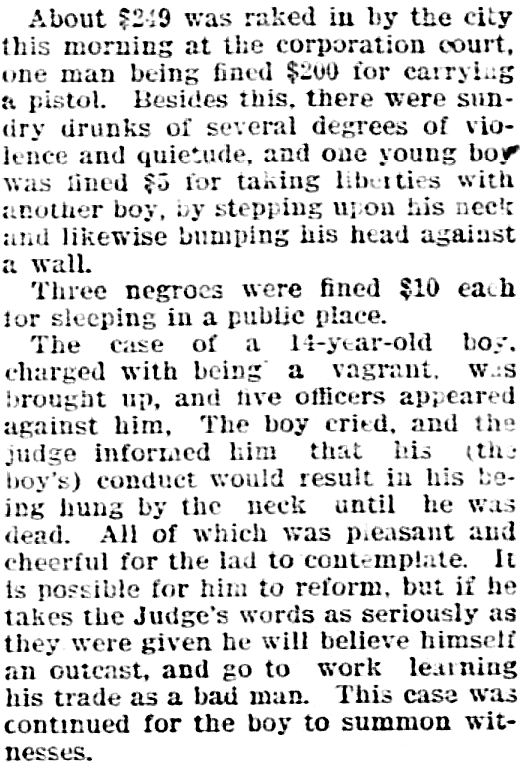
A 14-year-old vagrant was given the scared-straight treatment. (Click for larger image.)
“Dallas Notes” section in The Fort Worth Register, Feb. 16, 1901
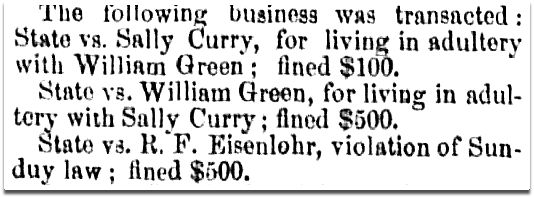
But the real jackpot for the city looks like it might have been in ferreting out adulterers and violators of the Sunday Law (which in the 1880s usually meant selling alcohol on a Sunday, although it was a violation to operate any business or place of amusement on a Sunday).
In the adultery case below — in which the cheating couple was actually living together outside the bounds of legally-sanctioned wedlock — both parties were fined: the woman’s fine was a surprisingly high $100 (in today’s money about $2,500!), but the man’s fine was — let me find a chair — an unbelievably exorbitant $500 (equivalent today to over $12,000!!). And those who pooh-poohed the Sunday Law took an equally incredible hit. Sunday Law scofflaws such as Mr. R. F. Eisenlohr (who ran a respected market and pharmacy) (and who was the father of noted artist E. G. Eisenlohr) were punished with more than slaps on the wrists — in 1880, they were getting “popped” to the tune of five hundred bucks. (These fines seem excessive. Perhaps because they’re cases brought by the state rather than the city or county? I know that at this time the state was hell-bent on enforcing the Sunday Law because, basically, it was being flagrantly disregarded everywhere, so I’m wondering if a fine this steep was meant to send a message to others. But the adultery fine still seems outrageously high.)
Dallas Herald, Feb. 25, 1880
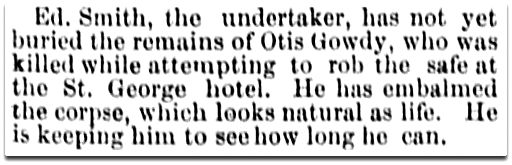
And sometimes crime beat reporters (and enterprising undertakers) have something of a slow day and can just kick back and ponder.
Dallas Herald, Feb. 9, 1882
***
Sources & Notes
Top photo is from Flickr — as I recall, it is not a Texas jail — it might be one in Missouri. As I understand it, the 19th-century Dallas cell most drunks and vagrants would have been thrown into was nowhere near as luxurious as the one seen in this photo. More on that to come.
Interested in what those court fines of yesteryear would be equivalent to in today’s money? Check out the handy-dandy Inflation Calculator, here.
See the previous police blotter round-up — “Police Blotter — 1880s” —here.
The old Union Depot Hotel, about 1909 (click for larger image)
by Paula Bosse
Above, we see the hotel known originally as the Union Depot Hotel, built in 1898 across from the very busy old Union Depot, at the intersection of two major rail lines: the Houston & Texas Central (the H&TC, which ran north-south) and the Texas & Pacific (the T&P, which ran east-west). The tracks crossed at the intersection of Central and Pacific — streets named after the two railroads — in the area east of downtown we now call Deep Ellum. The hotel was on the southwest corner of that intersection.
The large, two-story hotel (which also housed a popular cafe and bar) was built by William S. Skelton — more commonly known as Wiley Skelton — to cash in on the large number of travelers coming to Dallas via the bustling passenger depot right across the street. When it opened, it was charging a hefty two bucks a day (the equivalent of about $60.00 in today’s money) — a large-ish sum in 1899, but … location, location, location. This two-dollar-a-day rate to stay at Skelton’s hotel was the same as the base rate of Dallas’ ritziest, priciest hotels, The Windsor and The Oriental. How could Skelton’s “wrong side of the tracks” hotel charge similar rates as the city’s most elegant hotels? Convenience, convenience, convenience. The Union Depot Hotel could not have been more convenient to weary travelers unless it had been located inside the depot.
Houston Post, Jan. 25, 1899
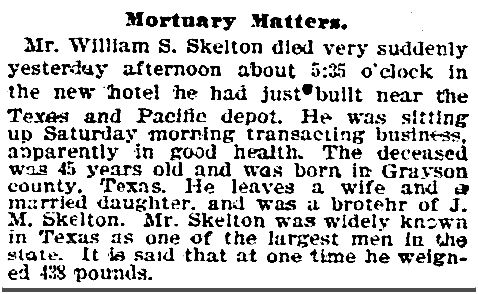
Skelton was a popular and successful businessman (and noted saloon pugilist) who was known far and wide for his substantial physical bulk. He was a founding member of the city’s “fat men’s club” and was reported to be the heaviest man in the city. When he died suddenly at the age of 45 (probably not a huge surprise, as his obituary mentioned that his weight had, at one time, reached 438 pounds), his new hotel had been open only weeks (perhaps only days).
Dallas Morning News, Jan. 16, 1899
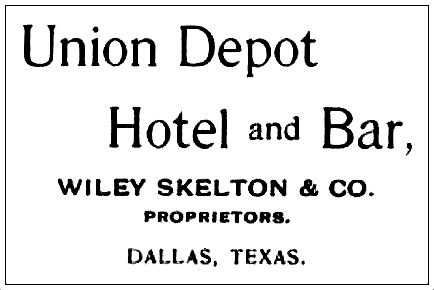
His unexpected death threw the running of the hotel into confusion. His brother (another famed “fighting fat man”) took over the business side of its operations and occasionally placed ads in the paper seeking a hard-to-find buyer.
1901 ad
DMN, Nov. 16, 1902
Eventually the hotel was sold, and it went through several owners and name changes over the years. Then, in 1916, a major catastrophe struck: brand new Union Station, which was waaaay on the other side of town, opened, consolidating passenger rail service to one depot, resulting in the shuttering of most of the city’s smaller depots. Location, location, location wasn’t such a great thing for the old Skelton hotel after this.
The hotel went through many changes over the years, but after the closing (and later razing) of the old Union Depot, it was on a general, inevitable, slide downward. By the time it was demolished in 1968 — when large swaths along Central Avenue were leveled to facilitate highway construction — the building was in disrepair and, apparently, long-vacant. It stood for 70 years.
*
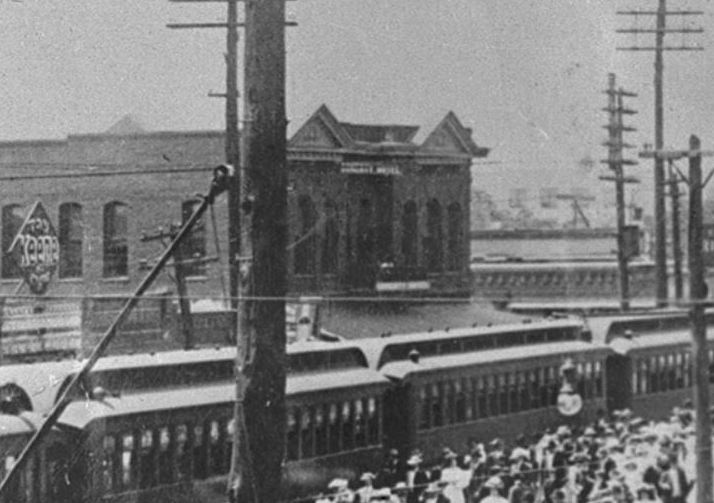
Below is a photo taken from Elm Street in 1908 or 1909, when the hotel (seen at the top left) was owned by Charles S. Conerty and named the Conerty Hotel (you can see the name on two signs, but you have to really zoom in to make them out). Conerty, an Irishman who had previously run bars, owned the hotel very briefly. By May of 1909, plagued with legal troubles stemming from his being charged with selling liquor on a Sunday, Conerty sold the hotel (which he seems to have been running as a boarding house), stating in his classified ad that he was “leaving city.” (He did not leave the city.) In 1910, with a new owner, the hotel was once again known as the Union Depot Hotel.
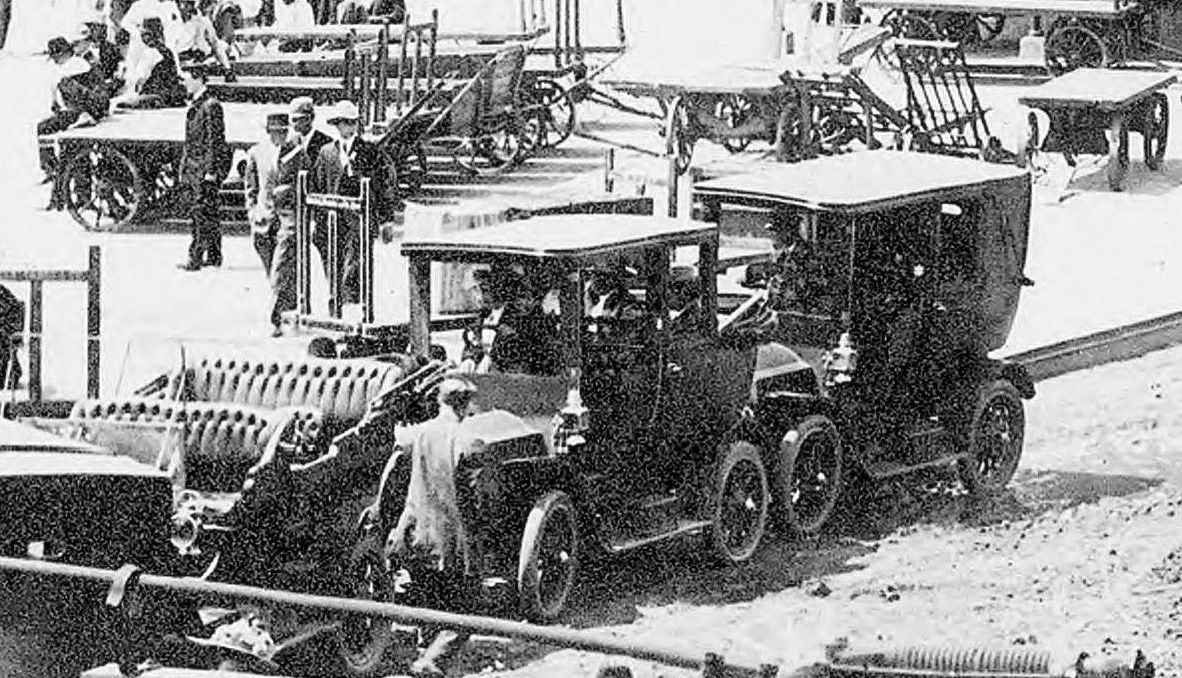
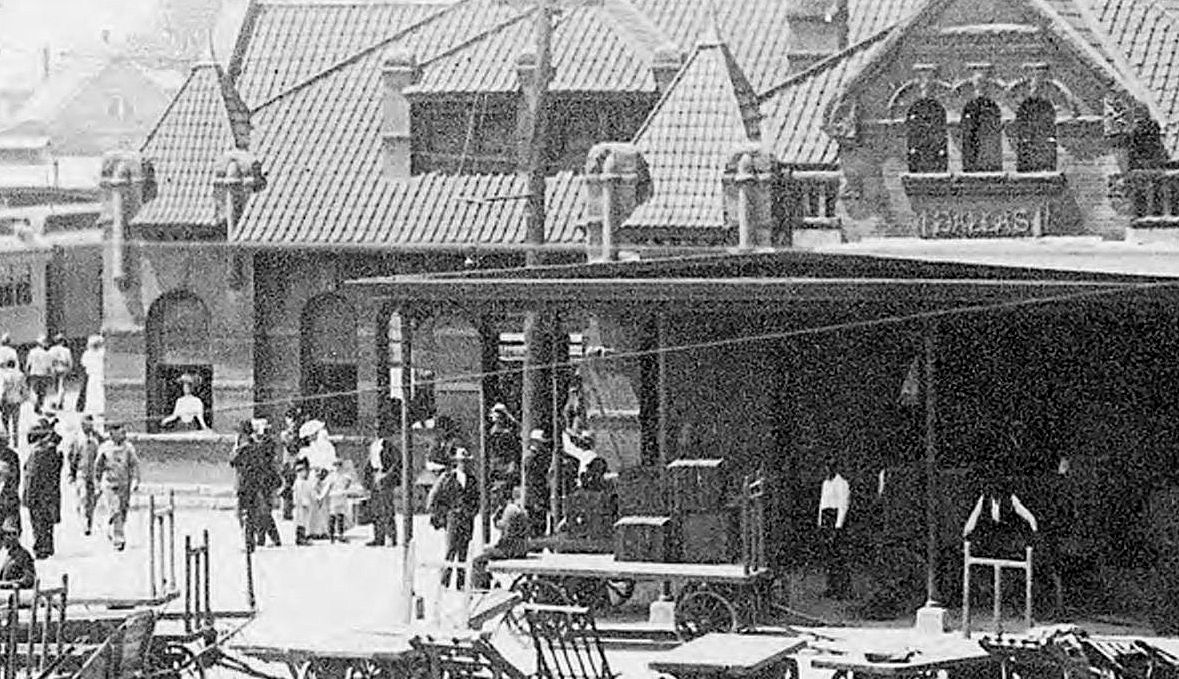
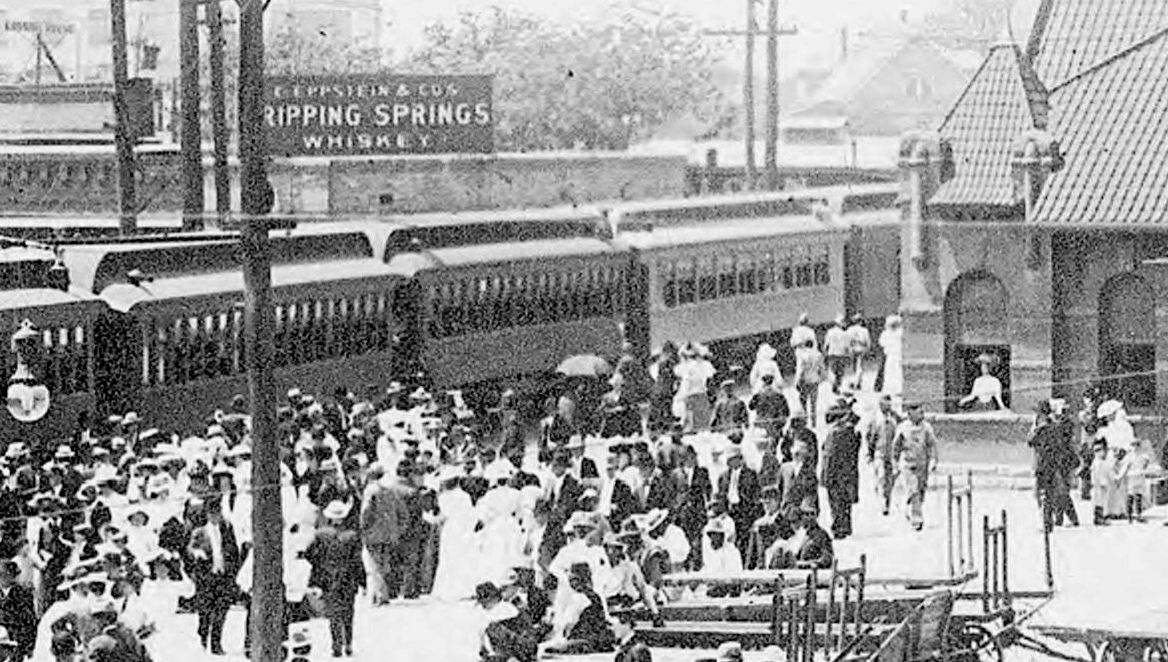
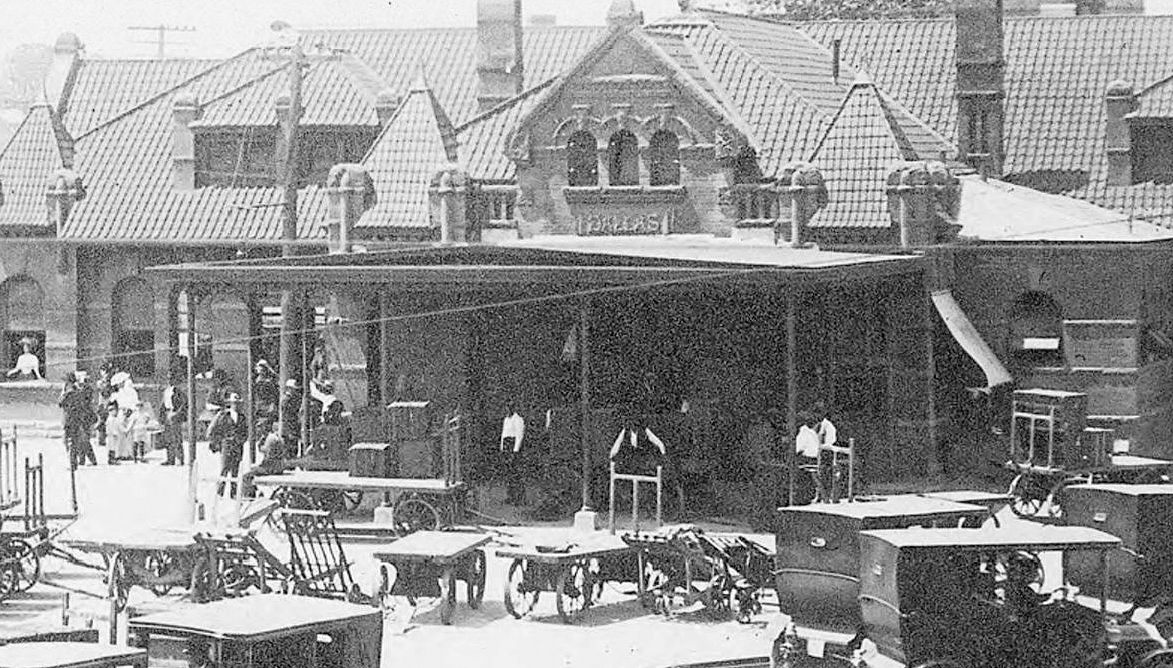
Back to the photo. Across Central Avenue from the hotel is the old Union Depot, where there was always a lot going on. Let’s look at the photo a little more closely. (Click photos to see larger images.)
Just seven or eight years after this photo was taken, all that human traffic was gone.
In the fall of 1968, having been vacant for years and counting down its final hours, Dallas Morning News writer Doug Domeier wrote about the old run-down hotel which had long outlived the passenger depot it had been built to serve (see the article “Demolition Leveling Once-Noisy Deep Elm,” DMN, Oct. 19, 1968). Domeier’s entertaining article about those early days includes memories of Lizzie Mae Bass, who once worked in the hotel’s cafe as a waitress and remembers when “horses back[ed] away in fright when a locomotive pulled in at the lively intersection linking the Houston and Texas Central with the Texas & Pacific.”
And today? You’d never EVER suspect that that patch of empty land at the edge of Deep Ellum was ever occupied by one of the city’s busiest train depots.
*
So where was it? Get a good visual idea of how things were laid out in the Sanborn map from 1905, here. Below is a street map that shows where the hotel was (red star) and where the train depot was (blue star). These days? Depressing. See it here (the view is looking north from Elm — the hotel would have been under the overpass, the train station straight ahead).
1952 Mapsco
It’s interesting to note that during the heyday of the Union Depot, the west side of the block of Central Ave. which ran between Elm and Pacific was the only block in this area not filled with black-owned businesses or residences. When the depot shut down and white-owned businesses moved out, the block began to fill with popular African-American establishments. It’s also interesting (to me, anyway!) to realize that the Gypsy Tea Room of the 1930s was just a few steps to the left of the hotel in the top photo. It took me forever to try to figure out where the Gypsy Tea Room had been — I wrote about it here.
***
Sources & Notes
Top photo is a detail of a larger photo, from the Squire Haskins Photography, Inc. Collection, University of Texas at Arlington Libraries; it is accessible here. The same photograph is shown in full farther down the post — this copy is from the DeGolyer Library, Central University Libraries, Southern Methodist University, and it is accessible here. The quality of both photos makes it difficult to zoom in on them with much clarity, but both sites offer very large images to view.
As mentioned above, an entertaining Dallas Morning News article full of historical info about the area around the depot is highly recommended: “Demolition Leveling Once-Noisy Deep Elm” by Doug Domeier (DMN, Oct. 19, 1968). (I’m not sure why the hotel is referred to as the “Grand Central Station Hotel” throughout — just substitute “Union Depot Hotel” whenever you come across that incorrect name.) The article also has a few paragraphs about the Harlem Theater which was also about to be torn down as part of what Domeier described as the “brutal change” then affecting Deep Ellum.
See a great early-’20s photo of the hotel building (the Tip-Top Tailors moved in around 1922) in the book Deep Ellum: The Other Side of Dallas by Alan Govenar and Jay Brakefield, here (the view is from Pacific to the southwest).
A related Flashback Dallas post — “The Old Union Depot in East Dallas: 1897-1935” — can be read here.
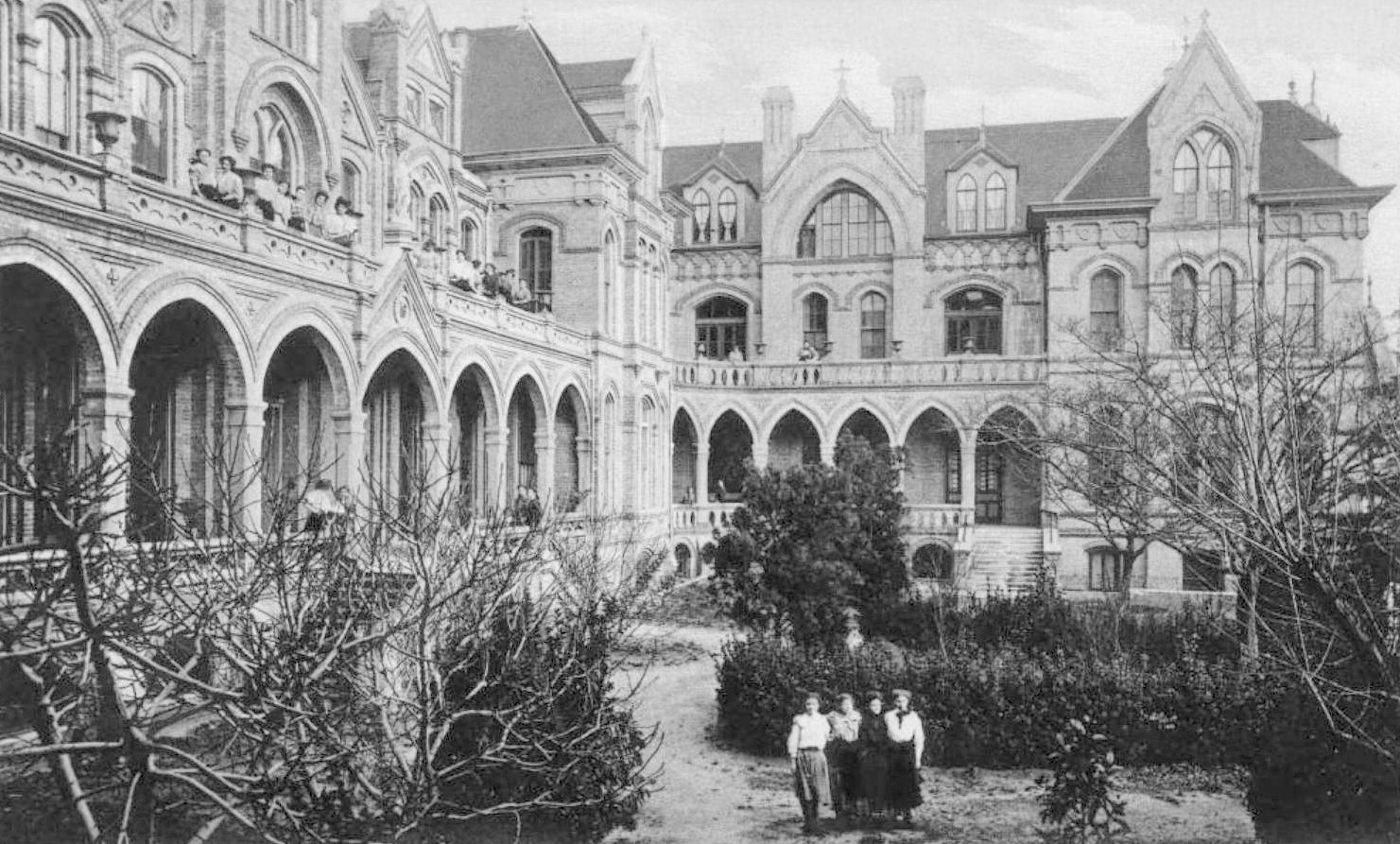
I love this photo of Ursuline girls at the fantastically ornate school and convent in Old East Dallas. See more photos of the school, convent, and grounds in my post “Nicholas J. Clayton’s Neo-Gothic Ursuline Academy,”here.
***
Sources & Notes
Photo by Clogenson, from a postcard in the George W. Cook Dallas/Texas Image Collection, DeGolyer Library, Central University Libraries, Southern Methodist University; it is accessible here. I have un-colorized it.
See the scale of the Ursuline property on a 1922 Sanborn map, here. It is now mostly a parking lot, across from the Dallas Theological Seminary; a sad 21st-century view of what the former campus property looks like is here.
I’m not terribly knowledgeable in photographic techniques, but this appears to be some sort of panoramic shot by noted Dallas photographer Squire Haskins — it looks as if several photos have been joined together. By magic!
UPDATE: No magic, afterall. Here’s the same block from a different view.
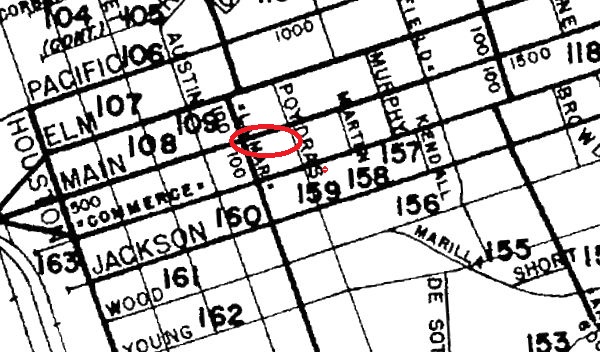
These photos show the south side of the 900 block of Main, between Poydras (on the left) and Lamar (on the right). I love this block. So of course it’s now a parking lot which faces the Bank of America behemoth. Times change.
The photos were taken 1952-ish.
1953 city directory
1952 Mapsco
***
Sources & Notes
Photos from the Squire Haskins Photography, Inc. Collection, University of Texas at Arlington; more info on the top photo is here; more info on the second photo is here. Click the thumbnails on the UTA pages to see even larger images. (Thanks to Peter K. for posting the second photo in the Dallas History Guild Facebook group — I recognized that Do-Nut Merchant sign right away! One more Do-Nut Merchant view is here.)
That top photo is really, really big. Click it and scroll!
UPDATE: See a photo of the north side of Main, taken by Squire Haskins at the same time as the photos above in the Flashback Dallas post “900 Block of Main, North Side — 1952.” here.
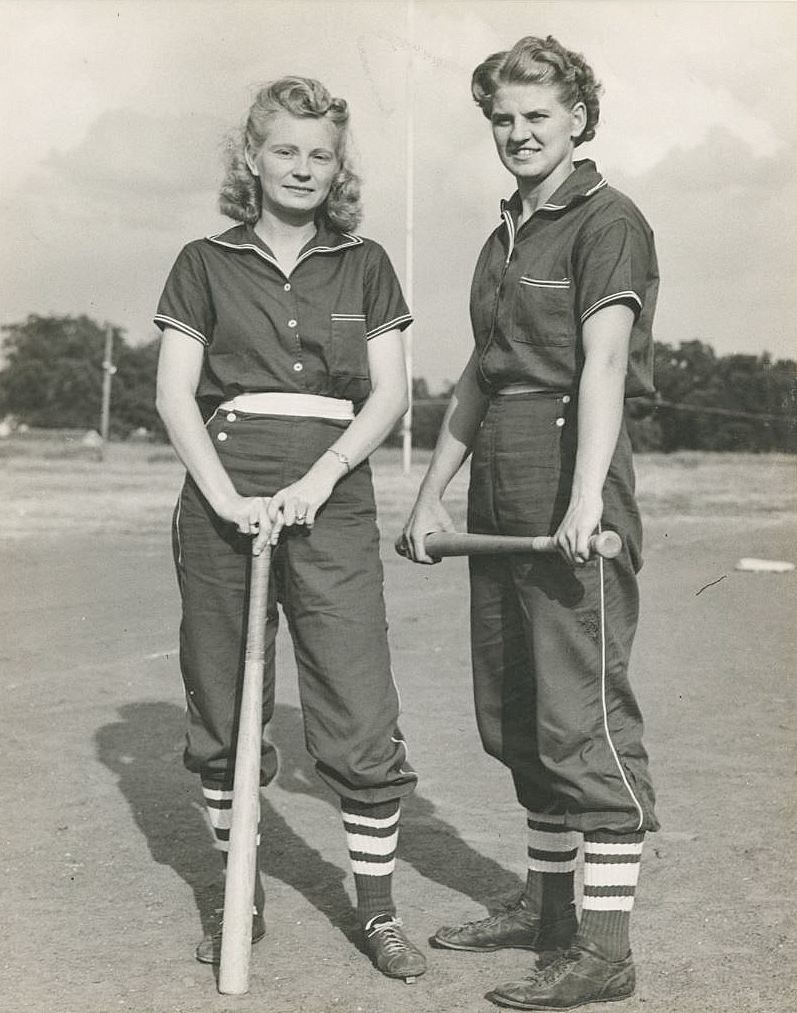
Around 1938, softball suddenly became very, very popular in Dallas. Absolutely everyone seemed to be playing it: boys, girls, moms, dads, kids, businessmen, college students, and senior citizens. By 1939, The Dallas Morning News was calling the sport “the newest Dallas crazy custom.” There were more than 18,000 players playing on more than 300 organized teams, which meant that most of the roughly 100 softball diamonds in the city were constantly in use. It was estimated that more than 700,000 spectators had filled softball bleachers in 1938. These were all, of course, non-professional teams and players, but there was some concern that this new-found softball enthusiasm might be cutting into attendance for the professional baseball games.
…[B]ut the fact remains that softball is cutting into the gate receipts of professional baseball. When more than 100 softball teams play almost every night in Dallas and hundreds of fans watch the games there certainly must be vacant seats at the stadium where professionals are doing their stuff for the Texas League. (Dallas Morning News, June 16, 1939)
Most interesting about this “fad” is that girls’ softball league games became extremely popular. These teams were often affiliated with local companies (Metzger’s Milk, Dunlap-Swain, etc.), and their sponsored games drew very large crowds, usually more than the men’s games did. The Dallas Morning News reported that attendance at the regular Friday night games in 1939 was something like five or six thousand. Some of the girls even became minor local celebrities.
Coverage of the women’s games by the local press was solid, but coverage of the women themselves seemed more like a good excuse to run photos of the “girls” in skimpy uniforms rather than focus on their athletic ability. But I’m sure the girls shrugged it off and were just happy to be playing a sport they loved.
**
Below, the 1943 Dallas Girls’ Softball League champions, the Metzer Dairy Maids. I love their names so much I want to type them out:
Tinker Tarker
Mutt McFanning
Aubrey Ray
Thelma Lowe
Pat Bell
Faustine Riley
Beatrice Draper
Flo Dyer
Opal Ritter
Annie Jo Floyd
Alma Floyd
Genevieve Dobbins
Pud Adams
DMN, July 18, 1943
***
Sources & Notes
Top photo from the WPA Dallas Guide and History.
Second photo by Dallas photographer William Langley, from the collection of the Birdville Historical Society, via the Portal to Texas History.
Even though these company-sponsored teams were often in city- and state-wide leagues, they were all comprised of amateur players. That’s not to say money wasn’t being made. A lot of tickets were being sold, and companies got a lot of publicity for their winning teams. In fact, companies often scouted for players and hired them solely based on their athletic prowess — this is exactly how Babe Didrikson, generally considered one of the greatest all-round athletes in history, ended up working for an insurance company in the Interurban Building in downtown Dallas. (Read all about that in my previous post, “Babe Didrikson, Oak Cliff Typist.”)
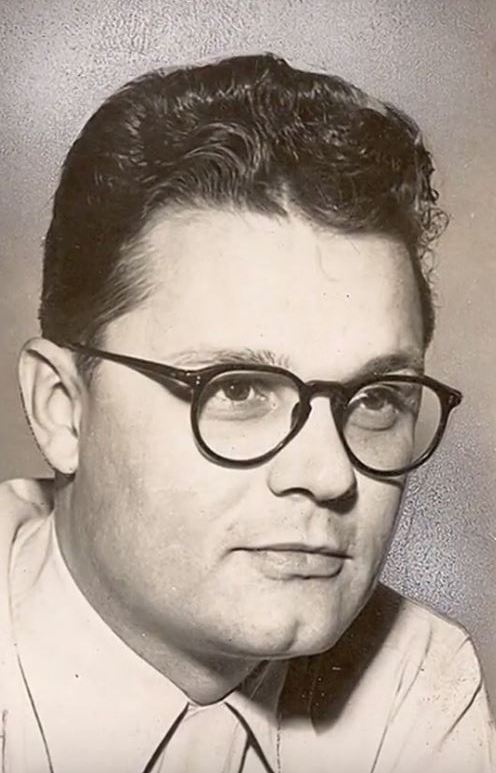
Legendary sportswriter Blackie Sherrod died yesterday at the age of 96. My father was not a follower of sports, but I remember he read Blackie Sherrod’s columns because, along with other great, larger-than-life, and exceptionally talented DFW sportswriters such as Bud Shrake, Dan Jenkins, and Gary Cartwright, Blackie was — for want of a better word — a “literary” journalist whose style transcended his subject matter. His writing appealed to everyone who enjoyed and appreciated well-written and caustically funny forays into, around, over, and under the world of sports. Sports fans — and other sportswriters — loved the guy. And so did everyone else.
In the December 1975 issue of Texas Monthly, Larry L. King (forever known as the man who made more money from the best little whorehouse in Texas than any of the girls who plied their trade there) wrote a fantastic profile of Blackie (“The Best Sportswriter in Texas”), in which he described Blackie Sherrod as being “the most plagiarized man in Texas.” Sportswriters around the state routinely stole all of Blackie’s best lines and inserted them, unattributed, into their own columns. King himself admits he was one of the worst offenders. The lengthy profile is great. Great. Read it here.
*
UPDATE: Also, this is a great 9-minute film produced by KERA in the 1970s in which Blackie talks about his career, past and present.
***
Sources & Notes
Video is from the KERA Collection, G. William Jones Film & Video Collection, Hamon Arts Library, Southern Methodist University; the permanent link on YouTube is here.
Watch a Dallas Morning News-produced video tribute to Blackie Sherrod from 2013.
The Dallas Morning News obituary — “Legendary News Sportswriter Blackie Sherrod Dies at 96” — written by Kevin Sherrington, is here.
Several of Blackie’s Sherrod’s books can be purchased online, here.
Moments after I posted yesterday’s photo of the Dallas Times Herald lobby, I read that Blackie had died. He must have walked through that lobby thousands of times. That was an odd bit of synchronicity.

 Coming soon to a neighborhood near you… (UTA Special Collections)
 Squire Haskins, Nov. 1955, UTA Special Collections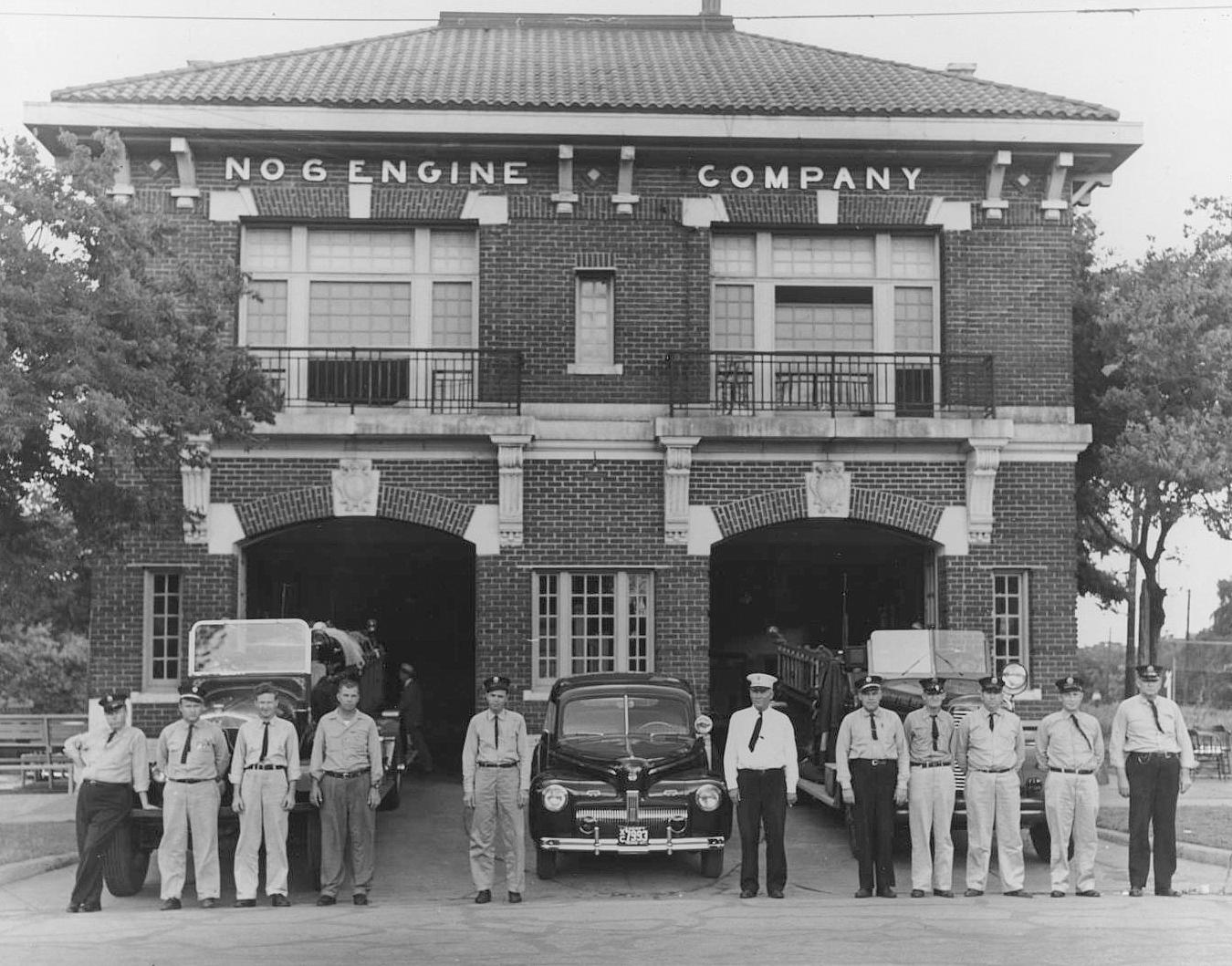
















 Flashback : Dallas