Flashback : Dallas

A Miscellany: History, Ads, Pop Culture

Category: 1950s

The Wide Open Spaces Northeast of Central and Lovers — 1957
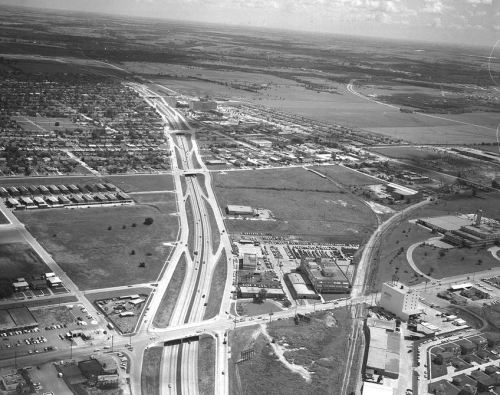
central_north-from-mockingbird_060657_squire-haskins_UTASquire Haskins, UTA Special Collections

by Paula Bosse

Here’s another great aerial photo by Squire Haskins, taken on June 6, 1957 — sixty years ago. The view is to the north, from a little south of Mockingbird. Mockingbird runs from left to right at the bottom of the photo; at the far right you can see the still much-missed Dr Pepper plant, which stood at the northwest corner of Mockingbird and Greenville Avenue. The only “tall” structure north of Mockingbird is the Meadows Building, at Greenville and Milton, just south of Lovers Lane. North and east of Lovers and Greenville is … pretty much nothing. The old Vickery community was north on Greenville, around what is now Park Lane. To the east? I don’t know … lots of open land and then … Garland? (See a huge image of this photo on the UTA website, here.)

If you need your bearings, here are a few of the landmarks (red, Mockingbird Lane; green, Greenville Ave.; yellow, Bekins Storage, orange, Dr Pepper plant; blue, Meadows Building):
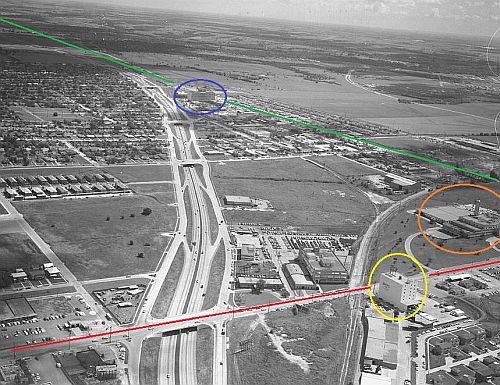
meadows-bldg-from-mockingbird_squire-haskins-june-1957_UTA_annotated

Let’s turn it around and look south, toward downtown, from just north of Lovers Lane, with the Meadows Building in the foreground. Greenville is at the left, Central Expressway at the right. This photo, also by Squire Haskins, was taken on June 20, 1956. (See it on the UTA website, here.)

central_south-from-lovers_062056_squire-haskins_UTA_meadows

If, like me, you’ve always wondered where the legendary Louanns nightclub was, it was just out of frame at the bottom left of the photo above — at the southeast corner of Lovers and Greenville, where Central Market sits these days. You can see it below, in a detail of another great Squire Haskins photo (click on the thumbnail of the photo on this page to see the full photo — Louanns is at the bottom left) — it was taken on Dec. 4, 1953 and shows the Meadows Building under construction. In this detail you can see a slightly blurry Louanns, with what looks like an unpaved Lovers Lane at the bottom and Greenville Avenue at the right. I’d always  heard that Louanns was way out in the sticks in its heyday in the ’40s and ’50s. And looking at the top photo, I can see how true that was — especially before the arrival of the Meadows Building, which was, I believe, the largest “suburban” office building in Dallas beyond the downtown Central Business District. And for those who went out “parking” along the isolated Lovers Lane back then, you can see how the street got its name.
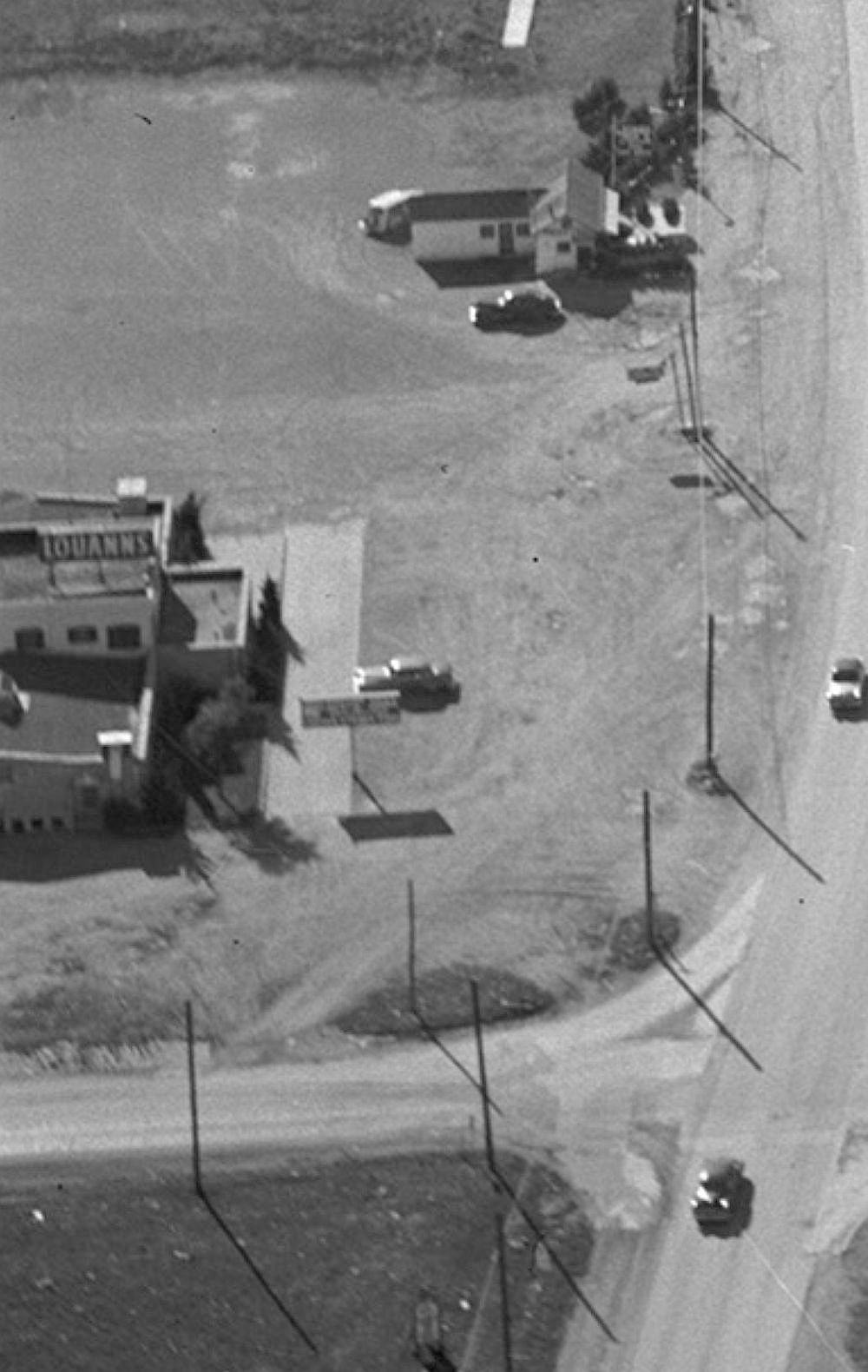
louanns_squire-haskins_UTA_det

louanns-postcard

Here is a clipping from the 1957 Dallas city directory showing the businesses along East Mockingbird — between Airline, west of Central, and Greenville Avenue.

mockingbird_central-to-greenville_1957-directory
1957 Dallas directory

See the Greenville Avenue businesses from the same 1957 directory here (the directory is scanned in its entirety on the Portal to Texas website here).

Here’s a map showing what this same area looked like a few years earlier, in 1952, when Mustang Airport was still out there (between Lovers and Northwest Highway, and between about where Skillman would later extend to and Abrams). (On the map below, Central Expressway is red, Greenville Avenue is blue, East Mockingbird Lane is purple, and Lovers Lane is green.)

map_north-from-mockingbird_1952-mapsco
1952 Mapsco

***

Sources & Notes

Top two photos by Squire Haskins, from the Squire Haskins Photography, Inc. Collection, UTA Libraries, Special Collections. Additional information on the first one (ID No. 10002957), looking north, is here; additional info on the second one (ID No. 10000568), looking south, is here. (To see HUGE images of both photos, click the thumbnails on these linked pages.)

*

Copyright © 2017 Paula Bosse. All Rights Reserved.
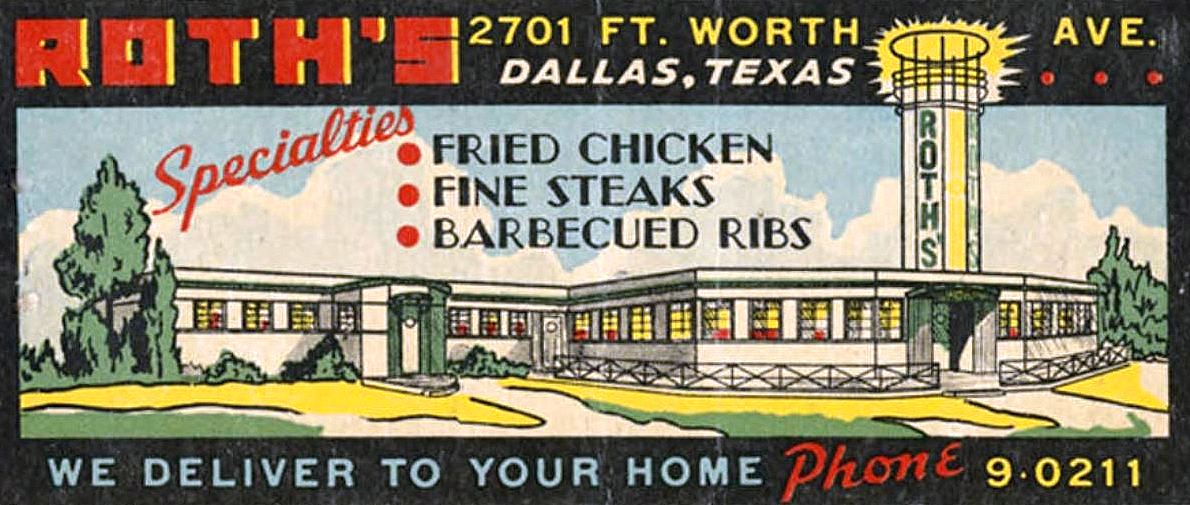
Roth’s, Fort Worth Avenue

roths_cook-collection_smuSign me up, Mr. Roth…

by Paula Bosse

When I see a building like this, I always hope I can find a photo of it somewhere, but all I’ve been able to come up with is this energetic rendering from a 1940s matchbook cover. Roth’s (which was advertised variously as Roth’s Cafe, Roth’s Restaurant, and Roth’s Drive-In) was in Oak Cliff, on Fort Worth Avenue. It opened in about 1940 or ’41 and operated a surprisingly long time — until about 1967. When Roth’s opened, its address was 2701 Fort Worth Avenue, but around 1952 or ’53 the address became 2601. (I think the numbering might have changed rather than the business moving to a new location a block down the street.)

During World War II, Mustang Village — a large housing development originally built for wartime workers (and, later, for returning veterans and their families) — sprang up across Fort Worth Avenue from the restaurant. It was intended to be temporary housing only, but because Dallas suffered such a severe post-war housing shortage, Mustang Village (as well as its sister Oak Cliff “villages” La Reunion and Texan Courts) ended up being occupied into the ’50s. Suddenly there were a lot more people in that part of town, living, working, and, presumably, visiting restaurants.

As the 1960s dawned, Mustang Village was just a memory, and Roth’s new across-the-street neighbor was the enormous, brand new, headline-grabbing Bronco Bowl, which opened to much fanfare in September 1961. I don’t know whether such close proximity to that huge self-contained entertainment complex hurt or helped Roth’s business, but it certainly must have increased traffic along Fort Worth Avenue.

Roth’s continued operations until it closed in 1967, perhaps not so coincidentally, the same year that Oak Cliff’s beloved Sivils closed. Ernest Roth, like J. D. Sivils, most likely threw in the towel when a series of “wet” vs. “dry” votes in Oak Cliff continued to go against frustrated restaurant owners who insisted that their inability to sell beer and wine not only damaged their own businesses but also adversely affected the Oak Cliff economy. The last straw for Sivils and Roth may have been the unsuccessful petition drive in 1966/1967 to force a “beer election” (read about it here in a Morning News article from Aug. 17, 1966).

As far as that super-cool building seen at the top — I don’t know how long it remained standing, but when Roth’s closed, a mobile home dealer set up shop at 2601 Fort Worth Avenue, and mobile homes need a lot of parking space….

The building on the matchbook cover above is, unfortunately, long gone (as is the much-missed Bronco Bowl); the area today is occupied by asphalt, bland strip malls, and soulless corporate “architecture” (see what 2701 Fort Worth Avenue looks like today, here).

*

The man behind Roth’s was Ernest W. Roth, a Hungarian immigrant who had worked for many years as maître-d’ at the Adolphus Hotel’s tony Century Room. He decided to go out on his own, and around 1940, he and his business partner Joseph Weintraub (who was also his brother-in-law) opened the Oak Cliff restaurant which boasted two dining rooms (with a seating capacity of 350, suitable for parties and banquets), fine steaks, and, on the weekends, a live band and dancing. Ernest’s wife, Martha, and their son Milton were also part of the family business. When the restaurant opened, there wasn’t much more out there on the “Fort Worth cut-off,” but the place must have been doing something right, because Roth’s lasted for at least 27 years — an eternity in the restaurant business. It seems to have remained a popular Oak Cliff dining destination until it closed around 1967.

*

The real story, though, is the Roth family, especially Ernest’s mother, Johanna Roth, and even more especially, his older sister, Bertha Weintraub.

Johanna Rose Roth was born in 1863 in Budapest, where her father served as a member of the King’s Guard for Emperor Franz Josef. She and her husband and young children came to the United States about 1906 and, by 1913, eventually made their way to San Antonio. In the ’40s and ’50s she traveled by airplane back and forth between San Antonio and Dallas, visiting her five children and their families — she was known to the airlines as one of their most frequent customers (and one of their oldest). She died in Dallas in 1956 at the age of 92.

Johanna’s daughter Bertha Roth Weintraub had a very interesting life. She too was born in Hungary — in 1890. After her husband Joe’s death in the mid ’40s, a regular at her brother’s restaurant, Abe Weinstein — big-time entertainment promoter and burlesque club empresario — offered Bertha a job as cashier at the Colony Club, his “classy” burlesque nightclub located across from the Adolphus. She accepted and, amazingly, worked there for 28 years, retiring only when the club closed in 1972 — when she was 82 years old! It sounds like she led a full life, which took her from Budapest to New York to San Francisco to San Antonio to Austin and to Dallas; she bluffed her way into a job as a dress designer, ran a boarding house in a house once owned by former Texas governor James Hogg, hobnobbed with Zsa Zsa Gabor and Liberace, was a friend of Candy Barr, and, as a child, was consoled by the queen of Hungary. She died in Dallas in 1997, a week and a half before her 107th birthday. (The story Larry Powell wrote about her in The Dallas Morning News — “Aunt Bertha’s Book Filled With 97 Years of Memories” (DMN, Nov. 17, 1987) — is very entertaining and well worth tracking down in the News archives.)

weintraub-bertha-roth_texas-jewish-post_021590
Bertha Roth Weintraub

I feel certain that the extended Roth family found themselves entertained by quite a few unexpected stories around holiday dinner tables!

***

Sources & Notes

Matchbook cover (top image) is from the George W. Cook Dallas/Texas Image Collection, DeGolyer Library, Central University Libraries, Southern Methodist University; more info is here.

Photo of Bertha Weintraub is from The Texas Jewish Post (Feb. 15, 1990), via the Portal to Texas History, here.

*

Copyright © 2017 Paula Bosse. All Rights Reserved.

1710 Hall: The Rose Room/The Empire Room/The Ascot Room — 1942-1975

rose-ballroom_aug-1942_cook-collection_degolyer_smuThe Rose Ballroom, 1942

by Paula Bosse

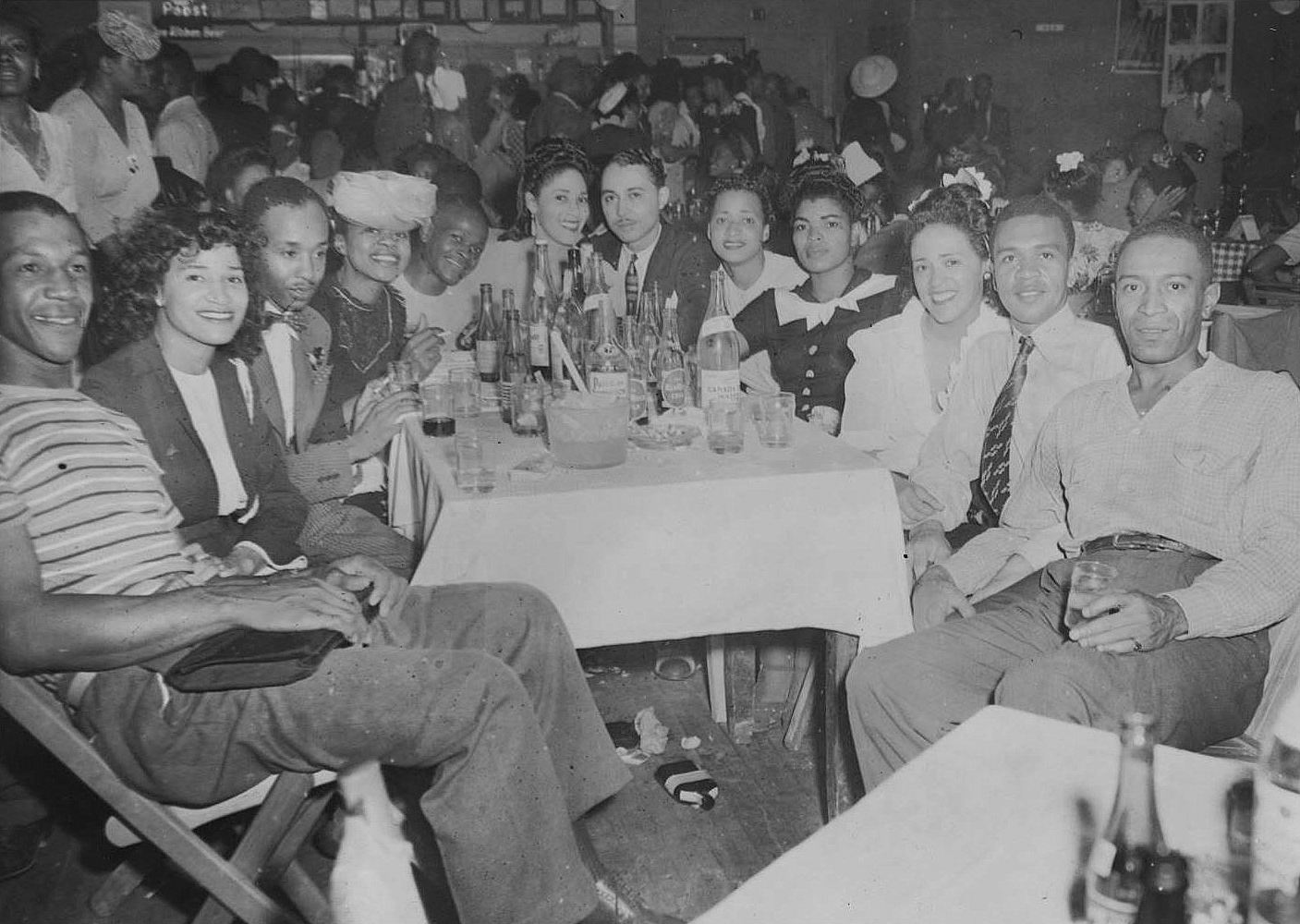
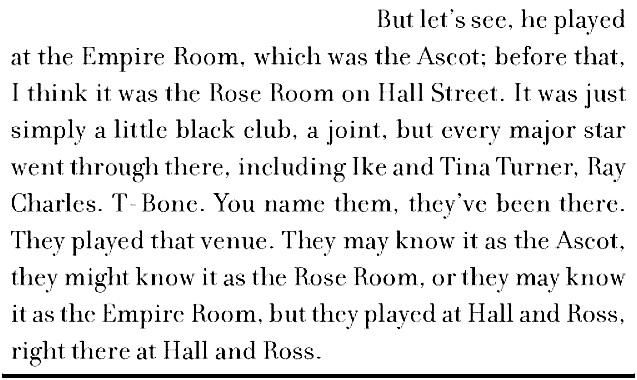
The photo above was taken at the Rose Ballroom at 1710 Hall Street (a few steps off Ross Avenue) in August, 1942. 1710 Hall was the home to a string of very popular black nightclubs: the Rose Ballroom (1942-1943), the Rose Room (1943-1951), the Empire Room (1951-1969) (not to be confused with the nightclub of the same name in the Statler Hilton), and the Ascot Room (1969-1975). There seems to have been some overlap of owners and/or managers and/or booking agents, but they all appear to have been very popular “joints” (as described by Freddie King’s daughter), where both big-name touring musicians as well as popular local acts played. Icons T-Bone Walker and Ray Charles were regulars (there are stories of Ray Charles sleeping on the Empire Room’s stage during the time he was living in Dallas in the ’50s). Everybody seems to have played there. Below, a quote from Wanda King, talking about her father, blues legend Freddie King — from the book Texas Blues: The Rise of a Contemporary Sound by Alan Govenar (all clippings and photos are larger when clicked):

rose-room_freddie-king_wanda-king_texas-blues_govenar

Some of the acts scheduled to appear in early 1946 at the Rose Room were Erskine Hawkins, Louis Armstrong, Lionel Hampton, Buddy Johnson, and Andy Kirk. …Wow.

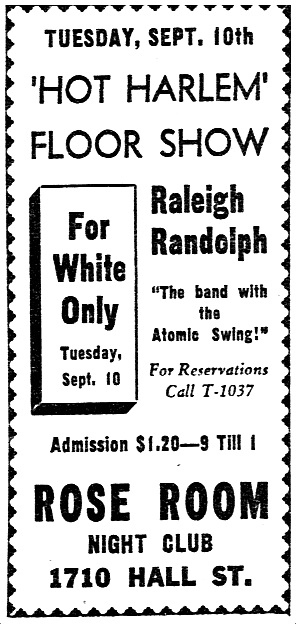
In the days of segregation, when Dallas police threatened to shut the club down if the owner allowed white patrons to mix with black patrons, the club scheduled “white only” nights where Caucasian audiences could see their favorite non-Caucasian performers. (Before these special club nights, which seem to have started in 1945, a revue would be taken “on the road” — over to the Majestic Theatre on Elm Street — to perform live onstage.)

rose-room_dmn_092945-ad
1945

rose-room_dmn_090846_ad
1946

The photo up there at the top showed the audience — here’s the stage (1946 photo of the E F Band by Marion Butts, from the Marion Butts Collection, Dallas Public Library):

rose-room_the-e-f-band_marion-butts_dpl_1946

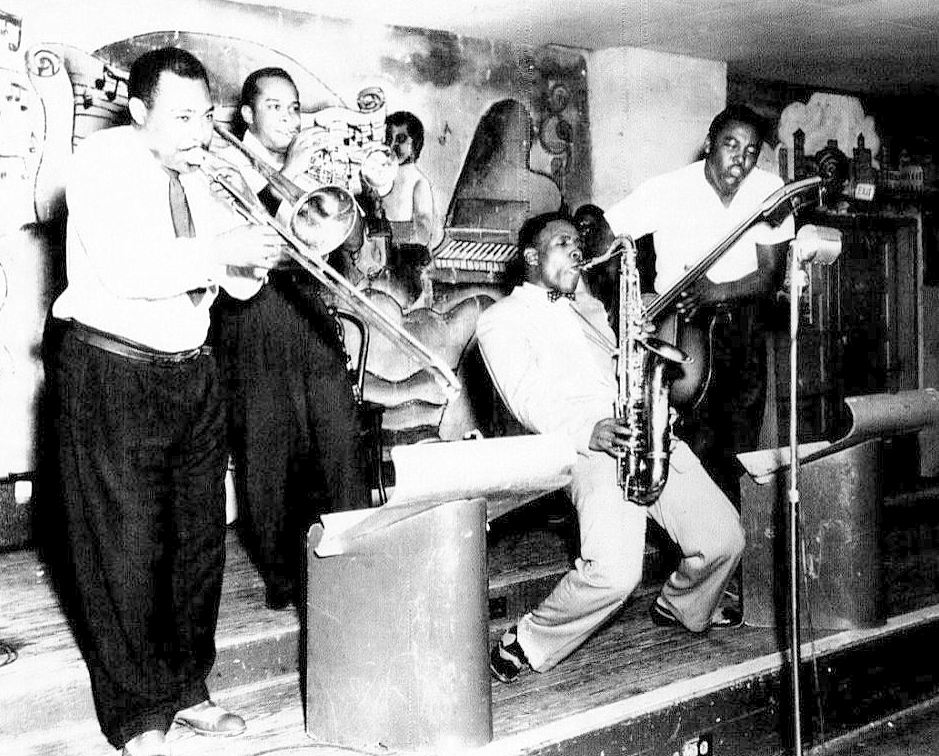
And here’s what the stage looked like when the club became the Empire Room (onstage is Joe Johnson in a 1954 photo by R. C. Hickman, taken from a great article about Hickman in Texas Highways, here):

empire-room_joe-johnson_1954_r-c-hickman_tx-highways_020299

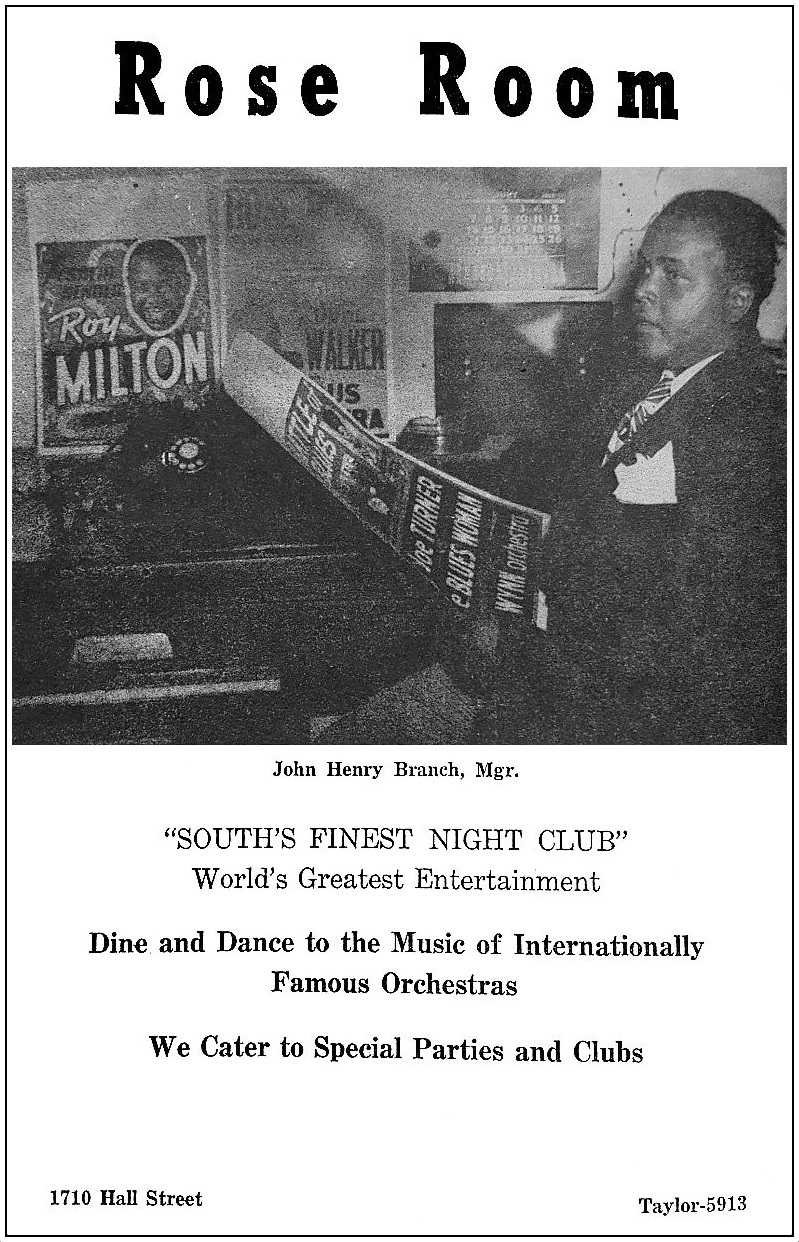
One thing that probably helped set the Rose Room/Empire Room apart from a lot of the other clubs in town at this time was the man who booked the shows — and who booked acts all over the area: John Henry Branch. The guy knew everyone. Here he is in an ad from 1947:

rose-room_1947-1948-negro-directory_dallas

Aside from booking acts and musicians for black clubs, he also booked acts for white clubs — including Jack Ruby’s Carousel and Vegas clubs. In fact, Branch chatted with Ruby at the Empire Room the night before Ruby shot Oswald — Ruby had come in to check on a piano player Branch was booking for a gig at the Vegas Club in Oak Lawn. Branch supplied testimony to the Warren Report, and while it’s not all that riveting (because there wasn’t that much to tell), it’s still interesting to hear how Branch describes his own club and Ruby’s personality (“You can’t never tell about him — he’s a weird person.”) — you can read his testimony here.

I have to admit, I’d never heard of the Rose Room or the Empire Room before I saw the photo at the top of this post. I really missed out. So much fantastic music! And I missed it. It’s just another reminder that Dallas has an incredible music history.

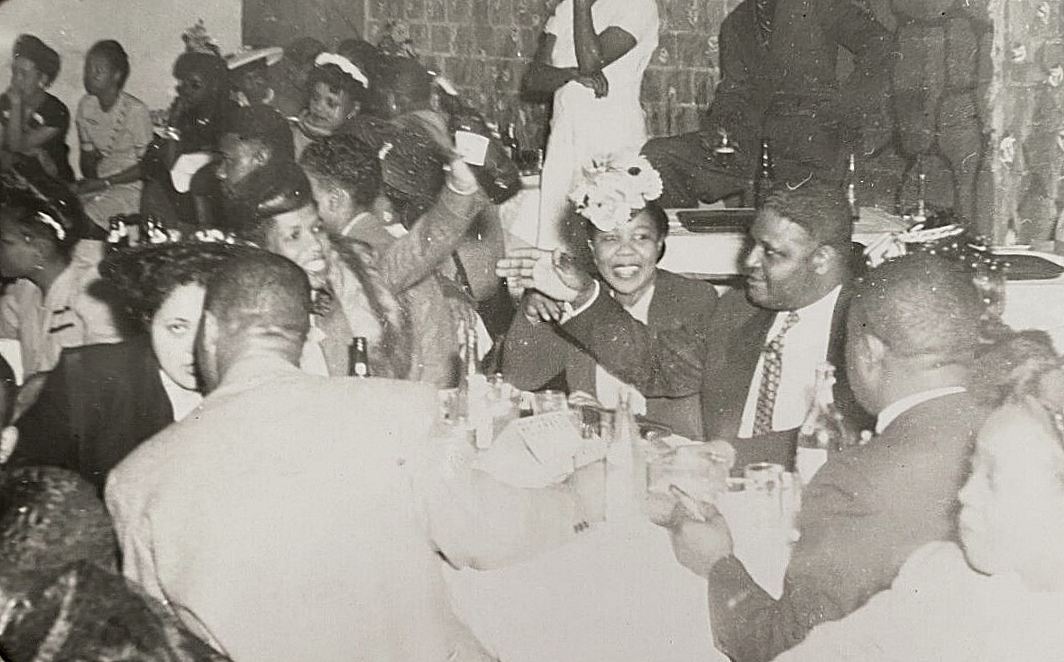
rose-room_texas-blues_govenar-brakefieldfrom the Texas African American Photography Archive

rose-room_1944-45-directory_hall-street
1700 block of Hall Street, 1944-45 city directory

What’s at 1710 Hall these days? A vacant lot — soon to be developed, no doubt. Ross Avenue ain’t what it used to be….

rose-room_photo_green-cover_ebayeBay

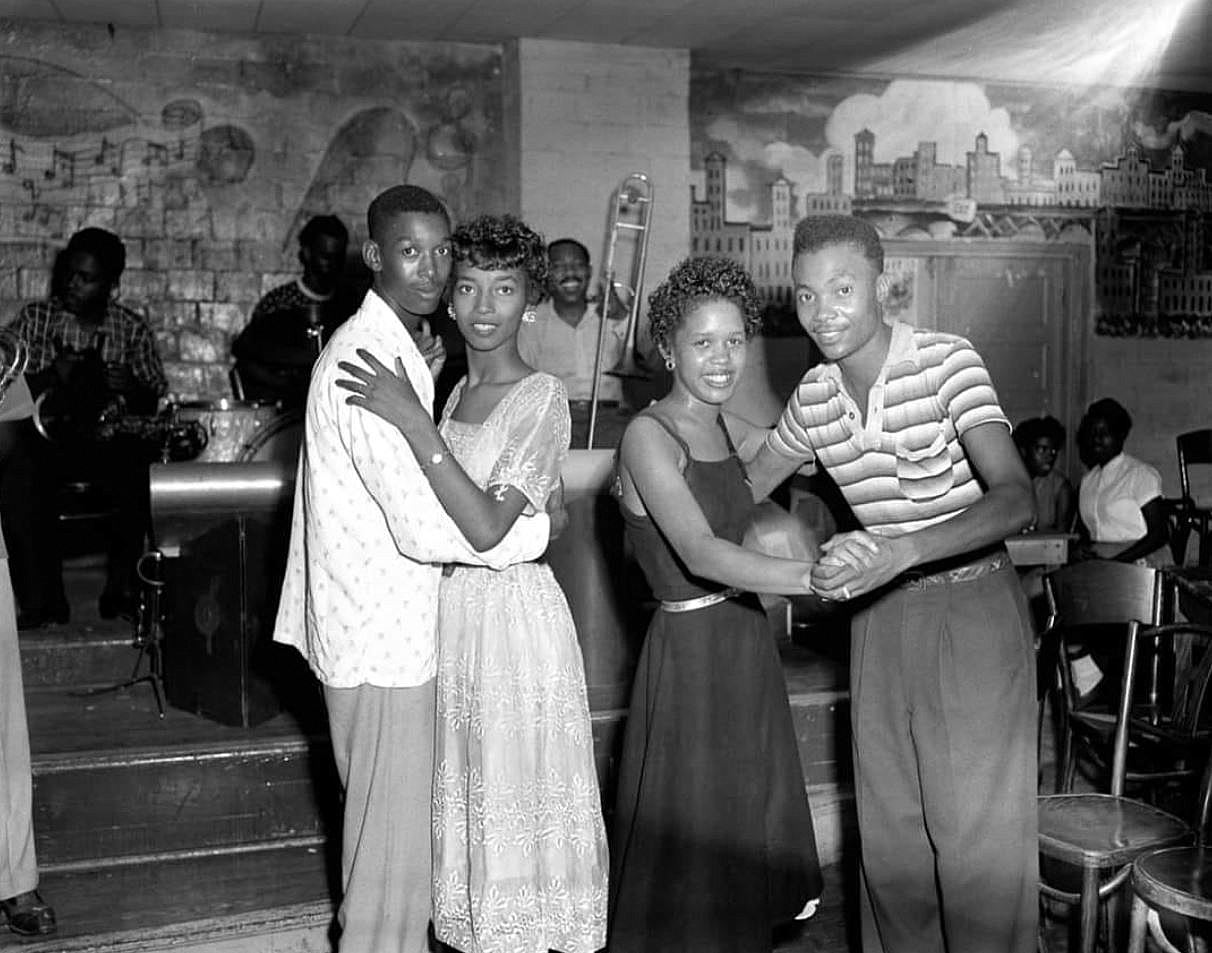
empire-room_teenage-dance_hickman_080656Teen dance, Aug. 6, 1956 (photo by R. C. Hickman)

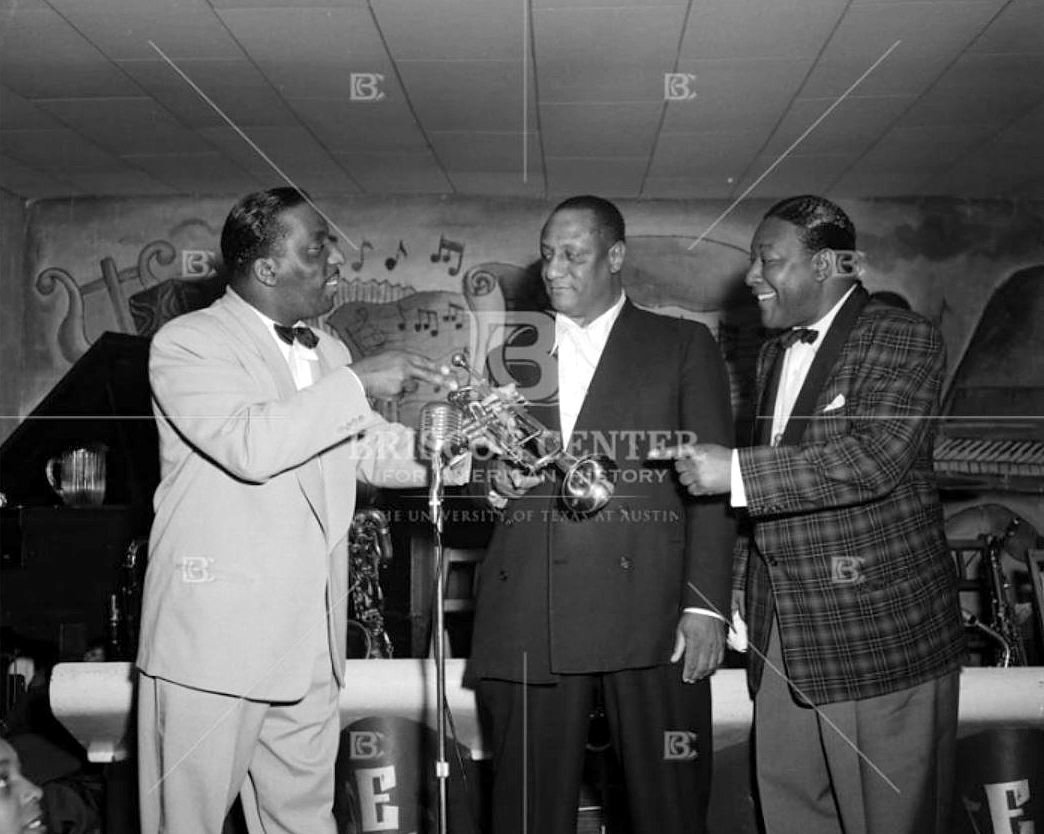
empire-room_l-g-mccutcheon_hickman_042351_briscoe-center_watermarkApr. 23, 1951 (photo by R. C. Hickman, Briscoe Center, Univ. of TX)

**

UPDATE: After many fruitless attempts to find a photo of the exterior of this building, I stumbled across it in a 1973 filmed report from KERA, recently uploaded by the G. William Jones Film and Video Collection at SMU. Below is a screenshot showing the Ascot Room a couple of years before it finally closed, looking a little worse for wear. The 8-minute film (which you can watch here) shows tons of locations in the Black neighborhoods of South Dallas (along Forest Avenue/MLK Blvd.) and “North Dallas” (along Hall Street) — the Ascot Room can be seen briefly at the 1:46 mark. (More on this film can be found in the Flashback Dallas post “Black Dallas — 1973.”)

ascot-room_june-1973_kera-collection_jones-collection_SMUAscot Room, 1973 (screenshot, Jones Collection, SMU)

***

Sources & Notes

Top photo from the George W. Cook Dallas/Texas Image Collection, DeGolyer Library, Central University Libraries, Southern Methodist University; more info on this photo is here. Someone has written this on the photo: “Aug. 42, Dallas, Rose Room” — in August, 1942 the club was known as the Rose Ballroom; it changed its name to the Rose Room in early 1943.

1973 screenshot is from a 1973 film (my guess is that it was broadcast on Channel 13’s “Newsroom”) from the KERA Collection, G. William Jones Film and Video Collection, Hamon Arts Library, Southern Methodist University.

Wanda King quote is from the book Texas Blues: The Rise of a Contemporary Sound by Alan Govenar (College Station: Texas A & M University Press, 2008).

Rose Room ad featuring John Henry Branch is from the 1947-48 Dallas Negro City Directory (with thanks to Pat Lawrence!).

More about the hopping Hall Street area can be found in the Flashback Dallas post “Life on Hall Street — 1947,” here.

*

Copyright © 2017 Paula Bosse. All Rights Reserved.
Casa Linda Animal Clinic, Est. 1948

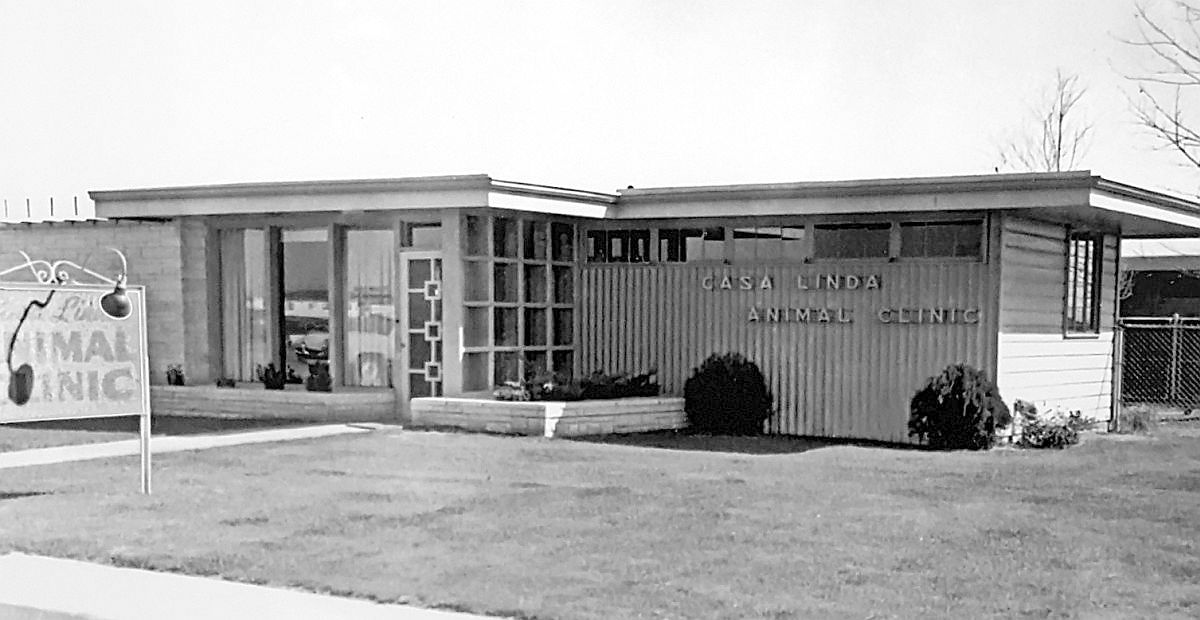
casa-linda-animal-clinic_bwIf only Garland Rd. & Jupiter still looked like this…

by Paula Bosse

Sometimes you can find interesting historical photos in the most unexpected places — like my mother’s veterinarian’s office. The photo above shows the cool mid-century design of the Casa Linda Animal Clinic, at 11434 Garland Road, just past the intersection with Jupiter.

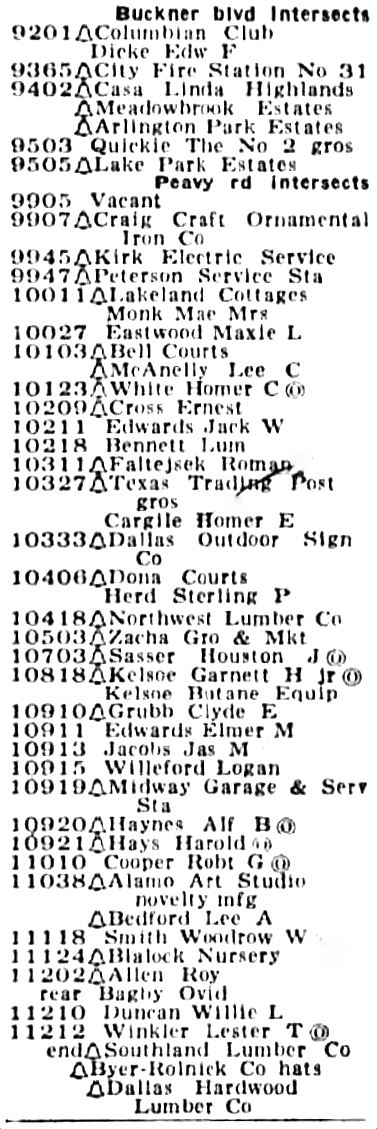
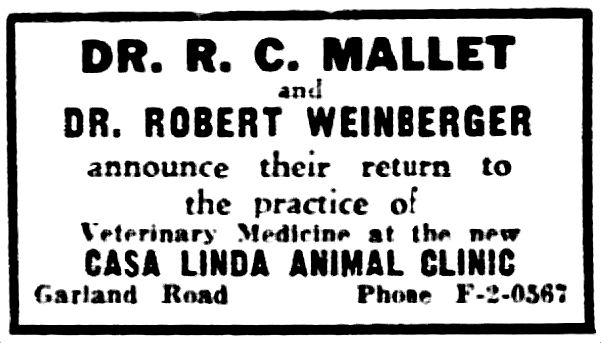
Two young veterinarians — Robert Weinberger and Roland Mallett — opened the animal clinic/hospital/boarding kennel in June, 1948, out in the boonies. I’m not actually sure that that stretch of Garland Road was even technically in Dallas in 1948. The 1948 city directory shows Garland Road ending at the 11200 block (with no cross-streets after Peavy). (Click to see a larger image.)

garland-road_1948-directory
1948 Dallas directory

When Weinberger and Mallett (whose name is often seen spelled as “Mallet”) opened their veterinary practice, theirs was the very last business (or residence) between the Dallas and Garland boundary. (To see how empty things were around there, check out a couple of pages from the 1952 Mapsco, here; the first one shows a developed area around White Rock Lake, Forest Hills, and Casa Linda, and the second one shows a much less developed area once you’ve passed Jupiter Road — and anything east of Shiloh is either a bleak no-man’s land or … Garland.) (I’ve never heard of Hudson Airport, seen on the second map — north of Northwest Highway, between Jupiter and Garland Road — so that’s cool to see.)

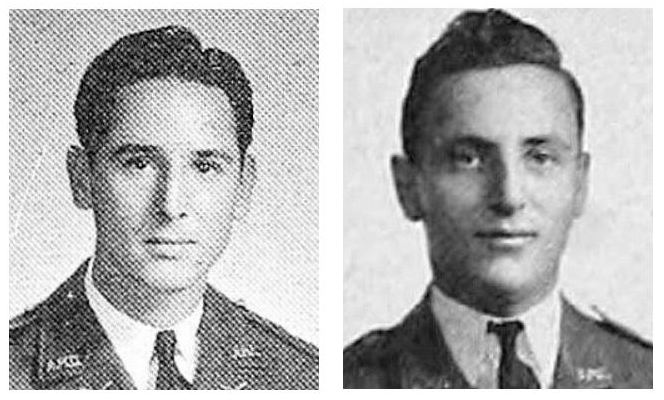
But back to the Casa Linda Animal Clinic (and it’s not really in Casa Linda, but I’m not sure what that area is). Being so far out in the sticks in 1948 probably explains how a couple of fairly recent Texas A&M veterinary school grads (and former WWII servicemen) who were still in their 20s were able to buy land for their first practice. The money they saved on real estate was apparently put into building a well-appointed clinic (according to Dr. Weinberger’s obituary, the clinic itself was “designed in collaboration with Texas A&M as sort of a showpiece of a modern, small-animal veterinary clinic”). Below, photos of Mallett, on the left, and Weinberger, from their vet school days at A&M — both were Class of ’44.

mallett-1943_weinberger-1942_texas-a-m-yearbooks

casa-linda-animal-clinic_dmn_060848
June 1948

The building today (seen here on Google Street View) looks nothing like it did in the photo at the top. It has been almost 70 years, but the building has either been drastically remodeled or is a new building. (Perhaps exterior work was done on it all the way back in 1951 when a car ran through the front wall.)

The clinic has gone through several partners and owners over the past 69 years, but it’s nice that it’s kept the same name all this time. I would assume that it has become something of a neighborhood fixture and has probably treated the pets of several generations of Casa Linda, Casa View, and Lochwood residents. …Maybe even some from Garland.

And now I know more about my mother’s veterinary clinic than she does!

***

Sources & Notes

Top photo is on the wall of the Casa Linda Animal Clinic. I wish more businesses would post old photos like this. If the (very nice) staff saw me taking this photo of a photo this morning, they probably wondered what I was doing. I’m afraid I didn’t ask permission to reproduce it, so it seems only right that I direct you to their website if you live in the area and are looking for a veterinarian.

Photo of Roland C. Mallett (1920-2010) is from the 1943 Texas A&M yearbook; photo of Robert Weinberger (1922-2009) is from the 1942 yearbook. Both graduated in 1944.

Read more at the Dallas Morning News archives:

  • “Dallas Veterinarians Open Casa Linda Animal Hospital” (DMN, June 20, 1948) — with photo of newly constructed building
  • “And the Wall Came Tumbling Down” (DMN, July 28, 1951) — photo shows Dr. Mallett looking at a car that had crashed into the animal hospital (no people — or animals — were injured)

Current boundary map of Garland can be found here.

*

Copyright © 2017 Paula Bosse. All Rights Reserved.
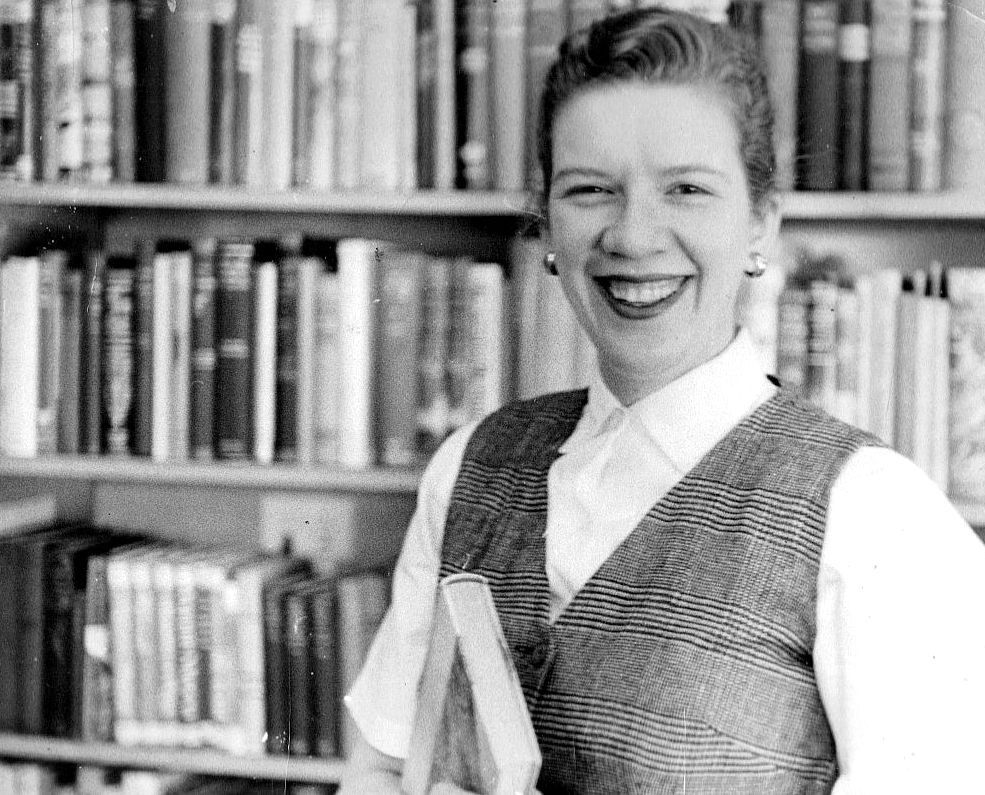
Mimi Payne Aldredge McKnight

ABS_mimi_bookcaseMimi, with books… (click for larger image)

by Paula Bosse

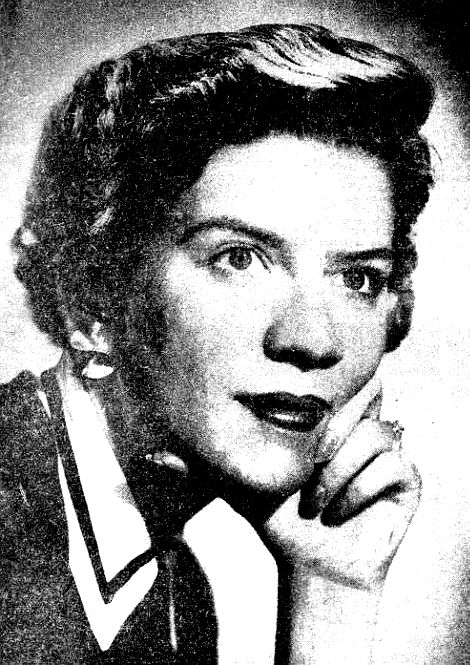
Mimi Aldredge McKnight (née Mildred Payne) died this week. She was an important person in the story of my family — she and her then-husband, Sawnie Aldredge, Jr. owned The Aldredge Book Store on McKinney Avenue, where my parents met and worked for many years and which, for my brother and me, became pretty much a second home. When Sawnie died, Mimi continued to run the store and kept my father, Dick Bosse, on as manager. My father ended up owning the store, and when he died, he had worked at The Aldredge Book Store for almost 45 years. Even when Mimi’s involvement with the store was minimal, she still kept in touch, and she and my father were always on very friendly terms.

I knew Mimi mostly when I was a child, and my memories of her are happy ones. I remember her laugh and her voice most of all. She always seemed like a lovely, friendly woman, and my parents were both very fond of her.

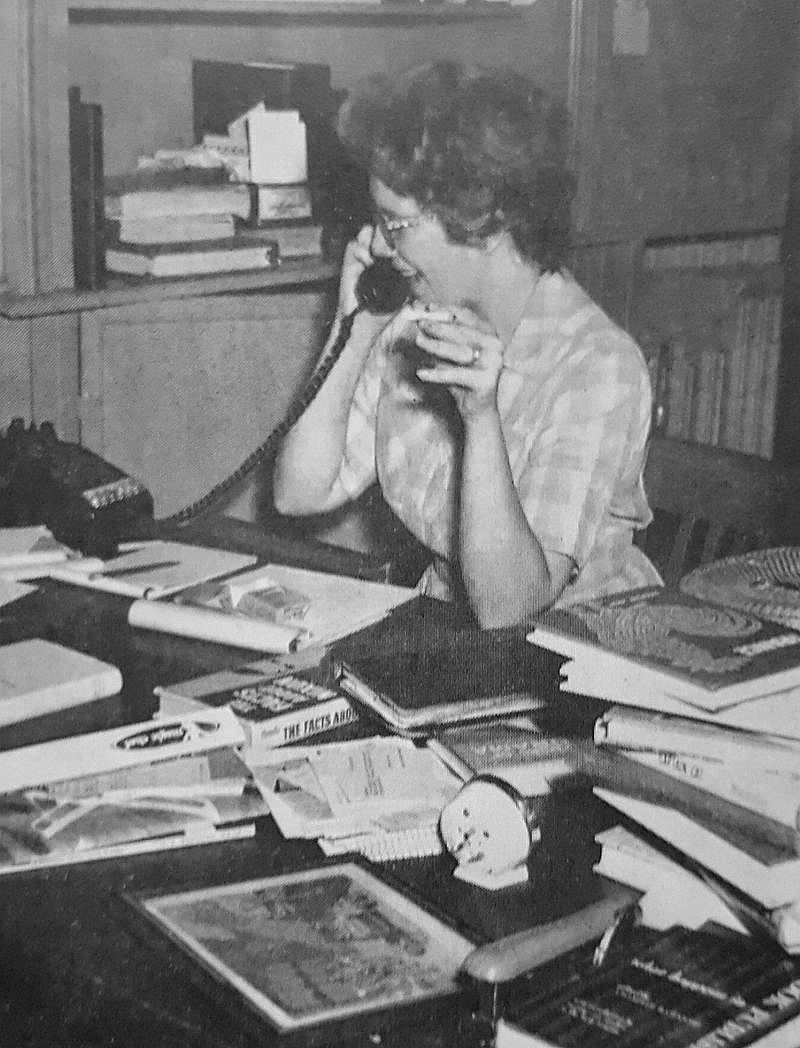
The photo below is how I remember her — talking animatedly on the phone (she and my mother, Margaret, were champion telephone talkers, and I remember them both working at that desk, and talking and talking and talking on that phone).

mimi_phone_texas-parade_feb-1961

I ran into Mimi a few times as an adult. We’d usually just exchange quick pleasantries and ask how various family members were — but I always hoped I’d have the chance to sit down and have a long conversation with her someday. Sadly, that didn’t happen, but I’m so happy that my brother, Erik, and I have reconnected with her children, Amy and Trip Aldredge, and that we’re all friends. The four of us share nostalgic childhood memories of each other’s parents and of that old creaking house on McKinney — a house so crammed with books that the medical section had to be shelved in the bathroom. I can’t imagine a better childhood that one spent growing up in a bookstore.

Goodbye, Mimi — I’m so glad you were a part of my family’s life.

**

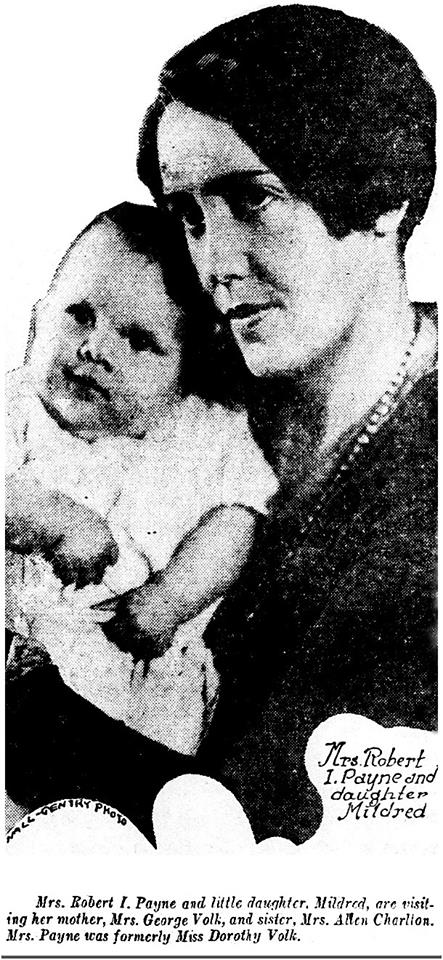
In one of those wonderful unexpected discoveries I’ve made while looking for something completely unrelated, I stumbled across this photo of little Mildred Payne as a baby and was happier about it than I might have expected. (Click photo to see a larger image.)

1929_mimi_dmn_061429
1929

It wasn’t until I was an adult that I realized Mimi had been a real-life, honest-to-god debutante (probably the only debutante I’ve ever met) and that her mother was a member of Dallas’ famed Volk retail family. She grew up in a very nice house, built by her father, Robert I. Payne, in the Perry Heights area of Oak Lawn. If you’re famiiar with Oak Lawn, you’ve probably seen the plantation-like house at 4524 Rawlins (at Hawthorne), designed by architect Ralph Bryan in 1936. (See the house today on Google Street View, here.)

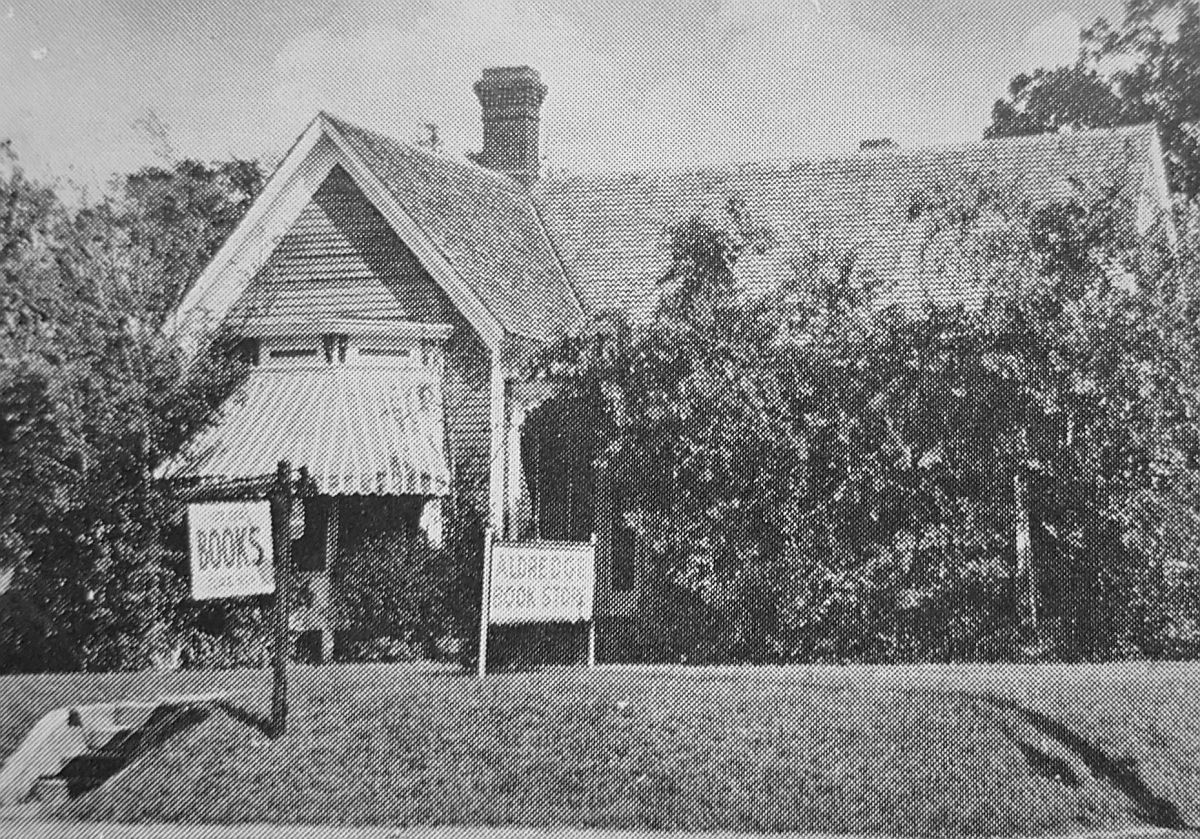
Sawnie Aldredge, Jr. (son of a Dallas mayor) opened The Aldredge Book Store in 1947 at 2800 McKinney Avenue (at Worthington) in an old house built in the 1880s or 1890s (this was several years before Sawnie and Mimi married). The picture below is from around 1960. This was before my time, but I seem to remember it looking less overgrown and less … shabby! It was much larger than it appears in this photo. Below the photo, the store’s early logo. (I’m not sure when the house was torn down — maybe in the ’80s? The lot was vacant for quite some time, as I reall. The block is painfully unrecognizable today. Today it looks like this.)

aldredge-book-store_texas-parade_feb-19611960-ish

ABS_logo_1947

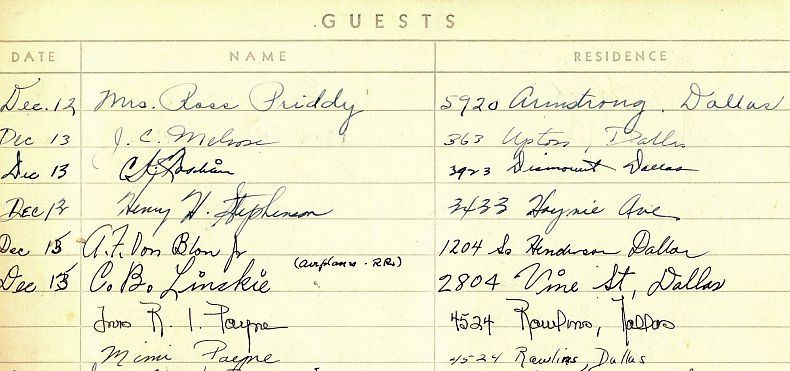
A few years ago, when my brother and I were closing the store, I came across a guestbook from the first year of business and was happy to see that on Dec. 15, 1947, a 19-year-old Mimi Payne visited the store with her mother, Mrs. R. I. Payne. Little did she know that seven years later she’d be married to the proprietor of the store and — for a while — living in that house, battling for personal space amongst all those damn books!

aldredge-book-store-guestbook_1215471947

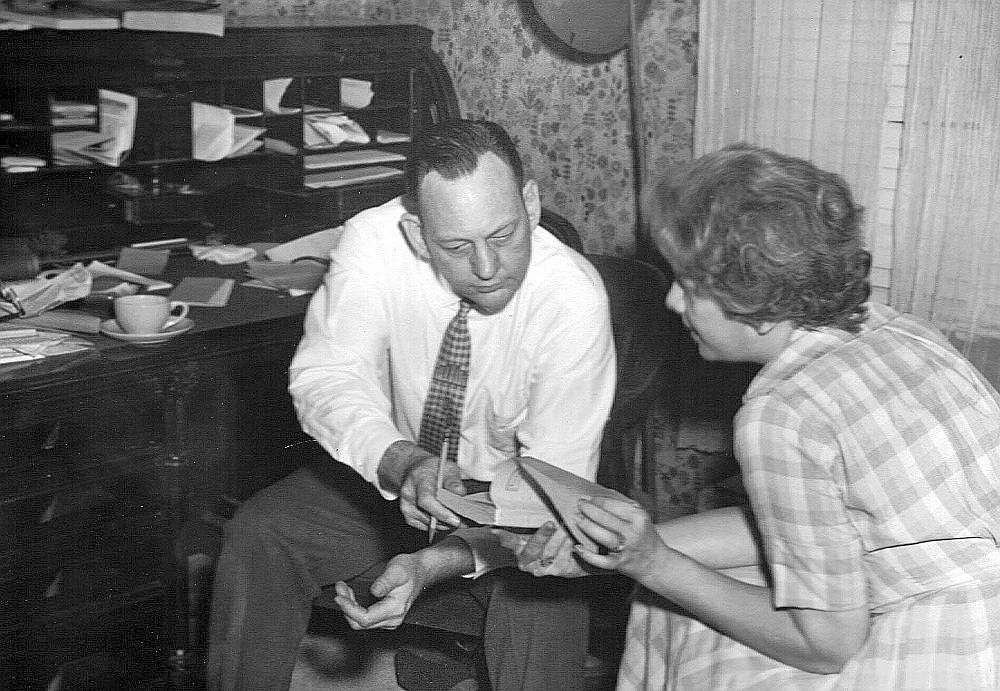
sawnie_mimi_desk_1961Sawnie and Mimi, 1961

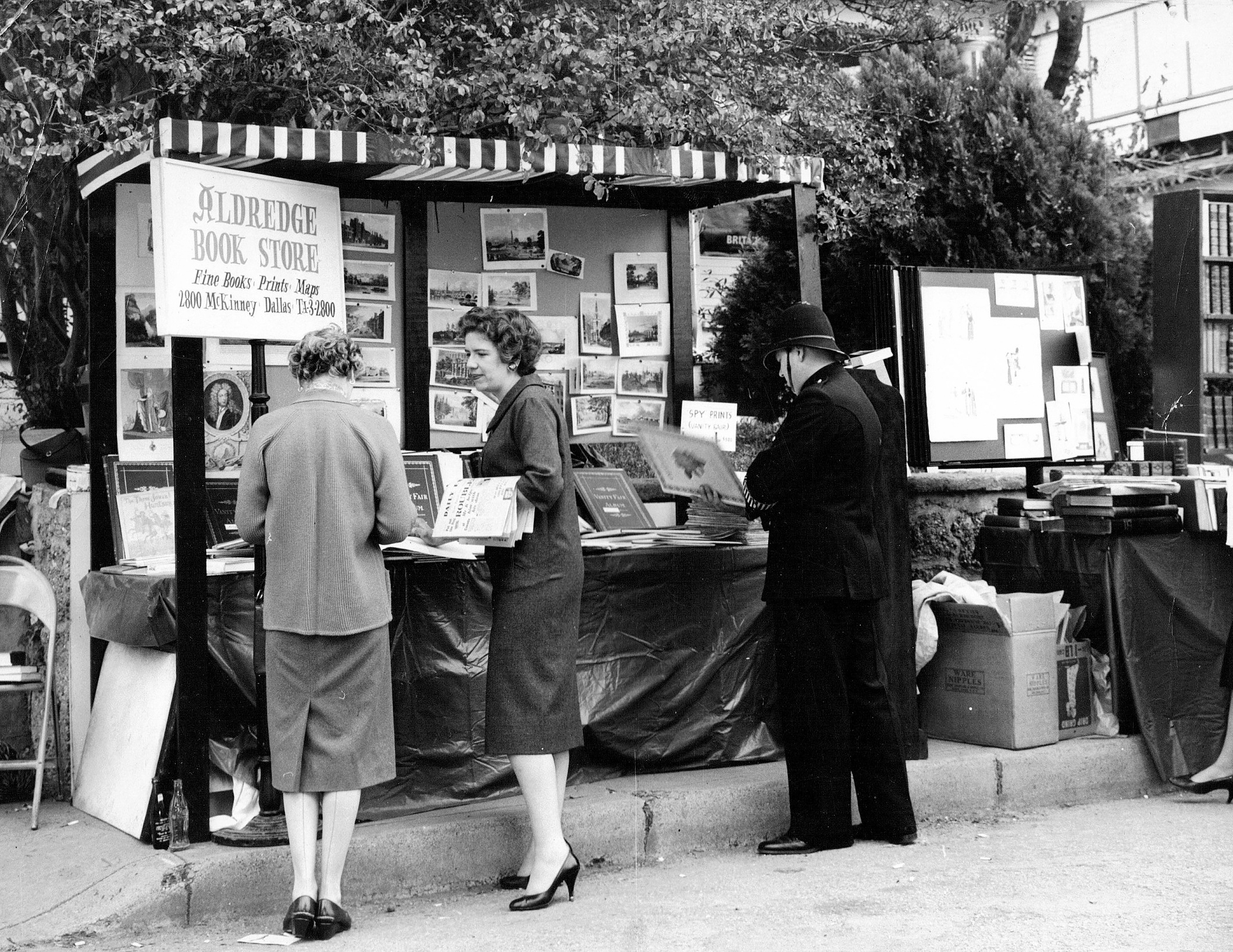
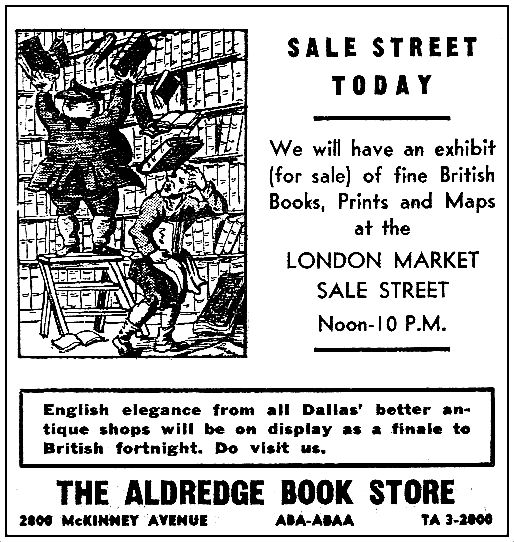
The photo below is one I really love — it was taken in 1958 at the Sale Street Fair, an annual antique street market which ran at the same time as the Neiman-Marcus Fortnight (in 1958 Neiman’s was celebrating Britain). This shows Mimi manning the bookstore booth. My mother told me that she and Mimi (and probably everyone else there) passed the time sitting on the curb, sipping cocktails supplied by friendly neighborhood antique dealers. Sounds great!

ABS_mimi_sale-street-fair_1958Sale Street Fair, Mimi and a browsing London bobby, 1958

ABS_sale-street-fair_1958
Oct., 1958

In 1975, another chapter of Mimi’s life opened when she married esteemed SMU law professor Joe McKnight, to whom she had been married for 40 years at the time of his death in 2015. One interesting highlight was that Joe and Mimi — through their friendship with international bestselling author Alexander McCall Smith (The No. 1 Ladies Detective Agency, etc.) — were featured as characters in his Sunday Philosophy Club/Isabel Dalhousie series. He talked about putting them in one of his novels in a 2006 interview:

Isabel’s mother was American, and she has a cousin of her mother in Dallas, [who is based on] a real person… I was a visiting professor at Southern Methodist University and I’ve got very good friends there, a wonderful couple called Joe and Mimi McKnight, who I’ve made the cousin of Isabel in this book. I have Joe and Mimi coming to Edinburgh, and Mimi plays a large part in the story. So, I’m writing a real person into the story, which is great fun.

A woman who spent a number of years in the early part of her life selling books certainly deserved to be transformed into an entertaining character in a bestselling book in the later part of her life!

***

Sources & Notes

Photos and clippings from the Aldredge Book Store archives and the Aldredge family, unless otherwise noted.

A couple of the photos above come from a profile of The Aldredge Book Store in a magazine called Texas Parade (Feb. 1961): “100,000 Books … Old and New” by Joe Swan. See the full article and photos in a PDF, here

aldredge-book-store_texas-parade_feb-1961_spread_sm

Mimi McKnight died April 3, 2017; her obituary is here.

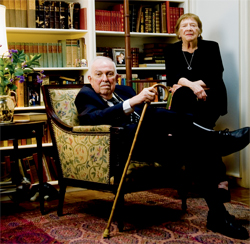
D Magazine wrote about Joe and Mimi McKnight and their connection to Scottish author Alexander McCall Smith in the June 2007 article “Muse, Thy Name is McKnight,” here. The photo below (by Elizabeth Lavin) is from that article.

mcknights_joe-and-mimi_d-mag_june-2007
2007 (D Magazine)

Other Flashback Dallas posts concerning The Aldredge Book Store can be found here.

*

mimi_wedding_announcement_101054_det
1954

Most photos larger when clicked.

*

Copyright © 2017 Paula Bosse. All Rights Reserved.

“Dallas Skyline: Late Afternoon From Stemmons Freeway” by Ed Bearden — 1959

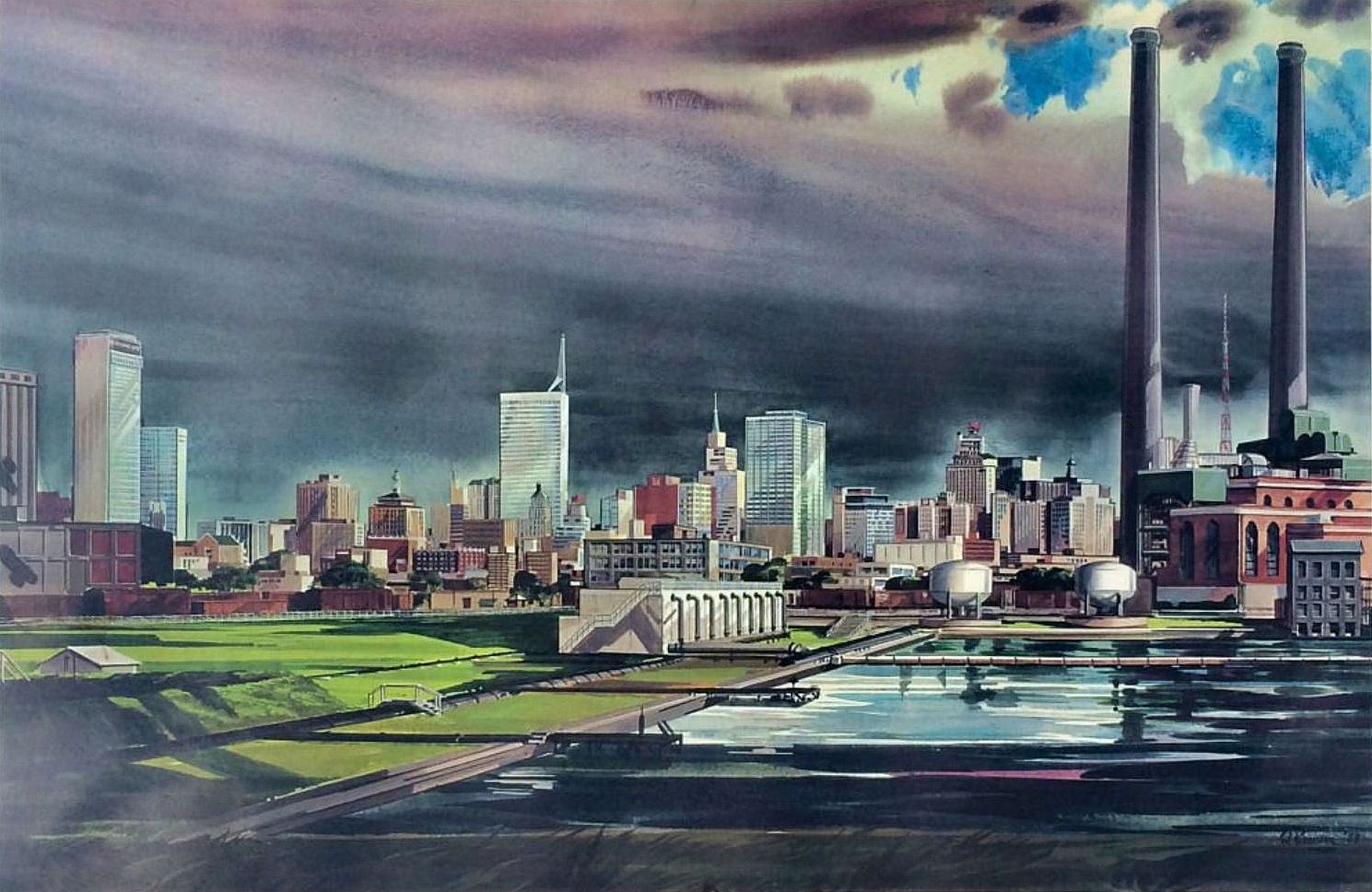
bearden_dallas-skyline-late-afternoon-from-stemmons-freeway_litho_1959Skyline and power plant… (click for larger image)

by Paula Bosse

I think the 1950s Dallas skyline is my favorite Dallas skyline. This lithograph by Dallas artist Ed Bearden shows all the usual superstars — the Southland Life Building, the Medical Arts Building, the Republic Bank Building, the Mercantile, the Magnolia — but it also shows a building that doesn’t often find its way into artistic renderings of the city’s skyline: the Dallas Power & Light plant (which was demolished several years ago and is now the site of the American Airlines Center). It looks really great here, with its familiar twin steamstacks and its oasis-like “spray pond” shimmering in the foreground. In fact, the presence of the DP&L plant is my favorite element of this artwork. The beauty of that workhorse industrial plant gives those fancy skyscrapers a run for their money!

This same view from the Stemmons of today looks like — brace yourself — this.

***

Sources & Notes

Lithograph by Ed Bearden; image from an auction listing on the Live Auctioneers site, here. (Thanks, “Not Bob,” for alerting me to this great artwork!)

See another Bearden skyline seen from a similar vantage point, here.

More on the cool-looking DP&L plant and its twin smokestacks can be found in these Flashback Dallas posts:

  • “DP&L’s Twin Smokestacks,” here
  • “A New Turbine Power Station for Big D — 1907,” here

*

Copyright © 2017 Paula Bosse. All Rights Reserved

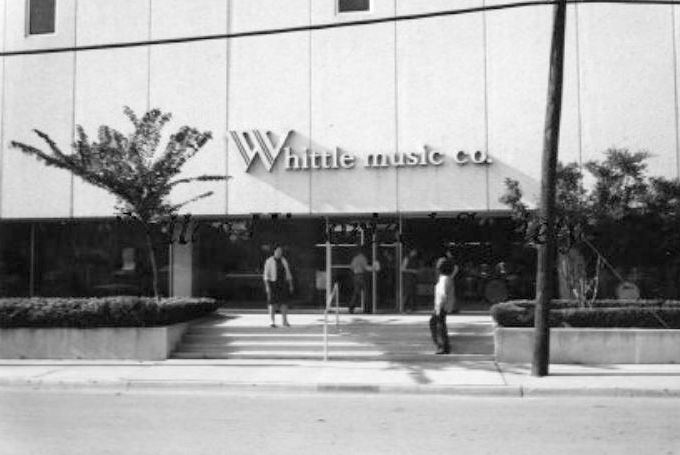
The Whittle Music Building — ca. 1956

whittle-music_elm-and-murphy_flickr_red-oak-kidSouthwest corner of Elm & Murphy…

by Paula Bosse

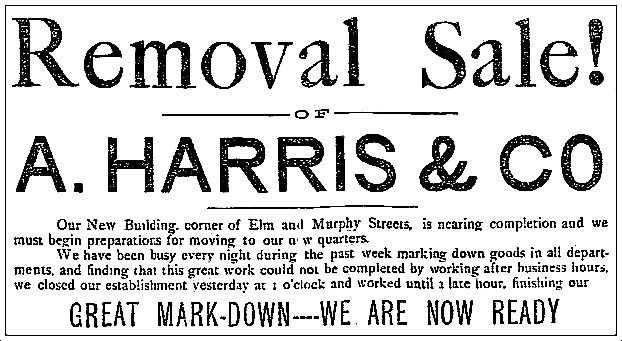
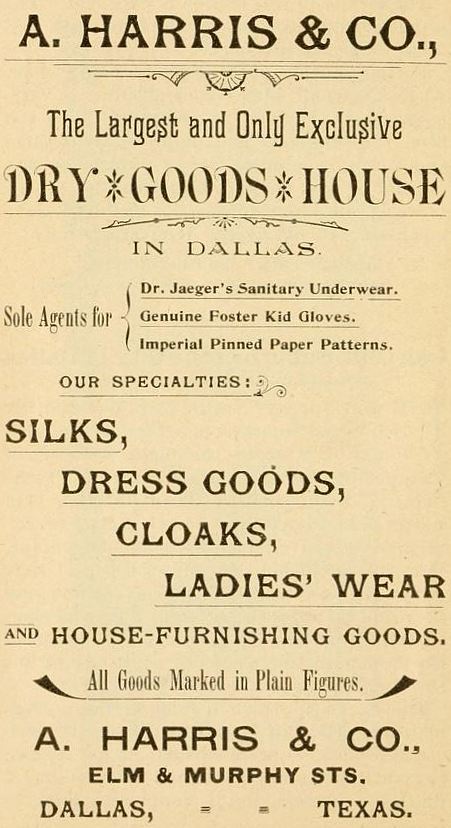
Above, the very attractive home of the Whittle Music Co., which sat at 1108 Elm Street on the southwest corner of Elm and Murphy. It was built as a two-story building in 1892 for the A. Harris Co., one of Dallas’ earliest department stores. A third floor was added in 1899. A. Harris Co. eventually outgrew the building, and, around 1914, it moved into several floors of the Kirby Building. In August, 1941, the Whittle Music Co. moved in from their previous nearby location. The company which sold “everything musical” (instruments, radios, phonographs, records, sheet music, etc.) was happy to move into the larger building, which included a basement, an auditorium for performances, meetings, and recitals, and several large display windows to better feature their large selection of pianos (the building was apparently the first store in Dallas designed to include large windows in which to prominently display merchandise to passersby).

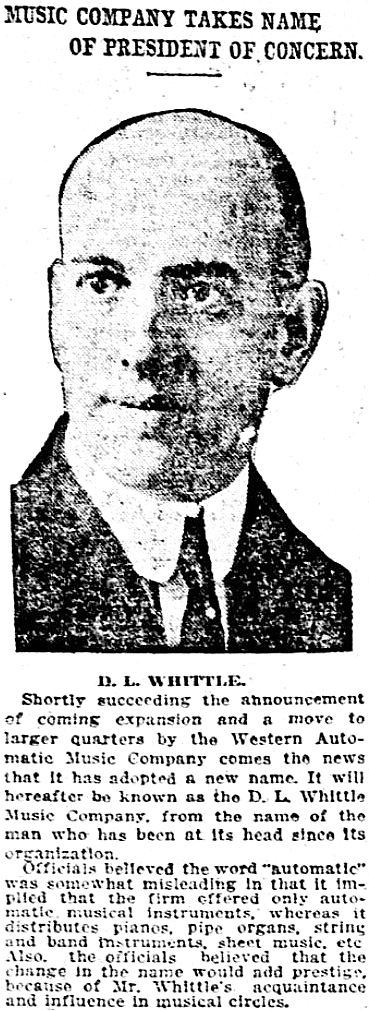
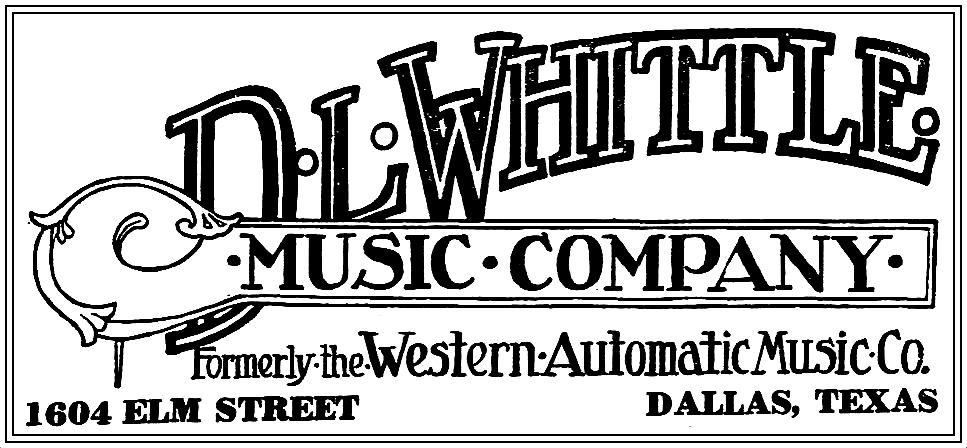
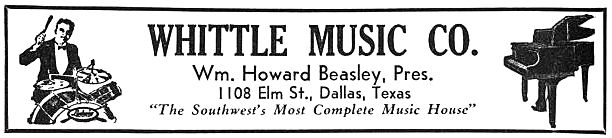
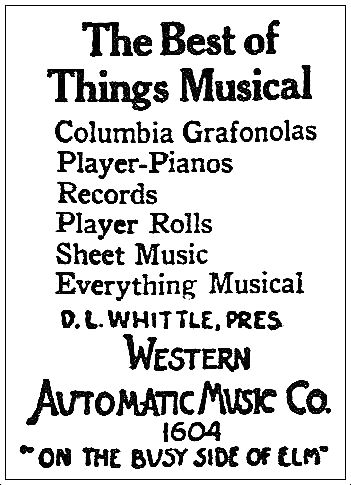
D. L. Whittle (1879-1970) came to Dallas in 1912 and was involved in several businesses (including selling Wurlitzer pipe organs and co-owning the Crystal Theater). He became president of Western Automatic Music Co. (which sold electric player pianos) and eventually changed the name to the D. L. Whittle Music Co. A few years later he sold the business to Howard Beasley who decided to keep the Whittle name. (See the 1968 Sam Acheson interview with Whittle at the bottom of this post for more information about Mr. Whittle and his memories of Dallas in the ‘teens.)

Whittle’s became one of Dallas’ premier music companies, selling instruments and recorded music, offering lessons, hosting performances, etc. According to a Dallas Morning News article by Kent Biffle, customers included Van Cliburn and Arthur Rubinstein, and “Al Jolson once sold tickets to one of his own shows” at the store’s ticket window (DMN, May 31, 1964).

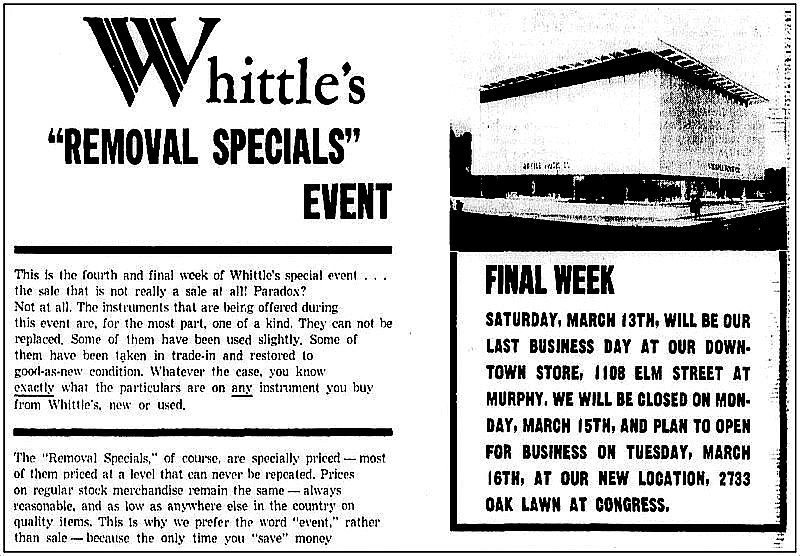
Business was flourishing and all was going well, until the early 1960s when it was announced that the block the building was on (as well as other adjacent blocks) was set to be bulldozed to make way for the construction of One Main Place. Interestingly, Whittle’s and the Dallas, Texas Corp. (developers of One Main Place) agreed to a land swap: the music company would get land in Oak Lawn and a fancy new building built on it in exchange for the Elm Street property. Only after Whittle’s had taken occupancy of their new home would the 63-year-old building be demolished. (Seems like a pretty sweet deal for the Whittle company — perhaps the fact that D. L. Whittle was a major stockholder of the Texas Bank & Trust Co. — which had ties to the One Main Place project — was a factor.)

Whittle’s moved into its new location at 2733 Oak Lawn in March, 1965. Not only was it a nice new building, it also finally had “ample parking.” Whittle’s ceased operations sometime in … the ’80s? … but the George Dahl-designed building still stands, here.

I’ve never been a huge fan of One Main Place, but it was a VERY BIG DEAL in the late ’60s. It was envisioned as an entire complex — One Main Place, Two Main Place, and Three Main Place — but only one building was ever built. Yeah, we got another tall building out of the deal (the symbol of “dynamic growth!”), but the view of the attractive three-story building in the photo at the top of this post is, let’s face it, far more aesthetically pleasing than the same view today. Sorry, little building. I wish you’d survived.

*

Most images and clippings are larger when clicked.

harris_moving_dmn_112092Nov. 20, 1892

harris_souvenir-gd-dallas_1894
1894

harris_dmn_070299
1899

whittle_dmn_092318
1918

whittle_dmn_110219
1919

whittle-music-co_logo_dmn_110219
1919

ad-whittle-music_1922-directory1922

ad-whittle-music_bryan-street-high-school_1927-yrbk1927

ad-whittle-music_tx-almanac-1945-461945

whittle_dmn_030765_final-week-downtown
March, 1965

***

Sources & Notes

Original source of photo at top is unknown — I found it on Flickr, here. The Oliver Luggage Co. appears to have been a next-door neighbor for only a year or two, beginning in 1956.

I was one of thousands of school children who bought instruments and sheet music from Whittle’s on Oak Lawn. I always liked going into that cool building. I had no idea George Dahl designed it. It looks like the Dallas Historical Society has the Whittle Music Co. collection. You can see a ton of thumbnail images here. Here are a couple of those thumbnails blown up (apologies for the picture quality) — the Oak Lawn store:

whittles_sign-exterior_oak-lawn_dhs

whittles_parking-lot_dhs

whittle-music-co_ad

*

Copyright © 2017 Paula Bosse. All Rights Reserved.
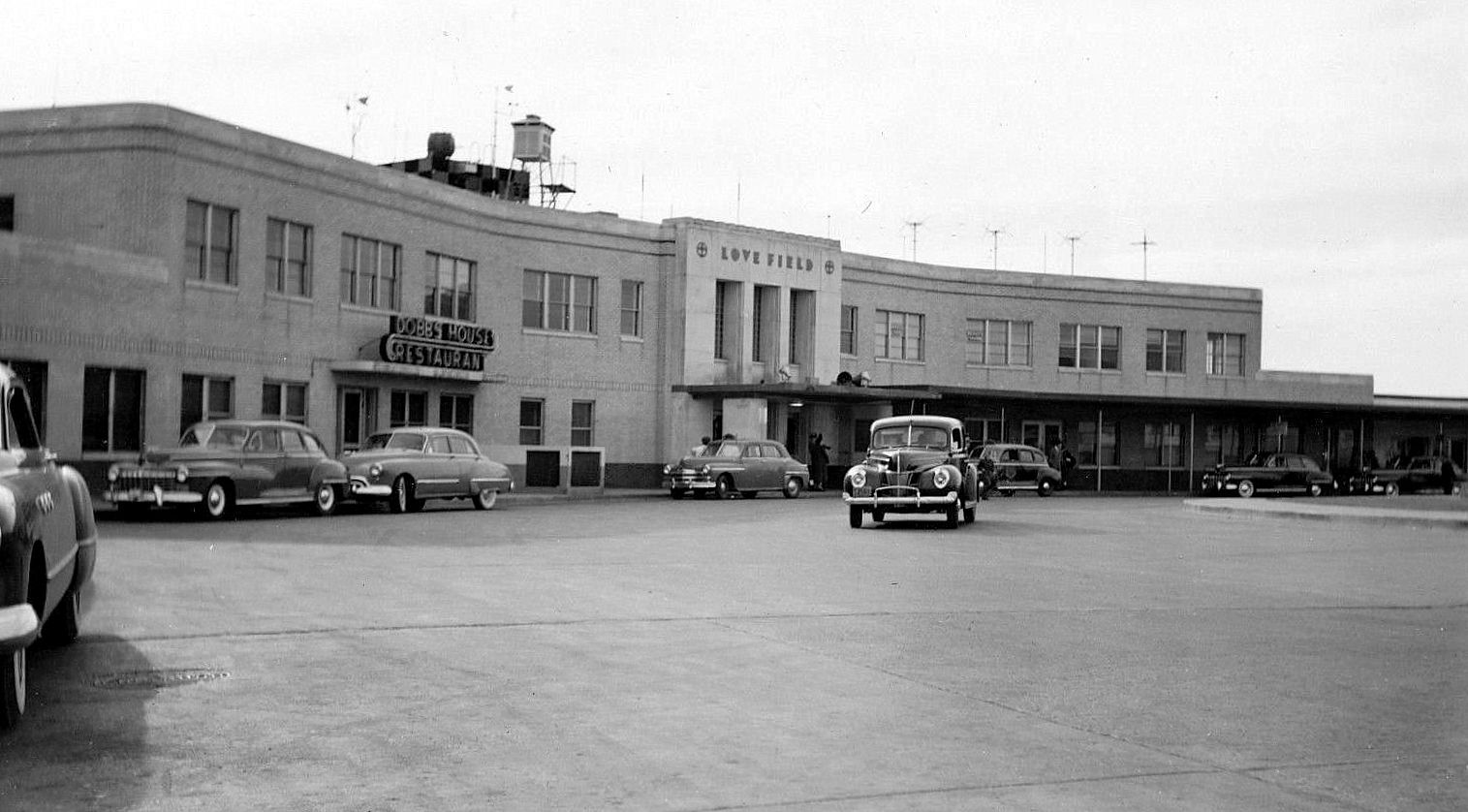
Dobbs House: Love Field’s Airport Restaurant

love-field_dobbs-house-restaurant_ebayDallasites’ favorite airport restaurant… (click for larger image)

by Paula Bosse

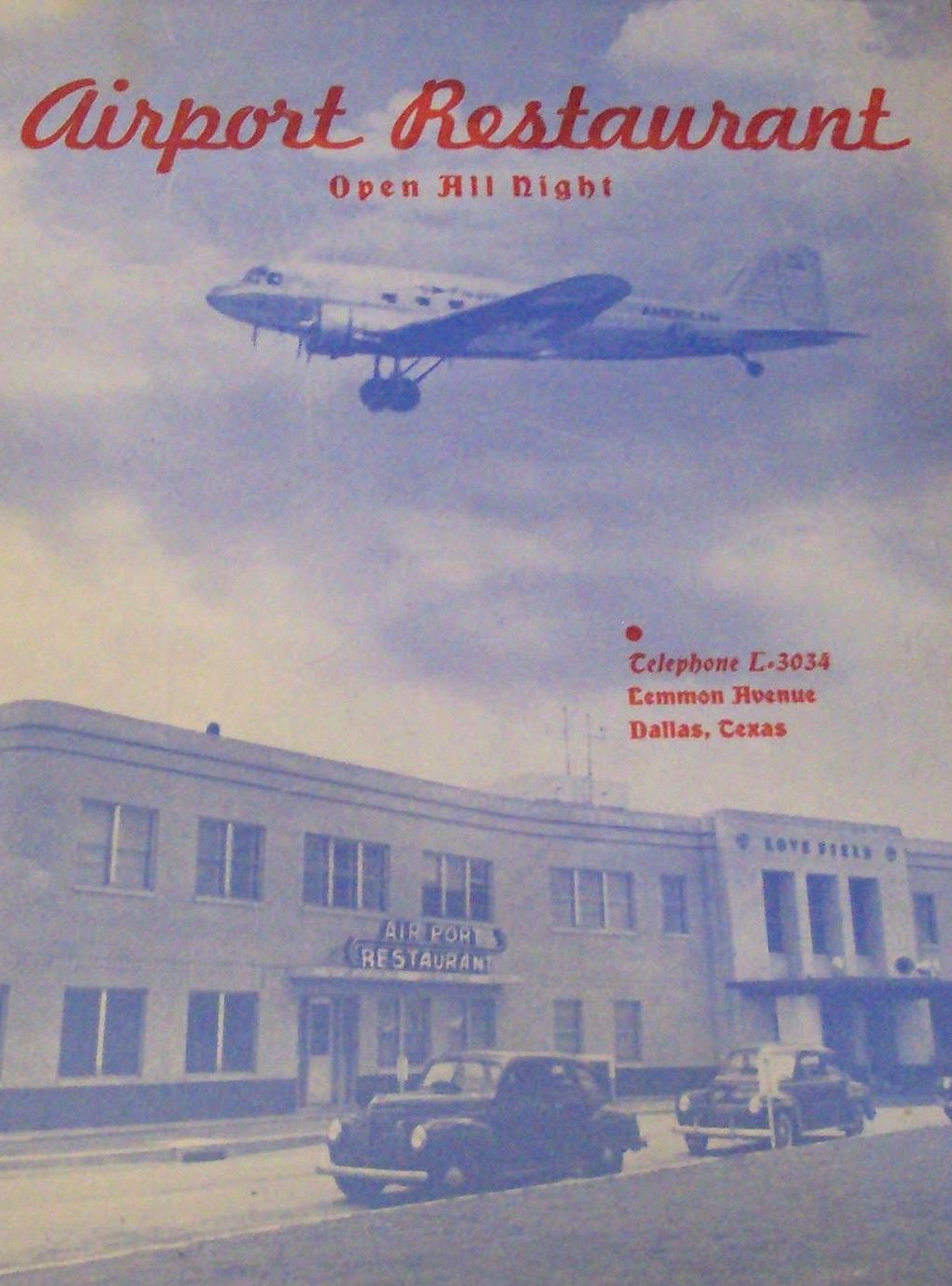
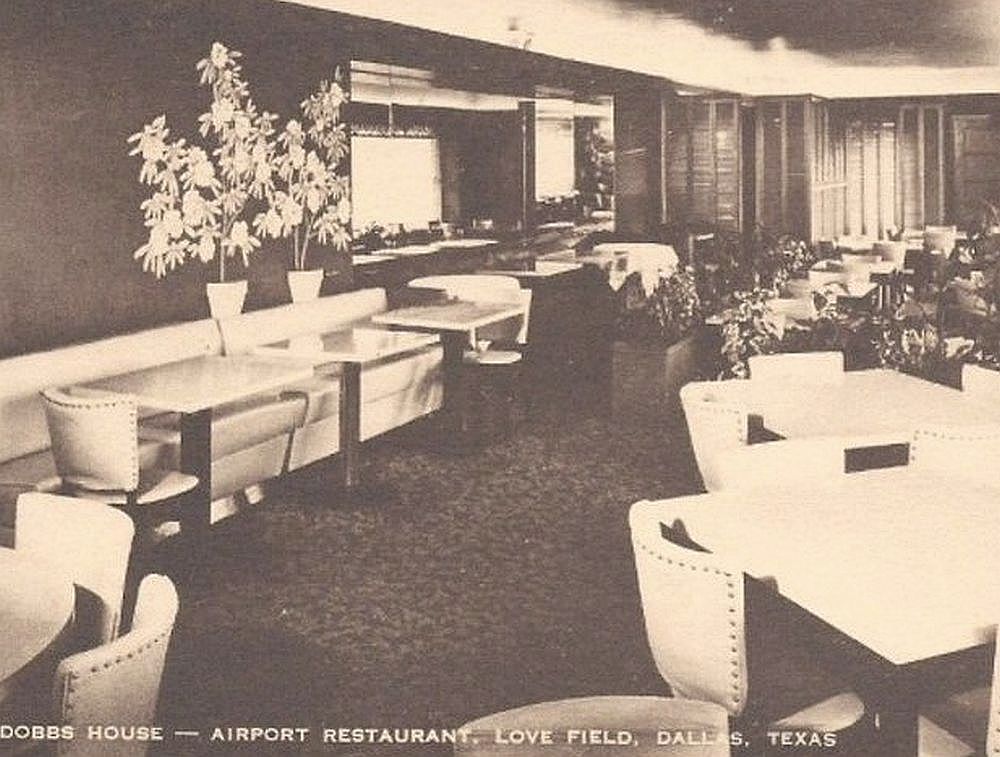
Dobbs House was a national restaurant and catering company, found chiefly in airports (although they did have non-airport restaurants, and at one point they had bought out the Toddle House chain). When the “new” Love Field terminal opened in 1940 (see the heart-stoppingly beautiful Art Deco front entrance at night, here), it had what was probably a very nice, perfectly serviceable, 24-hour restaurant. It was rather unimaginatively called “Airport Restaurant,” and it seated about 75 in the coffee shop and 100 in the dining room. And its “modern  blue and yellow leatherette furniture” was probably delightful.

love-field_airport-restaurant_menu_ebay_cropped

A lot of people probably enjoyed a hot cup of coffee while seated on that modern leatherette. But in 1944, the Hull-Dobbs company waltzed in and took over the restaurant and catering business and agreed to pay the city what seems like a miniscule $500 a month (about $7,000 in today’s money). The administration building, which housed the restaurant, was undergoing remodeling at the time, and I guess the city was giving the company something of a break. In 1945, though, Hull-Dobbs began to pay 5% of their gross revenue to the city, rather than a flat monthly fee. (I’m guessing that 5% was quite a bit more than $500.)

Business was good. REAL good. It was almost too good, because almost every newspaper article which mentioned the restaurant (called Dobbs House, part of a national chain) noted how busy it was and how it was almost impossible for a person to find an empty seat. It was known for its good food (see a 1955 menu here), and one of the main reasons it was always crowded was because local people dined at the restaurant, taking up precious seats intended for hungry travelers. Dallasites loved to drive out to the airport for a nice meal, followed by a leisurely couple of hours watching airplanes take off and land.

But, basically, Love Field had become a major metropolitan airport, and its success — and the resulting increase in traffic and the overall crush of humanity — meant that everyone was running out of space.

The airport had outgrown its beautiful 1940 Art Deco terminal, and a new, equally heart-stoppingly beautiful terminal opened in 1958. Dobbs House moved into its more spacious quarters with a freshly signed ten-year contract. …And by now they were paying a whole lot more than $500 a month. According to a January, 1957 Dallas Morning News article, the restaurant offered a high bid of just over $15,000 a month to retain the restaurant concession at the airport.

The restaurant and catering business were not all that the Dobbs company was running. Not only did they have a “swanky” restaurant at the new terminal, they also had a non-swanky restaurant and a basement cafeteria. They also had, at various times, control of the following concessions: cigar, shoeshine, gift shop (including apparel, candy, and camera shops), and … parking (!). This was on top of their land-office business catering and restauranting. James Dobbs knew a thing or two about business — he didn’t get fantastically wealthy just selling 15-cent cups of coffee and black-bottom pie….

dobbs-house_love-field_love-field-FB-page
via Dallas Love Field Facebook page

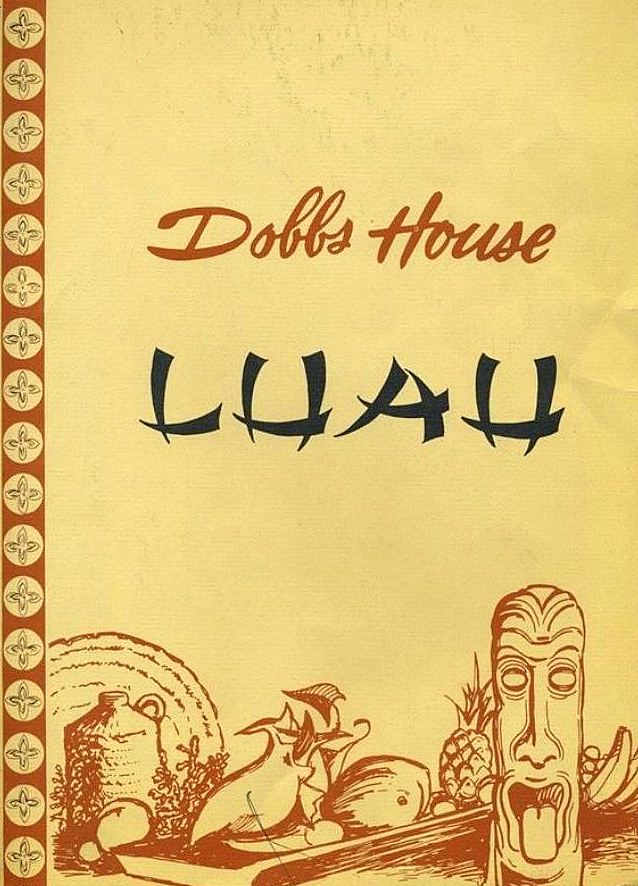
In 1958, Dobbs House opened the exotic Luau Room, which served Polynesia cuisine. This was another Dobbs eatery that was very popular with Dallasites, and it lasted many, many years.

dobbs-house_luau_menu_ebay
via eBay

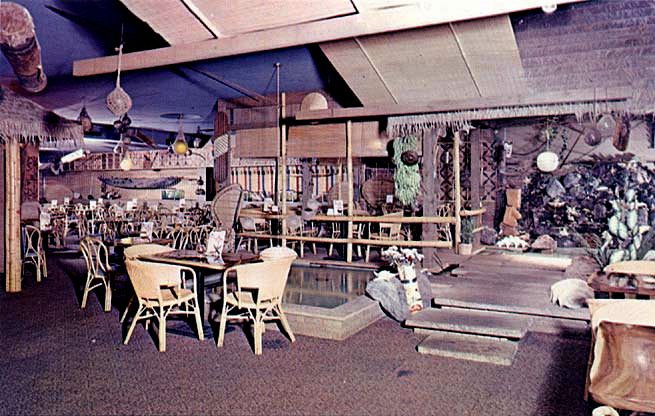
The Luau Room was a sort of early “theme” chain from the Dobbs people, and it was a feature at several Dobbs House-served airports. The photo below might be the Dallas location. Might be Charlotte, or Orlando, or Houston.

dobbs-house_luau
via Tiki Central — check out the comments

Dobbs House  was a fixture of the Dallas airport/restaurant scene for a surprisingly long time. Dobbs House was still at Love Field in the 1980s — possibly into the ’90s. And when Dallas-Fort Worth International Airport opened, the Dobbs people slid right in. DFW was huge — and they had control of everything. (Alcohol sales alone must have been enormous!)

For D/FW’s first two decades, a single company operated all of the bars and restaurants that generate about $40 million in sales each year. Dobbs House had the food and beverage contract from 1974 until 1993, when Host Marriott Services took over the operations. (DMN, May 22, 1996)

Dobbs House was in business here for almost 50 years. That’s a pretty good run for a restaurant in Dallas. (And I hear their cornbread sticks were to die for.)

***

Sources & Notes

Top photo showing Dobbs House Restaurant at Love Field found on eBay several months ago.

Airport Restaurant menu (ca. 1940-1944) found on eBay, here.

The Dobbs House cornsticks recipe is contained in the 1960 book How America Eats by Clementine Paddleford — used copies are out there, but they are surprisingly expensive. But from what I hear, if you want that recipe, it’s probably worth it!

An interesting side note about James K. Dobbs, head of the company that bore his name: even though he was a resident of Memphis, he actually died in a Dallas hospital in September, 1960, having been sent here for asthma treatment, and having recently suffered his second heart attack. He was 66. His company had grown to include about 125 restaurants at the time of his death. He had also made huge sums of money in automobile dealerships.

Photos and clippings are larger when clicked.

*

Copyright © 2017 Paula Bosse. All Rights Reserved.


Dallas’ Twin High Schools: Thomas Jefferson and Bryan Adams

bryan-adams_1961It’s one or the other… (click to see a larger image)

by Paula Bosse

Perhaps everyone knows this, but this is news to me. While compiling recent posts about Bryan Adams High School (named, by the way, after the business manager for the Dallas school system), I discovered that the plans used for the building were the exact same plans originally drawn up for Thomas Jefferson High School. That’s weird, right? TJ opened its brand-spanking-new building on Walnut Hill in North Dallas in January, 1956; BA opened its brand-spanking-new building on Millmar in the Casa View area of East Dallas in 1957. And they looked just alike. Here are aerial photos of the two campuses from the schools’ respective 1961 yearbooks (Thomas Jefferson can be seen is the top photo — click to see a larger image):

tj-ba_aerial

Here they are, as seen from street level: a 1957 photo of TJ on top, a 1961 photo of BA below it.

tj_ba_front

So why did this happen? By the mid-1950s, demand for new schools — which were needed to keep up with the population growth and sprawl — was intense. Two sites were chosen in the early ’50s: in North Dallas and in the White Rock Lake area of East Dallas. The two high schools were planned to be about the same size and were meant to serve about the same number of students (2,500). Plans for Thomas Jefferson High School in North Dallas were completed first. But then … the architects wondered, “If these two school are to be the same size and built one right after the other … why not just use the same architectural plans for both?”

Even though duplicating architectural plans for schools had never been done before (in Dallas, anyway), and even though local architects were very unhappy about this, the architects on both projects — Robert Goodwin and L. C. Cavitt, Jr. of Goodwin & Cavitt, Architects — argued that this duplication would be both practical and economical: using the same plans would save money as well as more than six months in planning time.

I don’t know if this sort of thing happened again in DISD, but the cross-town twin high schools opened in Dallas in 1956 and 1957.

And I still think it’s kind of strange.

bryan-adams_1958_new-kids1957-58 Bryan Adams yearbook

***

Sources & Notes

Drawing at the top appeared in the 1961 Bryan Adams yearbook, but it might well have been the architectural rendering prepared for the Thomas Jefferson project. Either way, it’s pretty damn cool-looking.

The schools have undergone changes over the years, but they still look alike. See current aerial views of both campuses, via Google: Thomas Jefferson is here; Bryan Adams is here.

More can be found in the archives of the Dallas Morning News:

  • “Super High School Planned” (Thomas Jefferson) by Francis Raffetto (DMN, Dec. 9, 1953)
  • “Schoolmen OK Duplicate Plan” by Lester Bell (DMN, June 23, 1955) — the architectural plans for the new high school (Bryan Adams) would duplicate the Thomas Jefferson design — the AIA was not amused
  • “Doors Open at Newest High School” (Thomas Jefferson) (DMN, Jan. 31, 1956)

All images and clippings are larger when clicked.

*

Copyright © 2017 Paula Bosse. All Rights Reserved.
 

Shopping at Sears in Casa View

sears_casa-view_ext_squire-haskins_utaAppliance central… (click for larger image)

by Paula Bosse

I’m not in the Casa View area very often, but I was driving through last week and noted that a lot of the elements of the shopping center looked as if they were original to the buildings — specifically the little metal doo-dads along the top of the canopies over the sidewalks. I came across the photo above tonight and was happy to see those little doo-dads back when they were relatively new. The shopping center is a little confusing to me, but I think this is what that building pictured above looks like these days. (Why, why, WHY did someone think this “remodel” of the buildings was a good idea! Slapping on a new facade and removing the decorative metal doo-dads was an unfortunate decision.)

The Sears store pictured above is actually the second Sears in Casa View. The first store opened in October, 1956  at 2211 Gus Thomasson (here’s what the location of the first store looks like now — metalwork still there but that cool brick exterior has been painted over). It was Dallas’ fifth Sears store and opened in the still-under-development Casa View neighborhood. It wasn’t a full department store — its merchandise was limited mostly to appliances and automotive products. It was also a place to pick up catalog orders. (Click photos and ads to see larger images.)

ad-sears_casa-view_dmn_102556
Oct. 25, 1956

Apparently the store was so successful that in March, 1964, a brand new Sears opened up in a five-times-larger location (2310 Gus Thomasson) across the street — the photo at the top of this post was probably taken when it was in its first months.

sears_new-location_casa-view_dmn_031264-detMarch 12, 1964

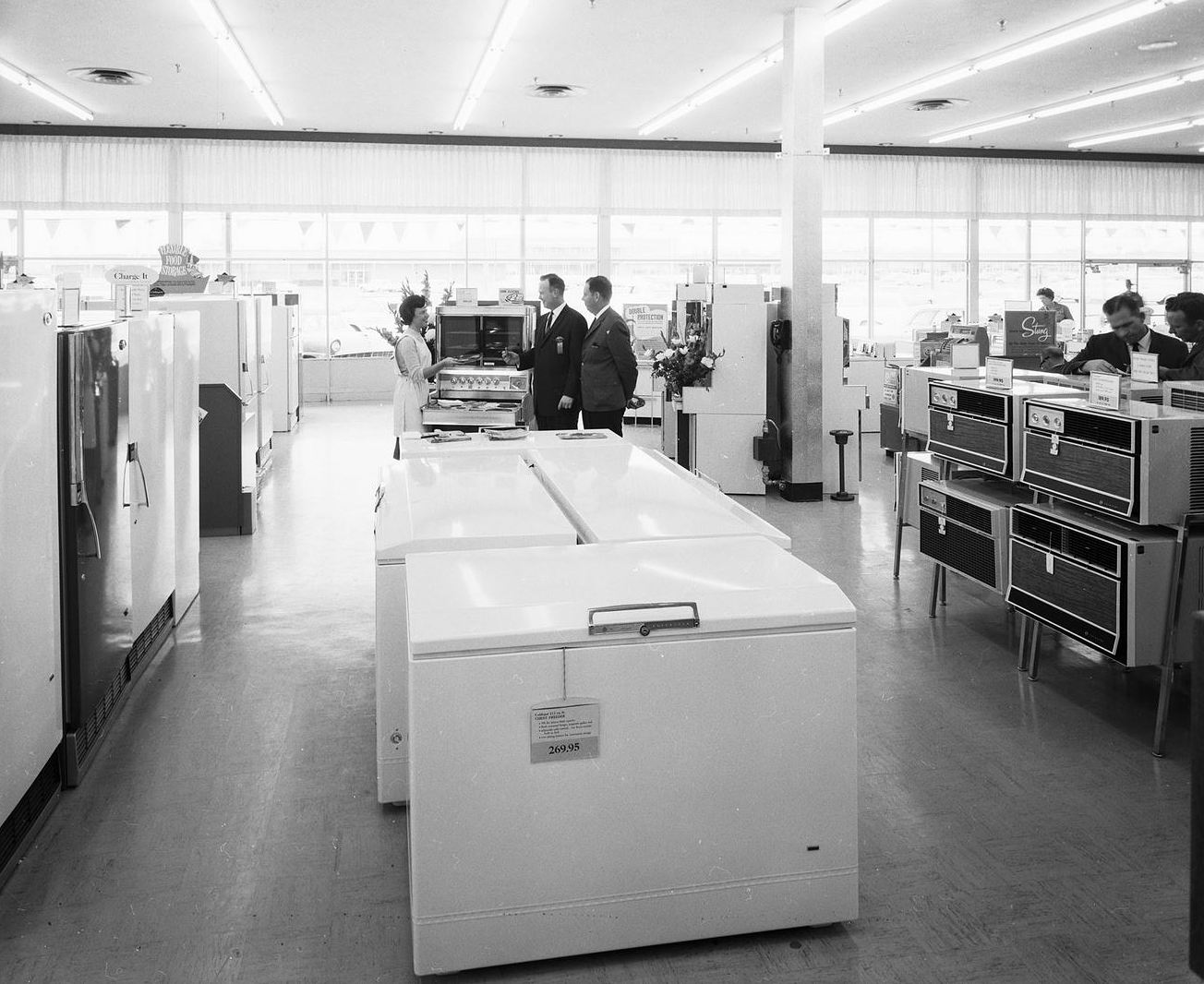
Its interior — seen below in all its pristine, blinding whiteness — is fantastic. (Is that woman in the apron serving cookies she’s just baked?)

sears_casa-view_int_squire-haskins_uta

*

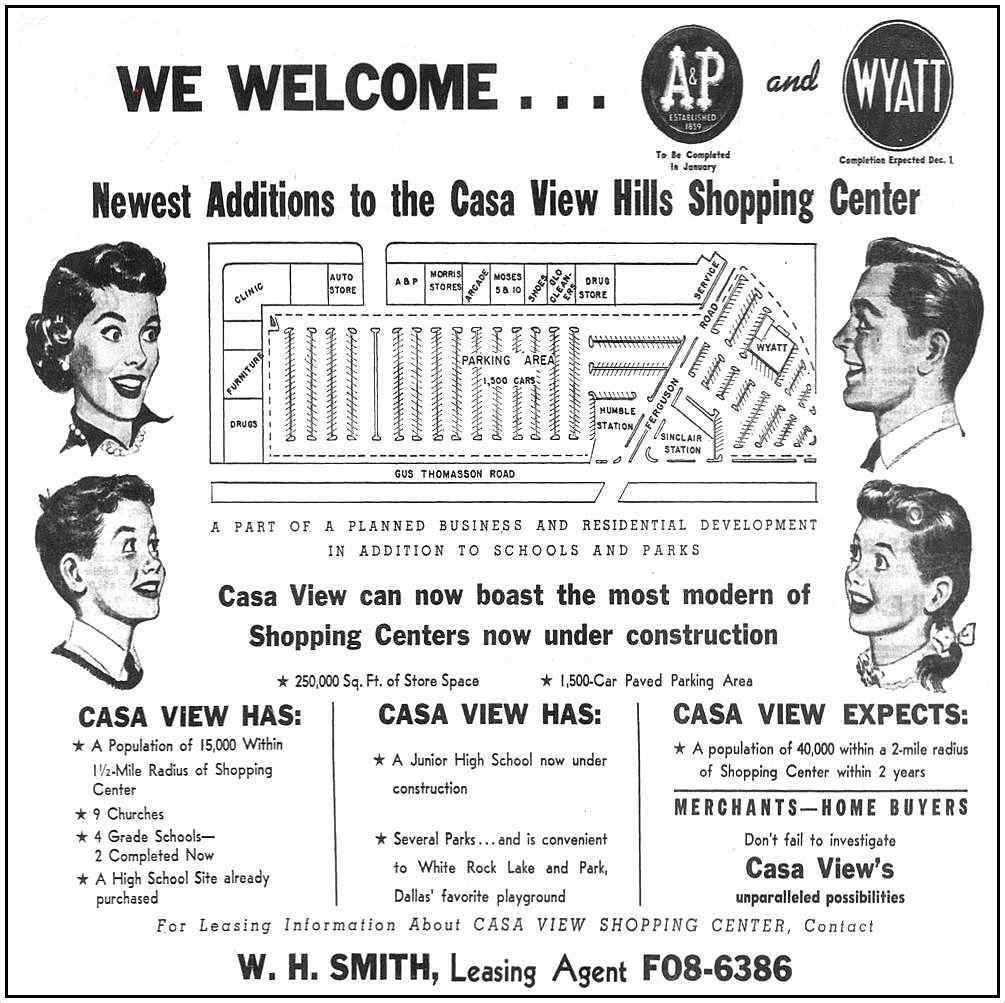
The reason I was confused by the shopping area is that it was built in phases. The first part was built in 1953 and was originally known as Casa View Hills Shopping Center. (Click the ad below to see a larger image.)

casa-view-shopping-center_dmn_100453
Oct. 4, 1953

But then the ownership changed hands in early 1955, and it was renamed Casa View *Village* and reopened in April under the new name.

In the meantime (I might have this chronology a bit out of whack), Casa View Center had been built in 1954, diagonally across the street. And then in 1955, construction began on an expanded Casa View Village. (This might have been its second expansion. Casa View was hopping in the mid-’50s!) And Sears had had stores in both Casa View Village and Casa View Center. It’s all kinda confusing.

The Casa View Shopping Center (I don’t know what its official name is these days, but I’m going with this) is looking a little ragged these days, but it still has a quirky charm, and I’m happy to see it still chugging along after 60 years.

***

Sources & Notes

Photos by Squire Haskins from the Squire Haskins Photography, Inc. Collection, UTA Libraries Special Collections. More info on the top photo showing the exterior of the Sears building can be found here; more info on the interior photo is here. (Click on the thumbnails on the UTA pages to see very large images.)

The Casa View Wikipedia page is here.

D Magazine has a “Dallas Neighborhood Guide” to Casa View here.

Dallas Morning News articles:

  • “Name Changed” (from Casa View Hills Shopping Center to Casa View Village) (DMN, March 13, 1955)
  • “Avery Mays Announces New Shopping Center” (expanded Casa View Village, with aerial photo) (DMN, Nov. 10, 1955)
  • “New Sears Opening in Casa View” (DMN, Oct. 11, 1956)

Other businesses once located in these shopping centers can be found in the post “Bryan Adams High School: Yearbook Ads from 1961 and 1962,” here.

Photos and clippings are larger when clicked.
*

Copyright © 2017 Paula Bosse. All Rights Reserved.