Flashback : Dallas

A Miscellany: History, Ads, Pop Culture

Category: Modern Ads

When Coco Chanel Came to Dallas — 1957

neiman-marcus_coco-chanelStanley Marcus and Coco Chanel

by Paula Bosse
In September of 1957 — way back when that much-missed hyphen was still in “Neiman-Marcus” — Stanley Marcus invited Coco Chanel to Dallas to accept the Neiman Marcus Award for Distinguished Service in the Field of Fashion. Mlle. Chanel had never been to Texas, but her visit here was a meaningful one. Following a 15-year retirement, her re-emergence as a designer in the early 1950s was met with mostly derision by the French press. The American response, on the other hand, was very different. It was because of the enthusiastic reception that her work received from American retailers (such as the even-then legendary Neiman Marcus department store) that she had been able to bounce back and, once again, be considered a force in the fashion world. When she was invited to Dallas to receive the “Oscar” of the fashion industry, Mlle. Chanel was happy to accept.

In the photo above, Coco is seen trying on hats at the downtown Neiman’s store as Mr. Stanley stands by beaming. On her Dallas visit she was also treated to a ranch barbecue (!) where she was photographed watching both a square dance (!!) and a … oh god … Chanel-themed bovine fashion show (!!!). Mlle. Chanel seemed to love the cows-in-ropes-of-pearls runway show, but she was not a fan of the barbecue and beans — she (one hopes discreetly) dumped the contents of her plate onto the ground under the table … right onto the shoes of dining companion Elizabeth Arden (whose shoes may have been ruined, but who had a truly great story to tell for the rest of her life).

From all reports, everyone seemed to enjoy (and no doubt profit) from the successful visit. Karl Lagerfeld, the current creative director of Chanel, recently brought Chanel back to Dallas (both figuratively and literally) with the house’s important Métiers d’Art fashion show which was held at Fair Park in December, 2013. The following day, Lagerfeld was presented with the Neiman Marcus Award for Distinguished Service in the Field of Fashion — just as Coco Chanel had been, 56 years earlier. And the haute-couture circle-pin of life keeps on rolling.
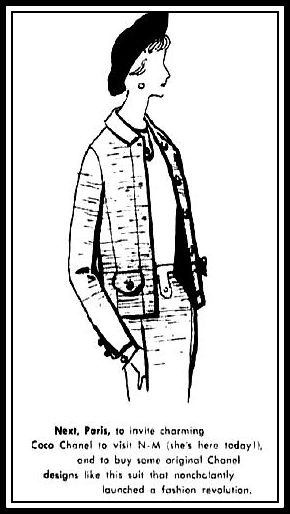
n-m_chanel_ad_dmn_090957

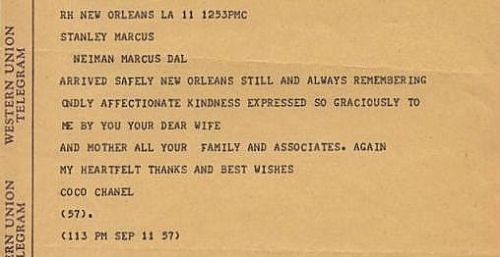
n-m_chanel_telegram

***

Sources & Notes

Top photo by Shel Hershorn for the AP. From the Briscoe Center for American History, University of Texas at Austin.

N-M ad from 1957 (portion of a larger ad).

Chanel’s thank-you telegram to Marcus, from the collection of Stanley Marcus’ Papers at the DeGolyer Library, Central University Libraries, Southern Methodist University.

Entertaining AP article about Chanel and Dallas, then and now (with photos of Stanley Marcus duded-up in an outfit you’d never see an actual cowboy in), can be found here. (Are those butterflies?!)

More photos of Mlle. Chanel in Dallas (along with text of a DMN article on the visit) can be found here.

Even more photos (bovine fashion show…) and a really great post from SMU’s “Off the Shelf” blog is here.

Video of the 2013 Chanel runway extravaganza (Métiers d’Art), held in Fair Park’s hay-stewn Centennial Hall, can be watched here. A shorter video with a few cursory shots of the Dallas skyline and Fair Park can be seen here.

For more on the first French Fortnight, see my post “Neiman-Marcus Brings France to Big D — 1957,” here.

*

Copyright © 2014 Paula Bosse. All Rights Reserved.
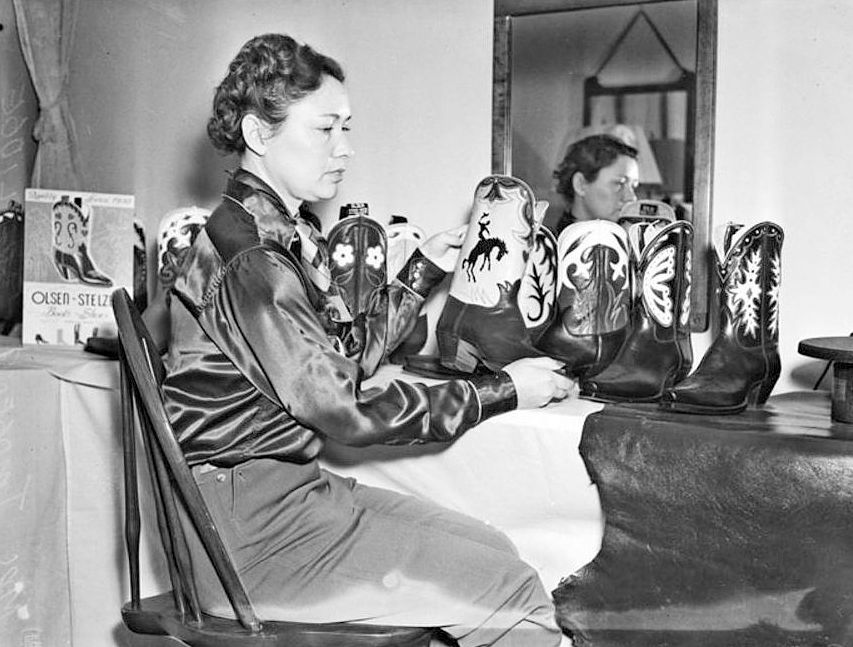
Olsen-Stelzer Cowboy Boot Saleslady — 1939

Portrait with boots…

by Paula Bosse

Above, Dallas resident Imogene Cartlidge is seen at a shoe retailers’ convention in San Antonio in 1939. Cartlidge was an employee of the Olsen-Stelzer boot company in Henrietta, Texas, and she was said to be “the only woman boot salesman on record.” I’m a big fan of cowboy boots of this period, and I have to say that I am ashamed that I was unaware of the famous Olsen-Stelzer company, which lasted from 1900 until the 1980s. The company is back in business again, led by Tom Cartlidge, whose parents began selling the boots in 1938 — Imogene is his mother. I wish them all the best of luck, because the world needs as many great-looking cowboy boots as it can get!

olsen-stelzer_dmn_120146

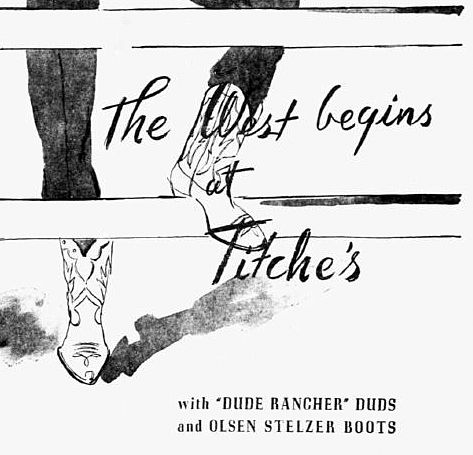
“The West begins at Titche’s”? First I’m hearing of this. Who knew? Nice ad, though.

olsen-stelzer_dmn_120146det

olsen-stelzer_dmn_103055

olsen-stelzer_1941

Best of all is this absolutely fantastic video from 1956 about the company:

olsen-stelzer-logo

olsen-stelzer-box

***

Sources & Notes

Photo of Imogene Cartlidge is from the San Antonio Light Photograph Collection, University of Texas San Antonio Libraries Special Collections, Institute of Texan Cultures.

Titche’s ad from 1946.

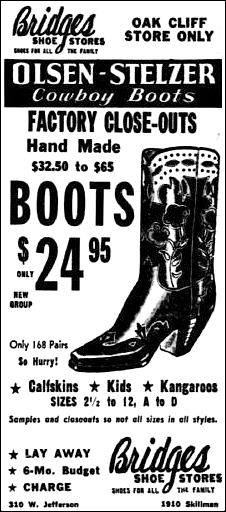
Bridges Shoe Store ad from 1955. (Bridges seems to have been the only place in Dallas where the boots were regularly sold — or at least regularly advertised. And you could get them ONLY IN OAK CLIFF!) (I hear the West begins at Oak Cliff….)

The video can be found on the home page of the Olsen-Stelzer website here.

The last image is the lid of an Olsen-Stelzer boot box, which belongs to my aunt — she keeps Christmas ornaments in it. (Sadly, no sign of the boots!)

The history of the company (and, again, that great video) can be found here.

*

Copyright © 2014 Paula Bosse. All Rights Reserved.

My Birthdays at Kirby’s: Filet Mignon for Everyone!

kirbys-birthday

by Paula Bosse

I grew up in the Lower Greenville area, and since we had a nice steakhouse just a couple of blocks away, that’s where we always went for family birthdays and special occasions: Kirby’s. I had forgotten about the birthday cards they sent out until my mother came across one in a recent move which was addressed to “Miss Paula Bosse.” Other than receiving actual mail, the thing that made these cards really exciting for a child was the inclusion of a dime. I always thought of it as a little birthday treat, but my mother suggested it was more of a subtle reminder to the parents to spend that dime on a call for reservations.

I loved that place. It was very dark. My brother and I always had the same thing: a non-alcoholic, super-sweet Shirley Temple from the bar, a salad with big chunks of roquefort in the salad dressing, a baked potato, and, oh my god, a filet mignon. I was mesmerized by the bacon wrapped around the steak. And the little wooden marker that showed how the meat was cooked. It was a nice, friendly neighborhood steakhouse. It was loud and happy. You could hear the steaks sizzling on the grill. It was always a treat to go to Kirby’s. And the place smelled GREAT! Even out on the sidewalk.

I was sad when they tore the building down, and even though there is now a chain of restaurants with the name “Kirby’s” — they even built a new one a couple of blocks down from the original location — there’s no way it could ever be the same.

Looking around for the history of the original “Kirby’s Charcoal Steaks,” I was surprised to discover that the man who owned Kirby’s — B. J. Kirby — was the son of the man who founded the Pig Stand chain of drive-ins. The Pig Stand started in Dallas, and it was the first drive-in restaurant EVER. They had the first carhops. The first onion rings. The first Texas toast. The Kirby’s steakhouse location — 3715 Greenville — had actually been a Pig Stand! B. J. Kirby had grown up working at his father’s restaurants, and when his father died, he sold all the Pig Stands except for the Greenville Avenue location (i.e. Pig Stand No. 4). In 1954 he turned the pig-sandwich-serving drive-in into a nice sit-down steakhouse which remained popular until the restaurant closed in 1987 when Mr. Kirby retired.

Watch Ch. 5 news footage of B. J. Kirby and the auction of the restaurant fixtures at UNT’s Portal to Texas History site, here.

kirbys_ch-5_closing_screencap_portal

I could really go for a bacon-wrapped filet mignon right about now. And one of those Shirley Temples would even hit the spot.

kirbys_1958

kirbys_color

kirbys_1951

***

Sources & Notes

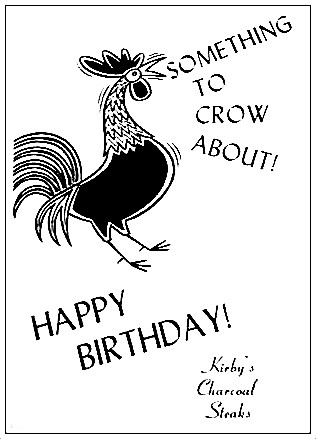
“Something to Crow About!” card from the author’s collection.

Color photo of the Kirby’s sign is a screenshot from the Channel 5 news coverage of the auction of the Kirby’s fixtures, which aired April 14, 1987, viewable here; from the KXAS-NBC 5 News Collection, UNT Libraries, via the Portal to Texas History.

First ad from 1958; bottom ad from 1951.

Watch the 14-minute documentary “Carhops,” in which B. J. Kirby remembers life working as a kid for his father, here (also interviewed are other drive-in Dallas icons, J. D. Sivils and Jack Keller).

An entertaining history of the Pig Stand No. 4 and its transformation into Kirby’s Charcoal Steaks can be found here.

*

Copyright © 2014 Paula Bosse. All Rights Reserved.
The Store That Doak Built

doak-walker-sport-center

by Paula Bosse

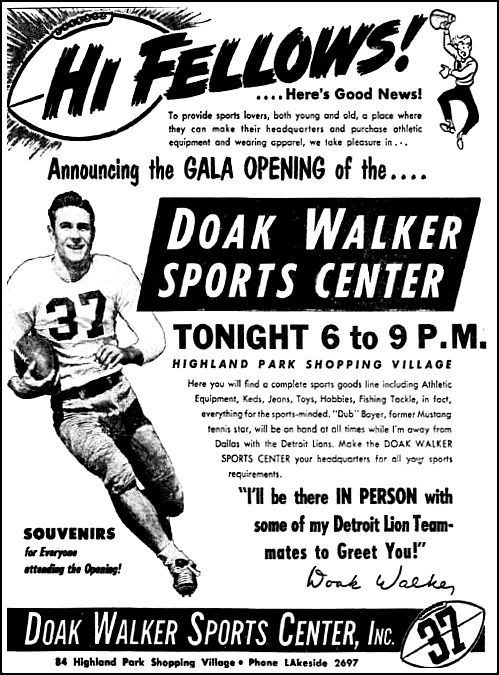
Doak Walker, the Heisman-winning superstar football player for SMU from 1945 to 1949, was, for a good forty-odd years, a partner in a successful sporting goods business that bore his name: the Doak Walker Sports Center. When it opened in Highland Park Village on August 23, 1951, the 24-year old — then playing pro ball with the Detroit Lions — was a bona fide celebrity, both locally and nationally. Predictably, the grand opening drew large crowds of sports fans eager to see their homegrown hero and check out the new place in town to get tennis balls and baseball bats (and, who knows, there might even have been some who showed up to see those unnamed Lions teammates the ads said he’d bring with him). The promise of “souvenirs for everyone!” was merely icing on the cake.

At the same time that the Sports Center was opening, Doak’s name was also on a Gulf station that he and former Mustangs teammate Raleigh Blakely owned on Hillcrest across from the SMU campus. And while both of those business concerns were chugging along, he was also appearing in local and national ads for everything from chewing gum to Vitalis (with a name like “Doak” you’re going to have instant name recognition). Oh, and he was also playing football. Doak Walker was a force to be reckoned with — on the field, on Madison Avenue, and in the dang Park Cities.

*

doak-walker_sports-ctr_opening_dmn_082351

***

Postcard of Doak Walker Sports Center from the Boston Public Library Tichnor Brothers Postcard Collection on Flickr, here.

Life magazine from Sept. 27, 1948. The cover story on Doak Walker and the SMU team can be accessed here.

Signed issued of Sport magazine is currently available for sale here.

Triangle Motors ad from a 1951 program for an SMU-Rice game at the Cotton Bowl.

Doak Walker bio on the Pro Football Hall of Fame website is here.

*

Copyright © 2014 Paula Bosse. All Rights Reserved.
Mr. Blandings Builds His Dream House … In Preston Hollow — 1948

blandings_preston-hollow_dallas_dream-houseThe Blandings Dream House in Preston Hollow… (click for larger image)

by Paula Bosse

I watch a lot of old movies, and one of my favorites has always been Mr. Blandings Builds His Dream House, the 1948 comedy about the trials and tribulations of home renovation and construction starring Cary Grant, Myrna Loy, and Melvyn Douglas. It wasn’t until fairly recently that I learned there had been a nationwide promotion in which replicas of the “dream house” were built in cities around the country. And, to my surprise, one of those houses was built in Dallas! To be exact, in Preston Hollow. To be precise, at 5423 Walnut Hill Lane (the northwest corner of Walnut Hill and Hollow Way). Sadly, when I went looking for it last week, I found an empty lot. (Figures.) The photo above shows the house in September, 1948 when it (and, not so coincidentally, the movie) opened to the public.

Ahead of the movie’s release, Selznick Studios approached local builders around the country and provided them with architectural plans, asking that they build houses as near to the specifications of the movie house as conditions would permit. The studio contracted Dallas builder A. Pollard Simons and supervising architect Lucien O’Brien to work on the Dallas dream house, seen below in a rendering (all images are larger when clicked).

blandings_a-pollard-simons_rendering

Simons greatly increased the size of the original two-story, three-bedroom house quite a bit (of course he did!), and he allowed the Junior League to raise money by selling 25-cent tickets to curious dream-house-wanters clamoring to wander through the house and gawk at its plush interior and its state-of-the art appliances. Afterwards, Simons put the completely furnished house on the market (in some cities the houses were put up as raffle prizes), and life, presumably, returned to normal for all concerned.

It was a clever way to promote the movie, and, as most of the contractors rushed to boast of their participation by taking out large ads (likely bought in conjunction with studio money), it was also an advertising bonanza for local newspapers. In amongst such ads I discovered that the company owned by my mother’s uncle and my grandfather — Fred Werry Electric Co. — did all the electrical work for the house!

Below are some of those ads that appeared at the time — and, trust me, this was just the tip of the iceberg. The ads were non-stop. This was a huge campaign, going far beyond traditional Hollywood promotion — and it certainly paid off. I’m fairly certain that most Dallasites who read the paper during that time were aware of the house (and the movie), even if they had absolutely no interest in houses (or movies). It was that that unavoidable. (Scroll to the bottom of this post to listen to a FABULOUS commercial-slash-PSA made by actor Melvyn Douglas at a local radio station during a trip to Dallas to tour the Preston Hollow house.)

There were other Texas “Dream Houses” built in Fort Worth (still standing, see link at bottom of page), Austin, Houston, and Amarillo. I only wish Dallas still had its “Dream House,” but I fear a tasteful-but-puny, little ol’ 3,000-square-foot house would not meet today’s definition of a “dream house” in ultra-swanky Preston Hollow.

*

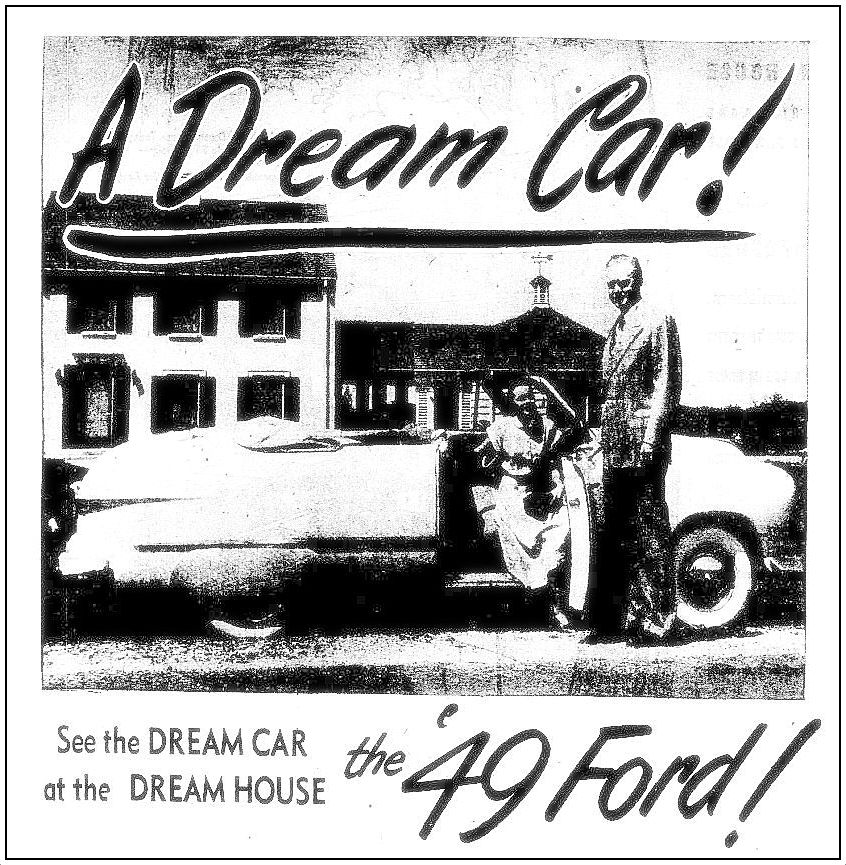
ad-blandings_dallas-ford-dealers_sept-1948The Ford people got into the advertising. This appears to be have been taken in front of the Dallas house.

ad-blandings_werry-electric_sept-1948My great-uncle and grandfather! I can now claim my six degrees of separation (LESS!) from Cary, Myrna, and Melvyn.

ad-blandings_langs_sept-1948Kitchen porn from Lang’s.

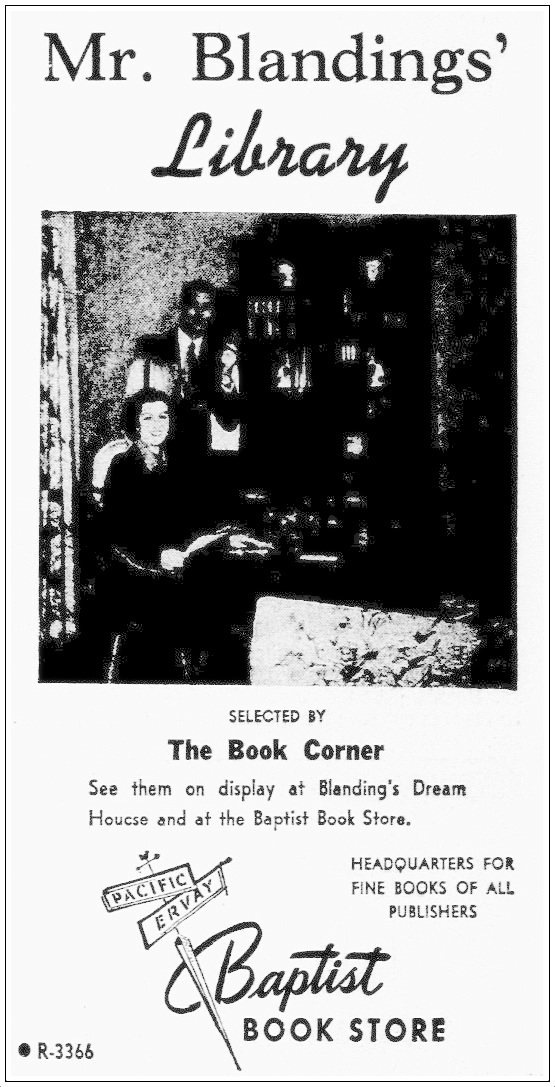
ad-blandings_baptist-book-store_sept-1948The Baptist Book Store stocked the shelves of the Blandings library!

I really like the Wyatt’s Cafeteria ad below, which begins with an itinerary. “Program for today: go to church, eat at Wyatt’s, drive out to see the Mr. Blandings’ ‘Dream House’ in Preston Hollow.” This cafeteria ad sneaked in a mention of the Wyatt’s grocery stores by informing the reader that they had supplied the food for the Dream House’s refrigerator and pantry shelves. But this was my favorite part: “When Mr. Blandings takes his family out for a delicious meal you may rest assured that he will take them to a Wyatt’s De Luxe Cafeteria where each may choose the foods of his own liking from Wyatt’s tremendous varieties. Mr. Blandings won’t mind paying the bill because Wyatt’s prices are really modest.” If Cary Grant was going to be dining at a Dallas cafeteria, I only hope he was choking down large slabs of Wham.

ad-blandings_wyatts_sept-1948

*

The original “dream house” from Mr. Blandings Builds His Dream House — cute, but much smaller than its Dallas counterpart.

***

Sources & Notes

All ads relating to the Dallas Dream House appeared throughout September, 1948.

A nice look at the still-standing Fort Worth Dream House can be found in “Standing at the Corner of Hollywood and Cowtown,” here.

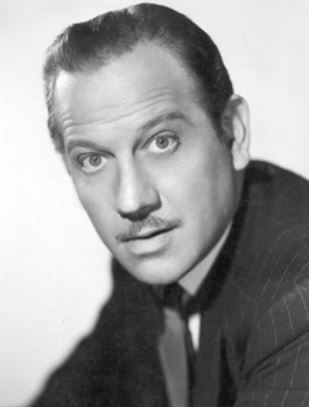
A short radio promo about the Preston Hollow Dream House was recorded on Aug. 10, 1948 by the wonderful Melvyn Douglas, one of the stars of the film (who, by the way, went on to win an Oscar for his role as the family patriarch in the brilliant — and iconically Texan — film Hud in 1963). It was recorded when he visited Dallas in August, 1948 at station KIXL (in which he was an investor), and it can be heard here. (By permission of the great Dallas DJ and broadcasting archivist, George Gimarc.) I LOVE THIS! Thank you, George!

melvyn-douglas

UPDATE: I wrote this post in 2014, and at the time I could find no information about this Dallas Blandings house outside contemporary newspaper archives. Which is the only reason I took some small amount of credit for the house showing up in a Preston Hollow-centric mural in 2015 at the then-new Trader Joe’s at Walnut Hill and Central. I took the photo below in 2015, but, sadly, this tribute to Mr. Blandings and his Dallas dream house is no more. Last time I stopped in, it had been painted over. But here it lives on!

blandings_trader-joes-walnut-hill_PEB_2015Trader Joe’s, Walnut Hill, Dallas (photo by Paula Bosse, 2015)

*

Copyright © 2014 Paula Bosse. All Rights Reserved.

Not Every ‘Good Luck Trailer Park’ Story Has a Happy Ending — 1964

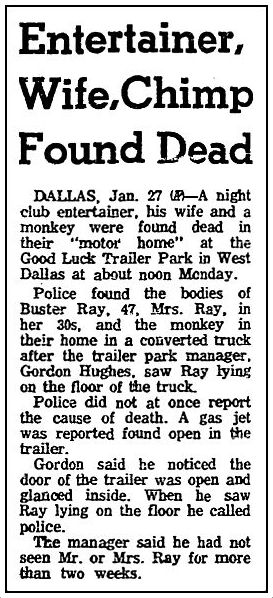
chimp_fwst_012864Fort Worth Star-Telegram, Jan. 28, 1964

by Paula Bosse

“Entertainer, Wife, Chimp Found Dead.” THAT is a headline.

Had I not known that the (ironically named) Good Luck Trailer Park on W. Commerce had been a favorite with visiting circus folk, I might have been a little more surprised by the weird circumstances reported in this article. As it was, I was only mildly surprised.

(I kind of think the chimp did it….)

***

Sources & Notes

Hats off to the Fort Worth Star-Telegram‘s headline writer. The story ran in the Star-Telegram on Jan. 28, 1964.

The victims — Harold Allen Ray and his wife Nadine (and unnamed monkey) — were later determined to have died of accidental carbon monoxide poisoning.

“Buster Raye” (stage name of Harold Ray) had been a comedian and master of ceremonies who seems to have played a lot of burlesque joints/strip clubs as the between-stripper entertainment. He was billed as “The Mighty Mite of Mirth.” In a Feb. 24, 1948 review of his act, The Bryan Eagle wrote:

Buster Raye, diminutive master of ceremonies, stole the show with a clever line of chatter punctuated with juggling, acrobatics, songs, imitations. His jokes were well handled with none of the vulgarity common to many floor shows.

I’m not sure where the monkey fits in.

buster-raye_corpus_042948Corpus Christi Caller-Times, April 29, 1948

*

Copyright © 2014 Paula Bosse. All Rights Reserved.


2400 McKinney Avenue — 100+ Years and Counting

by Paula Bosse

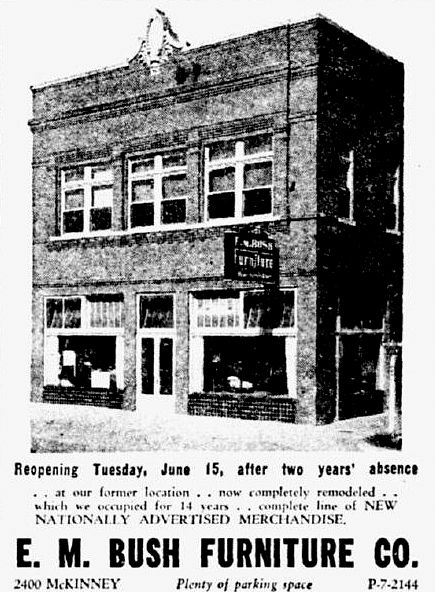
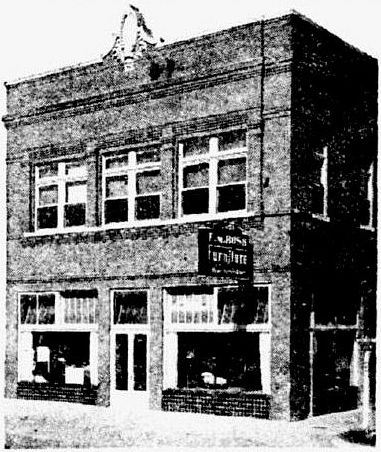
I came across this ad and wondered just where on McKinney Avenue this building had been. The ad was from 1948, but the building certainly looked older than that. I’m not sure when the building was built (update: it was built in 1909), but by at least 1929 the Hughes Auction Market was conducting furniture auctions there. An ad from 1929 invites the public to attend the regular auctions in which their two floors were packed to the gills with furniture and household goods that “positively must sell.” Prospective buyers were promised a large parking lot and a “comfortable, cool building.”

In the summer of 1933, a longtime Dallas furniture salesman, E. M. Bush, opened his retail business in the building and remained there for many years, perhaps until 1958 when he moved to Snider Plaza.

I wondered what’s at 2400 McKinney these days, and, I have to say … I’m shocked to find that the building is actually still there! On McKinney Avenue! And it looks very much the same as it does in the photo above (and, presumably, since it was built) — a little more elegant, perhaps, as it’s now part of the fabulous Hotel ZaZa — but the building looks pretty much the same. The building has survived! I feel like crying.

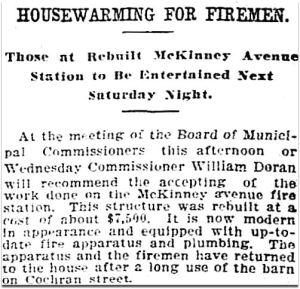
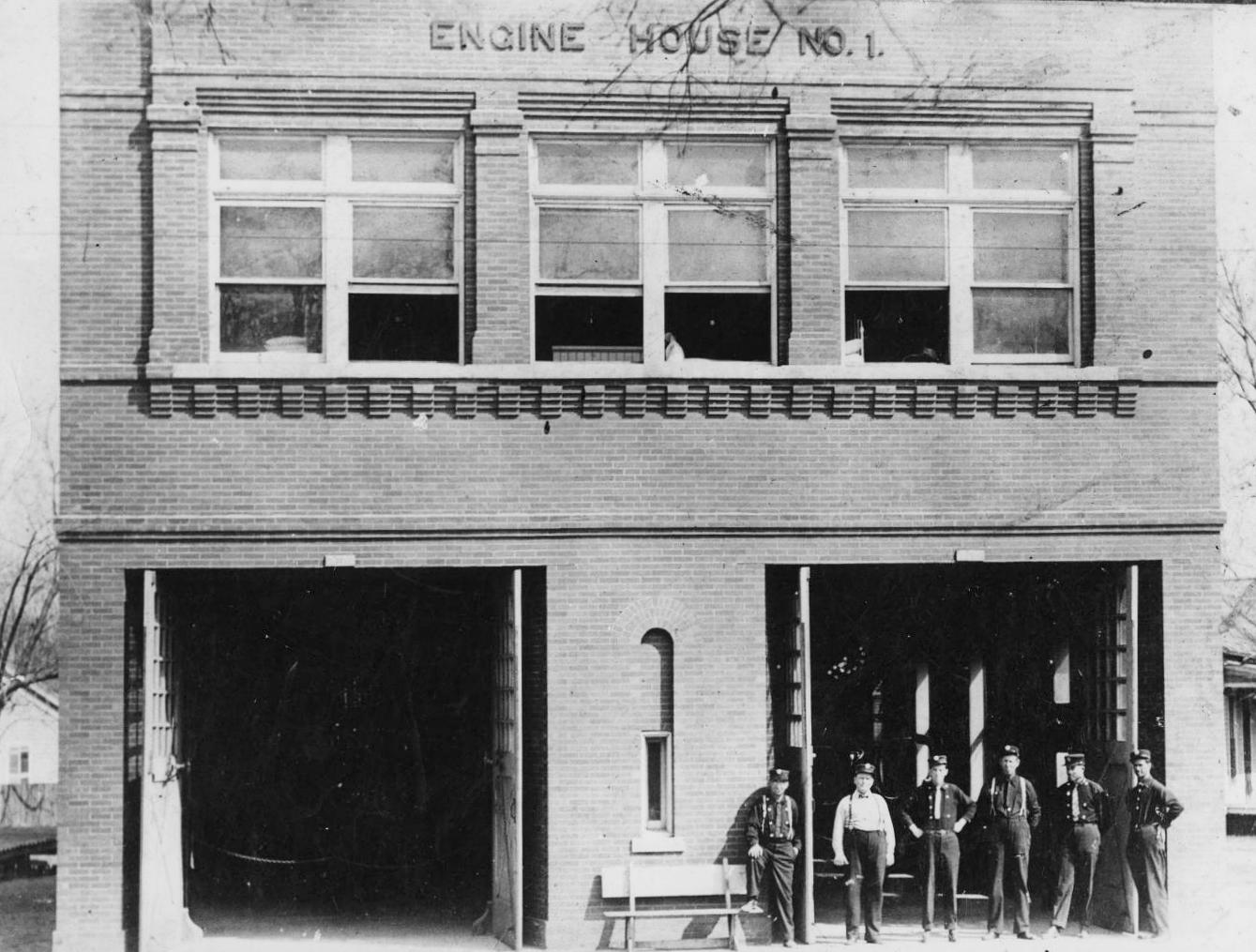
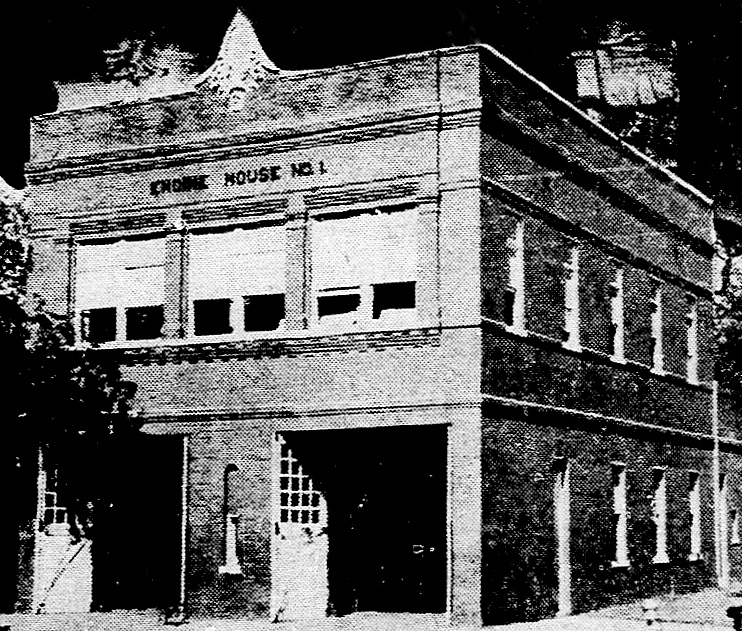
But wait, there’s more. What was this building originally? It was a firehouse! More specifically, it was Engine House No. 1, in use until 1928. The fire station that originally occupied this location was built in 1894 (see what it looked like in 1901 here, third photo down). By 1909, automobiles were placing horse-drawn fire engines, one of many reasons the station house needed to be modernized. Newspaper articles from 1909/1910 used the words “rebuilt” and “remodeled” almost interchangeably, so it’s unclear whether the original building was completely, or only partially demolished and then rebuilt, using materials from the original structure. The “new” engine house re-opened in January, 1910.

rebuilt_dmn_012510
Dallas Morning News, Jan. 25, 1910

Here’s a photo from its early days:

engine-house-no-1_mckinney

And from the 1920s:

fire-dept_mckinney-leonard-photo_1920s

The city ordered the building sold in 1928 when plans had been made to move personnel and equipment from McKinney and Leonard to a new station at Ross and Leonard.

To have a 100-plus-year-old building still standing in “newer-is-better” Dallas — and in Uptown — is quite a feat!

***

Sources & Notes

E. M. Bush Furniture Co. ad from 1948.

Photo of Stay ZaZa Art House and Social Gallery from the Hotel ZaZa website.

Firehouse photo from The Dallas Firefighters Museum. More on this station here.

Most images are larger when clicked.

*

Copyright © 2014 Paula Bosse. All Rights Reserved.


Dr Pepper: “Sparkly, Playful” — 1959

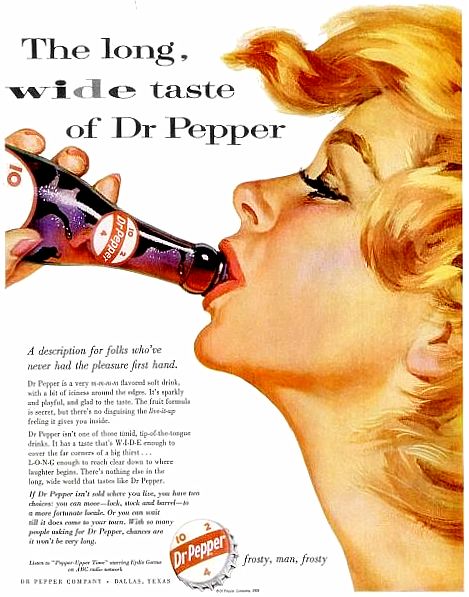
dr-pepper-1959

by Paula Bosse

An early national advertisement for a product on its way to becoming more than just a regional soft drink. I grew up right down the street from the Dr Pepper plant. And, yes, I am still pissed.

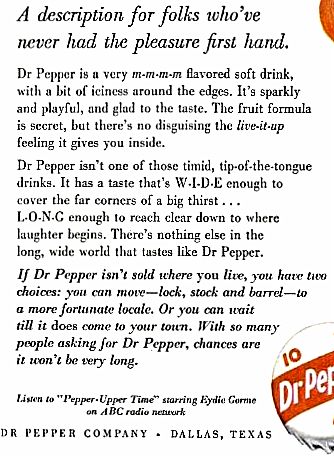
And here, a bit larger, the wordy and intensely caffeinated copy that seems to have been written by a Madison Avenue flat-earther:

*

Copyright © 2014 Paula Bosse. All Rights Reserved.
Gus Roos Men’s Clothing — 1951

Elm and Akard and familiar skyline…

by Paula Bosse

One of the top men’s clothiers, right there at Roos Corner. (Pegasus!)

*

Copyright © 2014 Paula Bosse. All Rights Reserved.

Red Bryan’s Smokehouse — BBQ, Oak Cliff-Style

red-bryans-smokehouse_bbq_postcard_ebay_ca-1950

by Paula Bosse

Everybody in Dallas knows about Sonny Bryan, and some remember Red Bryan, but I didn’t know there was another Bryan forebear, who started the family barbecue dynasty: Elias Bryan. Elias and his wife, Sadie, arrived in Oak Cliff from Cincinnati in 1910 and opened a barbecue stand. Elias begat Red, and Red begat Sonny. And there was much trans-generational smoking of meat. The Bryans have been a BBQ fixture in Dallas for over 100 years.

Fun facts about William Jennings “Red” Bryan:

  • Red studied botany at SMU, which might explain his initial career as a florist until he was inevitably pulled back into the family business. He opened his first place in the early 1930s in a retired Interurban car, known affectionately as “The Tin Shack.”
  • In the late ’40s, now well established and wanting swankier digs, he commissioned the respected architect Charles Dilbeck to design the new restaurant. (Dilbeck designed some of the most beautiful homes in Dallas, several of which are in Lakewood, but this was probably his first — and only — barbecue joint.)

And the rest is, as they say, barbecue — and Oak Cliff — history.

*

red_bryan_bbq_dth_0205561

*

Red, 1951

*

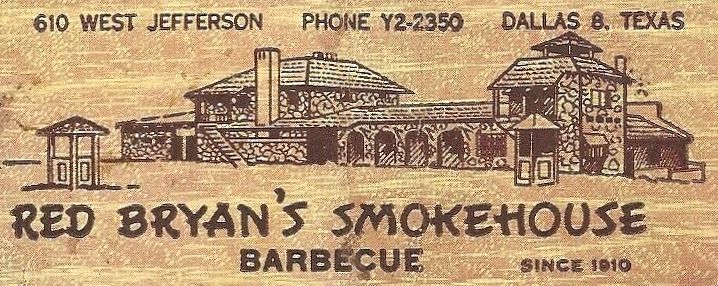
red-bryans-bbq_matchbook_ebay

***

Sources & Notes

Postcard (circa 1950) at top from eBay. This is printed on the back:


red-bryans-smokehouse_bbq_postcard_caption_ebay

Ad from 1956.

Much more on Red Bryan’s Smokehouse, with lots of photos of its construction, can be found in the Oak Cliff Advocate article “The King of Oak Cliff Barbecue” by Gayla Brooks, here.

Even more cool stuff, including early photos of the family business, can be found in the Texas Monthly article “Bryan Family Artifacts and Mementos” by Daniel Vaughn, here.

Sonny Bryan’s website is here.

*

Copyright © 2014 Paula Bosse. All Rights Reserved.