Flashback : Dallas

A Miscellany: History, Ads, Pop Culture

Category: Art

Year-End List! My Favorite (Non-Photo) Images Posted in 2015

skyline_1960_dmn_100260I feel a sudden yen for a mid-century cocktail….

by Paula Bosse

It’s the end of the year, the traditional time for lists! Today I’m posting a list of my top ten favorite images that I’ve posted over the past year — either art or postcards (my favorite photographs of the year will be posted tomorrow). For more info on the images — and to see the post they appeared in — click on the title of the post (sources are generally at the bottom). Most images are larger when clicked — some are quite a bit larger.

*

“The Dallas Skyline, Vibrant & Sophisticated — 1960” (above) — an idealized rendering of the downtown skyline, oddly missing Pegasus.

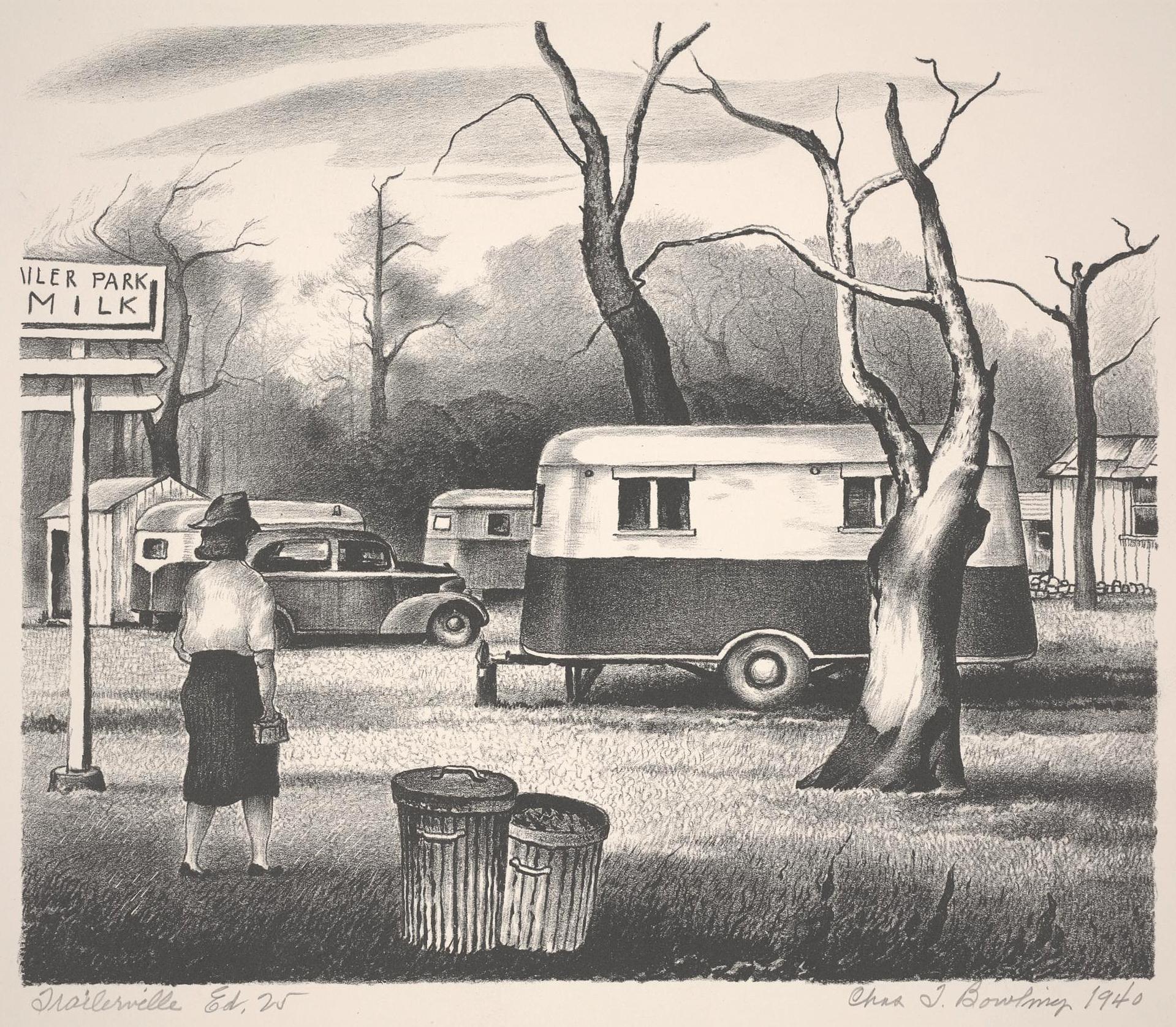
“‘Trailerville’ by Charles T. Bowling — 1940.”

bowling_trailerville_1940_dmaDMA

“Winter Scene: The Belo Mansion & The Cathedral of the Sacred Heart — ca. 1902.”

cathedral_snow_flickr-coltera

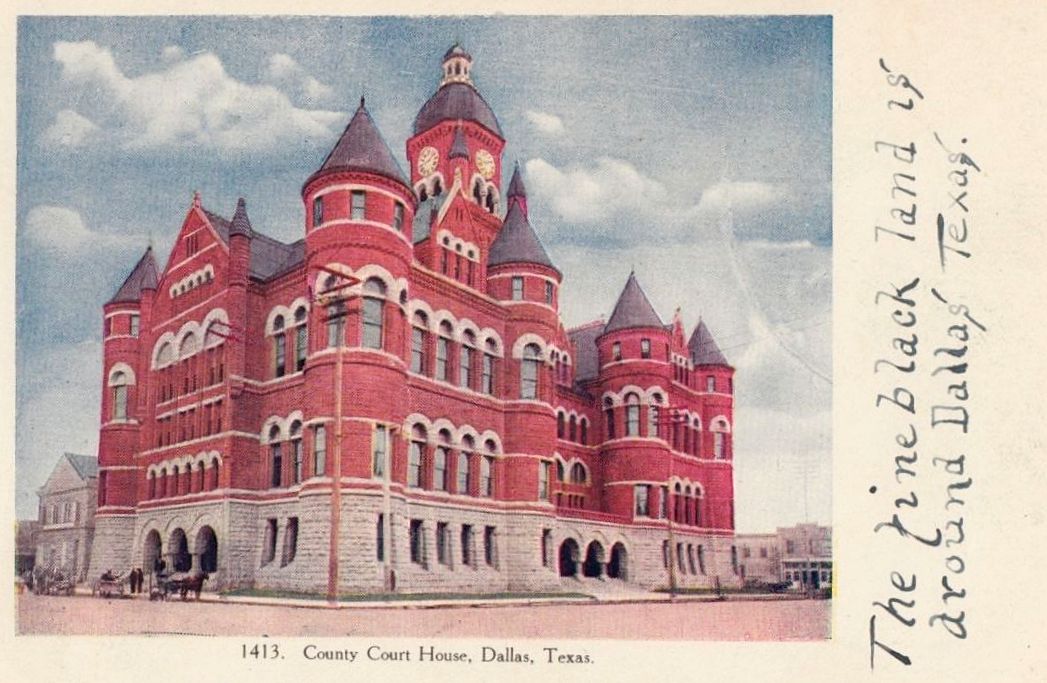
“The Fine Black Land Is Around Dallas, Texas.”

old-red-courthouse_early

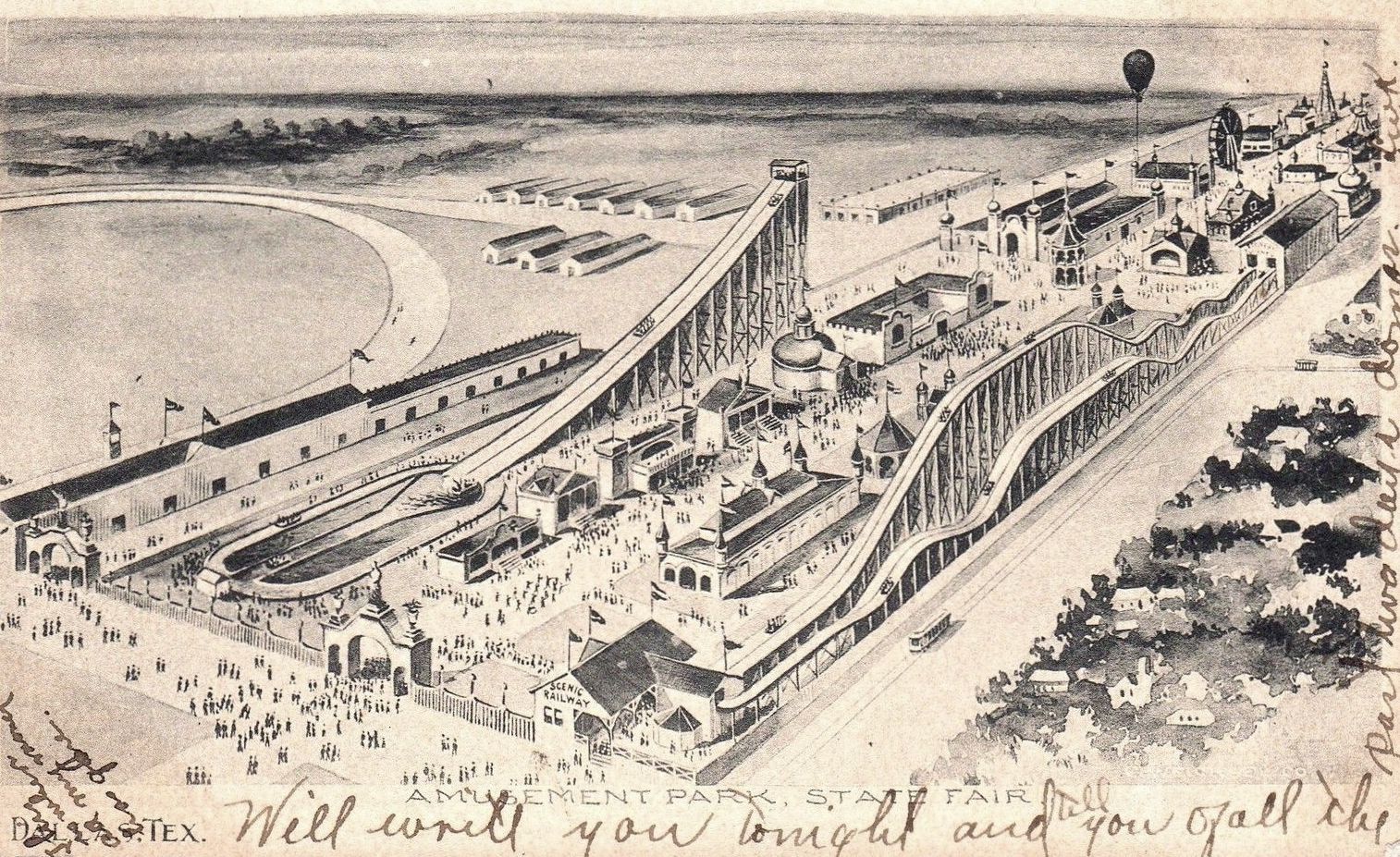
“The State Fair of Texas: ‘This Is Where All My Money Has Gone.'”

state-fair_ebay

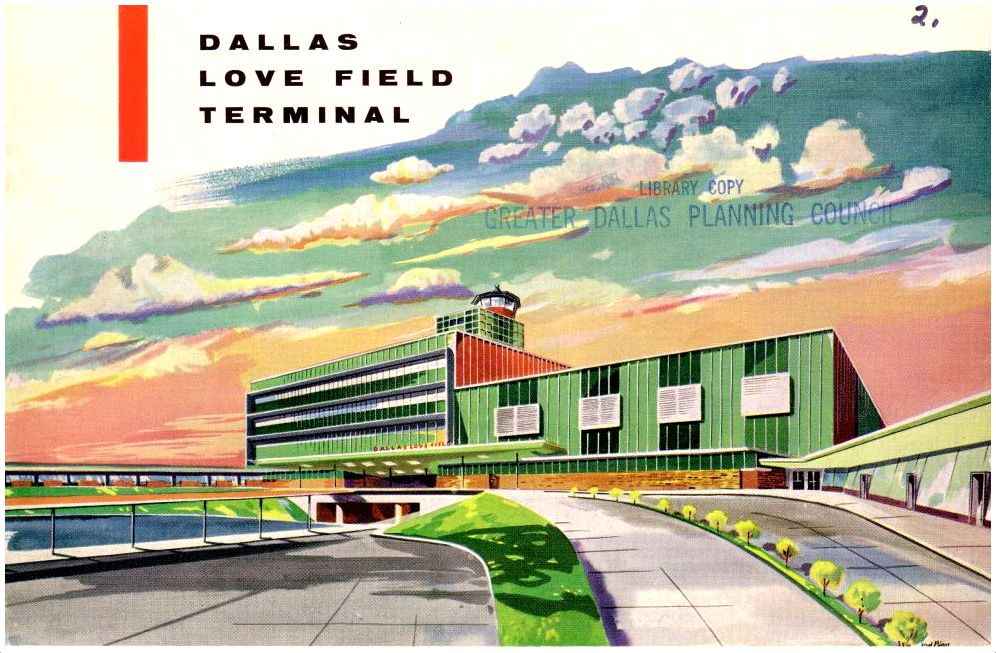
“Love Field, The Super-Cool 1950s Era.” (Super-cool photos also in this post!)

love-field_1957

“Main Street — ca. 1942.”

main-street-canyon_ebay

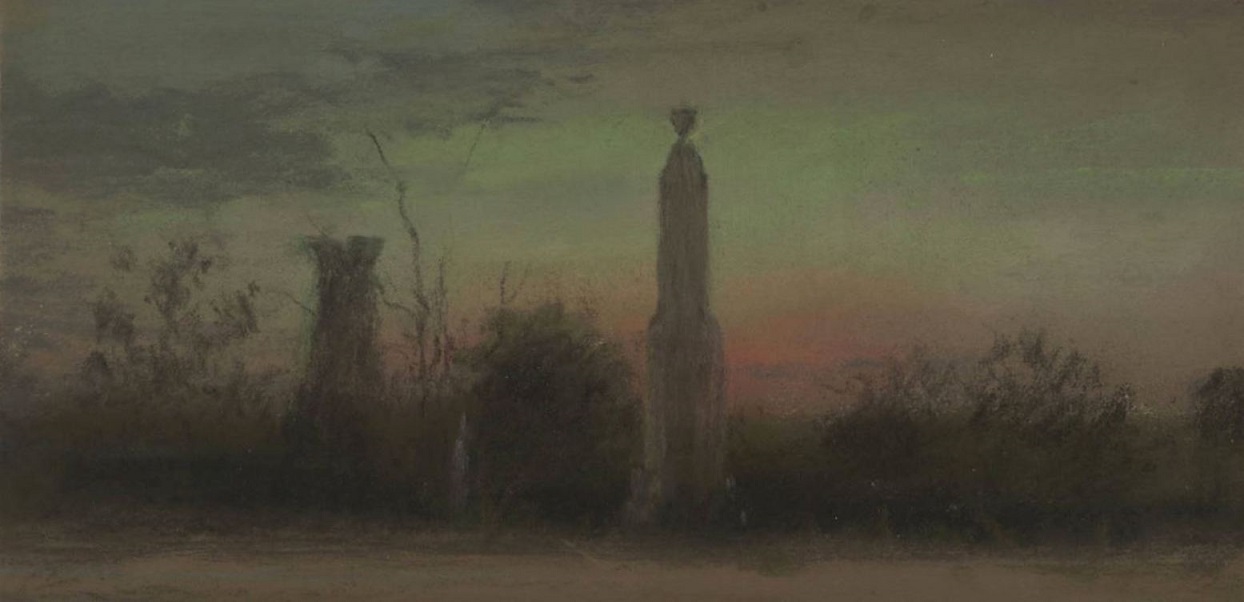
“‘Cemetery at Twilight’ by Frank Reaugh.”

reaugh_cemetery-at-twilight_nd_UT_ransom-ctr

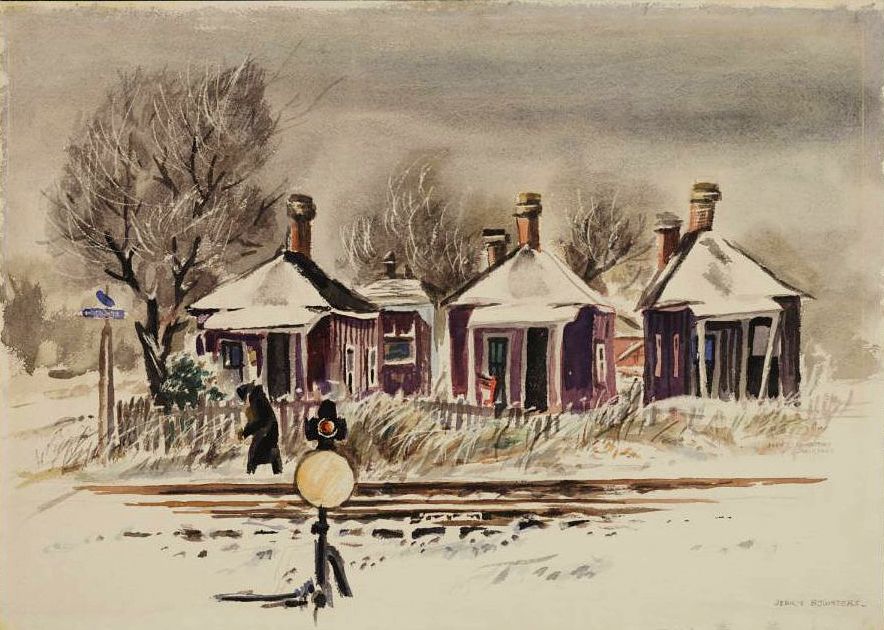
“‘Along the Tracks’ in the Fair Park Area.” (Painting by Jerry Bywaters.)

bywaters_along-the-tracks_fair-park_smu_1947

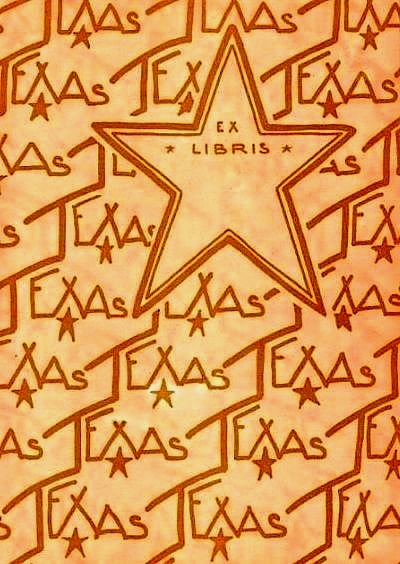
“Texas Texas Texas Texas Texas Texas Texas — 1930” (Woodrow Wilson High School yearbook endpaper.)

woodrow_texas-endpaper_1930-yrbk

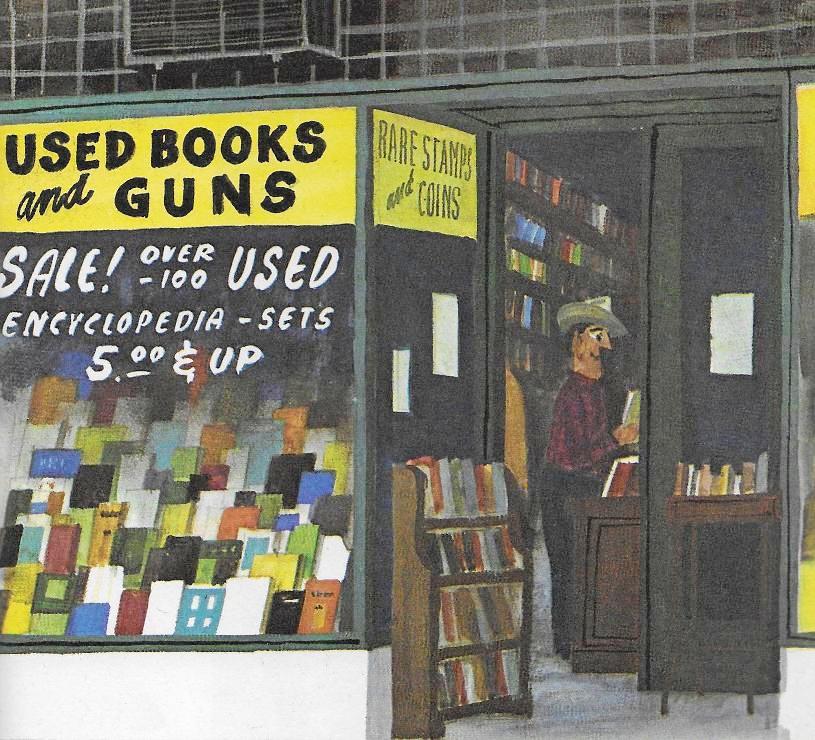
Honorable Mention: Not specifically Dallas-related, but it IS Texas-related: “‘Used Books & Guns’ — 1967.”  I’ve updated the post with a photo, which may or may not be the actual San Antonio bookstore which appeared as an illustration in a children’s book.

used-books-and-guns_SASEK

***

For all the “Year-End Best of 2015” lists, click here.

For the “Year-End Best of 2014” lists, click here.

*

Copyright © 2015 Paula Bosse. All Rights Reserved.

Views of Dallas by Bruno Lore — 1931

skyline_smu_1931Bruno Lore’s Dallas, in purples and pinks

by Paula Bosse

Bruno J. Lore (1890-1963) was a Fort Worth artist and illustrator who spent much of his career working for the Southwestern Engraving Company. Known as “the dean of Fort Worth commercial artists,” Lore had a long and successful career, counting among his many clients colleges and universities who commissioned him to create artwork for their yearbooks (and, perhaps as a friendly or persuasive perk, he was often asked to pick the campus beauties who would be featured in those same yearbooks). Even though information about Lore is scant, he seems to have had steady yearbook work, with his illustrations appearing in several Southern and Southwestern college annuals, primarily in the 1920s and ’30s. In Dallas, his artwork appeared in editions of SMU’s Rotunda.

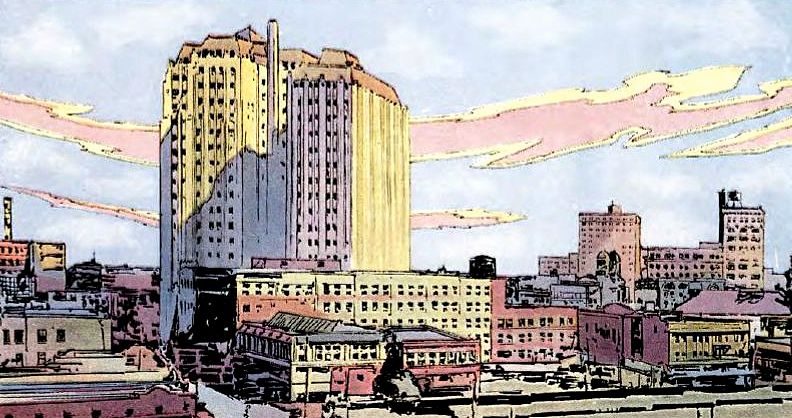
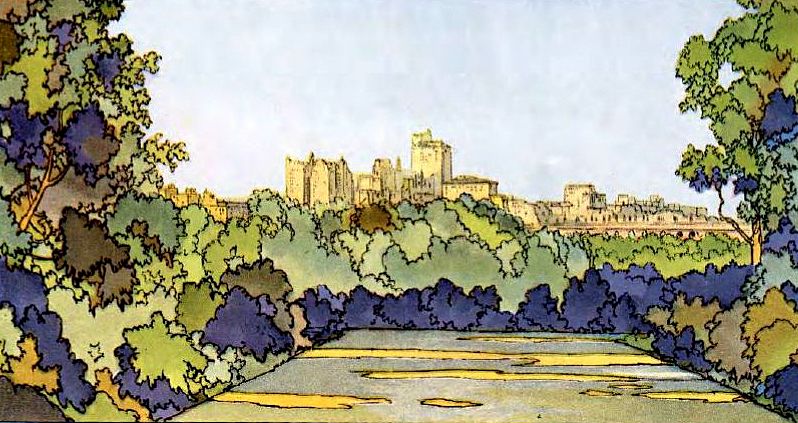
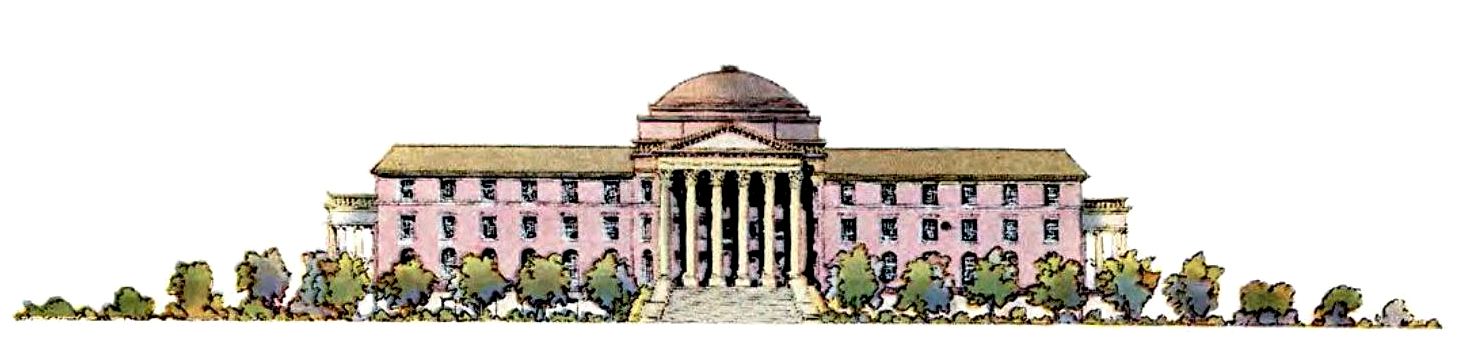
Below are Lore’s vividly colorful views of the SMU campus and the Dallas skyline which appeared in the 1931 Rotunda and provided a lively, modern exuberance to an otherwise fairly standard college yearbook.

rotunda_1931_advertising-header

smu-rotunda_1931-intto

dallas-hall_smu-rotunda-1931

skyline_smu-rotunda-1931

skyline-3_smu-rotunda-1931

skyline-5_smu-rotunda-1931

skyline-2_smu-rotunda-1931

skyline-6_smu-rotunda-1931

skyline-4_smu-rotunda-1931

skyline-8_smu-rotunda-1931

skyline-7_smu-rotunda-1931

saddleburr_smu-rotunda-1931

students_smu-rotunda-1931

smu-1931rotunda_1931_title-page

*

Lore was doing yearbook work (along with his other commissions) into at least the ’40s. His later years seem to have been focused on Western art, and he produced several paintings. He seems to be most fondly remembered by collectors as the artist who was responsible for several decades’ worth of Western-themed cover art for souvenir annuals of the Fort Worth Rodeo and the Southwestern Exposition and Fat Stock Show.

lore_FWST_012173Fort Worth Star-Telegram, Jan. 21, 1973

***

Sources & Notes

All artwork is from the 1931 Rotunda, yearbook of Southern Methodist University. The above illustrations are unattributed, but it seems fairly certain that they are by Bruno J. Lore, who is mentioned in the school’s newspaper, The Daily Campus, as providing the artwork for the 1931 Rotunda. This edition of the yearbook also contains eight somewhat more staid views of campus scenes in pencil or ink and wash which are attributed to Lore. Lore’s yearbook work was apparently done remotely, and he often worked from photographs.

*

Copyright © 2015 Paula Bosse. All Rights Reserved.

Waking Up Every Day To an Unimpeded View of Lake Cliff Park

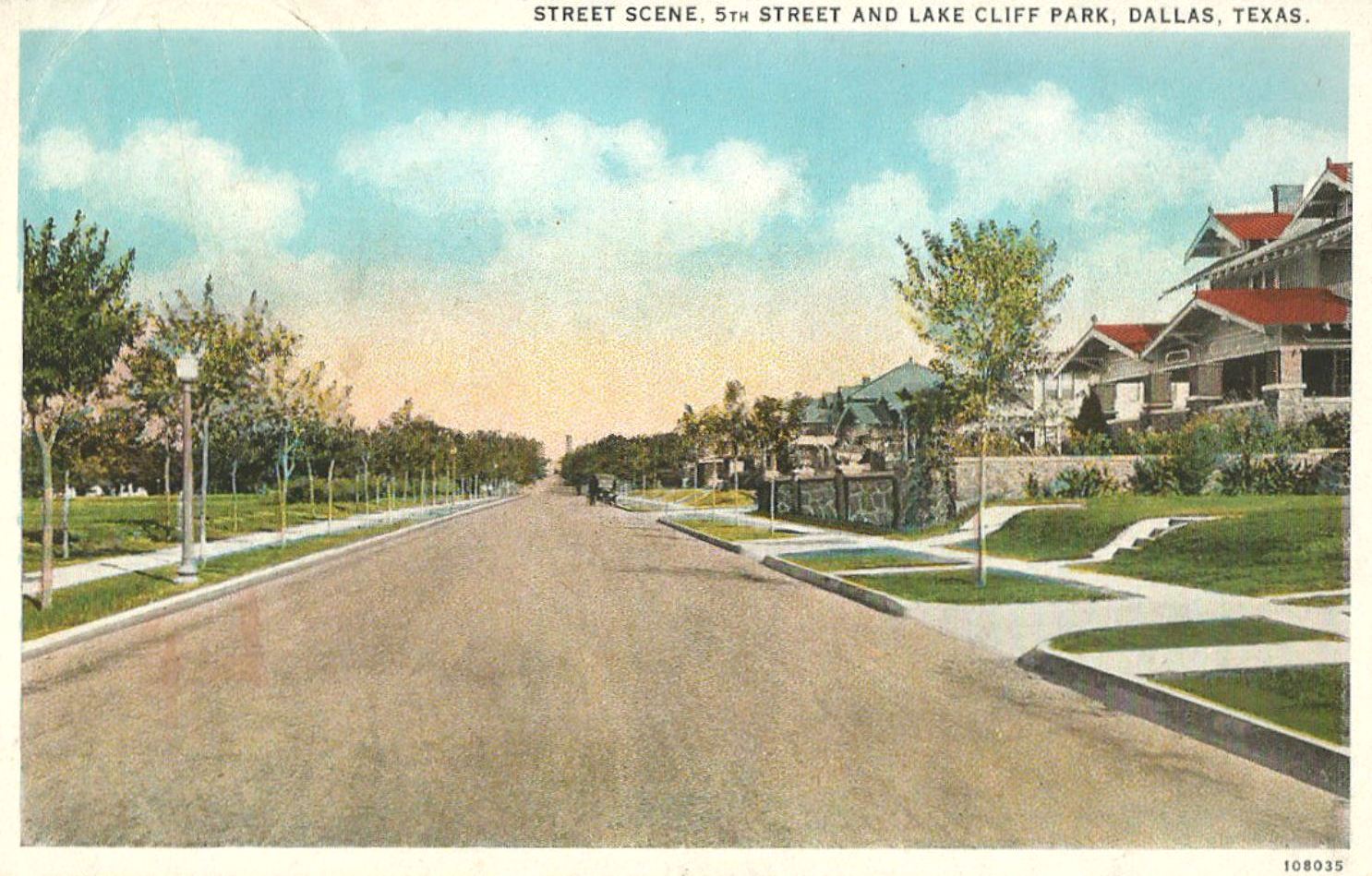
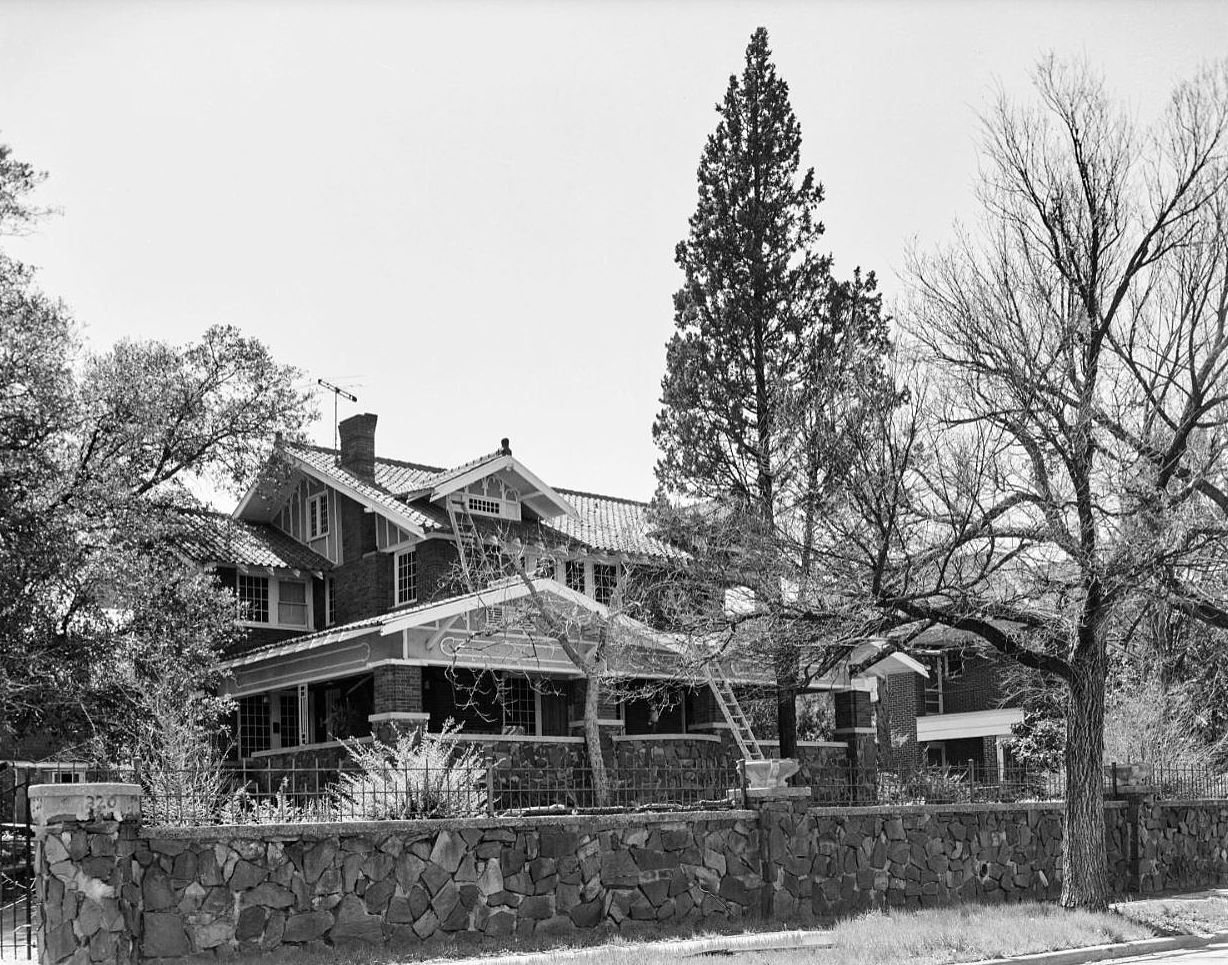
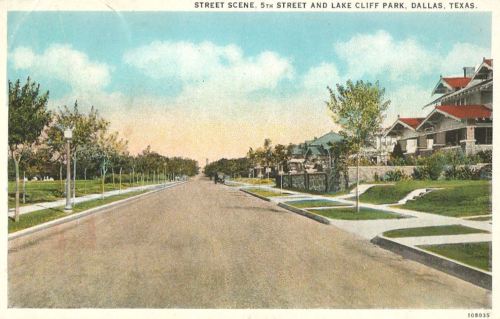
oak-cliff_5th-street_lake-cliff-park_ebayThe red-roofed Frank Rogers house, E. Fifth & N. Denver, Oak Cliff

by Paula Bosse

I saw this postcard of a row of houses on East Fifth Street in Oak Cliff and wondered if the house with the red roof and the low stone wall was still standing. Happily, it is. With a little digging, I discovered that the house at 320 E. Fifth Street was built in 1922 or very, very early 1923 for Frank Rogers, one of Dallas’ top photographers. A photographer would want to live with a beautiful view, and he certainly had it there — Lake Cliff Park was right across the street. (The artist Frank Reaugh also lived on East Fifth, a block or two to the west.) Frank Rogers (1878-1961) lived in the house he built at the corner of East Fifth and North Denver until his death at the age of 82.

It appears that Rogers bought the property in the survey area known as Robinson’s Park Place in December of 1920 for $8,000. The address does not exist until his house is built — it shows up for the first time in the 1923 city directory. The 1922 Sanborn map (see it here) shows the corner lot empty — as well as most of the rest of the lots along East Fifth between North Crawford and North Denver.

Here are a few bits and pieces of random information from a search on the address. In 1933, Rogers’ German Shepherd got loose. That park would have been an absolute paradise for a dog on the lam.

roger_dmn_090233Sept. 2, 1933

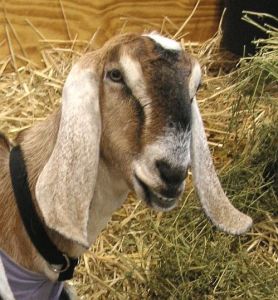
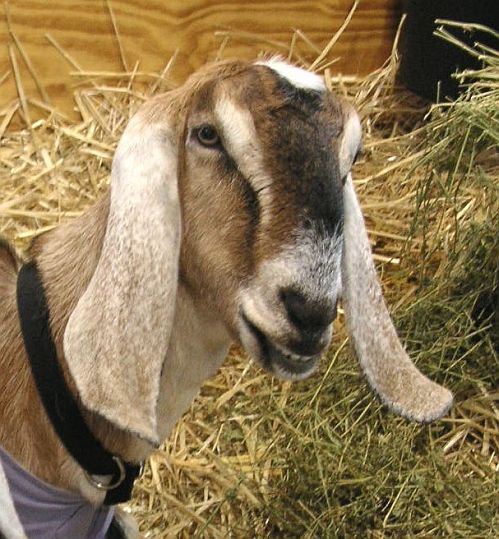
And in 1936, for some reason Rogers was selling a “Nubian milch goat,” a friendly source of milk which was, presumably, kept on the property. Was it being sold at the behest of neighbors? The publication Milch Goat Dairy (1917) informs us that “no member of the goat family is more peaceful or gentle than the Nubian, and while the bucks of this breed have the same odor that all goat bucks have, the odor is far less in this breed.” Still. The other well-heeled neighbors might have had a few goat-related issues.

320_dmn_111736-goatNov. 17, 1936

Nubian goat! (Wikipedia)

There was a room or small apartment at the rear of the house, and directories show that (at least through the ’20s) there was an ever-changing roster of lodgers who lived there — every year a different name was listed. They were most likely employees. In 1929, the occupant was J. W. McCrimon/McCrimmon, who may have been the same person who, as a minor in 1922, was accused of wounding another minor with a shotgun.
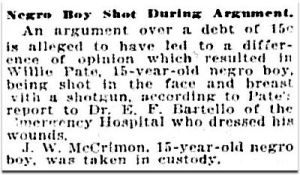
mccrimon_dmn_082922Dallas Morning News, Aug. 29, 1922

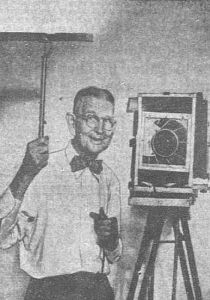
Frank Rogers began his career as a newspaper photographer who later ran his own photography studio with his son, Norman. He preferred commercial jobs to bread-and-butter studio portraiture, though he did both. Whatever kind of job he was doing, he preferred to use flash powder when he could, a practice which caused several injuries (and even fires!) over the years.

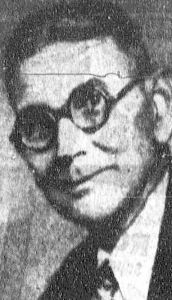
A news article in 1945 described one such incident: during a commissioned job in which he was taking hundreds of employee photographs for a large company, his flash-powder gun exploded and he was “seriously burned on the hands and face. His spectacles, physicians told him, probably saved his eyesight” (DMN, Feb. 10, 1945).

And here he is in those spectacles:
rogers-frank_portrait

Here’s another photo of the happy-looking photographer, posing with his camera and the potentially incendiary accoutrement.
rogers-frank_at-work_ca-1950s

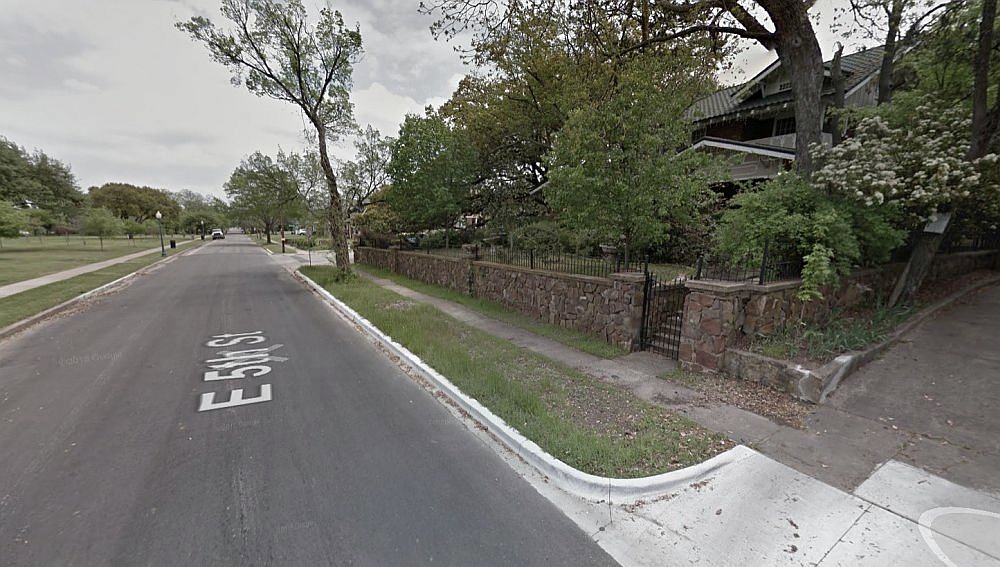
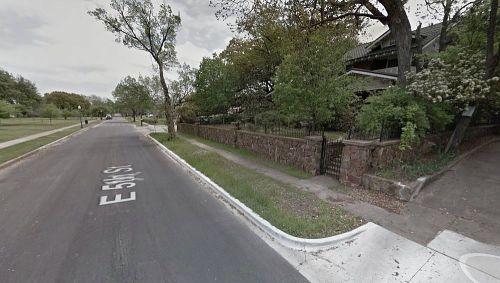
But back to the house. Here it is today.
rogers-house_googleGoogle Street View

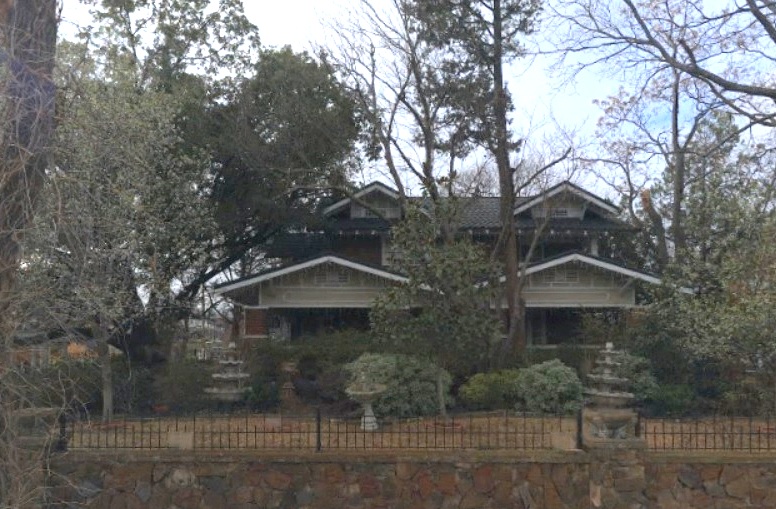
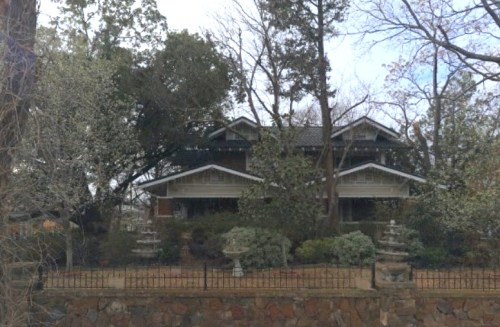
And another view, this time with the front of the house visible.
rogers-house_bingBing StreetSide

If I had access to flash powder, I’d go out today and take an extremely well-lit photo of an old Dallas building (and hope I’d survive the experience) — as a nod to Frank Rogers, his cool house, and all the wonderful photos of Dallas he took in the first half of the 20th century. Thanks, Frank!
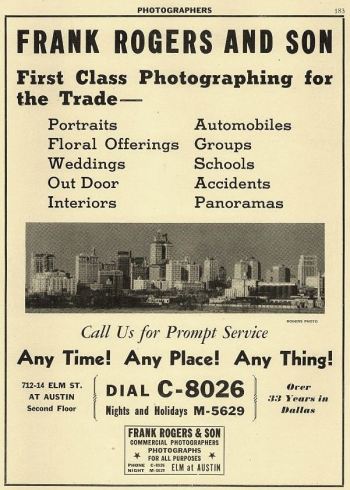
rogers-frank_ad_dallas-directory_1944-45
Frank Rogers and Son ad, 1944-45 Dallas directory
rogers-frank_1936-directory1936 Dallas directory

***

Sources & Notes

Postcard is from eBay.

Frank Rogers was a busy man. If you’re interested in Dallas history (and I’m guessing you are if you’re reading a Dallas history blog), you’ve probably seen dozens and dozens (and dozens) of his photos without even knowing it. The Frank Rogers Collection is housed at the Dallas Public Library. I’ve used a few of his photos in previous posts — one of my favorites is his view of the Akard Street Canyon, here.

Another photo of the house can be seen in the 1980 photo below, from the Texas Historical Commission Historical Resources Survey, via the Portal to Texas History, here.
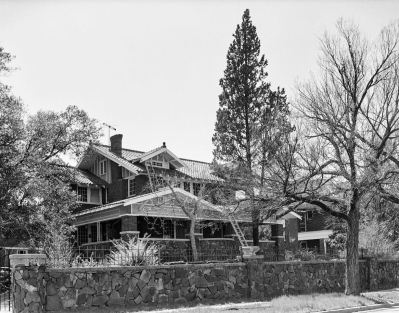
rogers-frank_home_320-east-fifth_oak-cliff_portal_1980

Take a tour of the Lake Cliff Park area via Google Street View, here.

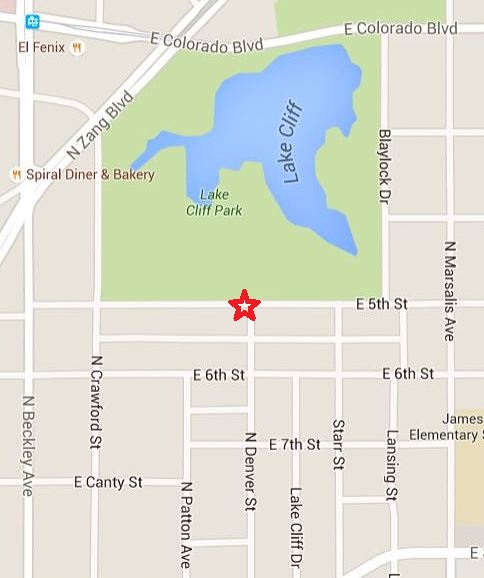
And finally, here’s where Frank’s house is, marked in red.
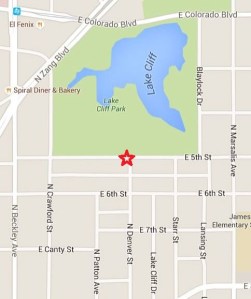
rogers-house_googleGoogle Maps

*

Copyright © 2015 Paula Bosse. All Rights Reserved.

“A City Built On the Solid Rock of Service” — 1927

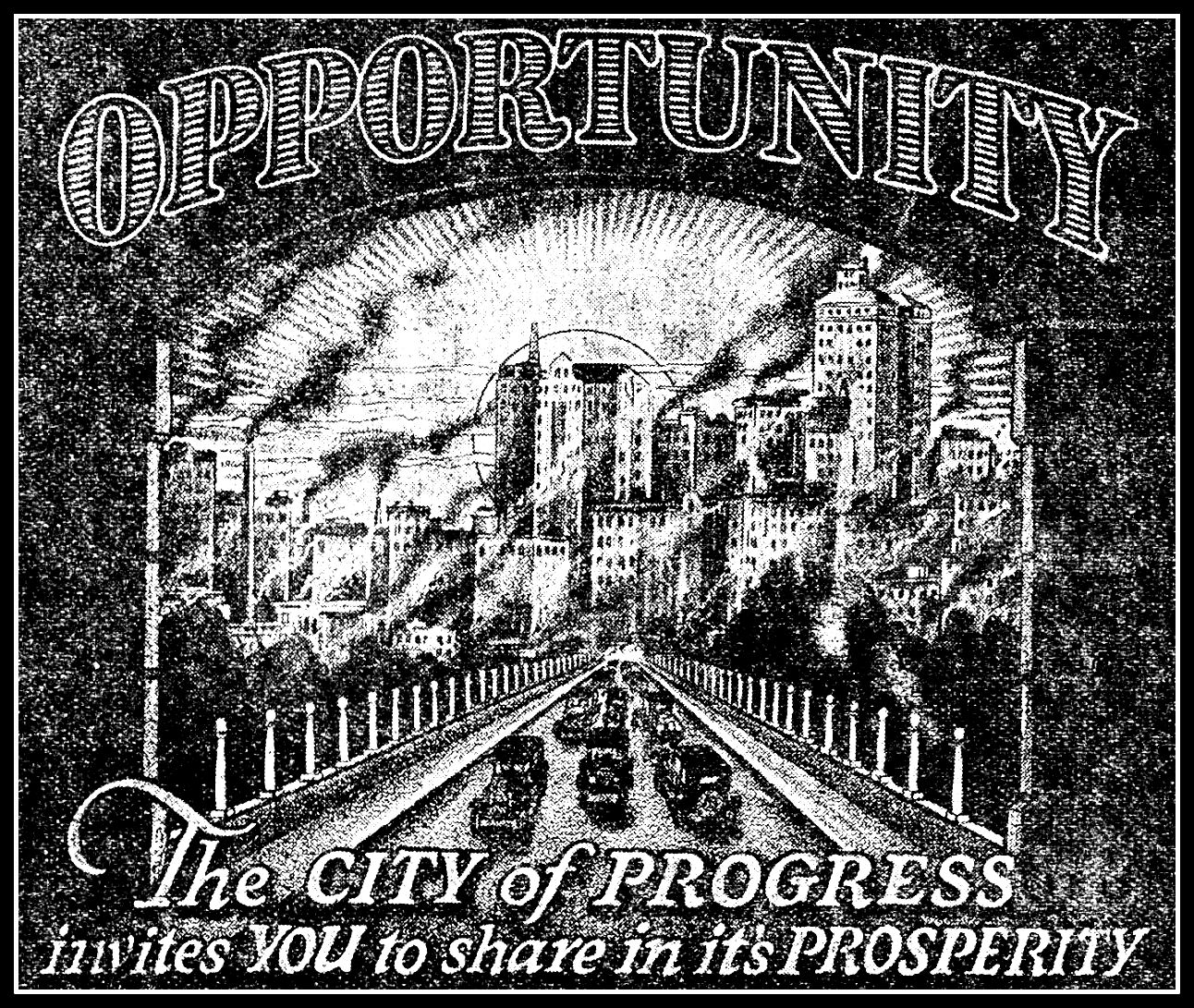
ad-dallas-chamber-of-commerce_tx-almanac_1927-det“Opportunity!”

by Paula Bosse

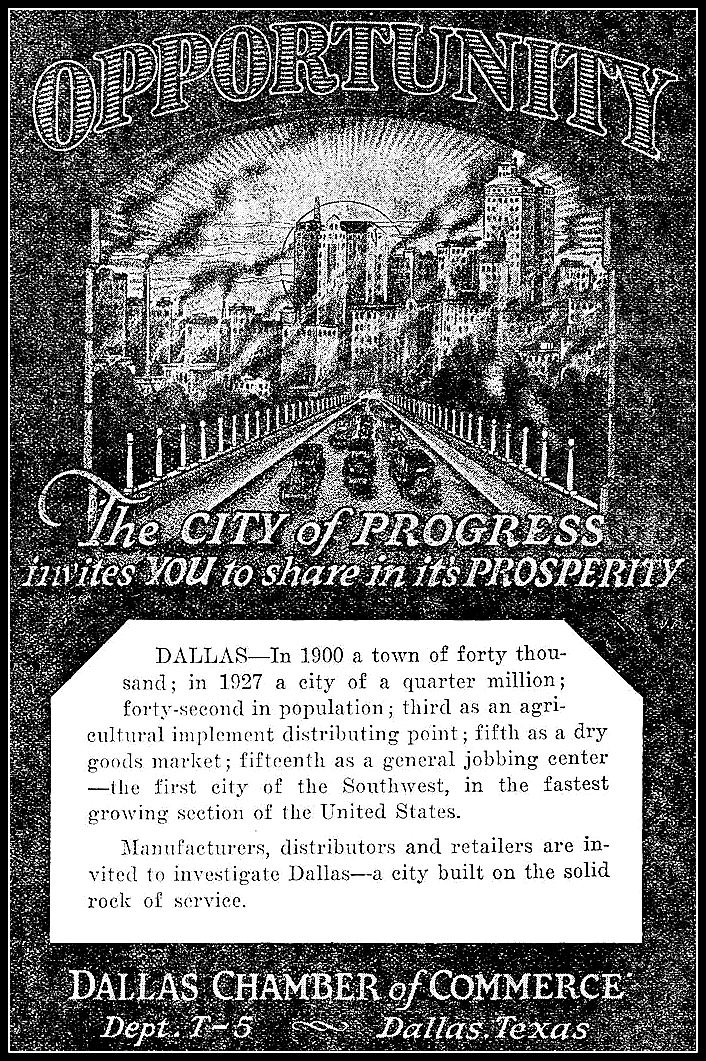
Below, a 1927 Dallas Chamber of Commerce ad with some interesting statistics.

ad-dallas-chamber-of-commerce_tx-almanac_1927

*

OPPORTUNITY

The CITY OF PROGRESS invites YOU to share in its PROSPERITY.

DALLAS–in 1900 a town of forty-thousand; in 1927 a city of a quarter million; forty-second in population; third as an agricultural implement distributing point; fifth as a dry goods market; fifteenth as a general jobbing center–the first city of the Southwest, in the fastest growing section of the United States.

Manufacturers, distributors and retailers are invited to investigate Dallas–a city built on the solid rock of service.

*

Pretty impressive. And the illustration of a dynamic city on the other side of that viaduct is all but throbbing with energy.

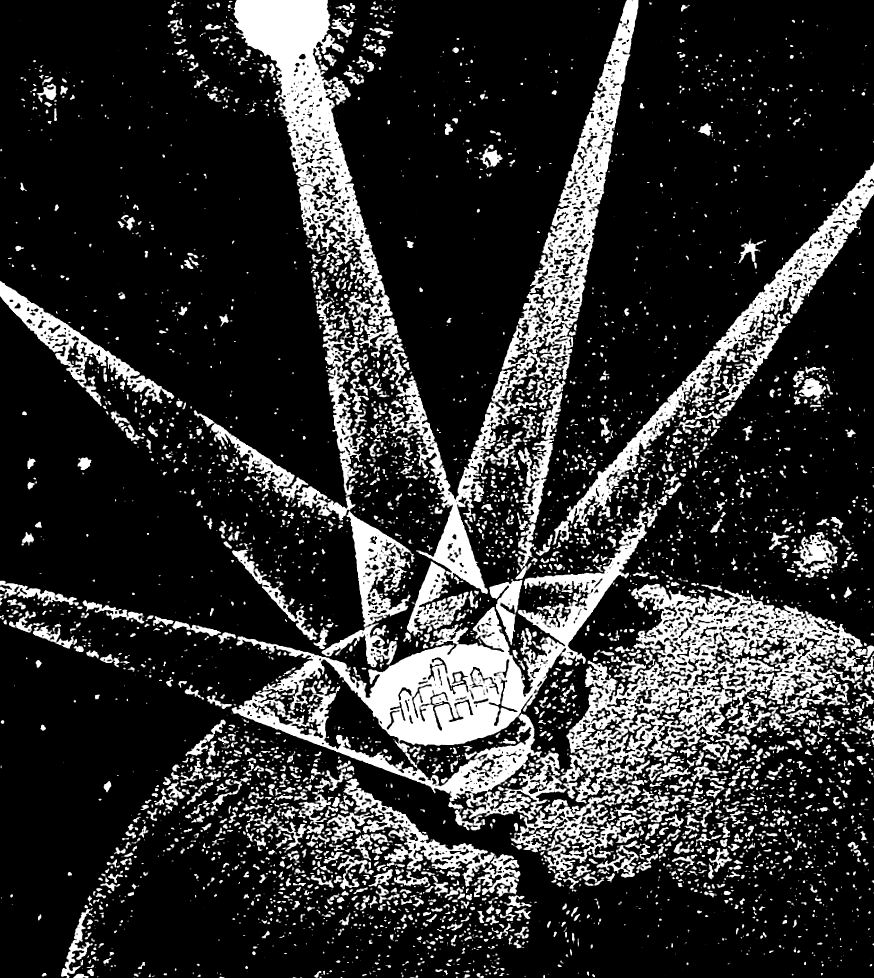
The illustration from a 1929 Chamber of Commerce ad is even less modest: it shows Dallas as the center of the universe, center stage on Planet Earth, lit up by the sun and the giant Klieg lights of space.

ad-dallas-chamber-of-commerce_tx-almanac_1929-det

I kind of think Dallas has pretty much always seen itself like this.

***

Sources & Notes

Ads from the 1927 and 1929 editions of The Texas Almanac and State Industrial Guide.

*

Copyright © 2015 Paula Bosse. All Rights Reserved.
“Cemetery at Twilight” by Frank Reaugh

reaugh_cemetery-at-twilight_nd_UT_ransom-ctrHarry Ransom Center/University of Texas at Austin

by Paula Bosse

In fond memory of my recently deceased computer, I give you a lovely pastel drawing of a cemetery by the legendary Dallas artist, Frank Reaugh. RIP, dear laptop — we learned a lot about Dallas history together.

***

“Cemetery at Twilight” by Frank Reaugh (undated); from the Frank Reaugh Art Collection at the Harry Ransom Center, The University of Texas at Austin. See the full image, framed and unframed, here.

Click for larger image.

*

Copyright © 2015 Paula Bosse. All Rights Reserved.

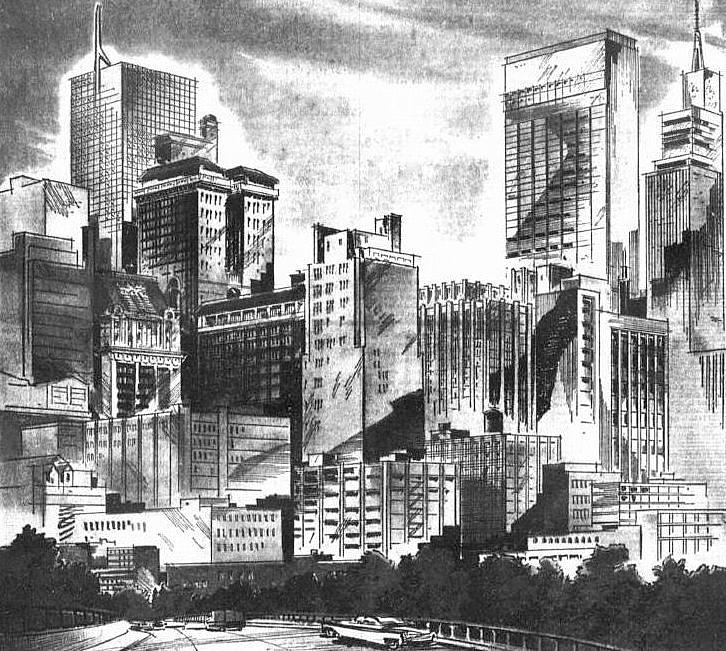
The Dallas Skyline, Vibrant & Sophisticated — 1960

skyline_drawing_ca-1960If only…

by Paula Bosse

This is a fantastic interpretation of the Dallas skyline, circa 1960. A little artistic license and … voilà! … Dallas has never looked New Yorkier. In a good way!

Thank you, anonymous commercial artist! This is the cool, sophisticated version of Dallas I’ve always wanted to live in!

*

Copyright © 2015 Paula Bosse. All Rights Reserved.


Texas Texas Texas Texas Texas Texas Texas — 1930

woodrow_texas-endpaper_1930-yrbk

by Paula Bosse

Cool endpaper from the 1930 Woodrow Wilson High School yearbook.

I really like this, for a variety of reasons:

  • I have a book background, and I love unusual decorative endpapers and bookplates.
  • I love Texas kitsch (which I’m going to say this is, even if that wasn’t the original intent).
  • I’m a Woodrow alum.

Thank you, anonymous budding (or professional!) typographer!

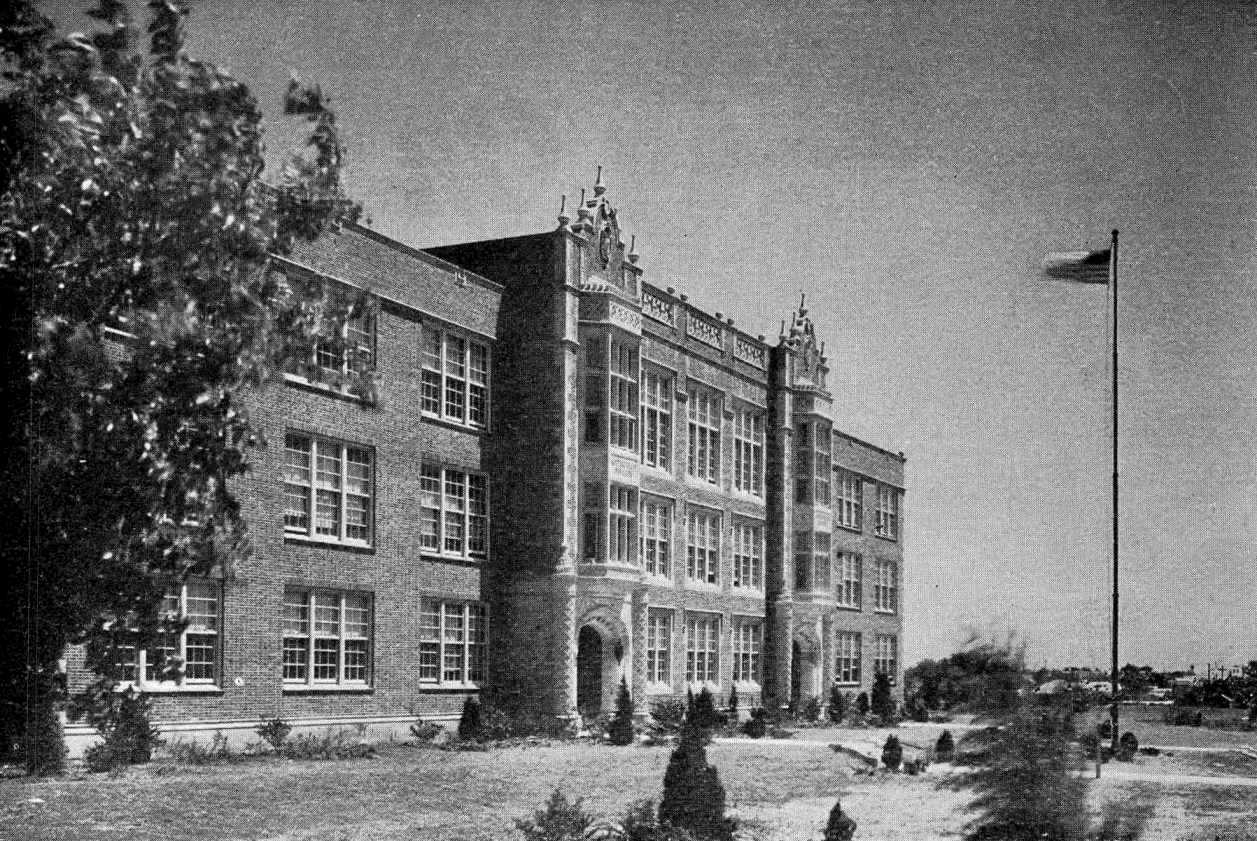
While we’re at it, here’s the rather oddly and unattractively landscaped school in 1930. (All those “Texases” and no Texas flag?!)

woodrow_1930-yrbk

***

Sources & Notes

Both images from the 1930 Woodrow Wilson High School yearbook, The Crusader.

*

Copyright © 2015 Paula Bosse. All Rights Reserved.

James Surls & David McCullough: Art in Exposition Park — 1973

surls-mccullough_dec-1973From the DMA archives (click for larger image)

by Paula Bosse

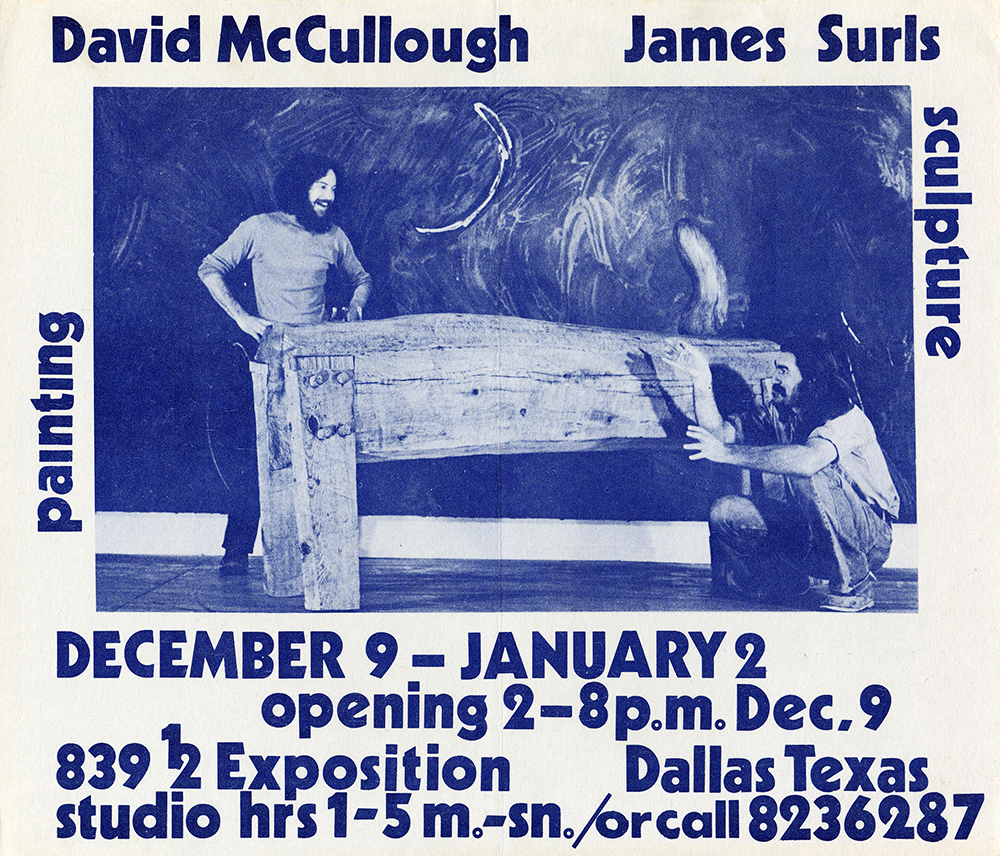
Above, a postcard advertising a 1973 art show at 839 1/2 Exposition (Parry & Exposition, across from Fair Park), featuring the work of James Surls (right, next to one of his sculptures) and David McCullough (left, in front of one of his paintings).

James Surls (b.1943), originally from East Texas, came to Dallas in the late-’60s to teach sculpture at SMU’s Meadows School of the Arts, from 1969 to 1976. His first mention in The Dallas Morning News, though, was on Sept. 12, 1967, when a 23-year-old Surls was mentioned as a participant in a group sculpture show at Atelier Chapman Kelley (on Fairmount Street) alongside major artists such as Georges Braque, Henry Moore, Louise Nevelson, and Henry Bertoia. Surls made his first professional impact on the art world while he was living in Dallas, and for years he was known as a “Dallas artist.” Surls eventually left Dallas for Spendora, Texas, and he now lives and works in Colorado and is an important internationally admired and collected sculptor.

After studying in Boston and Kansas City, and after a stint in California working on “happenings” with Allan Kaprow and Dick Higgins, David McCullough (b. 1945) moved to Dallas in 1970 where he quickly became part of the local art scene. After only seven months as a resident of the city, McCullough was commissioned by the Dallas Museum of Fine Arts to execute “Baggie Mantra Sanctorum March,” an art and performance piece which was Dallas’ first outdoor environment “happening.” A respected artist, McCullough continues to create and continues to call Dallas his home.

The McCullough/Surls show touted in the above postcard paired the two local artists and was well-received by local publications. The exhibition space at 839 1/2 Exposition was McCullough’s studio at the time, and the show presented sculptures by Surls and “relief wall paintings” by McCullough.

*

For a FANTASTIC look at this period in Dallas’ contemporary art scene, Ken Harrison’s 1975 documentary “Jackelope” (which aired on KERA, Ch. 13 in January, 1976) is absolutely essential. (Watch it here.)

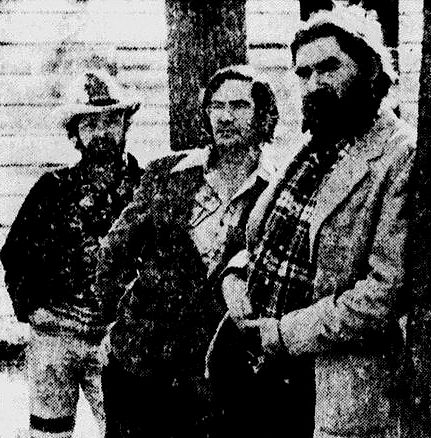
jackelop_dmn_012576-photo“Jackelope” subjects Wade, Green, and Surls

It profiles Surls, George Green, and Bob “Daddy-O” Wade (who will forever be known in Dallas as the creator of Tango’s dancing frogs), and the Surls and Wade portions are extremely entertaining. I watched this documentary earlier this year, and I’ve found myself thinking about it frequently. I highly recommend this deliberately slow-moving documentary for anyone interested in Texas art (…or just art). Or for anyone who’s a fan of incredible Texas accents (why don’t we hear accents like these anymore?).

*

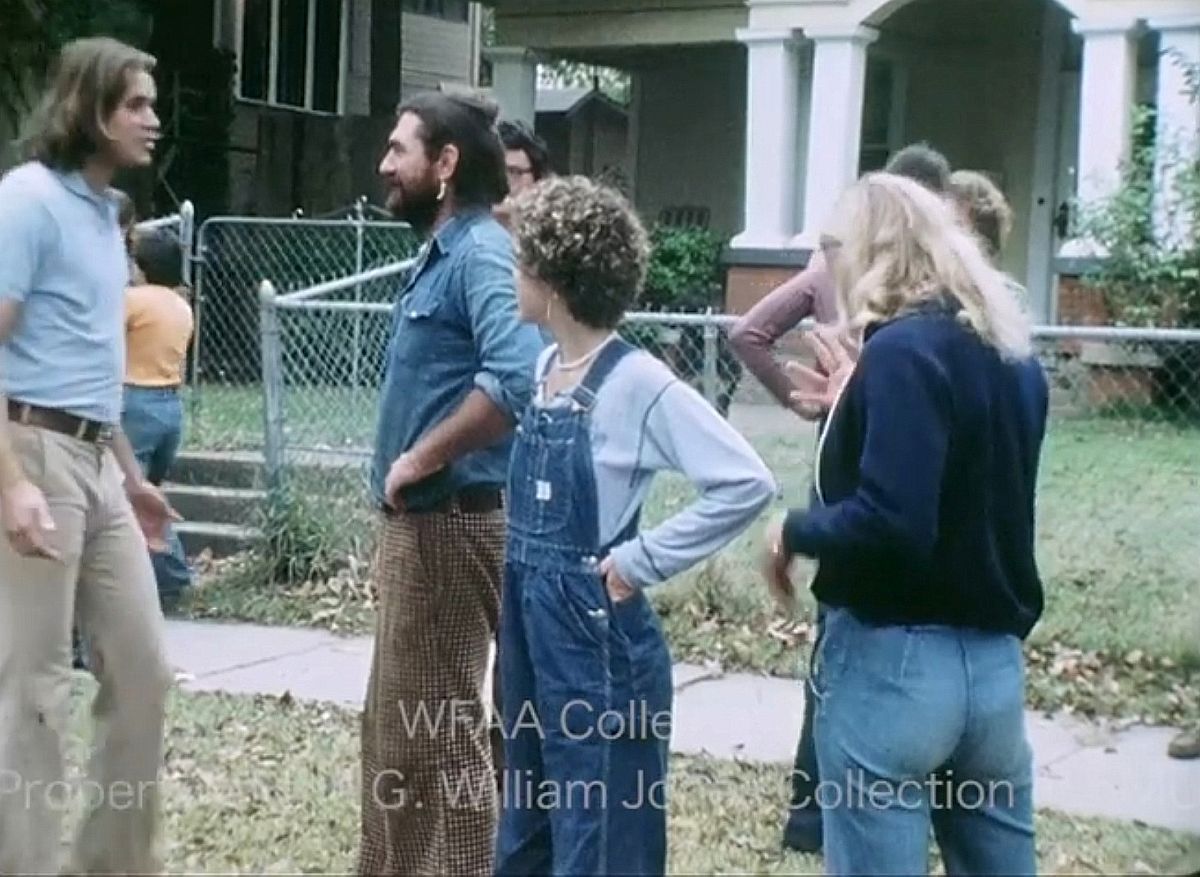
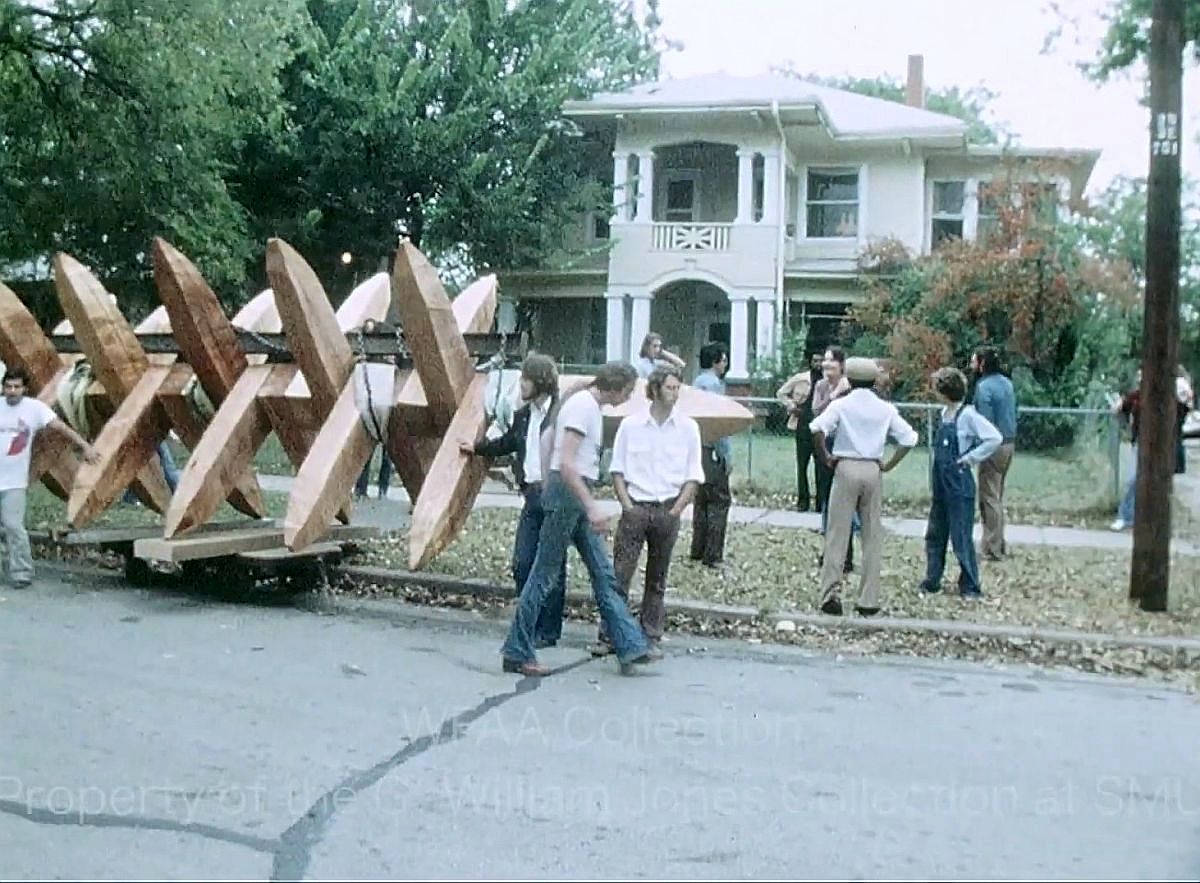
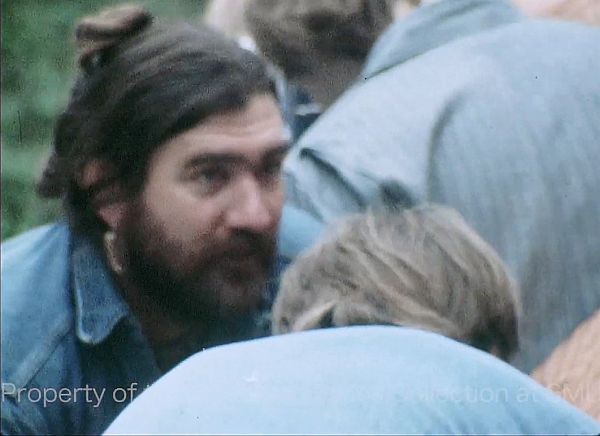
Here’s a great clip showing Surls with friends and students laboriously transporting one of his pieces, the name of which is given as “Point to Point,” through the streets of Old East Dallas before it is taken to Houston. In 1975, Surls was teaching at SMU and living at 5019 Tremont, in a house which is still standing. (WFAA News Film Collection, Jones Film Archive, Hamon Arts Library, SMU, Oct. 1975)

surls_wfaa_oct-1975_tremont_SMU_2

surls_wfaa_oct-1975-tremont_SMU

surls_wfaa_oct-1975_tremont_SMU_3

***

Sources & Notes

Postcard is from the Paul Rogers Harris Gallery Mailings Collection, Dallas Museum of Art Archives; found as part of the interesting article “Fair Park-South Dallas: The City’s First Arts District” by Leigh Arnold, here.

To see just a few of James Surls’ wonderful pieces, click here. To view a slideshow of the DMA retrospective, “Visions: James Surls, 1974-1984,” click here. His official website is here.
Articles of interest from the Dallas Morning News archives:

  • “Kelley to Unveil Sculpture Show” by John Neville (DMN, Sept. 12, 1967) — first mention of Surls in the pages of The News, this announcement of an upcoming sculpture show at Atelier Chapman Kelley has Surls alongside big-hitters such as Georges Braque, Henry Moore, and Louise Nevelson
  • “Loft Offers ‘Big Art’ Space” by Janet Kutner (DMN, Feb. 16, 1974) — review of the show advertised on the postcard at the top of this post
  • “Surls Casts ‘Sams’ for Movie Awards” by Janet Kutner (DMN, March 11, 1972) — about the bronze movie awards — the “Sams” — which Surls created for the 1972 USA Film Festival
  • “Art for Dog’s Sake” by Janet Kutner (DMN, Dec. 7, 1975) — about a 1975 group show at SMU consisting of over 50 artists (!), which Surls organized (and created a sculpture for) on a $50 budget; contains a thoroughly delightful interview about “The Dog Show” (“It’s both serious and non-serious, maybe ‘arf ‘n ‘arf…”)
  • “Texas Artists in TV Special” by Janet Kutner (DMN, Jan. 25, 1976) — review of the film “Jackelope”

For a profile on David McCullough that appeared in The Lakewood Advocate, click here. To watch an entertaining video in which he paints before a crowd at the Dallas Arboretum as the Dallas Wind Ensemble plays, followed by an interview, see the YouTube video here. McCullough’s website is here.

Read the background of McCullough’s 1971 “Baggie sculpture” — the outdoor “happening” at the lagoon at Fair Park in these Dallas Morning News articles:

  • “Baggie Sculpture in Park Lagoon” (DMN, June 12, 1971)
  • “McCullough Creates ‘Baggie Happening'” by Janet Kutner (…that lady was busy!) (DMN, June 20, 1971)

*

Copyright © 2015 Paula Bosse. All Rights Reserved.


Salvador Dali Brings “Nuclear Mysticism” to Dallas — 1952

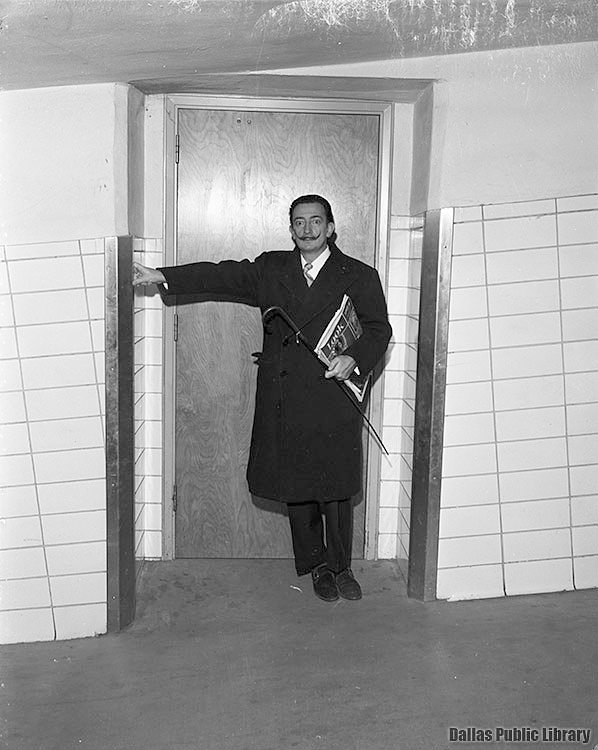
dali_union-station_feb-1952_dplDali does Dallas (in a slanted doorway at Union Station)

by Paula Bosse

The artist and pop phenomenon Salvador Dali came to Dallas in 1952 to present a lecture at McFarlin Auditorium on the SMU campus as part of the popular Community Course series. This was during his “Nuclear Mysticism” period, during which his paintings were influenced by the atomic age, science, and religion. One of the examples of this direction in his art is his painting “Raphaelesque Head Exploding” from 1951.

dali-raphaelesque-head_1951“Raphaelesque Head Exploding”

This 1952 American lecture tour included at least three stops in Texas: Houston, Fort Worth, and Dallas. Dali and his wife, Gala, arrived in Dallas on the afternoon of Thursday, February 14, 1952, after the artist had spoken at a members-only event and luncheon at Fort Worth’s River Crest Country Club earlier in the day. The lecture at McFarlin Auditorium was on Saturday night, Feb. 16. One wonders what he did in Dallas on his free day Friday.

While in Dallas, Dali was interviewed at the Baker Hotel by Paul Crume of the Morning News, a bit of an odd choice, in that Crume — author of the very popular front-page “Big D” column — was generally the paper’s go-to humor writer, an indication, perhaps, that Dali was considered less of a serious artist than as a quirky and larger-than-life entertainer. Which… fair enough.

One of the interesting little morsels that Dali told Crume was that he was amazed that his dreams in Texas had all been in technicolor, a relative rarity for him.

“Astonishing! In New York, all black and white. In Texas, all in color. In Italy, everybody dreams in color. In France, not so much. It is very mysterious. But in Houston, I am dream in color twice. And then, last night here [in Dallas].” (DMN, Feb. 17, 1952)

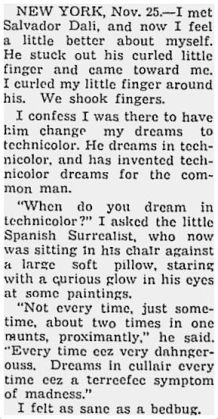
Dali loved dreaming in technicolor and mentioned it several times throughout his career. This little tidbit from Earl Wilson’s column in 1944 is amusing (if weighted down by Wilson’s unfortunate lapses into dialect).

dali_earl-wilson_112644New York Post, Nov. 26, 1944

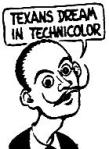
To dream in technicolor every time “is very dangerous. Dreams in color every time is a terrific symptom of madness.” …I’m not sure what that says about Texas and/or Texans.

dali-caricature_technicolor

***

Sources & Notes

Top photo (dated Feb. 15, 1952) shows Salvador Dali standing in a slanted doorway at Union Station in Dallas (it seems likely that the photo was taken on Feb. 14th when he arrived in Dallas from Fort Worth, and was then published on Feb. 15th); it is from the Hayes Collection, Dallas History & Archives Division, Dallas Public Library (Call Number PA76-1/7171).

(Regarding this crooked door frame at Union Station: when Dali saw it he exclaimed, “A Dali-an door!”) (He would have loved Casa Magnetica at Six Flags.)

Articles about Dali’s visit to Dallas can be found in the archives of The Dallas Morning News:

  • “Key to New Art Revealed by Dali” (It’s Mysticism)” — an unbylined review, probably written by Paul Crume (DMN, Feb. 17, 1952)
  • “Texas Tints Dreams of Artist Dali” — interview by Paul Crume, conducted in the Baker Hotel (DMN, Feb. 17, 1952)
  • “Big D” column by Paul Crume (DMN, Feb. 19, 1952)

An entertaining 1965 appearance by Dali on Merv Griffin’s talk show can be seen here. He talks about dreaming in “glorious technicolor” at about 4:55. And, I mean… it’s just a great example of Dali as entertainer.

*

Copyright © 2015 Paula Bosse. All Rights Reserved.


Santa Fe Railroad Ads: “Main Line to Progress” — 1955

ad-magnolia-petroleum-welcoming-new-santa-fe-line_dmn_120455-det_smMagnolia Petroleum Co. ad (detail), 1955

by Paula Bosse

In the previous post, “White Rock Station,” I wrote about the opening of a new passenger depot that had been built to serve suburban travelers along the new stretch of Santa Fe track laid between Dallas and Denton in 1955, opening up direct through-travel to Chicago. This was big news, and as was the charming custom back then, when a new business endeavor opened or expanded, other businesses (often direct competitors) placed ads in the local papers to welcome them and wish them well.

Here are a few of the ads that appeared in December, 1955 to promote/congratulate the new line. I’ve chosen these details of ads because they feature illustrations of the city’s skyline — I always love to see the Dallas skyline in ads, but I particularly like the style of commercial art from this period.

At the top is a detail from an ad placed by the Magnolia Petroleum Company, with the tag-line “Main Line to Progress.”

Next, a cool detail from a Hutchings-Sealy National Bank of Galveston advertisement.

ad-hutchings-sealy_santa-fe_dmn_120455-det

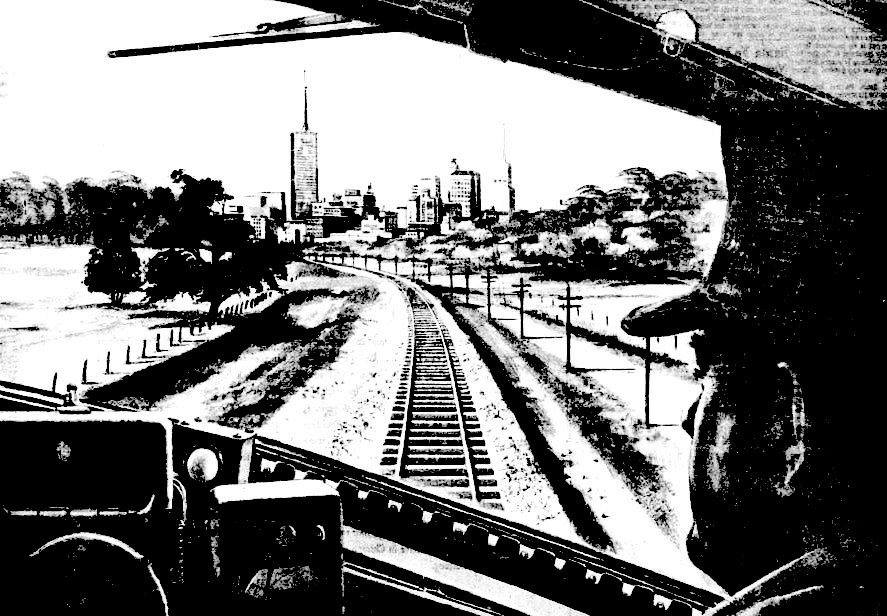
And, lastly, a detail from a large double-page Santa Fe Railroad ad.

ad-santa-fe_dmn_120455_det-skyline

***

Sources & Notes

The previous Flashback Dallas post on this new Santa Fe line and its two new depots in Dallas and Denton can be found here.

*

Copyright © 2015 Paula Bosse. All Rights Reserved.