Flashback : Dallas

A Miscellany: History, Ads, Pop Culture

Category: Holidays/Celebrations

Halloween Party? Don’t Forget the Dr Pepper! — 1947

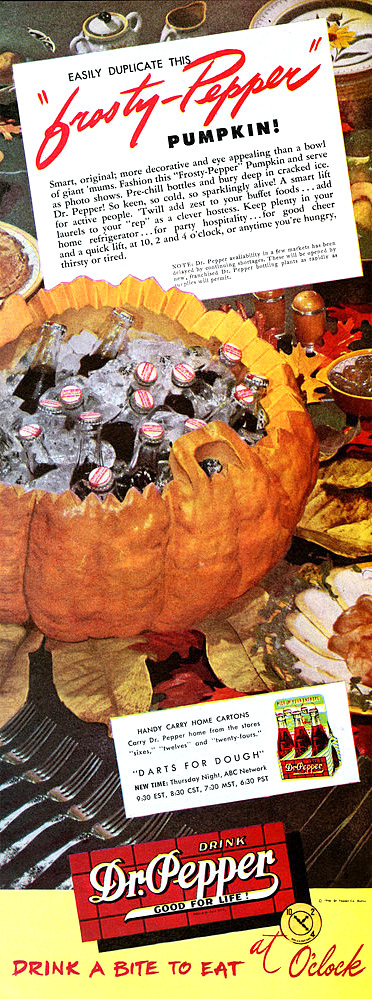
dr-pepper_halloween_1947_flickr“‘Twill add zest to your buffet foods…”

by Paula Bosse

(While searching for a Halloween advertisement, I unexpectedly came across reports of a federal grand jury case brought against Dallas-based Dr Pepper for violating strict wartime sugar-rationing. Scroll down to read about the legal case.)

Happy Halloween! Might I propose an eye-catching party suggestion? The “Frosty-Pepper Pumpkin”! Hollow out a pumpkin, fill it with cracked ice, and load it up with bottles of Dr Pepper. Voilà!

The text of the ad, from the fall of 1947:

EASILY DUPLICATE THIS “frosty-Pepper” PUMPKIN!

Smart, original; more decorative and eye appealing than a bowl of giant ‘mums. Fashion this “Frosty-Pepper” Pumpkin and serve as photo shows. Pre-chill bottles and bury deep in cracked ice. Dr. Pepper! So keen, so cold, so sparklingly alive! A smart lift for active people. ‘Twill add zest to your buffet foods … add laurels to your “rep” as a clever hostess. Keep plenty in your home refrigerator … for party hospitality … for good cheer and a quick lift, at 10, 2 and 4 o’clock, or anytime you’re hungry, thirsty or tired. 

NOTE: Dr Pepper availability in a few markets has been delayed by continuing shortages. These will be opened by new, franchised Dr. Pepper bottling plants as rapidly as supplies will permit.

HANDY CARRY HOME CARTONS
Carry Dr Pepper home from the stores 
“sixes,” “twelves” and “twenty-fours.”
 
“DARTS FOR DOUGH”
NEW TIME: Thursday Night, ABC Network
9:30 EST, 8:30 CST, 7:30 MST, 6:30 PST

Drink Dr. Pepper
GOOD FOR LIFE!

DRINK A BITE TO EAT at 10, 2 and 4 o’clock

***

Sources & Notes

Ad found on Flickr, here.

“Darts for Dough”? I had to look that up. It was a radio game show involving quizzes and dart-throwing, created by Orval Anderson and Bert Mitchell at WFAA radio. It debuted in the summer of 1943 as a strictly local program, but it’s popularity was such that it moved to Hollywood in August, 1944 and — still run by the WFAA creators — it began to be broadcast “coast to coast” for several years, moving to television by 1950. It was originally developed in Dallas as a sponsorship vehicle for Dallas-based Dr Pepper and was frequently advertised as “Darts for Dough — The Dr Pepper Show.”

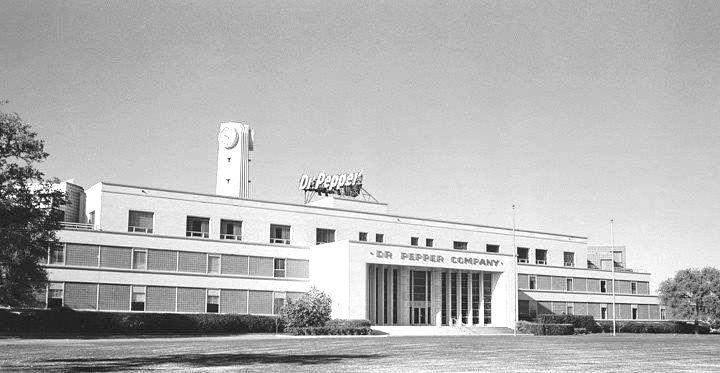
1947 was a big year for Dr Pepper — that was the year their beautiful (and sorely missed) plant opened at Mockingbird and Greenville.

dr-pepper-plant_pinterest

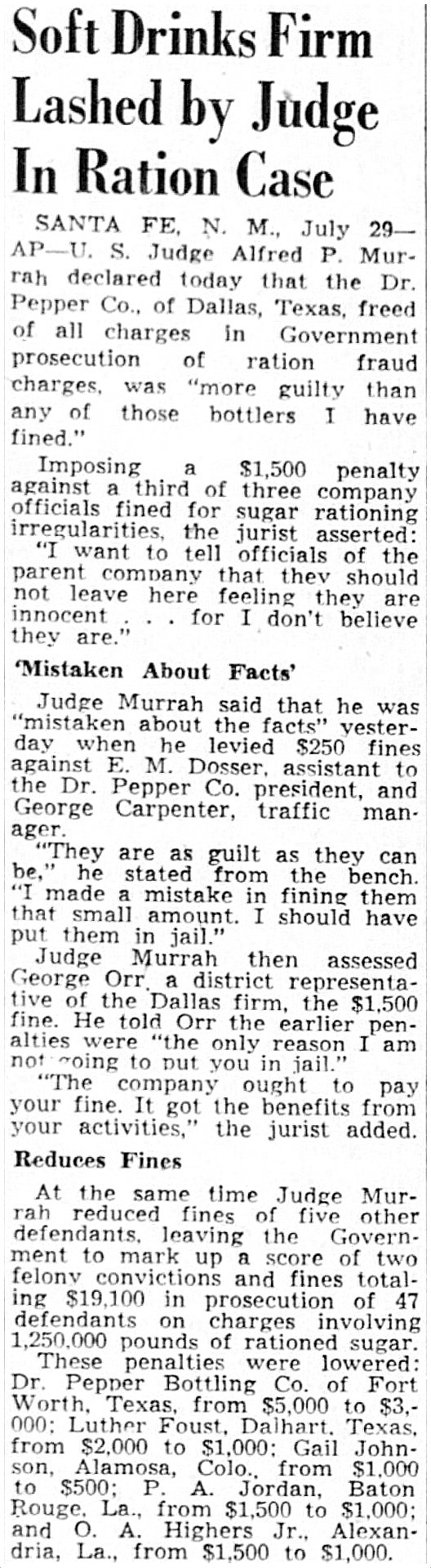
1947 was also a noteworthy year for the company, because of a large federal grand jury indictment which charged several corporations and individuals — including Dr Pepper and some of its bottlers and employees — with sugar-rationing violations (these “irregularities” appear to have begun in the last months of World War II, when wartime food rationing was still serious business). Black-market sugar! A district representative of Dr Pepper was assessed a small fine, but charges of conspiring to violate sugar-rationing regulations which were brought against the DP parent-company were ultimately dismissed, a ruling which angered Federal Judge Alfred P. Murrah, who seems to have been extremely unhappy about the dismissals, as can be read in his blistering statement below.

dr-pepper_sugar-rationing-case_waco-news-tribune_073047
AP story, via Waco News-Tribune, July 30, 1947

Two of the individuals charged in the case — New Mexico residents — received prison sentences in what was described as “the largest black market sugar operation on record,” involving over a million pounds of sugar.

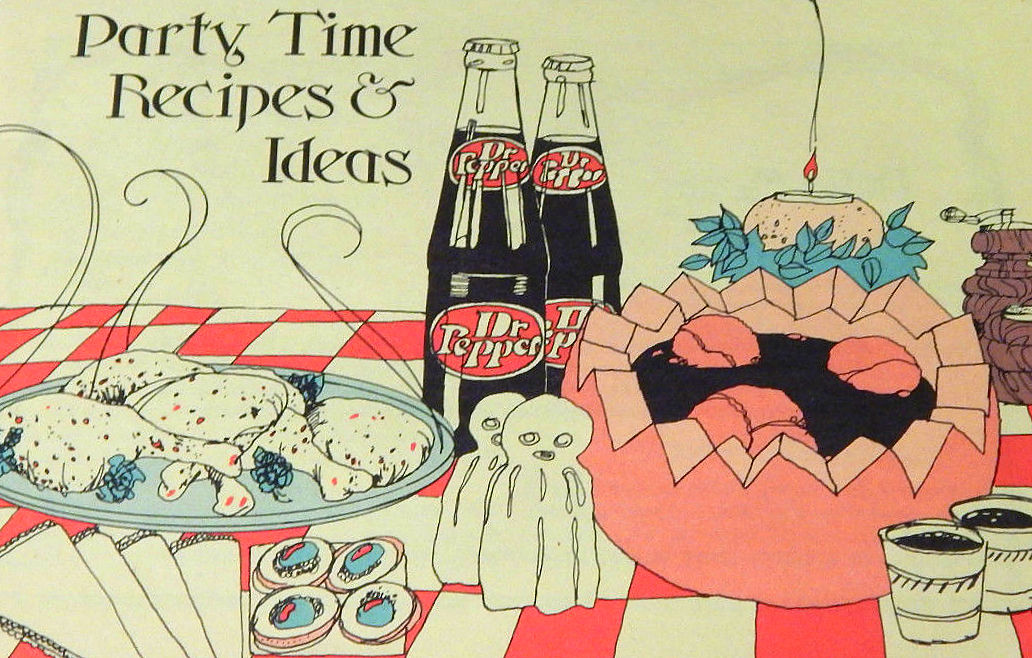
This “Happy Halloween!” post took a bit of an unexpected dark detour. Let’s cleanse our palate with something happier: another party idea with Dr Pepper and a hollowed-out pumpkin (found on eBay).

halloween_dr-pepper_booklet_ebay

More Halloween posts from Flashback Dallas can be found here.

*

Copyright © 2017 Paula Bosse. All Rights Reserved.


Happy Mother’s Day from Mrs. Baird’s Bread — 1949

mothers-day_mrs-bairds_freshie_dmn_050649

by Paula Bosse

Sure hope Mom can handle all that gluten!

Happy Mother’s Day!

***

Sources & Notes

Newspaper ad from 1949. The “Freshie” ad campaign — featuring a Mrs.-Baird’s-Bread-obsessed kid — ran in Texas newspapers from about 1945 to 1953. More of the ads can be seen in the post “The ‘Freshie’ Ads for *-@!!@!* Delicious Mrs. Baird’s Bread — 1945-1953,” here.

*

Copyright © 2017 Paula Bosse. All Rights Reserved.


Holiday Greetings!

xmas_neiman-marcus_ebay

by Paula Bosse

I want to wish everyone a Merry Christmas, a Happy Hanukkah, and Season’s Greetings! I hope this holiday season is a happy and safe one for us all.

***

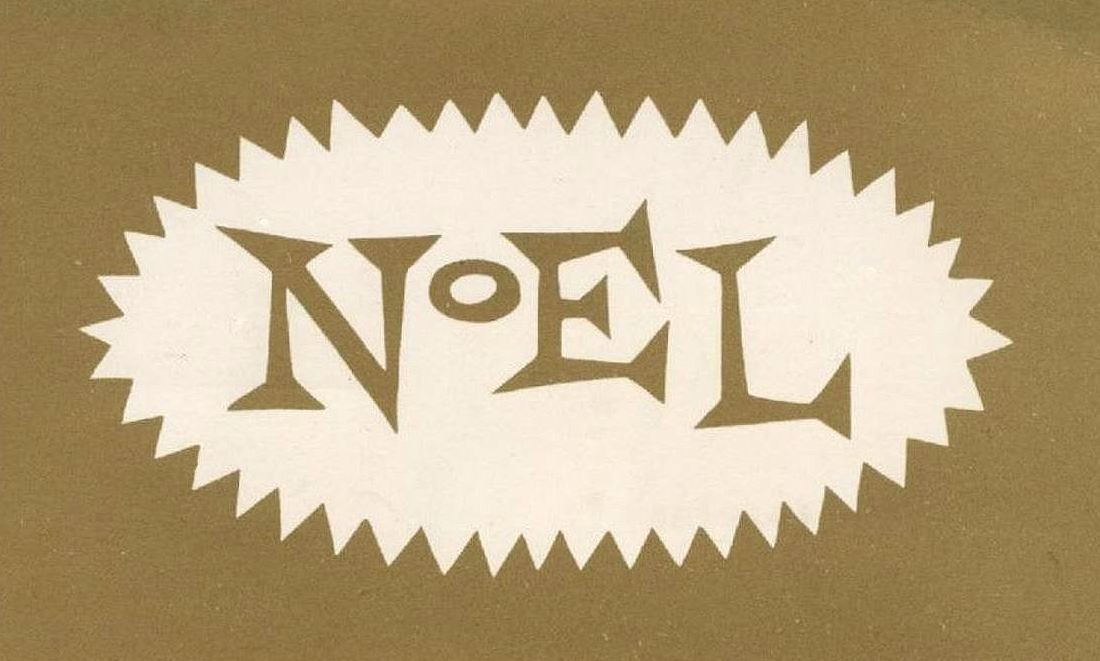
“Noel” card appears to have been a Neiman-Marcus Christmas card; the flap of the envelope is below. Both images are from eBay.

xmas_neiman-marcus_ebay-envelope

*

Copyright © 2016 Paula Bosse. All Rights Reserved.

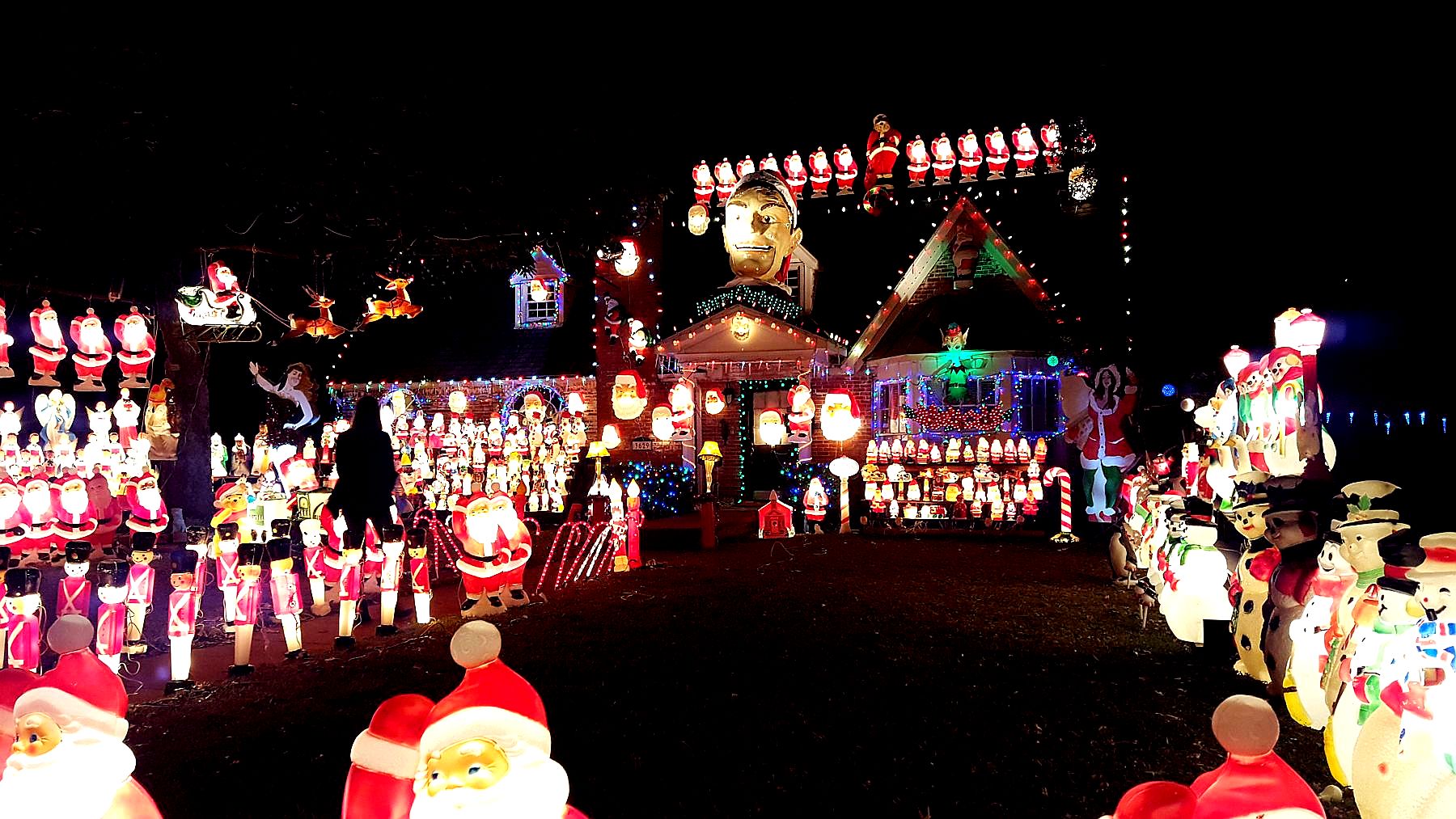
The Over-the-Top University Park Christmas Display Featuring Big Tex and a Six Flags Spee-lunker

xmas-wayne-smith_university-park_2015_big-tex_speelunkerBig Tex on the roof, a “Spee” to the right (click for larger image)

by Paula Bosse

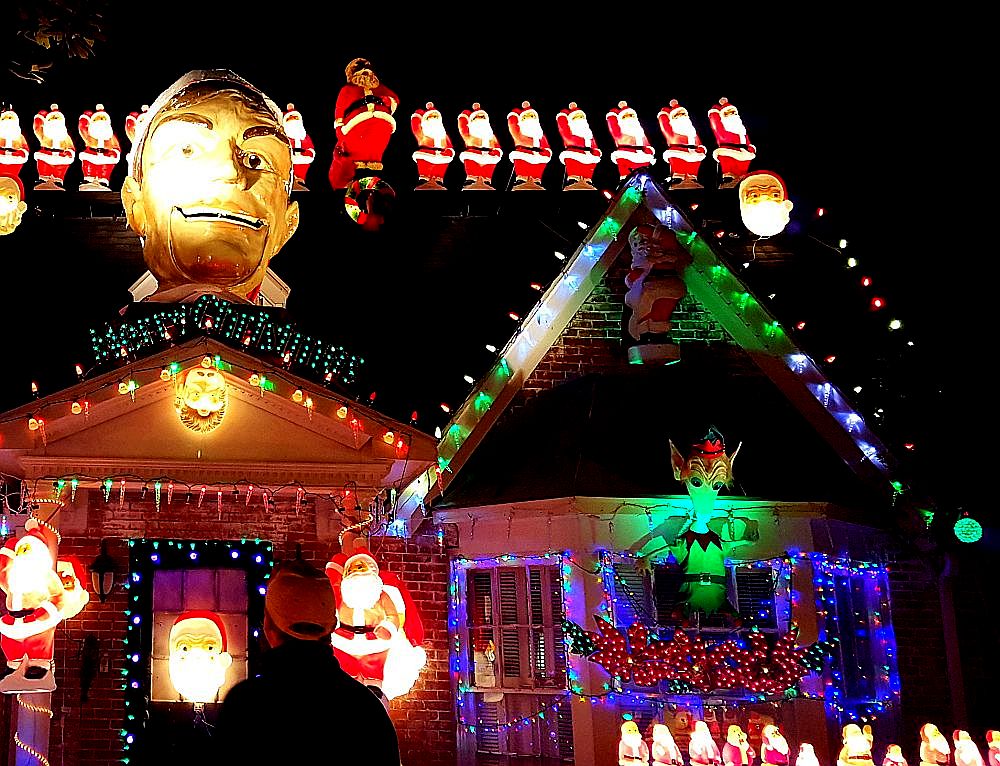
You may have heard about Wayne Smith’s annual spectacular Christmas display in the 3600 block of Southwestern in University Park — the one with a cast of thousands, including a previous head of Big Tex, what seems like hundreds of illuminated Santas, Dracula, Moe Howard, and a former denizen of Six Flags Over Texas’ “Cave”/Spee-lunker ride. Before I get back to the “Spees” (the name the creatures have been given by their surprisingly enthusiastic fan-following), here’s a wider shot of a photo I took during last year’s holiday season. (Click it!)

xmas_wayne-smith_university-park_2015_full

(And this gives you only an inkling of what’s actually there. I LOVED it! I waited until after Christmas — in fact, after New Year’s — to wander around — I can only imagine how backed up with looky-loos the street gets closer to Christmas.)

*

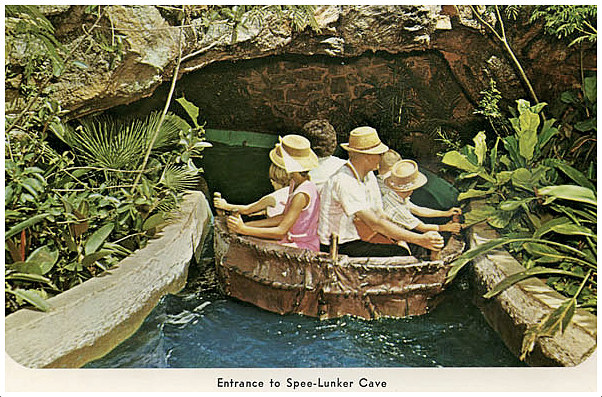
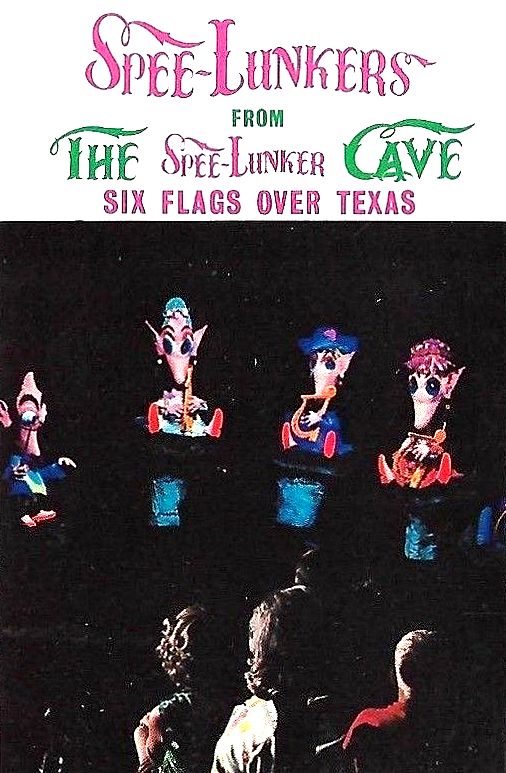
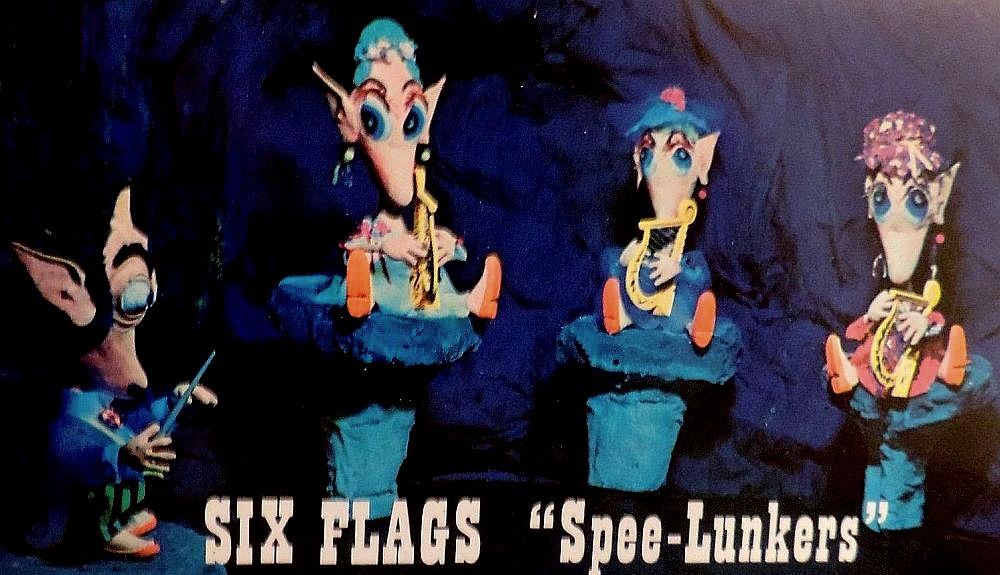
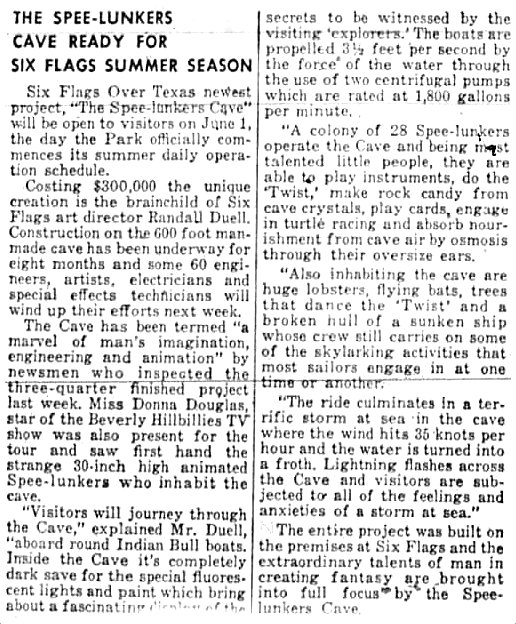
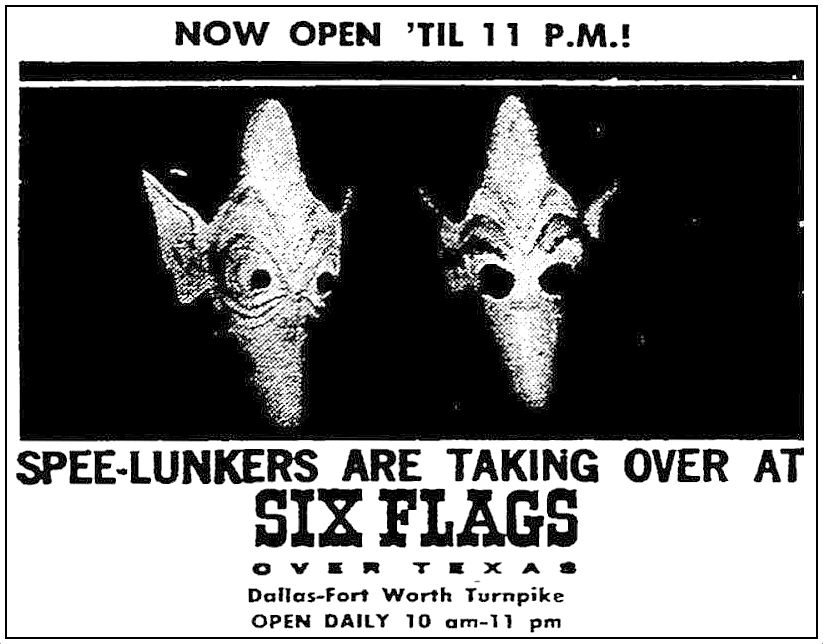
Back to the Spees. The Cave water ride debuted in 1964 and was an immediate hit. When it opened, there were 28 of these creatures who, according to the original marketing, “came from innerspace.”

They are 30 inches high and they play harps, do the Twist, play cards, hammer cave crystals into rock candy and engage in a shell game — turtle racing.

This ride was always one of my favorites (probably because it provided a brief, cool respite from the glaring sun and the blasting heat that plagued my annual summer visits to Six Flags).

The Spee-lunkers left Six Flags a long time ago, so it’s nice to see that one of them is still entertaining local crowds, right next to another beloved DFW icon, Big Tex … along with a phalanx of festive Santas!

spee-lunker-cave_postcar

six-flags_speelunkers_ebay

six-flags_speelunkers_postcard_ebay

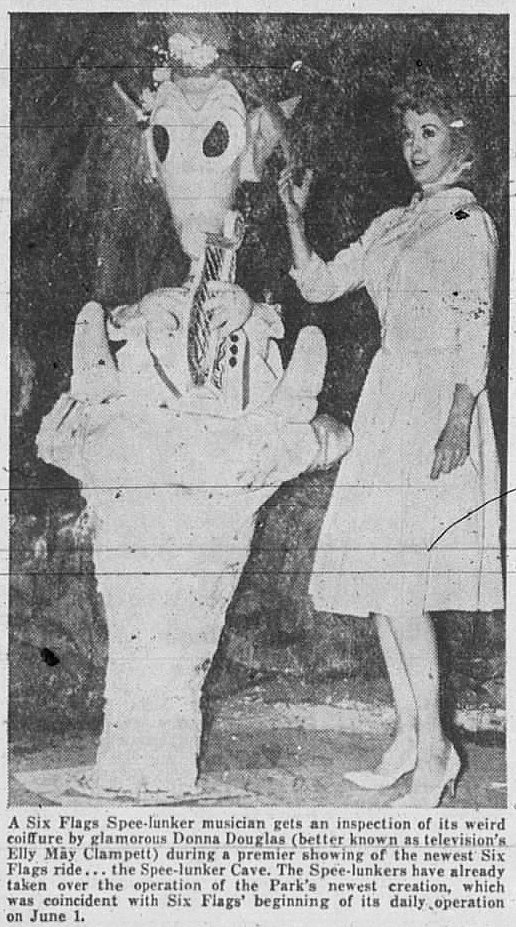
Lest you think the publicity mill wasn’t working all angles of this new attraction, we see below that one of the Spees got a visit from, of all people, TV-darling Donna Douglas who played Elly May Clampett on The Beverly Hillbillies.

cave_hood-county-news-tablet_060464

cave_hood-county-news-tablet_060464-text
photo and article, Hood County News Tablet, June 4, 1964

cave_fwst_082264
August, 1964

cave_grand-prairie-daily-news_052577
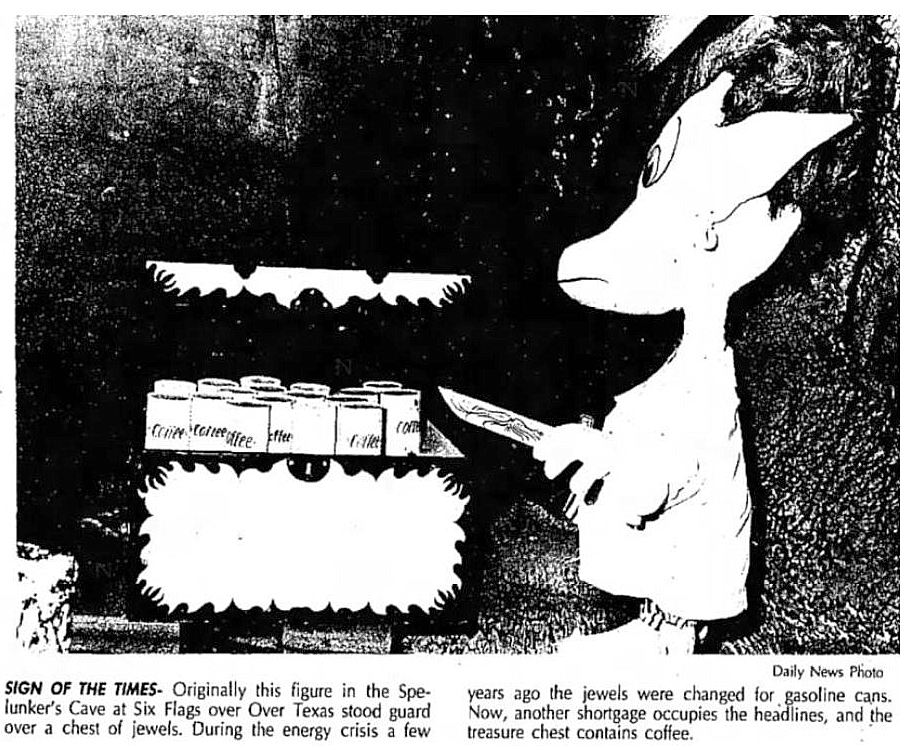
Grand Prairie Daily News, May 25, 1977

***

Sources & Notes

Photo of Wayne Smith’s Christmas display taken by me on January 2, 2016. The house is in the 3600 block of Southwestern, between Baltimore and Thackery. Since the display is probably visible from space, there’s no way you can miss it.

Postcards found on eBay and Google.

Every year TV crews descend on Smith’s house to do a story. Watch one from this year — from CW33 News — here.

For those who might like more info on the Spee-lunker attraction/ride (which, by the way, is classified as a “dark ride” in amusement park lingo) at Six Flags Over Texas, here’s a bunch of links:

  • Weird video and music (and history!) by a superfan, here
  • Article by the same guy who put the above video together, here
  • Spee-lunker vignettes described here
  • Google images aplenty, here

More on the new ride can be found in the Dallas Morning News archives in the article “$300,000 Hole: Six Flags To Open Cave Ride” (DMN, May 24, 1964) — accompanying the article is an amusing photo captioned “Gail Powers yelps in mock fear as lobster seizes her hand.”

A shout-out to Wendy Cook who, when I posted the top picture to the Flashback Dallas Instagram feed in January, pointed out to me that the Spee-lunker was even in there. She recognized him right away, but with so much visual overload, I hadn’t even noticed him! Thanks, Wendy!

See stuff bigger — when in doubt, click it!

*

Copyright © 2016 Paula Bosse. All Rights Reserved.


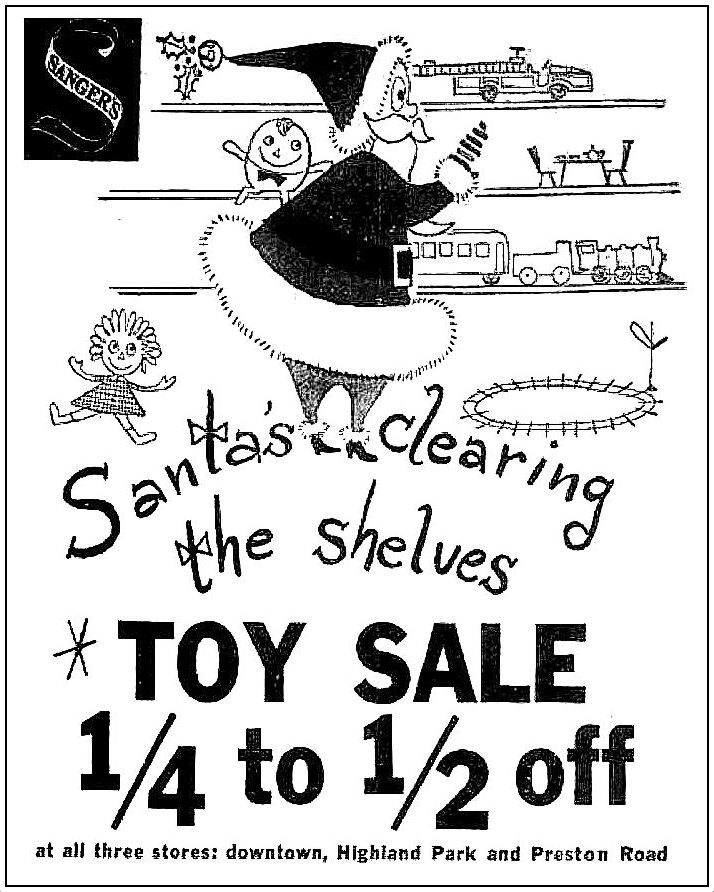
Christmas Toy Sale at Sanger’s! — 1955

xmas_sangers_dmn_122255aBargains ahead: Santa’s clearing the shelves…

by Paula Bosse

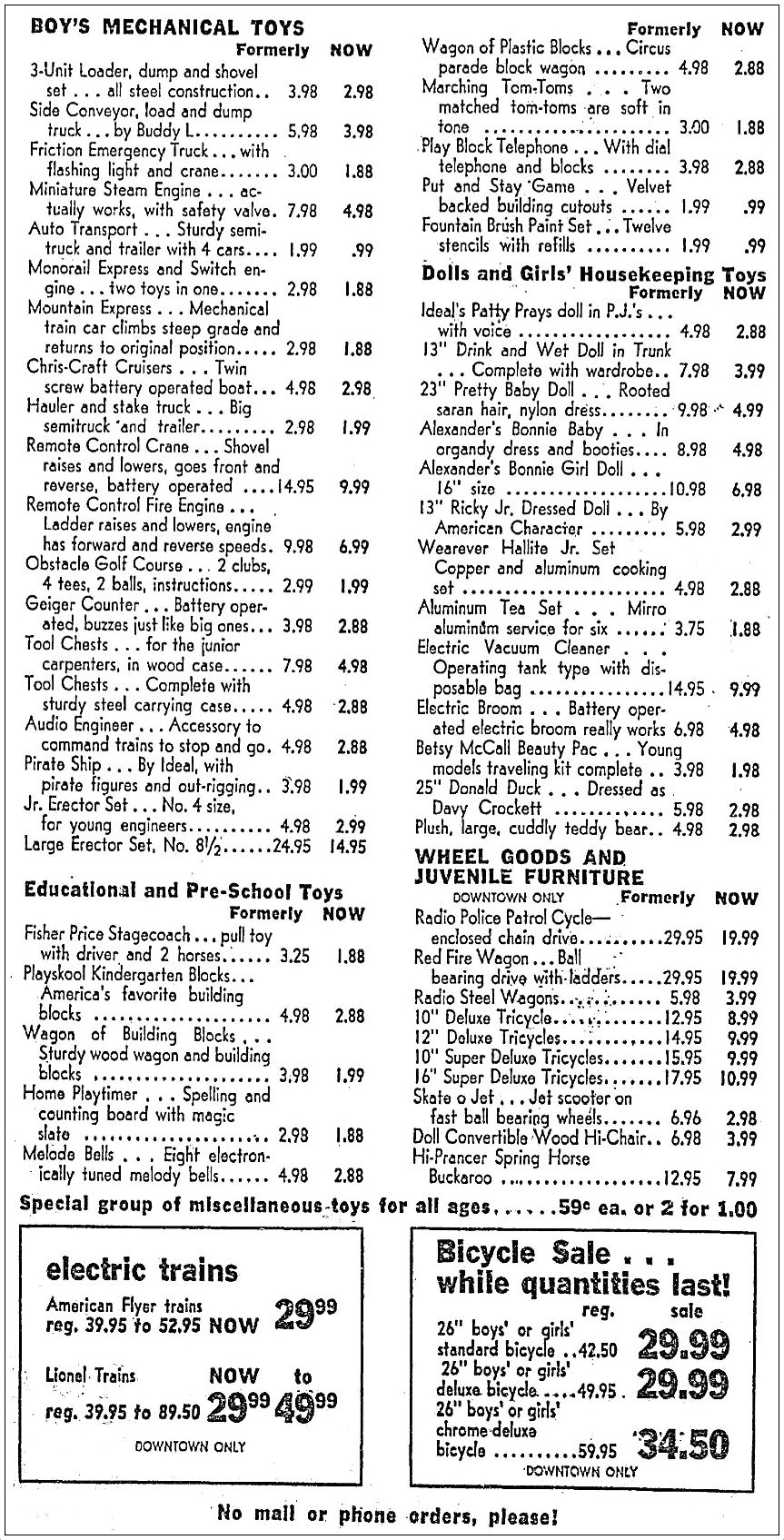
Look at all the toys that were on sale in the final days before Christmas — “at all three [Sanger’s] stores: downtown, Highland Park and Preston Road.” Need a “Ricky, Jr. doll”? A kiddie Geiger counter? A two-foot-tall Donald Duck toy dressed as Davy Crockett? Look no further — Sanger’s has it. (Click ad to see a larger image and take a walk down Childhood Toy Memory Lane.)

xmas_sangers_dmn_122255b

*

Copyright © 2016 Paula Bosse. All Rights Reserved.


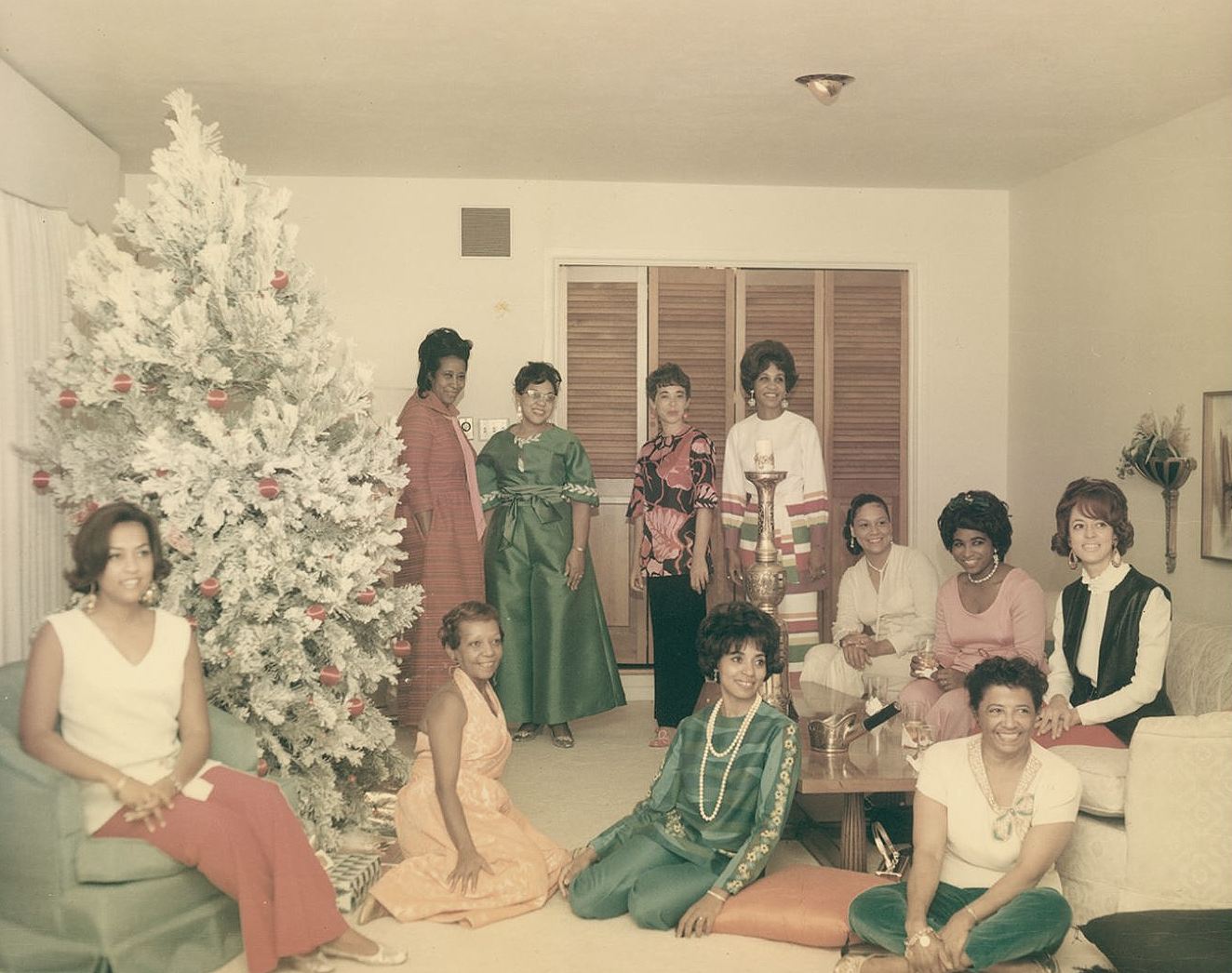
Merry Christmas from the Priscilla Art Club — 1968

xmas_priscilla-art-club_123168_uta“Say ‘fondue’!”

by Paula Bosse

These women look like they’ve stepped out of a catalog — perfectly dressed, perfectly coiffed, perfectly posed. They are members of the Priscilla Art Club, the oldest African-American women’s club in Dallas. The club was formed in 1911, and I think it may still be active — the most recent news I could find of the club was from 2012, when the “centennial legacy quilt,” made by members to celebrate the club’s 100th anniversary, was displayed at the African American Museum. Below, a little history of the club from the press release announcing the exhibit in February, 2012.

THE PRISCILLA ART CLUB CELEBRATES BLACK HISTORY MONTH

In honor of Black History Month, the Priscilla Art Club, the oldest African American women’s organization in Dallas County, will host a display of its centennial legacy quilt made by its members […] at the African American Museum of Life and Culture, Dallas Fair Park.

“The idea of a custom designed legacy quilt started out as a novel idea from our Systems Committee in recognition of our 100th anniversary. The twenty-two club members quickly became engaged in seeing it to fruition and we are happy to honor the beauty, the inspiration and the legacy of our Club” said Shirley Porter Ware, Club President.

The Priscilla Art Club, organized in 1911 as a club for young matrons, was organized under the encouragement and direction of Mrs. Mattie Mansfield Chalmers. The organization’s purposes were to establish and maintain the aesthetic, promote congenial companionship and foster all social and community interests that pertain to the general uplift. The Club was named for Priscilla, a New Testament woman of extraordinary culture and the wife of Aquila, a Jewish tentmaker.

Since its auspicious beginning, the Club has invited into its membership many of Dallas’ most distinguished homemakers. These members have exhibited an interest or are talented in arts and crafts.

Besides being homemakers and mothers, the members have been and some still are principals, school administrators, teachers, business owners, social workers, church leaders and servant volunteers in the local community.

Throughout the century of service and sisterhood, recorded in The Priscilla’s prolific history include mention of service rendered in support of the World War I efforts by rolling bandages that were sent overseas to the field hospitals in France. For several years, the Priscillas decorated the shotgun house, located in Old City Park, in observance of the holiday season. In more recent years, the members have decorated t-shirts and jackets made from sweat shirts to give to men and women in local assisted living facilities. Club members have made crocheted skull caps in a variety of vivid colors and patterns and donated to cancer patients actively engaged in treatment regimens.

Regardless of change, the Priscilla Art Club’s concern for its artistic endeavors and for civic and social uplift will continue with deepening interest and commitment as the tradition of the founders’ legacy is carried forward.

I hope the club is still around. This year marks its 105th anniversary.

***

Sources & Notes

Photo was taken on December 31, 1968; from the Culmer Family Papers, UTA Libraries, Special Collections, accessible here.

The 2012 press release was posted on the Facebook page of the Dallas Fort Worth Association of Black Journalists, here.

More on the history of the club can be found in the Dallas Morning News article “Reception to Honor Art Club’s 65th Year” by Julia Scott Reed (DMN, April 2, 1976).

The most in-depth history of the club that I could find online can be found in the guide to the Culmer Family Papers at UTA, here (scroll down to the paragraph that begins “The Priscilla Art Club was one of the most prestigious, if not elitist clubs for African American women in Dallas….

*

Copyright © 2016 Paula Bosse. All Rights Reserved.

Thanksgiving, 1891: The First Turkey-Day Football Game in Dallas

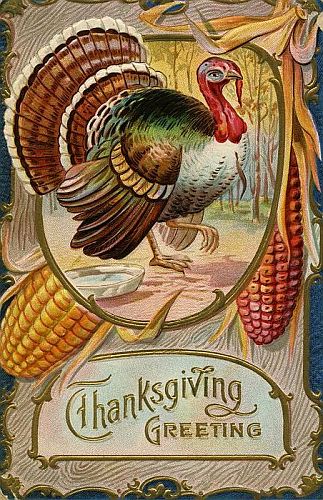
thanksgiving-card_pinterest_sm

by Paula Bosse

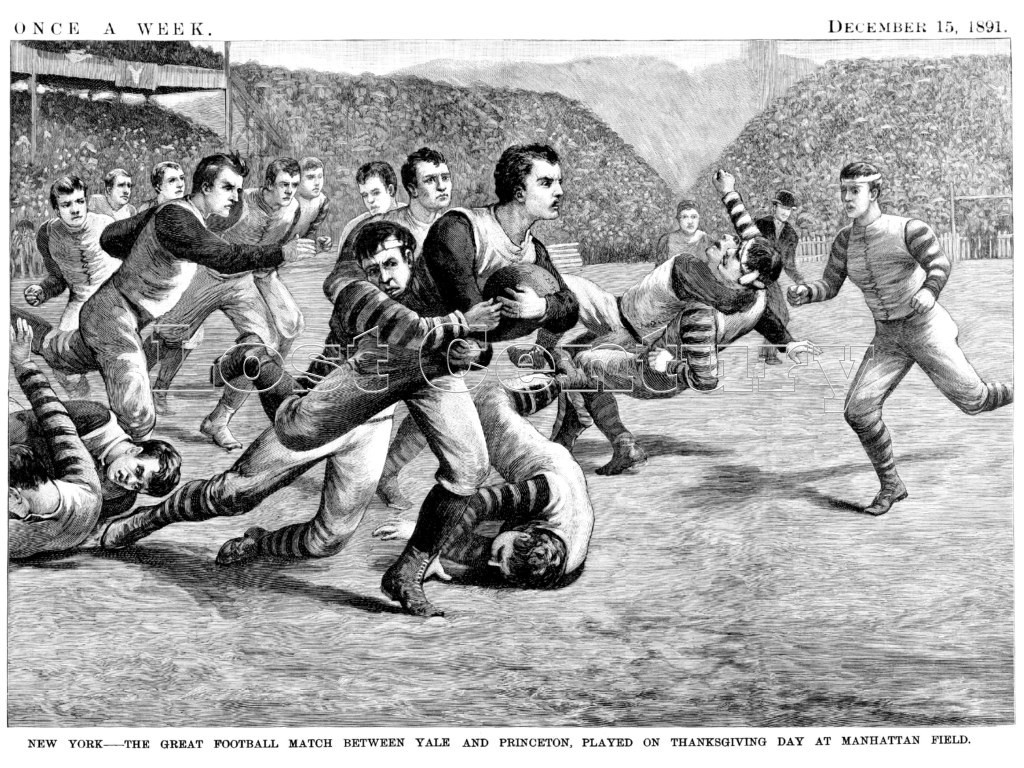
Thanksgiving is a holiday known for eating until you’re full as a tick and football — the highlight for many is the traditional Dallas Cowboys game. But when was the very first Thanksgiving Day football game played in Dallas? 125 years ago — in 1891. It was played on November 26, 1891 in Oak Cliff (…which wasn’t strictly part of Dallas at the time, but… yeah, 1891). The game was between teams from Dallas and Fort Worth, teams which had been organized only a few months previously. The sport of “rugby football” had been gaining popularity around the United States, particularly as a college sport. One of the biggest games of the young sport was the university game played on Thanksgiving Day. In 1891, the Yale-Princeton Thanksgiving game was played in New York before thousands and thousands of spectators. Yale won that year, 19-0 (see the exciting illustration below in which helmets for players are non-existent, but a man who appears to be the referee is wearing a stylish bowler hat). (Click for larger image.)

thanksgiving__football_yale-princeton_1891_lost-century

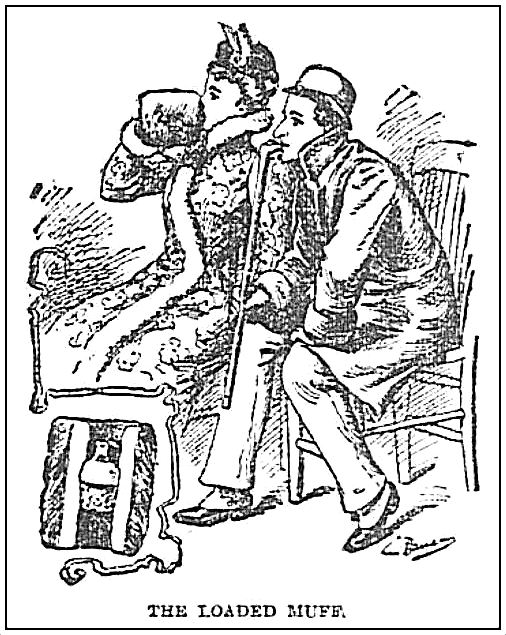
This Ivy League game was almost more of a society event than a sporting event. To get a feel for the atmosphere of these university games, read this really great contemporary article — “The Man of Fashion, We Observe Thanksgiving Day with Great Eclat” by Albert Edward Tyrrell — on the fashions and behavior of these generally well-heeled crowds (it also contains an interesting look at how Thanksgiving was celebrated in 1891, by the swells as well as the non-swells). My favorite piece of minutiae was that young ladies were not above sneaking flasks of liquor into games, hidden in their fashionable hand-warmers. I give you “the loaded muff”:

football_thanksgiving_loaded-muff_dmn112291

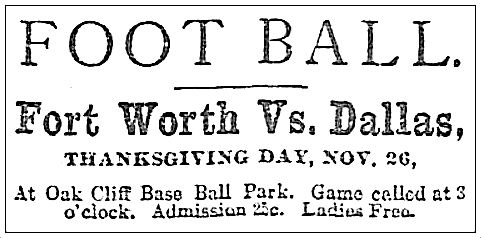
But I digress. However much those early Texas football enthusiasts might have hoped for similar large, flask-sipping crowds, the first Thanksgiving football game held in Dallas (and possibly in Texas) attracted a smaller crowd of hundreds rather than thousands (including “about 100 ladies”). Though the crowd was miniscule compared to the one up in New York that day, it did not lack in boisterousness and excited appreciation.

thanksgiving_football_dmn_112591_ad
Dallas Morning News, Nov. 25, 1891

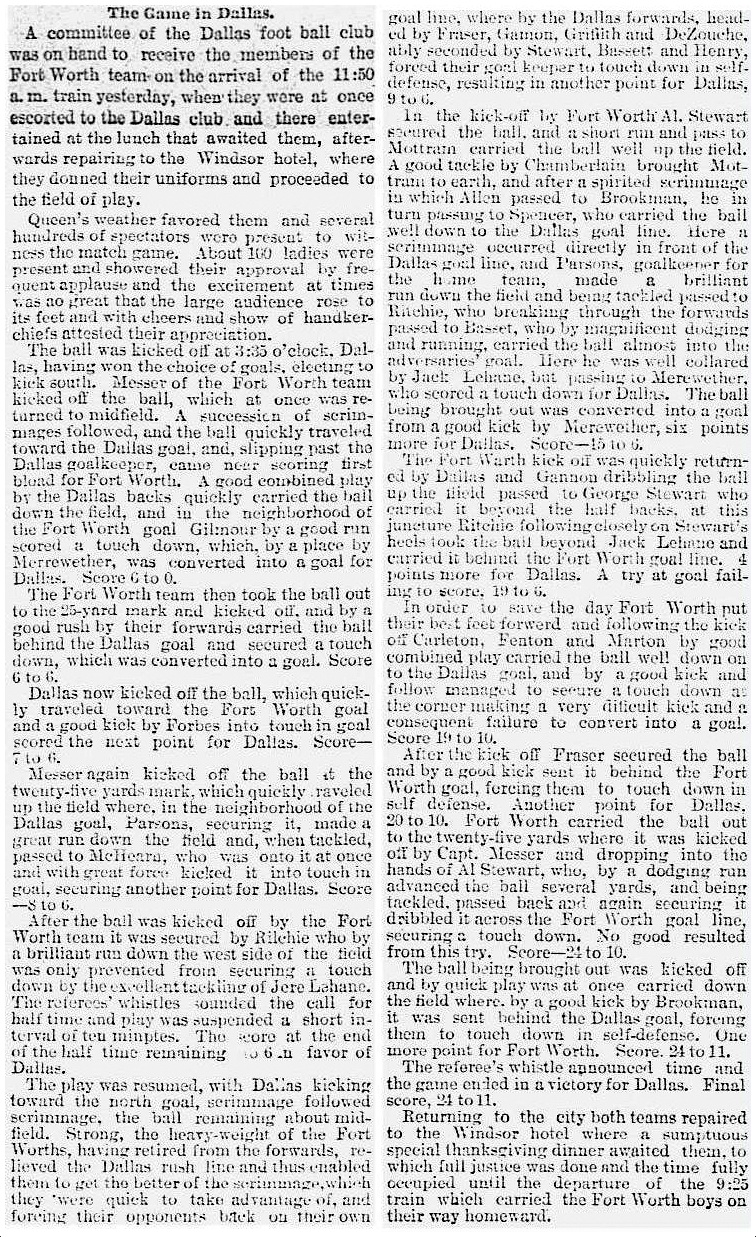
Dallas and Fort Worth had met twice before their matchup in Oak Cliff — both times with Dallas emerging victorious, and … not to be too anti-climactic, but the big inaugural Thanksgiving Day game on November 26, 1891 resulted in another Dallas win (24-11). (This shouldn’t be too surprising, seeing as the overwhelming majority of the players on the Dallas team of 15 grew up playing rugby in rugby-playing countries: 7 were British and 5 were Canadian —  only 3 were native-born Americans. Still. Whatever it takes.) (The dullish play-by-play of the game can be read  below.)

So what else was going on in Dallas in the Thanksgiving season of 1891? Here are a few morsels.

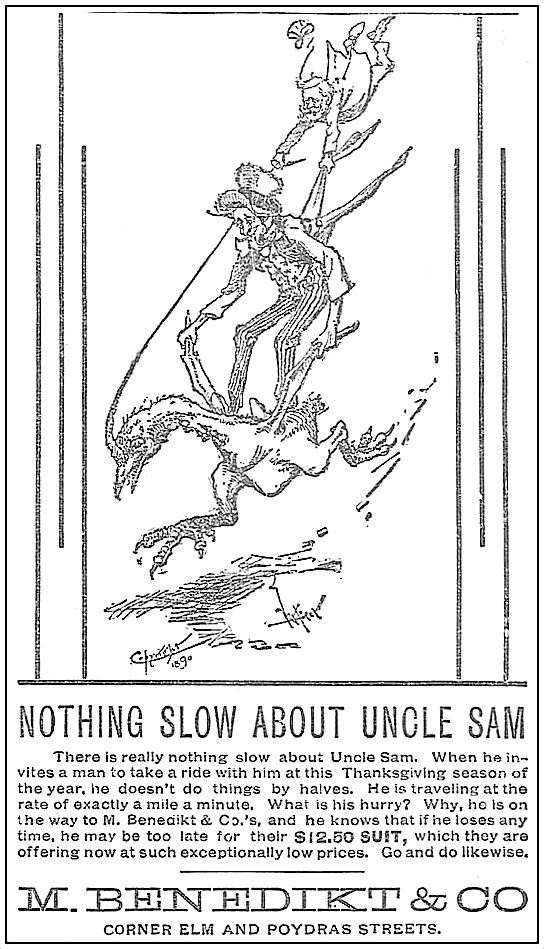
Men might have contemplated getting a new $12.50 suit from M. Benedikt & Co. (a suit which would cost about $335.00 today) — especially after seeing this eye-catching Uncle-Sam-riding-a-(scrawny)-turkey ad. (Click pictures to see larger images.)

ad-thanksgiving_benedikt_dmn_112191
DMN, Nov. 21, 1891

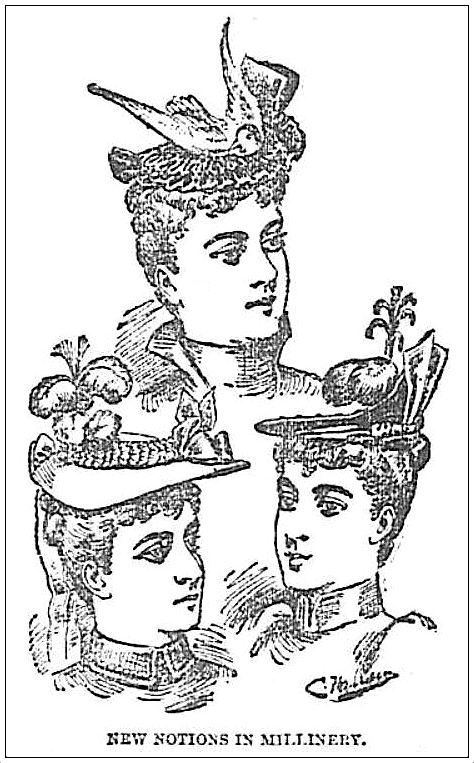
Ladies were kept up-to-date on the millinery, dress, and hairstyle fashions of the season by reading newspaper articles such as “What Is Really Worn, The Fashions That Find Favor at Thanksgiving” (which can be read here).

thanksgiving_milinery_dmn_112291
DMN, Nov. 22, 1891

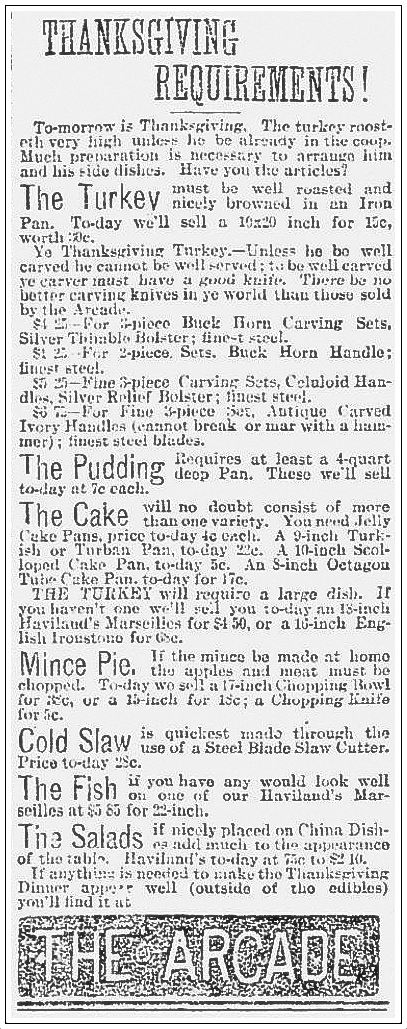
And stores that sold cookware, bakeware, and china took out ads to inform Dallasites that they really needed some new items in order to properly prepare for the big day — one’s guests shouldn’t be forced to be served a feast from tacky serving dishes or eat from chipped plates.

ad-thanksgiving_dmn_112591
DMN, Nov. 25, 1891

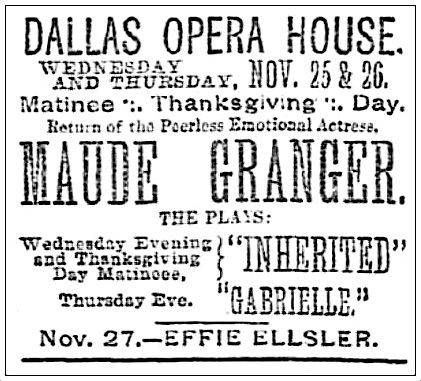
If one wasn’t spending Thanksgiving Day attending one of the city’s many church services, feeding the children at the Buckner Orphans Home, feeding one’s guests and one’s family, visiting friends, or trekking over to Oak Cliff to see that football game, he or she might have considered attending a matinee at the Dallas Opera House — Maude Granger (“The Peerless Emotional Actress”) was back in town and raring to emote.

thanksgiving_theater_dmn_112491
DMN, Nov. 24, 1891

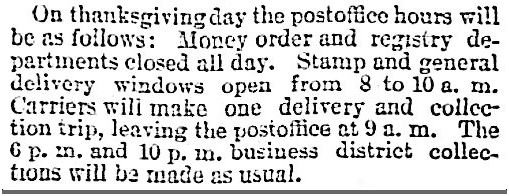
Almost everyone had the day off from work, but, oddly enough, most postal workers had to work at least part of the day. Neither rain nor sleet nor tender turkey breasts and cranberry sauce stayed those couriers from the swift completion of their appointed rounds, I guess.

thanksgiving_post-office_dmn_112591
DMN, Nov. 25, 1891

At least no one was dreading/eagerly anticipating Black Friday back in ’91.

**

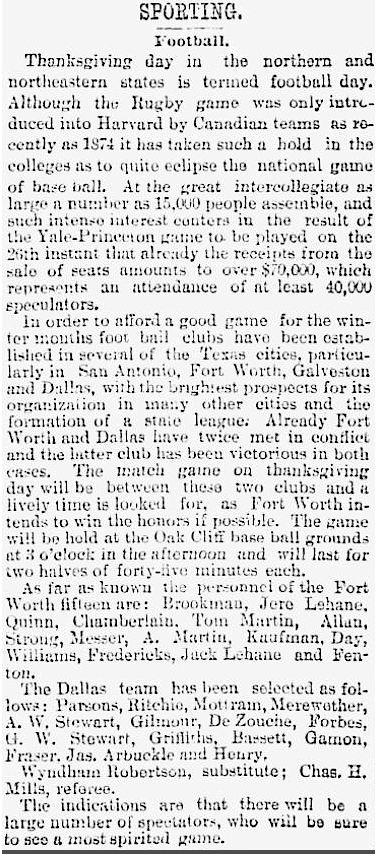
Back to football. First, a friendly D-FW practice run before the Big Game.

thanksgiving_football_dmn_111491
DMN, Nov. 14, 1891

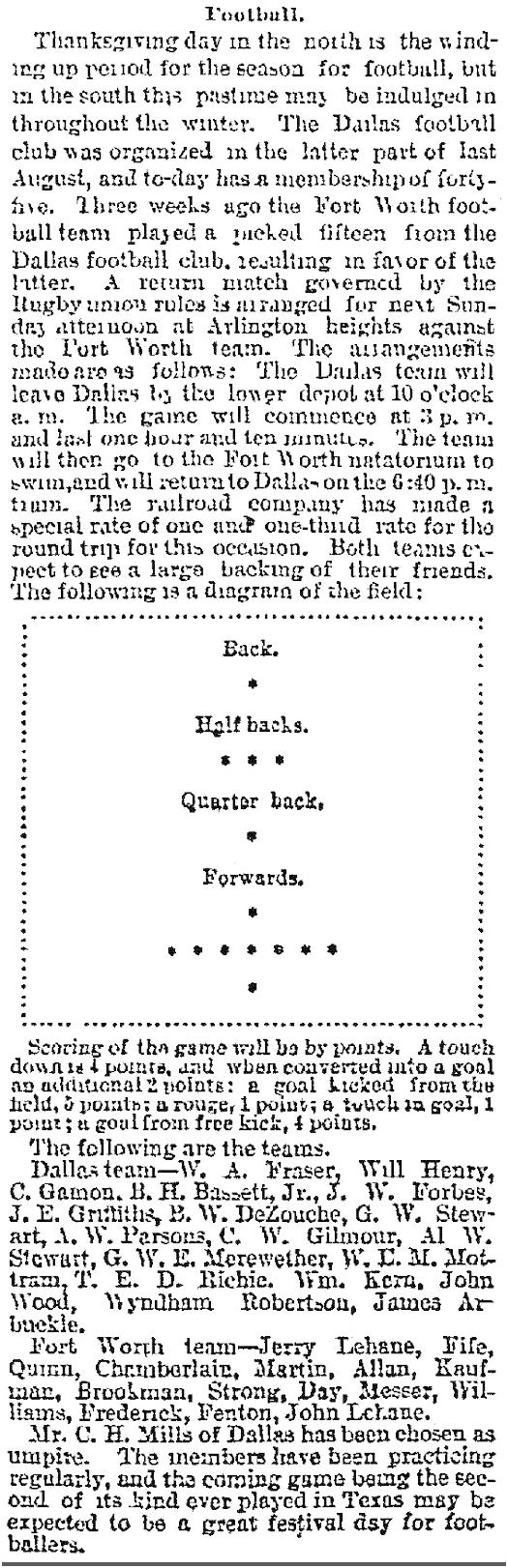
The pre-game article.

thanksgiving_football_dmn_112591
DMN, Nov. 25, 1891

The post-game article.

thanksgiving_football_dallas-fw_dmn_112791_highlights
DMN, Nov. 27, 1891

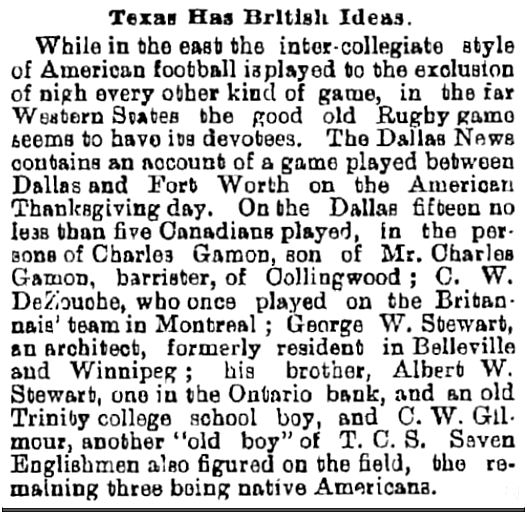
And an article from a proud Canadian newspaper, boasting of the number of Queen Victoria’s faithful subjects playing for the Dallas team.

thanksgiving__football_manitoba-free-press_121191
The Manitoba Free Press, Dec. 11, 1891

***

Sources & Notes

Thanksgiving card found on Pinterest.

Illustration of the 1891 Yale-Princeton game is from the Lost Century of Sports website, here. (I’m not really a sports fan, but if I were, this website of 19th-century sports might be one of my favorites!)

For more on how Thanksgiving finally came to be celebrated in Texas in 1874 (it took a long time for the Southern states to agree to celebrate what many thought was a “Yankee abolitionist holiday”), see my post “Encouraging Dallasites to Observe Thanksgiving — 1874,” here.

Happy Thanksgiving!

Most pictures and clippings larger when clicked.

*

Copyright © 2016 Paula Bosse. All Rights Reserved.

Children and Cadets: Junior Red Cross Parade — 1918

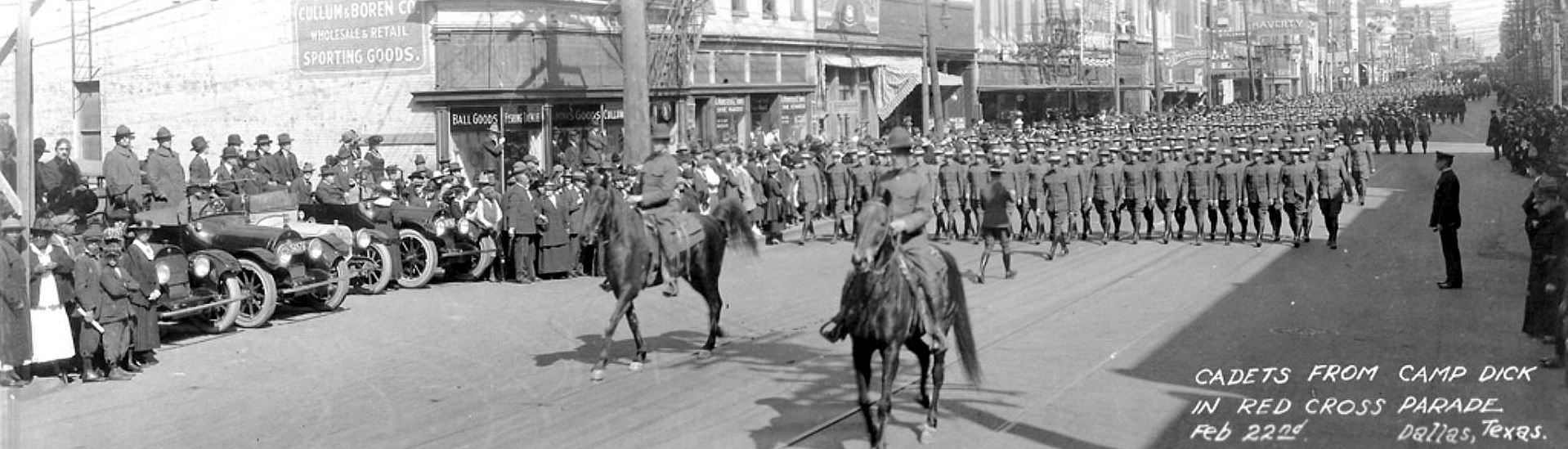
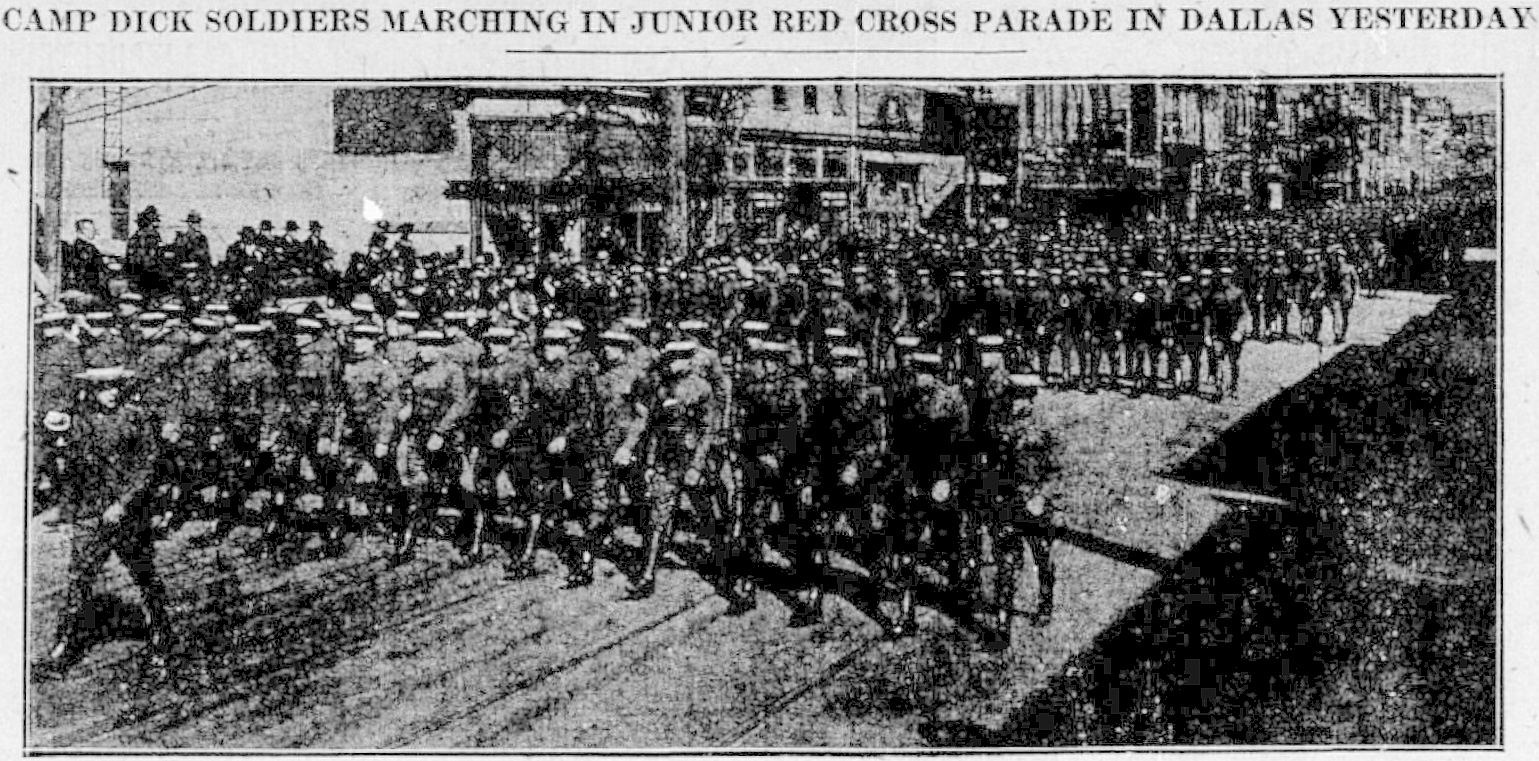
wwi_jr-red-cross-parade_022218_camp-dick-soldiers_waruntold-siteCadets from Camp Dick march down Elm… (click for larger image)

by Paula Bosse

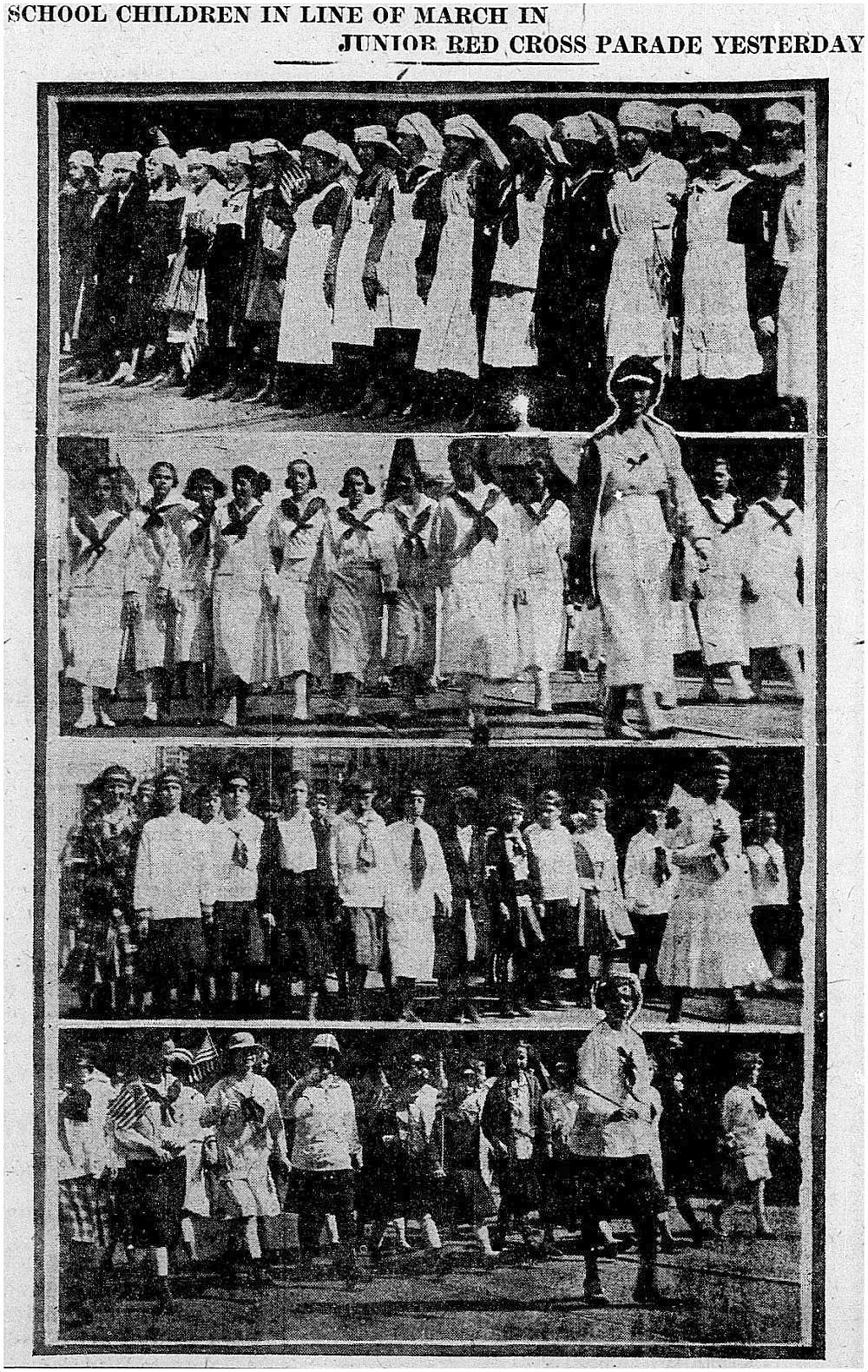
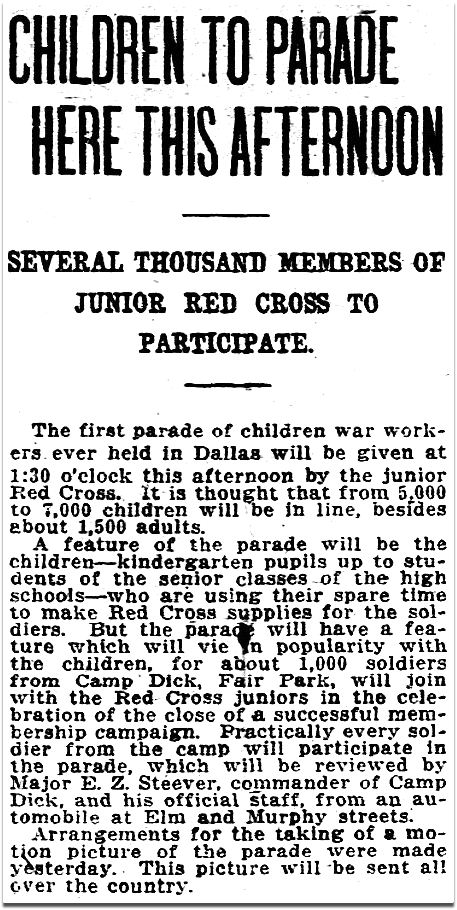
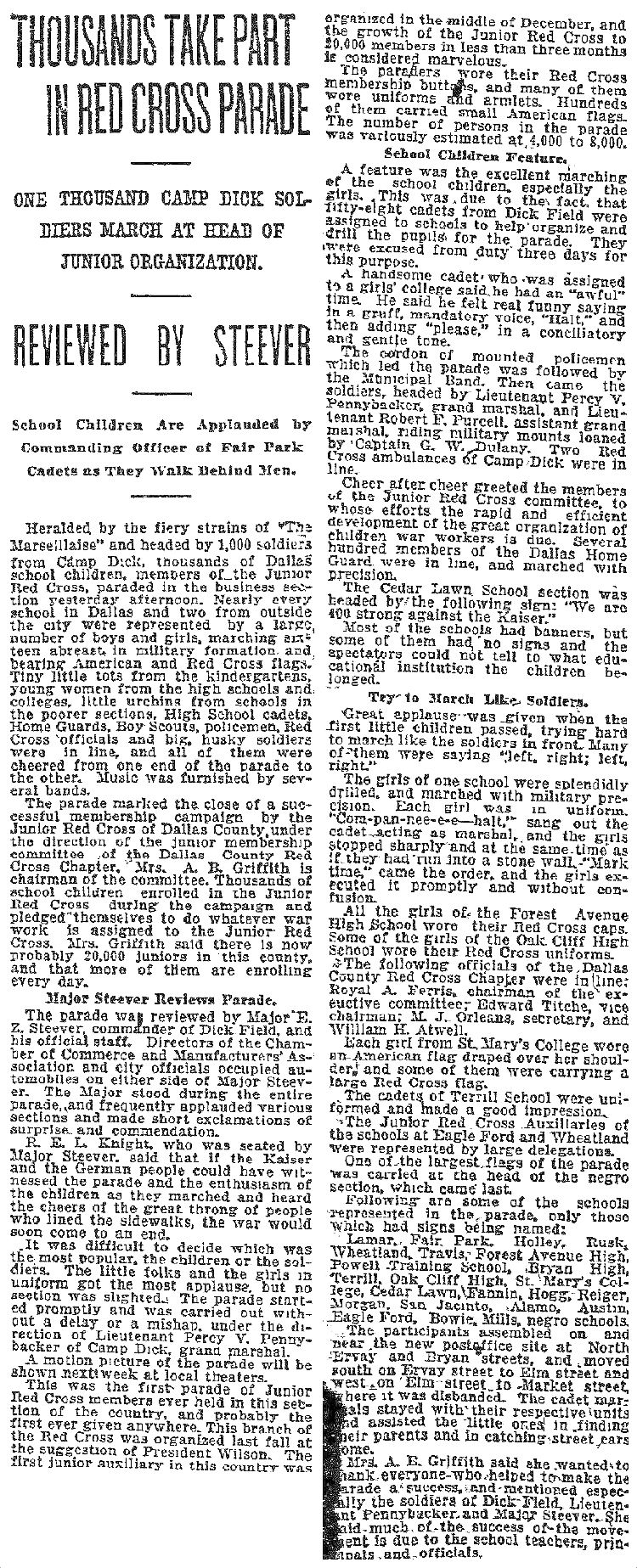
Today is Veteran’s Day, a national day of observance which originally began as Armistice Day in 1919 to mark the end of hostilities in World War I. I was thinking of posting something non-WWI-related, but I stumbled across this wonderful photo showing a WWI-era parade down Elm Street and couldn’t pass up the opportunity to share it. The parade was comprised almost entirely of children who had contributed to the war effort through the Junior Red Cross. The parade was described as “the first parade of children war workers ever held in Dallas.” The number of children (said to represent every school in Dallas) was estimated at up to 8,000 marchers, from kindergarteners to high school seniors.

The parade — which took place on February 22, 1918 — also featured 1,000 or so men based at Camp John Dick, the Air Service training camp at Fair Park. Seeing this parade must have been quite a novelty for Dallasites, as cadets had begun to arrive at Camp Dick only 16 days previously (airmen had been stationed at Love Field a little longer, but only by a couple of months).

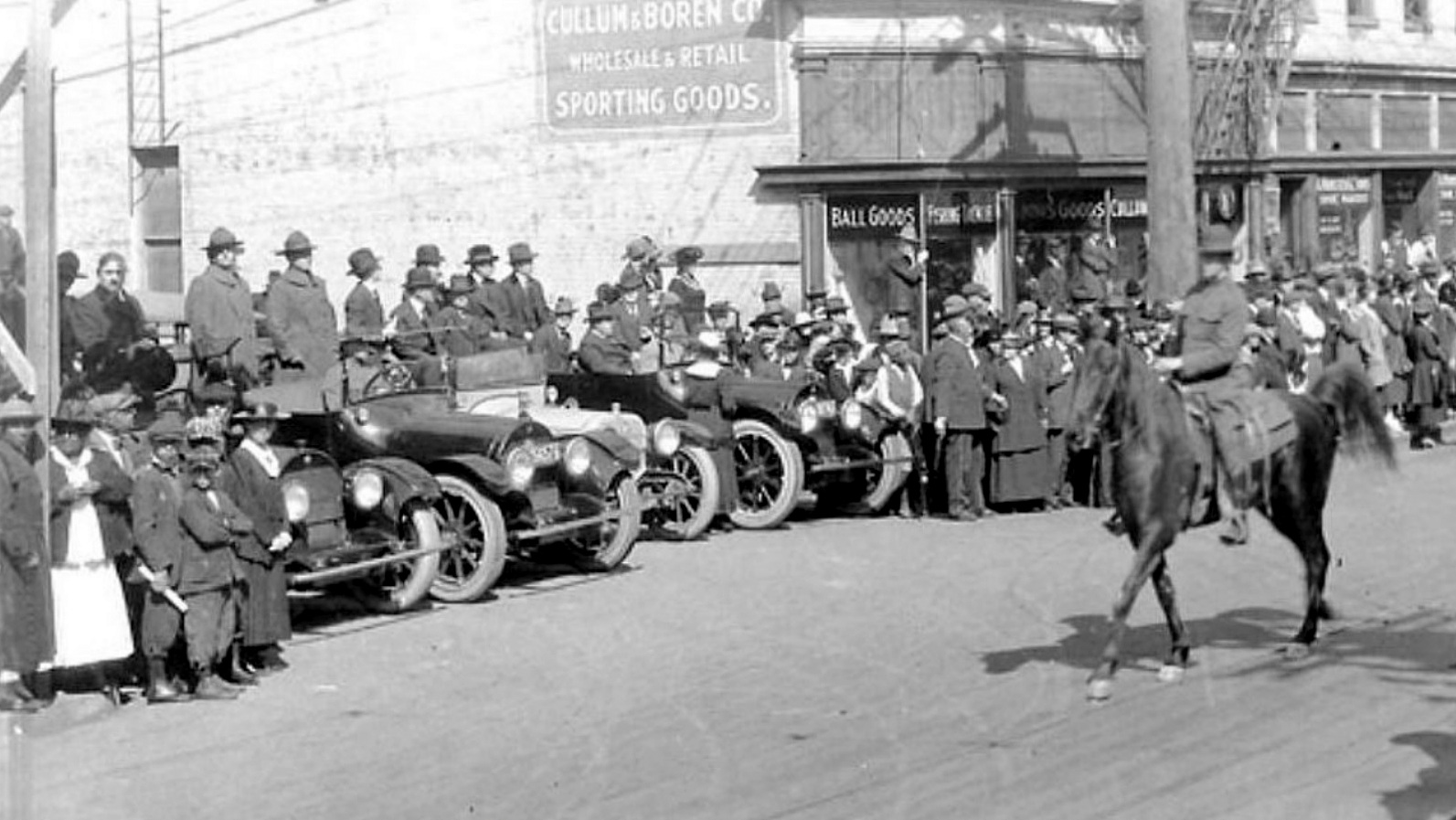
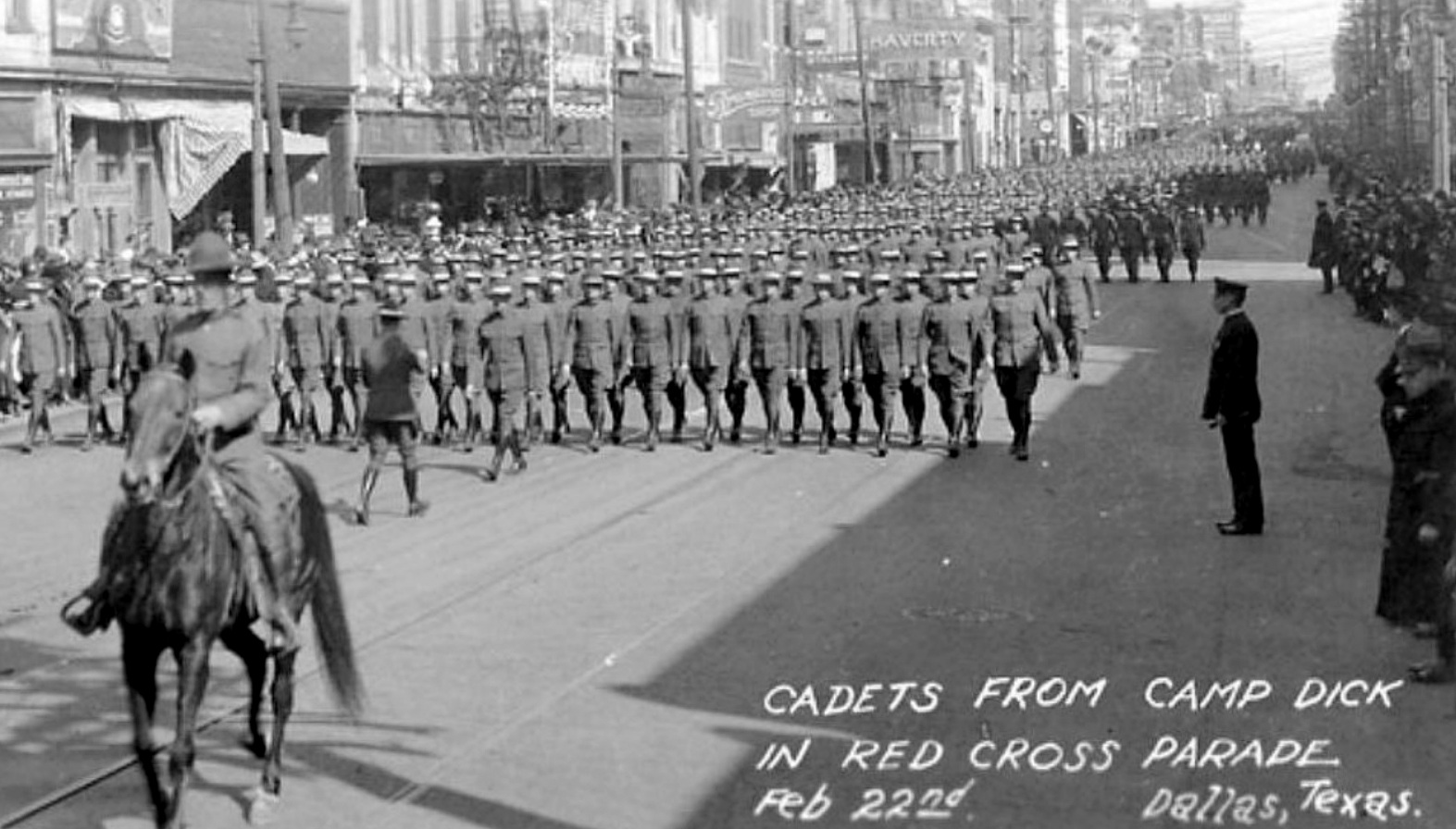
Below, I’ve taken the photo from the top and broken it into two halves and then magnified them. The parade was heading west on Elm Street and can be seen here passing Cullum & Boren (1509-1511 Elm), a downtown sporting goods mainstay just a few doors east of Akard. (See a similar view of Elm Street from later that year — in September — from a Dallas Times Herald photo, here.)

wwi_jr-red-cross-parade_022218_det1

wwi_jr-red-cross-parade_022218_det2

And the children.

wwi_jr-red-cross-parade_dmn_022318Dallas Morning News, Feb. 23, 1918

wwi_jr-red-cross-parade_dmn_022218
DMN, Feb. 22, 1918

wwi_jr-red-cross-parade_dmn_022218_camp-dick-soldiers

wwi_jr-red-cross-parade_dmn_022318
DMN, Feb. 23, 1918, photo and article

***

Sources & Notes

Top photo titled “Cadets From Camp Dick in Red Cross Parade, Feb. 22nd, Dallas, Texas” found on the site War Untold, The Collection of Andrew Pouncey, here (click “continue reading” at  bottom of post).

More on the Camp John Dick Aviation Concentration Camp from The Atlantic in the article “What America Looked Like: Bayonet Practice During WWI” (with a great photo), here.

Other Flashback Dallas WWI-related posts here:

Armistice Day Wikipedia page is here.

All pictures and clippings are larger when clicked.

*

Copyright © 2016 Paula Bosse. All Rights Reserved.


Voting Day

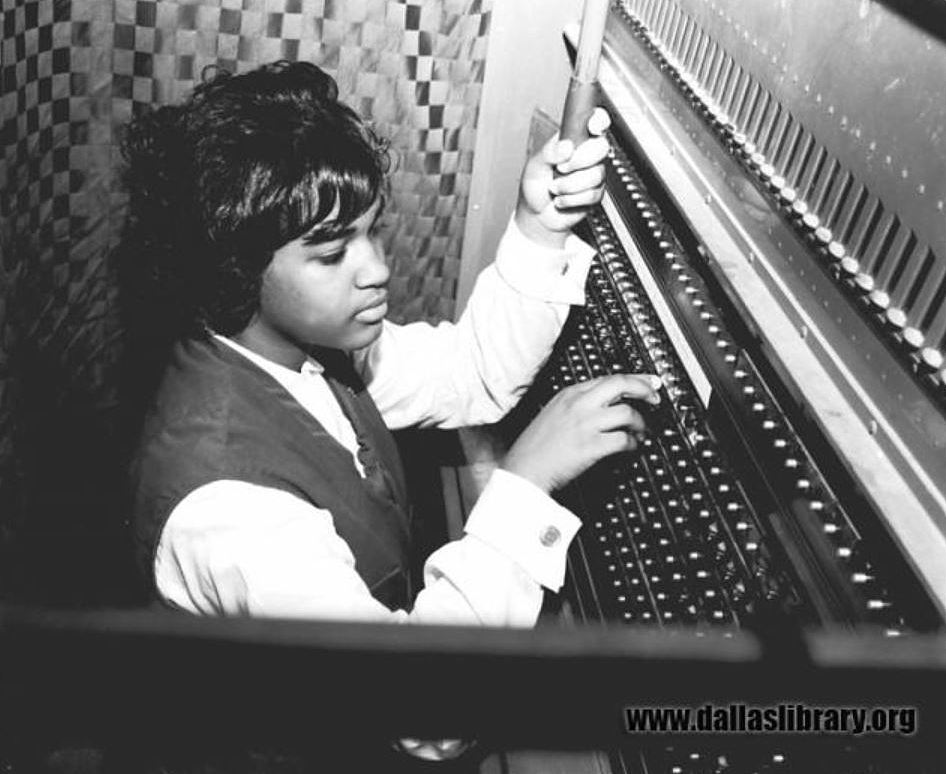
voting-instructions-for-youth_marion-butts_dpl_1965Lever-pulling behind the curtain, 1965 (click for larger image)

by Paula Bosse

It’s here, y’all. Get out and get it done.

voting_uta_no-date

voting_uta_1972

***

Sources & Notes

Top photo from 1965 by Marion Butts, from the Dallas Public Library’s Marion Butts Collection: “Young woman demonstrates the use of a voting machine” — more here (you may have to be logged into to your Dallas Public Library account to reach this page).

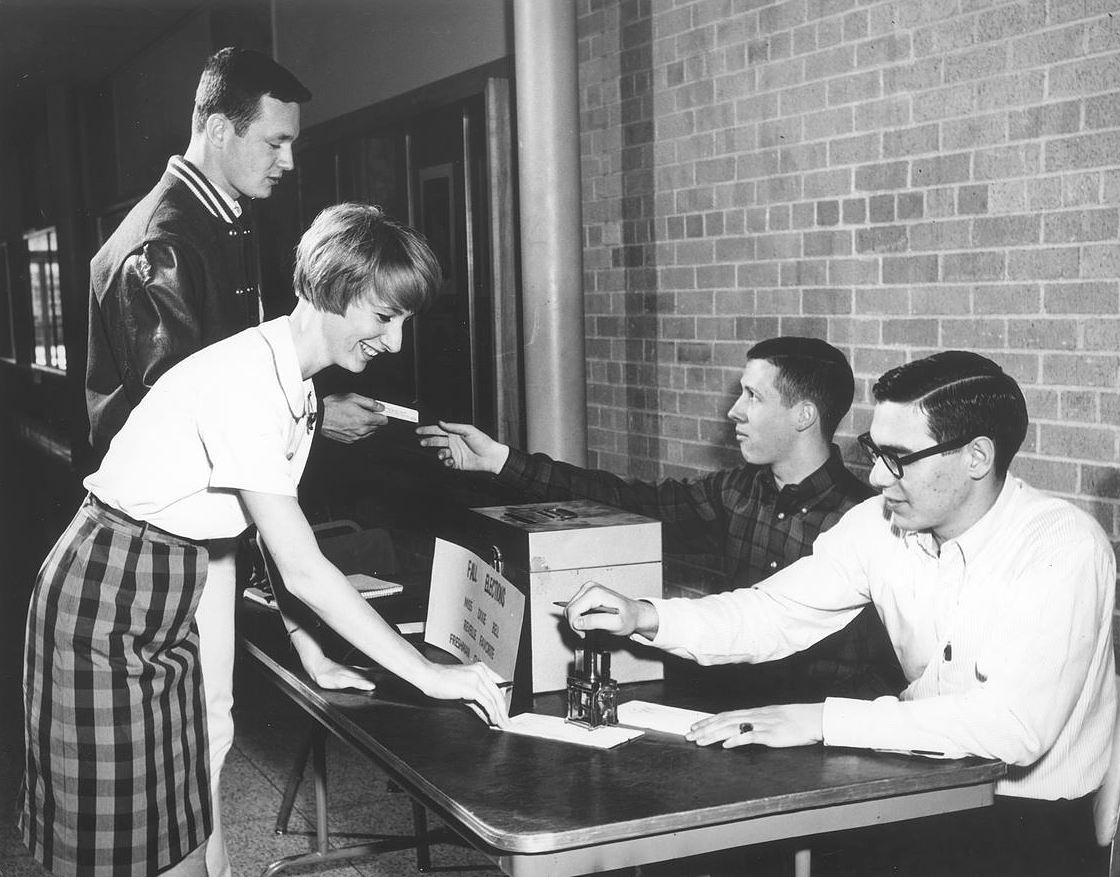
Second photo is undated and has no photographer info: “Early voter, Mrs. Gene Savage, looking at long Democratic party ballot,” from UTA Libraries, Special Collections — more info here.

Third photo is from 1972: “Students voting in Fall Elections, University of Texas at Arlington (UTA), 1972,” from UTA Libraries, Special Collections — more info here.

More on Dallas elections can be found in the Flashback Dallas post “How Dallas Used to Get Election Returns,” here.

Click photos to see larger images.

*

Copyright © 2016 Paula Bosse. All Rights Reserved.


Lady Godiva and the “Flesh Shows” of the Texas Centennial — 1936

tx-centennial_streets-of-paris_ticket_cook-coll_smuGeorge W. Cook Collection/SMU

by Paula Bosse

When one thinks of the Texas Centennial Exposition, the splashy 6-month extravaganza held at Fair Park to celebrate the 100th anniversary of Texas independence, one might not immediately think of the three things associated with the big show that were making headlines around the country (and were undoubtedly responsible for healthy ticket sales): according to Variety, the Centennial had “all the gambling, wining and girling the visitor wants” (June 10, 1936).

The Dallas exposition (and the coattail-riding Frontier Exposition, which was held at the same time in Fort Worth) was “wide open” in 1936: there was gambling, liquor, and nudity everywhere. The Texas Rangers cracked down on some of the gaming in the early days, but alcohol and girlie shows continued throughout the expo’s run.

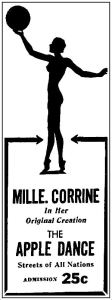
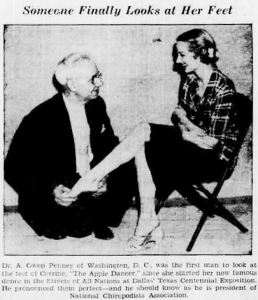
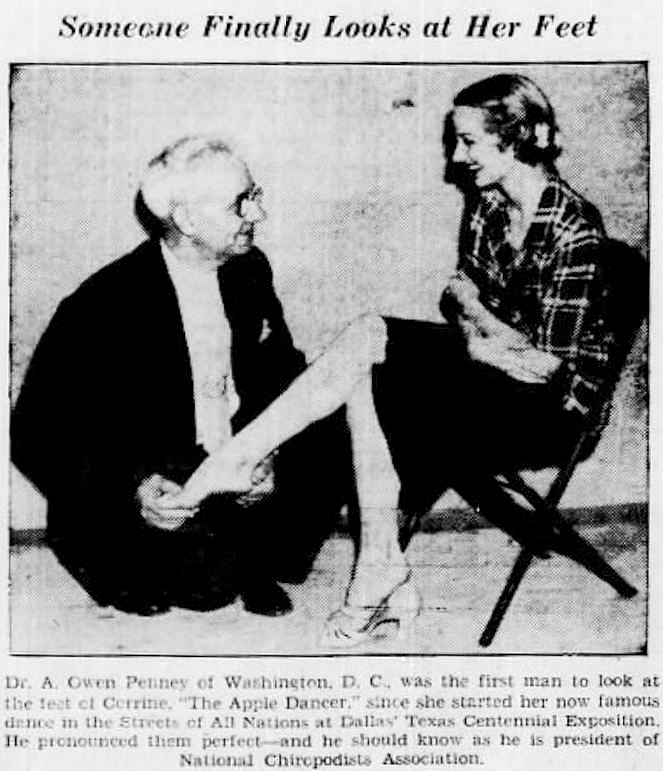
As far as the nudity, it really was everywhere. It’s a little shocking to think that this sort of thing was so widely accepted in very conservative Dallas — 80 years ago! — but it was (despite some local pastors disdainfully referring to the big party as the Texas Sintennial). Many of the acts — and much of the personnel — had appeared in a version of the same revue in Chicago in 1933 and 1934. Some of the offerings for the Centennial visitor: peep shows a-plenty, the clad-only-in-body-paint “Diving Venus” named Mona Lleslie (not a typo), a naked “apple dancer” named Mlle. Corinne who twirled with a “basketball-sized ‘apple'” held in front of her frontal nether regions, and the somewhat obligatory nude chorus girls. There was also an “exhibit” in which nude women were on display as “artists’ models,” posing for crowds of what one can only assume were life-drawing aficionados who were encouraged to render the scene before them artistically (…had they planned ahead and brought a pencil and sketchpad); those who lacked artistic skill and/or temperament were welcome to just stand there and gawk. (Click photos and ads to see larger images.)

corinne_apple-dancer_cook-collection_smu

tx-centennial_apple-dancer_dmn_070536

tx-centennial_apple-dancer_franklin-ind-evening-star_071136Franklin, Indiana Evening Star, July 11, 1936

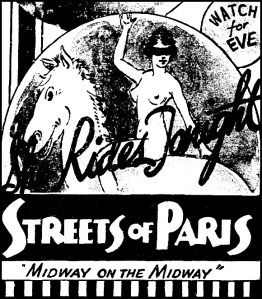
Another attraction was Lady Godiva, who, naked, rode a horse through the Streets of Paris crowds. Her bare-breastedness even made it into ads appearing in the pages of staid Texas newspapers. (Click to see larger images.)

tx-centennial_lady-godiva_dmn_060436_sm
June, 1936

There were two areas along the Midway where crowds could find these saucy attraction: Streets of Paris (which Time magazine described as appealing to “lovers of the nude”) and Streets of All Nations (“for lovers of the semi-nude”). Lady Godiva was part of the Streets of Paris, and she rode, Godiva-esque, nightly. The gimmick (beyond the gimmick of a naked woman riding a horse in Fair Park) was that she was supposed to  be a Dallas debutante who rode masked in order to conceal her identity. The text below is from the ad above.

MASKED…but unclothed in all her Glory…Riding a milk-white steed. […] Miss Debutante was introduced to Dallas society in 1930. She was later starred in Ziegfeld’s Follies, in “False Dreams, Farewell,” “Furnished Rooms,” and other Broadway successes. She appeared in motion pictures, being starred in “Gold Diggers of 1935,” “Redheads on Parade” (yes, she is a redhead) and other picture successes.

SHE WILL STARTLE DALLAS SOCIETY! JUST AS THE STREETS OF PARIS WILL BE THE SENSATION OF THE CENTENNIAL SEASON .. WHO IS SHE?

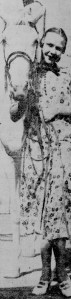
And, of course, none of that was true (including the fact that this “Lady Godiva” rode a white horse — apparently one could not always be found), but I’m sure it got local pulses racing. My guess is that there were several Ladies Godiva (none of whom were members of Dallas society). One woman was actually named as the Centennial’s exhibitionist horsewoman. I haven’t been able to find mention of a “Paulette Renet” anywhere other than the caption of this photo, but here she is:
godiva_madera-tribune_082936

godiva_madera-tribune_082936-caption
Madera (California) Tribune, Aug. 29, 1936

Another photo featuring what appears to be the same woman, with this caption: “No white horse for Lady Godiva, at the Texas Centennial Exposition in Dallas. A feature of the ‘Streets of Paris,’ a midway show, Godiva rode a ‘paint pony,’ first week because no white one was available.”

godiva_altoona_penn-tribune_062336
Altoona (Pennsylvania) Tribune, June 23, 1936

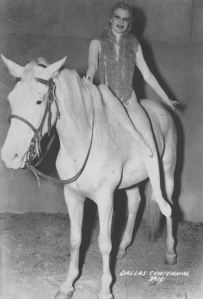
I think this is still the same woman, but on a rare white steed:
lady-godiva_cook-collection_smu

The Godiva who appeared in the March of Times newsreel “Battle of a Centennial” appears to be a different woman. (Watch a 45-second snippet of the newsreel which features both a glimpse of Lady Godiva and a head-shaking son of Sam Houston wondering what the deal is with the younger generation — here.)

godiva_march-of-time_1936

Imagine seeing performers and attractions like this along the Fair Park midway today!

*
godiva_dmn_070536-detJuly, 1936 (ad detail)

tx-centennial_lady-godiva_dmn_060436-det
June, 1936 (ad detail)

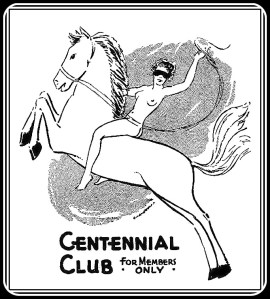
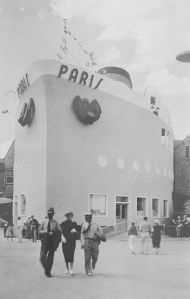
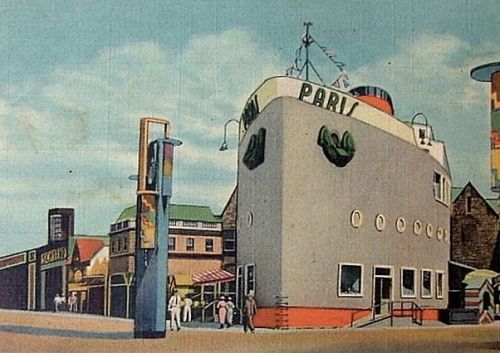
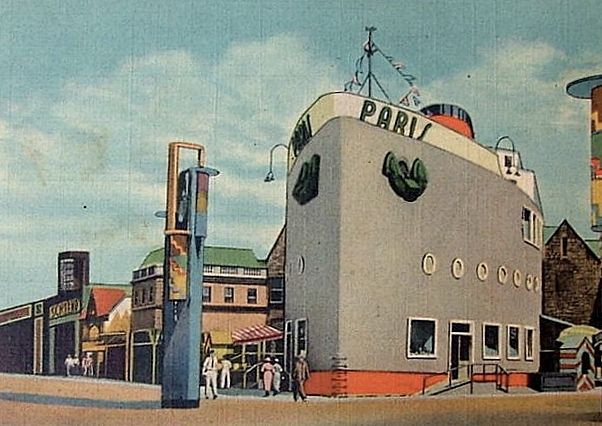
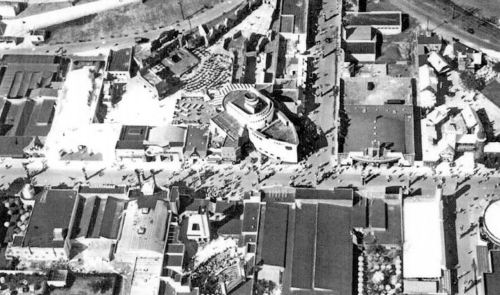
What was the Centennial Club? It was an exclusive, invitation-only private club located within the very large George Dahl-designed building which housed the Streets of Paris (and which was shaped like the famed S. S. Normandie ocean liner). It had three levels (“decks”) and housed a lounge, dining rooms, a main clubroom, and a “dance pavilion” — all air conditioned. From various decks, well-heeled patrons could look down at the action going on below: the milling throngs of the hoi polloi, the Streets of Paris shows, and the Midway.

centennial-club_dmn_061636
June, 1936

tx-centennial_streets-of-paris_art-institute-chicago

tx-centennial_streets-of-paris_ebay_rppc

tx-centennial_streets-of-paris

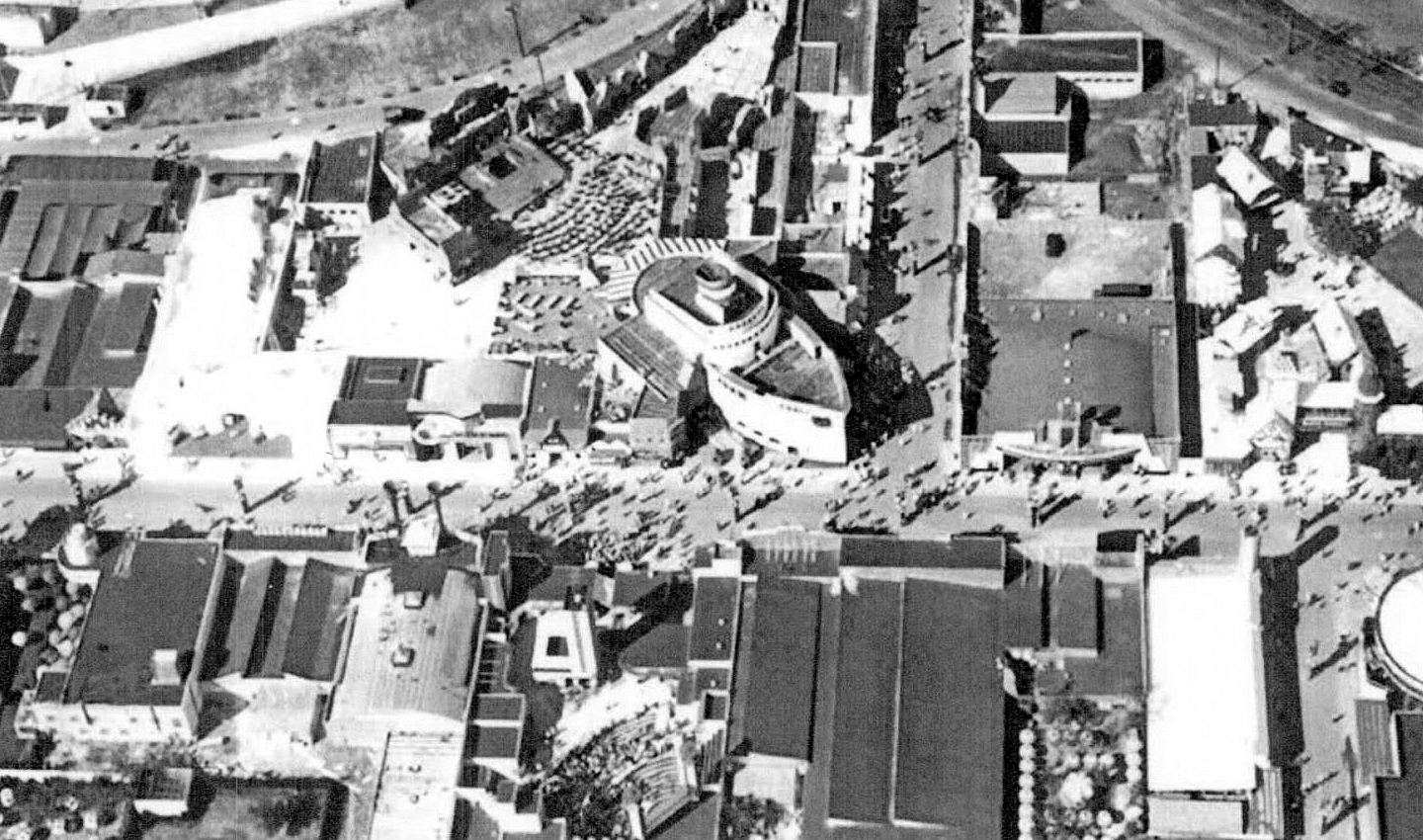
Can’t miss the ridiculously large land-locked ocean liner in the center of the photo below. Mais oui!
normandie_winters_dhs

**

The articles below on “gals, likker, and gambling” are GREAT. They are from the show biz trade publication Variety, which really latched onto the rampant nudity on view at the Texas Centennial. Remember: 80 years ago! (The abbreviation of “S. A.” in the headline of the second article stands for “sex appeal.”) (As always, click to see larger images.)
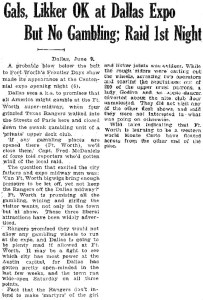
sex_variety_061036
Variety, June 10, 1936

sex_variety_062436
Variety, June 24, 1936

nudity_variety_070136
Variety, July 1, 1936

***

Sources & Notes

Top photo shows an admission ticket to the Streets of Paris, from the George W. Cook Dallas/Texas Image Collection, Central University Libraries, Southern Methodist University; more information is here. Another interesting item from this collection is a brochure (here) which describes Streets of Paris as “the smartest, most sophisticated night club in America. Here you will find the gay night life of Paris in a setting of exotic splendor.”
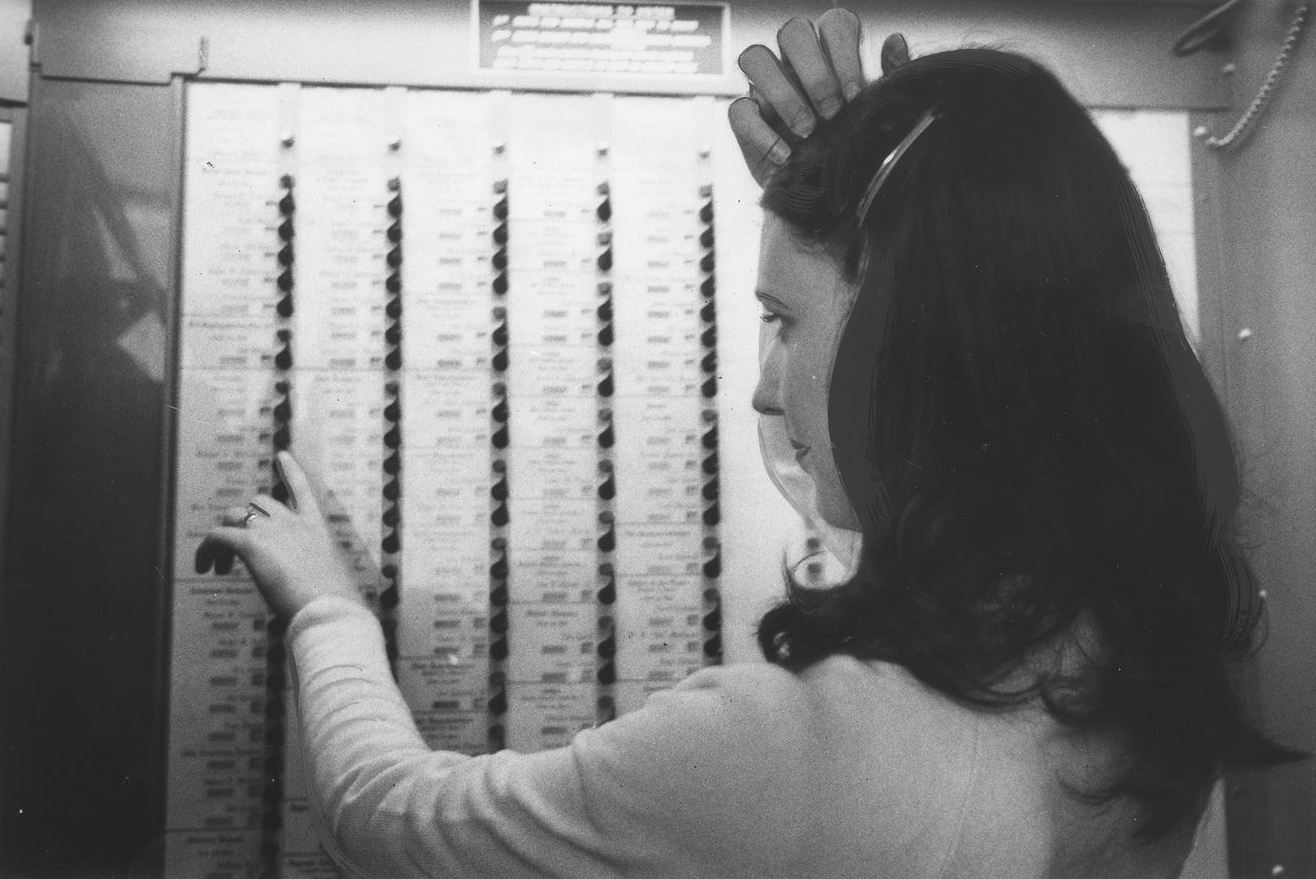
Photo of “Mlle. Corrine” also from the Cook Collection at SMU; more info on that photo here.

Photo of Lady Godiva on a white horse (with the words “Dallas Centennial” near the bottom … um, bottom of the image … is also from the Cook Collection at SMU, here.

The photo showing the night-time crowd outside the Streets of Paris Normandie is from the Ryerson & Burnham Archives, Art Institute of Chicago; more info here.

The aerial photograph showing the S. S. Normandie is from Willis Cecil Winters’ book Fair Park (Arcadia Publishing, 2010); photo from the collection of the Dallas Historical Society.

All other sources noted, if known.

See quick shots of the Streets of Paris and the Streets of All Nations in the locally-made short film “Texas Centennial Highlights,” here (Streets of Paris is at about the 7:00 mark and the more risqué bits showing the parasol chorus girls followed by Mlle. Corinne and her apple dance (I mean, it’s not really shocking, but … it still kind of is…) at the 8:45 mark. (Incidentally, there appears to be a new book on Corinne and her husband — Two Lives, Many Dances — written by their daughter.)

A very entertaining history of the State Fair of Texas and the Texas Centennial Exposition can be found in the article “State Fair!” by Tom Peeler (D Magazine, October, 1982), here.

A Flashback Dallas post on the feuding Dallas and Fort Worth Centennial celebrations can be found here.

More Flashback Dallas posts on the Texas Centennial can be found here.

Click pictures and clippings to see larger images.

*

Copyright © 2016 Paula Bosse. All Rights Reserved.