Flashback : Dallas

A Miscellany: History, Ads, Pop Culture

Category: Leisure

Sivils Drive-In, An Oak Cliff Institution: 1940-1967

sivils_tichnorOak Cliff’s landmark hangout (click for larger image)

by Paula Bosse

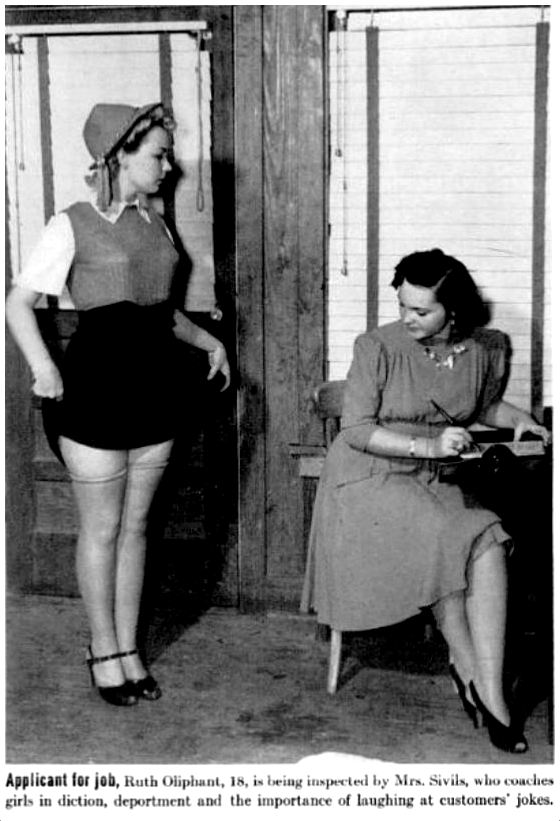
When J. D. Sivils (1907-1986) and his wife, Louise (1918-2006), brought their “Sivils” restaurant to Dallas in June 1940, their Houston drive-in of the same name had already been featured as a Life magazine cover story, garnering the kind of incredible national publicity that any business owner would have killed for! And all because of their carhops — “comely, uniformed lassies” whom Mrs. Sivils insisted on calling “curb girls” (which might have a slightly different connotation these days…). Life — never a magazine to overlook pretty young girls in sexy outfits — not only devoted a pictorial to the “curb girls,” they also put one of them (Josephine Powell of Houston) on the cover, wearing the Sivils’ uniform of (very, very short!) majorette’s outfit, plumed hat, and boots.
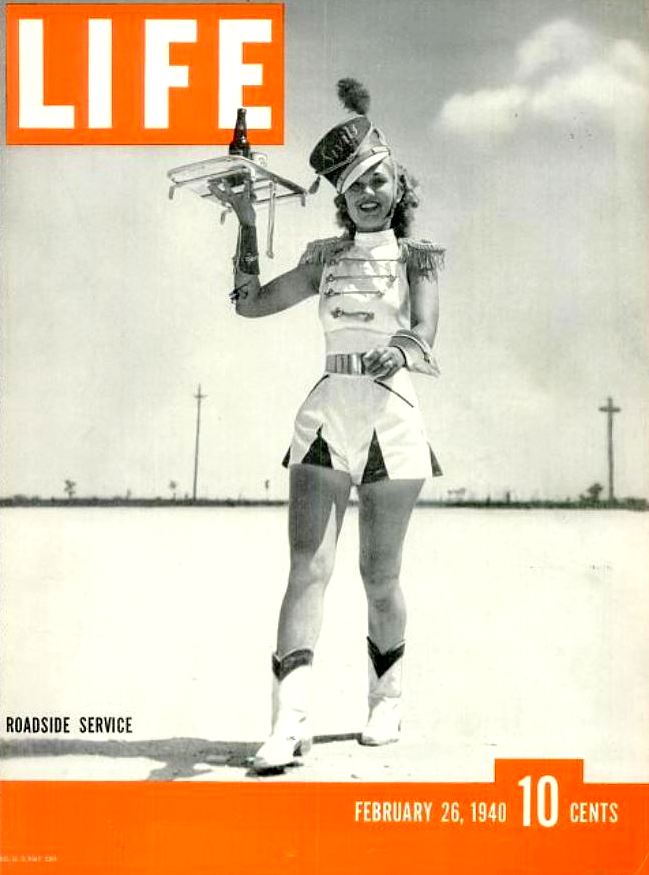
sivils_houston_life-mag_022640Feb. 26, 1940

louise-sivils_life-magazine_1940Louise Sivils and a prospective “curb girl” (Life)

Four months after the blitz of national attention the drive-in received from the Life story, Sivils came to Dallas. The drive-in was located in Oak Cliff at the intersection of West Davis and Fort Worth Avenue on “three acres of paved parking space.”

sivils-map

The day the drive-in opened, a photo of the not-yet-legendary Sivils appeared in The Dallas Morning News (see “Sivils to Open Dallas Place Thursday,” DMN, June 27, 1940). Other than this, there is surprisingly little in the pages of The News about this drive-in’s opening — surprising because it became such a huge part of the lives of Oak Cliff’s teens in the ’40s, ’50s, and ’60s. It’s one of those places that seems to have reached almost mythic proportions on the nostalgia scale.

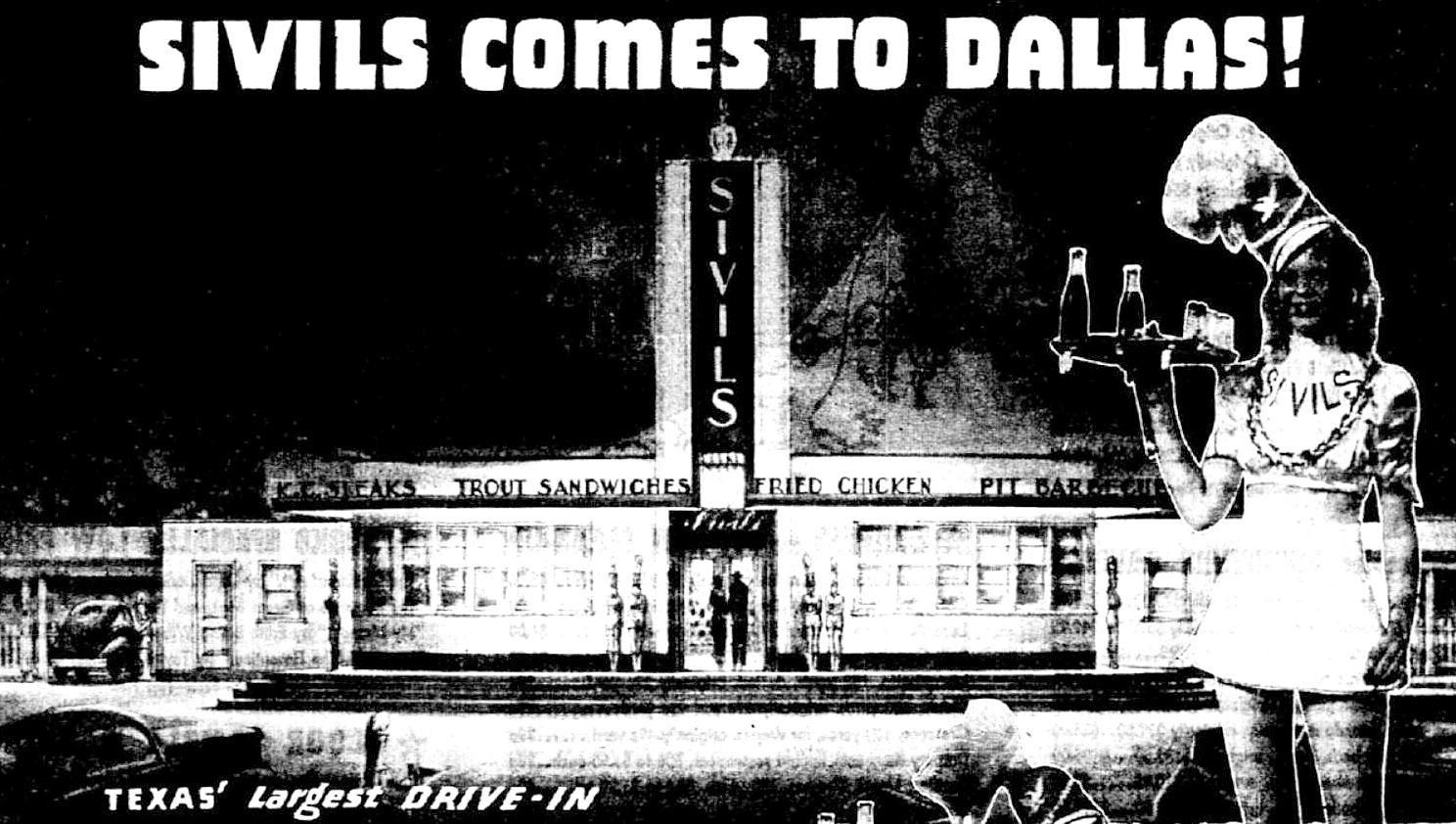
Sivils didn’t quietly sneak into town, though. Take a look at this very large, very expensive newspaper ad, which ran the day before OC’s soon-to-be favorite hang-out opened. (Click for larger image.)
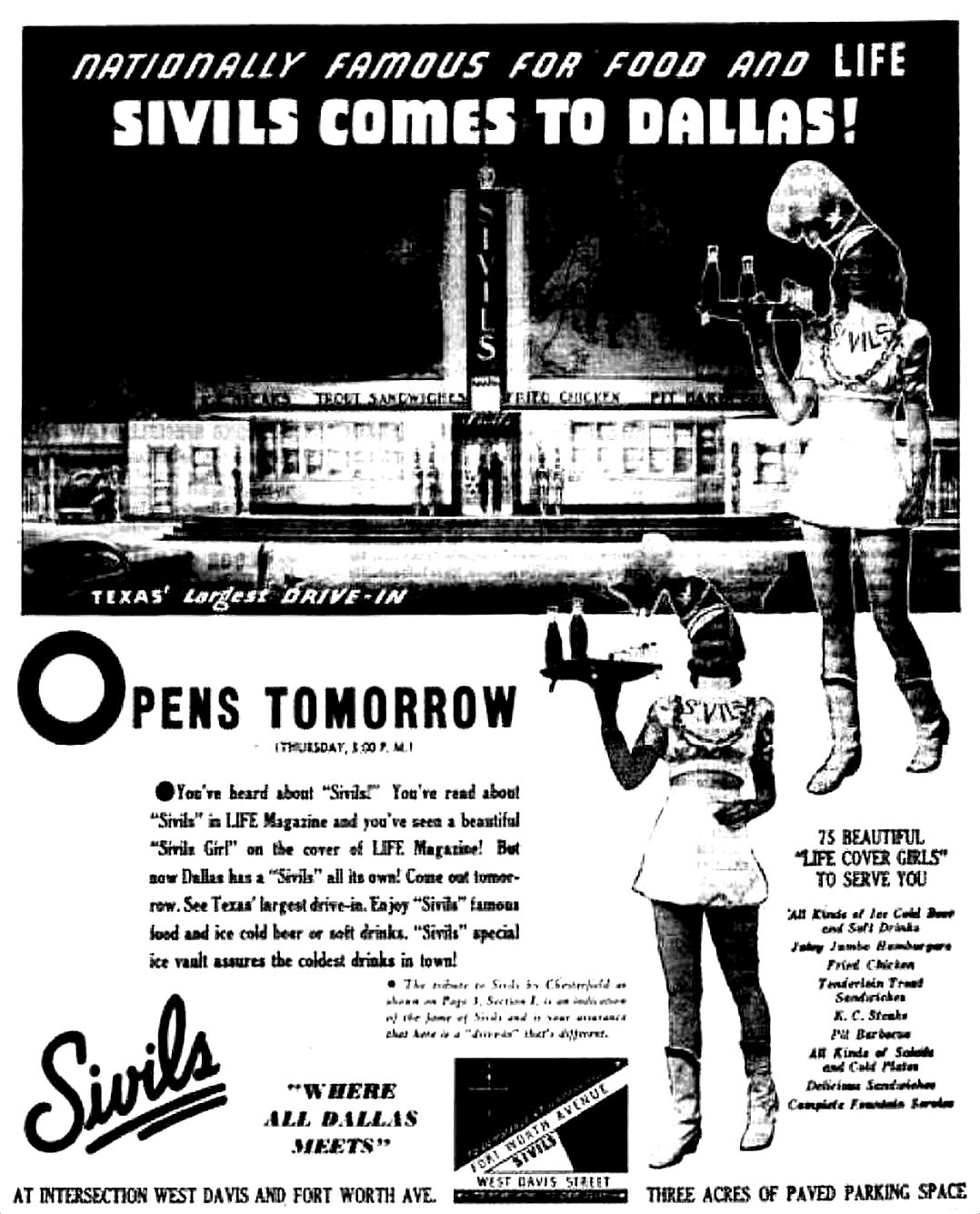
sivils_dmn_062640_lgJune 26, 1940

*

Nationally Famous for Food and LIFE
SIVILS COMES TO DALLAS!

Texas’ largest drive-in
Opens tomorrow

(Thursday 3:00 PM)

You’ve heard about “Sivils”! You’ve read about “Sivils” in LIFE Magazine and you’ve seen a beautiful “Sivils Girl” on the cover of LIFE Magazine! But now Dallas has a “Sivils” all its own! Come out tomorrow. See Texas’ largest drive-in. Enjoy “Sivils” famous food and ice cold beer or soft drinks. “Sivils” special ice vault assures the coldest drinks in town!

75 Beautiful “LIFE Cover Girls” to Serve You

All Kinds of Ice Cold Beer and Soft Drinks
Juicy Jumbo Hamburgers

Fried Chicken
Tenderloin Trout Sandwiches
K.C. Steaks
Pit Barbecue
All Kinds of Salads and Cold Plates
Delicious Sandwiches
Complete Fountain Service

Sivils – “Where All Dallas Meets”
At intersection West Davis and Fort Worth Ave.
Three Acres of Paved Parking Space

*

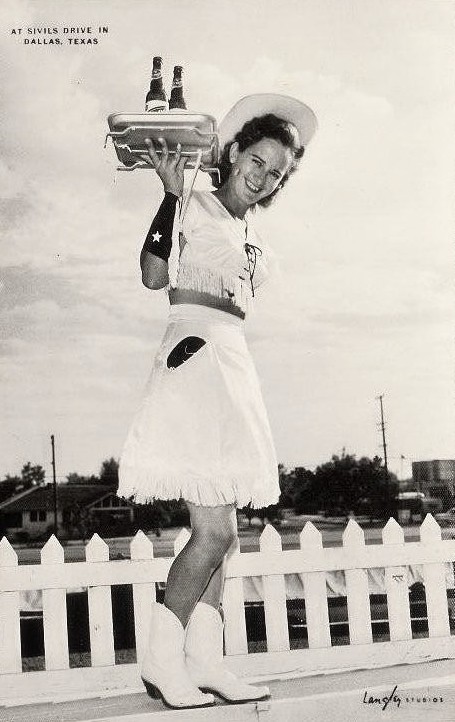
100-150 “curb girls” were employed by Sivils at any given time in those early days, and it was open 24 hours a day. The place was hopping. Sounds fantastic. Wish I’d seen it.

sivils_matchbook_coltera-flickrvia Flickr

sivils_carhop_postcard_ebay
eBay

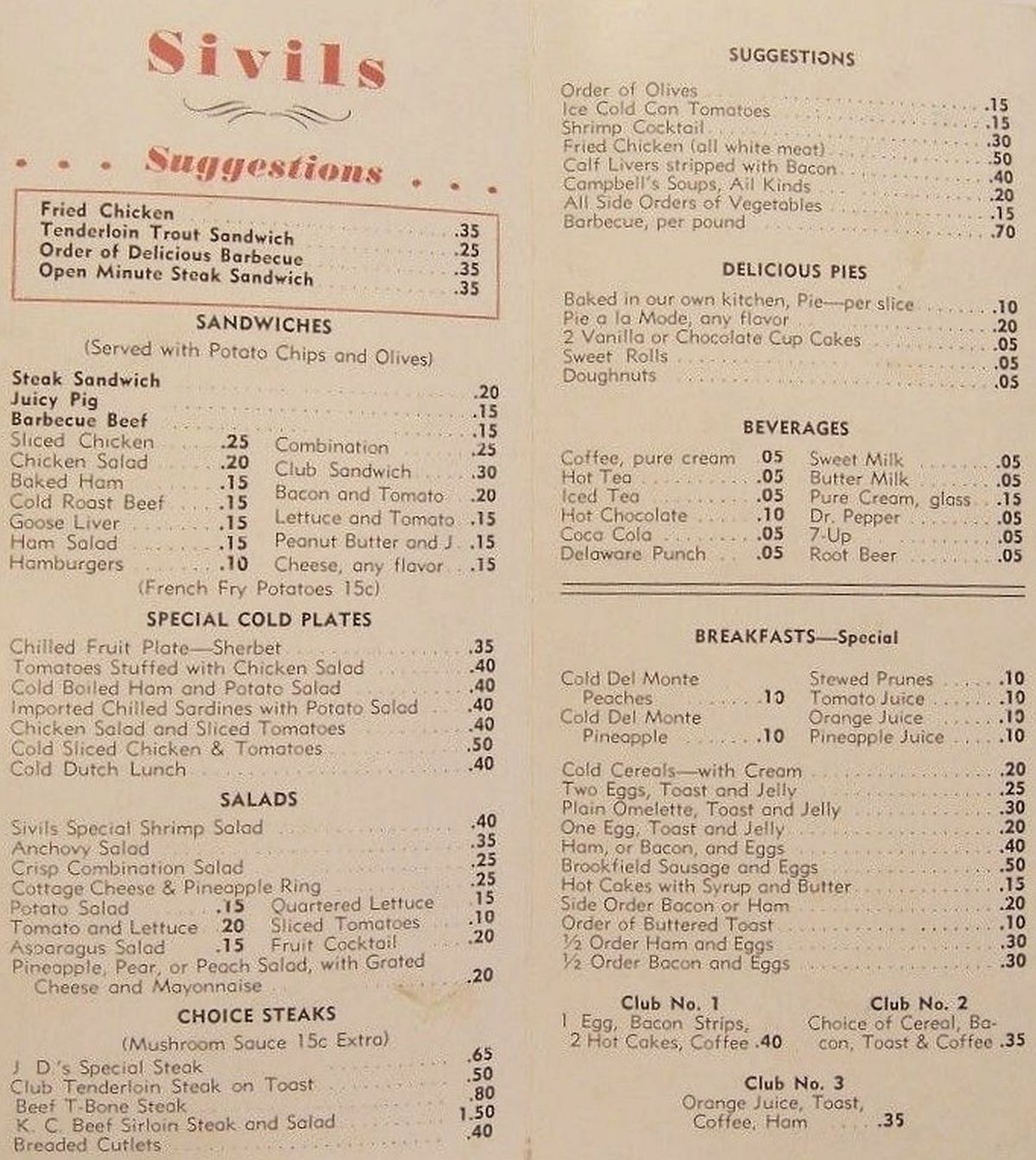
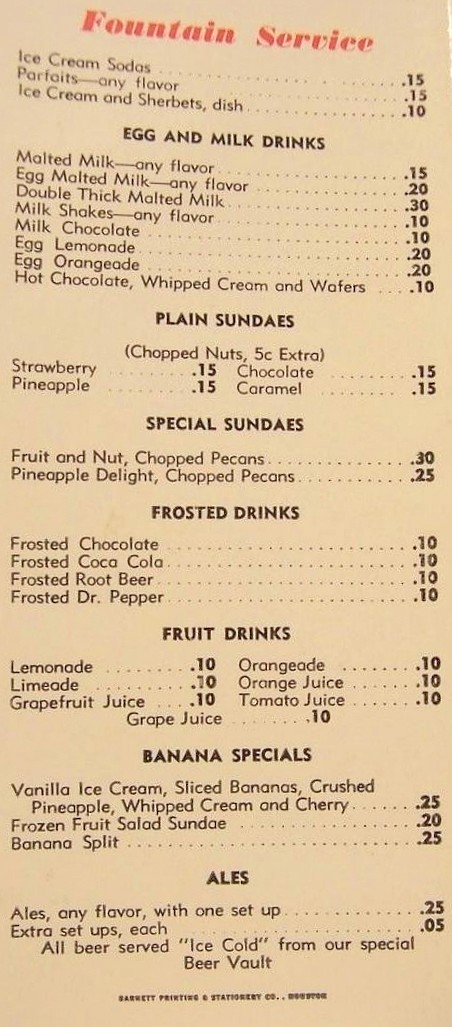
Below, a scanned menu (click to see larger images):

sivils-menu_1940s_ebay_cover

sivils-menu_1940s_ebay_b

sivils-menu_1940s_ebay_avia eBay

***

Sources & Notes

Top postcard from the Boston Public Library Tichnor Brothers Postcard Collection on Flickr, here.

Read the 4-page Life article (and see several photos of the Houston “curb girls”) here (use the magnifying glass icon at the top left to increase the size of the page).

Interesting quote from that article:“They work in 7½-hour shifts, six days a week, for which they get no pay but average $5 a day in tips.” Doesn’t sound legal…. (The Inflation Calculator tells us that $5 in 1940 money is equivalent to just over $83 in today’s money.)

Sivils closed in 1967, possibly because Mr. and Mrs. Sivils wanted to retire, but it seems more likely that Oak Cliff’s being a dry area of Dallas since the 1950s was killing its business. Check out the News article “Big Head Expected as Oak Cliff Beer Issue Foams” by Kent Biffle (DMN, Aug. 17, 1966) which appeared just months before another election in which the “drys” outvoted the “wets.” (More on Oak Cliff’s crazy wet-dry issues, here.)

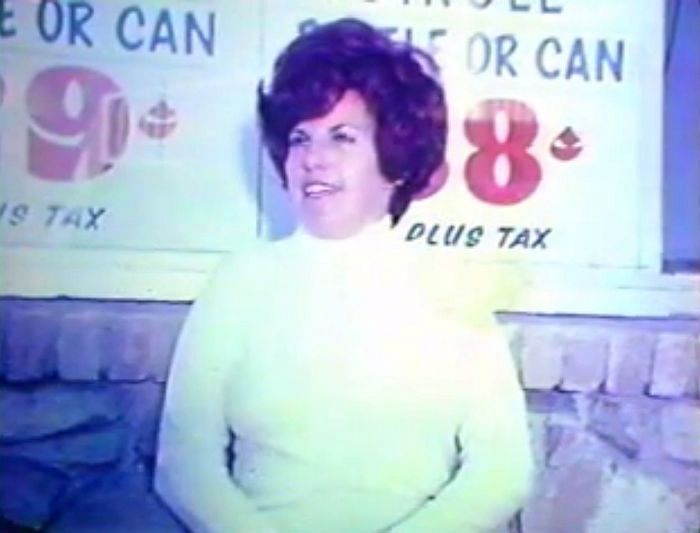
J. D. Sivils was interviewed in a short documentary about Dallas carhops, filmed in the early 1970s. In it, he talks about the early days of Sivils and — best of all — there is film footage galore of the drive-in from his collection. Watch it in my previous post — “‘Carhops’ — A Short Documentary, ca. 1974” — here. (Below a screenshot of Sivils from the film.)

sivils-carhops-film

Read the article “Carhops, Curb Service, and the Pig Sandwich” by Michael Karl Witzel (Texas Highways, Oct. 2006) in a PDF, here (increase size of article with controls at top of page).

Another Flashback Dallas post on drive-in culture — “Carhops as Sex Symbols — 1940” — is here.
sivils_dmn_062640-det

Click pictures for larger images.

*

Copyright © 2015 Paula Bosse. All Rights Reserved.

“Carhops” — A Short Documentary, ca. 1974

carhops_title
Schlitz on its way…

by Paula Bosse

The carhop is an oddly American invention — and it began here in Dallas in the 1920s, with boys and young men serving customers in cars at J. G. Kirby’s Pig Stand drive-in restaurants. In 1940, Sivils hit Dallas, but this time with young women as servers — young women in skimpy outfits. There was no looking back — from then on, pretty girls showing a lot of leg and hoping for big tips carried trays of food, soft drinks, and beer to cars full of waiting customers.

One of the few remaining “old school” drive-ins is Keller’s on Northwest Highway, still doing good business today. Around 1974 or 1975, SMU film teacher Pat Korman made a short documentary about Dallas carhops past and present (the result, it seems, of reading a Dallas Morning News article by Rena Pederson). He interviewed B. J. Kirby (owner of Kirby’s steakhouse on Lower Greenville and son of Jesse Kirby, founder of the Pig Stand pig-sandwich empire, which, as legend has it, had the very first carhops), J. D. Sivils (owner of Sivils drive-ins, who, along with his wife, was an important figure in the evolution of curb-side dining), and Jack Keller (owner of Keller’s Hamburgers). The three businessmen reminisce about the early days of drive-in restaurants in Dallas as a lot of cool historical film footage unspools and photographs from the ’20s to the ’50s are flashed on the screen. Also interviewed are four women carhops who were working at Keller’s at the time, talking about their jobs.

It’s a cool film. Big cotton-candy hair, accents you wish were still around, and cans and cases of Schlitz, Schlitz, Schlitz.

The 14-minute film is in two parts on YouTube. Here is the first part:

*
And here is the second part:

*
Below, screenshots of the interviewees.

sandy-carhopsSandy

shirley-carhopsShirley (as of Jan. 2015, she’s been a fixture at Keller’s for 50 years!)

rita-carhopsRita

nancy-carhopsNancy

kirby_carhopsB. J. Kirby

sivils-carhopsJ. D. Sivils

keller-carhopsJack Keller

kellers-menu-board_carhopsNo. 5 — 80¢

***

Sources & Notes

“Carhops” — filmed sometime in the early ’70s — was directed by Patrick Korman, shot by Ron Judkins, and produced by Don Pasquella. It premiered at Jesuit High School in April 1976. The film is on YouTube in two parts, here and here. (By the way, if you look at the YouTube comments under part two, you’ll see a comment from Sandy herself. She’s still looking good in the avatar photo.) (The music at the beginning and end of the film is great! I’m pretty sure it’s the legendary steel guitarist Ralph Mooney and the equally legendary guitarist James Burton; I love those guys! I urge to go get a copy of their album “Corn Pickin’ and Slick Slidin.'”)

Rena Pederson is thanked in the credits. She wrote a great article in The Dallas Morning News called “Carhops Fading, Those Were the Days” (Aug. 25, 1974) — she interviewed many of the same people seen in the film.

The Keller’s Northwest Highway location celebrates its 50th anniversary this year. Shirley — one of the carhops featured in the film — has worked there since it opened in 1965. As of Jan. 2015, she was still there! Go by and see her! Check out a Lakewood Advocate story on Shirley, here.

Also, take a look at a Dallas Morning News article on Keller’s 50th anniversary, here — scroll down to the slideshow to check out some great photos from its early days.

Read about sexy male carhops who plied their trade in skimpy outfits — a short-lived fad in Dallas inspired by the success of drive-ins like Sivils — in my previous post “Carhops as Sex Symbols — 1940,” here.

*

Copyright © 2015 Paula Bosse. All Rights Reserved.

“Fifteen Miles From Dallas” by Jimmie Davis — 1951

jimmie-davisThe former (and future) governor of Louisiana…

by Paula Bosse

Let’s listen to Jimmie Davis — erstwhile country singer and two-time governor of Louisiana — sing a ditty about his gal named Alice (…rhymes with “Dallas”) who lives on Akard Street.

***
Too bad the Decca promotion people misspelled his name in this 1951 ad!

jimmie-davis_15-miles-from-dallas_1951_ebay

***

Jimmie Davis is most famous for his hit song “You Are My Sunshine.” His New York Times obituary is here.

The Singing Governor’s Wikipedia entry is here.

Ad from eBay (click for larger image).

*

Copyright © 2015 Paula Bosse. All Rights Reserved.
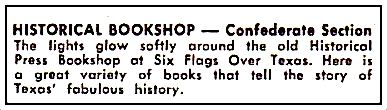
Six Flags’ Historical Press Bookshop — 1965

six-flags-bookshop

by Paula Bosse

Six Flags Over Texas had a bookstore: the Historical Press Bookshop, located in the “Confederate Section.” Who knew? I was surprised when I ran across this postcard, but I figured it was a place to buy gum, film (remember film?), giant combs emblazoned with the Six Flags logo, and this very postcard. But no. It was a bookstore that sold rare Texana, including historic books, prints, and documents. At Six Flags. …Over Texas. …Land of Pink Things and Log Rides.

The description from the back of the postcard:

six-flags-bookshop_back

The store was ostensibly owned by Six Flags developer Angus Wynne, Jr., but the contents were owned by Ted W. Mayborn, wealthy petroleum trade journal publisher, writer, and Texas history aficionado. In a playful bow to having an antiquarian bookstore inside a theme park (!), he hired female family members to dress up in cowgirl outfits and brandish six-shooters in a bid to “protect” the (probably very expensive) merchandise.

I’m not really sure how this worked — or why anyone would think this was a good idea. Would one find oneself enjoying a day at Six Flags only to stumble across this unexpected cache of rare books and feel compelled to pick up a leather-bound first edition or a fragile broadside? Or would one go to Six Flags expressly to visit the bookstore and browse the stock — despite the fact that it was in an amusement park? Would one have one’s purchase shipped, or would one lug it around the park, through Casa Magnetica, past Skull Island, and into the Spelunker’s Cave?

There has to be a story behind this unusual business endeavor. Did Ted save Angus from choking one time? Did he win the franchise in a poker game?

I’m not sure how long the Historical Press Bookshop lasted. My guess? Longer than it should have.

Weirder than discovering that a bookshop was once part of the Six Flags experience was learning that Mr. Mayborn owned a real bookshop called the Red Barn Bookstore and that my father worked for him for a few months, a time my mother described as being brief but stressful. I think I can understand why.

Click pictures for larger images.

*

Copyright © 2015 Paula Bosse. All Rights Reserved.


When a Virgin Sacrifice at Fair Park Almost Caused an International Incident — 1937

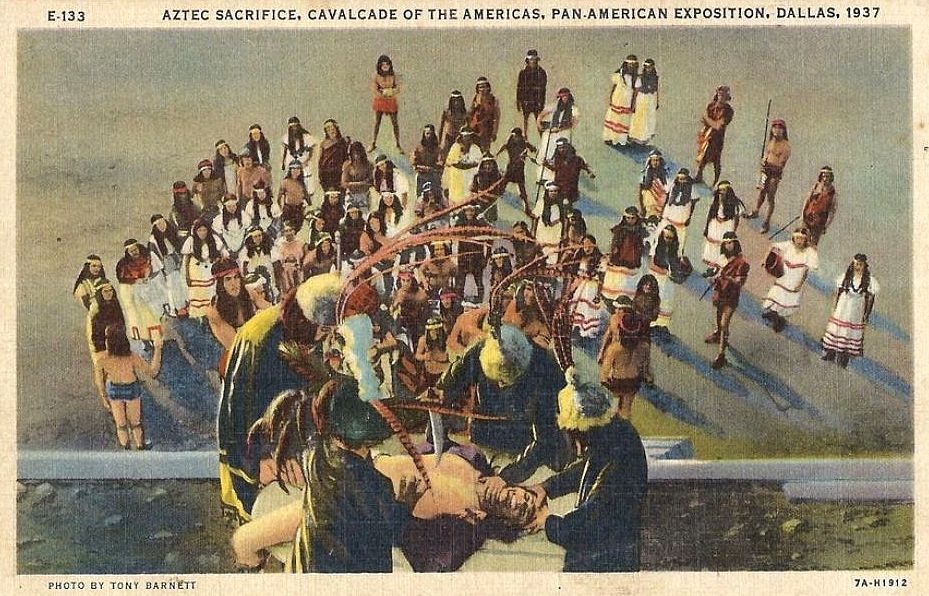
pan-american_aztec-sacrifice_colteraAztec sacrifice with a warrior, not a virgin, on the official postcard

by Paula Bosse

The Greater Texas and Pan-American Exposition at Fair Park was a four-and-a-half-month extravaganza which opened in June, 1937 as a follow-up of sorts to the previous year’s Texas Centennial Celebration. According to promotional material, its goal was to celebrate the Americas and “to promote the feeling of international goodwill between the twenty-one independent nations of the New World.” (It was also hoped that the city could rake in some more Centennial-sized cash.)

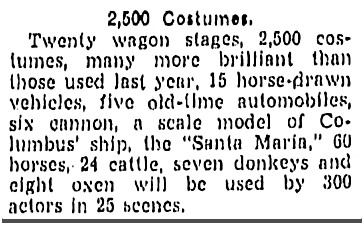
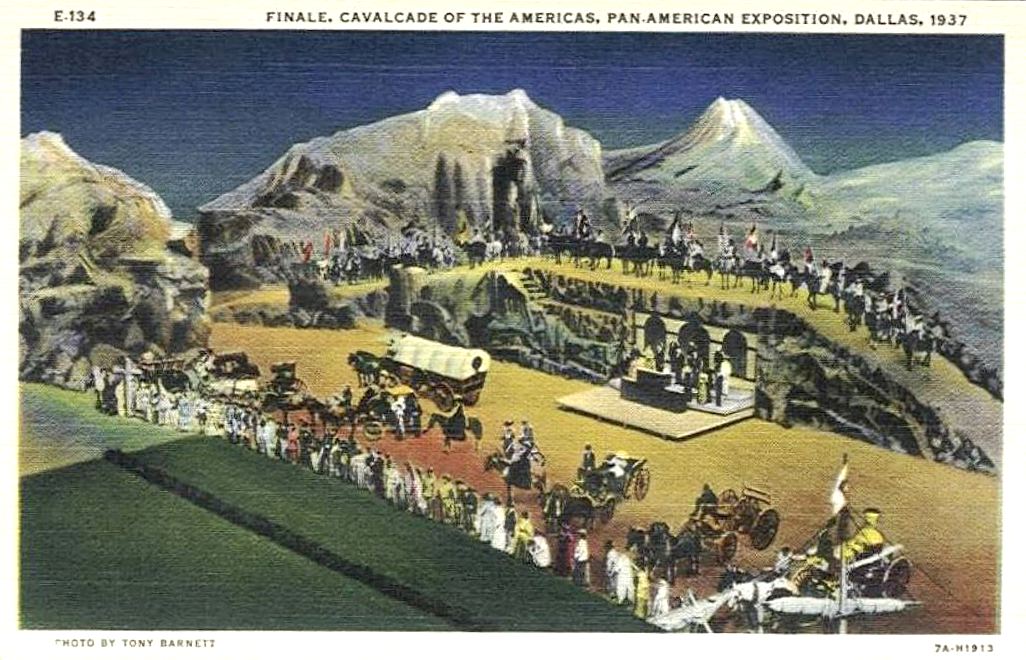
One of the biggest attractions of the Pan-American Expo was a huge production called Cavalcade of the Americas, which presented highlights from the history of Latin America and the United States. There were scenes from ancient Mexico, Columbus’ landing, the Revolutionary War, Stephen F. Austin’s arrival in Texas, the settling of the Old West, etc., right up to FDR’s participation in the Inter-American Peace Conference in Argentina in 1936. Utilizing much of the same infrastructure as the previous year’s Cavalcade of Texas, it was staged outdoors, in the old racetrack, with a 300-foot stage and elaborate scenery depicting an ocean, mountains, and a smoking volcano. Horses, wagons, “ships,” and a cast of hundreds took part in the production.

cavalcade-americas_FWST_060637Fort Worth Star-Telegram, June 6, 1937

It was quite elaborate. The postcard view below will give you an an idea of the scale of what was being billed as the world’s biggest stage.(I  believe the whole thing revolved — or at least part of it did — with another stage on the side facing away from the audience; the scenery, cast, and perhaps the donkeys, would change out before revolving to face the audience.)

cavalcade_1937

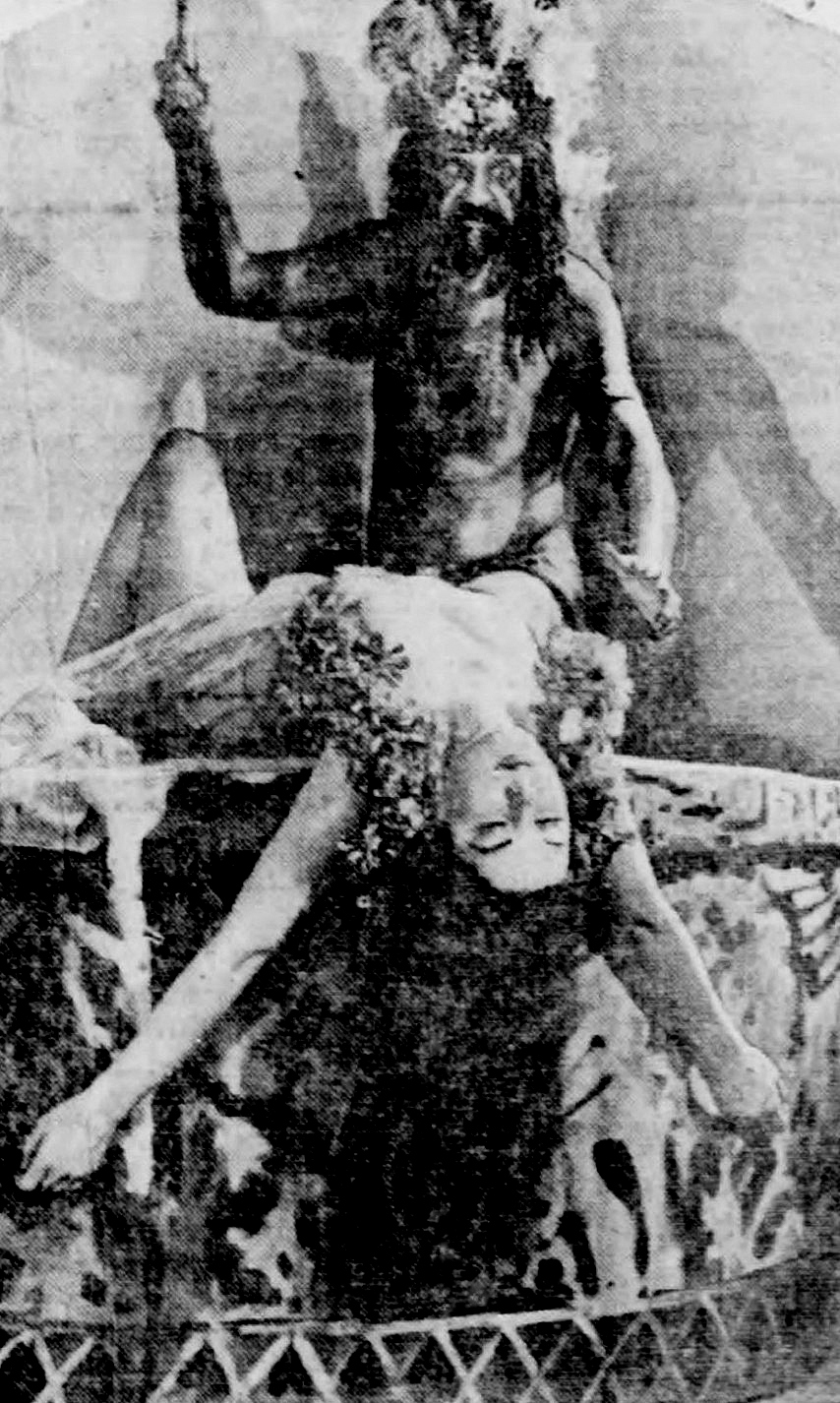
The opening scene featured an Aztec sacrifice and an angry volcano. Start big! This relatively brief portion of the show caused a lot of headaches (and/or much-welcomed publicity) for the producers, State Fair organizers, and, probably, the image-conscious Dallas Chamber of Commerce. But why? As originally written (by the remarkably prolific Jan Isbelle Fortune), the Aztec sequence involved the sacrifice of a struggling young maiden atop a blood-stained pyramid. Two months before the opening of the Expo, a rather sensationalistic photo of this historical reenactment appeared in the pages of newspapers across the country, no doubt resulting in raised eyebrows and whetted appetites. (Click to enlarge!)

aztec_greencastle-indiana-daily-banner_080437Greencastle (Indiana) Daily Banner, 1937

The star of this scene was 17-year-old Geraldine Robertson, who had been crowned Queen of the Centennial the previous year and who played a multitude of roles in the current production, including Cortés’ “lover and interpreter,” a young woman in a Boston Massacre scene, Martha Washington, and the wife of Jim Bowie. Here she is in real life in 1936, with Jean Harlow platinum-blonde hair, posing for one of a seemingly endless number of publicity photos.

robertson-geraldine_queen-of-centennial_1936Geraldine Robertson, 1936

And the thing that caused so much trouble? Probably not what you would assume.

Before the Exposition opened, the Dallas-based Mexican Consul, Adolfo G. Dominguez, became aware of this casting choice. And that was when the mierda probably first hit the ventilador. Dominguez was adamant that the virgin be replaced with the more historically accurate male warrior. He probably said much the same thing to the Cavalcade producers when confronting them about his concerns before the Expo began as he did when he said this in a Dallas News article on the topic weeks later:

“We Mexicans feel that use of a girl in the role can bring nothing but racial prejudice and misconception of the true meaning of the Aztec human sacrifice as it was performed, not thousands of years ago, as has been wrongly represented, but as late as 1521.” (DMN, July 28, 1937)

The producers acquiesced, and when the Exposition began its run on June 12, 1937, the opening scene of the Cavalcade did, in fact, feature a sacrificial warrior. But on Sunday, July 25, the producer of the extravaganza brought the scantily-clad virgin back and nixed the warrior, hoping the added sex appeal and pizzazz would increase audience numbers. (Interestingly, when the Exposition opened, tickets to Cavalcade of the Americas cost 50⊄ — about $8.00 in today’s money — but on July 18, it was announced that, except for 600 reserved seats, admission to the show would be free. Promoters said this was being offered as a gesture of goodwill to Expo visitors, but one wonders if they weren’t having a hard time filling the 3100-seat grandstand.)

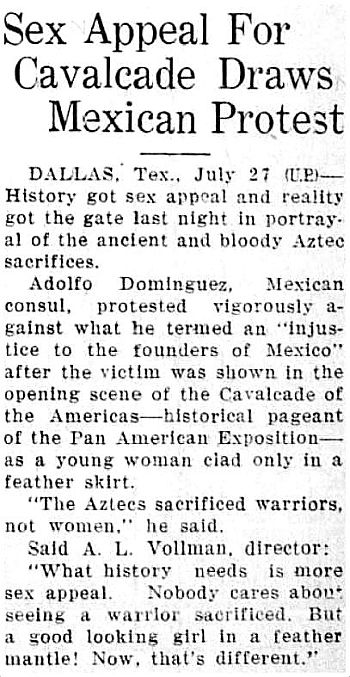
Señor Dominguez was not amused by this sexed-up revamping and protested. A. L. Vollman, the Cavalcade’s producer-director pooh-poohed the diplomat’s protestations and responded in true impresario fashion: “What history needs is more sex appeal.” That didn’t go over particularly well with the consul, who thought he’d already dealt with the problem weeks before. (Click to see larger image.)

aztec_waxahachie-daily-light_072737Waxahachie Daily Light, July 27, 1937

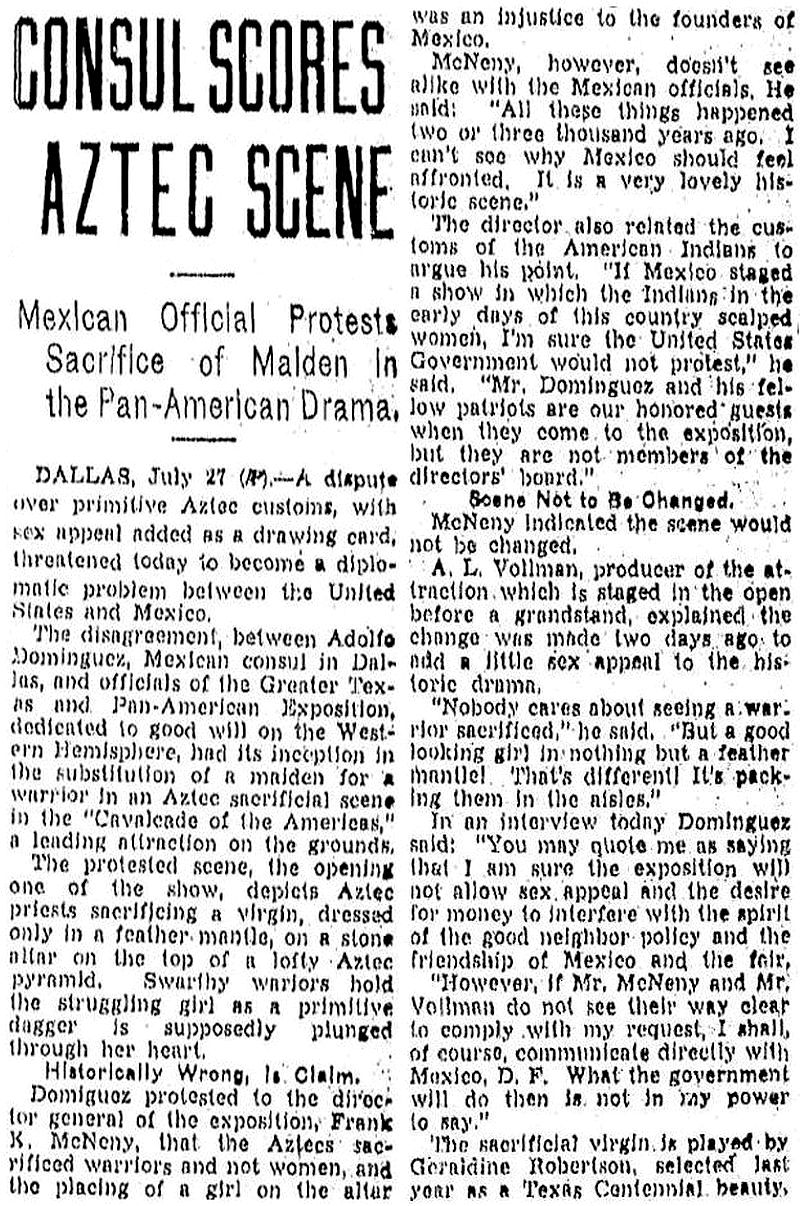
Dominguez complained to Frank K. McNeny, Director General of the Exposition, saying that the scene was historically inaccurate and was an injustice to the founders of Mexico. McNeny disagreed, saying that the scene involving the plunging of a dagger into the breast of a sacrificial virgin was “a very lovely historic scene.” He declined to bring back the warrior, because, as Vollman noted, the revamping had increased attendance: “It’s packing them in the aisles.” An exasperated Dominguez said that if the change from maiden back to warrior was not made, he would take the matter to the Mexican government.

aztec_FWST_072837FWST, July 28, 1937

At this point, a disagreement over the gender of a character in what was, basically, an oversized school history pageant was dangerously close to setting off an international incident. It was also causing embarrassment for local civic leaders who were looking upon the Exposition as a major marketing tool for the city as well as a symbolic display of Pan-American solidarity and goodwill. Can’t we all just get along, amigo?

The refusal of the Cavalcade to UN-revamp the show did not deter the Mexican Consul who, by now, was probably more het-up than ever. Dominguez decided to go over McNeny’s head. He pulled out the written agreement he had made with fair officials back in the spring — which clearly stated that a male warrior and NOT a young woman would feature in the theatrical human sacrifice — and he took it to the top man, State Fair president Fred F. Florence. Florence discussed the matter with his board of directors who voted “to a man” to uphold the original agreement.

The warrior would be reinstated as the writhing victim on the bloody sacrificial stone. The sexy maiden would have to hand over the 30-foot-long robe, which had been made from 9,000 feathers and which had trailed behind her as she was carried up the great pyramid at Tenochtitlán. The actor playing the warrior was probably happy to get back in the spotlight. Geraldine Robertson, the virgin who had trailed that robe, was relegated to a role as a daughter of Montezuma.

Presumably the dagger kept plunging into the flailing warrior’s heart twice nightly for the remainder of the show’s run, and the memory of that short-lived international squabble was quickly forgotten (…until now).

And they all lived happily ever after. / Vieron felices por siempre.

panamerican_cavalcade_watermelon-kid

*

Hey! If you’ve read this far, here’s a little reward. A Universal Newsreel titled “Pan-American Exposition Is Opened For 1937, Dallas, Tex.” — which contains 20 whole seconds of the Aztec (warrior) scene!  — can be viewed on the T.A.M.I. (Texas Archive of the Moving Image) site, HERE. The entire short newsreel is interesting (sadly, it has no sound), but if you want to jump to the sacrifice scene, it begins at the :49 mark. (If you’re watching on your desktop, make sure to click the little square just to the left of the speaker icon beneath the viewing area to watch it full-screen.

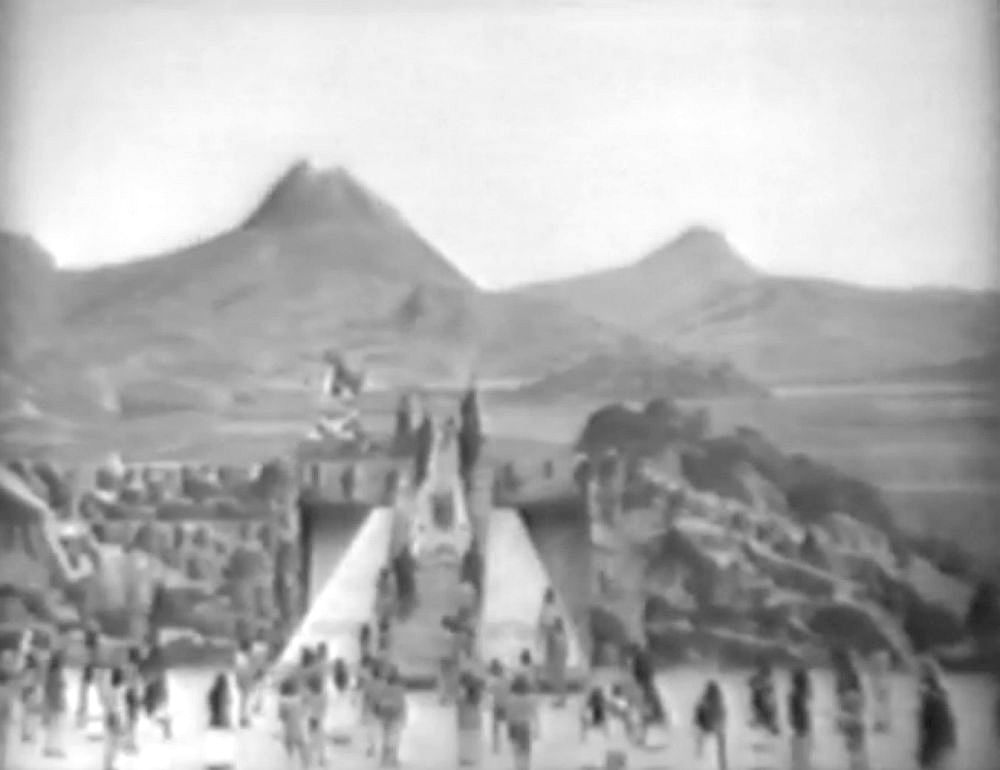
aztec_newsreelSuper-grainy screenshot from the Universal newsreel, 1937

***

Sources & Notes

Postcards of the Pan-American Exposition are from “the internet.”

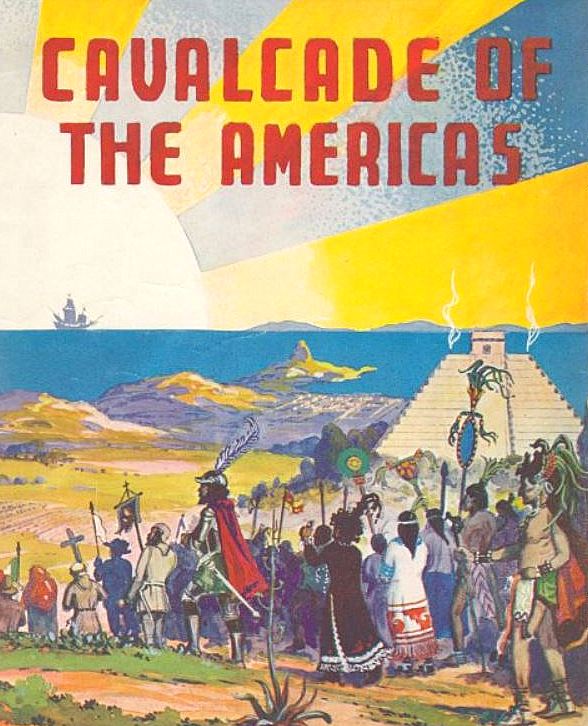
Color souvenir program image from the Watermelon Kid site; background on the Pan-American Exposition can be found on the same site, here.

All other clippings as noted.

Related Dallas Morning News articles:

  • “As Sacrificial Virgin, Star of Cavalcade Put In Showy Opening Act” (DMN, July 26, 1937)
  • “Cavalcade Dispute Is Won by Consul As Virgin Is Replaced” (DMN, July 28, 1937)

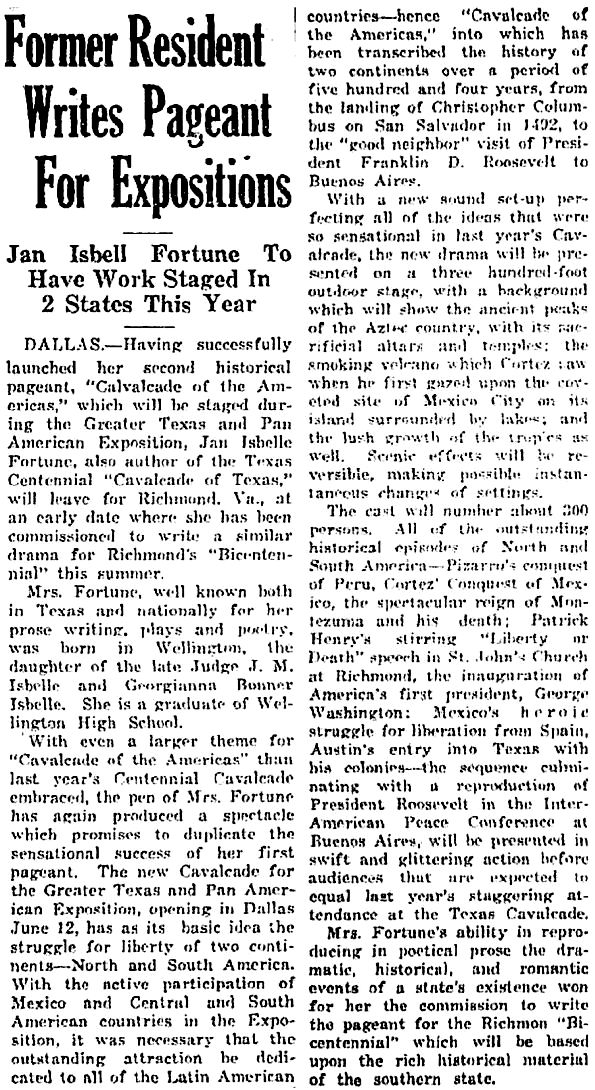
Below, an interview with Jan Fortune on her Cavalcade of the Americas; it appeared in her hometown newspaper, The Wellington (Texas) Leader on March 18, 1937. She also wrote the Centennial’s big production, Cavalcade of Texas, the previous year, in 1936.

jan-isbell-fortune_wellington-tx-leader_031837

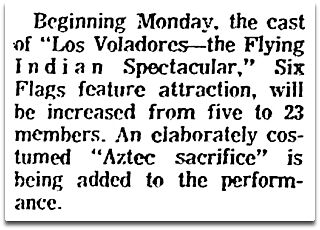
And, speaking of Aztec human sacrifices in DFW (a phrase I don’t believe I’ve ever written…), the following tidbit was contained in an article about Six Flags Over Texas’ 1970 season.

aztec_FWST_052170-six-flagsFWST, May 21, 1970

Promotional material about Los Voladores — a group of aerialists from Mexico — informs us that in their show “a beautiful maiden’s life is given as tribute to Tlaloc, the rain god.” Those beautiful maidens can’t catch a break. Sorry, Adolfo.

*

Copyright © 2015 Paula Bosse. All Rights Reserved.
“A Day at the State Fair of Texas” — A Color Film of the 1941 Fair

title-cardOfficial SFOT-produced movie (via Texas Archive of the Moving Image)

by Paula Bosse

TAMI — Texas Archive of the Moving Image — is a great repository of old films shot in and around Texas. Its site boasts streaming newsreels, PSAs, commercials, home movies, etc. — one of these films is the 11-minute short “A Day at the State Fair,” an “official” film produced by the Jameson Film Co. of Dallas for the State Fair of Texas, directed by Curt Beck and starring two young local actors, Charmayne Smith and Harry Bleeker. The SFOT made these short movies primarily to promote the fair, and they were often shown in theaters around Texas and in neighboring states, sandwiched between other cinematic entertainment. They were also used for educational purposes and were shown to both students and civic groups. This official film was shot at the 1941 state fair for the purpose of promoting the fair the next year, but it may actually never have been shown anywhere, as the 1942 State Fair of Texas was cancelled “due to war.”

I am unable to embed the film here — to view it in its entirety on the TAMI site, click here. (Make sure to click the “full screen” square just to the left of the speaker icon below the frame.)

Below are some (admittedly grainy) screenshots from the film. It’s fun to see these pre-War shots of the fair in color (inconsistent though that color is). Click pictures for larger images.

*

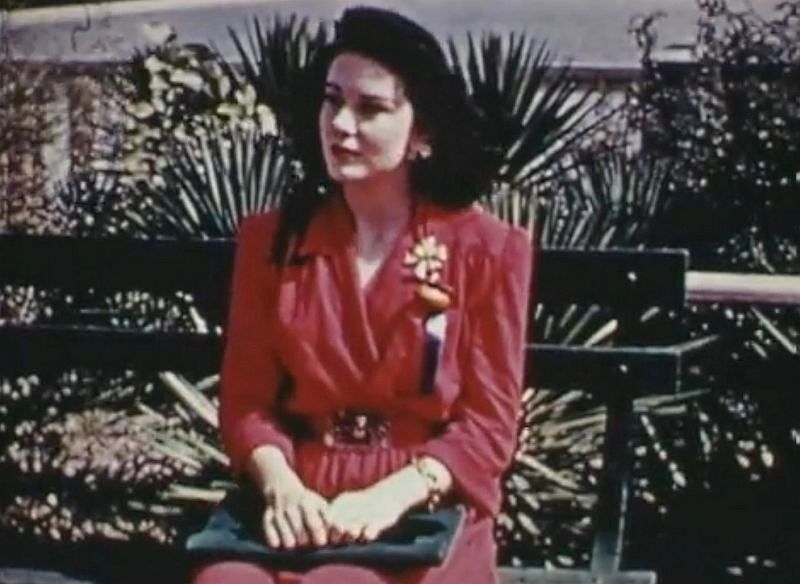
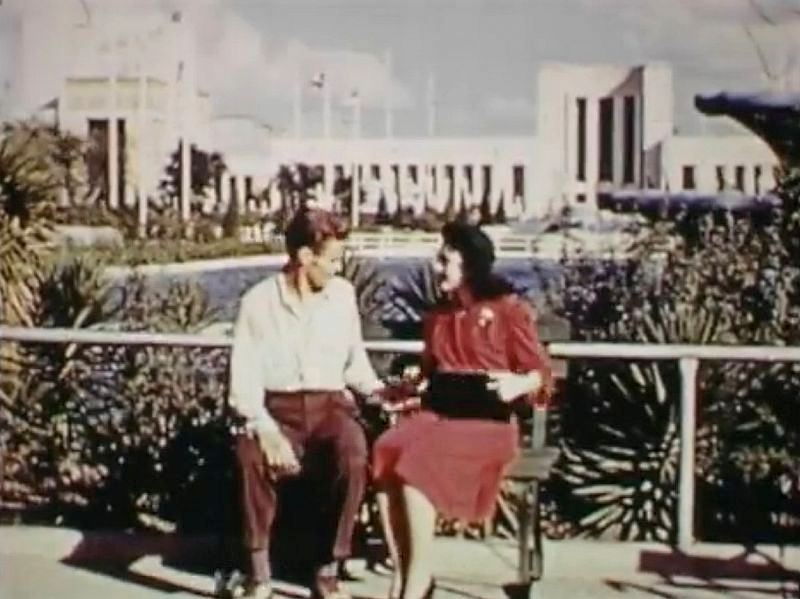
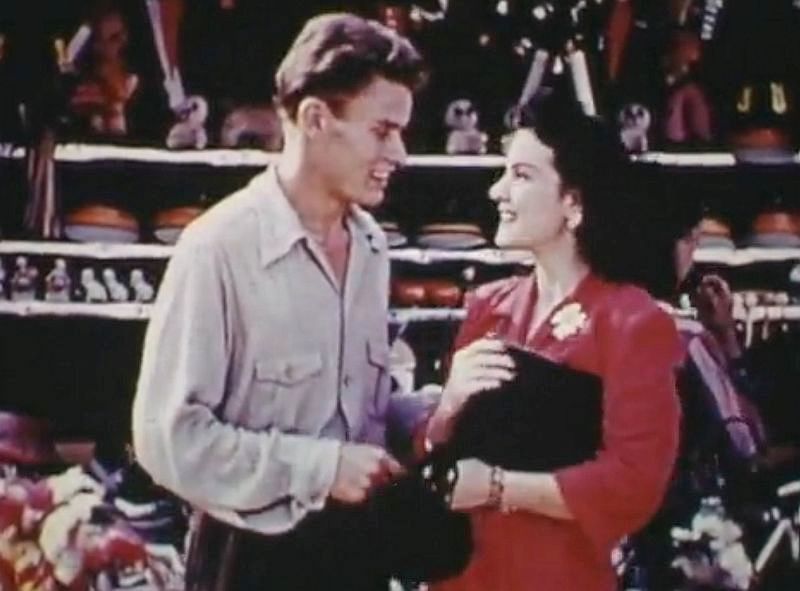
The film follows two young people who meet on a blind date and tour the fair. The young woman was played by Charmayne Smith, a Forest High School graduate who became both Miss Dallas and Miss Texas, and, at the time of this film, was studying acting at the Dallas Little Theater.

charmayne

Her date was played by Harry Bleeker, also an actor with the Dallas Little Theater. (I like the peek at Parry Ave. in the background.)

harry-bleeker

They “met cute” at a Fair Park bench.

bench

They went to the Midway.

midway

They looked at rides and made pithy observations.

rocket

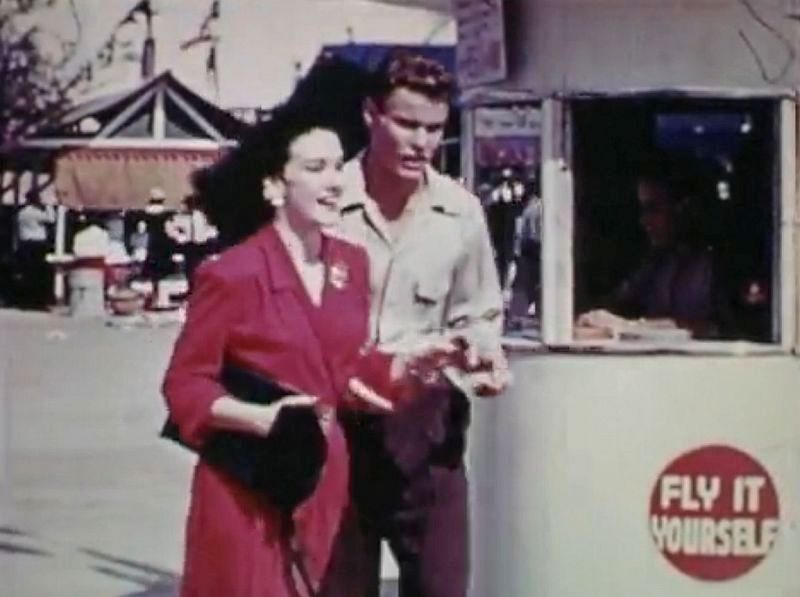
They bought tickets to an “aeroplane” ride, a ride so exciting it made Charmayne go “Whee!”

tickets

They listened to a freak show barker.

freak-show

Which, the closer you got, didn’t look all that freak-filled, unless you count the sight of a sullen girl holding a snake as being terribly “strange and unusual.” (I’m a sucker for sideshow banners, and this was my favorite shot of the film. The man in the crowd who has turned around to face the camera is more unsettling than anything on that stage — including the accordion!)

freak-show_1941-state-fair-of-texas

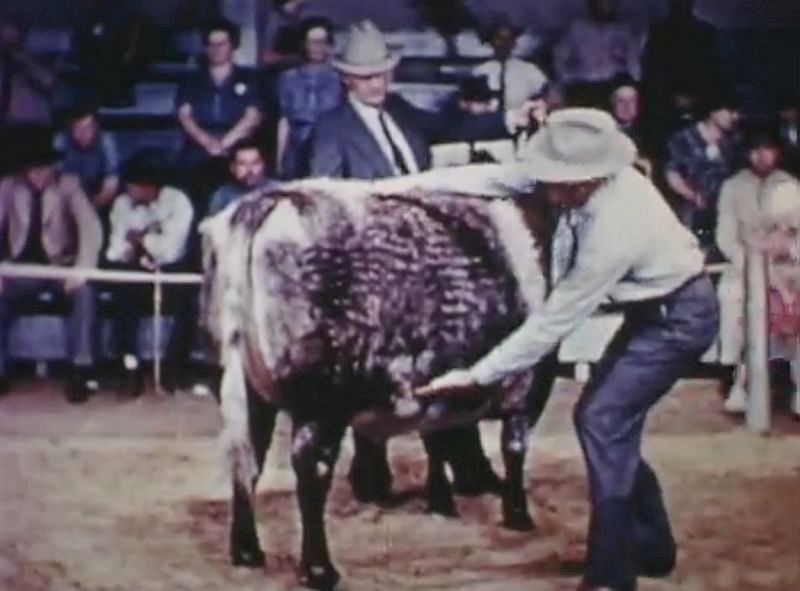
Harry and Charmayne went in and out of buildings, looked at different exhibits, rattled off facts-a-plenty, and extolled the greatness of Texas. And no way were they going to miss the livestock events. A state fair’s gotta have livestock. Like this almost perfectly rectangular Beef Shorthorn.

beef-shorthorn

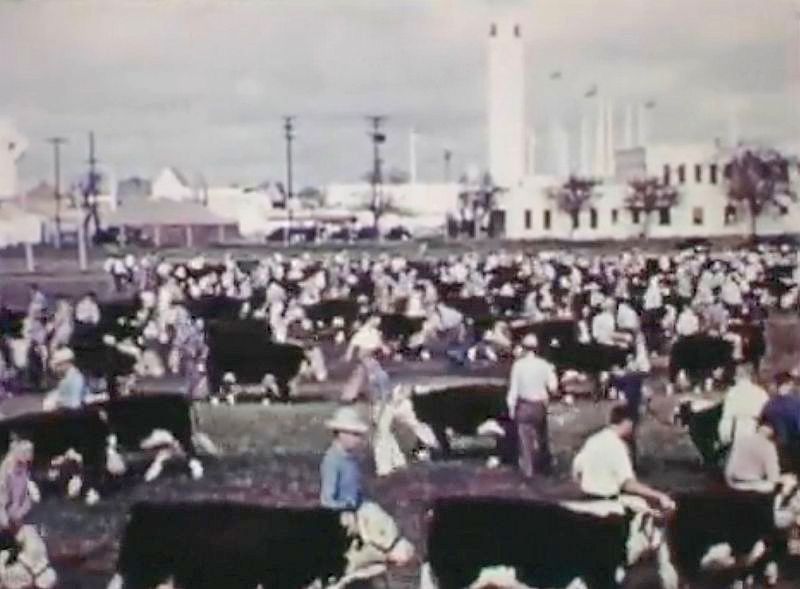
And these parading Herefords.

herefords

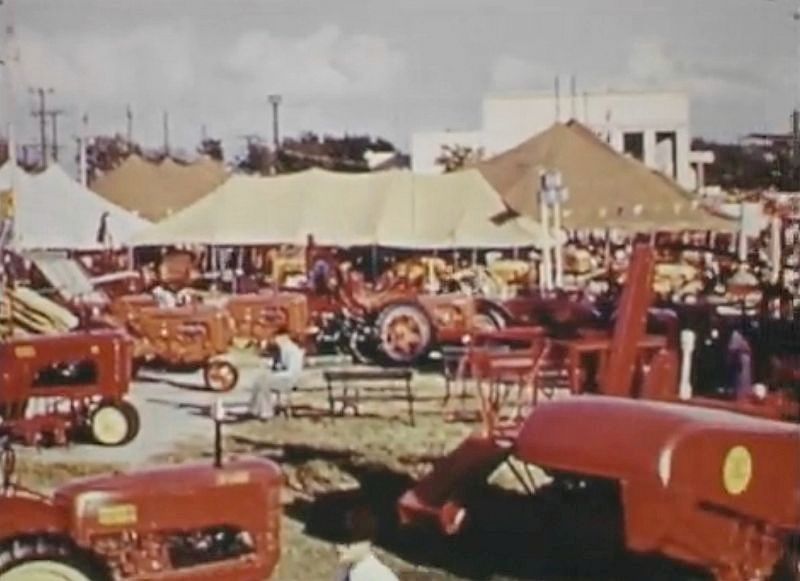
Also seen: tractors, tractors, tractors.

tractors

They took in a “petroleum exhibit” and exclaimed how fabulous it was. (In real life, Charmayne Smith and Harry Bleeker and other Dallas Little Theater actors were part of this exhibit during the 1941 fair.) If only this little car were real and had been seen at the automobile show!

petroleum-exhibit

They moseyed through the Dallas Museum of Fine Arts and viewed the art in the Texas General Exhibition. (Eugene Trentham’s cloud-filled painting, “August Landscape” — winner of the year’s top prize —  can be seen here.)

dmfa

Then, tuckered out, Charmayne tells Harry it’s probably time that she should head home. Harry offers to drive her home and suggests they return that night for more fair fun!

harry-charmayne

They leave, happy, headed for Parry Ave. (and, perhaps, whiskey, across the street).

parry

*

This wasn’t all that Harry and Charmayne saw. There was also a monkey, goats, sheep, horses, the Ice Capades, a beauty contest, jars and jars of preserved fruit, a lady handing out Hi-Ho crackers, the Hall of State, and more. Watch the film. It’s great to see 70-plus-year-old footage of Fair Park — and it’s also nice to hear people talk with Texas accents (something getting rarer every day in Dallas). Again, you can watch the film here.

***

Sources & Notes

The TAMI home page is here; the page featuring this short film is here. Thank you, TAMI, for uploading and sharing this and all the other cool stuff on your site! (The film is currently identified as being made in 1939, but everything points to this being filmed at the 1941 State Fair of Texas.)

These SFOT-produced films were an important promotional tool to entice visitors to the fair. In the months leading up to the opening of the SFOT, these films were shown in hundreds of Texas movie theaters, in theaters in contiguous states, and in thousands of schools throughout the Southwest.

Charmayne Smith (1921-1965) entered and won a lot of beauty contests while in high school and during her time at both the University of Texas and at SMU. An Oct. 12, 1941 captioned photo of Miss Smith mentions that she had been participating in the filming of (color) footage shot around the 1941 SFOT which would be used “for educational and promotion purposes before next year’s exposition.”

I was unable to find anything about Harry Bleeker, other than a mention in a 1941 Dallas Morning News article about the petroleum exhibit seen in the film. Chances are pretty high he served in World War II.

In the film, Charmayne and Harry visit the Third Texas General Exhibition (1941) at the Dallas Museum of Fine Arts. The grand prize in the oil painting division went to Eugene Trentham, a UT art instructor at the time, fresh off a Guggenheim Fellowship.

Click pictures for larger images!

*

Copyright © 2015 Paula Bosse. All Rights Reserved.


Stacy’s Lounge on The Miracle Mile — 1950

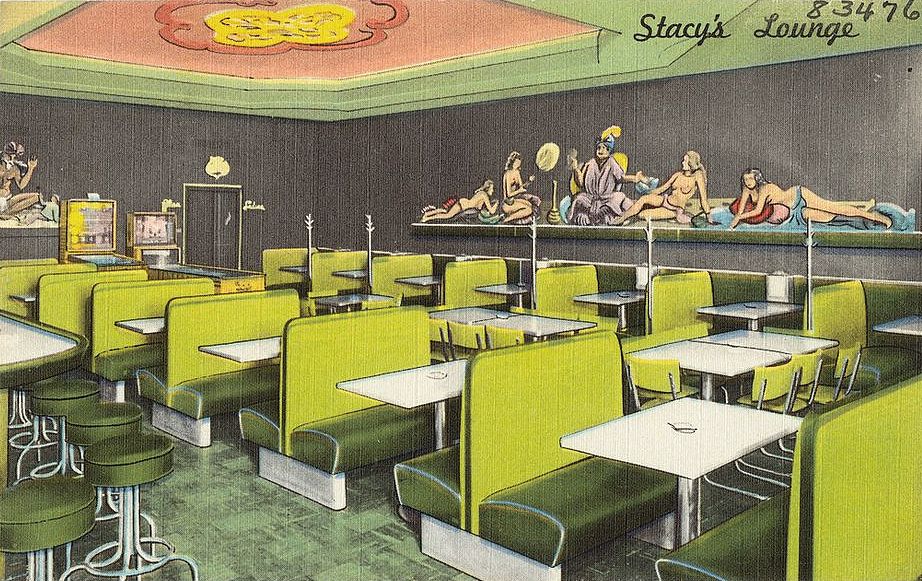
stacys-loungeStacy’s has it all: murals, pinball, ashtrays

by Paula Bosse

Today: a quick look back at a short-lived bar, Stacy’s Lounge, once located along the famed Miracle Mile. Actually, this postcard may be about all that remains from what was, apparently, a fairly short-lived drinking establishment.

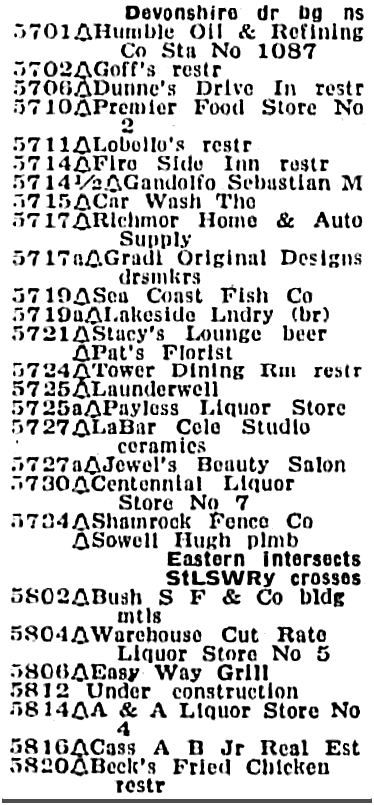
stacys-lounge_1951-dirctry1951 Dallas directory

The above line is from the 1951 city directory, but that listing appears to have been published posthumously. By November of 1950, Stacy’s space at 5721 West Lovers Lane had been taken over by another bar called The Magic Lounge (later the Magic Grille/Herb’s Magic Grill).

Stacy — whomever he or she was — was not afraid of color and decor. I mean … for one thing … those murals. The exotic scenes featuring bare-breasted women, men in turbans, and, I think, a cobra are a little unexpected. They’re either great or awful. Patrons in 1950 might have thought they were awful when they walked in, but by closing time, they probably thought they were … slightly less awful. And the colors! They’ve obviously been pumped up for the postcard, but I’m sure the two-toned green vinyl (great booths!) and the pink and yellow molded and recessed ceiling were attention-grabbing. Imagine it crowded, dark, smoky, and loud. I’ve been in old bars that kind of look like this, just grungier, scuffed up, and sagging. This is pretty much what your favorite dive bar looked like when it was new and shiny. (I just realized I’ve never seen a vintage postcard with a pinball machine in it. And a jukebox. And a cartoon Indian fakir. I’ve hit the trifecta!)

So what other businesses filled that block of Lovers in 1950-51? (Click for larger image.)

stacys-lounge_1951-directory_block1951 city directory

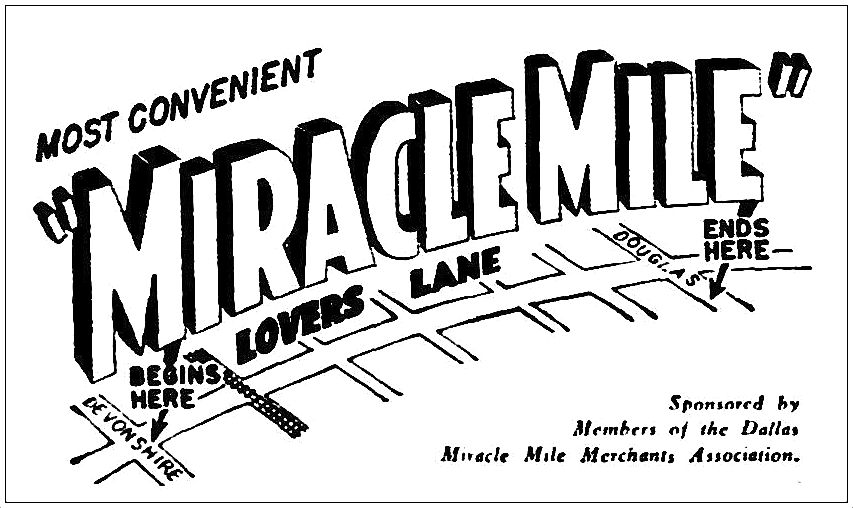
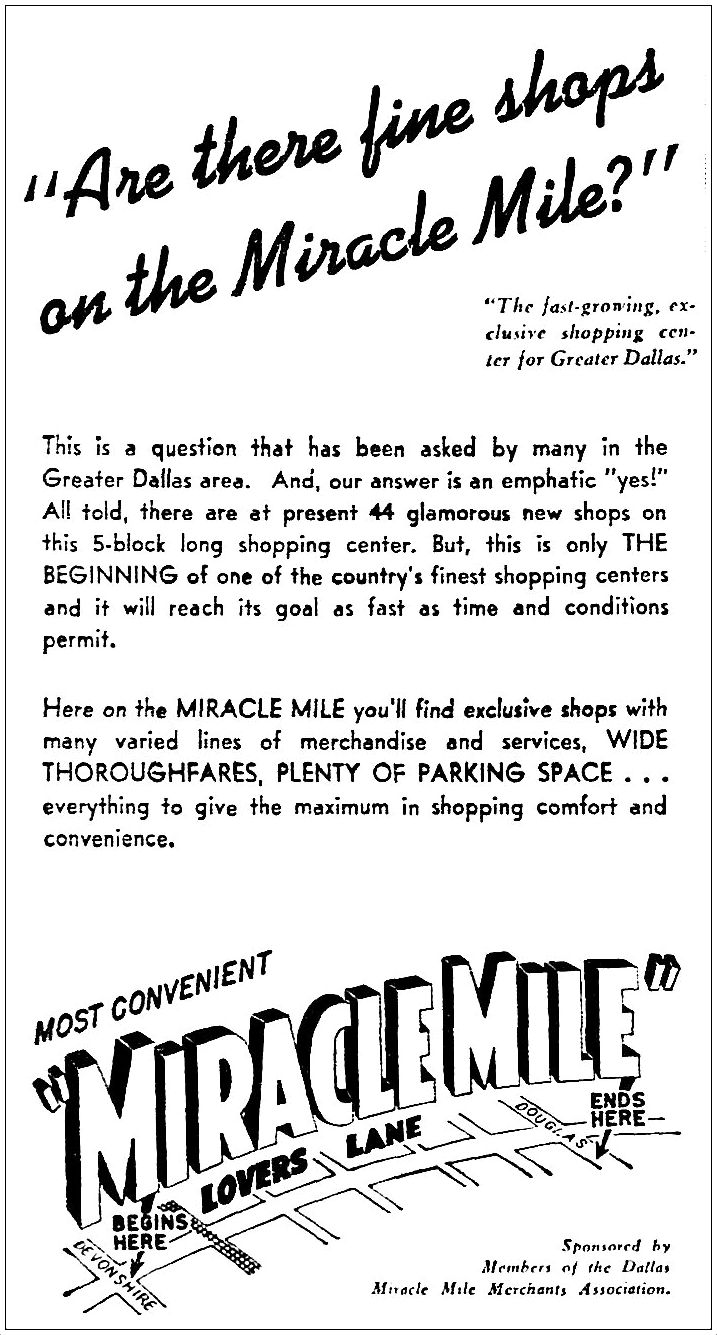
Speaking of The Miracle Mile (you don’t really hear people referring to the Miracle Mile anymore, do you?), when the name of the shopping area debuted in 1947, the official boundaries were Devonshire on the west and Douglas on the east. Some people insist it goes all the way down to the Inwood Theater. This rather adamant Dallas Miracle Mile Merchants Association advertisement illustration would disagree with that notion.

miracle-mile-merchants-assn_ad_april-1947_det

miracle-mile-merchants-assn_ad_april-1947
April, 1947

I’m still not sure why it was called the Miracle Mile, unless it had something to do with the price of real estate. Part of it was in Dallas (the couple of blocks west of what was the St. Louis and Southwestern/Cotton Belt railroad — now the tollway), and part of it was in University Park. (And I suppose still is.) Most of the bars and restaurants were in the Dallas portion, because University Park was dry. Another notable thing about Lovers Lane is that the address numbering is a crazy mess — there’s West Lovers Lane, Lovers Lane, and East Lovers Lane, and every time you pass from one stretch to the next, the abrupt address-changes will make your head spin. (I had no idea it was so crazy until I read Helen Bullock’s very informative and entertaining article about the Miracle Mile in a Sept. 10, 1961 article in The Dallas Morning News, “Walk a Miracle Mile.”)

But back to Stacy — I never actually discovered who Stacy was. Oh well. The particulars of Stacy’s Lounge may be lost to history, but the image of its colorful interior lives on in a 65-year-old garishly-colored postcard.

***

Sources & Notes

Postcard is from the great Boston Public Library Tichnor Brothers Postcard Collection on Flickr, here. I dip into the collection now and again to see what I can find out about those arresting and unreal-looking images — see those past posts here.

Currently at the old Stacy’s Lounge address (though in a newer building) is the Nicholson-Hardie Nursery & Garden Center; the location on a map is here.

You might even say that Stacy’s Lounge has got it going on. Do you have this song going through your head like I do? That’s going to be hard to get out of there.

*

Copyright © 2015 Paula Bosse. All Rights Reserved.

Dunking For Apples at a Halloween Night “Spooks’ Party”

halloween-party_dallas-parks_portalKids used to really have to WORK for those treats!

by Paula Bosse

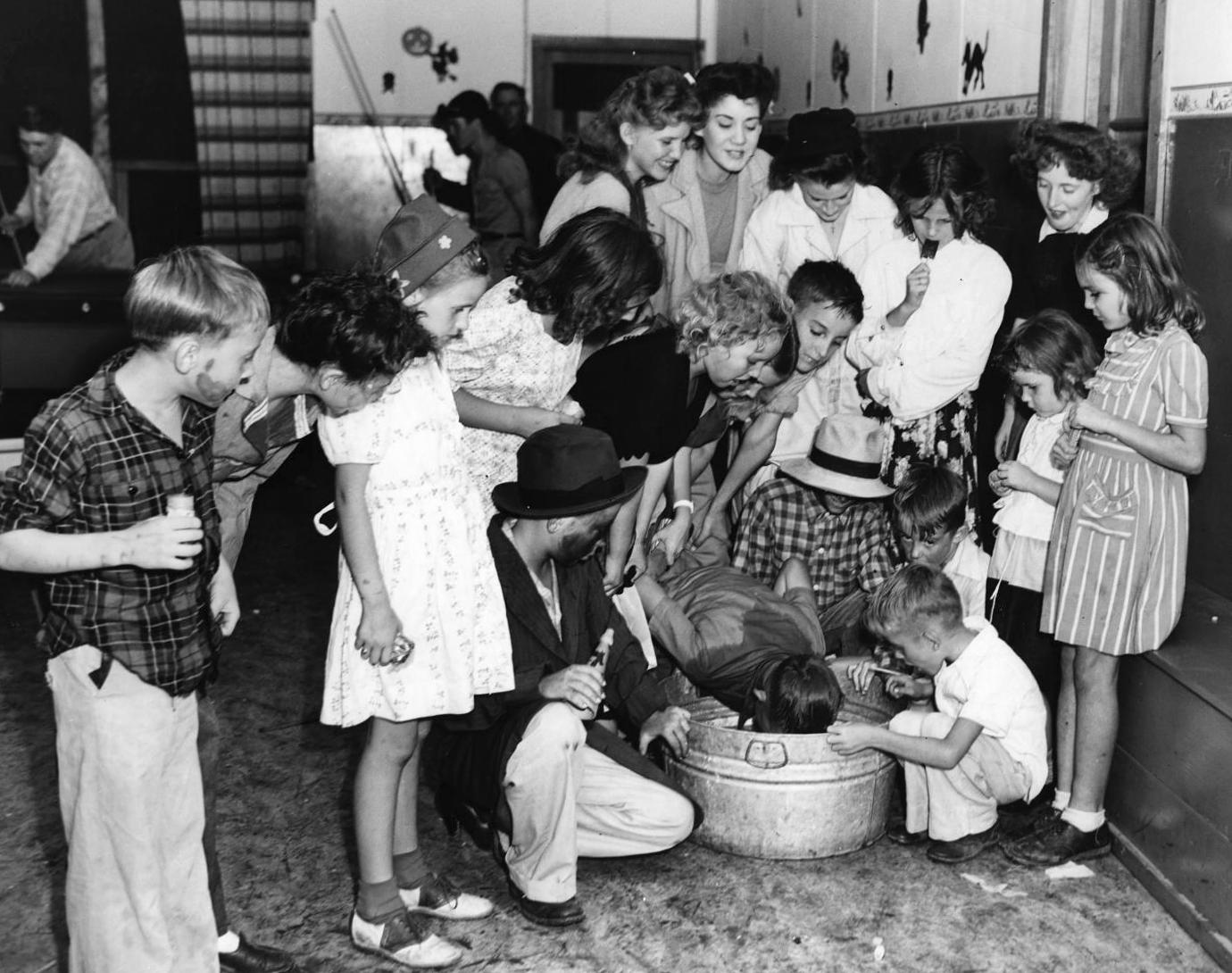
In an effort to steer young revelers to safe Halloween festivities, the Dallas Park and Recreation Department organized parties in community centers around Dallas in the 1930s and ’40s. One of those parties (in an unidentified location) can be seen above, in a photograph titled “Dunking for Apples — Hallowe’en Night — October 31 at Spooks Party.”

The party’s apple-bobbing is in full swing. All eyes are on the dunker, who has obviously been hard at work, dunking down well past his shoulders. A couple of young hobos appear to be in attendance, both with prominent five o’clock shadows. Even though the party is for children, the adults seem to be having more fun than the kids, but perhaps this is early in the evening. And the party’s not just for the small-fry — there’s a pool game going on in the background, providing dunk-free entertainment for dads (and other men who might have wandered in).

Happy Halloween! Dunk responsibly!

***

Sources & Notes

This photograph comes from the Dallas Municipal Archives, accessed through the Portal to Texas History, here. The photographer is Harry Bennett. The photo is undated, but it looks like it is from the early 1940s. These city-sponsored parties appear to have started in the late-1930s as a way to keep children out of mischief and away from the riotous celebrations downtown (which I wrote about previously, here).

More Halloween photos from the Dallas Park and Recreation Department collection, taken by Harry Bennett — perhaps taken the same year, perhaps at the same location — can be seen here.

Click picture for larger image.

*

Copyright © 2015 Paula Bosse. All Rights Reserved.

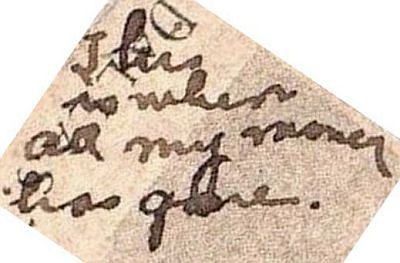
The State Fair of Texas: “This Is Where All My Money Has Gone”

state-fair_ebay

by Paula Bosse

Today is the last day of the fair. If you haven’t been yet, you should go! Have fun — and watch your moolah drain from your wallet at an alarming rate. It’s a tradition!

state-fair_money

***

Postcard from eBay. Click it to see a REALLY  BIG image!

*

Copyright © 2015 Paula Bosse. All Rights Reserved.

An Afternoon Outing with SMU Frat Boys & Their Dates — 1917

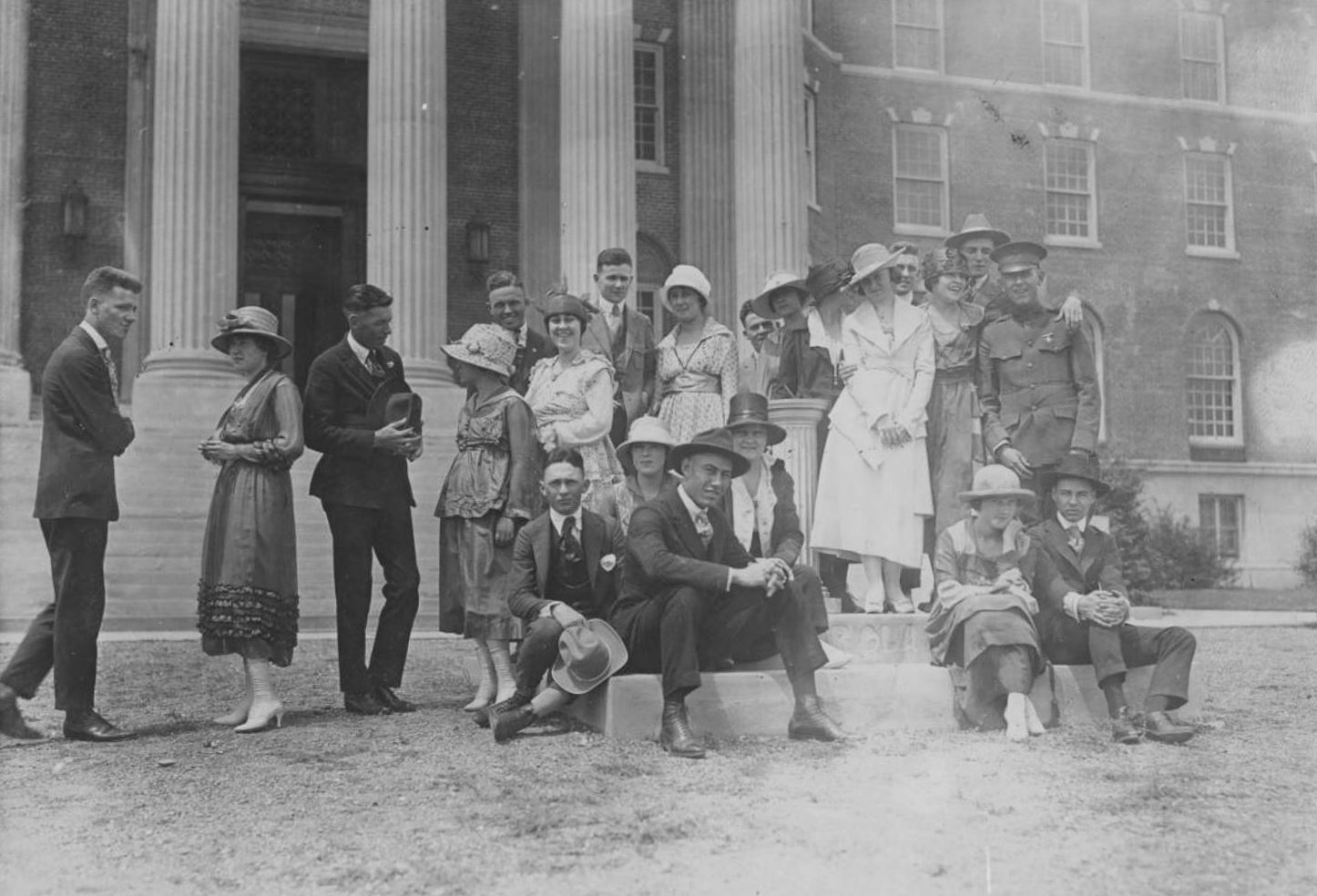
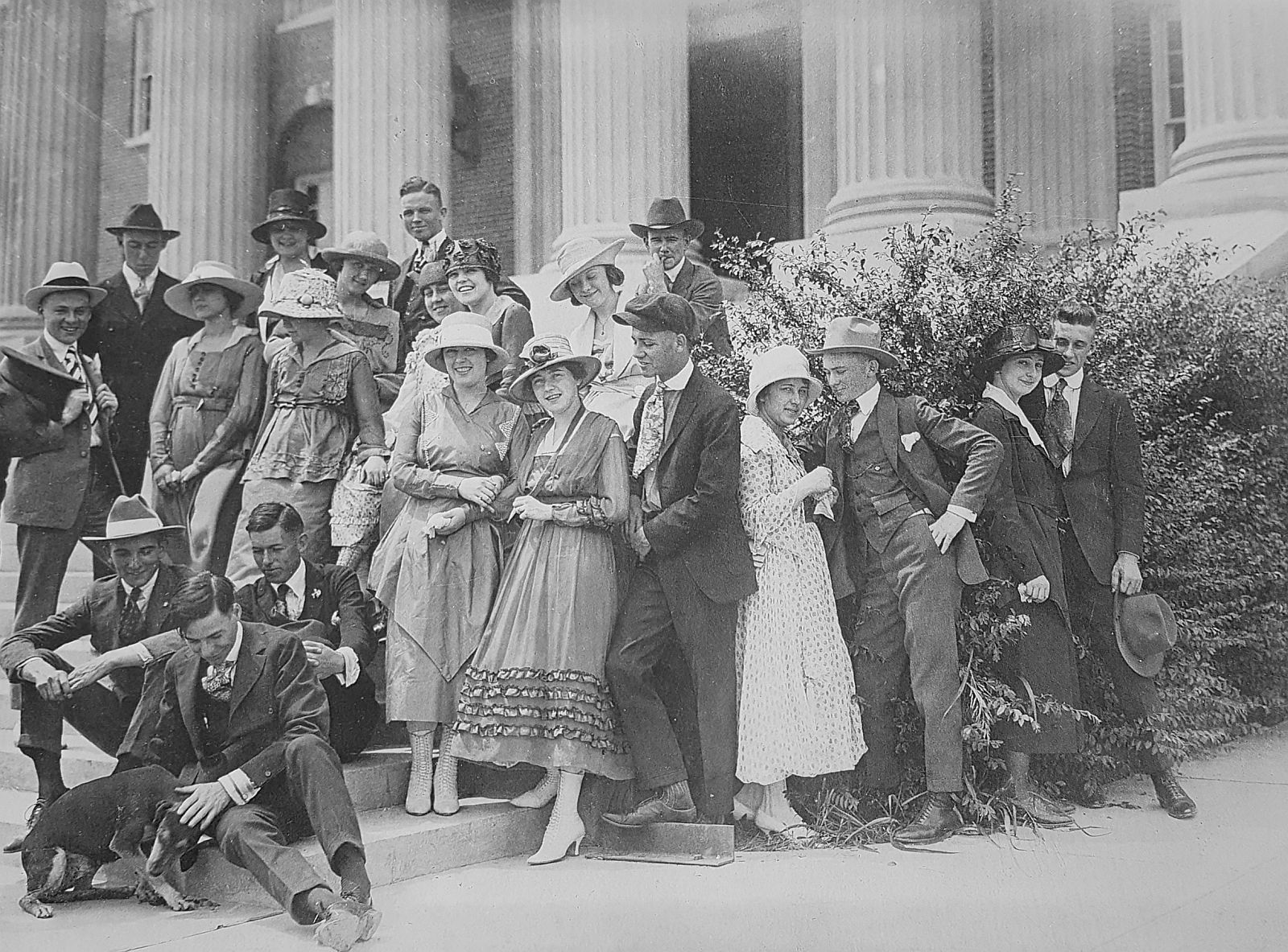
smu_omega-phi_dallas-hall_1917_degolyerCampus couples, 1917

by Paula Bosse

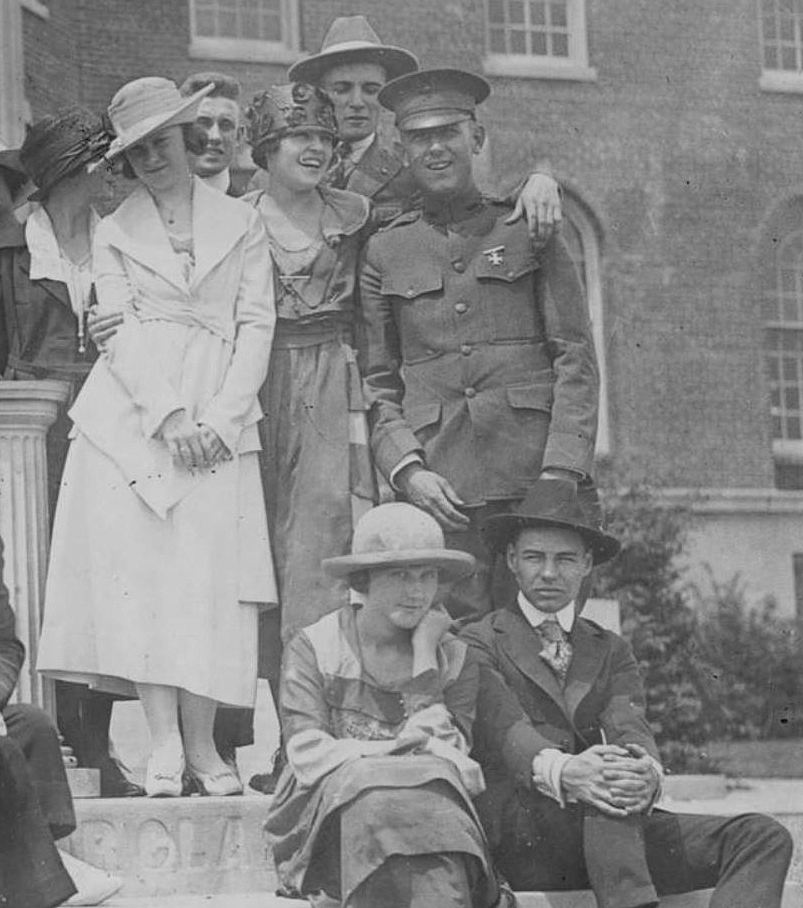
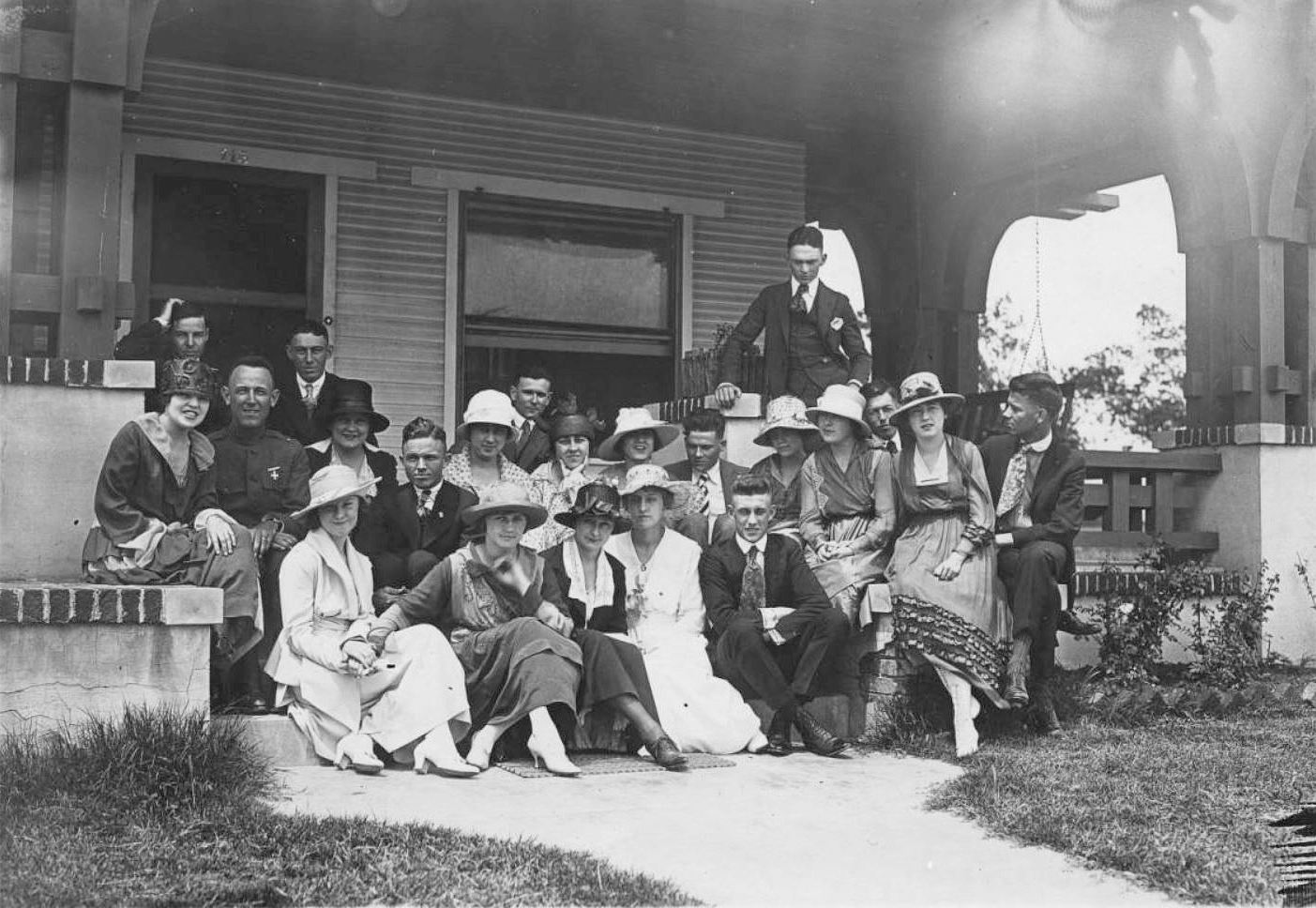
I came across three wonderful World War One-era photos in the SMU archives while I was looking for something else. You know how you can become enthralled by the charm of old photos and sit for long stretches of time staring at every little detail and wondering about the lives of the unidentified people who populate them? That happened to me with these. There is one particular young woman who stands out more than anyone else. Not only is she the best-dressed person in the photos, she also seems calm, collected, and serene. She looks friendly. She was probably very pleasant to have around.

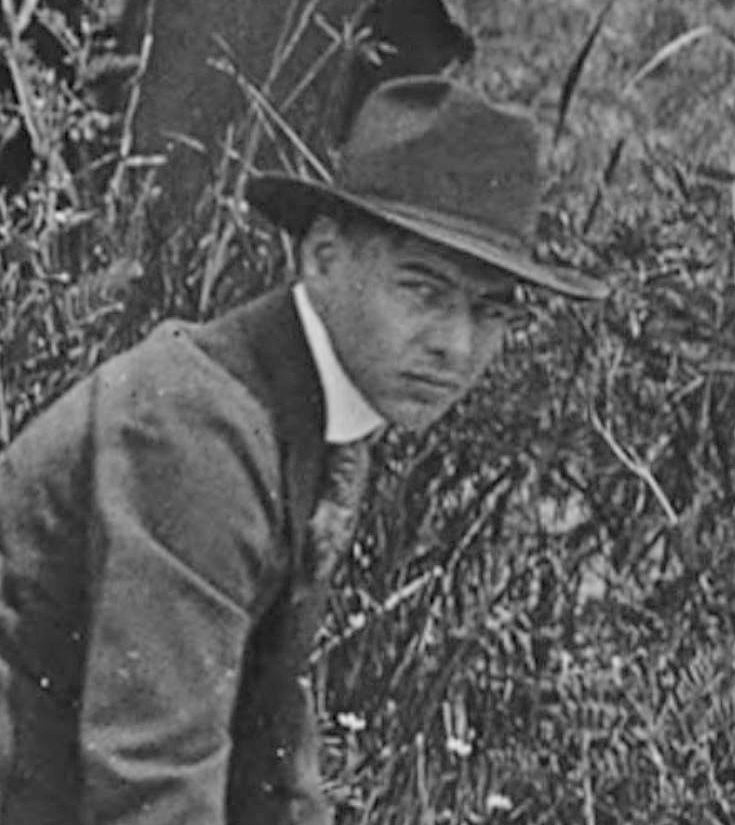
These three photographs show a group of ten young couples and a pair of chaperones spending a beautiful sunny day together, with the highlight of the day being a trip to Highland Park’s Exall Lake. The men are SMU students, identified only as members of the Omega Phi fraternity. The women are identified merely as “dates,” but I’m sure that some of them were also SMU students. The photograph above shows the crowd gathered on campus in front of Dallas Hall. The woman in white looks like she’s on a pedestal, glowing in a spotlight. Below, a closer look at her stylish outfit (as well as a look at the young be-medaled WWI soldier next to her).

smu_omega-phi_dallas-hall_1917_degolyer-det1

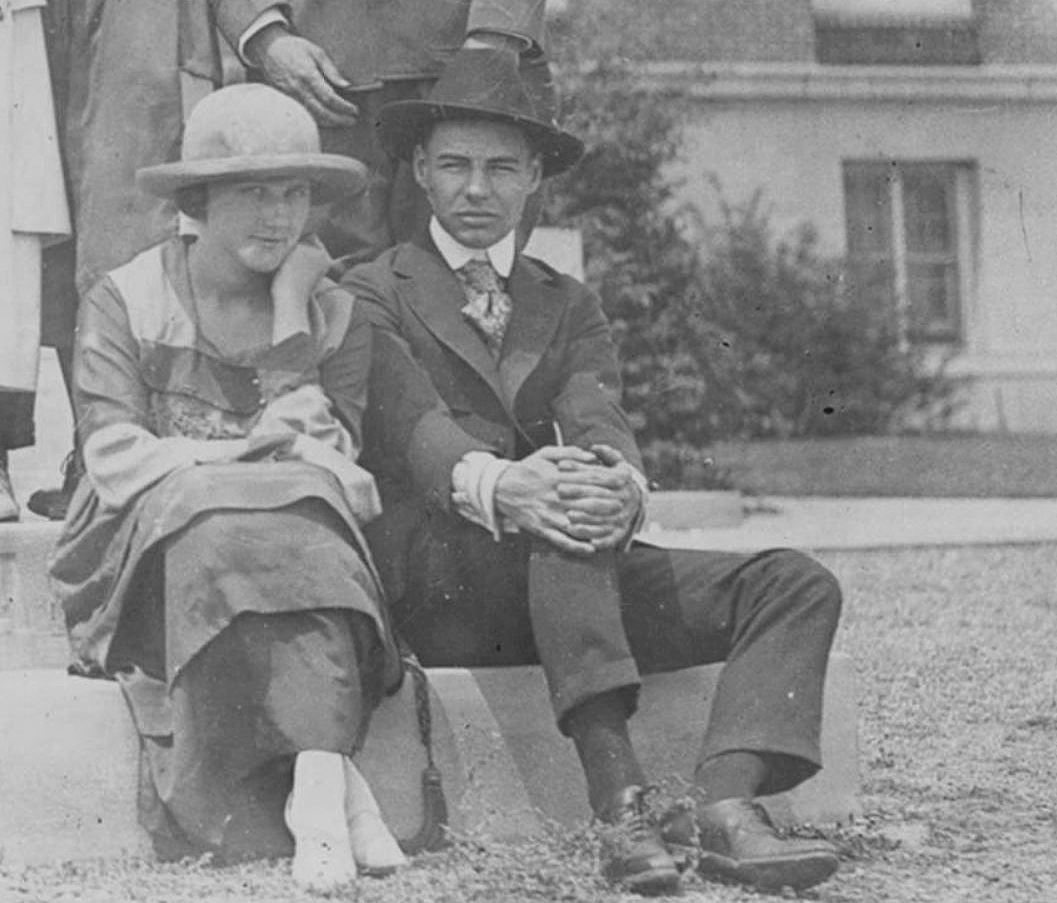
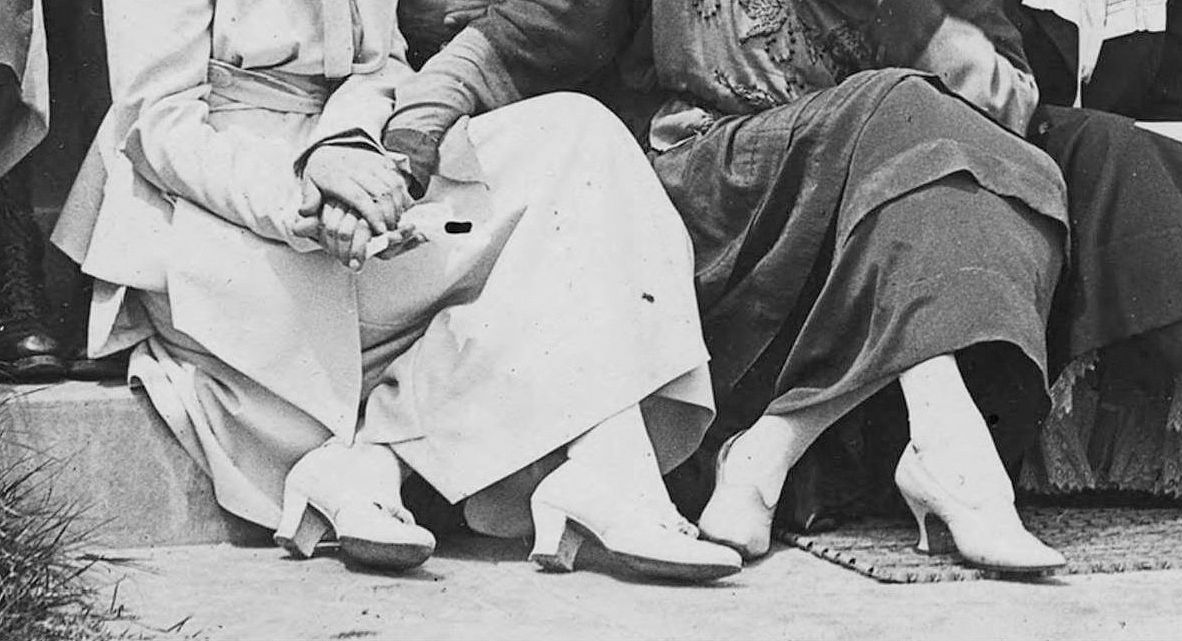
And, below, a similar detail, but this one showing the daintily crossed ankles of another pretty girl, seated beside a sour-looking companion.

smu_omega-phi_dallas-hall_1917_degolyer-det2

And here’s the gang on the idyllic banks of Exall Lake. Diane Galloway included this photograph in her book The Park Cities, A Photohistory with this caption:

At one time a bridge crossed Exall Lake near the Cary house, shown in the distance. The photographer was standing on the bridge to capture this picture of well-dressed SMU students going boating on the lake. A trip to Lakeside Drive was one of the few off-campus excursions permitted in 1917.

I love this photo. If I didn’t know what the Turtle Creek area looked like, I’d be hard-pressed to identify this as Dallas!

smu_omega-phi_exall-lake_1917_degolyer

Here’s a close-up of the beatific, smiling woman in white. I like the kid lurking in the background.

smu_omega-phi_exall-lake_1917_degolyer-det1

And the boat.

smu_omega-phi_exall-lake_1917_degolyer-det2

And the sour-looking guy again, looking even more annoyed than before.

smu_omega-phi_exall-lake_1917_degolyer-det3

And here’s the crowd sitting on the steps of the frat house (which was located at Haynie and Hillcrest). The personnel has changed a little bit (they gained a woman and lost a man), but (almost) everyone seems pretty happy.

smu_omega-phi_porch_1917_degolyer

And, below, my very favorite detail from these three photos.

smu_omega-phi_porch_1917_degolyer-det1

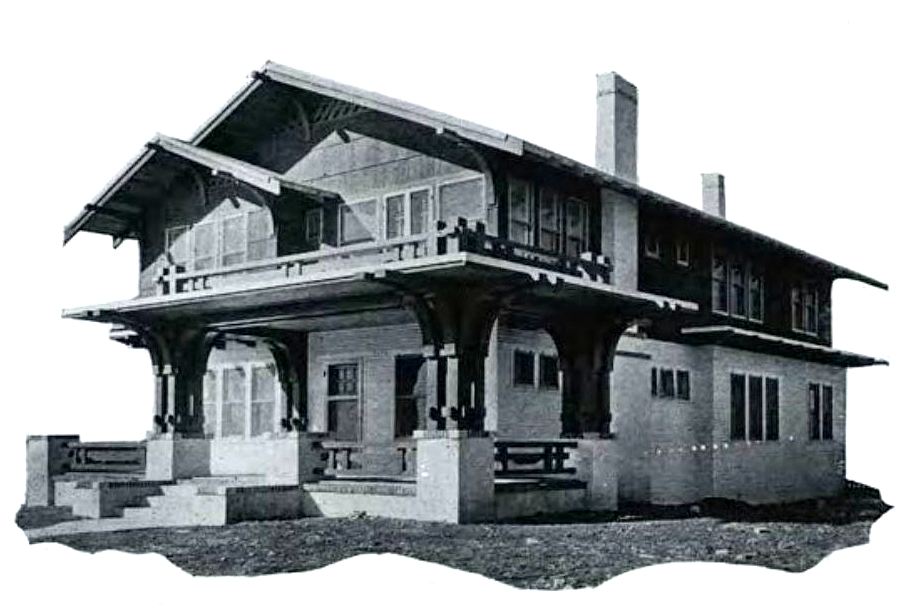
After a bit of sleuthing, I found a picture of the house at the time these photos were taken. It was actually a residence which was, I think, being rented out to the small group of Omega Phis. They had a proper fraternity house built several years later.

omega-phi-house_rotunda_1917

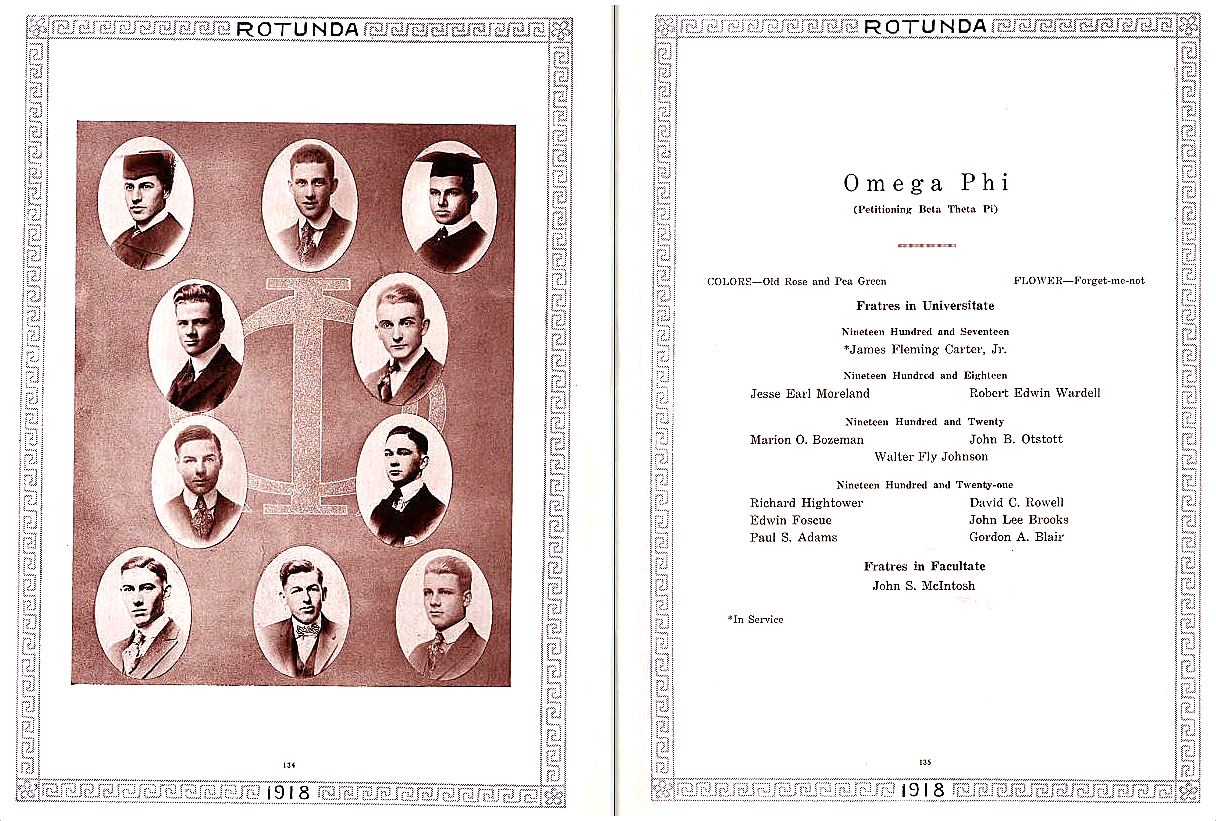
The top photo had “1917” written on the back, so I checked SMU’s Rotunda yearbooks from around that time. Here’s a look at the men who were members of Omega Phi in 1918. Several of these faces match the ones in the photos of the afternoon outing.

omega-phi_rotunda-1918

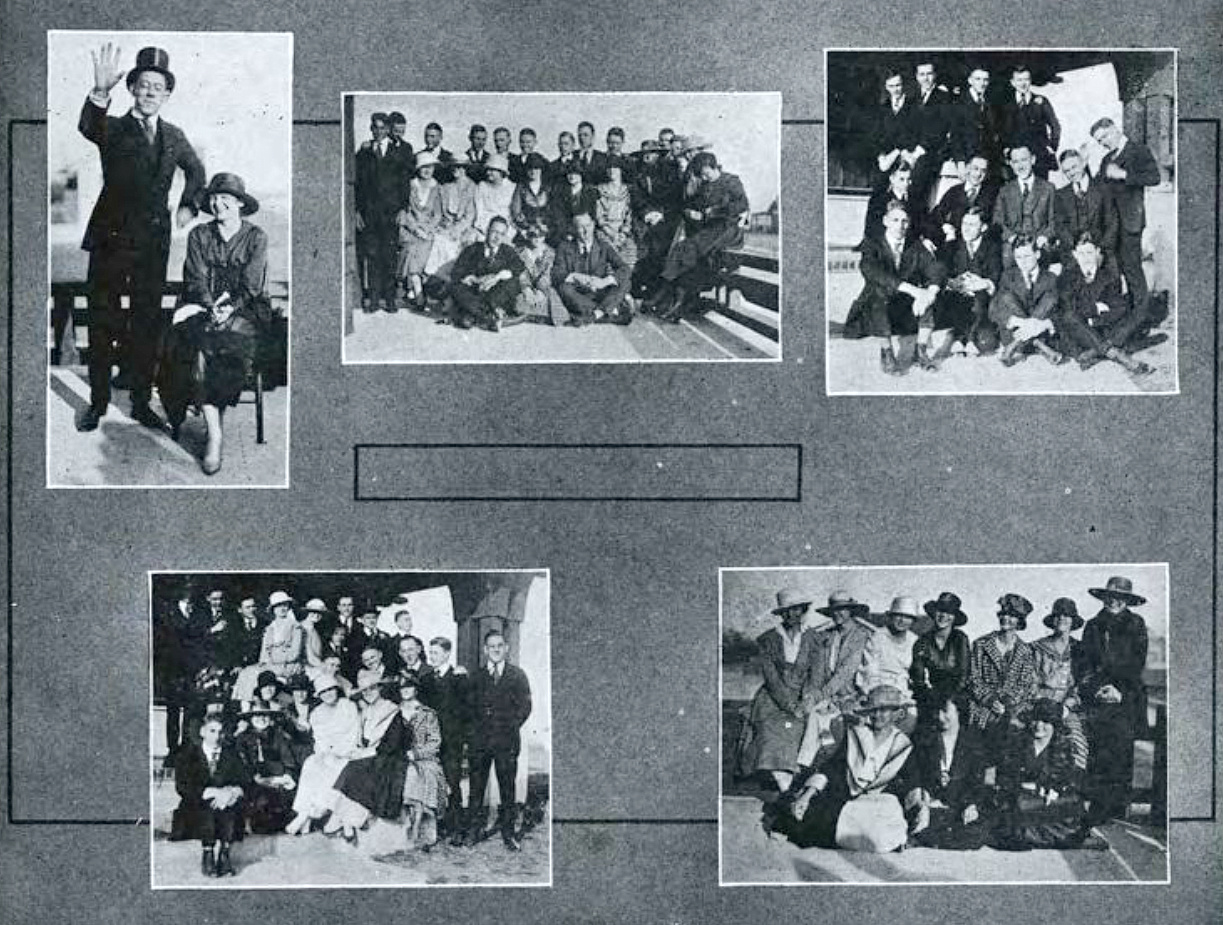
And, below, a photo collage from the Omega Phi page of the 1917 Rotunda. Several of the women look familiar. I see the Woman in White in at least one of these snapshots.

omega-phi_photos_rotunda_1917

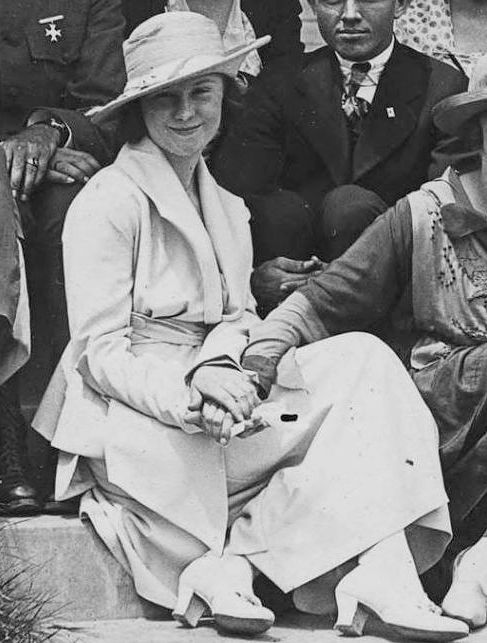
And here she is, close up. I hope she was as happy, intelligent, and confident in her real life as she appears to be in these photos.

smu_omega-phi_porch_1917_degolyer-det2

***

Sources & Notes

The three photos of the afternoon outing all come from the collection of the DeGolyer Library, Central University Libraries, Southern Methodist University:

  • “Omega Phi Fraternity members and their dates in front of Dallas Hall” is here.
  • “Omega Phi Fraternity member outing to Exall Lake” is here.
  • “Omega Phi Fraternity members and their dates on porch” is here.

The quote from Diane Galloway comes from her FANTASTIC book, The Park Cities, A Photohistory (Dallas: Diane Galloway, 1989), p. 24.

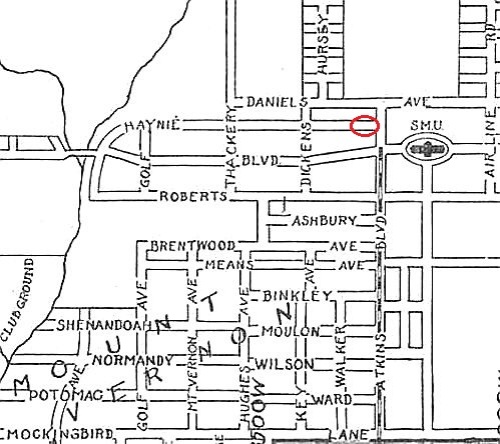
The ersatz Omega Phi fraternity house was located at 115 Haynie Avenue, just west of Atkins (now Hillcrest). (The photo of the exterior of the house is from the 1917 SMU Rotunda yearbook.)

omega-phi_map_19191919 map (detail), Portal to Texas History

I have absolutely no idea how college fraternities work, but it seems that when they formed on the SMU campus in 1915, the Omega Phi group was not actually affiliated with a national fraternity. They “petitioned” to be chartered by national groups, but they finally stopped trying after 11 years of, I guess, being repeatedly turned down — in 1926 they declared themselves to be an “independent society.” But one year later, they were granted a charter by the national Kappa Sigma fraternity. In the Dallas Morning News article announcing the news, this sentence was included: “The local chapter will be known as Delta Pi chapter.” I have no idea what any of that means, but if you’re really into these things, read the DMN article “Kappa Sigmas Grant Charter” (Sept. 26, 1927), here.

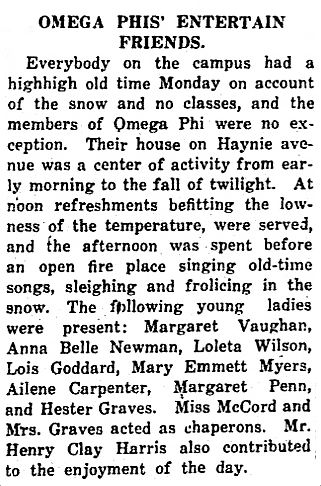
As for the identities of the women in the photos, it’s a mystery. I would assume, though, that at least some of them were the women mentioned in this little article about a cozy winter get-together at the Haynie Ave. house:

omega-phi_smu-campus_011917DMN, Jan. 19, 1917

If you’re not familiar with beautiful Exall Lake, you can watch a short, minute-long video of the lake’s history, produced to celebrate the 100th anniversary of Highland Park, here.

For other posts featuring photos I’ve zoomed in on to reveal interesting little vignettes, click here.

UPDATE: I stumbled across another photo of this group, from Diane Galloway’s book The Park Cities, A Photohistory:

smu_group-date_park-cities-photohistory_galloway

*

Copyright © 2015 Paula Bosse. All Rights Reserved.