Flashback : Dallas

A Miscellany: History, Ads, Pop Culture

Twelve Prominent Black Baptist Churches — 1967
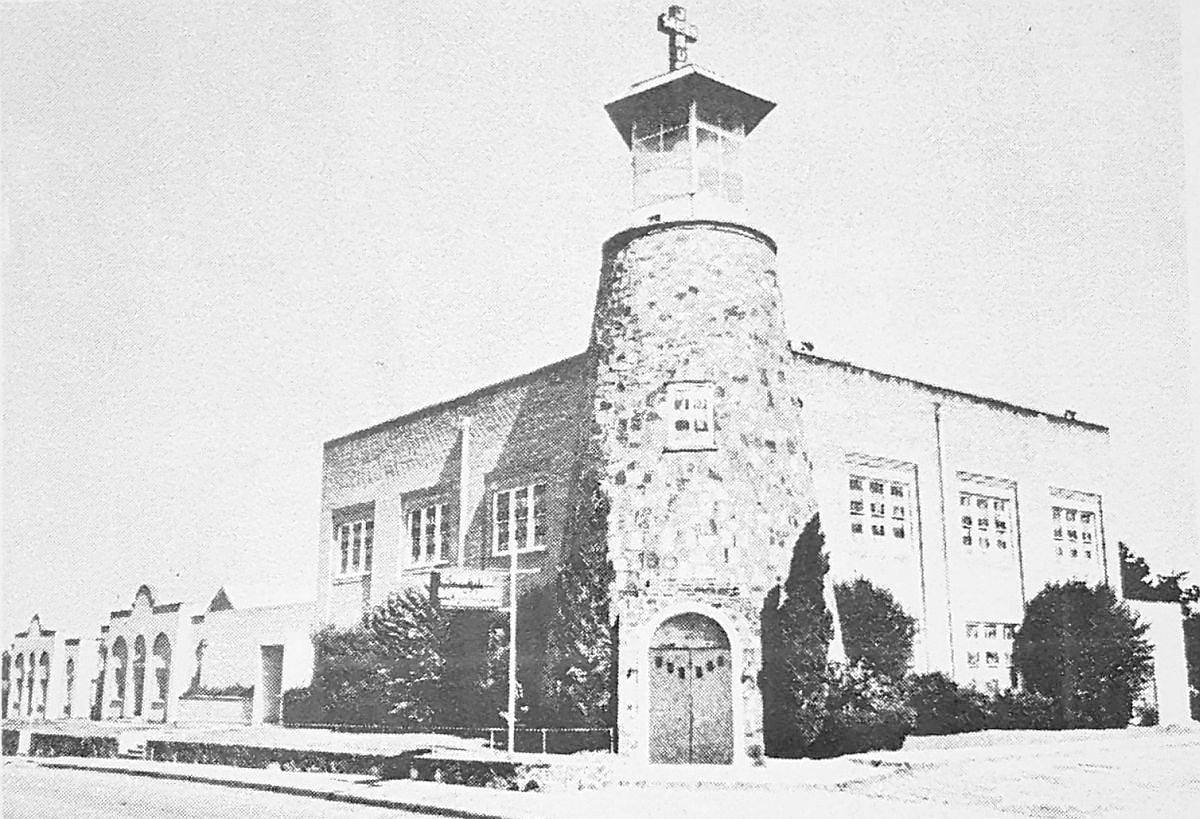
church_zion-hill-missionary-baptist_1967Zion Hill Missionary Baptist Church… (click for larger image)

by Paula Bosse

Flipping through the pages of the 1967 Souvenir Program of the 74th Annual Session of the Missionary Baptist General Convention of Texas and Its Auxiliaries (…as one does), I kept coming across ads featuring photos of Dallas churches and wondered how many were still standing. Out of the twelve I’m posting here, all but three are still standing. That’s a healthy survival rate!

All photos are from the above-mentioned program for the Missionary Baptist General Convention of Texas, which convened in Dallas, October 17-20, 1967. All photos (which are larger when clicked) appeared in this 1967 booklet, but a few were older photos taken in previous years or decades.
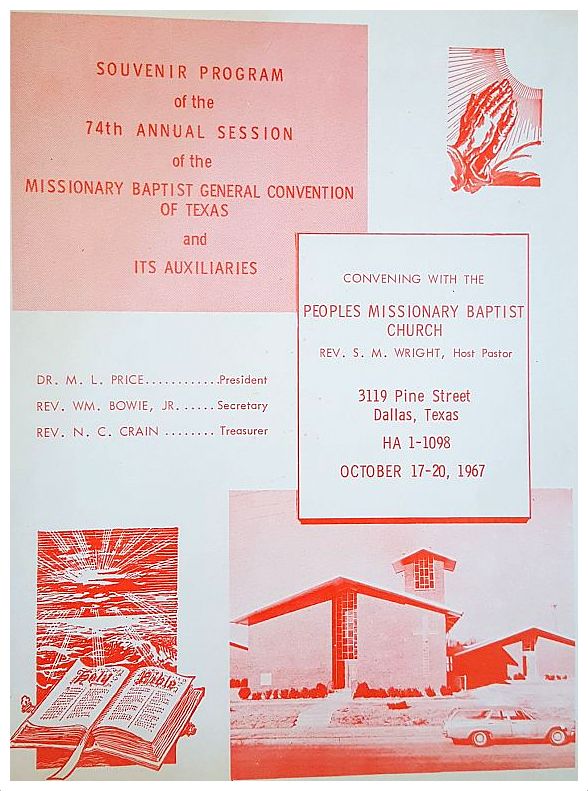
missionary-baptist-convention_1967

*

At the top, Zion Hill Missionary Baptist Church, 909 Morrell Avenue, East Oak Cliff (Rev. A. F. Thomas, Sr., Minister). The church is still standing and is still cool-looking — see it on Google Street View here. (According to a history of the church, the building was designed by J. C. Hibbard, the Assembly of God preacher who designed his own Oak Cliff church, the Gospel Lighthouse Church, which I wrote about here — the two eye-catching buildings are only a mile apart.)

*
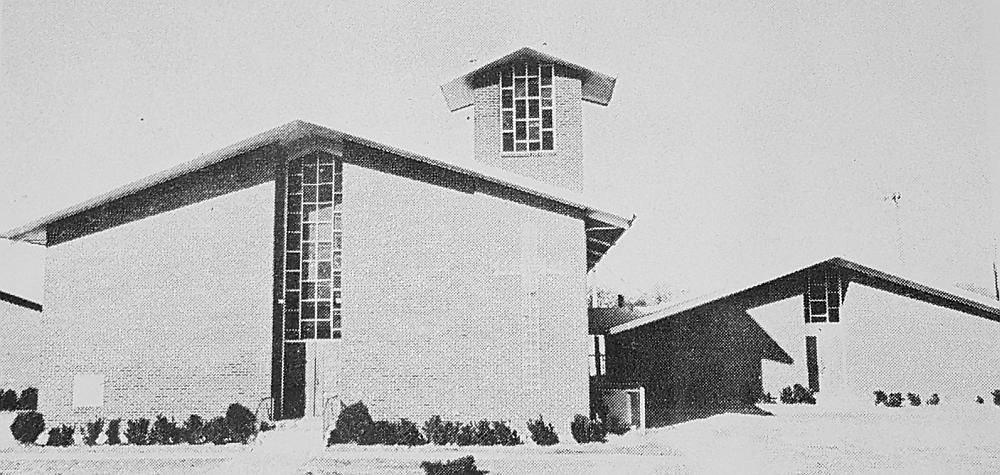
church_peoples-missionary-baptist_1967

People’s Missionary Baptist Church, 3119 Pine Street, South Dallas (Rev. S. M. Wright, Pastor). Still standing, here

*
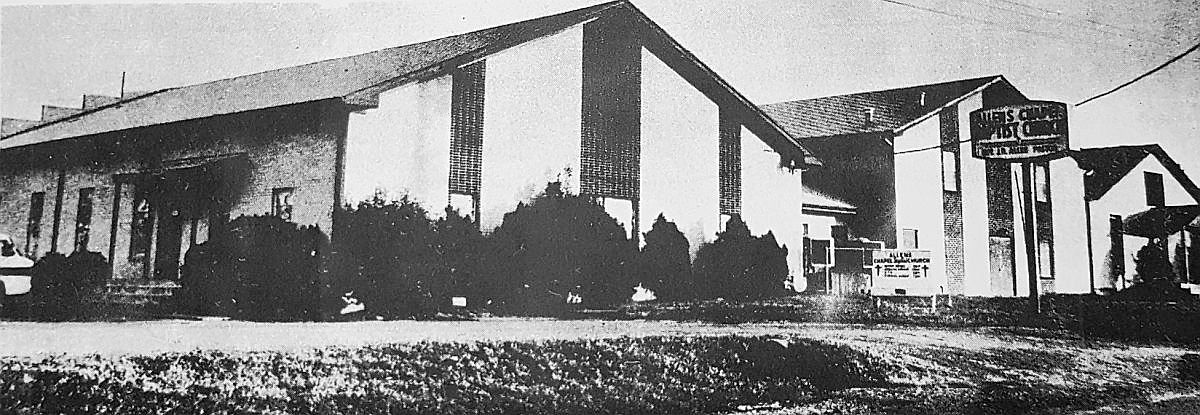
church_allen-chapel-baptist_1967

Allen Chapel Baptist Church, 2146 Overton Road, Oak Cliff (Rev. J. R. Allen, Pastor). Still standing, here.

*
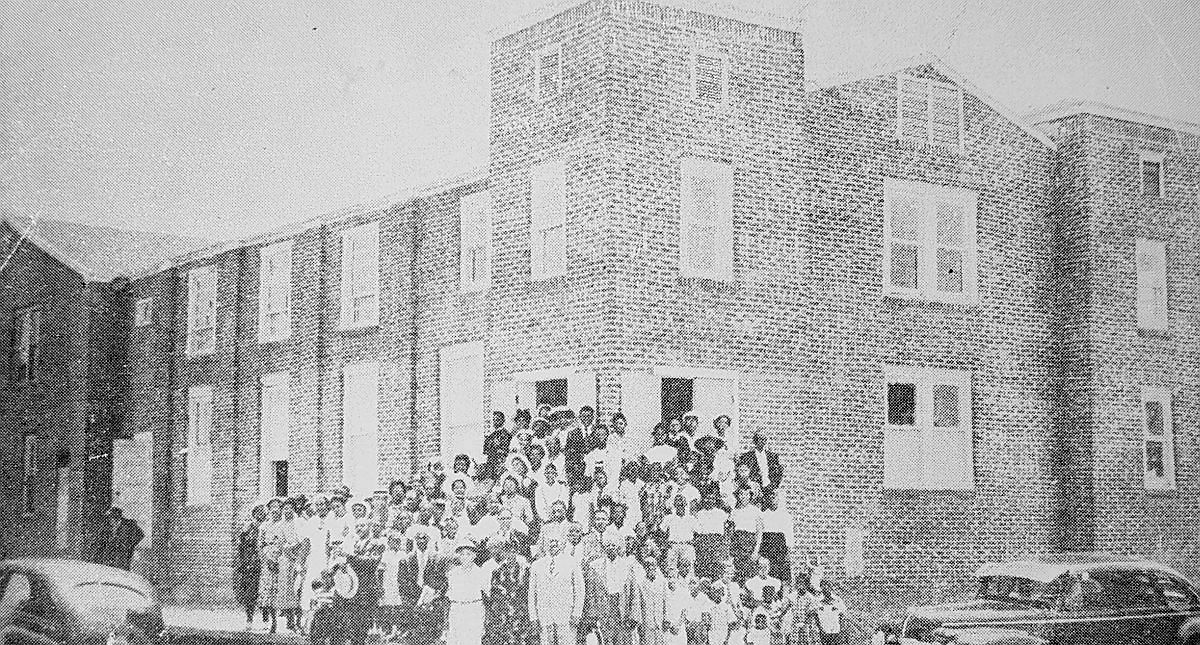
church_morning-star-baptist_1967

Morning Star Baptist Church (photo circa 1947, the year the brick church was built), 2662 Anderson Street, South Dallas (Rev. Howard Gill, Pastor). Still standing, here.

*
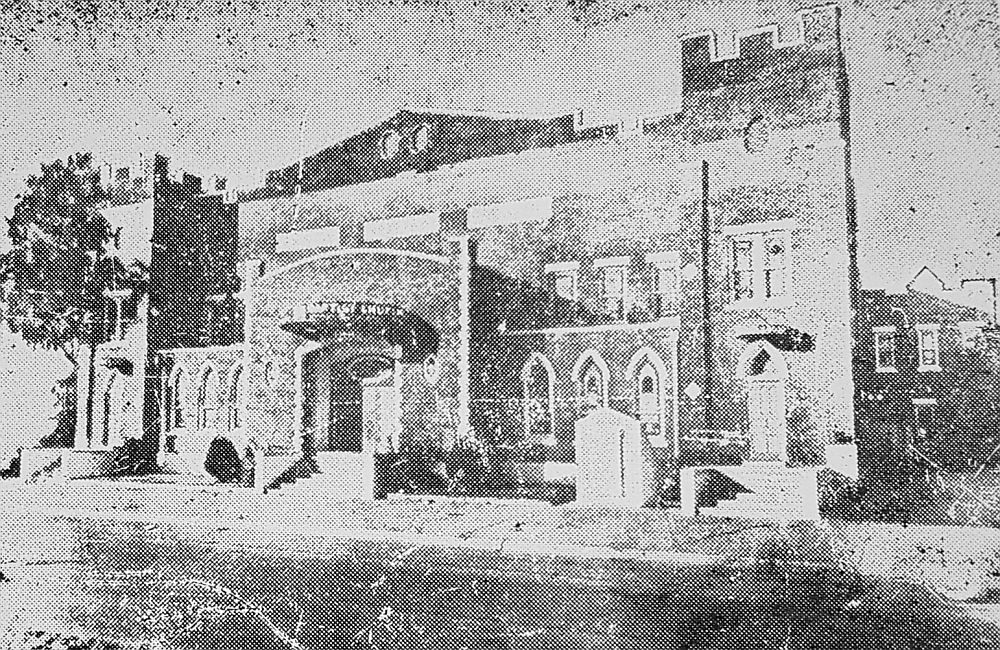
church_good-street-baptist_1967

Good Street Baptist Church, 902 N. Good-Latimer (between Live Oak and Bryan) (Dr. Cesar Clark, Pastor). No longer standing.

*
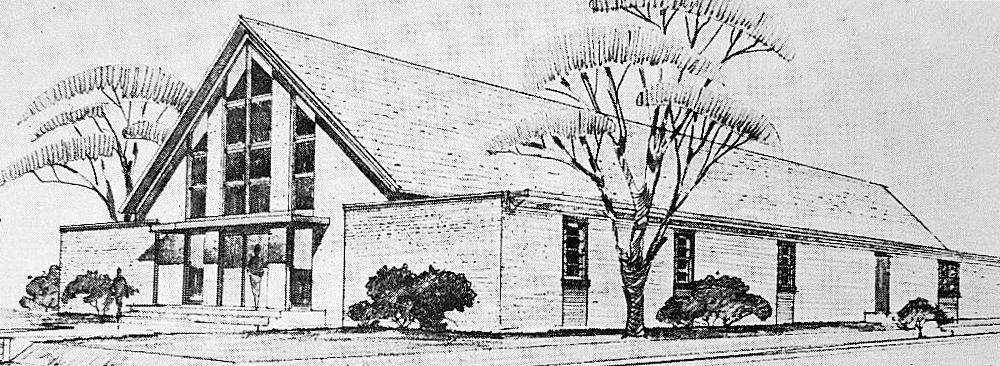
church_oak-hill-missionary-baptist_1967

Oak Hill Missionary Baptist Church, 4440 S. Oakland Avenue (now Malcolm X Blvd.), South Dallas (Rev. M. G. Solomon, Pastor). Drawing of their “future church building.” Still standing, here.

*
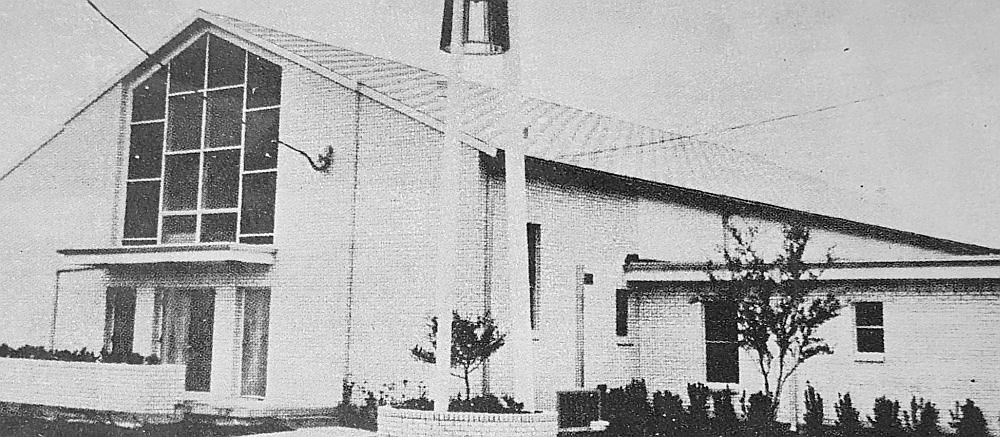
church_bethany-baptist_1967

Bethany Baptist Church, 6710 Webster Street, Love Field area (A. L. Schley, Pastor). Still standing, here.

*
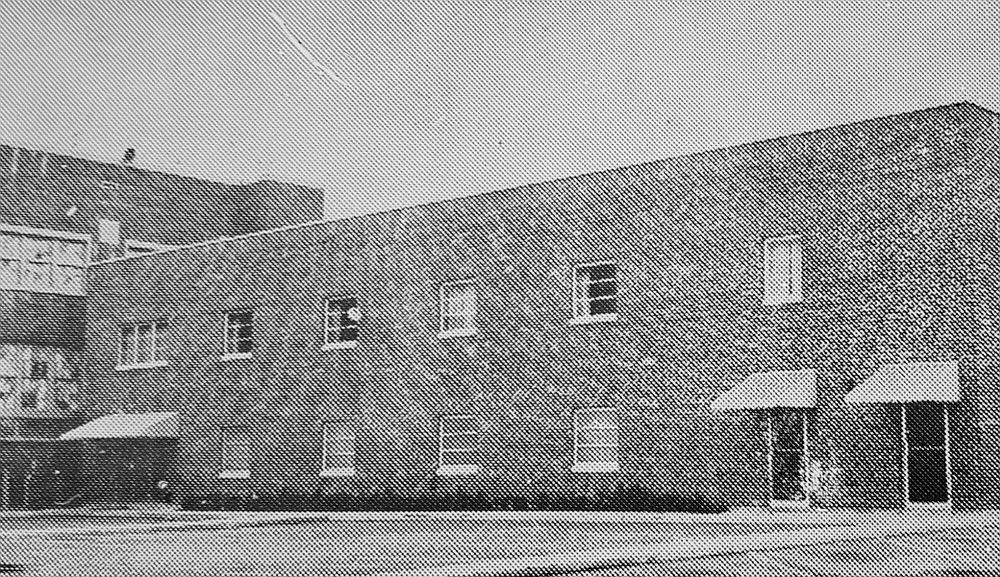
church_munger-avenue-baptist_1967

Munger Avenue Baptist Church, 3919 Munger Avenue (not to be confused with N. Munger Blvd.), near Haskell and Washington, in what used to be the thriving African-American neighborhood of North Dallas (Rev. B. E. Joshua, Pastor). Still standing, here.

*
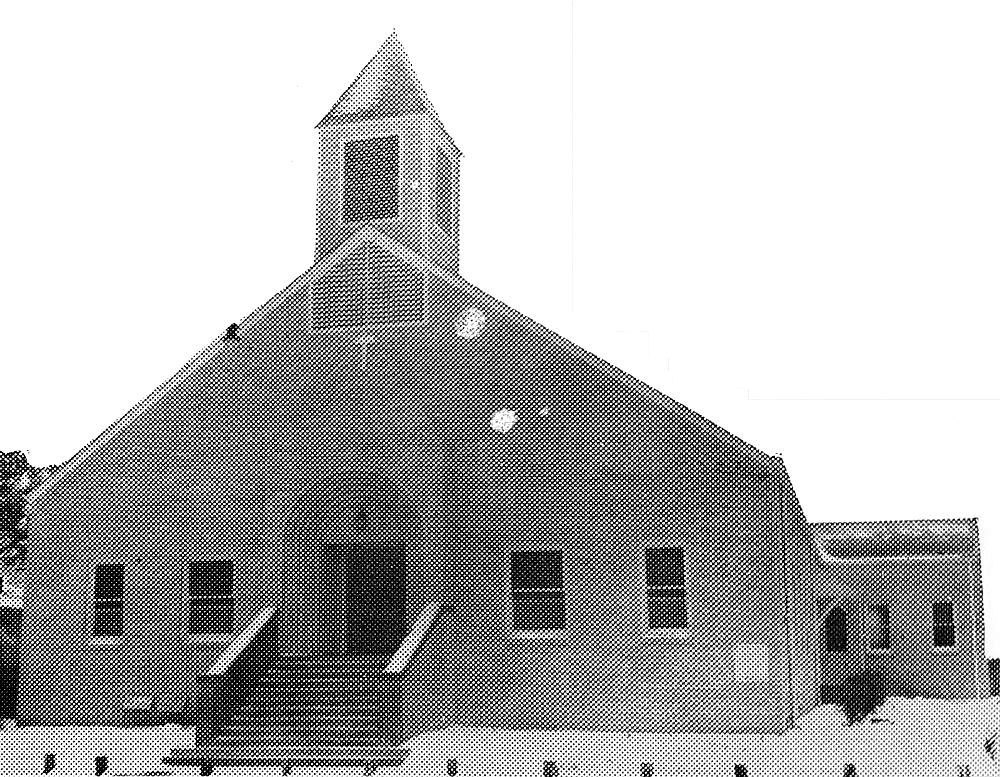
church_pilgrim-rest-baptist_1967

Pilgrim Rest Missionary Baptist Church, 2525 Caddo Street, just a few blocks from Munger Avenue Baptist Church (Rev. G. B. Prince, Pastor). No longer standing. The property was sold to the Southland Corporation in 1983 — its location is now occupied by a Cityplace parking lot. According to the history of the church, Pilgrim Rest moved to 1819 N. Washington in 1985.

*
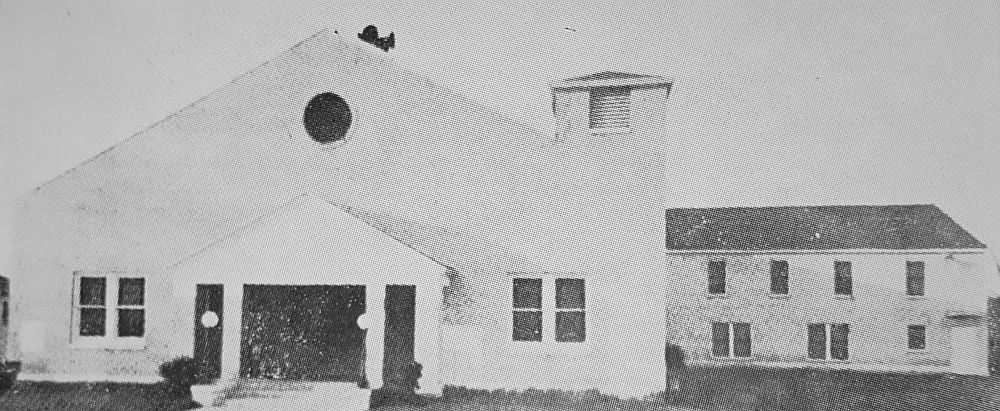
church_mount-moriah-missionary-baptist_1967

Mount Moriah Missionary Baptist Church, 3611 Latimer Street, South Dallas (Rev. B. F. Briggs, Pastor). Still standing, here.

*

church_st-john-baptist_1967

St. John Baptist Church, 2019 Allen Street, State-Thomas area (Robert H. Wilson, Minister). No longer standing.

*
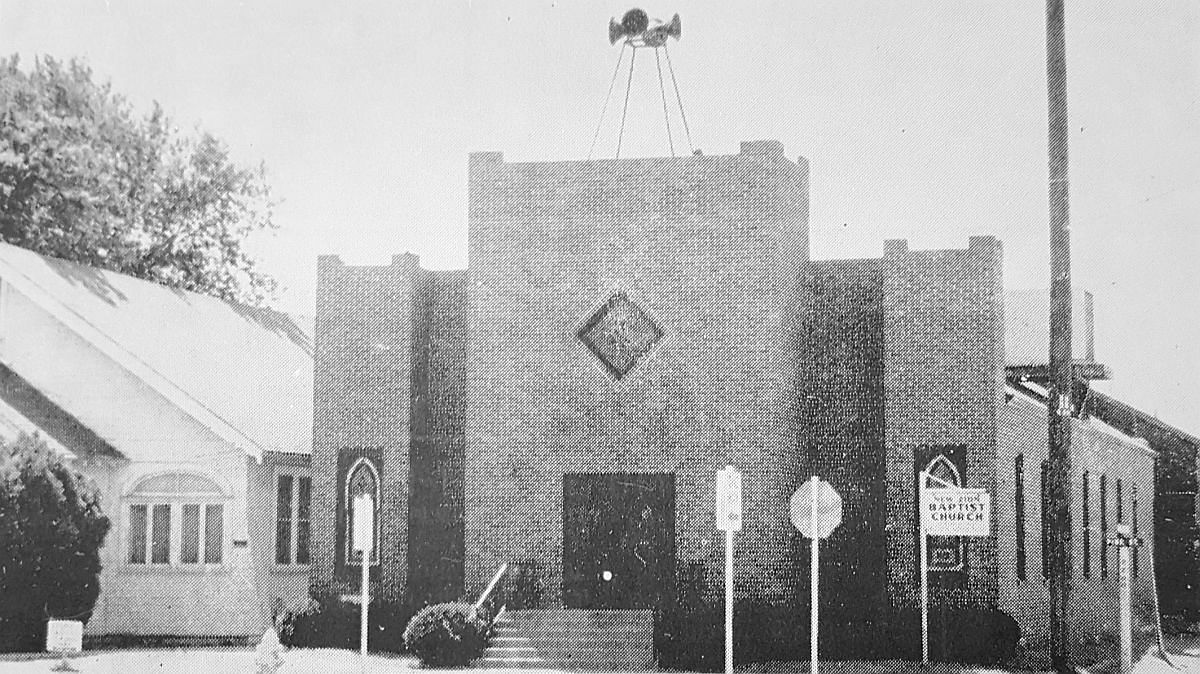
church_new-zion-baptist_1967

New Zion Baptist Church, 2214 Pine Street, South Dallas (Rev. A. V. Voice, Pastor). Now Greater New Zion Church, this is my favorite of these twelve buildings, and it still looks good, here.

***

Sources & Notes

All photos from the Souvenir Program of the 74th Annual Session of the Missionary Baptist General Convention of Texas and Its Auxiliaries, which was held in Dallas in October, 1967.

Many thanks to George Gimarc for passing this wonderful little booklet on to me. I hope to share more from its pages in the future.

All photos larger when clicked.

*

Copyright © 2017 Paula Bosse. All Rights Reserved.
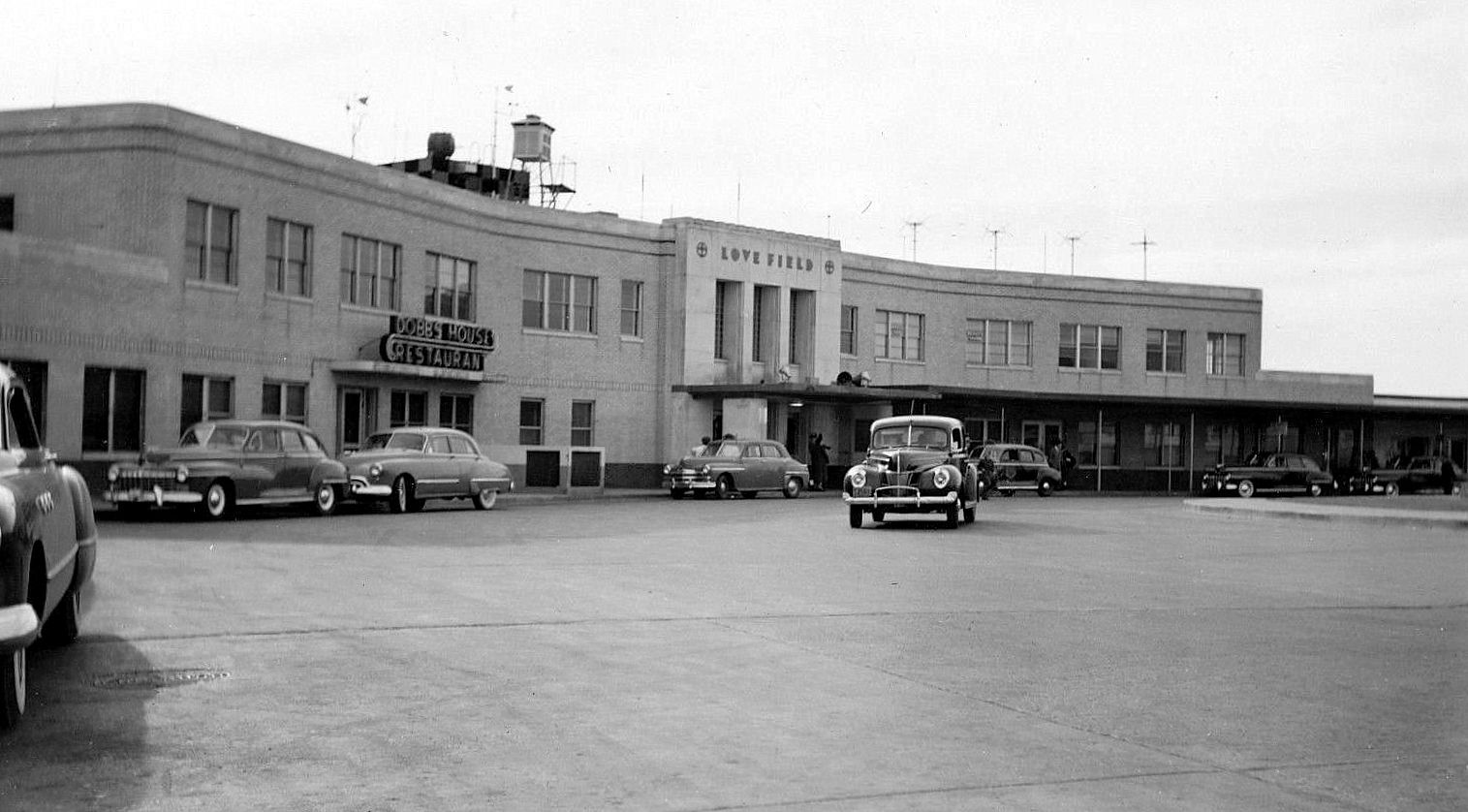
 

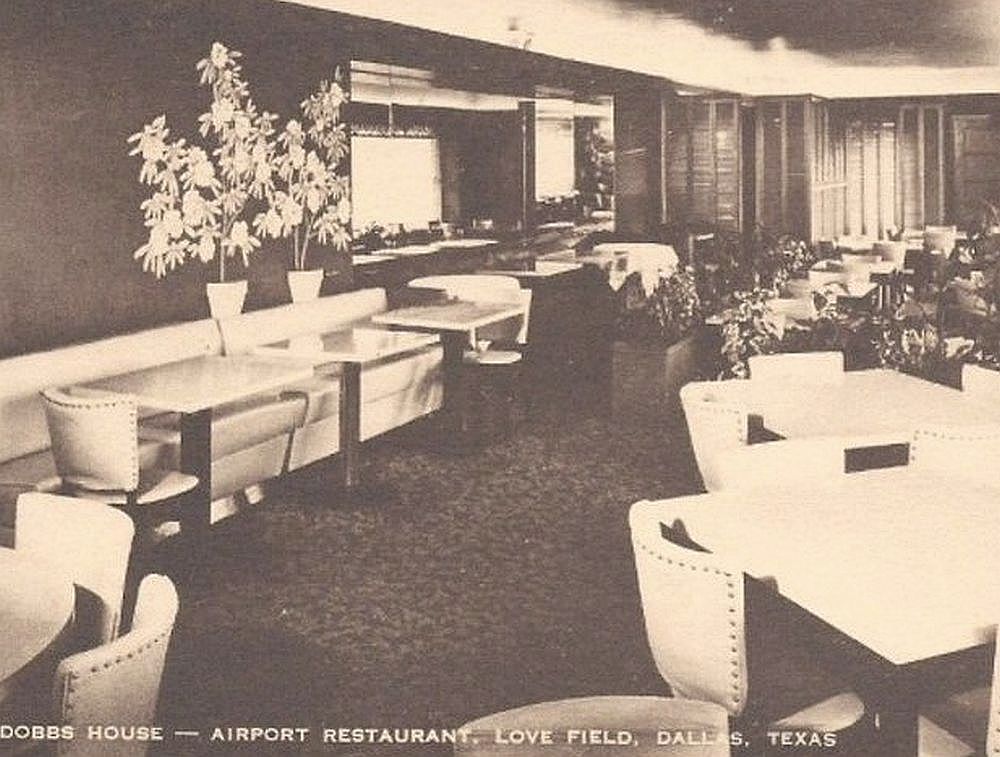
Dobbs House: Love Field’s Airport Restaurant

love-field_dobbs-house-restaurant_ebayDallasites’ favorite airport restaurant… (click for larger image)

by Paula Bosse

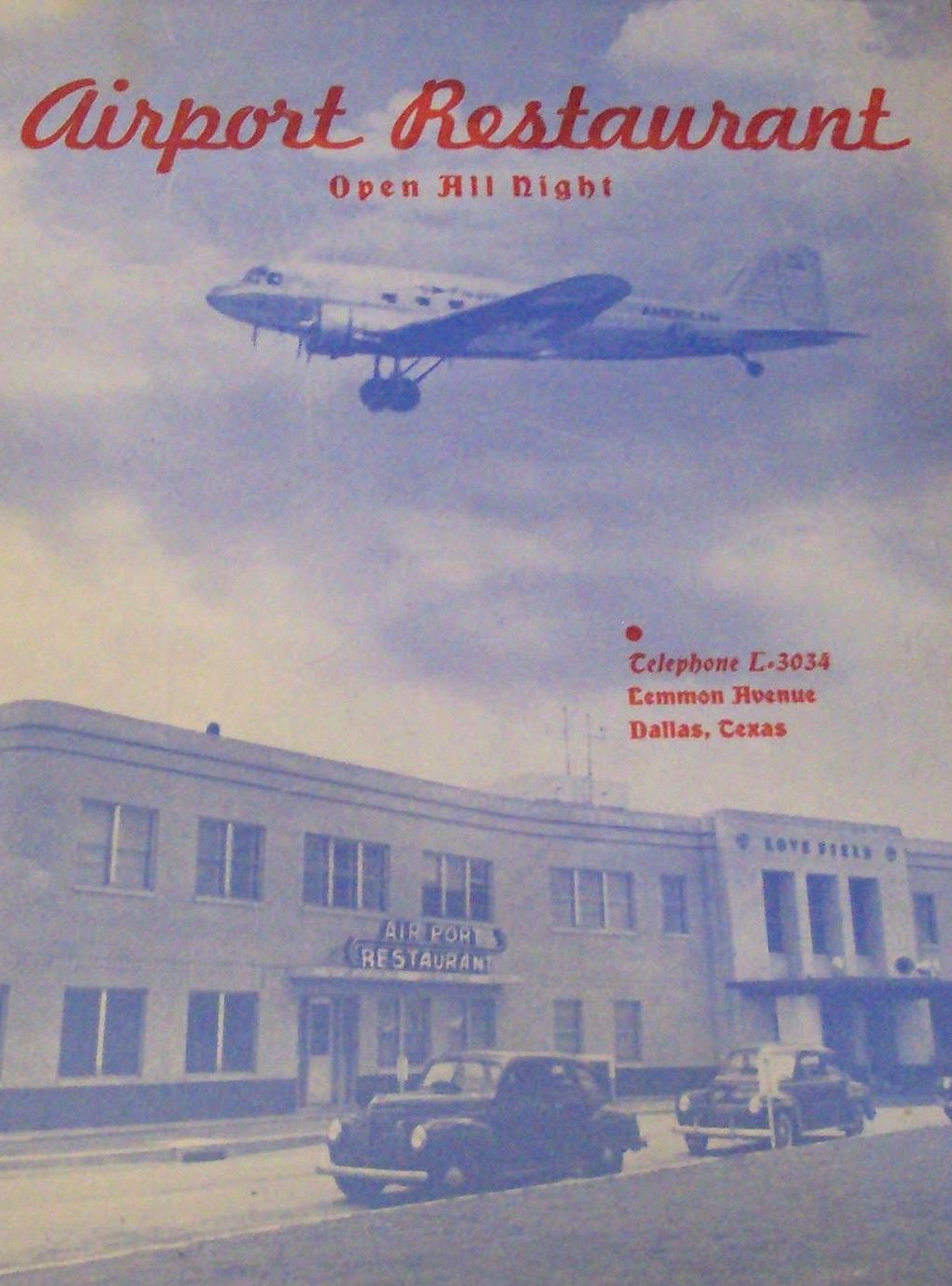
Dobbs House was a national restaurant and catering company, found chiefly in airports (although they did have non-airport restaurants, and at one point they had bought out the Toddle House chain). When the “new” Love Field terminal opened in 1940 (see the heart-stoppingly beautiful Art Deco front entrance at night, here), it had what was probably a very nice, perfectly serviceable, 24-hour restaurant. It was rather unimaginatively called “Airport Restaurant,” and it seated about 75 in the coffee shop and 100 in the dining room. And its “modern  blue and yellow leatherette furniture” was probably delightful.

love-field_airport-restaurant_menu_ebay_cropped

A lot of people probably enjoyed a hot cup of coffee while seated on that modern leatherette. But in 1944, the Hull-Dobbs company waltzed in and took over the restaurant and catering business and agreed to pay the city what seems like a miniscule $500 a month (about $7,000 in today’s money). The administration building, which housed the restaurant, was undergoing remodeling at the time, and I guess the city was giving the company something of a break. In 1945, though, Hull-Dobbs began to pay 5% of their gross revenue to the city, rather than a flat monthly fee. (I’m guessing that 5% was quite a bit more than $500.)

Business was good. REAL good. It was almost too good, because almost every newspaper article which mentioned the restaurant (called Dobbs House, part of a national chain) noted how busy it was and how it was almost impossible for a person to find an empty seat. It was known for its good food (see a 1955 menu here), and one of the main reasons it was always crowded was because local people dined at the restaurant, taking up precious seats intended for hungry travelers. Dallasites loved to drive out to the airport for a nice meal, followed by a leisurely couple of hours watching airplanes take off and land.

But, basically, Love Field had become a major metropolitan airport, and its success — and the resulting increase in traffic and the overall crush of humanity — meant that everyone was running out of space.

The airport had outgrown its beautiful 1940 Art Deco terminal, and a new, equally heart-stoppingly beautiful terminal opened in 1958. Dobbs House moved into its more spacious quarters with a freshly signed ten-year contract. …And by now they were paying a whole lot more than $500 a month. According to a January, 1957 Dallas Morning News article, the restaurant offered a high bid of just over $15,000 a month to retain the restaurant concession at the airport.

The restaurant and catering business were not all that the Dobbs company was running. Not only did they have a “swanky” restaurant at the new terminal, they also had a non-swanky restaurant and a basement cafeteria. They also had, at various times, control of the following concessions: cigar, shoeshine, gift shop (including apparel, candy, and camera shops), and … parking (!). This was on top of their land-office business catering and restauranting. James Dobbs knew a thing or two about business — he didn’t get fantastically wealthy just selling 15-cent cups of coffee and black-bottom pie….

dobbs-house_love-field_love-field-FB-page
via Dallas Love Field Facebook page

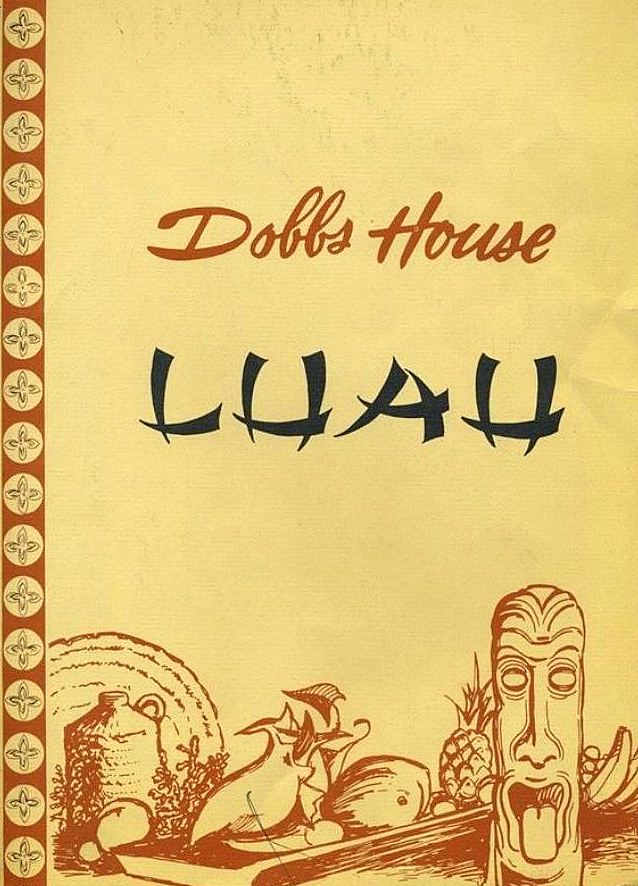
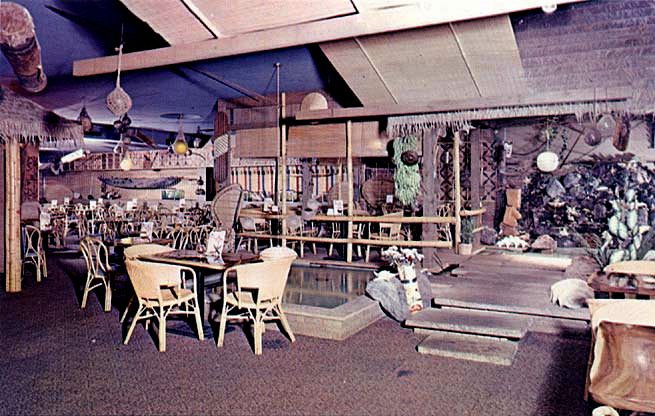
In 1958, Dobbs House opened the exotic Luau Room, which served Polynesia cuisine. This was another Dobbs eatery that was very popular with Dallasites, and it lasted many, many years.

dobbs-house_luau_menu_ebay
via eBay

The Luau Room was a sort of early “theme” chain from the Dobbs people, and it was a feature at several Dobbs House-served airports. The photo below might be the Dallas location. Might be Charlotte, or Orlando, or Houston.

dobbs-house_luau
via Tiki Central — check out the comments

Dobbs House  was a fixture of the Dallas airport/restaurant scene for a surprisingly long time. Dobbs House was still at Love Field in the 1980s — possibly into the ’90s. And when Dallas-Fort Worth International Airport opened, the Dobbs people slid right in. DFW was huge — and they had control of everything. (Alcohol sales alone must have been enormous!)

For D/FW’s first two decades, a single company operated all of the bars and restaurants that generate about $40 million in sales each year. Dobbs House had the food and beverage contract from 1974 until 1993, when Host Marriott Services took over the operations. (DMN, May 22, 1996)

Dobbs House was in business here for almost 50 years. That’s a pretty good run for a restaurant in Dallas. (And I hear their cornbread sticks were to die for.)

***

Sources & Notes

Top photo showing Dobbs House Restaurant at Love Field found on eBay several months ago.

Airport Restaurant menu (ca. 1940-1944) found on eBay, here.

The Dobbs House cornsticks recipe is contained in the 1960 book How America Eats by Clementine Paddleford — used copies are out there, but they are surprisingly expensive. But from what I hear, if you want that recipe, it’s probably worth it!

An interesting side note about James K. Dobbs, head of the company that bore his name: even though he was a resident of Memphis, he actually died in a Dallas hospital in September, 1960, having been sent here for asthma treatment, and having recently suffered his second heart attack. He was 66. His company had grown to include about 125 restaurants at the time of his death. He had also made huge sums of money in automobile dealerships.

Photos and clippings are larger when clicked.

*

Copyright © 2017 Paula Bosse. All Rights Reserved.
 

From the Vault: The First Woman Decorated for Heroism in a Combat Zone — 1944

silver-star_feb-22-1945

by Paula Bosse

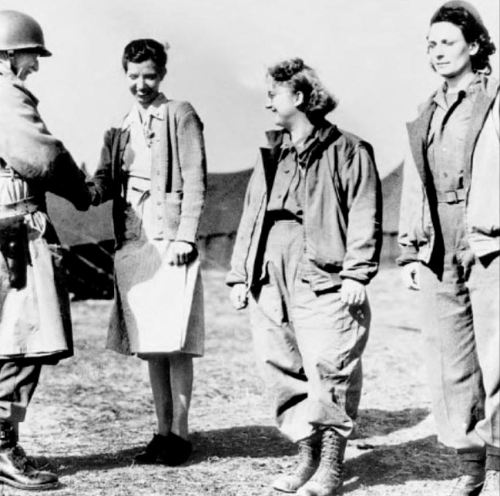
Today is International Women’s Day. What better time to look back at a Dallas woman who, as a member of the Army Nurse Corps, served in field hospitals during World War II and became the first woman to receive the Silver Star for valor in combat. Read about her story of keeping her cool as she and her team worked in hospital tents on the Anzio beachhead as they were attacked by German long-range artillery in the Flashback Dallas post from last year, “Lt. Mary L. Roberts, The ‘Angel of Anzio’ — The First Woman Awarded the Silver Star,” here.

*

Copyright © 2017 Paula Bosse. All Rights Reserved

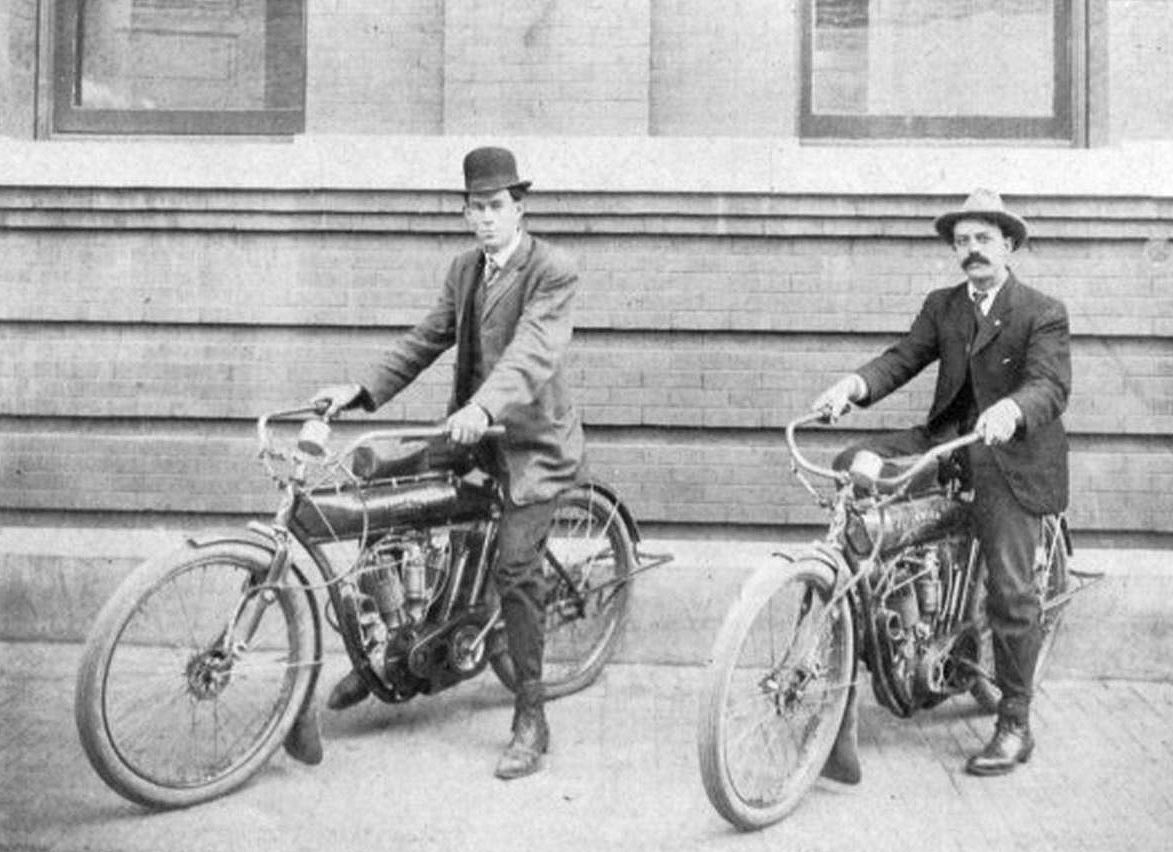
From the Vault: Motorcycles and the Dallas Police Department

dallas-police_motorcycles_1910_b

by Paula Bosse

For those interested in police motorcycles, here are a few Flashback Dallas posts from yesteryear:

  • “Dallas Motor Cycle Cops — 1910” (featuring the photo above) can be found here
  • “The Dallas Police Department & Their Fleet of Harleys — 1951” is here
  • “Merry Christmas From the Dallas Police Department’s Parking Enforcement Squad” is here

(One suggestion: motorcycle-riding and bowler-hat-wearing may not be the best crime-fighting combination.)

*

Copyright © 2017 Paula Bosse. All Rights Reserved.
Dallas’ Twin High Schools: Thomas Jefferson and Bryan Adams

bryan-adams_1961It’s one or the other… (click to see a larger image)

by Paula Bosse

Perhaps everyone knows this, but this is news to me. While compiling recent posts about Bryan Adams High School (named, by the way, after the business manager for the Dallas school system), I discovered that the plans used for the building were the exact same plans originally drawn up for Thomas Jefferson High School. That’s weird, right? TJ opened its brand-spanking-new building on Walnut Hill in North Dallas in January, 1956; BA opened its brand-spanking-new building on Millmar in the Casa View area of East Dallas in 1957. And they looked just alike. Here are aerial photos of the two campuses from the schools’ respective 1961 yearbooks (Thomas Jefferson can be seen is the top photo — click to see a larger image):

tj-ba_aerial

Here they are, as seen from street level: a 1957 photo of TJ on top, a 1961 photo of BA below it.

tj_ba_front

So why did this happen? By the mid-1950s, demand for new schools — which were needed to keep up with the population growth and sprawl — was intense. Two sites were chosen in the early ’50s: in North Dallas and in the White Rock Lake area of East Dallas. The two high schools were planned to be about the same size and were meant to serve about the same number of students (2,500). Plans for Thomas Jefferson High School in North Dallas were completed first. But then … the architects wondered, “If these two school are to be the same size and built one right after the other … why not just use the same architectural plans for both?”

Even though duplicating architectural plans for schools had never been done before (in Dallas, anyway), and even though local architects were very unhappy about this, the architects on both projects — Robert Goodwin and L. C. Cavitt, Jr. of Goodwin & Cavitt, Architects — argued that this duplication would be both practical and economical: using the same plans would save money as well as more than six months in planning time.

I don’t know if this sort of thing happened again in DISD, but the cross-town twin high schools opened in Dallas in 1956 and 1957.

And I still think it’s kind of strange.

bryan-adams_1958_new-kids1957-58 Bryan Adams yearbook

***

Sources & Notes

Drawing at the top appeared in the 1961 Bryan Adams yearbook, but it might well have been the architectural rendering prepared for the Thomas Jefferson project. Either way, it’s pretty damn cool-looking.

The schools have undergone changes over the years, but they still look alike. See current aerial views of both campuses, via Google: Thomas Jefferson is here; Bryan Adams is here.

More can be found in the archives of the Dallas Morning News:

  • “Super High School Planned” (Thomas Jefferson) by Francis Raffetto (DMN, Dec. 9, 1953)
  • “Schoolmen OK Duplicate Plan” by Lester Bell (DMN, June 23, 1955) — the architectural plans for the new high school (Bryan Adams) would duplicate the Thomas Jefferson design — the AIA was not amused
  • “Doors Open at Newest High School” (Thomas Jefferson) (DMN, Jan. 31, 1956)

All images and clippings are larger when clicked.

*

Copyright © 2017 Paula Bosse. All Rights Reserved.
 

Bryan Adams High School: Yearbook Photos from 1961 and 1962

bryan-adams_1961_colorGreetings, from BAHS… (click for larger image)

by Paula Bosse

Yesterday I posted a bunch of ads (seen here) from the 1961 and 1962 yearbooks of Bryan Adams High School, and today I’m posting a bunch of photos of random school life from those same yearbooks. (All photos are larger when clicked.)

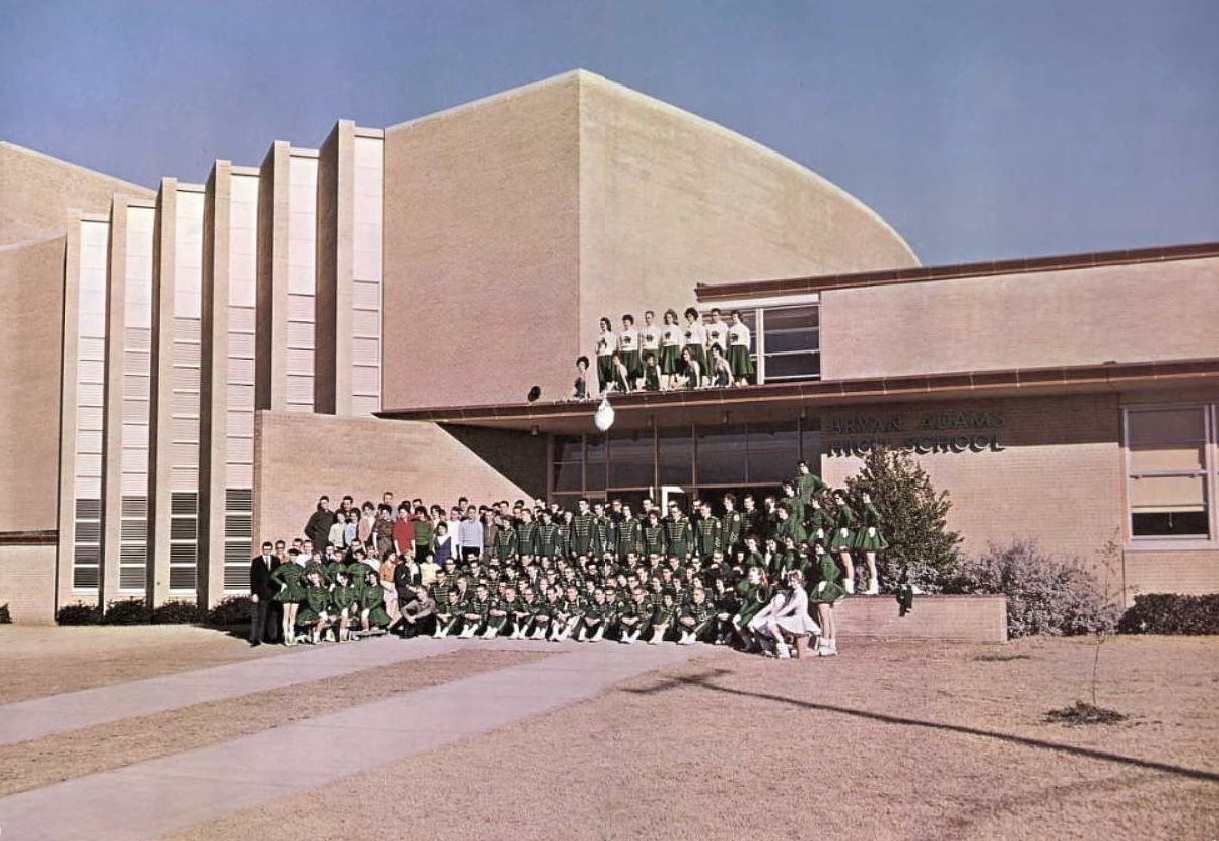
Above, band, drill team, and cheerleaders. (1961)

Below, the rigors of the art student. (1961)

bryan-adams_1961-yrbk_art-students

*

Boys. (1961)

bryan-adams_1961-yrbk_boys

*

The Corals. The caption: “The Corals play an important role in the life of El Conquistador.” (El Conquistador is the name of the yearbook, and The Corals were a popular combo that played around Dallas in the late ’50s and early ’60s. I assume they were BA students.) (1961)

bryan-adams_1961-yrbk_the-corals

*

The Senior Ball, held downtown at the Sheraton. (1961)

bryan-adams_1961-yrbk_sr-ball-sheraton

*

Gymnasium drama. (1961)

bryan-adams_1961-yrbk_gym

*

BA drill team in the stands at a football game. “Beautiful Belles.” (1961)

bryan-adams_1961-yrbk_beautiful-belles

*

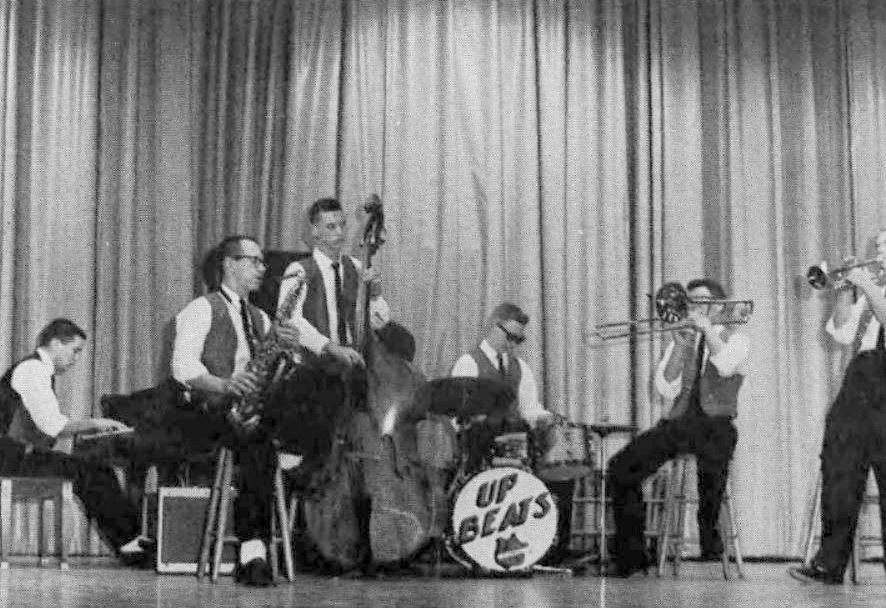
The Up Beats. (1962)

bryan-adams_1962-yrbk_up-beats

*

The guy in the glasses is Sverker Olson, “our exchange student from Sweden.” He looks very happy. (1961)

bryan-adams_1961-yrbk_exchange-student

*

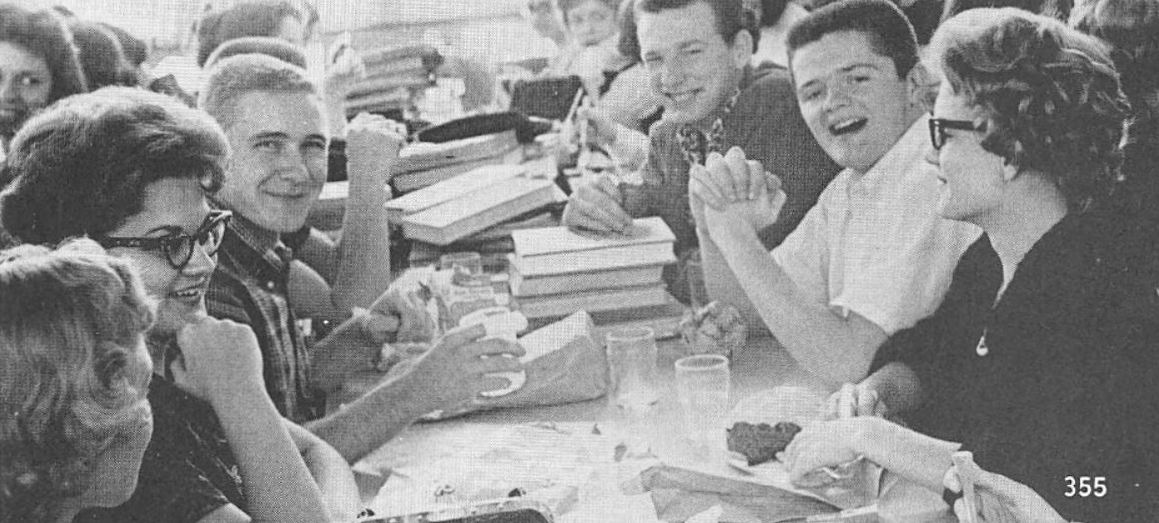
I saw many, many photos of that guy on the right in the white shirt. He was either very popular or was slipping the photographer a buck every time he saw him in order to get as many photos of himself as possible into the yearbook. (1961)

bryan-adams_1961-yrbk_lunchroom

*

I was in band in high school. We never got to play at the State Fair of Texas at the feet of Big Tex.

bryan-adams_1962-yrbk_big-tex

*

Grainy photo that’s interesting mostly because of how tiny downtown looked from the eastern shore of White Rock Lake back in 1962.

bryan-adams_1962_white-rock

***

All photos from the Bryan Adams High School yearbook, El Conquistador — all are larger when clicked.

*

Copyright © 2017 Paula Bosse. All Rights Reserved.
Bryan Adams High School: Yearbook Ads from 1961 and 1962

bryan-adams_1962-yrbk_penneys_casa-view

by Paula Bosse

I love ads from high school yearbooks — especially when they feature students. Here are several from the Bryan Adams 1961 and 1962 yearbooks. (Click the ads to see larger images.)

Above, the J. C. Penney store in Casa View at 2596 Gus Thomasson. Great ad! (1962)

Below, Jackson’s Sporting Goods in Casa Linda. (1962)

bryan-adams_1962-yrbk_jacksons-sporting-goods

*

Gingham Girl Dance Studio on Northwest Highway (“We Also Feature Baton Lessons”). (1961)

bryan-adams_1961-yrbk_gingham-girl-dance-studio_baton

*

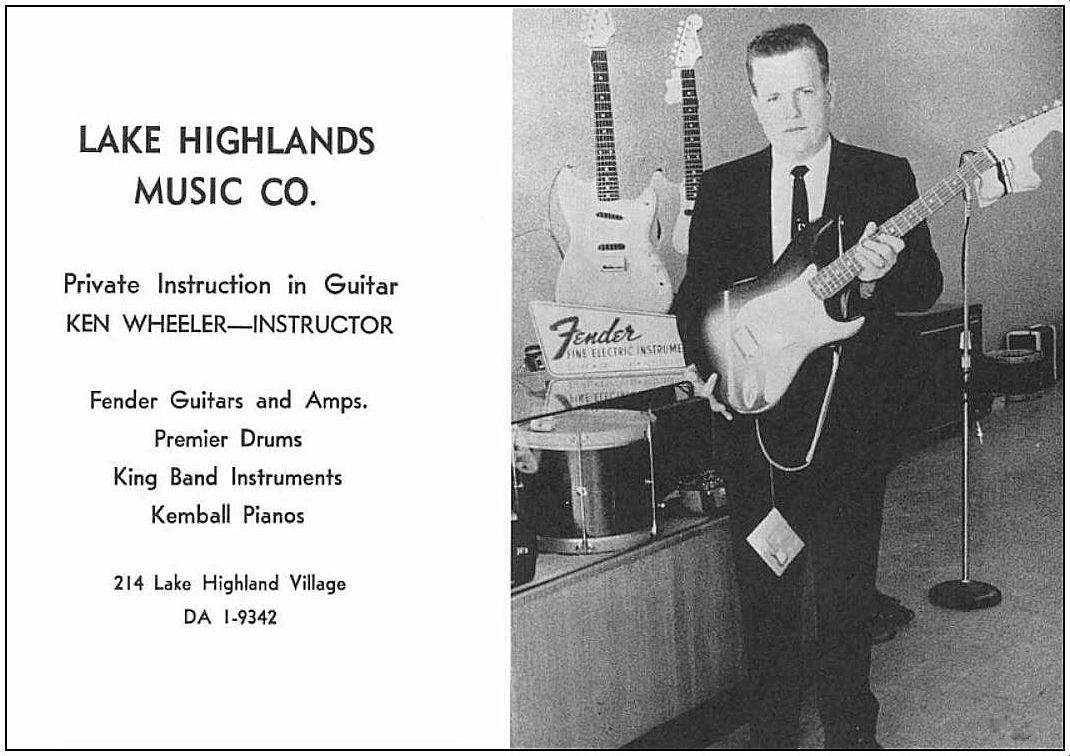
Lake Highlands Music Co. — guitar lessons by Ken Wheeler. (1961)

bryan-adams_1961-yrbk_lake-highlands-music-co

*

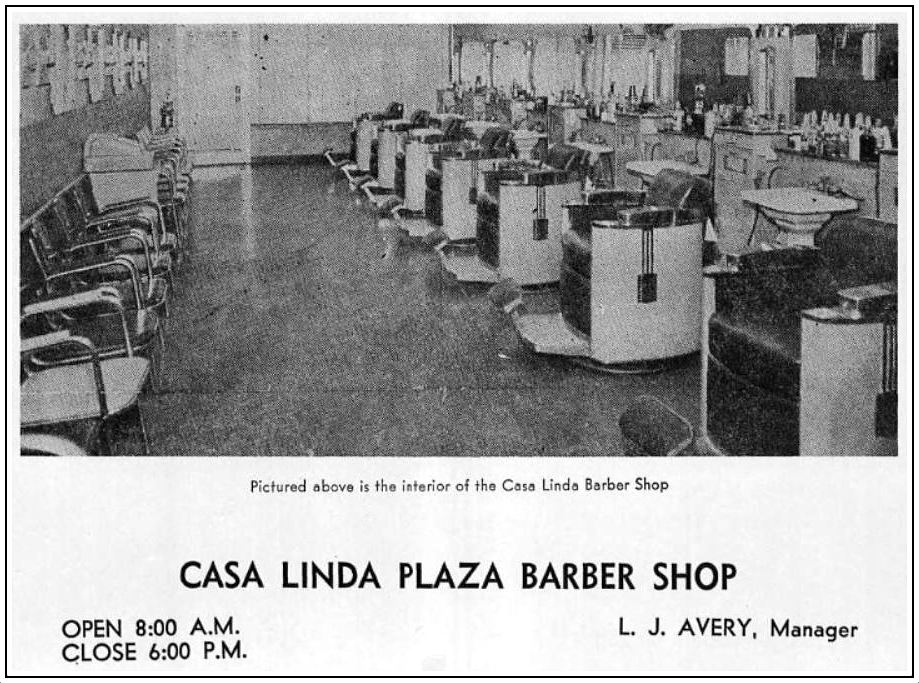
Casa Linda Barber Shop. (1962)

bryan-adams_1962-yrbk_casa-linda-barber-shop

*

Ethel Shipp — female attire, from tots to teens and beyond; Casa Linda and Casa View. (1961)

bryan-adams_1961-yrbk_ehtel-shipp

*

Dallas Ice Arena — ice skating at Fair Park. (1962)

ad-dallas-ice-arena_bryan-adams-yrbk_1962

*

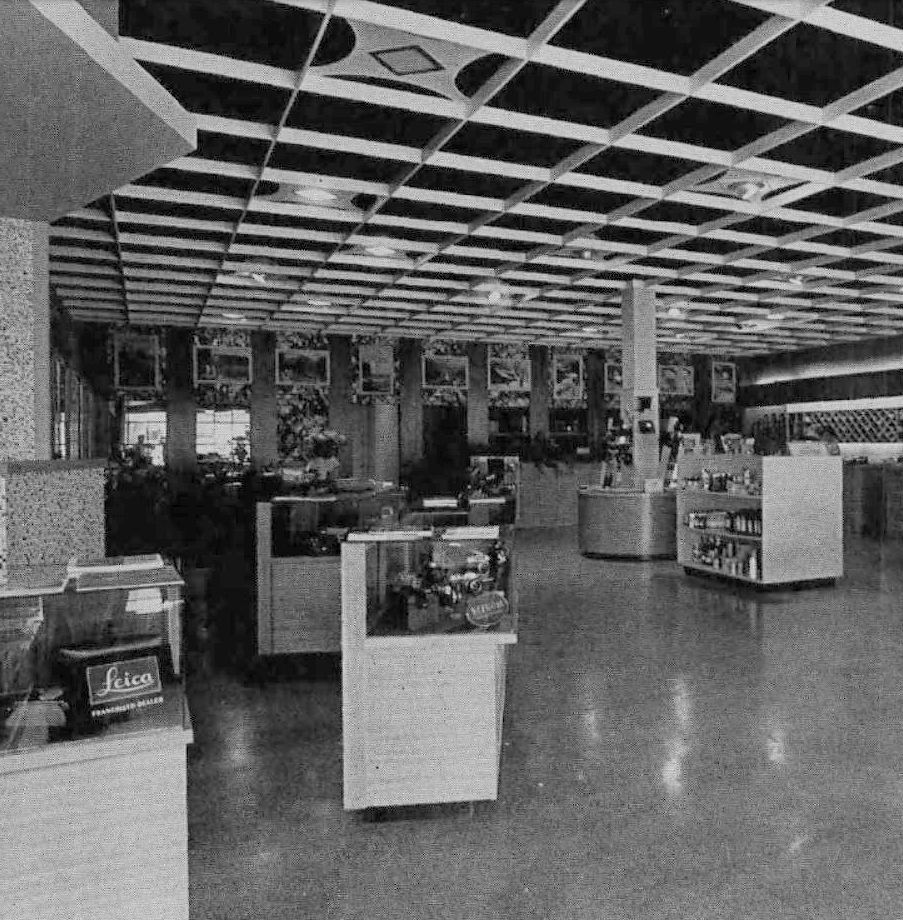
Cooter’s Village Camera Shop — Highland Park Village. (First ad 1961, second 1962)

ad-cooters-village-camera_bryan-adams_1961-yrbk_photo

ad-cooters-village-camera_bryan-adams_1962-yrbk_photo

ad-cooters-village-camera_bryan-adams_1961-yrbk

*

Pop’s Spaghetti House (Frank Da Mommio and Pop Da Mommio), on Gaston, near Baylor. (1962)

bryan-adams_1962-yrbk_pops_gaston

*

Colbert’s in Casa Linda. (1962)

bryan-adams_1962-yrbk_colberts

*

Stone’s Shoes, Northlake Shopping Center. (1962)

bryan-adams_1962-yrbk_stones-shoes

*

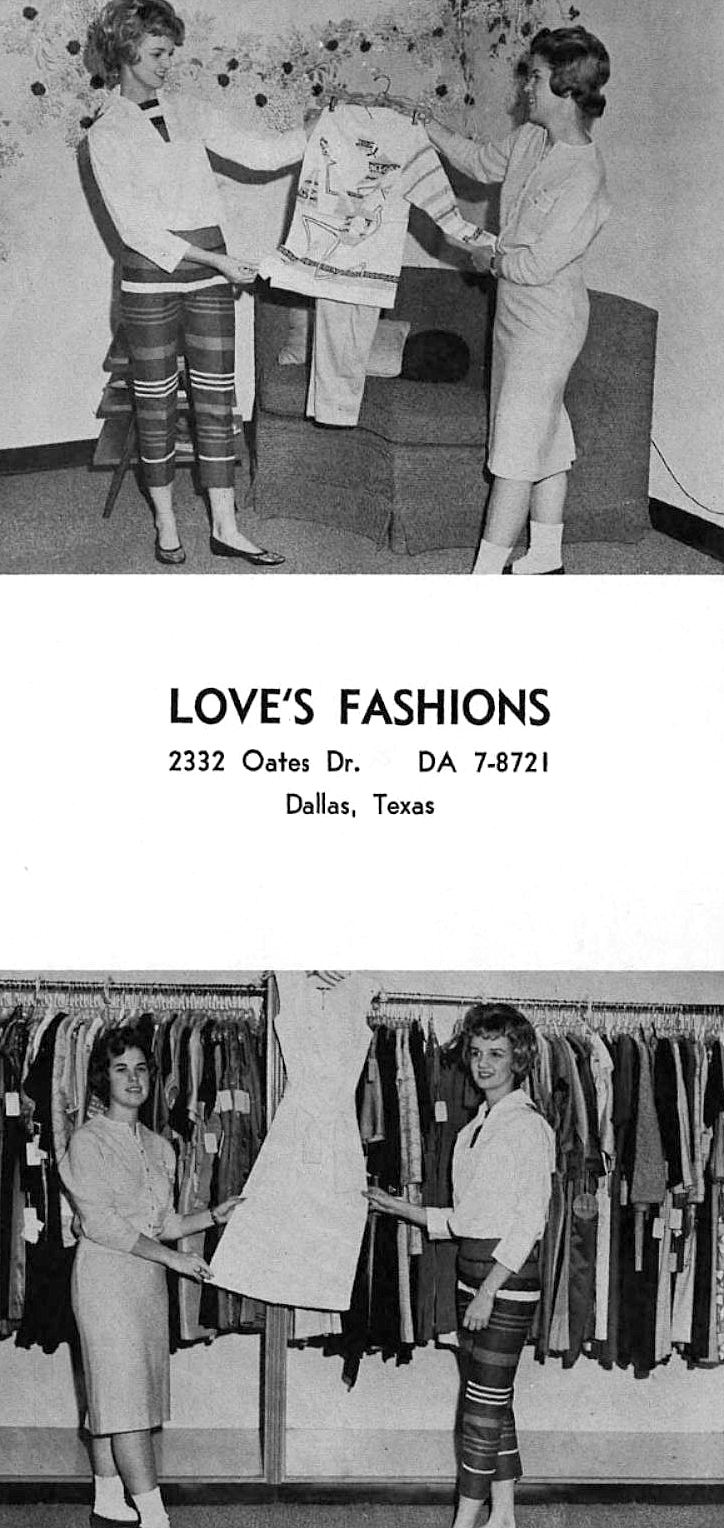
Love’s Fashions, on Oates. (Those striped pants are cool!) (1962)

bryan-adams_1962-yrbk_loves-fashions

*

Smitty’s Party Room, Bakery, and Coffee Bar, also on Oates Drive. (1961)

bryan-adams_1961-yrbk_smittys

*

KBOX and their happenin’ djs: Jerry Clemmons, Johnny Borders, Pat Hughes, Chuck Benson, Bill Holley, and Gary Mack. (1961)

kbox_bryan-adams_1961-yrbk

*

And my favorite ad because of its association to greatness: Belvick Electric Company, Garland Road. Greatness? Here’s a hint: the proprietors are Jerry Dauterive and Buck Dauterive. Maybe it’s just because I watch a lot of television, but any fan of the classic animated show “King of the Hill” (created by Mike Judge, who lived in Garland for several years) will recognize the name “Dauterive” — as in Bill Dauterive, Hank Hill’s sad-sack friend. It’s such an unusual name and there are so many Dallas jokes in the show that I figured the men in this ad must have some sort of connection to the TV show. It turns out that the character is named for series writer-producer Jim Dauterive, a native Dallasite and … a Bryan Adams alum! And Buck was his father. According to an interview in White Rock Lake Weekly, Jim Dauterive liked to slip neighborhood references into the show: he named a character in the show “Gus Thomasson,” had Hank Hill direct someone to a liquor store near White Rock Lake, and even snuck in a mention of Louanns on Greenville. So there you have it! (Ad from 1961.)

bryan-adams_1961-yrbk_dauterive_king-of-the-hill

*

Copyright © 2017 Paula Bosse. All Rights Reserved.
 

Dallas’ Population, Per the 1940 Census

census-1940_dmn_063040
Those numbers seem so quaint… (click for larger image)

by Paula Bosse

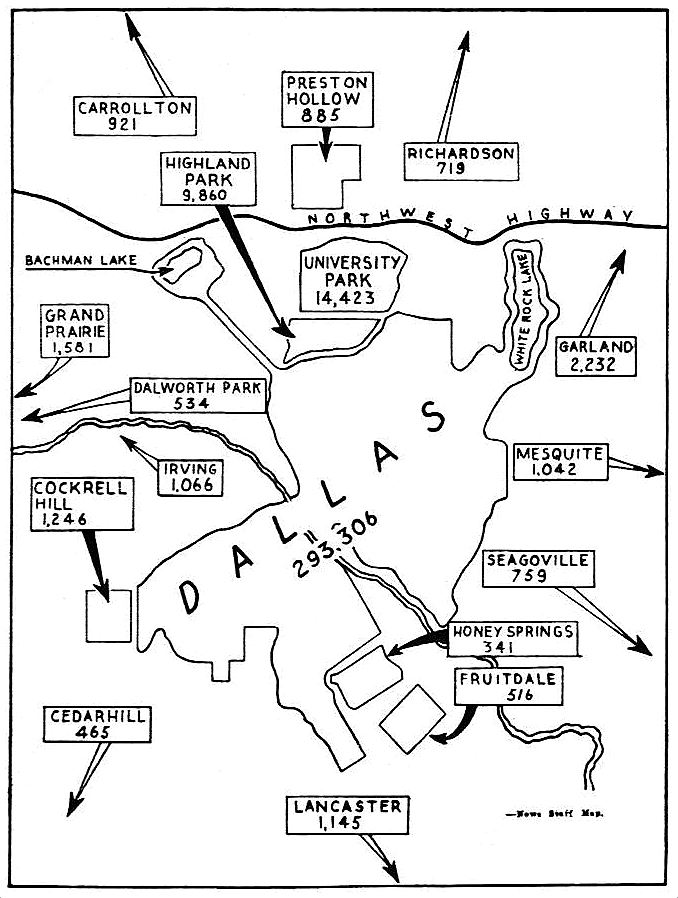
For those who get excited reading census figures, I give you the results of the 1940 census as it pertains to Dallas County.

According to the Dallas Morning News article “12 Per Cent Gain Shown in City” (DMN, June 30, 1940), the population of Dallas County in 1940 was 398,049 in an area of 859 square miles; the density was 463 people per square mile. For some perspective, in 2010 the population of Dallas County was just under 2.4 million, with an area of 909 square miles — giving us a recent density of something like 2,700 people per square mile (and it’s only getting more cramped every day).

Dallas County was big, but it wasn’t the biggest in the state in 1940 — that honor went to Harris County, with a population of 529,479; Bexar County came in third with 337,557.

So which communities were the biggest winner and the biggest loser as far as population change since the 1930 census? They were the incorporated areas of University Park and Cement City. University Park had a whopping 243% gain in population since the 1930 census, and poor Cement City had a 200% plunge.

Another interesting statistic (from the Census of Agriculture) showed that in 1940 Dallas County had 3,522 farms; in 1930 the county had 5,106. In 2012, the Census of Agriculture (in a PDF here) showed 839 farms (which is actually more than I would have guessed).

The Dallas area was growing rapidly — even with a bit of a slow-down during the Great Depression — but the population growth following WWII was quite a bit more: the population in 1950 jumped to around 615,000 — an increase of more than 54%. After that, there was no looking back.

The map at the top is interesting. I love the fact that in 1940 Richardson was a teensy little town of 719 — smaller than the beyond-the-city-limits Preston Hollow which boasted a healthy 885 people. (And … Honey Springs? I’d never heard of it. But now I know the facts, from the Handbook of Texas, and I know the color, from the Dallas Trinity Trails blog.)

For those who want to go the extra mile, the full breakdown of the census numbers can be found in the Dallas Morning News archives in the article cited above.

***

Sources & Notes

It looks like the official numbers might have been changed a bit after the article cited above was printed. The very informative chart of Dallas County’s population through the decades (seen here) has the population a bit higher, at 398,564.

More Dallas County stats — stats-a-plenty — at Wikipedia.

*

Copyright © 2017 Paula Bosse. All Rights Reserved.
 

Remember the Alamo! — In Plano, Behind the Target

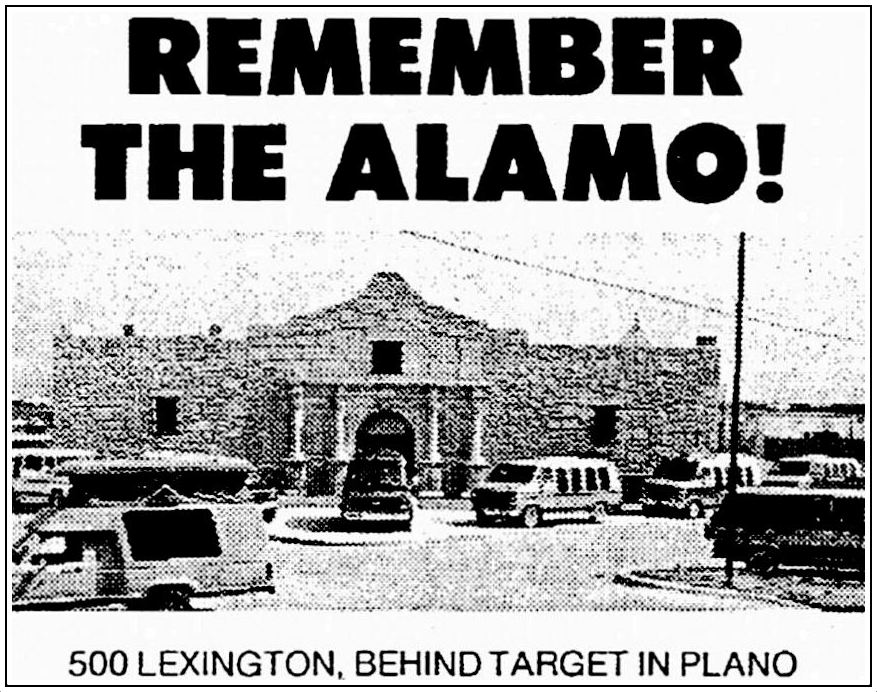
alamo-plano_dmn_051284-photoNever forget… (click for larger image)

by Paula Bosse

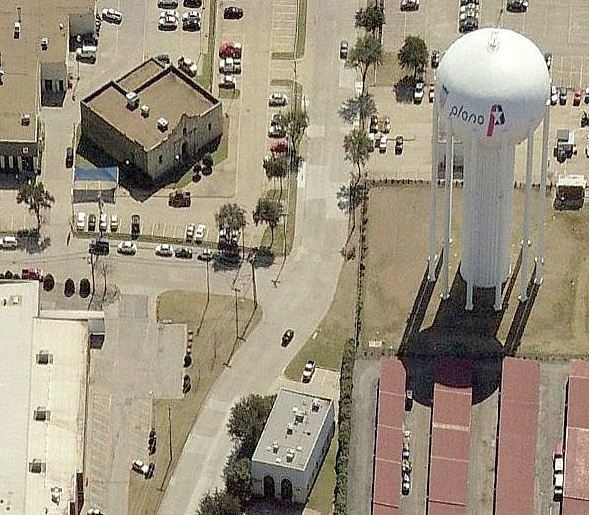
Today is Texas Independence Day. This time last year after posting a photo of the Alamo somewhere, I was informed that there was, in fact, an Alamo replica right here in DFW. I knew about the one(s) in Fair Park, but Plano? Yep, near 75 and Parker Road, at the corner of Lexington and Premier, just west of the highway. See a southward-looking aerial view on Google here; below is the same view, from Bing.

alamo-plano_birdseye-bingBing Maps

Here it is at street level:

alamo-plano_bingBing Streetside

So, um, why is that there?

Not being up on my Plano history, and never having been aware of this, it took me a long time to find anything about it. Which is pretty surprising, because you’d think there would be all SORTS of articles about a very large replica of one of the most famous structures in the world (yes, I’m going to say “in the world”), standing right here in the Metroplex. And it’s been standing here for at least 35 years! I managed to find a couple of ads and an article about the building — it had started out as an arcade called the Alamo Fun Center and later became part of a car dealership — but I could  never find out who built it or why. I thought I’d come back to it in a year — so I could post it on Texas Independence Day — and see if I could find more, looking with fresh eyes. So I tackled it again today, and, glory be, I’ve just discovered that Rick Saigling wrote a piece for Plano Magazine last November titled “Remember the Alamo Fun Center” which answered all of my questions (and had photos of the building when it was new).

The Plano Alamo was built in 1982 by brothers-in-law Nathan White and Gene Cason and other investors as a “fun center” to house a Texas-themed arcade featuring video games, miniature golf, etc. While popular with Plano kids, the Alamo Fun Center was not a successful venture, and it shut its ornately carved doors after only a relatively short time in business. There you have it. Thank you, Rick. I now have closure.

The earliest (only?) mention I found of the “Fun Center” was the ad below, which appeared in The Wylie News a short time before its grand opening in the summer of 1982. The ad seems to indicate that the name of this “western theme park” is Lone Star Recreation Park and Alamo Fun Center (click to see a larger image).

alamo-fun-center_wylie-news_072982
The Wylie News, July 29, 1982

A few months after the Alamo Fun Center opened, Larry Lange Cadillac moved to its new location on the adjacent property. I’m not sure exactly when it closed, but the Plano Alamo was taken by the advancing forces of Larry Lange Cadillac in 1983 or 1984. For whatever reason, the building remained (what Texan is going to demolish the Alamo?) and was incorporated into the Larry Lange business plan.

alamo-plano_dmn_062683-larry-lange-ad-det
June, 1983

In May, 1984, the ad below announced the grand opening of the Larry Lange Adventure Center — the Alamo had been emptied of its batting cages and pizza ovens and had been transformed into an “Indoor Van Showroom Which is ‘As Large as Texas’!” (That doesn’t seem to have lasted very long.)

alamo-plano_dmn_051284-ad
May, 1984

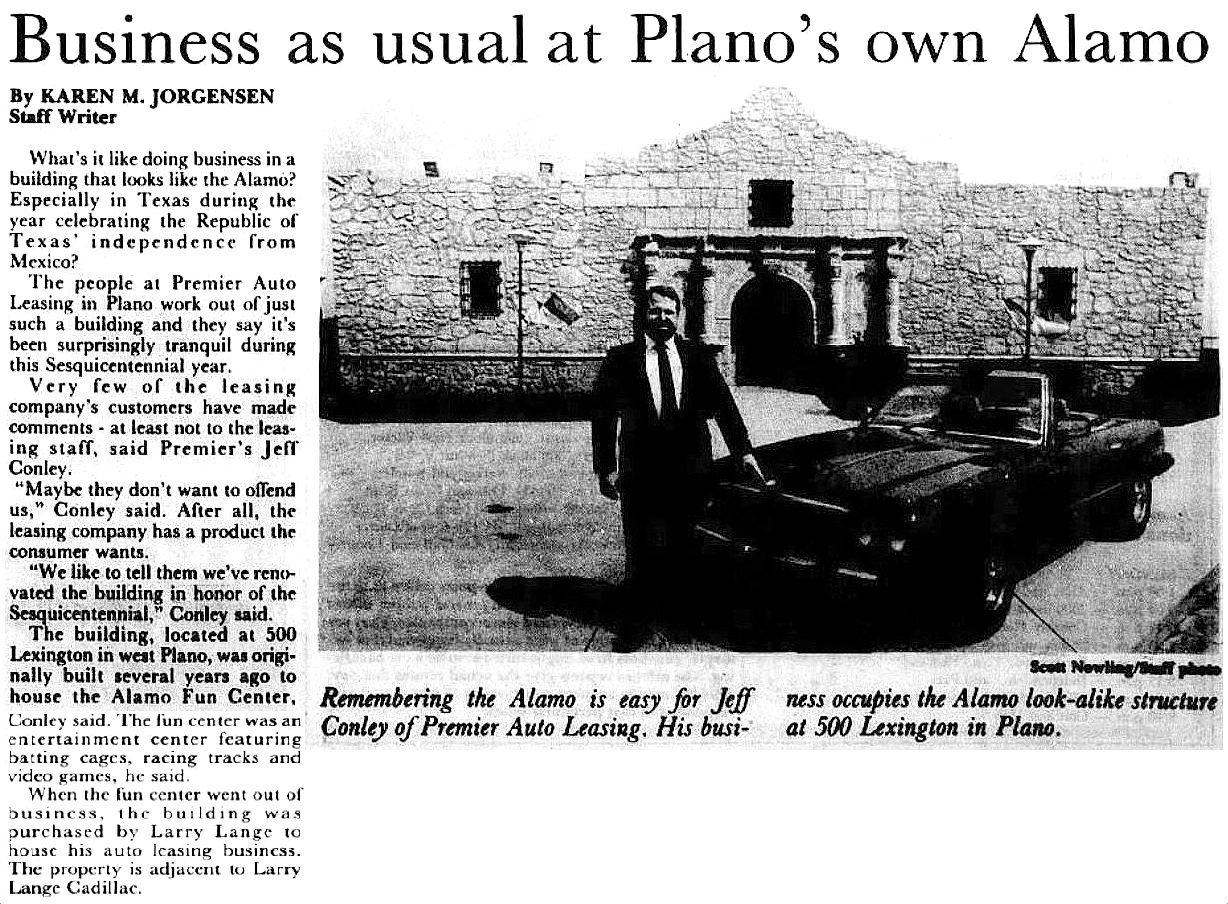
Two years later, in 1986 — the year of the Texas Sesquicentennial — The Plano Star Courier checked in with the then-current occupants of the hometown Alamo, Premier Auto Leasing, to see what it was like working in the Alamo. In Plano. An employee made the impossible-to-believe statement that very few people ever actually commented on the fact that they were leasing their vehicle from a company that occupied a building shaped like the Alamo.

alamo-plano_plano-star-courier_072286
Plano Star Courier, July 22, 1986

In 1999, Diane Jennings of The Dallas Morning News wrote a story on “mock Alamos” around the state. She checked in on the Plano location, then owned by Crest Cadillac, and found it was being used as a warehouse. The general manager, Michael Coston, was not a fan of the building for several reasons, not least of which was the replica’s design.

As a native Texan and history buff, he worries that the inaccurate construction may “deface the fame of the how-many-ever we say gave their lives there.” He is particularly irritated by the parapet, the rounded hump over the door, which most people associate with the Alamo facade, but which was actually added by the U.S. Army decades after the battle. (DMN, Feb. 28, 1999)

Today Crest Cadillac appears to have forsaken Plano for Frisco, but the property is still in the Crest auto family — it’s now occupied by Crest Volvo. But what of The Alamo? It’s now the home of Crest Collision, a body shop.

So there you  have it, the story of Plano’s Alamo.

Instead of rushing out to get a Mirabeau B. Lamar tattoo to show my Texan-ness in these waning hours of Texas Independence Day, I’ve decided instead to post a few photos of the real Alamo, which, strangely enough, was also a neighbor to a car dealership, the Clifton George Ford Motor Co. Remember the Model-T!

alamo_clifton-george-ford_san-antoniovia Texas Transportation Museum

alamo_clilfton-george-ford_e-o-goldbeck_ransom-center_ca-1918via Harry Ransom Center, University of Texas

alamo_herpel-gillespie-ford
via Texas Transportation Museum

***

Sources & Notes

Top ad from May, 1984.

Second-from-last photo by an unidentified photographer, circa 1918, from the  E. O. (Eugene Omar) Goldbeck Photography Collection, Harry Ransom Center, The University of Texas at Austin; more information and a larger image may be found here.

Rick Saigling’s Plano Magazine article “Remember the Alamo Fun Center” (November 21, 2016) is here. It includes several photos of the Alamo Fun Center in 1982/83 and interviews with a former owner and employee. See a (large!) close-up of the unexpectedly ornate stone façade of the Plano Alamo here. (If you’re interested in Plano history, Rick’s also written a nice nostalgic piece, “I Remember When Plano Was a Sleepy Town,” here.)

*

Copyright © 2017 Paula Bosse. All Rights Reserved.

“Dallas/The Big D” by William E. Bond — ca. 1962

dallas-big-d_william-e-bond_business-week-collection_ca1962Yonder lies Big D…

by Paula Bosse

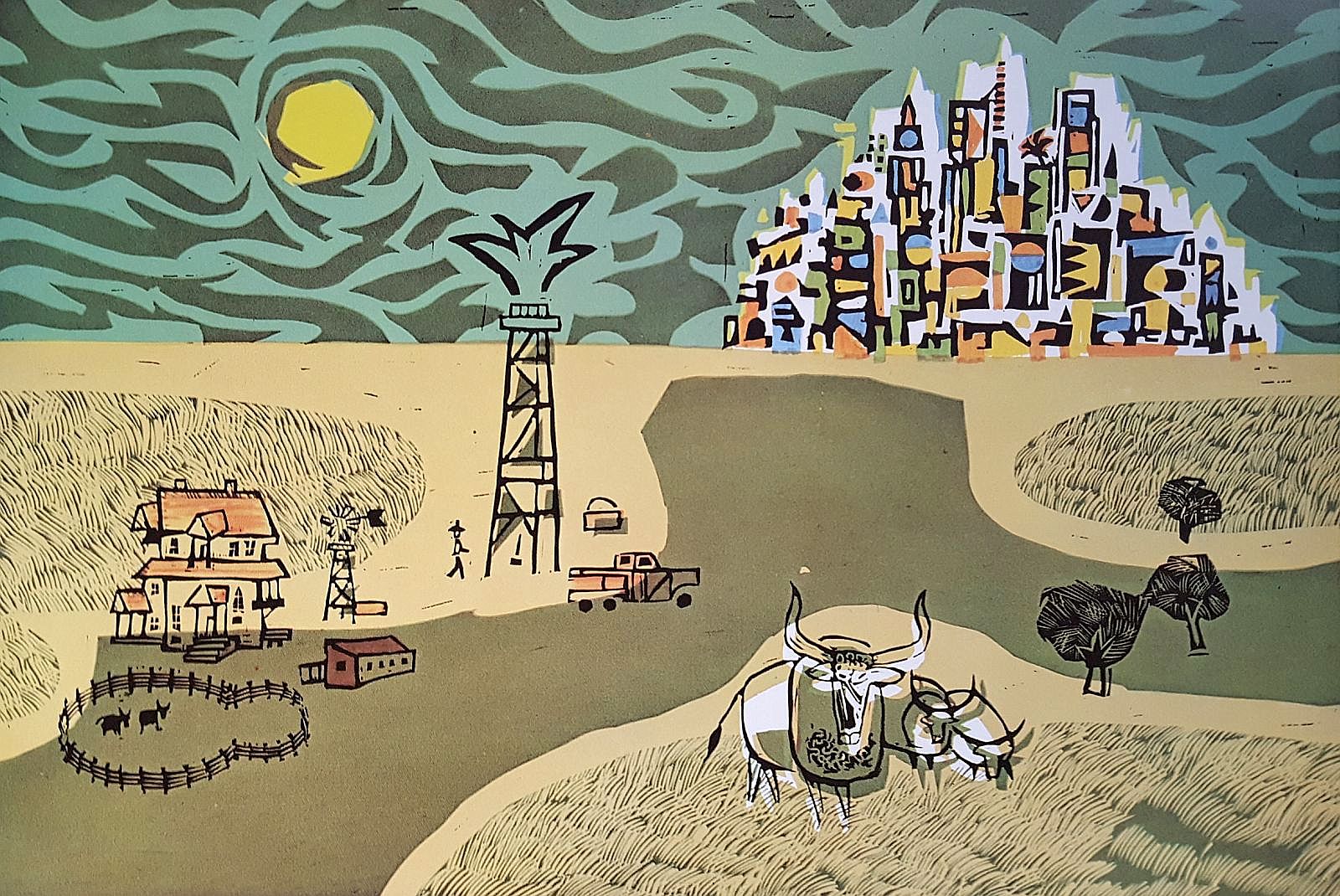
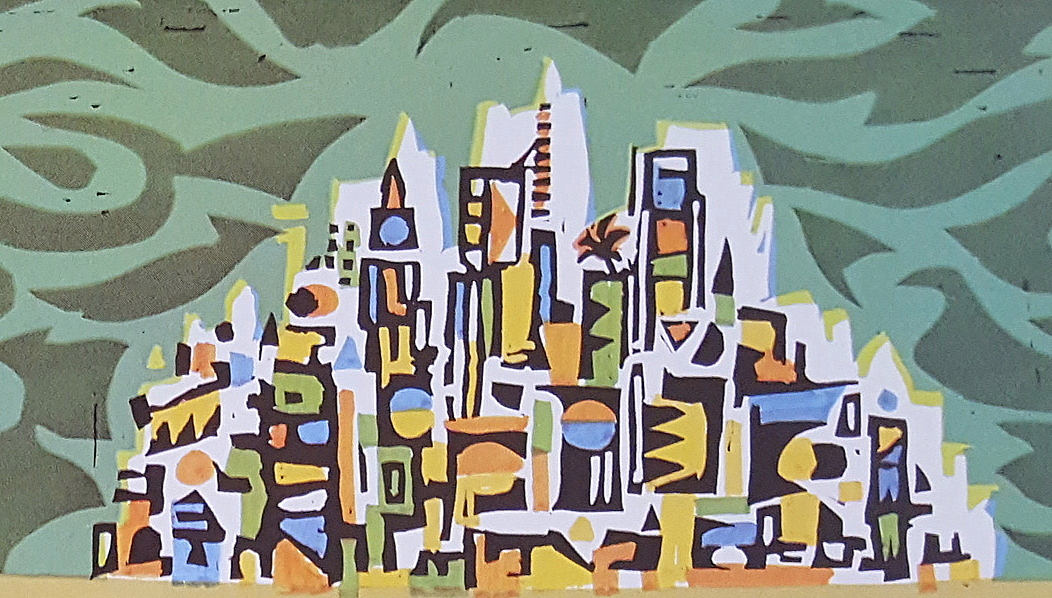
This print — titled “Dallas/The Big D” by native Texan William E. Bond (1923-2016) — is fantastic. I love everything about it. It was commissioned by Business Week magazine to be used as part of its “Business America” series, an advertising campaign showcasing fifteen American cities captured in woodcuts. Every element of this scene is great, but let’s look at a detail showing just the Dallas skyline, with a hard-to-miss Pegasus. I also see what looks to be the Mercantile Building and the Republic Bank Building in there. And … that sky!

bond_william-e_dallas-big-d_print_business-week_ca-1962_det

william-e-bond_sig

Bond’s homage to Dallas was reproduced in the 1963 book Woodcuts of Fifteen American Cities from the Business Week Collection. Below, text from the book (my assumption is that the first paragraph is the copy that appeared in a print advertisement for Business Week — it appears that the ad campaign used the artists’ works collected in this book to illustrate the ads, with each ad mentioning local companies with large BW subscribership).

Dallas … leapfrogging ahead commercially and culturally. Cotton, cattle, and oil put the Big D on the map. But aircraft, electronics and machinery keep it moving. Companies like Texas Instruments (682 Business Week subscribers), Ling-Temco-Vought (106), Collins Radio (135), Dresser Industries (123). In Dallas, and everywhere in business America, men who manage companies read Business Week. You advertise in Business Week when you want to inform management.

And this was Bond’s bio with a quote from him on “the Big D”:

“Dallas is a great many things. It is a giant of a city in the midst of a giant country – full of life and energy and the will to grow and keep growing. Anyone who knows Dallas feels this spirit. And it is this feeling that I have tried to capture.”

Born in 1923 in Crandall, Texas, Mr. Bond attended the Art Center School in Los Angeles. He has won many gold and silver awards in art director and illustrator shows, including a gold medal in the New York Illustrators Show in 1962. Mr. Bond uses a variety of media, including paper prints, sculpture, and painting. He has been an agency art director most of his career, and is now a free-lance designer.

**

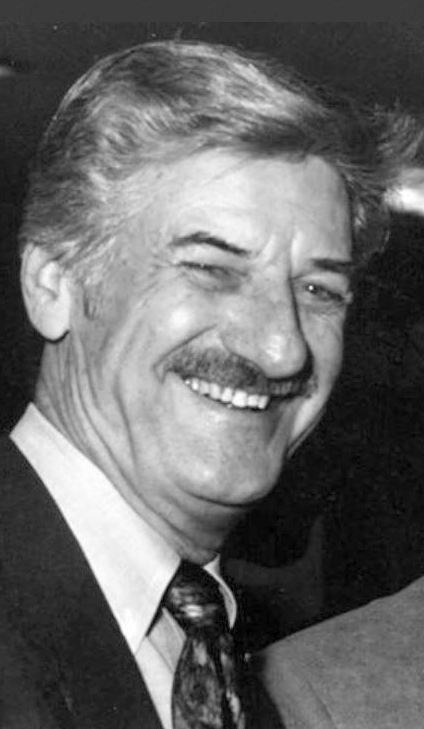
Bill Bond was born in Crandall, Texas in 1923, studied art at the Art Center School in Los Angeles, and spent several years as an award-winning commercial artist in Dallas. He worked as an advertising art director for The Dallas Times Herald, the Sam Bloom Agency, and Tracey-Locke; during this time he frequently participated in group art shows around the city. When he retired, he focused his creative talents on sculpture, becoming known for his wildlife pieces and Western bronzes. He died in Kerrville in 2016 at the age of 92.

william-bond_obit-photo

***

Sources & Notes

The book that features a reproduction of this print is Woodcuts of Fifteen American Cities from the Business Week Collection (New York: McGraw-Hill Publishing Company, Inc., 1963). From the introduction:

One of the principal methods of communication in the 20th century, and one of the biggest businesses, is advertising. Here, too, industry has regularly and effectively used fine art – in the creation of some memorable advertising campaigns.

From 1960 to 1962 Business Week commissioned fourteen prominent woodcut artists to illustrate its “Business America” series. Reproductions of the fifteen woodcut illustrations which were produced appear on the following pages.

Bill Bonds’ obituary is here.

Thanks to Bob Dunn for posting an image of Bond’s print in the Retro Dallas Facebook group. I liked it so much I went out and bought a copy of the (large) book! A few copies are available online here.

*

Copyright © 2017 Paula Bosse. All Rights Reserved.