Flashback : Dallas

A Miscellany: History, Ads, Pop Culture

Category: 1930s

Highland Park Cafeteria and the Knox Street Business District

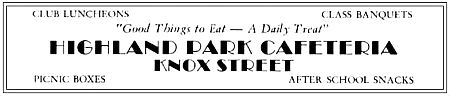
highland-park-cafeteria_pinterestHighland Park Cafeteria (and Delicatessen!)

by Paula Bosse

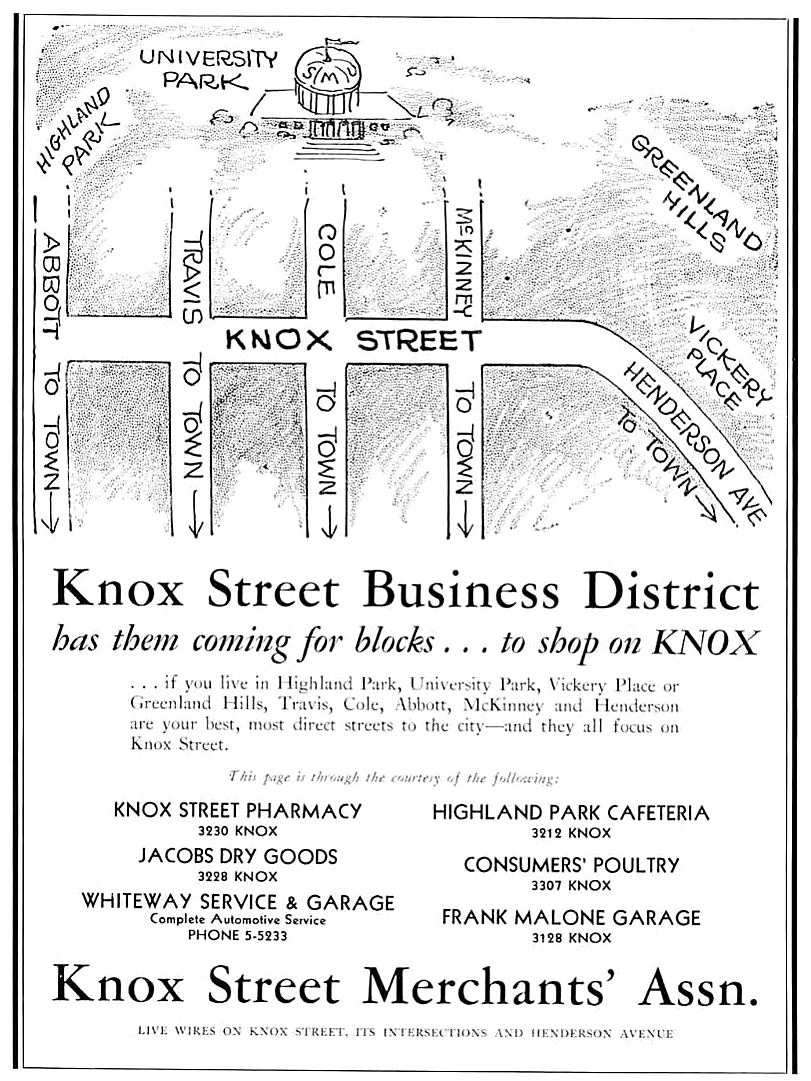
A quick post today! Above, the much-loved, much-missed Highland Park Cafeteria (3212 Knox), a proud member of the Knox Street Merchants’ Association, the latter of which has drawn up a not-terribly-helpful, pre-Central Expressway map, as seen below, with handy arrows pointing to town.

knox-street-business-district_SMU-rotunda_19321932

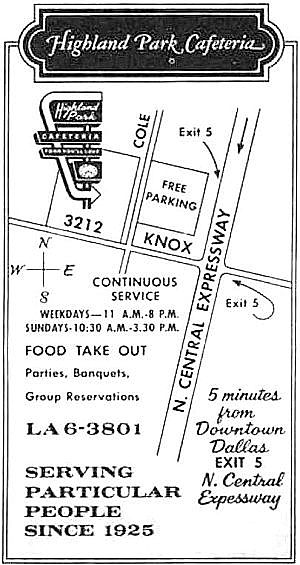
From a couple of decades later, a matchbook graphic (with a more helpful map), reminding you that the HPC has been “serving particular people since 1925”:

highland-park-cafeteria_cook-cool_degolyer_SMU-det*

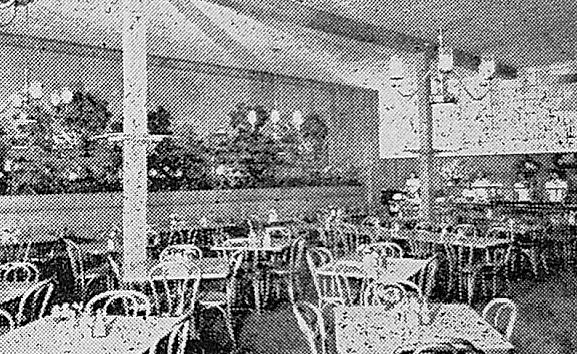
highland-park-cafeteria_NDHS-yrbk_1939
1939 (North Dallas High School yearbook)

*

See other photos of this block in the Flashback Dallas post “Knox Street, Between Cole and Travis.”

**

I’m just going to add these things here, because, so far, this is my only post on the HPC, and I might as well keep everything together.

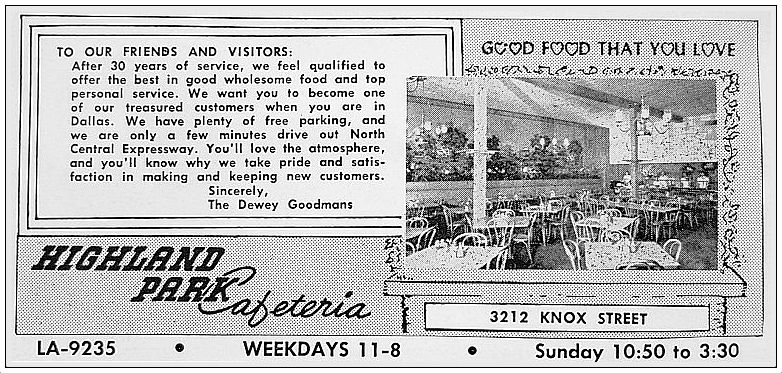
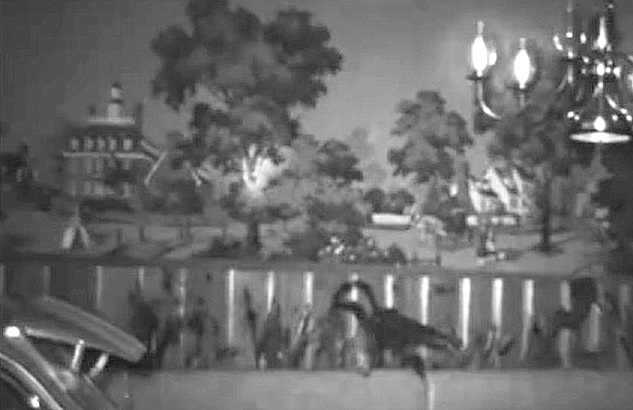
I saw the 1956 ad below, and, even though the photo in the ad is pretty poor quality, it looked like there was a mural there. I’m always interested in murals — most of the time a photo like this is the only chance to see them because they are inevitably painted over or demolished. Anyway… was there a story behind the mural? What did it show?

hp-cafeteria_ad_this-month-in-dallas_dec-1956_fullDec. 1956

Here it is larger, but the resolution is still low, and the hanging light fixtures directly in front of the mural don’t help:

hp-cafeteria_ad_this-month-in-dallas_dec-1956_photo

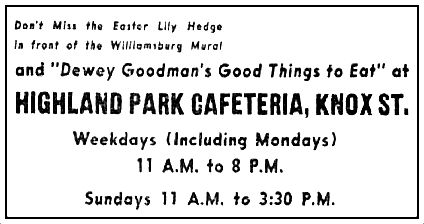
I found only one mention of a mural at the Highland Park Cafeteria — in this 1950 ad, which mentions “the Williamsburg mural,” as if it were a well-known feature of the restaurant:

hp-cafeteria_williamsburg-mural_040750April 1950

Then I asked about it on the Flashback Dallas Facebook page — and that led to this muddy screenshot glimpse of the mural from unknown news footage from 1953. Yep, Colonial Williamsburg, above a long planter. I’m not sure why that was immortalized on a wall of the Highland Park Cafeteria, but if anyone was wondering about any sort of HPC mural, these few paragraphs are for you!

hp-cafeteria_1953_mural_screenshot_det

***

Sources & Notes

Photo from Pinterest.

Knox Street Merchants’ Association ad from the 1932 SMU Rotunda. (That whole area has gotten cramped and is certainly more claustrophobic than when I was a kid, but I’m sure the present-day business owners would probably still echo the 1932 sentiment “Knox Street Business District has them coming from blocks … to shop on Knox.”) (Also, it isn’t often that I see ads mentioning Greenland Hills, the general M Steets area, adjacent to the neighborhood I grew up in.)

Matchbook (detail) from the George W. Cook Dallas/Texas Image Collection, DeGolyer Library, SMU Libraries — the full image and more information can be found here.

I’m on Patreon! If you’d like to support me and get new posts daily, head over here.

highland-park-cafeteria_pinterest_sm

*

Copyright © 2023 Paula Bosse. All Rights Reserved.

Ex-Slaves in Dallas — 1937

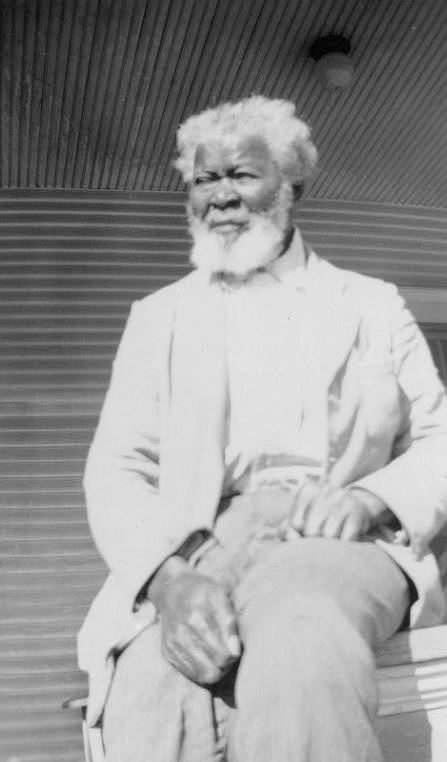
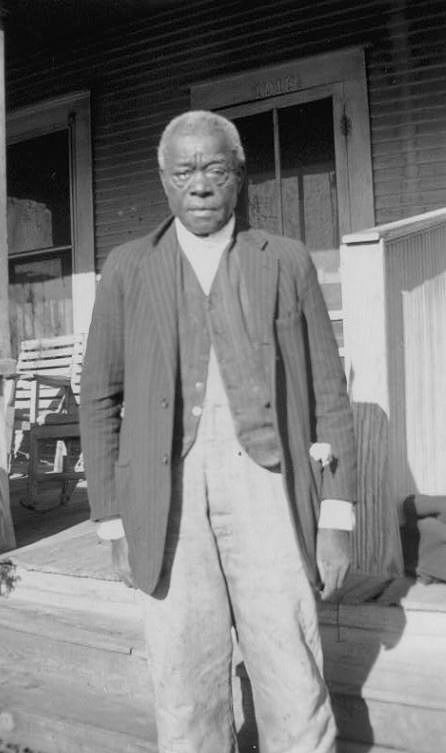
ex-slave_william-moore_WPA_LOC_122137William Moore

by Paula Bosse

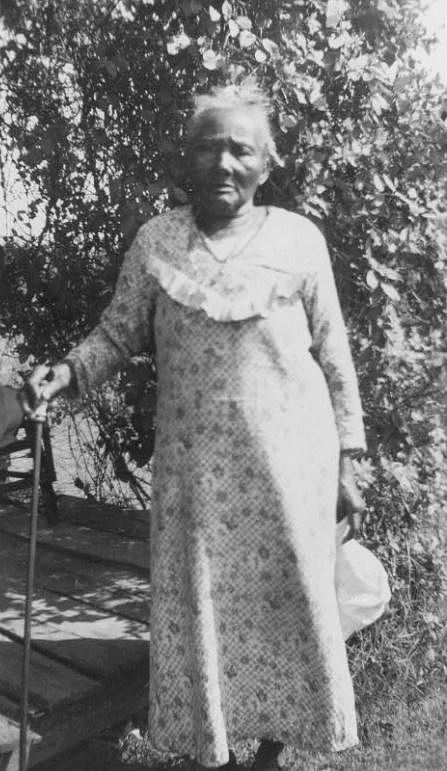
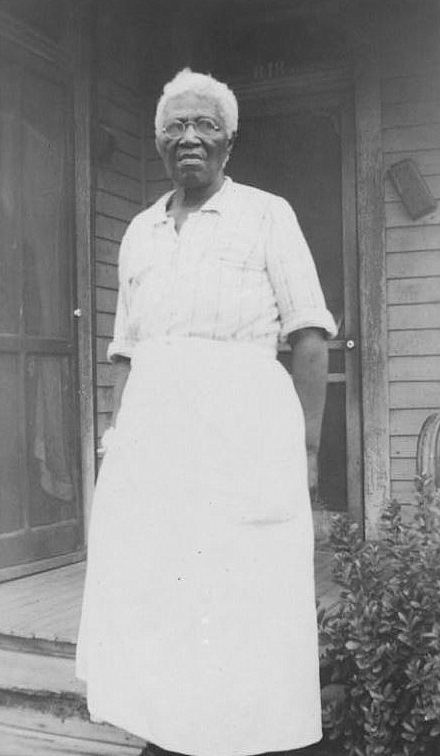
These six portraits of ex-slaves who were living in Dallas in 1937 were included in Born in Slavery: Slave Narratives from the Federal Writers’ Project (Works Progress Administration/Work Projects Administration — WPA). See all of the Dallas portraits here.

UPDATED: Thanks to a comment from a reader, I’ve linked to the oral histories of those photographed. Click the links below the photos to read about their lives.

**

Above, William Moore was born in Selma, Alabama about 1855; in 1937 he was living at 1016 ½ Good Street in Dallas.

*

Below, Emma Watson was born in Ellis County about 1852; in 1937 she lived at 318 Allen Street.

ex-slave_emma-watson_WPA_LOC_090537Emma Watson

*

Mose/Moses Hursey was born in Louisiana about 1855; in 1937 he lived at 1120 Tenth Street.

ex-slave_mose-hursey_WPA_LOC_120137Mose Hursey/Moses Hursey

*

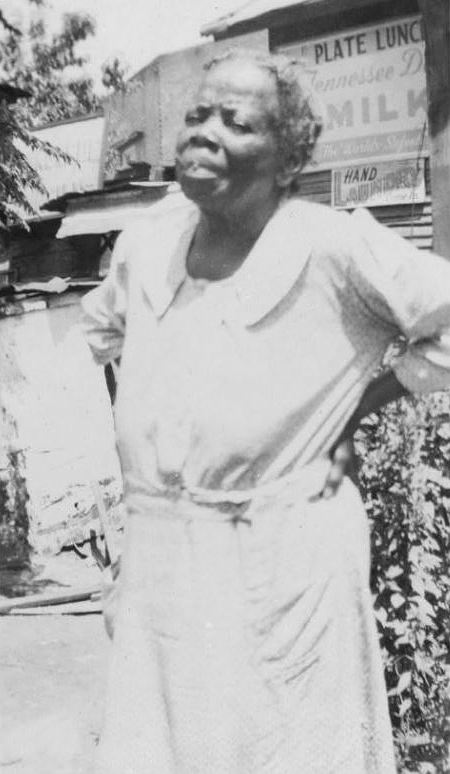
Mary Ellen Johnson was born near San Marcos about 1860; in 1937 she owned a cafe at 1301 Marilla.

ex-slave_mary-ellen-johnson_WPA_LOC_ca-1937Mary Ellen Johnson

*

Callie Shepard/Shepherd was born near Gilmer in 1852; in 1937 she lived at 4701 Spring Avenue.

ex-slave_callie-shepard_WPA_LOC_ca-1937Callie Shepard/Callie Shepherd

*

Andrew Goodman was born near Birmingham, Alabama about 1840; in 1937 he lived at 2607 Canton.

ex-slave_andrew-goodman_WPA_LOC_120137Andrew Goodman

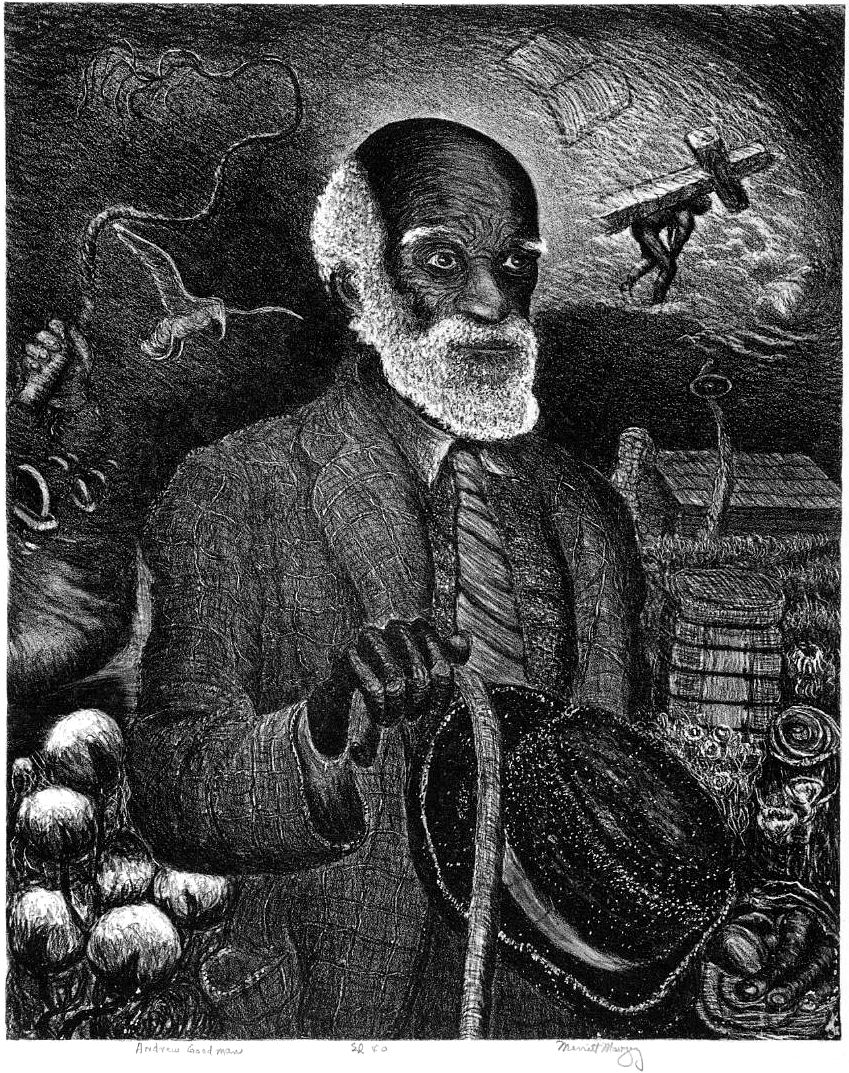
Update, Jan. 2024: I came across this portrait of Andrew Goodman by Dallas-trained artist Merritt Mauzey (1946, Smithsonian American Art Museum):

mauzey-merritt_andrew-goodman_portrait_smithsonian-art-museum_1946

*

From the Library of Congress site devoted to this project:

“Born in Slavery: Slave Narratives from the Federal Writers’ Project, 1936-1938” contains more than 2,300 first-person accounts of slavery and 500 black-and-white photographs of former slaves. These narratives were collected in the 1930s as part of the Federal Writers’ Project of the Works Progress Administration (WPA) and assembled and microfilmed in 1941 as the seventeen-volume “Slave Narratives: A Folk History of Slavery in the United States from Interviews with Former Slaves.”

***

Sources & Notes

As noted, all portraits from the WPA “Born in Slavery” project, hosted on the Library of Congress website.

Related posts from Flashback Dallas:

ex-slave_william-moore_WPA_LOC_122137_sm

*

Copyright © 2023 Paula Bosse. All Rights Reserved.
“You Can Get That Famous Marathon Gasoline in Oak Cliff” — 1930

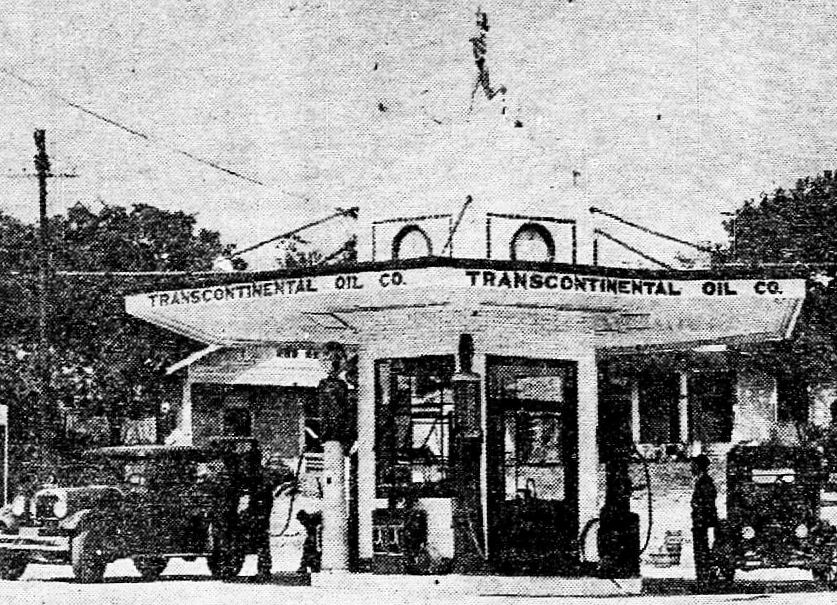
marathon_transcontinental-oil_gas-station_smithsonian_1930Somewhere in Oak Cliff, 1930, via Smithsonian Inst.

by Paula Bosse

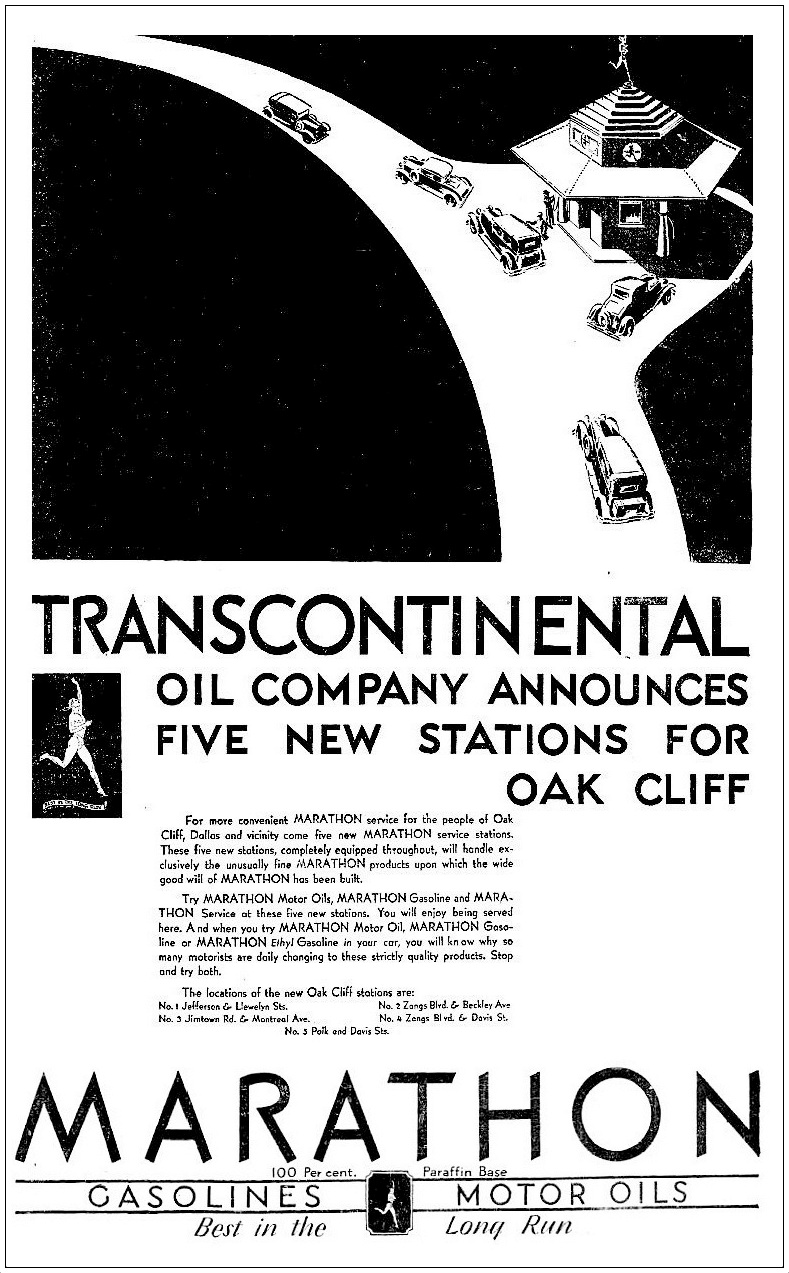
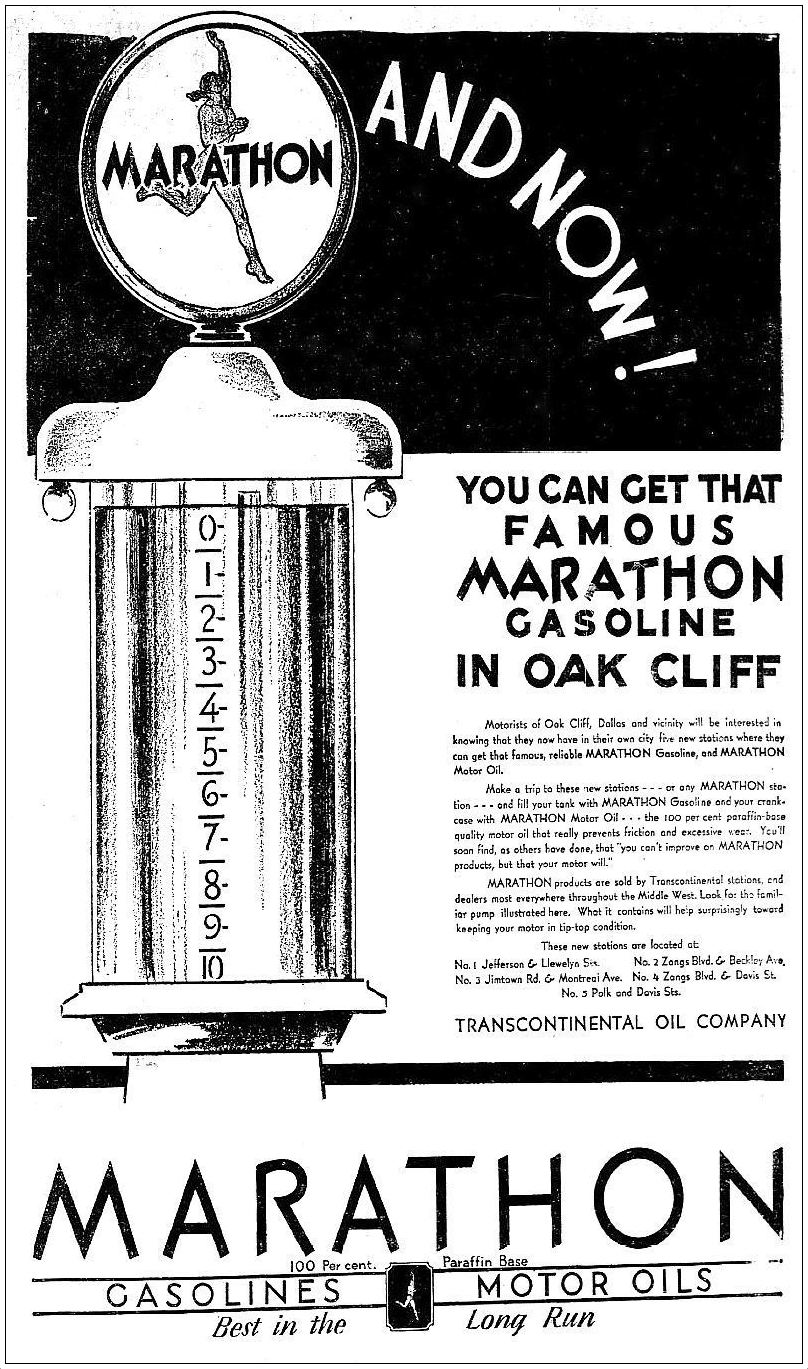
Rejoice, Oak Cliff residents of 1930: you’re getting five Marathon gas stations! I’m not sure why these stations were only in Oak Cliff and no other part of Dallas, but they were (a sixth station joined this elite group a year or so later).

I have a fascination with old gas stations, but I have to admit I’m not familiar with Marathon Gasoline or Marathon Oil products or the Transcontinental Oil Co. (they  had a refinery in Fort Worth), but for whatever reason, the Marathon stations in Dallas — all emblazoned with an image of the Greek runner Pheidippides — appear to have faded away by about 1942 when I guess the last straggler finally crossed the finish lane, collapsed, and died. Farewell, Pheidippides.

The photo above shows one of those first 5 stations in Dallas. The location is not specified. 

Marathon stations in the O.C. in 1930:

marathon_transcontinental-oil_gas-station_050430_ad_det

  • No. 1: Jefferson & Llewellyn Sts. (539 W. Jefferson)
  • No. 2: Zangs Blvd. & Beckley Ave. (1111 N. Zang)
  • No. 3 Jimtown Rd. & Montreal Ave. (2120 W. Clarendon Dr.) (in 1931, residents petitioned the city to change the name of the street to “Clarendon” because they thought “Jimtown” was too déclassé)
  • No. 4: Zangs Blvd. & Davis St. (137 W. Davis — this was the station that lasted the longest, appearing to have closed by the time the 1942 city directory was published)
  • No. 5: Polk & Davis Sts. (938 W. Davis)
  • (No. 6: 1804 W. Jefferson)

It doesn’t look like any of the old buildings are still standing, but there IS one of the exact same design still standing in Miami, Oklahoma — a group restored it and even added period gas pumps (which someone later stole) — see it below. 

marathon-station_miami-okla_google-street-view_2016Miami, OK, Google Street View July 2016

Not all of the Dallas stations had the same design — a press release describes the stations of possessing “distinctive architecture.” Another of the Oak Cliff locations looked very different (and certainly more distinctive):

marathon_station_oak-cliff_1930
Somewhere in Oak Cliff, 1930

The one above is the same design seen in this local ad:

marathon_transcontinental-oil_gas-station_042730-adApril 1930

marathon_transcontinental-oil_gas-station_050430_adMay 1930

marathon_rec_ebay

marathon_ebay

***

Sources & Notes

Top photo is from the American Petroleum Institute Photograph and Film Collection, National Museum of American History, Archives Center, Smithsonian Institution — more info can be found here.

I seem to post a lot about gas stations. Here are a few notable posts:

marathon_transcontinental-oil_gas-station_smithsonian_1930_sm

*

Copyright © 2023 Paula Bosse. All Rights Reserved.
Triple Underpass — ca. 1936

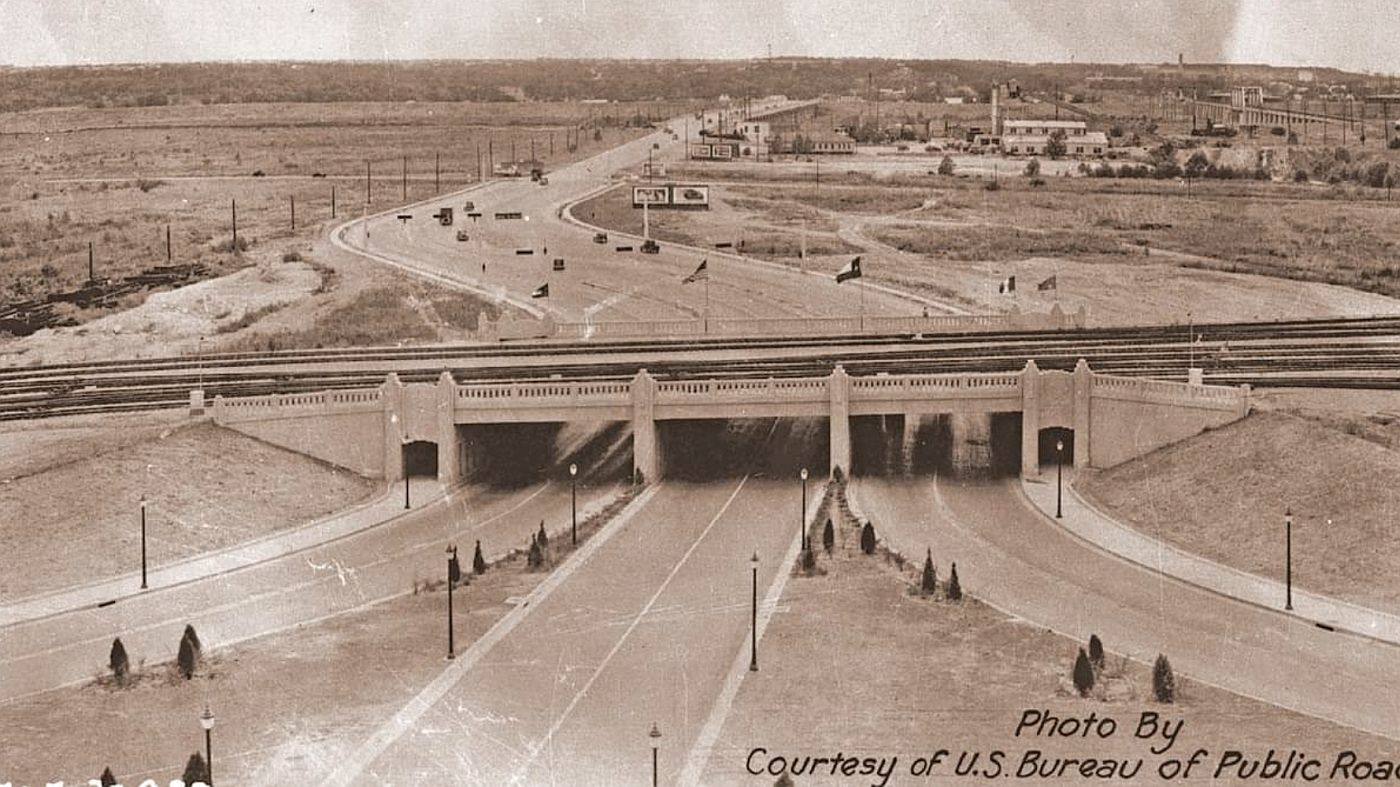
triple-underpass_ca-1936_us-bureau-public-roadsThe Gateway to Dallas, or the the Gateway to Oak Cliff?

by Paula Bosse

Above, a fantastic photo showing the new Triple Underpass, about 1936, with the view toward Oak Cliff. (Compare this with a similar view, from the 1950s, here.)

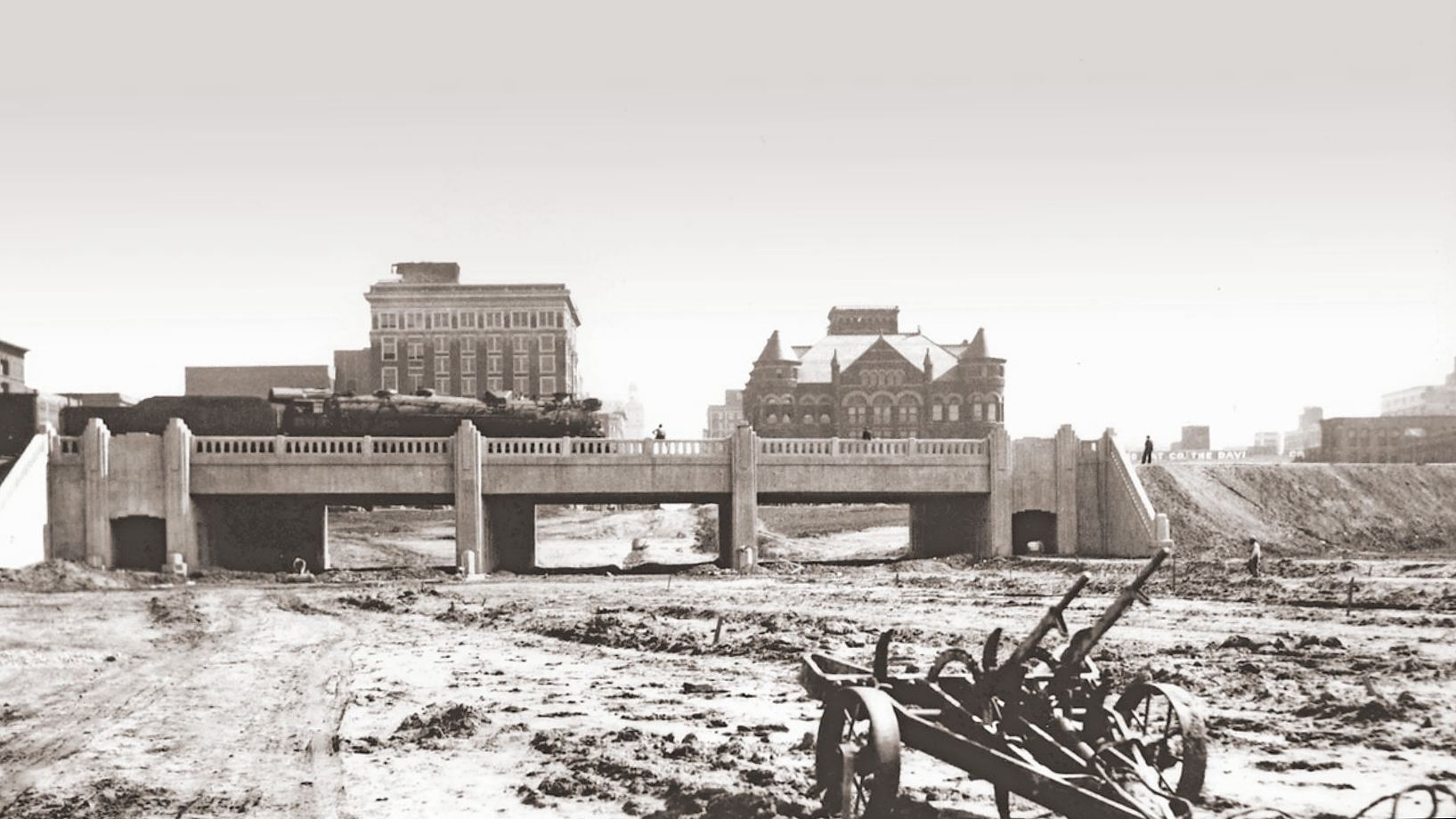
Below, a little earlier, with the view to the east, back toward town.

triple-underpass_construction_looking-east_austin-bridge-and-road-co

The triple underpass was built by the Austin Bridge & Road Company between 1934 and 1936, finishing up just in time to welcome the onslaught of visitors to the Texas Centennial Exposition. I encourage you to visit the company’s public Facebook post here, which includes these and other great photos of this Dallas landmark (including a “then and now” comparison and a history of their involvement in the project). Below is an excerpt from that post:

Once called the “Gateway to Dallas,” the triple underpass near Dealey Plaza was built by Austin Bridge Company and Austin Road Company starting in 1934. The underpass, a joint project with the Texas Highway Department and City of Dallas, created access to the western edge of downtown Dallas under the Union Terminal tracks. Contending with up to 80 trains a day complicated the job, requiring close cooperation with the railway companies. The triple underpass was hailed as a modern marvel, built of concrete with square balusters in a handsome art-deco style. It was unveiled with great excitement in 1936, during Texas Centennial celebrations.

***

Sources & Notes

Top image is a U.S. Bureau of Public Roads photo showing the new underpass, looking to the west.

Both photos and the excerpt are from a post on the Austin Bridge & Road Facebook page, which you can find here.

triple-underpass_ca-1936_us-bureau-public-roads_sm

*

Copyright © 2022 Paula Bosse. All Rights Reserved.
Pacific Avenue Warehouse District

pacific-warehouse-district_ebayLooking west on Pacific, from about Good Street

by Paula Bosse

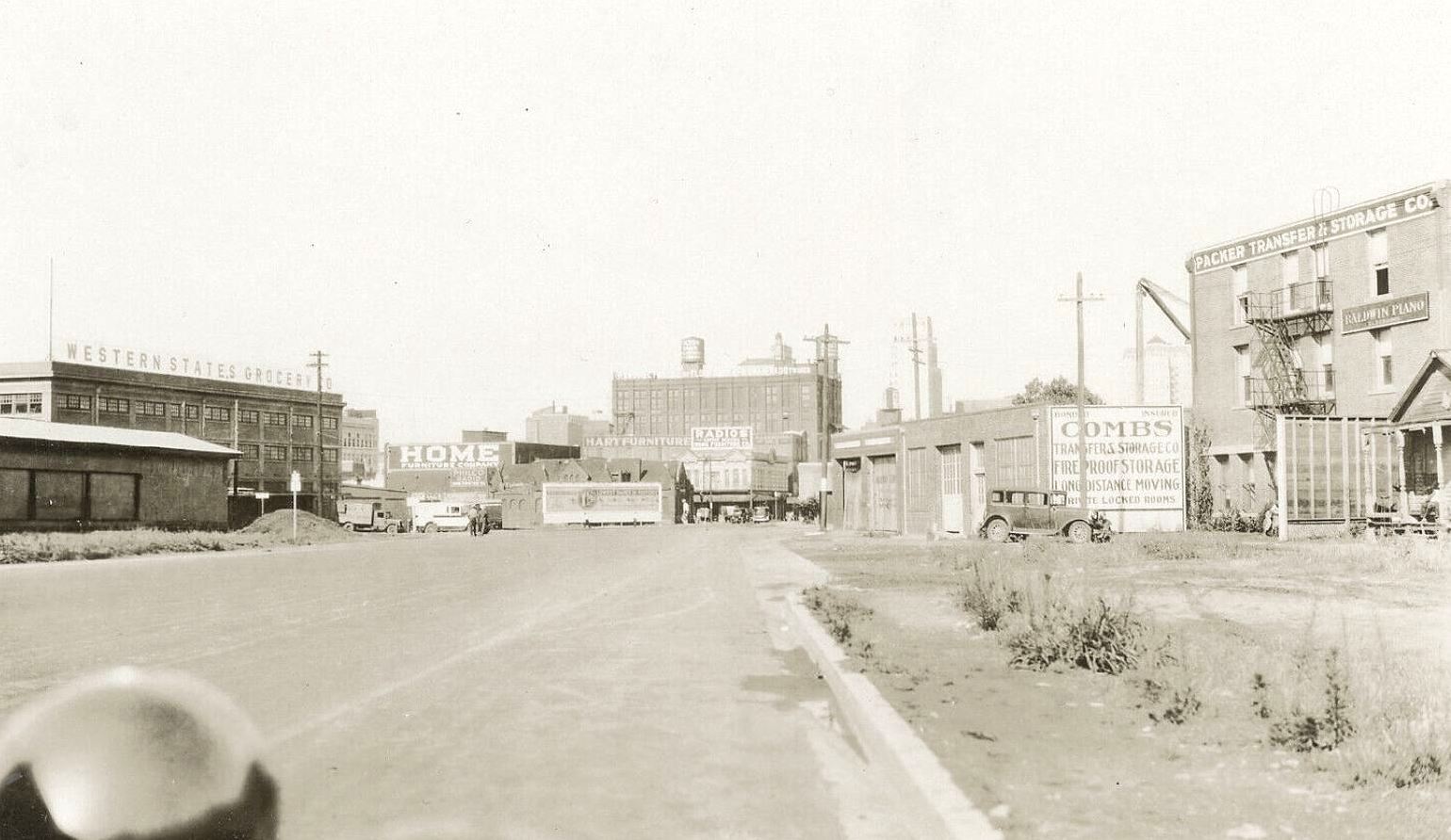
Wandering around the eBay “sold” archives, I came across this unusual photo taken in a not terribly scenic part of town. After checking addresses of these businesses in the 1932 city directory, it looks like the photographer (who appears to have been seated in a car) snapped this shot on N. Pacific Avenue, a block or so west from Good Street (now Good-Latimer). Deep Ellum-adjacent. The view is southwesterly, toward downtown. The businesses are mostly warehouses. See what this view looks like today, 90 years or so later, via Google Street View, here.

I was excited to see two familiar 19th-century buildings which I’ve written about and feel a weird kinship with: the abandoned and shuttered old Union Depot (which I wrote about here) and the Union Depot Hotel (which I wrote about here) — located about where Pacific takes a slight jog to the right. It’s like seeing old friends.

Here are some rather grainy magnifications of the eBay “snapshot” (click to see larger images).

*

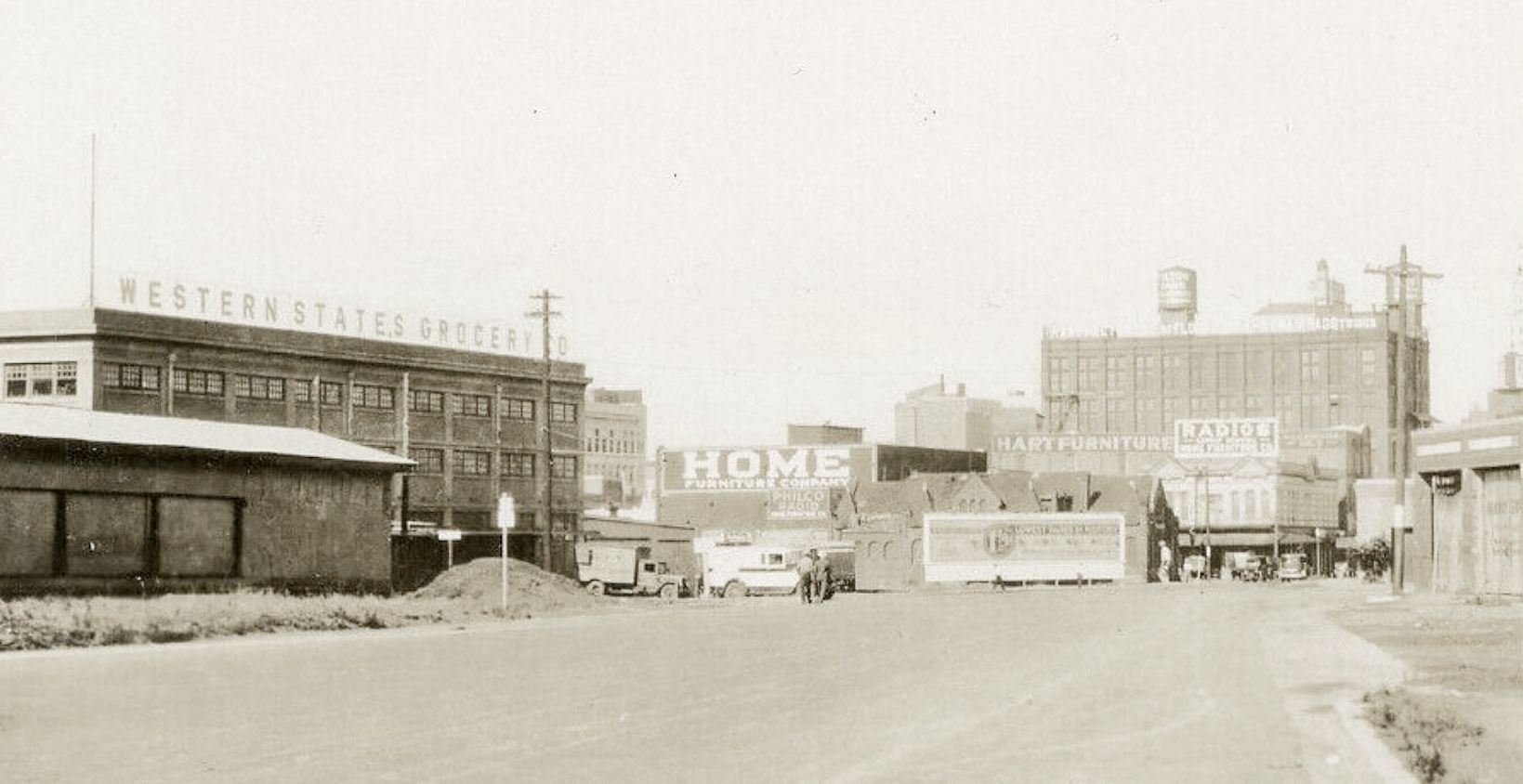
Below: the Western States Grocery Co. was located at the southwest corner of Hawkins and Pacific. The Home Furnishings Co. was at 2301-2311 Elm Street (at Preston). Many of the buildings in this view (except for the 5-story-ish tall building straight ahead and to the right) can be seen in this 1921 Sanborn map. (Is that the pre-Pegasus Magnolia Building seen in the distance behind the 5-story building at the right? If so, that would mean that this photo was taken before 1934.)

pacific-toward-downtown_ebay_det-1

*

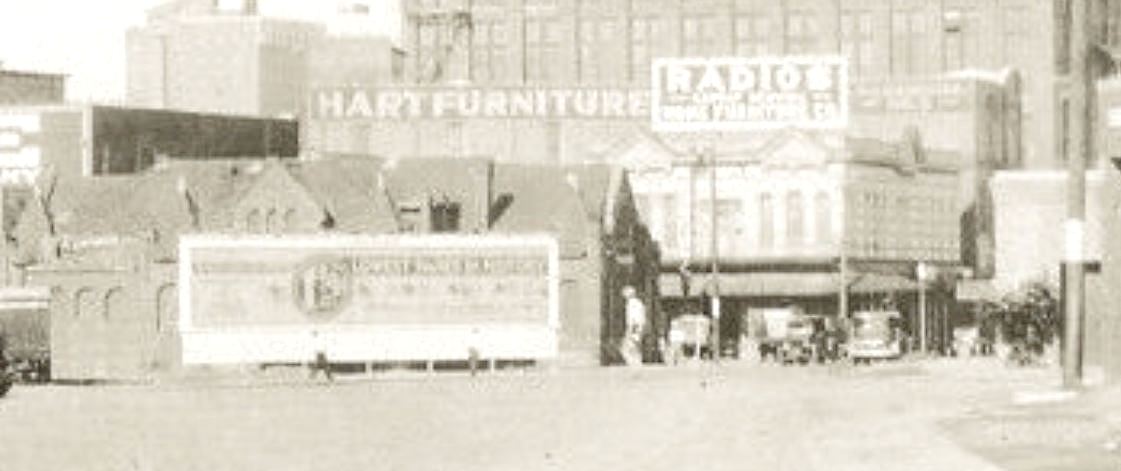
The building seen below in the foreground at the left is the old Union Depot. I’ve seen so many photos of this building — but it looks TINY here! Just across the street (railroad tracks) from it (in the building seen immediately below the “Radios” sign) is the old Union Depot Hotel. The H&TC railroad used to run between them — Central Avenue later (basically) became Central Expressway. I was really excited to see these two buildings.

The taller building seen in the background, behind the Hart Furniture sign, can be seen in this 1921 Sanborn map — the 5-story building at the southwest corner of Pacific and Preston was home to the Fulton Bag and Cotton Mills (another story was added around 1935).

pacific-toward-downtown_ebay_depot-and-hotel

*

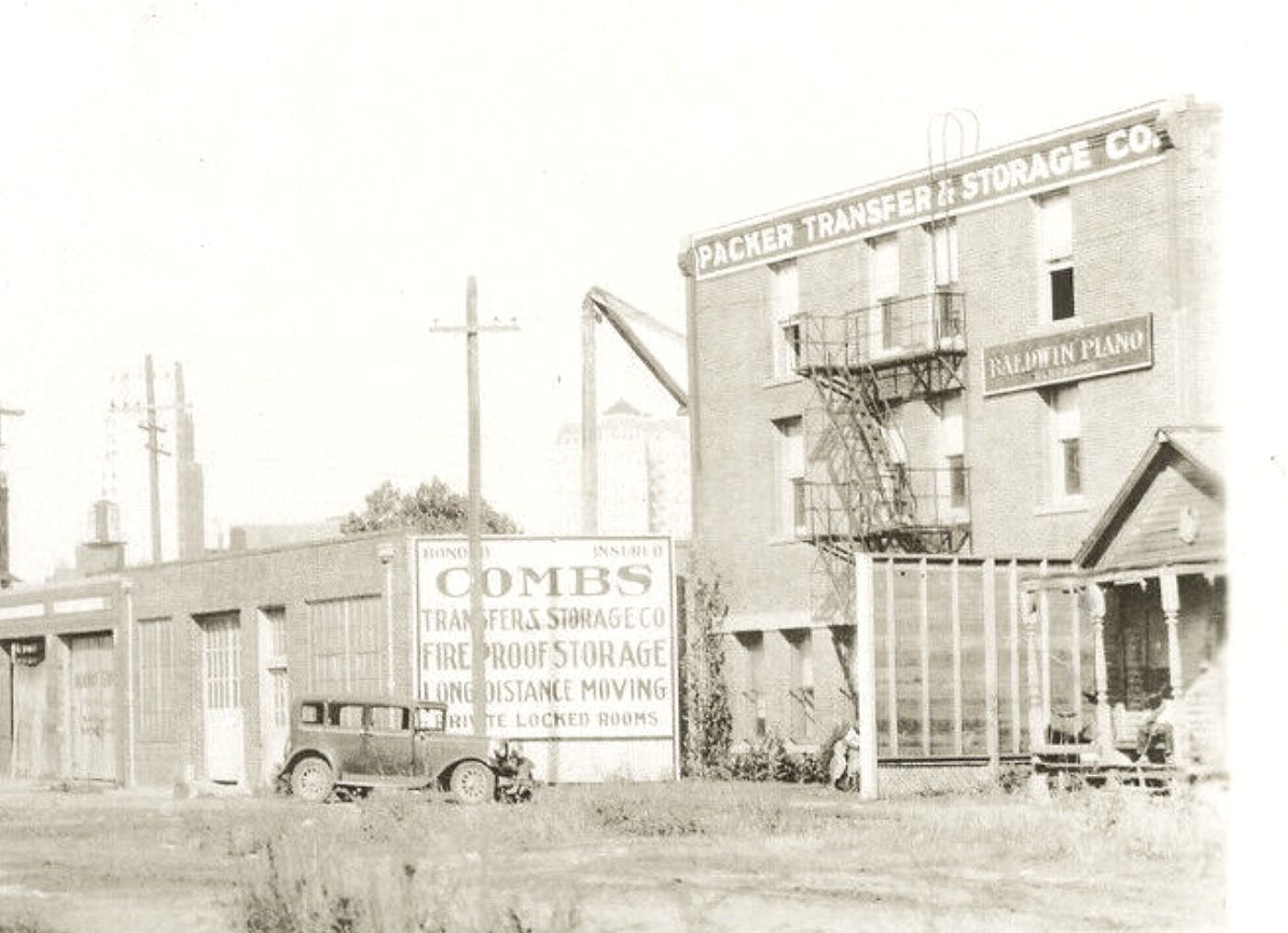
The Combs Transfer & Storage Co., the Packer Transfer & Storage Co., and the Baldwin Piano Ware Room were all at 2507-2509 Pacific. It looks like the two buildings seen in this detail (the short one and the taller one) have somehow miraculously survived the insane redevelopment of everything on all sides of it (I’ve haven’t been to Deep Ellum in a few months, but these two buildings seem to be the ones which you can see in the most recent Google Street View). Also, looming like a ghostly whisper in the background (above “Combs”) is the Medical Arts Building.

pacific-toward-downtown_ebay_medical-arts-bldg

*

I wonder why someone decided to take this photo? I’m glad they did, because it’s not a view I’ve ever seen. I love finding photographs taken in places that most people wouldn’t think were interesting enough to document for posterity. Like this one. Thanks, anonymous photographer!

*

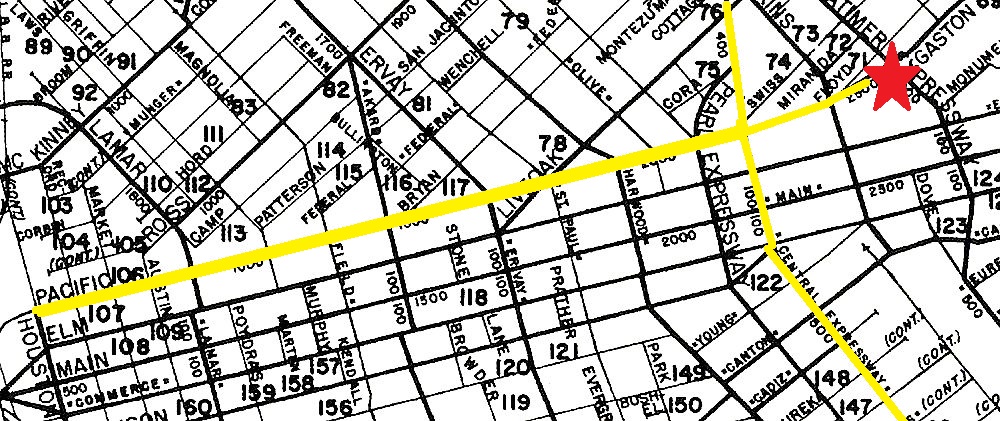
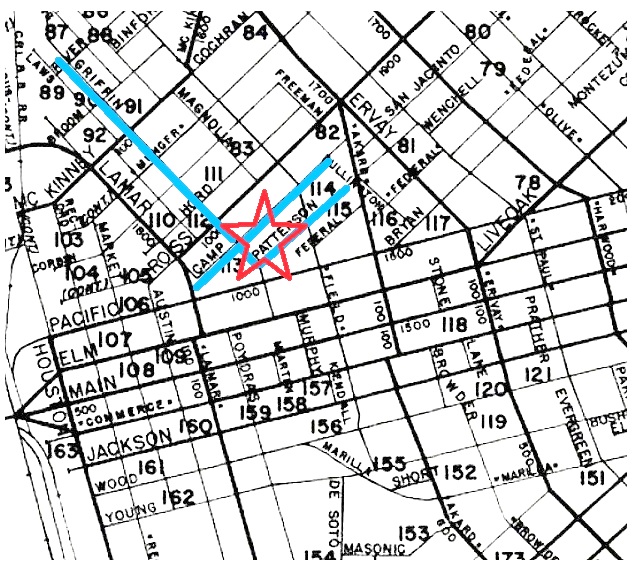
I just picked the closest historical map I had easy access to — the 1952 Mapsco. My guess is that the photograph is from the 1930s. The star is about where the photo was taken — just west of what is now Good-Latimer, just before Pacific becomes Gaston — with a view to the west.

pacific-toward-downtown_mapsco_19521952 Mapsco (det.)

***

Sources & Notes

Photo found on eBay — it looks like the item sold a couple of weeks ago, in Sept. 2022.

pacific-warehouse-district_ebay_sm

*

Copyright © 2022 Paula Bosse. All Rights Reserved.
Eula Wolcott’s Baker Hotel Book Shop & Rental Library, 1926-1942

baker-hotel-book-shop_1934Eula Wolcott: bookseller, librarian (Publishers Weekly, 1934)

by Paula Bosse

Today is the birthday of my late father, Dick Bosse, owner of the Aldredge Book Store. I always try to post something bookstore-related on his birthday. This year: Miss Eula Wolcott’s Baker Hotel Book Shop & Rental Library, located inside the Baker Hotel.

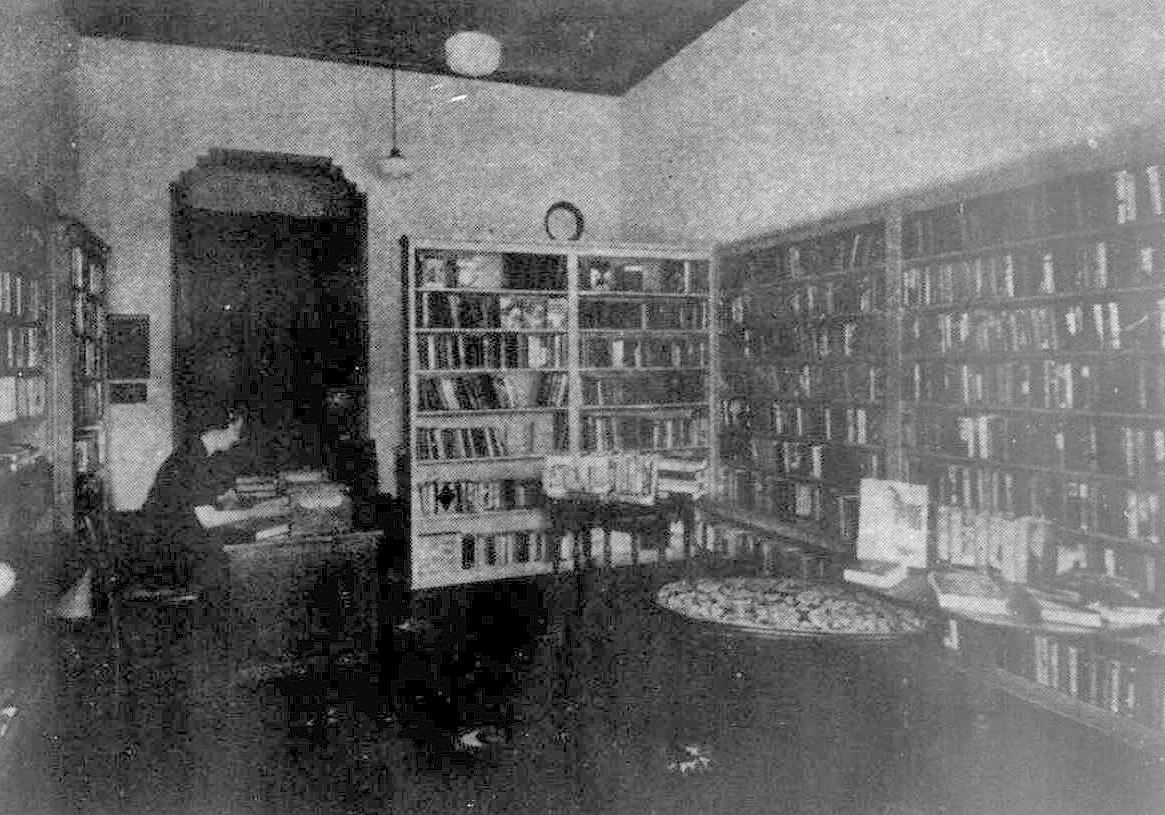
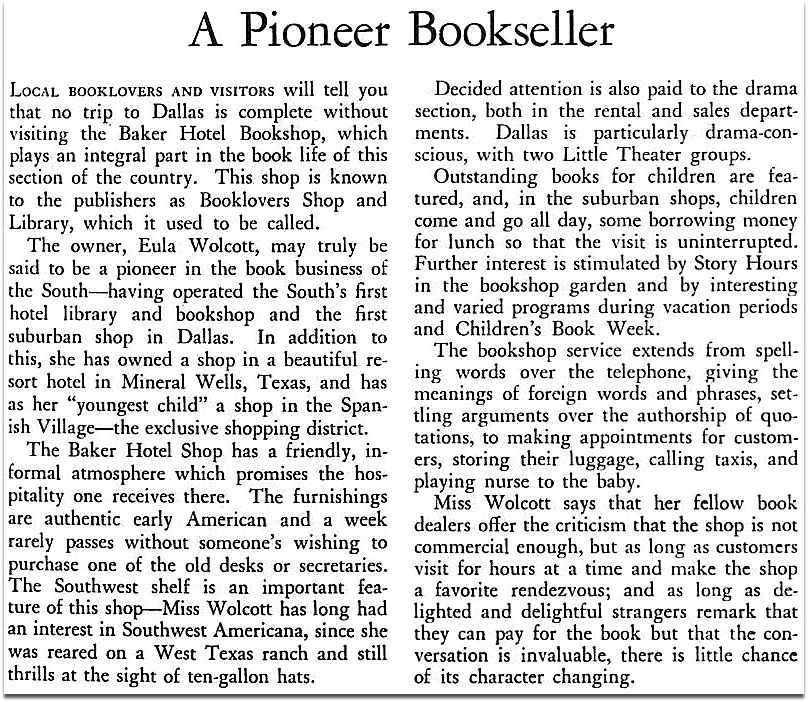
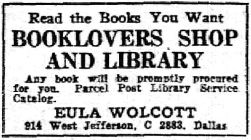
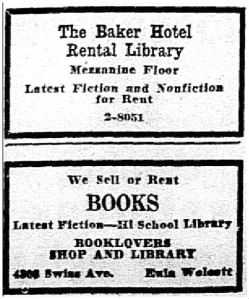
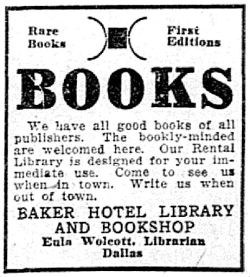
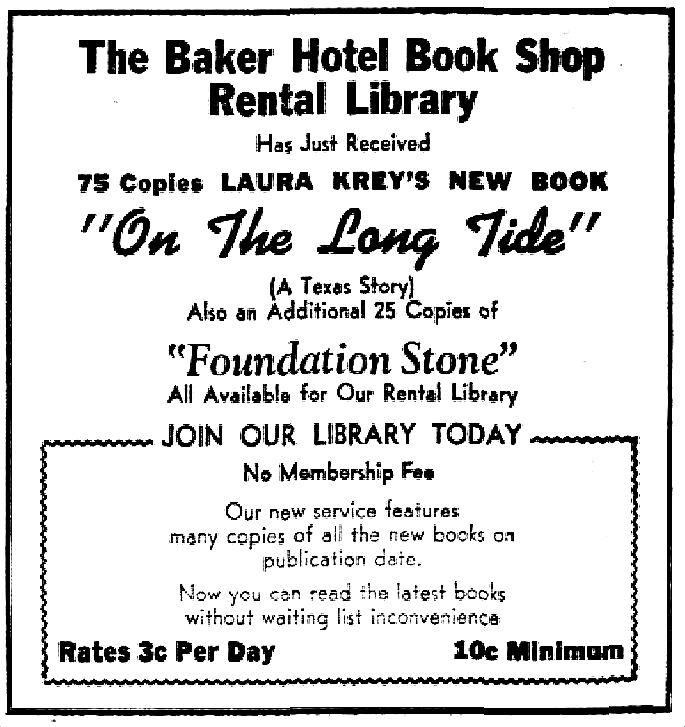
Eula Wolcott (1881-1962) was born in Waxahachie and had moved to Dallas by 1910. She appears to have had theatrical ambitions and studied voice and expression (she was billed as an “Experienced Concert Reader and Story Teller”). She opened a little book store and library in the early 1920s — the Booklovers Shop and Library was first on West Jefferson and later on Swiss Avenue. In 1926, she opened a similar shop inside the glamorous Baker Hotel, an enterprise she ran successfully until at least 1942 when another owner took over (she also apparently had a book shop inside the Baker Hotel in Mineral Wells). In 1931 she opened the rather confusingly-named “Baker Hotel Book Shop and Rental Library” in Highland Park — in the new “Spanish Village” (the original name for Highland Park Village). Below is a very enthusiastic profile from Publishers Weekly (click to see a larger image).

baker-hotel-book-shop_publishers-weekly_032434_eula-wolcott_textPublishers Weekly, March 24, 1934

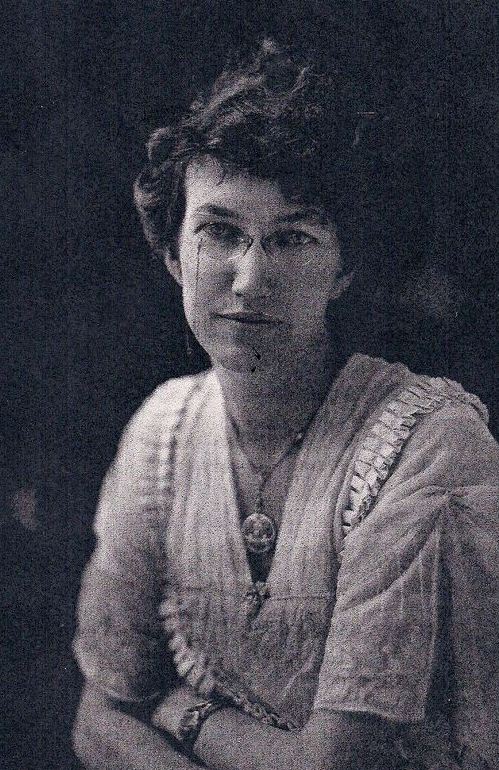
I wish the photo at the top had been better, because I’d love to get a good look at the decor. And Eula. I managed to find a photo of her.

wolcott-eula_ancestryEula Wolcott, via Ancestry.com

Here are a few ads:

booklovers_0420241924

baker-hotel_book-shop_DMN_oct-24-1926Two shops, one owner — 1926

baker-hotel_book-shop_1009271927

baker-hotel-book-shop_19371937

baker-hotel_book-shop_DMN_oct-25-19401940

She was active as a bookseller for many years and was also a familiar voice to radio listeners who tuned in to hear her book reviews on WFAA. 

One interesting piece of trivia about Eula’s hotel bookshop, shared with me by a former bookstore client of mine: the Baker Hotel Book Shop was the very first American bookstore that British author H. G. Wells ever visited. A lecture tour brought him to Dallas in 1940 — like many of the celebs of the day, he stayed at the Baker. I’m sure Eula was very happy to have Mr. Wells, a literary powerhouse, in her shop. Let’s hope he exhibited proper bookstore etiquette and purchased something!

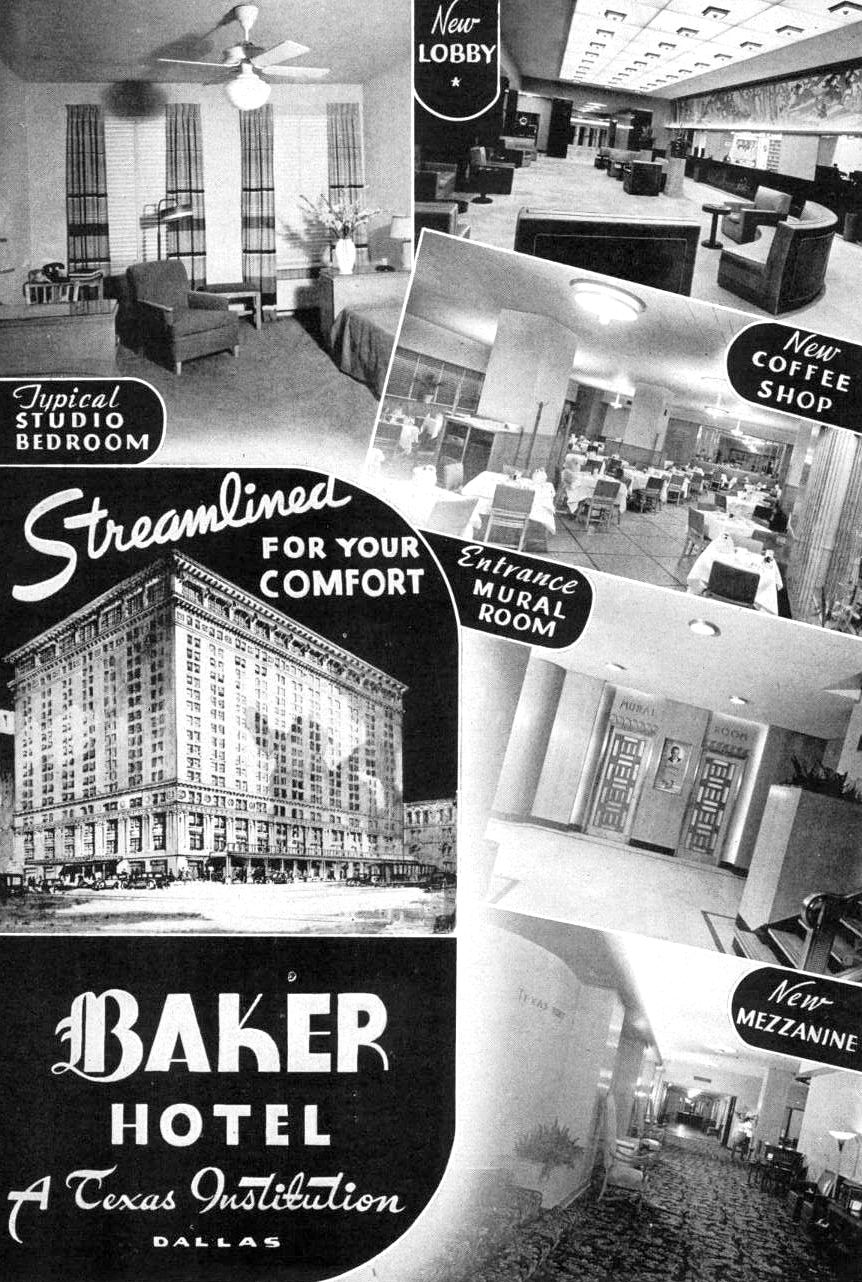
baker-hotel_mural-room_dallas-directory_1942Baker Hotel, circa 1940

***

Sources & Notes

Top photo and article from the trade magazine Publishers Weekly, March 24, 1934.

Read more Flashback Dallas articles on the Dallas bookstore scene here.

baker-hotel-book-shop_1934_sm

*

Copyright © 2022 Paula Bosse. All Rights Reserved.
Betty and Benny Fox, Sky-Dancing in Dallas — ca. 1935

fox-betty-benny_princeton-univ_nd
Betty & Benny, without a care in the world… 

by Paula Bosse

I often just wander aimlessly around the internet, hoping I’ll find something Dallas-related that I haven’t seen before. Last night I found this unusual photo in the Western Americana Collection of Princeton University, described as “View of a Texas city, possibly Dallas.” Okay. It didn’t strike me immediately as a familiar view of Dallas, but you’ve got appearances by Dallas Art Glass Co., Texas Hosiery, and Texas Paper Co. So, yeah. Dallas! I definitely haven’t seen this before. (Scroll down for the specifics of the location.)

Once I determined this was, in fact, Dallas, I tried to figure out what was happening — who (and why?!) were those two people waving from a tiny platform on top of a tall pole? I first thought “flagpole-sitting,” the weird fad of the 1920s which makes me uncomfortably acrophobic just thinking about it. But it was two people on a pole. Standing. Waving. I just kept looking at it, wondering how they got up there. And how were they going to get down (without plummeting)? Why were they there? Were they a couple? Were there husband-and-wife pole-sitters/-standers/-dancers/-wavers? So many questions.

My first hint was in a December, 1931 story in The Dallas Morning News about a young woman who seemed to have some name-recognition named Betty Fox who was, at the time of the article, perched atop a pole in Greenville, Texas, attempting to test her endurance and remain there for 100 hours. As one does. (When in Greenville….) So I searched for newspaper articles about “Betty Fox.” She was, indeed, a star in the pole-sitting world, entertaining large crowds and making personal appearances all around the country. Then I noticed that there seemed to be more than one “Betty Fox” out there. Hmm. And I had noticed that there had been a pole-sitter named Ben Fox who was a fairly serious flagpole-sitting champ. That was kind of a weird coincidence. Or was it? And then I found the article “Sky Dancers Betty and Benny Fox,” which helpfully explained that Benny and Betty were daredevil aerial dancers. They were originally billed as brother and sister, but as the article says, “they were not related. And Betty was not always the same person, nor was she actually named Betty.”

They traveled from city to city where they drew large crowds who watched them perform high in the sky on a tiny circular disc 24 inches in diameter (it later shrank to 18 inches in diameter). Their acrobatic “sky dance” (AKA “The Dance of Death”) apparently lasted for several hours. (There was an article I read from 1931 about “Betty” and a heretofore unknown other “sibling” named “Babe” Fox who defied a judge’s injunction to prohibit the two from engaging in a 100-hour marathon-dance stunt on a 35-inch platform, 50 feet in the air in cold, wet, and windy Texarkana. Seems like a bad idea, but, apparently, they didn’t die. (…Or maybe they did and just got a new “Betty” and “Babe” and carried on to the next gig.)

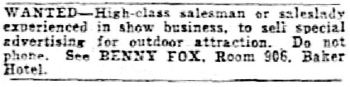
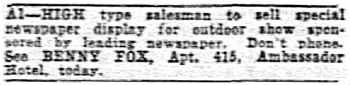
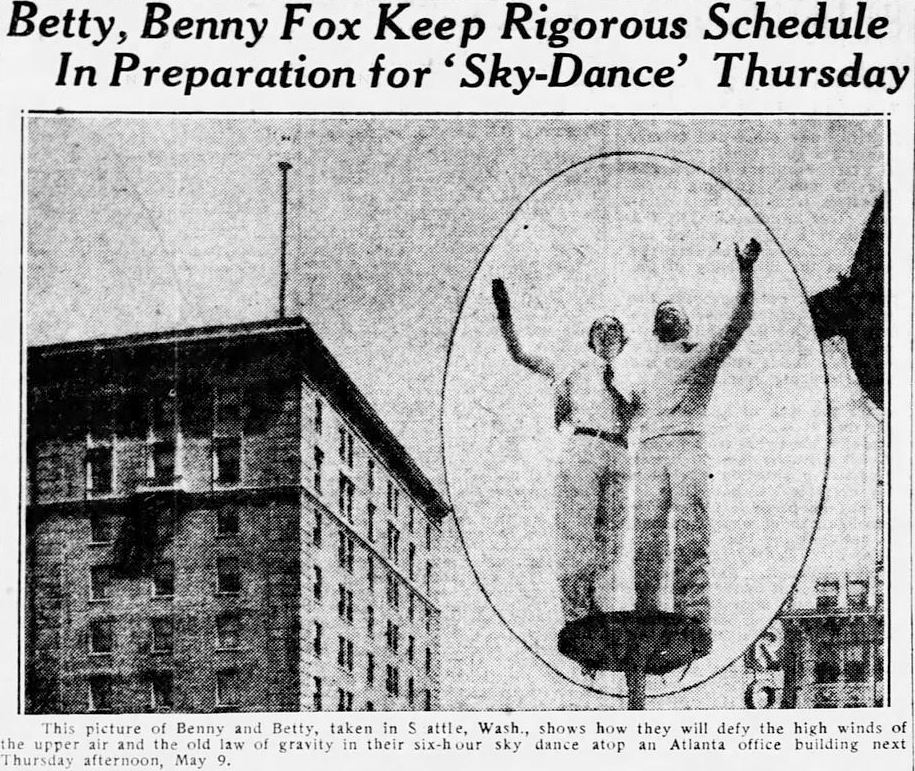
Princeton University estimated the date of the photo to be around 1930. I think it might have been 1935. The two classified ads below in which Benny seeks Dallas promoters for their local event, were from the end of 1935. (The event was sponsored by a Dallas newspaper — it obviously wasn’t the DMN, because there was no story about the Foxes in their pages.) The newspaper photo below the ads shows the then-current version of Betty and Benny, and they look like the couple in the Princeton photo. 

fox-benny_dmn_112735Dallas Morning News, Nov. 27, 1935

fox-benny_dmn_120735DMN, Dec. 7, 1935

fox_atlanta-constitution_050335Atlanta Constitution, May 3, 1935

Yes, that caption says they performed for SIX HOURS.

I’m not sure how long “Betty and Benny” lasted, but they were back in Dallas in 1957 performing at a week-long carnival in Wynnewood Shopping Center. I bet there were more “Bettys” than “Perunas.”

Here’s some newsreel footage of one of the Betty and Benny incarnations, doing their thing in Chicago. (Seriously, if you’ve got even a hint of a fear of heights, look away!!!)

*

So where was that photo at the top taken? I’m estimating the camera was on the top of a building at, roughly, Griffin and Pacific, looking in a northerly direction. At the top right, the tall building farthest away is the First Methodist Episcopal Church (now First United Methodist) at Ross and Harwood. It’s hard to see any streets, but the two running diagonally are Camp and Patterson. A few addresses of businesses seen in the photo:

  • Dallas Art Glass Co.: 1408 Camp
  • Steger Transfer Co.: 1305 Camp
  • Texas Hosiery: 1200 Camp/1201 Patterson
  • Texas Paper Co.: 1200 Patterson, extending to Pacific

A 1921 Sanborn map is here. A detail from a 1952 Mapsco is below.

fox_mapsco_1952_camp-patterson-griffin1952 Mapsco (det)

*

I’m not sure why Princeton has this photo in their collection, but I really enjoyed reading about Benny and his “Bettys.”

***

Sources & Notes

Top photo — “View of a Texas city, possibly Dallas” — is from the Western Americana Collection, Princeton University Library Special Collections; more information on this photo can be found on the Princeton website here.

See several “action” photos of Benny and Betty from GettyImages here.

Read the very entertaining “Sky Dancers Betty and Benny Fox” by Alan E. Hunter, here.

Another story I wrote concerning an “endurance” stunt (which, like this one, also makes me feel a little panicky) is “Buried Alive at the Fair Park Midway — 1946.” 

fox-betty-benny_princeton-univ_nd_det

*

Copyright © 2022 Paula Bosse. All Rights Reserved.

Two Postcard Views of a Growing Dallas

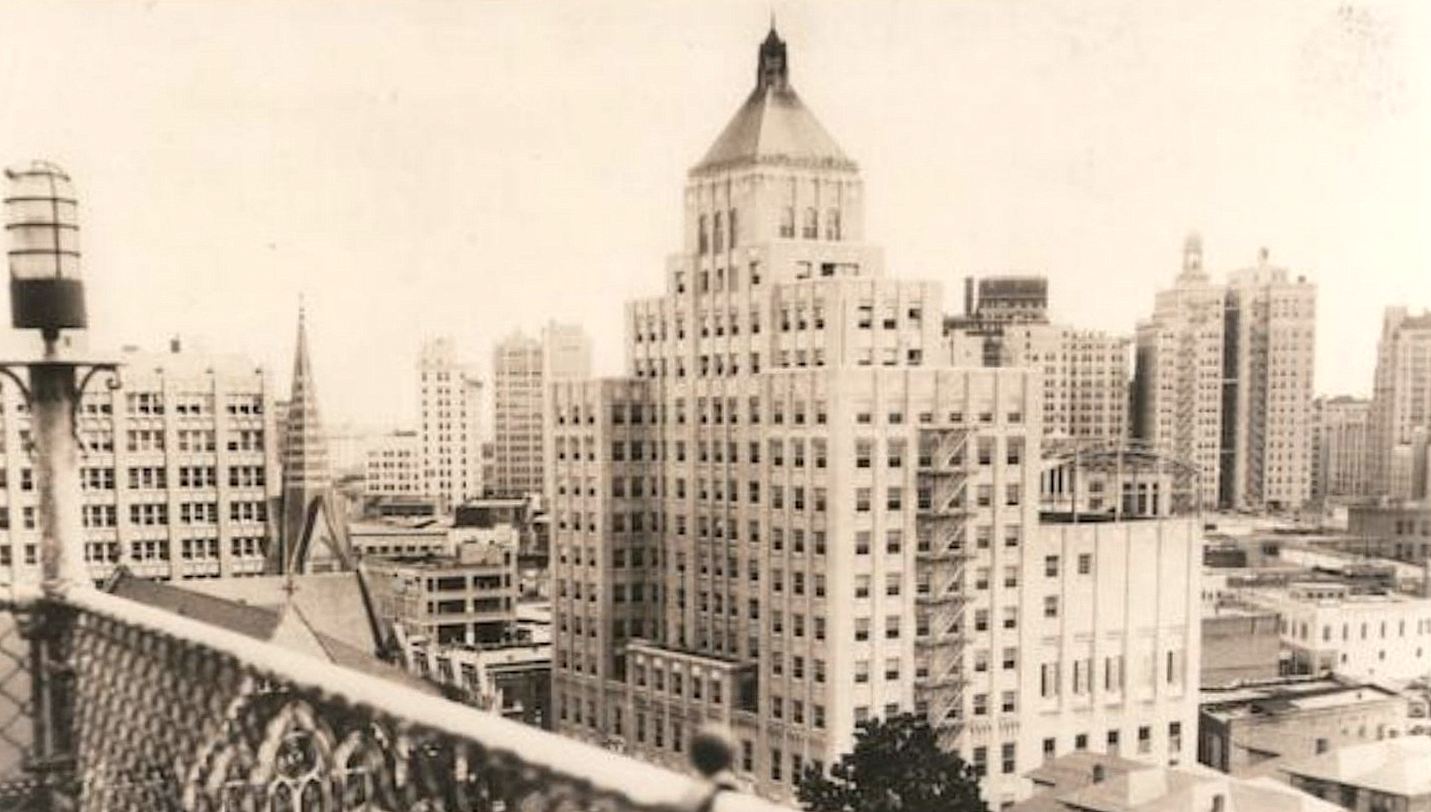
skyline_dallas-texas_rppc_postcard_ebayThere’s a church, and a bank, and a bank, and a bank…

by Paula Bosse

A couple of quickies: these are two really nice postcards which popped up recently on eBay — I’d never seen them before.

Above, a lovely, creamy, glowing shot of the skyline. I recognize several of the buildings, but I’m not sure where the photographer was positioned. I’m sure a smart person will put the location in the comments.

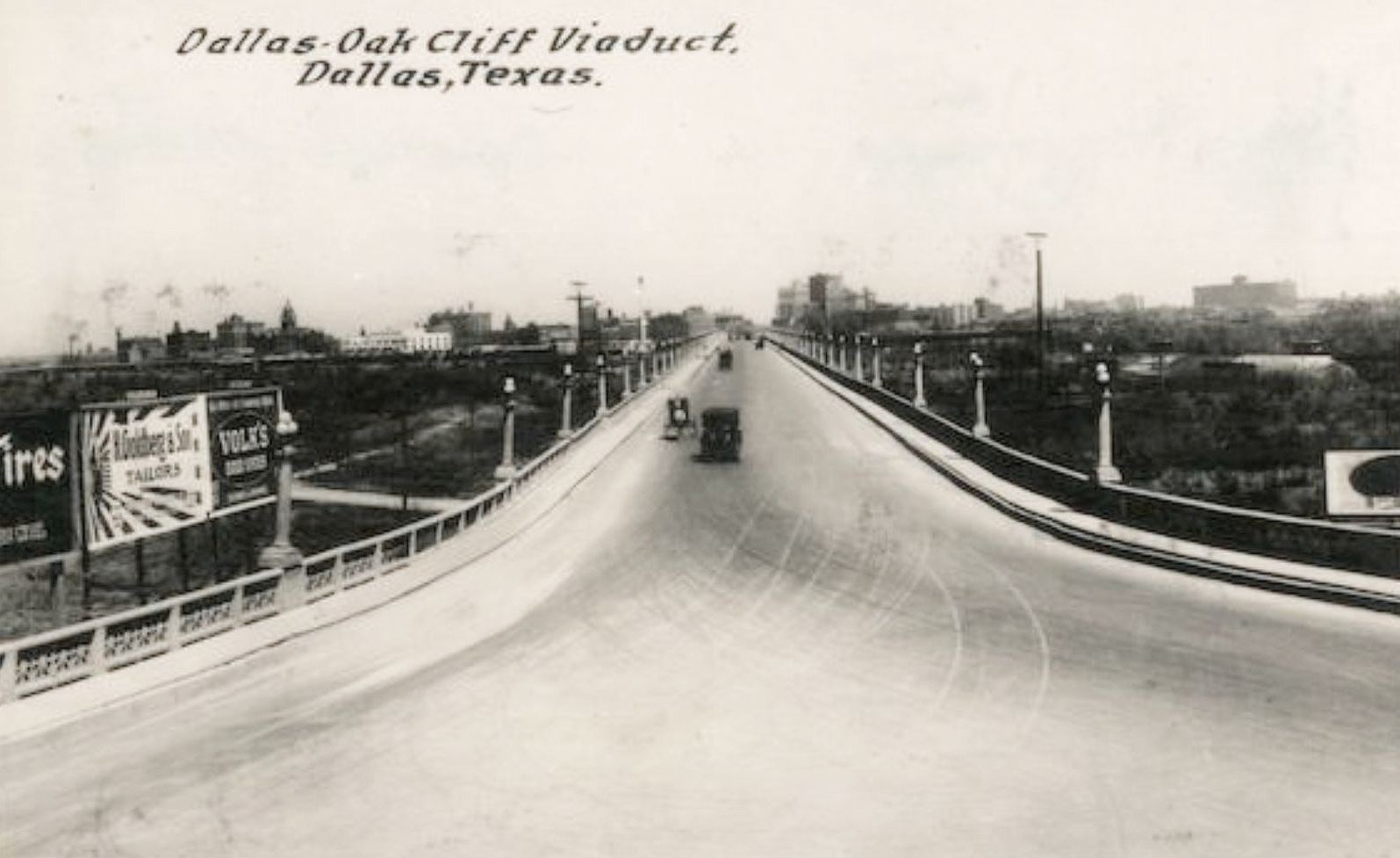
And below, a great image of the “Dallas-Oak Cliff viaduct,” looking toward the city. There’s even a Volk’s billboard to welcome visitors.

oak-cliff-viaduct_rppc_ebay

***

Sources & Notes

Both postcards found on eBay.

skyline_dallas-texas_rppc_postcard_ebay_sm

*

Copyright © 2022 Paula Bosse. All Rights Reserved.
The University Park Brown Books — An Unbelievable Resource!

snider-plaza_brown-bks_university-park_6600-1934_sinclalirFill ‘er up in Snider Plaza, 1934

by Paula Bosse

You know how sometimes someone nonchalantly mentions something to you which should have been introduced by a fireworks display? That’s what happened when my friend Rod Hargrave sent me a link he had come across about a new online resource from the University Park Public Library: the city’s “Brown Books,” fully digitized. I made a note to check out the link when I had time but didn’t get to it for a week. I’m not the kind of person who uses “OMG,” but… O..M..G !! This is just unbelievably fantastic. 

Here’s the blurb form the University Park Public Library post

Brown Books at UP Public Library
March 2, 2022

Spend some time with one of the library’s newest resources! The City’s Brown Books contain thousands of subdivision records of individual construction permits for homes and some businesses across several decades. In these pages, you can find interesting and helpful information about the original structure. Data includes notations about square footage, construction date, original building price, along with details about the interior of the building and more. Over 98 percent of all documents include a photograph of the original structure.

PHOTOGRAPHS! Almost everything I looked up had a photo. I looked up addresses of places I’d written about – photos! I looked up businesses along Preston, Hillcrest, and Lovers Lane — photos! I looked at just about every business in Snider Plaza — photos! I even looked up the still-standing house my family lived in for a couple of years on Milton — photo! The earliest photos I found were from 1931. And all of this available to anyone with a computer — for free! Thank you, University Park Public Library!

And as the blurb says, not only are there photographs of the properties, but there is a whole history of the building, complete with renovation info, builder info, a drawing of the original footprint, etc. This includes tons of buildings which have been torn down — nothing ever dies in city/county records.

Below are some of the photos I found. Scroll down below them for instructions on how to access these records yourself on your computer.

*

Here are a few photos of businesses on “the drag” — Hillcrest Avenue, across from SMU. (Click pictures to see larger images.)

6200 block of Hillcrest, at Granada (in 1931). (See this property’s Brown Books page here.)

6200-block-hillcrest_brown-bks_university park_1931

*

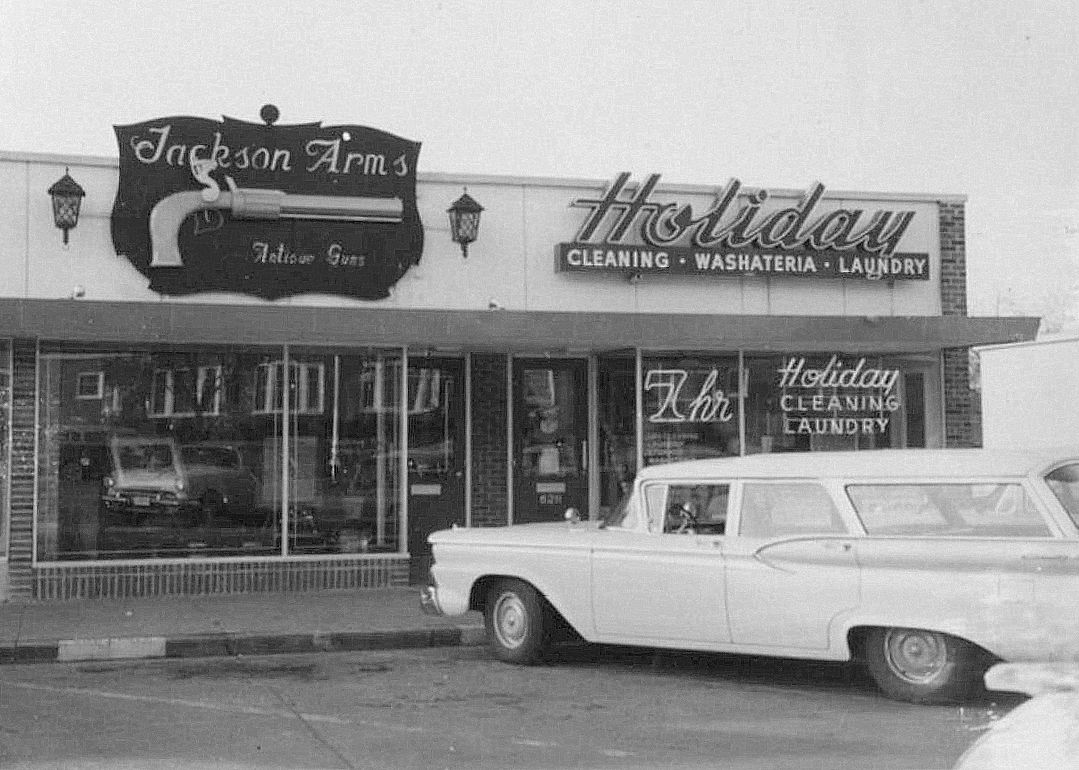
6209 Hillcrest (1959) — Jackson Arms, once my father’s home-away-from-home. (Brown Books page is here.)

6209-hillcrest_brown-bks_university park_1959_jackson-arms

*

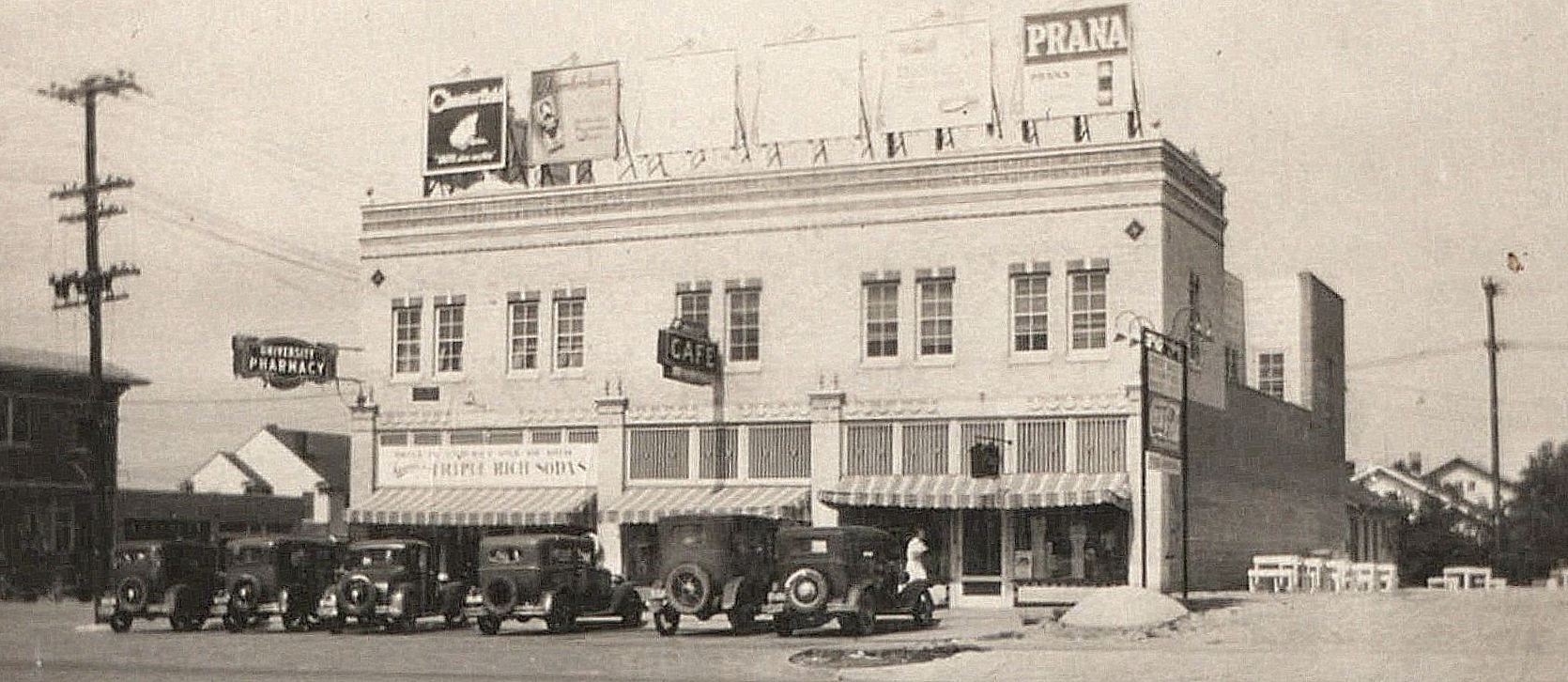
6401 Hillcrest, at McFarlin (1931). The Couch Building, which burned down a few years ago — I wrote about that building here. (Brown Books page is here.) I **LOVE** this photo. I love the billboards on top of the building.

6401-hillcrest_brown-bks_university park_1931_couch-bldg

*

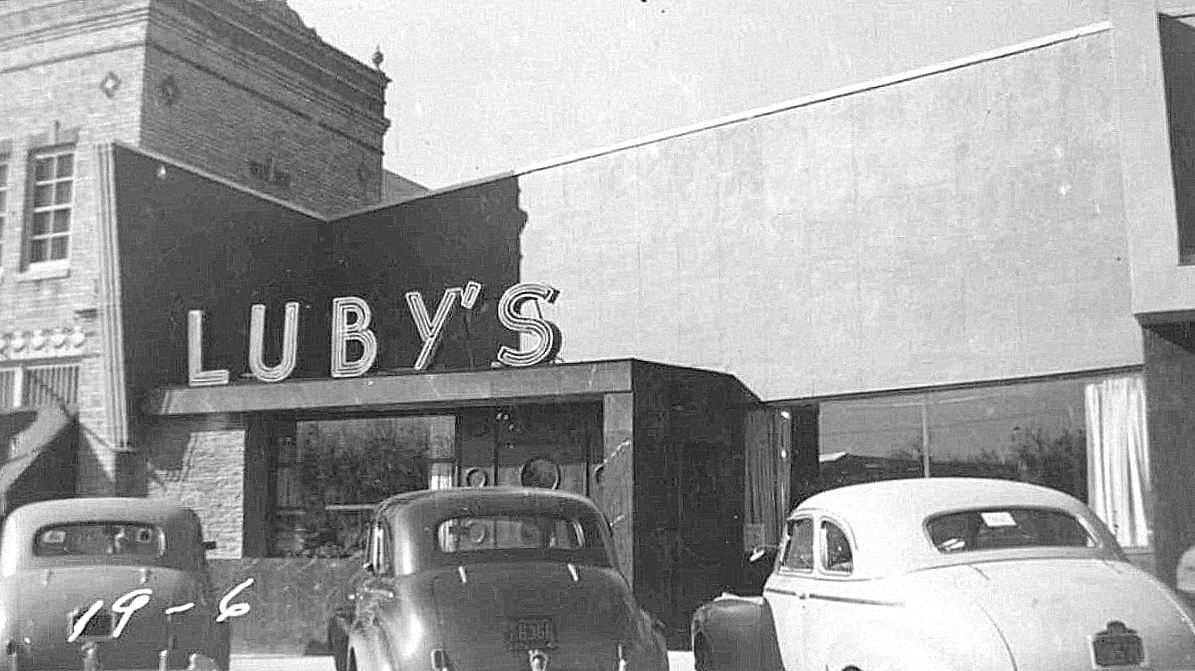
6407 Hillcrest (1948). Luby’s! What an interesting design. (Brown Books page is here.)

6407-hillcrest_brown-bks_univeristy-park_1948_lubys

*

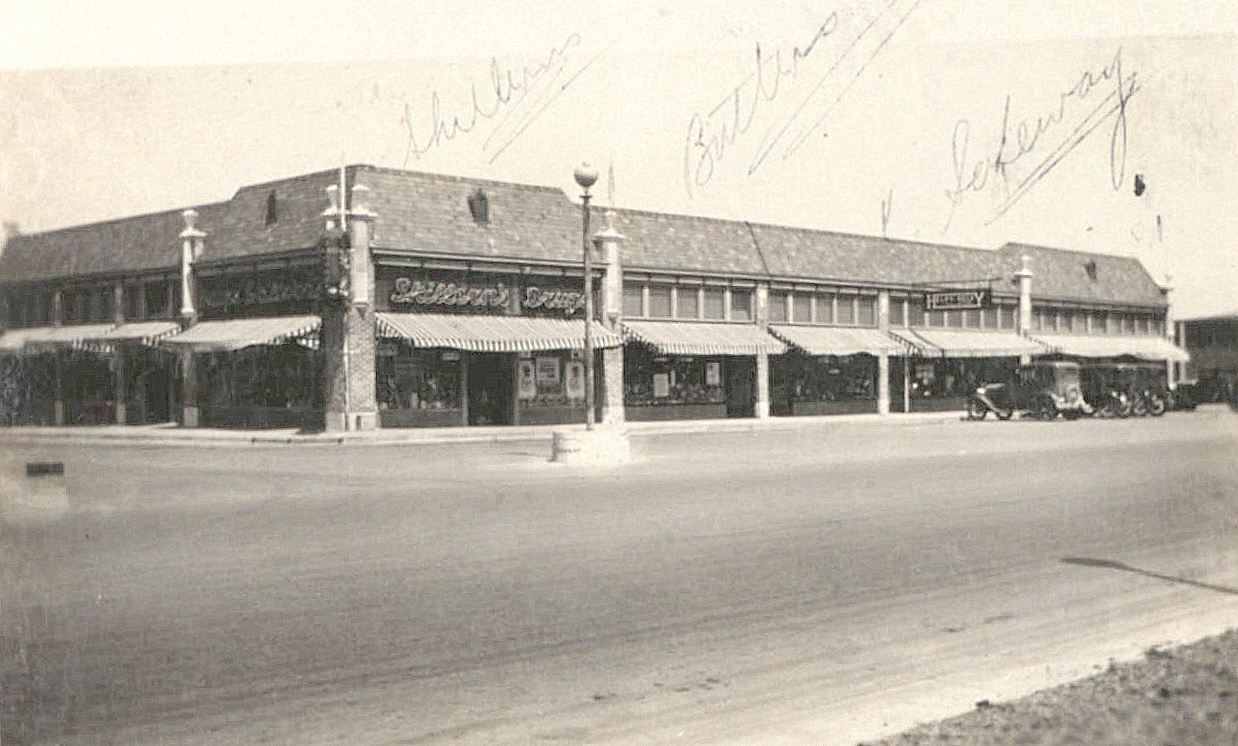
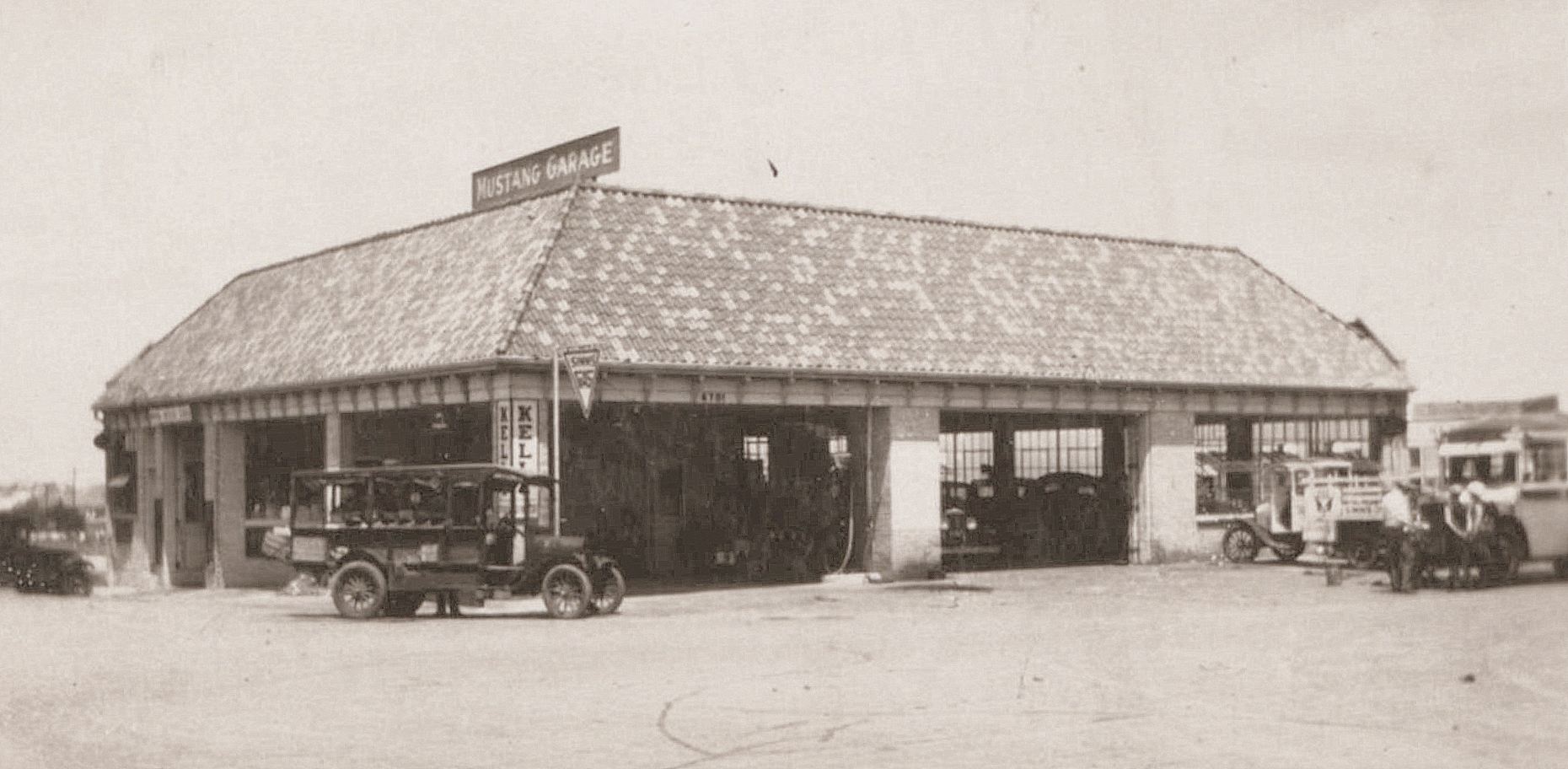
6601 Hillcrest (1931). The Mustang Garage — but instantly recognizable today as the home of JD’s Chippery and Cotton Island. (Brown Books page is here.)

6601-hillcrest_mustang-garage_brown-bks_university-park_1931

*

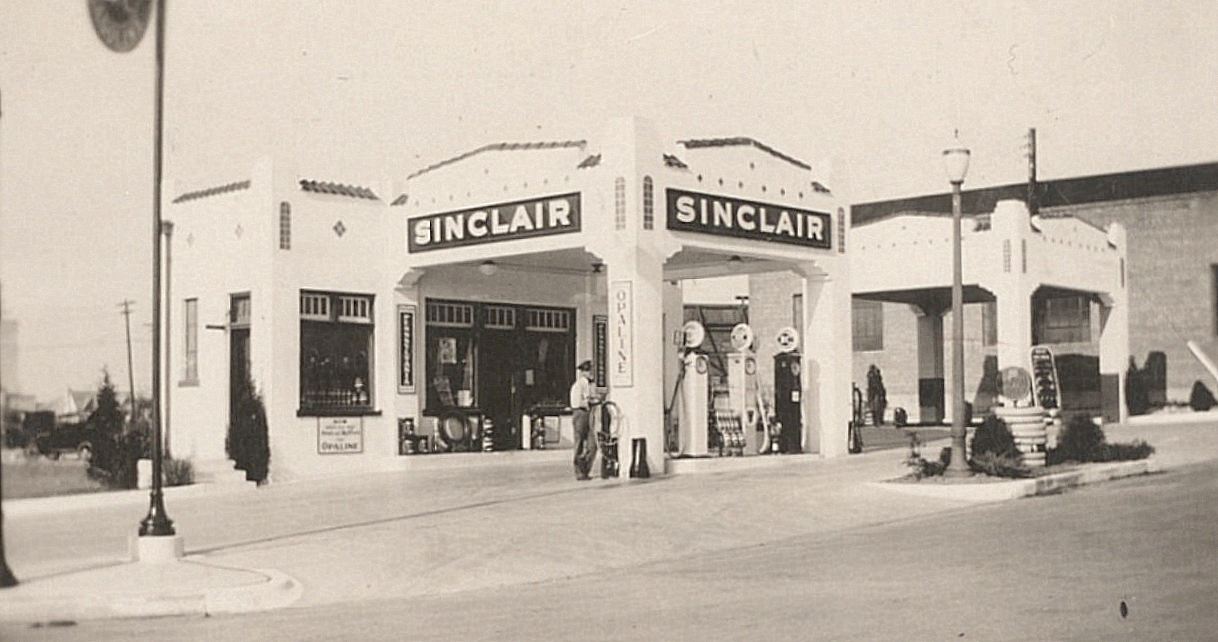
And, a few Snider Plaza highlights. First, the photo at the top of this post, the Sinclair service station at 6600 Snider Plaza (1934). (Brown Books page is here.)

*

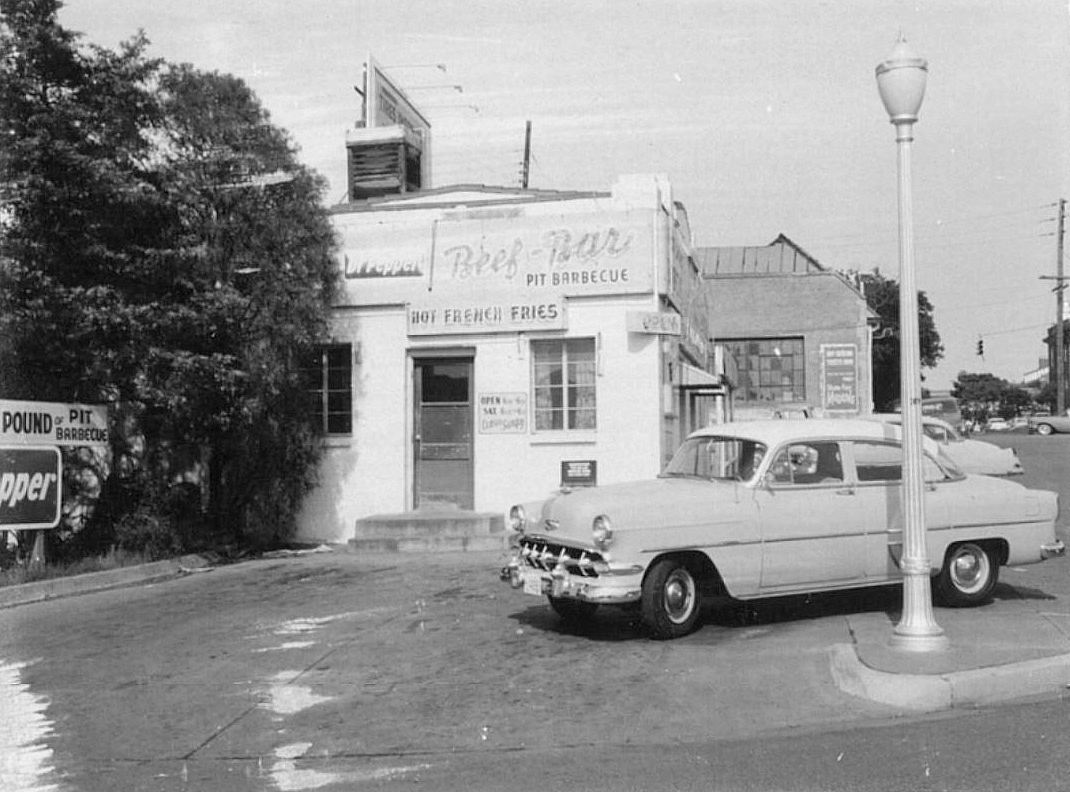
6600 Snider Plaza #313 (no date). The Beef Bar. (Brown Books page is here.) Another fantastic photo! BBQ in UP, before Peggy Sue (RIP).

snider-plaza_brown-bks_university-park_6600-313_nd_beef-bar-pit-barbecue

*

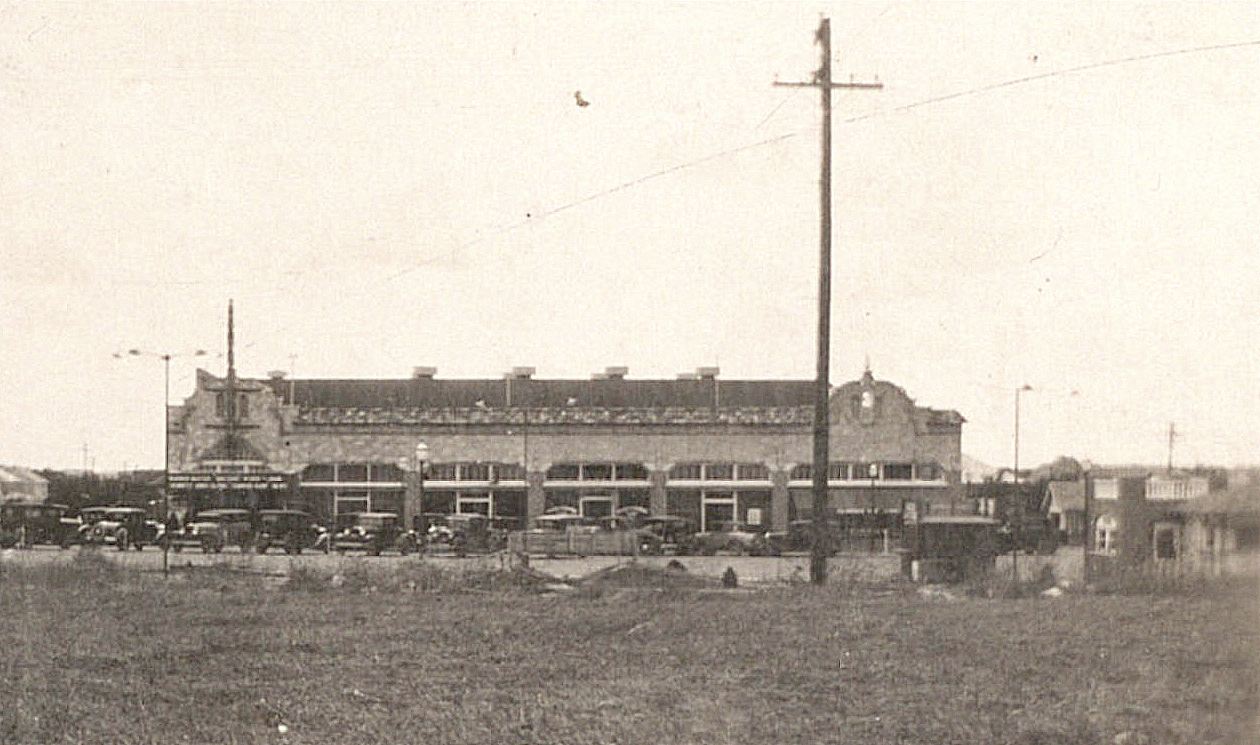
6701 Snider Plaza (1931). Including the Varsity Theater (at the far left) — I wrote about this cool building here. (Brown Books page is here.)

snider-plaza_brown-bks_university-park_6713_1931_movie-theater

*

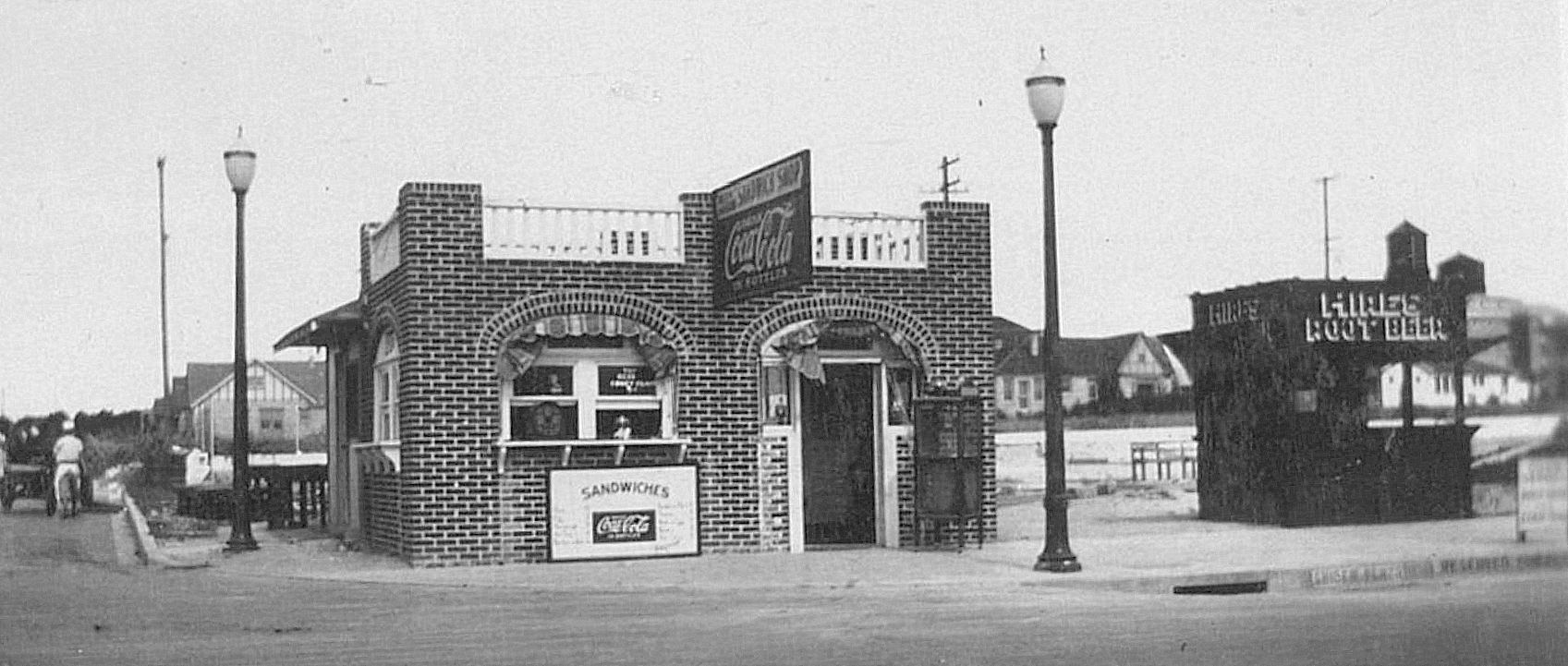
6730 Snider Plaza (1931). A sandwich shop and a Hires Root Beer stand. (Brown Books page is here.)

snider-plaza_brown-bks_university-park_6730_1931_sandwich-shop_hires-root-beer

*

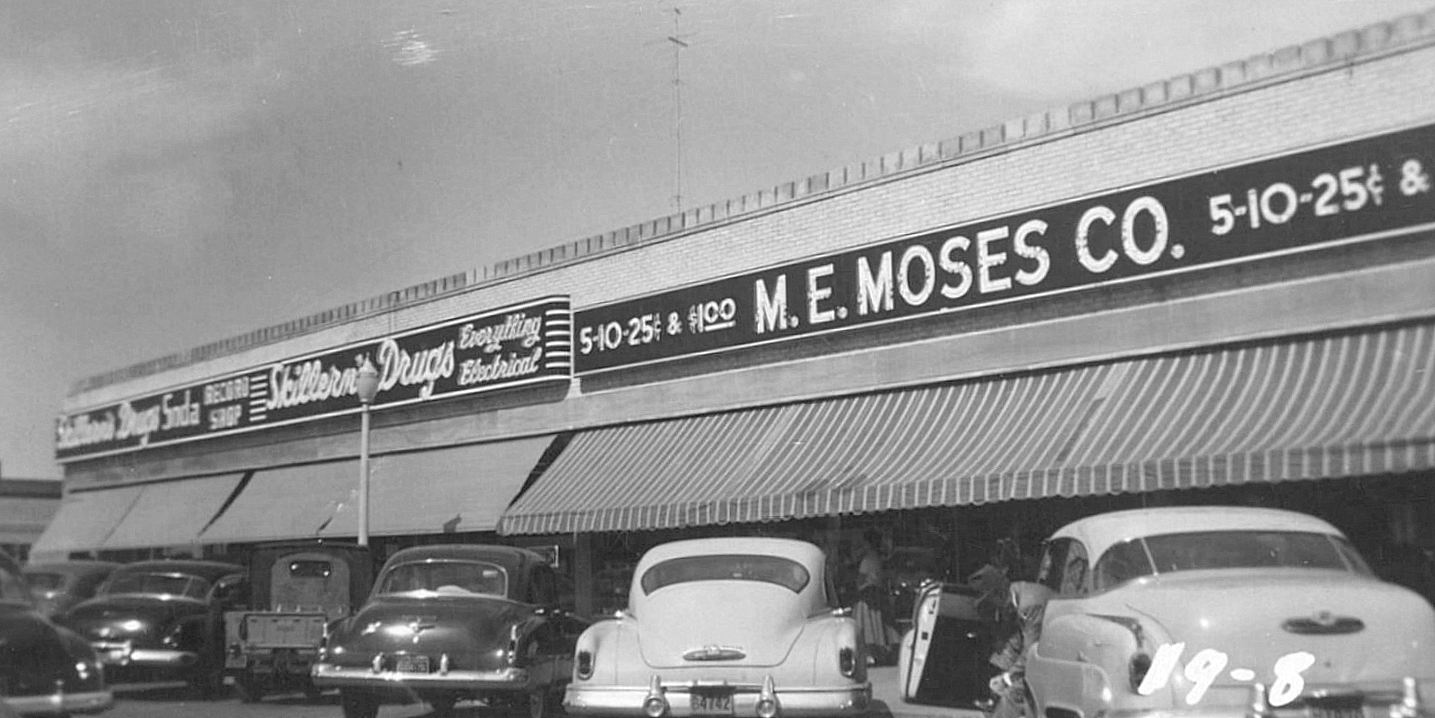
6828 Snider Plaza (1941). Skillern’s Drugs and M. E. Moses. (Brown Books page is here. After a facelift, another photo is here.) I remember spending a lot of time in that dime store when I was a kid — it had a weird change in floor level, which looks like it must have been where a wall had once separated it from the space Skillern’s occupied.

snider-plaza_brown-bks_university-park_6828_1941_moses_skillerns

*

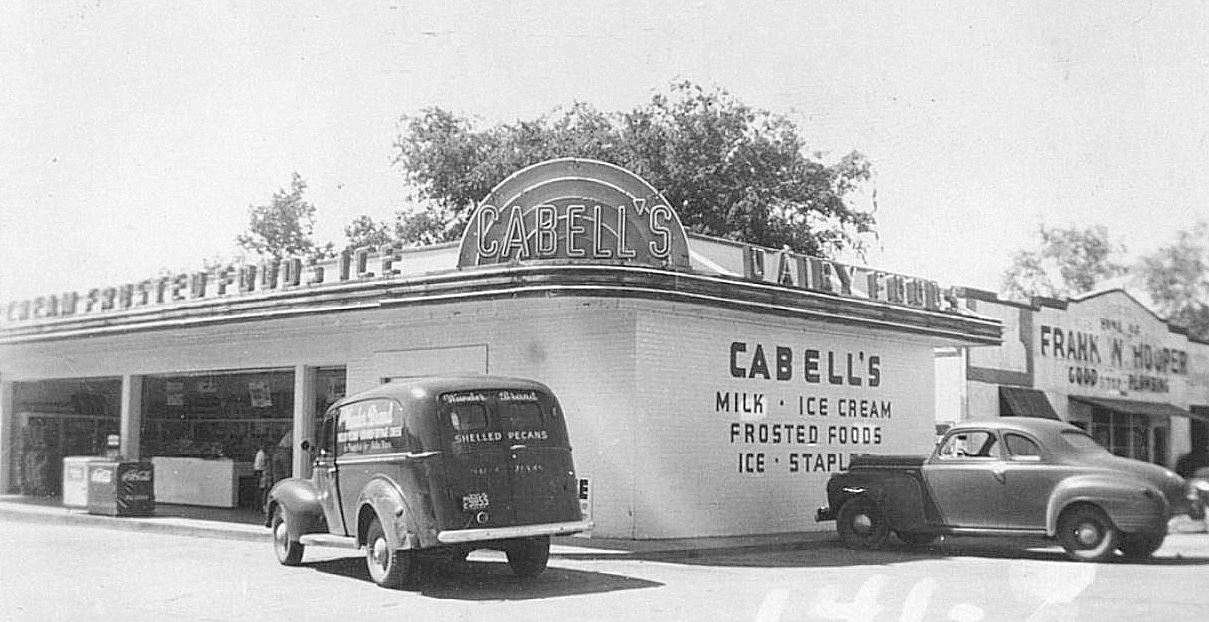
7001 Snider Plaza (1946). Cabell’s. (Brown Books page is here.)

snider-plaza_brown-bks_university-park_7001__1946_cabells

*

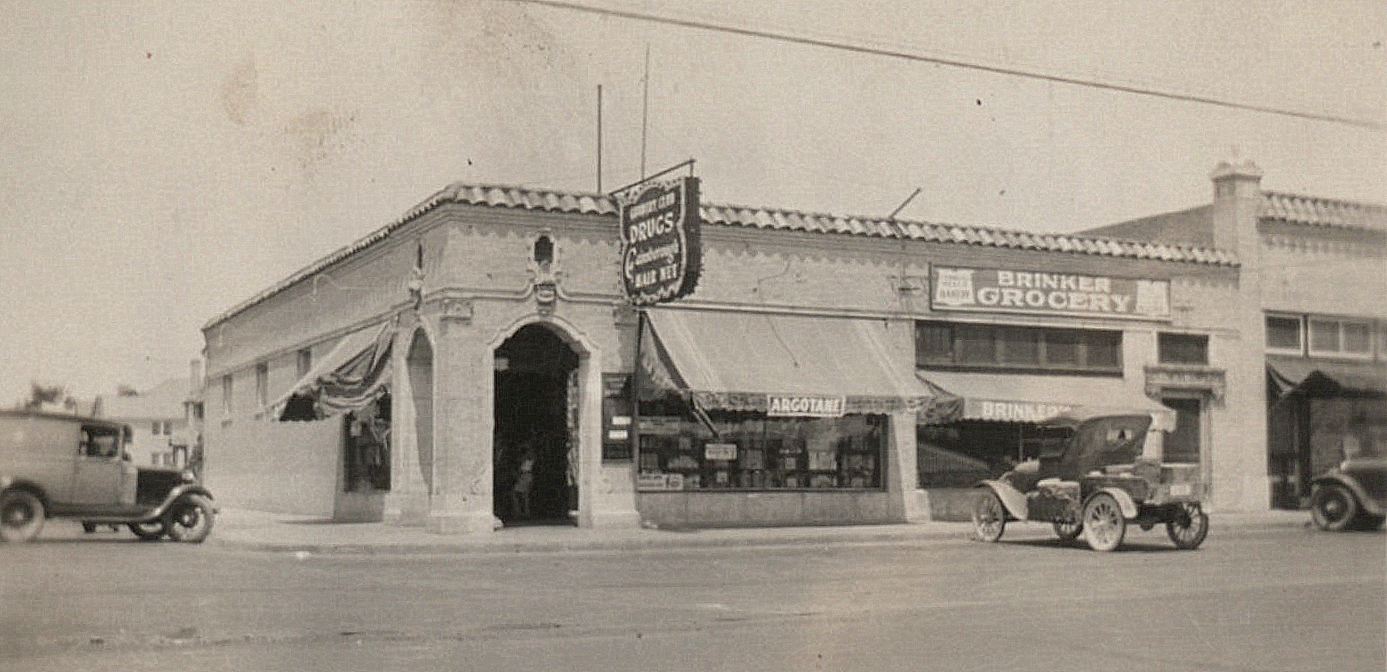
A quick jog over to 6001 Preston Road, at Normandy (1931). Country Club Pharmacy (it later moved to Inwood Road). (Brown Books page is here.) My mother worked for a few years as the office manager for the First Unitarian Church diagonally across from this drug store. When I was a kid hanging out waiting for my mother to finish work, I dropped a LOT of cash at the drug store on Archie comic books.

6001-preston_brown-bks_university-park_1931_drug-store

*

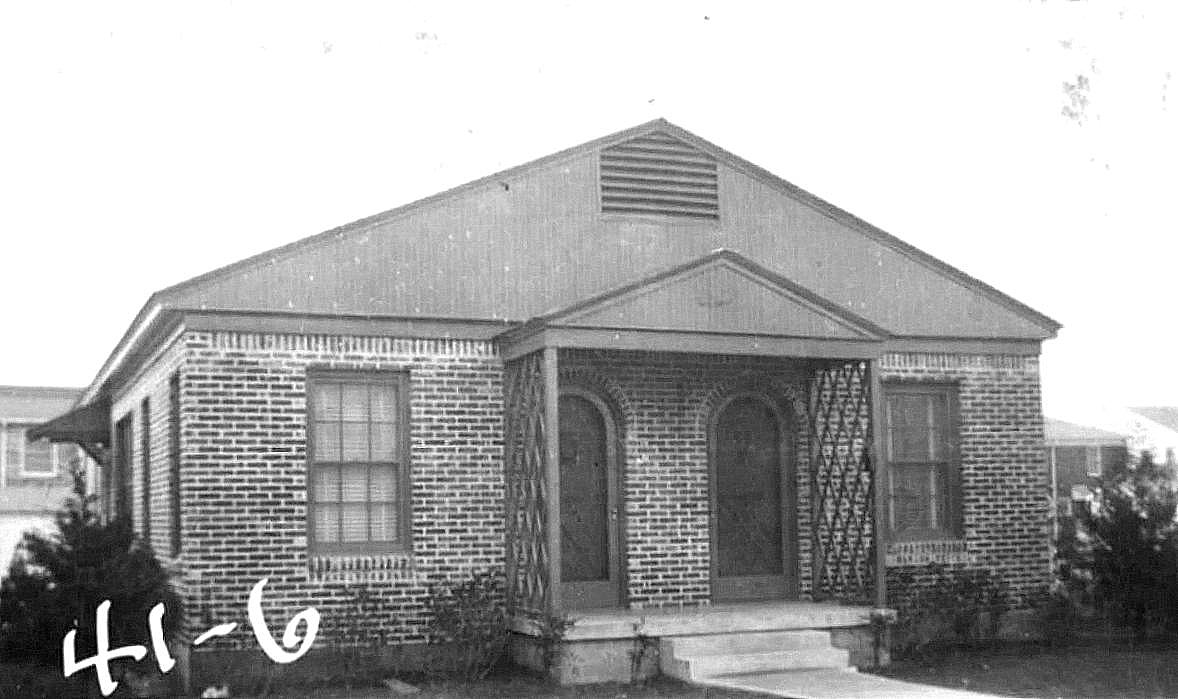
And, lastly, 4129 Lovers Lane (1947). A post-war duplex. (Brown Books page is here.) Every single time I drive down Lovers Lane, I always look forward to seeing this little house which has somehow managed to evade bulldozers. I love this house so much. And this is one of the very few times when I think that it has actually improved in appearance from its original design (see it today on Google Maps here). Hang in there, little house!

4129-lovers-lane_brown-bks_university-park_1947

**

FIND YOUR HOUSE! OR ANOTHER (AT LEAST PRE-1970s) BUILDING IN UNIVERSITY PARK.

  1. Go here. (This is the “welcome page” — if this doesn’t load, go to the UP Public Library blog post here and click through. If you get an error message, go back to “welcome page” and you should see the search page.)
  2. Enter the address (number + street name) you want to find in the search box. You can also just type in a street name, and it will bring up all addresses on that street. (I typed in “Binkley” and got 18 pages of results — seems like overkill, but they’re all in chronological address order.) This works if you enter “Snider Plaza” — take a tour through the Snider Plaza of yesteryear. Some addresses will have more than one sheet. And there’s TONS of info on each property. 

And that’s it! You’ve lost a day! Or several! 

UPDATE: It appears this resource is no longer accessible by the general public. I haven’t checked, but my guess is that it is available only to University Park residents who have a library card. Please say it isn’t so, UP Public Library!

Not 100% sure where the boundaries for University Park are? See a City of University Park map here.

Enjoy!

***

Sources & Notes

Absolutely everything you see here is from the University Park Public Library and the Brown Books in their collection. This is such an amazing resource. Thank you, UPPL and the City of University Park for digitizing these records and putting them online for all of us to use!

And thank you, Rod, for alerting me to this resource which I will be using constantly!

DOES DALLAS HAVE ANYTHING LIKE THIS??? IMAGINE!

snider-plaza_brown-bks_university-park_6600-1934_sinclalir_sm

*

Copyright © 2022 Paula Bosse. All Rights Reserved.
Stereoview Souvenirs of the Texas Centennial — 1936

tx-centennial_cavalcade-race-track_1936_ebayA view of Fair Park not often seen

by Paula Bosse

If you collect stereoview photos and/or Texas Centennial memorabilia, hie yourself over to eBay for some (pricey) goodies (see the link at the bottom of the page). Here are a few stereoview “monoviews.”

Above, part of the Fair Park racetrack, with the reviewing stand for the “Cavalcade of Texas” pageant at the right. If you look closely on the horizon — at the right, above the Cavalcade stands, you’ll see two towers. Are those the two water towers over in Lakewood at Abrams and Goliad (which I wrote about here)?

tx-centennial_cavalcade-race-track_1936_ebay_det

Here are a few more. The first one with kids and dogs at the Hall of State:

tx-centennial_stereoview-S131_ebay_hall-of-state

Pegasuses (“pegasi”?) at the Esplanade:

tx-centennial_stereoview-S132_ebay_esplanade-court_2

Strolling by the lagoon (and past one of my favorite crazy Centennial design features — those amazing flying-saucer lights!):

tx-centennial_stereoview-S136_ebay_esplanade-court_lagoon

I love the camera on the marquee (and those dresses!) at the Hollywood exhibit:

tx-centennial_stereoview-S141_ebay_hollywood

One of my favorite Fair Park artworks — the lady in the niche, at the Administration Building (Women’s Musuem):


tx-centennial_stereoview-S130_ebay_administration-bldg

I did not know there was an outdoor ice rink at the Centennial — ice skating performances at the “Black Forest” cafe:

tx-centennial_stereoview_ebay_black-forest_ice-skating

Can’t go wrong with another monumental woman in a niche:

tx-centennial_stereoview-S128_ebay_reflecting-basin

A sculpture of a slumbering fairy at the Dallas Museum of Fine Arts:

tx-centennial_stereoview-S148_ebay_fairy-statue

And, jumping ahead a year, a souvenir from the Pan-American Exposition in 1937: the Music Hall dressed up as the “Casino.”

pan-american-exposition_stereoview_1937_casino_music-hall

***

Sources & Notes

All images are from eBay, and almost all are currently for sale. See these and more here.

There are a bunch of Flashback Dallas posts on the Texas Centennial — they can be found here.

tx-centennial_cavalcade-race-track_1936_ebay_sm

*

Copyright © 2022 Paula Bosse. All Rights Reserved.