Flashback : Dallas

A Miscellany: History, Ads, Pop Culture

Category: 1940s

Little Mexico: Turney & Payne — 1940

little-mexico_ca_1940_WPA-GD_DHSLooking southeast, toward Pegasus… (click for much larger image)

by Paula Bosse

Above, a photo taken in 1940 at the intersection of the unpaved Turney Avenue and Payne Street, in Little Mexico — El Barrio — just north of downtown. St. Ann’s school can be seen at the end of the street, and the Villasana Food Store (prop. Rodolfo Villasana, est. 1932) is at the left; in the distance, Pegasus atop the Magnolia Oil Building. (A similar view from 1941 during ongoing street-widening — taken a bit farther back and from a slightly higher elevation — can be seen here.)

In 1941, Turney Avenue was widened and paved and then … lost its name; it became part of the brand new Harry Hines Boulevard.

Hines Boulevard begins at Five Point, where the $100,000 Tom Field Circle will be built and stretches eight miles into Dallas over Turney Street to Cedar Springs, joining Akard at Harwood. (Dallas Morning News, July 23, 1941)

Another view of the area during this period of road work can be seen in the photo below. Ramon Alonzo’s store seen at the lower right was at 2209 Caroline. (The once-familiar “smokestacks” seen in the background belonged to the Dallas Power & Light Company, which sat on land now occupied by the American Airlines Center.)
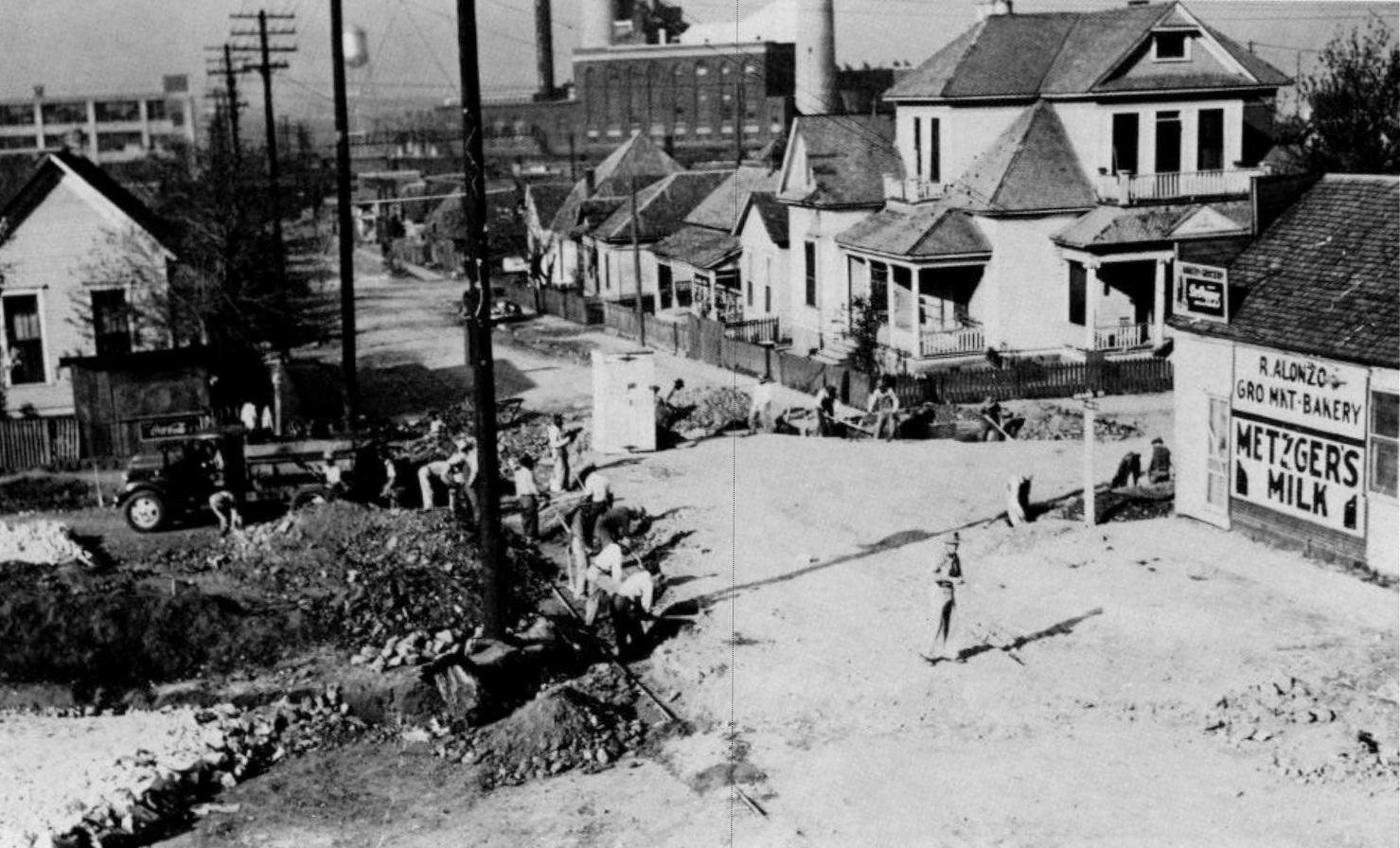
little-mexico_1941_legacies_fall-1992

Adios, Turney. Big changes are ahead. You’ll never believe how much your old neighborhood is going to change.

**

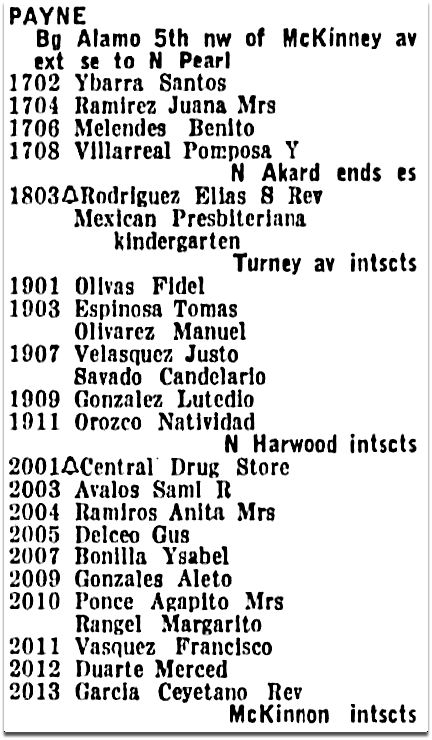
Here are the residents and businesses along both Turney and Payne as listed in the 1939 Dallas directory, one year before the upheaval began (click to see larger images):
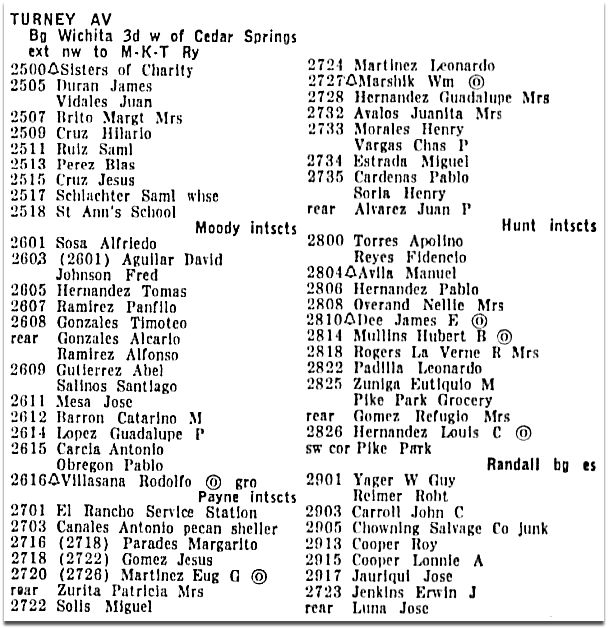
turney_1939-directory
1939 Dallas directory

payne_1939-directory
1939 Dallas directory

To get an idea of where Turney was, here’s a detail from a 1919 map.
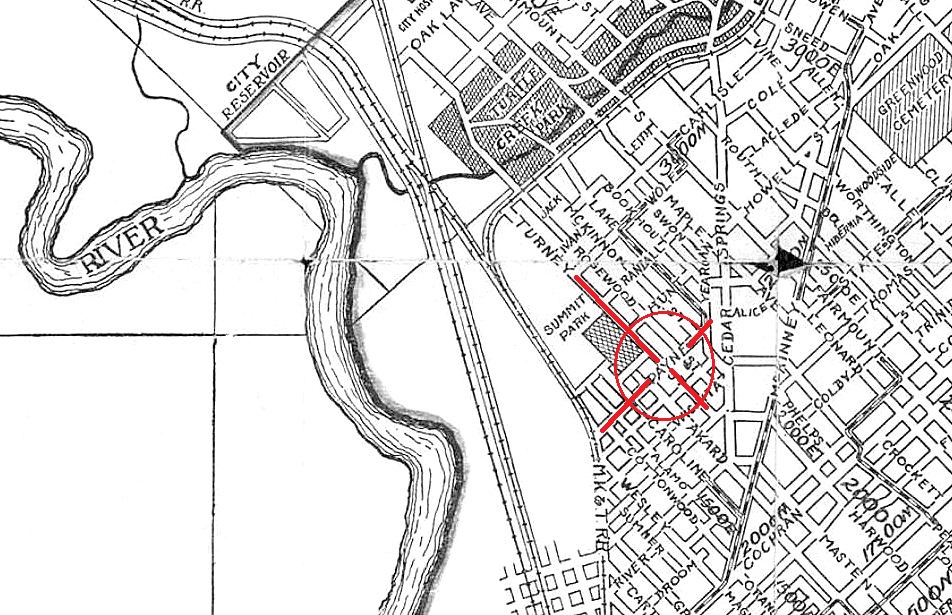
map_turney-payne_1919_portal

Today? It’s part of Victory Park. If you took a right on Payne at the sign advertising “milk” (in front of the Villasana gas station), you’d be about two blocks from what is now the American Airlines Center. Yep. A current Google Street View is here.

***

Sources & Notes

Top photo from the WPA Guide and History (which has been fully scanned and may be accessed at UNT’s Portal to Texas History site, here); photo from the collection of the Dallas Historical Society.

More great photos of Little Mexico from this time can be found in the article “Little Mexico and the Barrios of Dallas” by Gwendolyn Rice (Legacies, Fall, 1991), which can be found here. (The photo of Alonzo’s store is from this article.)

Several images of Turney under construction in 1940/1941 can be see in the Department of Public Works collection at the Dallas Historical Society site, here. (The linked image in the first paragraph is from this collection.)

The top photo also appears in Dallas’s Little Mexico by Sol Villasana (his family owned the store and the gas station at the Turney-Payne intersection); see it — and a northward view of the gas station, here.

For those who enjoy articles about road construction, here are a couple of Harry Hines-related News articles which might be of interest:

  • “Dedication Rites Planned For Boulevard; New Highway Named For Harry Hines Opens About Aug. 1,” DMN, July 3, 1941. (Officials were a little optimistic with that August opening — it didn’t officially open until October, 1941.)
  • It’s weird to think of Harry Hines being an actual person, but see a photo of him at the ribbon-cutting, along with another name more familiar to us today as a freeway than as a flesh-and-blood human being, Woodall Rodgers, then mayor: “Ribbon Road Barrier Snipped,” DMN, Oct. 15, 1941.

All pictures and clippings larger when clicked.

*

Copyright © 2016 Paula Bosse. All Rights Reserved.
 

Views of Elm Street, With Cameo Appearances by the Fox Theater — 1920s-1960s

fox-theater_sherrod_dpl
Elm looking west from Akard, ca. 1922

by Paula Bosse

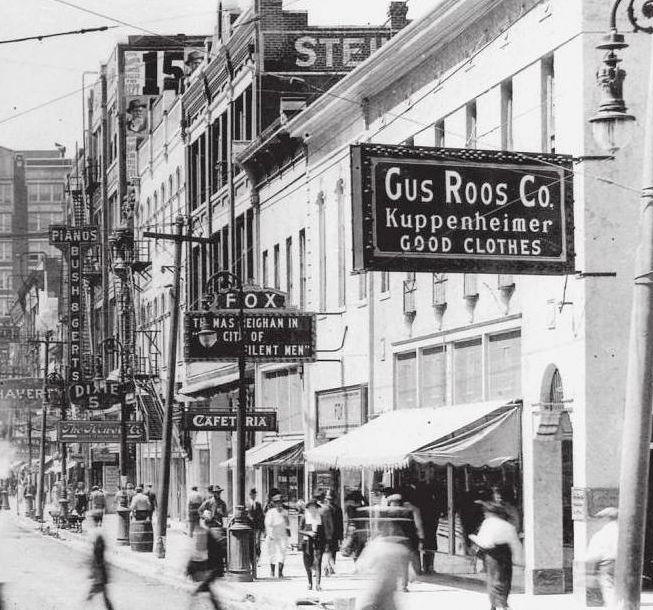
From the earliest days of moving pictures, most downtown movie houses called Elm Street home. Some were originally vaudeville houses which occasionally featured short films between acts of the live revues, and some were theaters built expressly as move theaters. Most of the downtown theaters could be found on Elm Street, and the stretch between, say, Field and Harwood became known as “film row” or “theater row.” Most theaters were located on the north side of Elm in the blocks east of Akard Street, but a few found a home west of Akard. One of these — which I’ve seen in several of the photos I’ve posted — was the Fox Theater, located next to the Gus Roos store, at 1411 Elm, just west of the Akard intersection.

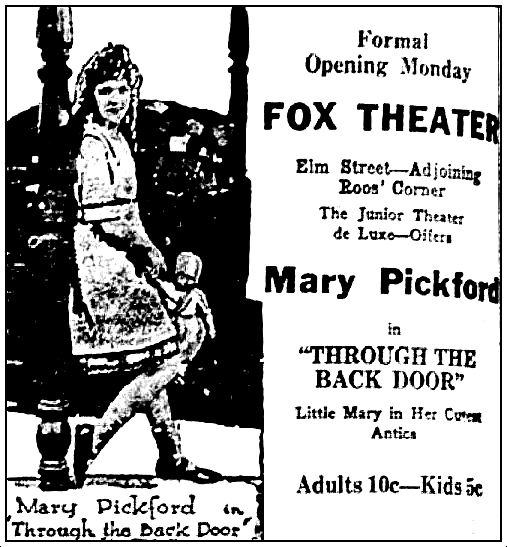
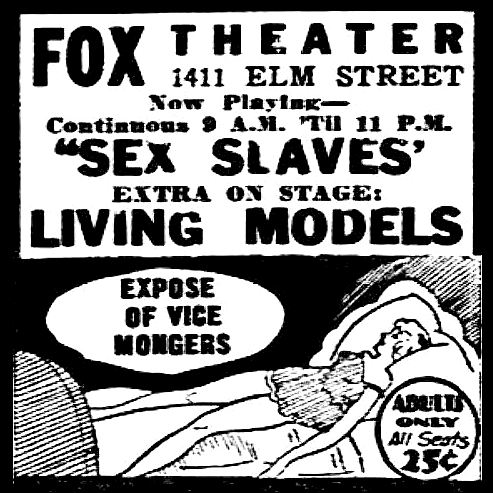
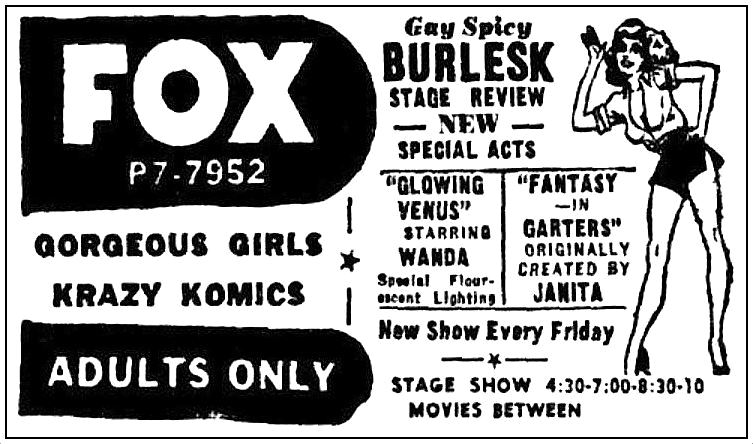
The Fox — which was named after owner Max Fox, a Polish immigrant who also owned the nearby Strand Theater — opened in the early months of 1922. During its 40-year history, it had something of a “colorful” life: despite opening with a sweet, family-friendly Mary Pickford movie and then showing mostly second-run features, it ultimately became one of Elm Street’s seedier theaters, showing cheap exploitation flicks and, later, becoming a “burlesk” house with on-stage strippers and “adult-only” fare playing continuously from 9 AM (!) to 11 PM. The Fox remained in business until the end of 1961 when property in the 1400 block began to be sold in order to build the First National Bank Building. (A comprehensive history of the theater can be found on Cinema Treasures.)

*

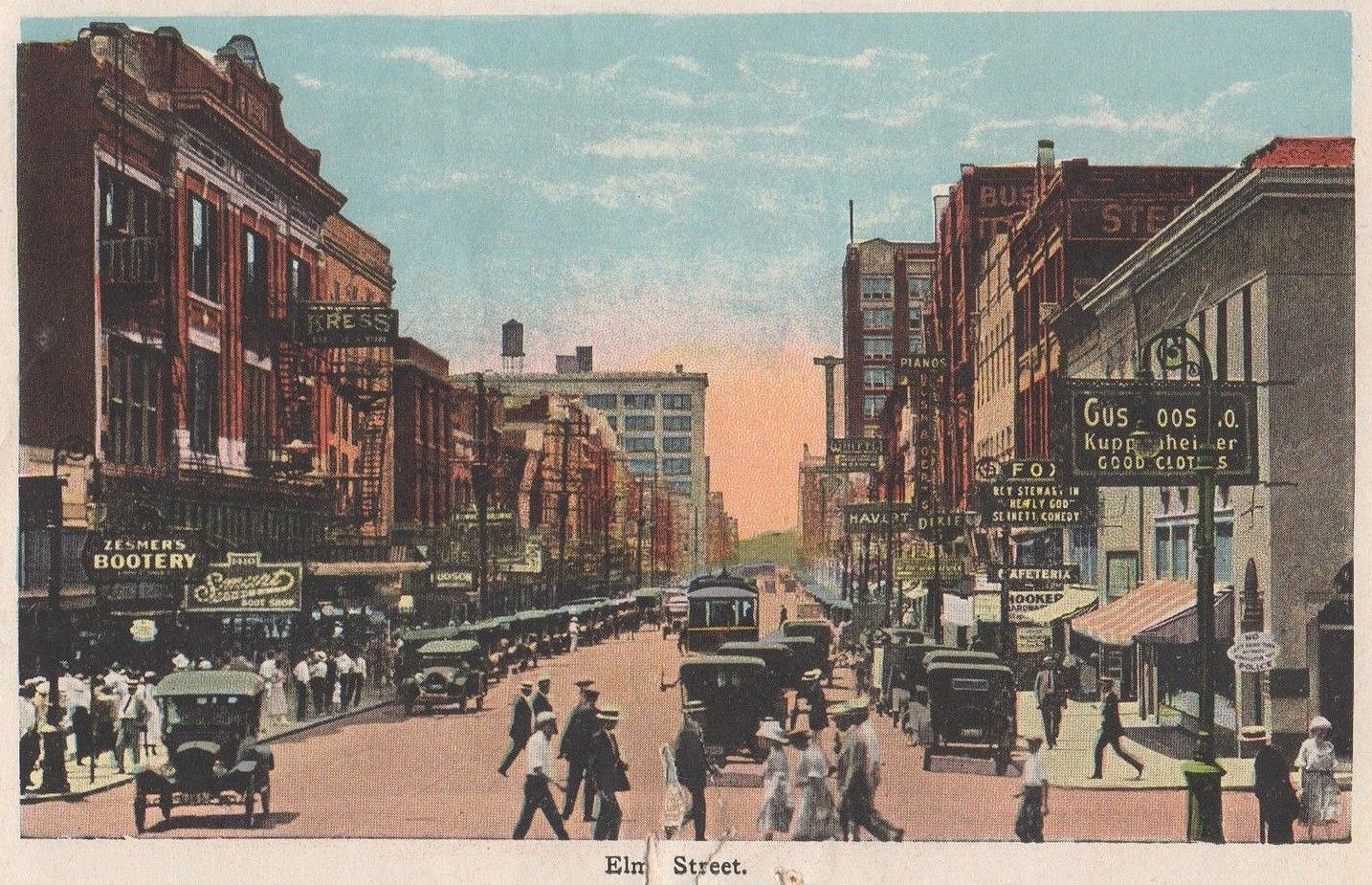
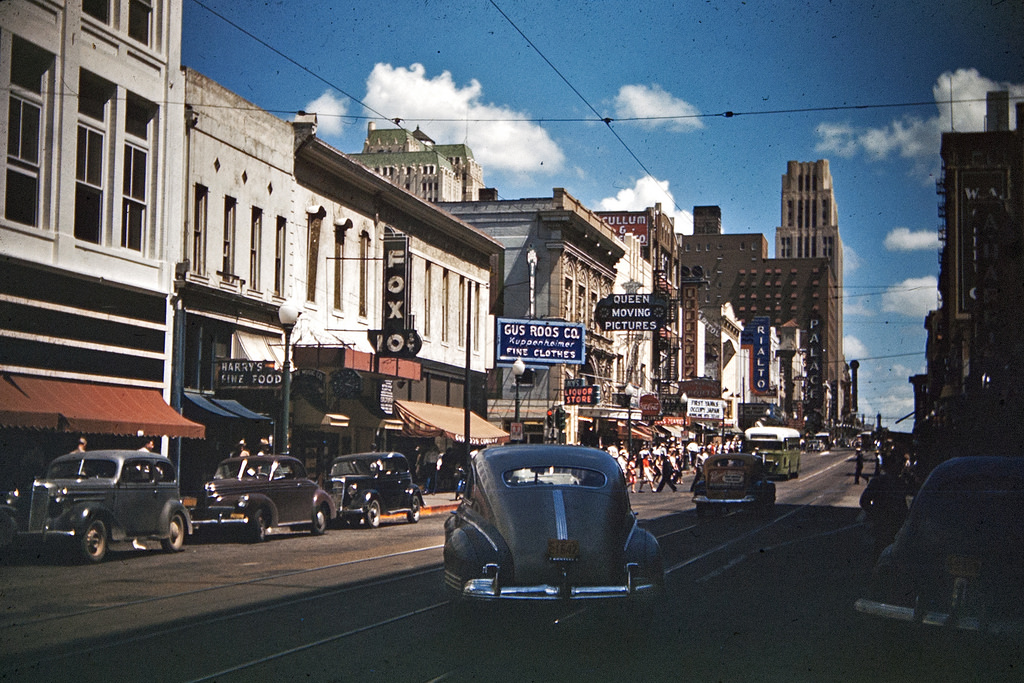
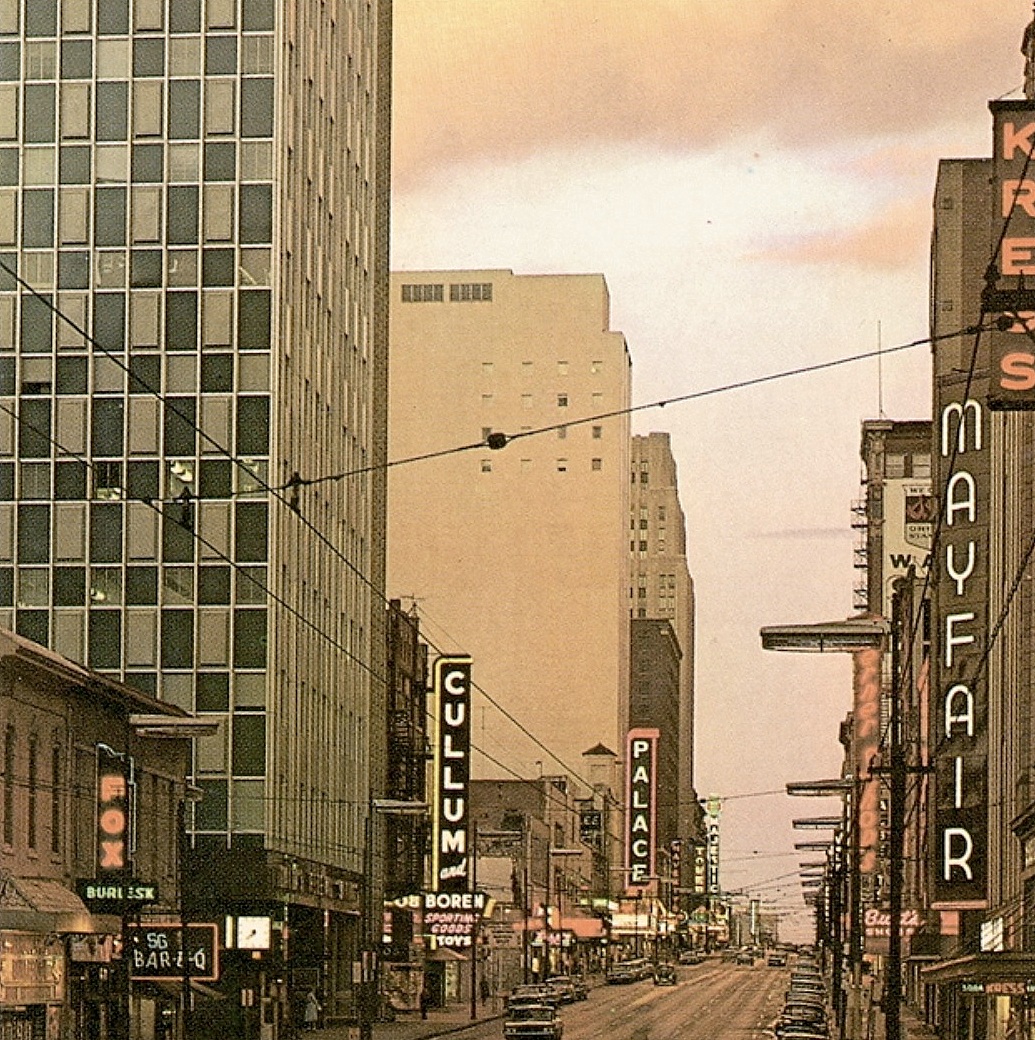
As I said, I’ve noticed the Fox Theater in a number of photos I’ve come across — some of which I’ve posted previously. Here are a few views of Elm Street in which the Fox pops up in a cameo appearance.

The top photo shows Elm looking west in about 1922. Down the street a bit you can see the Dixie Theater at 1315 Elm, one of the (if not THE) oldest permanent movie theater spaces in Dallas. The Dixie began life in 1909, the third theater in the location originally occupied by the Theatorium, which opened in 1906. (I wrote about the Dixie and other early “photoplay houses” in Dallas here.)

A similar view from about the same year is seen in this postcard (click to see a very large image):

elm-st-color_1920s

From the WWII-era, this fantastic color photo, looking east (the Queen, Telenews, Capitol, Rialto, and Palace theaters can be seen in this photo, with the silhouette of the Majestic Theatre’s sign seen way in the distance):

elm-street-color_1940s_jeppson-flickr

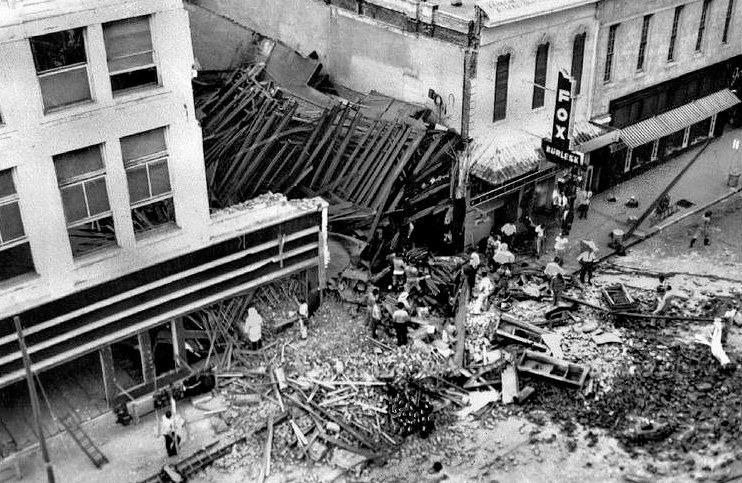
In 1955, the wall of the building next door to the theater collapsed, killing several people (I wrote about that building collapse, here):

building-collapse_observer-090511

And, lastly, a photo of a decidedly less glamorous Elm Street, showing the “Fox Burlesk” in its final months, taken about 1961:

1400-block-elm_schaffershot54_flickr_ca-1961

**

fox-theater_032022
Dallas Morning News, March 20, 1922

fox-theater_pickford_dmn_031922
March 19, 1922

fox-theater_dmn_031940
1940

fox-burlesk_dmn_061850
1950

***

Sources & Notes

Top photo from Troy Sherrod’s book Historic Dallas Theatres; photo from the Dallas Public Library.

1940s color photo from Noah Jeppson’s Unvisited Dallas post, “Elm Street 1945,” here.

UPI photo showing the building collapse was posted a few years ago by Robert Wilonsky on the Dallas Observer’s Unfair Park blog, here.

Bottom color photo from Flickr user Schaffershot54, here.

Other Flashback Dallas posts on Dallas theaters can be found here.

*

Copyright © 2016 Paula Bosse. All Rights Reserved.
4th of July at White Rock Lake — 1946

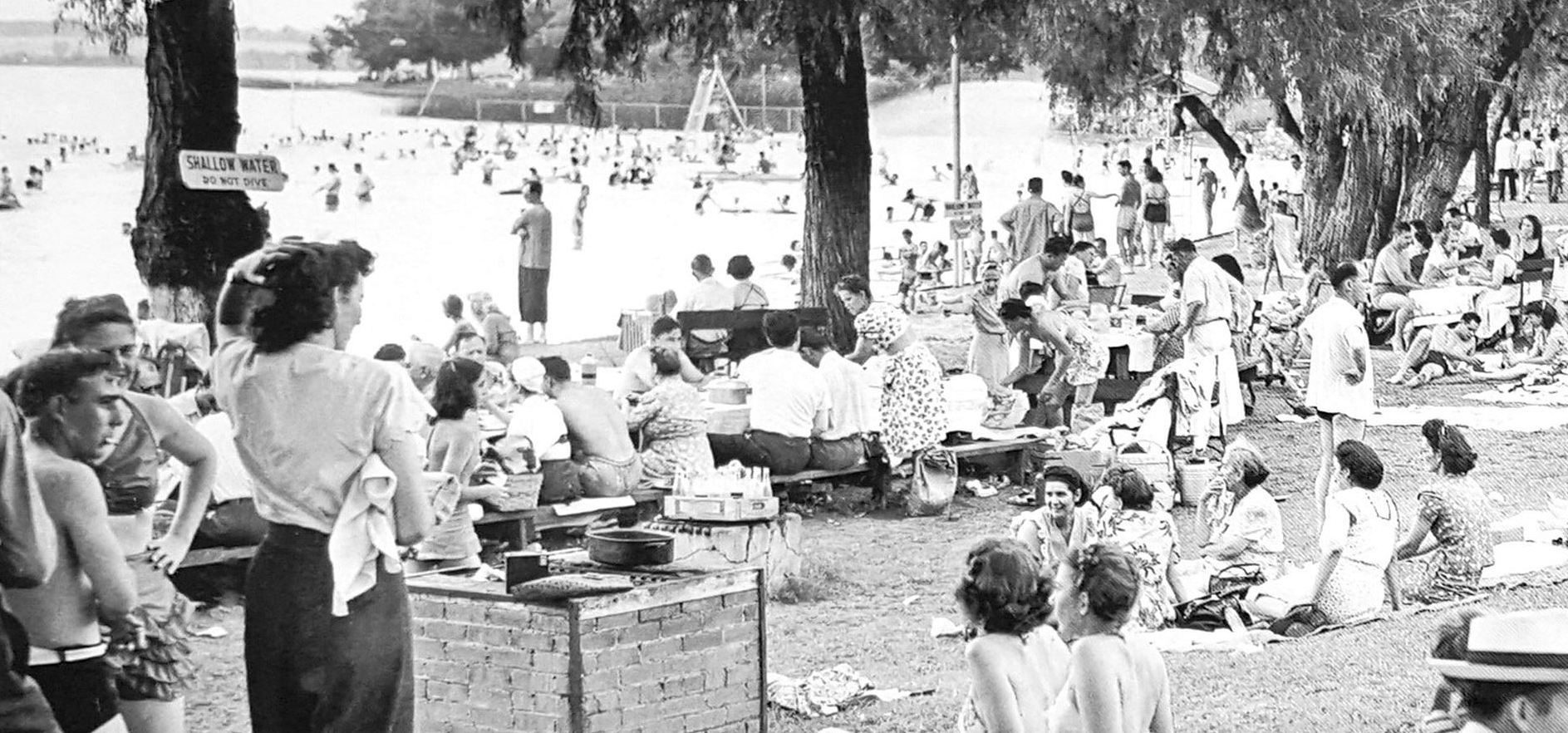
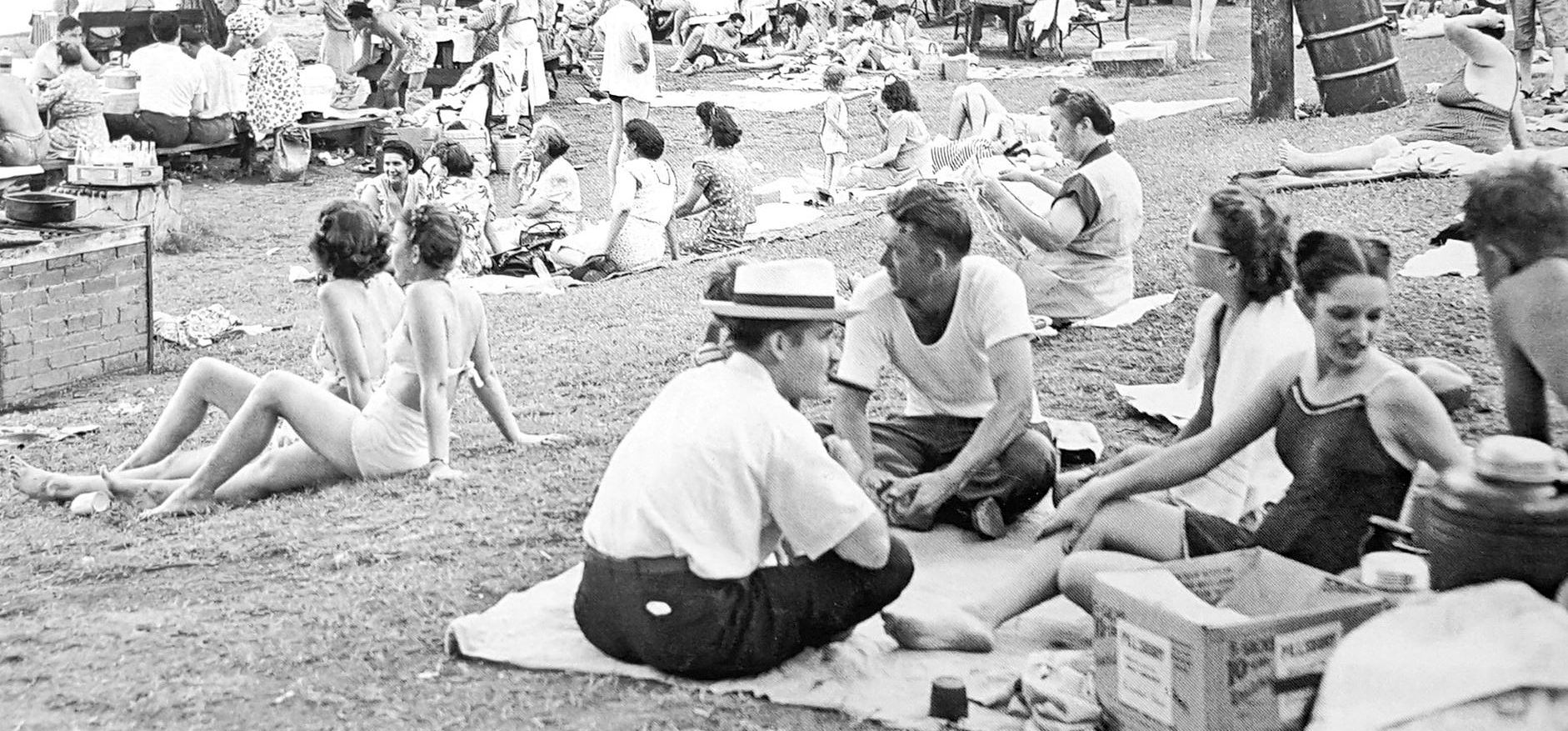
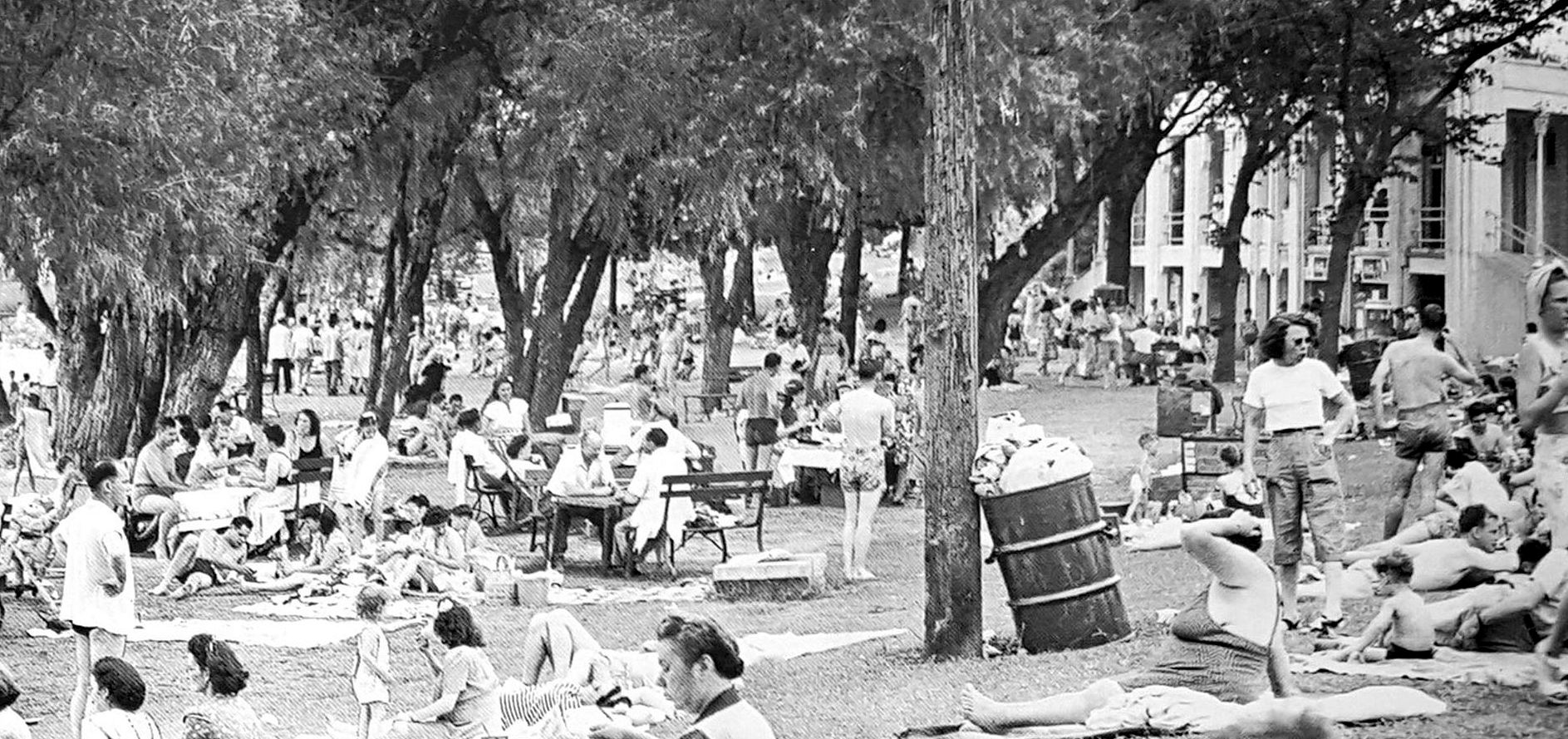
july-4th_1946_white-rock-lakeSo much going on here! (Click for super-gigantic image!)

by Paula Bosse

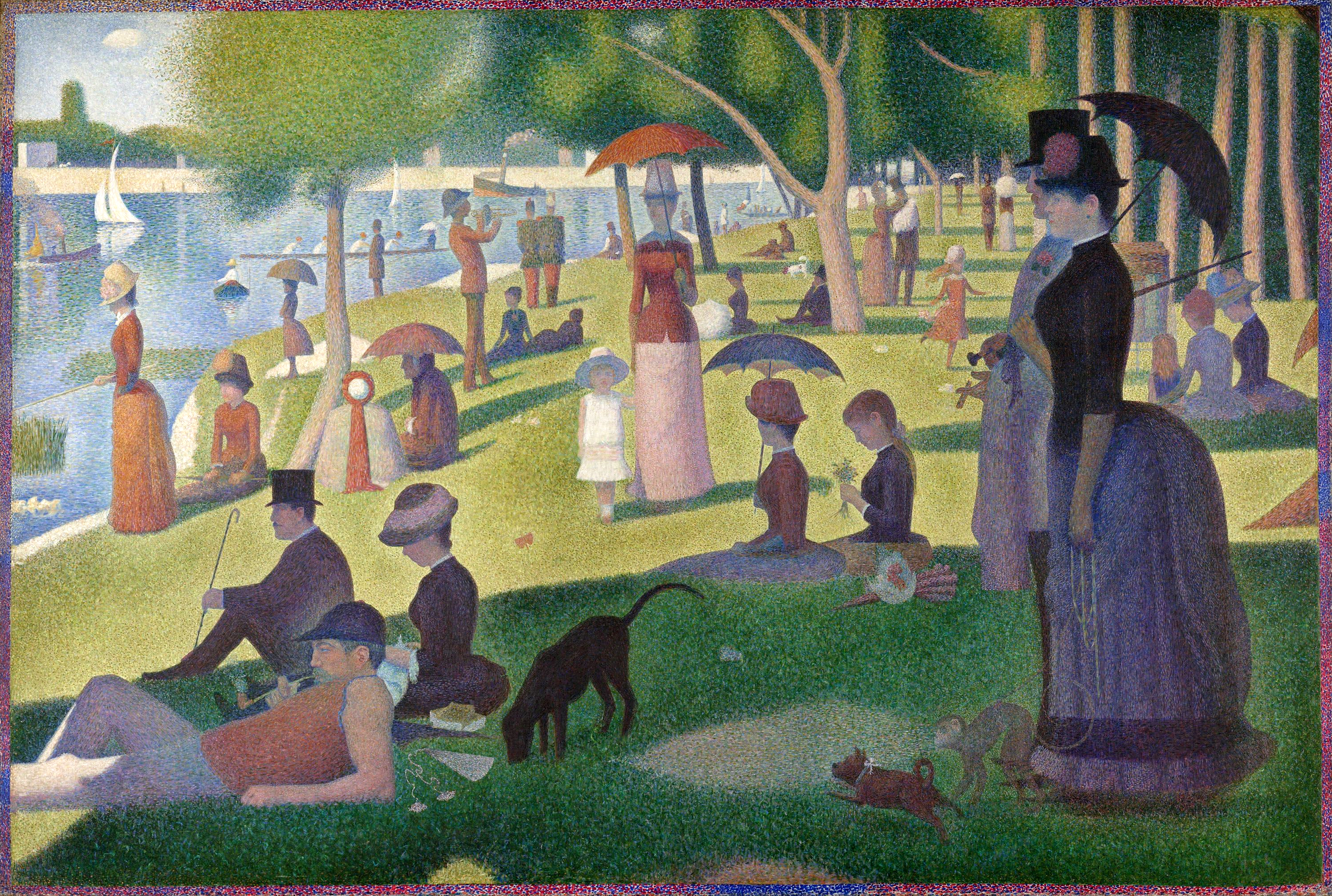
I love absolutely everything about this photo of July 4th celebrants relaxing at White Rock Lake near the Bath House (back when people actually swam in the lake!). All that’s needed is a pet monkey on a leash and a few parasols, and you’d have an updated Tex-ified version of Seurat’s La Grande Jatte painting.

seurat_le-grande-jatte_wiki

This is a photo definitely worth zooming in on. All images here are really big — click ’em! You can practically smell the wienies roasting/croissants baking. Have a happy and safe 4th of July!

4th-july_det1

4th-july_det2

4th-july_det3

*

Copyright © 2016 Paula Bosse. All Rights Reserved.
 

The Inwood Theatre

theater_inwood_oct_1954_d-mag_dplSeven years after opening, in 1954… (click for larger image)

by Paula Bosse

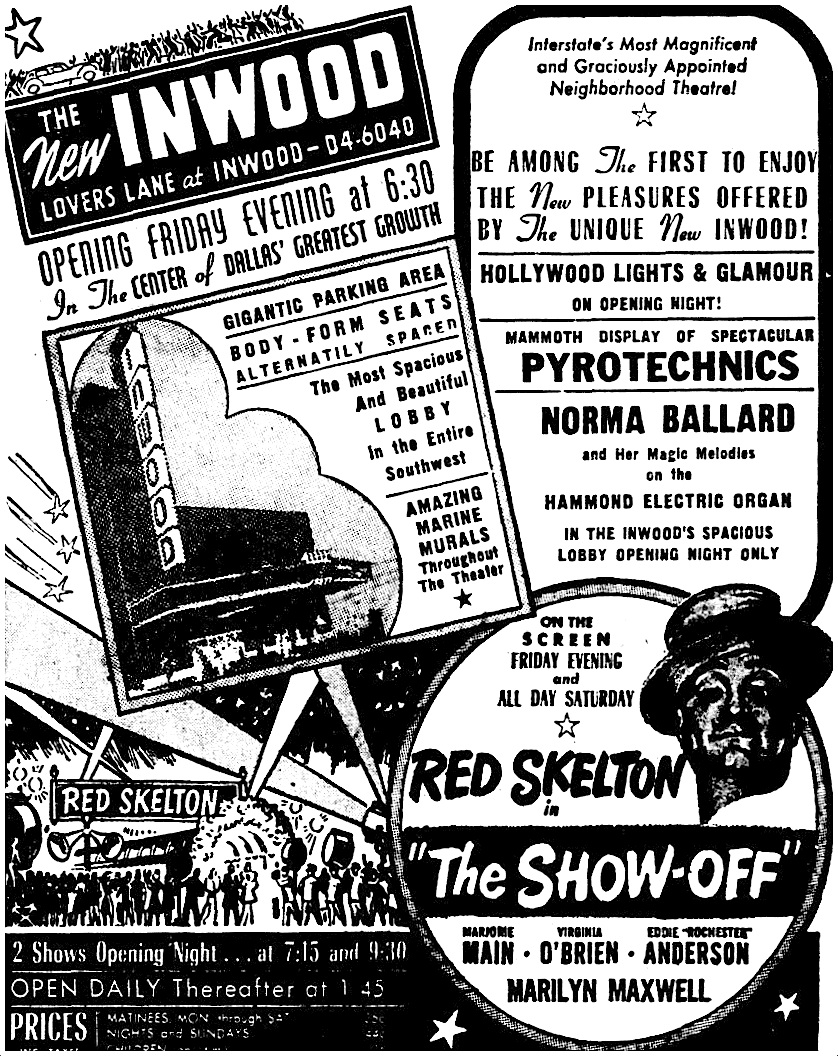
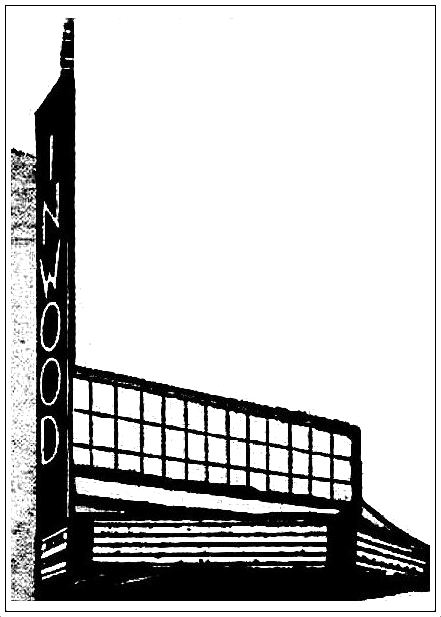
The Inwood Theatre opened at Lovers Lane and Inwood Road on May 16, 1947. Even though the surrounding neighborhood has changed pretty dramatically over the years, the exterior of the H. F. Pettigrew-designed building looks pretty much the same today. Happily, the 69-year old movie theater is still in business.

inwood_dmn_051647_grand-opening
The Grand OpeningMay 16, 1947 (click to see larger image)

theater_inwood_cinema-treasures via Cinema Treasures

inwood_1947_d-mag_dplvia D Magazine

theater_inwood_instagram_architexasvia Architexas on Instagram

inwood_el-chico_dmn-website

inwood_dmn_051947_ad-det
Ad detail, May, 1947

inwood_dmn_051147_ad-det
Ad detail, May, 1947

***

Sources & Notes

Top photo from D Magazine, here; from the Texas/Dallas History and Archives Division, Dallas Public Library. If you zoom in, there seems to be some drama going on inside one of those parked cars:

inwood_1954-zoom

Images are larger when clicked.

*

Copyright © 2016 Paula Bosse. All Rights Reserved.
 

University Park’s Belligerent Duck, Enemy of Mailmen — 1946

duck-mailman_texas-week-mag-082446
“Neither snow nor rain nor duck…”

by Paula Bosse

The past few weeks have been hot and exasperating, so here’s a nice little human-interest story about a duck attacking a mailman. Whilst on his appointed rounds through University Park, United States postal carrier L. F. Wilson was attacked and bitten by a confrontational duck which regularly hung out on the porch of a Turtle Creek-adjacent University Boulevard home. According to another mailman (who had also been attacked), the hostile waterfowl probably chose this house to zealously patrol because the lady of the house fed the duck and “the duck likes the lady.”

 On August 13, 1946, a reporter at The Dallas Morning News who had heard about this “belligerent duck” decided to accompany Wilson to see the dangerous guard-duck in person. Not only did the duck bite Wilson for a second time, he also chased the reporter out of the yard. The second mailman said that he, too, had been chased by the duck and told the reporter that the duck would even charge at the owner of the house and force him back inside if he dared venture onto his own porch to read his newspaper. That was one angry, territorial duck.

It must have been a slow news day, because the following day this story — and a photograph — appeared on the FRONT PAGE of The Dallas Morning News. Not only that, but the photo and story were picked up by newspapers across the U.S. and Canada. North Americans love good duck reportage.

duck-mailman_FWST_081546
Fort Worth Star-Telegram, Aug. 15, 1946

The residents of the house at 3806 University were not identified, but they were Lucy Clemmons Davis and J. Oscar Davis. I present this photo of Mrs. Davis only because she looks exactly like a kind-hearted person who would feed and befriend ducks.

duck-mailman_lucy-clemmons-davis_1950s

***

Sources & Notes

Top photo from Texas Week magazine (Aug. 24, 1946), via the Portal to Texas History, here.

Read the original Dallas Morning News story in the DMN archives: “Duck With Dander Up Interferes With Mails” (DMN, Aug. 14, 1946).

The house on University Blvd. is across the creek from Goar Park and the University Park Fire Department, and across University Blvd. from Williams Park. It you’d like an aerial view of the duck’s old stomping paddling grounds (and the site of one-too-many duck attacks), take a look here (the view is to the west).

Because it’s one of those totally random things people feel they should bring to one’s attention simply because it’s totally random, I feel I should mention that the photo of the duck attack was taken the same day that British author H. G. Wells was drawing his last breath (his obit received only one-fourth the amount of space in the Morning News as the UP/USPS duck situation). H. G. Wells was in Dallas at least once — he gave a lecture at SMU on Nov. 1, 1940.

*

Copyright © 2016 Paula Bosse. All Rights Reserved.
 

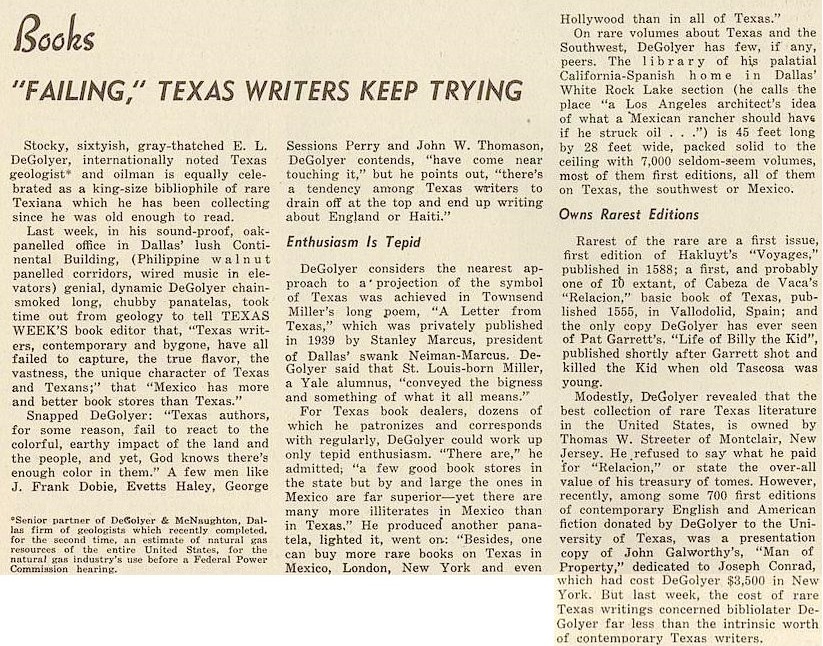
Everette Lee DeGolyer, Bibliophile

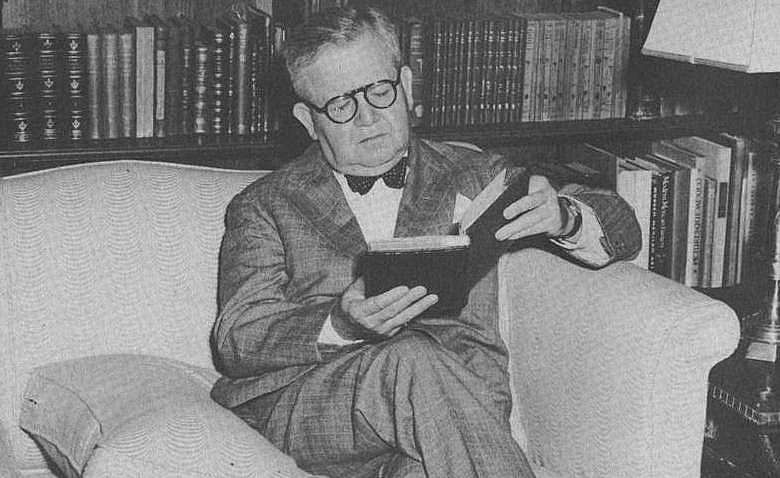
degolyer_rare-books_texas-week-mag_082446-photo
Mr. De with his books…

by Paula Bosse

One of Dallas’ great bibliophiles and book collectors was Everette Lee DeGolyer, petroleum geologist, Texas oil superstar, and namesake of SMU’s DeGolyer Library. He was also a notable book collector and a favored customer of many Texas rare books dealers. This article appeared in 1946, when there were very few antiquarian bookstores in Dallas. The Aldredge Book Store opened on McKinney Avenue in 1947, and Mr. DeGolyer was a steady customer until his death in 1956. (Click article for larger image.)

degolyer_rare-books_texas-week-mag_082446_text
Texas Week magazine, Aug. 24, 1946

*

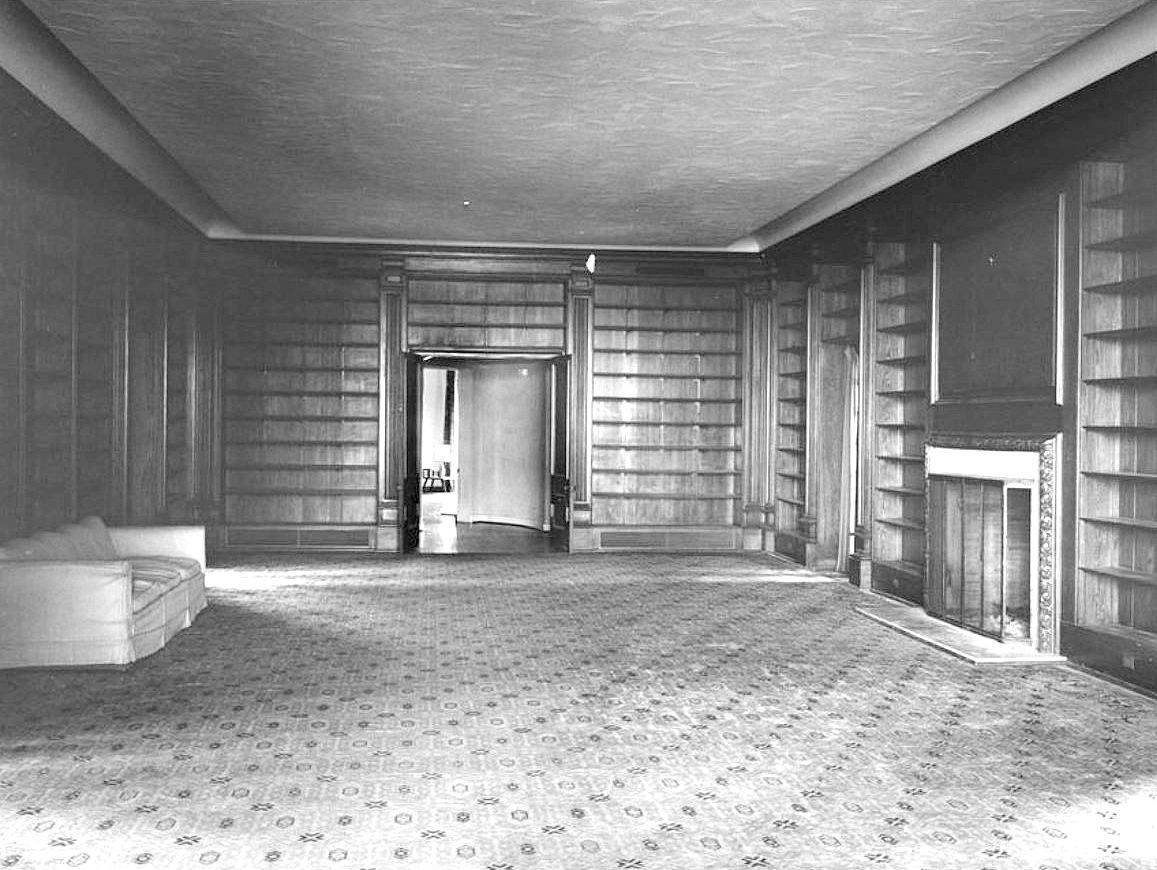
Below, the library at the newly built DeGolyer Estate at White Rock Lake, shelves waiting to be filled.

degolyer-estate-library_portal

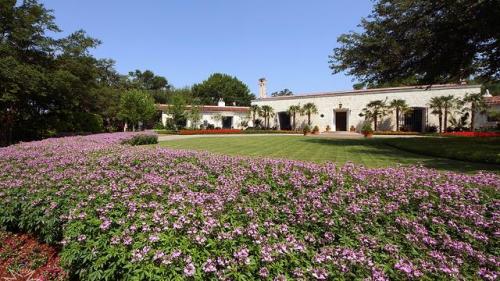
The fabulous DeGolyer Estate is now part of the Dallas Arboretum.

degolyer-house_arboretumPhoto: Dallas Arboretum

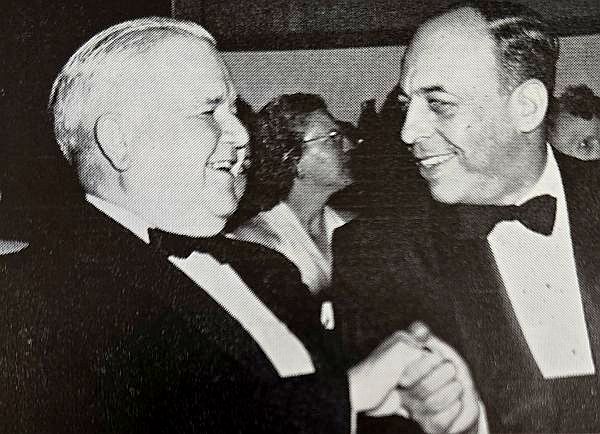
DeGolyer with Stanley Marcus, 1951:

degolyer-everette_stanley-marcus_dallas-mag_sept-1951

***

Sources & Notes

Article from Texas Week magazine; accessible through UNT’s Portal to Texas History, here.

Photo of DeGolyer’s home library (not to be confused with the DeGolyer Library at SMU), is from the Dallas Municipal Archives collection, also found on the Portal to Texas History site, here. More photos of the estate from this collection are here.

Photo of DeGolyer and Stanley Marcus is from Dallas magazine, Sept. 1951, Periodicals Collection, Dallas History and Archives, Dallas Public Library.

The Handbook of Texas entry for Everette DeGolyer is here.

That term “Texiana” used by the unnamed author of the article to describe books of Texas subject matter or interest? For anyone uncertain about whether to use that or “Texana,” use “Texana.” Always! (It rhymes with “Hannah.”)

*

Copyright © 2016 Paula Bosse. All Rights Reserved.

Knox Street, Between Cole and Travis

knox-street_degolyer-lib_SMU_1924Knox in its salad days…

by Paula Bosse

Above, Knox Street looking southeasterly from Travis in 1924. The Ro-Nile Theater (later the Knox Theater) is on the left. Today it is, I think, Pottery Barn Baby (and I think it is the original  building). It directly faces what it now Weir’s Furniture. See what this view looks like today, here.

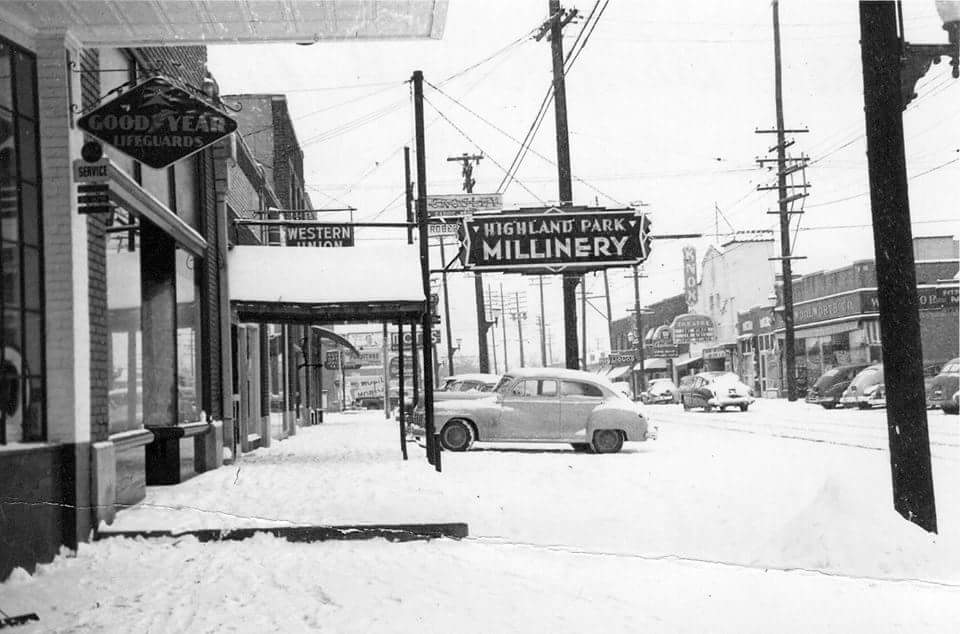
Below, a snow-covered Knox Street — around 1949 — looking northwesterly, from about Cole. The Knox Theater is on the right. See what this view looks like today, here.

knox-from-cole_ca-1949

I used to love when Knox was charming and funky. When I drive around this area now, I’m afraid I always end up feeling claustrophobic.

***

Sources & Notes

Top photo from the DeGolyer Library, Southern Methodist University; more info is here.

*

Copyright © 2016 Paula Bosse. All Rights Reserved.
Girls’ Softball in Dallas, Hugely Popular

girls-softball_WPA-GD_dallas-park-rec-deptSoftball in the park… 

by Paula Bosse

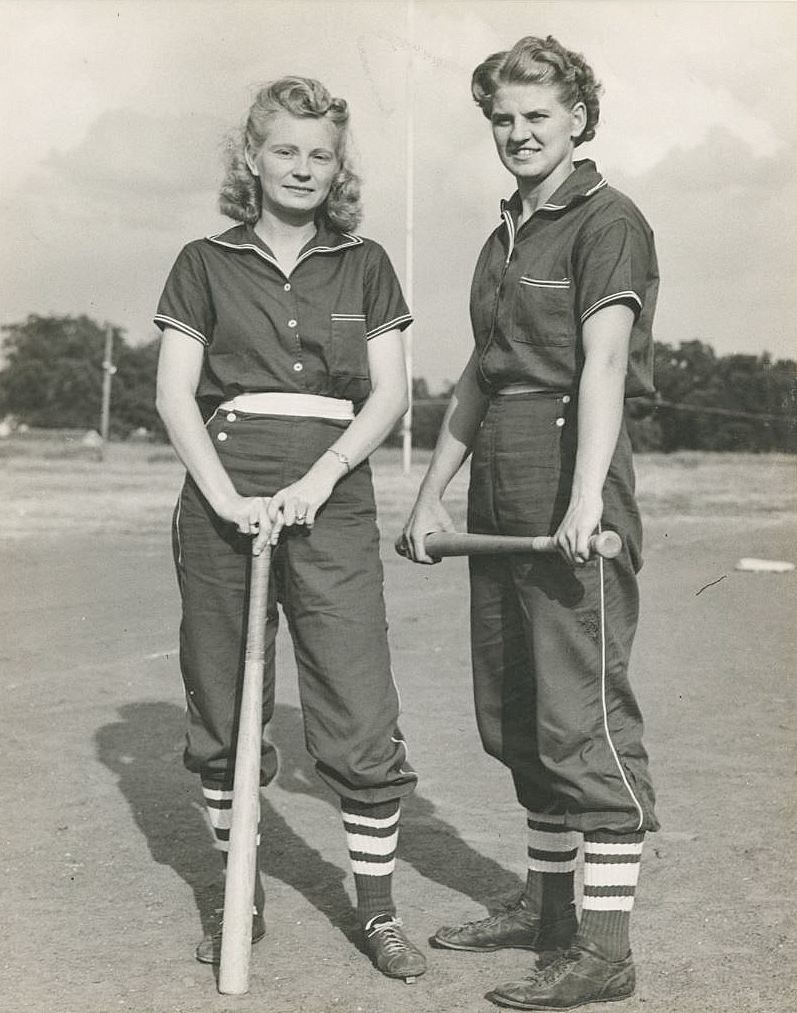
Around 1938, softball suddenly became very, very popular in Dallas. Absolutely everyone seemed to be playing it: boys, girls, moms, dads, kids, businessmen, college students, and senior citizens. By 1939, The Dallas Morning News was calling the sport “the newest Dallas crazy custom.” There were more than 18,000 players playing on more than 300 organized teams, which meant that most of the roughly 100 softball diamonds in the city were constantly in use. It was estimated that more than 700,000 spectators had filled softball bleachers in 1938. These were all, of course, non-professional teams and players,  but there was some concern that this new-found softball enthusiasm might be cutting into attendance for the professional baseball games.

…[B]ut the fact remains that softball is cutting into the gate receipts of professional baseball. When more than 100 softball teams play almost every night in Dallas and hundreds of fans watch the games there certainly must be vacant seats at the stadium where professionals are doing their stuff for the Texas League. (Dallas Morning News, June 16, 1939)

Most interesting about this “fad” is that girls’ softball league games became extremely popular. These teams were often affiliated with local companies (Metzger’s Milk, Dunlap-Swain, etc.), and their sponsored games drew very large crowds, usually more than the men’s games did. The Dallas Morning News reported that attendance at the regular Friday night games in 1939 was something like five or six thousand. Some of the girls even became minor local celebrities.

baseball_teammates-of-fort-worth-cats_william-langley_nd_portal
Fort Wort at bat (via Portal to Texas History)

Coverage of the women’s games by the local press was solid, but coverage of the women themselves seemed more like a good excuse to run photos of the “girls” in skimpy uniforms rather than focus on their athletic ability. But I’m sure the girls shrugged it off and were just happy to be playing a sport they loved.

girls-softball_1940

**

Below, the 1943 Dallas Girls’ Softball League champions, the Metzer Dairy Maids. I love their names so much I want to type them out:

Tinker Tarker
Mutt McFanning
Aubrey Ray
Thelma Lowe
Pat Bell
Faustine Riley
Beatrice Draper
Flo Dyer
Opal Ritter
Annie Jo Floyd
Alma Floyd
Genevieve Dobbins
Pud Adams

girls-softball_dmn_071843
DMN, July 18, 1943

***

Sources & Notes

Top photo from the WPA Dallas Guide and History.

Second photo by Dallas photographer William Langley, from the collection of the Birdville Historical Society, via the Portal to Texas History.

Even though these company-sponsored teams were often in city- and state-wide leagues, they were all comprised of amateur players. That’s not to say money wasn’t being made. A lot of tickets were being sold, and companies got a lot of publicity for their winning teams. In fact, companies often scouted for players and hired them solely based on their athletic prowess — this is exactly how Babe Didrikson, generally considered one of the greatest all-round athletes in history, ended up working for an insurance company in the Interurban Building in downtown Dallas. (Read all about that in my previous post, “Babe Didrikson, Oak Cliff Typist.”)

*

Copyright © 2016 Paula Bosse. All Rights Reserved.
Blackie Sherrod: “The Most Plagiarized Man in Texas” — 1919-2016

blackie-sherrod_dmn-video

by Paula Bosse

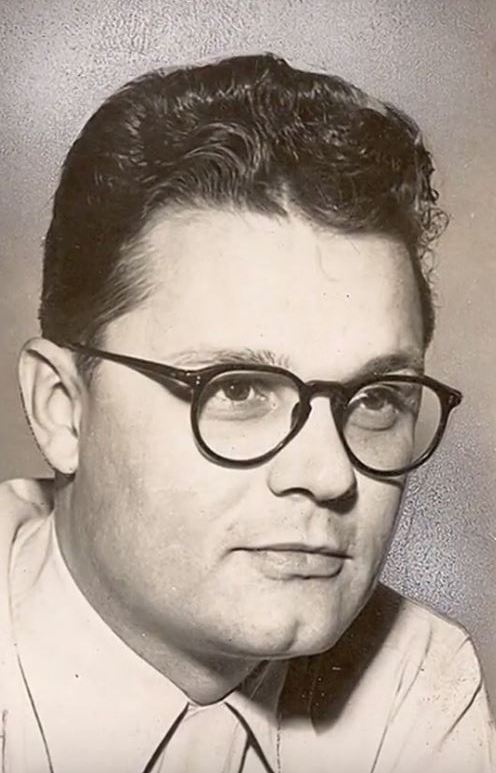
Legendary sportswriter Blackie Sherrod died yesterday at the age of 96. My father was not a follower of sports, but I remember he read Blackie Sherrod’s columns because, along with other great, larger-than-life, and exceptionally talented DFW sportswriters such as Bud Shrake, Dan Jenkins, and Gary Cartwright, Blackie was — for want of a better word — a “literary” journalist whose style transcended his subject matter. His writing appealed to everyone who enjoyed and appreciated well-written and caustically funny forays into, around, over, and under the world of sports. Sports fans — and other sportswriters — loved the guy. And so did everyone else.

In the December 1975 issue of Texas Monthly, Larry L. King (forever known as the man who made more money from the best little whorehouse in Texas than any of the girls who plied their trade there) wrote a fantastic profile of Blackie (“The Best Sportswriter in Texas”), in which he described Blackie Sherrod as being “the most plagiarized man in Texas.” Sportswriters around the state routinely stole all of Blackie’s best lines and inserted them, unattributed, into their own columns. King himself admits he was one of the worst offenders. The lengthy profile is great. Great. Read it here.

*

UPDATE: Also, this is a great 9-minute film produced by KERA in the 1970s in which Blackie talks about his career, past and present.

***

Sources & Notes

Video is from the KERA Collection, G. William Jones Film & Video Collection, Hamon Arts Library, Southern Methodist University; the permanent link on YouTube is here.

Watch a Dallas Morning News-produced video tribute to Blackie Sherrod from 2013.

The Dallas Morning News obituary — “Legendary News Sportswriter Blackie Sherrod Dies at 96” — written by Kevin Sherrington, is here.

Several of Blackie’s Sherrod’s books can be purchased online, here.

Moments after I posted yesterday’s photo of the Dallas Times Herald lobby, I read that Blackie had died. He must have walked through that lobby thousands of times. That was an odd bit of synchronicity.

See an early photo of Blackie with his famed co-workers in the post “Legendary Sports Writers of the Fort Worth Press — ca, 1948.”

Thanks, Blackie.

*

Copyright © 2016 Paula Bosse. All Rights Reserved.
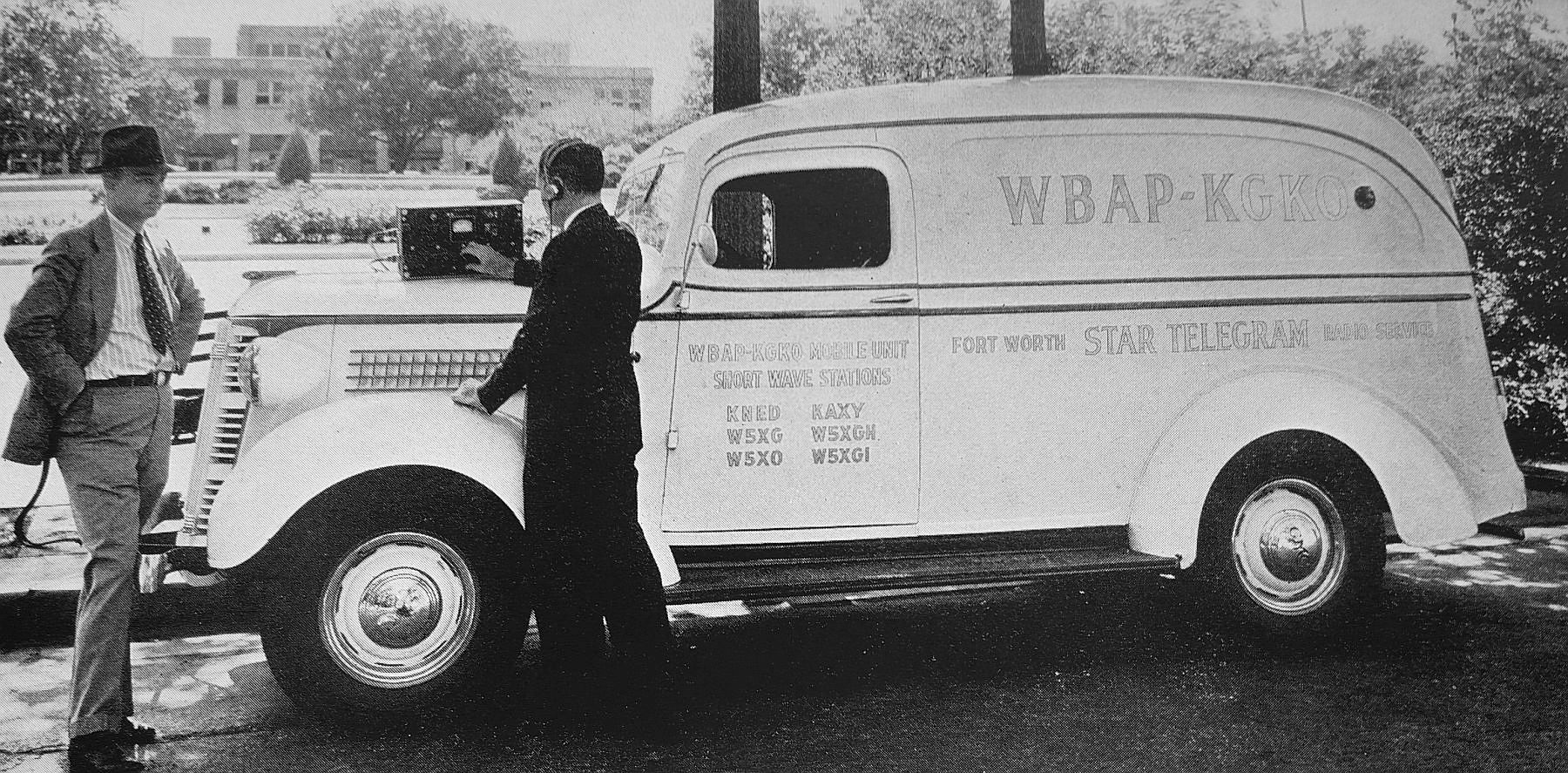
Radio Mobile Units — ca. 1940

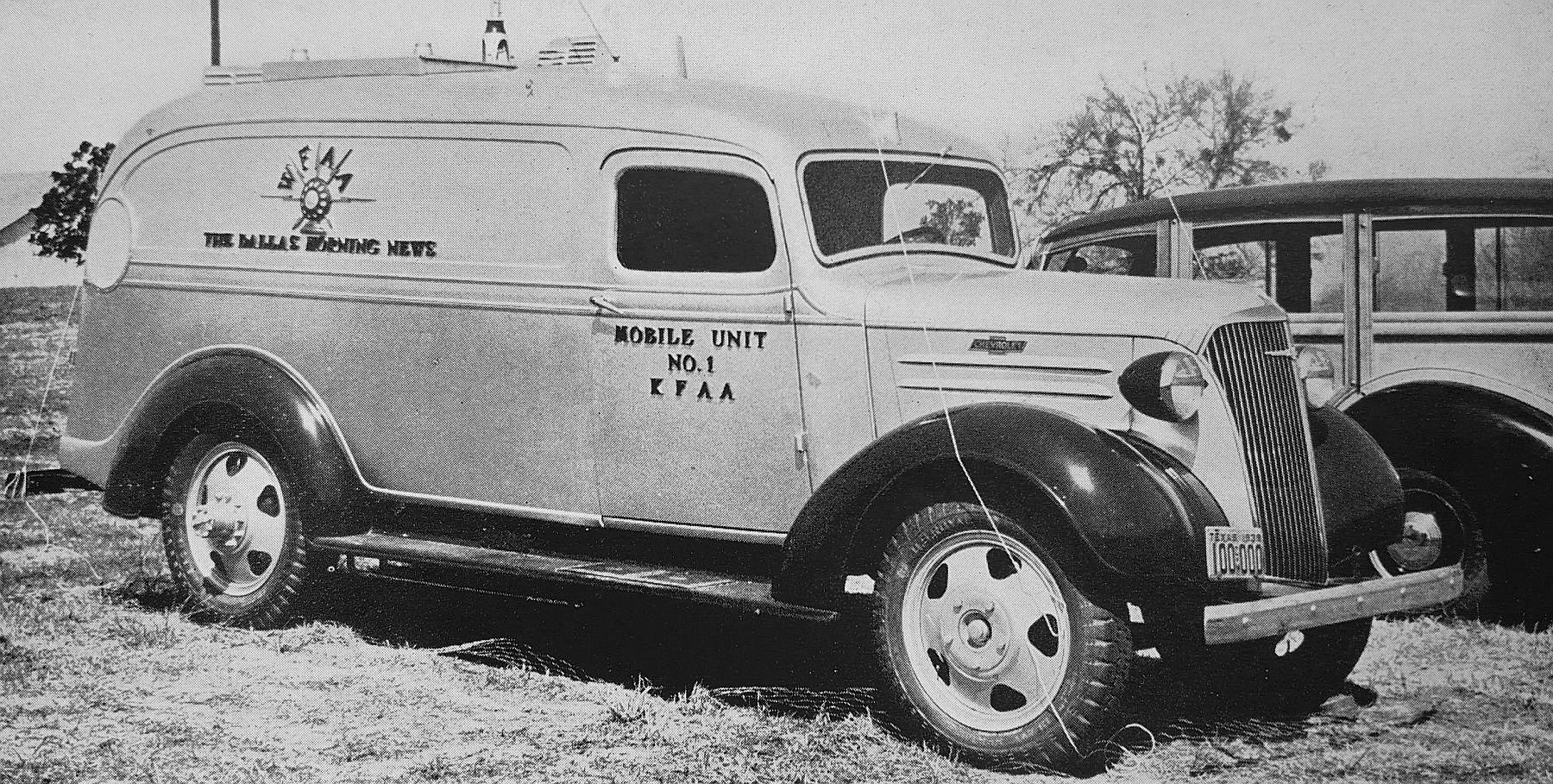
kfaa_mobile-unit_wfaa-fam-albumWhat? You’ve never heard of KFAA? (click for larger image)

by Paula Bosse

Check out these pre-war mobile units for radio stations WFAA and WBAP. The unit above actually had its own call letters — KFAA — and was licensed as a separate station. (That logo!) The caption, from a 1941 promotional booklet issued by stations WFAA (Dallas), WBAP (Fort Worth), and KGKO (Wichita Falls):

The WFAA Mobile Unit shown here is a complete short wave broadcasting station on wheels. The unit has its own call letters, KFAA, because it is a self-contained and separately licensed station. The amazing array of facilities contained in this one-and-one-half-ton truck includes a transmitter, generator, receiving equipment, public address system and pre–amplifiers. The transmitter tower on top of the truck can be raised to a height of 35 feet, making it possible to pick up the mobile unit’s signals for re-broadcast from a distance of 50 miles.

Here’s the WBAP/KGKO unit:

wbap-mobile-unit

Fort Worth Star-Telegram Mobile Radio Unit – with Chief Engineer R. C. “Super” Stinson, left, and A. M. Woodford, production man, handling a remote or “nemo” pickup from Burnett Park, Fort Worth. The WBAP-KGKO Mobile Unit carries six short wave transmitters and receivers besides a power plant capable of generating electricity for a small town of 500 people. This unit “swam” through a recent flood in Brady, Texas, established communication from the stricken area and received the congratulations of the Texas Highway Patrol. It also played a star role in the Amarillo storm.

***

Photos from the booklet WFAA, WBAP, KGKO Combined Family Album (Dallas-Fort Worth, 1941).

Why were arch-rivals WFAA (owned by The Dallas Morning News) and WBAP (owned by The Fort Worth Star-Telegram) co-publishing a promotional booklet? Because they shared the same transmitter and had an extremely odd broadcasting agreement. Read about it in my previous post “WFAA & WBAP’s Unusual Broadcasting Alliance,” here.

Click those photos!

*

Copyright © 2016 Paula Bosse. All Rights Reserved.