Flashback : Dallas

A Miscellany: History, Ads, Pop Culture

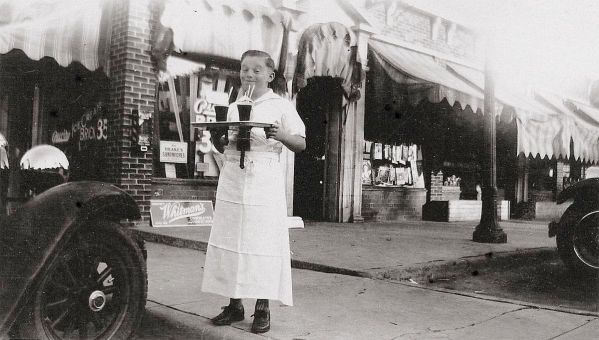
The Gaston-Carroll Pharmacy — ca. 1929

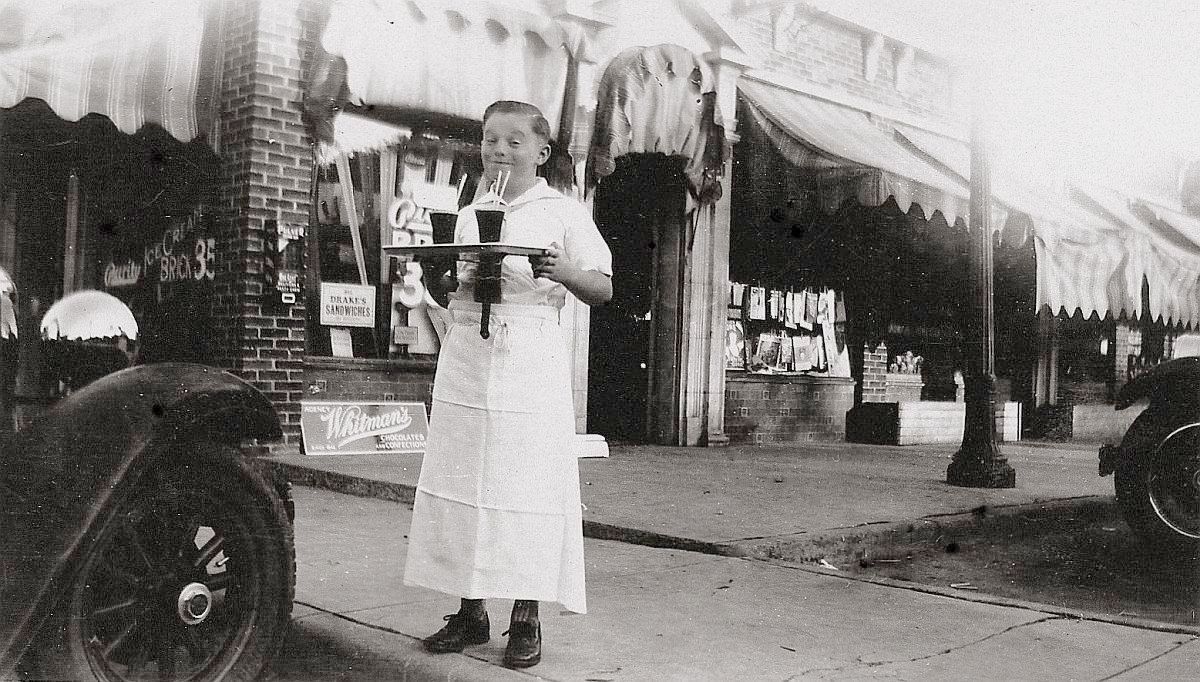
gaston-carroll-pharmacy_1929_joe-windrow_dallasFB_2
Curb service at Gaston and Carroll…

by Paula Bosse

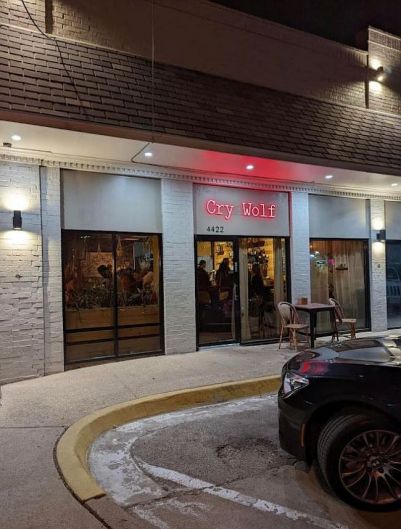
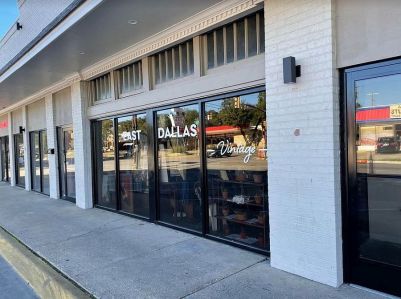
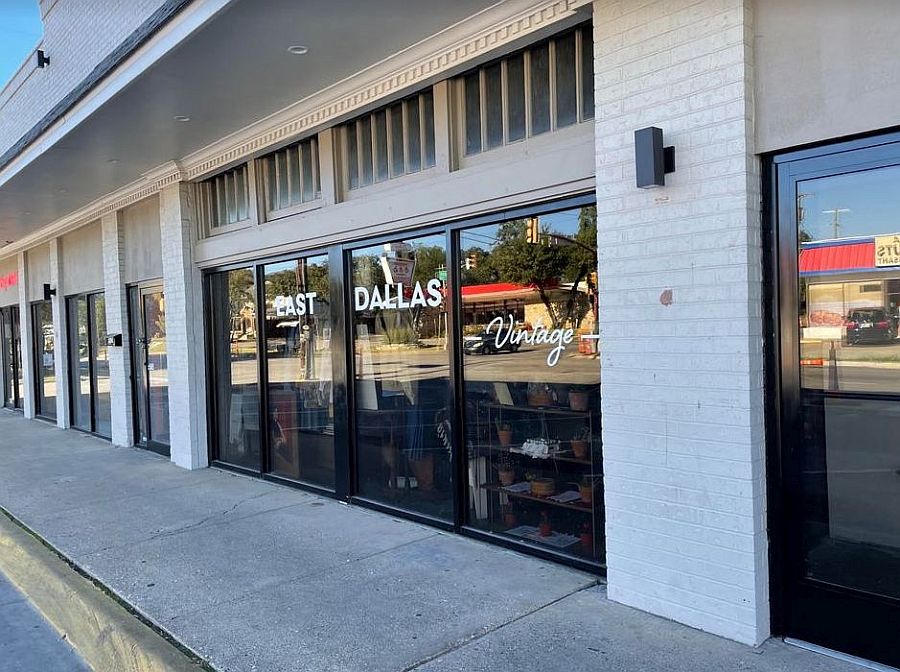
I received an email the other day from Melissa Maher asking about the building which houses the new shop she owns with her business partner, Chelsea Callahan-Haag: East Dallas Vintage, at 4418 Gaston Avenue. Next door, on the corner, is Ross Demers’ new restaurant, Cry Wolf (4422 Gaston). Surprisingly, I had two photos of the building from the 1920s!

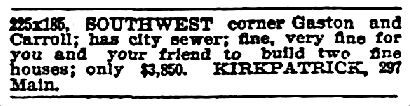
The building is on the southwest corner of Gaston and N. Carroll in Old East Dallas and was built in 1925. The first mention I found was from a classified ad in The Dallas Morning News in February, 1902 — a “for sale” ad for the lot boasted that it had “city sewer” and that it was “fine, very fine for you and your friend to build two fine houses” (which is an unusual sales tactic). The price was $3,850 — if you believe the accuracy of inflation calculators, that would be the equivalent of about $125,000 in today’s money.
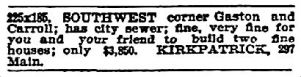
1902_gaston-carroll_dmn_081802Dallas Morning News, Aug. 18, 1902

In 1907 it was reported that attorney N. Lawrence Lindsley was building a house on the large lot, for the equivalent of about $250,000 (add that amount to the cost of the land…). Before 1911, the address was 668 Gaston Avenue — after 1911 the address became 4418 Gaston. Over the years, the house passed through several owners until the large, stately 3-story home had been broken up into apartments in the 1920s (see the house on a 1922 Sanborn map here). In 1925, the house went on the market.

A CORNER ON GASTON WITH A FUTURE
Southwest corner of Gaston and Carroll. Has three-story well-built house bringing $100 monthly rental or 8.5 per cent on price of $14,000. Lot 90x125x160. When Gaston is opened through to Pacific this will be one of the best corners in East Dallas for stores. Call H. K. Dunham, exclusive agent. […] Do not bother tenant. No trade. Seay-Cranfill Co. Realtors. (Feb. 8, 1925)

It was snapped up fast. A mere ten days later, a Texas charter notice appeared in newspapers for Gaston Avenue Investment Company, owners of the property. The 18-year-old house was promptly razed, and a building containing space for four shops opened in June. 

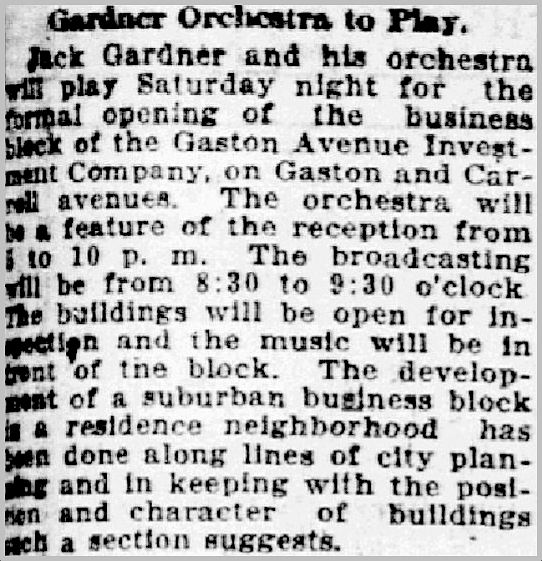
The grand opening was broadcast live on WFAA radio on June 27, 1925, with music performed by Jack Gardner and his orchestra. Quite a do.
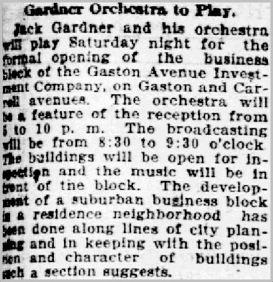
1925_gaston-carroll_dmn_062725DMN, June 27, 1925

The original businesses were:

4414: Piggly Wiggly grocery store (now a Domino’s Pizza)
4418: Long’s Helpy-Selfy (a “serve-yourself” no-frills grocery)
4420: Johnson’s Superior Market, Otto S. Johnson, prop. (um, another grocery)
4422: Gaston-Carroll Pharmacy, C. L. Watts, prop. (with a soda fountain)

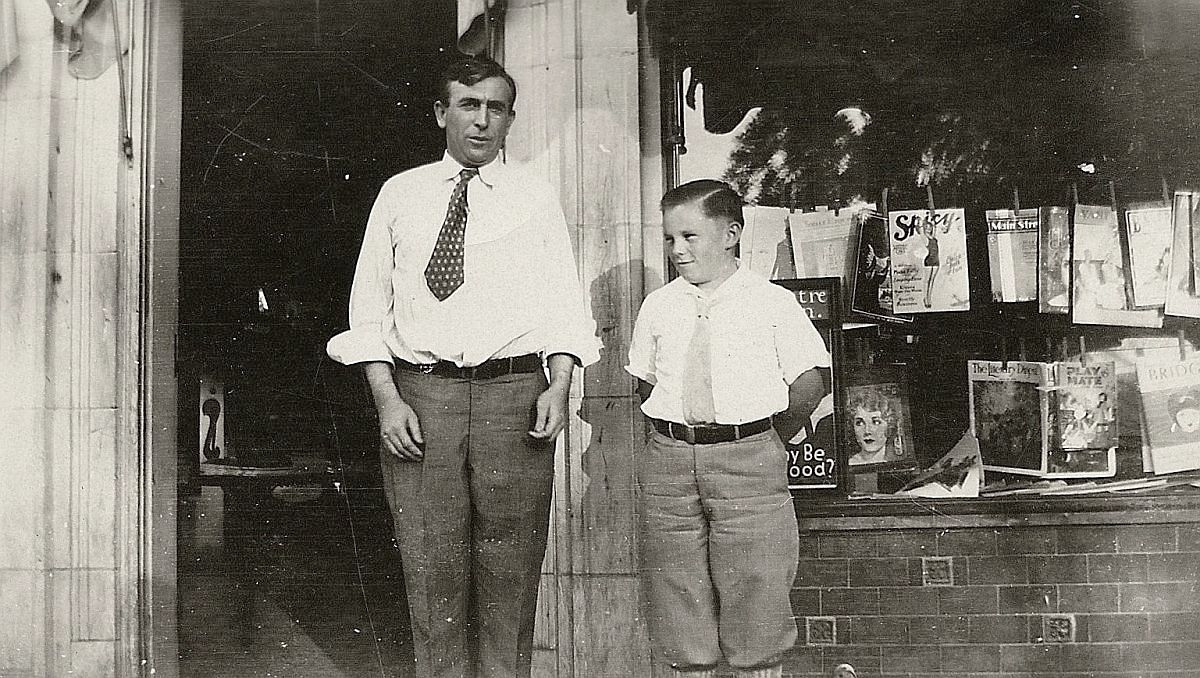
The Gaston-Carroll Pharmacy was on the corner, and that’s what we see in the photos above and below, taken about 1929 when Bill Windrow had taken over as president, manager, and druggist. An 11-year-old relative, Rollen Joseph “Joe” Windrow, worked as a carhop. Above, we see Joe “hopping”; below, Bill and Joe, stand on the sidewalk in front of the pharmacy.
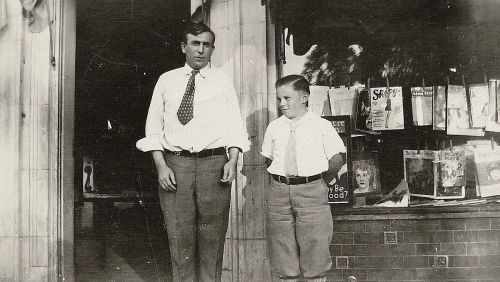
gaston-carroll-pharmacy_dallasFB_bill-and-joe-windrow_str

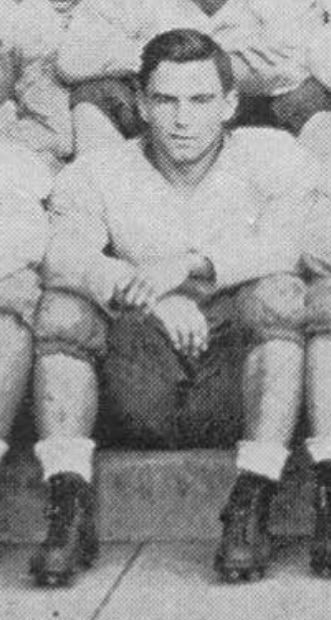
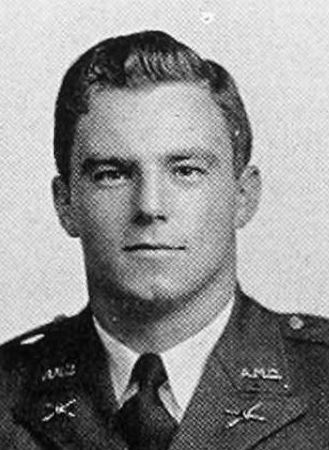
Joe lived nearby on Swiss Avenue and later went to Woodrow Wilson High School. He grew up to be a handsome young man.
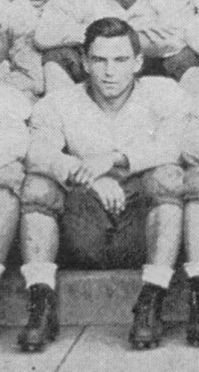
windrow-joe_woodrow_football_1936Joe Windrow, Woodrow Wilson High School, 1936
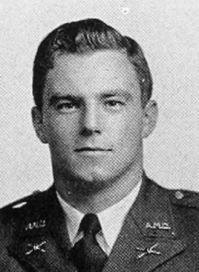
windrow-joe_tx-a-and-m_1941Joe Windrow, Texas A&M, 1941

*

Over the years, the space on the right (4414 Gaston) was most often a grocery store (Piggly Wiggly, Safeway, Tom Thumb), and the space on the corner was a pharmacy for at least 60 years (Gaston-Carroll, Marvin’s, Walgreens, Taylor’s, and Felty’s). The middle shops were a variety of businesses, with one of the spaces apparently being absorbed into another.

*

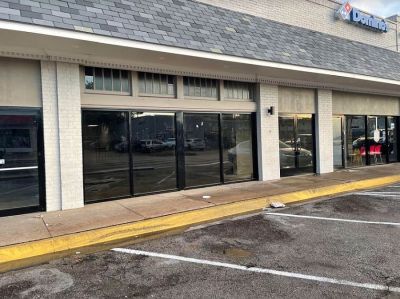
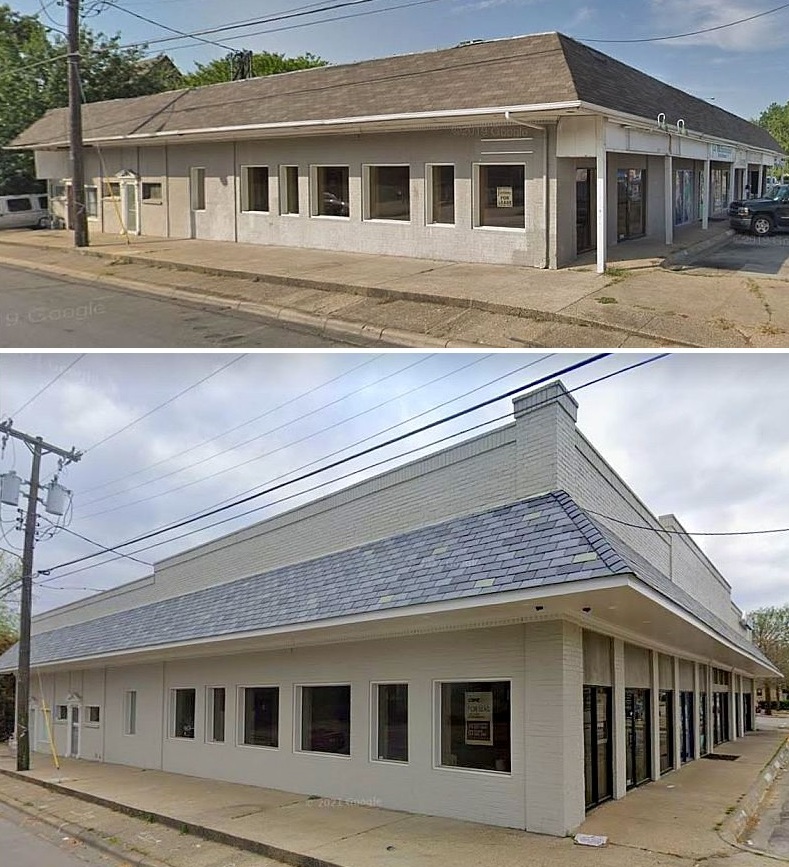
The building received a nice makeover recently. The Google Street Views below show July 2018 (before), and March 2019 (after).
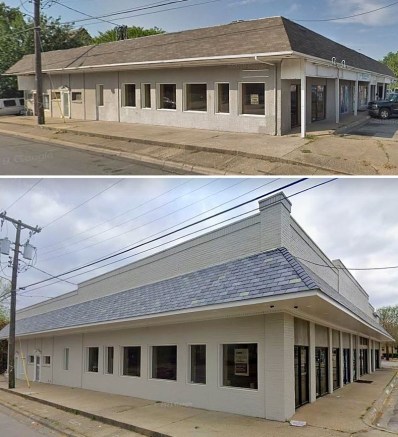
gaston-carroll_google-street-view_july-2018._march-2019Google Street View: 2018, 2019

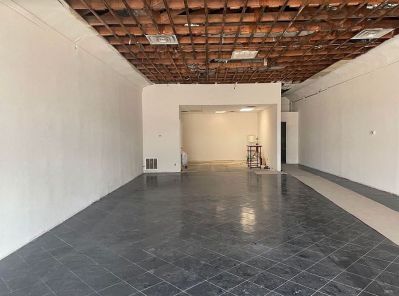
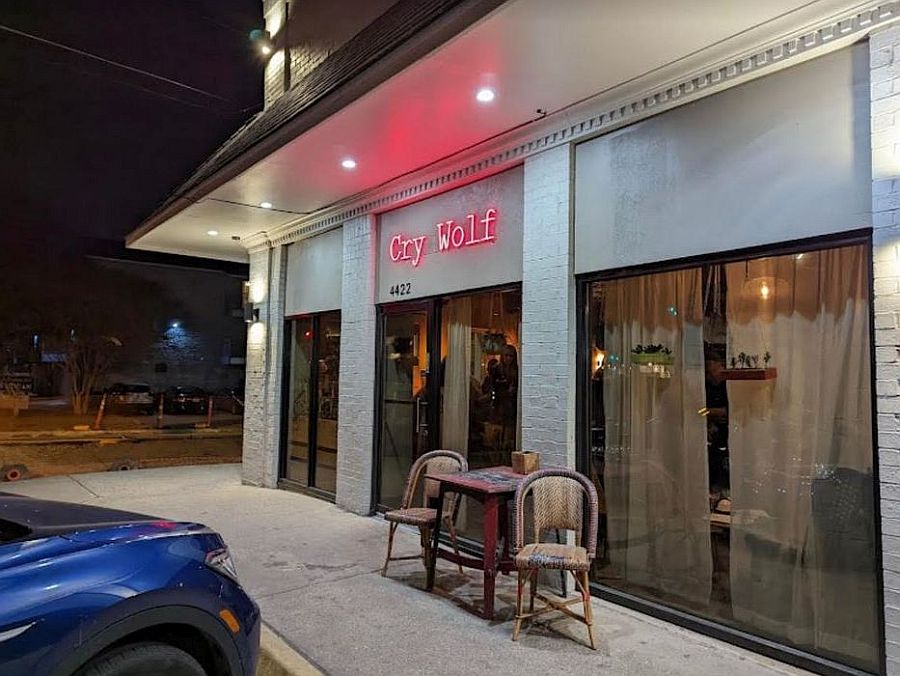
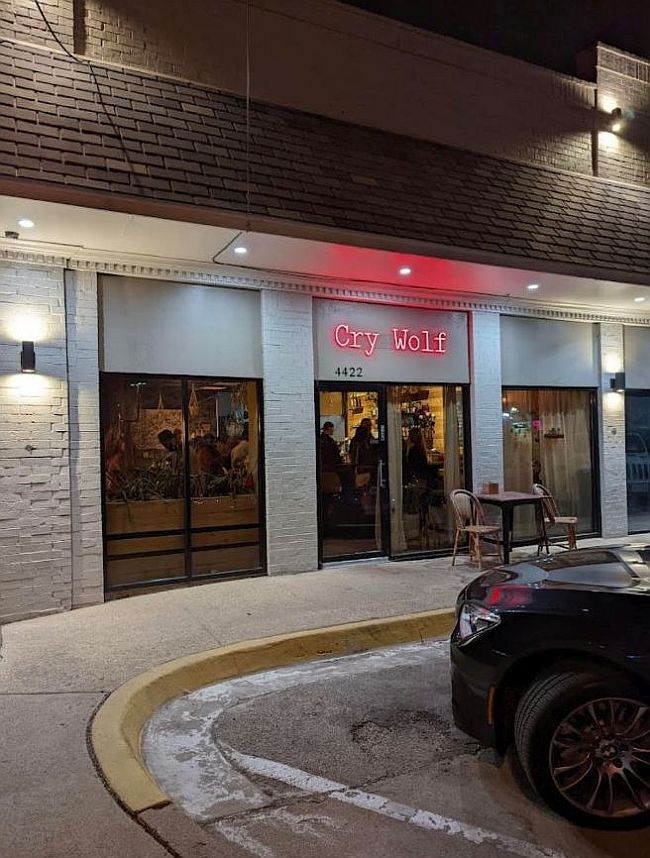
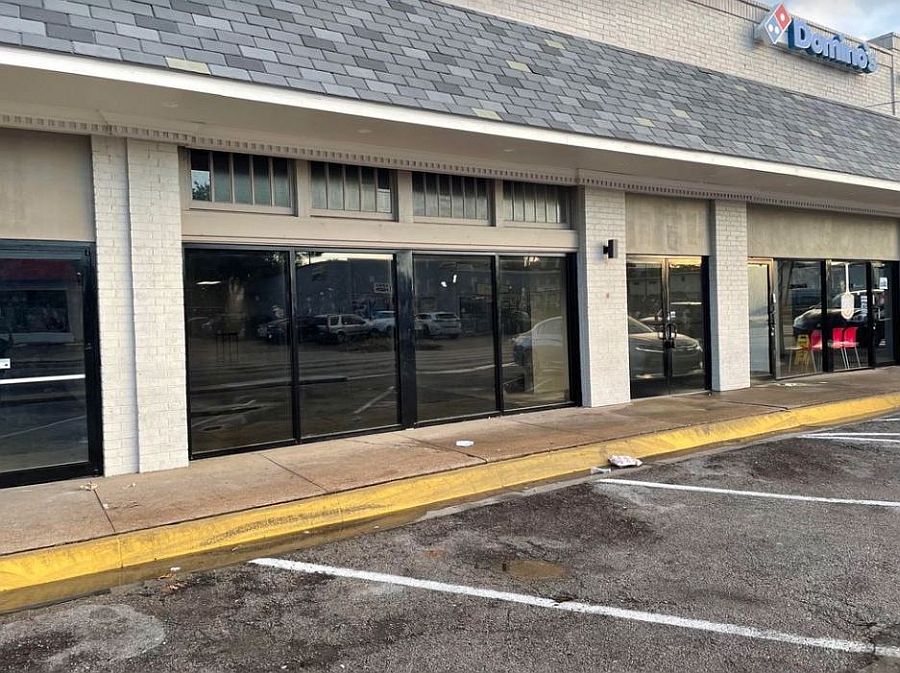
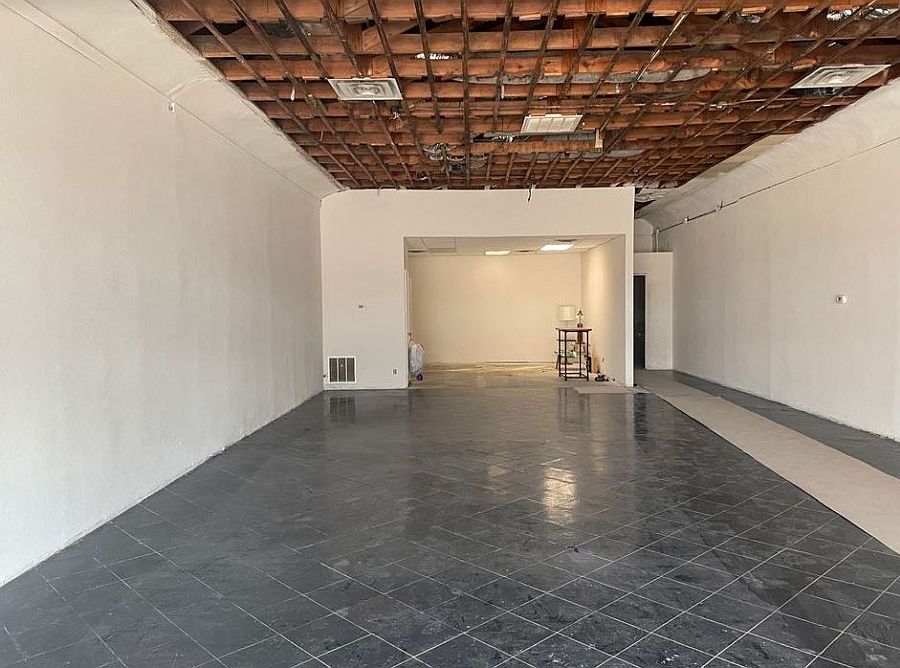
Melissa Maher, one of the proprietors of East Dallas Vintage (now occupying 4418 Gaston) sent me the following photos (from the end of 2021, I believe), showing her space and the space next door (Cry Wolf, 4422, in the old pharmacy location on the corner). She was wondering if there had been a basement in the building. It seems unlikely, but if anyone has any info, I’m sures she’d love to know.
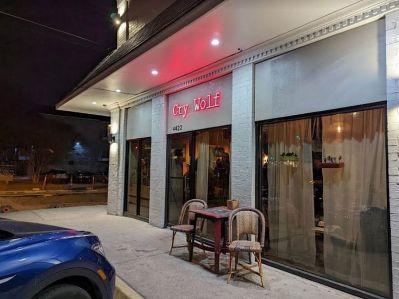
2021_gaston-carroll_melissa-maher_1photo: Melissa Maher

2021_gaston-carroll_melissa-maher_2photo: Melissa Maher

2021_gaston-carroll_melissa-maher_3photo: Melissa Maher

2021_gaston-carroll_melissa-maher_4photo: Melissa Maher

2021_gaston-carroll_melissa-maher_5photo: Melissa Maher

*

Thanks for asking about this, Melissa! I had always meant to write something about the Gaston-Carroll Pharmacy and post these 1929 photos — and this was a great opportunity to use them. I hope to visit your shop sometime!

***

Sources & Notes

The top two photos were found on a Dallas history Facebook group, but I’m not sure which one. They were posted in 2015, and I’m unable to find them now. I believe they were found by the original poster on Ancestry.com. Luckily, I had noted the names “Windrow,” “Joe,” and “Bill,” because I now know more about the Windrows than a non-Wiindrow needs to know — I can definitely verify that the circa-1920 photos are of the Gaston-Carroll Pharmacy. I’m still not sure of the relationship between Bill and Joe (there were a lot of Windrows…) — possibly uncle and nephew, or maybe cousins.

Thanks again to Melissa Maher for her photos. Go see her and Chelsea Callahan-Haag at East Dallas Vintage.

I couldn’t find any photos of the home of N. Lawrence Lindsley — I know they’re out there somewhere! I’d love to see one. If you know of any, please let me know!

Of related interest, the other half of that block in which this building is located was once home to a truly palatial home, built by Thomas Field. See it on a 1905 Sanborn map here. See the house in the Flashback Dallas post “Junius Heights … Adjacent!”

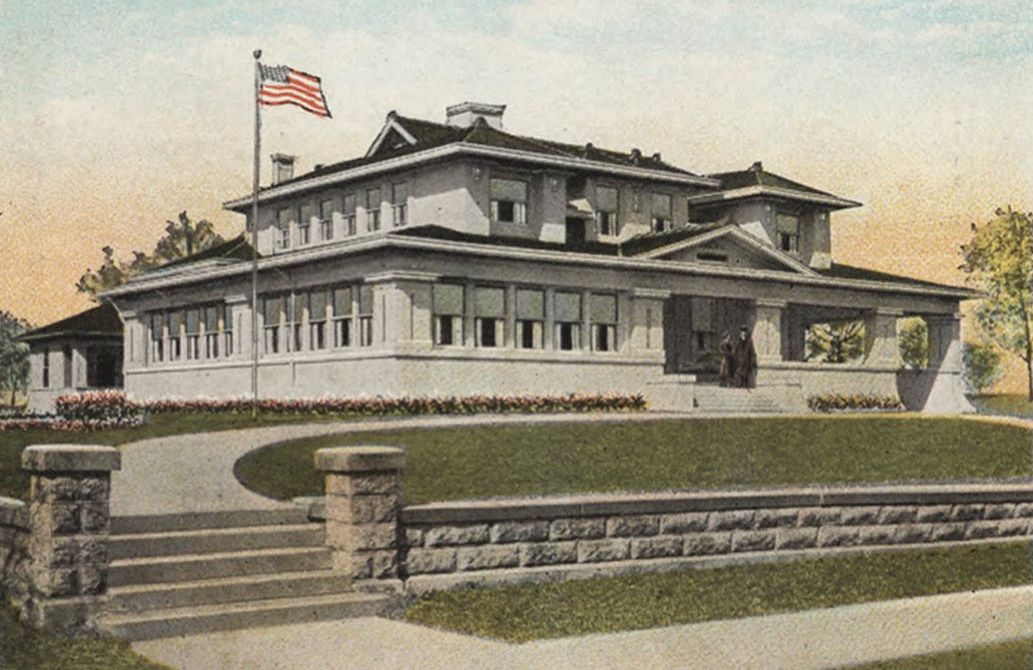
Also, catty-corner from this building is the former Brink’s restaurant. Way back, though, it was once the site of another grand residence — a home which became the Spann Sanitarium about the same time that the little strip of shops was built (I keep meaning to write about this sanitarium…):
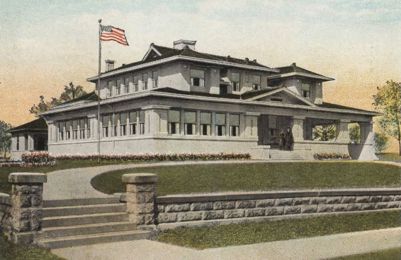
spann-sanitarium_postcard

gaston-carroll-pharmacy_1929_dallasFB_det_sm

*

Copyright © 2022 Paula Bosse. All Rights Reserved.

Stereoview Souvenirs of the Texas Centennial — 1936

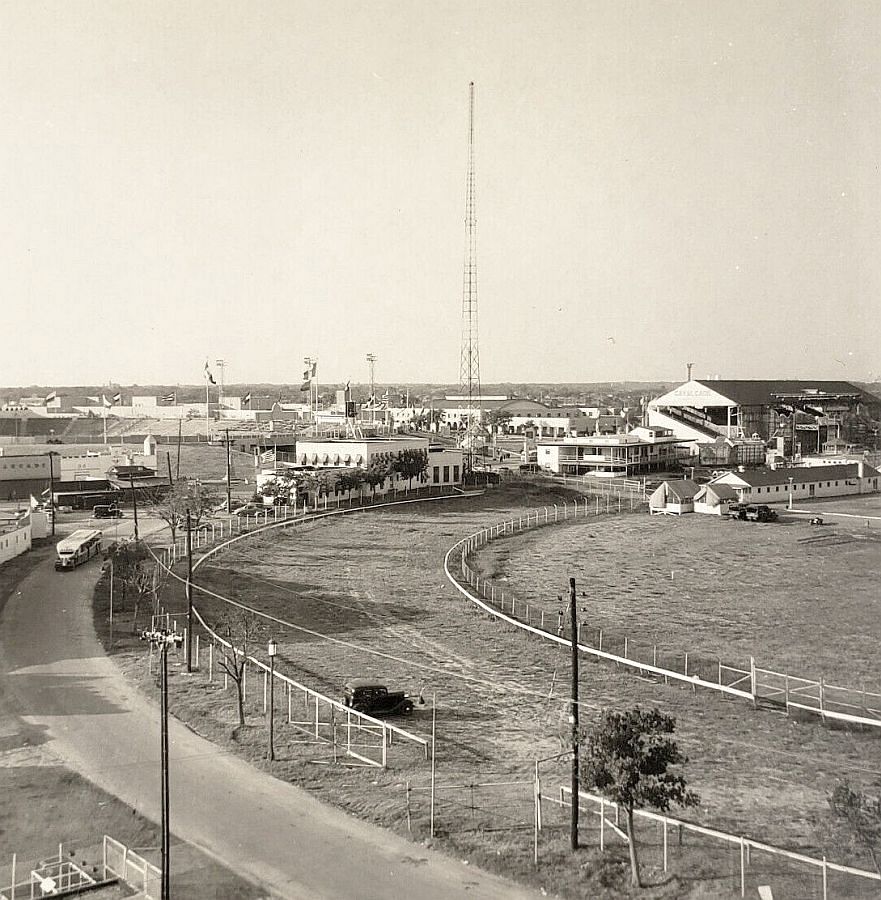
tx-centennial_cavalcade-race-track_1936_ebayA view of Fair Park not often seen

by Paula Bosse

If you collect stereoview photos and/or Texas Centennial memorabilia, hie yourself over to eBay for some (pricey) goodies (see the link at the bottom of the page). Here are a few stereoview “monoviews.”

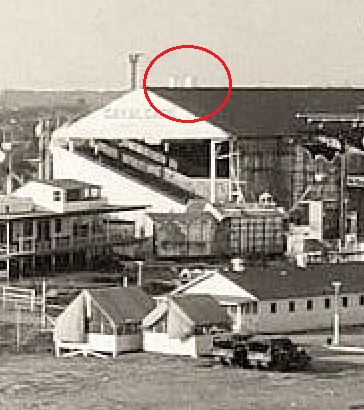
Above, part of the Fair Park racetrack, with the reviewing stand for the “Cavalcade of Texas” pageant at the right. If you look closely on the horizon — at the right, above the Cavalcade stands, you’ll see two towers. Are those the two water towers over in Lakewood at Abrams and Goliad (which I wrote about here)?

tx-centennial_cavalcade-race-track_1936_ebay_det

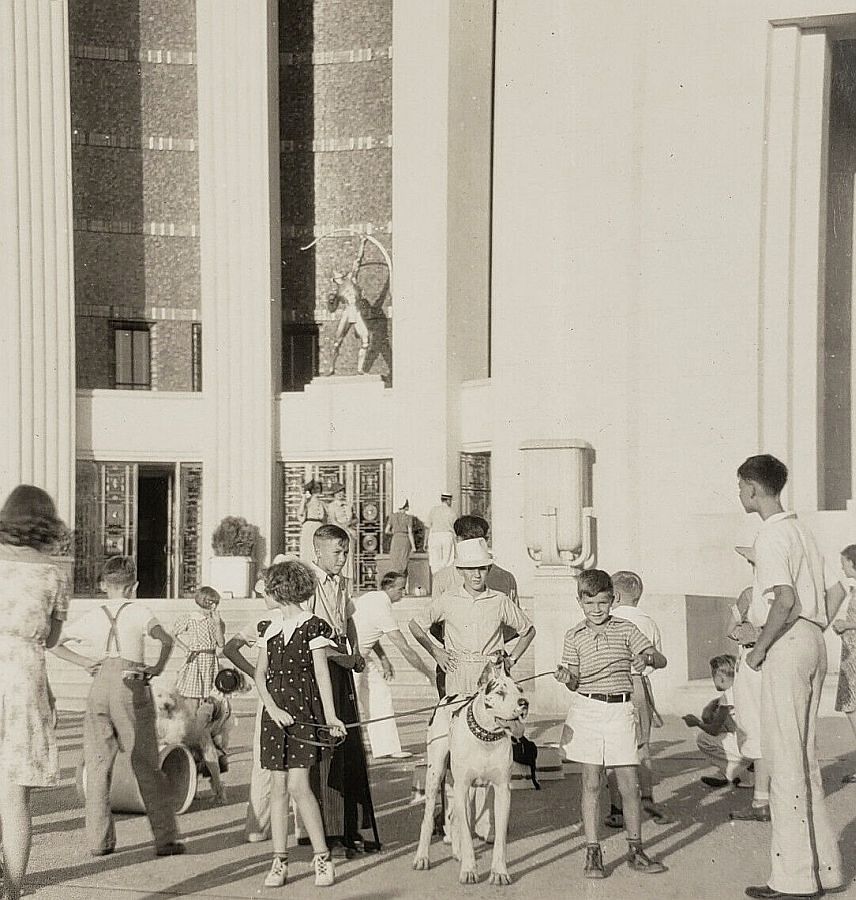
Here are a few more. The first one with kids and dogs at the Hall of State:

tx-centennial_stereoview-S131_ebay_hall-of-state

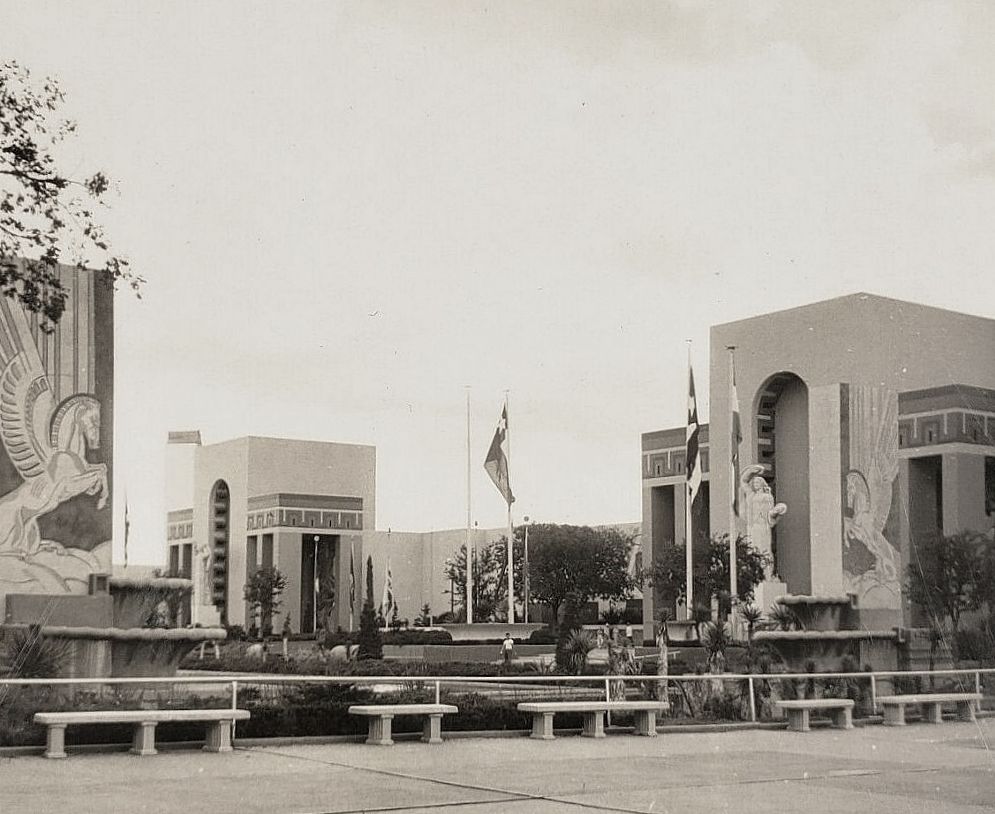
Pegasuses (“pegasi”?) at the Esplanade:

tx-centennial_stereoview-S132_ebay_esplanade-court_2

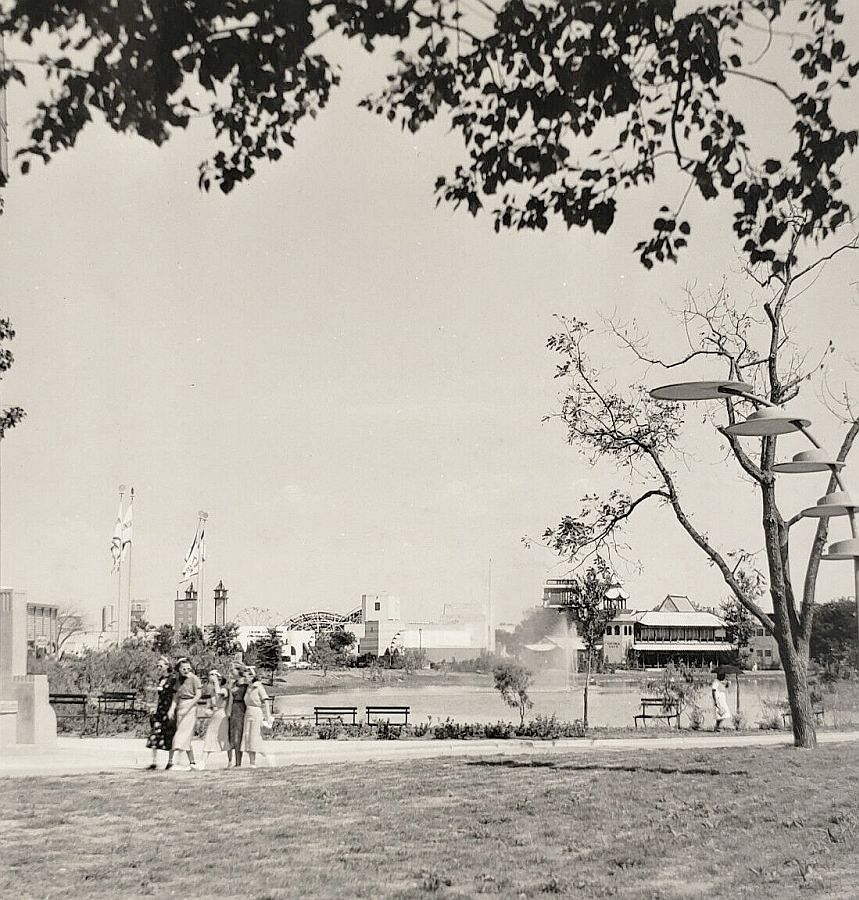
Strolling by the lagoon (and past one of my favorite crazy Centennial design features — those amazing flying-saucer lights!):

tx-centennial_stereoview-S136_ebay_esplanade-court_lagoon

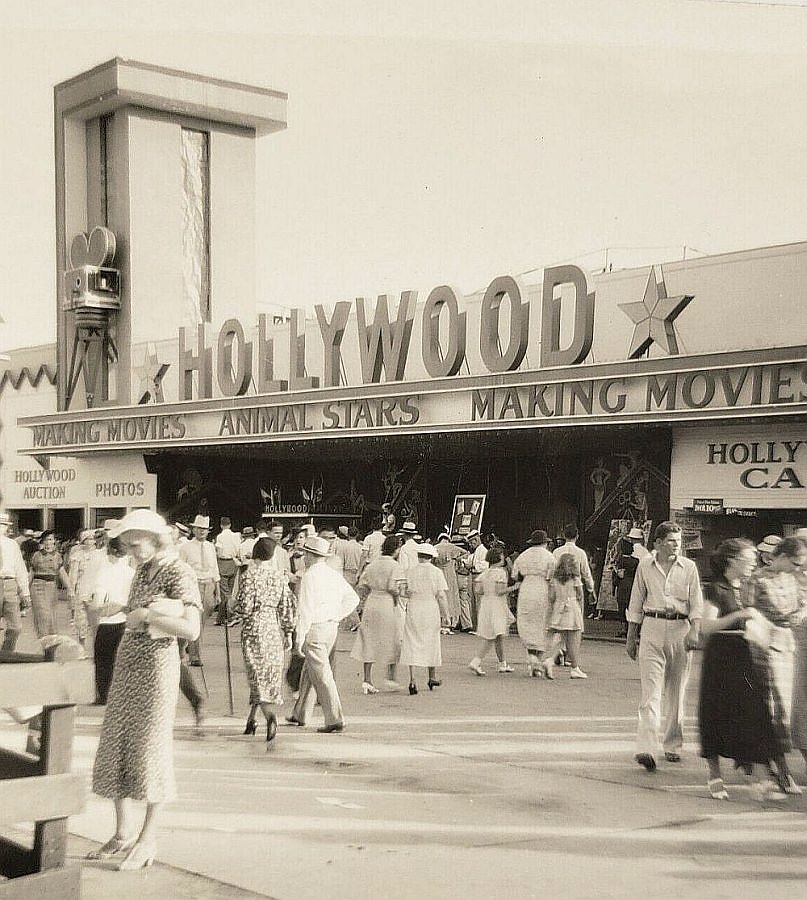
I love the camera on the marquee (and those dresses!) at the Hollywood exhibit:

tx-centennial_stereoview-S141_ebay_hollywood

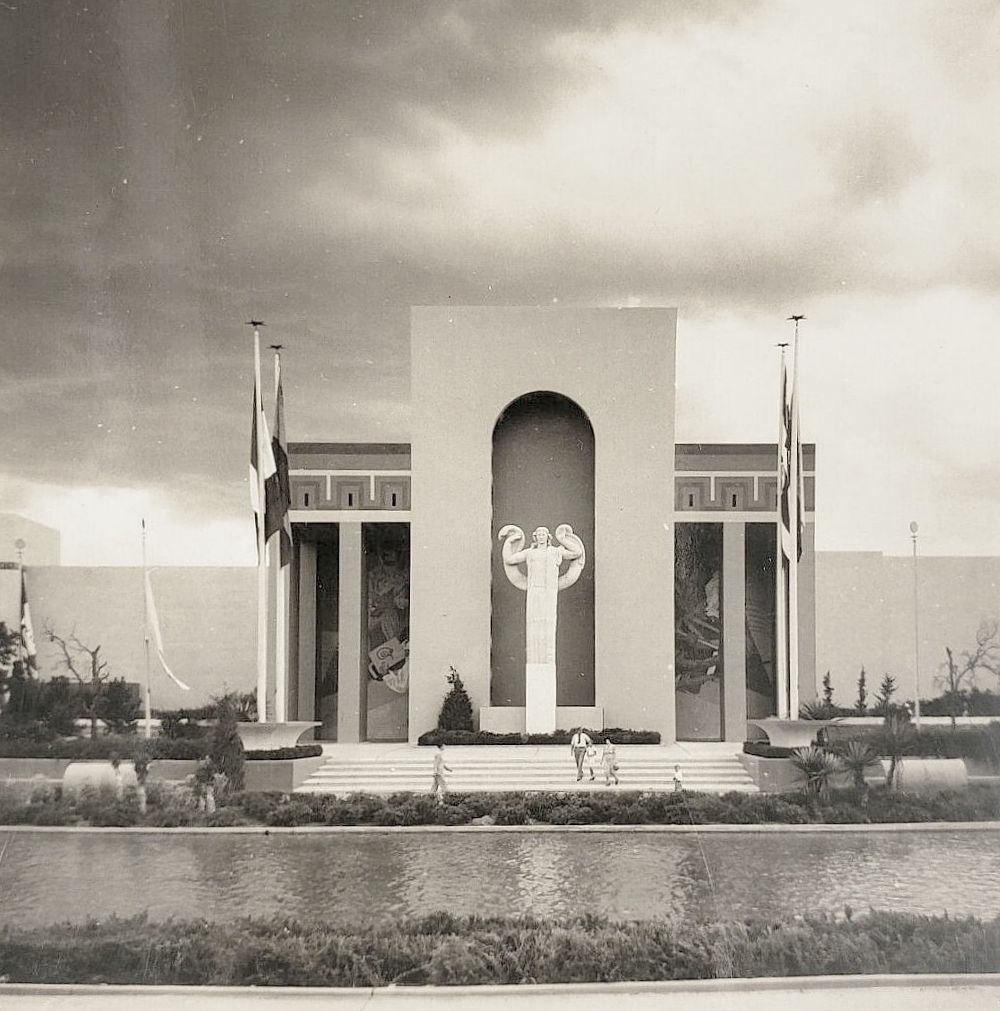
One of my favorite Fair Park artworks — the lady in the niche, at the Administration Building (Women’s Musuem):


tx-centennial_stereoview-S130_ebay_administration-bldg

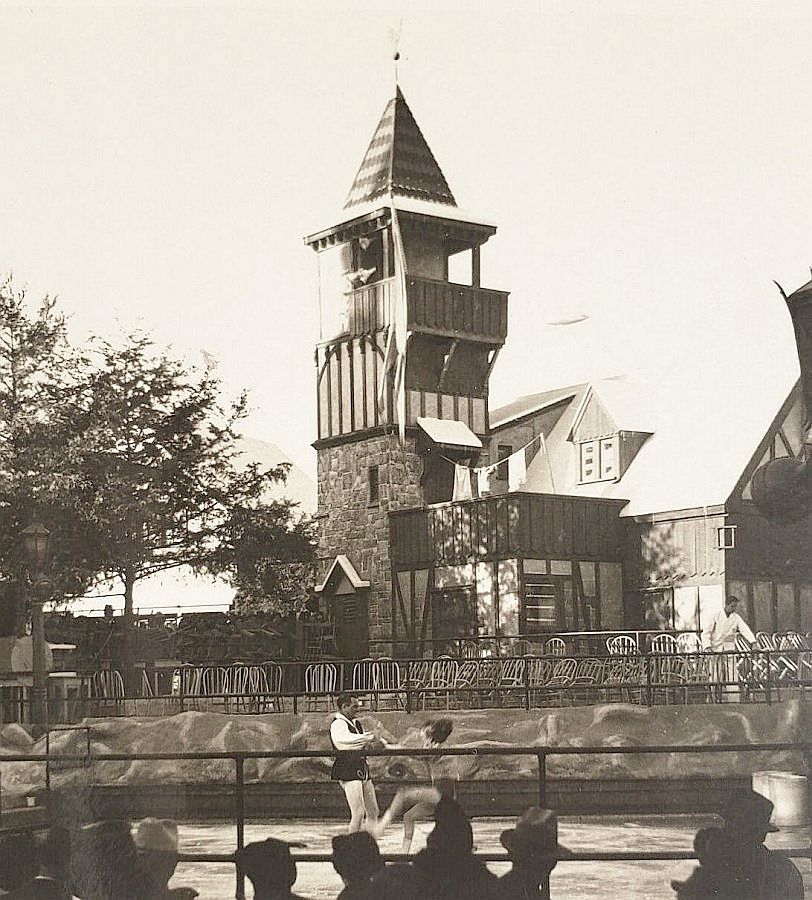
I did not know there was an outdoor ice rink at the Centennial — ice skating performances at the “Black Forest” cafe:

tx-centennial_stereoview_ebay_black-forest_ice-skating

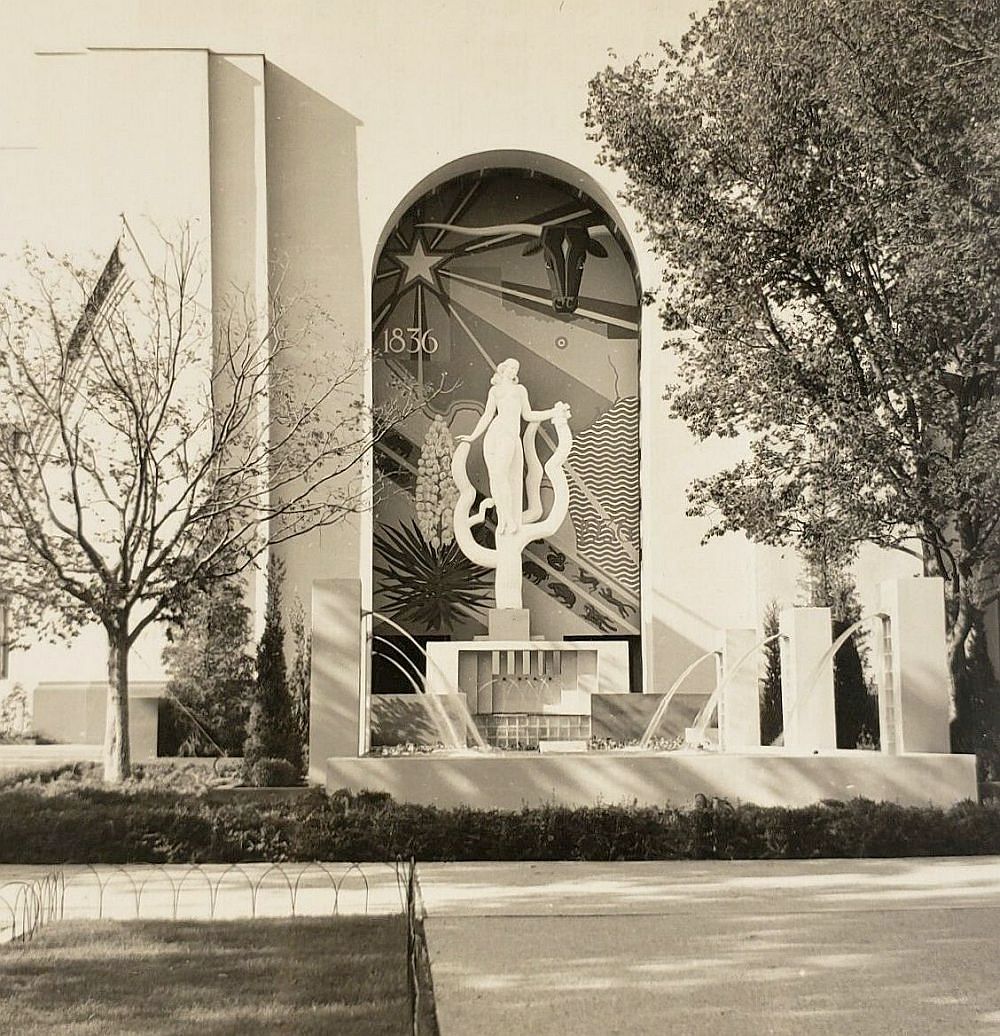
Can’t go wrong with another monumental woman in a niche:

tx-centennial_stereoview-S128_ebay_reflecting-basin

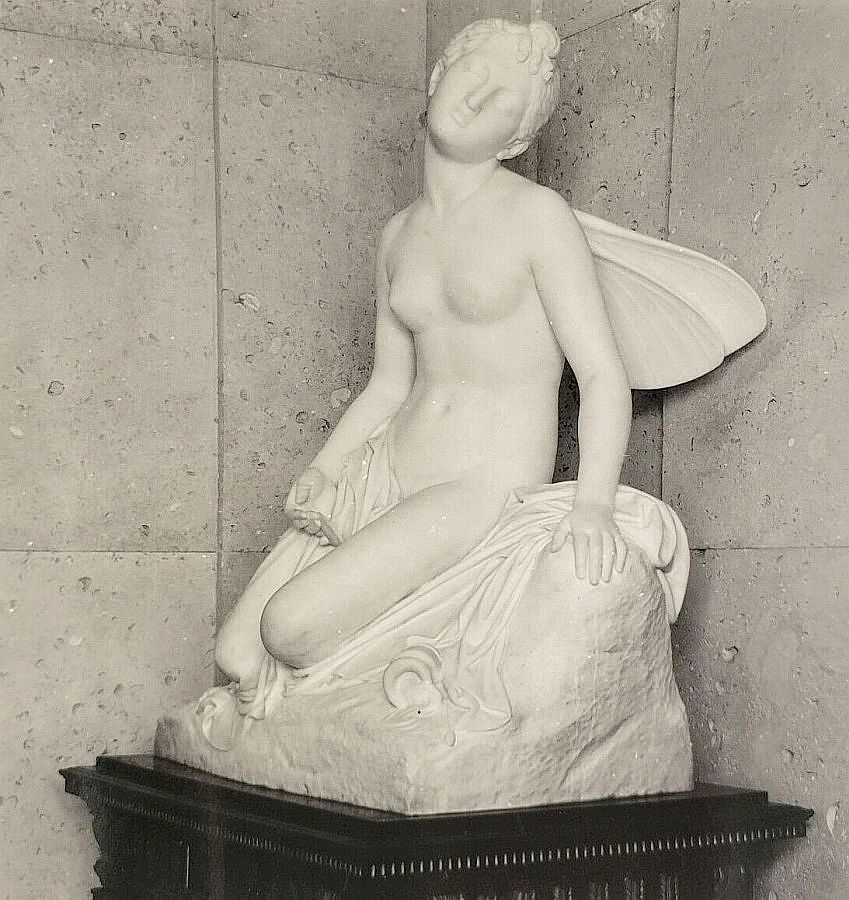
A sculpture of a slumbering fairy at the Dallas Museum of Fine Arts:

tx-centennial_stereoview-S148_ebay_fairy-statue

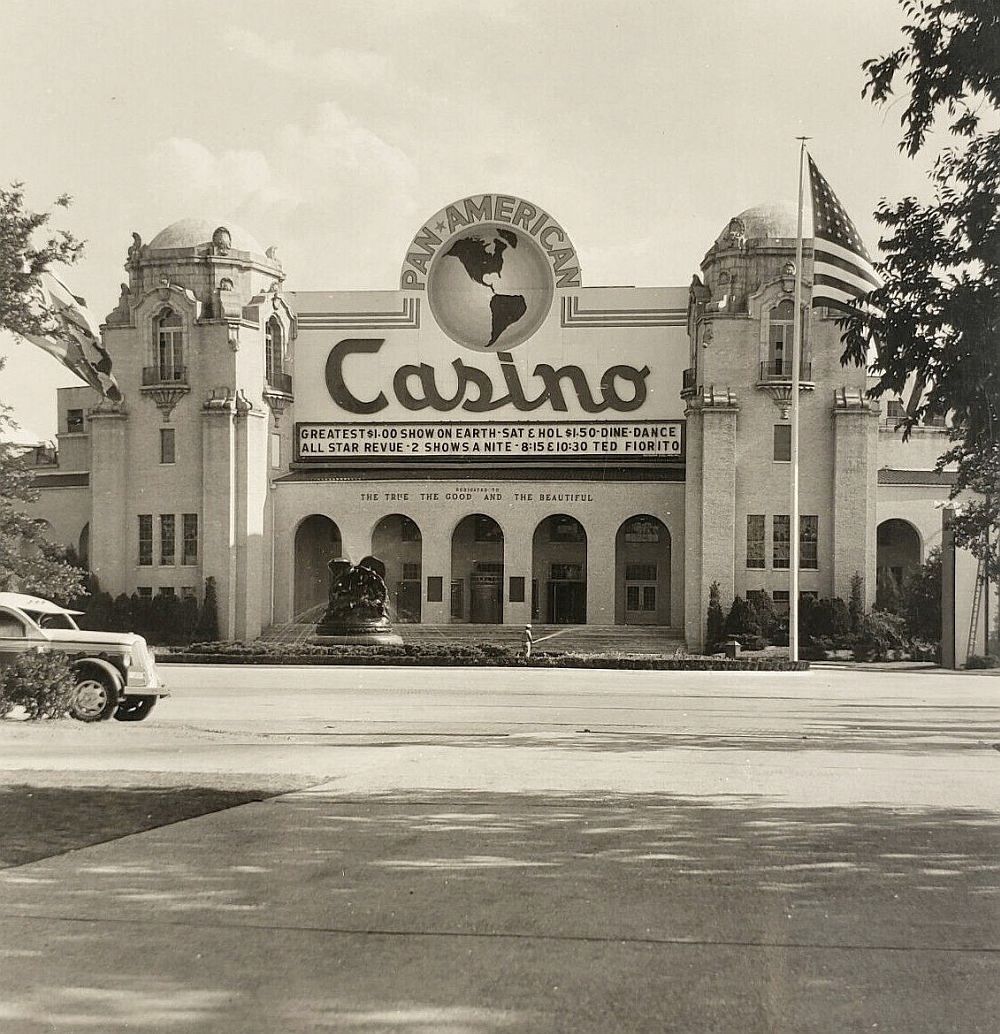
And, jumping ahead a year, a souvenir from the Pan-American Exposition in 1937: the Music Hall dressed up as the “Casino.”

pan-american-exposition_stereoview_1937_casino_music-hall

***

Sources & Notes

All images are from eBay, and almost all are currently for sale. See these and more here.

There are a bunch of Flashback Dallas posts on the Texas Centennial — they can be found here.

tx-centennial_cavalcade-race-track_1936_ebay_sm

*

Copyright © 2022 Paula Bosse. All Rights Reserved.

“No Mice, No Flies, No Caffeine, No Cocaine” — 1911

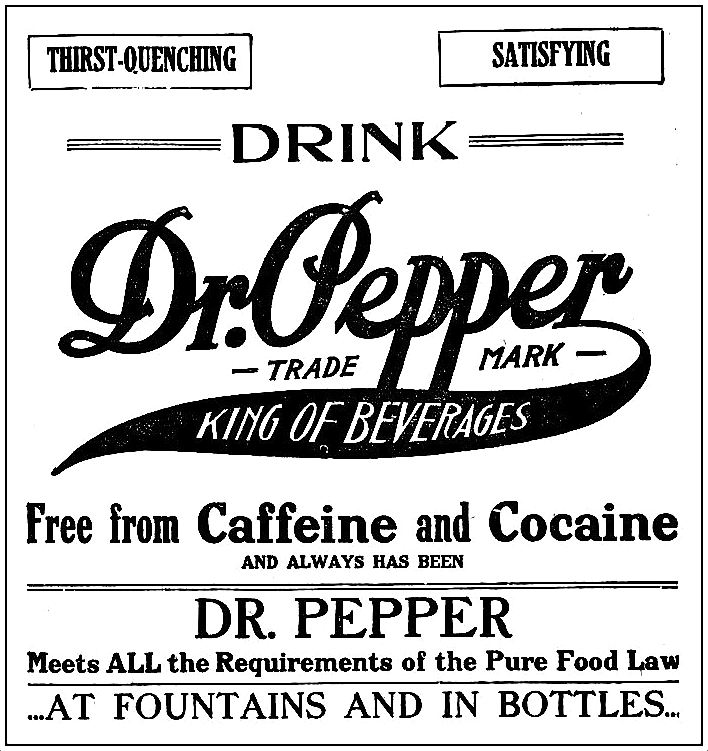
ad_dr-pepper_dmn_031911“Come and see.”

by Paula Bosse

Dallas did not become the official home of Dr Pepper until the summer of 1923, when Dallas banker S. W. Sibley acquired the bankrupt Circle-A Corporation (a Waco manufacturer of soft drinks, including Dr Pepper) for $264,500 — this bought him formulas, trademarks, and the company’s three plants (in Waco, St. Louis, and Dallas). The headquarters was promptly moved to Dallas. 

But 12 years earlier, the ad above — from the March 19, 1911 edition of The Dallas Morning News — caught my eye. Here’s the text: 

DRINK DR. PEPPER
FREE FROM CAFFEINE AND COCAINE
BUMBLEBEES, FLIES, MICE, etc.

See Waco Times-Herald, March 17, for Report of Governance Trial of Caffeine Beverages, now going on at Chattanooga, Tenn.

The Home of Dr. Pepper is the Most Sanitary Factory in America. We Invite Inspection by City, State or National Inspectors, or the General Public.

No Mice — No Flies — No Caffeine — No Cocaine.

Come and see.

DR. PEPPER CO.
Waco, U.S.A.

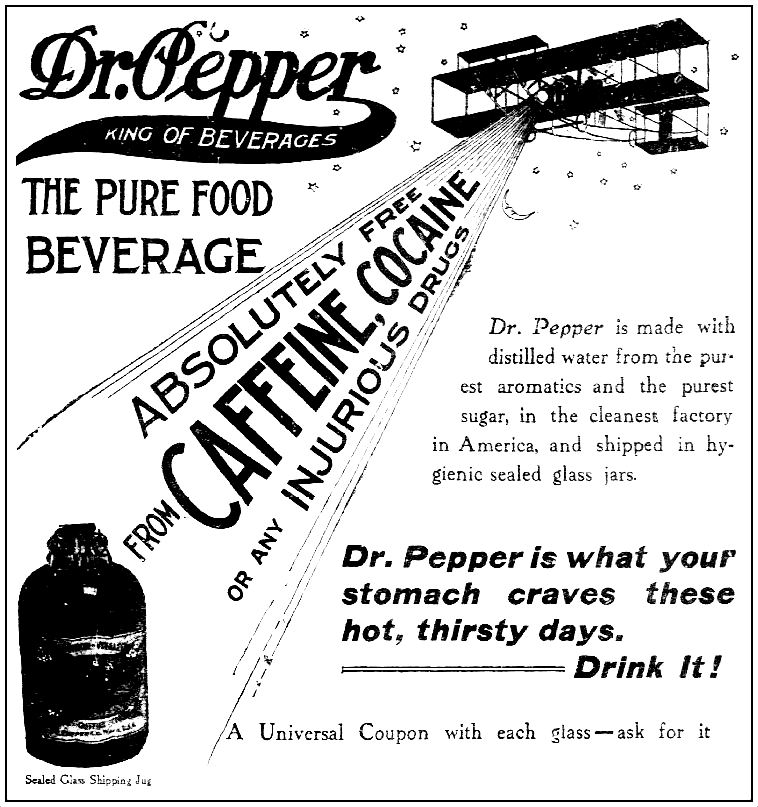
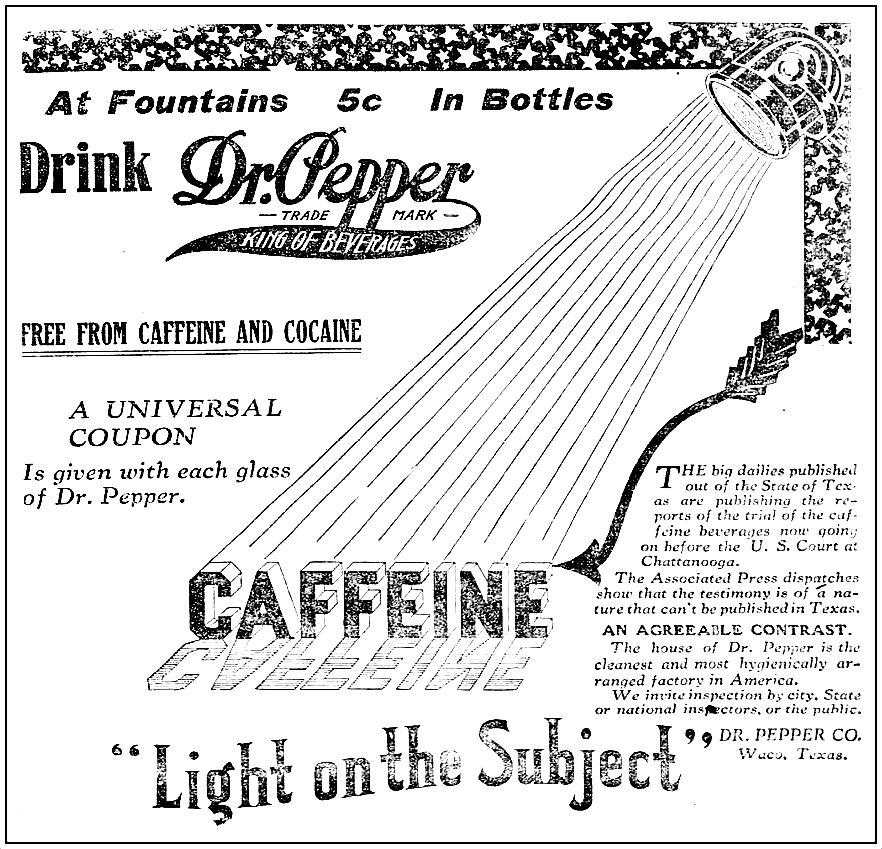
Yes, at the time U.S. food manufacturers — in response to the Pure Food and Drug Act — went out of their way to tout their products as being “pure” and their super-sanitary factories as being so sparklingly clean you could eat off the floor without fear of contamination… but having the words “no mice, no flies” in an advertisement seems to be going an extra mile that didn’t need to be taken. This ad was in response to a newsworthy trial which had just begun in Chattanooga in which the United States was suing the Coca Cola company for what they felt was deceptive labeling and its use of possibly “injurious” amounts of caffeine, etc. (Coke won.) The trial was something of a sensation, and I’m sure DP was all about nipping any collateral damage in the bud before anyone started wondering about their product, “the pure food beverage”:

dr-pepper_dmn_070911_adDallas Morning News, July 9, 1911

dr-pepper_FWST_032611_adFort Worth Star-Telegram, March 26, 1911

“Free from Caffeine and Cocaine — and always has been.” (No mention of always having been free of vermin and insects….)

dr-pepper_el-paso-herald_063011_adEl Paso Herald, June 30, 1911

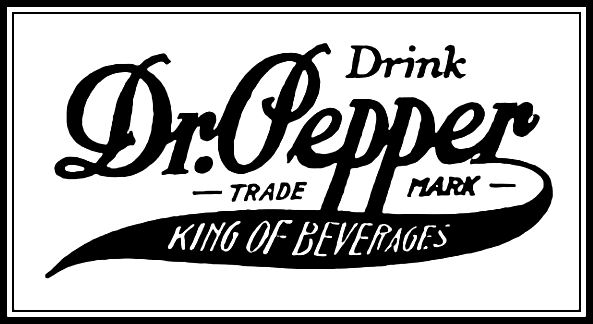
dr-pepper_new-logo_logos-dot-world-dot-net1911, new logo

No bumblebees here, bud. Nothing to see. Move along.

***

Sources & Notes

Sources of ads noted above.

Dr Pepper logo (which was used from 1911 to 1934) found here.

Read about the trial — which was officially “The United States vs. Forty Barrels and Twenty Kegs of Coca Cola” — in a Time magazine article here

More Flashback Dallas posts on Dallas’ favorite fizzy hometown concoction can be found here.

ad_dr-pepper_dmn_031911_sm

*

Copyright © 2022 Paula Bosse. All Rights Reserved.

Miscellaneous Postcards

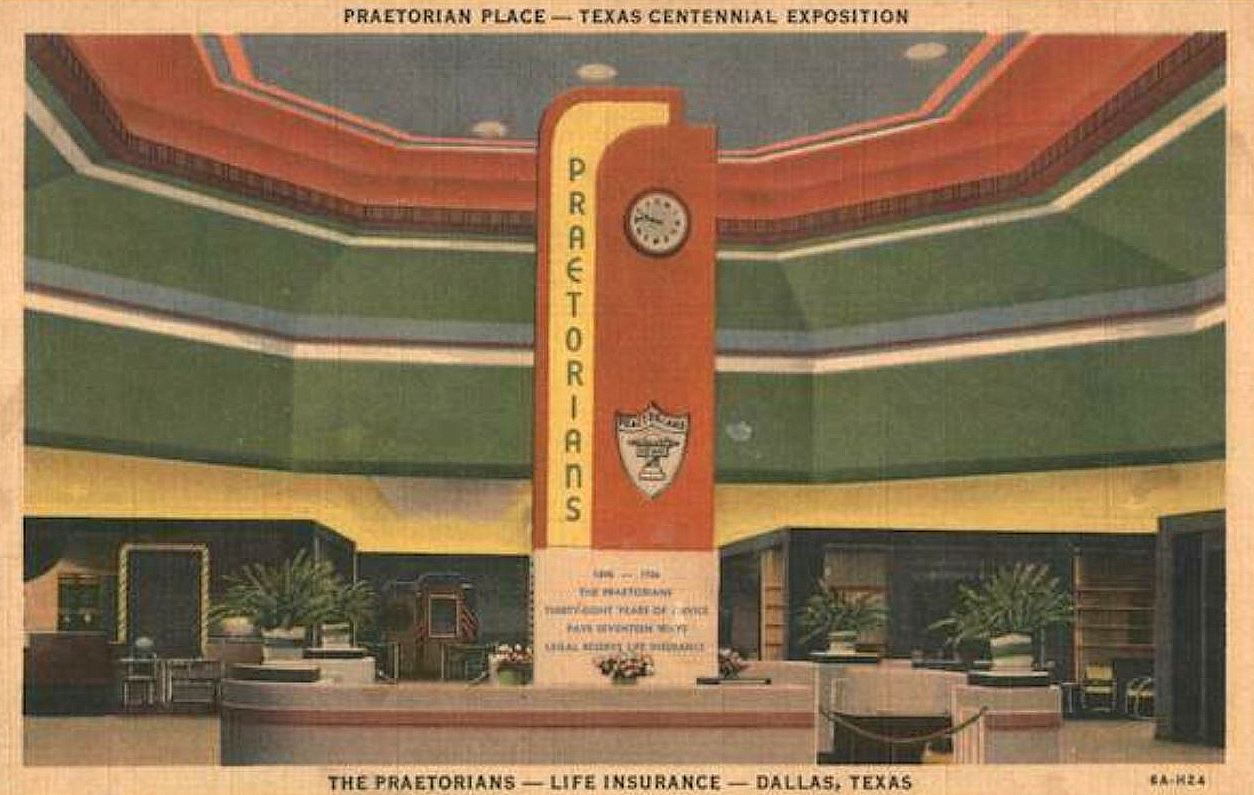
tx-centennial_praetorians_postcard_ebay

by Paula Bosse

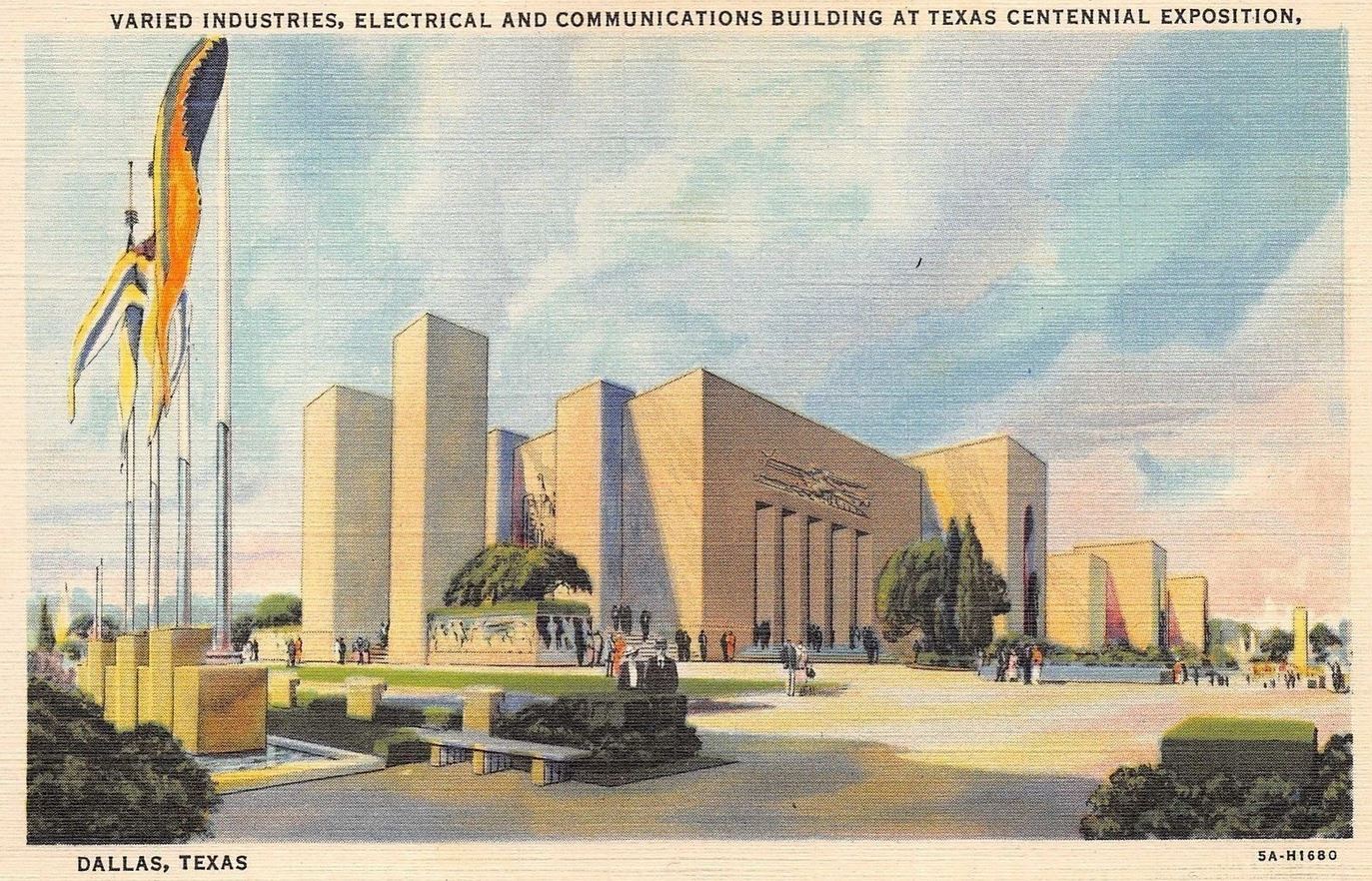
I’ve seen so many Dallas postcards that it’s always a little bit of a jolt when I see one I’ve never seen before, like the one above. The Praetorians Life Insurance exhibit was inside the Varied Industries building (below). So much is written about the architecture of Fair Park — but we don’t hear a lot about the interiors. I don’t think there are many color photos in existence. This is a colorized image, but the colors in real life were pretty vibrant. Even the floors were fantastic! One of my favorite “finds” was the ad at the top of the post “State Fair Coliseum/Centennial Administration Building/Women’s Museum/Women’s Building” — it’s a color photo (!) which shows glimpses of the interior, the furniture, and, best of all, the custom linoleum.

tx-centennial_varied-industries-bldg_postcard_pinterestvia Pinterest

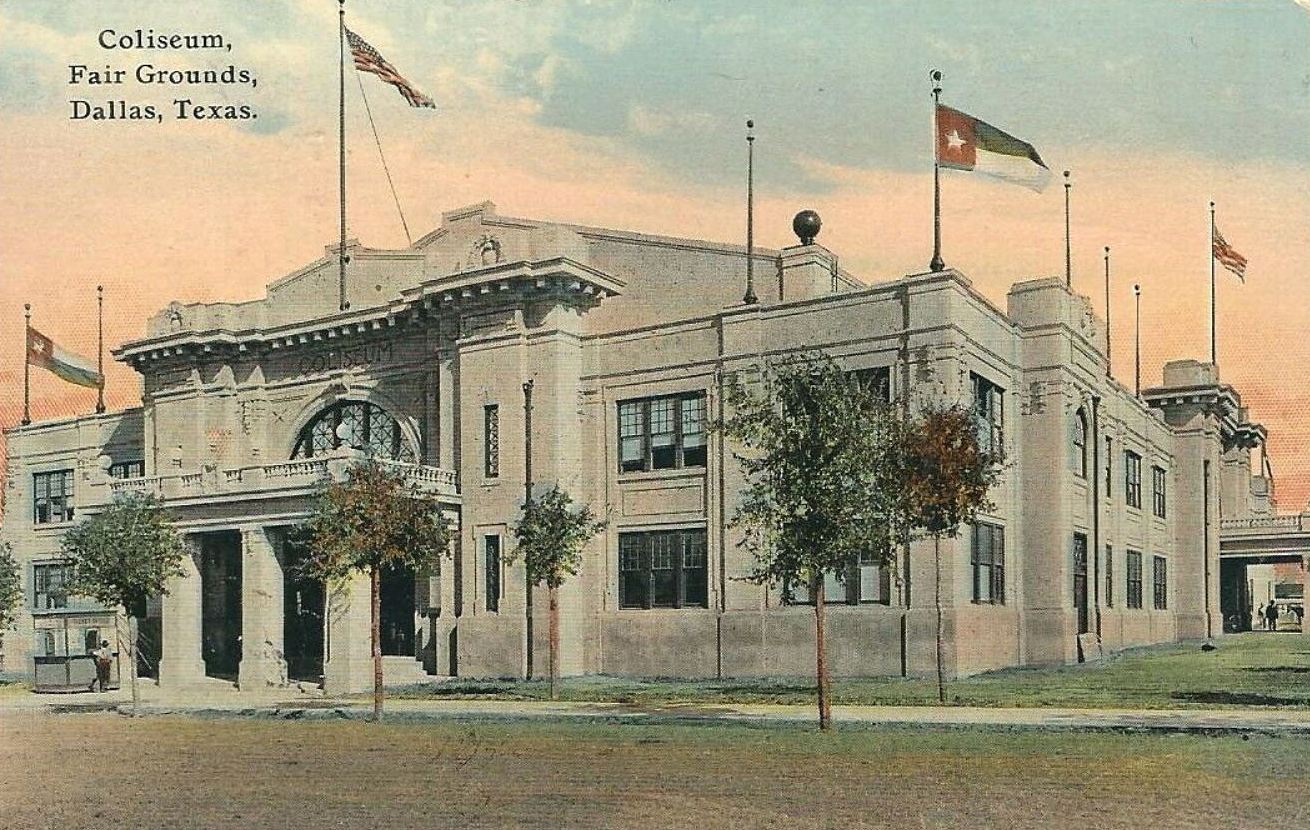
And speaking of the Fair Park Coliseum, this is a great postcard (with a 1911 postmark):

fair-park_coliseum_postcard_postmarked-1911_ebay

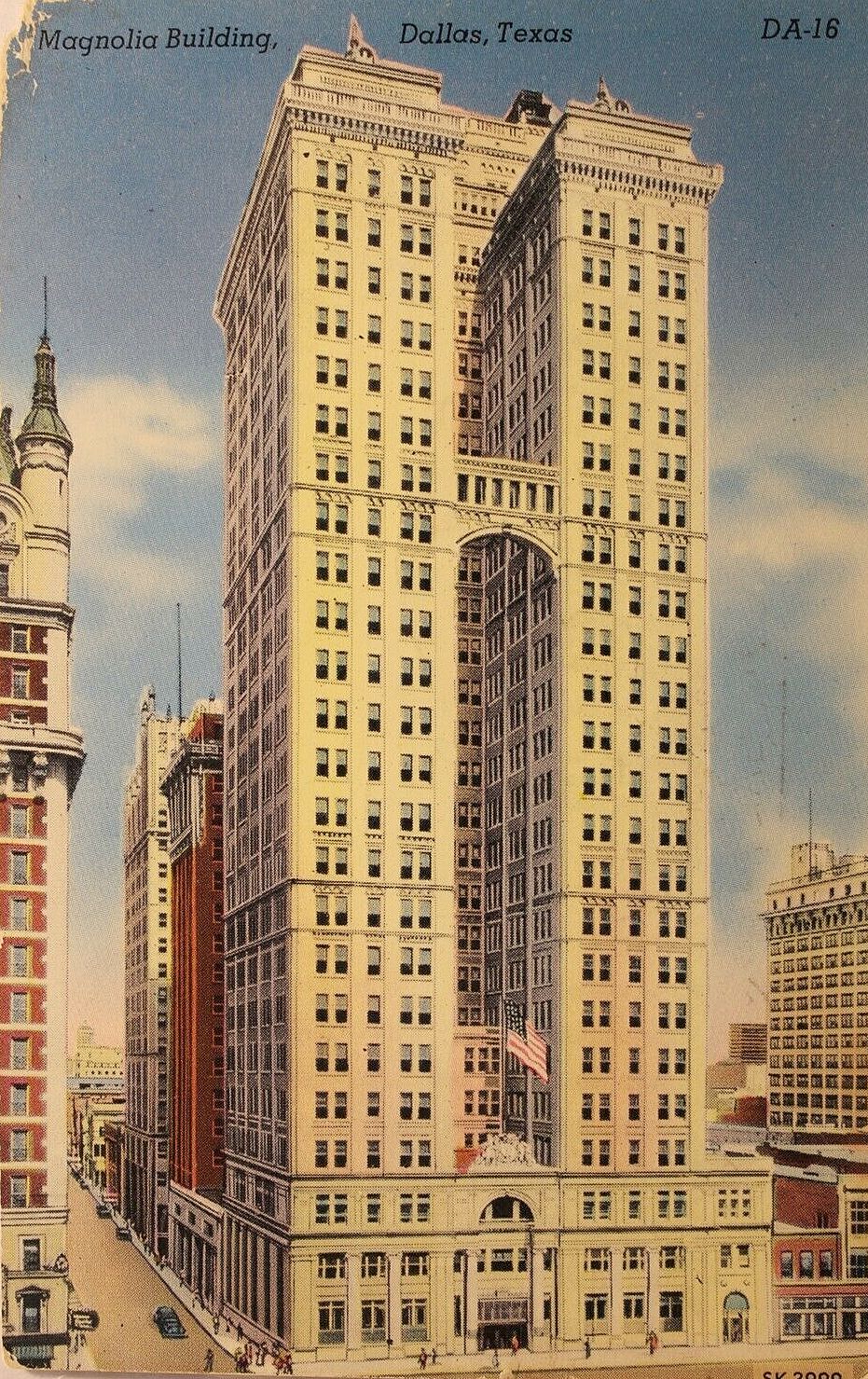
And here’s the Magnolia Building — it never gets old:

magnolia-bldg_postcard_postmarked-1955_eaby

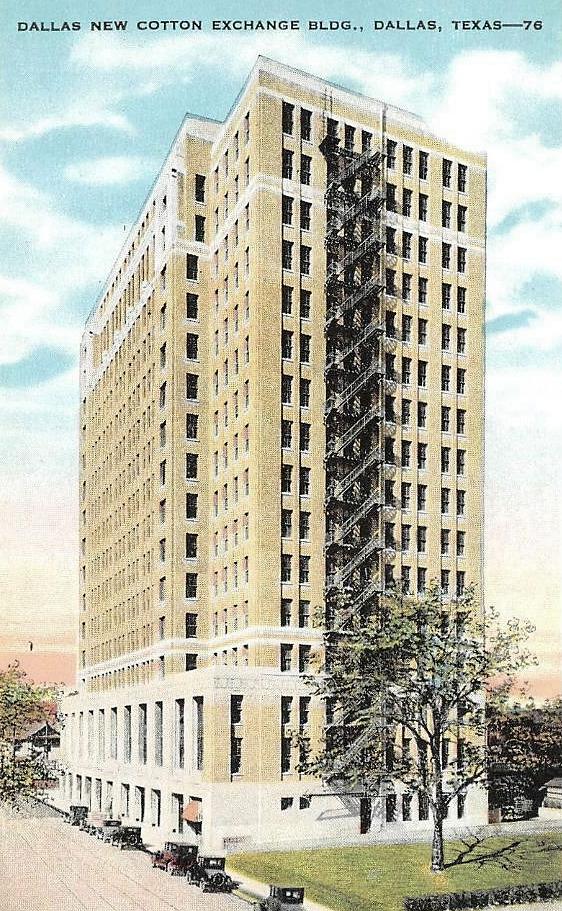
The “new” Cotton Exchange Building, at St. Paul and San Jacinto (I wrote about the old and new Cotton Exchange buildings here — scroll down to #4):

cotton-exchange_new_postcard_ebay

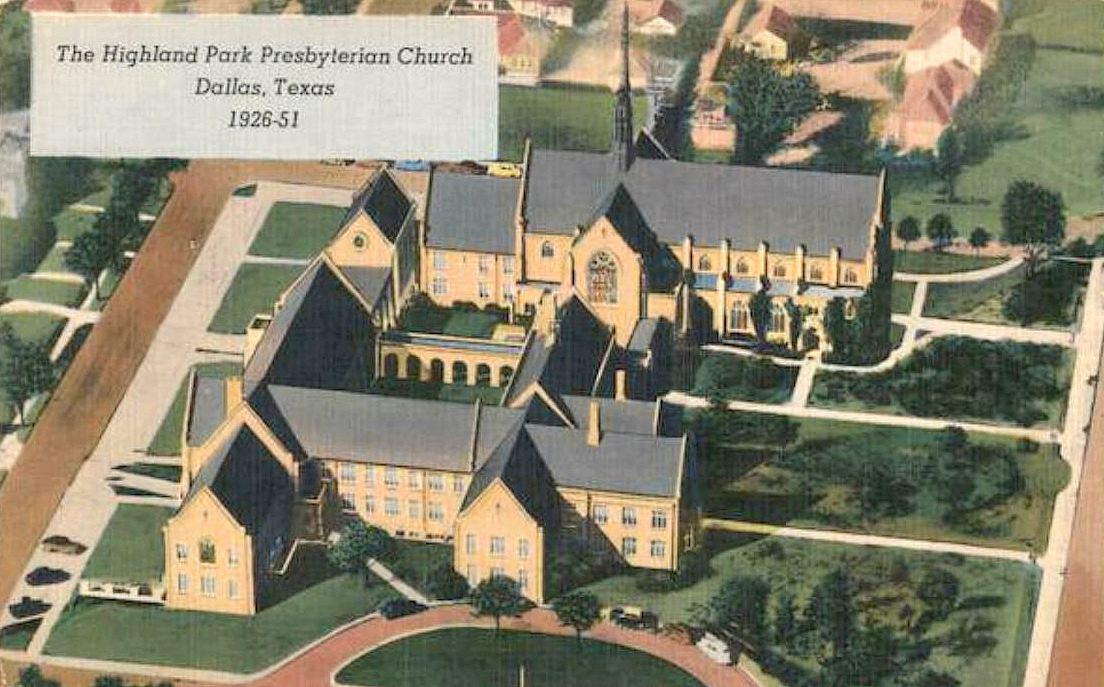
Highland Park Presbyterian Church (circa 1940s): 

highland-park-presbyterian-church_postcard_ebay

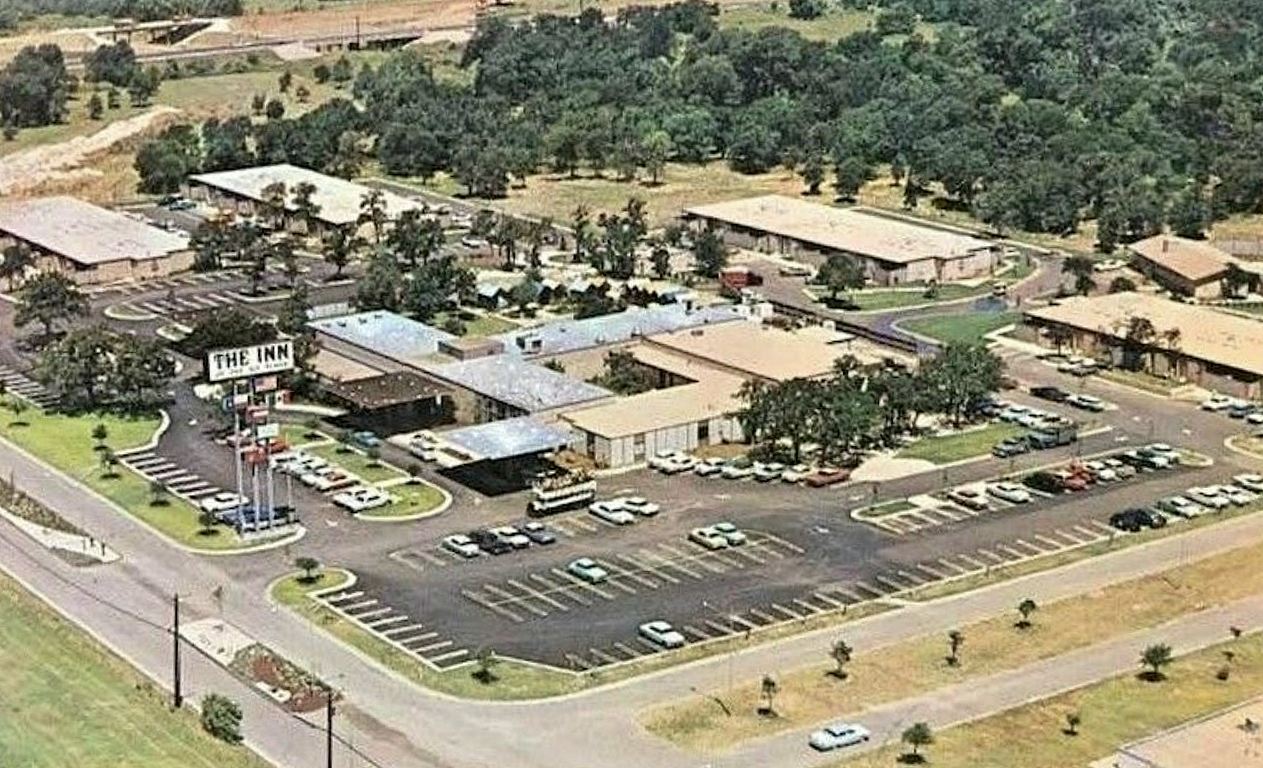
The Inn of the Six Flags — along the DFW turnpike in Arlington. I’d never seen this postcard — and the resolution is pretty bad — but I post this almost entirely to drink in that unbelievably pastoral view of 1960s Arlington.

inn-of-the-six-flags_postcard_ebay

Here’s another view:

inn-of-the-six-flags_pool_postcard_portal_dallas-heritage-villagevia Dallas Heritage Village

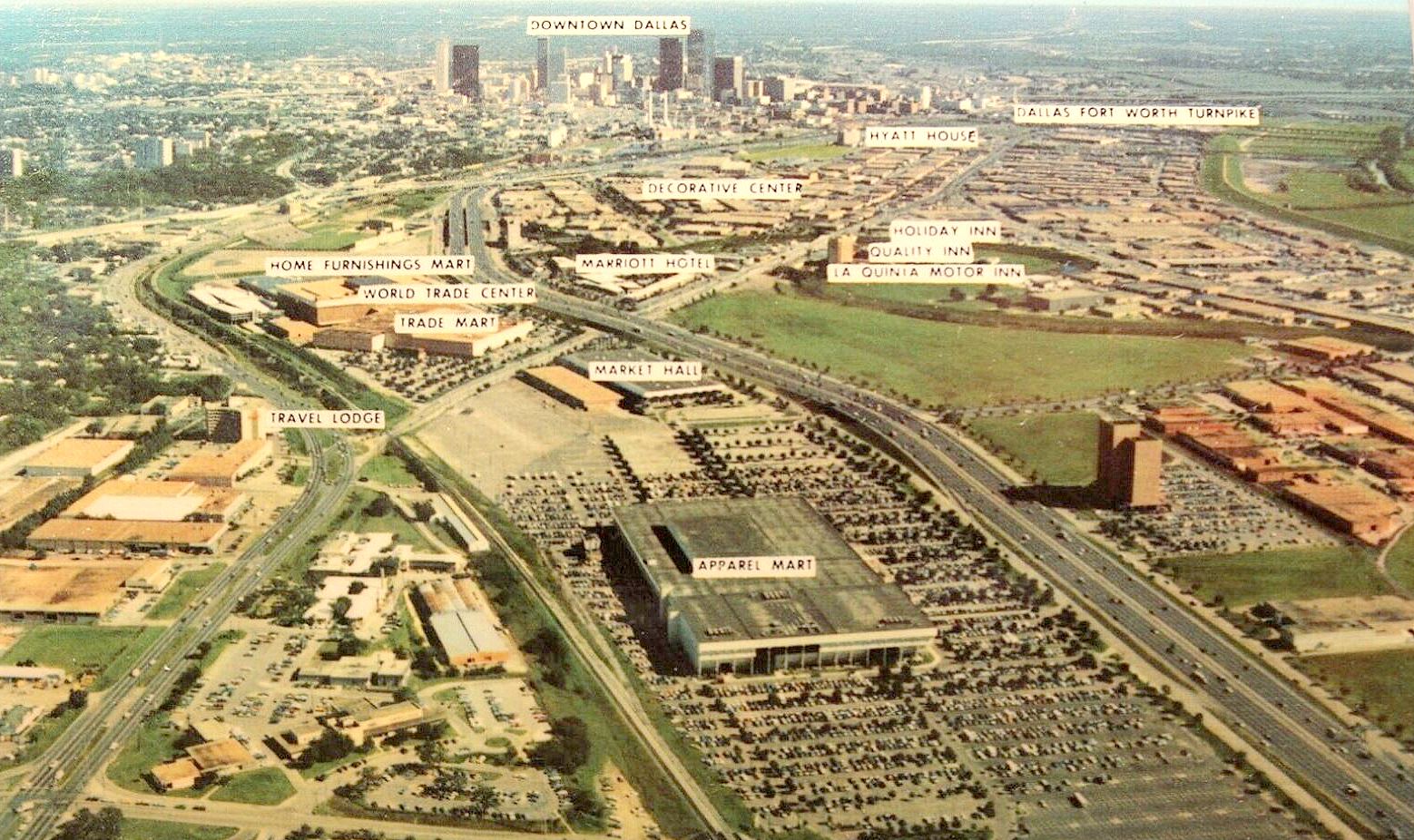
A bird’s-eye view of the Stemmons Corridor, with handy labels:

magnificent-big-d_postcard_ebay

And, lastly, a cool view of a cool skyline:

big-d_color_jack-saunders_ebay

***

Sources & Notes

Unless otherwise noted, all postcards found on eBay.

tx-centennial_praetorians_postcard_ebay_sm

*

Copyright © 2022 Paula Bosse. All Rights Reserved.
When SMU Theology Students Were Sprayed with Insecticide at a University Park Lunch-Counter Sit-In — 1961

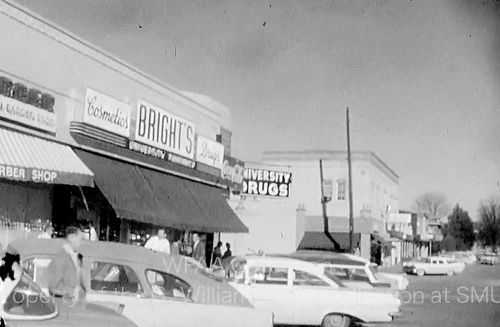
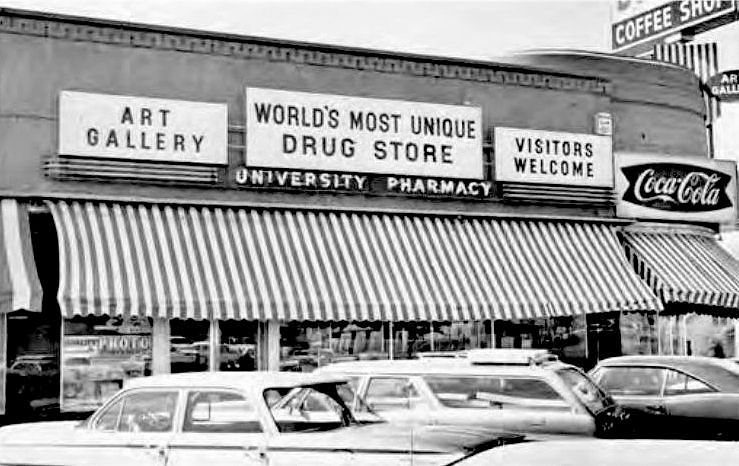
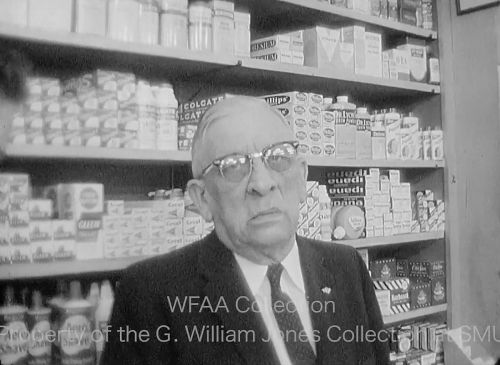
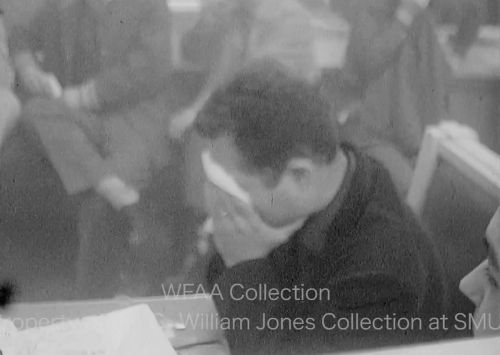
university-pharmacy-protest_WFAA_jan-1961_1Bright’s Drug Store, 6327 Hillcrest, University Park

by Paula Bosse

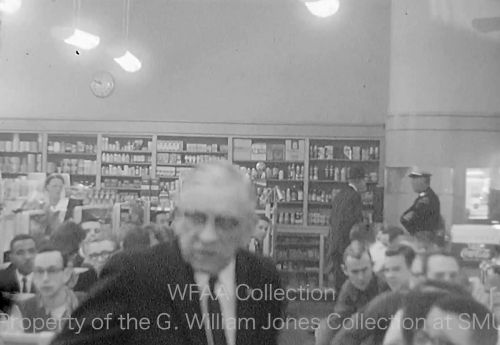
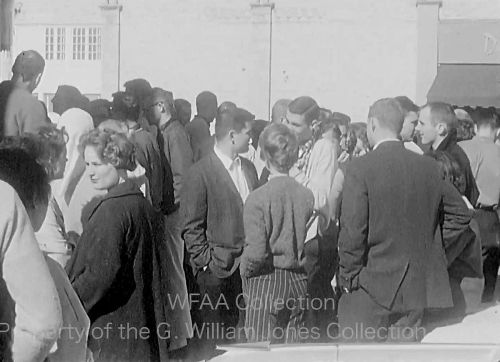
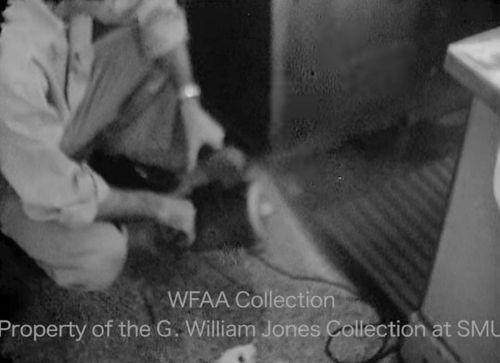
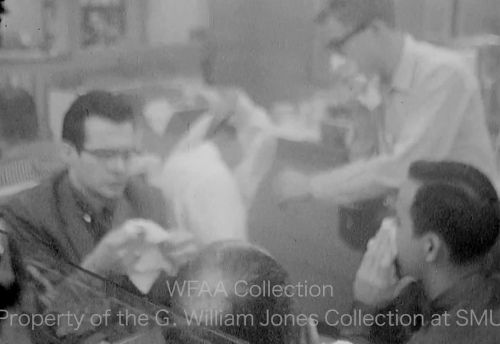
This week the G. William Jones Film & Video Collection at SMU posted another fantastic clip from their WFAA News archive on their YouTube channel. This one shows an incident I had heard about since I was a child. It shows a peaceful “sit-in” demonstration at the University Pharmacy at the southwest corner of Hillcrest and McFarlin, across from the SMU campus. The sit-in was organized by theology students at SMU’s Perkins School of Theology to protest the owner’s refusal to serve Black customers at his lunch counter. The student demonstration was conducted by a group of silent students — it was a peaceful protest without violence. Until, that is, the owner, pharmacist C. R. Bright, called in a fumigator to set off a cloud of insecticide inside the pharmacy in an extreme attempt to run off the protesters. The students did not leave until Bright closed the drug store. Many of the students then picketed in front of the business as anti-protester demonstrators showed up to heckle and jeer, some waving little Confederate flags handed out by Bright. My mother, who lived nearby at the time and had recently graduated from SMU (but was not a theology student) was there, and she says she can still feel the burn of that pesticide in her throat and says that no one present that day could believe a person would do what Bright did. (And she’s in it! She’s seen sitting at the counter, engulfed by a cloud of insecticide.)

Here is the silent clip from January 9, 1961 (the direct link on YouTube is here):


*

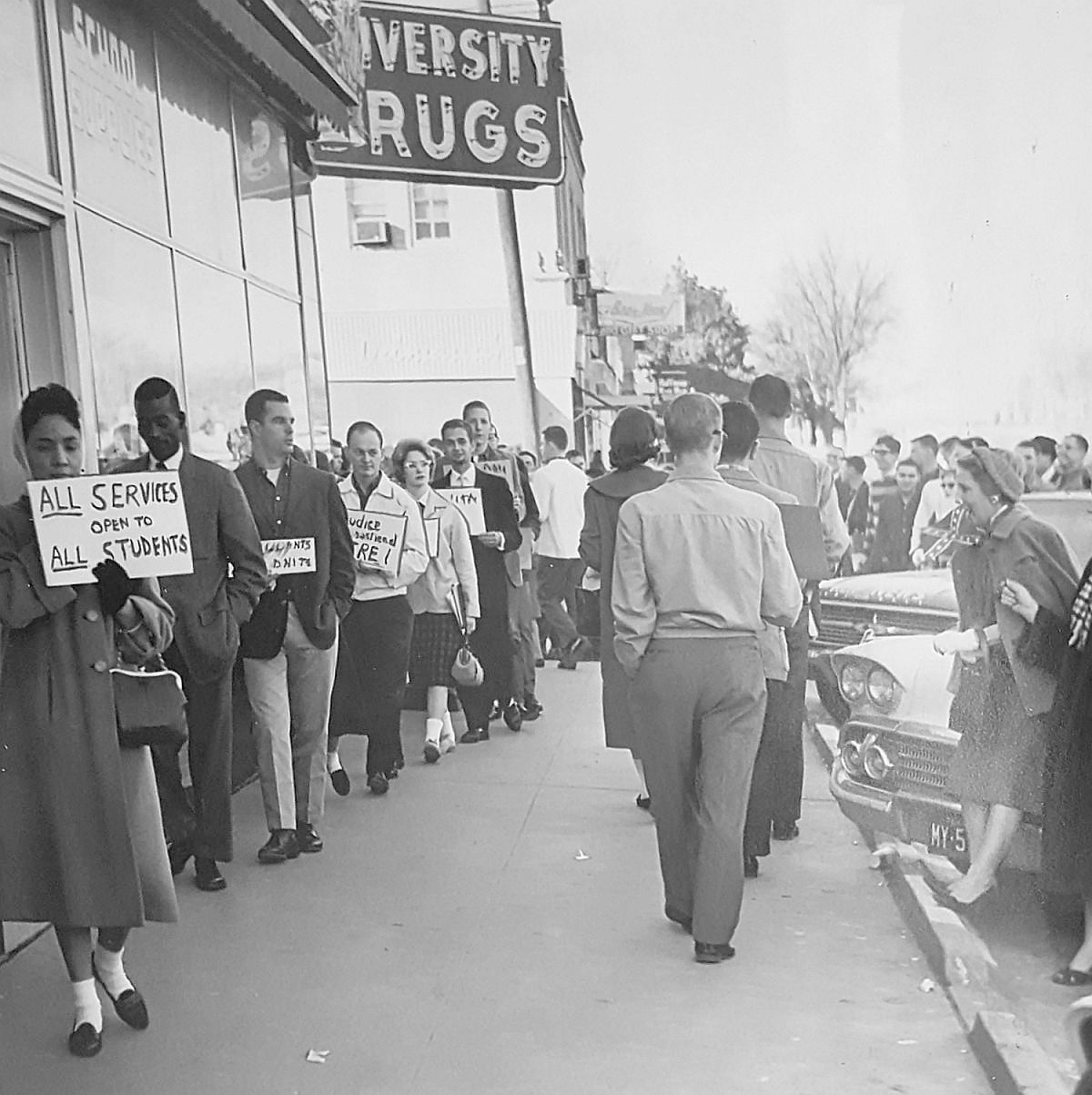
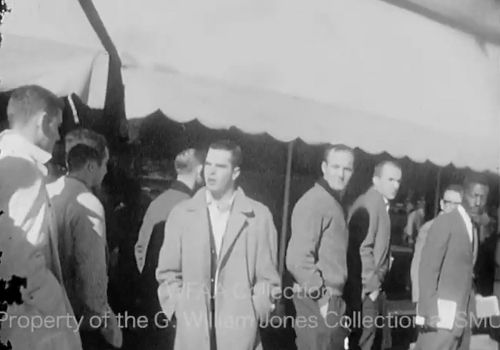
I took the photo below at an exhibit at the downtown Dallas Public Library in 2017. It shows the students outside the pharmacy as a crowd jeers at them.

university-drug-store_strike_DPL-exhibit_apr-2017via Dallas Public Library

In 1961, there were only 4 or 5 Black students attending SMU. Black students were allowed to attend only the theology and law schools — there were no Black undergraduates until 1962, when Paula Elaine Jones became the first African American full-time undergraduate student at SMU.

In 1961, African Americans were routinely refused service at white-owned establishments in Dallas (as they were in the rest of the Jim Crow South). The sit-in at the University Pharmacy was the result of a Black theology student being refused service at Bright’s lunch counter. There had been a small demonstration at the drug store a couple of nights before the one seen in the film above — it ended when Bright closed early. 

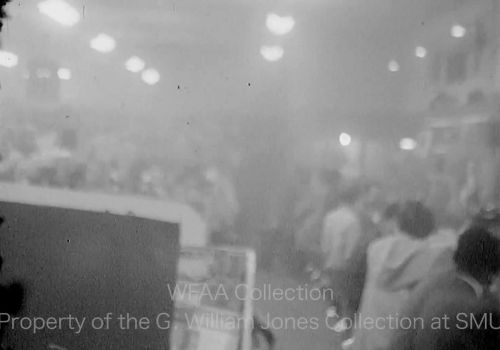
The sit-in that grabbed the headlines began around 10:00 on the morning of Monday, Jan. 9, 1961, when 60-75 SMU students, including Black theology students Earl Allen and Darnell Thomas, entered the drug store and sat silently at the counter and in booths. Allen and Darnell were refused service. In protest, the large group of students refused to leave. After about an hour, Bright was quoted by a WBAP news reporter as saying, “This is a good time to kill some cockroaches…” and called an exterminator service. When the exterminators arrived, they turned on fumigating machines inside the business, filling the place with clouds of kerosene-based insecticide which covered the students, the lunch counters, the dishes, the food, and the store’s merchandise. (Bright was a pharmacist, who was no doubt aware of potential physical harm this would cause.)

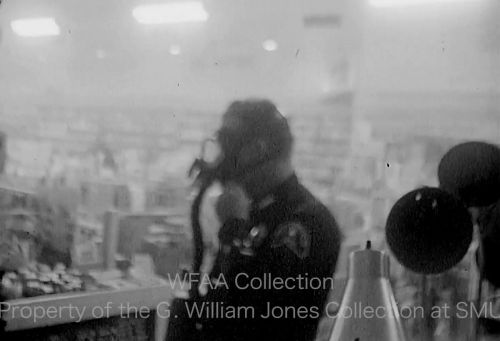
The students sat there, breathing through handkerchiefs and holding their ground, silent. A University Park policeman, Lt. John Ryan was there, but the police were not actively involved (although Ryan did have a handy gas mask). After half an hour, the students left when Bright closed the store. Bright re-opened an hour or two later (the lunch counter remained closed). Students silently picketed as hecklers jeered.

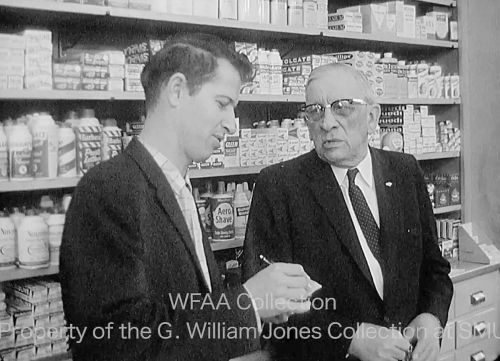
The SMU student newspaper — The SMU Campus — covered the sit-in. The article contained an unsurprising, unapologetic quote from the 75-year-old C. R. Bright: 

Bright steadfastly refuses to integrate his lunch counter. Says the drug store owner, “We are not serving them now and we’ll never serve them.” He continues to explain that it “is against my principle” and “I know it would wreck my business.” (The SMU Campus, Feb. 1, 1961)

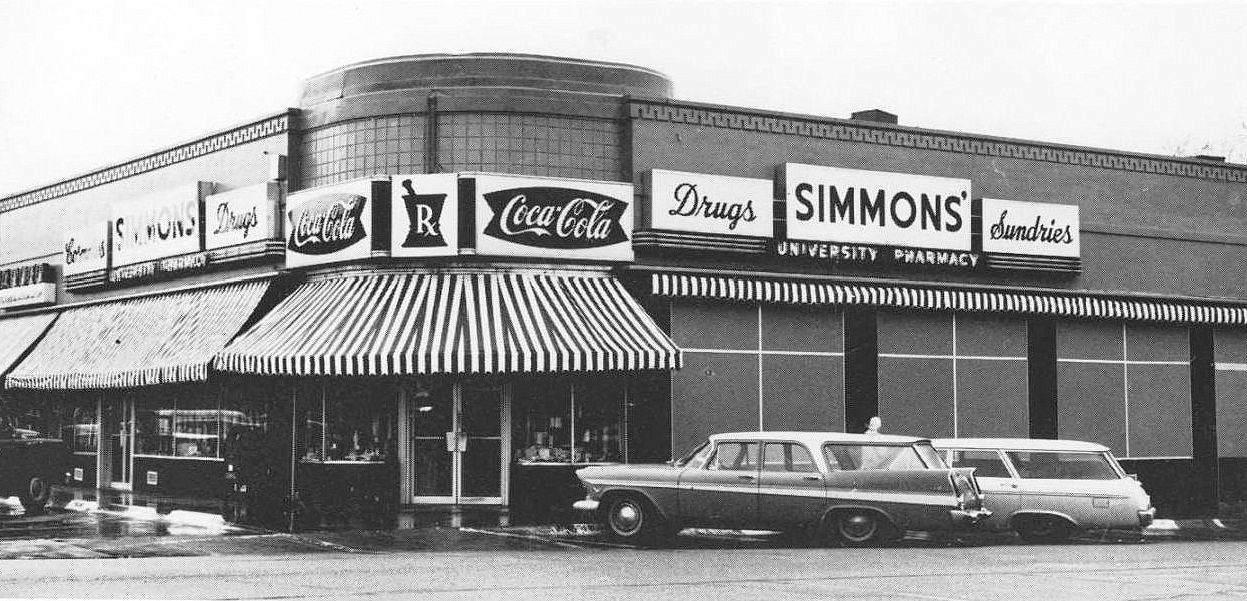
Bright retired soon after and sold the business to an up-and-coming young whippersnapper named Harold Simmons, who went on to build a multi-multi-multi-million-dollar empire from that first business investment.

university-drug-store_smu-archivesvia DeGolyer Library, SMU

university-pharmacy_smu-rotunda_1965via 1965 SMU Rotunda

*

university-pharmacy-protest_WFAA_jan-1961_2

university-pharmacy-protest_WFAA_jan-1961_3

university-pharmacy-protest_WFAA_jan-1961_4_c-r-bright

university-pharmacy-protest_WFAA_jan-1961_5_c-r-bright

university-pharmacy-protest_WFAA_jan-1961_6

university-pharmacy-protest_WFAA_jan-1961_7

university-pharmacy-protest_WFAA_jan-1961_8

university-pharmacy-protest_WFAA_jan-1961_9

university-pharmacy-protest_WFAA_jan-1961_10

university-pharmacy-protest_WFAA_jan-1961_11_UP-policeman

*

UPDATE, BURY THE LEDE DEPT: Thanks to comments by two readers, I have learned that Christopher R. Bright was the father of former Dallas Cowboys owner H. R. “Bum” Bright. Oh dear.

***

Sources & Notes

All screenshots are from WFAA news footage from the WFAA News Film Collection, G. William Jones Film & Video Collection, Hamon Arts Library, Southern Methodist University; the clip has been posted to the SMU Jones Film channel on YouTube here.

Read coverage of the sit-in (as well as a critical editorial which called the protest “immoral”) in the Feb. 1, 1961 edition of The SMU Campus, the student newspaper — it can be accessed on the SMU Libraries website here, or it can be read in a PDF I’ve made, here

Read a lively account of the sit-in in a WBAP-Channel 5 news script here (via the Portal to Texas History).

For those with access to the Dallas Morning News archives, the incident is covered in an article by Jim Lehrer: “Protesting Students Sit In, Walk Picket Line at Store” (DMN, Jan. 10, 1961). 

Another great clip showing a historical lunch-counter protest in Dallas (the city’s first, I believe) in April of 1960 is also available on the SMU Jones Film YouTube channel — it can be viewed here. Here is a description of what’s happening in the footage: “Rev. Ashton Jones, a white minister from Los Angeles, and Rev. T. D. R. V. Thompson, Black pastor of the New Jerusalem Institutional Missionary Baptist Church, 2100 Second Avenue, together visit segregated lunch counters in downtown Dallas department stores; the peaceful sit-in protests take place at the counters of the Kress Department Store, the H. L. Green Department Store, and the Tea Room of Sanger Bros. department store. This was the first publicized demonstration against Dallas’ segregated eating establishments, and several members of the media — both white and African American — are covering the historic event (Silent).”

Lastly, in a related Flashback Dallas post, there was a previous University Pharmacy which was located, at separate times, on the northwest and southwest corners of Hillcrest and McFarlin — the owner of the very first University Pharmacy built the Couch Building, which can be seen in the background of the top photo of this post. That earlier post, “University Park’s “Couch Building” Goes Up In Flames (1929-2016),” can be found here. A pertinent 1965 photo from that post which shows Simmons’ University Pharmacy, the Couch Building, and the Toddle House (which was also the site of a 1961 sit-in by SMU students) can be seen here.

university-pharmacy-protest_WFAA_jan-1961_1_sm

*

Copyright © 2022 Paula Bosse. All Rights Reserved.
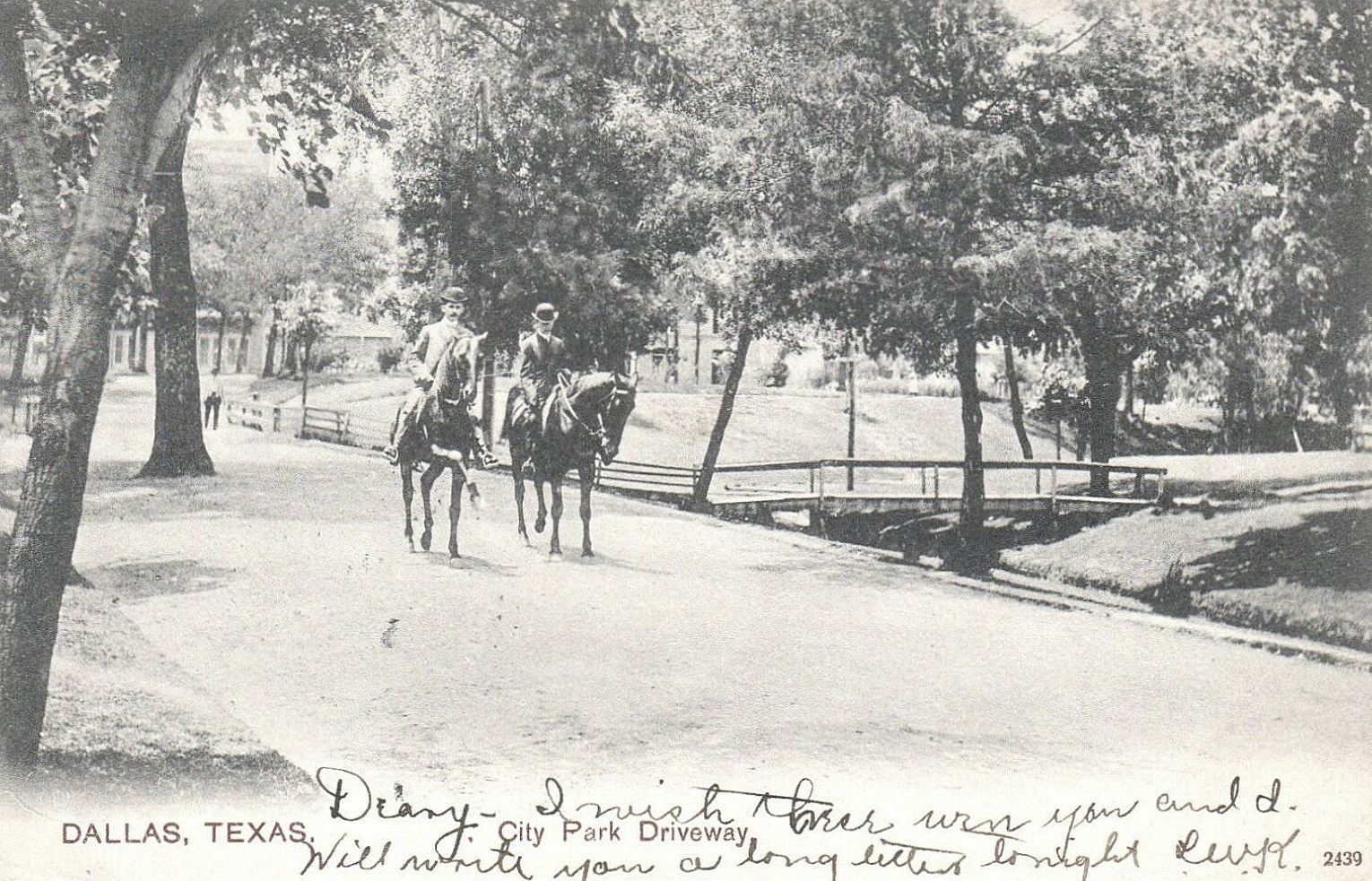
Two Men, Two Steeds, Two Derbies: A Nice Ride Through City Park — 1907

city-park_horseback_postcard_1907_a

by Paula Bosse

Out for a leisurely ride through the park. Have derby, will travel. 

***

Sources & Notes

This real-photo postcard from January, 1907 was addressed to 19-year-old Gussie Holland, then studying in Maryland. Gussie was the daughter of the Dallas publisher and former mayor, Franklin Pierce Holland. Found on eBay.

city-park_horseback_postcard_1907_a_sm

*

Copyright © 2022 Paula Bosse. All Rights Reserved.
Dallas Entertainment Awards — 1961

dallas-entertainment-awards_1961_cover_SMUAnd the winner is…

by Paula Bosse

Here’s an interesting piece of Dallas entertainment history: a program for the 1961 Dallas Entertainment Awards, held in the Century Room, the swanky nightclub in the Adolphus Hotel. The awards were nicknamed “the Billy award,” or “the Billys.” Dresscode: “semi-formal.” Here are a few highlights.

*

BEST RADIO PERSONALITY

Nominees are: Nick Ramsey (KVIL), Ted Cassidy (“Profile of an Orchestra,” WFAA), Meg Healy (KIXL), Hugh Lampman (“Music ’til Dawn,” KRLD — the previous year’s winner), Irving Harrigan & Tom Murphy (“Murphy and Harrigan Show,” KLIF), Jim Lowe (WRR), and Chem Terry (KRLD). 

So – Ted Cassidy? Yes, that is the same Ted Cassidy who later played “Lurch” on TV in The Addams Family (he also played “Thing”). He worked for WFAA radio for a few years and is a trivia answer in JFK-related quizzes regarding Dallas media coverage of the assassination.

cassidy-ted_dallas-entertainment-awards_1961_SMU_bw

*

BEST MALE VOCALIST

Nominees are: Mark Carroll, Marty Ross, Earl Humphreys (the previous year’s winner), Skip Fletcher, Charlie Applewhite, Ron Shipman, and Trini Lopez.

Skip Fletcher? Yes, a member of those Fletchers. When he wasn’t frying up corny dogs he did a little singing, and even released at least one 45.

fletcher-skip_dallas-entertainment-awards_1961_SMU_bw

*

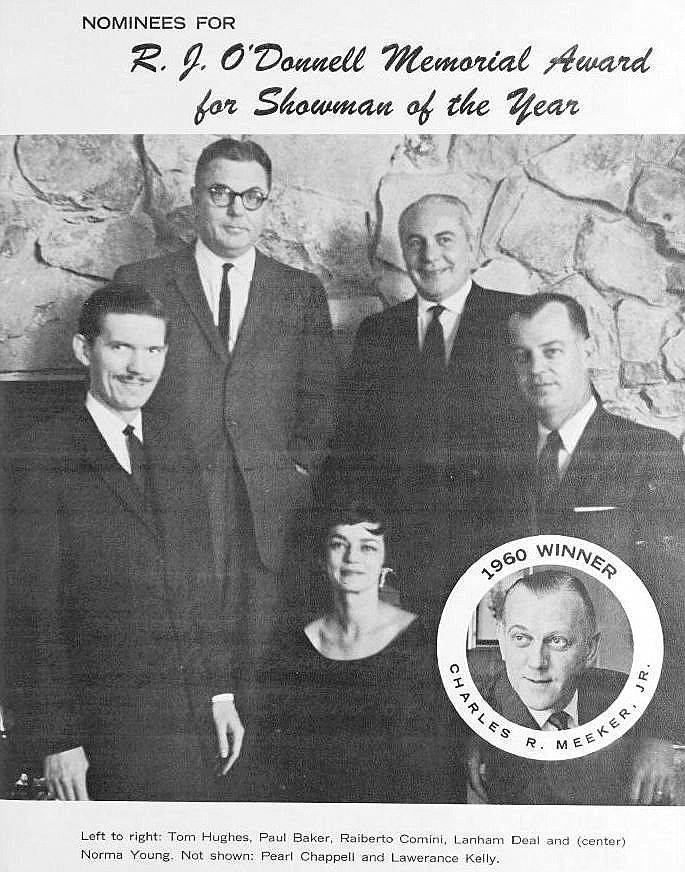
R. J. O’DONNELL MEMORIAL AWARD FOR SHOWMAN OF THE YEAR

Nominees are: Tom Hughes, Paul Baker, Raiberto Comini, Lanham Deal, Norma Young, Pearl Chappell, and Lawrence Kelly. (The previous year’s winner was Charles R. Meeker Jr.) A few names there which should be familiar to aficionados of Dallas live theater.

hughes-tom_paul-baker_raiberto-comini_lanham-deal_norma-young_charles-meeker_dallas-entertainment-awards_1961_SMU_bw

*

Producers of the event were Breck Wall and Joe Peterson, creators of the naughty “Bottoms Up” revue, which is probably still running somewhere. Some biographical information on the pair (click for larger image):

wall-breck_joe-peterson_dallas-entertainment-awards_1961_SMU_bw

*

Master of Ceremonies was Tony Zoppi, who wrote a column about the local nightclub scene for The Dallas Morning News. Whenever I read his old columns, I think that he must have had the BEST job in town — writing about the Dallas nightlife scene when it was at its sophisticated and sometimes seedy Mad Men-era apex.

zoppi-tony_dallas-entertainment-awards_1961_SMU_bw

*

And — a bit of a change of pace — a little bio of real estate titan Leo Corrigan, who owned the Adolphus, where the show was being held — he was, unsurprisingly, receiving an “Appreciation Award.”

corrigan-leo_dallas-entertainment-awards_1961_SMU_bw

*

And a couple of drawings of Dallas entertainment notables: Pappy Dolson, owner of Pappy’s Showland and legendary agent of strippers, and Joe Reichman, the leader of the Century Room orchestra who was billed as “the Pagliacci of the piano.”

pappy_pappys_dallas-entertainment-awards_1961_SMU

reichman-joe_dallas-entertainment-awards_1961_SMU

*

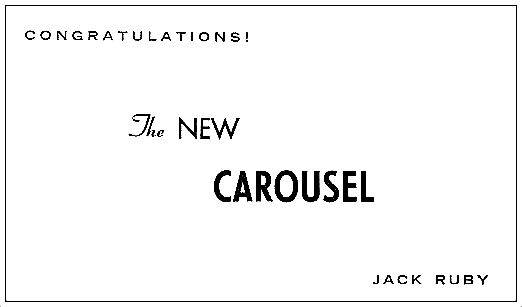
A few interesting ads include a little “howdy” from Jack Ruby (who was well known to several of the people mentioned above, some of whom testified to the Warren Commission about their relationships with him). 

ruby-jack_new-carousel_dallas-entertainment-awards_1961_SMU

An ad for Villa Fontana, a gay club, formerly known as Le Boeuf Sur Le Toit (The Bull on the Roof), then managed by Bob Strange. Gay clubs were illegal at the time, so you didn’t see a lot of ads for them. (I wrote an article for Central Track about some of the gay clubs in Dallas in the early ’70s — with photos — here.)

villa-fontana_gay-cllub_dallas-entertainment-awards_1961_SMU

And, the 24-hour greasy spoon known to generations of Dallasites, Oak Lawn’s Lucas B & B.

lucas-b-and-b_dallas-entertainment-awards_1961_SMU_bw

Here’s the photo enlarged. Unless something earth-shattering has happened that I don’t know about, that great sign is still standing on Oak Lawn near Lemmon, long after the restaurant closed.

lucas-b-and-b_dallas-entertainment-awards_1961_SMU_det

*

See the rest of the 44-page program — lots more photos, lots more nominees — in a PDF from the DeGolyer Library at SMU, here.

***

Sources & Notes

All images are from “Dallas Entertainment Awards — 1961,” from the Diane Wisdom Papers, Archives of Women of the Southwest, DeGolyer Library, SMU Libraries; more information and a link to the fully-scanned program is here.

dallas-entertainment-awards_1961_cover_SMU_sm

*

Copyright © 2022 Paula Bosse. All Rights Reserved.
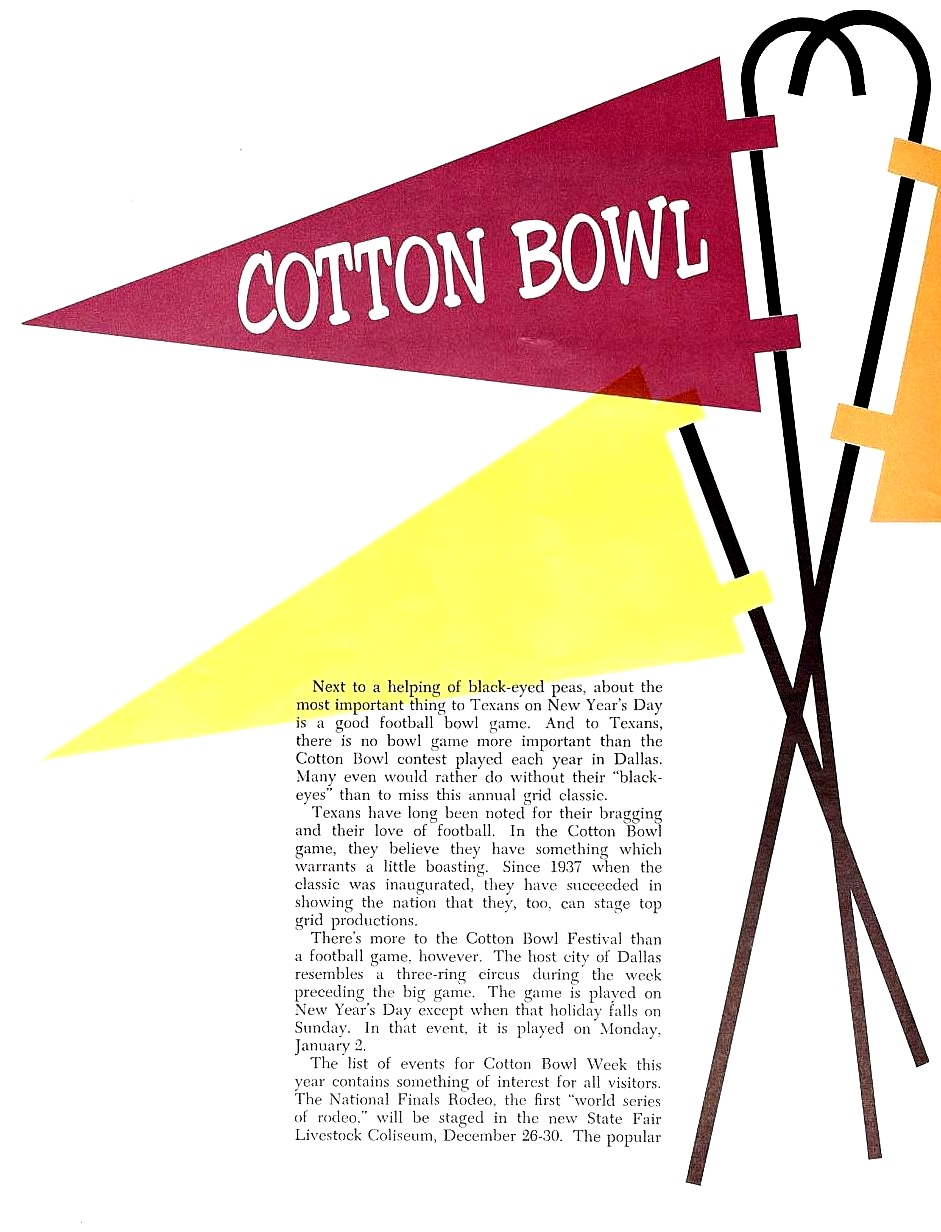
New Year’s Day in Dallas: Black-Eyed Peas and the Cotton Bowl Classic — 1960

new-years-day_cotton-bowl_football_shamrock-magazine_1959

by Paula Bosse

HAPPY NEW YEAR!

What better time to share this seasonal article from the Christmas, 1959 edition of The Shamrock:

Next to a helping of black-eyed peas, about the most important thing to Texans on New Year’s Day is a good football bowl game. And to Texans, there is no bowl game more important than the Cotton Bowl contest played each year in Dallas. Many even would rather do without their “black-eyes” than to miss this annual grid classic. 

Texans have long been noted for their bragging and their love of football. In the Cotton Bowl game, they believe they have something which warrants a little boasting. Since 1937 when the classic was inaugurated, they have succeeded in showing the nation that they, too, can stage top grid productions.

There’s more to the Cotton Bowl Festival than a football game, however. The host city of Dallas resembles a three-ring circus during the week preceding the big game. The game is played on New Year’s Day except when that holiday falls on Sunday. In that event, it is played on Monday, January 2.

The list of events for Cotton Bowl Week this year contains something of interest for all visitors. The National Finals Rodeo, the first “world series of rodeo,” will be staged in the new State Fair Livestock Coliseum, December 26-30. The popular Broadway production, “My Fair Lady,” will be presented by the national company of the show in the State Fair Music Hall all during the week.

There will be a fashion show for the ladies and the Texas sportwriters will sponsor the annual Texas Sports Hall of Fame luncheon, honoring great athletes and coaches of the past. There will also be college and high school basketball tournaments, a tennis tournament, and a bowling tournament. 

The big event prior to the game will come on New Year’s Eve with the annual Cotton Bowl Festival parade through downtown Dallas. Bands will play, colorful floats will be displayed and the Cotton Bowl Queen will make an official appearance, along with the many princesses representing each school in the Southwest Conference. 

The Cotton Bowl game was conceived and originally promoted as a private enterprise by J. Curtis Sanford, a Dallas businessman. The first game was played on January 1, 1937, and featured Texas Christian University and Marquette University. TCU, with L. D. Meyer scoring two touchdowns, a field goal and a conversion, defeated Marquette, 16 – 6. 

The classic eventually became a Dallas civic enterprise, produced under the auspices of the Cotton Bowl Athletic Association. The CBAA later became an agency of the Southwest Athletic Conference. Thus the Southwest Conference sponsors and controls the event, making it unique among all post-season games. The Conference voted in 1942 to send its championship team to the Cotton Bowl game as hosts. The opposition is chosen from the top teams in the nation. 

The Cotton Bowl Stadium has a seating capacity of 75,504 fans. At $5.50 a seat, that represents close to half a million dollars in receipts. Each competing team receives 39 per cent of the gate with seven per cent earmarked to be paid toward retiring the bonded indebtedness on the Cotton Bowl Stadium. The remaining 22 per cent goes to the Cotton Bowl Athletic Association. After paying the expenses for the year, the Association gives the remainder of its income to the Southwest Conference. 

Thus each team in the eight-school league realizes a financial assistance from the annual classic. 

A helping of black-eyed peas and a serving of Cotton Bowl football are two items most Southwesterners like on their New Year’s Day menu.

new-years-day_cotton-bowl_football_shamrock-magazine_1959_b***

Sources & Notes

This article is from the Christmas, 1959 edition of The Shamrock, the quarterly publication of the Shamrock Oil and Gas Corporation; this magazine is part of the Southwest Collection, Special Collections Library, Texas Tech University — the entire issue has been scanned and may be viewed as a PDF here.

new-years-day_cotton-bowl_football_shamrock-magazine_1959_sm

*

Copyright © 2022 Paula Bosse. All Rights Reserved.
Year-End List: Most Popular Posts of 2021

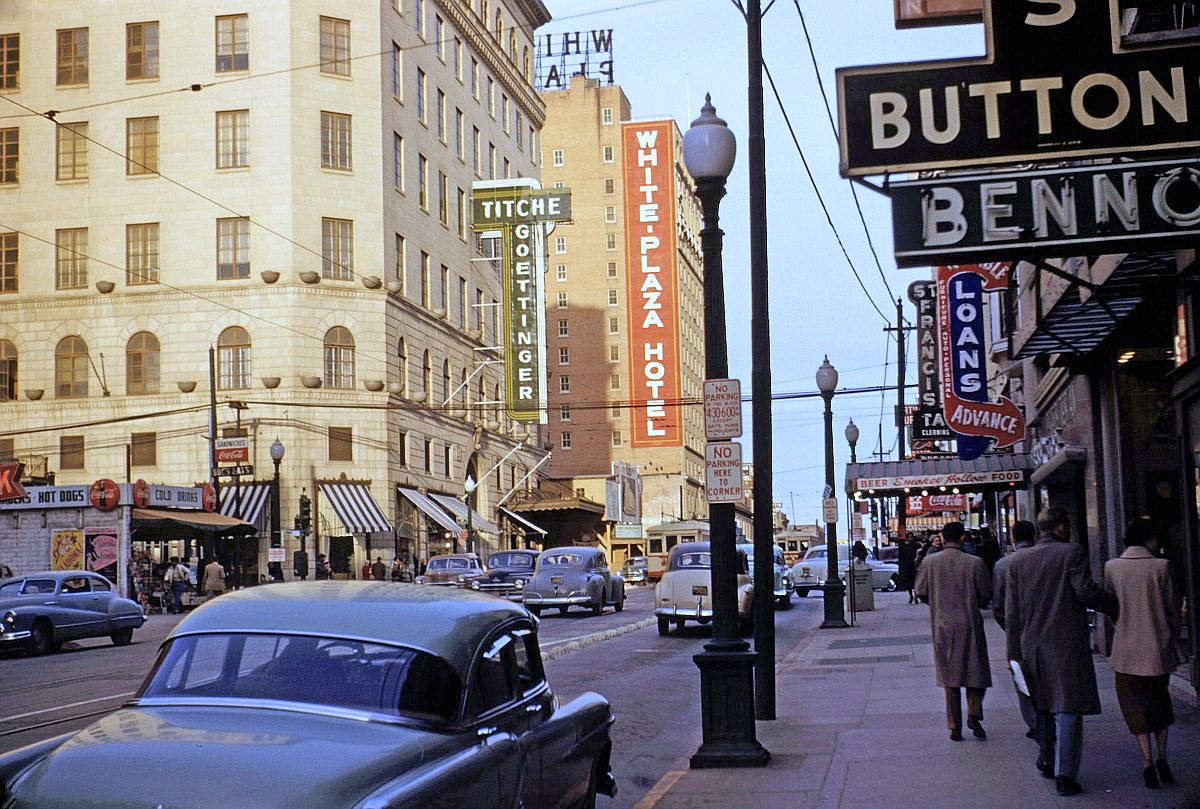
kodachrome_main_1950_noah-jeppsonMain St., just west of St. Paul, 1950 (photo via Noah Jeppson)

by Paula Bosse

Here we are at the end of another year. Adios, 2021 — I can’t say I’ll miss you. Another year dominated by an inescapable global pandemic, another year of angst and frustration. My output has been fairly paltry this year, but whenever I was able to spend some time working on this blog, I always felt a weird sense of relief — it is someplace I enjoy escaping to, if only for a short while. As always, I appreciate everyone who stops by and takes the time to read. Thank you for your virtual friendship! Fingers are crossed that 2022 won’t continue to be so grueling. 

My final post of 2021 contains the year’s Most Popular Posts, determined by page-views, clicks, likes, shares, etc. Here are the most-read Flashback Dallas posts of 2021, starting with the most popular. To see each full post, click on the title; to see larger images of the thumbnails, click on the picture.

**

kodachrome_commerce-lamar_trolleydodger_twitter

1.  “DOWNTOWN DALLAS IN COLOR — 1940s & 1950s” (August)

This post was so popular it left all the others in the dust. As much as I love black-and-white photographs, color-saturated photos bring both an immediacy as well as a sort of exoticism to 70- or 80-year-old street scenes of downtown Dallas. I love these photos, and, frankly, I would have been surprised if another post could have managed to surpass it in popularity. 

*

coffee-linda_WFAA_SMU_june-19702.  “LINDA COFFEE, THE DALLAS ATTORNEY WHO TOOK ROE v. WADE TO THE U.S. SUPREME COURT” (September)

Seeing 27-year-old Dallas attorney Linda Coffee in a WFAA-Channel 8 News interview from 1970 a few months ago made a huge impression on me. She had already been working on the local Roe v. Wade case for several months, and she was being interviewed following her first big win in the long journey which would eventually take her and her co-counsel Sarah Weddington to the United States Supreme Court where they successfully argued that women have the constitutional right to decide whether they want to have a baby or terminate a pregnancy. This cataclysmic court decision had a profound impact on women’s rights and on American social culture. The current “revisiting” of the issue to the Supreme Court is no doubt what has helped propel this post to the rank of second-most-popular post of the year. Linda Coffee should be better known. I hope this post introduces her to more people.

*

dfw-airport_construction_gifford-hill-ad_1973_ebay_photo3.  “DFW AIRPORT, Phase I — 1973” (July)

This one kind of came out of left field. I’m not sure why there was such a big response to this post which contained ads touting the impending arrival of the massive new airport, but I have to say, I’m a big fan of the photo used by the Gifford-Hill company showing unpaved roads and big heaps of dirt which would one day be magically transformed into Dallas-Fort Worth International Airport.

*

xmas_northpark_trees_1971_instagram

4.  “CHRISTMAS AT NORTHPARK — 1970s” (December)

I just posted this a week ago, and, wow. I knew people loved the NorthPark of their childhood, but I was still a little surprised at the sheer number of hits this post got. Thank you, Raymond Nasher!

*

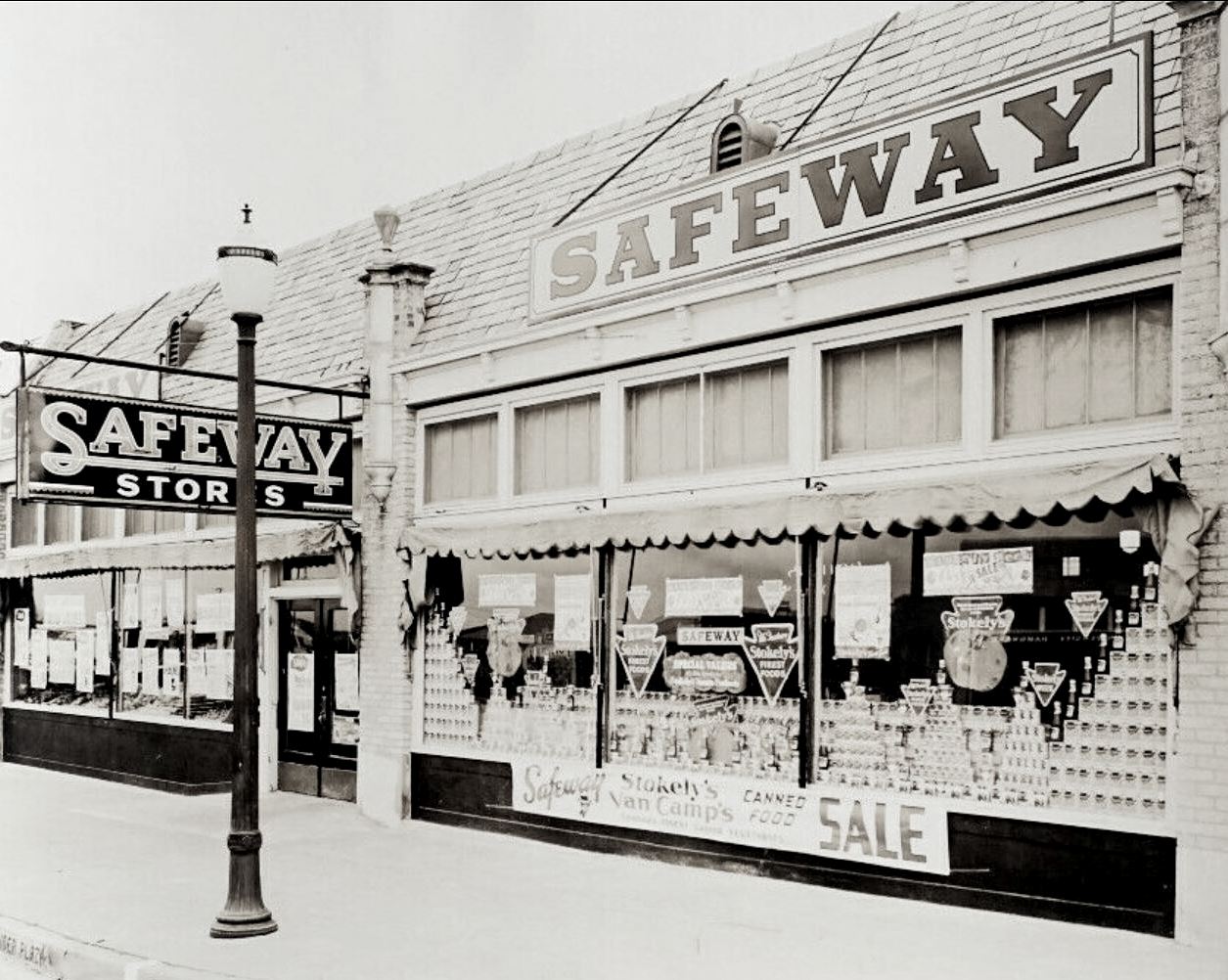
snider-plaza_safeway_ebay_15.  “SNIDER PLAZA SAFEWAY: HILLCREST & LOVERS — 1930s” (June)

Snider Plaza appears several times in this year’s “best of” lists. The University Park shopping area seems to hold as much of a special place in Flashback Dallas readers’ hearts as it does it mine.

*

ursuline_1921-yrbk_east-view

6.  “URSULINE ACADEMY — 1921” (January)

This post is filled with photos from the 1929 yearbook of Ursuline Academy, back when it was still a prominent landmark of Old East Dallas. Imagine if we could have saved that amazing building….

*

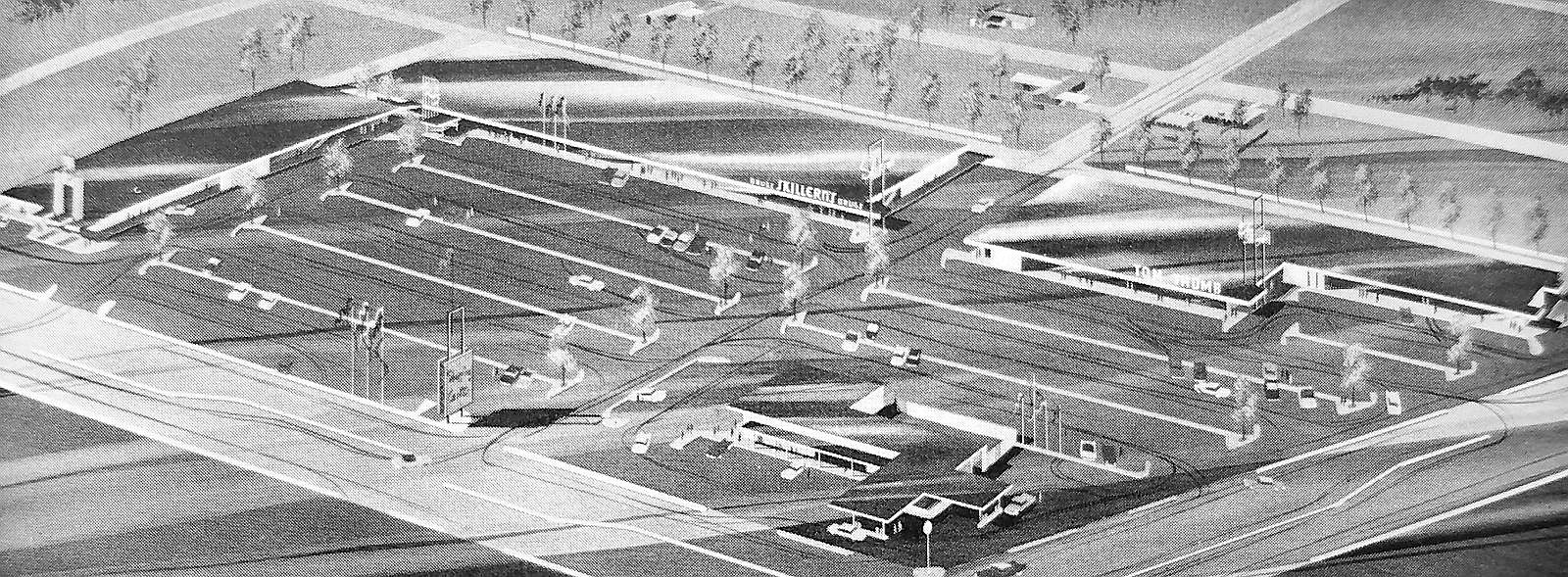
casa-view-village-shopping-center_dallas-mag_april-1955

7.  “CASA VIEW HILLS/CASA VIEW VILLAGE — 1955” (August)

Who knew architectural schematics of strip shopping malls (which, are, let’s face it, mostly parking lot…) would be so popular? People love their funky Casa View.

*

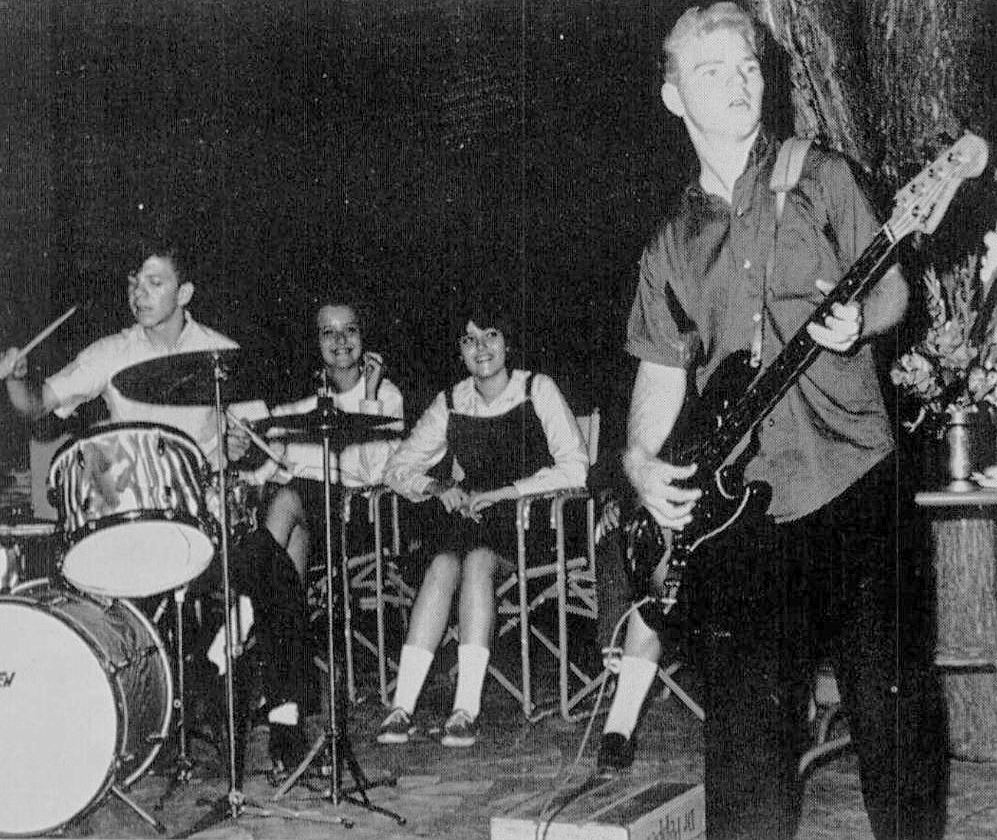
zz-top_dusty-hill_woodrow-wilson_1965-yrbk

8.  “DUSTY HILL, 1949-2021” (July)

The Dallas-born-and-reared member of ZZ Top, Dusty Hill, died this year. This post contains photos of the young musician from the pages of the 1965 Woodrow Wilson High School yearbook. RIP, Dusty.

*

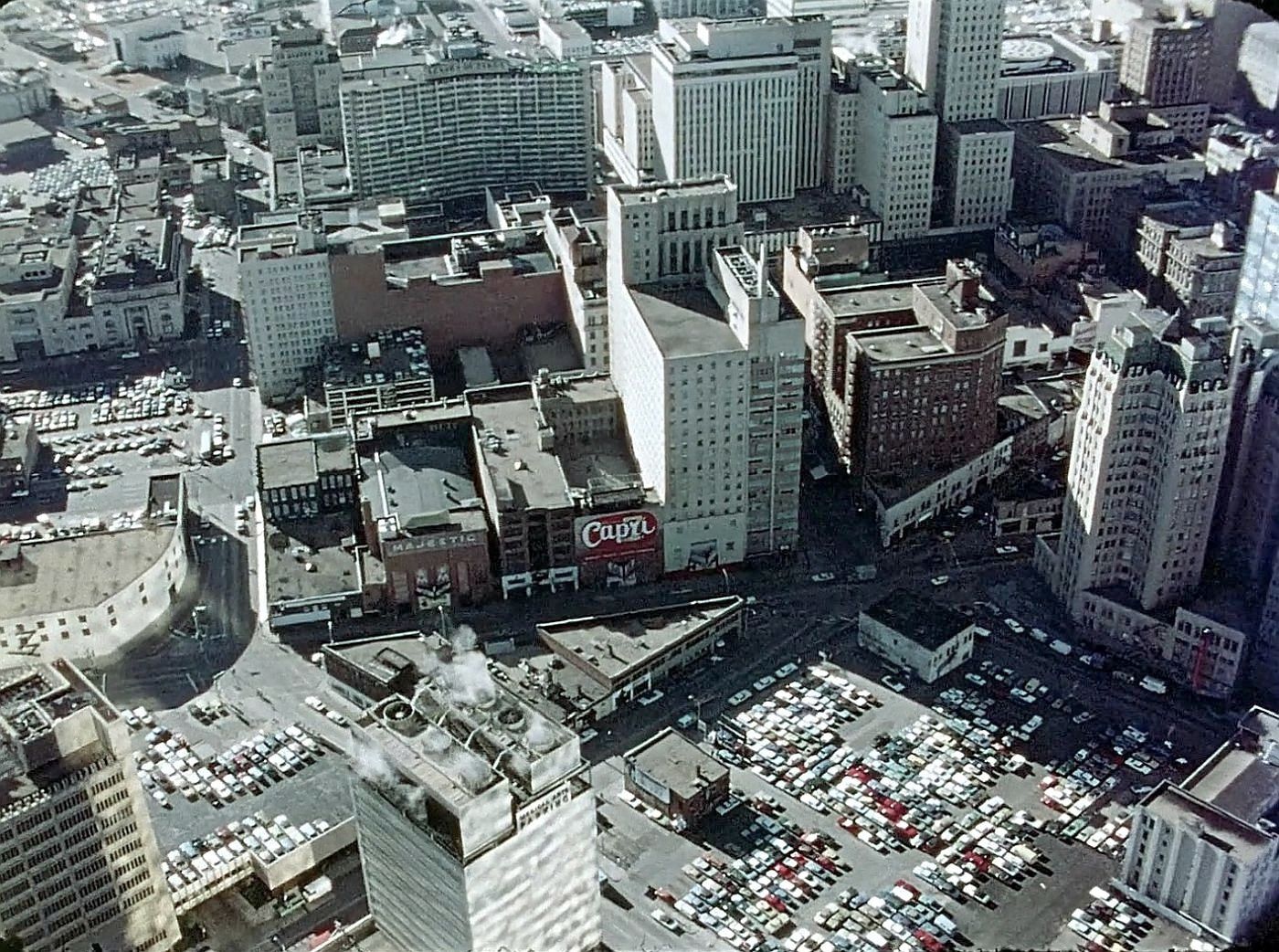
aerial_south-from-pacific_color

9.  “AERIAL VIEW: MOVIE ROW FROM THE REAR (February)

This is such a great photo (or maybe a screenshot) of a seldom-seen view of downtown Dallas, looking south from Pacific to the Statler Hilton. I only wish I knew where I found it!

*

varsity-theater_1929_galloway_1600

10.  “SNIDER PLAZA & THE VARSITY THEATER — 1920s” (July)

It’s back again. More love for UP’s Snider Plaza as people flocked to check out photos of it from its earliest days.

**

And that wraps up 2021. Thank you for spending some it with me! On to 2022….

***

Sources & Notes

See all three 2021 Year-End “best of” lists here.

See all Flashback Dallas Year-End lists — past and present — here.

kodachrome_main_1950_noah-jeppson_sm

*

Copyright © 2021 Paula Bosse. All Rights Reserved.
Year-End List: My Favorite Posts of 2021

kodachrome_bryan-n-ervay_1954_shorpyBryan and N. Ervay in fabulous color, 1954

by Paula Bosse

Last year I wrote this in the year’s wrap-up: “2020 is, without question, one of the worst years most of us have experienced. COVID-19 has turned our lives upside down and, for many of us, has left us mourning the loss of family, friends, and economic stability. 2021 cannot come too soon.”

Spoke too soon! COVID continues in 2021, and even though we now have vaccines to protect us, it’s still leaving carnage in its wake. And what Texan can forget the Great Freeze of February, which was unbelievable and unbelievably scary for those of us whose power and heat were inconsistent (or non-existent). And then my family had to deal with a loved one spending (so far) 4 months — a third of the year! — in hospitals and physical rehab. Things have taken their toll from every direction. Unsurprisingly, I produced fewer posts in 2021 than in any previous year, by quite a lot. I don’t want to jinx it, but let’s hope 2022 will be the year when our fortunes finally turn around!

Below are my favorite posts from the past year. I’m afraid I didn’t have the time or, in some cases, the energy or inclination, to plunge myself into research as I’ve done in previous years. But I’ll be back! Thank you, everyone, for hanging in there. We all deserve a break! Are you listening, 2022? (Pictures are larger when clicked — read the original posts by clicking the titles.)

**

1.  “DOWNTOWN DALLAS IN COLOR — 1940s & 1950s” (August)

This is my favorite post of the year. I love the saturated color of Kodachrome slides, and the photos immediately above and below are just beautiful. Because I’m so used to seeing historical photos in black and white (which I love…), it’s a real shock when I see familiar sites from 70 or 80 years ago in heart-stoppingly warm and vivid color. The photo below, from 1950, shows Commerce Street looking west from Lamar. It is my single favorite photo of the year. I never knew the Dallas seen in these photographs, but, thankfully, someone memorialized this fleeting moment by simply taking a photo of a street scene in downtown Dallas. Just another day. I wish I could escape for a while into the photos included in this post.

kodachrome_commerce-lamar_trolleydodger_twitter

*

2.  “BLACK DALLAS — 1973” (November)

I work with the fine folks at the G. William Jones Film and Video Collection at SMU, where I do many of the things I do here: researching and writing. My involvement with the Jones Collection explains why I reference their WFAA Collection so often. Recently, footage produced by KERA-Channel 13 has been added to the daily offerings uploaded to the SMU Jones Film YouTube channel, and these clips are great. This one is my favorite: an almost-8-minute-long report titled “KERA Report on Crime in Dallas – June 1973.” What’s incredible about this footage is that it shows places in the predominantly African-American neighborhoods of South Dallas and “North” Dallas (Hall Street, State-Thomas, etc.) which were rarely documented — and many of the places shown no longer exist. I can’t tell you how excited I was to watch this footage for the first time. My resulting post is basically just a heads-up to people, alerting them to cool film footage they might want to watch, with a ton of screenshots. Even without a huge amount of effort of my part, this is still one of my favorite posts of the year.

pussy-cat-lounge_june-1973_kera-collection_jones-collection_SMU

*

3.  “LINDA COFFEE, THE DALLAS ATTORNEY WHO TOOK ROE v. WADE TO THE U.S. SUPREME COURT” (September)

In my job with the Jones Collection, I have been working for several months on WFAA reports from 1970, and when I came across footage of an unidentified young woman discussing a legal case involving abortion, I asked my mother (who was heavily involved in women’s political groups in the ’70s and ’80s) if she recognized the woman, and she did — it was Linda Coffee, the (VERY!) young woman who, along with Sarah Weddington (who died this week), took their Dallas case, Roe v. Wade, to the U.S. Supreme Court and won, securing the constitutional right of women to obtain legal abortions in the United States. I became a little obsessed with Linda Coffee and began to read a lot about this important woman, wondering how she felt living in the shadow of her glamorous, flashy co-counsel, Sarah Weddington, when she (Linda) is the one who filed the case and did the important early work on it. I love this woman, and I’ve loved learning about her — not only did she change modern culture and broaden women’s rights, she also attended the same high school I did (Woodrow Wilson) and lived in a house ONE BLOCK from where I grew up. I can’t believe I had known nothing about her before seeing this Channel 8 clip. I’ve been adding to this post since I wrote it in September — there’s a second Channel 8 interview with her, from 1971, and there’s also one from just a couple of weeks ago (!) in which she discusses the present-day sad state of affairs surrounding her landmark case. She celebrated her 79th birthday on Christmas Day — Happy Belated Birthday, Linda! And thank you.

coffee-linda_supreme-court_WFAA_SMU_dec-1971

*

4.  “SNIDER PLAZA & THE VARSITY THEATER — 1920s” (July)

I didn’t grow up in the Park Cities, but because of family friends and my mother’s job, I feel like I spent an inordinate amount of time wandering around both Highland Park Village and Snider Plaza as a child, the latter of which was definitely the funkier of the two. Snider Plaza looks and feels a lot different these days, and I don’t go there all that often anymore (RIP, Peggy Sue), but it’s still a place I’m always happy to visit. I love the photos in this post which show Snider Plaza in its earliest days.

snider-plaza-fountain_1927_galloway_dpl_1200

*

5.  “ROSS GRAVES’ CAFE: 1800 JACKSON — 1947” (May)

Some of my favorite posts have been about people who aren’t really notable figures but are, instead, “just folks” — like Ross Graves, an entrepreneur who owned several businesses, including a cafe on the edge of downtown and a night club. He was something of a bon vivant, and his exploits made the society/gossip pages of prominent Black newspapers (another fascinating bit of history too often overlooked). I loved this.

graves-cafe_marion-butts_dpl_1947_cashier

*

6.  “SMU CAMPUS, AN AERIAL VIEW FROM THE NORTH — 1940s” (April)

I had never seen this aerial view of the SMU campus, which was taken by ace photog Squire Haskins with a view toward the south (Hillcrest is at the right). It’s great. As is the second photo with a similar view from a few years later, suggested by a reader. I zoomed in on interesting bits of the Haskins photo, including “Trailerville,” temporary men’s dormitories, and a Texas National Guard Armory (later the site of Mrs. Baird’s Bread).

smu-campus_from-the-north_squire-haskins_UTA_nd

*

7.  “SIMMS SUPER SERVICE STATION, CEDAR SPRINGS & MAPLE — 1930” (October)

Such an incredible photo of a cool building which once stood on land now occupied by the Crescent, at Maple and Cedar Springs. More zooming-in is involved. I’m definitely a sucker for old gas stations.
simms-super-service-station_atlantic-terra-cotta-co-coll_UT_ca-1930

*

8.  “GENE de JEAN LIFTS A CURSE ON DALLAS — 1970” (November)

Another gem from the WFAA archives concerns a “warlock”/prankster who appears on Commerce Street to remove a curse he says was placed on the city in 1963. He’s seen doing his curse-lifting thing, blessing a few confused bystanders, and departing in a velvet-covered Cadillac. This is the sort of thing I live for.

gene-de-jean_WFAA_090470

*

9.  “SNIDER PLAZA SAFEWAY: HILLCREST & LOVERS — 1930s” (June)

More Snider Plaza. Imagine the whole shopping area looking like this building. Heaven! I love to see old photos of grocery stores, even when the interiors look a little disappointing. But if you love stacks of canned food, these photos are for you! You never know what you’ll stumble across on eBay.

snider-plaza_safeway_ebay_1

*

10.  “LUTHERAN MINISTERS VISIT DALLAS — 1911” (April)

I love learning about a stranger’s life story simply because I’ve stumbled across a random photo on eBay. After seeing this postcard and poking around doing a little research, armed with only the info gleaned from the message, I ended up getting to know the man who sent this long-forgotten 110-year-old card to his sweetheart. There’s also a very nice photo of an open “touring trolley.” Win-win.

open-streetcar_rppc_1911_ebay

*

And, a bonus favorite: “DALLAS BOOK SCENE — 1940s” (May)

A look at the top bookstores in Dallas in the 1940s.

cokesbury_legacies

*

There ends my Top 10 (plus 1) list of personal favorite posts for 2021. Tomorrow… the most popular posts of the year.

***

Sources & Notes

See all three 2021 Year-End “best of” lists (as they’re posted) here.

See all Flashback Dallas Year-End lists — past and present — here.

kodachrome_bryan-n-ervay_1954_shorpy_sm

*

Copyright © 2021 Paula Bosse. All Rights Reserved.