Flashback : Dallas

A Miscellany: History, Ads, Pop Culture

Category: Vault

From the Vault: Historical Accuracy vs. Sex Appeal at the Pan-American Exposition — 1937

aztec_greencastle-indiana-daily-banner_080437_smA tense situation in Fair Park…

by Paula Bosse

The four-and-a-half-month Greater Texas and Pan-American Exposition, held at Fair Park in 1937, was the extravagant Latin-themed follow-up to the previous year’s even more extravagant Texas Centennial celebration. A bitter disagreement about whether the reenactment of an Aztec human sacrifice would star a man or a woman pitted the Mexican Consul (who insisted on a male warrior in a bid for historical accuracy) against a profit-minded director (who just wanted a sexy, flesh-baring girl to draw the crowds). Things got pretty tense. Read about this politically-charged contretemps in the 2015 Flashback Dallas post “When a Virgin Sacrifice at Fair Park Almost Caused an International Incident — 1937,” here. One of my favorite weird slices of Dallas history.

*

Copyright © 2018 Paula Bosse. All Rights Reserved.

From the Vault: Interurban vs. Streetcar

interurban-vs-streetcar

by Paula Bosse

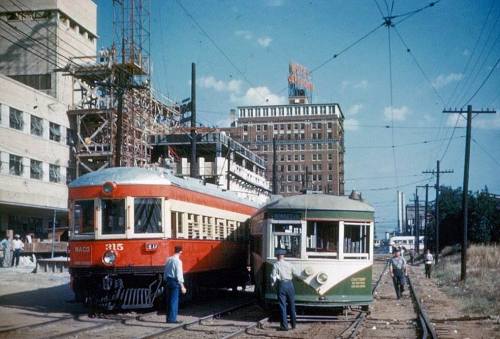
I love this color photo of a street-rail mishap, looking north on Record Street from inside what would one day be called Communications Center. More on the logistics can be found at the original post from 2014, “Interurban vs. Streetcar,” here.

*

Copyright © 2018 Paula Bosse. All Rights Reserve

From the Vault: Texas Baptist Memorial Sanitarium/Baylor Hospital: 1909-1921

baylor-hospital_exterior_dmn_111009_clogenson

by Paula Bosse

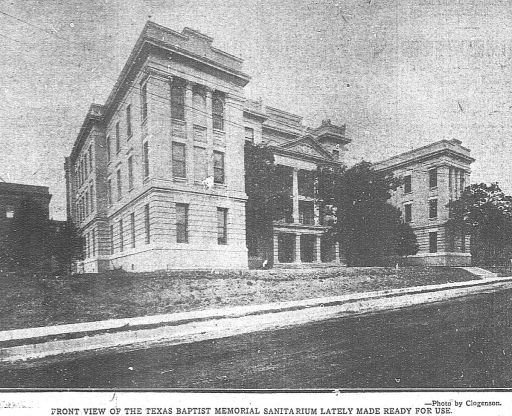
The photo above appeared in The Dallas Morning News in November, 1909, shortly after the official opening of the new buildings of the Texas Baptist Memorial Sanitarium (the name would later be changed to Baylor Hospital). The buildings seen here faced Junius Street, in Old East Dallas. See several photos and postcards of these early days at the post “Baylor Hospital — 1909-1921,” here. (Scroll down to the bottom of that page for links to read the breathlessly enthusiastic article that accompanied the photo above.)

*

Copyright © 2018 Paula Bosse. All Rights Reserved

A Few Photo Additions to Past Posts — #7

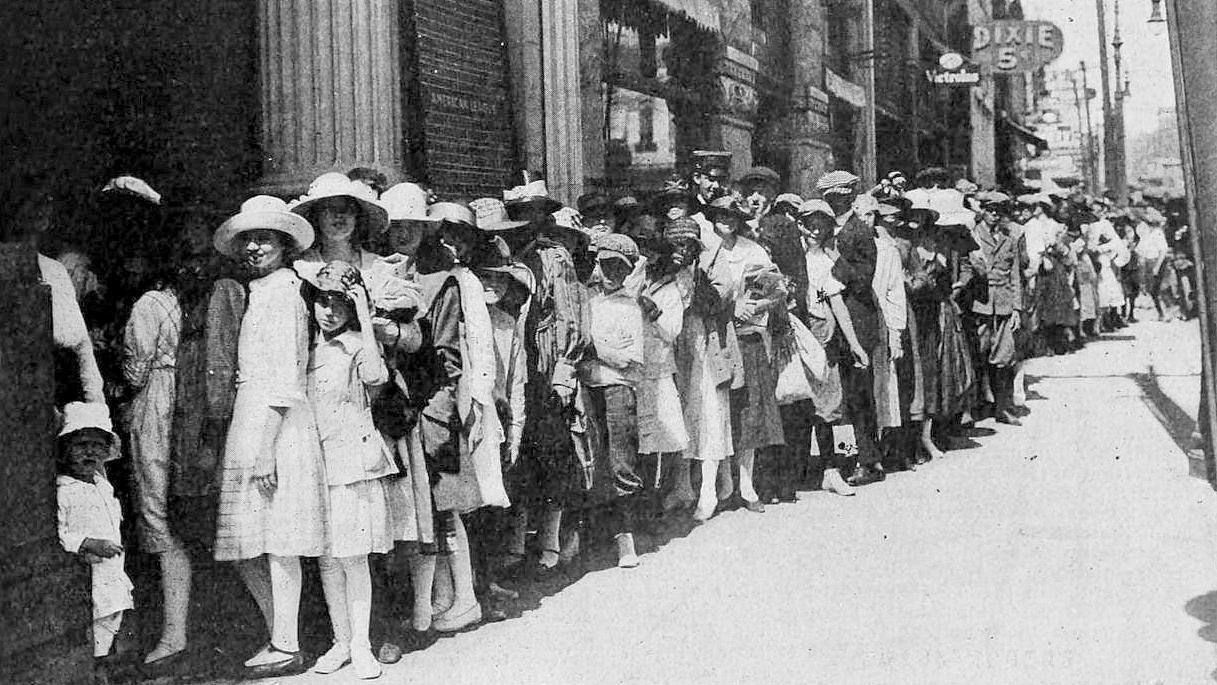
hippodrome_dixie_elm-street_moving-picture-world_062218Standing in line for a movie, 1918… (click for larger image)

by Paula Bosse

I’m always coming across photos and information regarding subjects I’ve already written about, and sometimes I find new things I want to add to old posts.

Like the photo above. I had originally used a cropped version which I had found on the Cinema Treasures website, but this one was larger, and I found it at the original source, describing what was going on. This photo from 1918 shows (mostly) children standing in line to see a World War I-related movie at the Hippodrome Theatre, with the line reaching past the nearby Dixie Theatre. They had participated in a clever marketing strategy which encouraged school children to write essays about why the United States was at war with Germany (first prize: $20 in gold!). The photographer was standing on Elm about where Field is, looking east (which today looks like this). I’ve added this photo to the post “Three of Dallas’ Earliest ‘Photoplay Houses’ — 1906-1913.” (Source: The Moving Picture World magazine, June 22, 1918)

*

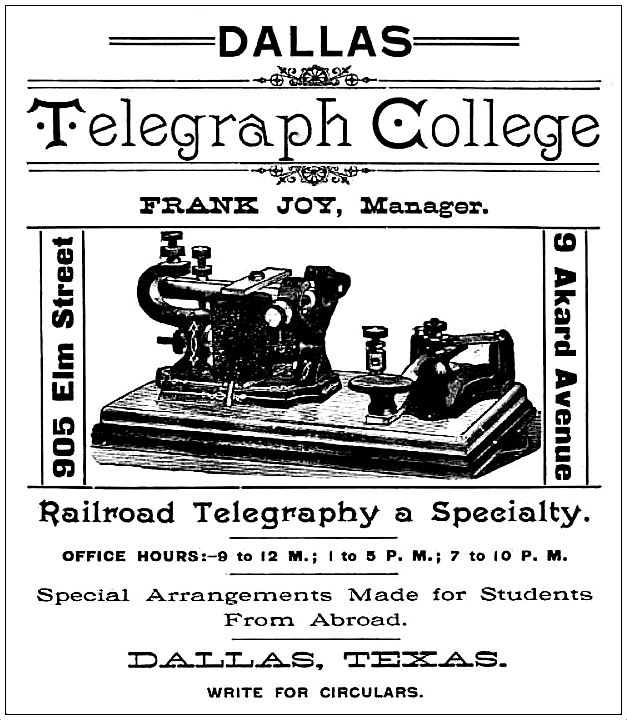
Below, a nice early ad (1889) for Dallas Telegraph College. I’ve added it to the post Start Your Brilliant Career at Dallas Telegraph College — c. 1900.” (Source: 1889 Dallas directory)

dallas-telegraph-college_1889-directory

*

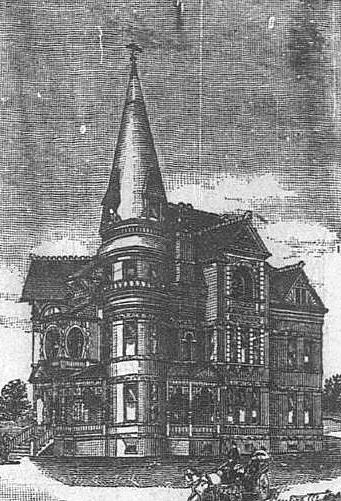
The grand Thomas L. Marsalis house seen below was built in 1889 — the same year that the Dallas Telegraph College was setting up shop downtown. The house, built in Oak Cliff (which was not yet part of Dallas), reportedly cost $65,000 (more than $1,750,000 in today’s money); it was, apparently, never occupied, and it was under foreclosure just a few short years after its construction. I’ve added this drawing of a house that I never tire of looking at to the post The Marsalis House: One of Oak Cliff’s ‘Most Conspicuous Architectural Landmarks.'” (Source: Dallas Morning News)

marsalis-house_drawing

*

The roots of Dallas’ Buell Planing Mill reach back to 1886 — it once sat near-ish to the old Dallas High School (aka Crozier Tech). This 1896 ad is a nice companion to a photo in the post The Buell Planing Mill — 1901.” (Source: 1896 Dallas city directory)
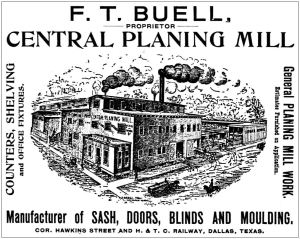
buell_dallas-directory_1896

*

I have very fond memories of the old downtown Dallas Public Library, and I’ve always loved the building, so I was relieved to hear that the Dallas Morning News had made the long-vacant building its new HQ. This postcard of the George Dahl-designed building is pretty strange because of the depiction of the sculpture on an exterior wall  — an artwork that people either loved or loathed (I’m afraid I include myself in the latter category). It’s not the fabled “naked” figure envisioned by the artist which had caused such controversy, but it’s some weird version of sort of what the sculpture ended up looking like (here). (Postcard manufacturers have deadlines, and the finalized sculpture must not have been completed before those cards had to hit the streets.) The sculpture was titled “Youth In the Hands of God,” and if those are the hands of God, um…. I’ve added this postcard image to the post George Dahl’s Sleek Downtown Library — 1955″ — mostly for my own amusement. (Source: “the internet”)

dallas-public-library_dahl_postcard

*

As one might imagine, my blog gets tons of JFK assassination-related hits — simply because I write about Dallas history. Assassination-ologists are often more interested in arcane aspects of Dallas history that those of use who actually grew up and/or live here. One such post that continues to get more hits than it might actually warrant (not that the subject isn’t interesting, but it’s not THAT interesting) is the awkwardly titled “Nardis of Dallas: The Fashion Connection Between ‘The Dick Van Dyke Show’ and the Kennedy Assassination.” (Nardis was a Dallas garment manufacturer who had in its employ for many years one Mr. Abraham Zapruder. And, yes, there actually was a Dick Van Dyke Show connection.) ANYWAY, I’m adding these two late-’50s/early-’60s Squire Haskins photos of the plant at 410 S. Poydras (at Wood Street) because they’re cool. (Source: Squire Haskins Photography Inc. Collection, University of Texas at Arlington Libraries, Special Collections — the exterior shot is here, the interior shot is here. The ad is a detail from a 1954 ad which appeared in The Texas Jewish Post.)

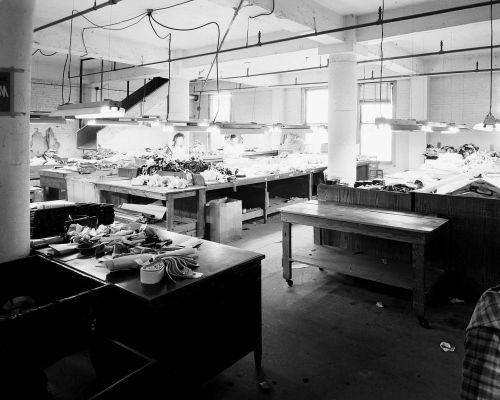
nardis_squire-haskins_UTA_wood-and-poydras

AR447-R812

nardis_texas-jewish-post_122354

*

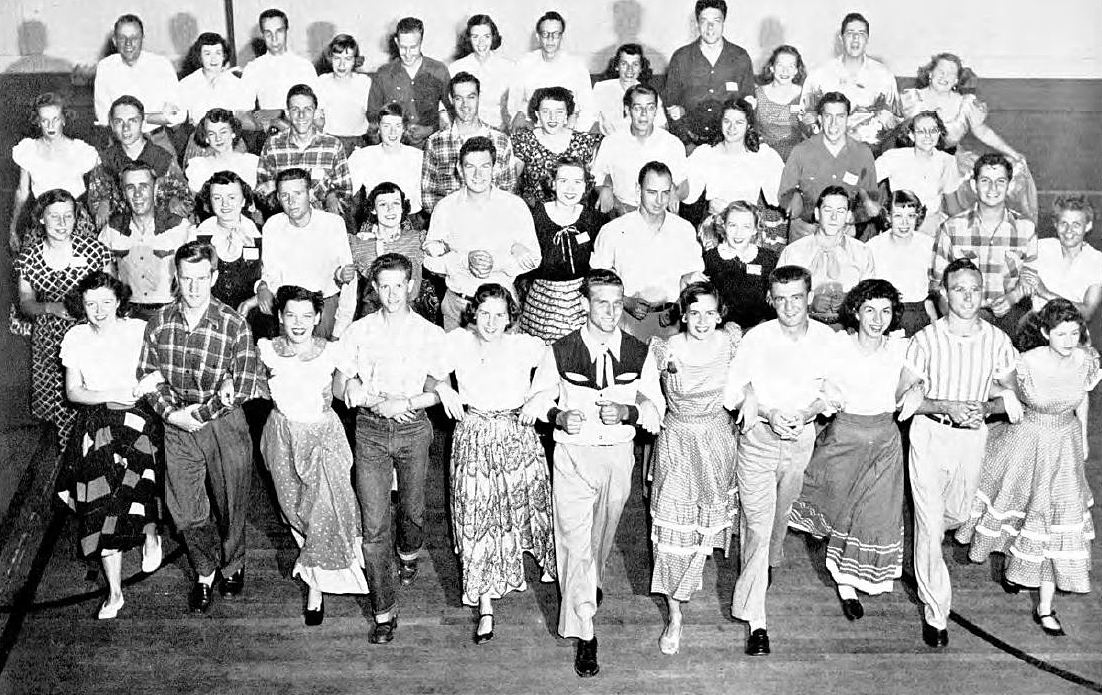
I really enjoyed writing about the strange square-dancing fad that swept the county in the late 1940s and early 1950s, affecting everyone from those in rural communities to Neiman-Marcus customers. I’m adding this photo from the 1951 SMU yearbook which shows the well-dressed “Promenaders,” a group whose purpose is described in the yearbook as being “to promote the appreciation of square and folk dancing on this campus.” I’m adding this to the post The Square Dancing Craze in Big D — Late Forties.” (Source: Southern Methodist University Rotunda, 1951. If you think you might recognize one of these Promenaders, the members of the group seen in this photo can be found here.)
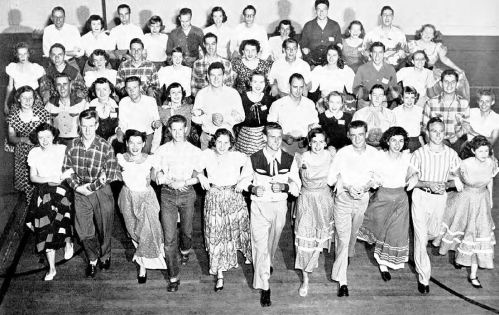
square-dancing_promenaders_smu_1951-yrbk

*

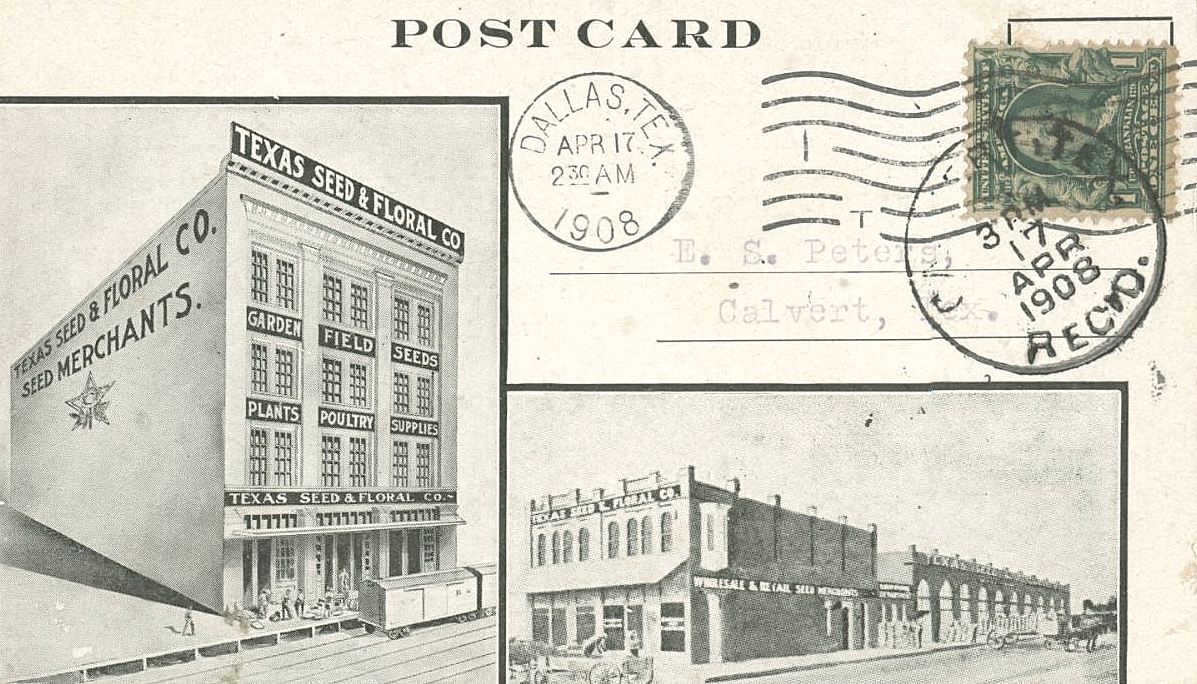
Below, a postcard of the Texas Seed & Floral Co., which later became the Lone Star Seed & Floral Co., located at the northwest corner of Elm and Ervay. In 1921 the beautiful Palace Theater opened up right next door, and I actually ended up writing about the seed company because a tiny part of it can be seen in a 1926 photo of the Palace. (The left image on the postcard shows the Pacific Avenue location; the one at the lower right is the Elm Street location, with a view looking north on Ervay.) Might as well add it to the post Next-Door Neighbors: The Palace Theater and Lone Star Seed & Floral — 1926.” (Source: Dallas Heritage Village via the Portal to Texas History)
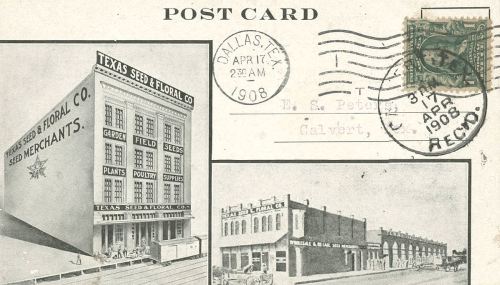
texas-seed-and-floral_1908_portal

*

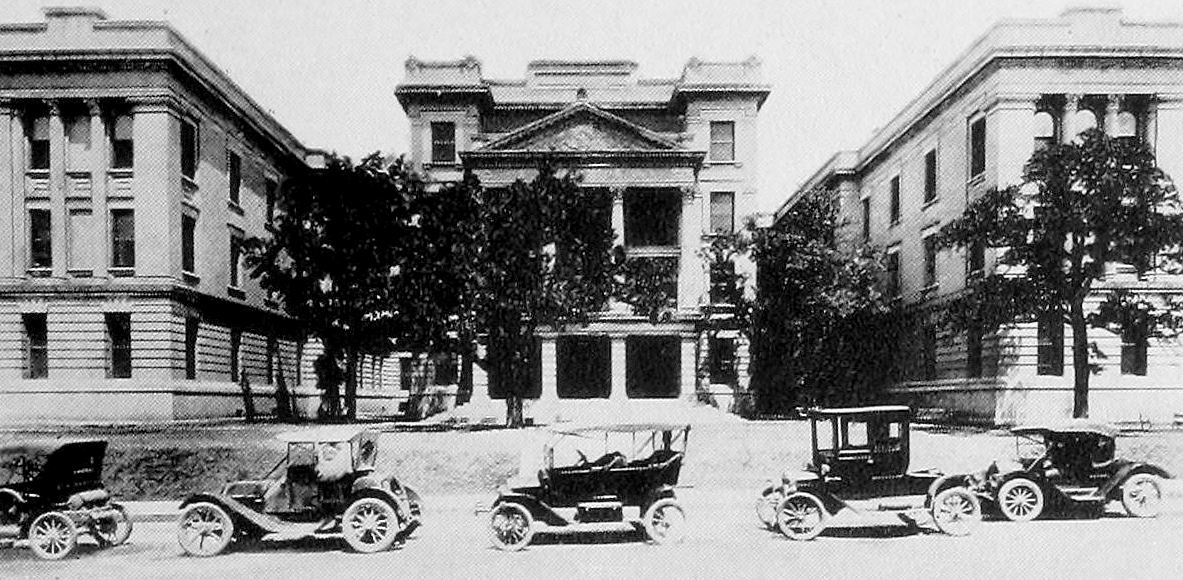
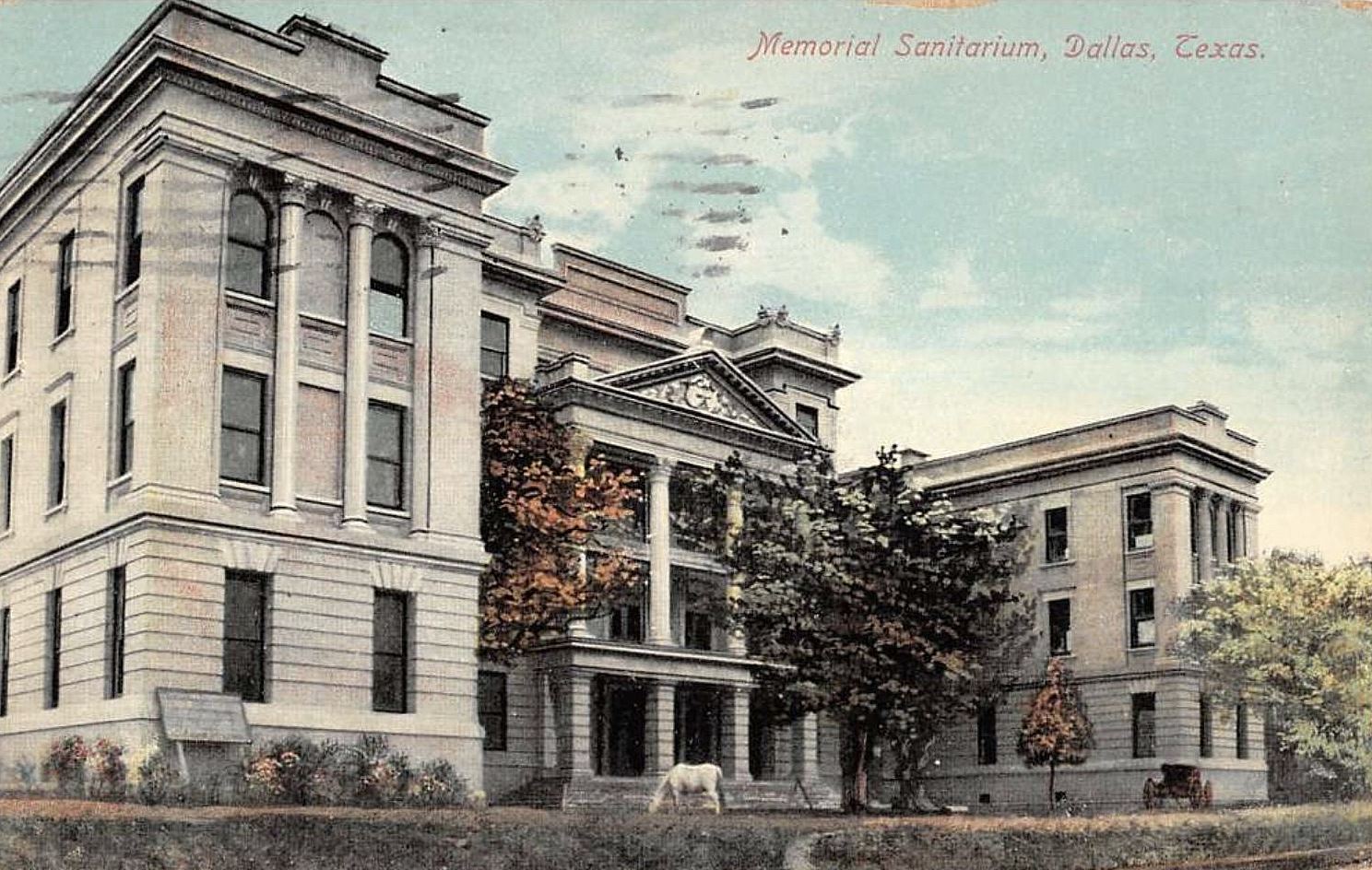
Below, a cool photo of the Texas Baptist Memorial Sanitarium (later renamed “Baylor Hospital”), with some pretty great automobiles parked out front on Junius Street. I’ve just added three photos and three postcard views of Baylor to the post Baylor Hospital —  1909-1921.” Basically, I’ve just written an entire new post — the original post consisted of one image and one sentence — so go see all the new stuff populating this 2014 post. (Source: The circa-1915 black-and-white photo is from the 1917 Baylor University yearbook; the postcard — that horse! — is from eBay.)

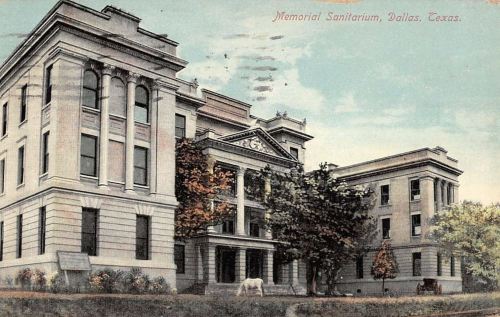
baylor_baylor-univ-waco-yrbk_the-round-up_1917

baylor_horse_postmarked-1911_ebay

*

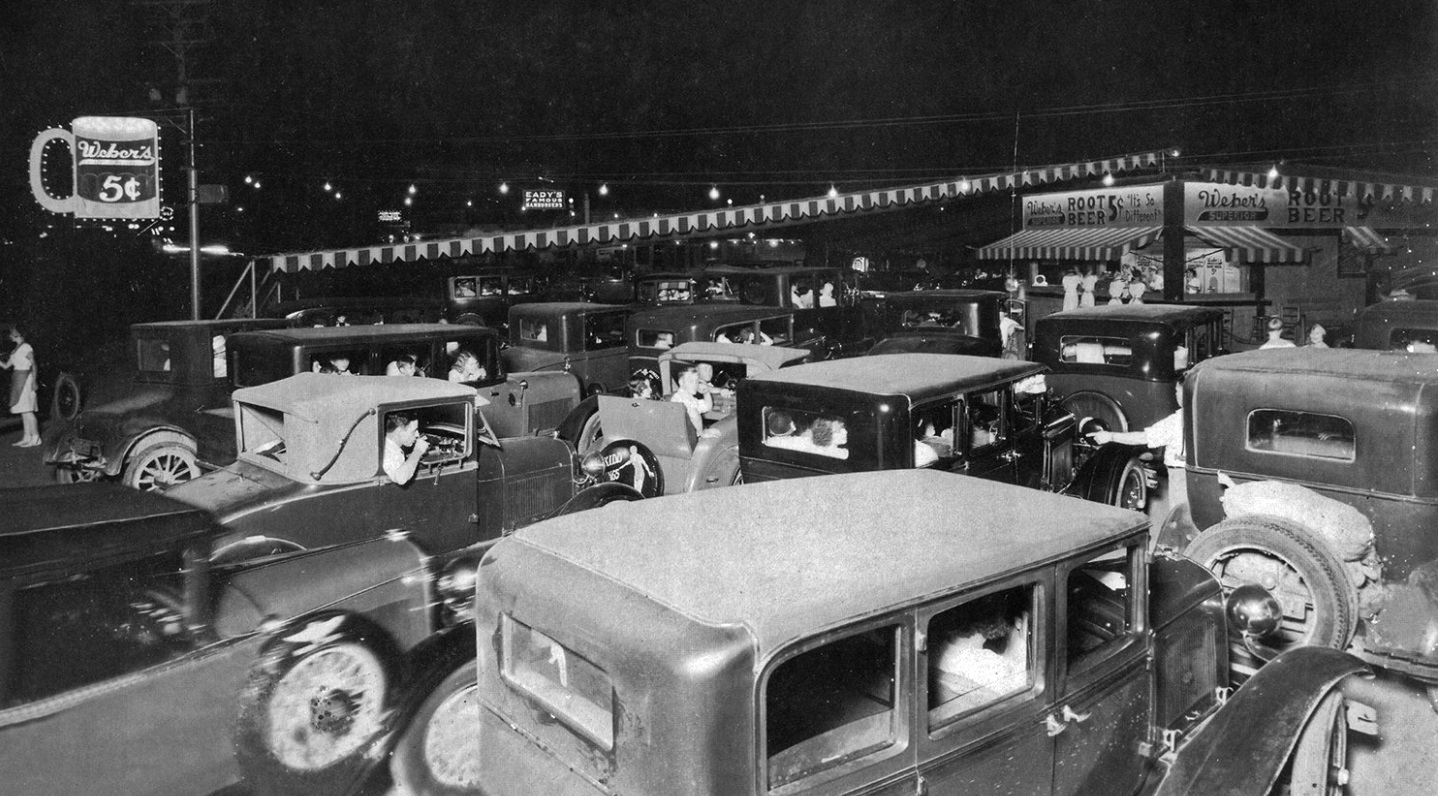
And lastly, a fantastic photo showing a Weber’s Root Beer stand on a busy night, with a parking lot full of thirsty teenagers, rumble seats, and future jalopies. In the background is a sign for Eady’s Famous Hamburgers, which would indicate that this photo was taken at one of the two locations where both Eady’s and Weber’s were neighbors: in Oak Cliff in the 1100 block of Zang, or near the Lower Greenville intersection of Greenville and Richmond. I’ve added this to the post “Weber’s Root Beer Stands: ‘Good Service with a Smile.'” (Source: Traces of Texas Twitter feed; original source unknown)
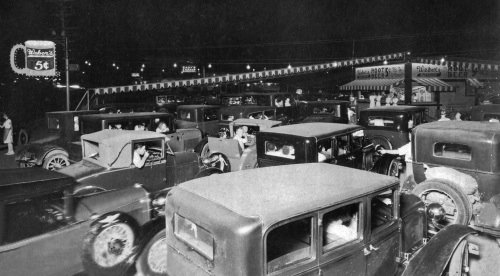
webers_root-beer_traces-of-texas

*

Copyright © 2018 Paula Bosse. All Rights Reserved.


From the Vault: Nolan Ryan’s Extreme High-Carb Breakfast at the Sheraton — 1972

nolan-ryanAnticipation…

by Paula Bosse

Why was future-Texas Ranger Nolan Ryan being served 302 pancakes at the Sheraton on September 26, 1972? Find out why in the 2015 Flashback Dallas post “Nolan Ryan’s Celebratory Pancake Breakfast — 1972,” here.

Happy (belated) Opening Day!

*

Copyright © 2018 Paula Bosse. All Rights Reserved.


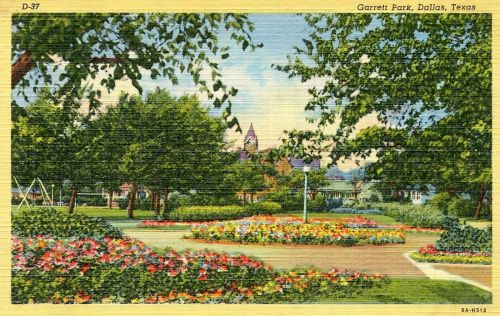
From the Vault: Garrett Park

garret-park_color

by Paula Bosse

Springtime! This postcard of Garrett Park screams springtime. The park is still there, between Lowest Greenville and Munger Place, it just doesn’t look anything like this anymore. I’ve updated the 2014 Flashback Dallas post “Garrett Park Aburst in Spring Flowers” with new text and a few new images, here.

*

Copyright © 2018 Paula Bosse. All Rights Reserved.


The Eccentric Medford Compound On the Old Eagle Ford Road: 1945-1950

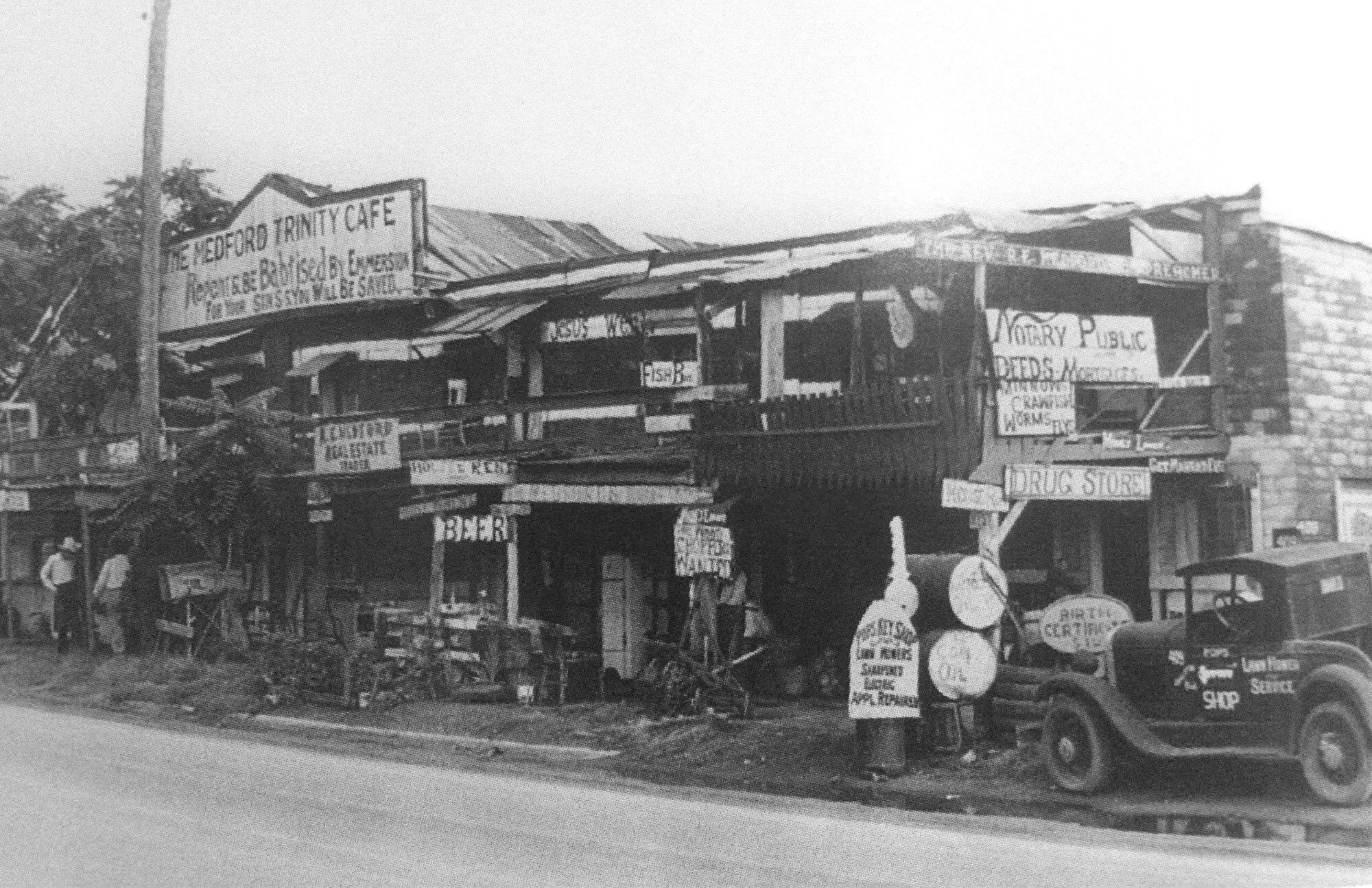
medford_trinity-cafe_west-dallas_FB_dallas-historyYou need it, he’s got it…

by Paula Bosse

Above, 409-413 Singleton Blvd. in West Dallas, not long after the name of the street had been changed from Eagle Ford Road. The name-change happened in 1942 because of “unfavorable incidents in the past which had been associated with Eagle Ford Road” (The Dallas Morning News, April 26, 1942) — “Singleton” was Vernon Singleton, a former Oak Cliff County Commissioner. Today, this area is part of the super-hipstery Trinity Groves neighborhood; the block seen in the photo is now mostly occupied by a parking lot and looks like this.

Back then, “Eagle Ford Road” would have conjured up all sorts of unsavory images of bad behavior and illegal activities, and, even now, one tends to think immediately of the area’s most notorious exports: Bonnie and Clyde. Immediately after World War II, the population of West Dallas (an area which would not become part of the City of Dallas until its annexation in December 1952) was about 12,000, and its residents were generally poor and living in substandard housing with inadequate water and drainage and little in the way of sanitary facilities.

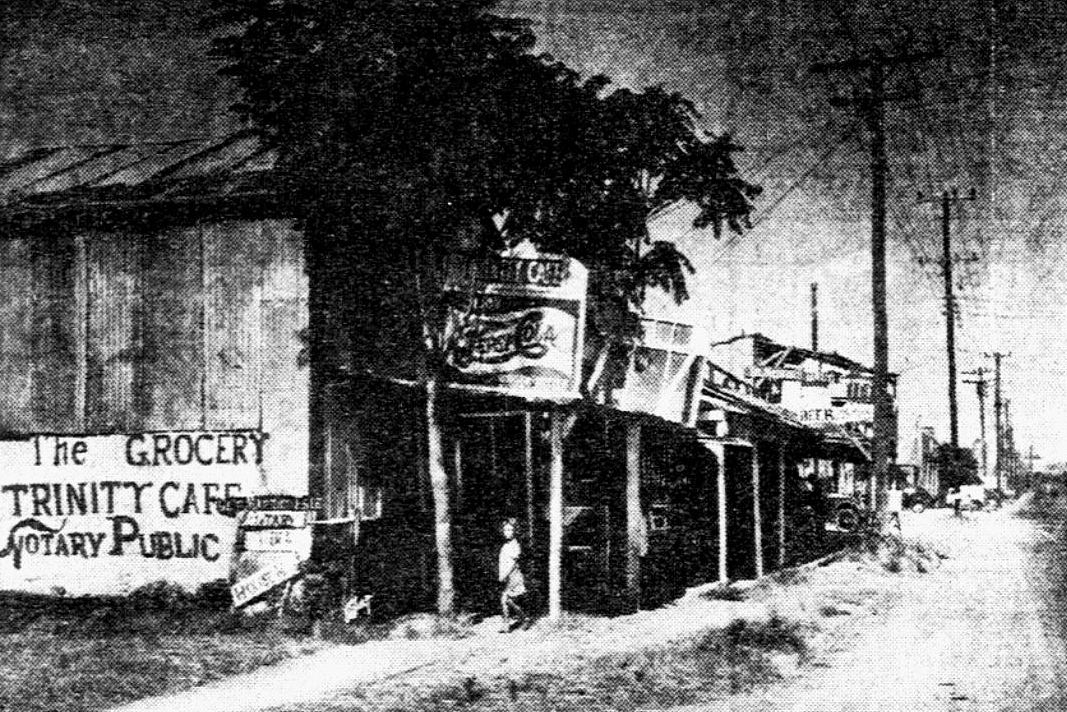
The “complex” above — which consisted of, basically, the Trinity Cafe, a grocery/drug/dry-goods store, and a residence — was perhaps a bit more colorful than most of the businesses that lined Eagle Road/Singleton Blvd. in post-war West Dallas. The property was owned by Richard Elbert Medford (1864-1950), who, as one of the signs says, was also known as “The Rev. R. E. Medford, Preacher” (I’m not sure if he was an actual ordained minister or just a self-styled preacher). In 1944 or 1945 — after several years of selling mattresses — Medford took over the collection of rickety buildings seen in the photo above and began to sell a wide-ranging collection of unrelated stuff and painted a lot of signs. He remained in business there until his death in 1950 at the age of 86 (the cause of death was “senile exhaustion” which I gather means “died of old age”).

The signage in the photo is … well … it’s fantastic. It’s verging on Outsider Art. Medford offered everything, including (but not limited to):

  • Real estate
  • Beer
  • Notary Public services (deeds, mortgages, birth certificates…)
  • Keys
  • Appliance repair
  • Lawn mowers
  • Oil
  • Fish bait (minnows, crawfish, worms, and “flys”)

He also offered religious advice (“Repent & Be Babtised By Emmersion For Your Sins You Will Be Saved”).

Mr. Medford’s personal life was not a happy one, and perhaps the unrelenting family dramas caused him to become more and more eccentric as the years went by. Many of his children found themselves caught up in the crime and violence West Dallas had become known for.

  • One teenage son was shot and wounded during an attempted robbery in 1930, two months before one of his daughters married at the age of 13.
  • Another son, who was 11 years old, was killed when he attempted to intervene in a fight between his sister and her husband and was fatally kicked in the abdomen by his brother-in-law.
  • Another son was a habitual criminal who committed an eye-popping range of crimes and was in and out of city, county, state, and federal correctional facilities throughout his life. (This son, Homer, was also married for a short time to the ex-wife of Clyde Barrow’s brother L. C. Barrow, but that marriage hit the skids when she shot Homer, sending him to the hospital with critical — but not fatal — wounds.)
  • And in 1951, after Rev. Medford’s death, the son who had been shot in 1930 while attempting to break into a store in Irving, shot and killed his wife and young son before killing himself.

So, yeah, Rev. Medford’s life was a rough one, and there were definitely some dark days in hardscrabble West Dallas. I’d like to think his store, plastered with its kooky signs, offered him some respite from the incessant melodramas percolating all around him.

medford_trinity-cafe_west-dallas_1940sSingleton Blvd., late 1940s, not yet part of Dallas

*

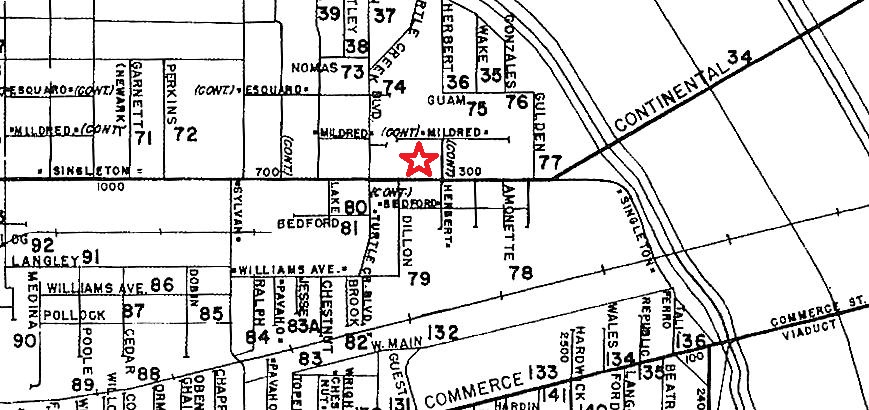
The location of the Medford house/cafe/store, seen on a 1952 Mapsco (click for larger image).

medford_1952-mapsco1952 Mapsco

***

Sources & Notes

I came across the photo years ago on the Dallas History Facebook group. There was no source, but there appears to be a copy of this photograph in the Jim Doster Collection at the Dallas Public Library titled “Meford [sic] Trinity Cafe on Singleton Blvd.,” incorrectly dated as 1930 (call number PA97-7/147). I’m sure a higher resolution image of this would offer up quite a few amusing details and discoveries.

*

Copyright © 2018 Paula Bosse. All Rights Reserved.

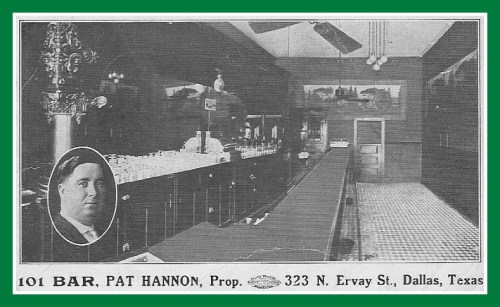
From the Vault: Irish Eyes Are Not Smiling Long — Pat Hannon’s 101 Bar

101-bar_ca-1917

by Paula Bosse

It’s St. Patrick’s Day, and though this story about the 101 Bar on N. Ervay is only vaguely St. Patrick’s-y, it’s going to have to do. Read about Pat Hannon’s supremely bad timing in opening a bar, in the 2016 Flashback Dallas post “The 101 Bar: Patrick Hannon, Prop. — ca. 1917,” here.

Sláinte, y’all.

*

Copyright © 2018 Paula Bosse. All Rights Reserved.

From the Vault: Film Row at Night

theater-row_night_telenews

by Paula Bosse

Lined with movie theaters and dazzling neon, Elm Street never looked more vibrant than it did in its cinema-centric heyday of the 1930s through the 1950s.

Check out four fantastic postcard views of Dallas’ Theater Row/Theatre Row/Film Row/Movie Row in a Flashback Dallas post from 2014, “Theatre Row — A Stunning Elm Street at Night.

*

Copyright © 2018 Paula Bosse. All Rights Reserved.

The Adolphus Hotel’s “Coffee Room” — 1919


coffee-room_adolphus_tea-and-coffee-trade-journal_march-1919_photo
Jonesing for some java? Belly on up…

by Paula Bosse

You know who was really, really happy about Prohibition? The coffee, tea, and soft drink industries. In fact, they were absolutely giddy. And, believe it or not, Dallas County prohibited the sale of alcohol even before much of the rest of the country — Dallas became officially “dry” in October 1917.

Have you ever wondered what happened to the nation’s thousands and thousands of bars when it became illegal in the United States to sell alcoholic beverages? What about all the hotel bars? Apparently, many hotels renovated their old bars into something new and novel called a “coffee shop” or a “coffee room.”

The photo above shows what the vested interests of The Tea & Coffee Trade Journal deemed “the coffee room” of the elegant Adolphus Hotel.

coffee-room_adolphus_tea-and-coffee-trade-journal_march-1919Tea & Coffee Trade Journal, March 1919

Yes, there were coffee urns, and coffee was certainly sold there, but it was actually the Adolphus Lunch Room. Though beverages are not mentioned in the menu seen below, it’s interesting to read what dishes were available to the Adolphus visitor in 1919 (of course the really well-heeled guests were not noshing in a lowly — though quite attractive — “lunch room”). The most expensive item on the menu is the Adolphus Special Sunday Chicken Dinner for 90¢ (which the Inflation Calculator tells us is the equivalent of about $13.00 today). (Click to see a larger image.)

adolphus_lunch-room_menu_dec-1919
Dec. 1919

And, yes, I believe that is a spittoon at the register.

**

I wonder if that “coffee room” later became the Adolphus barbershop (seen below)? Or maybe the barbershop became the coffee room?

adolphus-barber-shop_childers_adolphus-archives

***

Sources & Notes

Photo from the article “The Renaissance of Tea and Coffee” from The Tea & Coffee Trade Journal (March 1919). See other photos and read how Prohibition was spurring on this alcohol-free “renaissance” in the article, here.

Photo of the Adolphus barbershop appeared in the book Historic Dallas Hotels by Sam Childers, credited to the Adolphus Archives.

Many, many historical photos of spittoons can be found in this entertaining collection of the once-ubiquitous cuspidor. …Because when else will I be able to link to something like this?

As a sidenote, the Adolphus Hotel was, of course, built by and named for Adolphus Busch, the co-founder of Anheuser-Busch. Mercifully, the beer magnate died pre-Pro — before Prohibition.

*

Copyright © 2018 Paula Bosse. All Rights Reserved.