Flashback : Dallas

A Miscellany: History, Ads, Pop Culture

Marching to Mess — 1918

ww1_fort-dick_fair-park_marching-to-mess_roller-coaster_1918_natl-archivesNot your typical boot camp setting…

by Paula Bosse

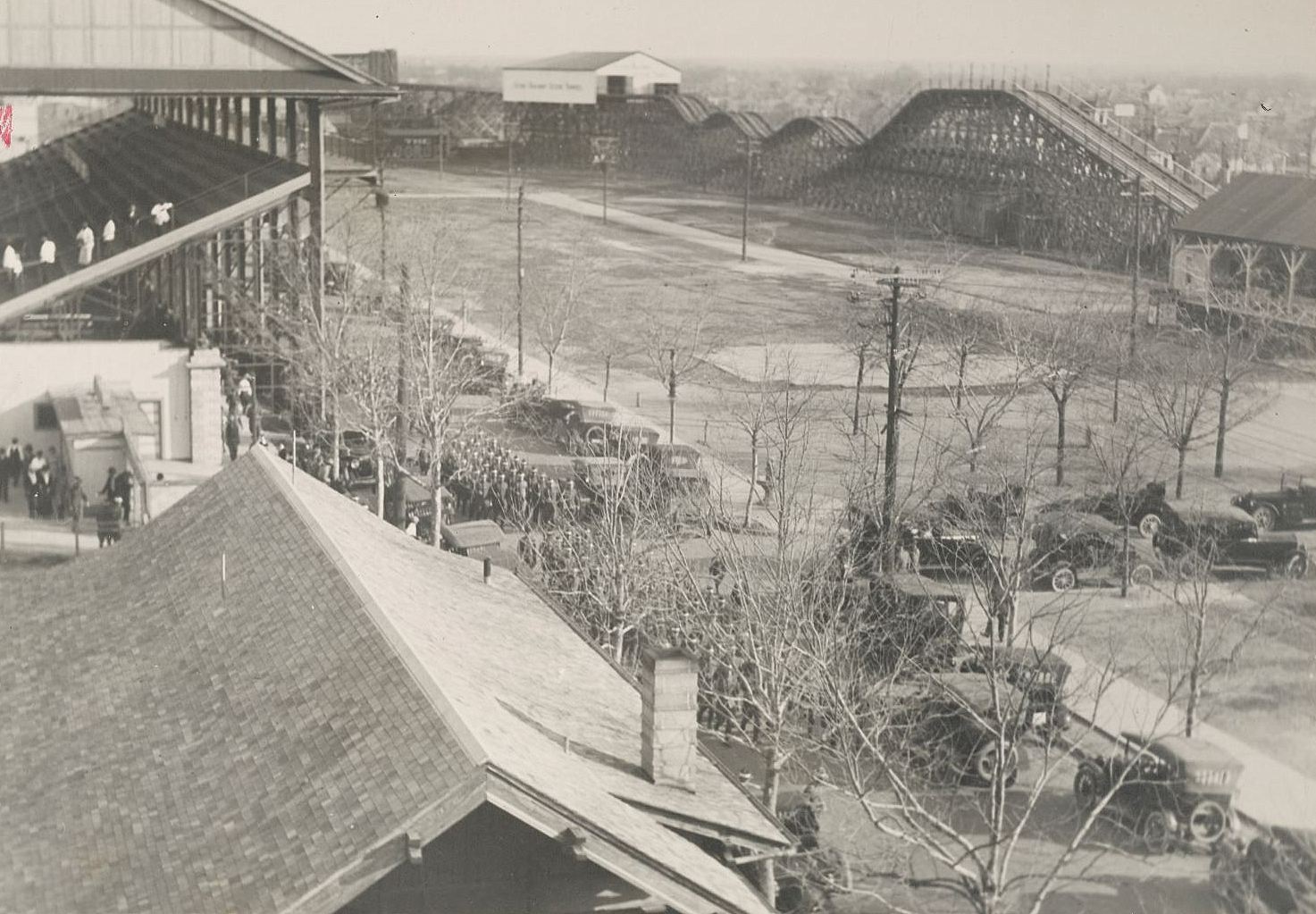
Above, Camp Dick, an Air Service training camp which took over Fair Park during World War I. The War Department caption of this 1918 photo:

Camp Dick, Dallas, Texas: Men marching to mess after evening parade. Roof in foreground is the Officers’ house.

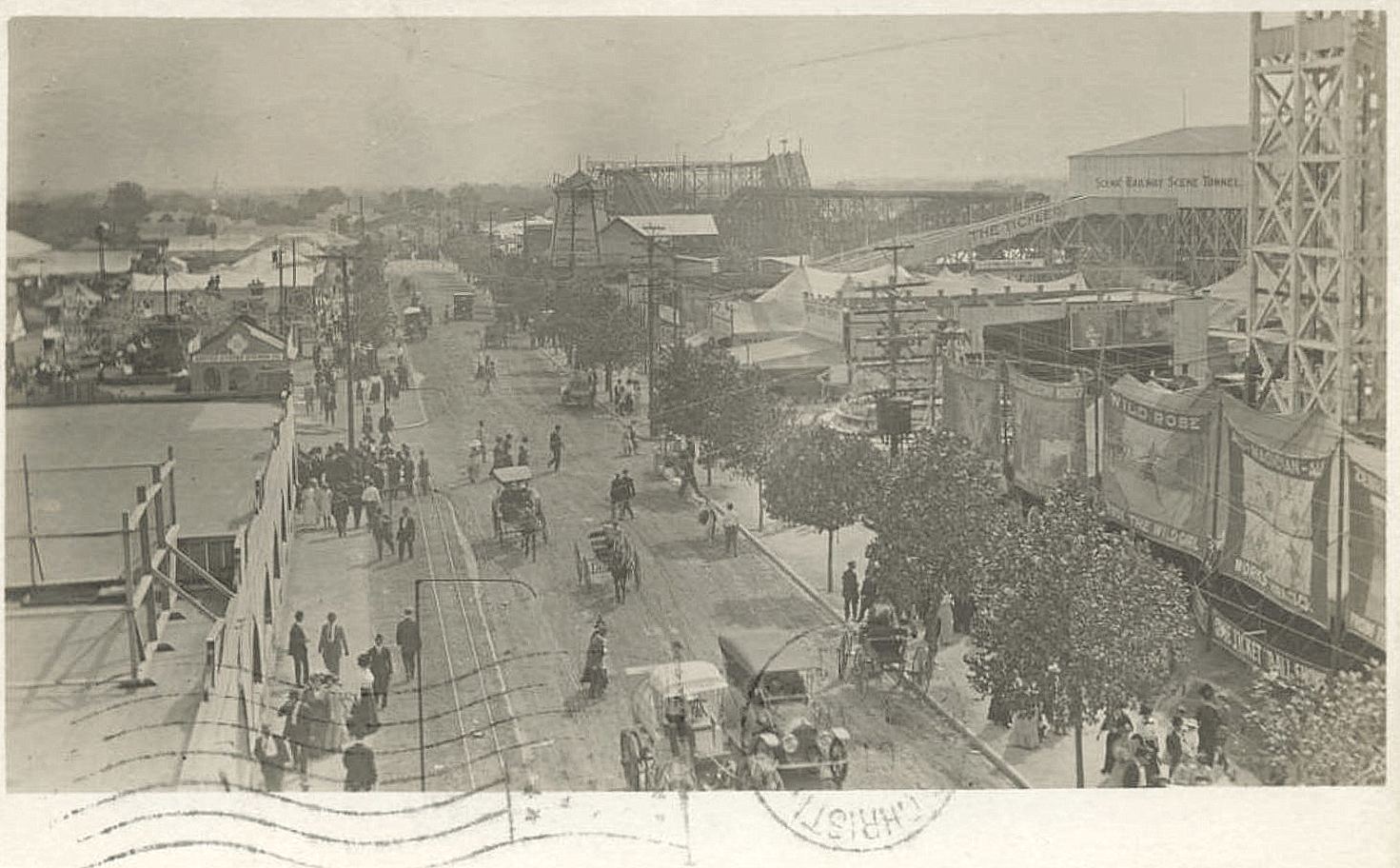
At the right is a roller coaster, a popular ride when the State Fair of Texas (rather than the U.S. military) is occupying the park.

Here’s a photo from 1911:

state-fair_street-scene_john-minor_1911_cook-colln_degolyer

When Preston Sturges trained at Camp Dick — well before he became a legendary Hollywood writer and director — he and his fellow cadets did not let that roller coaster go to waste. He wrote this in his autobiography, Preston Sturges by Preston Sturges:

Out on the parade ground, boys fell over from [the intense heat] all the time and had to be revived with cold water and a sponge. Nights we would climb up the shaky apex of the large roller coaster in the corner of the fairgrounds to try to find a breeze.

An unexpected perk of basic training.

***

Sources & Notes

Top photo is from the National Archives at College Park; more info is here.

State Fair photo is a real photo postcard, taken by John R. Minor, and is from the George W. Cook Dallas/Texas Image Collection, DeGolyer Library, SMU Libraries, Southern Methodist University; more info is here.

More Flashback Dallas posts on Camp Dick can be found here.

ww1_fort-dick_fair-park_marching-to-mess_roller-coaster_1918_natl-archives_sm

*

Copyright © 2020 Paula Bosse. All Rights Reserved.

Mystery Photo: Standpipe Foundation — 1937

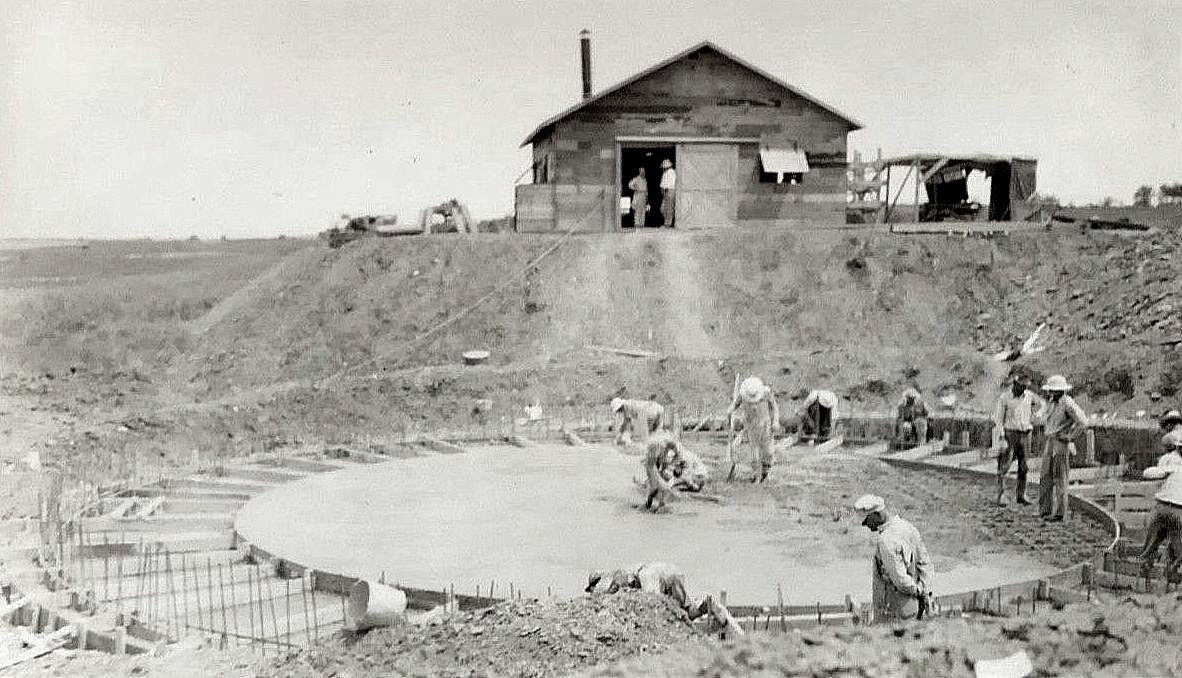
stand-pipe-foundation_ebay_july-1937Big D construction crater… (click for larger image)

by Paula Bosse

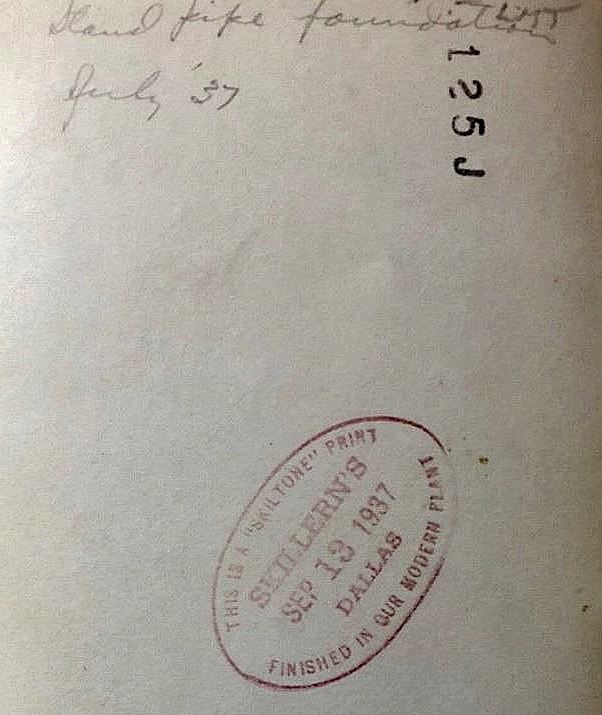
I came across this photo on eBay a year or more ago, but I’ve never been certain where it was taken. The photograph was processed and developed by Skillern’s in Dallas, but it’s always possible it wasn’t actually taken in Dallas. The back of the photo can be seen below, with the following penciled notation:

“Stand pipe foundation, July ’37”

I can’t make out the writing above and to the right of “foundation.”

stand-pipe-fouindation_reverse_ebay

The only newspaper archive mention of construction of a stand pipe/standpipe in July, 1937 was one described as being in the “2400 block of Alamo, near Cedar Springs” (Dallas Morning News, July 13, 1937). That area has changed a LOT since 1937, with several streets changing names, changing course, being created, etc. — here’s a detail from a 1952 Mapsco to give you an idea of where it was:

alamo-street_2400-block_1952-mapsco2400 block of Alamo (1952 Mapsco, det.)

So, north of downtown Dallas, near-ish to the present location of the American Airlines Center.

But the photo at the top looks like it would be well beyond the downtown area — the 1921 Sanborn map shows a lot of residences in the area (the 1937 city directory shows the 2400 block of Alamo was a mostly Mexican-American residential area with a few light industrial businesses) — the area to the west was less developed, with rail yards and railroad tracks and the Dallas Power & Light building. (The standpipe built in this block of Alamo might have been located in the middle of the block’s south side, where there was a gap in the numbering of occupied lots.)

There were probably other standpipes under construction in the city at the time, but the one on Alamo was the only one I saw mention of in the newspaper in the summer of 1937. Even if the site in the photo above is not this Alamo one, the story of that standpipe had an interesting story which took place in… July, 1937.

On July 12, 1937, Walter Gray, a laborer working on the standpipe, collapsed at the construction site. He was working inside the water tower, at the bottom, and had been overcome by gas fumes. A fellow worker, Bud Young, was at the top of the 80-foot tower and saw Gray collapse. Somehow he got the unconscious Gray up to the top of the standpipe, but he was unable to get him down. He shouted for help and two policemen rushed over. One of them, patrolman T. B. Griffin, fashioned a “bucket” out of a 50-gallon oil drum, climbed to the top of the tower, got Gray and himself in the bucket and had workers lower them precariously to the ground. A doctor administered oxygen at the scene and rushed Gray to Parkland. Walter Gray, whom the doctor described as having been near death, survived. And patrolman Griffin was nominated for a Carnegie Hero Award for his heroism and quick thinking.

I looked up T. B. Griffin (Tracey Boyd Griffin, 1908-1982) to see what else he had done, because that was quite a display of dedication to public service. A few months after this dangerous act, he lowered himself down an elevator shaft in which a man had stepped, not realizing there was no elevator — just open doors and no lightbulb (!). Also, in what seems like a hackneyed, unbelievable plot device that would happen in a Road Runner cartoon, Griffin and a partner snatched a burning fuse from a safe primed with nitro-glycerin just seconds before it was about to blow. Yep. A year after that, in 1939, he and his regular partner J. W. “Joe” Sides were moved to the vice squad as plain-clothes detectives where they busted innumerable gambling rings and bookie parlors (which, lordy, Dallas was overrun with like you wouldn’t believe). I bet ol’ T. B. had some stories to tell.

But back to the standpipe… still not sure where it was. Any ideas?

***

Sources & Notes

Photo found on eBay.

Never heard of a “standpipe”? See photos in the Flashback Dallas post “The Twin Standpipes of Lakewood Heights: 1923-1925.”

stand-pipe-foundation_ebay_july-1937_sm

*

Copyright © 2020 Paula Bosse. All Rights Reserved.


African-American Businesses and Notable Dallasites — 1930

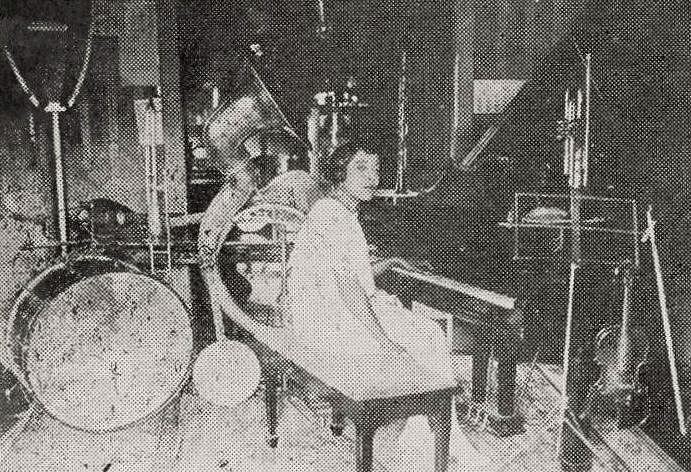
mme-pratt-muisc-teacher_dallas-negro-directory_1930_portal_det“Madame Pratt” in her music studio

by Paula Bosse

I’ve recently posted lots of photos of black schools and black churches which appeared in the Official Directory: Dallas Negro Churches, Schools and Other Activities; Civic, Business, Fraternal, Social, Etc., an absolutely fantastic historical document (which is scanned in its entirety on the Portal to Texas History site here) — now I thought I’d post some of the businesses and people featured in the directory.

First is the woman seen above, Ella Rice Pratt (1893-1966) who was known professionally as “Madame Pratt” and seems to have taught an extremely wide range of musical instruments. According to this 1930 ad, she was “The only woman of her race in Texas who performs successfully upon two instruments at the same time.”  (Most images are larger when clicked.)

mme-pratt-muisc-teacher_dallas-negro-directory_1930_portal1930

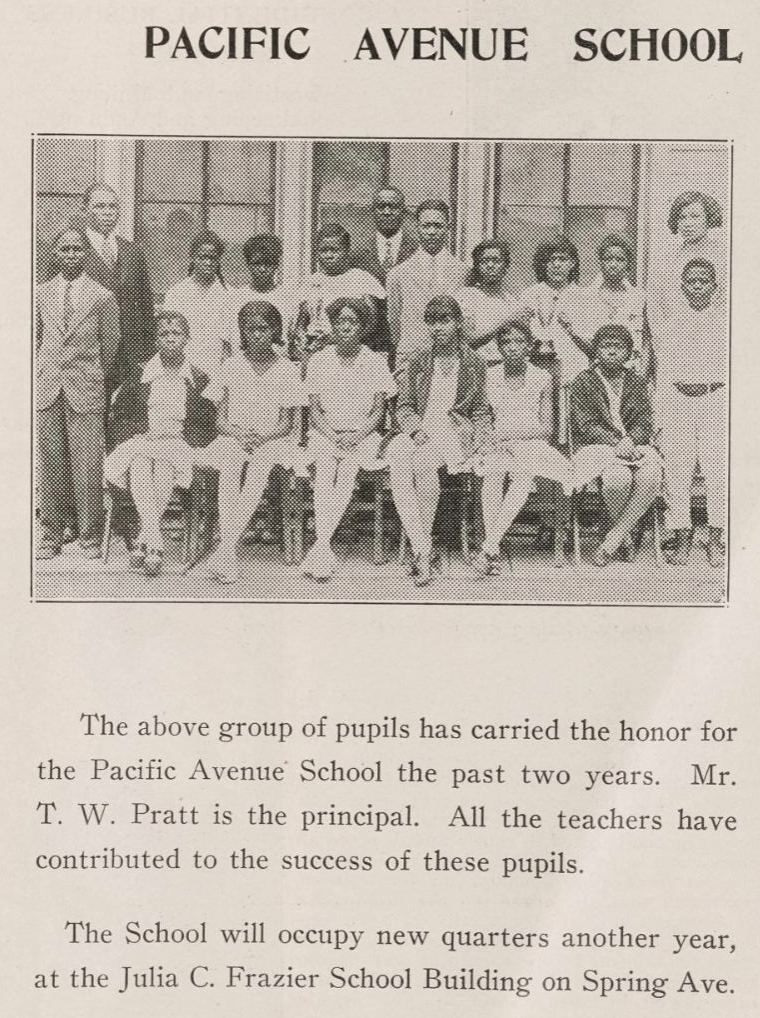
Her 1966 obituaries (one of which is here ) list a string of accomplishments, including having studied music at the New England Conservatory in Boston, toured as a concert pianist, trained a 30-piece touring orchestra, and opened what was described as “the first music studio in Dallas where Negro musicians could receive training on all instruments” (Dallas Morning News, Oct. 3, 1966). Not only was she a notable Dallasite, so were members of her family: her father, Charles A. Rice was a principal at Booker T. Washington High School (and is the namesake of Charles Rice Elementary School), her mother, Sally Rice, was the first supervisor of Griggs Park, and her husband, T. W. Pratt was a long-time principal in Dallas schools (at the time of this directory he was the principal of the Pacific Avenue School (he might be seen in this photo which also appeared in the 1930 Negro Directory). The Pratts lived at 3612 Thomas Ave., near Washington, where Madame Pratt also had her studio. (Her headstone in Lincoln Memorial Park has musical notes engraved on it.)

*

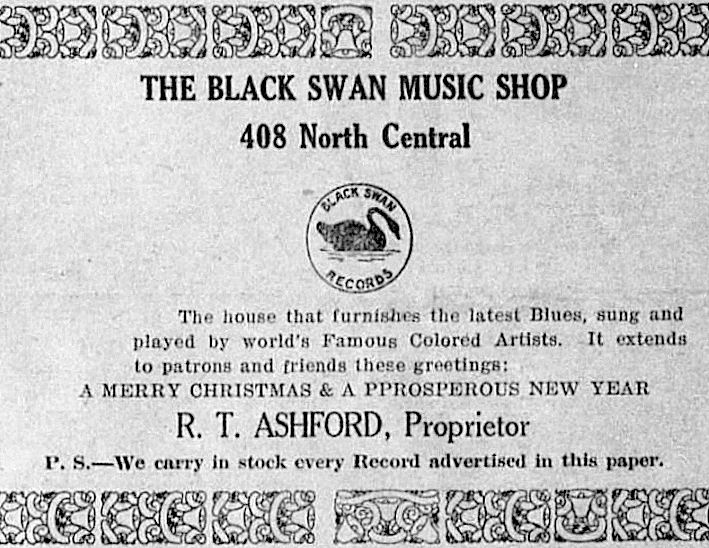
Speaking of music, R. T. Ashford was a prominent businessman (he was one of the founders of the Dallas Negro Chamber of Commerce) who owned R. T. Ashford’s Music Shop, a popular record store at 408 N. Central (at Swiss), just north of Deep Ellum. Before this 1930 directory was issued, Ashford had called his shop “Black Swan Music”(I’m not sure whether this was an “homage” to the Black Swan record label or some sort of partnership). Ashford’s store was apparently very popular and Ashford himself seems to have been taken seriously by record labels whenever he would recommend local talent (he appears to have figured prominently in Blind Lemon Jefferson’s recording career). Ashford moved from Central Avenue to Hall Street in 1931, but he was a Deep Ellum music and business fixture for many, many years. I think the location of Ashford’s record shop (if not the actual store) can be seen in this photo from 1919 (on the street-level floor of the Thorburn Broom & Brush building). (Fun fact, perhaps only to me: Ashford’s Music Shop was next door to a business proprietor named “Simpson.”)

ashfords-music-shop_dallas-negro-directory_1930_portal1930

ashford_dallas-express_122223Dallas Express, Dec. 1923

*

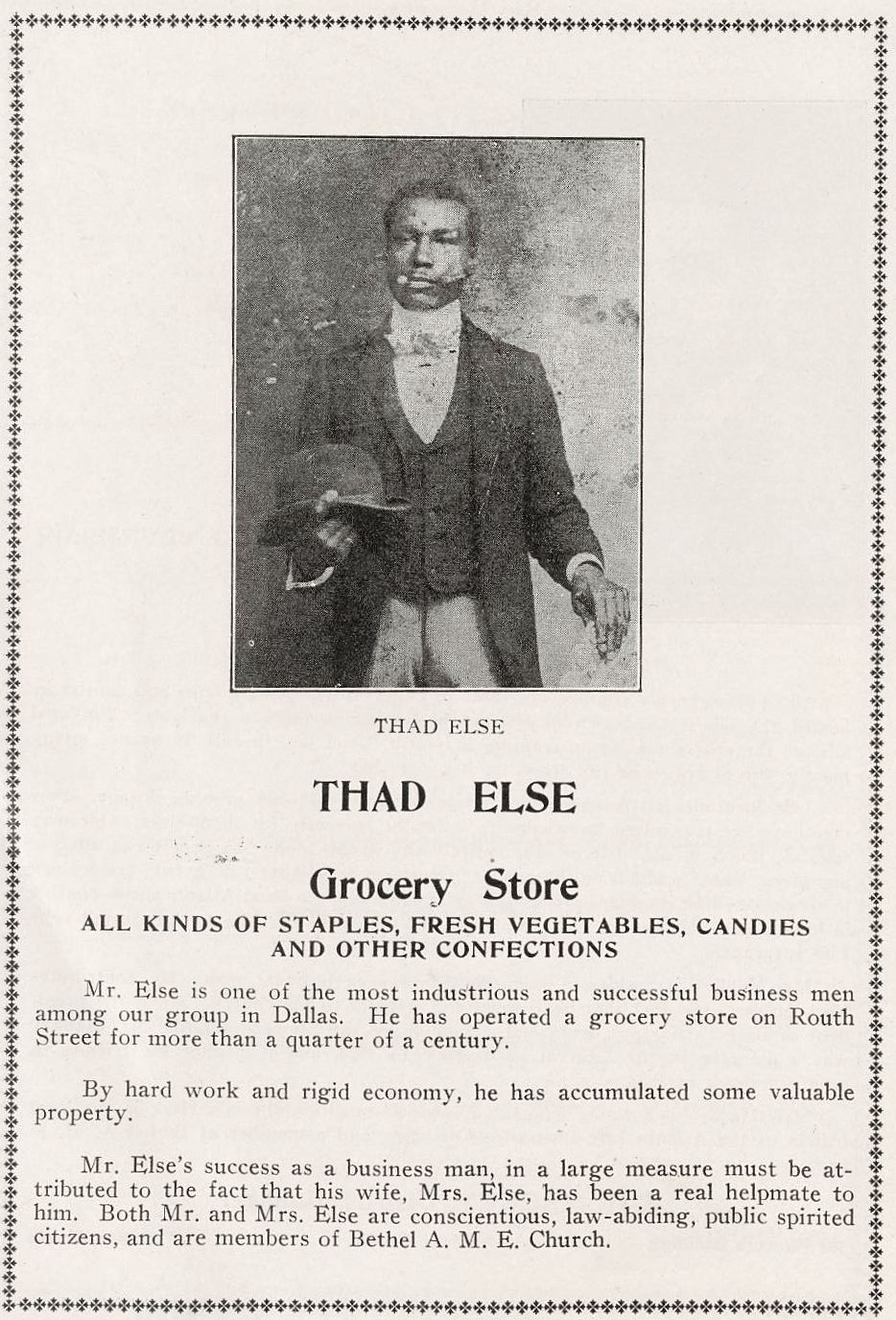
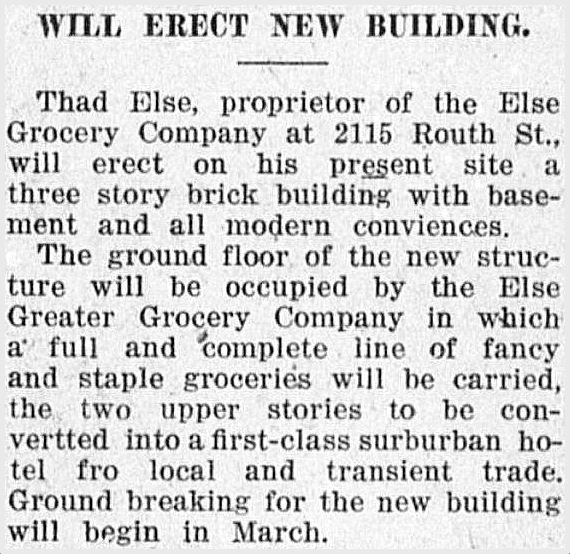
Another entrepreneur was Thad Self, whose main business seems to have been a grocery/general merchandise store on Routh Street south of Colby. He also owned a transfer company, a hotel/boarding house, a barber shop, a cafe, and at least one other general store. Most of his companies were located in buildings on the neighboring lots at 2113 Routh and 2115 Routh, one or both of which he appears to have purchased in 1913 for $100 (about $2,600 in today’s prices). He built a large three-story building on Routh in 1913 (which, according to this 1921 Sanborn map) was built over the Dallas Branch of the Trinity which snaked through downtown and the State-Thomas area — that  basement was probably pretty damp.

thad-else_dallas-negro-directory_1930_portal1930

thad-else_dallas-express_120619_HOTELDallas Express, Dec. 6, 1919

*

Speaking of hotels, one of the most prominent hotels in the era when blacks were not allowed to stay in “white” hotels by law was the Powell Hotel at 3115 State Street (between Ellis and Hugo), owned by D. H. Powell and his wife Susie. In May, 1929 Powell was issued a permit to tear down a frame house at 3115 State, and he built his 40-room hotel on the property soon after. The Powell Hotel was where almost every notable African-American visitor to the city stayed. By the late 1940s, Powell had built something of a hotel empire in Dallas with several locations. (I will have to write more about him in a future post!) I like this very early ad, from the 1930 directory, describing it as the “Powel Hotel & Pleasure Dome.” The photo shows a pleasant-looking place, but you and I and Kubla Khan and Coleridge would probably agree it’s no Xanadu.

powell-hotel_dallas-negro-directory_1930_portal1930

powell-hotel_legacies_spring-2007Dallas Public Library, via Legacies, Spring, 2007

*

Speaking of “resting places”… another essential element in any community is the funeral home. One of Dallas’ most prominent undertaking firms for black Dallas was the E. J. Crawford Funeral Home at 804 Good (now N. Good-Latimer, between Live Oak and Bryan), founded by Mr. Crawford in 1909. “The last word in funeralizing.”

crawford-funeral-home_dallas-negro-directory_1930_portal1930

crawford_e-j_dallas-express_020422Dallas Express, Feb. 4, 1922

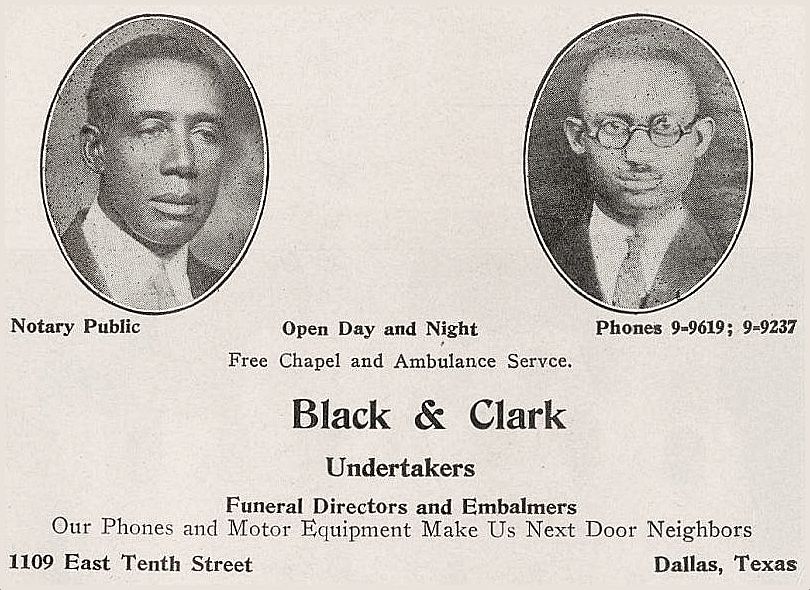
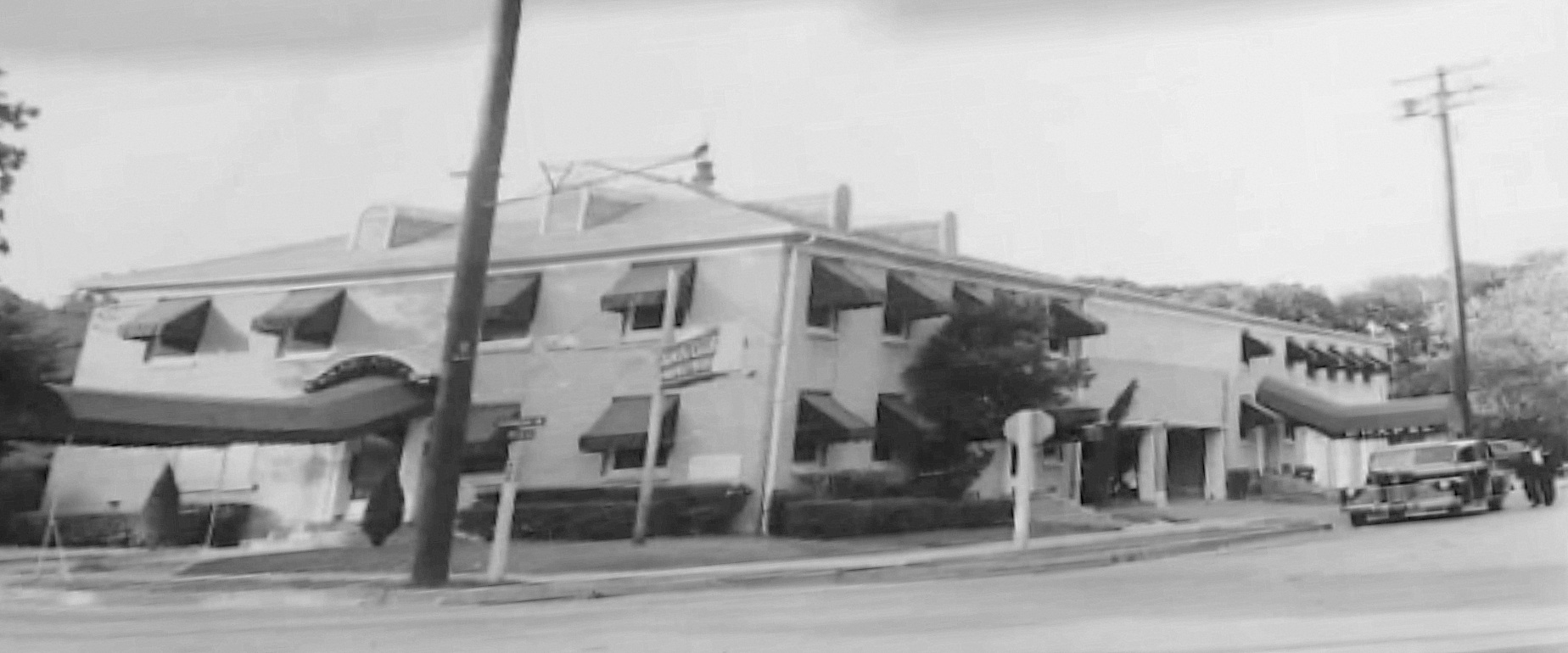
Another prominent funeral home/ambulance service was Black & Clark, founded originally around 1914 by S. C. Black; in 1927 he was joined by his nephew C. J. Clark. For years they were located in Oak Cliff, at 1109 E. Tenth St., west of what is now South R. L. Thornton, near Cliff Avenue. This funeral home is still in business, and there was recently a profile of the Dallas institution on Channel 5 News (watch it here).

black-and-clark-undertakers_dallas-negro-directory_1930_portal1930

black-and-clark_archives_1802-n-washington1802 N. Washington (woozy screenshot of photo in Ch. 5 news story)

*

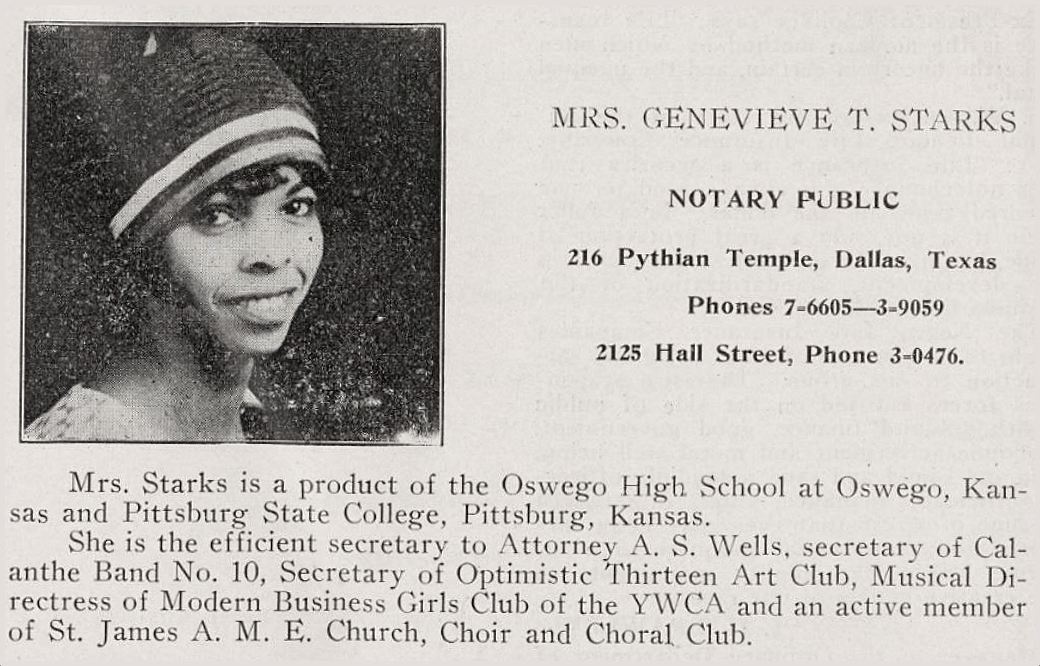
This is Genevieve T. Starks, a woman with a lot of extra-curricular activities! I love this photo.

genevieve-starks_dallas-negro-directory_1930_portal1930

*

The G Clef Club was organized around 1921 by Lincolnia Hayes Morgan, music supervisor for Dallas’ (black) public schools. A blurb about the group appeared in The Crisis, the official publication of the N.A.A.C.P.: “The objects of the club are to assist worthy music students and to raise the music standard of the community” (June, 1921).

g-clef-club_dallas-negro-directory_1930_portal1930

*

A popular singing group was the Belt Sacred Quartette (comprised of J. J. Mollis, J. Poindexter, F. W. Grant, and N. Tisdale) — listen to their recording of “I Have Another Building” below.

belt-sacred-quartette_dallas-negro-directory_1930_portal1930

belt-sacred-quartette_blackwell-OK-journal-tribune_072332Blackwell (OK) Journal-Tribune, July 23, 1932

*

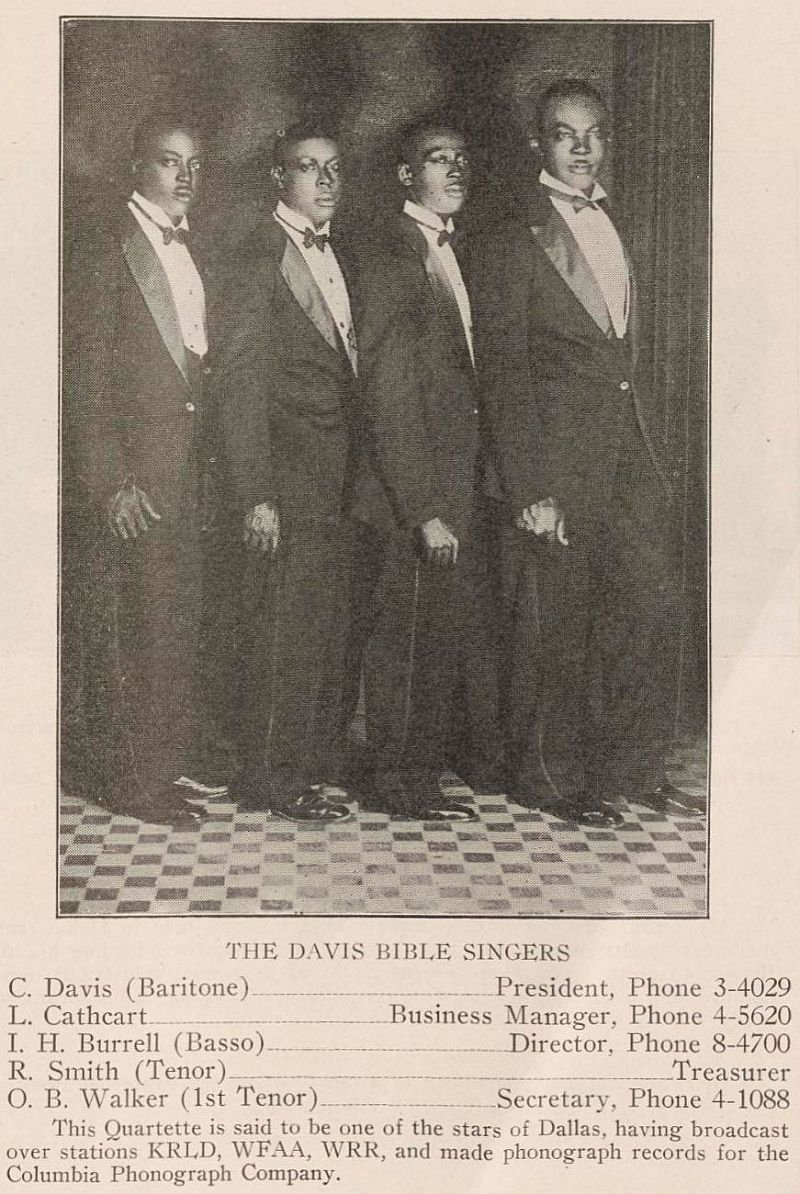
The Davis Bible Singers (C. Davis, I. H. Burrell, R. Smith, and O. B. Walker) seem to have been pretty popular, having appeared on KRLD, WFAA, and WRR radio. They even recorded for Columbia Records (listen to their great recording of “Daniel Saw the Stone” below).

davis-bible-singers_dallas-negro-directory_1930_portal1930

*

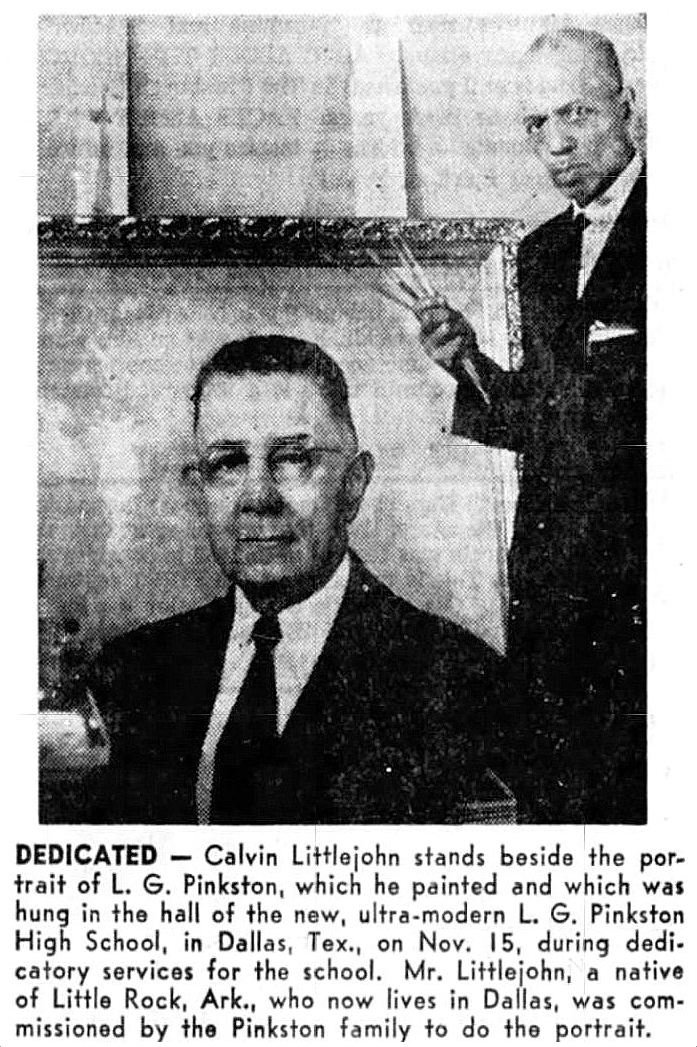
One of the most important doctors in Dallas in the 1920s and ’30s was Dr. Lee Gresham (L. G.) Pinkston (1883-1961), who opened the Pinkston Clinic at 3305 Thomas Avenue, between Hall and Central, in 1928 or 1929 (it made its first appearance in the 1929 city directory). In 1954, Pinkston — physician, surgeon, and civic leader — was one of the first five black doctors allowed to practice in a “white” Dallas hospital (St. Paul’s Hospital) — before that, the only hospital in Dallas where black doctors could practice was the Pinkston Clinic, which had 15 beds (32 beds were allotted for black patients at St. Paul’s in 1954). (See a photo of the five doctors here, Dr. Pinkston is seated.) A new West Dallas school — Pinkston High School — was named in Dr. Pinkston’s honor and opened in 1964, three years after his death. 

pinkston-clinic_dallas-negro-directory_1930_portal1930

pinkston-clinic_DHSDallas Historical Society

Below, a portrait of Dr. Pinkston with the artist, Calvin Littlejohn (whom I’d known only as a photographer previously), destined to hang in the new school.

pinkston-l-g_portrait_calvin-littlejohn_pittsburgh-PA-courier_112864Pittsburgh (PA) Courier, Nov. 28, 1964

***

Sources & Notes

All 1930 images are from Official Directory: Dallas Negro Churches, Schools and Other Activities; Civic, Business, Fraternal, Social, Etc. compiled by James H. Smith, 1930; from the Tarrant County Black Historical and Genealogical Society, via the Portal to Texas History. This fantastic resource is scanned in its entirety here.

See the two other Flashback Dallas posts which also use this wonderful directory as a source:

mme-pratt-muisc-teacher_dallas-negro-directory_1930_portal_det_sm

*

Copyright © 2020 Paula Bosse. All Rights Reserved.

Black Churches in Dallas — 1930

randolph-free-will-baptist-church_dallas-negro-directory_1930_portal

by Paula Bosse

Yesterday I posted several photos of schools for Dallas’ African American community from a 1930 “Negro Directory” — today it’s churches. Of these, only two survive, and only one continues as a church. (All images are larger when clicked.)

Above, my favorite building of these churches, a small one serving as the home of Randolph Free Will Baptist Church, Flora and Watkins streets (3113 Flora — the location can be seen on this 1921 Sanborn map).

*

Below, Boll Street C.M.E. Church (Christian Methodist Episcopal), corner of Boll and Juliette (2631 Juliette), near Booker T. Washington High School. It can be seen on this 1921 Sanborn map as “Morning Chapel C.M.E. Church” (this area was obliterated when Woodall Rogers was built).

boll-street-church_dallas-negro-directory_1930_portal


boll-st-church_cook-coll_degolyer-lib_SMUca. 1932, via DeGolyer Library, SMU (info at bottom of post)

boll-street-church_patton-coll_DHSvia John L. Patton Collection, Dallas Historical Society

*

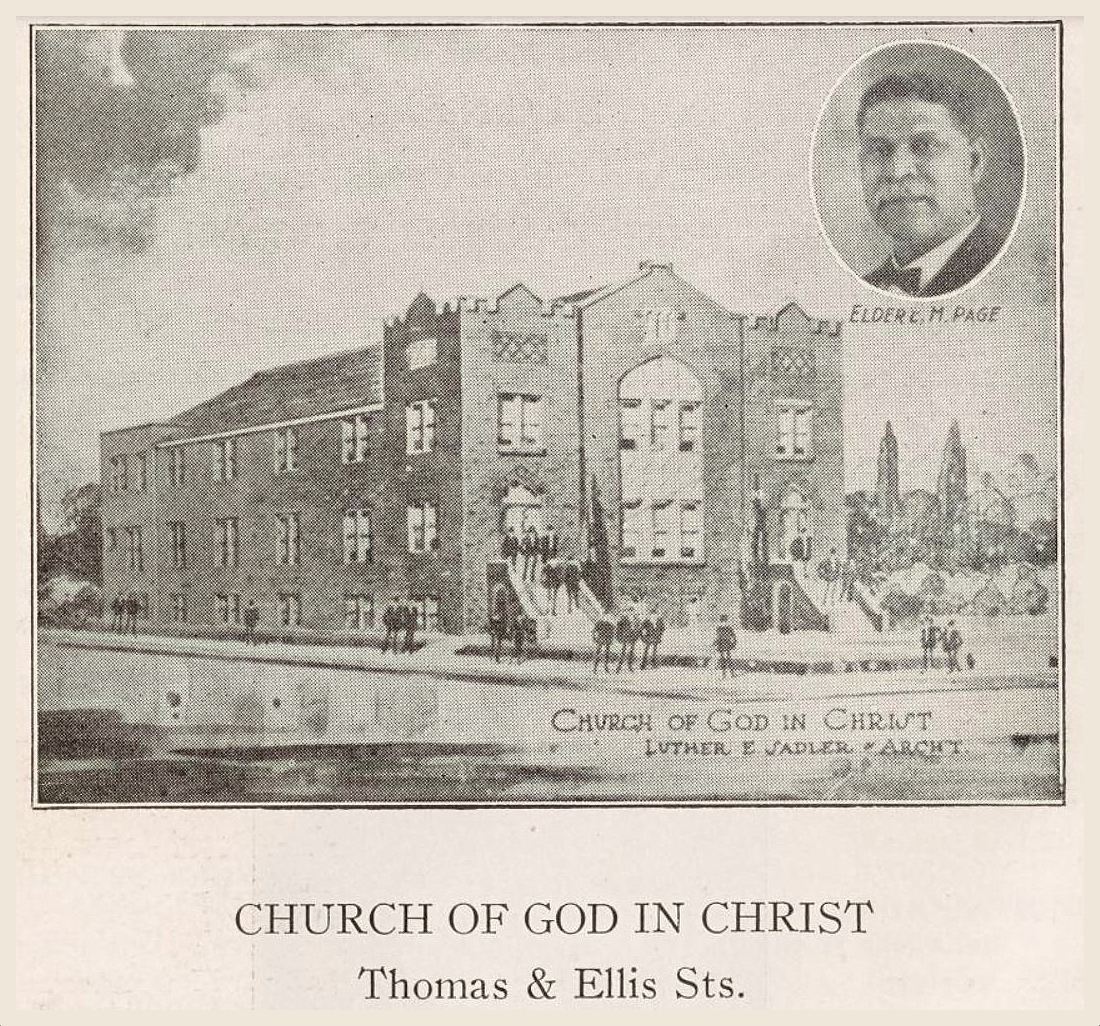
Church of God in Christ, Thomas and Ellis streets (3028 Thomas Avenue).

church-of-god_rev-paige_dallas-negro-directory_1930_portal

*

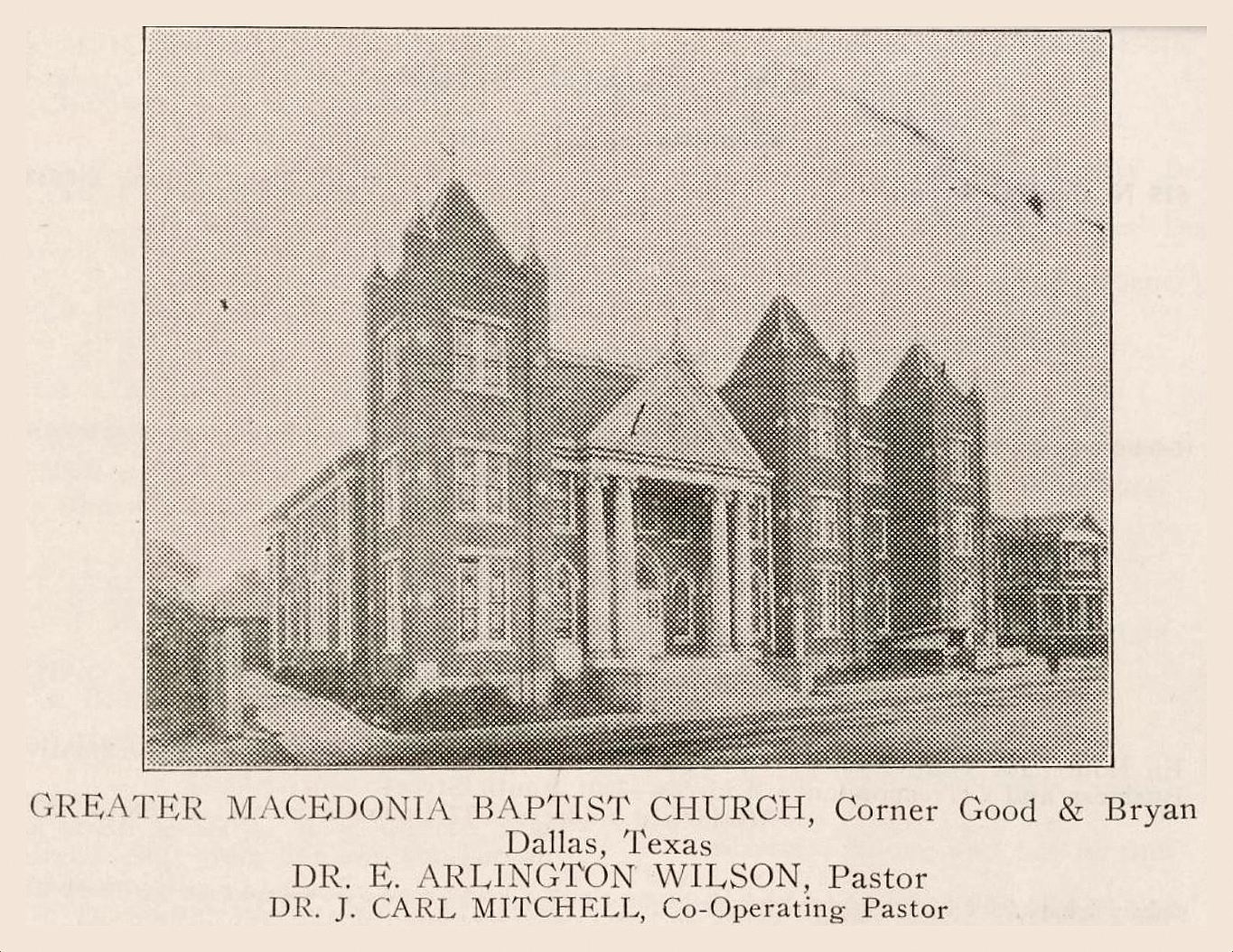
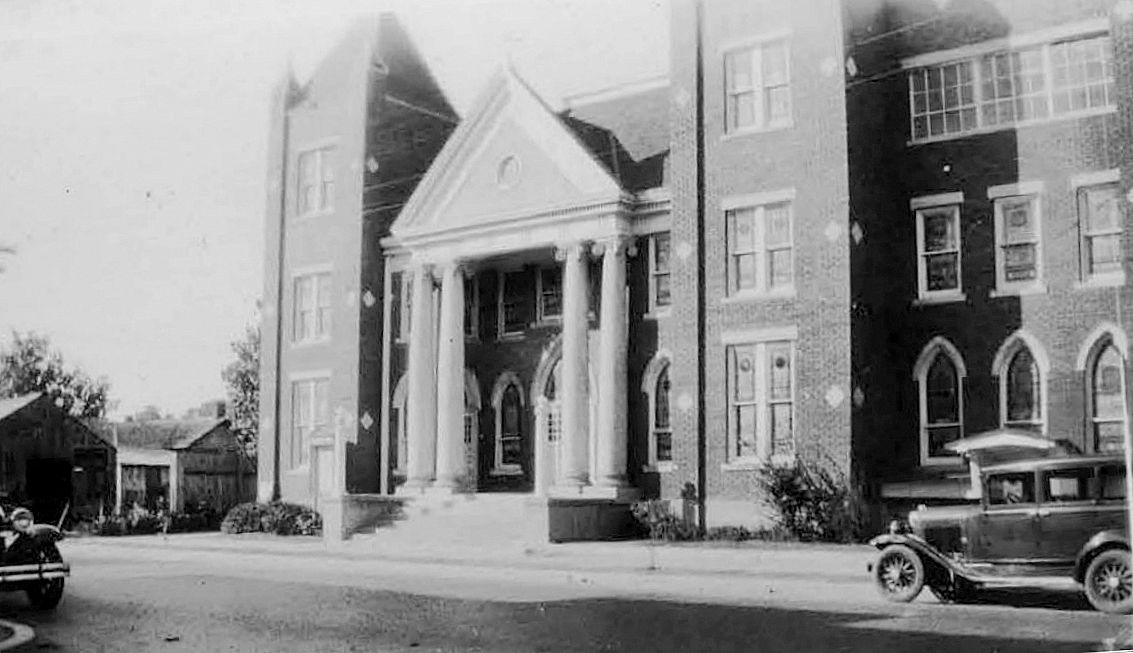
Greater Macedonia Baptist Church, corner of Good and Bryan (902 Good Street). This building later became home to Good Street Baptist Church.

greater-macedonia-baptist-church_dallas-negro-directory_1930_portal

greater-macedonia-church_cook-coll_degolyer-lib_SMUca. 1932, via DeGolyer Library, SMU

*

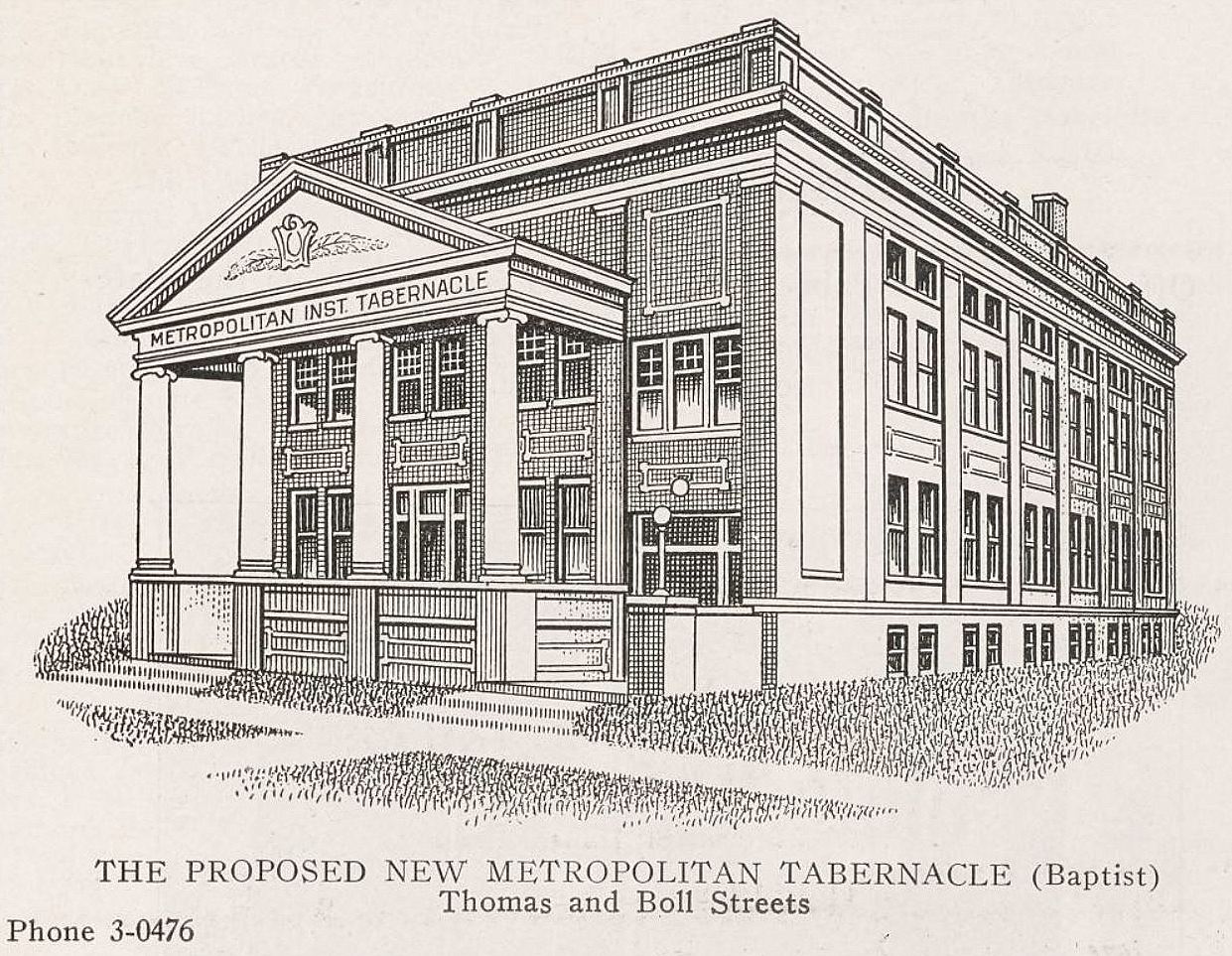
Metropolitan Tabernacle (Baptist), Thomas and Boll streets (this was apparently never built — a Metropolitan Tabernacle was listed in 1930 at 2202 Thomas, but it was not this building.)

metropolitan-tabernacle_baptist_dallas-negro-directory_1930_portal

*

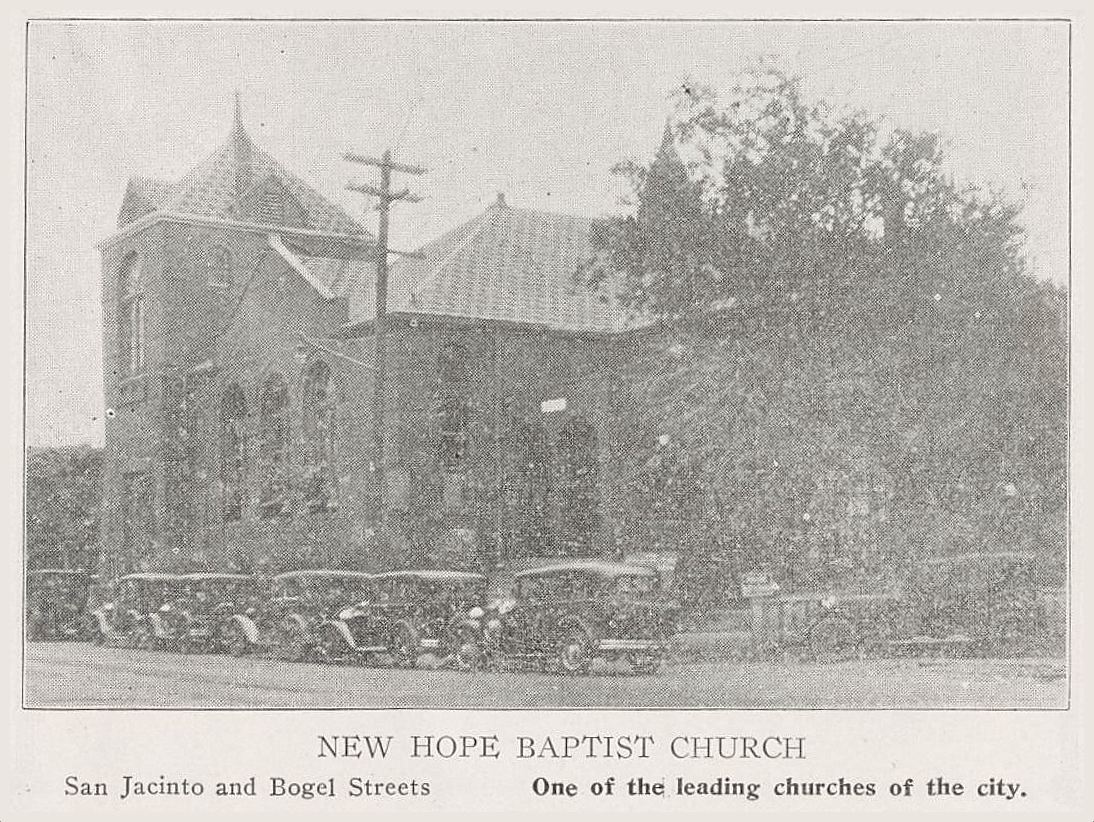
New Hope Baptist Church, southwest corner of San Jacinto and Bogle (sometimes spelled “Bogel”) — see it on a 1921 Sanborn map here).

new-hope-baptist-church_dallas-negro-directory_1930_portal

new-hope-church_cook-coll_degolyer-lib_SMUca. 1932, via DeGolyer Library, SMU

*

New Salem Baptist Church/Salem Missionary Baptist Church, 1110 S. Preston Street (see it on a 1921 Sanborn map here).

new-salem-baptist-church_dallas-negro-directory_1930_portal

*

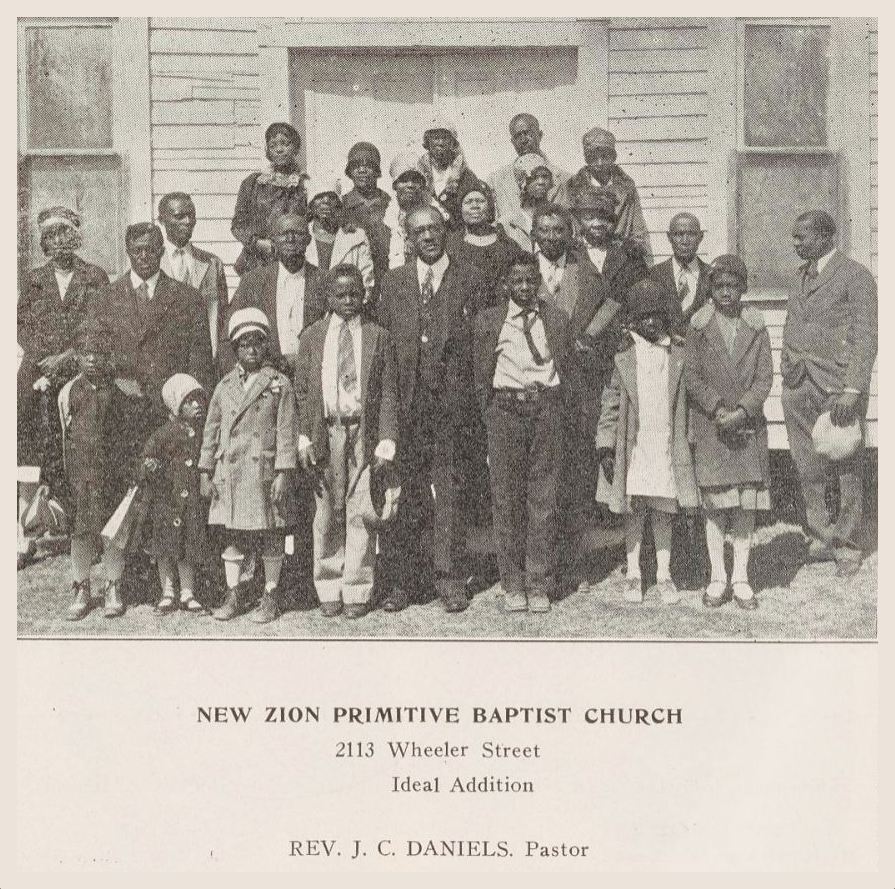
New Zion Primitive Baptist Church, 2215 Wheeler (address is incorrect in caption; the street name “Wheeler” soon changed to “Lowery”).

new-zion-primitive-baptist-church_dallas-negro-directory_1930_portal

*

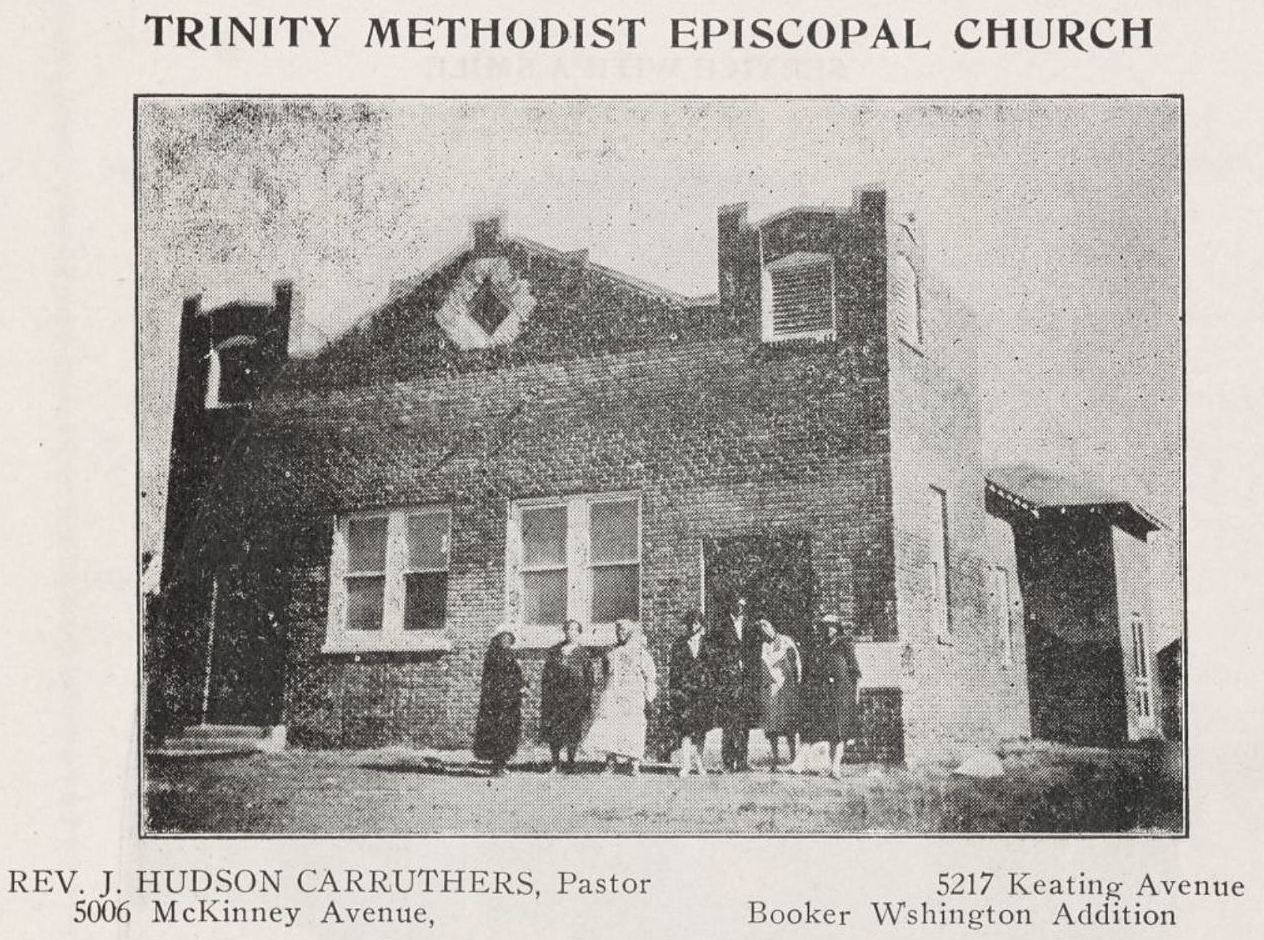
Trinity Methodist Episcopal Church, 5006 McKinney Avenue, between what is now Monticello and McCommas. (This is not to be confused with the church of the same name designed by James Flanders which was located at McKinney and Pearl.)

trinity-methodist-episcopal-church_dallas-negro-directory_1930_portal

*

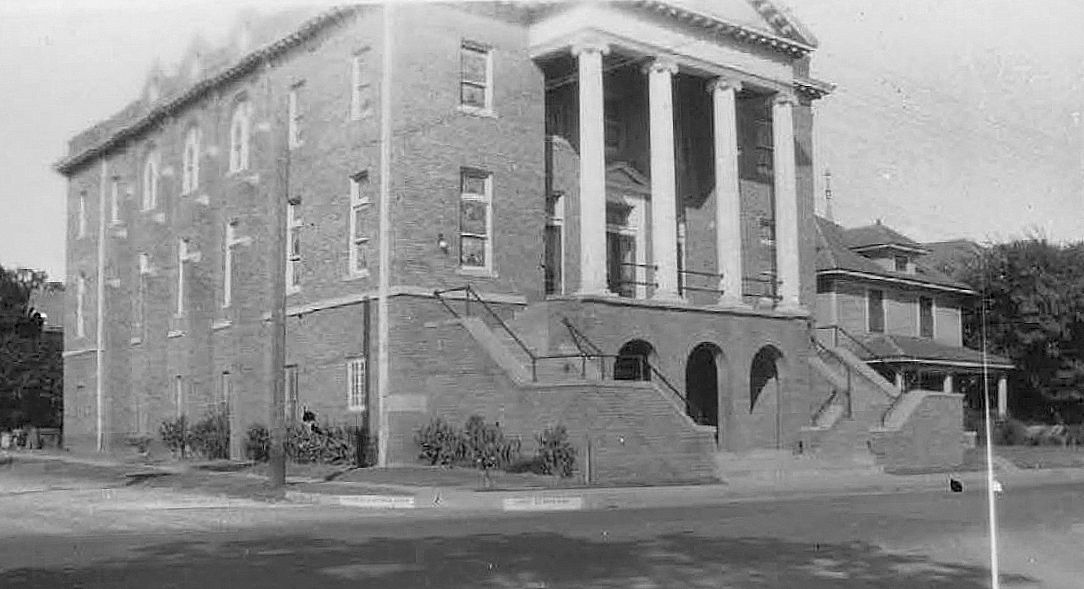
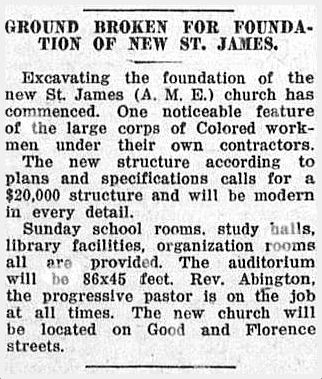
And, lastly, the two buildings which are still standing. First, St. James A.M.E. Church (African Methodist Episcopal), Good and Florence streets (620 Good Street, now 624 N. Good-Latimer Expressway). Designed by noted black architect William Sidney Pittman (who was also the son-in-law of Booker T. Washington), the building is currently home to several non-profit groups. Read the history of the building in the landmark nomination form here, and see what it looks like now — with its historical marker in front of it — on Google Street View here.

st-james-ame-church_dallas-negro-directory_1930_portal

st-james-church_cook-coll_degolyer-lib_SMUca. 1932, DeGolyer Library, SMU

st-james_a-m-e_church_dallas-express_101819Dallas Morning News, Oct. 18, 1919

*

And, finally, the only one of these churches still standing, and still functioning as a church, St. Paul Methodist Episcopal Church (now St. Paul United Methodist Church), corner of Burford and Juliette streets (1820 Burford, now 1816 Routh Street), also designed by architect William Sidney Pittman. See it on a 1921 Sanborn map here as “Juliette M.E. Church” (it wasn’t completed until 1922 and seems to have been given a place-holder name). Read about its history here, and see it today on Google Street View here.

st-paul-methodist-episcopal-church_dallas-negro-directory_1930_portal

st-paul-church_cook-coll_degolyer-lib_SMUca. 1932, via DeGolyer Library, SMU

***

Sources & Notes

Photos from Official Directory: Dallas Negro Churches, Schools and Other Activities; Civic, Business, Fraternal, Social, Etc. compiled by James H. Smith, 1930; from the Tarrant County Black Historical and Genealogical Society, via the Portal to Texas History. This fantastic resource is scanned in its entirety here (the full list of churches begins on p. 10).

The five “ca. 1932” photos are from a scrapbook/photo album of amateur photos called “Graphic History of Negro Dallas” which was compiled by the Priscilla Art Club in 1932; the scrapbook is from the George W. Cook Dallas/Texas Image Collection, DeGolyer Library, Southern Methodist University; links to the individual photos are in the photo captions.

Of related interest: “Twelve Prominent Black Baptist Churches — 1967.”

randolph-free-will-baptist-church_dallas-negro-directory_1930_portal_sm

*

Copyright © 2020 Paula Bosse. All Rights Reserved.


Black Schools in Dallas — 1930

booker-t-washington-high-school_dallas-negro-directory_1930_portal

by Paula Bosse

Let’s take a look at six schools for African American children in segregated Dallas in 1930. Three of the schools are still standing.

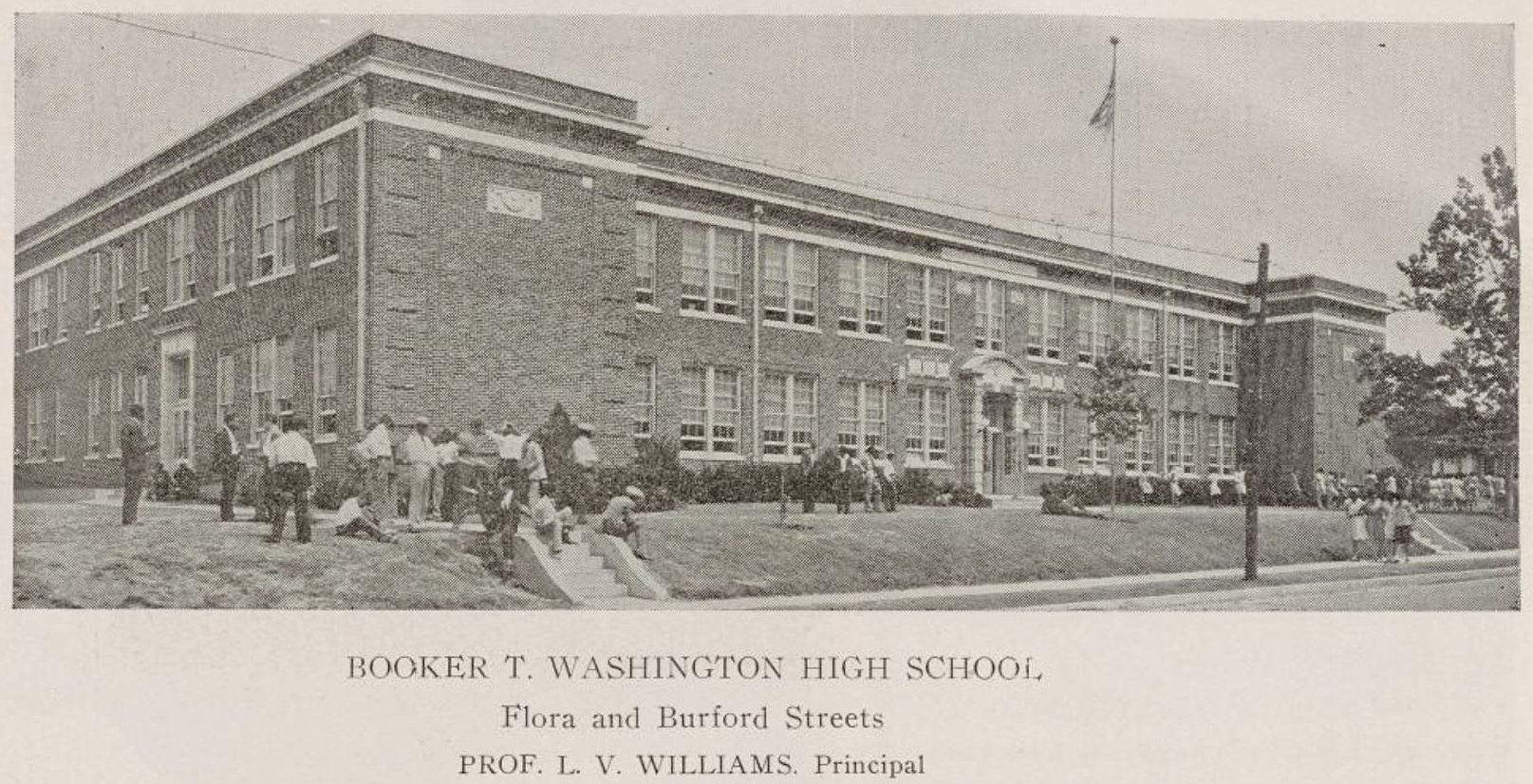
Above, the only high school for black students in 1930 was Booker T. Washington High School. Its address in 1930 was 1801 Burford Street (Burford and Flora). The school still stands and is now the Booker T. Washington High School for the Performing and Visual Arts in a much-renovated and expanded building. See what it looks like now on Google Street View here. (A 1921 Sanborn map showing the neighborhood and school — and street names no longer in use — can be seen here.) (More Flashback Dallas posts about or related to Booker T. Washington can be found here.)

*

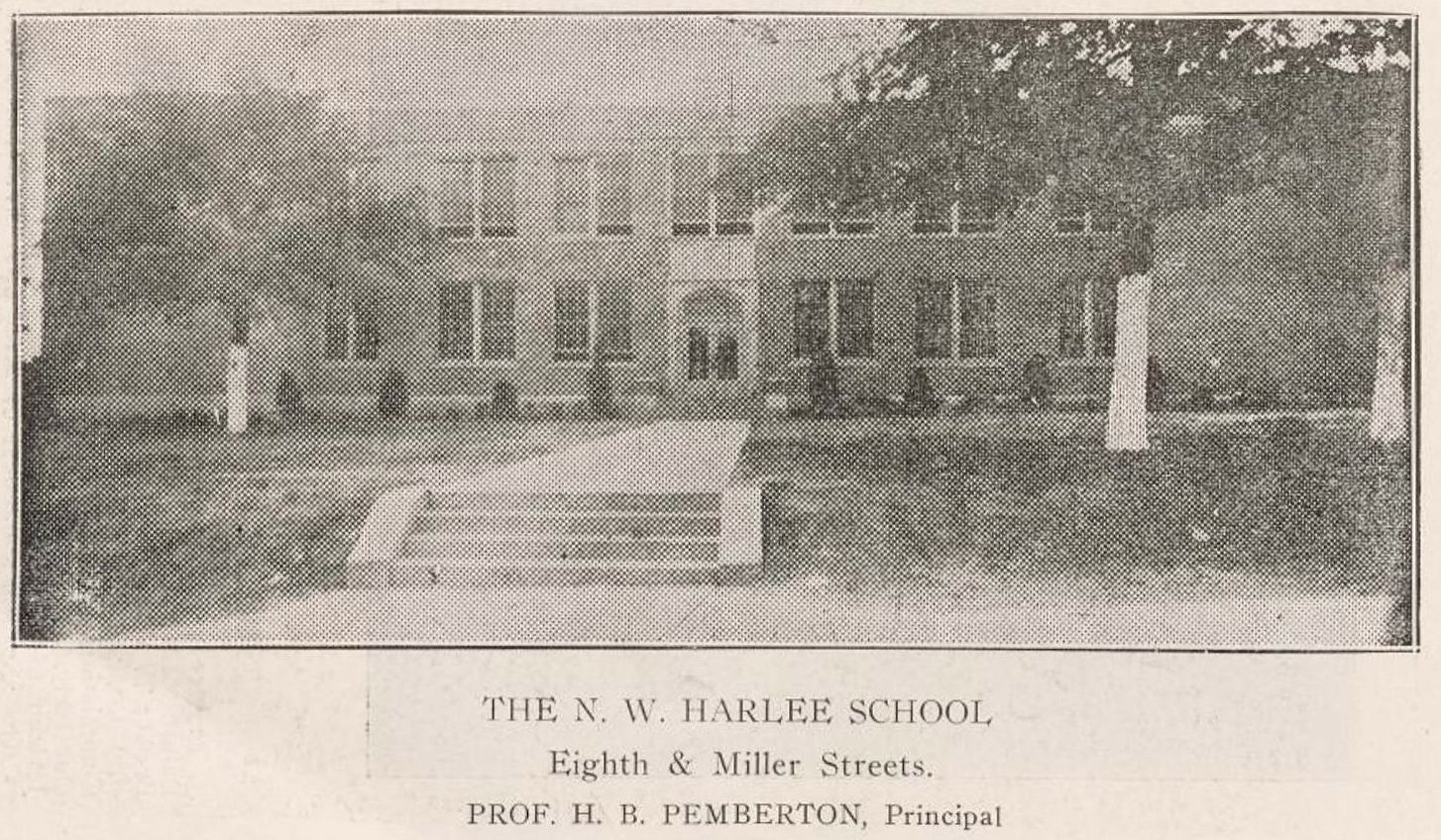
Below, the N. W. Harllee School (still standing) in Oak Cliff at 1216 E. 8th, at Denley. (The name of the school was misspelled in the caption.) See it today on Google Street View here, and on the same site (then at 8th and Miller, when different buildings housed the 9th Ward Public School) on a 1922 Sanborn map here.

harllee-school_dallas-negro-directory_1930_portal

*

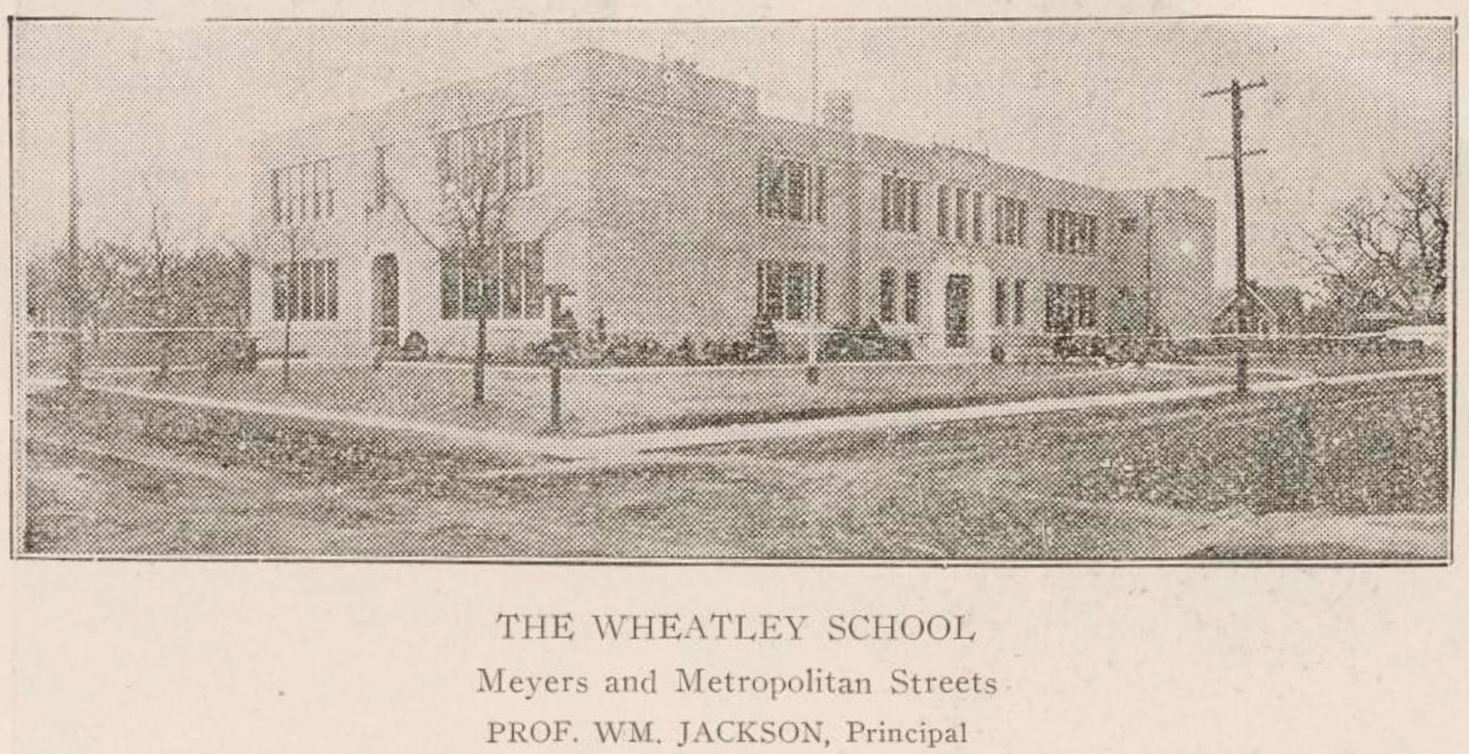
The Phillis Wheatley School is also still standing, in South Dallas at Metropolitan and Meyers. See it on Google Street View here, and on a 1922 Sanborn map here.

wheatley-school_dallas-negro-directory_1930_portal

*

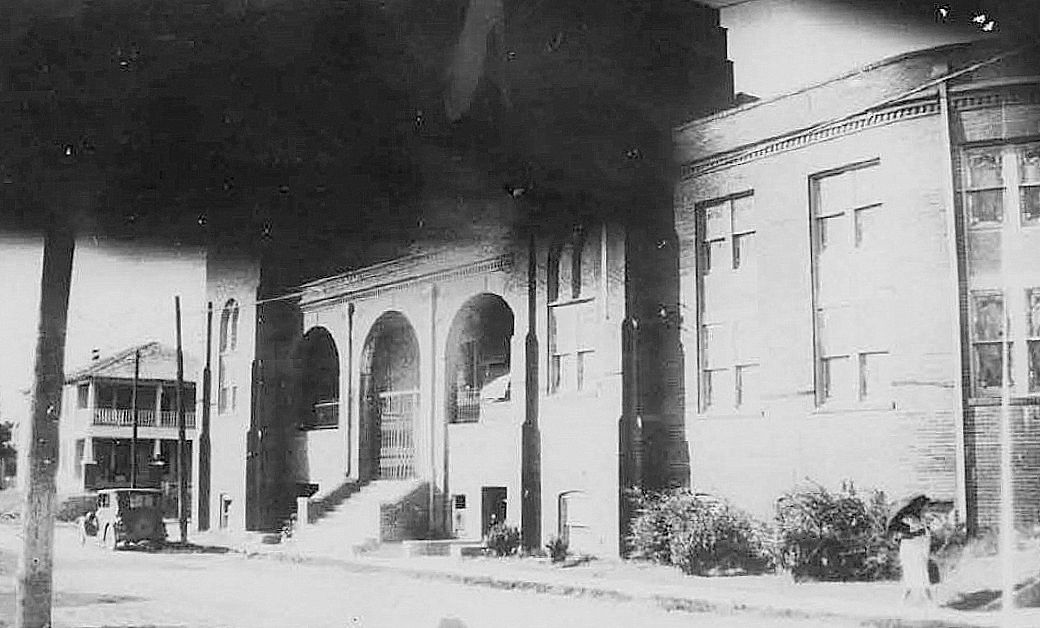
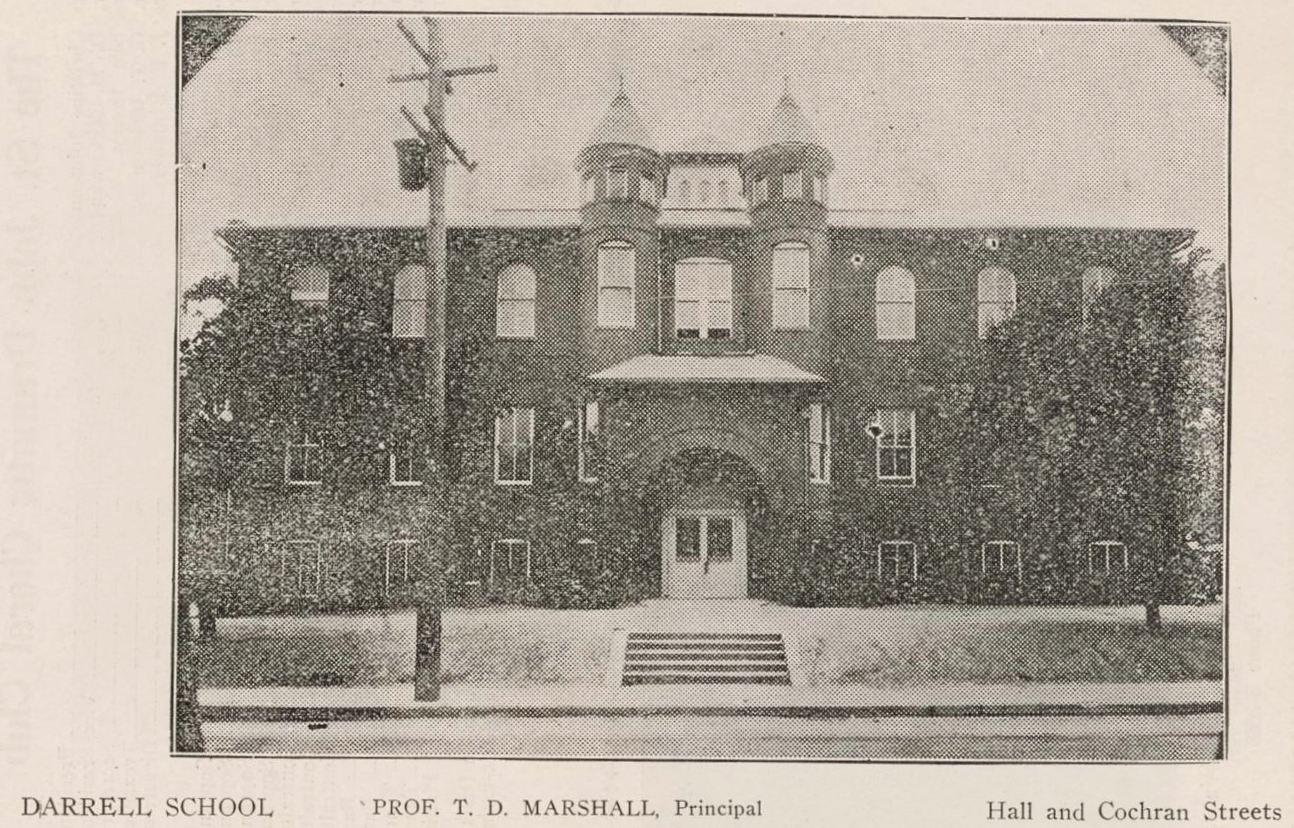
The B. F. Darrell School was at 3212 Cochran, at Hall. See the still-empty lot on Google Street View here, and the location on a 1921 Sanborn map here when the site was occupied by Dallas’ first high school for black students, known as the “Colored High School”; when Booker T. Washington opened in the 1920s, this building was renamed B. F. Darrell and became an elementary school; according to Dallas Rediscovered by William L. McDonald, the building was built in 1895 and was demolished in 1973.

darrel-school_dallas-negro-directory_1930_portal

*

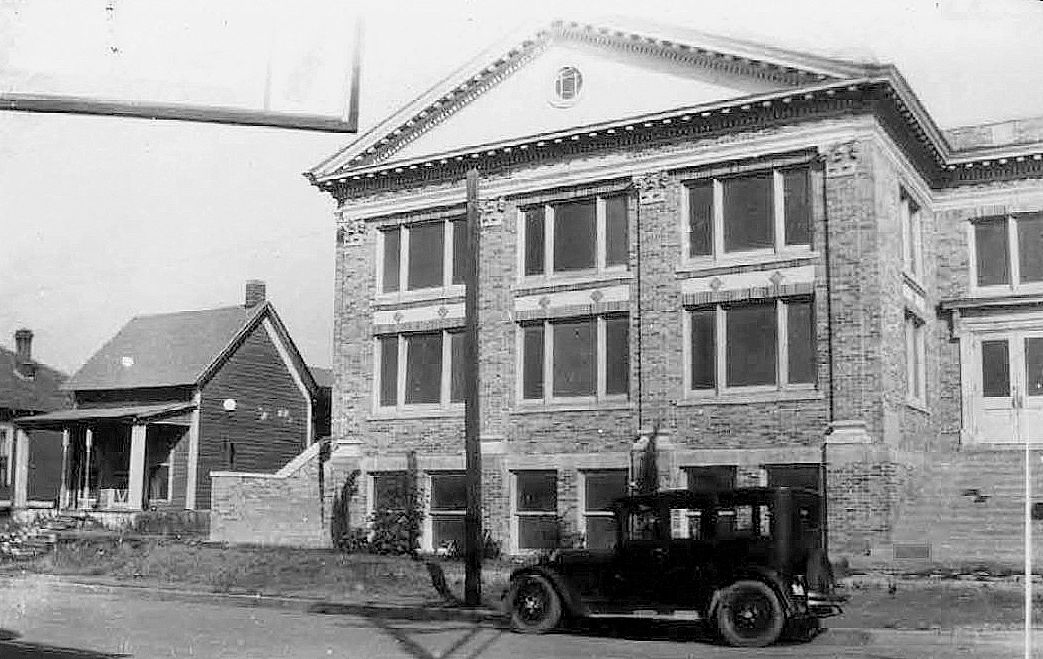
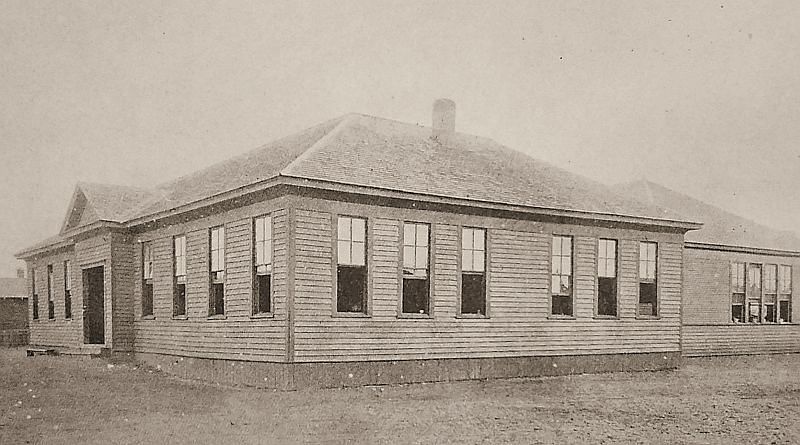
The Pacific Avenue School at 1221 Fletcher, near East Grand in the Fair Park area, was about to be left behind when students moved to the Julia C. Frazier School on Spring Ave. the next year. The site is now occupied by the Fannie C. Harris Youth Center and can be seen on Google Street View here. See the buildings on a 1922 Sanborn map here.

pacific-ave-school_dallas-negro-directory_1930_portal

pacific-ave-school_1910_education-in-dallas
Pacific Avenue School, ca. 1910

*

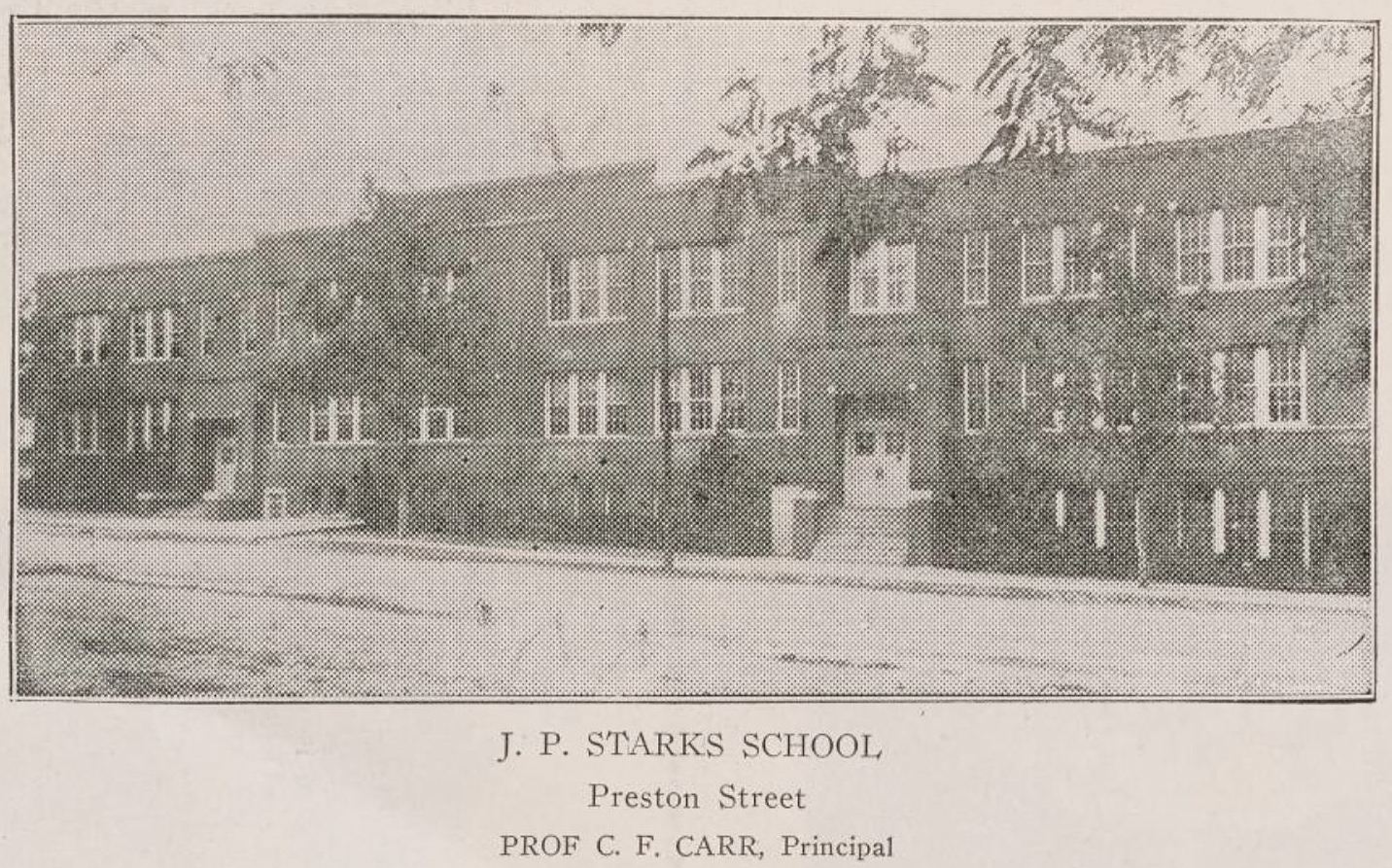
And, lastly, the J. P. Starks School, at 1600 S. Preston, at Gano, near Old City Park. There’s nothing there now, but its general location is on Google Street View here. The school can be seen on a 1921 Sanborn map here when it was the Fred Douglass School (the school’s name was changed after the death of principal J. P. Starks — in 1930 there was another Fred Douglass school in West Dallas at Williams and Pine streets — in fact, I think there have been several schools in Dallas named after Frederick Douglass). 

starks-school_dallas-negro-directory_1930_portal

*

Other schools for black children in Dallas in 1930 (excluding kindergartens) were the following:

  • Beeman School (2518 Detonte)
  • Fred Douglass School (1401 Williams)
  • Eagle Ford School
  • Elm Thicket School
  • Fair Grounds School (4508 Collins Ave.)
  • Fair Grounds School Annex (Carter, near Spring Ave.)
  • Julia C. Frazier School (Spring Ave. and Carter)
  • Lincoln Manor (Rowan Ave. and Dyson)
  • Wesley School (5123 Keating Ave.)
  • York School (3rd Ave. and Carrie)

***

Sources & Notes

Photos from Official Directory: Dallas Negro Churches, Schools and Other Activities; Civic, Business, Fraternal, Social, Etc. compiled by James H. Smith, 1930; from the Tarrant County Black Historical and Genealogical Society, via the Portal to Texas History. This fantastic resource is scanned in its entirety here (the full list of schools, kindergartens, colleges, trade schools, etc. begins on p. 29). I will be posting more from this directory soon.

Photo of the exterior of the Pacific Avenue School is from Education in Dallas, 1874-1966, Ninety-two Years of History by Walter J. E. Schiebel.

booker-t-washington-high-school_dallas-negro-directory_1930_portal_crop_sm

*

Copyright © 2020 Paula Bosse. All Rights Reserved.


Dynamic Dallas Skyline — 1930s

skyline_drawing_forest-ave-high-school-yrbk_endpapers_1936

by Paula Bosse

Above, a dynamic view of the Dallas skyline, which appeared in the 1936 Forest Avenue High School yearbook. There’s no Pegasus atop the Magnolia Building, so the drawing was probably done in 1934 or earlier. 

***

Sources & Notes

Endpaper drawing from the 1936 edition of The Forester, the yearbook of Forest Avenue High School in South Dallas (the school is now James Madison High School).

skyline_drawing_forest-ave-high-school-yrbk_endpapers_1936_sm

*

Copyright © 2020 Paula Bosse. All Rights Reserved.

Two Color Home Movies Featuring Downtown Dallas and Love Field — 1940s

love-field_dallas-aviation-school_perisccope_croppedDallas Aviation School, Love Field

by Paula Bosse

I’m a sucker for old home movies, and these two circa-1940s films are pretty cool — the first one has shots taken around Love Field and the second one has views of Main Street and Elm Street, full of traffic, pedestrians, and streetcars. Best of all, both are in color!

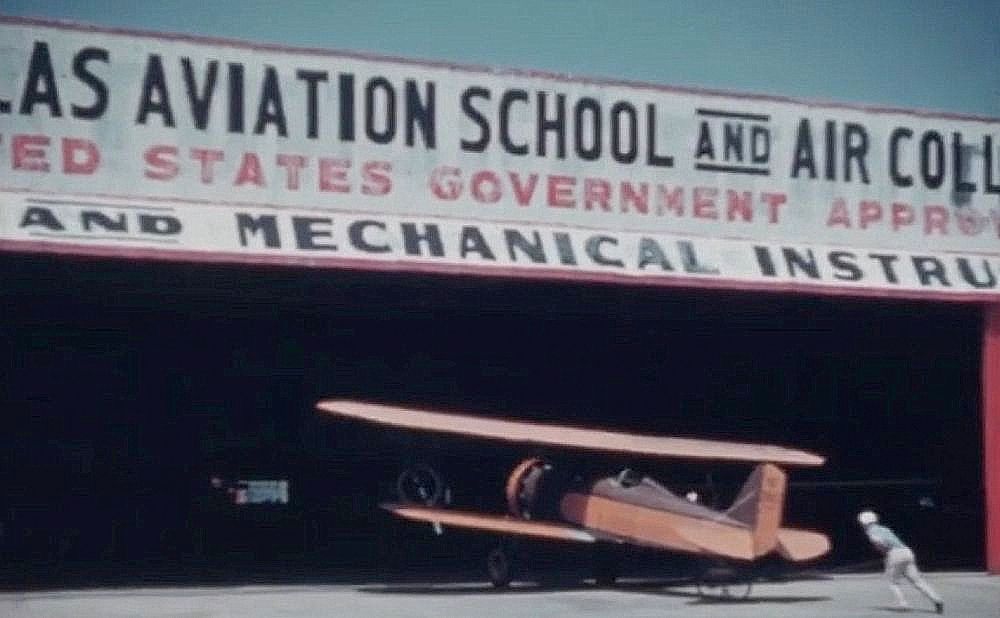
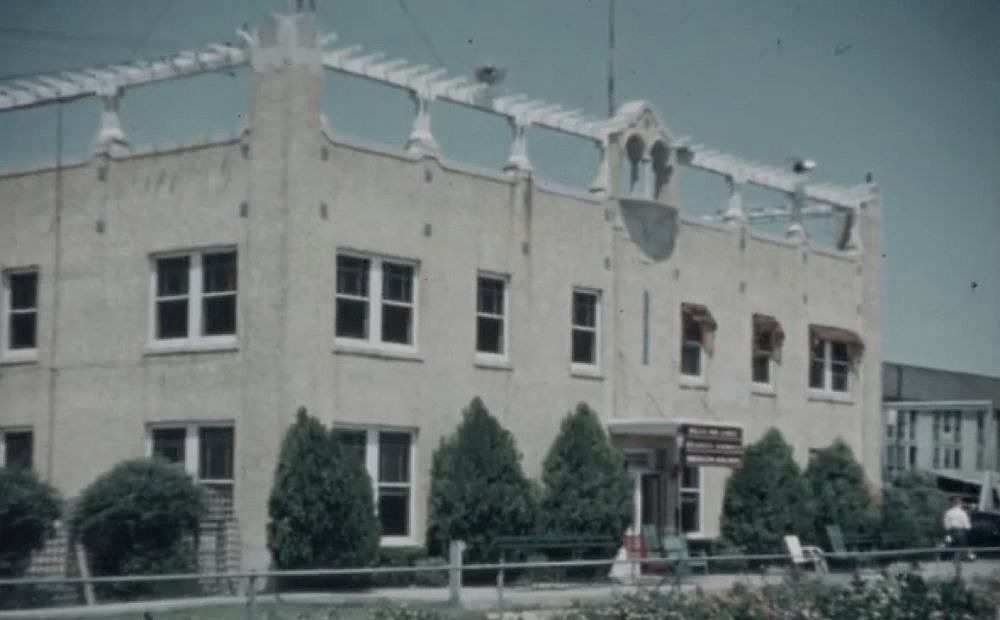
The Love Field film shows several of the businesses operating in Love Field, including the Dallas Aviation School, seen above in a screenshot from the film. Also seen is the building below, which appears to have housed offices for Delta Air Lines, Braniff Airways, and American Airlines. I’ve never seen this odd-looking building.

love-field_delta-braniff-american_periscope_ext_cropped

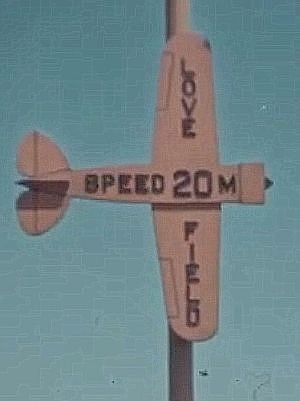
Also seen are these two signs:

love-field_periscope-screenshot_dallas-texas-terminal_cropped

love-field_sign_periscope_cropped

Below is the two-minute silent video:


*

The second video contains a lot of non-Dallas things (imagine!), but the first minute and a half were shot moving east down Main and Elm streets. (The Elm Street footage is, for some reason, really sped up — if you want to be able to focus on anything, I suggest fiddling with the YouTube settings and slowing the playback speed to .25.)

Here are a few screenshots — first, looking east down Main, approaching Akard:

downtown_main-street_periscope_cropped_a

And here’s a view of Elm Street, also shot from just west of Akard:

downtown_elm-street_periscope_cropped

And here’s a stretch of Elm you don’t see all that often in historical shots of downtown — Elm east of Harwood (the “camel” sign is for the Campbell House hotel on the southeast corner of Elm and Harwood):

downtown_elm-street_periscope_campbell-house-cropped

The video is here, with the first minute and a half shot in Dallas (and, seriously, turn the playback speed down!):

***

Sources & Notes

All images are cropped screenshots from home movies from the Periscope Films archive — the Periscope page with more info on the Love Field film is here; the page with more info on the downtown Dallas film is here.

Thanks to Dallas author Rusty Williams for pointing me to the Periscope website! Check out Rusty’s history books here.

love-field_dallas-aviation-school_perisccope_cropped_sm

*

Copyright © 2020 Paula Bosse. All Rights Reserved.

Bel-Vick’s Anchor: The Angelus Arcade and The Arcadia Theatre — 1920s

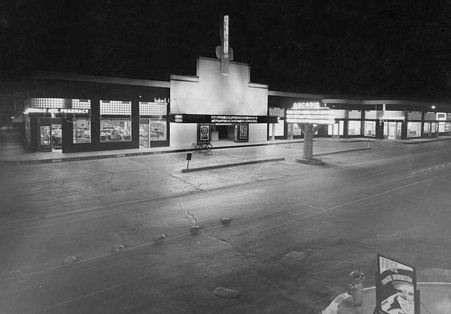
arcadia-theater_exhibitors-herald-world_060730The 2000 block of Greenville Avenue, 1930… (click for larger image)

by Paula Bosse

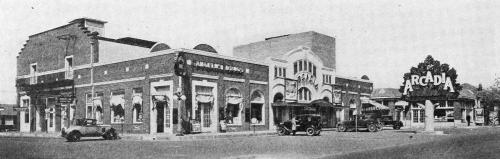
I’ve written about the Arcadia Theatre before (here and here), but until I discovered the above photo from 1930, I’d never really thought about what had been on that site previously (the northwest corner of Greenville Avenue and Sears Street, now the home of a Trader Joe’s). There’s a lot going on in that photo, not the least of which is the fabulous Arcadia “tree” sign/marquee, made of sculpted concrete.

Greenville Avenue in the 1920s had a small business district with buildings clustered between Ross Avenue and Belmont, an area which many now call “Lowest Greenville” (the stretch of Greenville a little farther north which is now generally refered to as “Lower Greenville” was being developed but was not really an area of note yet — and “Upper Greenville” — which I don’t really hear people say anymore — was a rural highway which passed through small communities and was mostly surrounded by a lot of open farmland).

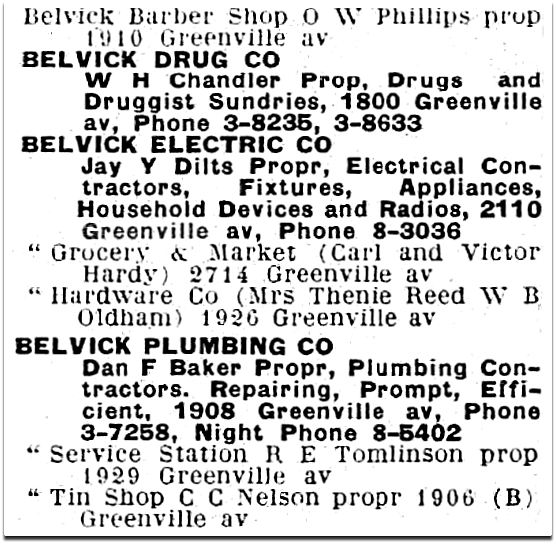
A look at city directories of the early 1920s suggests that business owners were trying to establish “Belmont” as the name of the area between Ross and Belmont, and many used the word in their business name (“The Belmont Pharmacy,” for instance). But things began to change in 1922 as development picked up, and “Belmont” suddenly became “Belmont-Vickery” (in a nod to the Vickery Place neighborhood), and then that very quickly became “Bel-Vick” or “Belvick” (a couple of rebel business owners went with “Belvic” but that didn’t seem to catch on). In the 1927 directory there were eight Belvick businesses, almost all of which were in the 1800 and 1900 blocks of Greenville, the blocks seen in the photo below (you can see the Arcadia “tree” in the distance on the left).
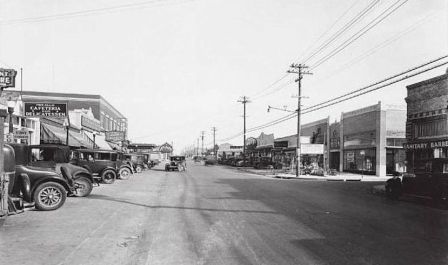
greenville-avenue_1930
Greenville Avenue, 1930 (Dallas Public Library)
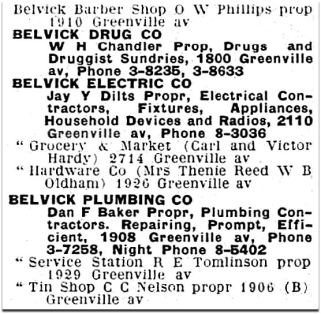
belvick_1927-directory
1927 Dallas directory

At least one business came up with a cutesy “Belvick” logo:
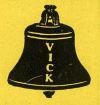
belvick-plumbing-logo_1908-greenville_1928-directory_ad-det
Belvick Plumbing logo, 1928

(One of these businesses, Belvick Electric Co., ended up on Garland Road, owned by the family of “King of the Hill” writer and producer Jim Dauterive, a name which should be familiar to all “King of the Hill” fans; I wrote about that tidbit of hyper-trivia at the end of this post.)

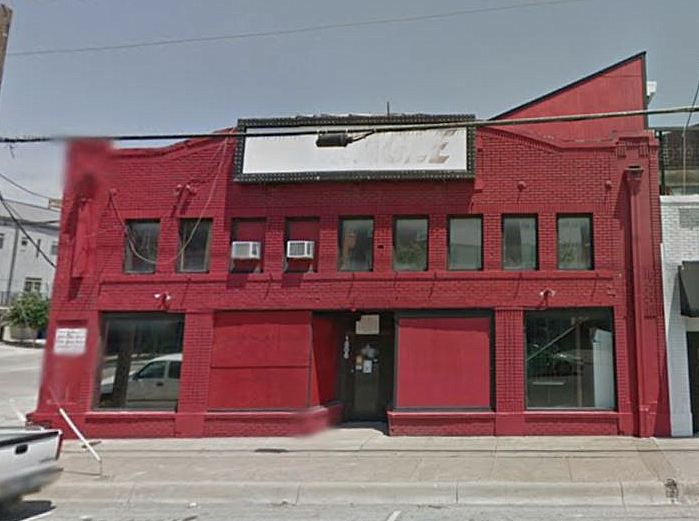
There was even a small theater at 1804½ Greenville Ave. for a year or two, pre-dating the Arcadia by five years. The Belmont Theatre opened in Sept. 1922, but when it changed ownership a few months later it became, you guessed it, the Belvick Theatre. I hope patrons didn’t get too attached, because it was out of  business by the time the 1924 directory was published. Here’s what that building looked like in 2012 (sadly, it no longer looks anything like this) — the theater was, I believe, in the right half of the building.
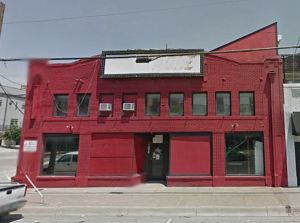
belvick-theater_google_2012
Google Street View, 2012

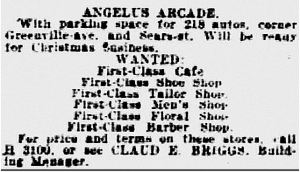
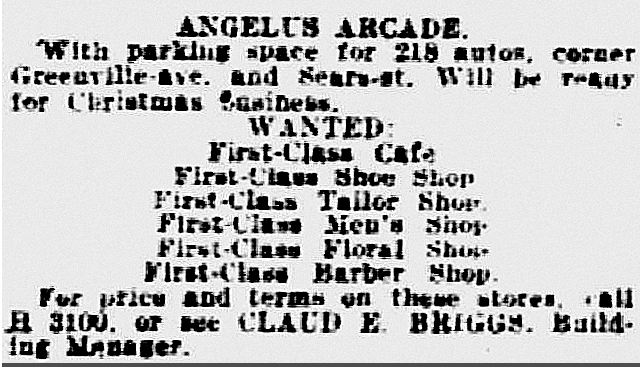
In 1923, a Greenville Avenue developer, Albert J. Klein, built a large building called the Angelus Arcade in the 2000 block of Greenville, at Sears Street. Here are a couple of woefully fuzzy classified ads for the under-construction “Greenville Market Place” and a list of the types of “first-class” businesses wanted to occupy the new arcade (click for larger-but-still-hard-to-read images).
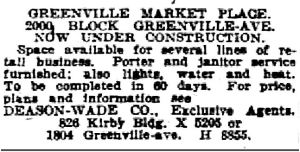
angelus-arcade_070423
July, 1923

angelus-arcade_112823Nov., 1923

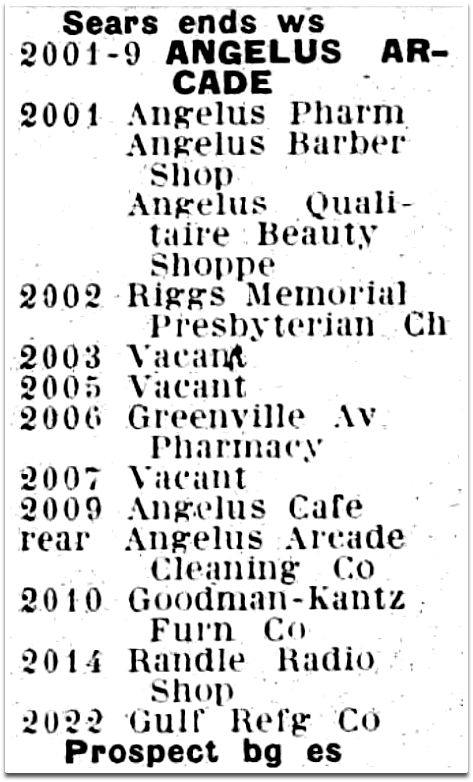
The arcade had several tenants and served as something of a public meeting place for the neighborhood — politicians frequently appeared in front of the large building to give speeches or talk to crowds in impromptu town-hall-like meetings. Like the use of “Belvick,” the name “Angelus” showed up in many of the less-than-imaginitively-named (first-class) businesses:
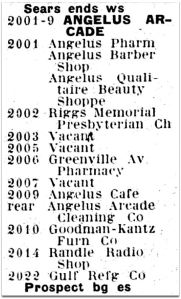
angelus-arcade_greenville-ave_1927-directory1927 Dallas directory

In 1927 Klein made a deal with the Dean Theatre company to build a new movie theater on the same premises as the Angelus — there would be additions and modifications made to the building, but it would still be home to several other businesses — there’d just be a movie theater inside. It would continue to be an “arcade.” Even though one newspaper article attempted to tie the name “Arcadia” to the new theater’s Italian garden motif which suggested a pastoral harmony with Nature, it seems more likely that people were already calling the building “the arcade,” and “Arcadia” was the next logical step.

The Arcadia Theatre opened on Nov. 4, 1927 with the Mary Astor movie “The Sunset Derby.” A newspaper report noted that “in spite of its remote location” the crowd-size was healthy. Patrons could even pop next door for a chicken dinner if so inclined.
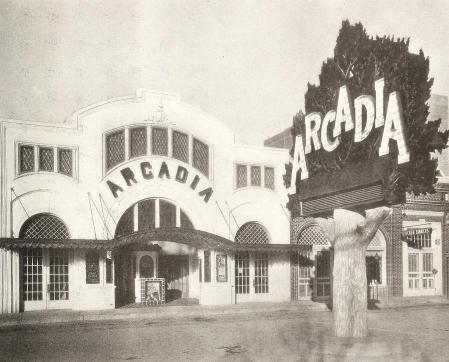
arcadia-theater_exhibitors-herald-world_060928_front1928

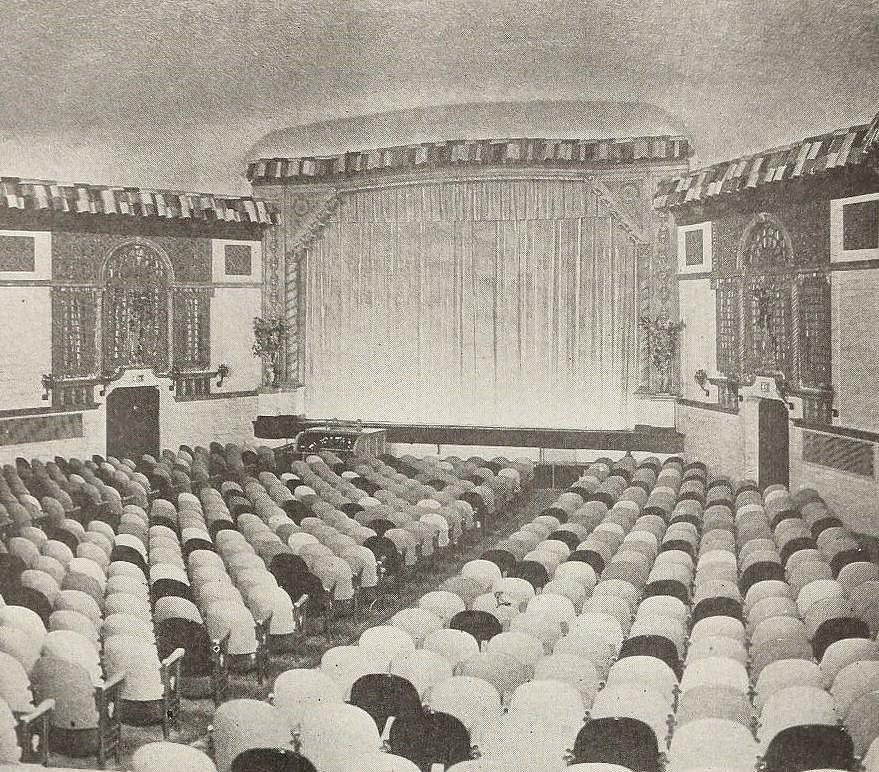
One of the unusual things about the theater was the seating. The backs of the chairs were in a variety of colors (desert sand, cafe au lait, light blue, orchid, green, and “Chinese red”) which were placed in a randomly pattern throughout the auditorium. I think the operators probably thought this design-breakthrough was quirky and cutting edge, but it just looks a little odd. The Dallas Morning News described this feature as being reminiscent of a fun carnival; the Arcadia publicity person wrote that “the effect is as startling as it is pleasing.” …I’ll give you “startling.”
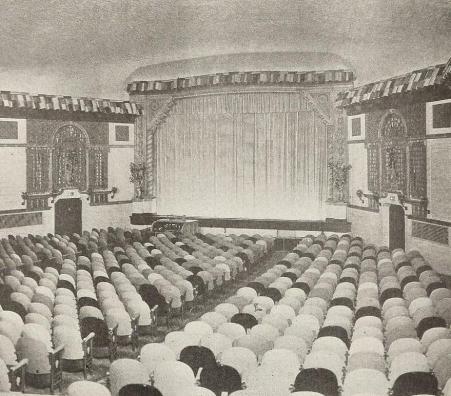
arcadia-theater_exhibitors-herald-world_060928_toward-screen1928

*

Below are a few more images of the Arcadia Theatre through the years.

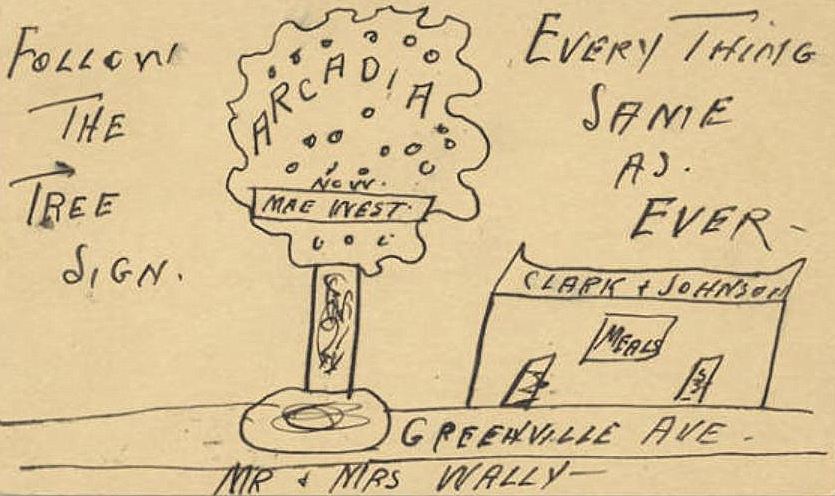
First, just an odd little postcard from 1934 which found its way into SMU’s archive — a drawing of that cool tree!
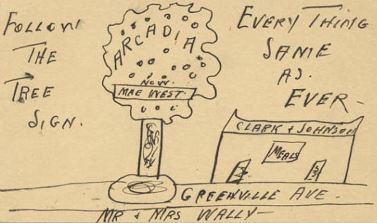
arcadia-sign_postcard_1934_cook-collection_degolyer-library_SMUvia George W. Cook Collection, DeGolyer Library, SMU

arcadia-marquee_1941_ad-det1941

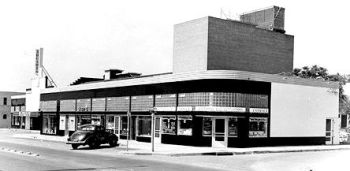
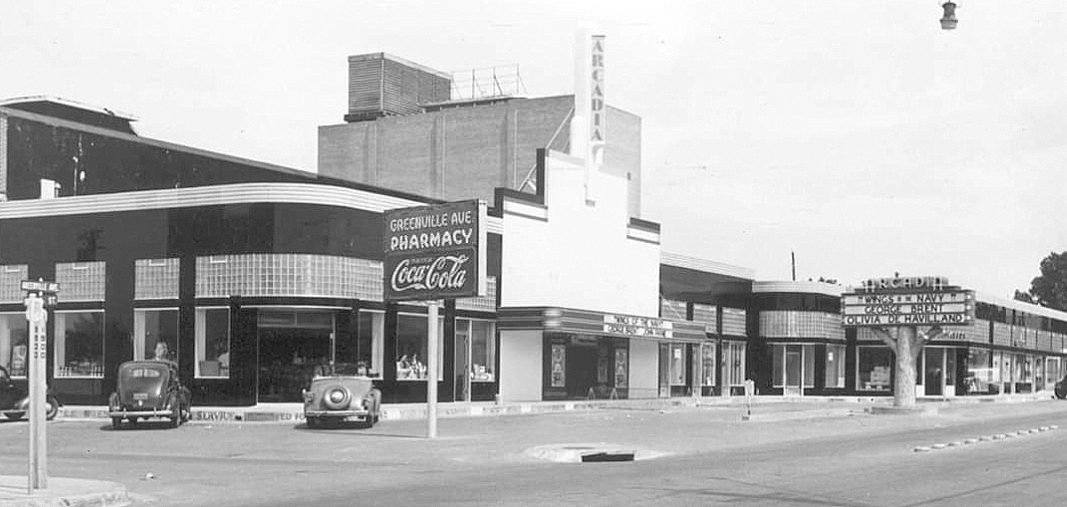
The Deco years, and a painfully pruned tree, in the daytime, and at night:
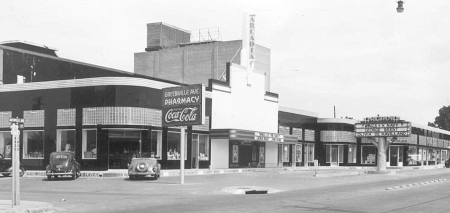
arcadia-theater_ca-1941_DHS1941, via Dallas Historical Society

arcadia-theater_mcafee_degolyer_SMUvia DeGolyer Library, SMU

arcadia-theater_mid

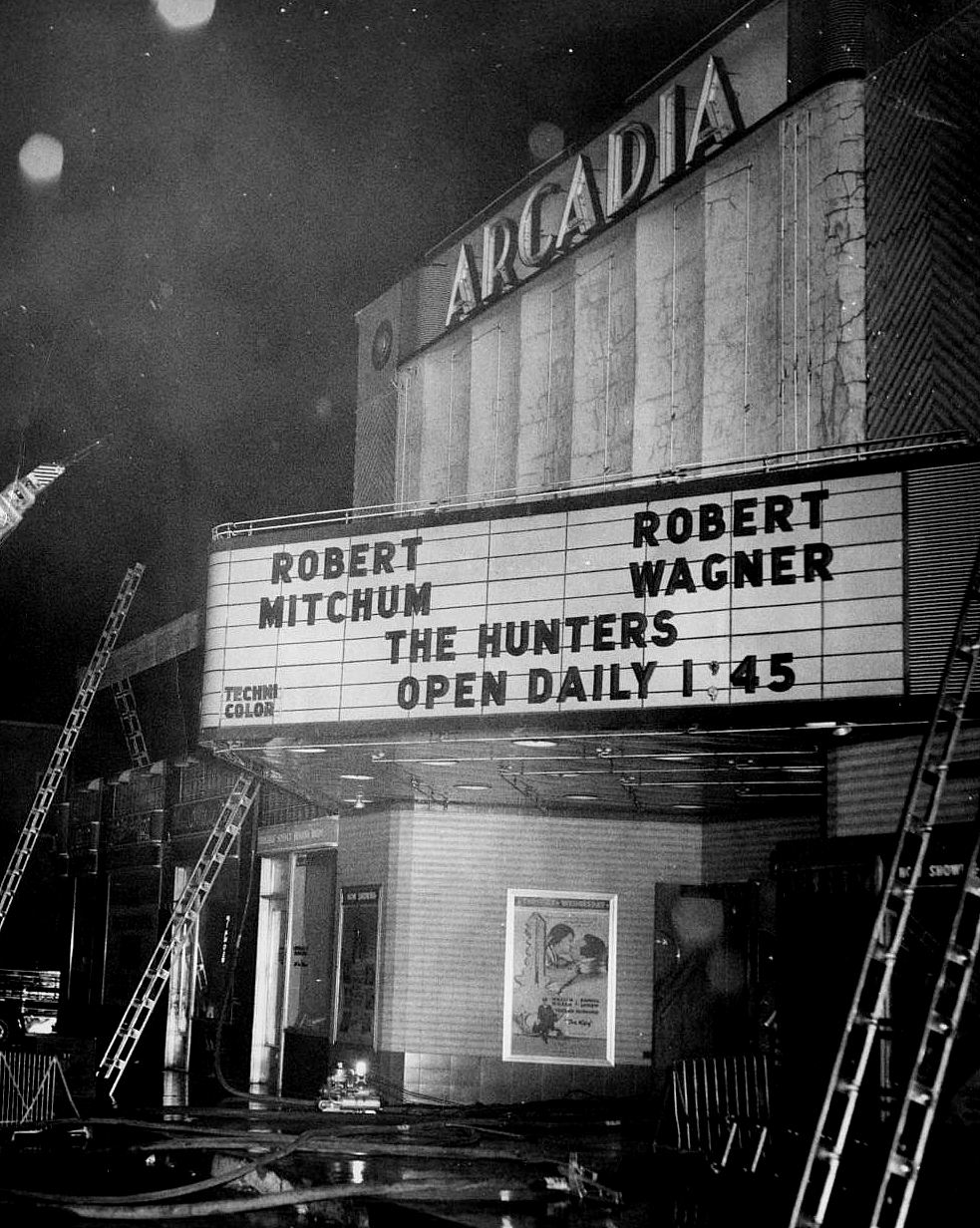
There were a few fires over the years — here’s one from November, 1958.
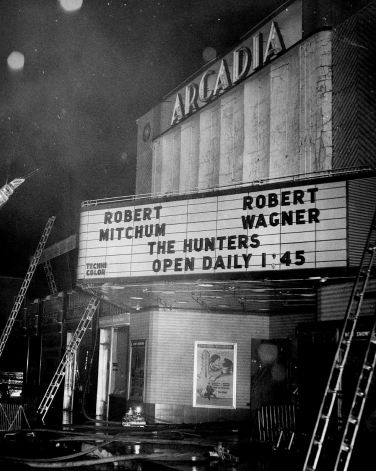
arcadia_fire_nov-1958_portalDallas Firefighters Museum, via the Portal to Texas History

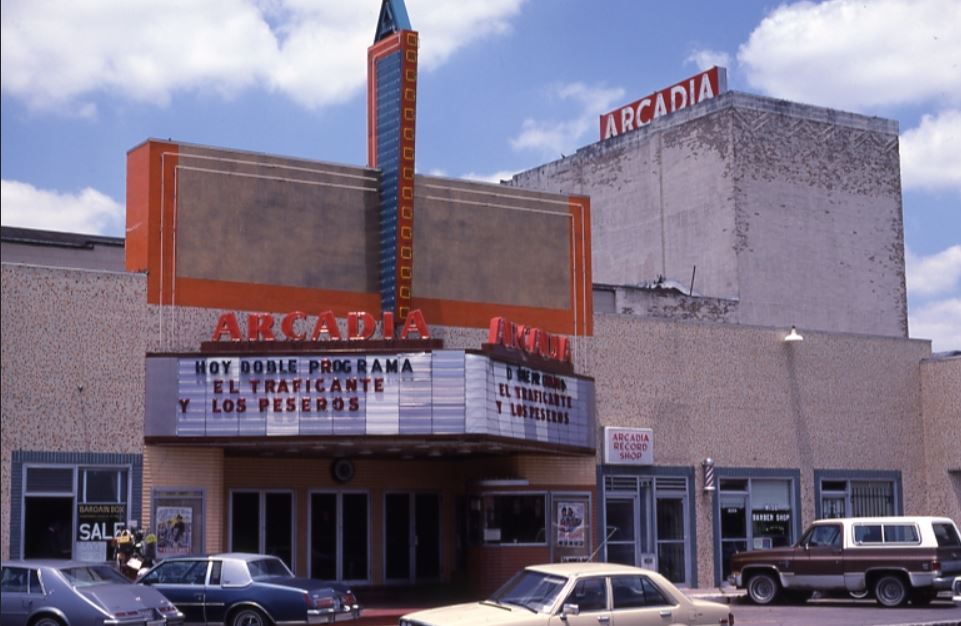
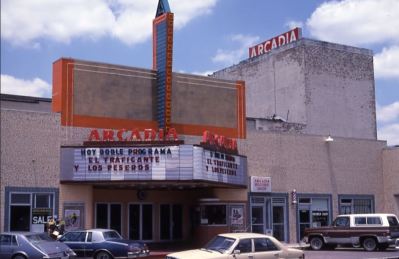
Eventually its days as a second-run suburban theater dwindled, and it became a live-music venue for a while in the 1980s, as seen in this absolutely fabulous photo from 1985 (Joan Jett played the Arcadia on June 13, 1985) taken by Dan Allen, owner of super-cool clothing boutique Assassins.
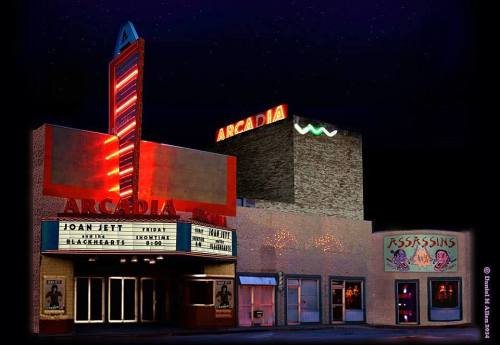
arcadia-theatre_june-1985_daniel-m-allen-photo_FB©Daniel M. Allen 2014, via Facebook

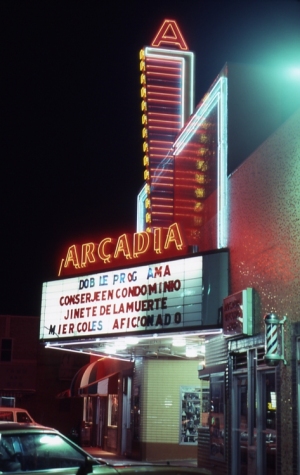
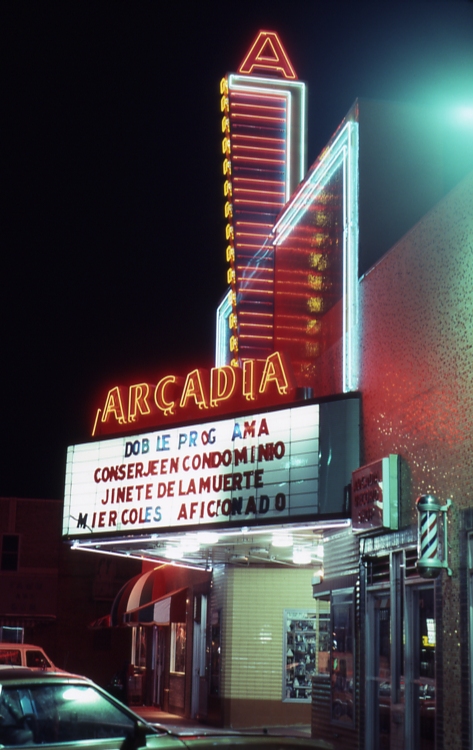
It also showed Spanish-language films for a few years.
arcadia_spanish-language-theater_dayvia American Classic Images

arcadia_spanish-language-theater_nightvia American Classic Images

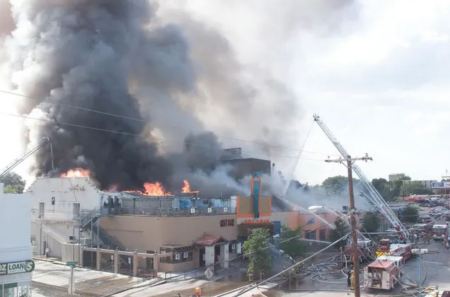
But, ultimately, a fire ended it all, on June 21, 2006: 120 firefighters responded to a six-alarm blaze caused by a fire that originated in a restaurant — all the businesses in the block were destroyed.
arcadia_on-fire_2006via Cinema Treasures

Bel-Vick hasn’t been the same since. RIP, Angelus/Arcadia.

***

Sources & Notes

Top photo from Exhibitors Herald World, June 7, 1930.

The 1930 view of Lowest Greenville, looking north from Alta, is from the Frank Rogers Collection, Dallas Public Library; titled “[Lower Greenville Avenue],” the call number is PA84-9/49.

The two photos from 1928 are from Exhibitors Herald World, June 9, 1928. To see the full 4-page article on the still-new Arcadia (with many photos of the interior) as well as a 2-page article from April 12, 1930 about how the Angelus Arcade building had been renovated to accommodate a theater — complete with floor plan — see a PDF here.

More on the Arcadia Theater — including additional photos of the ever-changing facade — can be found in these Flashback Dallas posts:

**

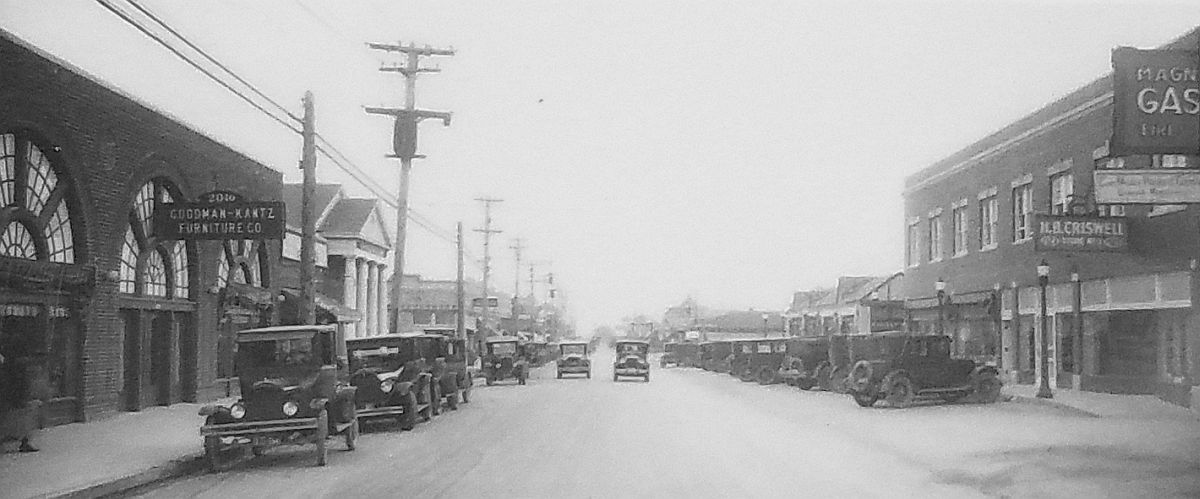
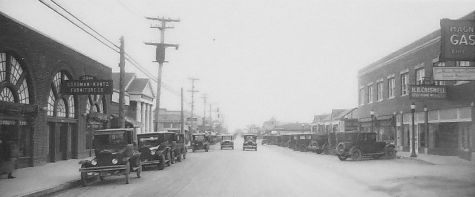
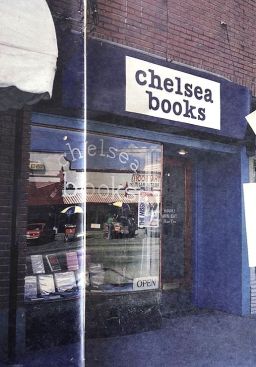
Here are a couple more photos of Greenville looking south from Sears, one from 1927 with buildings I’ve never seen, and one from 1930 with brand new buildings replacing those unfamiliar ones. Here’s the first, from 1927, which shows an unusual building with arches and a church (?!), Riggs Memorial Presbyterian Church, at the northeast corner of Greenville and Oram. (I used to have a little bookstore — Chelsea Books — at 1925 Greenville, in the space occupied by Criswell Furniture in this photo.)
greenville-ave_1920s_DPL
1927, Dallas Public Library, call number PA78-2/1047
chelsea-books_dallas_1925-greenville-avenue

And then, just three short years later… bye-bye, weird building and church. The buildings seen in the 1930 photo below are still standing (except for the gas station at the southwest corner at Sears). I love that this street has been immediately recognizable for decades, even though there has been some unfortunate architectural revision going on in ol’ Bel-Vick in recent years.
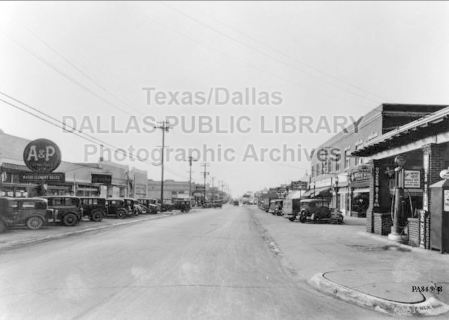
greenville-ave_south-from-sears_bud-biggs-collection_1930_DPL
1930, Dallas Public Library, call number PA84-9/48 

And here’s a detail from a 1931 Fairchild Aerial photo showing the Angelus/Arcadia at the center left (you can see the tree sign).
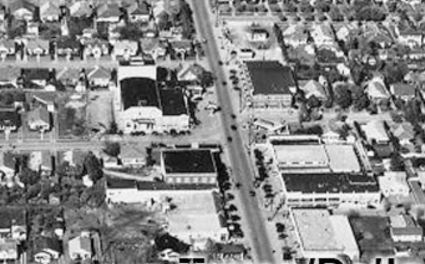
arcadia_fairchild-aerial_1931_detail_DPL
Dallas Public Library, call number
PA83-32/16 

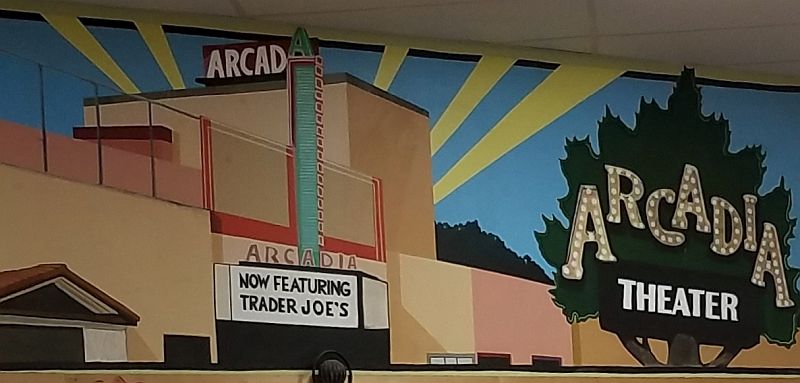
And, finally, the mural inside Trader Joe’s, located on the spot of Arcadia Theater.

trader-joes_arcadia_mural_dec-2020

*

arcadia-theater_exhibitors-herald-world_060730-sm

*

Copyright © 2020 Paula Bosse. All Rights Reserved.

Bright Lights, Big City — ca. 1948

elm-ervay-live-oak_weather-sign_ca-1948“Forget all your troubles, forget all your cares…”

by Paula Bosse

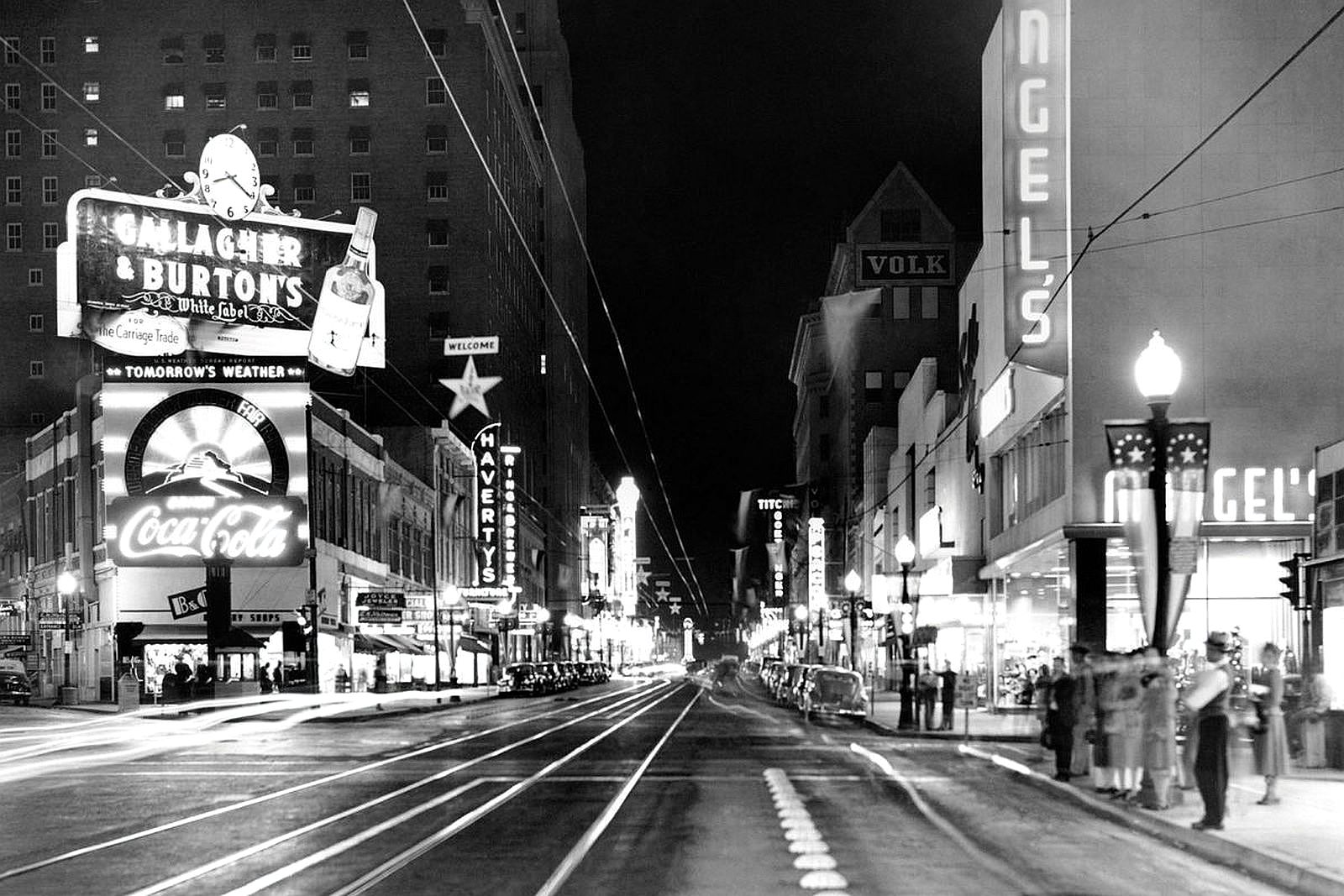
I think present-day downtown Dallas looks really great at night. But it pales in comparison to what downtown Dallas — especially Elm Street — used to look like at night. It was bursting with lights and signs and people. The scene above shows Elm Street looking east from Ervay around 1948. The Coca-Cola weather-forecast sign at the left is one of my favorite by-gone downtown landmarks (other photos of the sign can be seen here and here).

I wouldn’t really encourage anyone to click the link to see what this part of Elm Street looks like today, but if you must, it’s here.

Whenever I imagine times in Dallas history that I’d like to time-travel to, for some reason I always wish I could walk around downtown Dallas in the 1940s. It must have been quite something to have seen this pulsating view in person. 

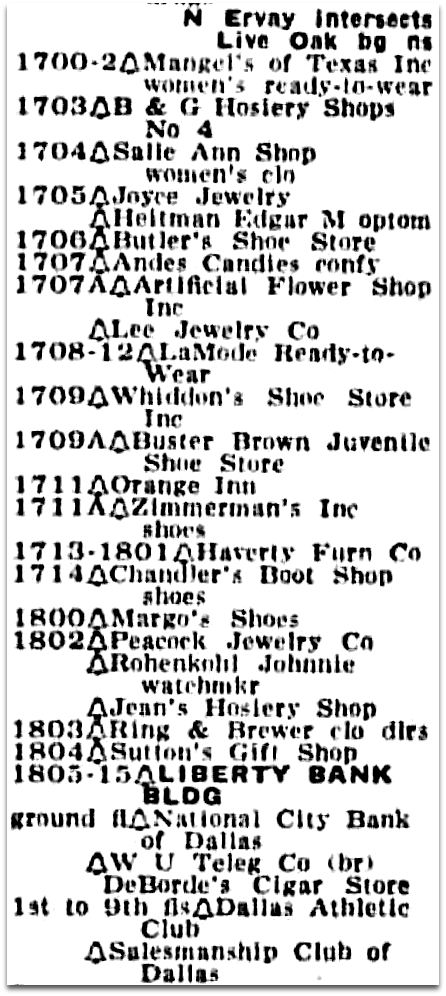
elm-street_from-ervay-live-oak_1948-directory
Elm Street, 1948 directory (click to see larger image)

***

Sources & Notes

I’m unsure of the source of this photo, but there is one almost identical to it in the collection of the Dallas Public Library, but the library’s copy is over-exposed and dated 1930 (it is titled “[Intersection of Elm, N. Ervay, and Live Oak streets]” and has the call number PA82-00324).

This photo was taken sometime between the end of 1947 and very early 1949. Mangel’s department store opened in its brand new building at 1700 Elm in September, 1947, and the Artificial Flower Shop (… “the artificial flower shop”?) lost its lease in early 1949. I can’t make out the lettering on the “Welcome” banners along the street, but there was a large hardware convention in Dallas in January, 1948.

elm-ervay-live-oak_weather-sign_ca-1948_sm

*

Copyright © 2020 Paula Bosse. All Rights Reserved.
 

The Crown Cork & Seal Co., Dallas Branch — ca. 1910

crown-cork-and-seal-co_cook-coll_degolyer-lib_SMUBicycle, boys, clerk, horse-anchor, horse, wagon…
by Paula Bosse

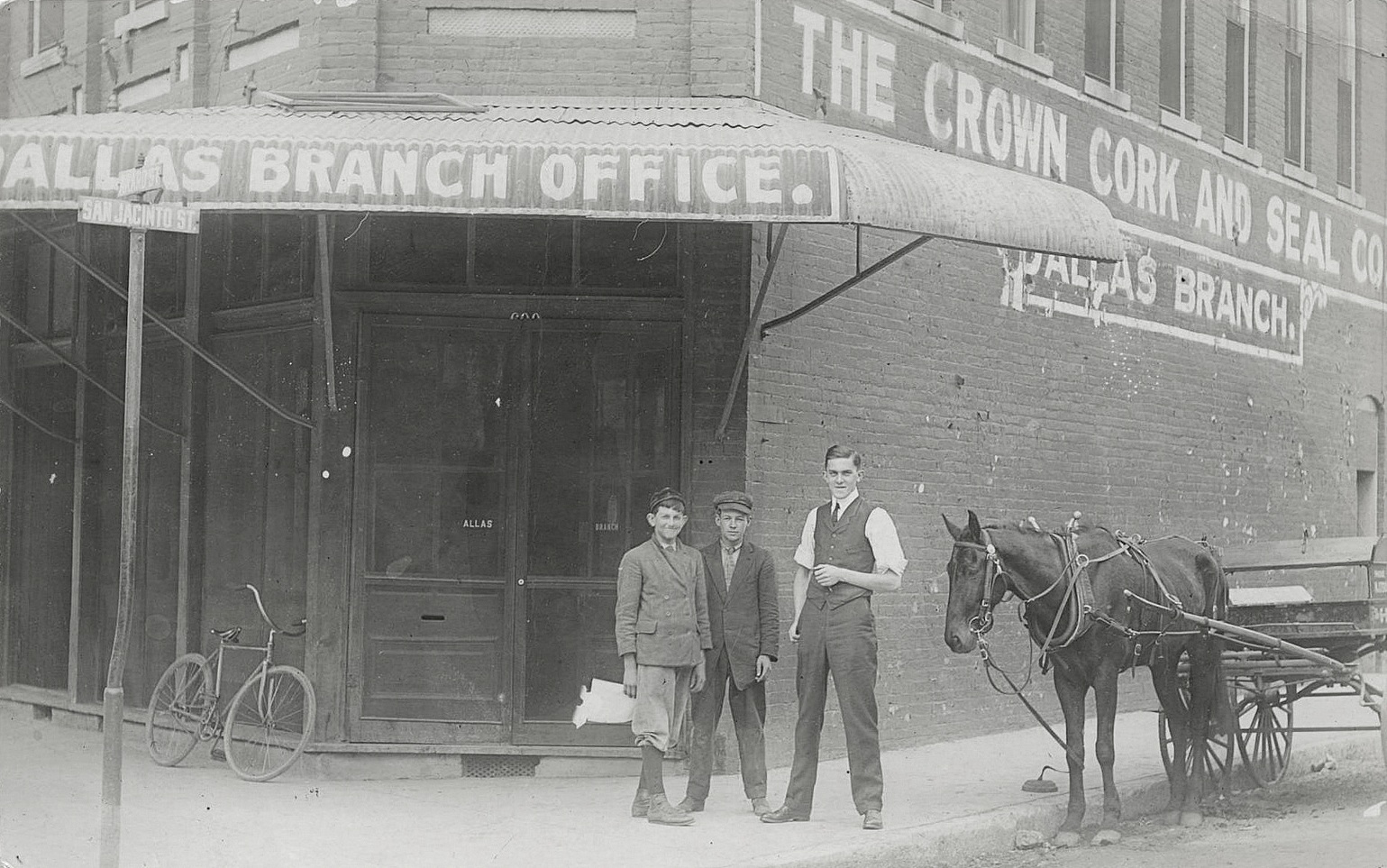
Above, the Dallas branch office of the Crown Cork & Seal Co. at 600 N. Akard (at San Jacinto), currently the location of the swank Dakota’s Steakhouse, across from the T. Boone Pickens YMCA.

The Baltimore-based Crown Cork & Seal Co. (their founder invented the bottle cap in 1892) opened its Dallas branch at this location around 1909 and remained in this building until about 1913 when they moved their plant to Pacific Avenue.

According to its Wikipedia entry, the company, now called Crown Holdings, manufactures “one out of every five beverage cans used in the world, and one out of every three food cans used in North America and Europe.” That’s a huge share of the market!

I don’t believe the company still has a Dallas branch — the last news I found was that the company was about to begin construction of a new building in the Trinity Industrial District in 1956 to house a regional office and warehouse.

***

Sources & Notes

Photo is from the George W. Cook Dallas/Texas Image Collection, DeGolyer Library, SMU Libraries, Southern Methodist University; more info on this photo can be found here.

More on William Painter’s revolutionary bottle-cap invention (still in use today) can be found here.

crown-cork-and-seal-co_cook-coll_degolyer-lib_SMU_sm

*

Copyright © 2020 Paula Bosse. All Rights Reserved.