Flashback : Dallas

A Miscellany: History, Ads, Pop Culture

Tag: Historic Dallas

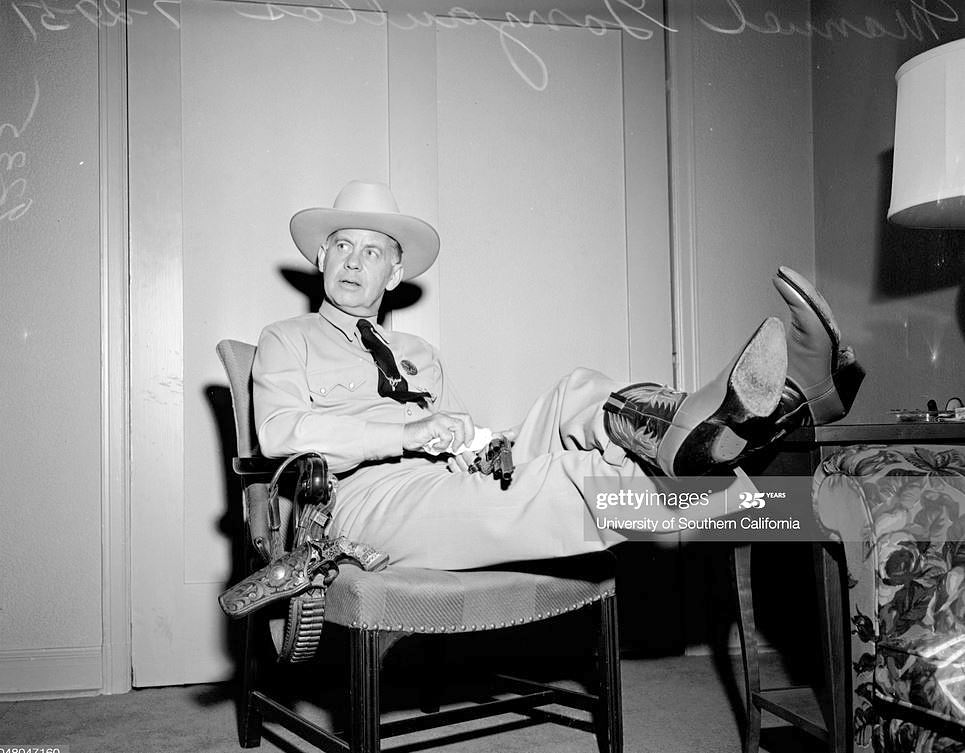
Lone Wolf Gonzaullas: Texas Ranger, Dallas Resident
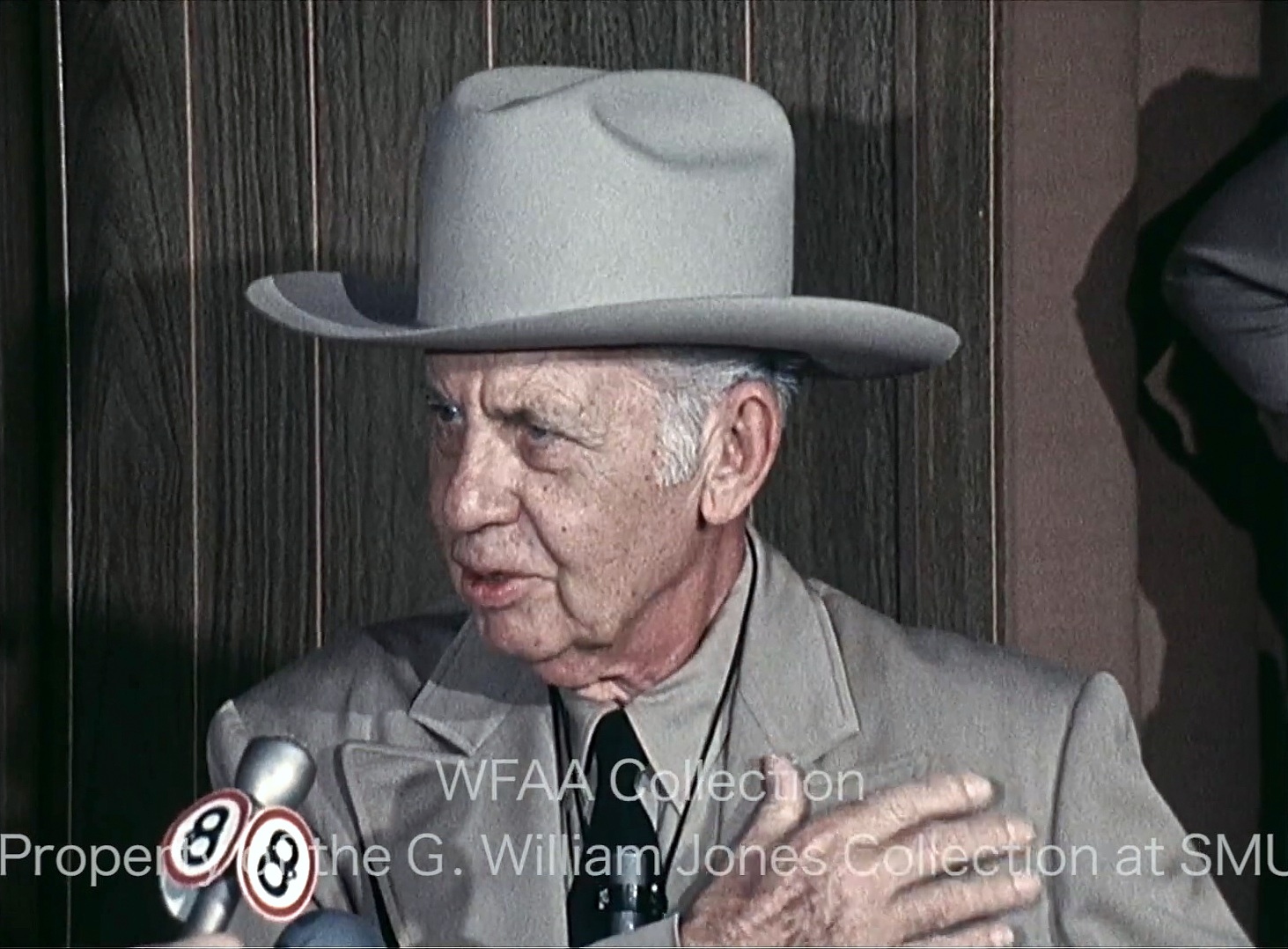
gonzaullas_march-1970_WFAA_jones-collection_SMU-aWhere the bullet grazed him… (1970)

by Paula Bosse

I had never seen footage of legendary Texas Ranger Manuel T. “Lone Wolf” Gonzaullas (1891-1977) until now. There is a short clip of him recounting a run-in with a man who shot him in WFAA-Channel 8 footage from March, 1970 (filmed at the Southwest Historical Wax Museum in Fair Park). Gonzaullas was a long-time resident of Dallas, from 1923 until his death in 1977, living for much of that time in Lakewood, in the 6900 block of Westlake.

*

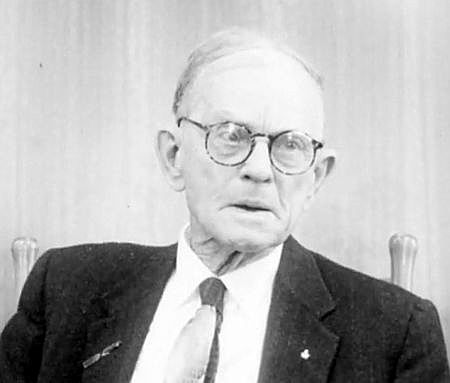
Here are a couple of screenshots from the news footage. In the first he is seen standing in front of his wax figure.
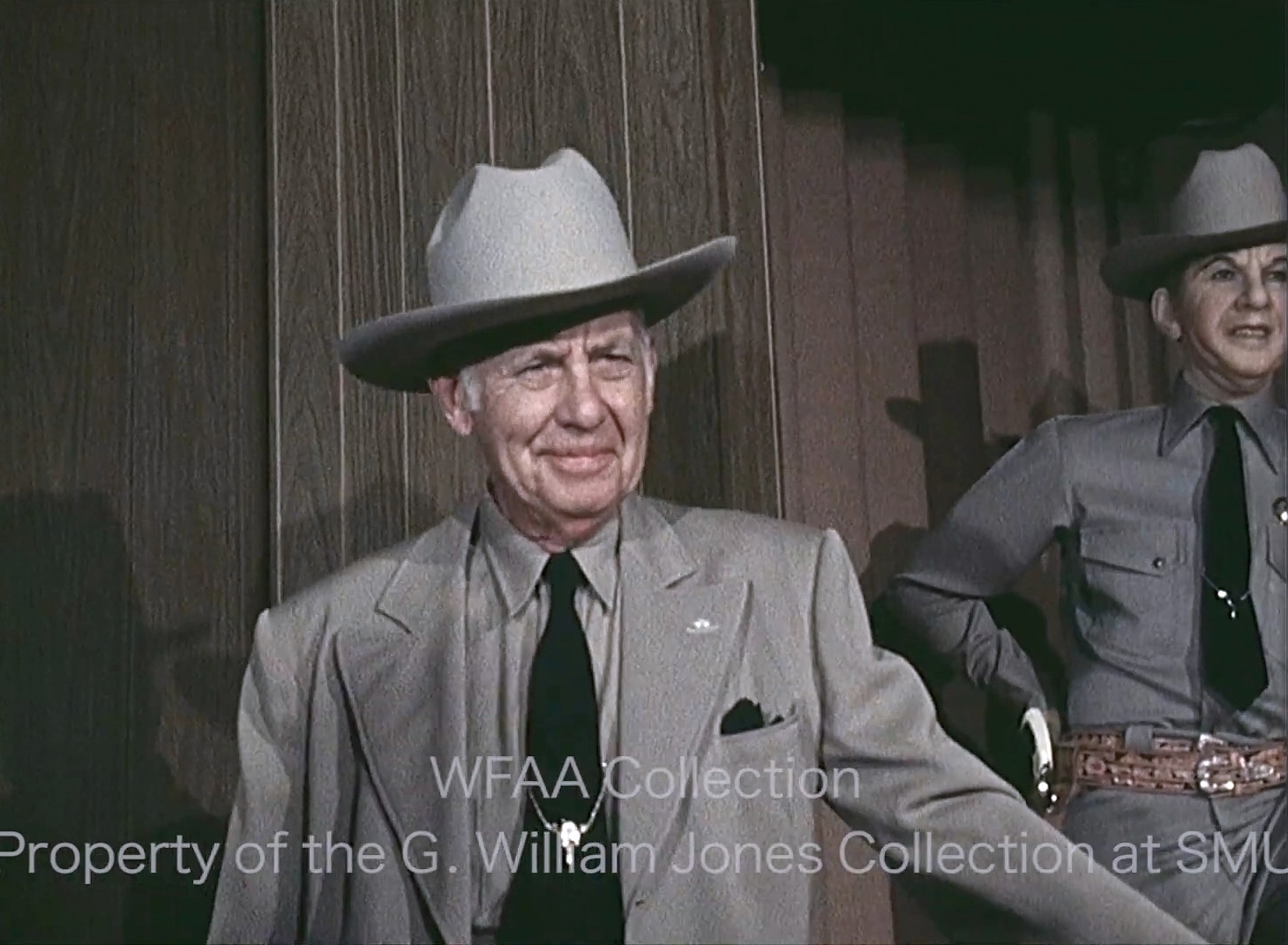
gonzaullas_march-1970_WFAA_jones-collection_SMU-b

And in the second, he’s joking with WFAA-Channel 8 News reporter Phil Reynolds, who seems a little star-struck.
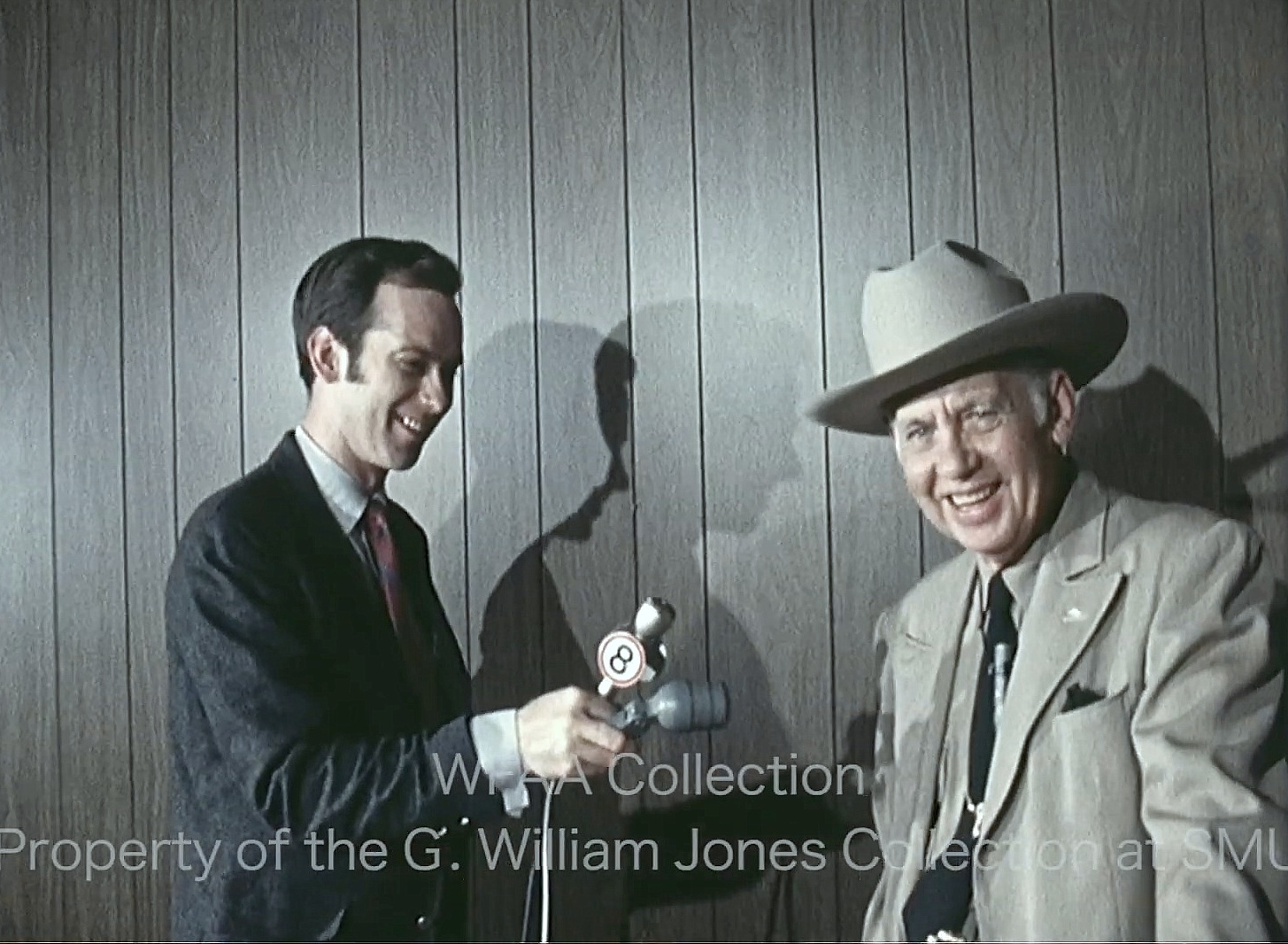
gonzaullas_march-1970_WFAA_jones-collection_SMU-c

*

Below are a few random Lone Wolf-related photos and articles. (There are tons of histories of Gonzaullas and the Texas Rangers out there — please hunt them down for specifics on his long and respected career in law enforcement. These are just a few things that I found interesting, some of which are of no historical importance!)

The earliest newspaper mention of Gonzaullas I could find was about his participation in an El Paso-to-Phoenix automobile road race in 1919. Biographers have noted that the colorful Gonzaullas sometimes embellished the truth, especially about his early days, and it’s interesting to note that in coverage of this race, Gonzaullas was described as being a “noted European racing driver” who had previously won 32 first-place finishes and 92 second-place finishes (!). The car he had entered in the race was a Locomobile, which he was reported to have driven to El Paso from Atlantic City. He was also identified as being “a Cuban […] who first won his spurs on the Havana track” (his birthplace is usually said to be Spain, where he was born to naturalized American citizens who were visiting that country at the time). He told the papers he had been left with temporary blindness and a permanently injured left arm in a previous auto accident — and another injury was about to come: he didn’t finish the El Paso-to-Phoenix race because his car suffered two debilitating mishaps, including one in which he was thrown from the car “and a blood vessel in his stomach was broken.” He was also said to be accompanied by “Mrs. Gonzaullas,” despite the fact that he did not marry Laura Scherer until April, 1920.
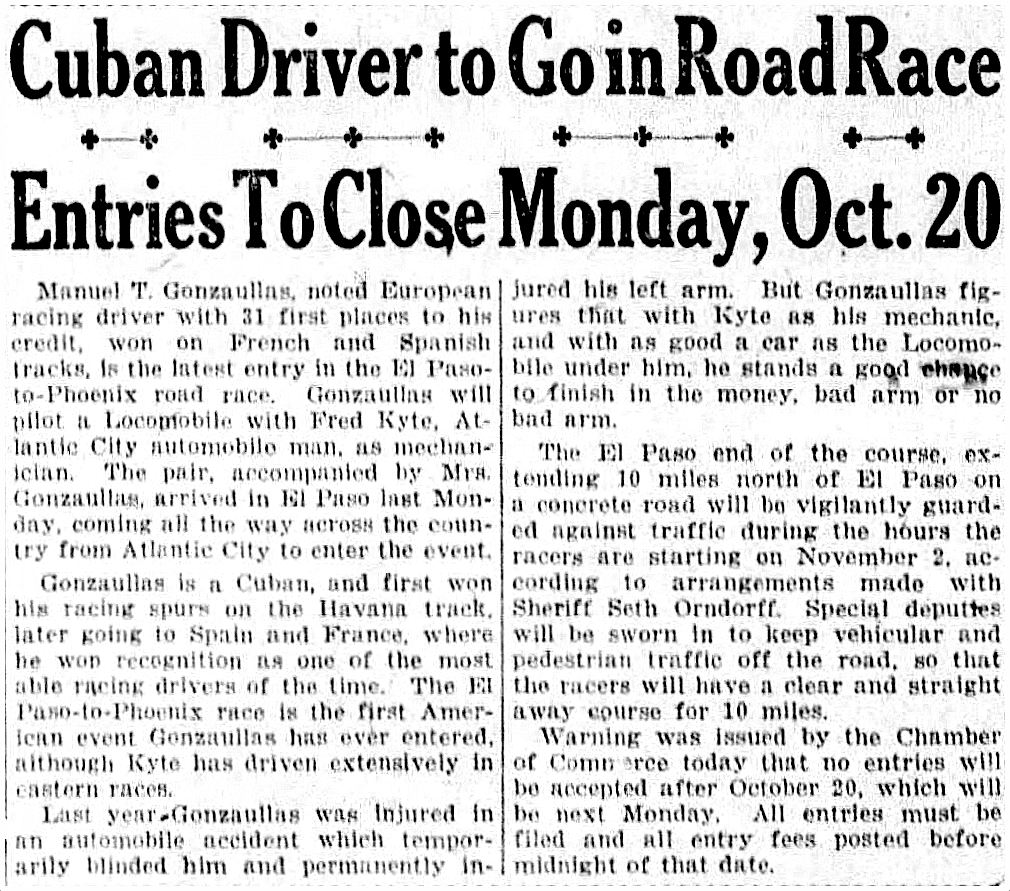
gonzaullas_road-race_el-paso-times_101619_cubanEl Paso Times, Oct. 16, 1919 (click for larger image)

In December, 1919, Los Angeles newspapers reported that Mr. Gonzaullas, “who has gold mining interests in Mexico,” was in town, visiting from Havana. Accompanying him was “Mrs. Gonzaullas,” who was indulging in a shopping excursion. They were staying at the Hotel Stowell.
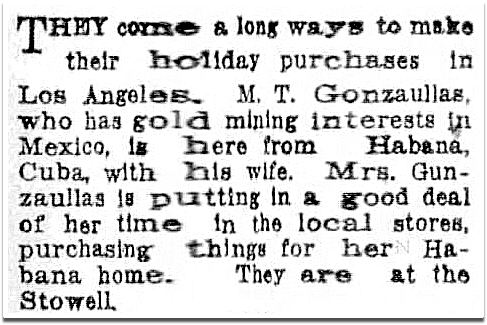
gonzaullas_los-angeles-evening-express_120319_cuba_mrs-gonzaullasLos Angeles Evening Express, Dec. 3, 1919

While at the Stowell (and about to return to Texas), Gonzaullas put a for-sale classified in the Los Angeles paper, saying that he “must sell within next 24 hours my beautiful combination 2 or 4 passenger Locomobile Roadster Special.” The Cuban’s racing days would seem to be ending.
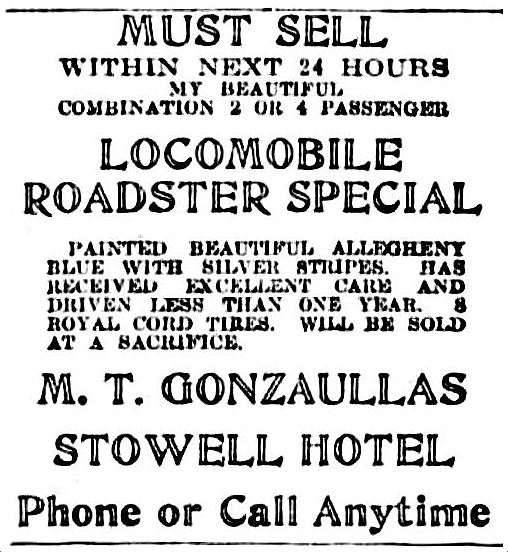
gonzaullas_locomobile_los-angeles-evening-express_050820Los Angeles Evening Express, May 8, 1920

Less than two weeks later — and a month after finally marrying Laura in California — the newly wed Gonzaullas was back in El Paso, looking for a “lost or strayed” pet monkey. It appears the monkey was found (…or replaced…), but in September the Gonzaullases were selling their little “Java monkey,” along with its cage and traveling case. M. T. became “Lone Wolf” after he joined the Texas Rangers in 1920. Perhaps a monkey was not considered an appropriate pet for a lawman. (This is my favorite weird and obscure “Lone Wolf” tidbit.)
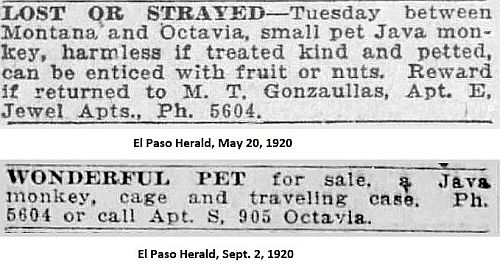
gonzaullas_el-paso-herald_1920-ads_monkey

Gonzaullas was in and out of the Rangers throughout his career. In 1923, he moved to Dallas where he was stationed as a permanent prohibition agent (he busted a lot of booze-loving Dallasites).
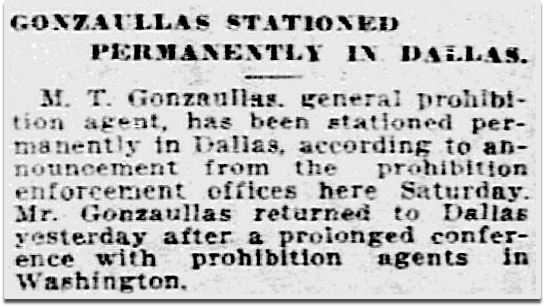
gonzaullas_dmn_022523Dallas Morning News, Feb. 25, 1923

In 1929, Gonzaullas was a sergeant in the Texas Rangers, and the photo below captured the first time that the men of Company B had all been together at the same time in the same place — in Fort Worth. The caption for this photo: “Texas’ Guardians, United After 10 Years. Capt. Tom R. Hickman, Gainesville, brought Ranger Company B together Friday for the first time in more than 10 years. Here they are just before visiting the Southwestern Exposition and Fat Stock Show. Left to right, W. H. Kirby, Abilene; H. B. Purvis, Lufkin; Captain Hickman; Sergt. M. T. Gonzaullas, Dallas; Dott E. Smith, Abilene; and James P. Huddleston, Dallas.” (Fort Worth Record-Telegram, March 16, 1929) (Read the full story, “Ranger Company B Rides In to Stock Show” here.)
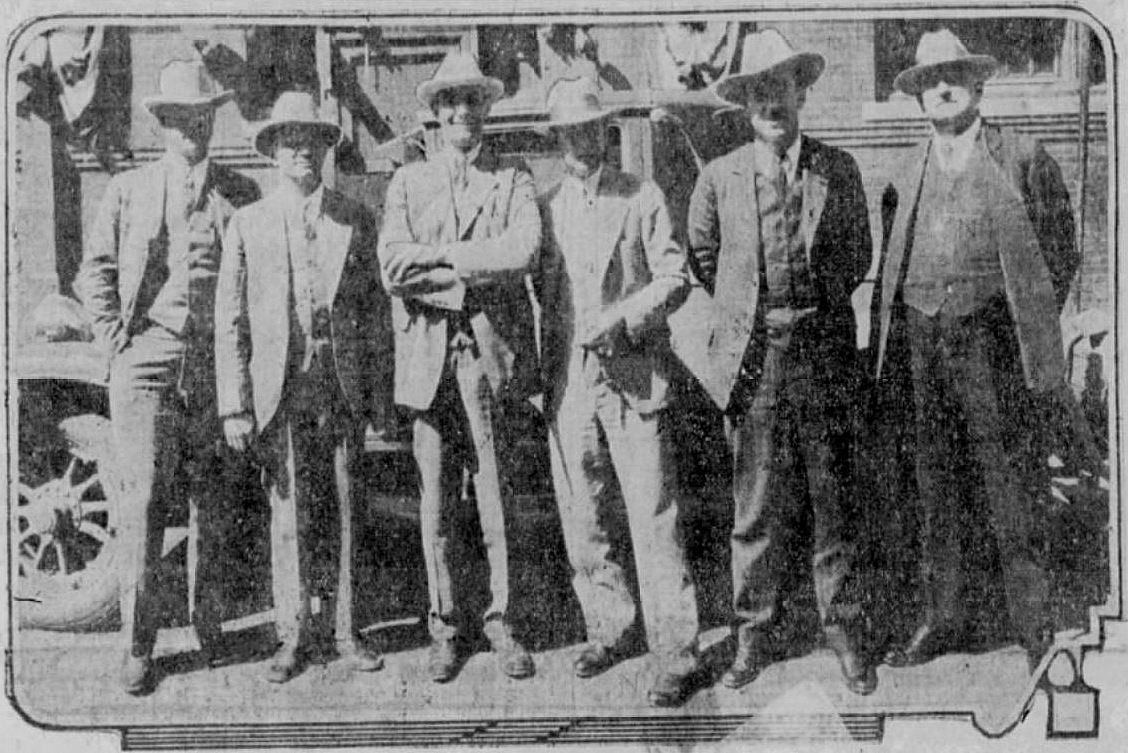
company-b_fw-record-telegram_031629Company B in Fort Worth, FW Record-Telegram, Mar. 16, 1929

In 1933, the Texas Rangers were dissolved, later to re-emerge as part of the newly formed Department of Public Safety in 1935. Gonzaullas served for several years as the head of the DPS’s Bureau of Intelligence in Austin, a Texas version of the FBI. In 1940, he stepped down from that position to rejoin the Rangers. He took over command of his old Company B, which was stationed in Fair Park, and remained in that position for 11 years until his retirement.
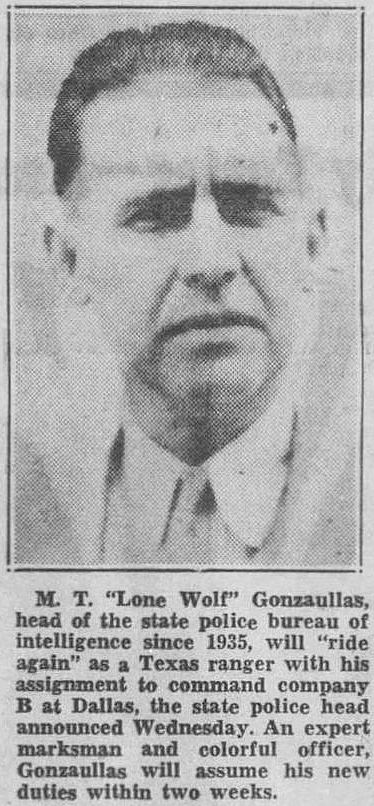
gonzaullas_austin-statesman_021440_company-b_photoAustin Statesman, Feb. 14, 1940

gonzaullas_austin-american_021540_company-bAustin American, Feb. 15, 1940

In 1942, at the age of 50, Gonzaullas filled out a registration card during World War II, as all men were required to do. (A distinguishing physical characteristic of a “bullet hole thru left elbow” was noted.) 
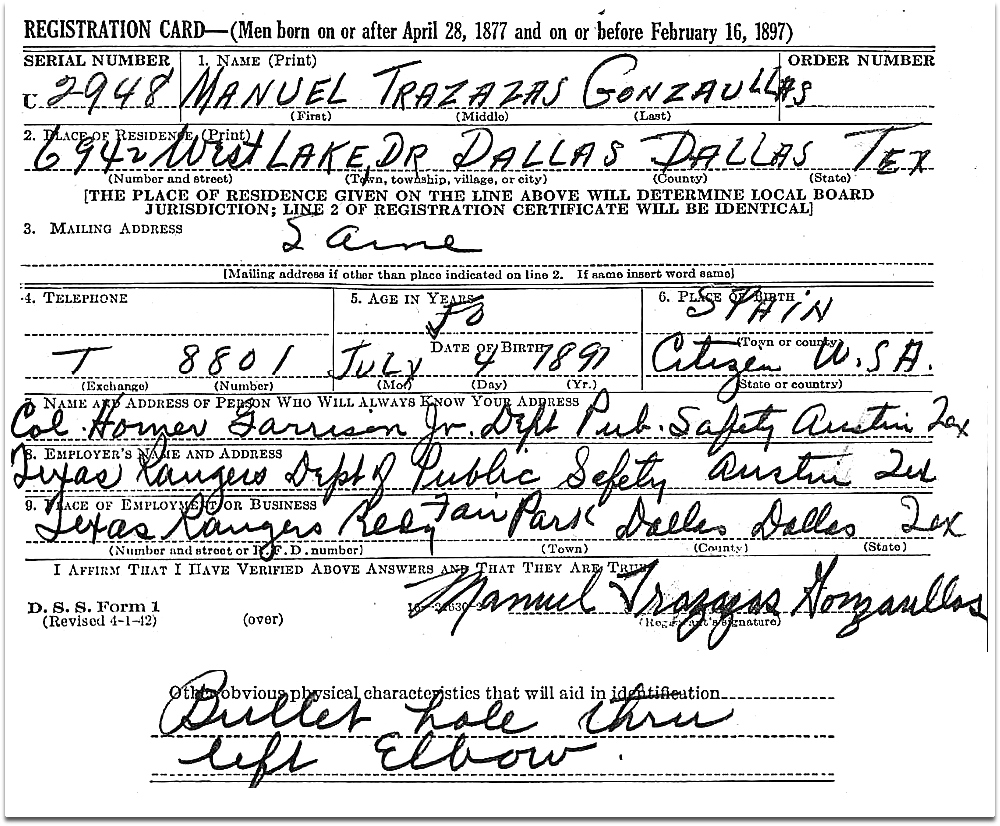
gonzaullas_ww2-registration-card-1942

Below, a photo from 1944 showing mounted Texas Rangers of Company B in Marshall, Texas: (left to right) Tulley E. Seay, C. G. (Kelly) Rush, Stewart Stanley, Dick Oldham, Capt. M. T. Gonzaullas, R. A. (Bob) Crowder, Ernest Daniel, Joe N. Thompson, Robert L. Badgett, and Norman K. Dixon.
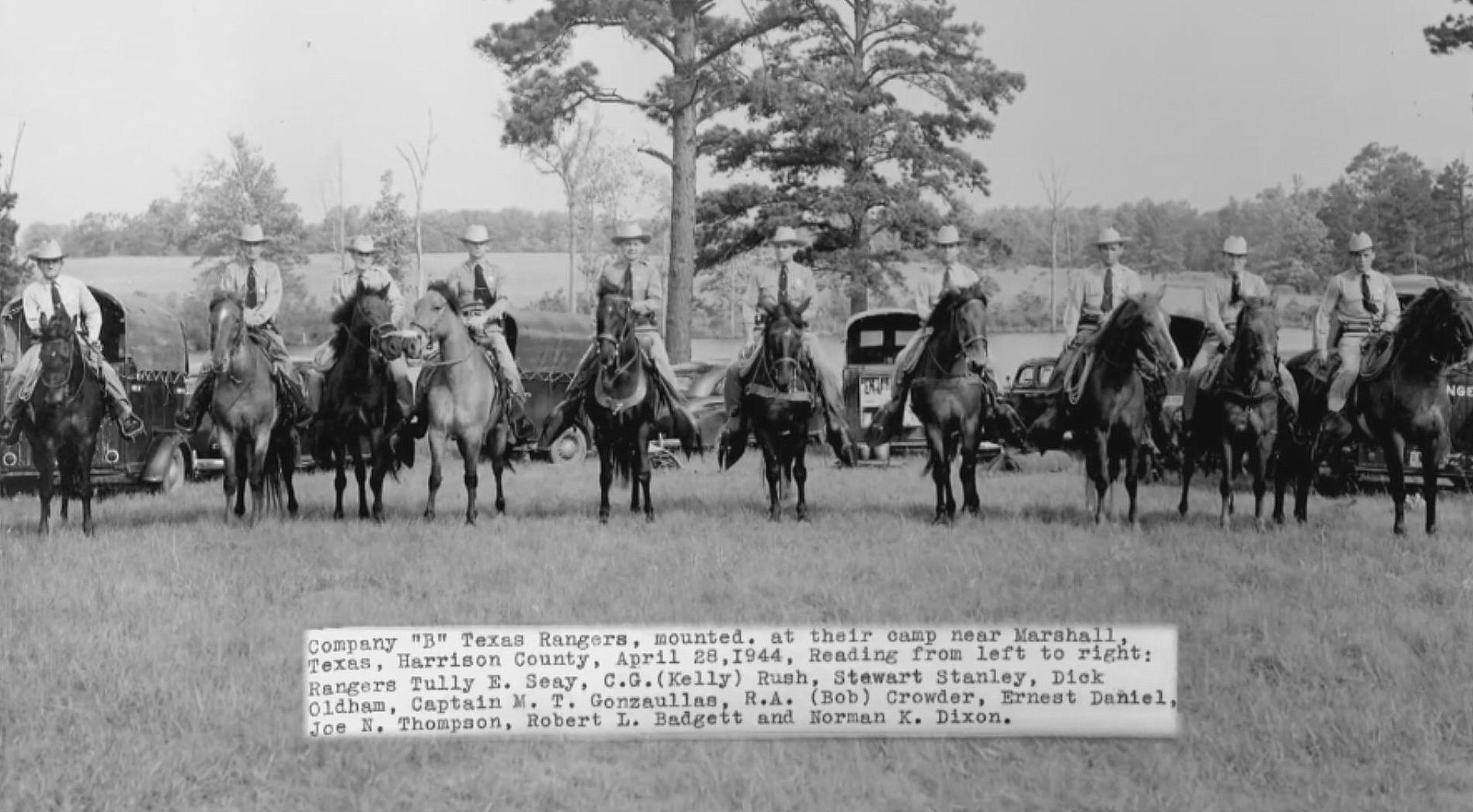
gonzaullas_texas-rangers_company-Bvia findagrave.com (same photo without text is at Portal to Texas History)

Capt. Manuel Trazazas Gonzaullas retired in July, 1951 and traveled between Dallas and Hollywood where he worked as a consultant on Western TV shows and films. He died in Dallas on Feb. 13, 1977 at the age of 85.
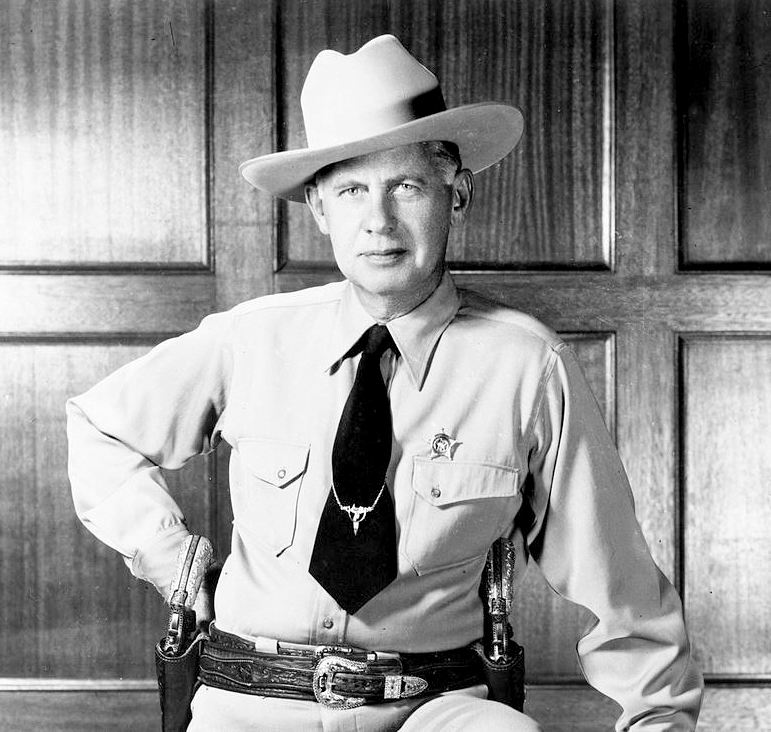
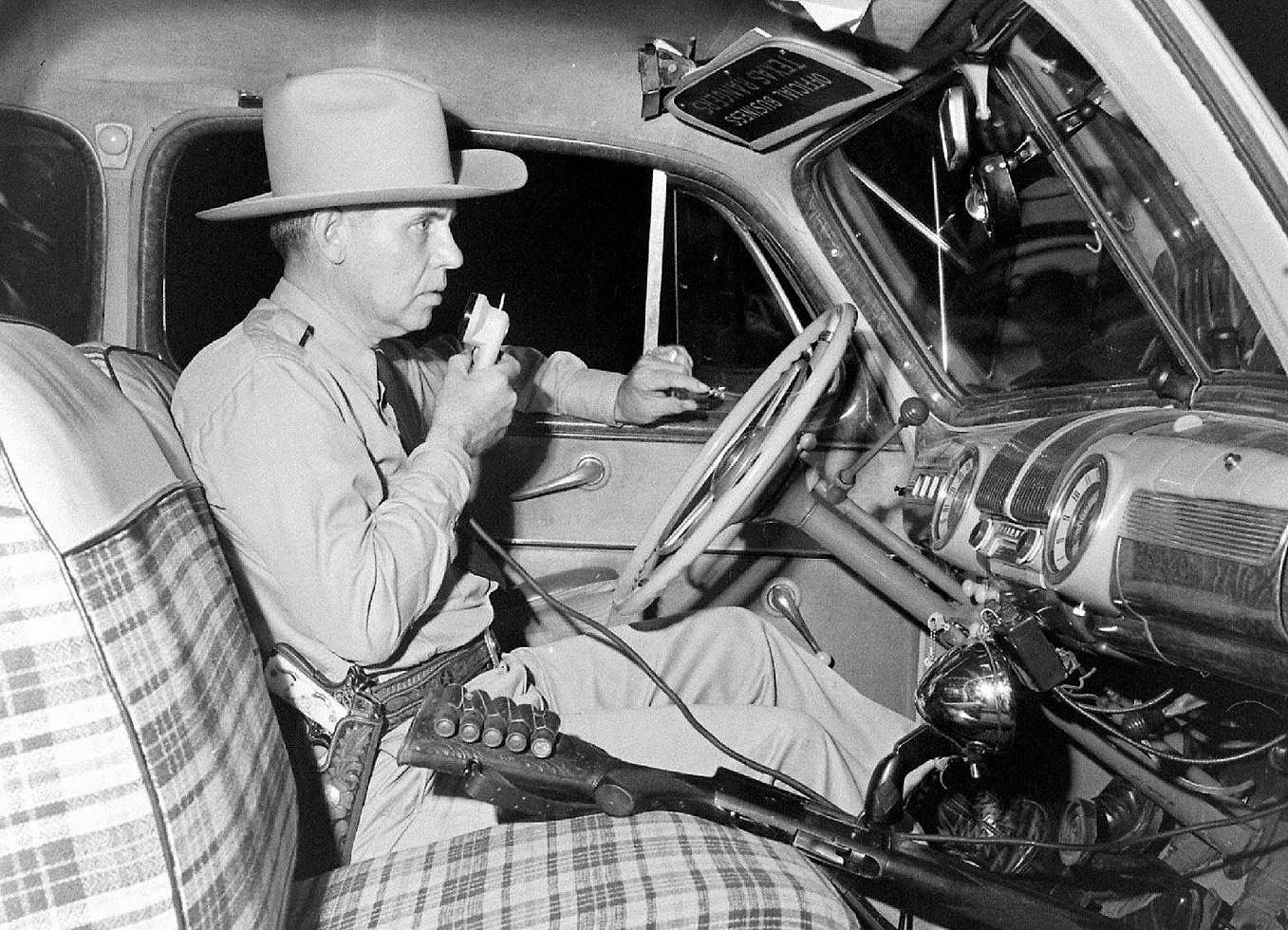
gonzaullas_manuel-t-lone-wolf

gonzaullas_find-a-gravevia findagrave.com

gonzaullas_getty-images_july-1951via Getty Images

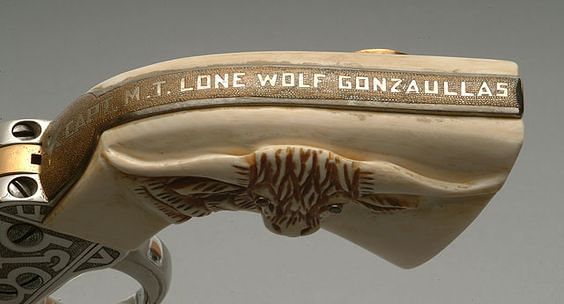
gonazaullas_pistol-grip

***

Sources & Notes

The first three images are screenshots of WFAA-Channel 8 news film shot in March, 1970, from the WFAA Collection, G. William Jones Collection, Hamon Arts Library, Southern Methodist University; the footage can be viewed on YouTube here

A brief biography of M. T. Gonzaullas can be found at the Handbook of Texas, here.

There were several comprehensive and entertaining articles and interviews which appeared around the country about Gonezaullas’ career when he retired. If you have access to newspaper archives, I would recommend the article “The ‘Lone Wolf’ Lays Down His Guns” by Don Hinga which appeared in The St. Louis Post-Dispatch on July 22, 1951.

gonzaullas_march-1970_WFAA_jones-collection_SMU-a_sm

*

Copyright © 2020 Paula Bosse. All Rights Reserved.
Neiman’s First Suburban Store: Preston Road — 1951-1965

neiman-marcus_preston-road_dallas-mag_feb-1949Original design by DeWitt & Swank, 1949 (click for larger image)

by Paula Bosse

In January, 1949, Neiman-Marcus announced they would soon begin construction of their very first “branch” store. It was to be built in the new “Varsity Village” shopping area on Preston Road, just south of Northwest Highway (on the east side of Preston, facing Preston Center). This store was referred to in early articles as their “town and country store.” The downtown store was running out of room (in fact the expansion and renovation of their downtown store was announced at the same time as this new “suburban” store) — and the new store was to provide 30,000 square feet of primo retail space.

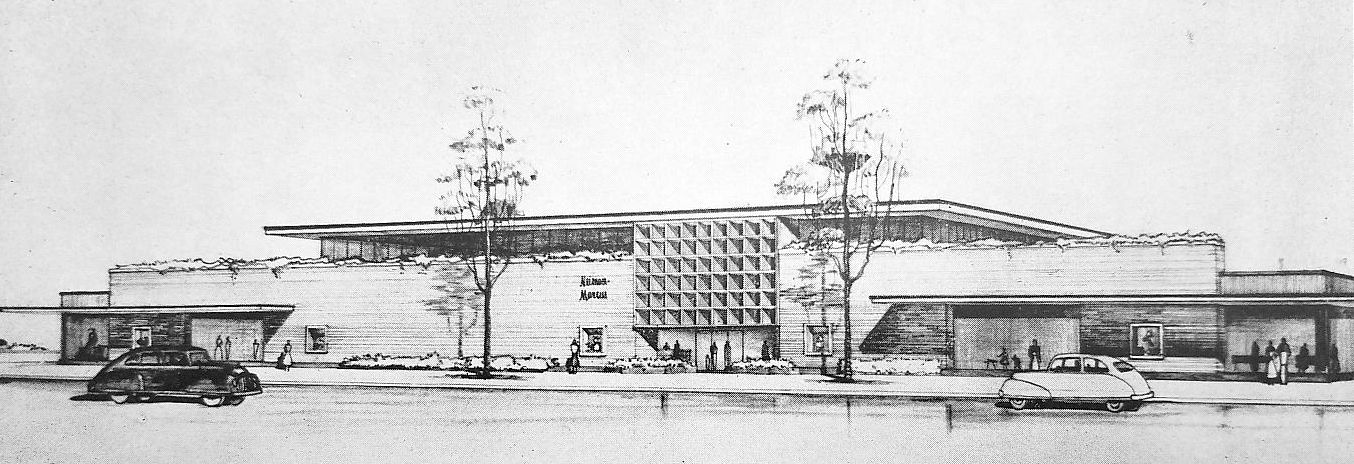
The original idea for the store’s design is seen in the drawing above, which was accompanied by this caption in a Chamber of Commerce publication:

New suburban shop of Neiman-Marcus Company (pictured above in drawing by Roscoe DeWitt and Arch Swank, architects for the building) is scheduled for construction this year in Varsity Village on a plot 30,000 square feet facing Preston Road and extending from Wentwood to Villanova Drives. The store will conform to the general architectural plan of Varsity Village and will represent a total investment of about $1,500,000. (“Dallas” magazine, Feb. 1949)

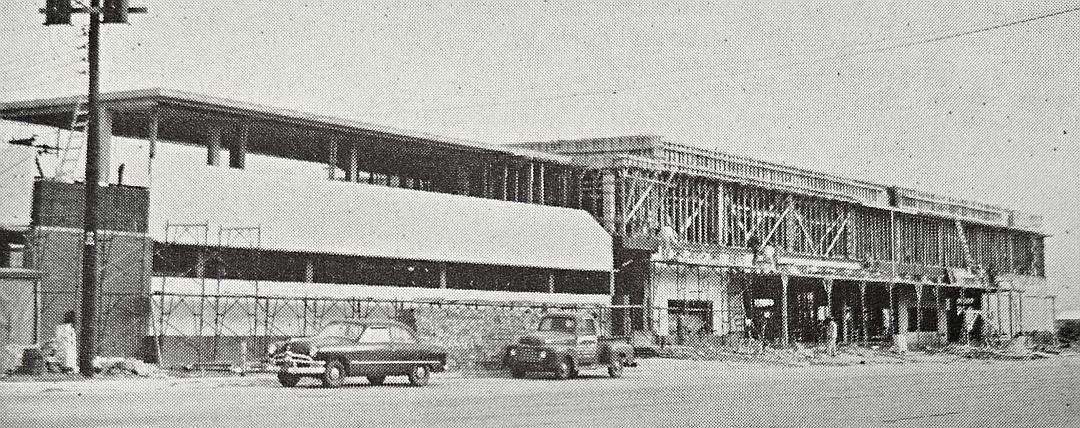
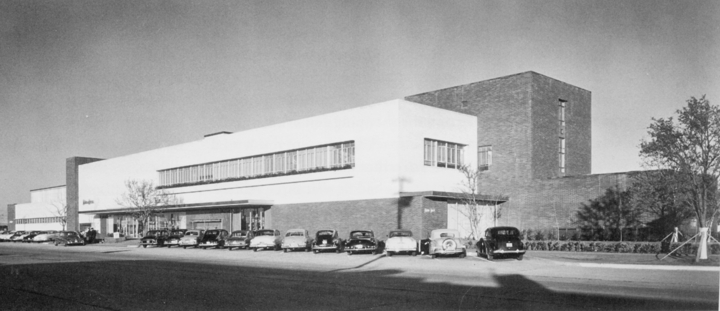
I LOVE that drawing! Unfortunately, things changed between the time that DeWitt and Swank offered that initial drawing and the almost three years that passed before the store was actually completed. The store was expanded to two floors (with mezzanine and basement), and… I don’t know — it just lost all of its supercool sleekness. It went from mid-century-modern fabulousness to big boring blocks. I’m sure the interior was still fantastic (designed by Eleanor Le Maire), but that exterior is uncharacteristically (for Neiman’s) blah.

Under construction:

n-m_preston-center_construction_dallas-mag_feb-1951_DPLDallas magazine, Feb. 1951

Constructed:

n-m_preston-center_1951_departmentstoremuseum
1951, via thedepartmentstoremuseum.org

*

But back to the decor. This store was aimed at suburban families — the shoppers were primarily stylish mothers with kids, so there was a lot of thought put into making the store appealing to children. The basement — which was home to the toy and nursery department — sounds pretty great, complete with a Willy Wonka-esque attraction: at the entrance was an enchanted forest mural and a giant cage filled with toy animals, and “in the toy shop there is a magic tree — one with a built-in dispenser that pours out an endless supply of orangeade” (Dallas Morning News, Oct. 14, 1951).

The store was designed in a Southwestern color palette, featured a glass mosaic, lots of Kachina dolls, a glass-walled landscaped patio, a specially commissioned Alexander Calder mobile, and it was an immediate hit. The denizens of the Park Cities and Preston Hollow would still have to make the trek downtown if they wanted a gown for that do at the country club, but for casual clothing for mom and a large selection of clothing for children and teens, the “town and country store” was perfect. And nearby.

It lasted until NorthPark opened in 1965. Realizing the Preston Road store would be unable to expand, Neiman’s decided to close the 14-year-old store and move into Raymond Nasher’s striking new NorthPark Center.

*

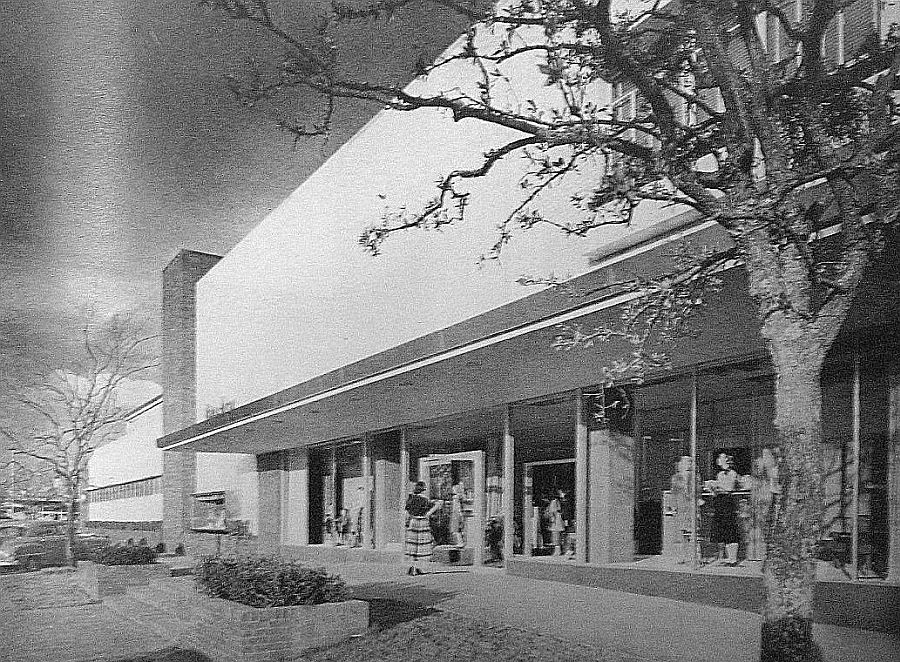
n-m_preston_dallas-history-guild
via Dallas History Guild Facebook page

*

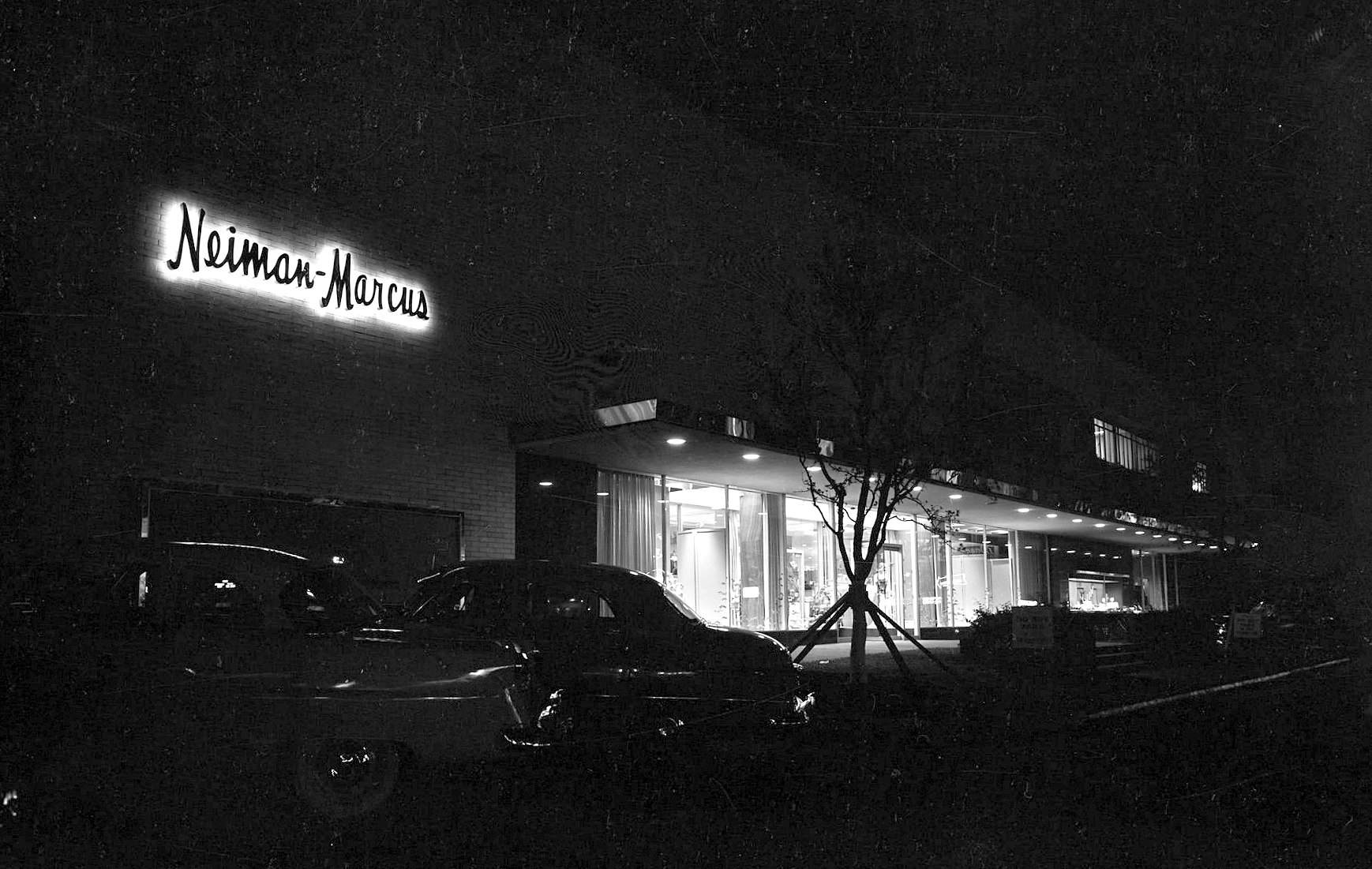
Below, two night-time photos by Squire Haskins, taken on May 23, 1952:

n-m_preston_night_squire-haskins_UTA_1952_bvia UTA Libraries

n-m_preston_night_squire-haskins_UTA_1952_avia UTA Libraries

*

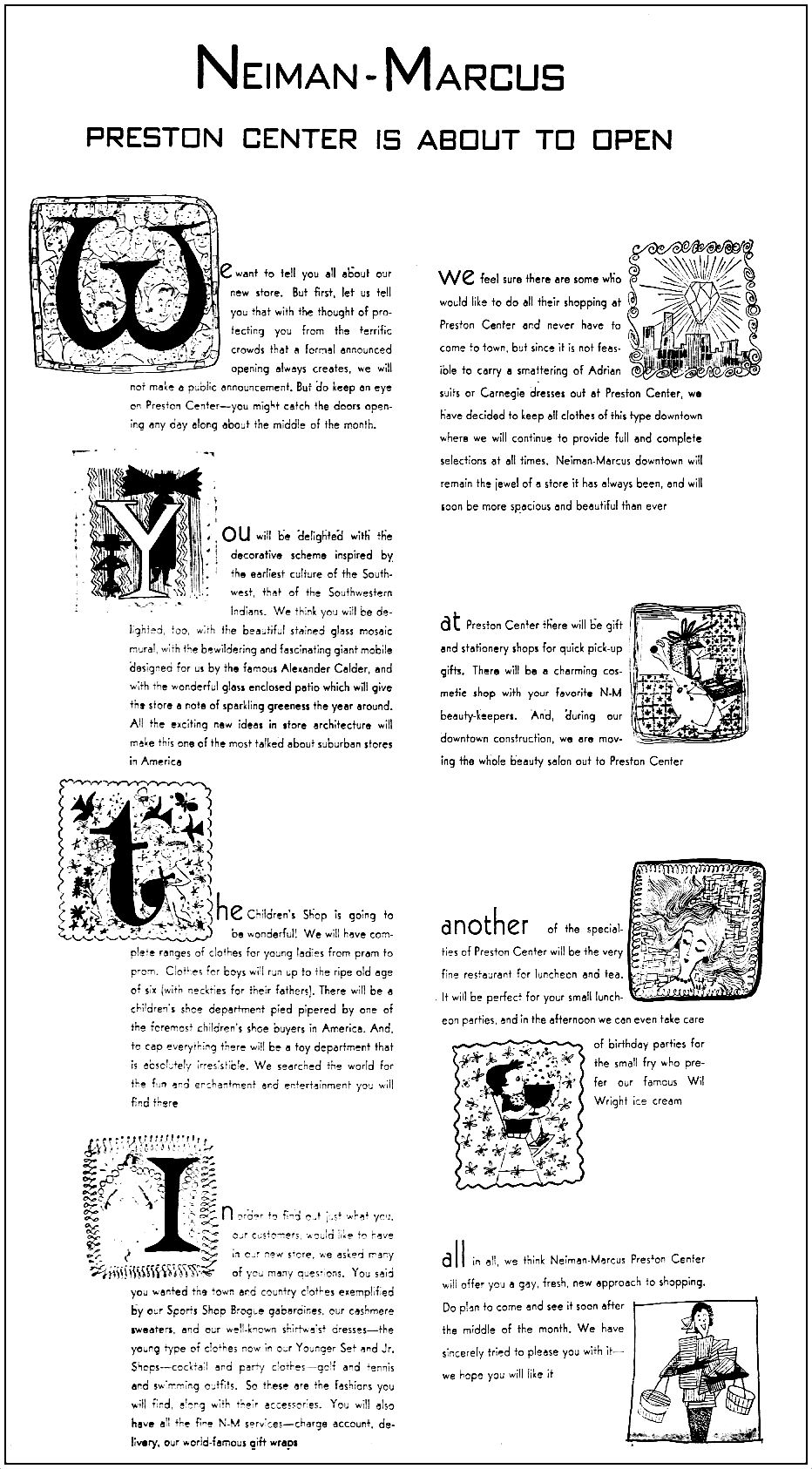
Instead of placing a “Grand Opening” announcement, Neiman’s teased the public with a “we’ll be opening soon-ish” announcement (in fact, the store opened exactly one week after the appearance of this ad). This ad describes that the new location will be more geared to families — to children (“from pram to prom”), adult casualwear, and gift items. With a restaurant and salon. The more typical Neiman’s couture lines and more expensive items would be available only “in town.” (Click ad to see a larger image.)

n-m_preston_100851_adOct. 8, 1951 ad

In the “Wales” column — a regular feature of N-M ads, with chatty text written by Warren Leslie (“Wa” from “Warren” and “les” from Leslie), a Neiman-Marcus executive and spokesperson and, later, author of the controversial book Dallas Public and Private) — the store’s opening is discussed, including the unexpected appearance of John Wayne (in town for the “Movietime in Texas, USA,” a promotional Hollywood caravan tour through Texas, packed with movie stars (watch cool footage here). Too bad about that orangeade, kids.

n-m_preston_102351_ad-detAd detail, Oct. 23, 1951

*

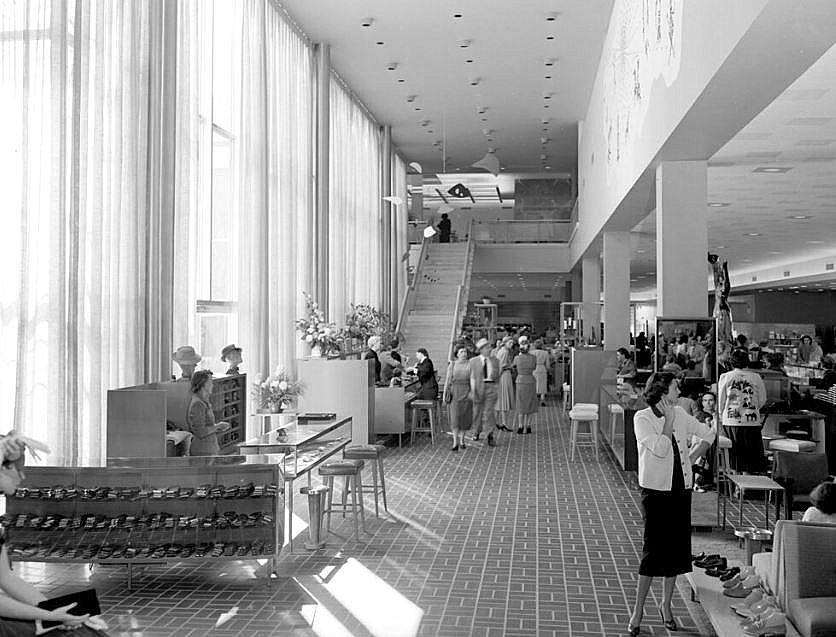
One of the features of the new store was a specially commissioned mobile by artist Alexander Calder which hung above the stairway (a bit difficult to see in the photo below, but it’s there!). This was the first permanent installation of one of Calder’s kinetic sculptures in Dallas. (The three photos below are by Denny Hayes.) The staircase was used for fashion shows (watch Channel 5 news footage from a swimsuit fashion show from April 25, 1958 here, via the UNT’s Portal to Texas History site — according to the news script, the last suit was priced at a whopping $500, which in today’s money, would be about $4,500). (UPDATE: Perhaps because of its current financial situation, Neiman’s decided to sell the Alexander Calder mobile, titled “Mariposa” — it was auctioned by Sotheby’s on Dec. 8, 2020 and sold for $18.2 million, far surpassing its high estimate of $8 million — more info and several photos of the sculpture can be found on the Sotheby’s site here.)

n-m_preston_PA76-1-5388.1_hayes-collection-1954_DPL
Dallas Public Library (PA76-1/5388.1)  

Those floor-to-ceiling windows and sheer draperies are wonderful.

n-m_preston_PA76-1-5388.5_hayes-collection-1951_DPL
Dallas Public Library (PA76-1/5388.5)

n-m_preston_PA76-1-5388.2_hayes-collection_DPLDallas Public Library (PA76-1/5388.2)

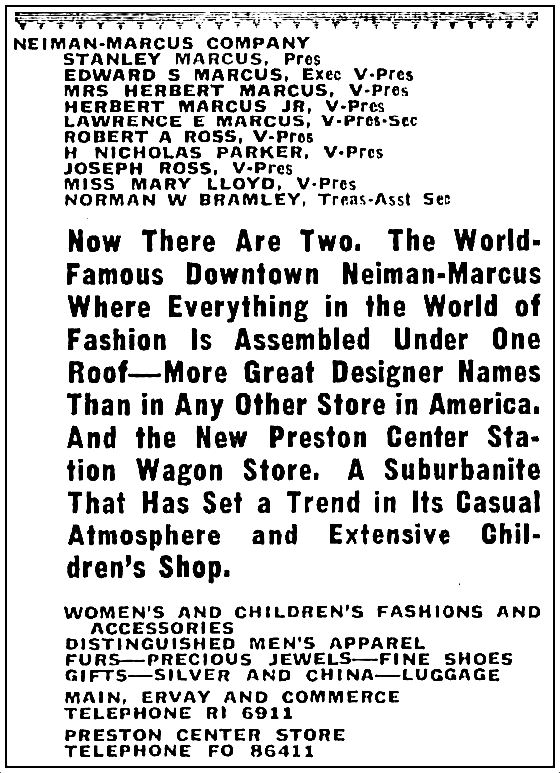
The listing in the 1953 directory described the Preston store as “the New Preston Center Station Wagon Store.” That’s right, the “station-wagon store.”

n-m_preston_1953-dallas-directory1953 Dallas directory

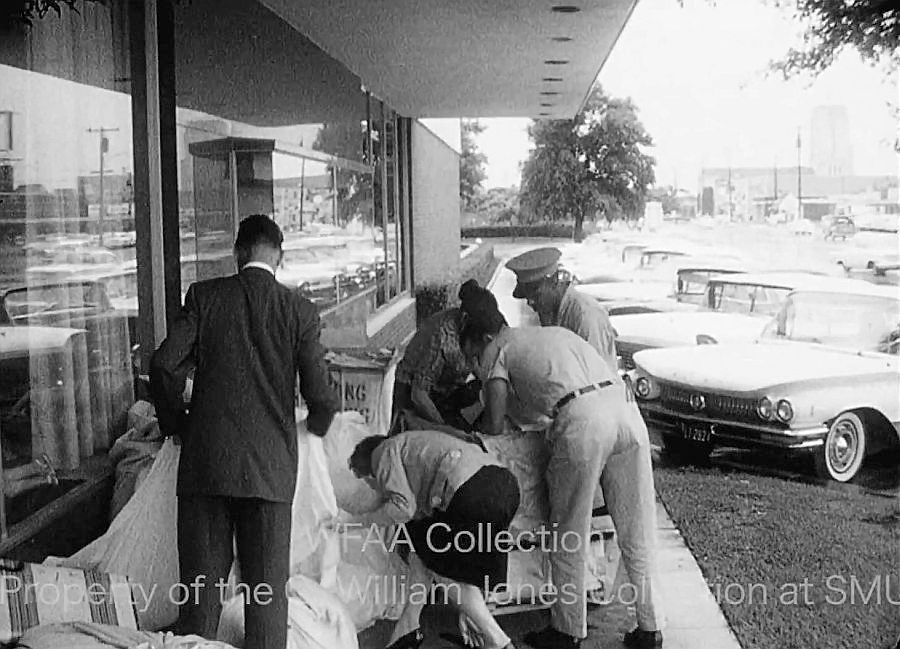
In May, 1960 there was a relief drive throughout Dallas to send much-needed supplies to Chile, which had recently experienced almost simultaneous devastating earthquakes, volcanic eruptions, tidal waves, and avalanches. Neiman’s coordinated with several agencies and the State Department to rush food and clothing to Chile. The view in the screenshot below shows Preston Road looking south (watch the 1-minute Channel 8 news footage, via SMU, here).

n-m_preston_SMU_053060_preston-road

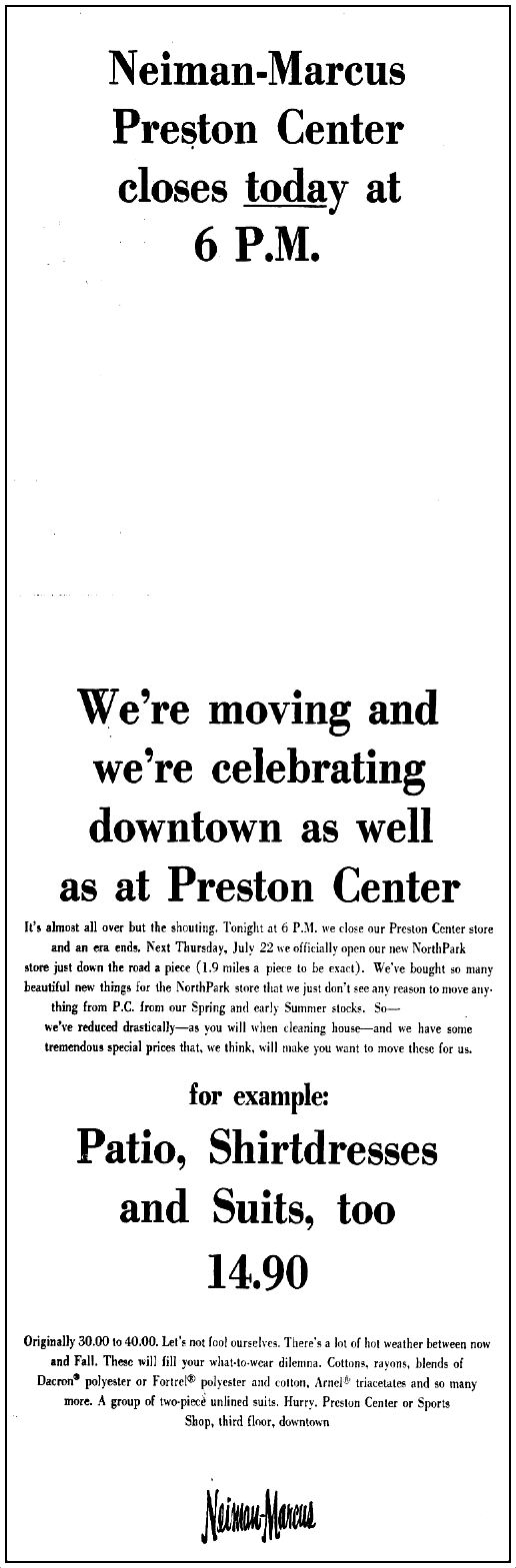
After 14 years, the Preston location closed up shop in July 1965. This coincided with the opening of the much larger Neiman’s store in NorthPark. Bye-bye, “suburbia”!

n-m_071565_preston-closingJuly 15, 1965 ad

The Preston Road building still stands, but it’s not very interesting looking these days. I think I’d prefer the “blah” look from 1951.

n-m_preston_bldg_google-street-view_2017Google Street View, 2017

***

Sources & Notes

Top image appeared in the Feb. 1949 issue of “Dallas,” a monthly magazine published by the Dallas Chamber of Commerce.

Photos by Squire Haskins are from the Squire Haskins Photography, Inc. Collection, University of Texas at Arlington Libraries, Special Collections.

Interior photos by Denny Hayes are from the Hayes Collection, Dallas History and Archives, Dallas Public Library.

Image of the 1960 Chilean American Red Cross relief drive is a screenshot from the WFAA Newsfilm Collection, G. William Jones Archive, Hamon Arts Library, Southern Methodist University.

neiman-marcus_preston-road_dallas-mag_feb-1949_sm

*

Copyright © 2020 Paula Bosse. All Rights Reserved.
Rev. W. W. Stogner: The Courthouse Preacher

stogner_WBAP_03311959_portalRev. Stogner, 1959

by Paula Bosse

The Reverend Mr. W. W. Stogner (1873-1966) was something of a permanent fixture around the Dallas County Courthouse for a good 30 years. He was known as “the marrying preacher” who was Johnny-on-the-spot to marry any couple who had just obtained a marriage license and was in need of a man of the cloth. According to his own  estimation, he had married some 20,000 couples (!) — including my parents.

William Washington Stogner was born in Mississippi in 1873 and arrived in Dallas in 1907. Although he had preached since he was a teenager, he wasn’t ordained until he was 38 years old. He worked as a minister in Collin County and in Oklahoma for several years before returning to Dallas in 1926. From various newspaper reports, he appears to have set up shop as a marriage-focused pastor around 1935, roaming the hallways of the courthouse looking for newly licensed couples. (Detractors occasionally referred to him as the “Marryin’ Sam” of the Dallas County Courthouse, in a reference to the opportunistic character in the L’il Abner comic strip.)

In a 1960 Frank X. Tolbert profile in The Dallas Morning News, Rev. Stogner’s average workday went something like this:

He arrives at the Records Building each morning around 8 a.m. carrying a shopping bag in which are a Bible and much other reading matter. He often stations himself near the elevators leading to the County Clerk’s office, a good place to spot happy couples equipped with a marriage license but in need of a preacher. (Tolbert’s Texas, DMN, May 12, 1960)

In that article, the 88-year-old retired Baptist minister estimated he had, thus far, married 18,000 couples. Some he had encouraged to wait, not feeling they were ready, but most of them he joined together in holy matrimony. He said he married people in empty rooms of the courthouse — or even in hallways. He also married couples in his home in Oak Cliff (my parents were married in his home, having contacted him from information on a business card given to them by the good reverend after they had received their marriage license at the courthouse).

As he spent so much time at the courthouse, it’s no surprise that he conducted several  marriages right across the street in the jail. Like the comedy-of-errors wedding described in the story below (click for larger image):

stogner_dayton-oh-daily-news_wire-story_070558AP wire story, Dayton (OH) Daily News, July 5, 1958

*

The Rev. Mr. Stogner can be seen in a WBAP-Ch. 5 news clip from March 31, 1959 testifying in the court of Justice of the Peace W. E. Richburg in the trial concerning the falsification of documents in the marriage of an 18-year-old man to a 12-year-old girl (watch the silent clip here). Rev. Stogner looks a bit shell-shocked and testified that he thought the affidavit asserting the girl was 14 (and of legal age, with permission of a parent) was valid. It was not, and the marriage  was annulled. (The news script about this case can be read here.) You can’t win ’em all. 

*

Rev. Stogner died in 1966, two days short of his 93rd birthday. Think about that for a second: he was born in Reconstruction Mississippi and died a year before “Sgt. Pepper’s Lonely Hearts Club Band.” It’s pretty amazing to realize that my parents were married by a man who could remember being alive in the 1870s! 

***

Sources & Notes

Top image is a screen shot from the WBAP-Ch. 5 new clip “Court of Inquiry” from the KXAS-NBC 5 News Collection, UNT Libraries Special Collections, via the Portal to Texas History.

There is no film of the story about Rev. Stogner’s 90th birthday celebration at the Dallas County Courthouse, but the Feb. 12, 1963 script can be read at the Portal to Texas History here

*

Copyright © 2020 Paula Bosse. All Rights Reserved.
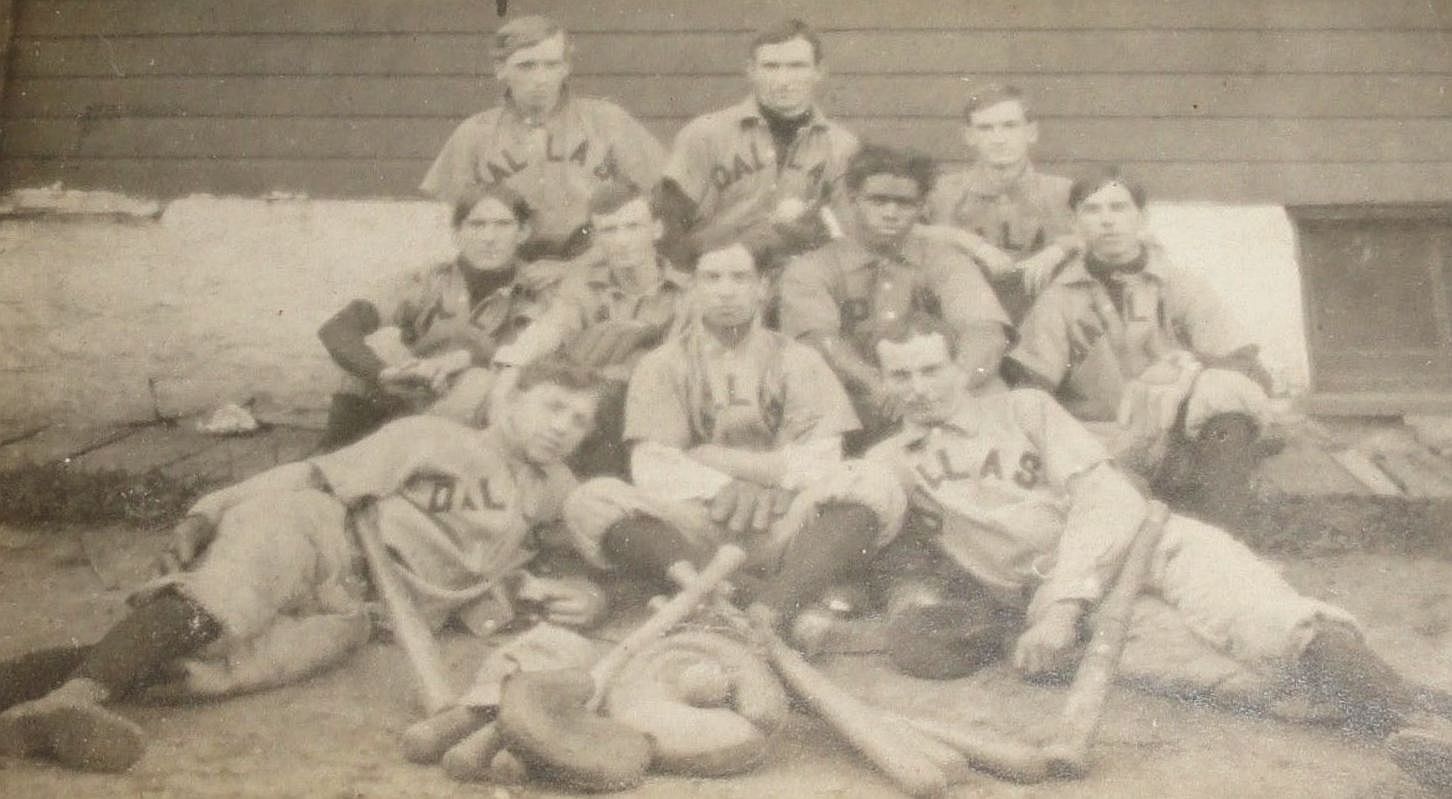
Dallas Baseball Team — ca. 1910

dallas-baseball_1910_ebay_black-teammateTeam photo, circa 1910… (click for larger image)

by Paula Bosse

I came across this circa-1910 photo on eBay about a year and a half ago. I thought it was unusual because of the presence of an African American man posing with the team. Sports teams weren’t integrated at this time — was he part of the team but not a player? I don’t know what’s written on his shirt, but it doesn’t have “Dallas” on it like the ones the others are wearing. What do you think?

Happy Opening Day!

***

Sources & Notes

Photo found on eBay. (I assume it’s Dallas, Texas….)

More Flashback Dallas posts on baseball can be found here.

*

Copyright © 2020 Paula Bosse. All Rights Reserved.
Random Photos of Turn-of-the-Century-ish Houses

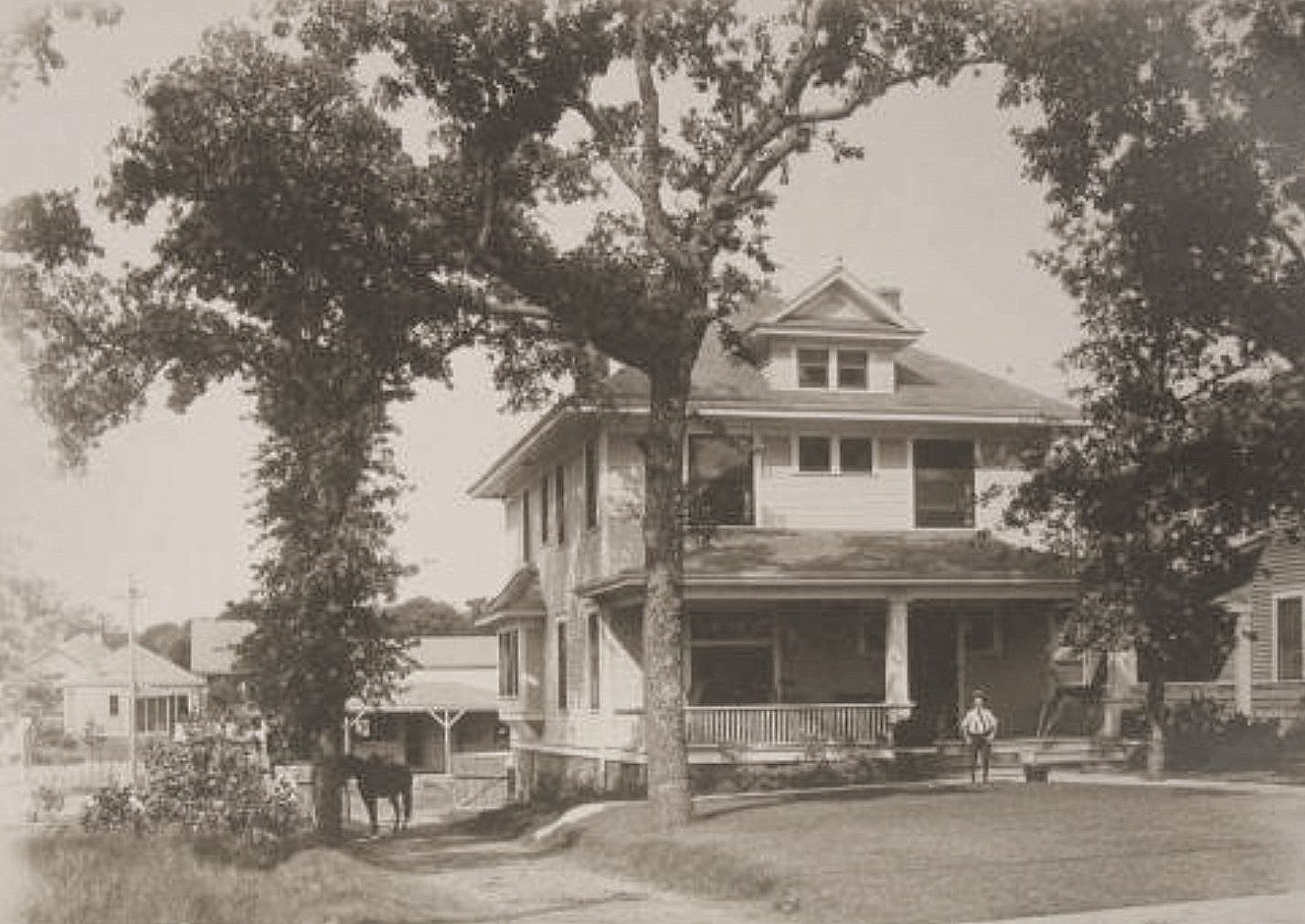
lemmon-avenue_house_rppc_ebayLemmon Avenue home, horse included….

by Paula Bosse

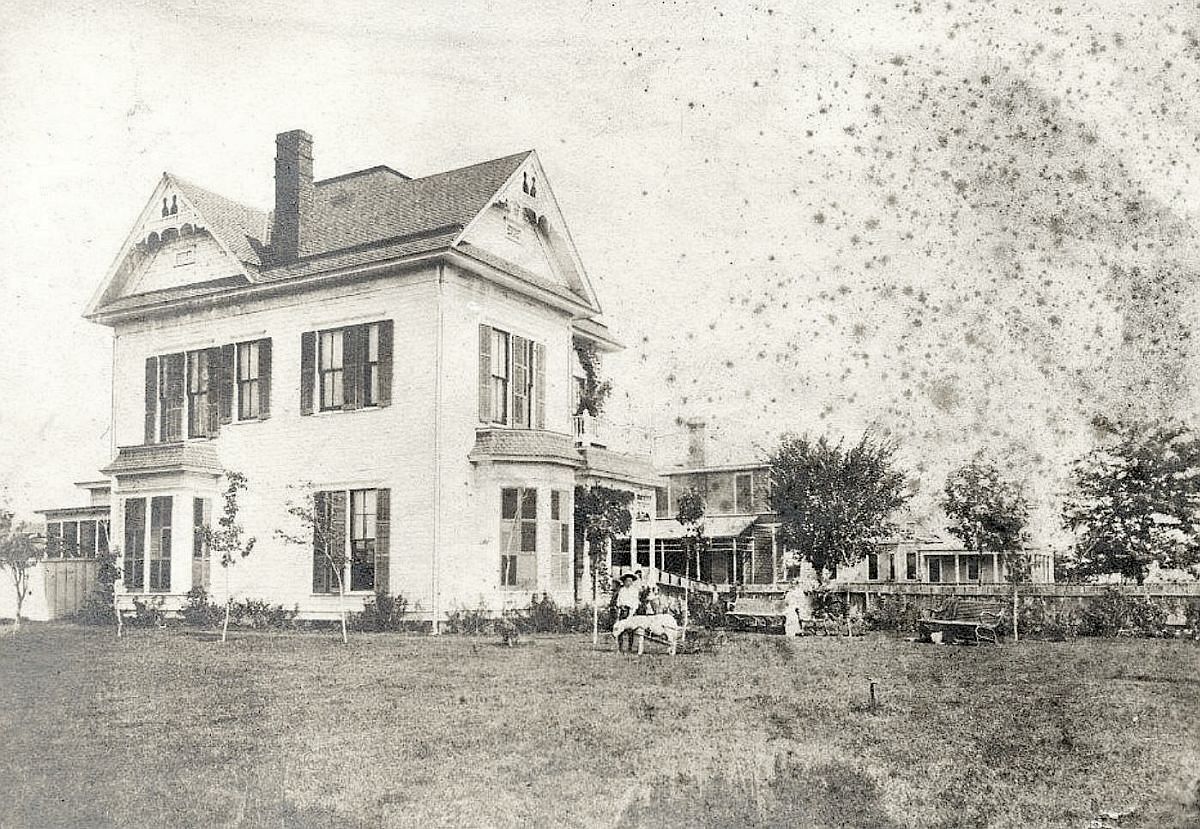
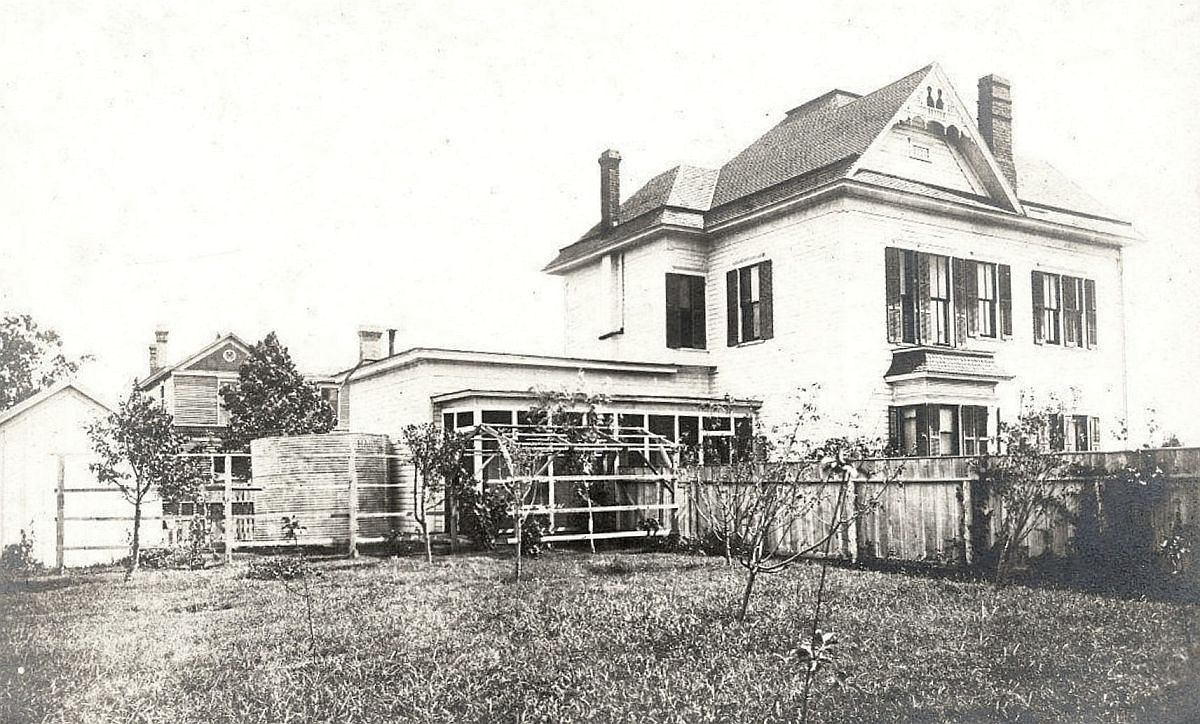
I love looking at old houses — especially ones which once occupied parts of town which are definitely no longer residential areas. It’s always sad to realize that the beautiful house you’re looking at — one which you can imagine living in now, in the 21st century — has, almost always, been torn down decades ago and replaced with something much less interesting. Thankfully, people 120 years ago used to have their homes photographed in order to print up picture postcards which they would then send to friends and relatives. Most of the images below come from these “real photo postcards,” and all show nice little glimpses into Dallas homes from before 1910. Only one of these houses is still standing. (All photos are larger when clicked.)

*

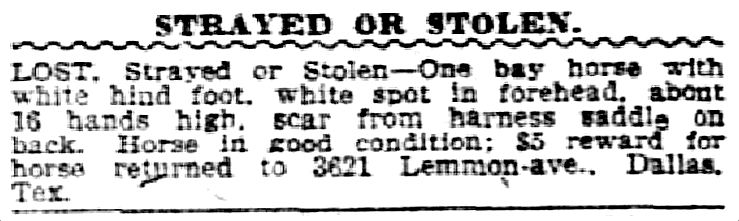
Sadly, the house above is not still standing. It’s a beautiful house. Even comes with a horse! The house was at 405 Lemmon Avenue in Oak Lawn. After the addresses in Dallas changed in 1911, the address became 3621 Lemmon (in the middle of the block between Welborn and Turtle Creek Park/Lee Park — apartments and a parking garage now occupy that whole block) — see it on a 1921 Sanborn map here. The owner was W. Leslie Williams, a real estate man. Family horses wandered off a few times, according to “strayed or stolen” ads placed in the paper, such as the one below.

williams_dmn_111211_strayed-horse
Nov. 1911

*

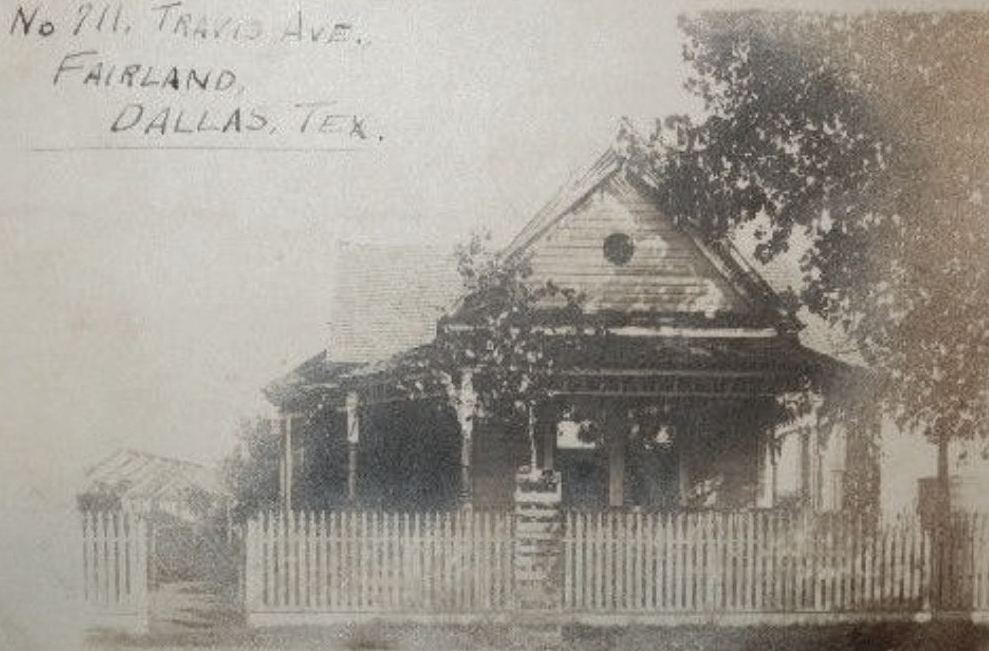
Below, a house which once stood at 711 Travis (which later became 4627 Travis), between Knox and Hester (the Katy railroad tracks would have run right behind the house) — see it on a 1921 Sanborn map here. It was in the “Fairland” addition. The owner of the house was T. B. Baldwin, a traveling agent for The Dallas Morning News. The photo was on a postcard mailed in 1908.

travis-ave-house_fairland_1908_ebay_rppc

*

Now to South Dallas (The Cedars?). This house stood at 200 Cockrell Ave. (which became 2130 Cockrell), between Corinth and Montgomery, now part of a large swath of empty land almost certainly being developed in somebody’s head as I type this. See it at the very bottom of this 1921 Sanborn map. The house was owned by Horatio W. Fairbanks, supervisor of the Dallas Cotton Mills, and was later occupied by the Wesley Settlement House for several years. The photo below is from 1896.

fairbanks-h-w_1896._ebay_cockrell-ave

*

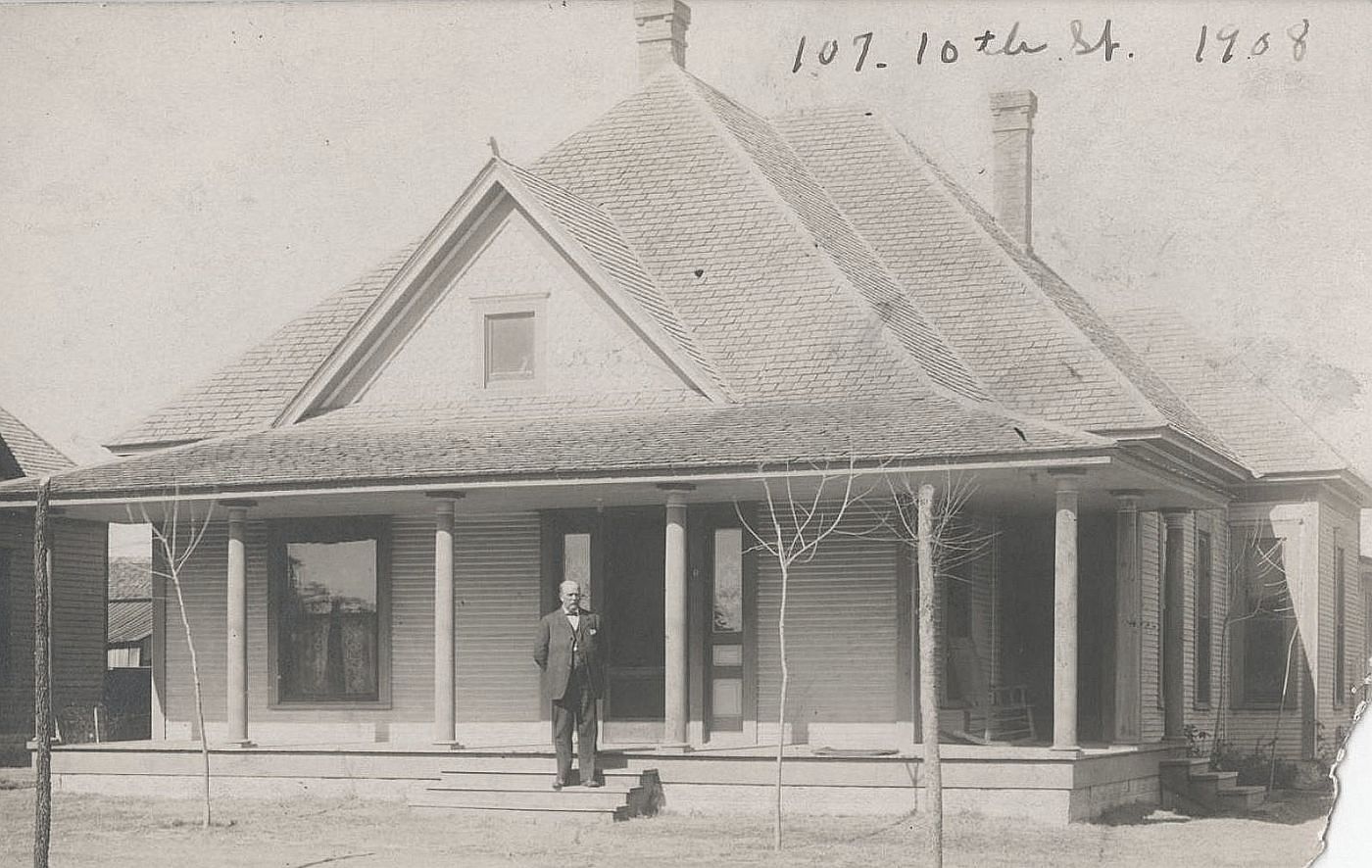
Now to four houses in Oak Cliff. The first stood at 107 10th Street (later 525 E. 10th St.), between Lansing and Marsalis — see it on a 1922 Sanborn map here. This was the home of Dr. William E. King, whom I presume is the man standing in front of the house — he died in 1909, a year after this photo was taken. The land now appears to be occupied by a body-shop parking lot. (This 1908 photo is from the Murphy Historical Society, via the Portal to Texas History, here.)

king-william_oak-cliff_1908_murphy-historical-society_via-portal

*

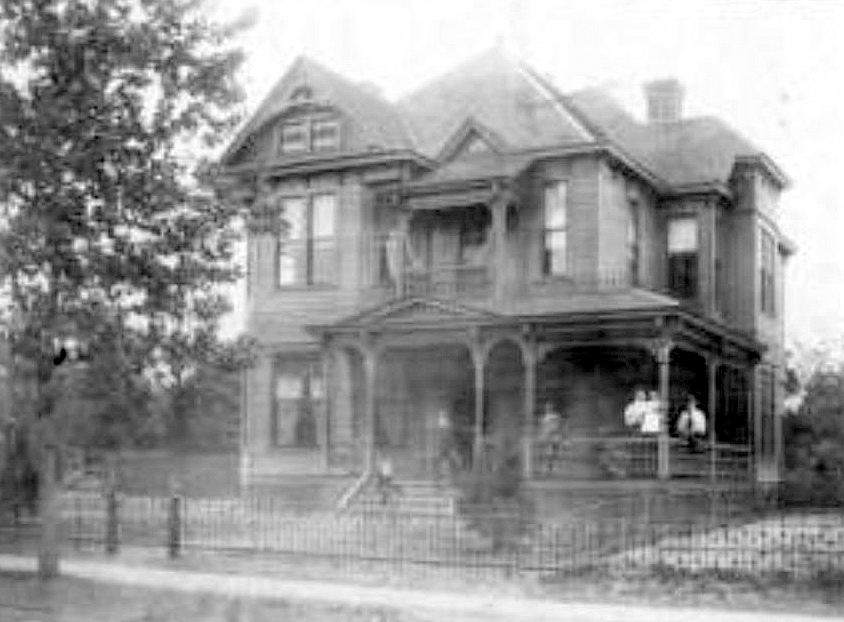
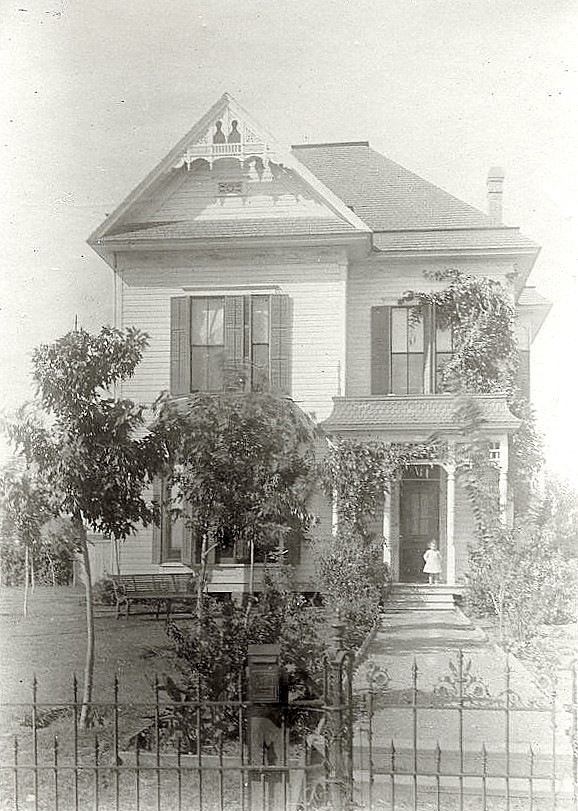
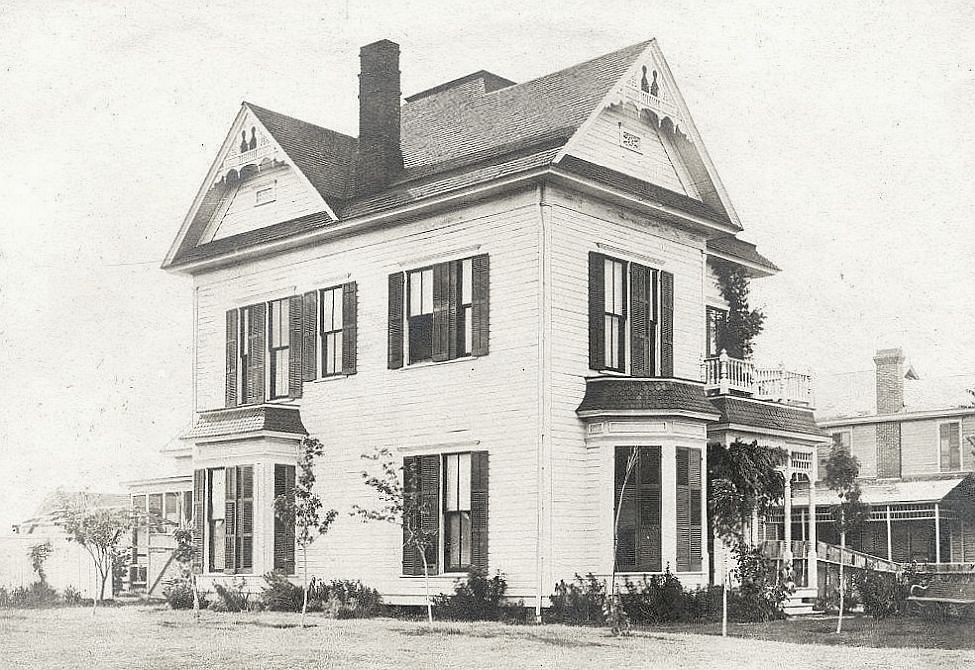
The home of T. Henry Dorsey, a member of the family who founded the Dorsey Printing Co., a pioneer printing establishment in Dallas, was at 161 Grand Ave. (the name of the street was changed to Marsalis, and in 1911 the address of this house became 113 N. Marsalis), between 9th and 10th streets — see it on a 1905 Sanborn map here. The current occupant of this land is, I think, a trucking company. This house — which Dorsey moved into around 1900 — can be seen below from several angles (including one from the back which shows a fence running into part of the house which appears to be encroaching onto a neighbor’s property. 

dorsey_ebay_d

dorsey_ebay_a

dorsey_ebay_b

dorsey_ebay_c

*

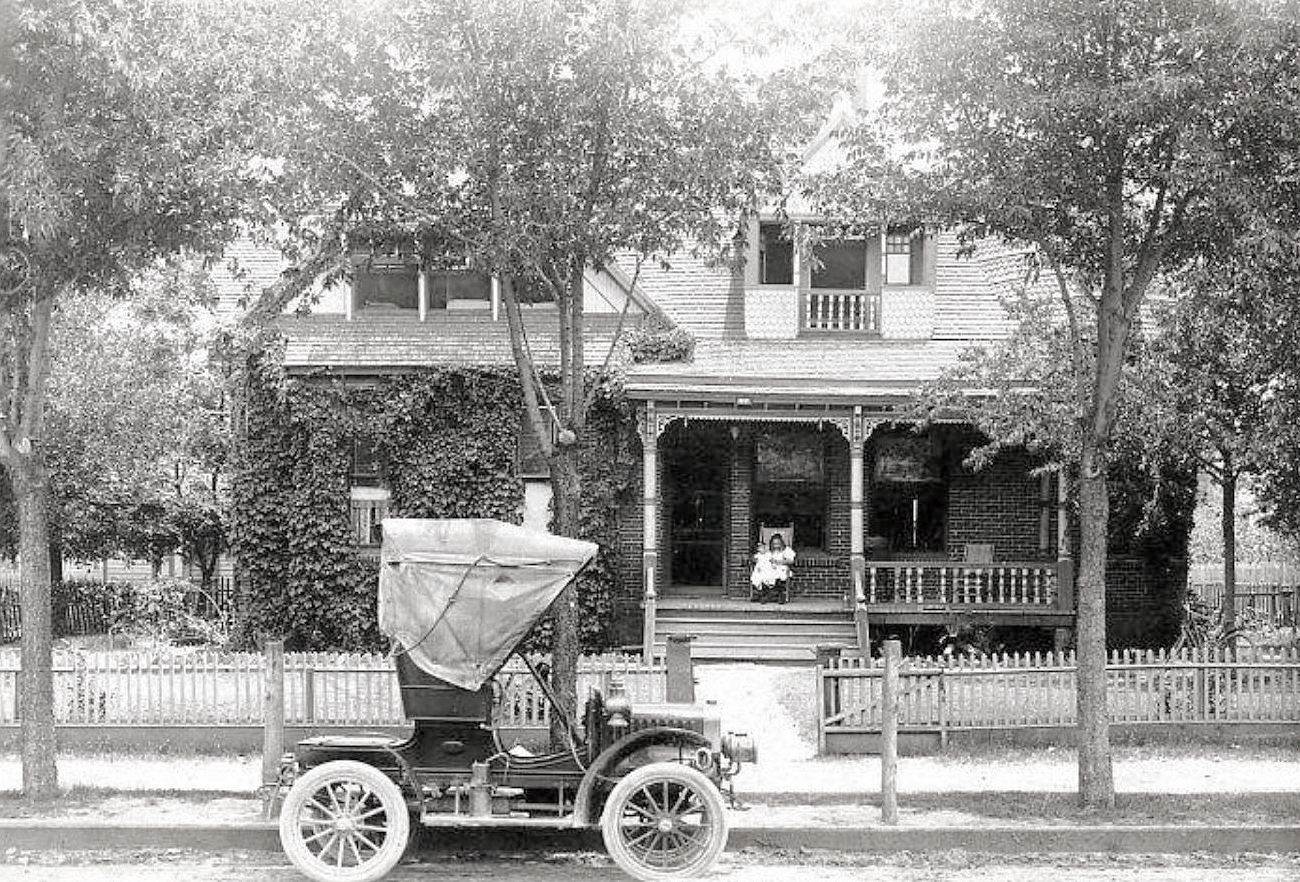
Before 1911, the address of the house below — a house I absolutely love — was 174 South Jefferson; after 1911, the address was, rather confusingly, changed to 516 East Jefferson (between Patton and Denver) — see it on a 1905 Sanborn map here. It was on land now occupied by Felix Botello Elementary School. This house was owned for several decades by Dr. William M. Lively. The image below is from a postcard dated 1909. (Great car!)

lively-house_poss-oak-cliff_rppc_1909_ebay

*

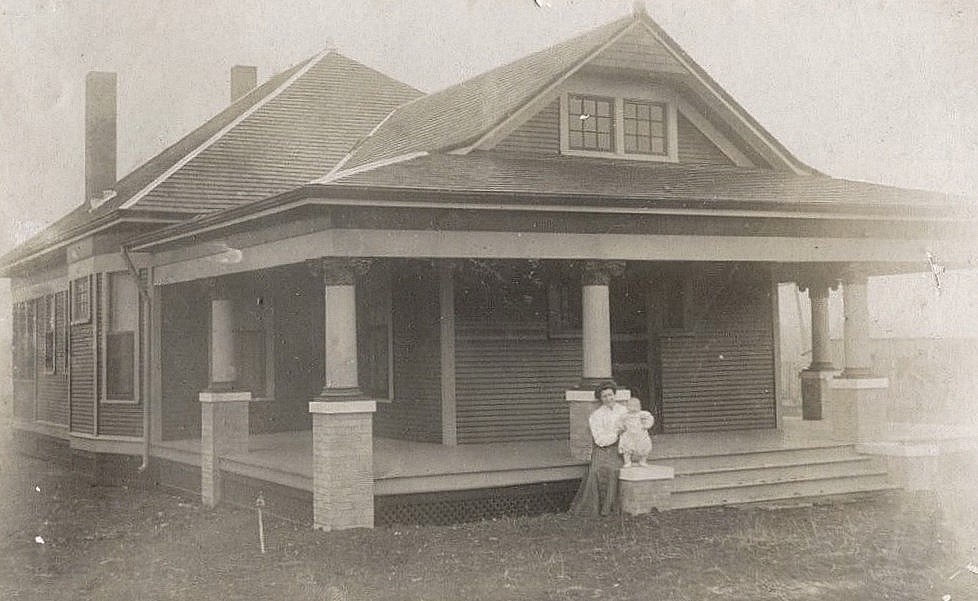
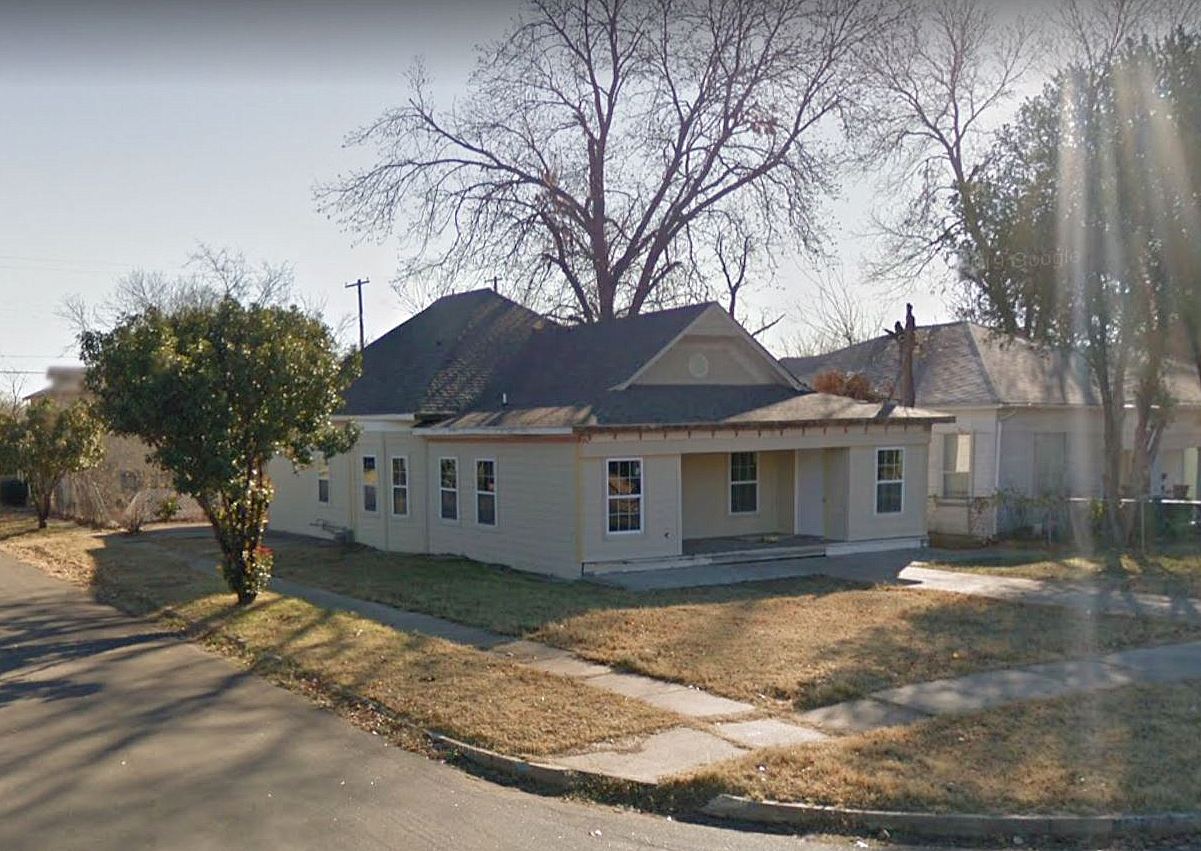
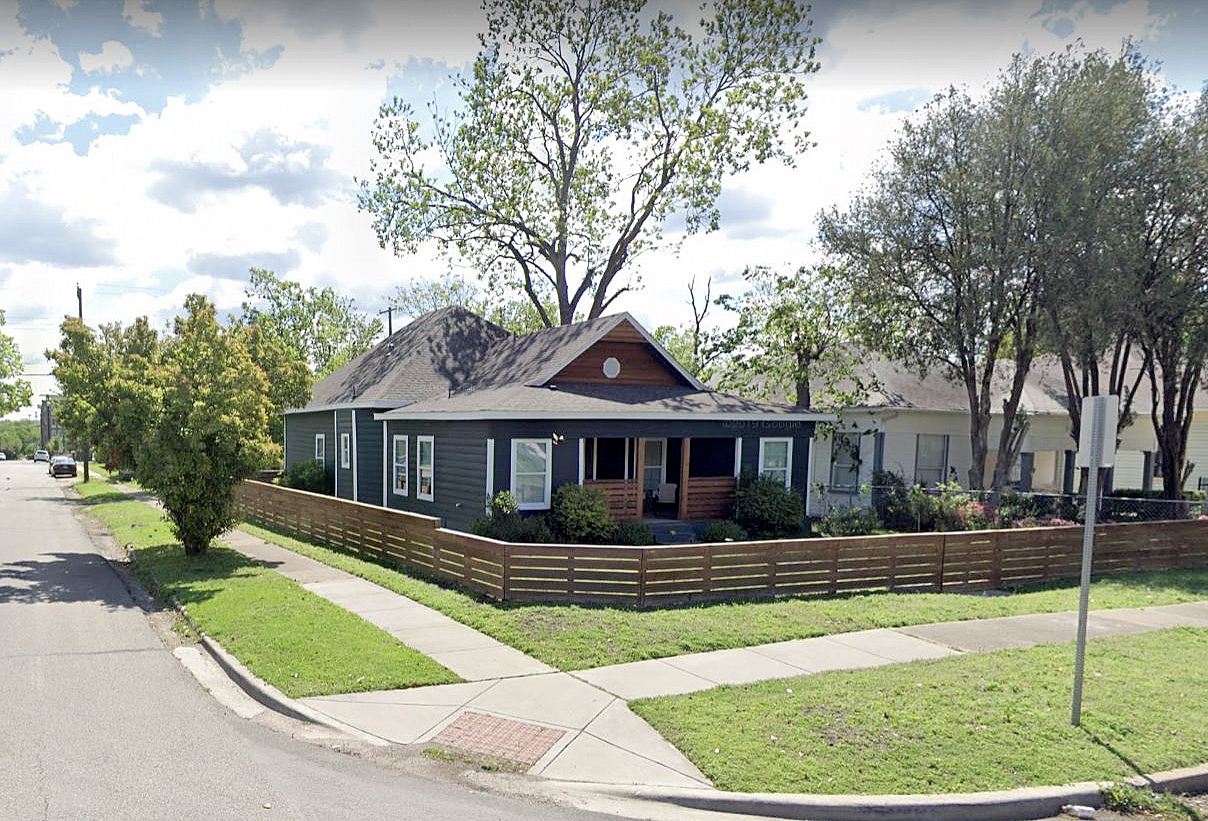
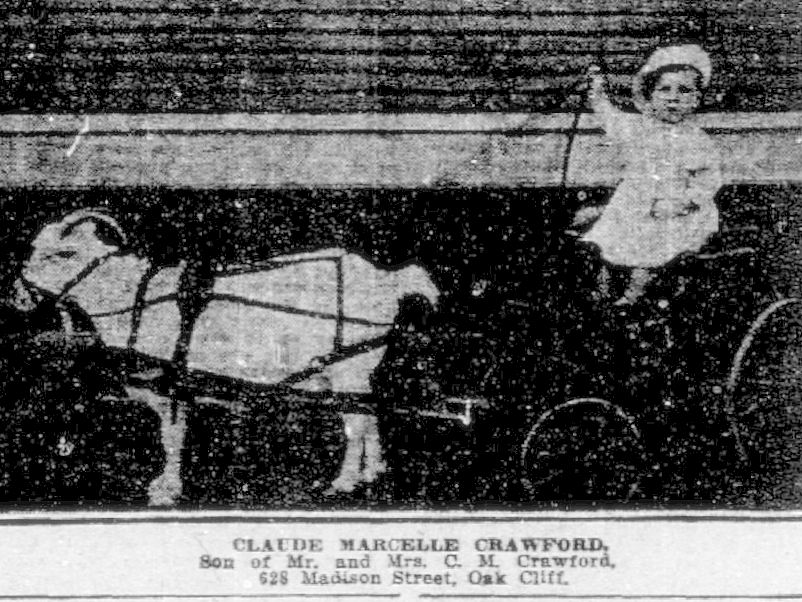
Below is the only one of these houses still standing. It began life as 120 Madison Ave. (which later became 628 N. Madison), at the corner of W. Neely St. in the Kidd Springs neighborhood of Oak Cliff. See it on a 1922 Sanborn map here (bottom left corner). Claude Marcelle (C. M.) Crawford, a traveling salesman, lived here with his wife, Maud, and their infant son, Marcelle Crawford. Maud Crawford (who died in 1913, just a couple of years after this photo was taken) wrote: “What do you think of our ‘cosy corner.’ Every one tells us it is pretty so much until we almost believe it our selves.” Crawford eventually went to work for Bristol-Myers as a regional branch manager, and after 30 years, when he was in ill health, the company retired him on full pay (!) in gratitude for his service. When he retired, he owned a Beverly Drive home in Highland Park, apparently having done very well. His charming little starter-house in Oak Cliff still stands, having recently been remodeled. 

crawford-house_madison_oak-cliff_ebay_cropped
about 1910

crawford-house_madison_google-street-view_2012
2012, Google Street View

crawford-house_madison_google-street-view_20192019, Google Street View

crawford-claude-marcelle_dmn_081311
Claude Marcelle Crawford, Jr., Dallas Morning News, Aug. 13 1911

*

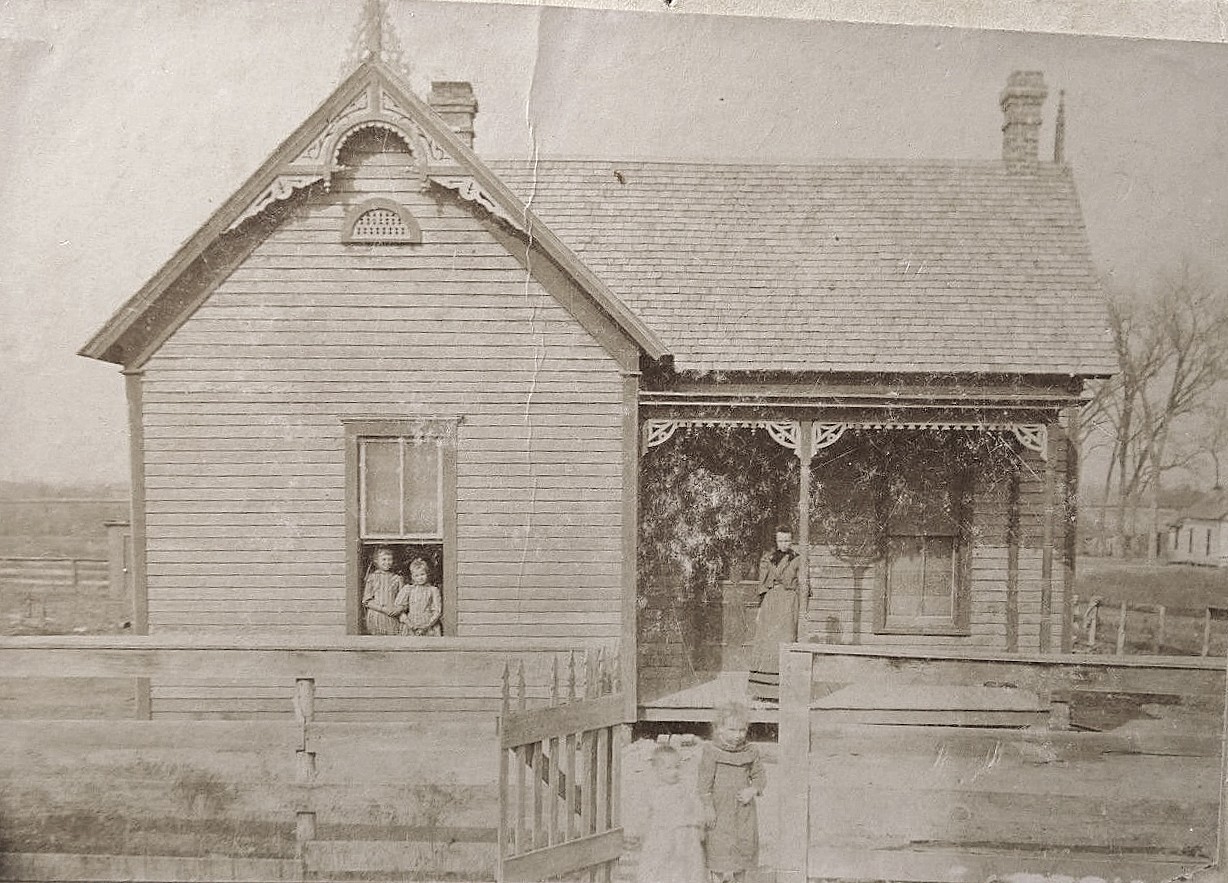
And, lastly, the only house I wasn’t able to determine the location of — it also looks like the oldest. On the back is a faint penciled notation which appears to  be signed “G. P. Taylor.” In a more recent notation in ink, the family members in the photo are identified: “Made in Dallas, Tex. — Elm St. — Mother on porch, Mattie & I in window, Pearl & Joe in gate.” 1870s or 1880s? It’s a mystery!

elm-street-house_ebay_taylor

***

Sources & Notes

All images except the William E. King house are from eBay.

lemmon-avenue_house_rppc_ebay_sm

*

Copyright © 2020 Paula Bosse. All Rights Reserved.

Independence Day at Shady View Park — 1880s

4th-of-july_shady-view-park_FW-daily-democrat_061482Grand Fourth of July Celebration! (1882)

by Paula Bosse

A popular gathering place in Dallas for picnics and celebrations in the last couple of decades of the nineteenth century was Shady View Park, a sort of “private park” in which beer could be sold. It was out in the hinterlands — at the end of the San Jacinto streetcar line, at San Jacinto St. and N. Washington Ave. in Old East Dallas.

4th of July celebrations were often held there. Below is a breathless and comma-laden recounting of the 1884 event which throbbed with patriotism ‘neath the umbrageous branches.

At the Park.

Every car that rolled out to the park was crowded with people and hacks, and vehicles of every description drove a lively business in carrying out passengers. A band discoursed patriotic music and added life and pleasure to the assemblage of two thousand people that thronged the beautiful grounds and lounged ‘neath the umbrageous branches of the trees where only a few years since the so-called noble child of the forest roamed, so to speak. It was a great gathering and a great day in the history of our country and if there was a bosom on the grounds that did not throb with patriotism it was not manifest, for had there been and had it been known such a recreant would have been jack-ketched upon the spot.  

At 3 p.m. Dr. Schuhl, in a clear, distinct voice, read that remarkable document, the Declaration of Independence, and when he concluded the crowd made the welkin ring with the shouts of liberty. Several Russian exiles who were on the grounds and to whom friends had interpreted the meaning of the meeting, rushed up to an American flag near by, and raising their hands heavenwards as though they would bless the colors, kissed them reverentially. The English, our kinsmen, were there, and were by no means lacking in patriotism. They blessed this country, shook hands all around, but never forgot the Queen, and never once did the true American. England of 1776 is not England of 1884. “By golly!” said old Swamp Fox, an eccentric character, “if old Gen. George Washington and them boys what signed artikle of agreement could be here and see this I would be willing to die this minute and go to the bad.” When the enthusiasm was at fever heat Dr. Arch Cochran was called for and responded in a stirring speech. He was followed by Mr. J. M. Hurt, jr., the orator of the day, a son of Judge Hurt of the Court of Appeals, who delivered an address, which was well received, as evidenced by the rounds of applause that followed it. 
 
The Dance. 
 
The grand pavilion was then cleared and the merry dancers glided over the waxed floor, keeping time with nimble feet to the sweet strains of music. It was resumed after supper and continued until far into the night. The park was illuminated with lanterns and presented a beautiful scene. Everything passed off pleasantly, and all left, carrying with them sweet memories of the festivities of the glorious Fourth of 1884 at Shady View park. 
 
The day was celebrated at Mayer’s garden and Meisterhans’ pavilion, and by private parties who went on excursions to the country to picnic. In the city there were pyrotechnic displays. (Dallas Daily Herald, July 5, 1884)

4th-of-july_dallas-herald_070584
Dallas Herald, July 5, 1884 (click for larger image)

Shady View Park/San Jacinto Park was around from at least 1881, possibly from the 1870s. Its main reason for existing seems to have been to attract people to the area to build homes (on land owned by Col. William J. Keller, who also, I believe, owned the streetcar). Here’s another breathless description of the park, possibly written by the same person who wrote the above article (or at least another person smitten with the word “umbrageous”).

shady-view_dal-herald_053181
Dallas Herald, May 31, 1881

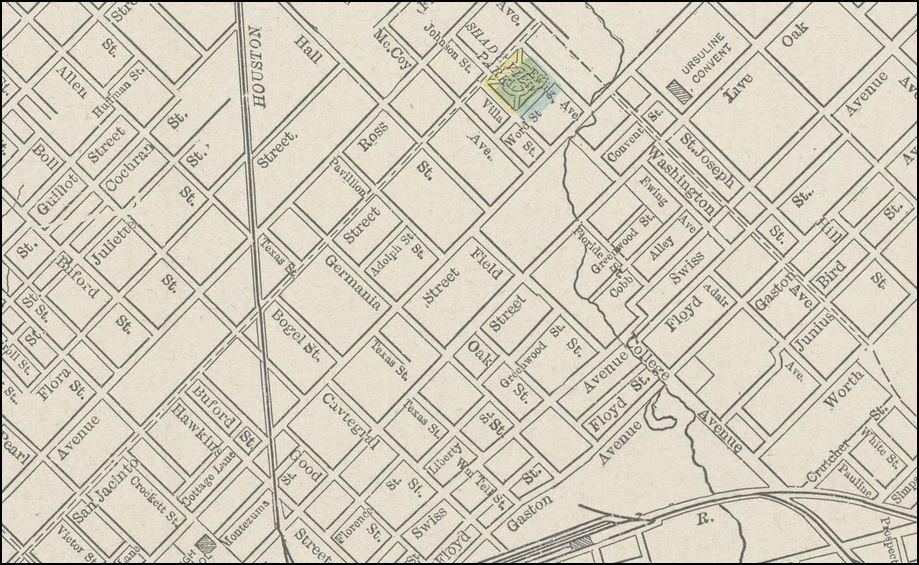
The location of the park can be seen at the top of the circa-1898 map below.

shady-view-park_ca1898-map

*

Below, a photo taken at Shady View Park on May 12, 1896. A caption identifies the people as “La Reunion Colony settlers”: Mrs. Louie Maas, Annie Gramatky, Paul Hartman, and Elizabeth (Lizzie) Gramatky.

shady-view-park_dpl

***

Sources & Notes

Articles from the Dallas Daily Herald were found at the Portal to Texas History.

The ad at the top is from The Fort Worth Daily Democrat, June 14, 1882, which was also found at the Portal to Texas History.

Bottom photo from the collection of the Dallas Public Library.

4th-of-july_shady-view-park_FW-daily-democrat_061482_sm

*

Copyright © 2020 Paula Bosse. All Rights Reserved.
Highland Park High School: Ads from the 1959 Yearbook

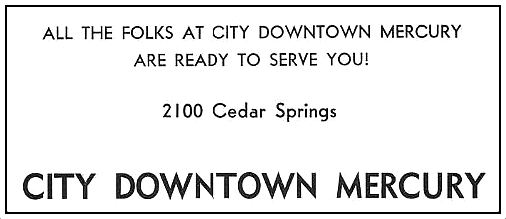
city-mercury_car-dealership_HPHS-yrbk_1959_ad_photoCity Downtown Mercury, 2100 Cedar Springs

by Paula Bosse

I love the ads from old high school yearbooks — especially the ones that featured students. Below is a sampling of advertisements from the 1959 Highlander, the yearbook of Highland Park High School.

Above, City Downtown Mercury, 2100 Cedar Springs — R. J. “Bob” Acton, manager. New and used cars. Cool sign.

city-mercury_car-dealership_HPHS-yrbk_1959_ad

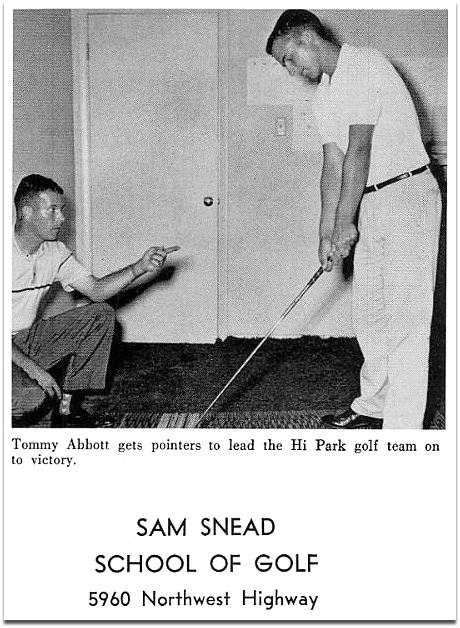
Below, the Sam Snead School of Golf, 5960 Northwest Highway. Ad features HPHS golf team member Tommy Abbott. (Most images are larger when clicked.)

sam-snead-school-of-golf_HPHS-yrbk_1959

Hillcrest Hi-Fi and Records, 6309 Hillcrest.

hillcrest-hi-fi_HPHS-yrbk_1959

Sanborn’s Hi-Fi Center, 5551 W. Lovers Lane. Featuring Jim Stiff and Brian Stiff and their loafers.

sanborns-hi-fi-center_HPHS-yrbk_1959

And because everyone was high-fi crazy in 1959, another one: Custom Music of Dallas, High Fidelity Specialists, 3212-14 Oak Lawn — Oong Choi, technical supervisor. (Oong Choi was listed in a 1956 newspaper article as being a philosophy student at the Dallas Theological Seminary who was presenting a lecture on the children of Korea.)

custom-music-of-dallas_hi-fi_oong-choi_HPHS-yrbk_1959

A & L Upholstery, 5617 East University.

a-and-l-upholstery_HPHS-yrbk_1959

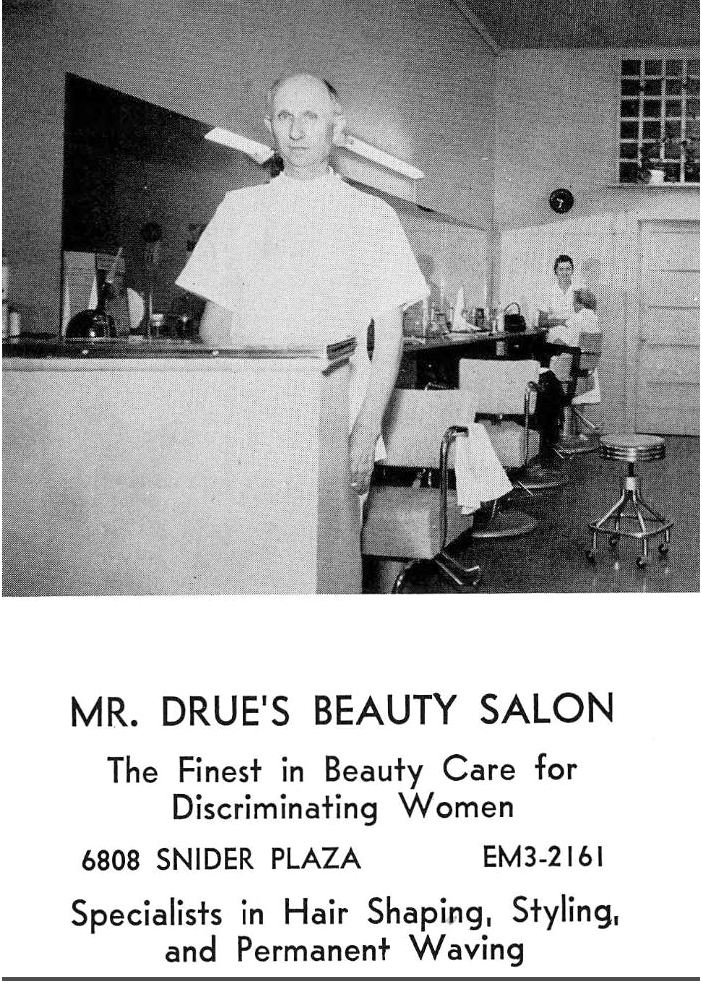
Mr. Drue’s Beauty Salon, 6808 Snider Plaza — Duffy D. Houghton, prop.

mr-drues-beauty-salon_HPHS-yrbk_1959

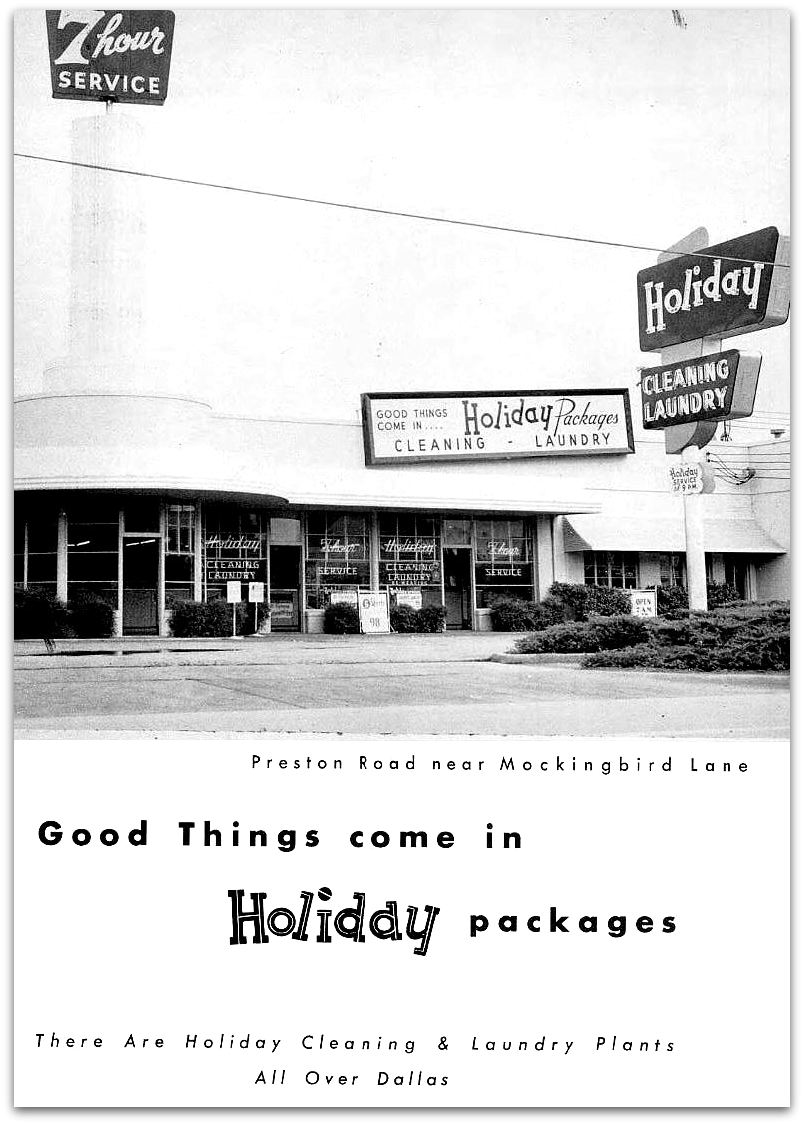
Holiday Cleaning and Laundry, 5540 Preston Road, between St. Andrews and Mockingbird.

holiday-cleaning_HPHS-yrbk_1959

Cline Music Co., 1307 Elm Street.

cline-music-co_HPHS-yrbk_1959

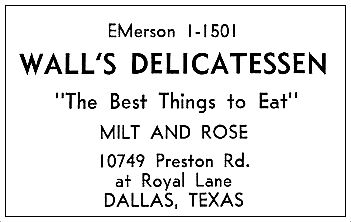
Wall’s Delicatessen, 10749 Preston Road, at Royal Lane — Milton Wall and Rose Wall, props. Wall’s opened at Preston and Royal in 1950, one of the area’s first business — the landmark closed in 1987 when the family changed its focus to catering.

walls-deli_HPHS-yrbk_1959

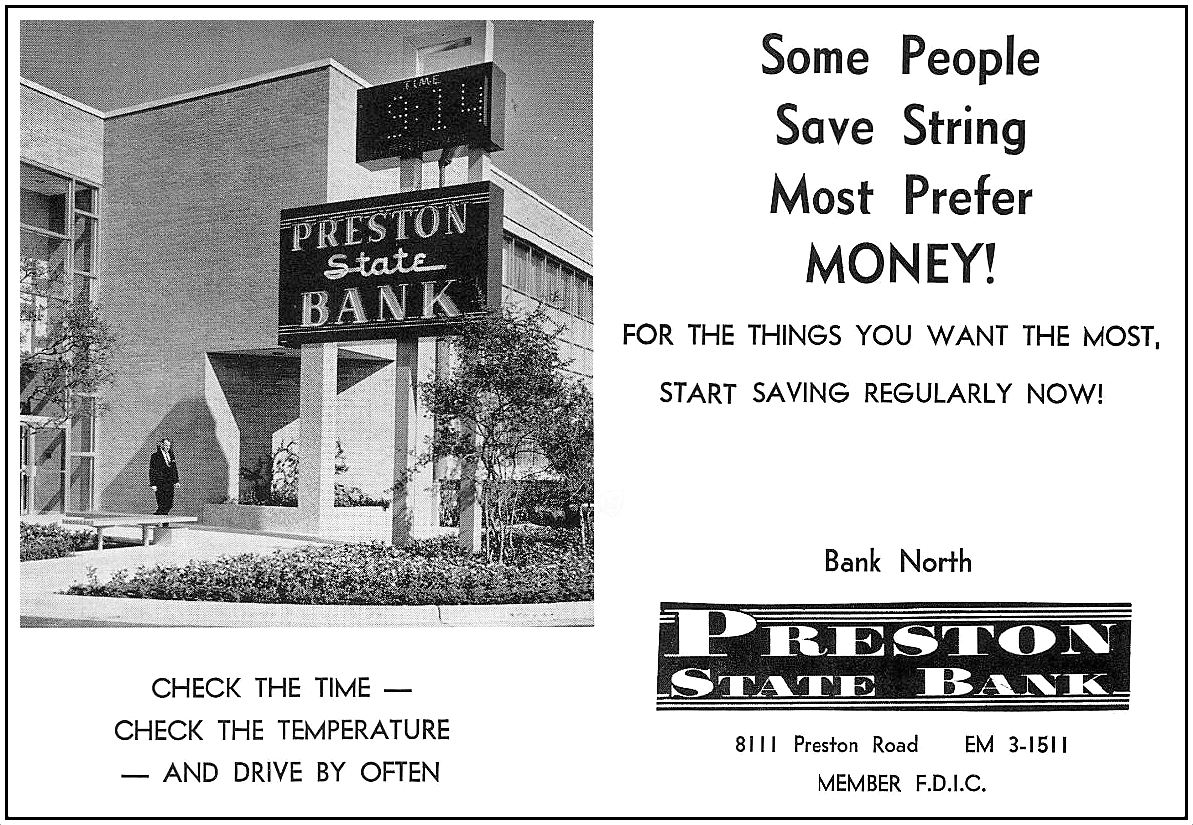
Preston State Bank, 8111 Preston Road. “Check the time — Check the temperature — And drive by often.” The time is currently 9:14.

preston-state-bank_HPHS-yrbk_1959

Asburn’s Ice Cream, various locations. Featuring HPHS students Terry Coverdale and Susan Zadic, with impressively balanced six-dip cones.

ashburns-ice-cream_HPHS-yrbk_1959

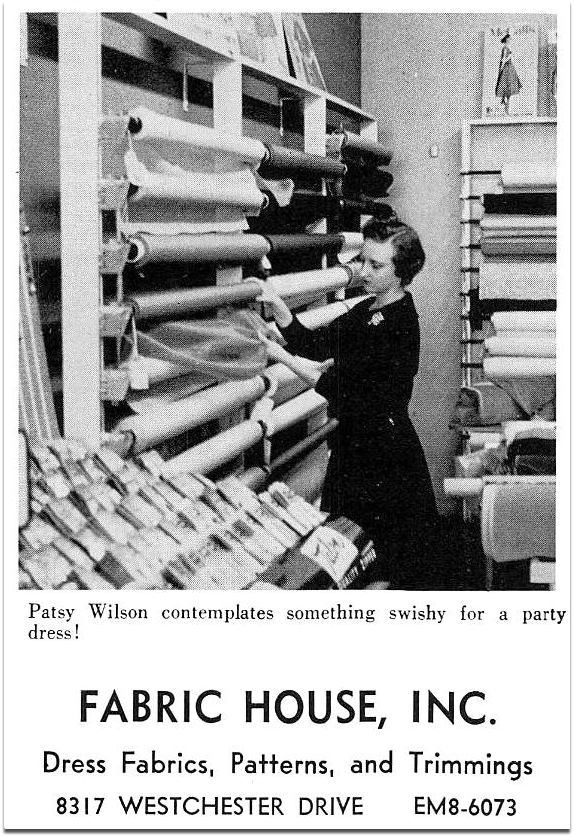
Fabric House, 8317 Westchester. Featuring Patsy Wilson, who is shown contemplating “something swishy.”fabric-house_patsy-wilson_HPHS-yrbk_1959

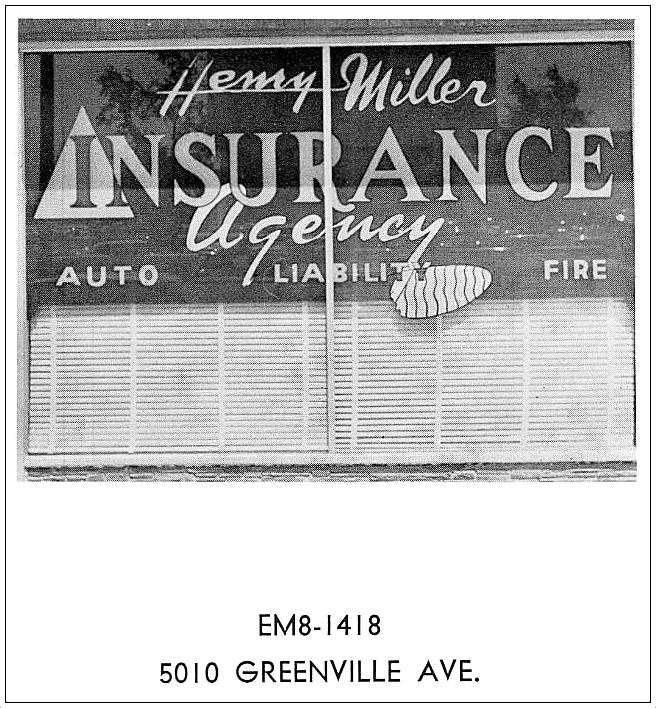
Henry Miller Insurance Agency, 5010 Greenville Avenue. Featuring Venetian blinds.

henry-miller-insurance_HPHS-yrbk_1959

Little Bit of Sweden restaurant, 254 Inwood Village. Featuring smorgasbord.

little-bit-of-sweden_smorgasbord_HPHS-yrbk_1959

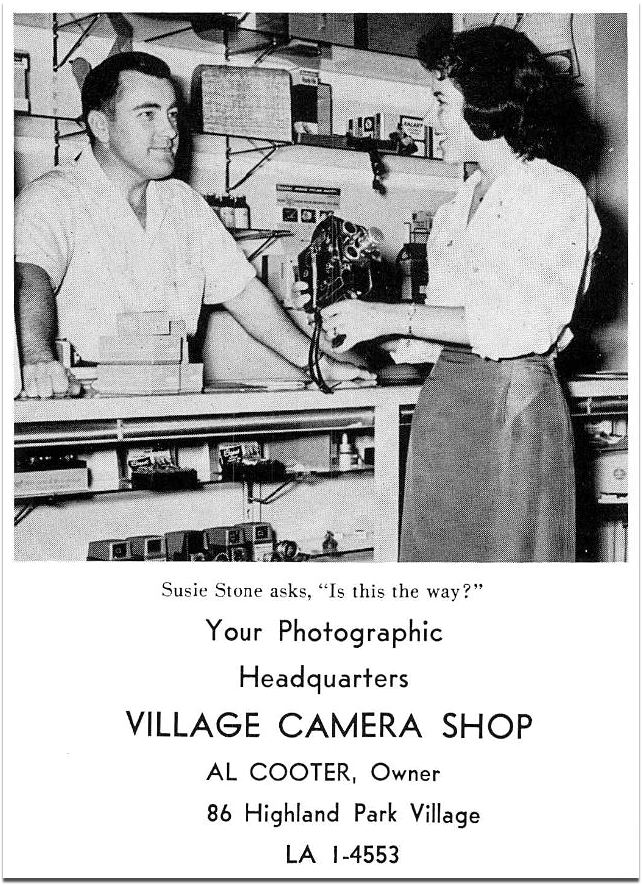
Village Camera Shop, 86 Highland Park Village — Al Cooter, owner. Featuring student Susie Stone.

village-camera_cooters_HPHS-yrbk_1959

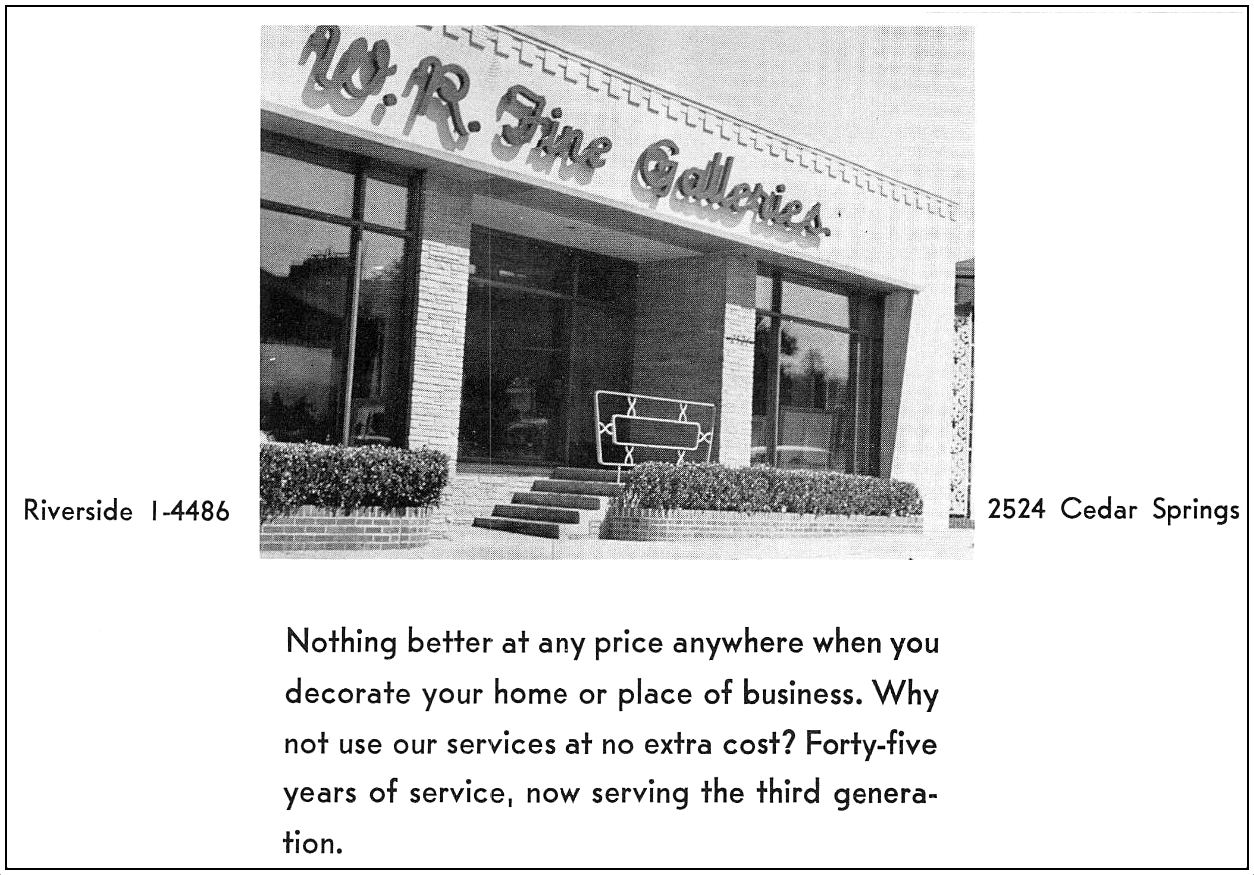
W. R. Fine Galleries, 2524 Cedar Springs. 

fine-galleries_2524-cedar-springs_HPHS-yrbk_1959

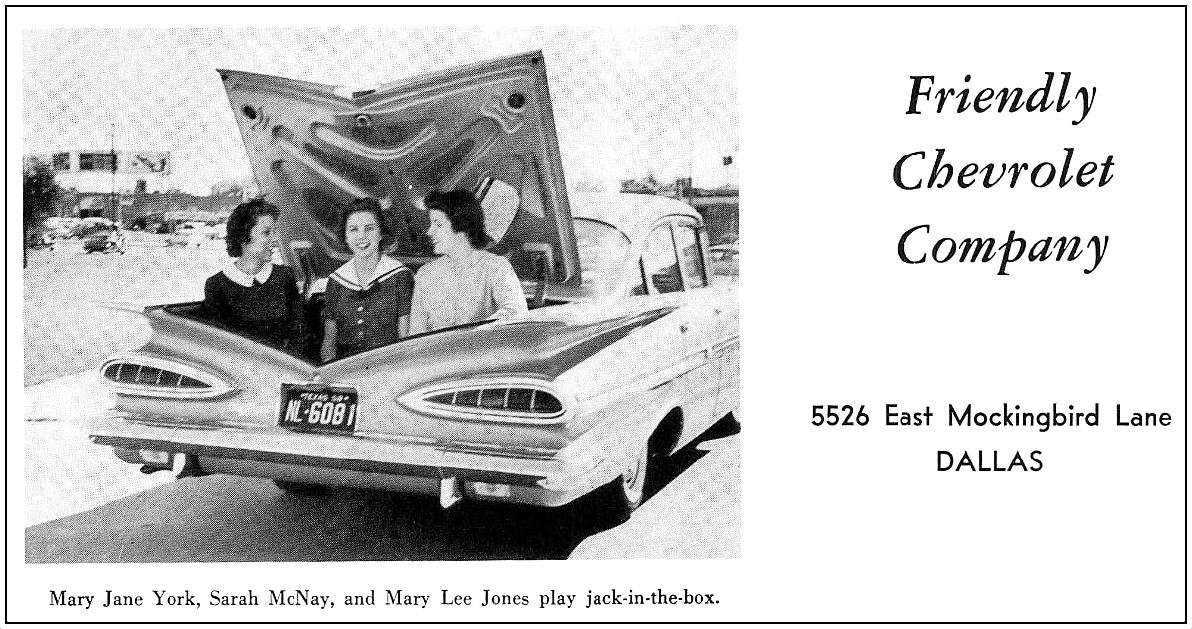
Friendly Chevrolet, 5526 E. Mockingbird Lane. Featuring HPHS students Mary Jane York, Sarah McNay, and Mary Lee Jones sitting in the trunk of a car.

friendly-chevrolet_HPHS-yrbk_1959

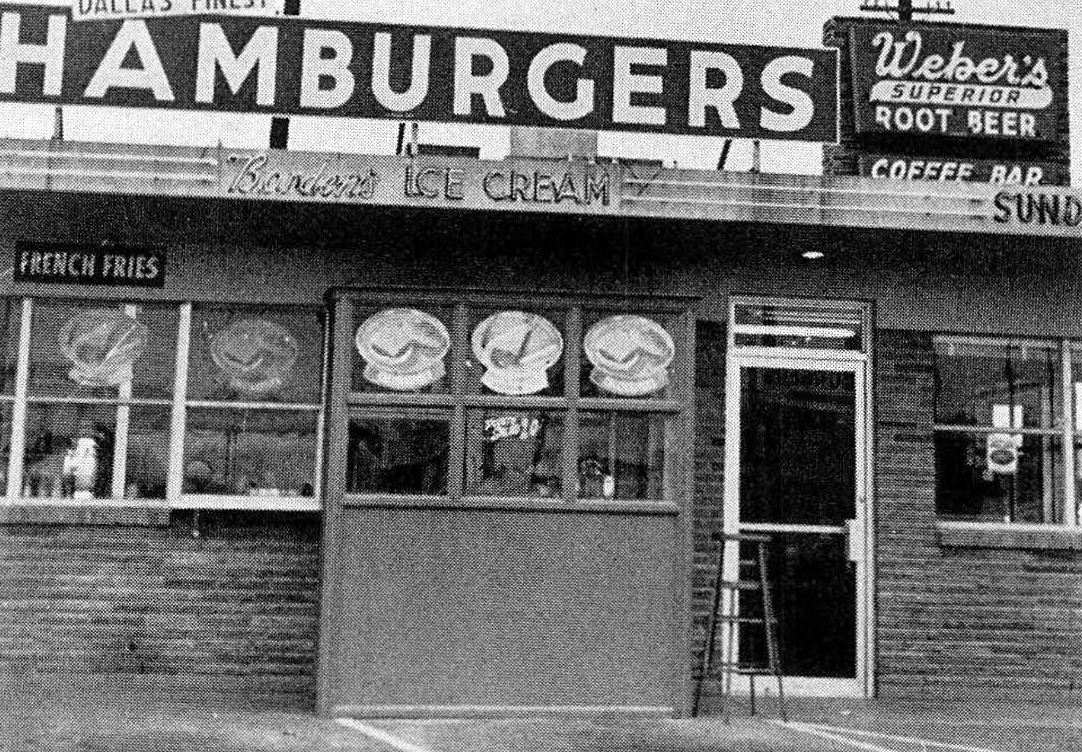
The We Three Weber’s Root Beer drive-in,  5060 W. Lovers Lane.

we-three-at-webers_5060-lovers-lane_HPHS-yrbk_1959_photo

we-three-at-webers_5060-lovers-lane_HPHS-yrbk_1959_ad

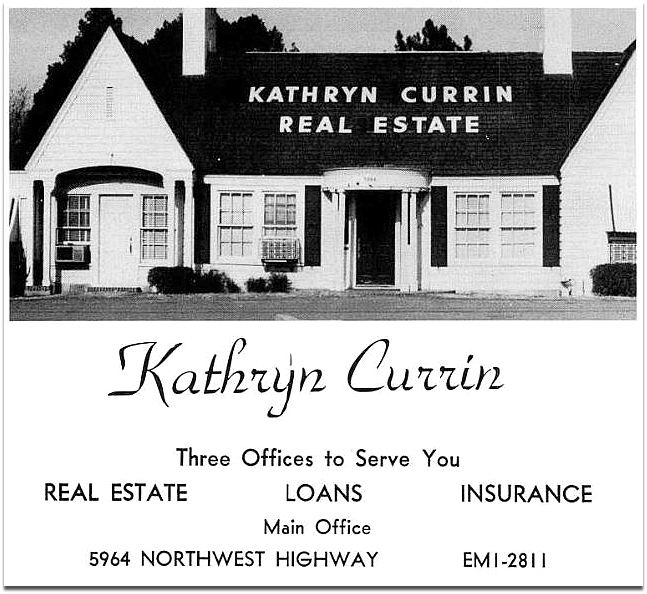
Kathryn Currin Real Estate, 5964 Northwest Highway. Weird not seeing Ebby’s name on the roof.

ebby-halliday_kathryn-currin_HPHS-yrbk_1959

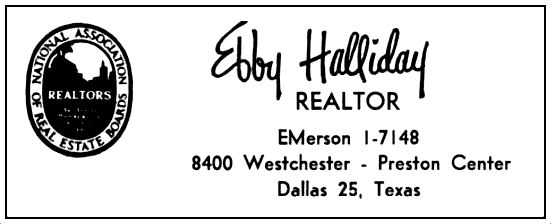
Fear not, Ebby wasn’t very far away: Ebby Halliday Realor, 8400 Westchester, in Preston Center.

ebby-halliday_HPHS-yrbk_1959

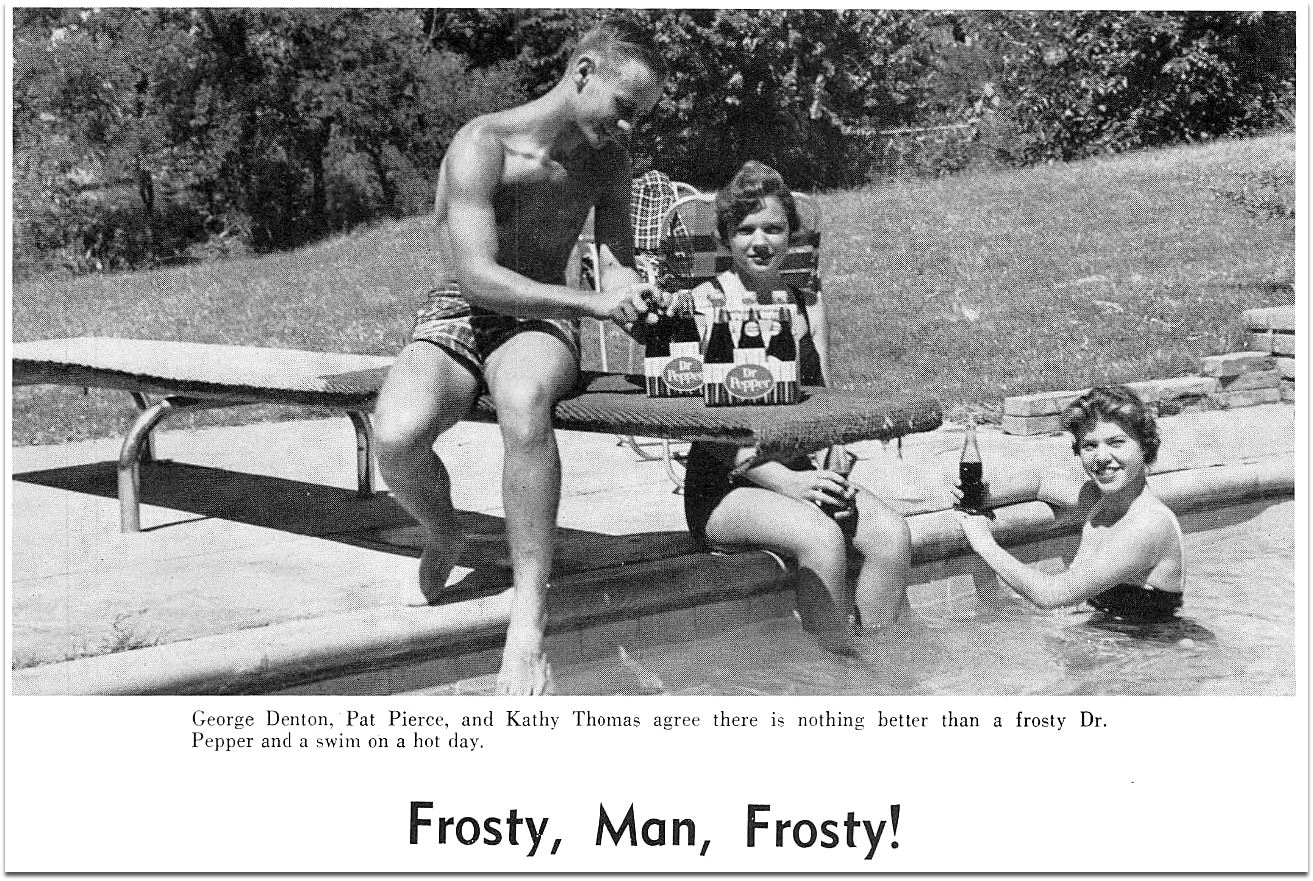
Dr Pepper, national headquarters on Mockingbird and Greenville (across the street from Friendly Chevrolet, above). Featuring HPHS students George Denton, Pat Pierce, and Kathy Thomas. “Frosty, Man, Frosty!”

dr-pepper-ad_HPHS-yrbk_1959

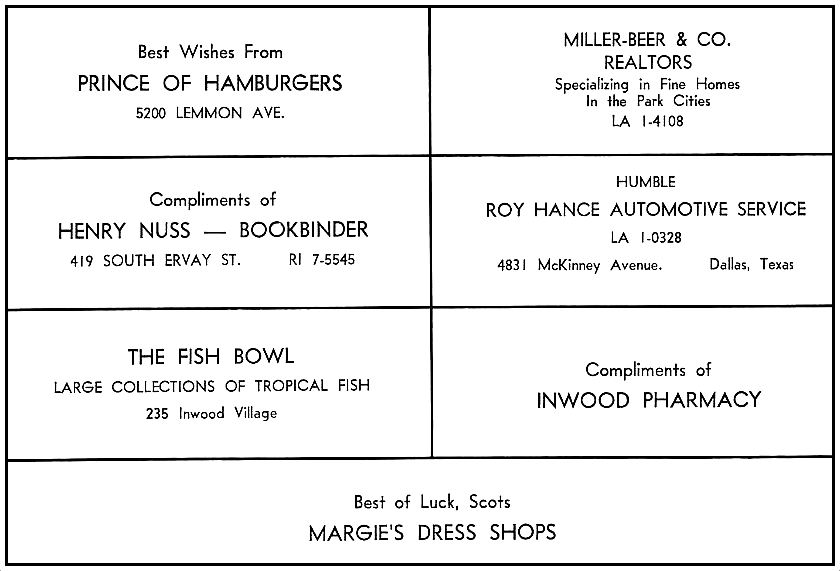
A bunch of random ads: Prince of Hamburgers, 5200 Lemmon Avenue; Miller-Beer & Co. Realtors; Henry Nuss, Bookbinders, 419 S. Ervay; Roy Hance Humble station, 4831 McKinney Avenue; The Fish Bowl, 235 Inwood Village; Inwood Pharmacy; and Margie’s Dress Shops.

misc-ads_HPHS-yrbk_1959

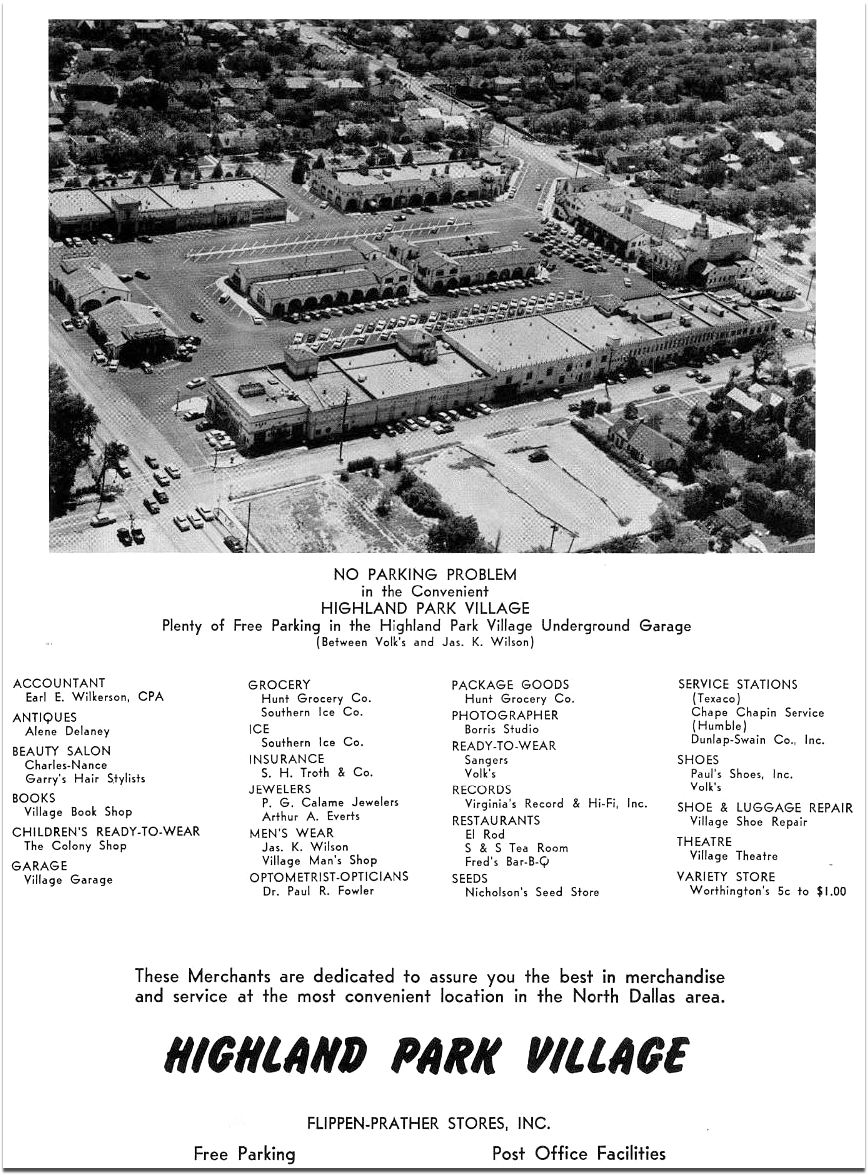
And the big “get” for the yearbook staff, an ad for Highland Park Village (see a larger image of the photo here). 

hp-shopping-village_HPHS-yrbk_1959_ad

***

Sources & Notes

All ads from the 1959 Highland Park High School yearbook, The Highlander.

Of related interest: “Highland Park High School: Ads from the 1966 Yearbook.”

*

Copyright © 2020 Paula Bosse. All Rights Reserved.
 

From the Vault: “Meet Me In Dallas, On June the 23rd”

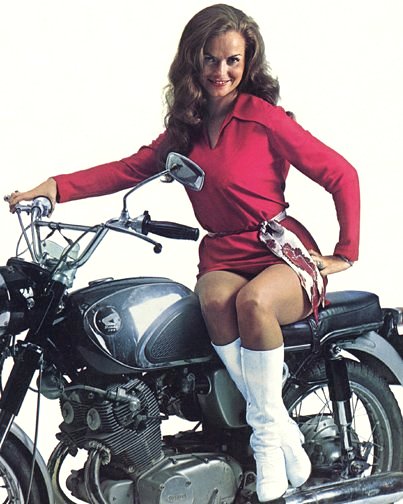
jeannie-c-riley_motorcycleJeannie C.

by Paula Bosse

The greatest, twangiest, seediest song set in Dallas (which you might never have heard) is Jeannie C. Riley’s Grammy-nominated “The Back Side of Dallas.”

One of the lines of the song is “Meet me in Dallas on June the 23rd, his letter read” — and today is June the 23rd. More about this song can be found in the 2017 Flashback Dallas post “Meet Me In Dallas, On June the 23rd.”

*

Copyright © 2020 Paula Bosse. All Rights Reserved.

Dallas — From “Texas, The Big State” (1952)

texas-big-state_santa-fe-film_jones-film_triple-underpassBehold…

by Paula Bosse

It’s always fun to see Dallas on film — and it’s even better when it’s a Technicolor film. Below are a few screenshots from “Texas — The Big State,” a 1952 travelogue produced by Santa Fe Railroad as a promotional film. It’s very enthusiastic. …Very. Dallas’ Norma-Desmond moment lasts only about three and a half minutes, but visits to downtown, Chance Vought, SMU, Fair Park, a Cotton Bowl game, and the State Fair of Texas manage to get crammed in, surrounded by a warm bath of dynamic adjectives.

Above, a scenic view of the triple underpass and the approach to downtown Dallas from the west. Nice foliage.

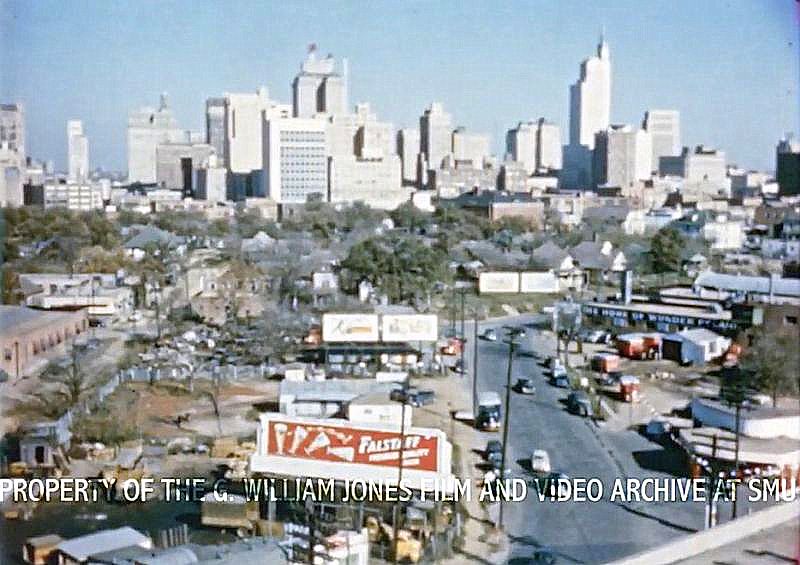
Below, a birds-eye view from the south (the same shot as the one by Eisenstaedt in the ’40s seen here, only a decade later — even the Falstaff Beer billboard is still there).

texas-big-state_santa-fe-film_jones-film_SMU_skyline

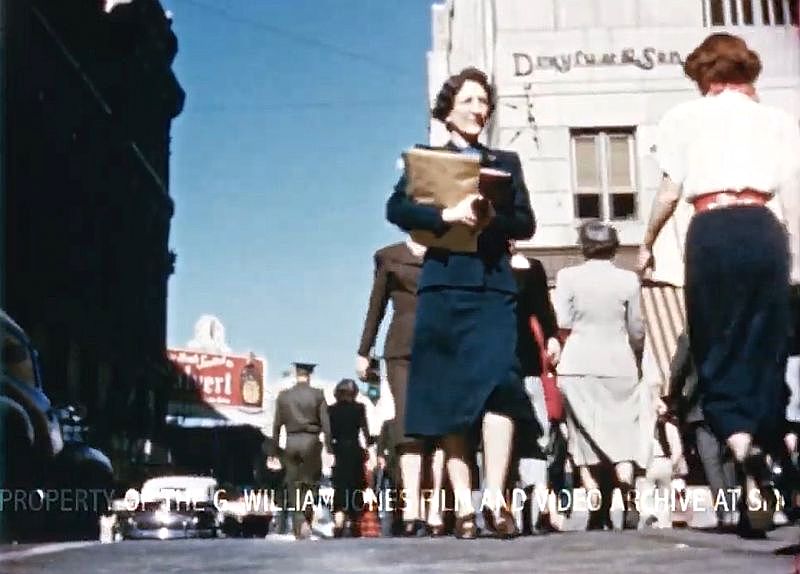
The well-dressed mean streets of Big D:

texas-big-state_santa-fe-film_jones-film_SMU_crosswalk

A woman walking on water at the Esplanade in Fair Park:

texas-big-state_santa-fe-film_jones-film_fair-park_esplanade

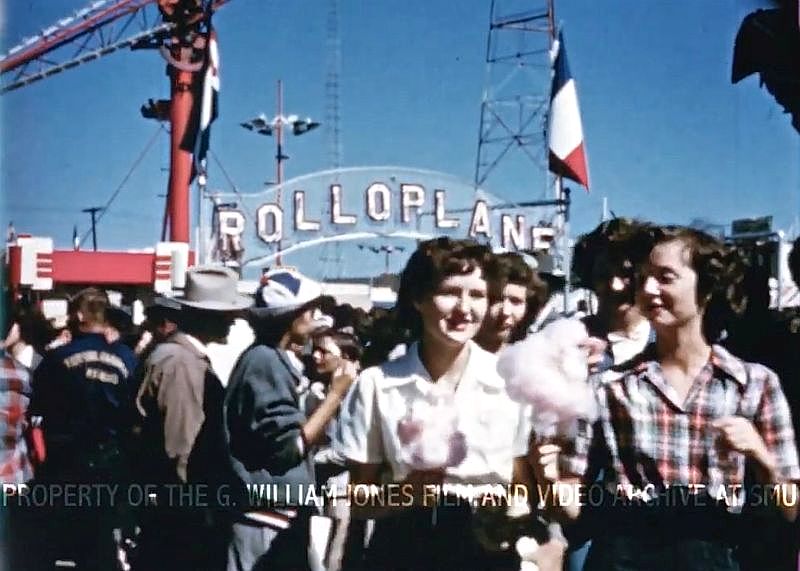
Rolloplane, cotton candy, etc., at the State Fair of Texas:

texas-big-state_santa-fe-film_jones-film_fair-park_midway

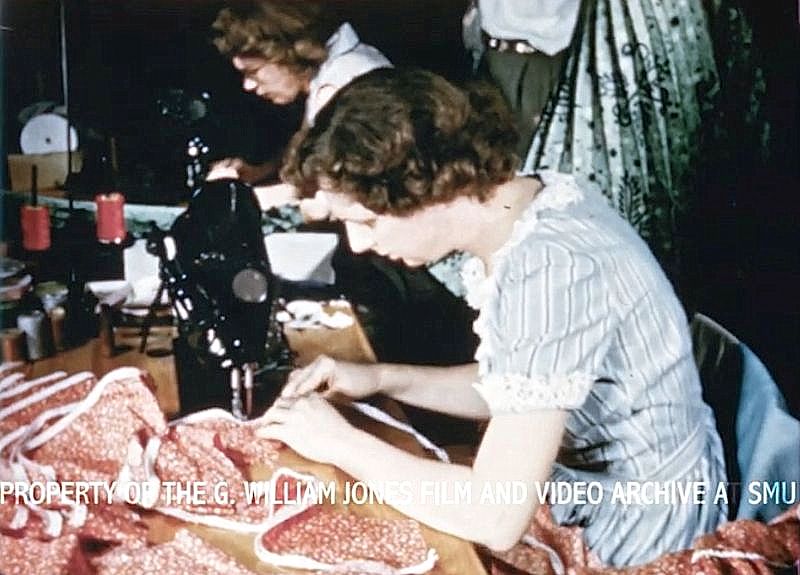
And, lastly, a fun fact I bet no one alive on this planet knows (or remembers): in 1952 Dallas was the second largest manufacturer of WASH DRESSES in the country. Probably the world. What a random piece of information for the Chamber of Commerce to have given to the Santa Fe people to include in a fluffy little film like this. Forget Neiman’s — we were number two in wash dresses! Number TWO!! (“Wash dresses”? Apparently they were house dresses made from washable fabrics. Like what Lucy Ricardo used to wear around the house when she didn’t have to don a hat and gloves to go pick up Ricky’s tux at the dry cleaners. Like the one seen in this “wash frocks” ad from 1950.) And here you go, two of the women who pushed us to runner-up wash-dress greatness:

texas-big-state_santa-fe-film_jones-film_wash-dresses

*

The 24-minute film — which premiered in Austin on May 28, 1952 and was included for months afterward as a “featurette” on double bills across the country — can be seen in its entirety on the SMU Jones Film YouTube channel. The Dallas bit starts at 9:43, followed by the Fort Worth bit at 13:19. I understand there are other cities, too.

***

Sources & Notes

All images are screenshots from the 16mm film posted on YouTube by the G. William Jones Film Archive, Hamon Library, Southern Methodist University.

Special thanks to Erik Swanson for bringing this to my attention.

*

Copyright © 2020 Paula Bosse. All Rights Reserved.

Mother Hansen’s Home Cooking — 1913

mother-hansens-home-cooking_ebay_postmarked-1913Mother Hansen’s, 1814 Main Street… (click for larger image)

by Paula Bosse

A popular restaurateur in early-20th-century Dallas was Ruth Hansen (1870-1947), known to most people as “Mother Hansen.” She maintained a restaurant in downtown Dallas from about 1910 until the early 1930s, moving between locations on S. Ervay and a couple of different addresses on Main Street. The cafe interior seen above was at 1814 Main Street, just west of St. Paul — the photo was taken in 1912 or 1913.

In a 1968 Dallas Morning News interview with Mr. and Mrs. D. L. Whittle, Mother Hansen’s eatery was still remembered. When the Whittles arrived in Dallas in 1912, their Western Automatic Music Co. was two doors from the restaurant — they were regular customers of Mrs. Hansen, and Mrs. (Elsie) Whittle “vividly” remembered the place:
“It was pretty expensive,” Mrs. Whittle said with a smile. “I remember that a T-bone steak dinner cost all of 25 cents.” (“Music Brought Whittle to the City” by Sam Acheson, DMN, Nov. 25, 1968)

(That 25 cents would be about $7.00 in today’s money.)

I love this era of cafes and restaurants — three others in downtown Dallas from this same era are:

***

Notes & Sources

Postcard (with a 1913 postmark) found on eBay.

In addition to buying the Western Automatic Music Co. soon after his arrival in Dallas, D. L. Whittle was also a partner in the Crystal Theatre and, most famously, the founder of the Whittle Music Co.

*

Copyright © 2020 Paula Bosse. All Rights Reserved.